
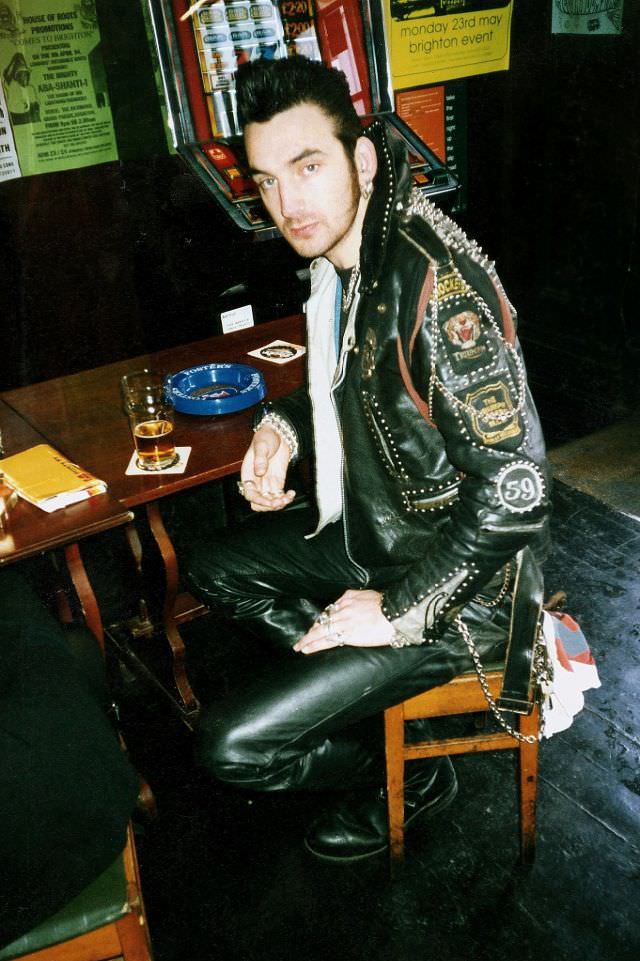
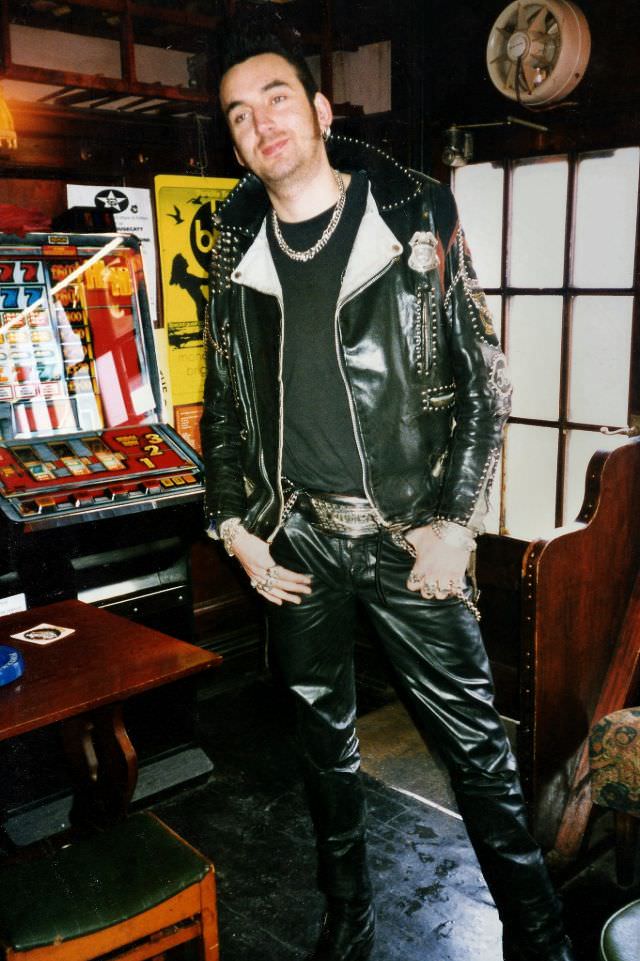
Brighton has always attracted people who don’t quite fit the mold. By 1994, the city’s alternative scene was in full swing — a loose, energetic mix of punks, skinheads, mods, goths, and everyone in between. A photographer known as The Quaffer grabbed a camera and spent months documenting these communities as they gathered in Brighton’s pubs, record shops, and back alleys. What resulted is a remarkable street-level portrait of a city’s youth on its own terms.
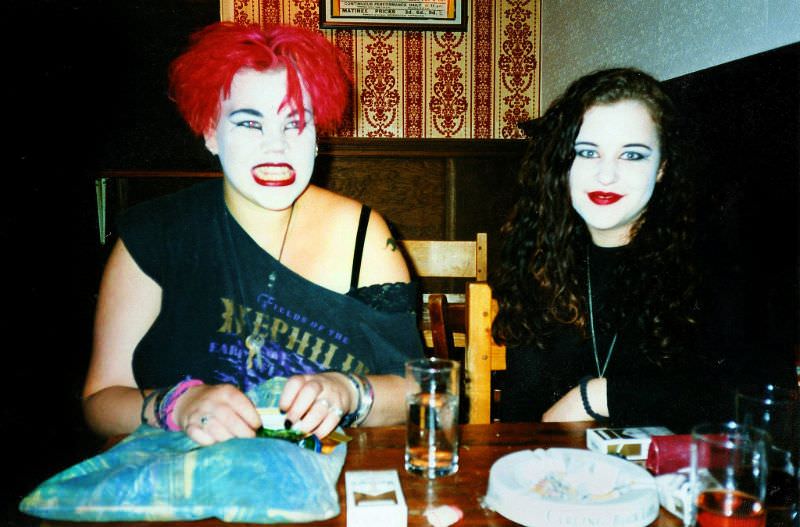
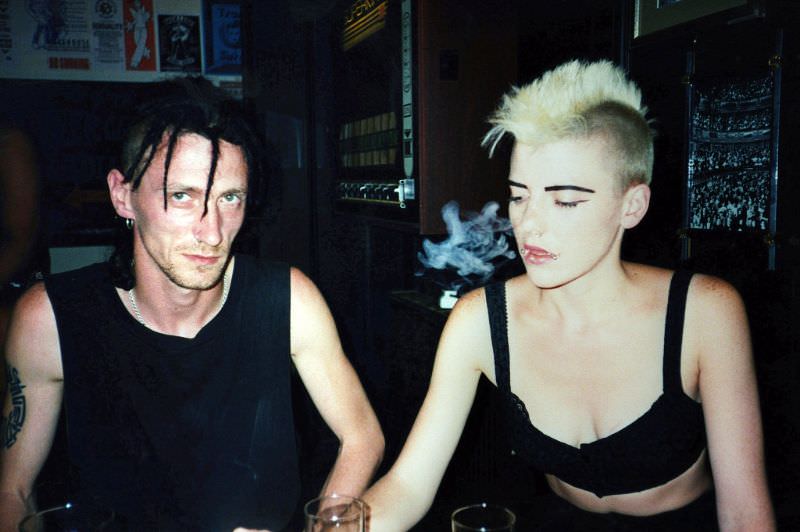
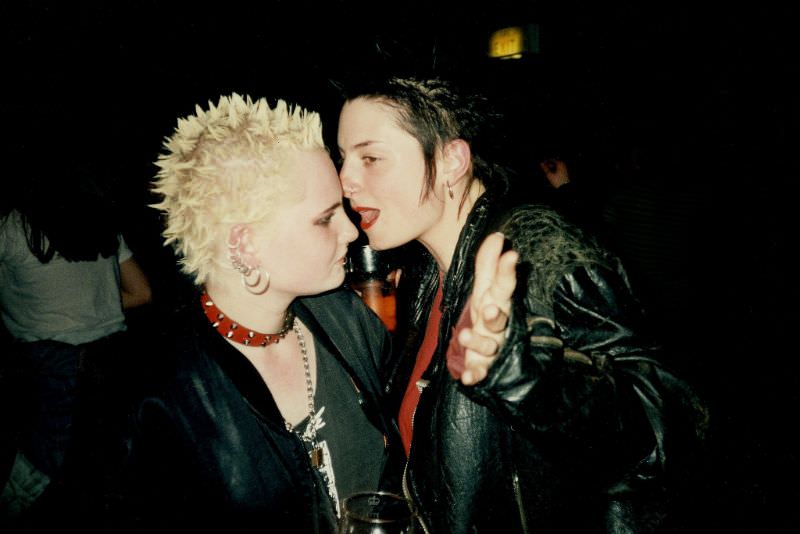
The Prince George on Trafalgar Street was one of the key gathering spots for Brighton’s alternative crowd. On 30th July 1994, Ayng and Jenny turned up white-faced — and made a point of insisting they were not goths. The distinction mattered. Subcultures in the 1990s carried clear internal boundaries, and people within them took their identities seriously.
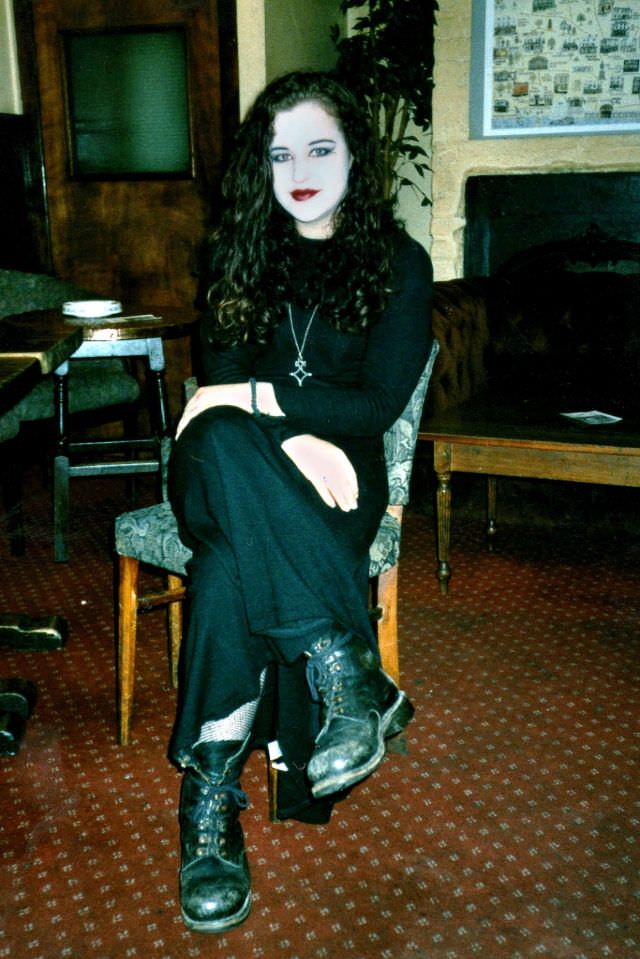
The Trafalgar Street area formed a spine of sorts for Brighton’s alternative scene. The Prince George, the Prince Albert, and the Great Eastern all sat within easy reach of each other, and regulars moved between them freely. These weren’t trendy bars designed to attract a mainstream crowd — they were lived-in locals where people came to be themselves.
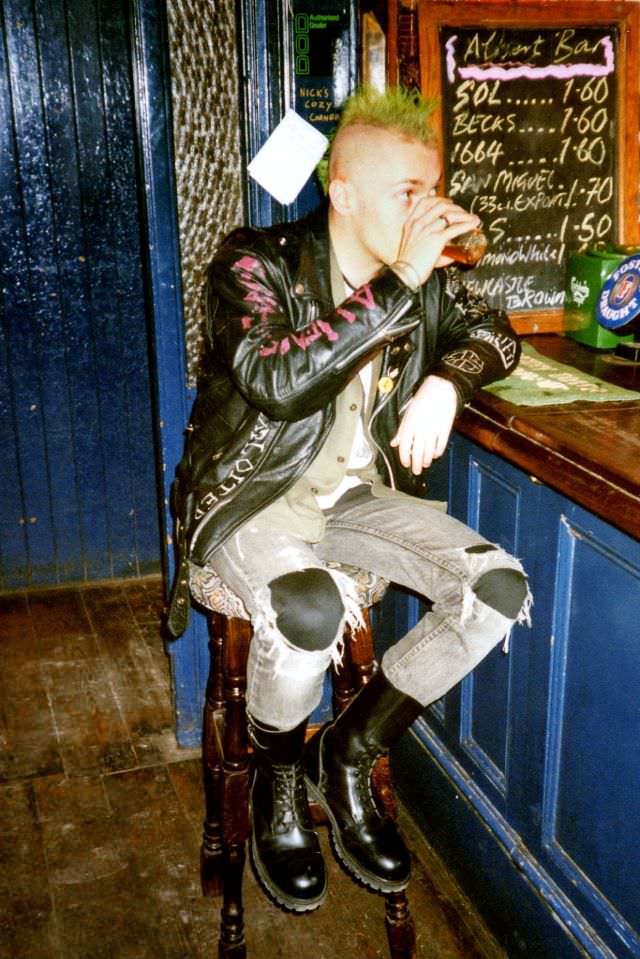
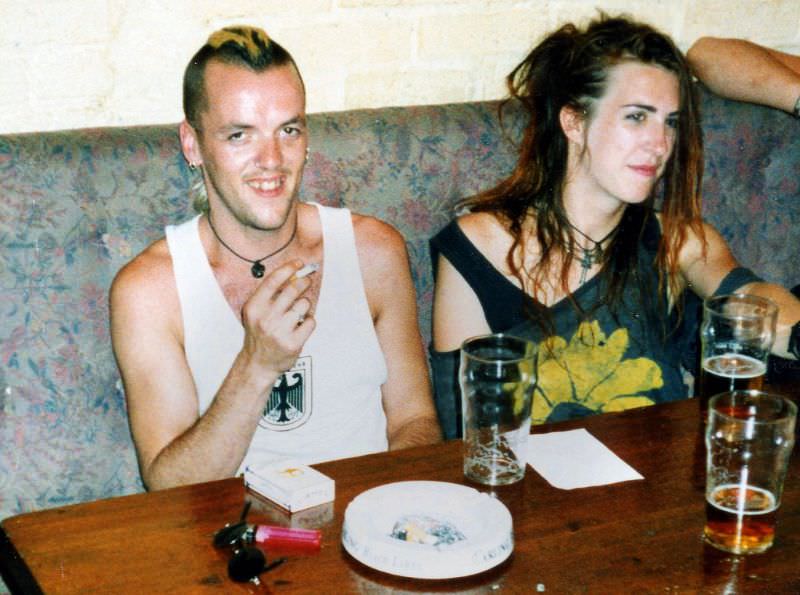
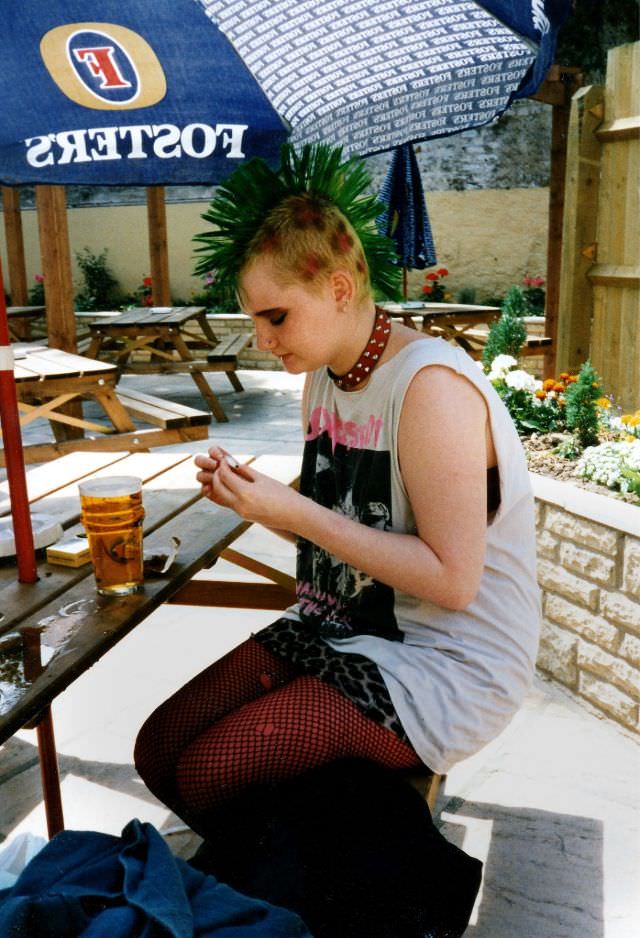
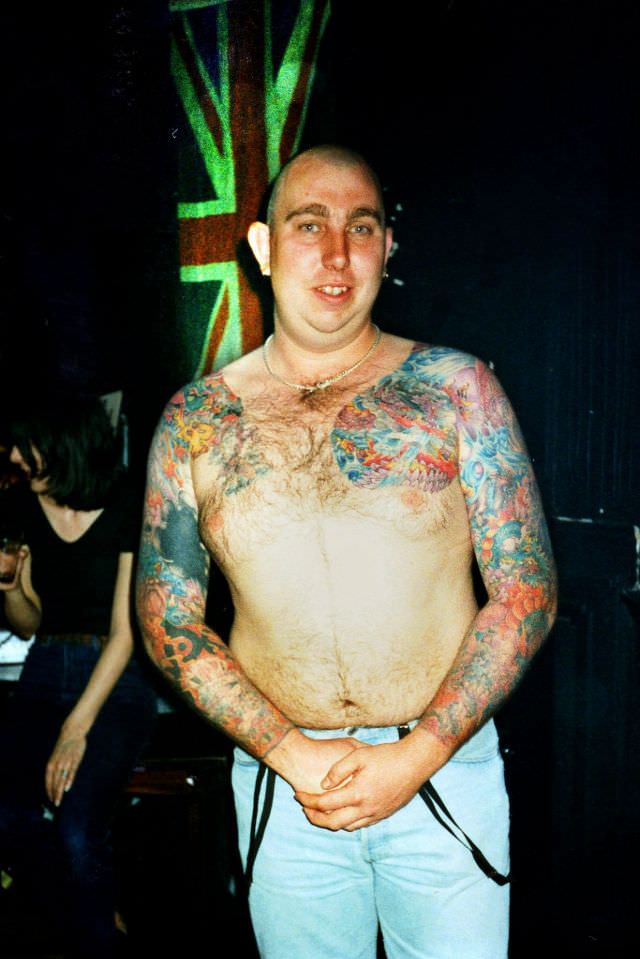
The Hobgoblin was another regular stop. Its beer garden drew a cross-section of Brighton’s alternative crowd through the summer months, with enough room for people to sprawl out and make themselves at home. Whether someone stood out deliberately or just happened to look like no one else in the room, The Quaffer found them worth photographing.
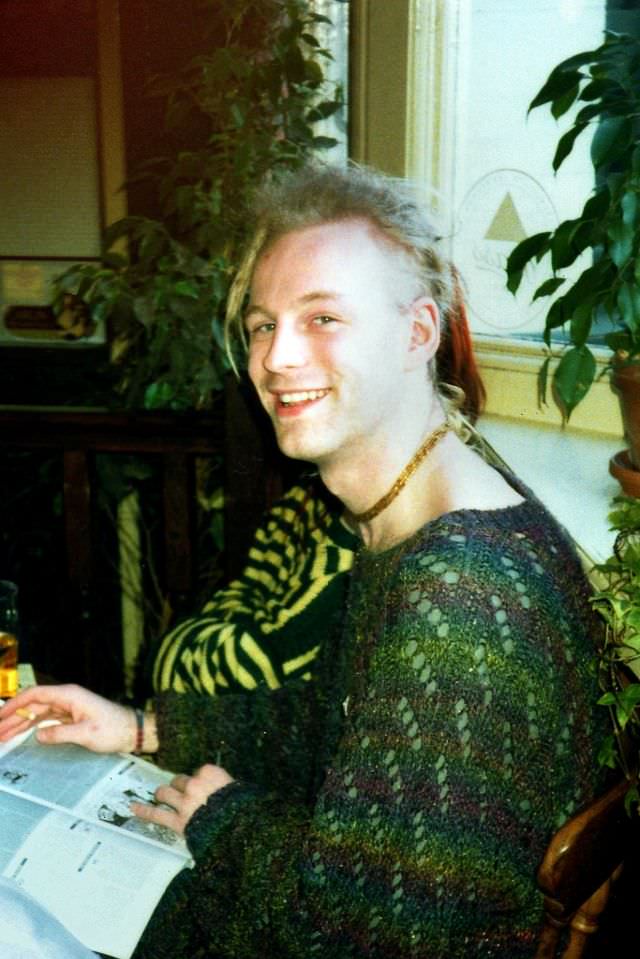
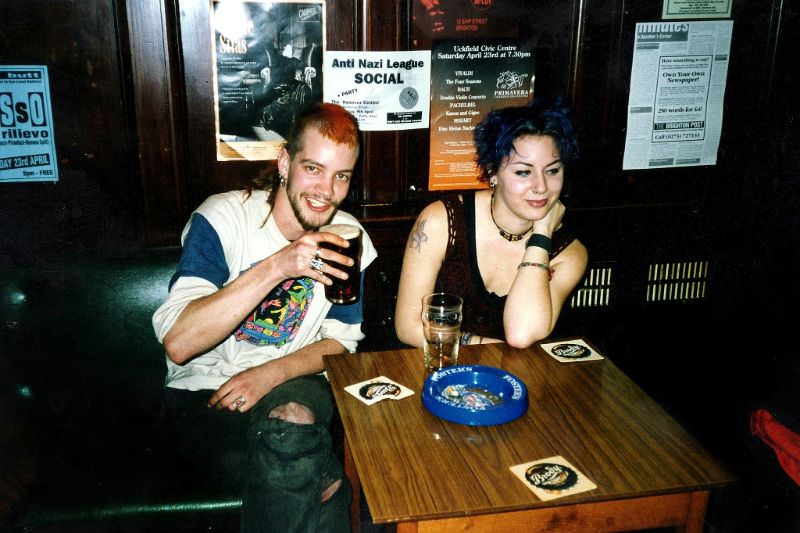
Sydney Street ran through the North Laine area and was home to a cluster of independent shops and pubs that fed directly into the alternative scene. The Green Dragon sat at the heart of it, a pub that regulars returned to again and again throughout the spring and summer of 1994.
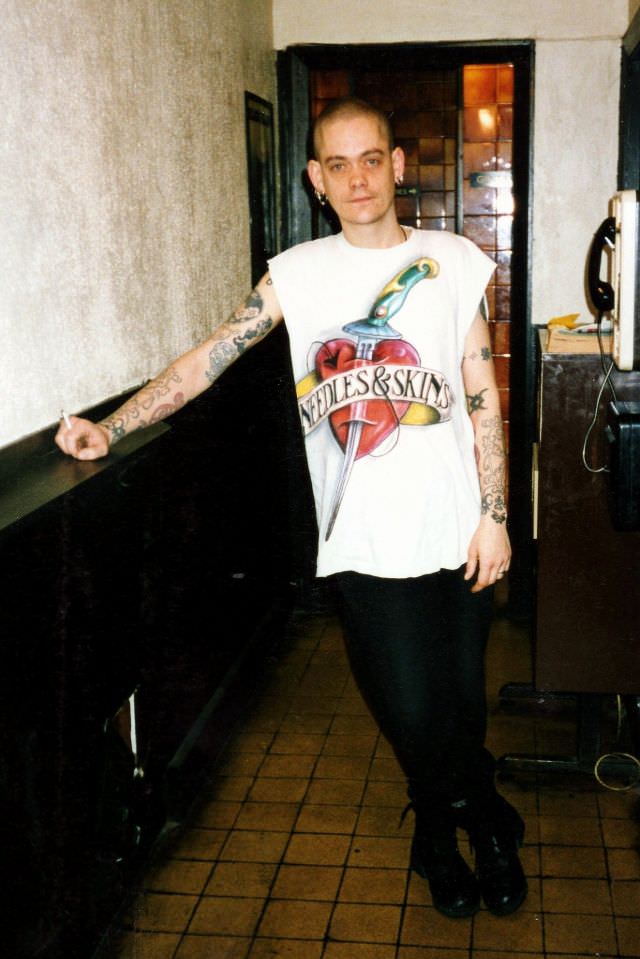
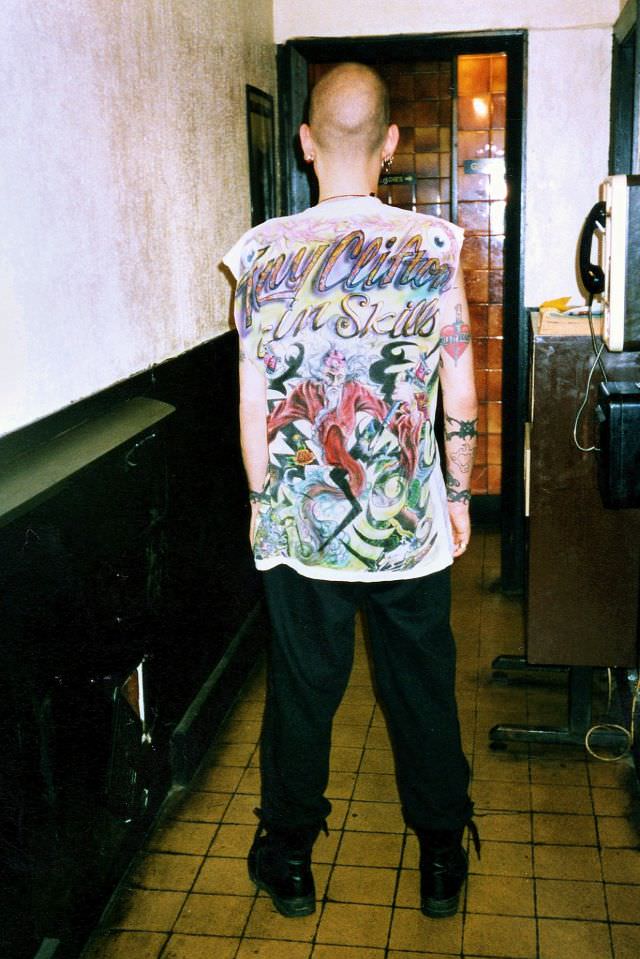
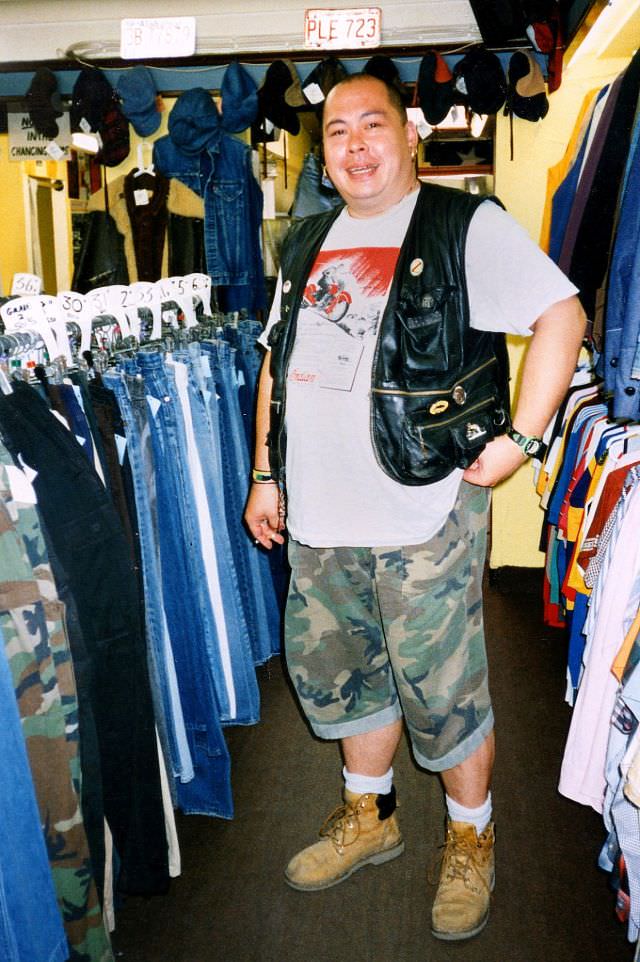
Nearby on Sydney Street, the shops were just as important as the pubs. Uncle Sam’s Clothing Shop and Immediate Records and Clothing were the kinds of places where a scene could sustain itself — where someone could pick up a record, find the right jacket, and hear about where to go that weekend. These weren’t chains. They were local businesses run by and for the people who actually lived the scene.
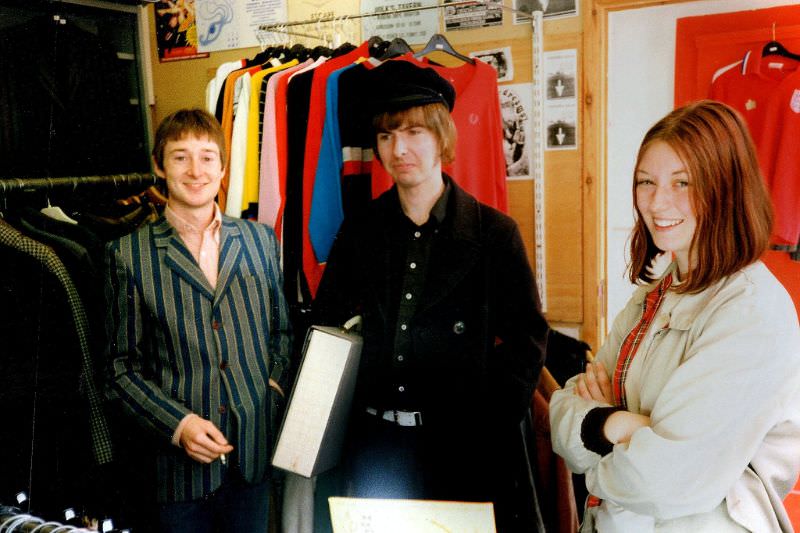
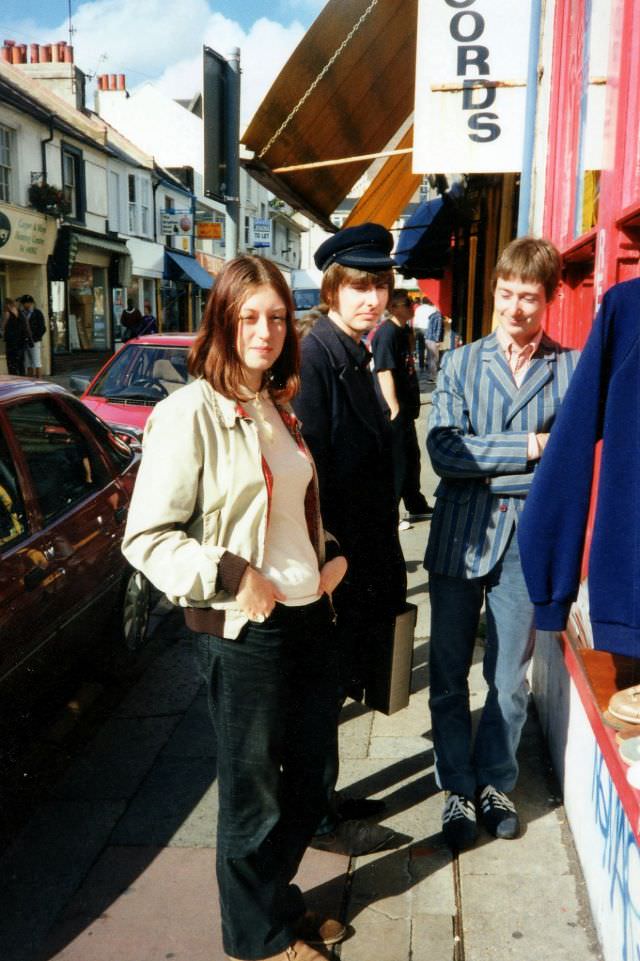
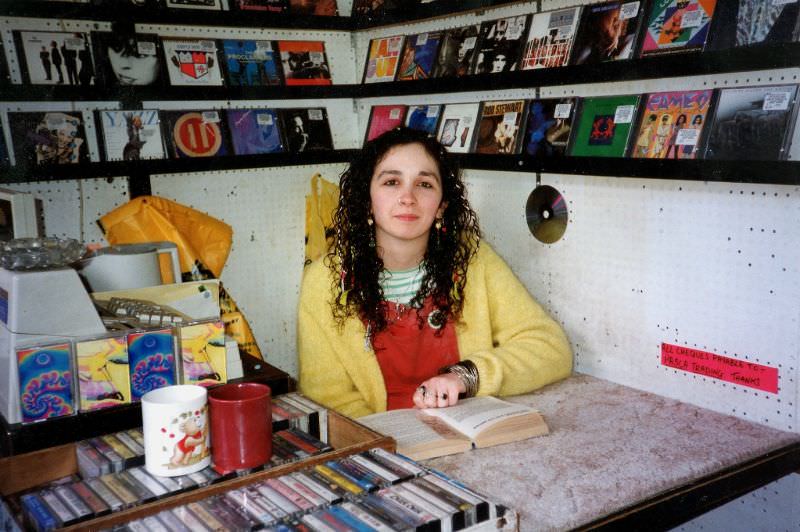
Dislocator Records operated out of 92c Redcross Street, just off Trafalgar Street. It was the kind of compact, independent record shop that serious music fans sought out. The building later became the Tucked Away Sandwich and Coffee Shop — a shift that says a great deal about how much the neighbourhood changed in the years that followed.
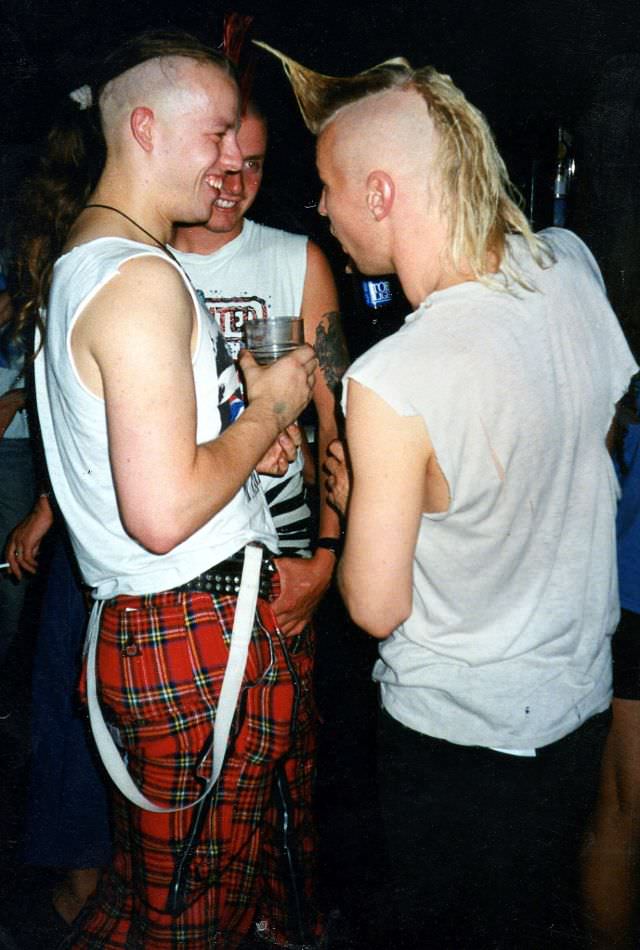
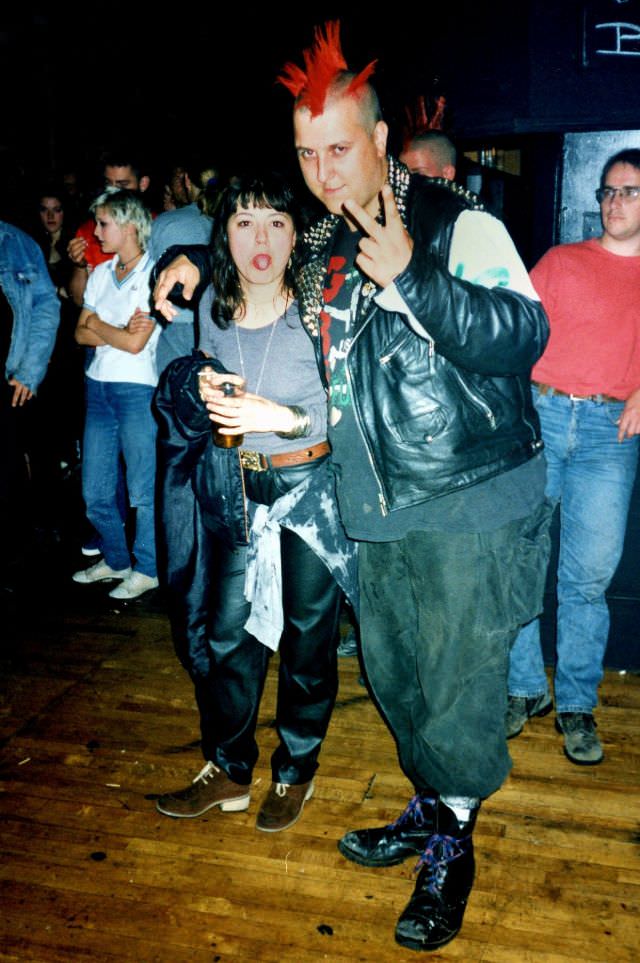
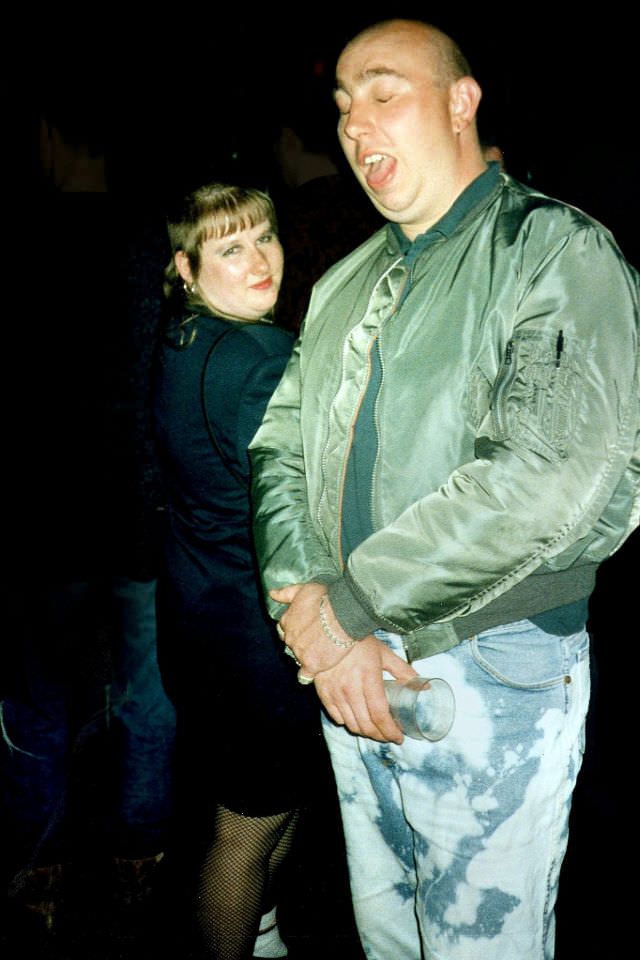
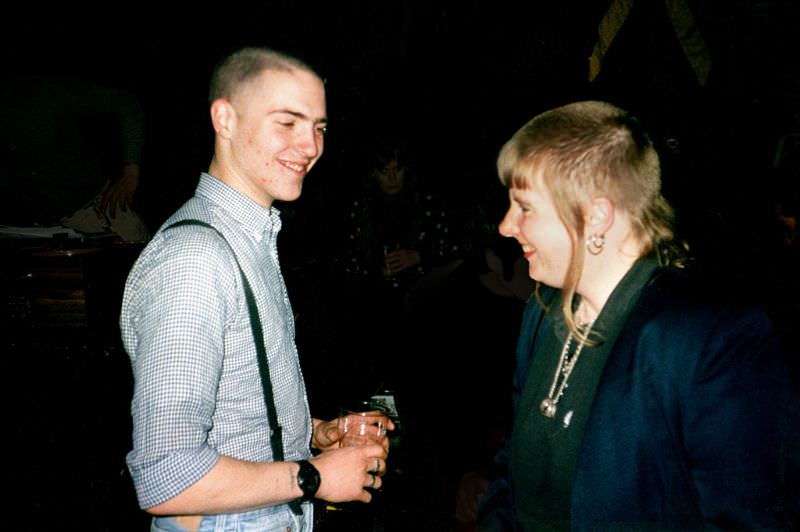
The Richmond pub was a particularly rich hunting ground for The Quaffer’s camera. Skinheads, mohawk punks, and everyone between showed up there through August 1994. The pub had the kind of atmosphere where nobody blinked at a shaved head or a towering mohawk — it was just another Tuesday.
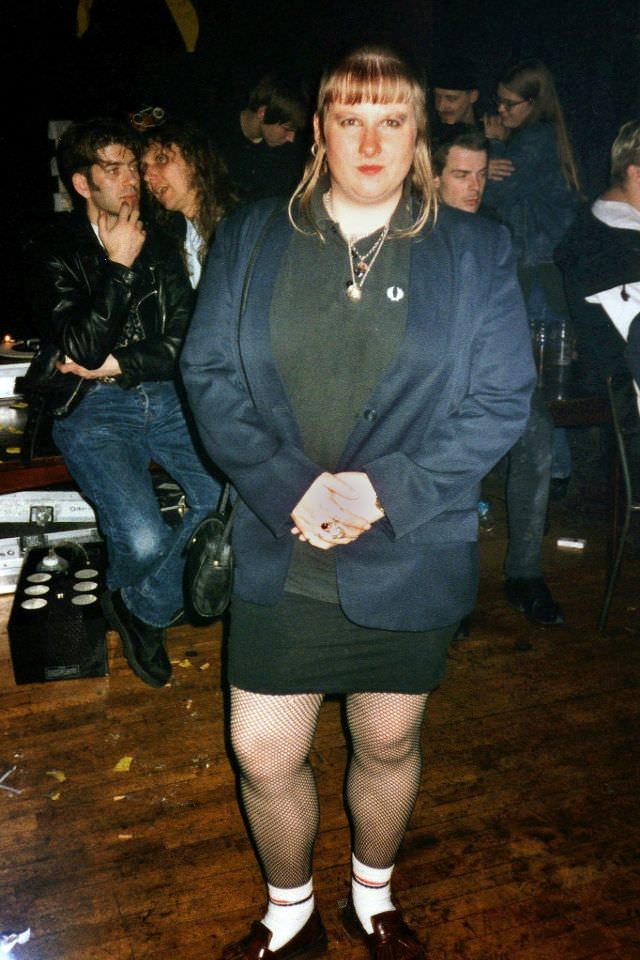
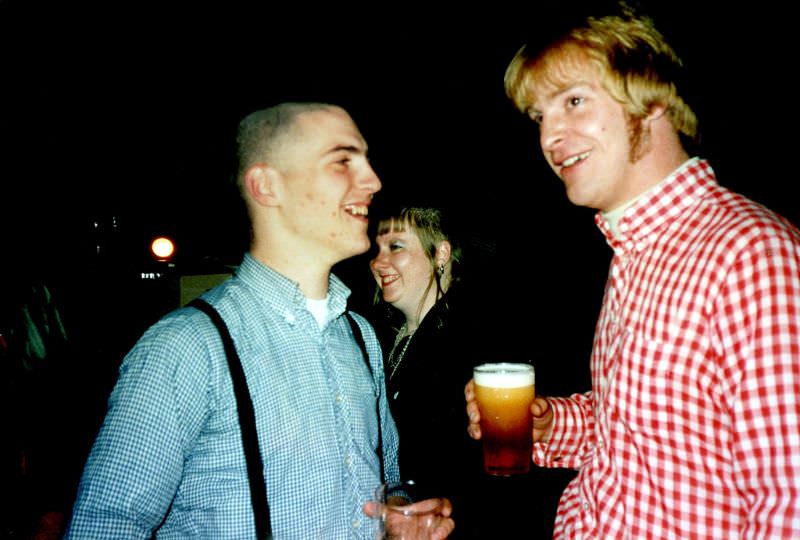
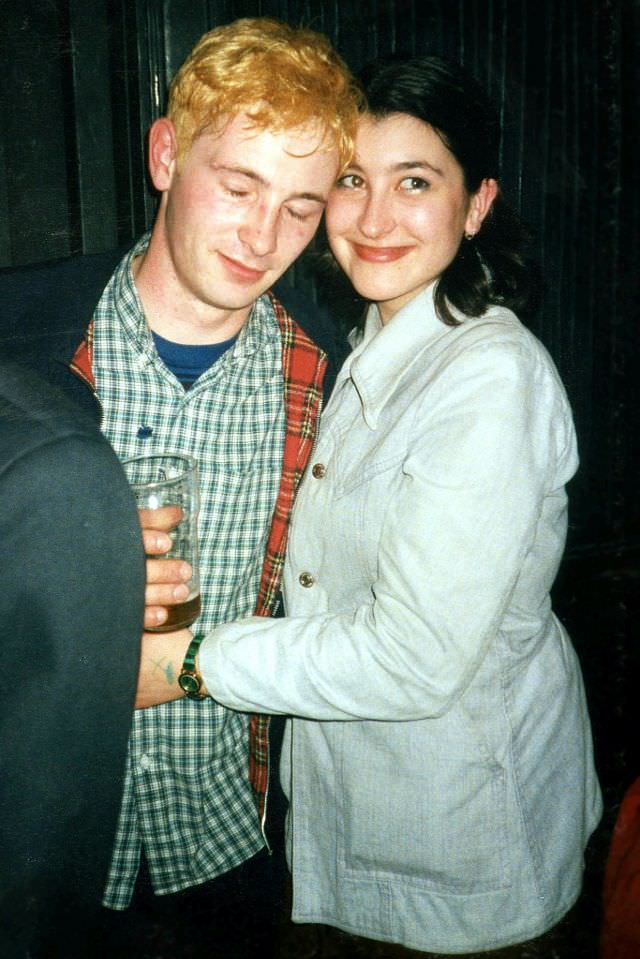
The Racehill pub drew a different crowd — including, in August 1994, a group of French mods who had made their way to Brighton. The mod scene had long had a connection with the city, going back decades, and its presence in the 1990s showed that the tradition had not faded.
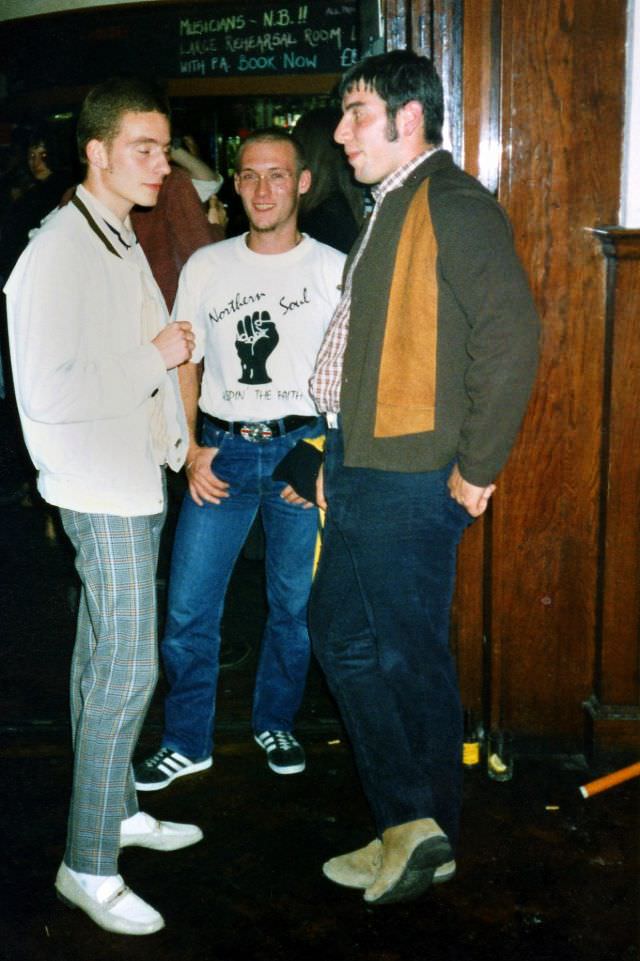
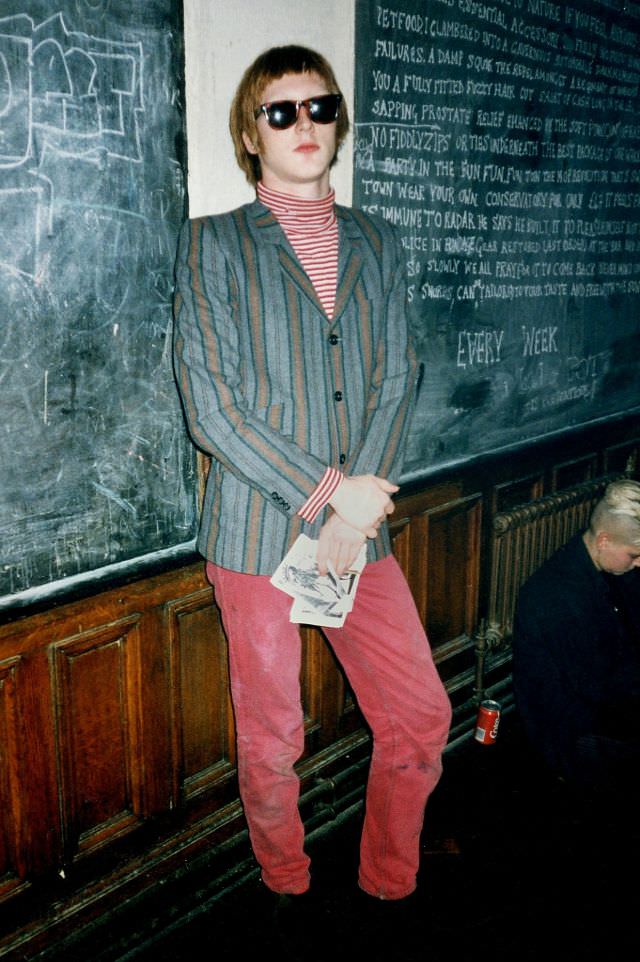
While the alternative crowd held court in these smaller venues, Brighton’s wider pub scene was changing fast. National brewery chains moved in during the late 1980s and into the 1990s, building large super-pubs with corporate themes and cheap food and drink promotions. Independent pubs felt the pressure. Local chains like C-Side and Zel were converting traditional pubs into sleek bars designed as pre-club stops rather than community locals. C-Side’s Kate Johnson acknowledged the tension, stating plainly: “I think there is still a place for small independent pubs.”
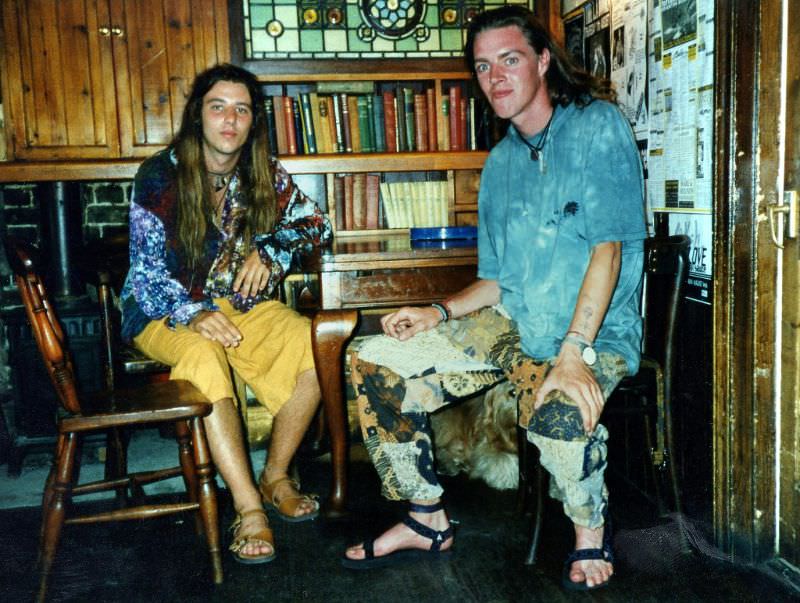
The club scene was pulling people in a new direction. The Zap Club, set inside the King’s Road arches along Brighton’s seafront, had been running acid house nights through the early 1990s and remained a fixture of the city’s nightlife well into the decade. It later became known as The Arch. For many Brighton regulars, the evening started in a bar and ended at a venue like the Zap — a circuit that the new stylish bars were explicitly designed to fit into.
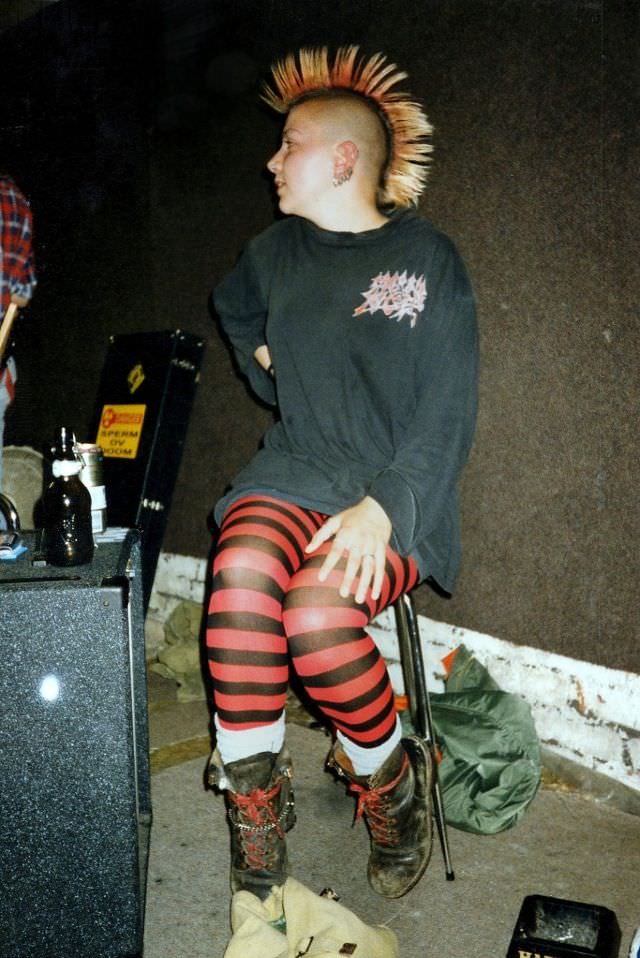
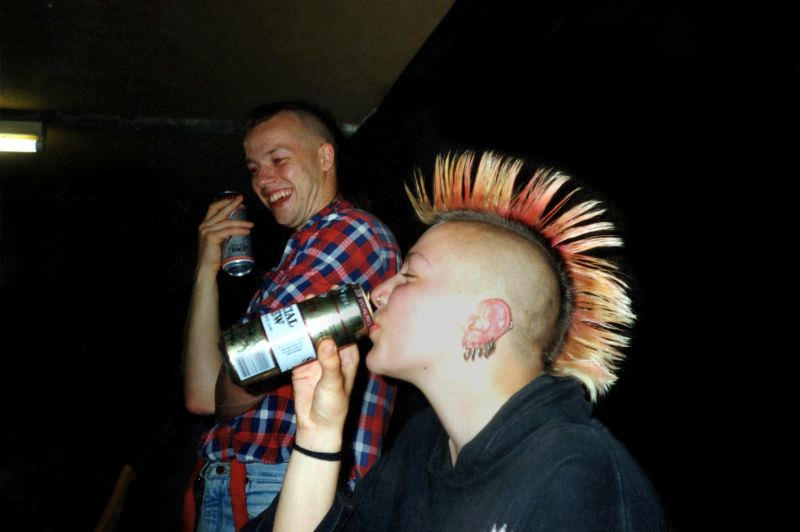
Not everyone followed that circuit. Brighton’s alternative crowd continued to build their evenings around their own venues — the pubs on Trafalgar Street, the North Laine shops, and the spots that hadn’t been renovated into something more palatable for a mainstream audience. The Lanes offered another pocket of this world, where someone like Alistair could stand in Brighton Square and look completely at ease.
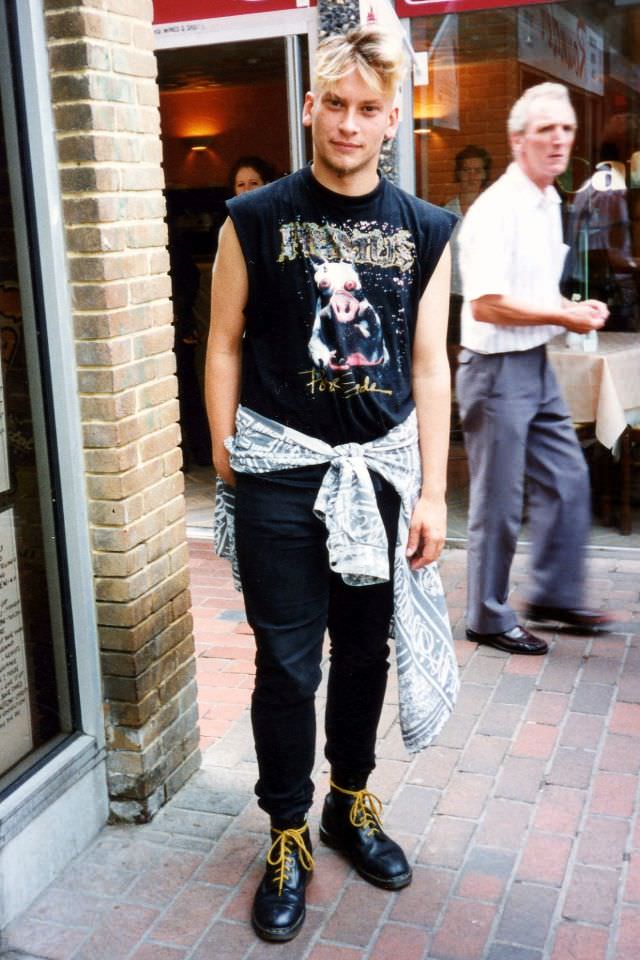
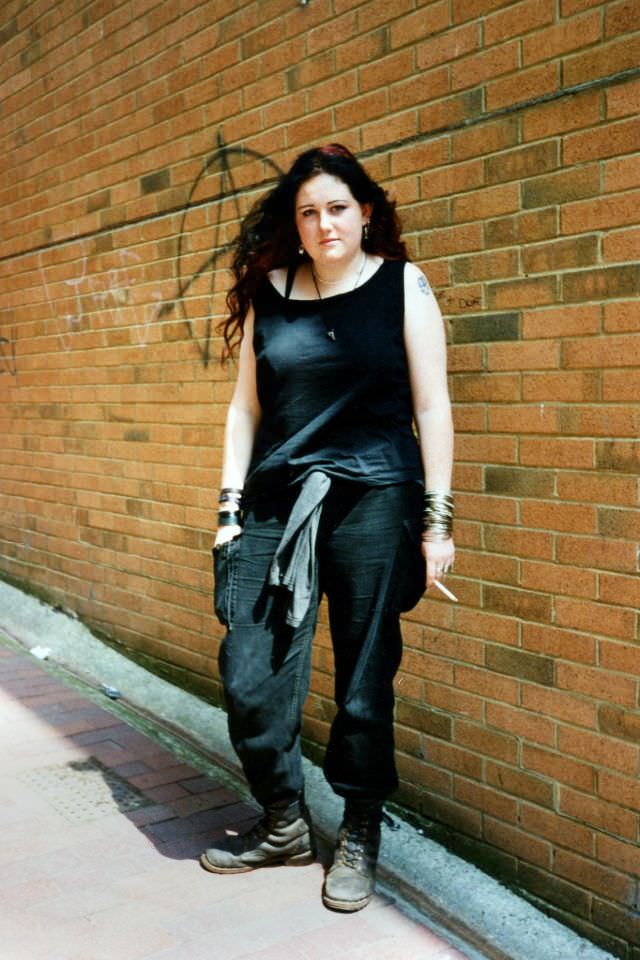
The Beachcomber Bar offered yet another setting — a more relaxed space where people gathered without the weight of any particular subcultural identity defining the evening.
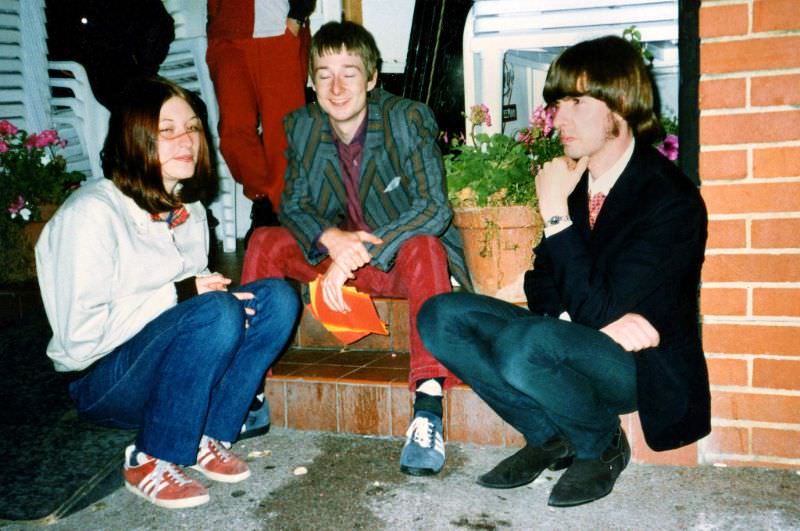
What The Quaffer captured across 1994 was a city in the middle of a genuine tug-of-war between commercial transformation and grassroots identity. The faces in these photographs — the punks at the Richmond, the mods at the Racehill, the regulars at the Green Dragon — were not passively watching Brighton change. They were living in it, occupying their corners of it, and refusing to be pushed out of the frame.

Some of these looks are still popular today. But I mean that in a positive way.
Brighton was at its best in the 90s. Growing up in Brighton had a positive impact on me and my friends during that time that I don’t think my parents will ever understand.