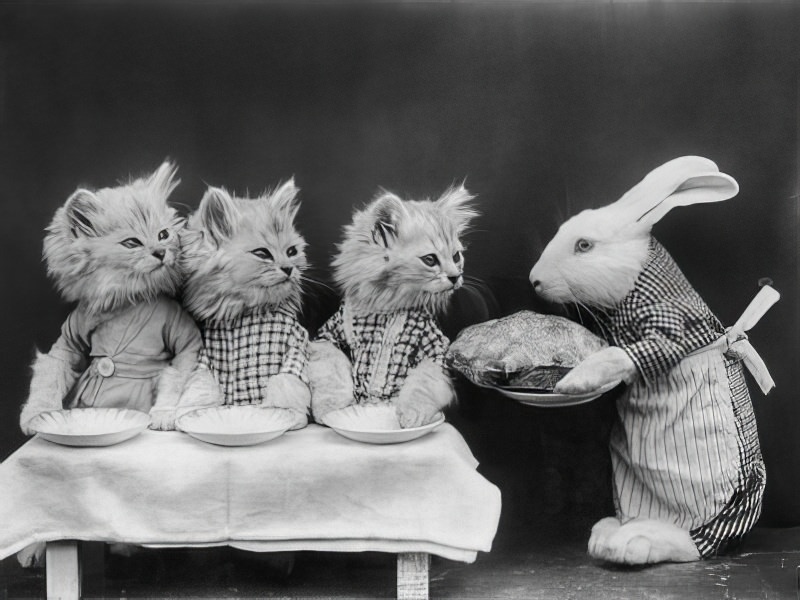
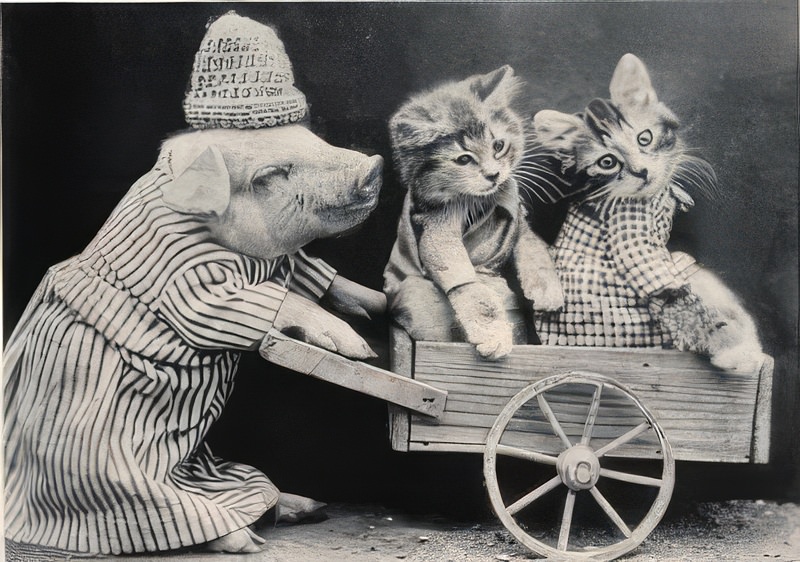
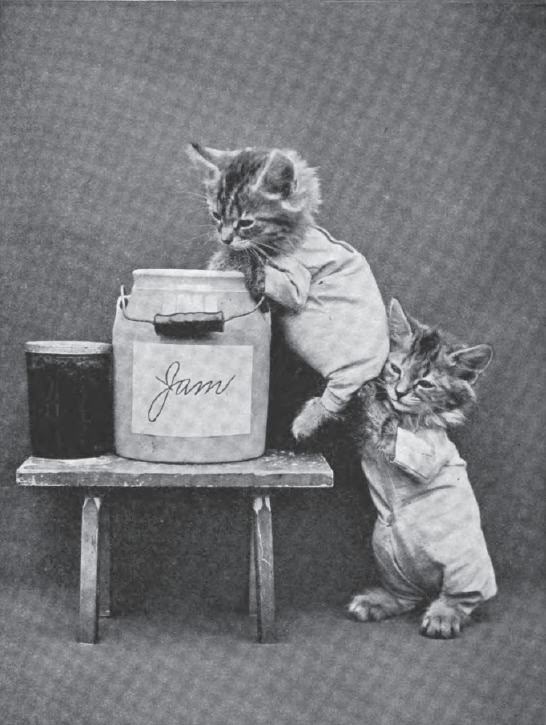
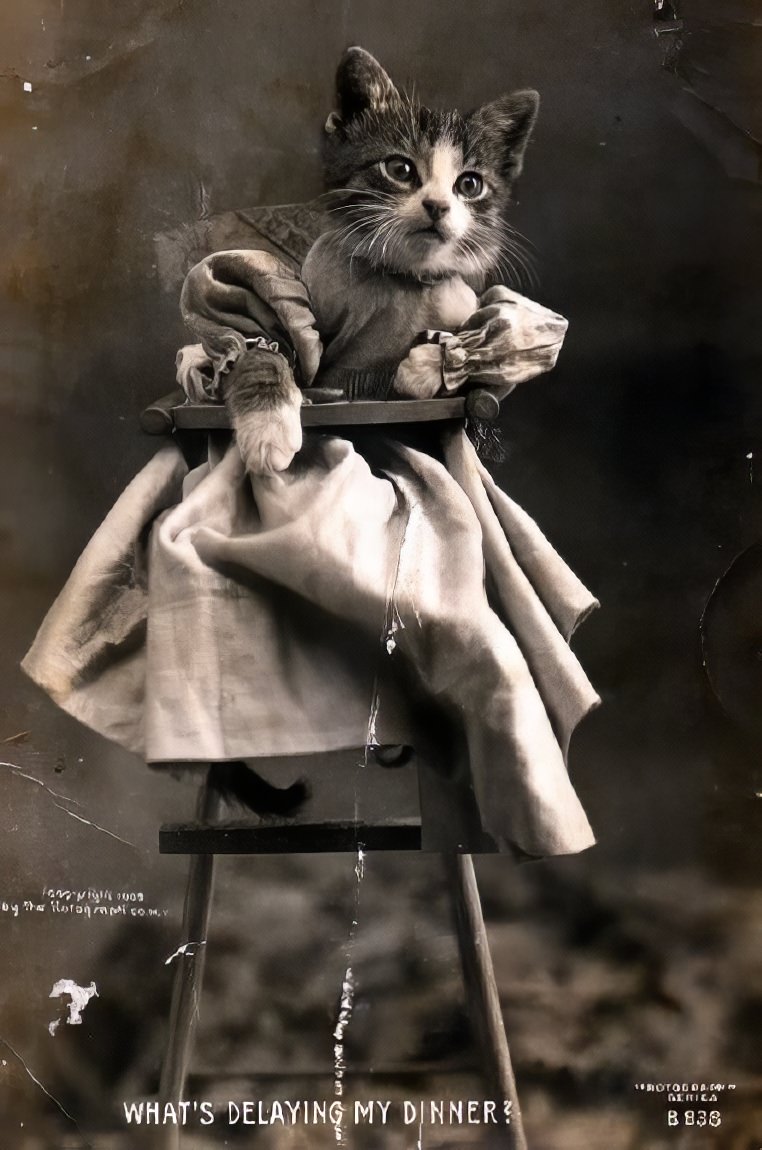
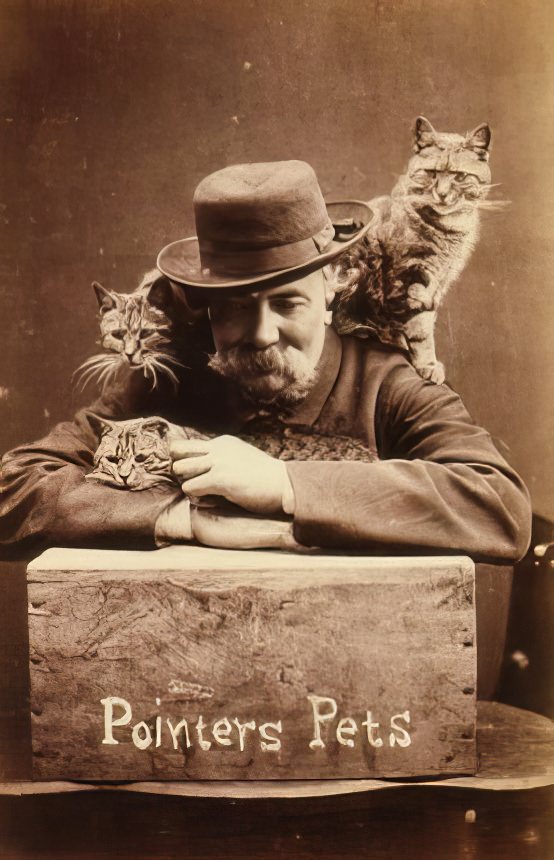
Harry Pointer (1822–1889) was a Brighton-based photographer with an unusual obsession: staging his pet cats in scenes that mimicked human life. Starting around 1870, he moved beyond simple pet portraits and began building carefully arranged setups with props, costumes, and precise positioning.
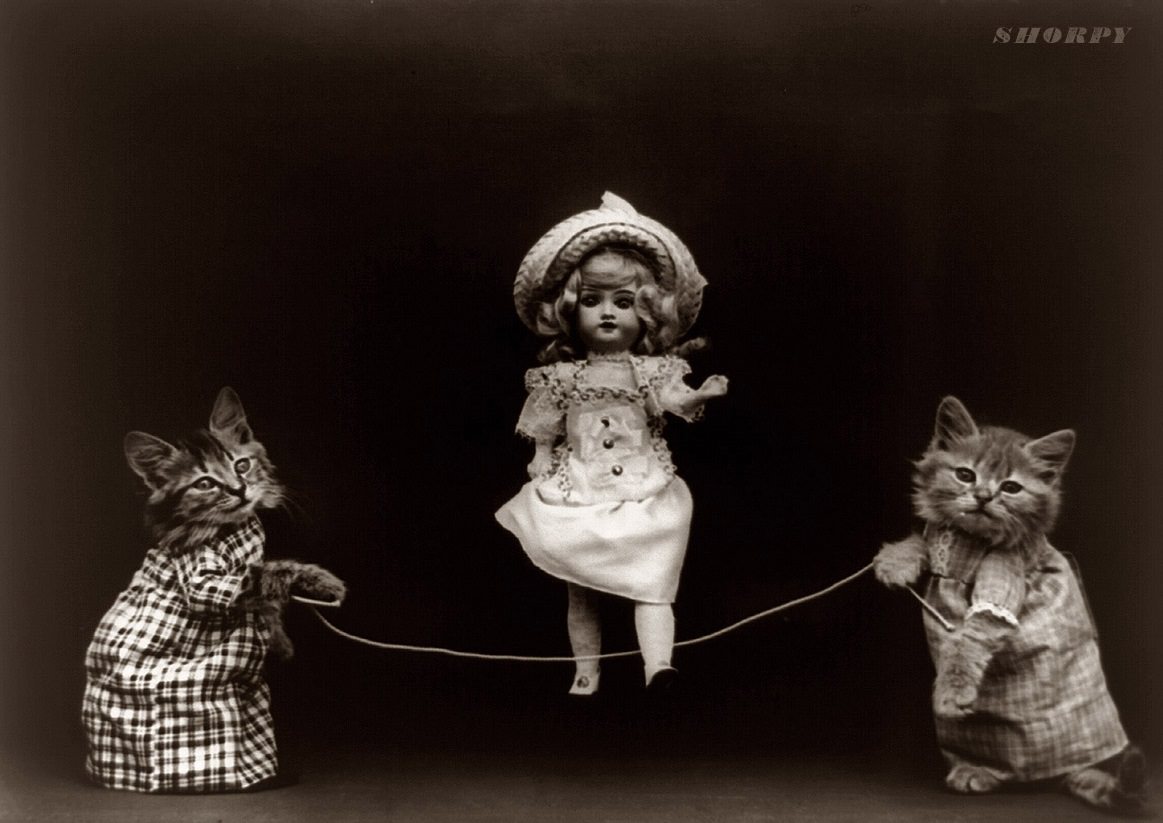
His early work showed cats in ordinary poses — sleeping in baskets, drinking milk, or resting. These were unremarkable by the standards of the time. But Pointer quickly shifted his focus toward something far more theatrical.
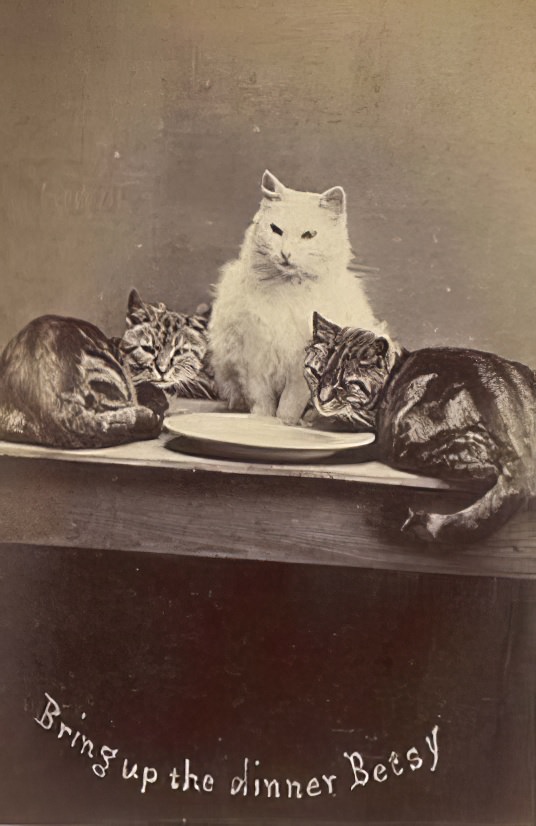
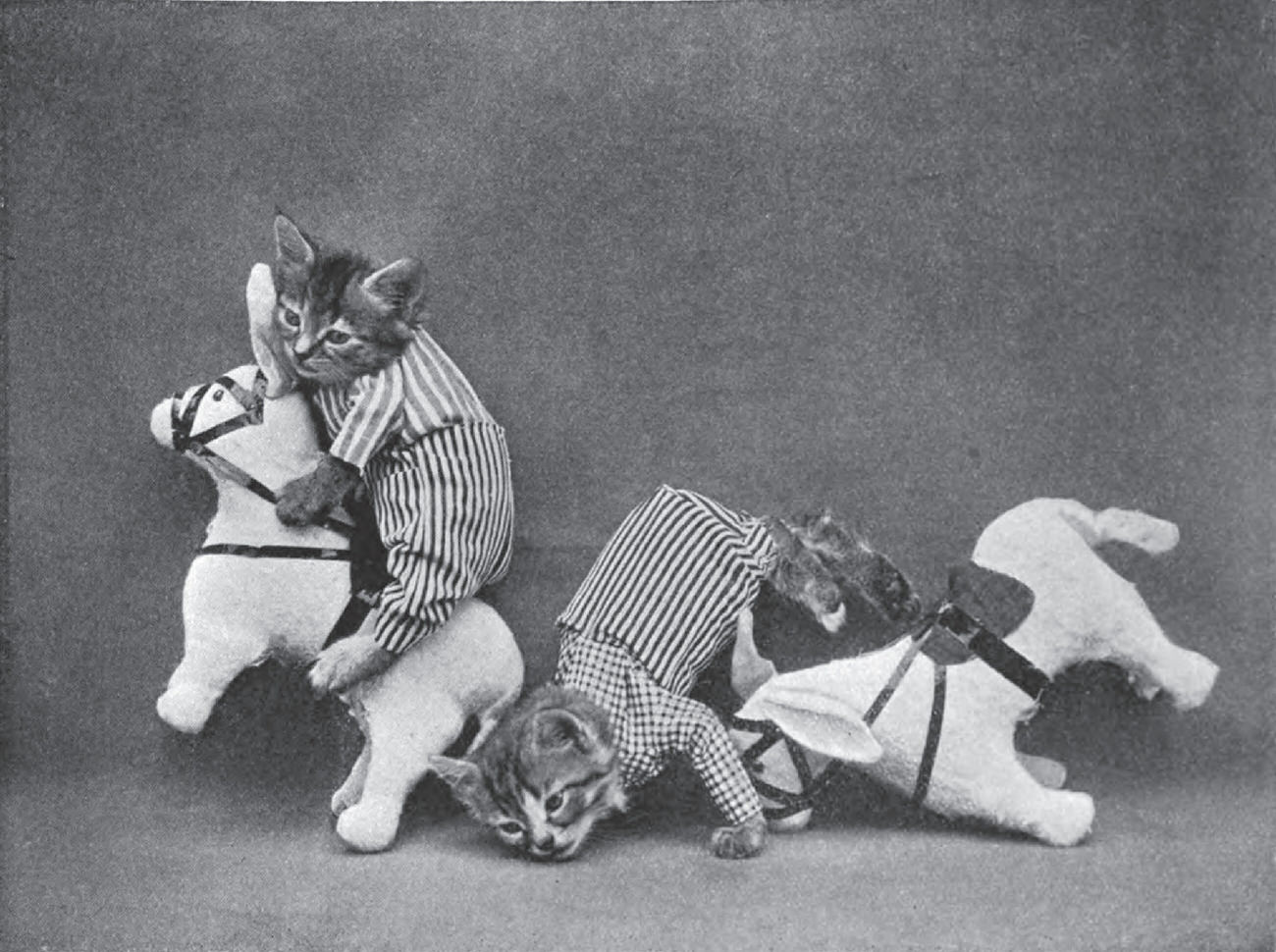
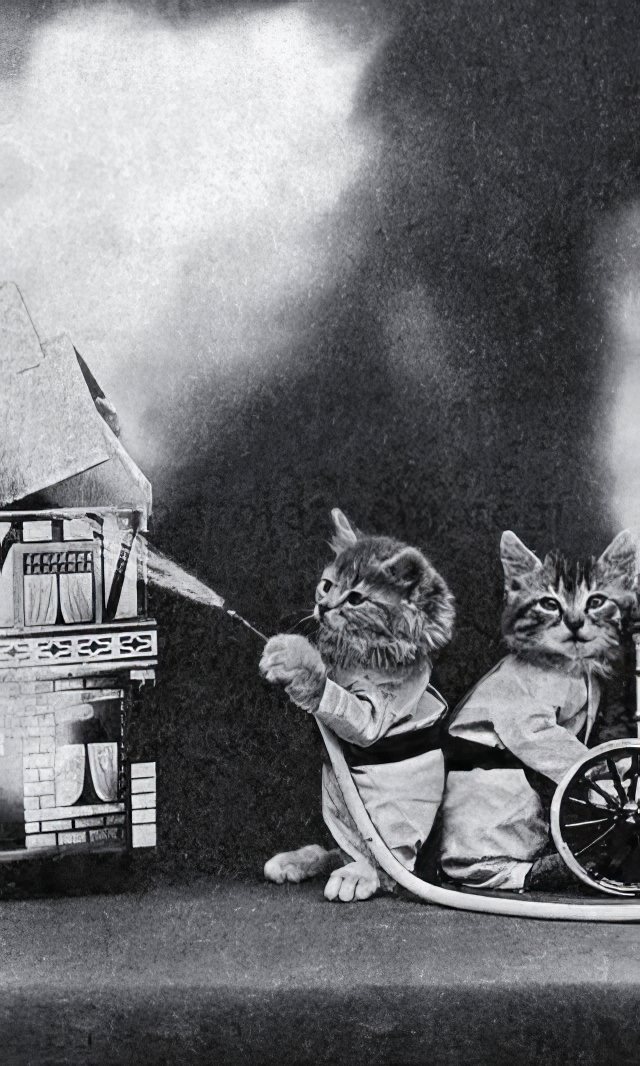
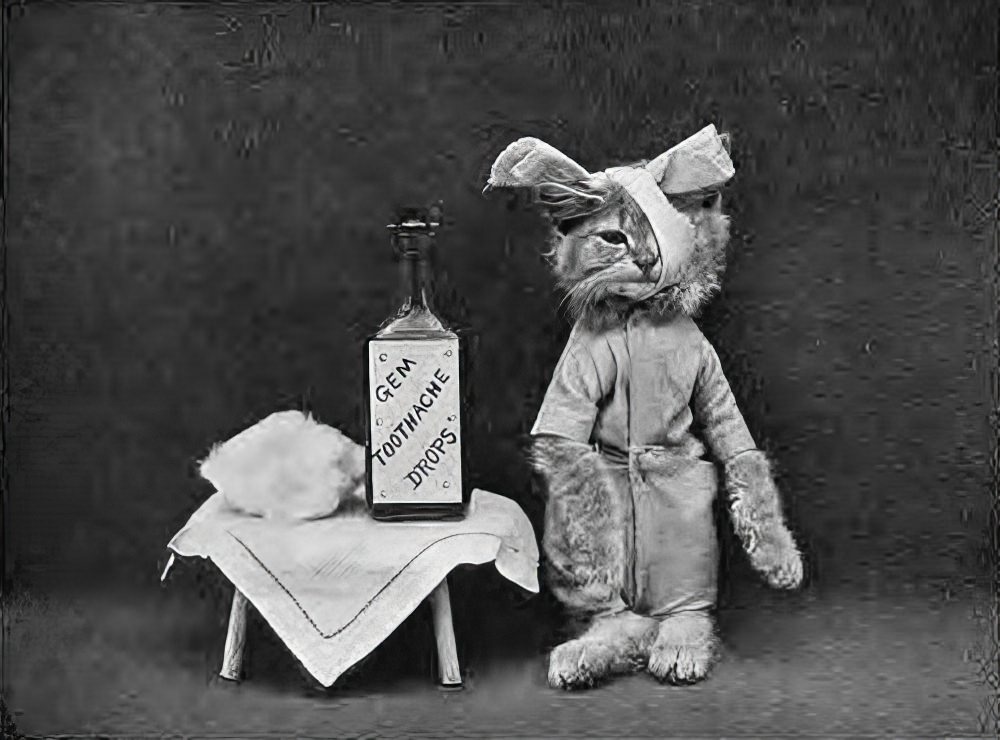
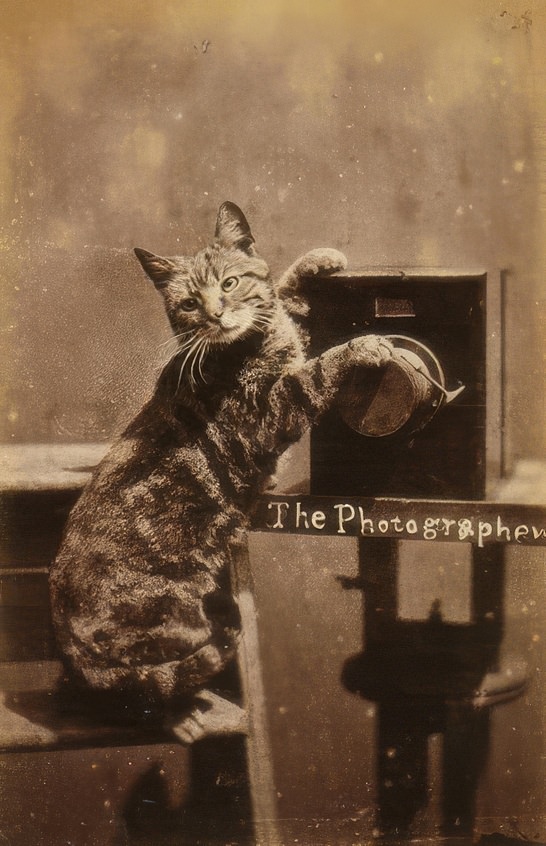
He staged cats “riding” tricycles, “roller-skating,” and even pretending to operate a camera. Each scene was built to trick the eye into seeing something genuinely funny — a cat going about human business with apparent seriousness.
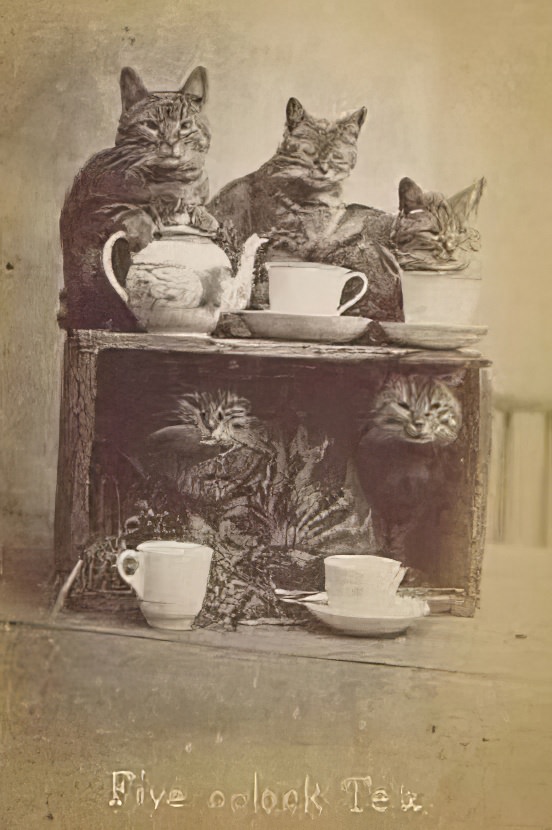
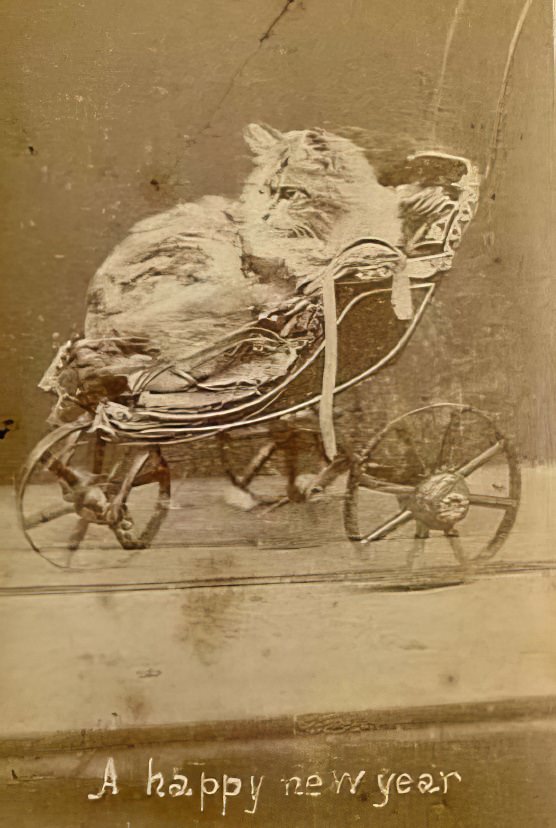
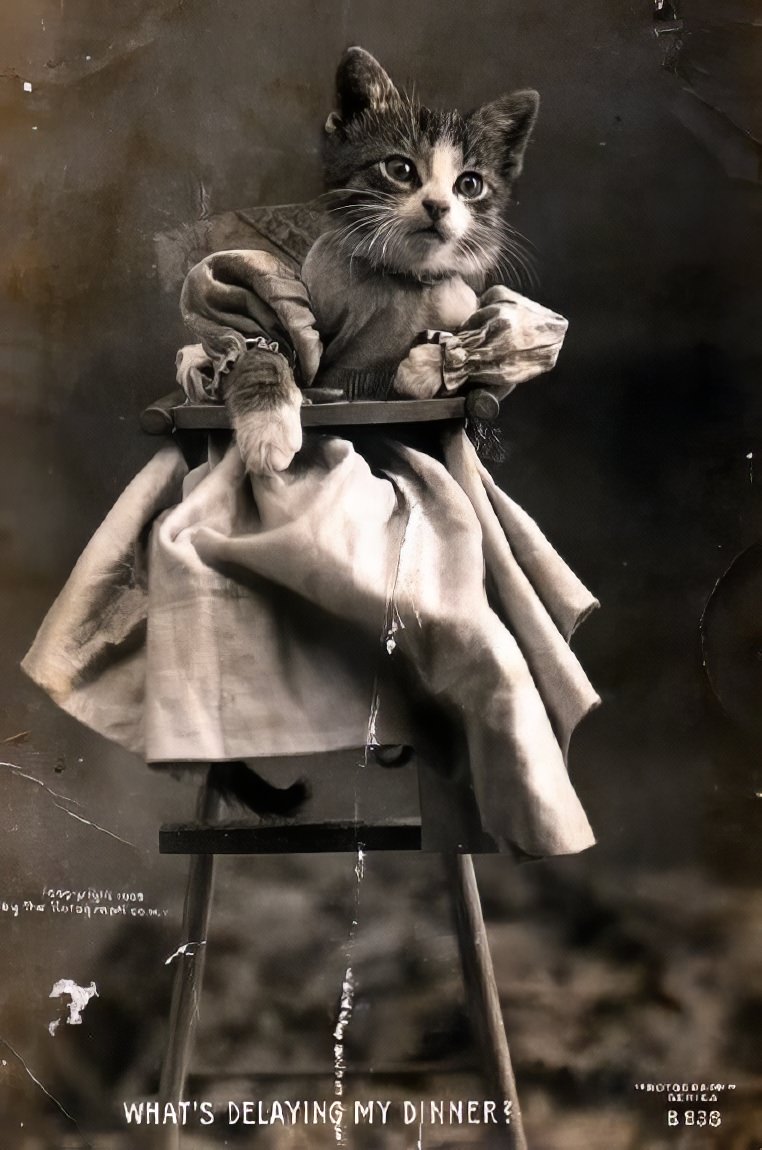
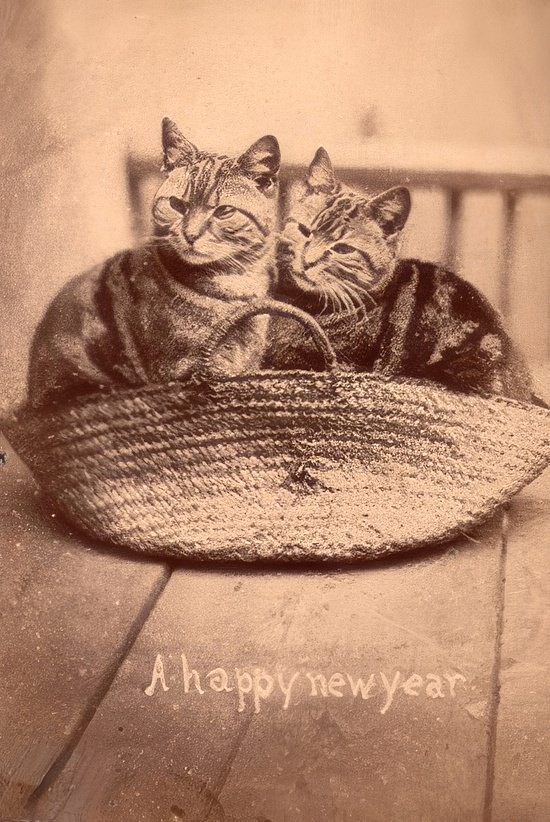
Pointer soon added written greetings to his photos, such as “A Happy New Year” or “Very many happy returns of the day.” This turned his staged scenes into novelty greeting cards that people actually wanted to send and collect.
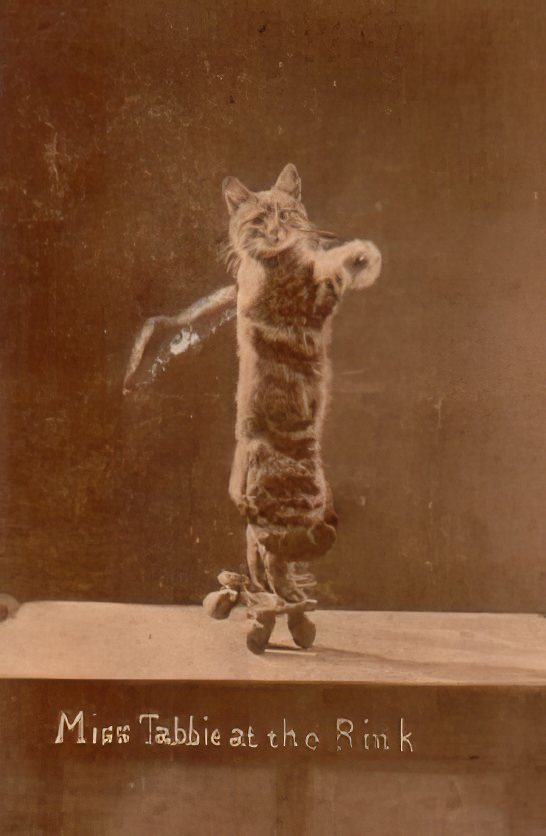
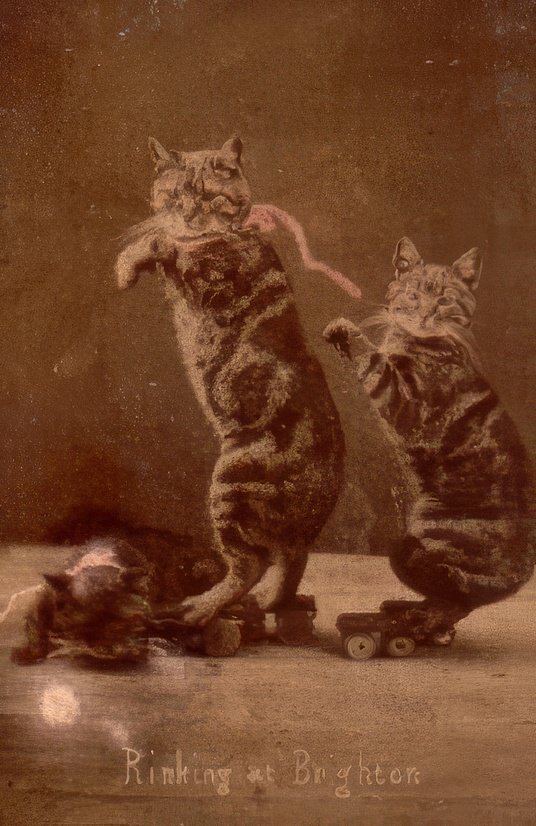
By 1872 — just two years after shifting his focus — Pointer had already produced over one hundred different captioned images. The output was remarkable for a single photographer working with live animal subjects.
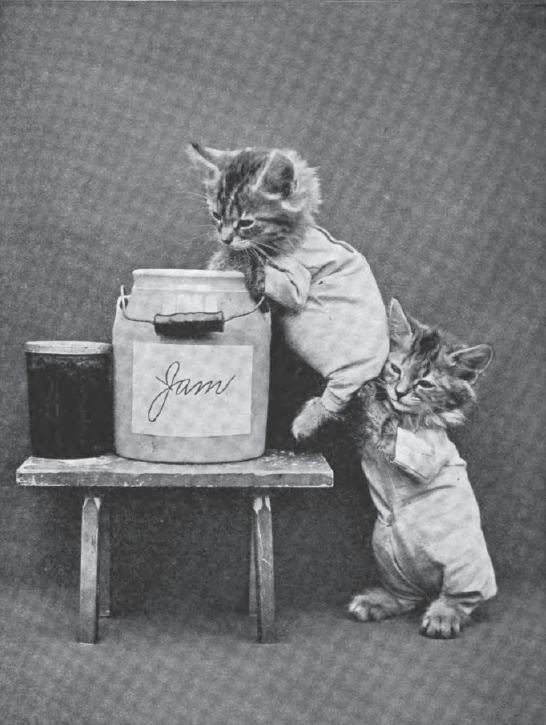
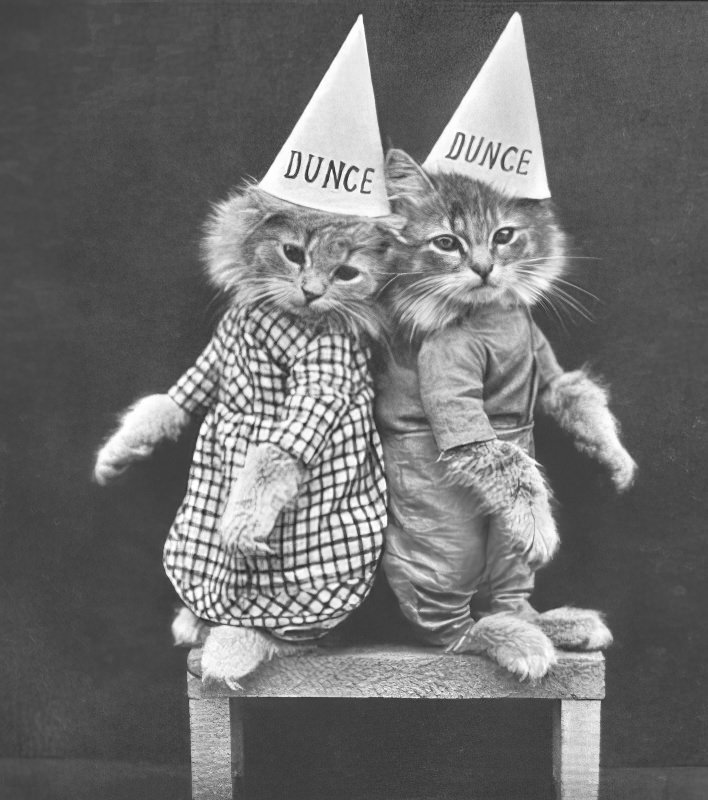
The series became known as “The Brighton Cats,” a name that tied the work directly to Pointer’s hometown and gave it a clear, marketable identity. The title stuck, and so did the photos’ popularity.