Beauty pageants have been around for centuries, and today thousands are held every year across the globe. But flip back through the historical record and you’ll find a very different world of competition — one where judges measured ankles with tape measures, women covered their faces with papier-mâché masks, and chiropractors X-rayed spines to determine who had the most beautiful back. These weren’t fringe events. They drew real crowds, real contestants, and real press coverage. Here’s a look at some of the strangest beauty contests ever held.
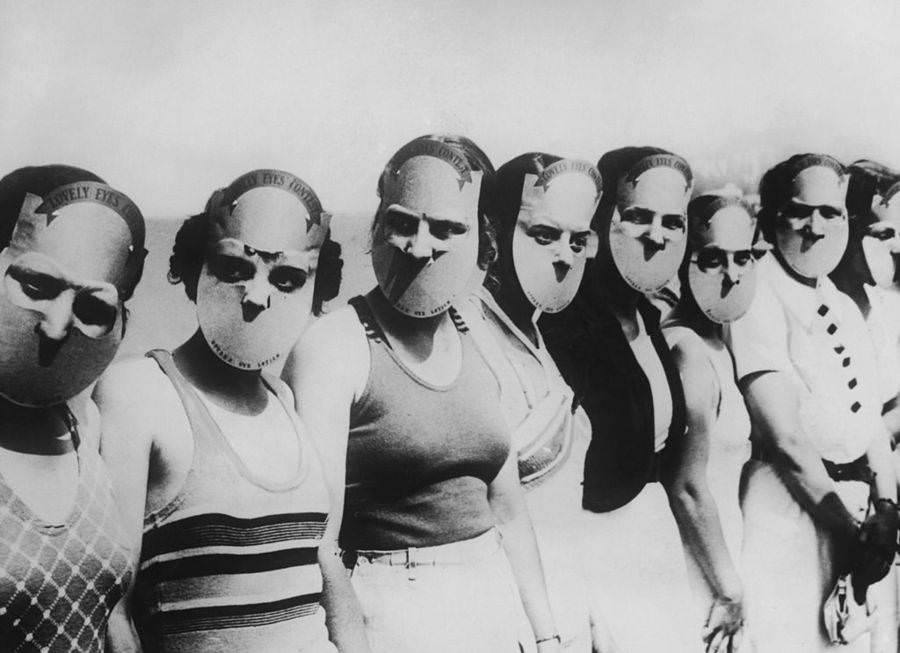
One of the most well-known categories of unusual pageants was the “Miss Lovely Eyes” format. Contestants wore yashmaks — veils that covered everything except their eyes — so that judges evaluated nothing but their gaze. The idea was to isolate a single feature and judge it without distraction. Florida hosted one of the most photographed versions of this contest around 1930.
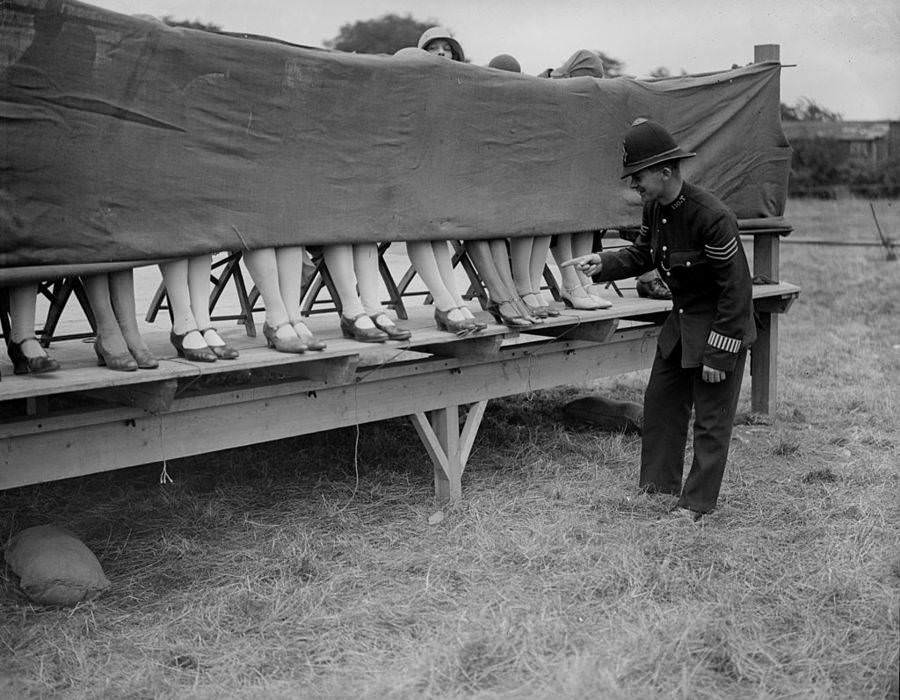
Leg and ankle contests were arguably the most widespread of all the body-part pageants. These events stripped the competition down to a single physical trait — the shape and appearance of a woman’s lower leg. In some cases, law enforcement got involved, quite literally. In Hounslow, London, a uniformed police officer served as a judge, eyeing ankles with the same authority he’d use to direct traffic.
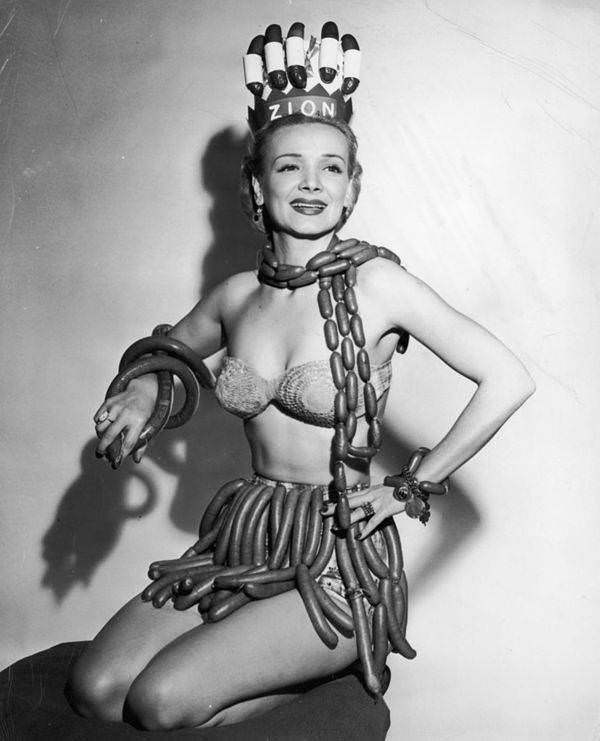
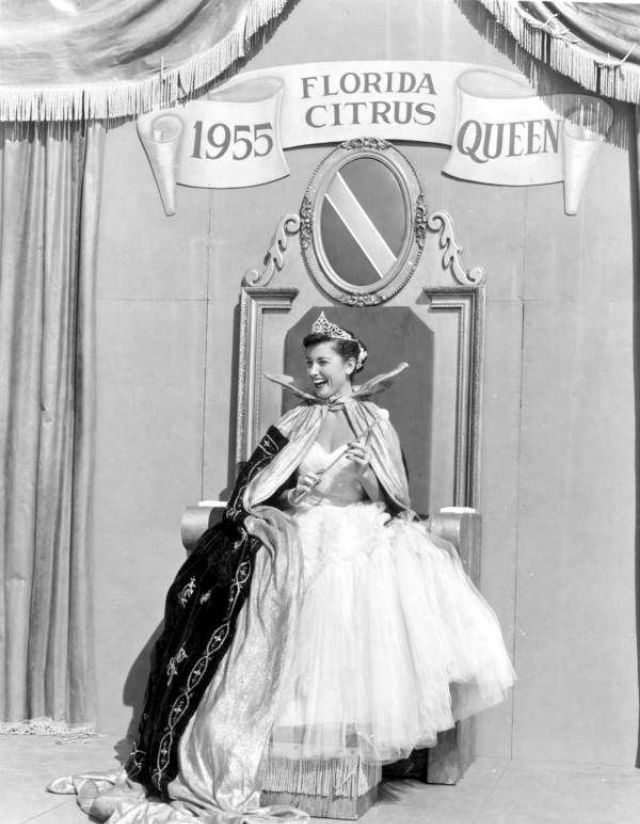
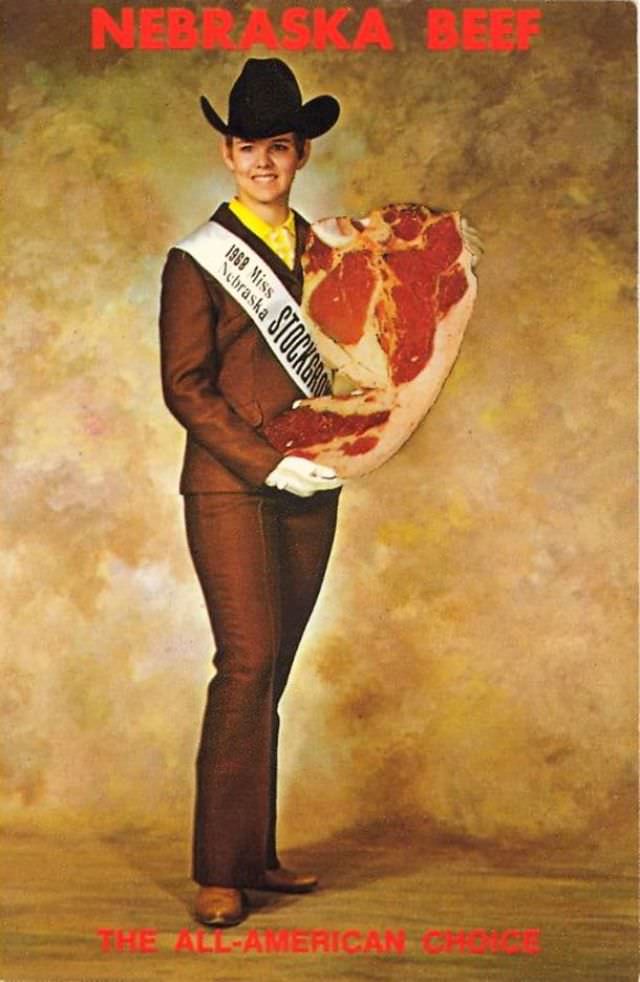
Not all pageants focused on the human body. A whole category of mid-century American contests crowned women as queens of specific food products. Companies used these events as marketing tools, appointing attractive young women to represent their brands at public events and in press photos. The woman chosen didn’t just hold a trophy — she held the product, wore it, and became its public face.
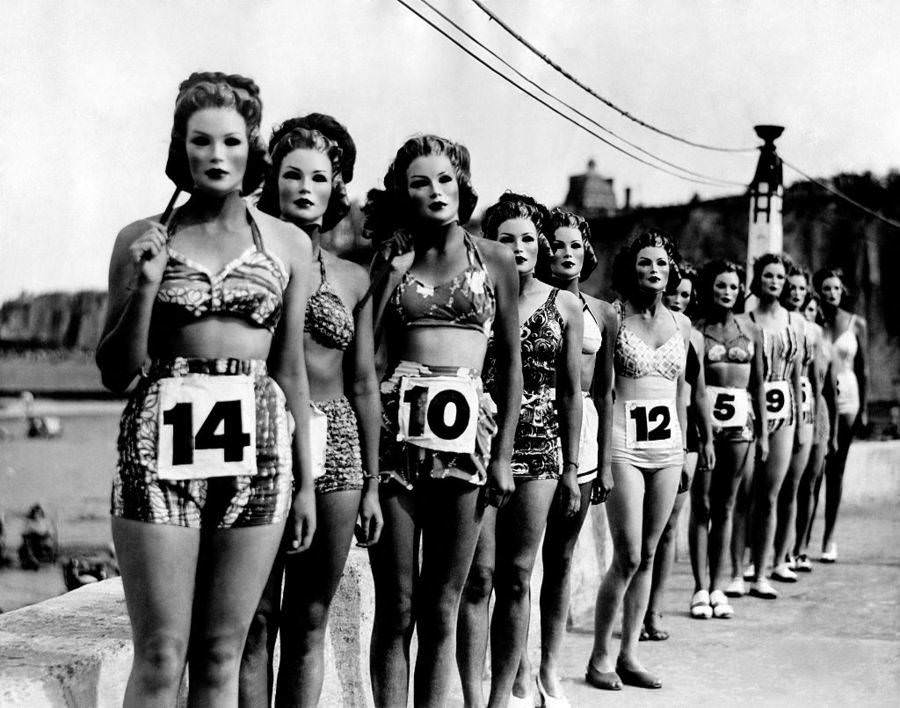
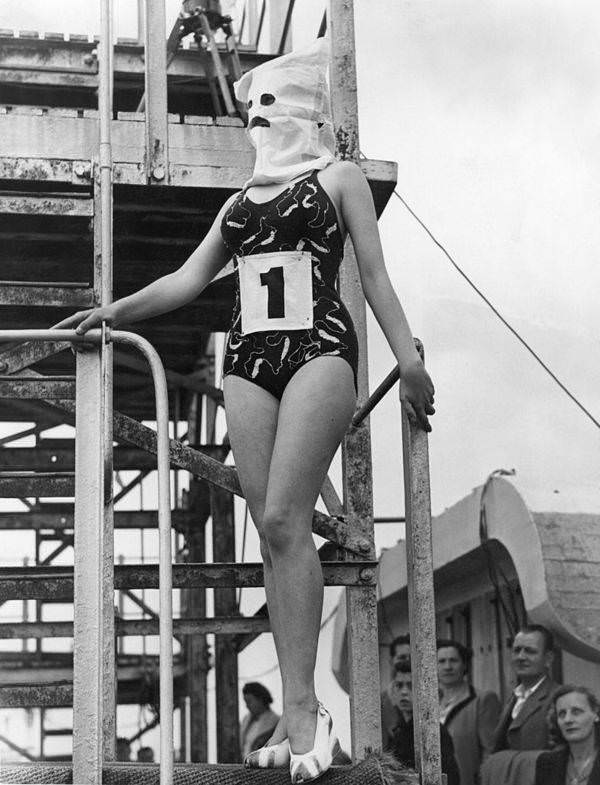
Some pageants went in a different direction entirely — hiding the face and judging only the physique. In 1947, a “Perfect Figure” contest required all contestants to wear full facial masks. The judges saw only the body, with no face to influence their scoring. It was a deliberate inversion of how most beauty pageants worked, and it raised questions that organizers apparently didn’t pause to answer.
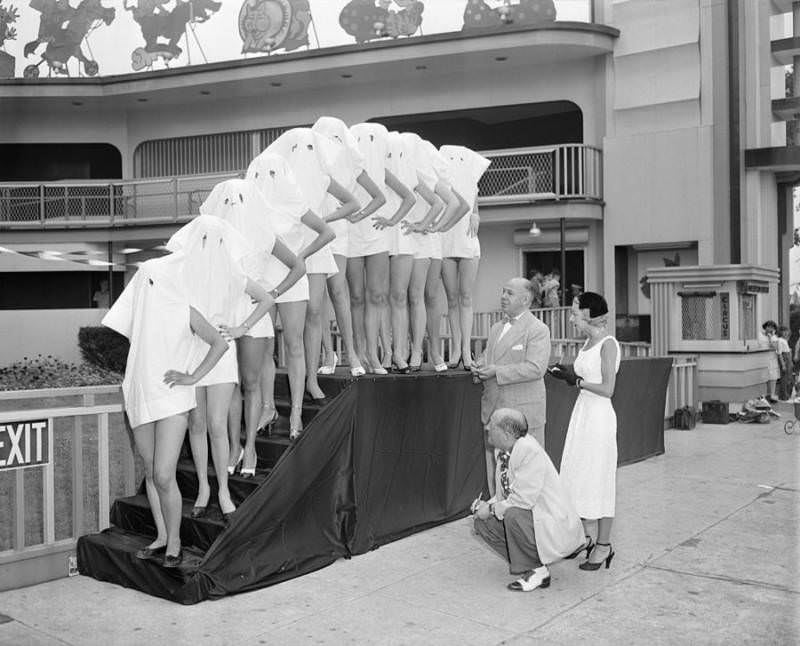
The “Beautiful Leg Contest” at Palisades Amusement Park in New Jersey used an even blunter approach. Contestants pulled pillowcases over their heads so that everything above the neck was hidden. Judges walked the line and evaluated only what was below. The image of a row of women in formal dresses, faces buried in linen, standing at a New Jersey amusement park in 1951, is one of the more striking artifacts of the era.
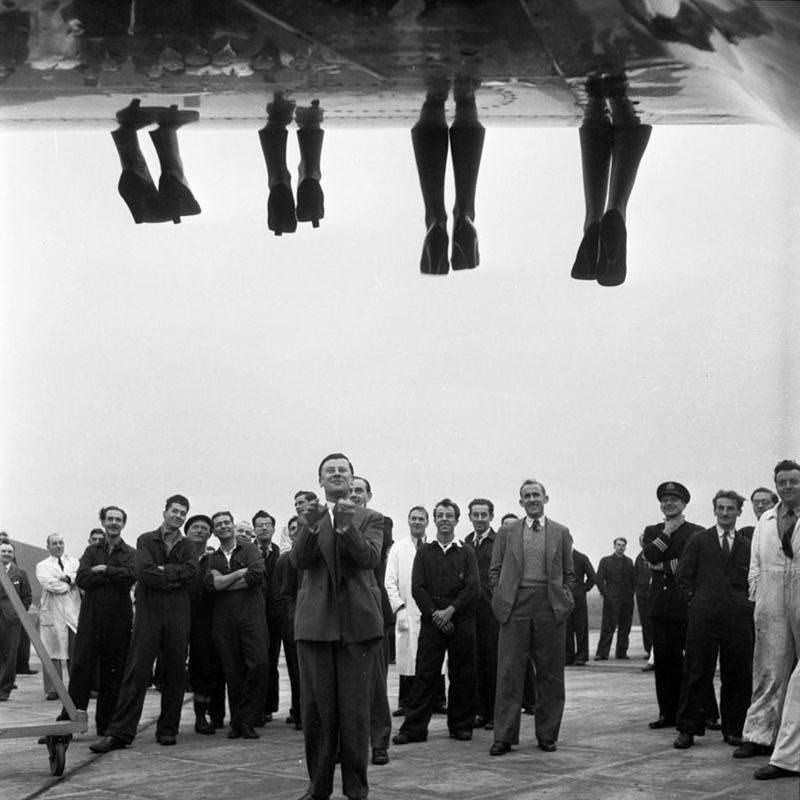
In England in 1953, a Miss World leg contest took an airborne twist. Contestants dangled their legs over the side of a plane while judges on the ground below evaluated them from that angle. The stunt was clearly designed for press attention as much as any genuine judgment of beauty, and it worked — the photo circulated widely.
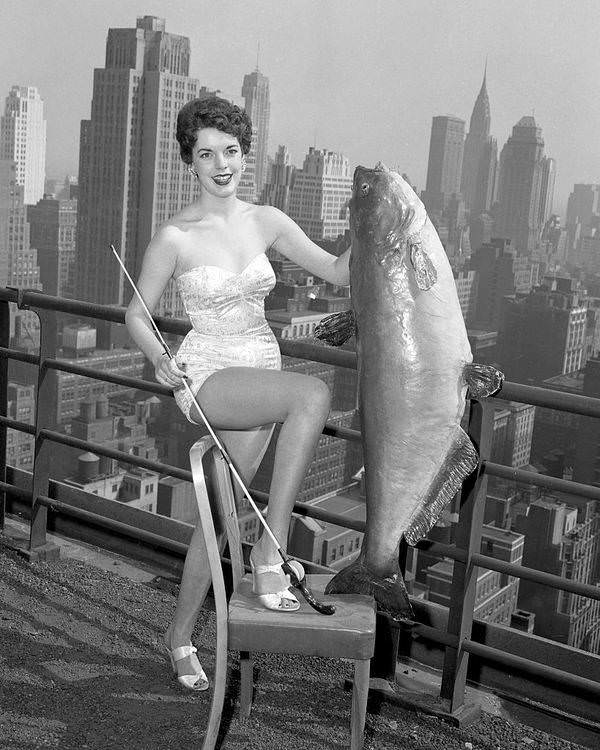
Food-themed royalty took many forms in mid-century America. Agricultural industries, food companies, and trade associations regularly sponsored queen contests tied to their products. Catfish, hot dogs, donuts, citrus fruits, blueberries, pork — nearly any food with an industry behind it eventually crowned a queen. In 1954, 18-year-old Gail Hooper from Memphis was named Miss National Catfish Queen and posed at the Hotel New Yorker holding a 56-pound catfish.
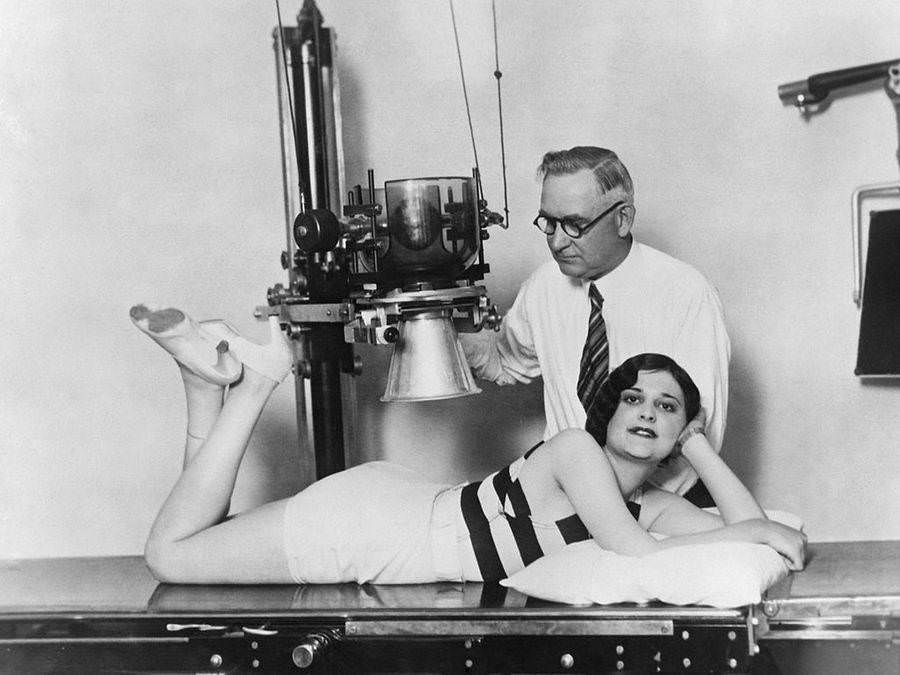
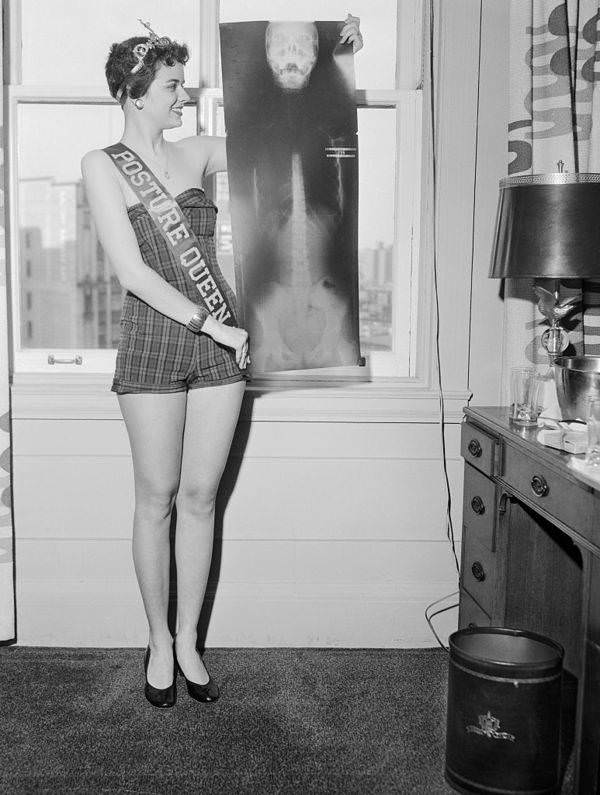
Among the most medically unusual contests was the Perfect Back competition, which emerged in Los Angeles around 1930. Contestants were examined and X-rayed by chiropractors, who evaluated spinal alignment as part of the judging criteria. The profession used these events to promote the idea that a healthy spine was a marker of beauty and physical perfection.
The mask-and-hood approach to figure judging appeared at multiple venues across Britain. At the Lido in Margate in 1946, the winner of the Neatest Figure competition wore a hood throughout the event so that judges had no access to her face. The goal, as stated by organizers, was to prevent facial attractiveness from influencing the outcome.
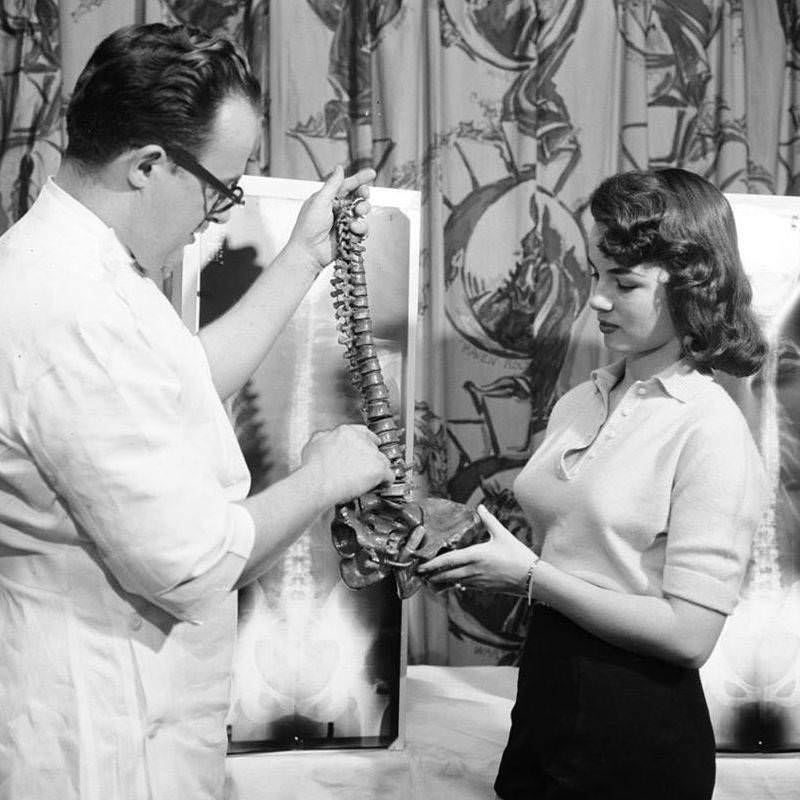
Chiropractors continued to carve out space in the pageant world well into the 1950s. In 1956, a chiropractic beauty contest saw judges use a spine replica to explain their scoring to contestants. The winner, Lois Conway, was evaluated in part on the quality of her spinal structure — a judging standard found in no other beauty contest format.
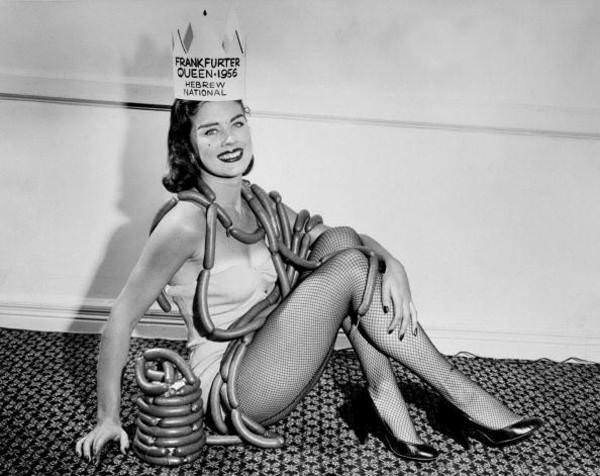
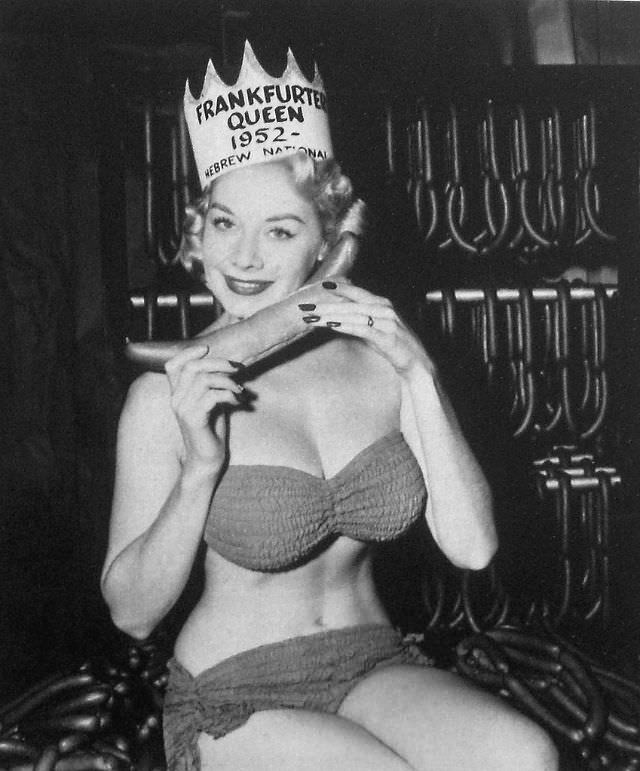
Hebrew National, the processed meat company, crowned Lorraine Cole as Miss Fabulous Frankfurter in 1956, a title she received at a ceremony held at the Hotel Wellington in New York. These food-brand pageants were part promotional event, part press stunt, and part genuine competition — and they generated reliable newspaper coverage for the sponsoring companies.
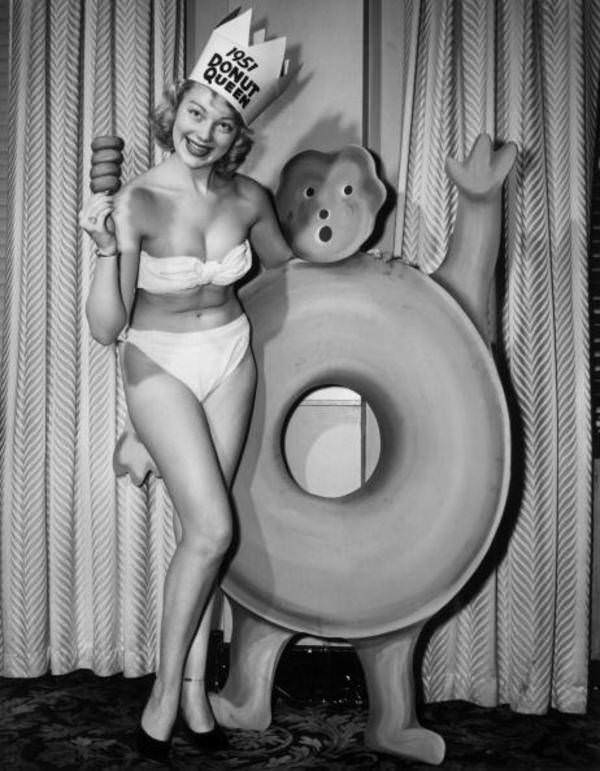
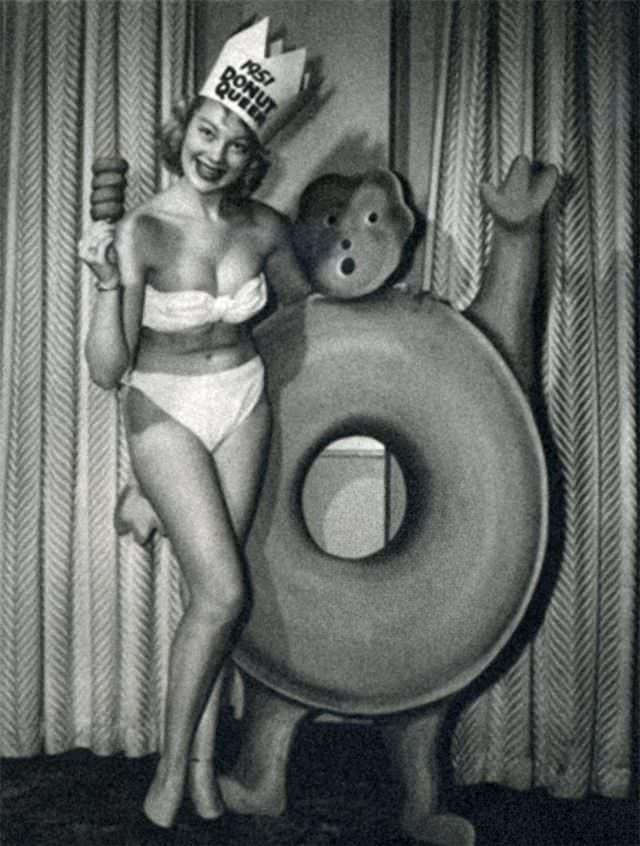
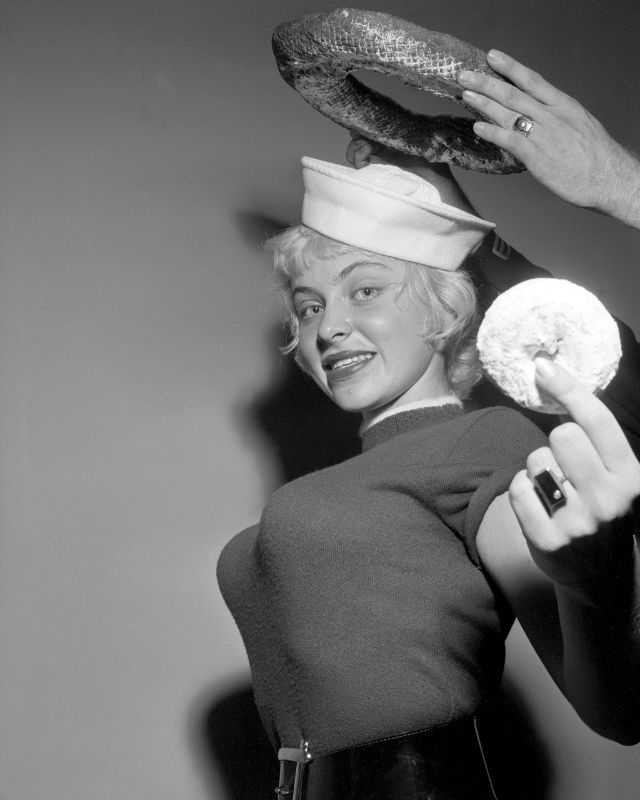
The Donut Queen title was awarded repeatedly throughout the late 1940s and 1950s, with different women crowned in different years and locations. In 1951, Kris Nodland posed in a bikini and high heels alongside donuts and a character called the Gingerbread Donut Boy at the Governor Clinton Hotel in New York. The pageant format rarely varied: the winner dressed to represent the product and posed for press photographs.
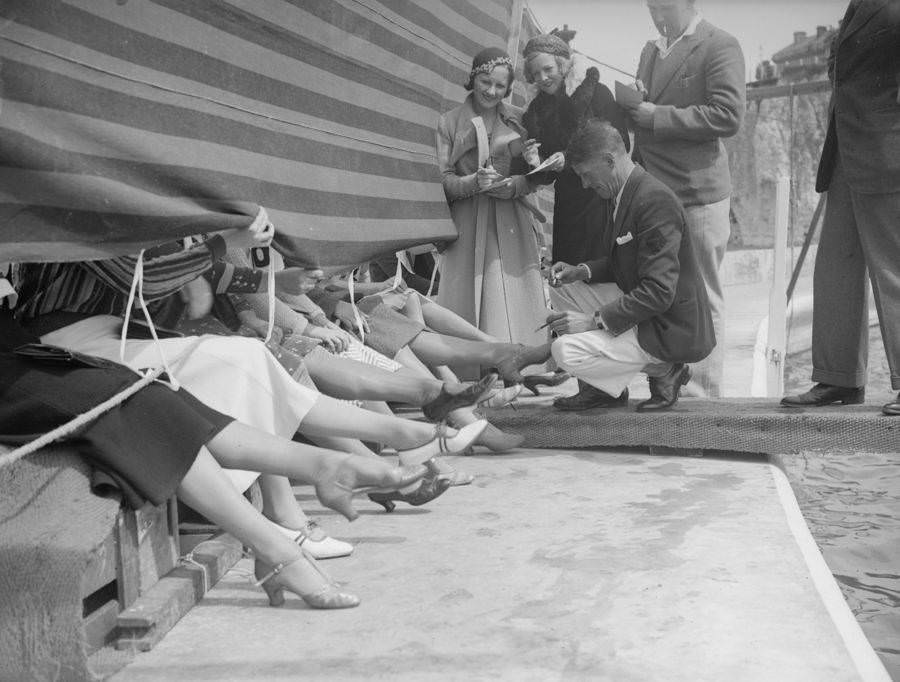
Ankle contests drew judges, crowds, and press photographers in both Britain and the United States throughout the 1930s. In Cliftonville, Kent, a 1933 ankle contest featured formal judging panels who scrutinized participants’ lower legs up close. The atmosphere in surviving photographs looks closer to an agricultural fair than a glamour event.
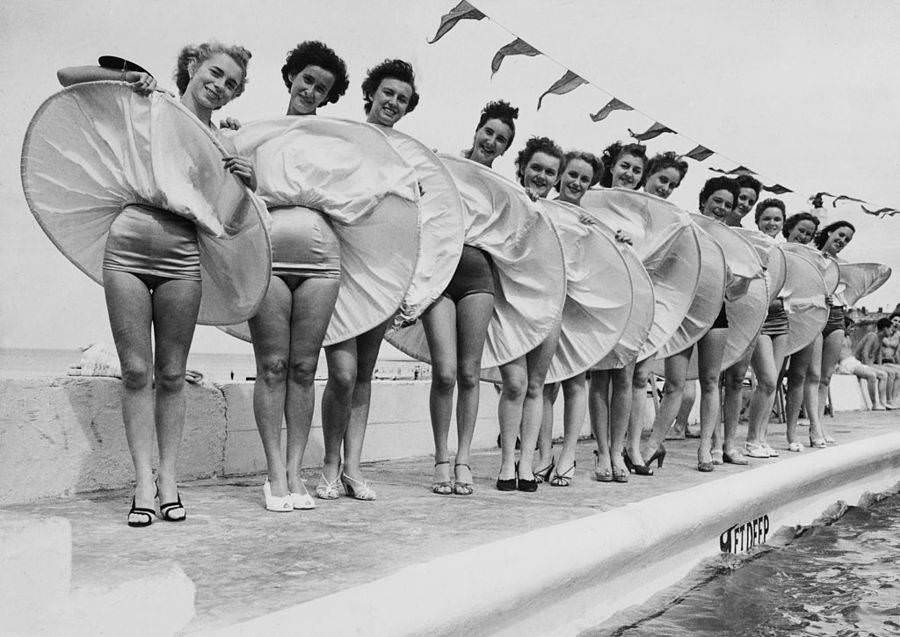
Cliftonville also hosted Miss Lovely Legs competitions, where women lined up and lifted their skirts to reveal their legs for evaluation. The format was straightforward and recurring — these weren’t one-off events but regular fixtures at British seaside resort towns where summer crowds guaranteed an audience.
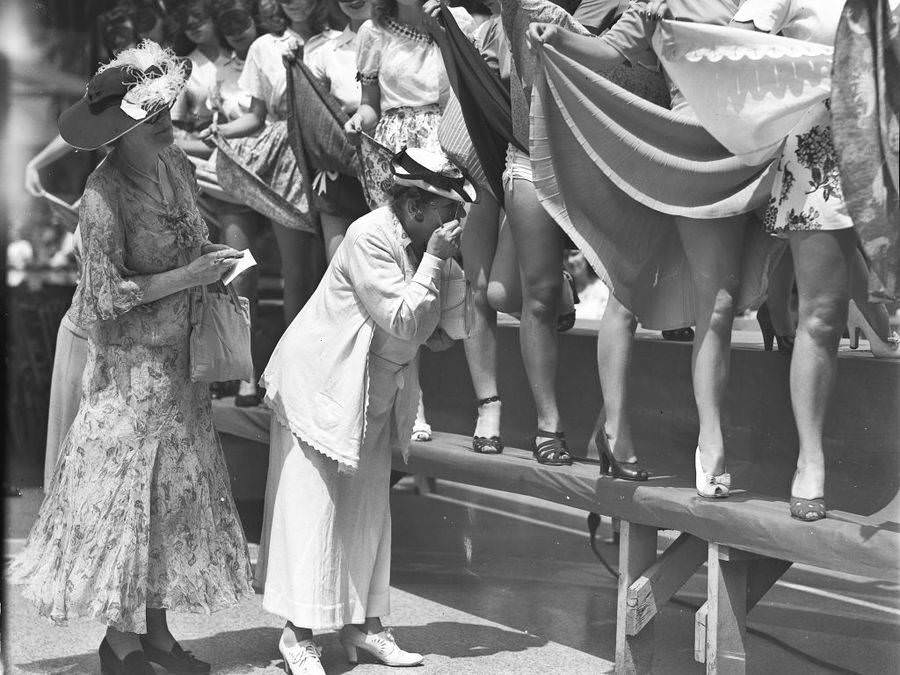
In New York, a leg contest used female judges rather than male ones — an uncommon reversal for the era. Two women are shown closely examining the legs of contestants who hold up their skirts during the unspecified event. Whether the choice of female judges was intended to lend the event more credibility or simply reflected the organizers’ preferences is not recorded.
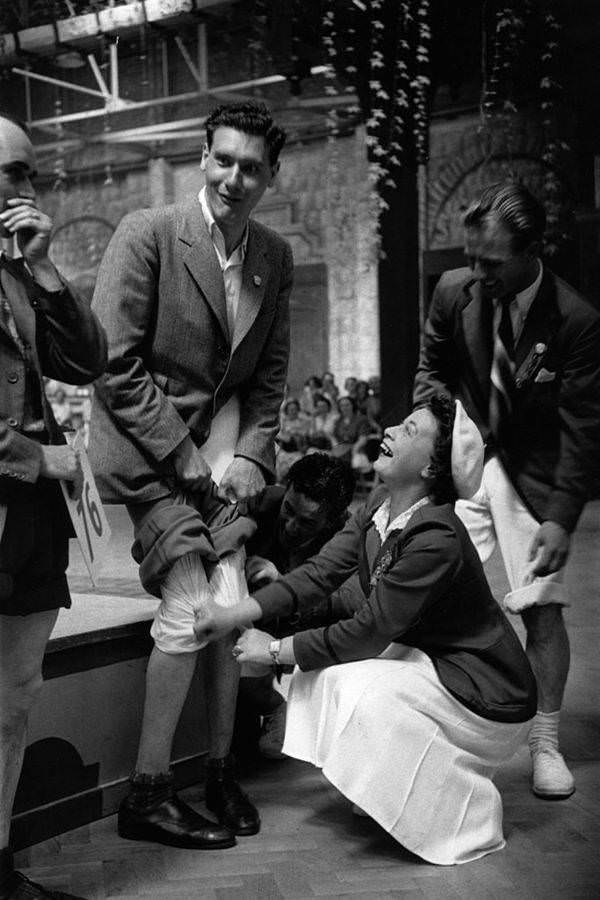
Not all contests at British holiday camps judged female beauty. Butlin’s Holiday Camps — a chain of resort facilities that became hugely popular in postwar Britain — hosted knobbly knees contests for men. In 1953 at the Filey camp, male contestants competed by displaying their knees, with the oddest or most misshapen pair taking the prize. It was played entirely for laughs and attracted enthusiastic crowds.
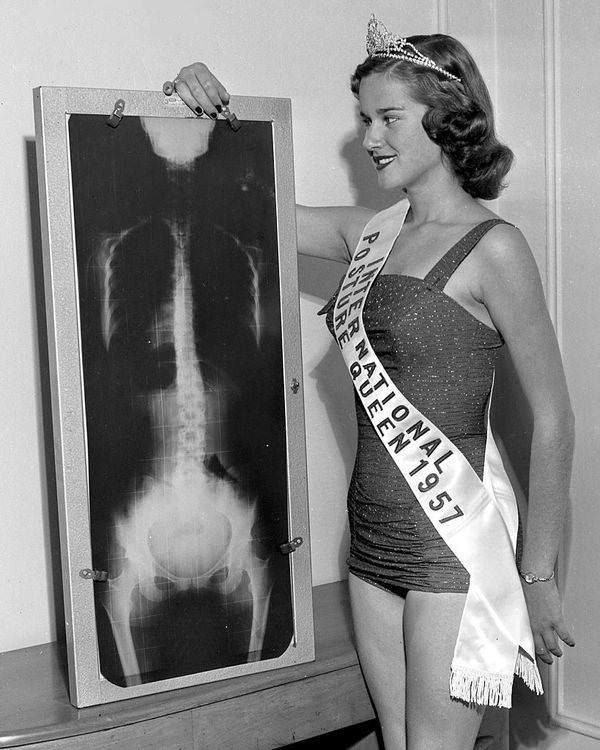
The posture pageant circuit ran parallel to the chiropractic contests. In 1957, Diane Stopky of St. Louis was crowned National Posture Queen in New York, posing alongside an X-ray of her spine as part of the official documentation of her win. These contests pushed the argument that correct posture and spinal alignment were as central to physical beauty as any facial feature.
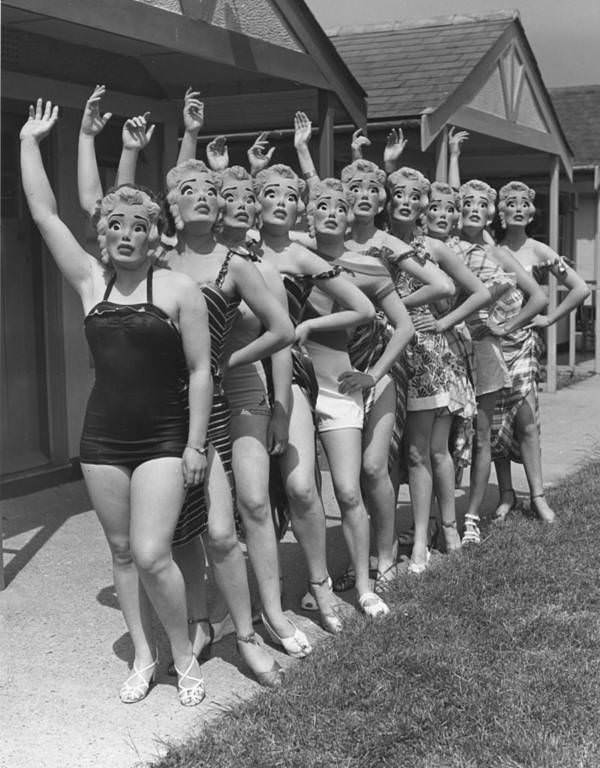
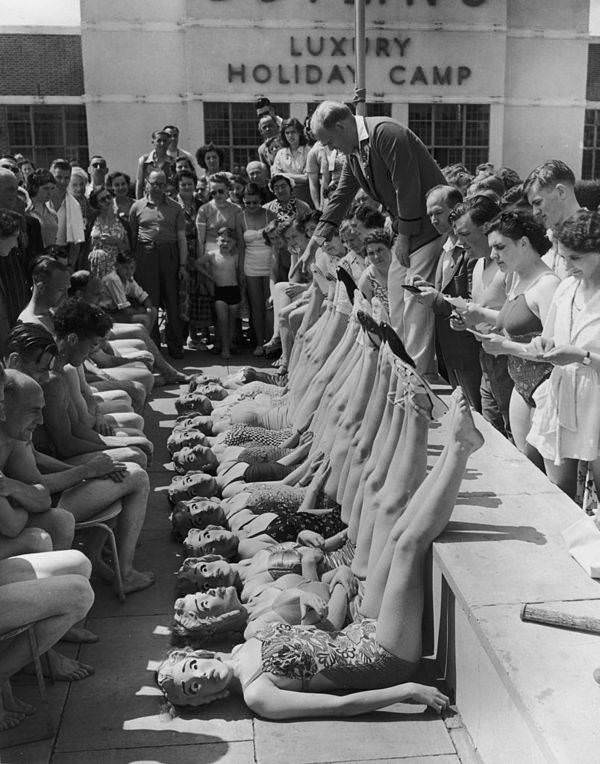
Butlin’s Holiday Camps hosted events that ranged from the knobbly knees competition to celebrity lookalike contests. In 1952, women at the Clacton-on-Sea camp wore identical Marilyn Monroe face masks during one such event. With every contestant’s face the same, judges and audiences focused on everything else — dress, posture, movement — in a strange echo of the body-judging events happening elsewhere at the same time.
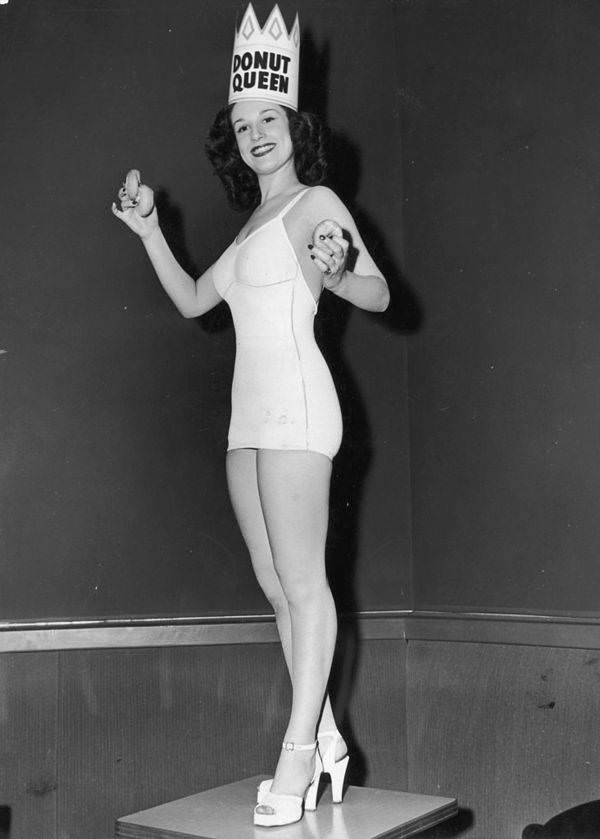
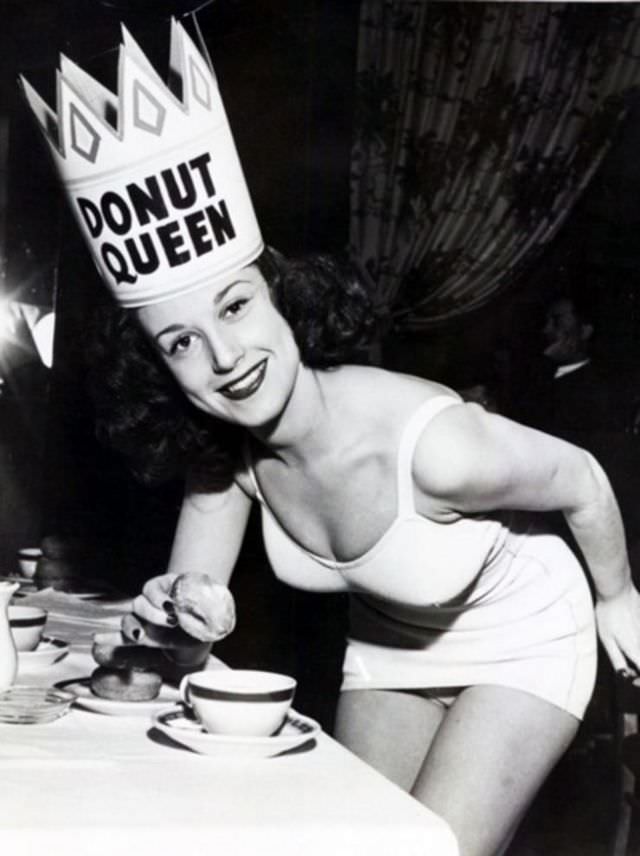
The Donut Queen title in 1947 went to Pat Marlowe, who wore a paper crown, a one-piece swimsuit, and platform shoes for her official portrait. She stands holding a donut in each hand — a pose that was entirely standard for food-product queens of the era. These images were distributed to newspapers and trade publications as promotional material.
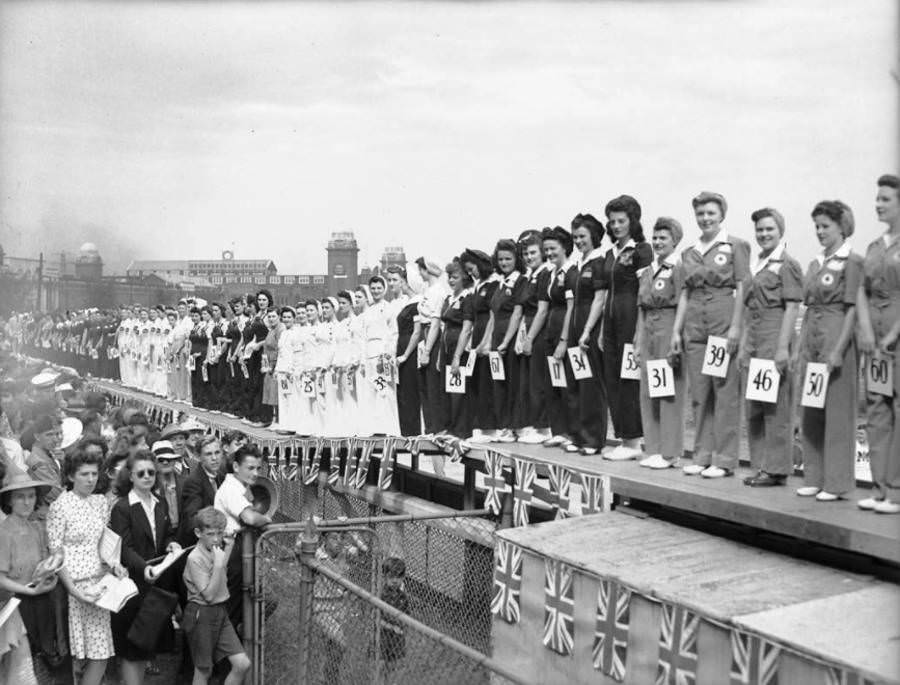
Wartime Canada produced its own unusual pageant format. In 1942, Toronto held a Miss War Worker Beauty Contest, in which women who worked in wartime factories and industrial roles competed for the title. The contestants lined up in their work clothes, and the contest served a dual purpose: celebrating women’s contribution to the war effort while still framing their value partly in terms of appearance.
The chiropractic profession’s use of pageants as promotional tools reached into high schools as well. In 1956, the Michigan Academy of Chiropractors selected 17-year-old high school senior Patti Sharon Jones as Miss Posture Queen. Her win was based entirely on spinal X-rays submitted by contestants — no in-person evaluation, no measurements, just radiographic images of the spine assessed by chiropractors.
At Butlin’s Clacton-on-Sea camp in 1952, another figure contest used papier-mâché masks to eliminate facial bias from the judging. The approach was deliberate and widely reported. Organizers believed the masks created a fairer competition focused purely on the contestant’s figure, and the resulting images made for strong press photographs.
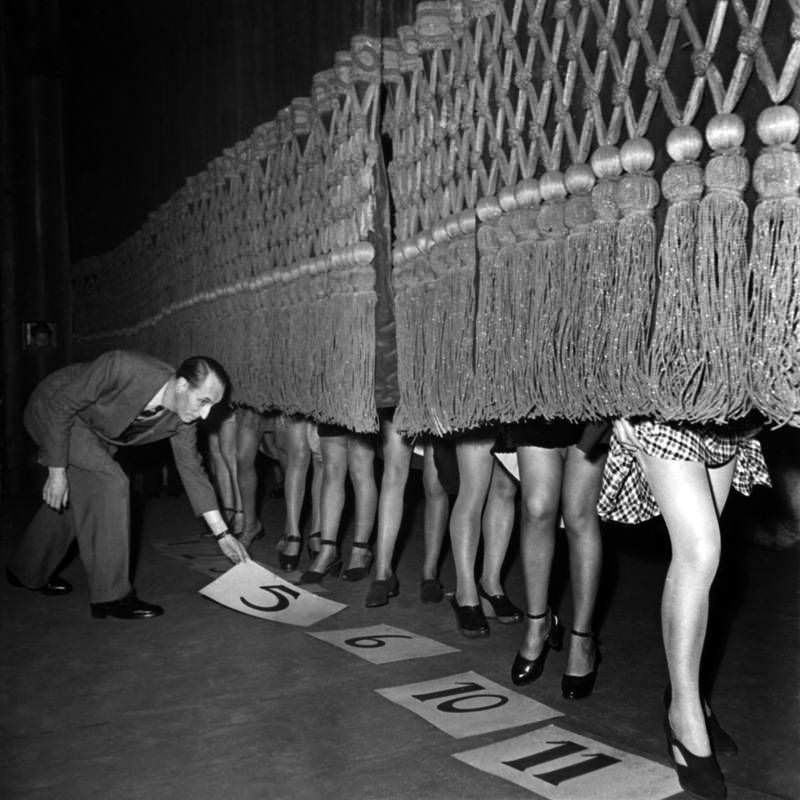
Leg contests took place across Europe as well. Paris held a contest for the most beautiful legs in 1946, with contestants displaying their legs in what appears to have been a formal, well-attended event. The postwar period saw a surge in these kinds of light entertainment events across Western Europe and North America.
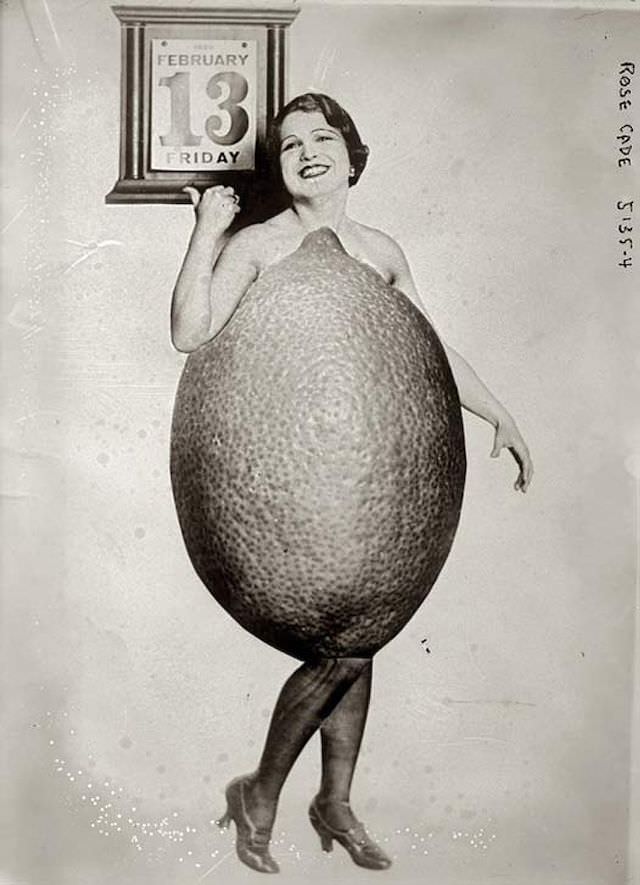
Food-themed pageants stretched back to at least 1920. The role of Miss Lemon, photographed that year, represents one of the earliest examples of a woman being crowned to represent a specific food product or agricultural industry. The tradition of fruit and vegetable queens would grow substantially over the following decades.
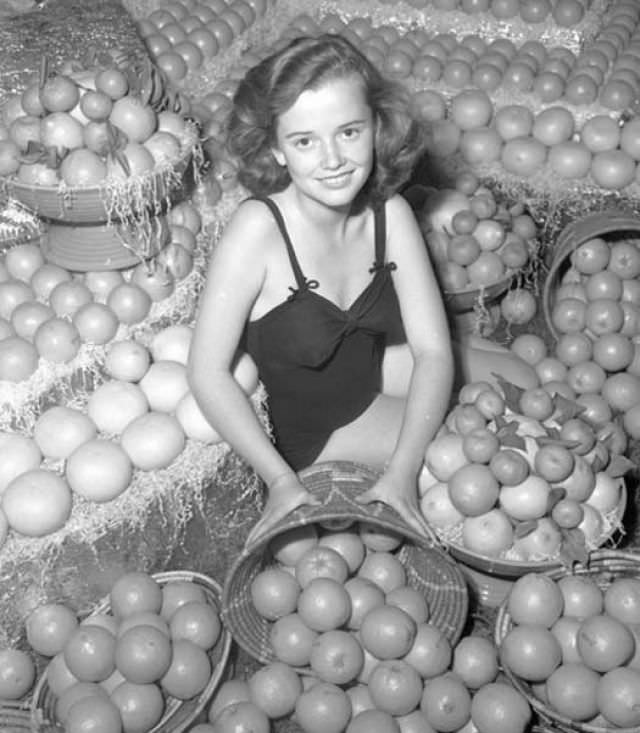
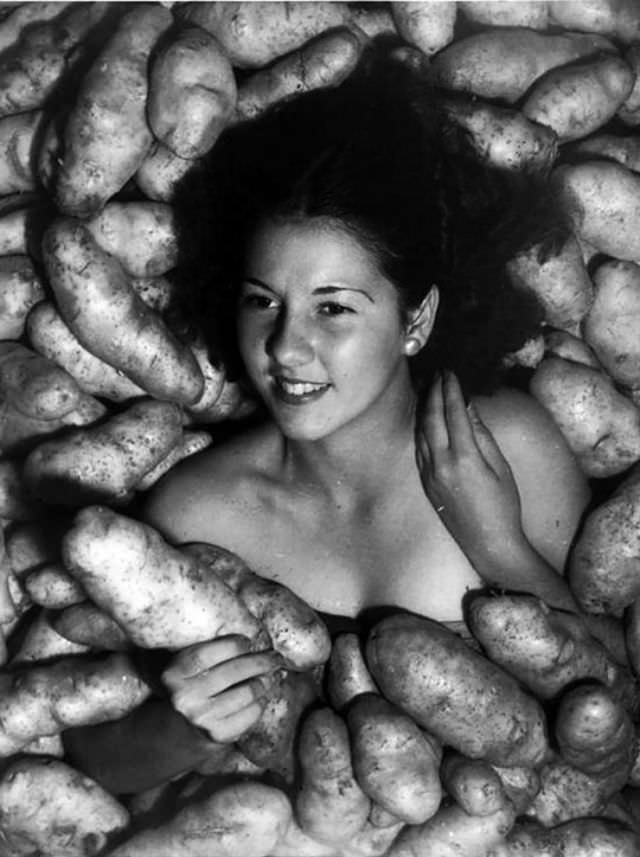
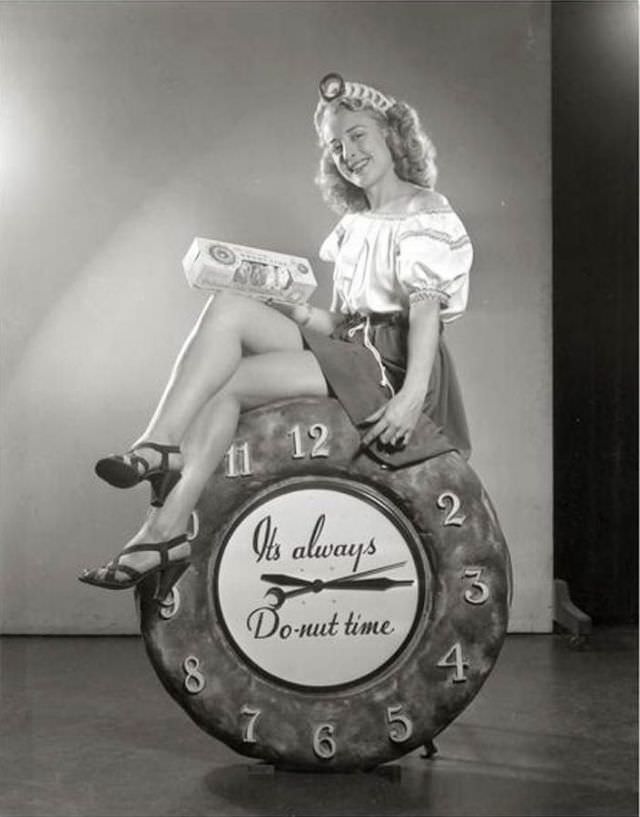
The donut industry in particular made heavy use of beauty queen marketing throughout the late 1940s and 1950s. Multiple women were crowned Donut Queen across different years and cities, each one photographed in formal attire alongside the product they represented. The titles were awarded by industry groups and bakery associations looking for a way to generate press attention.
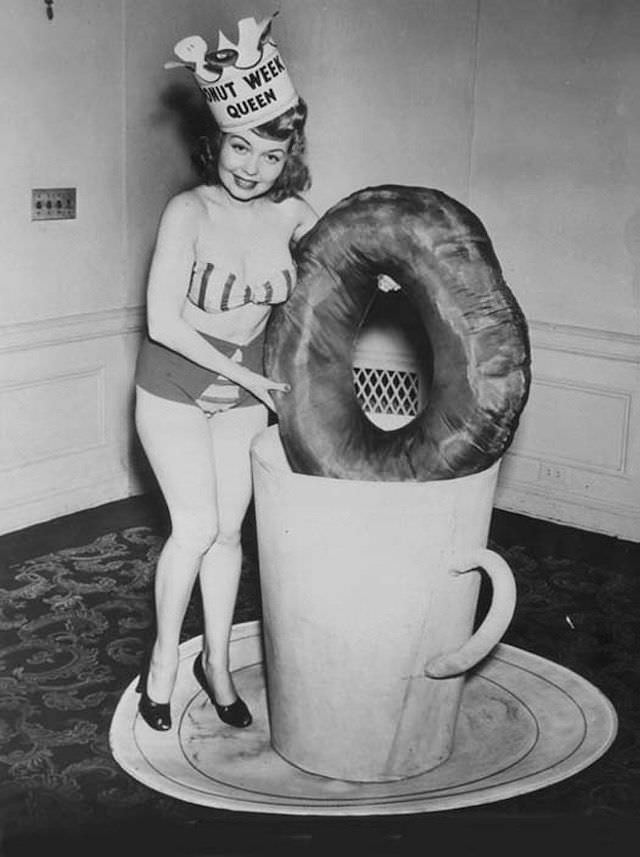
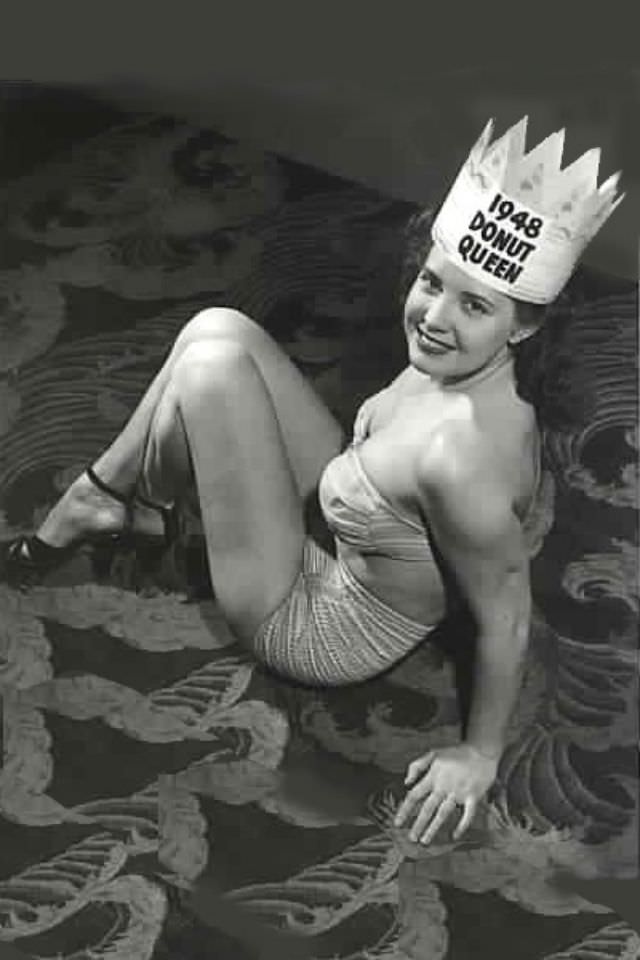
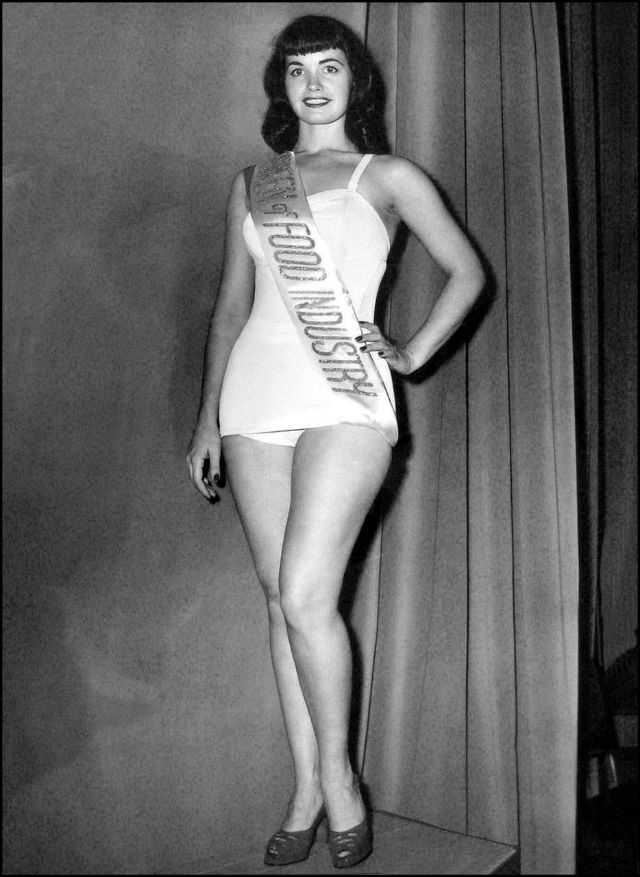
The food industry pageant world produced some genuinely notable participants. Before she became one of the most iconic pin-up models of the 20th century, Bettie Page appeared in her role as Miss Food Industry around 1951. Her participation reflected how common these contests were in that era — they were a standard part of promotional culture, and many young women took part before going on to other careers.
The frankfurter and processed meat industry crowned its own queens throughout the early 1950s. The Frankfurter Queen of 1952 was one of several women to hold the title across that decade, each selected by a meat industry association and photographed for trade and mainstream press alike.
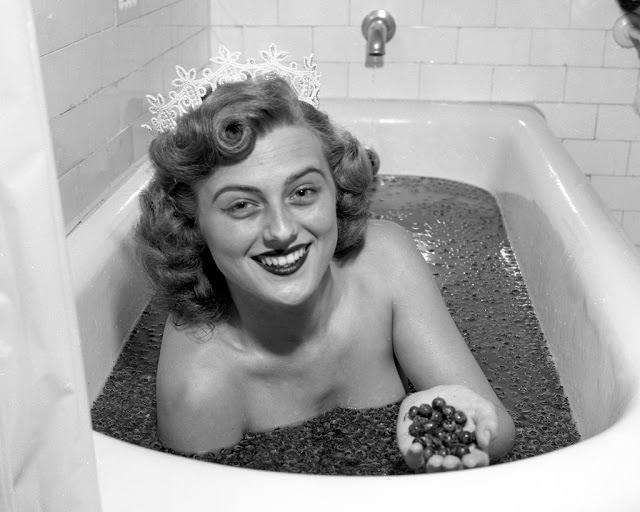
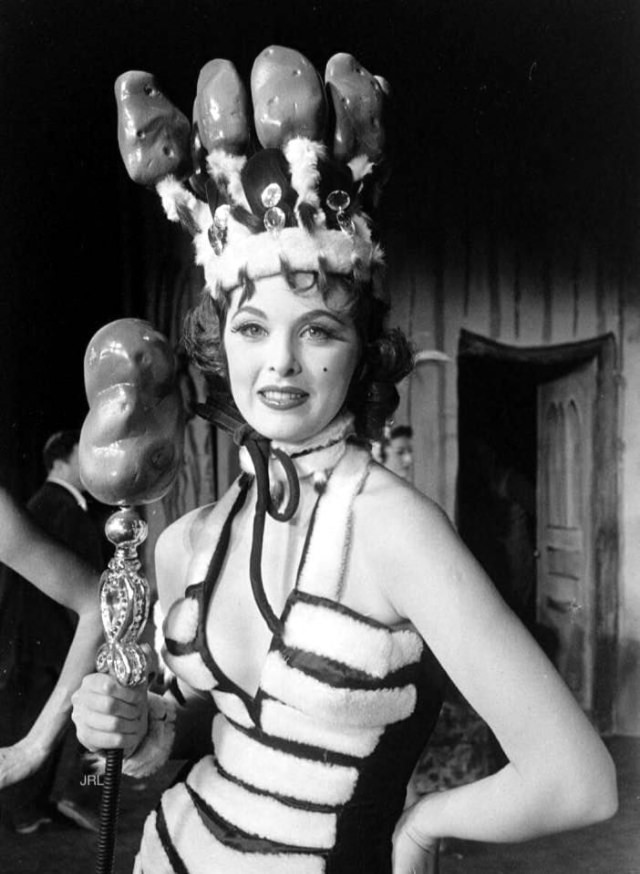
Agricultural product queens extended well beyond fruit and donuts. Pork, beef, candy, and wine all had their own crowned representatives at various points in the mid-20th century. These titles were tied to specific industry groups and regional associations, and the women who held them often traveled to trade shows, fairs, and press events to promote their respective products.
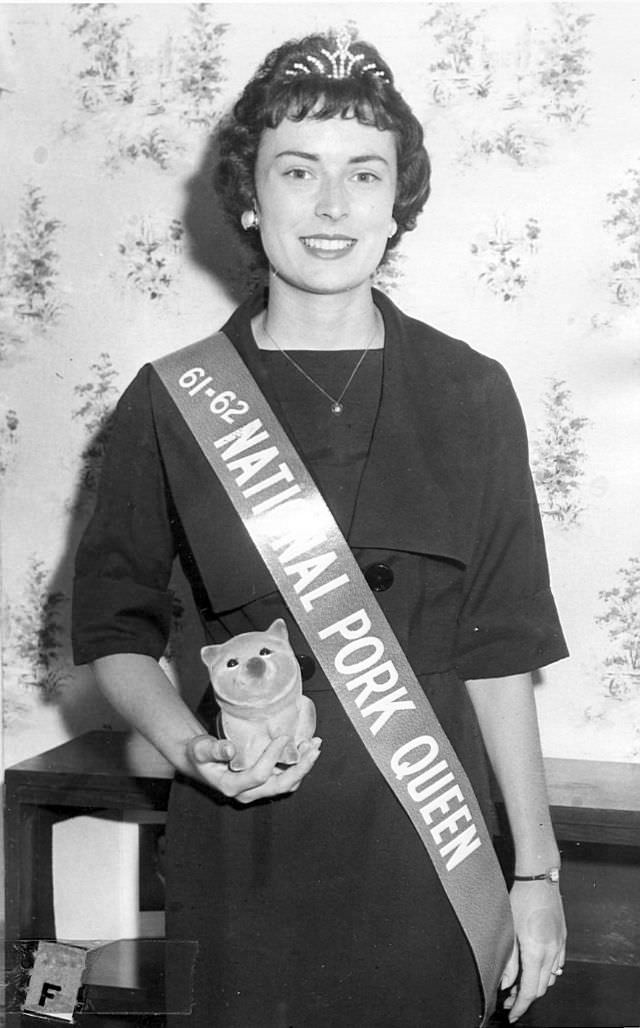
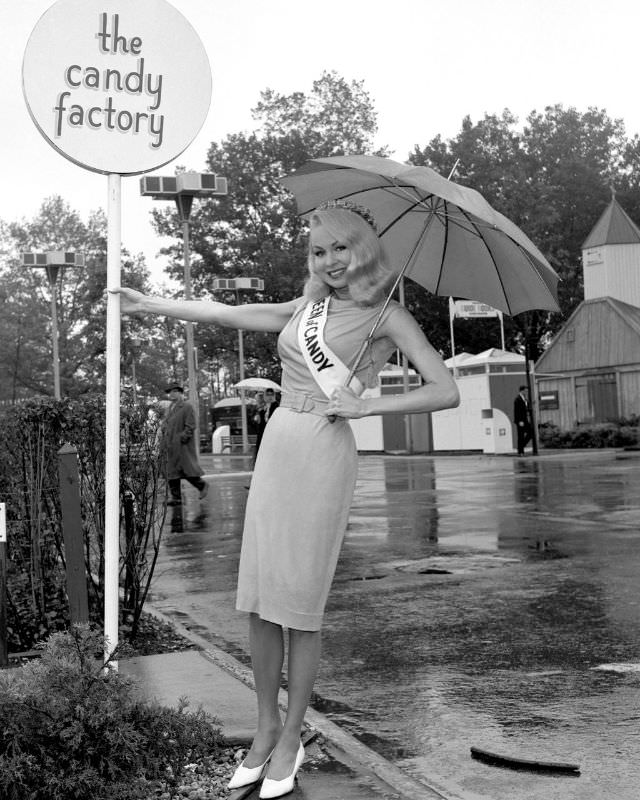
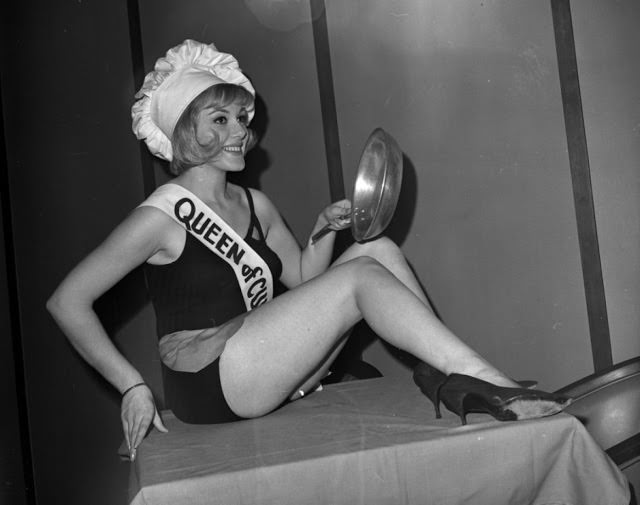
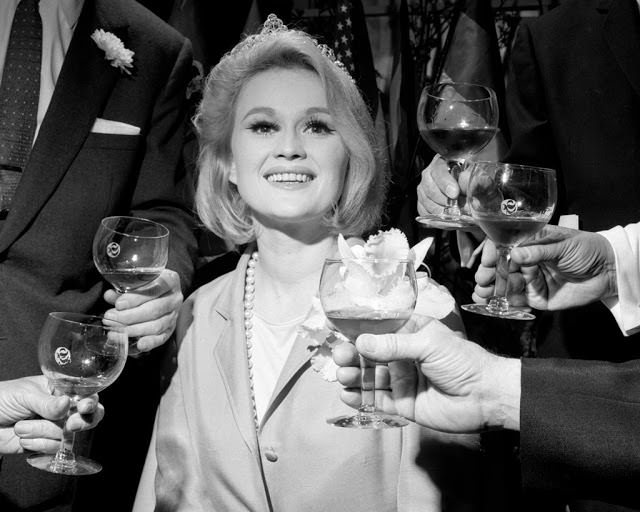
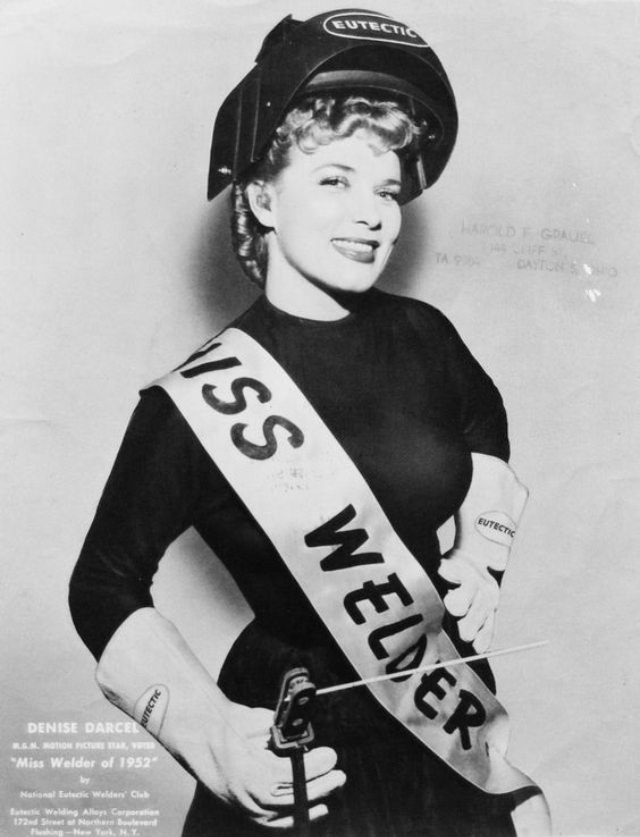
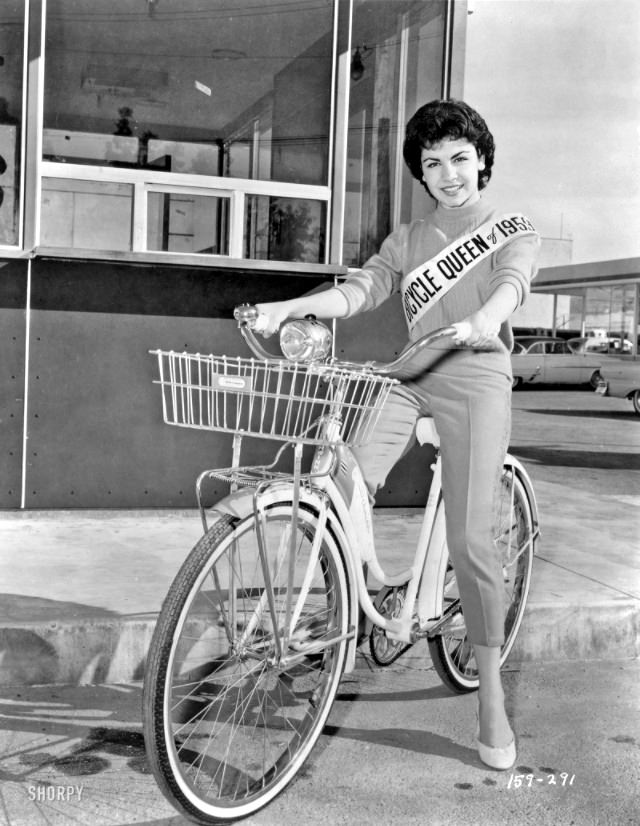
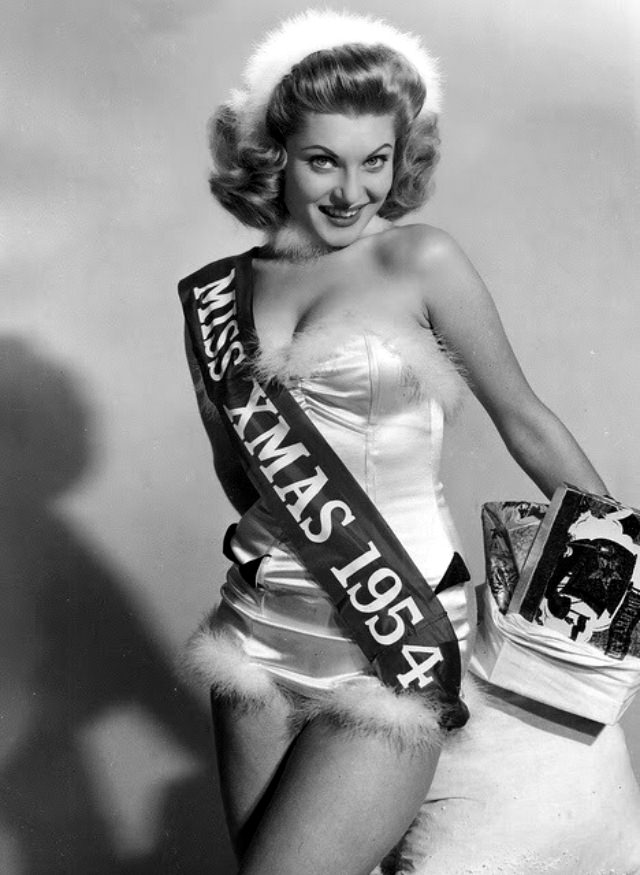
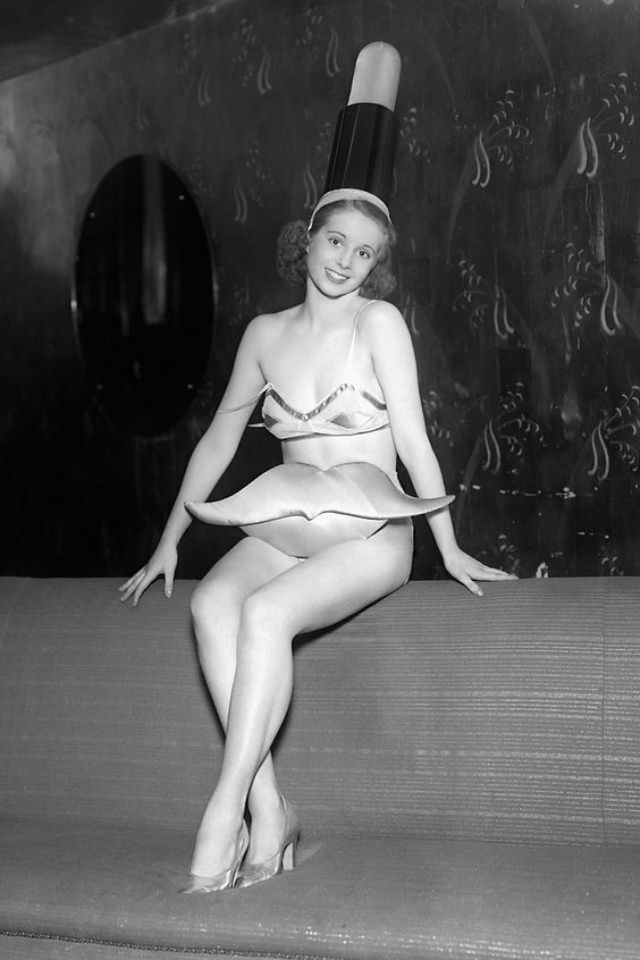
Beyond food, there was seemingly no limit to what a woman could be crowned queen of. Holiday seasons, consumer products, local businesses, and regional events all generated their own pageant titles. These ranged from the straightforward — Miss Xmas — to the highly specific. Winning these titles was often tied to commercial promotion rather than any standardized competition.
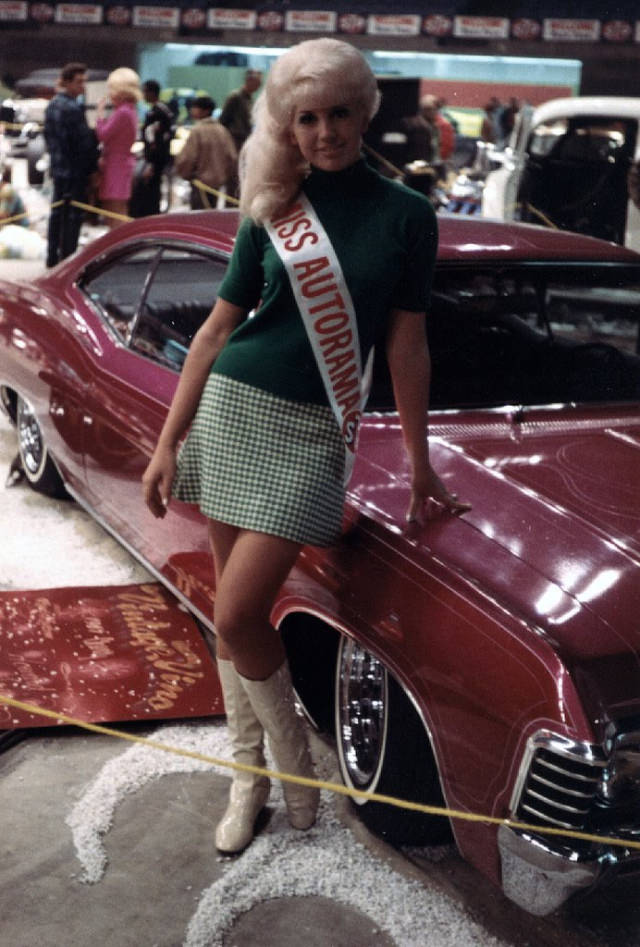
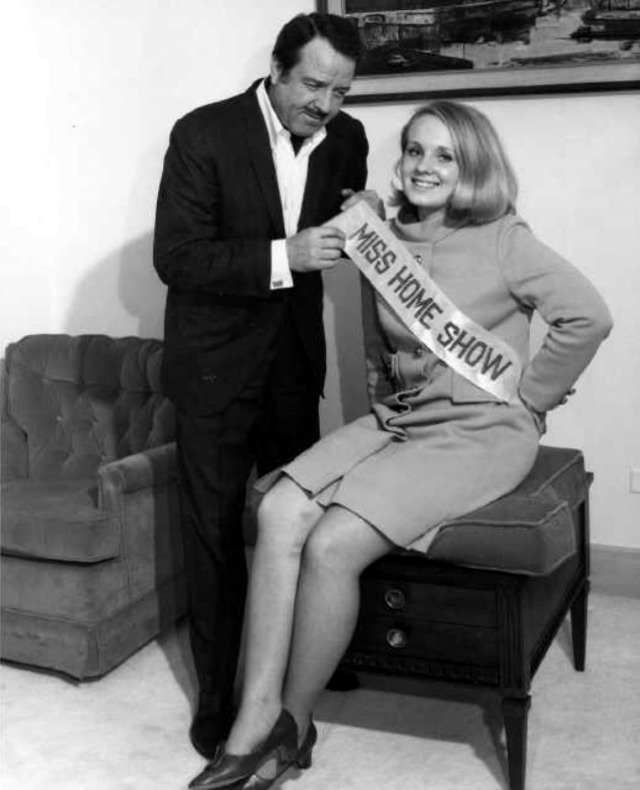
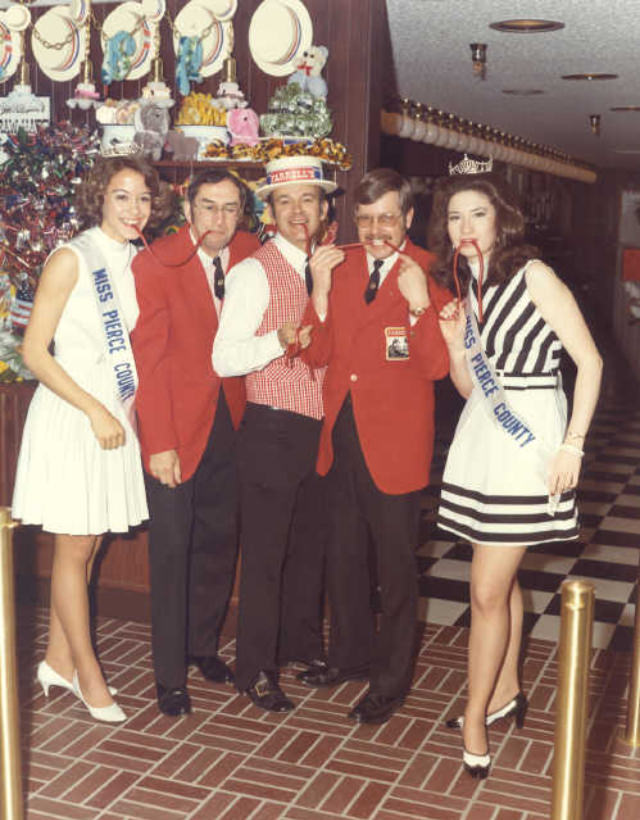
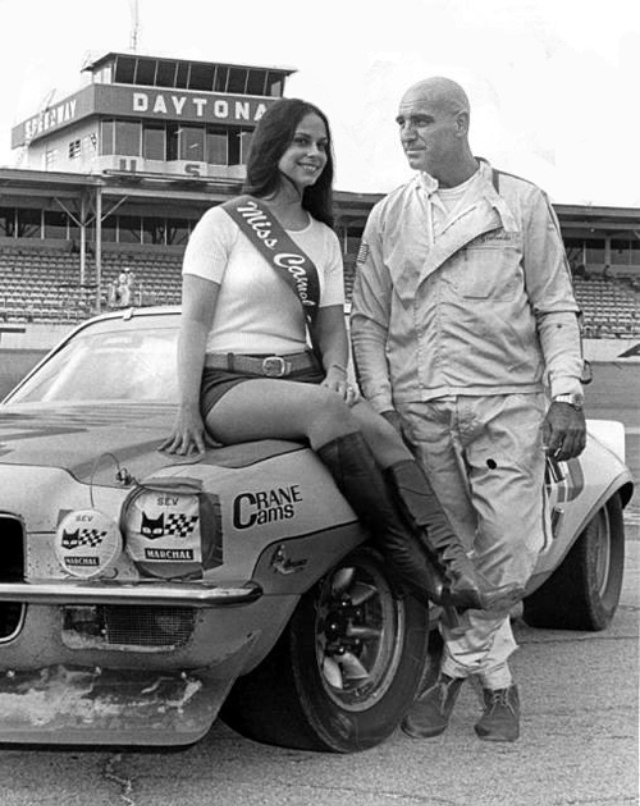
The automotive world had a strong tradition of beauty queen tie-ins. Car shows, racing events, and auto-themed promotions frequently crowned women to serve as the face of the event. Titles like Miss Autorama, Miss Nationals, Miss Speed Weeks, and Miss Camaro placed women front and center at events that were primarily marketed to men, using them as promotional draws.
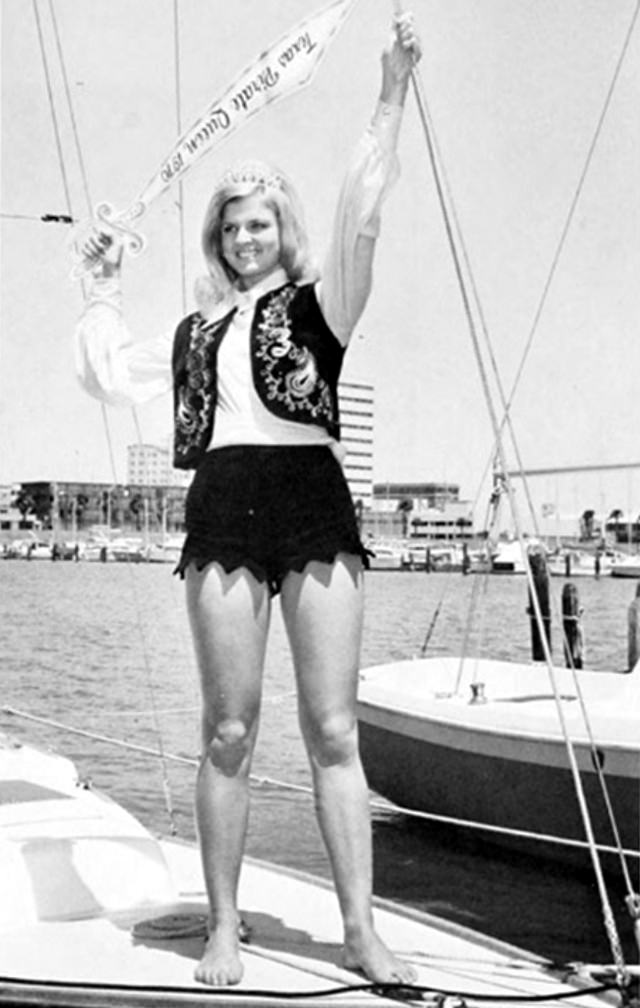
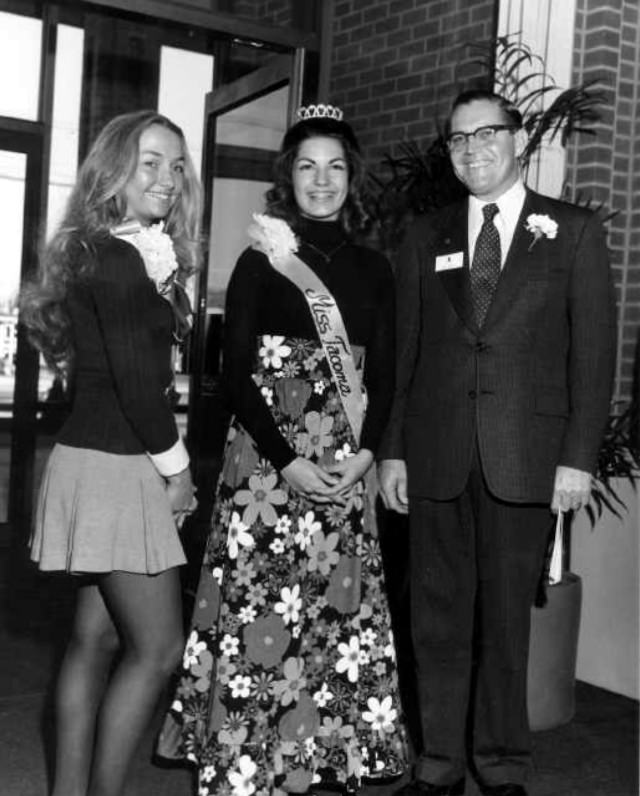
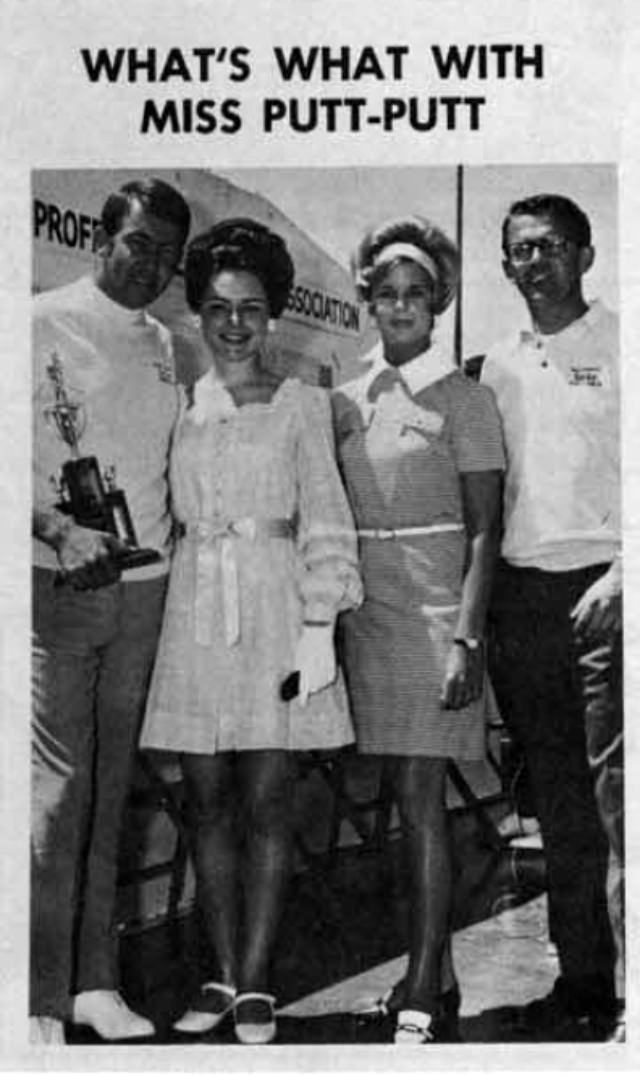
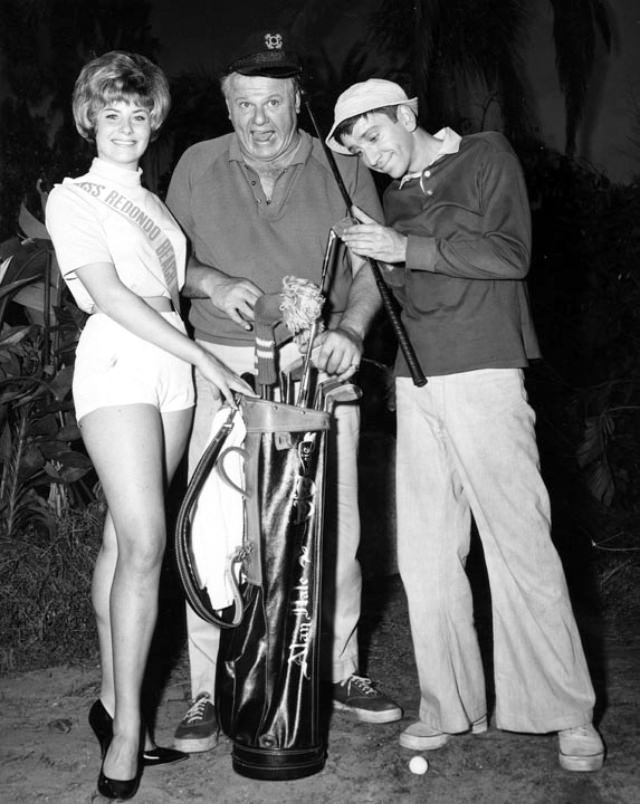
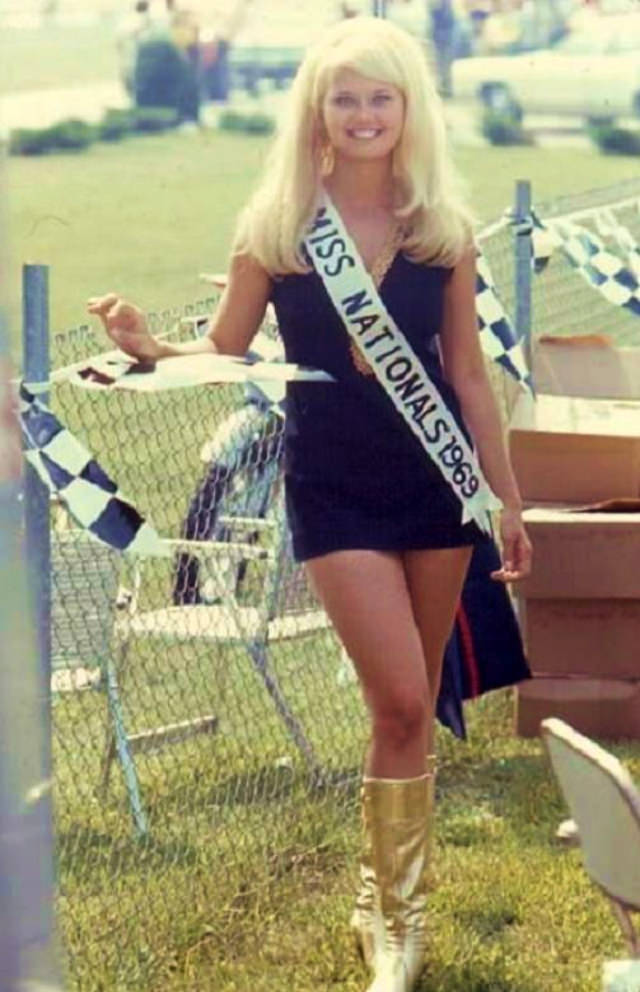
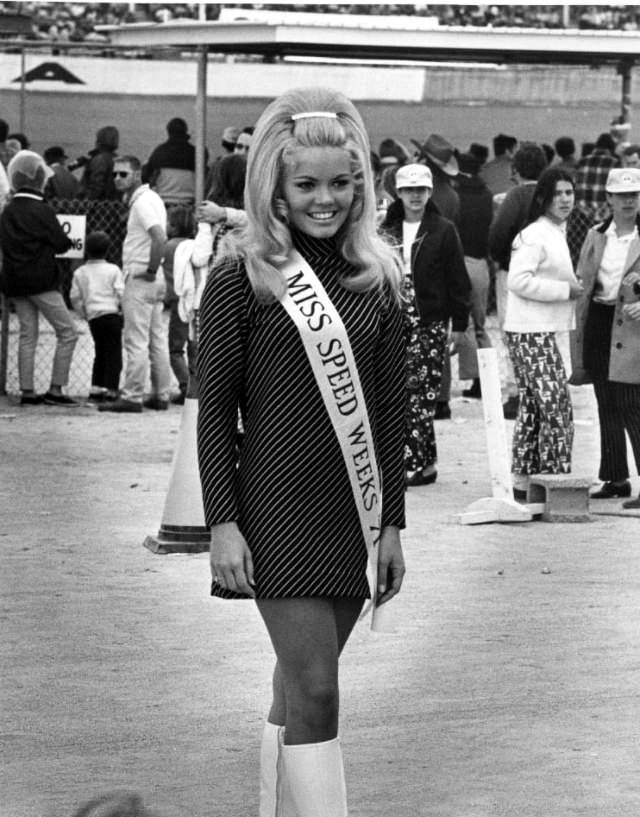
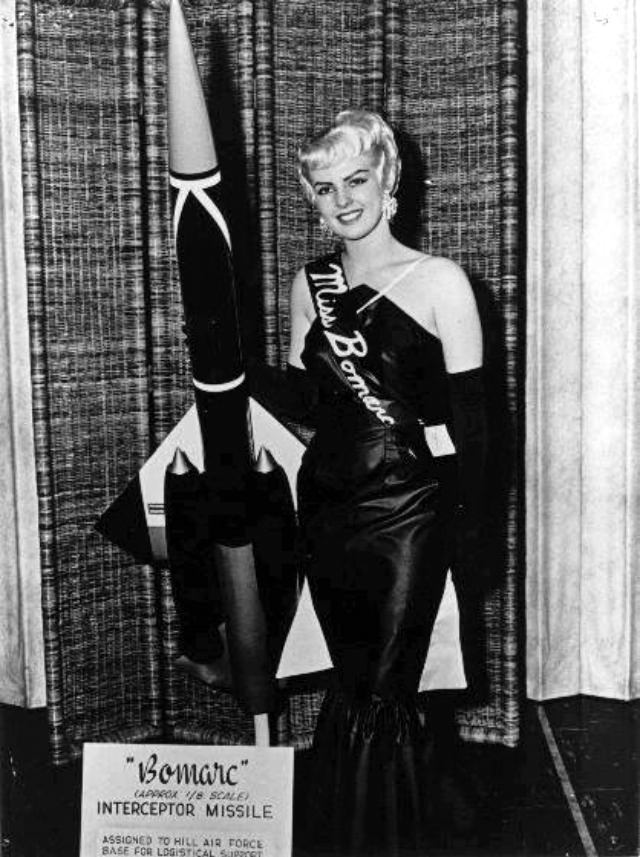
Some titles were specific enough to raise an immediate question. Miss Tall International, for example, was a real pageant title awarded during this era — a competition in which height itself was the defining qualification. Miss Bomarc Missile took the naming convention to a Cold War extreme, attaching a woman’s image and title to one of the United States’ early surface-to-air missile programs. The title reflected a broader habit of using beauty queens to put a friendly face on industries and technologies that needed public support.