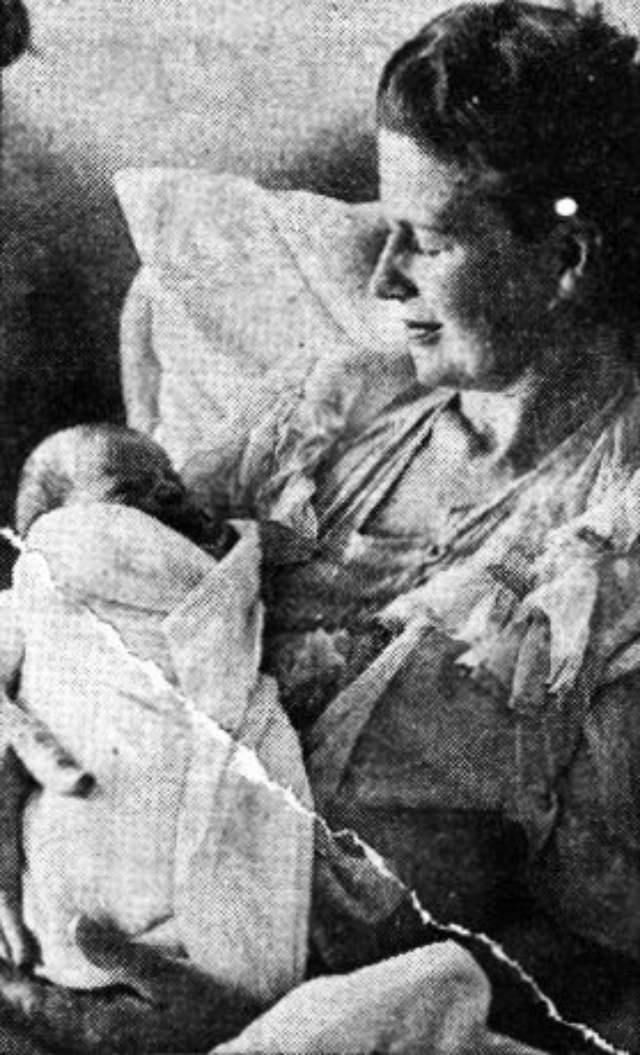
In 1959, a Johannesburg obstetrician named Professor Stephanus Heyns unveiled one of the strangest-looking devices in the history of childbirth. Nicknamed “The Baby Machine,” it was designed to assist expectant mothers through the first stage of labour — the longest and most physically demanding part of the process.
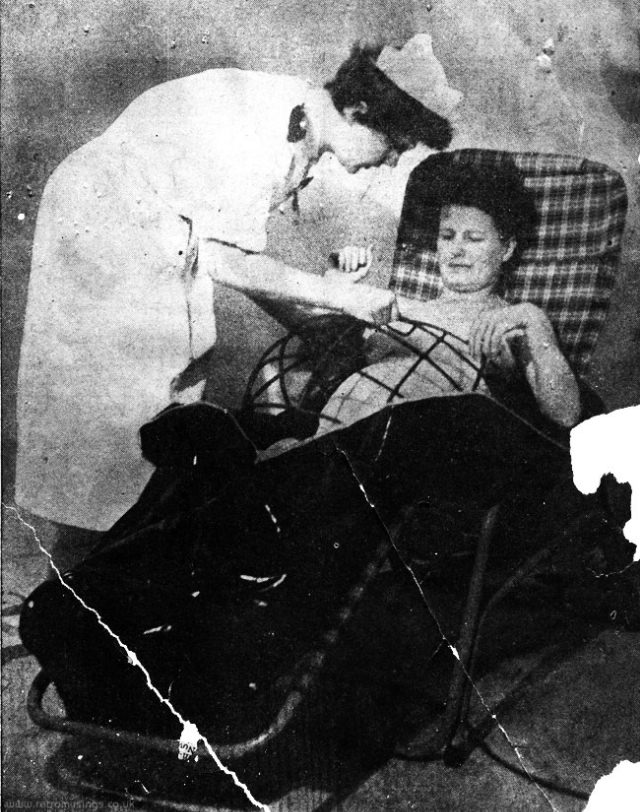
The device combined three components: a transparent plastic suit, a rigid internal metal cage, and a vacuum pump. The cage kept the plastic from pressing against the mother’s skin, creating an air pocket around her body. When the pump removed air from the suit, the drop in pressure allowed her muscles to contract more freely and with greater force.
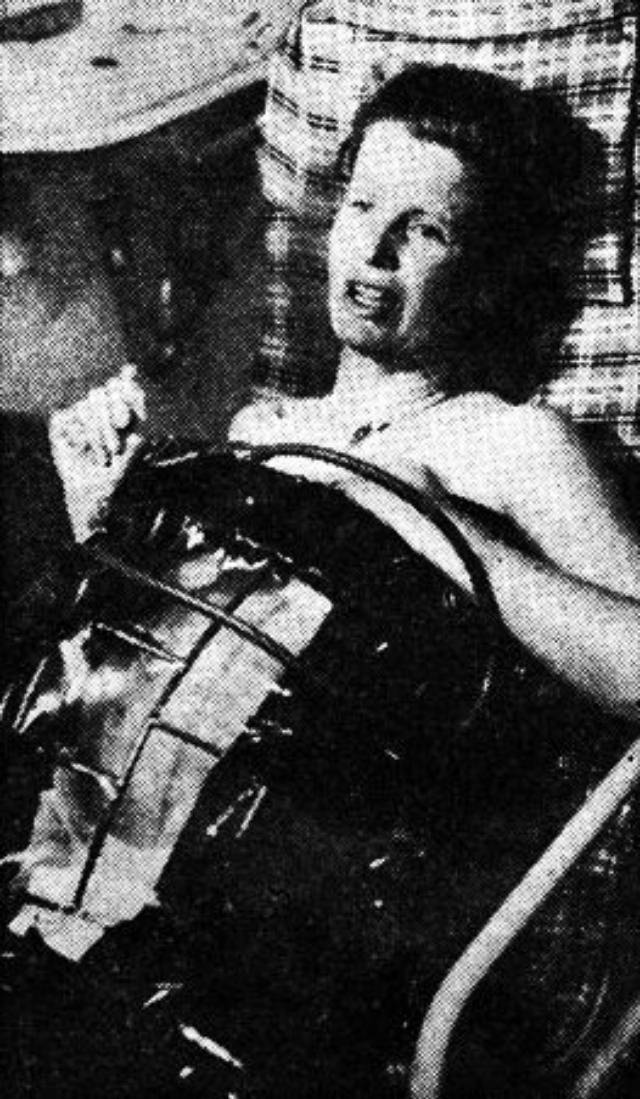
The mother controlled the suit herself, activating the vacuum with a single finger. Professor Heyns reported that this significantly cut down the duration of the first stage of labour. The suit’s clear plastic allowed doctors to monitor progress without removing it, and a zip-fastener let medical staff strip it off quickly if needed.
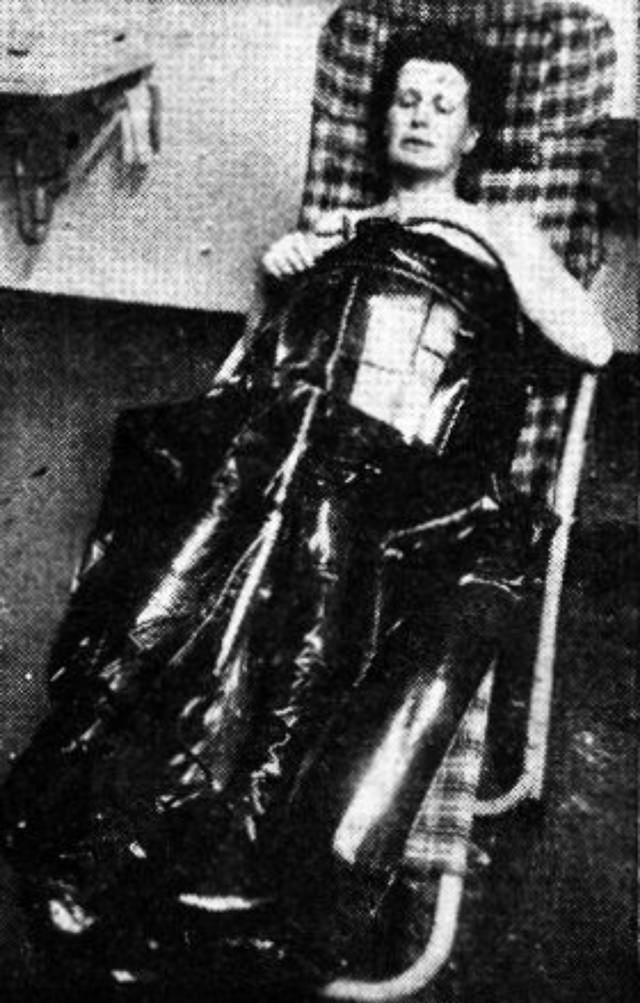
Mrs. Lesley Spencer was among the first women to use the machine, with her husband photographing the occasion. By the time the device drew international attention — including from King’s College Hospital in London — Professor Heyns stated that over 1,100 women had already used it at a large maternity hospital in Johannesburg.