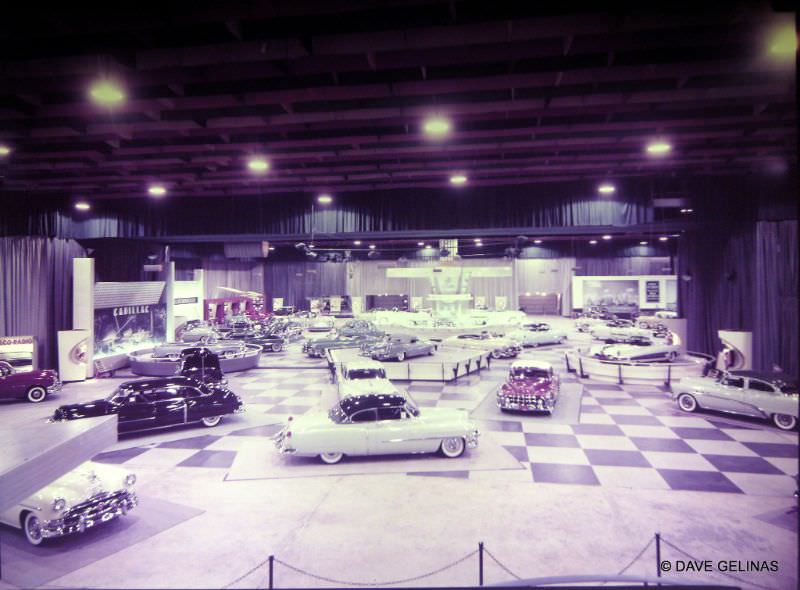
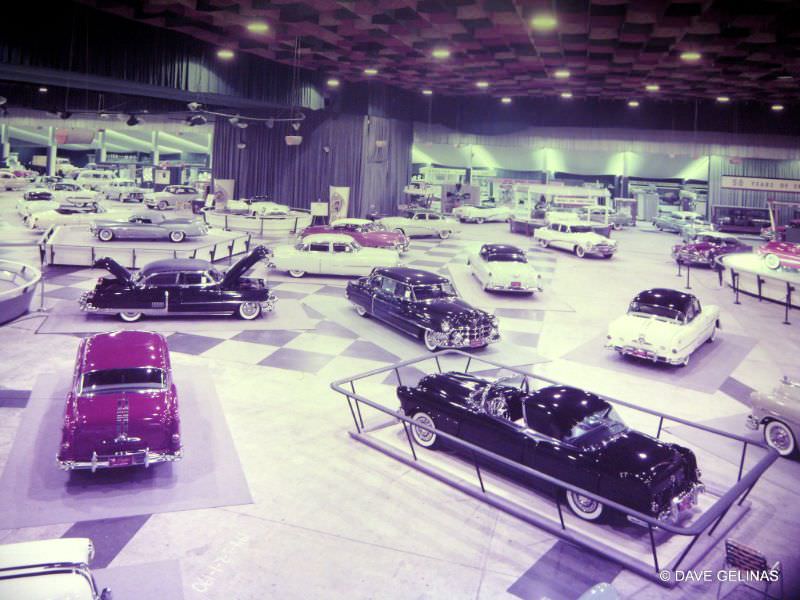
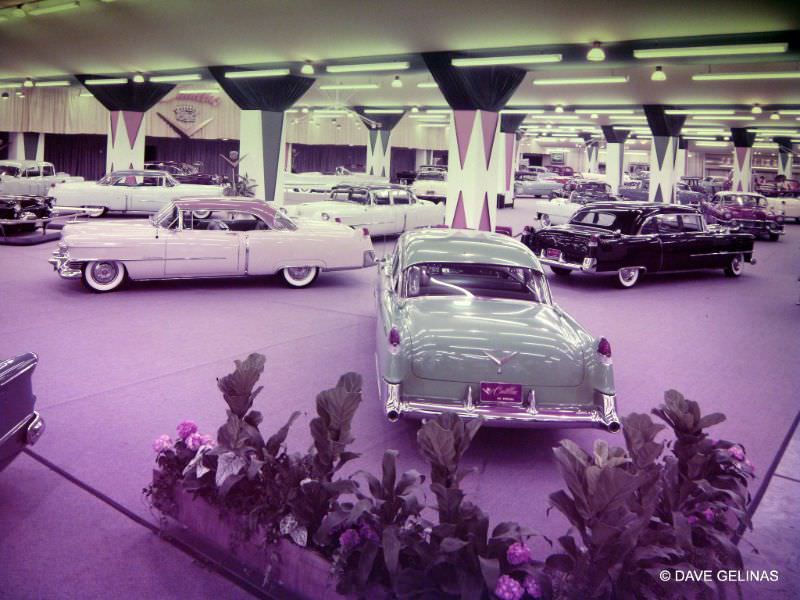
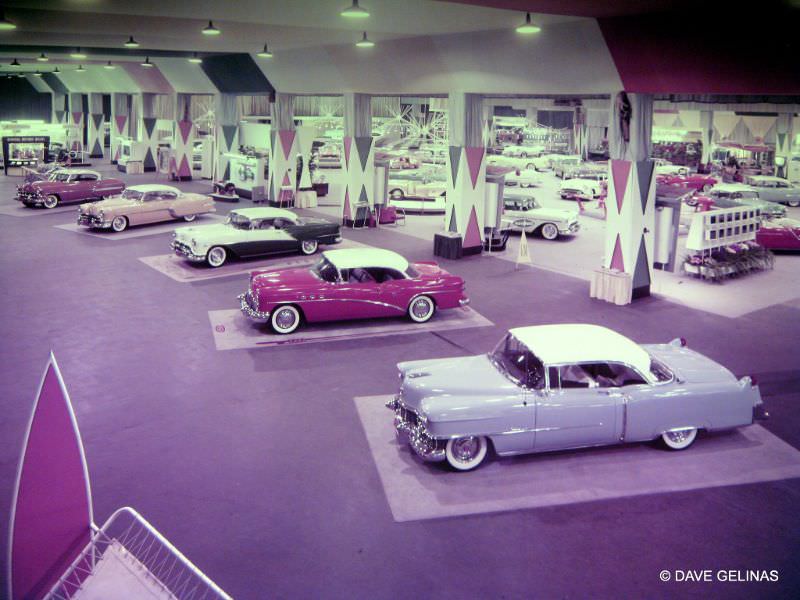
The 1950s were a golden era for American car design. Automakers were competing fiercely for buyers, and style was just as important as speed. Cars grew longer, wider, and far more dramatic in shape. Designers at Chevrolet, Ford, Plymouth, Chrysler, and General Motors drew inspiration from jet aircraft and streamlined trains. The rise of the jet engine didn’t just change aviation — it reshaped the entire look of the American automobile. Tail fins, bubble tops, and chrome-heavy bodywork all reflected that aerospace obsession. Auto shows became major public events where these ideas were put on full display, drawing massive crowds eager to see what was coming next.
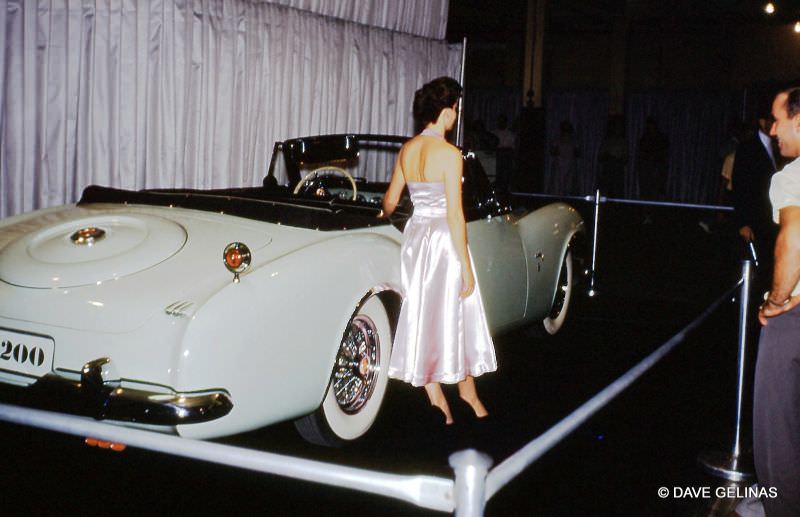
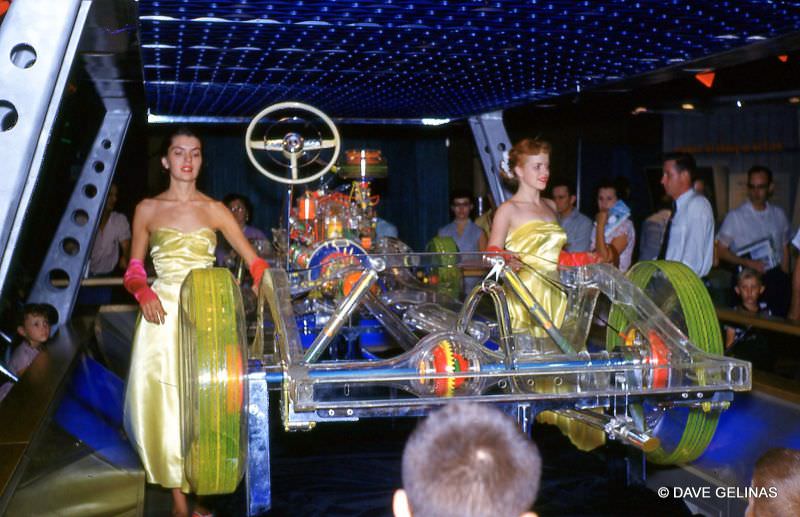
Concept cars were a major draw at these shows. They were rarely meant for production — they were statements. Chrysler partnered with Italian coachbuilder Ghia to produce some of the most striking shapes of the decade. Plymouth took a different approach at the 1952 Chicago Auto Show, displaying a “see-through” car that let spectators view the mechanical systems inside the body.
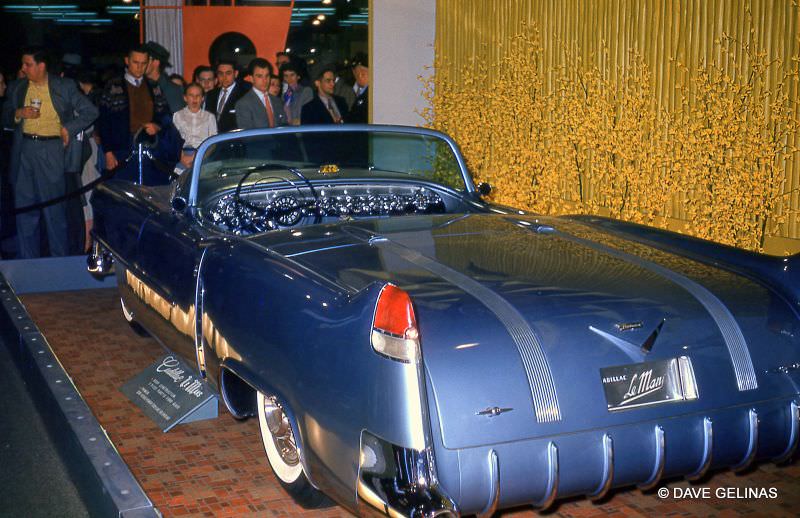
General Motors was particularly aggressive on the show circuit. The company launched the GM Motorama, a traveling exhibition that brought concept cars and production models to venues like the Waldorf Astoria in New York City. In 1953, GM filled the Waldorf’s ballroom with cars including the Cadillac Le Mans and the Buick Le Sabre and XP-300 — two experimental roadsters that pushed boundaries in both engineering and styling.
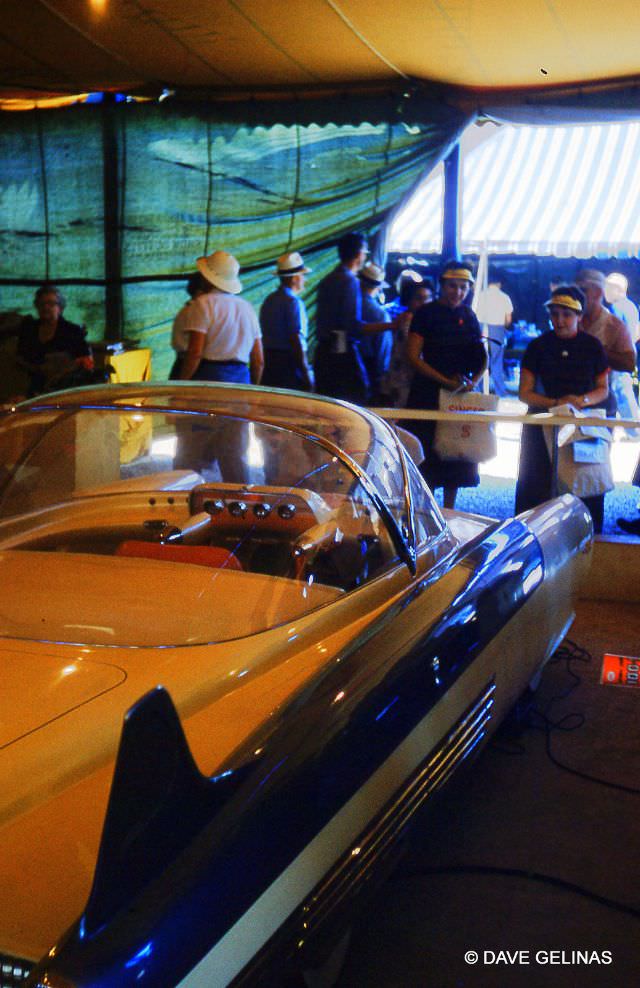
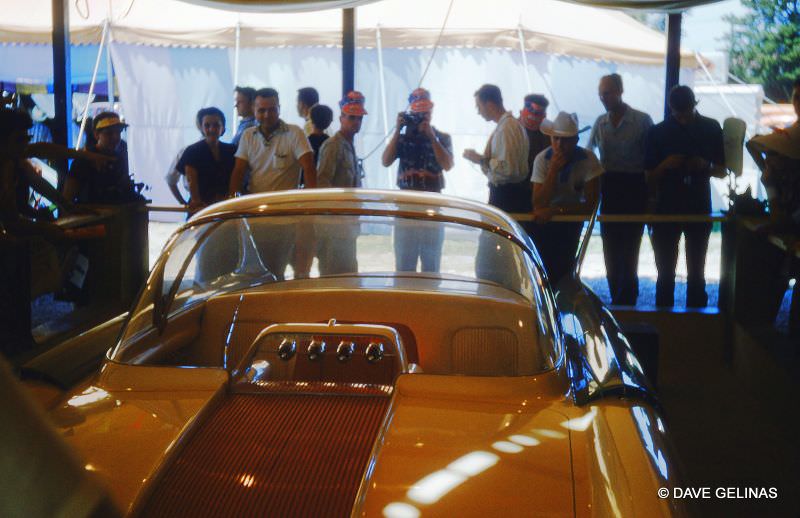
Ford answered with its own bold concepts. The FX-Atmos, shown at the Illinois State Fair in 1954, featured a dramatic bubble-top canopy and a futuristic nose. It looked more like a spacecraft than a family car. That was entirely the point — Ford designers wanted to signal that the company was thinking years ahead.
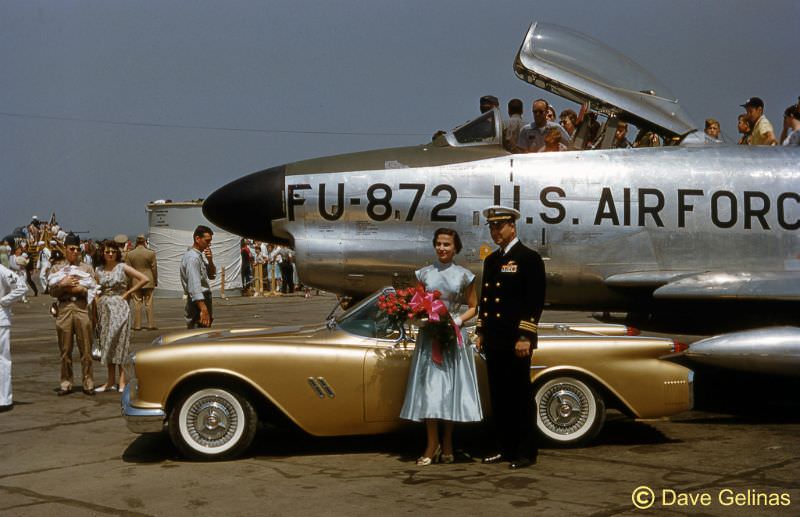
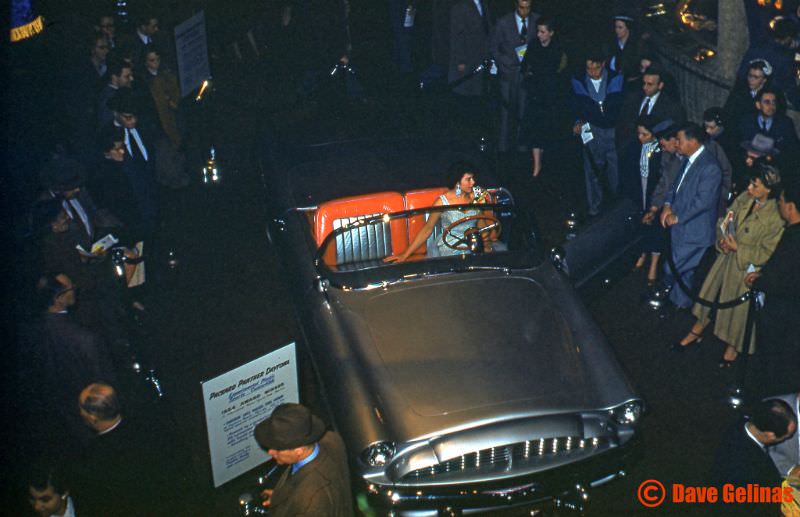
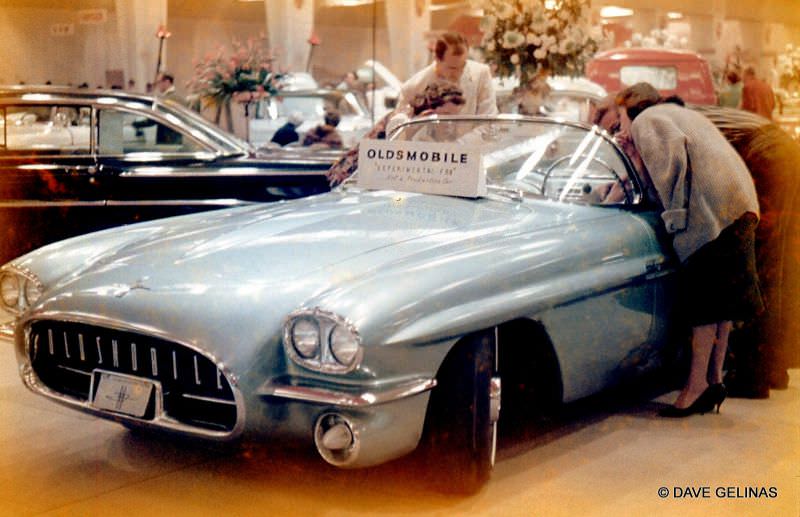
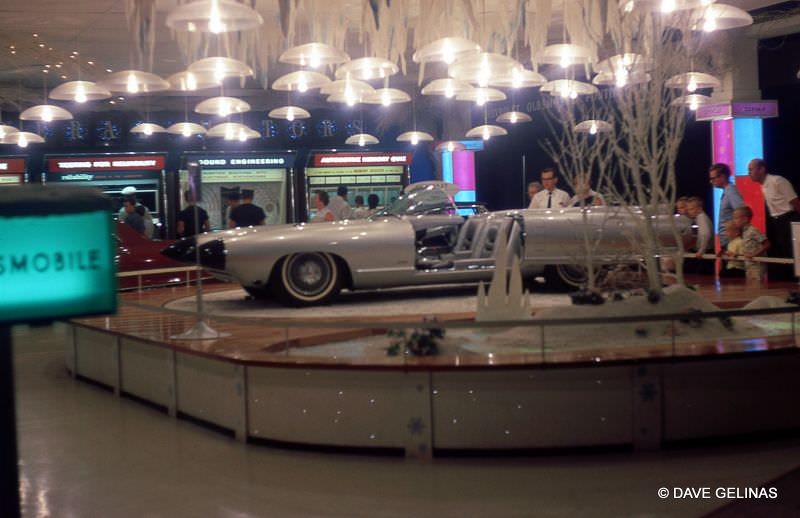
Oldsmobile also made a splash with the F-88, a two-seat convertible concept that appeared at the 1955 Motorama. Low, wide, and finished in gleaming paint, it represented what many believed a sports car should look like. The Packard Panther Daytona from 1954 took a similar approach — long, low, and unmistakably American in its excess.
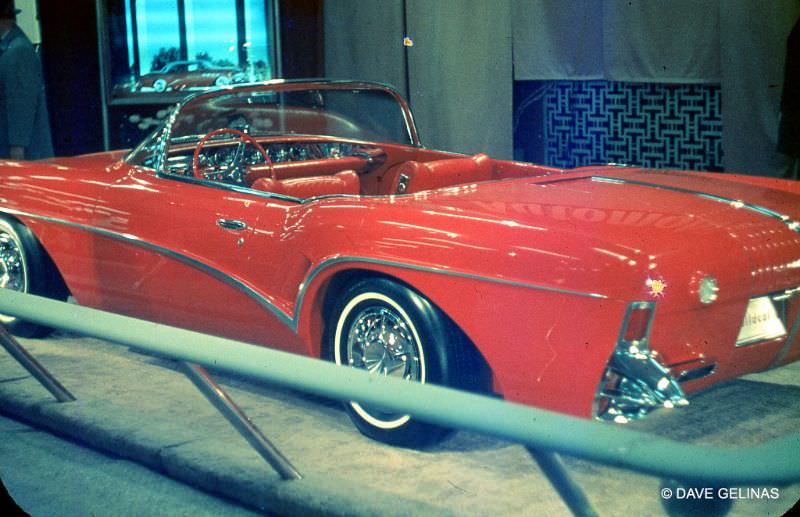
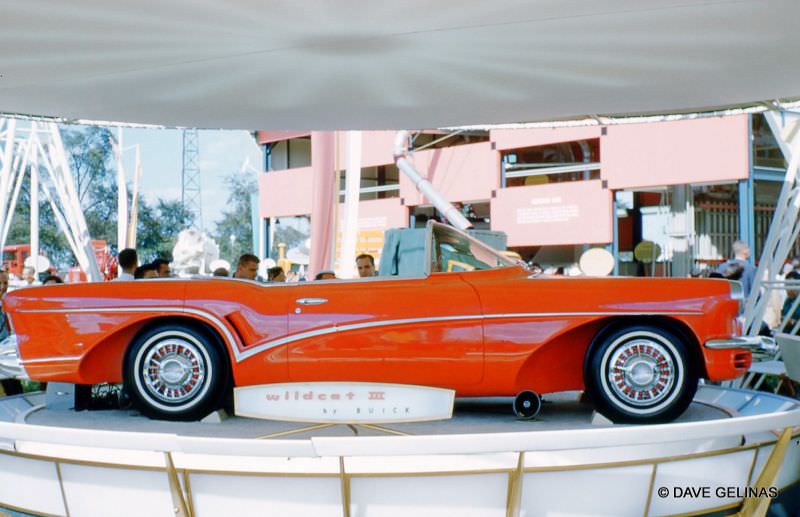
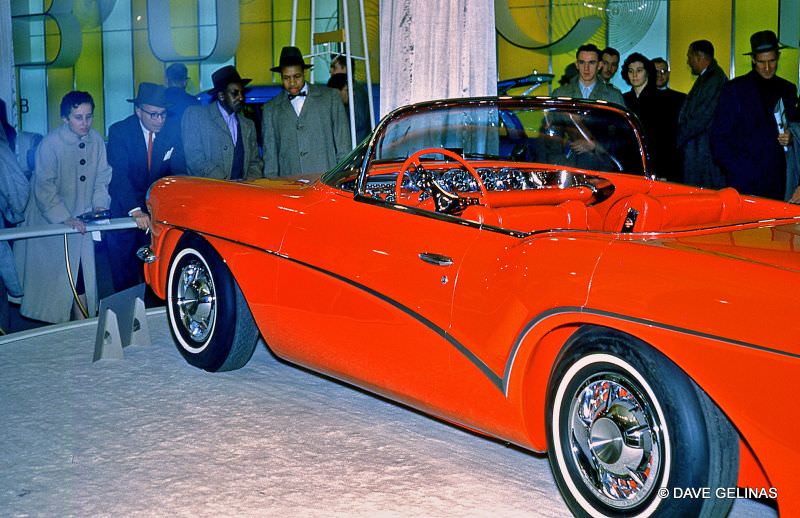
Buick brought the Wildcat III to multiple shows across 1955 and 1956, including the Chicago Auto Show and the General Motors Powerama. The car appeared in several display configurations, demonstrating how GM used the same concept vehicle to generate buzz across different events and cities.
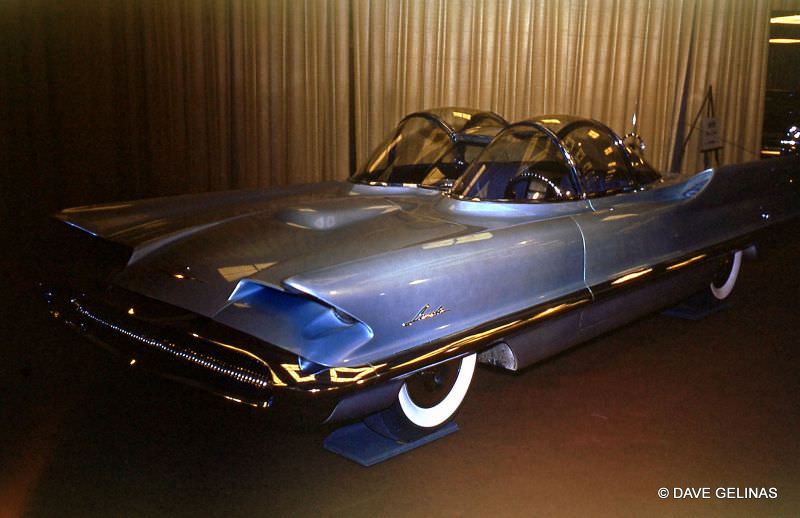
One of the most famous concept cars of the decade debuted at the Brussels Auto Show in 1956. The Lincoln Futura featured a twin-bubble canopy and a long, low body that Ford had built in collaboration with the Italian firm Ghia. Years later, the Futura was converted into the original Batmobile for the 1960s television series — but in 1956, it was simply one of the most eye-catching cars ever shown to the public.
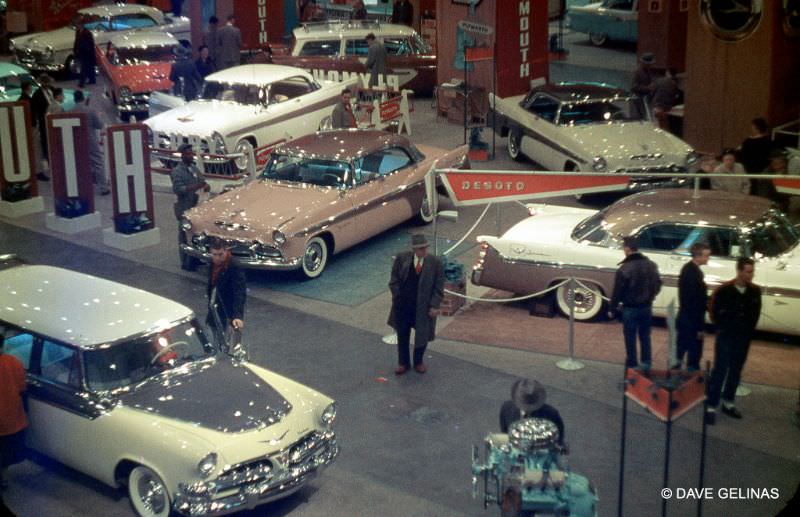
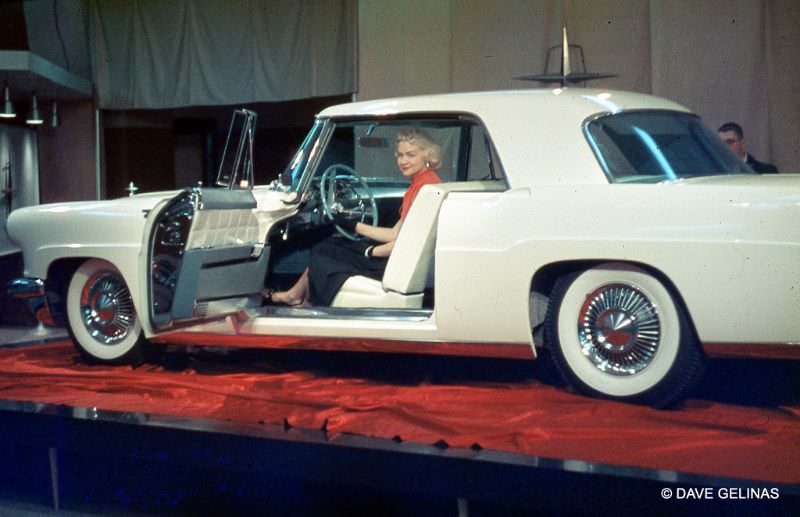
Back in Chicago, the 1956 auto show floor featured the DeSoto Adventurer alongside the new Plymouth lineup. The Lincoln Continental Mark II — a hand-built luxury car priced far above most American vehicles — also drew significant attention that year. These weren’t concept cars. They were production models, and they still looked extraordinary.
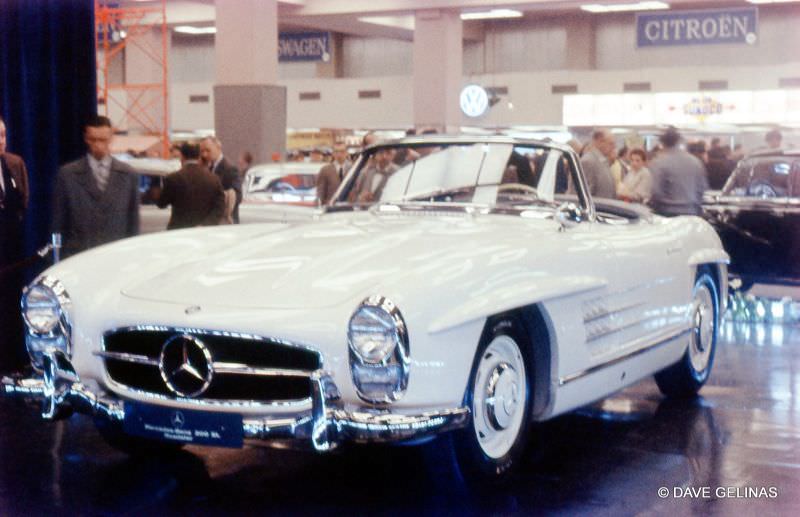
Not every standout car at 1950s shows was American. The 1957 Foreign Car Show featured the Mercedes-Benz 300 SL Roadster, which had already earned a reputation as one of the finest sports cars in the world. Meanwhile, Oldsmobile returned with the F-88 Mark II at the 1957 California Auto Show, refining the original concept with updated details.
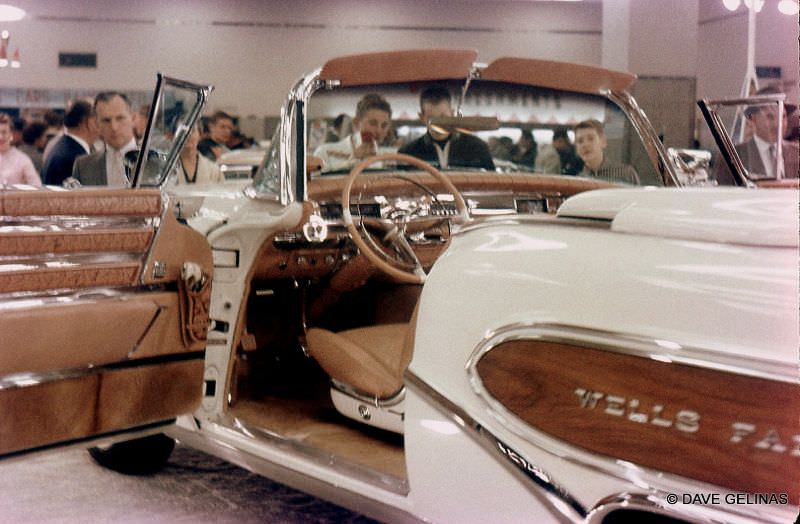
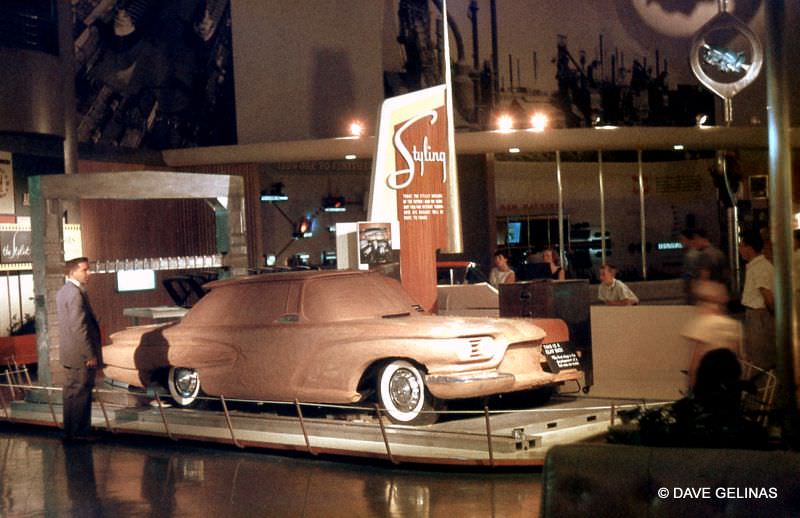
Buick’s designers were also busy in 1957 and 1958. A full-scale clay model of a proposed 1958 Buick was put on public display at a 1957 auto show — an unusual move that let the public see the design process firsthand. The following year, the Buick Limited appeared as a Wells Fargo concept car at the Chicago Auto Show, dressed in a unique promotional theme.
By 1959, the decade’s design language had reached its most extreme point. The Cadillac Cyclone XP-74, shown at the Chicago Auto Show, featured pointed nose cones housing radar sensors and a futuristic canopy. It was one of the most radical shapes GM ever built and a fitting way to close out the decade on the show floor.
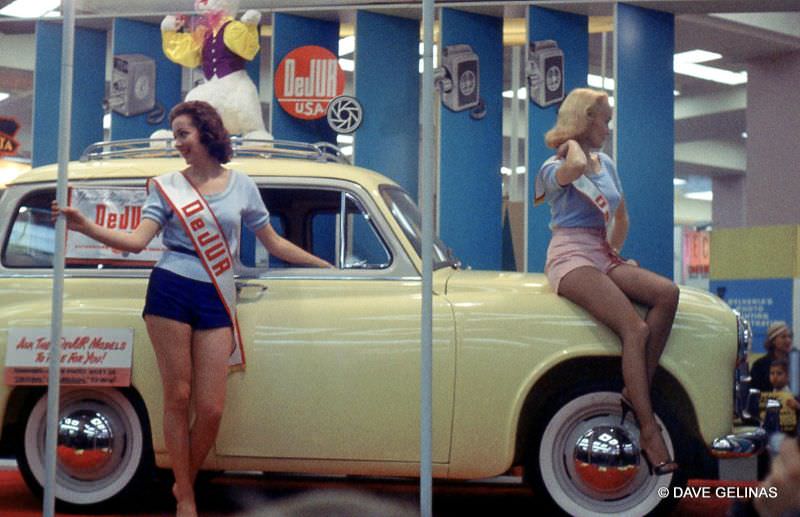
Smaller and more practical cars were also part of the era’s auto show landscape. The Hillman Husky, a compact British wagon, offered a sharp contrast to the massive American machines on display. It reminded show visitors that not all automotive innovation was about size and flash. The GM Motorama gatherings, meanwhile, continued to be the decade’s most theatrical events — assembling Cadillac, Chevrolet, Buick, and Pontiac convertibles under one roof to showcase the full reach of the General Motors empire.
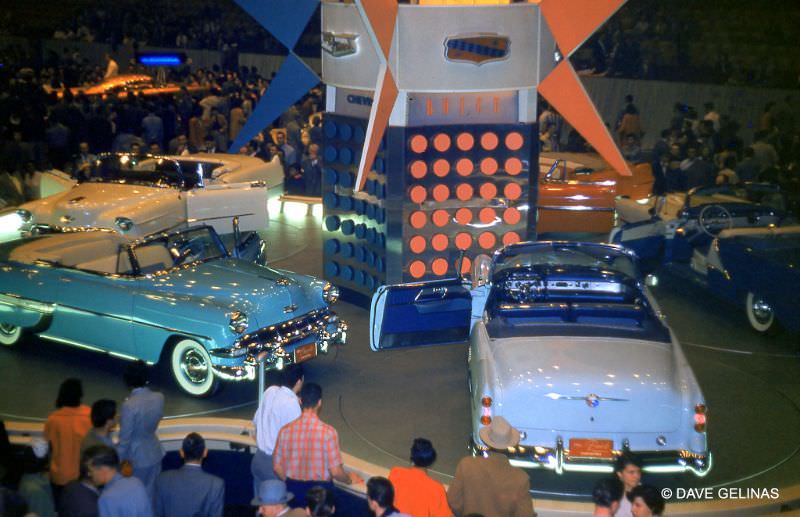
The Waldorf Astoria Motorama displays remain some of the most photographed auto show moments of the entire decade. In 1953 and 1954, GM transformed the hotel’s grand spaces into a showcase for everything from the Pontiac Parisienne concept to full Cadillac display arrangements. These events blurred the line between a car show and a spectacle, attracting crowds that had never seen anything like it.