
Austria entered the 1930s as a young, fragile country. It had only come into its current form after the collapse of the Austro-Hungarian Empire at the end of World War I. The empire’s fall left Austria stripped of territory, resources, and regional power. Then the Great Depression arrived and made things far worse. Unemployment surged, businesses collapsed, and poverty spread across both cities and the countryside.

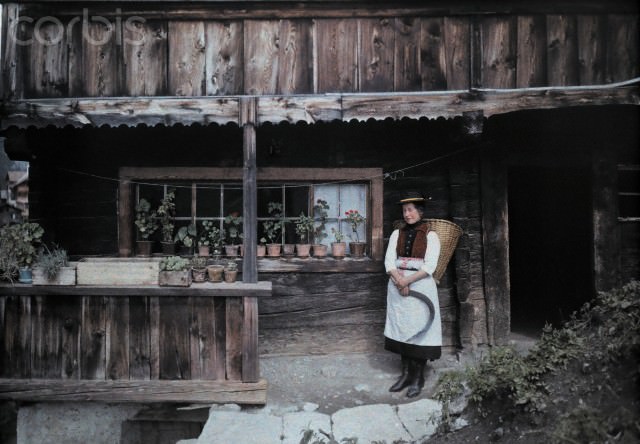
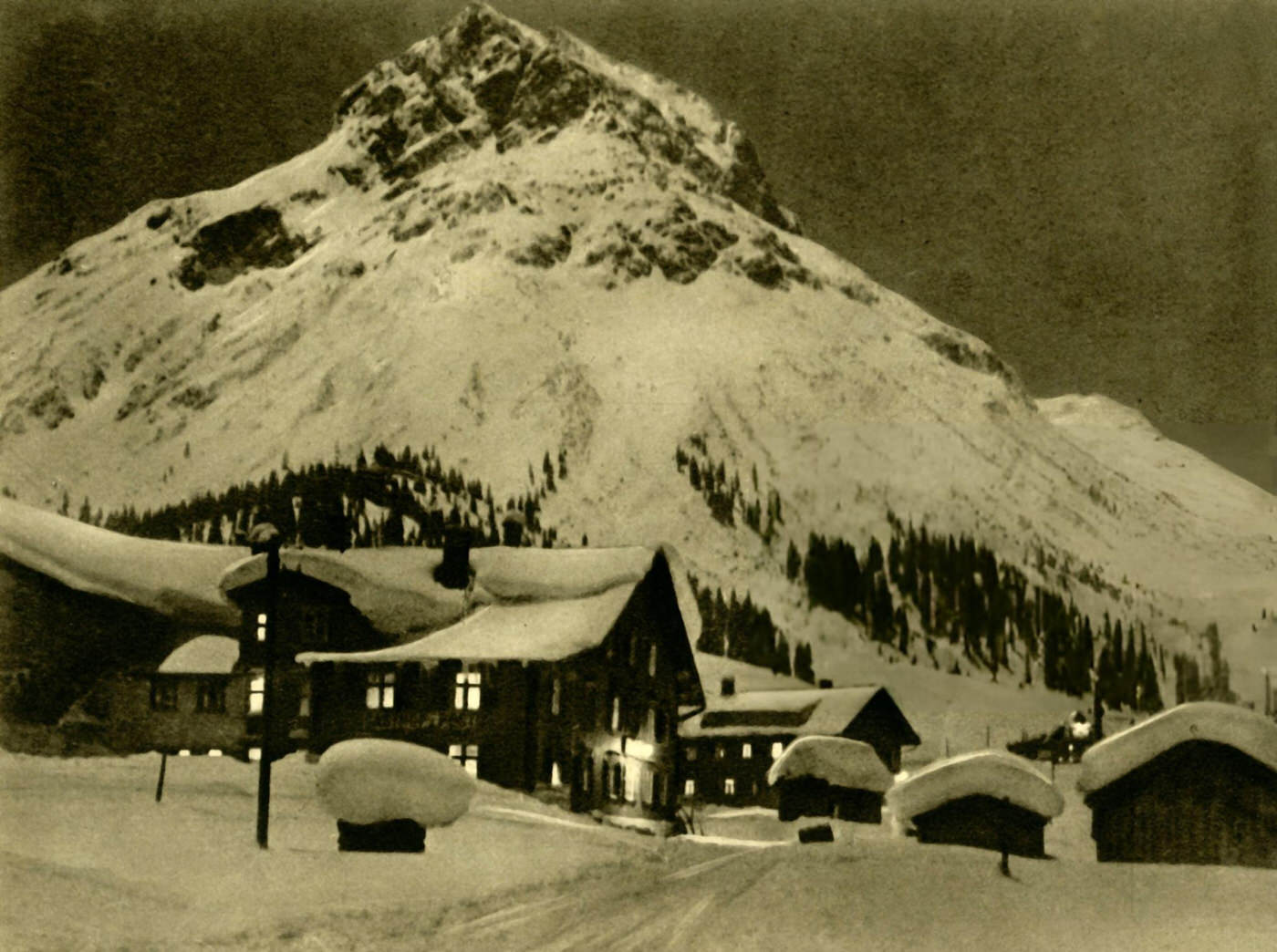
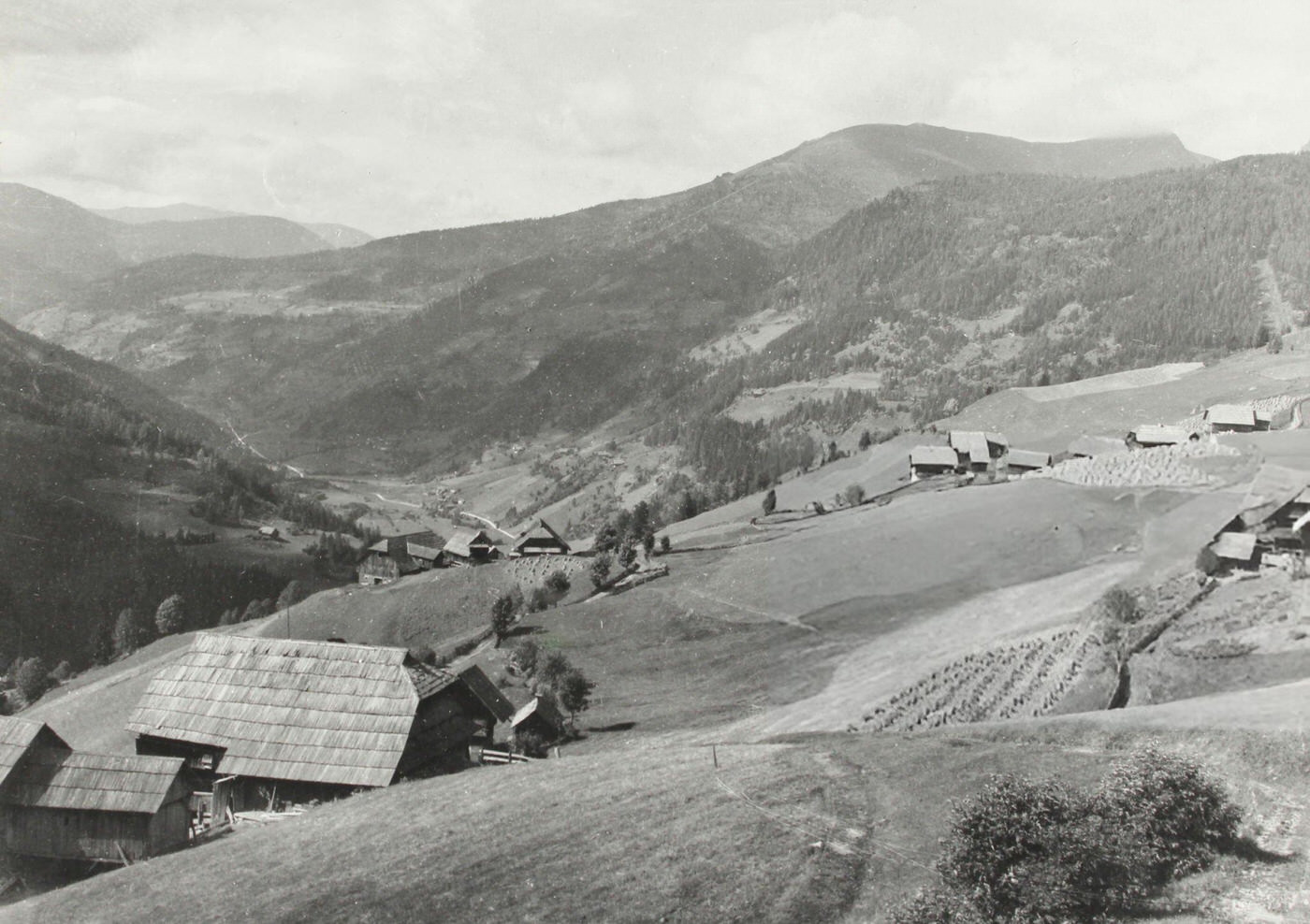
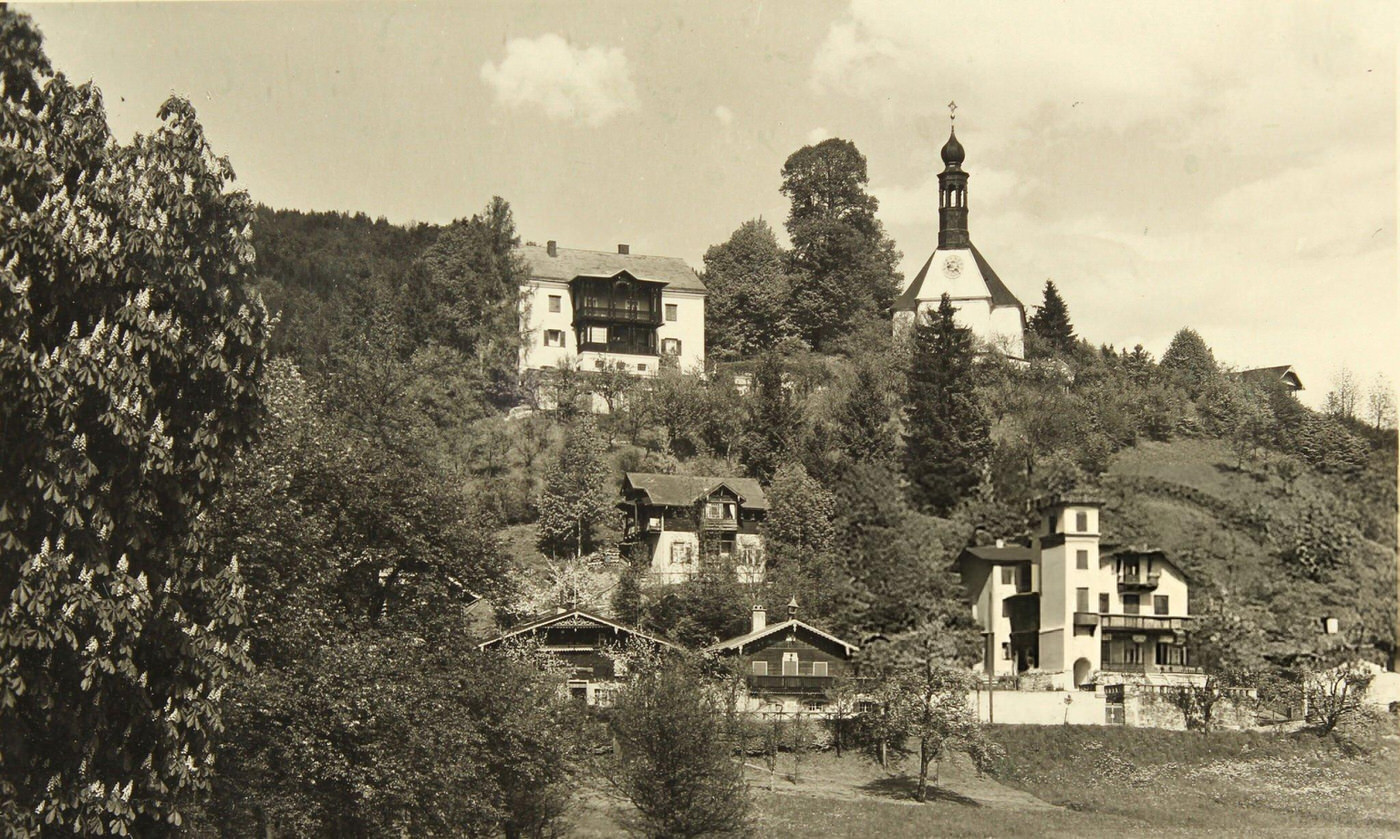
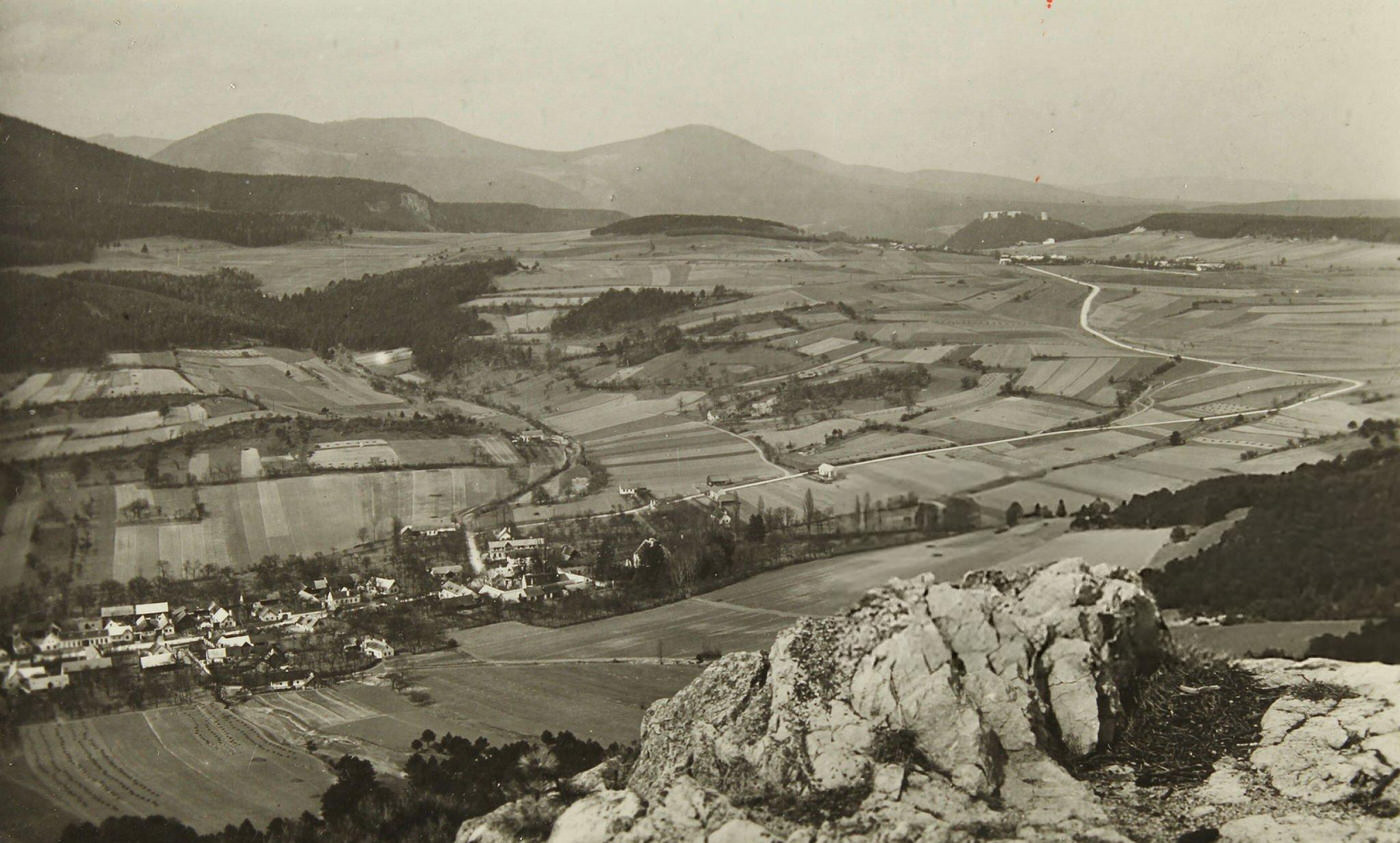
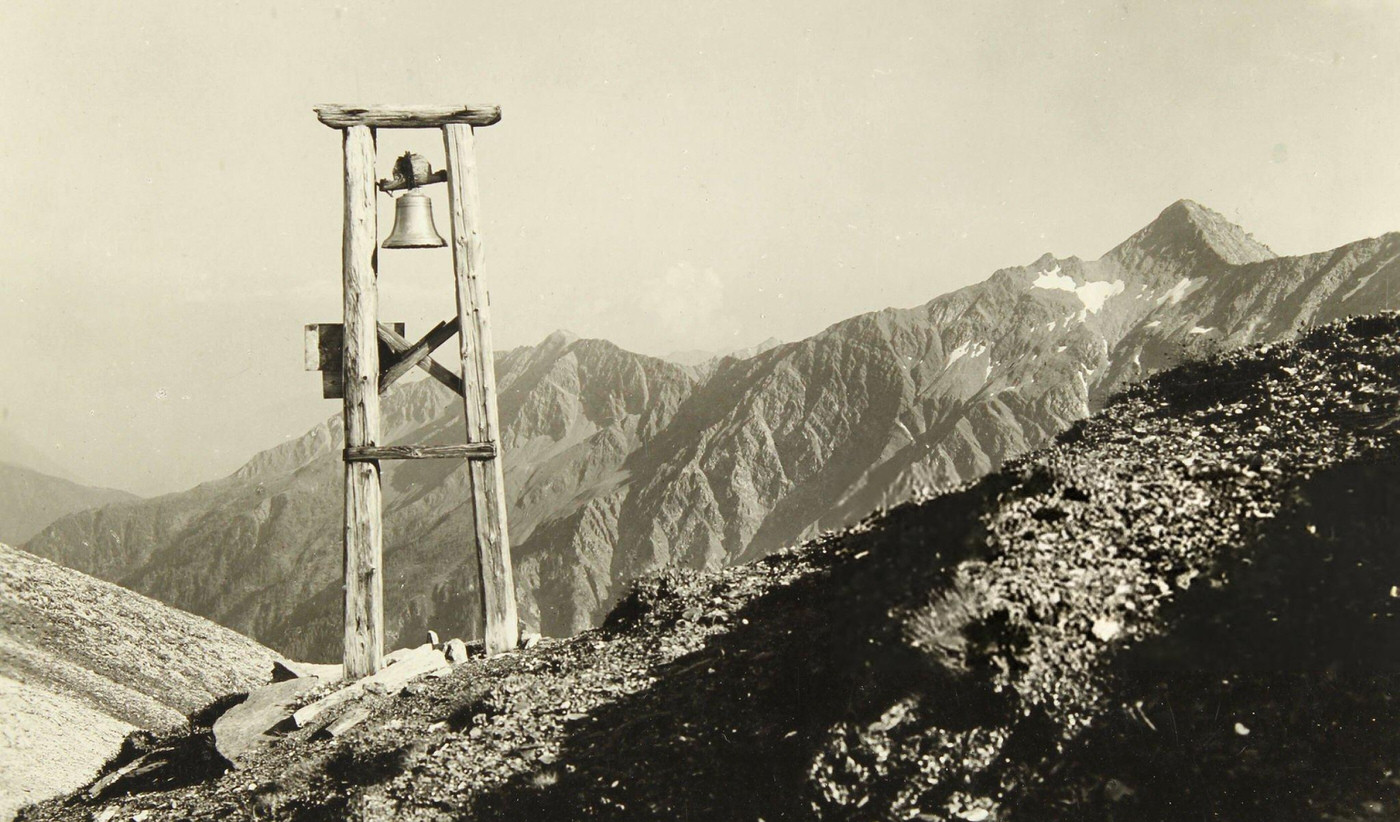
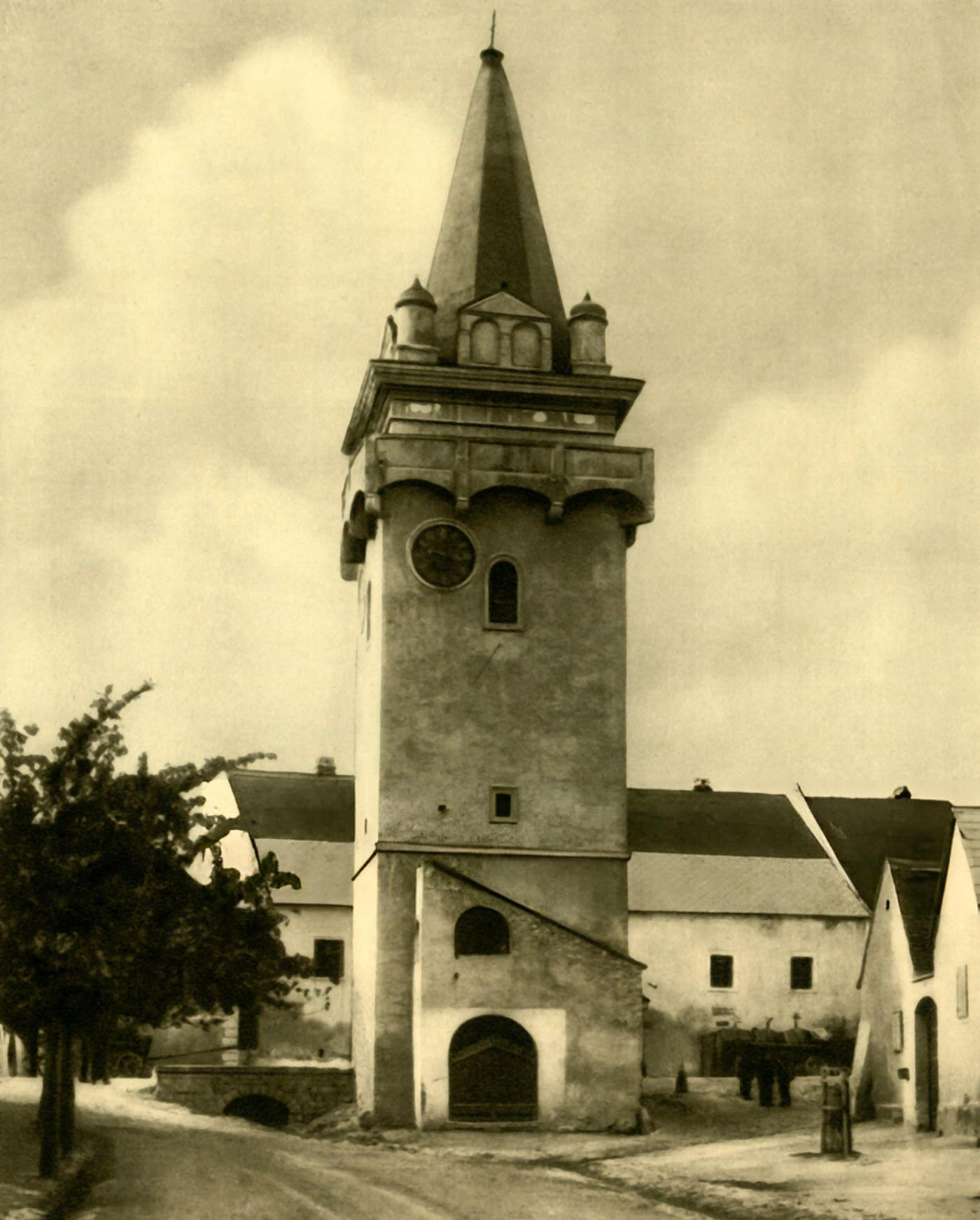
Despite the hardship, rural life carried on. Villages in the Alps and Styrian highlands still held onto their traditions. People worked the land, tended livestock, and gathered for local celebrations. The mountains offered a kind of distance from the political chaos brewing in Vienna.


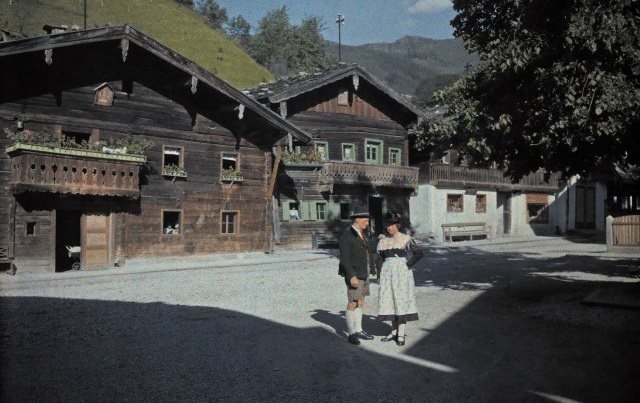
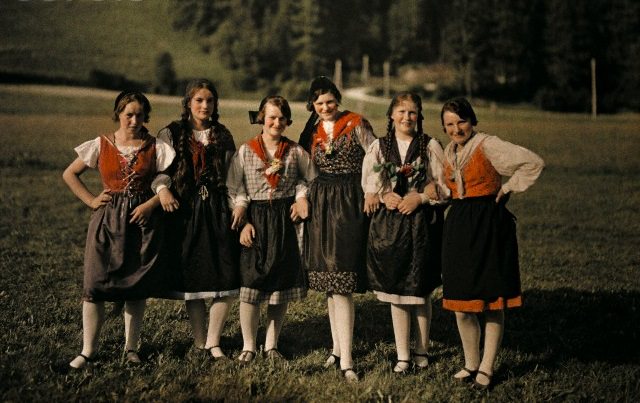
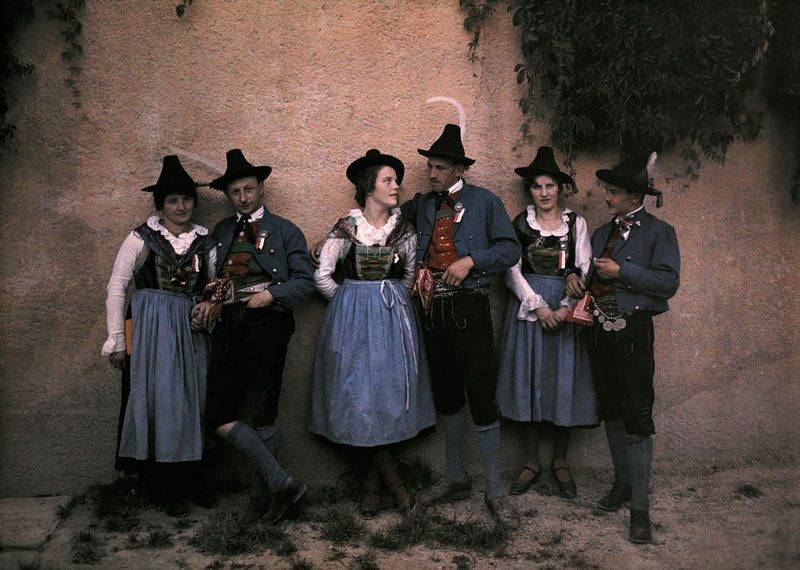
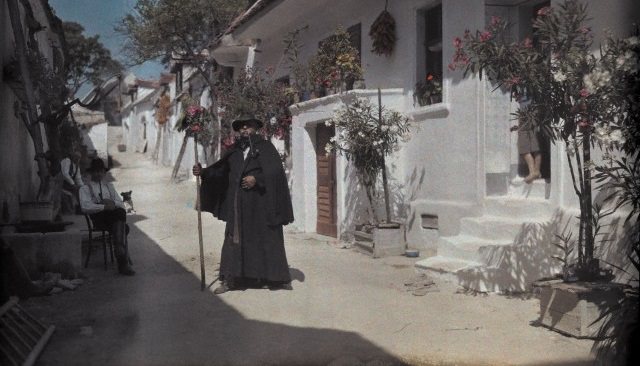
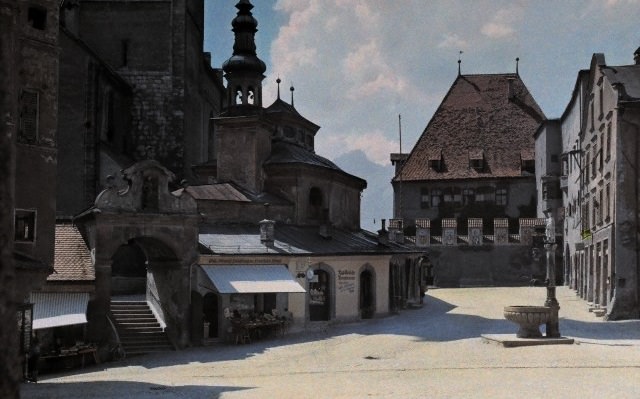
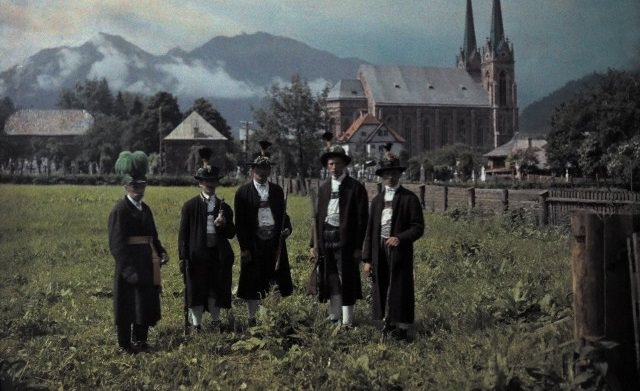
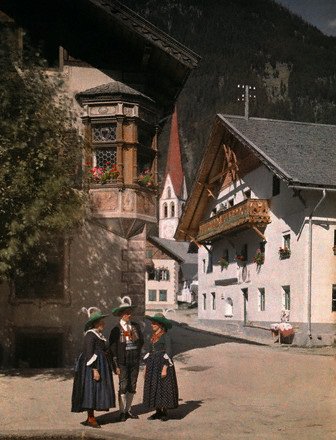
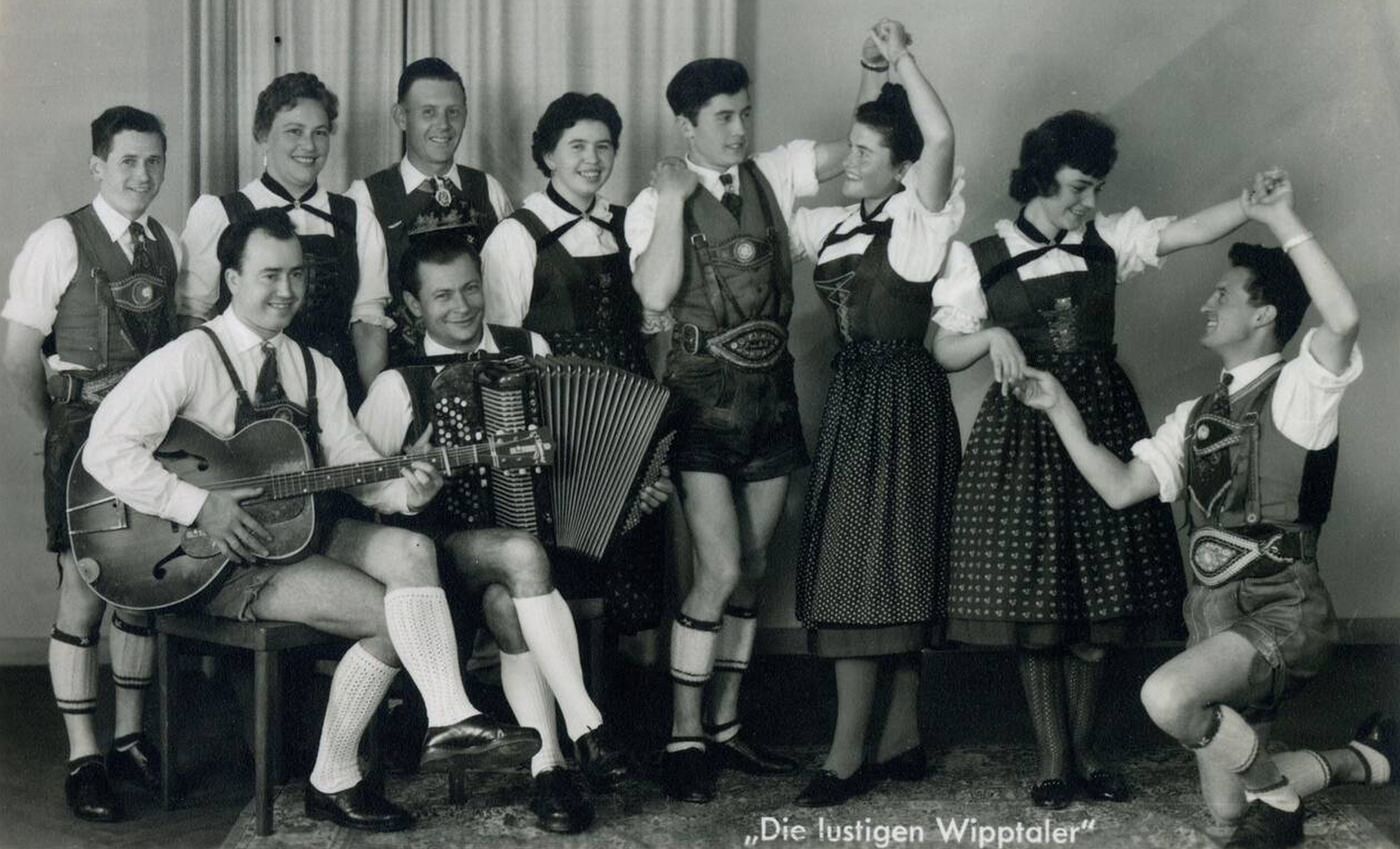
Small towns like Wagrain and Heiligenblut showed a quieter side of Austrian life. Streets were unhurried. Neighbors knew each other. Traditional dress, known as Tracht, was still common in many alpine communities, worn not just for festivals but as everyday clothing.

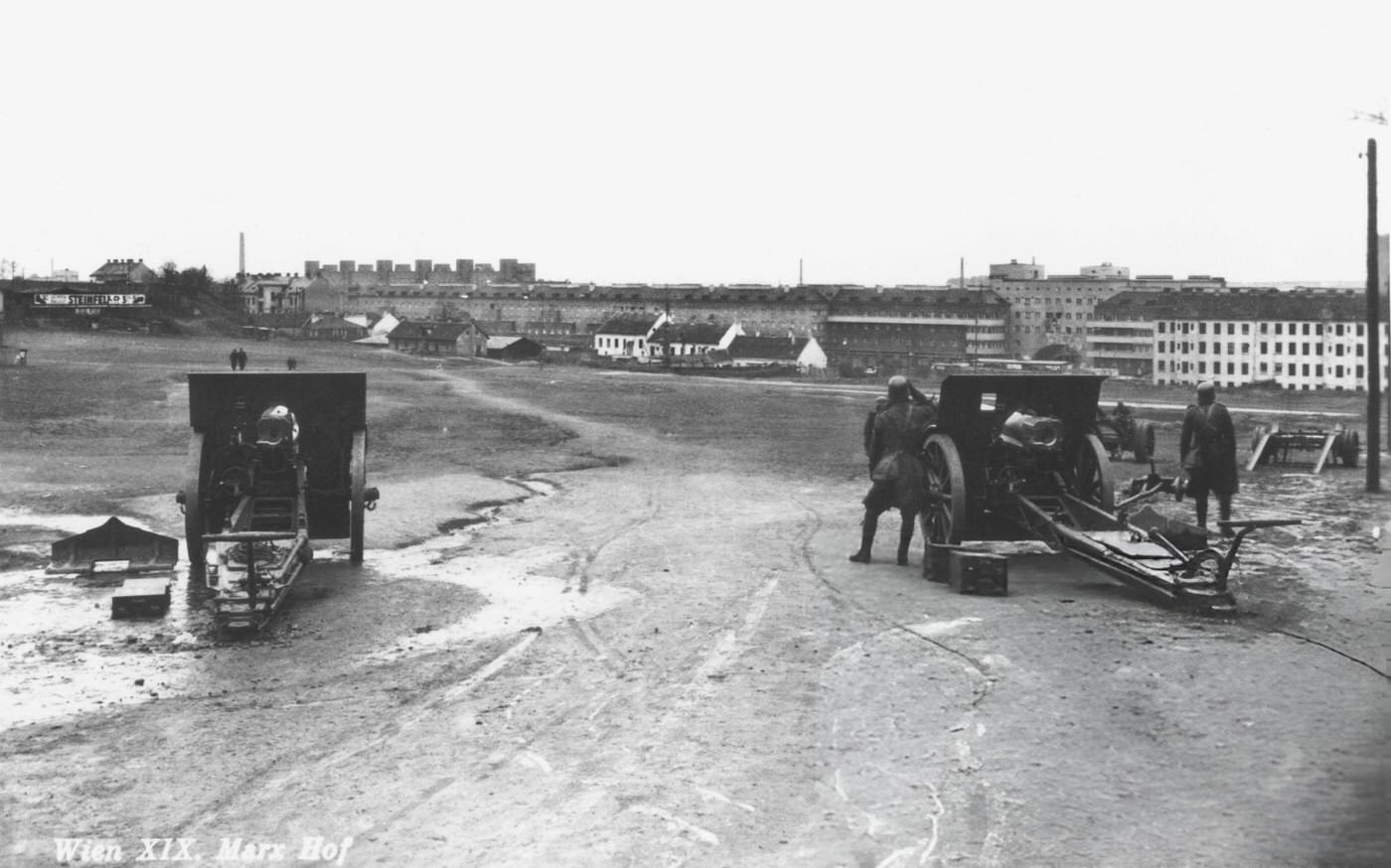
Austria’s political landscape, however, was deeply fractured. Two major forces dominated: the Christian Social Party on the right and the Social Democratic Workers’ Party on the left. Both sides had armed paramilitary groups. The Heimwehr backed the Christian Socials, while the Republikanischer Schutzbund supported the Social Democrats. Street clashes between these groups were not rare.

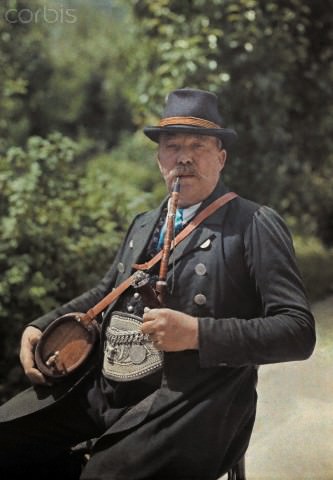
Armed groups were a visible part of Austrian society during this period. Field guards, local militias, and watchmen were present even in rural areas. The boundary between civic duty and political muscle was often thin.


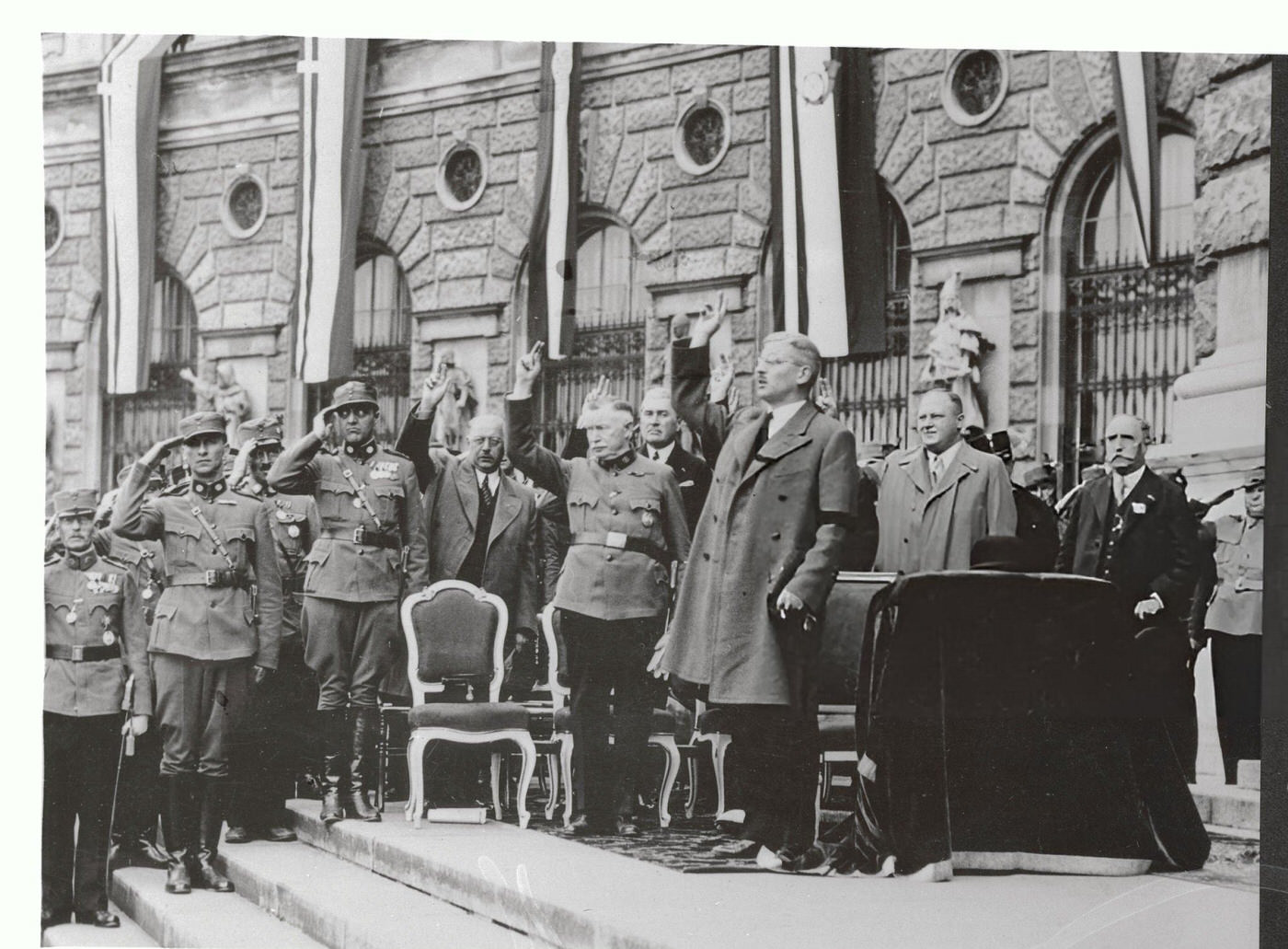
In 1933, Chancellor Engelbert Dollfuss of the Christian Social Party dissolved parliament and banned all opposing political parties. He established the Ständestaat — a one-party authoritarian state modeled on Catholic social teaching and corporatist principles. It was not a democracy. In February 1934, the now-outlawed Social Democrats launched an armed uprising. The government crushed it within days, killing hundreds and imprisoning thousands more.

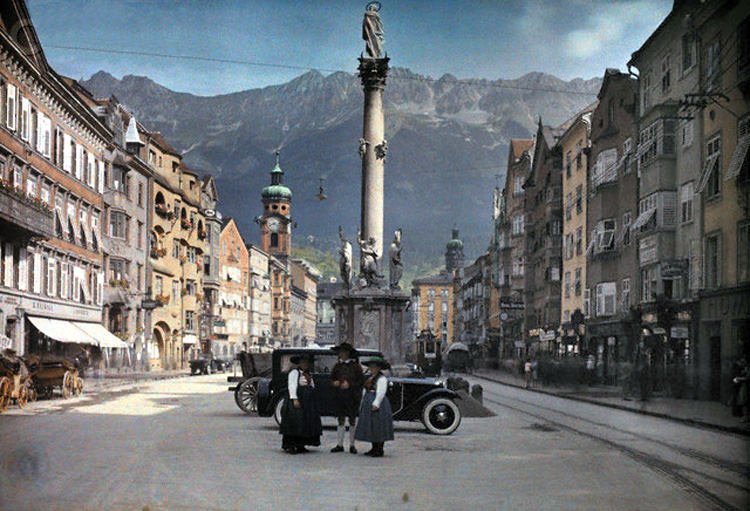
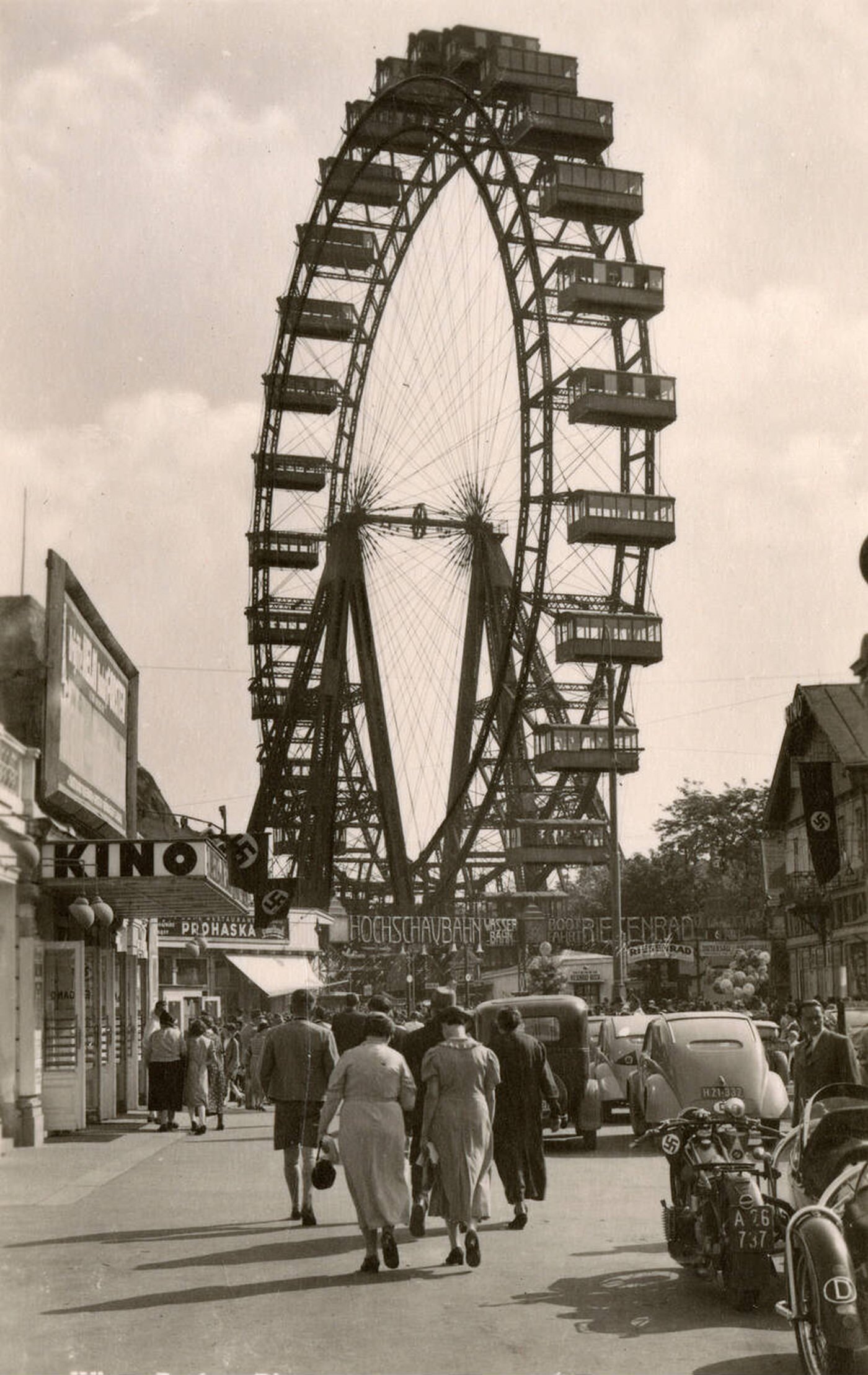
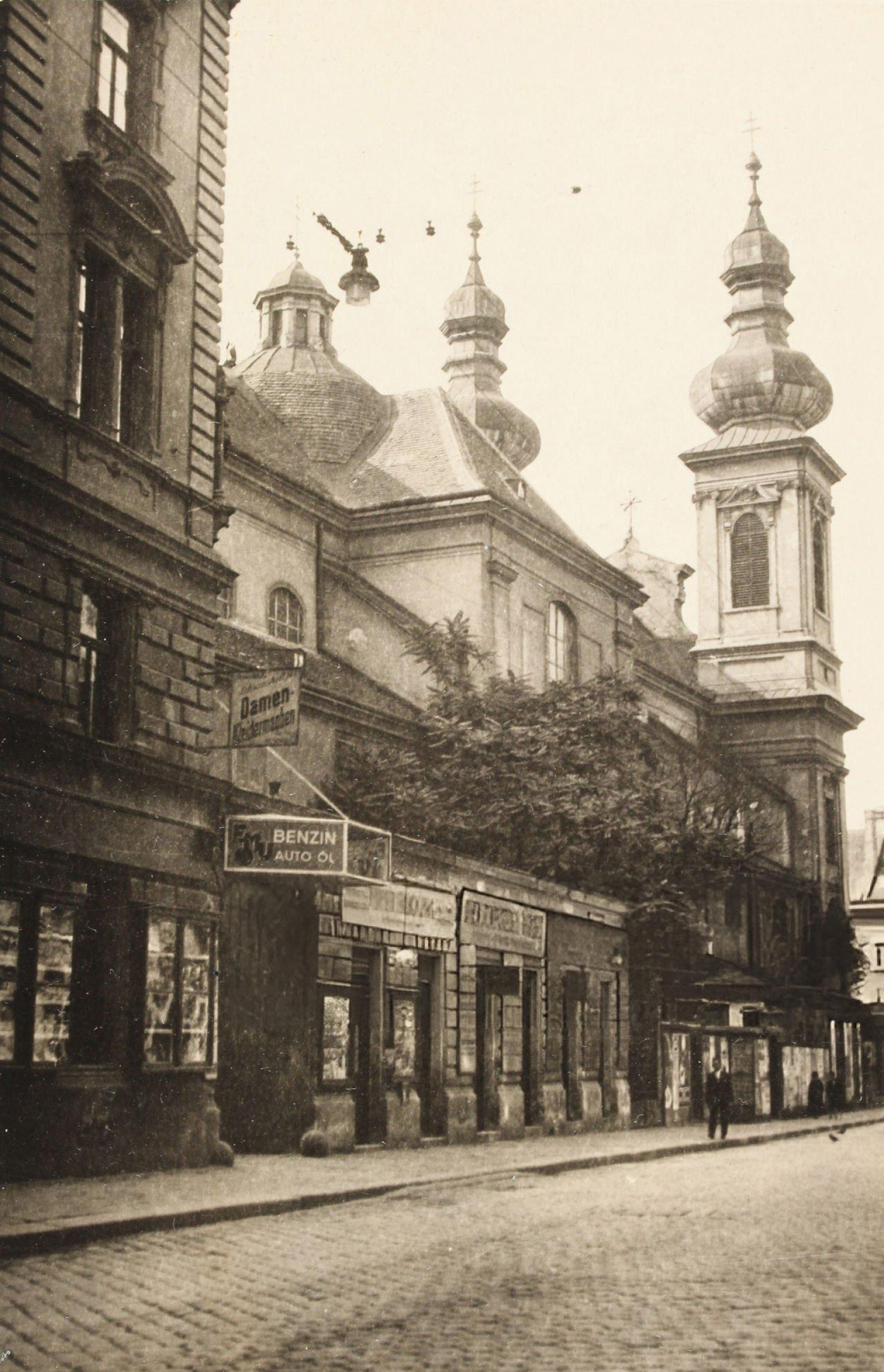
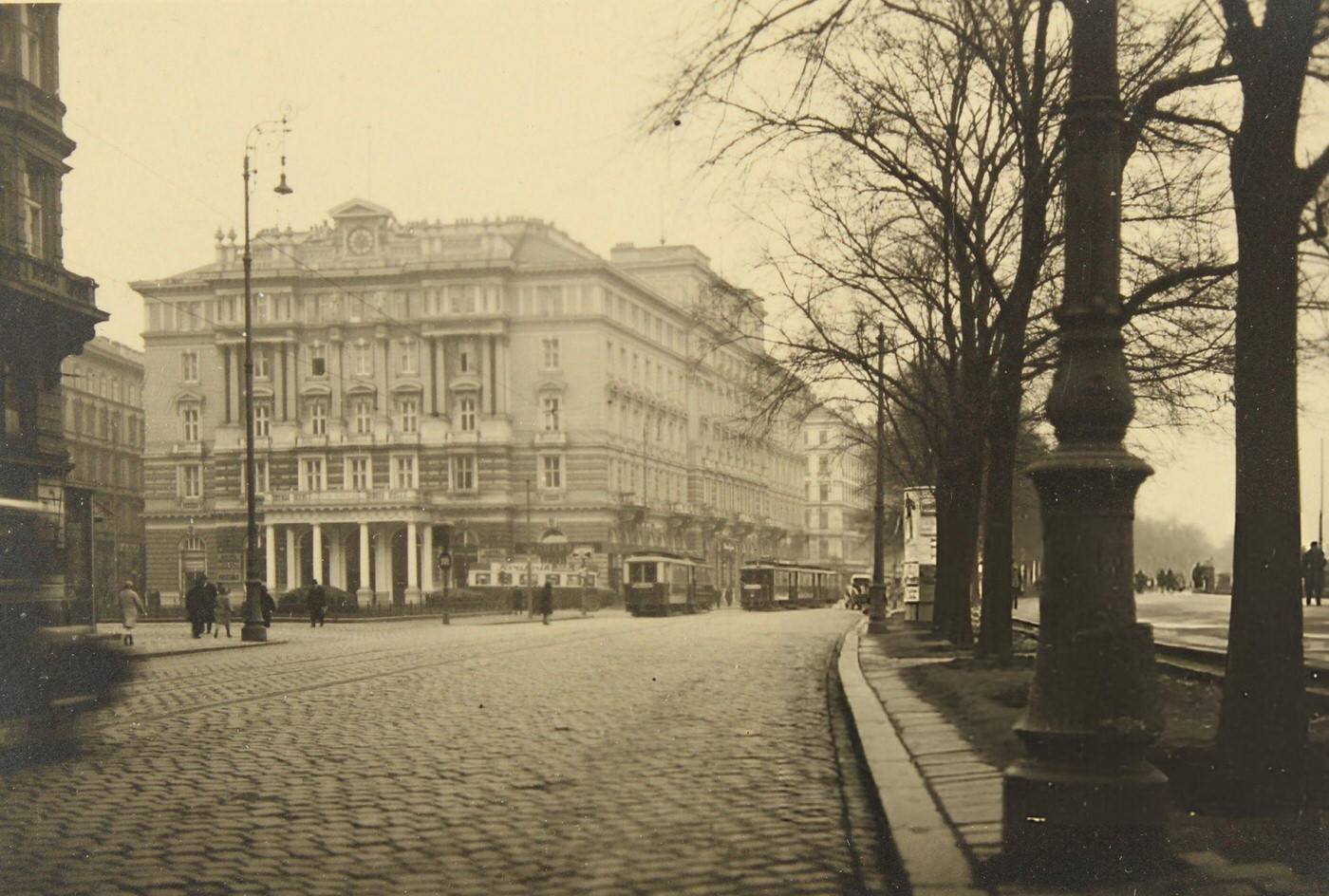
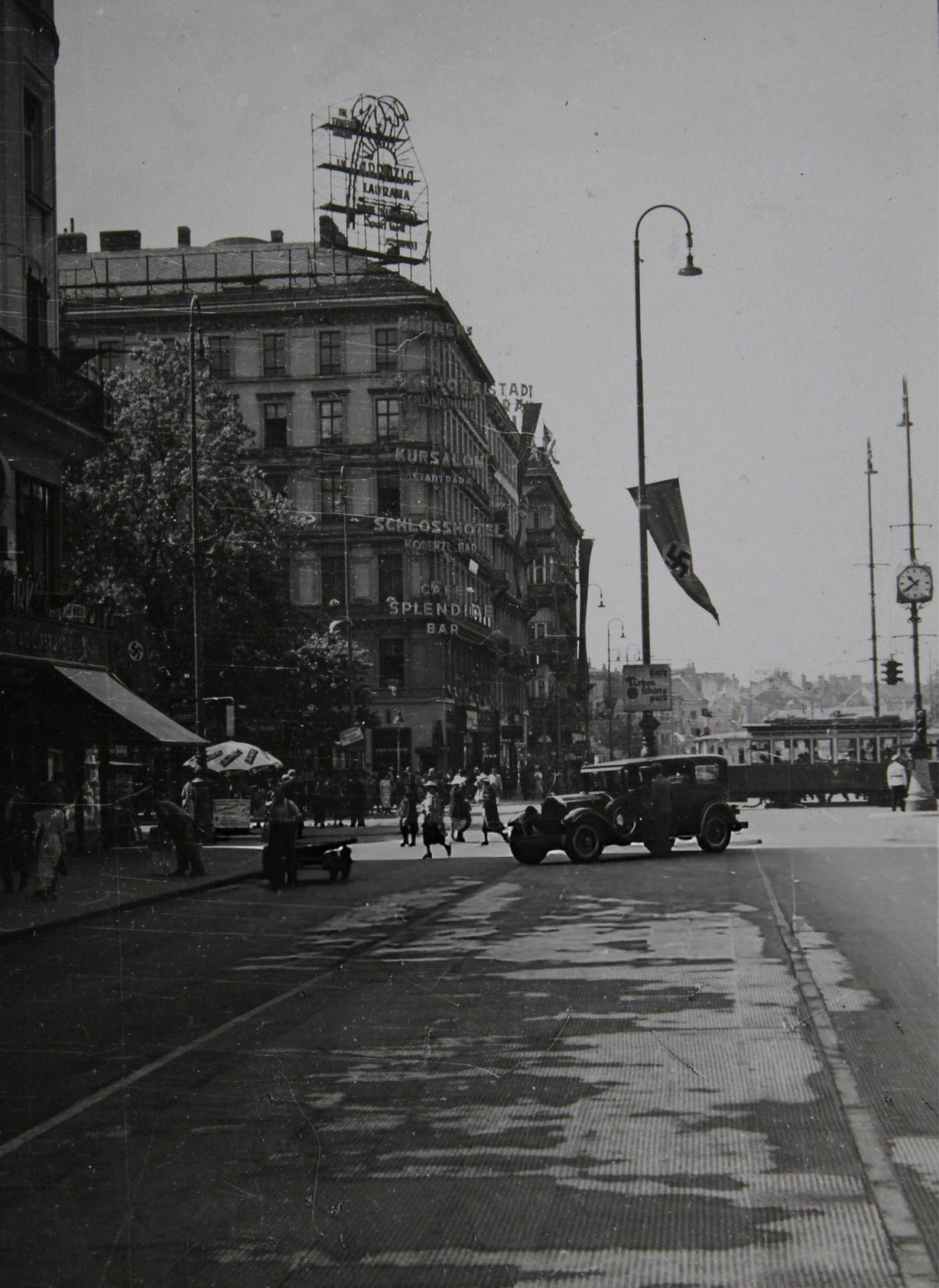
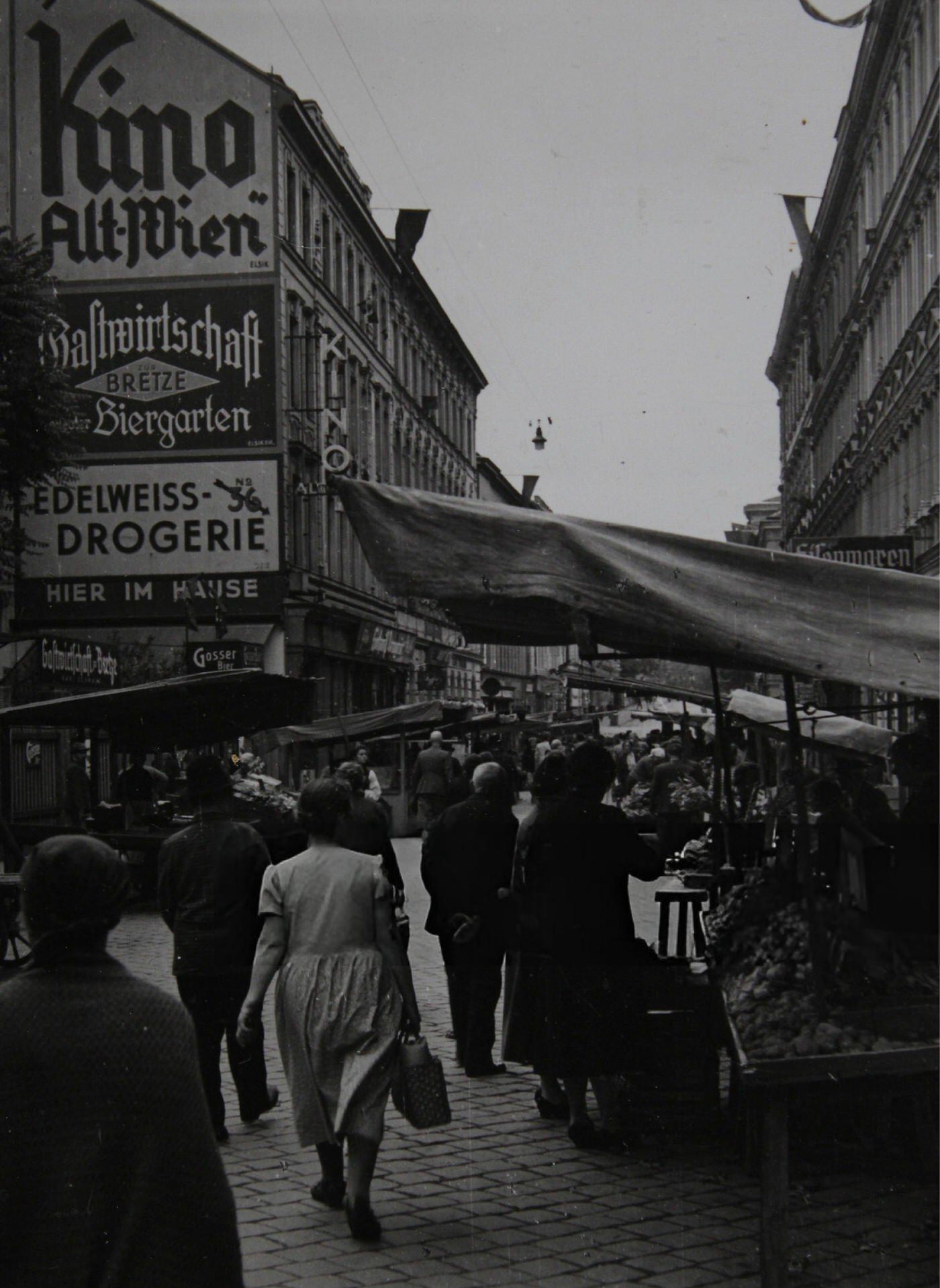
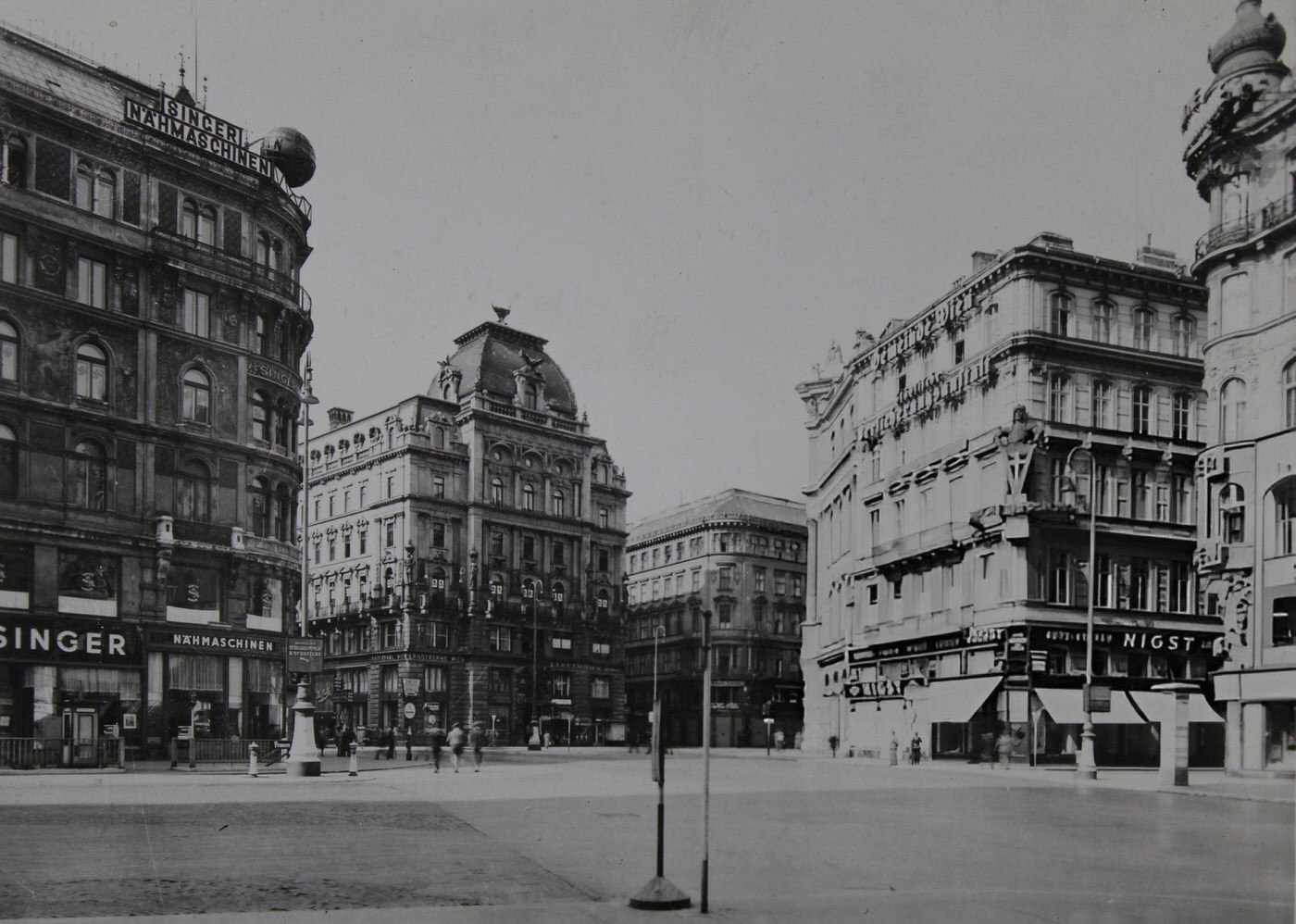
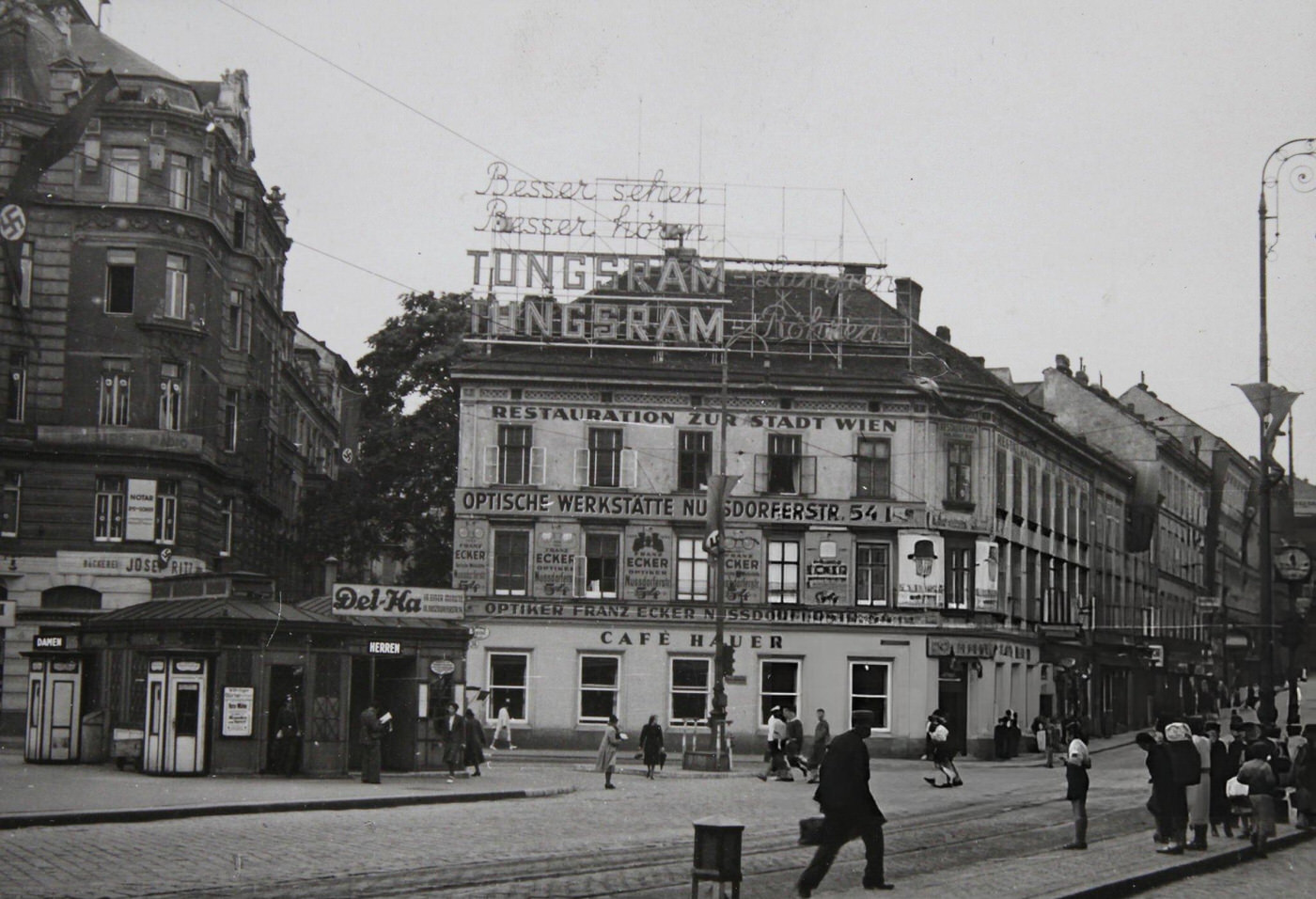
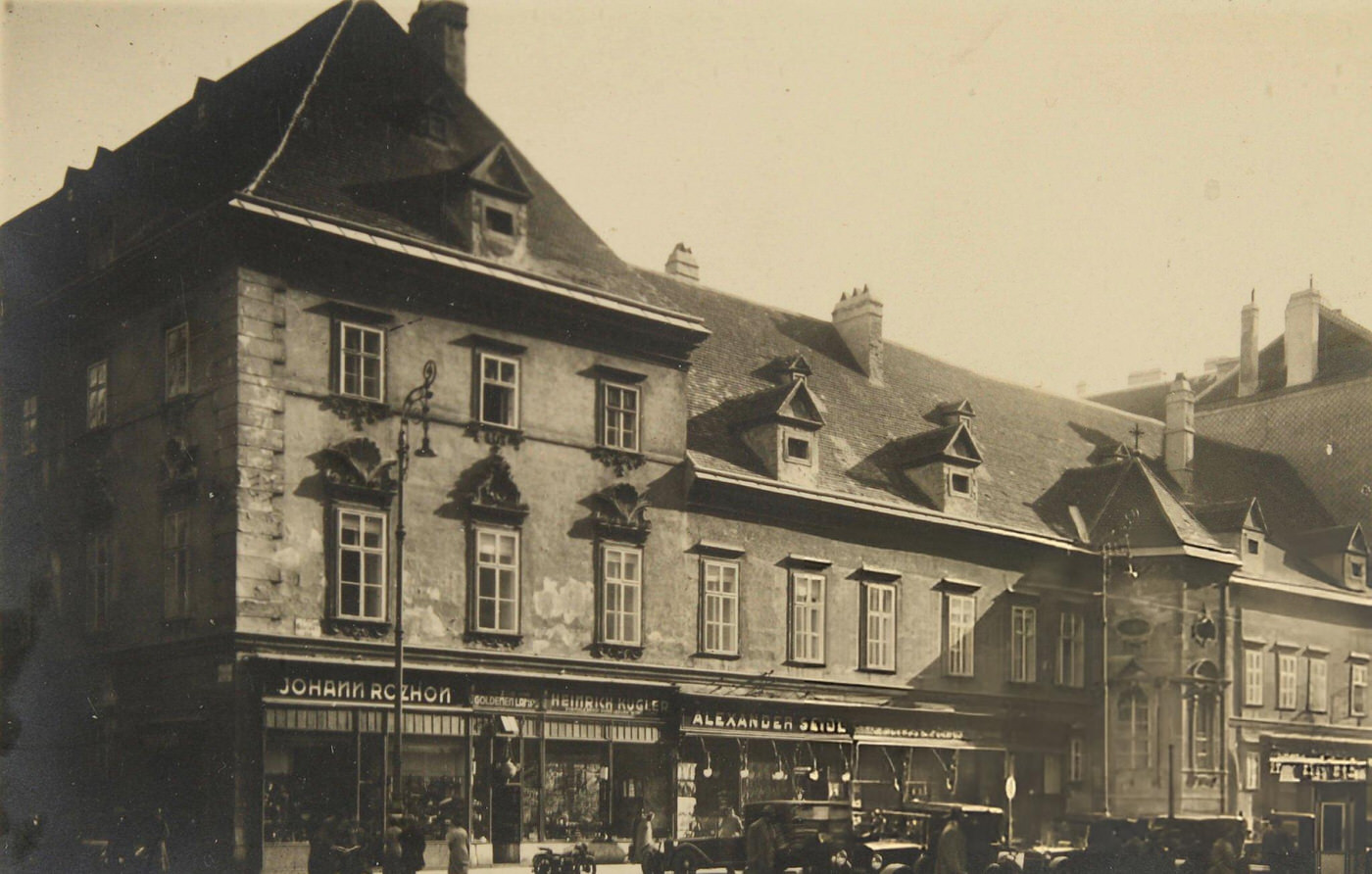
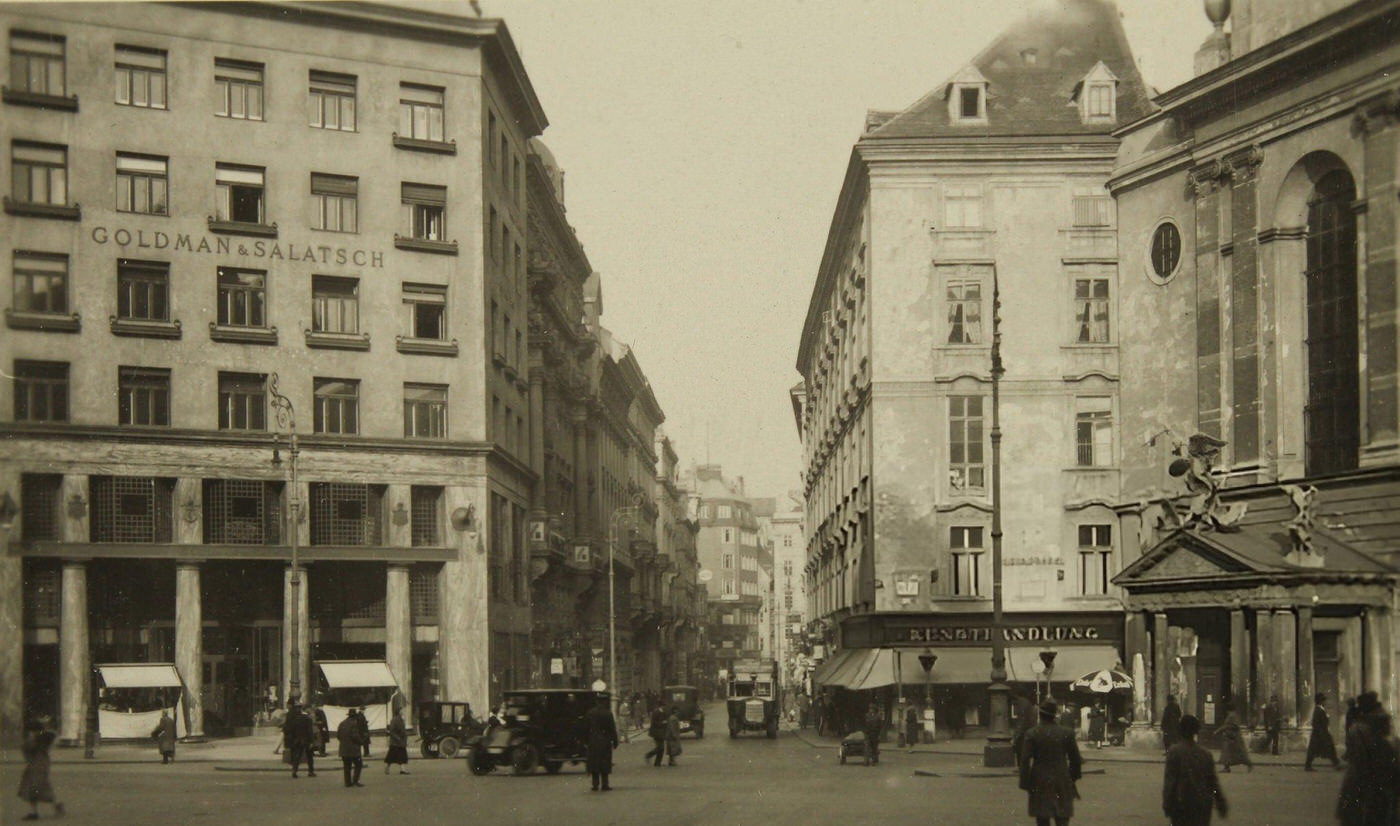
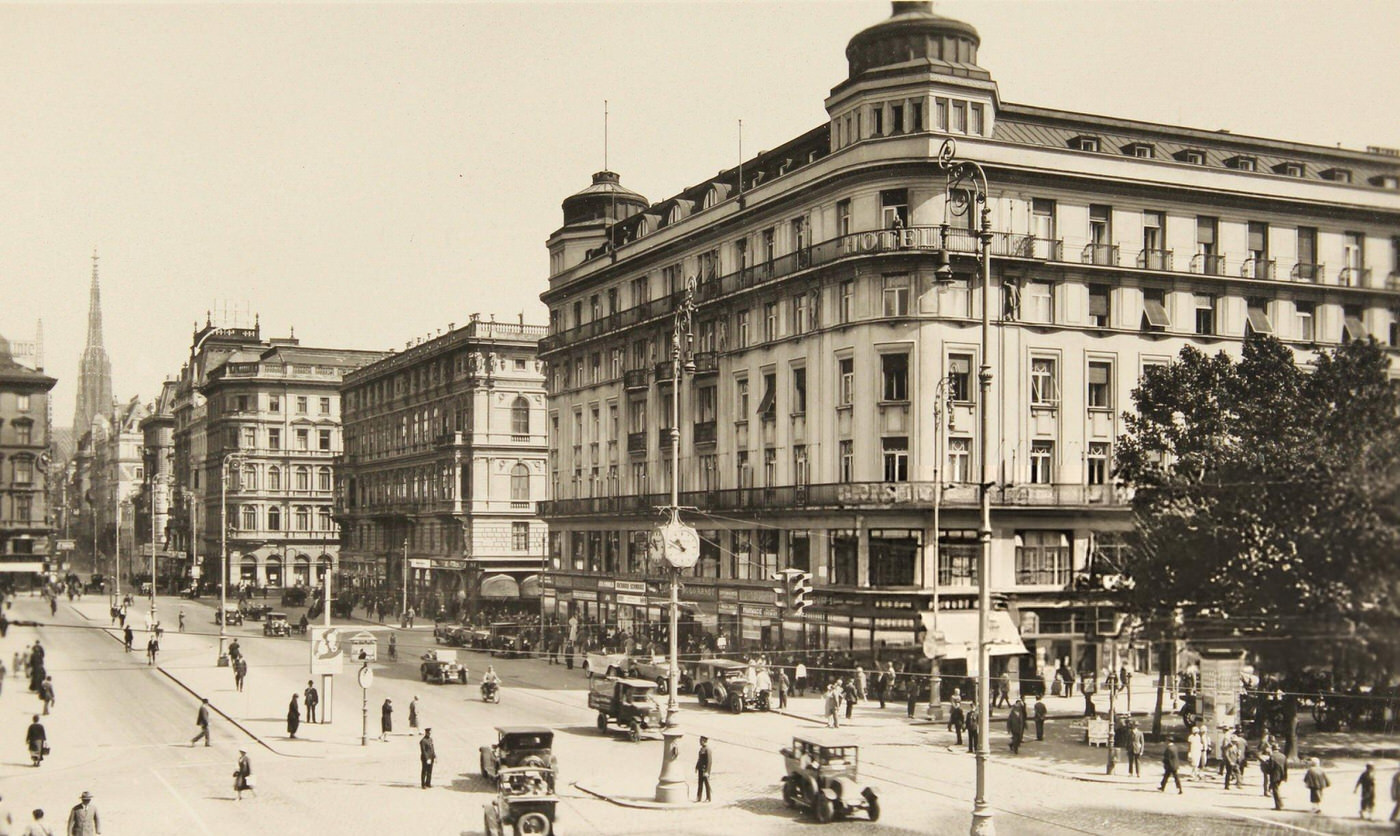
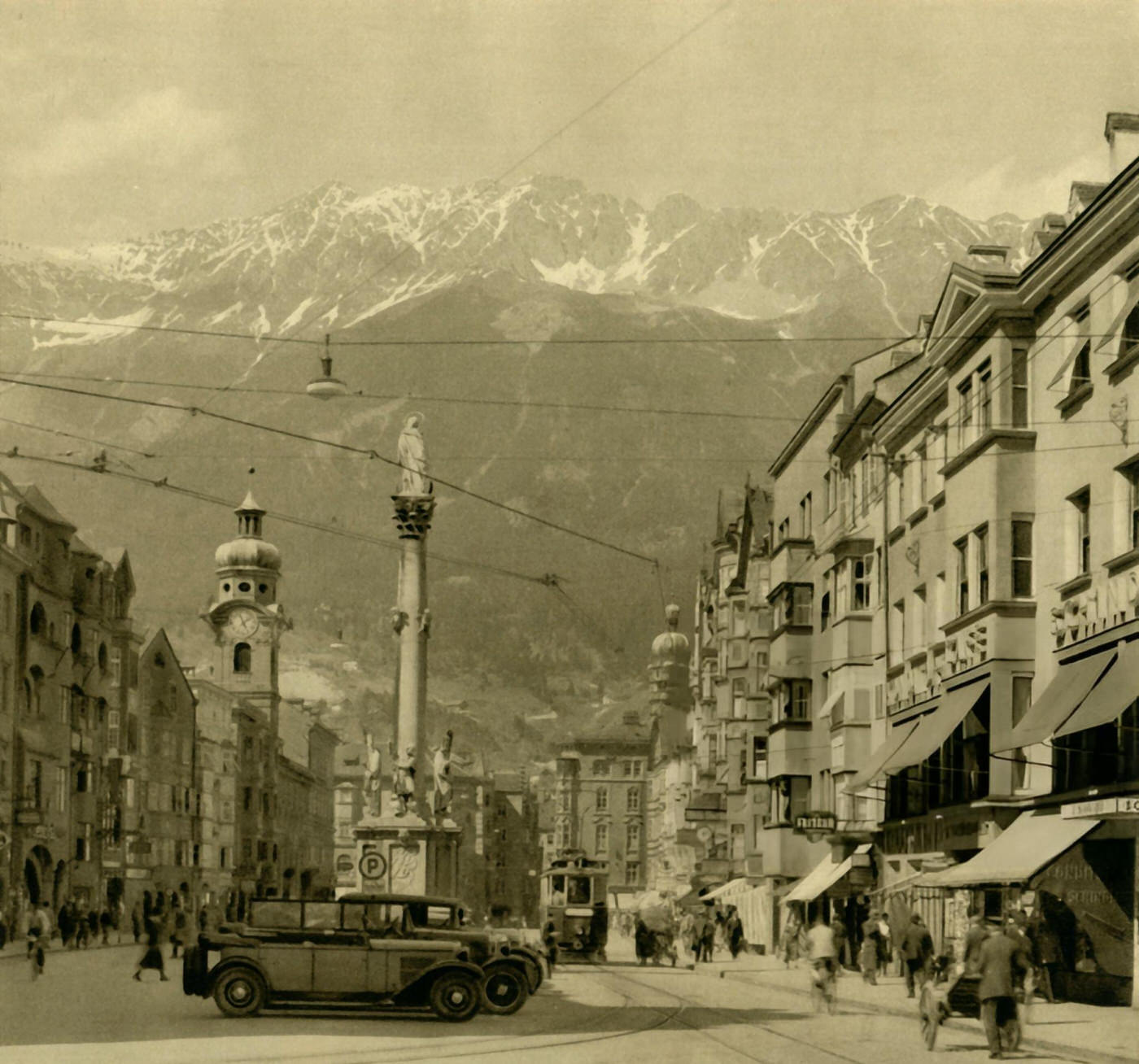
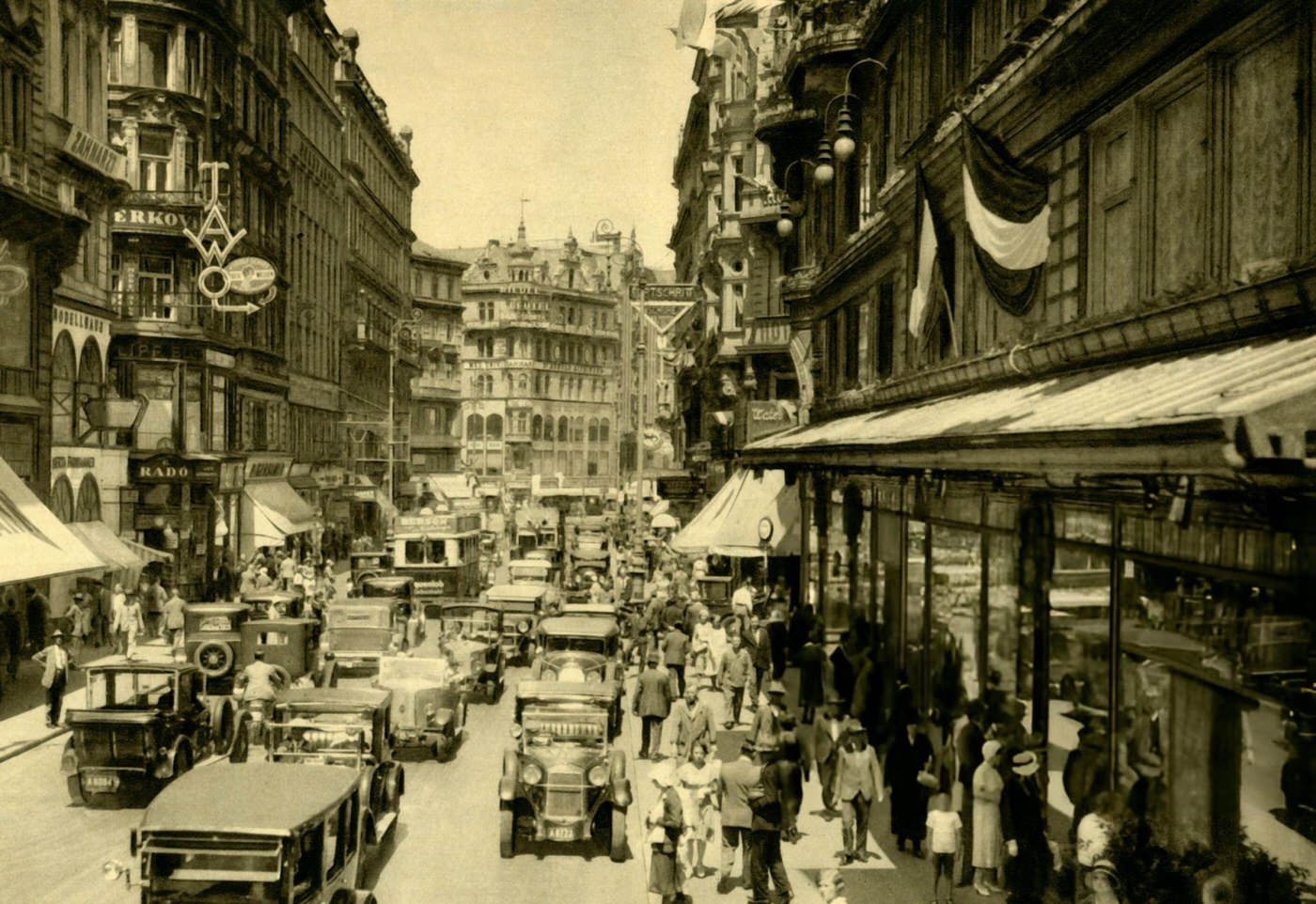
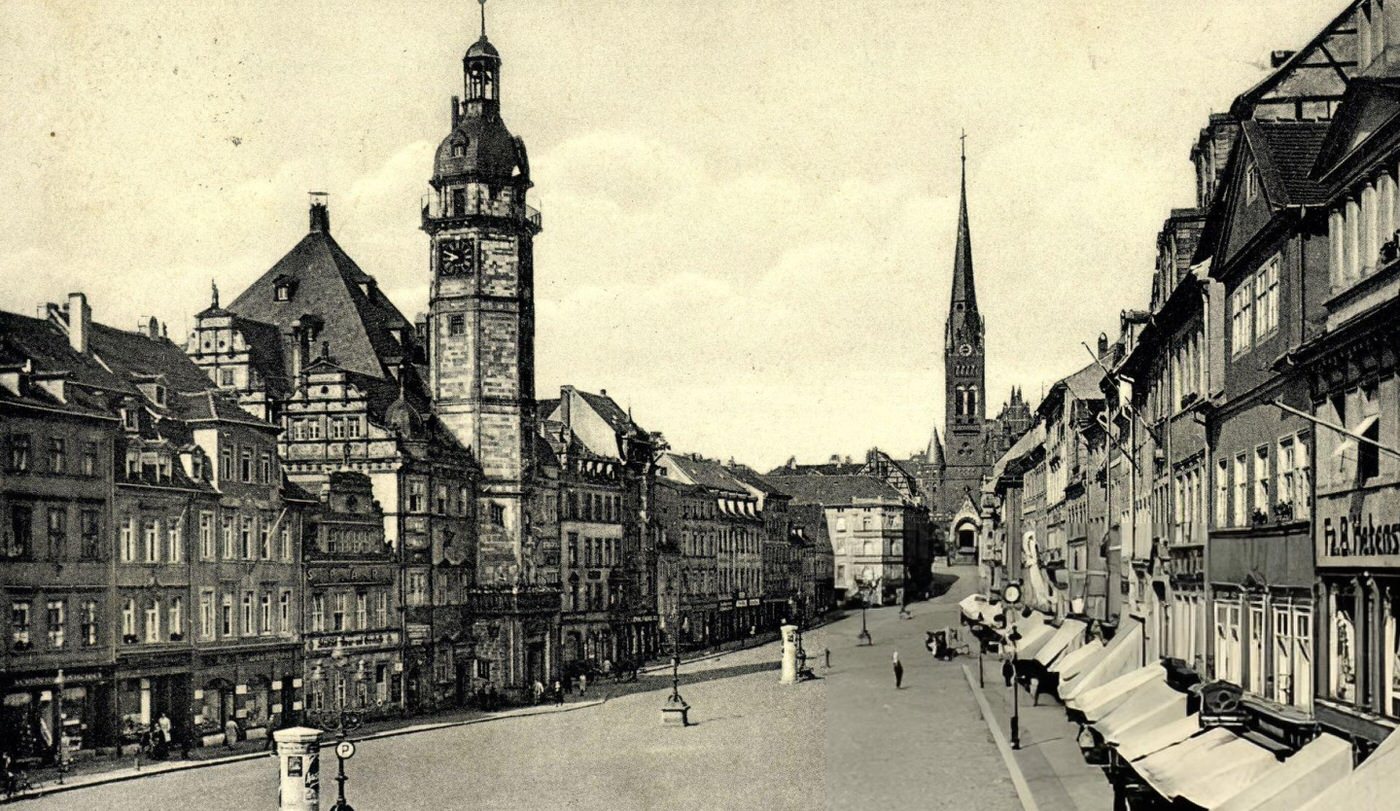
Urban centers like Innsbruck and Vienna still buzzed with daily commerce. Markets, plazas, and shopping streets remained active even as political tension simmered beneath the surface.


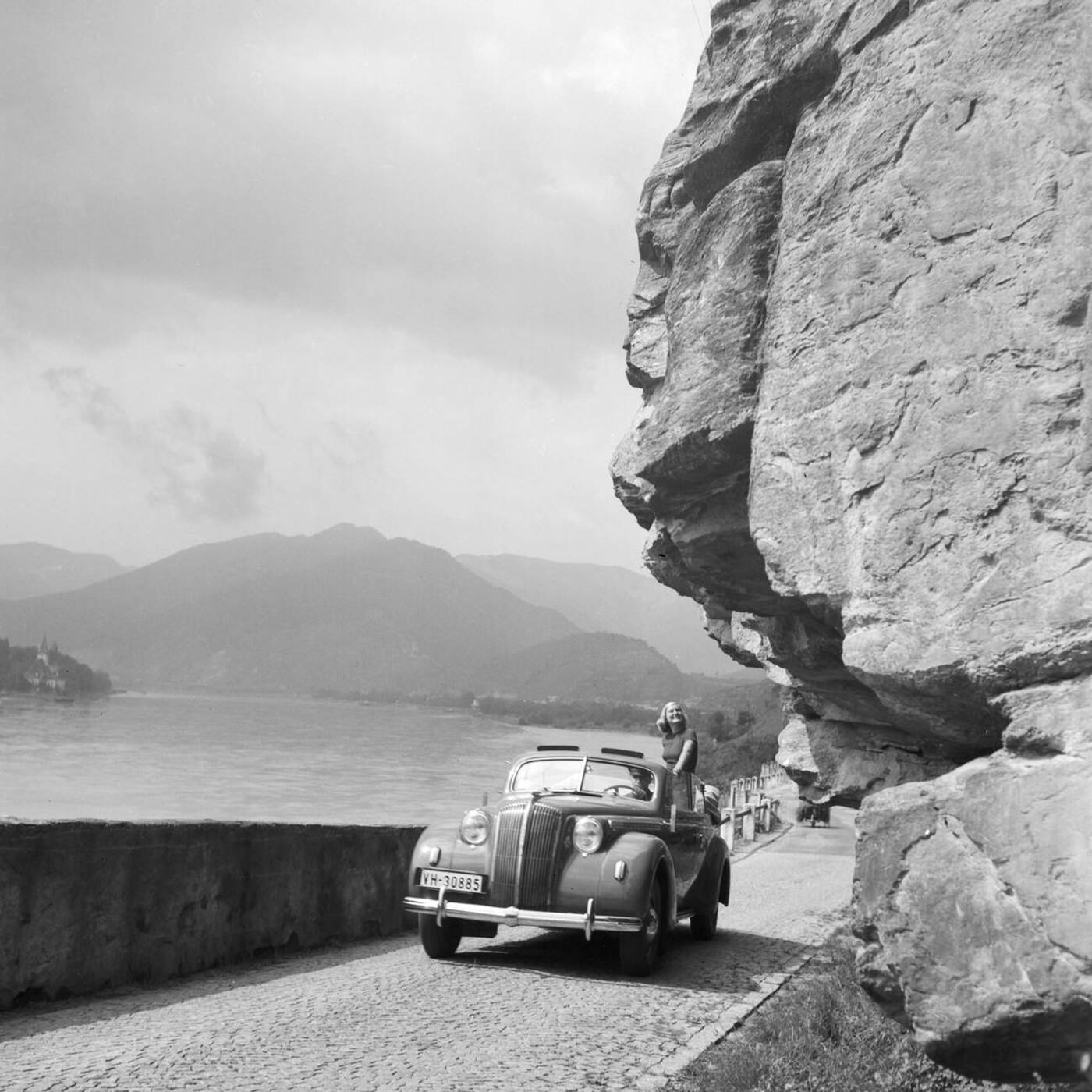
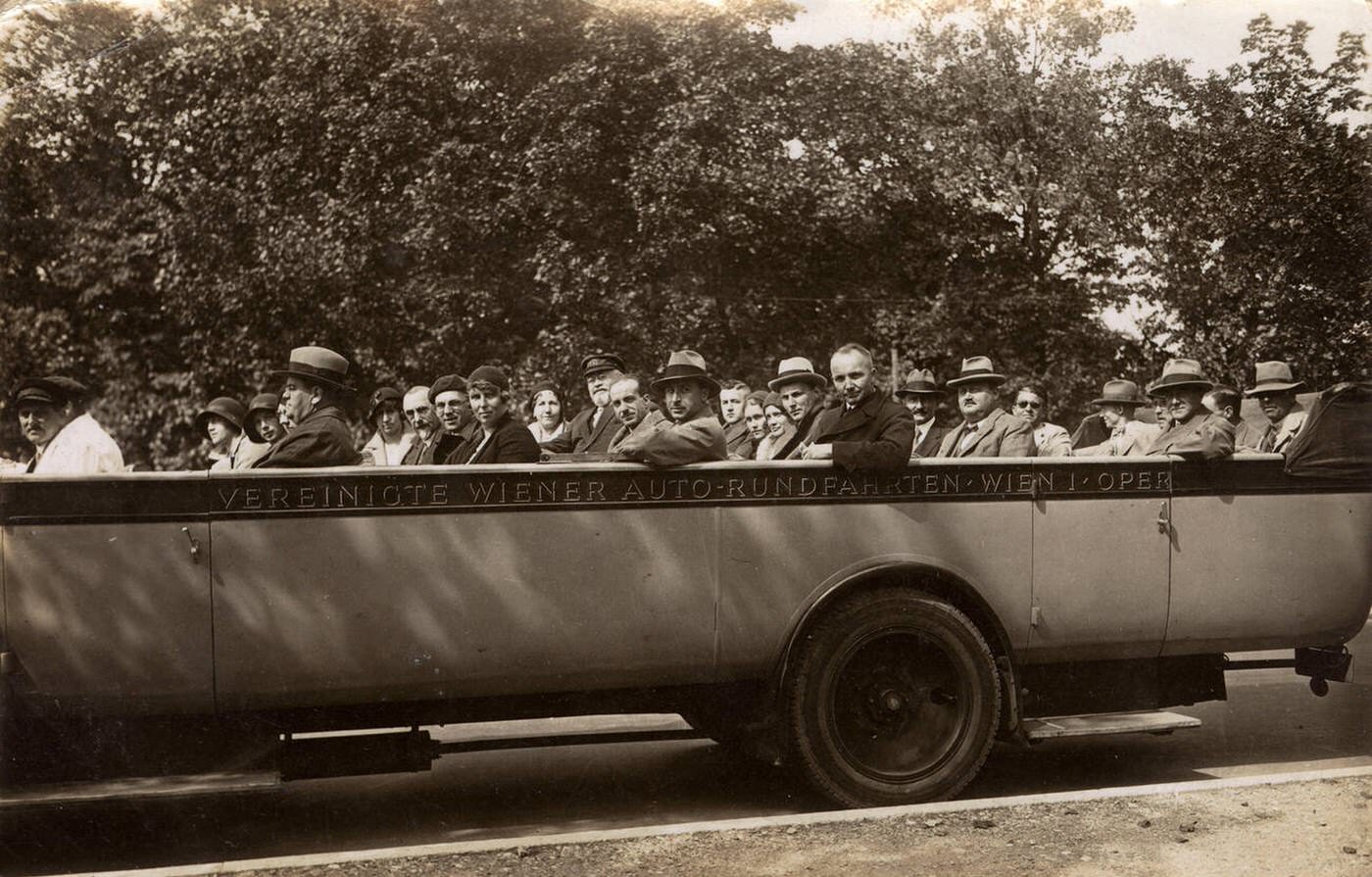
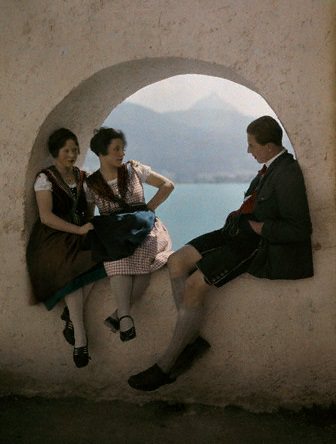
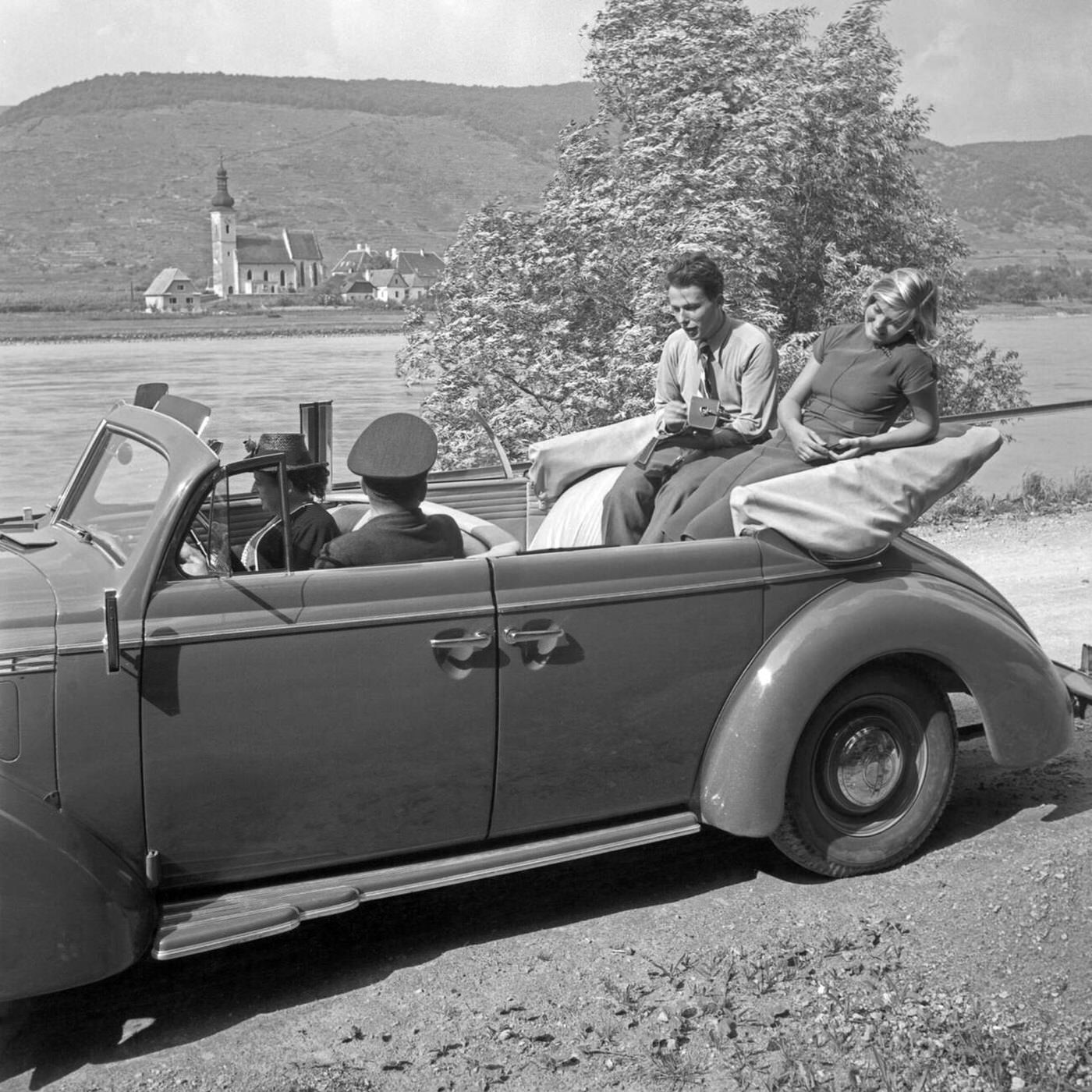
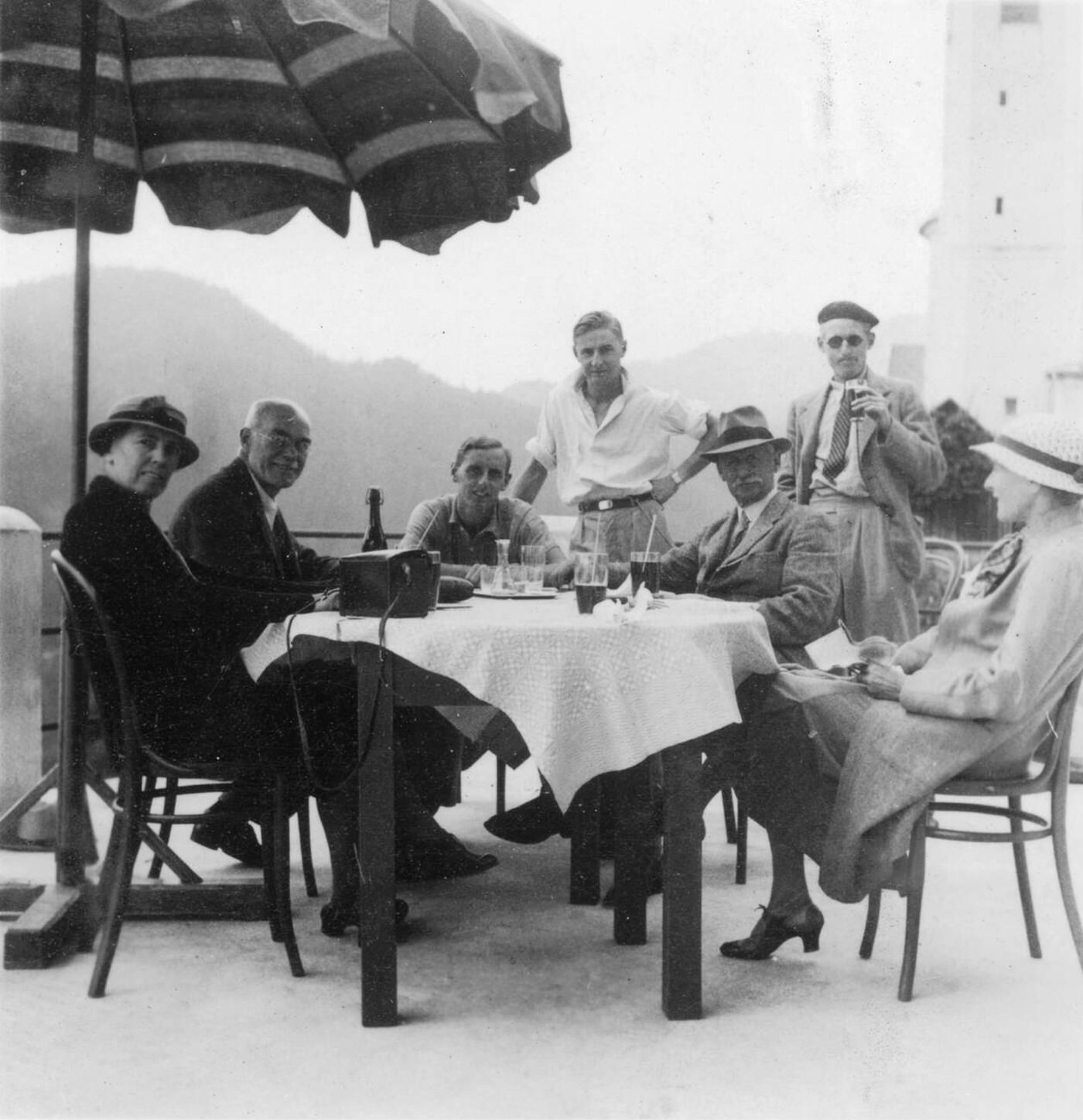
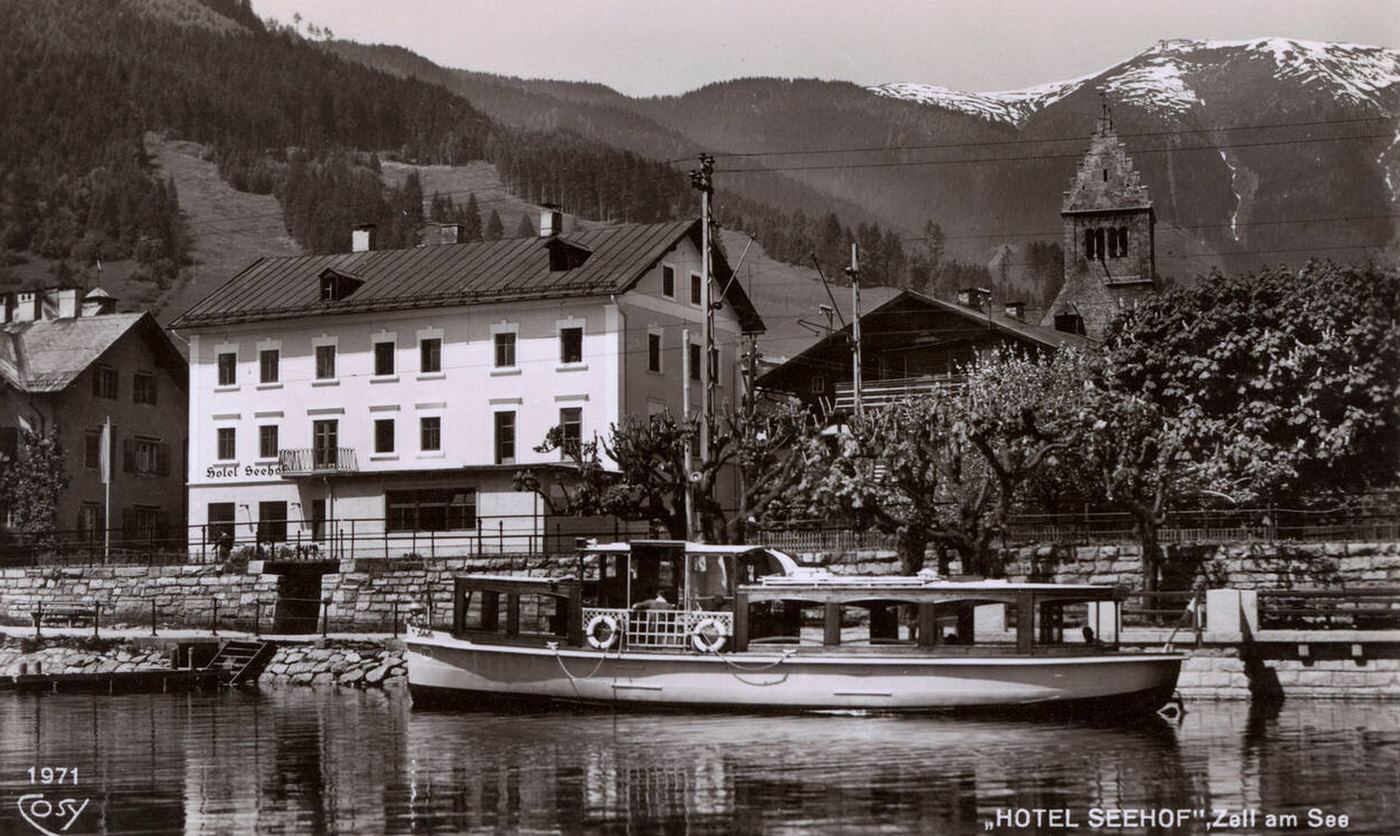
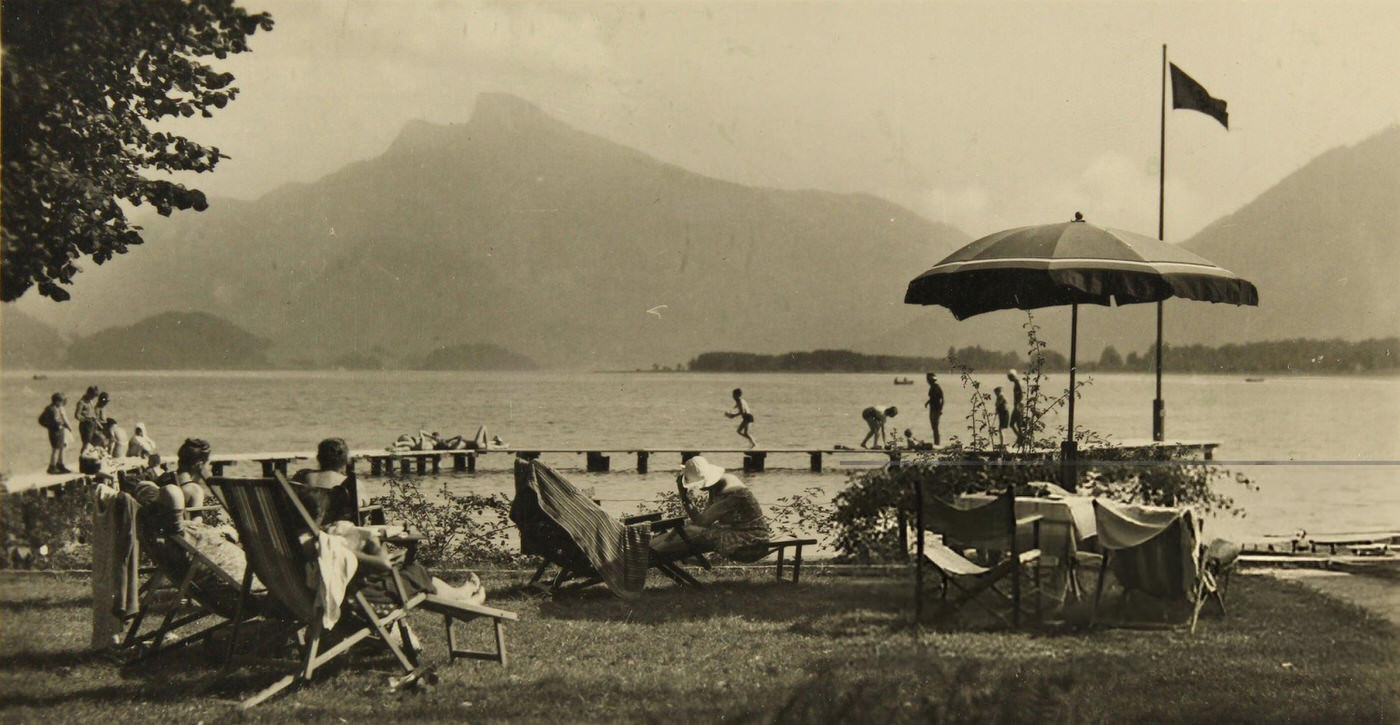
For those with means, the 1930s also brought leisure. Automobiles were becoming more common on Austrian roads, and lake resorts drew visitors looking for summer relaxation. The contrast between this ease and the economic despair felt by many workers was stark.


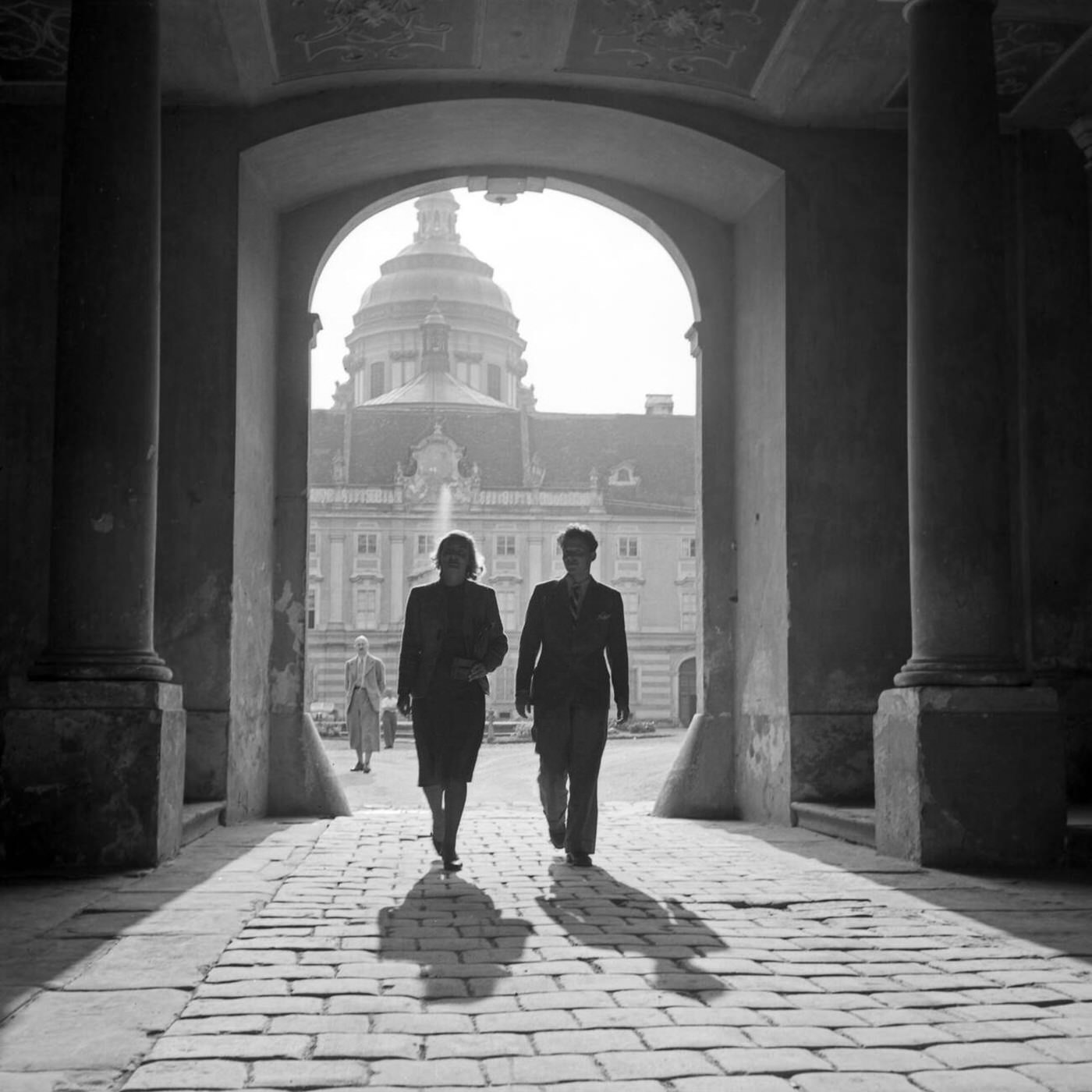
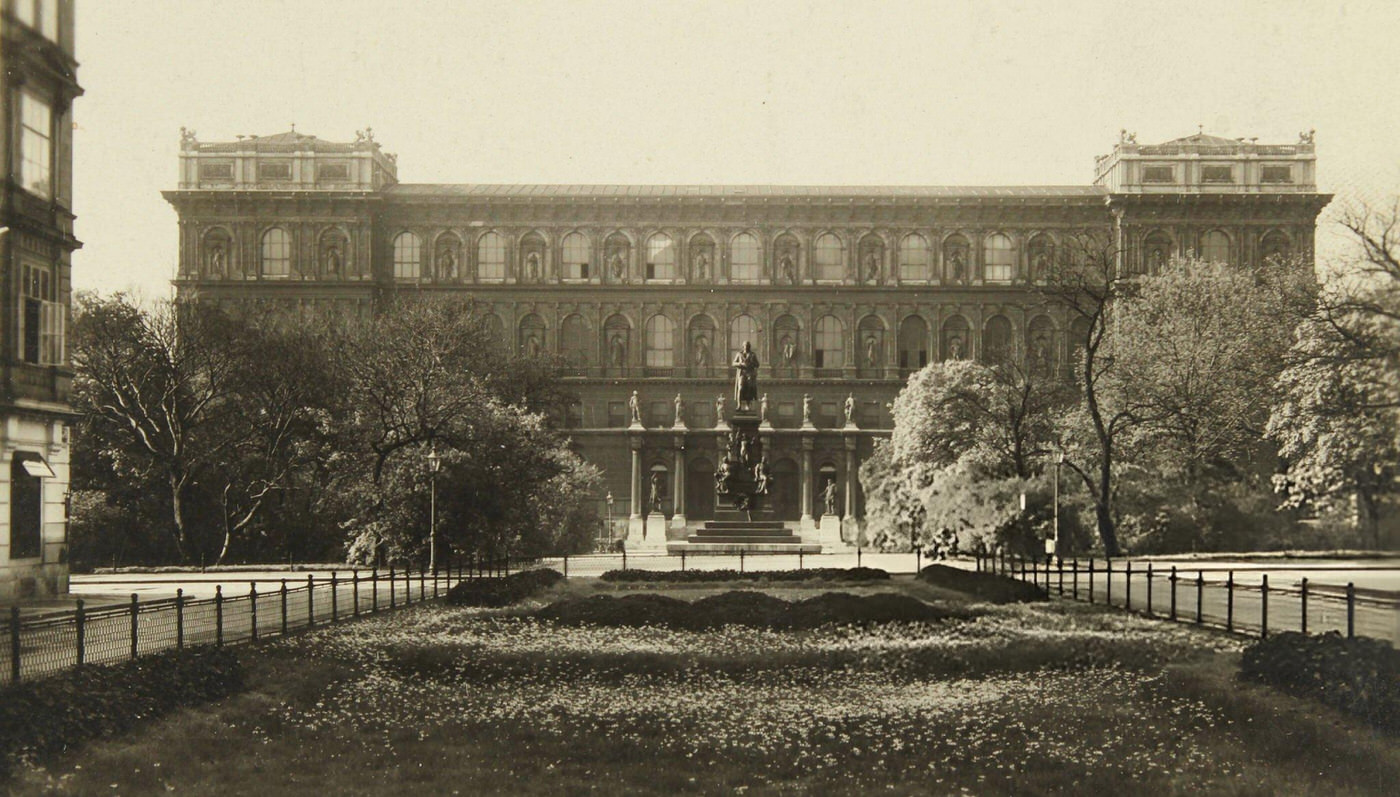
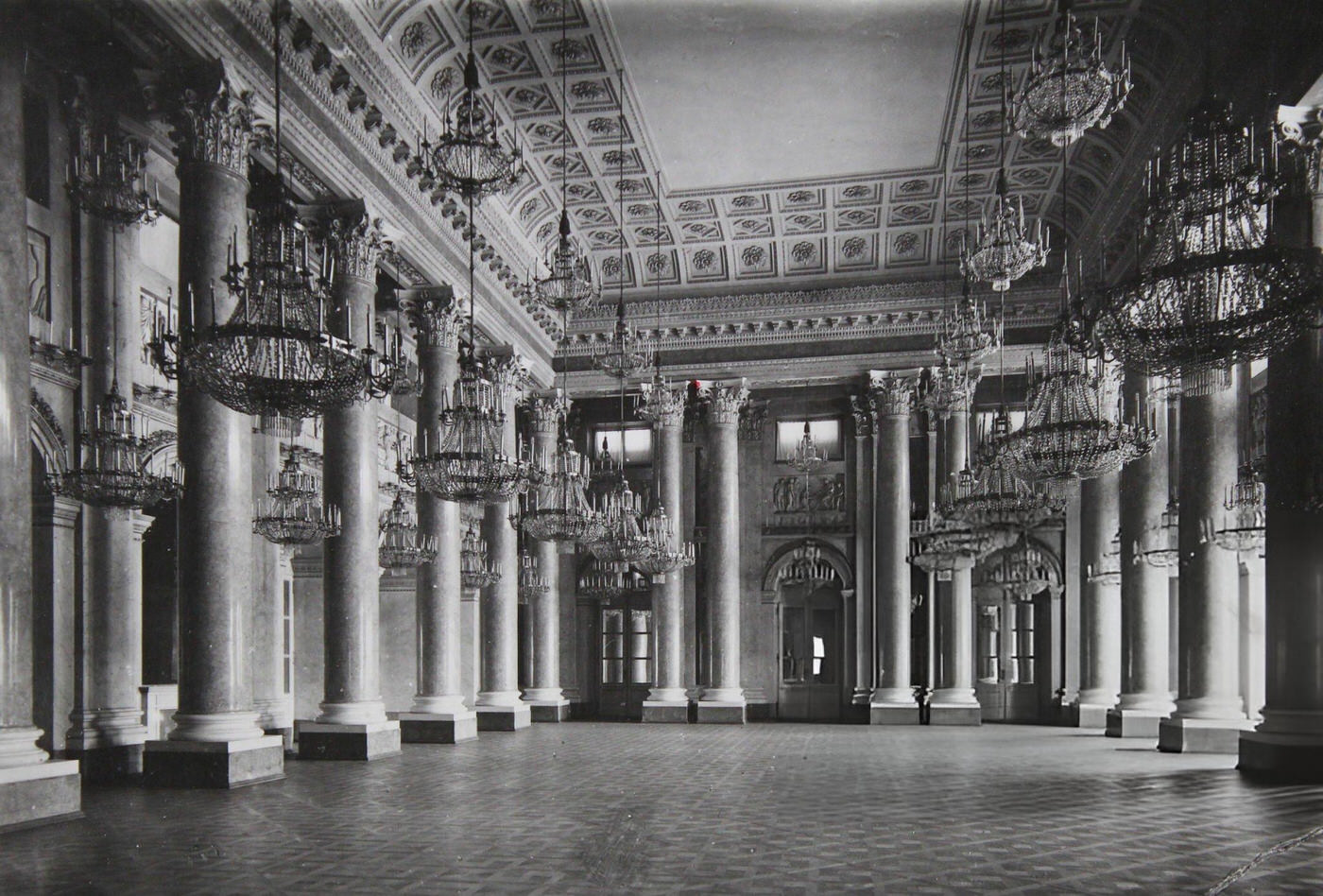
Austria’s cultural heritage remained a point of pride. Grand abbeys, historic monasteries, and baroque architecture drew visitors from across Europe. Vienna, in particular, stood as one of the continent’s great cultural capitals — home to opera, fine arts, and world-class academic institutions.


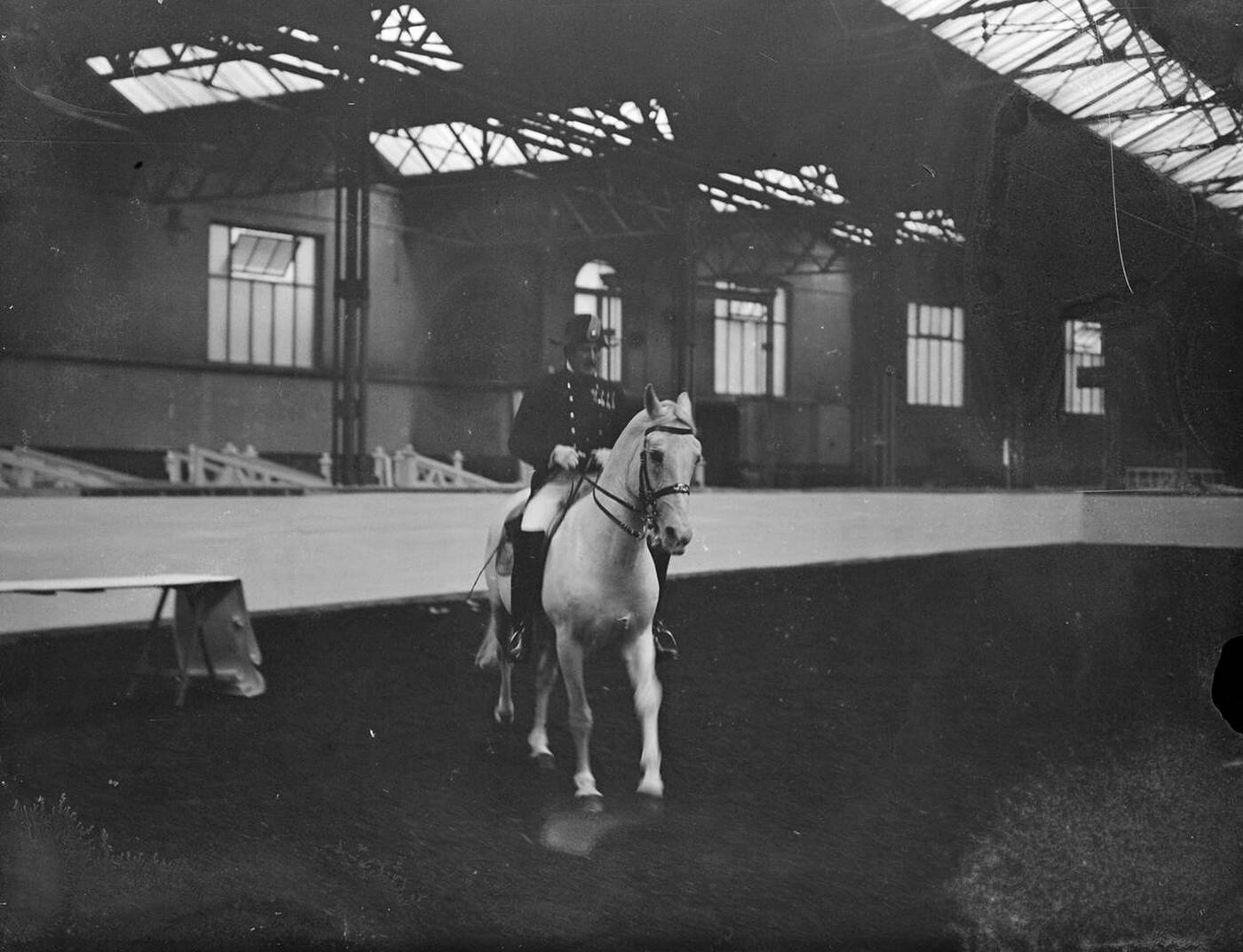
Austria also exported its culture internationally. The country’s equestrian tradition had global reach, and Austrian performers and musicians appeared on stages across Europe.


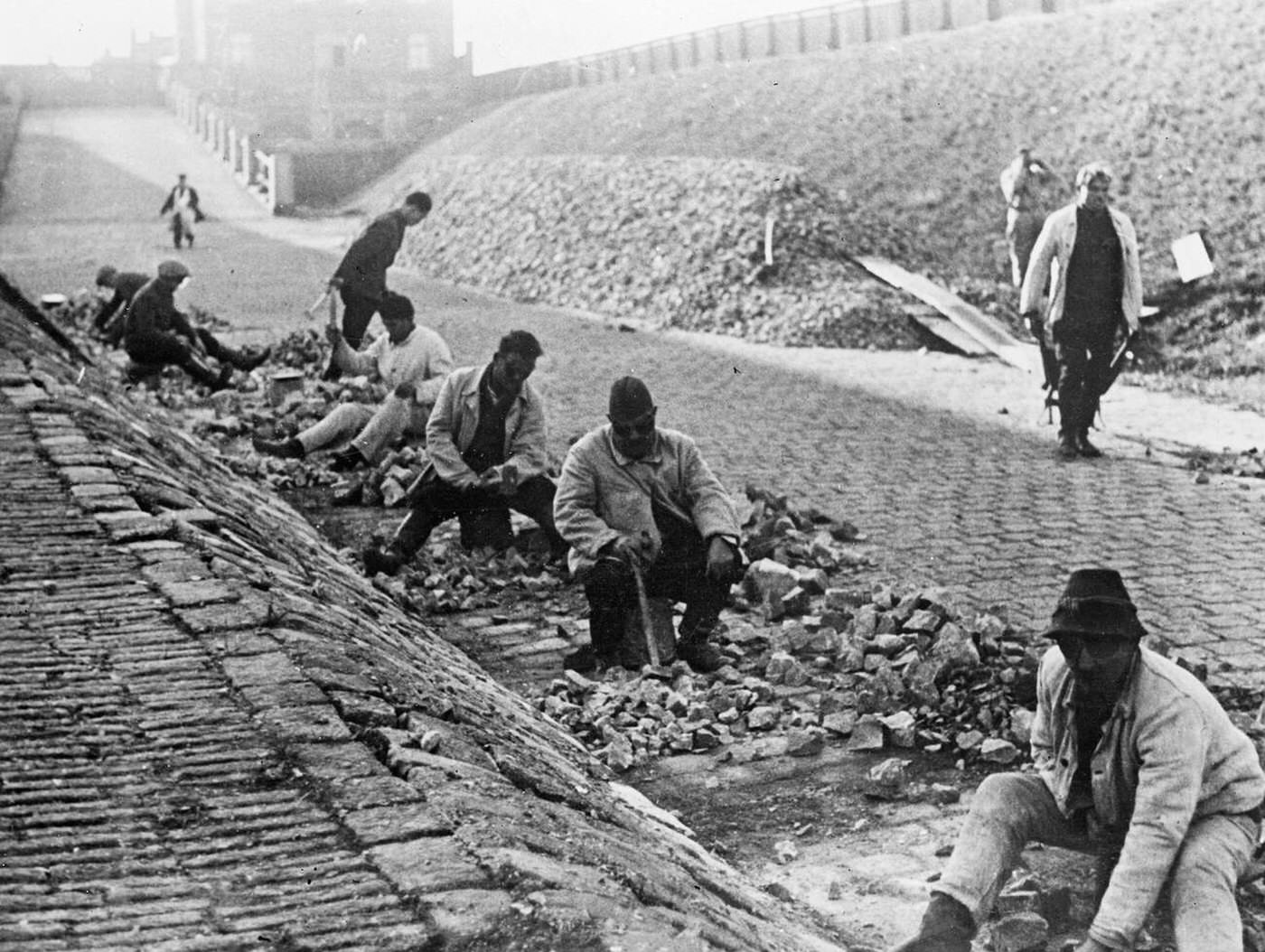
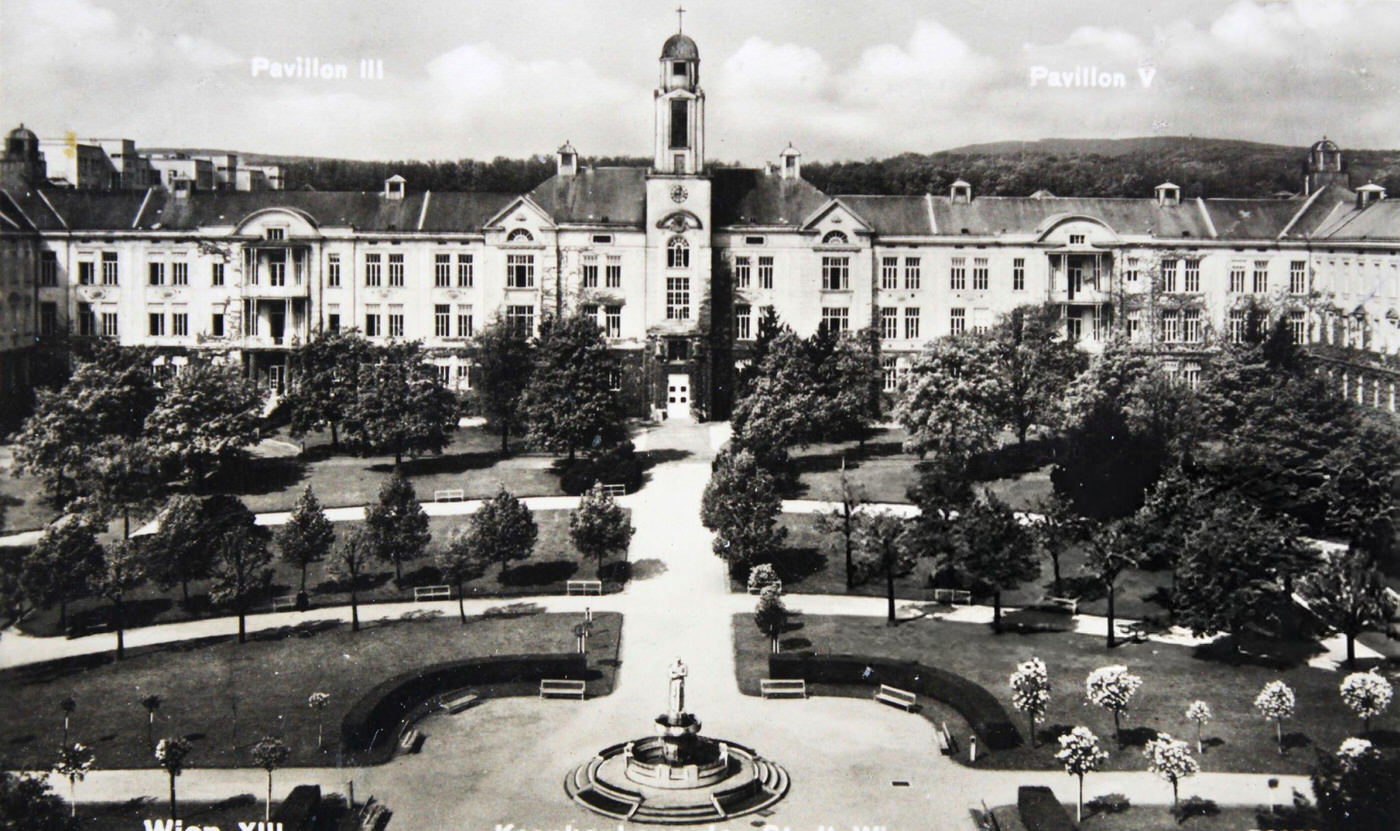
Back in Vienna, the Depression’s toll was visible on the streets. The government put impoverished men to work on public infrastructure projects. These workers, sometimes called beggars in period accounts, repaired roads and public spaces in exchange for minimal pay.

Dollfuss was assassinated in July 1934 during a failed coup attempt by Austrian Nazis. Kurt Schuschnigg took over as Chancellor and continued the same authoritarian approach. He faced a growing threat from Nazi Germany next door. Adolf Hitler, himself born in Austria, had been pushing for Anschluss — the annexation of Austria into Germany. Schuschnigg worked to keep Austria independent, but pressure from Berlin and from Austrian Nazi sympathizers never stopped.


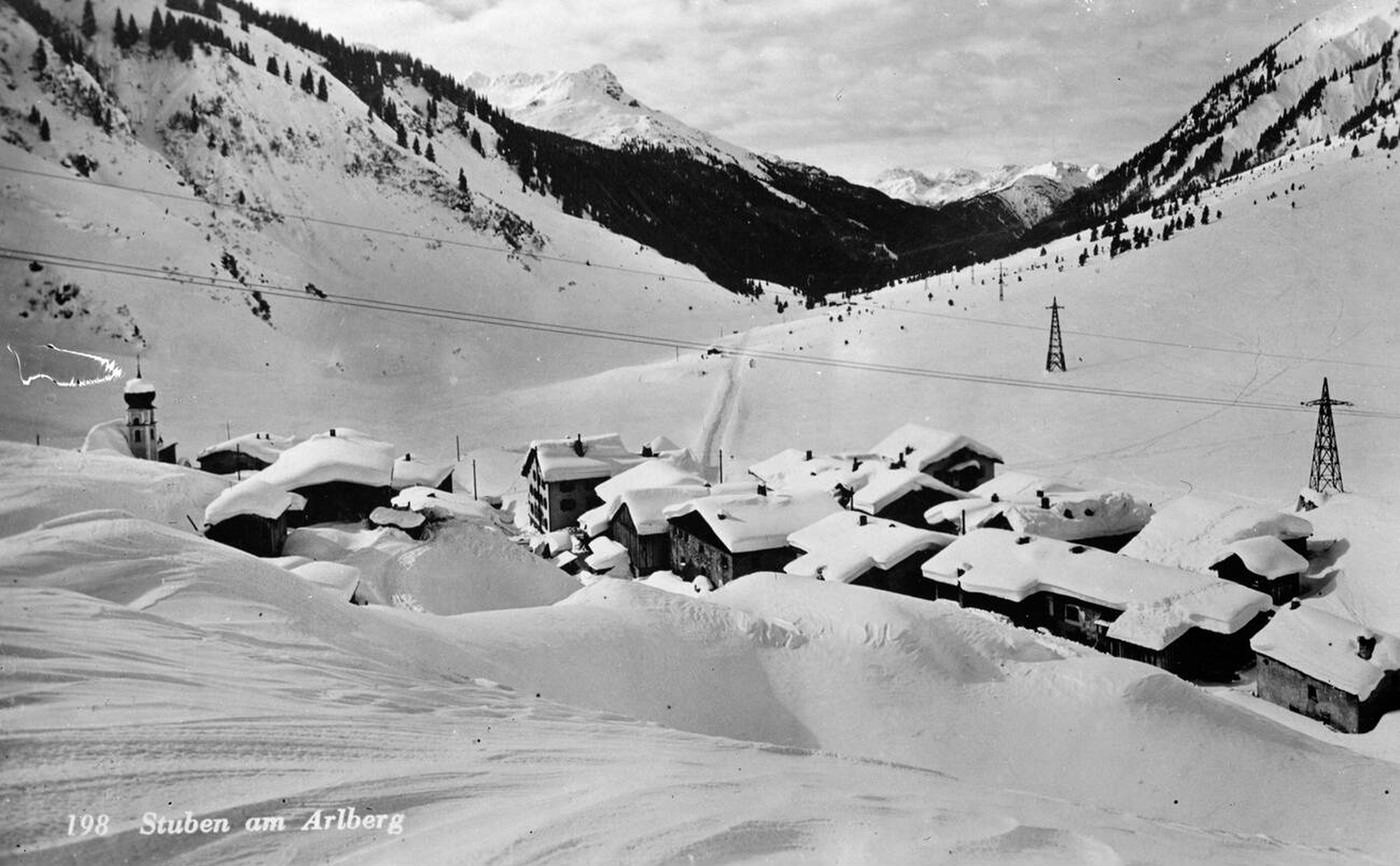
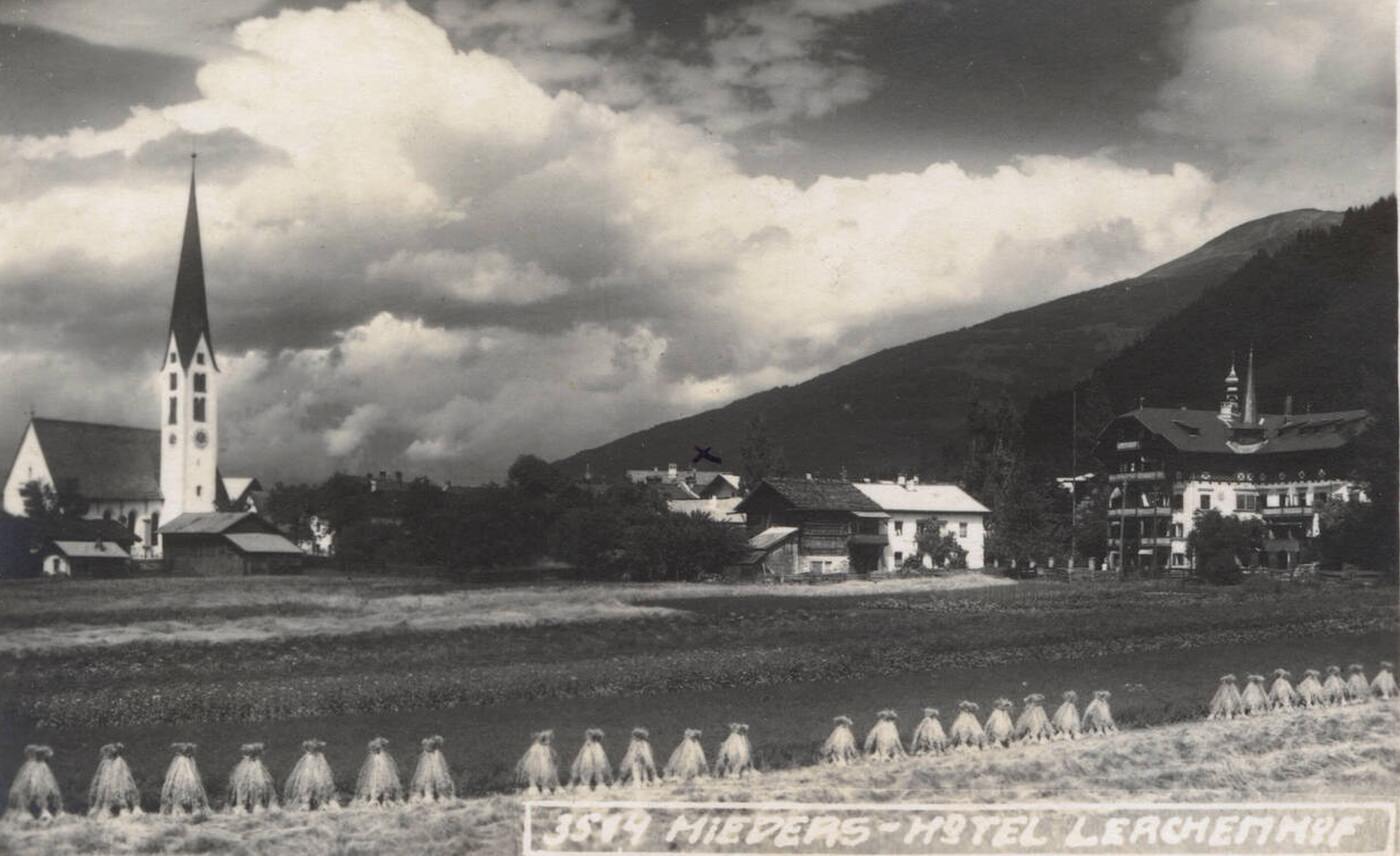
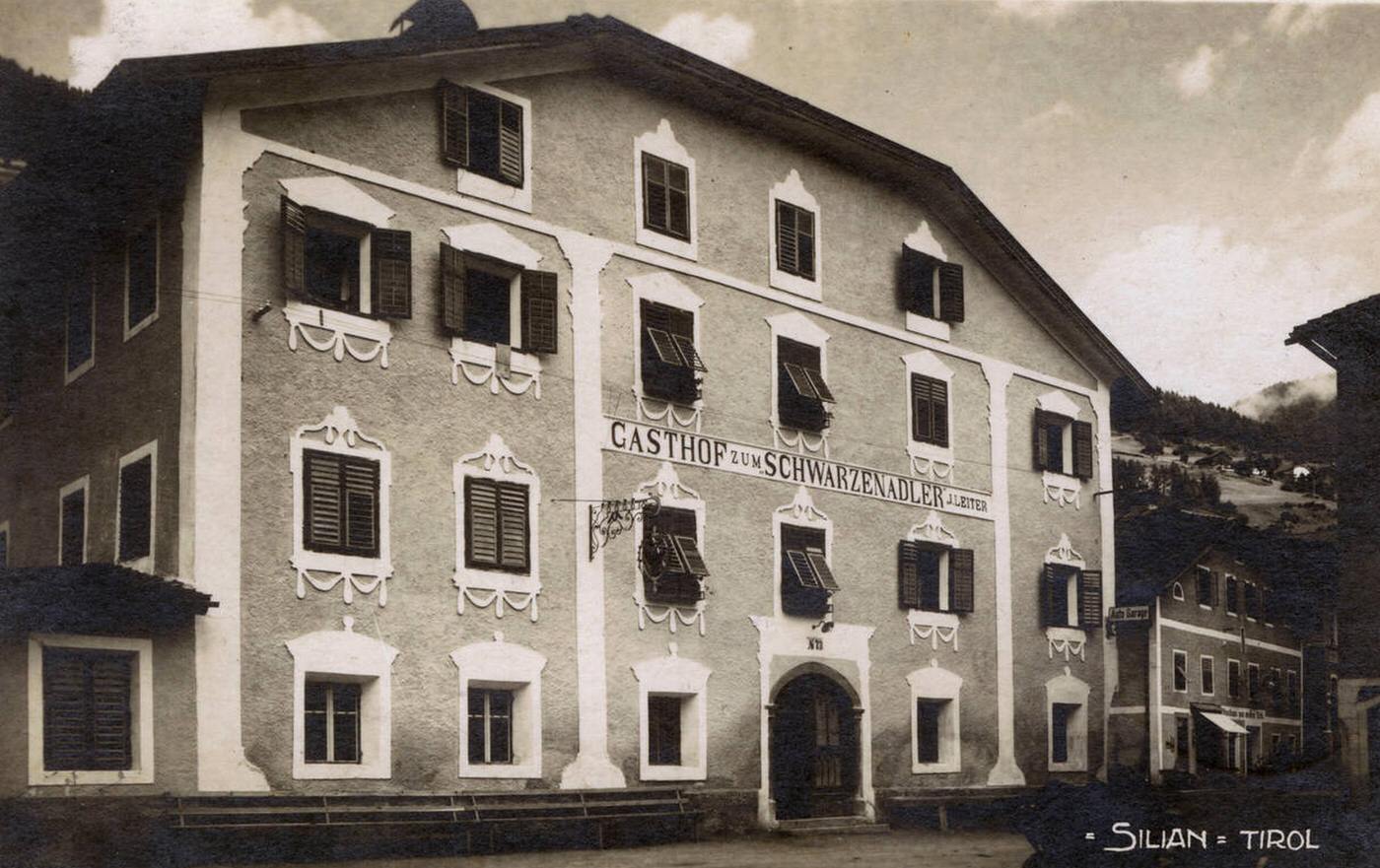
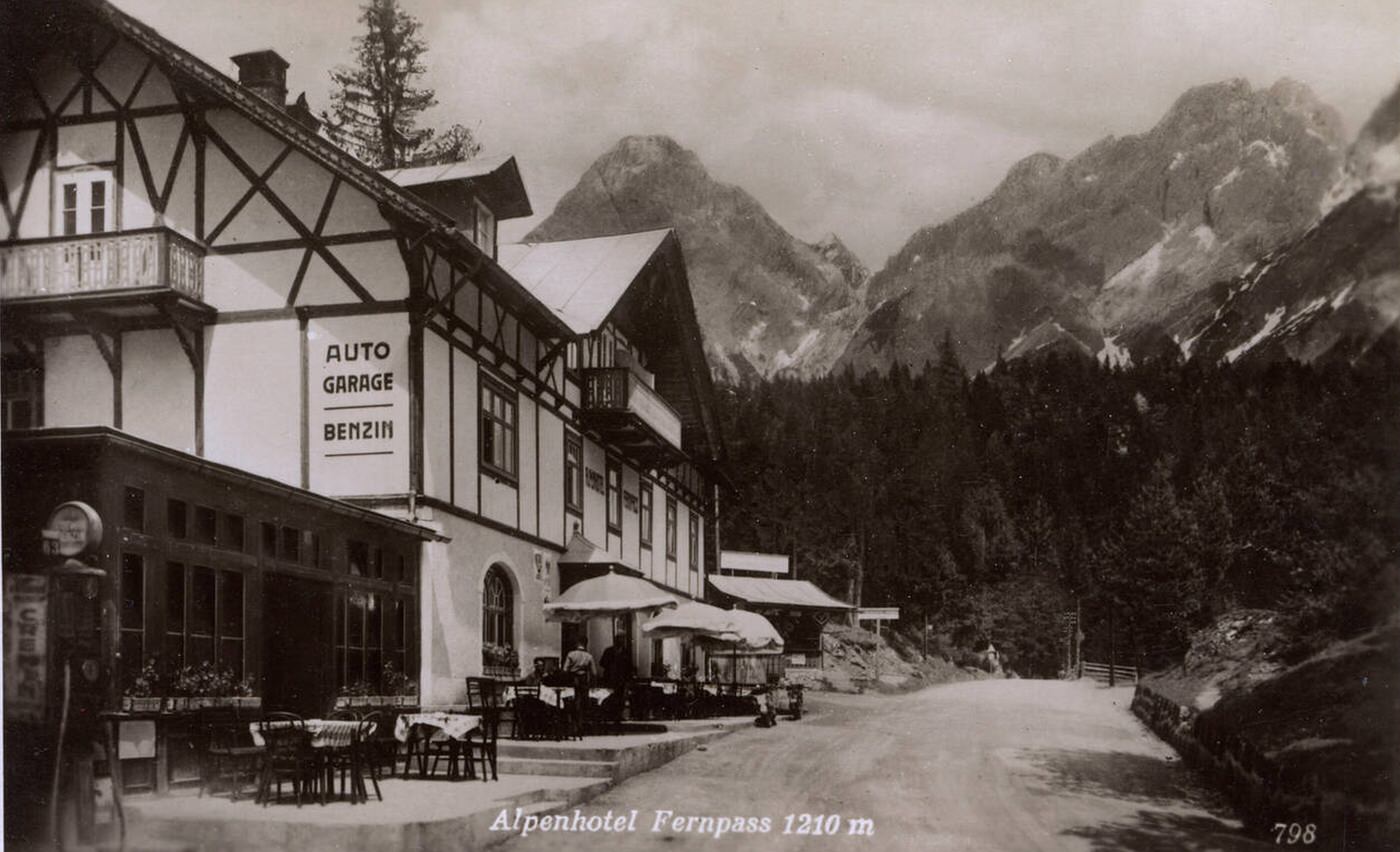
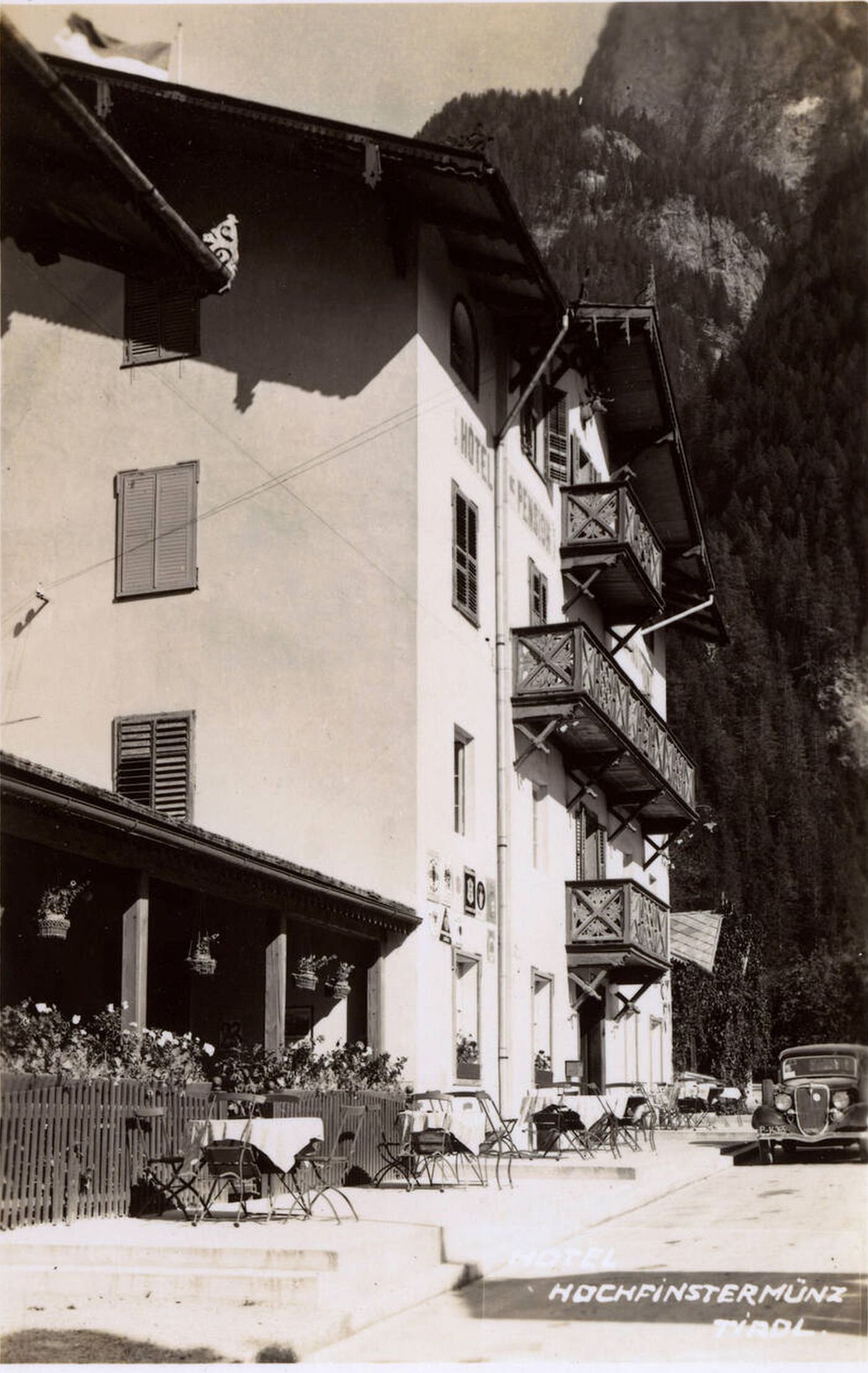
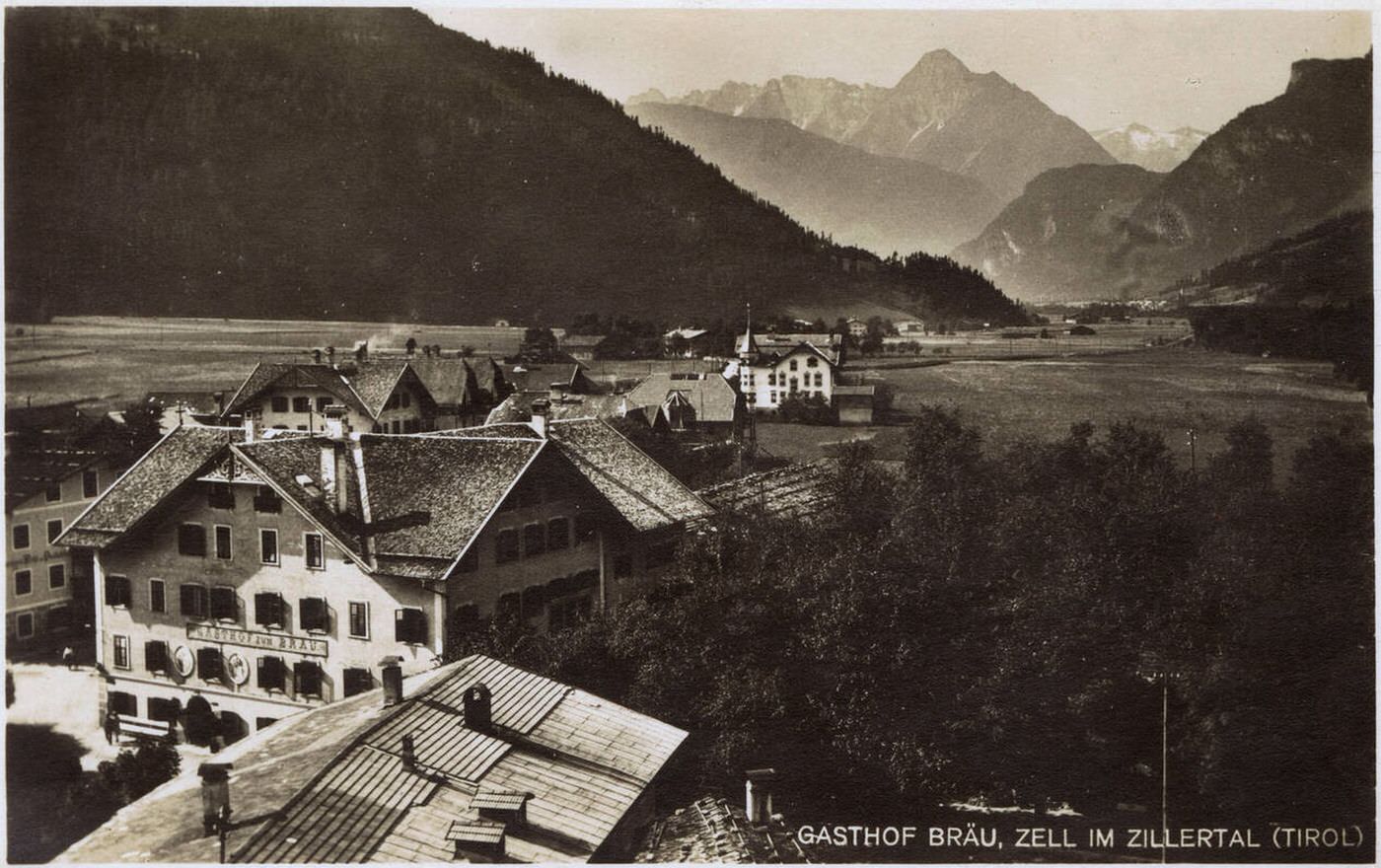
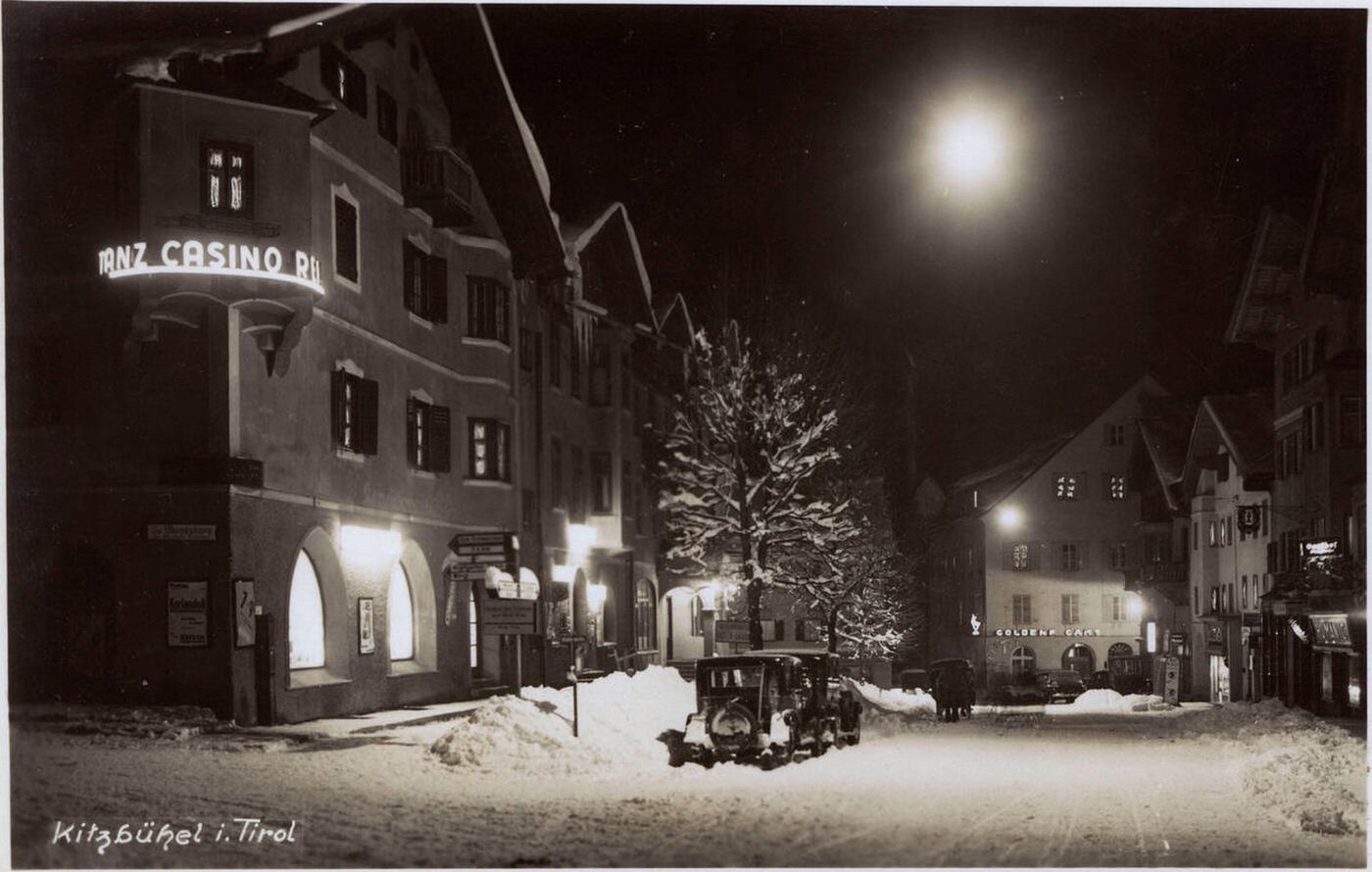
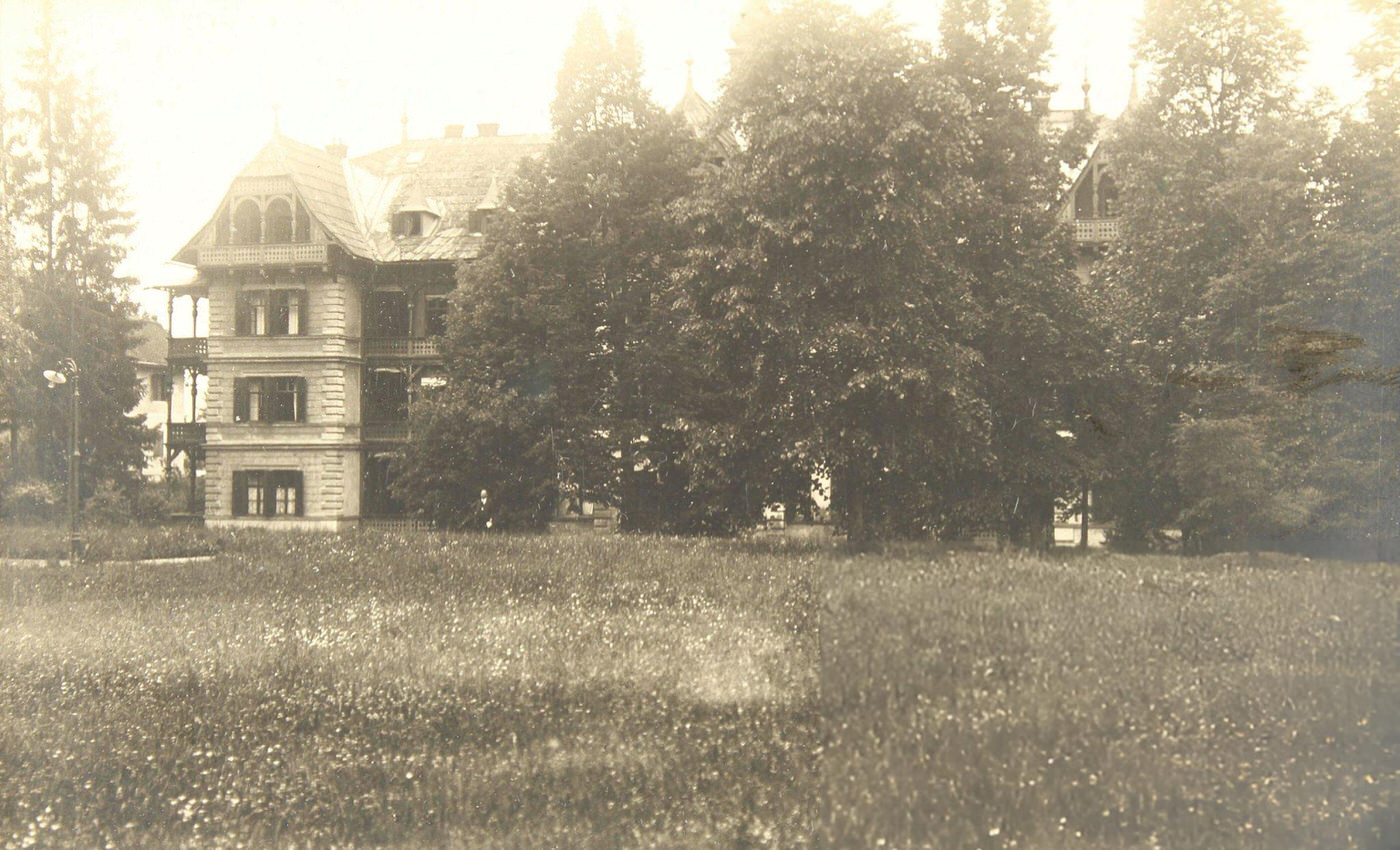
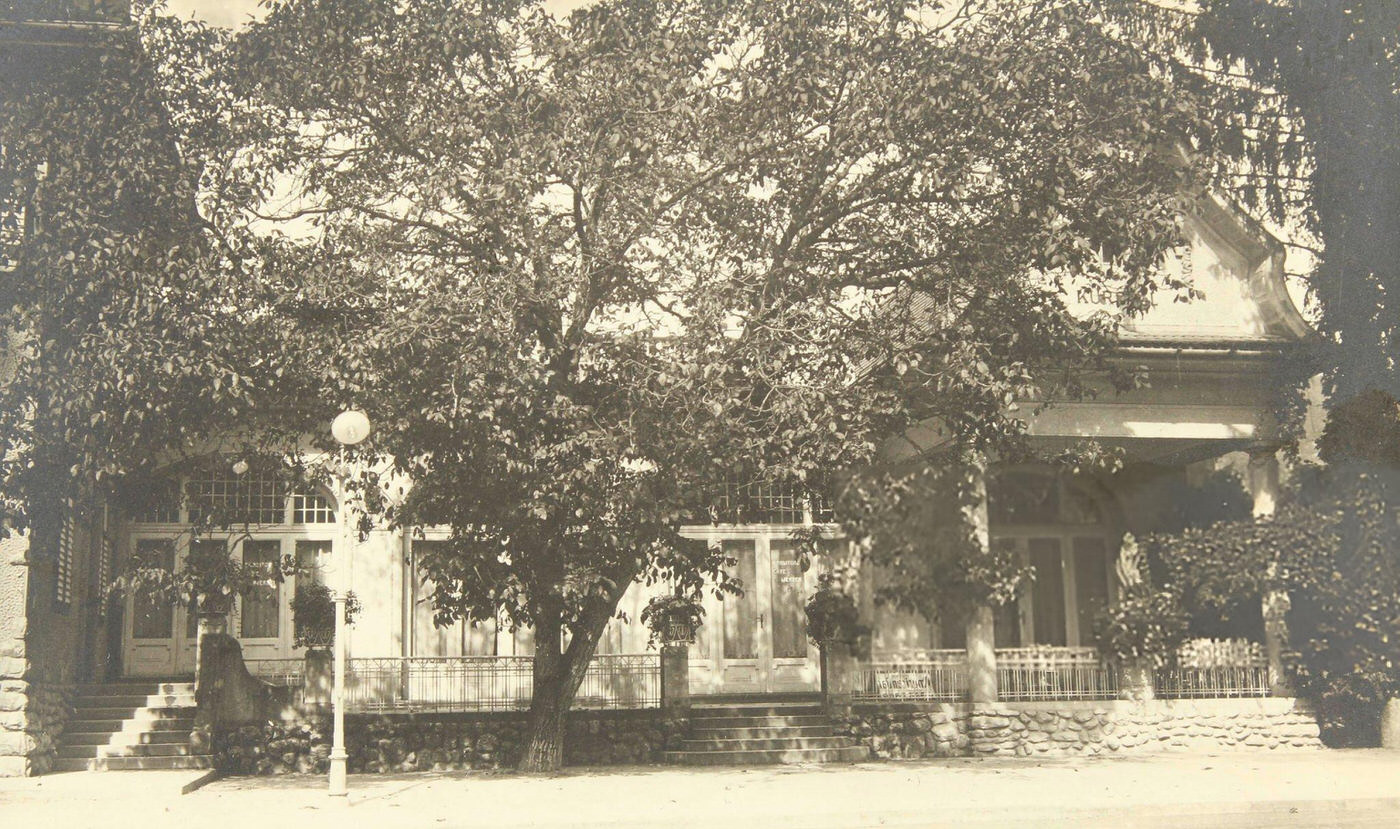
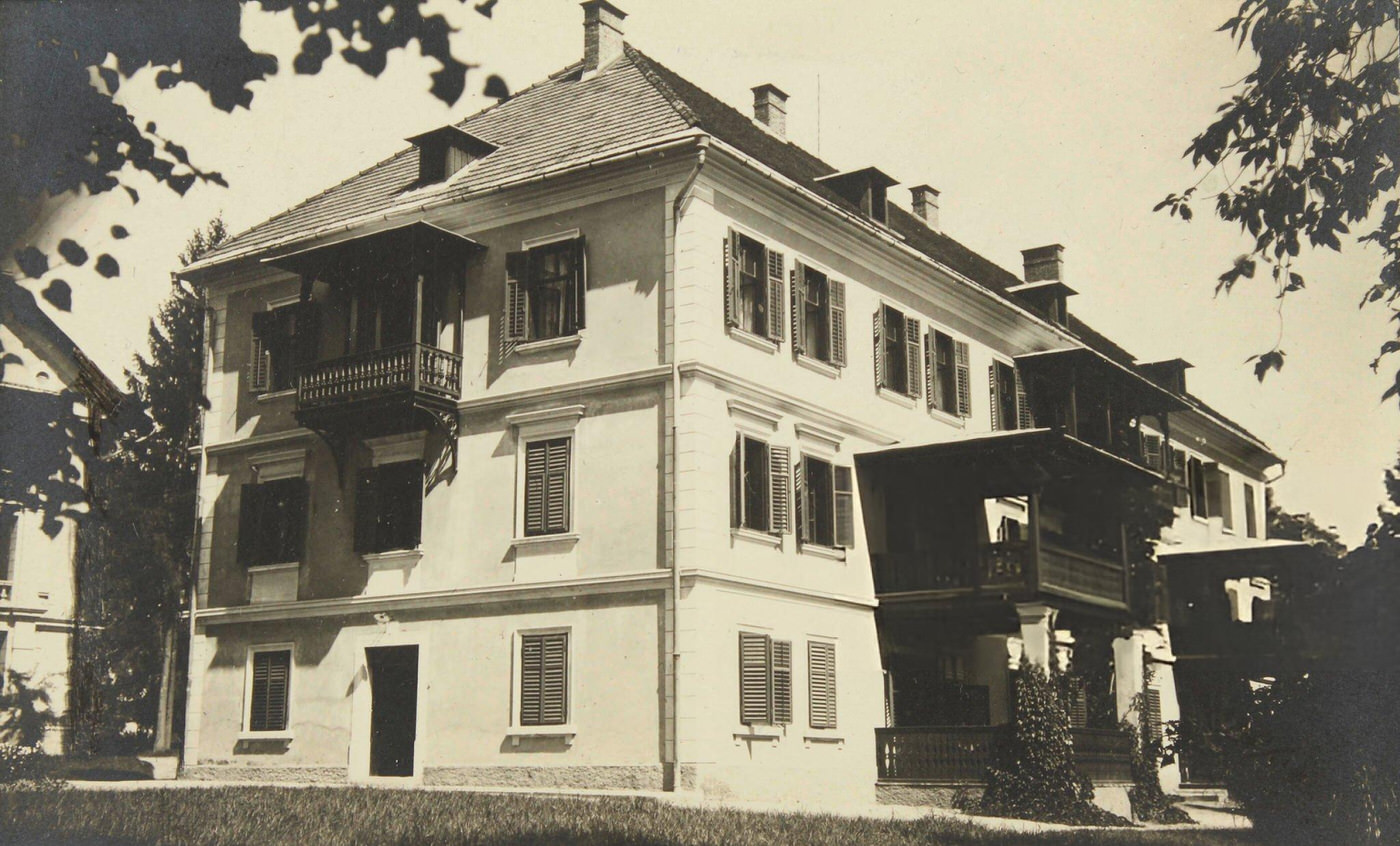
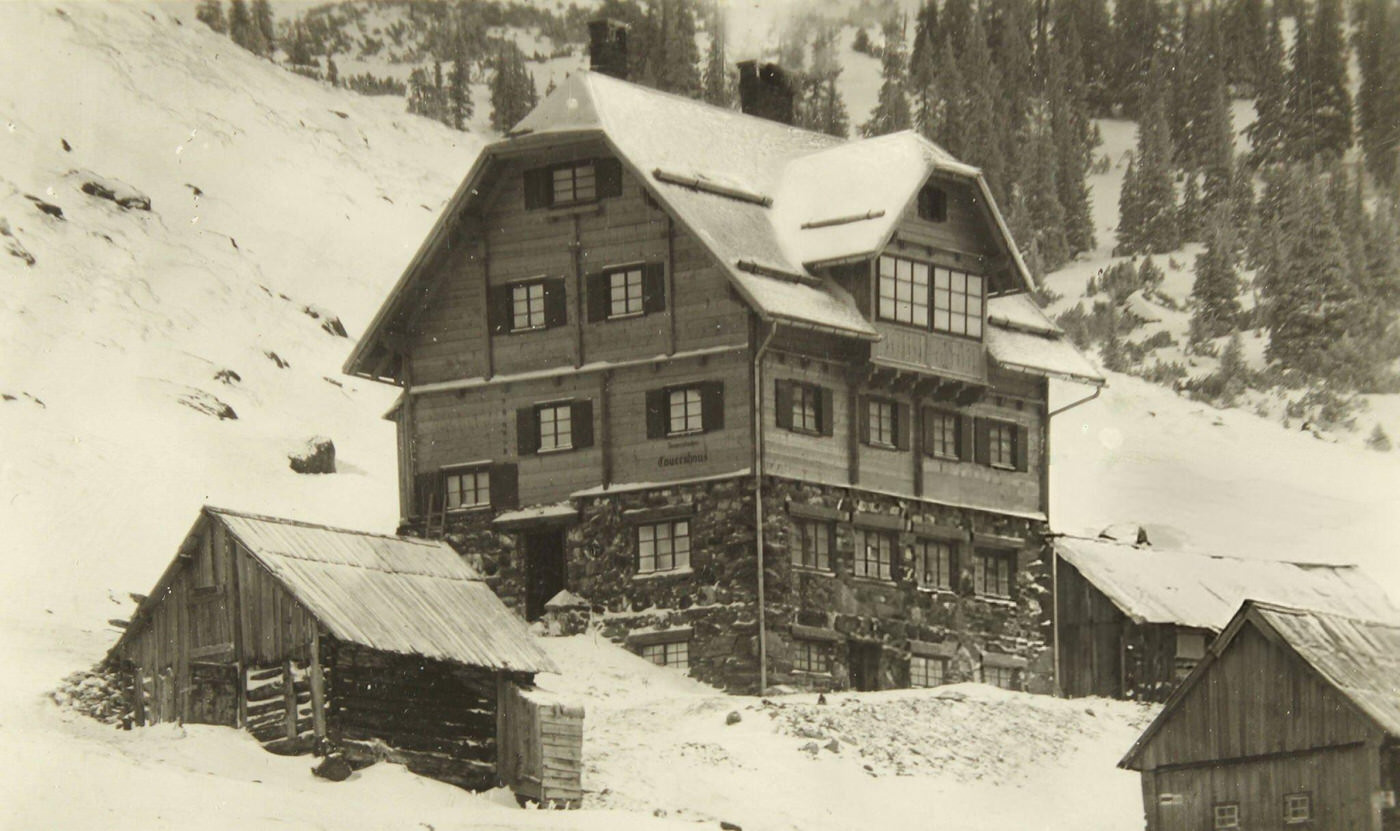
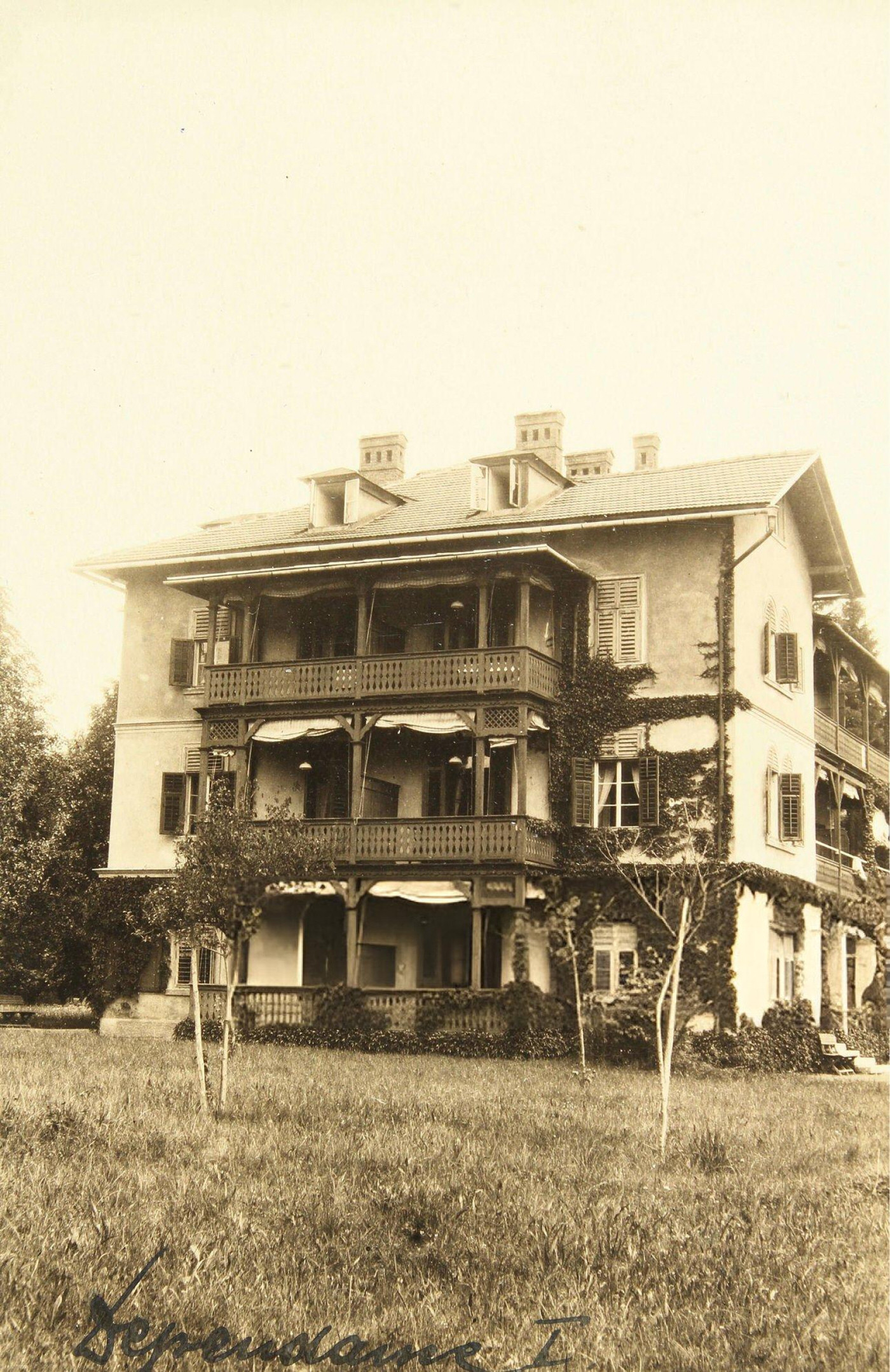
Austria’s alpine region was dotted with guesthouses, hotels, and inns that catered to travelers year-round. Tourism was an important part of the economy, and Tyrol in particular was a popular destination for both Austrian and foreign visitors.
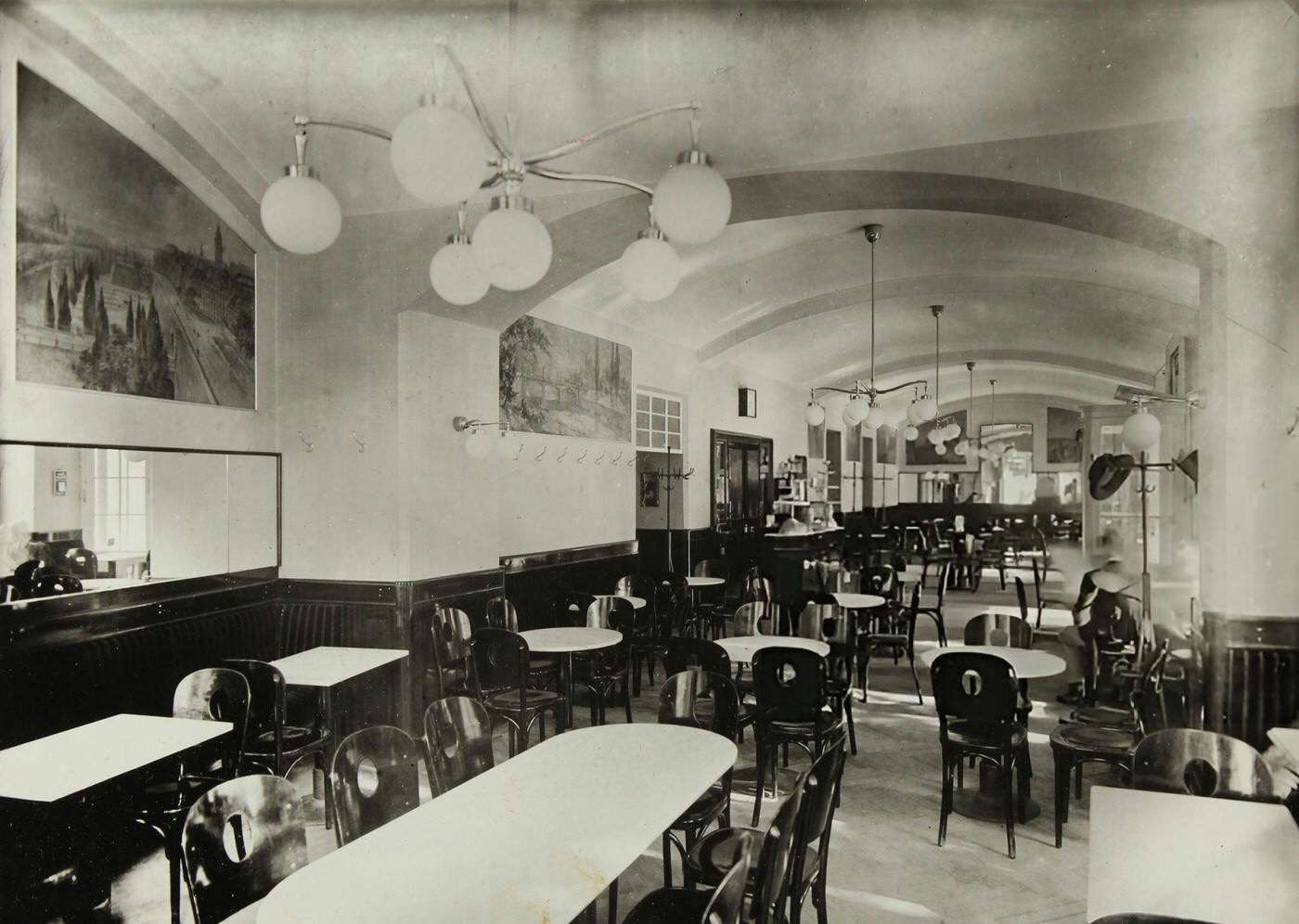
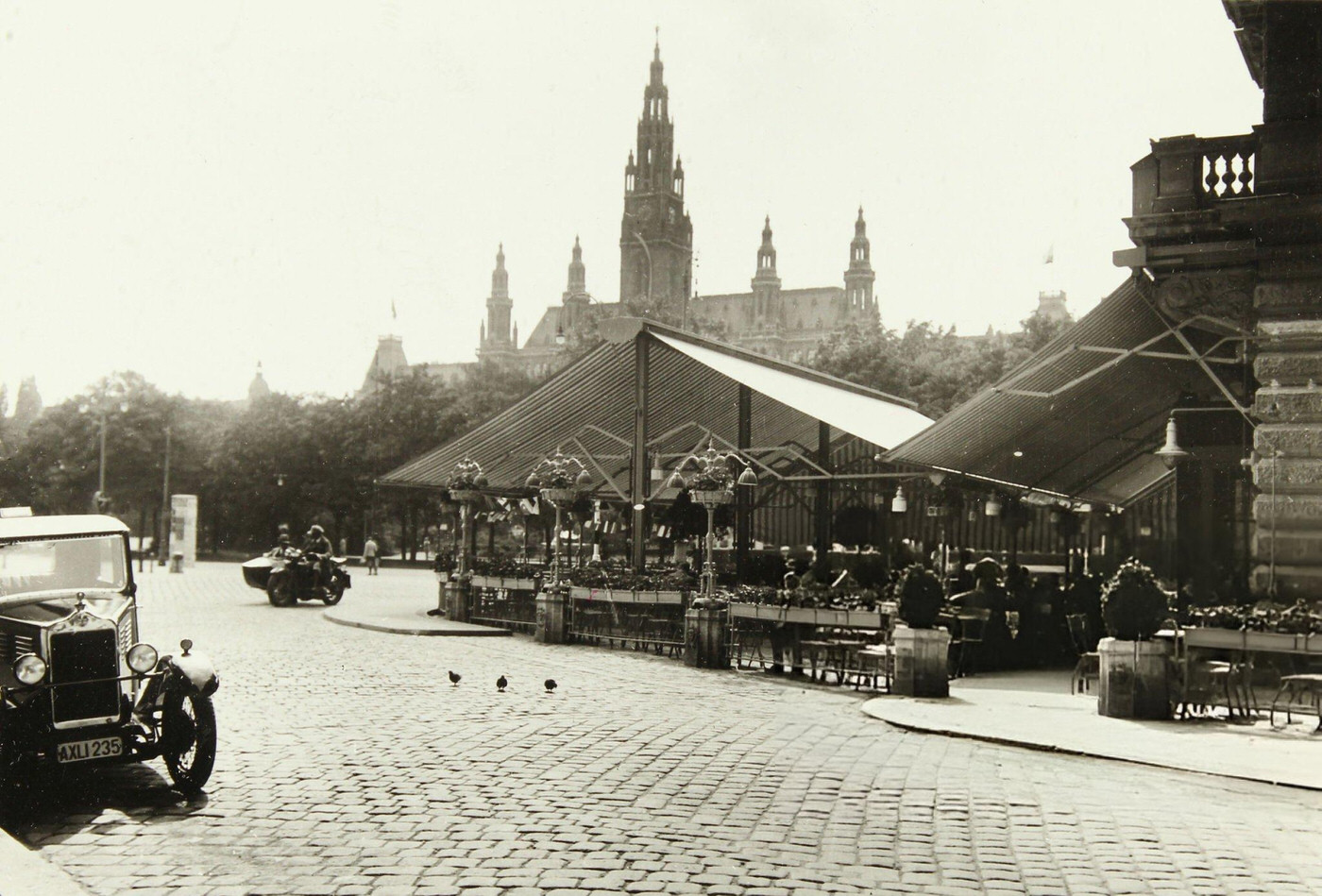


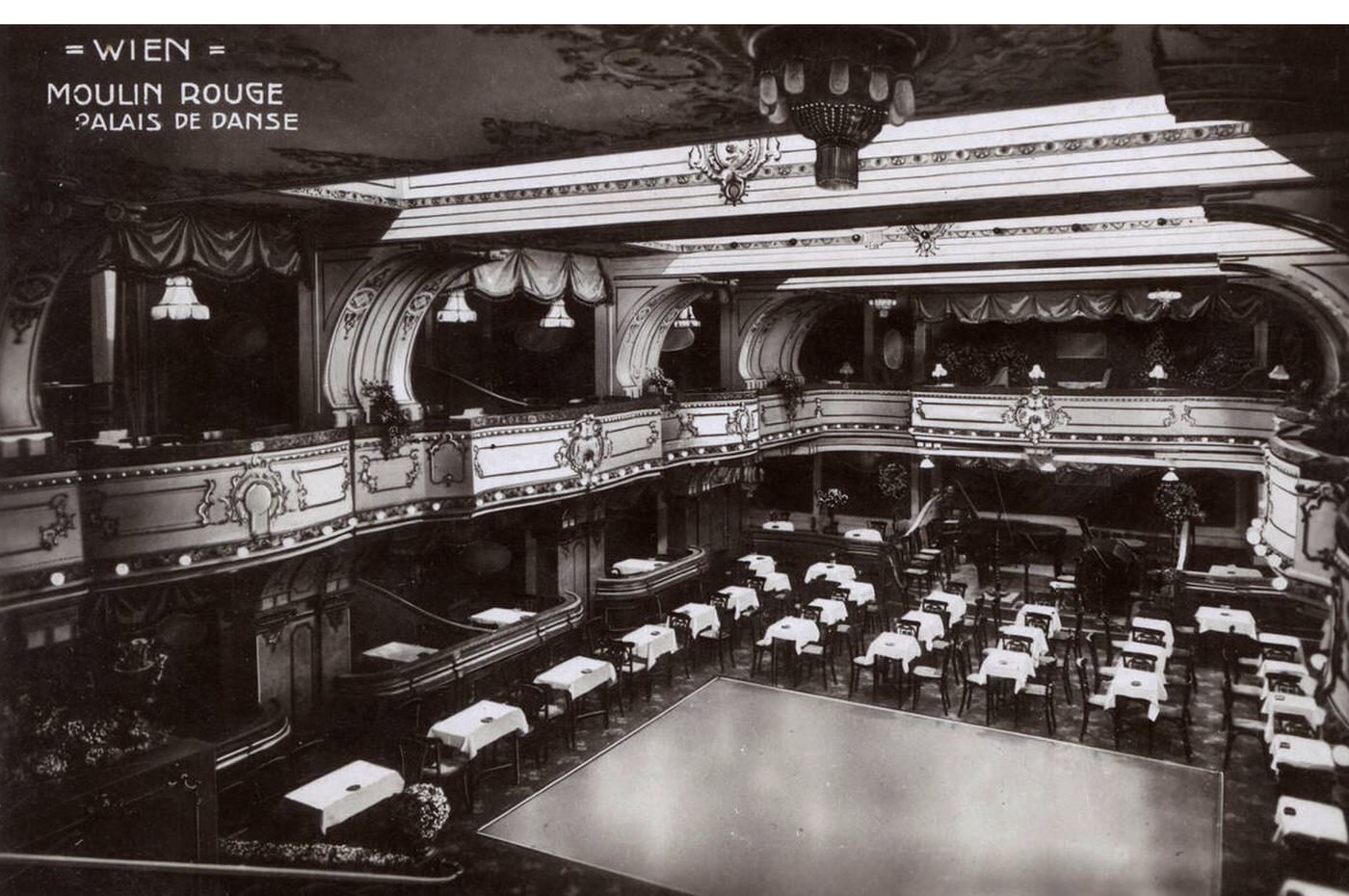
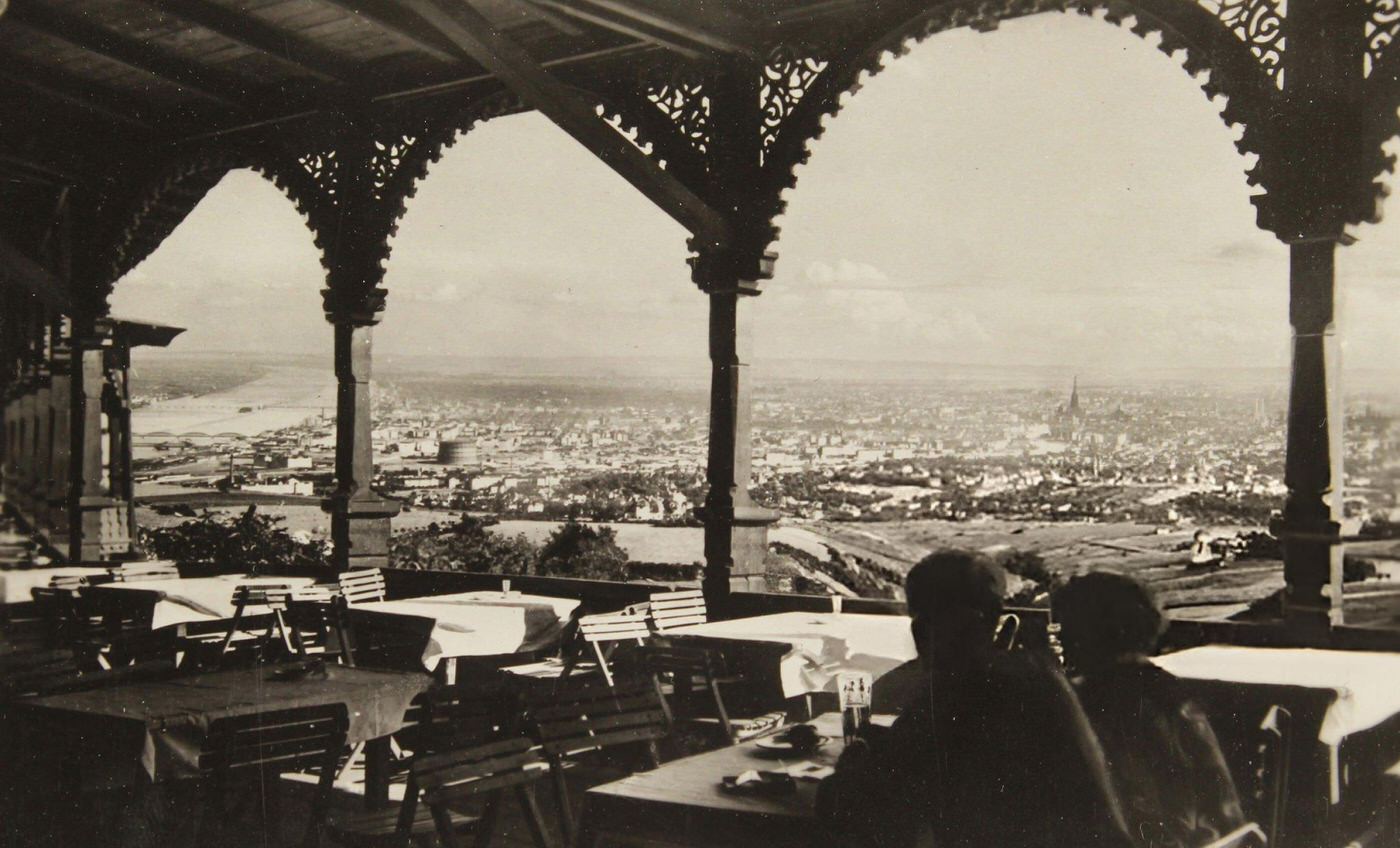
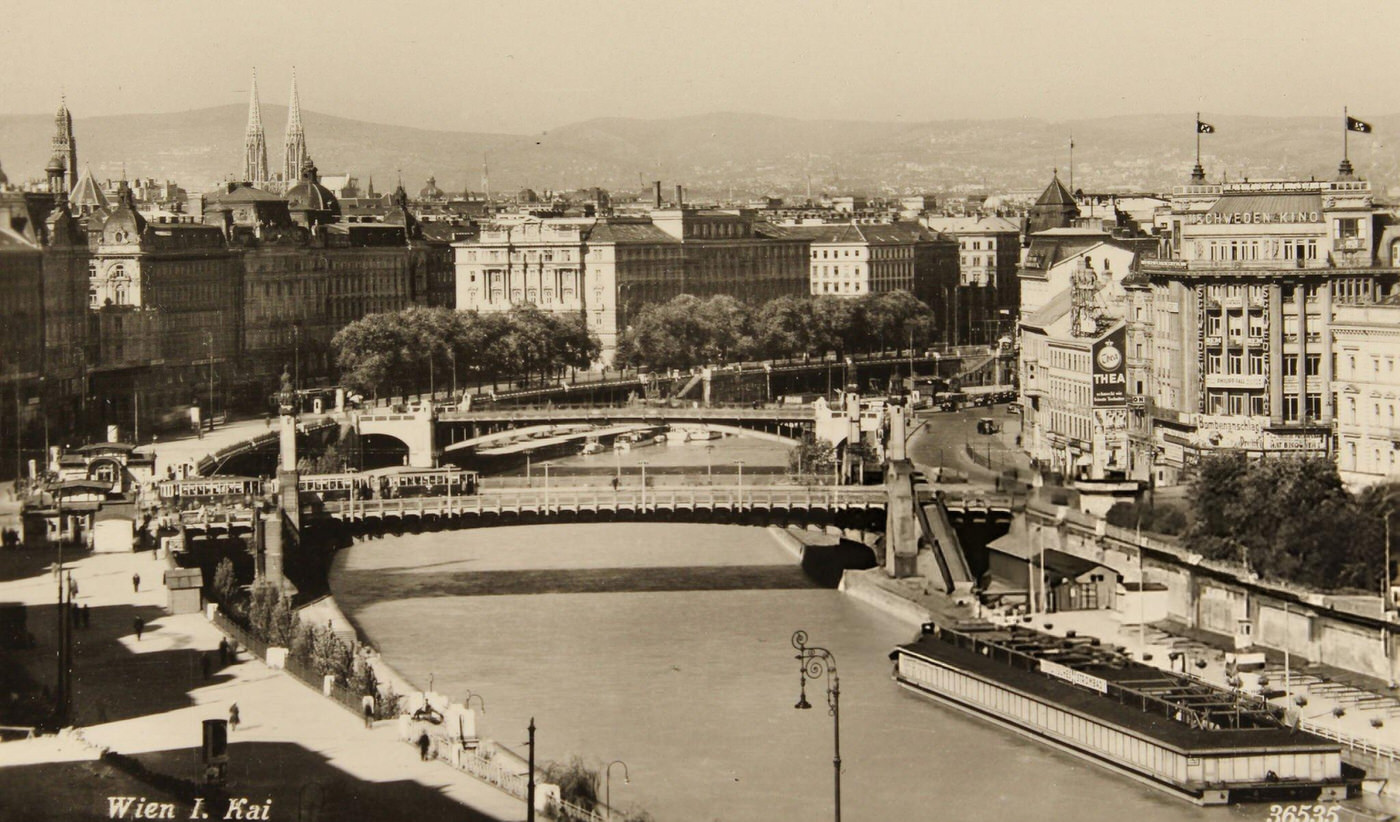
Vienna itself offered an enormous range of public and cultural life. From gothic architecture and grand gardens to cabarets, dance halls, and famous coffee houses, the city maintained a vibrant social scene even through the political turmoil.


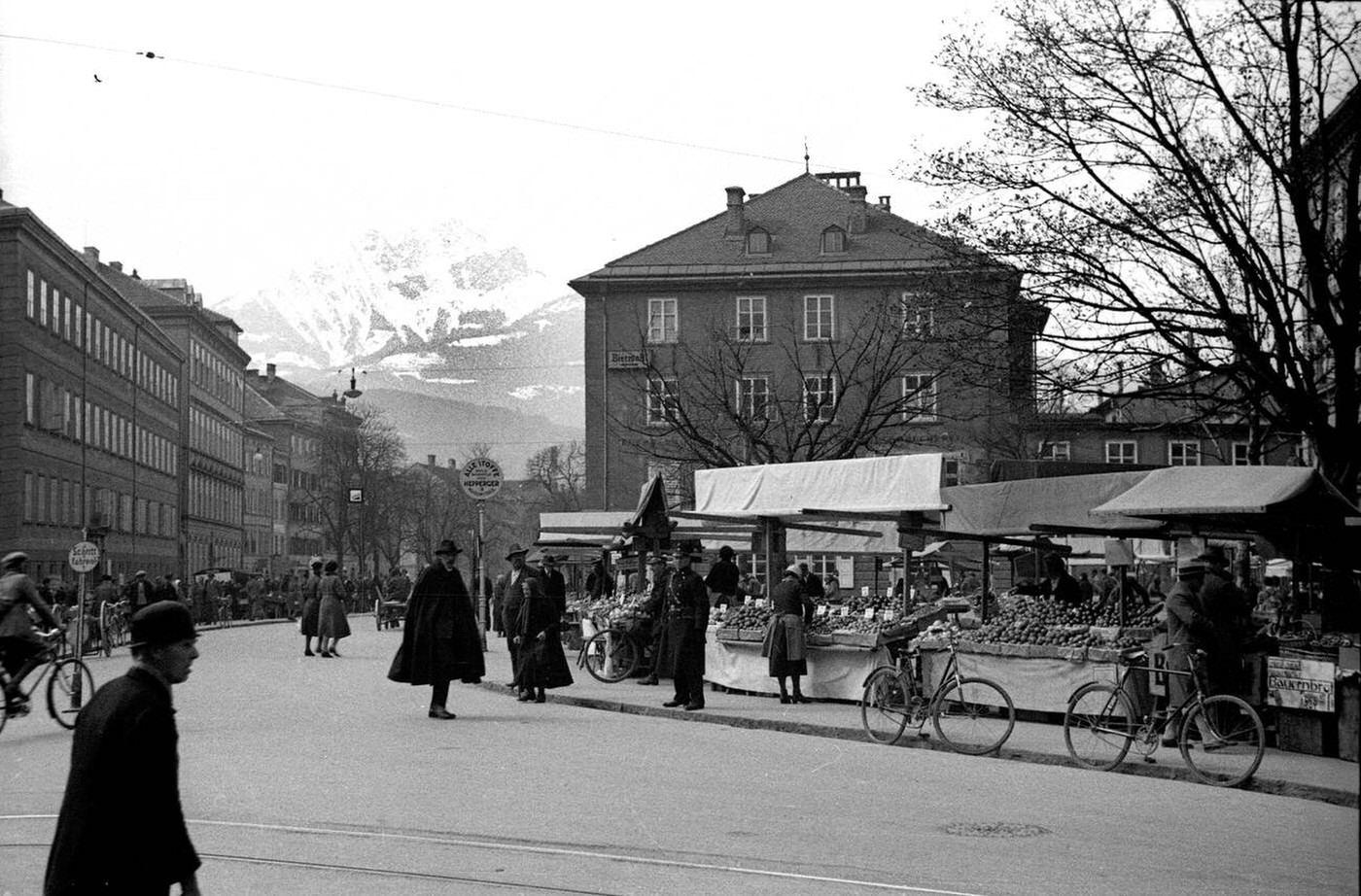
Street markets in cities like Innsbruck gave ordinary Austrians a place to buy food and goods. Even in 1934 — the year of civil war and Dollfuss’s assassination — daily commercial life continued in these open-air spaces.

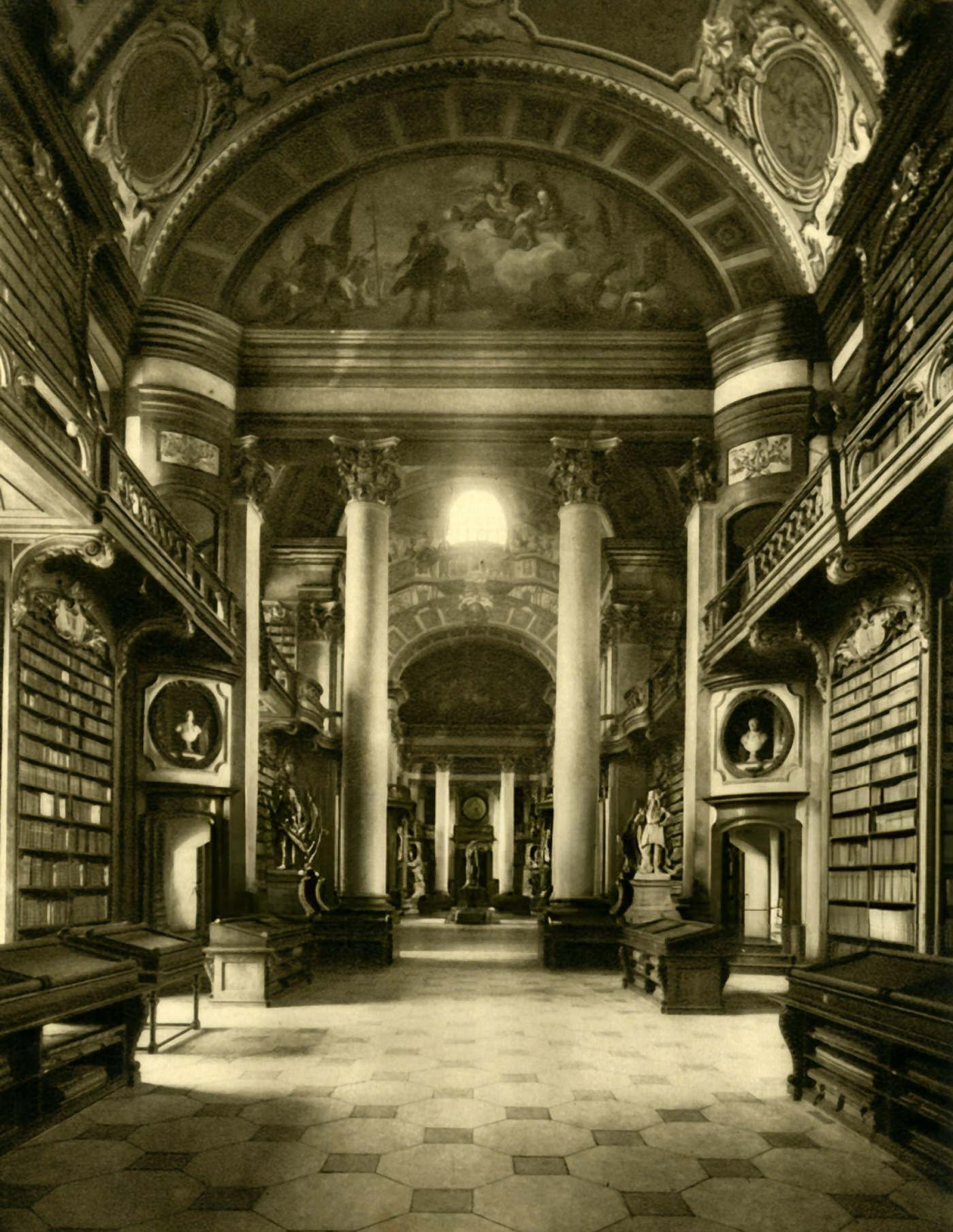
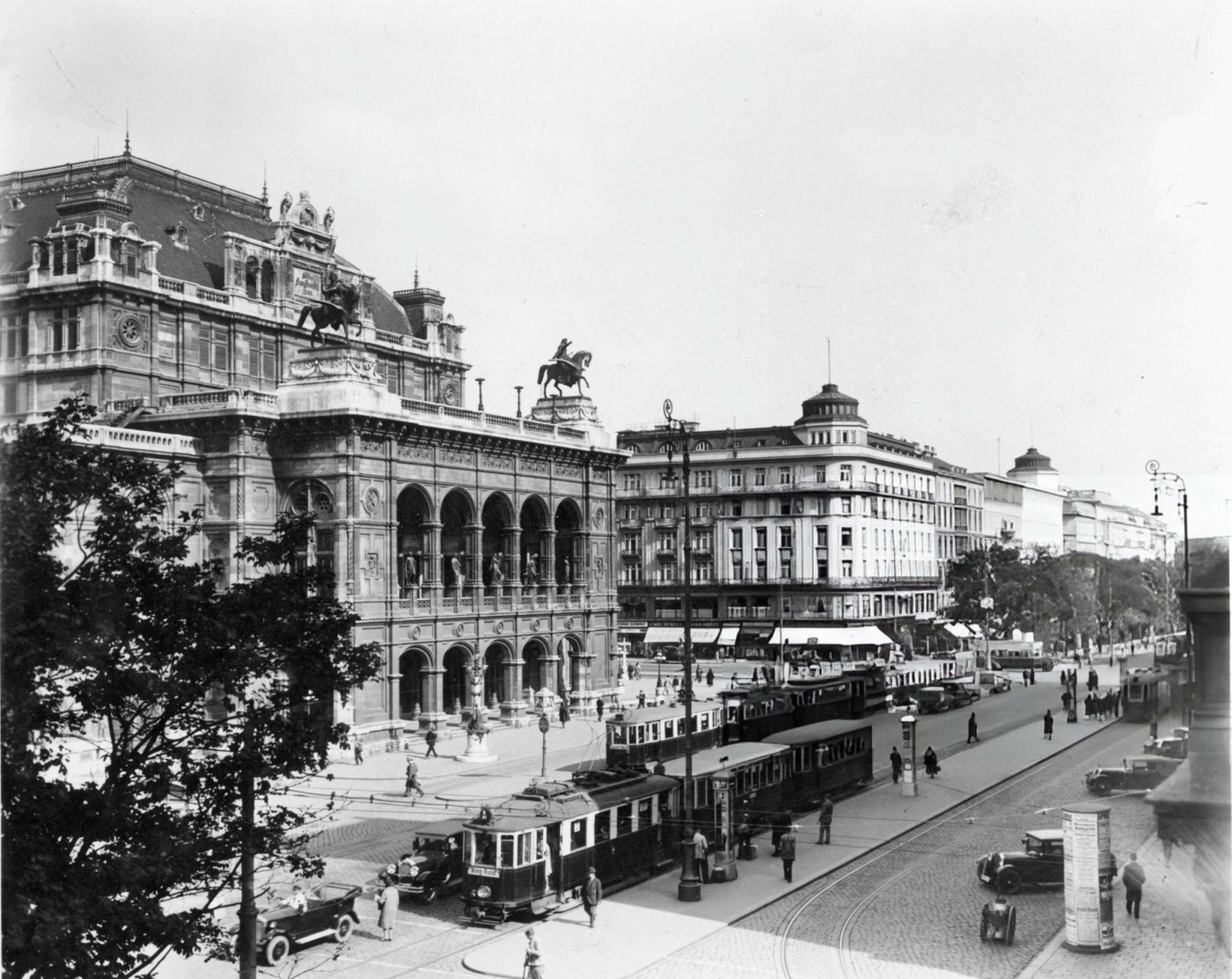
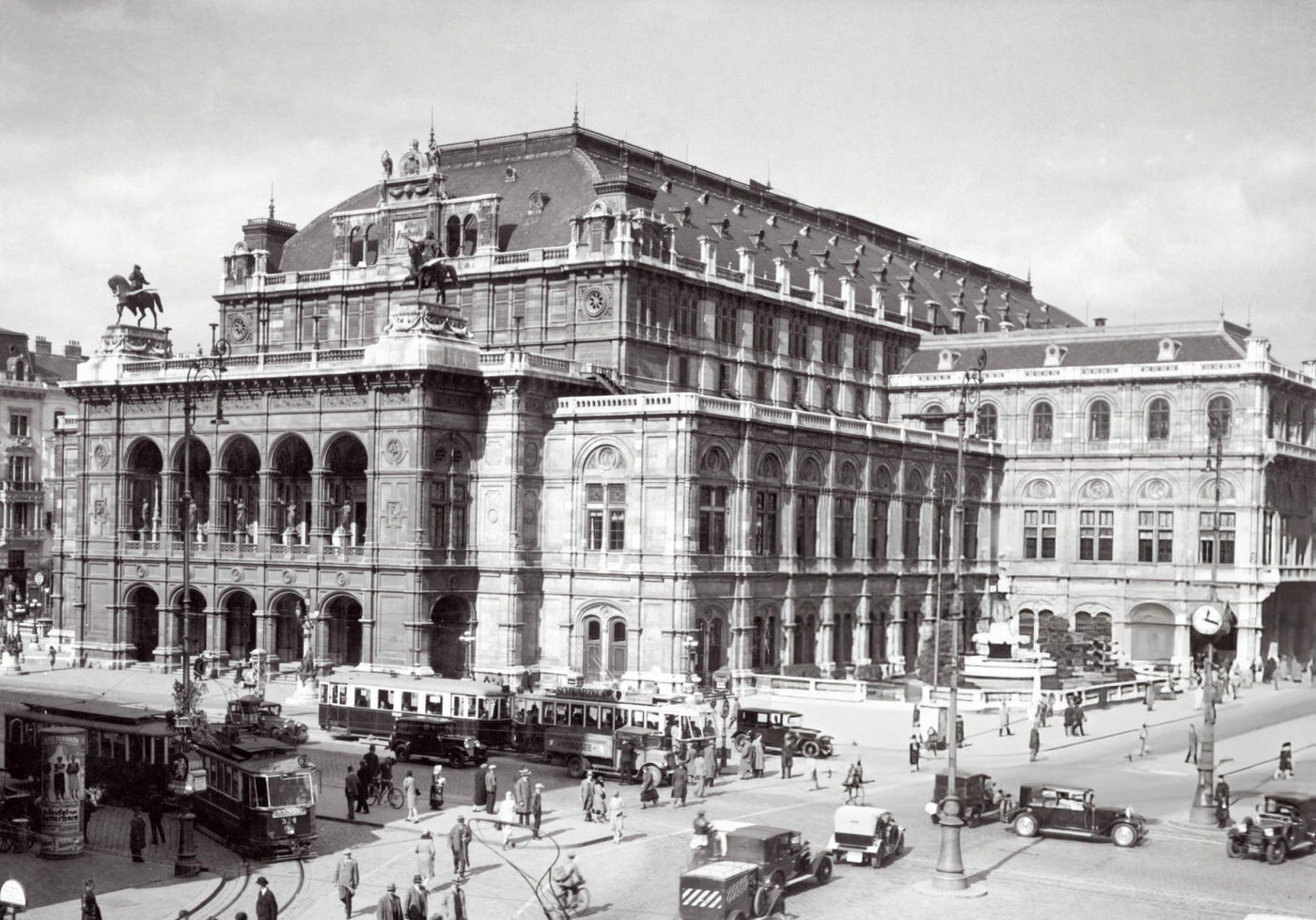
Vienna’s great institutions remained active throughout the decade. The Austrian National Library, one of the largest and most ornate libraries in the world, continued to serve scholars and the public. The State Opera on the Ringstraße was still a crown jewel of European musical life.

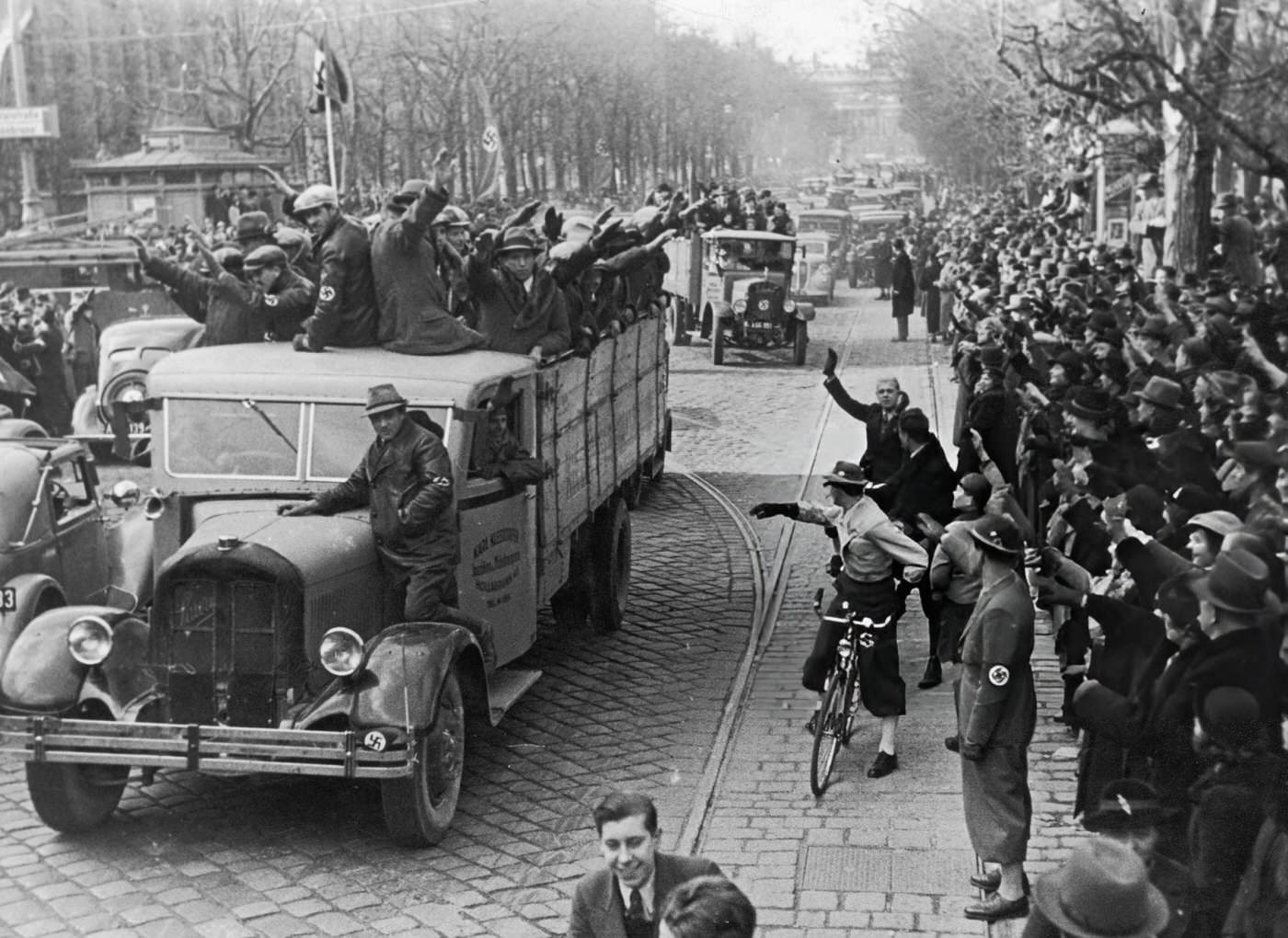
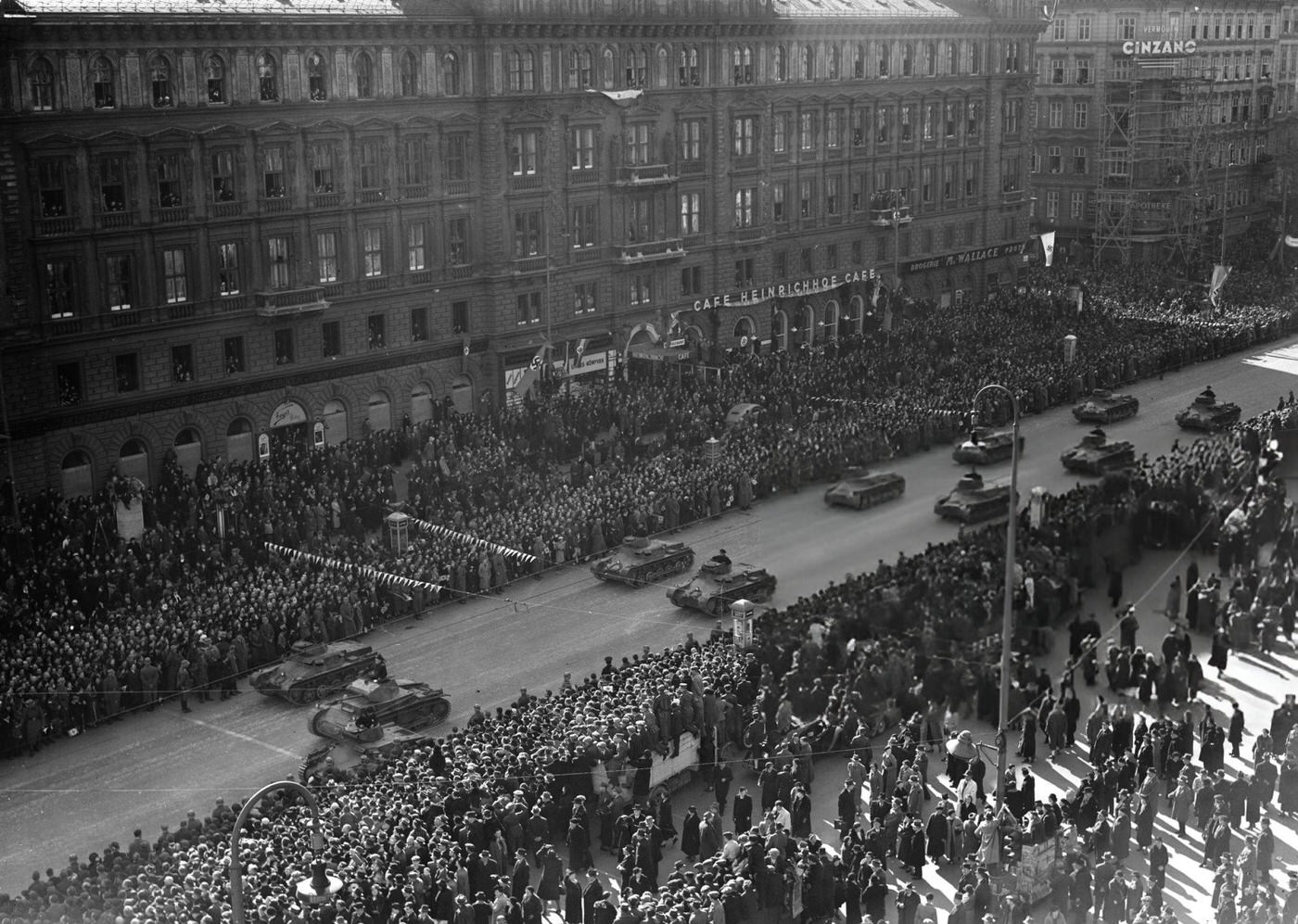
In March 1938, German troops crossed into Austria without resistance. The Anschluss was complete within hours. Crowds in Vienna greeted German soldiers and Nazi officials with cheering and the raised-arm salute. Austria ceased to exist as an independent nation.


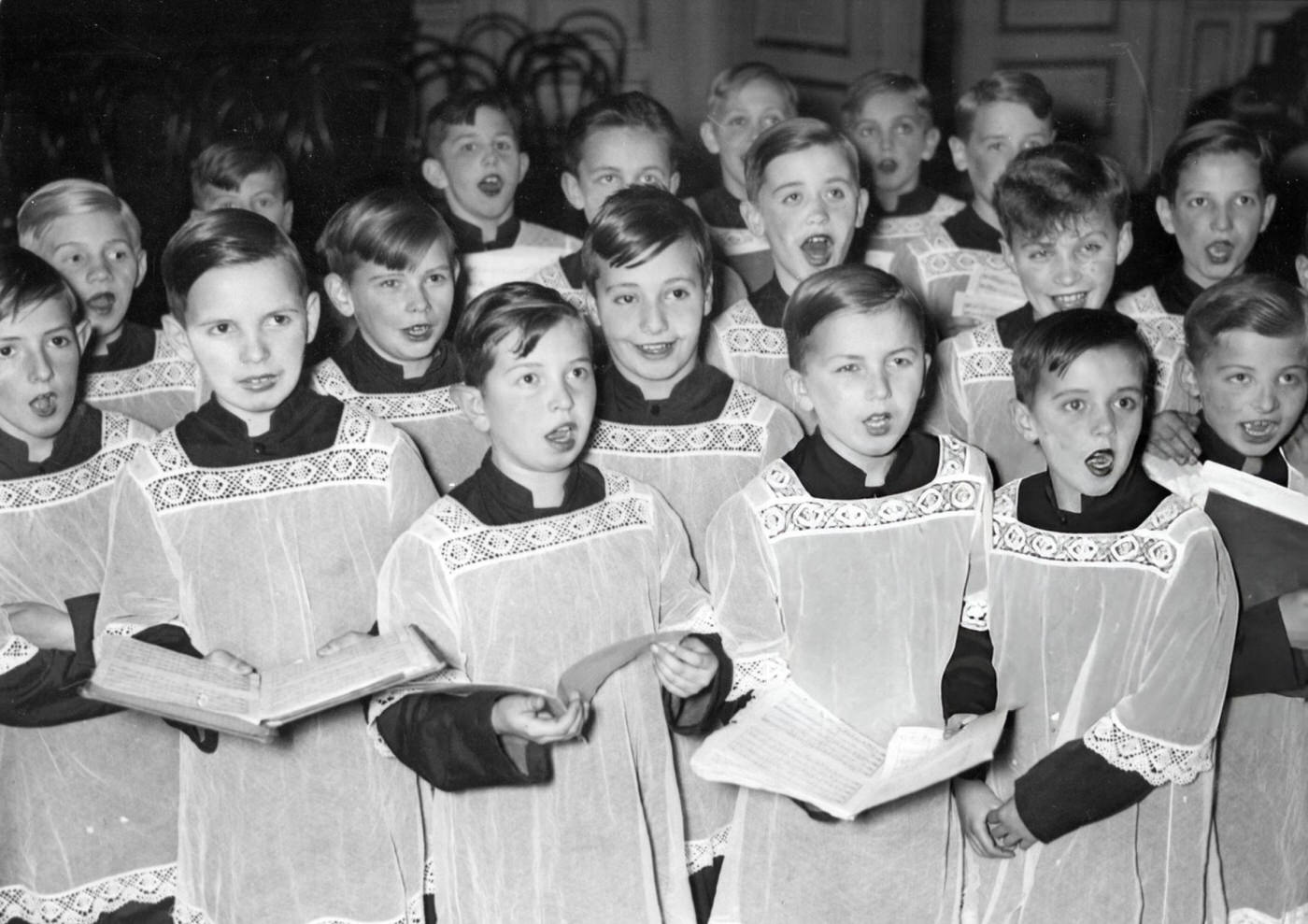
Austrian cultural exports carried the country’s reputation abroad even during its most troubled years. The Vienna Boys’ Choir performed internationally, appearing at major concert halls across Europe, including the Berlin Philharmonie in 1936.

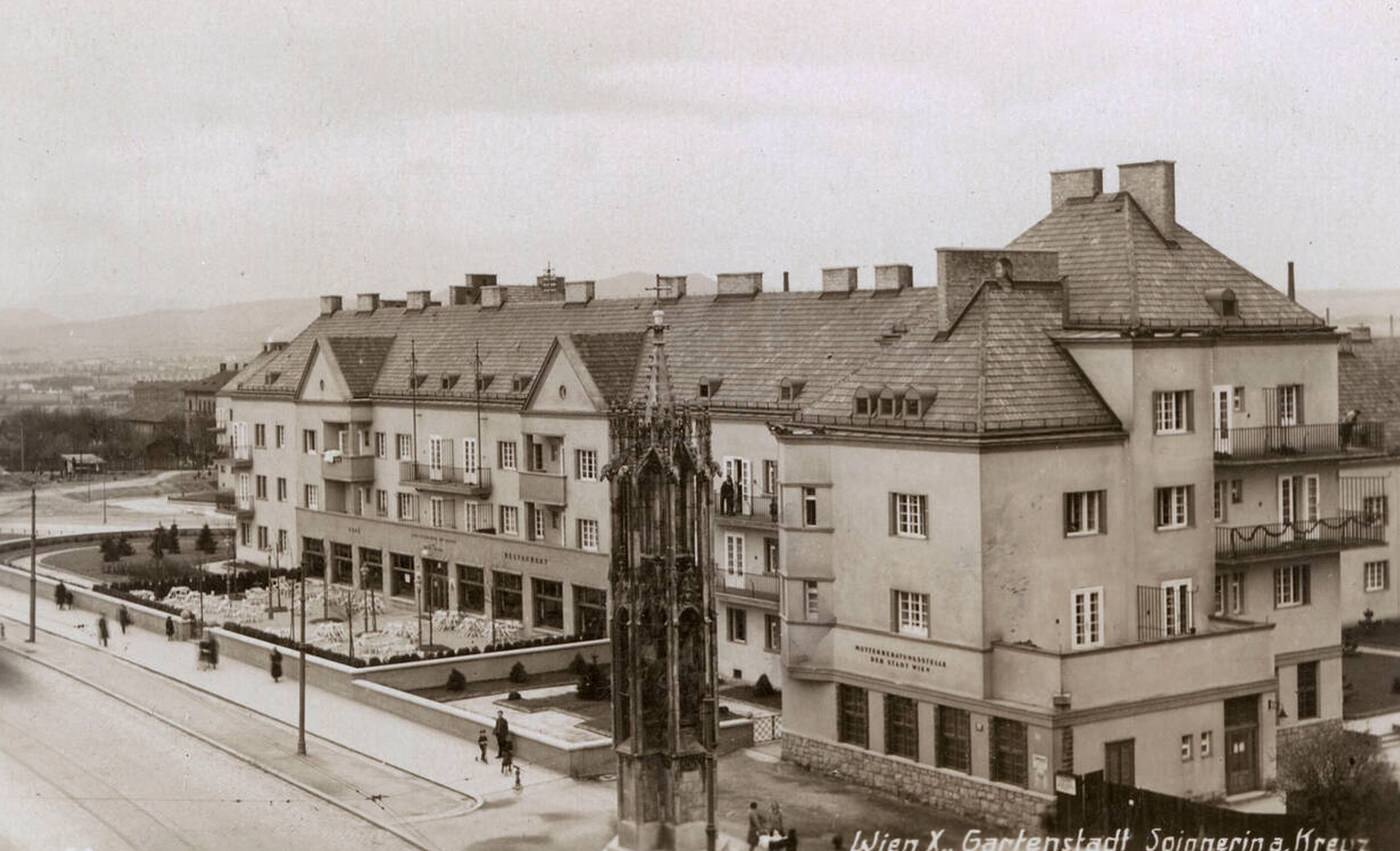
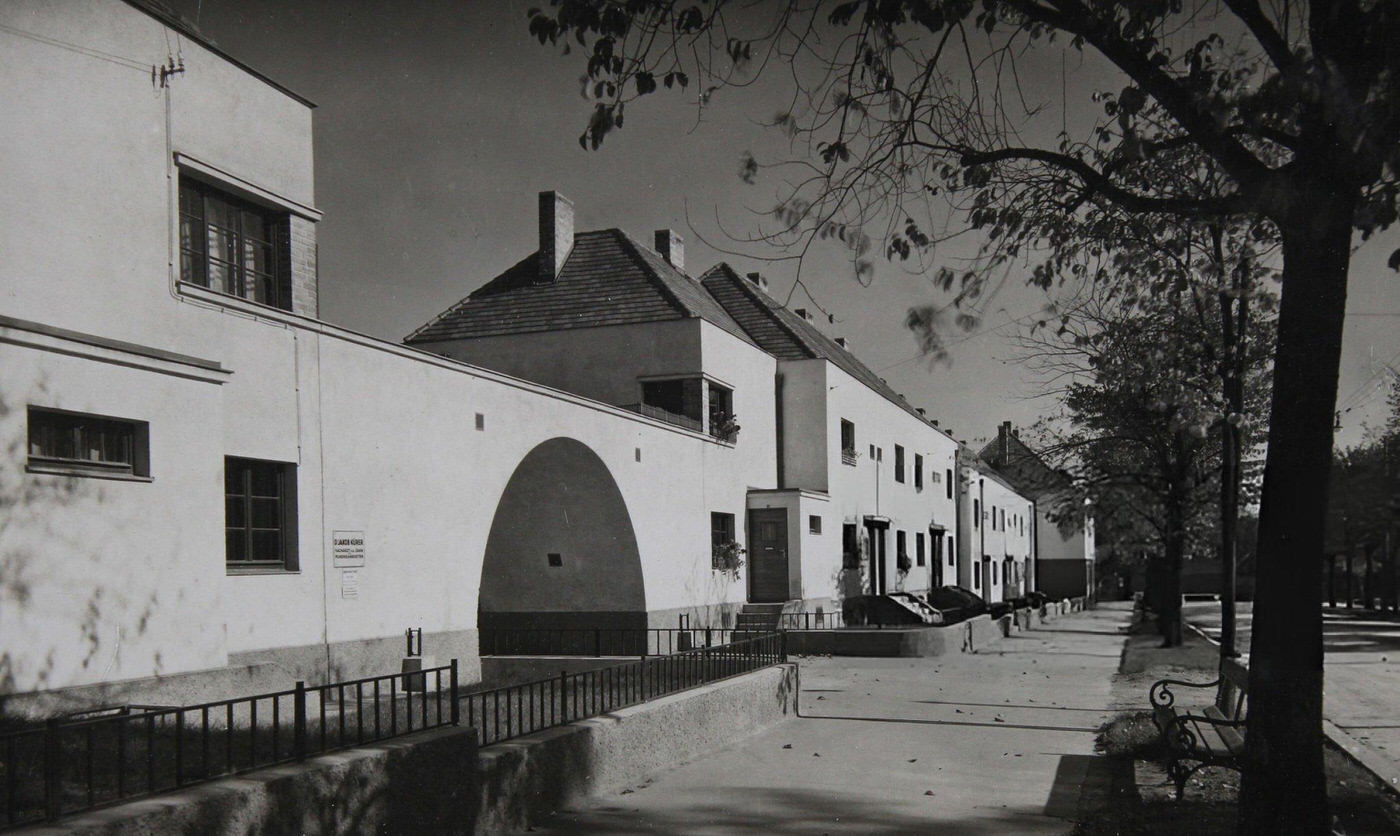
Vienna’s socialist municipal government had, before Dollfuss’s takeover, built large-scale social housing projects. These so-called ‘Red Vienna’ developments provided apartments for working-class families and became symbols of the Social Democrats’ vision for the city.


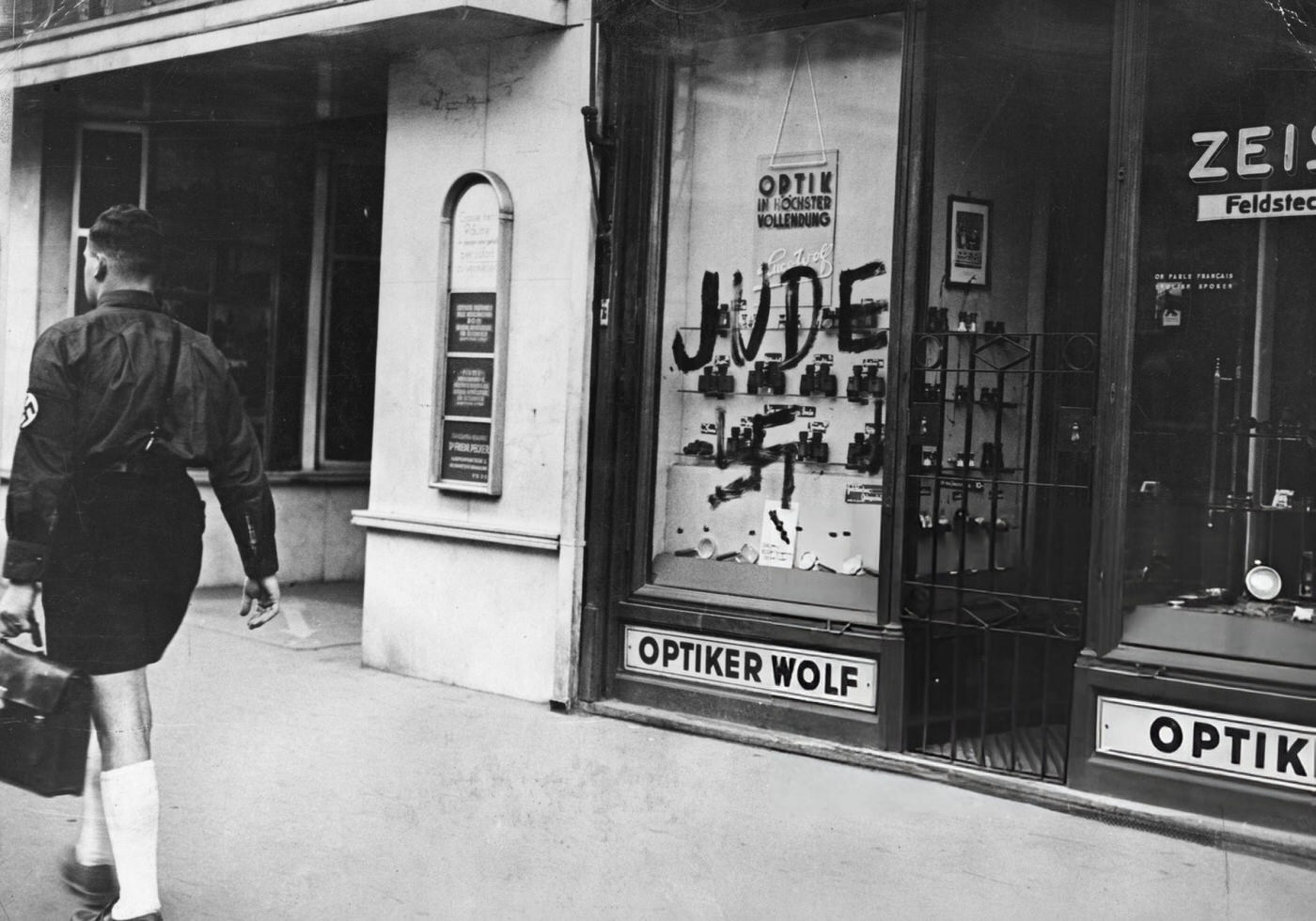
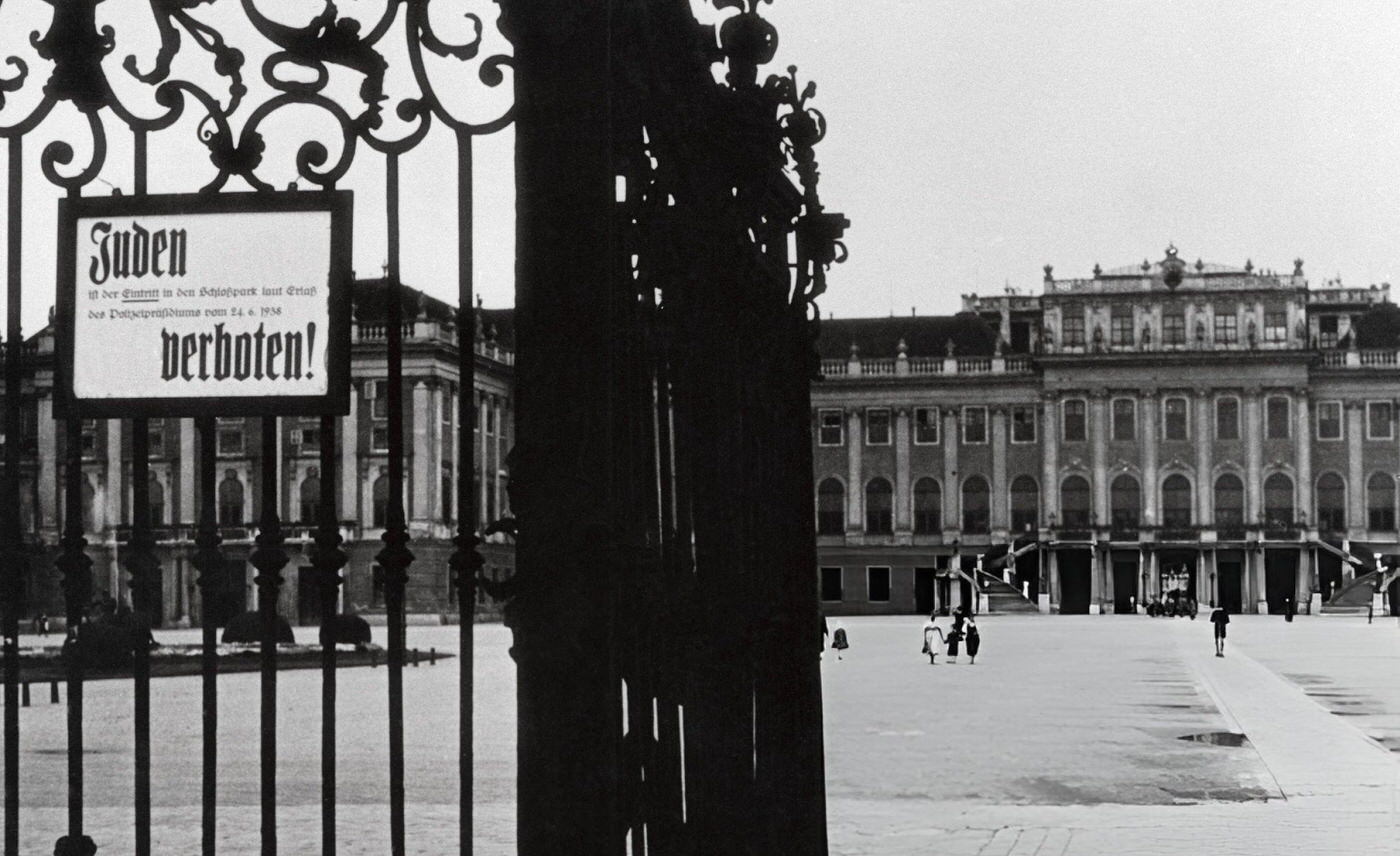
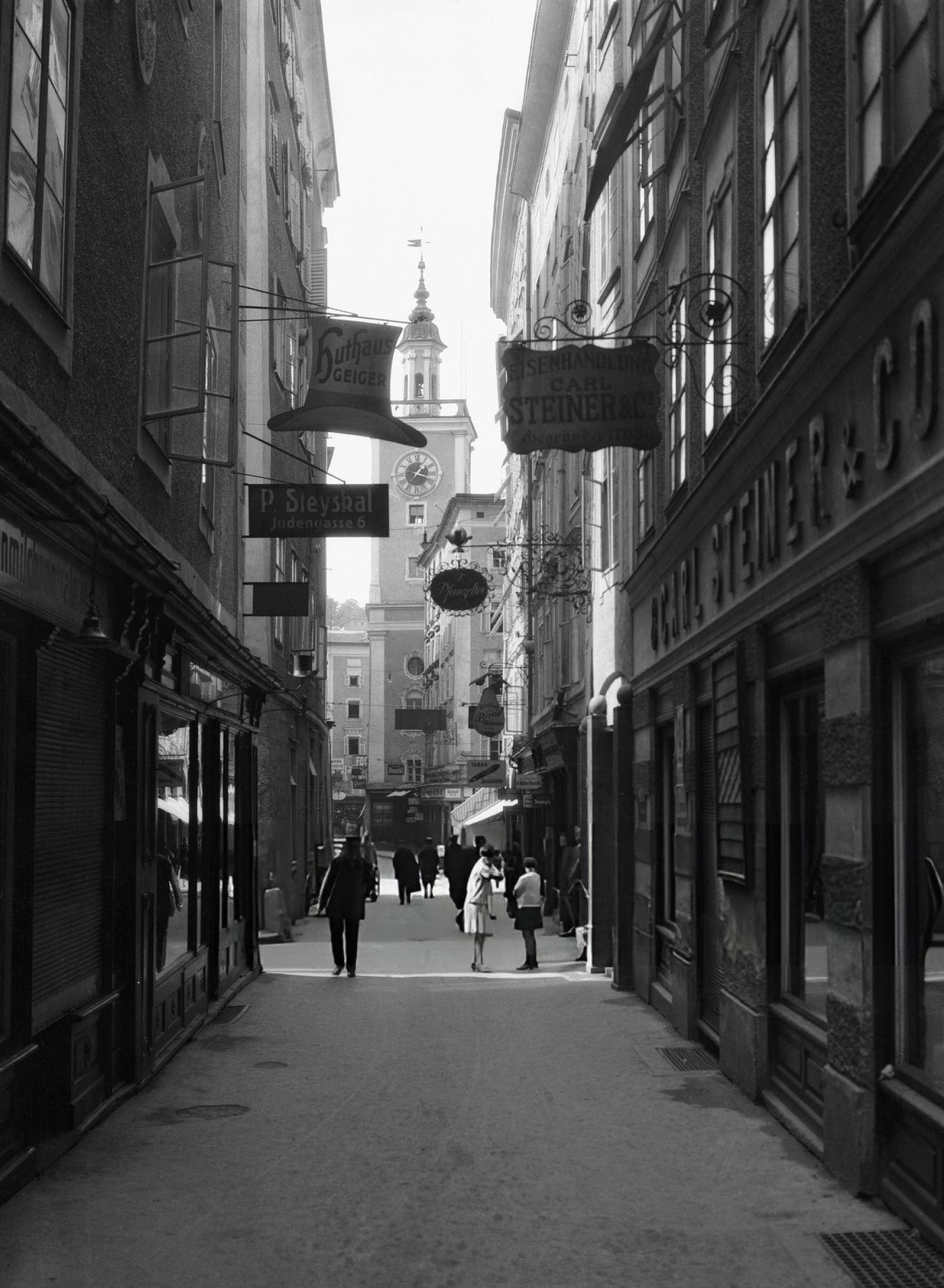
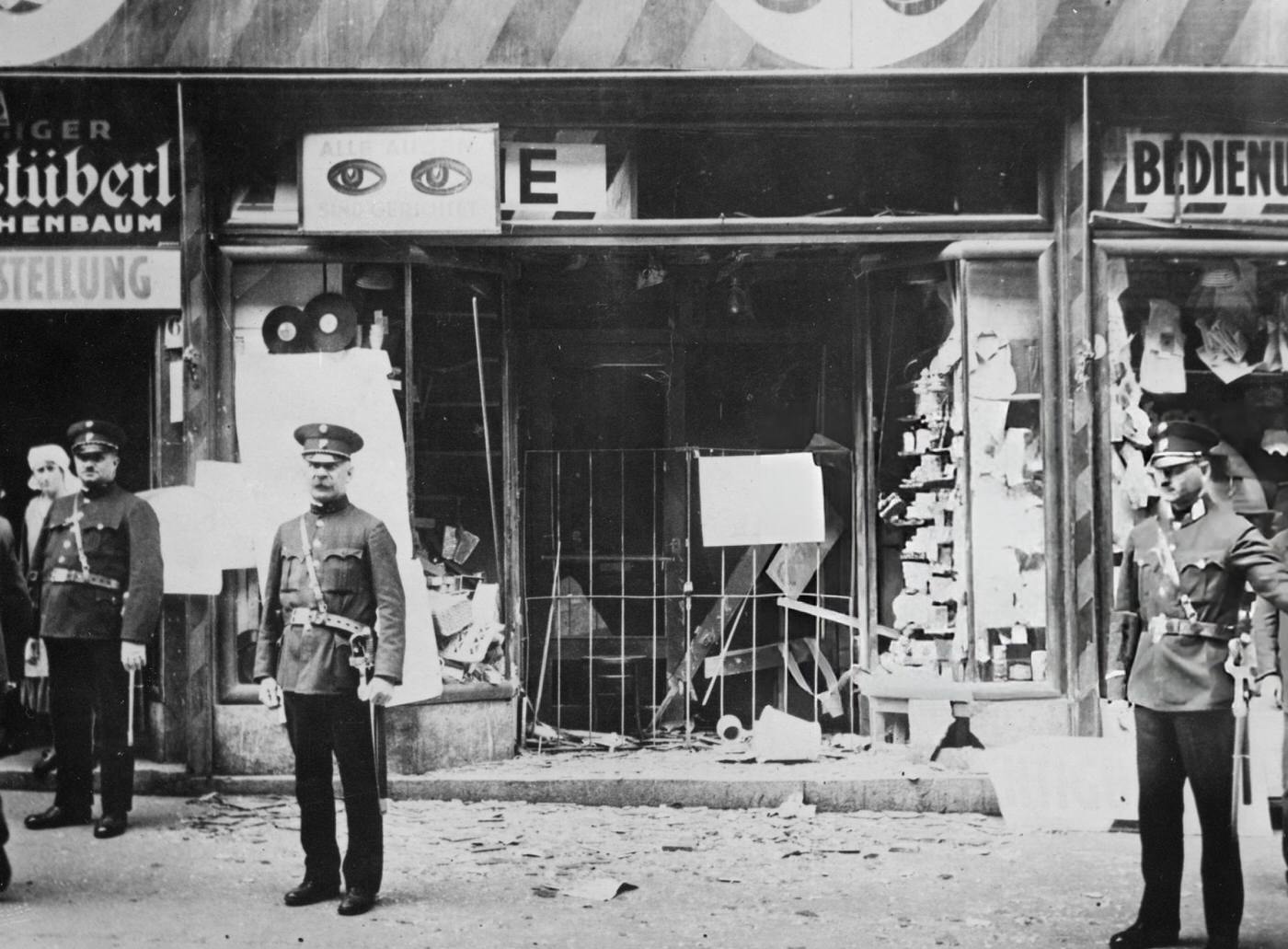
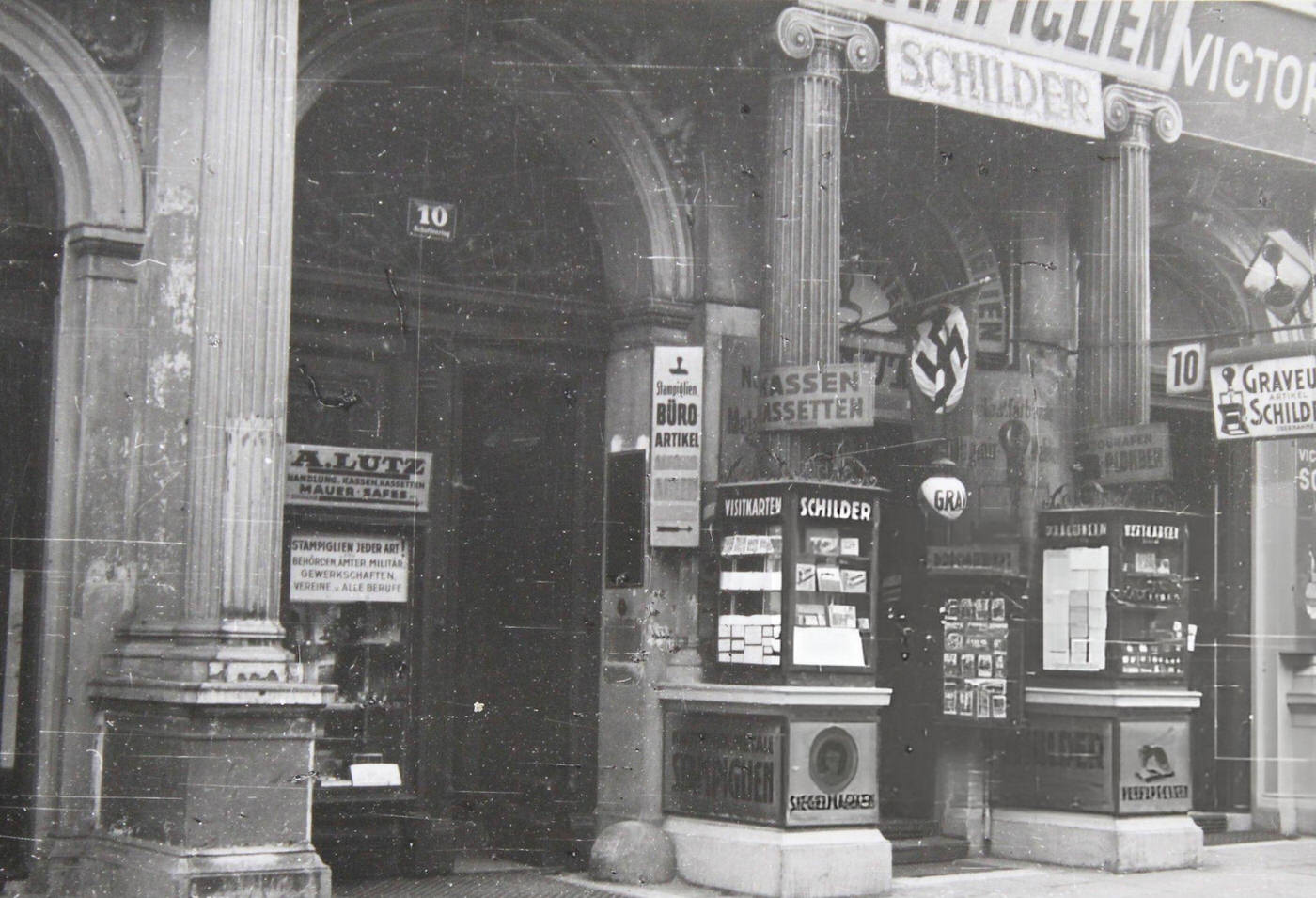
After the Anschluss, the Nazi regime moved quickly against Austria’s Jewish population. Shops owned by Jewish Austrians were shut down and marked. Jews were barred from public spaces, including historic landmarks that had been open to all for generations.


Chancellor Kurt Schuschnigg had tried to rally Austrian patriotism against the Nazi threat, but his authoritarian Ständestaat left him with few genuine allies. He called a referendum on Austrian independence in early 1938, but Hitler demanded it be cancelled. Schuschnigg resigned, and German troops entered Austria days later.

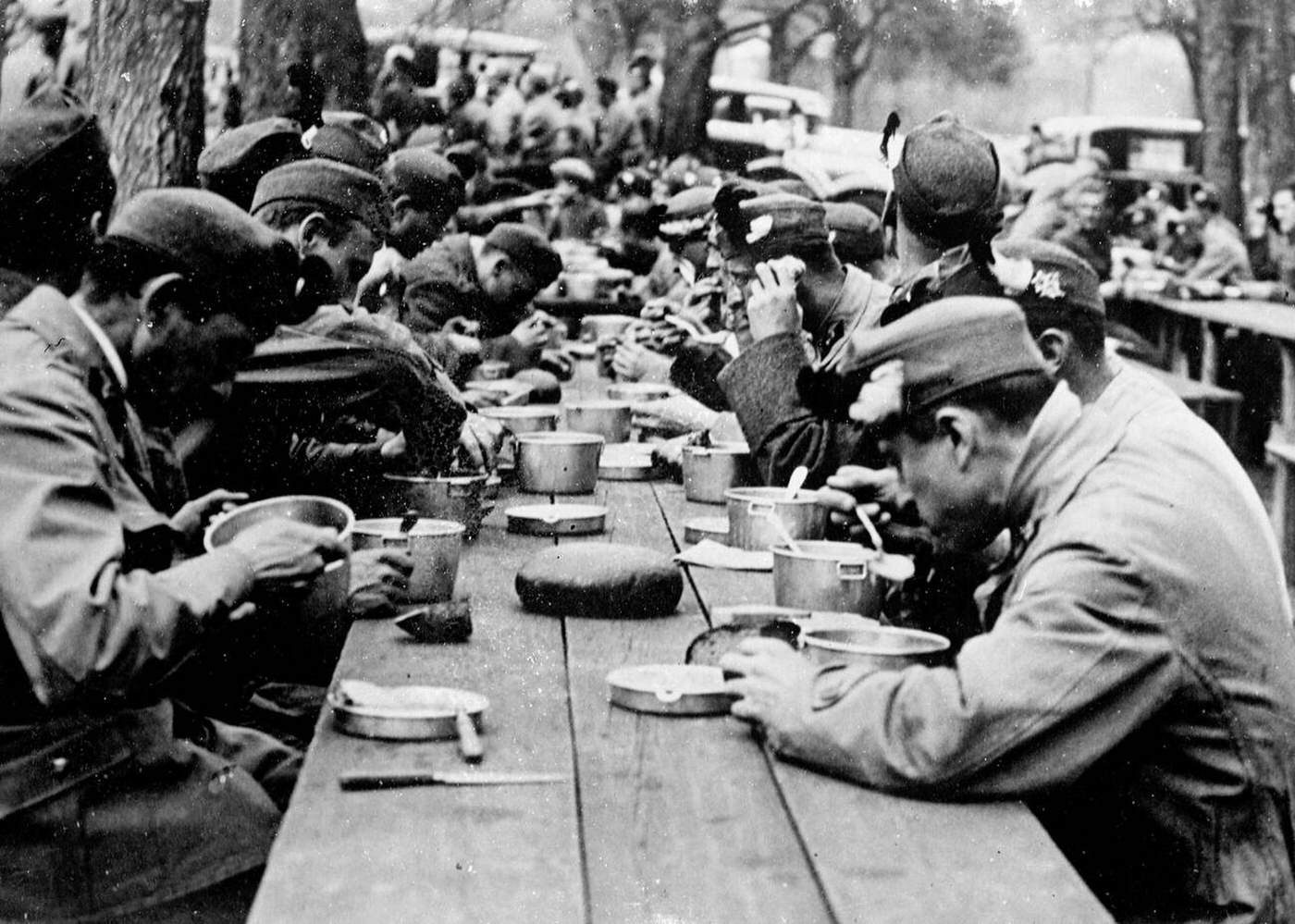
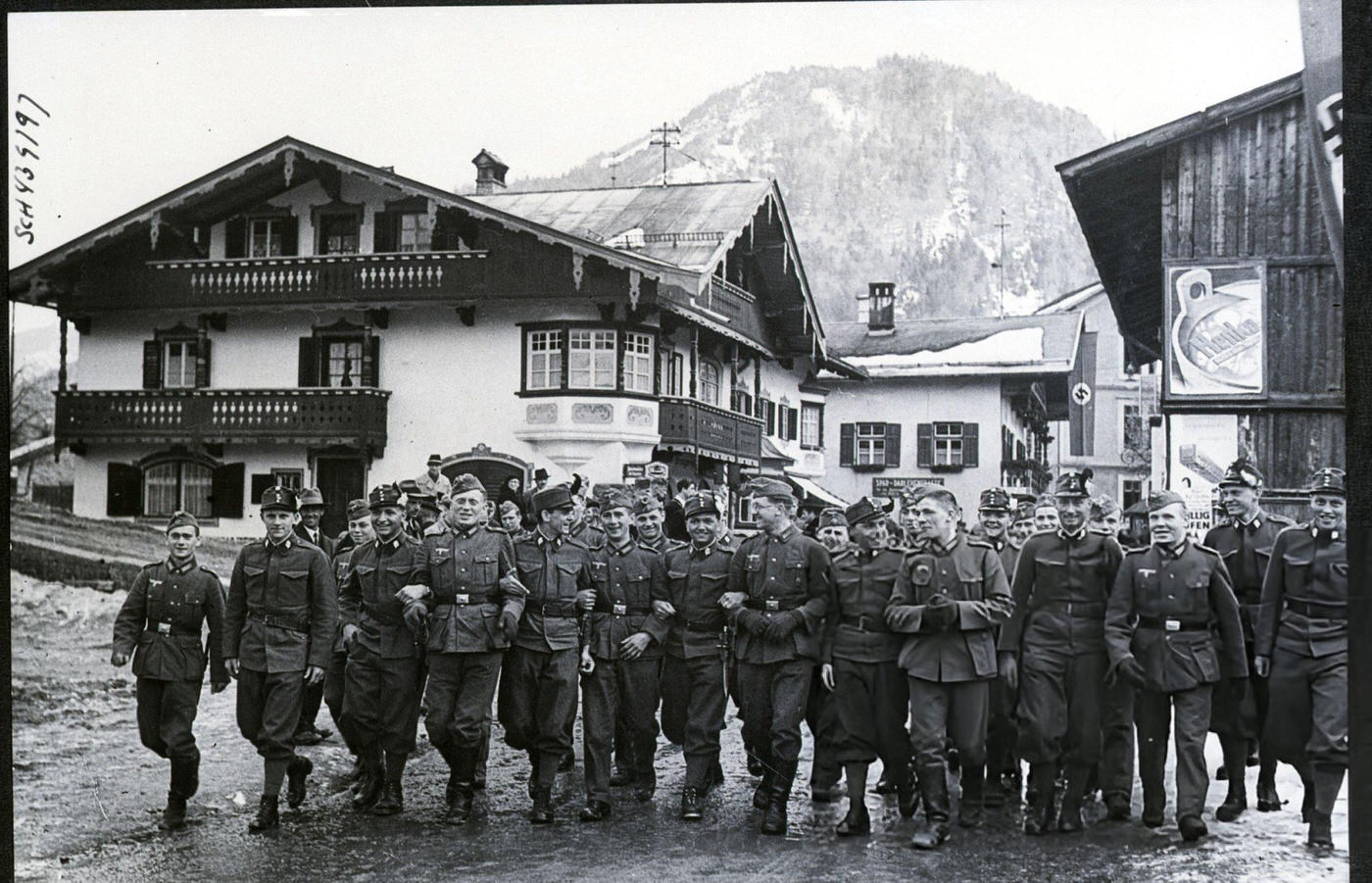
When German and Austrian troops met at the border, there was no fighting. Soldiers fraternized openly in the Tyrol, reflecting the degree to which the Anschluss was welcomed — or at least not resisted — by large segments of the population.


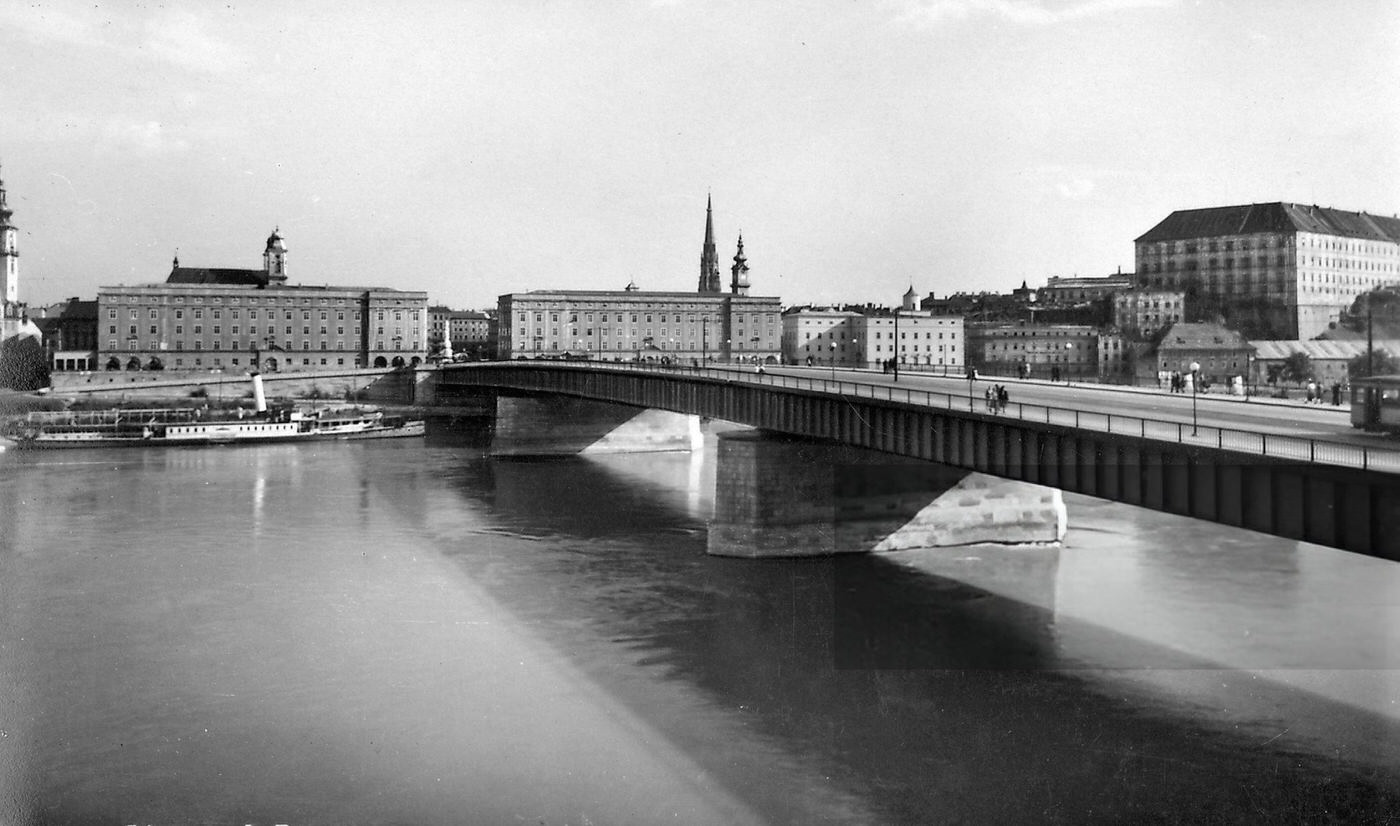
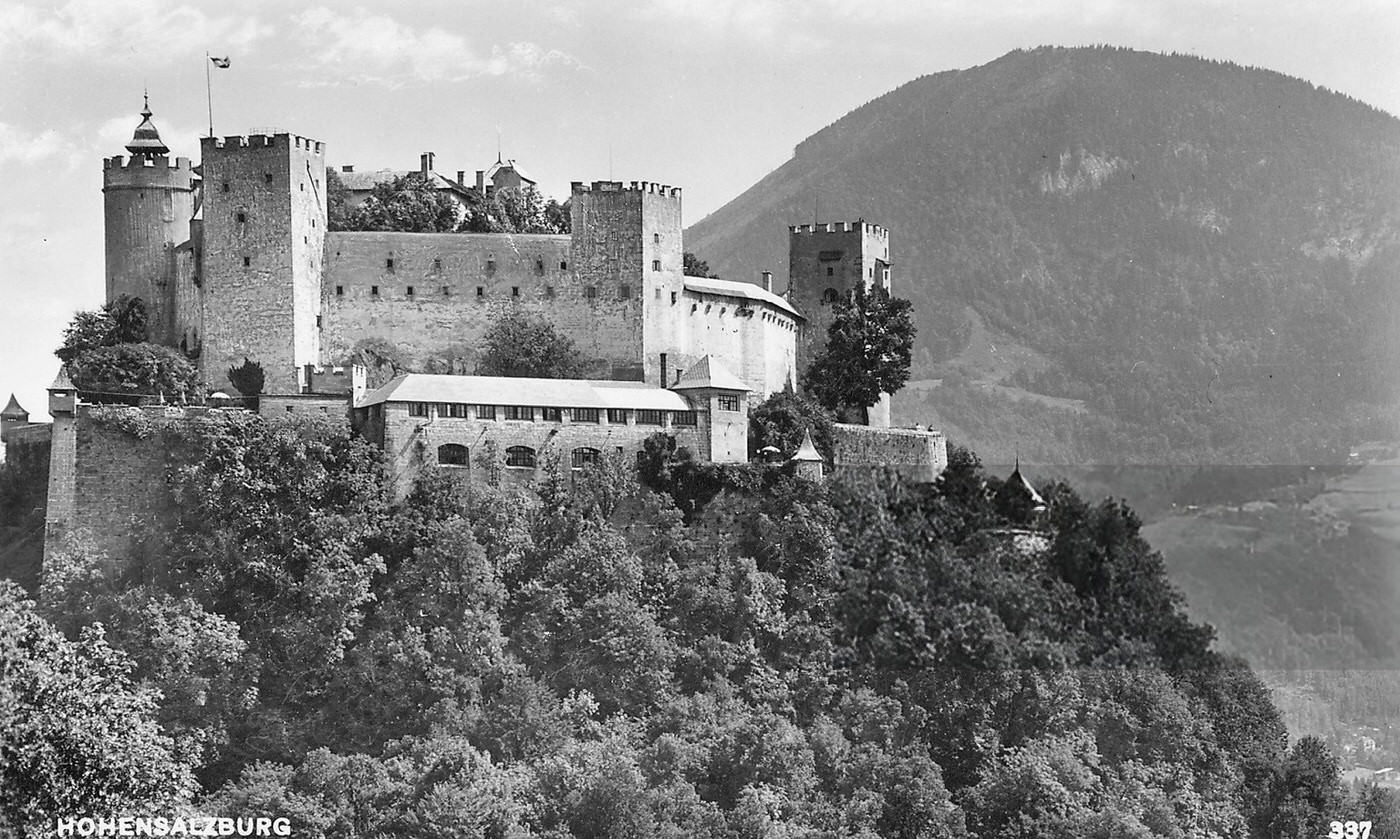
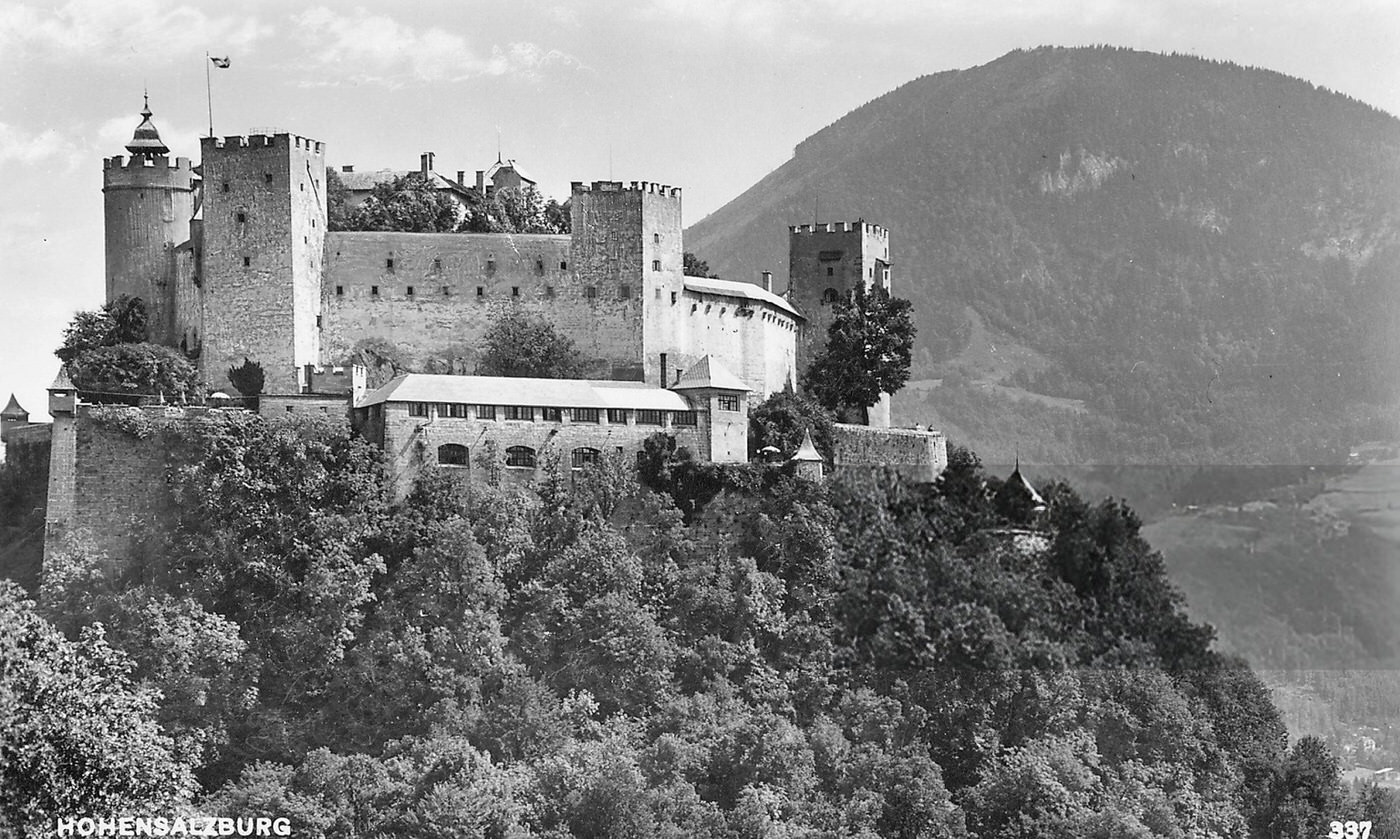
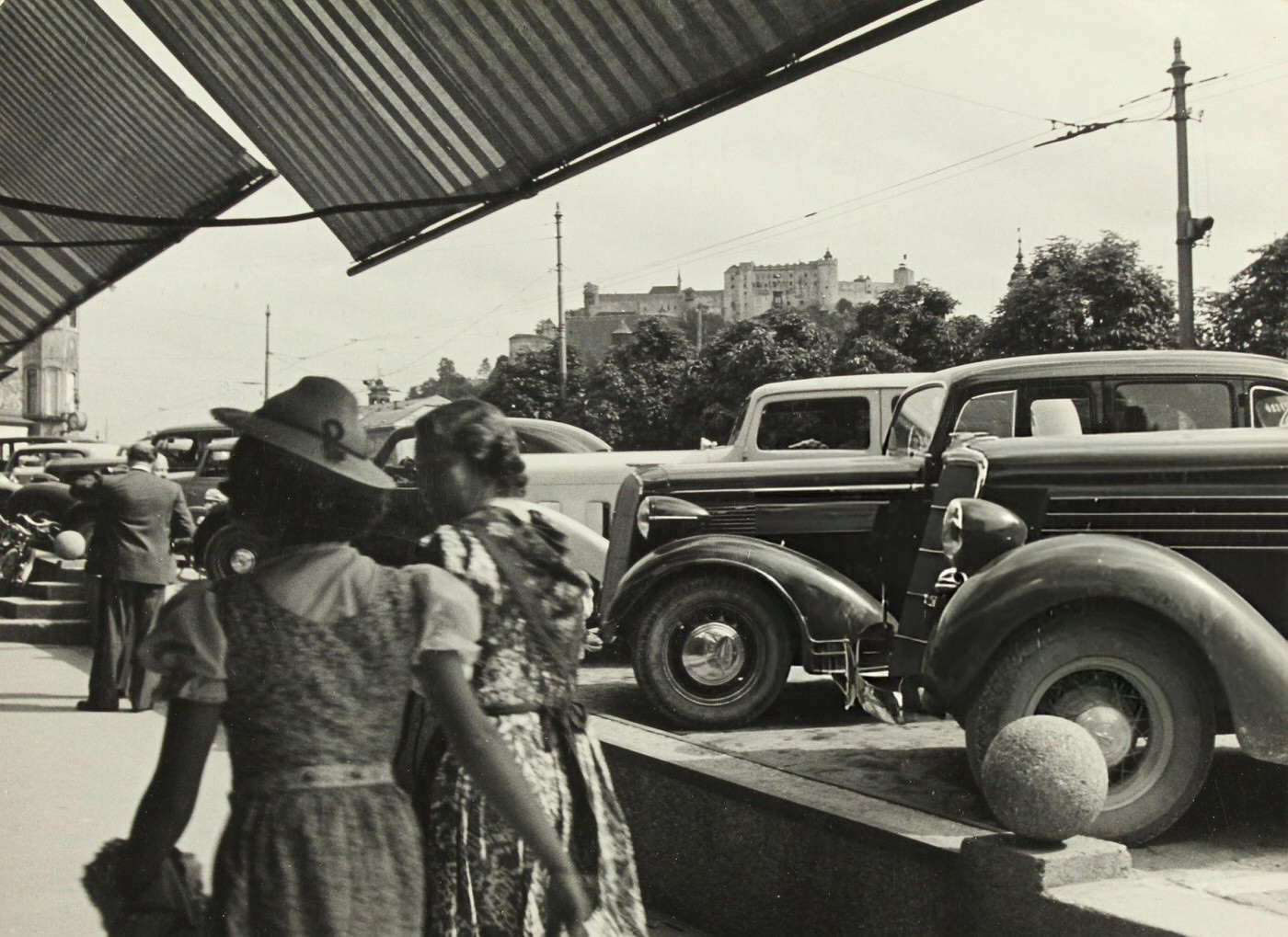
Austria’s cities were architecturally rich. Linz, Salzburg, and Vienna each had iconic structures that defined their skylines. Hohensalzburg Castle, perched above Salzburg, had stood for nearly nine centuries by the time these photographs were taken.


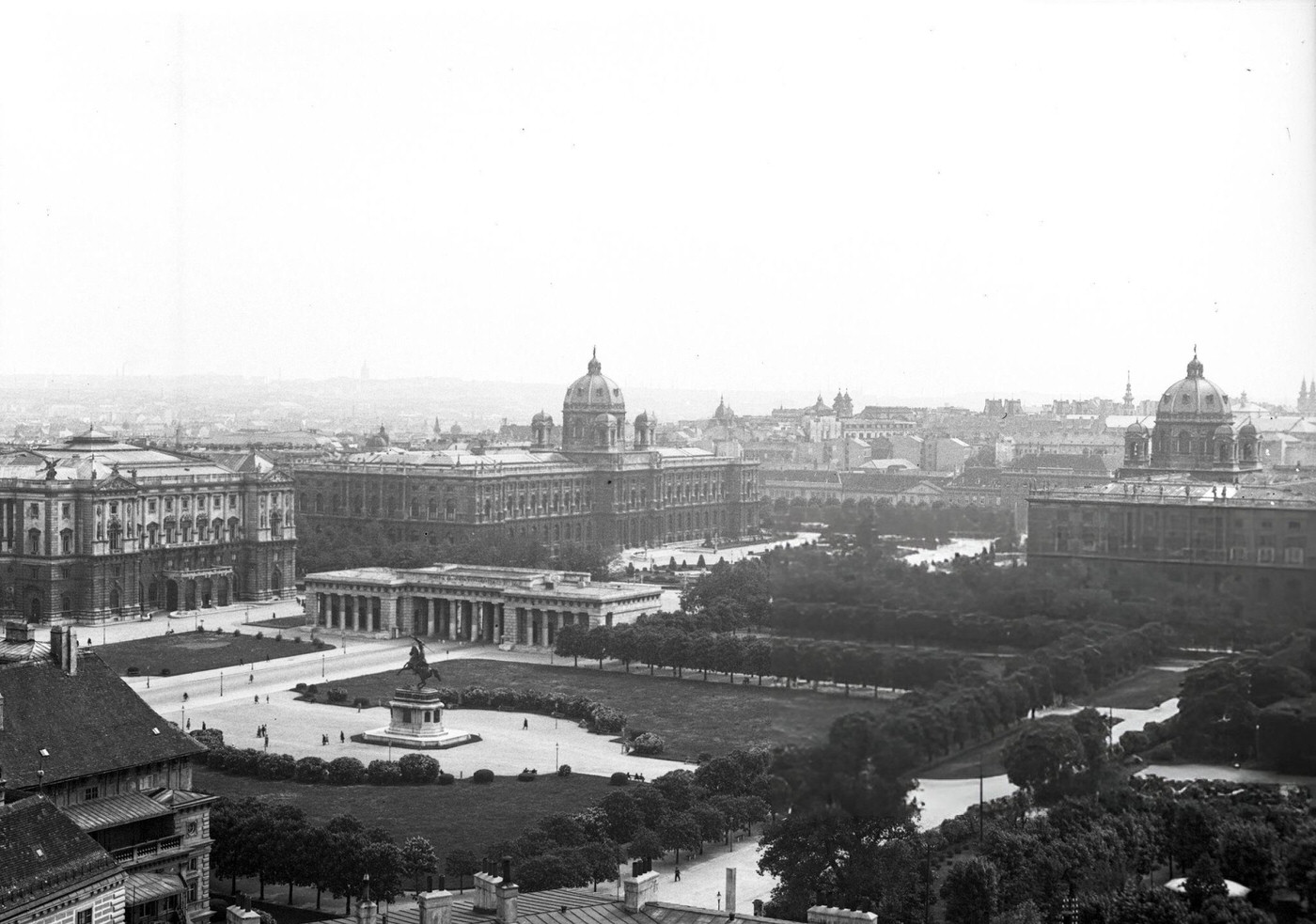
Vienna’s Heldenplatz — Heroes’ Square — was where Hitler addressed a massive crowd after the Anschluss was declared. The square, flanked by the Kunsthistorisches and Naturhistorisches museums, had long been a ceremonial center of Austrian civic life.

Kristallnacht — the Night of Broken Glass — took place in November 1938, months after the Anschluss. In Vienna, Jewish-owned shops were smashed and looted. Synagogues were burned. The violence was organized and widespread, not spontaneous.


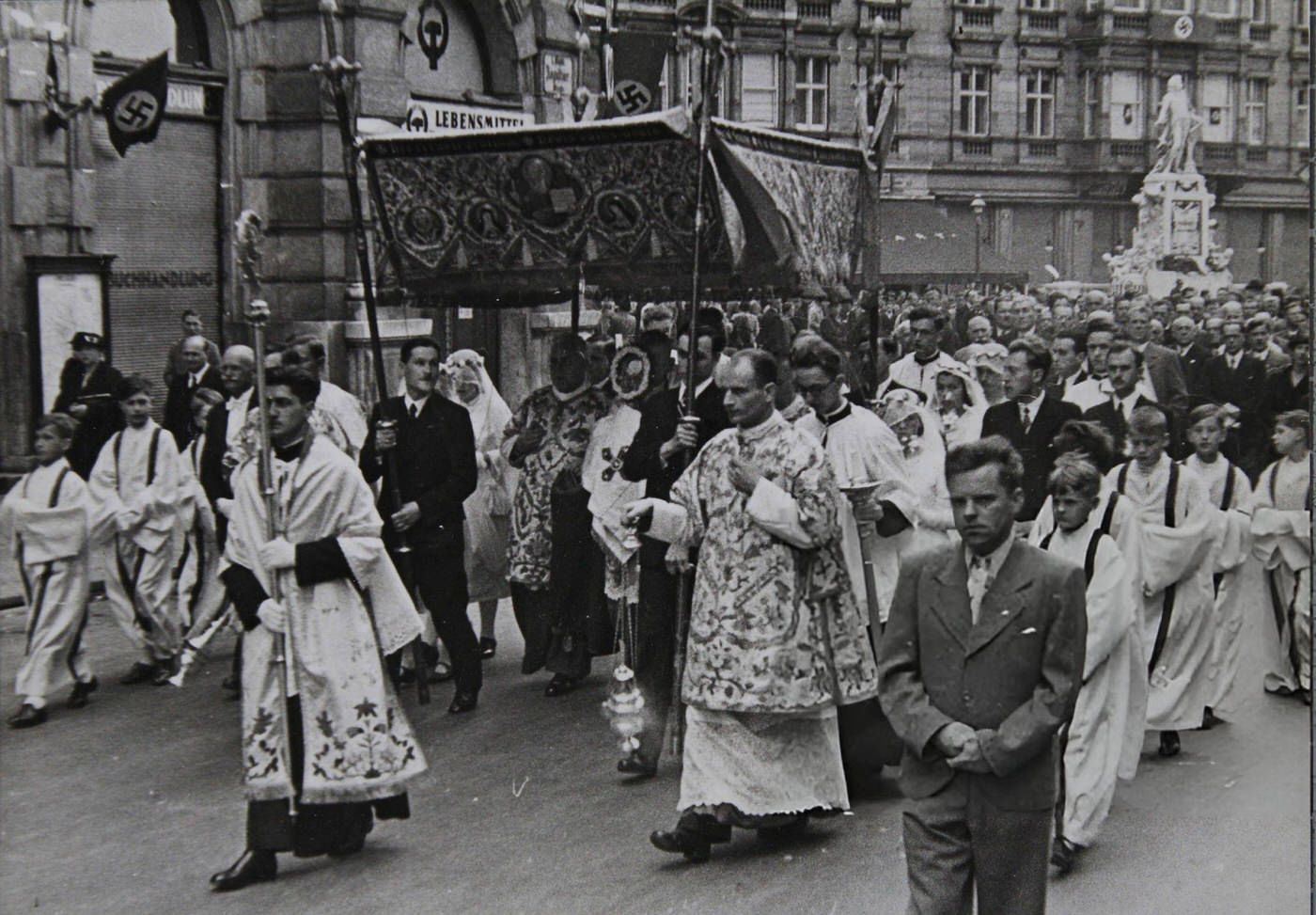
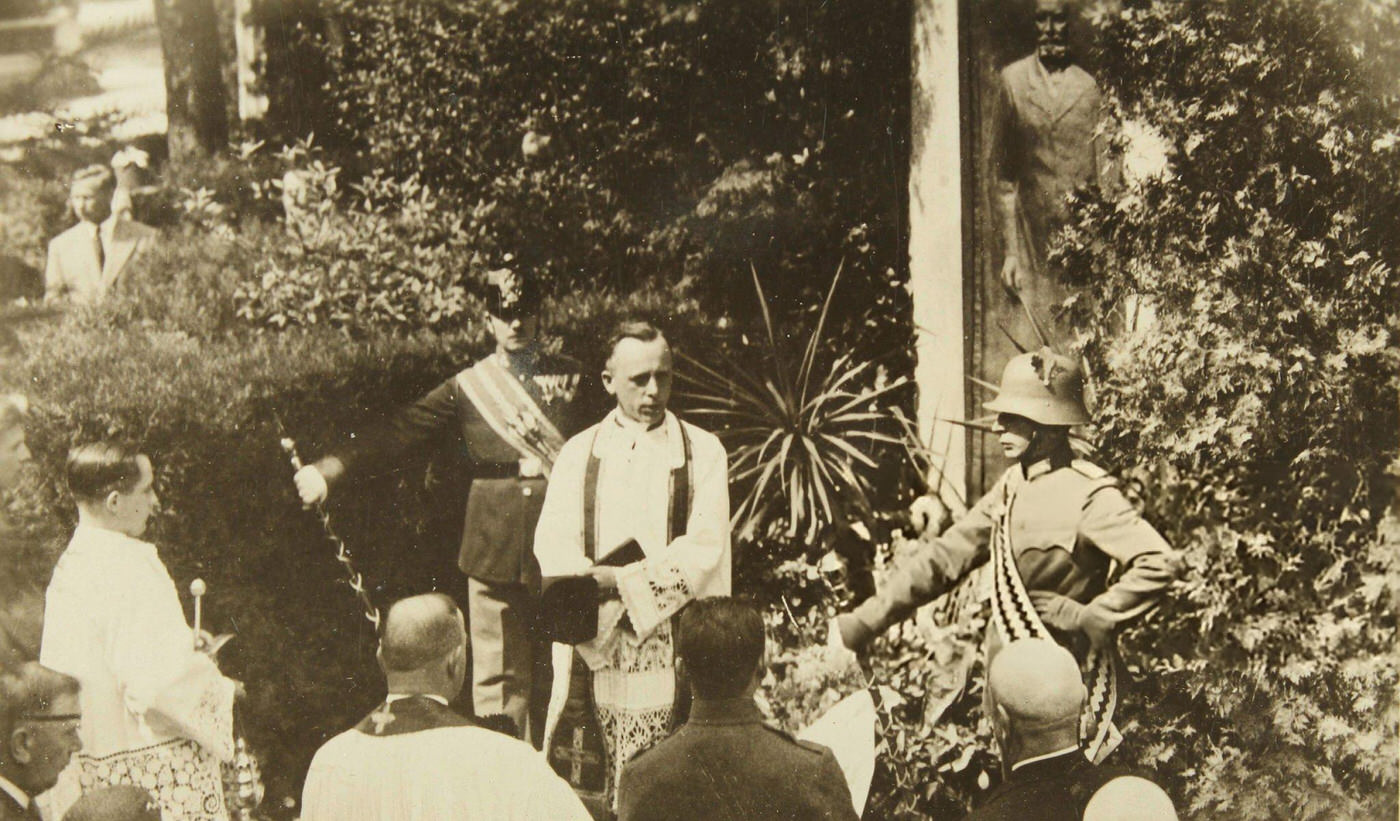
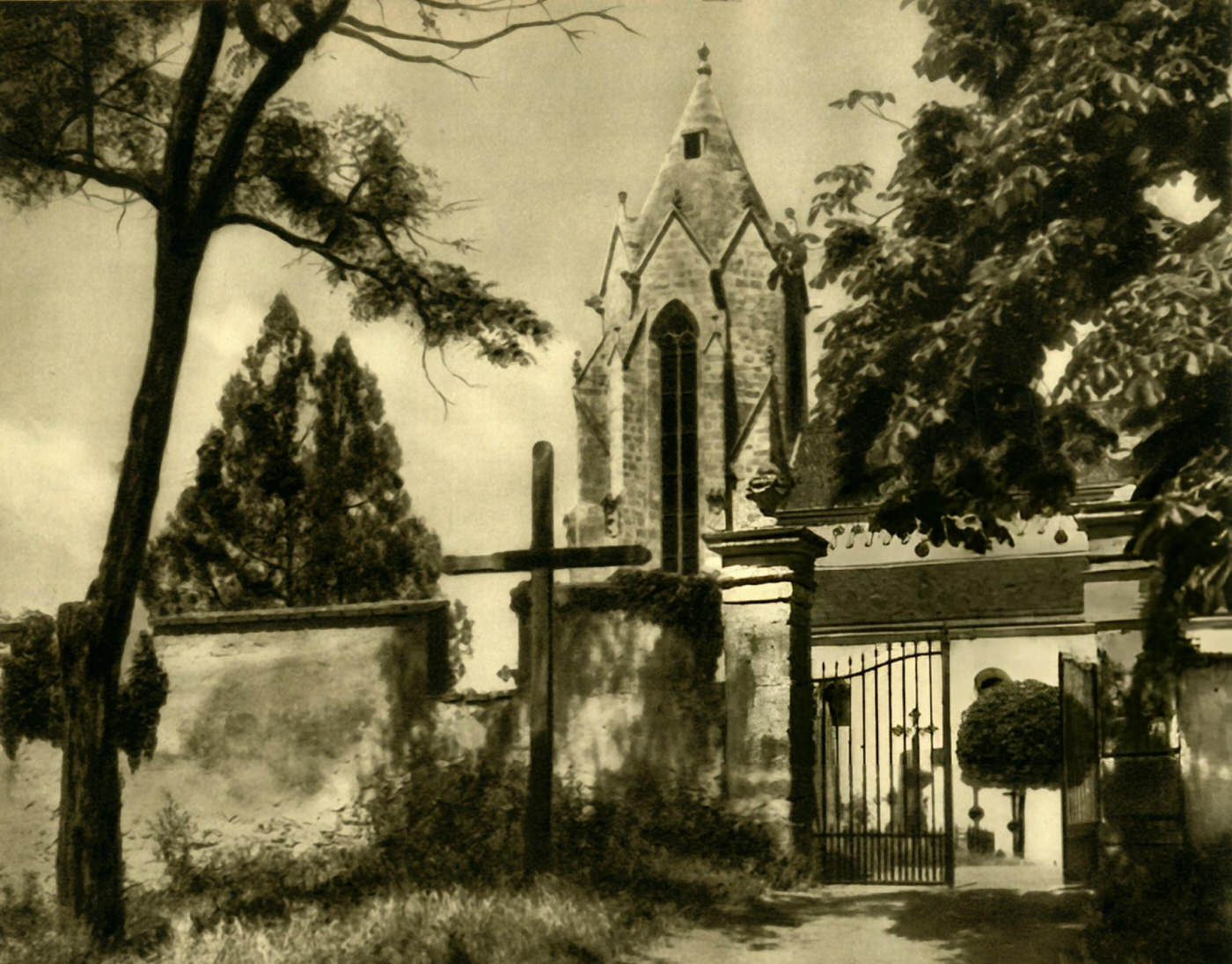
Religious observance remained a steady part of Austrian life throughout the decade. The Catholic Church held enormous influence in Austria, particularly under the Dollfuss and Schuschnigg governments, which drew their ideological framework from Catholic social teaching.


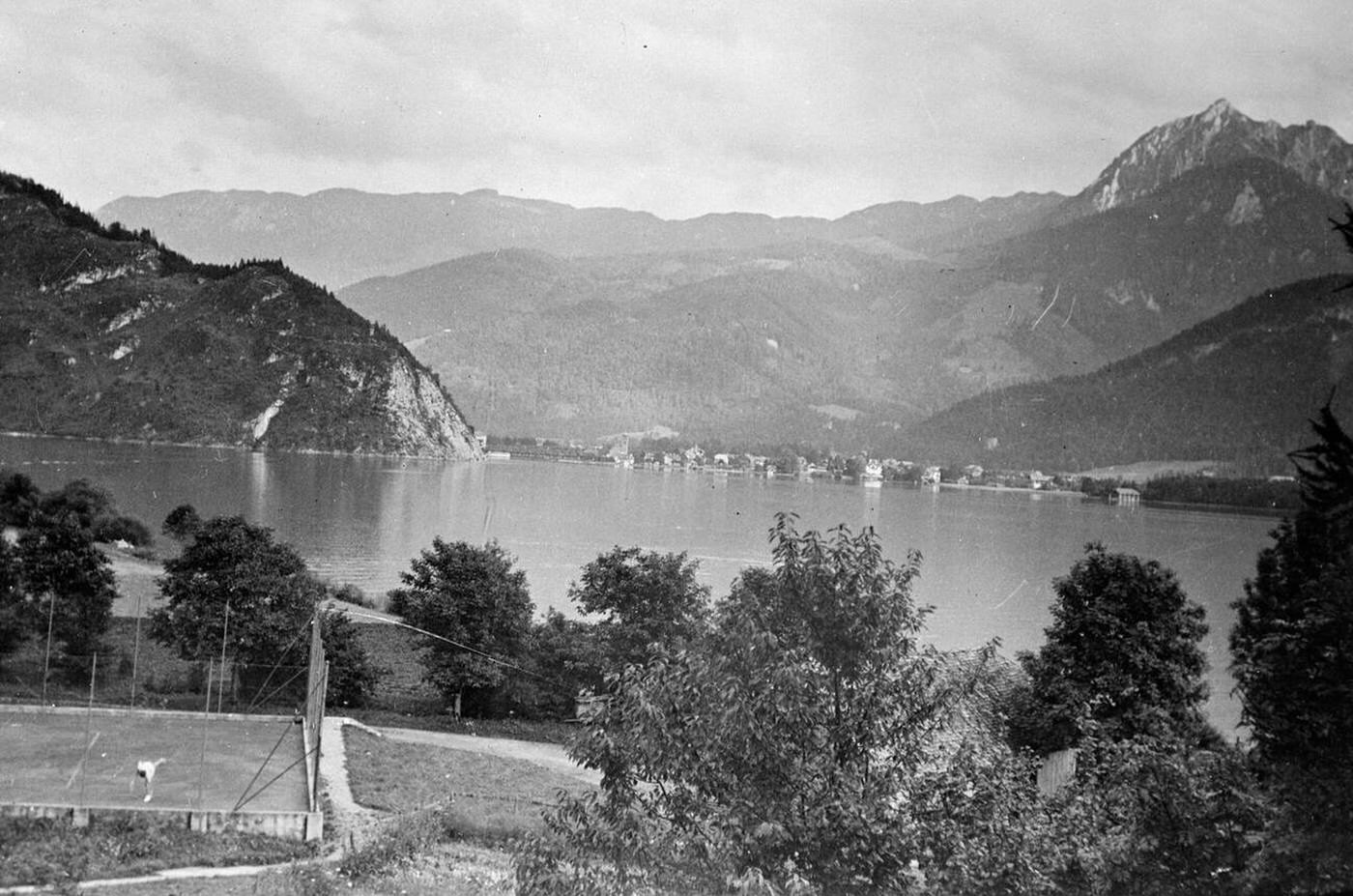
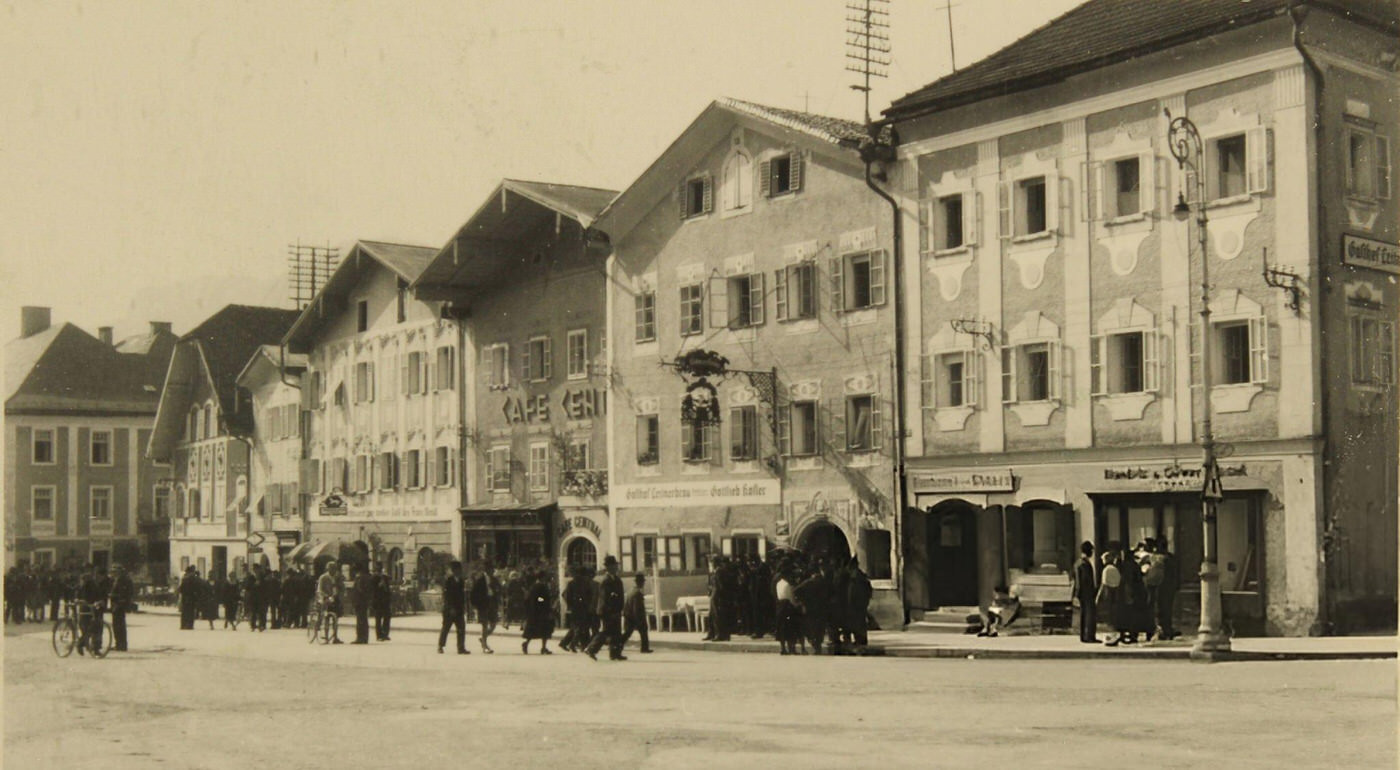
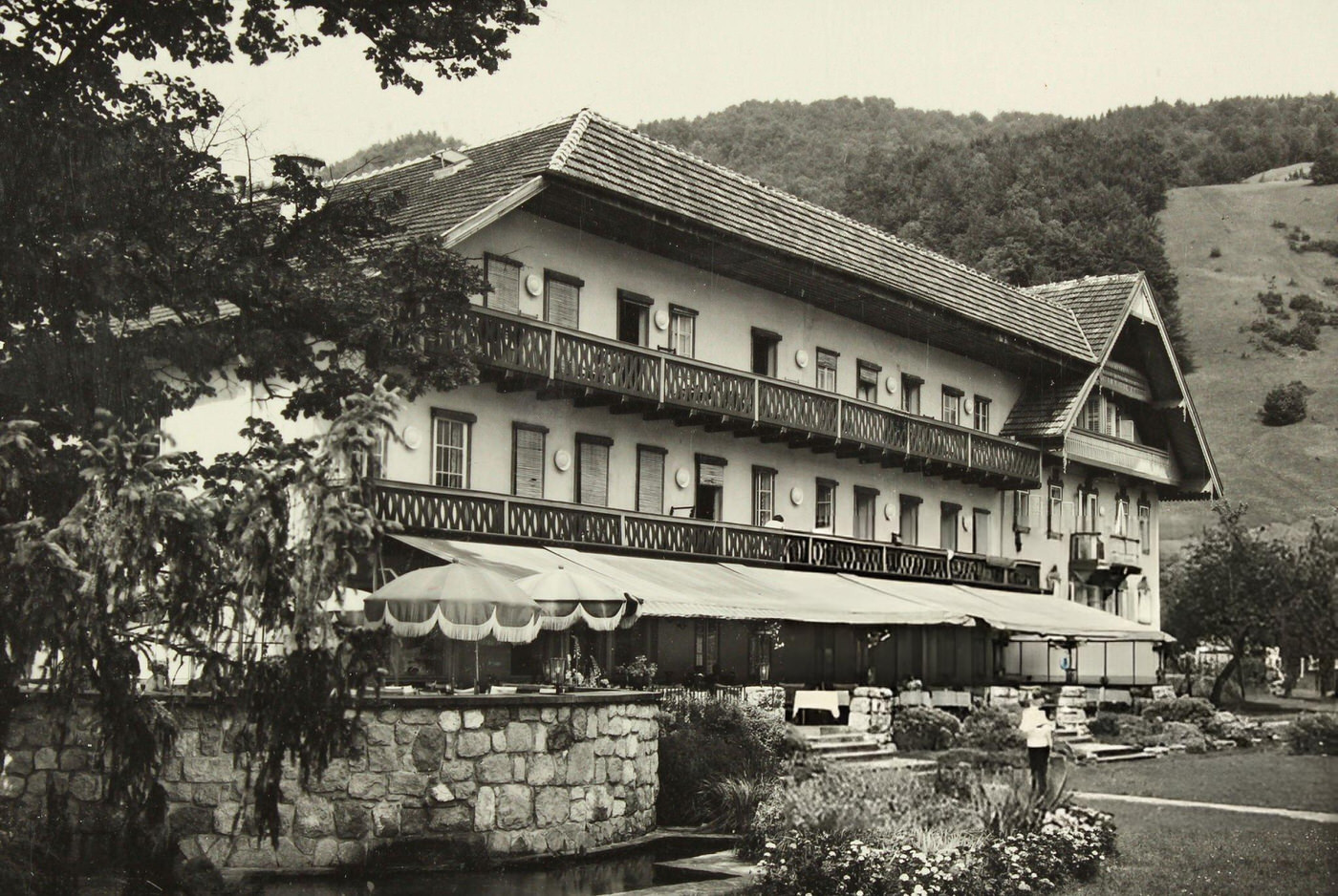
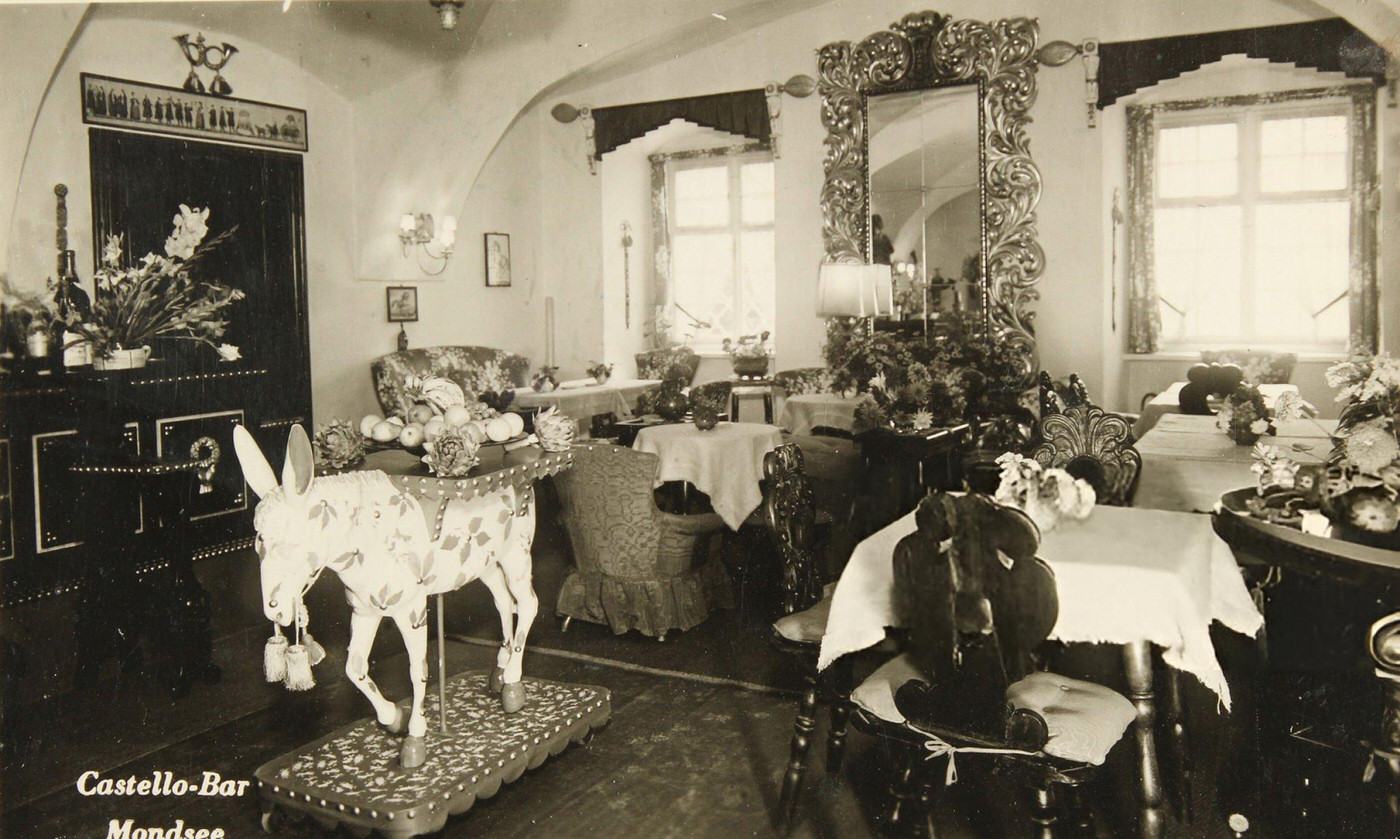
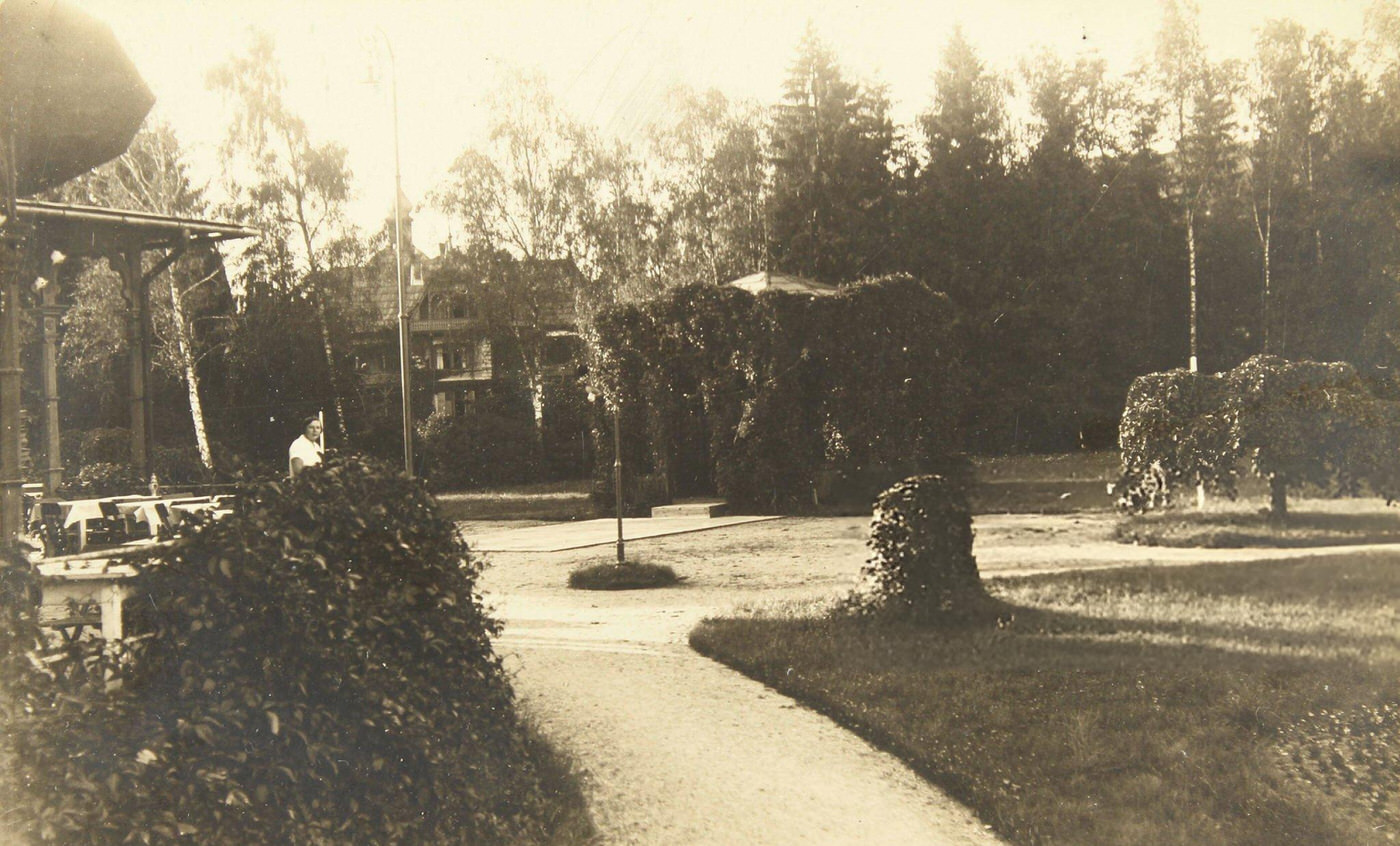
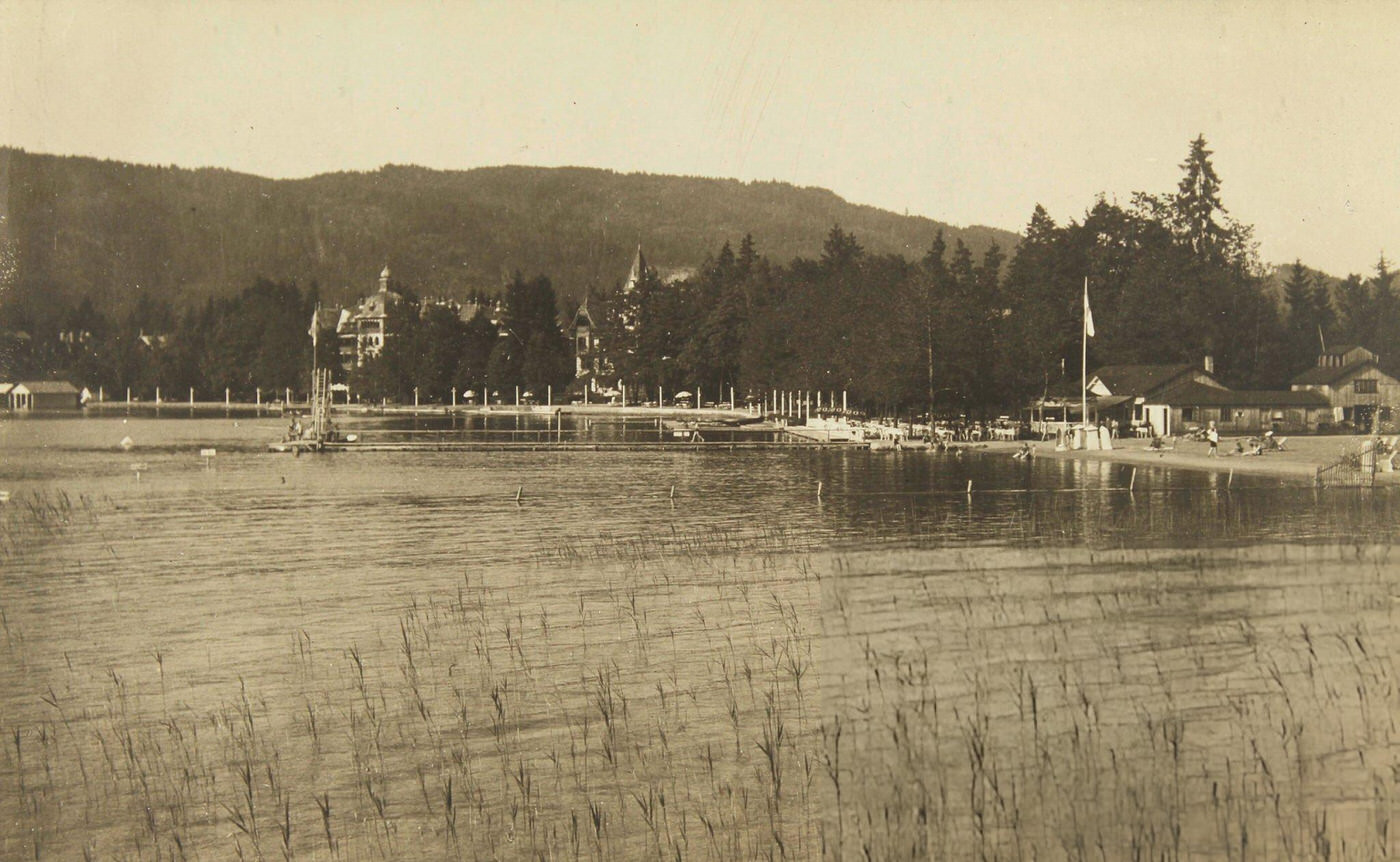
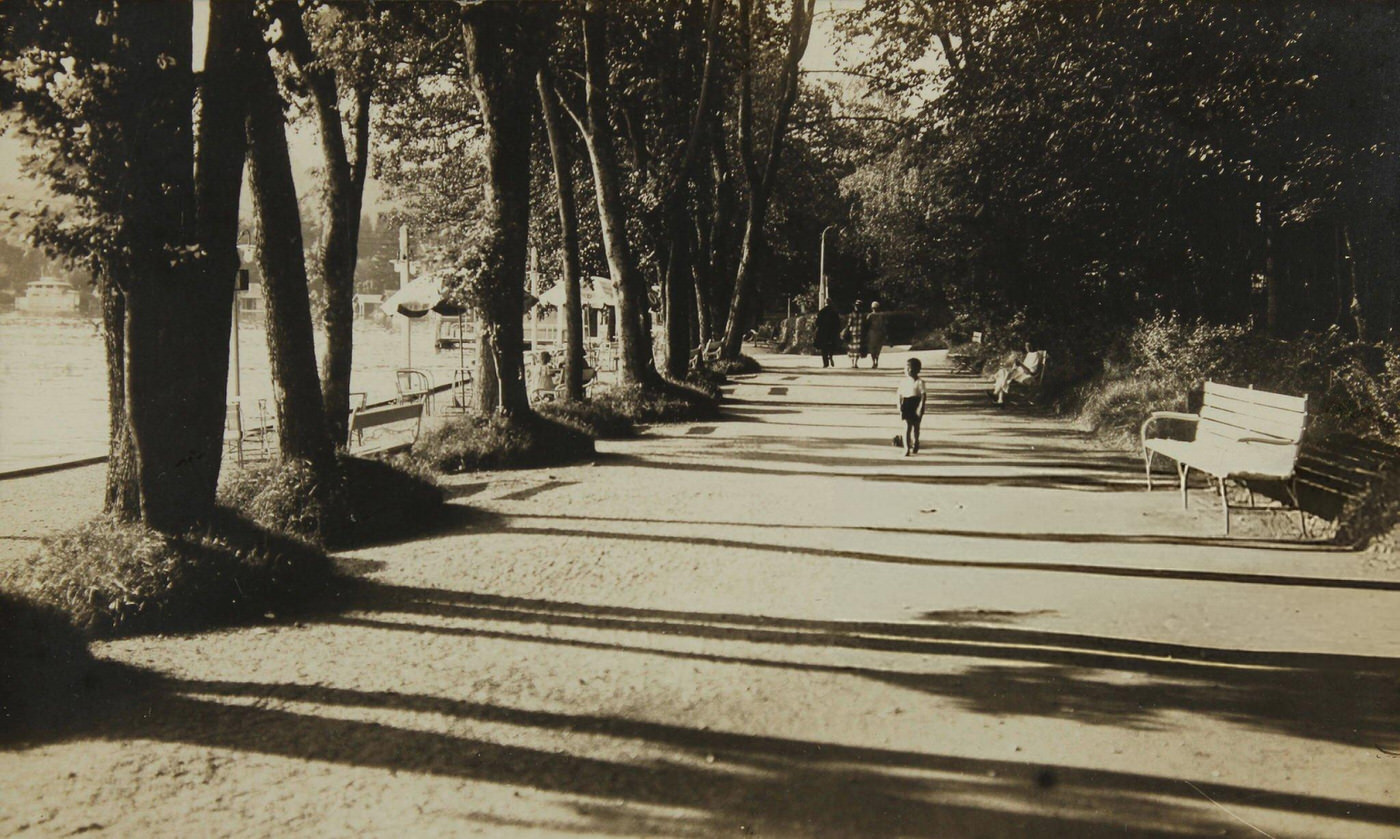
Austria’s lake districts were popular retreat destinations. Mondsee and the Wörthersee attracted visitors who came for swimming, boating, and the easy pace of lakeside life. Hotels and beach establishments lined the shores.


The Salzburg Festival was one of Austria’s most prestigious cultural events. By the 1930s, it had already established itself as an international draw for opera and theater. In 1936, traffic outside the festival grounds reflected just how many people traveled to attend.


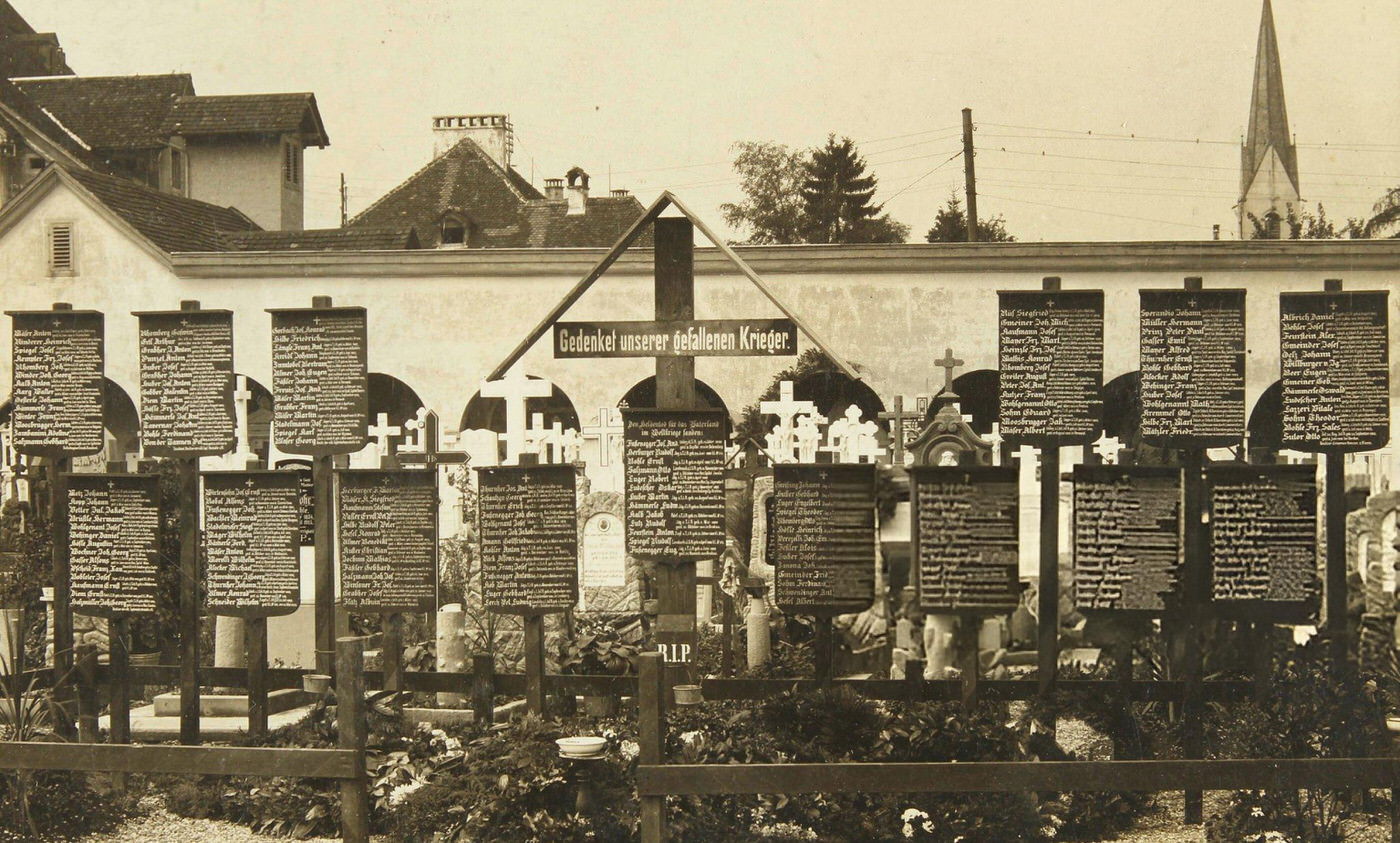
Vienna maintained a rich memorial culture. Cemeteries and public monuments honored composers, soldiers, and civic figures. The city’s intellectual and artistic identity was built in part on the memory of those who had shaped it.


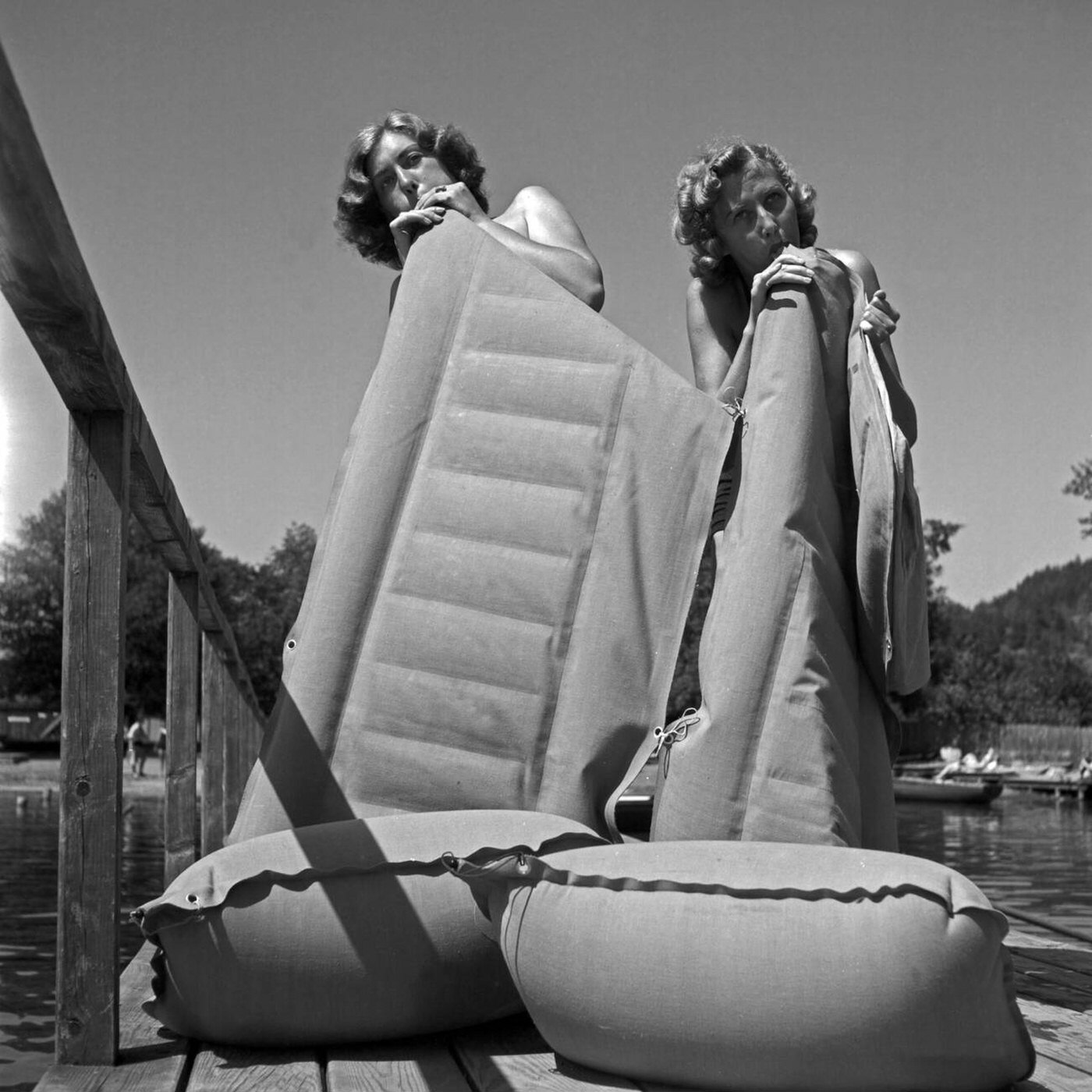
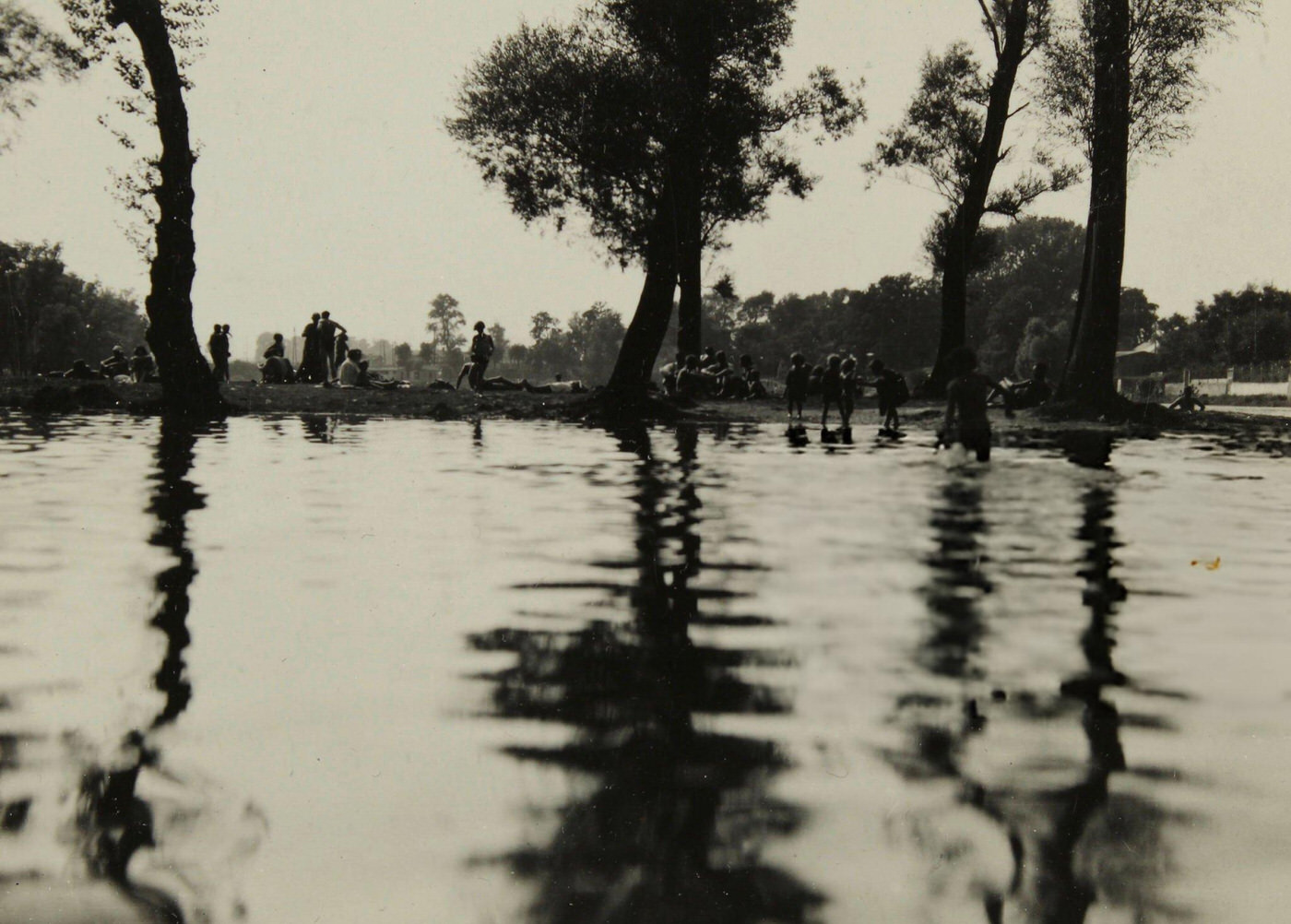
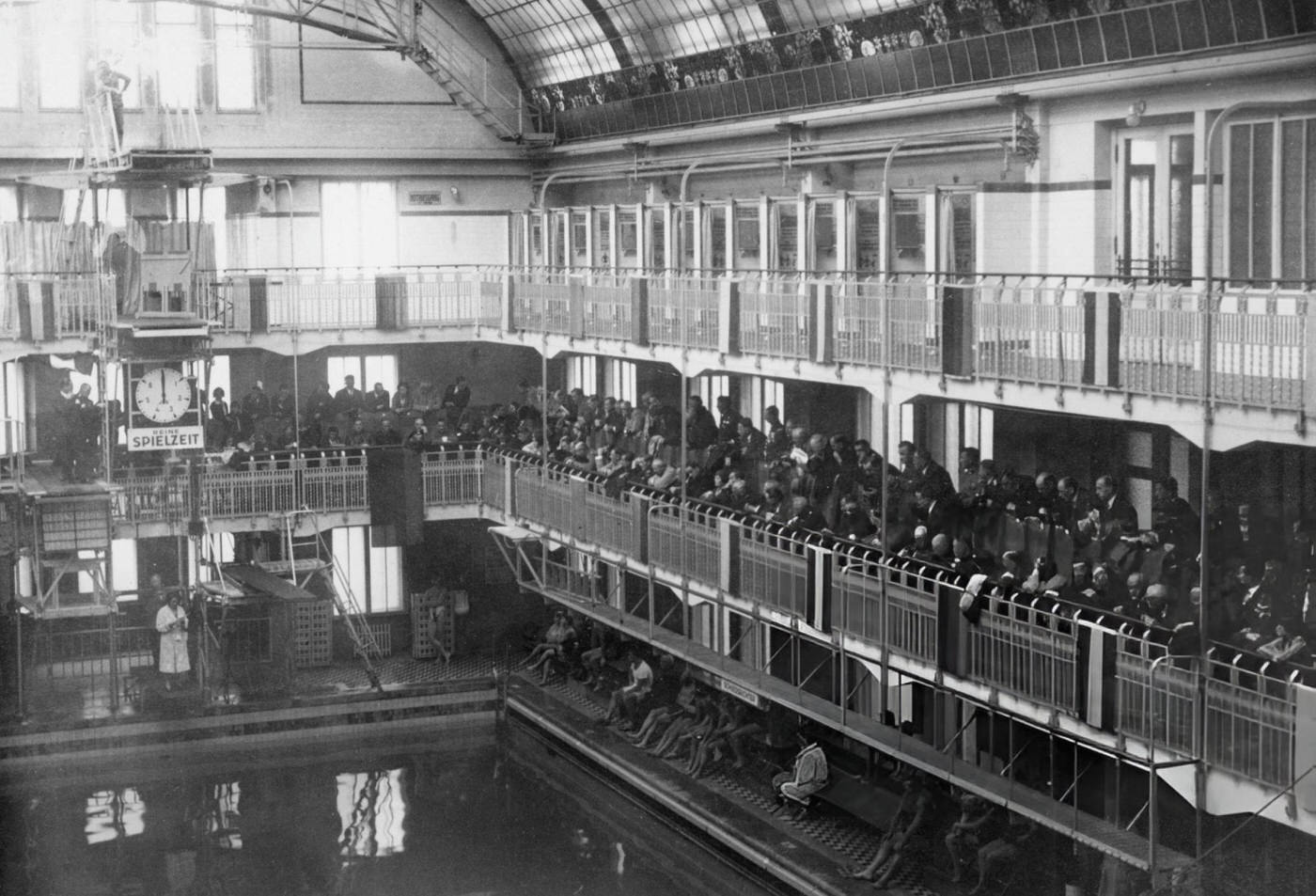
Outdoor swimming was a popular summer activity across Austria, not only at alpine lakes but also along the Old Danube near Vienna. Public bathing beaches drew large crowds, offering a break from the cramped conditions of city living.


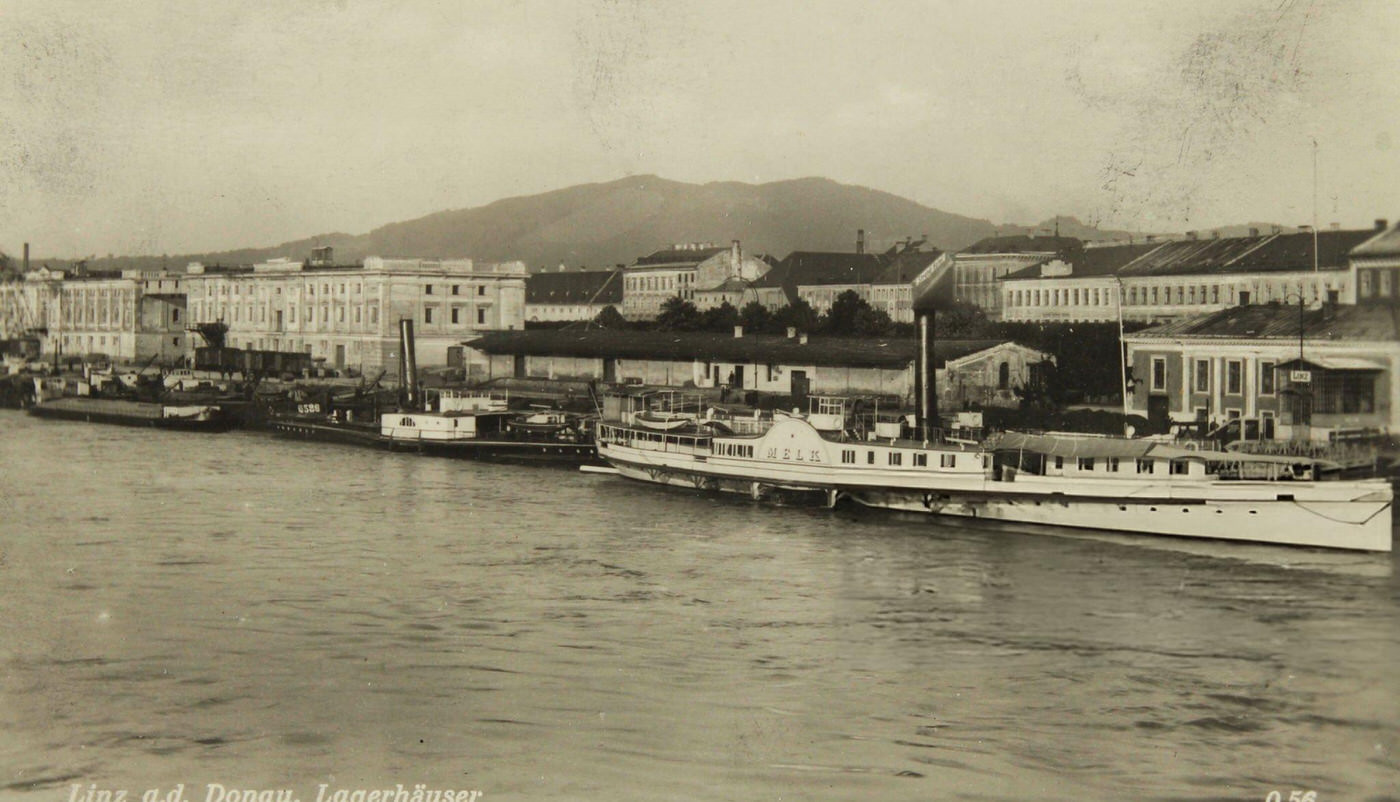
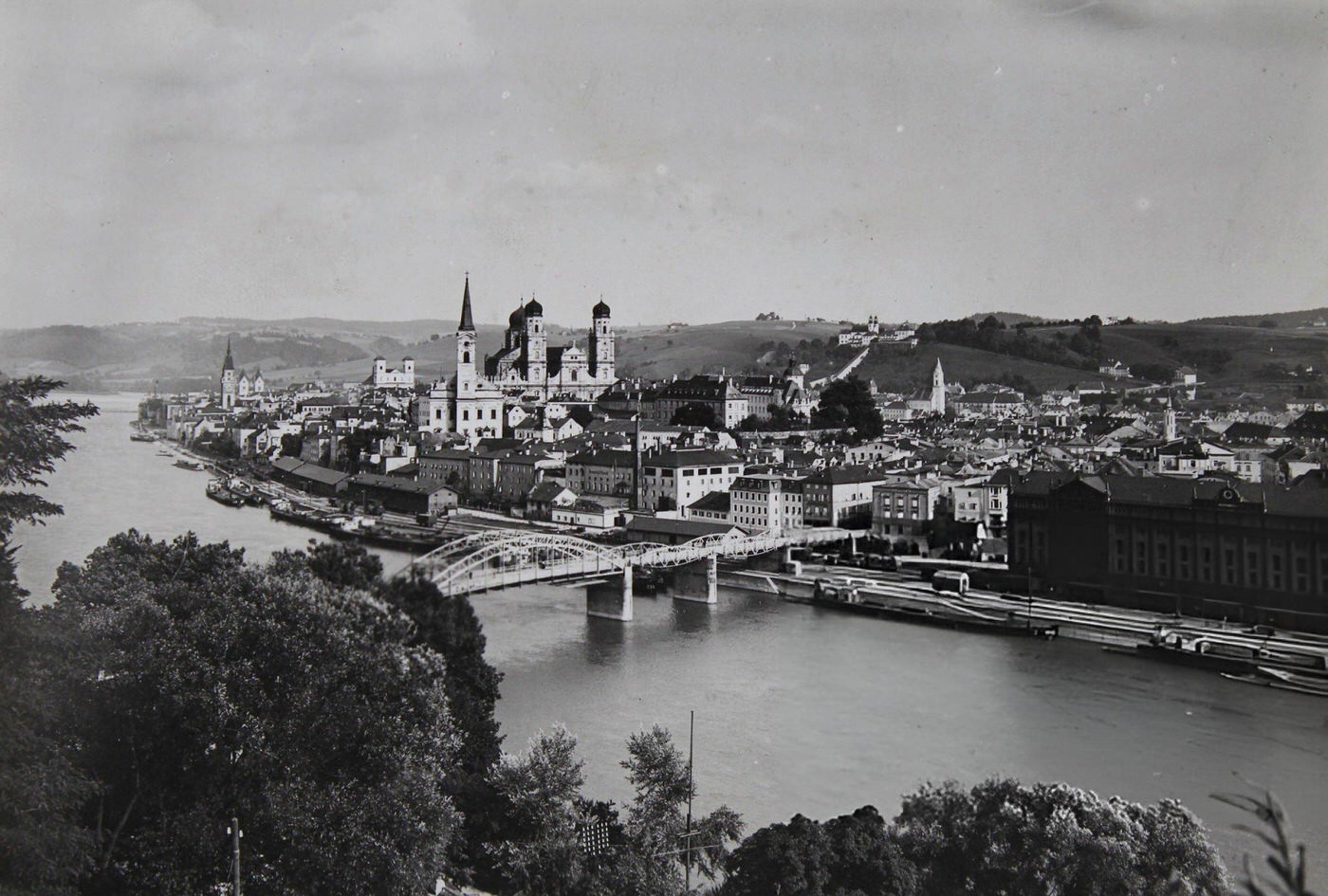
The Danube was Austria’s great commercial artery. Warehouses, docks, and steamboats at Linz reflected the river’s role in moving goods across the region. Cities along its banks depended on river trade for their economic survival.


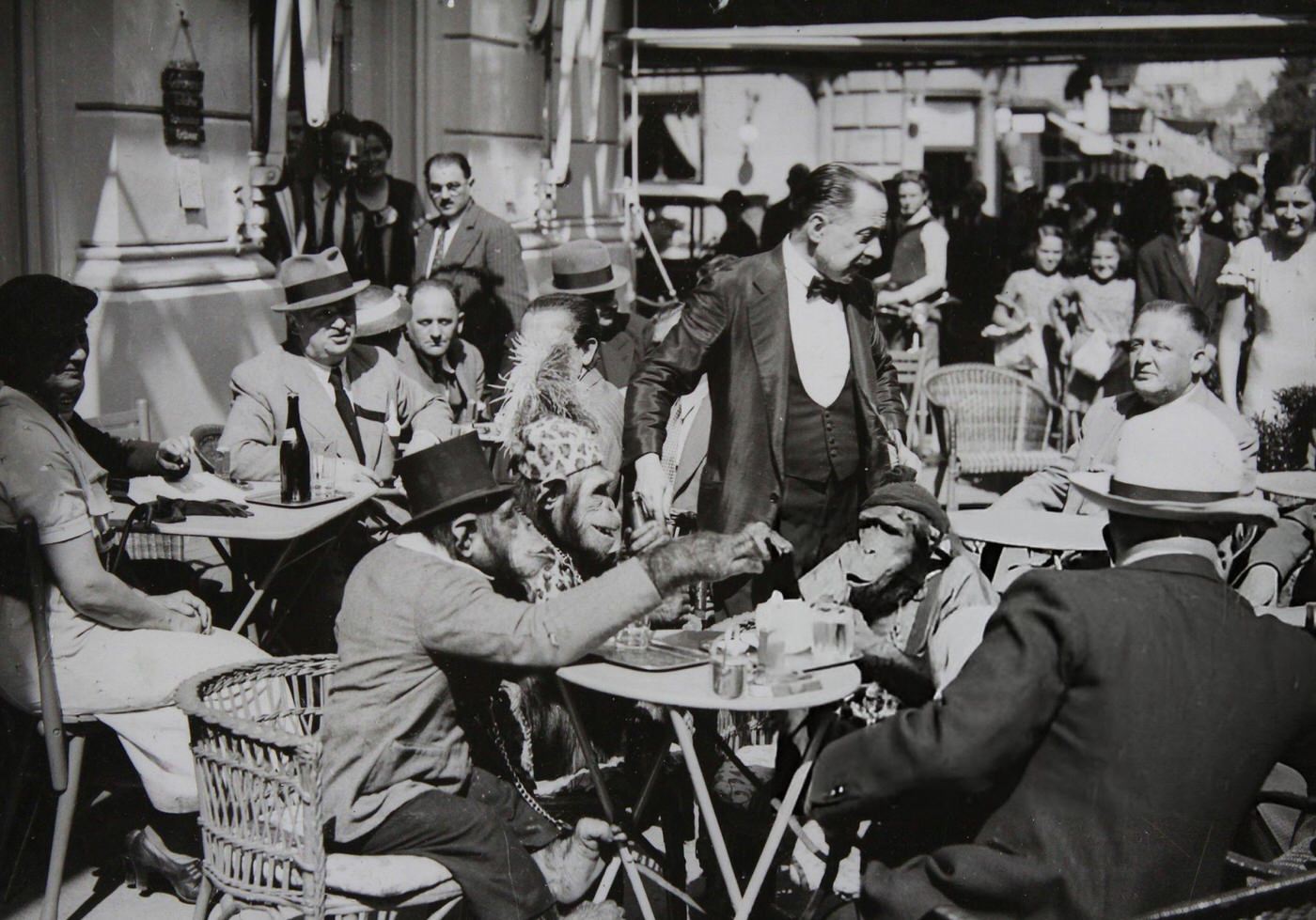
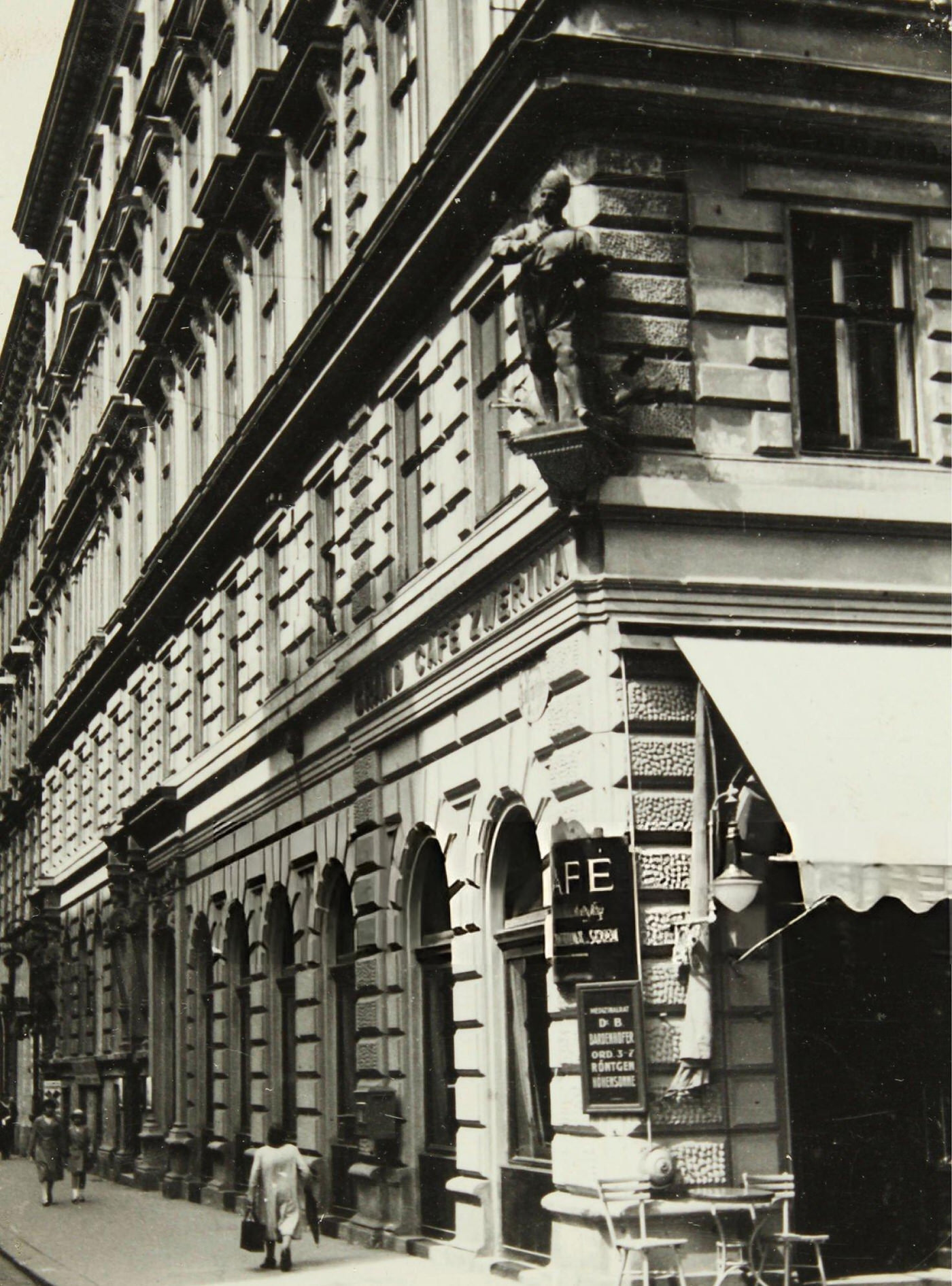
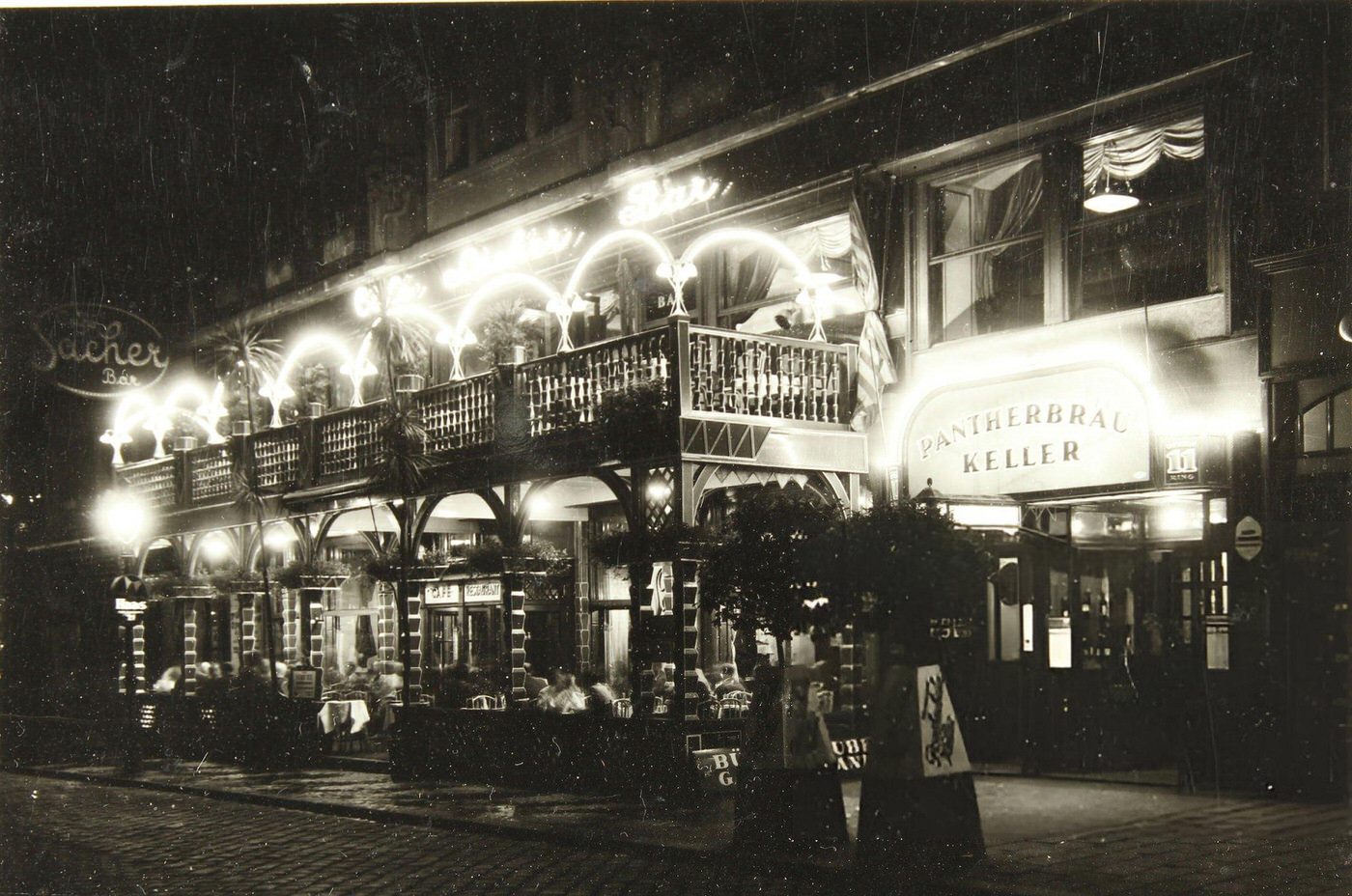
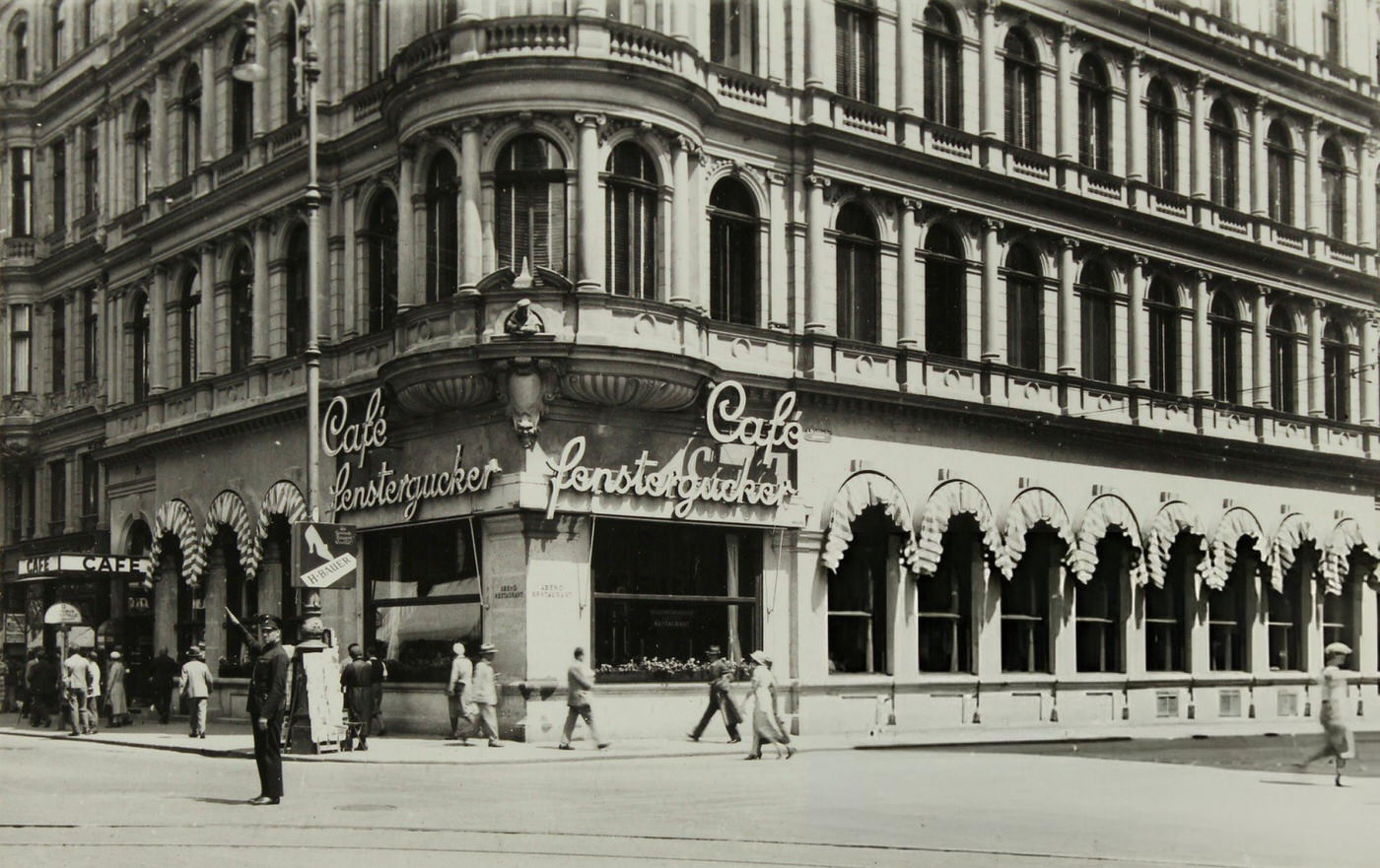
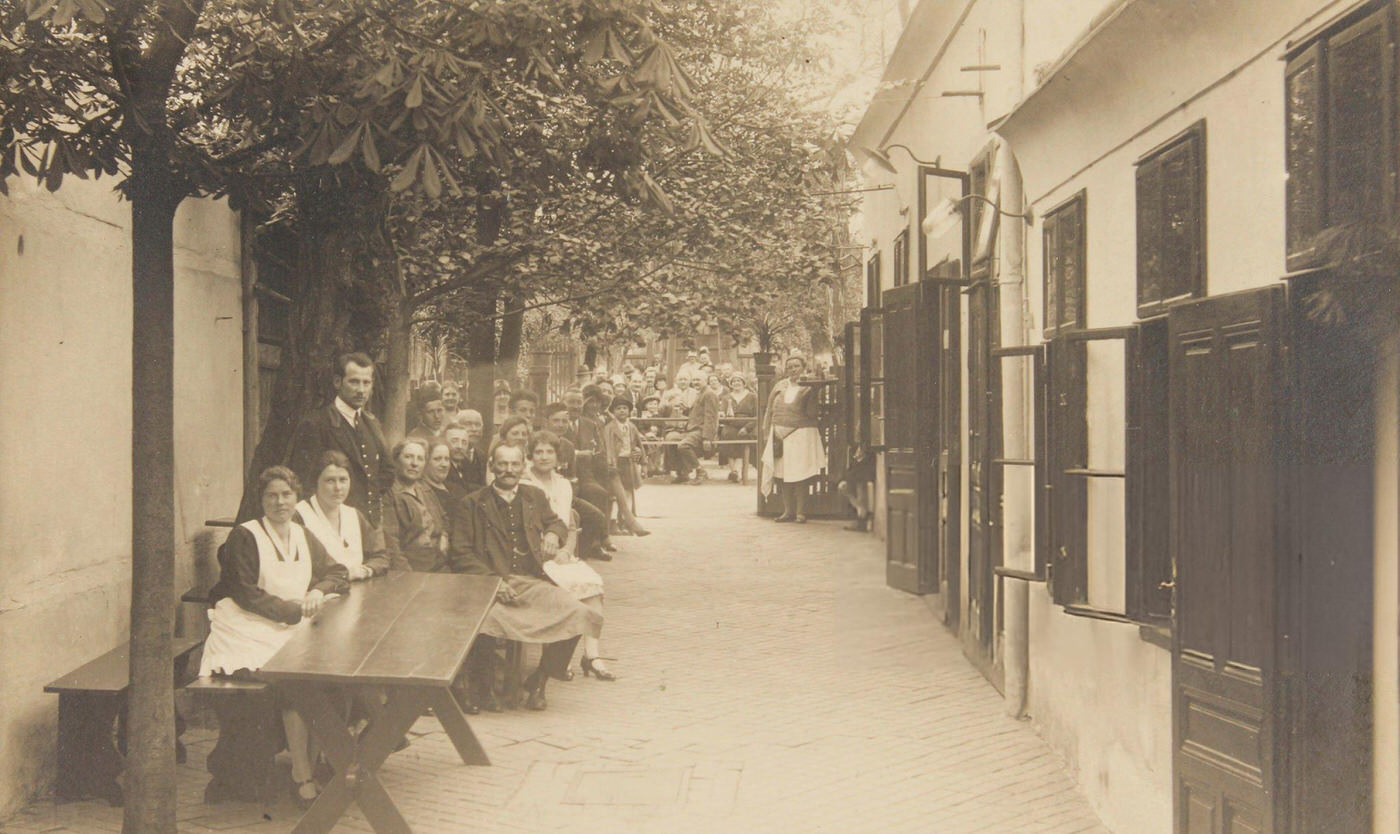
Vienna’s café culture was legendary. The Viennese coffeehouse was a social institution — a place to read the newspapers, debate politics, and pass an afternoon. Cafés like Landtmann, Sacher, and Monopol each had their own clientele and character.


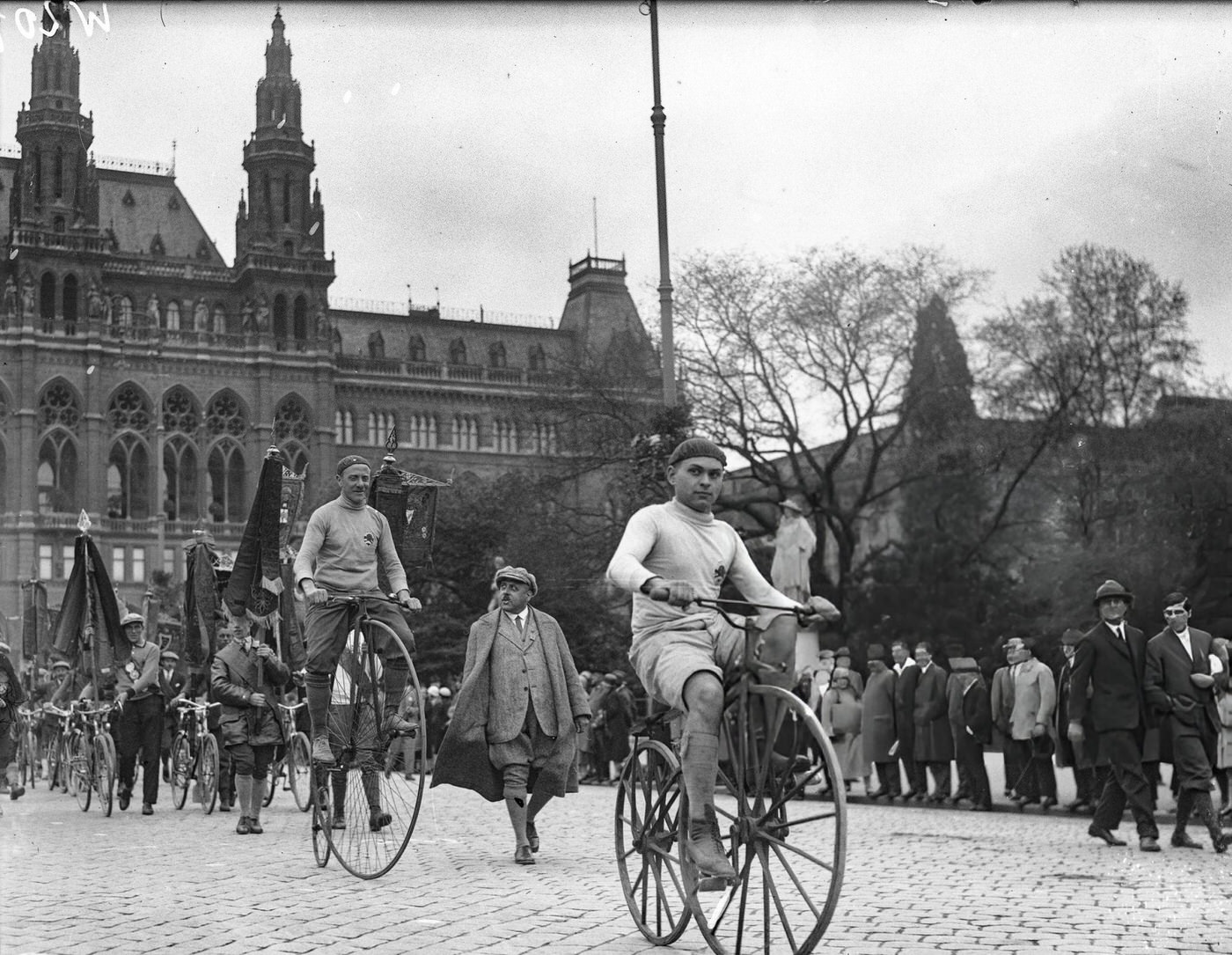
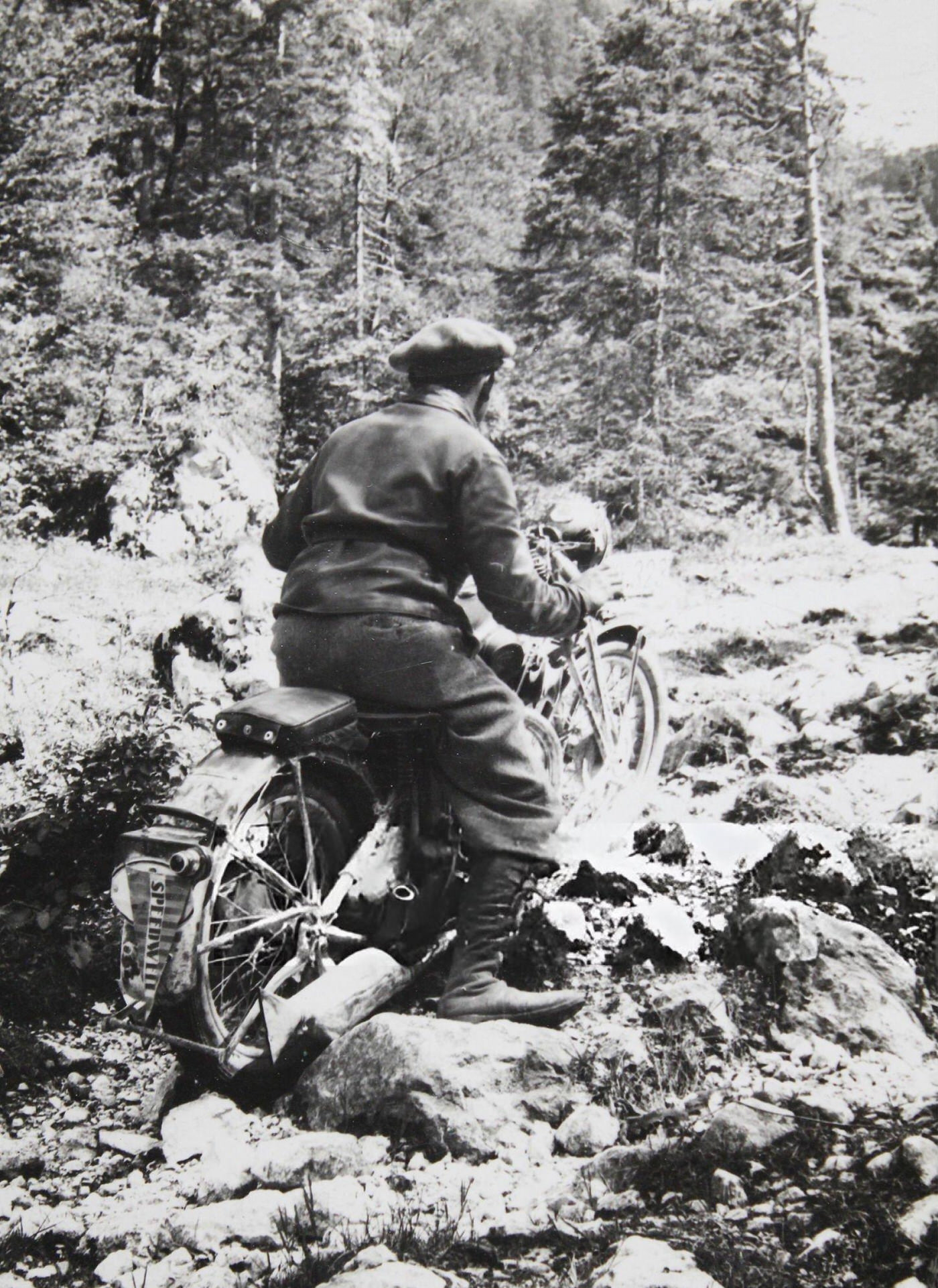
Adventure and sport also had their place in Austrian life. Motorcycle enthusiasts tackled mountain paths in the Dachstein region, while cyclists paraded through Vienna’s streets. The outdoors — summer and winter — was central to Austrian identity.


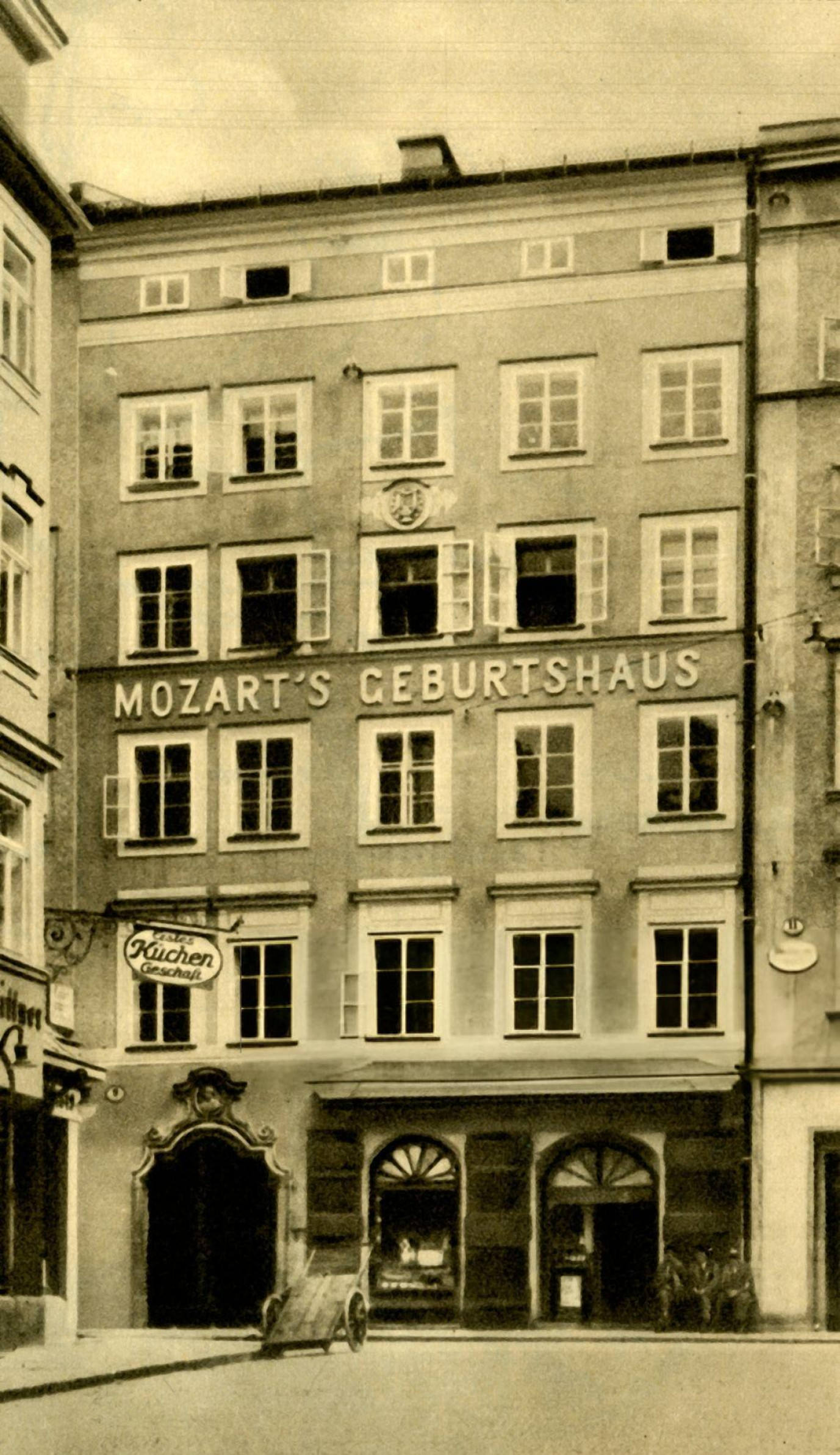
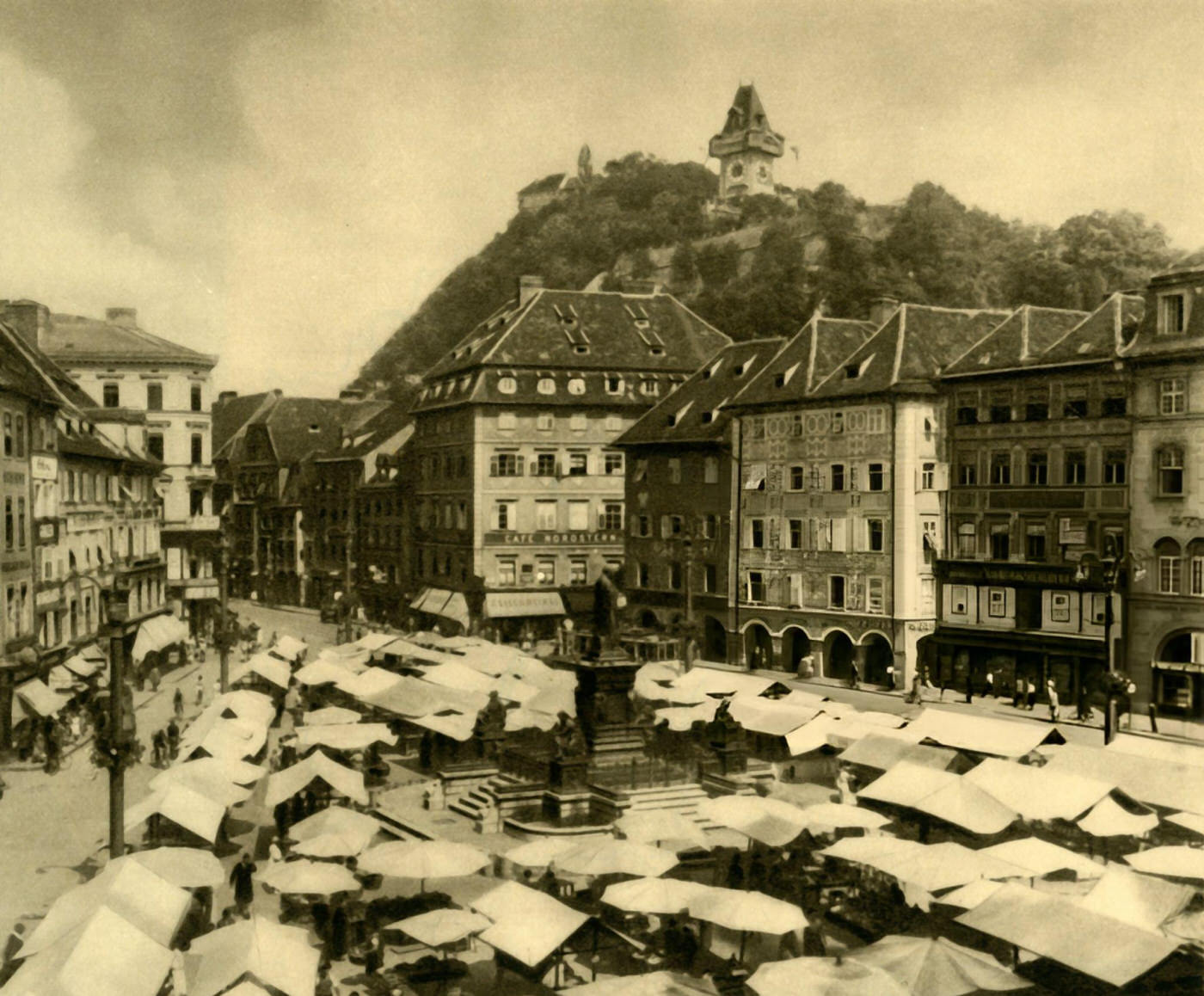
Austria’s cultural landmarks drew visitors from across Europe throughout the decade. Mozart’s birthplace in Salzburg had long been a museum, and cities like Graz and Innsbruck offered their own blend of history and living tradition.


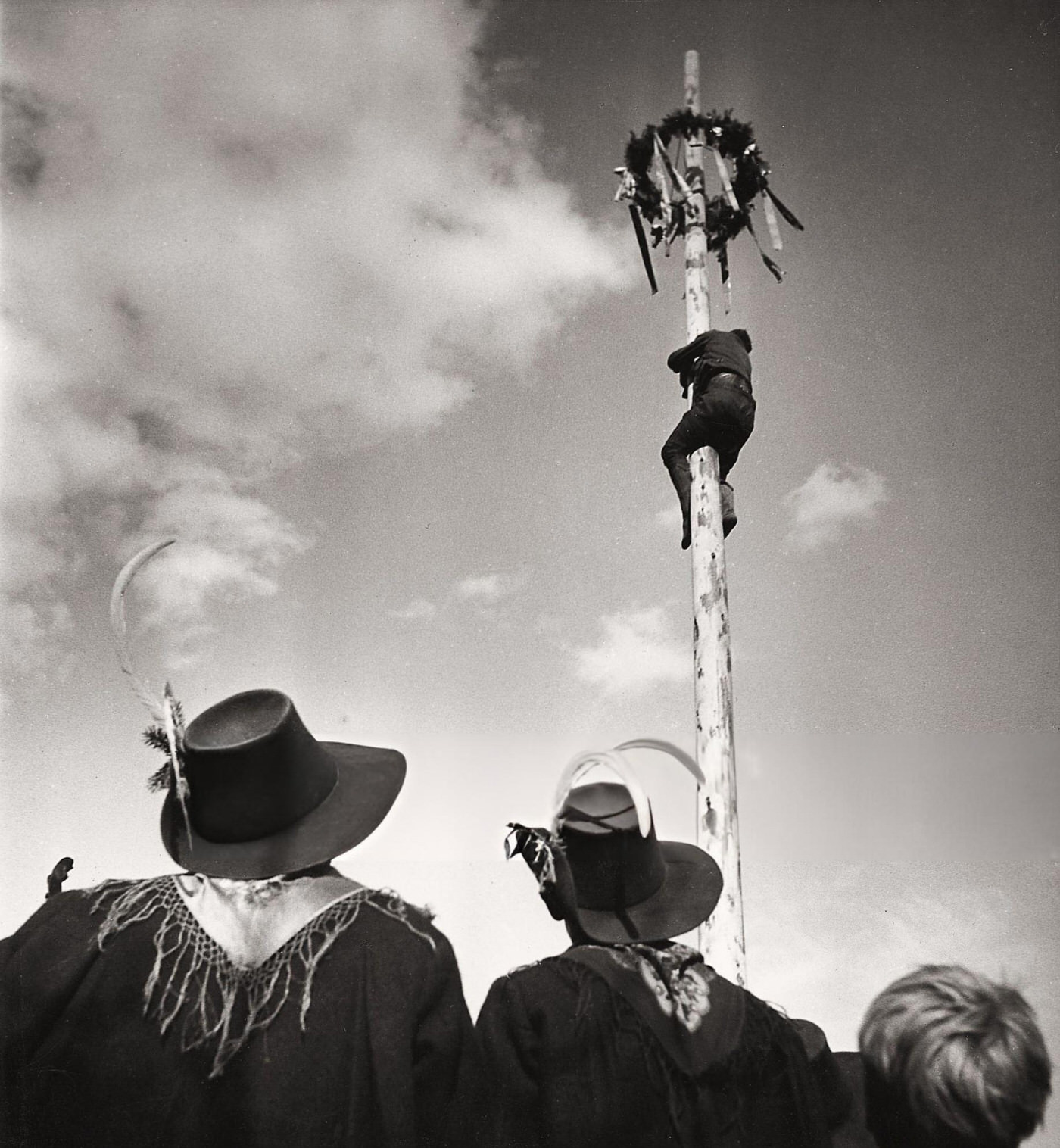
Austria’s oldest rural traditions persisted well into the 1930s. In East Tyrol, villages still practiced the maypole scramble — a competition where young men climbed a greased pole. These customs, rooted in centuries of alpine life, carried on regardless of what was happening in parliament.

Jews were barred from Austria’s historic landmarks following the Anschluss. Signs excluding Jewish Austrians from public spaces appeared across the country, stripping a community that had been central to Austrian intellectual and cultural life for generations of their basic rights.