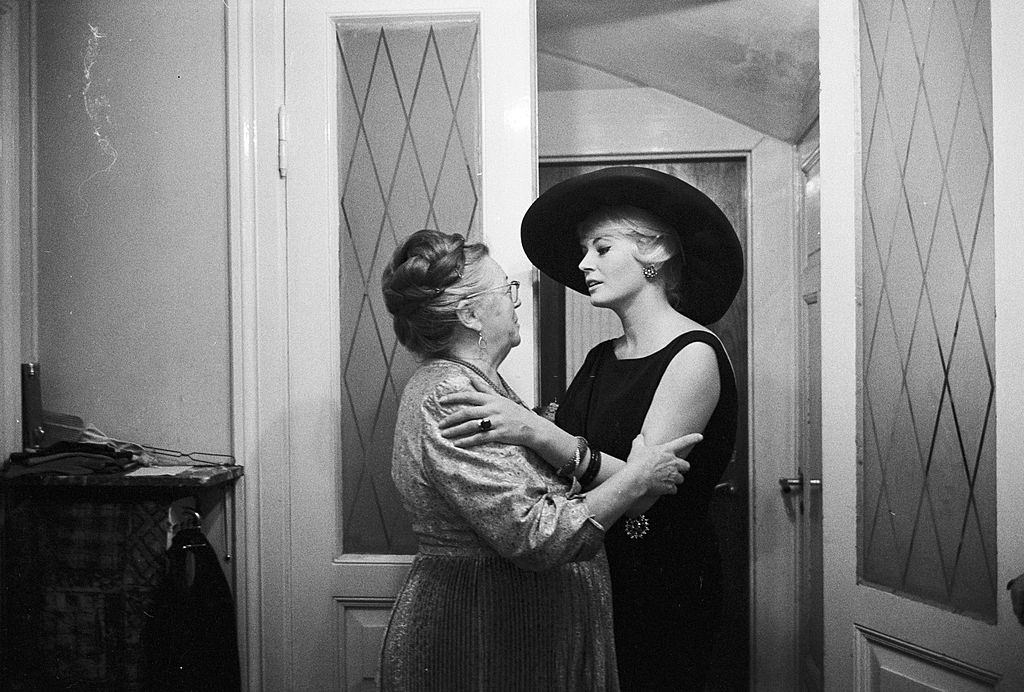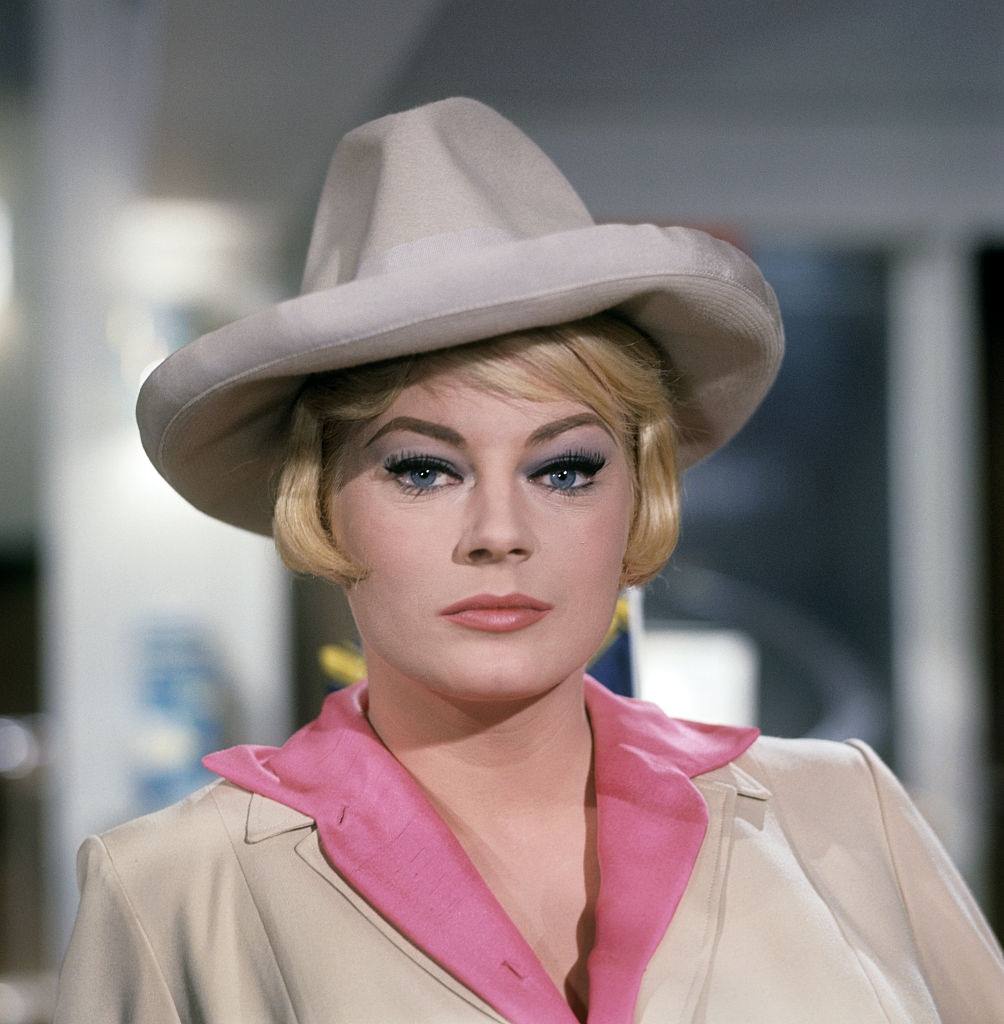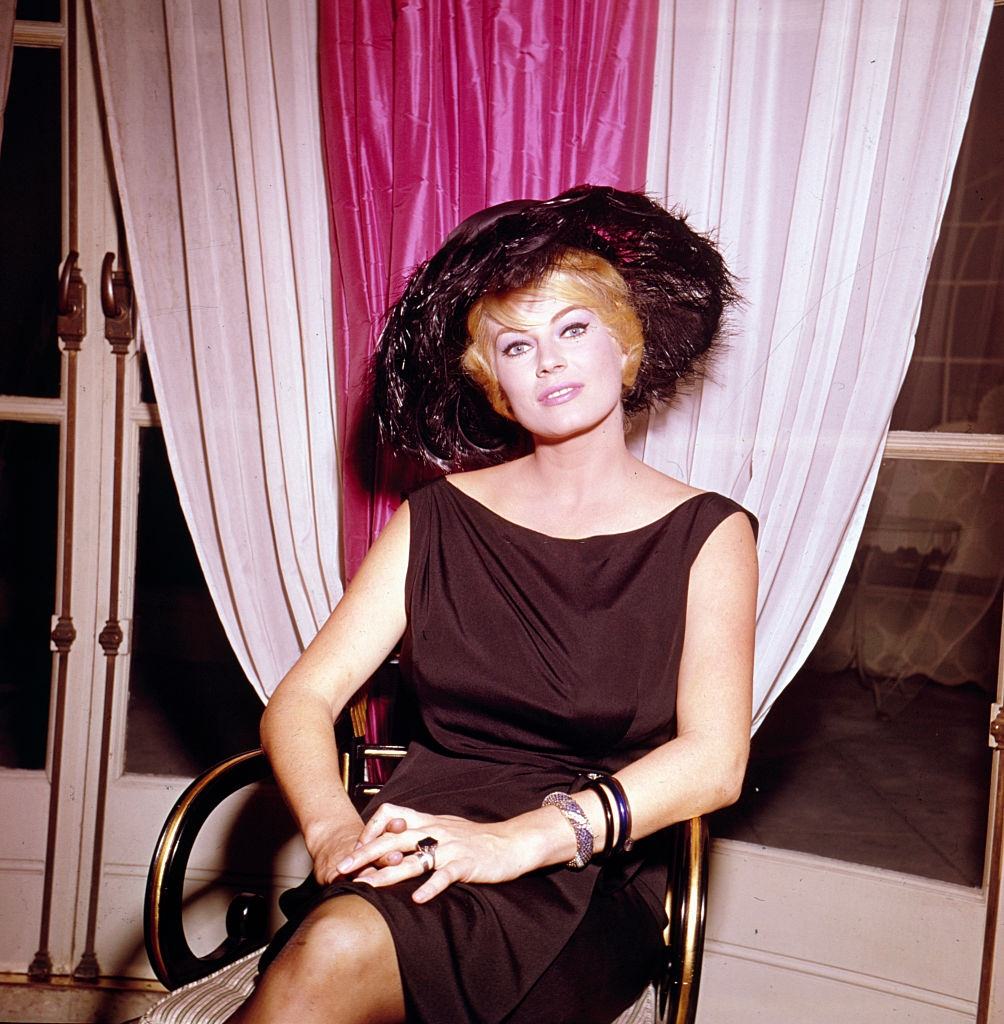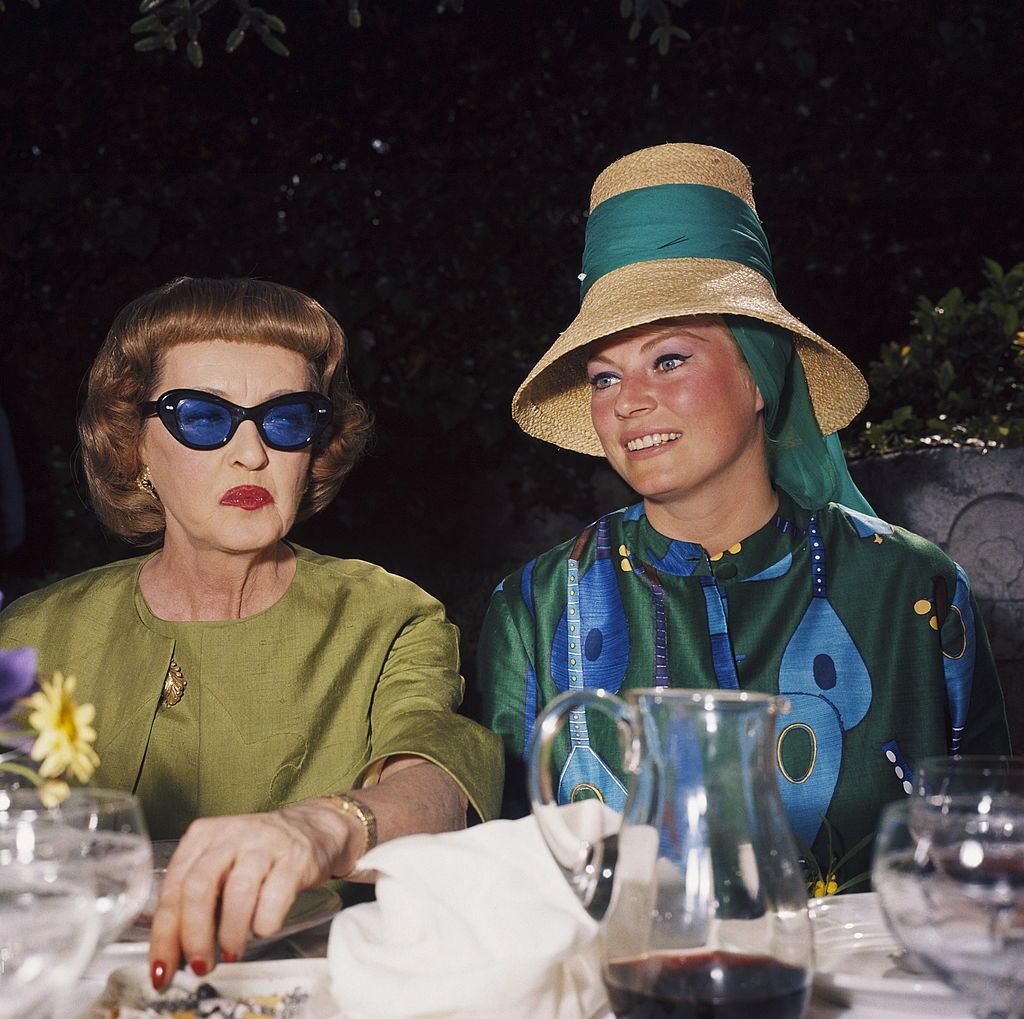
Anita Ekberg was born on September 29, 1931, in Malmö, Sweden. She grew up as one of eight children in a working-class family, and few who knew her then would have guessed she’d become one of the most recognized faces in the world. By her late teens, she had already caught the attention of modeling scouts, and in 1950 she was crowned Miss Sweden. That title opened a door to the United States — and to a career that would span five decades.
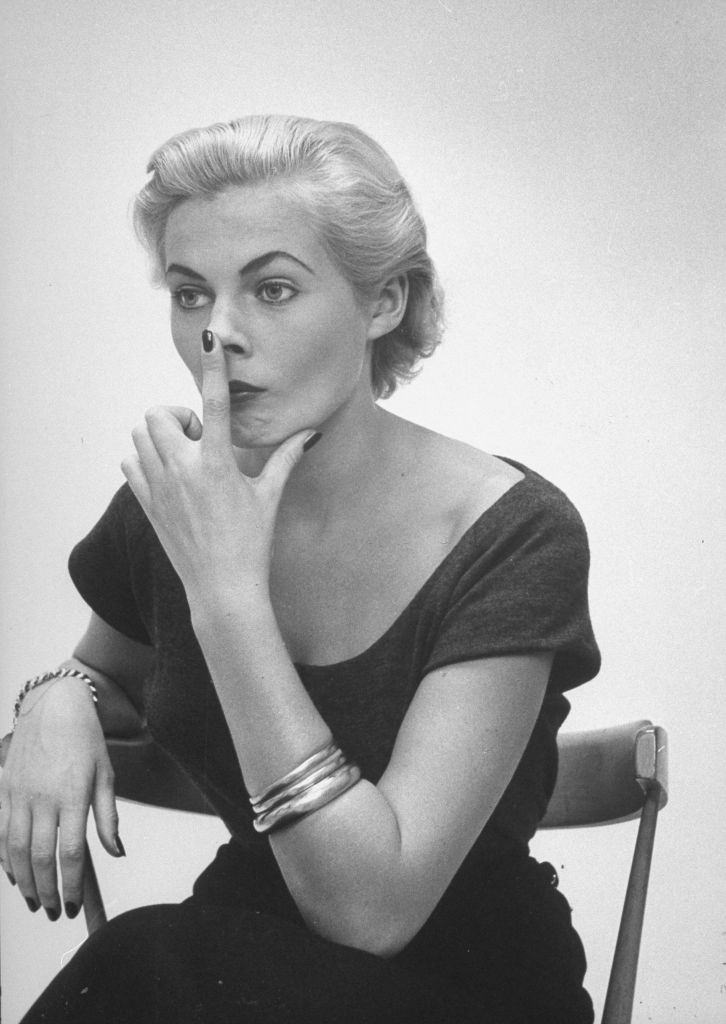
After winning Miss Sweden, Ekberg traveled to the US to compete in the Miss Universe pageant and never really looked back. She connected with Eileen Ford, the powerful head of the Ford Model Agency in New York, who saw enormous potential in her. Ford pushed Ekberg to refine her look and stage presence, coaching her on the specific poses and expressions that American modeling demanded at the time.
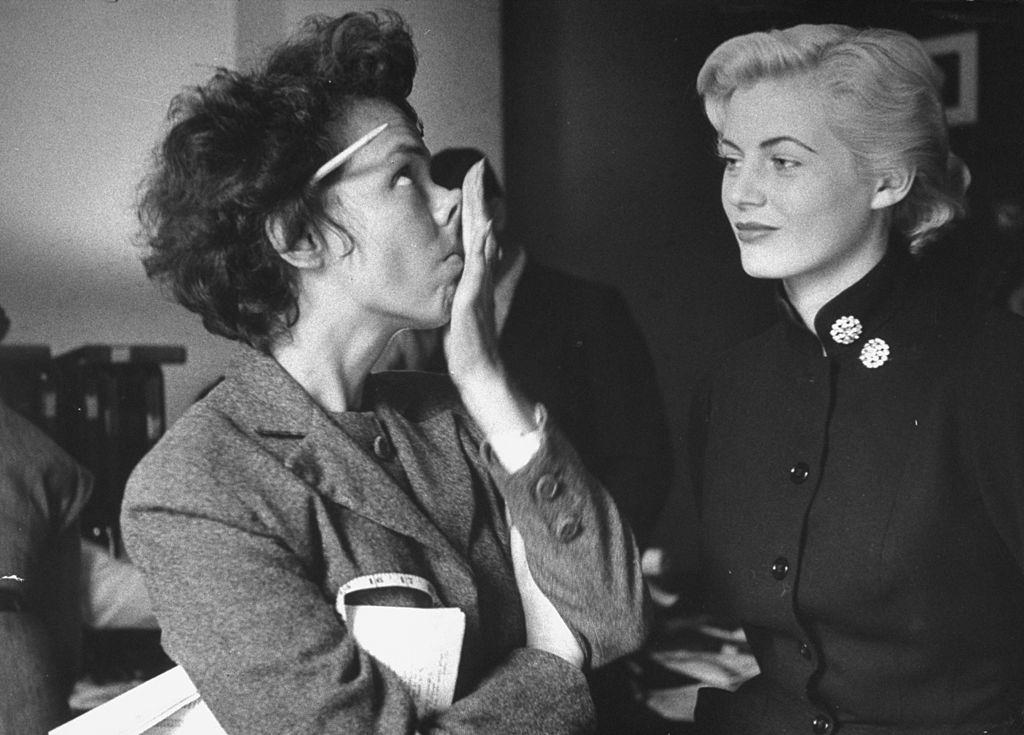
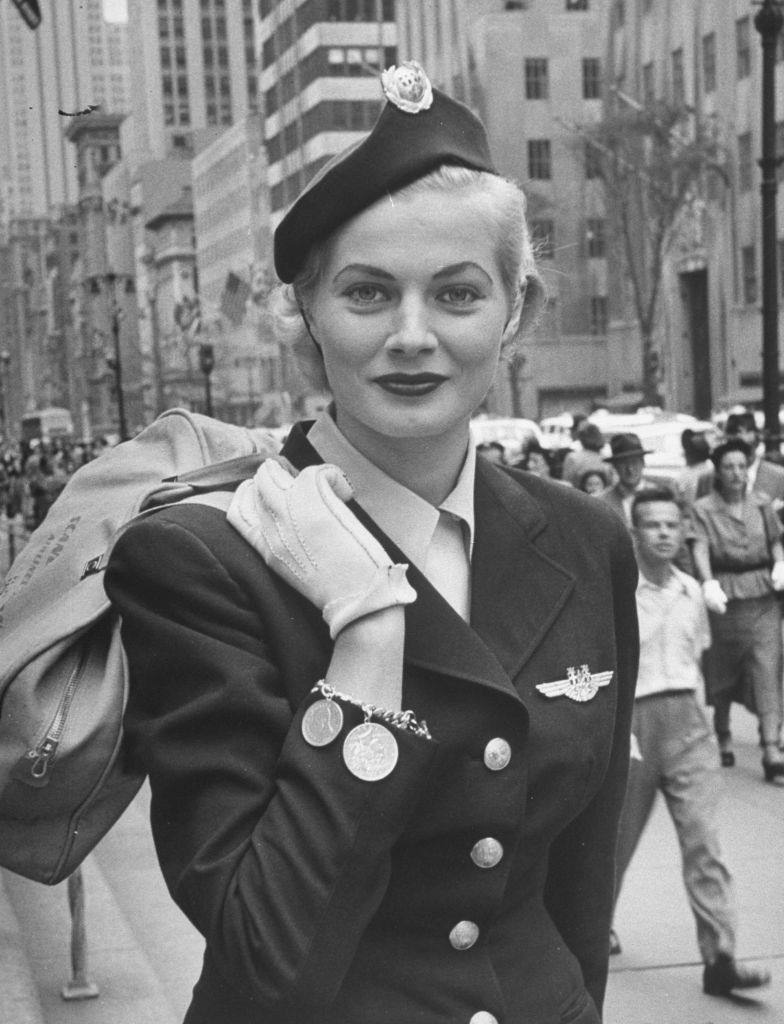
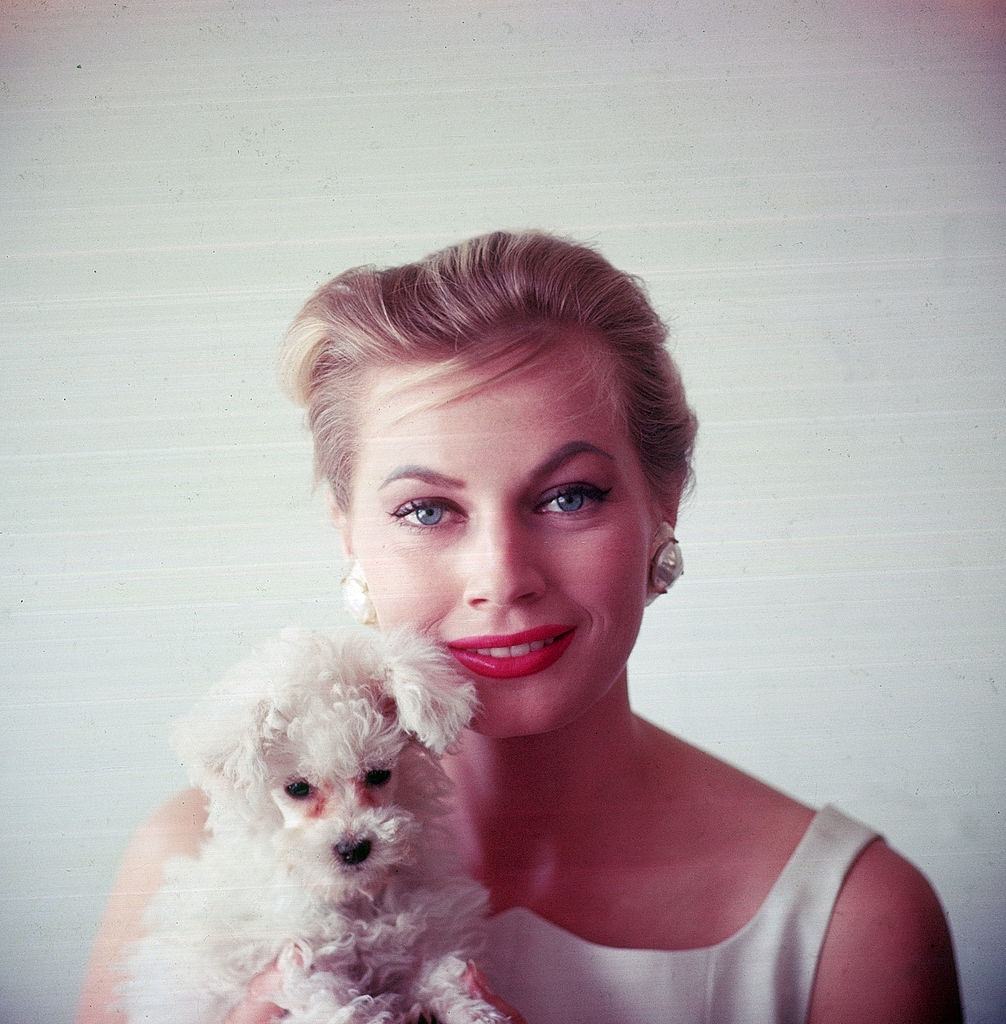
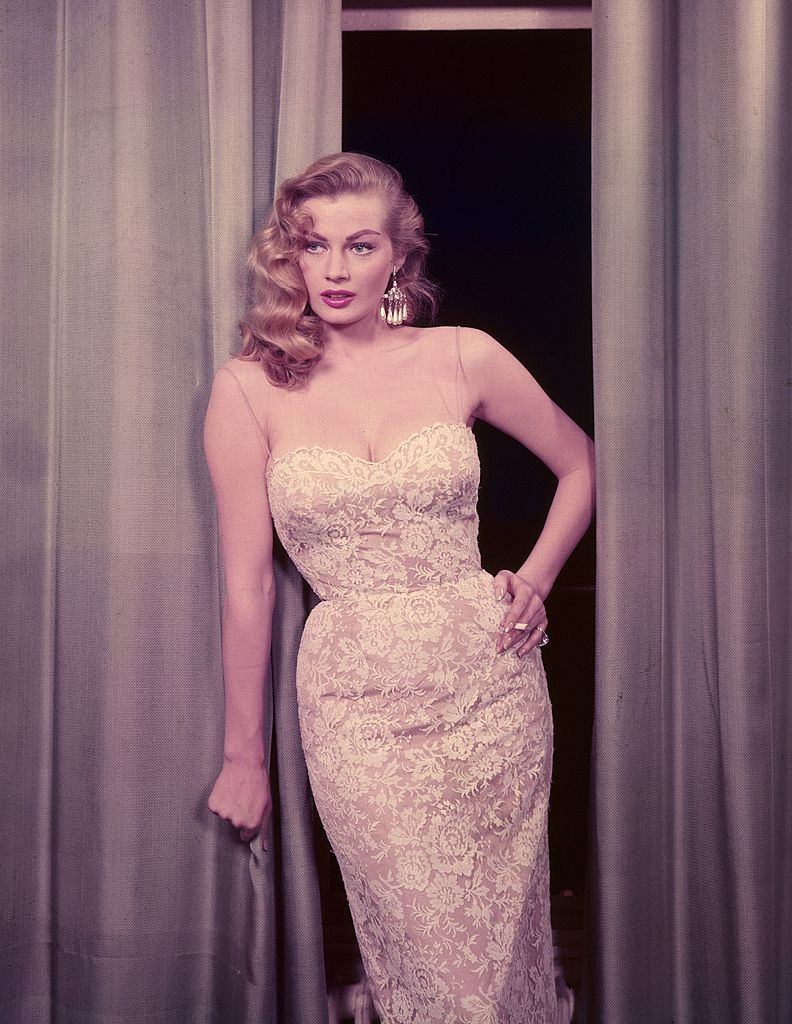
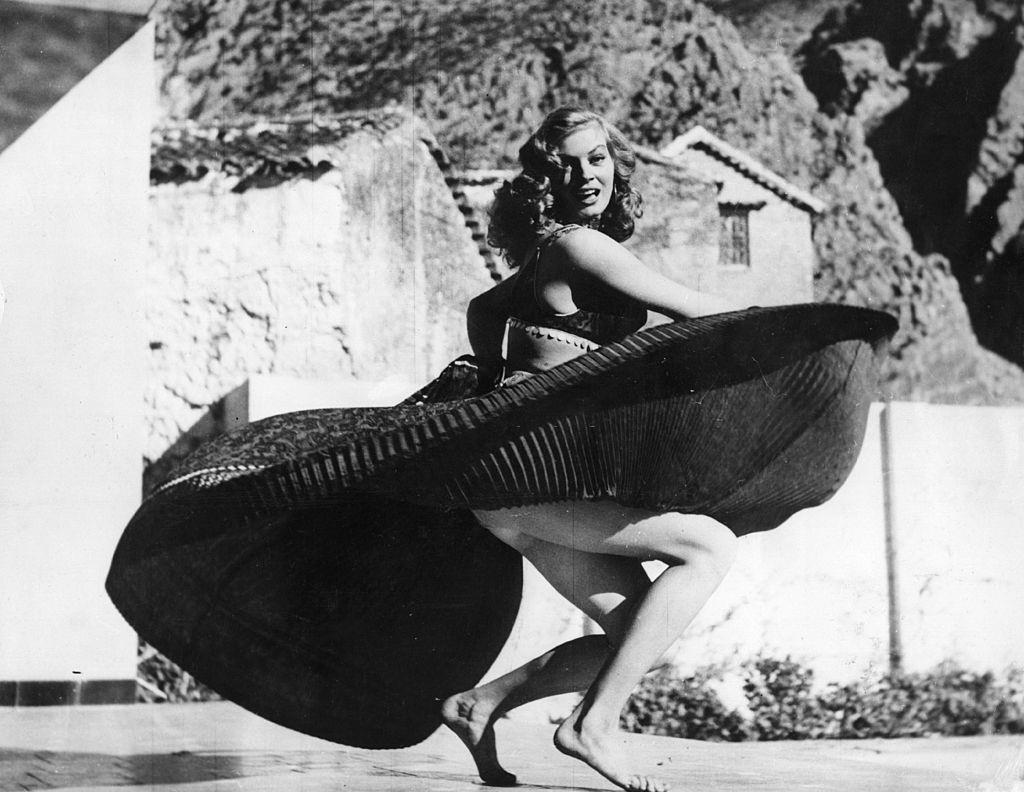
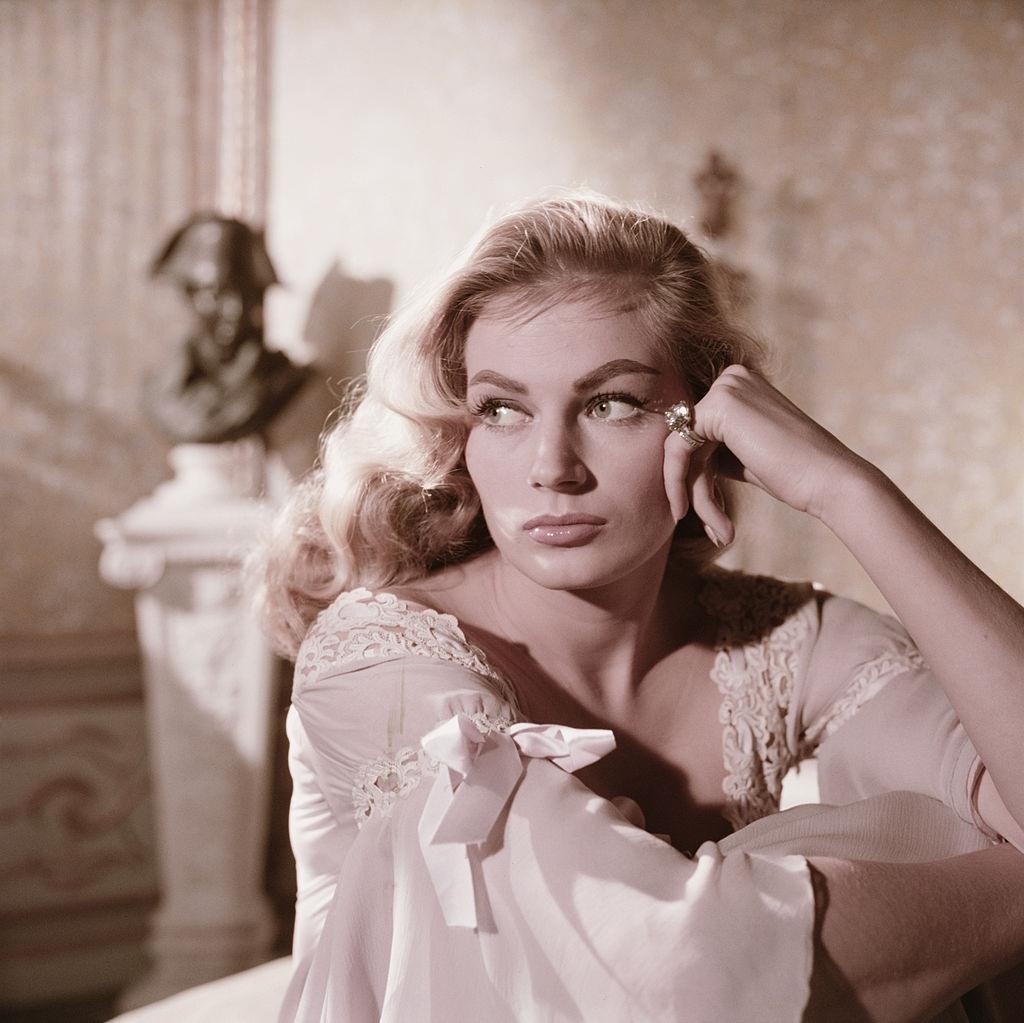
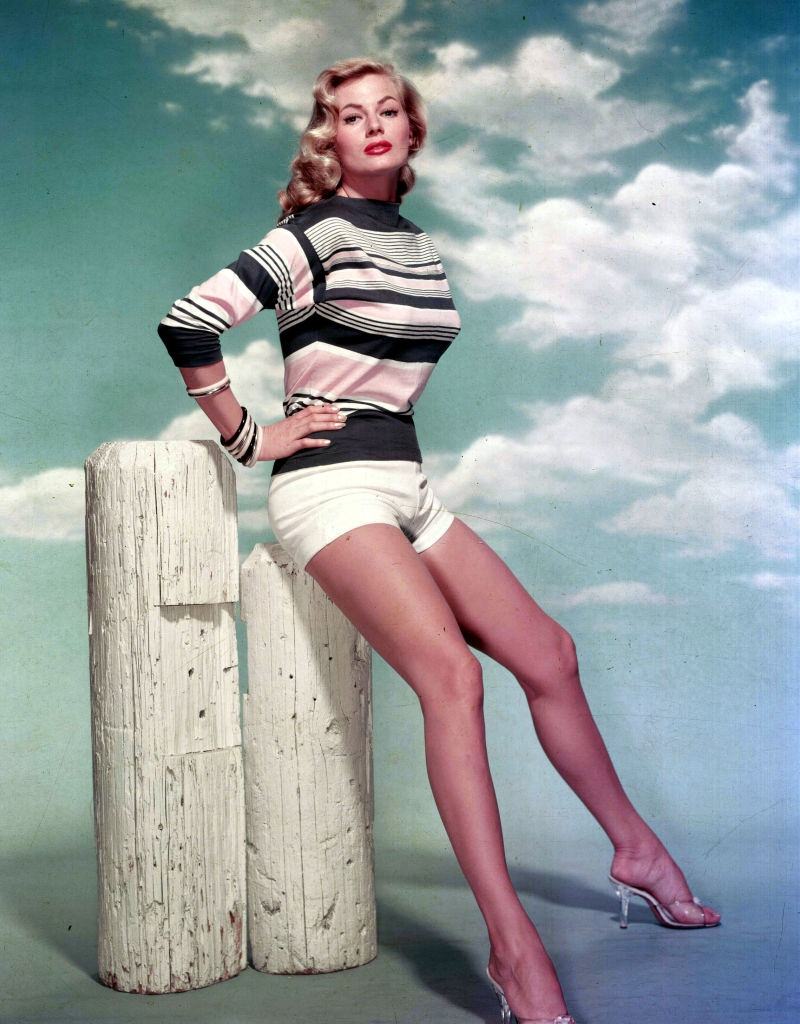
By 1951, Ekberg was a busy presence in front of the camera. She took on a range of modeling assignments, from commercial work for airlines to fashion spreads that showed off her striking Nordic looks. She was tall, blond, and had a natural ease in front of the lens — qualities that made her stand out in a competitive New York modeling scene.
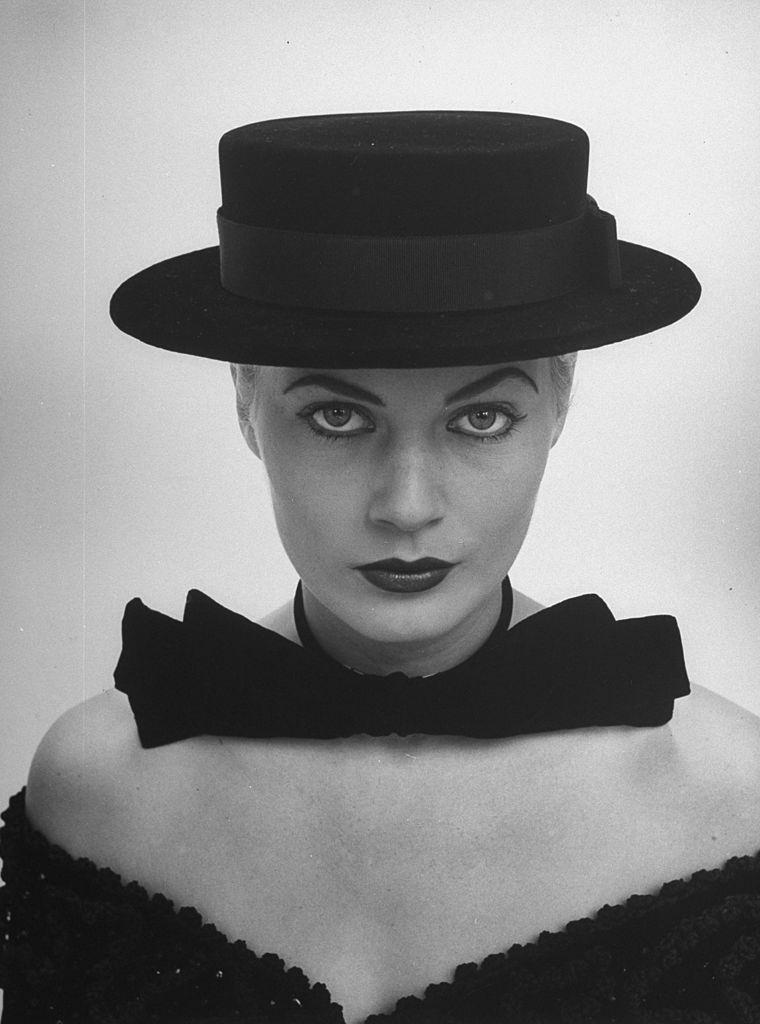
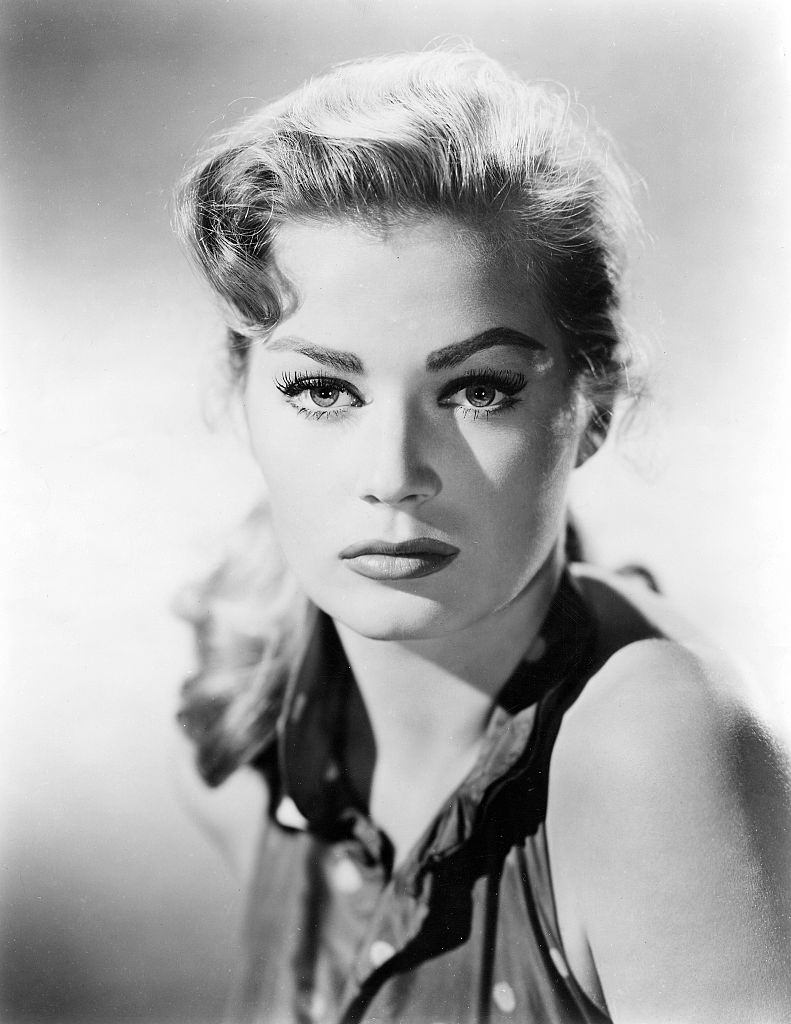

These early years in New York set the foundation for everything that followed. Ekberg’s modeling work brought her to the attention of Hollywood scouts, and the transition from runway to screen came quickly. The Hollywood Foreign Press named her the International Star of Tomorrow in 1950 — a sign that the industry already had big expectations for her.
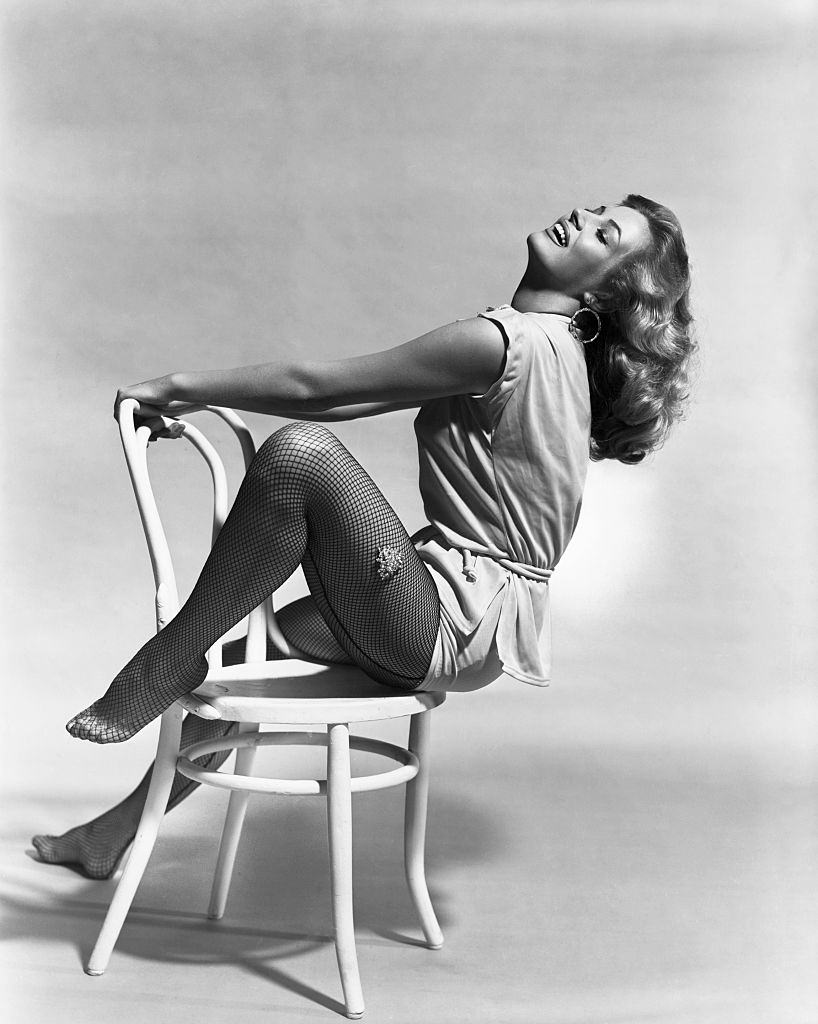
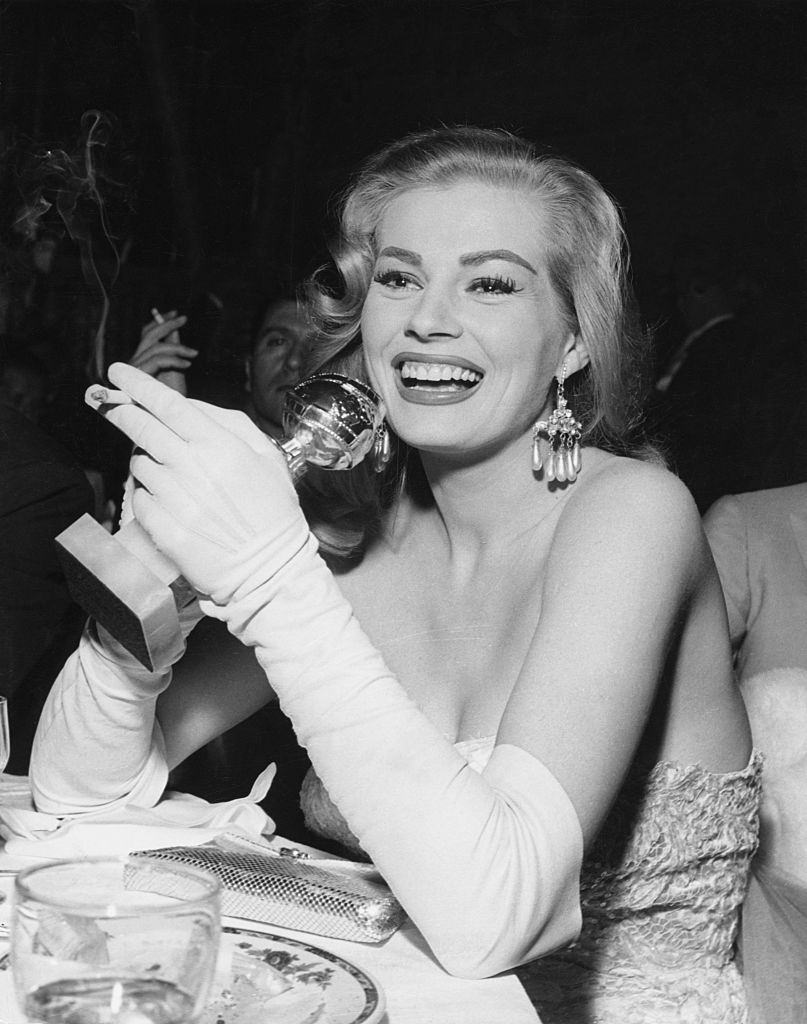
Her film debut came in 1953 with a small role as a Venusian guard in the comedy “Abbott and Costello Go to Mars.” It wasn’t a serious acting role, but it got her on screen and in front of studio executives. From there, she steadily built her filmography through the mid-1950s. She appeared in “Artists and Models” (1955) alongside Dean Martin and Jerry Lewis, and in the same year took on a role in the epic war film “War and Peace” alongside Henry Fonda and Mel Ferrer.
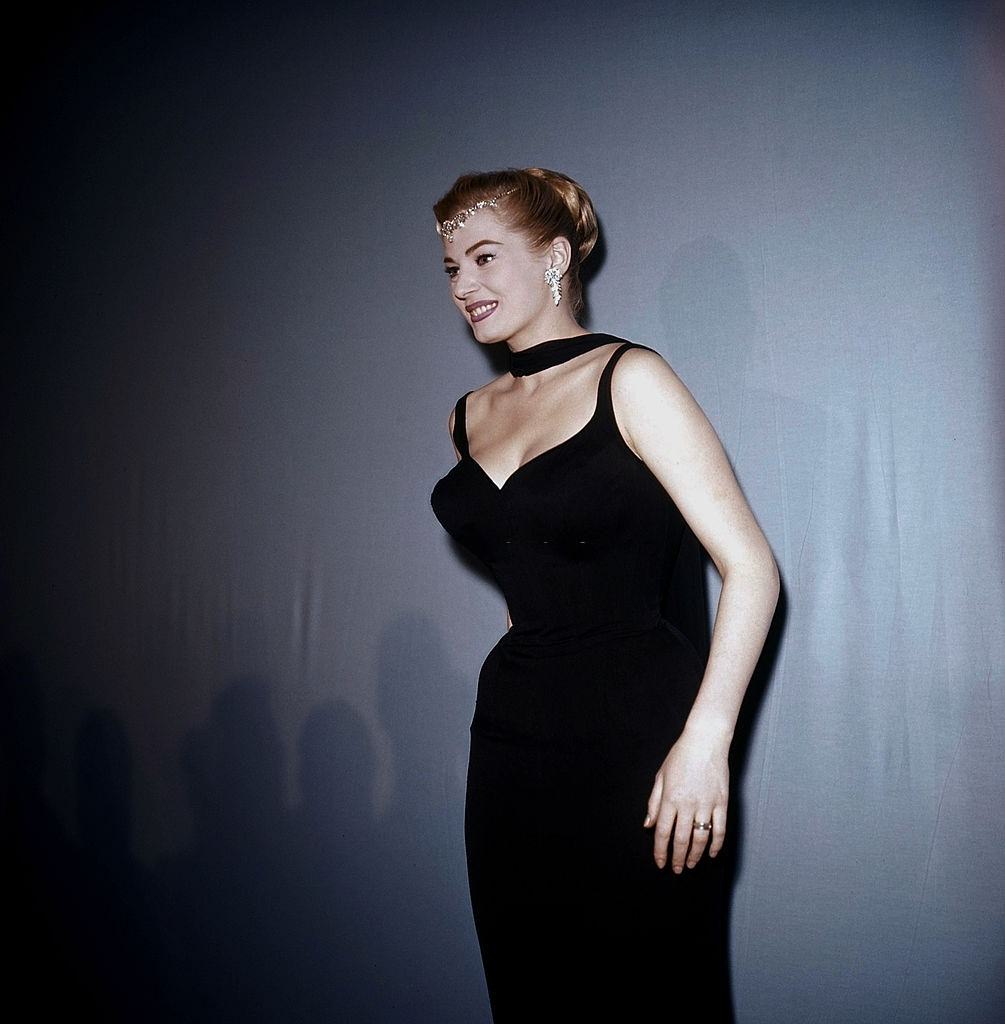
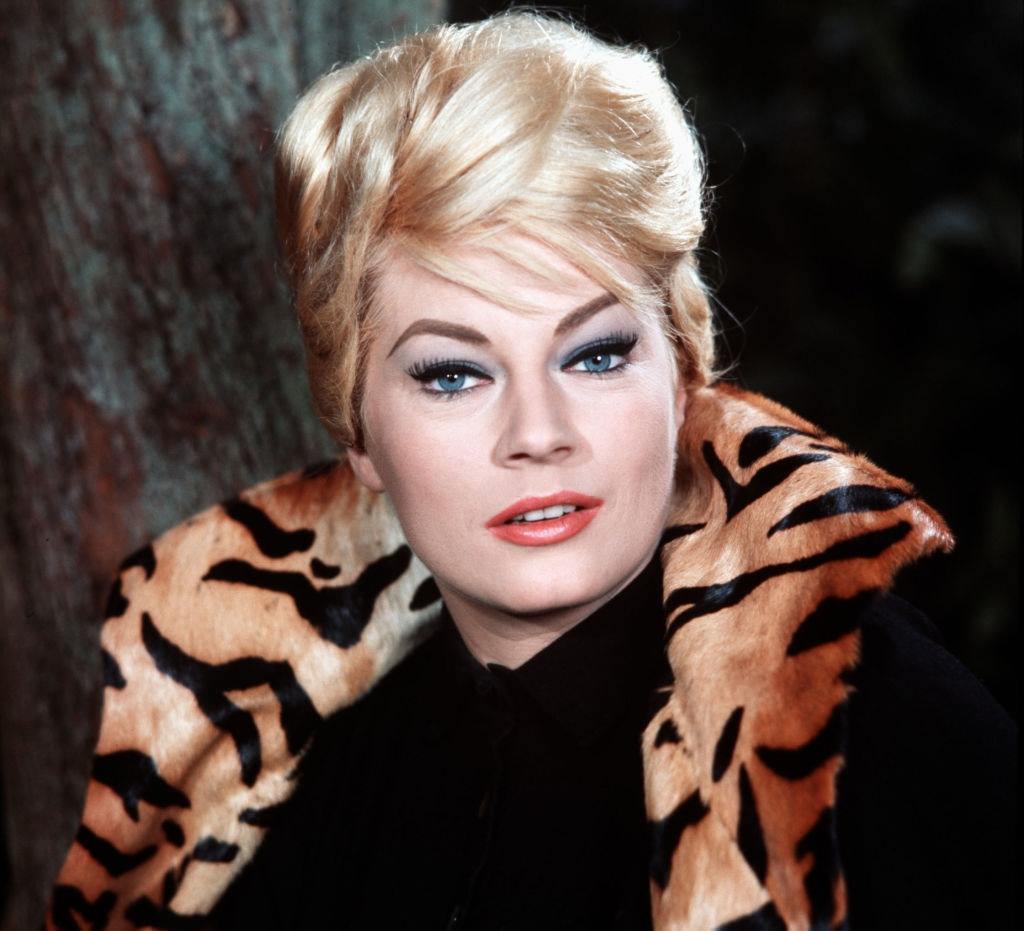
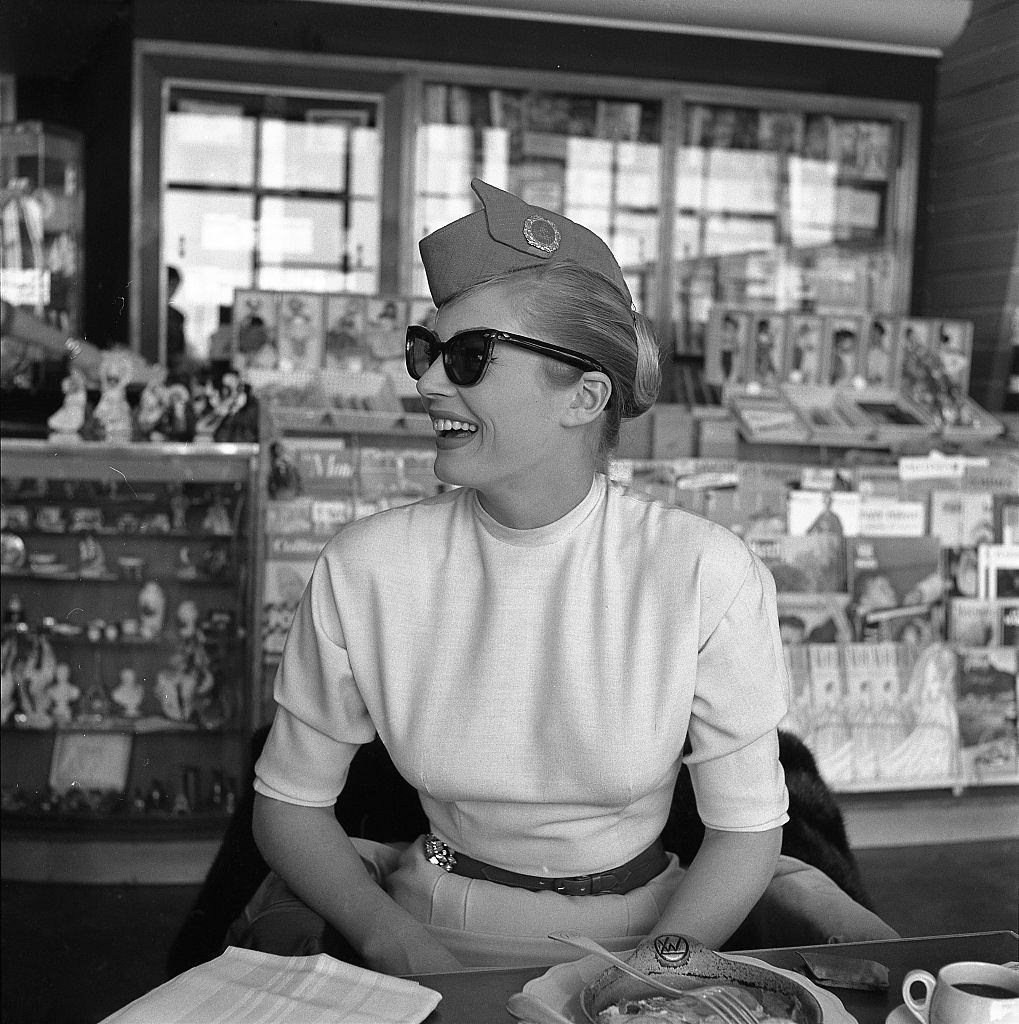
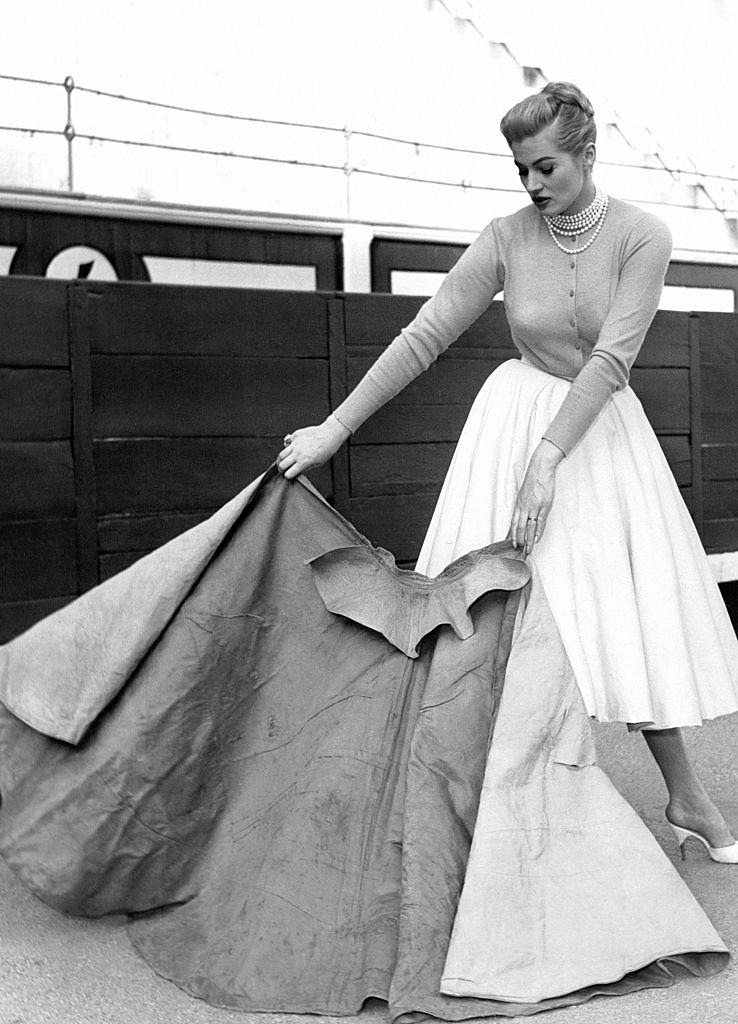
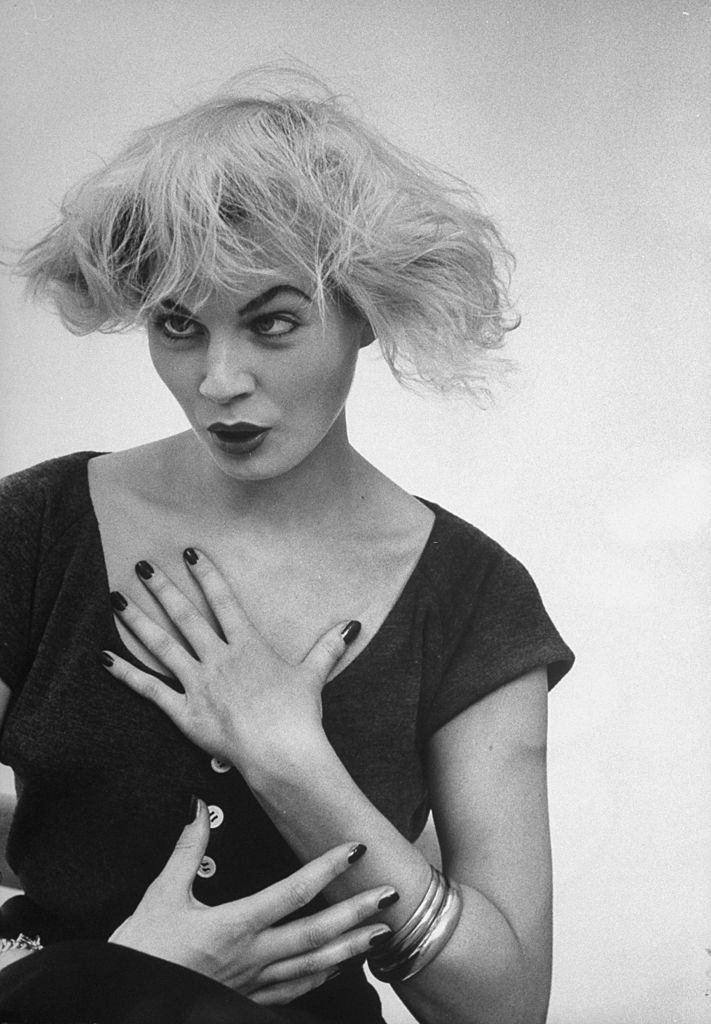
The second half of the 1950s saw Ekberg spending more time in Europe, particularly in Italy and Spain. She filmed “Zarak” (1956) in Morocco and appeared in “Back from Eternity” (1956), a survival drama in which she played a character named Rena. She was also cast in the 1955 television adaptation of “Casablanca,” taking on a role in the series that gave Humphrey Bogart’s classic story a new format for the small screen.
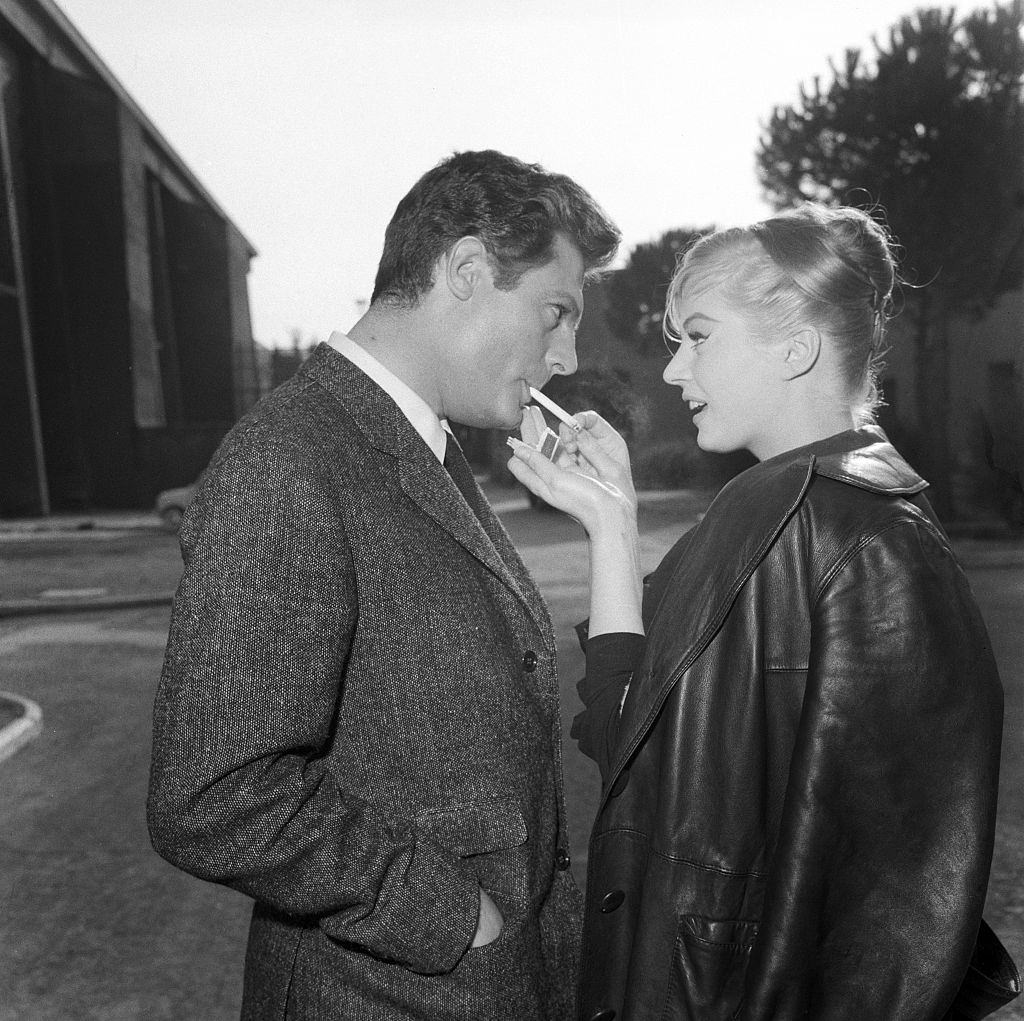
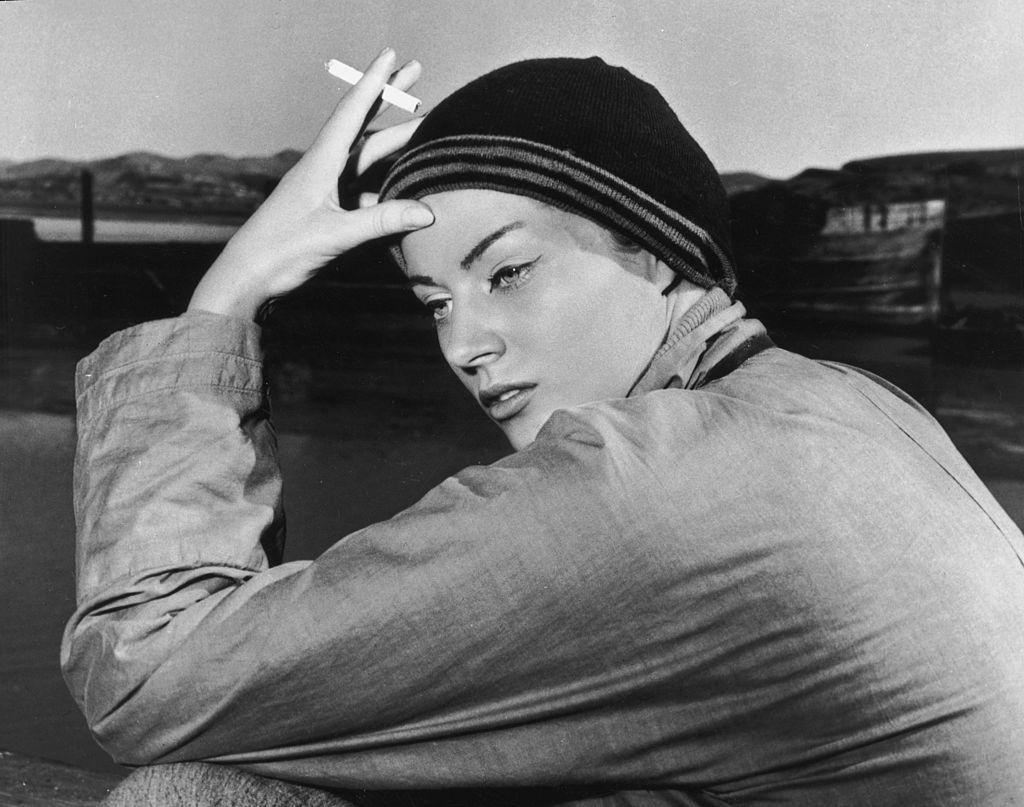
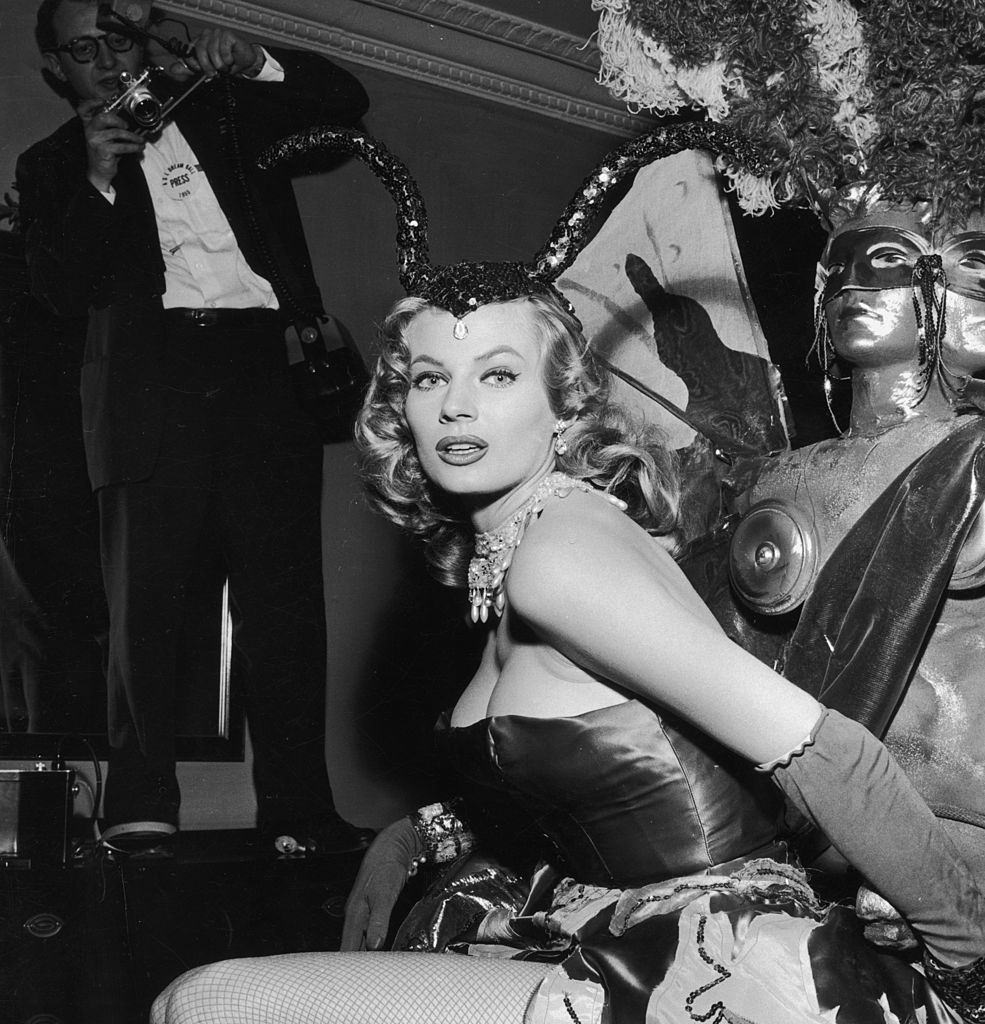
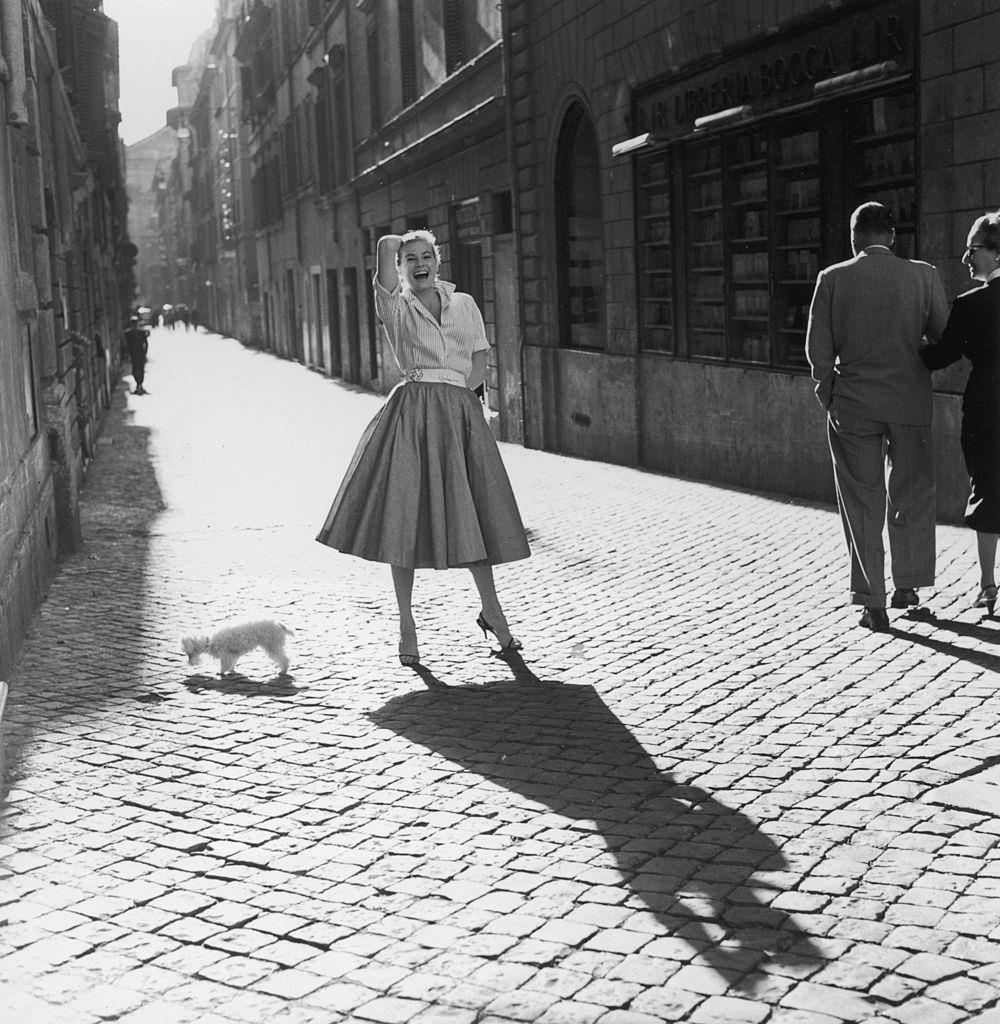
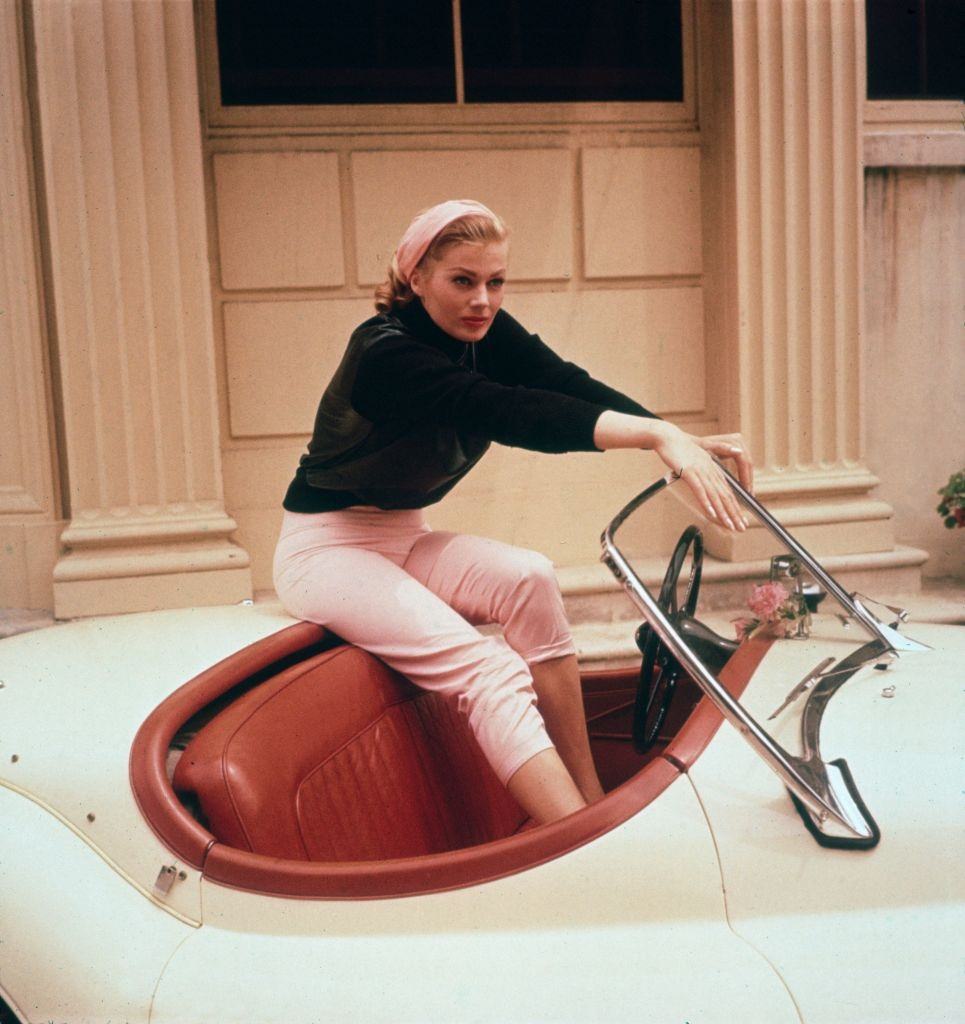
In 1956, Ekberg married British actor Anthony Steel. The two had met while both were working in European productions and quickly became one of the most photographed couples in the international press. Their marriage lasted three years before they divorced in 1959. During this period, Ekberg also had widely reported romantic connections with some of the biggest names in Hollywood, including Frank Sinatra, Gary Cooper, Tyrone Power, Rod Taylor, Yul Brynner, and Errol Flynn.
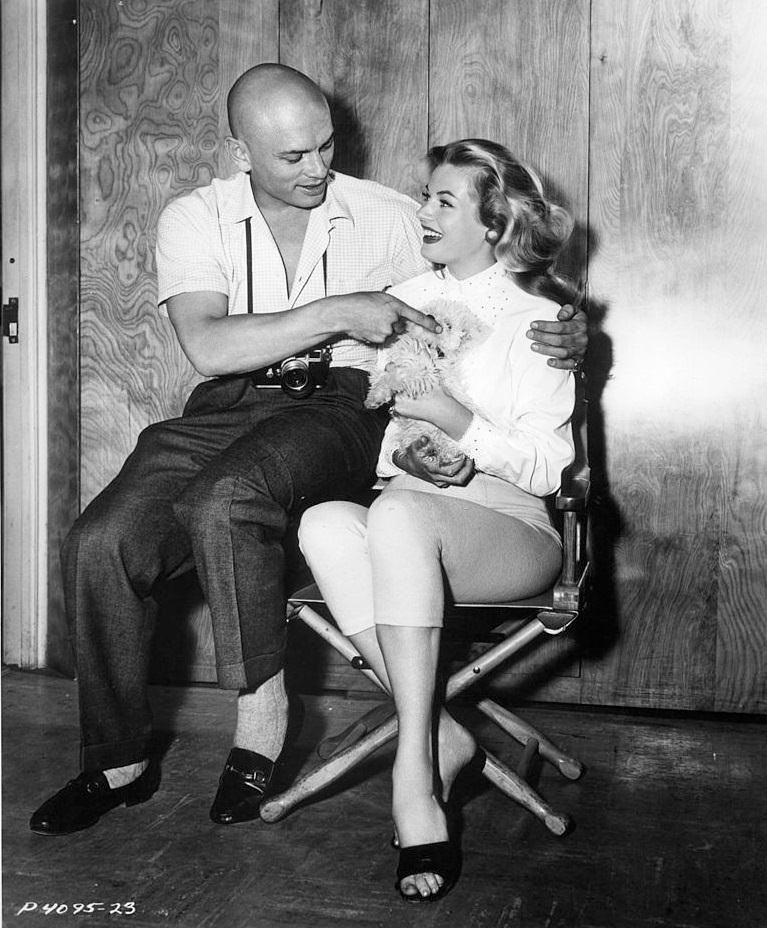
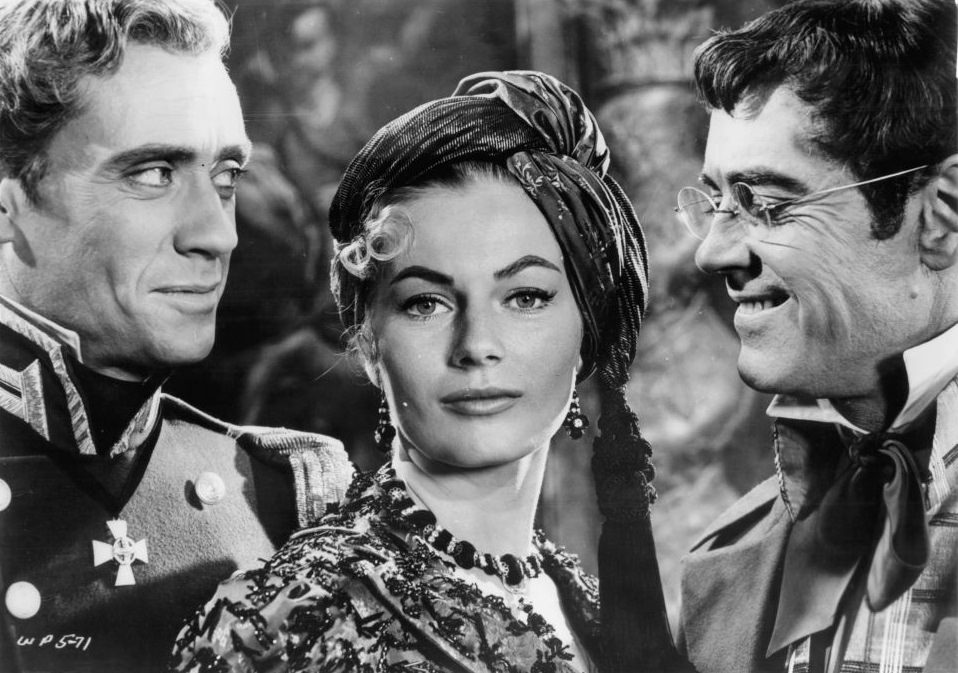
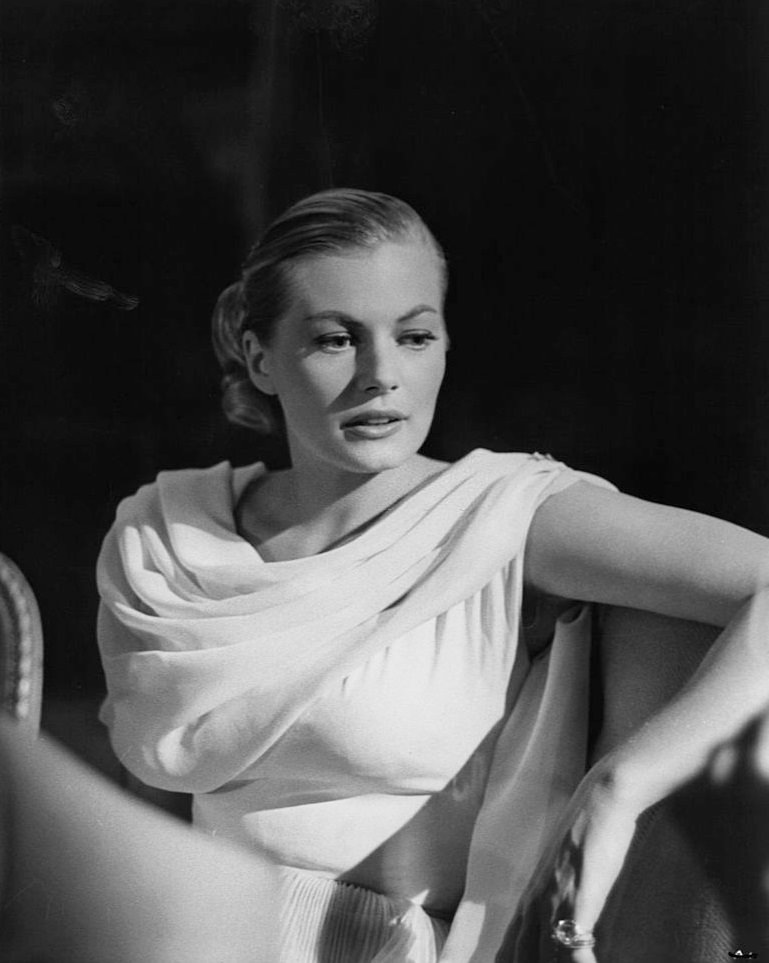
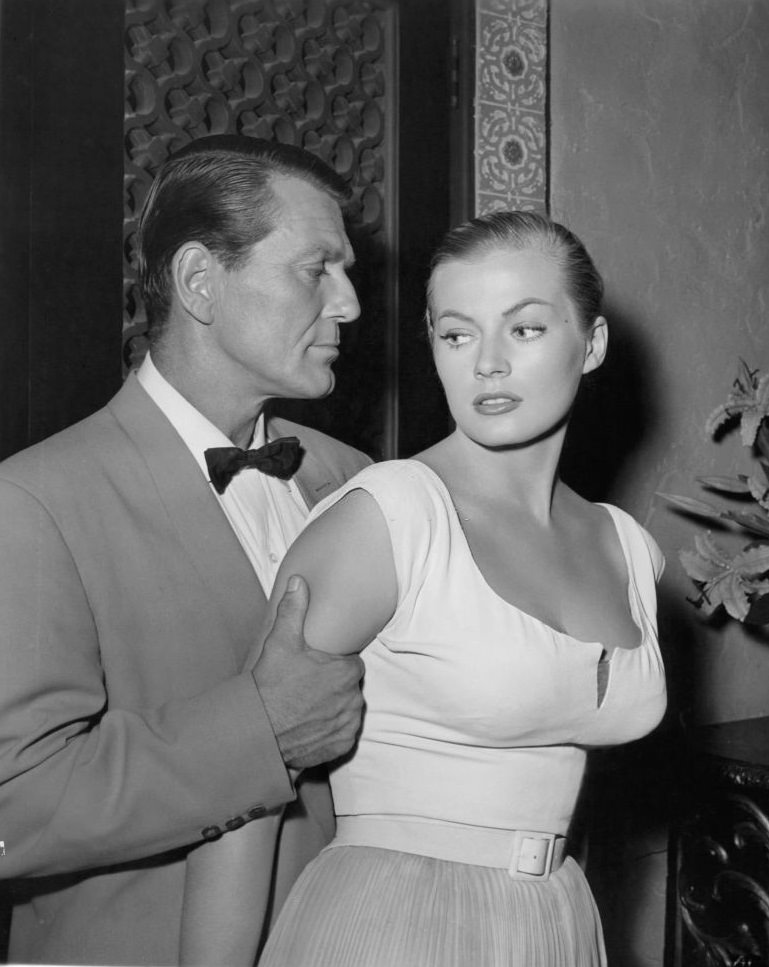
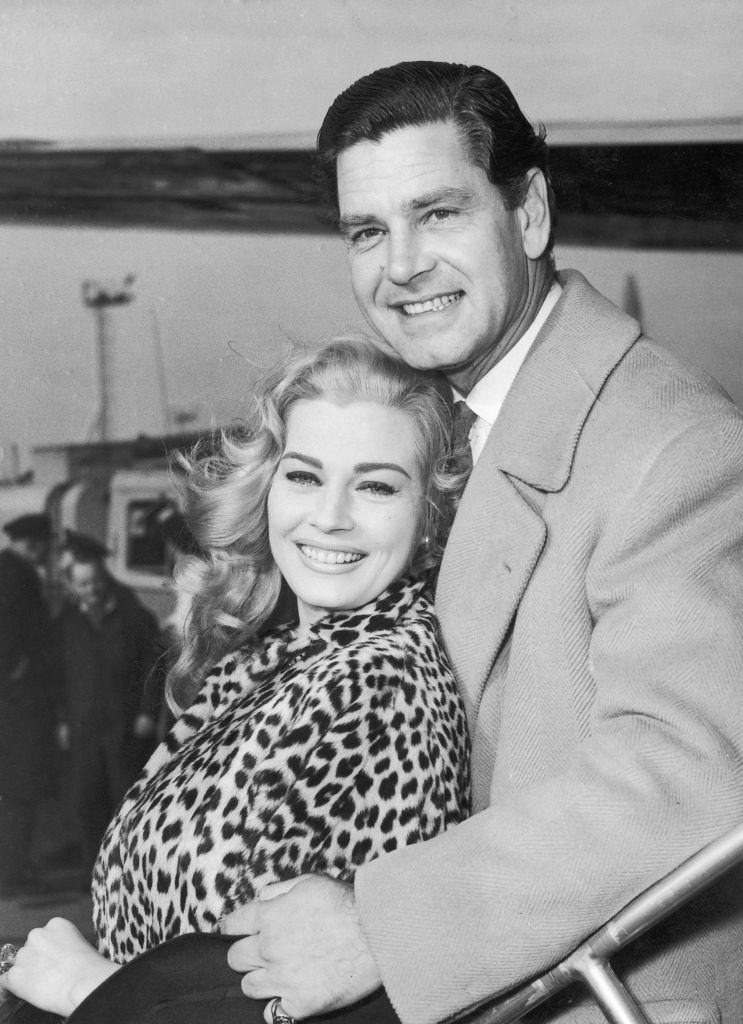
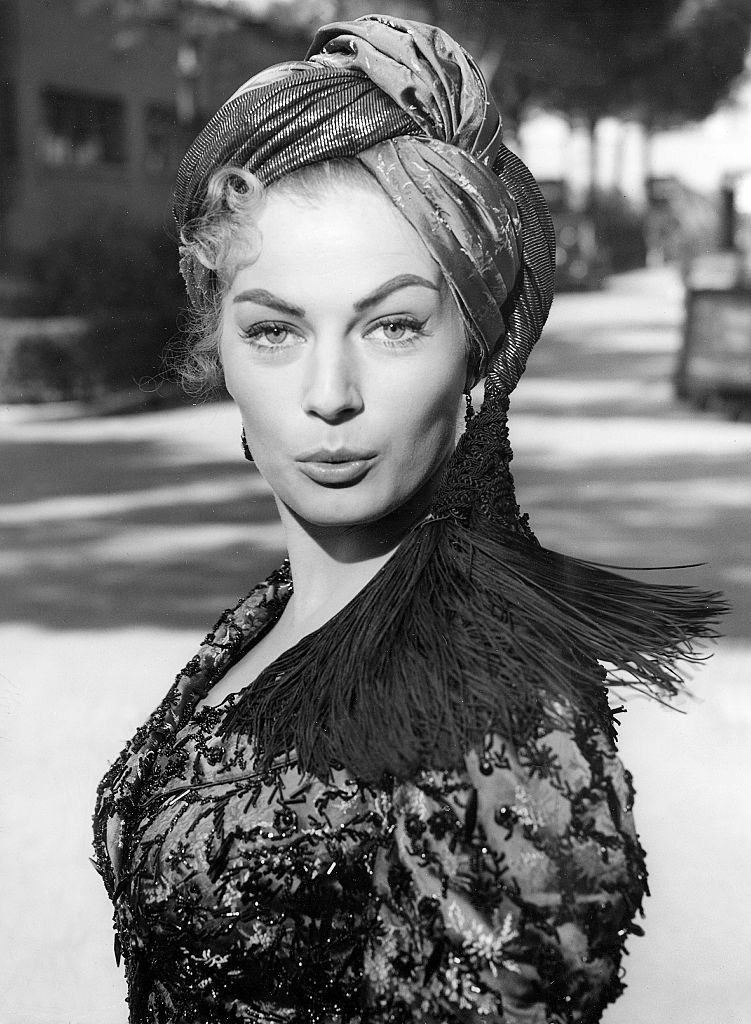
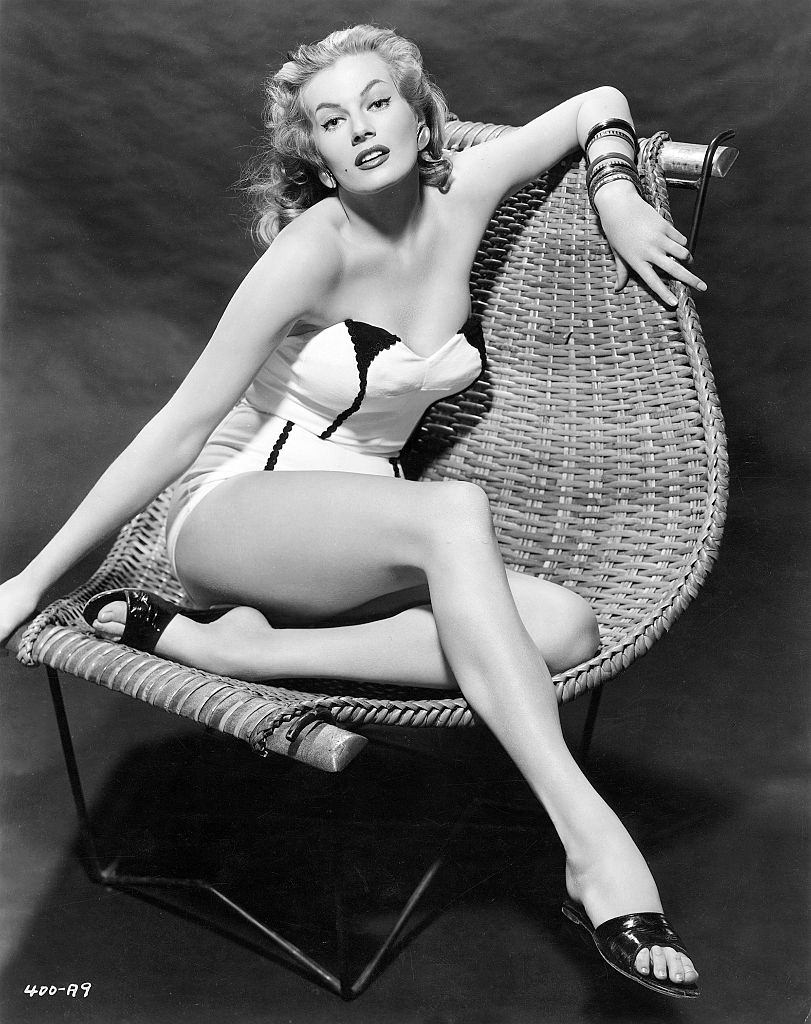
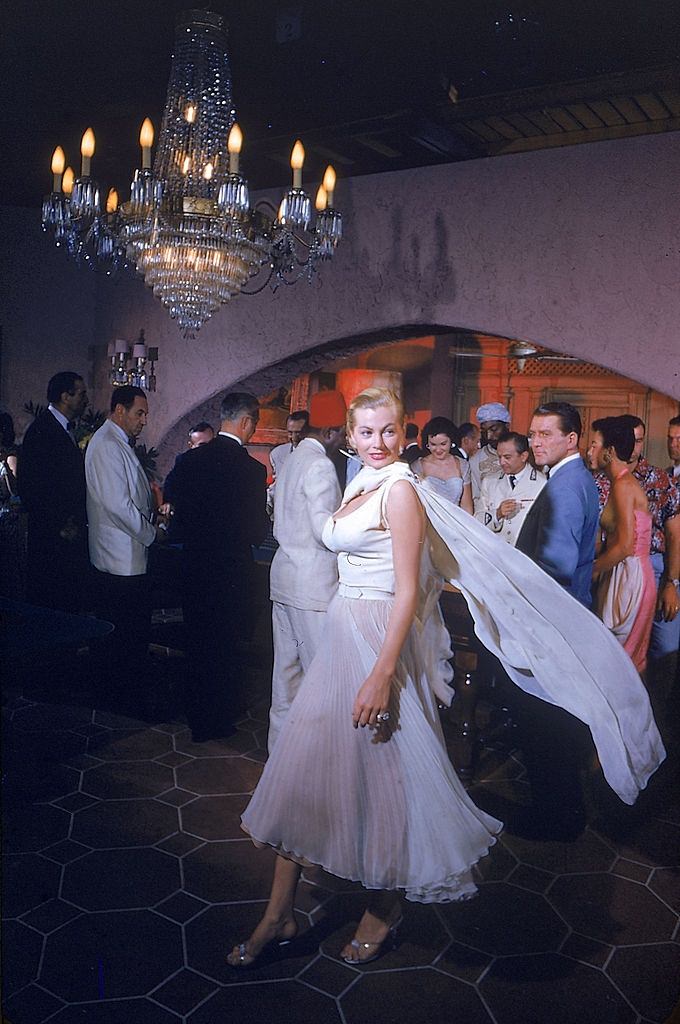
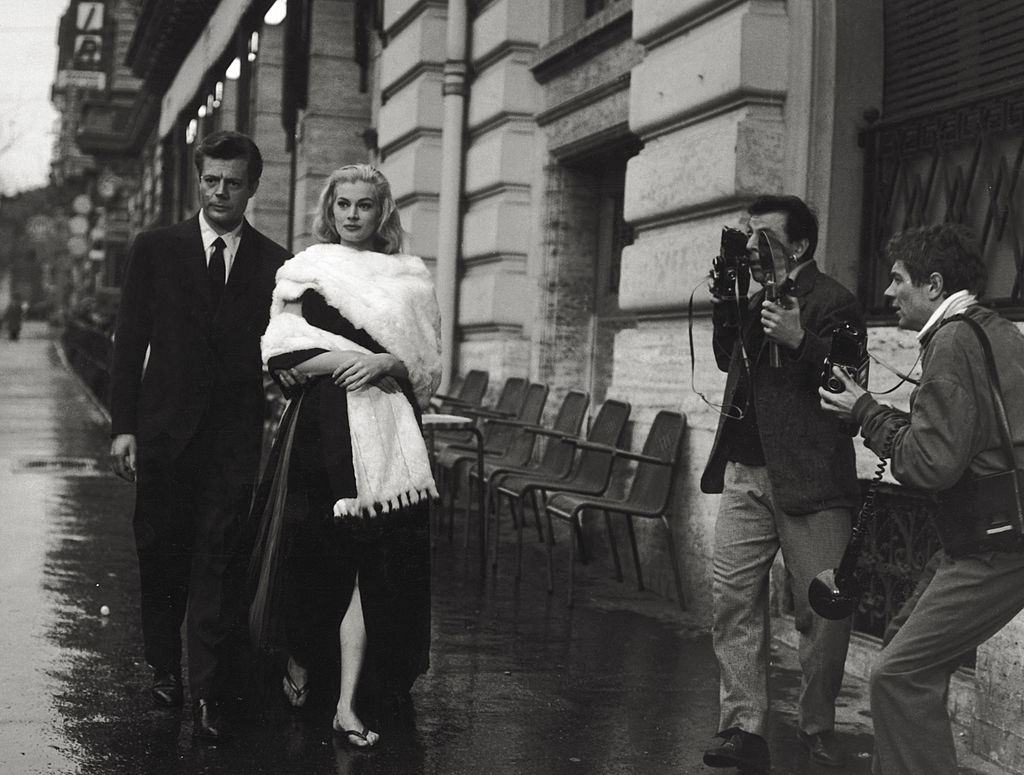
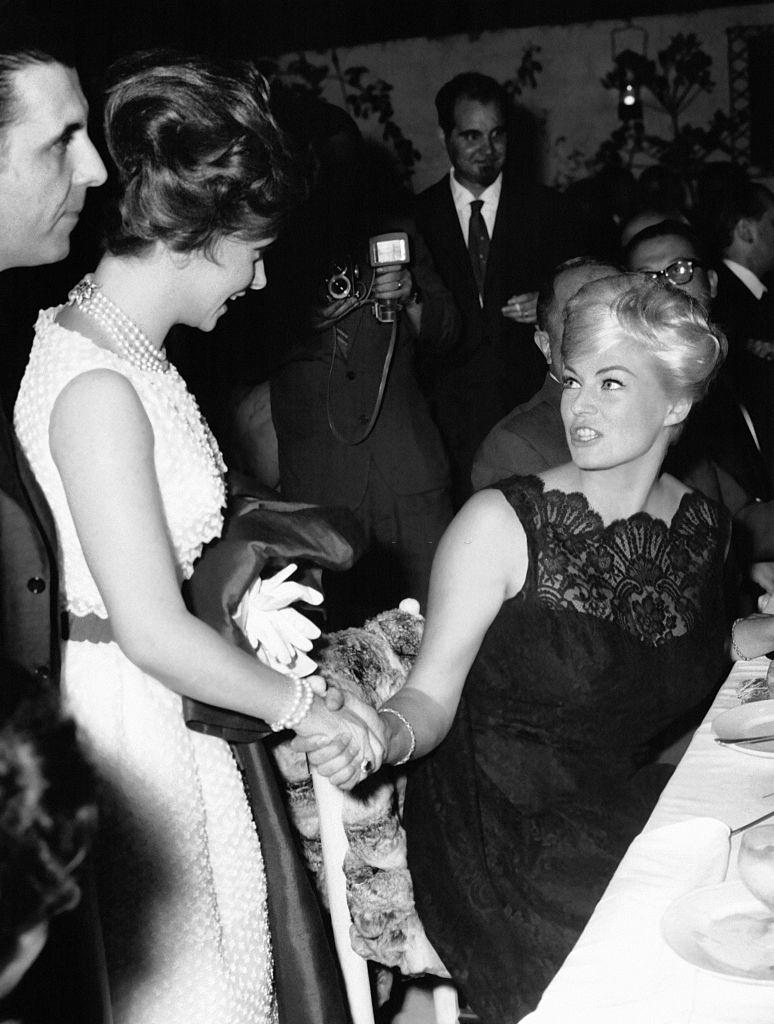
By the late 1950s, Ekberg had made Rome her base. She walked through the city’s streets and attended events at its grand hotels with a natural confidence that made her a regular subject for the Italian paparazzi. She was spotted at the Cannes Film Festival in 1957, attended press galas, and became a fixture of the European celebrity circuit. Rome embraced her, and she embraced it right back.
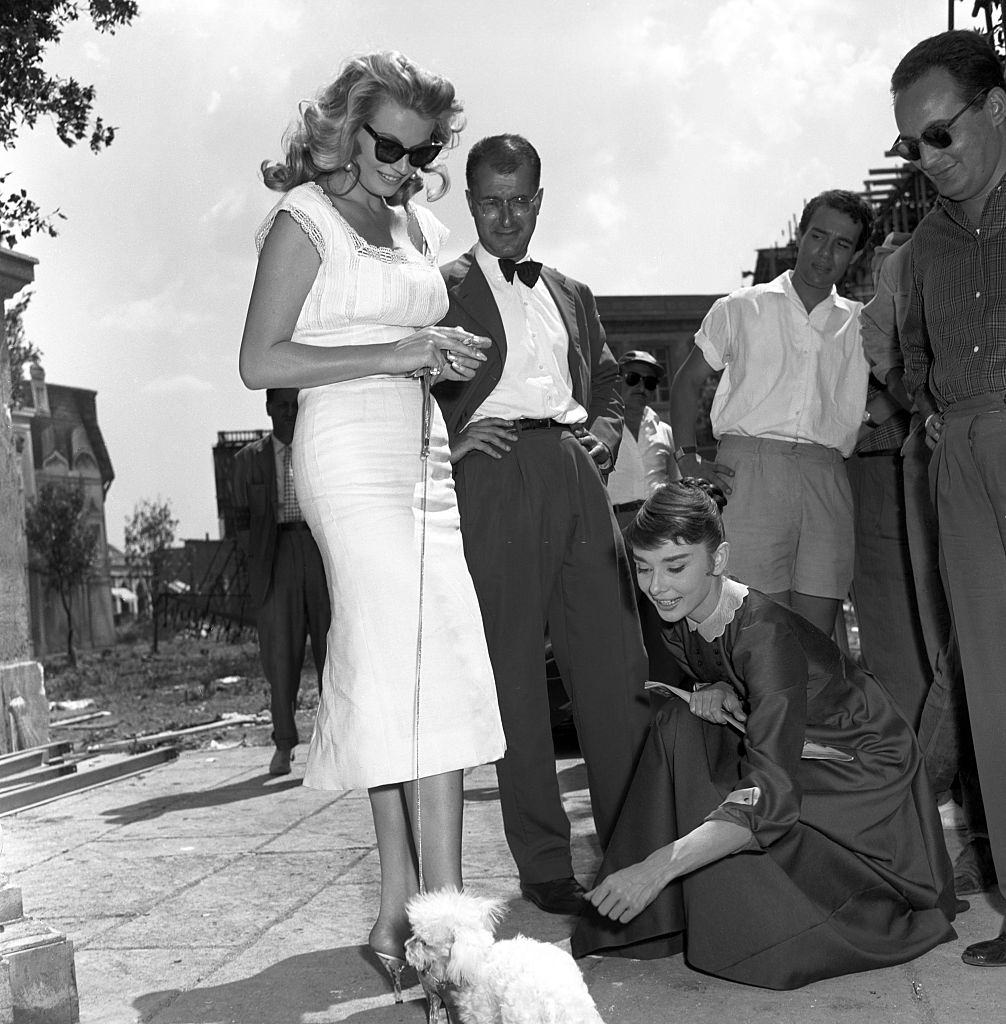
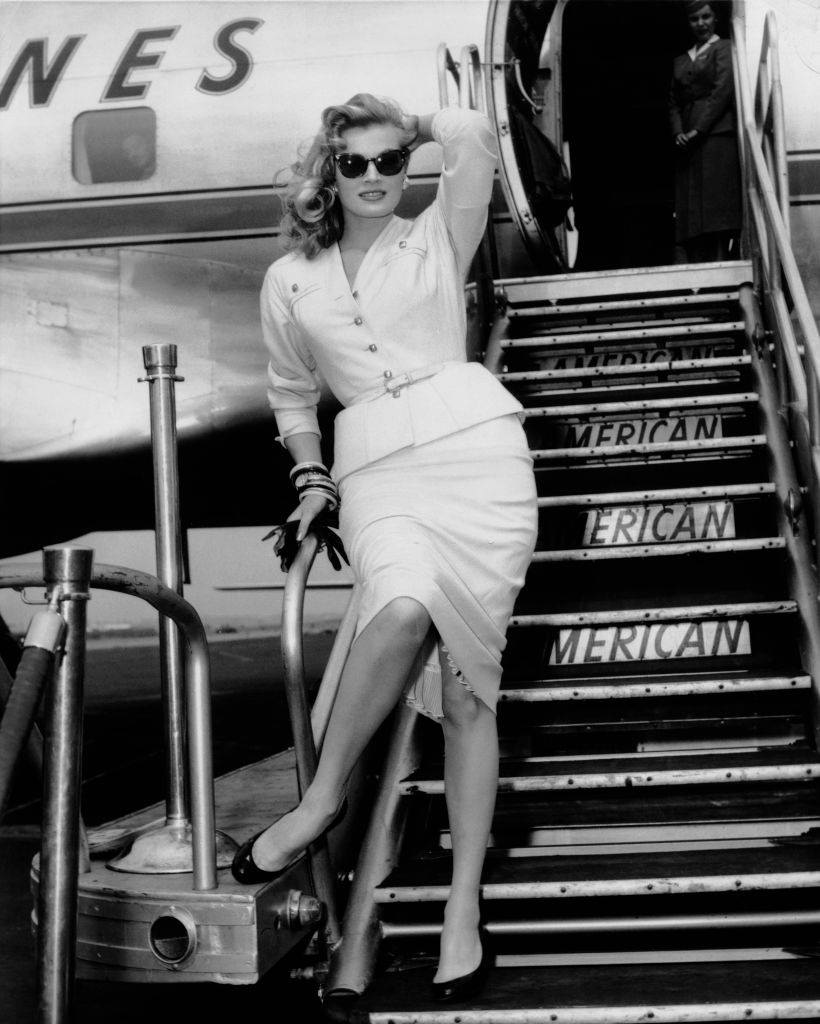
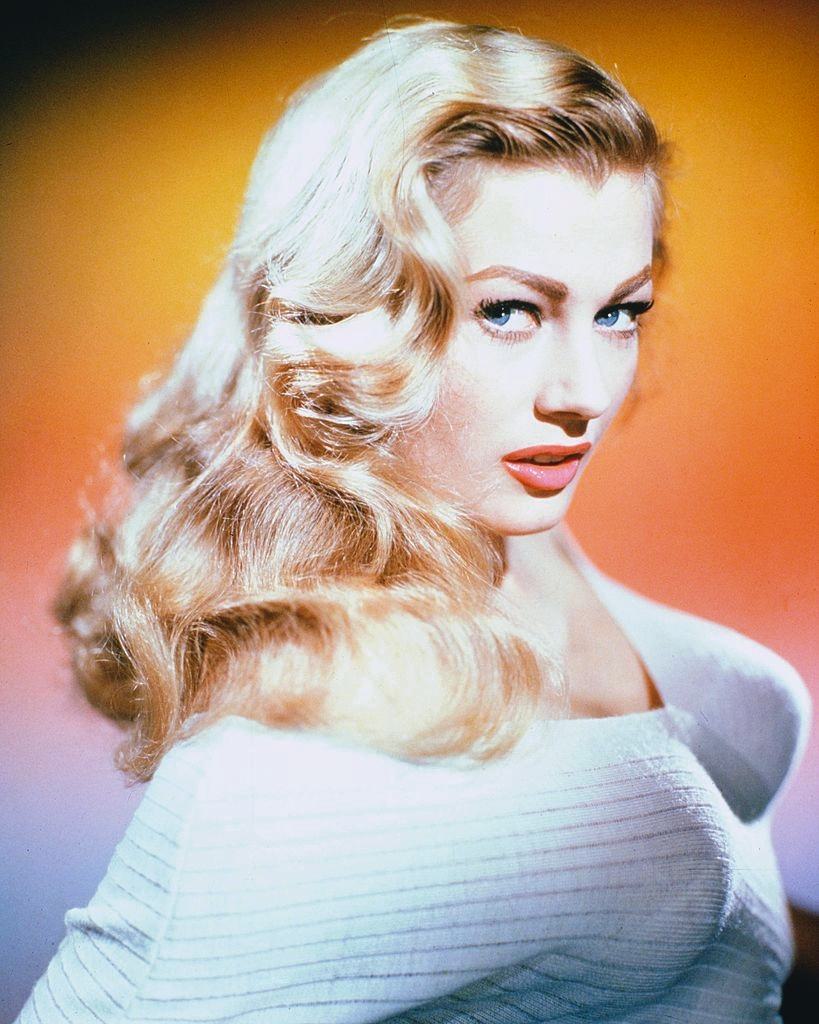
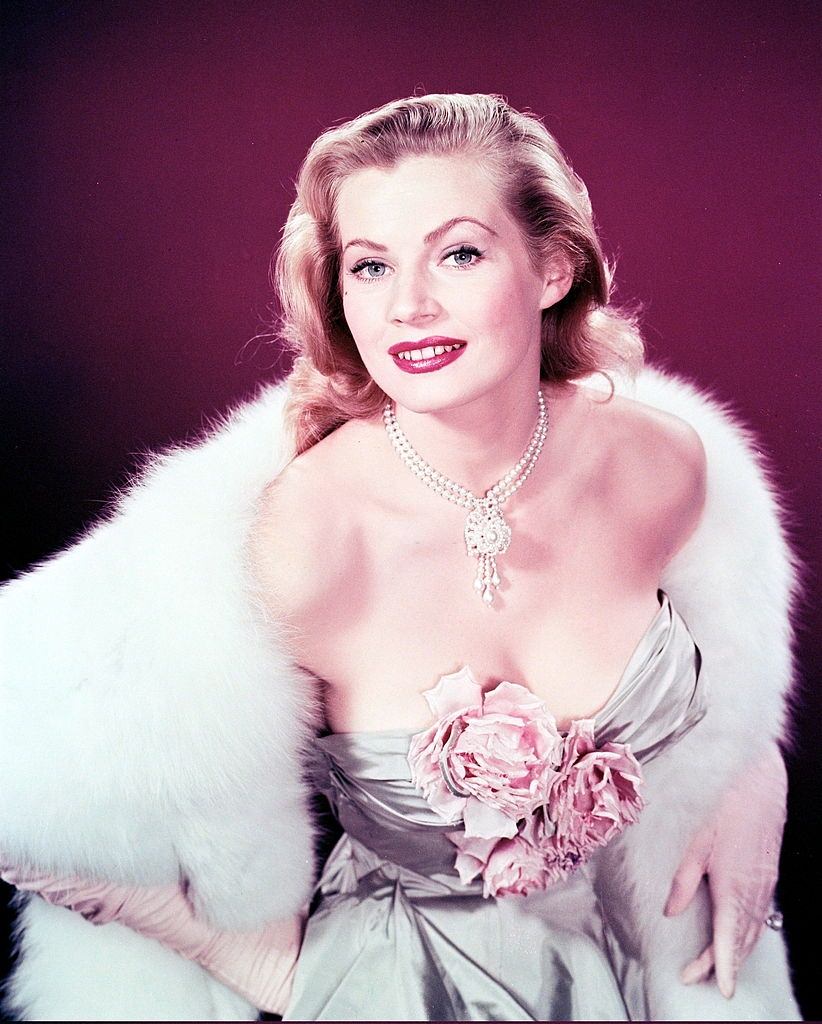
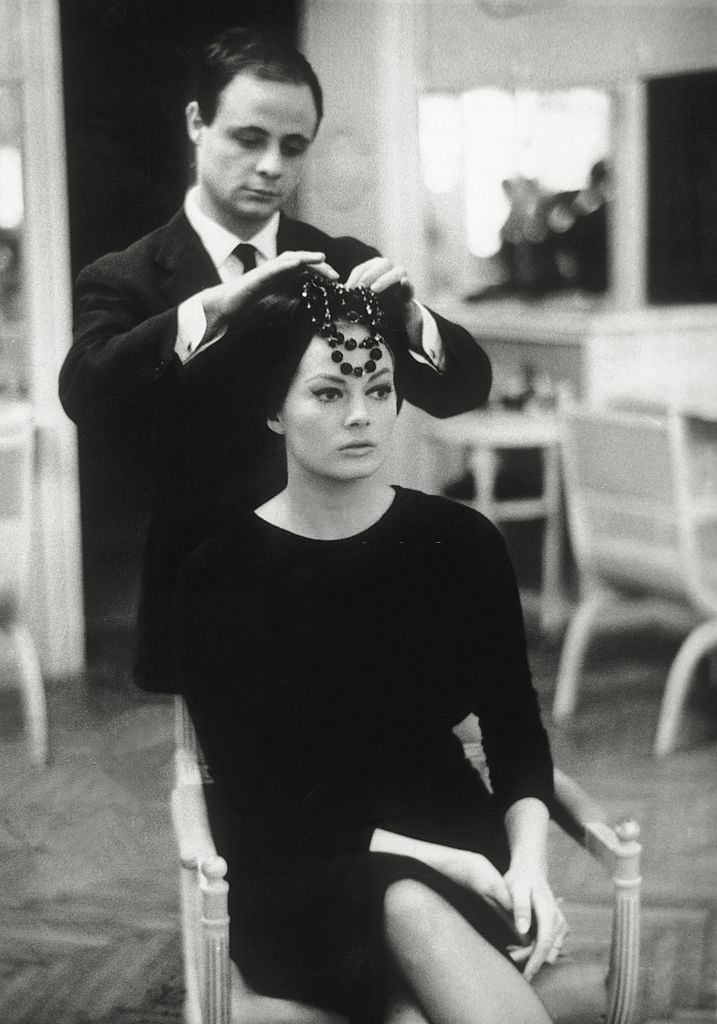
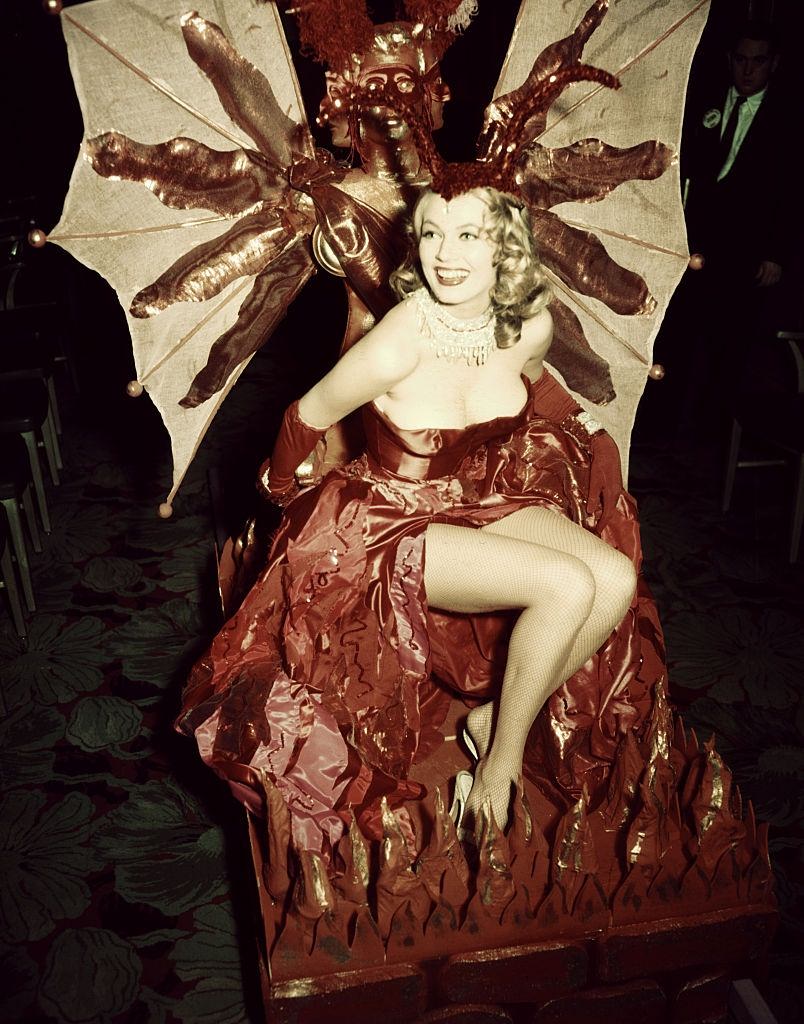
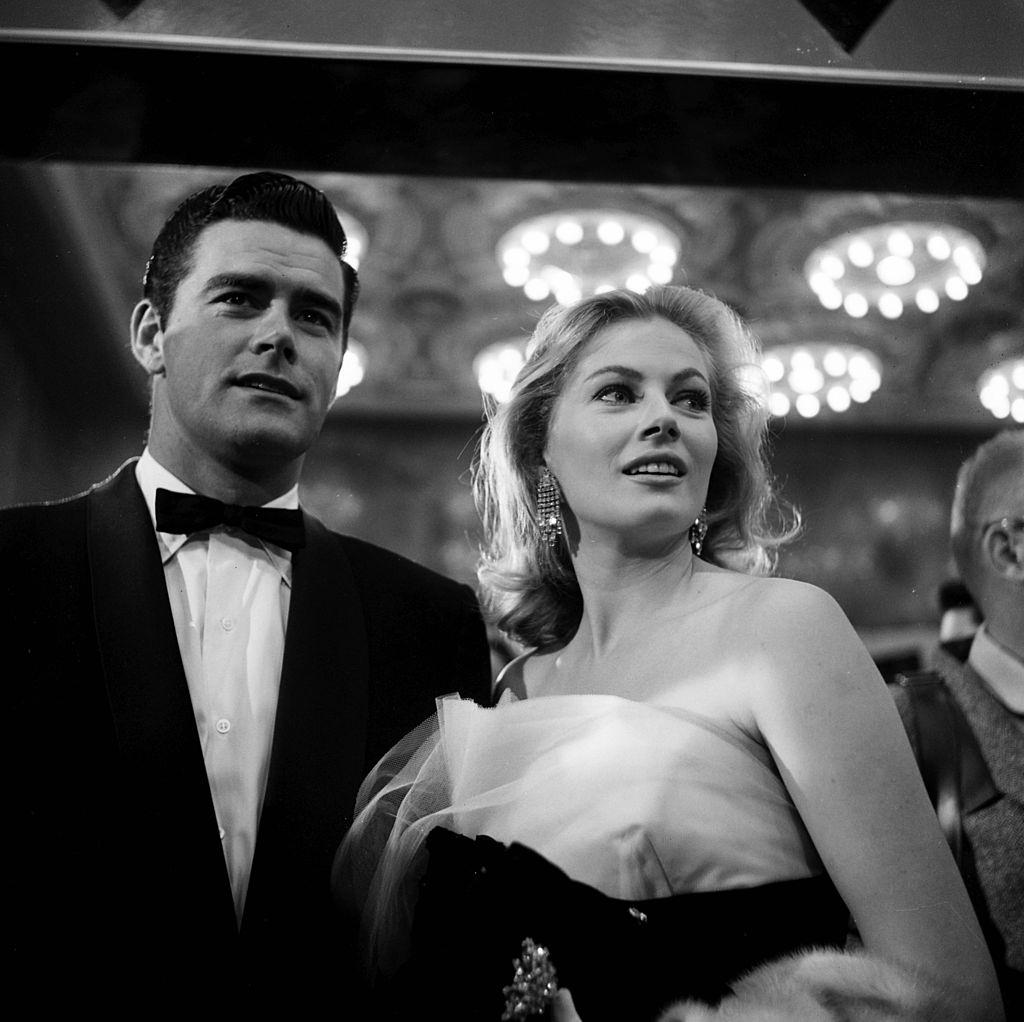
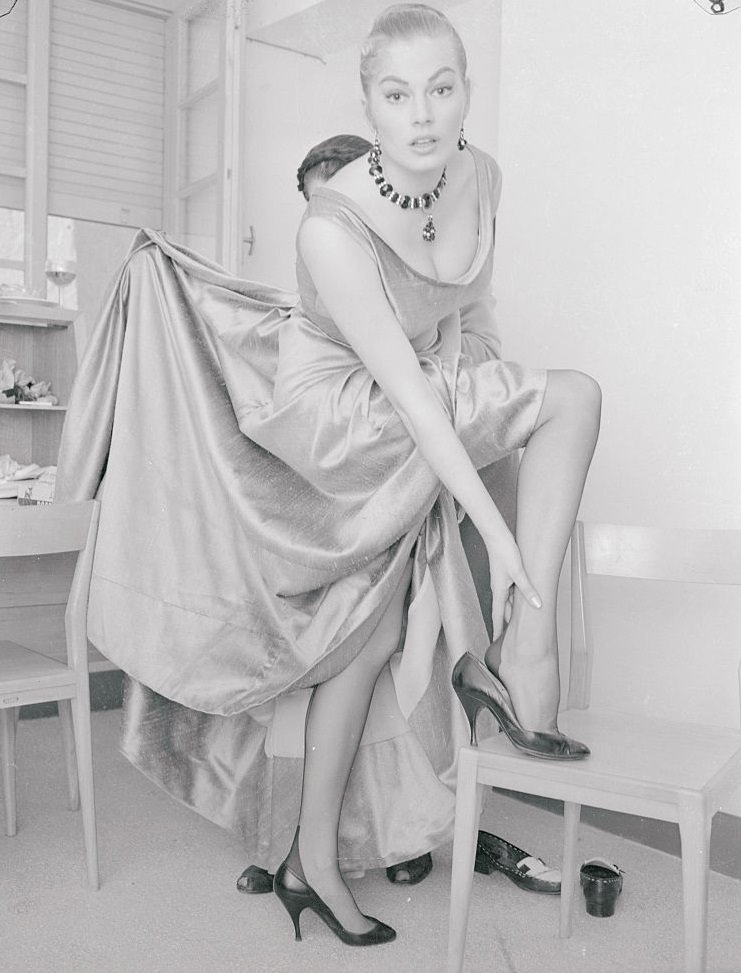
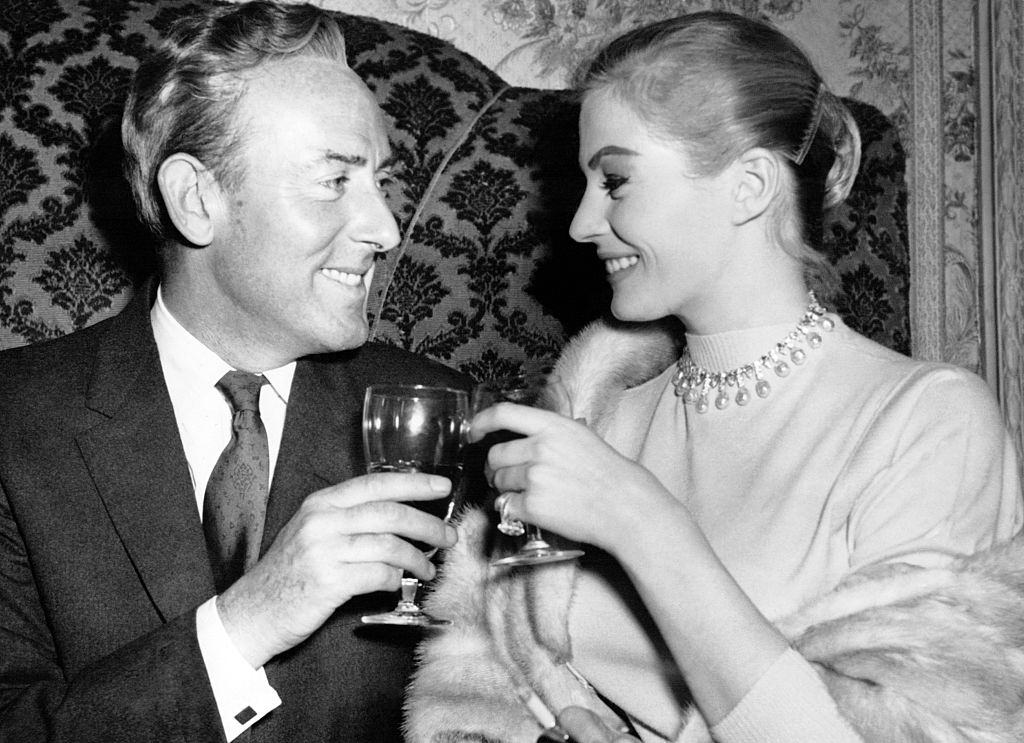
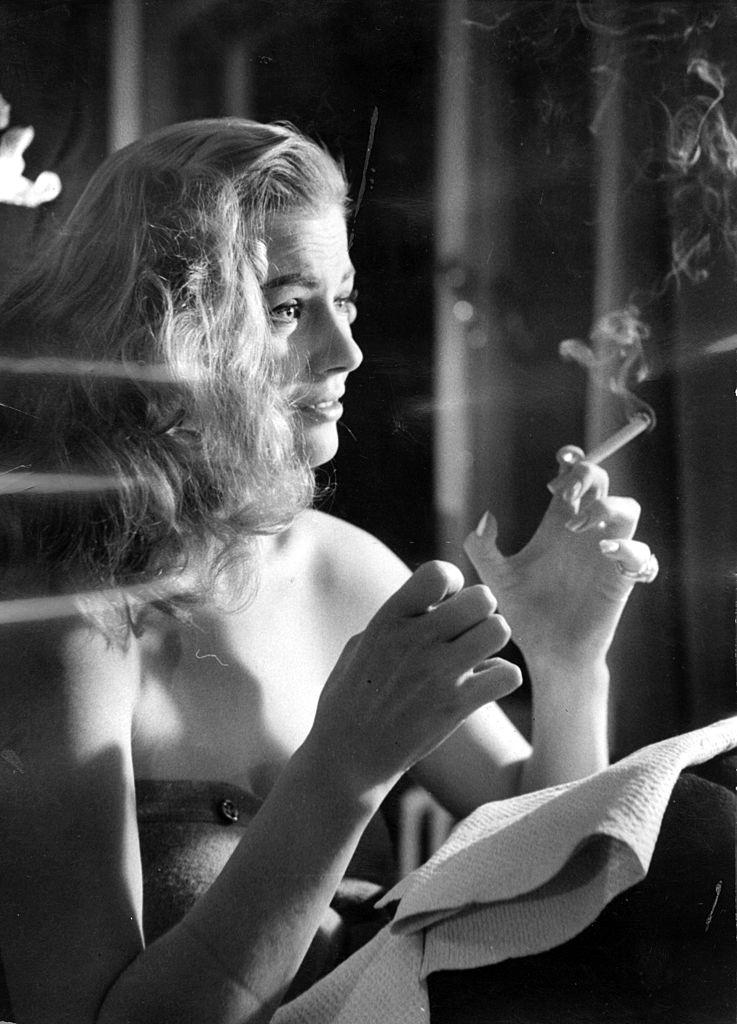
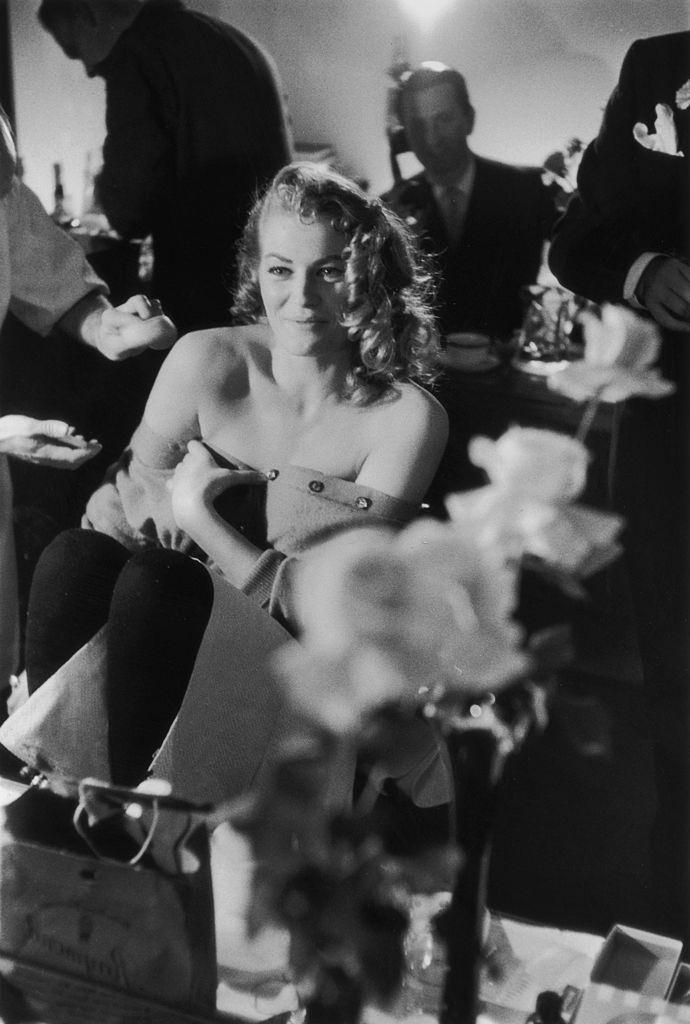
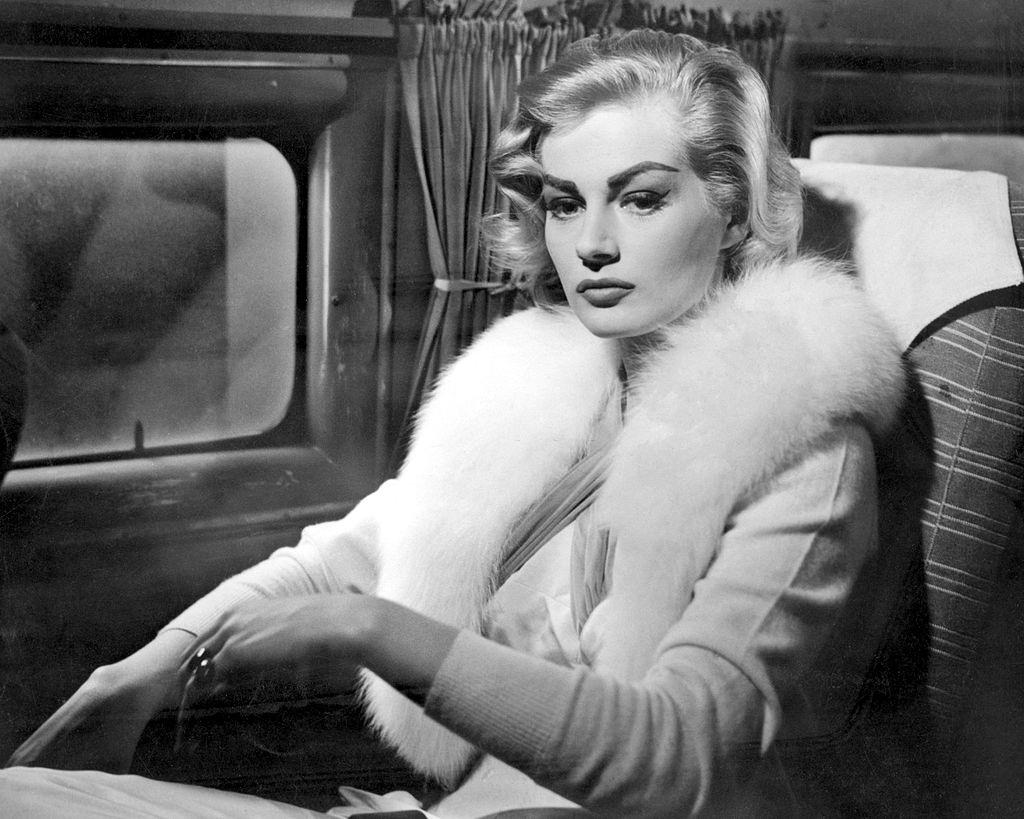
Then came the role that defined her career. Director Federico Fellini cast Ekberg as Sylvia in “La Dolce Vita” (1960), an Italian art film that depicted the decadent and chaotic lives of Rome’s upper class. The scene where Sylvia wades into the Trevi Fountain in an evening gown — with actor Marcello Mastroianni following her — became one of the most iconic images in cinema history. Ekberg didn’t just play the role; she embodied it. The film won the Palme d’Or at Cannes and cemented her status as a global icon.
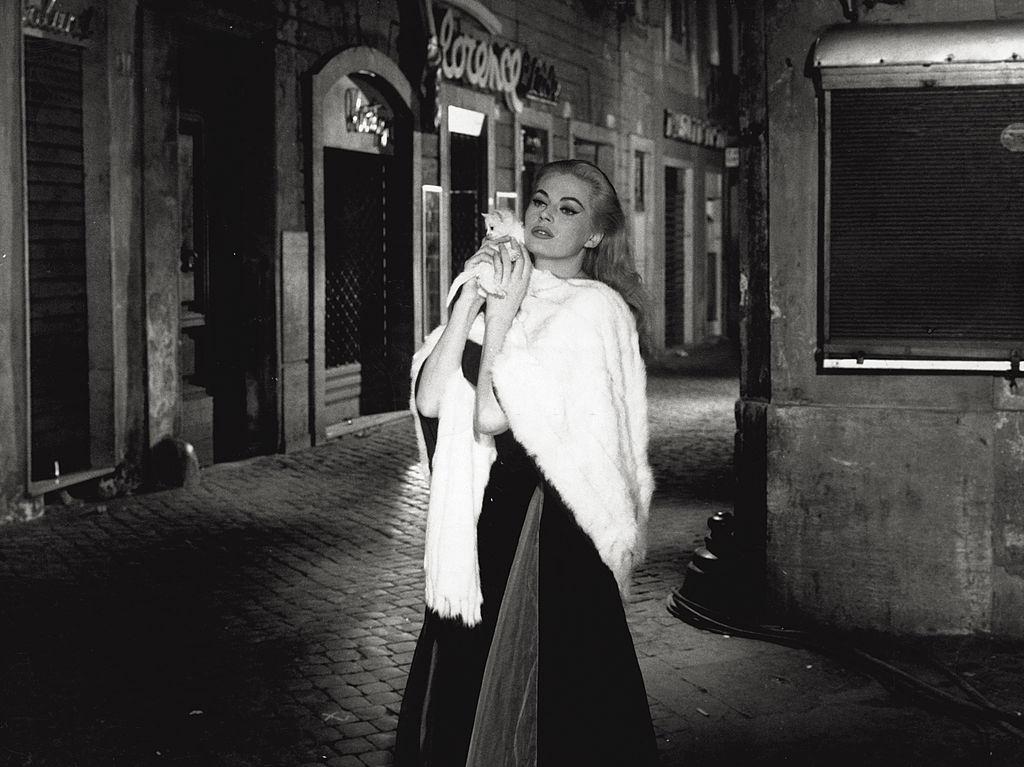
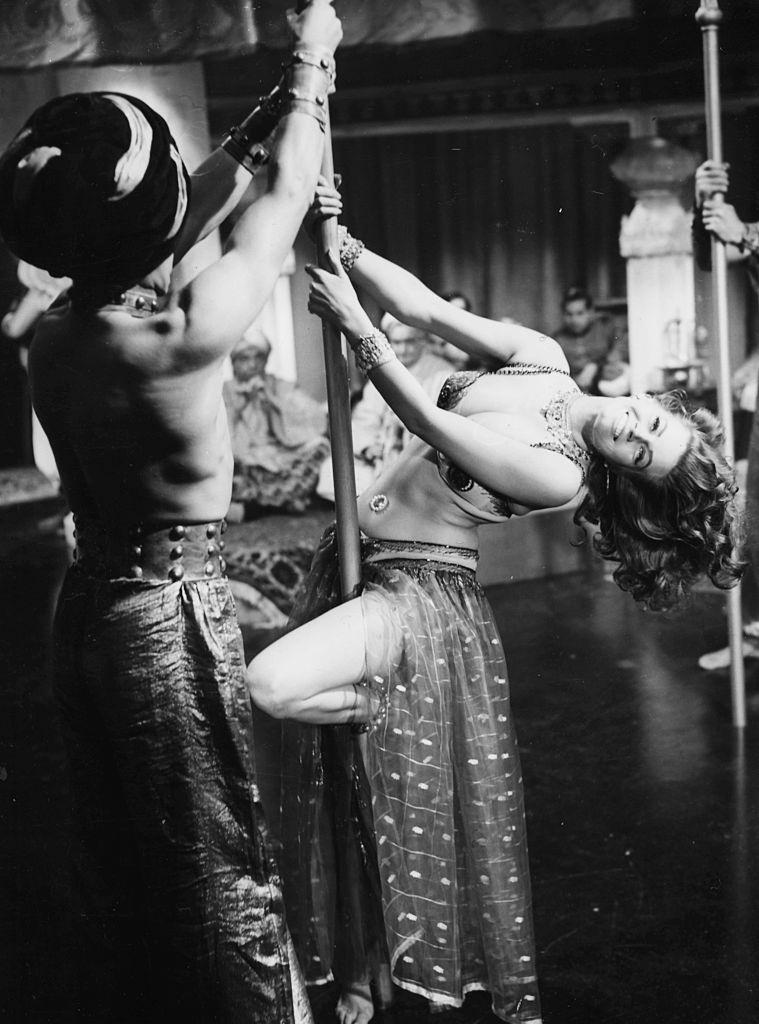
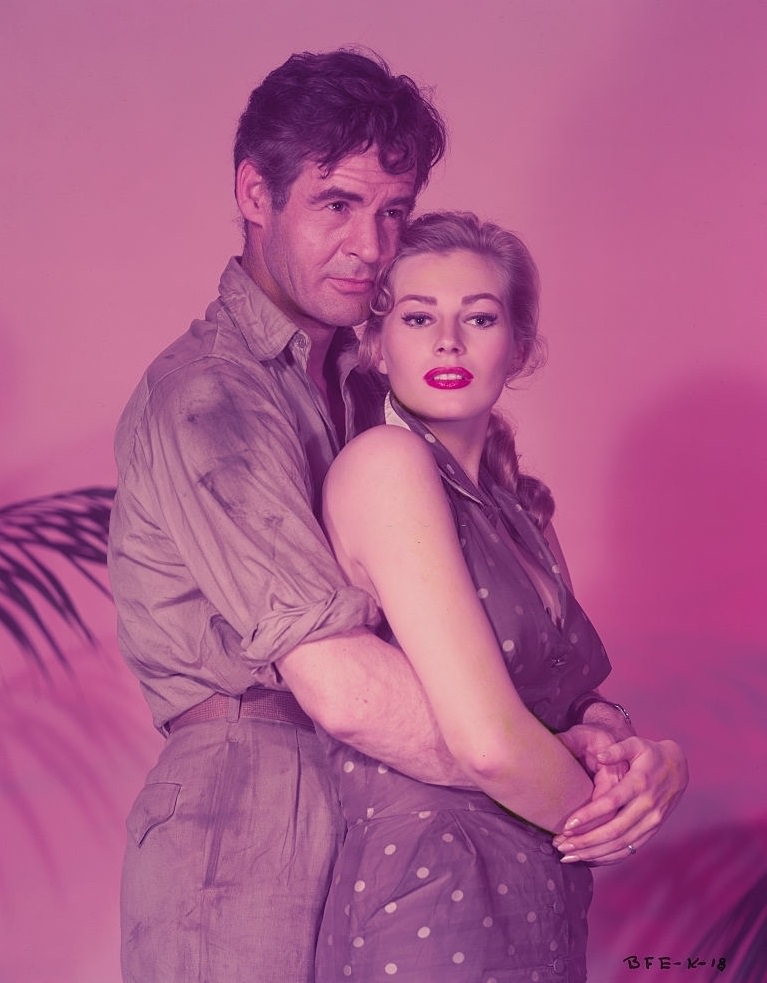
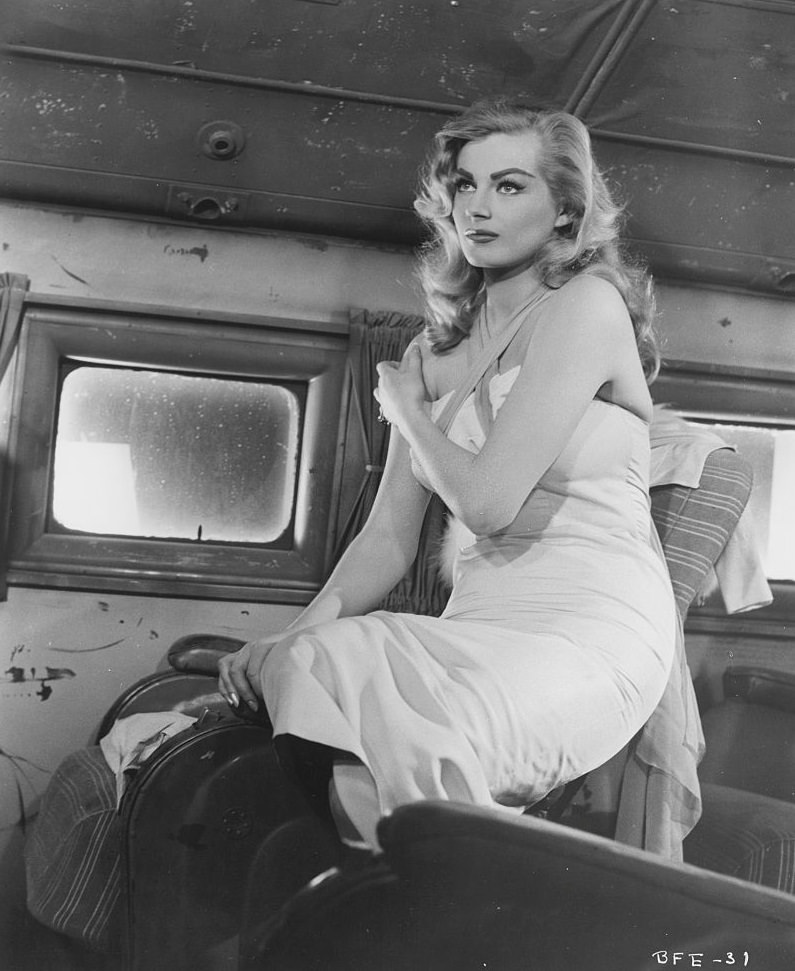
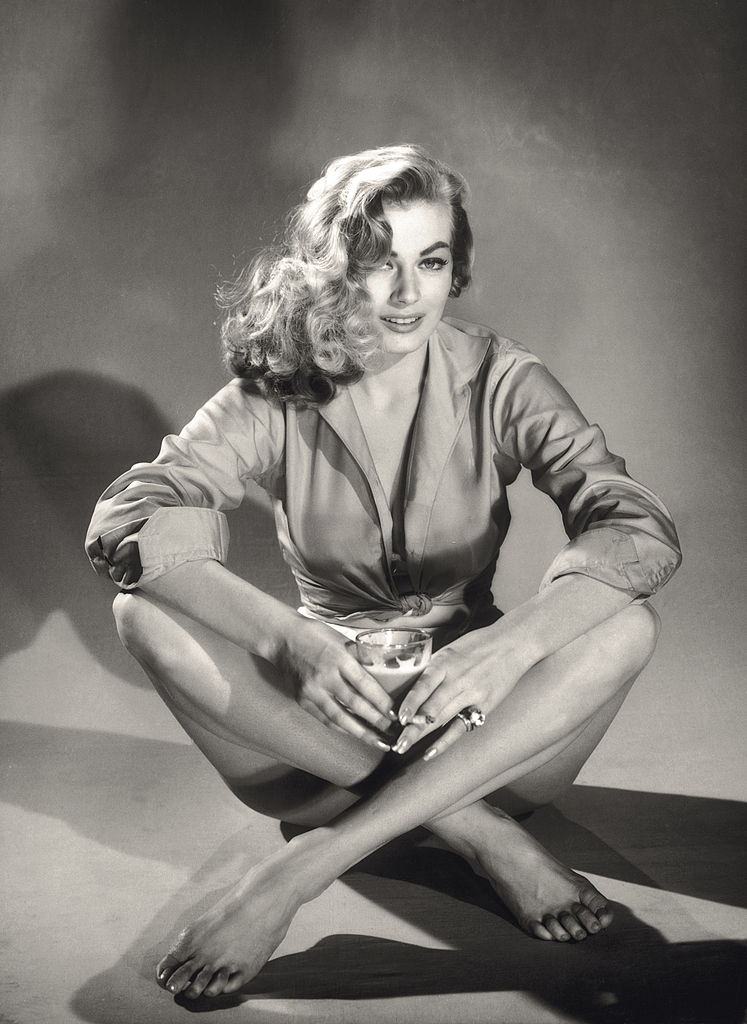
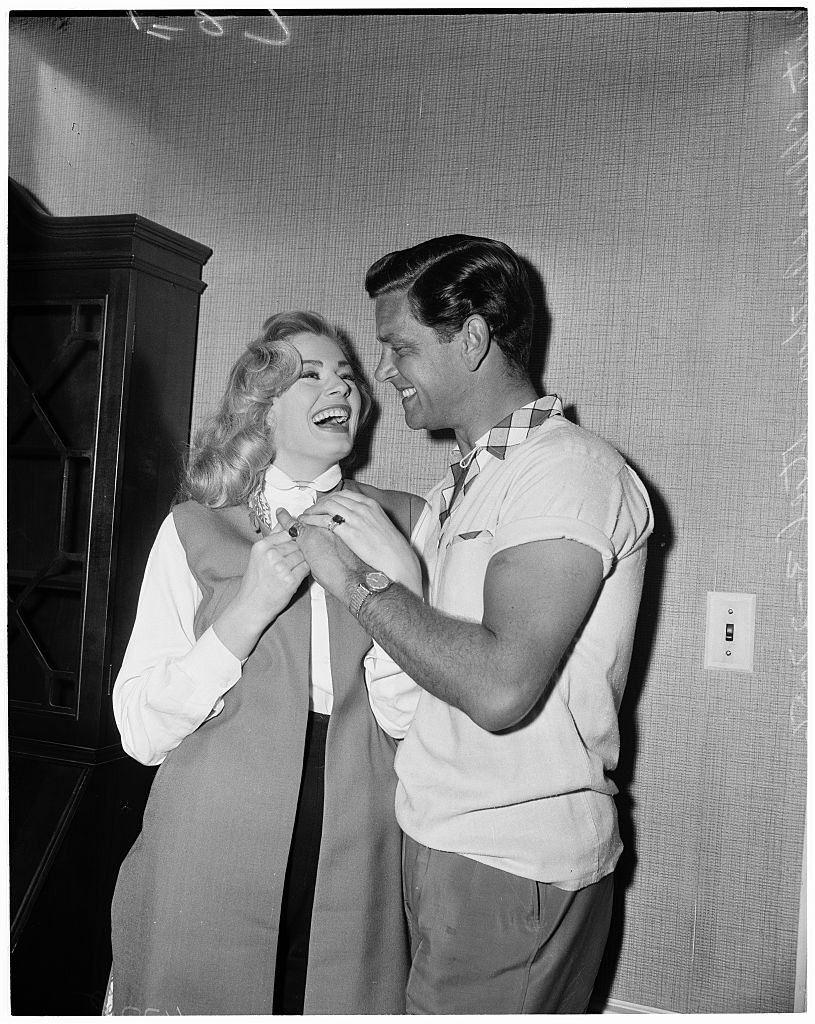
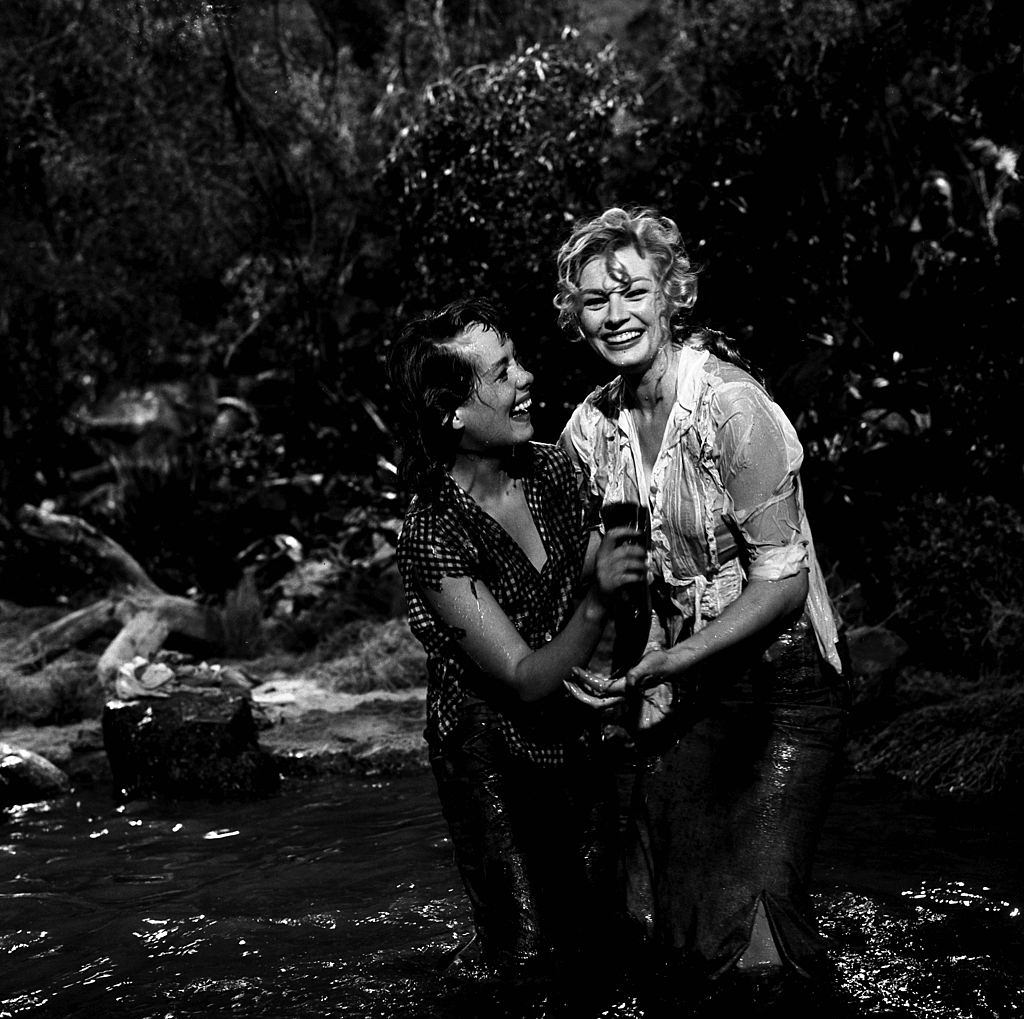
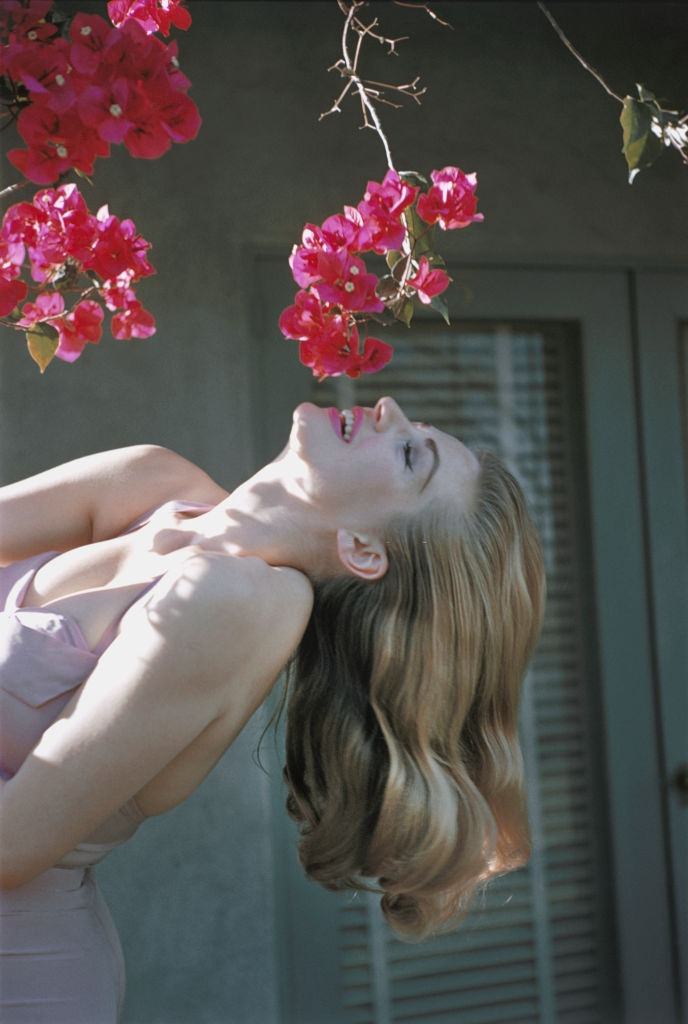
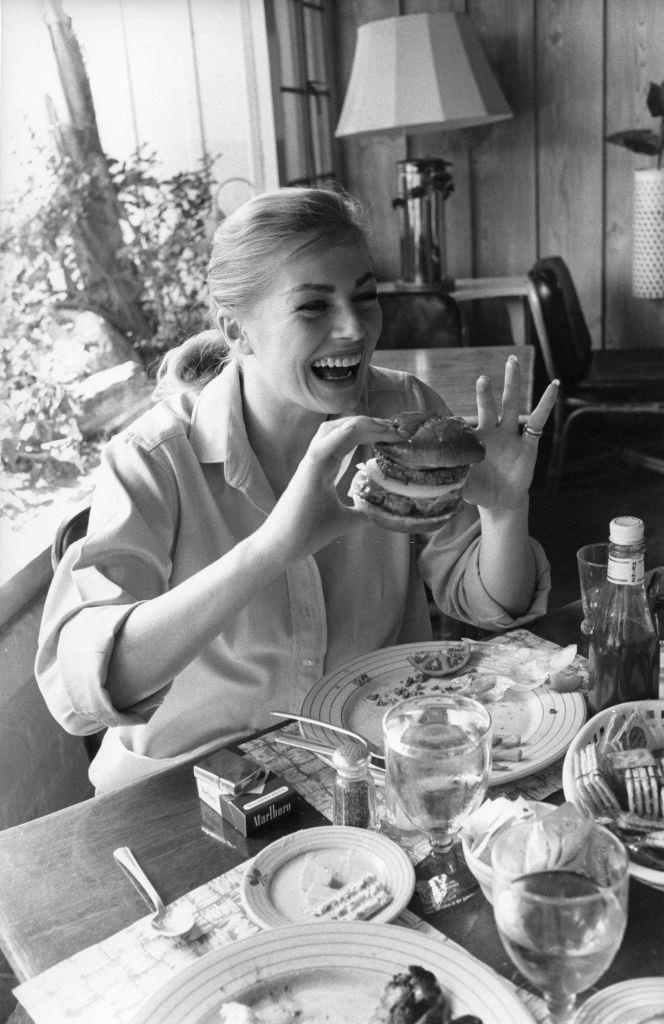
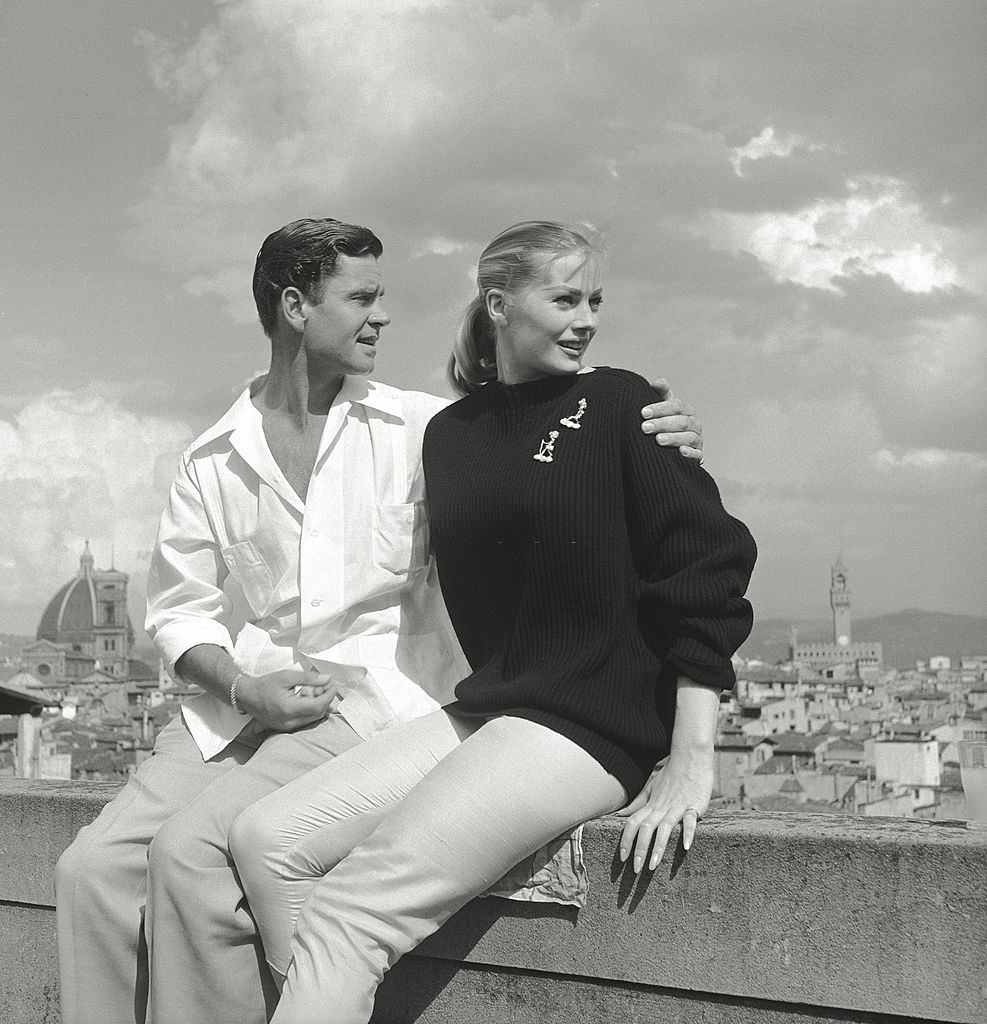
After “La Dolce Vita,” Ekberg stayed in Italy and made roughly 20 more films over the following decade. Some were well-received; others faded quickly. She married her second husband, American actor Rik Van Nutter, in 1963 — four years after her divorce from Anthony Steel. The couple divorced in 1975. That same year also marked the release of “Call Me Bwana” (1963), a comedy in which she starred alongside Bob Hope, one of the more commercially successful films of her post-Fellini period.

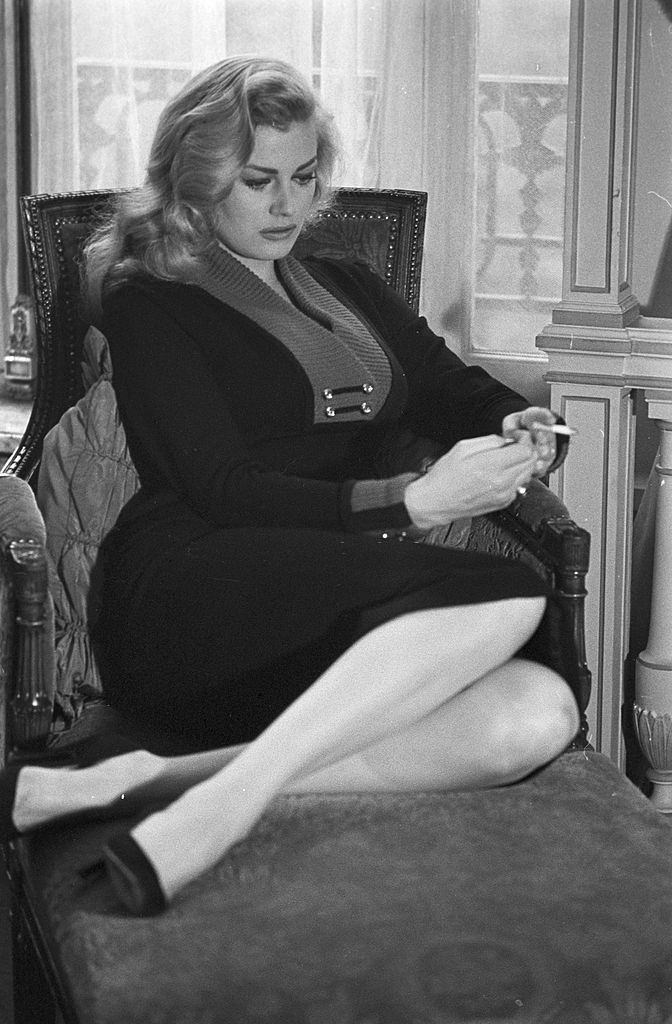
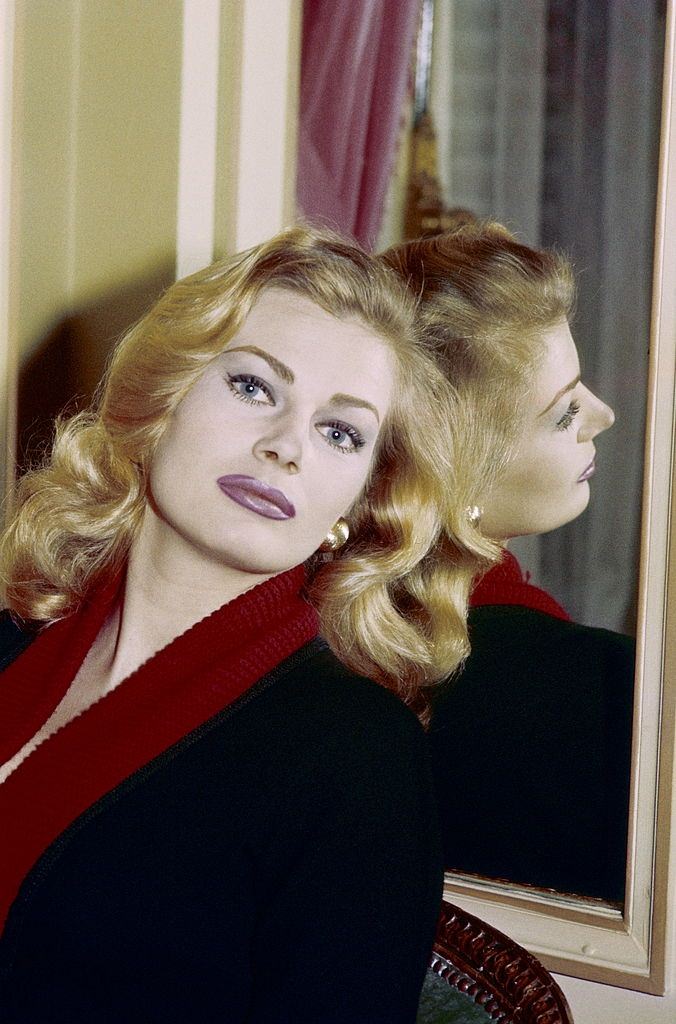
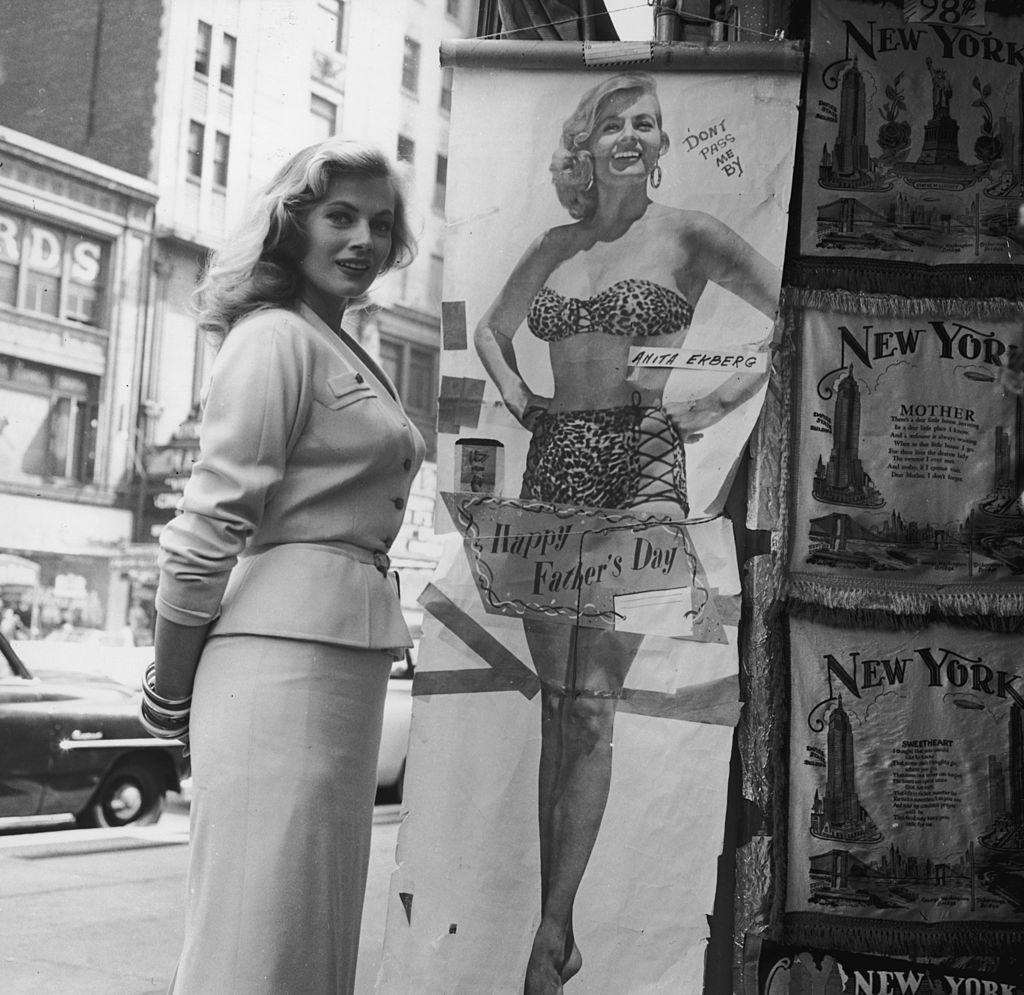
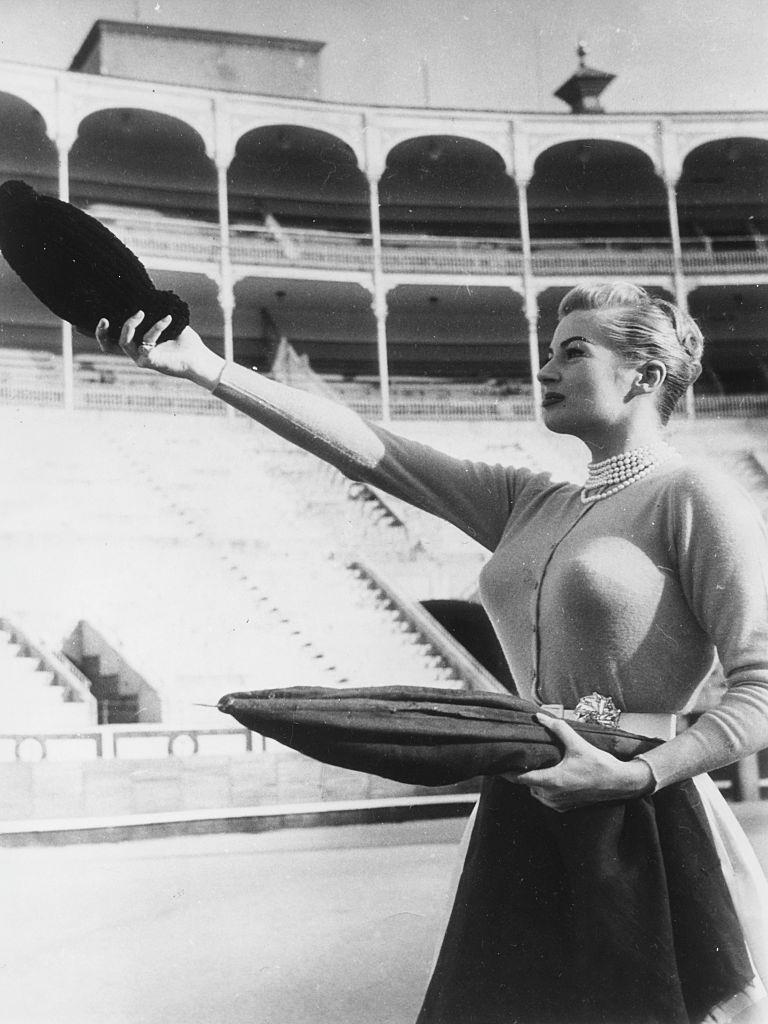
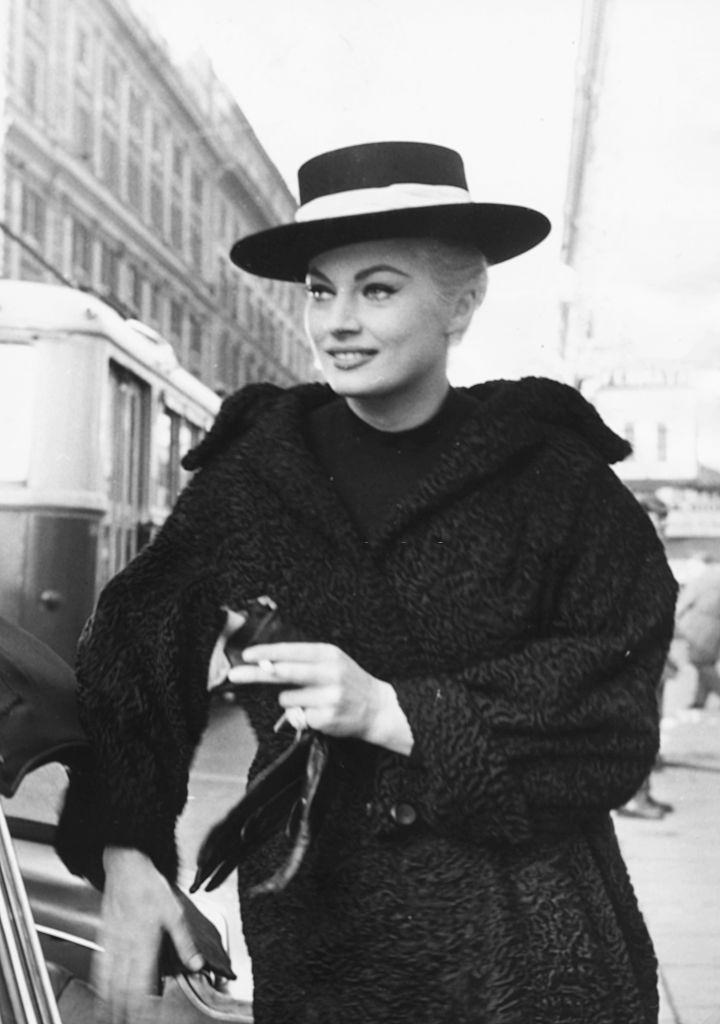
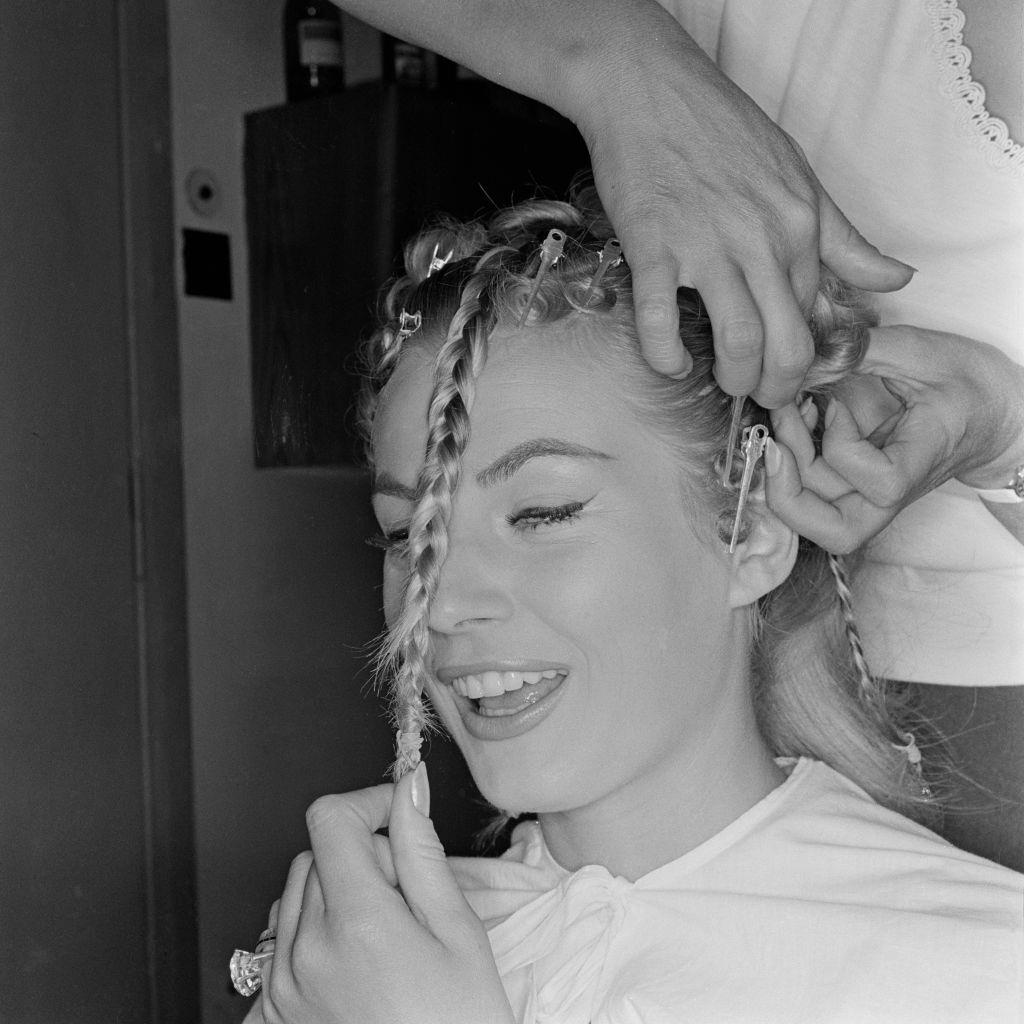
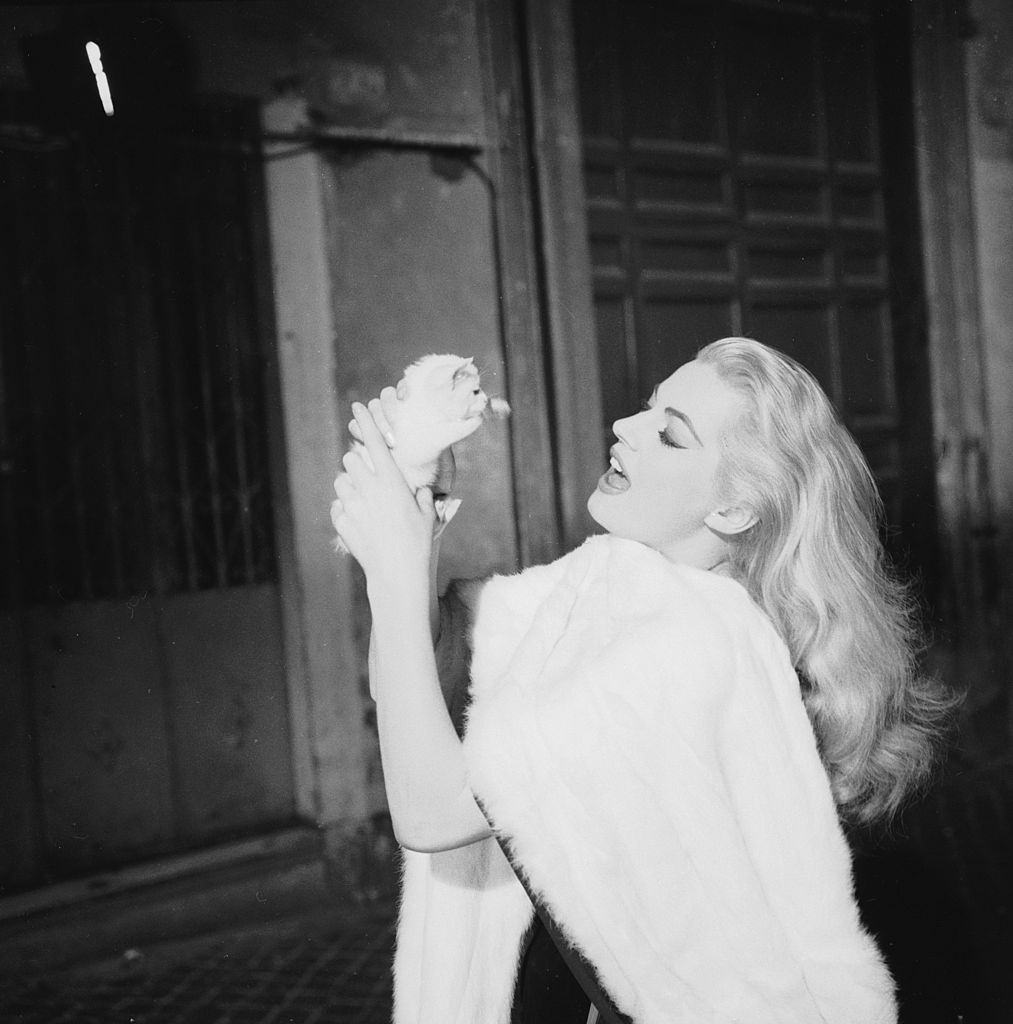
In 1995, Empire magazine selected Ekberg as one of the 100 Sexiest Stars in film history — a recognition of how deeply her image had embedded itself in popular culture. She continued working through the 1990s and into the early 2000s, making her final screen appearance in the Italian drama “Il Bello delle Donne” in 2001, after which she retired from acting. Her career had lasted fifty years.
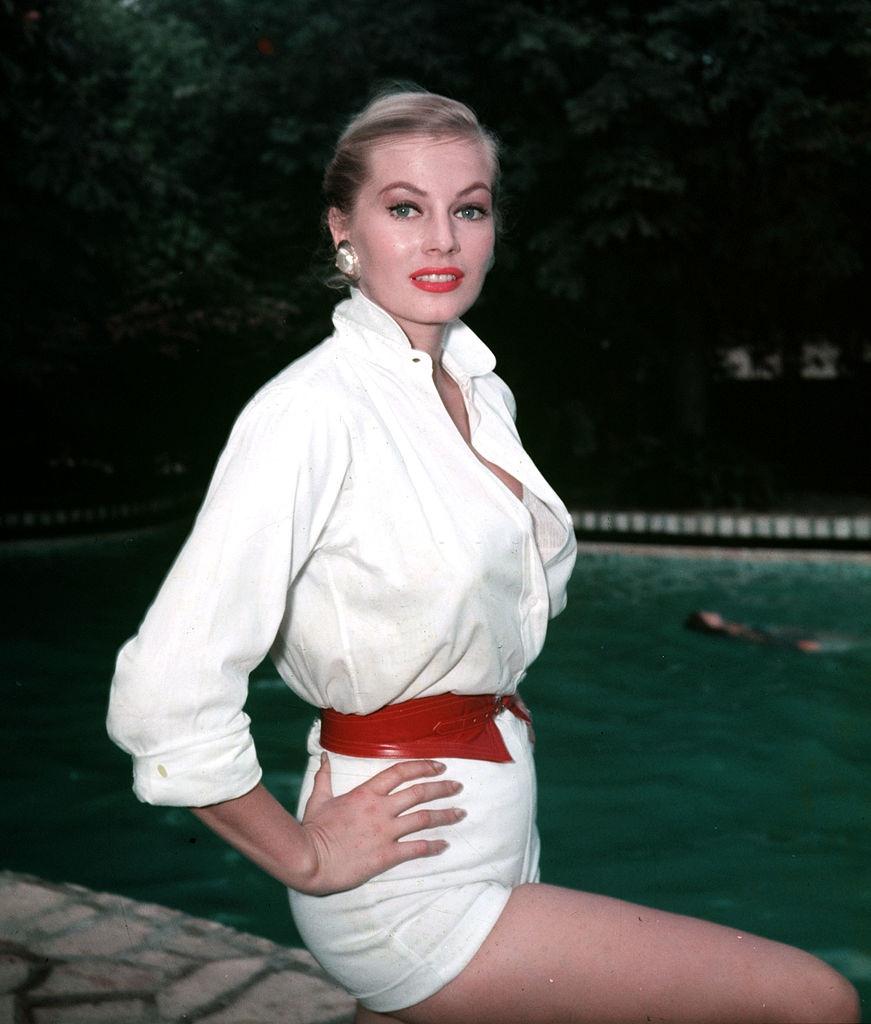
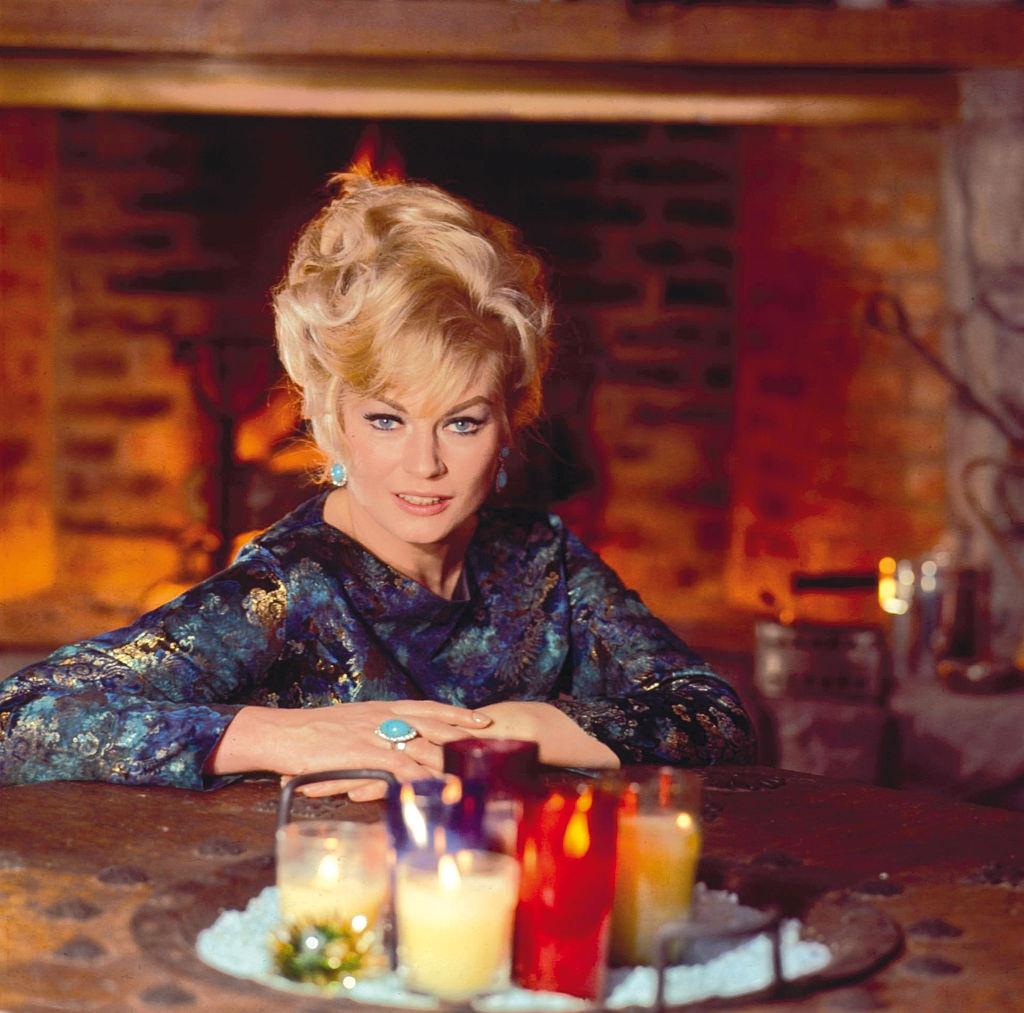

Her final years were difficult. In December 2001, while she was hospitalized for three months with a broken thigh, her home was robbed. The financial strain led her to seek assistance from the Fellini Foundation. Anita Ekberg died on January 11, 2015, at age 83, in Italy, from complications of a prolonged illness. Her body was cremated, and her remains were buried at the cemetery of Skanör Church in Sweden — returning her, at last, to the country where her story began.