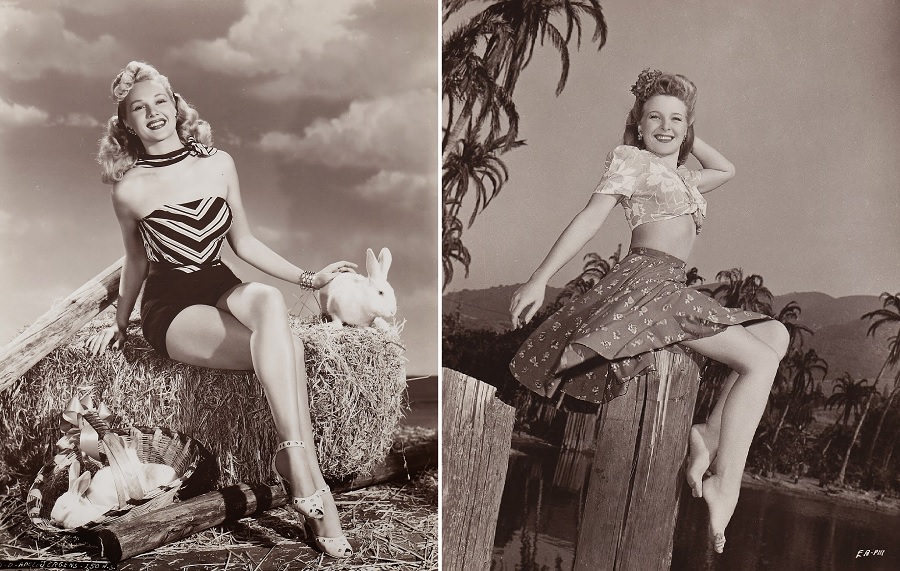
Angie Dickinson spent more than six decades in Hollywood, appearing in over 50 films and becoming one of the most recognizable faces on both the big and small screen. She is best known for her role in the television series ‘Police Woman,’ her breakthrough western ‘Rio Bravo,’ and the thriller ‘Dressed to Kill.’ Her path to stardom, however, started not in a studio but at a local beauty pageant.
A casting agent spotted her at a preliminary round of the Miss America contest and hired her as one of six showgirls on The Jimmy Durante Show. That exposure caught the attention of a television producer, who pushed her toward acting. She made her TV acting debut on ‘Death Valley Days’ before landing small roles across several shows and westerns in the mid-1950s.
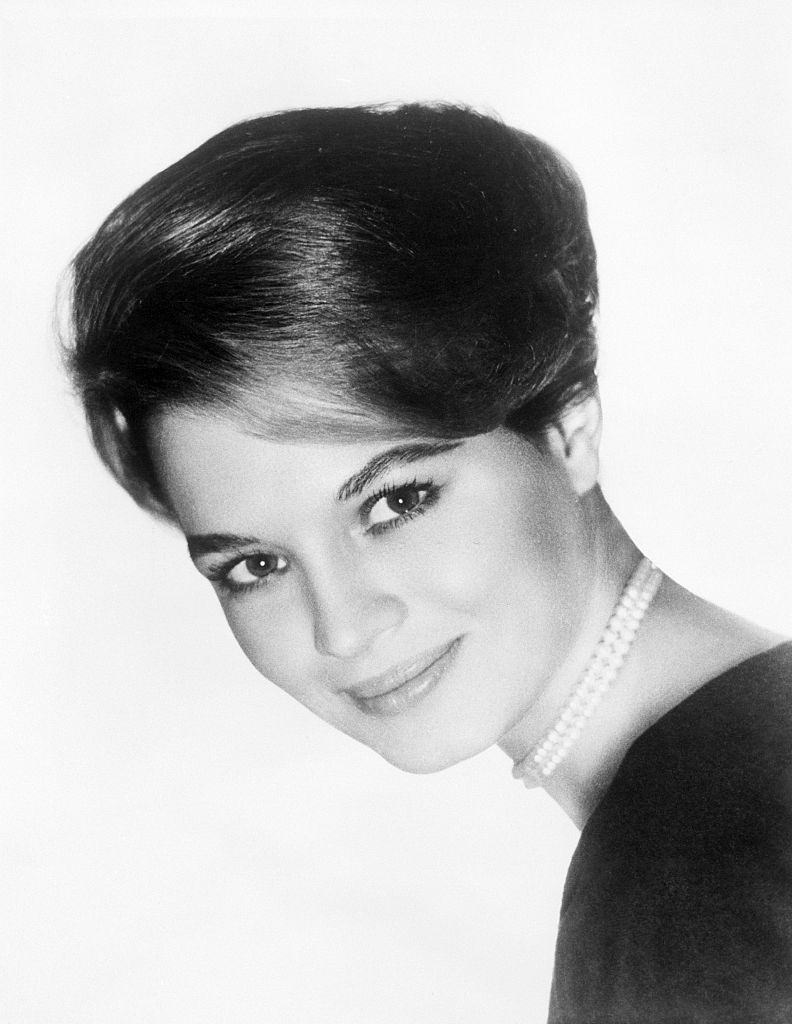
Her early television work placed her in front of the camera regularly. In 1955, she appeared on CBS’s ‘Schlitz Playhouse of Stars,’ one of the most popular anthology drama programs of the era. These appearances helped her build a reputation as a dependable and striking presence on screen.
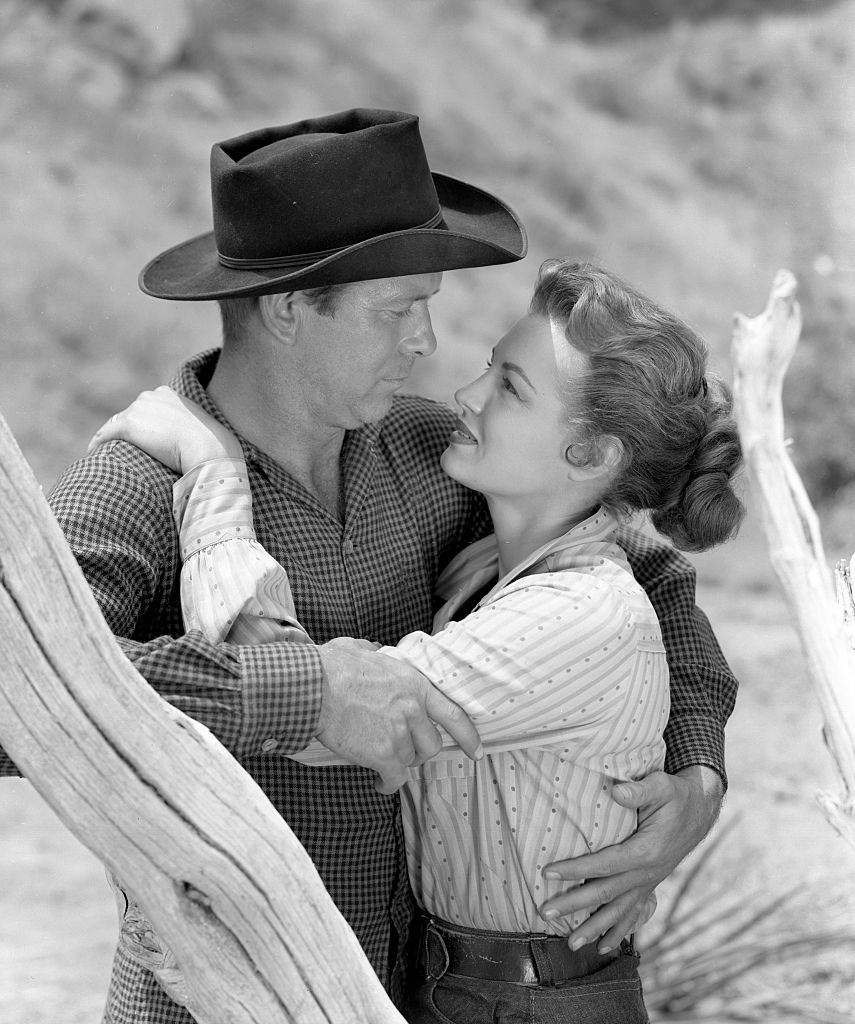
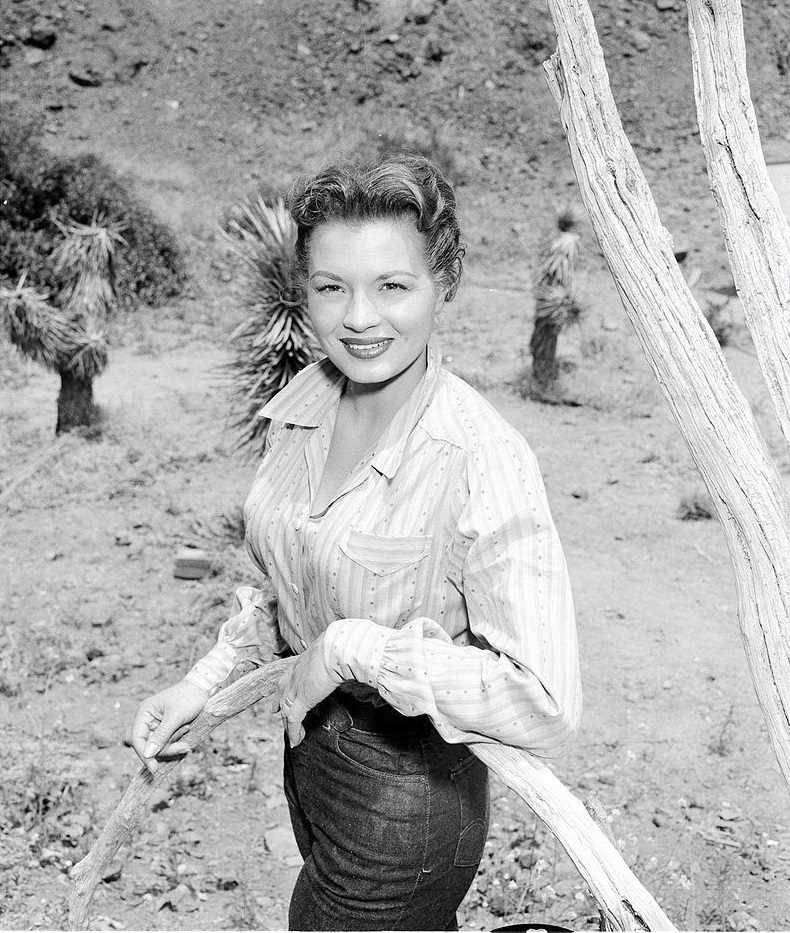
By 1956, she was picking up roles in westerns — a dominant genre on both television and film at the time. She appeared in the TV series ‘Broken Arrow’ and landed a part in the western film ‘Gun the Man Down,’ building her screen presence one role at a time.
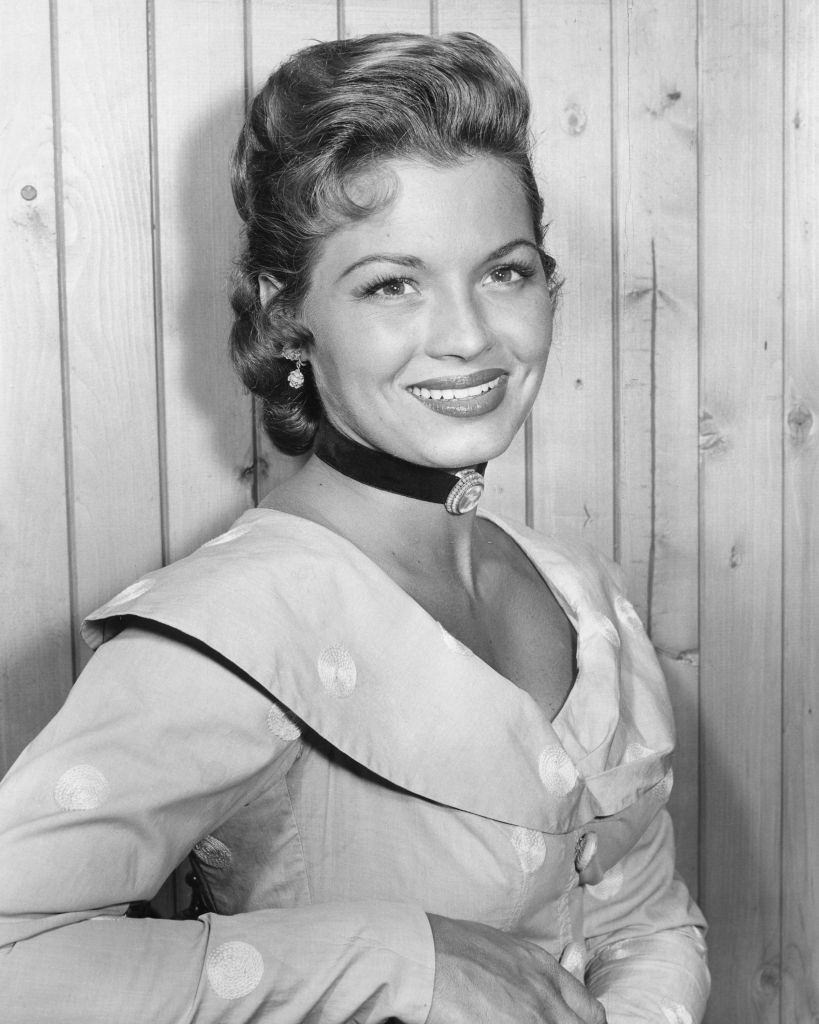
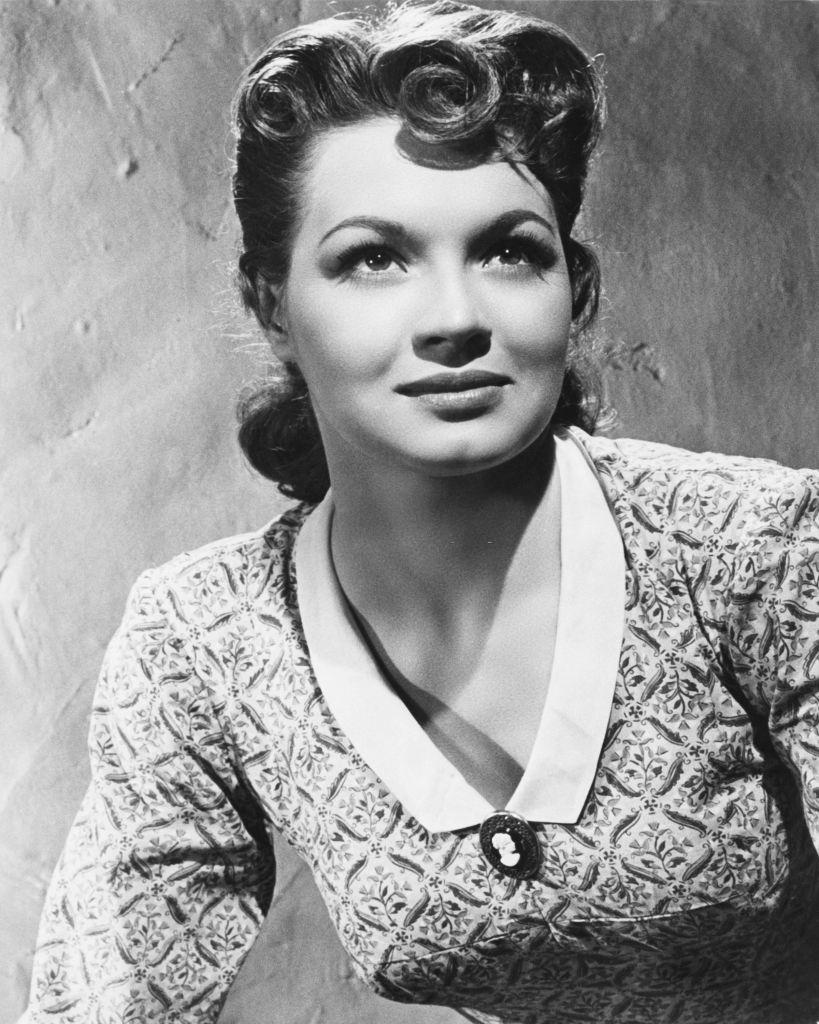
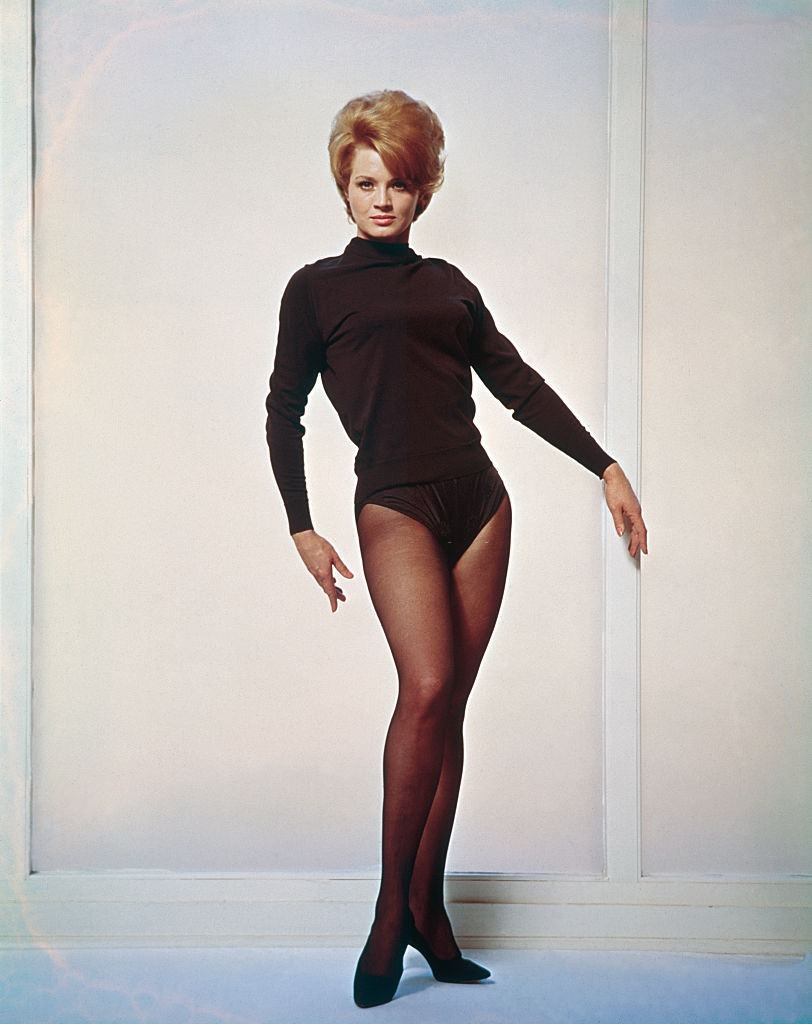
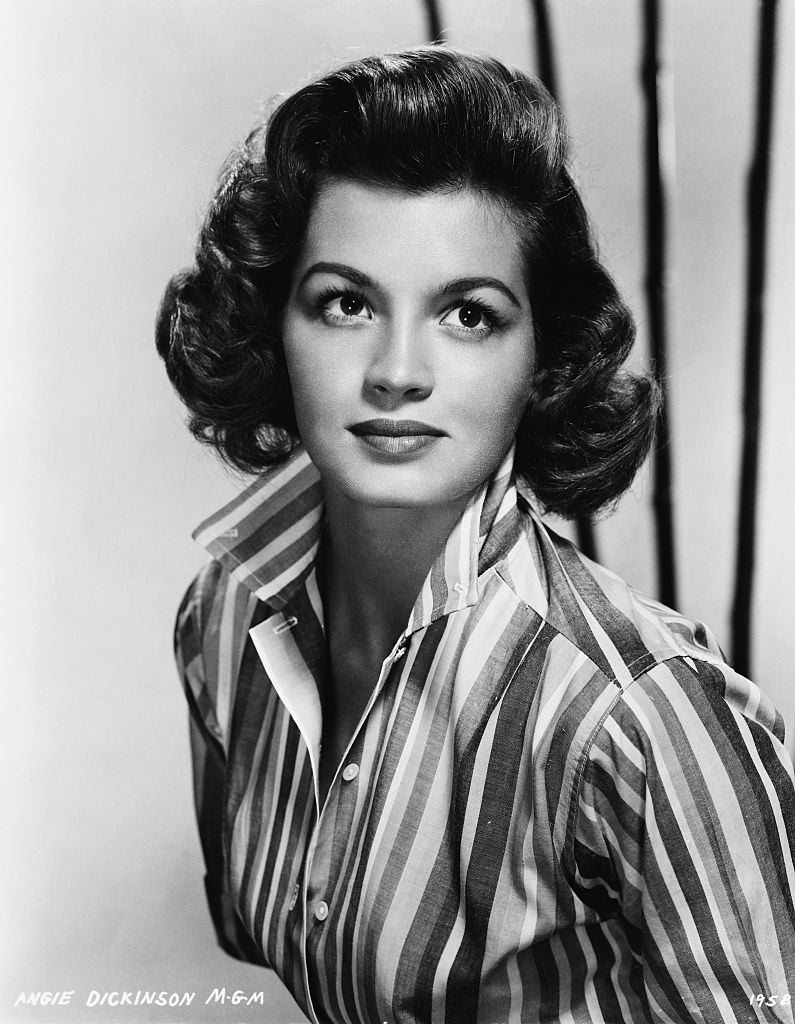
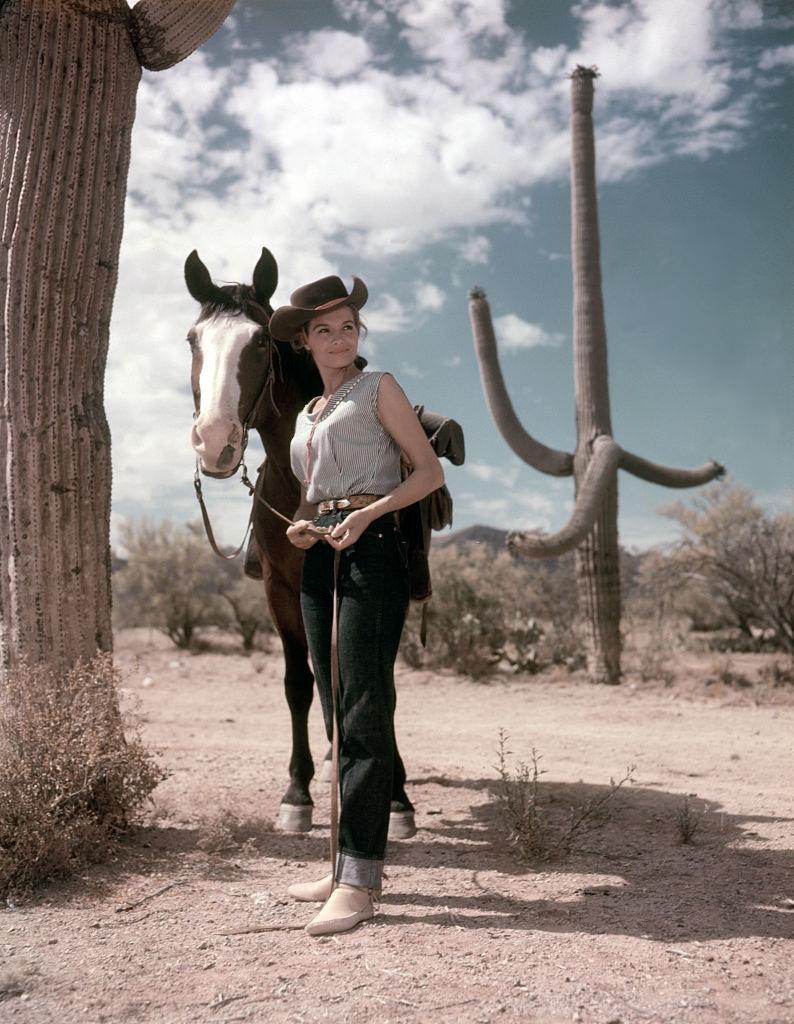
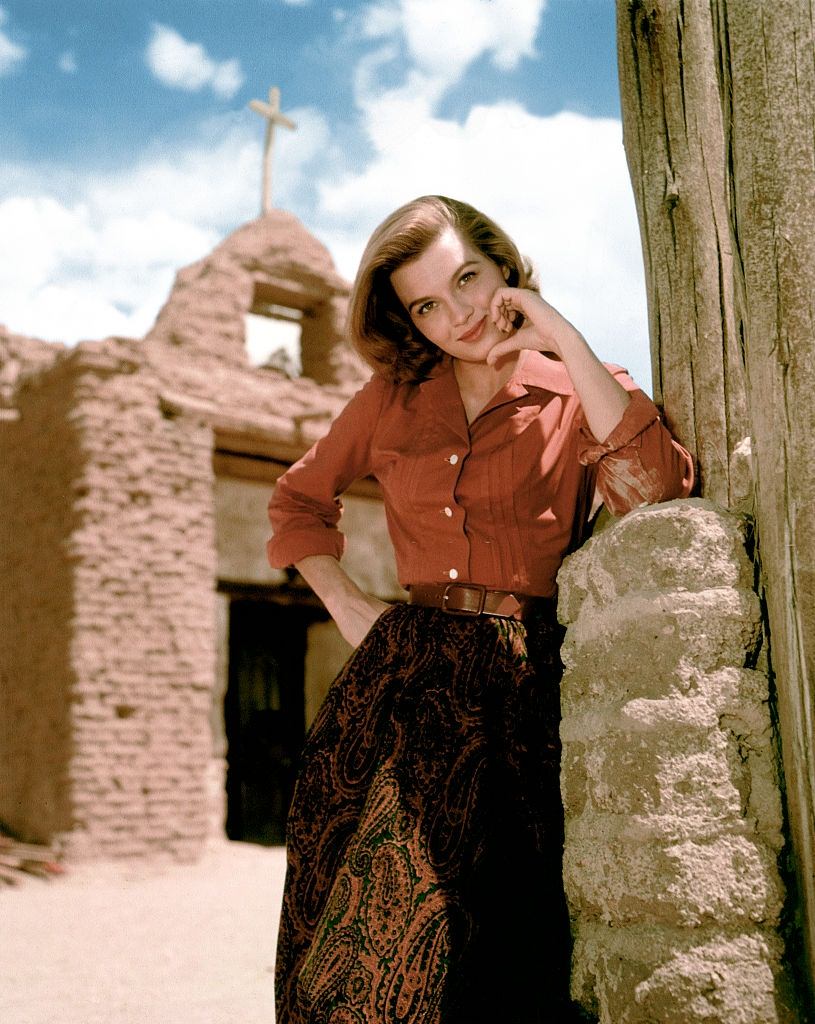
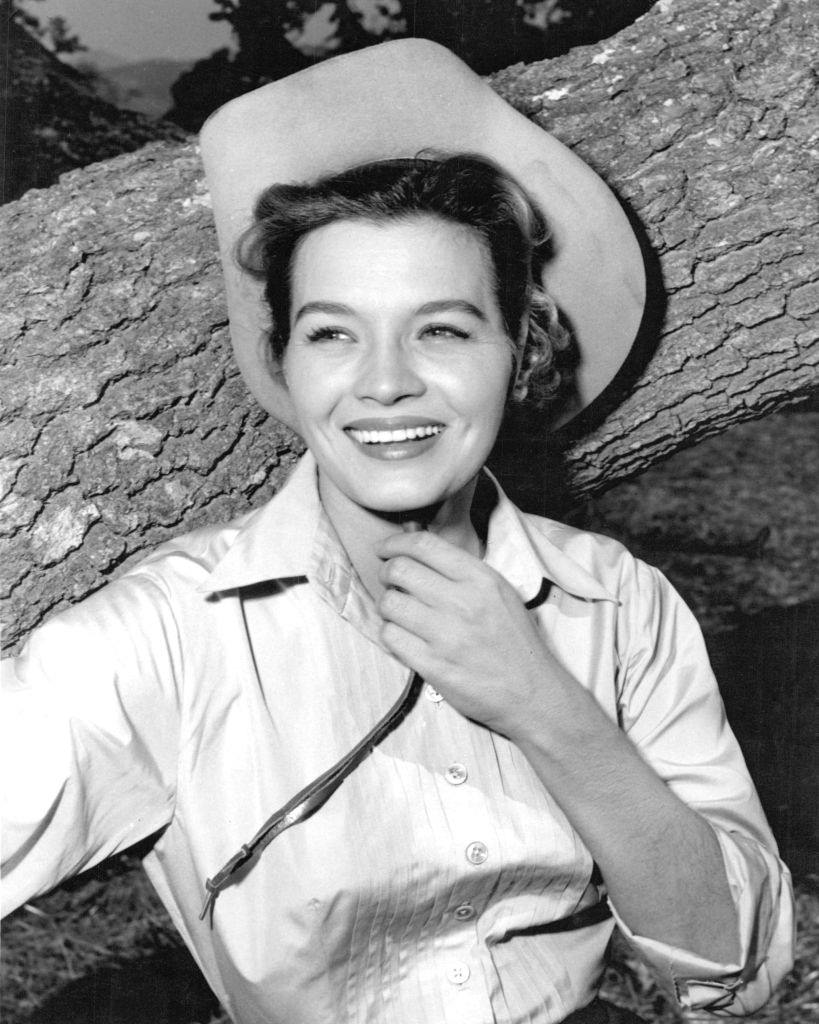
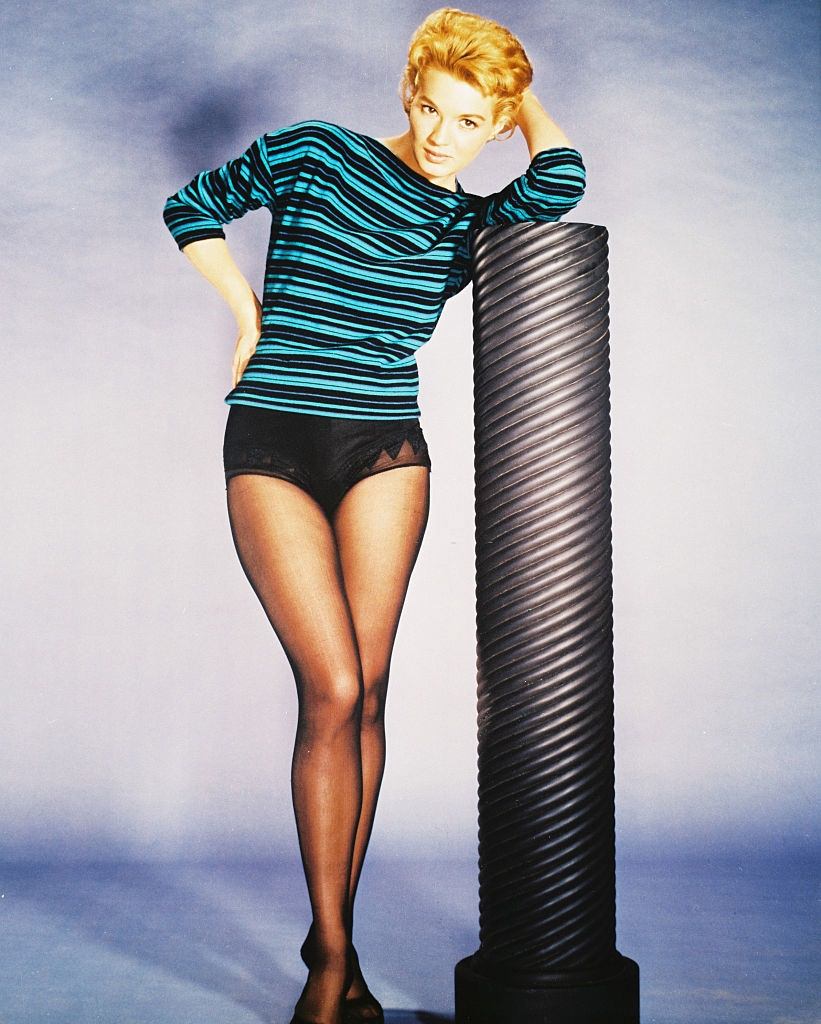
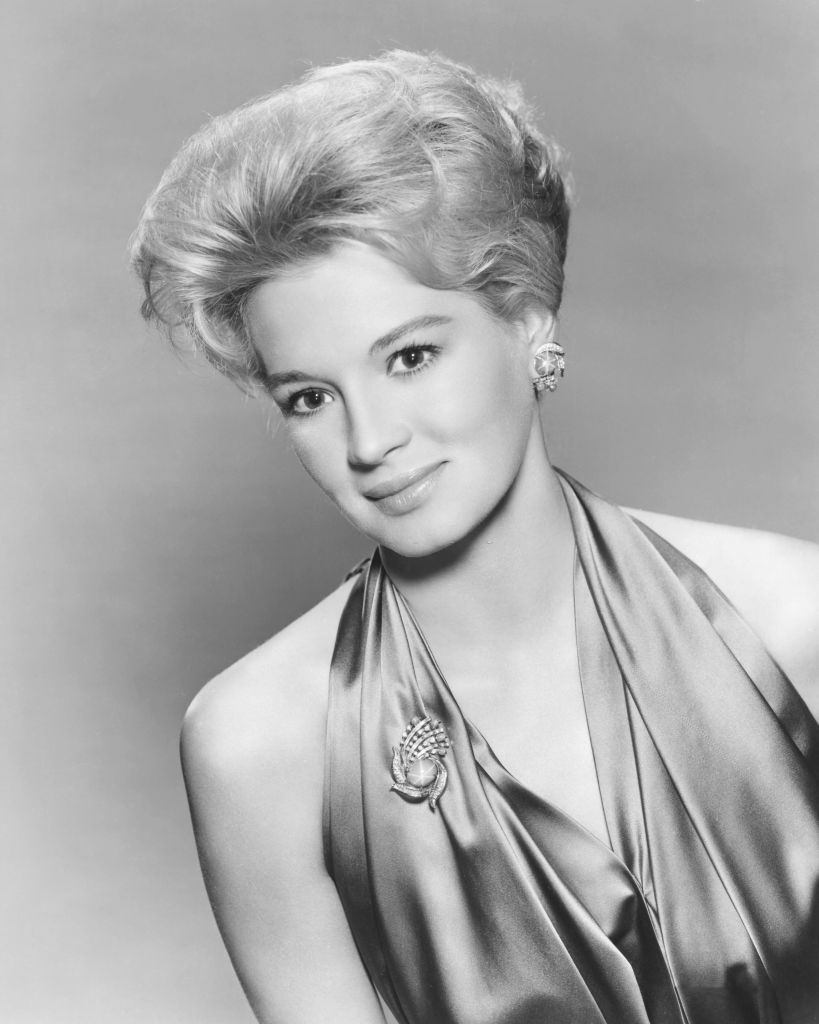
The mid-1950s marked Dickinson’s formation as a public figure. Studio portraits from 1955 show a confident young actress who was already drawing serious attention from photographers and producers alike.
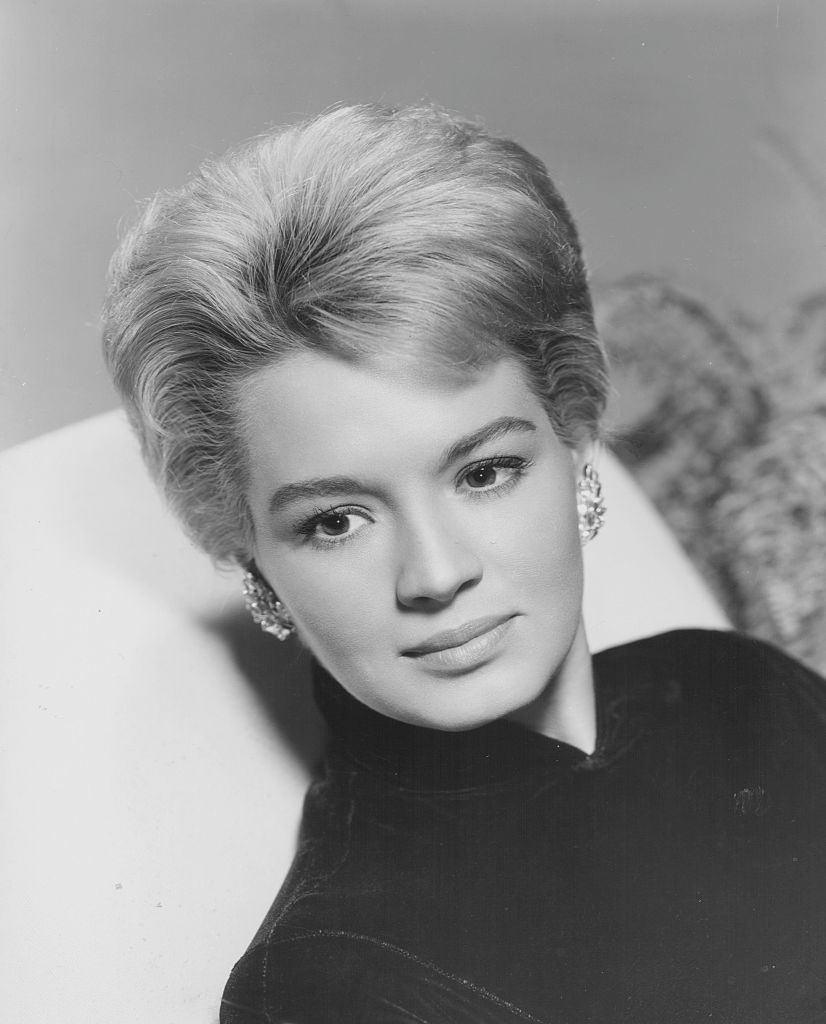
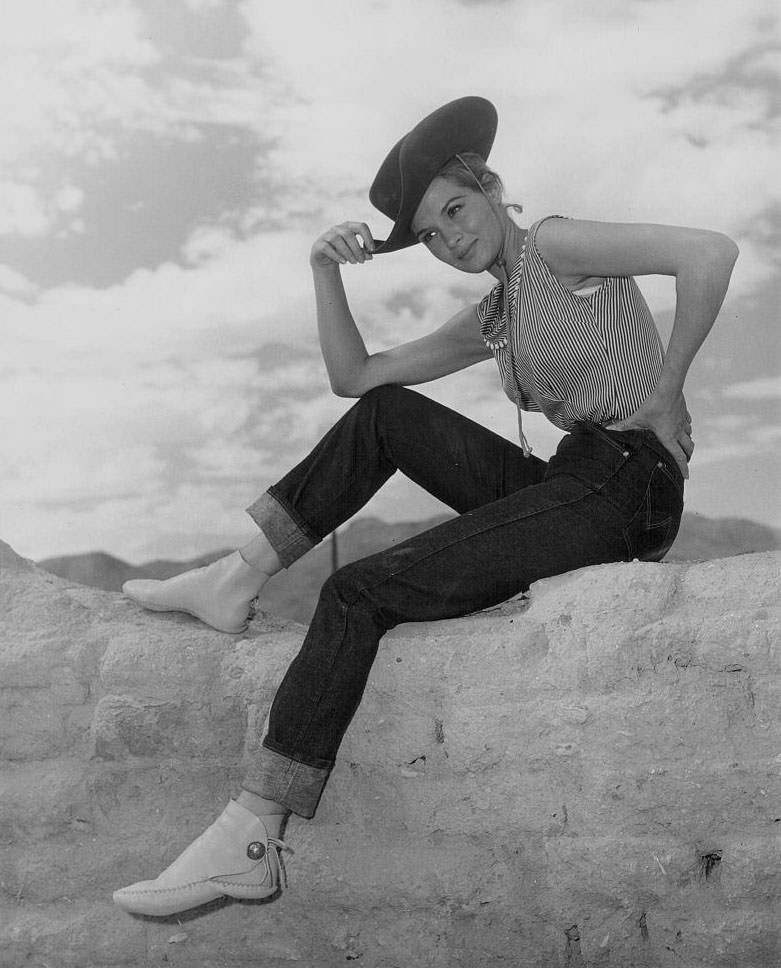
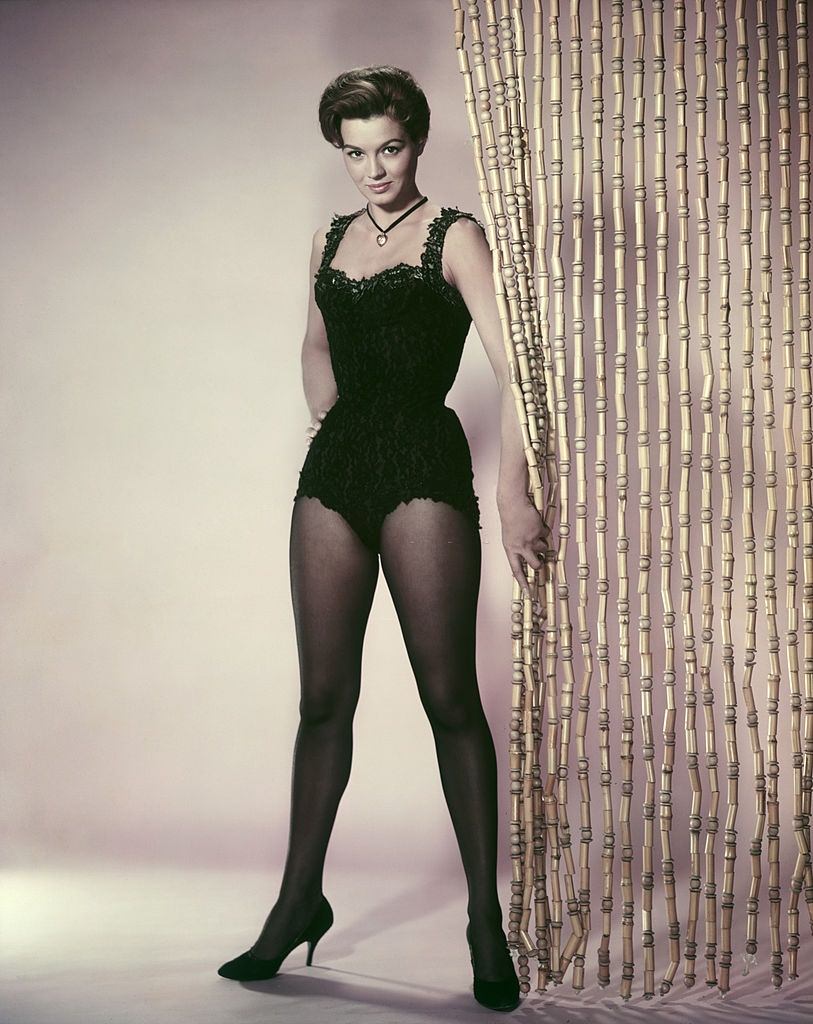
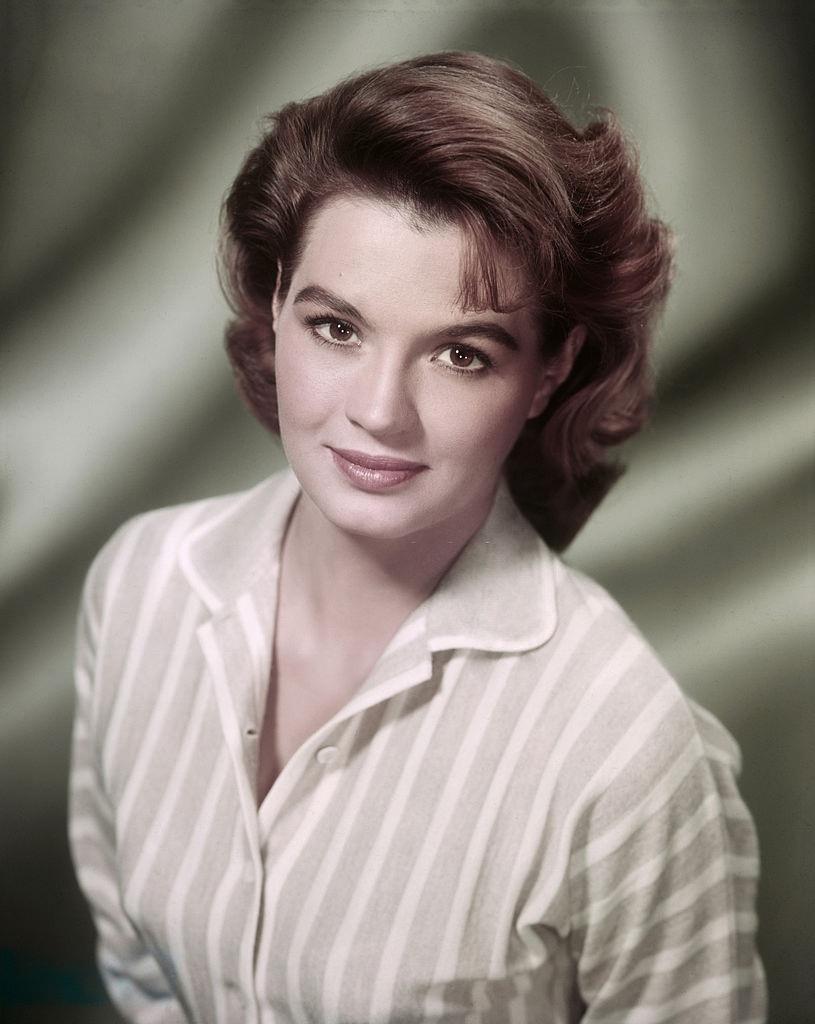
Throughout the late 1950s and into the 1960s, Dickinson appeared alongside major Hollywood names. She starred with Chad Everett in ‘The Last Challenge’ (1967) and worked with Jeff Chandler during this prolific stretch of her film career. Her range made her a sought-after co-star in both action-driven and dramatic productions.
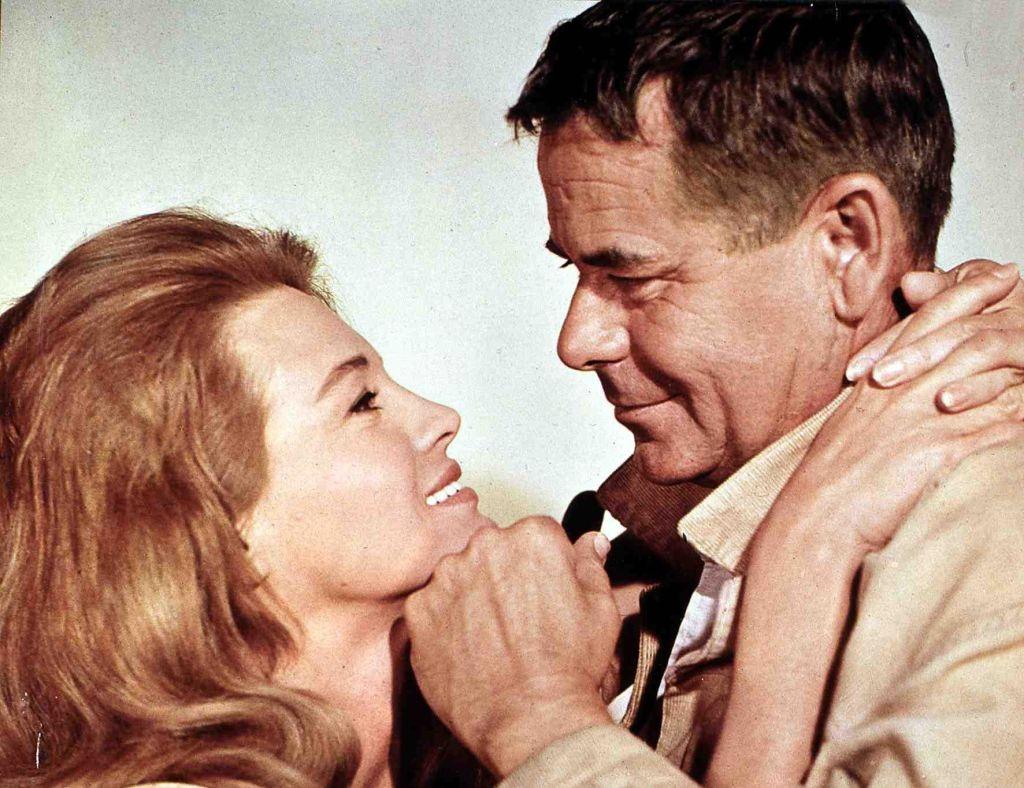
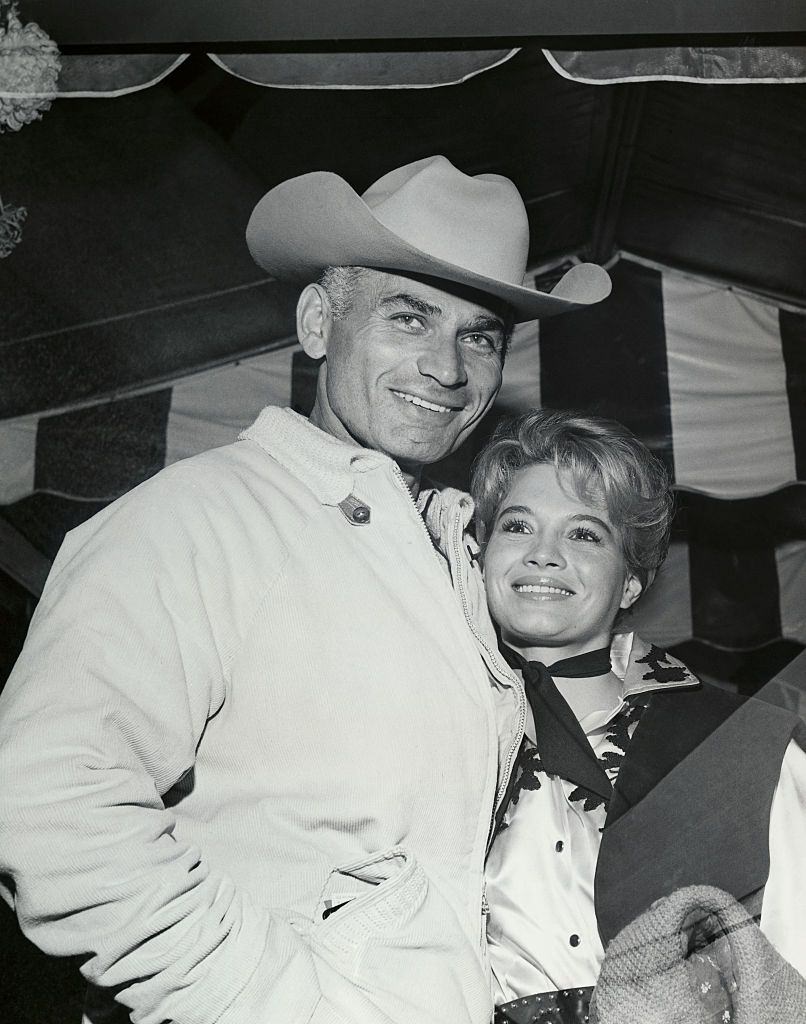
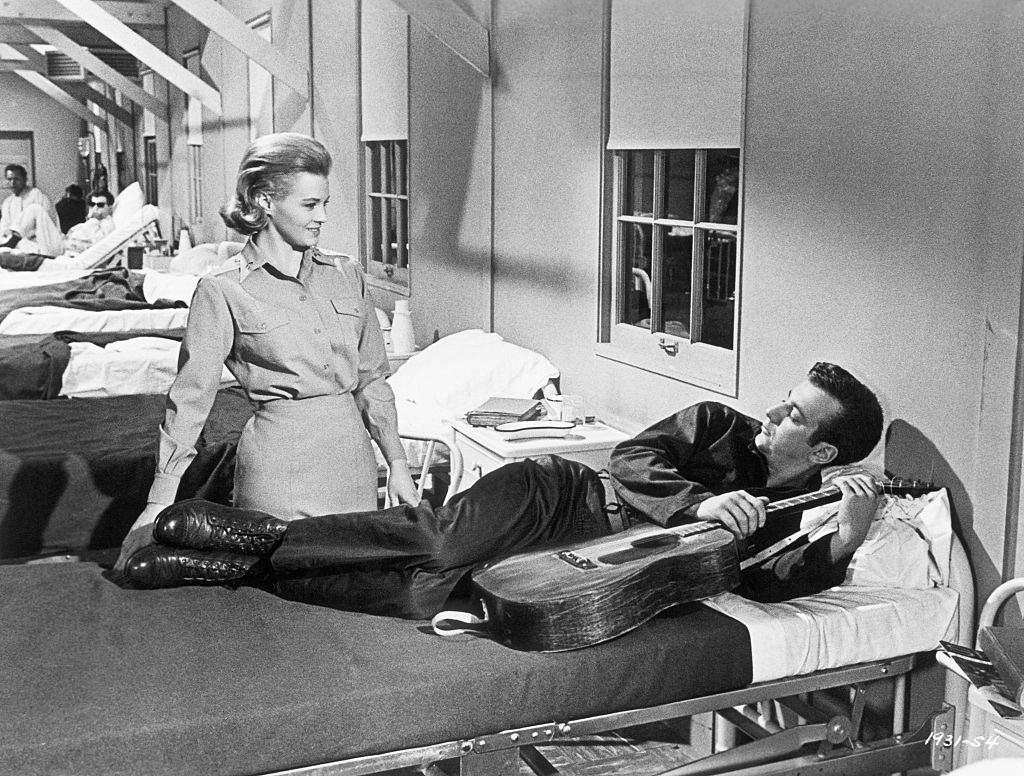
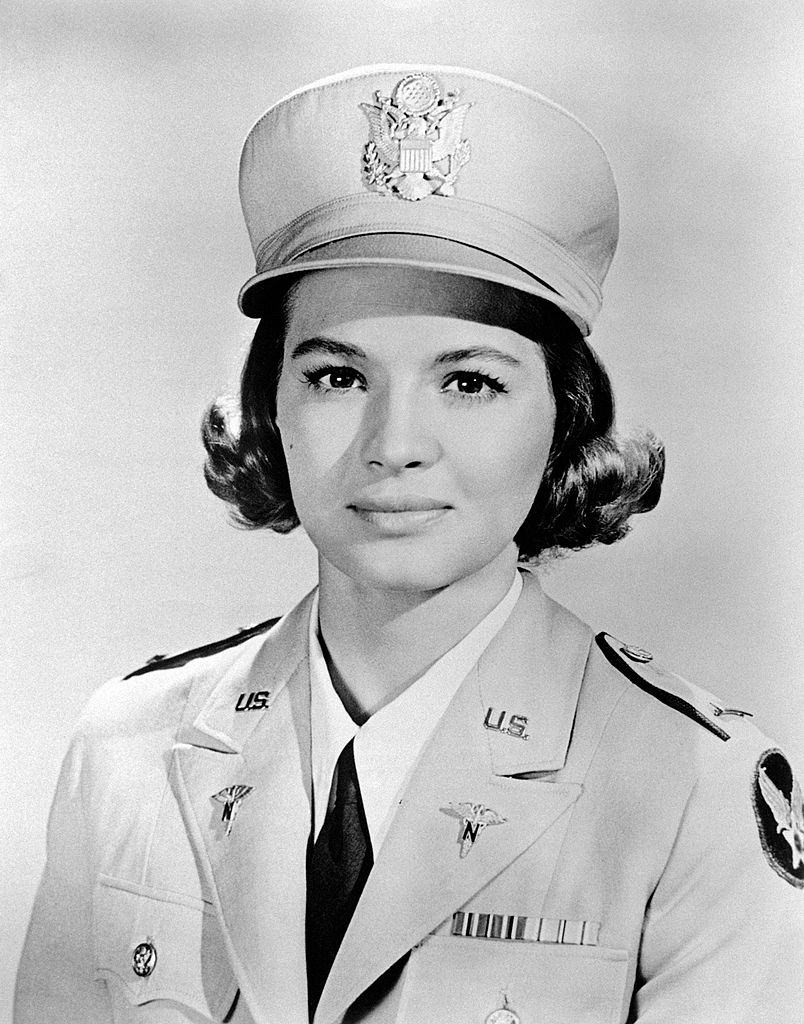
One of her notable early film roles came in ‘Captain Newman, M.D.,’ a Universal Pictures production set in a military psychiatric ward. In the film, she appeared alongside Bobby Darin, among others. The role demonstrated her ability to hold her own in ensemble casts built around some of Hollywood’s biggest names.
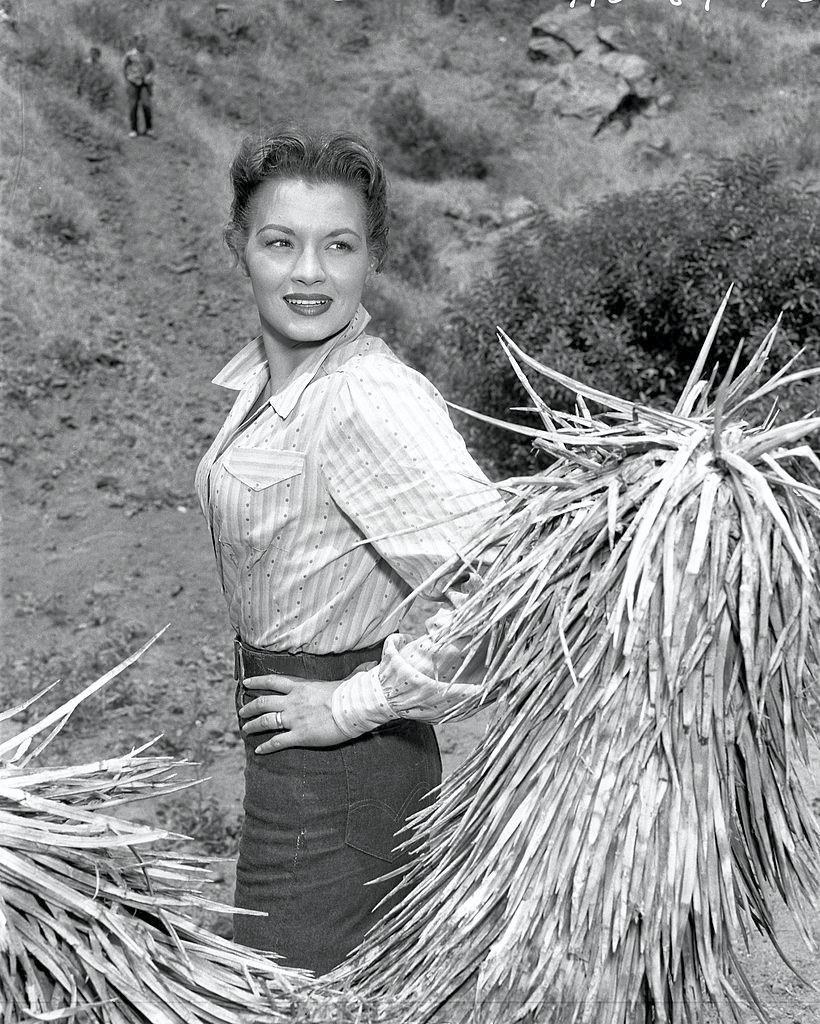
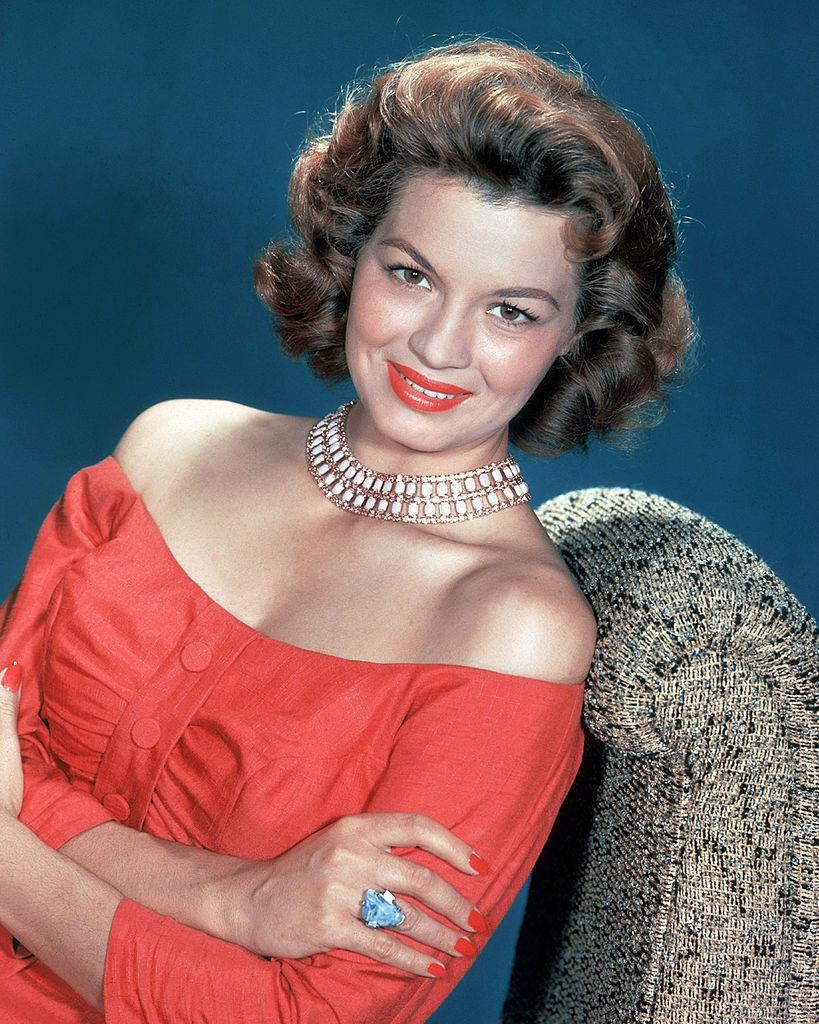
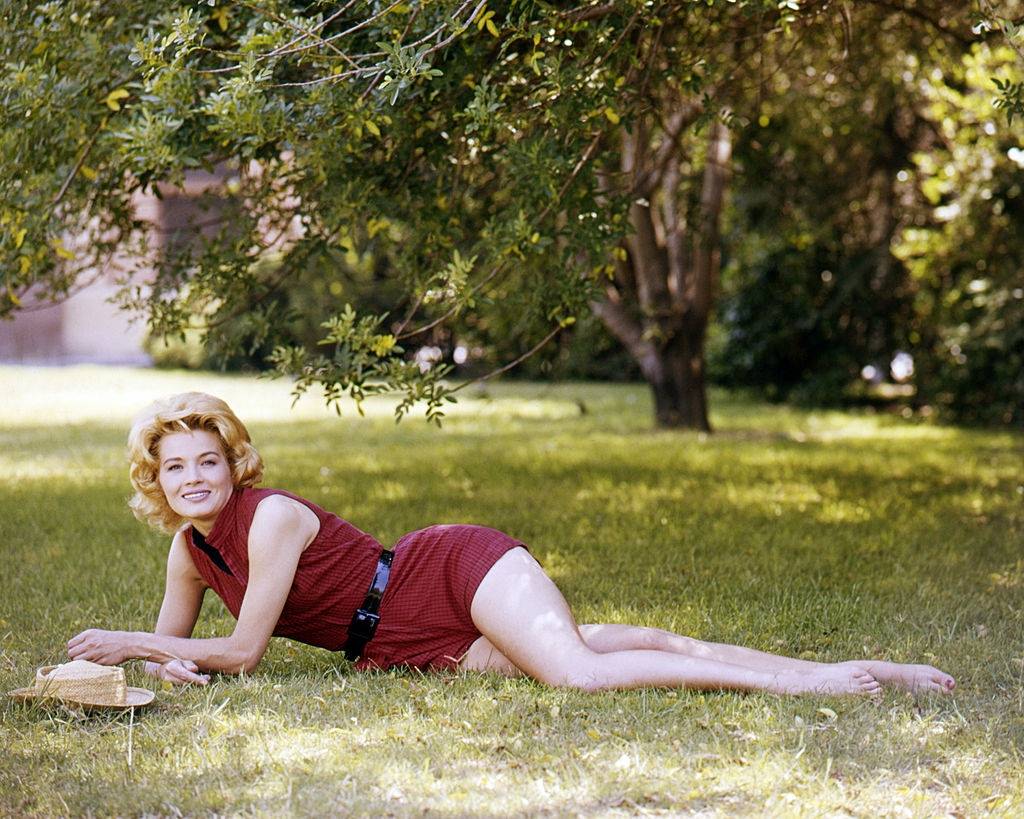
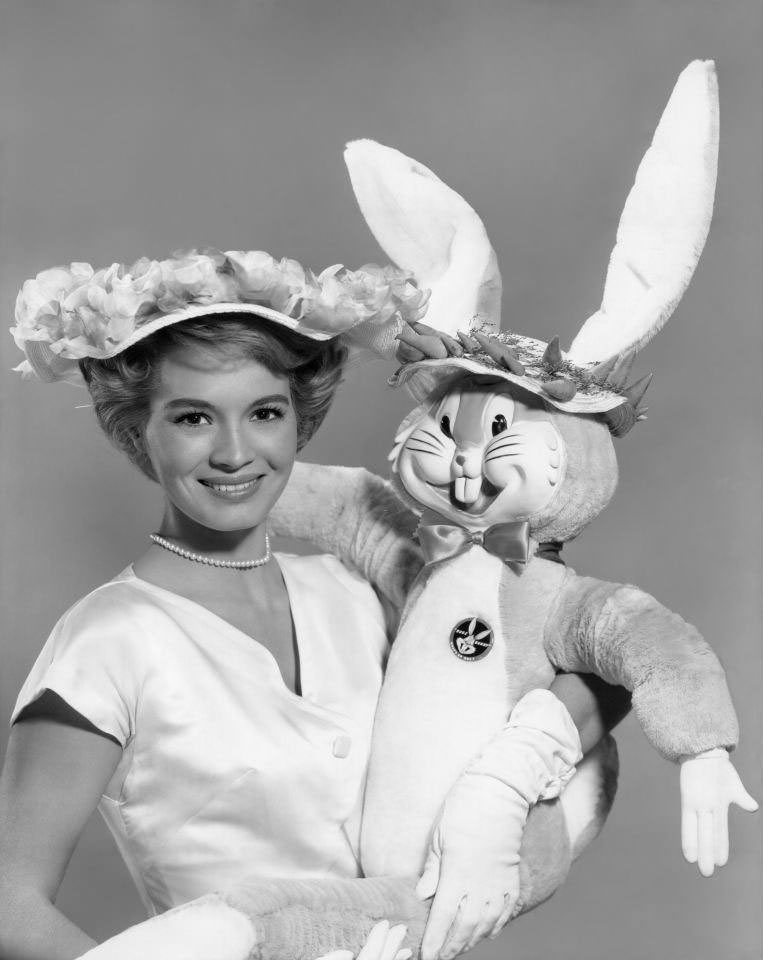
Publicity photos from 1955 show the full range of her early image — glamorous, playful, and versatile. From red dresses to casual summer outfits, these images reflect how Hollywood studios carefully shaped the public profiles of their rising stars.
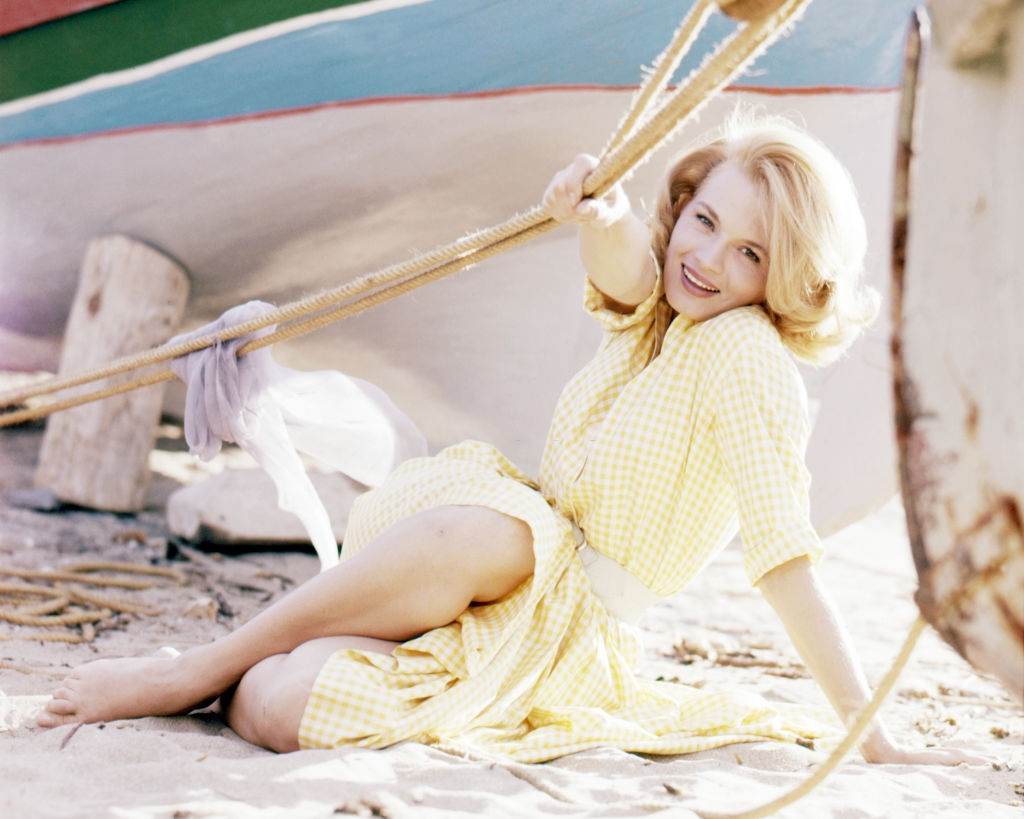
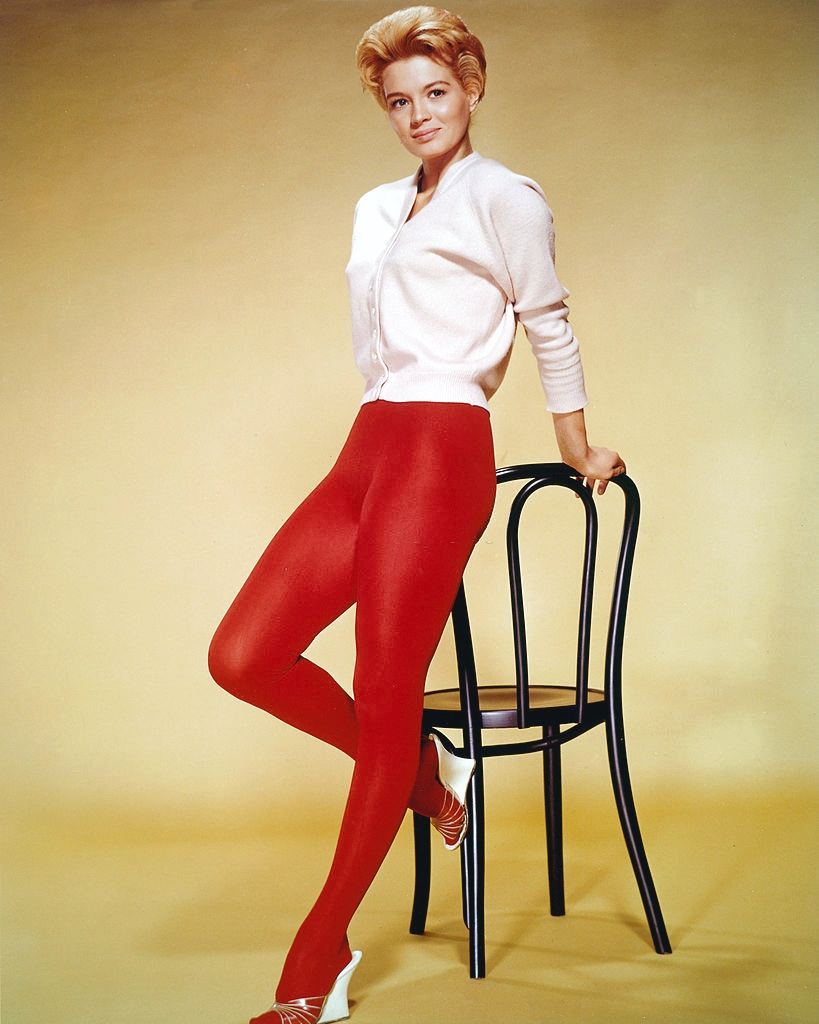
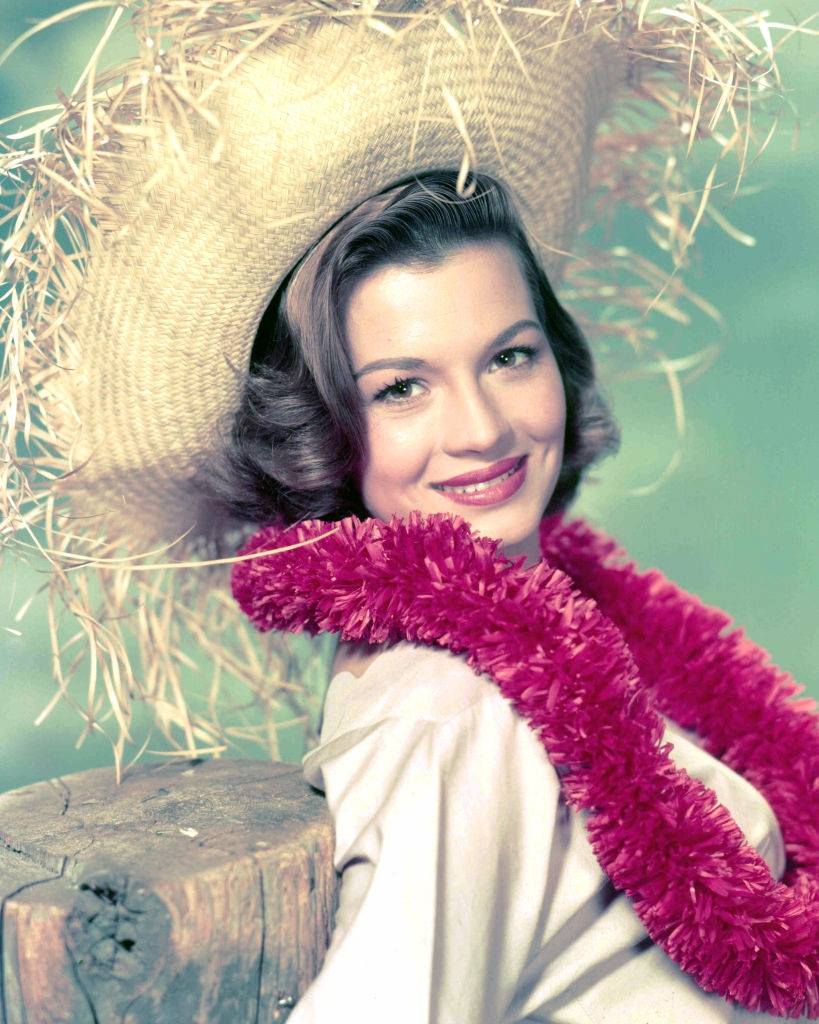
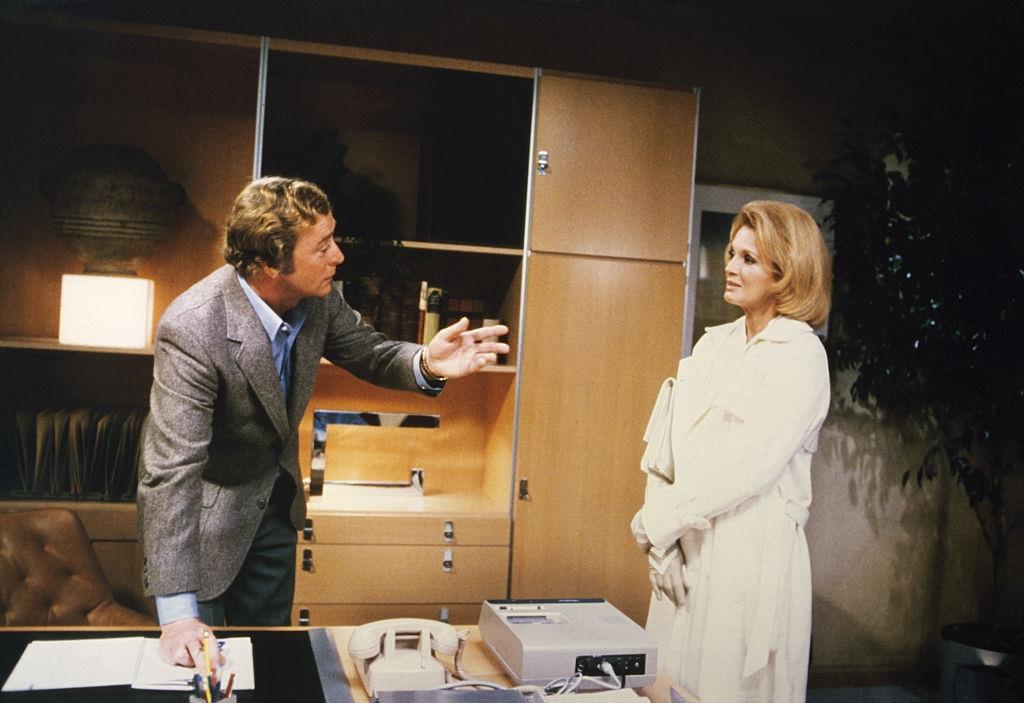
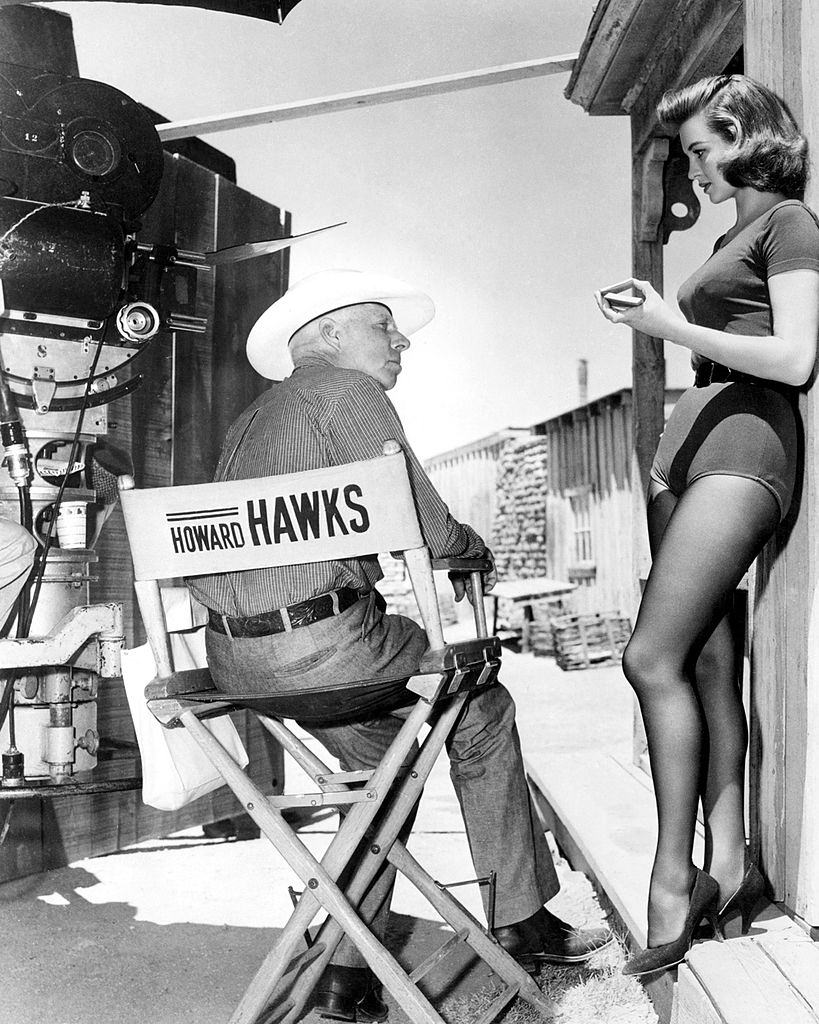
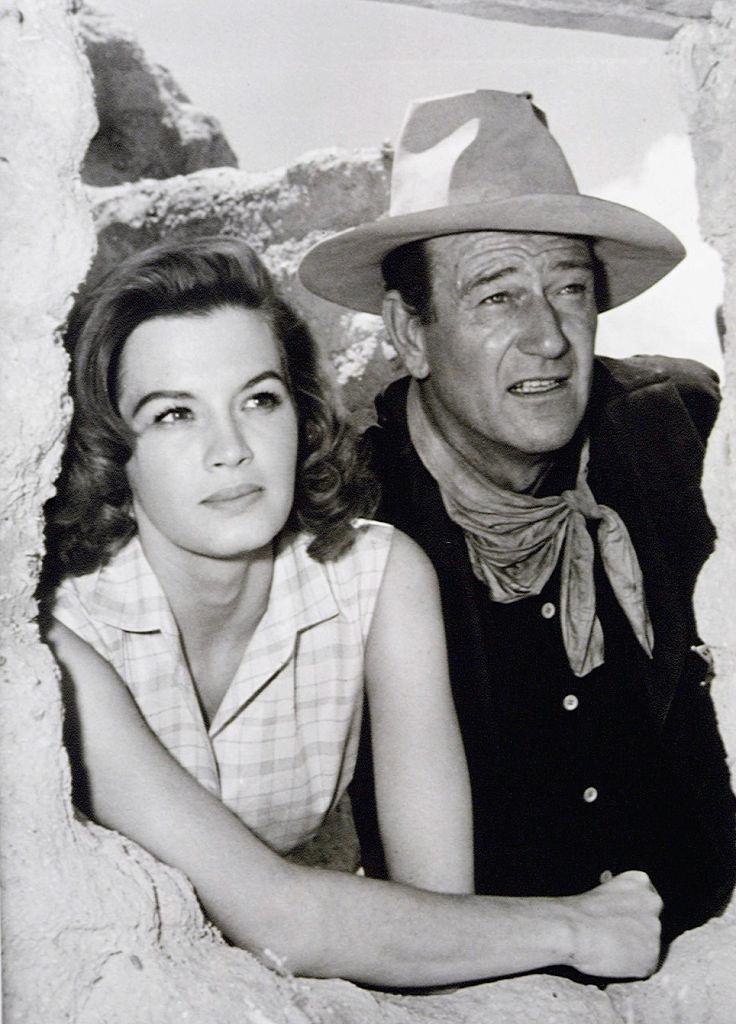
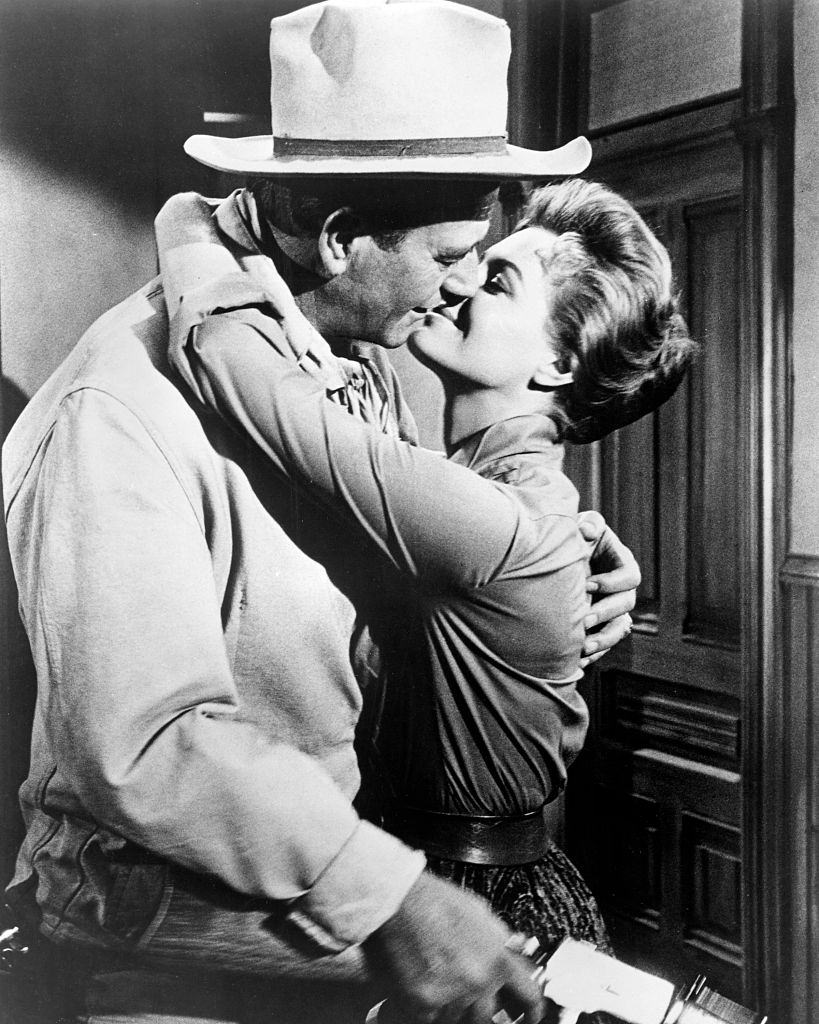
Her career breakthrough came in 1959 when director Howard Hawks cast her in the western ‘Rio Bravo’ opposite John Wayne. The film was a major production, and her performance earned her widespread critical recognition. Warner Brothers took notice and purchased her contract from Hawks while she was still under obligation to him. Despite the boost ‘Rio Bravo’ gave her profile, the contract situation limited her ability to choose her next projects freely. Before diving into those iconic on-set images, her work in ‘Dressed to Kill’ with Michael Caine cemented her status as a film actress willing to take bold, challenging roles.
‘Police Woman’ was the role that defined Dickinson’s television career. After a guest appearance on the anthology series ‘Police Story’ in March 1974, NBC offered her a full series. The show centered on Sergeant Suzanne ‘Pepper’ Anderson, a Los Angeles Police Department officer who works undercover. It was groundbreaking — one of the first American prime-time dramas built around a female lead in law enforcement. The show reached number one in many countries during its first broadcast year, and Dickinson won a Golden Globe Award while earning Emmy nominations for Best Lead Actress in a Dramatic Series for three consecutive years. In spite of its success, Dickinson later expressed regret over the series, stating that the pay was inadequate and the workload left her almost no time for film projects.
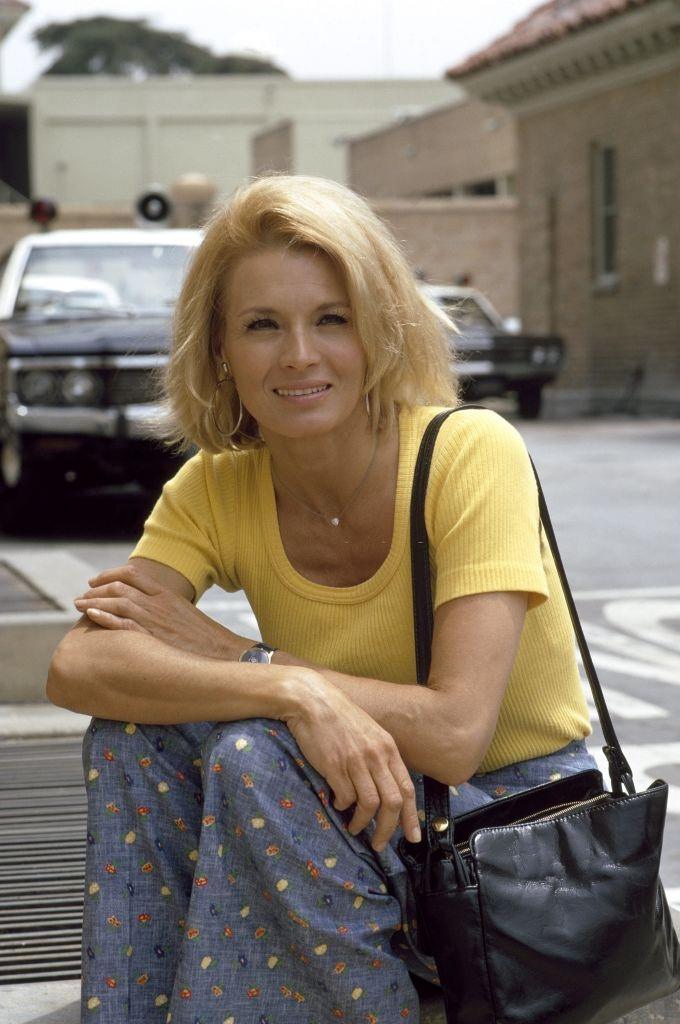
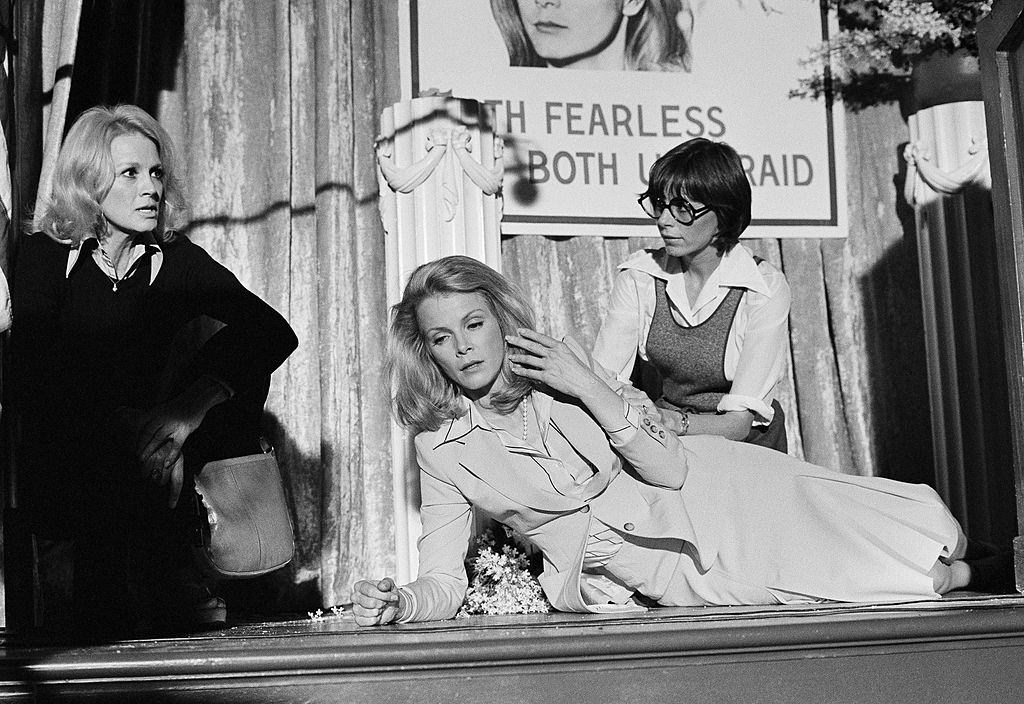
Before ‘Police Woman’ dominated her schedule, Dickinson had appeared in ‘The Sins of Rachel Cade’ (1961), a drama that featured both Roger Moore and Peter Finch. The film gave her another opportunity to work alongside major international stars and further established her credentials as a serious film actress.
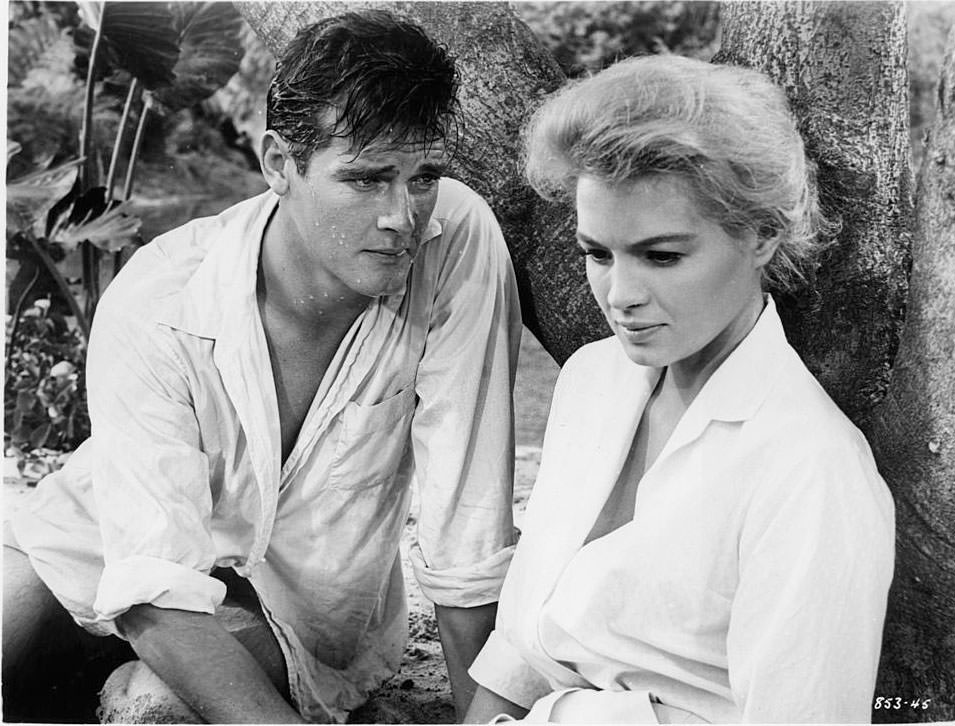
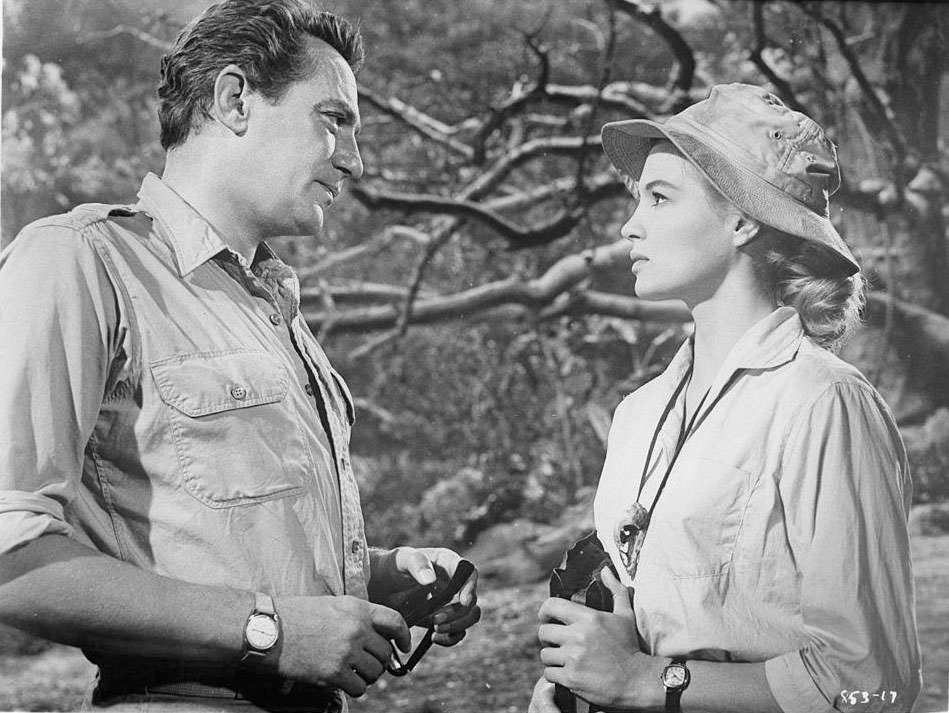
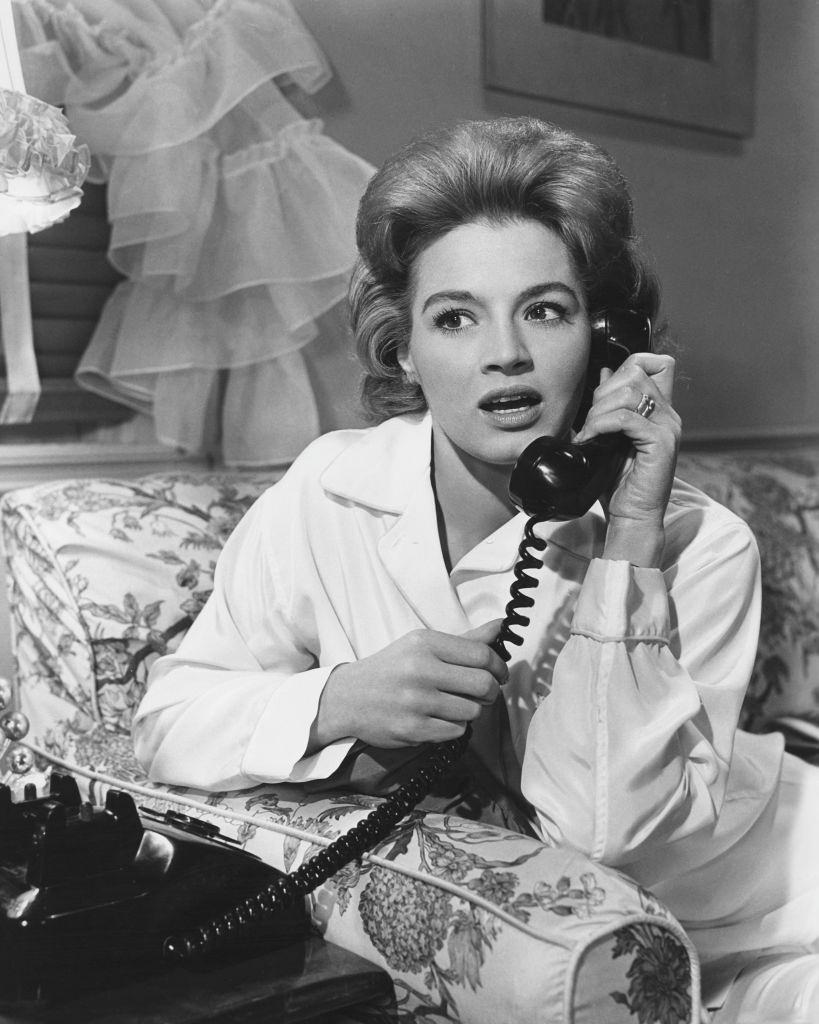
On the set of ‘Captain Newman, M.D.’ in Hollywood in 1963, Dickinson was a polished professional already several years into a film career that moved between comedies, dramas, and westerns with ease.
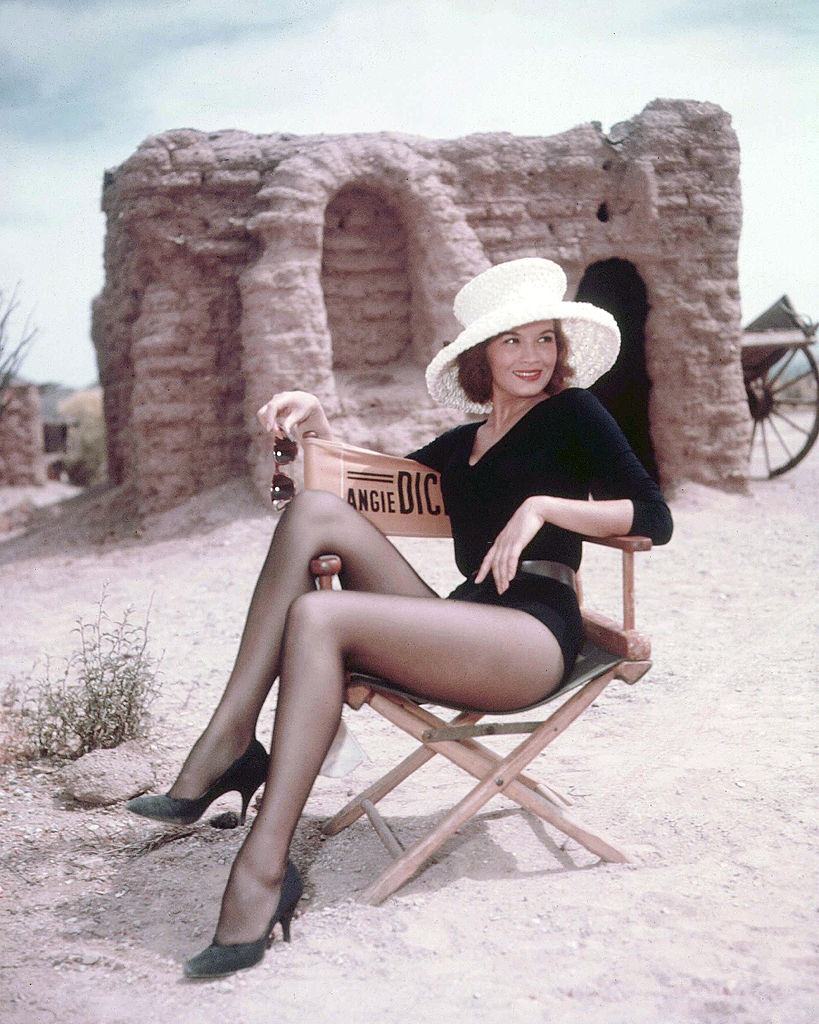
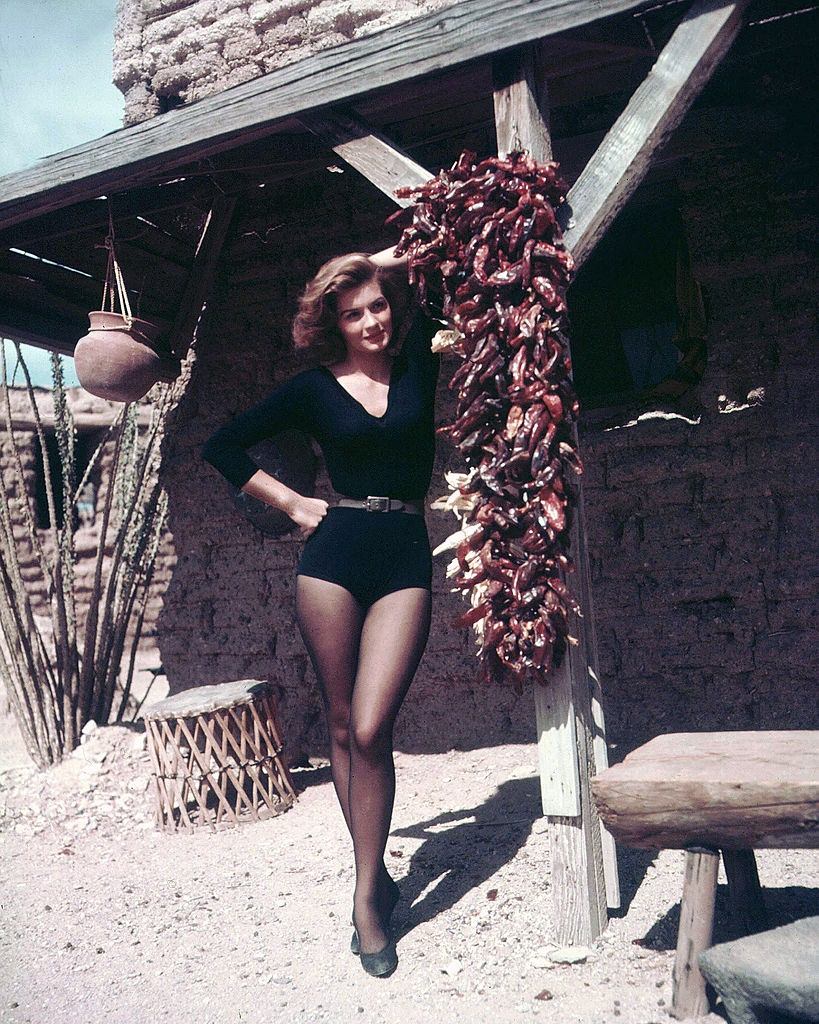
The ‘Rio Bravo’ set in 1959 produced some of the most enduring images of Dickinson from her early career. Photographed relaxing between takes, posing beside dried chilies on set, and working directly with director Howard Hawks, these images capture both the scale of the production and her ease in that environment. Her chemistry with John Wayne on screen translated into a genuinely relaxed working relationship behind the camera.
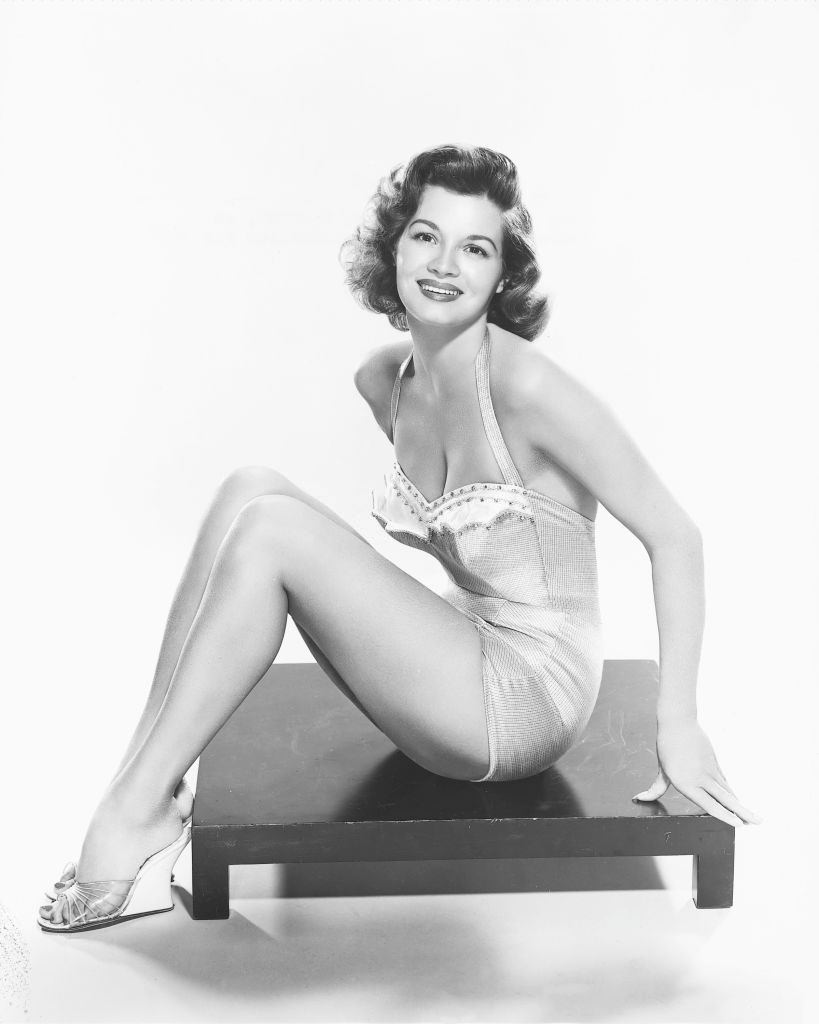
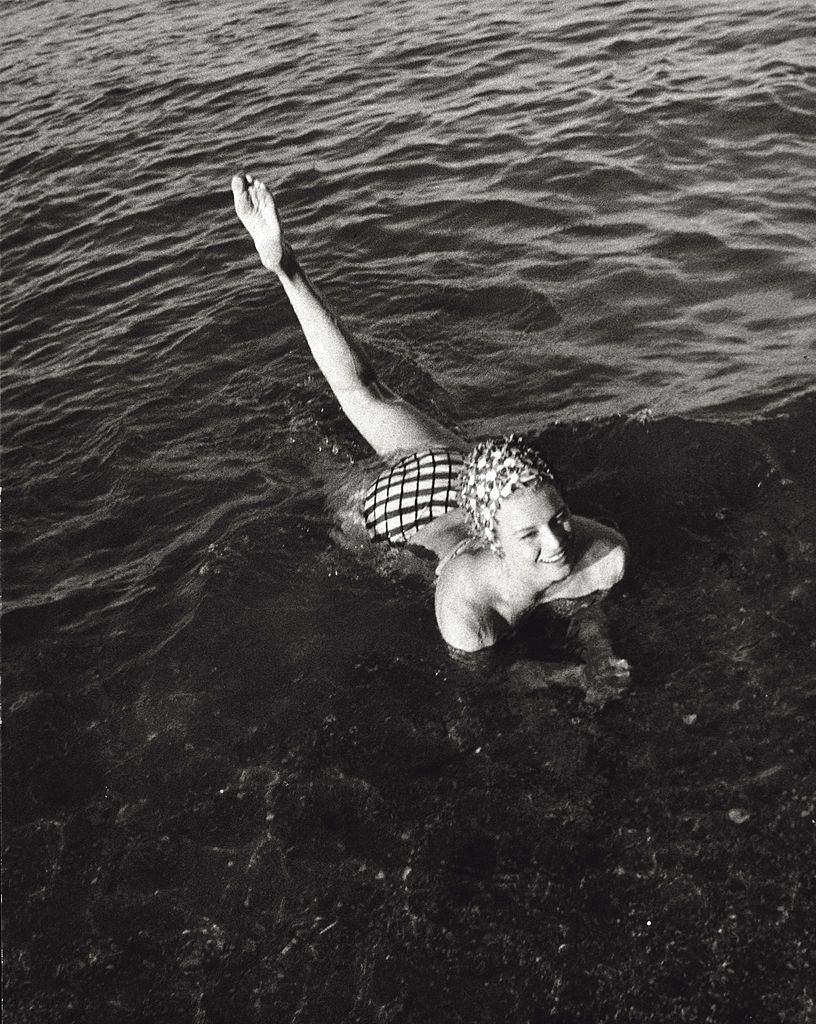
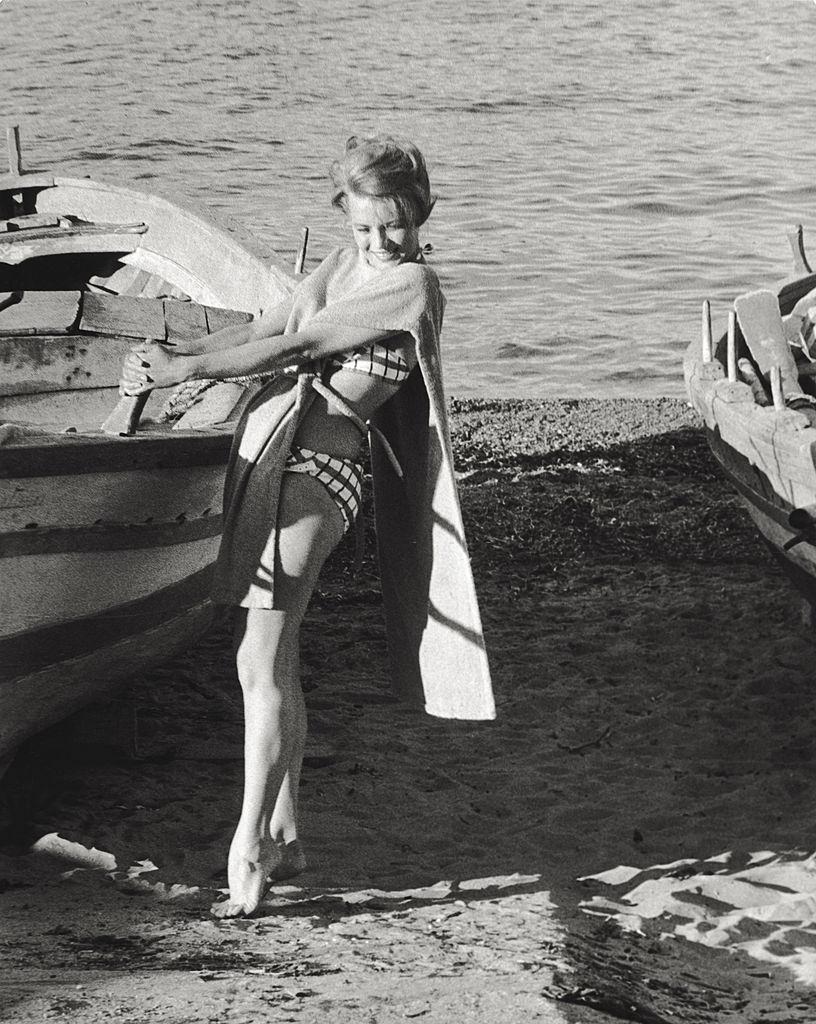
The late 1950s also included more personal and playful photo sessions. Bathing suit photos from 1955 were standard studio fare for rising actresses of the era, used for press and promotional materials.
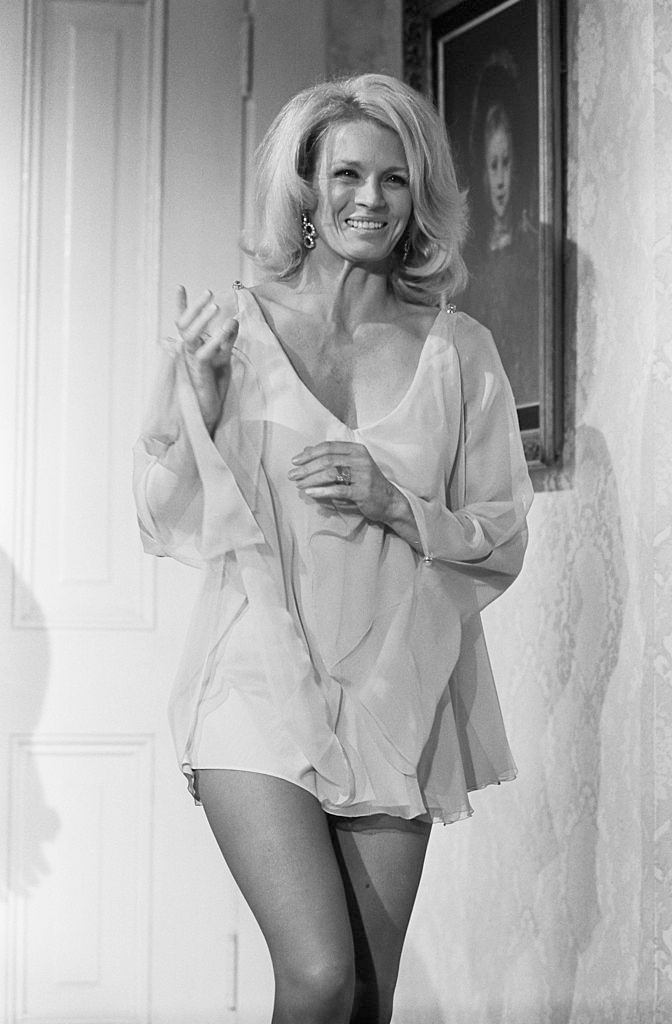
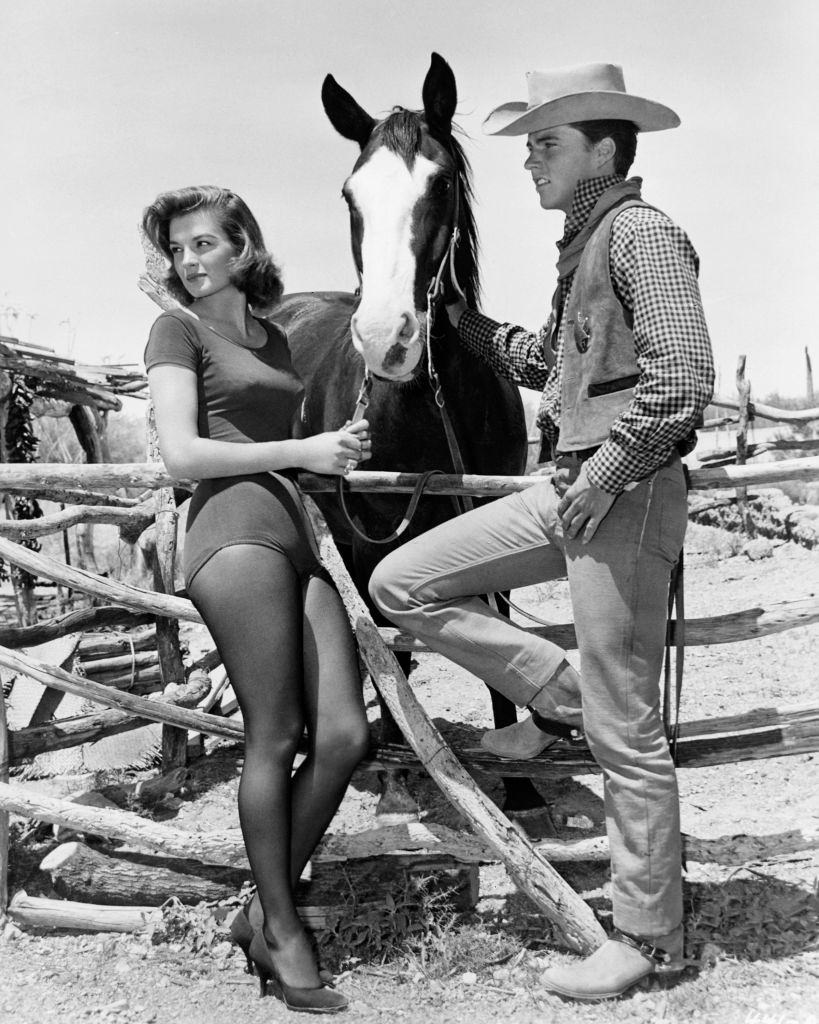
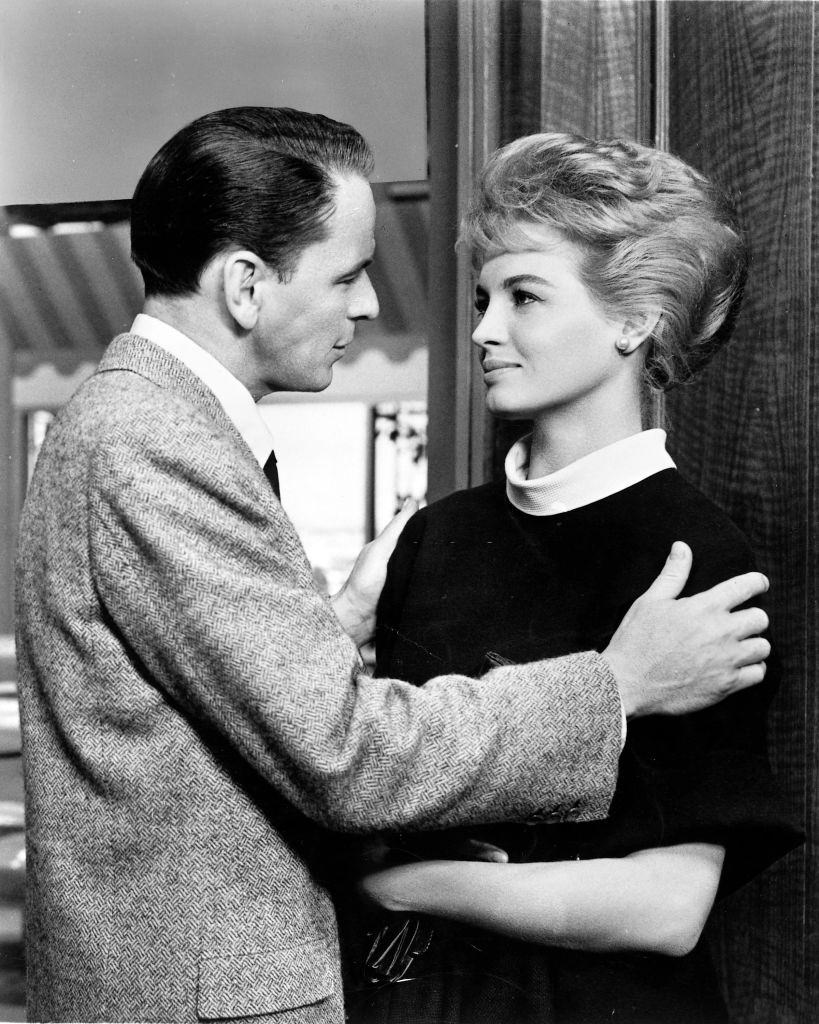
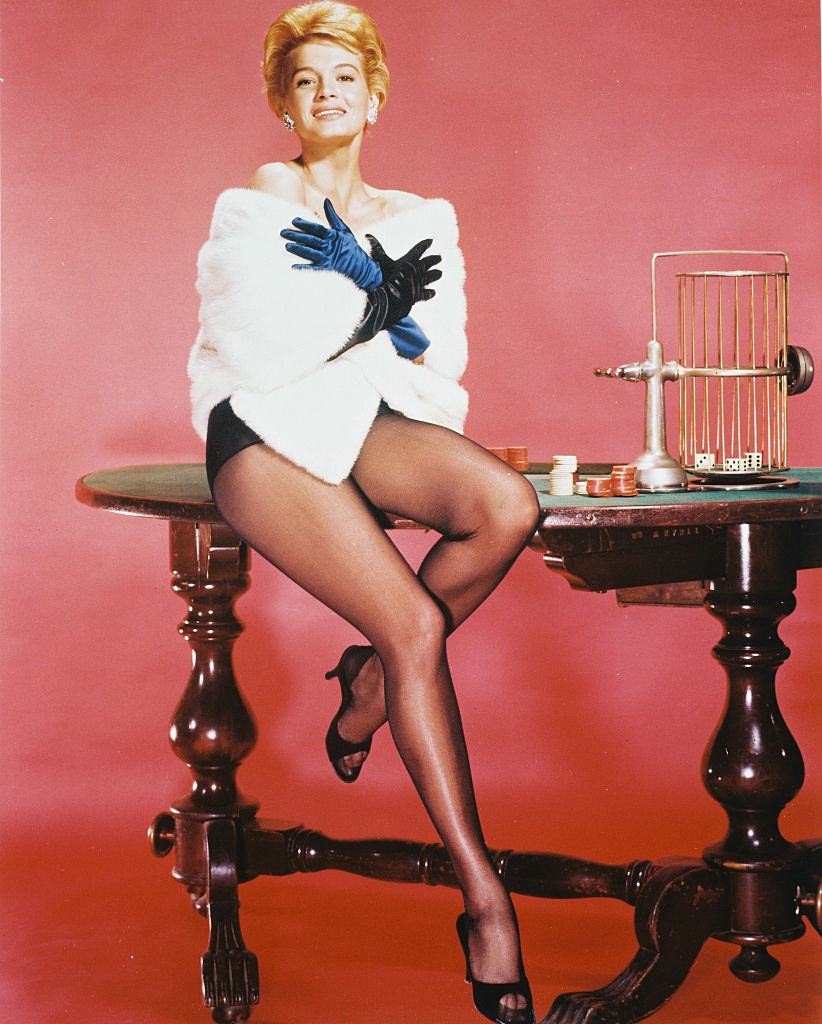
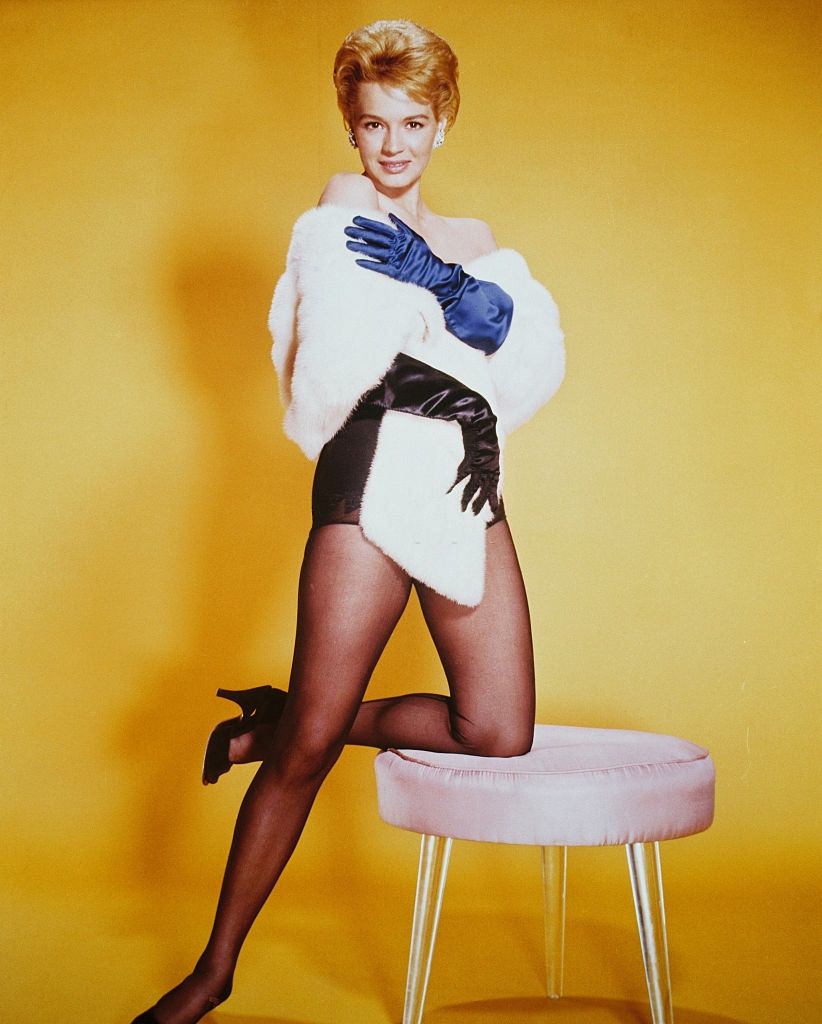
In 1960, Dickinson played Beatrice Ocean, the wife of Frank Sinatra’s character, in the original ‘Ocean’s Eleven.’ The film assembled one of the most star-studded casts in Hollywood history, and Dickinson held her own among them. That same year, she was photographed in a variety of settings — from casual portraits to glamorous evening looks — reflecting just how active her public profile had become.
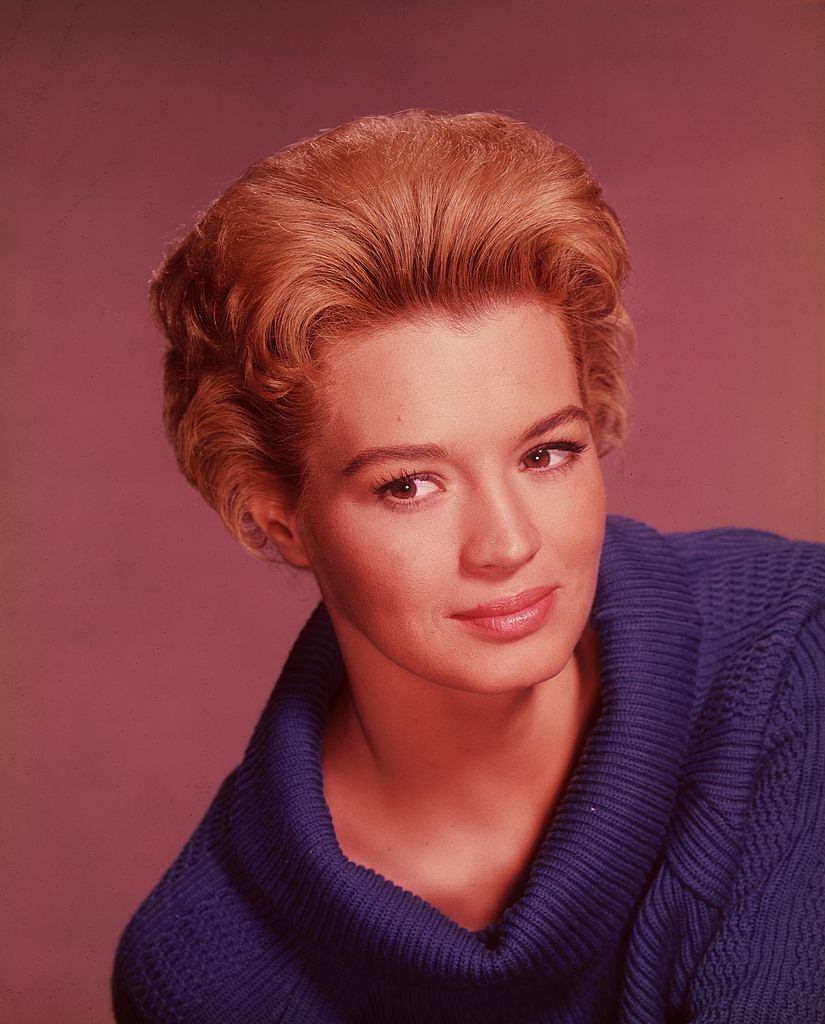
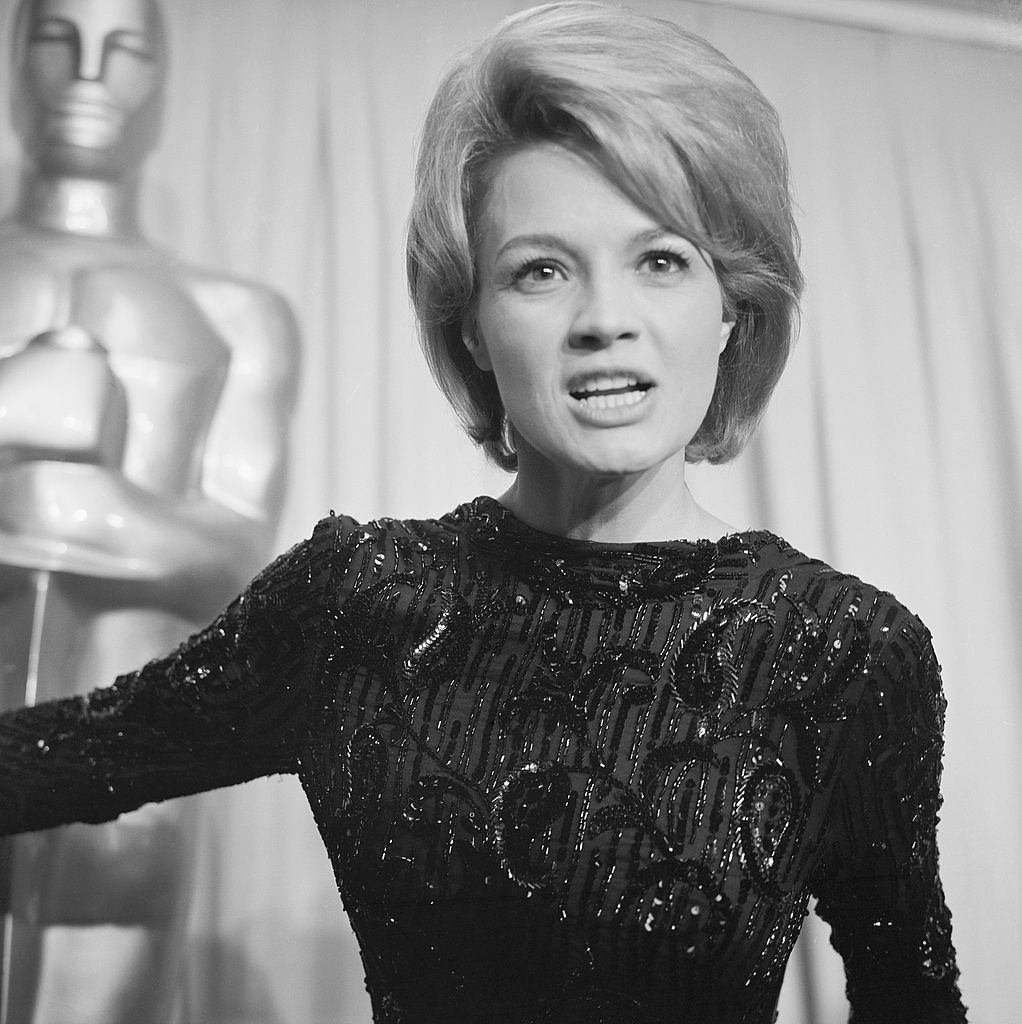
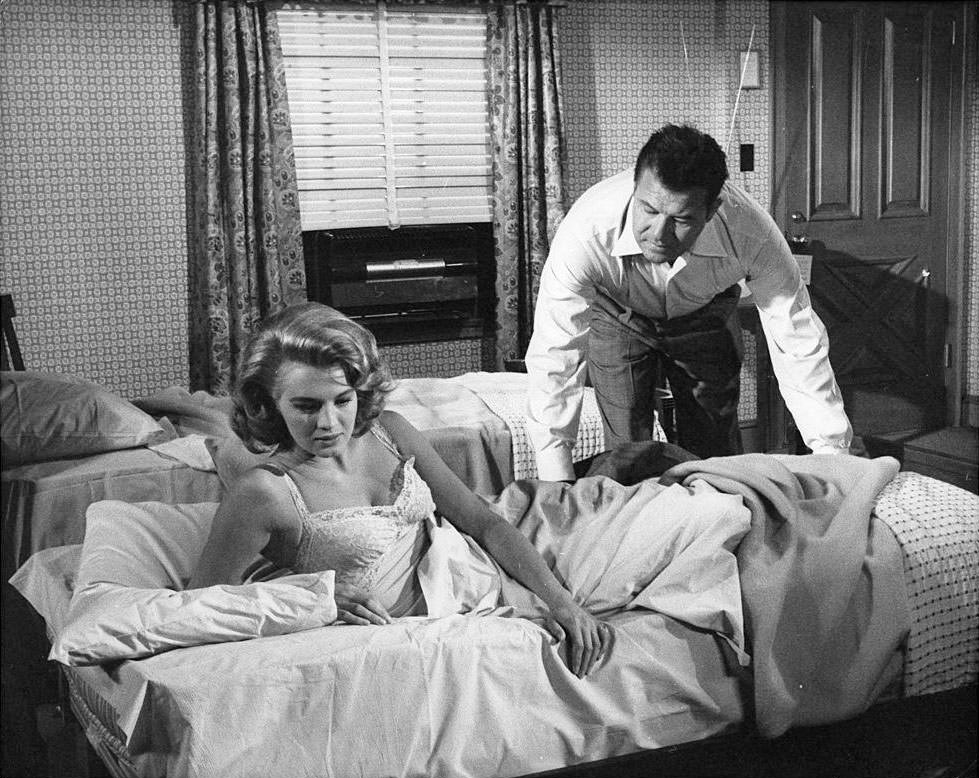
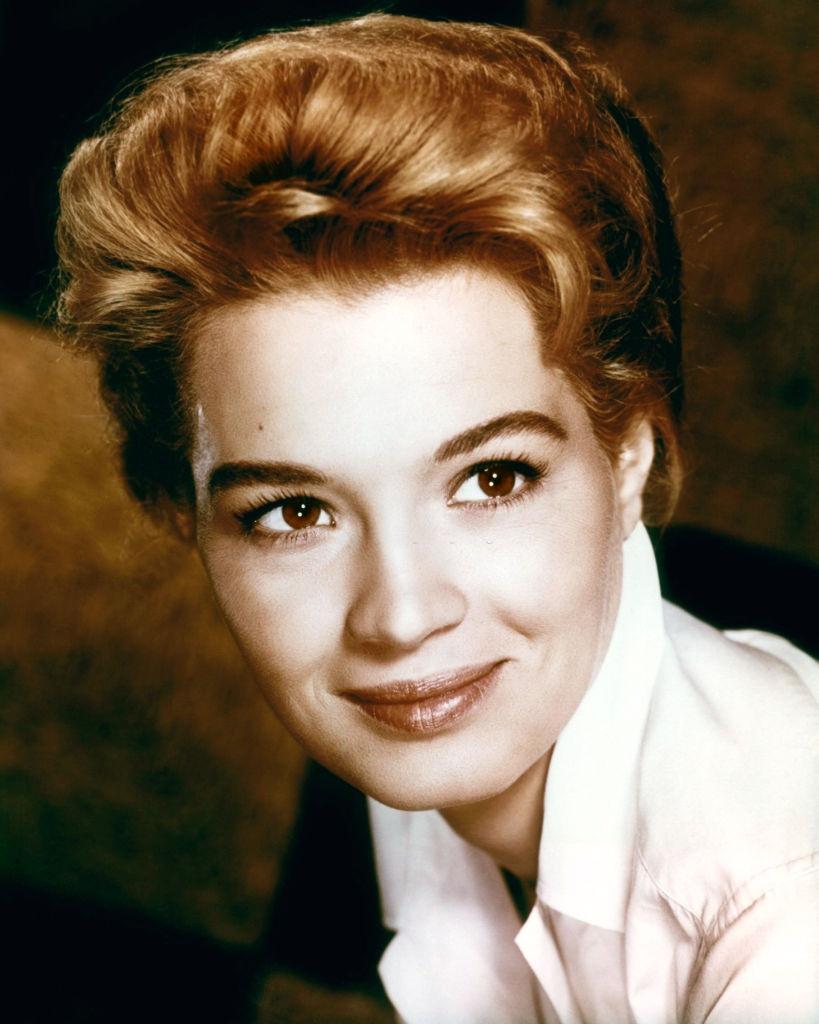
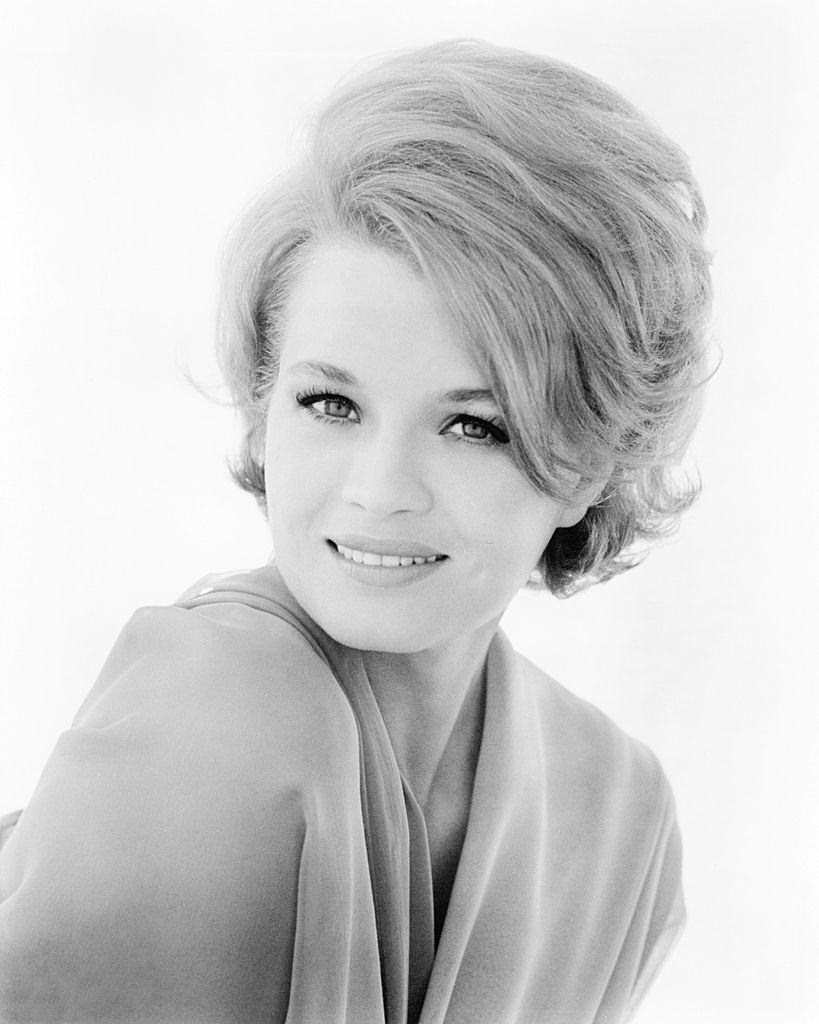
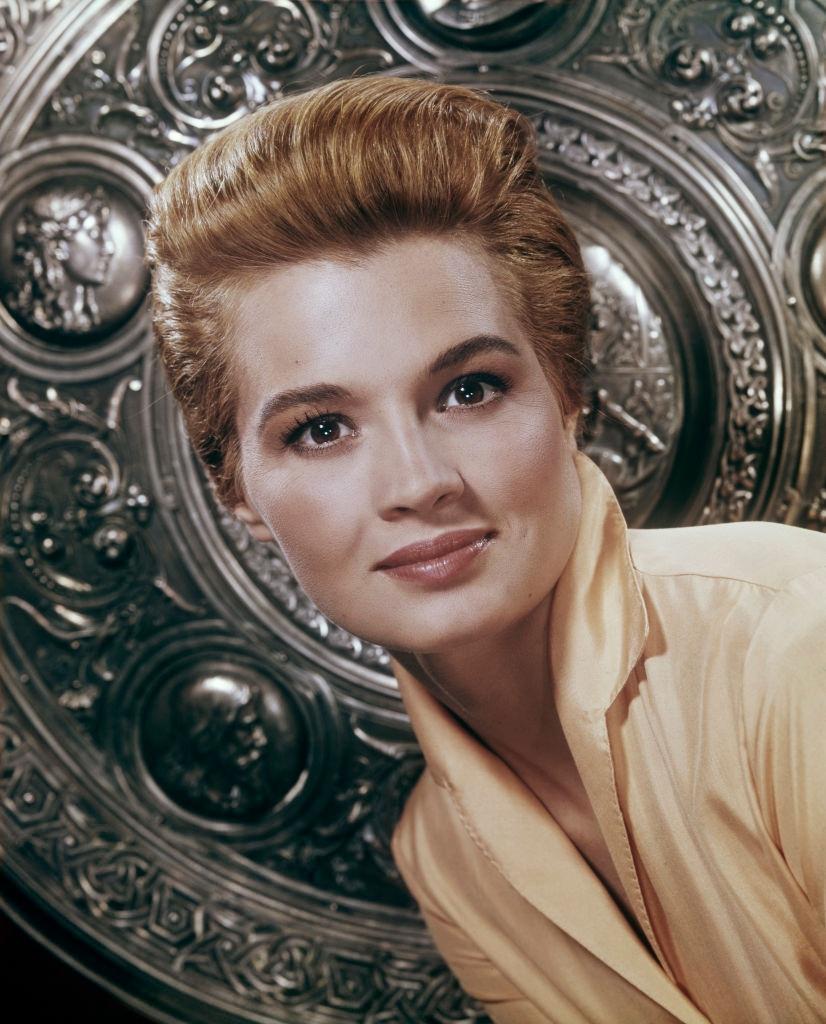
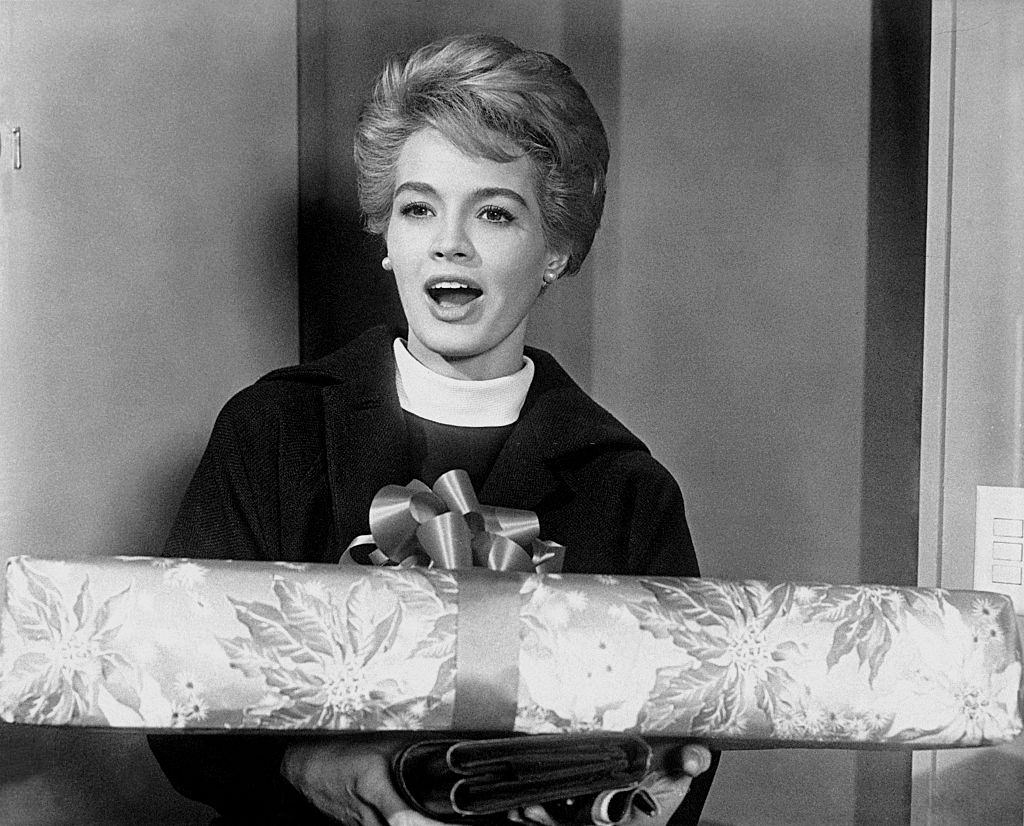
Dickinson married composer Burt Bacharach in 1965, ten years after her first marriage to former football player Gene Dickinson ended in divorce. She had kept the Dickinson surname after that first marriage ended. With Bacharach, she had a daughter named Lea Nikki. After 15 years together, the couple separated and eventually divorced. Nikki, who struggled for years with vision problems and Asperger’s syndrome, died by suicide in 2007.
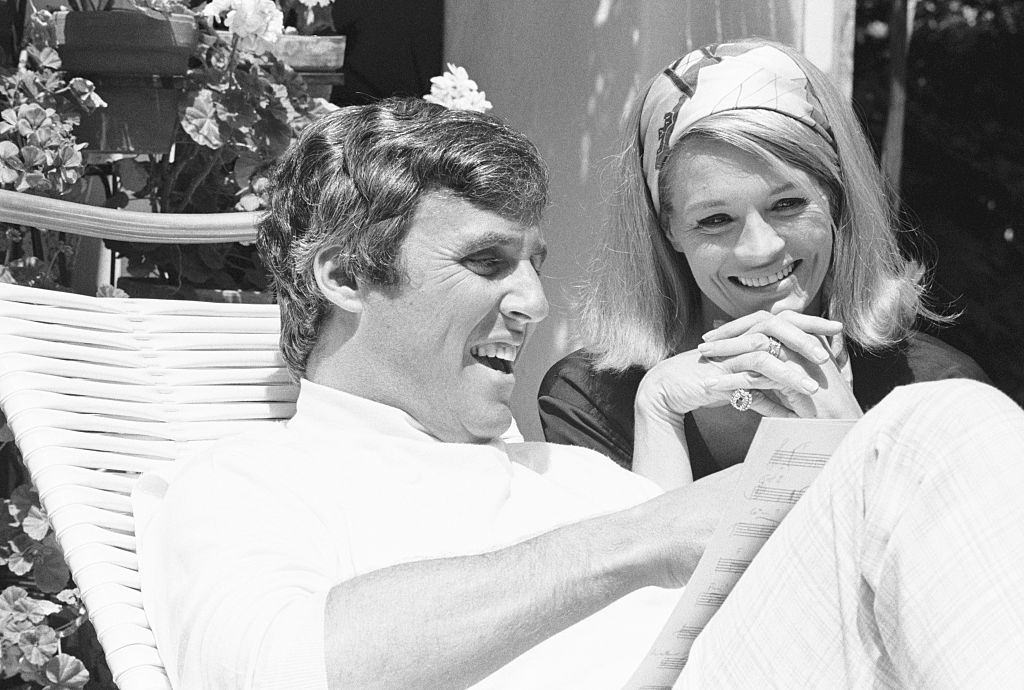
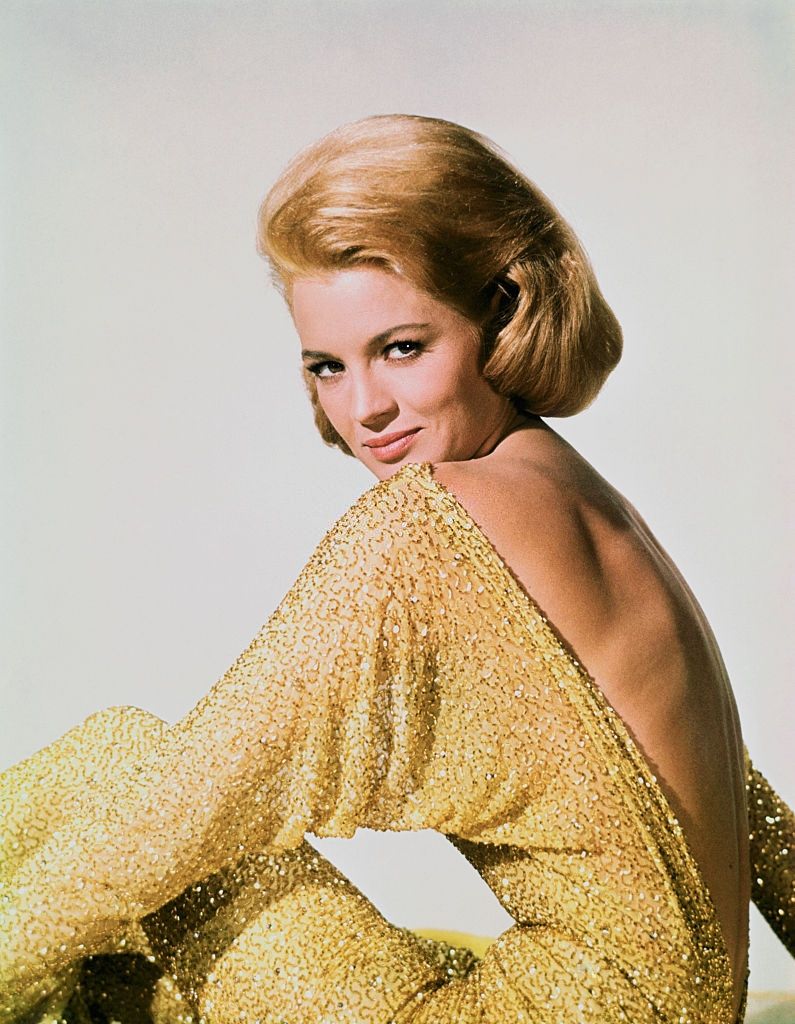
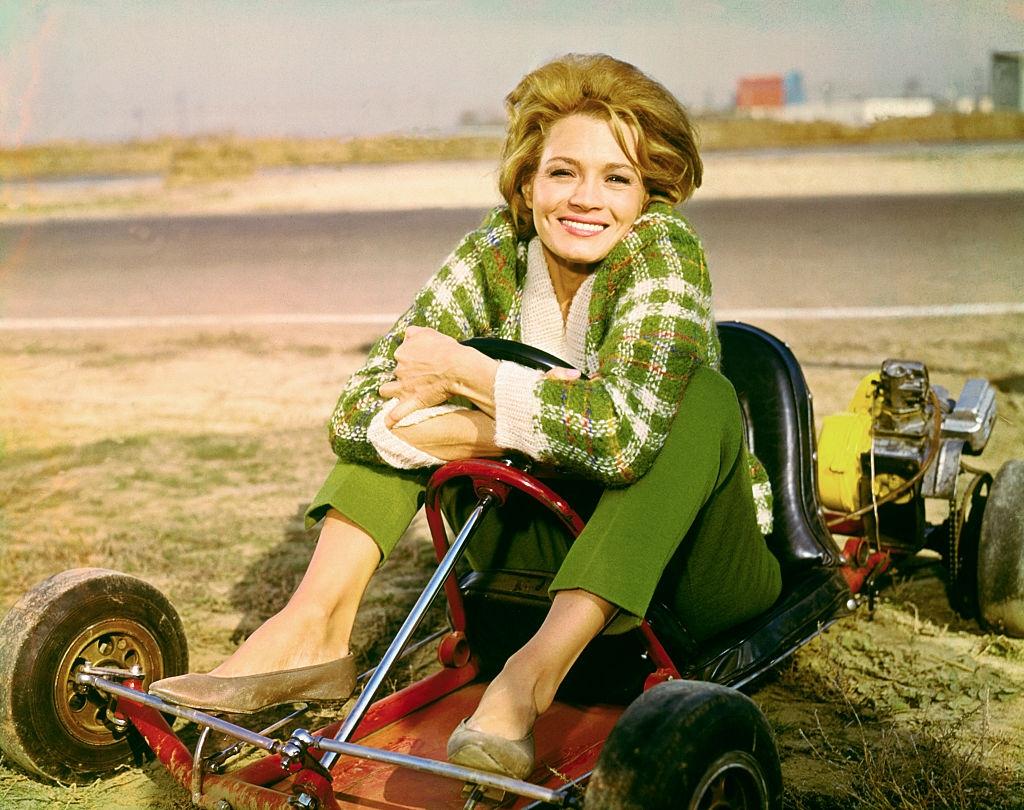
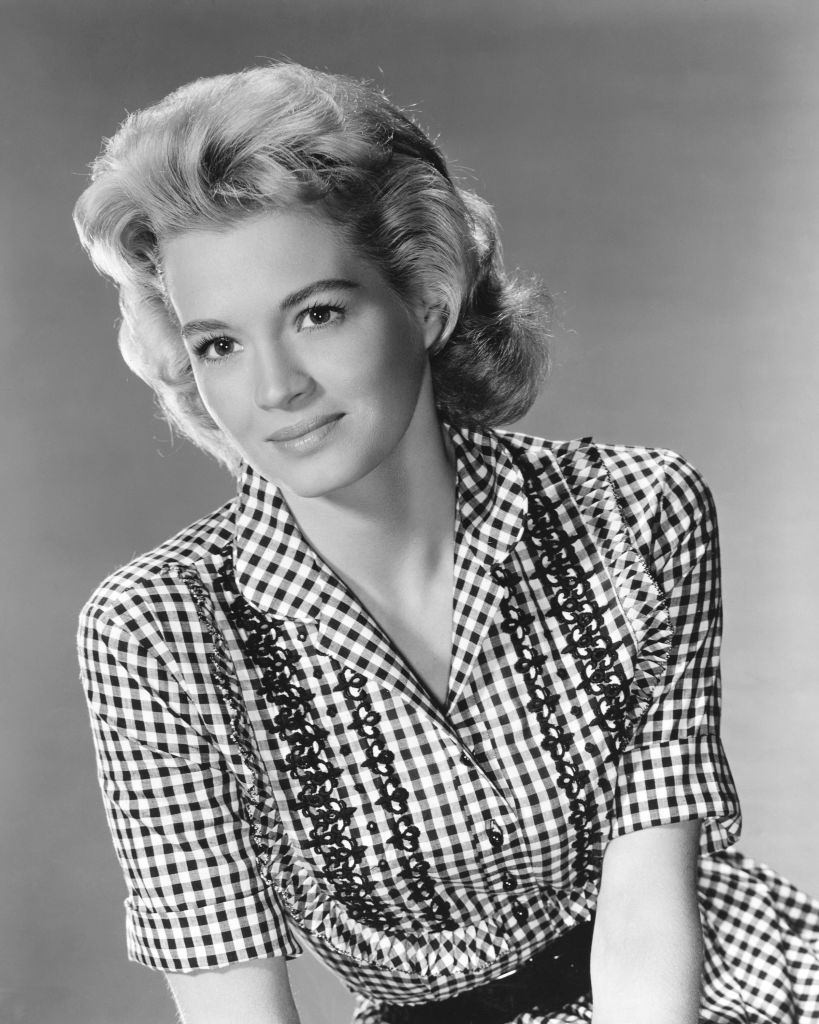
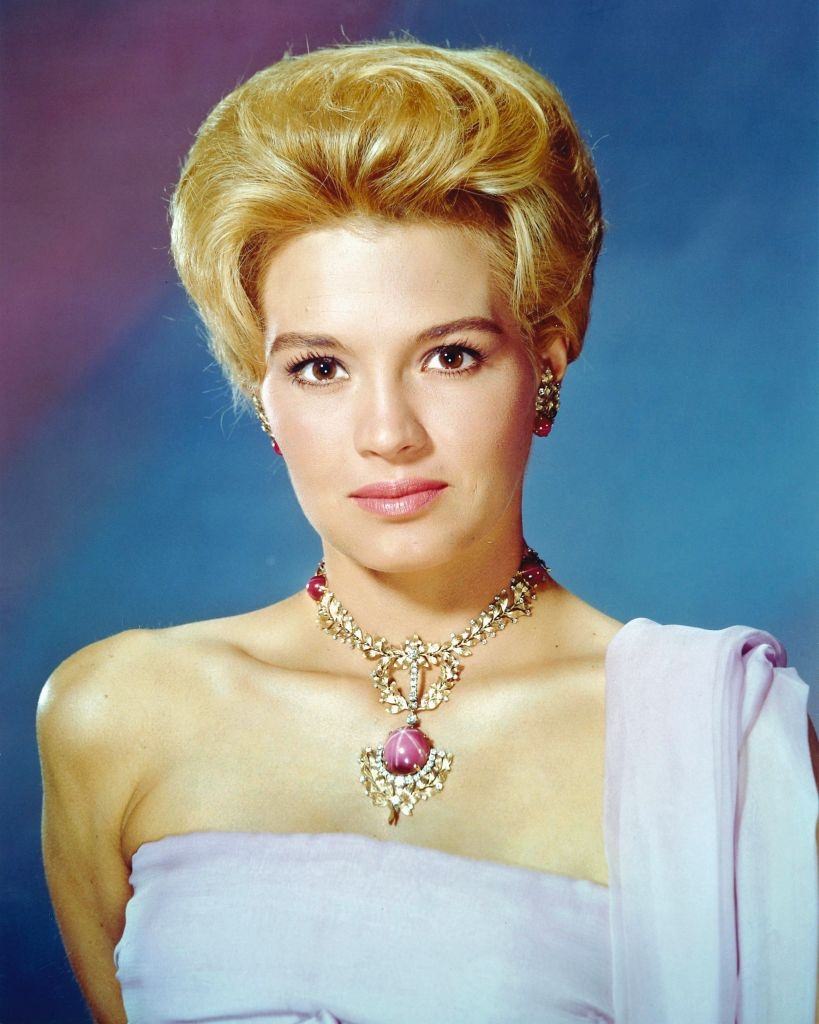
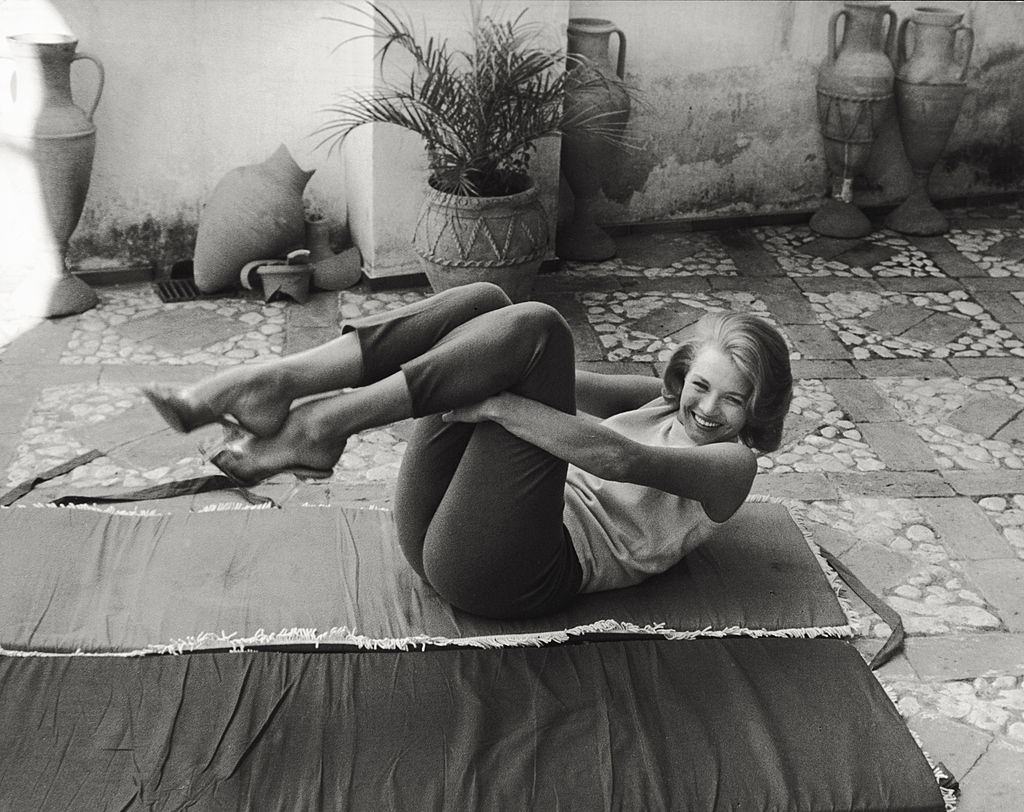
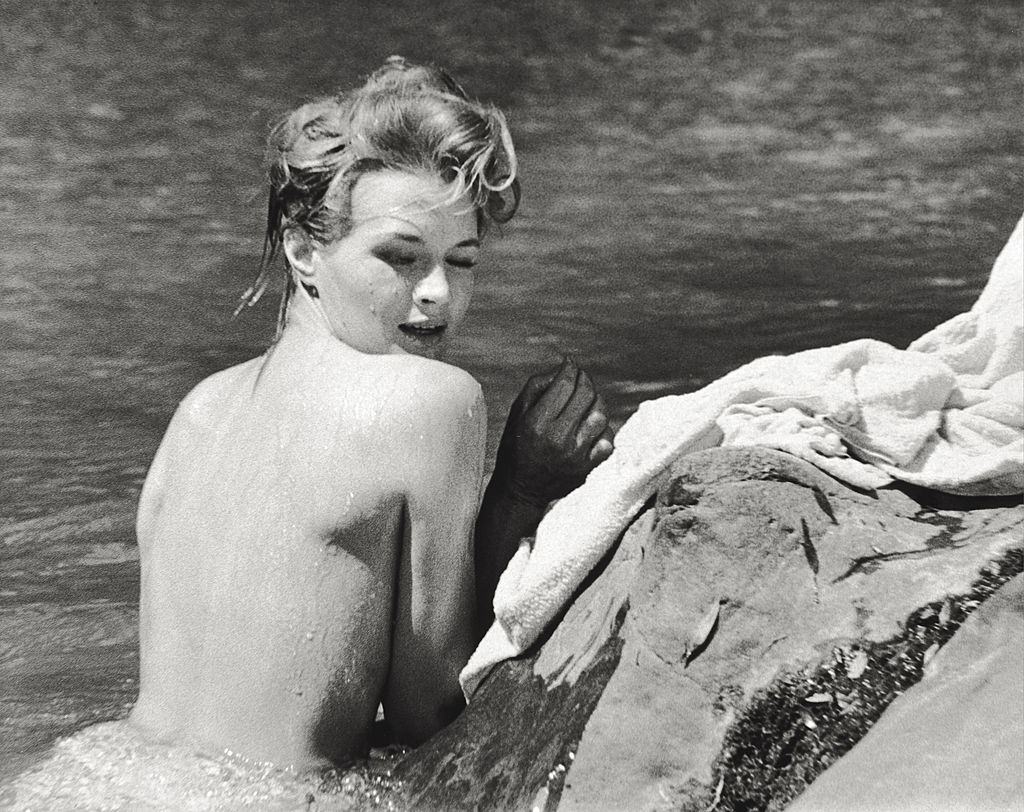
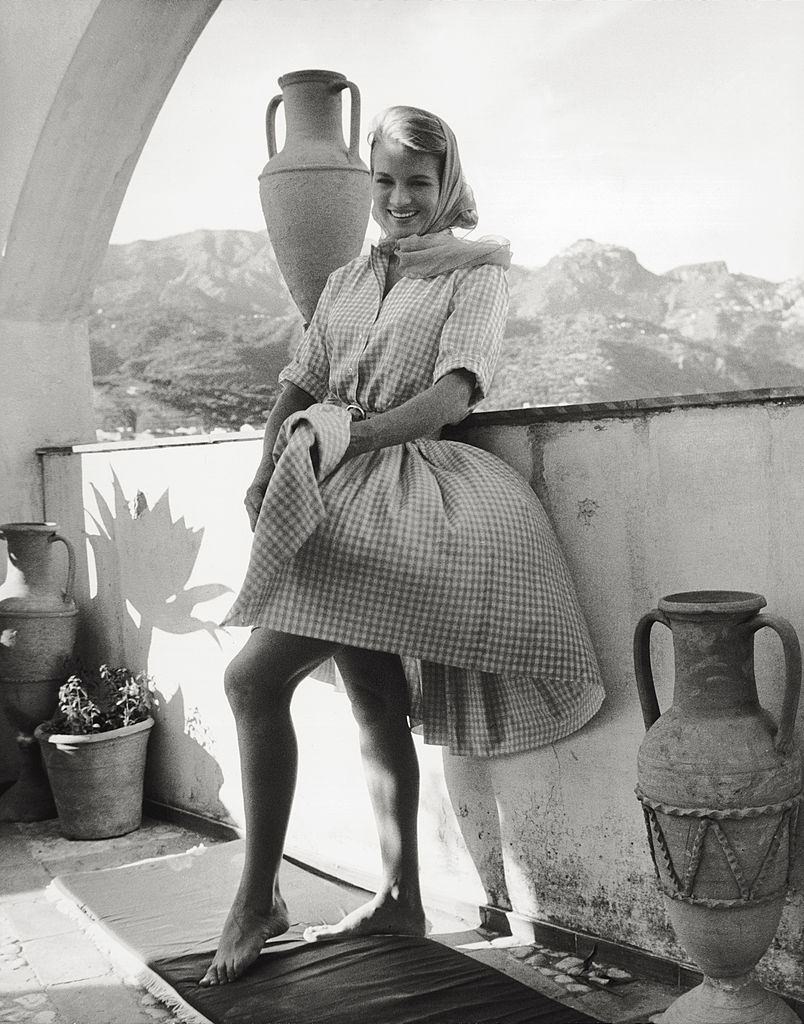
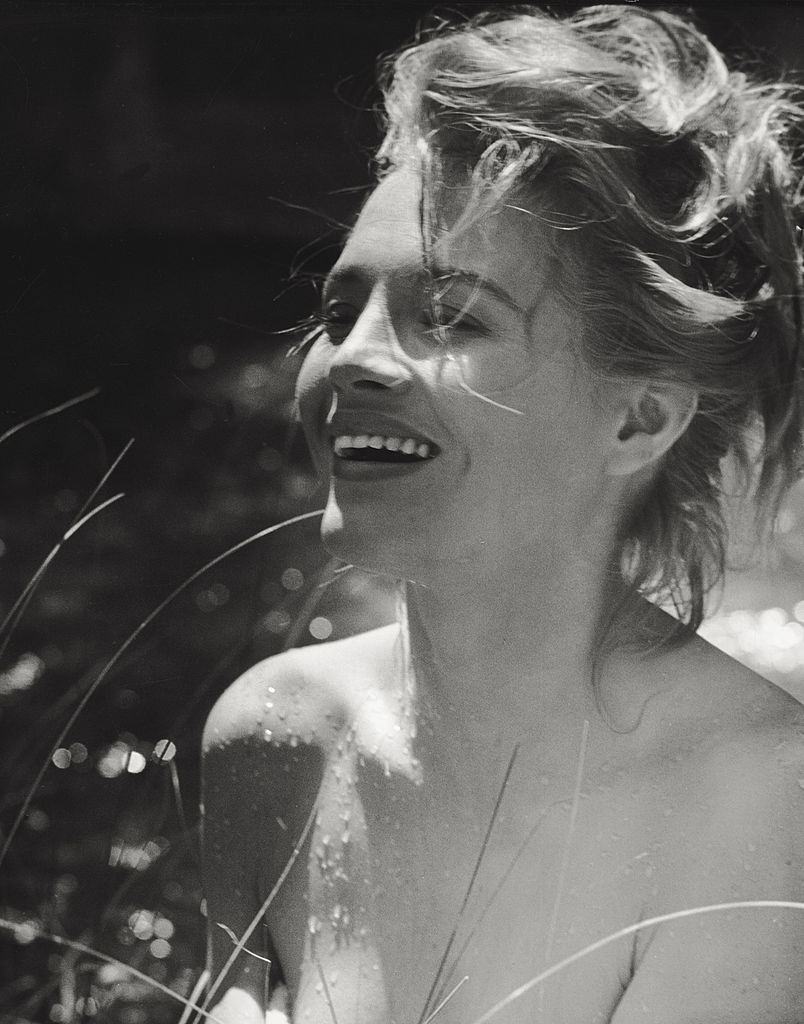
In 1961, Dickinson attended the Cannes Film Festival, marking her growing international profile. Photos from that visit show her both at the formal festival events and relaxing in the sun — candid, unguarded images that stand apart from the polished studio portraits of the same period.
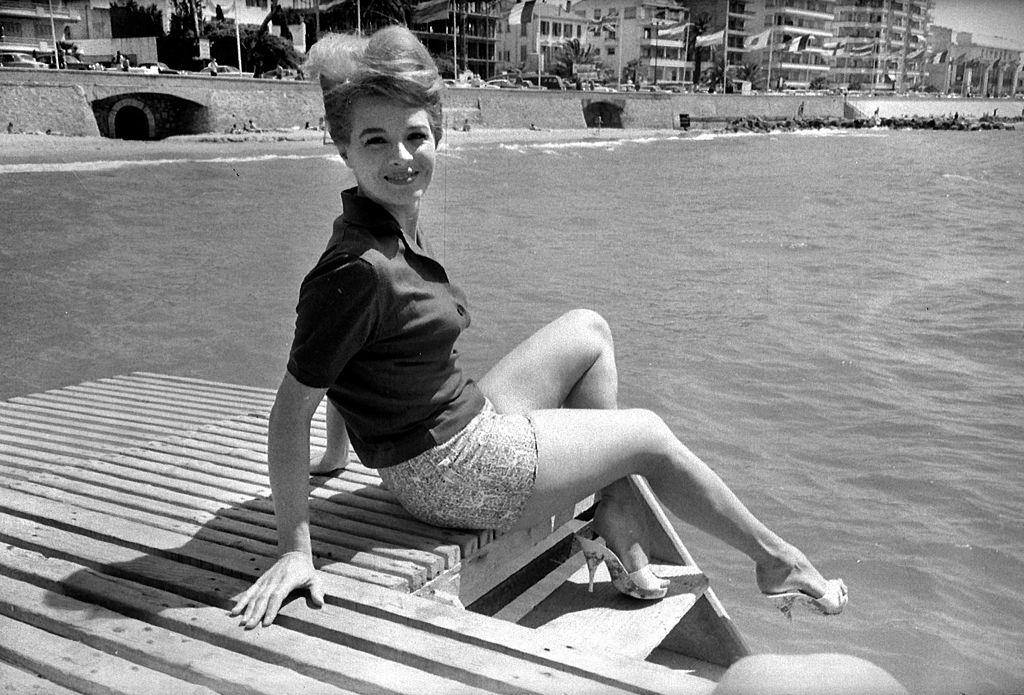
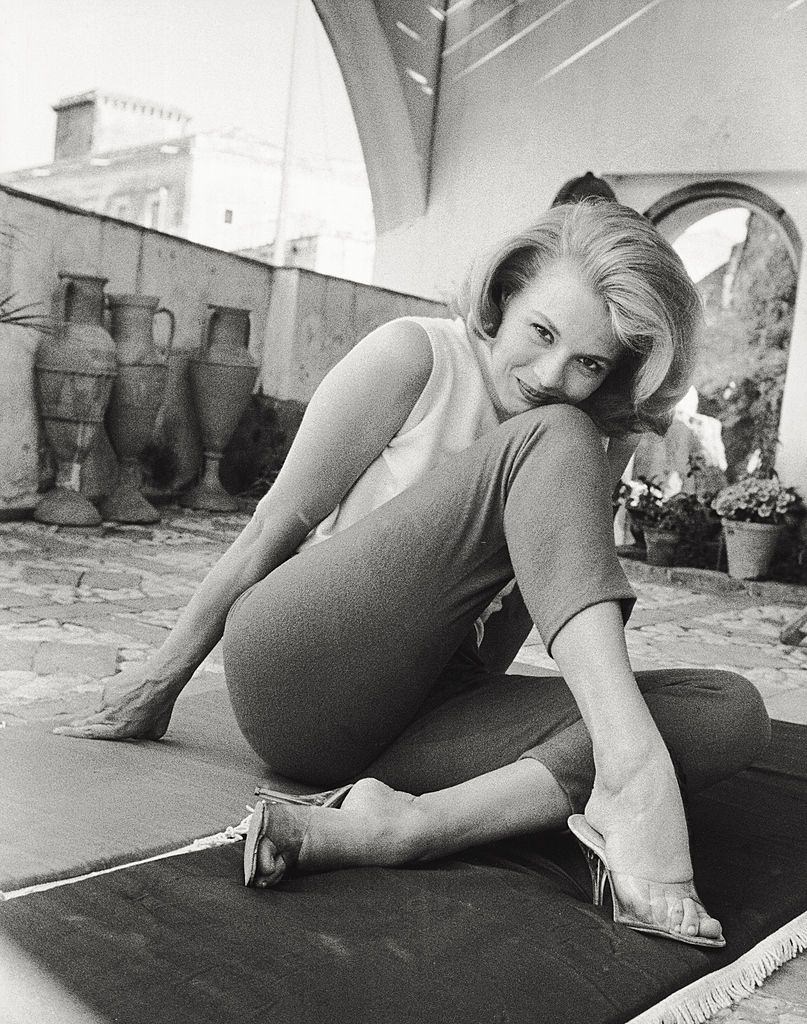
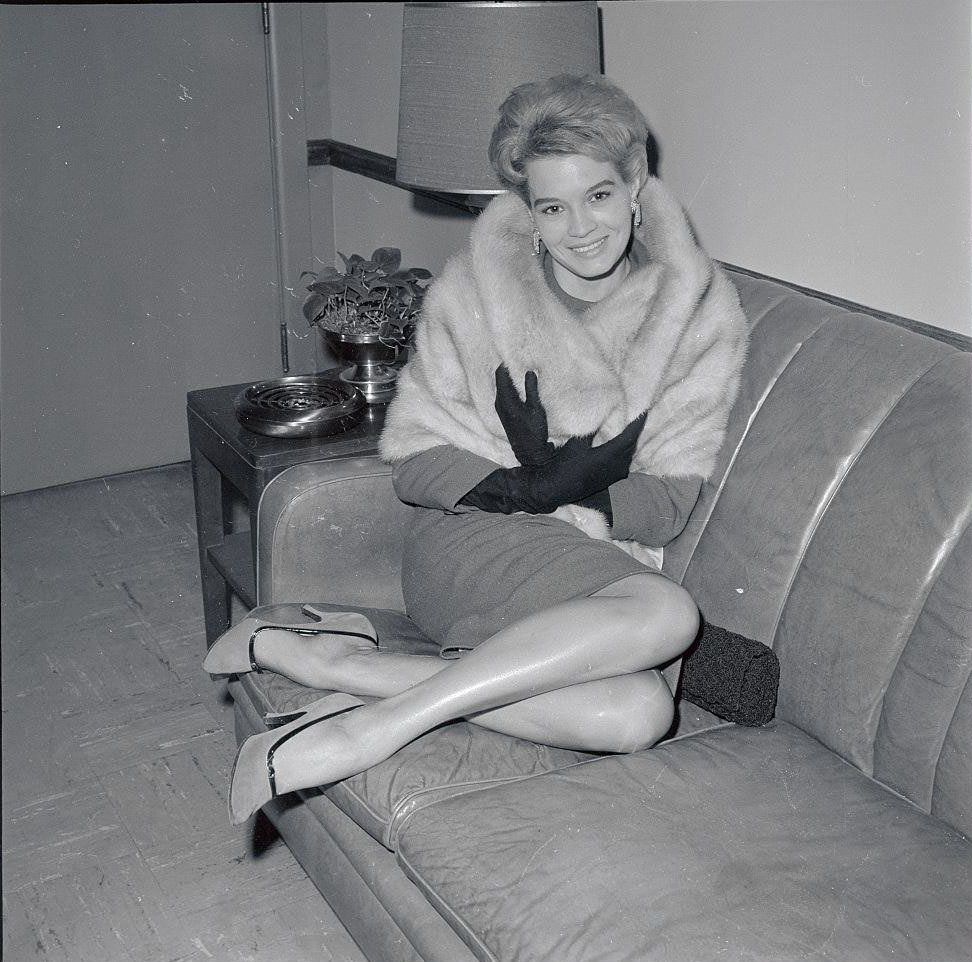
She was also actively promoting her films during this period. In 1960, she traveled to LaGuardia Airport from Boston to publicize ‘The Bramble Bush,’ reflecting the constant demands of the studio publicity machine that accompanied any significant film release.
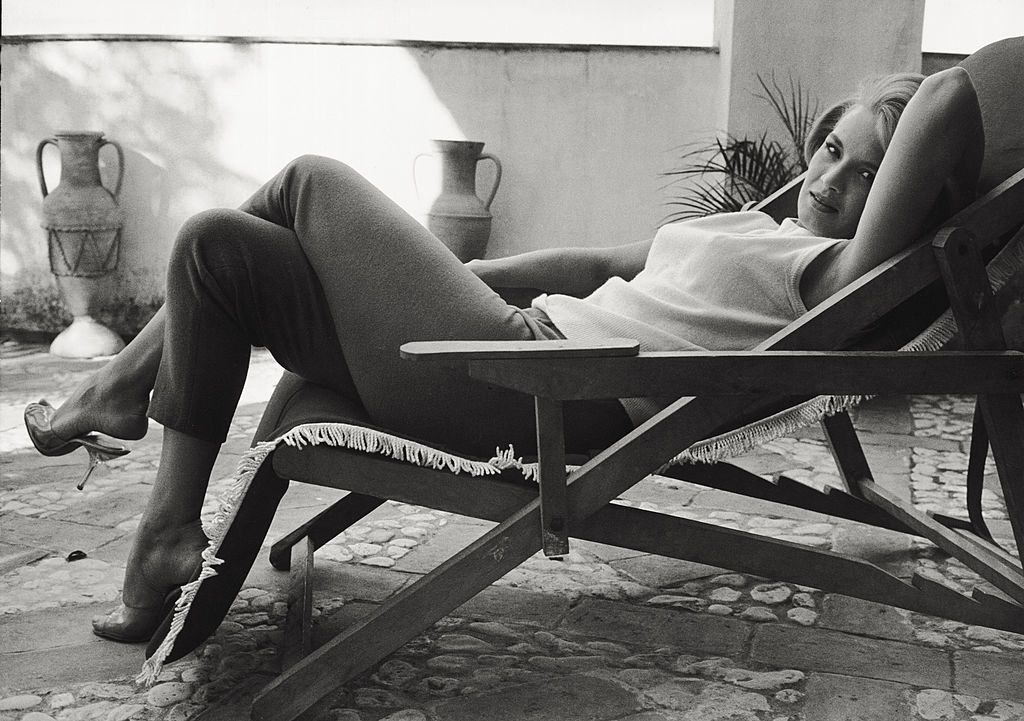
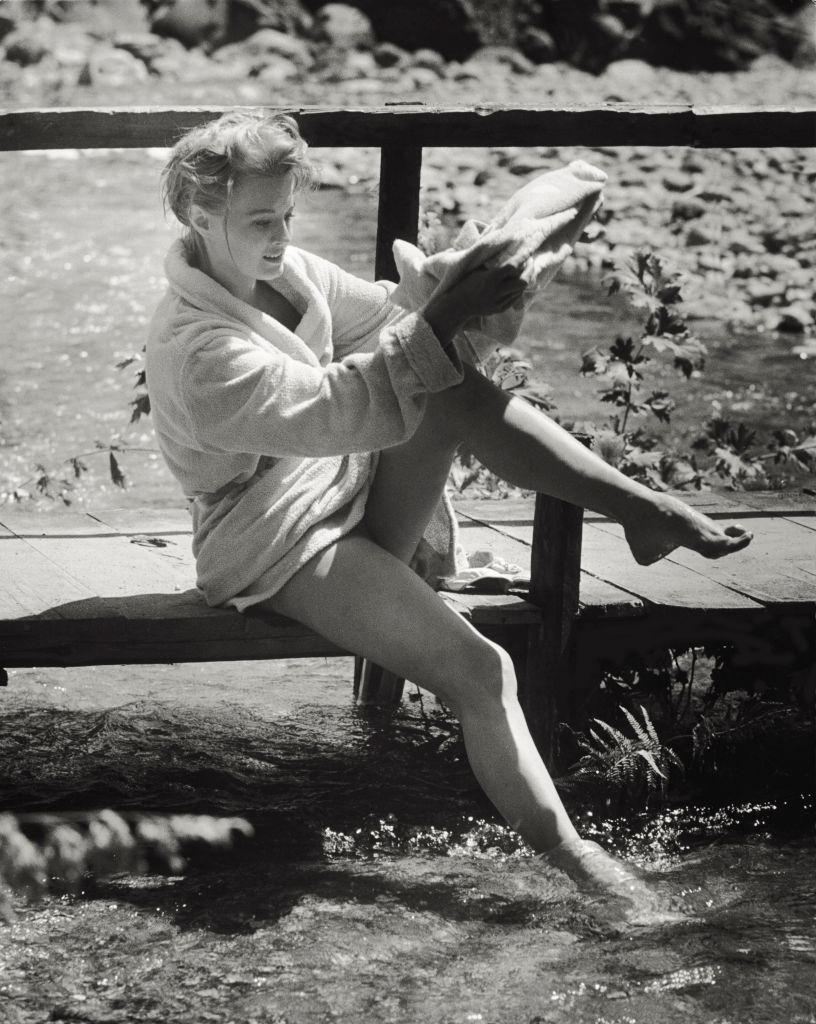
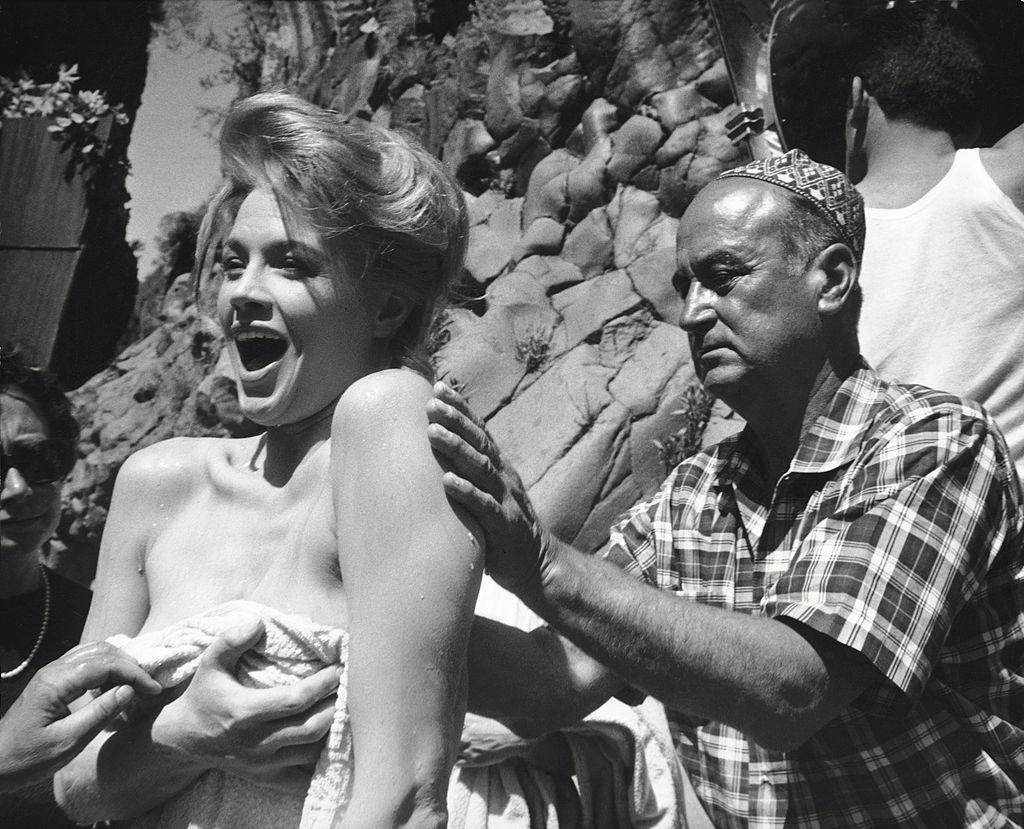
Her work in ‘The Sins of Rachel Cade’ gave her one of her most dramatically complex early roles. Playing the title character, a missionary nurse in the Belgian Congo, she shared scenes with both Roger Moore and Peter Finch. The film required emotional depth and physical commitment, and the on-set images from the production show an actress fully engaged with the material.
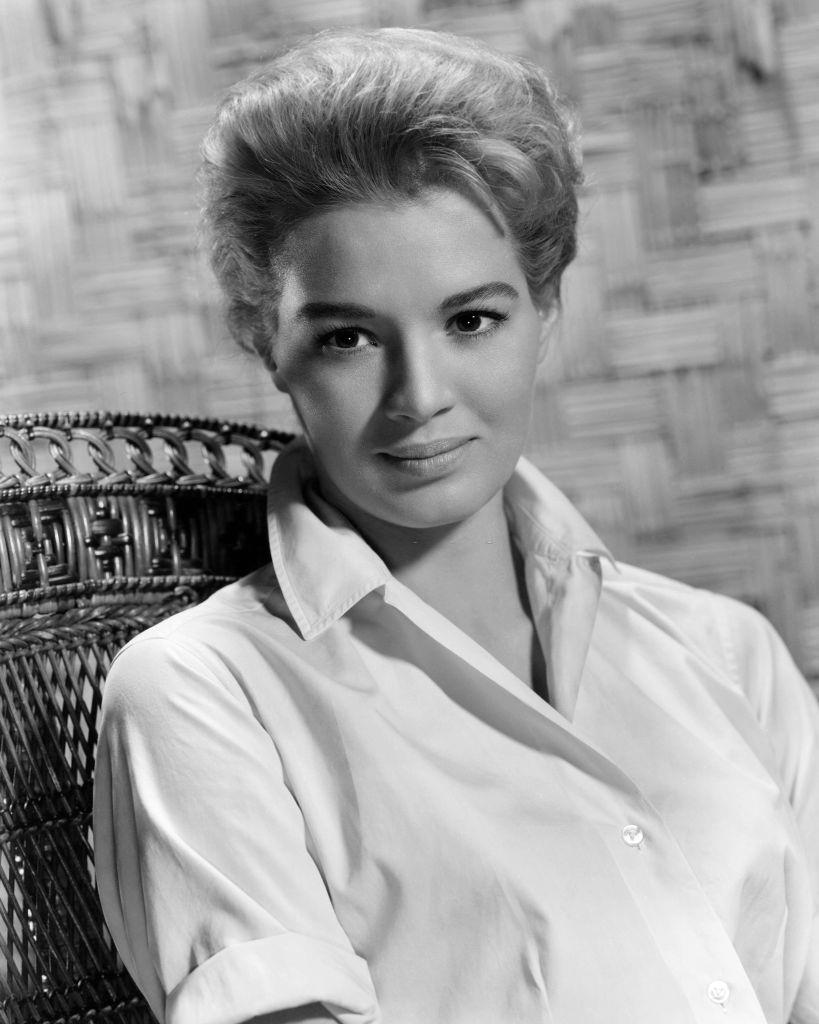
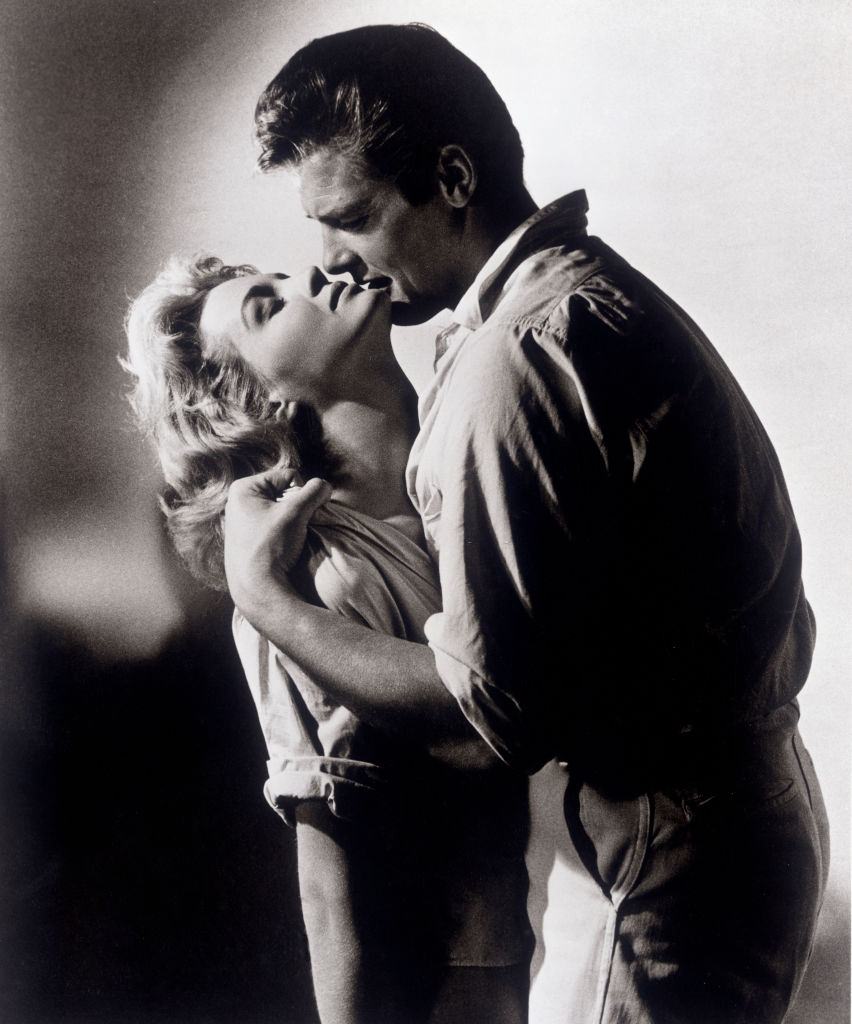
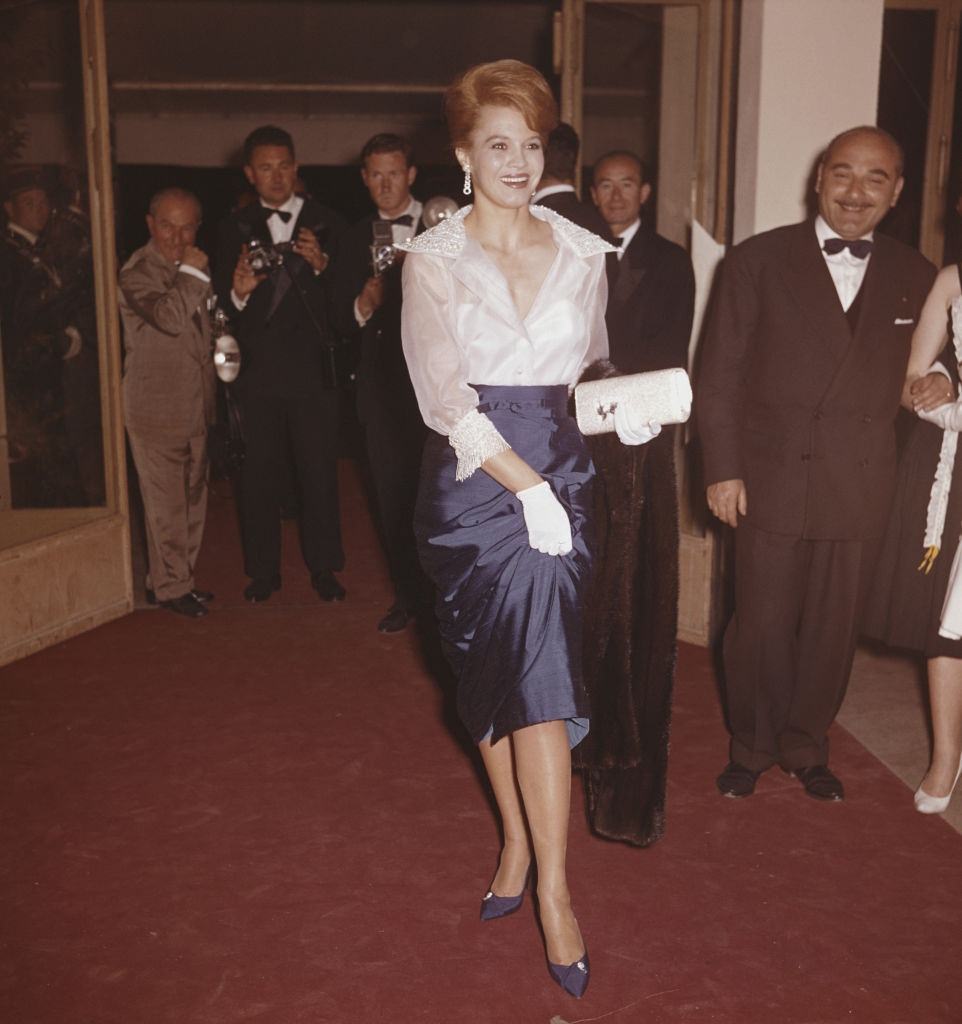
In 1962, she appeared in ‘Rome Adventure’ — also released as ‘Lovers Must Learn’ — playing Lyda Kent. That same year, she took on the title role in ‘Jessica.’ These back-to-back films kept her in front of audiences as her film career reached a steady and productive pace.
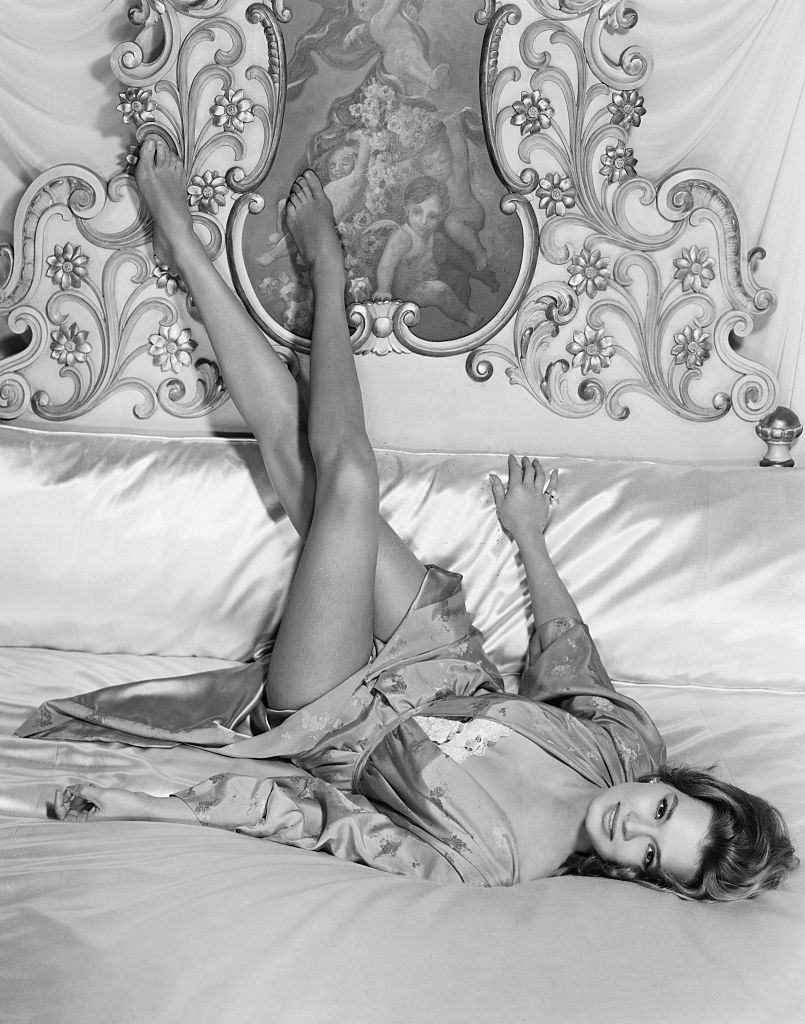
In 1964, Dickinson co-starred with Lee Marvin and John Cassavetes in the crime drama ‘The Killers,’ a remake of the 1946 film noir classic. The production was notable for being directed by Don Siegel and was originally intended for television before being deemed too violent and released theatrically instead. Two years later, she appeared alongside Marlon Brando in ‘The Chase’ (1966). Dickinson and Marvin later reunited for ‘Death Hunt’ in 1981. Her personal life during these years included reported relationships with Frank Sinatra and President John F. Kennedy, as well as actor Glenn Ford and television interviewer Larry King. Dickinson has lived alone in Beverly Hills in her later years.