Hey There! Before You Go. 😧
Get the best vintage content straight into your inbox!

Don't worry, we don't spam

Fascinating Vintage Photos of Street Scenes of Amsterdam in the 1970s

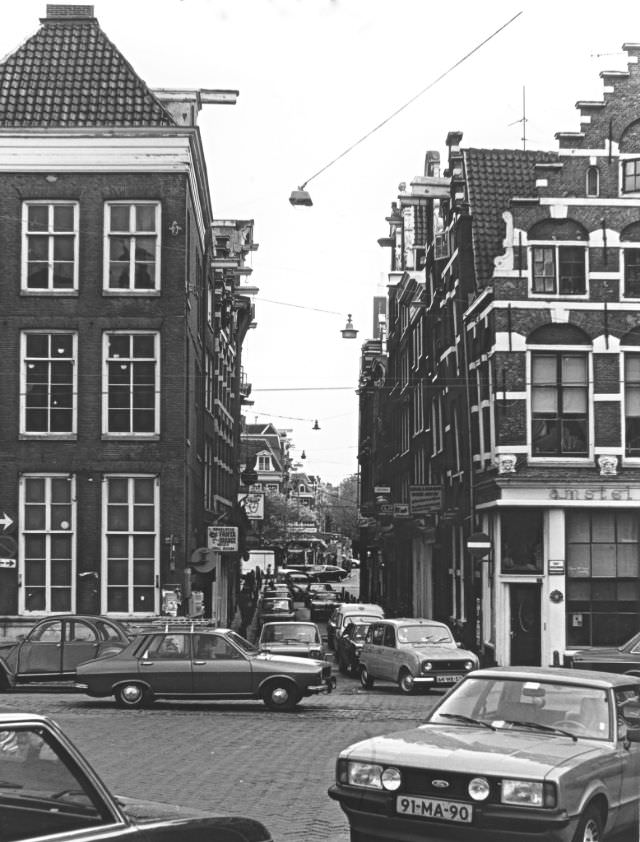
Amsterdam in the 1970s was a city caught between old traditions and radical new ideas. Its cobblestone streets, canal bridges, and historic squares became a stage for cultural change unlike anything Europe had seen before. Historian Geert Mak described this era as the “twenty years’ urban war” — a prolonged clash between radical youth movements and the city government. Street theatre, political protest, and a new kind of everyday freedom all played out in public, and photographers were there to capture it.
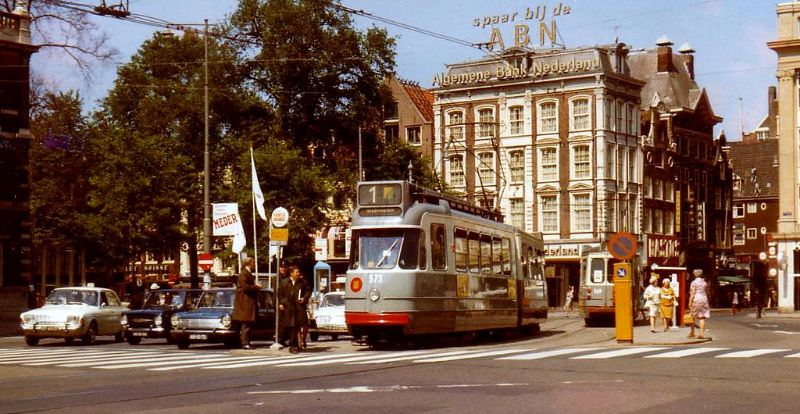
Amsterdam Leidseplein, August 1970

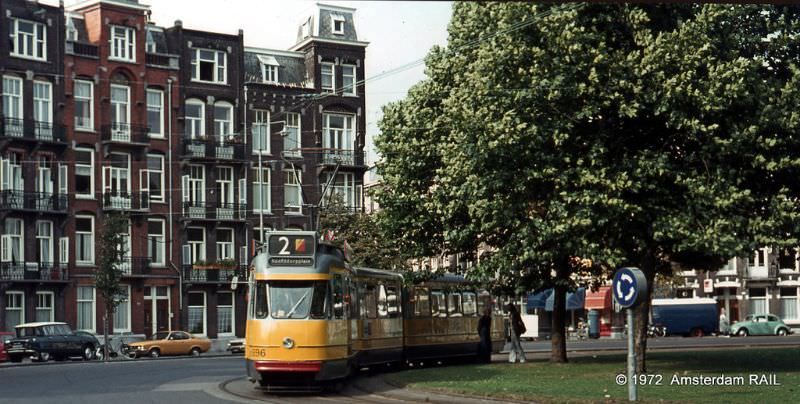
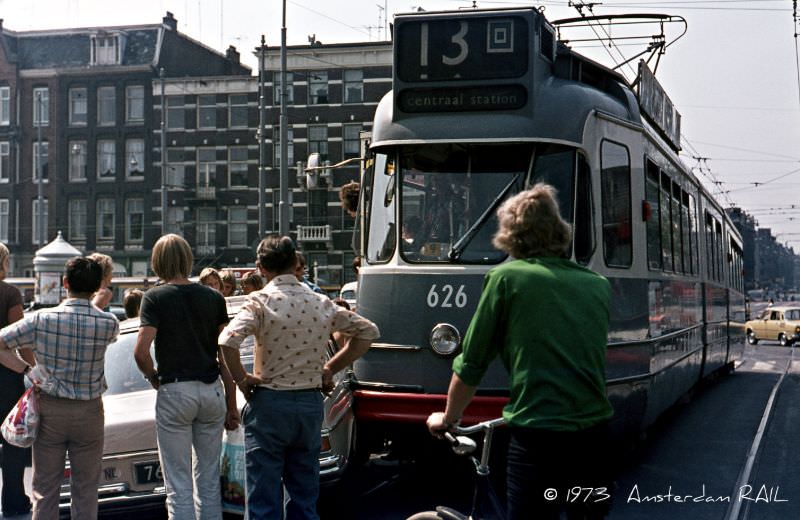
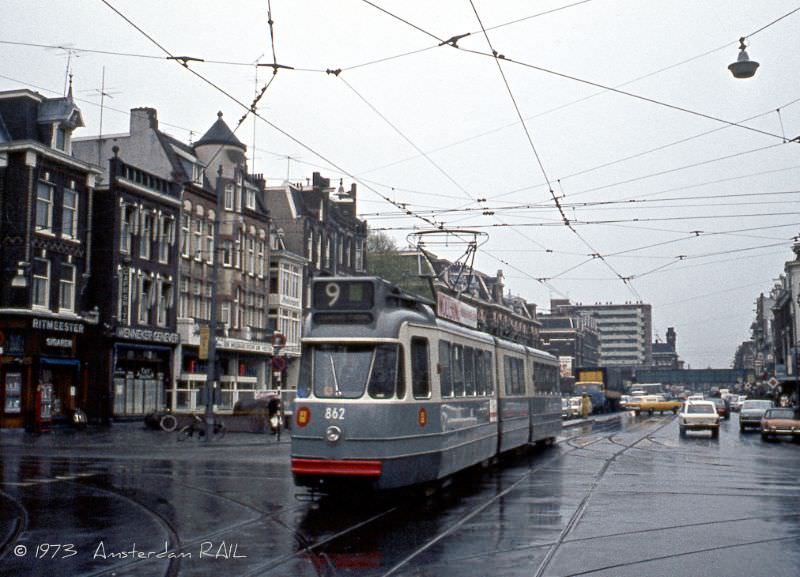
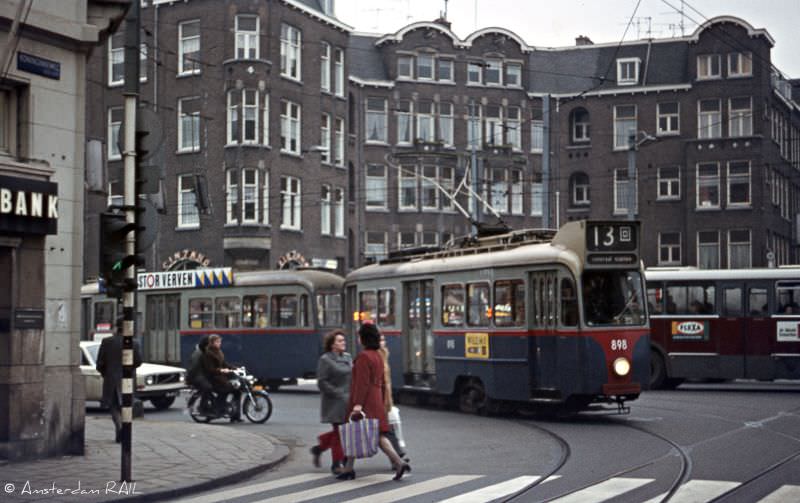
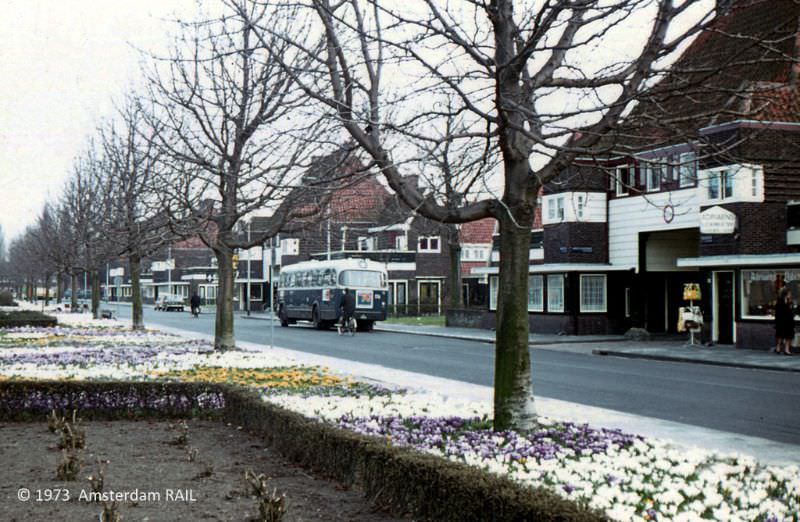
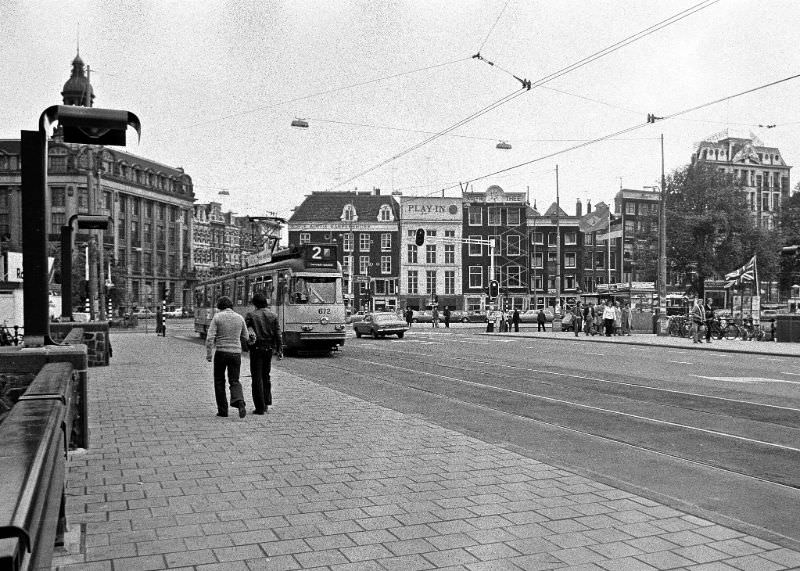
City planners in Amsterdam were actively rethinking how people moved through the city. To cut down on car use, they poured investment into public transportation. Trams were the backbone of inner Amsterdam, running on fixed routes through the city’s narrowest streets. Buses took over in the outer districts where trams couldn’t reach.
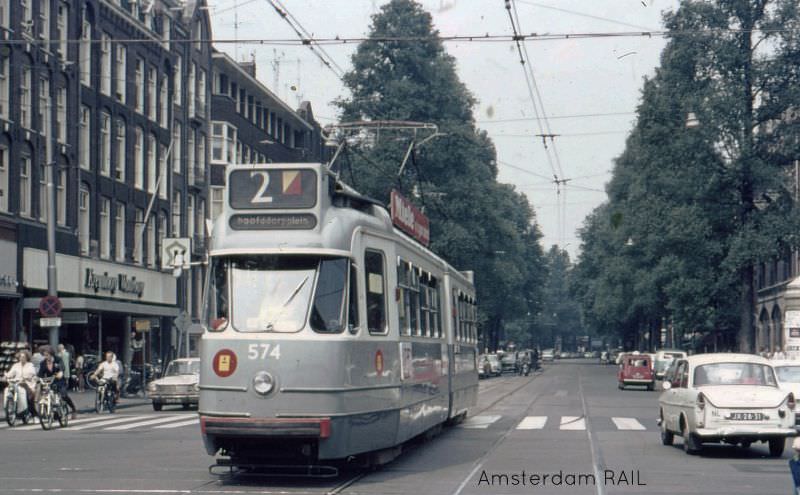
GVB 574 on route 2 on his way to Hoofddorpplein terminus on detour, Bilderdijkstraat (crossing Kinkerstraat), Amsterdam, 1970

The tram network was one of the most recognizable features of the Amsterdam streetscape. Lines snaked through neighborhoods like Bilderdijkstraat, Leidsestraat, and Jan Pieter Heijestraat, carrying workers, students, and tourists alike. Catching a tram wasn’t always easy — crowded platforms and tight schedules meant many Amsterdammers literally had to run to board one.
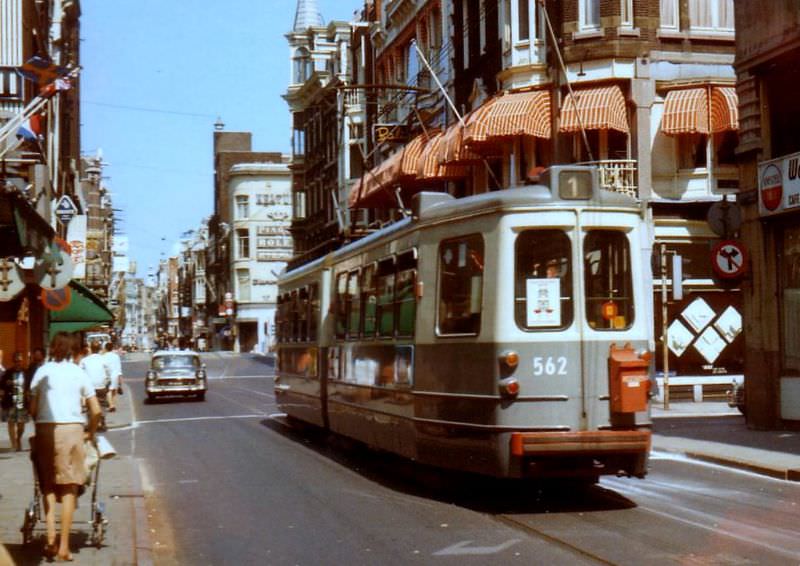
Leidsestraat, Amsterdam, August 1970
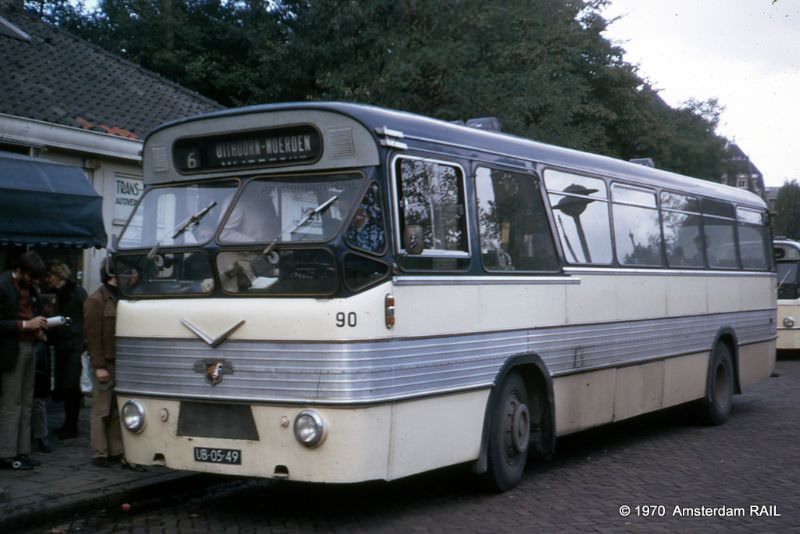
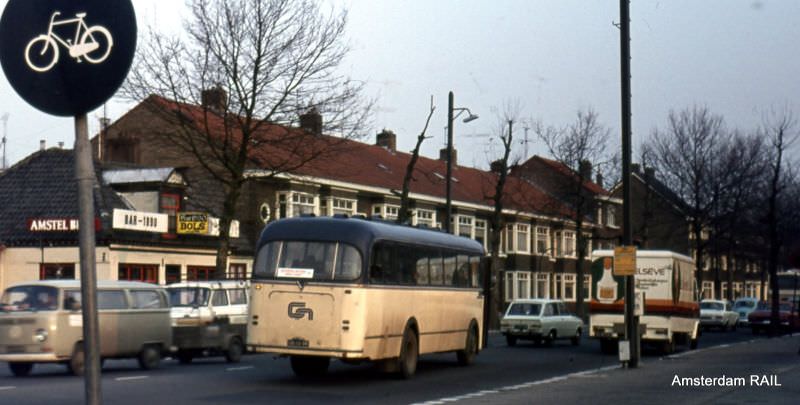
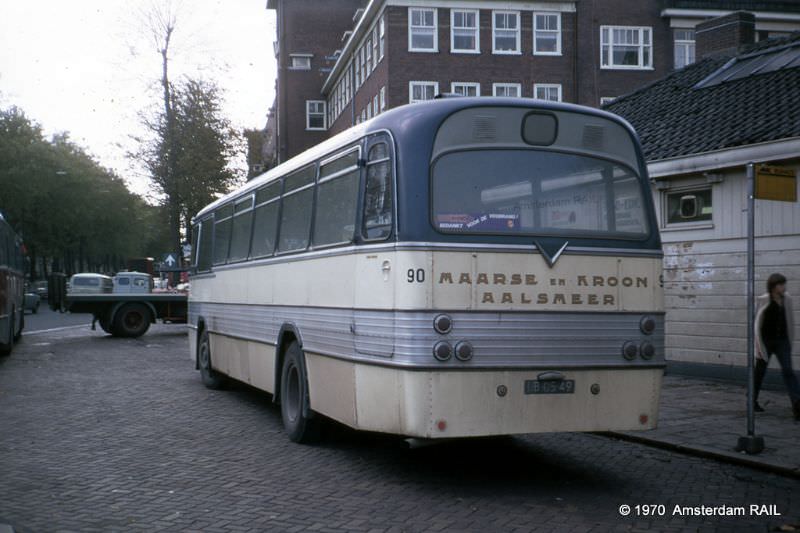
The bus to Uithoorn and Woerden, Amsterdam, 1970

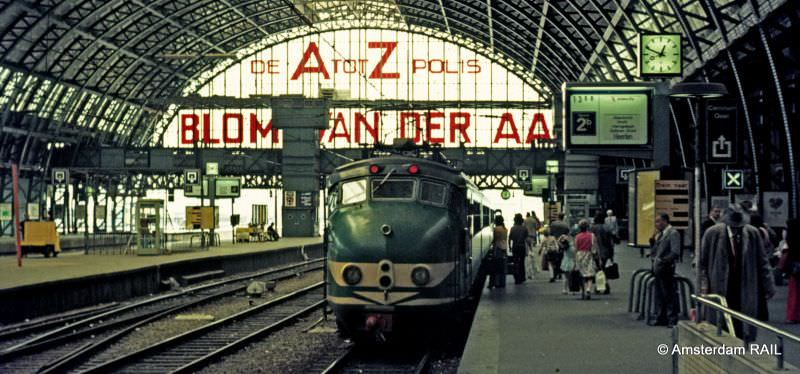
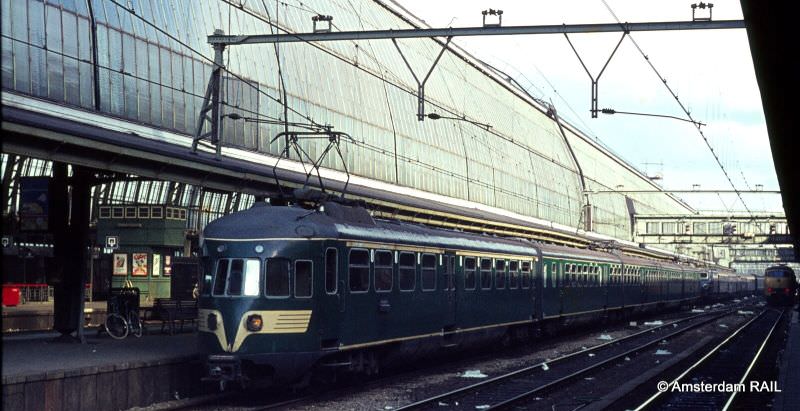
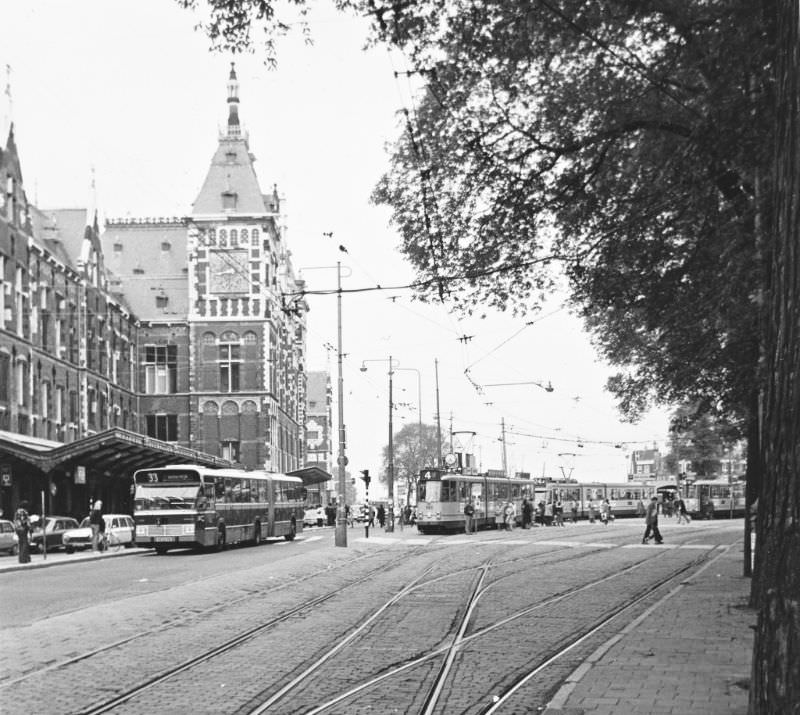
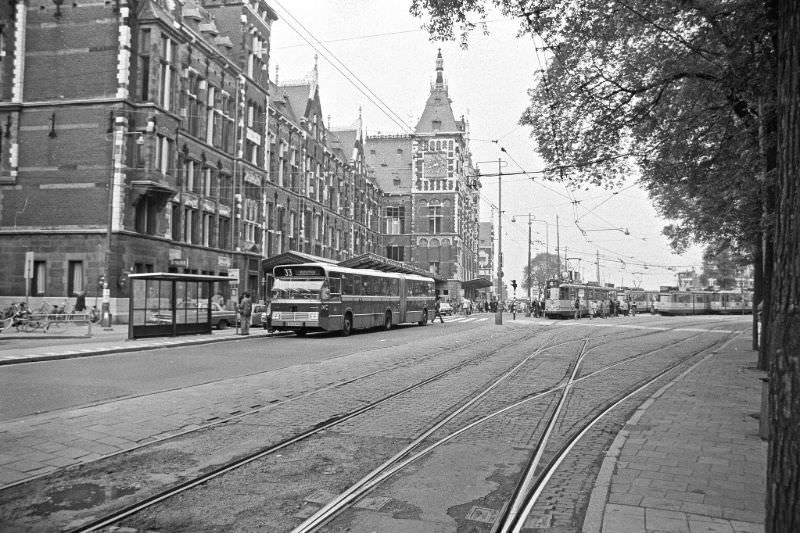
Centraal Station served as the main hub where all of this transit energy converged. Trains, trams, and buses all fed into this single point, making it one of the busiest and most photographed locations in the city throughout the decade.
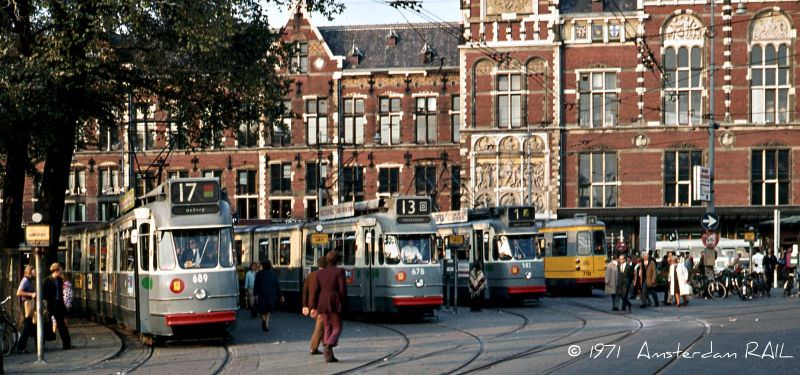
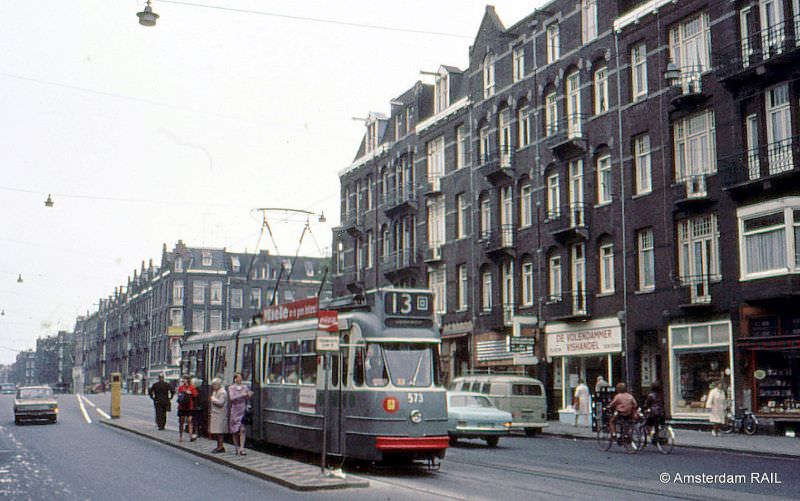
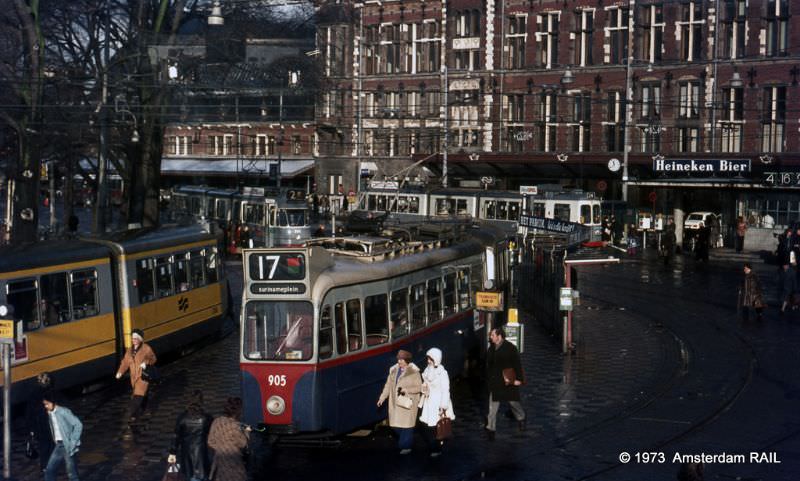
Amsterdam Centraal Station, August 1971
De Clercqstraat (Elisabeth Wolffstraat), Amsterdam, 1971
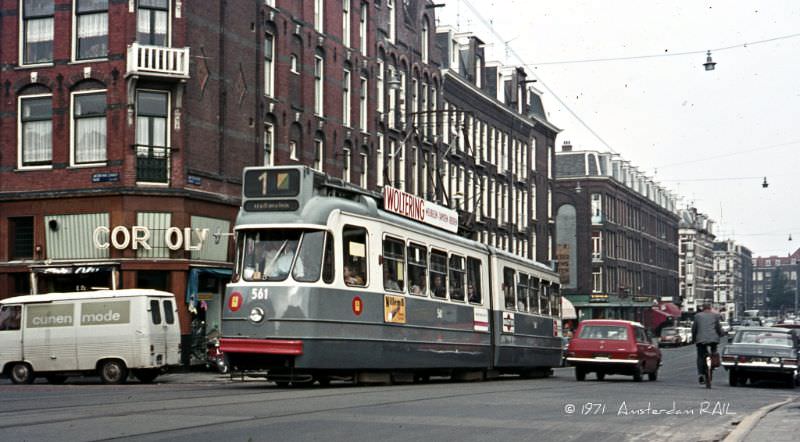
Line 1 in the Jan Pieter Heijestraat, Amsterdam, August 1971

By the early 1970s, Amsterdam had earned the nickname magisch centrum — the magical centre of Europe. Dutch society had been tightly controlled by religious institutions in the mid-20th century. When that grip loosened, the pendulum swung hard in the other direction. A tolerant attitude toward soft drugs drew hippies from across the world, and the city became a destination for those seeking alternatives to mainstream society.
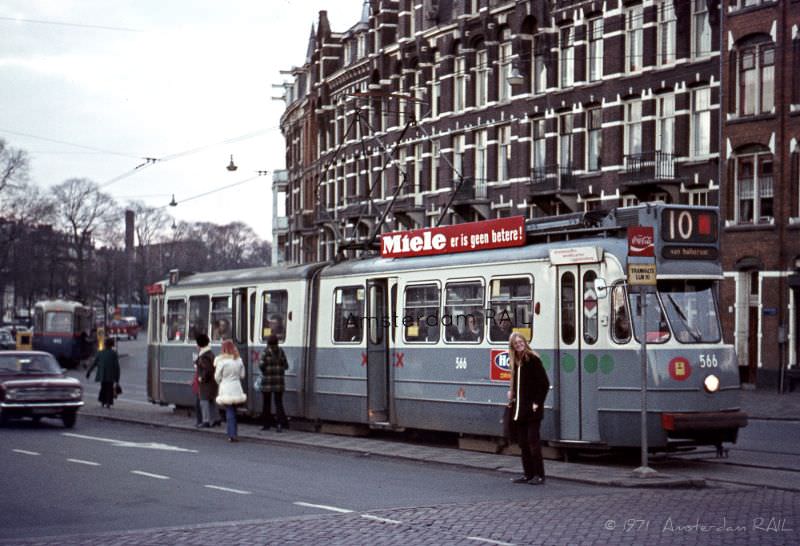
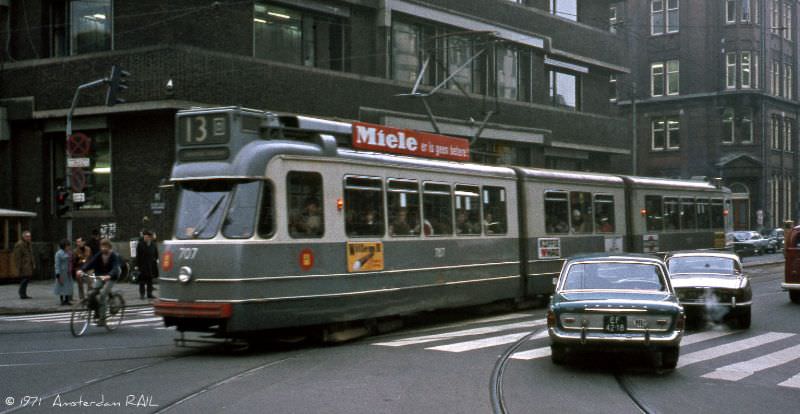
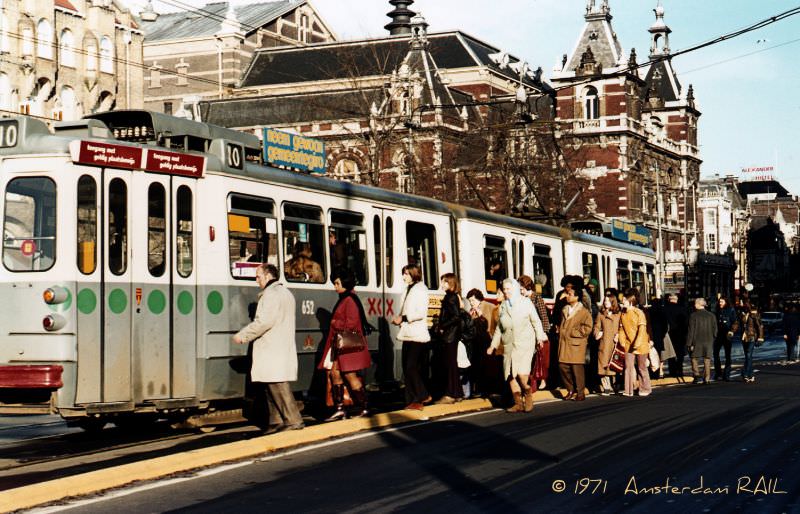
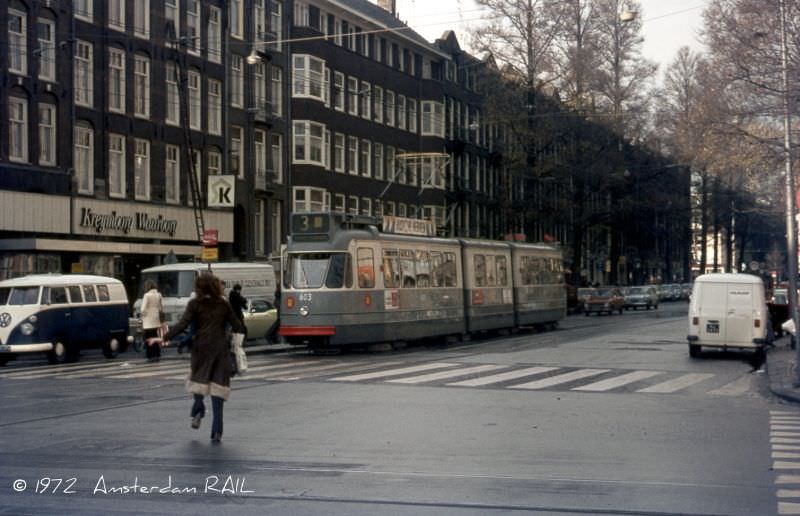
Nassaukade, Amsterdam, November 1971
Raadhuisstraat, Amsterdam, 1971
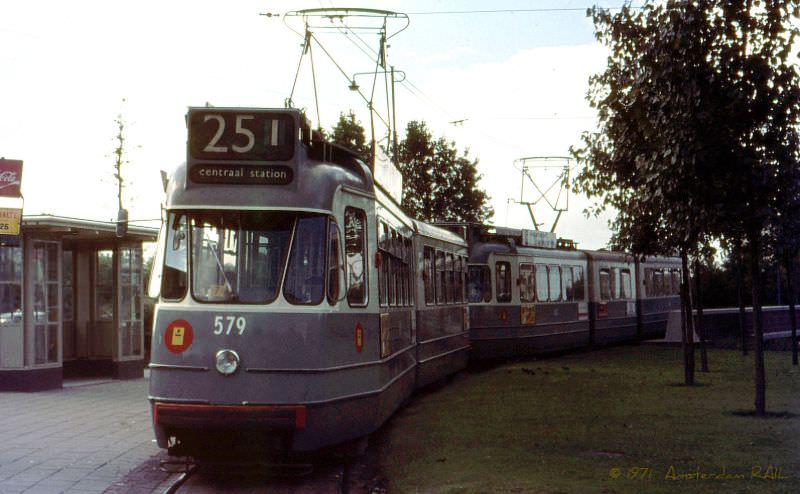
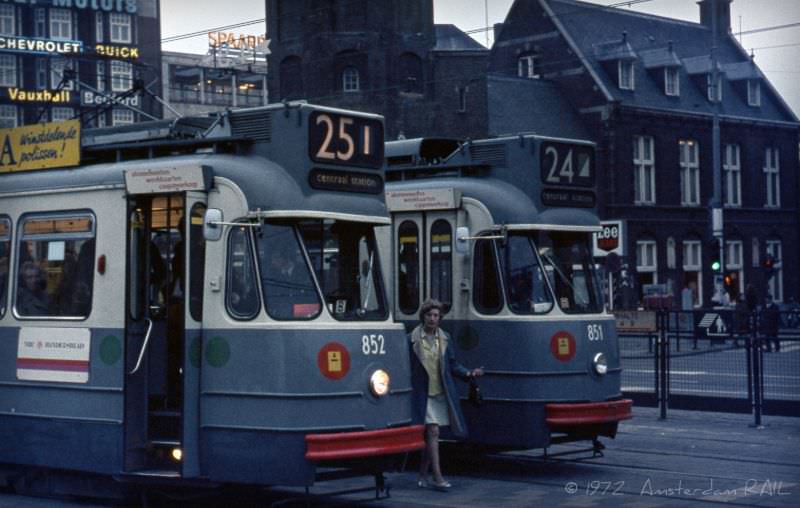
Route 25, Amsterdam, August 1971
Run on the tram, Amsterdam, 1971

Radical movements were everywhere in 1970s Amsterdam, but they weren’t all angry marches. Many were playful and theatrical, blending humor with protest. One memorable example captured in photographs from Rozengracht in 1973 shows residents engaging in what was called “Mercedes bashing” — a direct, hands-on act of protest against car culture and wealth.
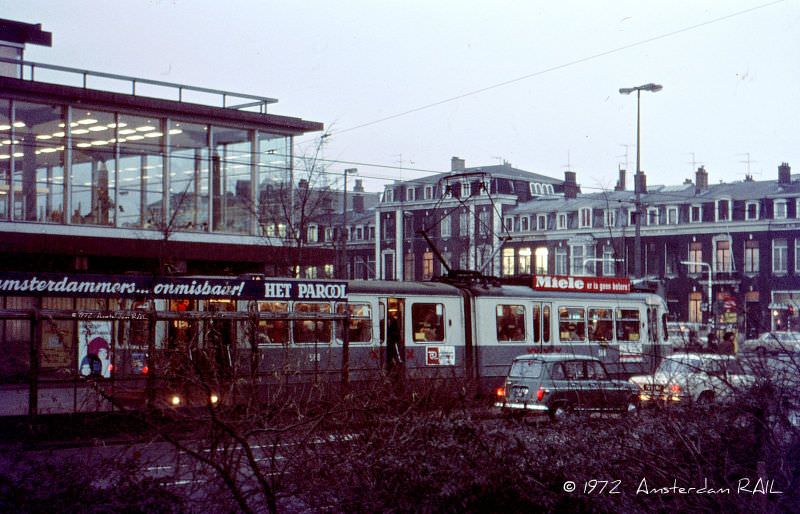
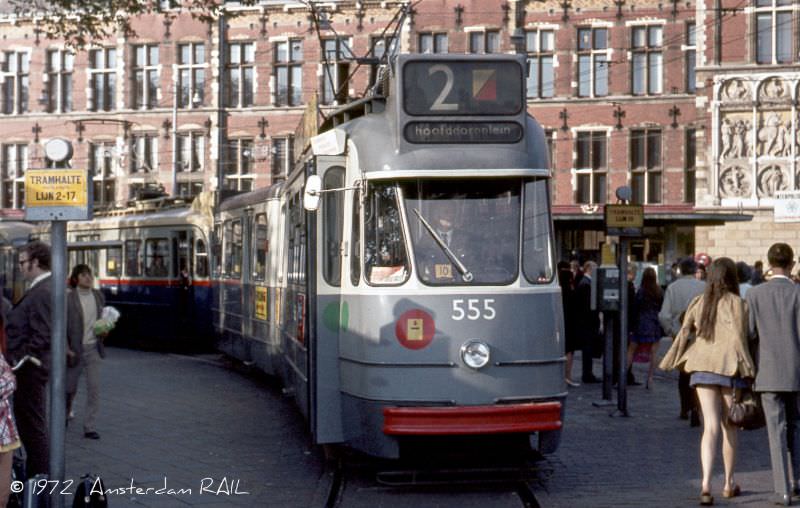
A moody Autumn afternoon, Frederiksplein, Amsterdam, November 1972
Amsterdam Centraal Station, June 1972
Amsterdam Rietlanden, October 1972
Centraal Station, Amsterdam, July 1972
Frederik Hendrikplantsoen, Amsterdam, July 1972

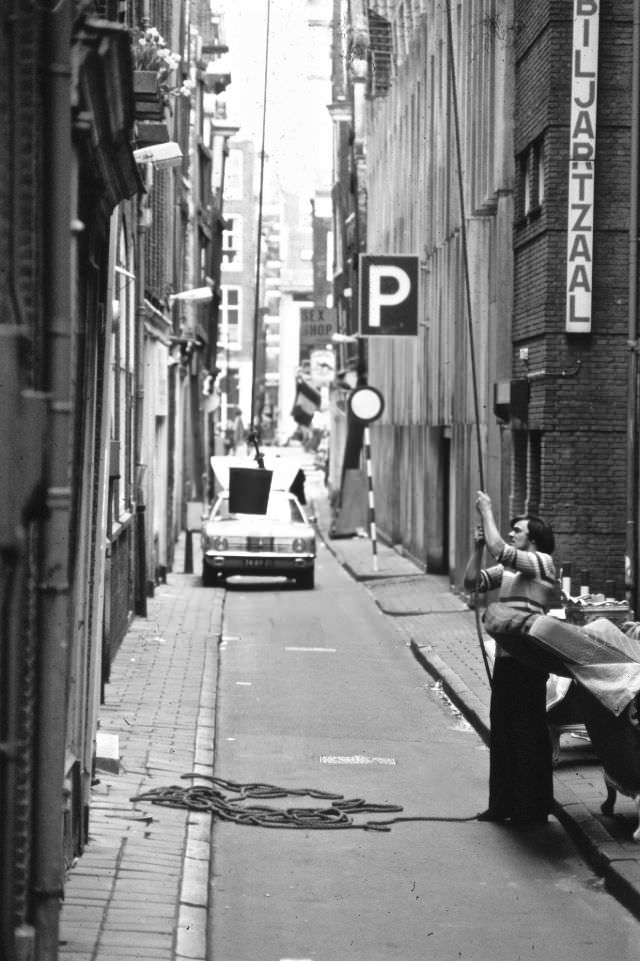
Amsterdam’s streets in 1972 and 1973 show a city still working out the tensions between old infrastructure and new demands. Traffic police managed rush-hour gridlock at busy intersections like Haarlemmerplein. Temporary tram tracks appeared where construction disrupted normal routes. Renovation work on canal-side buildings was a common sight, with workers using buckets and ropes to haul materials up narrow facades.
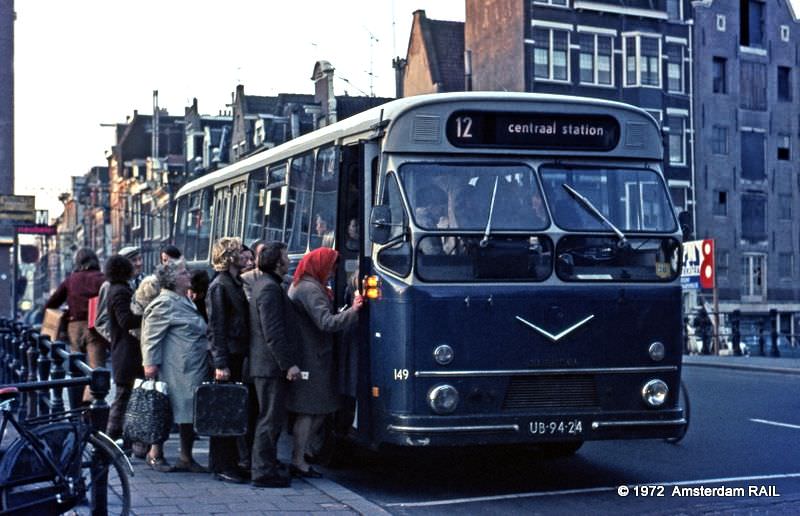
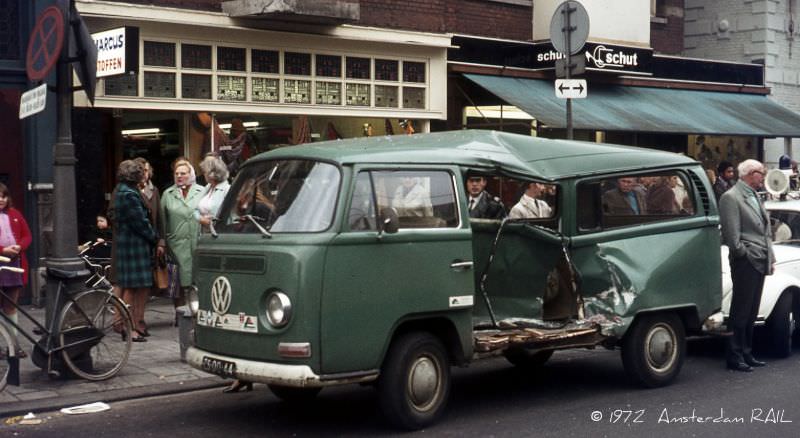
Haarlemmerstraat, Amsterdam, November 1972
Linnaeusstraat, Amsterdam, 1972
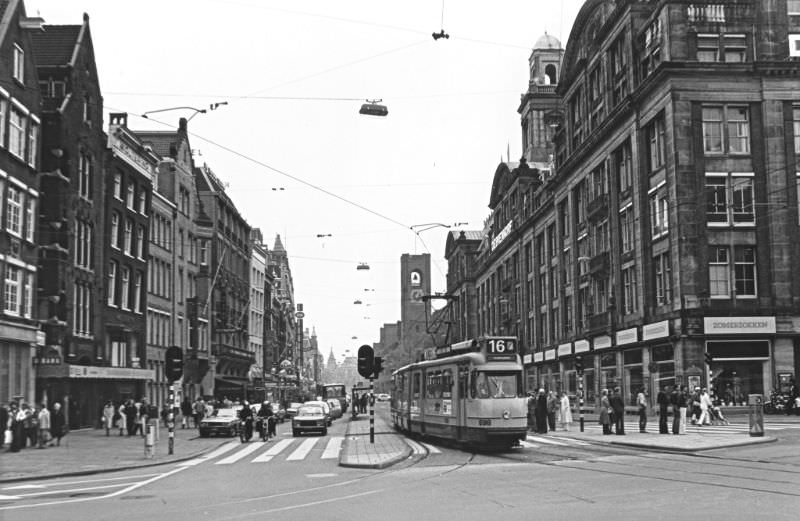
Muntplein, Amsterdam, October 1972
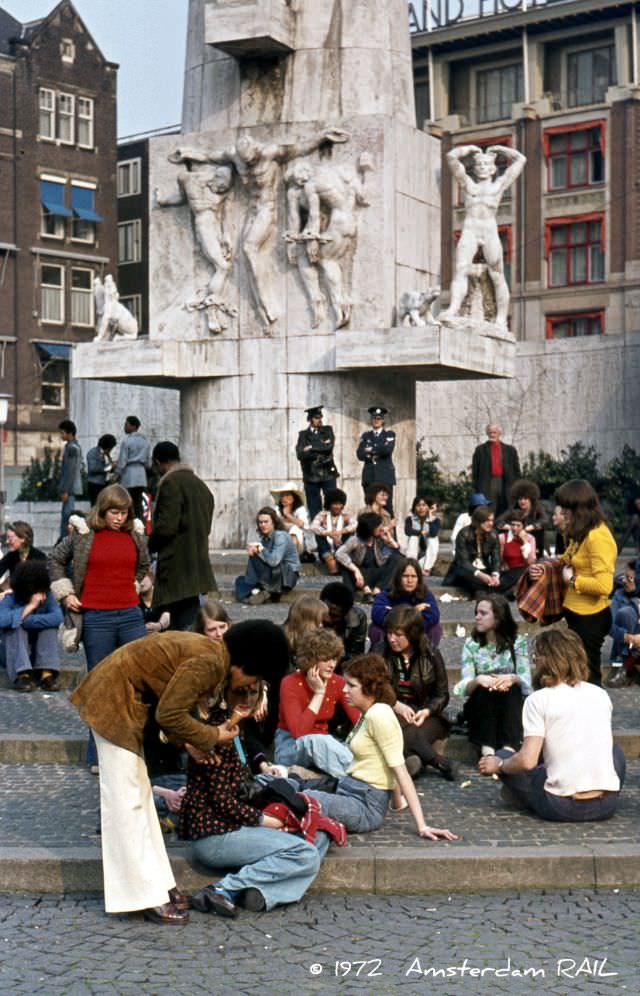
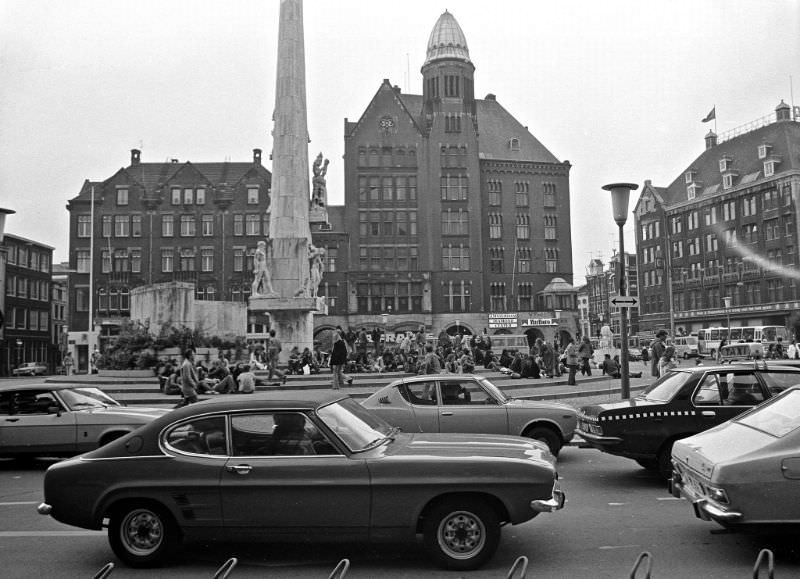
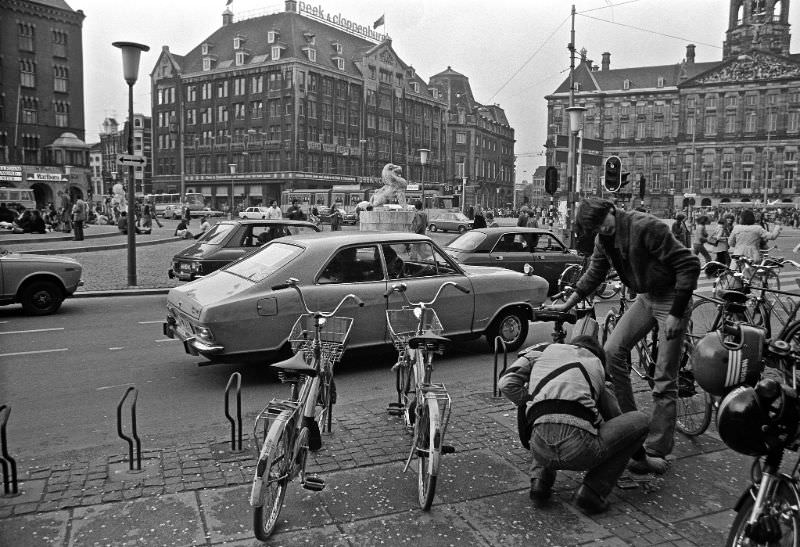
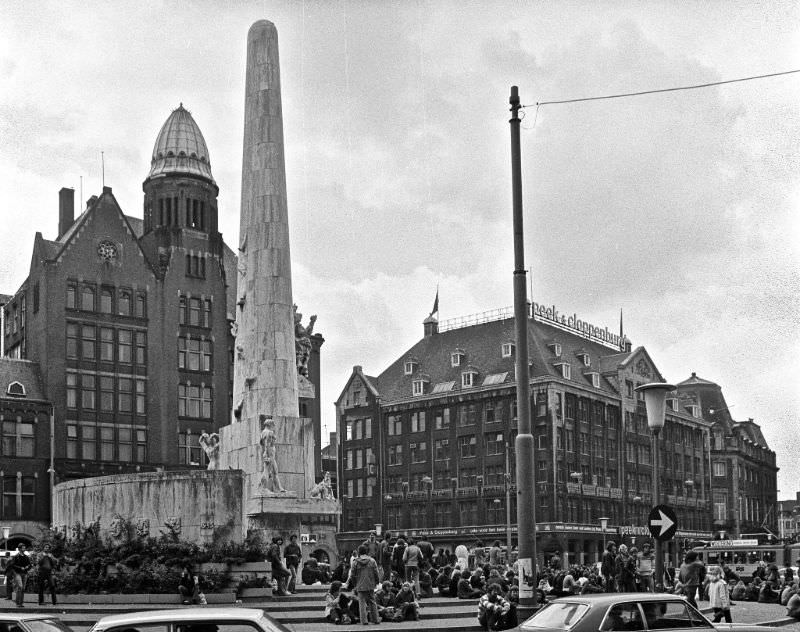
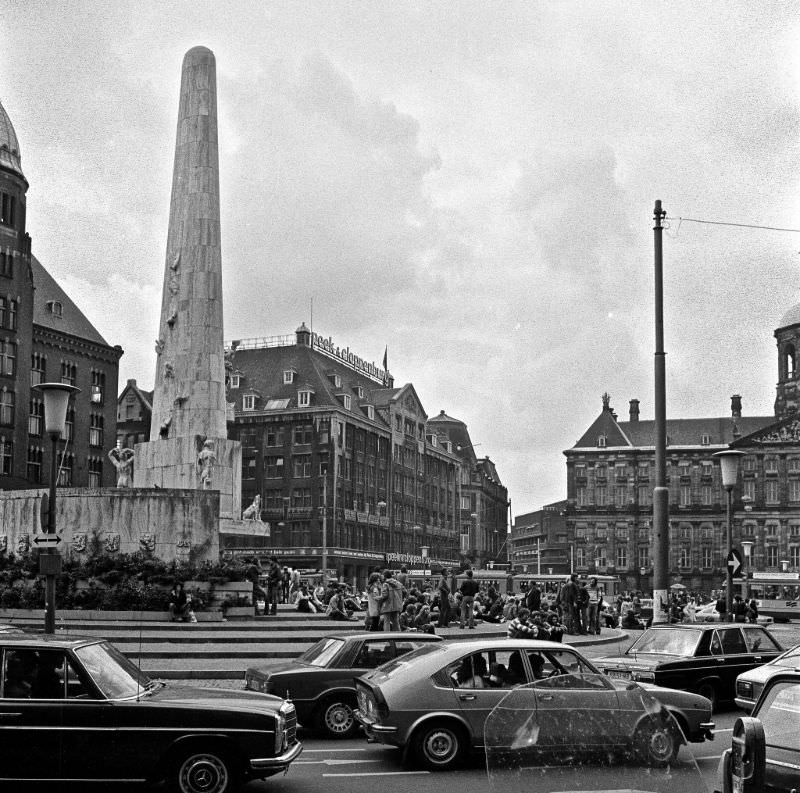
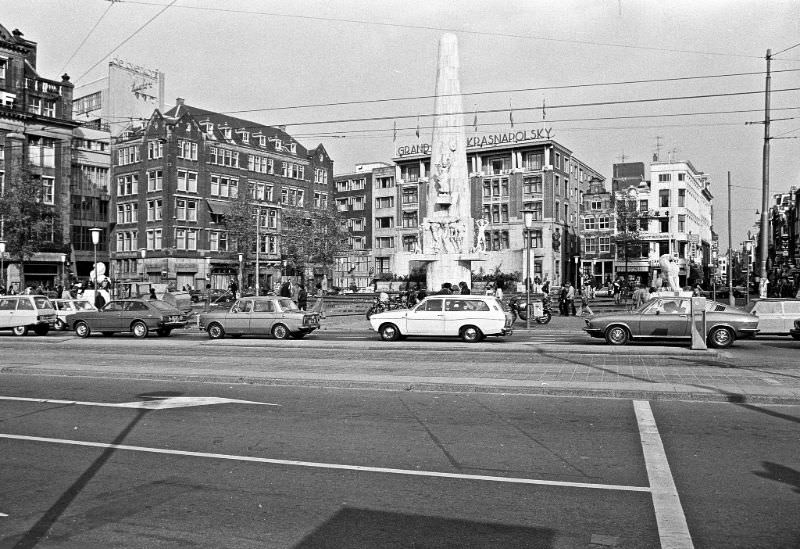
National (war) Monument on Dam Square in Amsterdam, July 1972
Running to get that tram, Bilderdijkstraat, Amsterdam, 1972
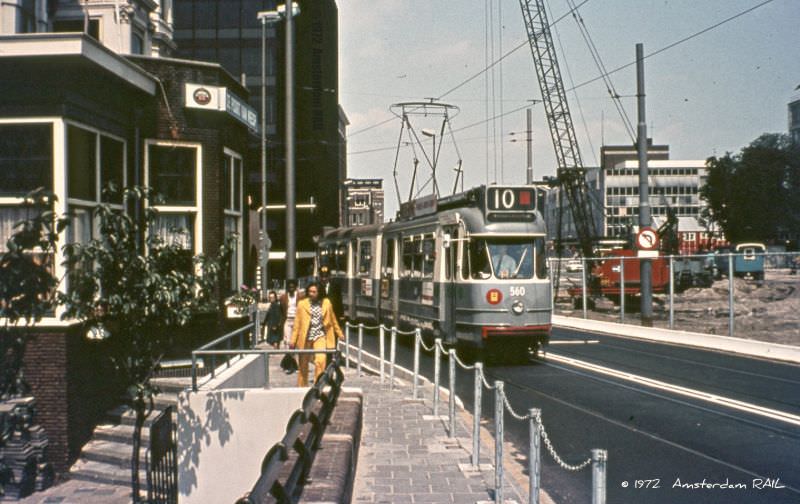
Temporary tramtracks, Amsterdam, June 1972
Amstelveenseweg, Amsterdam, November 1973
Amsterdam Centraal Station, November 1973
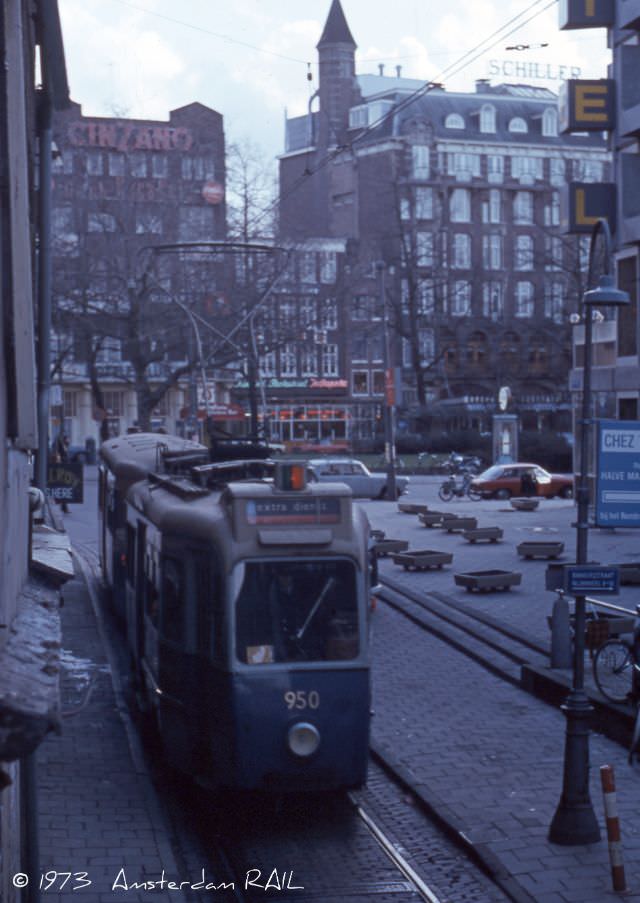
Line 4 through the Bakkersstraat. In the background: Rembrandtplein and Schiller Hotel, February 1973
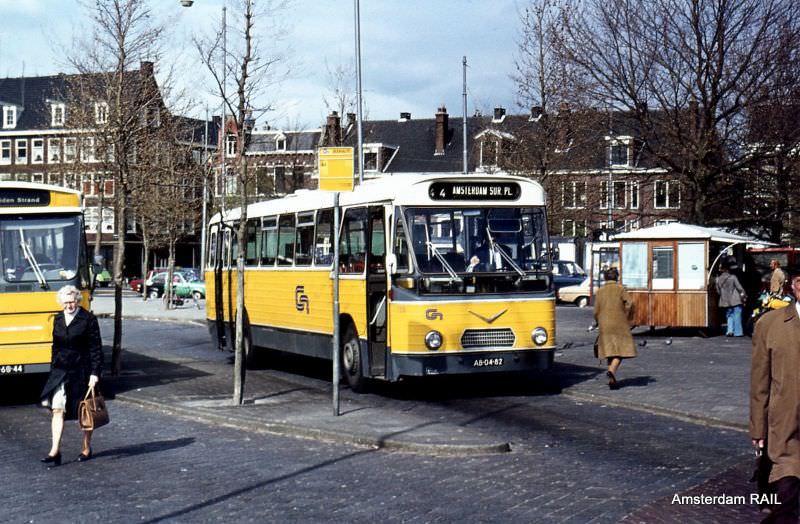
Marnixstraat busstation, Amsterdam, March 1973
Mercedes bashing, Rozengracht, Amsterdam, July 1973
On a rainy day in Amsterdam, April 1973
Rush hour, Amsterdam, Koninginneweg, 1973
Spring in Amsterdam, April 1973
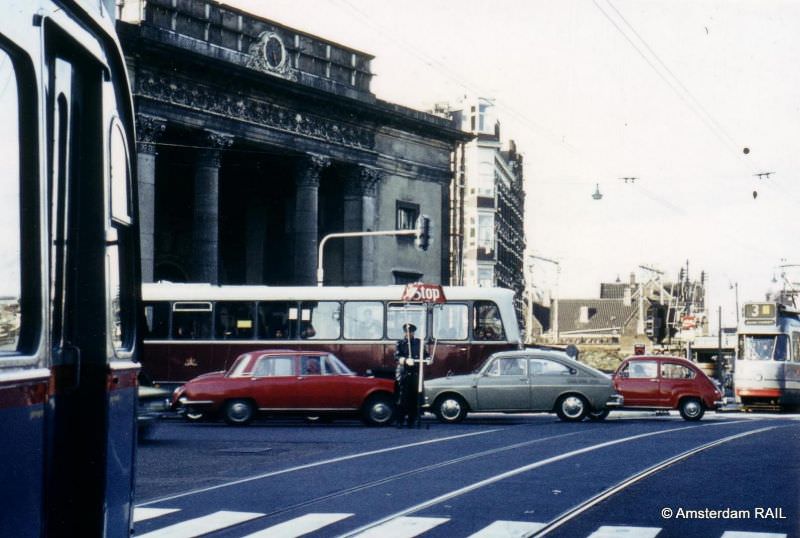
The traffic police in control of cars during rush hour, Haarlemmerplein, Amsterdam, January 1973

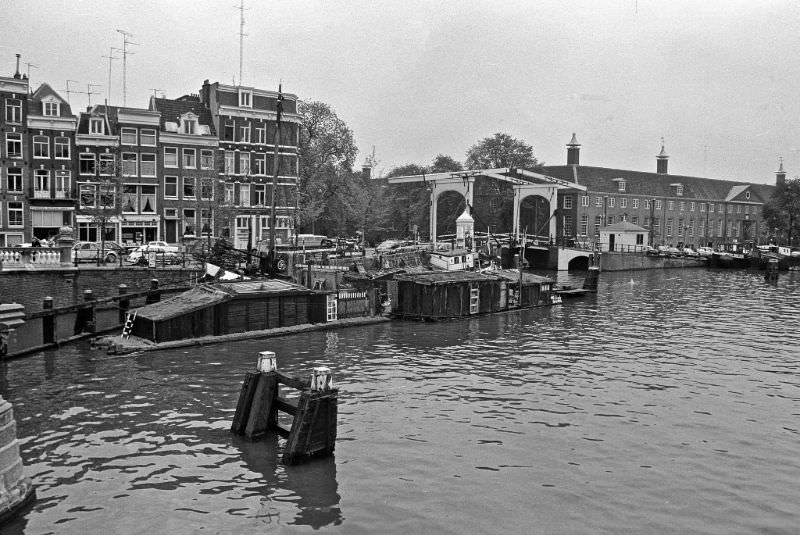
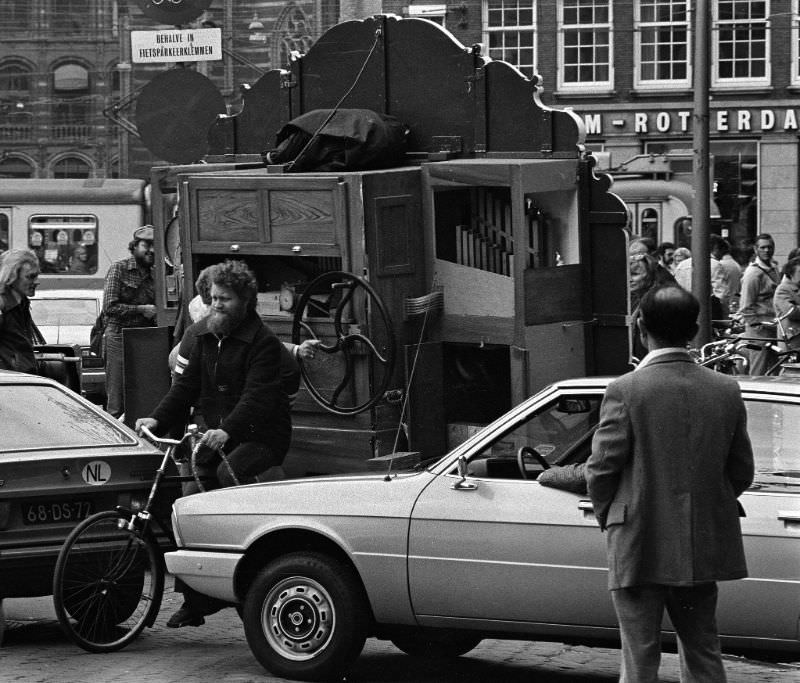
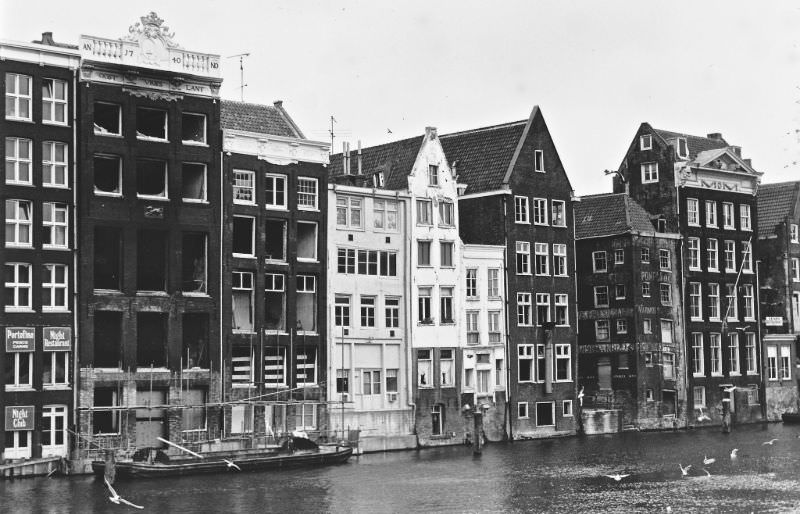
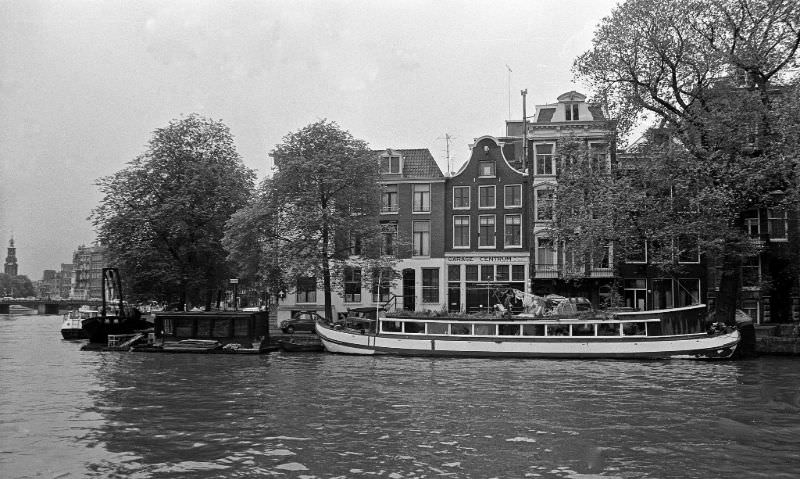
Beyond the politics and transit, everyday Amsterdam life continued with its own distinct rhythms. Ice cream sellers worked the streets in warmer months. Street organs — a long Amsterdam tradition — played in public squares. Canal tour boats moved steadily through the waterways, carrying tourists past rows of narrow gabled houses. The city’s famous houseboats sat moored along the canals, a floating alternative to traditional urban housing.
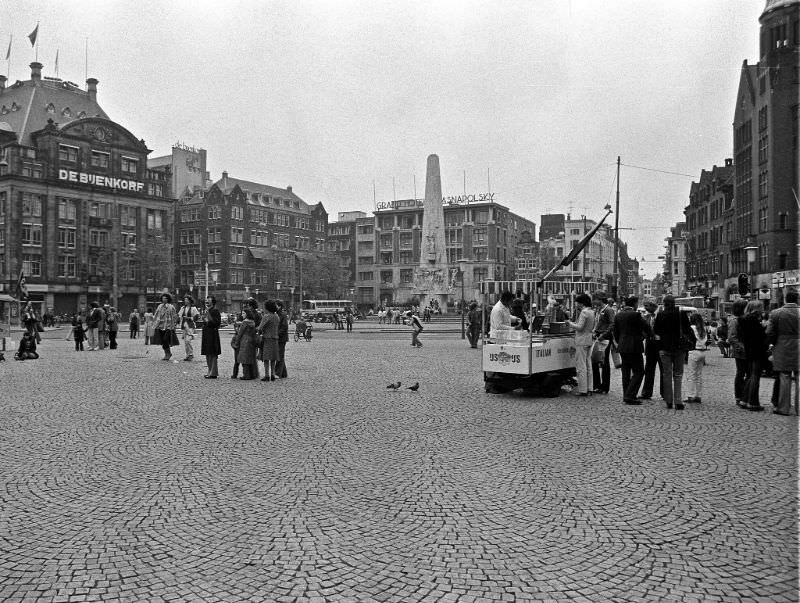
Ice cream seller, Amsterdam, 1970s
Amsterdam canal tour, 1970s
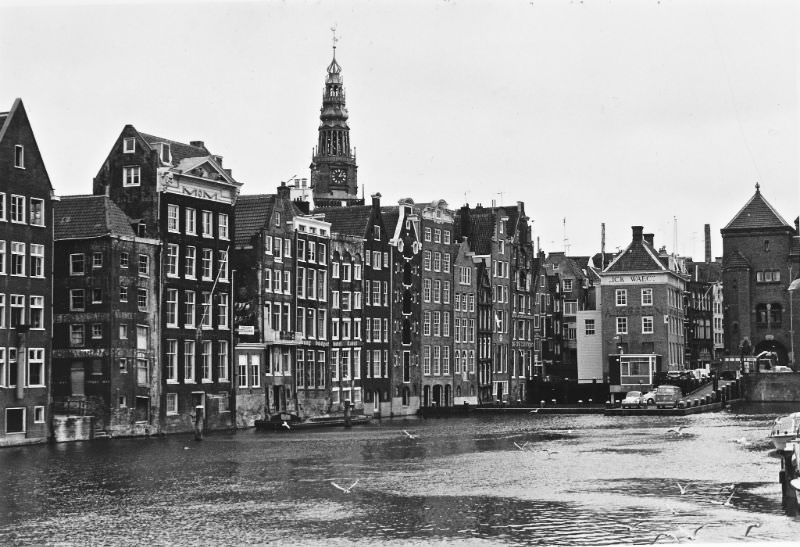
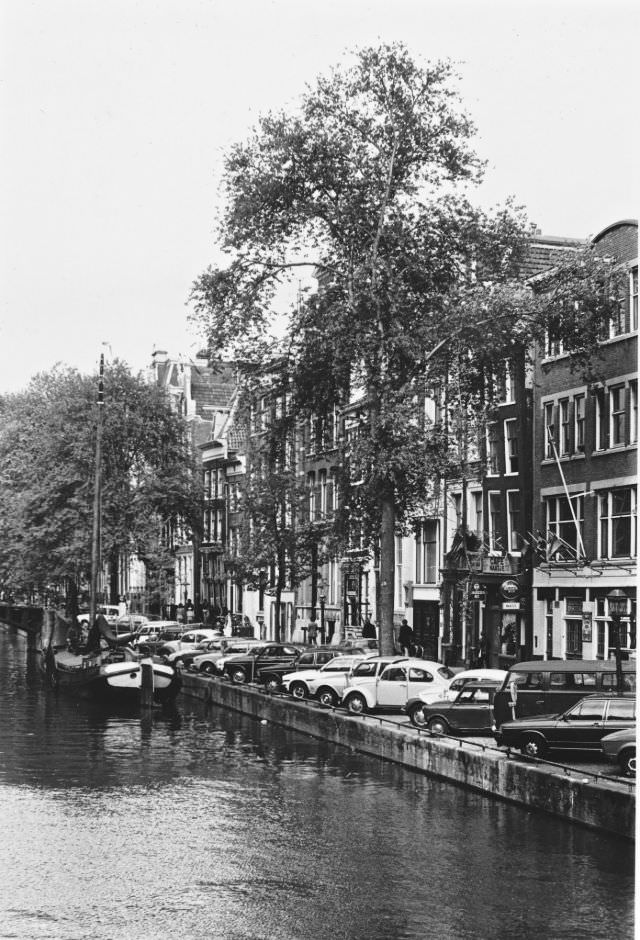
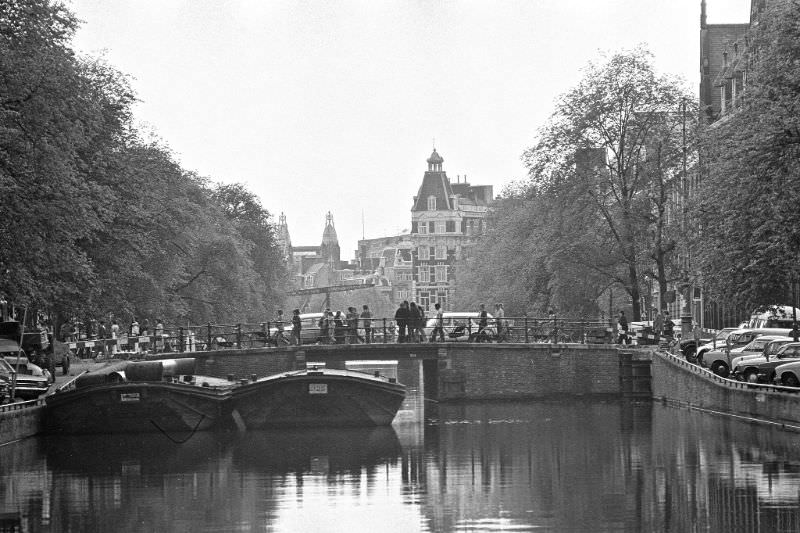
Amsterdam canal, 1970s
Amsterdam Diamond Centre, Amsterdam, 1970s
Amsterdam houseboat, 1970s

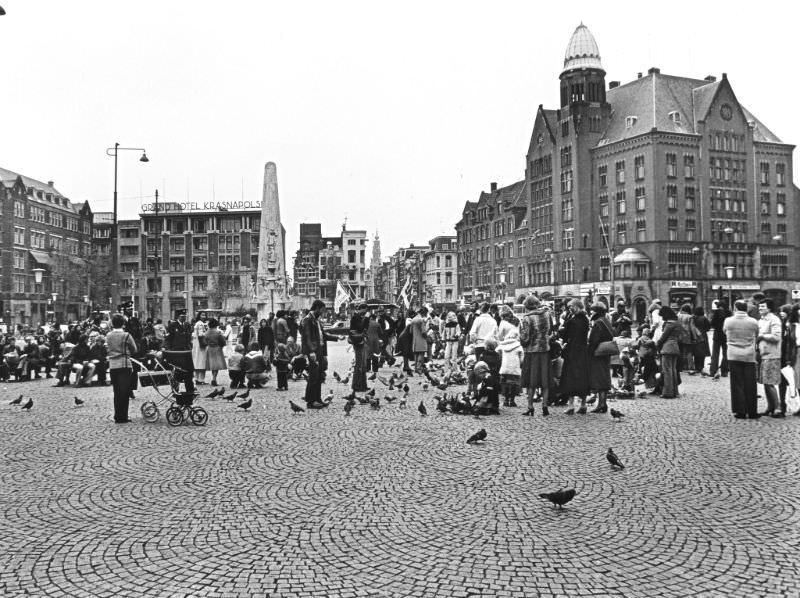
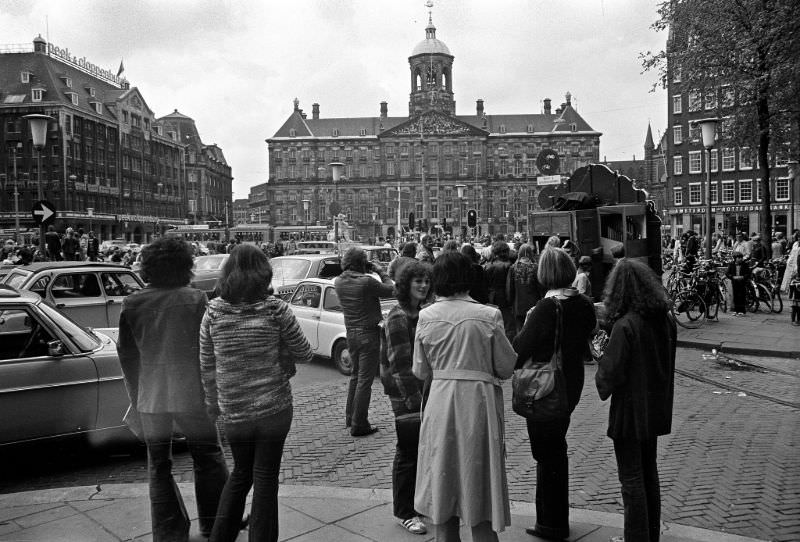
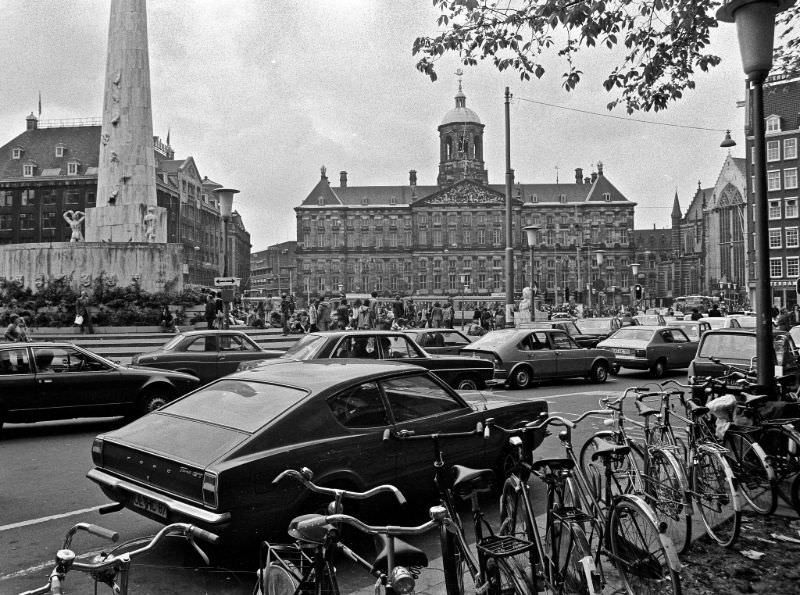
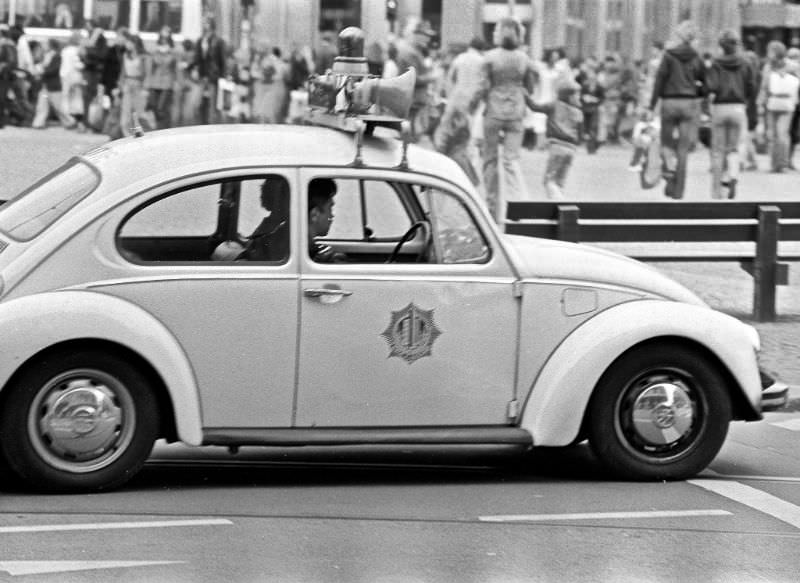
Law enforcement in 1970s Amsterdam had a visual identity all its own. Motorbike police patrolled the streets, and the city’s police cars were Volkswagen Beetles — a small, unmistakable vehicle that somehow suited the scale of Amsterdam’s tight canal-side streets. Dam Square, the symbolic heart of the city, was a constant gathering point for locals and visitors, as well as a site for demonstrations near the National War Monument.
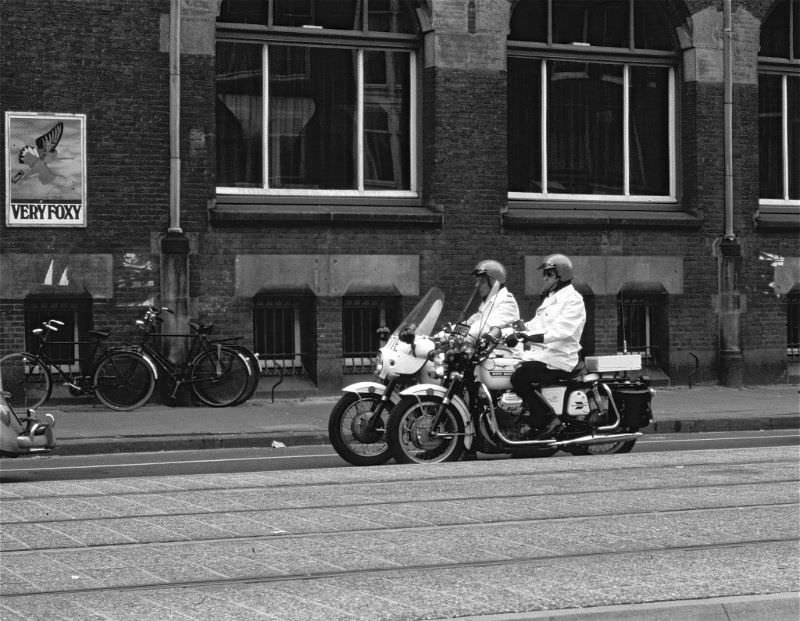
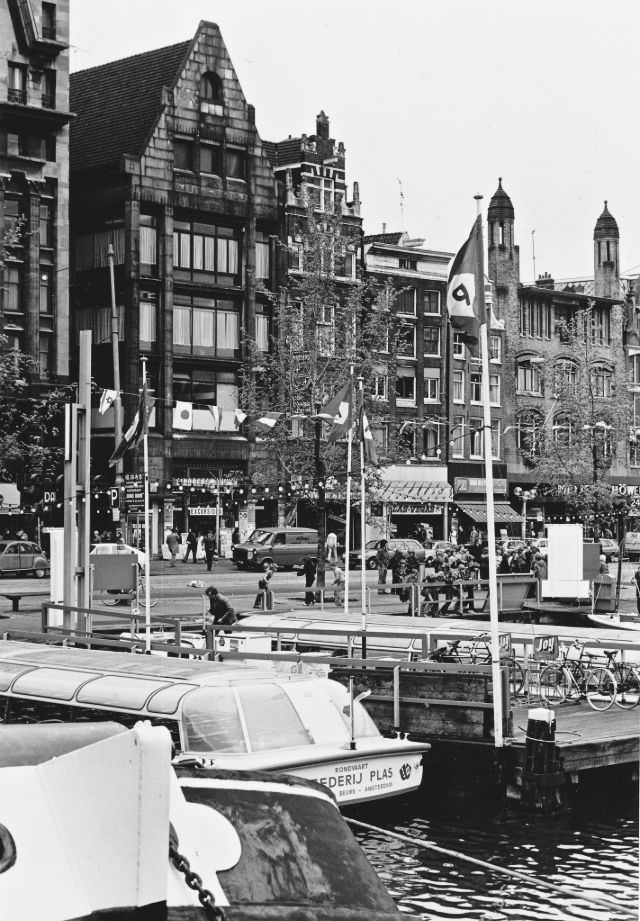
Amsterdam motorbike police, 1970s
Amsterdam sightseeing boats, 1970s
Amsterdam street organ, 1970s
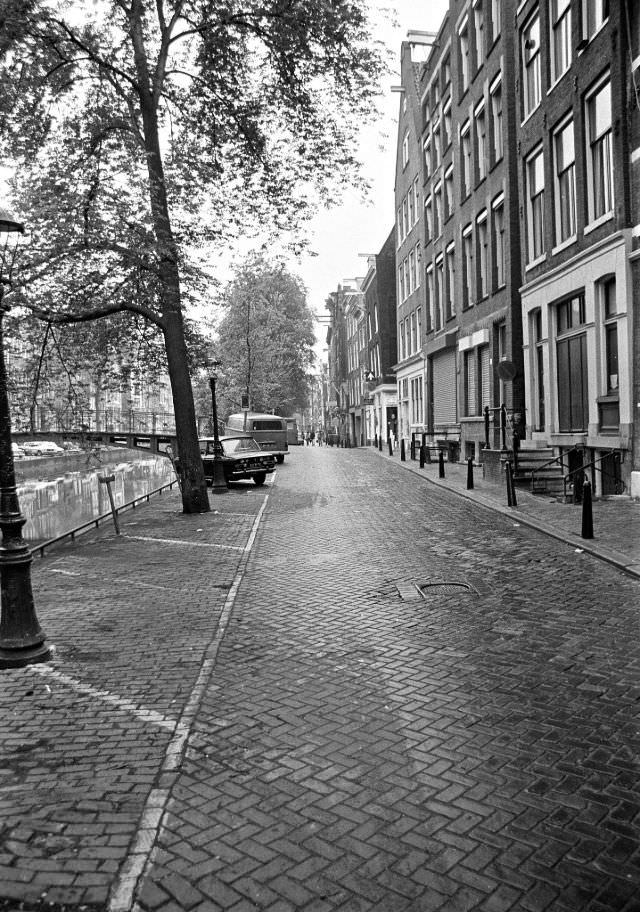
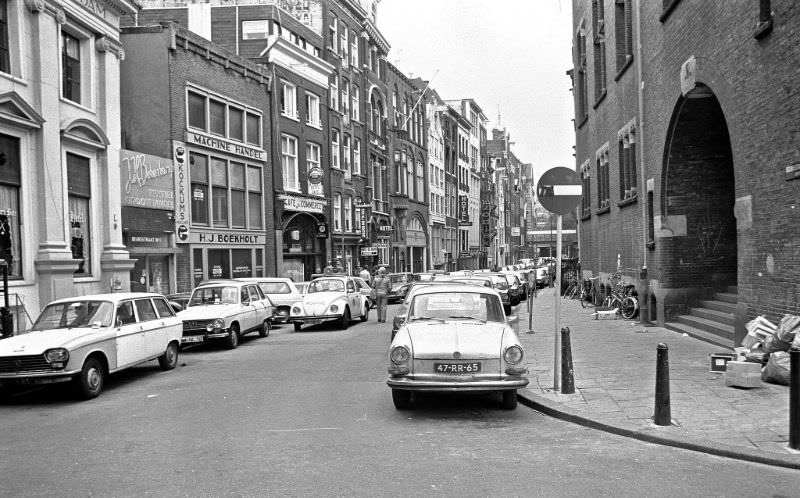
Amsterdam street scenes, 1970s
Amsterdam tram, 1970s

One of the more unusual sights of 1970s Amsterdam was the Witkar — a small electric shared vehicle that could be picked up and dropped off at stations around the city. It was an early experiment in what we now call car-sharing. Bicycles, of course, were everywhere. They lined canal bridges, crowded sidewalks, and filled any available railing. The city’s relationship with the bicycle was already deeply ingrained long before cycling became a global talking point.
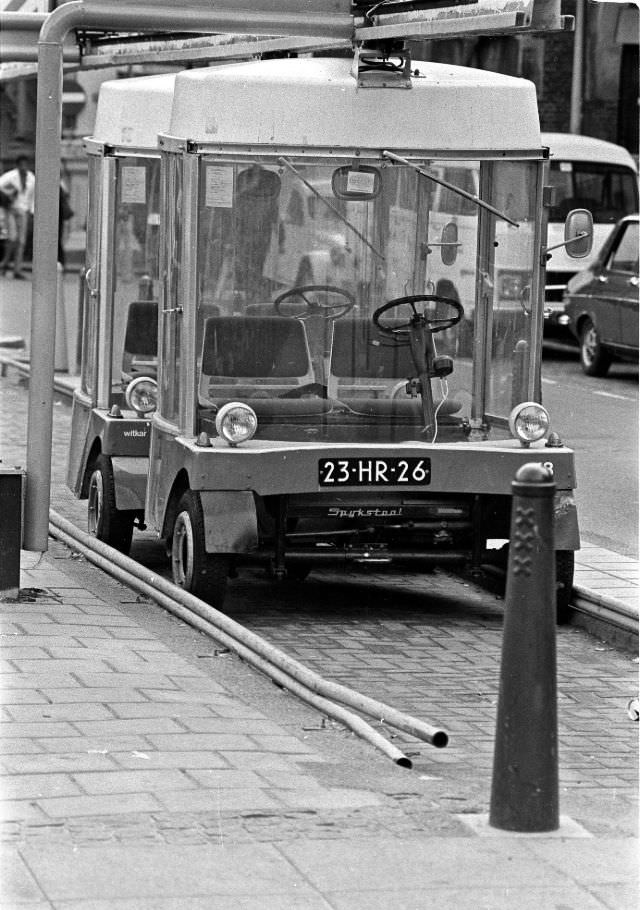
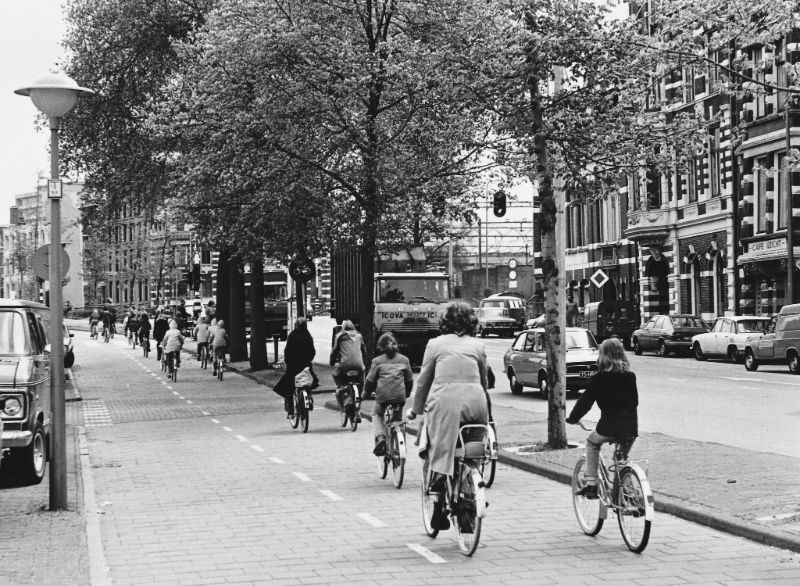
Amsterdam Witkar, 1970s
Bicycles, Amsterdam, 1970s
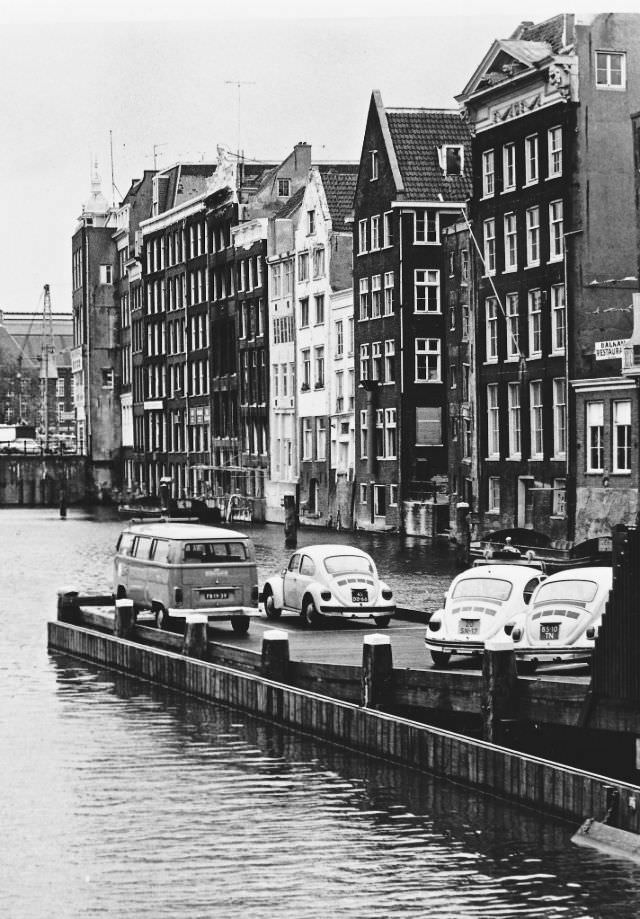
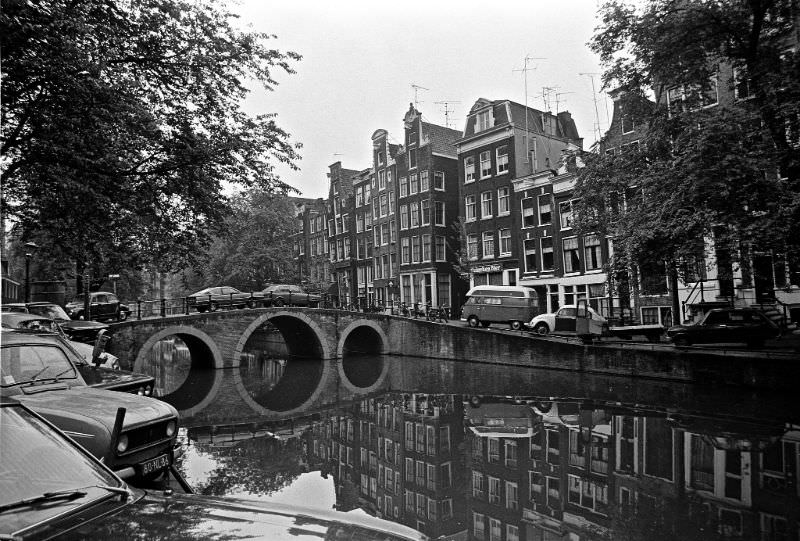
Bridge Canal, Amsterdam, 1970s
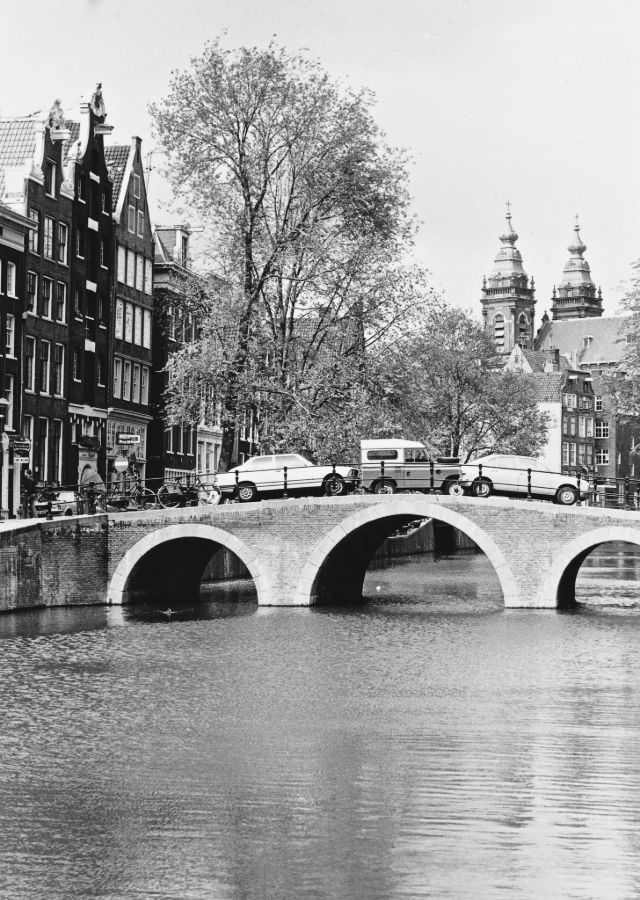
Bridge, Amsterdam, 1970s
Building renovation, Amsterdam, 1970s
Building work, bucket and rope, Amsterdam, 1970s
Dam Square, Amsterdam, 1970s
Garage Centrum, Amsterdam, 1970s
Police car VW Beetle, Amsterdam, 1970s
Police VW car, Amsterdam, 1970s
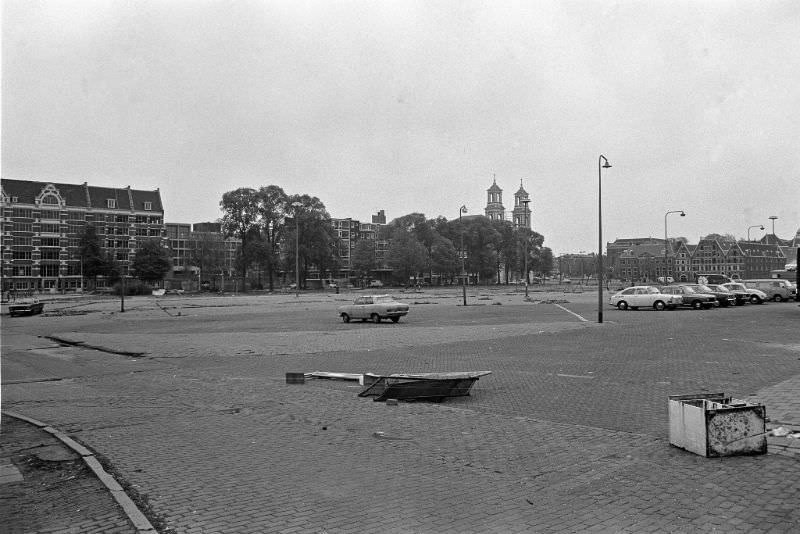
Redevelopment area, Amsterdam, 1970s
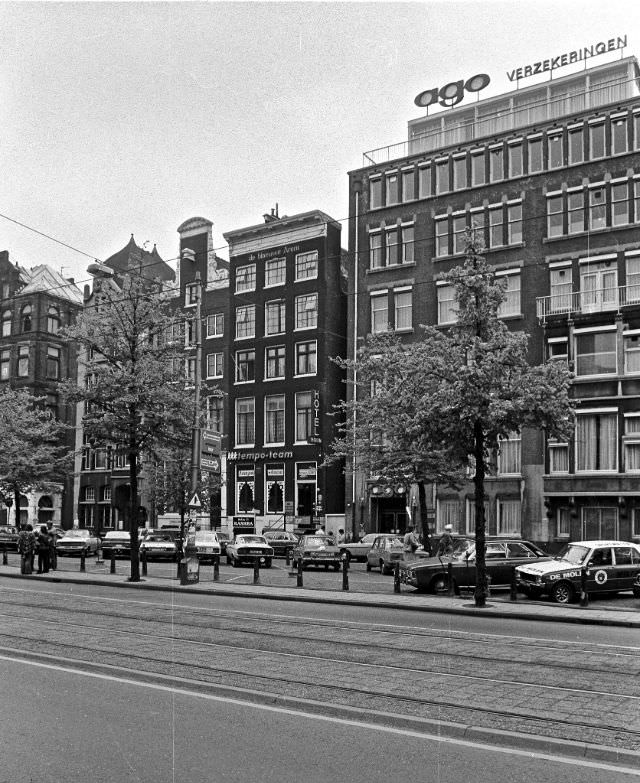
Rokin Hotel, Amsterdam, 1970s
Station, Amsterdam, 1970s
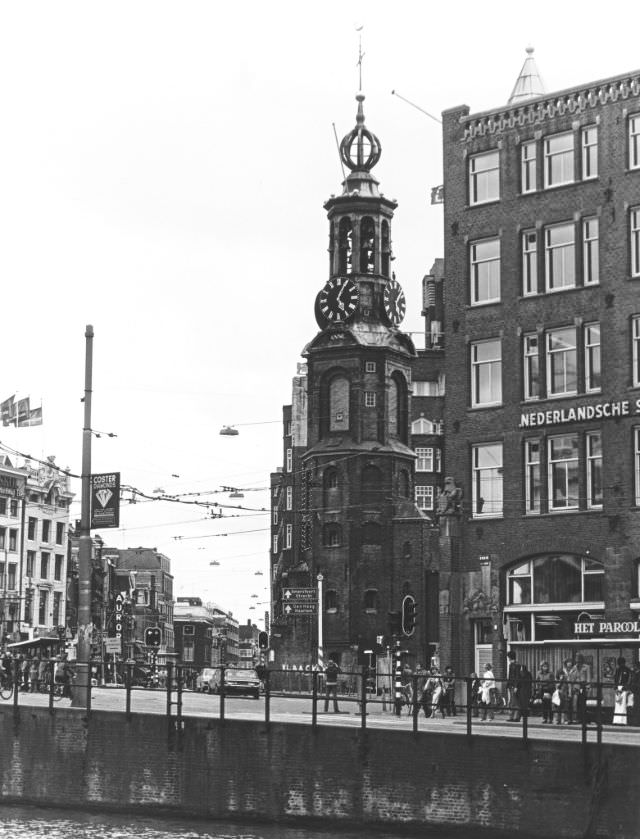
The Munttoren (Mint Tower), Amsterdam, 1970s
Enjoyed this post? Get new ones in your inbox.

5 thoughts on “Fascinating Vintage Photos of Street Scenes of Amsterdam in the 1970s”

Leave a Comment

Your email address will not be published. Required fields are marked *

Share this Post 🥺

Please take a moment to share this content. Your support is greatly appreciated! 🙌🙏

Share this Post 🥺

Please take a moment to share this content. Your support is greatly appreciated! 🙌🙏
Scroll to Top
 
Hey Friend, Before You Go.. Please like & follow for more interesting content