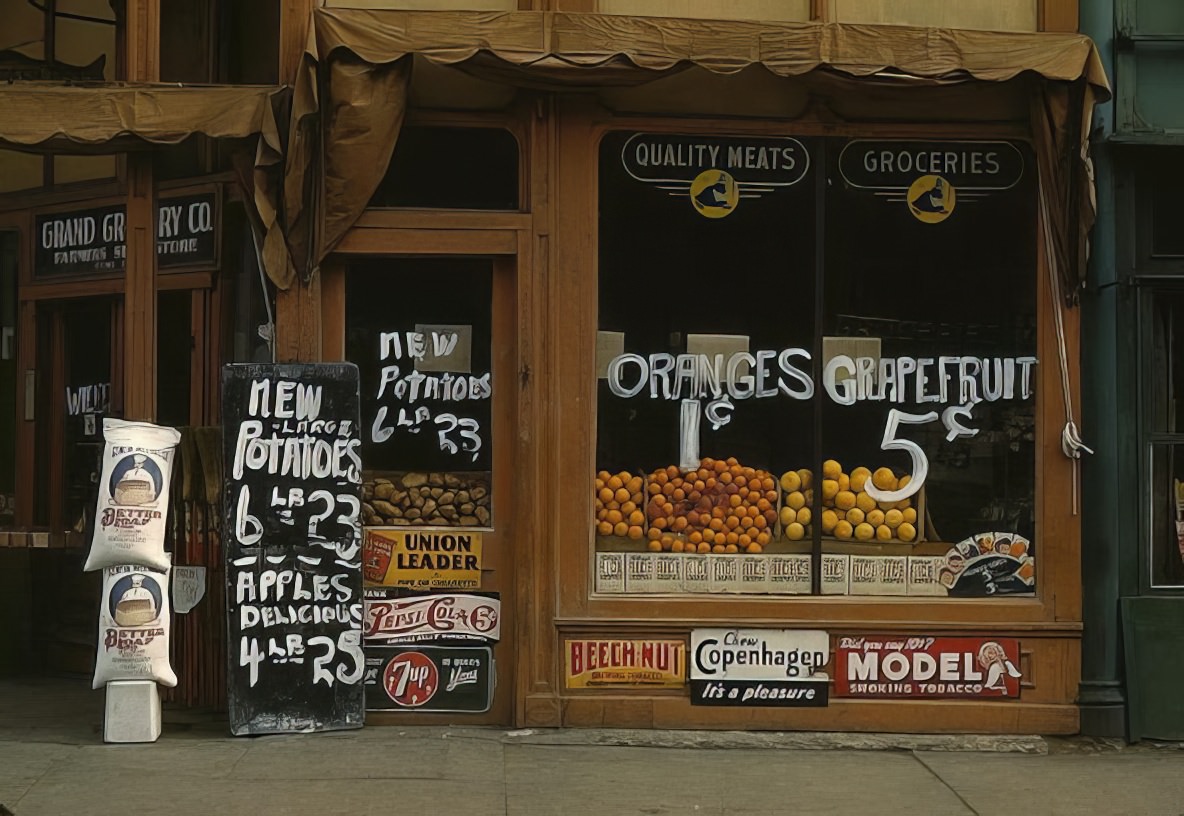
In the 1940s, American Main Streets were alive with activity. Even as World War II reshaped daily life, corner stores, grocers, and family-run shops kept their doors open. Storefronts weren’t just places to shop — they were the center of neighborhood life. Grocers stacked fruits and vegetables in wooden crates right in the window. Butchers knew their customers by name. Pharmacists gave advice without an appointment.
Neon signs were a defining feature of the era. Diners advertised “Blue Plate Specials,” and movie marquees lit up the night with the latest Hollywood titles. Many storefronts followed the Art Deco style — sleek lines, geometric shapes, and chrome accents. A soda fountain with a curved counter and shiny stools was a common sight, drawing in teenagers and working adults alike. Large display windows gave passersby a reason to stop and look.
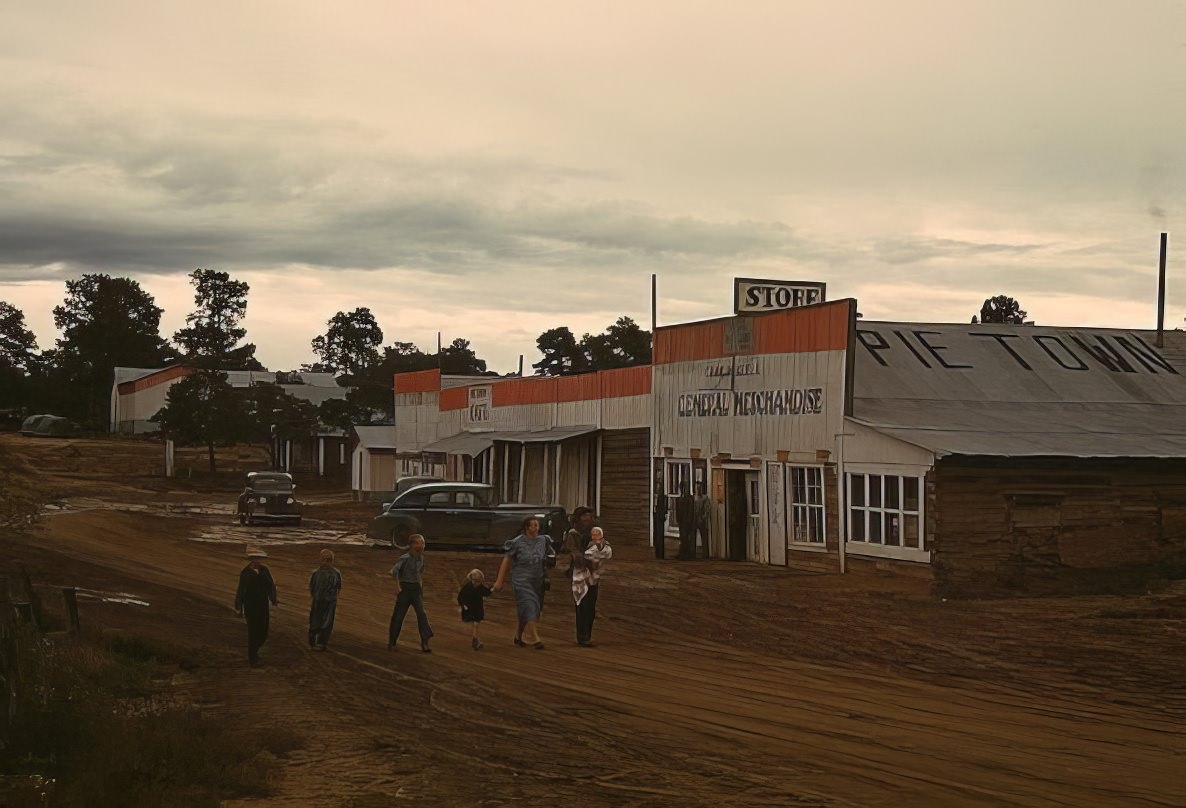
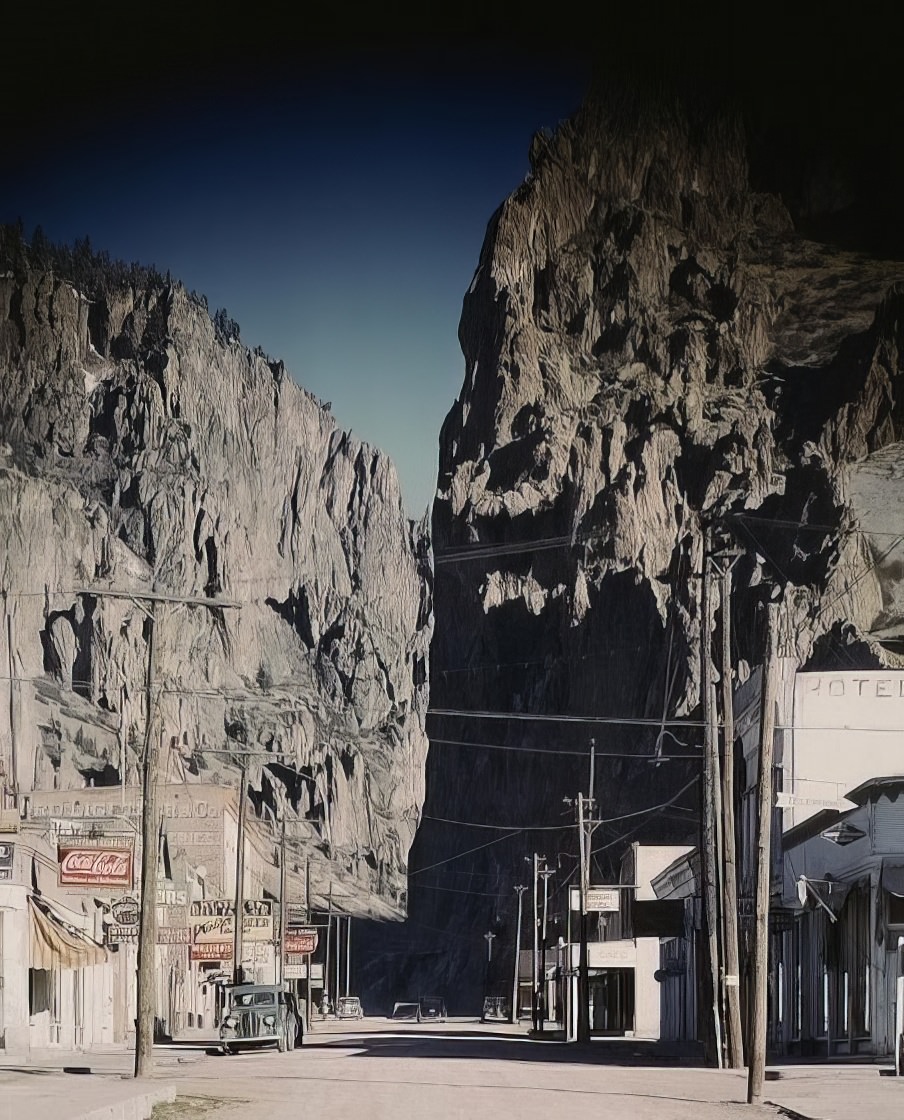
Not every Main Street looked the same. Small towns across the country — from New Mexico to Kentucky — had their own version of the local strip. Some were dusty and modest. Others were busy commercial blocks with competing signs fighting for attention.
Window displays were a genuine attraction. Department stores built elaborate seasonal scenes. Toy stores set up miniature train villages that drew crowds of wide-eyed children, especially around the holidays.
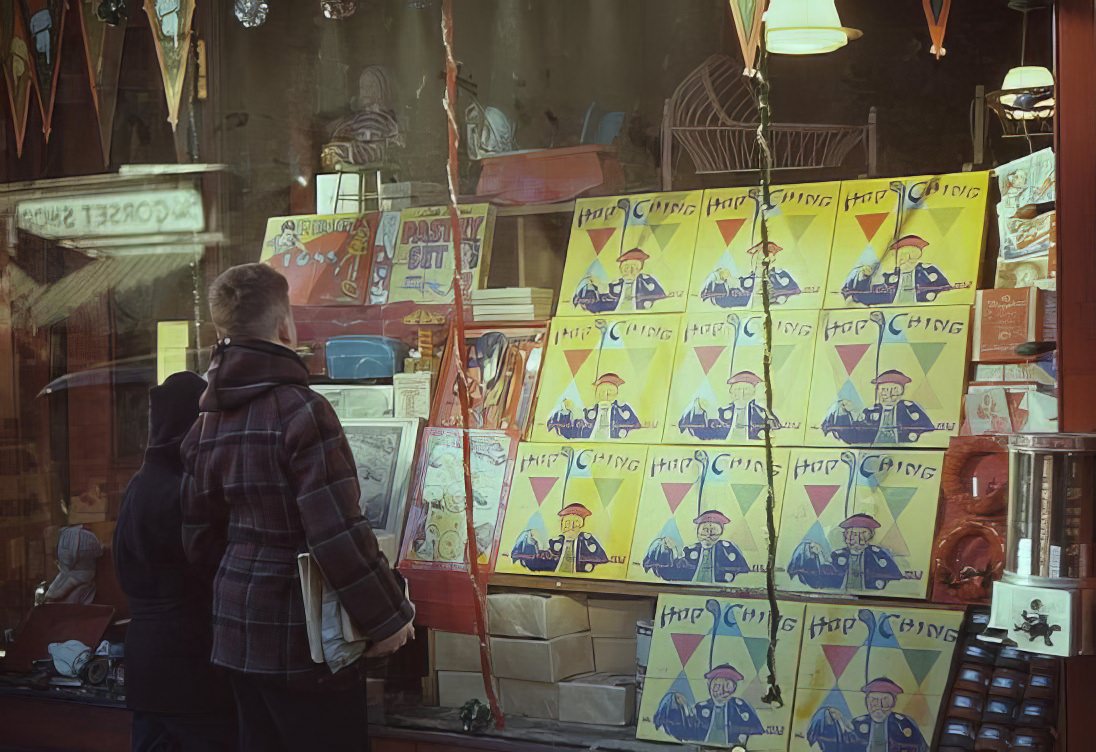
Whether it was a mountain town in Idaho or a farming community in Ohio, local storefronts reflected the character of their communities. Signs were hand-painted. Goods were locally sourced when possible. Shopkeepers often lived above or behind their stores.
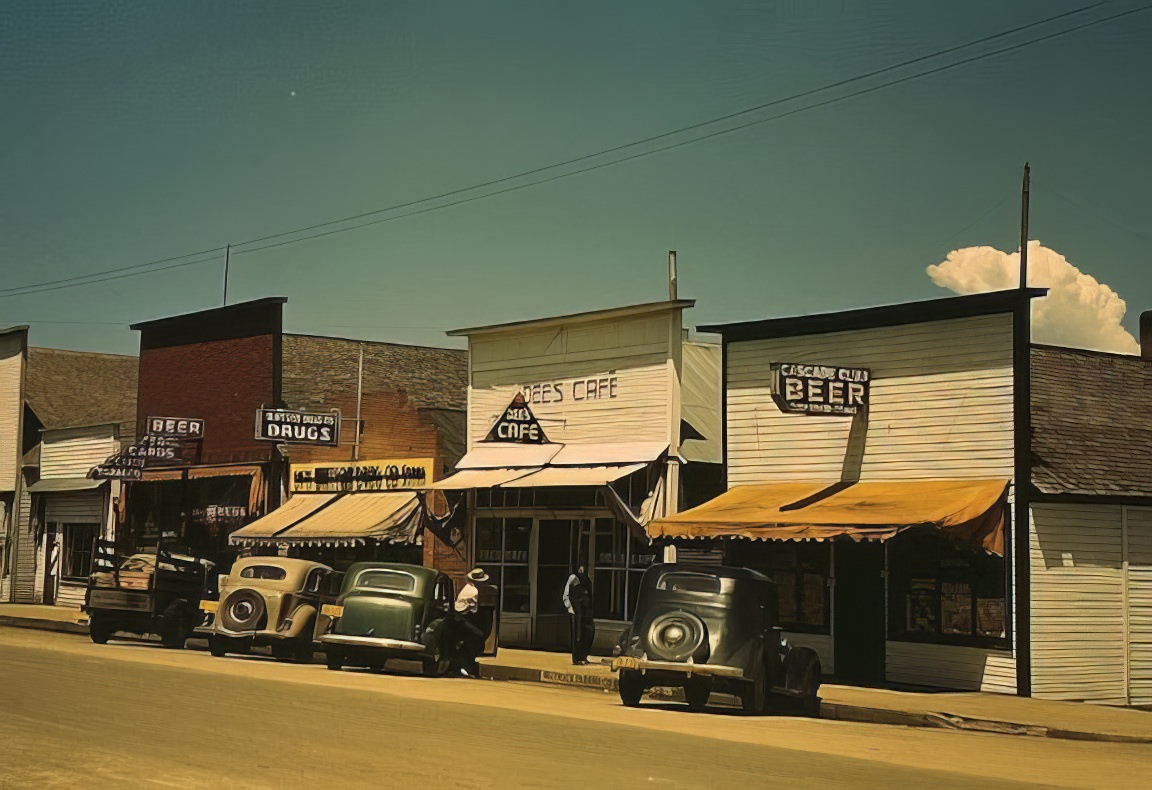
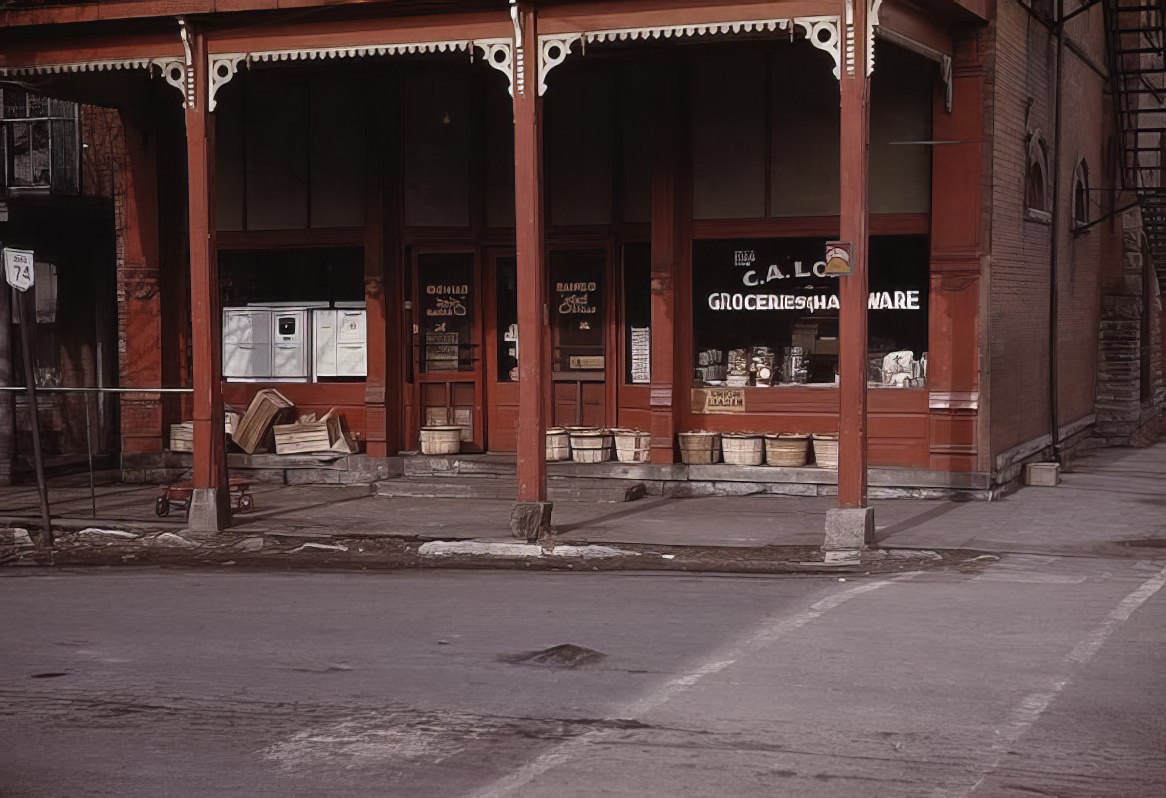
The war brought real strain to these businesses. With many young men overseas, shops ran short-staffed. Women took on roles previously held by men, keeping stores and services running. Ration books controlled how much sugar, meat, and other goods a customer could buy. Signs advertising “Meatless Tuesdays” became a fixture in grocery windows. Shopkeepers improvised, substituted scarce materials, and urged customers to “make do and mend.”
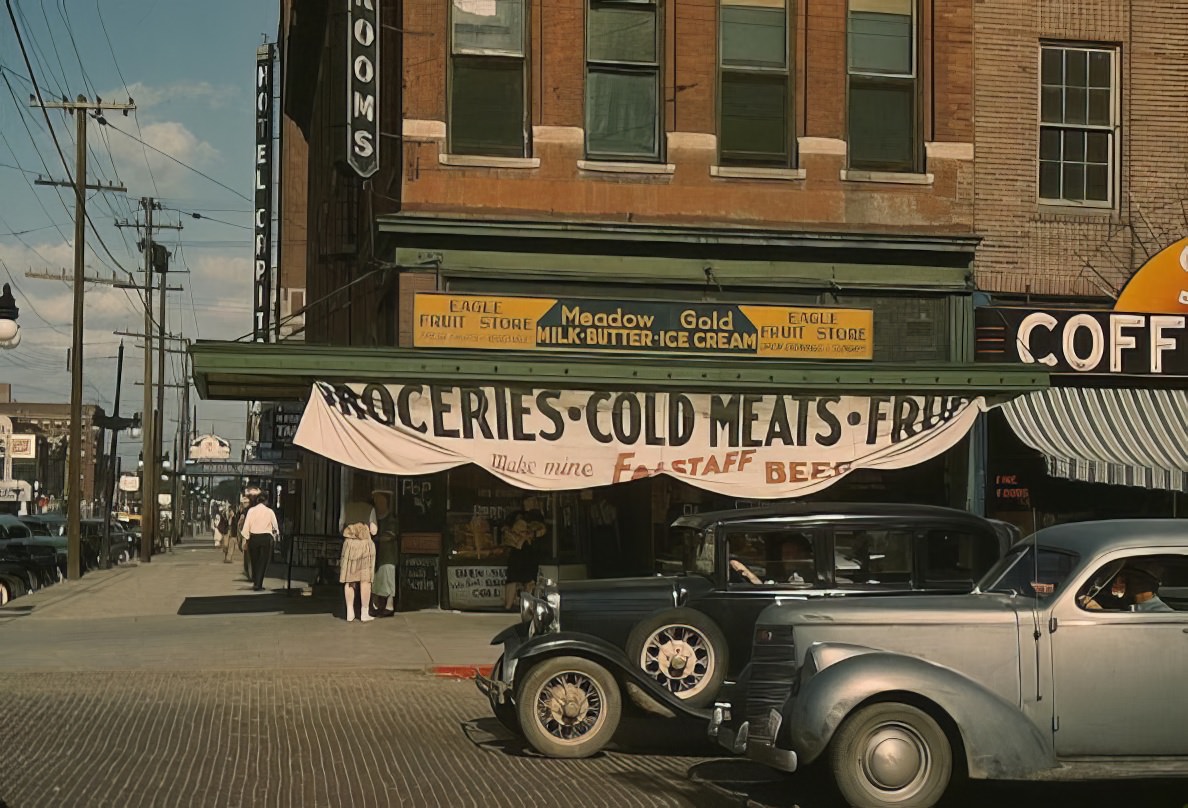
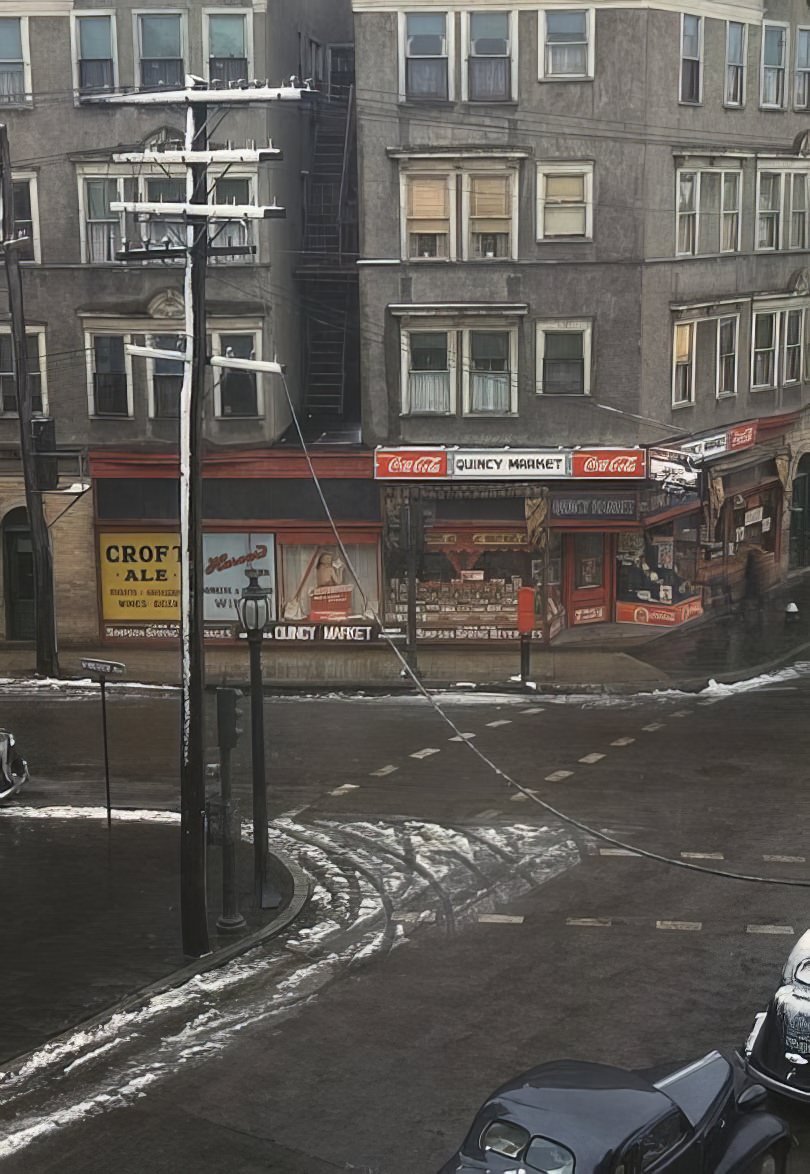
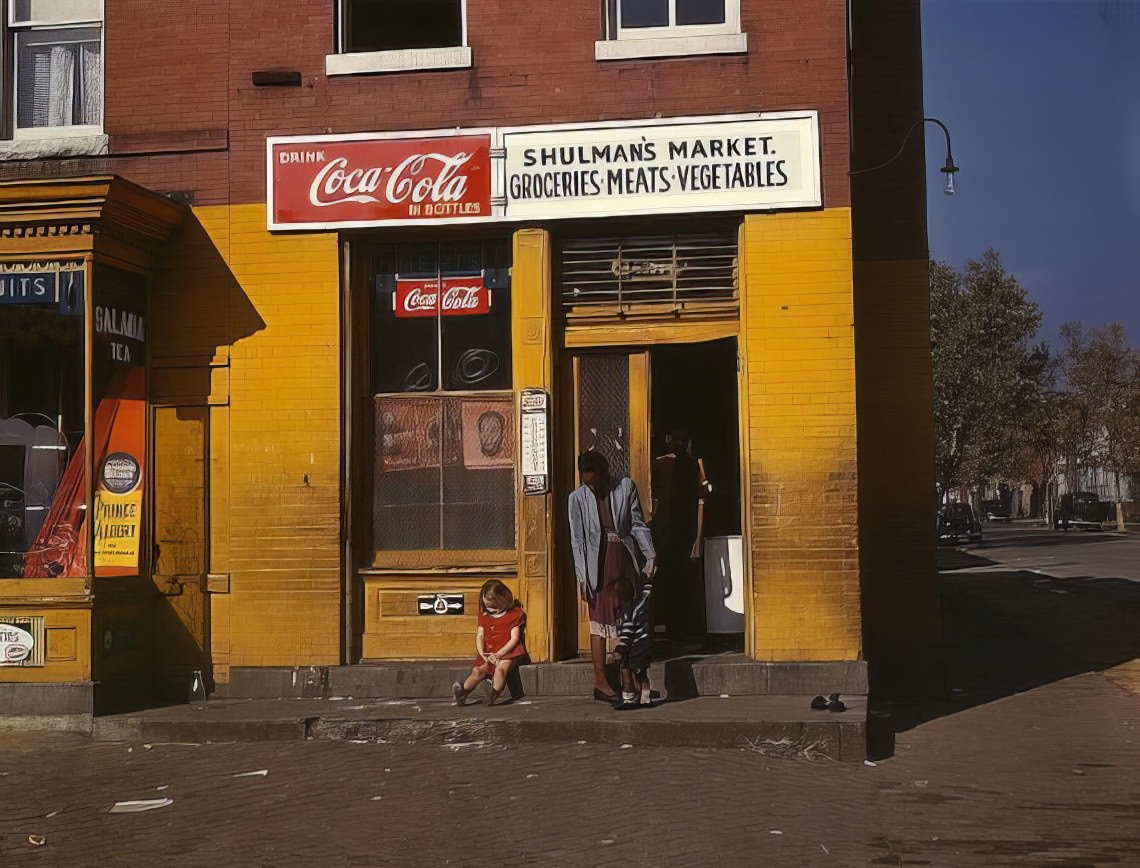
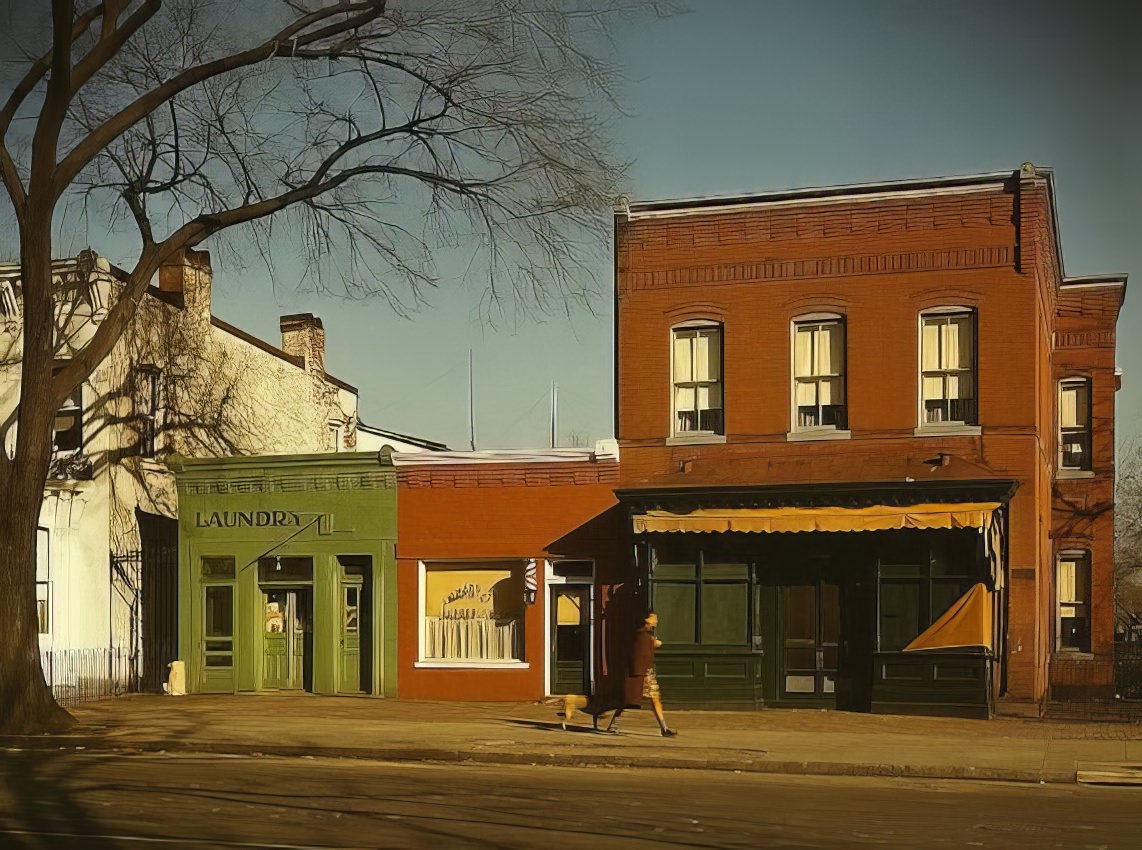
Urban storefronts in larger cities were more densely packed. A single block might hold a laundry, a barbershop, a diner, and a drugstore side by side. Streets in cities like Brockton, Massachusetts, and Washington, D.C., showed how commercial life concentrated in tight corridors.
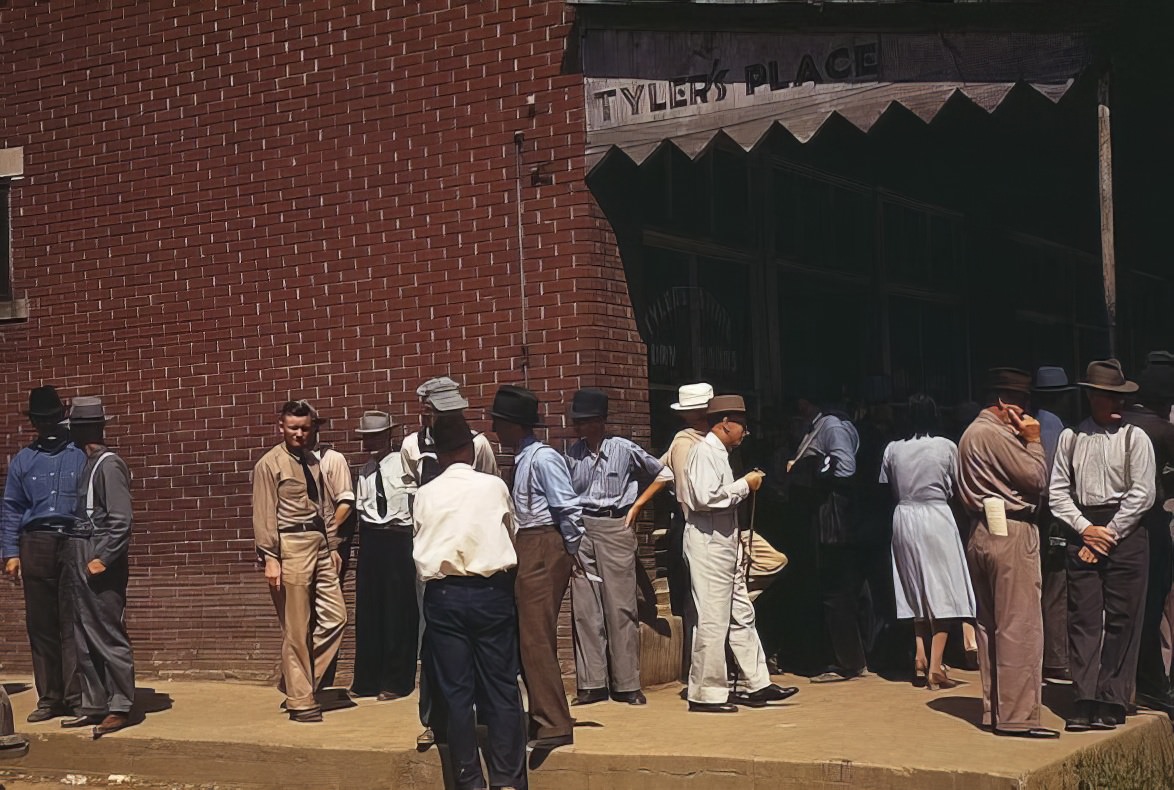
Court days in rural towns drew farmers and townspeople together, turning storefronts into social gathering points. In the South, stores doubled as community meeting spots, especially in smaller counties far from city centers.
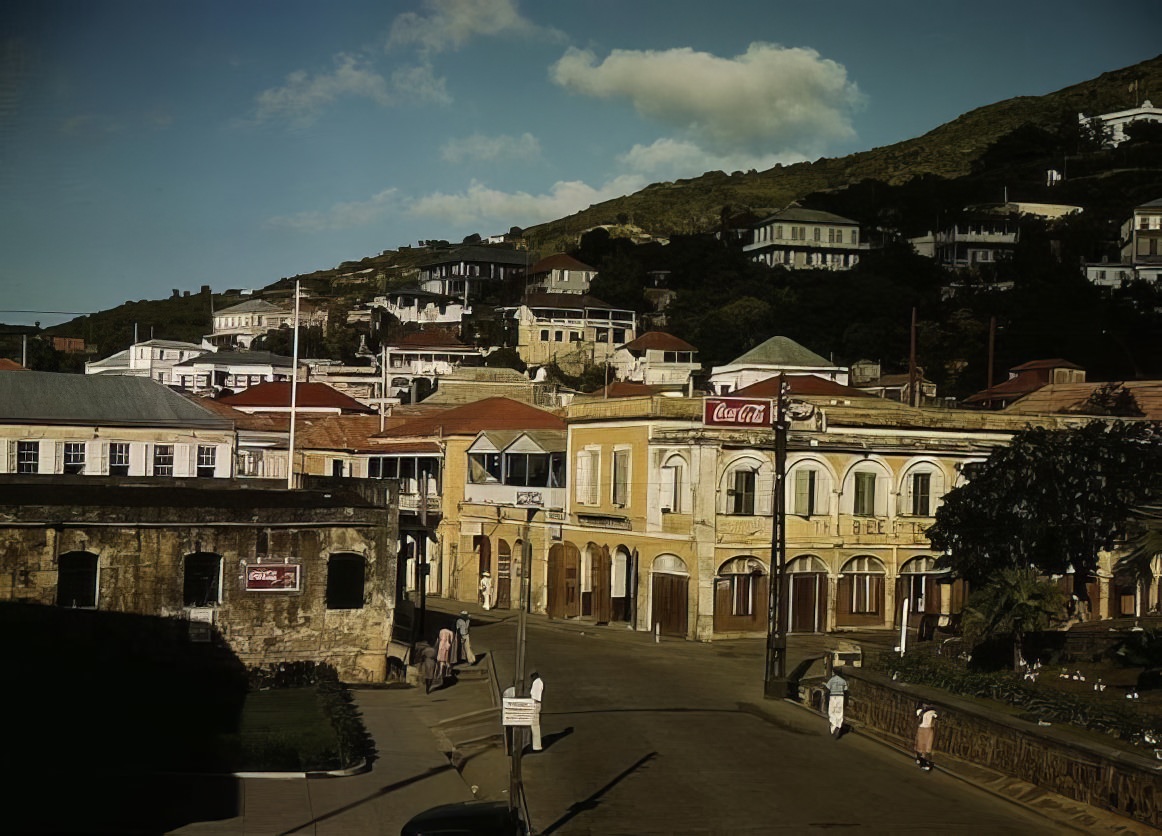
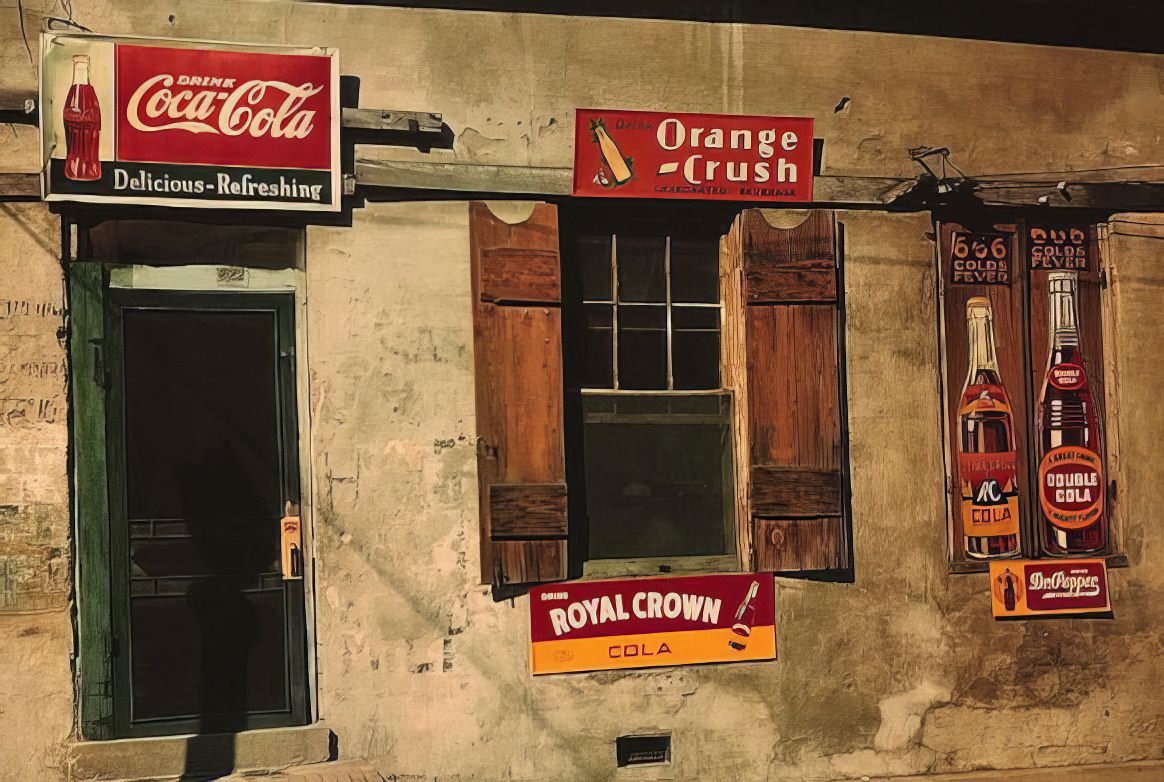
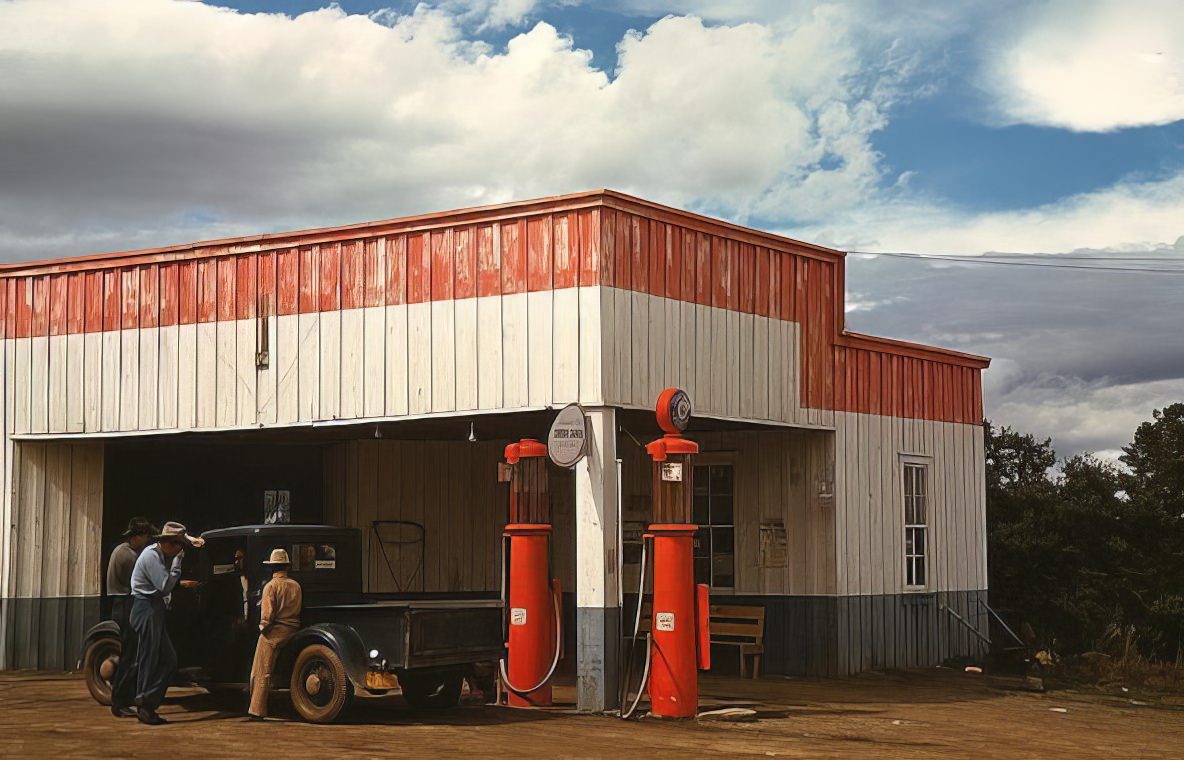
Soft drink brands like Coca-Cola, Orange Crush, Royal Crown, and Dr Pepper plastered their logos across store walls and windows throughout the South and Midwest. These painted advertisements were as much a part of a storefront’s identity as the merchandise inside. Gas stations, too, anchored small-town commercial strips, especially in the rural West and Southwest.
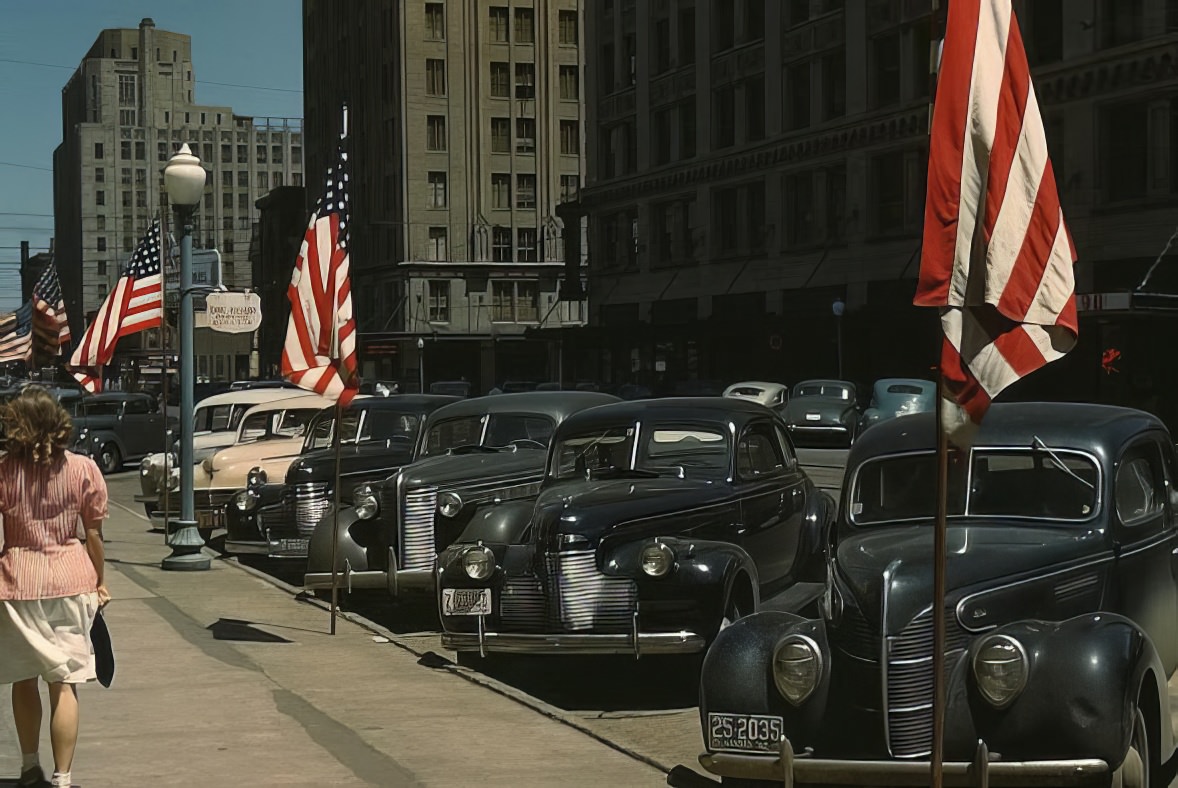
By 1942, patriotism was visible on Main Street itself. In Lincoln, Nebraska, American flags lined the street alongside parked cars, a public show of unity during wartime. Storefronts, sidewalks, and the people who filled them all carried the weight — and the pride — of that moment in history.