Mark Steinmetz picked up a camera at the age of six and never really put it down. Over the decades that followed, he built a body of work rooted in black-and-white photography — landscapes, street scenes, and portraits of ordinary people caught in unguarded moments. His choice to shoot exclusively in black and white is deliberate. “Black and white are what I was looking at when I started to photograph and it’s the medium of the great masters I admire most,” he said in one interview. That commitment to the format gives his images a timeless, almost documentary quality that color simply wouldn’t produce.

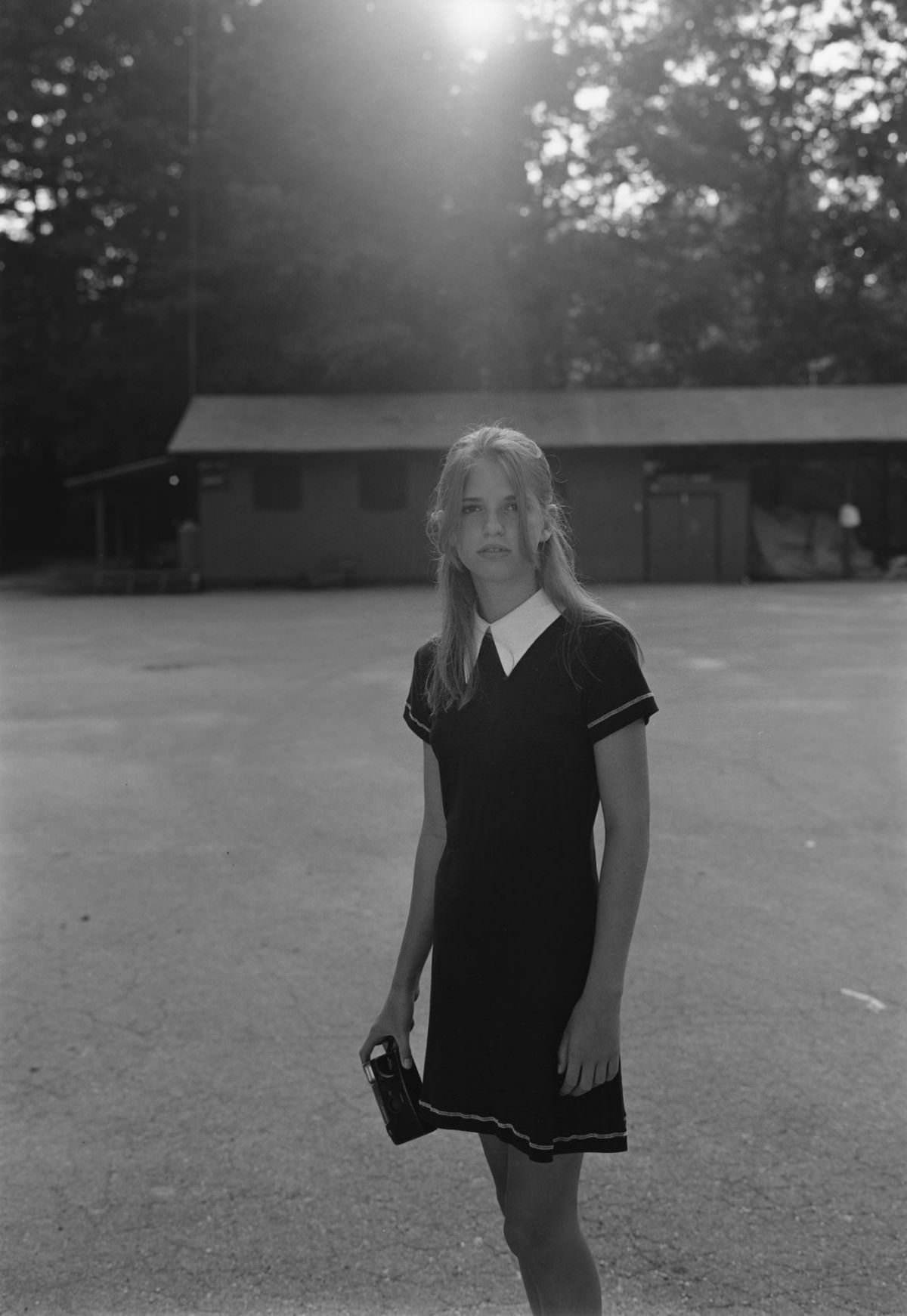
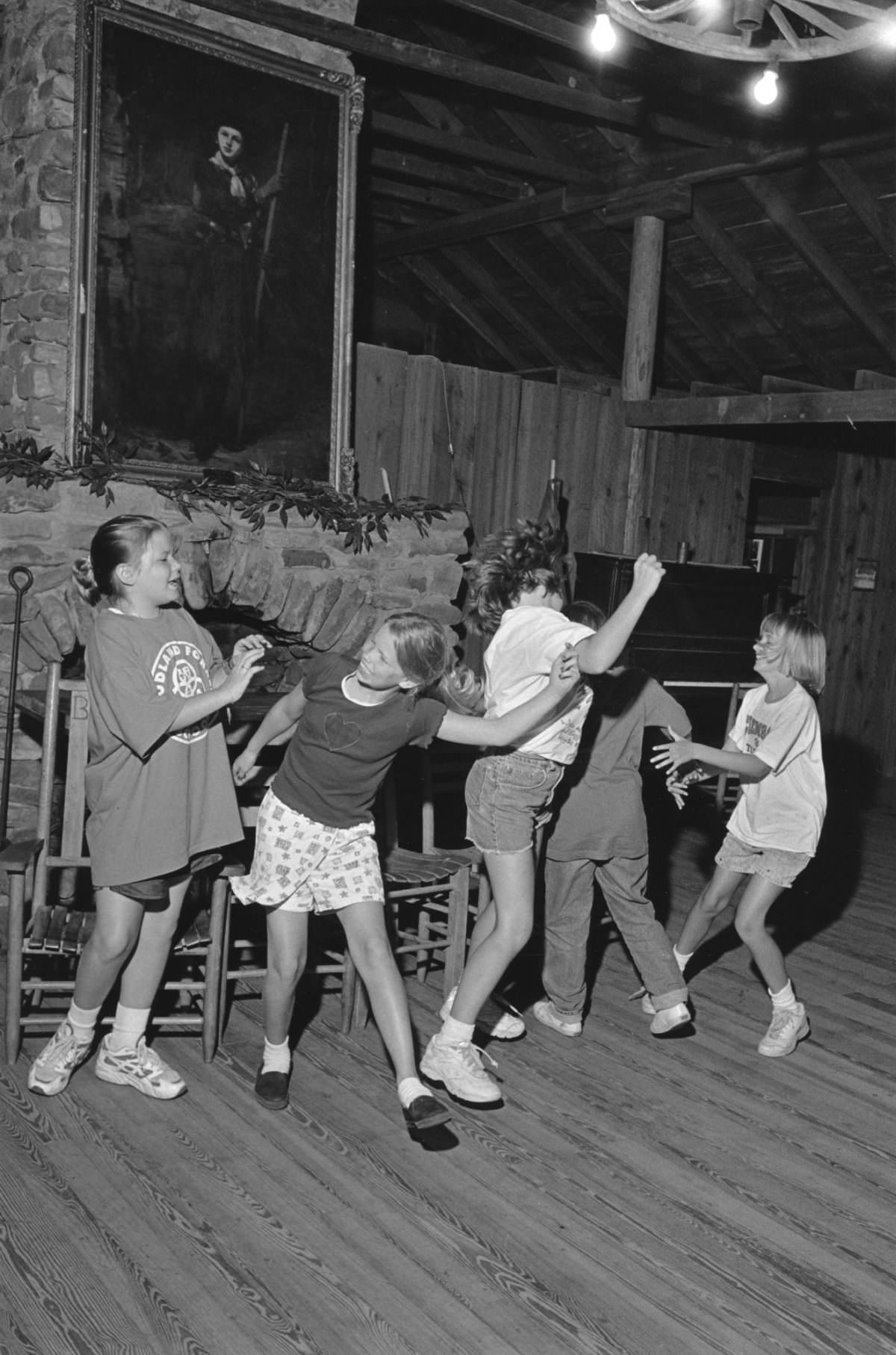
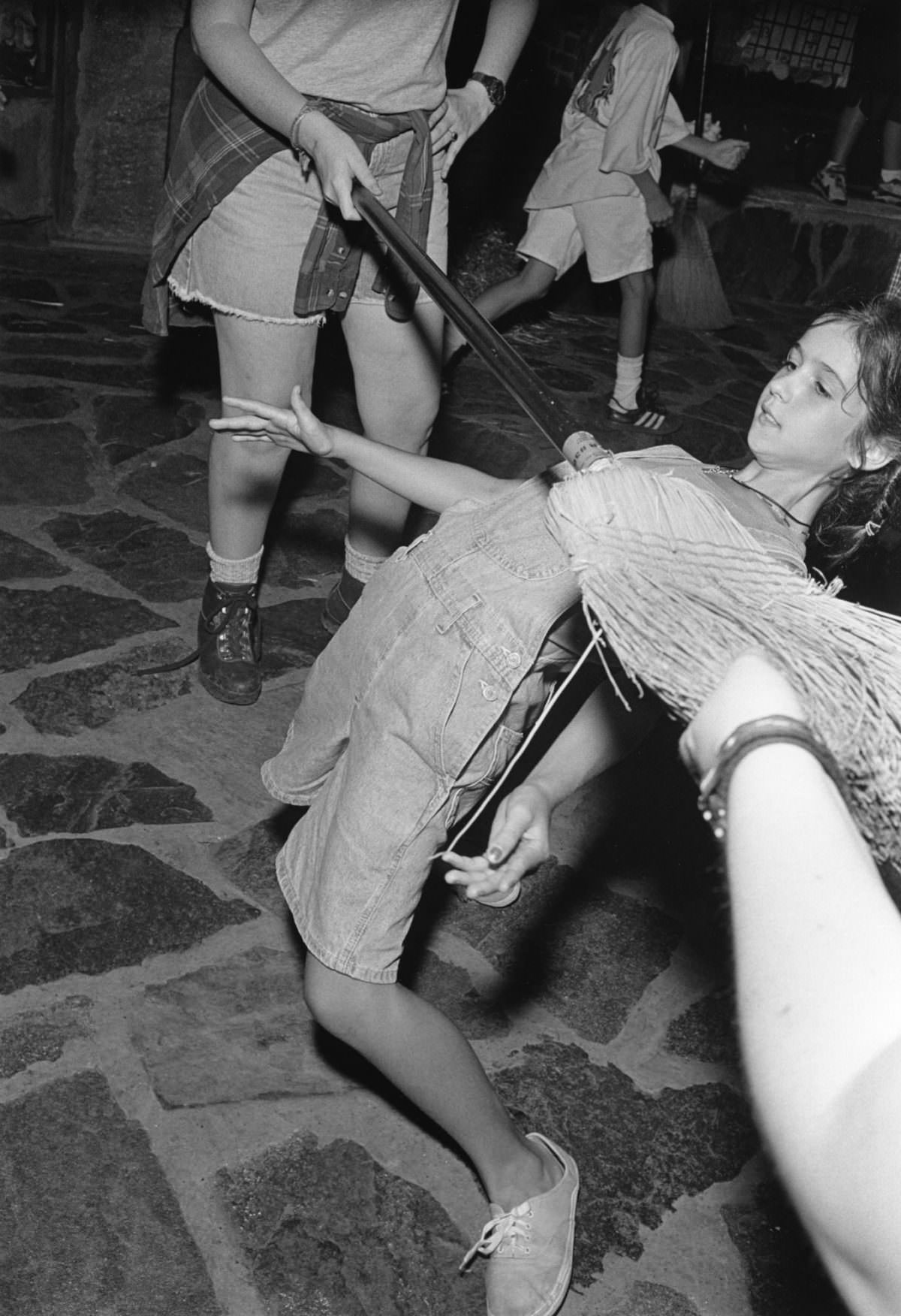
Between 1986 and 1997, Steinmetz spent time photographing American children at summer camps scattered across five states — North Carolina, Massachusetts, Wisconsin, Illinois, and Georgia. The camps gave him direct access to a world that most adults have long forgotten: the mix of freedom, boredom, friendship, and self-discovery that fills a child’s summer weeks away from home.
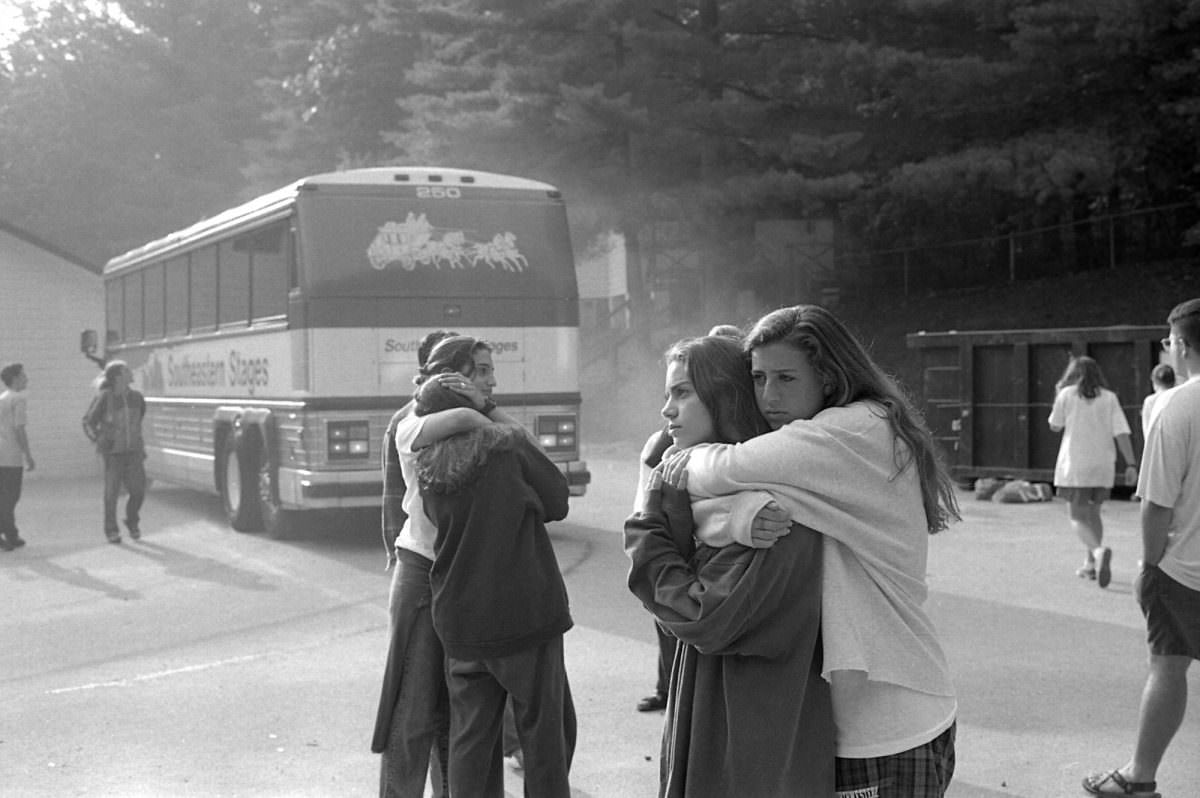
Steinmetz has spoken openly about his fascination with children in the eight-to-twelve age range. He sees something rare in kids at that stage — a kind of developing gravity that younger children don’t yet have. “There’s a kind of grave maturity developing at around 11 years old,” he explained. “When a little kid laughs or cries, it doesn’t have real resonance, whereas if someone has these emotions between eight and 12, there’s a poignancy to it.” That observation shows up clearly in his camp photographs, where the subjects rarely look posed or performative.
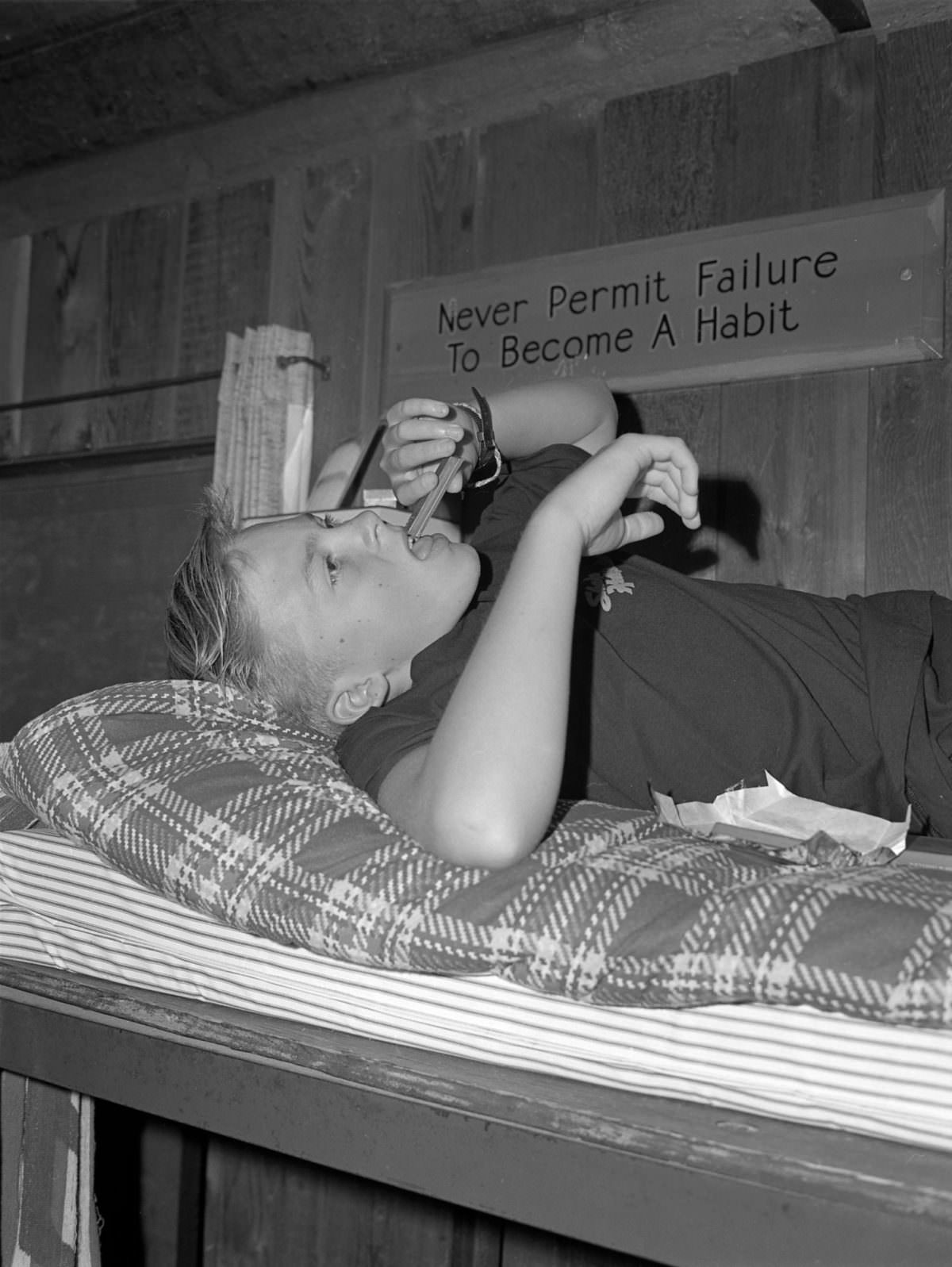
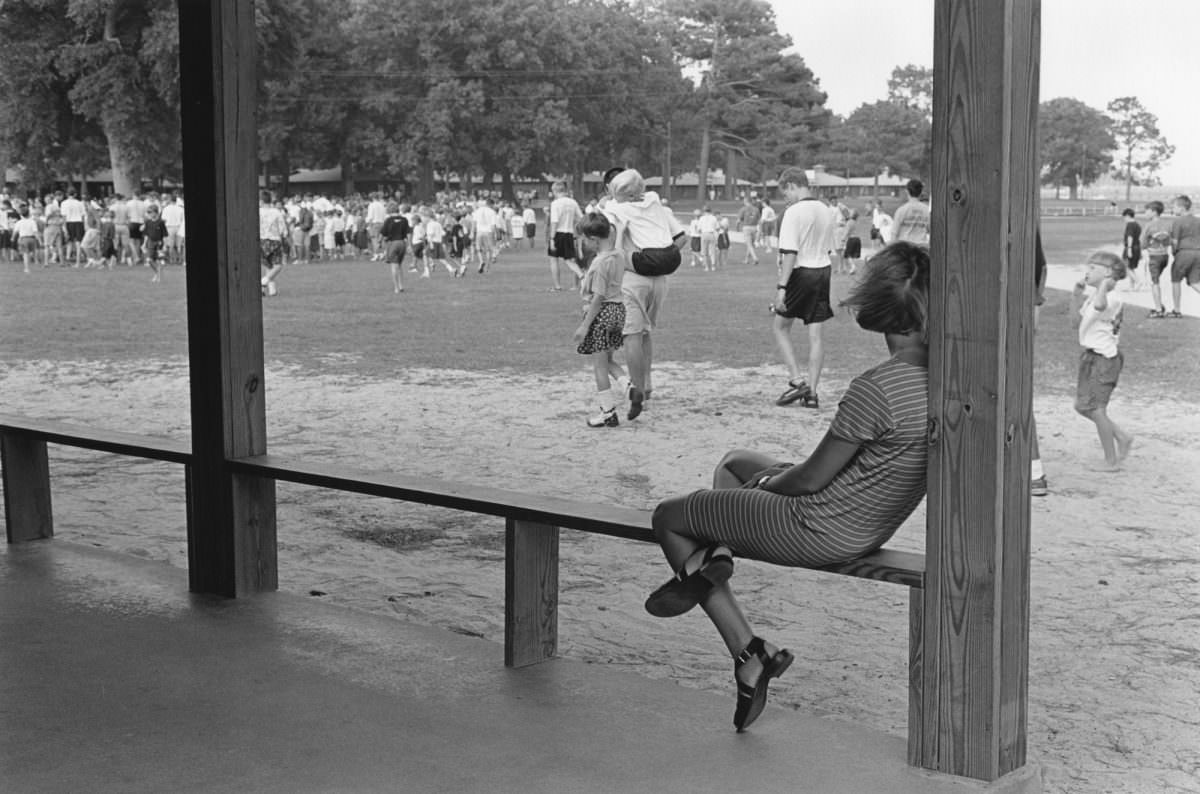
The camps he visited weren’t glamorous settings. They were ordinary places — docks, fields, cabin porches, dirt paths — and that ordinariness is part of what makes the photographs work. Steinmetz wasn’t chasing dramatic moments. He was recording the quiet, in-between ones: a group of kids sitting together, a lone child staring at the water, two friends sharing a laugh that no one else is in on.
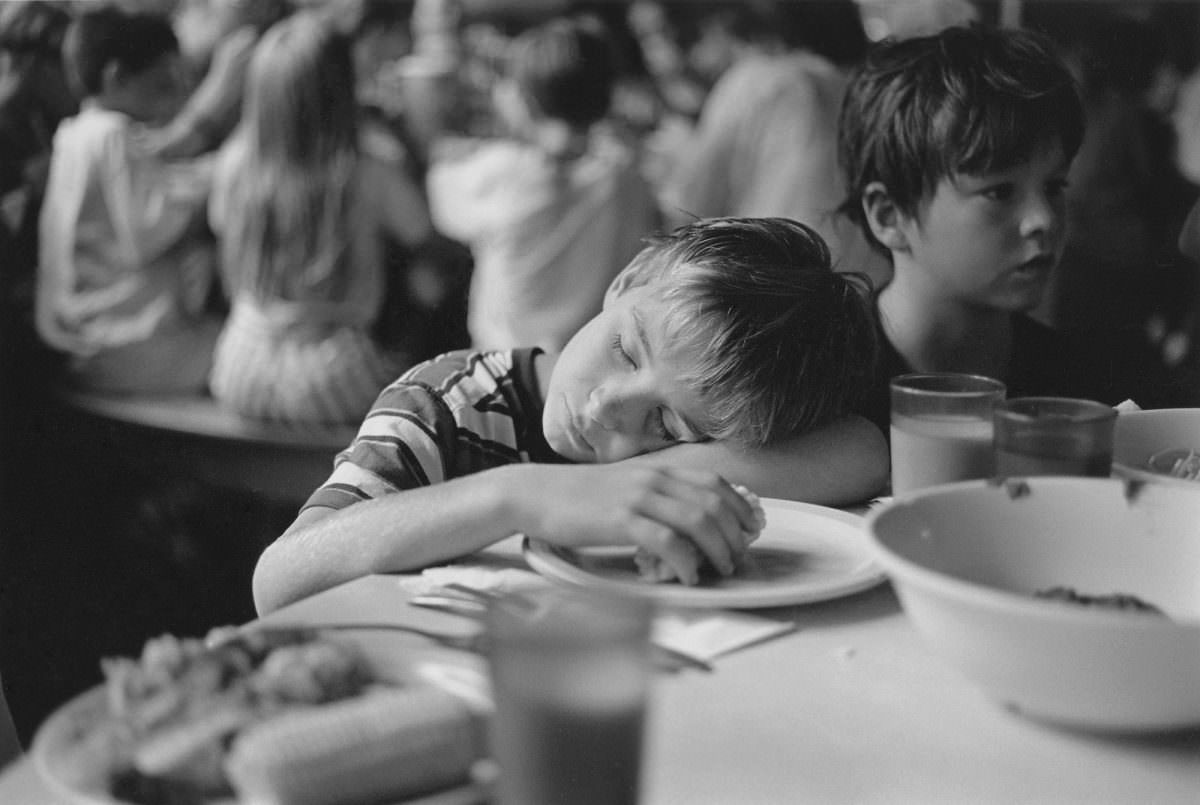
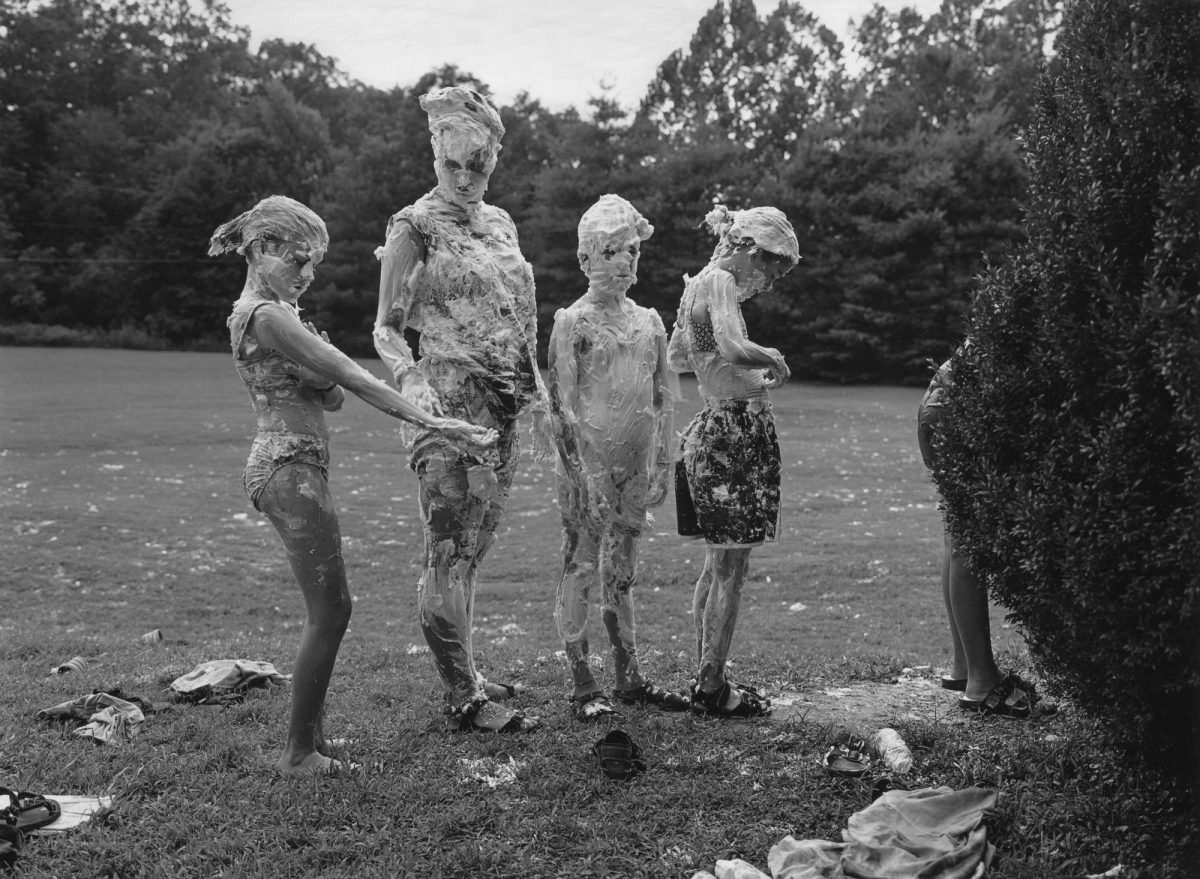
Working across five different states gave Steinmetz a broad cross-section of American summer camp culture from that era. The camps in North Carolina and Georgia had a distinctly Southern feel, while those in Massachusetts and Wisconsin reflected different regional textures. Yet the children in all of them shared the same basic summer experience — a temporary community built around shared meals, shared bunks, and shared routines.
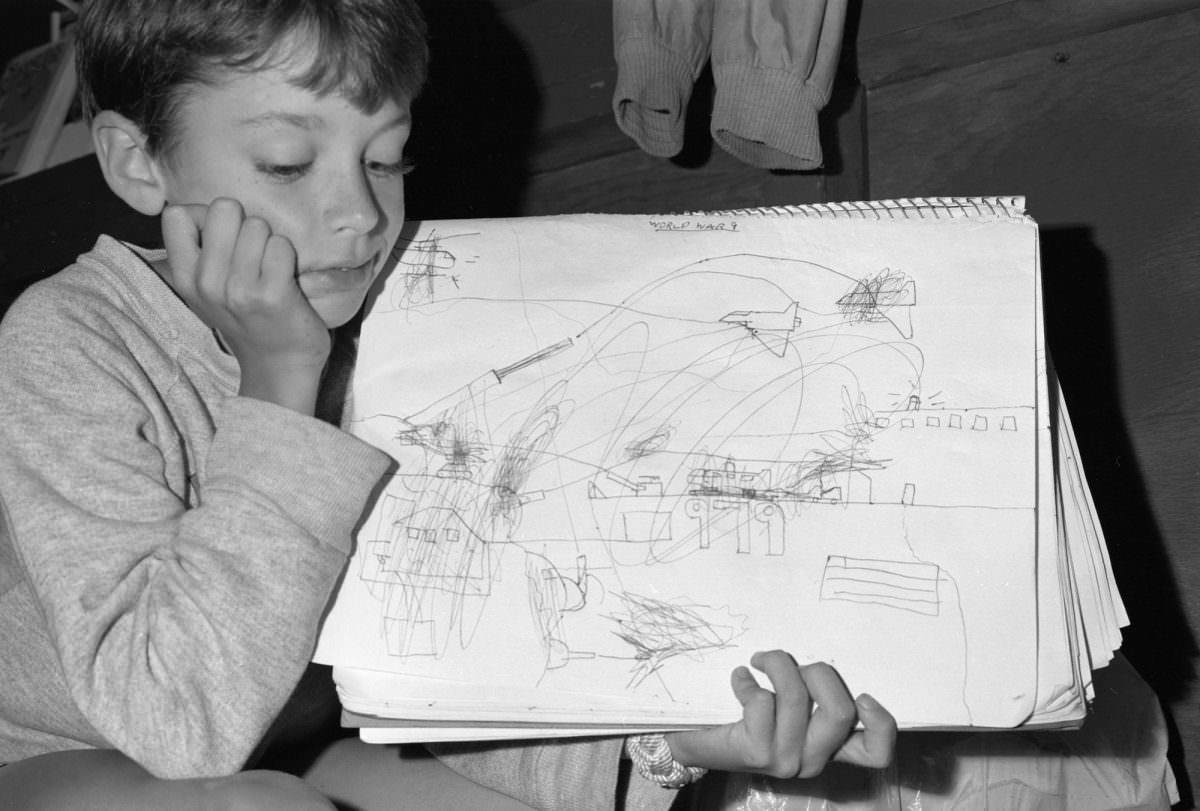
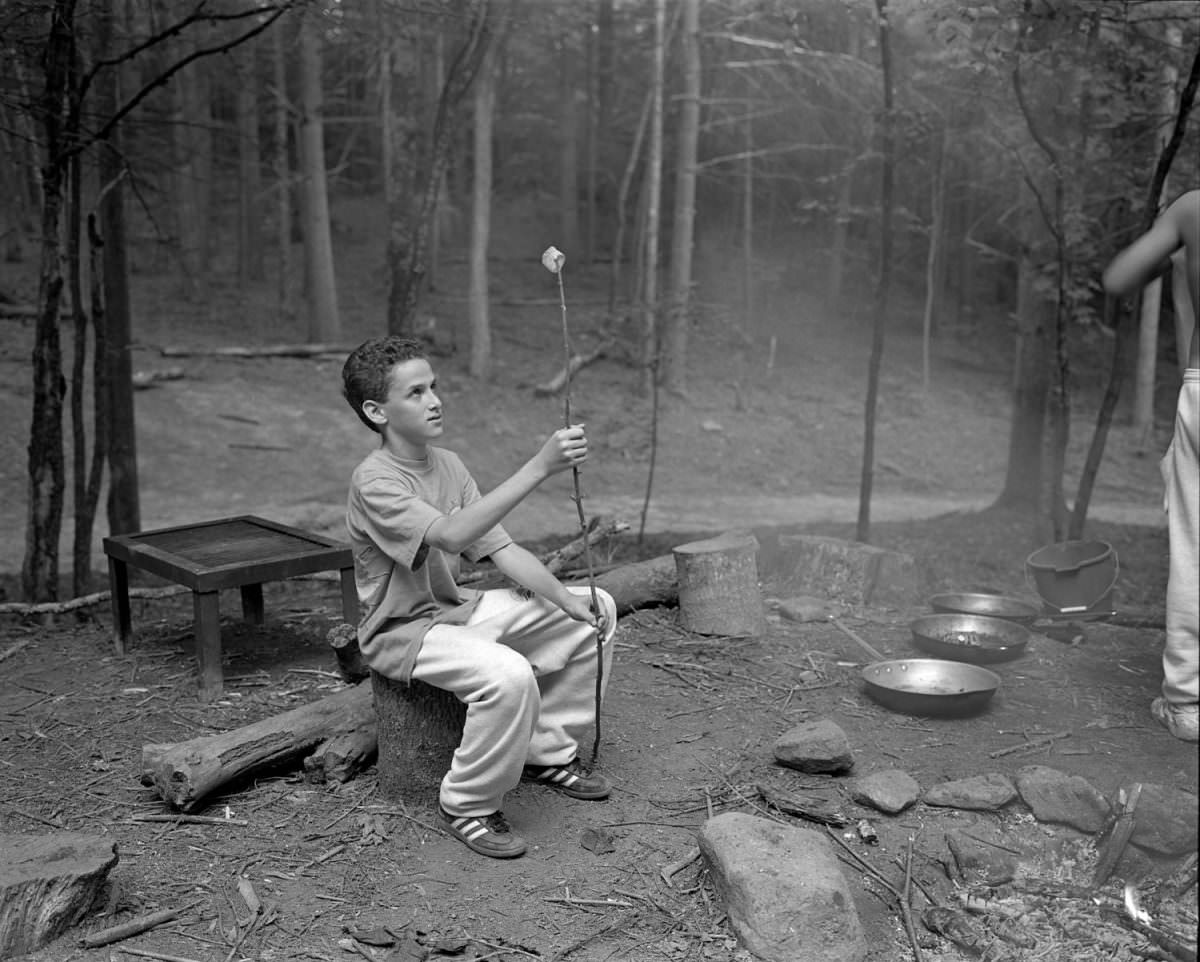
Black-and-white photography strips away the distraction of color and forces the viewer to focus on expression, posture, light, and shadow. In Steinmetz’s hands, this works especially well with children, whose faces tend to be more expressive and less guarded than those of adults. A smirk, a squint, a moment of obvious boredom — all of it reads with clarity in monochrome.
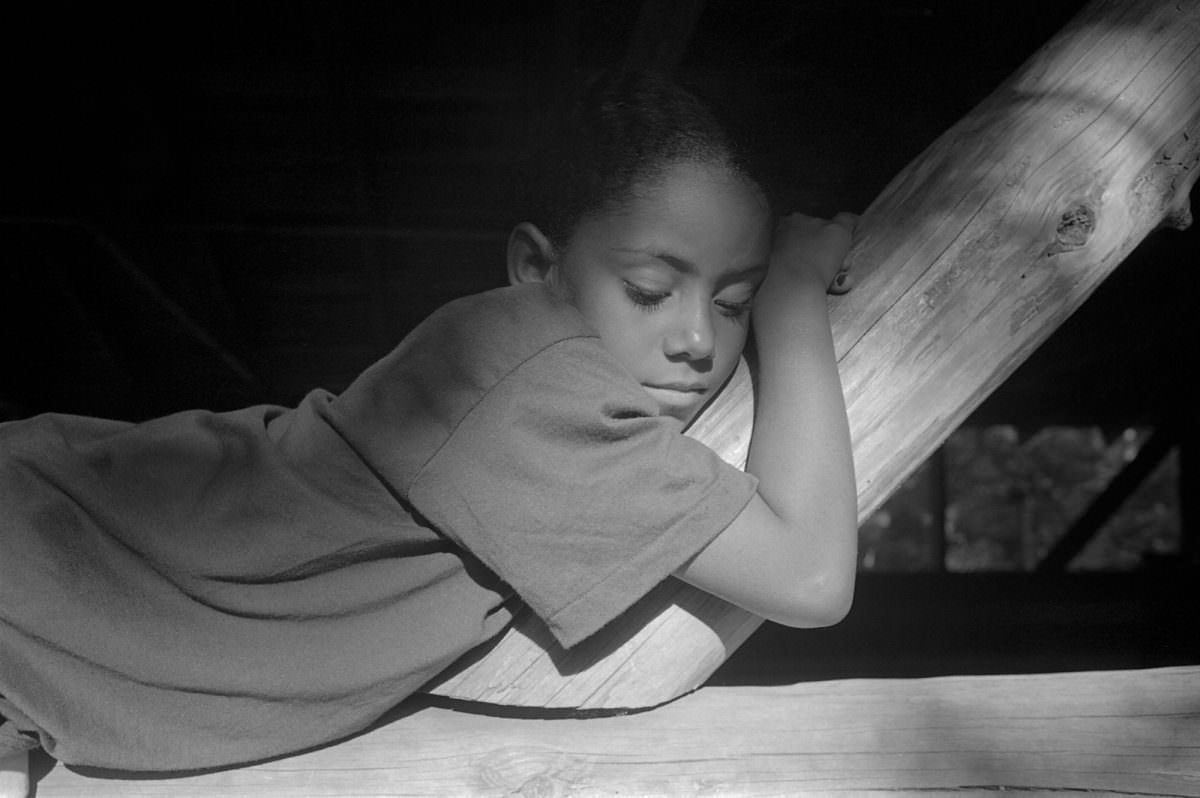

The time span of the project — eleven years — also matters. Steinmetz wasn’t documenting a single summer. He was returning, repeatedly, to the same kind of environment and building a cumulative record of what American childhood looked like in those years. The late 1980s and early 1990s were a specific cultural moment, and the photographs carry the visual signatures of that period without being self-consciously nostalgic.
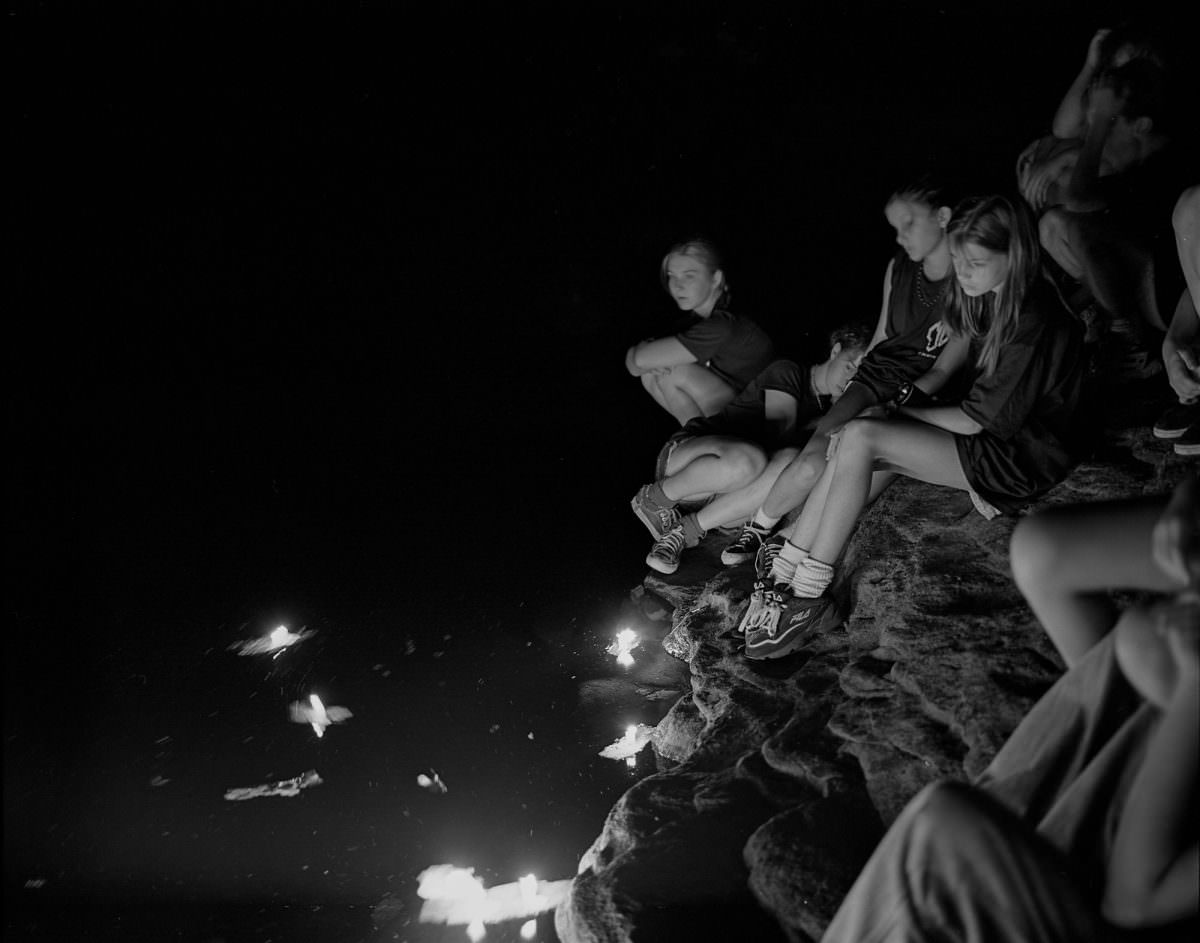
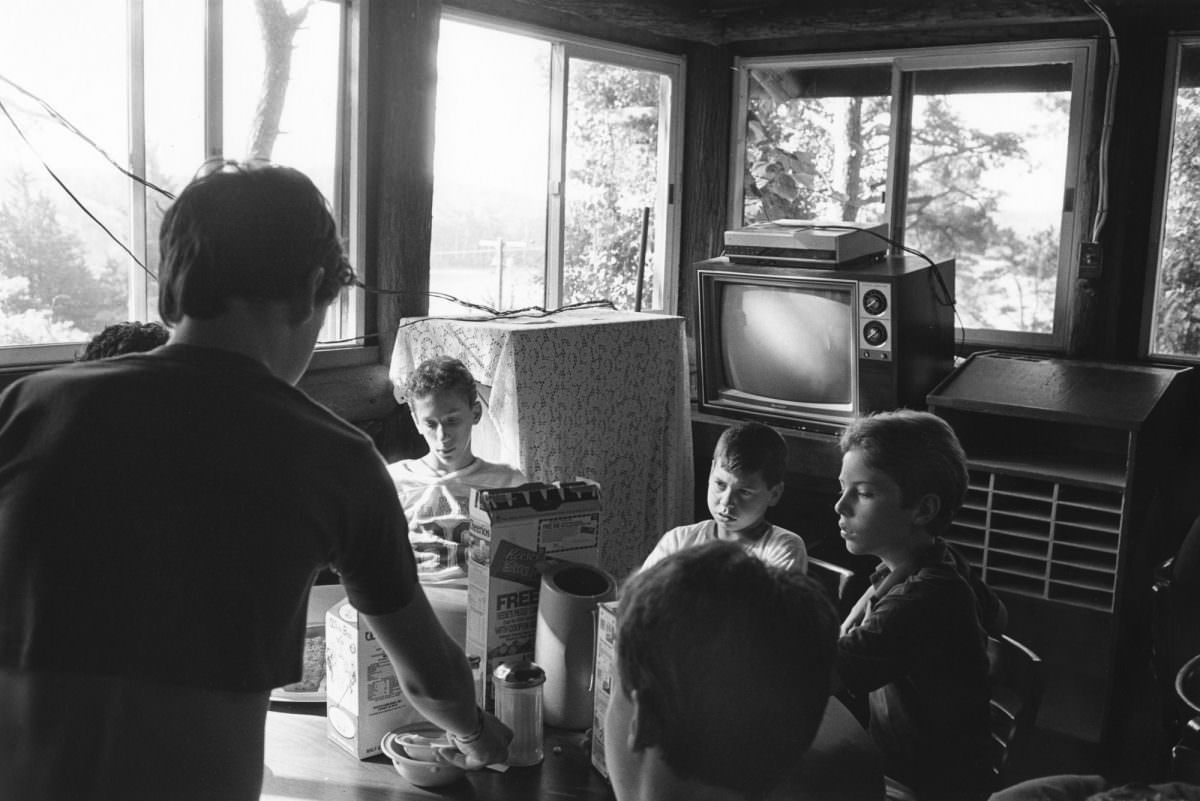
Steinmetz worked quietly and without intrusion. His subjects often appear unaware of the camera, or at least unbothered by it. That ease is difficult to earn, especially with children, who can shift quickly from natural to self-conscious the moment they notice they’re being watched. The relaxed atmosphere of summer camp — where schedules are loose and adult supervision is lighter than at school — helped create the conditions for that kind of authentic photography.
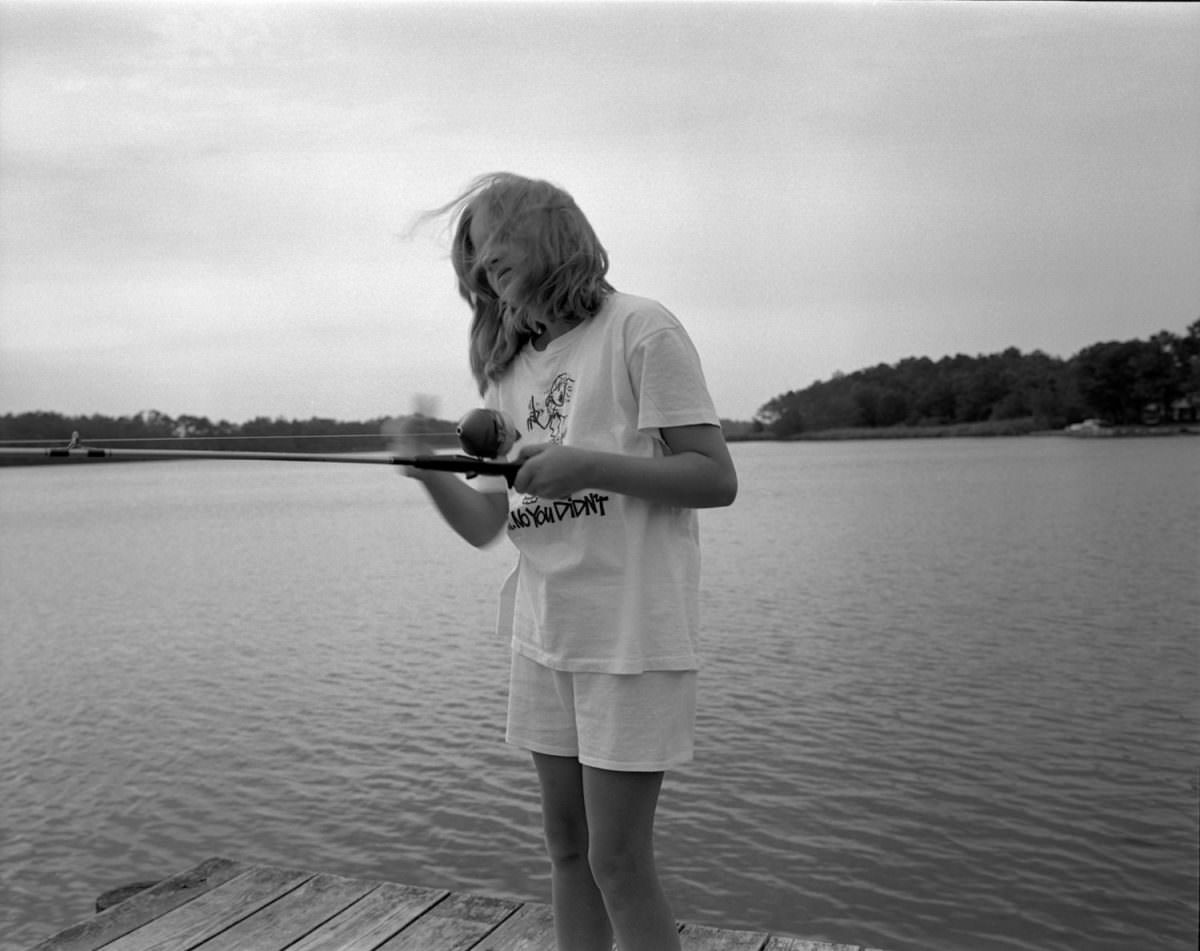
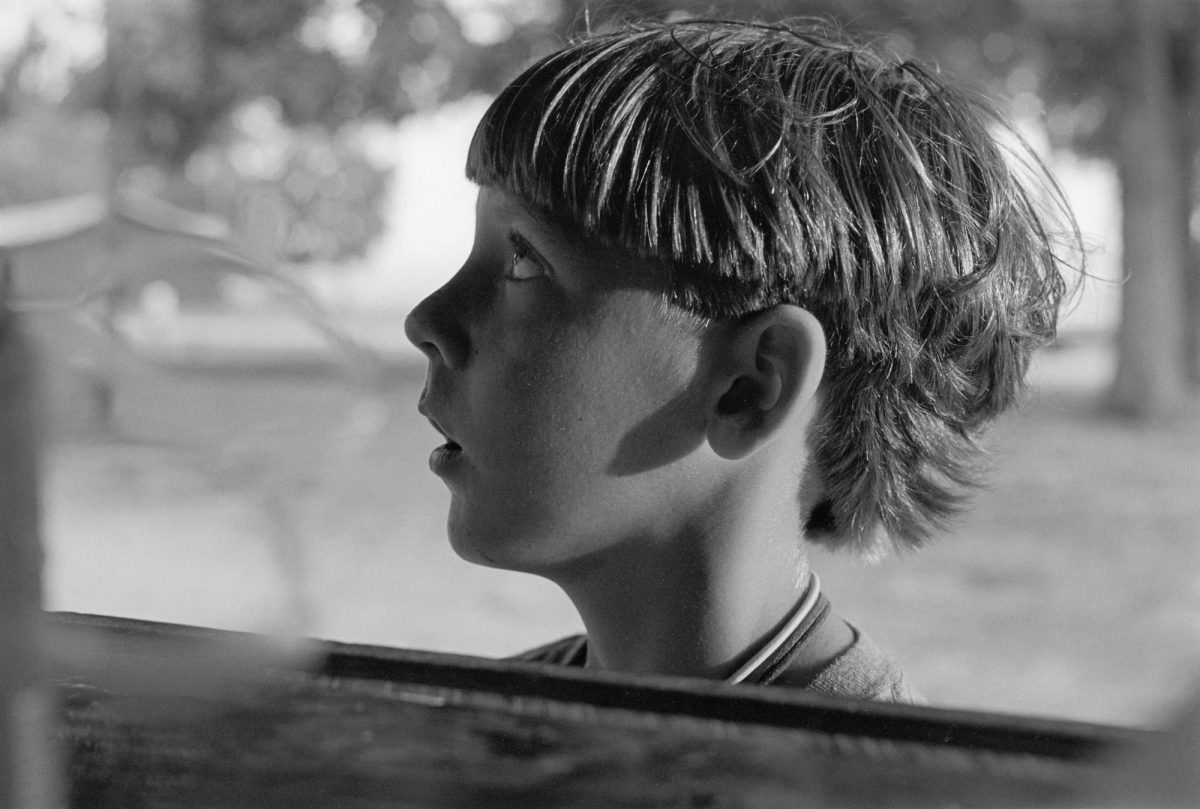
Across the full collection, certain recurring themes emerge: children alone with their thoughts, children in tight clusters of friendship, and children caught in the physical abandon that only comes when they think no one important is watching. These aren’t staged memories. They’re records of actual days — hot, slow, vivid summer days that existed once and were captured before they disappeared.