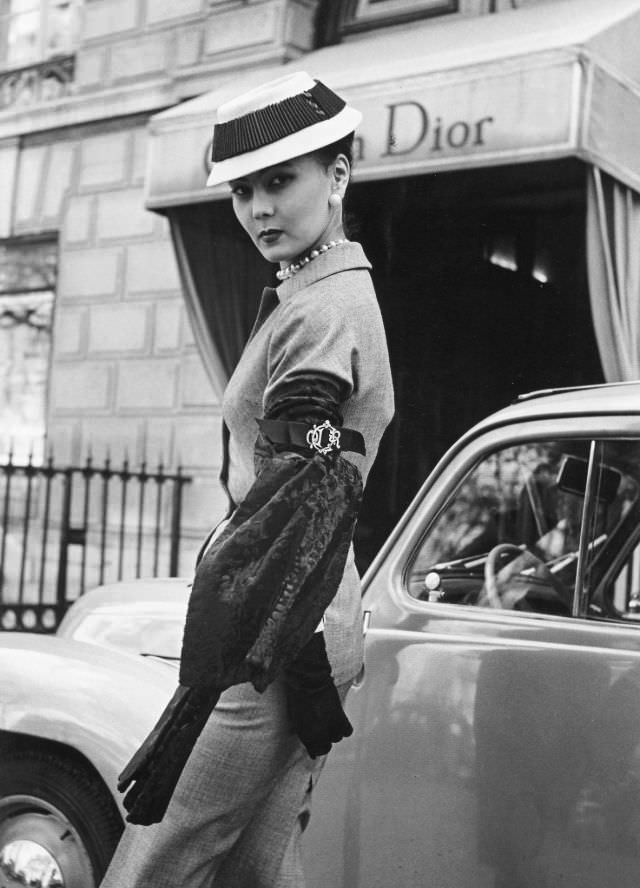
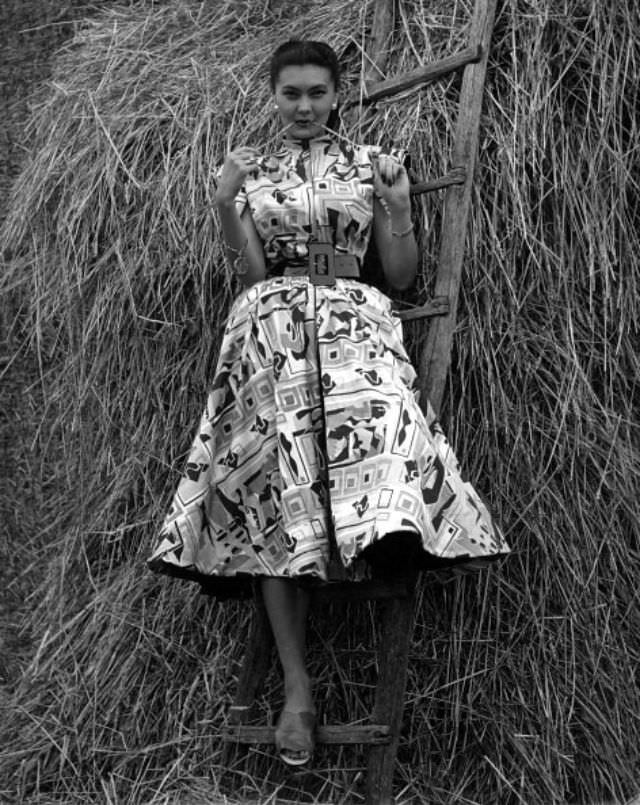
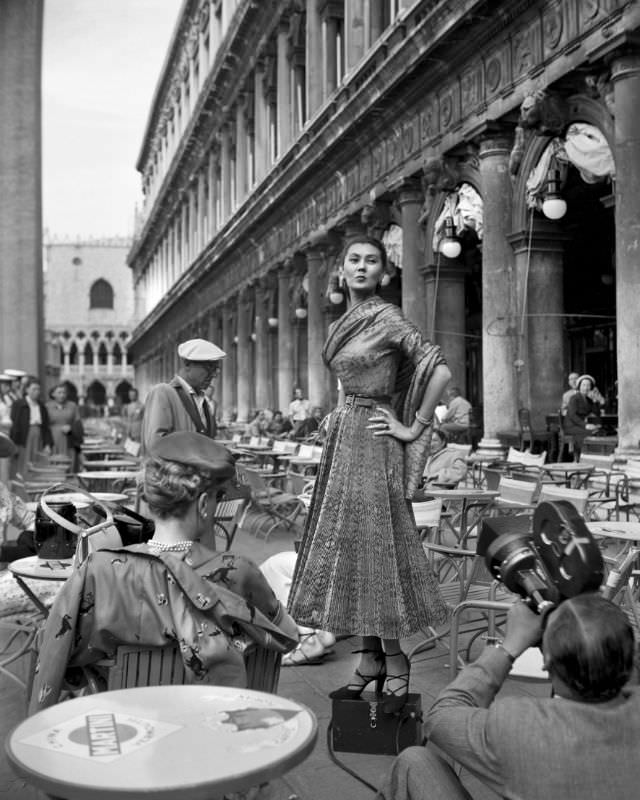
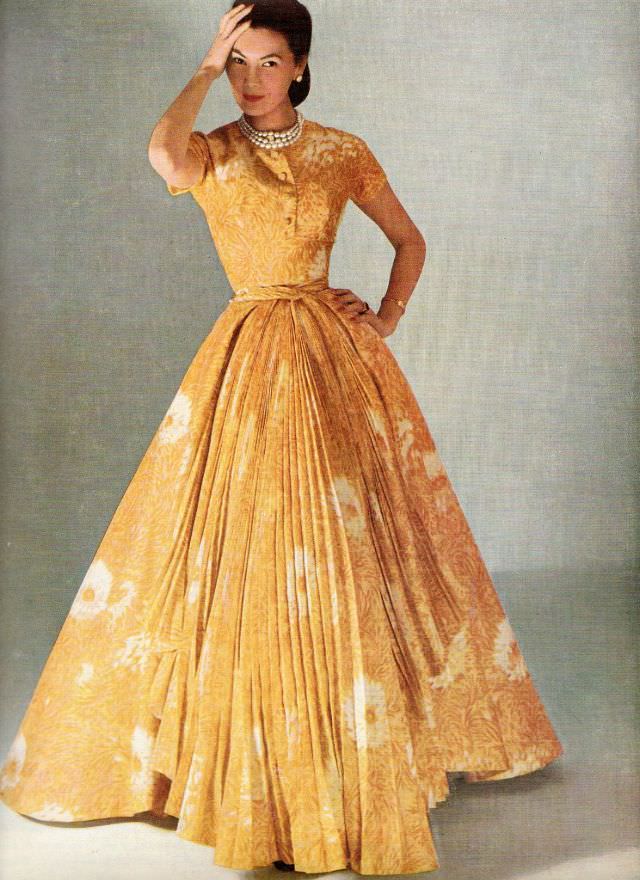
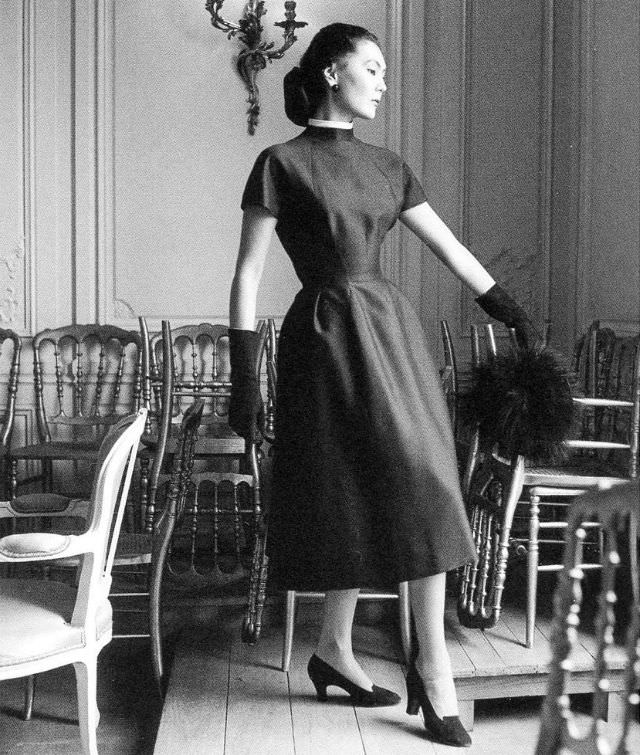
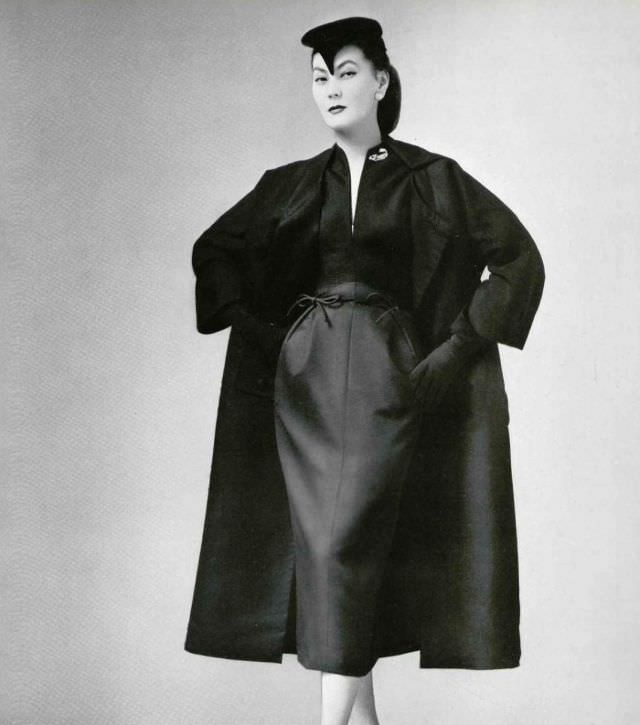
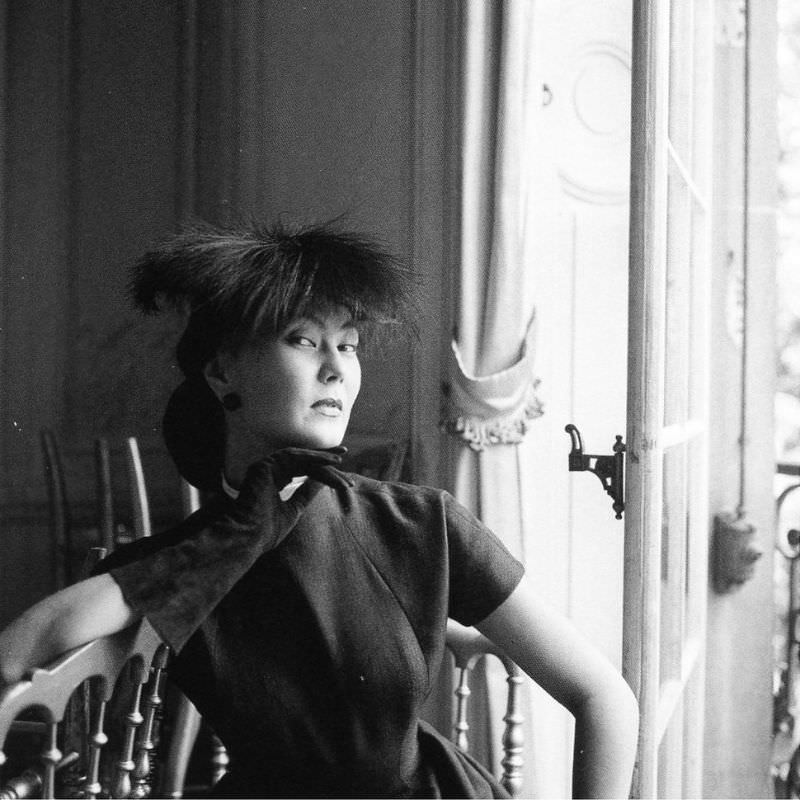
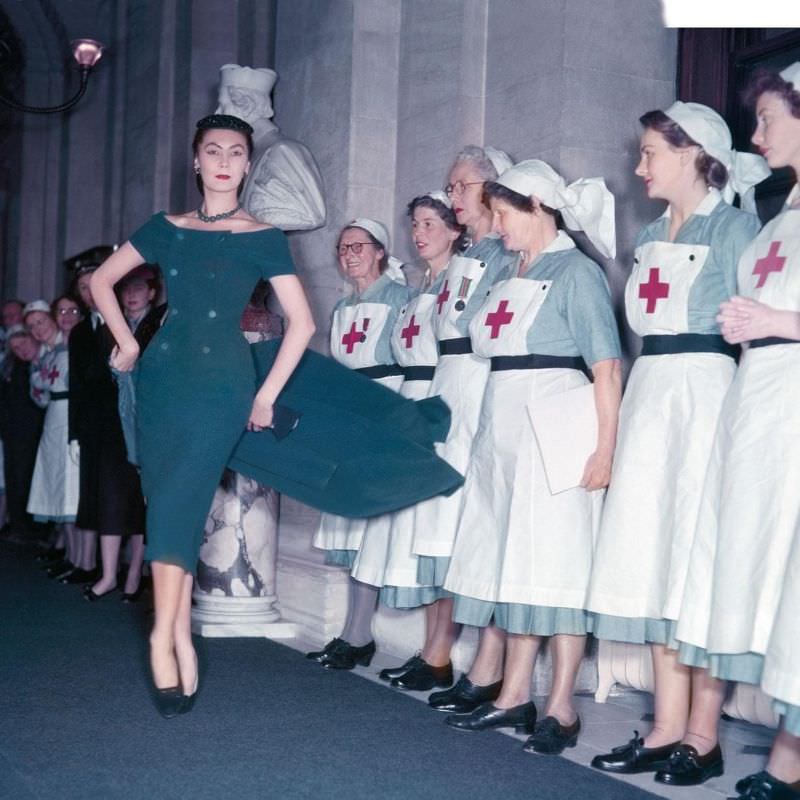
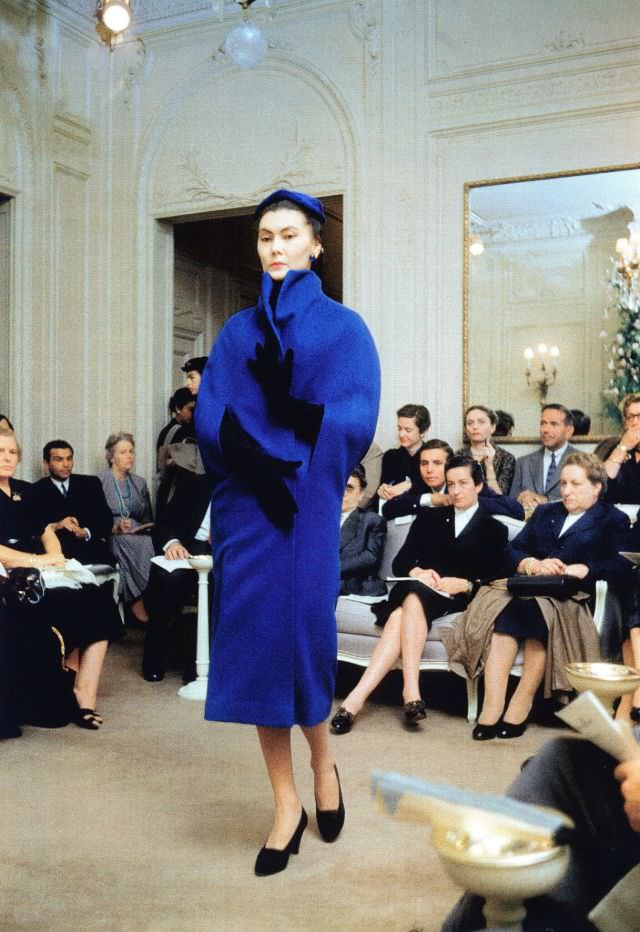
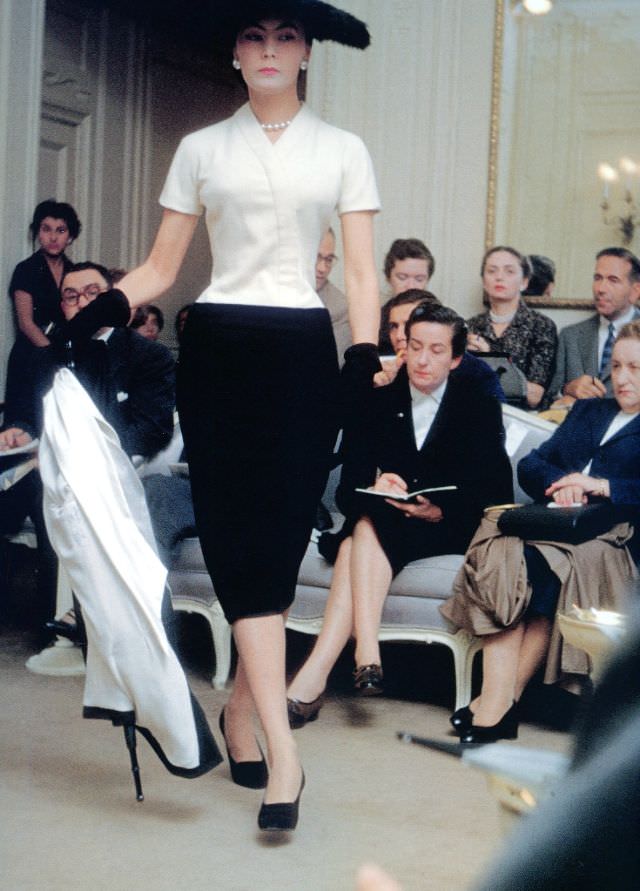
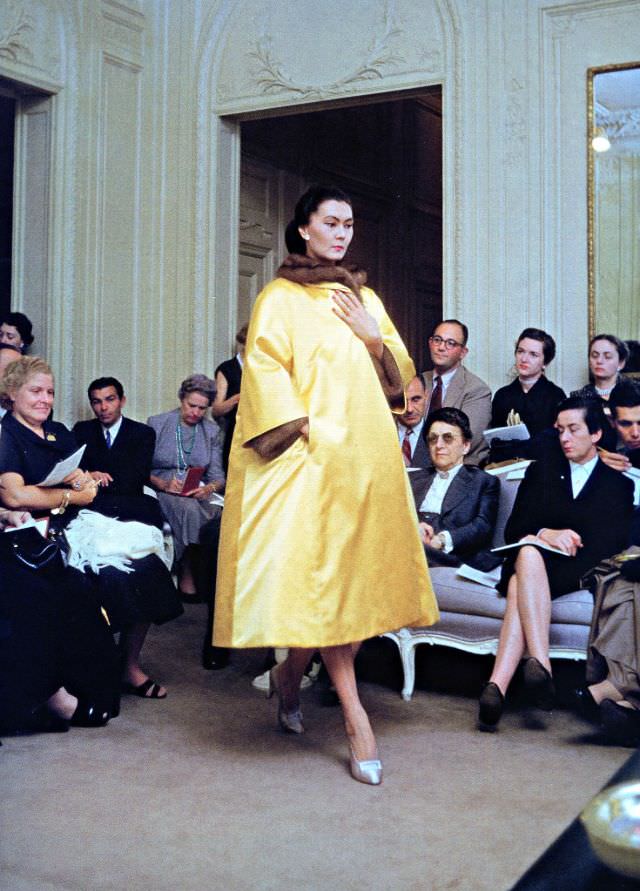
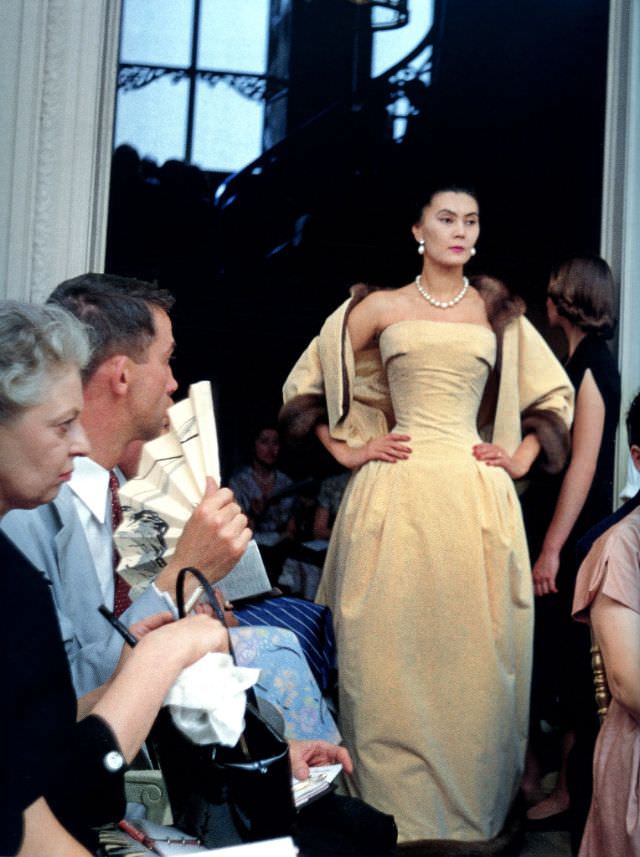
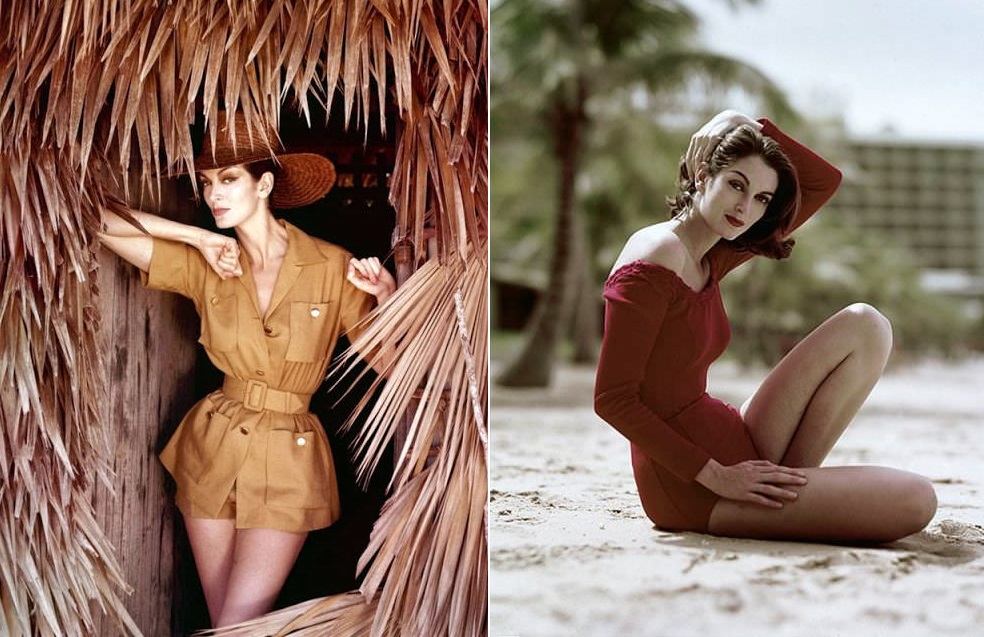
In the glamorous world of postwar Parisian fashion, one woman stood apart from every other model on the runway. Her cheekbones were high, her eyes slanted, her waist an astonishing 18.5 inches, and her presence on the catwalk left audiences speechless. Her name was Alla Ilchun. She was born in 1926, half-Kazakh and half-Russian, and she arrived in France not as a celebrated figure but as a refugee with little money and fewer options. Before Christian Dior ever laid eyes on her, she was scrubbing dishes in a restaurant kitchen.
Alla and her mother fled Harbin, China, in the wake of the October Revolution. Her mother came from a noble Russian family that had lost everything. Her grandfather was a Kazakh Bai — a man of wealth and standing in Central Asian society — but that status meant nothing in France. When the two women reached Paris, the city was unwelcoming to immigrants. Alla’s mother fell back on her musical training from Russia and found work singing in a lounge. Alla, still young and without any professional skills, found the only work available to her: a kitchen maid in a French restaurant.
Her origins were kept secret throughout most of her life. Even in Christian Dior’s own memoirs, she was described simply as a Chinese or Manchurian fashion model. The full truth of her Kazakh heritage was something Alla herself did not learn until two years before her death. But long before any of that came to light, the course of her life changed completely when she walked through the doors of a Christian Dior casting call. Before her modeling career, she also served the French partisan resistance during World War II, working as both a nurse and a signal-woman — a fact that says as much about her character as anything else.
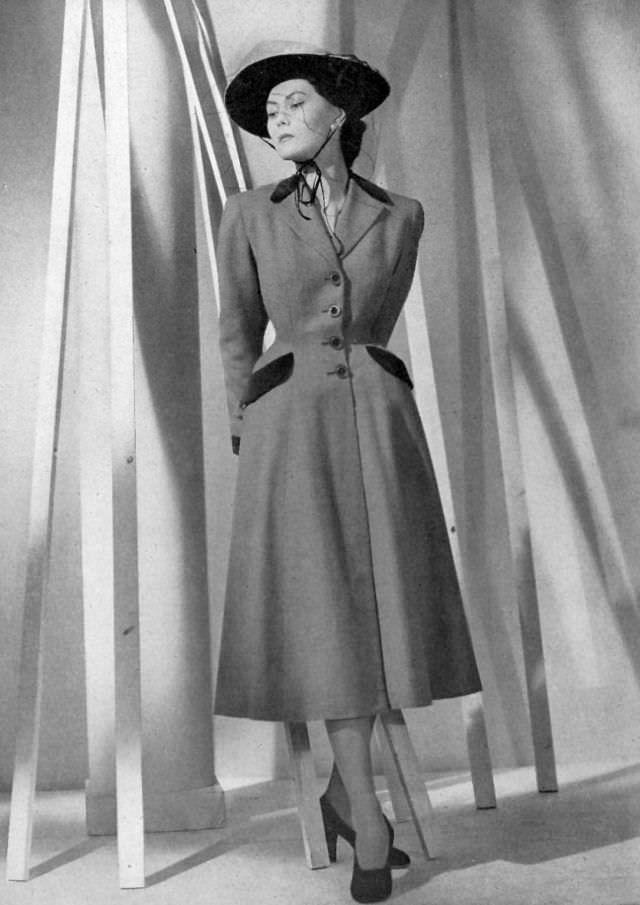
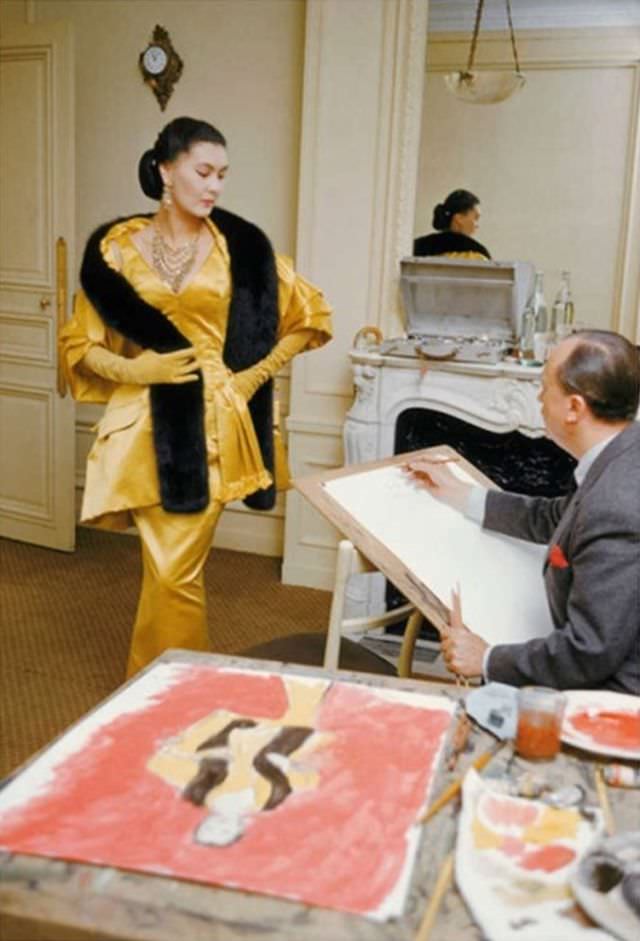
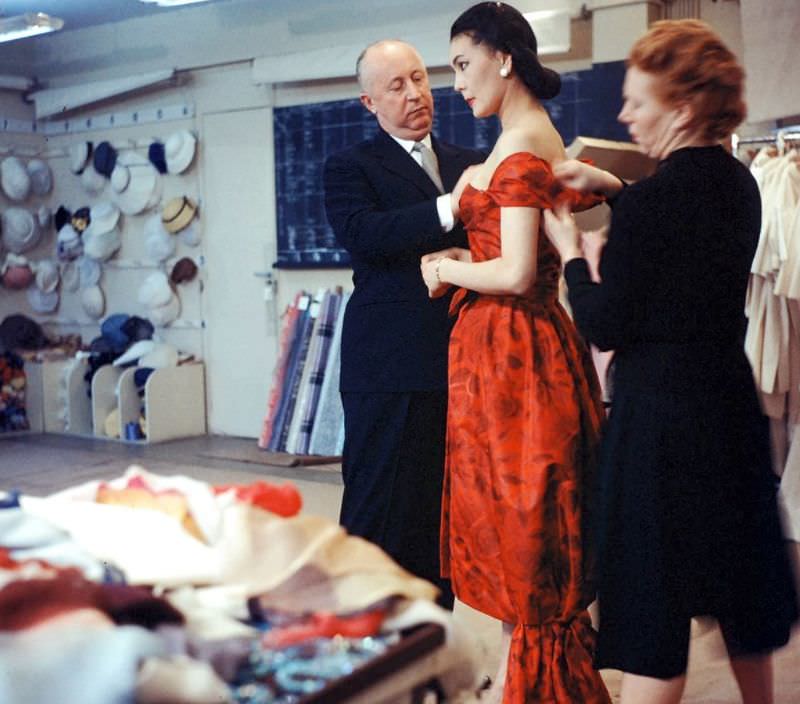
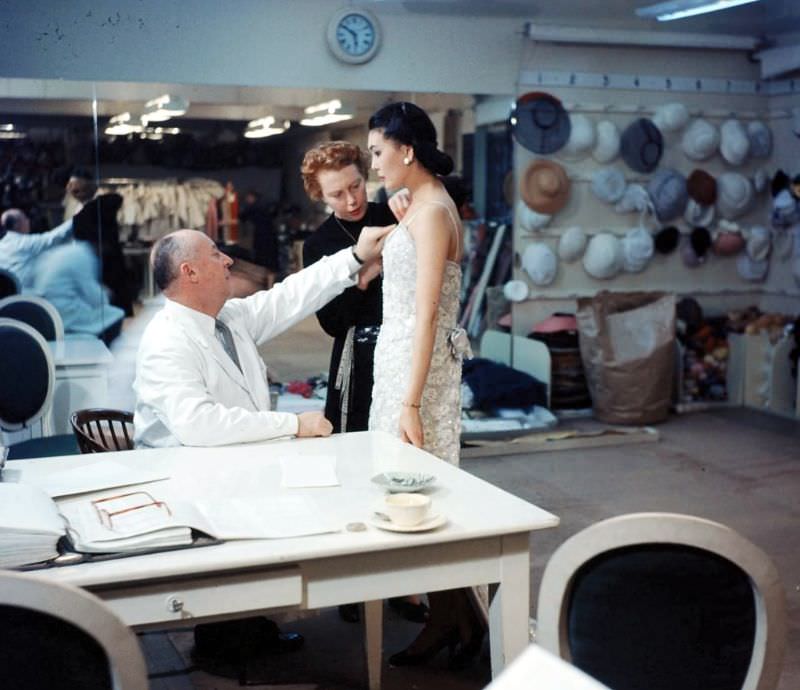
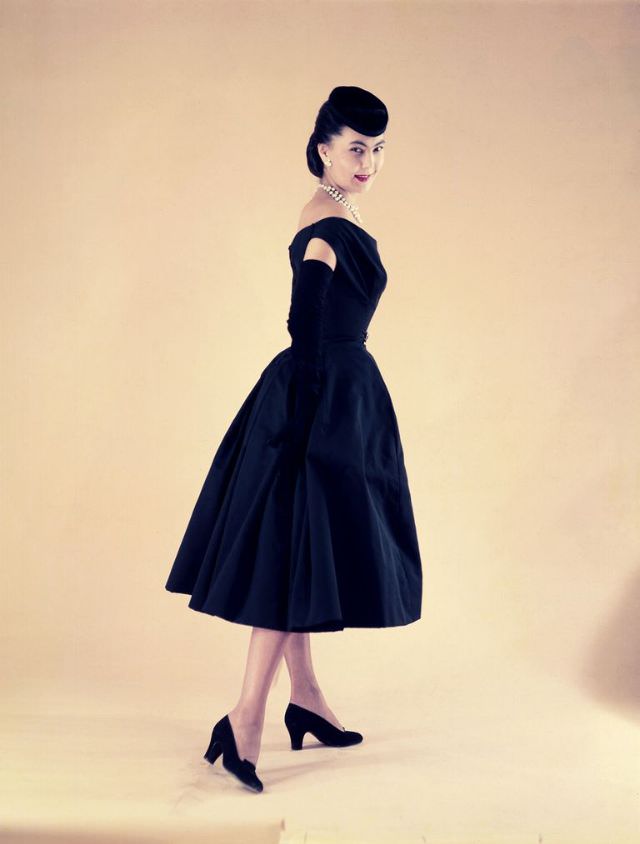
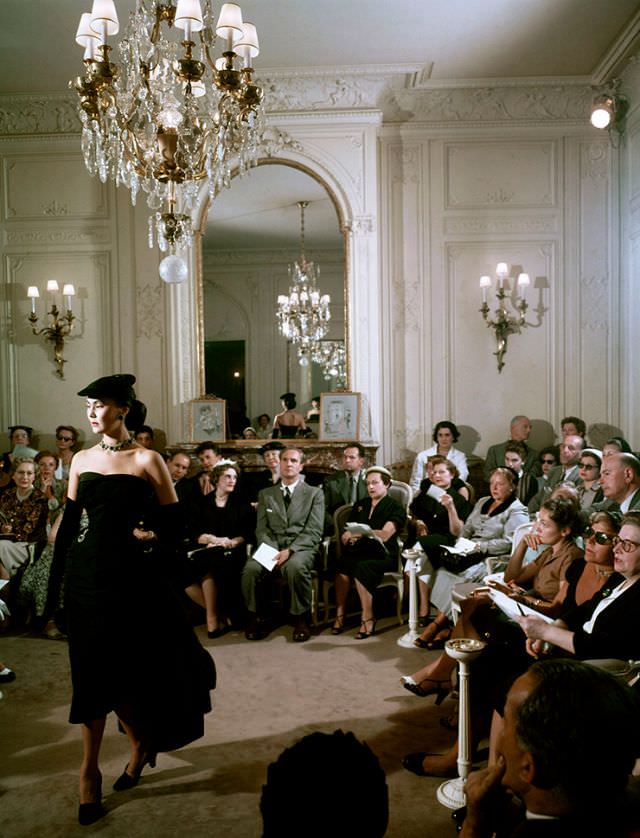
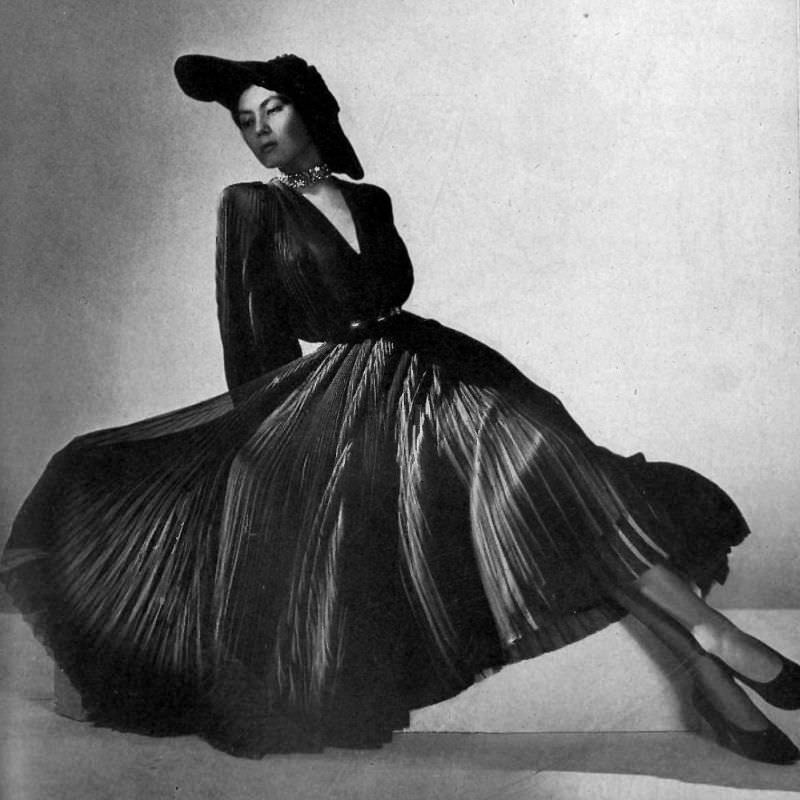
Christian Dior hired her on the spot. Her figure was exactly what he had been looking for — a narrow waist, a feminine silhouette, and a face that was entirely unlike anything Paris had seen on a runway before. She became Dior’s first Asian model, and the decision proved to be transformative for the house. Dior himself admitted that featuring a non-Western-looking woman to showcase European haute couture was a risk. That risk paid off immediately. Dresses worn by Alla sold out. Clients who placed orders after seeing her on the runway included British Princess Margaret and actress Elizabeth Taylor.
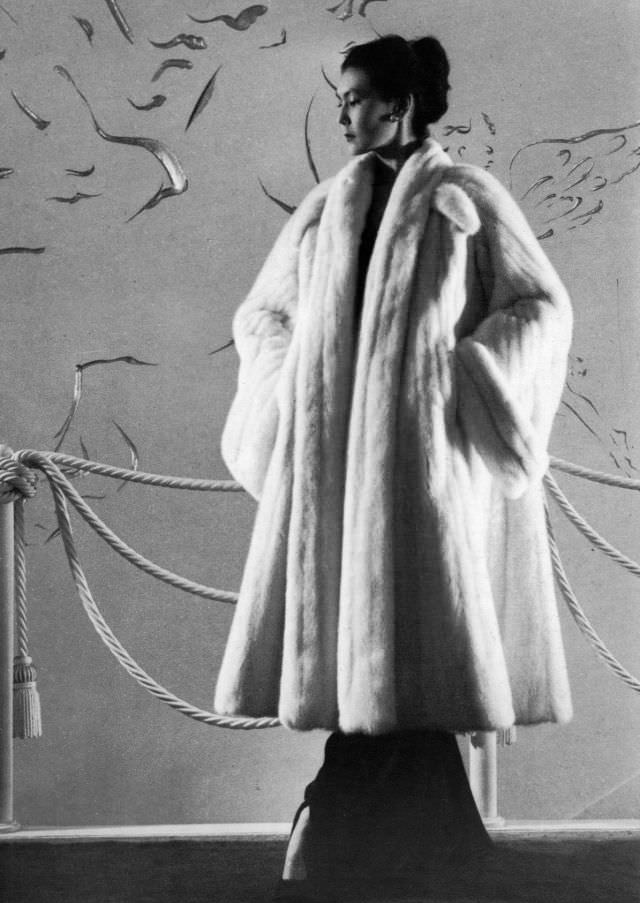
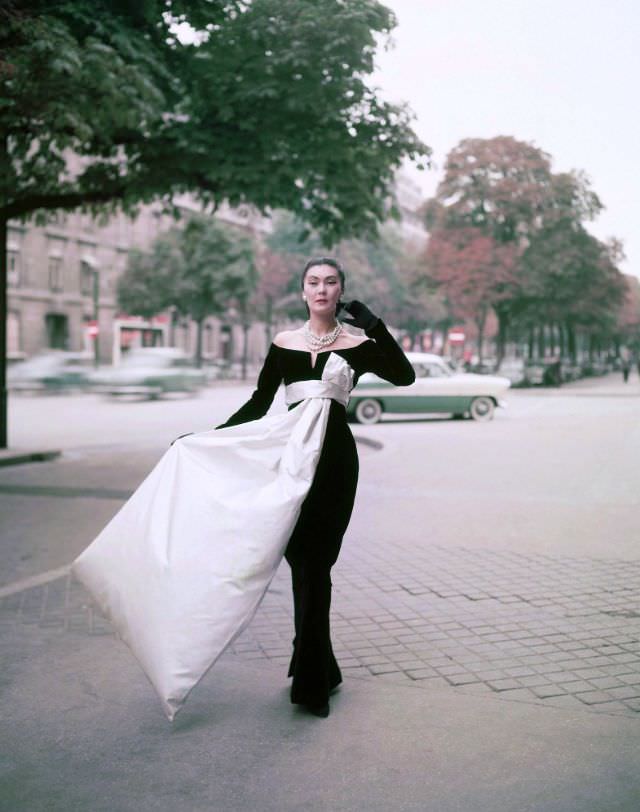
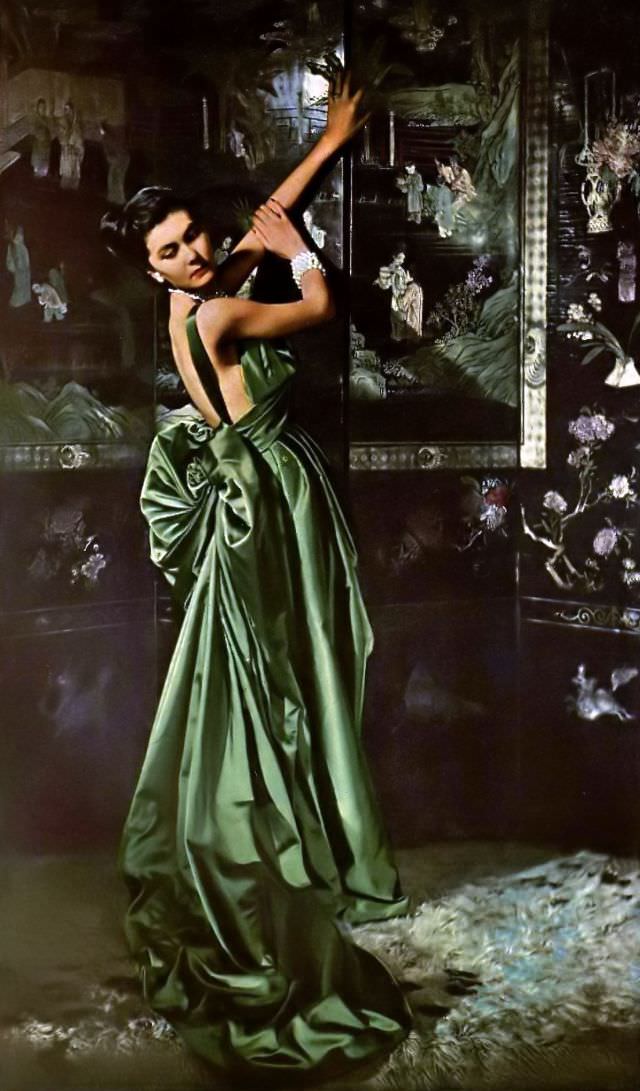
Dior called her his talisman and his muse. Her appeal made perfect sense in the context of the era. During the war years, women’s clothing had been plain, functional, and stripped of any femininity. Fabric was rationed, silhouettes were boxy, and elegance had become a distant memory. Dior’s New Look — launched in 1947 — was a deliberate rejection of all that. It celebrated the waist, the curve, the grace of a woman’s form. Alla embodied that vision entirely. When she walked, audiences were transfixed. Her runway turns were distinctive, her glance was cool and unreadable, and her movements carried a fragility that photographers found irresistible.
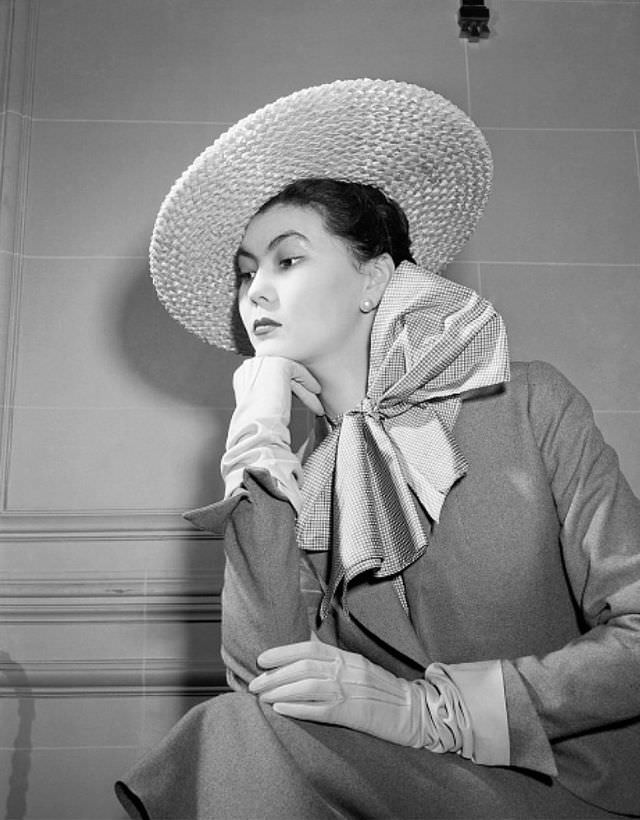
Her influence on beauty standards spread quickly beyond the runway. Women across Europe and beyond began copying the long, sweeping eye liner that Alla wore — sharp lines that emphasized the outer corners of her almond-shaped eyes. Some went further and sought surgery to replicate the shape of her eyes. Cristóbal Balenciaga and Hubert de Givenchy both followed Dior’s lead, casting models with non-Western features for the first time in the history of haute couture.
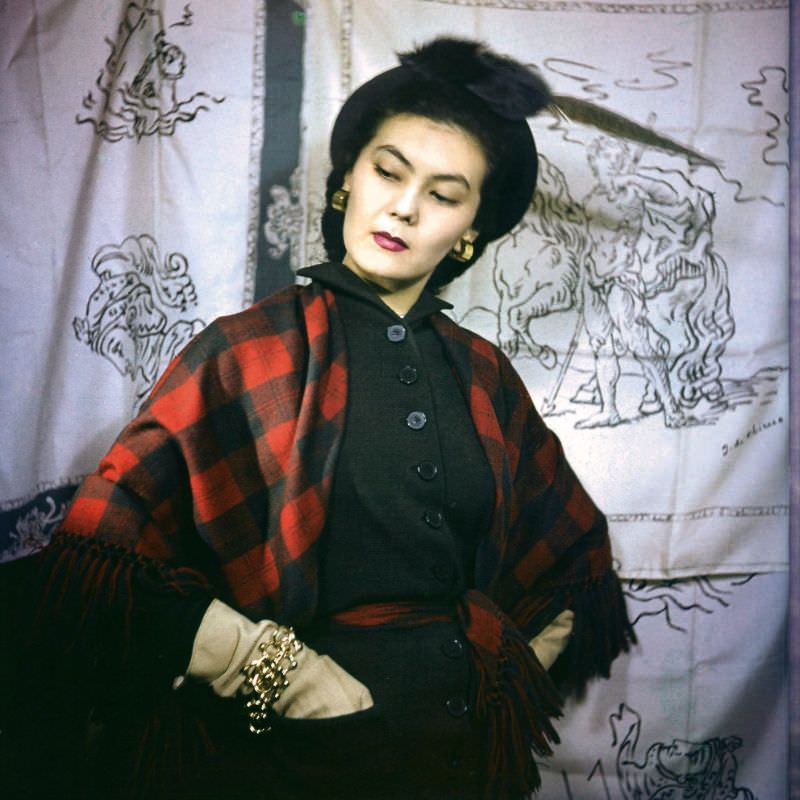
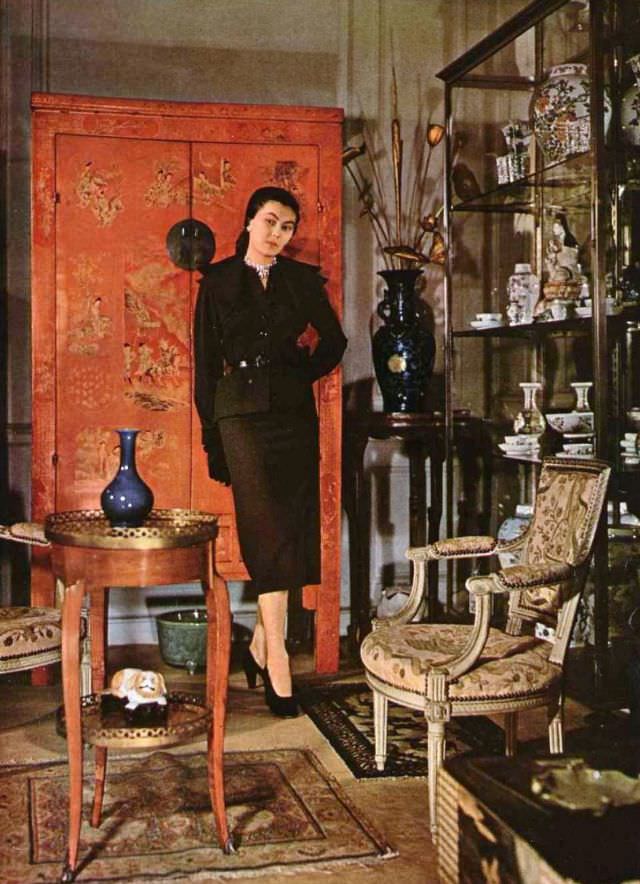
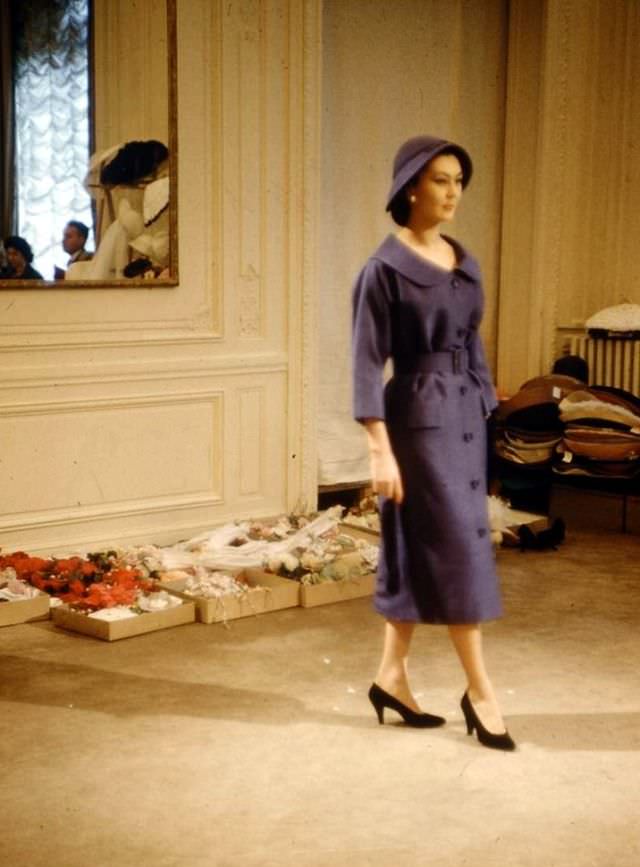
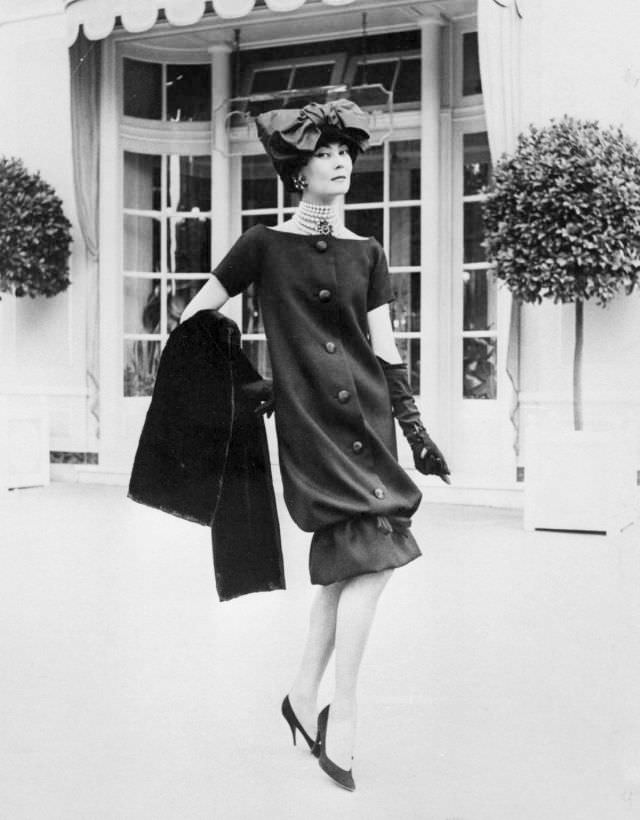
She worked for Dior for twenty years. Over that span, she modeled for Christian Dior himself, then for Yves Saint Laurent when he took over the house, and later for Marc Bohan. Each creative director found in Alla a model who could carry any garment — from structured daywear to sweeping evening gowns — with the same quiet authority.
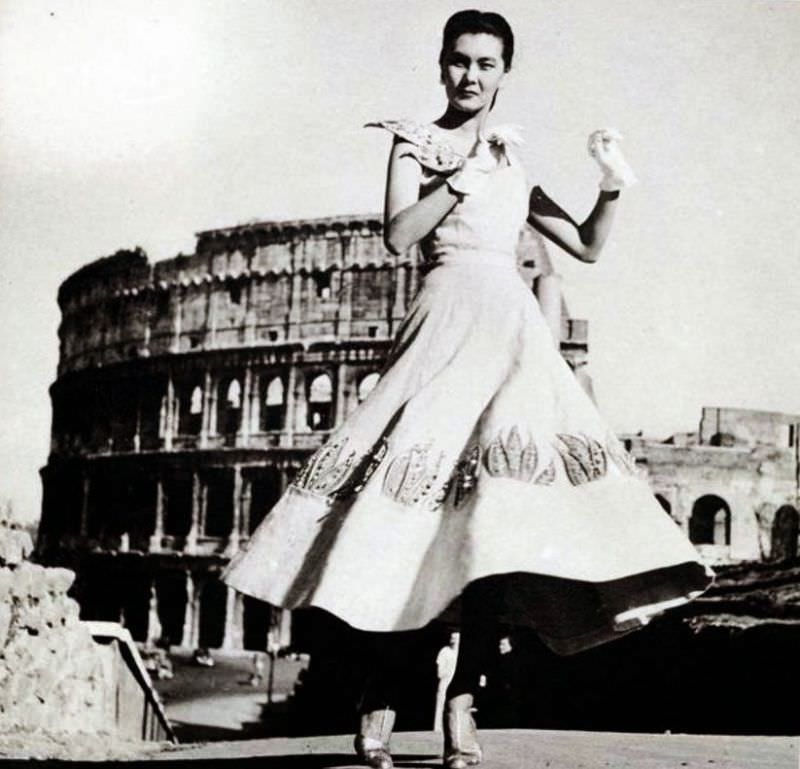
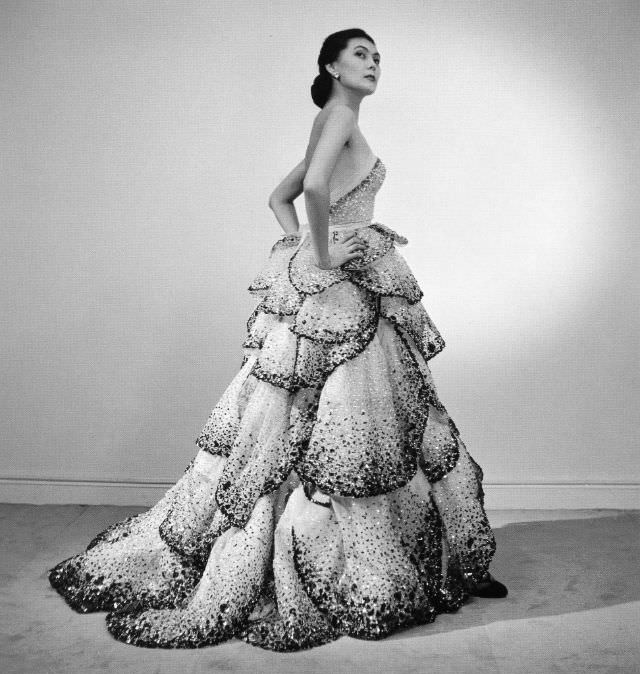
Alla’s personal life was shaped by the industry she worked in. During one of her many photoshoots, she met Mike de Dülmen, Dior’s house photographer. They married and had two sons together. After Mike’s death, Alla continued working, spending another decade collaborating closely with Yves Saint Laurent. Her second marriage was to Igor Mukhin, an amateur photographer from Russia.
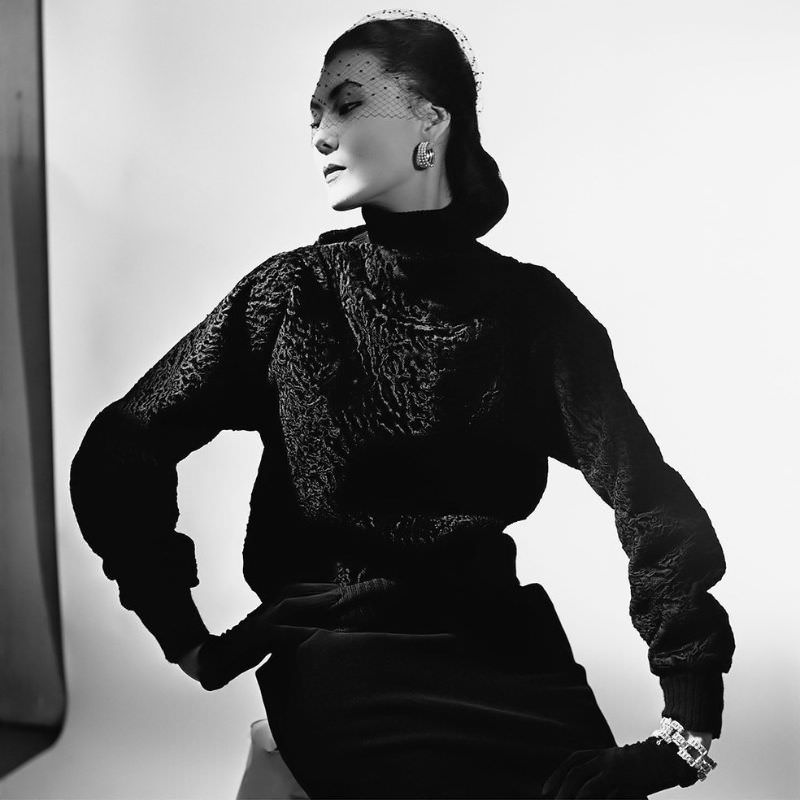
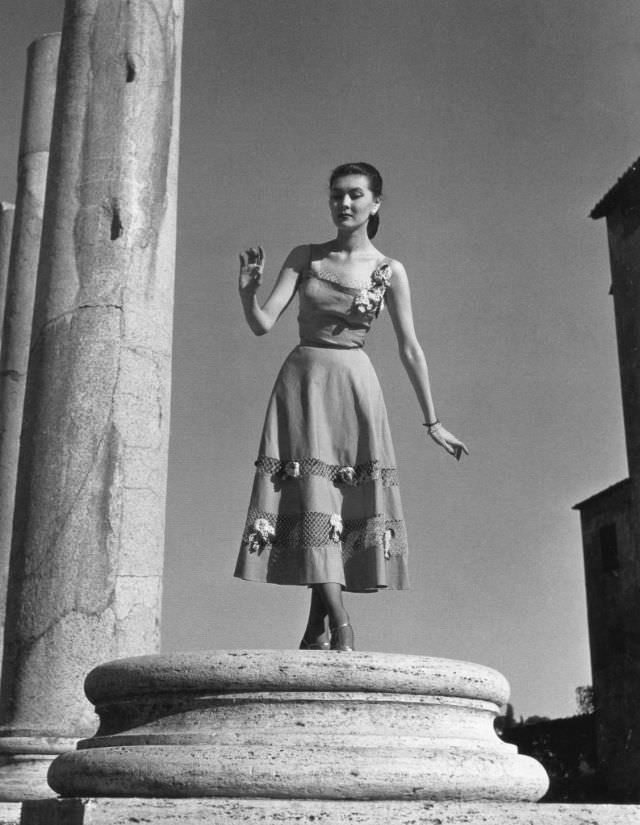
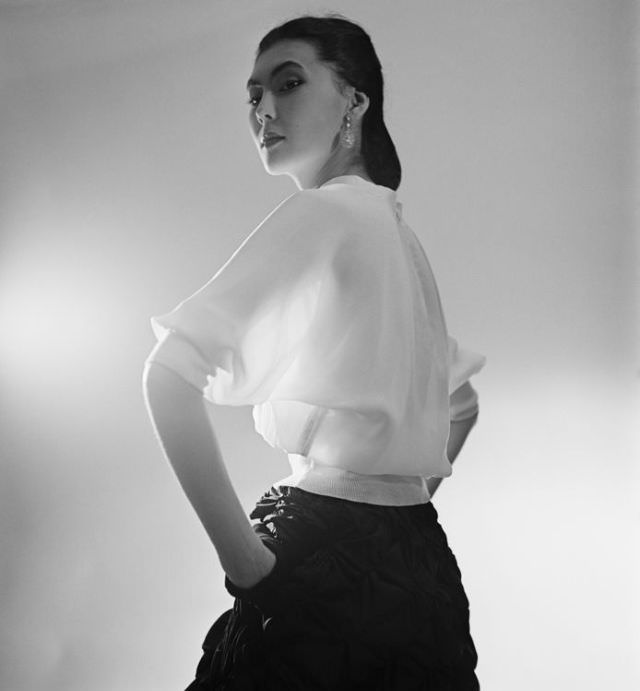
When Alla began to notice the first visible signs of aging, she chose to retire rather than continue in front of the camera. After two decades in fashion, her waist had grown from 47 centimeters to 49 — a change barely perceptible to anyone else — but she made her decision and kept it. She withdrew from public life entirely, living quietly and away from the press.
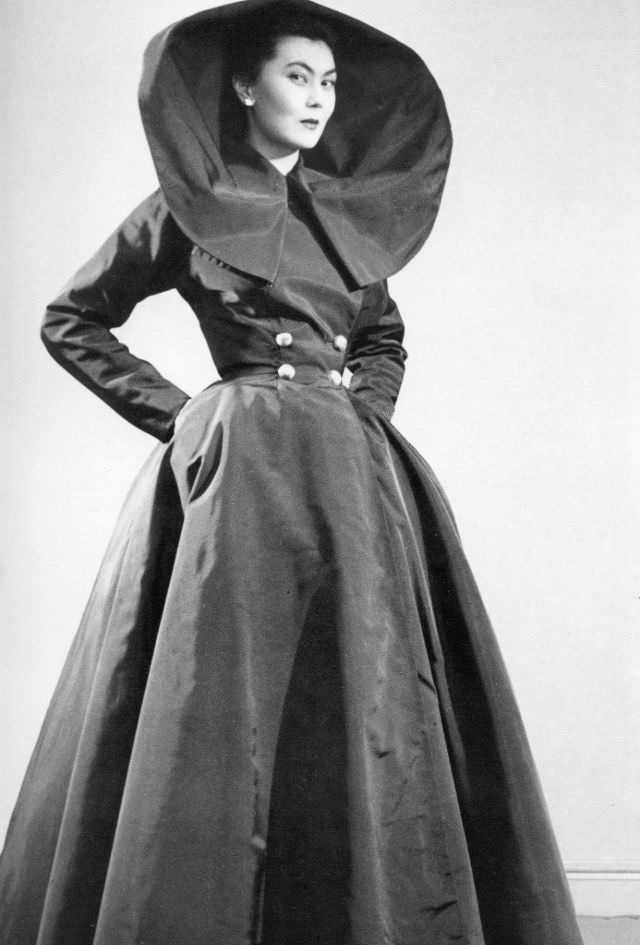
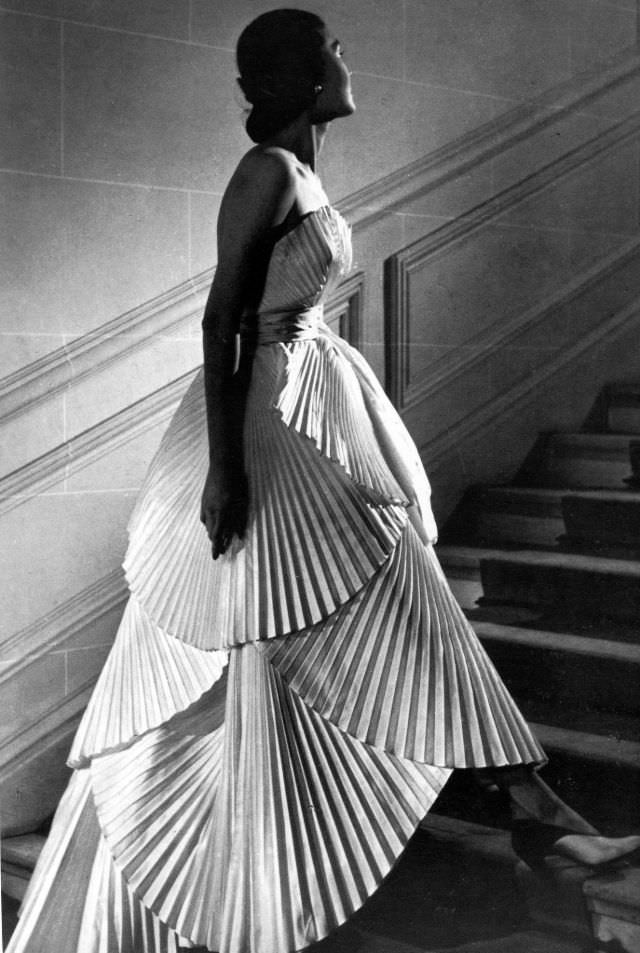
Her story would have disappeared entirely with her death in 1989 were it not for a single unexpected moment in Paris. Kazakh economist and diplomat Berlin Irishev spotted a painting of Alla by artist Leon Zeitlin hanging in a Parisian gallery. He had come across fragments of information about her before and found himself drawn into the mystery of who she really was. His investigation, conducted through French archives and personal research, produced a book titled ‘The Dior Muse’, which brought Alla’s life story to public attention for the first time.
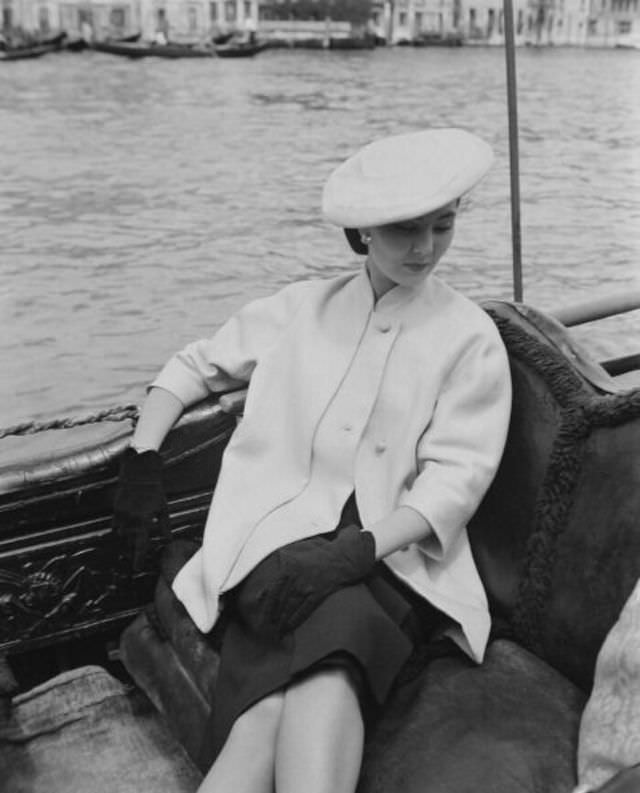
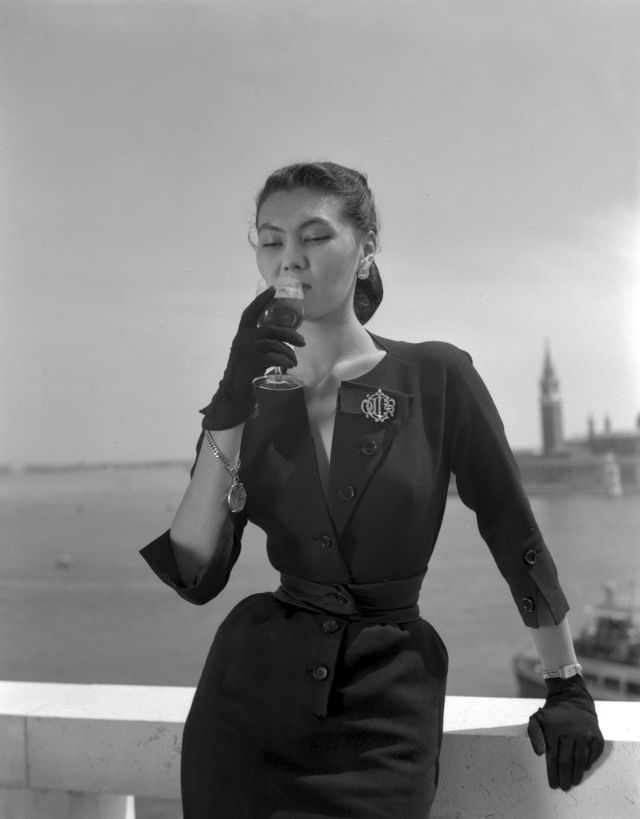
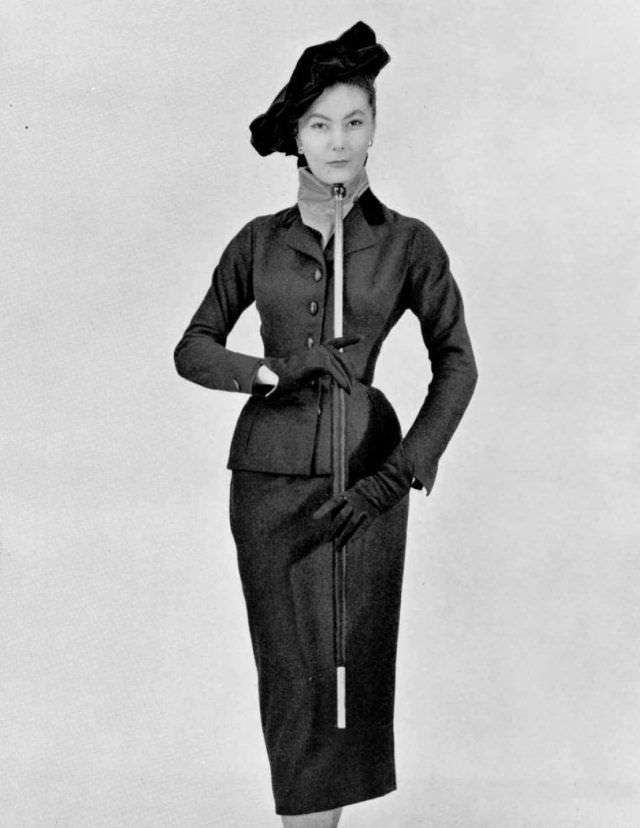
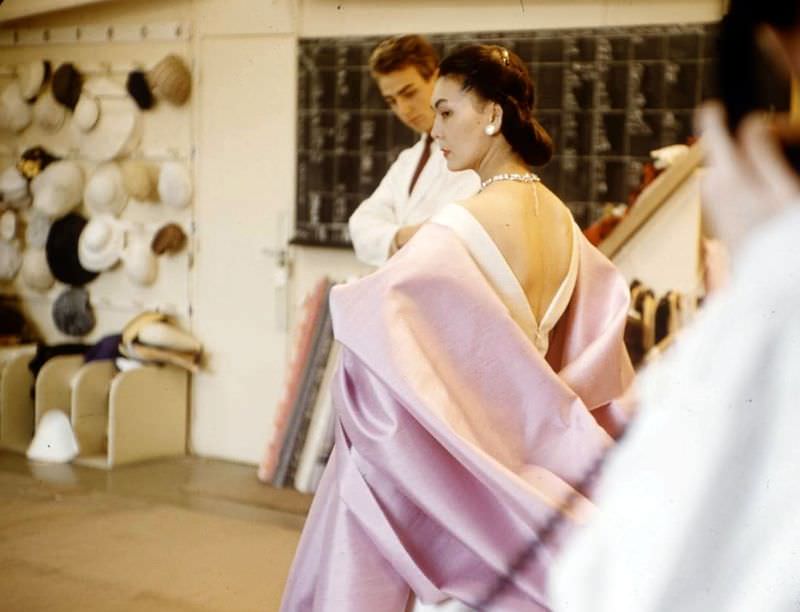
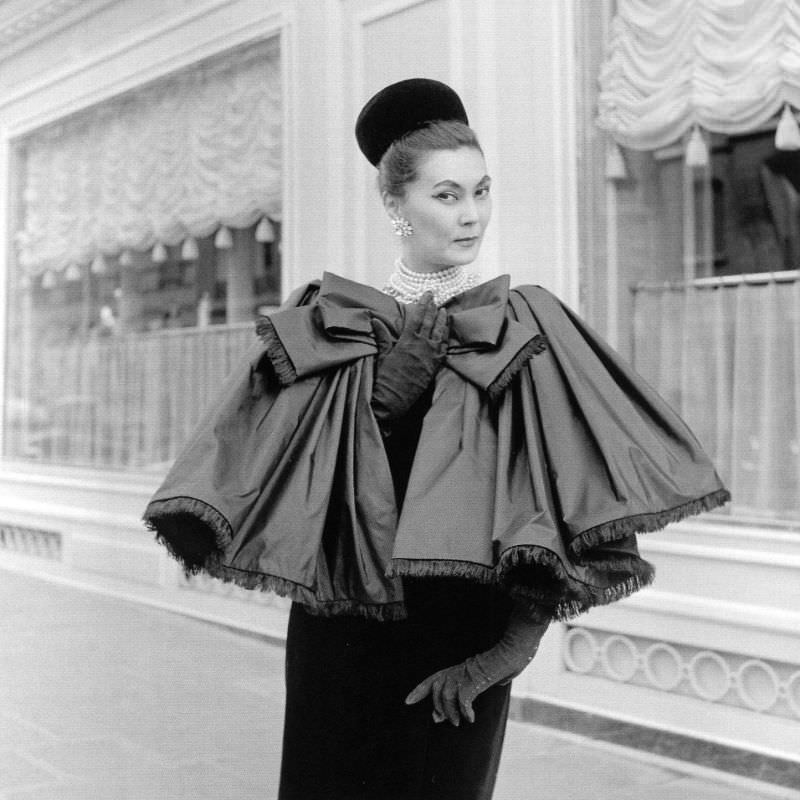
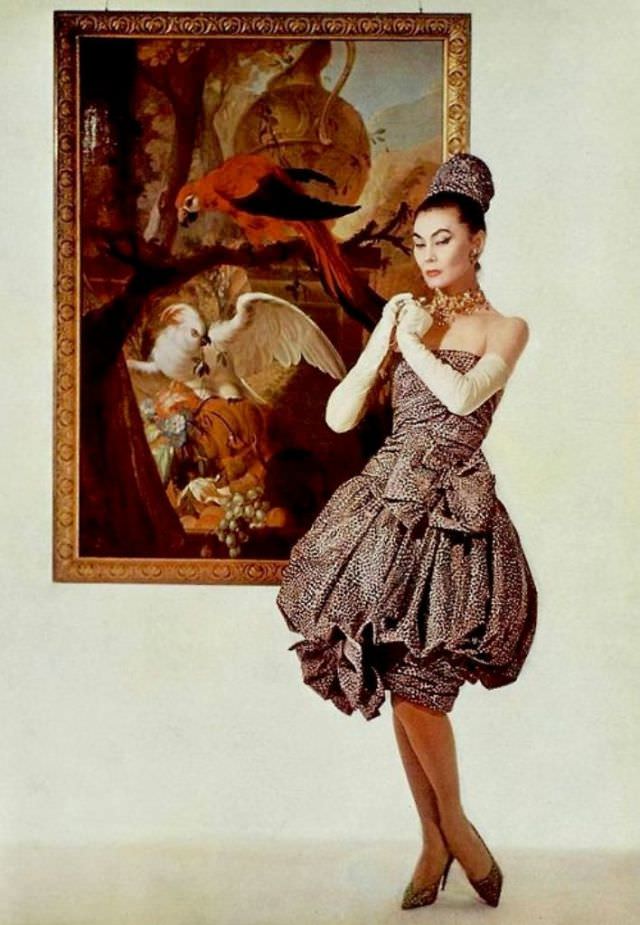
A documentary film titled ‘Alla, the Oriental Pearl of Dior’ followed in early 2020, bringing her photographs and story to a new generation. The images speak clearly on their own. Alla moves through each frame with a composure that is both effortless and deliberate — seated in a Venetian gondola in a Dior mandarin-collar jacket, standing in front of a Parisian salon in a full taffeta evening dress, or being fitted by Dior and his seamstress in 1957 with the same quiet patience she brought to every session.