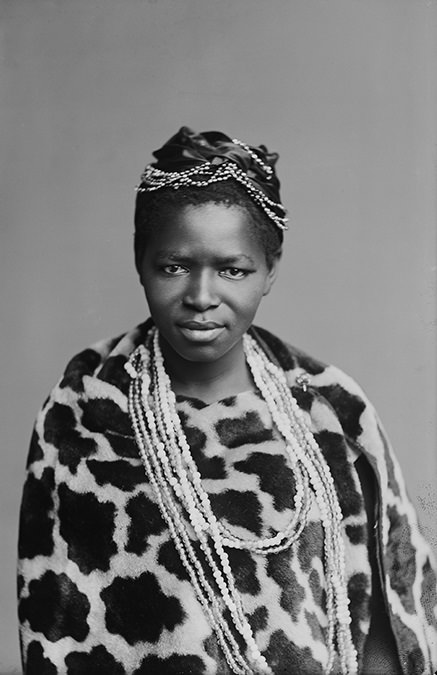
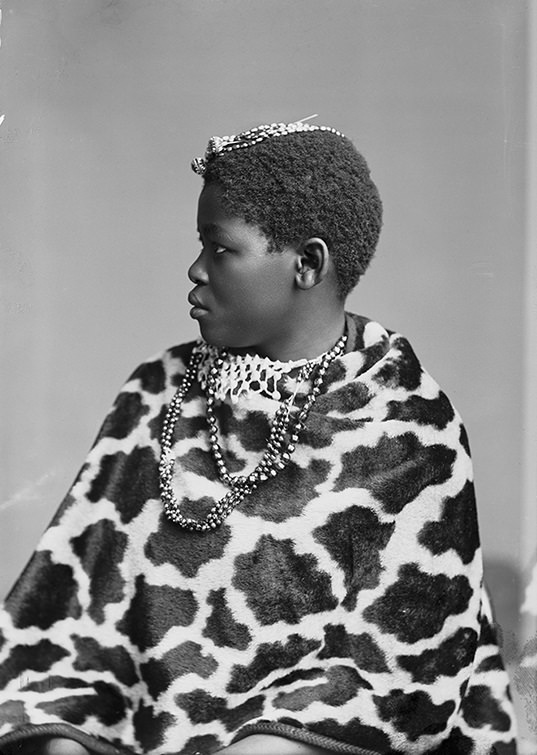
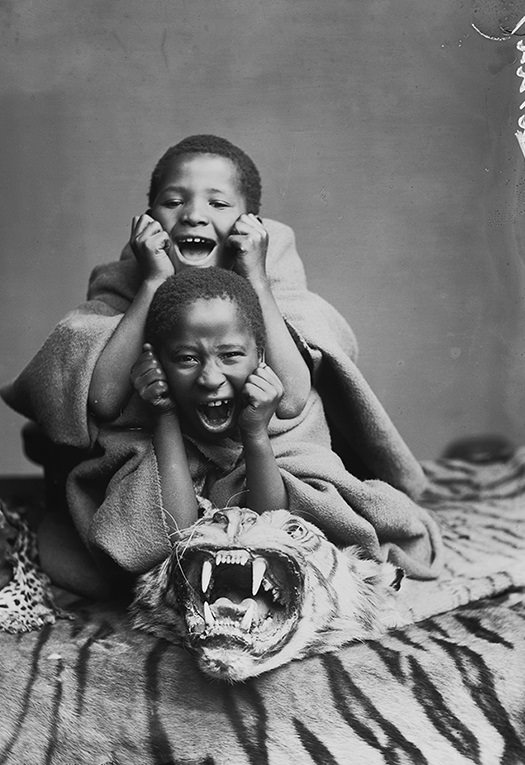
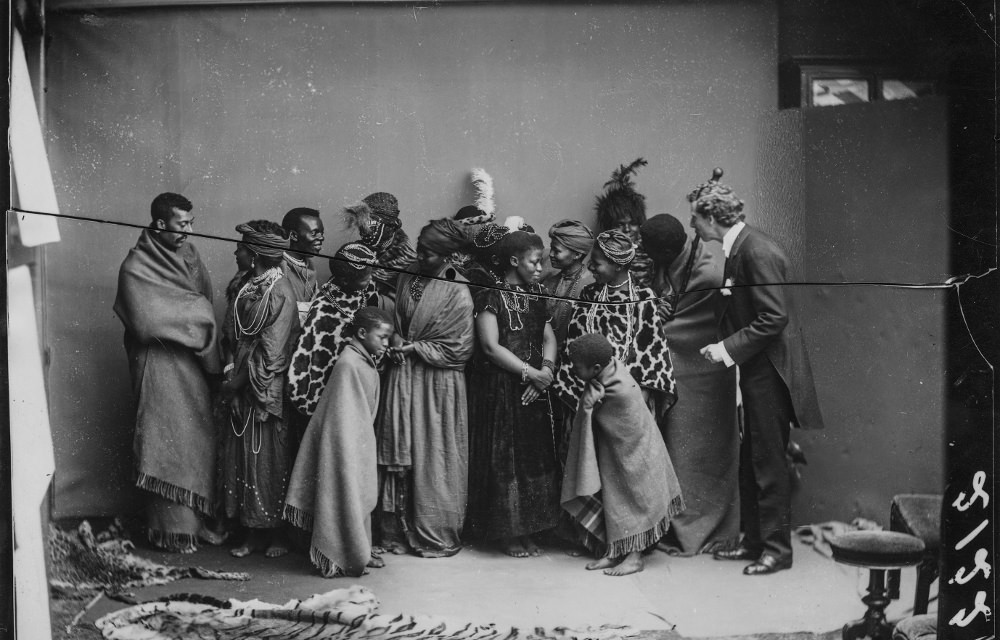
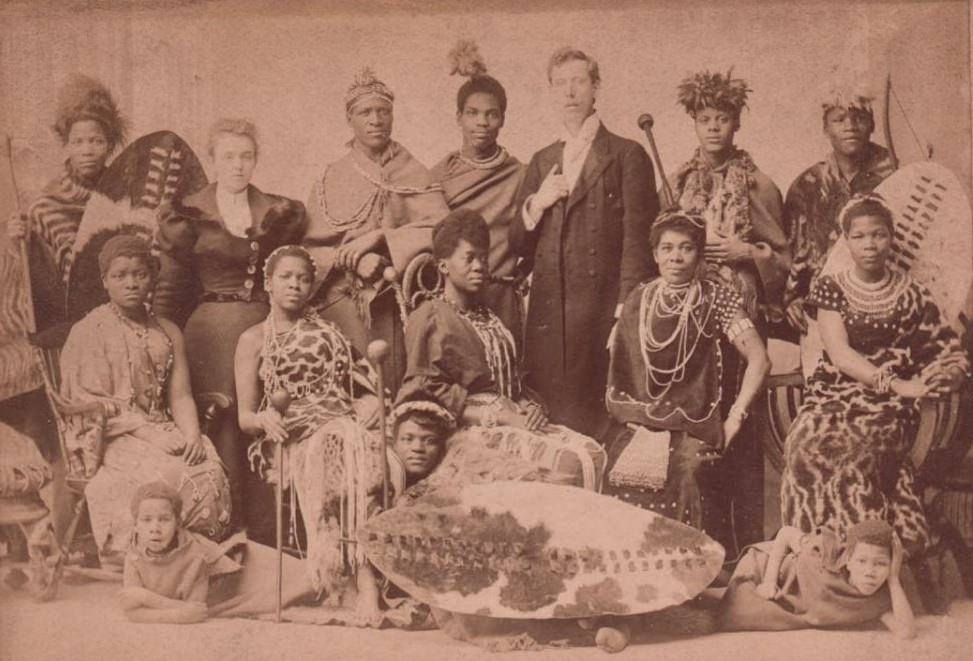
In May 1891, a group of roughly 30 singers from South Africa arrived in Britain and began one of the most remarkable tours of the Victorian era. Known as the African Choir, the group was made up of men and women drawn primarily from the Xhosa and Zulu peoples. Their journey to Britain had been organized by the Reverend Worthington, a missionary who had been working to educate and Christianize indigenous South Africans. What followed was a months-long tour that took the choir through churches, concert halls, and public venues across the country.
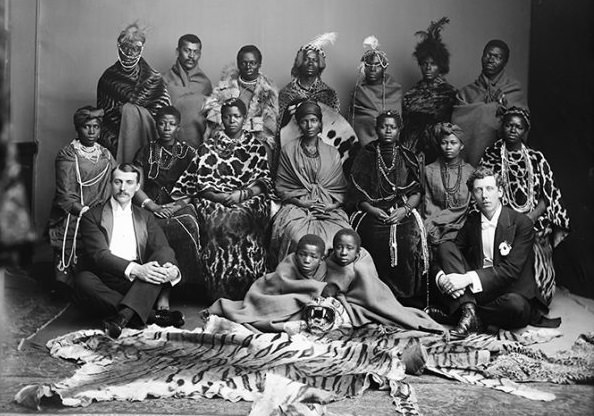
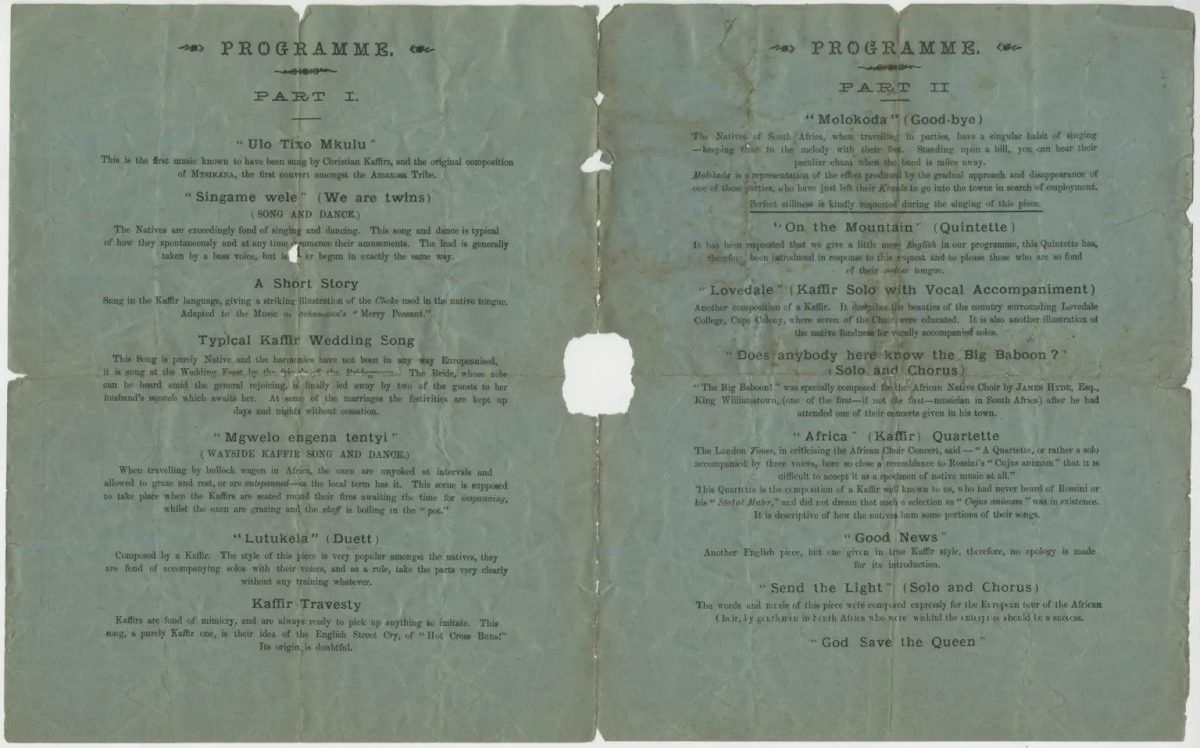
The choir performed a carefully assembled program that blended traditional African songs with Christian hymns. They also performed traditional dances, giving British audiences a direct and living window into South African culture. Crowds were large, and reviews were consistently positive. For many audience members, it was their first real encounter with black South African performers outside of the controlled and often dehumanizing setting of ethnographic exhibitions, where African people had typically been displayed rather than celebrated.
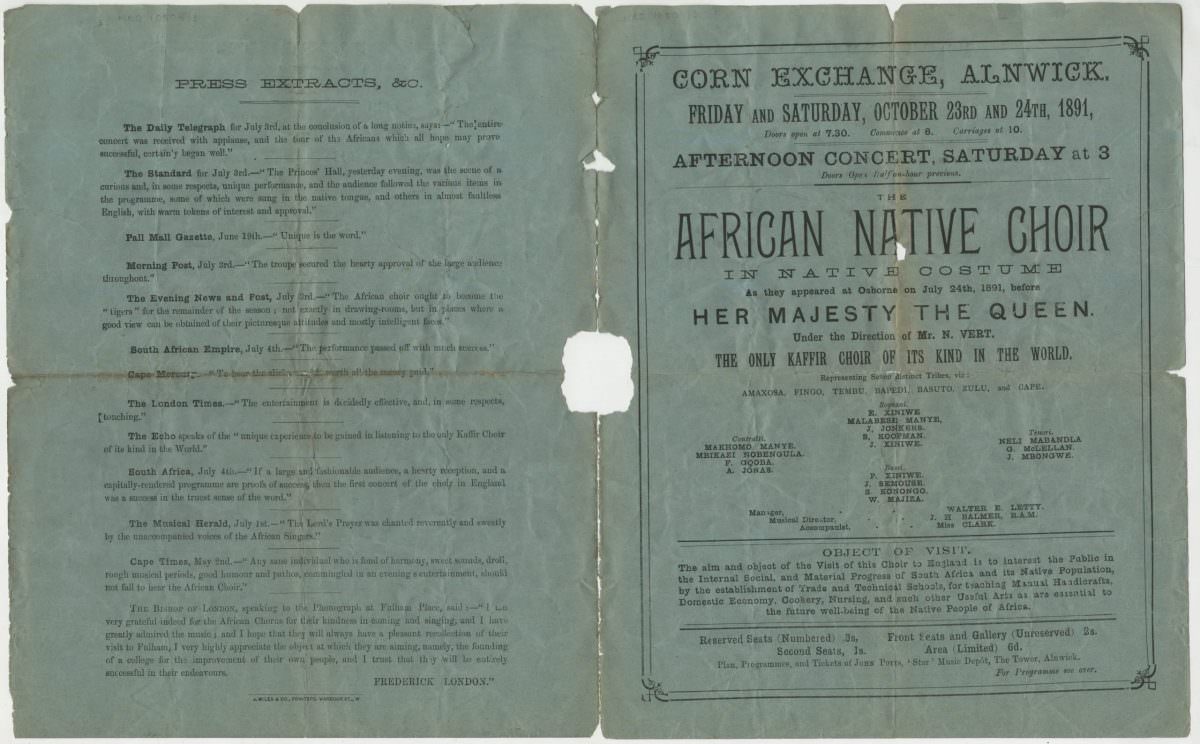
The tour’s printed programs, distributed at performances, gave British audiences basic context about the choir and its mission. These materials helped frame the singers not as curiosities but as artists with a purpose.
The choir raised money for two main causes. The first was the education and Christianization of indigenous South Africans — the core mission behind Reverend Worthington’s work. The second was relief for those affected by the rinderpest outbreak, a devastating disease that tore through southern Africa’s cattle population and left many farming communities in ruin. The funds collected in Britain went directly toward addressing both of these crises.
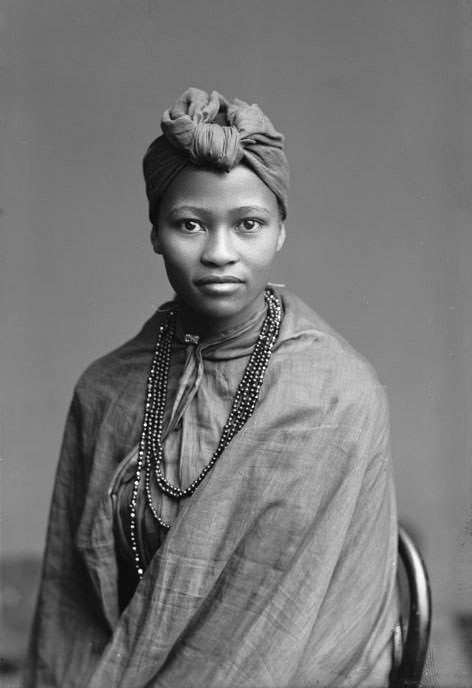
The choir also carried a broader significance that went beyond fundraising. Before this tour, black South Africans traveling to Europe to perform for general audiences was essentially unheard of. The African Choir broke that barrier. By standing on British stages as skilled, dignified performers, they directly challenged the racial stereotypes that were deeply embedded in colonial-era thinking.
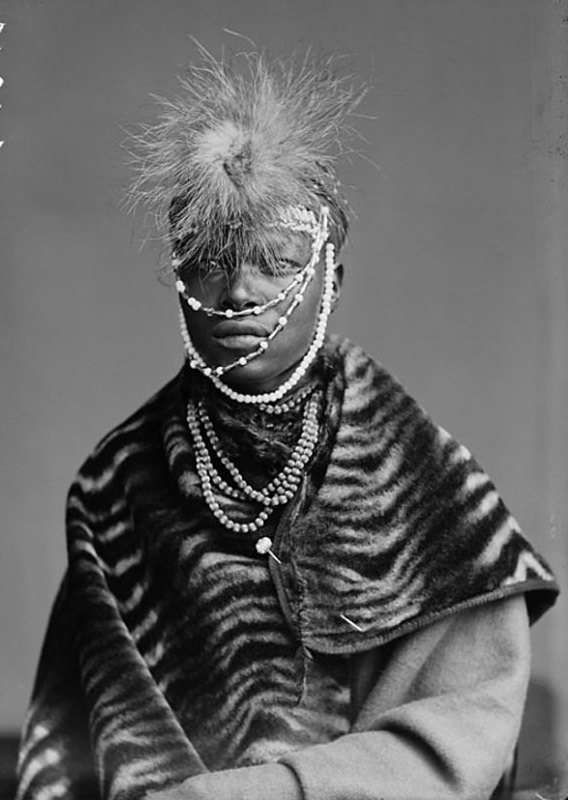
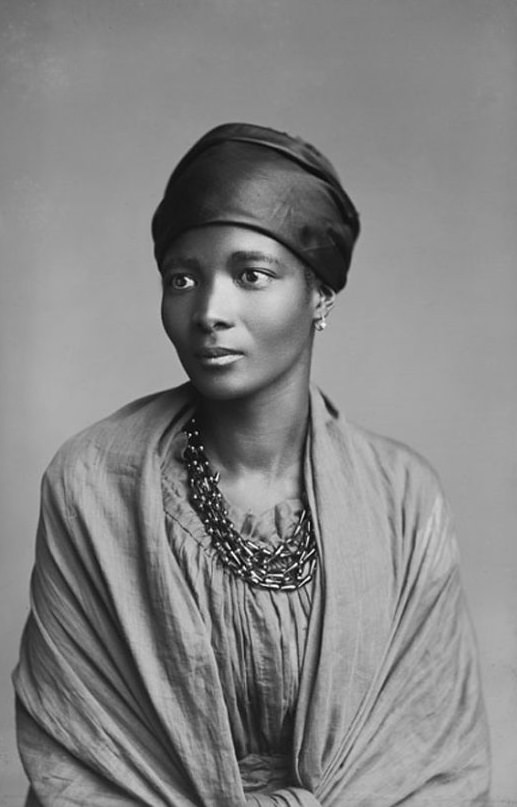
Among the choir’s individual members, Paul Xiniwe was one of the recognizable faces of the tour. Photographed in London in 1891, he represented the broader group of educated, mission-connected South Africans who made up the choir’s core.
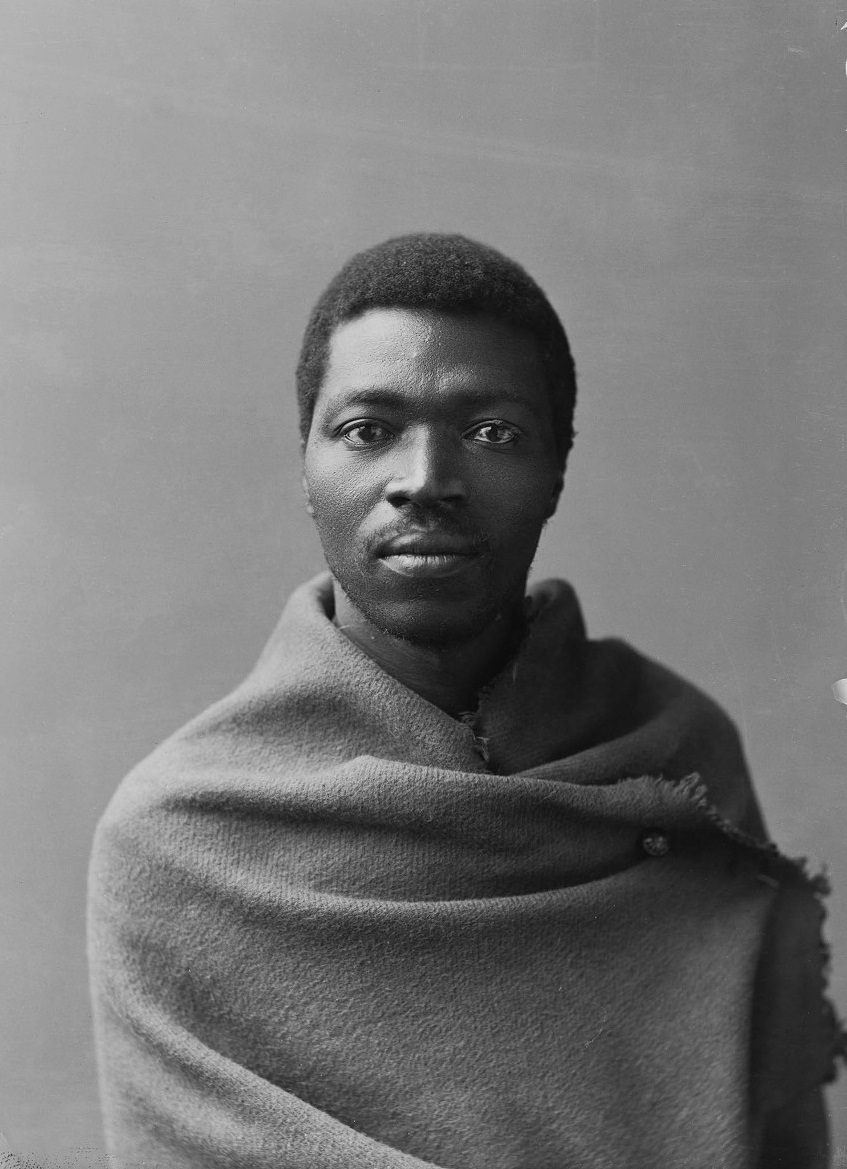
Several members came from prominent families within the South African mission community. Albert Jonas and John Xiniwe were among those whose presence in Britain added weight to the choir’s message. Their participation signaled that this was not simply a performance troupe but a group of people with deep ties to the communities they were representing.
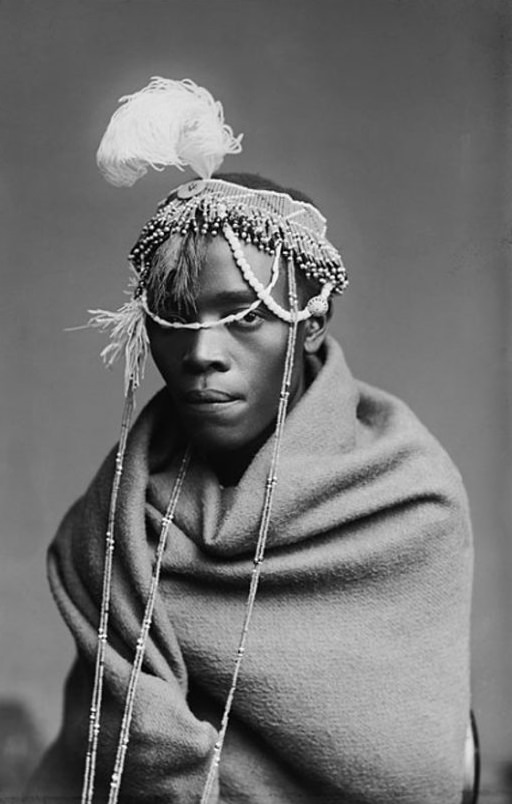
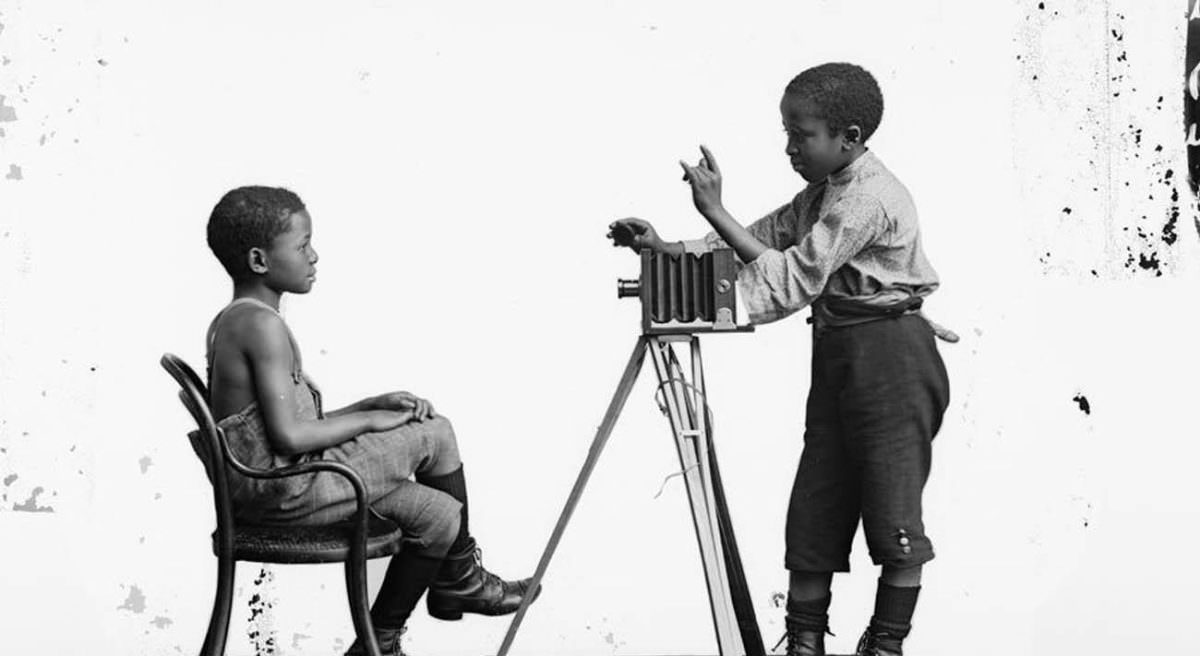
Johanna Jonkers was one of the female members of the choir who made the long journey from South Africa to perform across Britain.
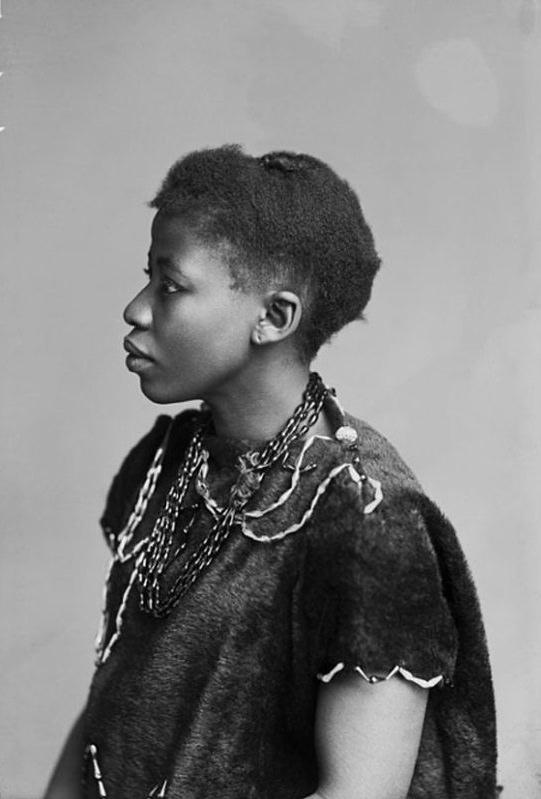
Katie Manye, born in 1873, was among the youngest members of the choir during the 1891 tour. She was just 18 years old when she performed in Britain. After the tour, Reverend Worthington also took members of the choir to the United States for a similar series of performances. When the American tour concluded, some choir members chose not to return to South Africa. They settled in Britain and America, building new lives in the countries where they had performed.