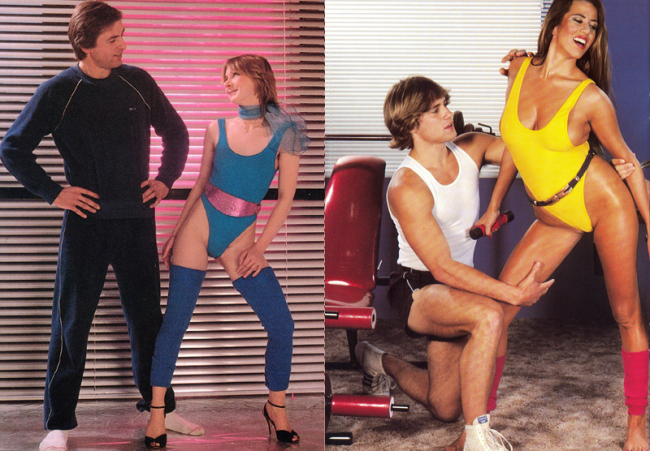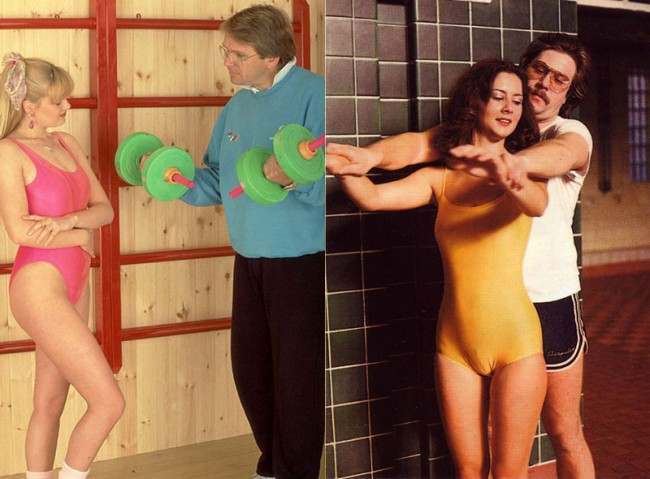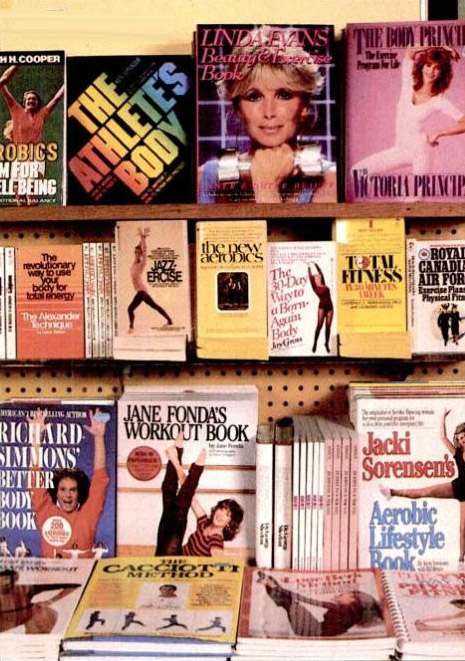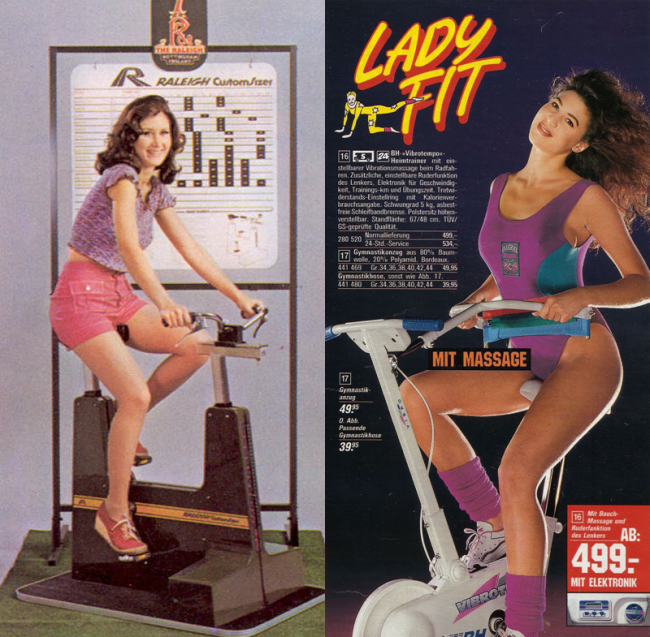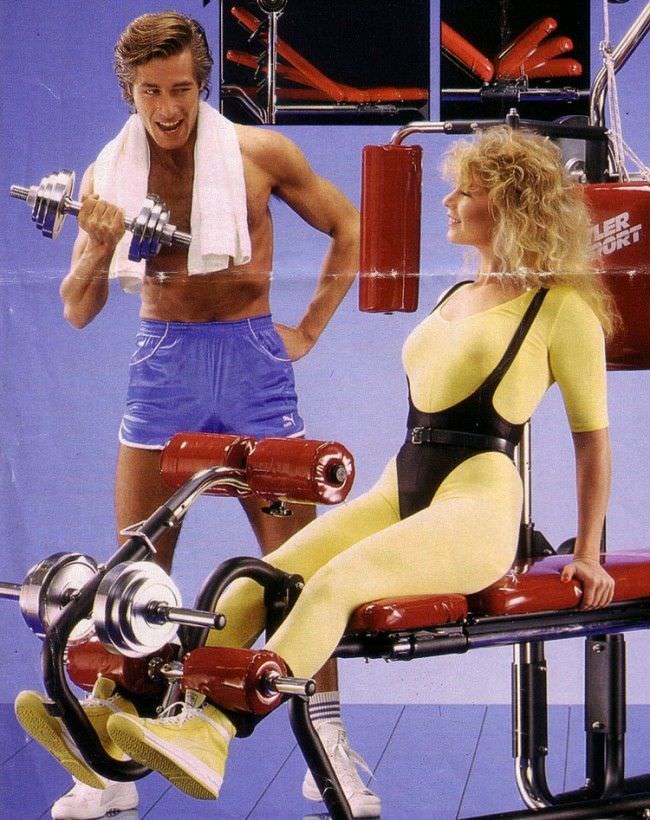

The 1980s was a wild time for fitness, especially with the rise of aerobics. After the carefree days of the Sexual Revolution, many Baby Boomers found themselves wanting to get fit. As they entered their thirties, they wanted to shed some extra weight. This led to an explosion of aerobics classes across the country.
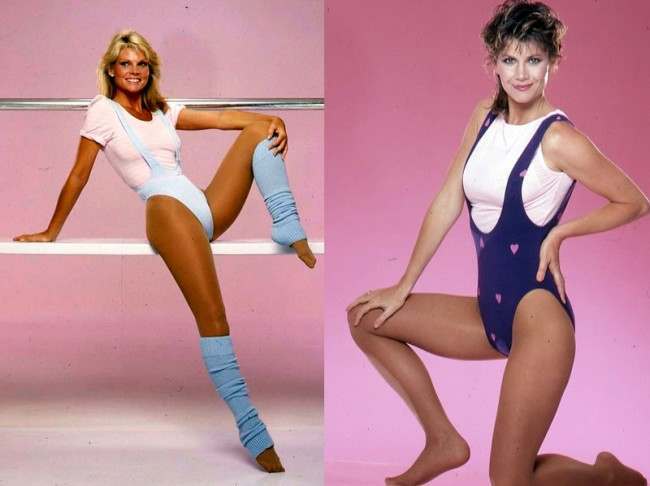
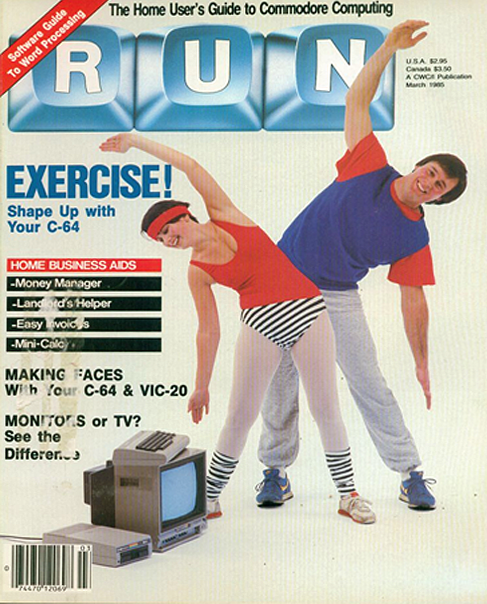
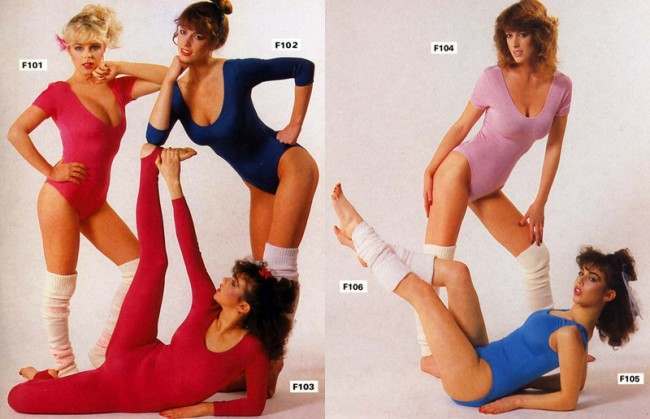
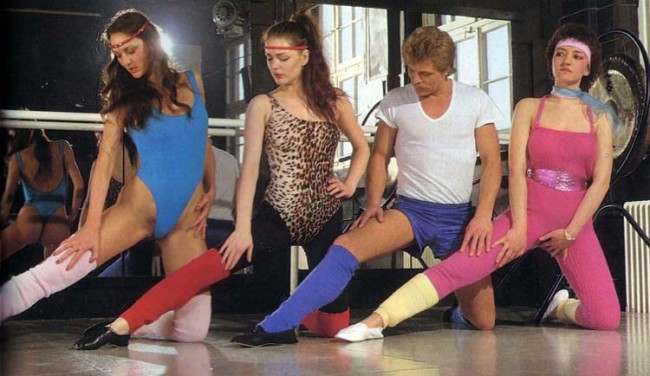
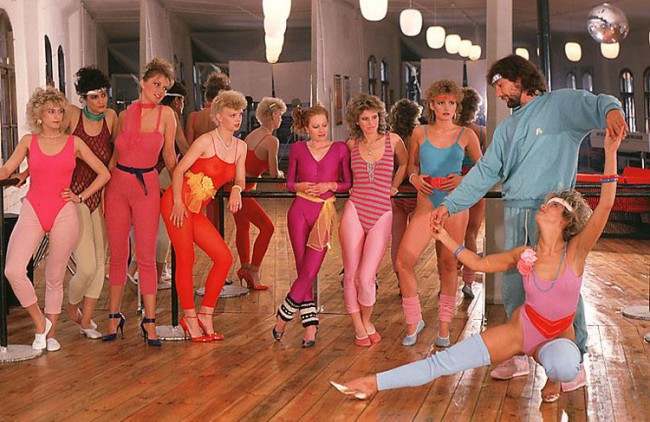
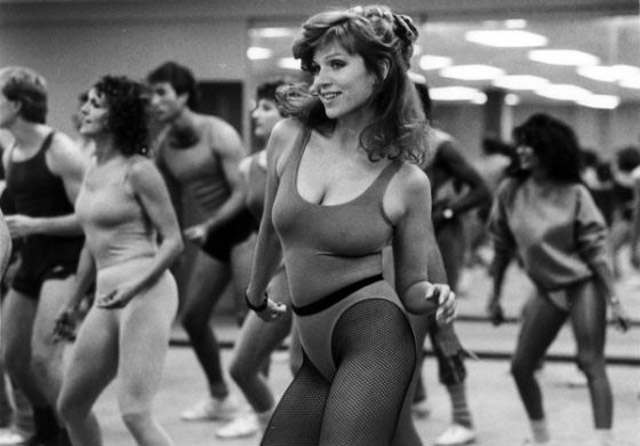
Aerobics was unlike anything seen before. Bright colors and bold patterns were everywhere. People wore neon leotards, leg warmers, and headbands. It was all about standing out and having fun while exercising. The outfits alone made attending an aerobics class feel like a party.
The music was just as energetic. Upbeat pop and rock songs filled the air. Instructors led their classes with enthusiasm, often dancing along with the participants. It didn’t matter if you were a beginner or a pro; everyone was encouraged to jump in and have a great time. The atmosphere was electric and full of energy.
Many people were drawn to aerobics because it was a social event. Friends would gather to sweat it out together, laughing and cheering each other on. The sense of community was strong. It was a way to meet new people while getting fit at the same time.
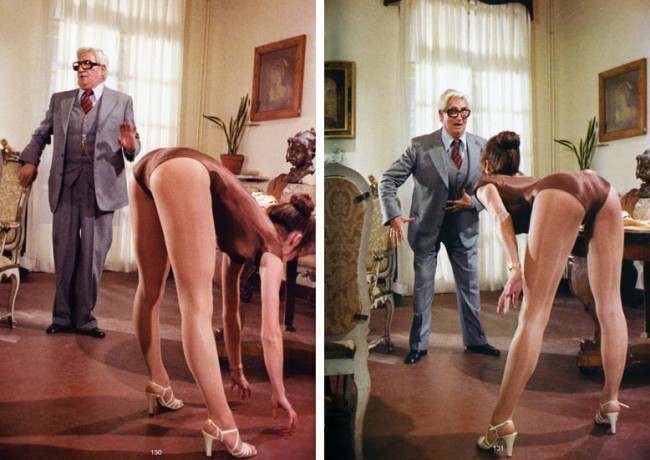
Even though some people didn’t always know what they were doing, that didn’t matter. The moves were often silly and exaggerated, but that was part of the fun. Aerobics classes were about letting loose and enjoying the moment. It was all about the experience, not just the workout.
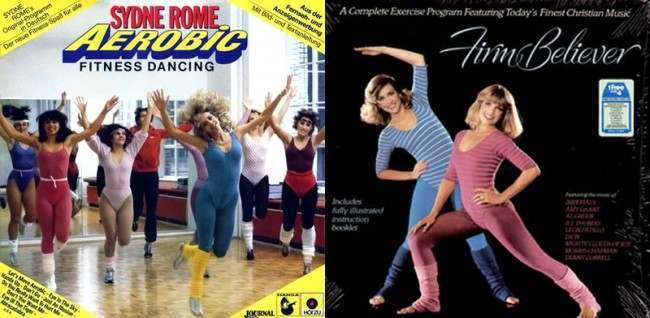
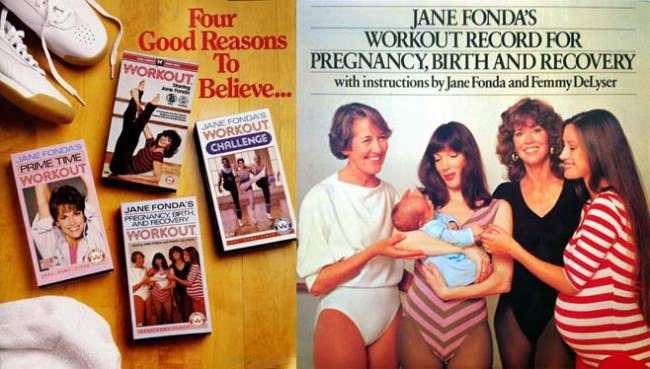
The craziness of aerobics in the 1980s also inspired a wave of fitness videos. Home workouts became popular as people wanted to join the fun from their living rooms. Aerobics stars, like Jane Fonda, became household names. They brought the energy and excitement of the gym right into people’s homes.