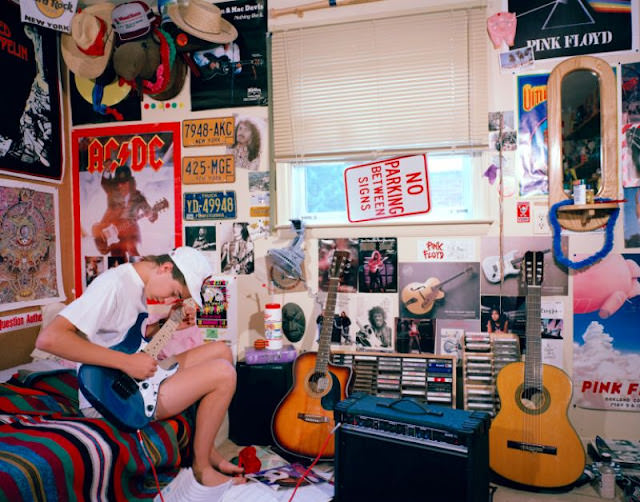
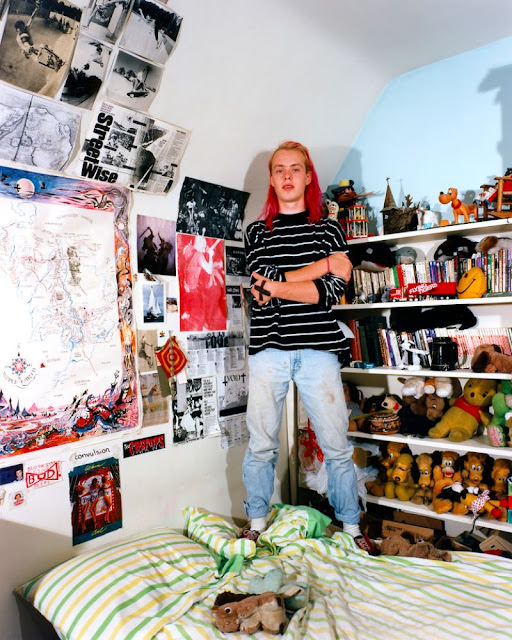
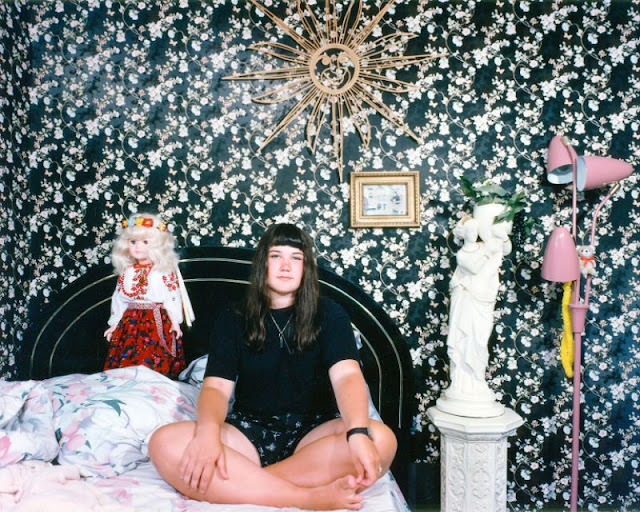
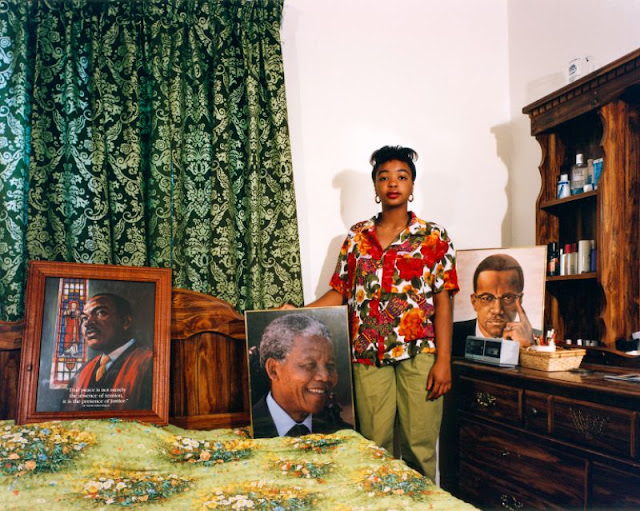
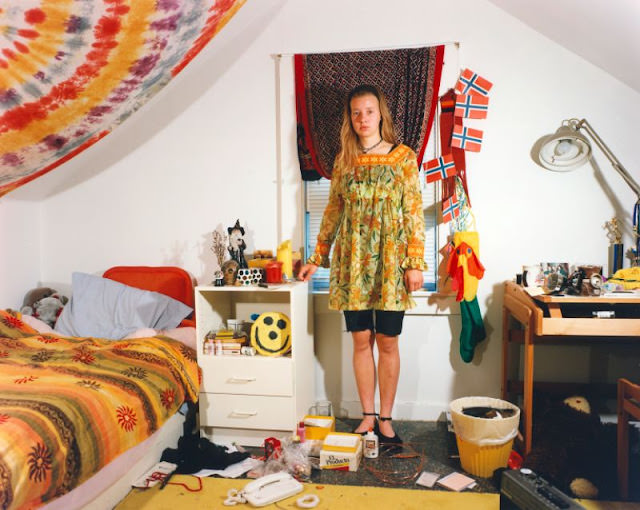
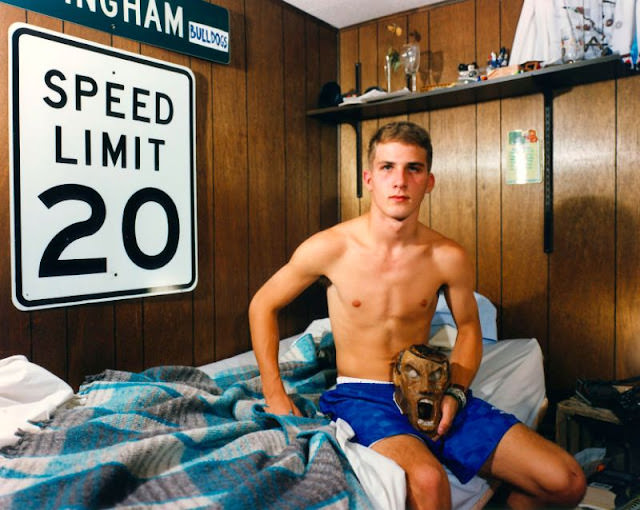
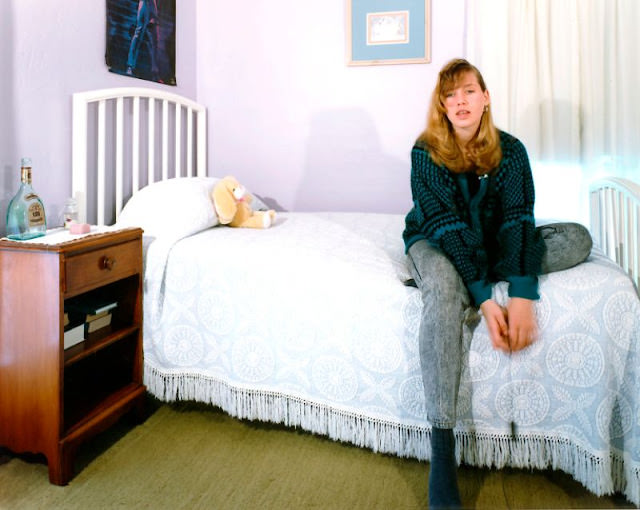
In the 1990s, the teenage bedroom was more than just a place to sleep. It was a world built from scratch — posters torn from magazines, trophies earned on the field, stuffed animals kept from childhood. Photographer Adrienne Salinger recognized this, and she set out to document it. Over two years, she traveled the West Coast photographing teenagers inside their own rooms, capturing the personal universes they had carefully constructed.
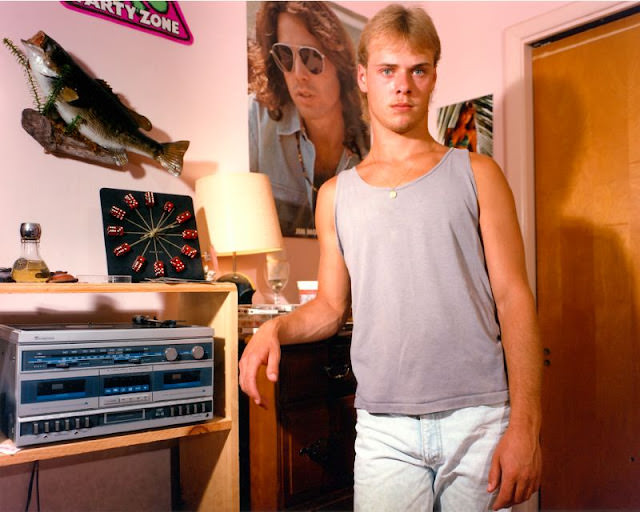
Salinger wasn’t just interested in the visual. She sat with each teenager and listened to their stories. What she heard was far from the polished family life shown on TV. Her subjects dealt with drug use, teen pregnancy, abuse, racism, and loss. The bedroom, for many of them, was the one place where none of that had to be hidden or explained away.
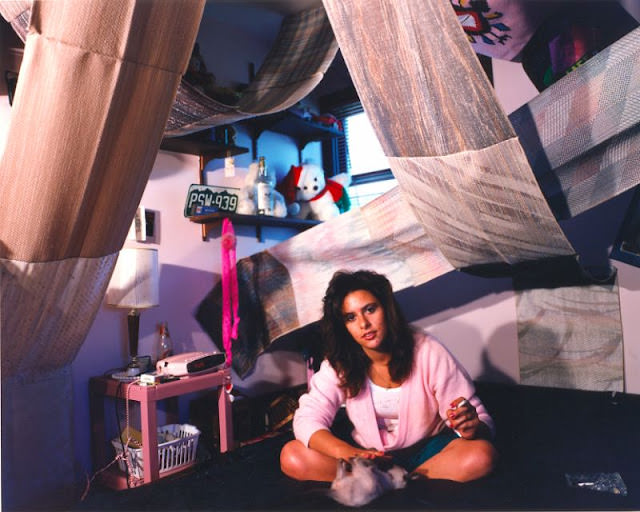
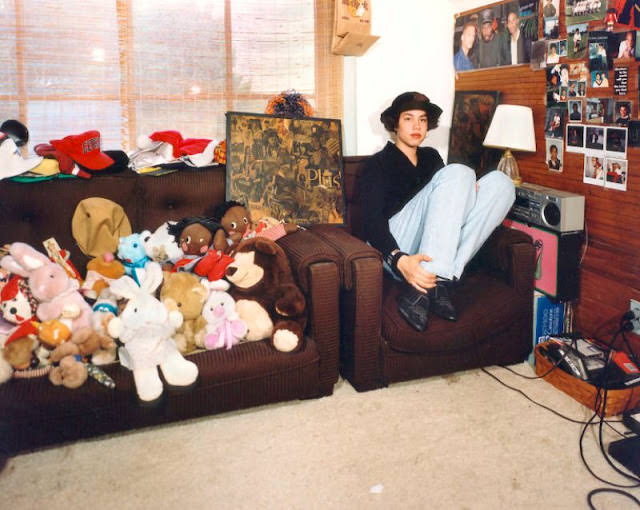
The details inside each room told a story on their own. A Nirvana poster signaled frustration and rebellion. A row of sports trophies showed discipline and pride. Religious icons offered a quiet kind of comfort. Walls covered in drawings or celebrity cutouts revealed what a teenager dreamed about when no one was watching.
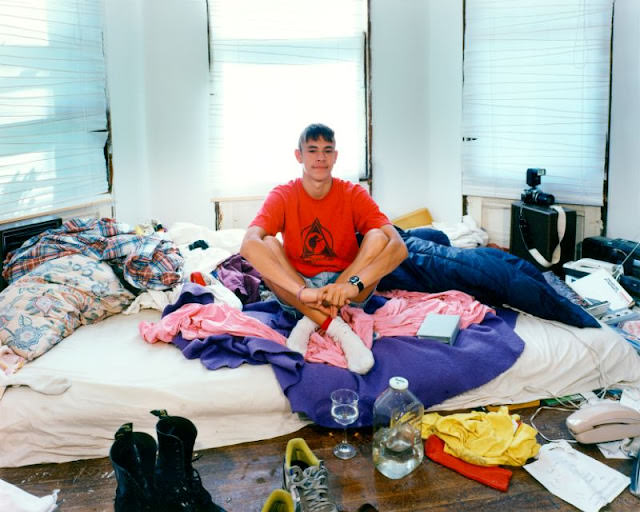
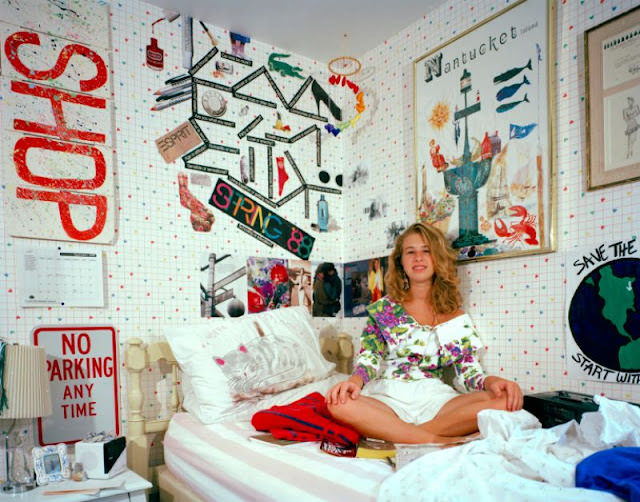
These rooms were rarely tidy. Clothes piled on floors, books stacked without order, half-finished projects left on desks. But the mess wasn’t carelessness — it was evidence of a life in motion. Each room held the tension between who these teenagers had been as children and who they were actively becoming.
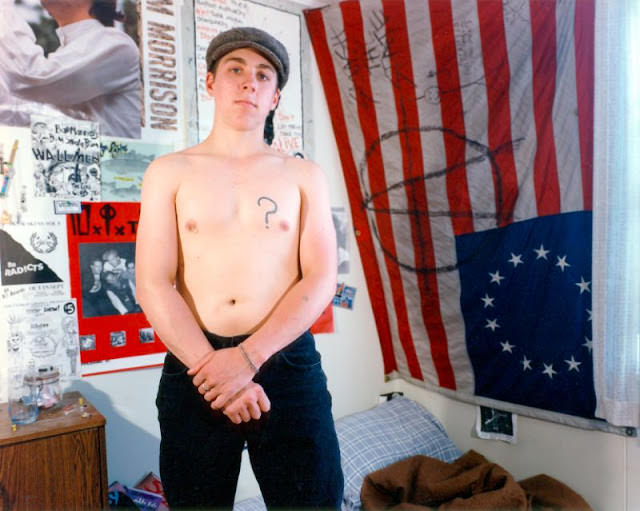
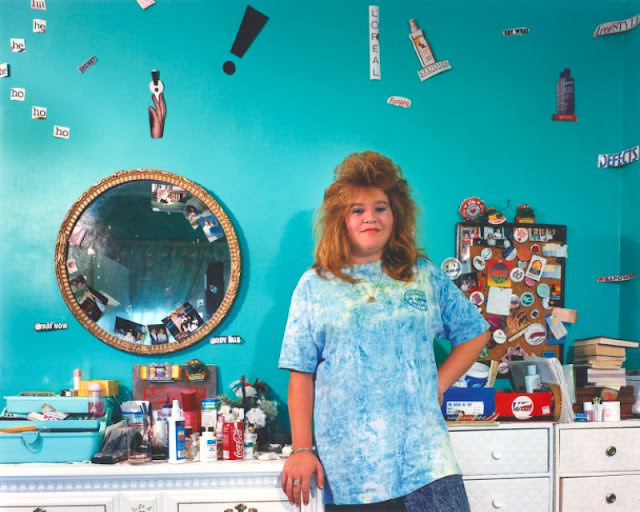
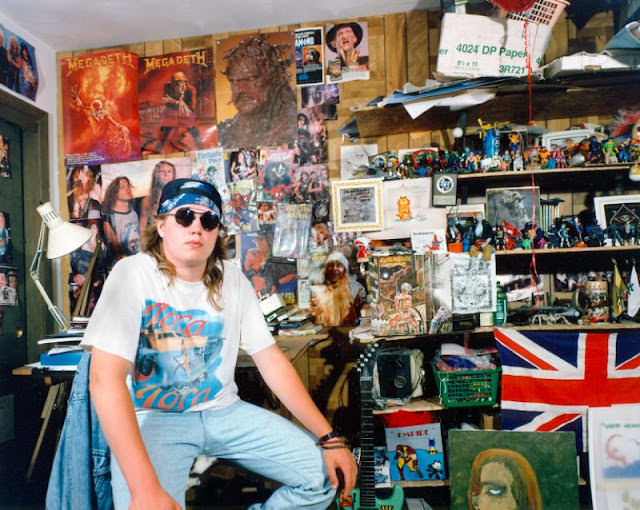
Grunge music blasted through headphones while dial-up internet hummed in the background. Butterfly clips, cassette tapes, and hand-written notes cluttered the surfaces. These objects, ordinary at the time, now read as artifacts of a specific cultural moment — the kind only a teenager living through it could have assembled so honestly.
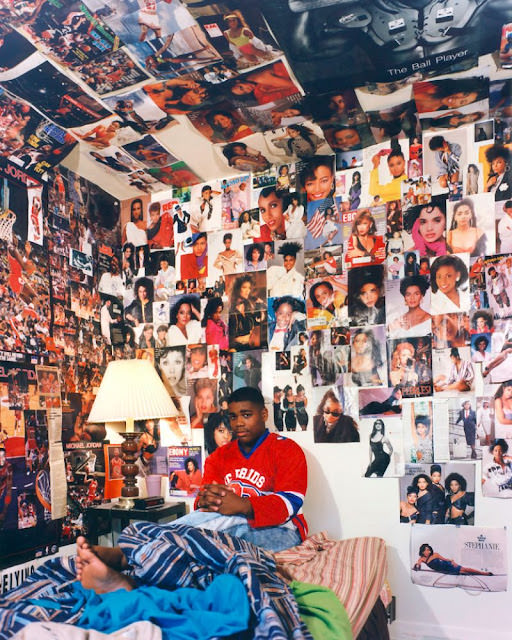
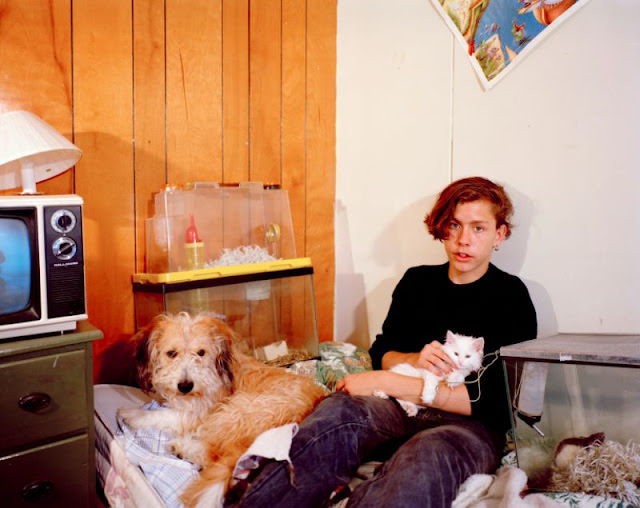

Salinger’s photographs work as social documents. They freeze a generation mid-thought, mid-growth, mid-struggle. Each frame is a private world that most adults never got to see — and that the teenagers themselves may have long forgotten.