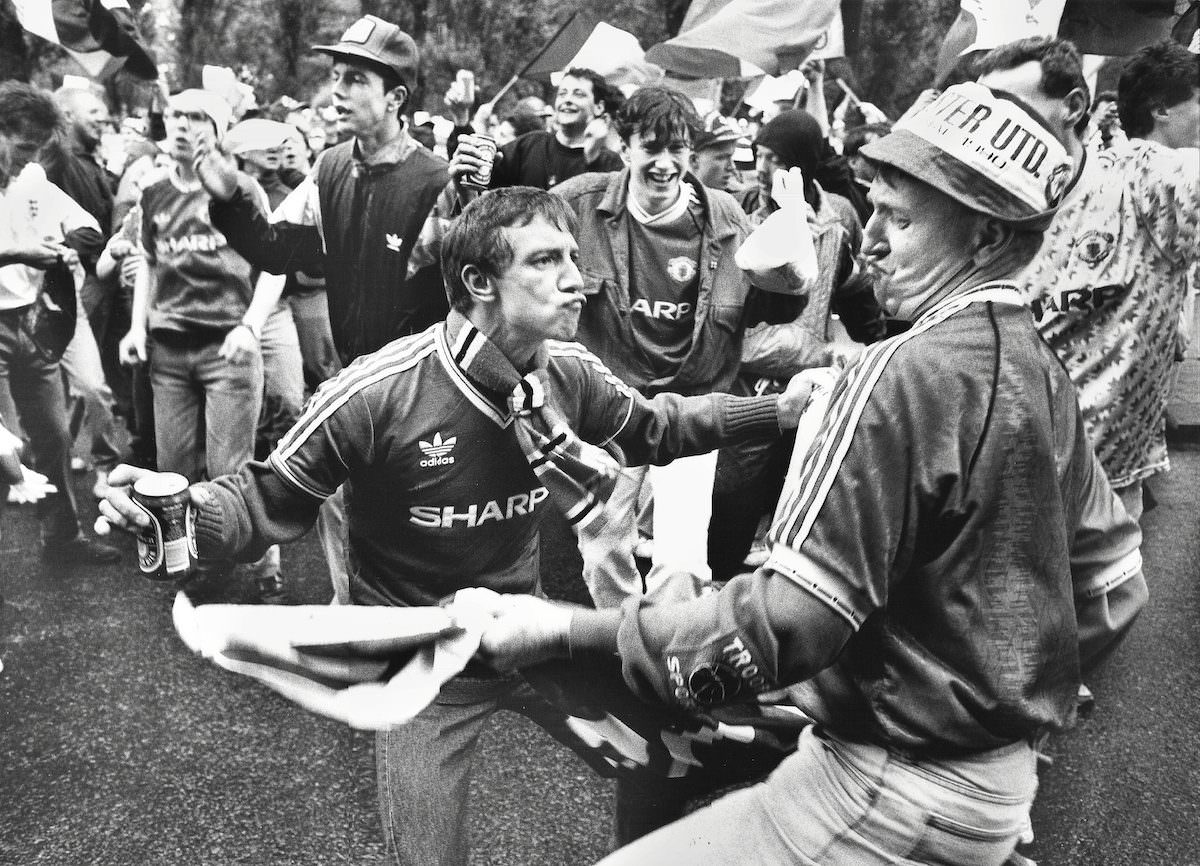
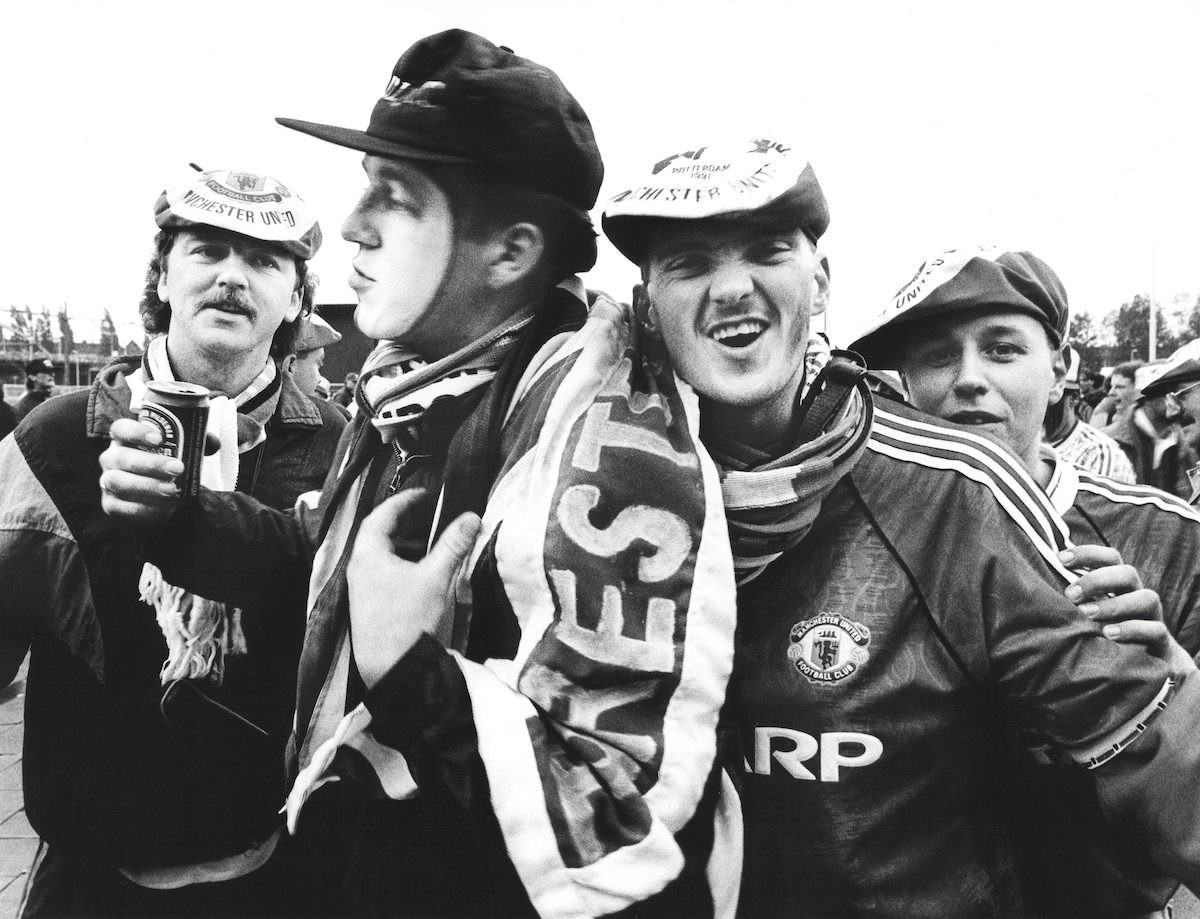
May 1991. Rotterdam braced itself as a flood of red poured into the port city. Manchester United were set to face Barcelona in the European Cup Winners’ Cup final, and tens of thousands of United supporters had made the trip across the North Sea.
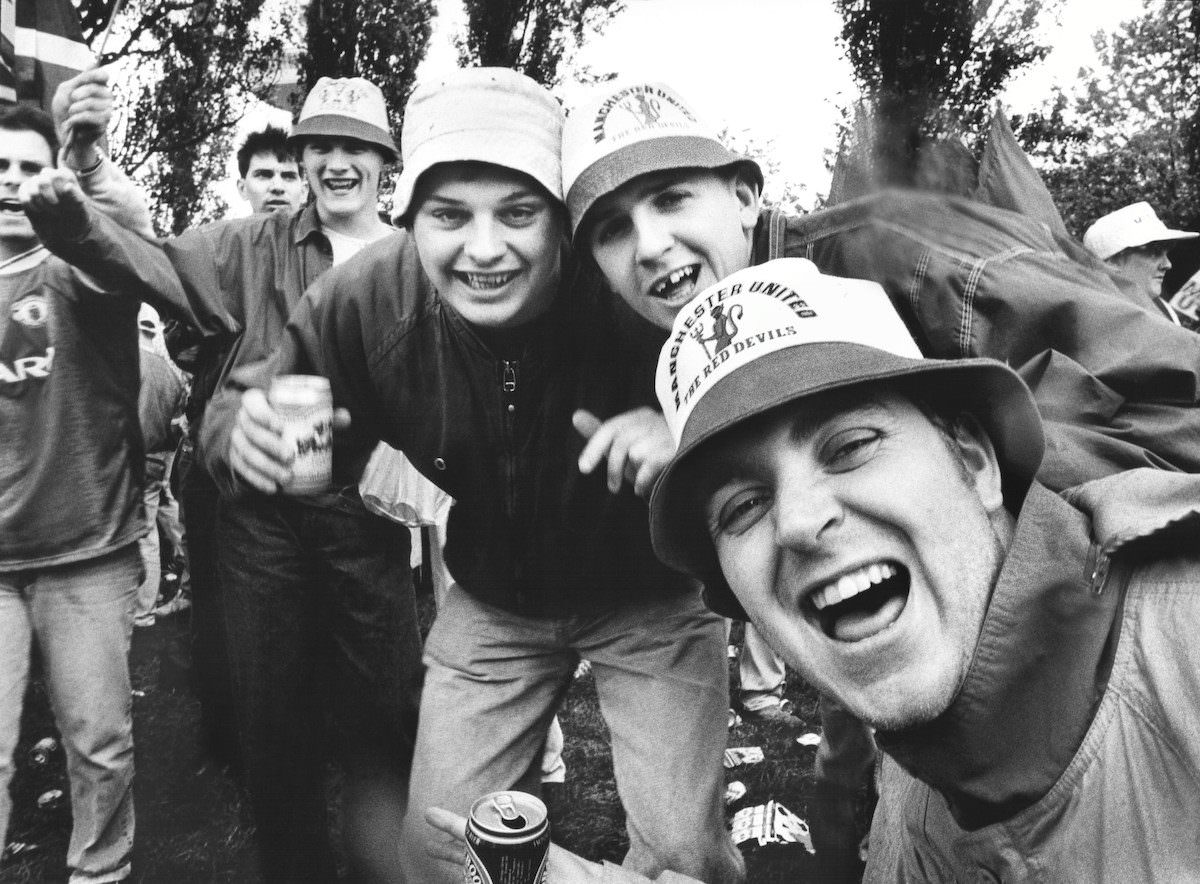
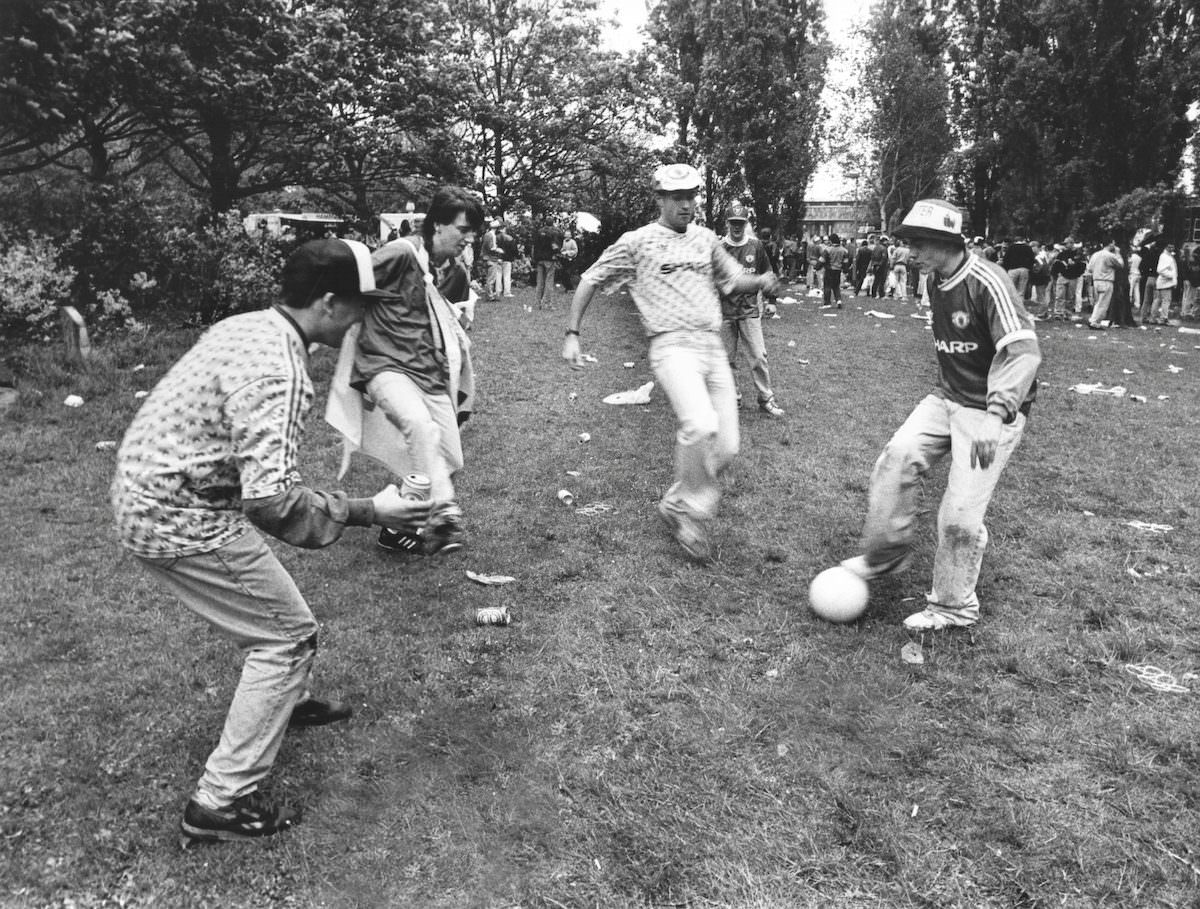
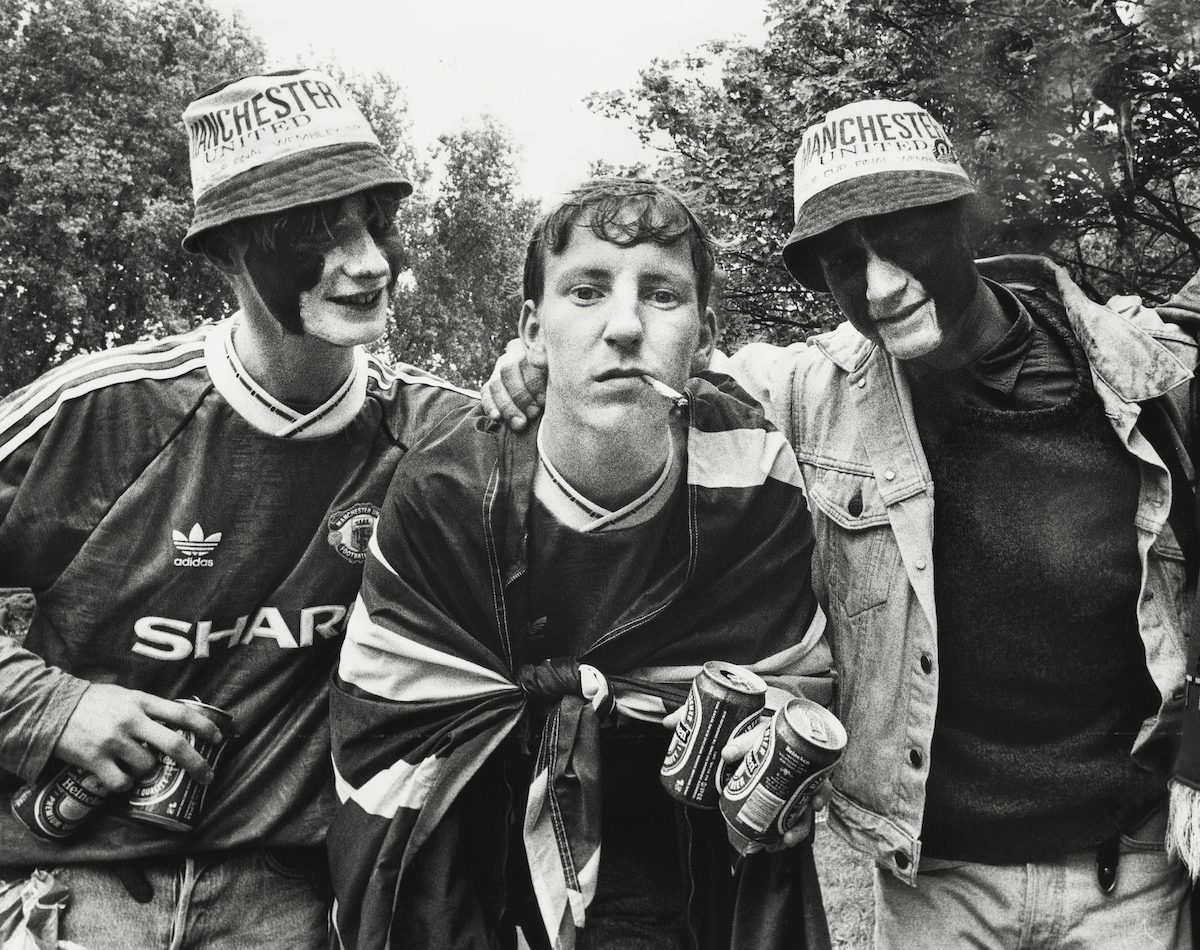
Rain fell throughout the day, but it did nothing to dampen the mood. Dutch authorities had set up a large fan park reserved for United supporters. Music played, drinks flowed, and police kept a respectful distance as the crowd grew.
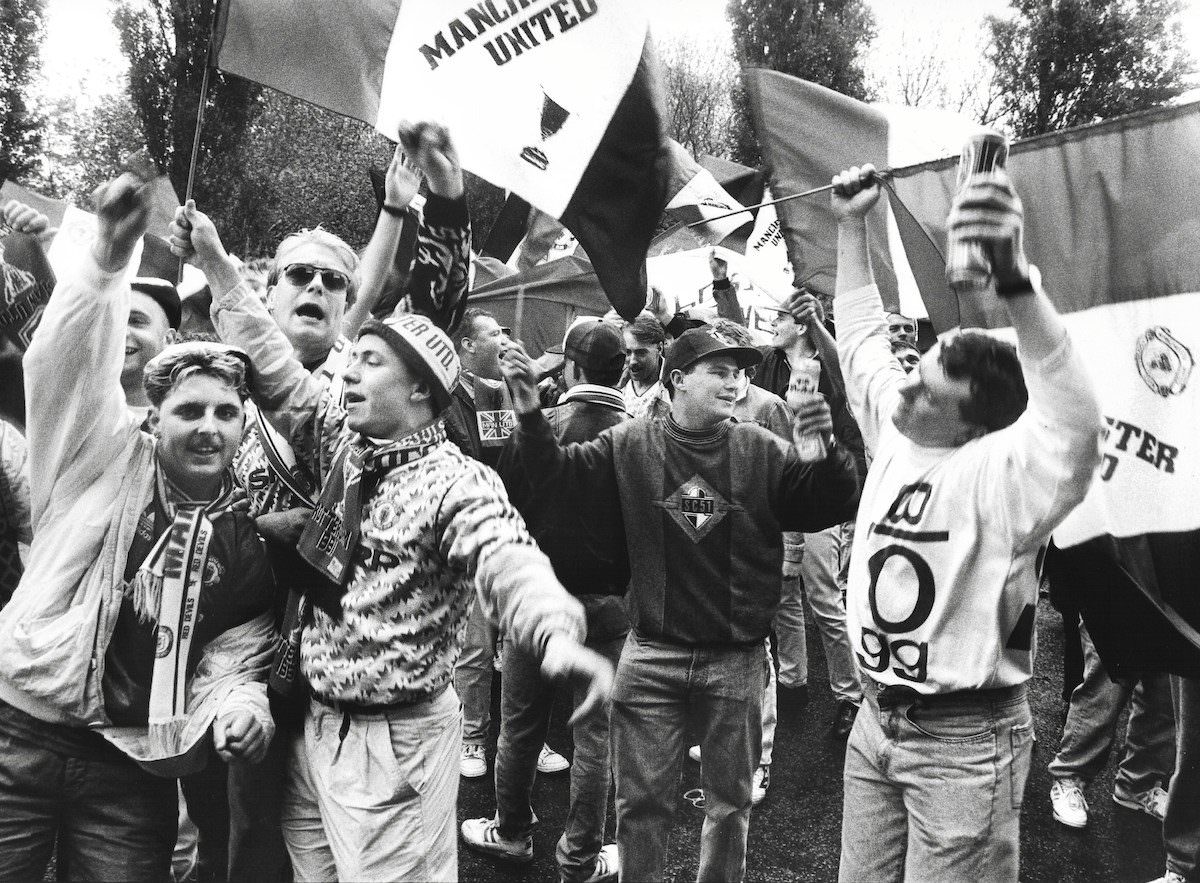
The streets filled with red jerseys, bucket hats, and baggy jeans — the uniform of the Madchester era. The rave and dance culture sweeping through Manchester had crossed the Channel with the fans. Richard Davis, a die-hard United supporter, was right in the middle of it. “Rotterdam was suddenly overflowing with United fans,” he recalled.
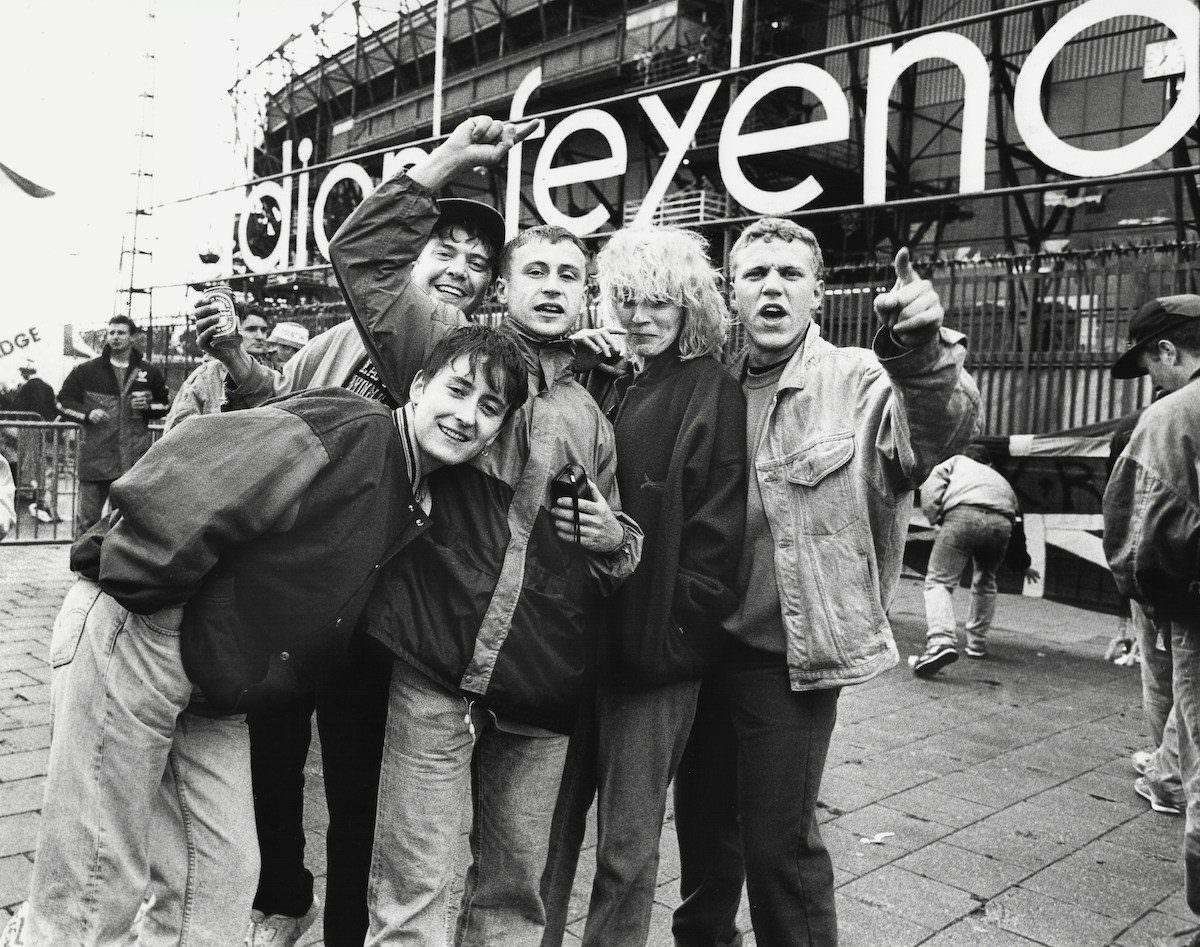
Inside the stadium, United fans made up nearly 75% of the crowd. Barcelona supporters were present but heavily outnumbered. The atmosphere stayed celebratory rather than hostile — a direct reflection of the Madchester spirit that had replaced football’s older aggression with a party mentality.
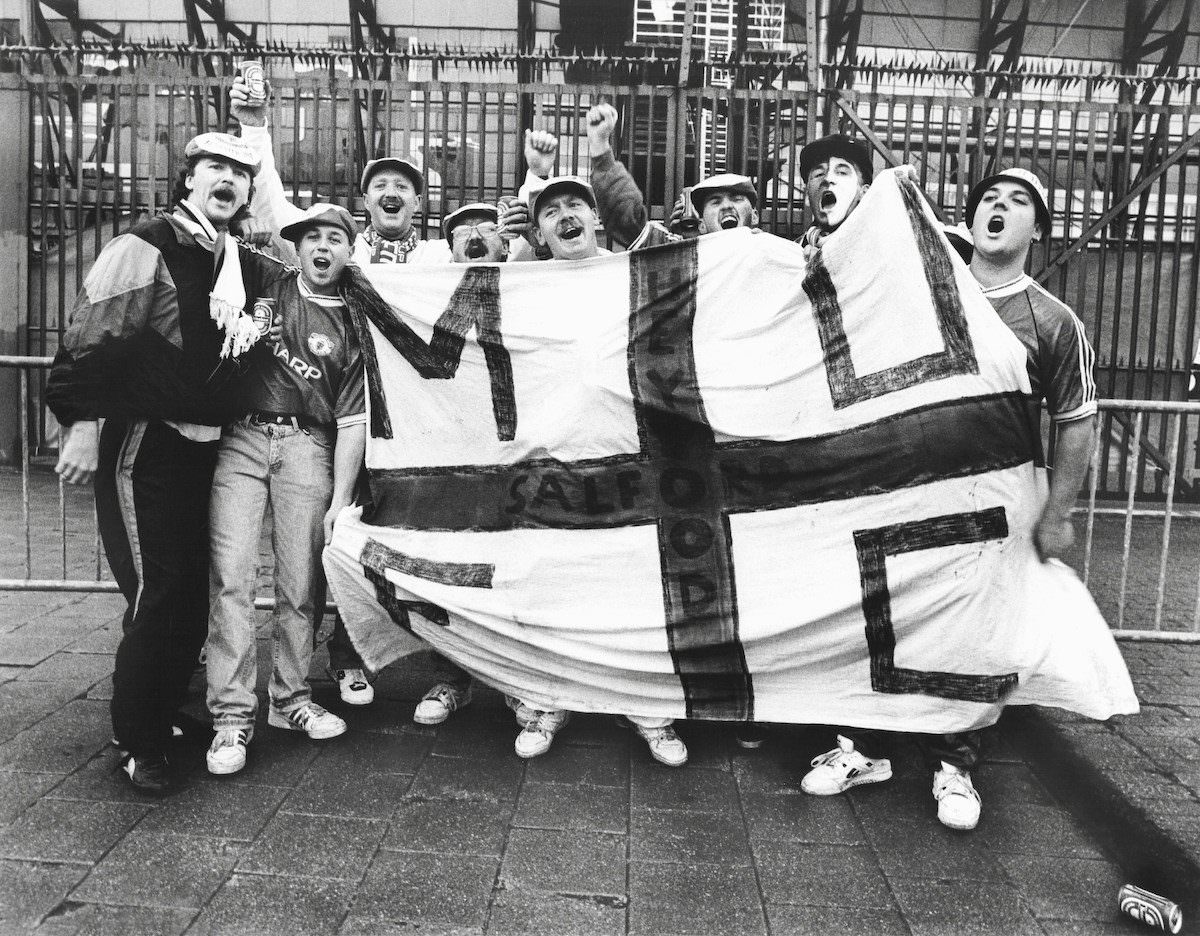
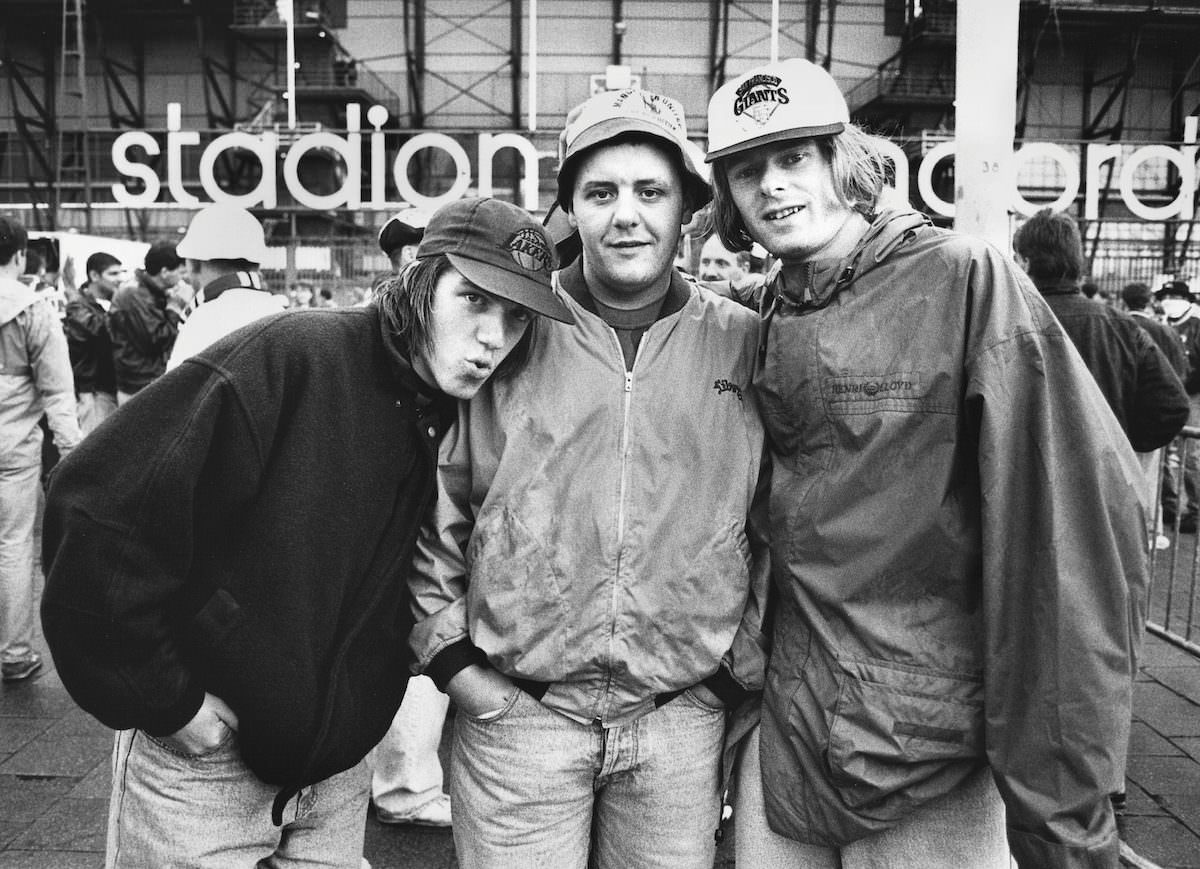
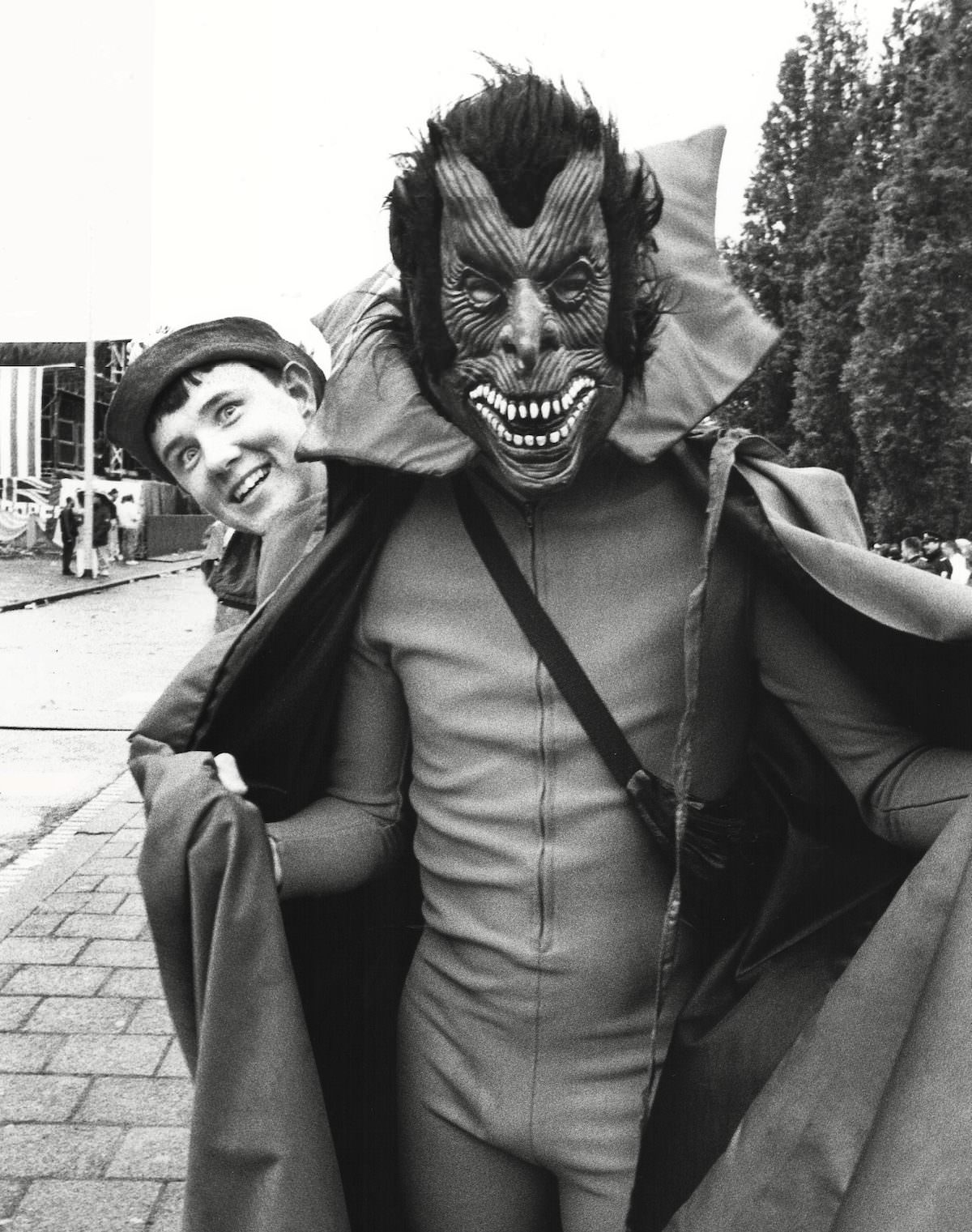
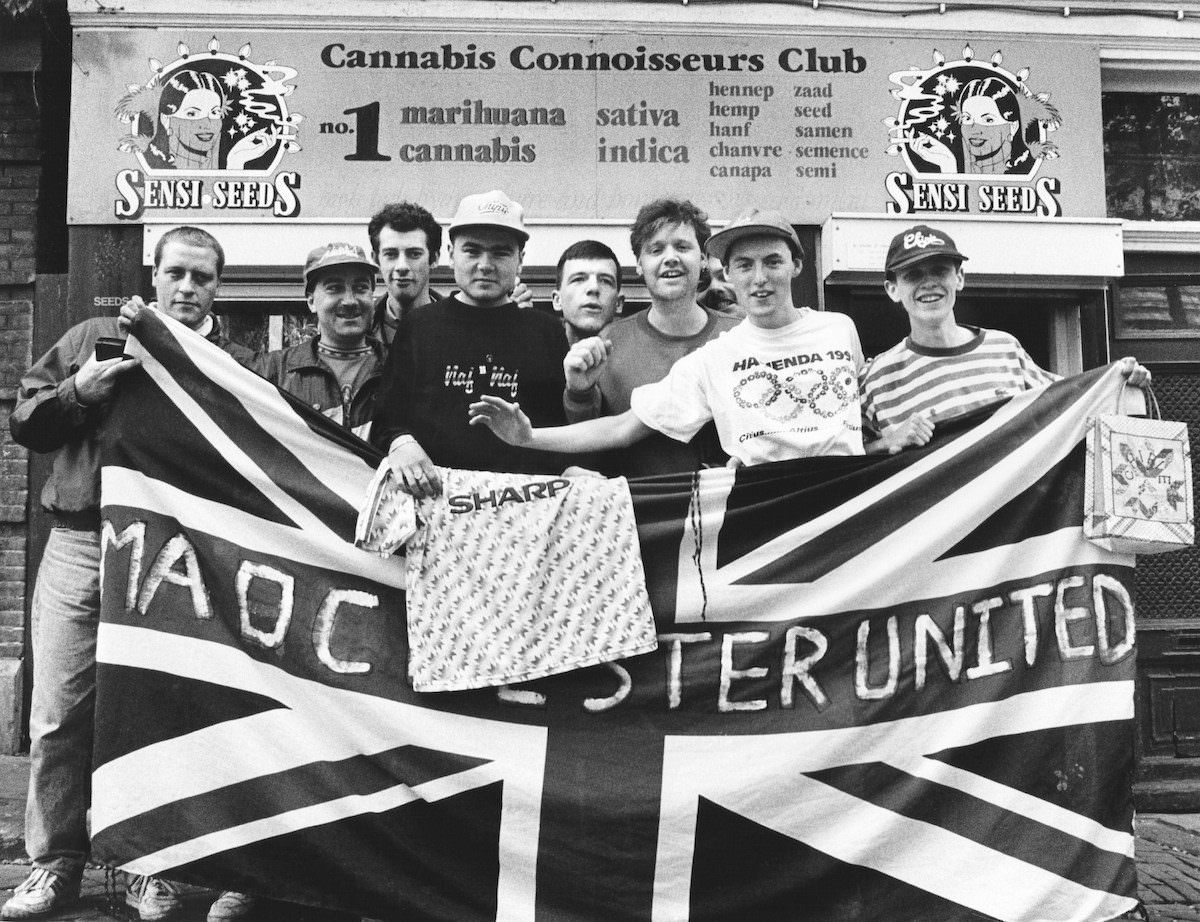
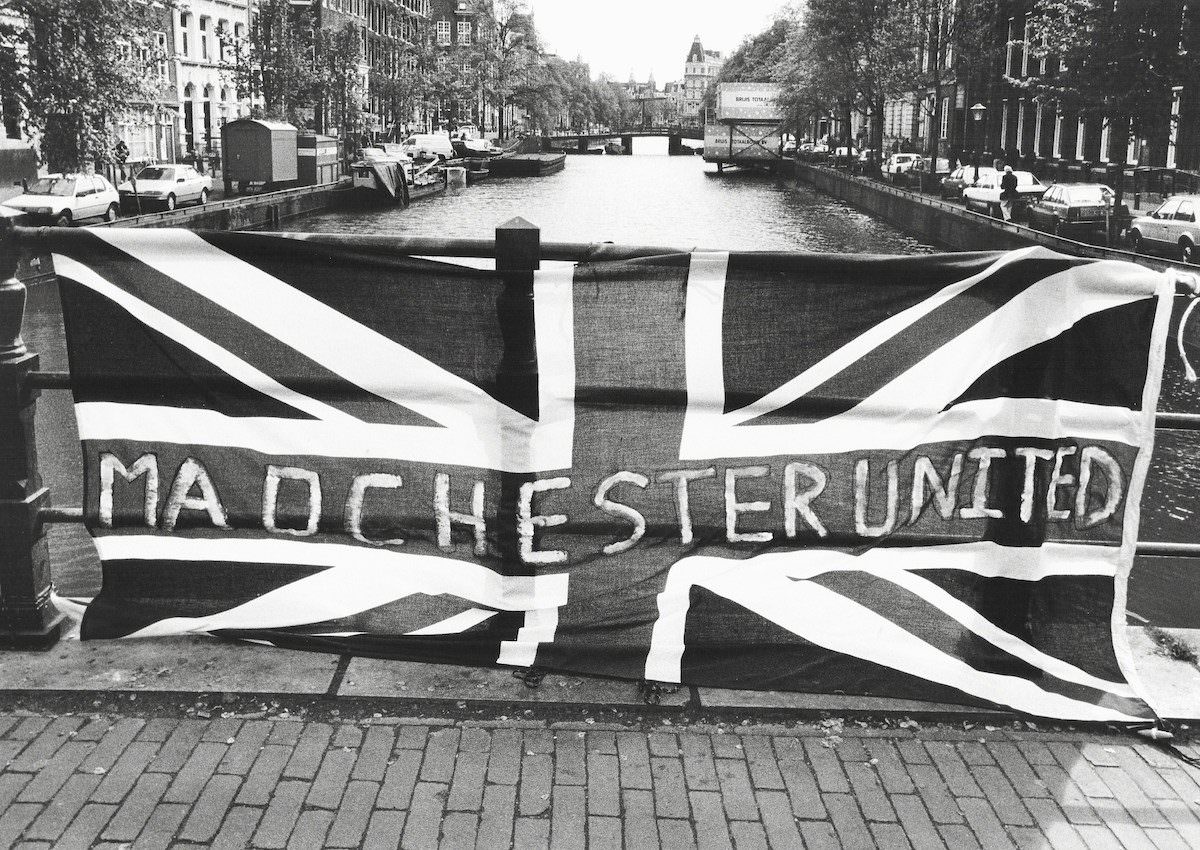
The celebration continued well after the final whistle. The following day, Richard and many other fans boarded a train north to Amsterdam, stretching the Dutch trip into a full adventure.
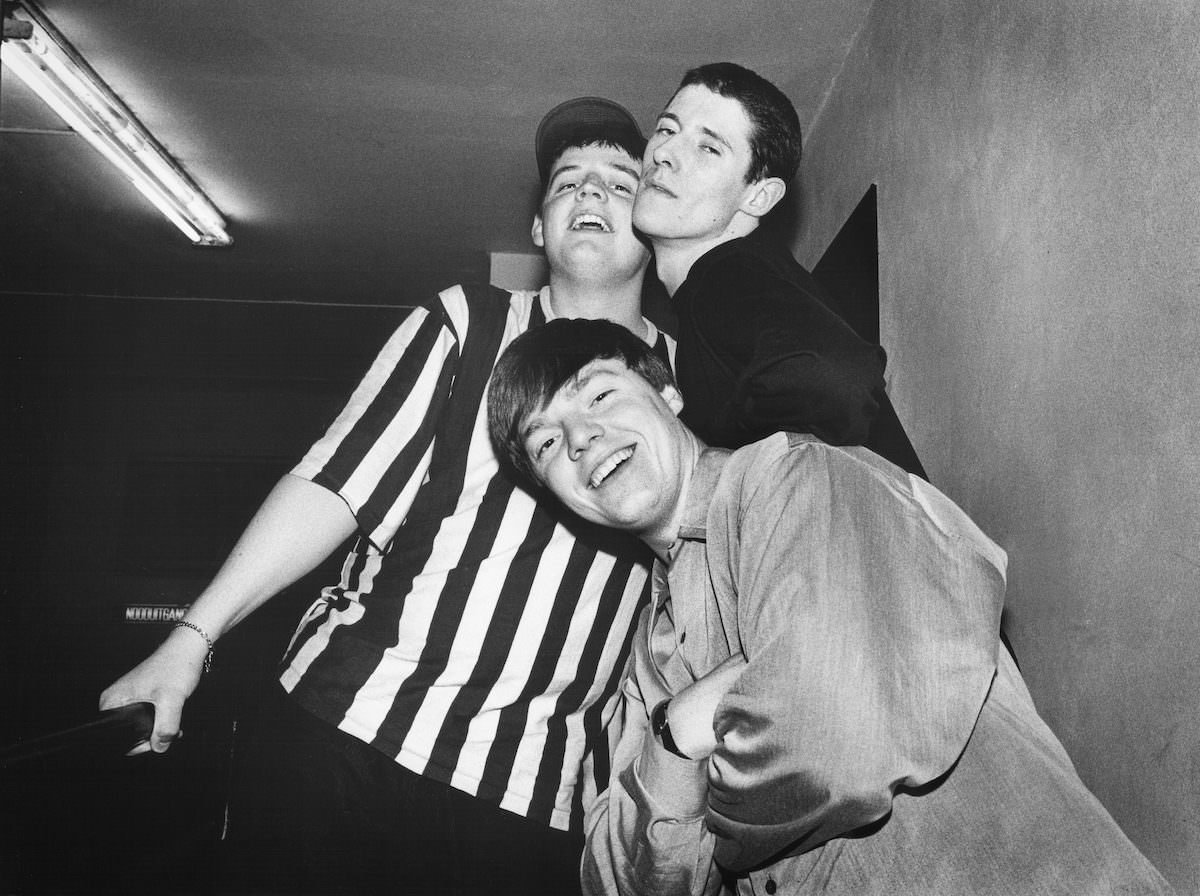
That evening, back in Rotterdam, the crowd migrated to Nighttown nightclub to see 808 State — one of the defining bands of the Madchester sound. The venue pulsed with United fans riding the high of the final. Richard, camera in hand, made it backstage and captured the band up close.
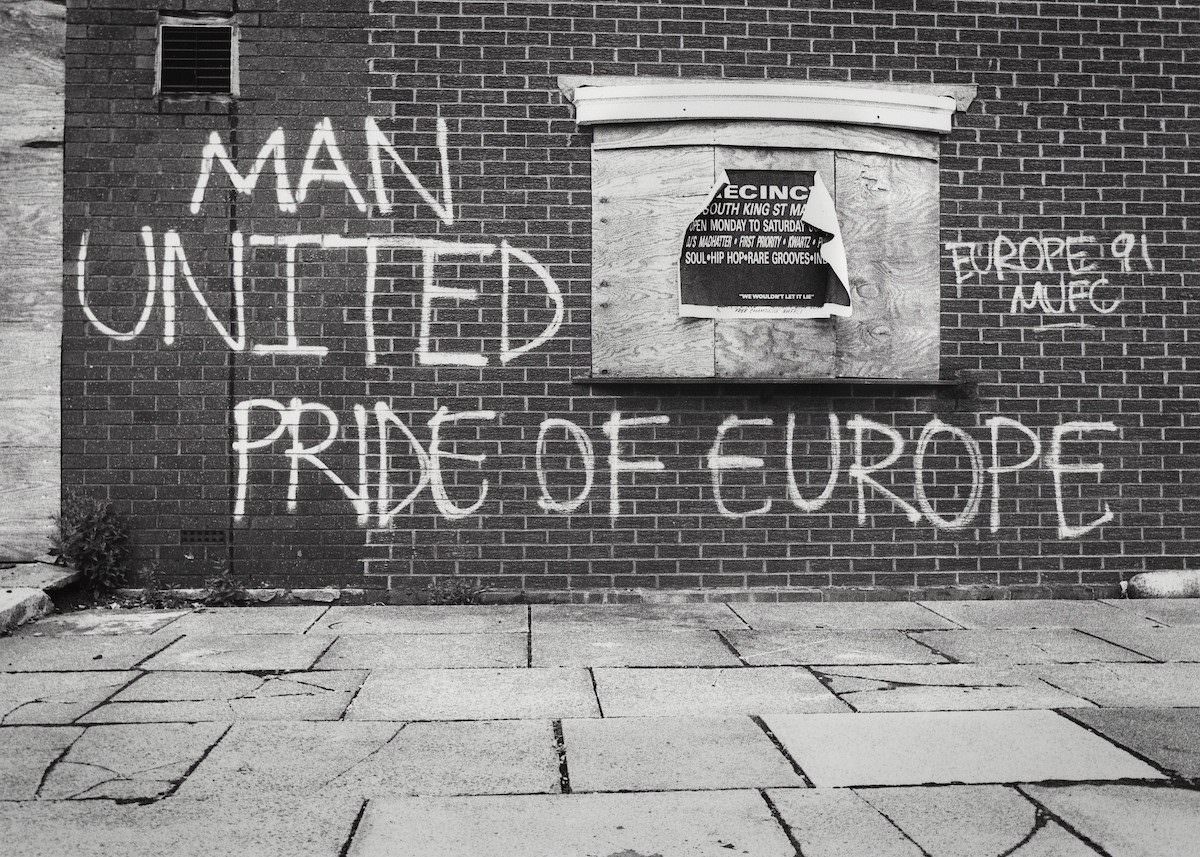
Back home in Manchester, the win left its mark on the city’s walls too. Graffiti in Hulme, a neighbourhood at the heart of the city’s music and youth culture, marked the moment for anyone who walked past.