In October 1973, the Organization of Arab Petroleum Exporting Countries — OAPEC — cut off oil sales to the United States. The reason was direct: America had sent military supplies to Israel during the Yom Kippur War, a conflict between Israel and a coalition of Arab states. The Arab nations used oil as a weapon, and it worked.
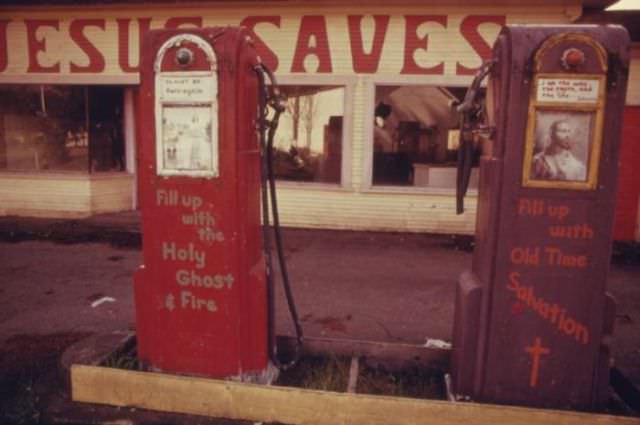
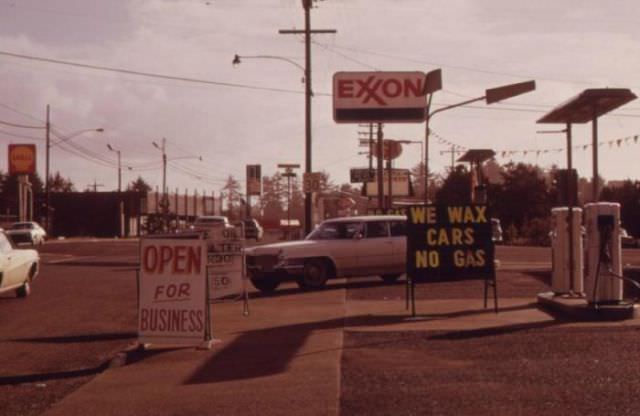
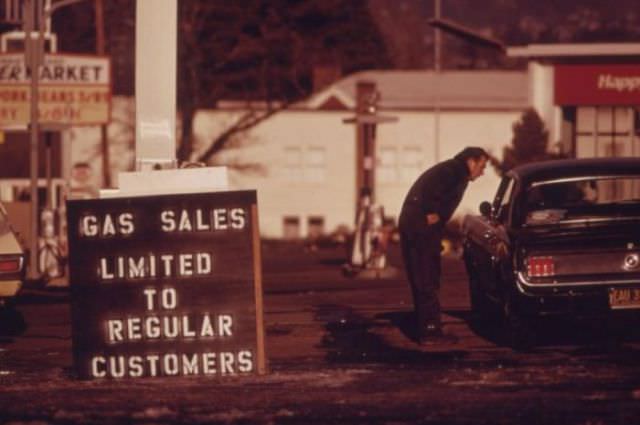
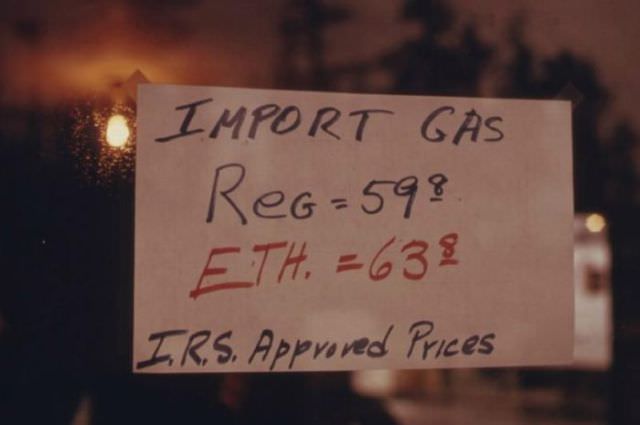
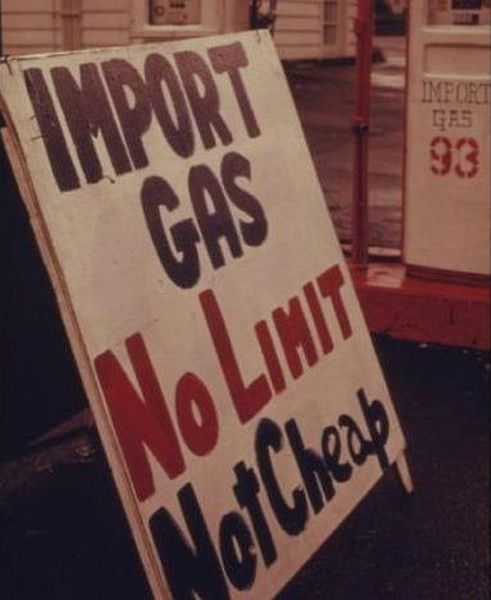
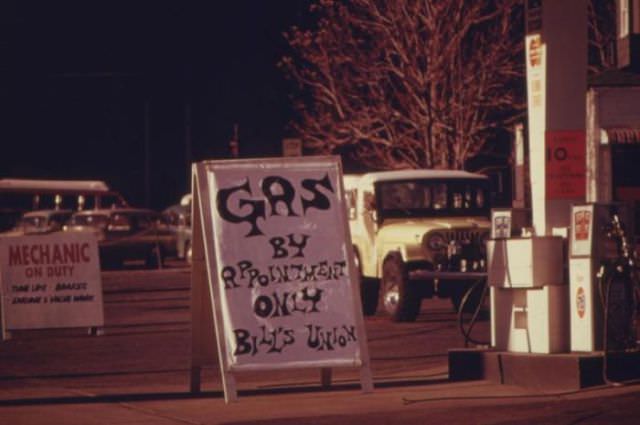
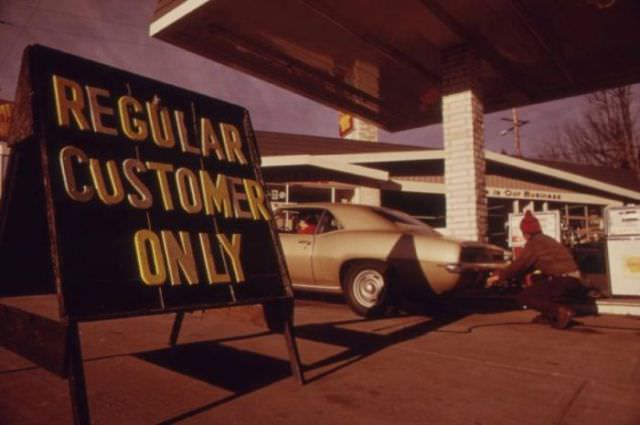
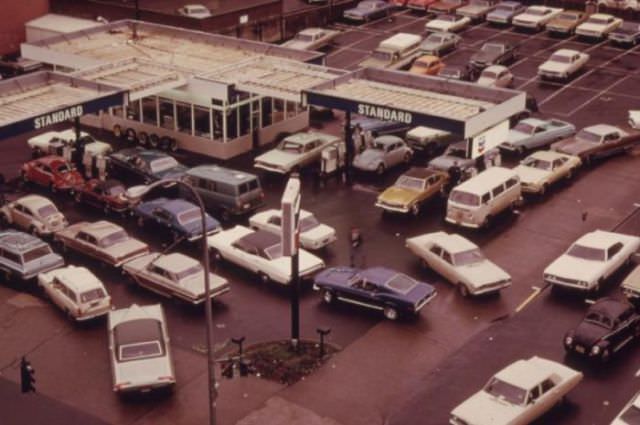
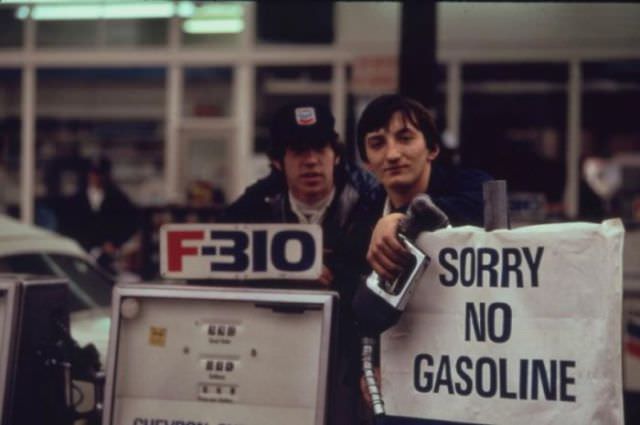
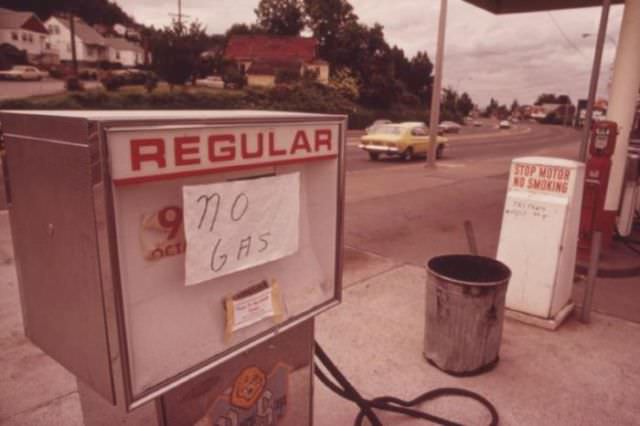
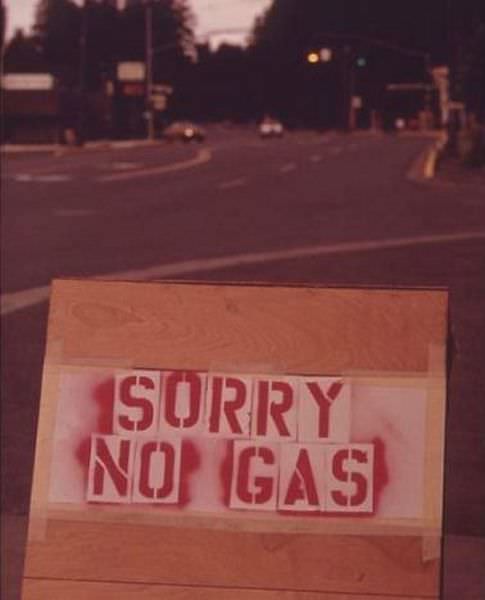
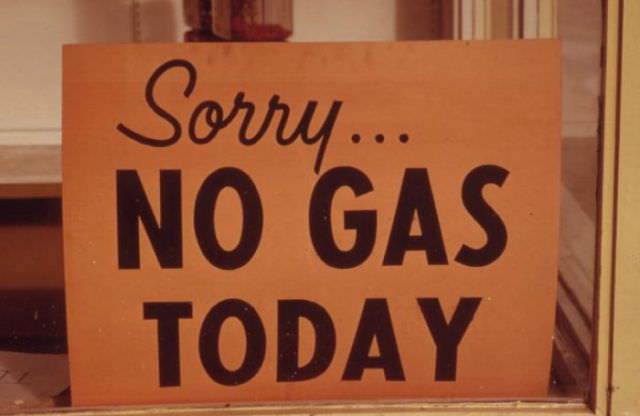
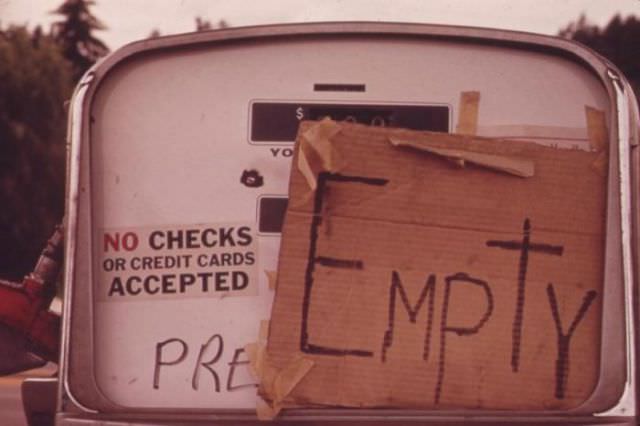
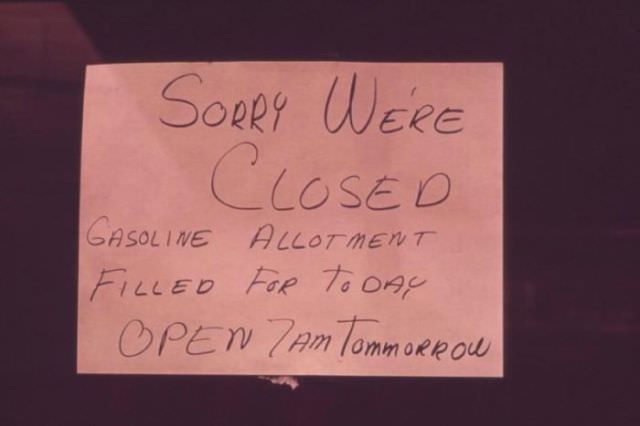
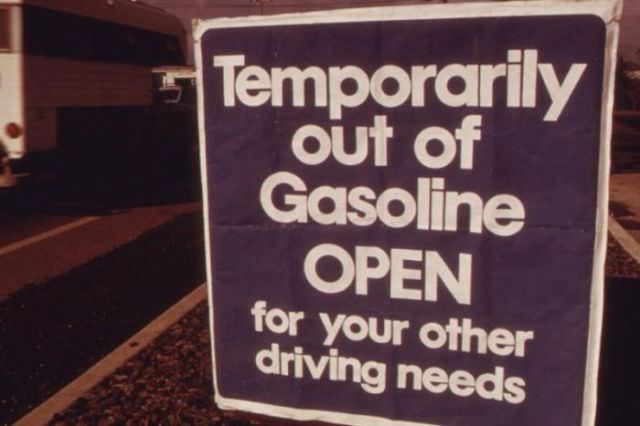
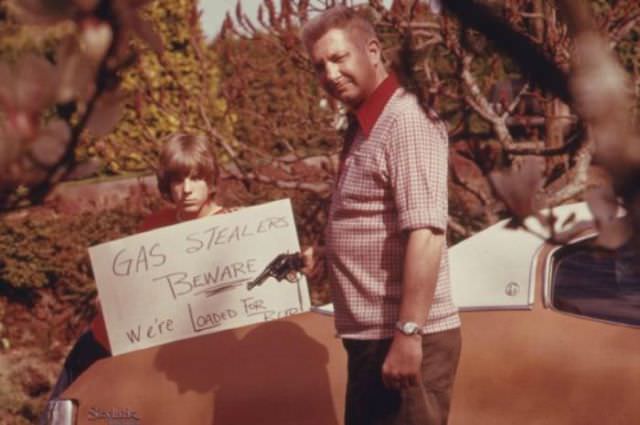
Gas stations drained dry almost overnight. Where fuel was still available, drivers lined up for hours, often only to purchase a few gallons. Prices surged sharply, making routine travel a financial burden. Since nearly every product in America depended on trucking and transport, the cost of everyday goods climbed as well.
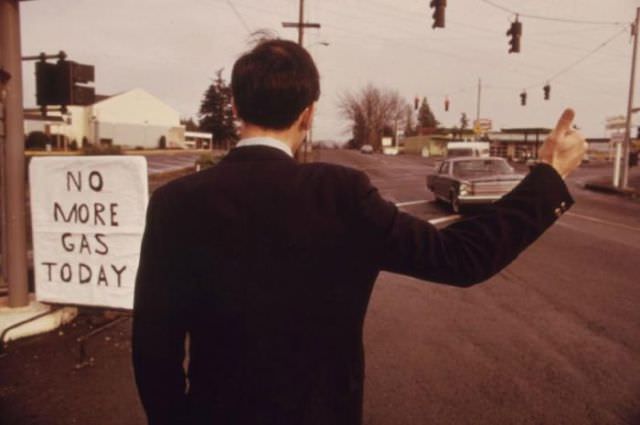
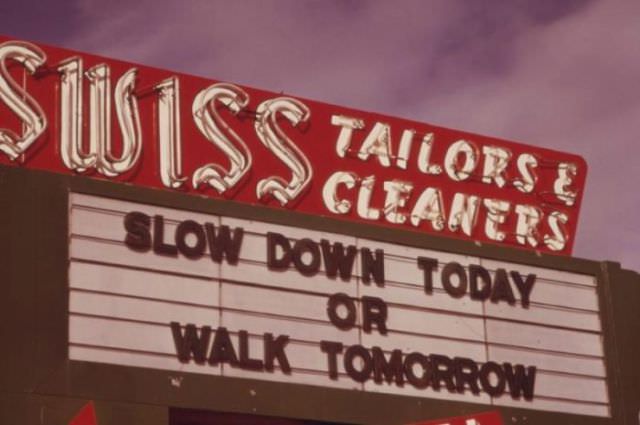
The federal government rolled out odd-even rationing. Drivers with license plates ending in an odd number could only buy gas on odd-numbered calendar days, and even plates on even days. A national speed limit of 55 miles per hour was also enforced to reduce fuel consumption.
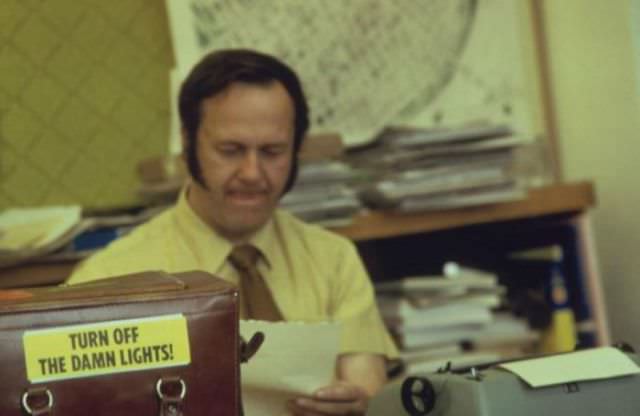
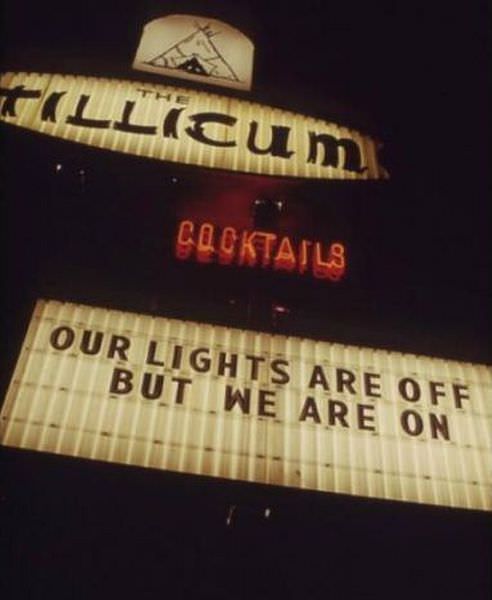
Americans were urged to lower thermostats, turn off lights, and carpool — habits that were largely foreign to a country built around personal car ownership. Public transit systems in many cities saw ridership jump as drivers abandoned their fuel-hungry vehicles.
President Nixon’s administration moved quickly on the diplomatic front. Secretary of State Henry Kissinger led negotiations between Israel and the Arab states. A key demand from OAPEC was an Israeli withdrawal from occupied territories. Kissinger brokered a partial Israeli pullback from the Sinai Peninsula by early 1974.
That partial withdrawal, along with the promise of continued peace talks, convinced OAPEC members to lift the embargo in March 1974. Israel then agreed to pull back from parts of the Golan Heights by May, further reducing tensions in the region.
The crisis exposed fractures within NATO. France and Japan, both heavily dependent on Middle Eastern oil, began pursuing their own energy deals — sometimes undermining U.S. foreign policy positions to do so. The unified Western front cracked under economic pressure.
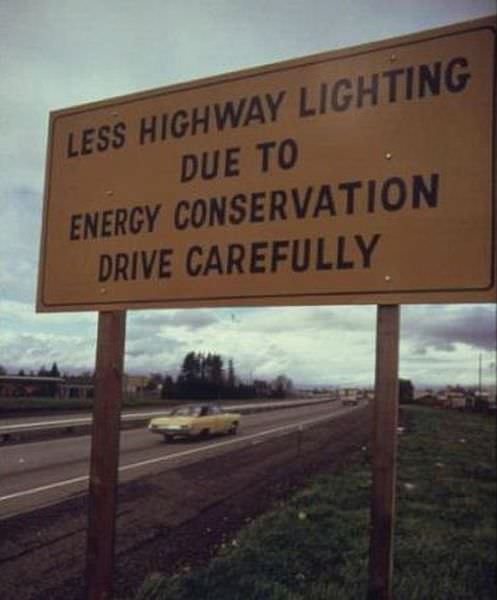
Back home, demand for fuel-efficient cars grew. American automakers, long known for producing large, gas-heavy vehicles, faced a market that suddenly wanted something smaller and cheaper to run. The government began seriously debating energy independence for the first time.