In 1972, Italian design house Bertone joined forces with French automaker Citroën to produce one of the most forward-thinking concept cars of the decade. The result was the Citroën GS Camargue — a low-slung, aerodynamic showpiece that turned heads at auto shows and left a clear mark on how designers thought about the car of the future.
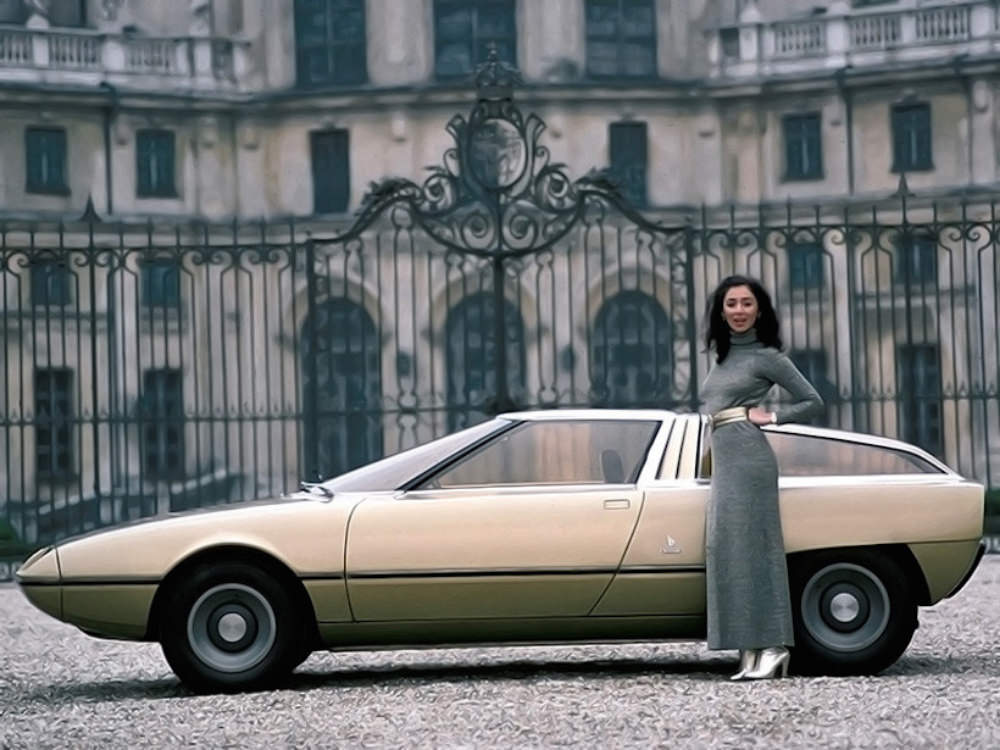
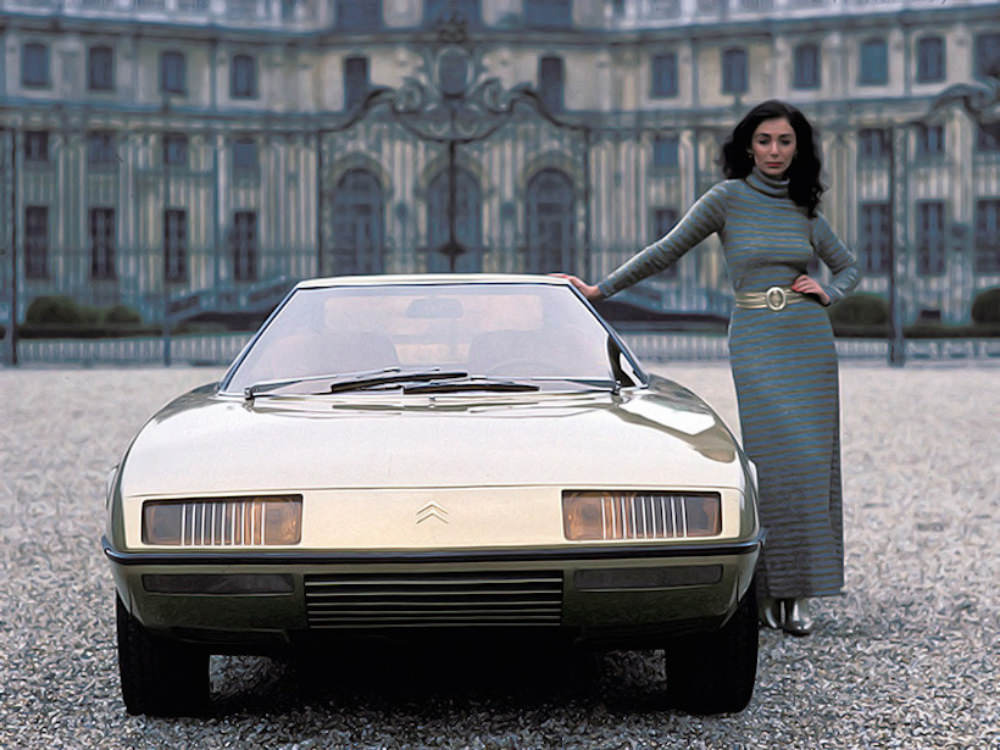
The GS Camargue was built on the platform of the production Citroën GS, which was already known for its advanced engineering. Bertone gave the concept a sleek, wedge-shaped body with clean lines and a low roofline that cut through the air with minimal resistance. Every surface was shaped with aerodynamics in mind.
Under the hood sat a 1.3-litre flat-four engine producing around 75 horsepower. For a lightweight concept car in the early 1970s, that output was more than enough. The GS Camargue reached a top speed of approximately 110 km/h (68 mph), backed by a four-speed manual transmission that delivered smooth, precise gear changes.
Citroën’s signature hydraulic suspension system carried over from the production GS, giving the Camargue a composed and comfortable ride even on rough surfaces. The hydraulic shocks absorbed bumps effectively, keeping the car stable at speed — a feature that set Citroën apart from nearly every other manufacturer of the era.
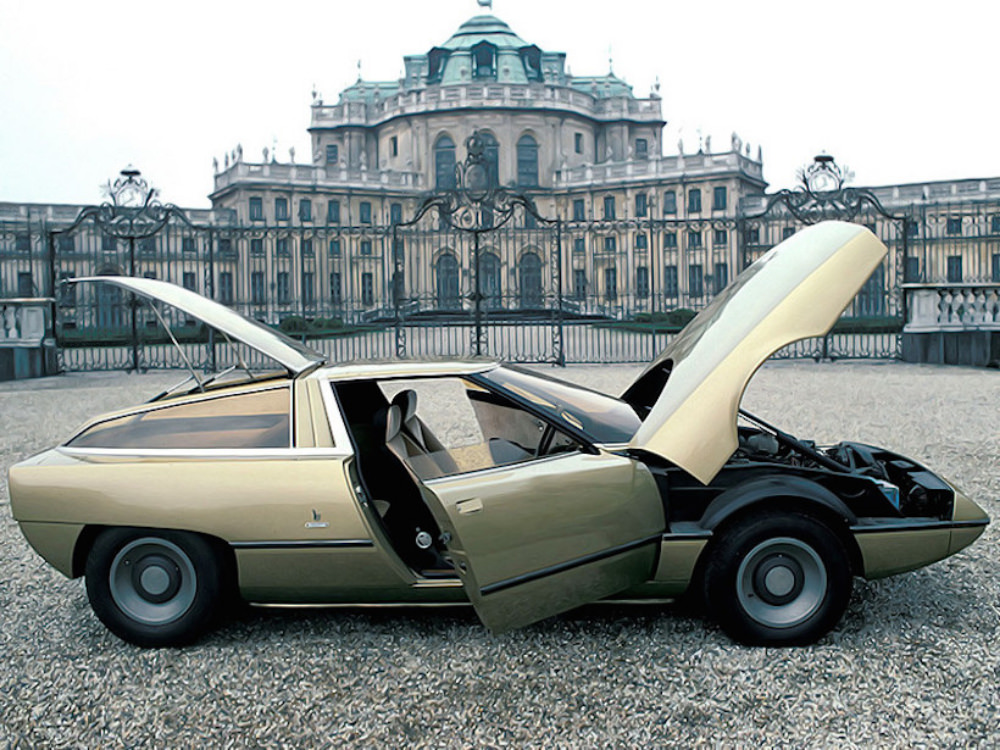
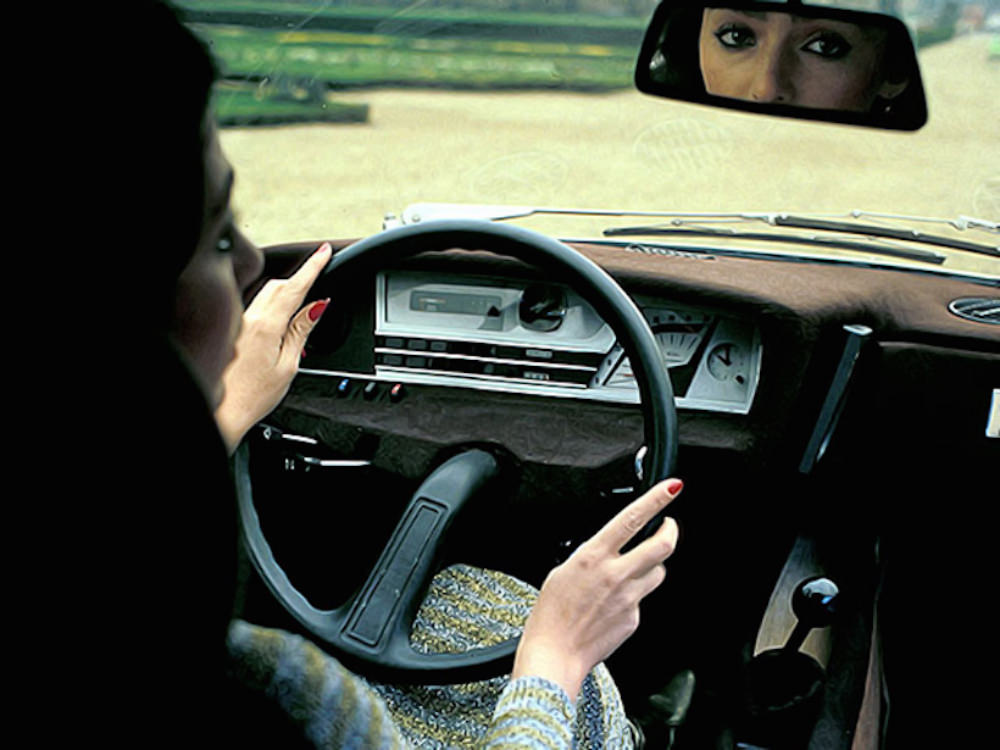
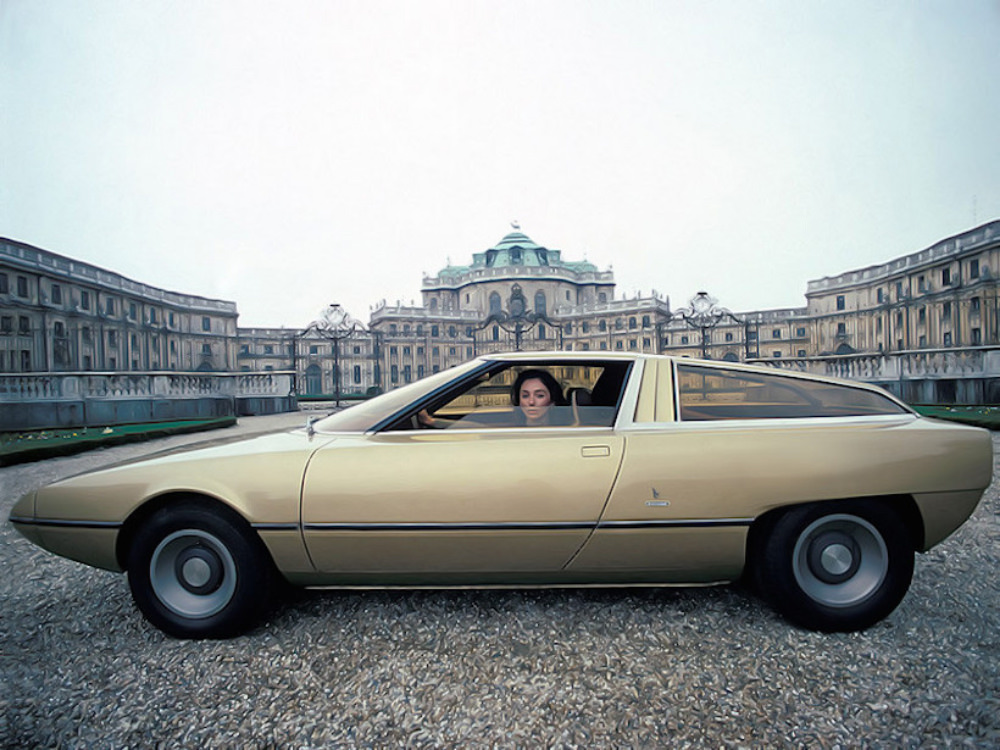
Inside, the cabin was trimmed in soft materials and designed with the driver’s experience as a clear priority. Large, unobstructed windows gave the driver an open view of the road ahead. The GS Camargue also featured automatic climate control, power windows, and a power-assisted tailgate — all remarkable conveniences for a concept car of this period.
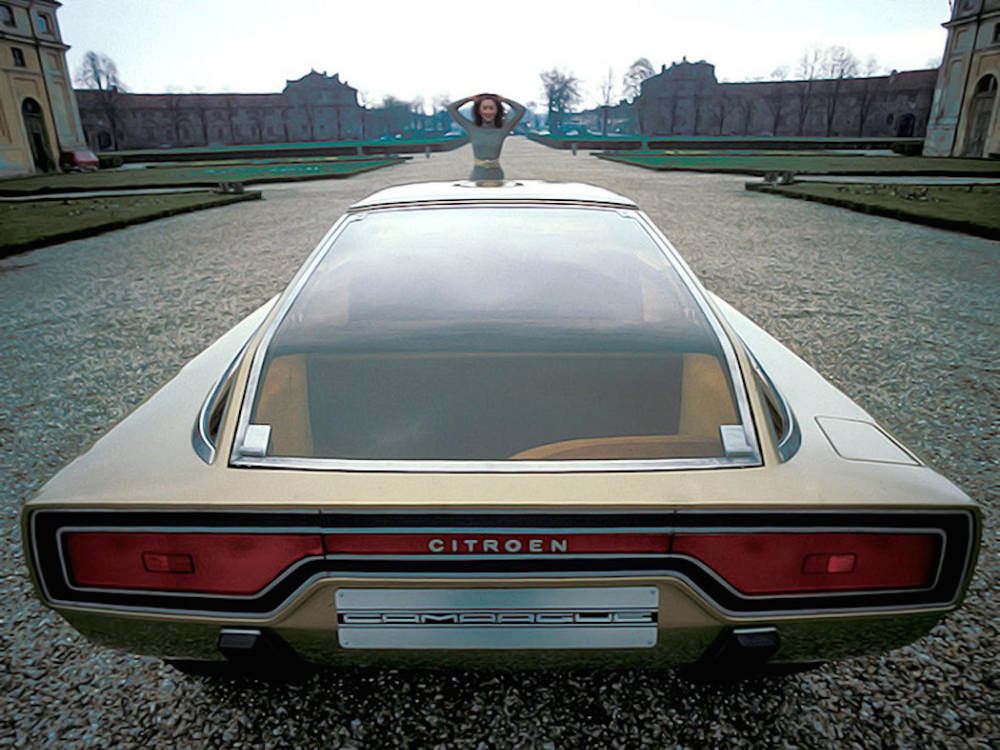
The interior layout reflected a philosophy of blending technology with everyday usability. Bertone’s designers did not simply chase visual drama — they considered how a person would actually live with the car. The result was a cabin that felt both futuristic and livable.
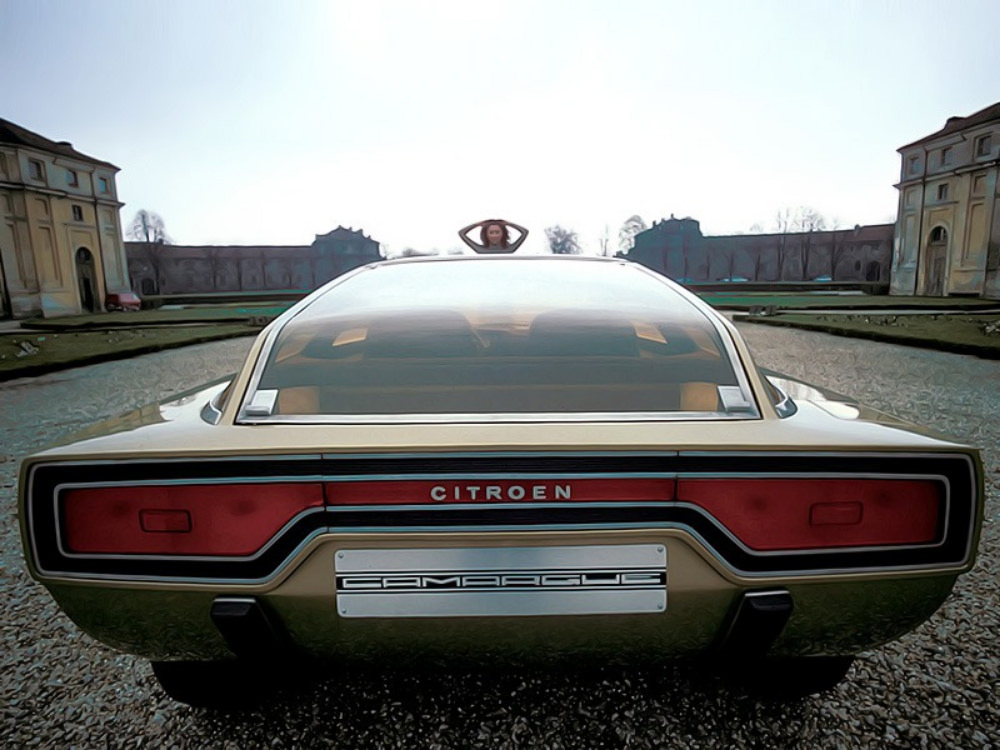
Citroën never put the GS Camargue into production. The company was dealing with serious financial difficulties at the time, and the resources required to manufacture such an advanced vehicle were not available. The concept remained exactly that — a concept.
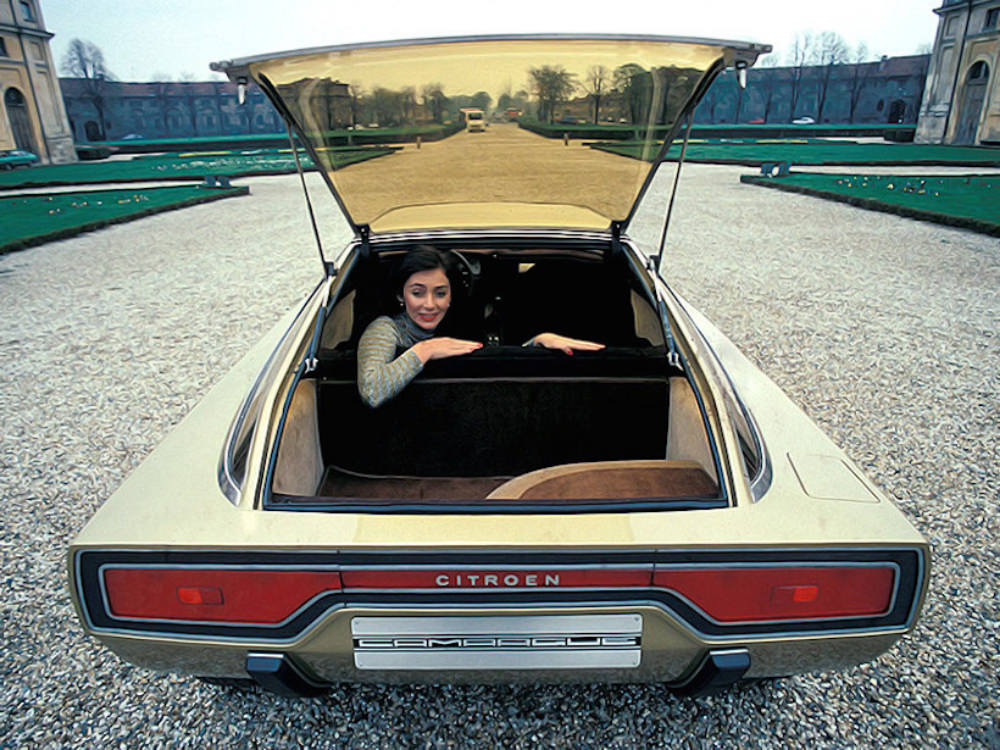
The GS Camargue was named after the Camargue region of southern France — a flat, open wetland known for its wild horses and wide skies. The name suited the car’s open, expansive design language and its connection to French identity.
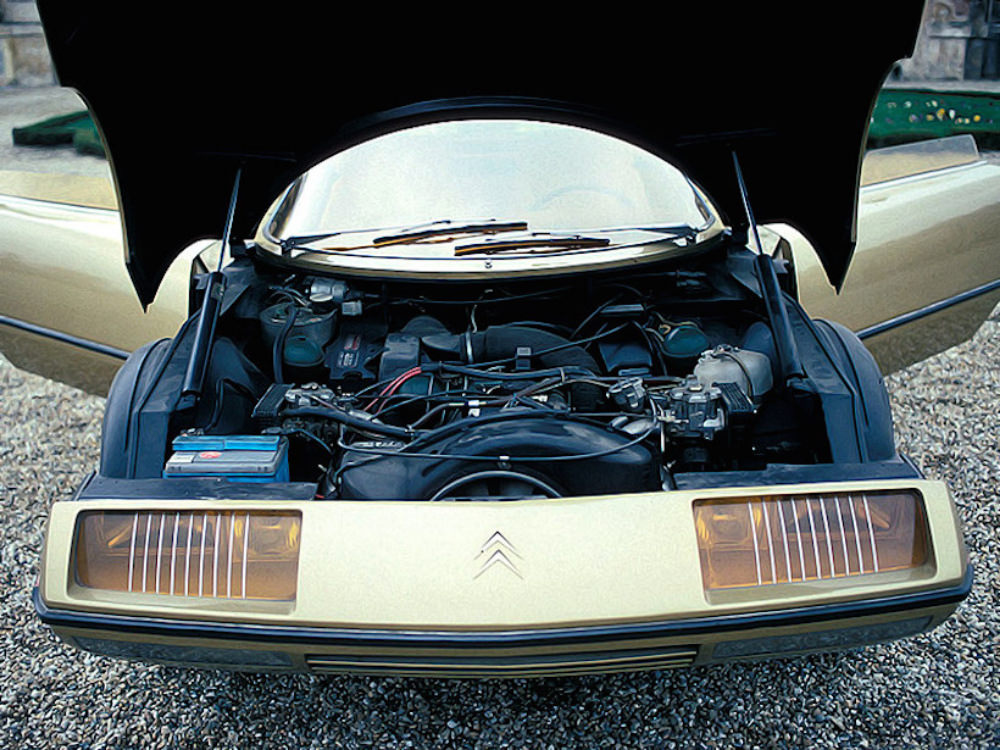
Bertone’s portfolio during the 1970s was already packed with landmark designs for Lamborghini, Alfa Romeo, and Fiat. The GS Camargue added a different dimension to that list — one defined by practicality and engineering collaboration rather than pure supercar excess.
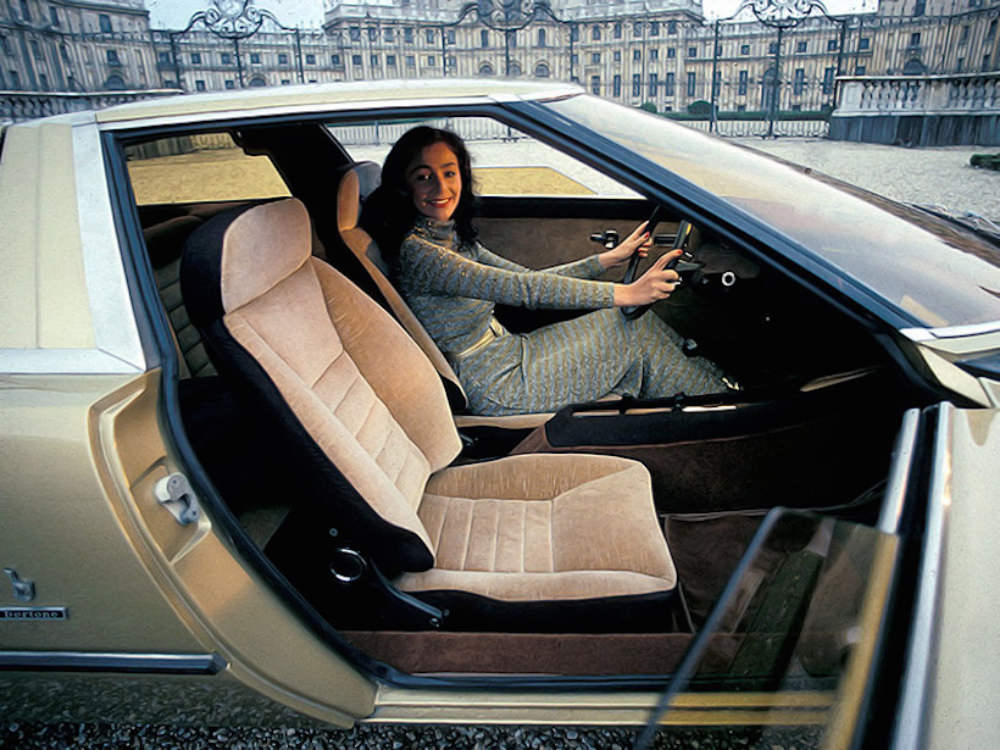
Today, the 1972 Citroën GS Camargue is a sought-after collector’s piece. Its combination of Bertone’s sharp exterior design, Citroën’s hydraulic engineering, and a well-appointed interior makes it a rare example of two automotive cultures working together at the top of their game.