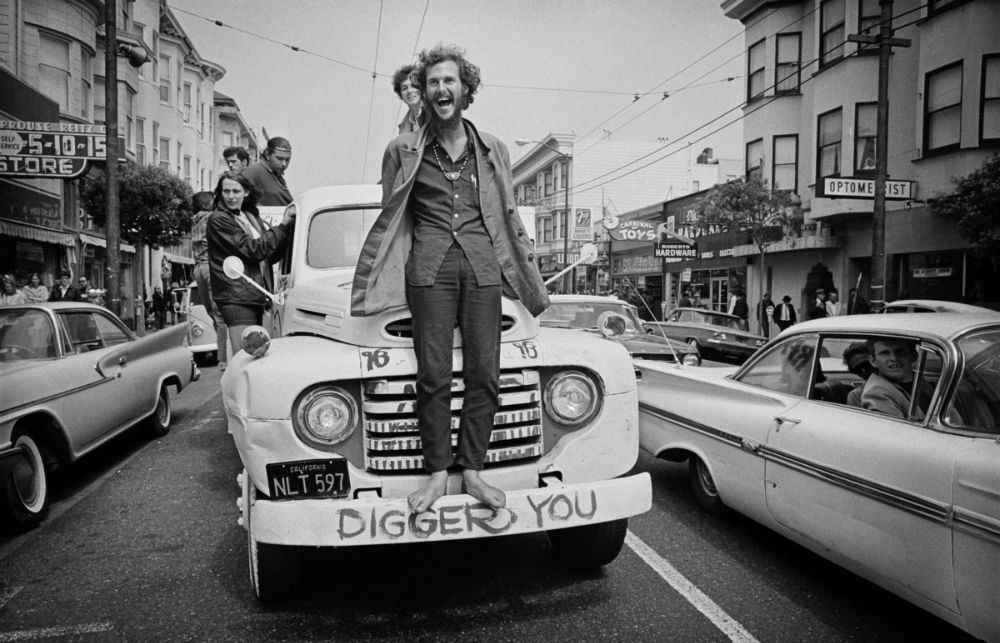
In the summer of 1967, tens of thousands of young people flooded into San Francisco’s Haight-Ashbury district. They came from college campuses, small towns, and cities across the country, drawn by a wave of counterculture energy that had been building for months. Music, fashion, politics, and drugs all collided in a few square miles of the city, producing something the world had never quite seen before. Hunter S. Thompson later described it as “the crest of a high and beautiful wave.” Many visitors were college students who left when summer ended. Others stayed and watched the neighborhood slowly fall apart.
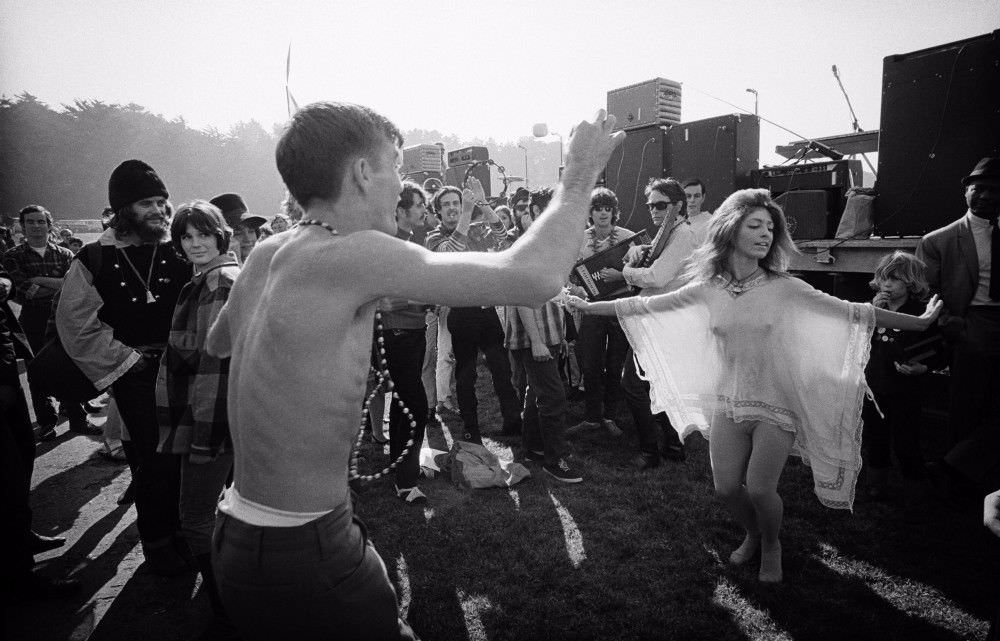
The energy building toward that summer actually ignited early in the year. On January 14, 1967, Golden Gate Park hosted the Human Be-In — a massive gathering that set the tone for everything that followed. Counterculture figures Timothy Leary, Allen Ginsberg, and Gary Snyder took the stage and urged the crowd to “Turn on, tune in, and drop out.” Thousands listened.
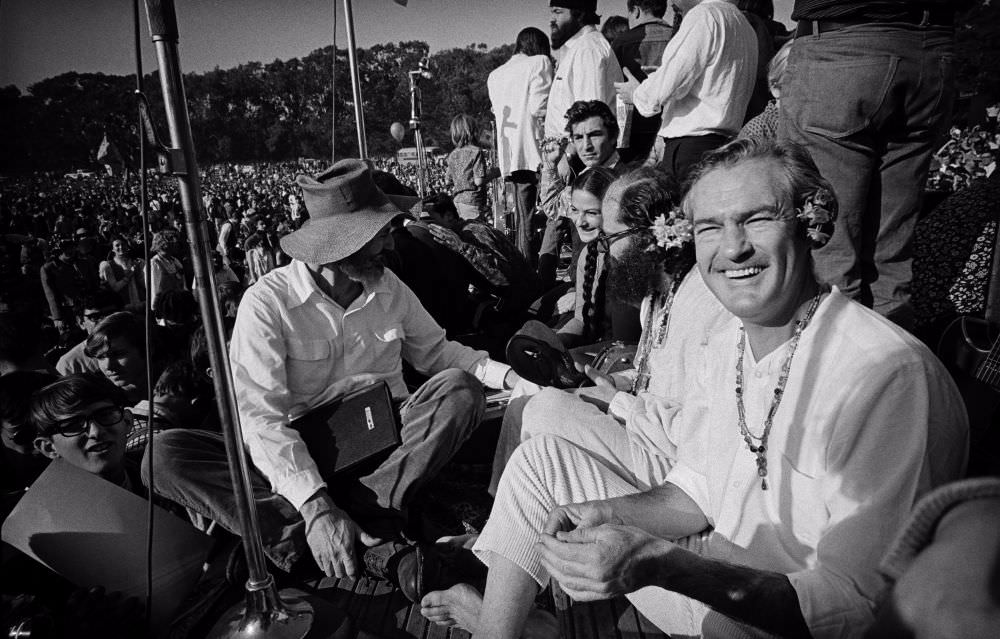
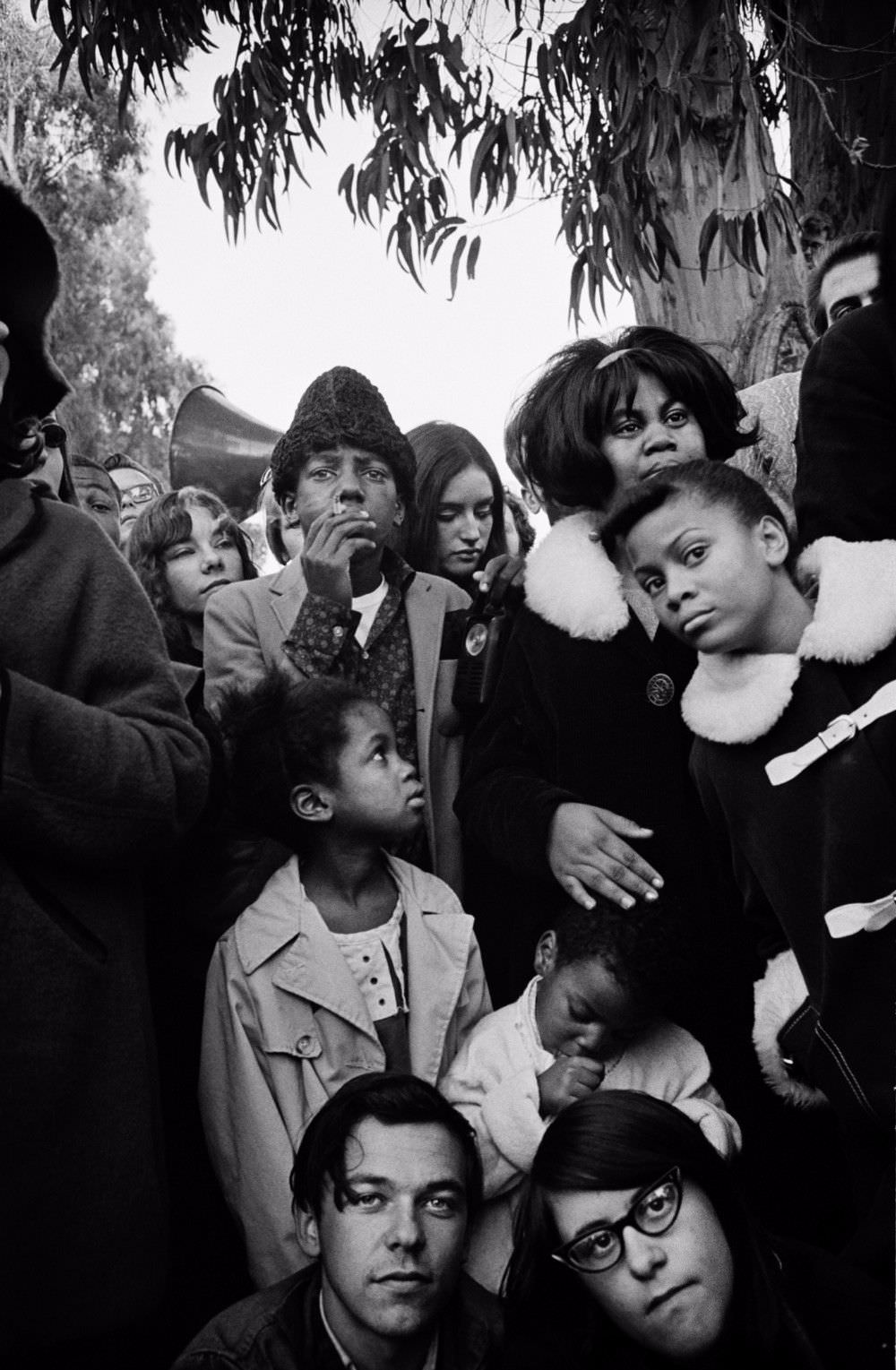
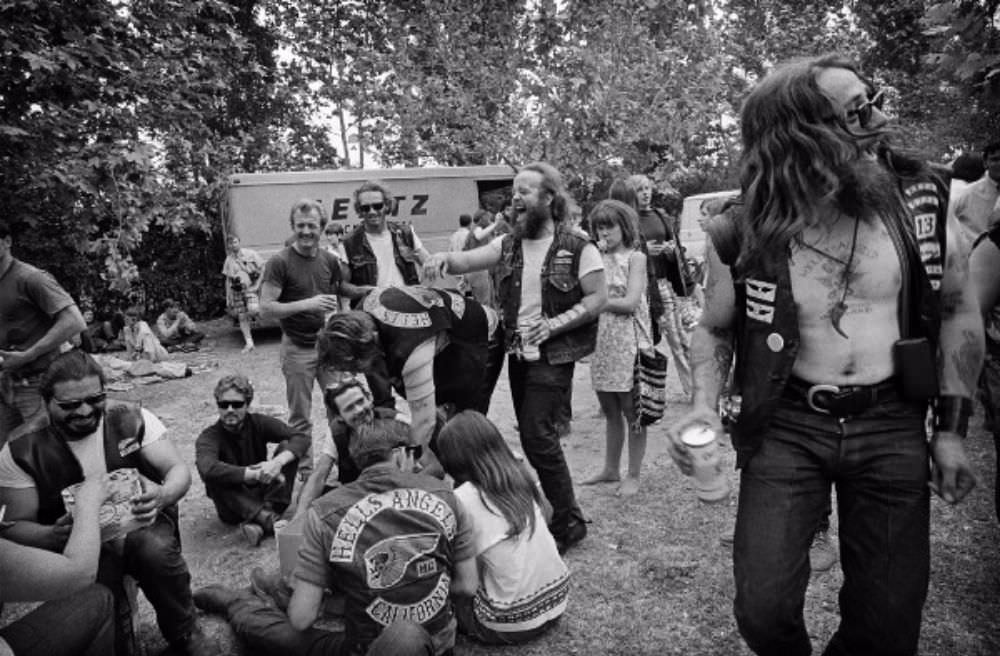
Just two weeks before the Be-In, the Panhandle — a narrow strip of park extending from Golden Gate Park — had already hosted its own celebration. The Hells Angels organized a free New Year’s Day concert there, drawing a dense crowd that showed just how alive the neighborhood already was heading into 1967.
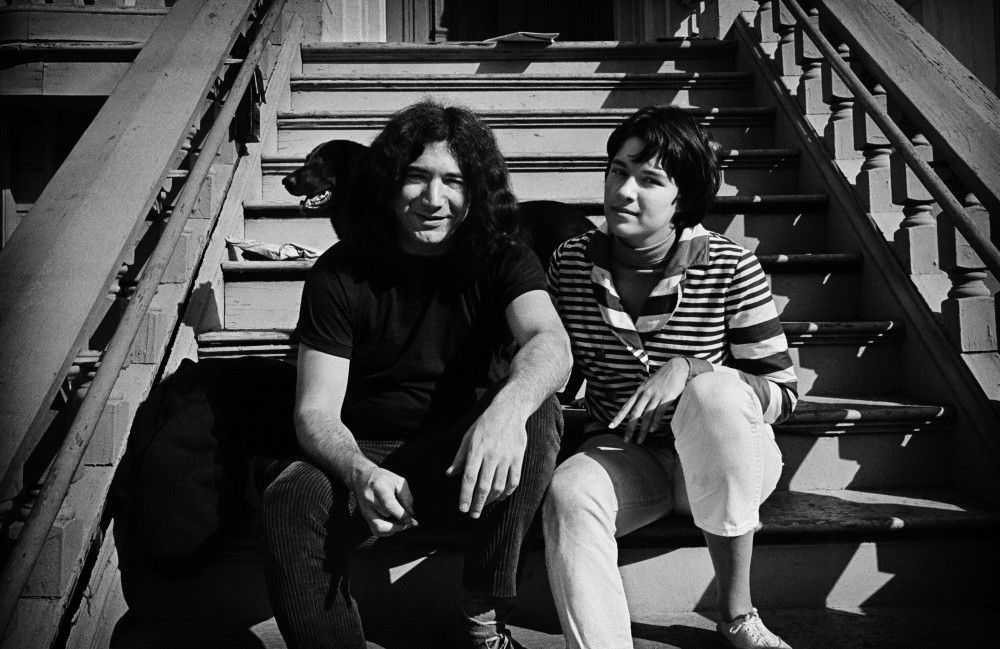
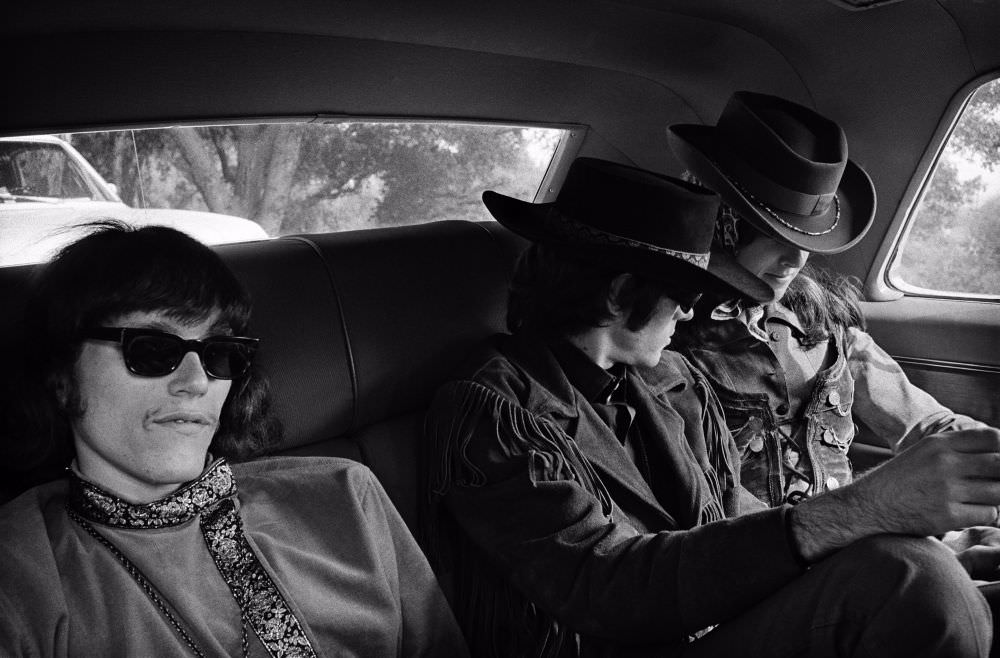
Photographer Jim Marshall was not one of the drifters who wandered in on a whim. He was hired by major record labels to document the scene professionally. Marshall had full access to the artists, the streets, and the private spaces most people never saw. In May, he photographed Grateful Dead guitarist Jerry Garcia and Carolyn “Mountain Girl” Garcia on the front steps of the band’s house at 710 Ashbury Street. Around the same time, he shot Jefferson Airplane members Jorma Kaukonen, Spencer Dryden, and Grace Slick in Golden Gate Park.
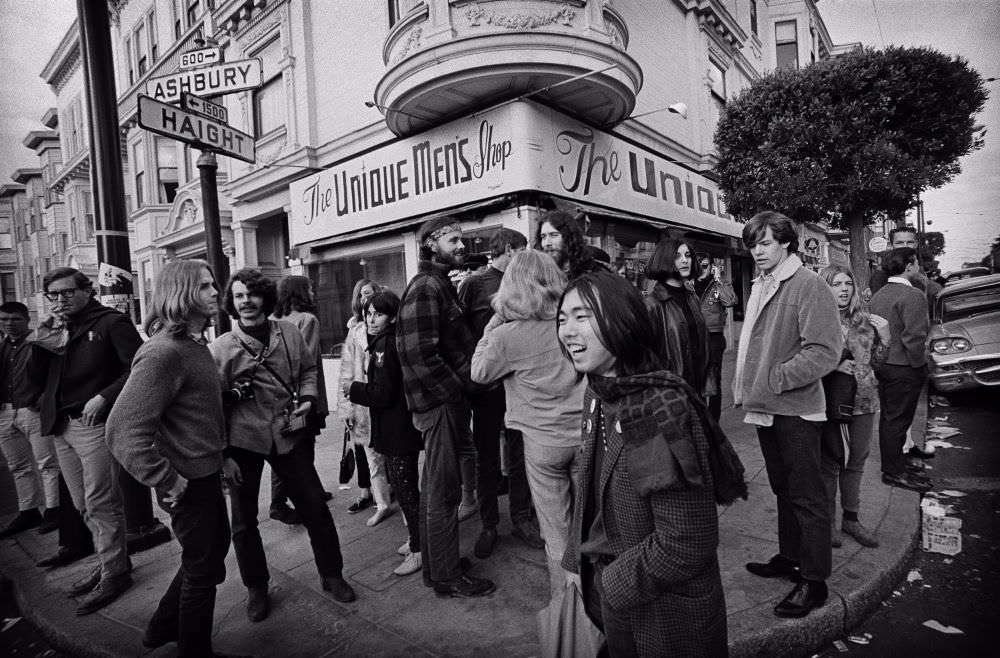
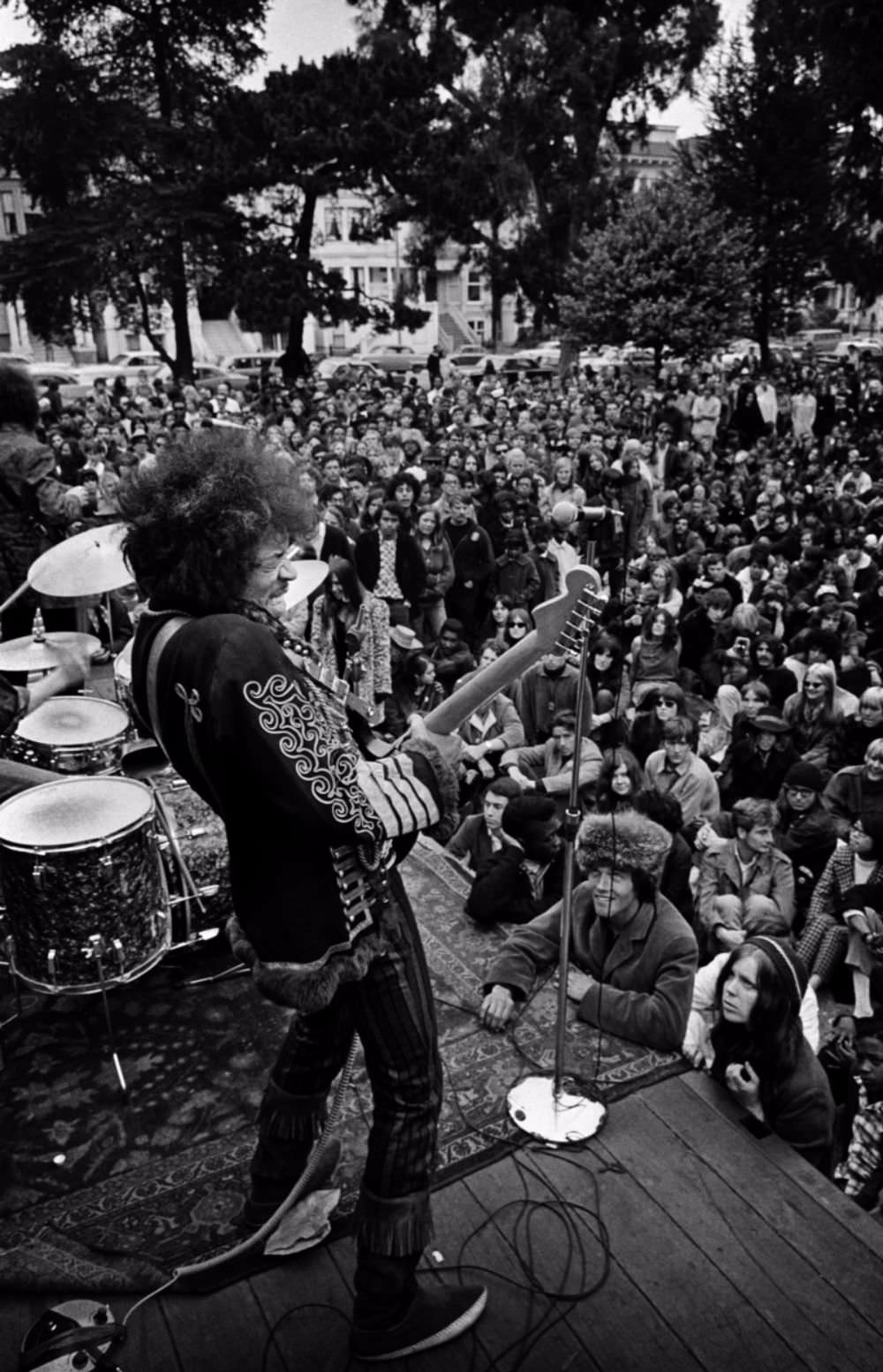
By June, the Haight was at its peak. The streets around the famous Haight-Ashbury intersection were packed with people in bright, layered clothing. The neighborhood’s shops — like the Unique Men’s Shop on that iconic corner — catered to the new aesthetic taking hold. Out in the Panhandle, crowds gathered for free concerts, including a performance by Jimi Hendrix on June 19.
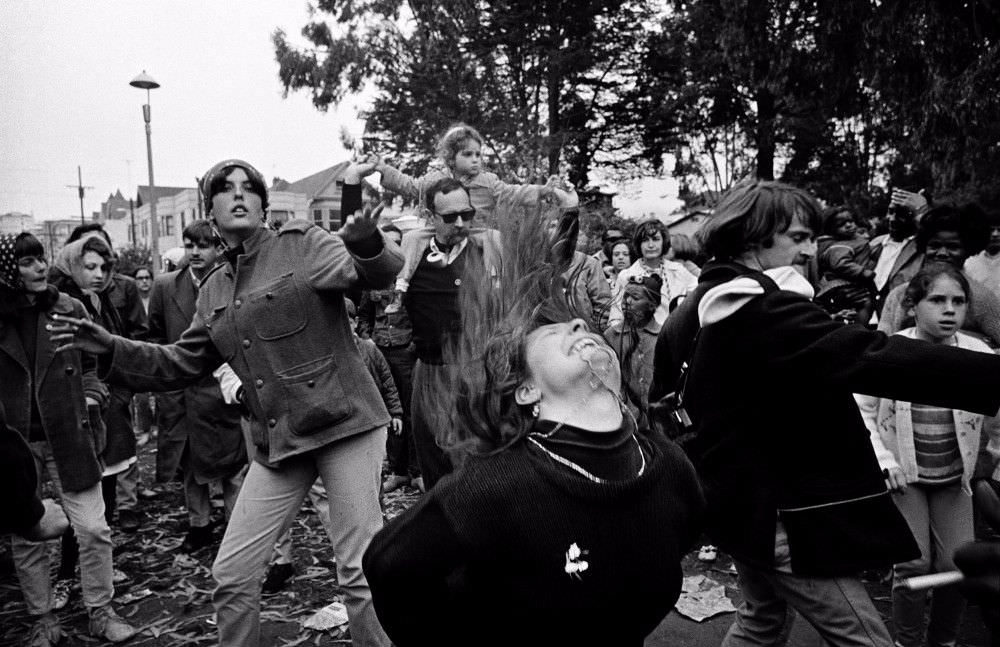
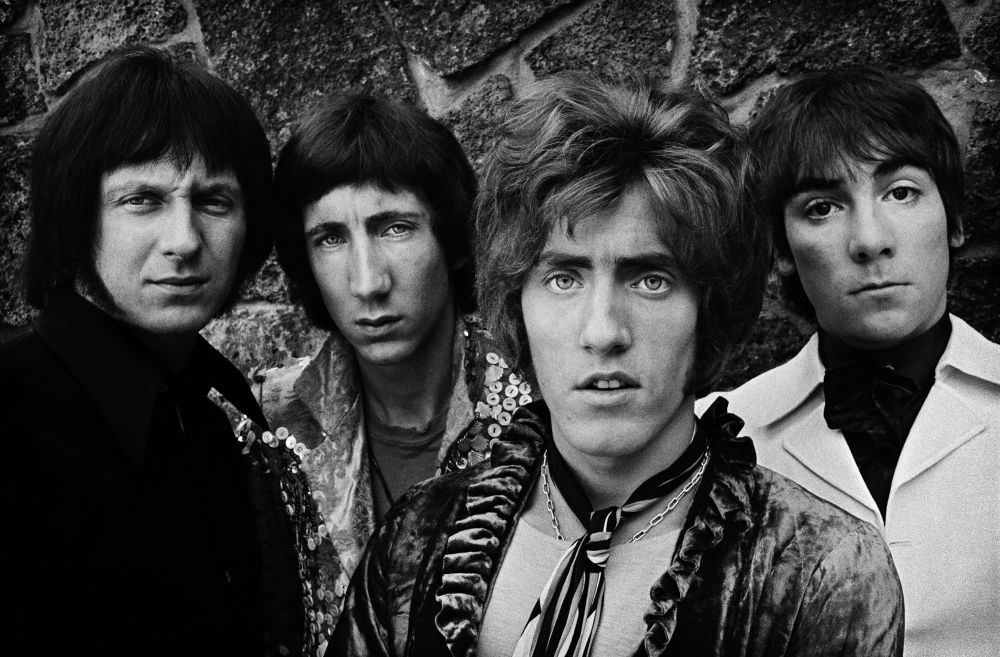
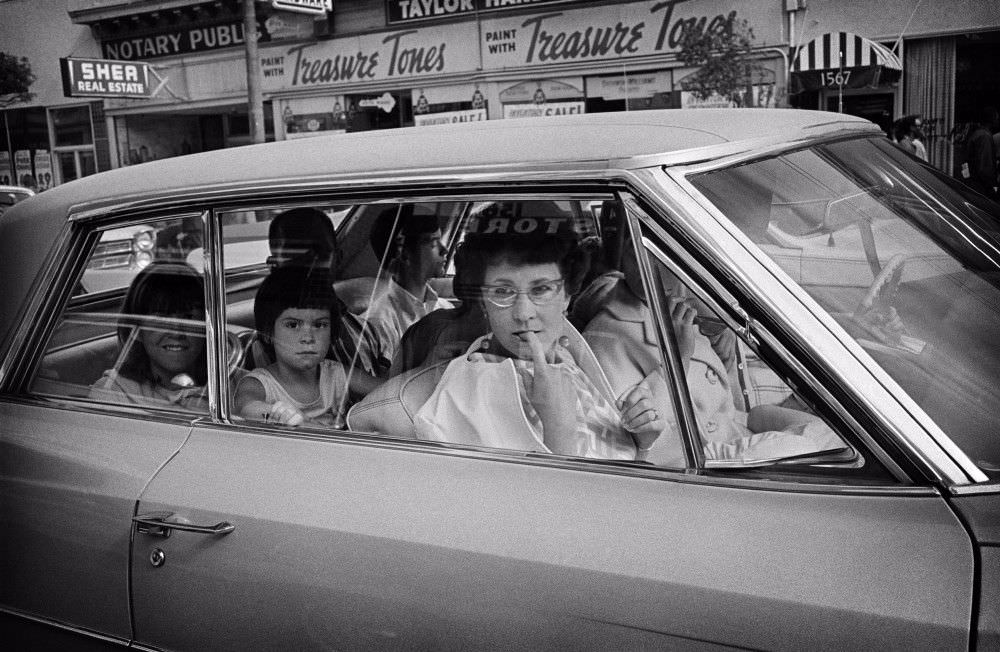
World-class rock acts also made their way through San Francisco that June. The Who played two nights at The Fillmore on June 16 and 17, part of a broader circuit of major concerts that made the city the center of the music world that summer. Curious families even drove down Haight Street just to look — an unusual sight against the backdrop of tie-dye and protest signs.
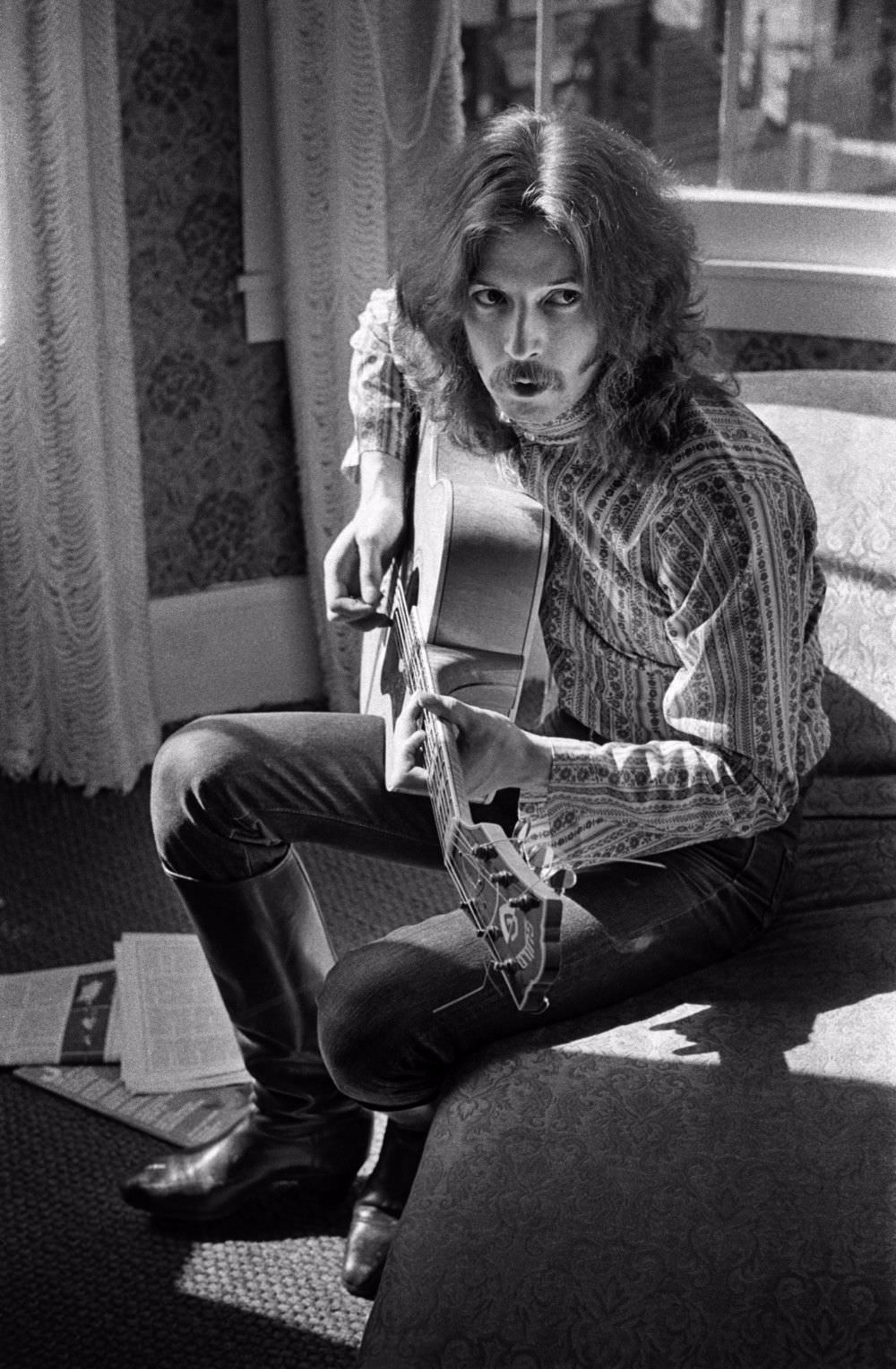
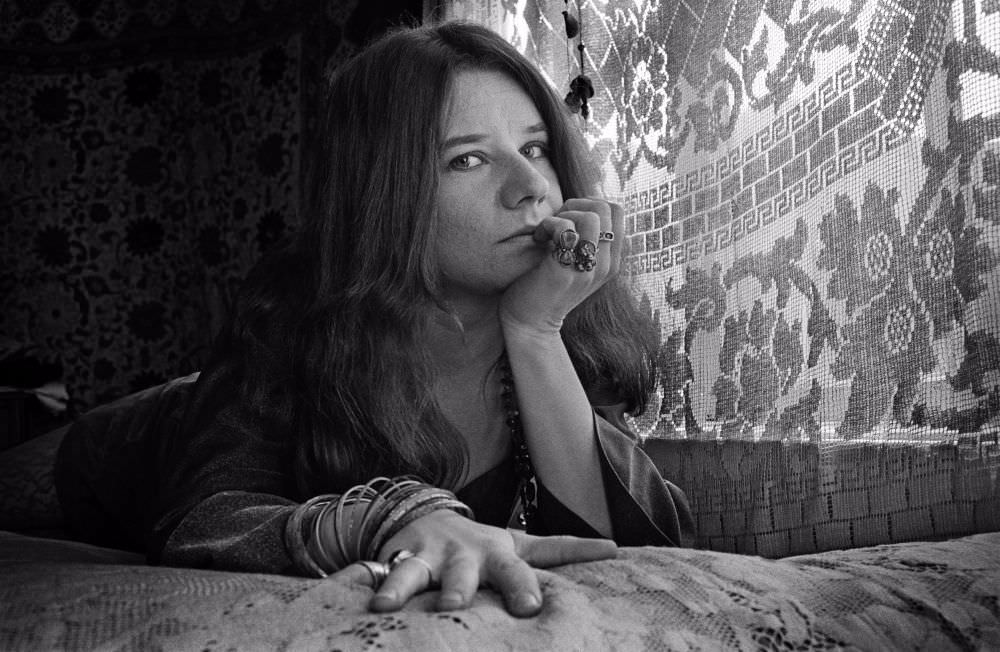
Marshall’s access extended well beyond concerts. In August 1967, he had Eric Clapton over to his apartment on Union Street, where he captured Clapton playing guitar in an informal setting. That same year, Marshall photographed Janis Joplin in her apartment on Lyon Street — a quiet, personal image far removed from her explosive stage presence.
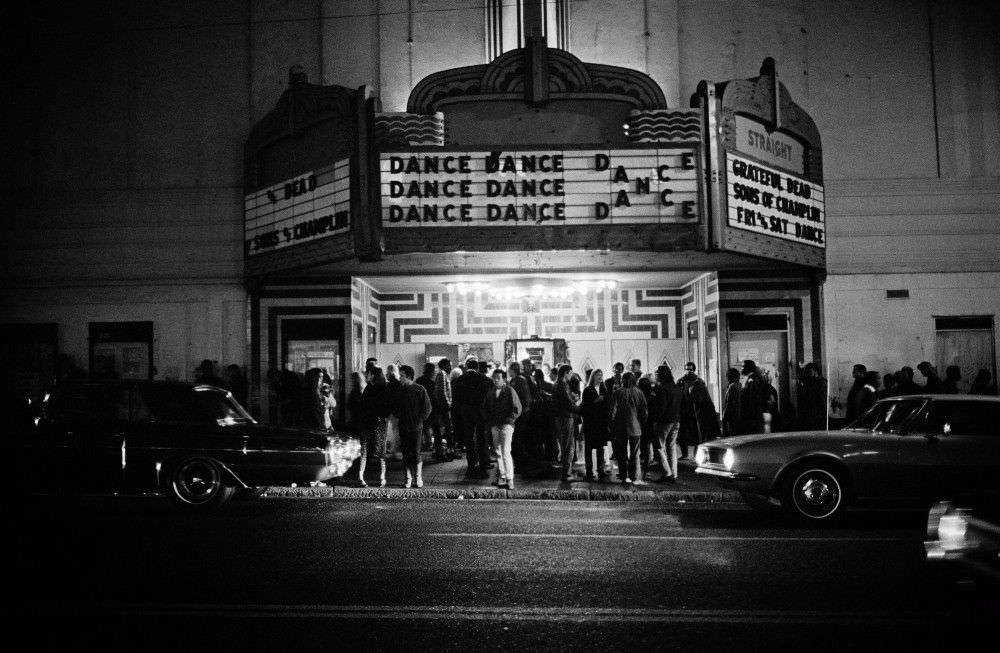
The Haight’s cultural calendar stayed busy into late summer. On July 9, the Ratha-Yatra Festival brought Krishna’s Kirtan — a sacred chant music group — to Haight Street, performing on a Diggers truck as the crowd watched from the sidewalk. The Straight Theater on Haight Street, photographed by Marshall in September, stood as one of the neighborhood’s key cultural venues during this period, hosting events that kept the community together even as the season wound down.