Hats have been part of fashion and culture for centuries, and by the 1940s they had become a true art form. In that decade, styles from the 1930s carried forward while a wave of fresh designs appeared — snoods, flat boaters, upturn sailors, knit turbans, cartwheels, tricorns, toques, pompadours, doll’s hats, fedoras, bonnets, and bowlers. By the mid-1940s, chaplets and corvettes adorned with small flowers, ribbons, sequins, and partial veils added even more variety to an already rich lineup.
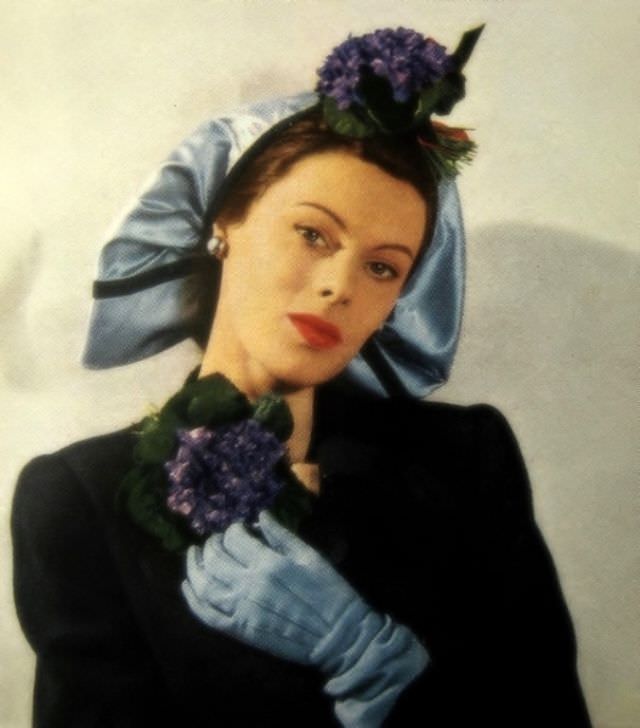
Hats in the 1940s were not cheap accessories. They were heavily taxed and treated as luxury items. World War II made things harder — nylon and other key materials became scarce as the government introduced rationing to preserve resources for the war effort. Milliners adapted by turning to unusual decoration materials and repurposing upholstery fabrics. Popular colors of the era included red, orange, pink, lime green, yellow, and patriotic red. In 1941, the National Audubon Society and the Feathers Industries of America banned the use of wild bird feathers in millinery. After the ban, barnyard plumage was dyed and styled to look exotic as a replacement.
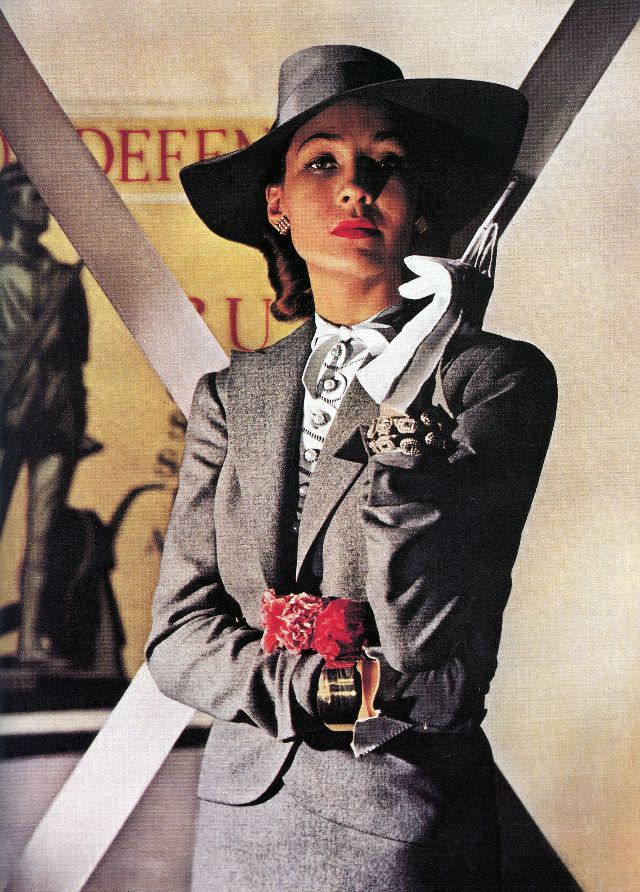
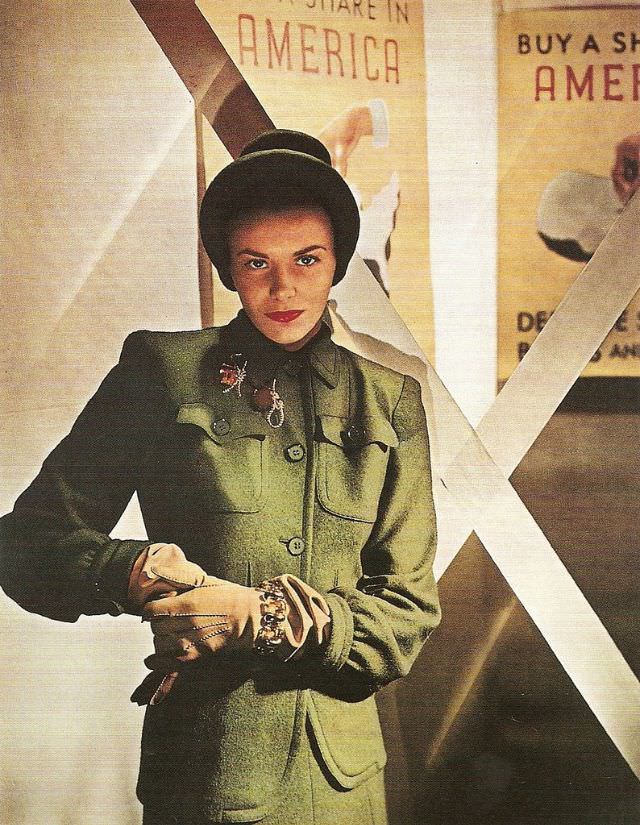
Among all the milliners working in that era, one name stood above the rest: Lilly Daché. She started her career as a milliner at just fifteen years old. After moving to New York City, she opened her own hat shop and quickly built a reputation for bold, creative designs. During the war years, she became widely known for designing visored caps and cone-tipped berets for women working in factories — practical headwear that still carried her signature style.
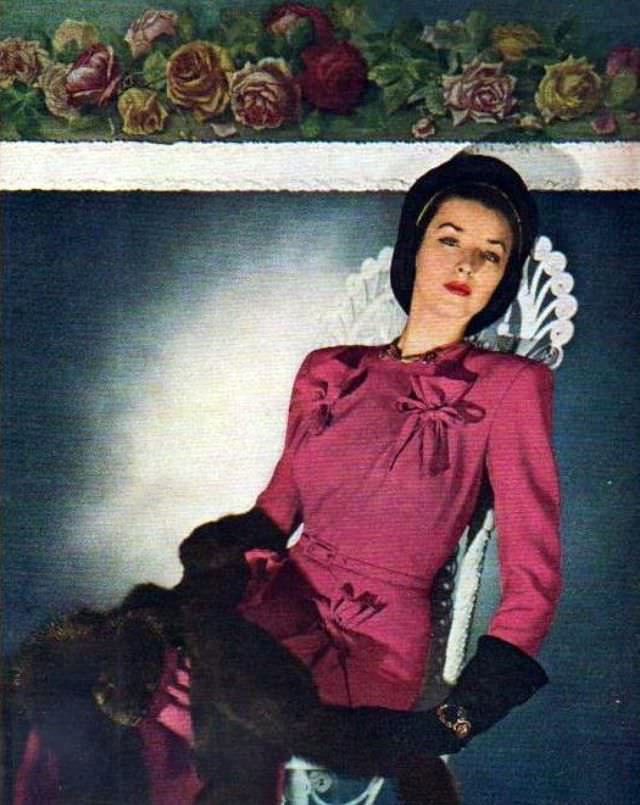
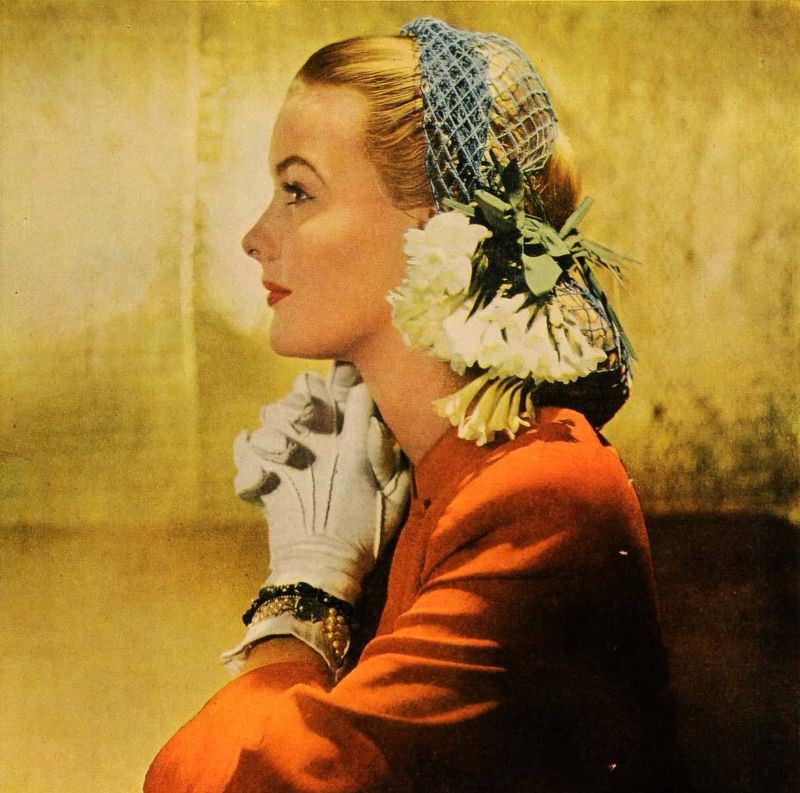
Daché’s talent extended well beyond everyday fashion. She designed hats for Hollywood films and counted some of the biggest stars of the era among her clients — Marlene Dietrich, Carole Lombard, and Loretta Young all wore her creations. When Daché retired in 1968, Loretta Young purchased her last thirty hats, a fitting tribute to a designer whose work had shaped decades of style.
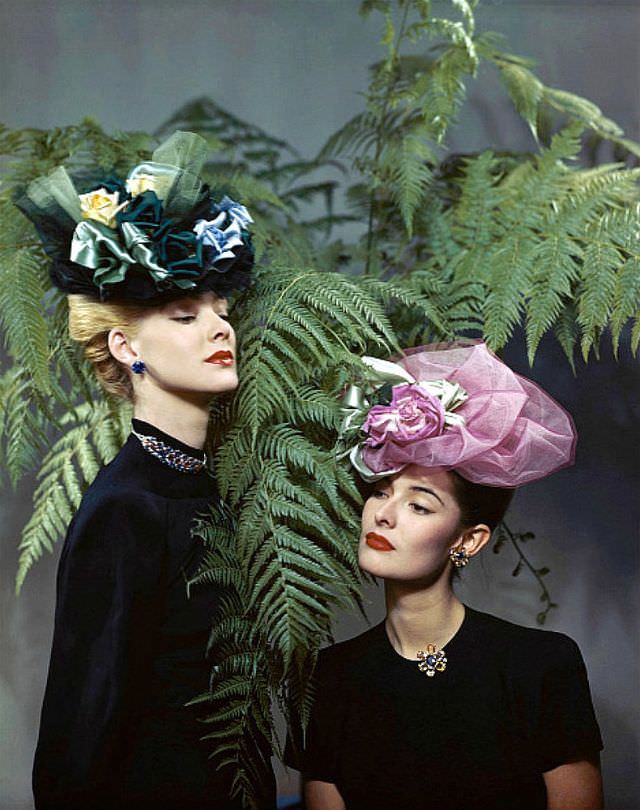
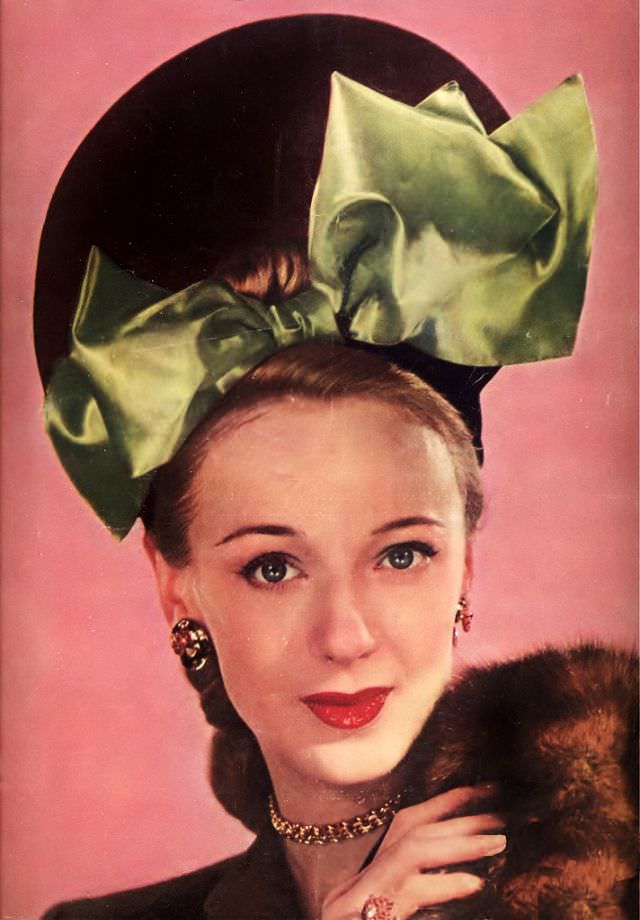
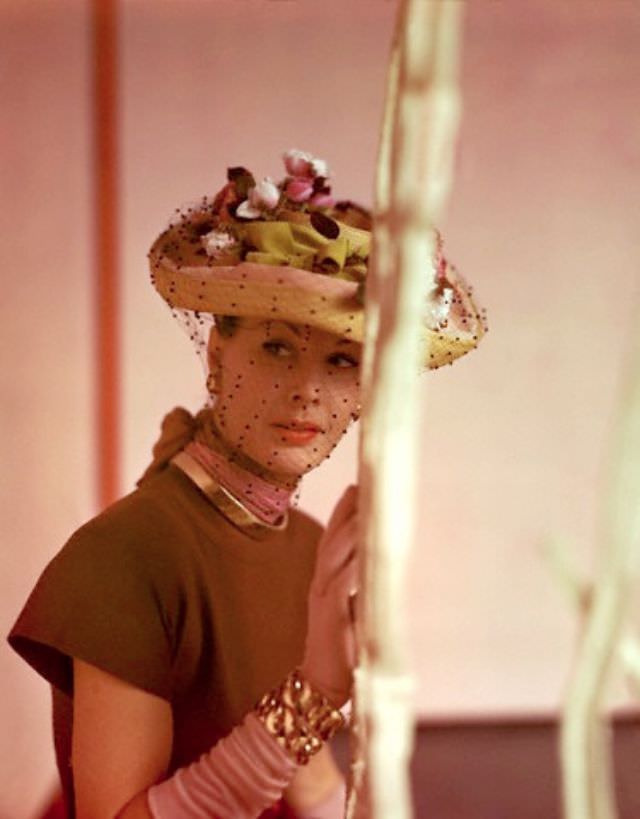
The pages of Vogue and Harper’s Bazaar during the 1940s and 1950s were filled with Daché’s designs, worn by the top models and fashion editors of the time. Her hats appeared season after season, always catching the eye with their craftsmanship and confidence.
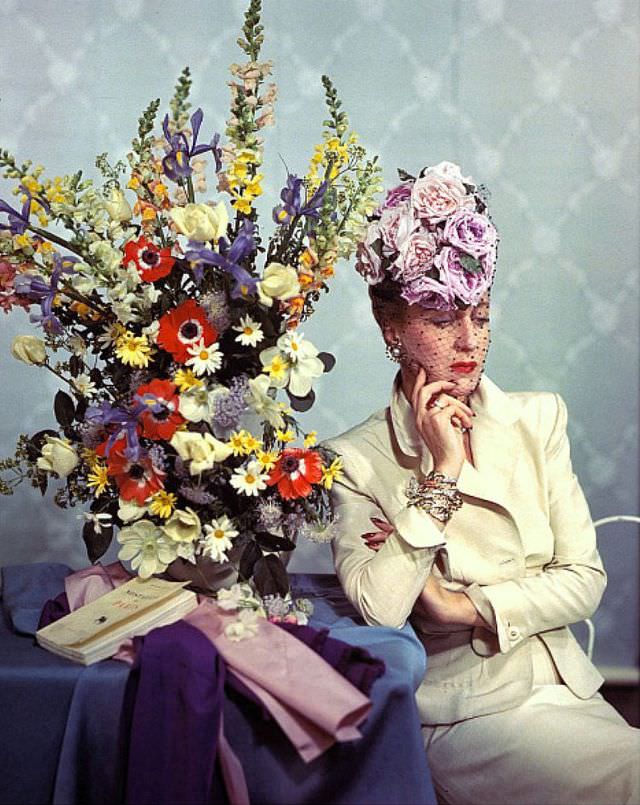
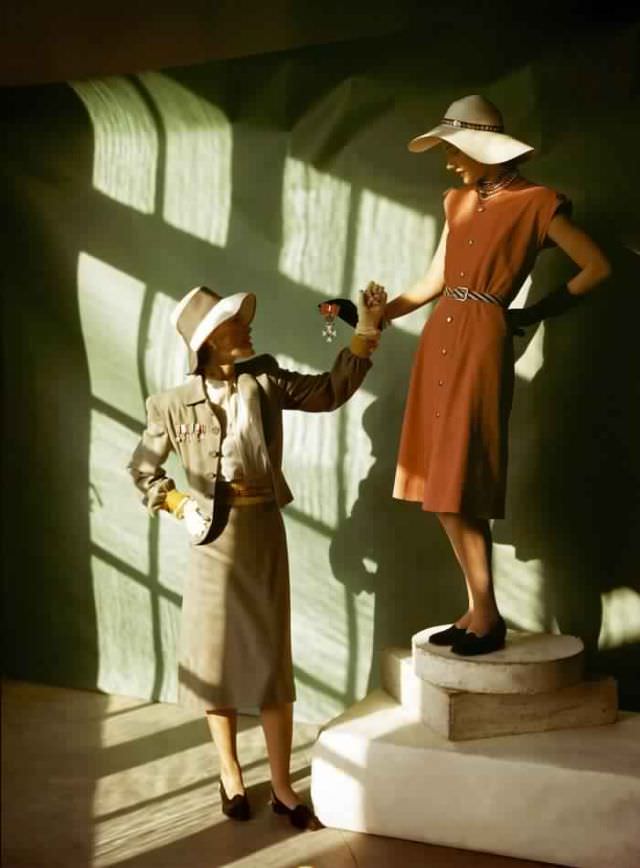
(L) one wears a shantung silk dress by Omar Kiam for Ben Reig Design and a hat by John Frederics; and model (R) wears a suit by Maurice Rentner with hat by Lilly Daché, 1945
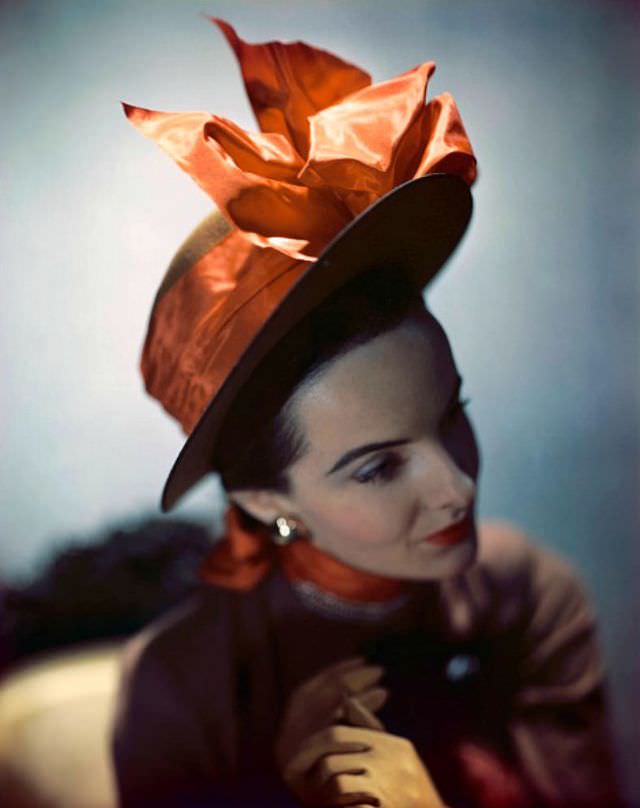
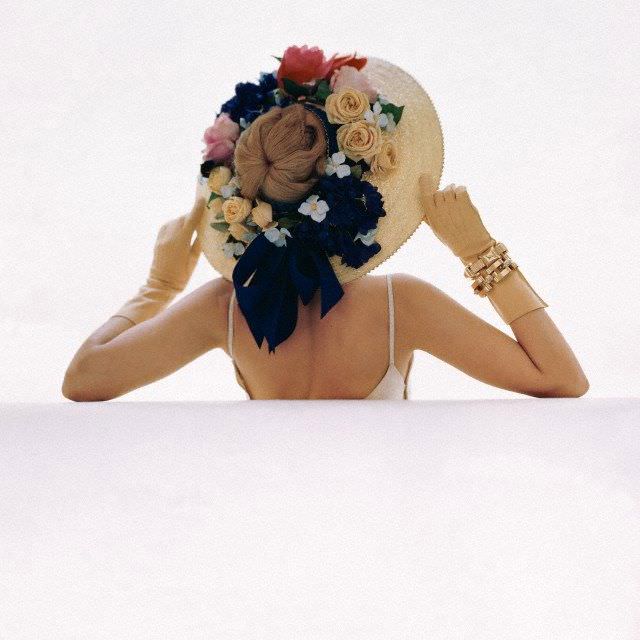
By 1946, Daché’s designs ranged from wide-brimmed floral statements to elaborately layered bonnets combining flowers, feathers, and fruit. No two pieces felt alike. Each hat was a deliberate composition, built to complement the full outfit rather than simply sit on top of it.
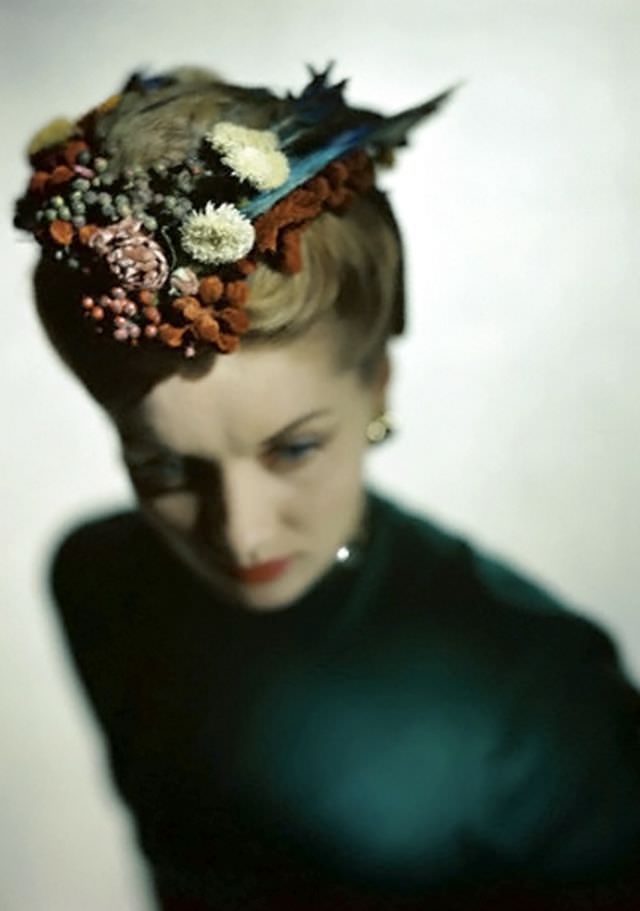
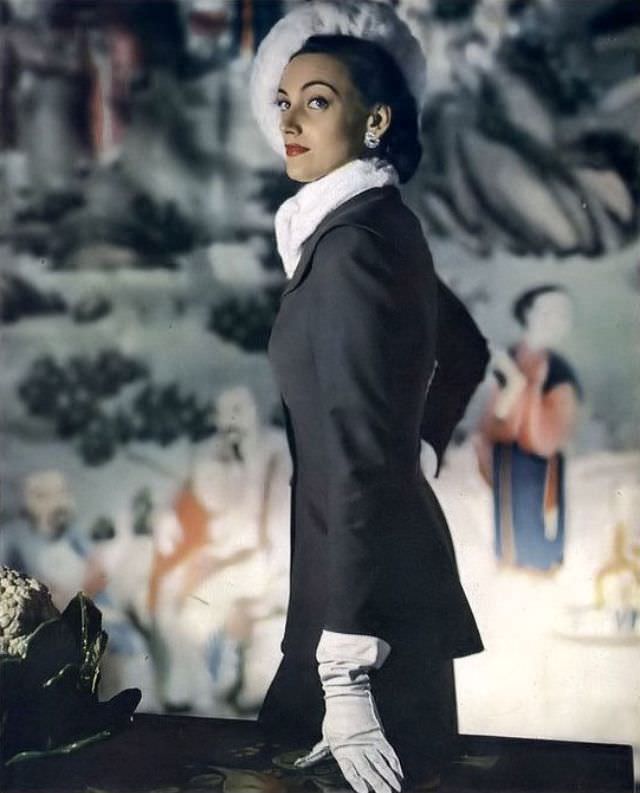
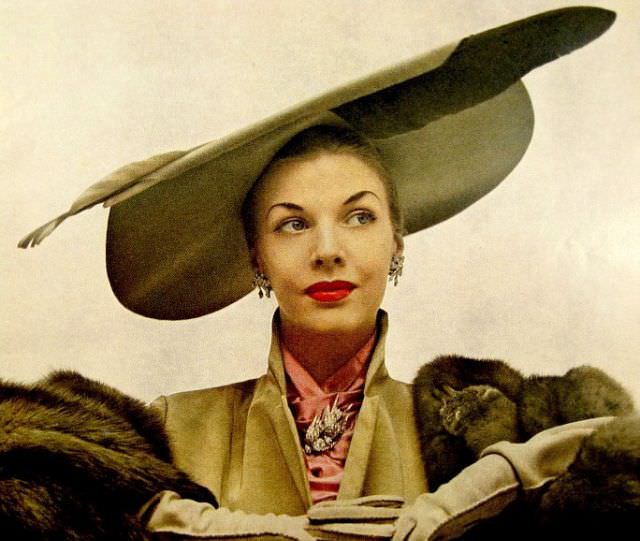
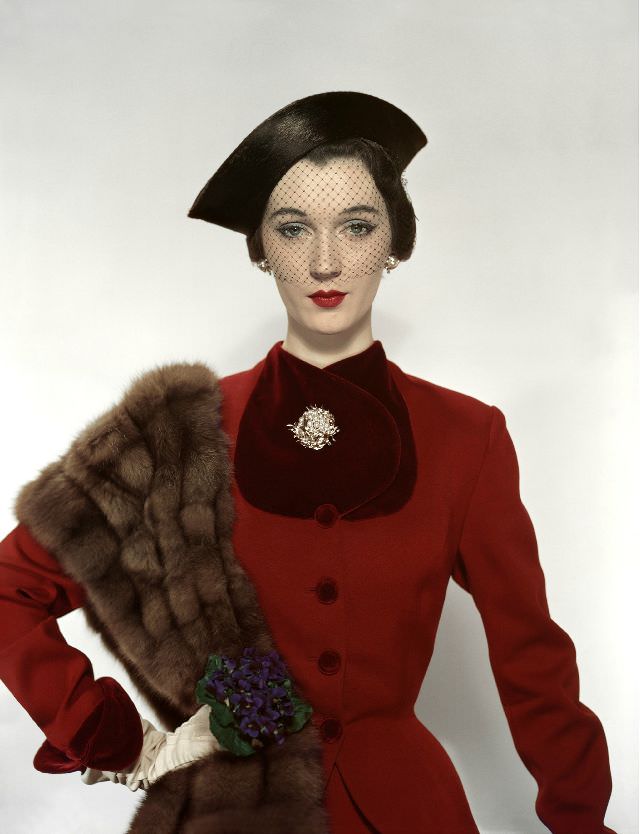
As the late 1940s arrived, Daché’s work took on an even more polished look. Her hats appeared alongside coats, furs, and tailored suits in the editorial pages of Vogue, reinforcing her status as one of New York’s premier designers. Her use of dramatic feathers, structured silhouettes, and rich fabrics kept her work at the cutting edge.
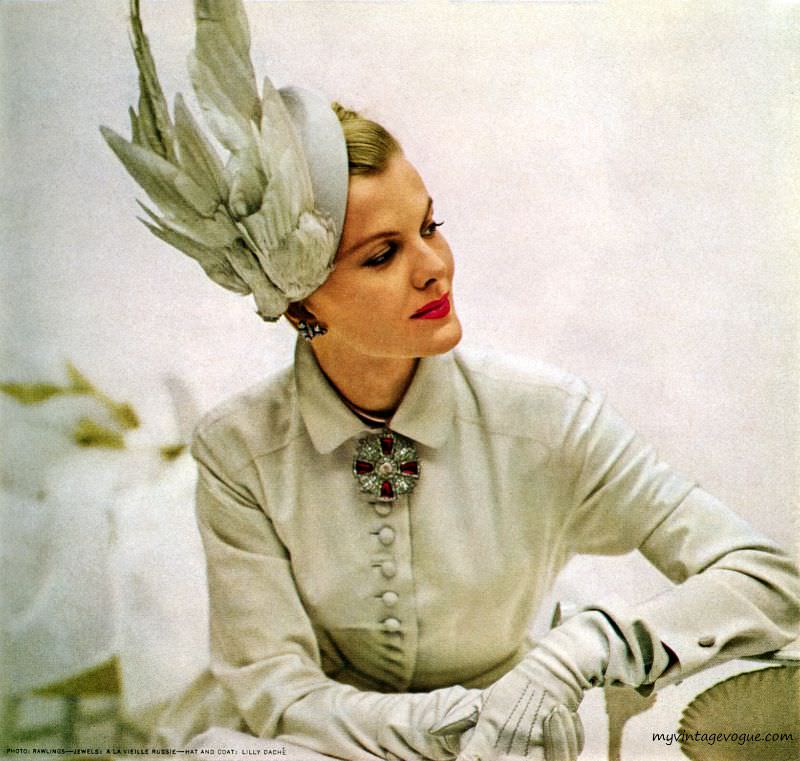
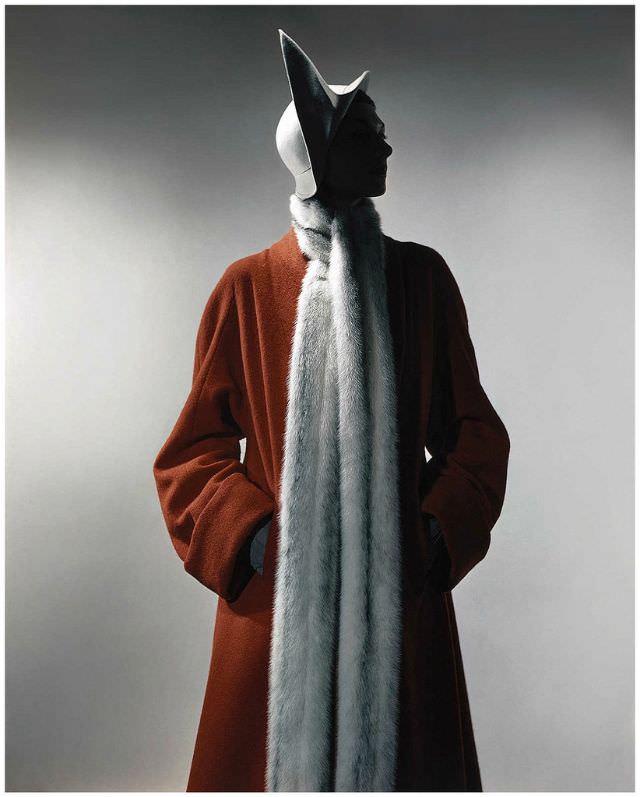
Both from Lilly Daché and a 112 inch fur scarf made of Royal Kohinoor mutation mink by Fleisher, Vogue, February 1949
Into the 1950s, Daché continued to evolve her designs while staying true to her signature sense of drama and craftsmanship. She dressed some of the most photographed models of the era, with names like Evelyn Tripp, Mary Jane Russell, and Dovima regularly appearing in her hats across major fashion publications.
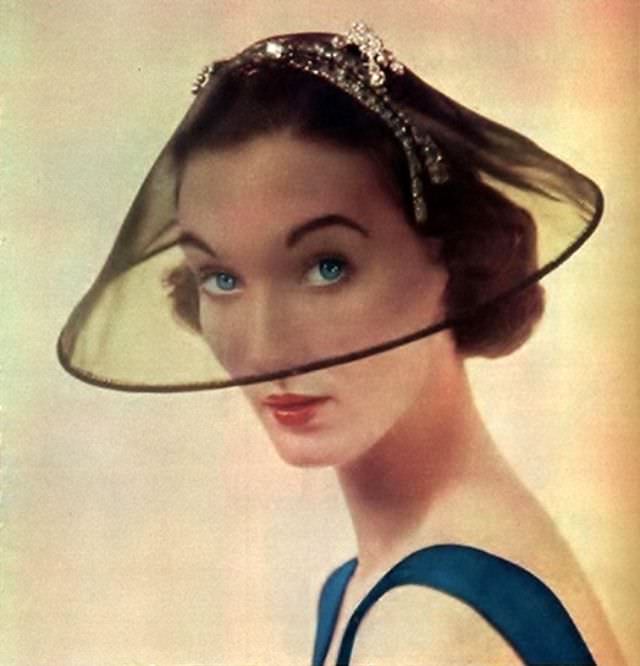
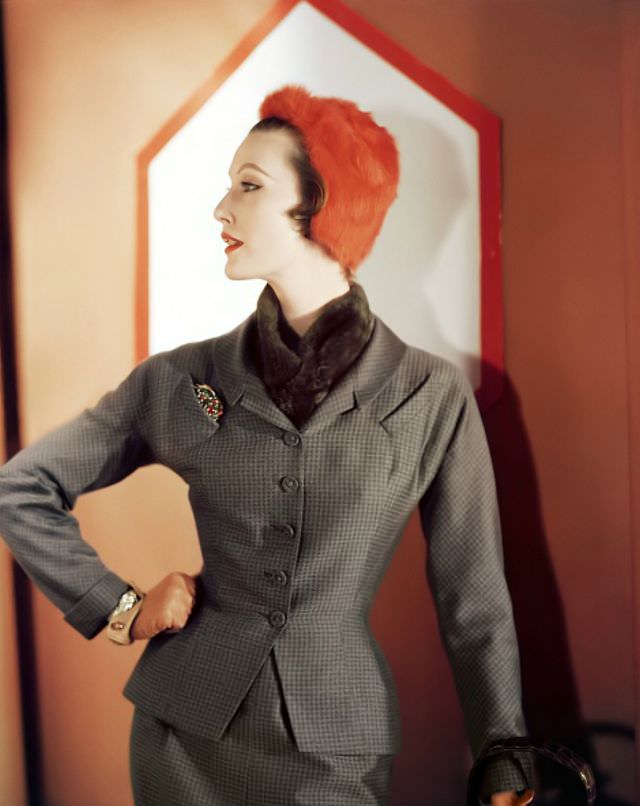
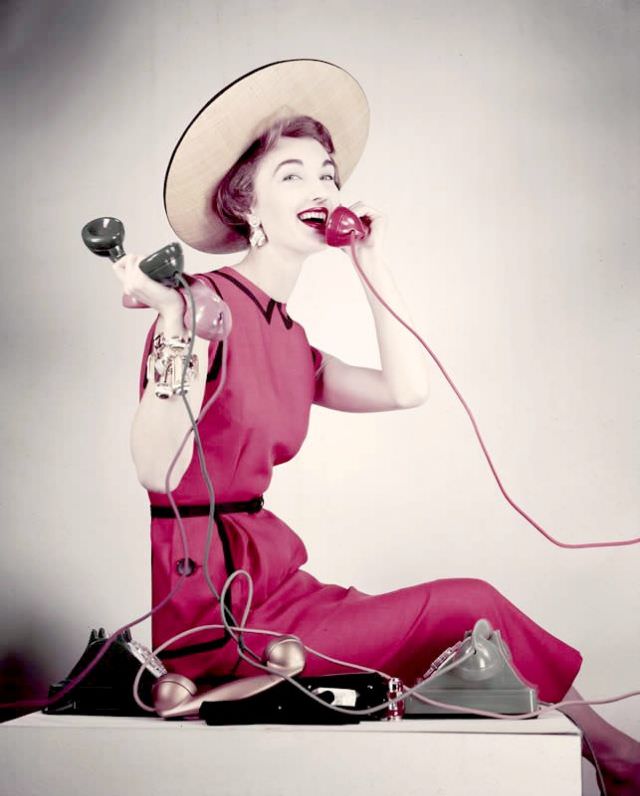
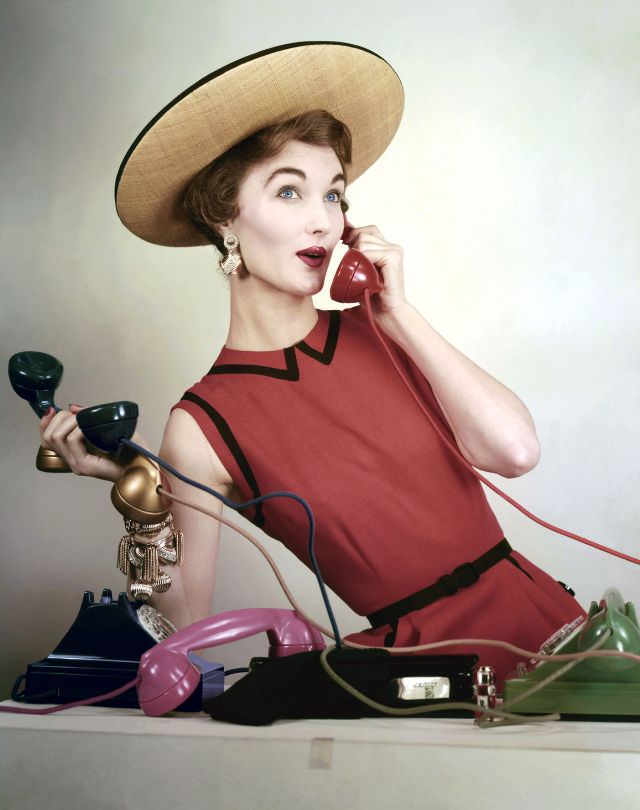
Daché’s range in the 1950s was remarkable. She moved from structured horseshoe helmets paired with theatrical costumes to simple shade-brimmed hats suited for daywear. Each design served its purpose with precision — there was no such thing as an afterthought in her work.
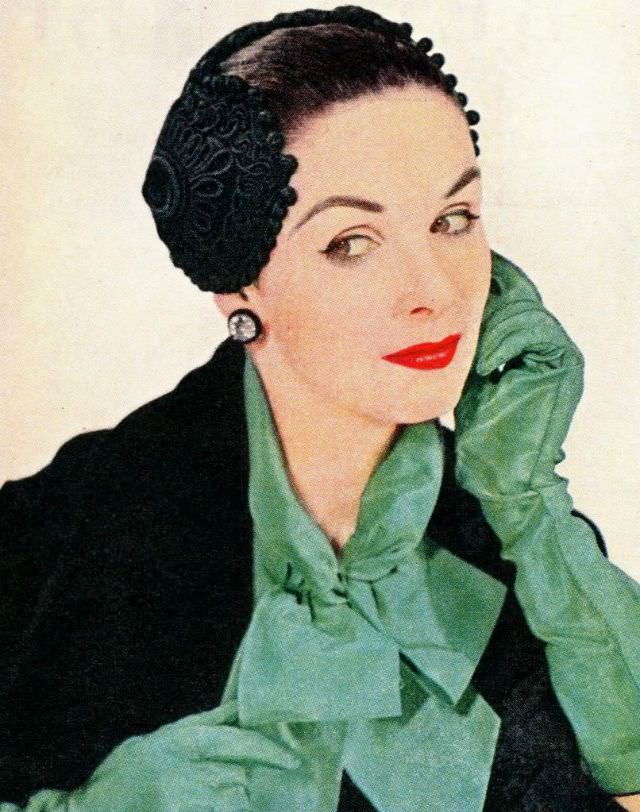
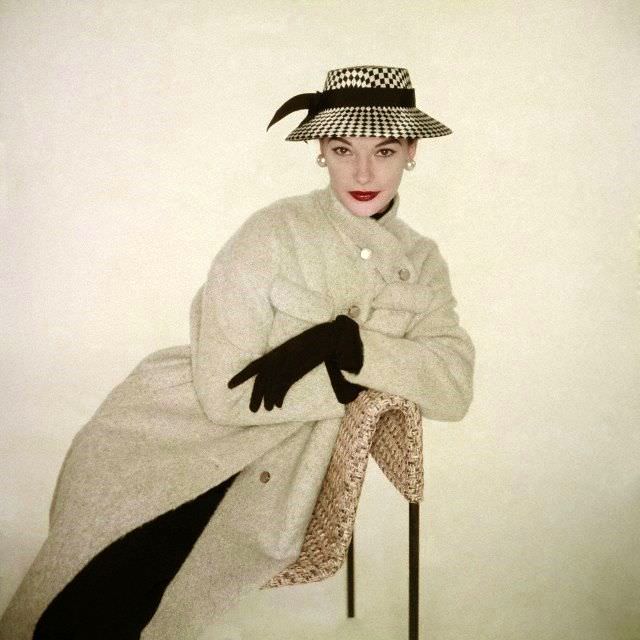
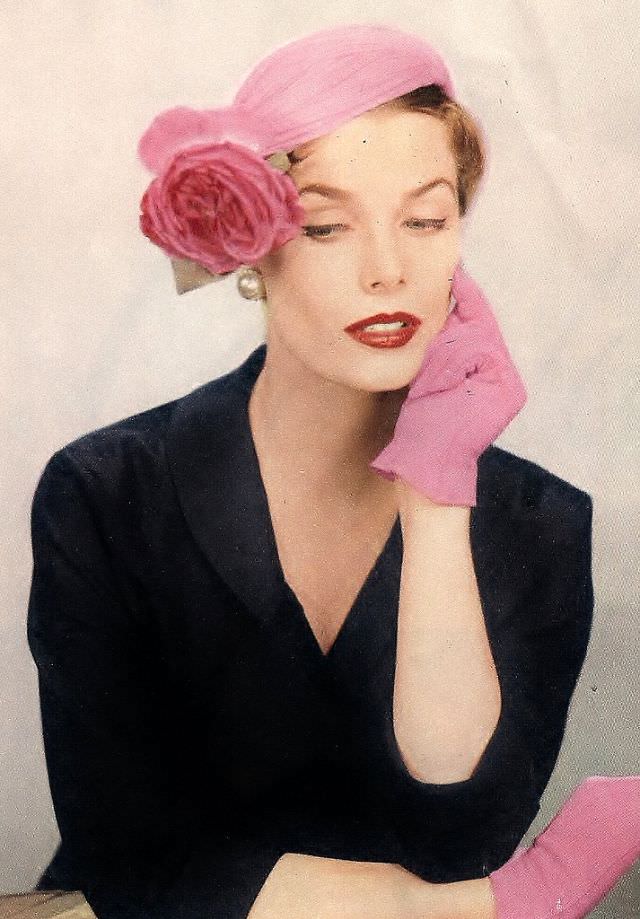
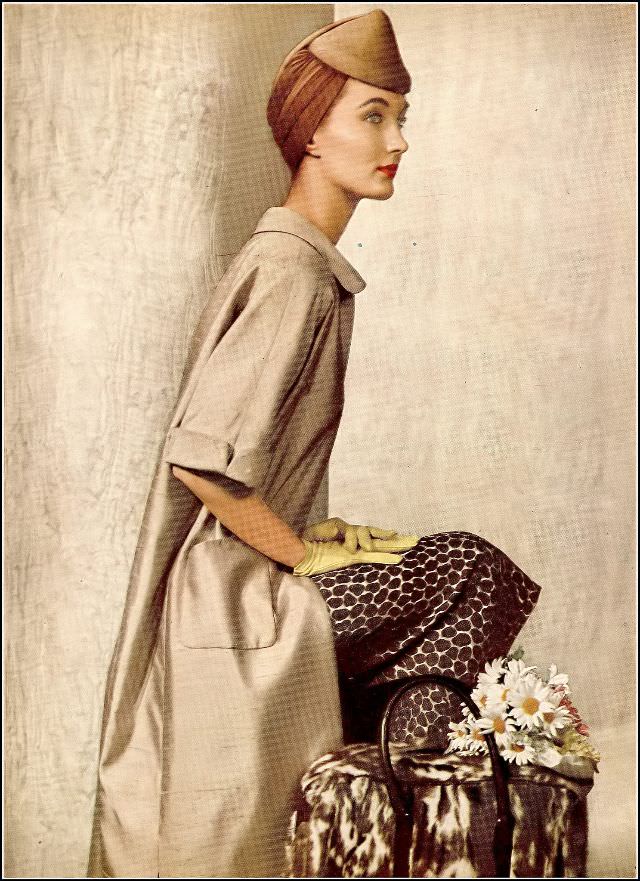
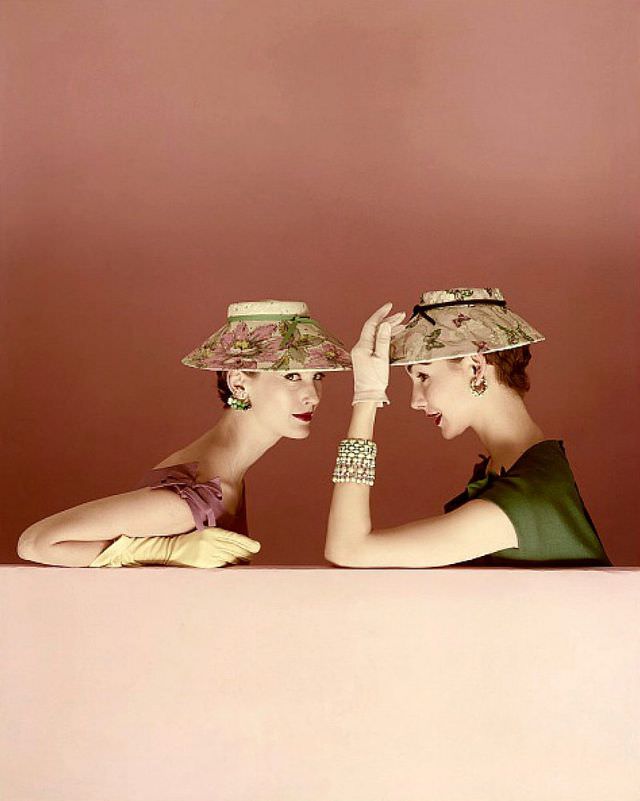
By 1956, Daché’s reach extended to some of Hollywood and fashion’s most iconic figures. Audrey Hepburn wore one of her hats for Harper’s Bazaar, photographed in October of that year alongside Bulgari earrings — an image that perfectly captured the refined elegance Daché’s work embodied.
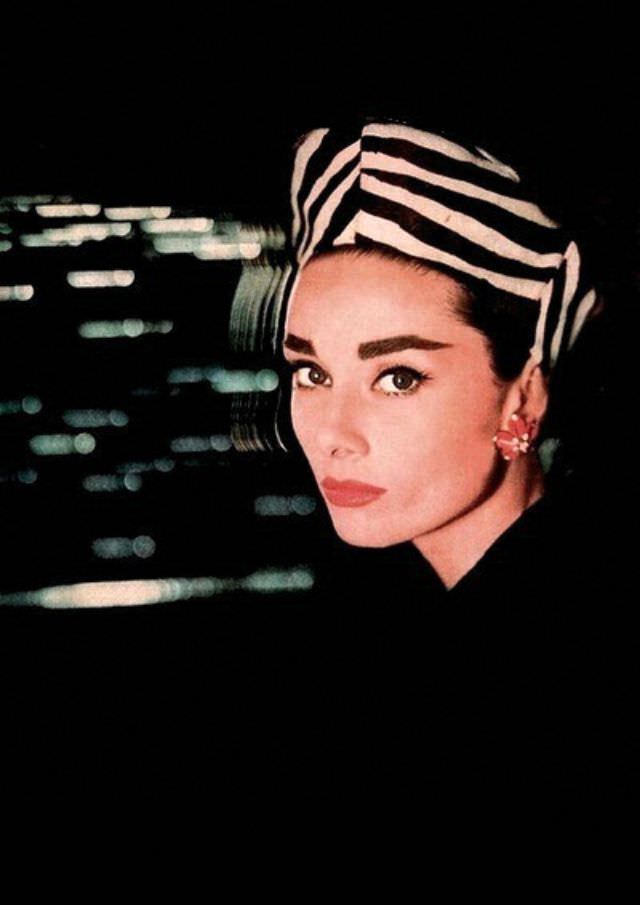
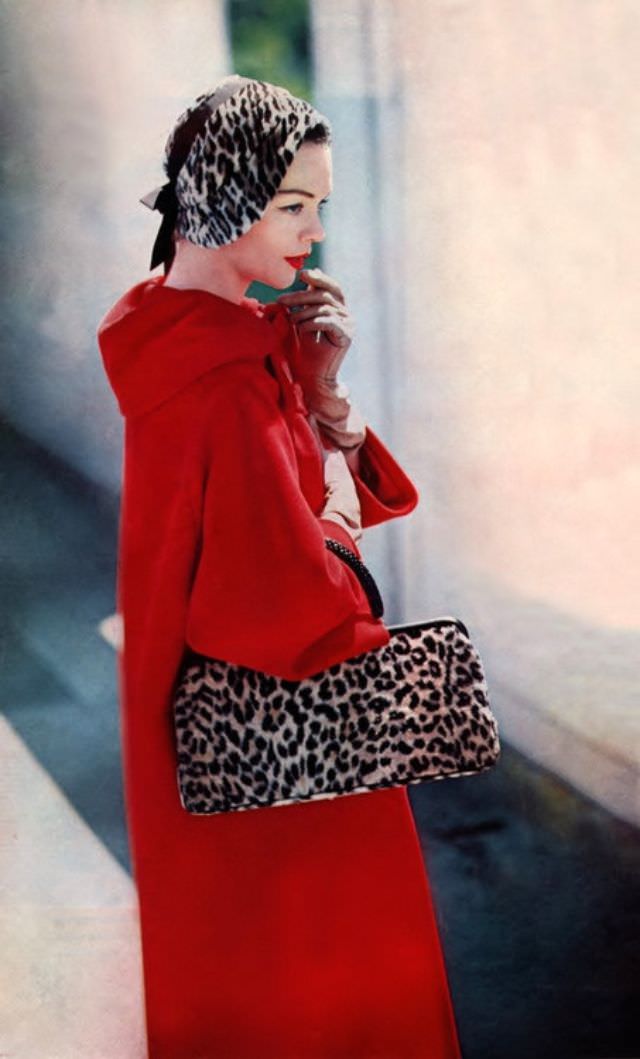
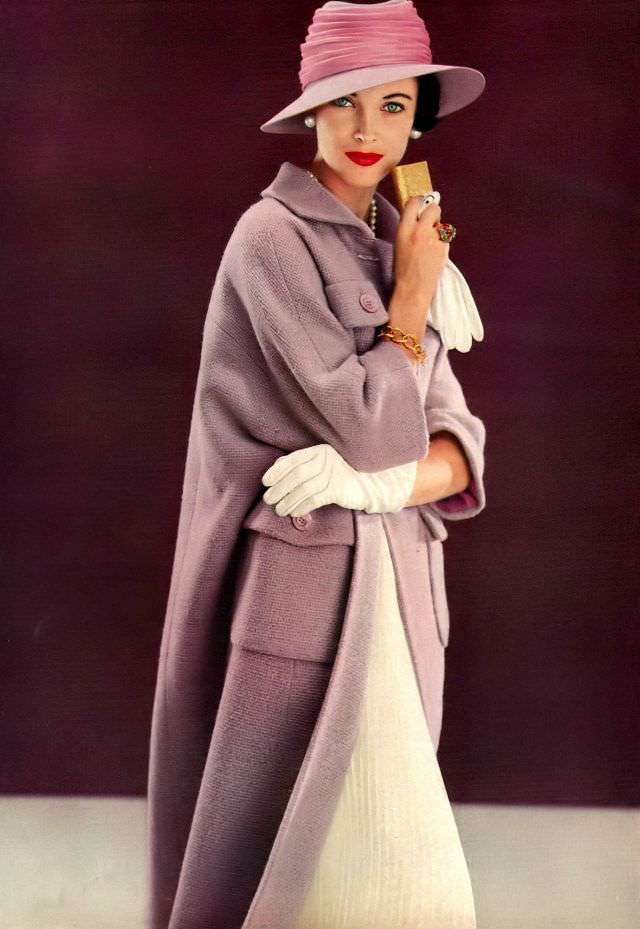
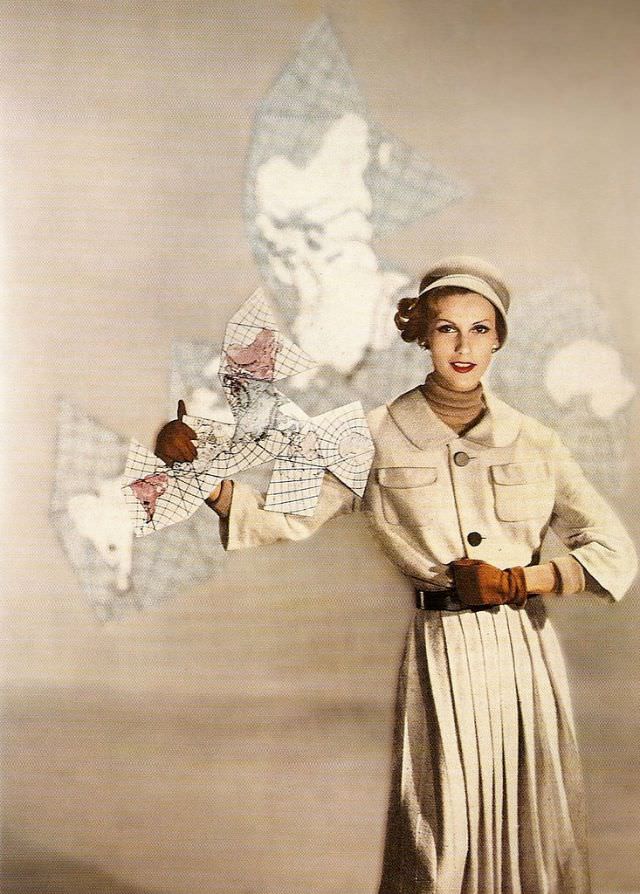
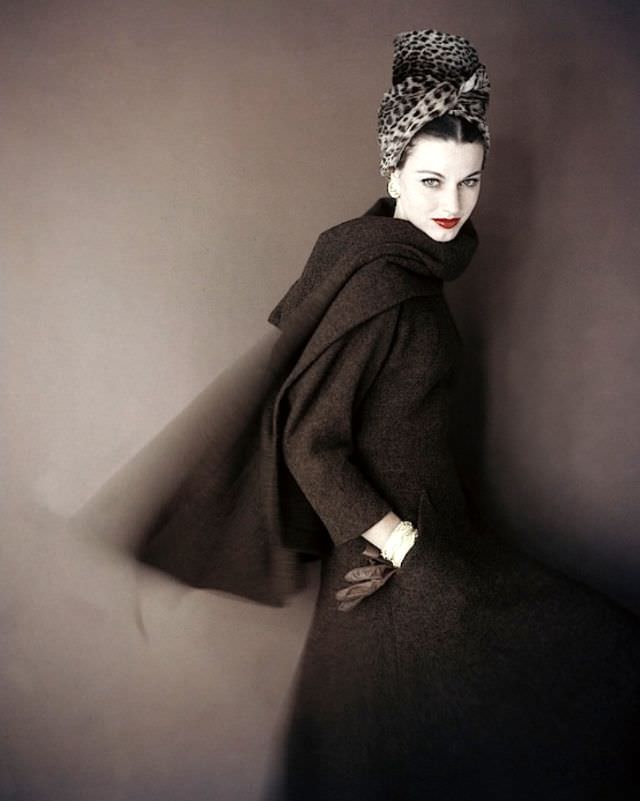
The late 1950s brought a continued stream of editorial work for Daché. Her designs appeared in Vogue and Harper’s Bazaar throughout 1958 and 1959, paired with the era’s most elegant suits, coats, and dresses. Her hats remained a fixture in high fashion right up to the end of the decade.
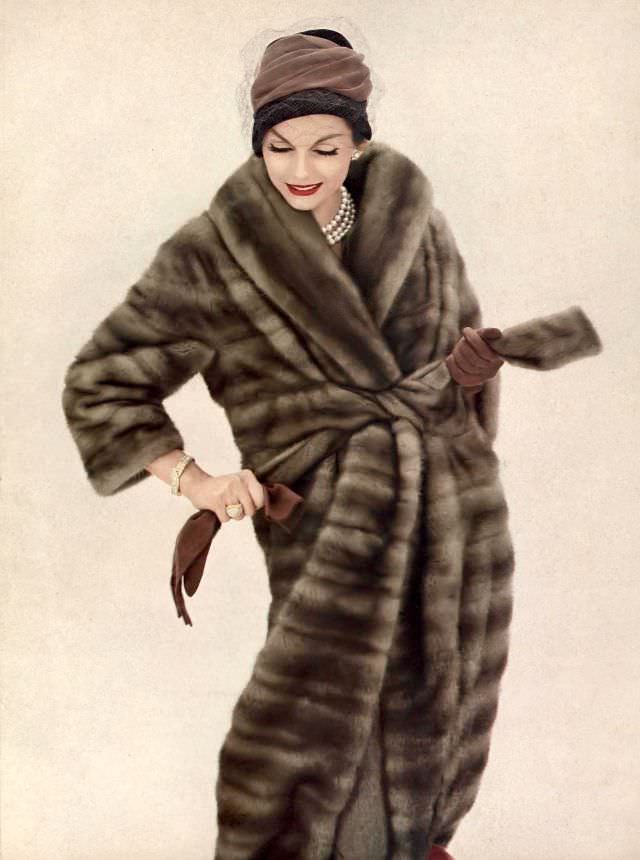
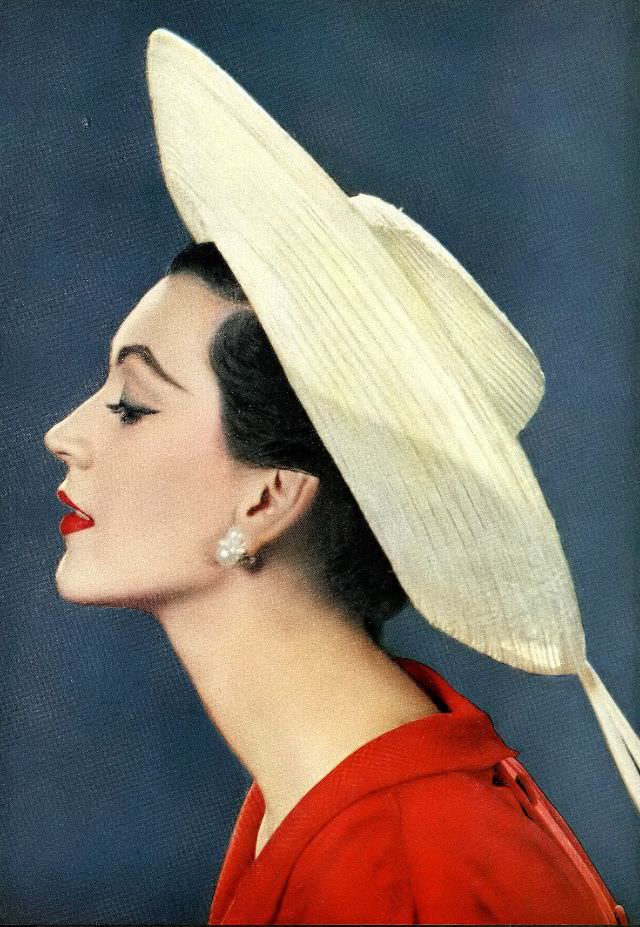
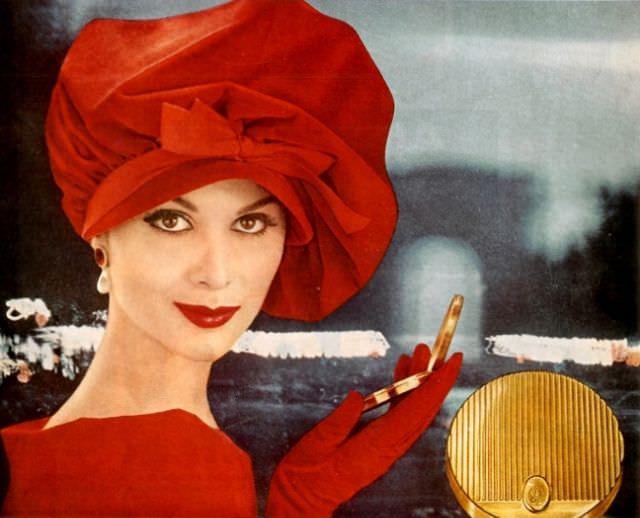
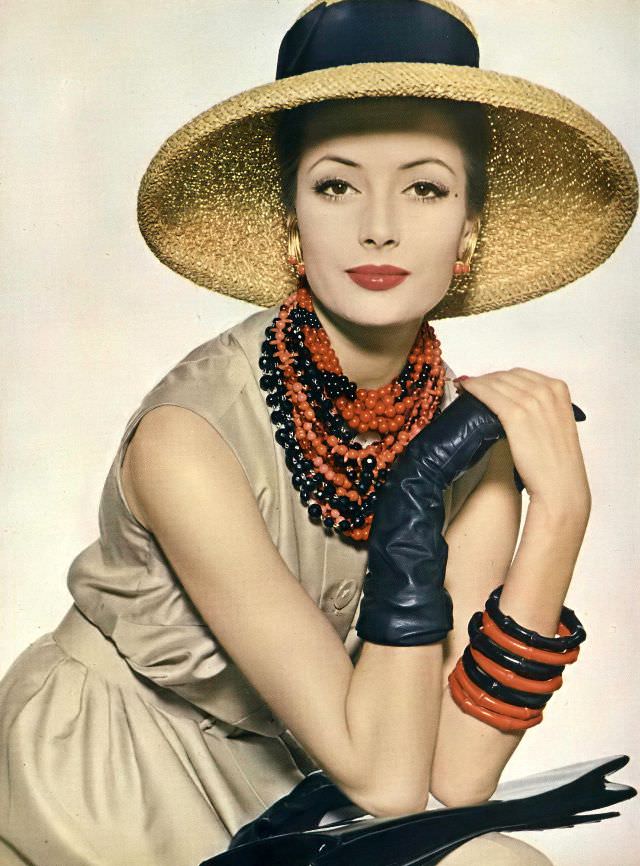
The dress was designed by Nantucket Naturals, bracelets by Roger Van S, necklaces by Marvella, straw hat, Vogue, June 1959
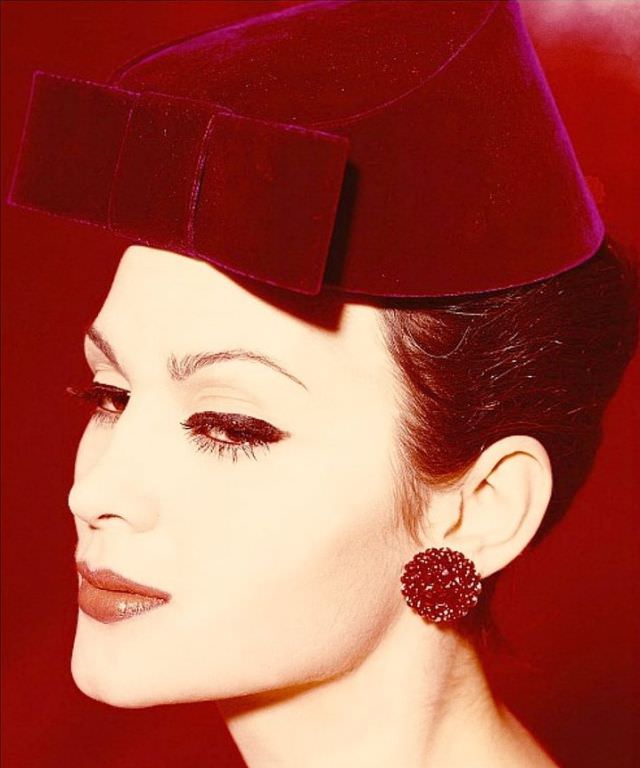
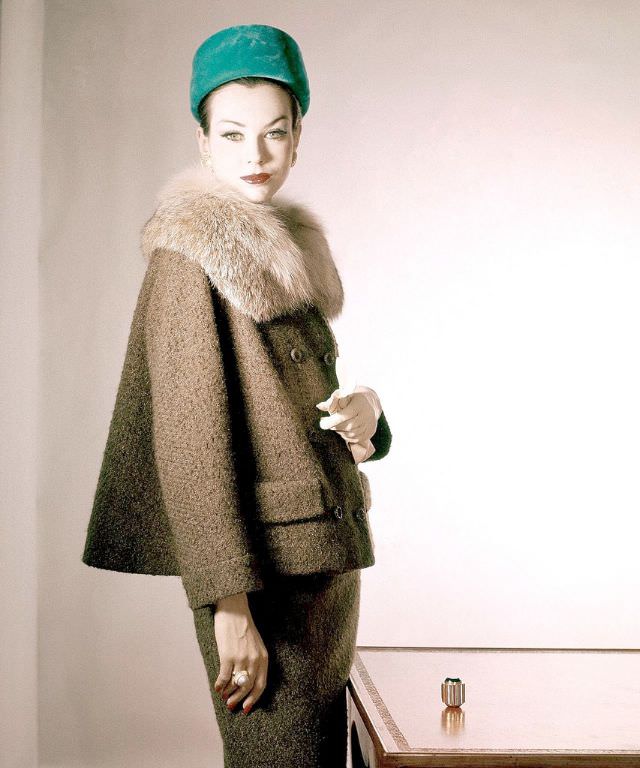
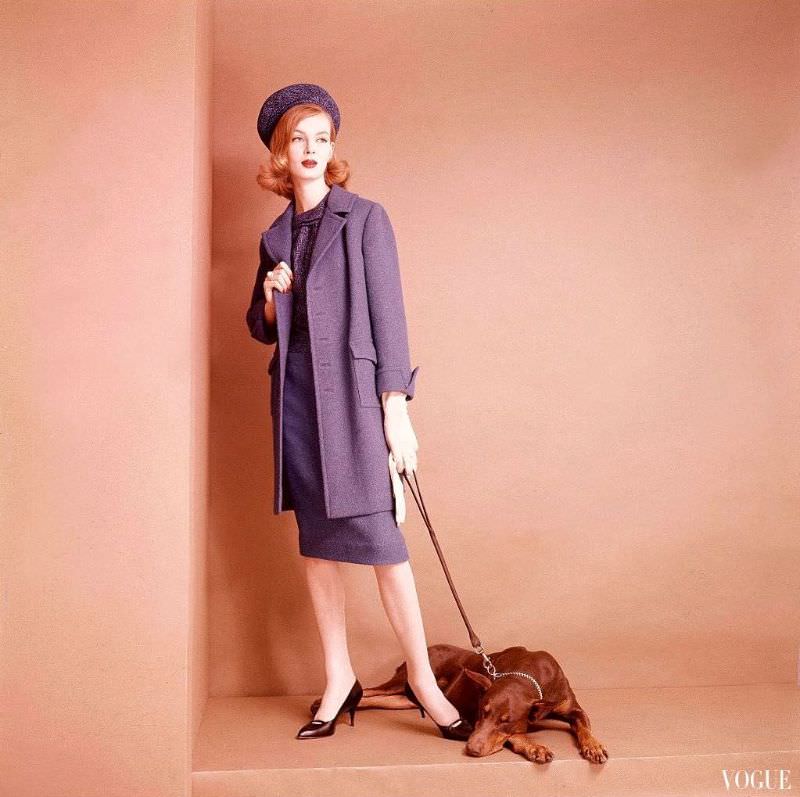
She is wearing a Royal blue skirt suitby David Crystal, and matching hat by Lilly Daché, Vogue, 1959
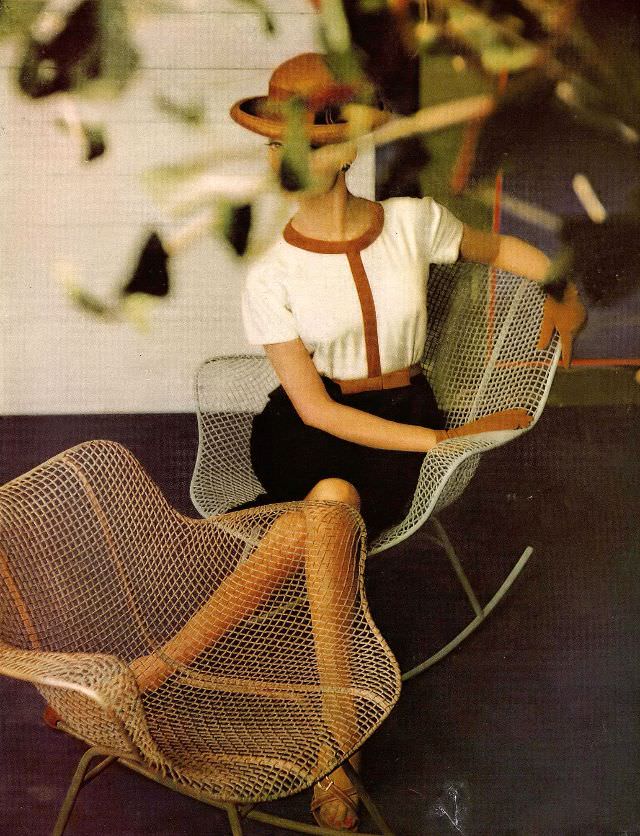
Skirt by Gaines-Parnet, hat, Harper’s Bazaar, June 1959
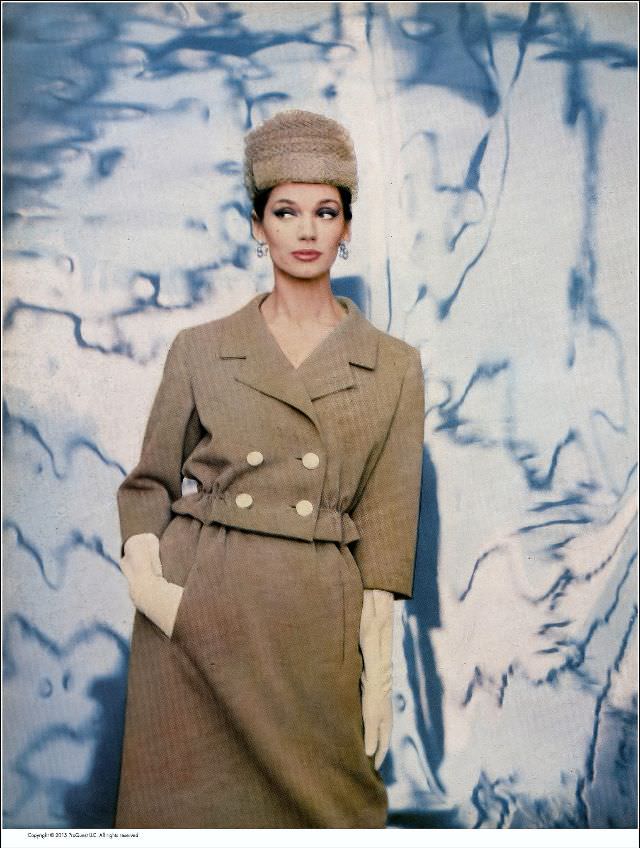
The short jacket has elasticized waist above slender gathered skirt by Ben Zuckerman, hat, Harper’s Bazaar, February 1959