
The end of World War I unleashed something powerful across the Western world — a collective desire to move forward, to shed the rigid social codes of the past, and to live differently. Nowhere was this shift more visible than in women’s fashion. The 1920s became the decade where clothing stopped being just fabric and became a statement. What women wore said something about who they were and how they refused to be defined by previous generations.

Paris remained the undisputed center of the fashion world throughout the decade. French designers set the tone, and women across Europe and America followed. But this wasn’t just top-down, designer-driven change. Ordinary women, sitting in cafés, walking city streets, and filling dance halls, were shaping fashion just as much as the runways were.

Actresses played a massive role in spreading new fashion trends to the public. Film had become a cultural force, and the women who appeared on screen were watched, admired, and imitated by millions. Their clothing choices weren’t just costumes — they were blueprints for what modern women wanted to wear.


One of the most transformative figures of the era was Coco Chanel. Her designs rejected the heavily corseted, ornate silhouettes of earlier decades and replaced them with clean lines, comfort, and elegance. The garçonne look — flat-chested, loose-fitting, and deliberately boyish — became one of the defining aesthetics of the 1920s. Women embraced it precisely because it broke from everything that had been expected of them before.

The Ziegfeld Follies, the famous Broadway revue that ran from 1907 into the 1930s, was another powerful platform for showcasing bold fashion. The performers who appeared in its productions wore elaborate, eye-catching costumes that pushed the boundaries of what was considered acceptable for women to wear in public.

Smoking in public had long been considered inappropriate for women. By the late 1920s, that was changing fast. Women were photographed in trousers, culottes, and other garments borrowed from men’s wardrobes, cigarette in hand, projecting a confidence and independence that would have been scandalous just a generation earlier.

Black women were central to 1920s fashion and culture, even as they faced severe racial discrimination. Harlem became a cultural hub where music, art, and style merged. Blues and jazz musicians like Bessie Smith performed for enormous audiences, and their stage presence — including how they dressed — carried significant weight in shaping popular culture.

Evening wear in the 1920s was dazzling. Metallic lace, beadwork, and silk were standard materials for formal dresses. The silhouette was low-waisted and straight, landing at or just below the knee — a dramatically shorter hemline compared to anything women had worn before. Young actresses like Loretta Young wore these styles on screen and off, cementing their place in the fashion record.

The bobbed haircut was perhaps the single most iconic symbol of 1920s women’s fashion. Short, sleek, and easy to maintain, the bob rejected the elaborate updos that had dominated for decades. Silent film actress Colleen Moore is widely credited with popularizing the look through her film roles, and her influence on hairstyle trends was enormous.

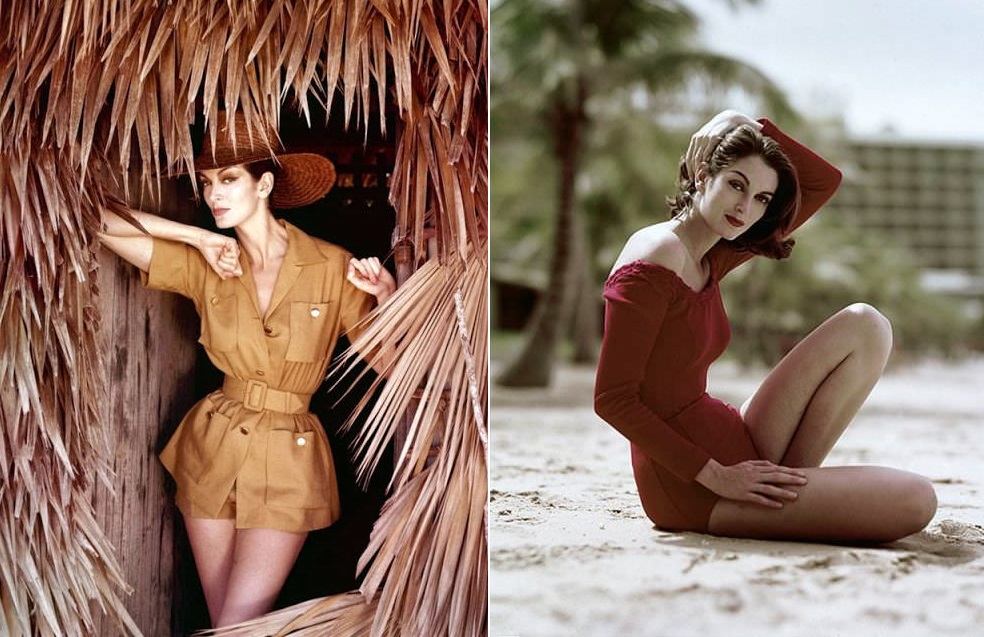
Sports and outdoor activities became fashionable pursuits for women during the decade. Golf, tennis, and beach outings all required practical, active clothing — and designers rose to the challenge. The athletic woman became a style icon in her own right, representing health, freedom, and modern living.


Designer Madeleine Vionnet was another key figure of the decade. She pioneered the bias cut, which allowed fabric to drape naturally across the body rather than being forced into a rigid shape. Her work influenced how women’s formal clothing was constructed for years to come.

No accessory defined the 1920s woman more immediately than the cloche hat. This close-fitting, bell-shaped hat sat low over the forehead and complemented the bobbed hairstyle perfectly. It was produced in felt, silk, and straw, and decorated with flowers, ribbons, and geometric patterns drawn from the Art Deco movement that dominated visual design throughout the decade.


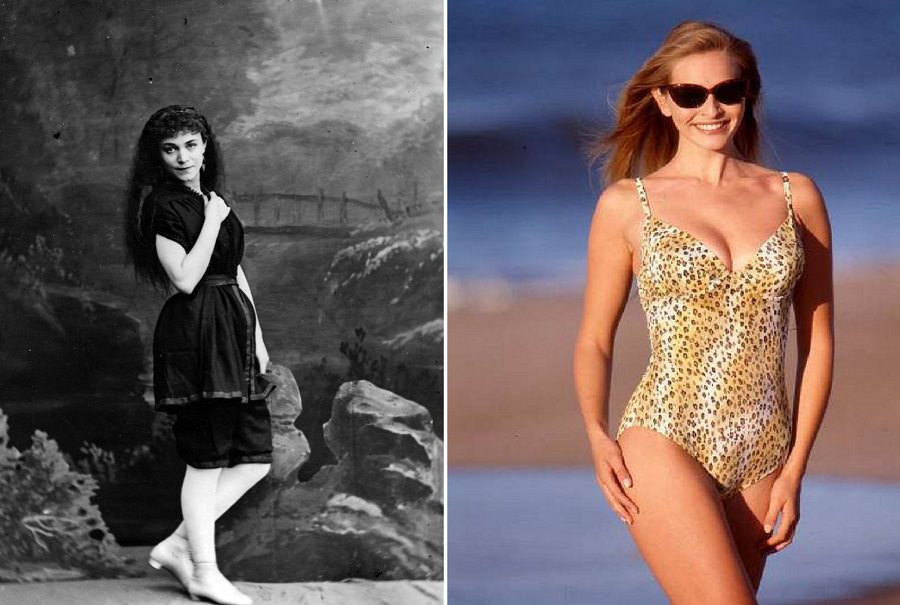
Beachwear underwent a dramatic transformation during the 1920s. Bathing costumes became shorter and more fitted, and women began using accessories like parasols and wide-brimmed hats to complete their beach looks. Public beaches became social arenas where fashion was as important as the water.


Group photographs from the 1920s tell a particularly vivid story about how widely these trends spread. Women from different backgrounds adopted the dropped waist, the cloche hat, and the shorter hem. Fashion had become more democratic — not exclusively reserved for the wealthy or the famous.


Even wedding fashion reflected the decade’s broader shifts. Bridal gowns of the 1920s incorporated lace and long trains but used the same low-waisted, straight silhouette found in everyday wear. The contrast between tradition and modernity was built right into the dress.


Josephine Baker brought her own bold fashion sensibility to Europe when she moved to Paris in 1925. An American-born entertainer who became a sensation in France, Baker wore costumes that were theatrical, daring, and unforgettable. She embodied the decade’s appetite for spectacle and self-expression.


Gloria Swanson was one of the highest-paid stars in Hollywood during the early 1920s, and her fashion choices were tracked obsessively by fans and journalists. She wore elaborate gowns both on screen and in real life, setting a standard for glamour that the film industry would chase for decades.


Velvet, georgette crepe, and chiffon were among the most popular fabrics of the decade. They moved well on the dance floor — important in an era when jazz dancing and the Charleston were the dominant social activities. Fashion had to keep up with how people were actually using their bodies, and 1920s clothing did exactly that.


The 1920s also saw women wearing traditionally male garments with clear intent. Silk dungarees, wide-leg trousers, and tailored jackets appeared on women both on film sets and in everyday life. This wasn’t accidental — it was a direct challenge to the idea that women’s clothing had to be delicate and restrictive.


Behind the scenes of the entertainment industry, women were building careers not just as performers but as stylists, makeup artists, and fashion collaborators. The backstage world of film and theater was itself a laboratory for new looks and new ideas about beauty.

The Flapper is the figure most associated with 1920s fashion in the public imagination. Short skirts, rolled-down stockings, long pearl necklaces, feather boas, cigarette holders, and headbands adorned with feathers or jewels — these were the markers of the Flapper style. It was deliberately provocative, designed to clash with Victorian-era sensibilities about modesty and femininity.

By 1929, fashion magazines like Vogue were capturing the full range of what 1920s women wore — from daywear to elaborate evening coats. Publication in Vogue signaled that a look had reached the highest tier of fashionable approval, cementing its place in the decade’s visual record.


Swimwear in the early 1920s already reflected the decade’s shift toward practicality and freedom of movement. Wide-brimmed straw hats kept the sun off without sacrificing style. At the beach, fashion and function had finally found a balance.


The cloche hat came in dozens of variations by the end of the decade. By 1929, its design had evolved to include asymmetric brims and more structured shapes, reflecting the broader Art Deco influence on fashion that made geometric precision central to the decade’s aesthetic.

Jeanne Lanvin was one of the most respected French couturiers of the 1920s. Her designs, often featuring rich dark fabrics and intricate construction, appealed to women who wanted elegance without the rigidity of earlier fashion houses. Her work in Paris defined a quieter, more refined side of 1920s style.


High fashion photography was also coming into its own during the 1920s. Publications like Vogue employed photographers and models to document the decade’s looks with precision and artistry. These images became historical documents — a record of exactly how clothes fit, moved, and were styled in real time.


At beaches across California, the Flapper style translated into swimwear that was shorter and more fitted than anything previous decades had allowed. Women posed openly for cameras in ways that would have been unthinkable before the war, treating the beach as a public stage.


The dropped waist was one of the most recognizable elements of 1920s daywear. Unlike the high-waisted styles that preceded it, the 1920s silhouette placed the waistline at the hip, creating a long, tubular shape that suited the decade’s relaxed, modern attitude. Paired with a cloche hat, it became the definitive daytime look.

Louise Brooks took the bob haircut to its most extreme and precise form. Her sleek, jaw-length cut with heavy bangs became one of the most photographed hairstyles of the era, and she wore it as part of a complete look that was modern, bold, and entirely her own.


Clara Bow was Hollywood’s biggest star by the late 1920s and the embodiment of the It Girl — a term coined specifically to describe her magnetic appeal. Her style was accessible and energetic, mixing fashionable staples like dropped-waist dresses and bobbed hair with a spontaneous, carefree quality that audiences adored.


Fur trim was a common feature of upscale 1920s outerwear. Coats and jackets edged with fur conveyed wealth and sophistication, and were worn by actresses and socialites alike. Eleanor Boardman, one of the most photographed actresses of the mid-1920s, frequently appeared in fur-trimmed outfits that set the standard for formal cold-weather dressing.


Coco Chanel herself was as recognizable a fashion figure as any of her clients. Photographed in 1924 wearing the kind of understated, well-cut clothing she championed, Chanel demonstrated her own design philosophy simply by existing in public. She wore jersey fabrics, kept jewelry minimal but deliberate, and made comfort look effortless.

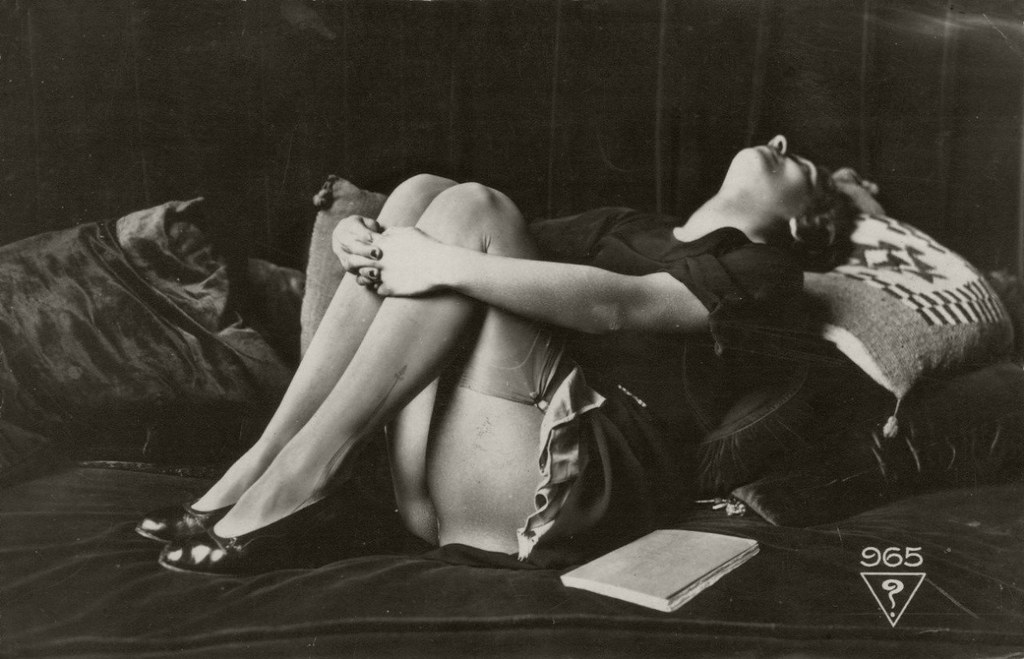
Prohibition, which banned the sale of alcohol in the United States from 1920 to 1933, inspired at least one genuinely practical fashion adaptation. Women concealed hip flasks in their garter belts when attending parties or speakeasies. It was a small detail, but it captured something essential about the 1920s woman — resourceful, defiant, and unwilling to be stopped by rules she disagreed with.


Formal presentations at Buckingham Palace required strict dress codes, and even within those constraints, 1920s women found ways to express the decade’s trends. Debutantes arriving for their royal presentations wore gowns that balanced tradition with the modern silhouette that had taken over the rest of their wardrobes.




Who was Norman Hartline? I have only ever heard of Hartnell.