
Helsinki was declared the capital of Finland in 1812, and the city grew fast from that point on. Before that, it had been a modest coastal town. The shift came when the Russian Empire, which controlled Finland at the time, decided to move the capital from Turku to Helsinki — partly because of its closer proximity to St. Petersburg. Along with capital status came major investment. Streets were widened, grand buildings went up, and institutions moved in.
One of the clearest signs of that growth was the relocation of Finland’s only university. Founded in Turku in 1640, it was transferred to Helsinki in 1828 and became a centerpiece of the city’s new identity as an academic and administrative hub. By 1900, Helsinki had crossed the 100,000 population mark — a remarkable milestone for a city that had been little more than a small port settlement just decades earlier.
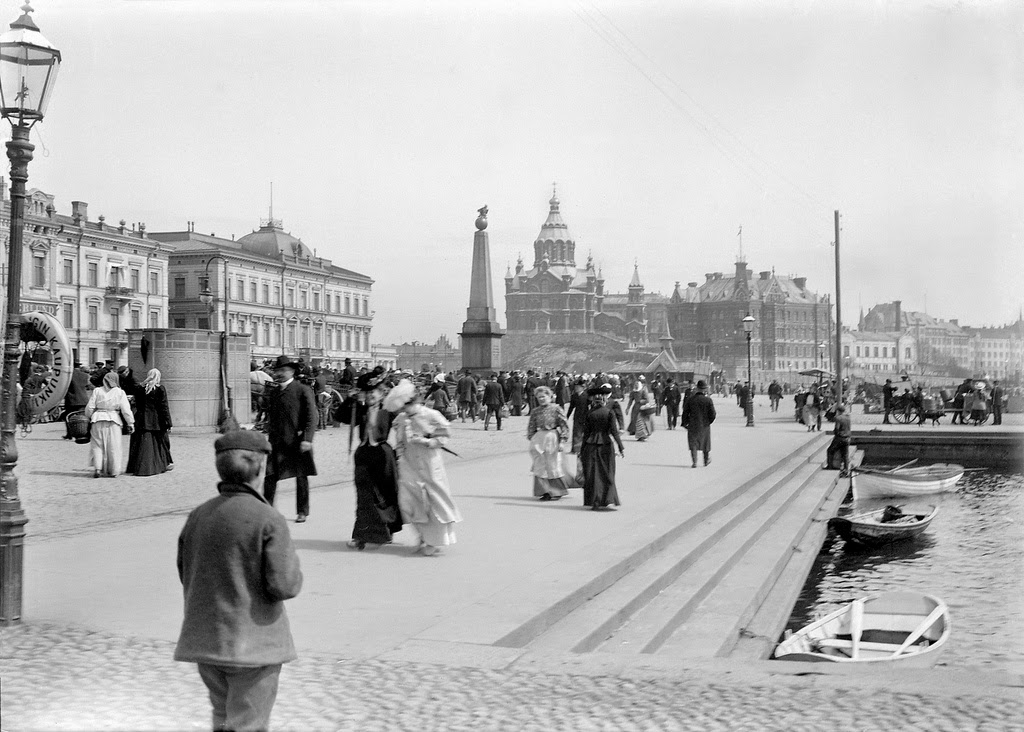
The Market Square was the beating heart of daily commerce in Helsinki. Vendors, shoppers, and ships all converged here. It sat right at the edge of the South Harbor, making it a natural meeting point between the city’s street life and its busy waterfront trade.
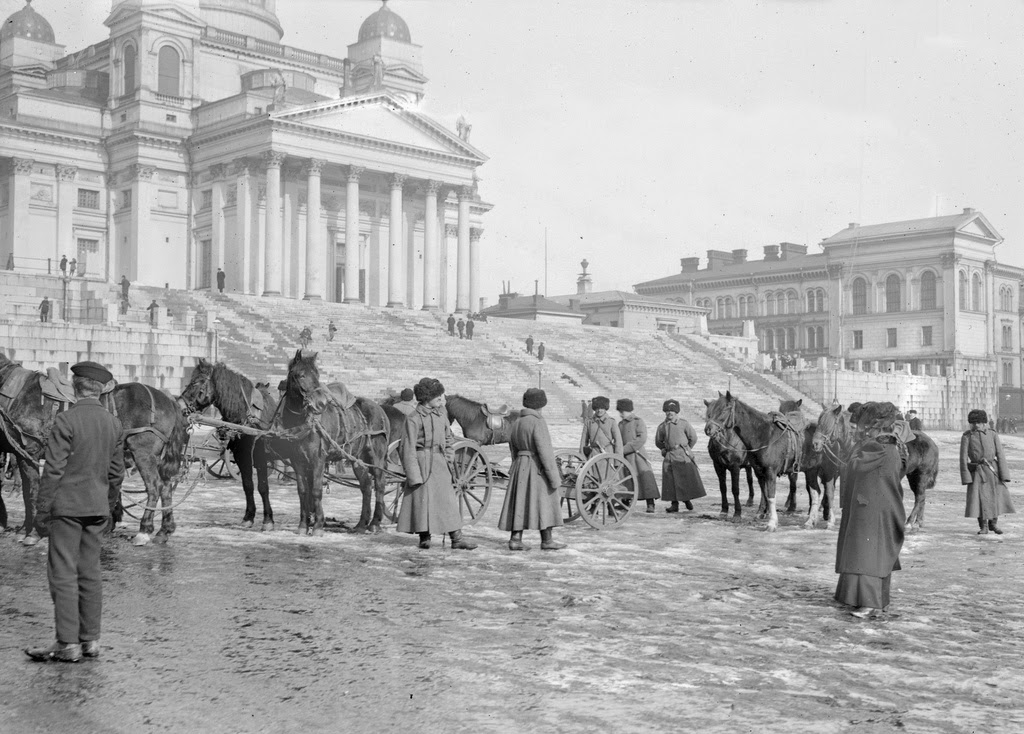
Finland was a Grand Duchy of Russia during this era, and the Russian military presence in the city was visible and deliberate. Senate Square, flanked by the Helsinki Cathedral and government buildings, was one of the most prominent public spaces in the city — and a natural backdrop for a show of imperial authority.
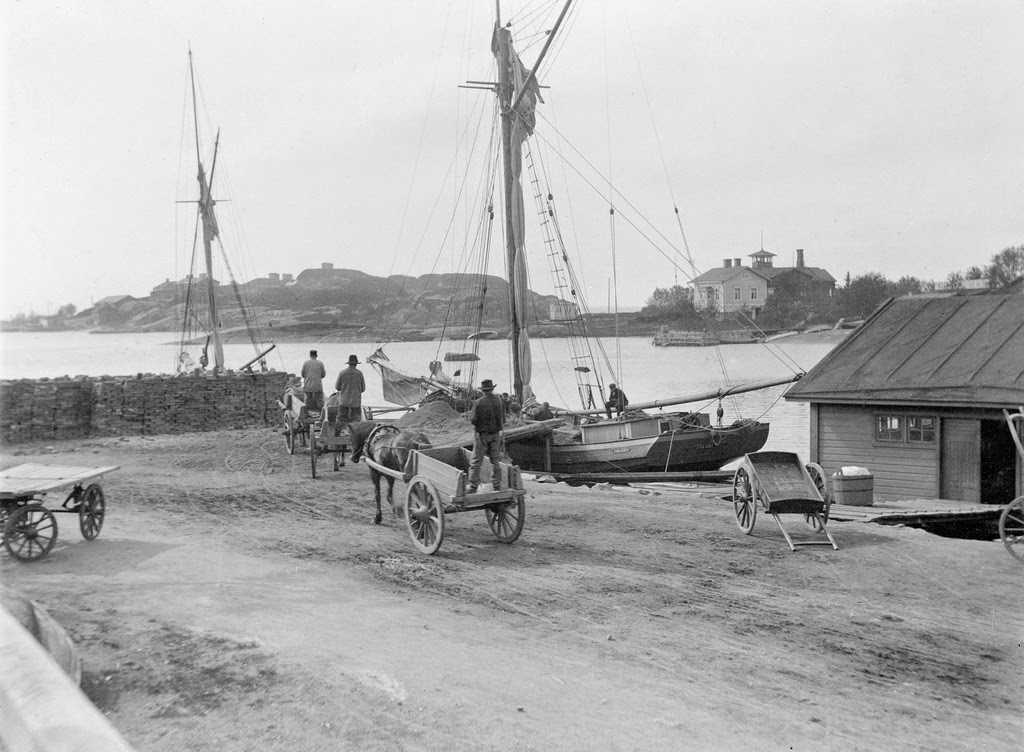
Kaivopuisto, known in Swedish as Brunnsparken, was one of Helsinki’s oldest and most well-kept parks. Originally developed as a spa resort area in the 1830s, it became a fashionable retreat for the city’s upper class by the early 1900s. Its seaside location on the southern tip of the peninsula made it a favorite destination in warmer months.
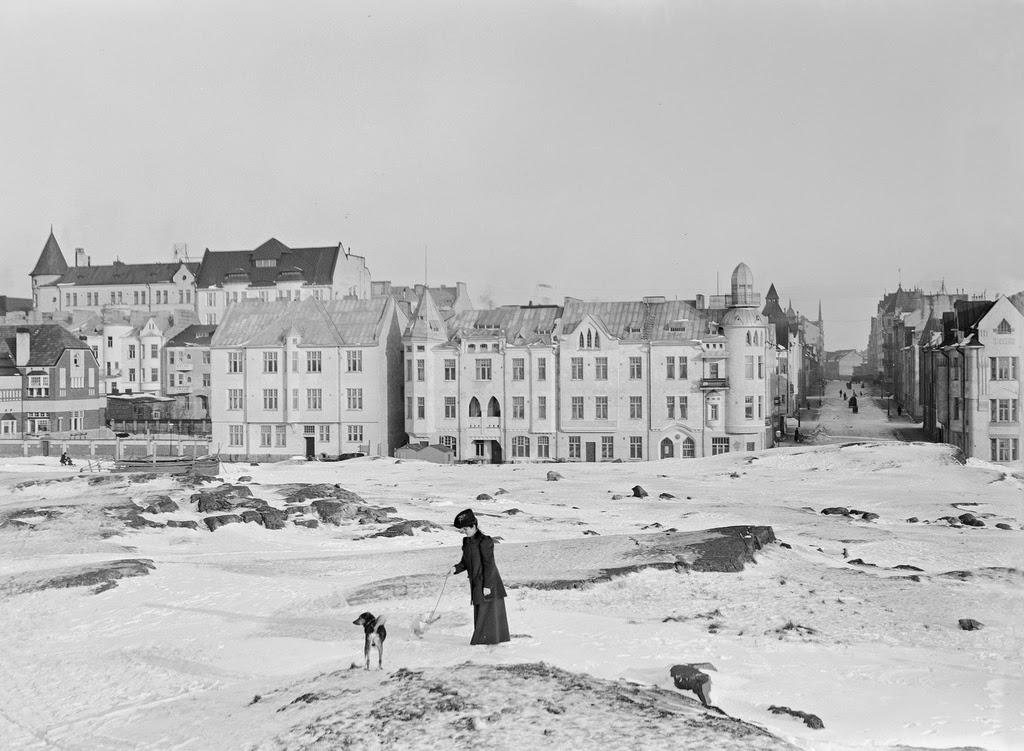
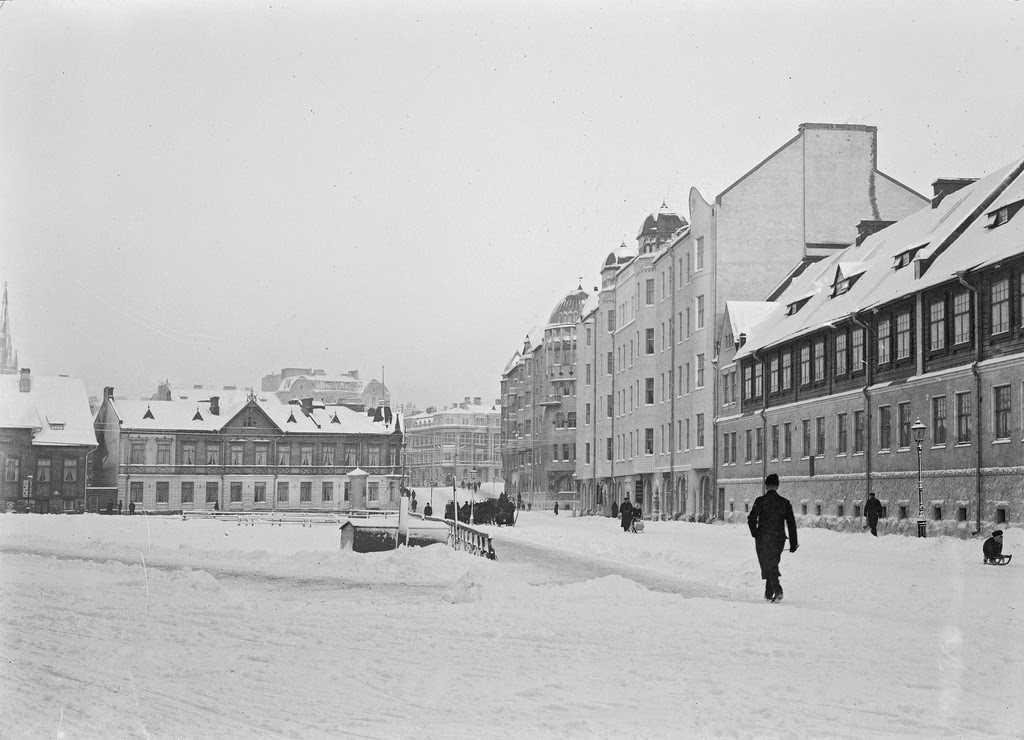
The Ullanlinna and Eira neighborhoods sat on the southern edge of the city. These were wealthy residential districts, known for their elegant stone buildings and quiet, tree-lined streets. Both areas developed rapidly in the late 19th and early 20th centuries as Helsinki’s population grew and demand for quality housing rose.
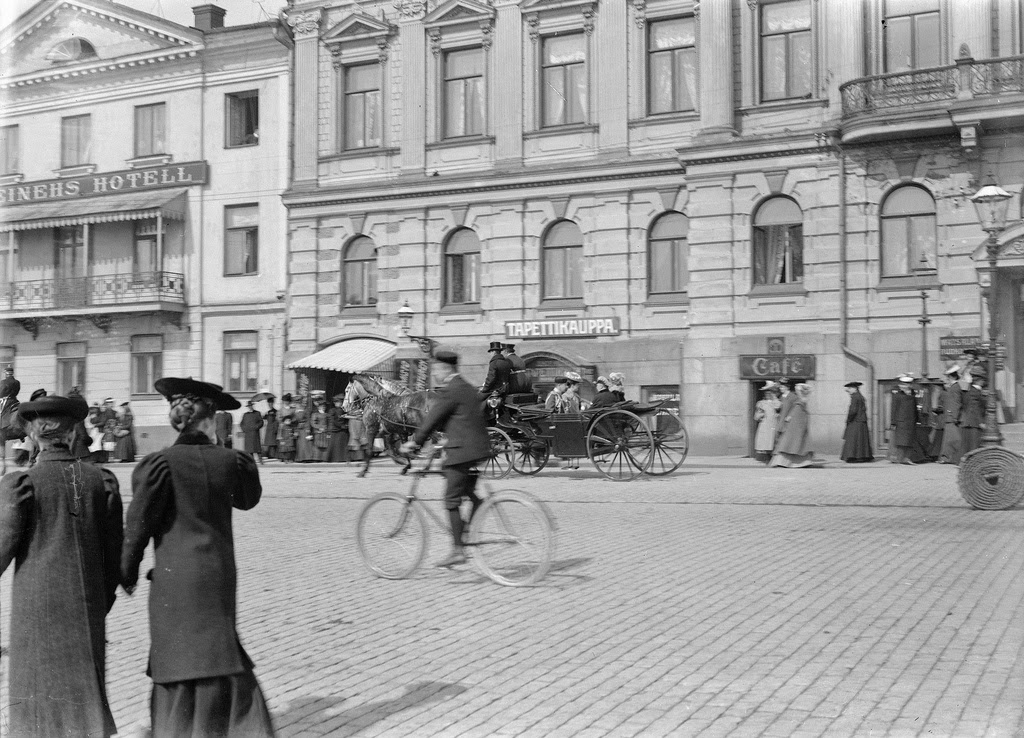
Kleinehs Hotel on Pohjoisesplanadi was one of Helsinki’s prominent lodging establishments of the era. The Esplanadi boulevard was the city’s most fashionable street, lined with hotels, restaurants, and shops that catered to visitors and well-off residents alike. A hotel on this strip carried real social prestige.
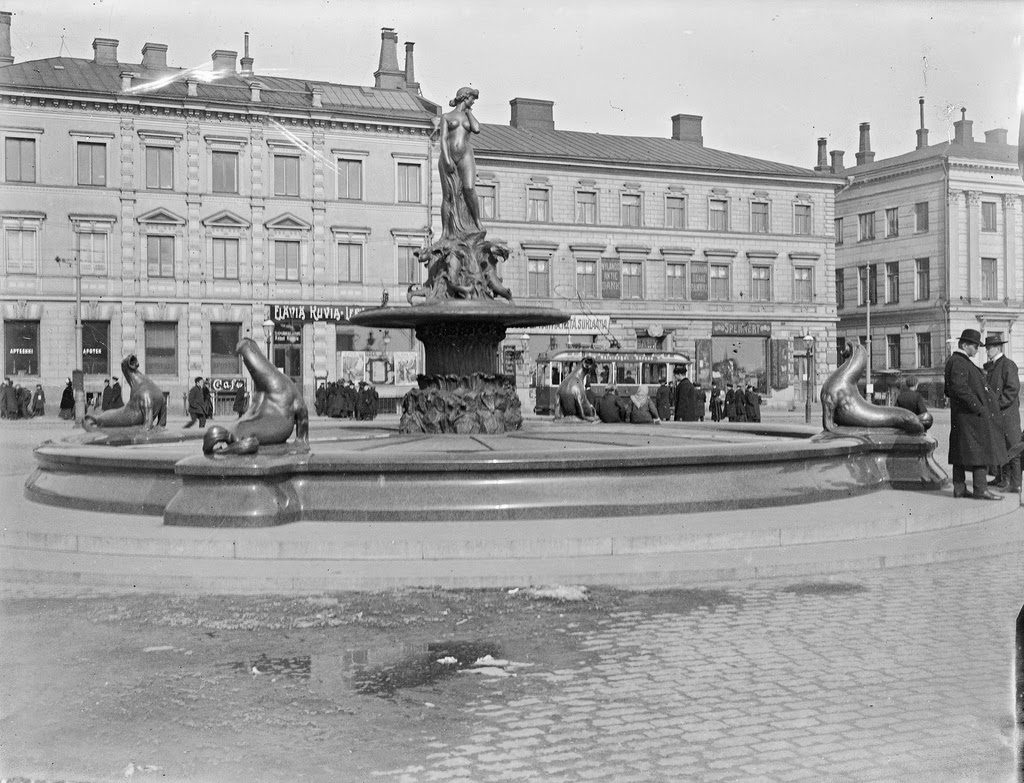
The Havis Amanda fountain statue, sculpted by Finnish artist Ville Vallgren, was unveiled at the Market Square in 1908. The bronze figure of a young woman rising from the sea caused controversy when it was first installed — critics found it too bold for a public space. It became one of the city’s most recognized landmarks regardless.
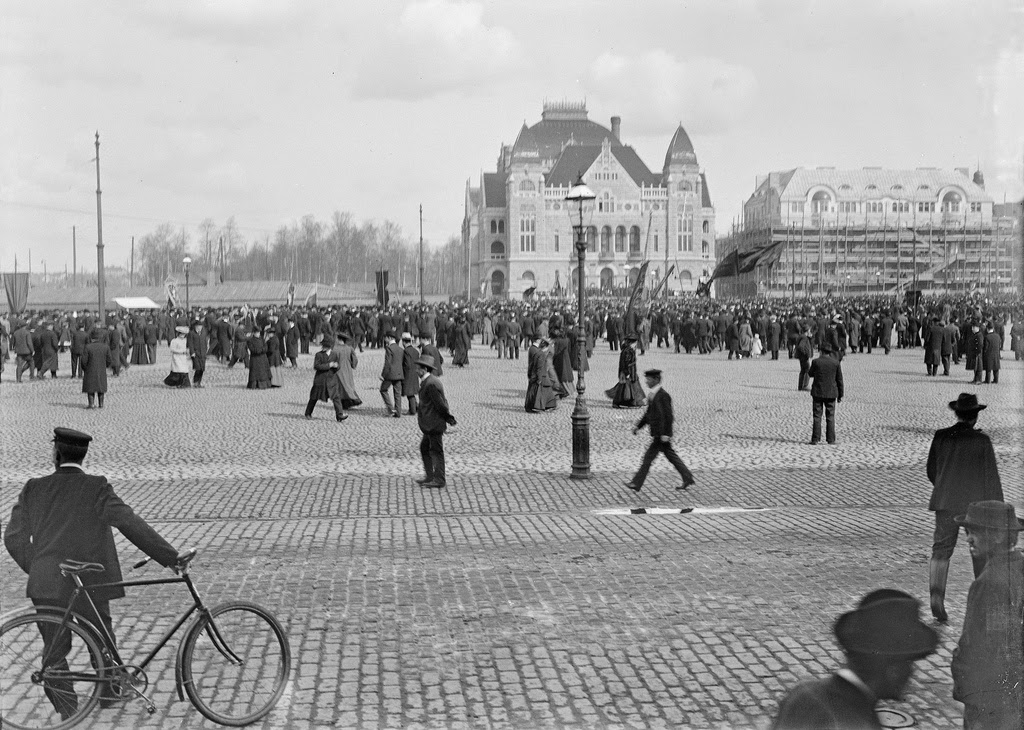
The area around the Central Railway Station was one of the most active parts of Helsinki in the early 1900s. The Finnish National Theater, which opened in 1902, stood nearby and was a symbol of Finnish cultural identity during a period of intense nationalism. The station itself, completed in 1919, replaced an older structure and became an architectural landmark in its own right.
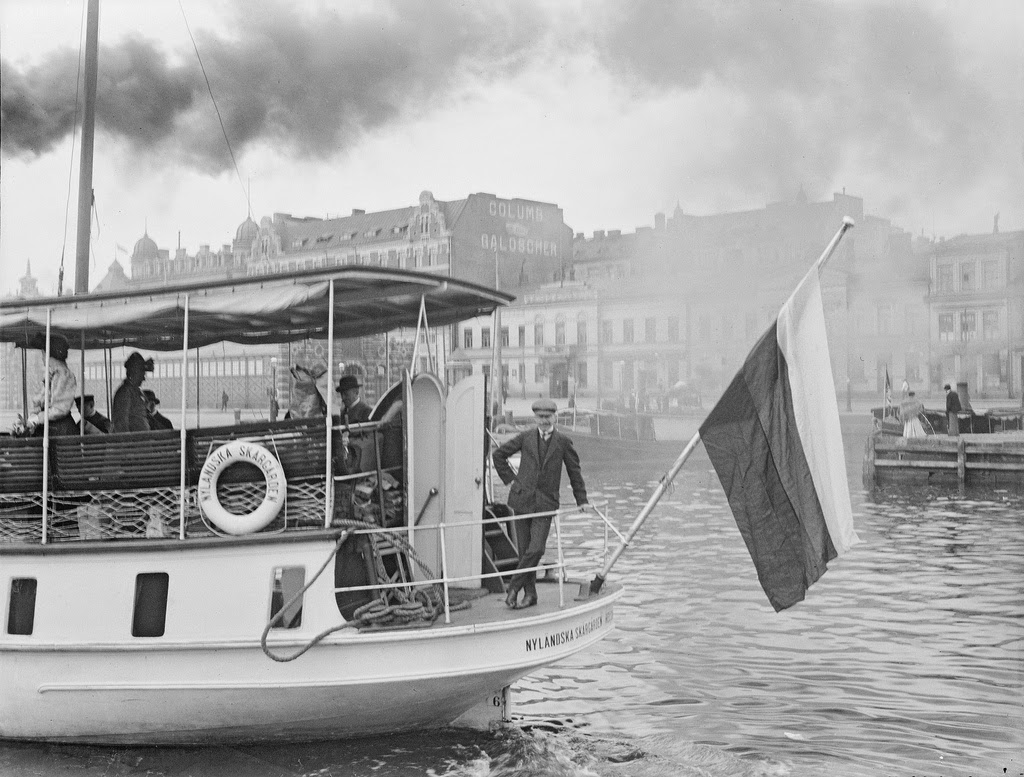
Helsinki’s South Harbor handled a constant flow of steam-powered vessels in the early 20th century. Ships like the Nyländska Skärgården connected the city to the surrounding archipelago, carrying passengers and goods through the island-studded waters off the Finnish coast. Sea travel was still the dominant mode of long-distance transport for much of the region.
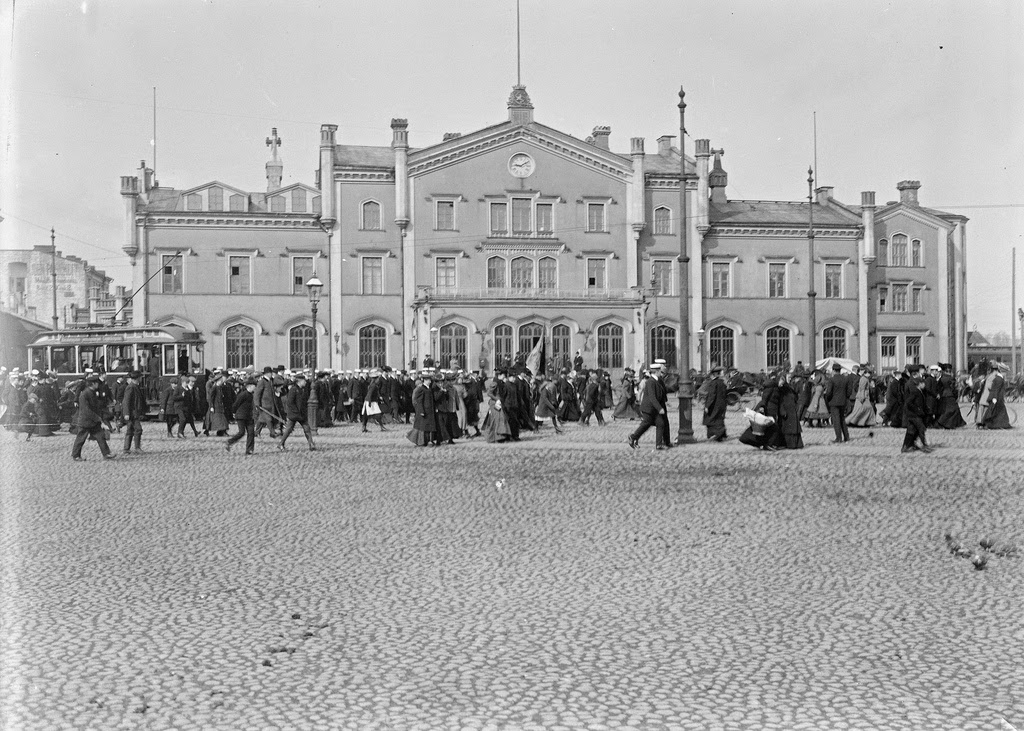
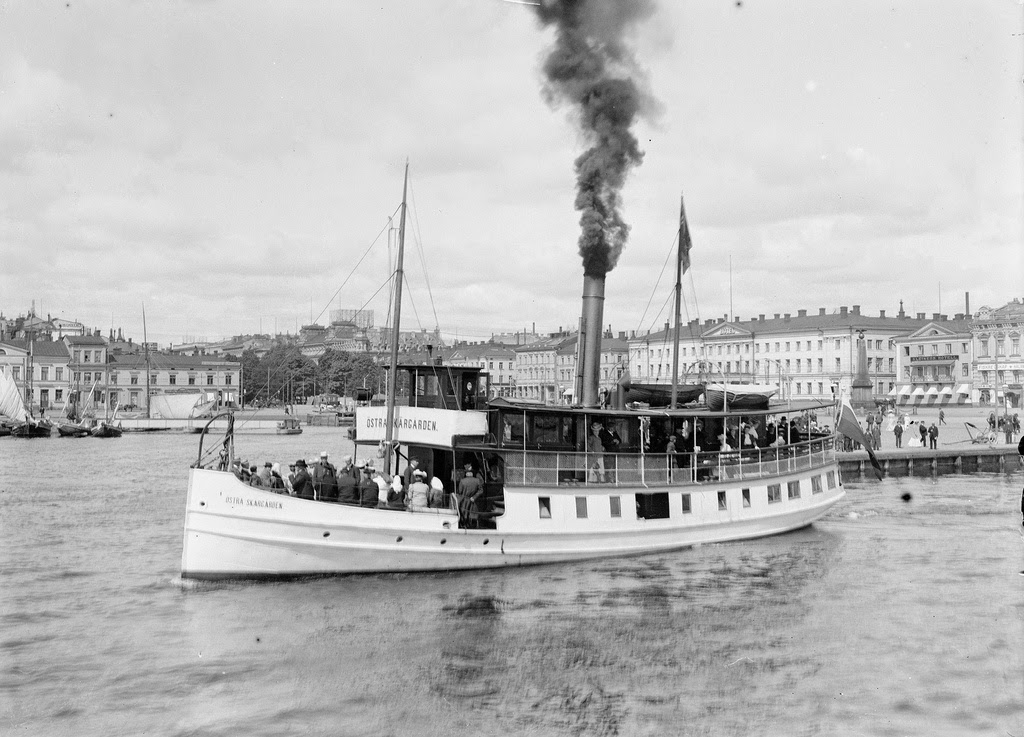
The Central Railway Station tied the city together with the rest of Finland. Rail had become the backbone of both passenger travel and freight movement by the early 1900s. The station square functioned as a transit hub where trams, pedestrians, and horse-drawn carriages all mixed in controlled chaos.
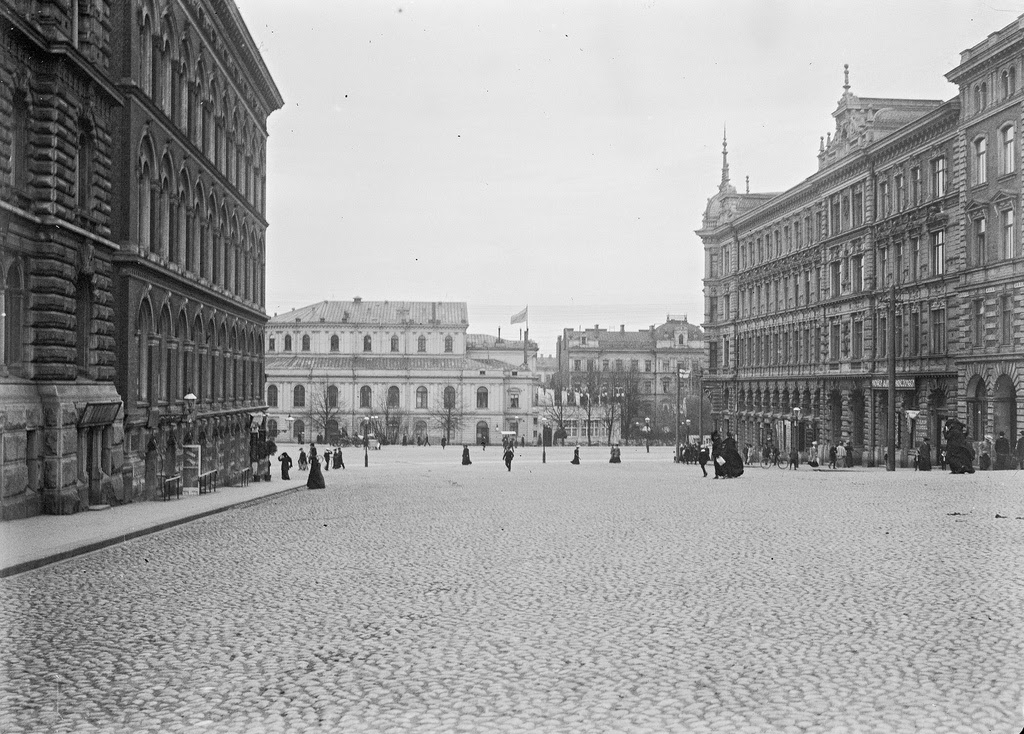
The Erottaja district was a lively junction in central Helsinki. The Swedish Theater, visible in the foreground, opened in 1866 and staged performances in Swedish — reflecting the language’s strong role in Finnish cultural and civic life at the time. Swedish was widely spoken among the educated class and was an official language throughout this period.
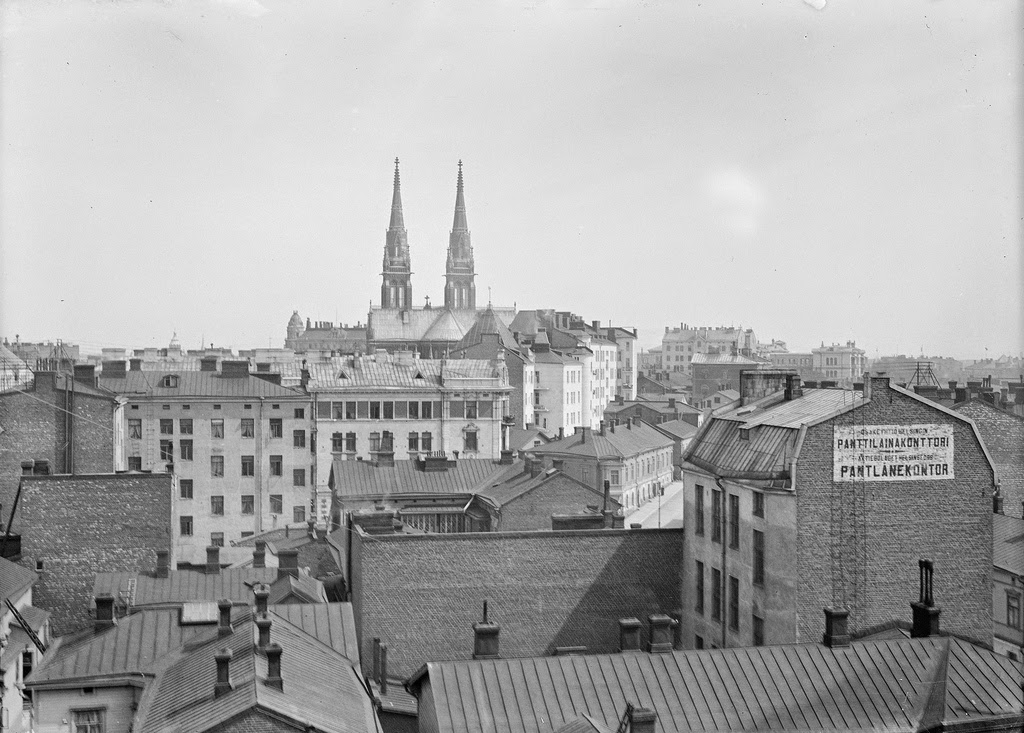
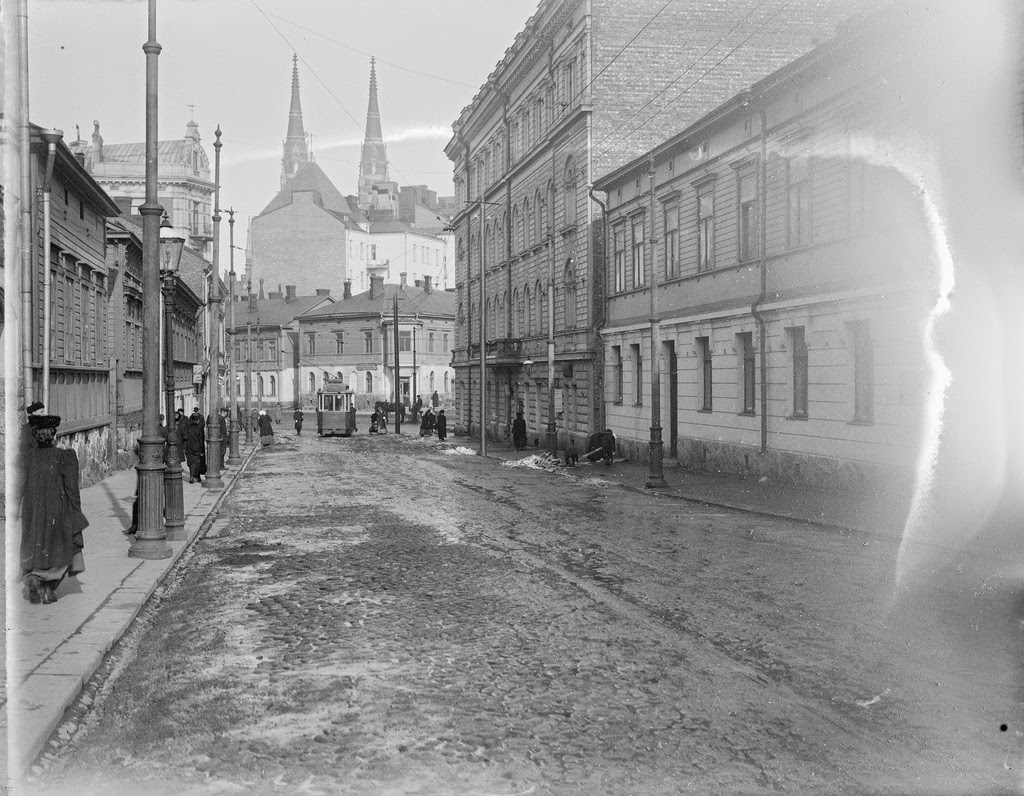
Punavuori, meaning Red Rock in Finnish, was a working-class neighborhood that contrasted sharply with the wealthier districts to its south. St. John’s Church, completed in 1891, towered over the rooftops and served as a landmark for the entire area. The church was built in a Gothic Revival style and remains one of Helsinki’s largest churches.
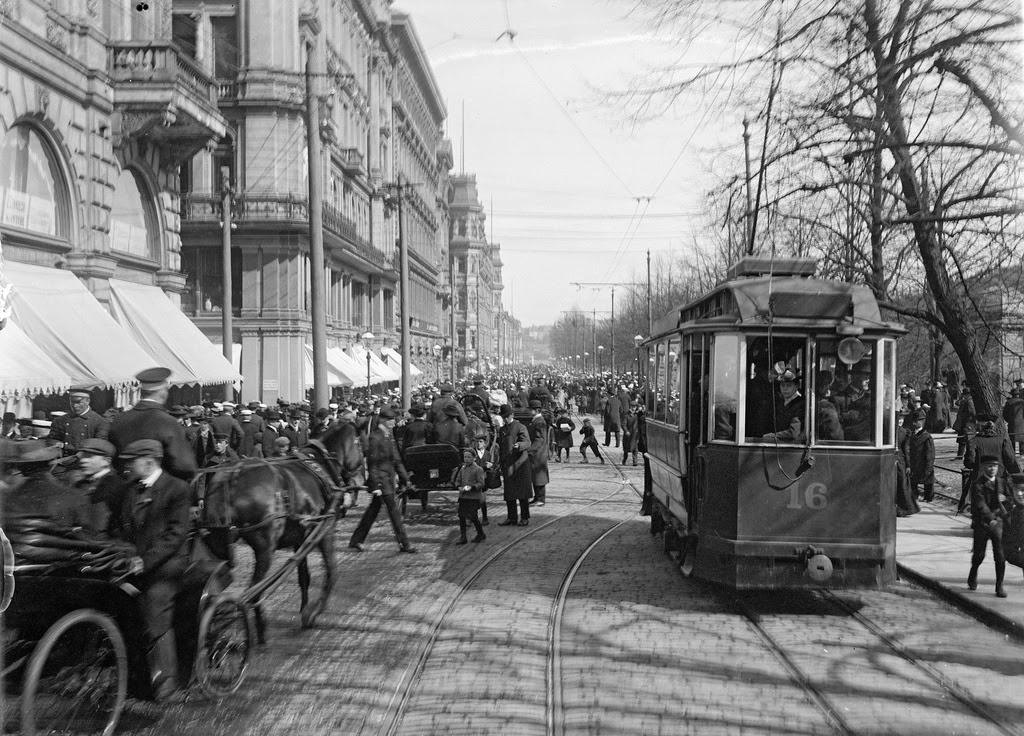
May Day — known in Finland as Vappu — was already a major public celebration in Helsinki by the early 1900s. The streets filled with crowds marking both the arrival of spring and, increasingly, the labor movement’s growing voice in Finnish society. Workers, students, and families all joined in the festivities.
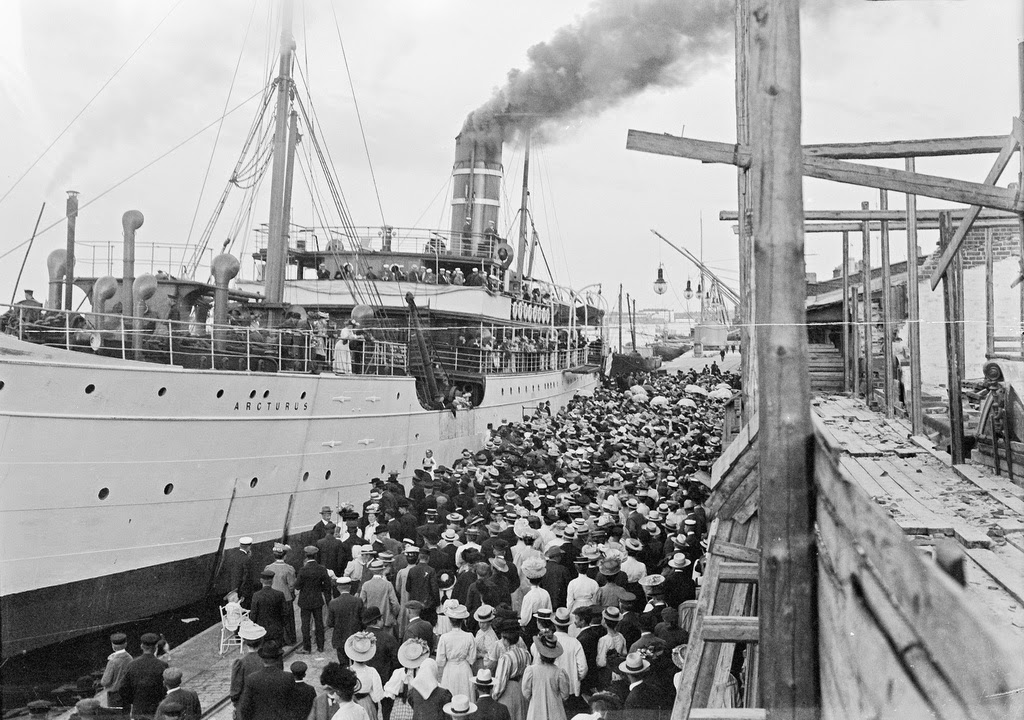
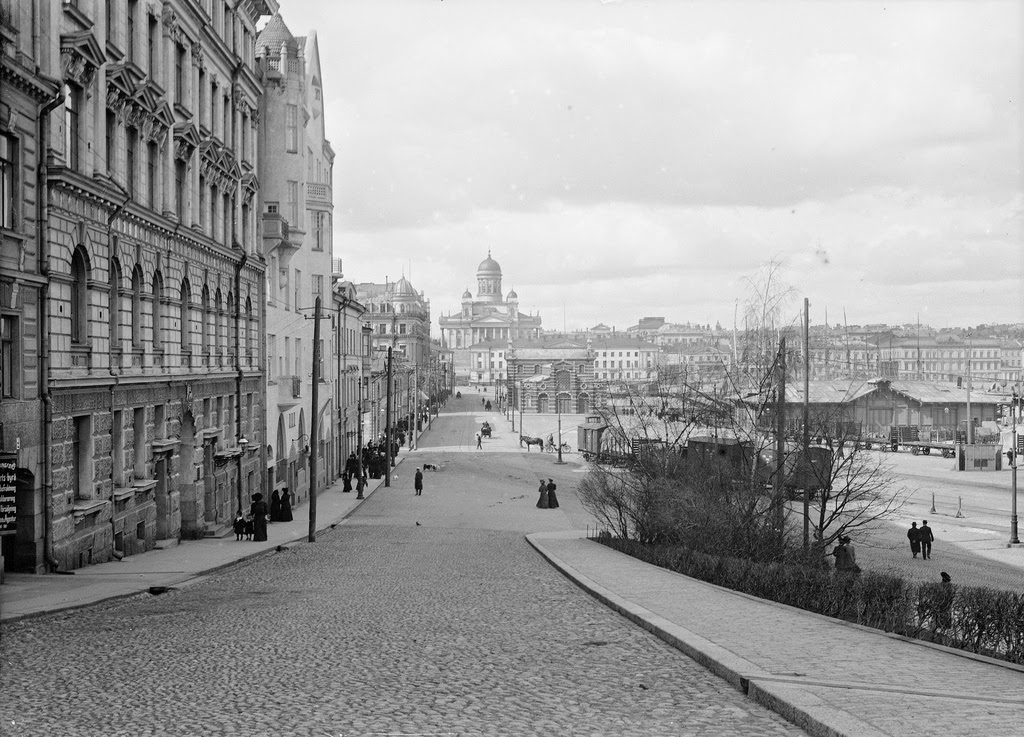
The South Harbor was Helsinki’s main gateway to the sea. Steam ships departed regularly for destinations across the Baltic, and the docks were rarely quiet. The harbor handled everything from timber exports to passenger liners, and its activity reflected just how central maritime trade was to the city’s economy.
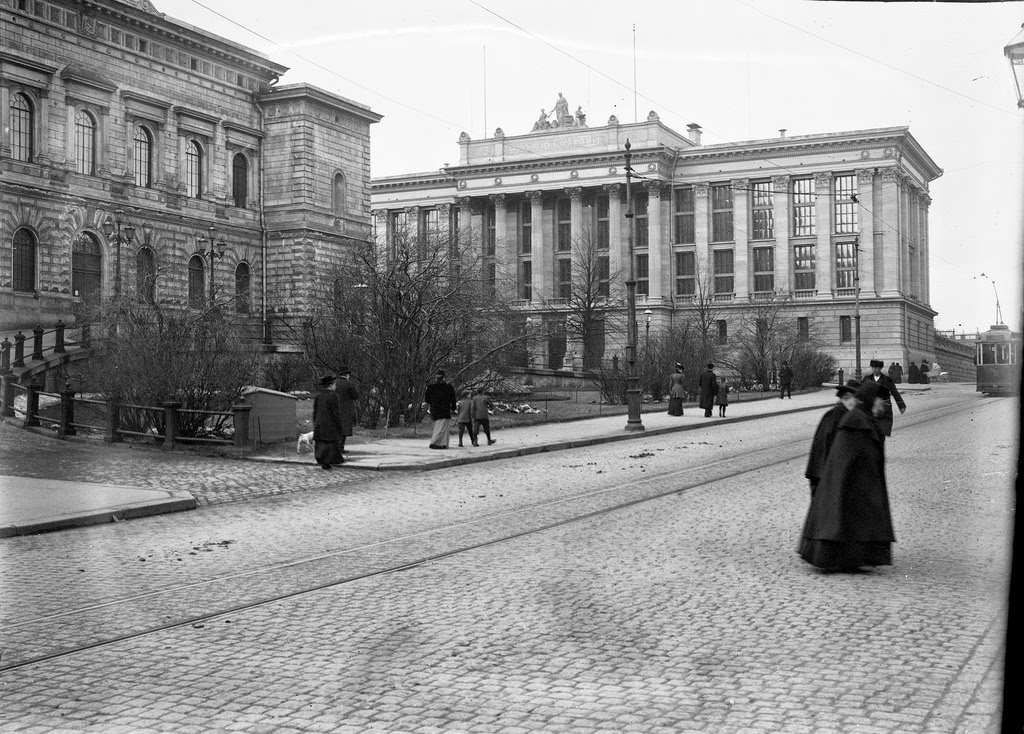
The Bank of Finland and the National Archives were two of the most important institutions in the city. The Bank of Finland, established in 1812, managed the country’s monetary system and was one of the oldest central banks in the world by this point. Both buildings represented Helsinki’s role as the administrative center of the Finnish Grand Duchy.
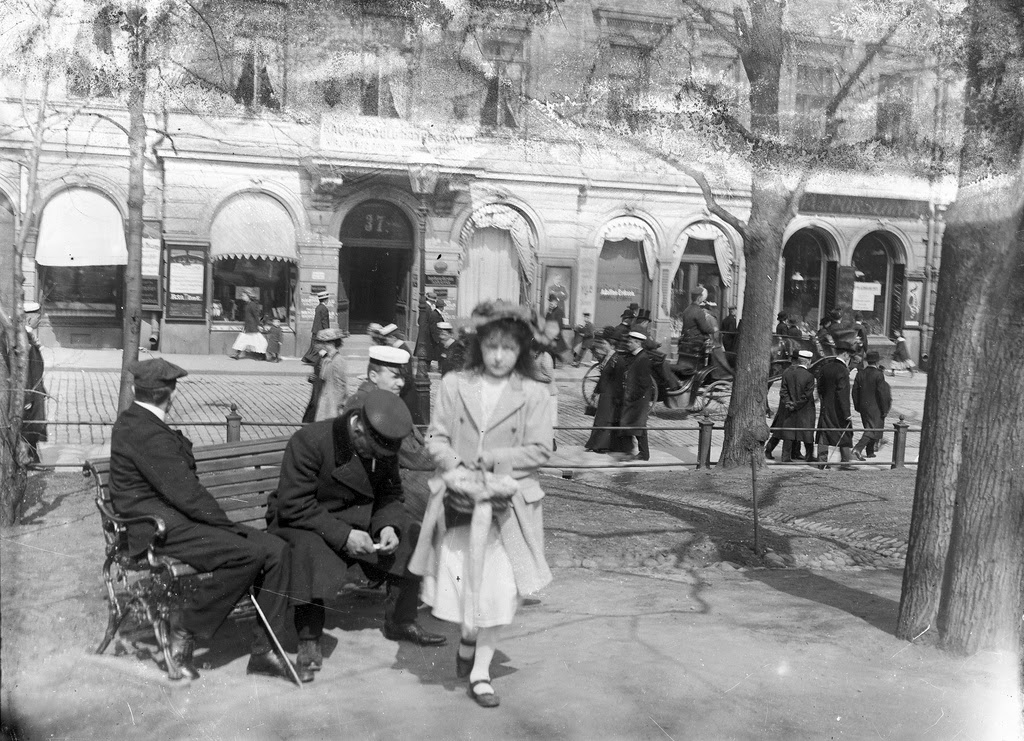
Street vendors were a common sight along the Esplanadi, Helsinki’s central park boulevard. Young girls selling lottery tickets, flowers, or newspapers worked the promenades where city residents gathered to walk and socialize. This kind of street commerce was a normal part of urban life at the turn of the century.
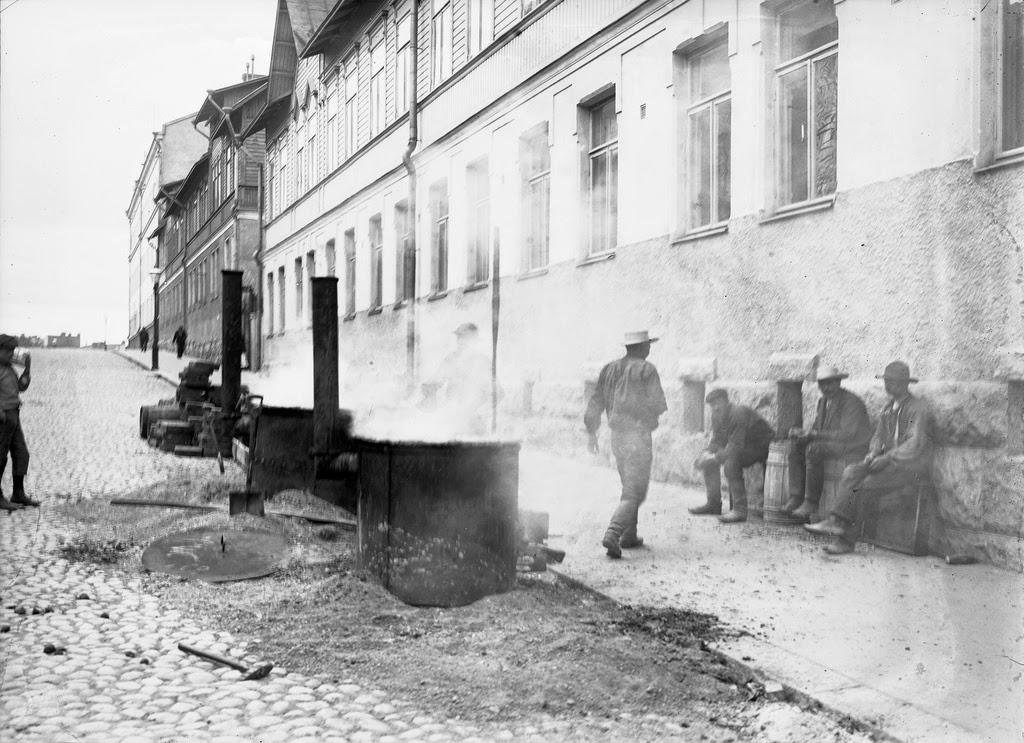
The early 1900s were a period of significant infrastructure work in Helsinki. Roads were being paved, tram lines extended, and utility systems put in place beneath the streets. Much of this work was done by hand, with large crews using basic tools to dig and lay stone in all weather.
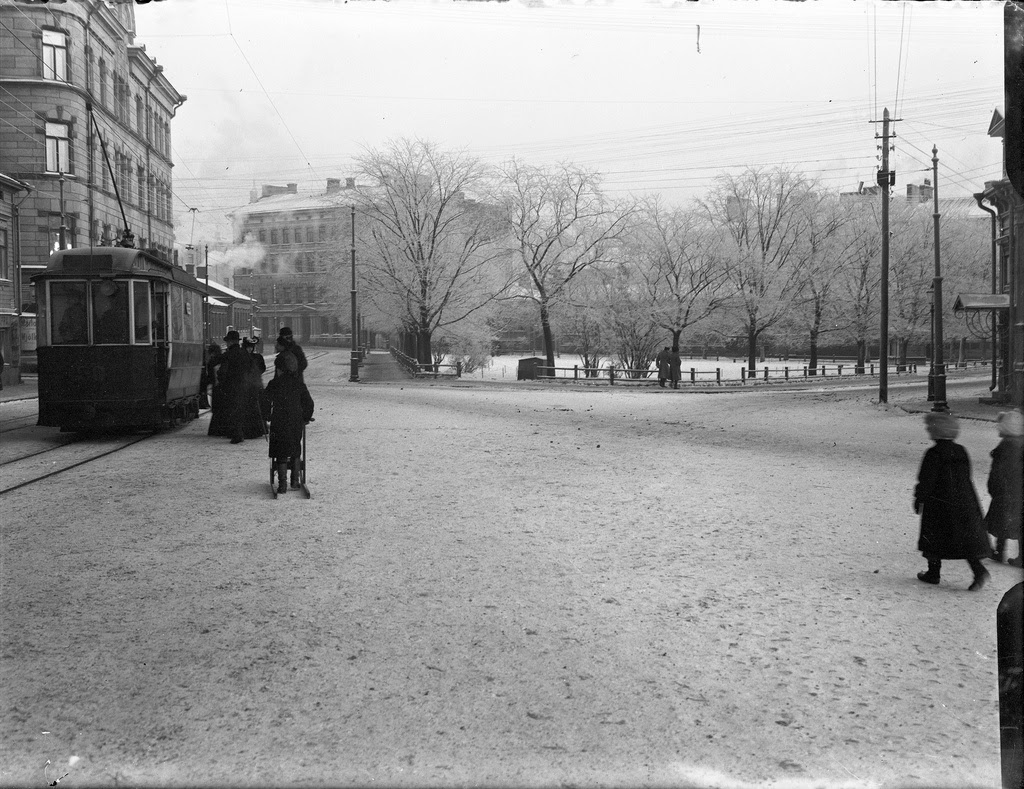
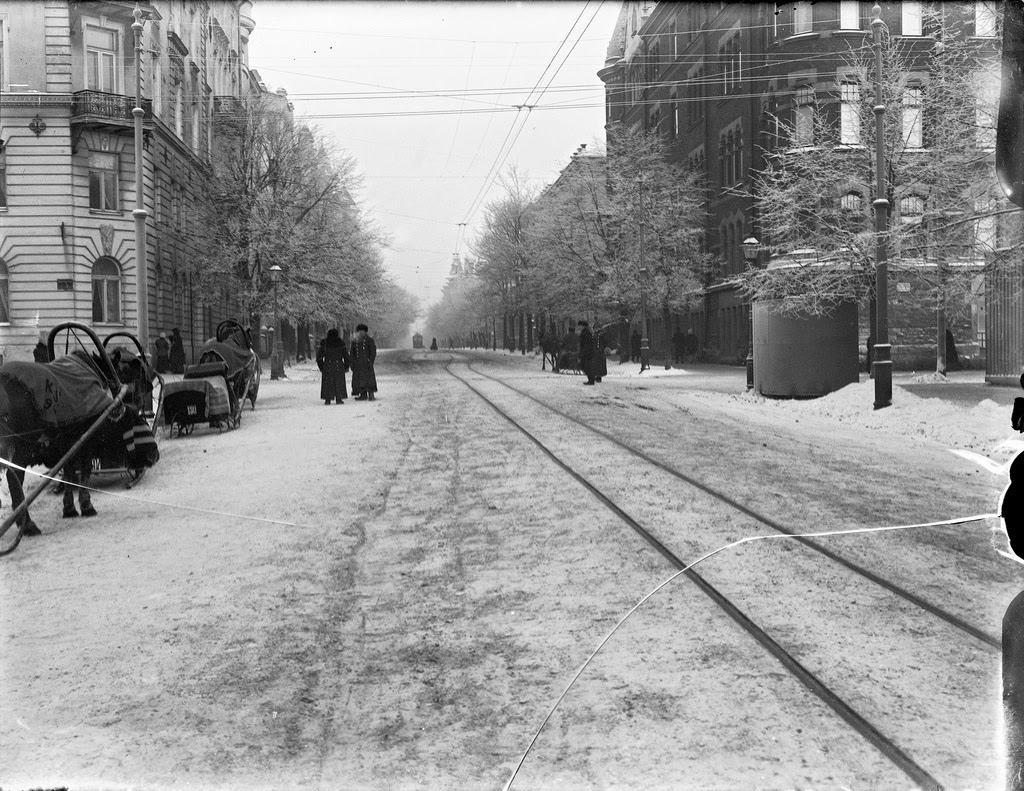
Bulevardi was one of Helsinki’s older streets, running through the southern part of the city. By the early 1900s, it was flanked by apartment buildings, theaters, and commercial establishments. The street’s wide layout made it a pleasant urban artery compared to the narrower lanes found in older parts of the city.
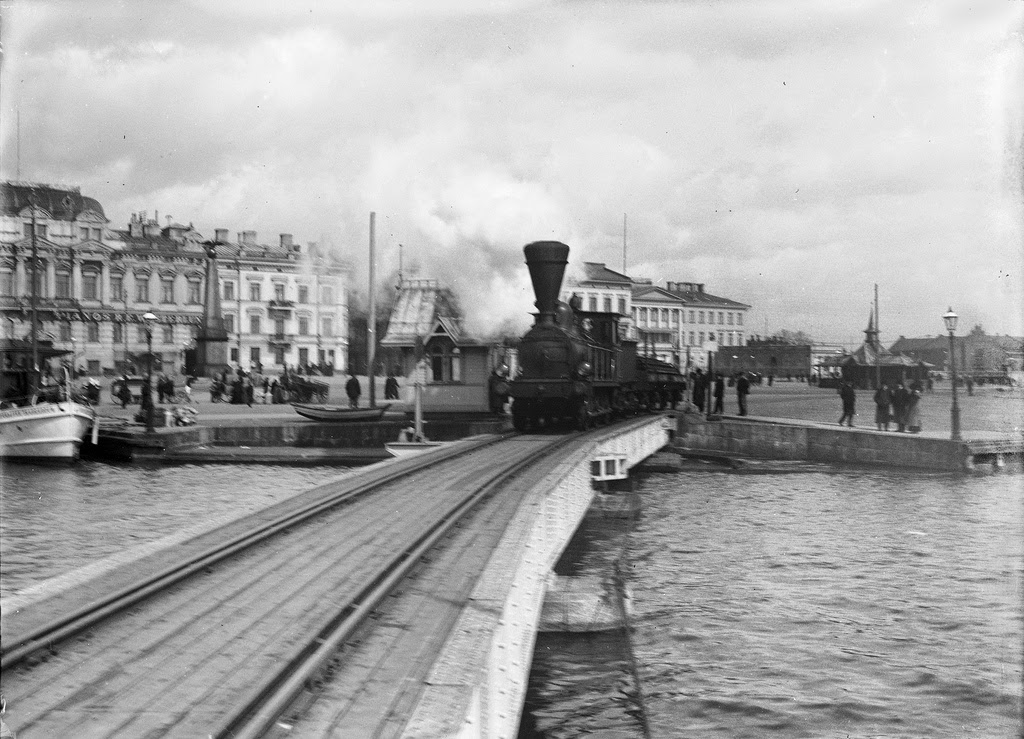
The presence of a locomotive at the Market Square points to just how deeply rail culture had penetrated everyday city life. Whether for demonstration, transport, or a public event, a steam engine on the square would have drawn a crowd. It was a symbol of the industrial age arriving in full force.
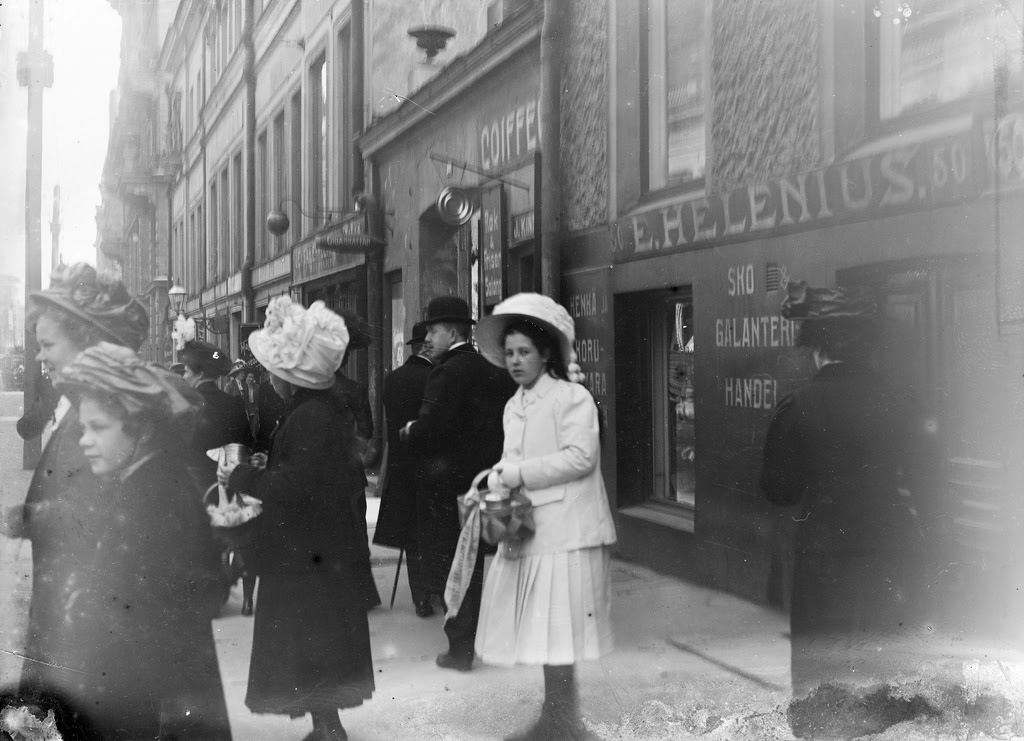
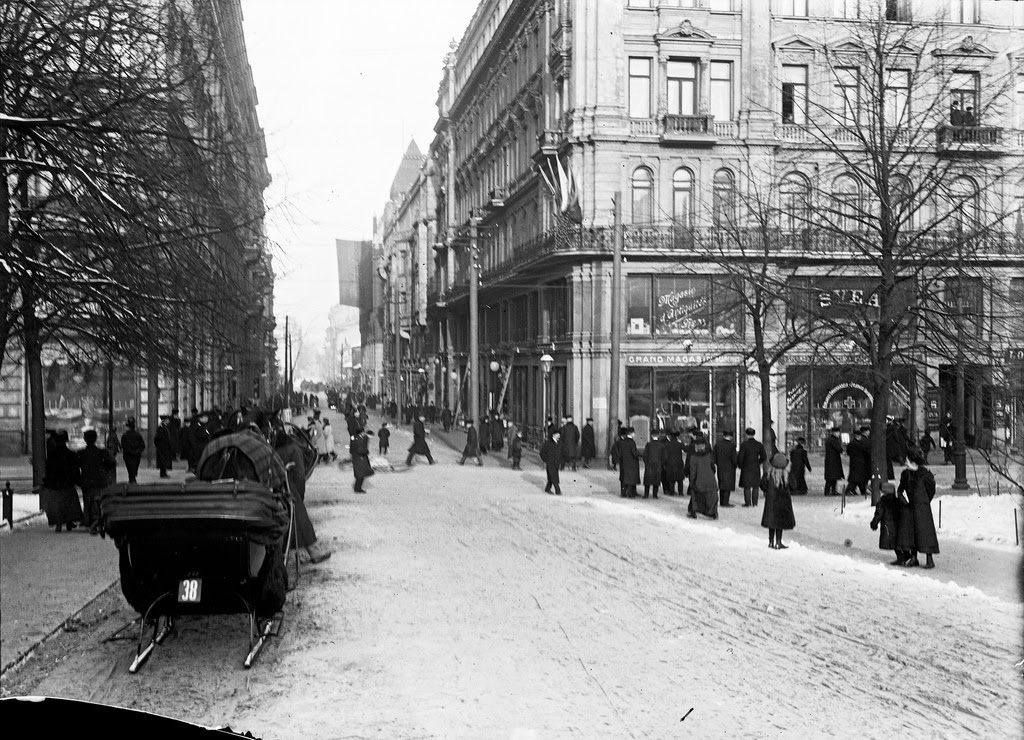
Mikonkatu was a busy commercial street in central Helsinki. Shops, offices, and foot traffic filled its blocks during business hours. Streets like this one gave a clear picture of how Helsinki was functioning as a proper European capital — ordered, busy, and increasingly urban in character.
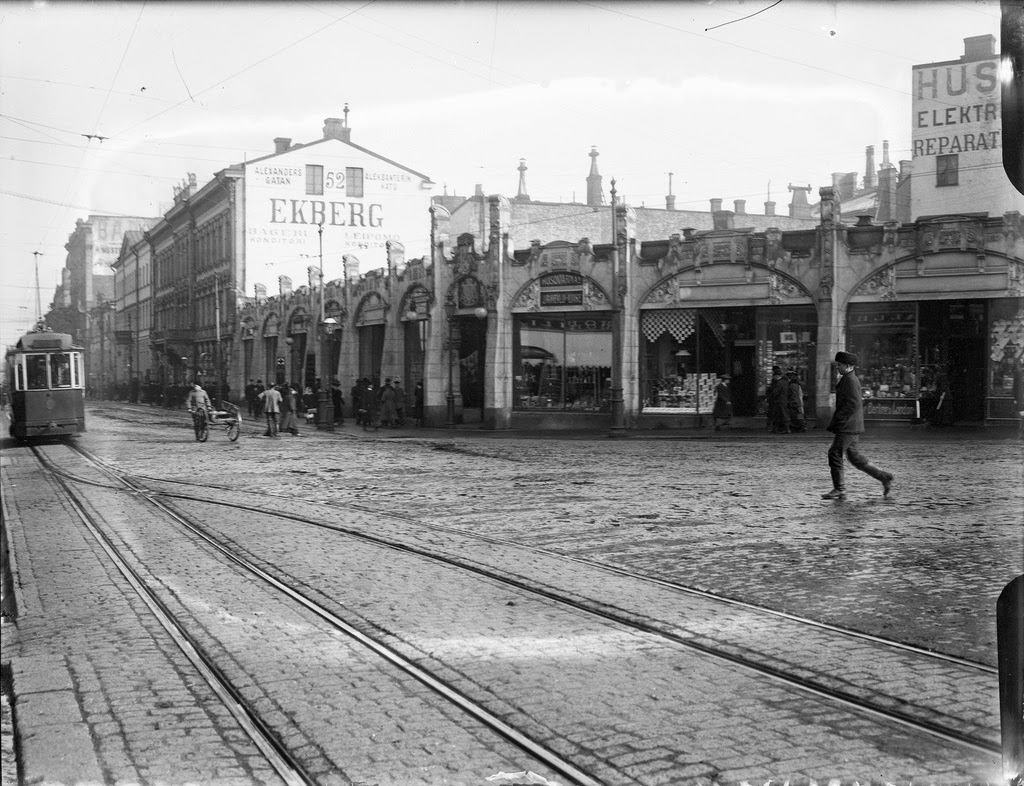
Aleksanterinkatu, named after Tsar Alexander I, was one of the main commercial streets in Helsinki. It connected Senate Square to the western parts of the city center and was lined with shops and business establishments. The street’s name reflected the Russian imperial stamp that still sat across much of the city’s public life.
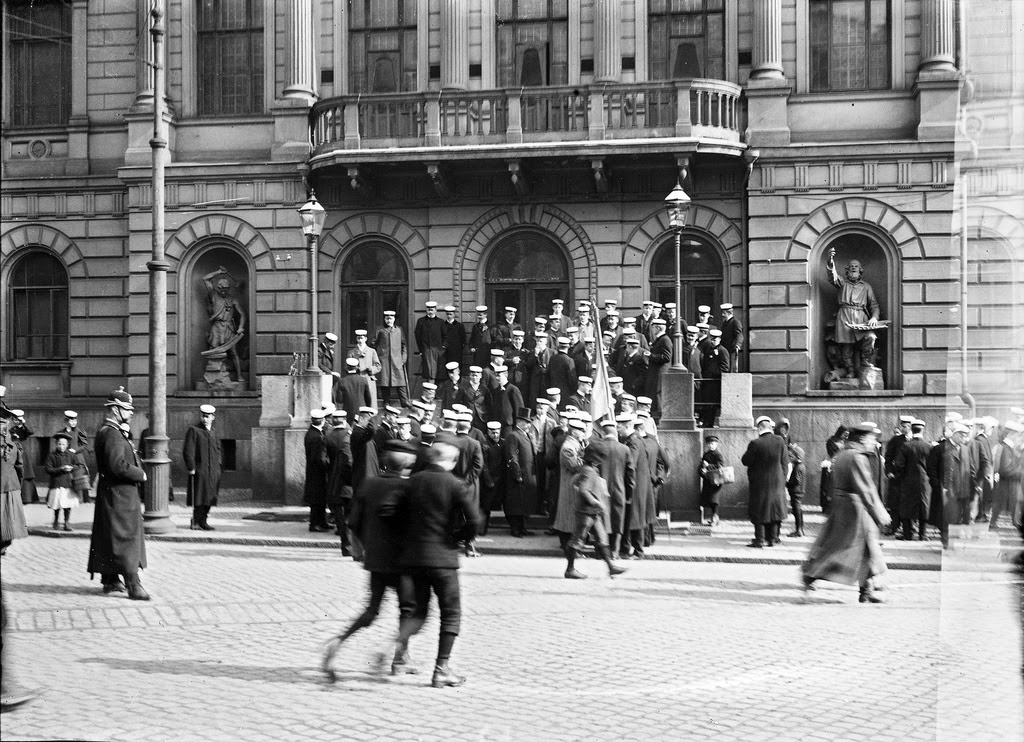
The Old Student House, completed in 1870, was a gathering place for university students and intellectuals in Helsinki. It hosted debates, cultural events, and political discussions during one of the most turbulent periods of Finnish national awakening. Student organizations played an active role in shaping public opinion on Finnish autonomy and identity.
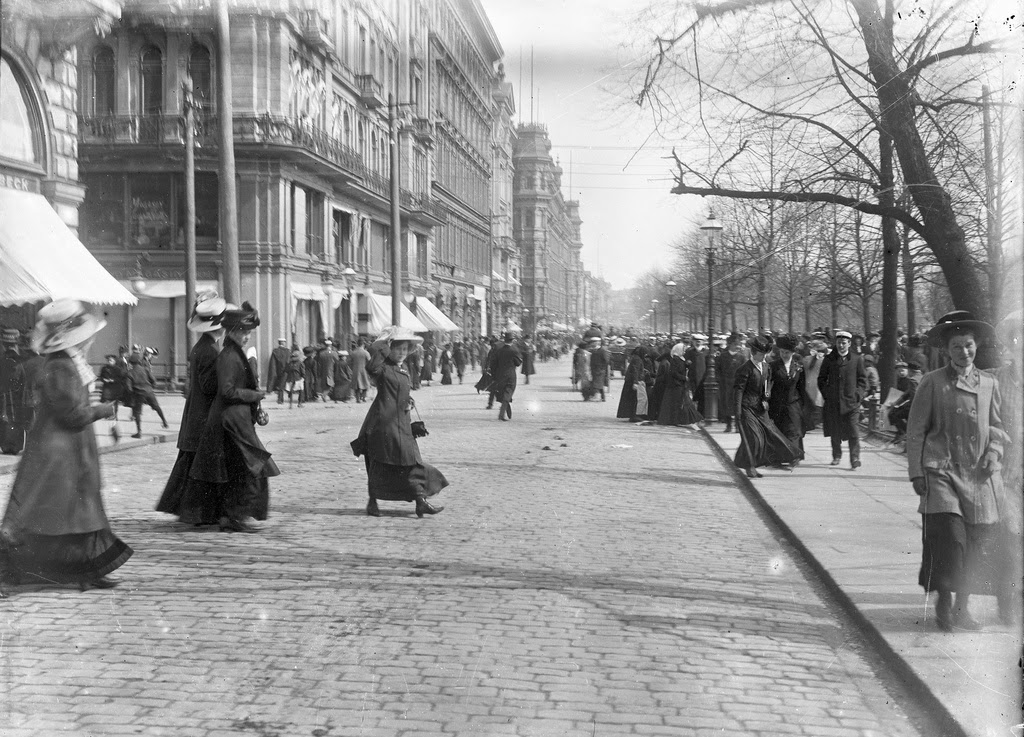
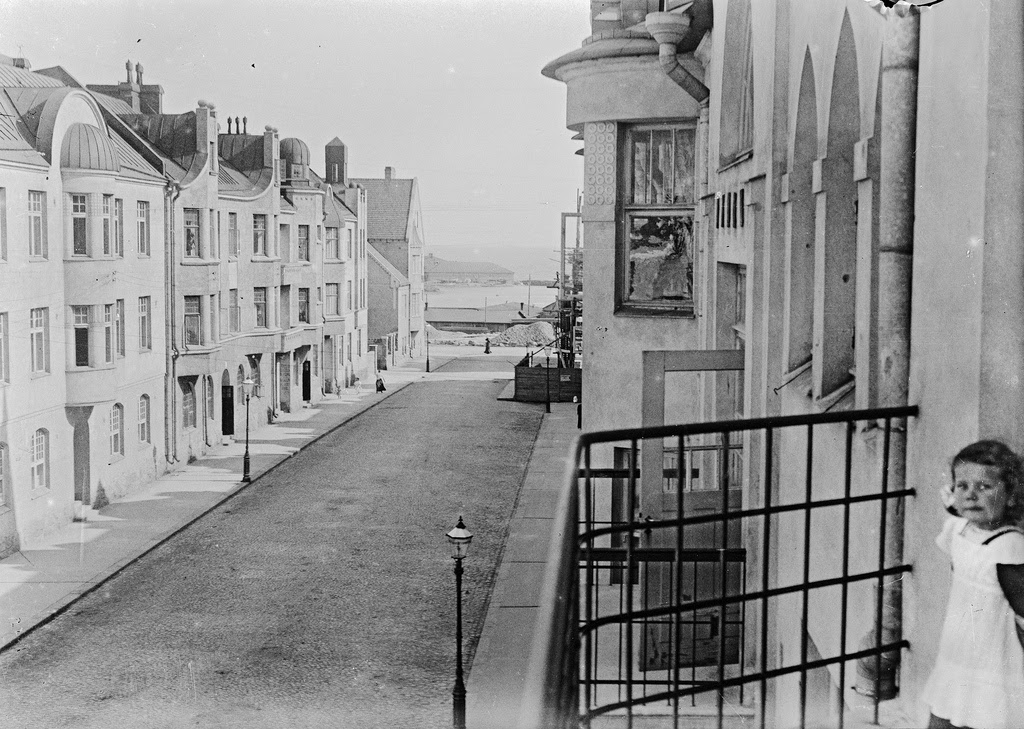
Huvilakatu, or Villa Street in Swedish, was a quiet residential road in the Eira district. Its name came from the villas and smaller private homes that once lined its path. By the early 1900s, the street had taken on a more urban character, with apartment buildings replacing some of the original garden-style properties.
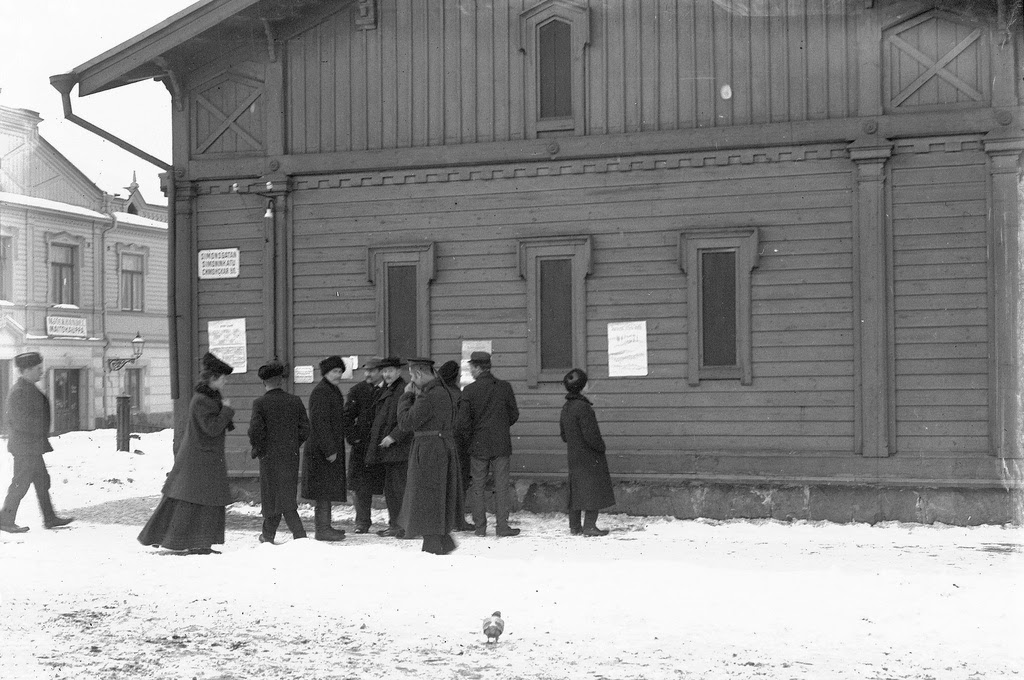
Simonkatu ran through the heart of central Helsinki and connected several key city blocks. Like much of the city center at this time, it was a mix of commerce and residential life, with tram lines beginning to reshape how people moved through the urban grid. These photographs together capture a city in clear transition — growing, building, and finding its place as a modern European capital.





Crazy that they were so forward thinking to have built the Darude – Sandstorm music video set decades before Darude and electronic music were even invented!
Not exactly rare.