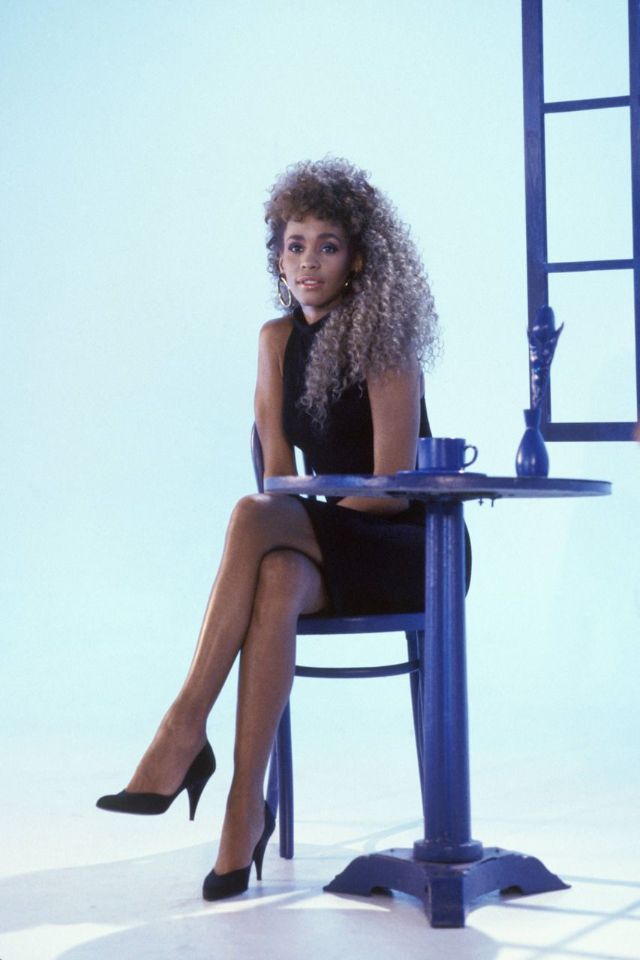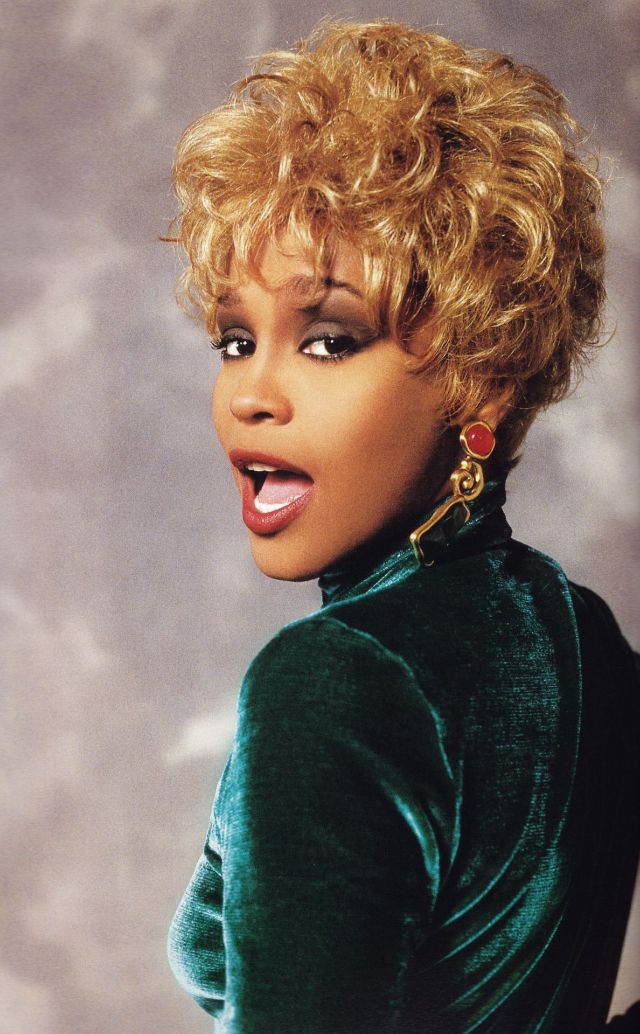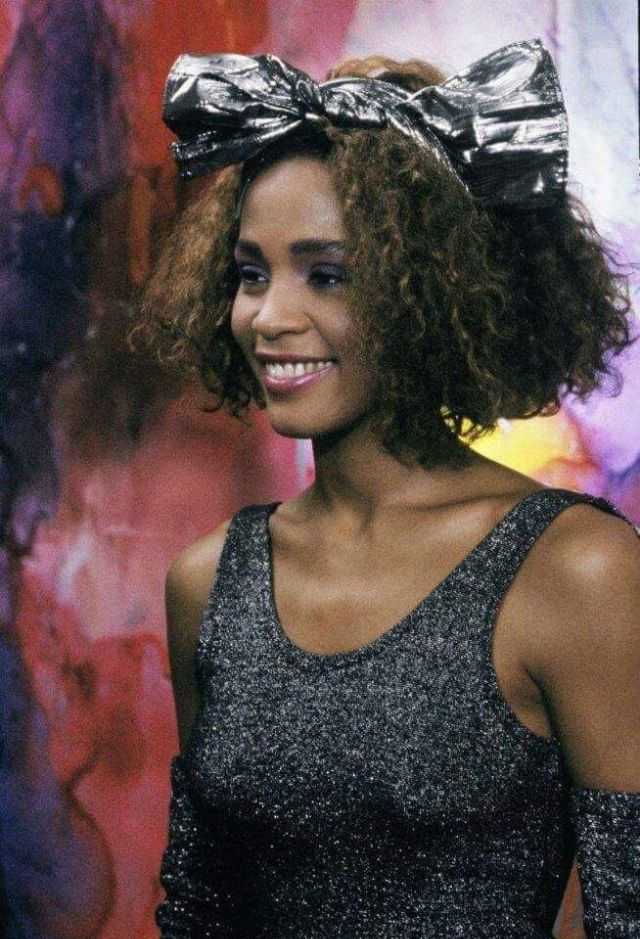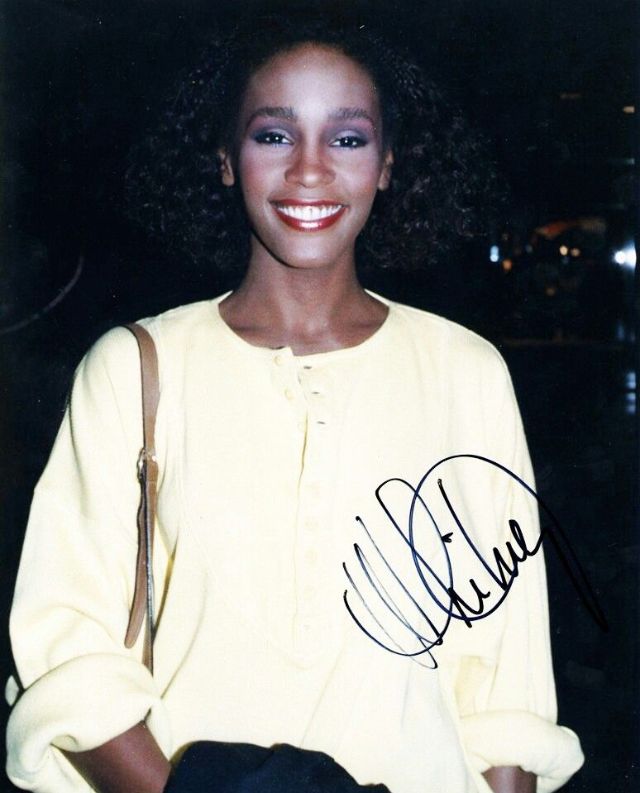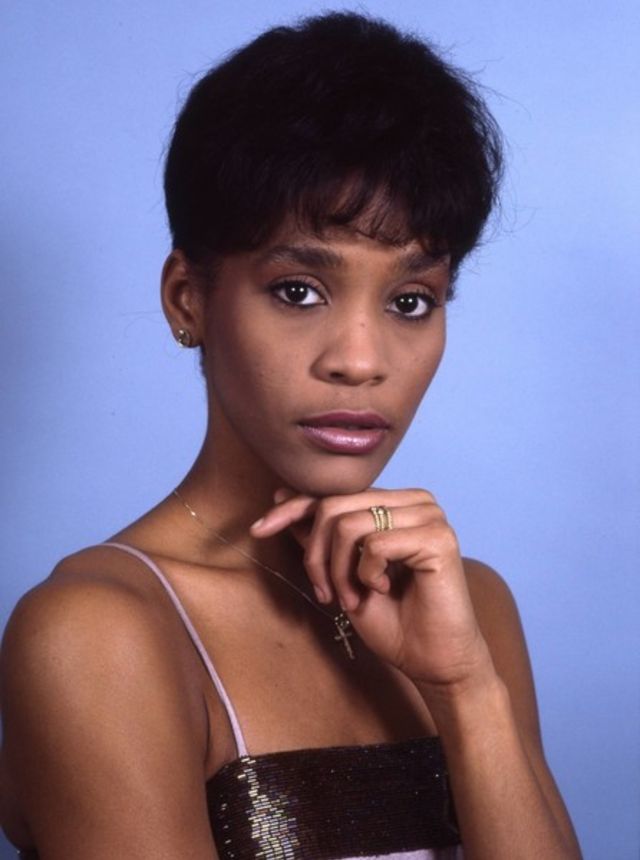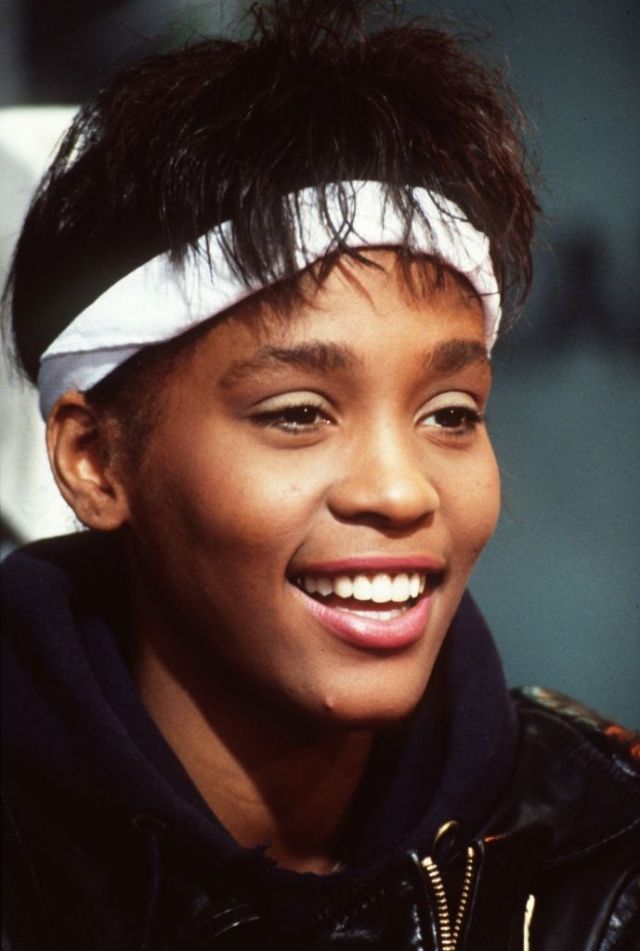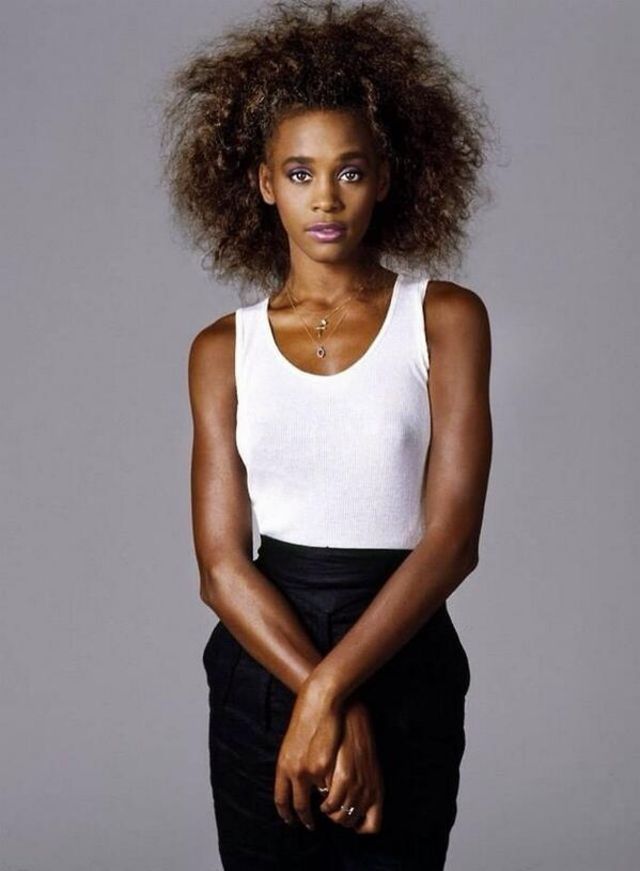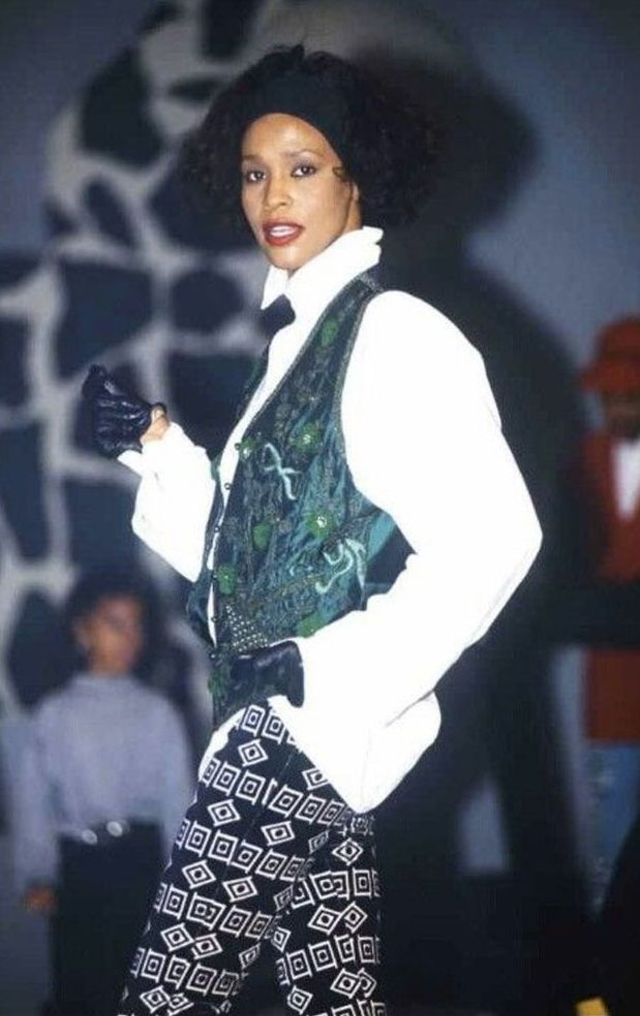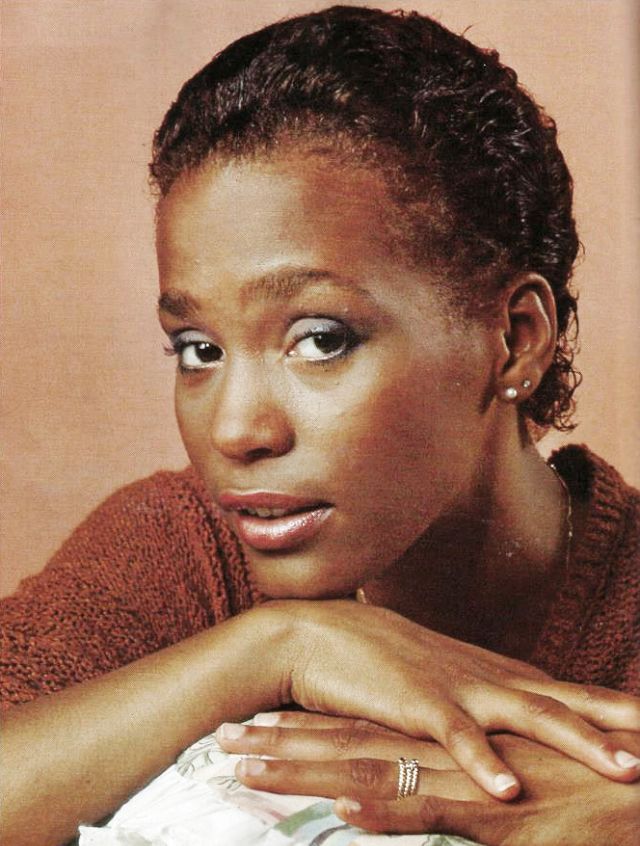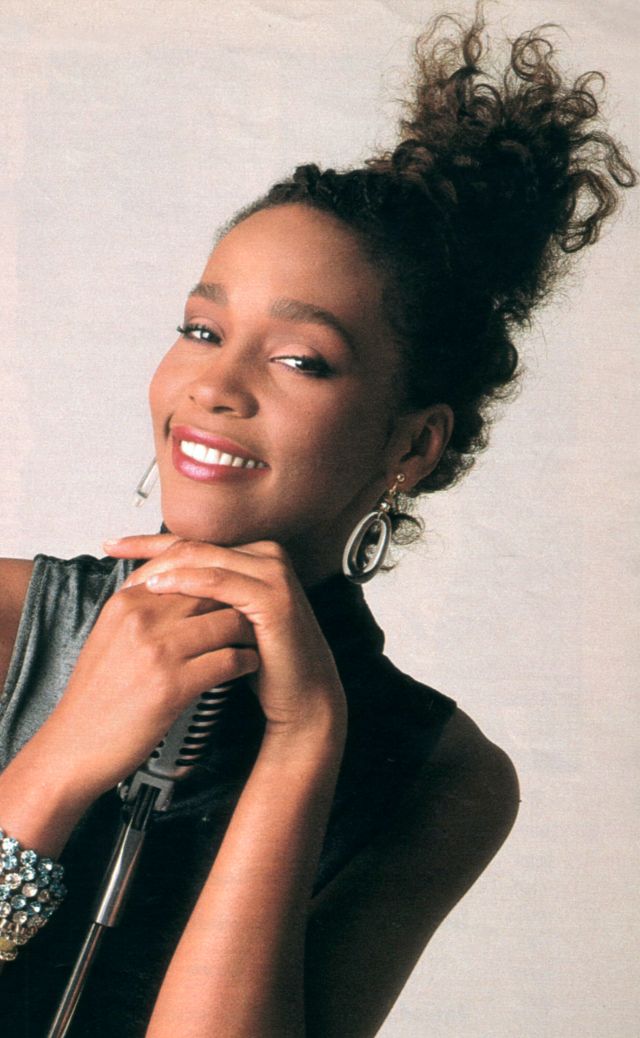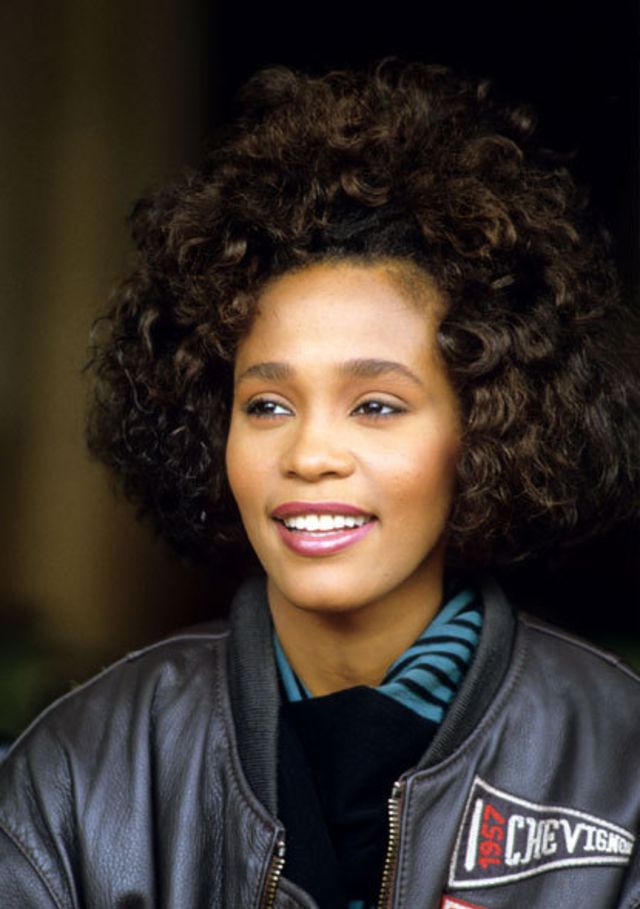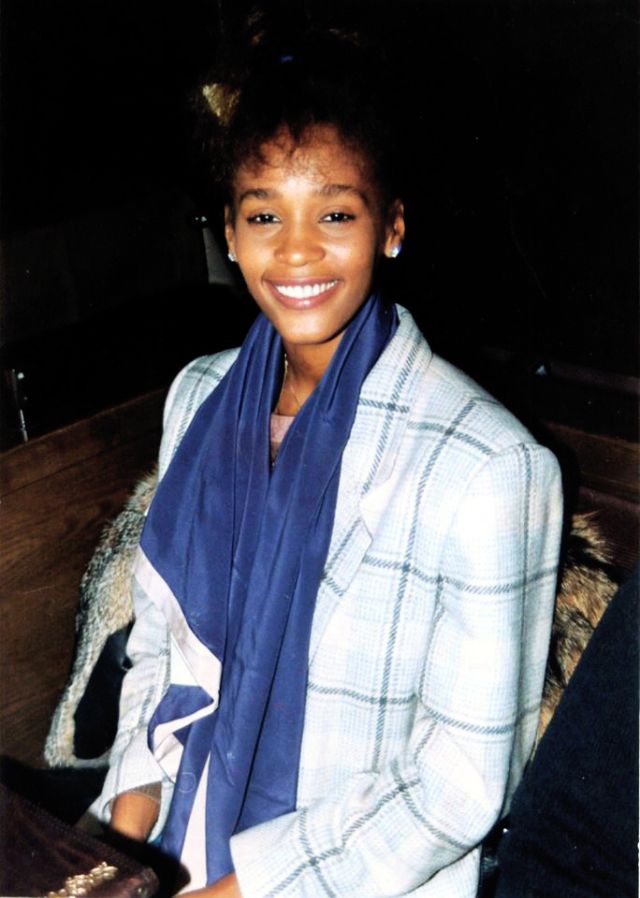
Whitney Elizabeth Houston was born on August 9, 1963, in Newark, New Jersey, into a family where music wasn’t a hobby — it was a way of life. Her mother, Cissy Houston, was a respected gospel singer. Her cousins were Dionne Warwick and Dee Dee Warwick, both established names in the music world. With that kind of lineage, Whitney grew up surrounded by serious musical talent from the very start.
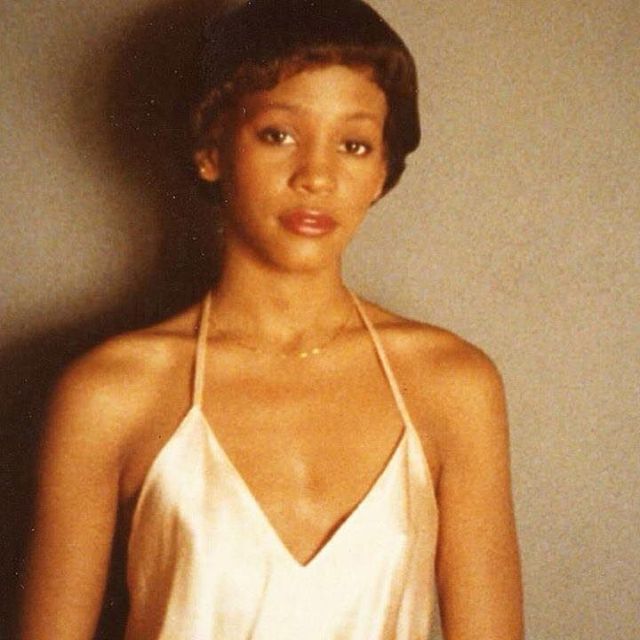
Cissy Houston recognized her daughter’s gift early on. She placed young Whitney in the church choir and brought her along to musical events, treating every opportunity as a chance to sharpen her skills. The church setting was crucial. Gospel music demands emotional honesty and vocal control, and Whitney absorbed both. Those early years in the pews and on the choir stand shaped the way she approached every song she ever sang.
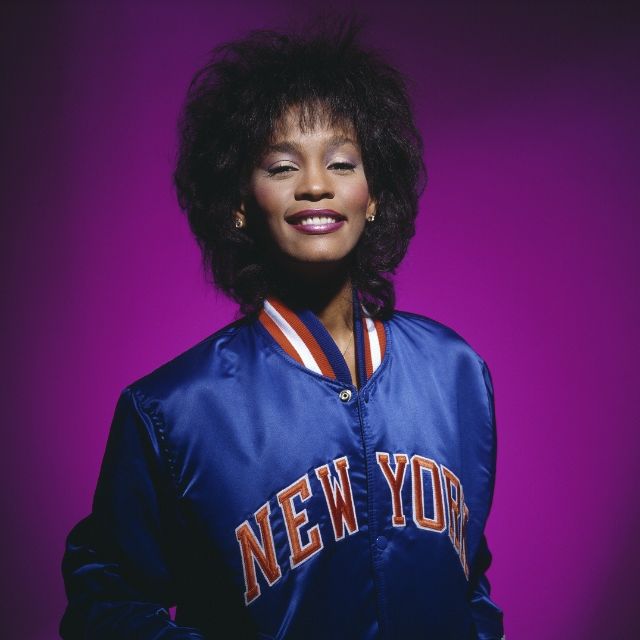
As a teenager, Whitney began experimenting with different styles. Gospel was her foundation, but she pulled from soul and R&B as well, blending them into something that felt entirely her own. Local performances and church events gave her a real audience to sing to, and those audiences responded. Music industry professionals started to take notice.
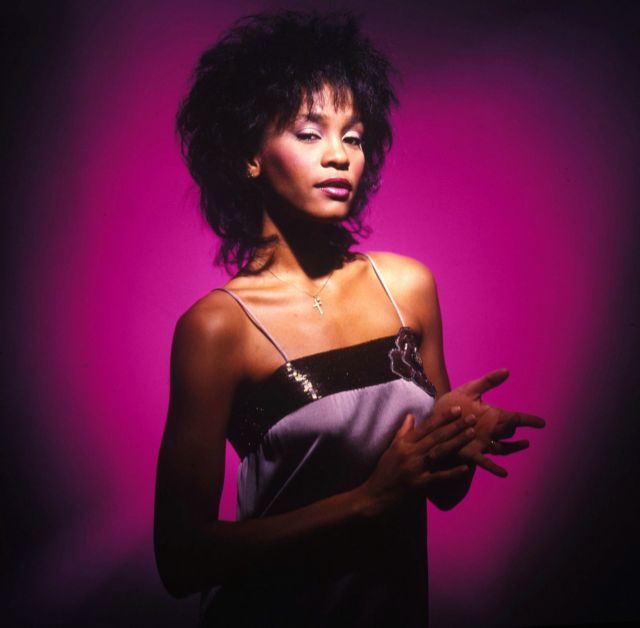
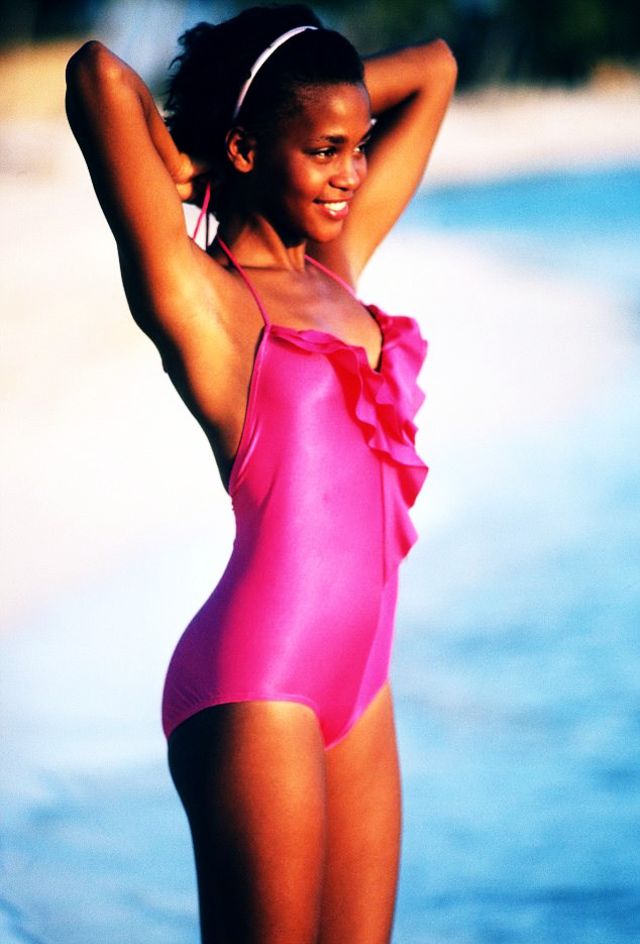
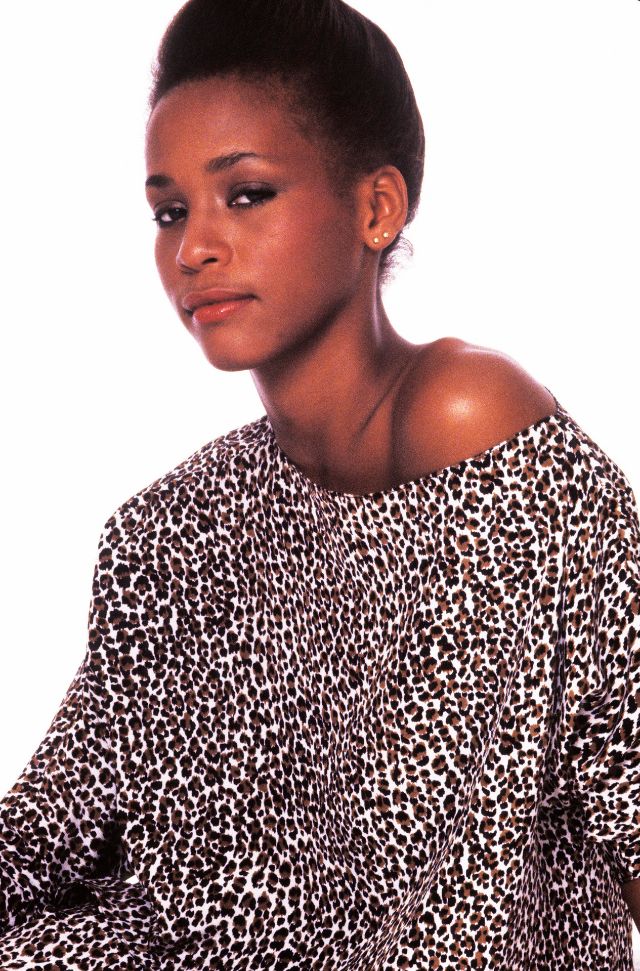
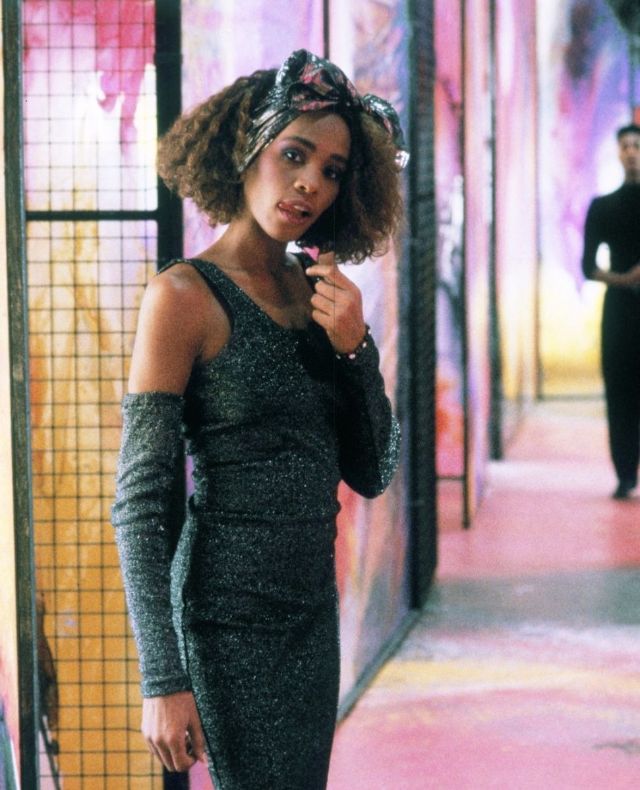
By the early 1980s, Whitney had taken her first professional steps. She worked as a background vocalist for Chaka Khan and Lou Rawls, learning what it meant to perform at a high level consistently. At the same time, she launched a modeling career, appearing on the covers of Seventeen, Glamour, and Cosmopolitan magazines. She was building a public profile on two fronts simultaneously.
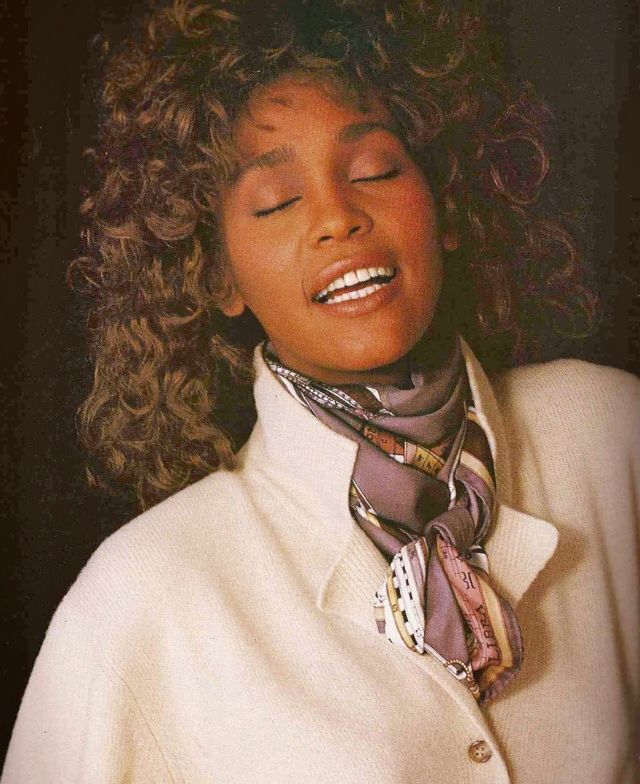
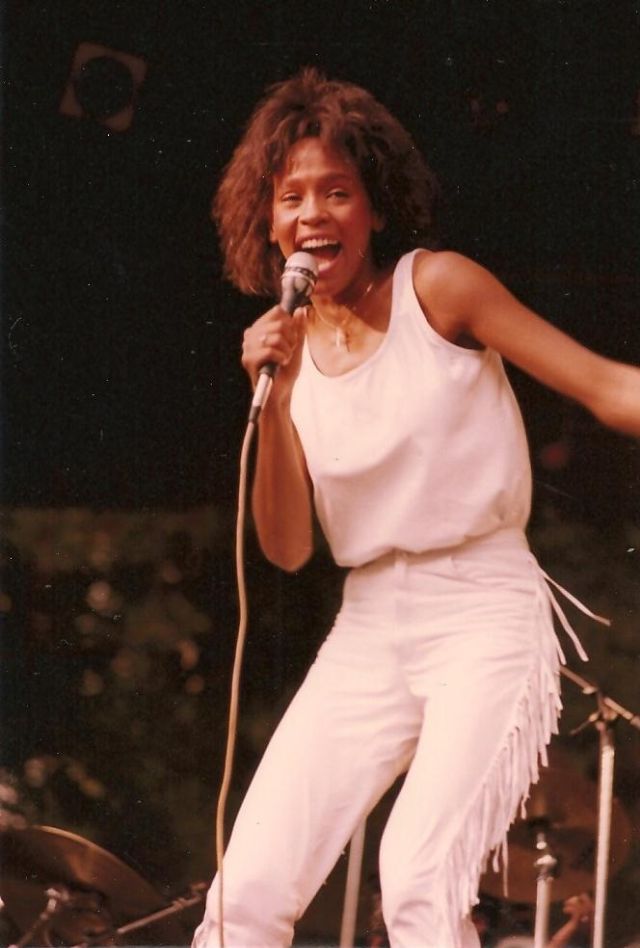
The turning point came in 1983. Clive Davis, the president of Arista Records, watched Whitney perform at a New York nightclub and signed her on the spot. Davis was one of the most powerful figures in the music industry, with a track record of building long-term careers. His decision to sign Whitney that night set everything else in motion.
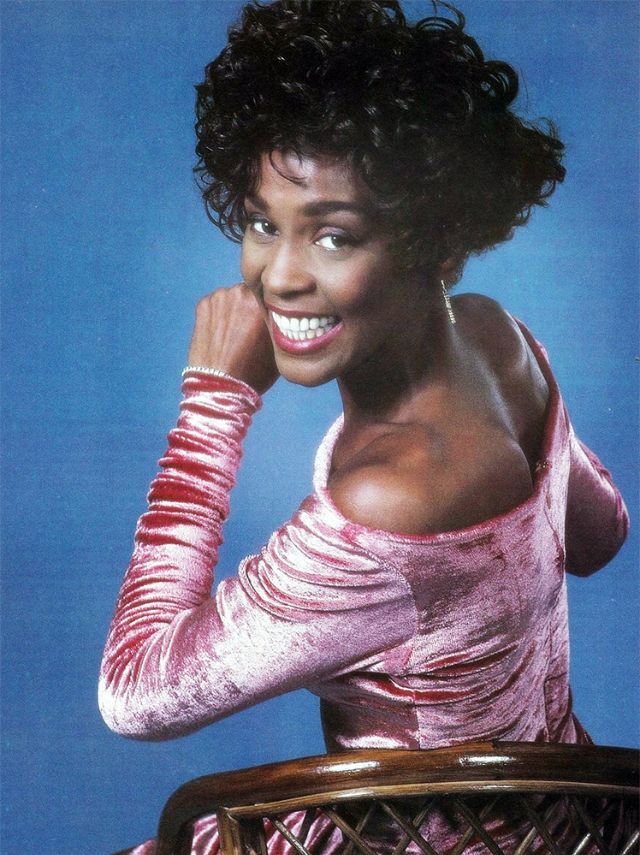
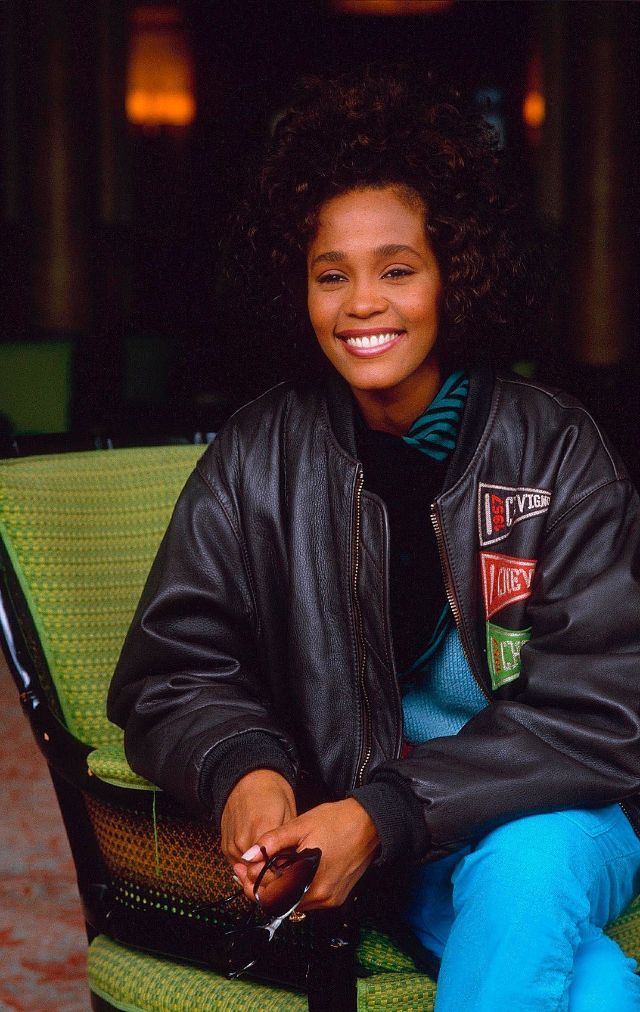
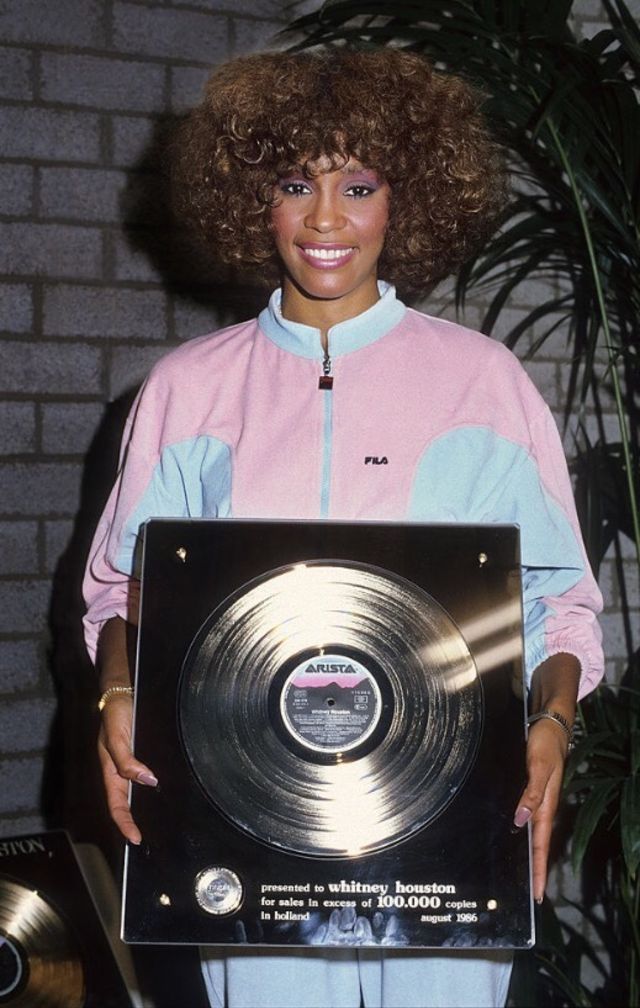
Under Davis’s direction, Whitney released her self-titled debut album in 1985. It was an immediate commercial and critical success. Three singles drove the album’s dominance: “Saving All My Love for You,” “How Will I Know,” and “Greatest Love of All.” Each song showed a different side of her voice — tenderness, joy, and raw power — and critics praised her ability to shift between them without losing authenticity.
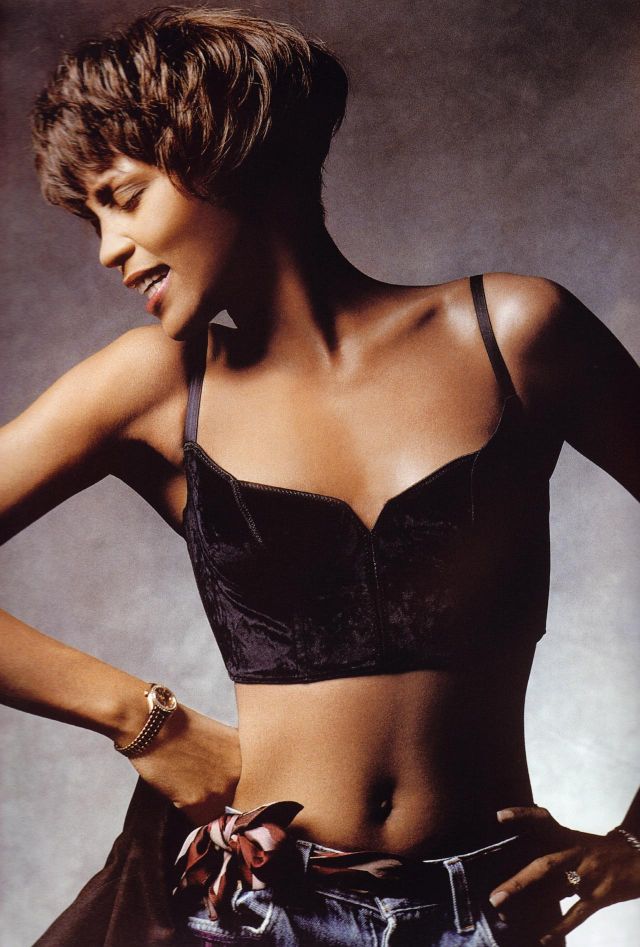
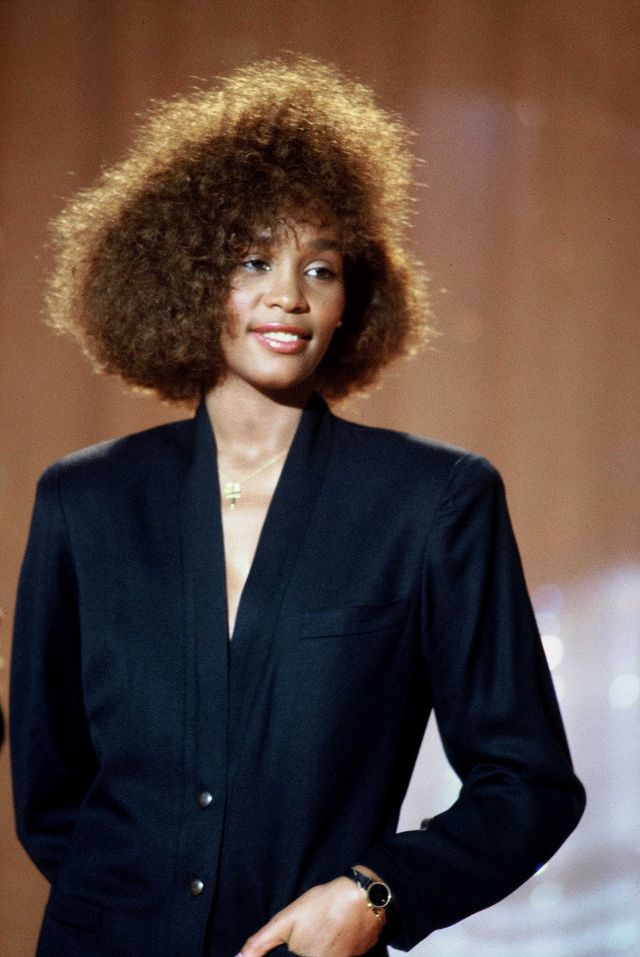
“Saving All My Love for You” earned her the Grammy Award for Best Female Pop Vocal Performance in 1986. The album itself spent 46 weeks on the Billboard Top LPs & Tapes chart. No debut album by a solo artist had ever produced so many number-one singles at that point. Whitney was 21 years old.
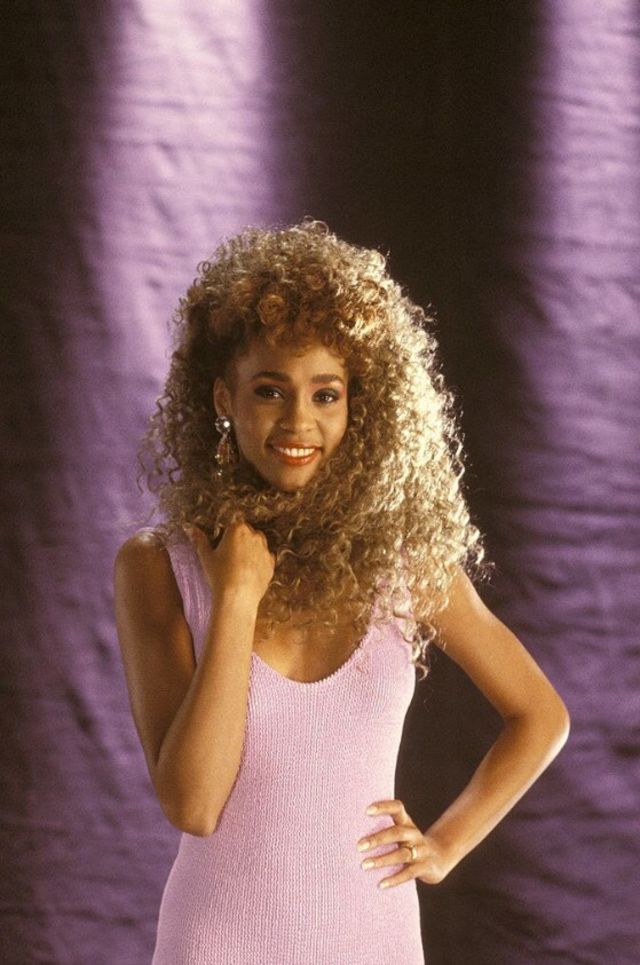
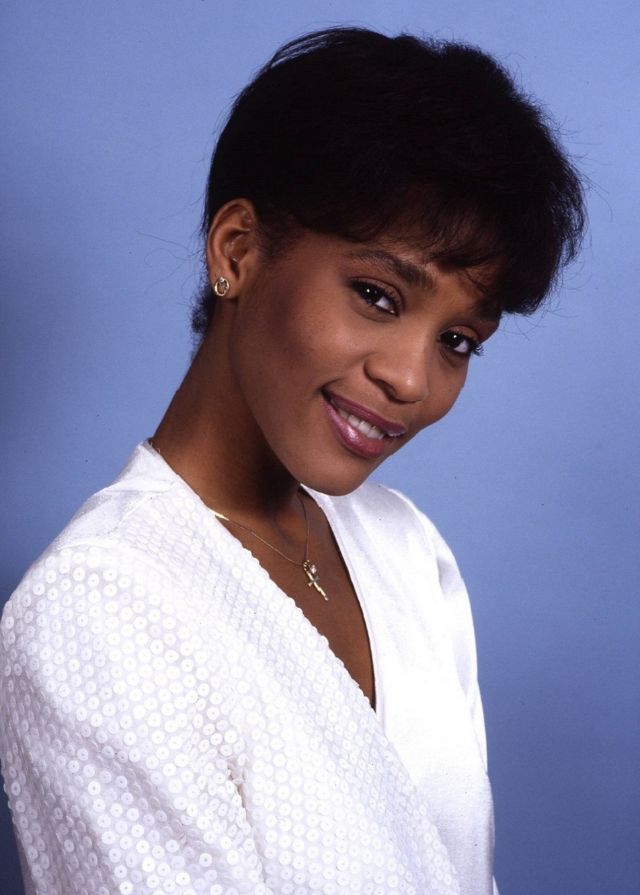
What set Whitney apart wasn’t just vocal range, though hers was exceptional. It was precision. She hit notes cleanly, held them steadily, and never sacrificed clarity for showiness. Producers and engineers who worked with her in those early years noted how little correction her recordings needed. She sang it right the first time, more often than not.
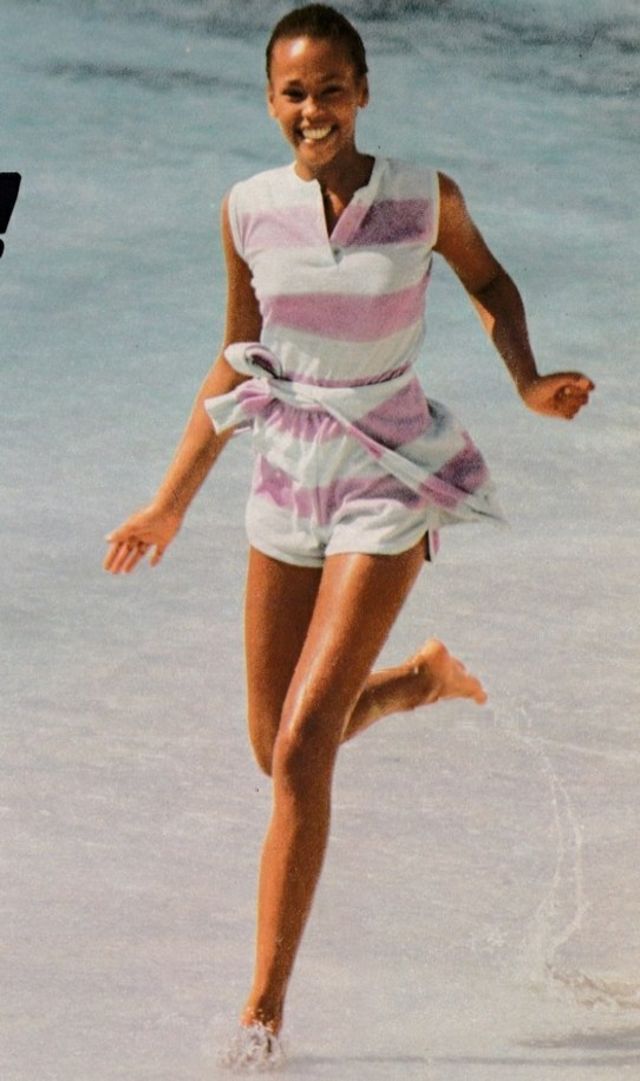
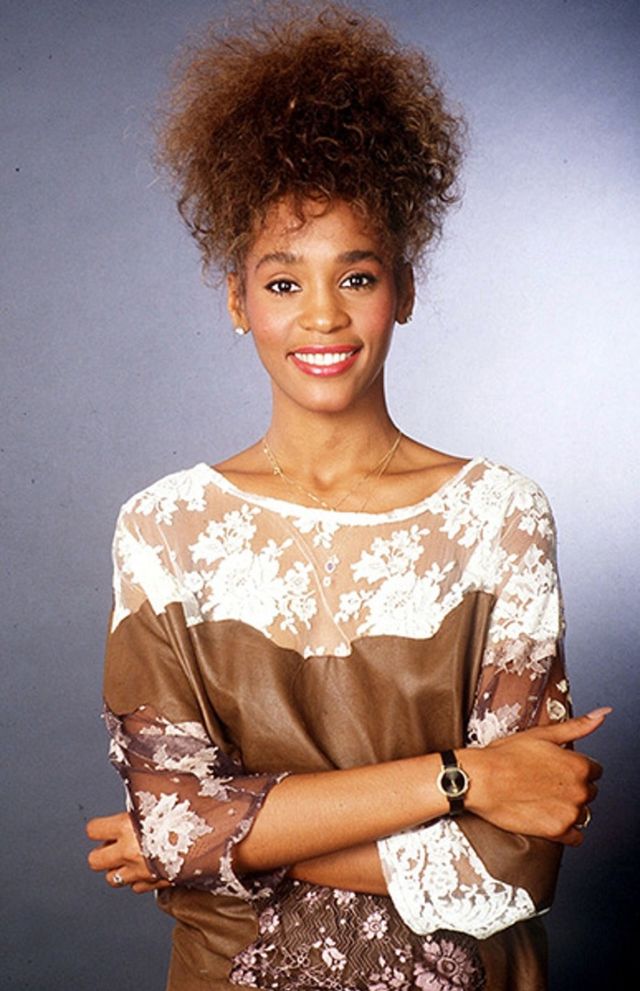
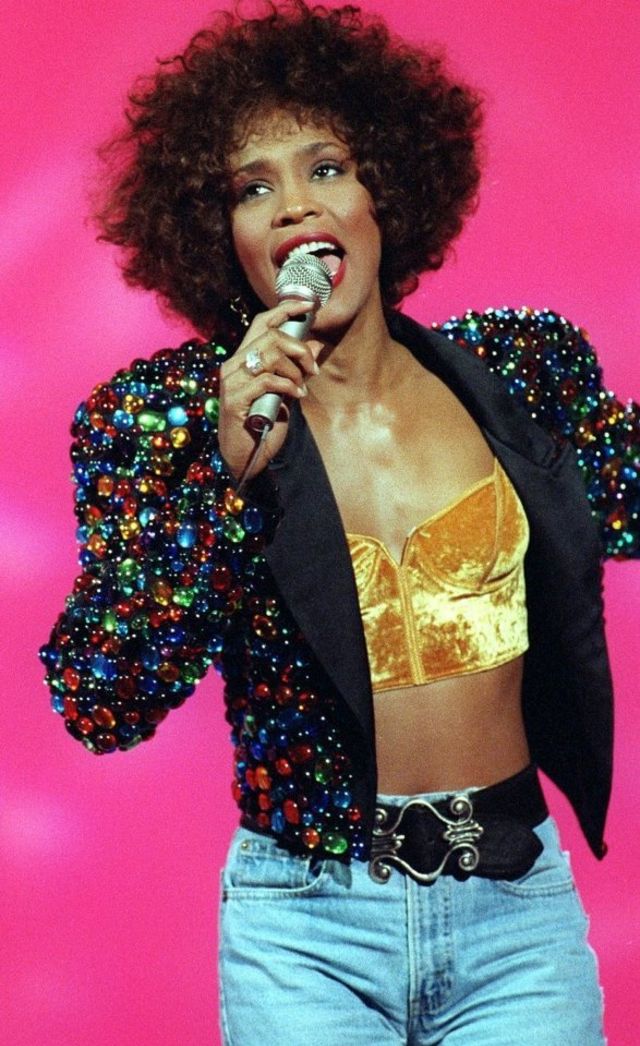
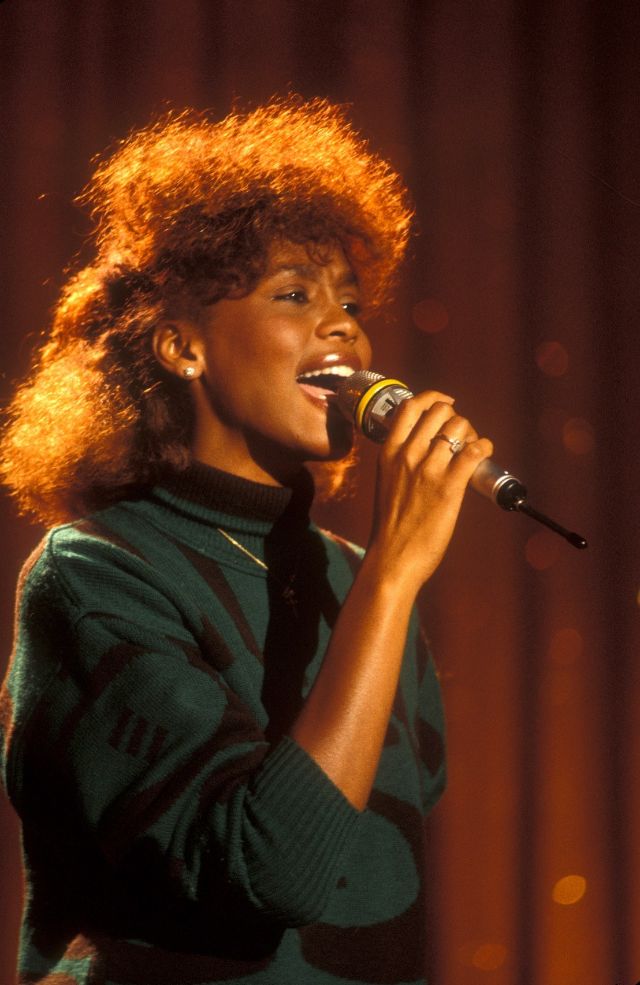
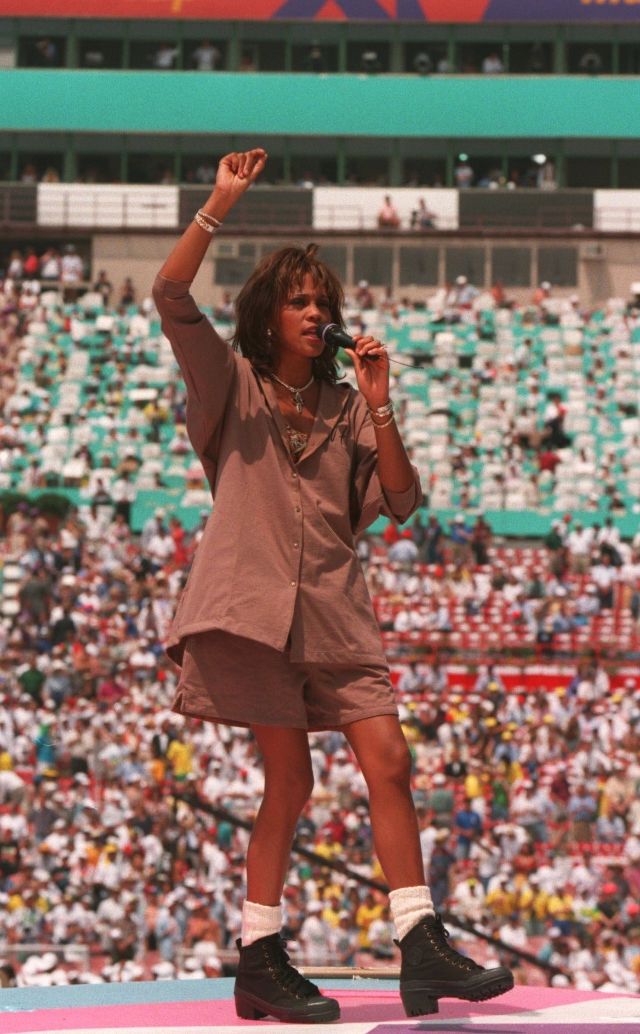
Her stage presence matched her studio work. From the church choir to nightclubs to national television appearances, Whitney carried herself with a confidence that felt natural rather than performed. Audiences weren’t just hearing a great singer — they were watching someone who clearly knew exactly what she was doing up there.
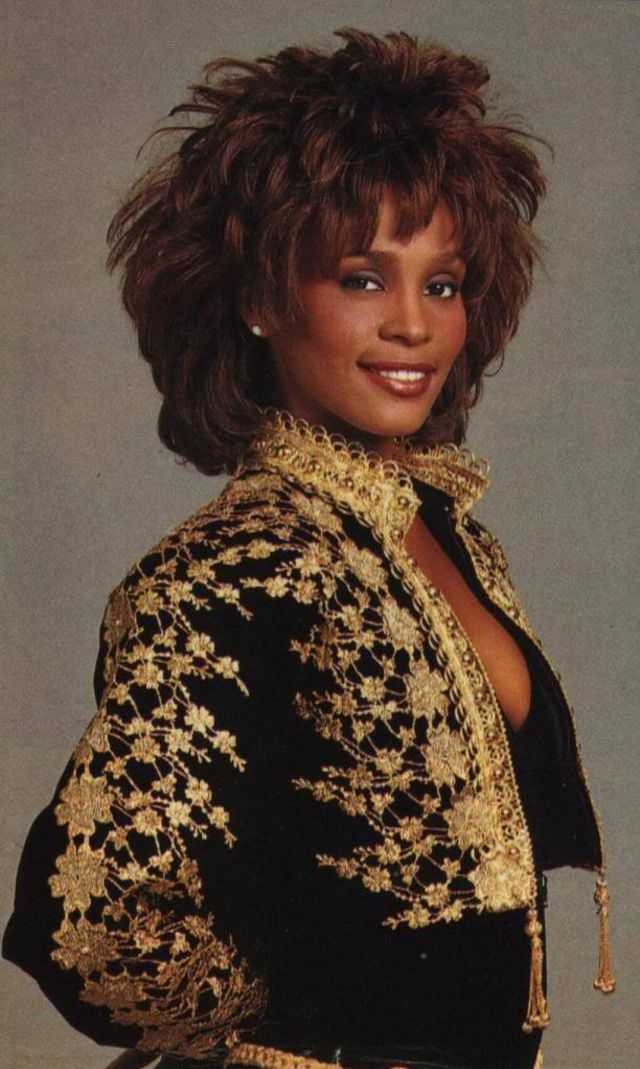
The gospel roots never left her. Even on pop and R&B tracks, Whitney’s phrasing carried the emotional weight of a Sunday morning service. That quality — the ability to make a listener feel the lyrics, not just hear them — came directly from those years singing in church under her mother’s watchful eye.
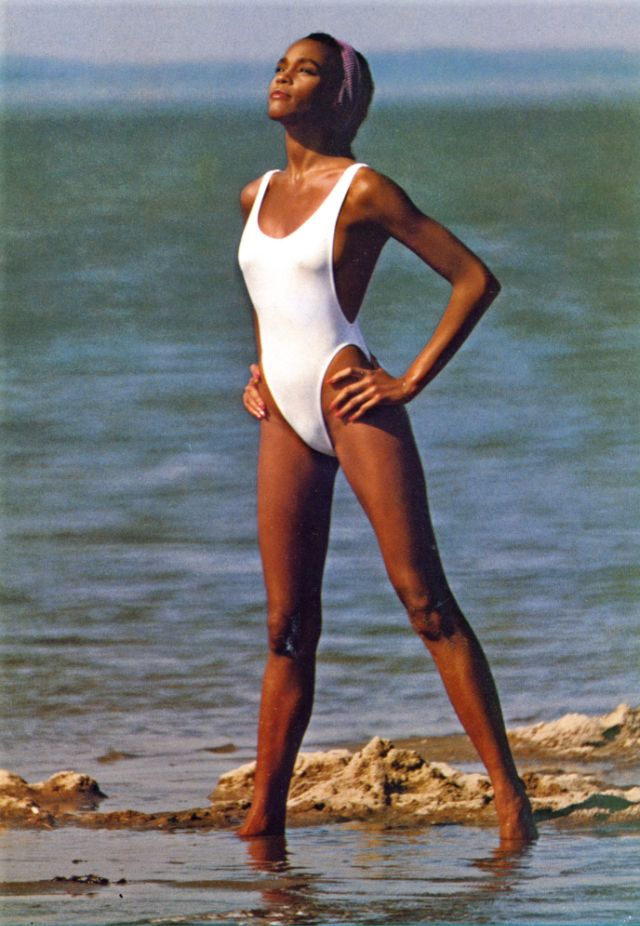
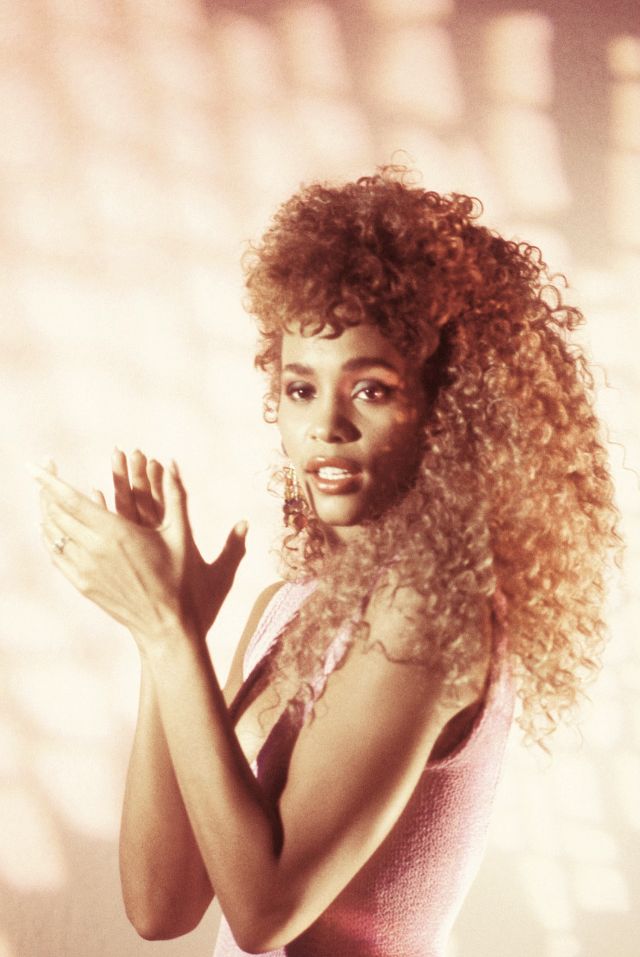
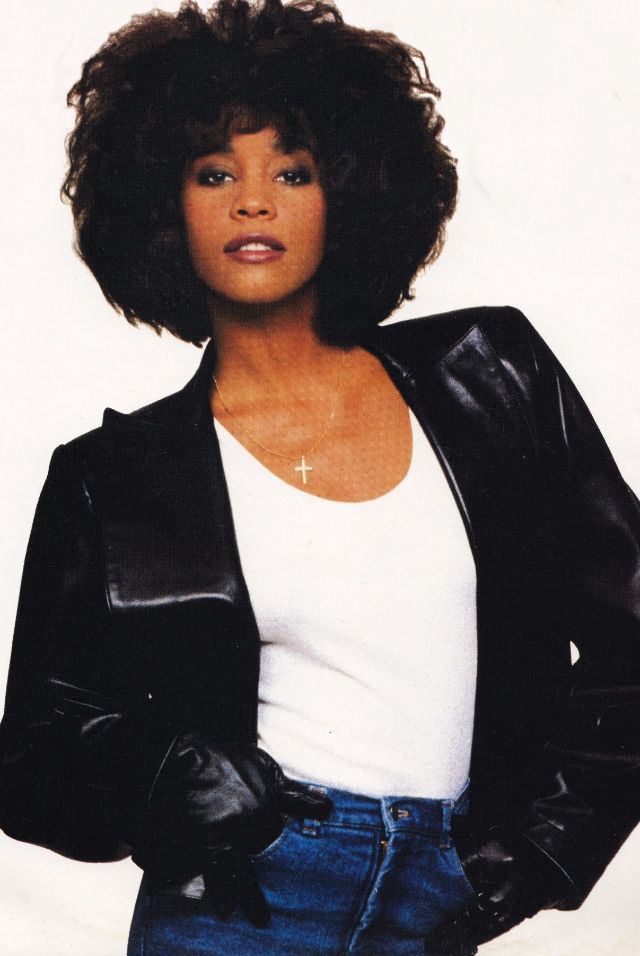
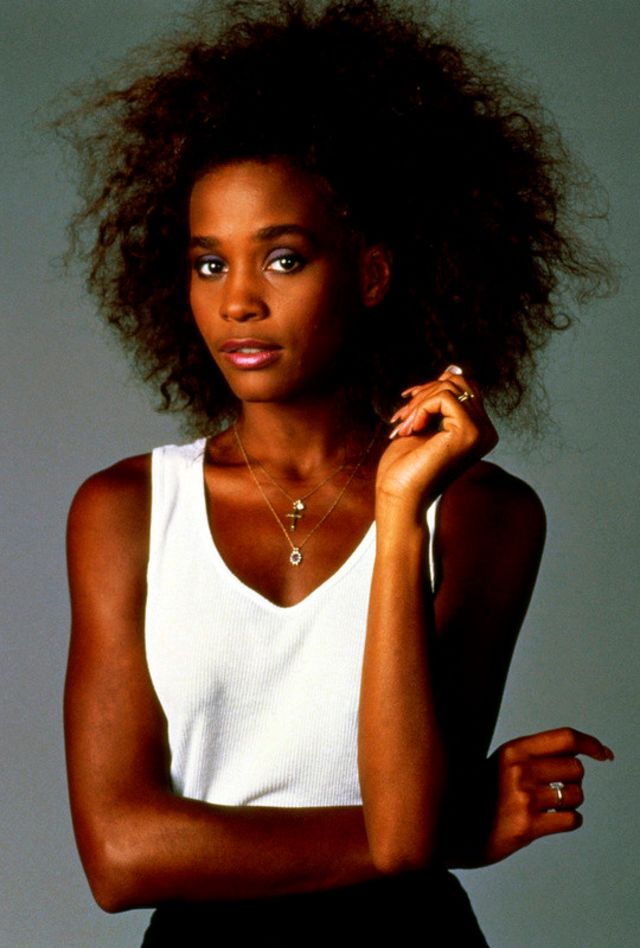
Whitney’s early modeling work also shaped how she presented herself publicly. She was comfortable in front of a camera in a way that many musicians aren’t. That ease translated directly to music videos and television performances, where she looked as polished as she sounded.
Cissy Houston remained a close presence throughout Whitney’s rise. She coached her daughter, performed alongside her at times, and kept a connection to the gospel tradition that had started everything. The mother-daughter dynamic was central to how Whitney developed, both musically and personally.
By her mid-twenties, Whitney Houston had already done what most artists spend entire careers chasing. Her debut album had broken records. She had Grammy wins on her shelf. She had performed on national stages to audiences of millions. Every achievement in those early years traced back to the same starting point: a girl in a Newark church choir, learning how to sing the right way.