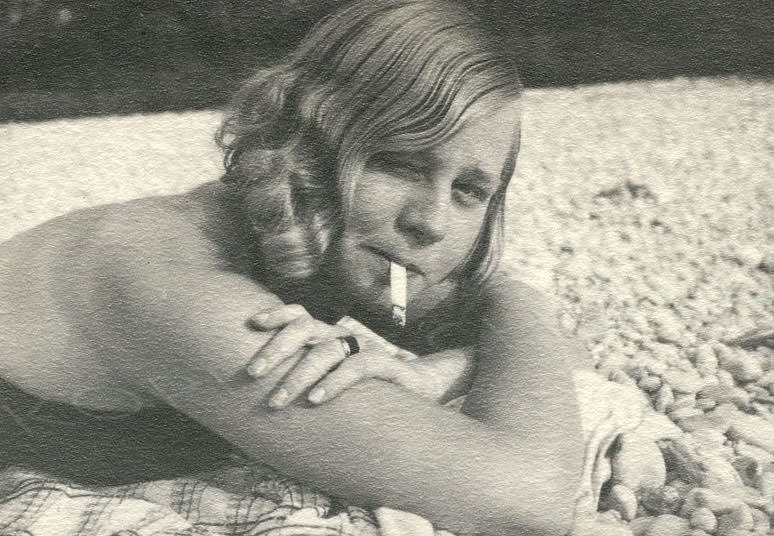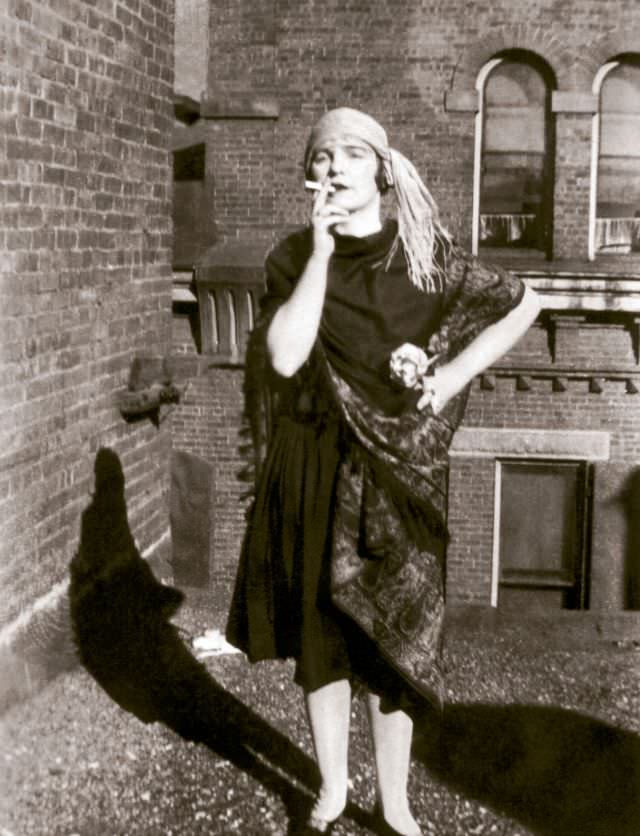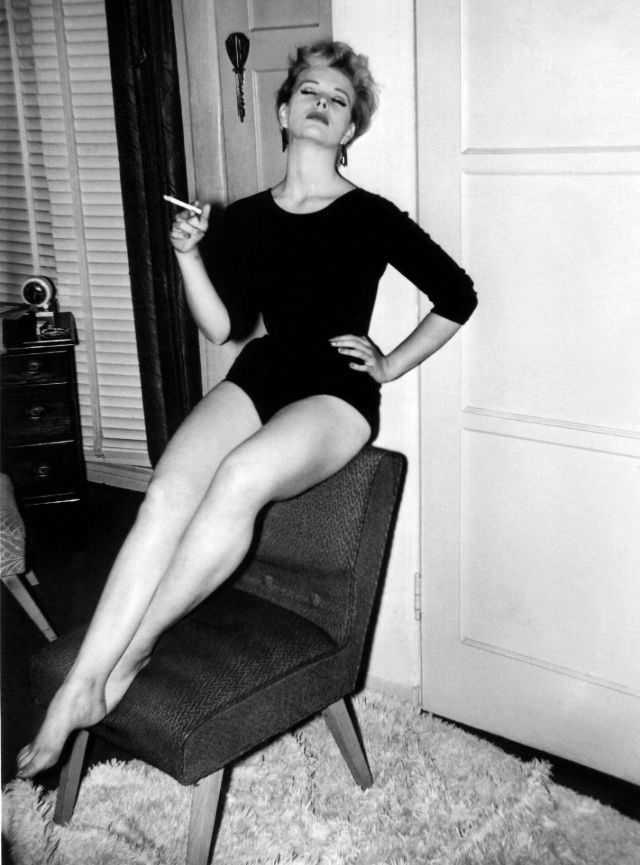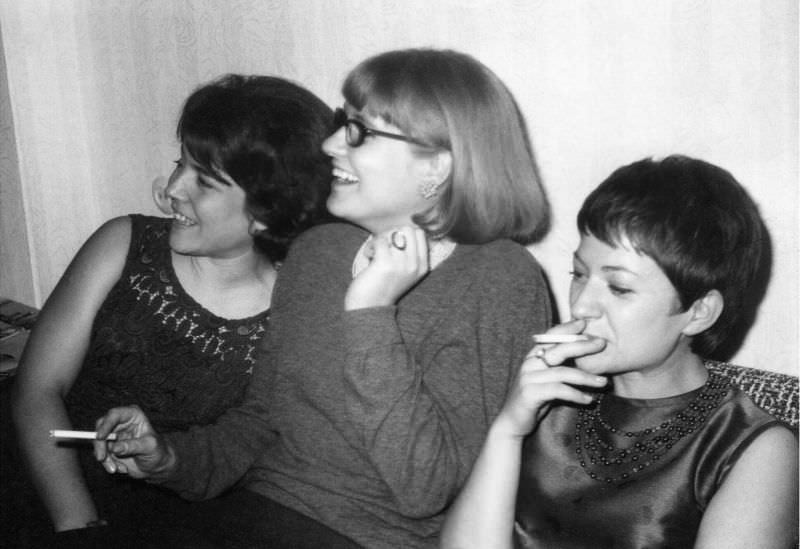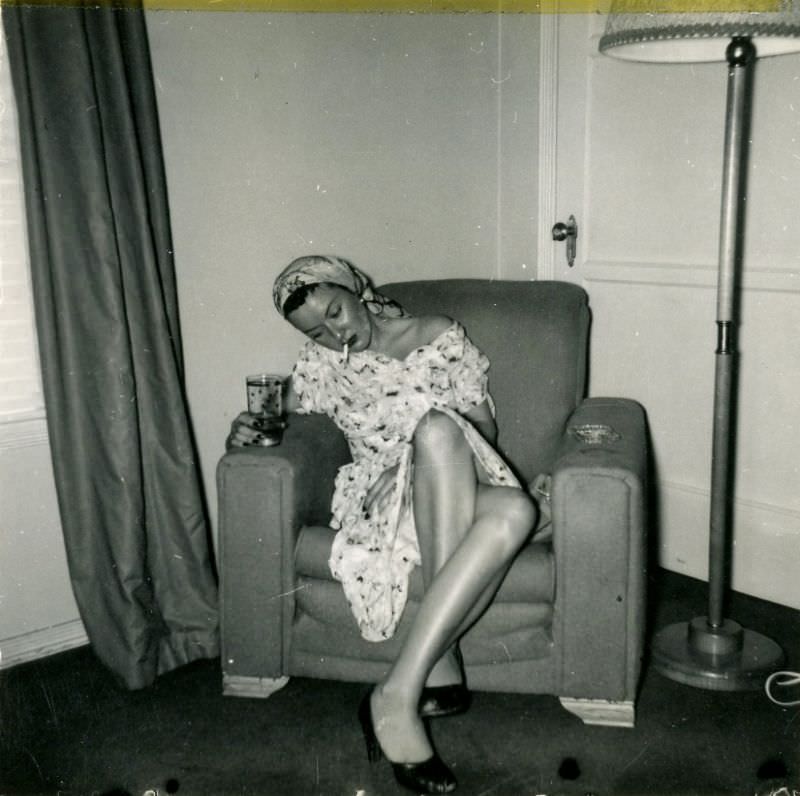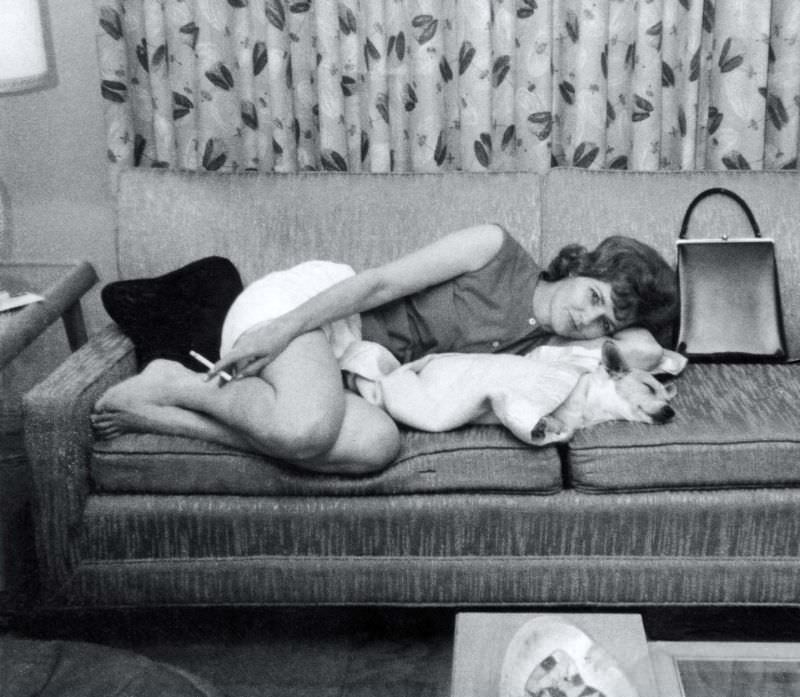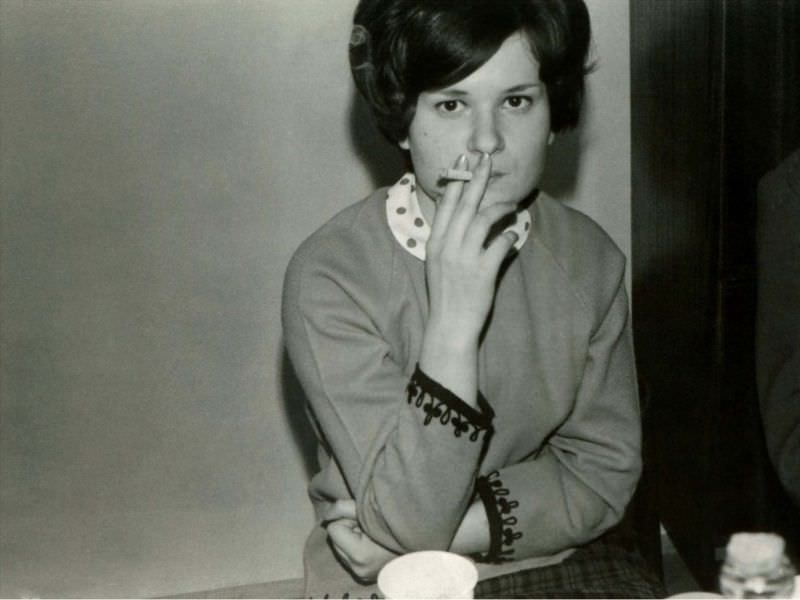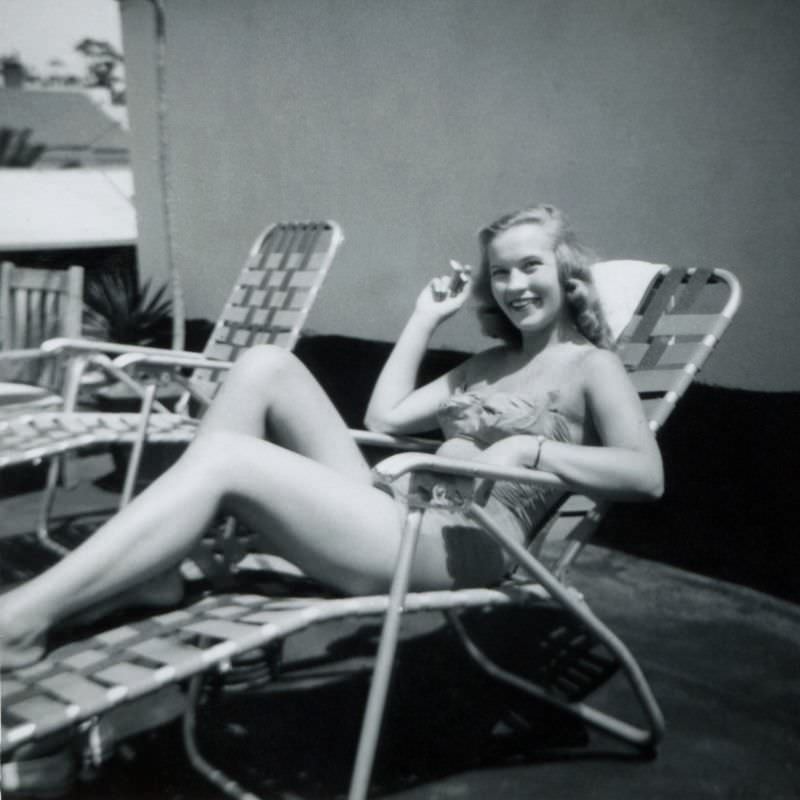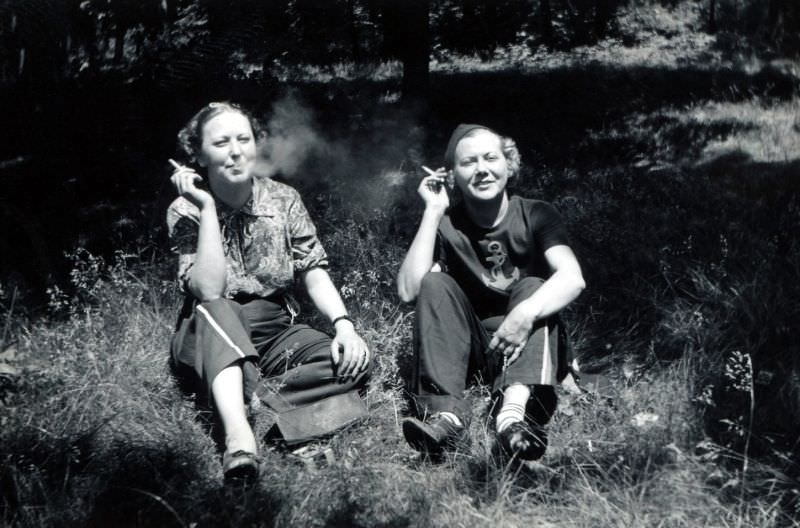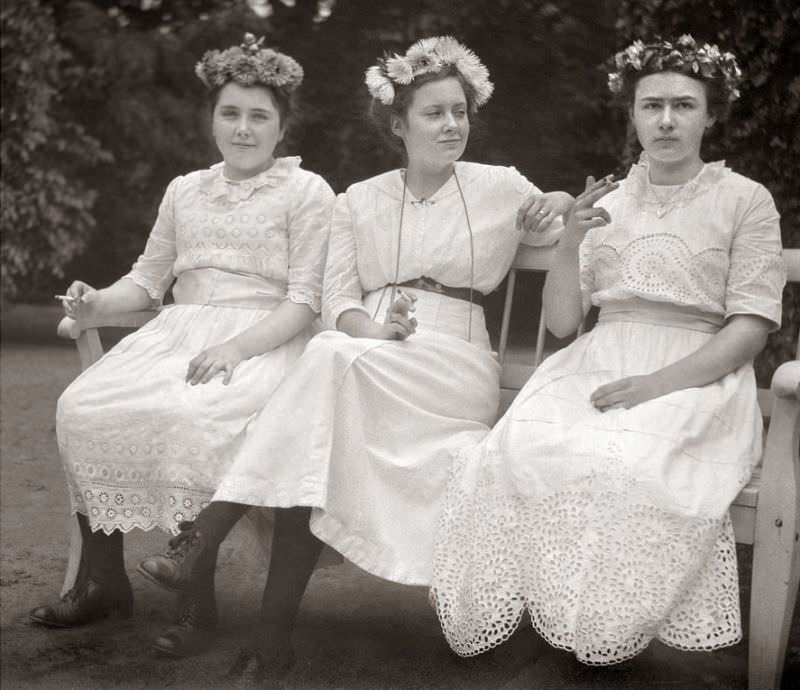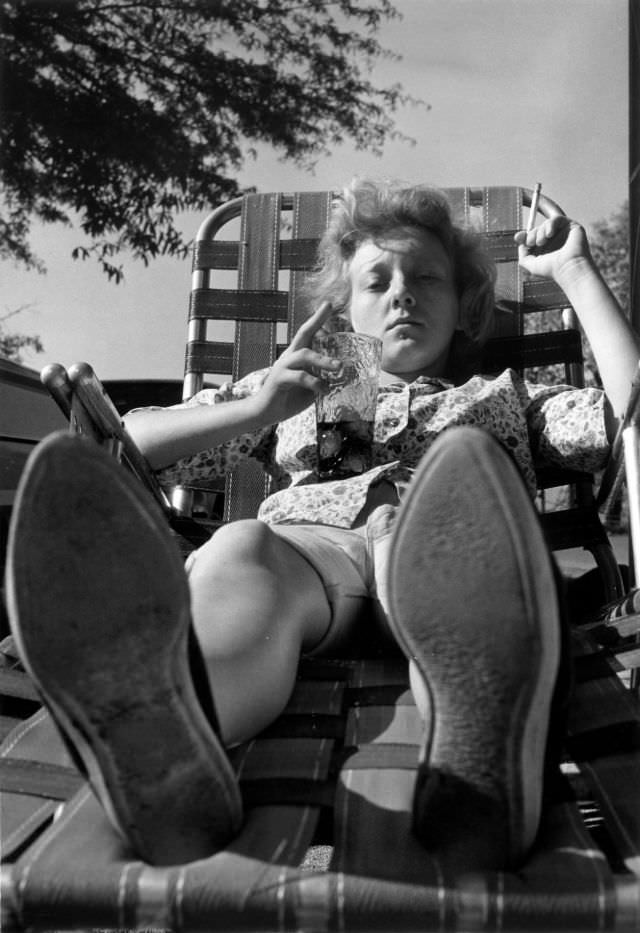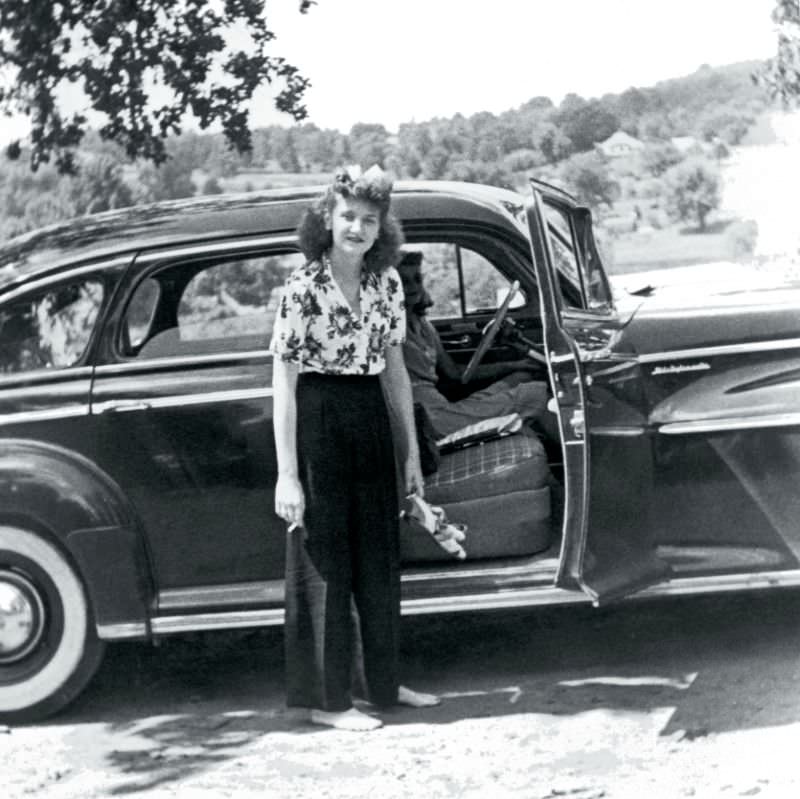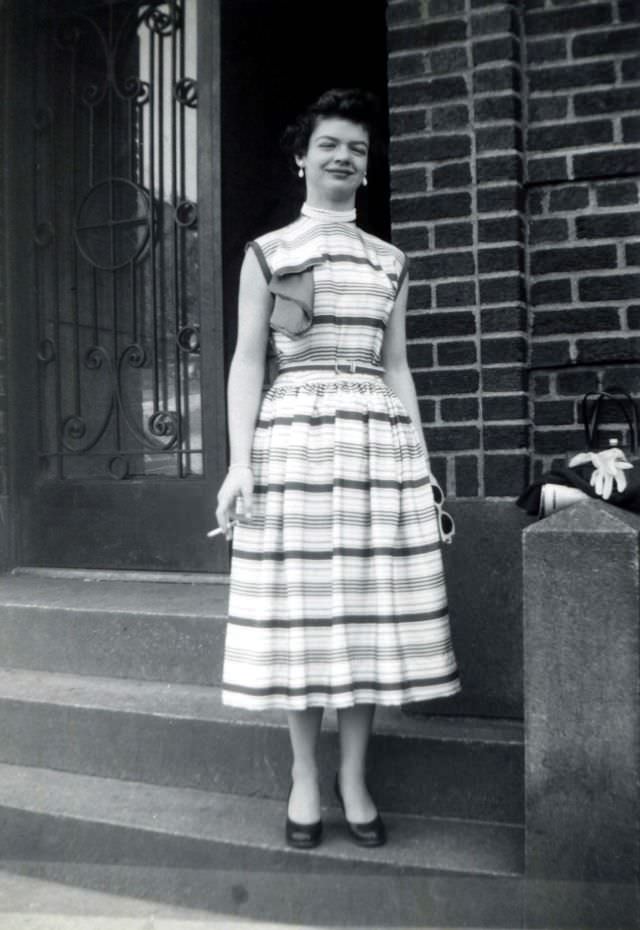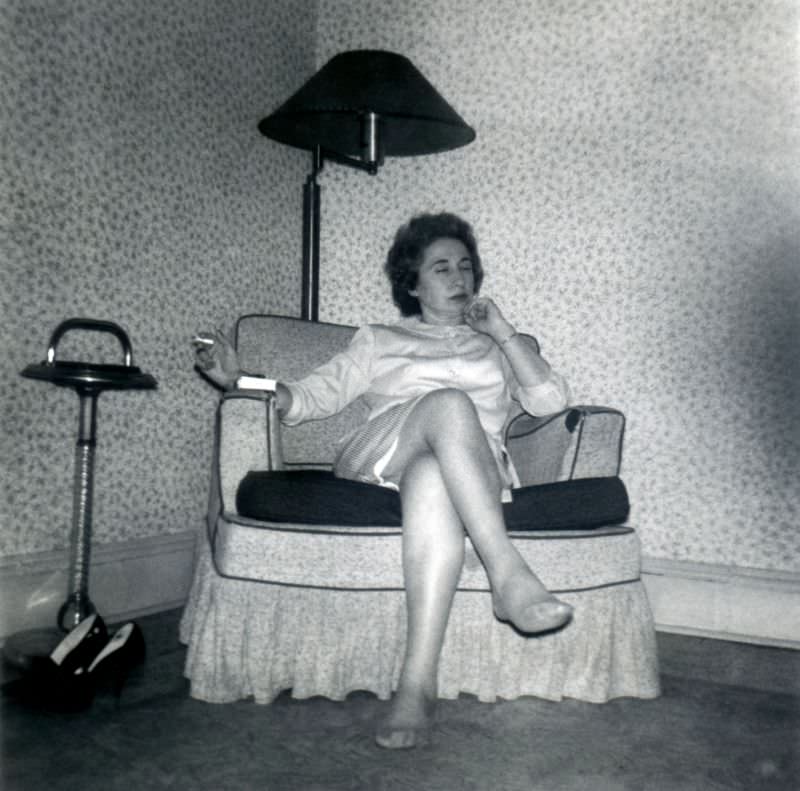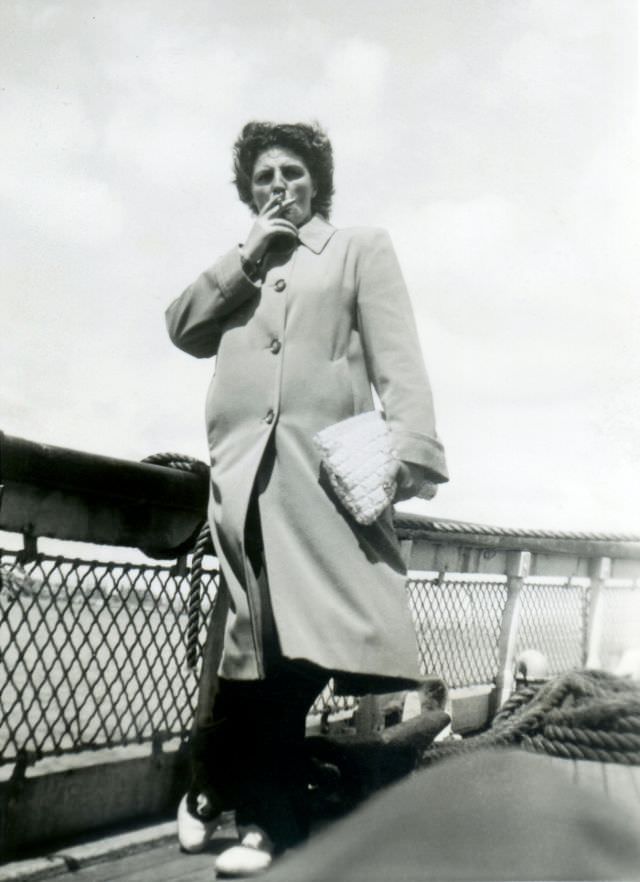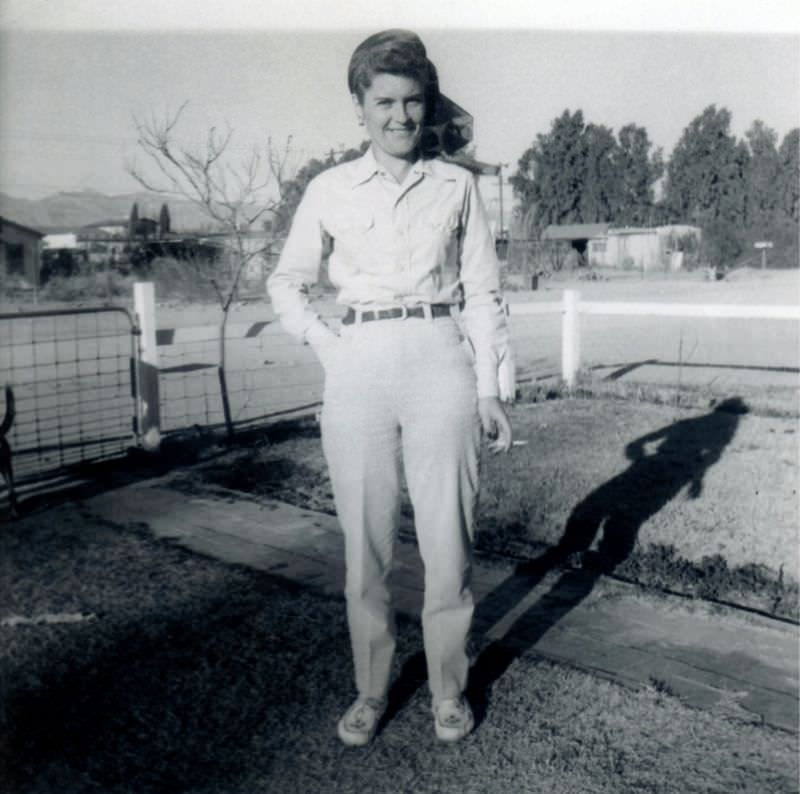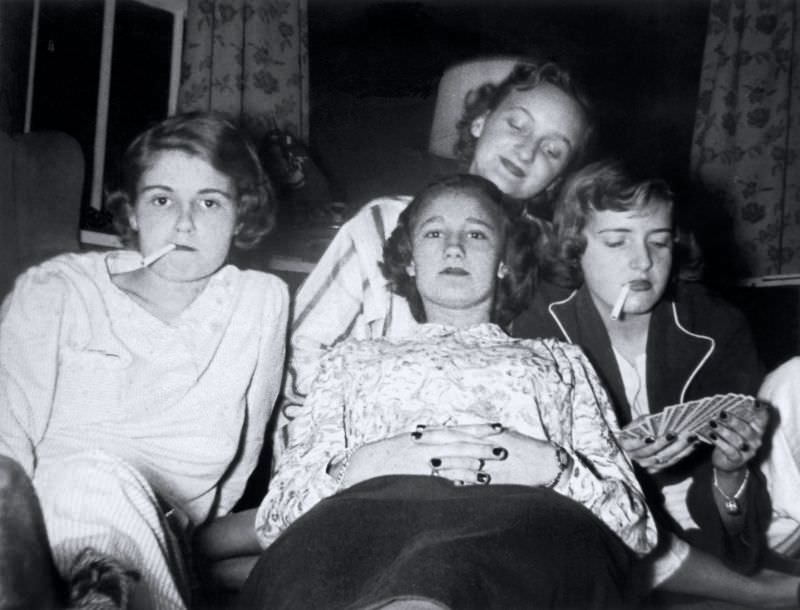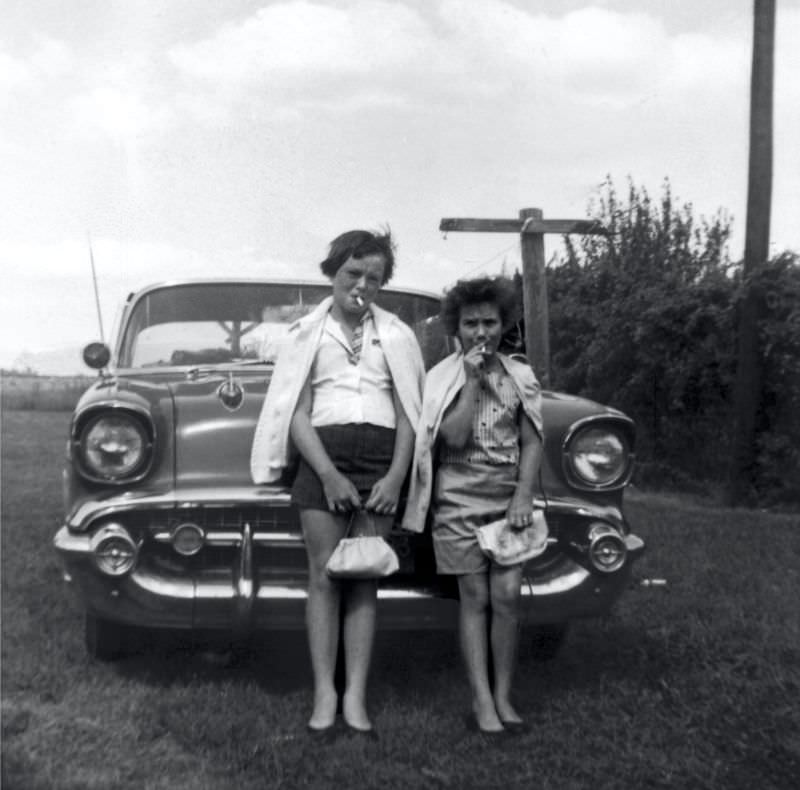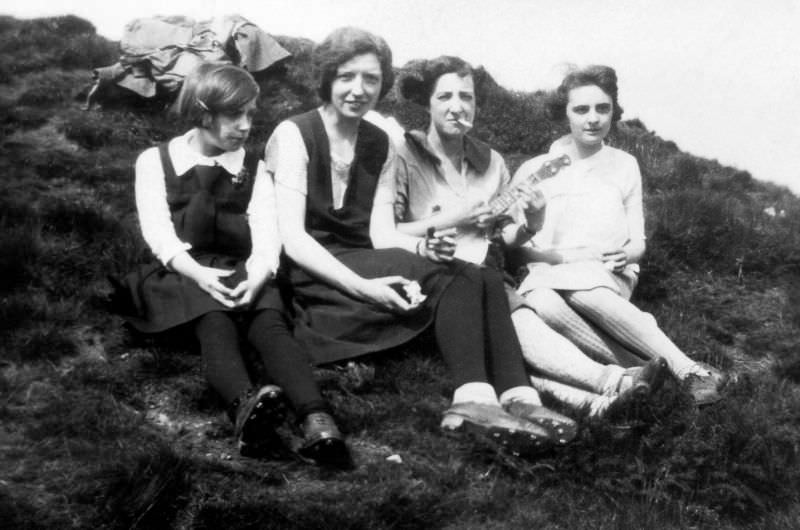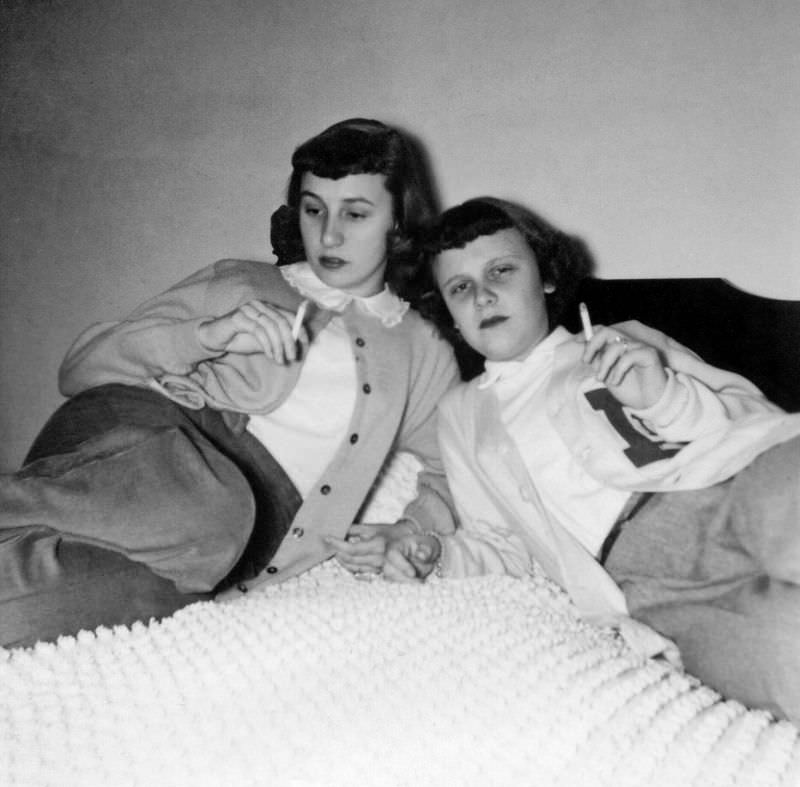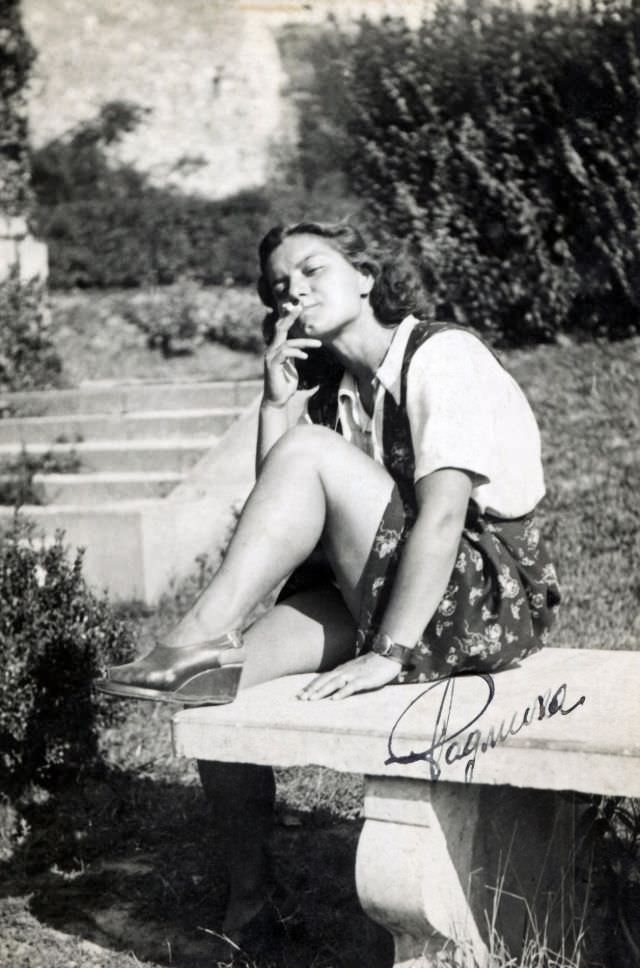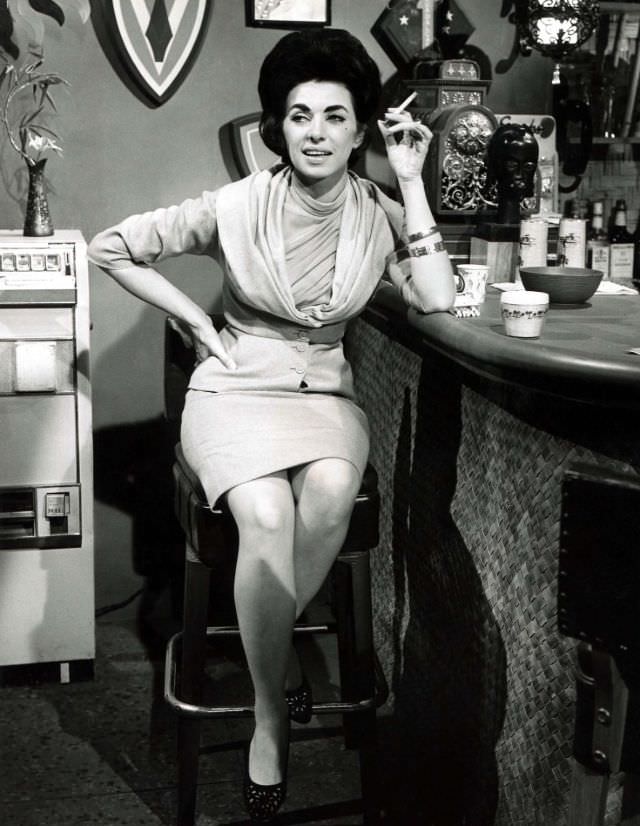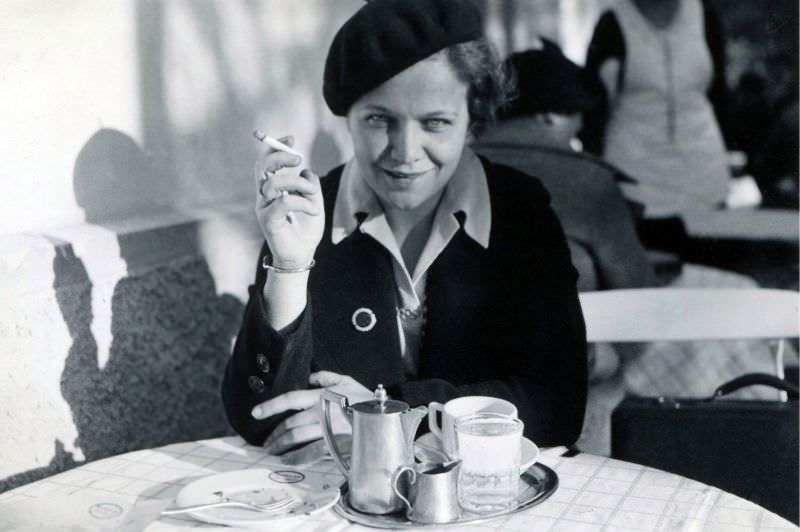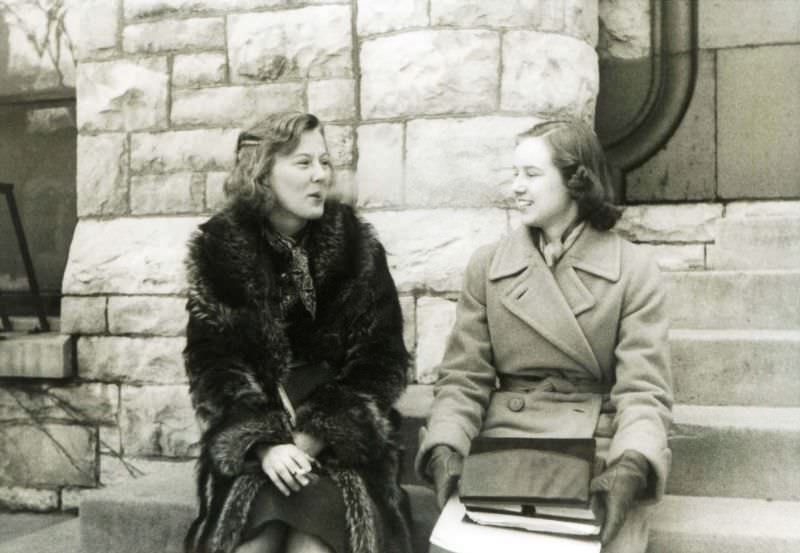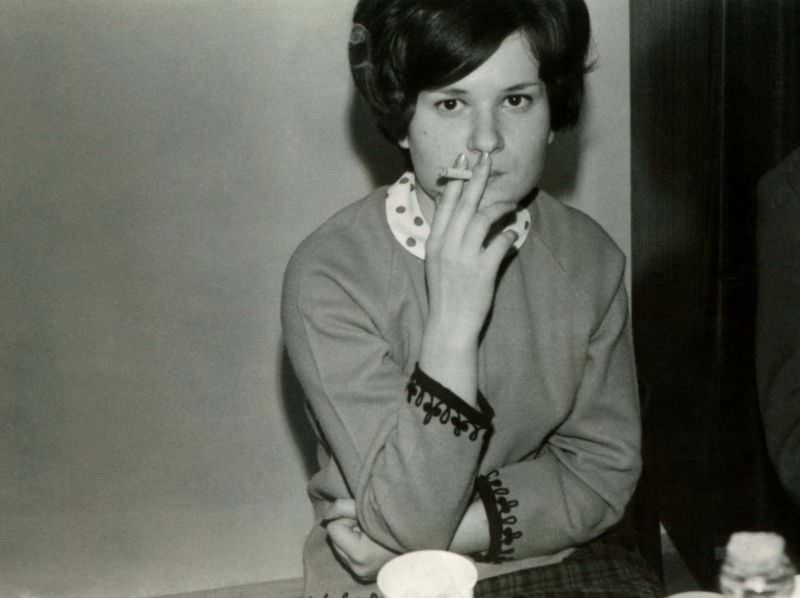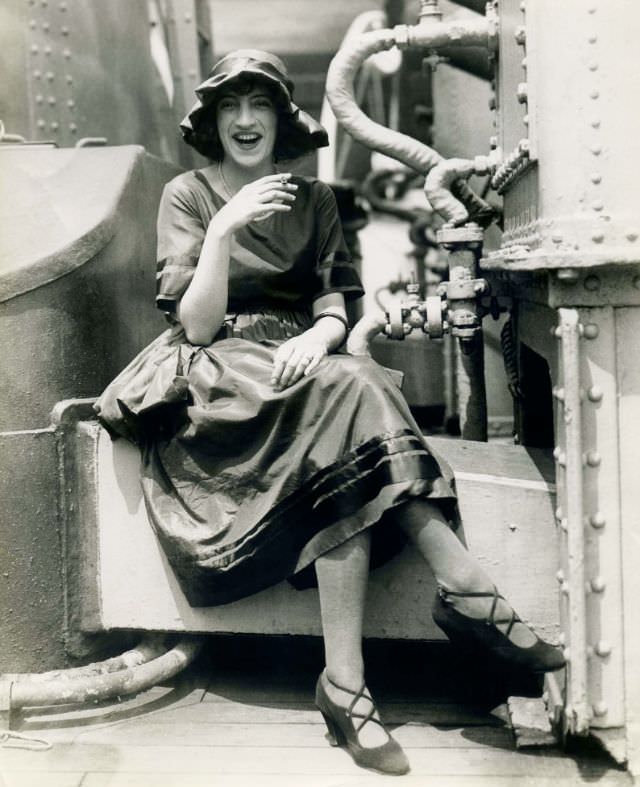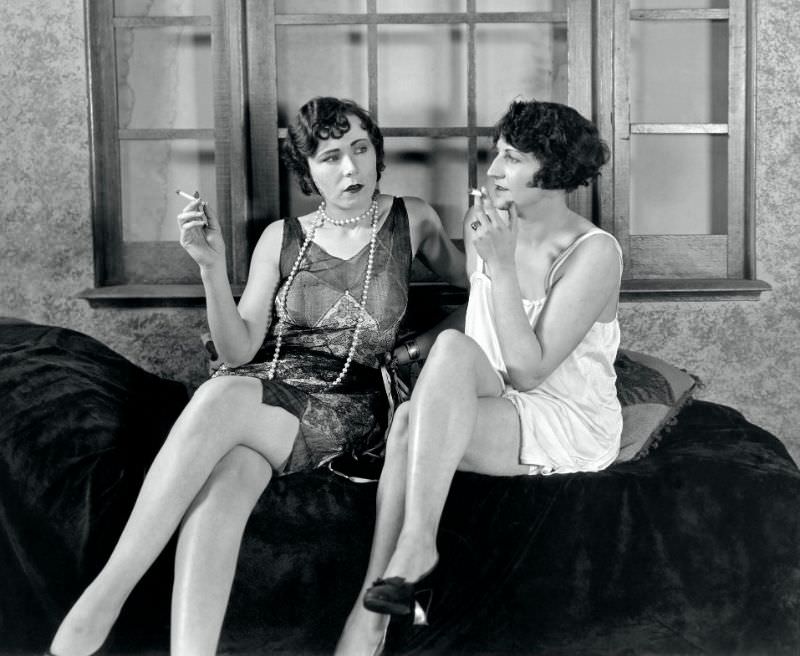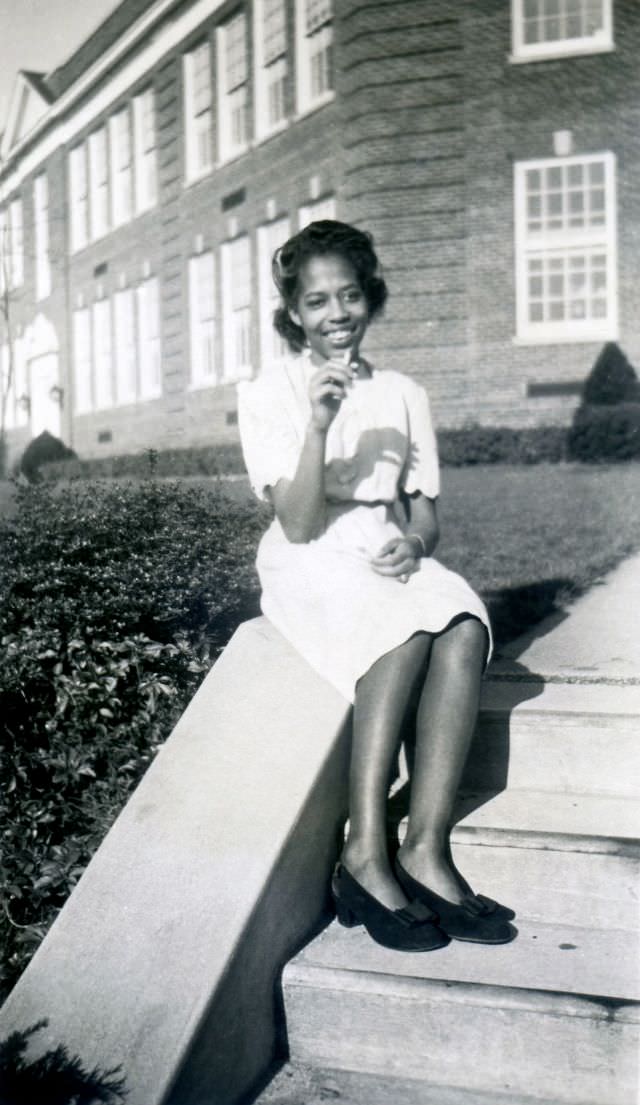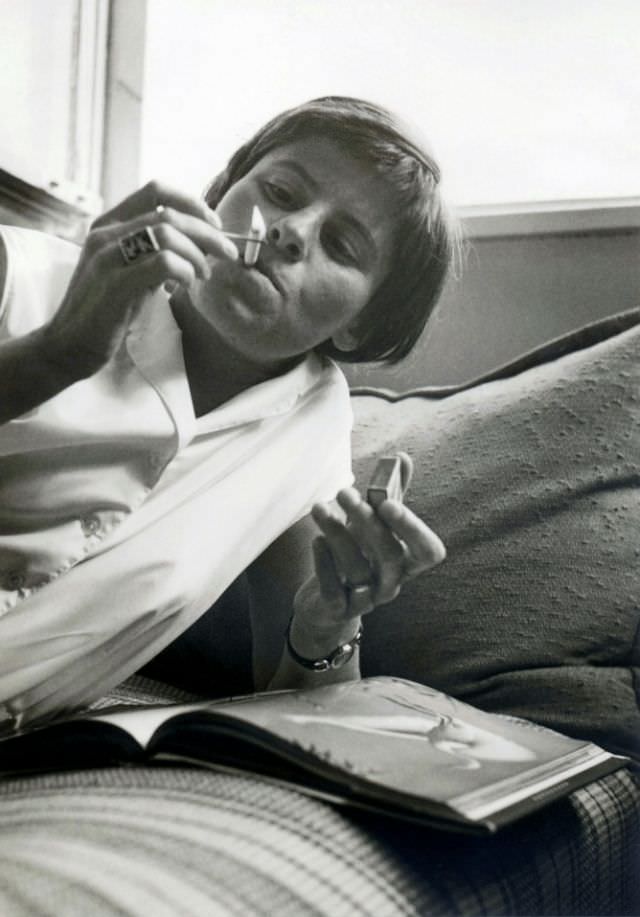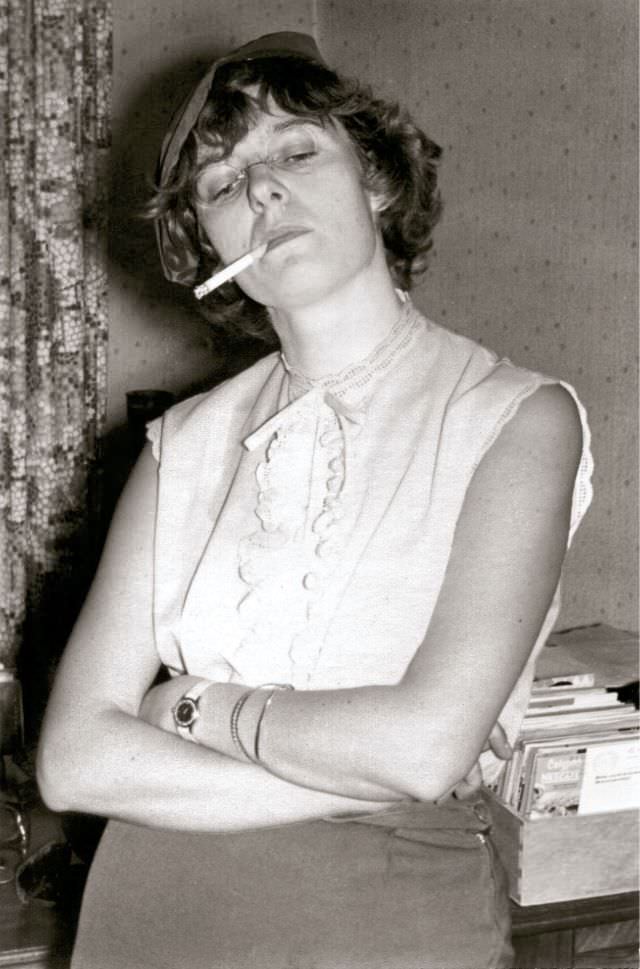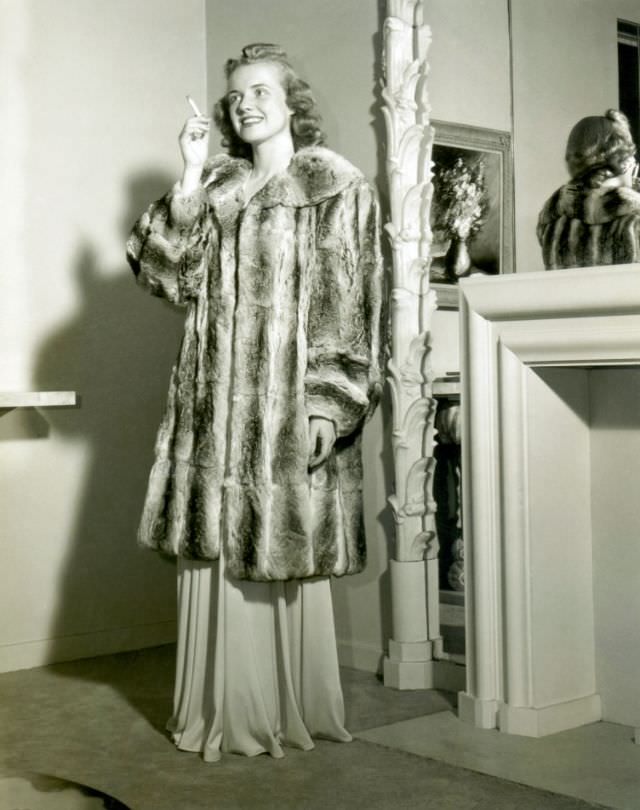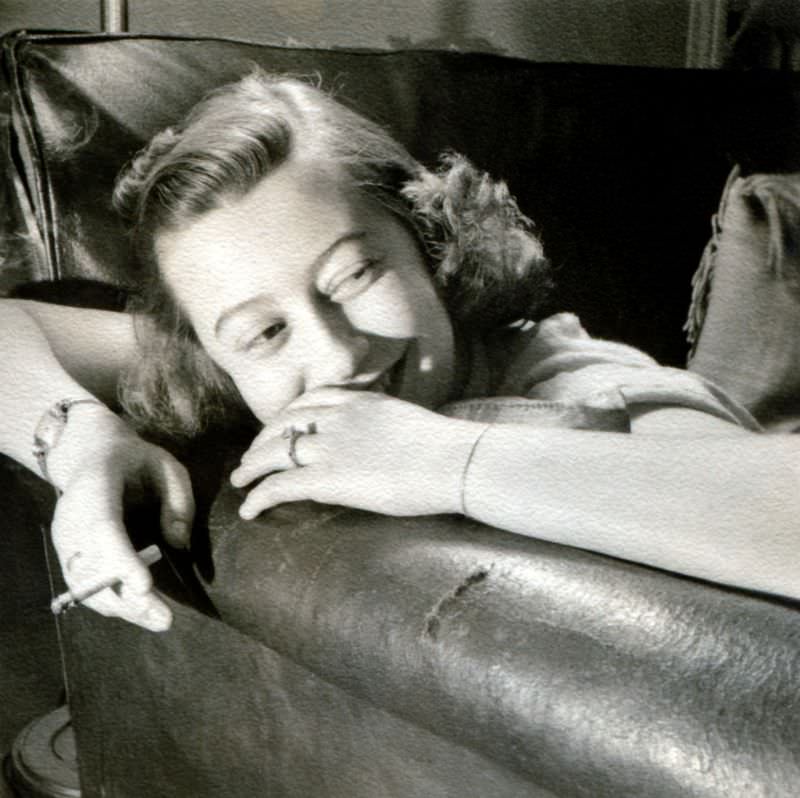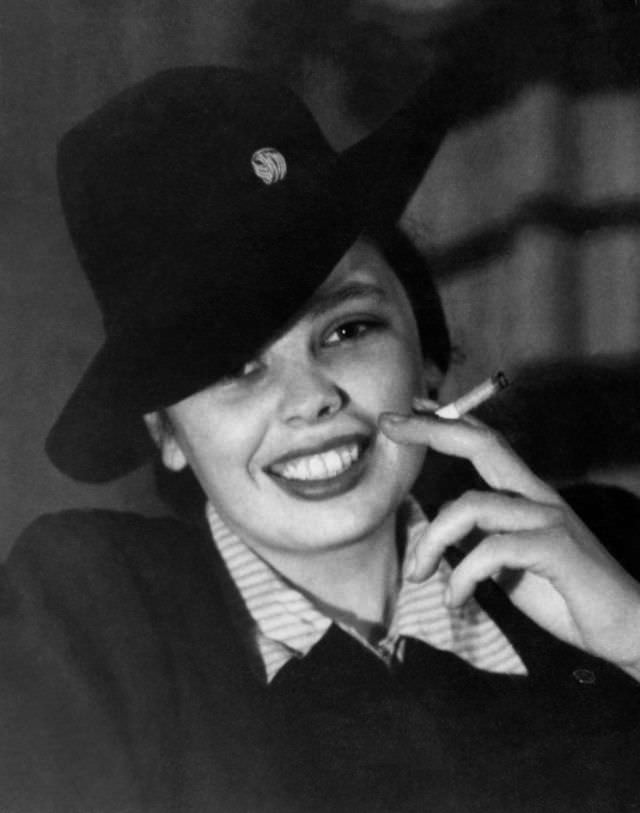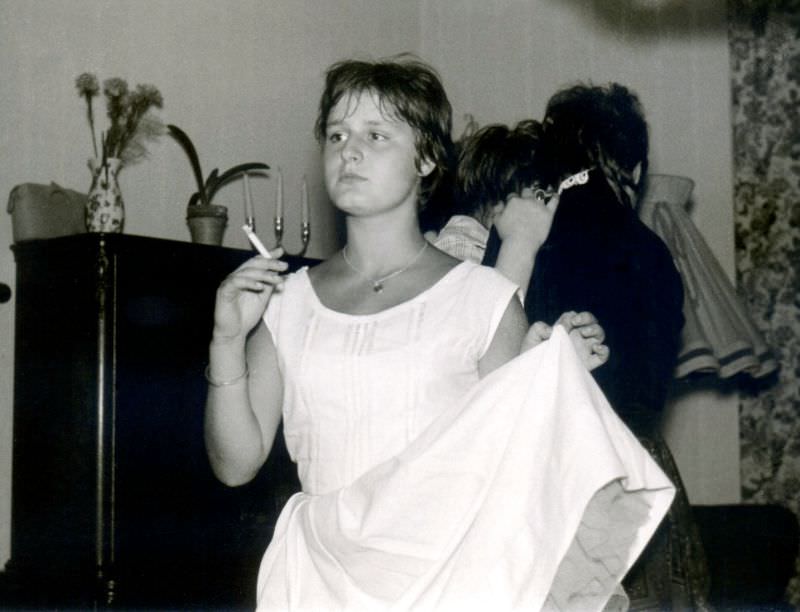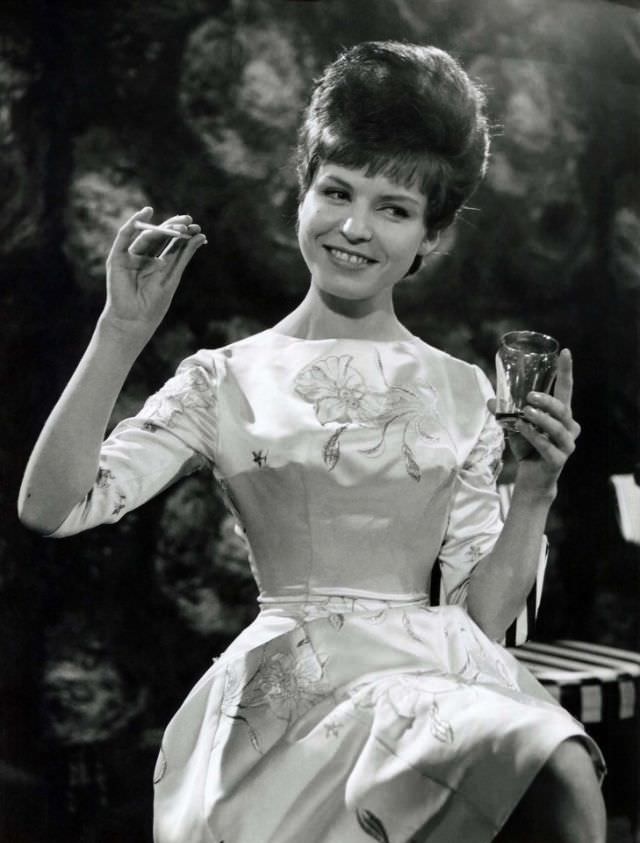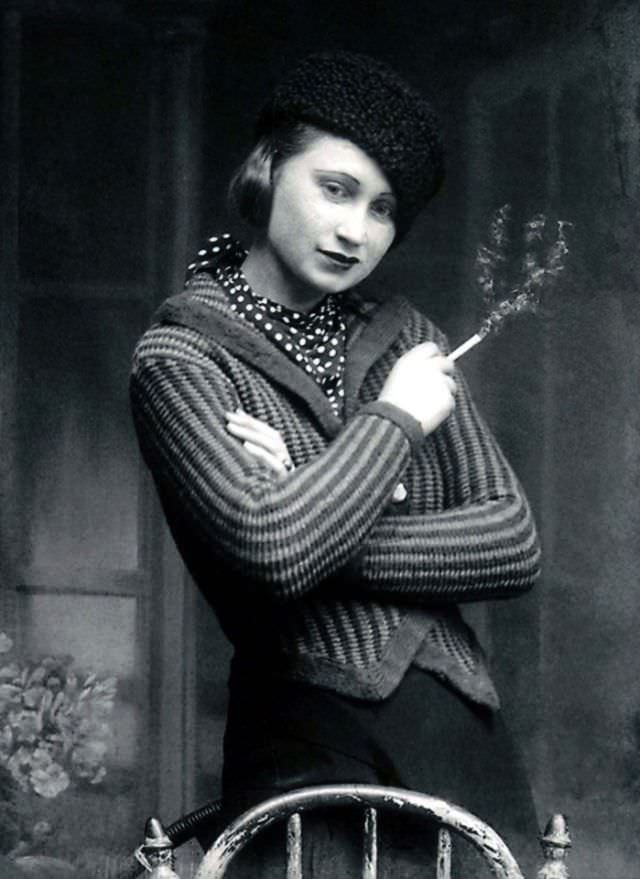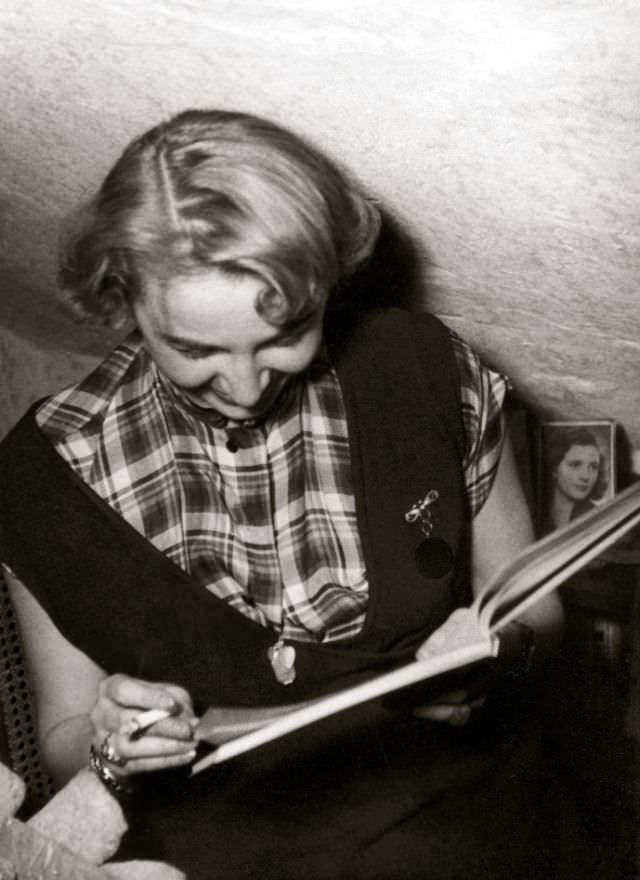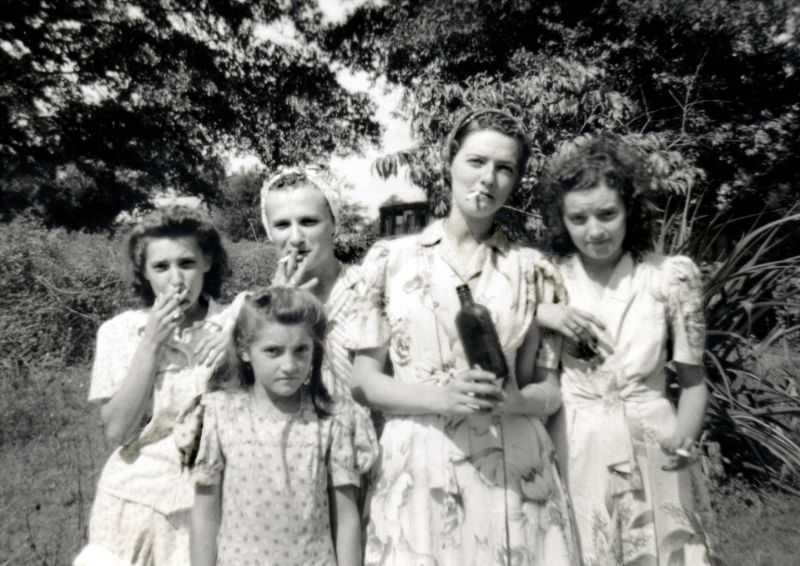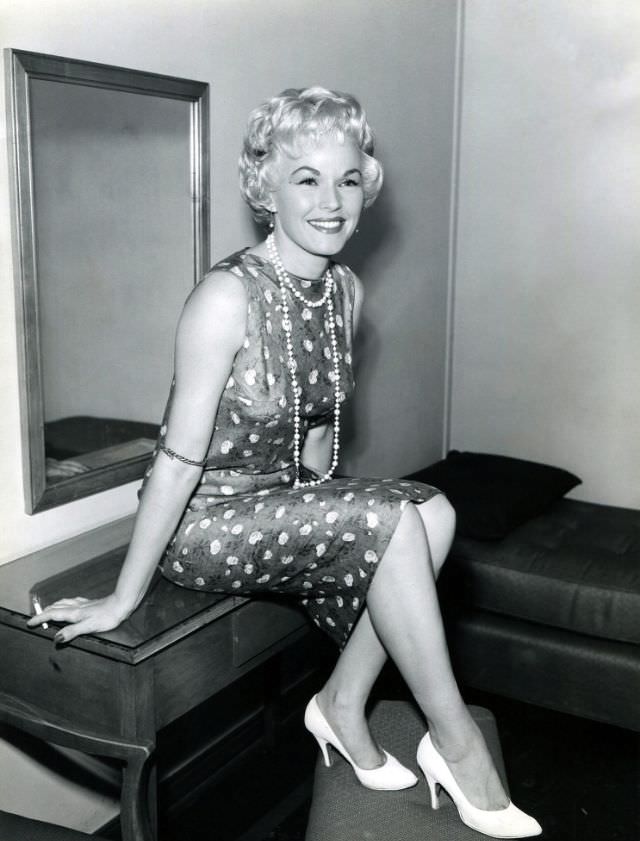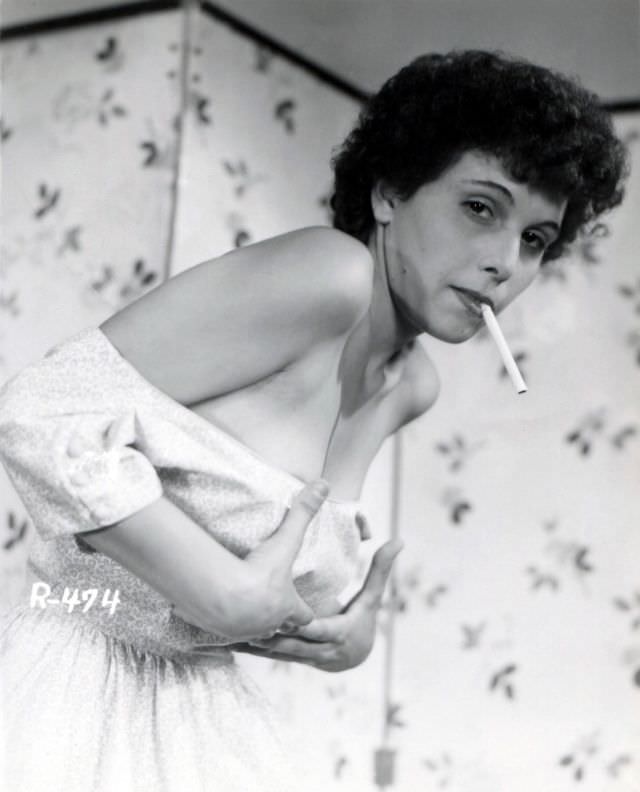
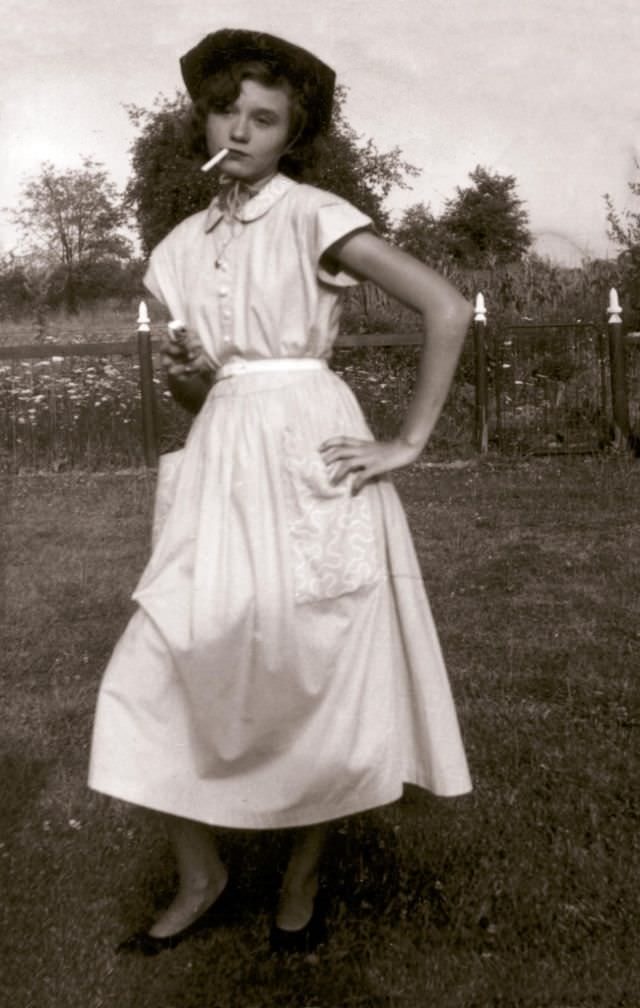
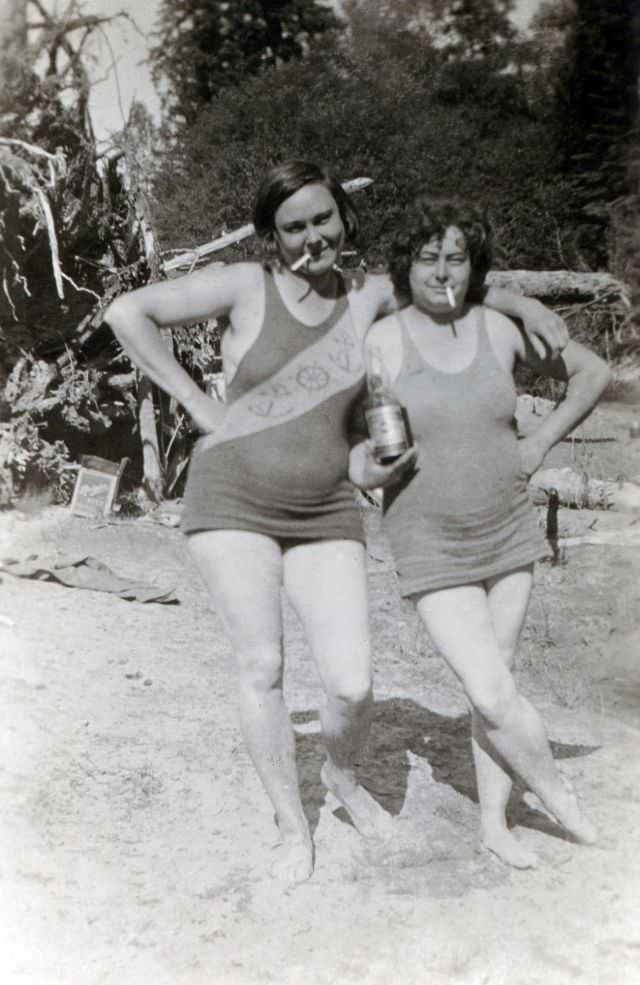
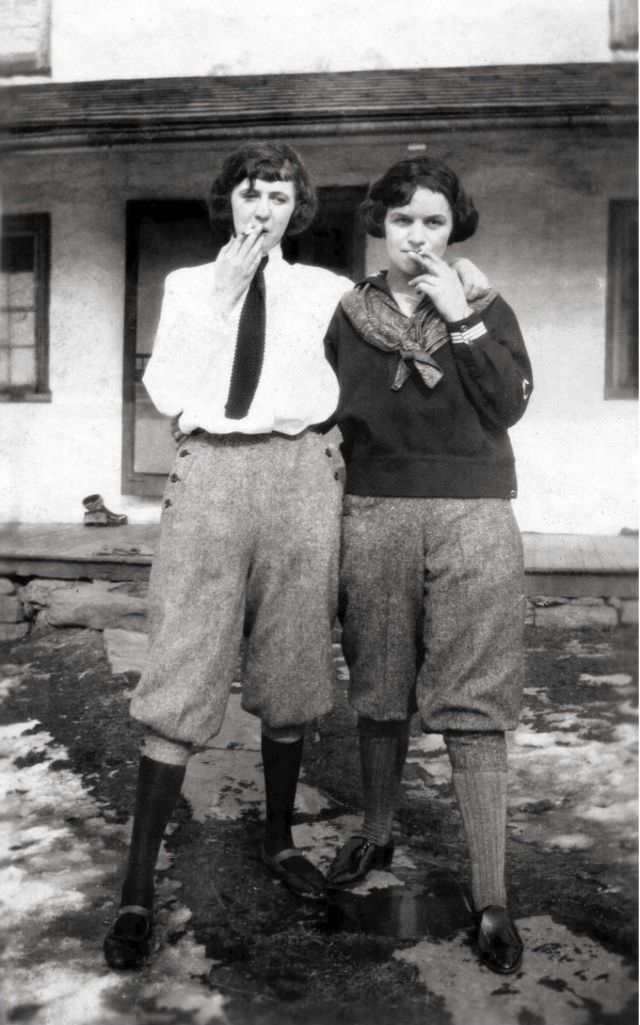
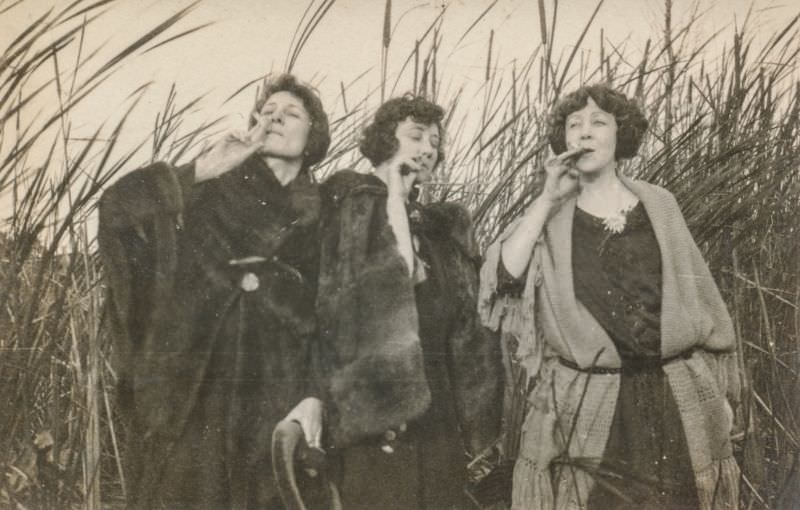
For women in the 1920s, lighting a cigarette was a deliberate act. It was a statement. After decades of rigid social rules about how women should look, behave, and present themselves in public, the cigarette became a small but powerful tool of defiance. Flappers — young women who rejected the conservative norms of their mothers’ generation — were often photographed with a cigarette in hand. Short hair, short hemlines, and a lit cigarette: this was the visual vocabulary of a new kind of American woman.
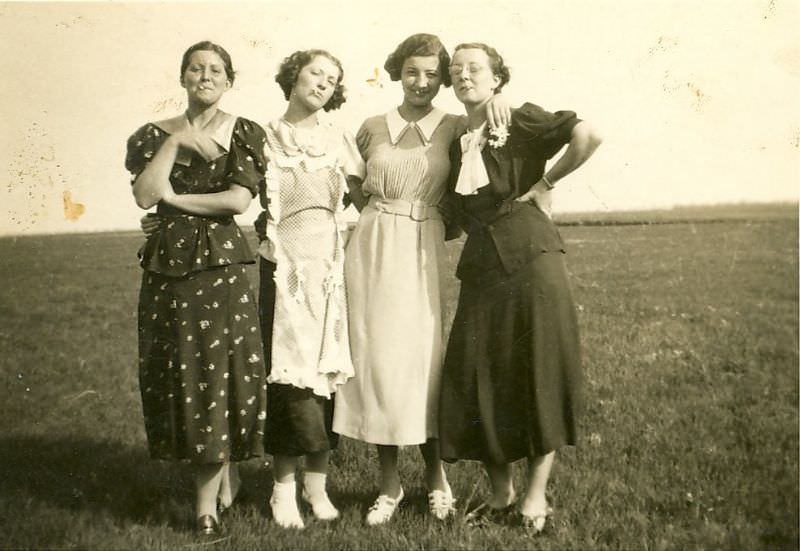
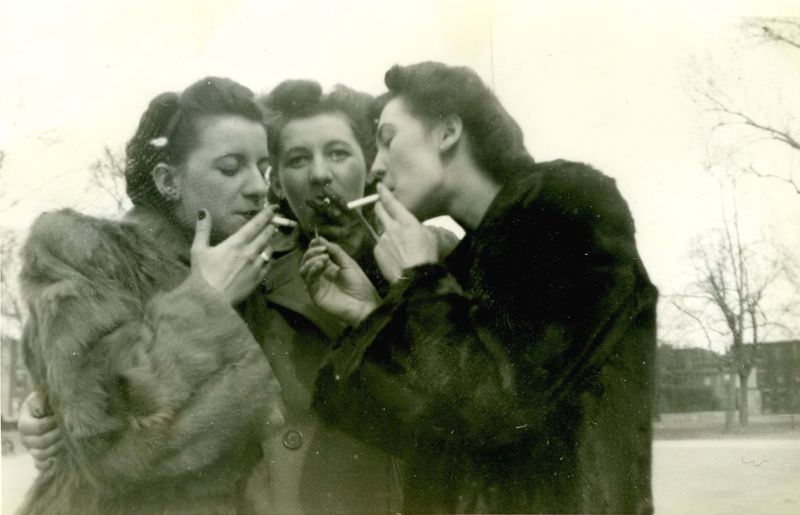
Smoking in the 1920s carried a real edge of rebellion. Before this decade, it was largely considered improper for women to smoke in public. That changed fast. Women began smoking openly in restaurants, dance halls, and on city streets. The act itself drew attention, and many women used that attention deliberately — to signal that they were modern, independent, and not interested in the old rules.
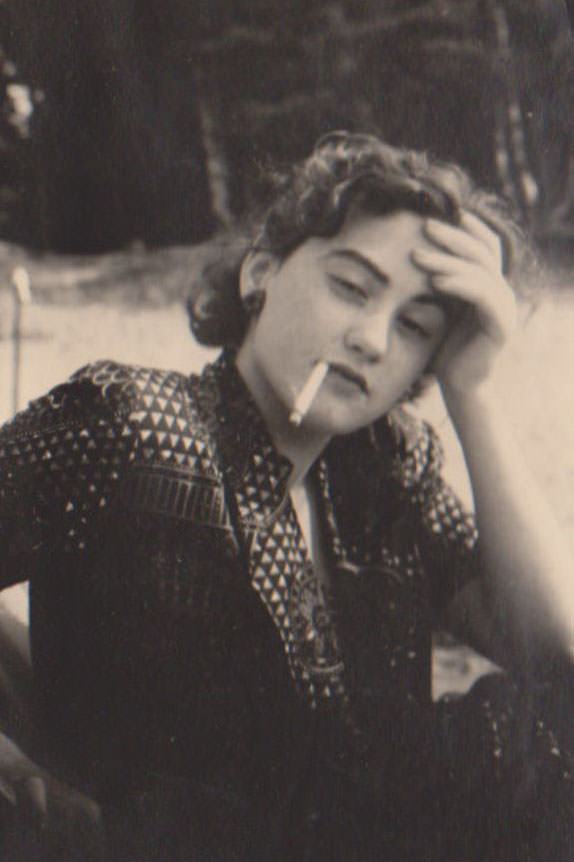
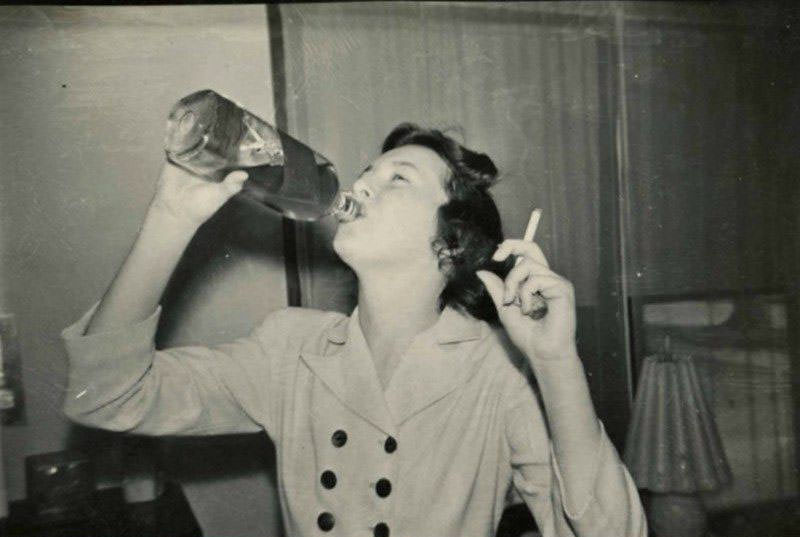

Cigarette holders became a popular accessory during this era. Made from ivory, tortoiseshell, or jeweled metal, they kept the cigarette at a distance from the lips and the fingers free from staining. They also added a theatrical quality to the act of smoking. A woman raising a long, elegant holder to her lips made for a striking image — and photographers and artists took full advantage of it.
By the 1930s, the Depression had changed the national mood, but smoking remained deeply embedded in everyday life. Tobacco companies recognized women as a growing market and launched advertising campaigns aimed directly at them. These ads featured slim, fashionably dressed women holding cigarettes, often with taglines that tied smoking to beauty, weight control, or social confidence. Lucky Strike ran one of the most well-known campaigns, urging women to “reach for a Lucky instead of a sweet.”

Hollywood played a massive role in shaping how women smoked — and how smoking looked. Actresses like Marlene Dietrich, Bette Davis, and Joan Crawford were regularly photographed and filmed with cigarettes. Their technique was studied and imitated. The slow exhale, the way the smoke curled upward, the tilt of the head — these became part of a larger visual language of glamour that audiences absorbed from the screen and brought into their own lives.
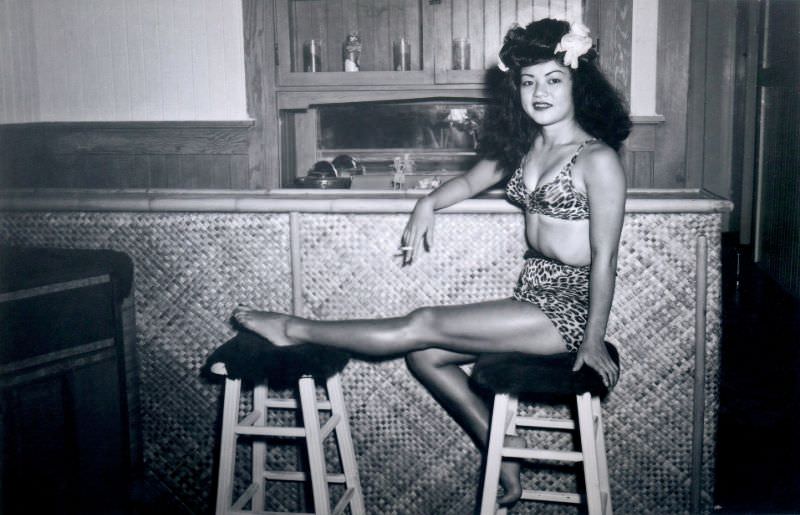
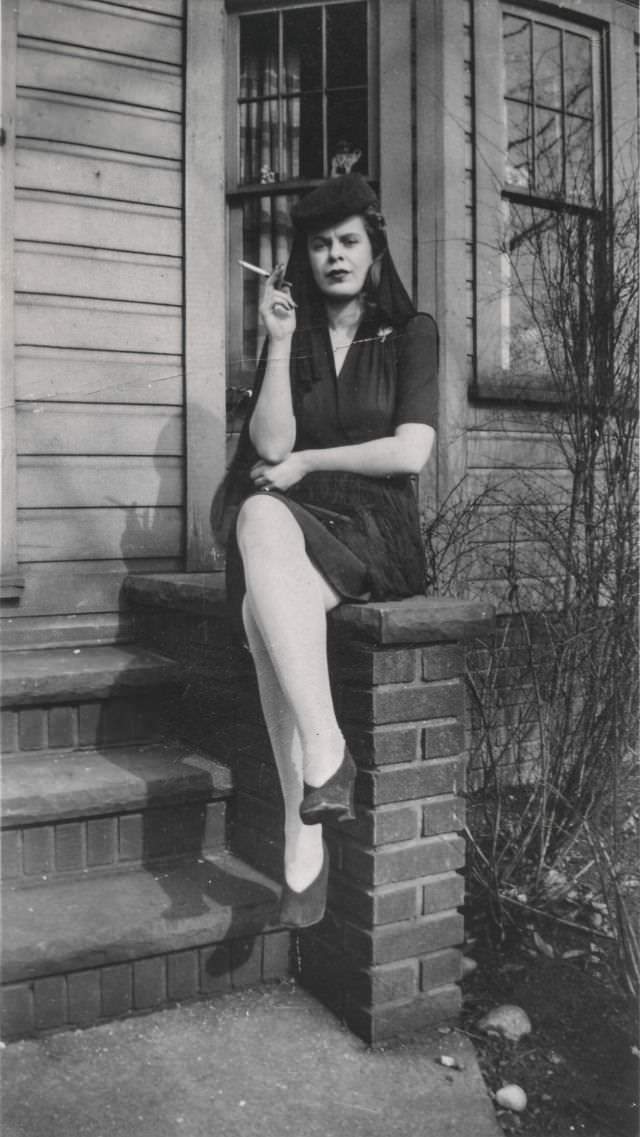
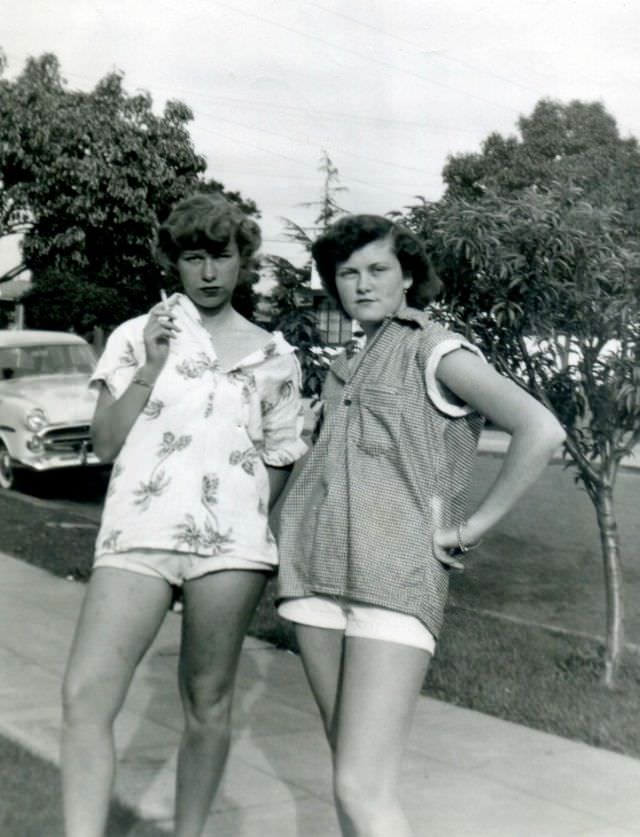
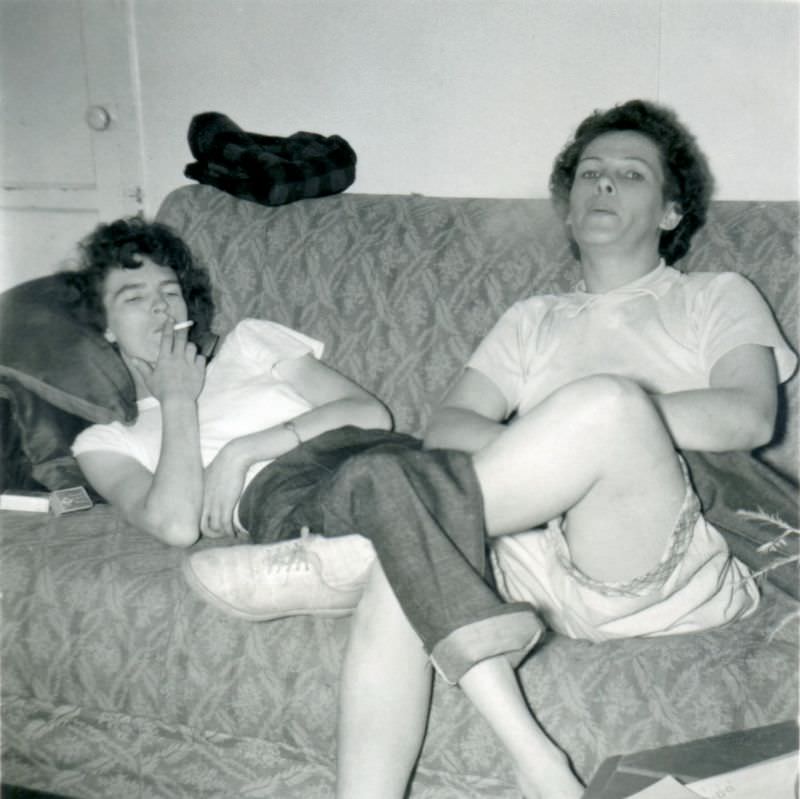
During World War II, the cultural meaning of women smoking shifted again. With millions of men overseas, women entered the workforce in large numbers. Smoking on break at the factory or the office became routine. It was no longer just a symbol of sophistication — it was also a working woman’s habit, practical and unglamorous, tied to long shifts and daily stress.
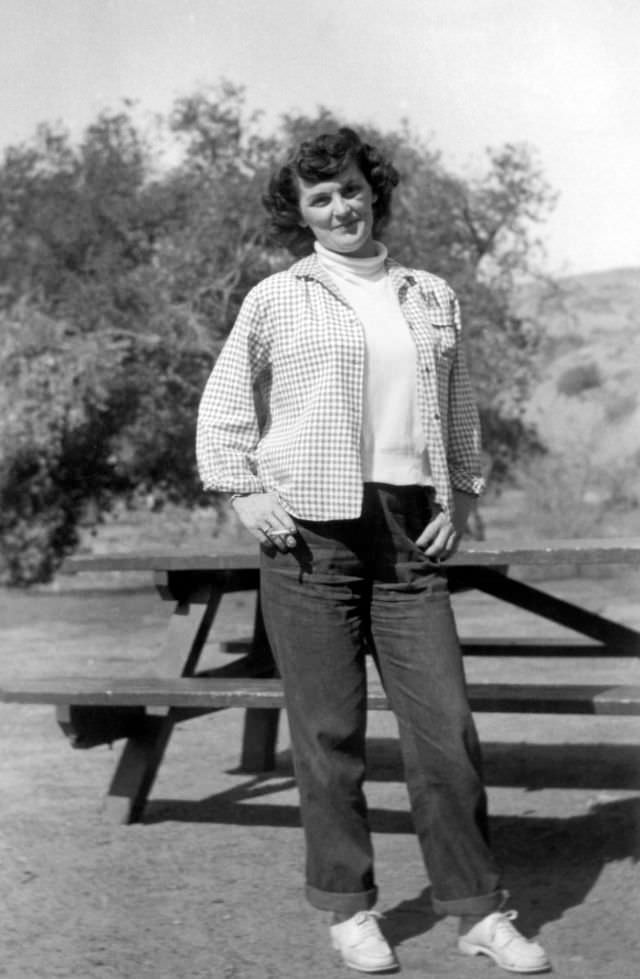

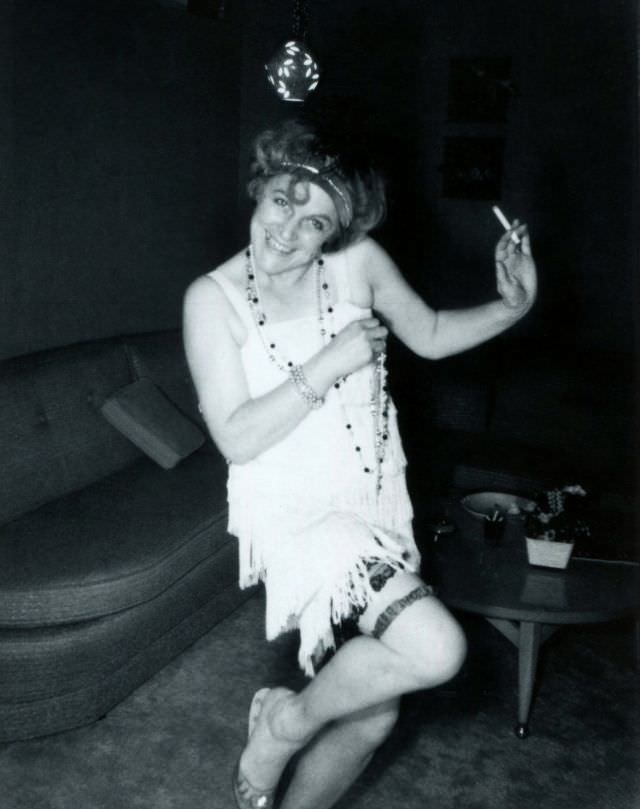
The accessories that accompanied smoking were treated with the same care as any other piece of jewelry or clothing. Lighters were engraved and monogrammed. Cigarette cases were made from silver and gold, sometimes set with gemstones. Ashtrays were designed to match table settings. Women coordinated their smoking accessories with their outfits, and manufacturers produced sets in colors and styles to match the season’s fashions.
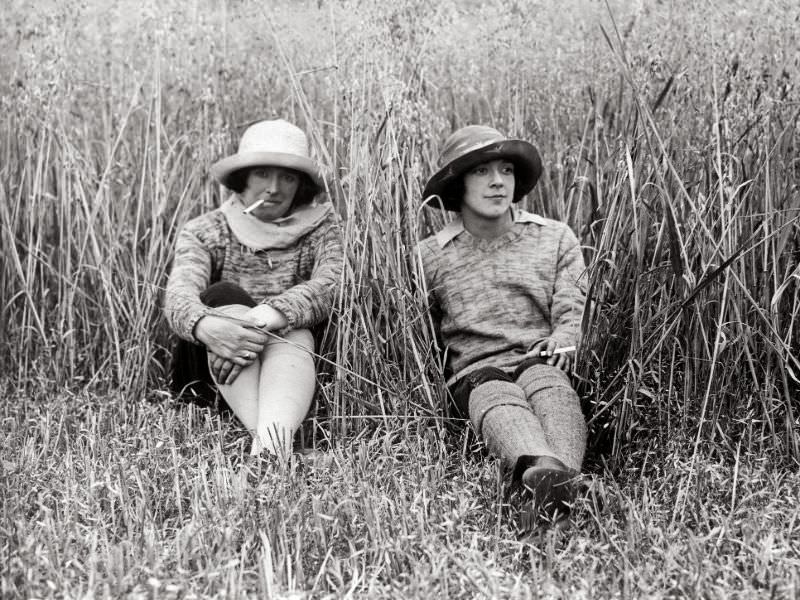

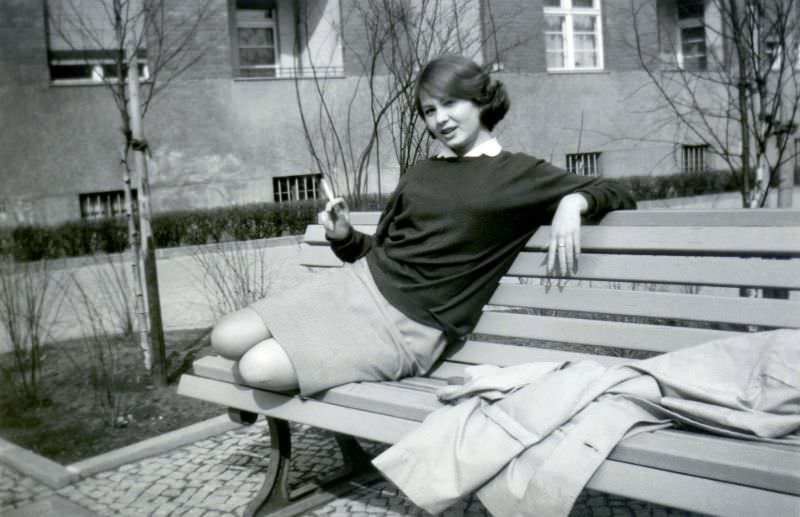

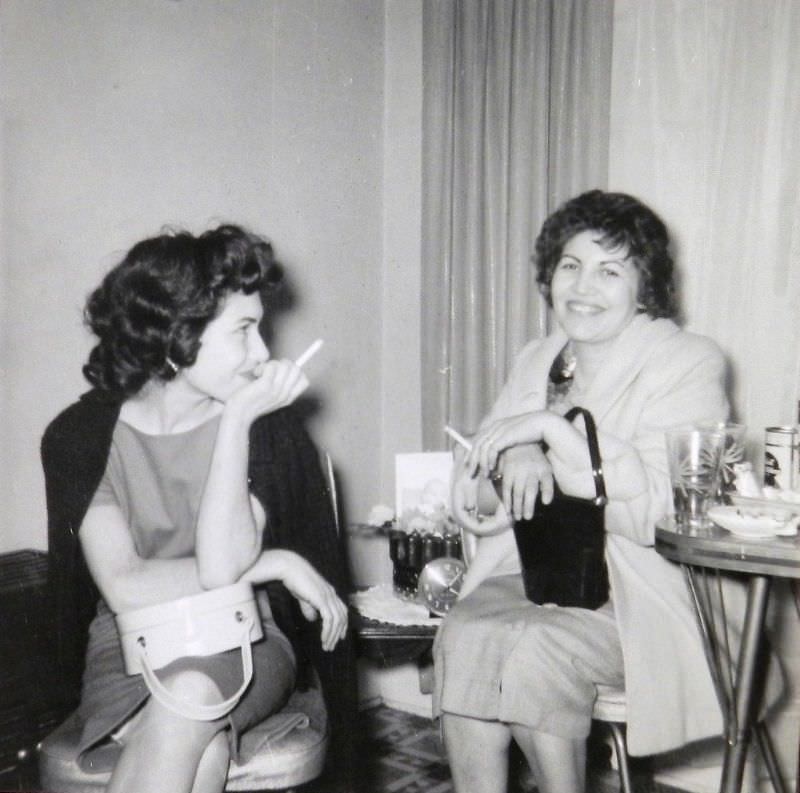
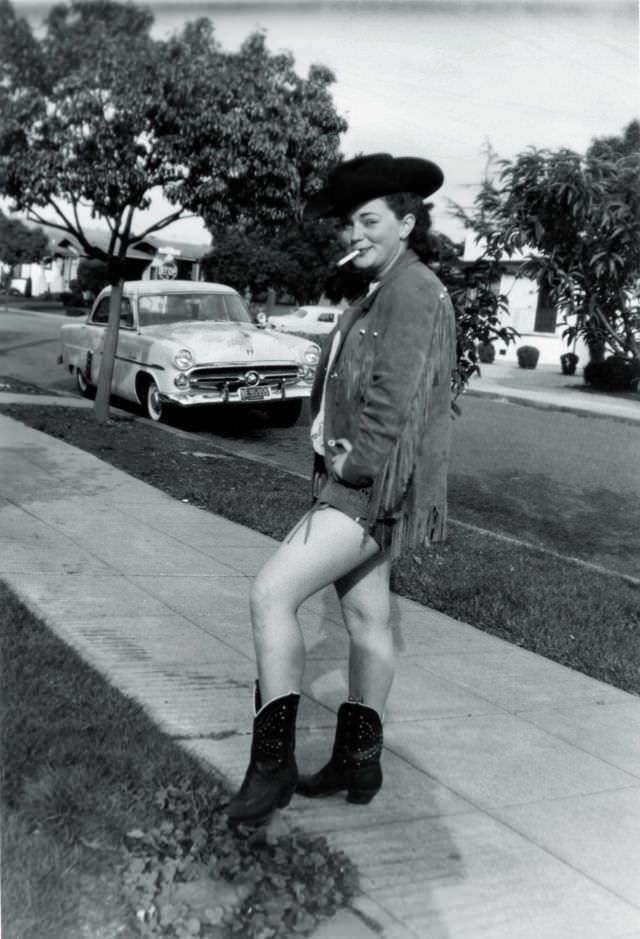
In the postwar 1950s, cigarette consumption in the United States reached an all-time high. Tobacco companies spent heavily on advertising, sponsoring television programs and placing cigarettes in the hands of celebrities. Women’s magazines carried full-page ads showing glamorous women smoking at dinner parties or on vacation. The cigarette was woven tightly into the image of the modern, stylish American woman.
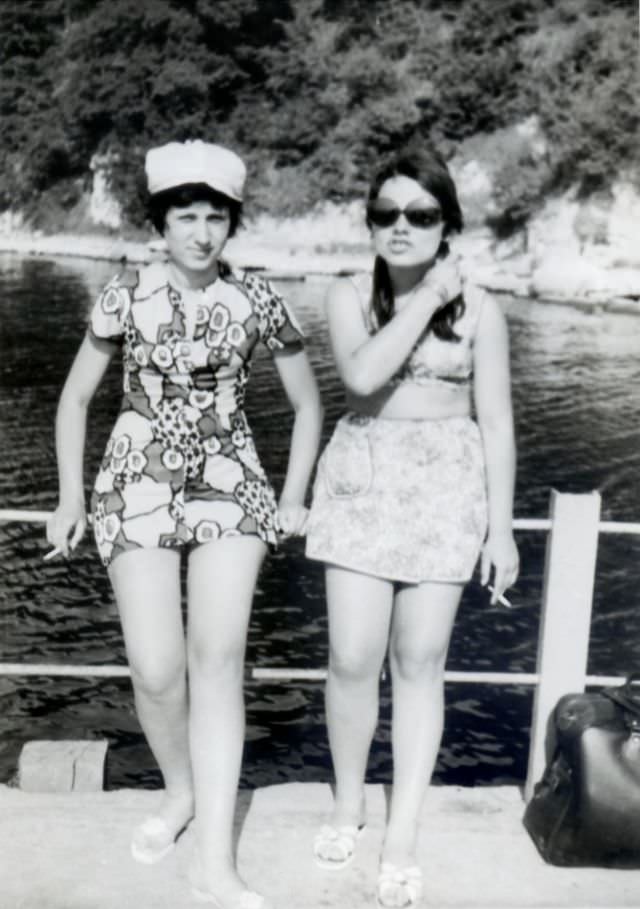
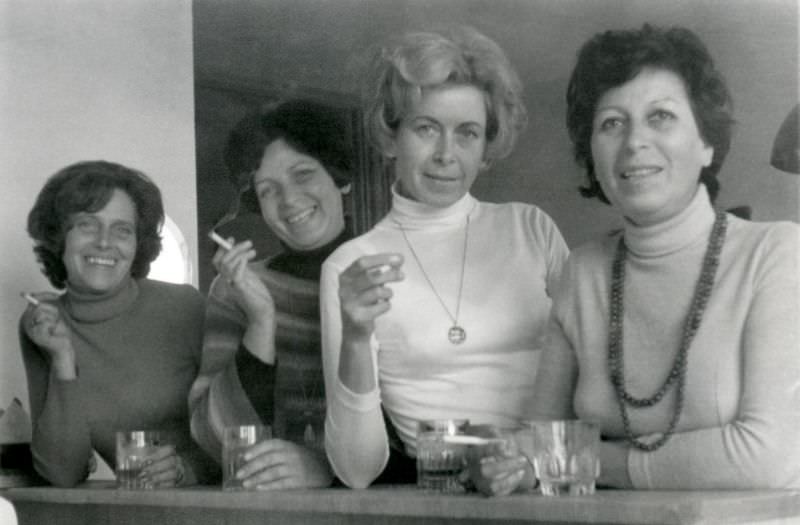
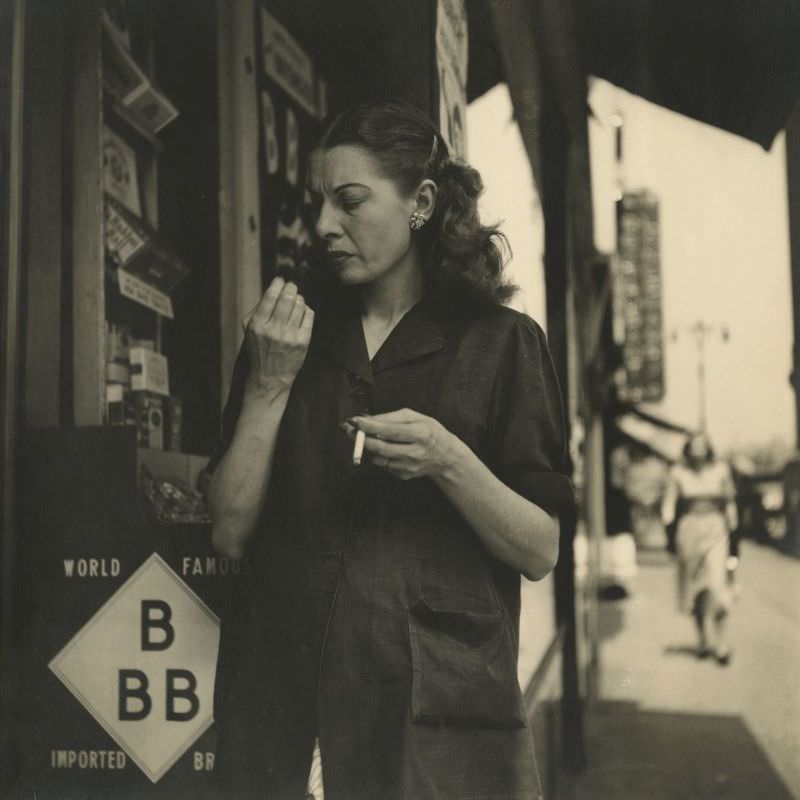
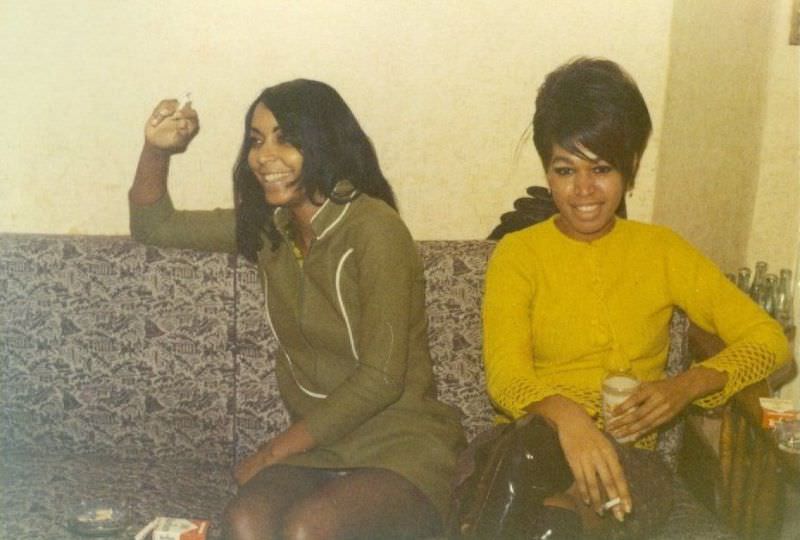
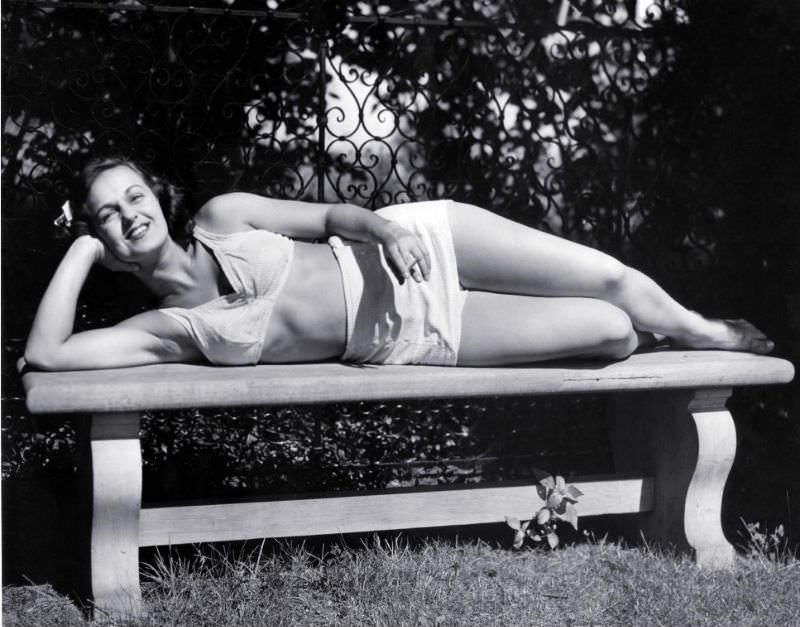
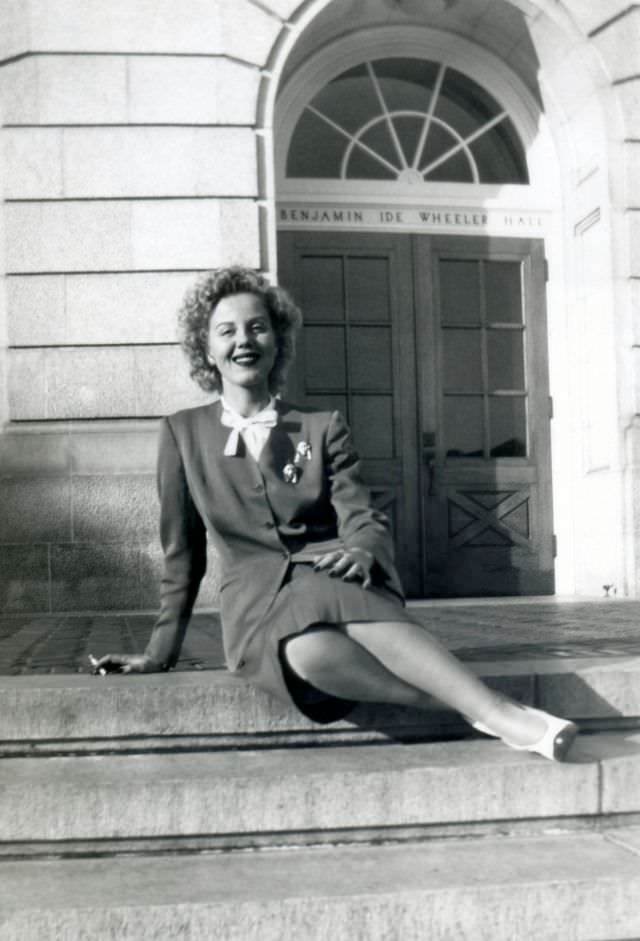
These photographs span roughly three decades of dramatic social change. Women gained the right to vote in 1920. They entered the workforce in record numbers during the war. They navigated shifting expectations about gender, beauty, and behavior. The cigarette appears in these images across all of it — a small, recurring object that meant different things at different times, but was always present.