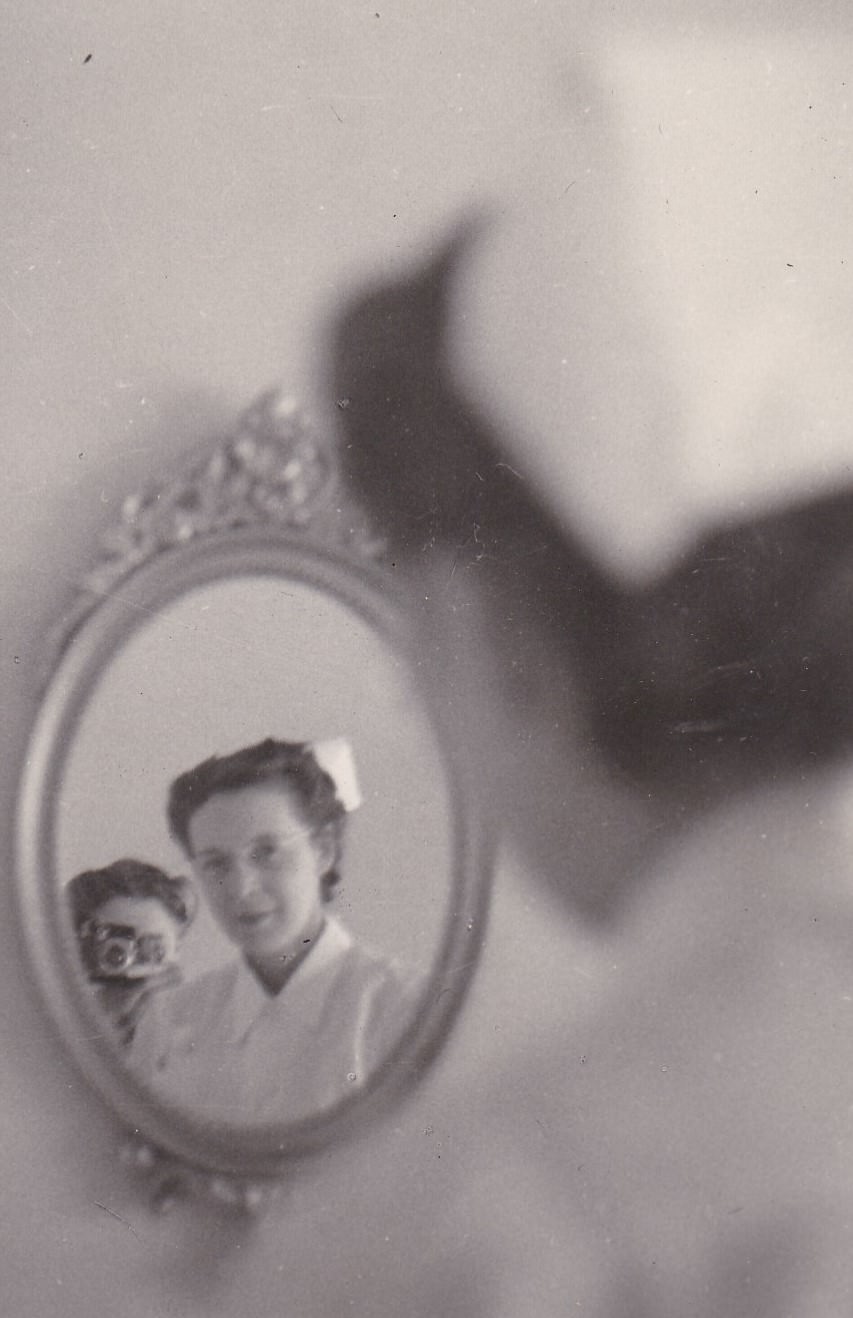
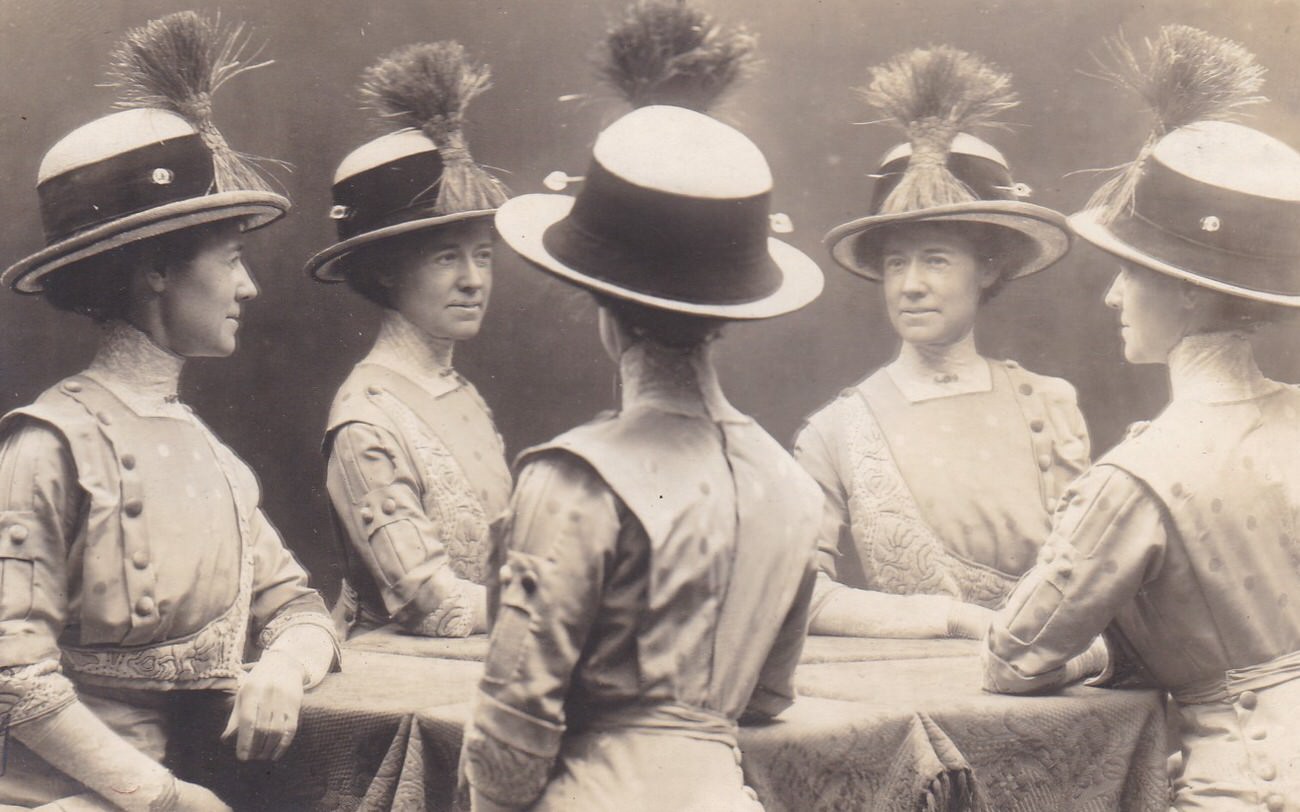
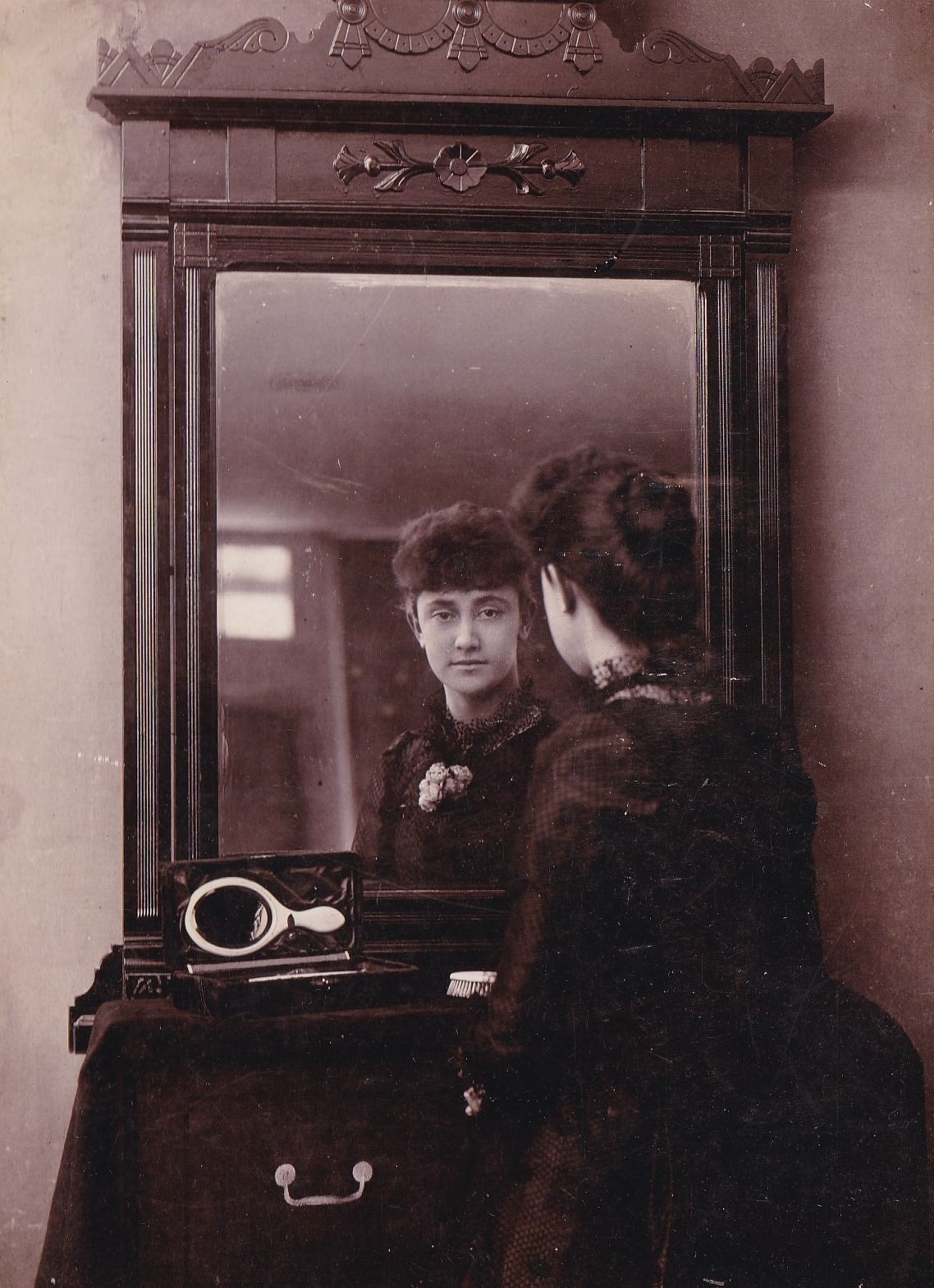
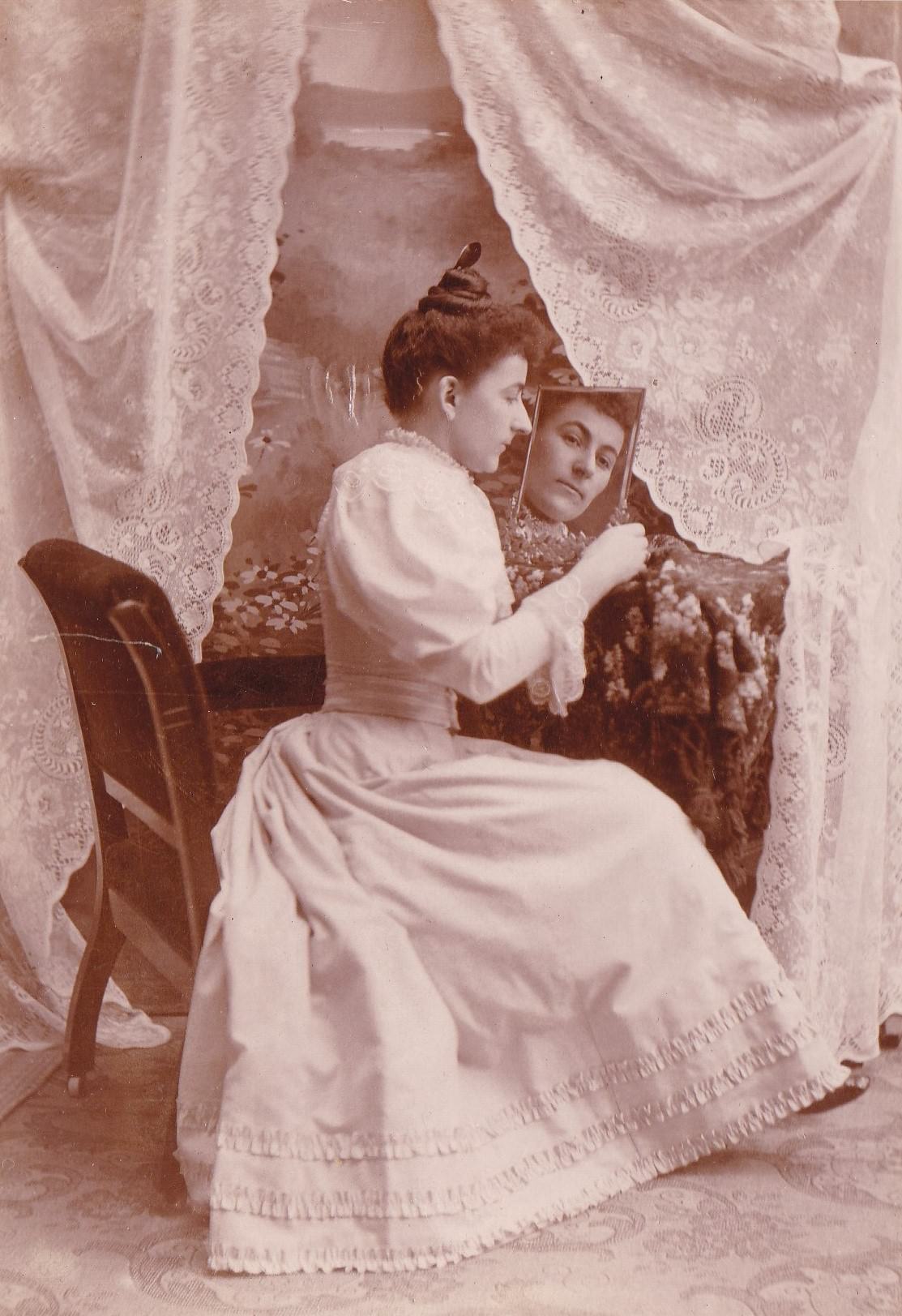
Before the selfie, there was the mirror. Long before smartphones, women stood before reflective glass and captured something deeply personal — a moment of self-awareness, style, and quiet confidence. Curator Robert Jackson assembled this remarkable collection of vintage photographs, each one centered on that exact moment.
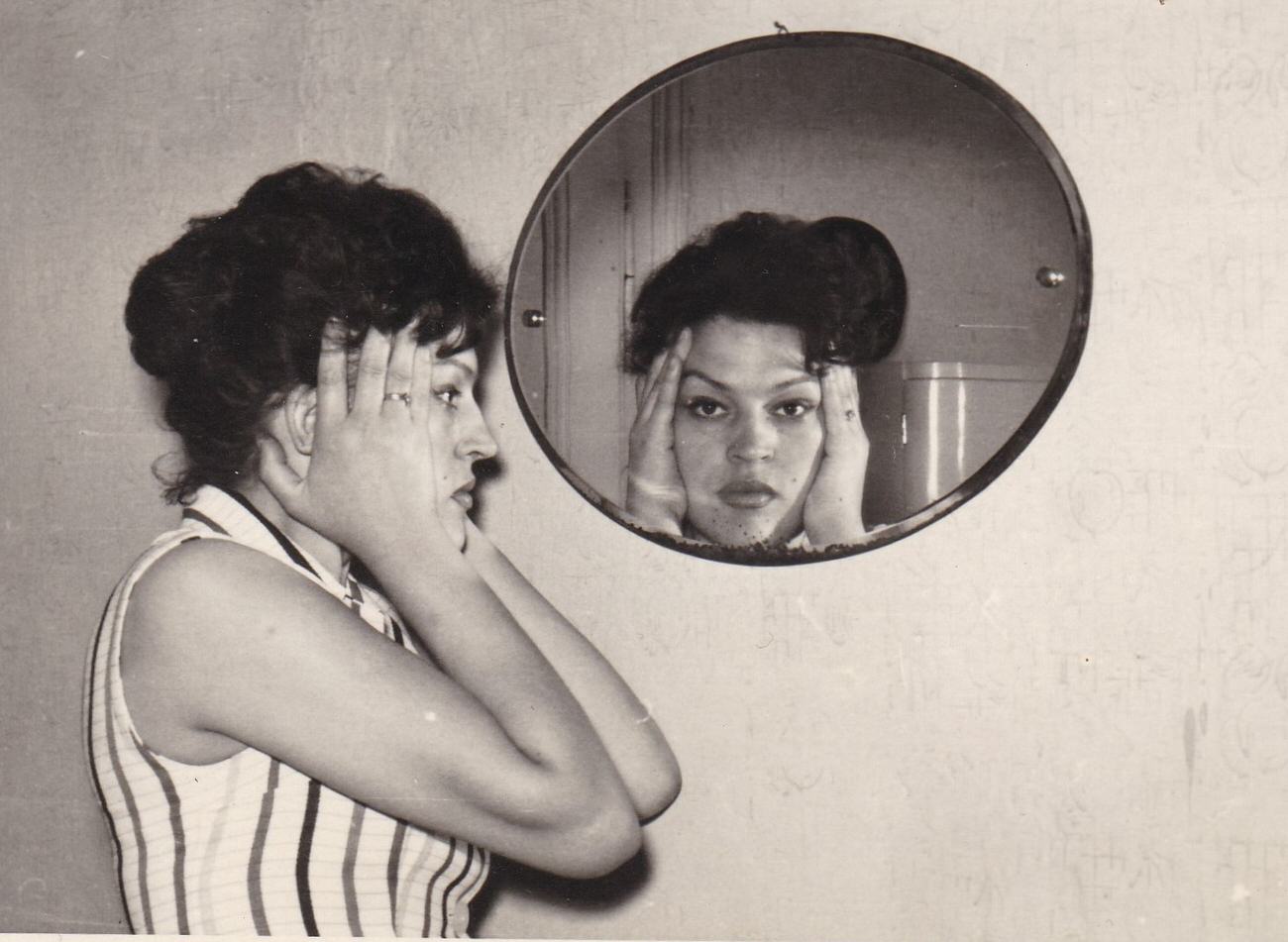
The photos span the full sweep of the 20th century. Flapper dresses from the 1920s appear alongside the polished elegance of 1930s gowns. Wartime practicality gives way to the bolder, freer fashion choices of the post-war decades. Each era leaves its mark in the fabric and the pose.
The accessories alone tell a story. Elaborate hats, dainty gloves, and oversized sunglasses all make appearances. These weren’t just decorative — they signaled social status, personal taste, and the mood of the times.
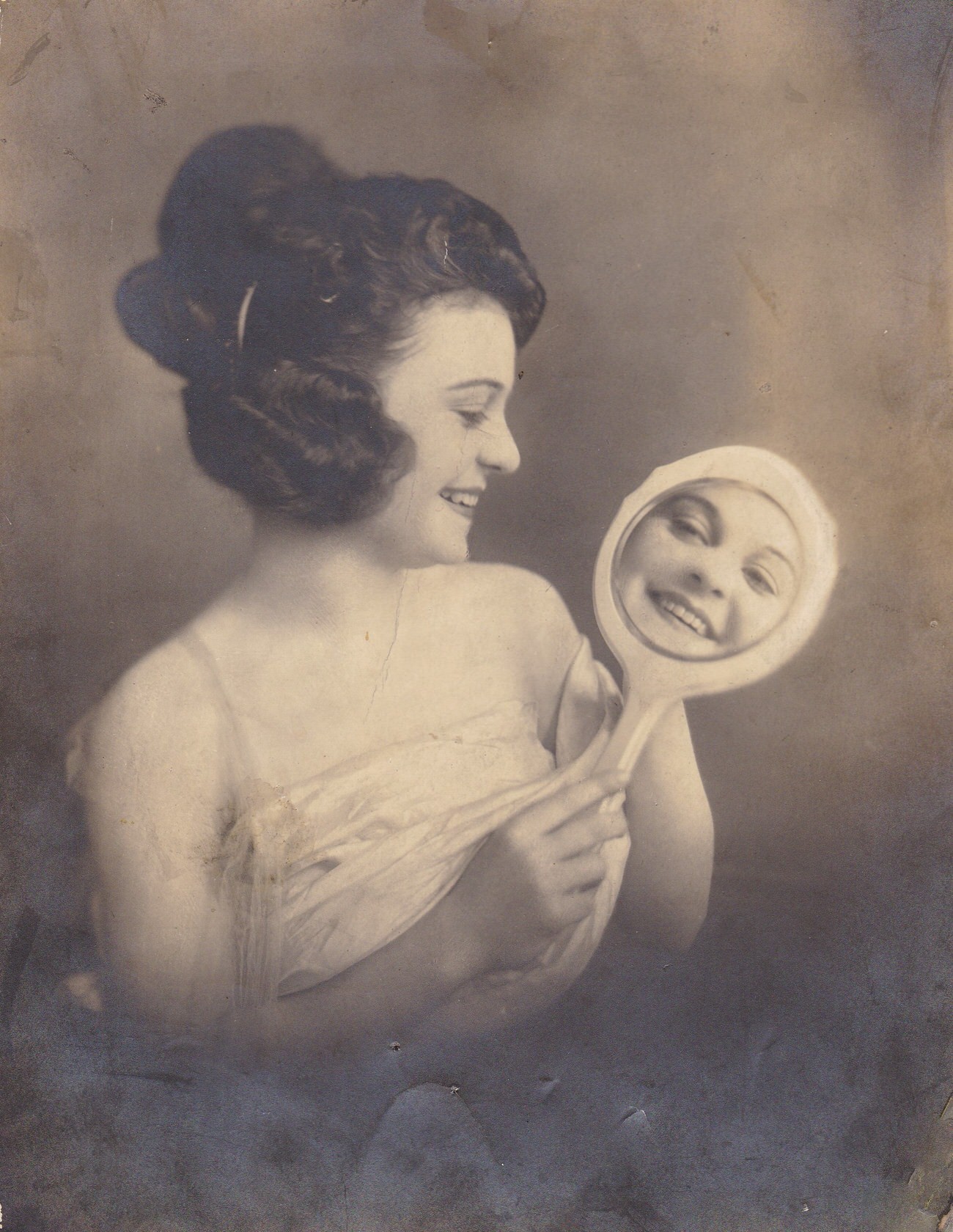
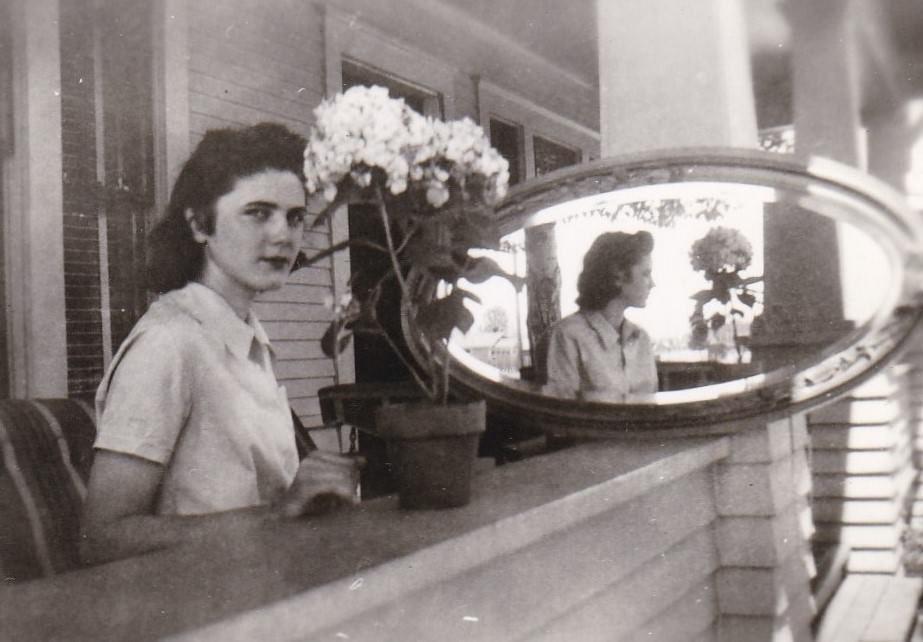
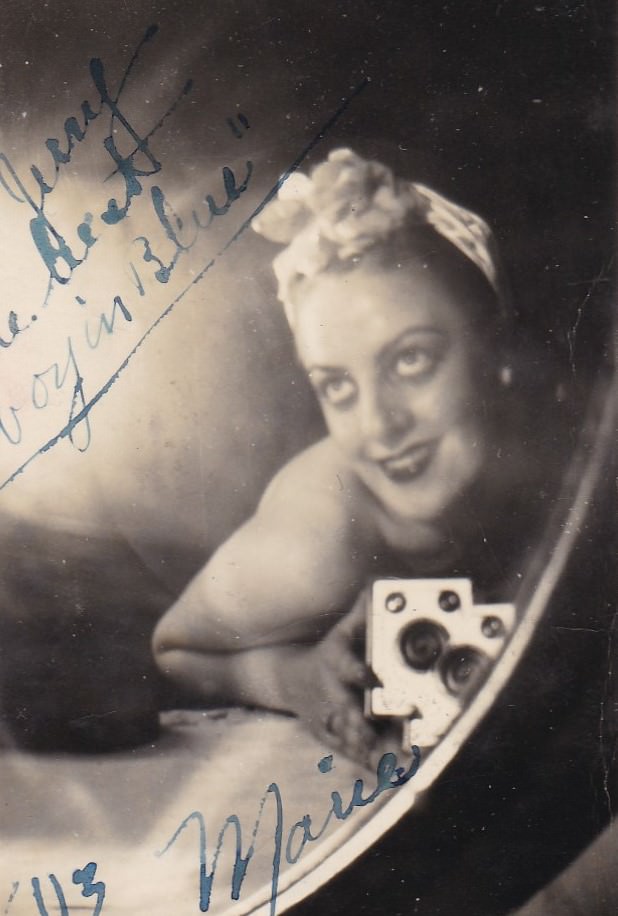
Some women in these photographs stare boldly into the mirror, their posture radiating self-assurance. Others offer small, shy smiles — eyes full of curiosity rather than performance. There are playful poses and serious expressions. No two photos feel quite the same.
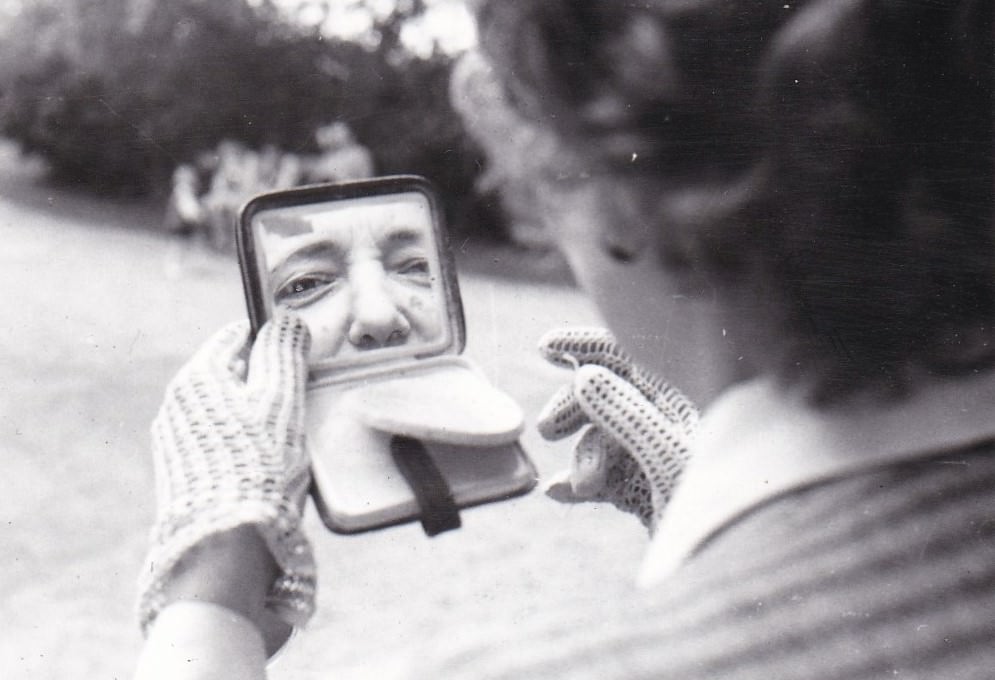
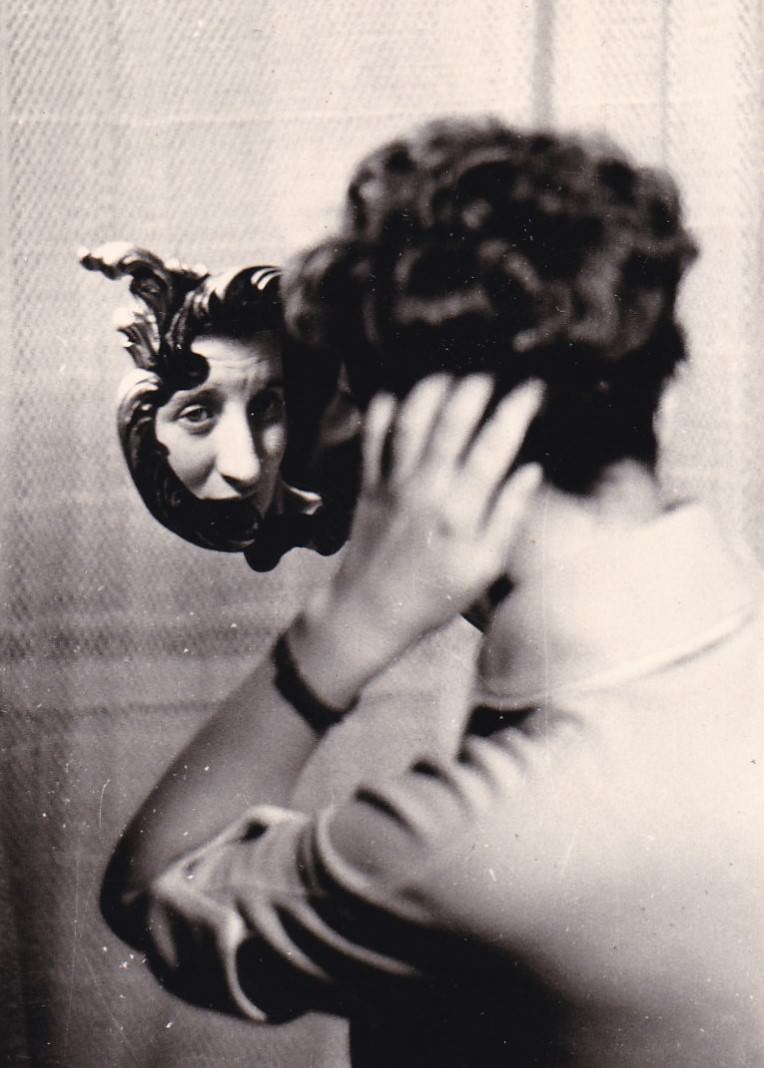
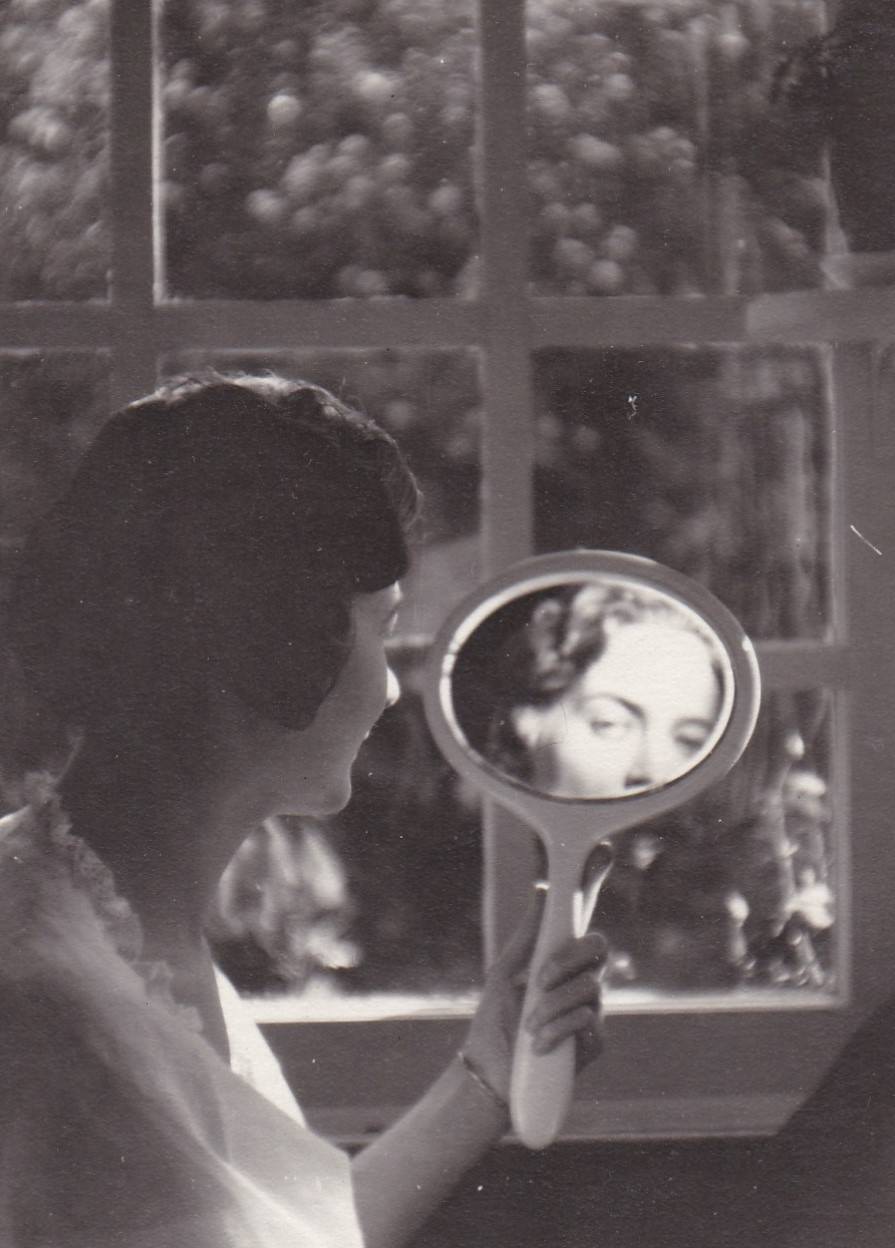
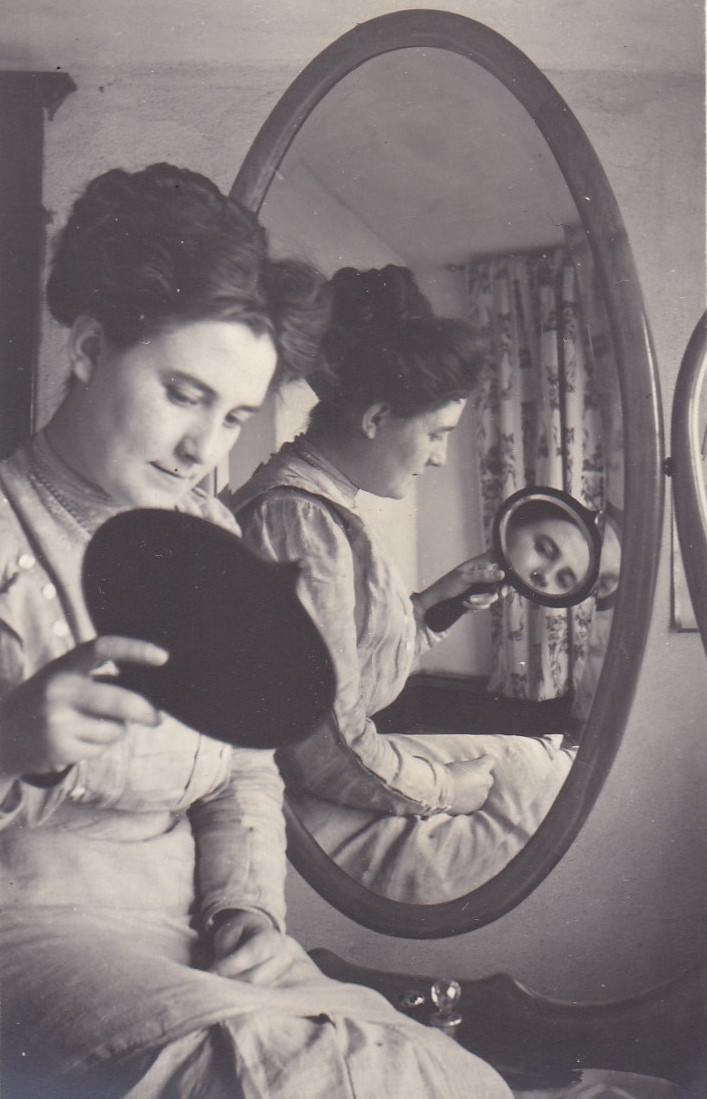
The mirror doubles the image — showing both the woman and her reflection — creating a layered view that a standard portrait simply cannot. The photographer captures two versions of the same person at once, which gives each shot an unusual depth.
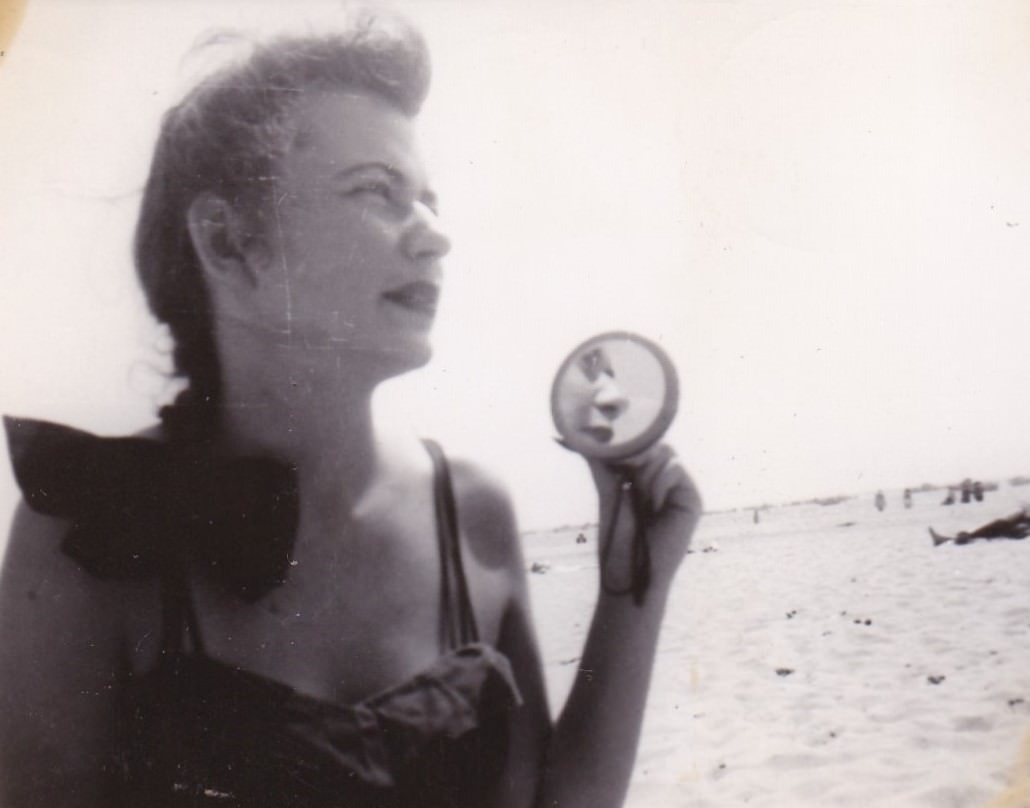
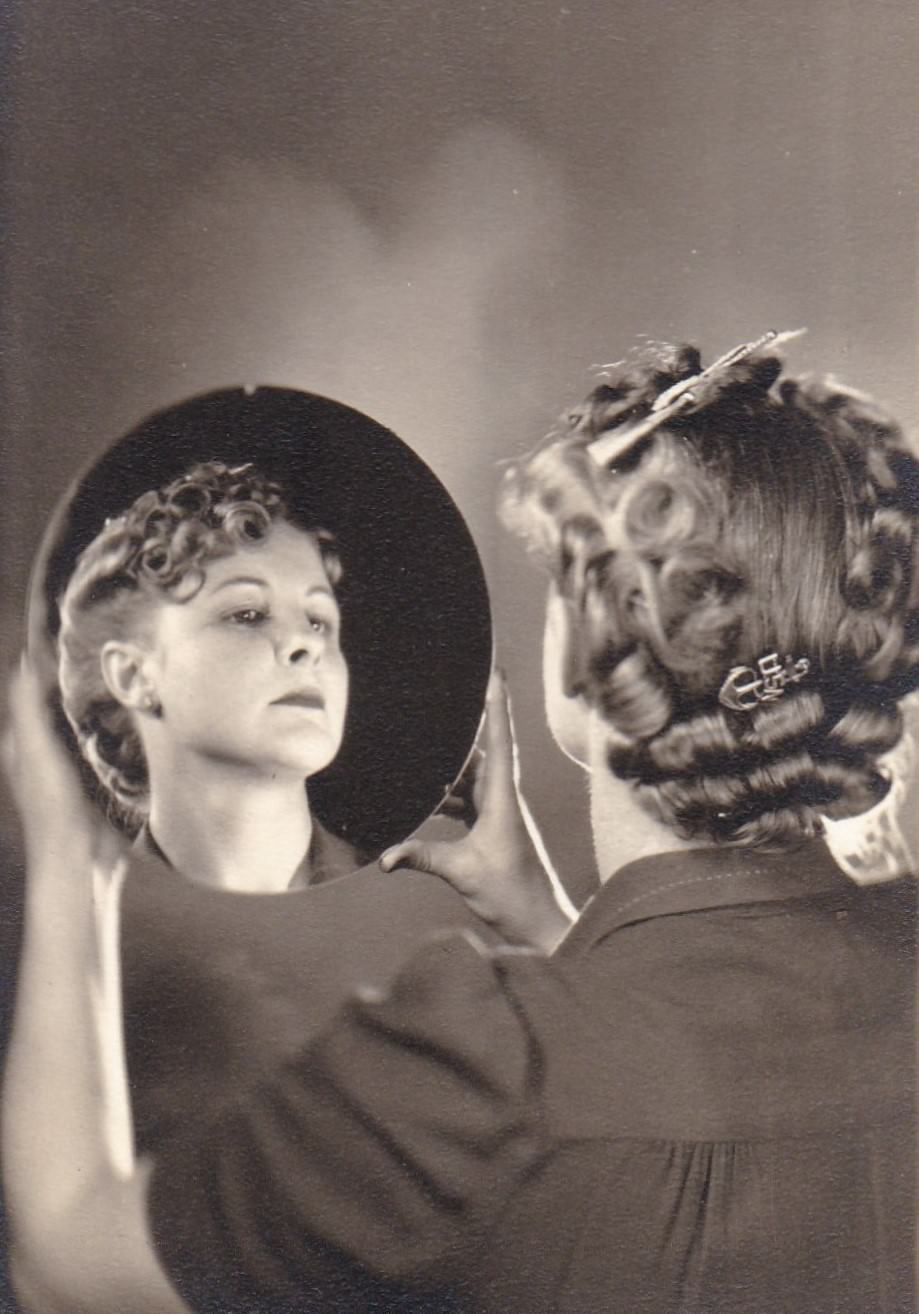
These photographs weren’t taken for public audiences. Many were private moments — a woman checking her lipstick, adjusting her hat, or simply pausing before heading out the door. The camera caught something candid and real.

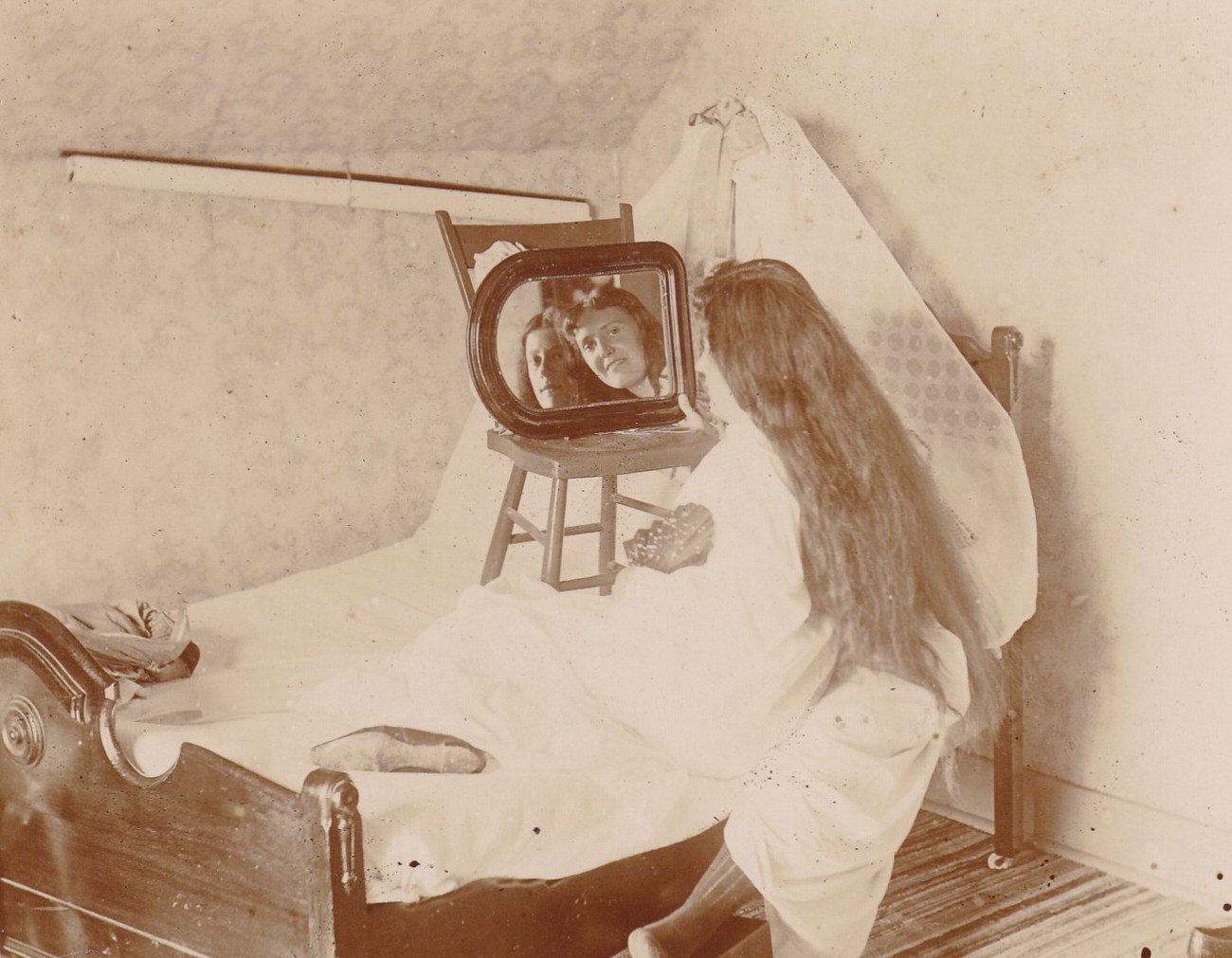
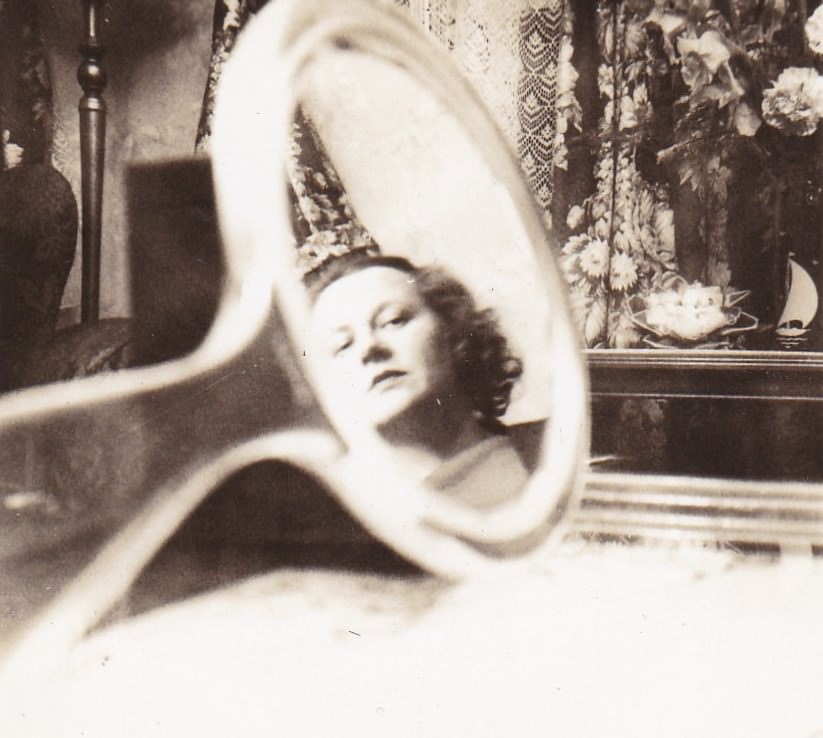
Fashion historians find collections like this especially valuable. The specific cut of a collar, the shape of a heel, or the style of a hairstyle can date a photo to within a few years. What looks like a casual snapshot is actually a precise record of how women dressed and presented themselves in a given decade.
The wartime photos in the collection carry their own distinct character. Clothing became simpler — less fabric, fewer embellishments — due to rationing. Yet the women in these images carry themselves with the same quiet dignity found in the more glamorous shots.

By the post-war years, fashion opened back up. Wider skirts, brighter colors, and more expressive styles all returned. The mirror photographs from this era reflect women stepping into a new kind of confidence — one shaped by the experiences of the decades before.
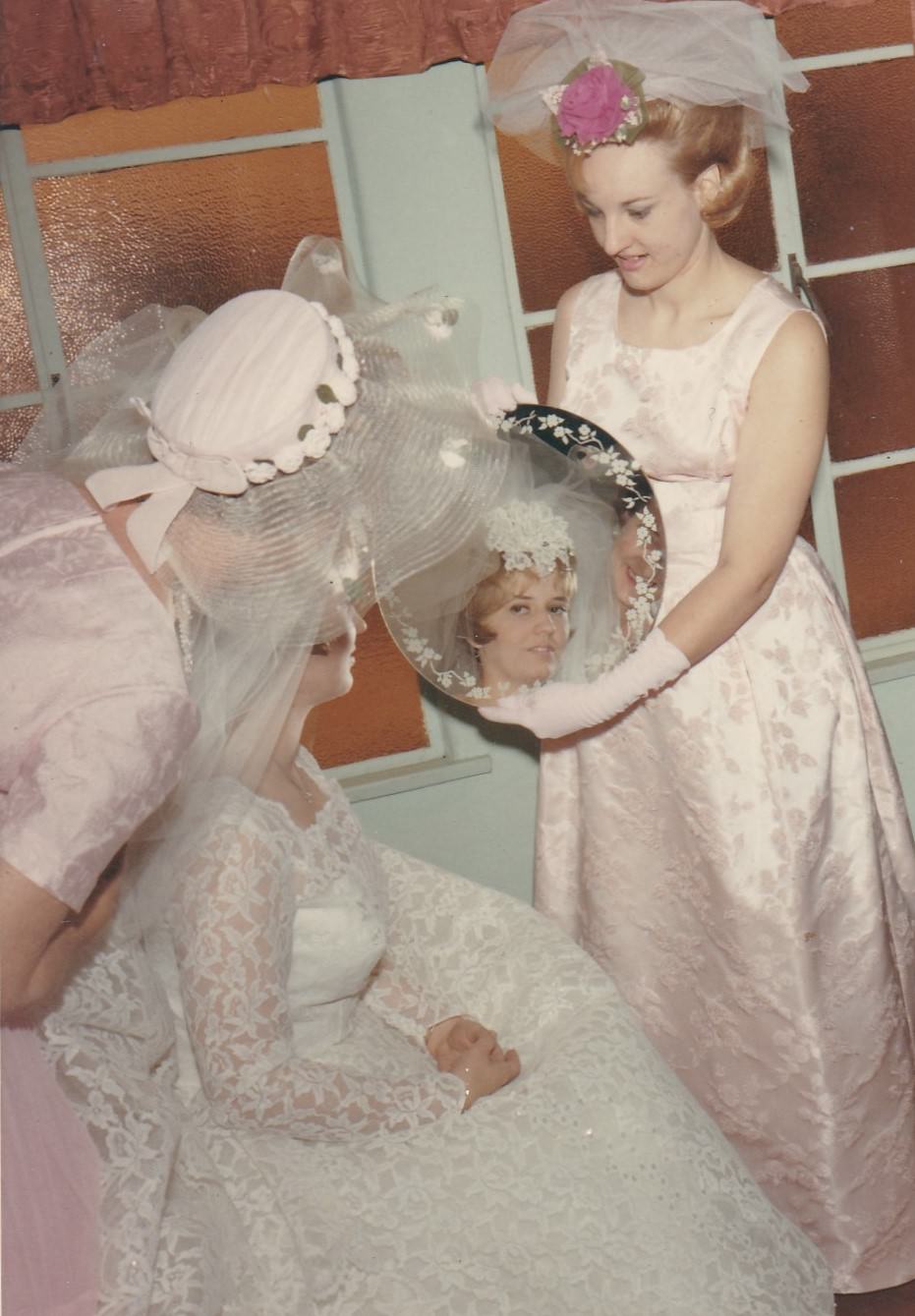
What makes Jackson’s curation stand out is the variety. These women come from different backgrounds, different decades, and different moods. The collection doesn’t present a single image of womanhood — it presents many.
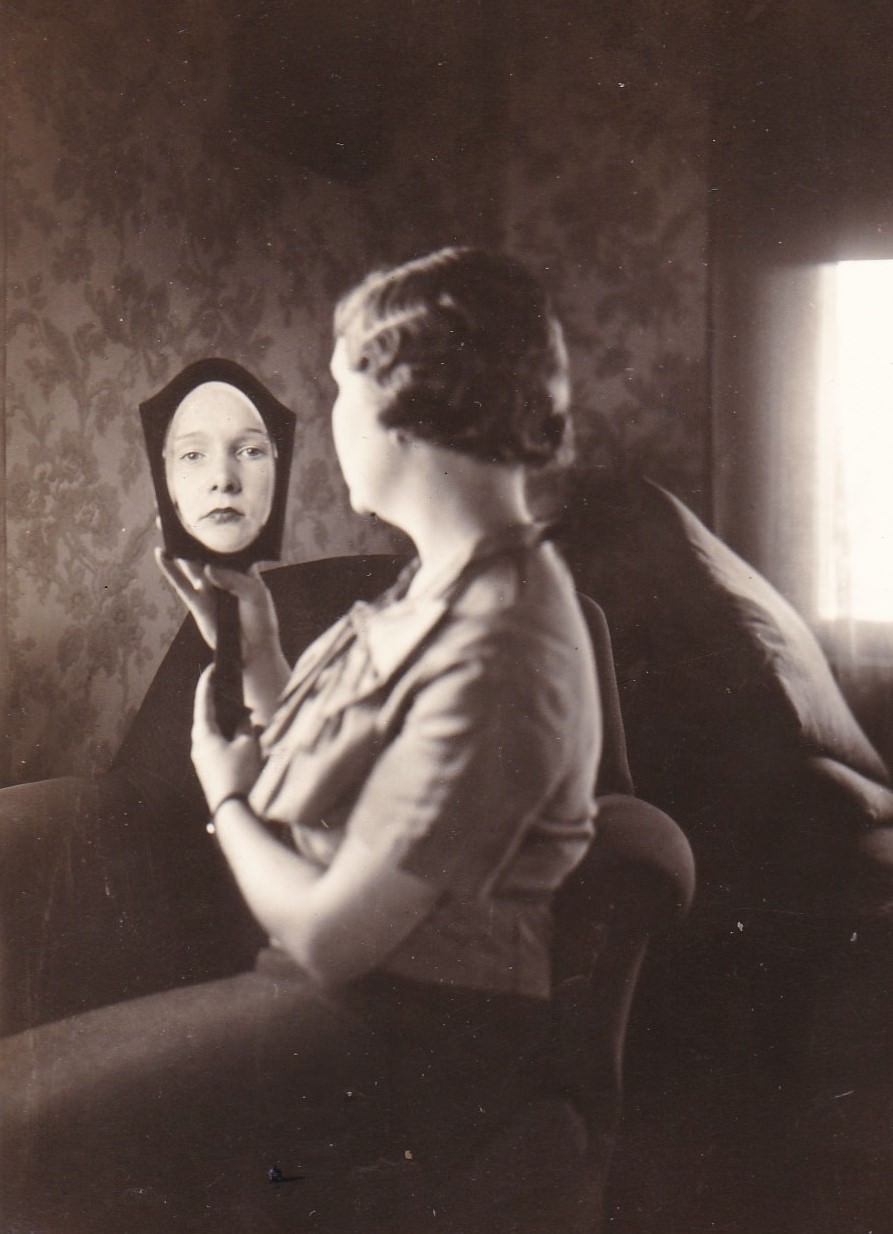
Each photograph freezes a fleeting moment — one that the subject herself may have forgotten within minutes. Yet here they are, preserved in silver and shadow, still speaking across the decades to anyone who stops to look.