
In the early morning hours of December 7, 1946, a fire tore through one of Atlanta’s most prominent hotels and left 119 people dead. The Winecoff Hotel fire remains the deadliest hotel fire in United States history. Hundreds more were injured. The building’s owner was among those who perished. The tragedy exposed a brutal truth: a hotel advertised as completely safe from fire had almost no fire protection at all.
The Winecoff Hotel stood at 176 Peachtree Street in downtown Atlanta, Georgia. Today, the same building operates as the Ellis Hotel. When the Winecoff opened, it was marketed as ‘fireproof’ because its structure was built on a steel frame. But steel framing alone does not stop fire. The interiors — the walls, furniture, floors, and fixtures — were highly combustible. Worse, the building had no fire escapes, no fire doors, and no sprinkler system. Guests had almost nowhere to go once smoke filled the hallways.
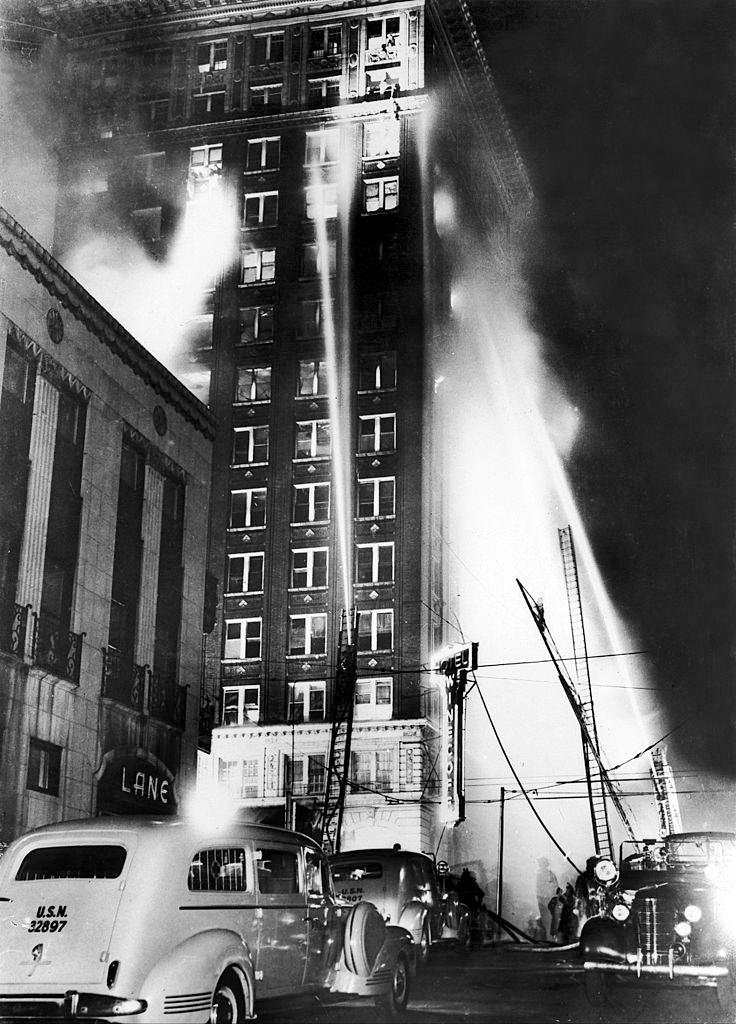
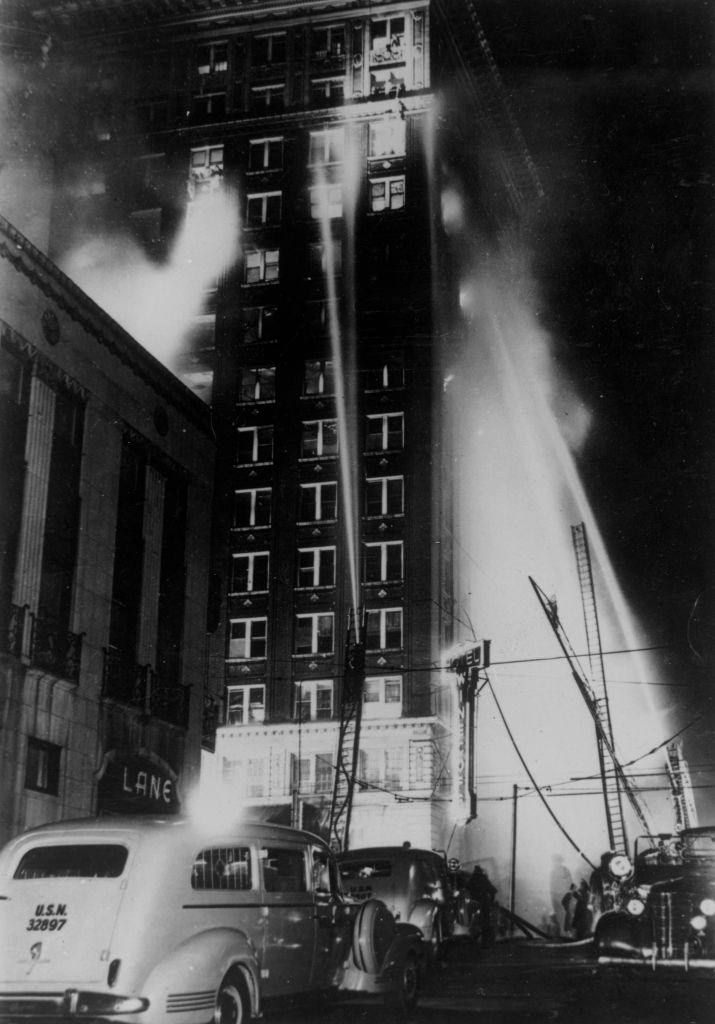
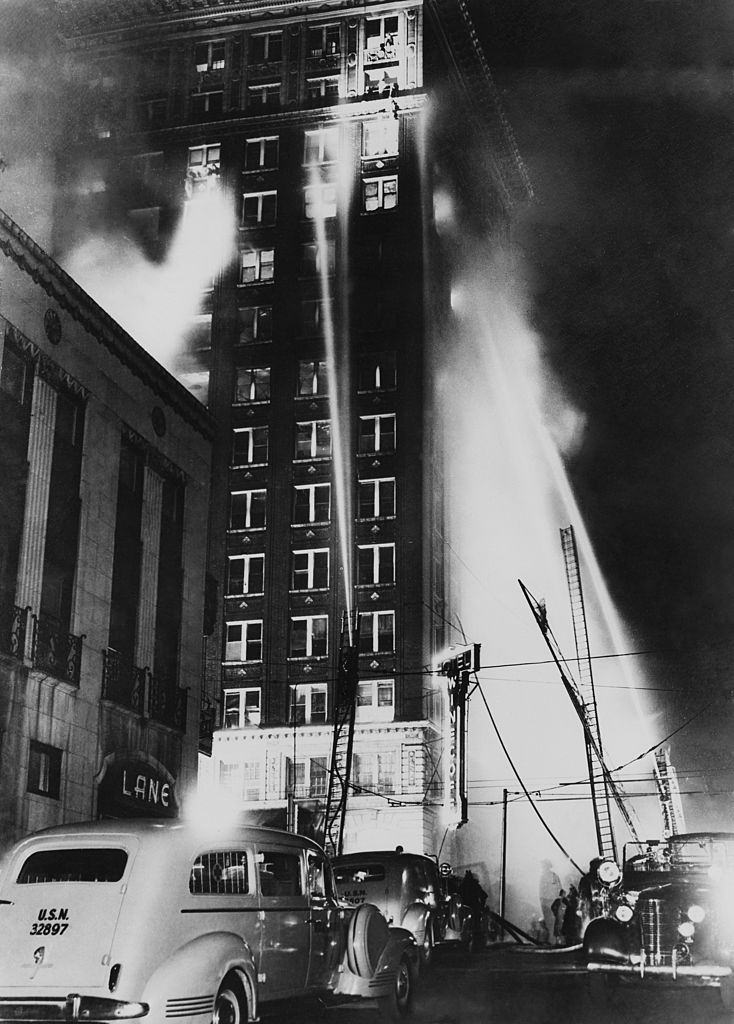
The fire started on the third floor. A mattress and a chair had been left temporarily in the corridor near the stairway leading up to the fourth floor. That small detail proved catastrophic. Flames ignited in that hallway and rapidly climbed the open stairwell, spreading smoke and fire upward through the building’s fifteen floors. A bellboy first spotted the fire at around 3:15 a.m. Atlanta firefighters were on scene within half an hour, battling the blaze in cold winter weather.
The firefighters faced an impossible situation. Their ladders could only reach the eighth floor. The Winecoff had fifteen floors, meaning anyone above the eighth was entirely beyond physical rescue from the outside. Their safety nets were not built to catch people falling or jumping from heights greater than 70 feet. Many guests, faced with smoke pouring into their rooms, leaped from windows anyway. Dozens of people died on the sidewalks and in the alley behind the building.
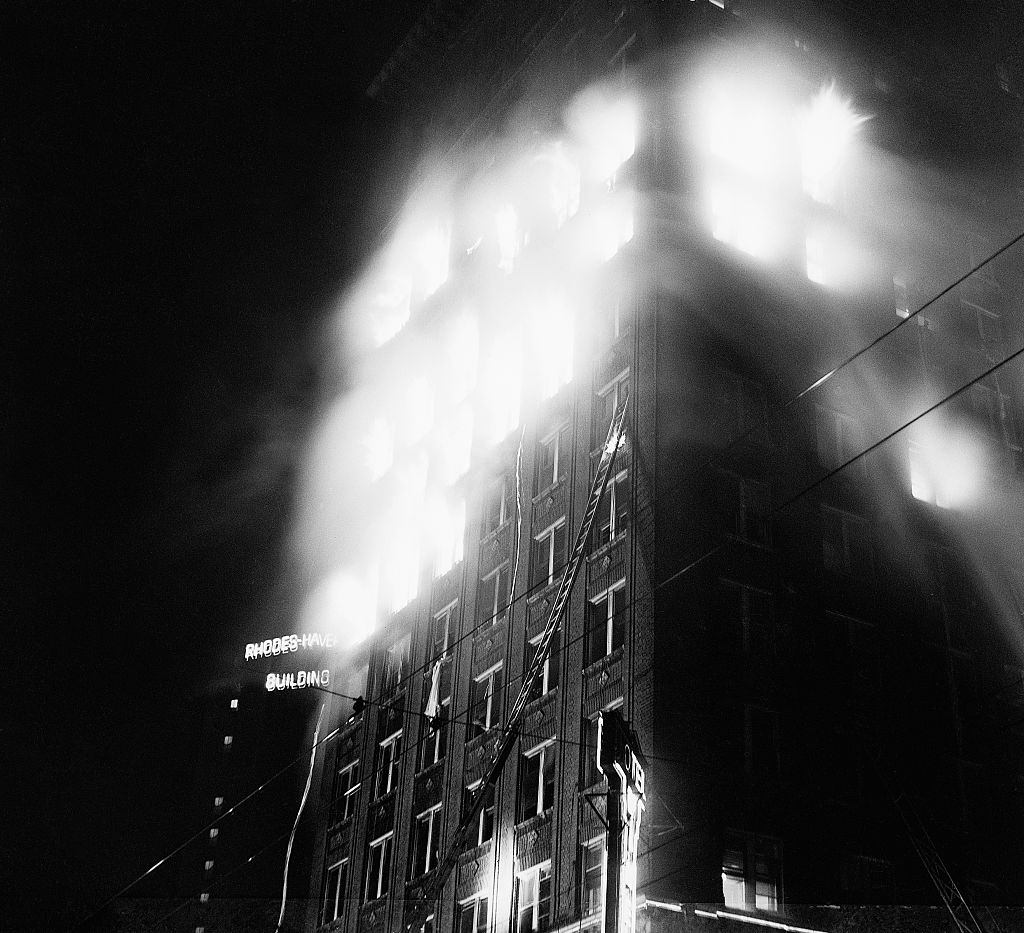
A later investigation found that open transoms — the small windows above guest room doors — played a major role in how quickly individual rooms ignited. Rooms with open transoms allowed smoke and flames to enter directly from the hallway. On nearly every floor, doors and transoms were burned through. Only the fourteenth and fifteenth floors showed a different pattern. The investigation linked open transoms directly to the ignition of room contents, meaning a small architectural detail determined whether guests had any warning time at all.
Among the 119 victims were thirty of Georgia’s most promising young students. They had traveled to Atlanta to attend the YMCA’s Youth Assembly at the State Capitol — a civic program designed to give high school students hands-on experience with government. These teenagers were staying at the Winecoff as part of the event. They had no reason to suspect the building they were sleeping in would become a death trap before dawn.
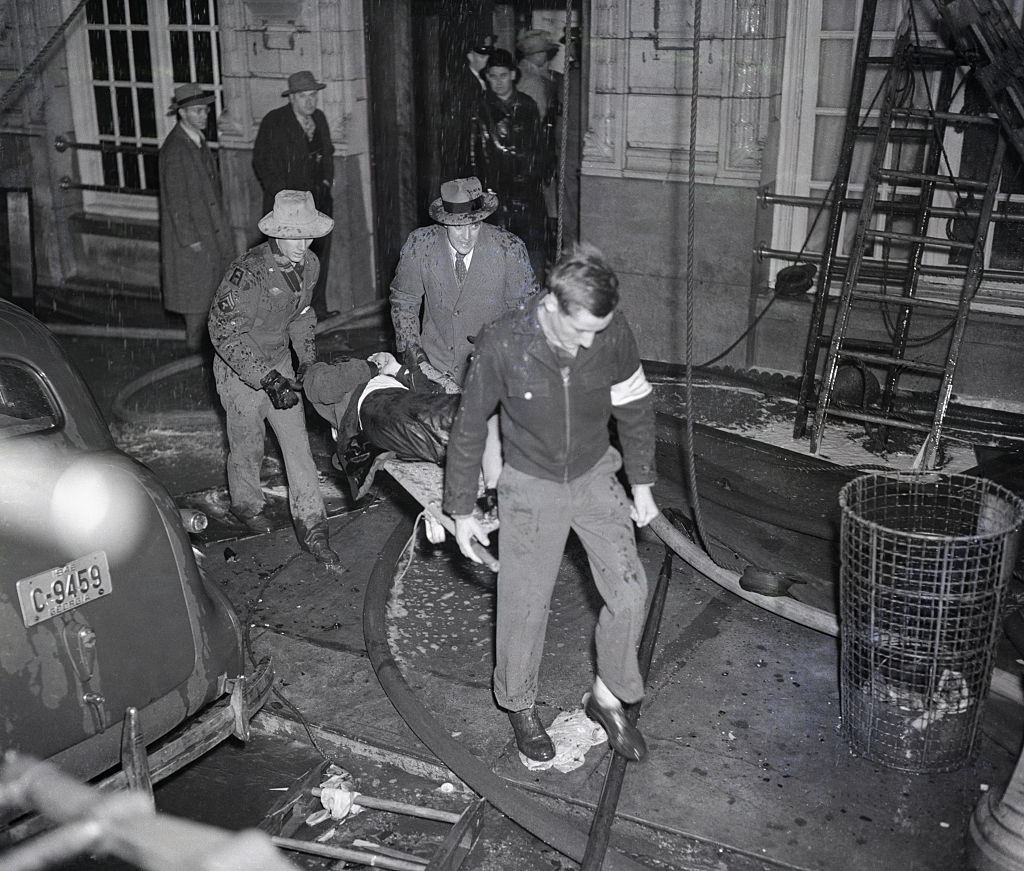
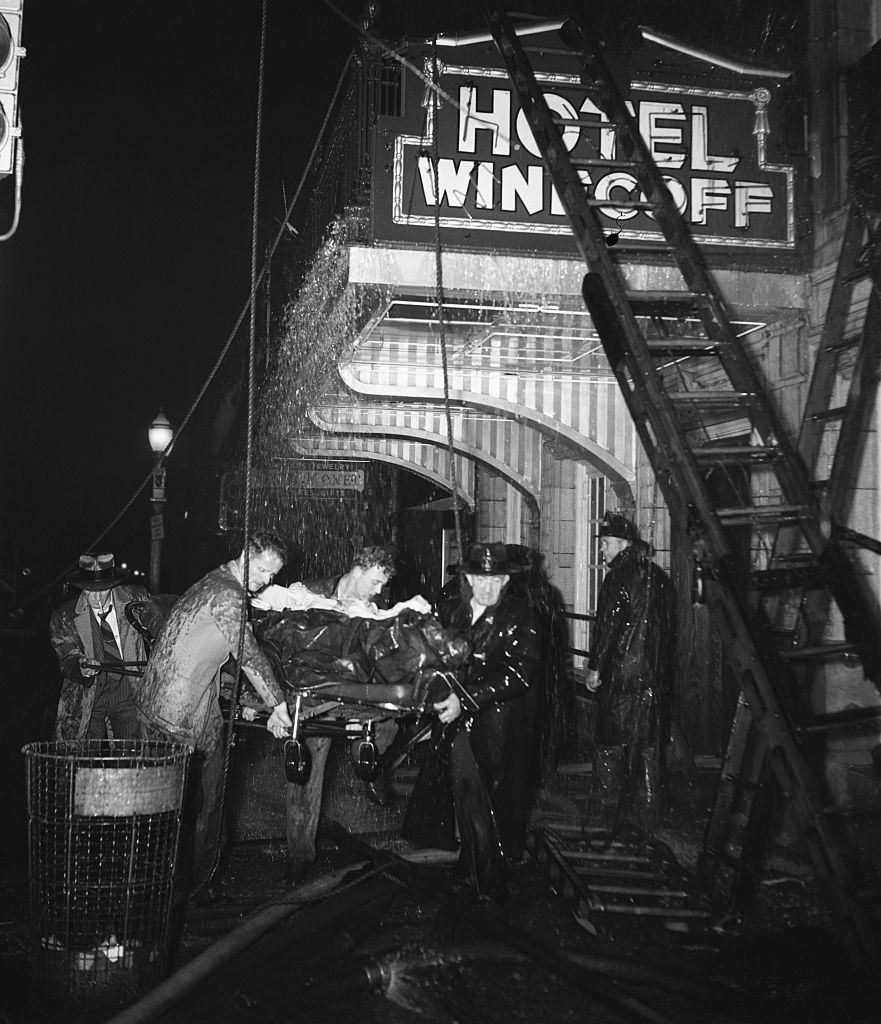
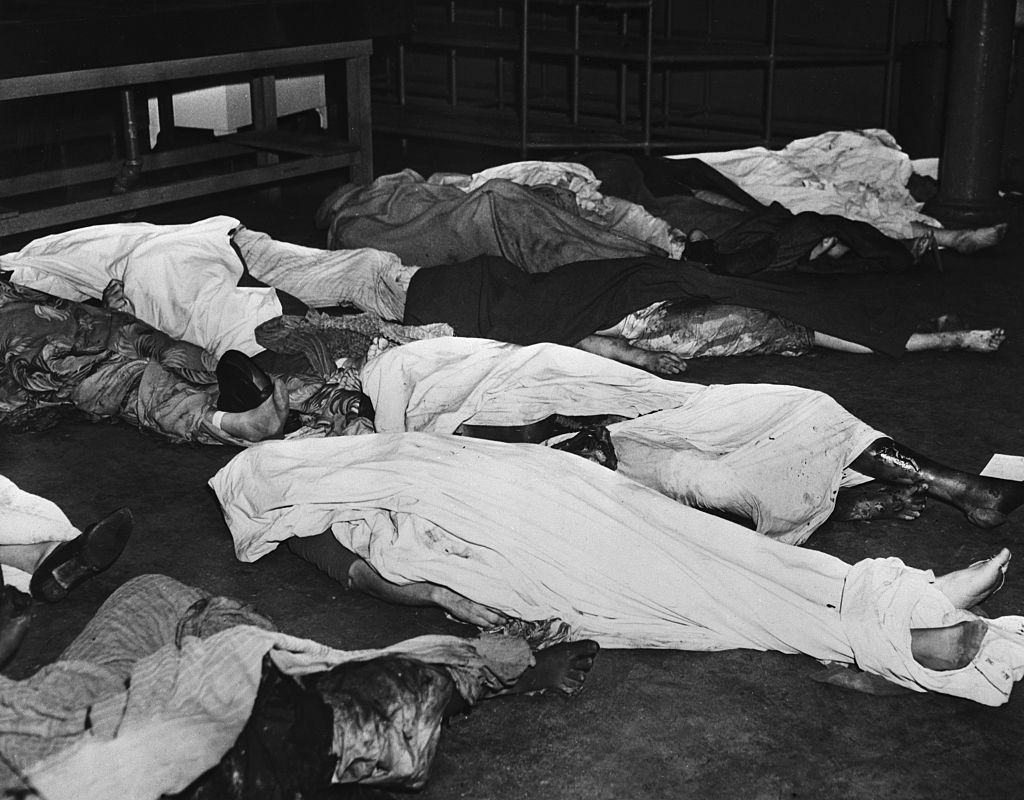
Volunteer rescue workers joined Atlanta firefighters in pulling survivors and victims from the building. The scene outside the hotel was grim. Bodies lay on the street where people had fallen or jumped. Rescue workers carried the injured and the dead through smoke and debris. The sheer number of casualties overwhelmed local resources. The dead were taken to Grady Hospital, where the morgue received shrouded body after shrouded body through the morning hours.
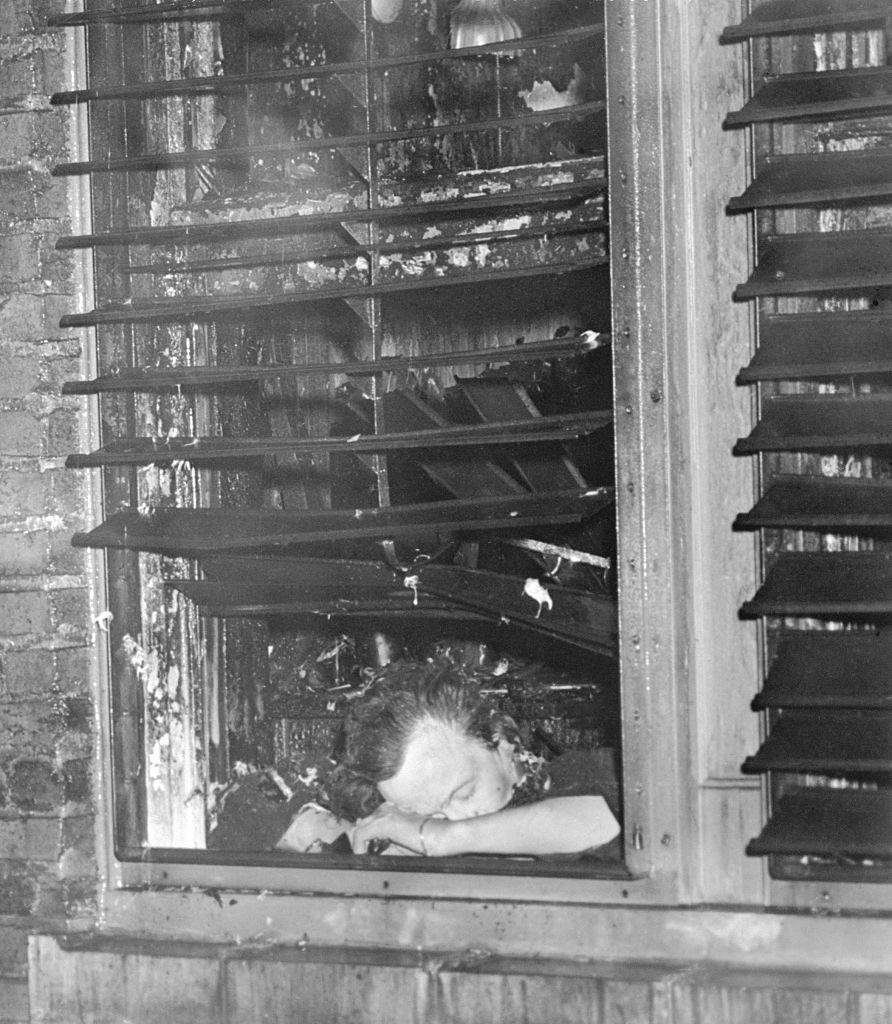
One person who ran toward the chaos rather than away from it was Arnold Hardy, a 24-year-old Georgia Tech student and amateur photographer. Hardy lived near the hotel and heard the sirens in the early morning hours. He grabbed his camera and rushed to the scene. He was the first photographer to document the disaster as it unfolded. Hardy had one flashbulb left in his camera when he captured the moment Daisy McCumber fell from the building’s windows. That single photograph — sharp, terrifying, and utterly precise — won him the 1947 Pulitzer Prize for Photography.
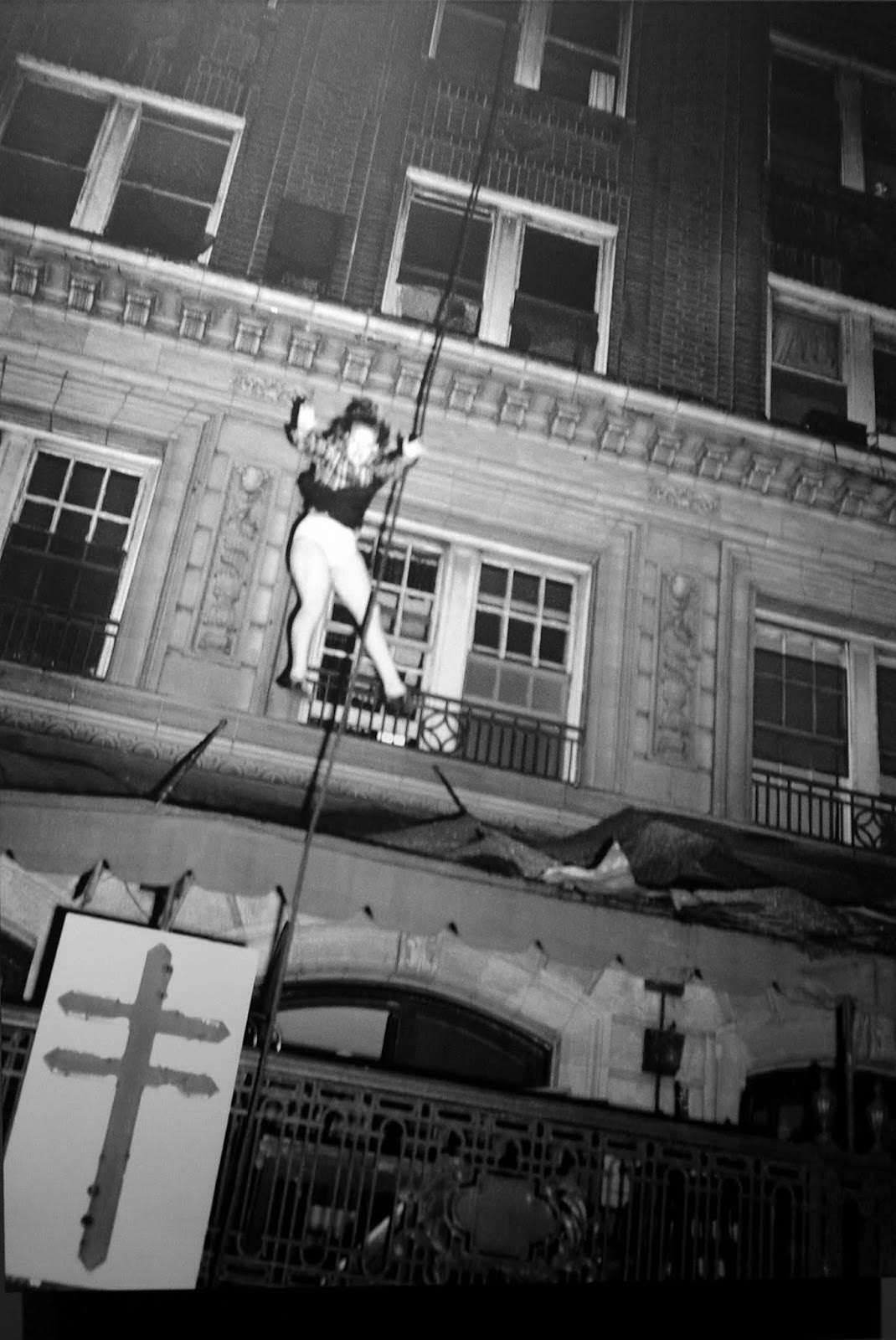
McCumber survived her fall, though with serious injuries. Hardy’s photograph of that moment became one of the most recognized images of the disaster. It appeared in newspapers across the country and brought national attention to what had happened in Atlanta that night.
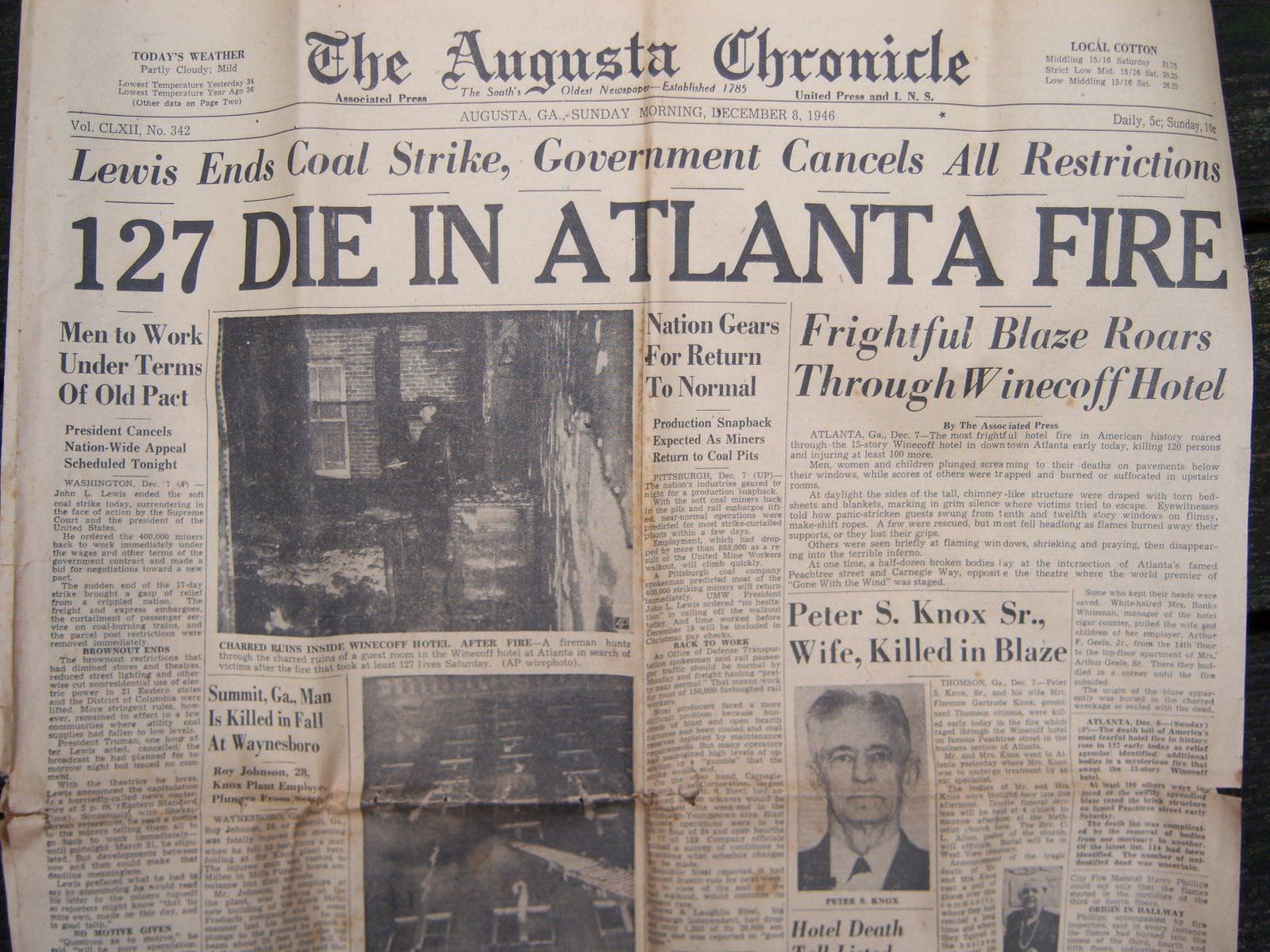
News of the fire spread quickly. Newspapers ran front-page headlines the following morning, and the scale of the death toll shocked readers across America. A hotel that had promised fireproof safety had burned through the night and killed more than a hundred people, including the man who owned it. The facts were impossible to ignore: no sprinklers, no fire escapes, no fire doors, and a corridor left with a mattress and chair next to an open stairwell.

The Winecoff fire is not just the deadliest hotel fire in Atlanta. It is the fatal hotel fire in the United States. My neighbour in the town where I grew up lost their 16-year-old daughter in the fire. One of the children of the family’s other daughter, whose mother was a mercenary, would charge kids 50* for sneaking into his grandparents’ house to see the dead girl’s coat, which his grandmother kept in a plastic garment bag upstairs. She wore the coat she got for her birthday on the Atlanta trip. It had been around 20 years when I paid my 50¢ (which today would be about $5) to see the coat, and you could still smell the smoke from the fire when he unzipped the bag. The family buried his grandmother’s coat in her coffin in 1994, and even after 48 years, when you approached the coffin, you could not help but notice the faint smell of smoke.