William M. Vander Weyde was a documentary photographer active in the United States during the late 19th and early 20th centuries. While many photographers of his era stuck to formal portraits and scenic landscapes, Vander Weyde turned his lens toward the real, unfiltered world around him. His subjects ranged from public figures and athletes to accidents, labor conditions, and street-level curiosities.

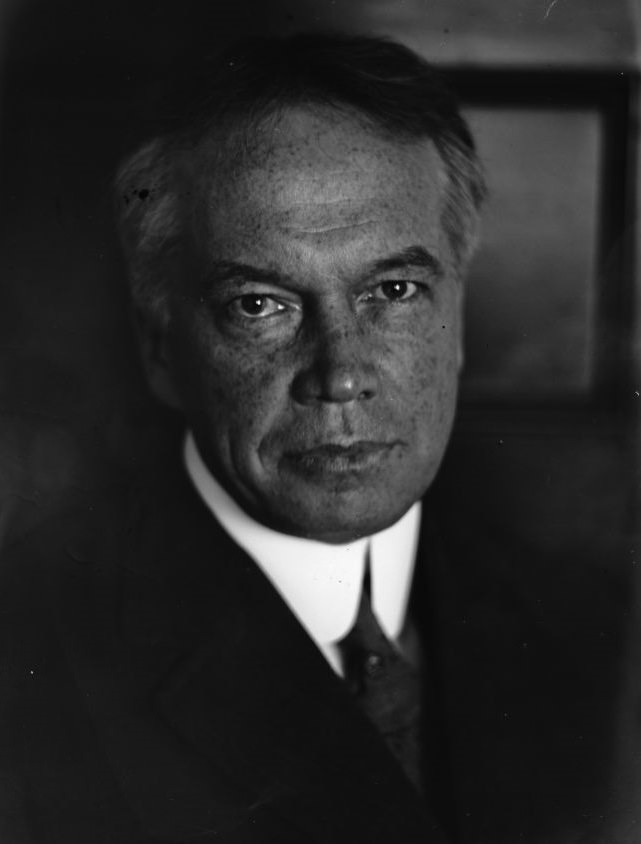
Vander Weyde photographed internationally recognized figures such as Alfred Dreyfus, the French army captain at the center of a major political scandal, as well as novelist Henry James, Irish nationalist Maude Gonne, and author L. Gutierrez de Lara. He also documented American public life through portraits of socialist Charles Edward Russell, publisher Robert Collier, and educator Charles Sprague Smith.


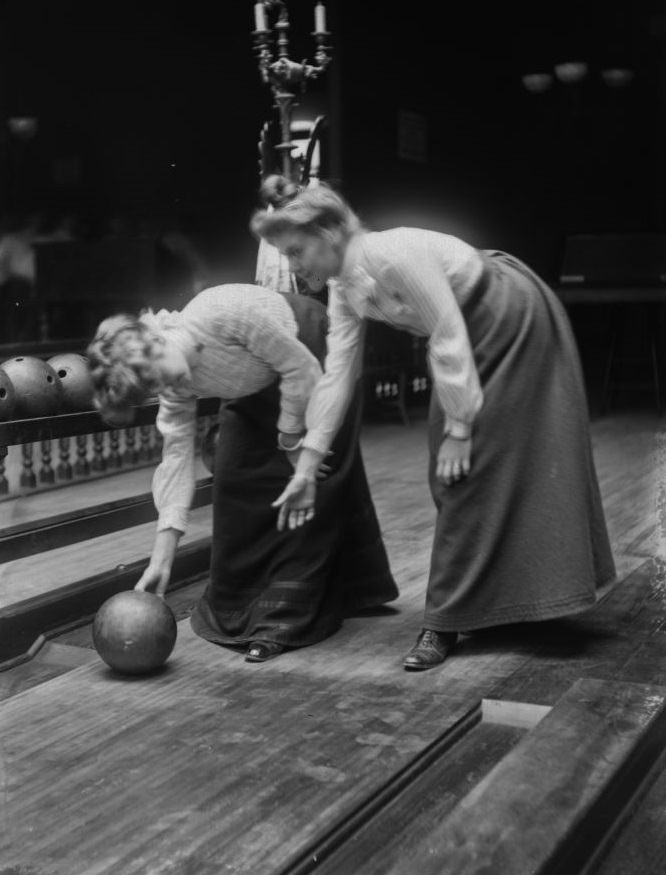
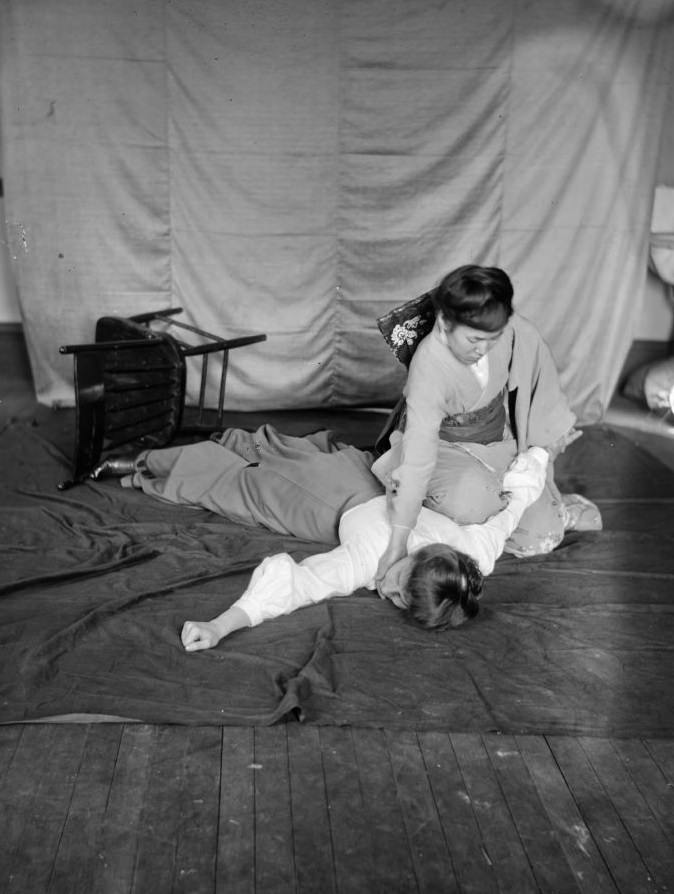
Leisure and recreation were recurring subjects in his work. He shot crowded Atlantic City beaches, women bowling, jiu-jitsu classes for women, dog training, and a performing monkey. These images captured how everyday Americans spent their free time in the early 1900s.




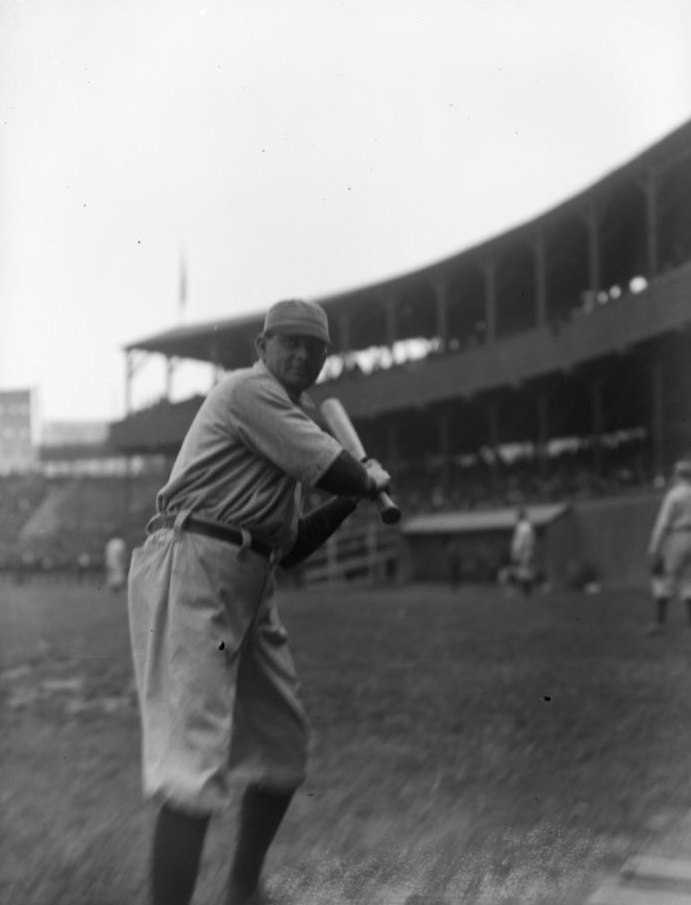
Sport was another major thread in Vander Weyde’s archive. He photographed a roster of baseball players including Joe McGinnity, Joe Tinker, Vic Willis, and several others from the era when the sport was cementing its place in American culture. Swimmer Elaine Golding and wrestlers also appeared before his camera.


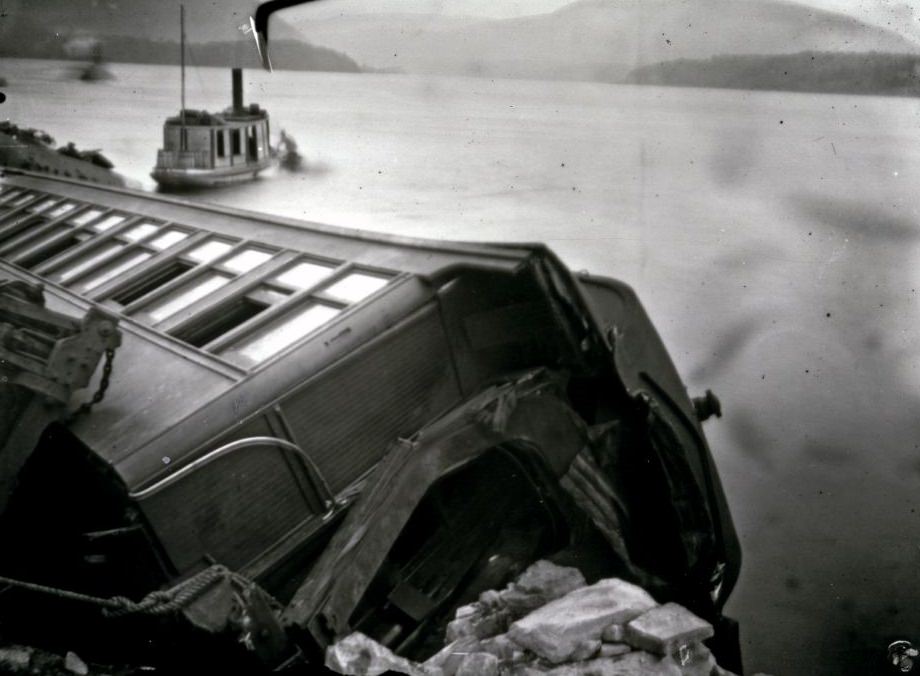
One of the most striking sequences in Vander Weyde’s body of work is his extensive coverage of a train wreck in Harrison, New York. He produced at least eleven photographs of the disaster, documenting the wreckage in detail. This kind of on-the-scene news photography was still relatively new at the time, and his images stand as some of the earliest examples of American photojournalism.



Science and technology also drew his attention. Vander Weyde photographed electric light patent demonstrations, solid air experiments, Harvard Observatory, and locomotives. His images of Lipton’s yacht Shamrock and ocean liner SS St. Paul showed an interest in the era’s advances in transportation.




Vander Weyde documented the U.S. military during the Spanish-American War period, photographing the 2nd Regiment and the 69th Regiment’s mascot. He also shot several naval vessels, including the USS Baltimore, USS Brooklyn, USS Chicago, and USS New Orleans. These photographs provide a direct visual record of American military power at the turn of the century.


His coverage of labor extended inside factory walls. Photographs taken at the Ingersoll Watch Company show workers at their stations, offering a rare look at early 20th century industrial work conditions. These images sit alongside shots of the maceration of money at a federal facility, showing Vander Weyde’s access to institutions most photographers never entered.