Warren Beatty is one of the rare figures in Hollywood history who succeeded at nearly every job the film industry has to offer. He worked as an actor, director, writer, and producer — often all on the same project. Over a career spanning more than six decades, he earned 15 Academy Award nominations across multiple categories. He holds a unique distinction: he is the only person ever nominated for acting, directing, writing, and producing the same film. In 1999, he received the Irving G. Thalberg Memorial Award, one of the most prestigious honors the Academy gives out. The eight films he produced collected a combined 53 Oscar nominations.
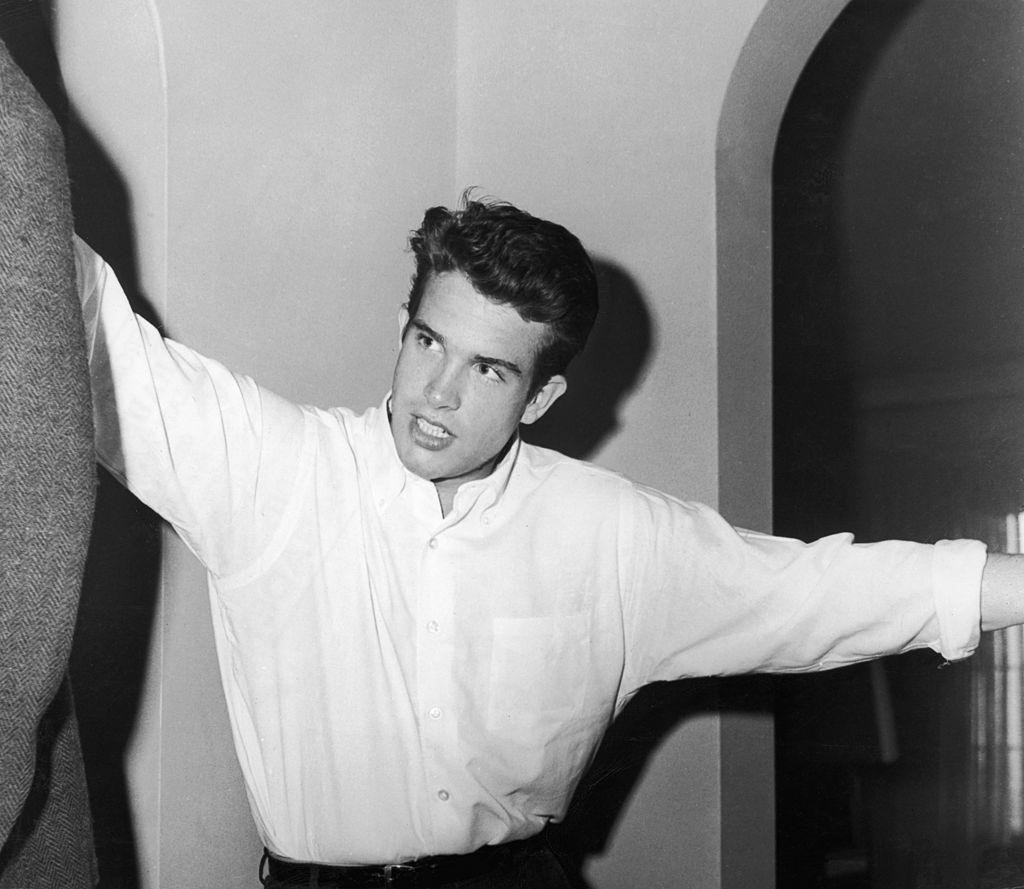
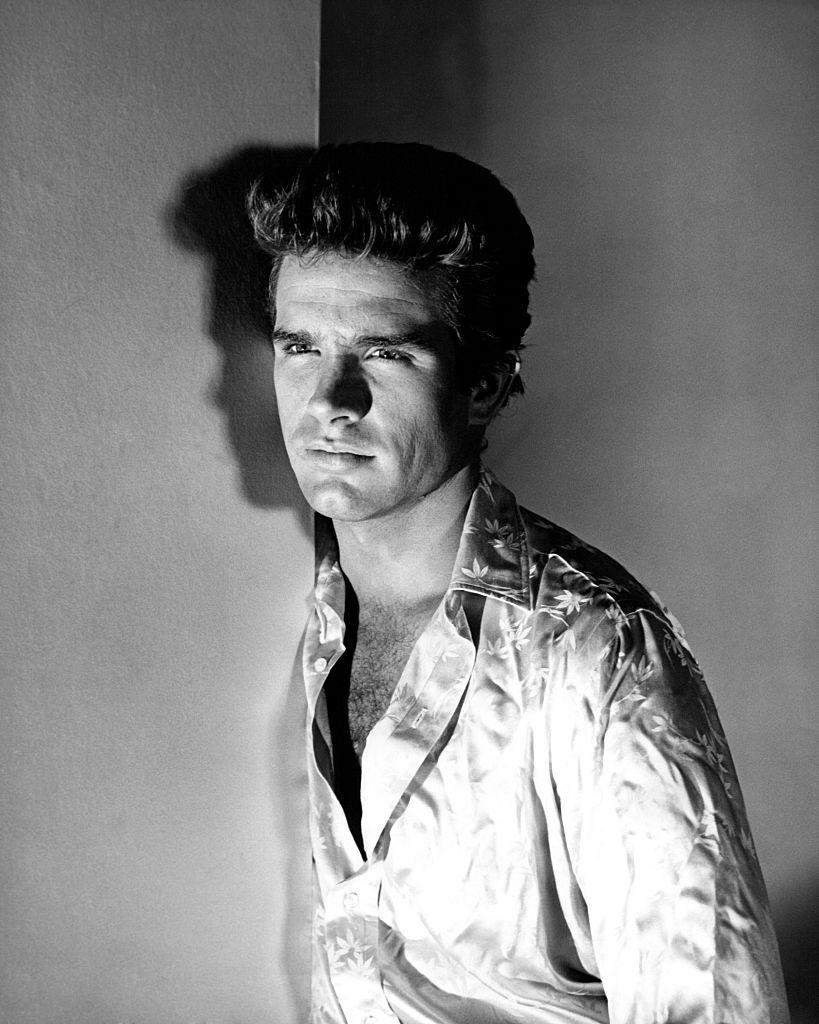
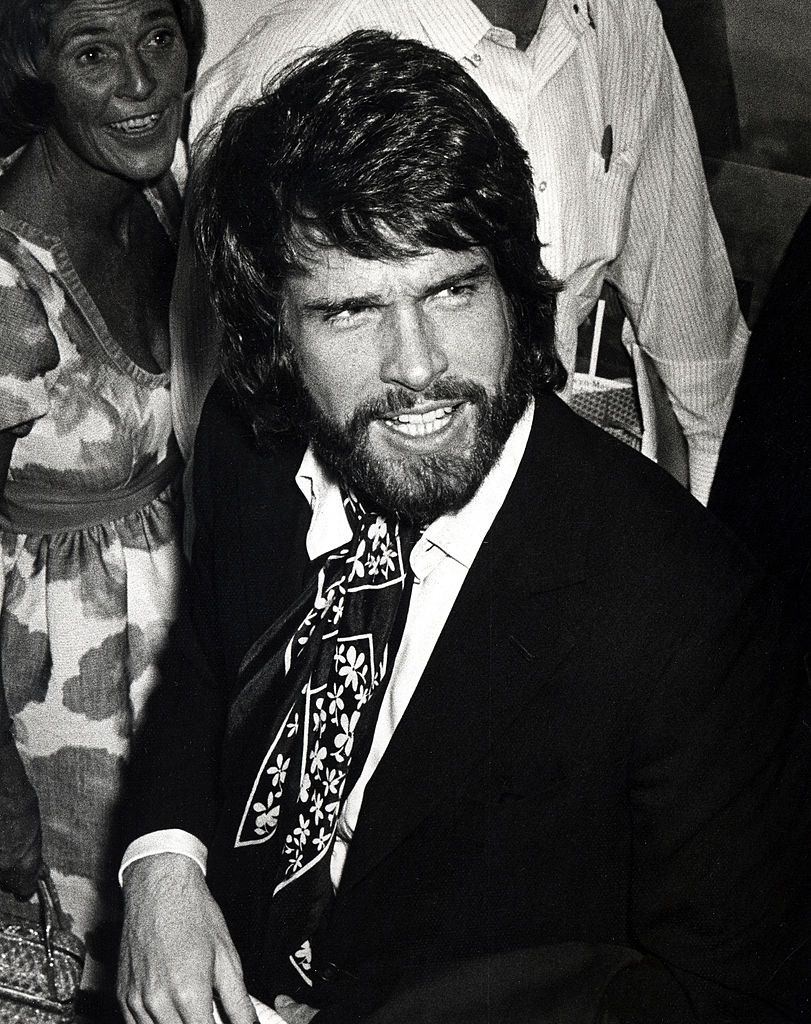
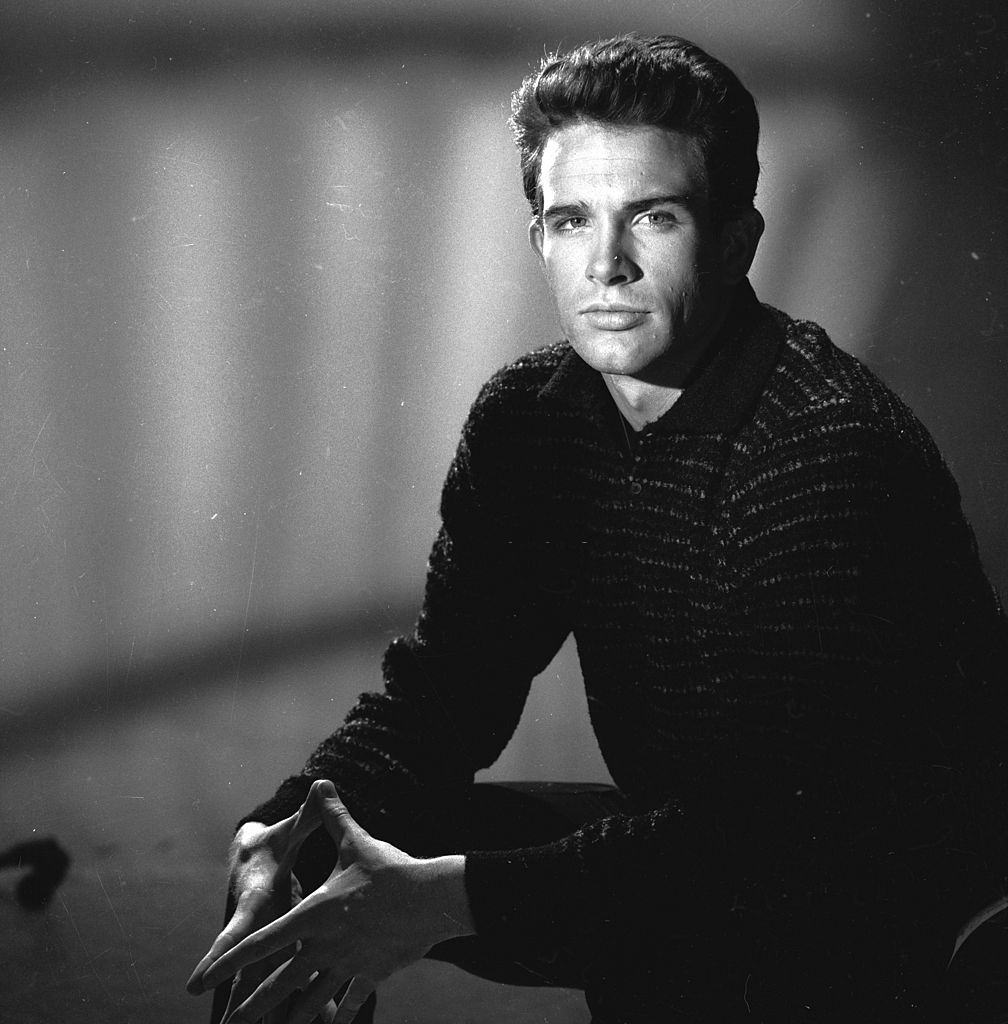
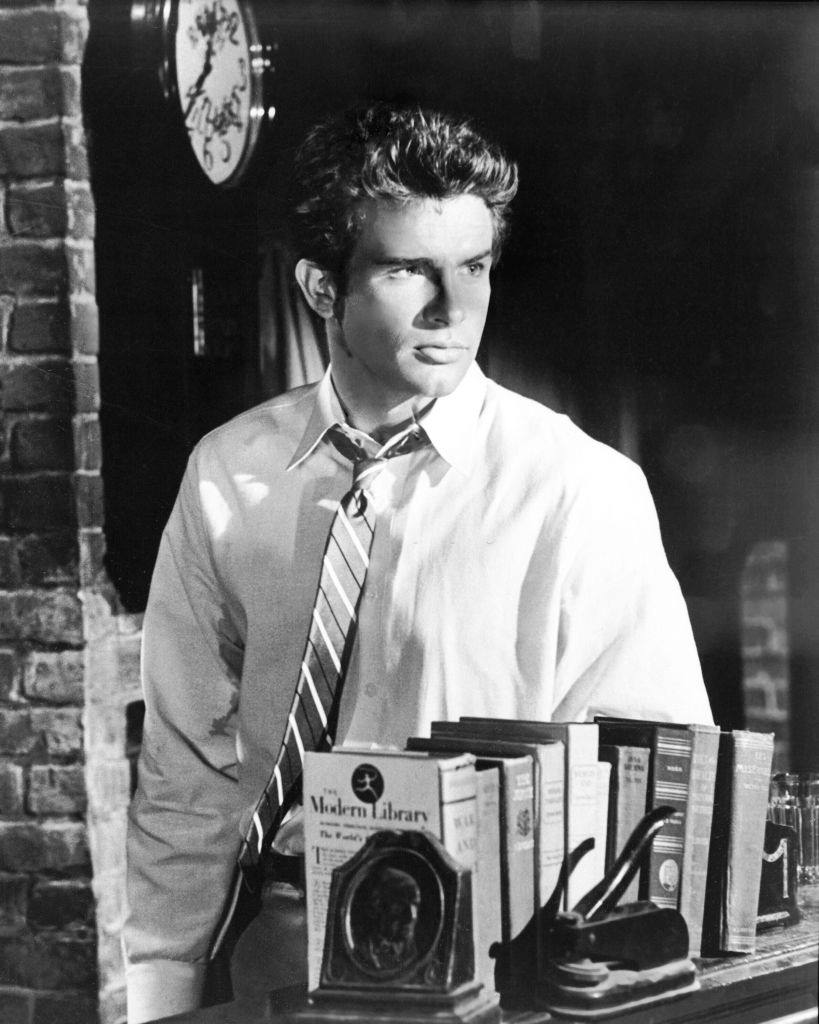
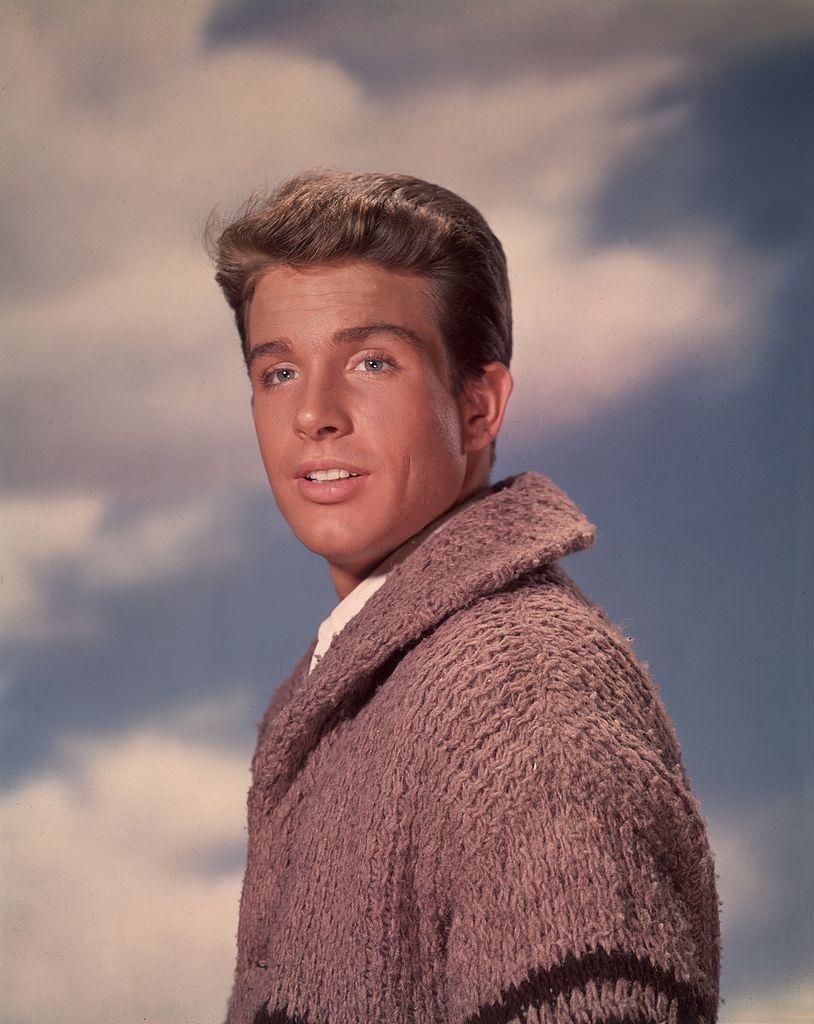
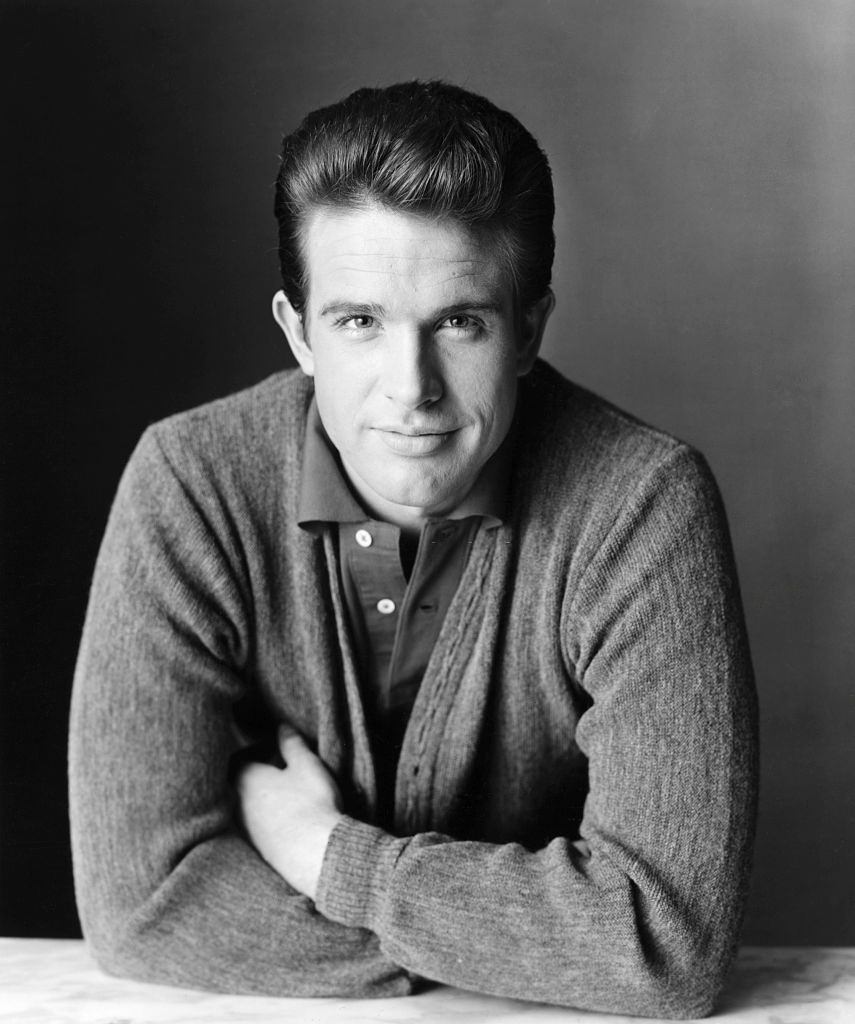
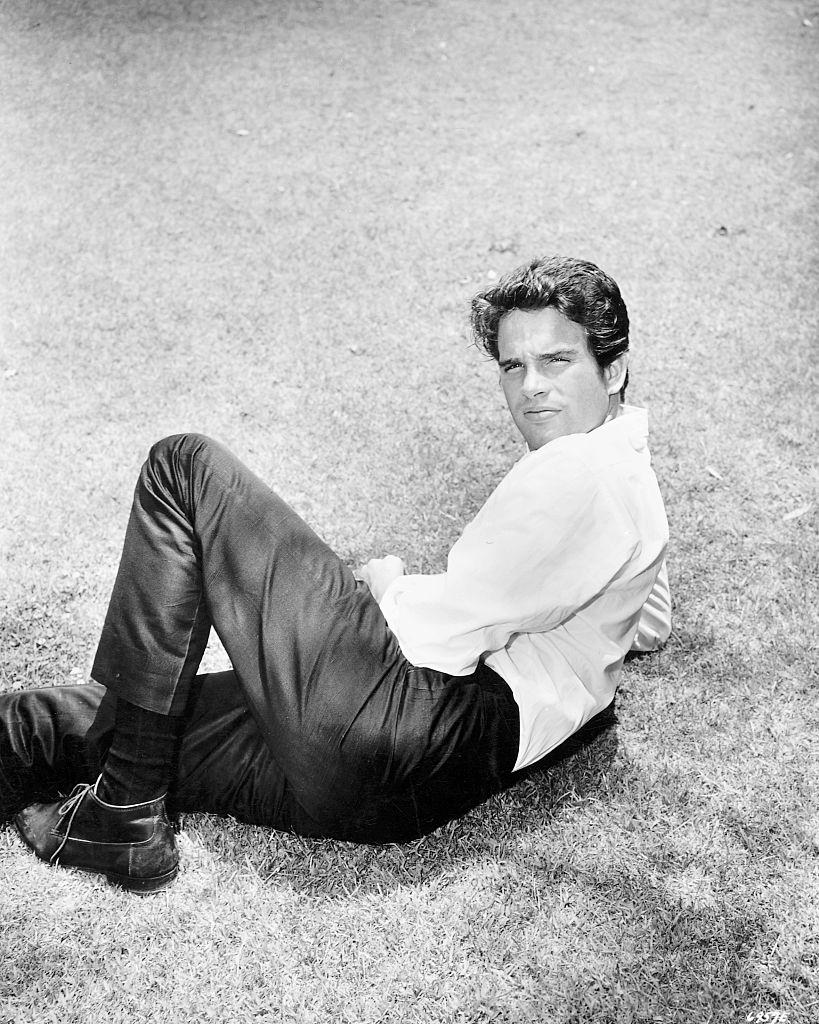
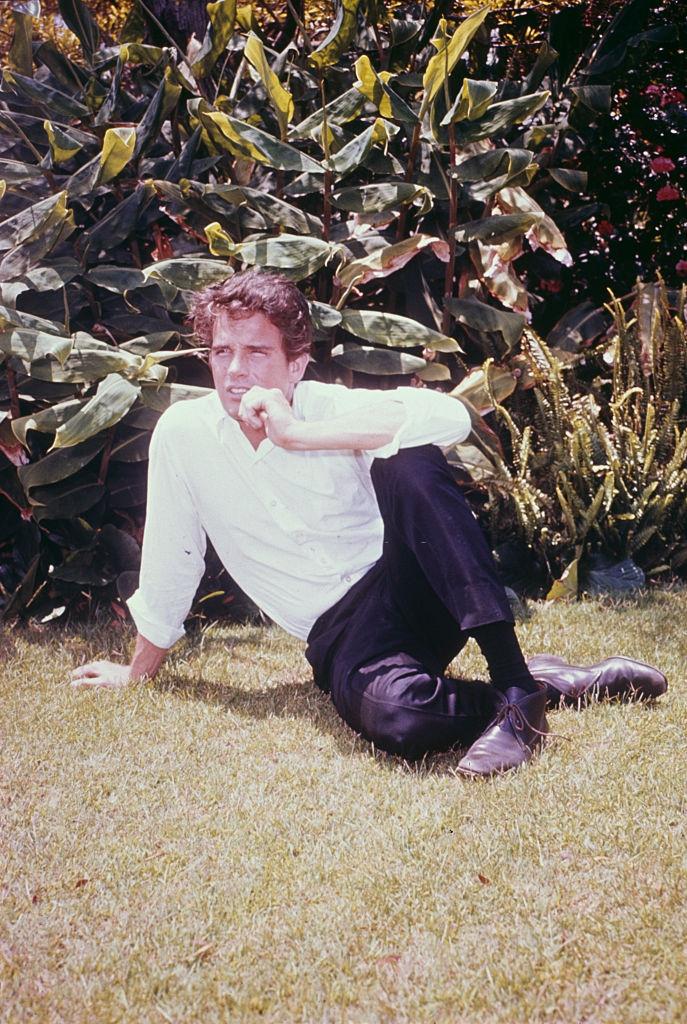
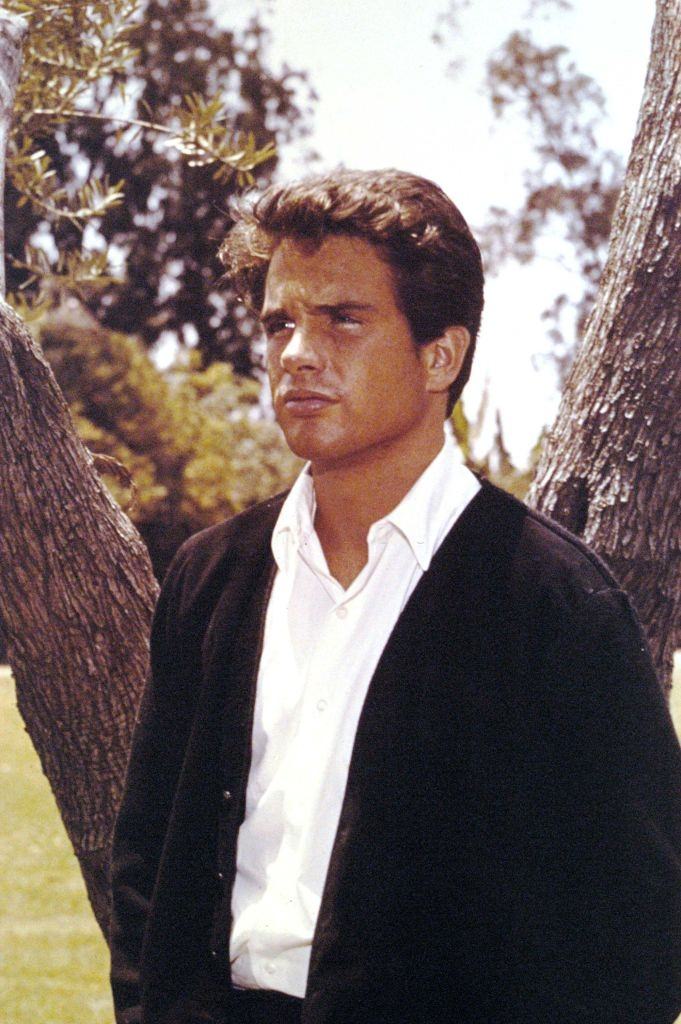
Beatty was born on March 30, 1937, in Richmond, Virginia. His sister is actress Shirley MacLaine, and the two grew up in a family with deep ties to the arts. From an early age, Beatty showed a drive that set him apart. By the mid-1950s, he was already making his first moves toward a professional career in entertainment. His early photographs from this period show a strikingly handsome young man with an easy confidence — qualities that would serve him well in front of the camera.
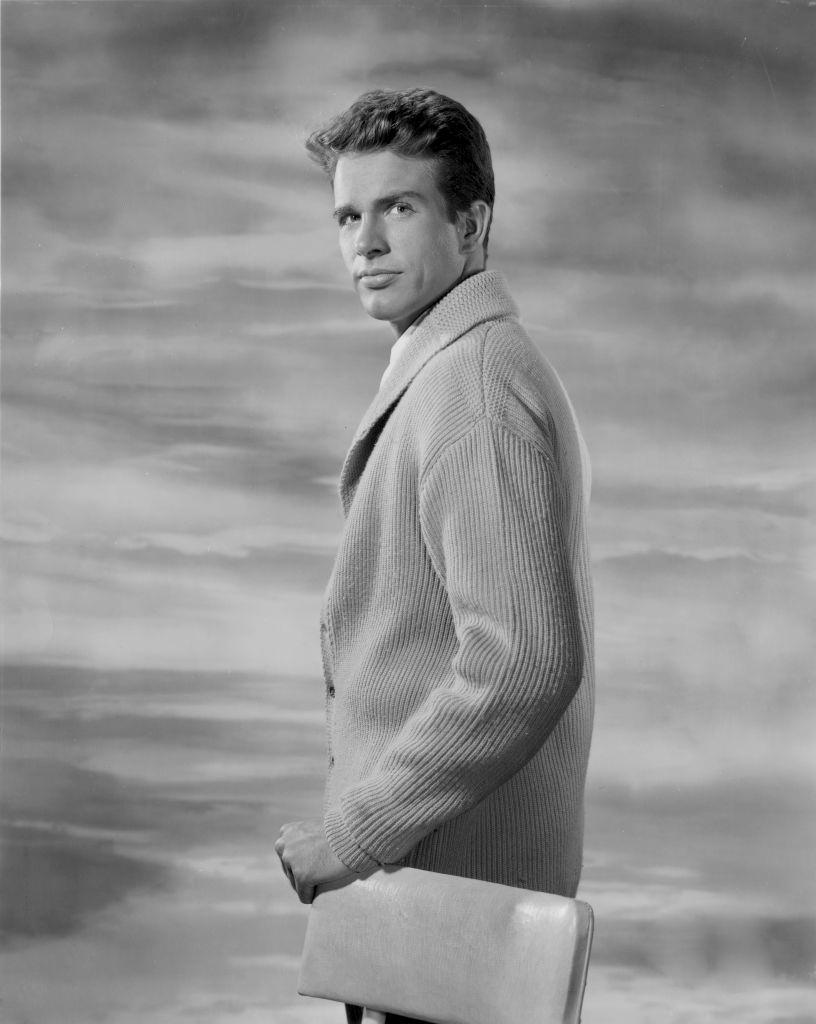
Beatty’s professional debut came in 1957 when he appeared on the television program ‘Studio One.’ It was a modest start, but it got him in front of audiences and casting directors. His early television work gave him a foundation that he quickly built upon. In 1959, he made his Broadway debut in William Inge’s drama ‘A Loss of Roses.’ His performance on stage turned heads, and film offers soon followed.
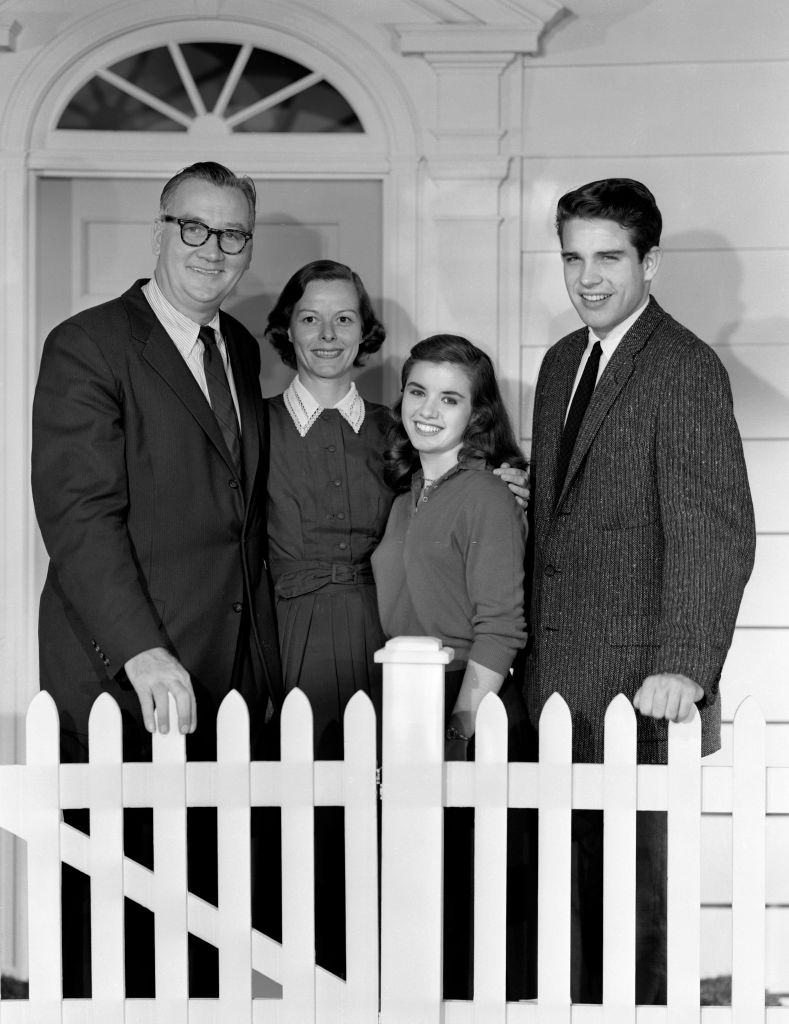
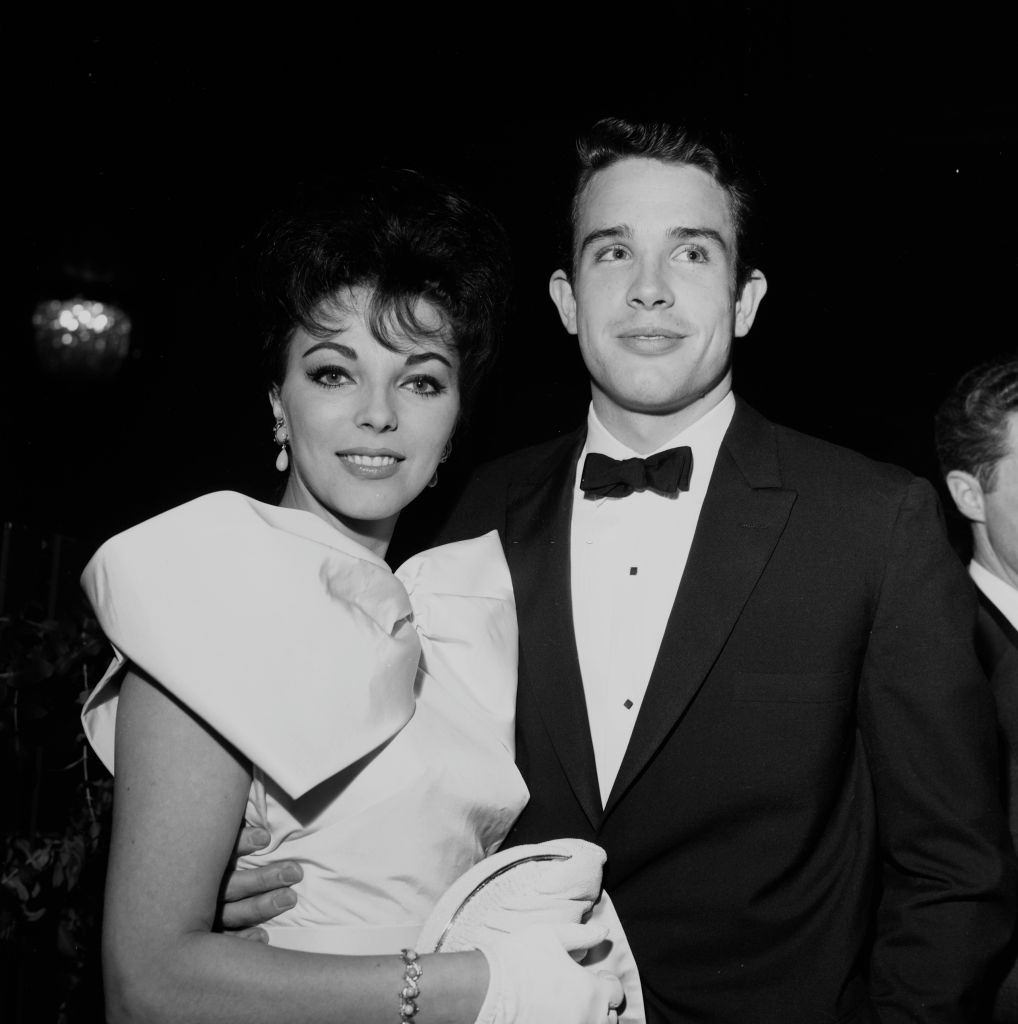
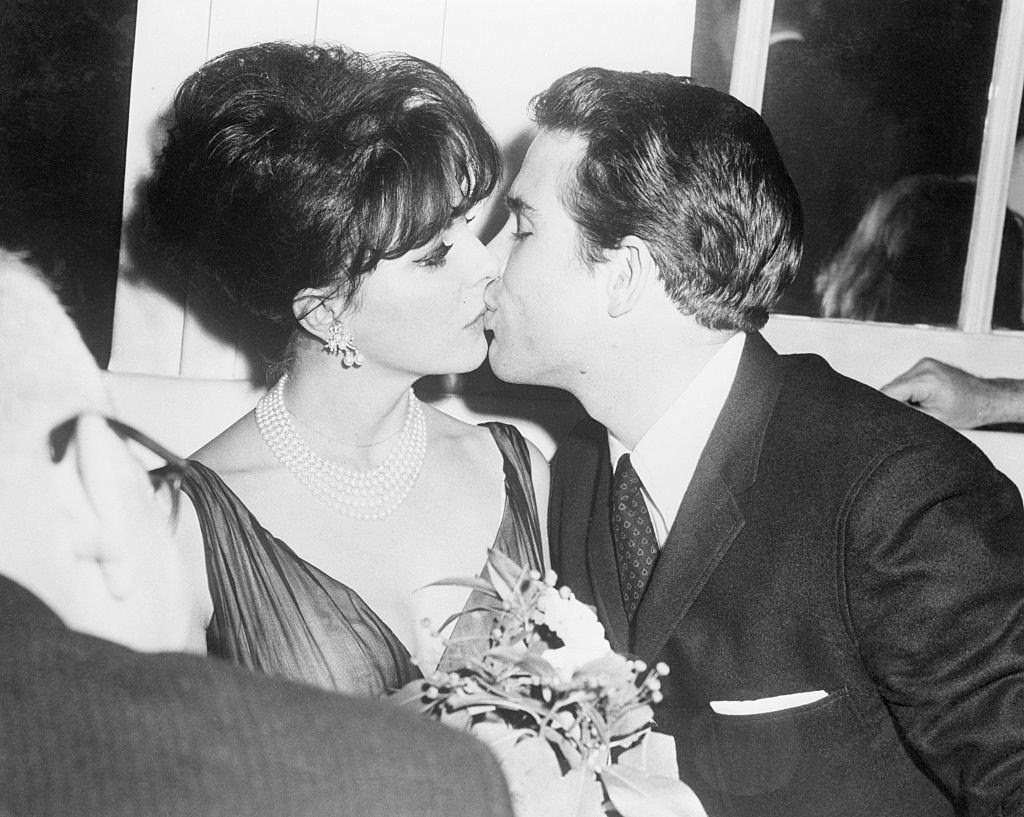
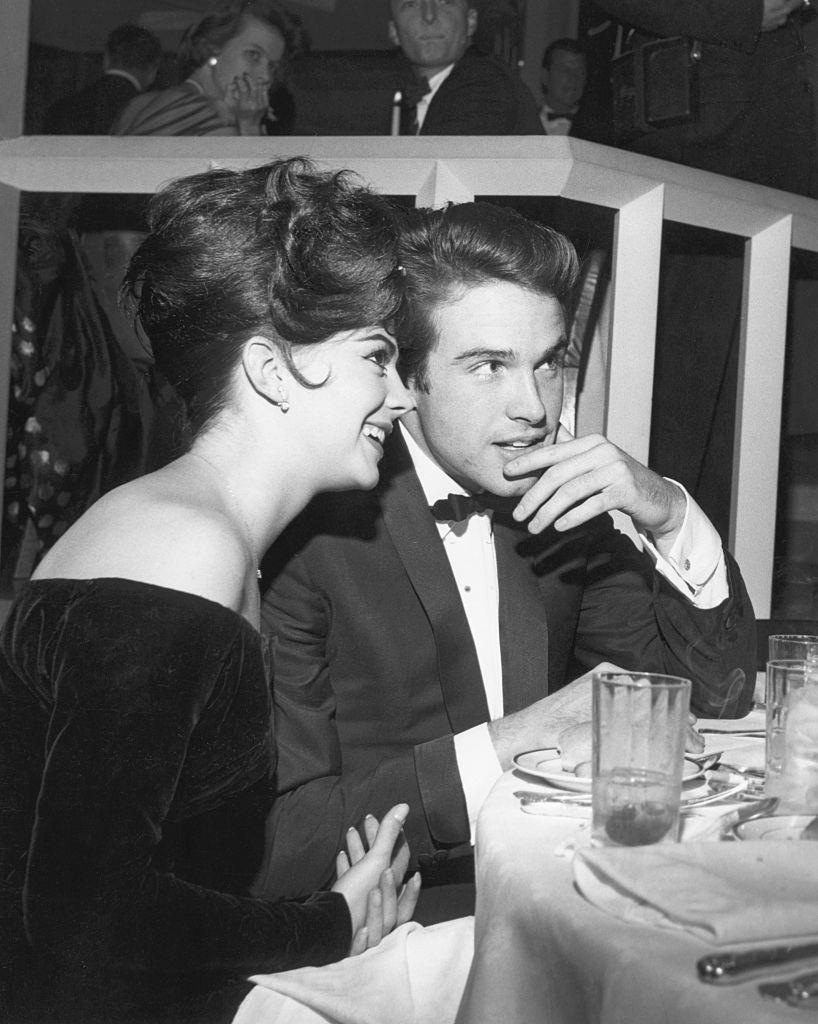
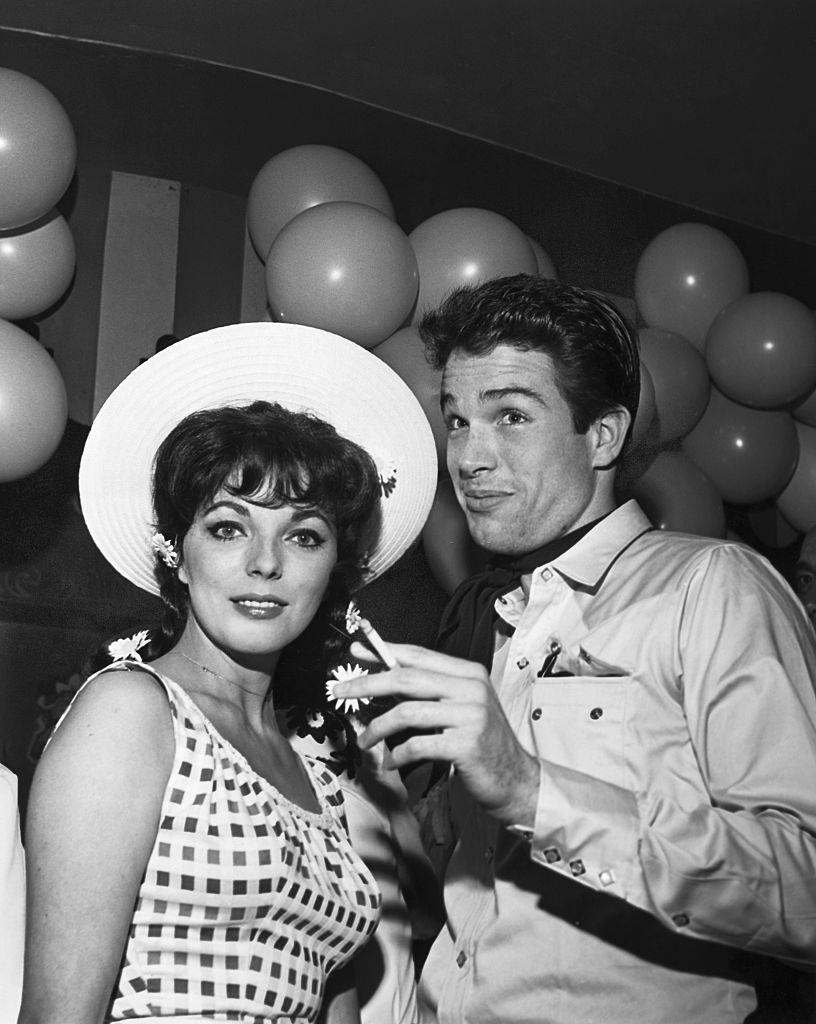
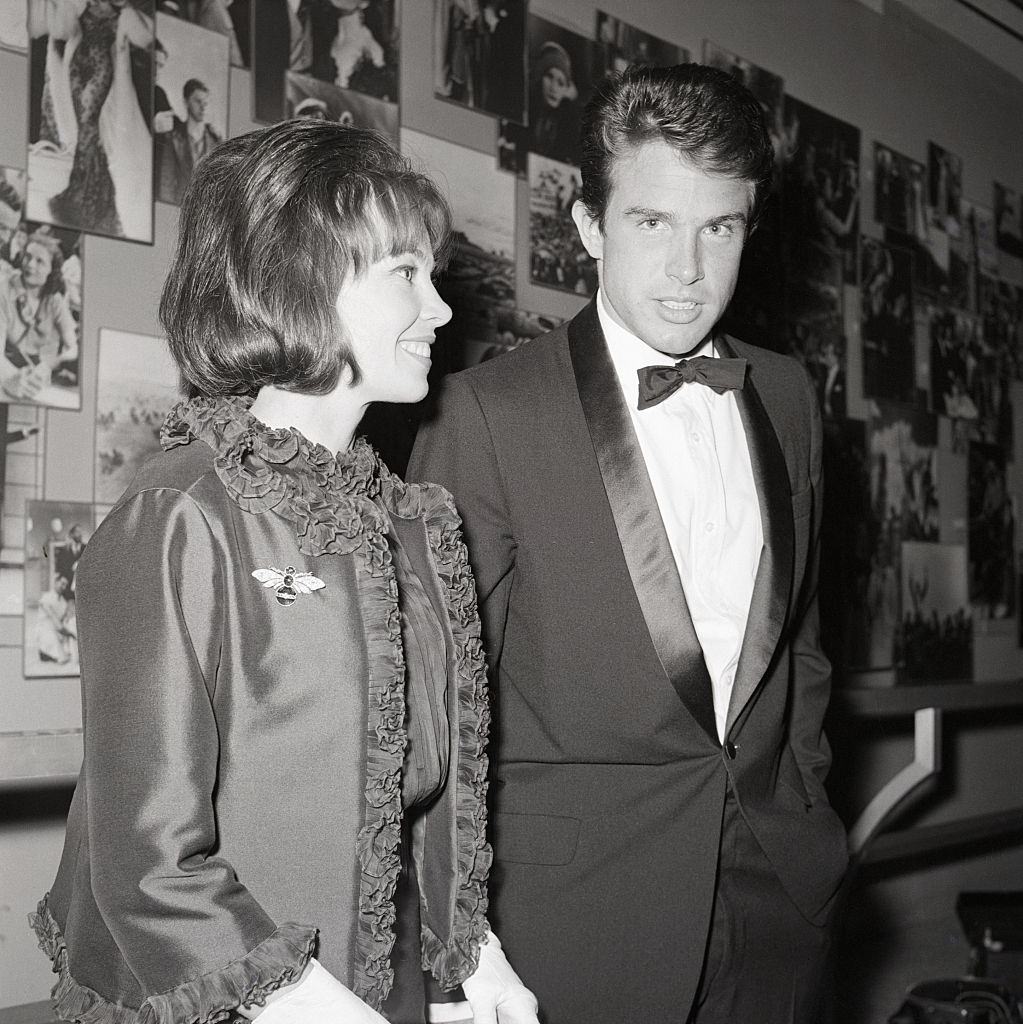
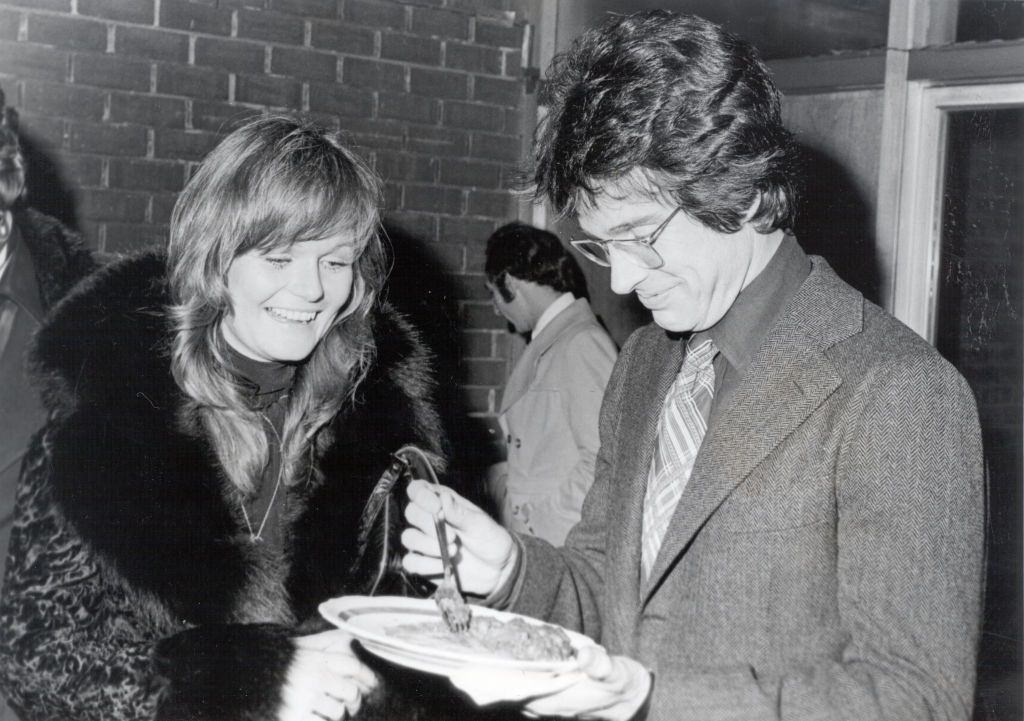
Around the same time his career was taking off, Beatty became a fixture at Hollywood social events. He was young, magnetic, and already drawing attention from some of the biggest names in the industry. His relationship with British actress Joan Collins became one of the most talked-about romances in Hollywood at the turn of the 1960s. The two were frequently photographed together at parties and premieres in Los Angeles and beyond.
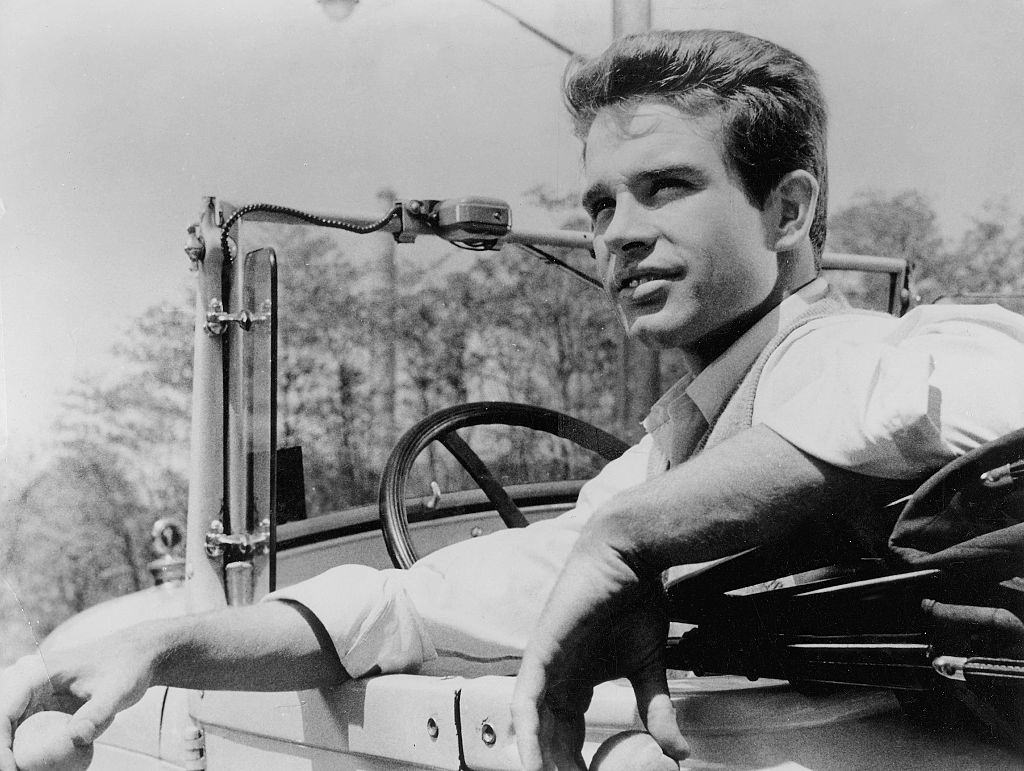
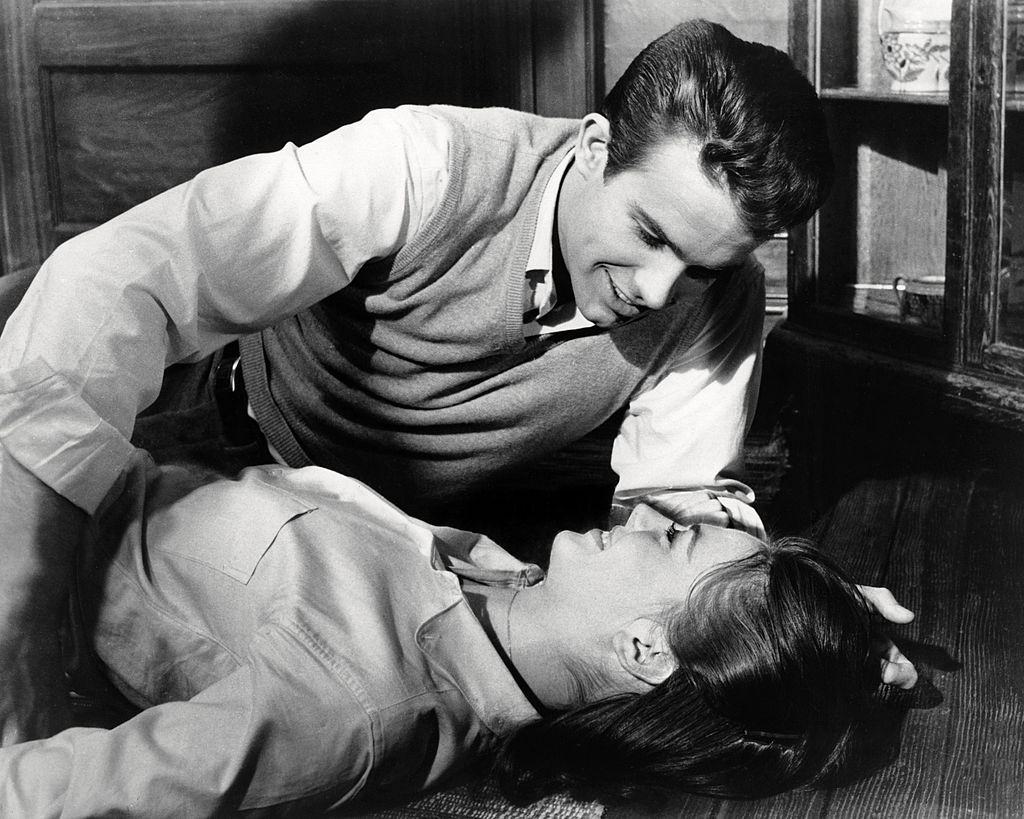
Beatty’s film debut came in 1961 with ‘Splendor in the Grass,’ directed by Elia Kazan. He played Bud Stamper, a wealthy but emotionally troubled teenager opposite Natalie Wood. The film was a critical success and immediately established Beatty as a serious screen presence. The chemistry between him and Wood was undeniable, and the two became romantically involved off-screen as well. Before filming began in 1960, Beatty was already being photographed on set and in promotional sessions, signaling the start of a major career.
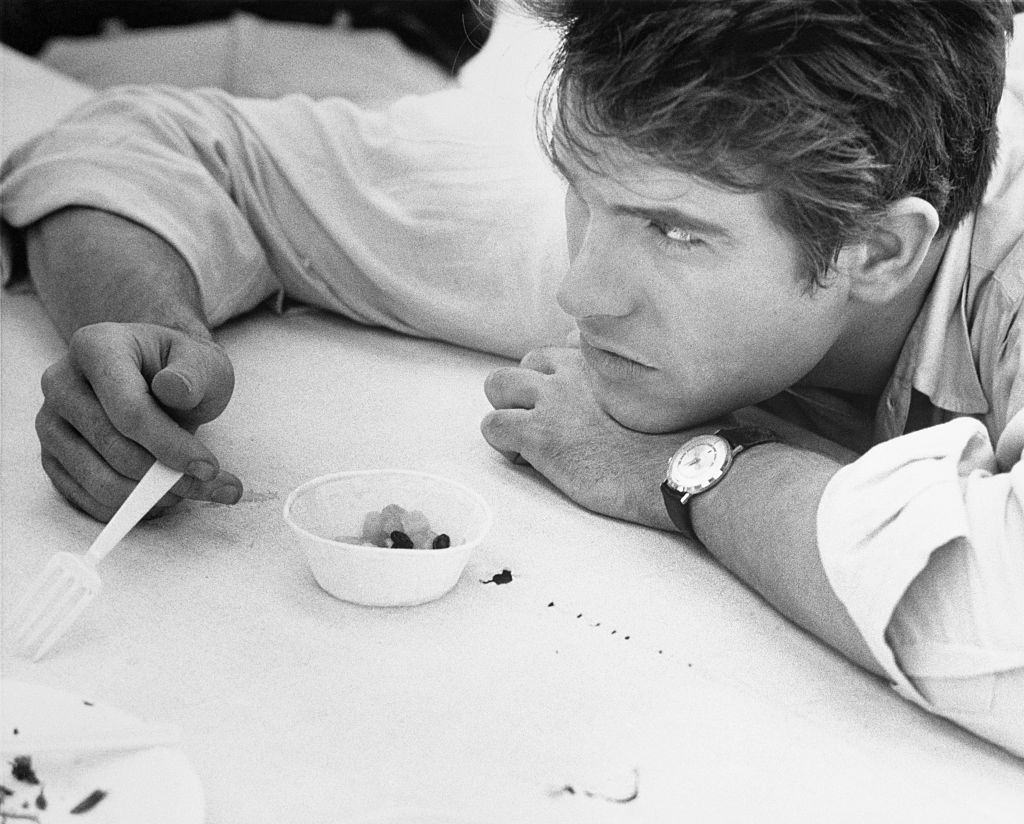
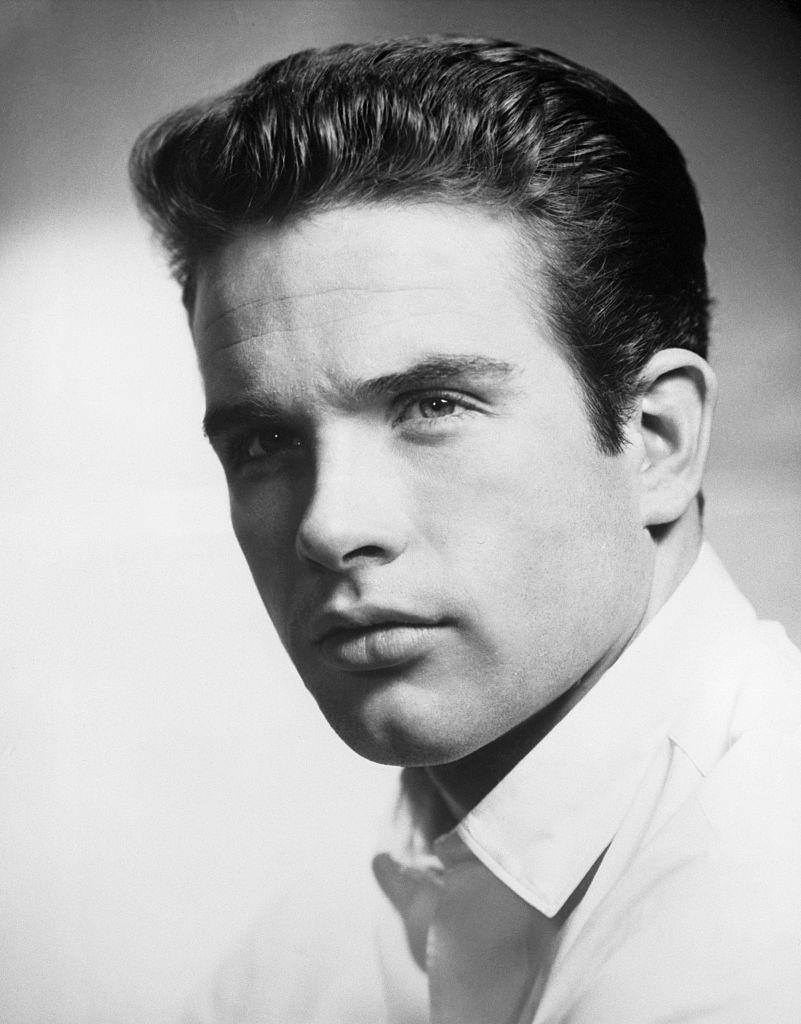
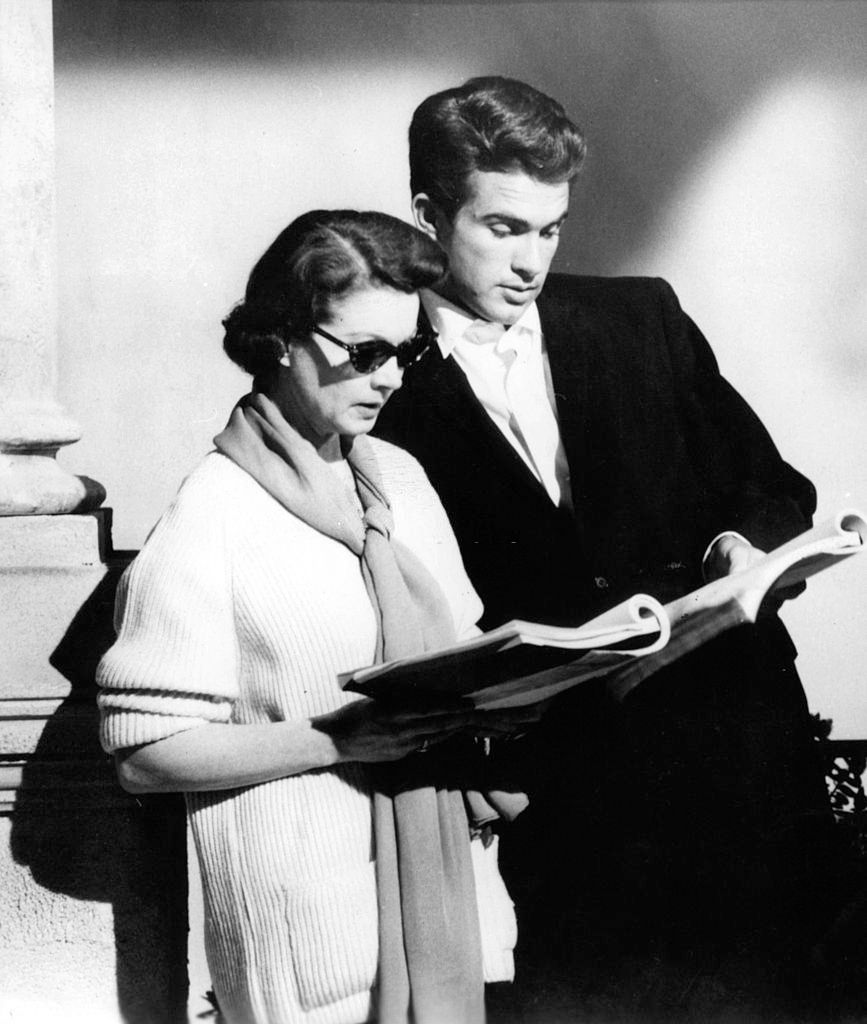
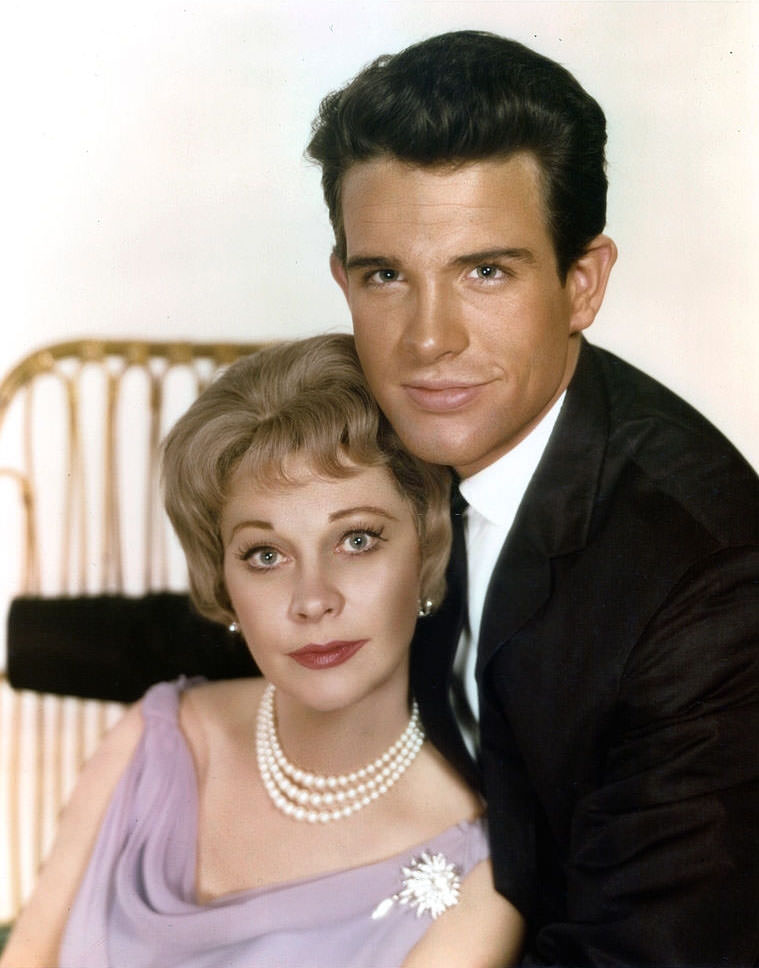
Also in 1961, Beatty appeared alongside screen legend Vivien Leigh in ‘The Roman Spring of Mrs. Stone,’ a film adaptation of Tennessee Williams’ novella. Playing a young Italian gigolo opposite Leigh was a bold early choice that showed Beatty’s willingness to take on challenging, complex roles rather than simply playing leading-man heroes. The production photographed the two during breaks from shooting, capturing a behind-the-scenes dynamic between an established star and a rising one.
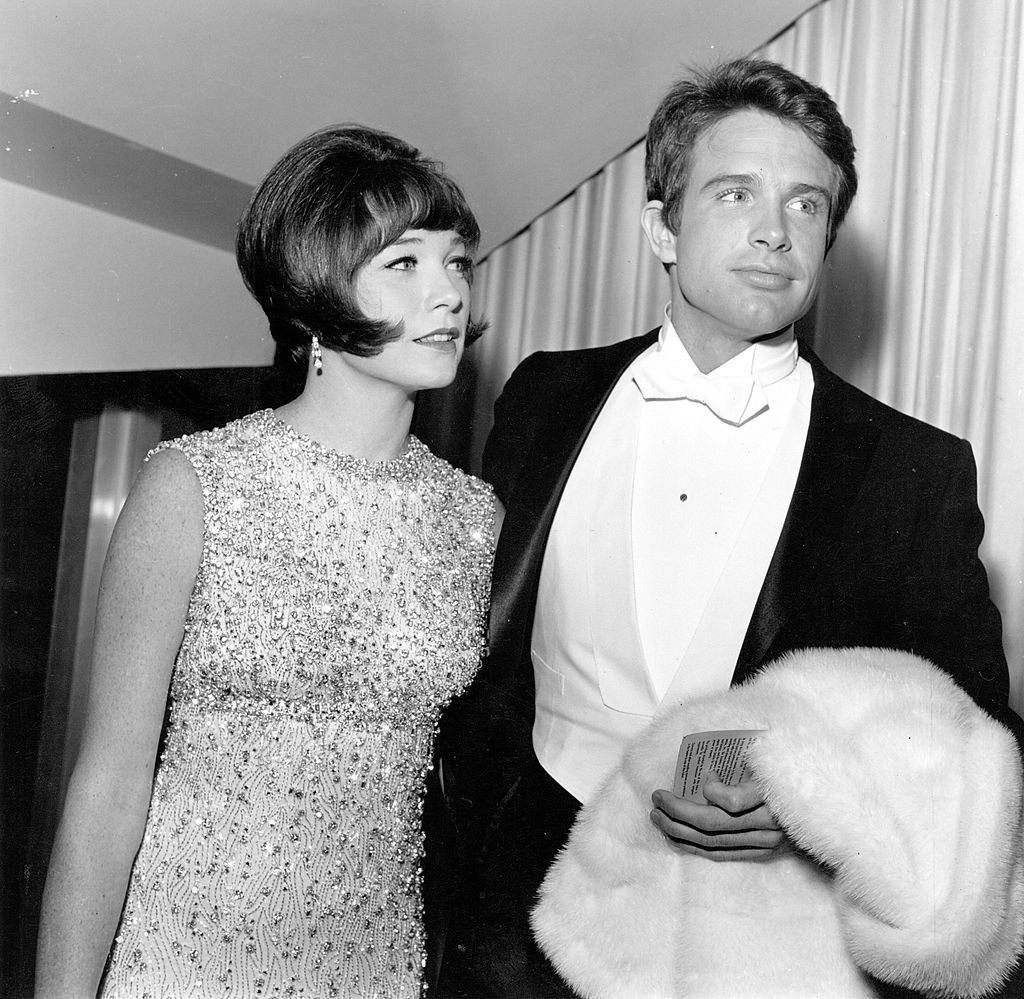
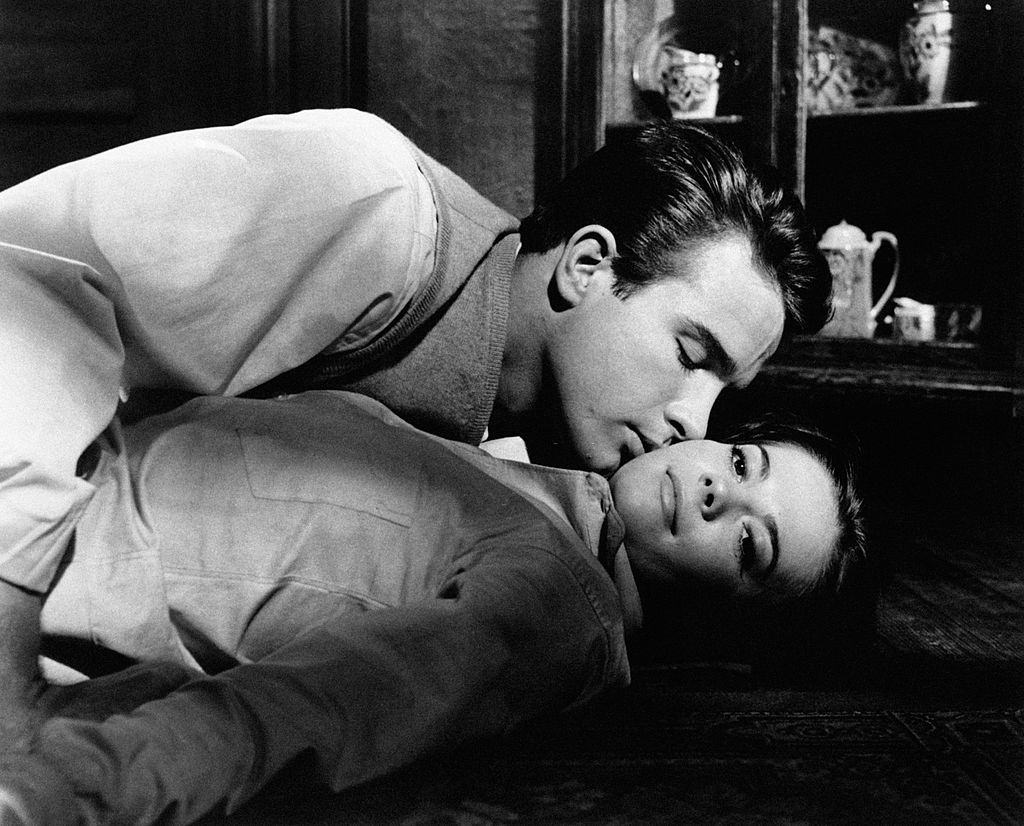
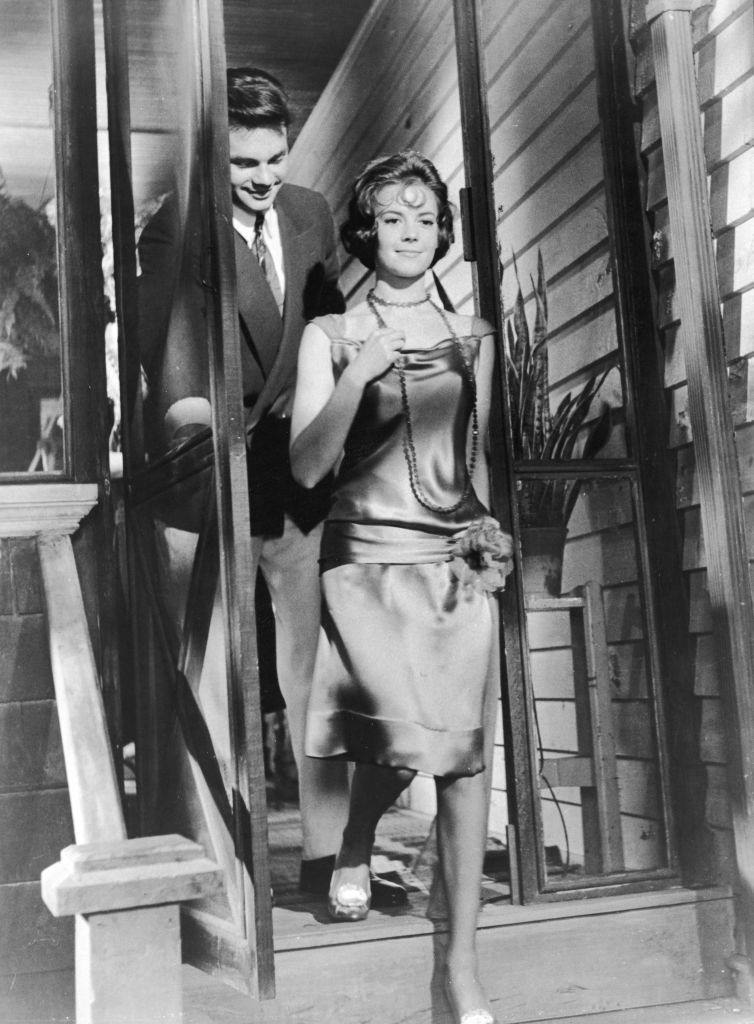
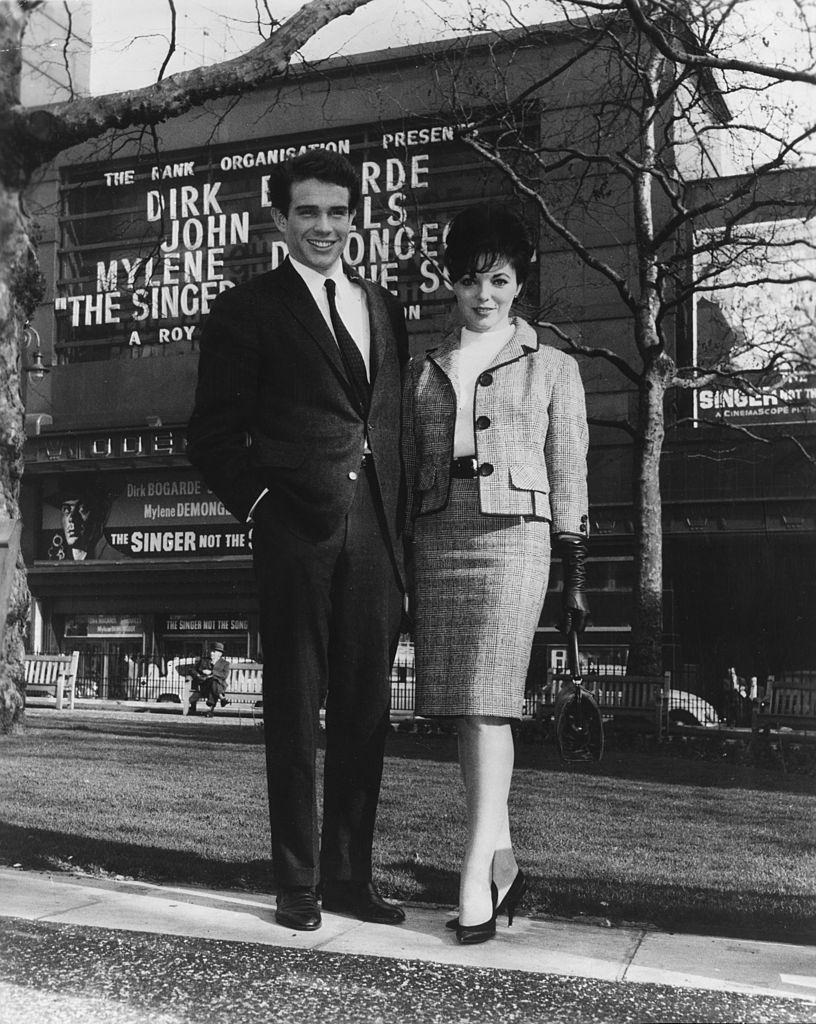
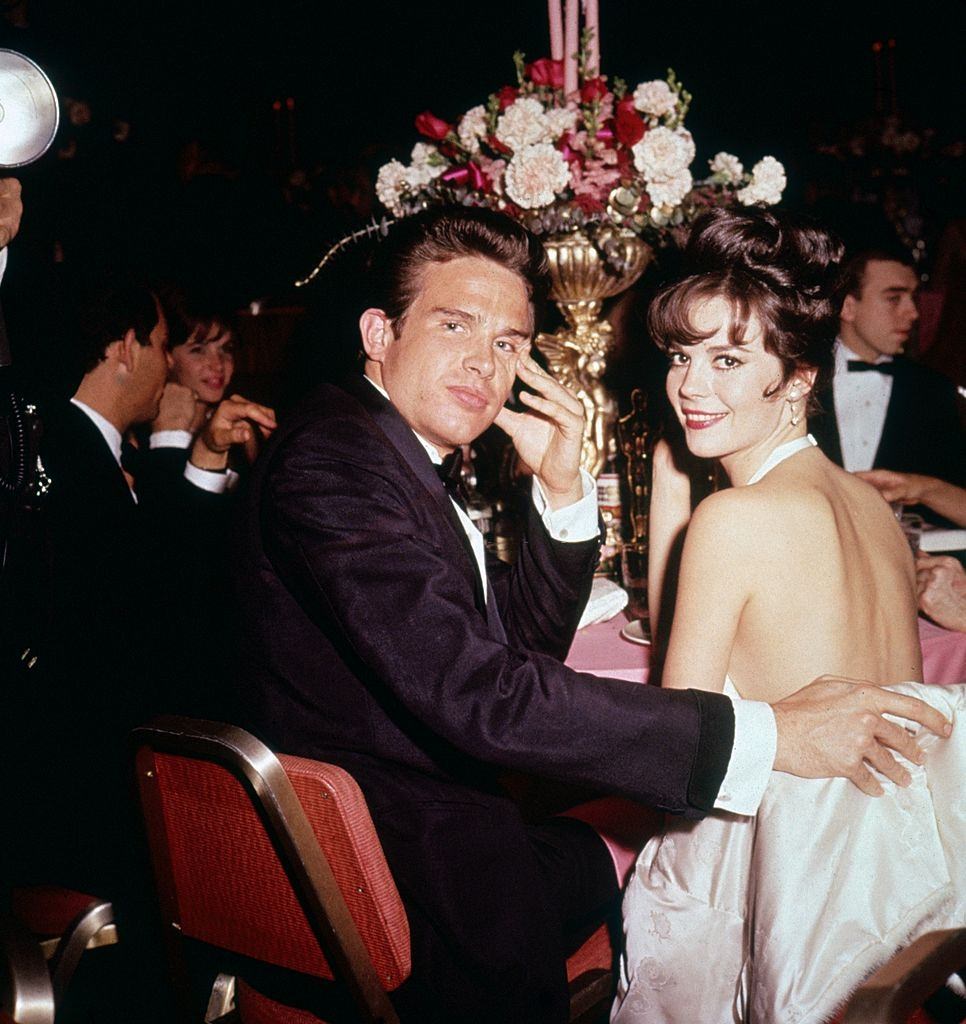
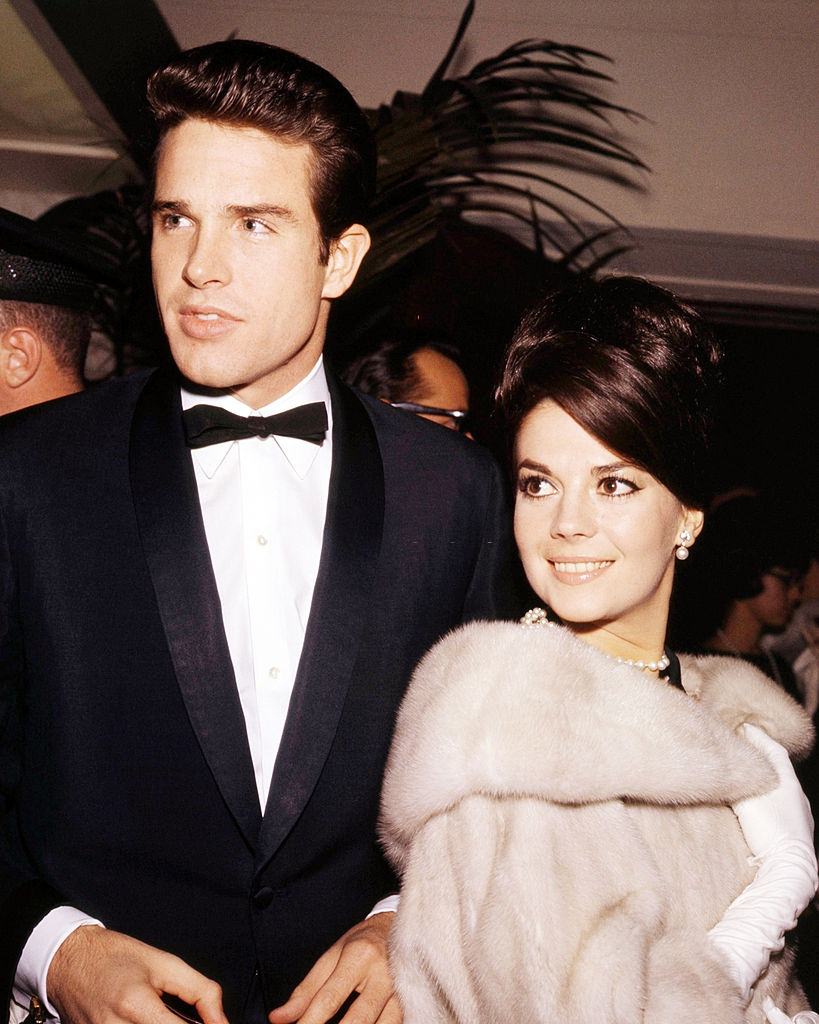
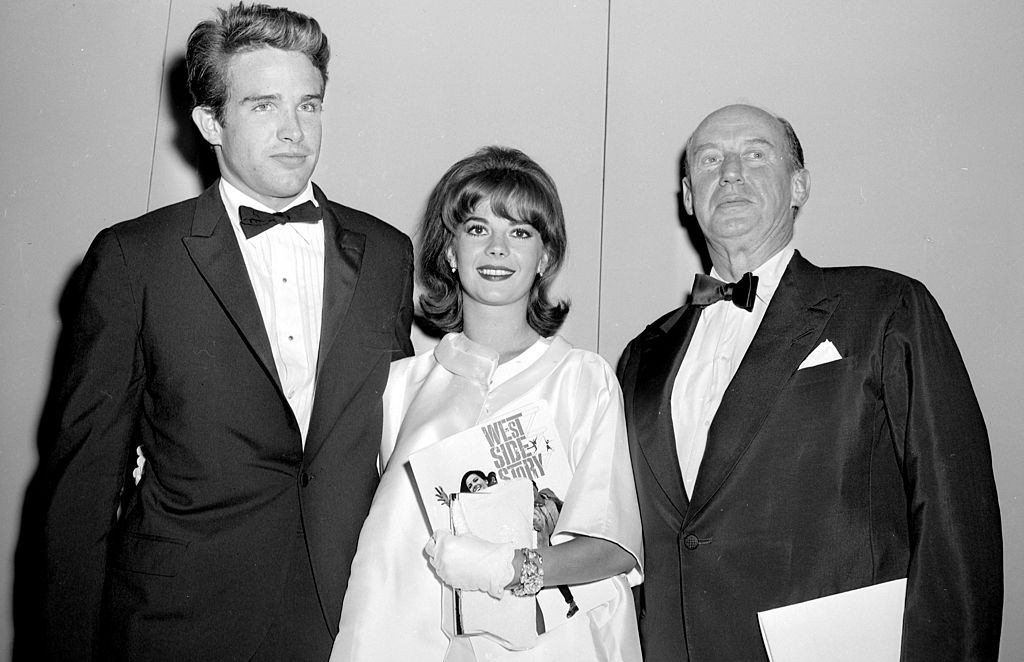
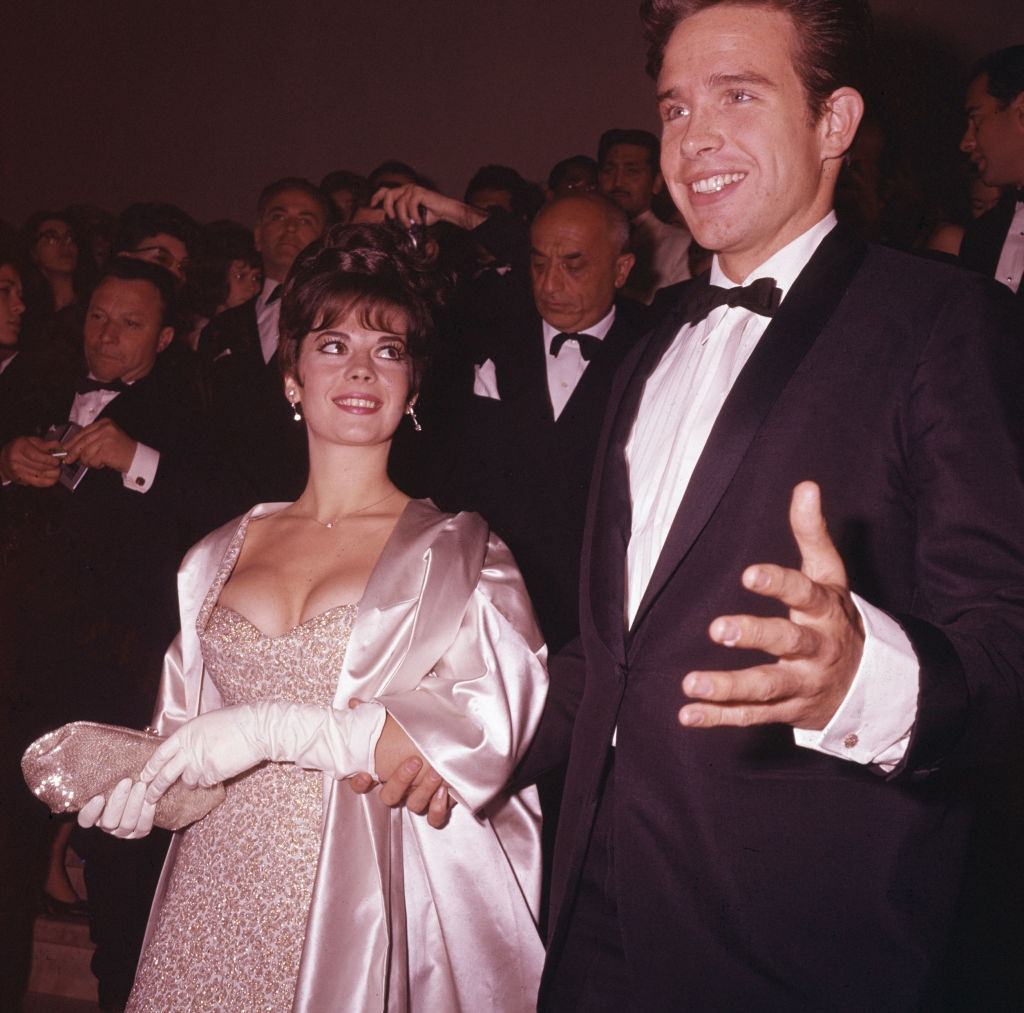
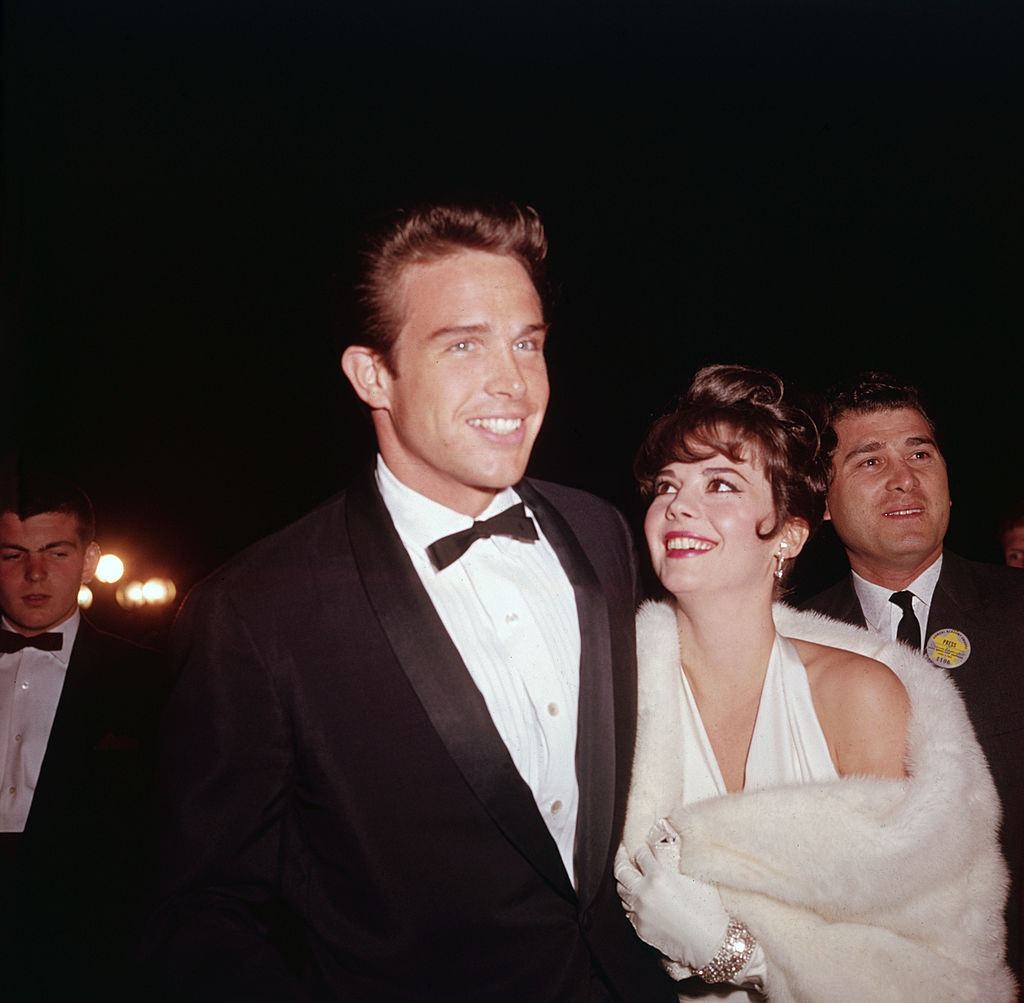
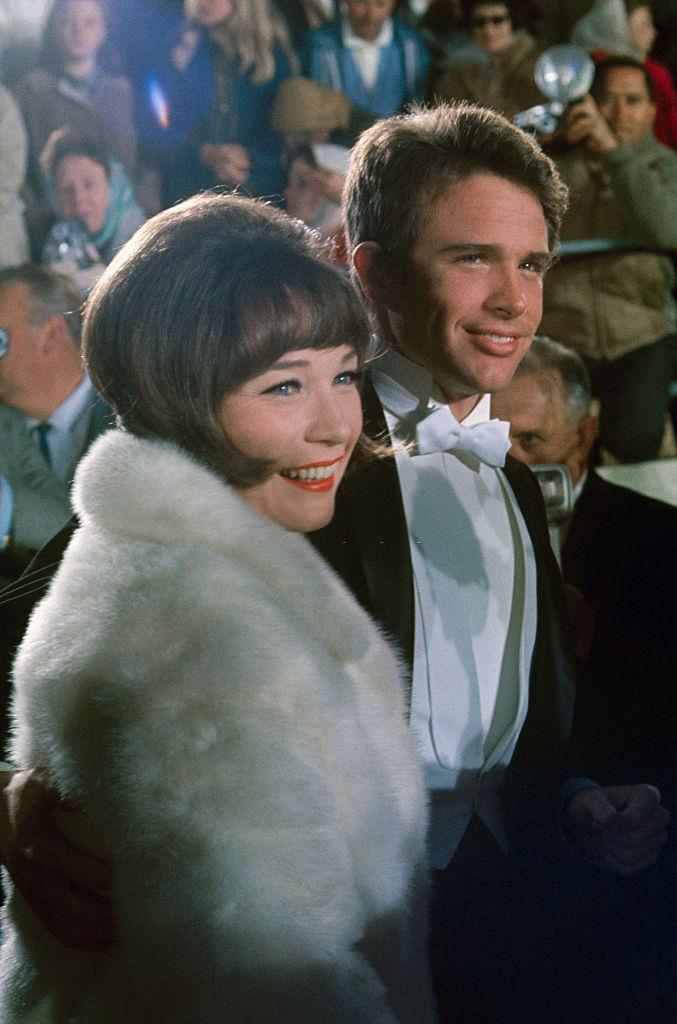
By 1962, Beatty was one of the most photographed young actors in Hollywood. He attended the Academy Awards that April and continued appearing in films, including ‘All Fall Down,’ in which he starred opposite Eva Marie Saint. His personal life kept pace with his professional one — he and Natalie Wood were regularly seen together at public events throughout 1961 and 1962, though the relationship eventually ended.
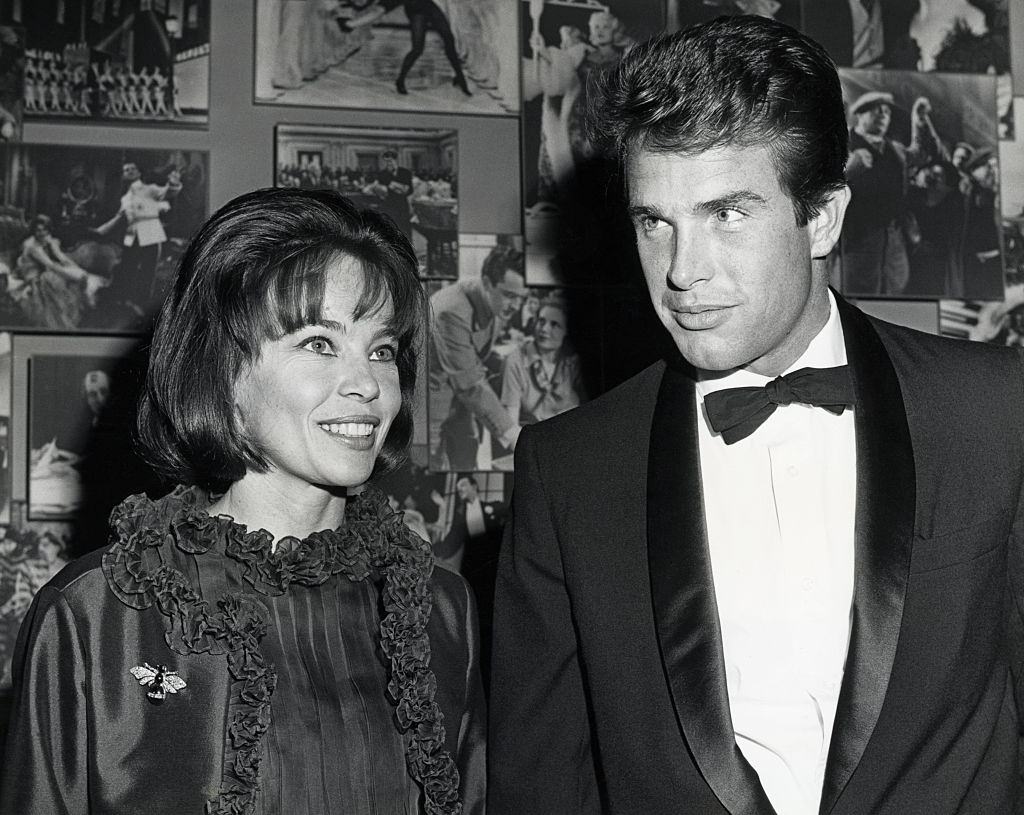
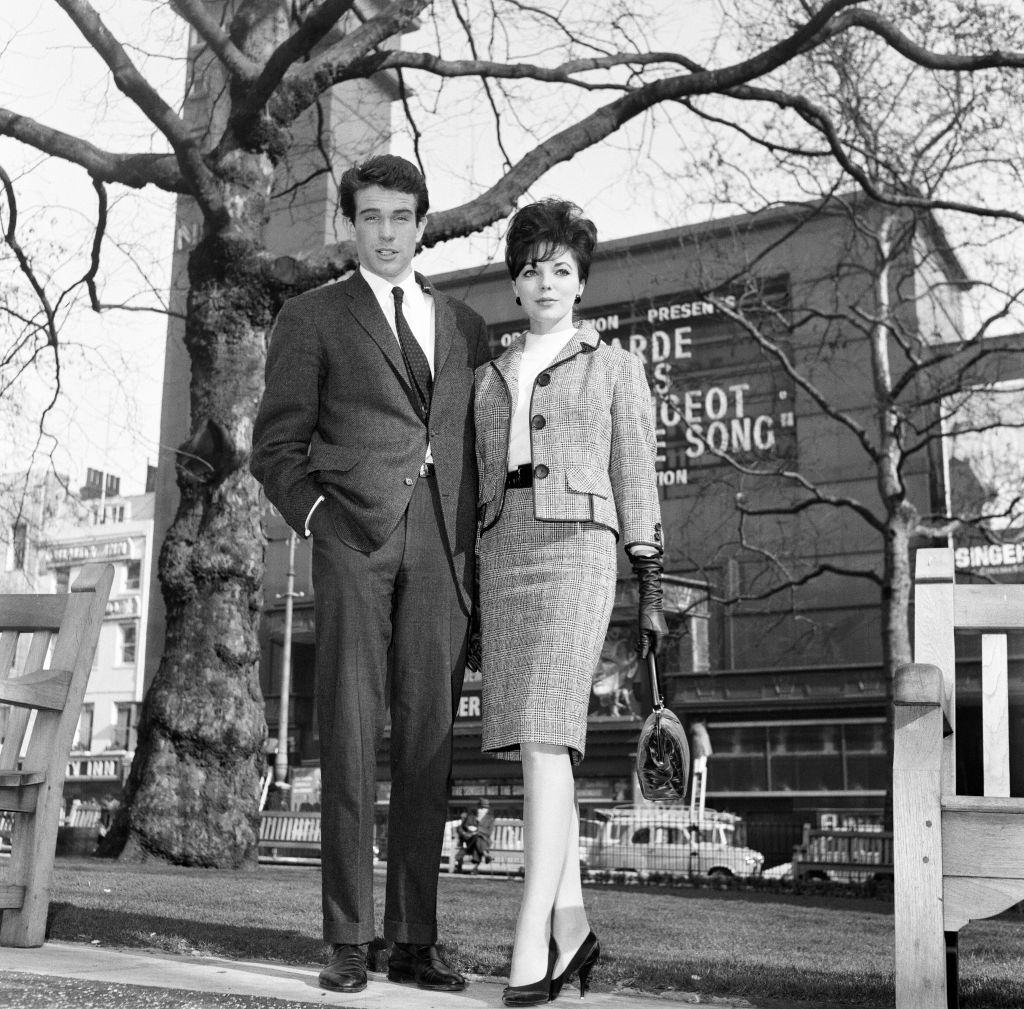
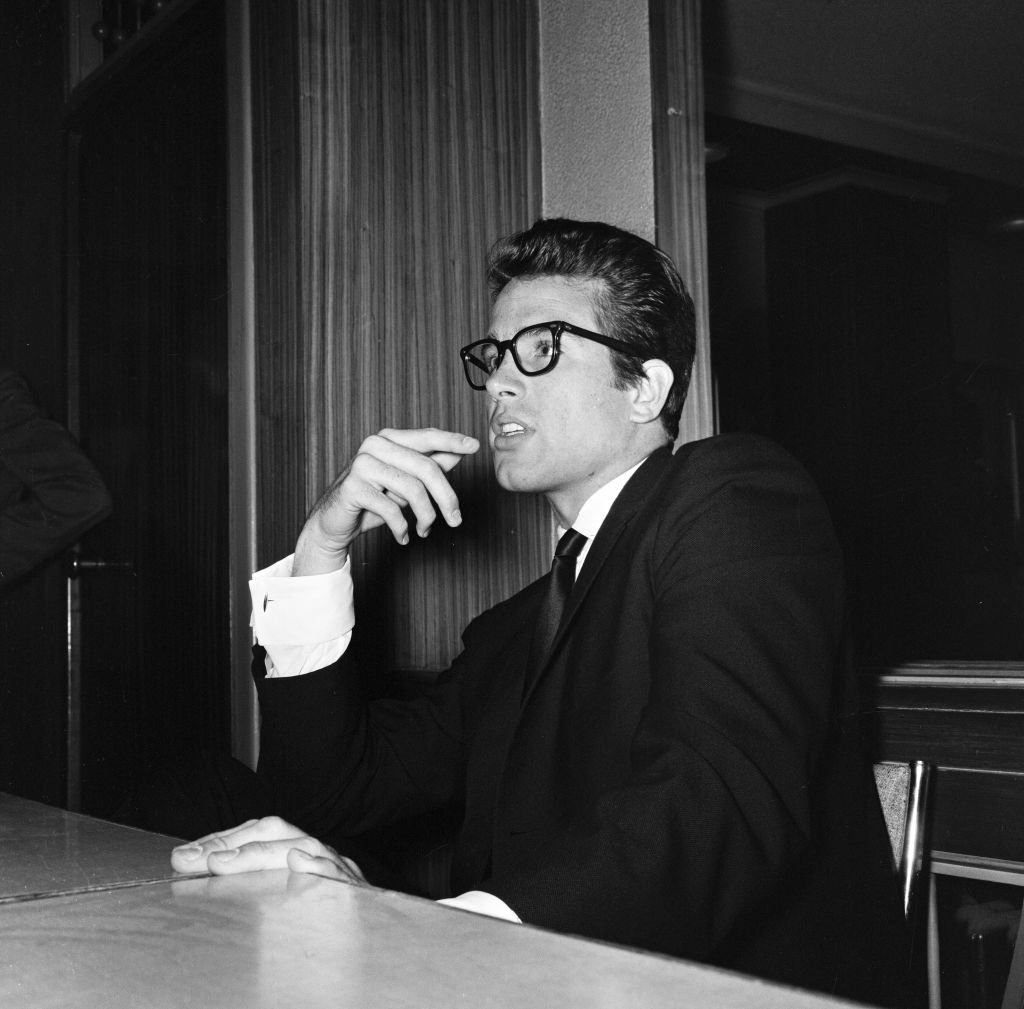
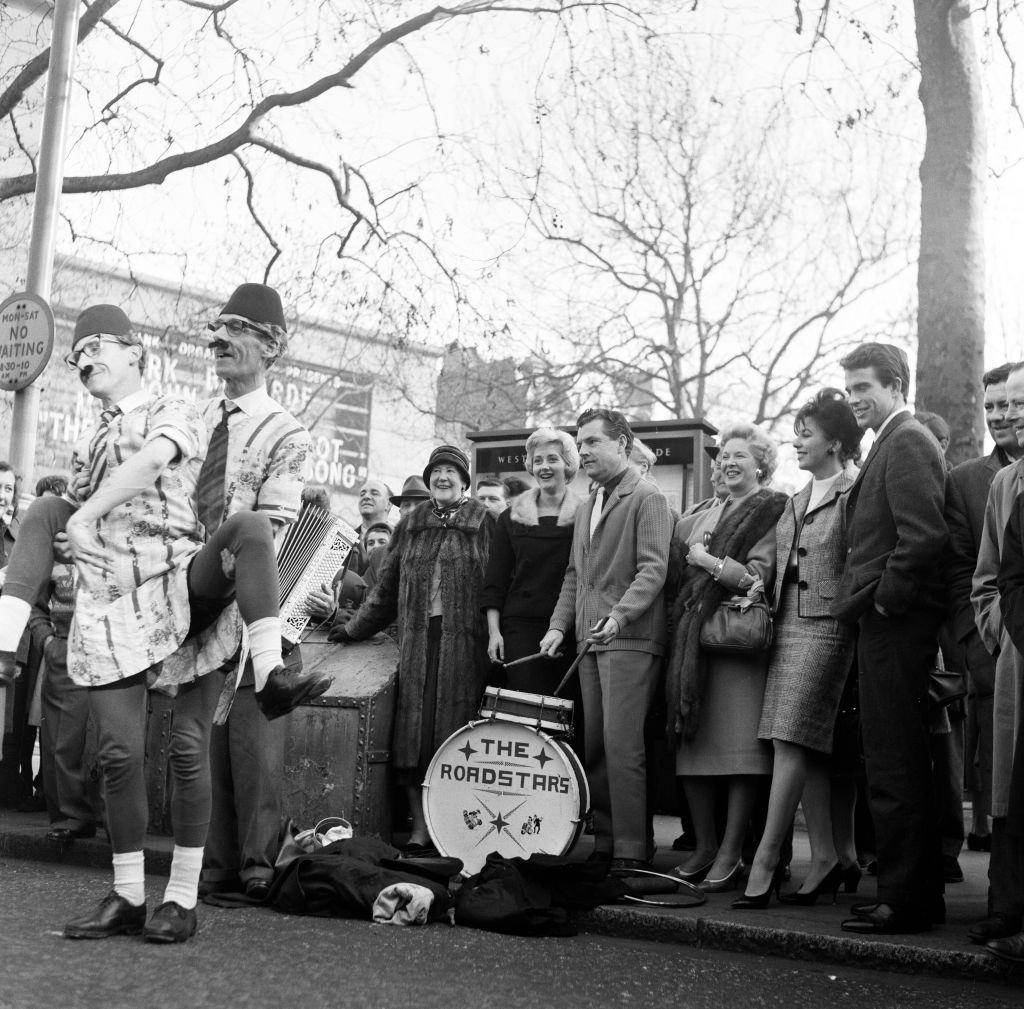
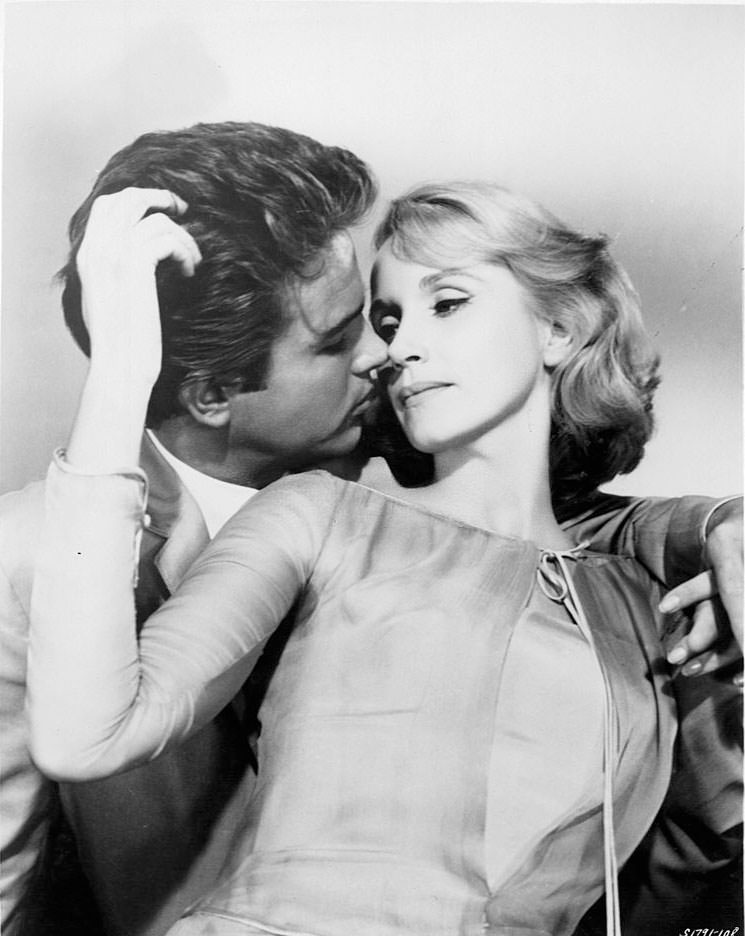
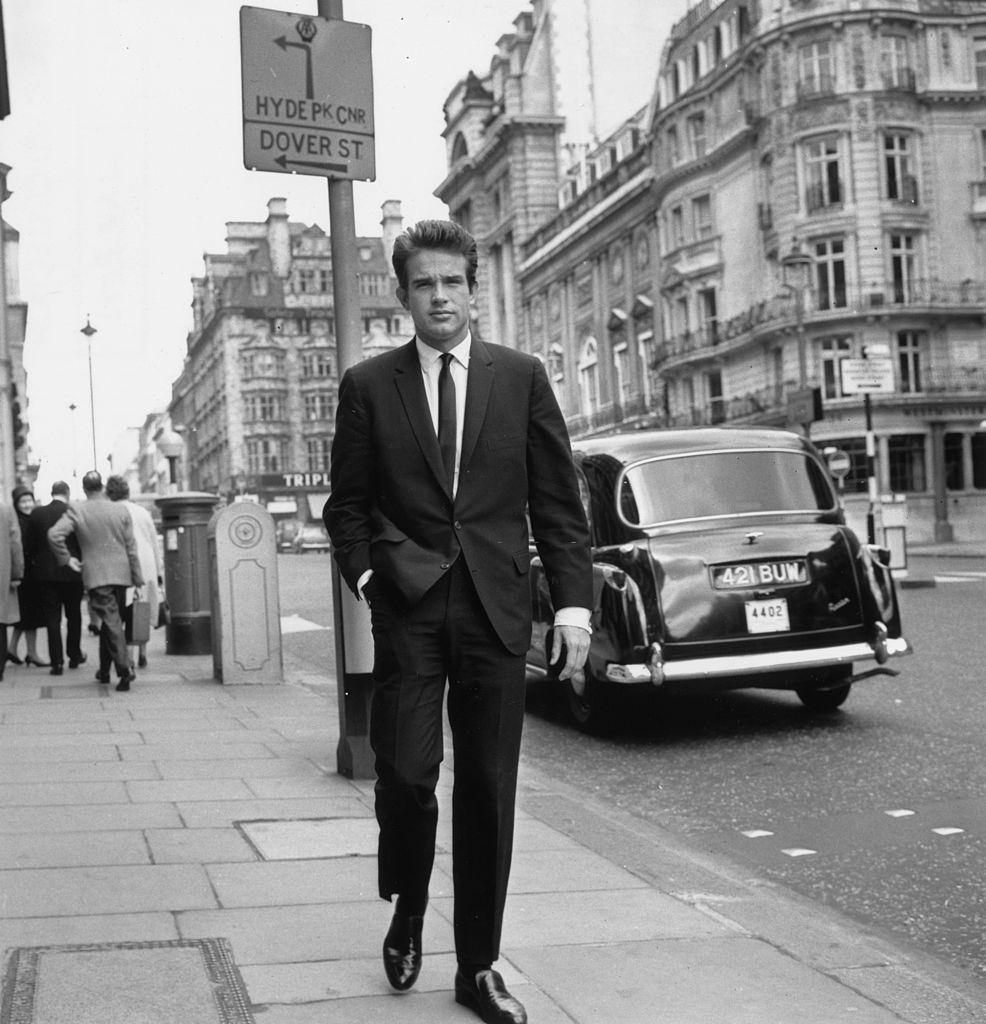
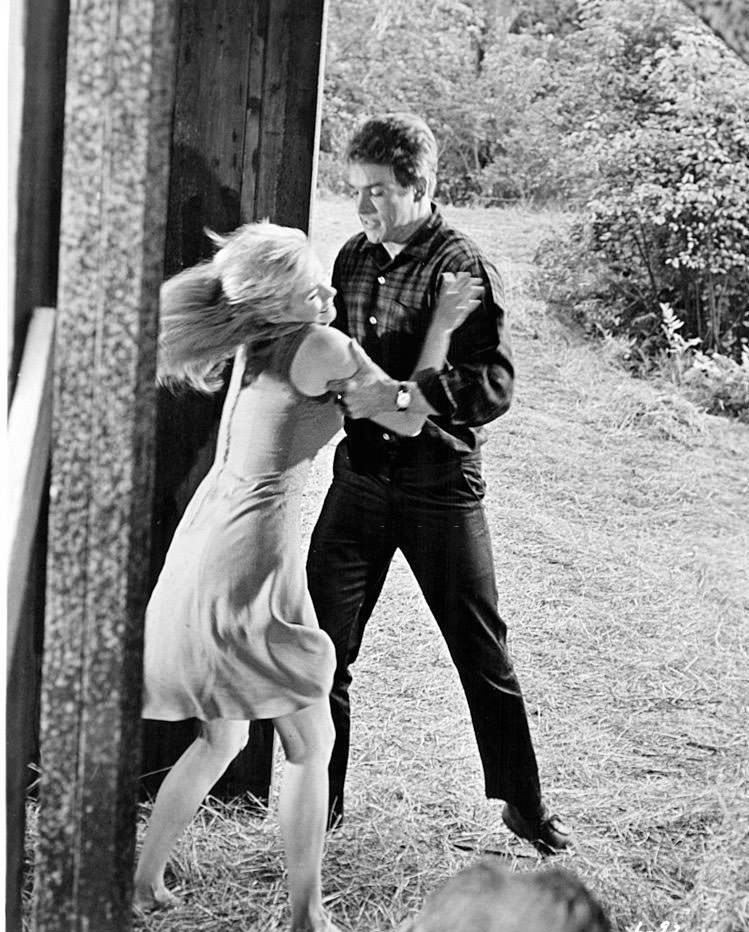
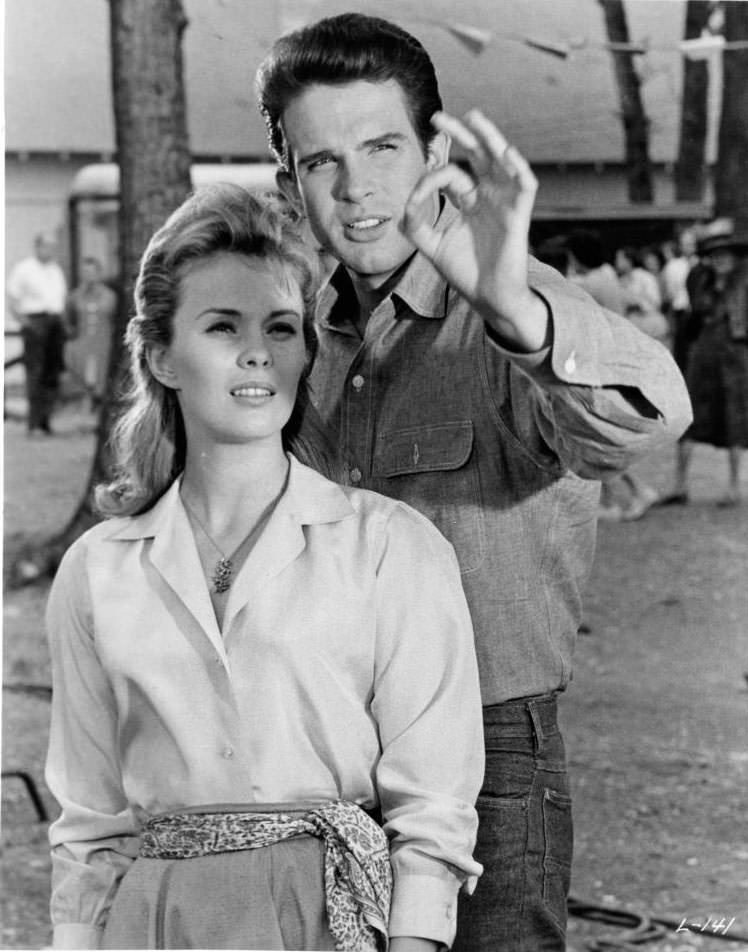
Throughout the mid-1960s, Beatty continued working steadily and expanding his range. In 1964, he appeared in ‘Lilith,’ a psychological drama in which he played a psychiatric worker who becomes obsessed with a patient played by Jean Seberg. The film was darker and more experimental than his earlier work. He also appeared in ‘Mickey One’ in 1965, a crime thriller that leaned heavily on artistic, avant-garde filmmaking. During this period, Beatty was also frequently seen in London, where he spent time on European productions and built a strong following overseas.
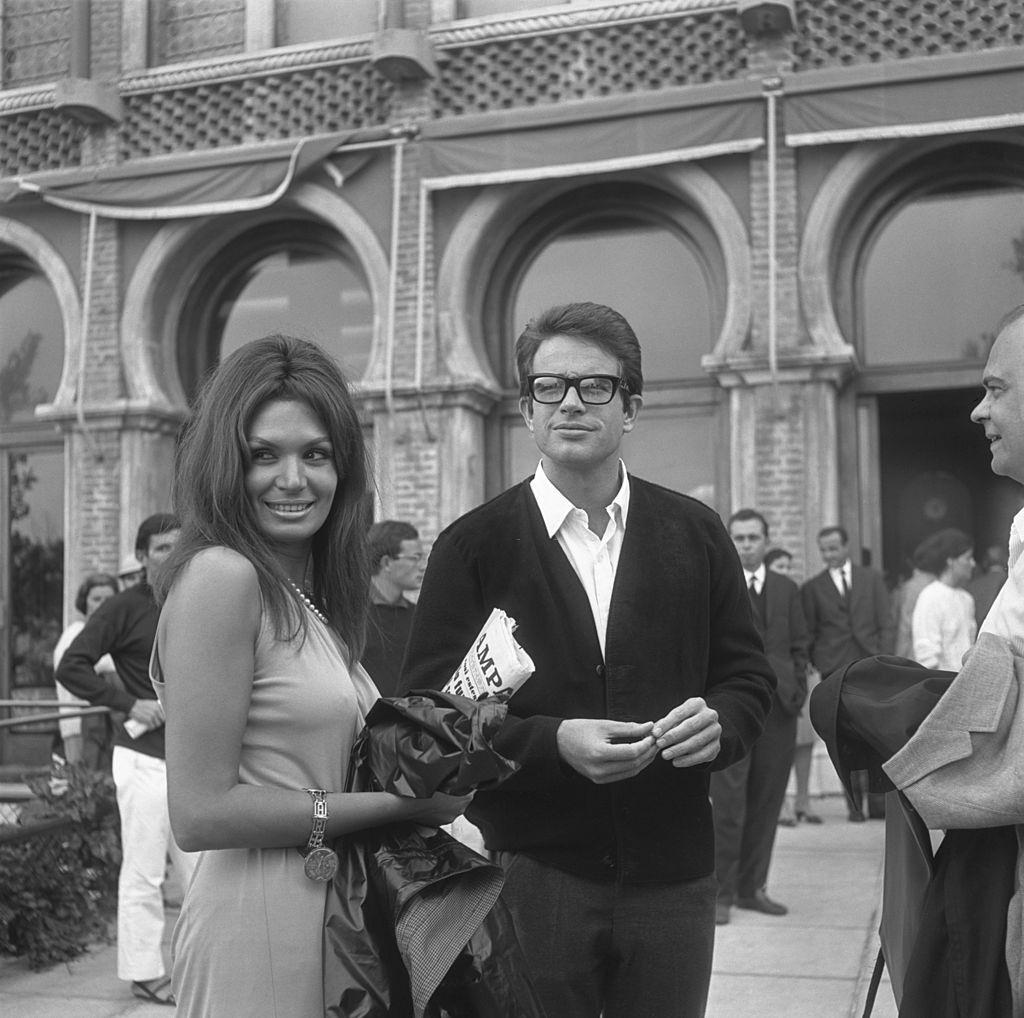
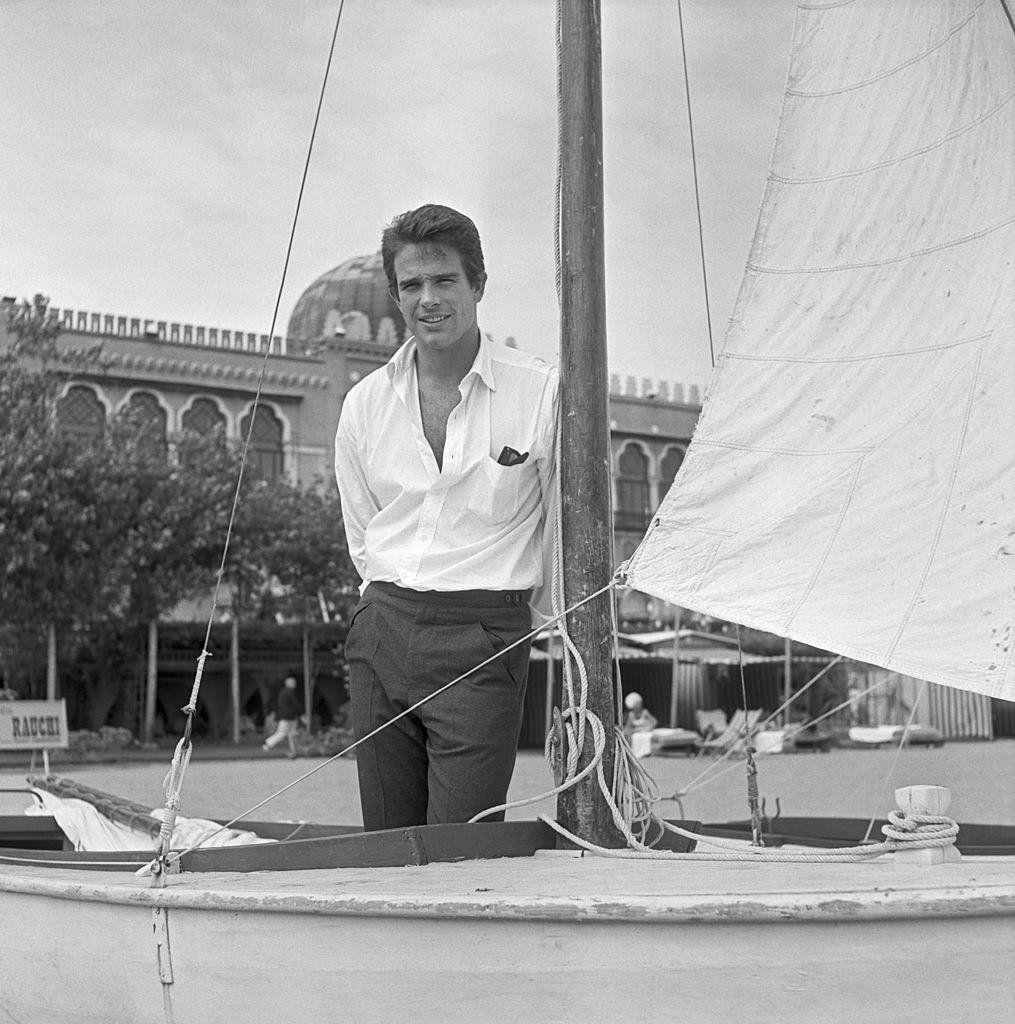
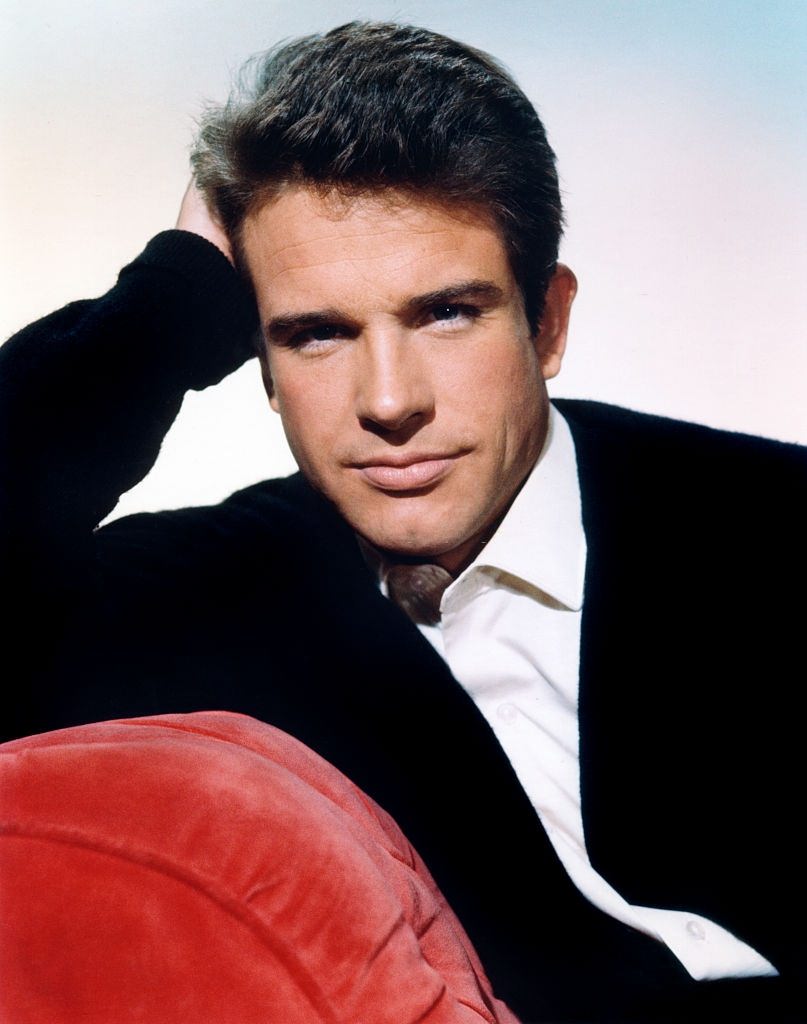
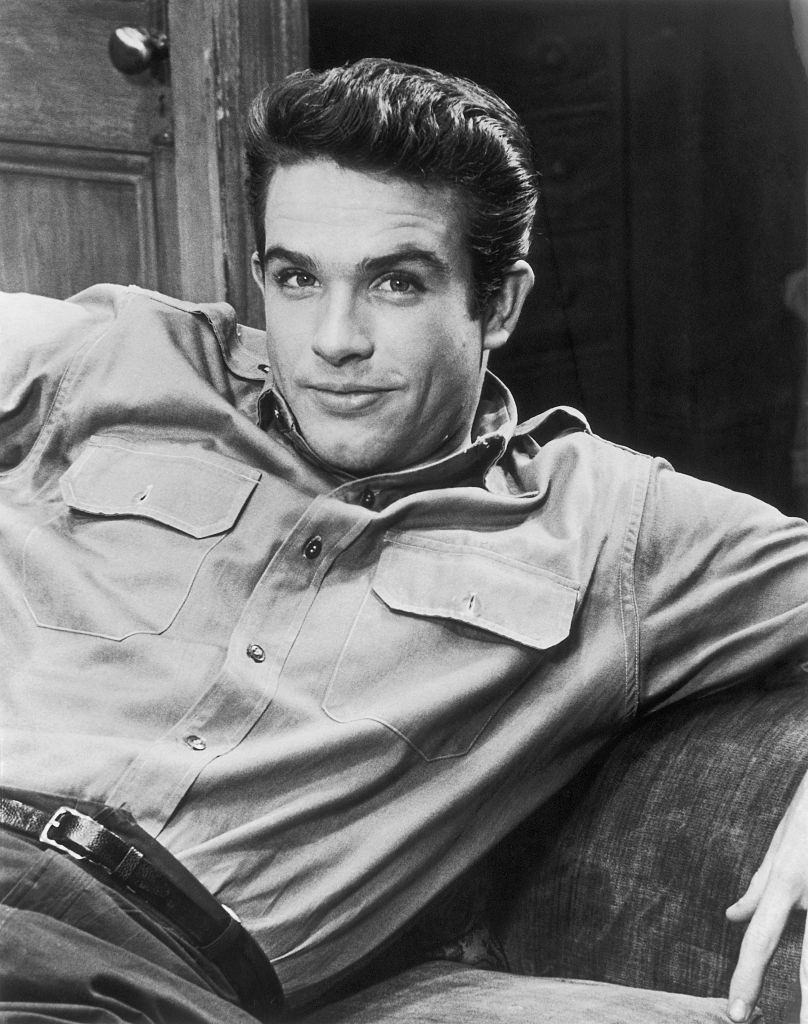
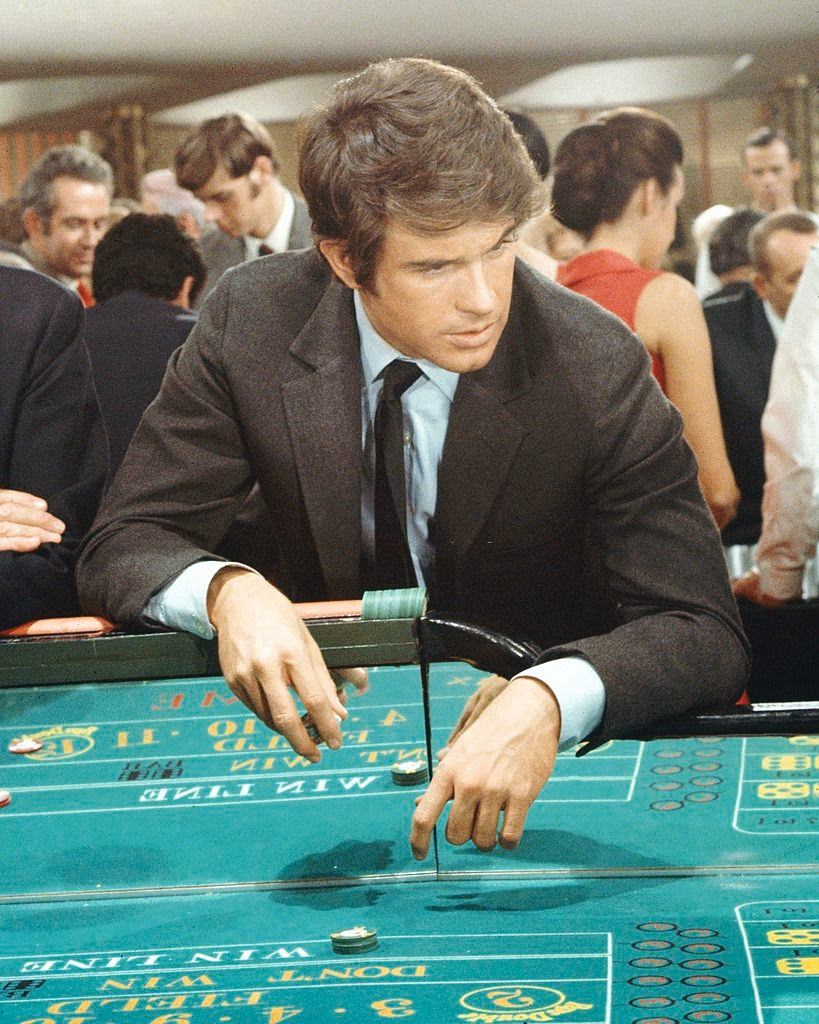
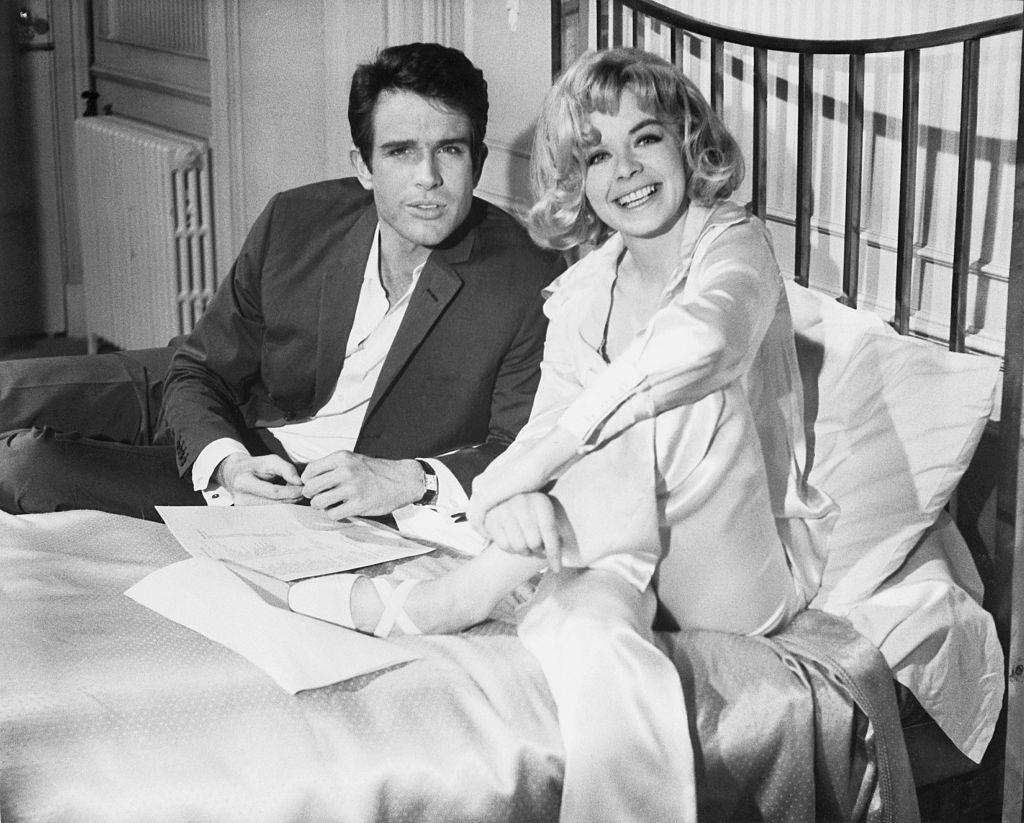
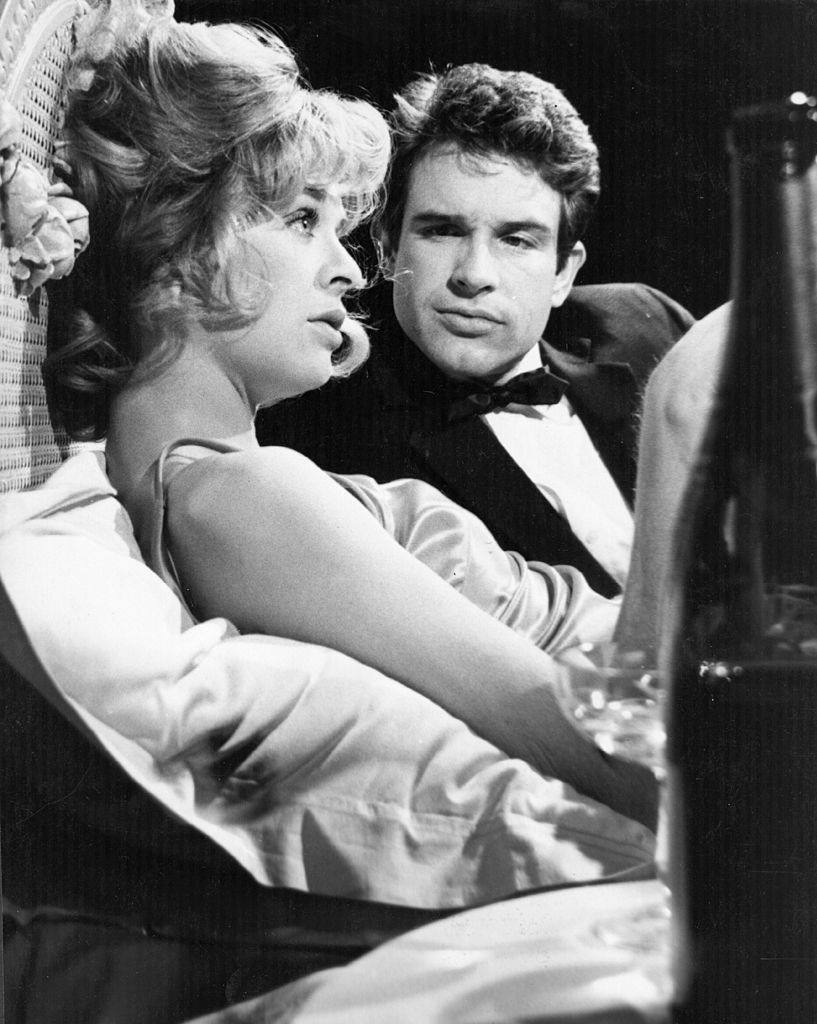
In 1966, Beatty starred in ‘Kaleidoscope,’ a stylish spy-thriller set partly in London and Geneva. He played Barker, an American playboy who marks playing cards in a casino to identify a drug manufacturer. The film showed Beatty at ease in a lighter, more commercial genre, and the London production gave photographers plenty of material. He appeared in a number of promotional portraits and behind-the-scenes shots during this period, cementing his image as one of the most photogenic actors of his generation.
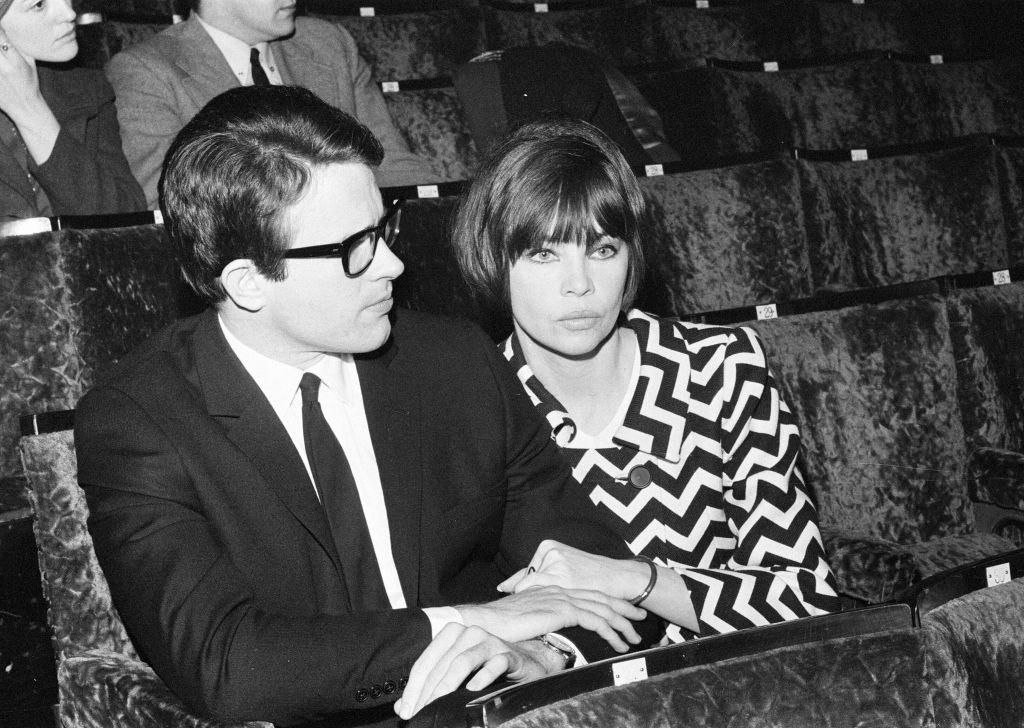
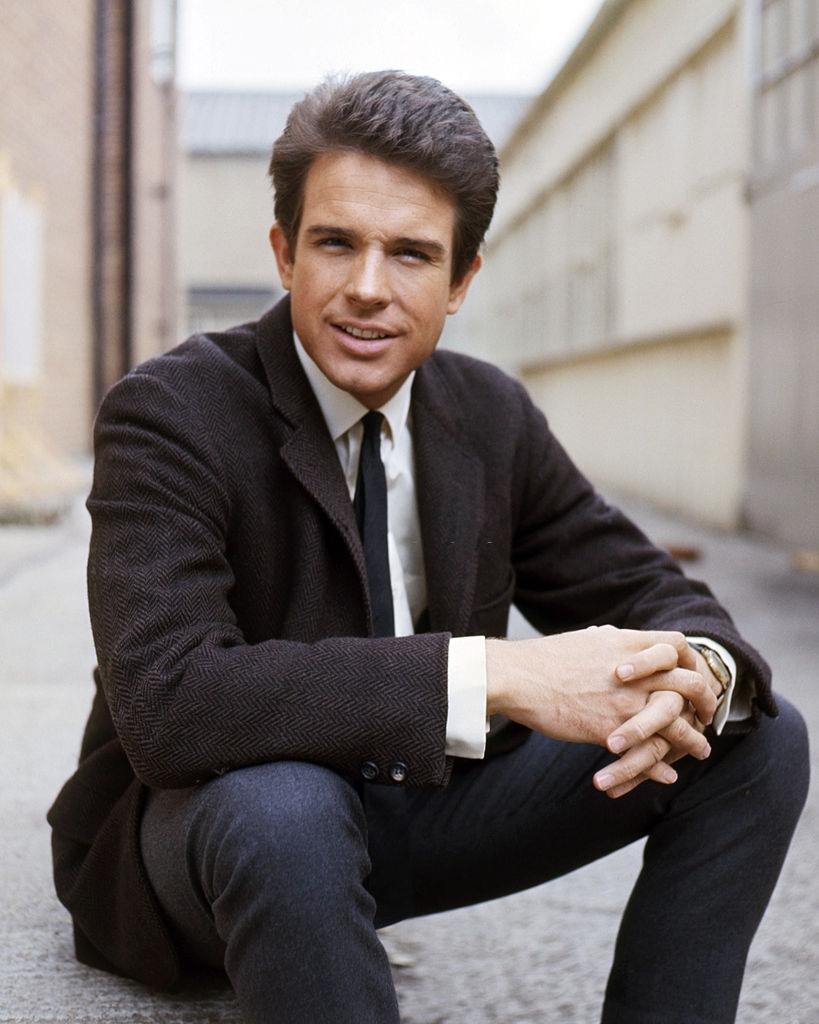
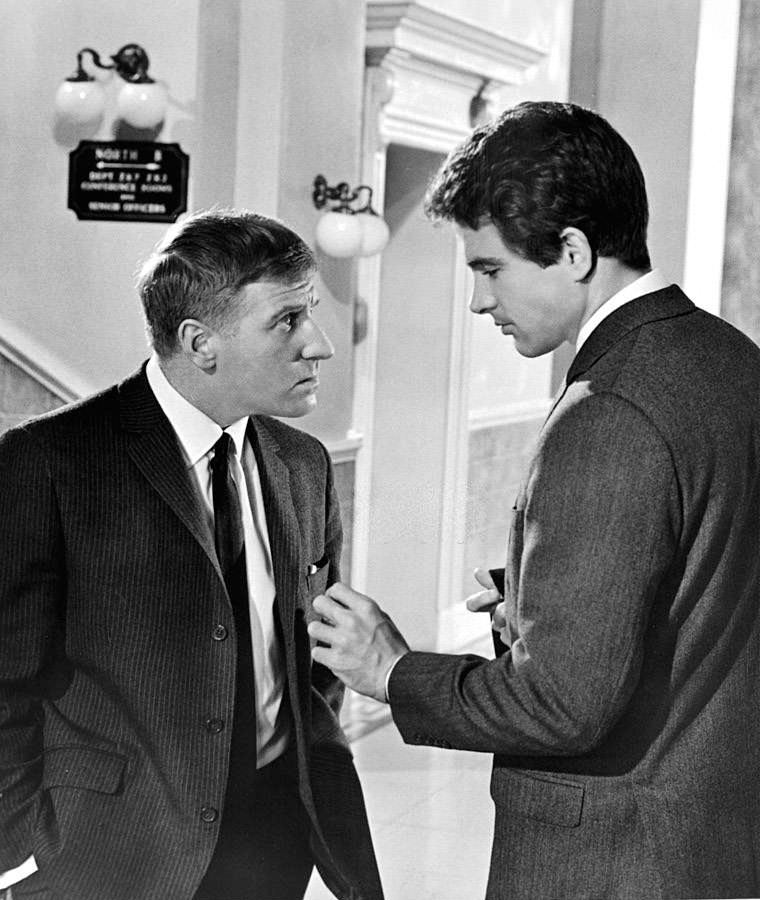
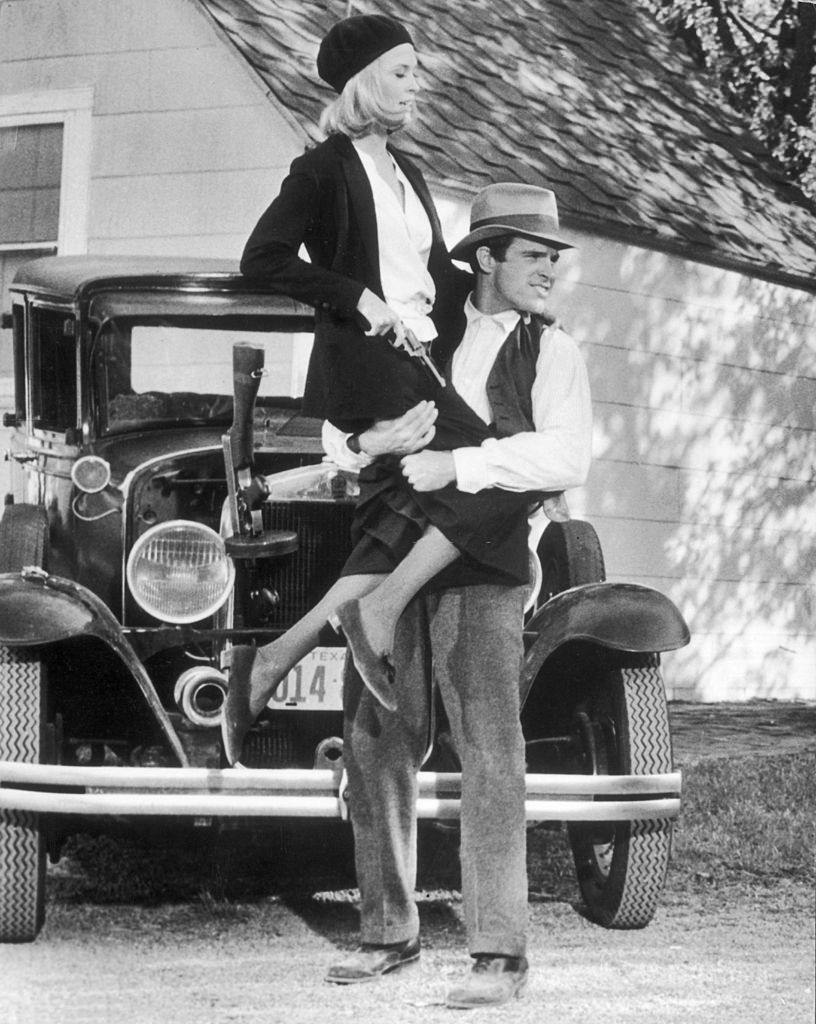
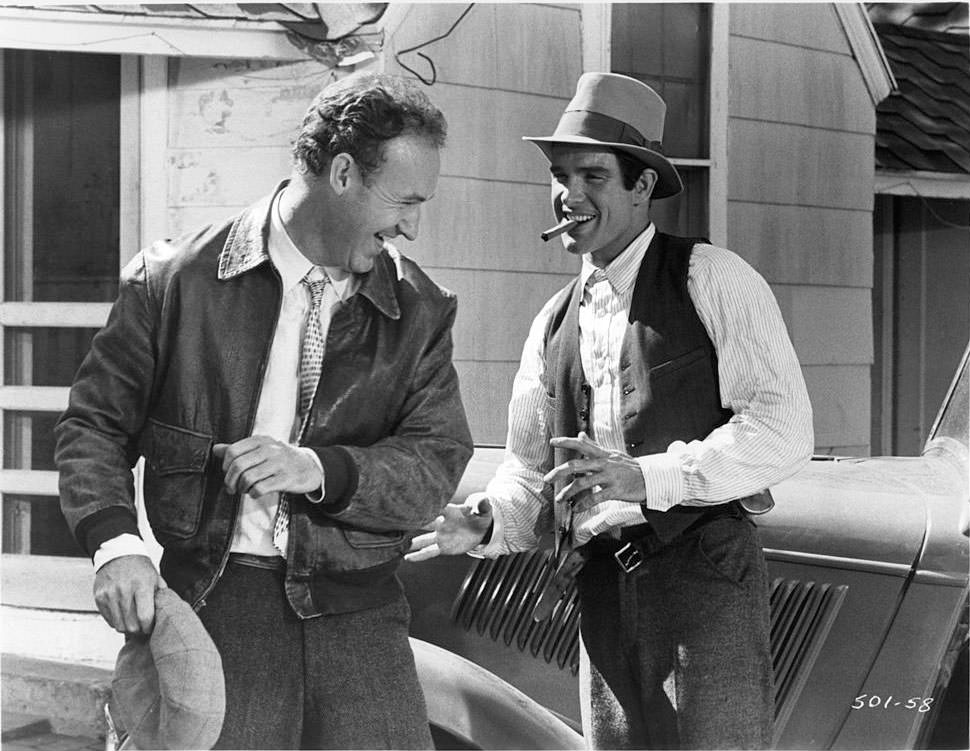
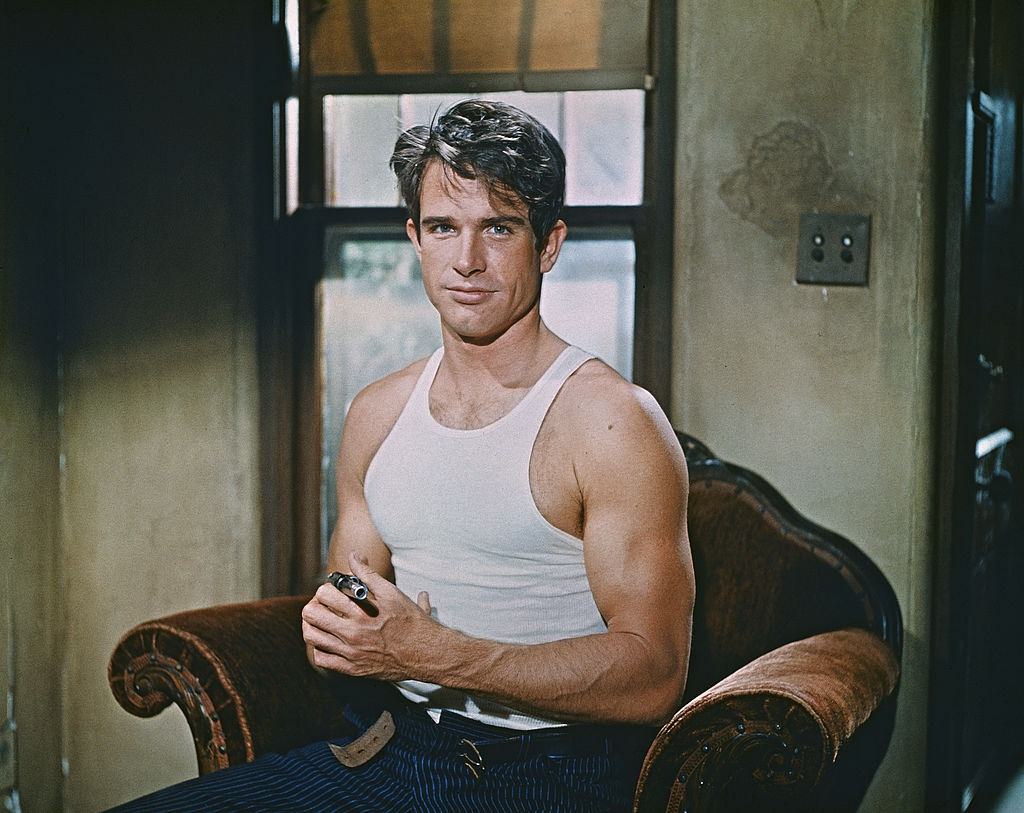
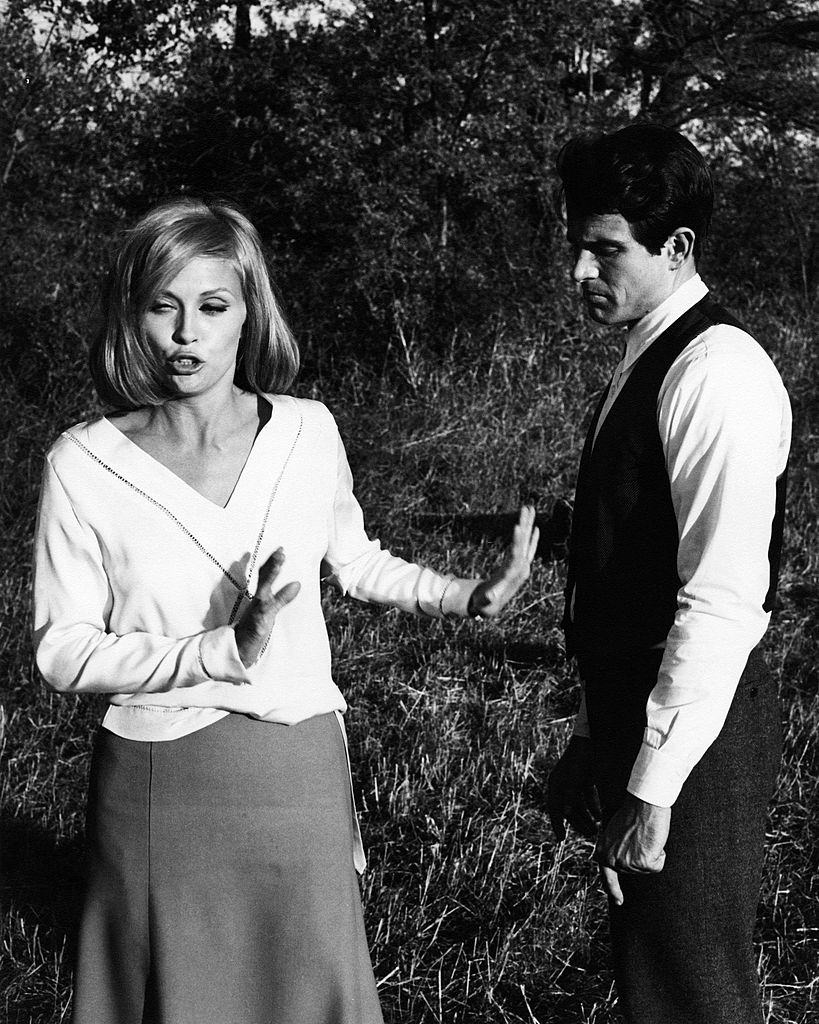
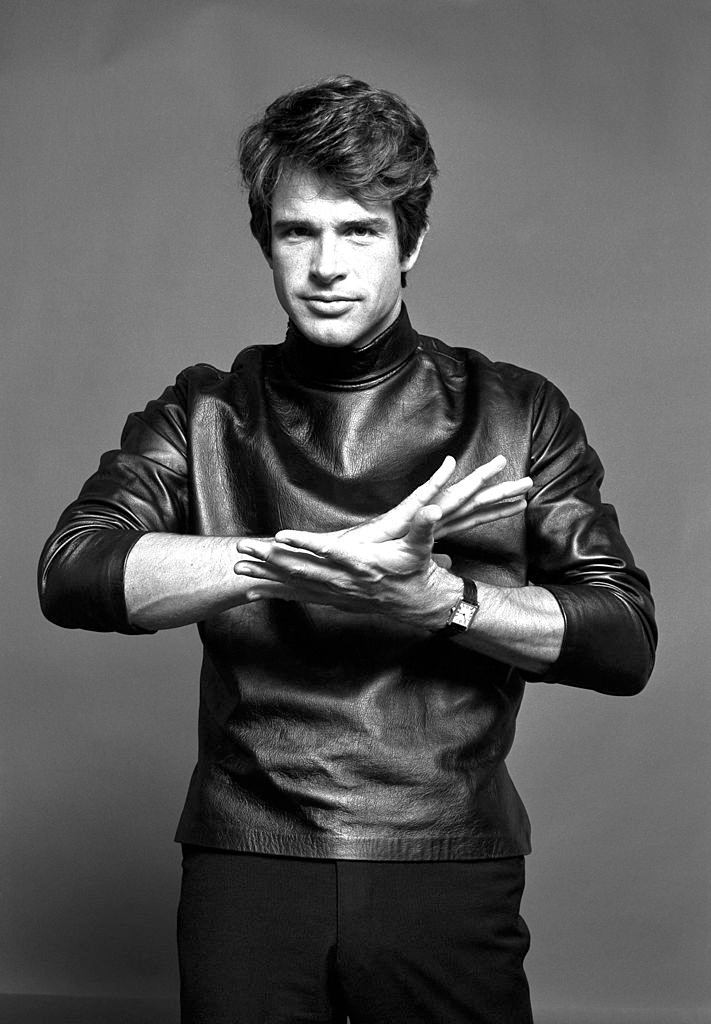
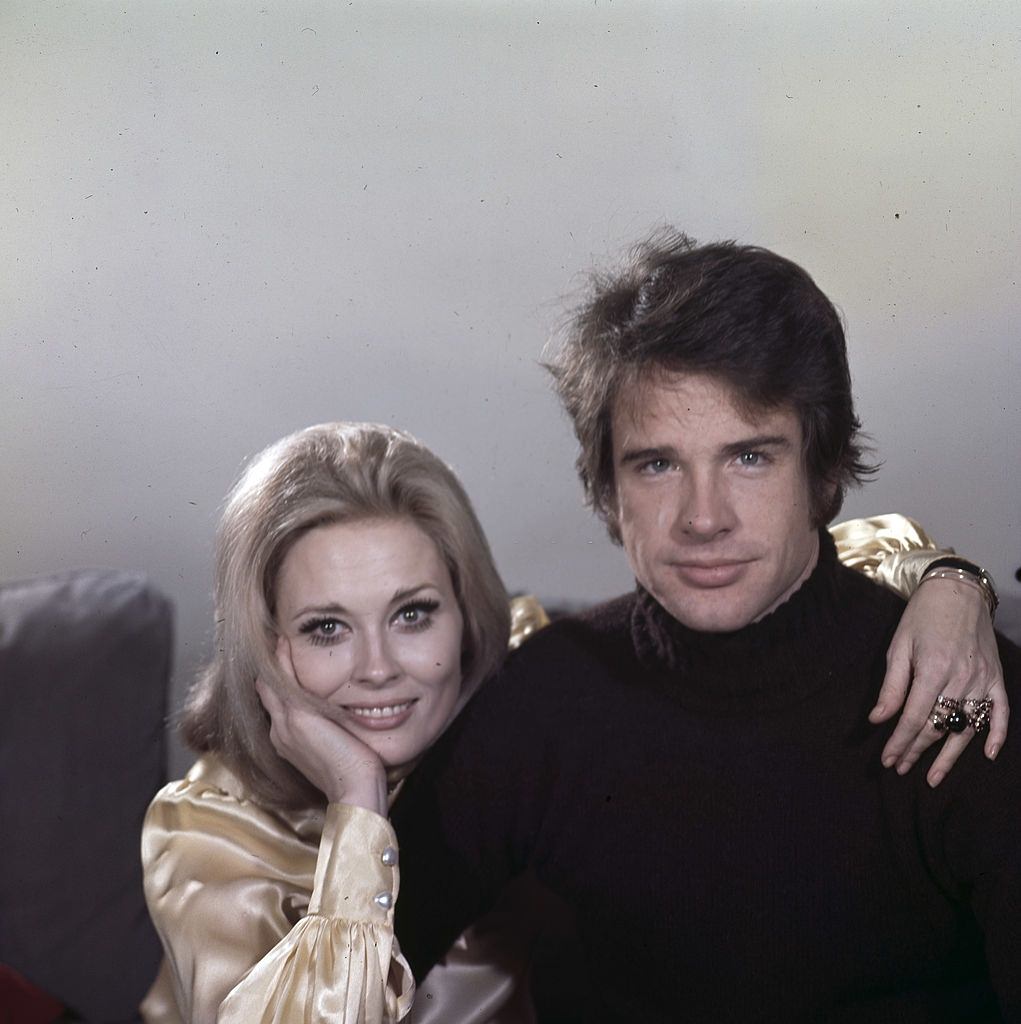
Then came the film that changed everything. In 1967, Beatty produced and starred in ‘Bonnie and Clyde,’ the story of Depression-era outlaws Bonnie Parker and Clyde Barrow. He played Clyde opposite Faye Dunaway’s Bonnie, and the film was a sensation. It was both critically praised and commercially massive, earning ten Academy Award nominations. The movie’s blend of violence, romance, and dark humor redefined what American cinema could look like. Beatty, as both star and producer, was at the center of it all. The production photographs from this film — taken on location and on set — remain some of the most iconic images of 1960s Hollywood.
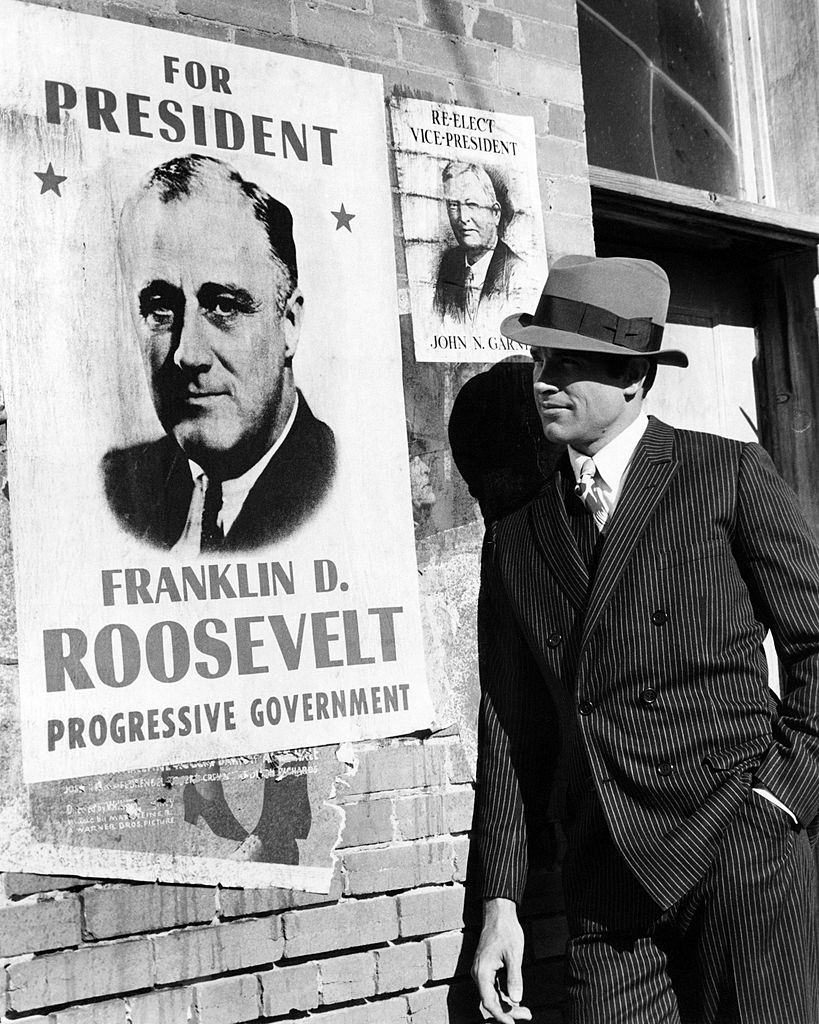
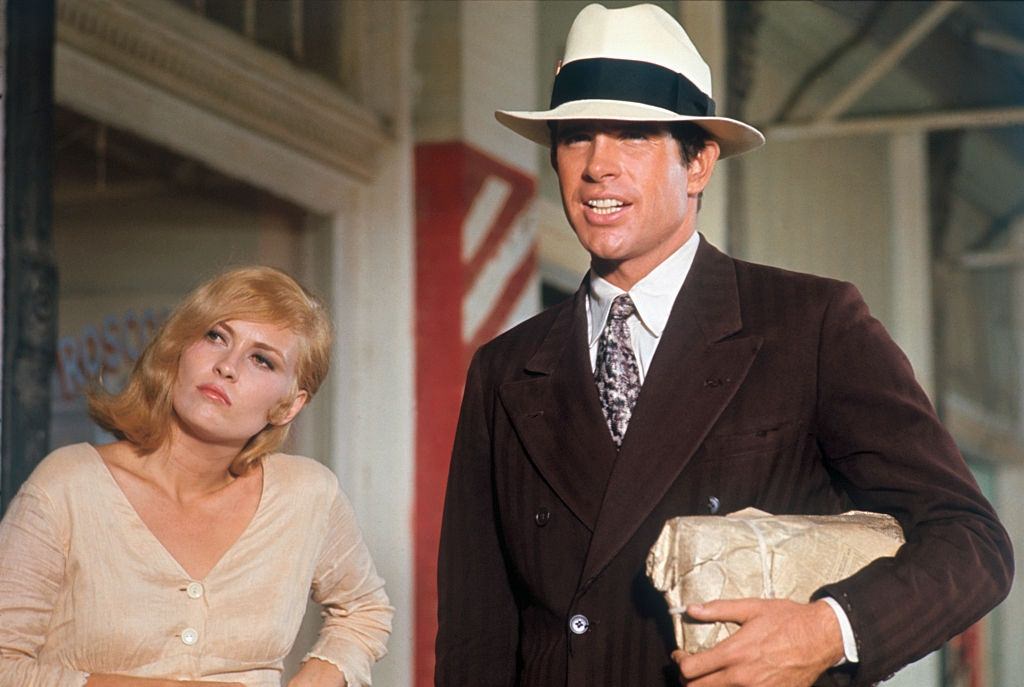
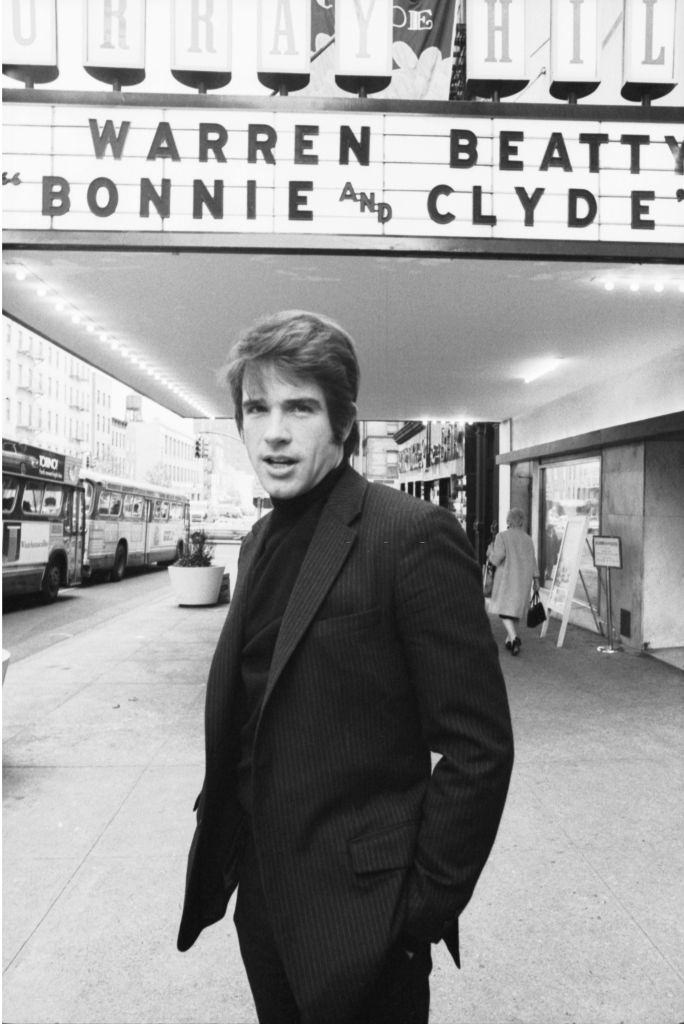
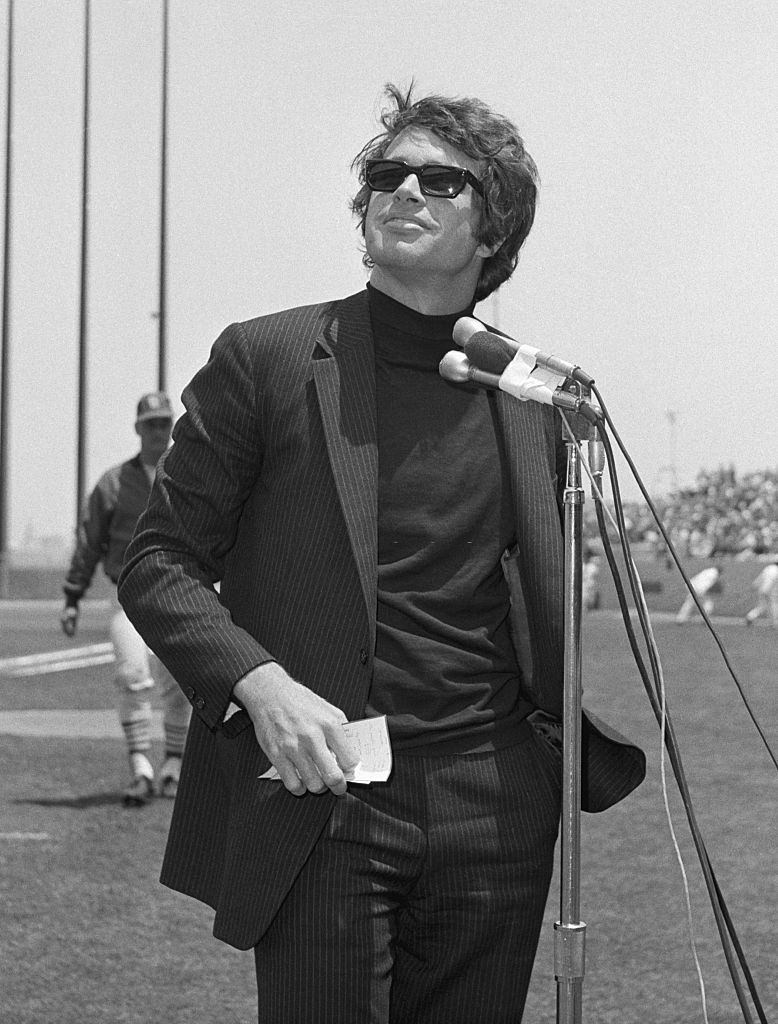
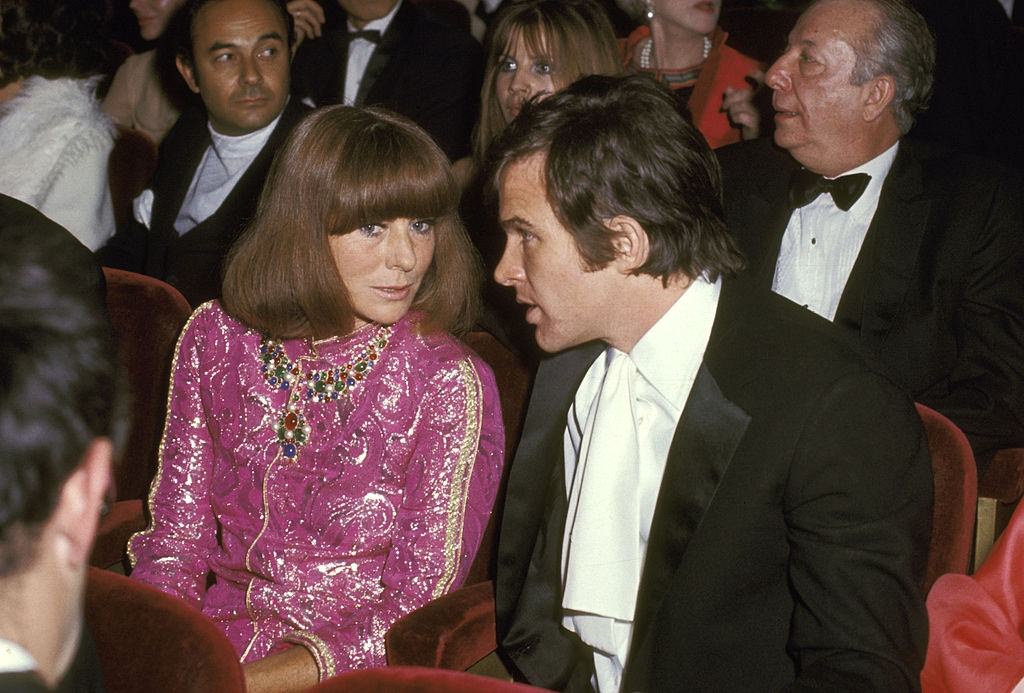
The success of ‘Bonnie and Clyde’ made Beatty one of the most powerful figures in Hollywood. He used that position carefully. In 1968, he attended the Academy Awards ceremony celebrating the film’s nominations and was photographed widely at events in both Los Angeles and Paris. He also stepped into the public arena that year, speaking in favor of gun control at San Francisco’s Candlestick Park at the invitation of the city’s mayor. His interest in politics ran deep and would later show up directly in his filmmaking.
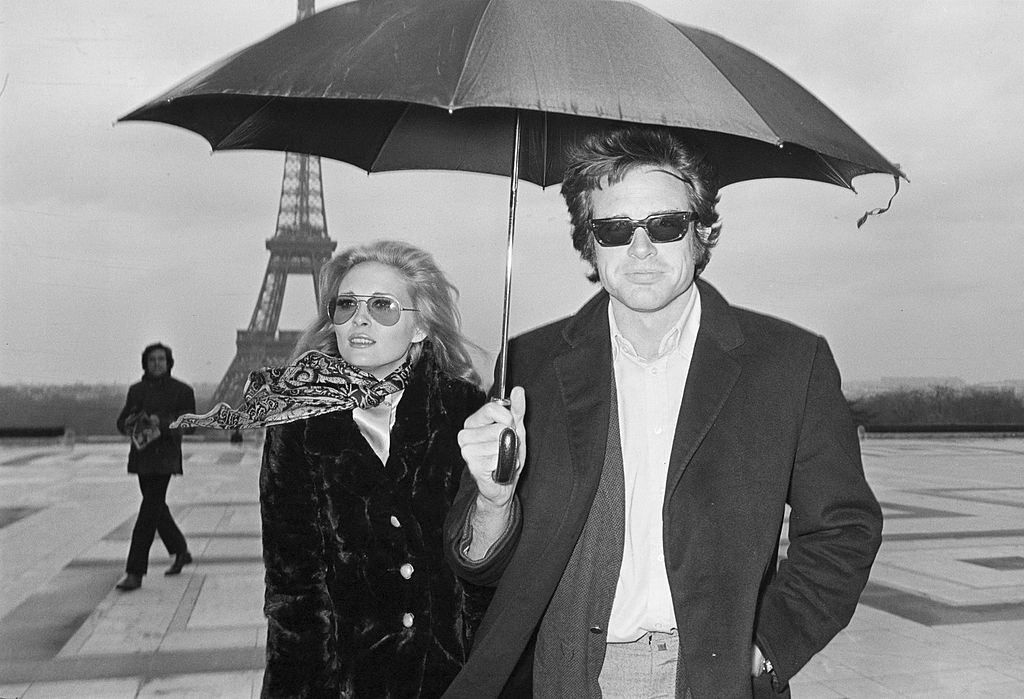
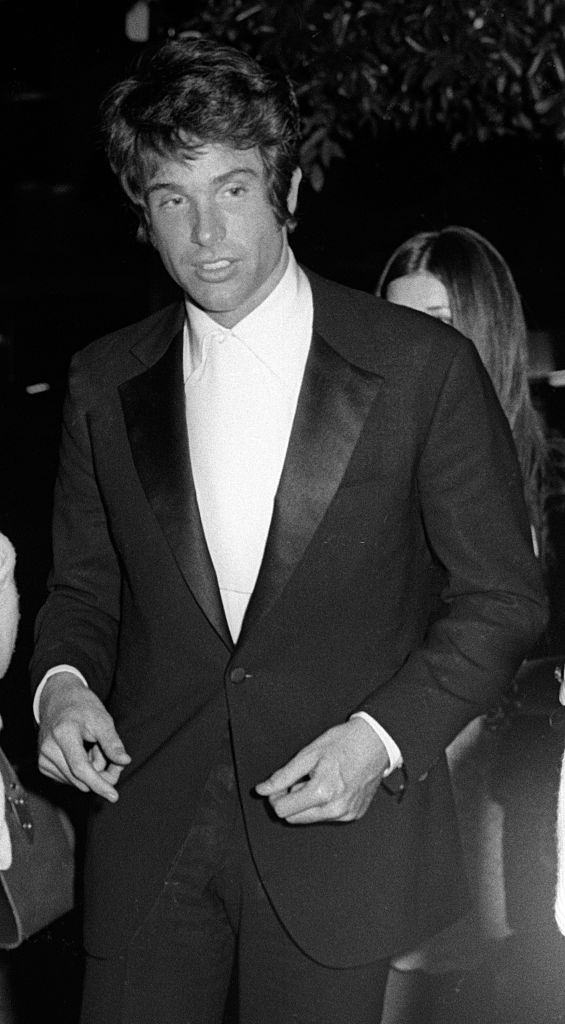
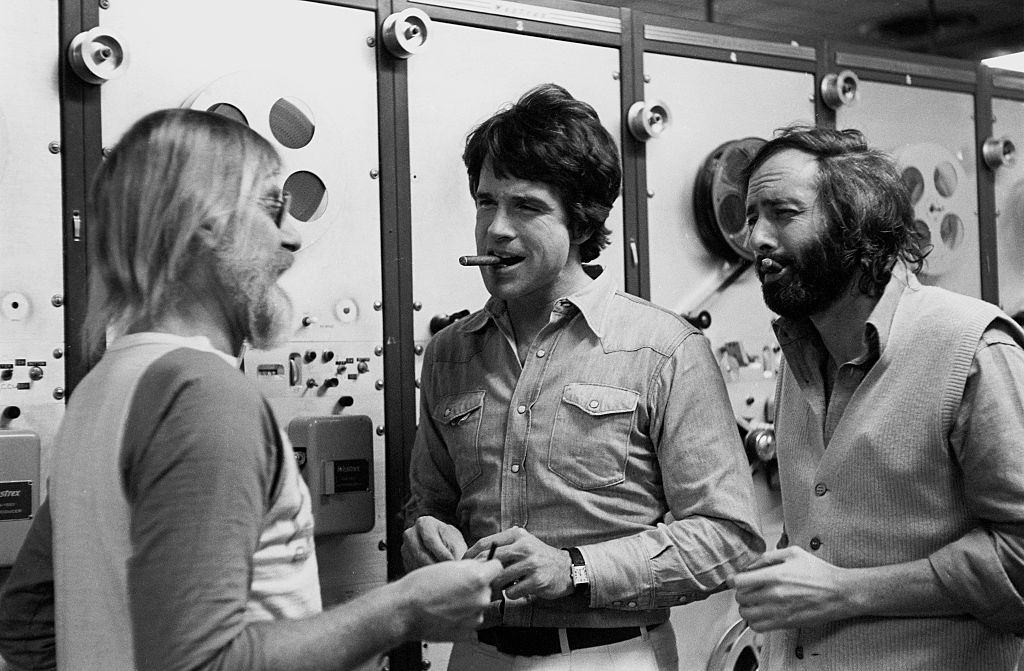
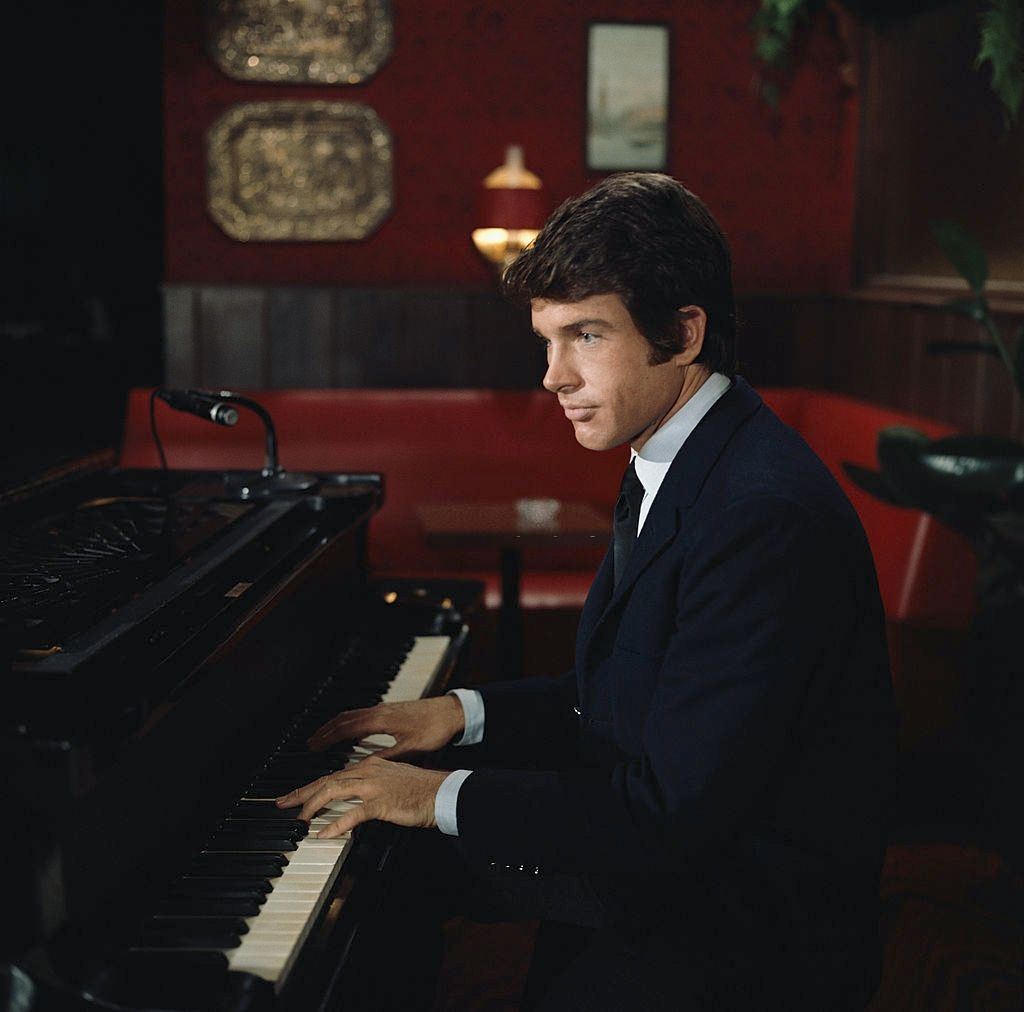
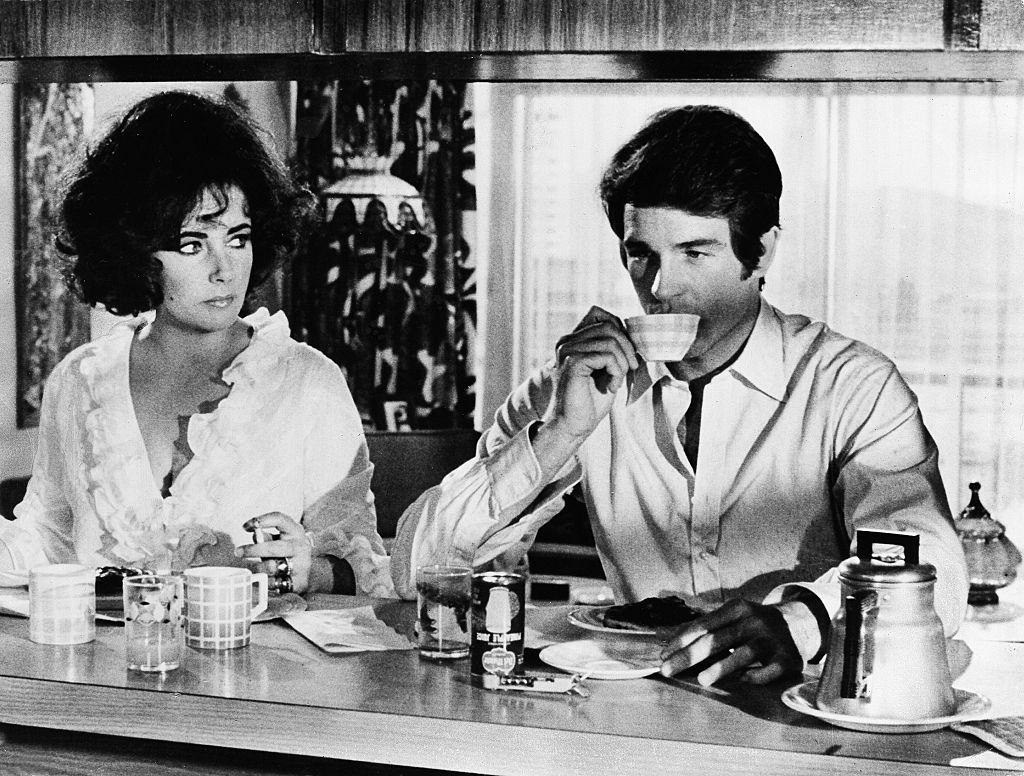
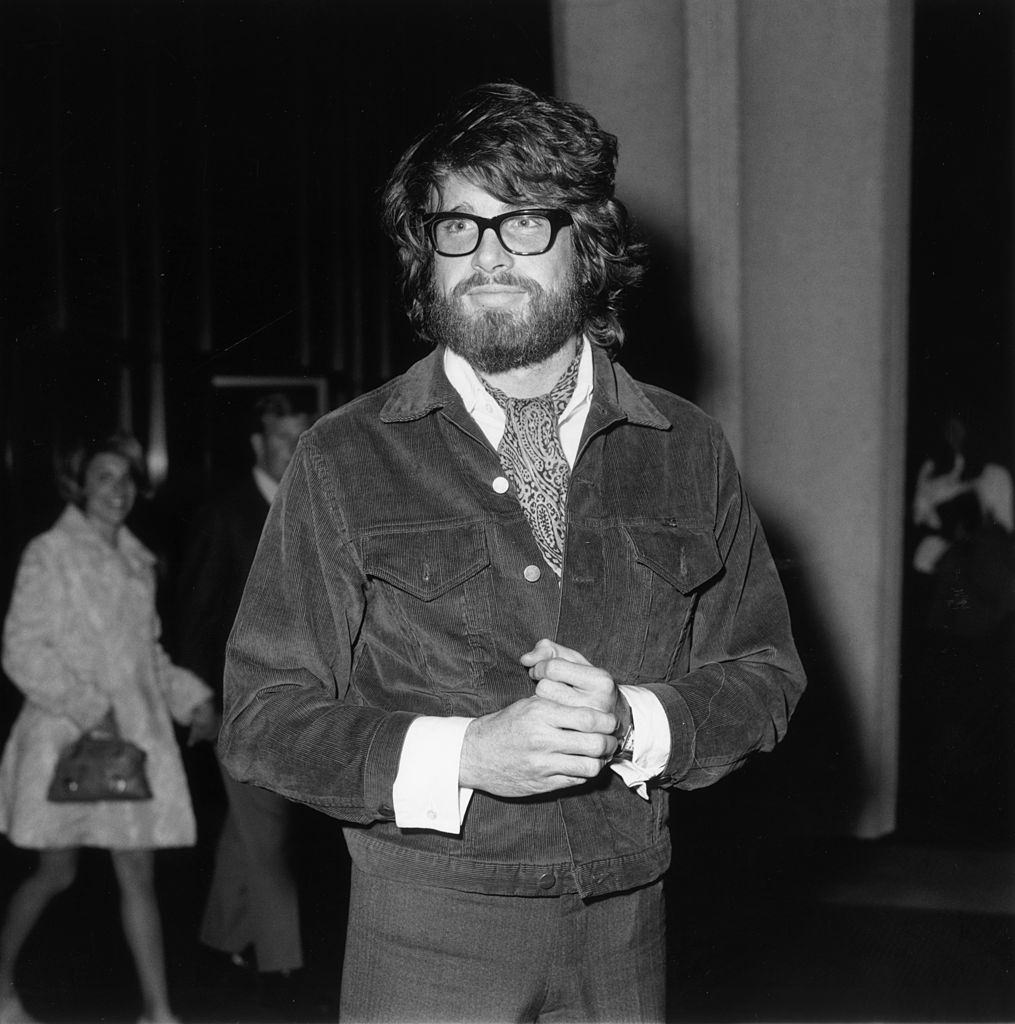
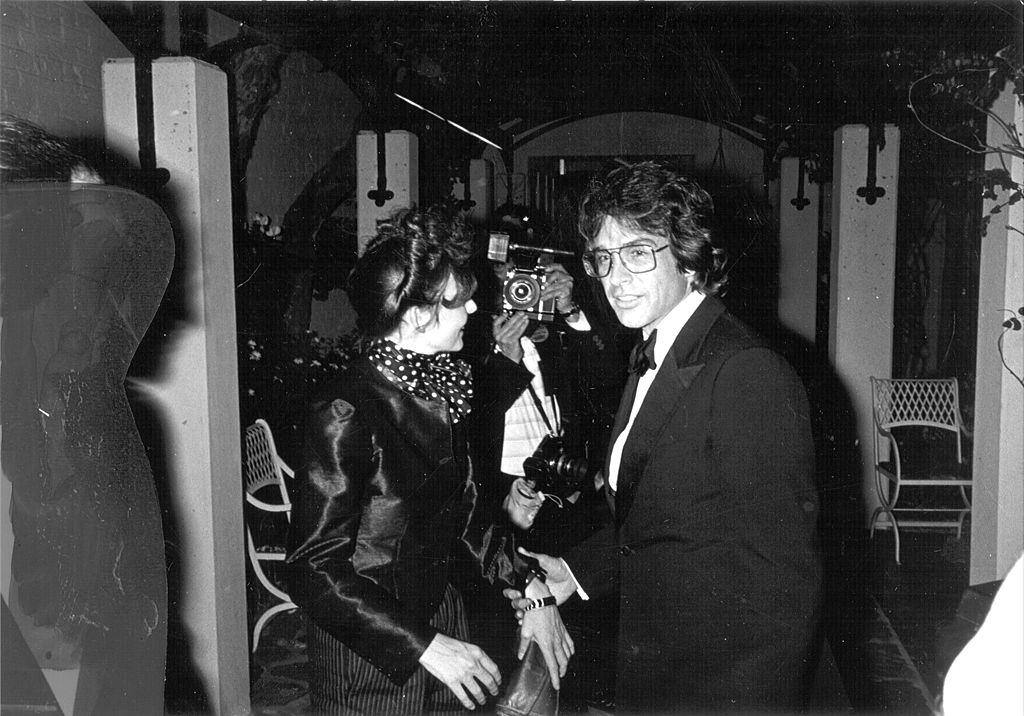
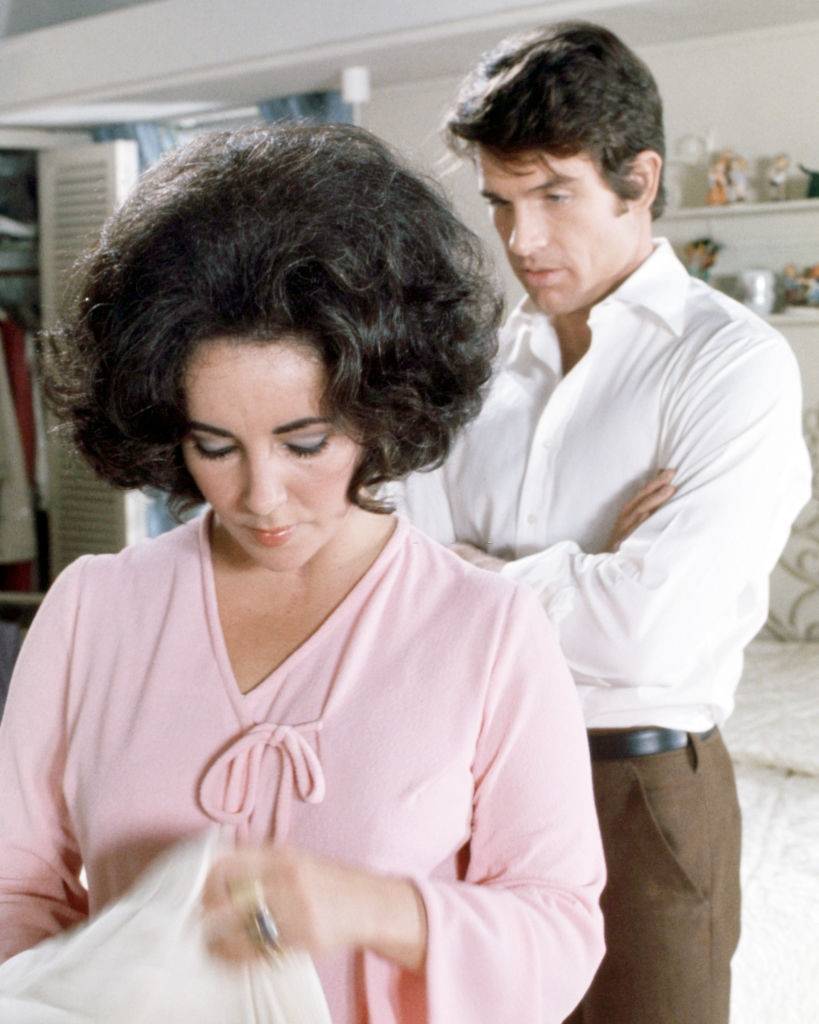
In 1969 and into 1970, Beatty co-starred with Elizabeth Taylor in ‘The Only Game in Town,’ playing a piano bar musician in Las Vegas opposite Taylor’s showgirl. The film was shot in Paris despite its Las Vegas setting, and it gave both stars the chance to work together on a more intimate, character-driven story. Beatty’s off-screen life during this era was equally active. He was photographed at parties, benefits, and private gatherings throughout 1970, often surrounded by directors and collaborators who were reshaping American cinema alongside him.
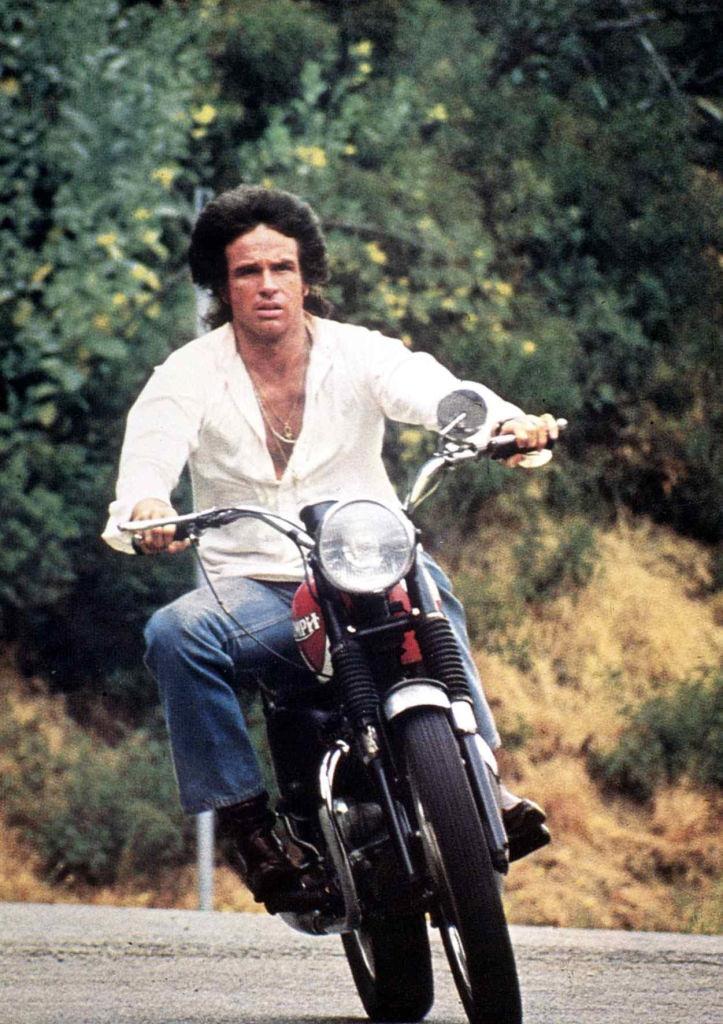
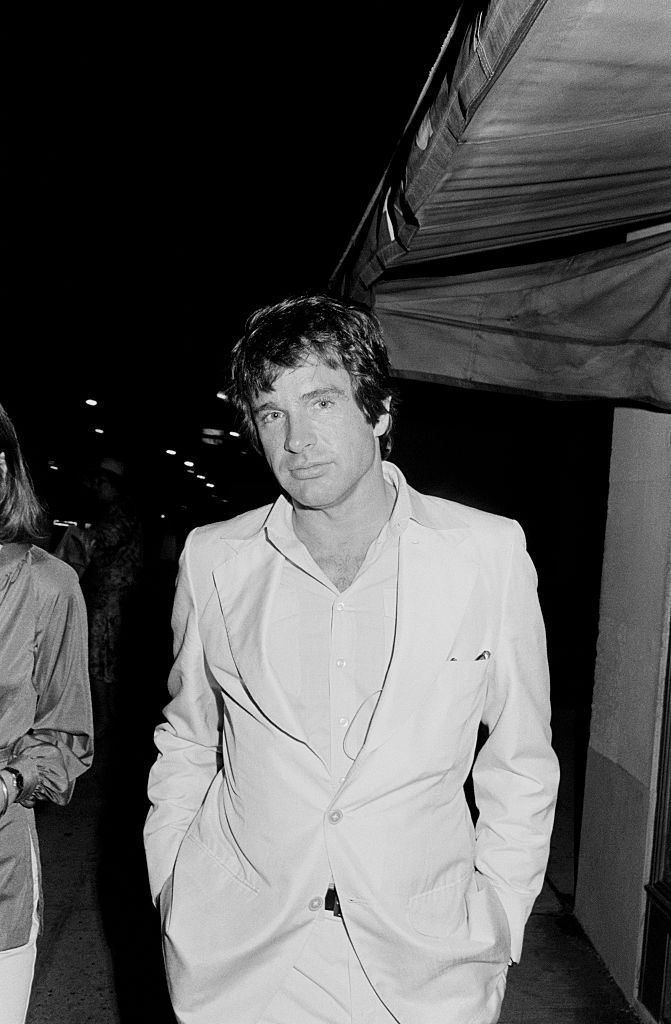
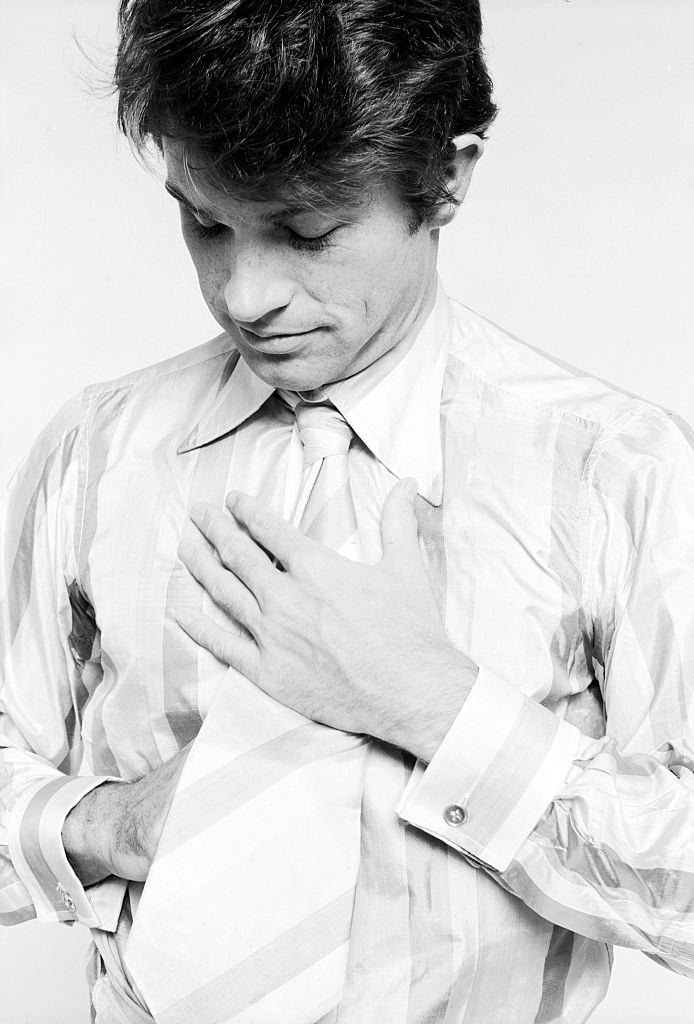
Throughout his early decades in Hollywood, Beatty’s romantic life was as high-profile as his career. He was linked to well over 100 women, including Madonna, Jane Fonda, Brigitte Bardot, Carly Simon, Princess Margaret, and Jacqueline Onassis, among many others. His reputation as one of Hollywood’s great romantic figures was well established long before he settled down. In 1992, he married actress Annette Bening, and the two have remained together since, raising four children.