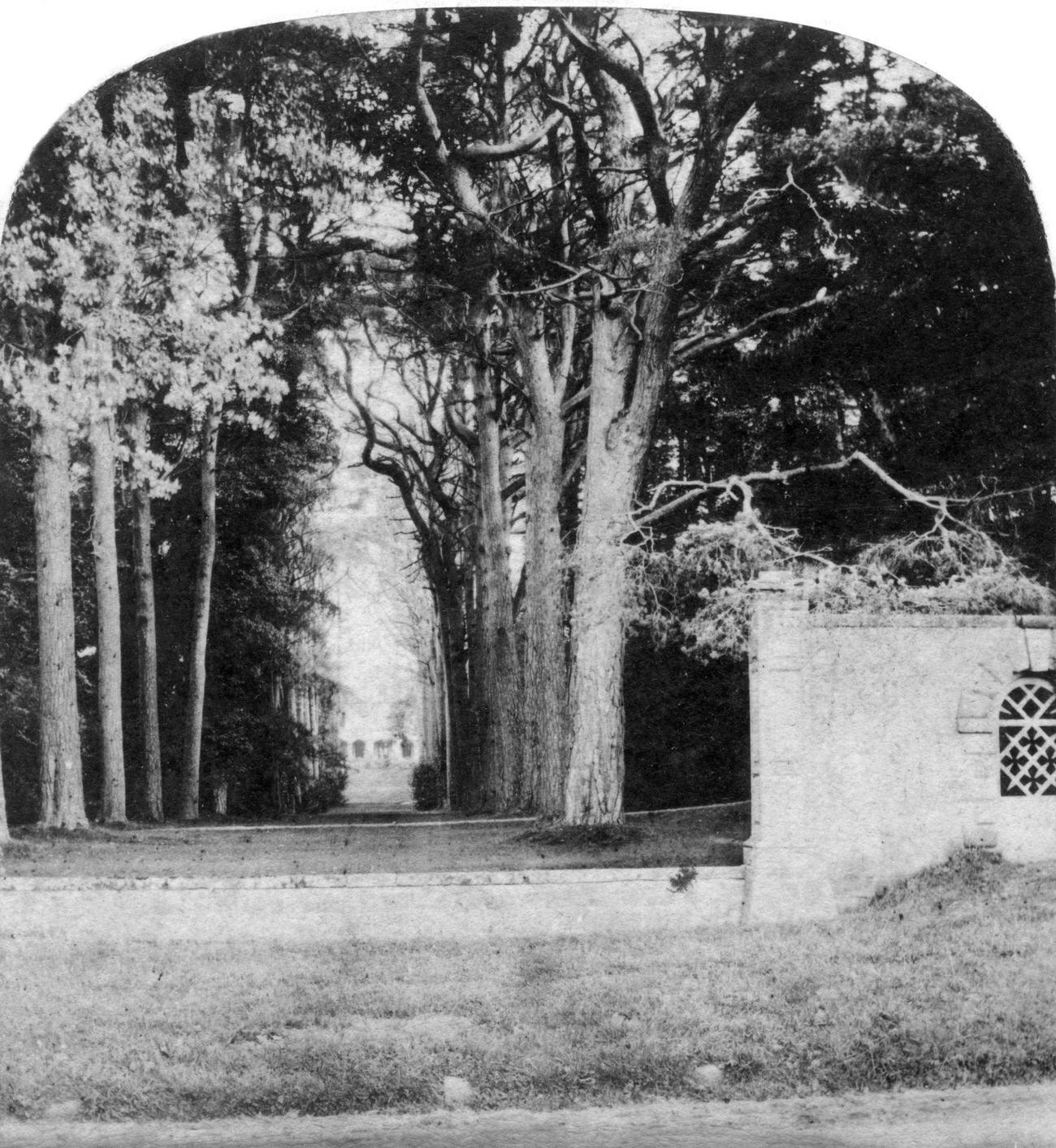
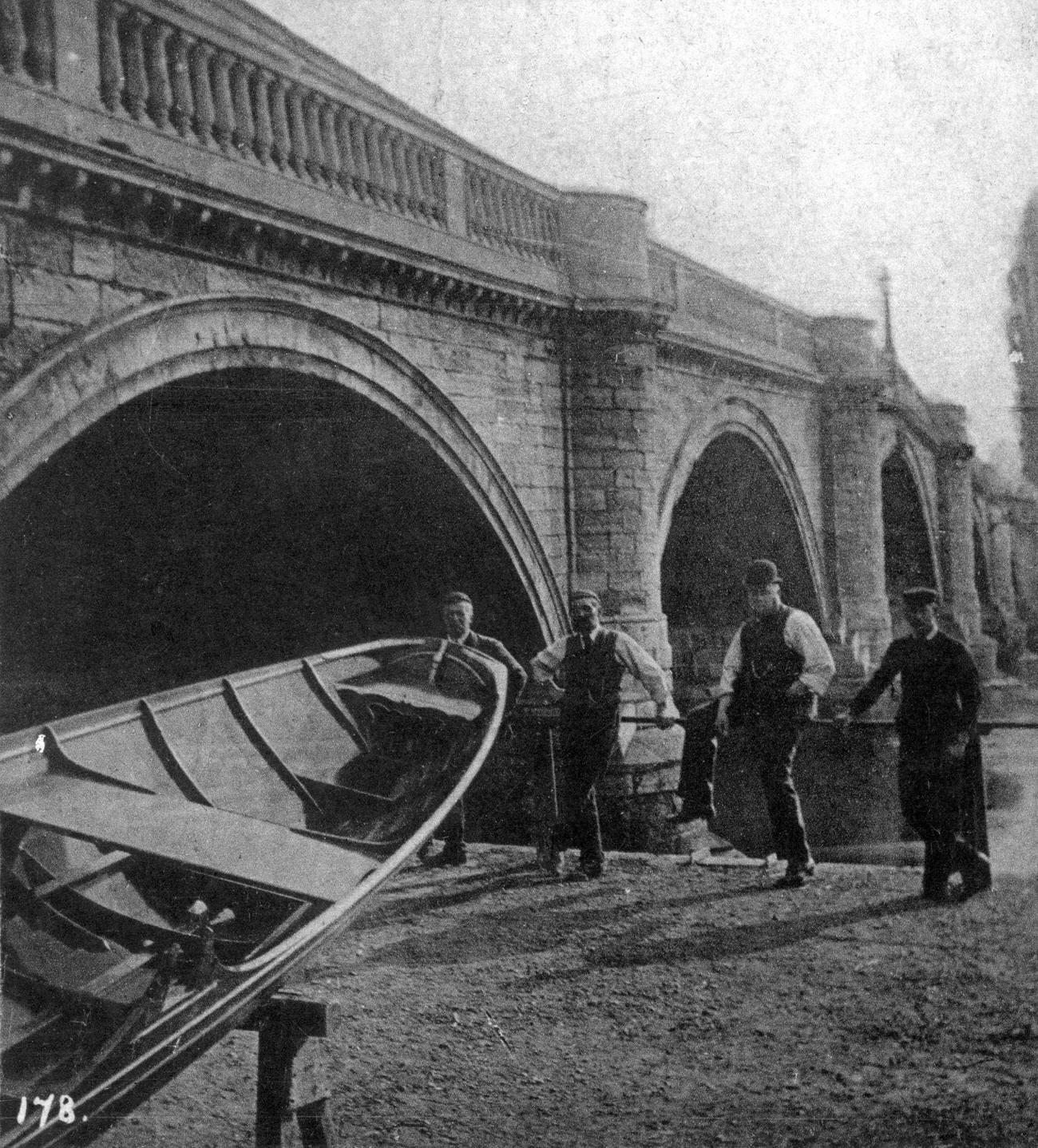
Queen Victoria reigned over the United Kingdom from 1837 to 1901, and the era that bears her name was one of the most transformative periods in modern history. Britain shifted from a rural, farming society to an urban, industrial one at a pace that had never been seen before. Factories multiplied, railways stretched across the countryside, and cities swelled with workers searching for wages. The gap between rich and poor widened sharply, and yet both ends of the social spectrum left behind vivid records of how they lived. The photographs collected here span several decades of that era, capturing everything from London street life to quiet country villages.
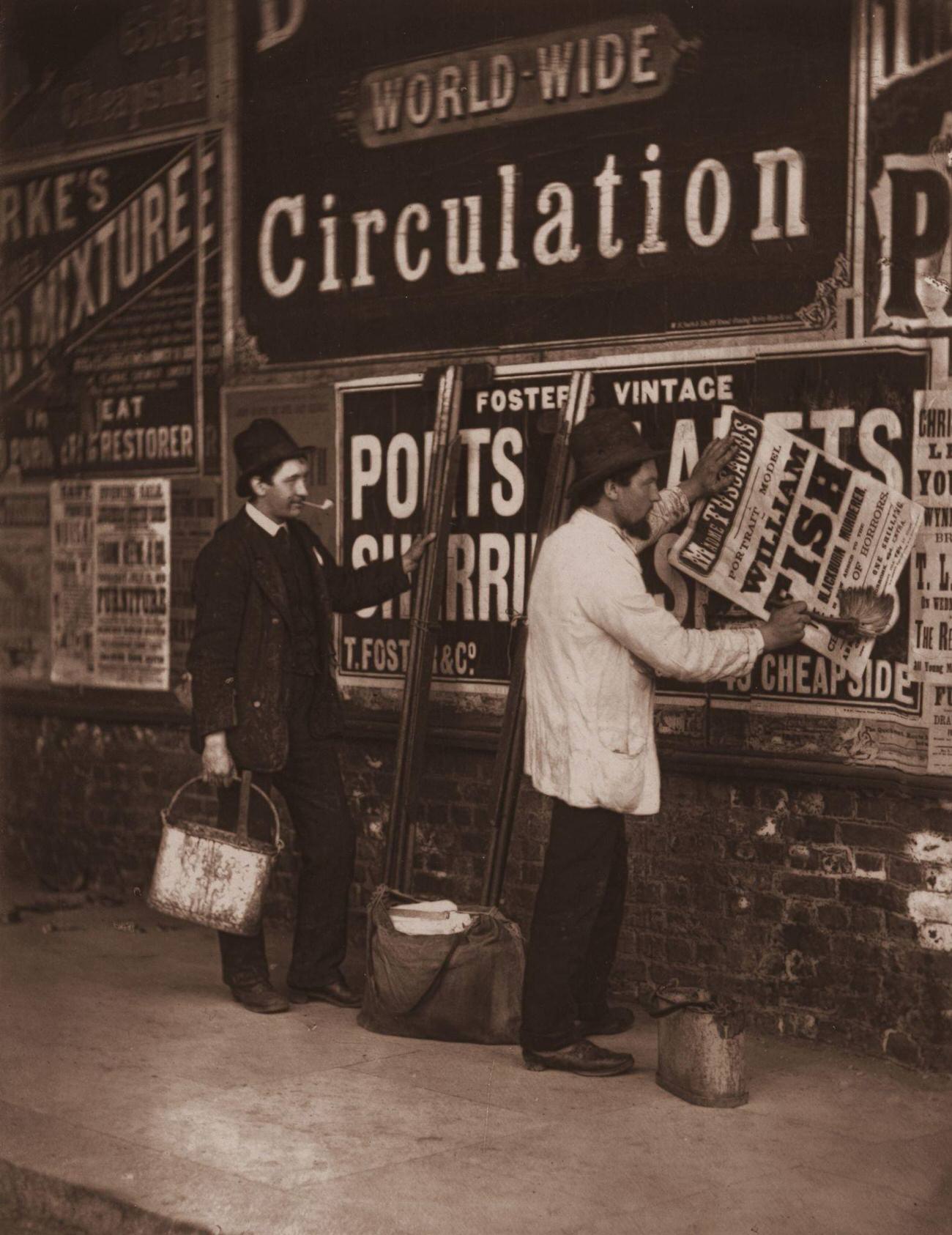
Street advertising was one of the most visible trades in Victorian London. Bill stickers were paid to plaster posters across walls, hoardings, and any flat surface they could find. Madame Tussaud’s waxworks on Baker Street was one of their most frequent clients, and by 1877 the museum had already been drawing crowds for decades. These workers operated in a competitive, often chaotic market — rival bill stickers were known to paste over each other’s work within hours. Beyond the ads themselves, the streets they worked on were teeming with other trades, each carving out a living in the urban rush.
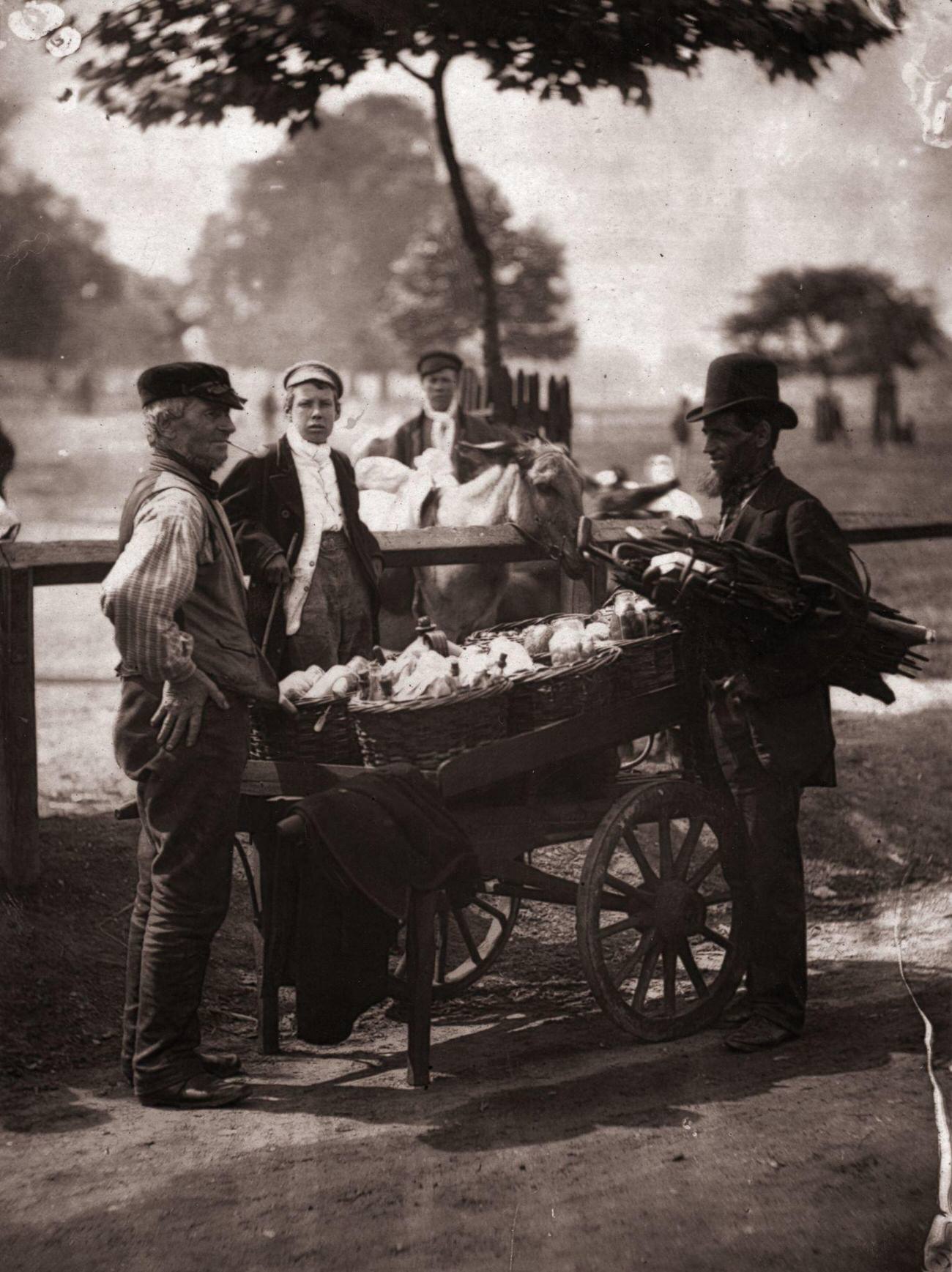
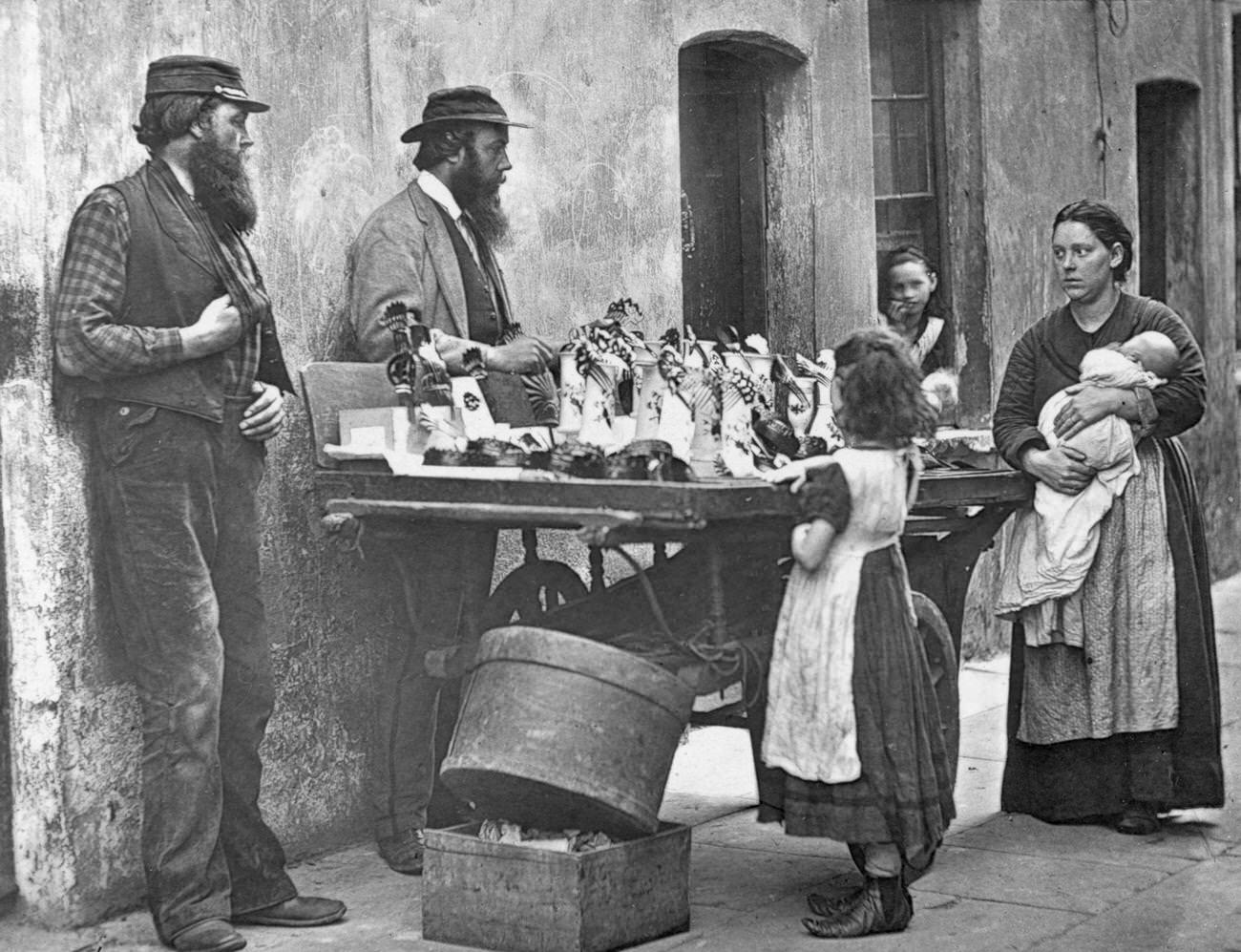
“Mush-Fakers” were itinerant umbrella repairers who roamed Victorian streets, calling out for broken brollies to fix on the spot. They often shared the road with other mobile traders, including ginger beer sellers who pushed their carts through neighborhoods selling a penny’s worth of the fizzy drink. Both trades depended on foot traffic and word of mouth. Street sellers like these were documented extensively in Henry Mayhew’s landmark social study, “London Labour and the London Poor,” which catalogued dozens of such occupations. For many working-class Londoners, these carts were as familiar a sight as the gas lamps lining the pavements.
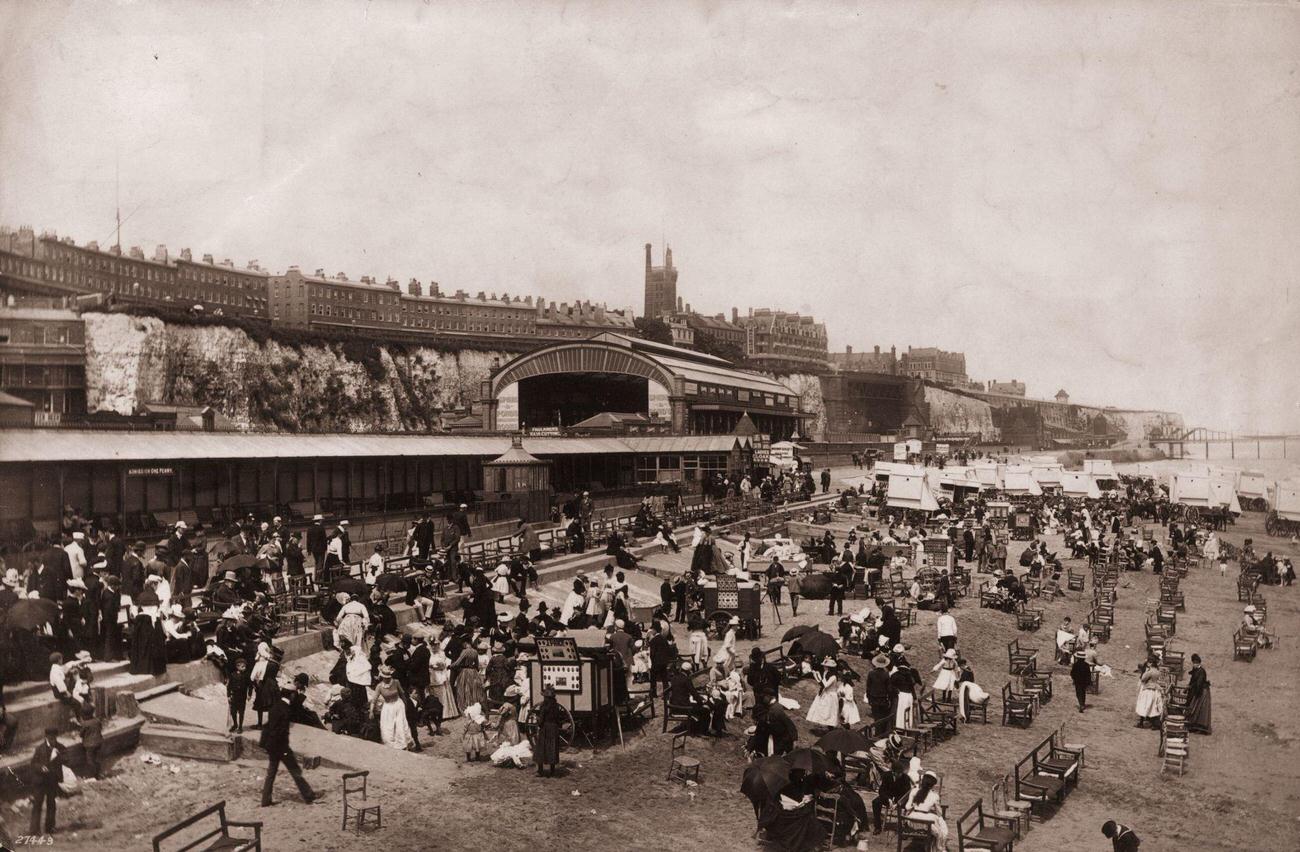
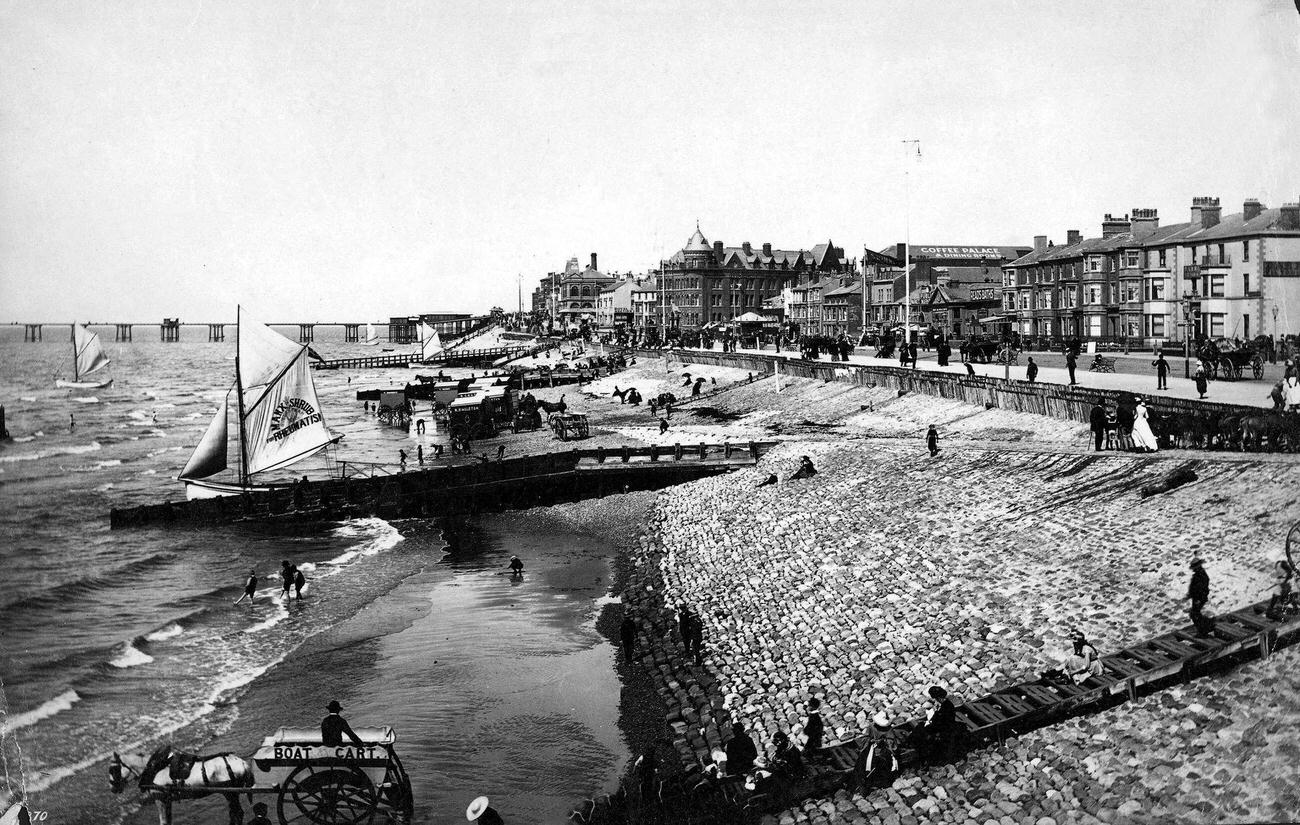
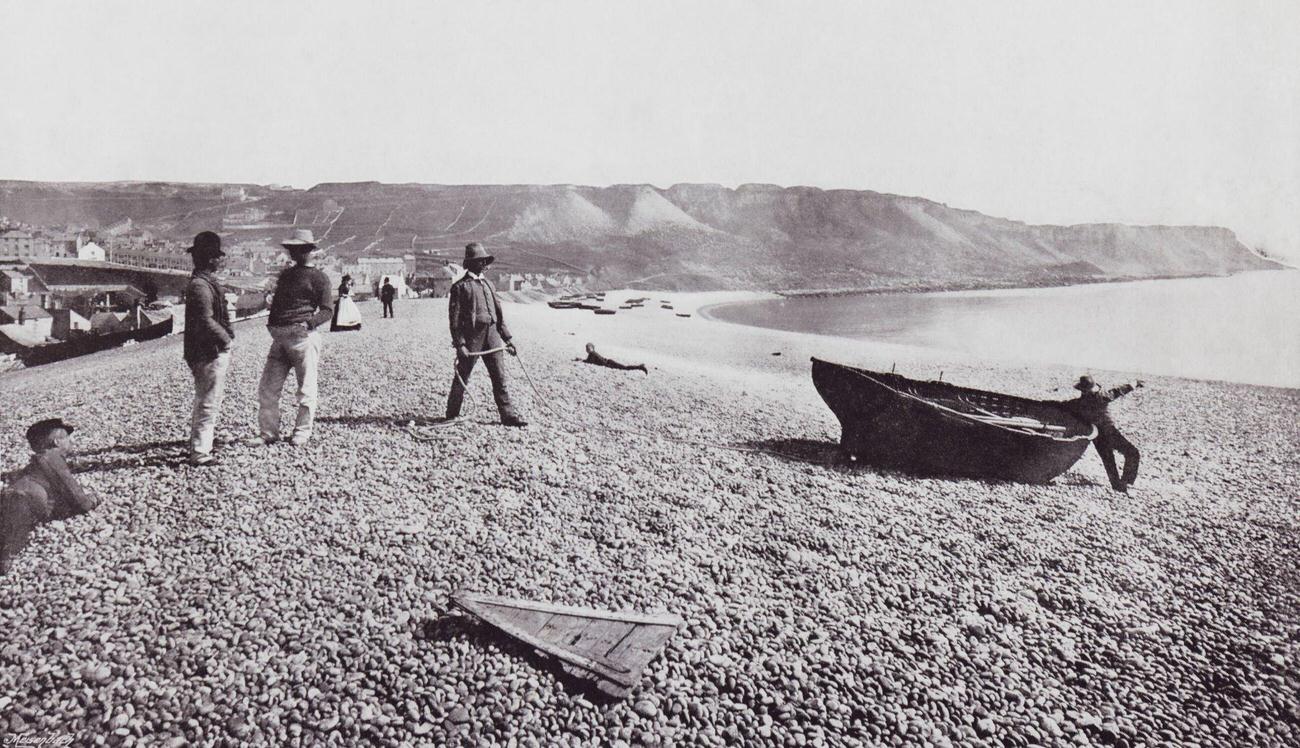
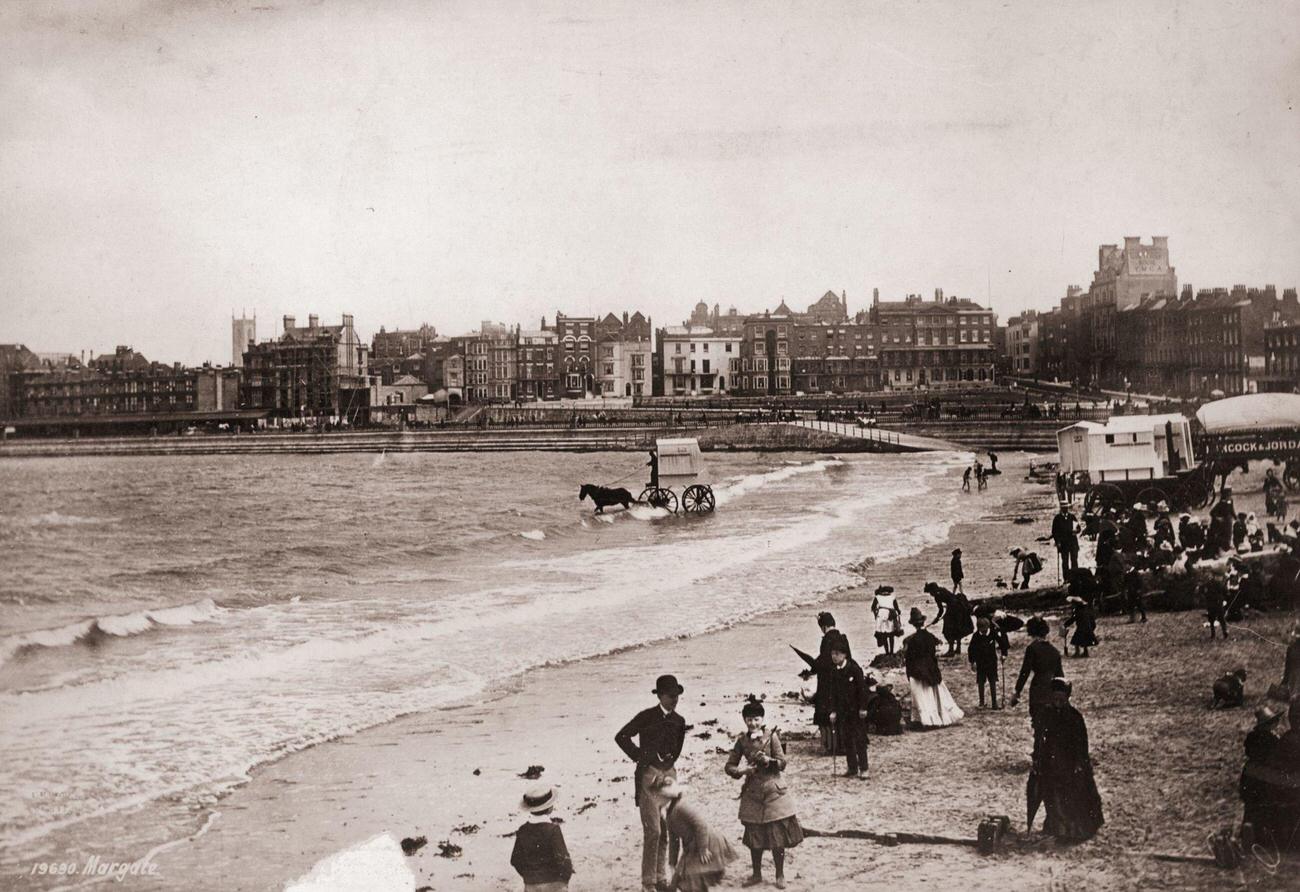
The expansion of the railway network gave ordinary working people access to the seaside for the first time. Towns like Ramsgate in Kent became popular destinations for day trips from London, just over an hour away by train. Visitors arrived fully dressed by today’s standards — men in suits, women in long dresses — and spent the day walking the sands, bathing in segregated sea bathing machines, or simply watching the waves. The beach was a rare equalizer, drawing factory workers and clerks alongside middle-class families. Blackpool, on the northwest coast, drew similarly large crowds.
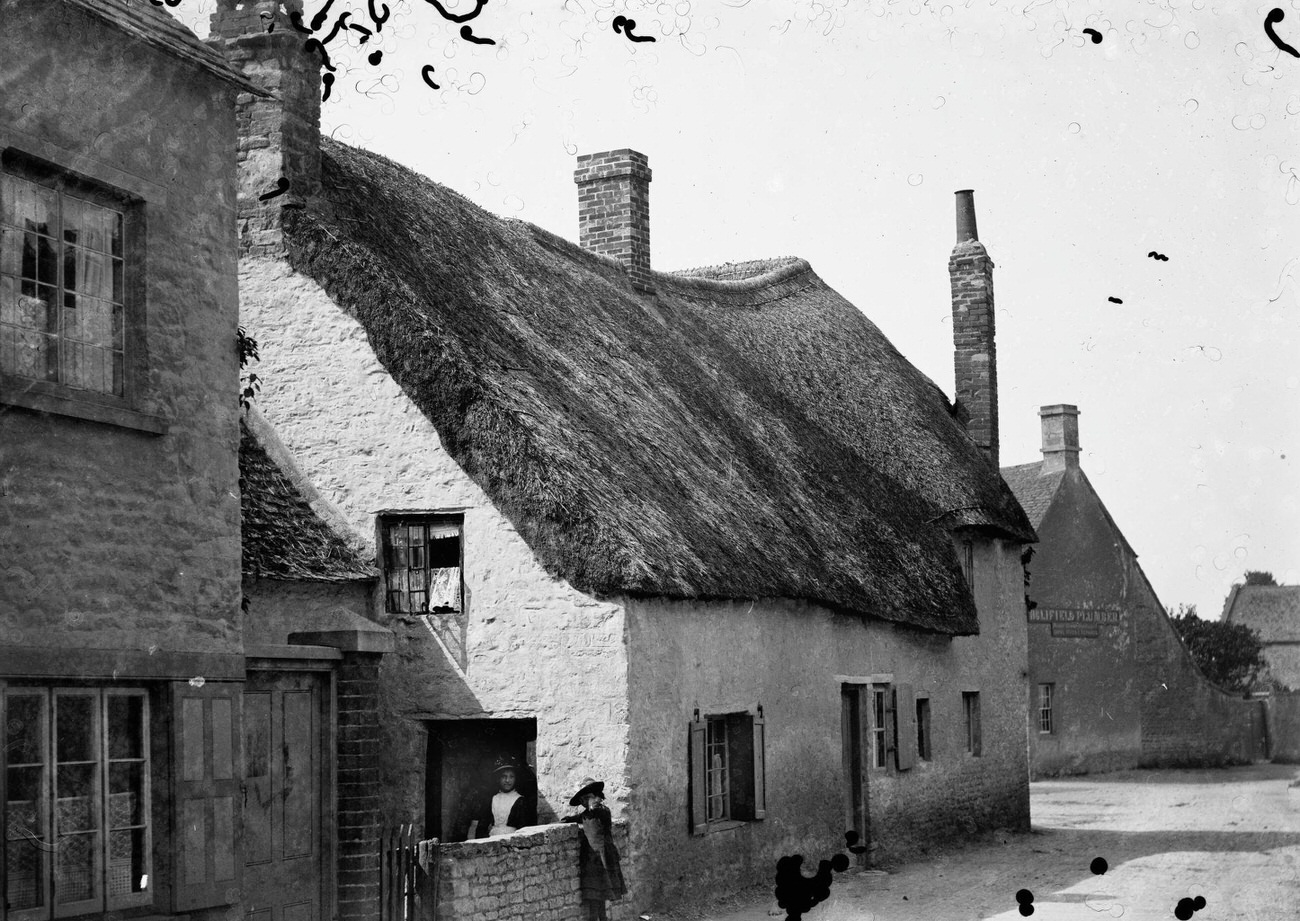
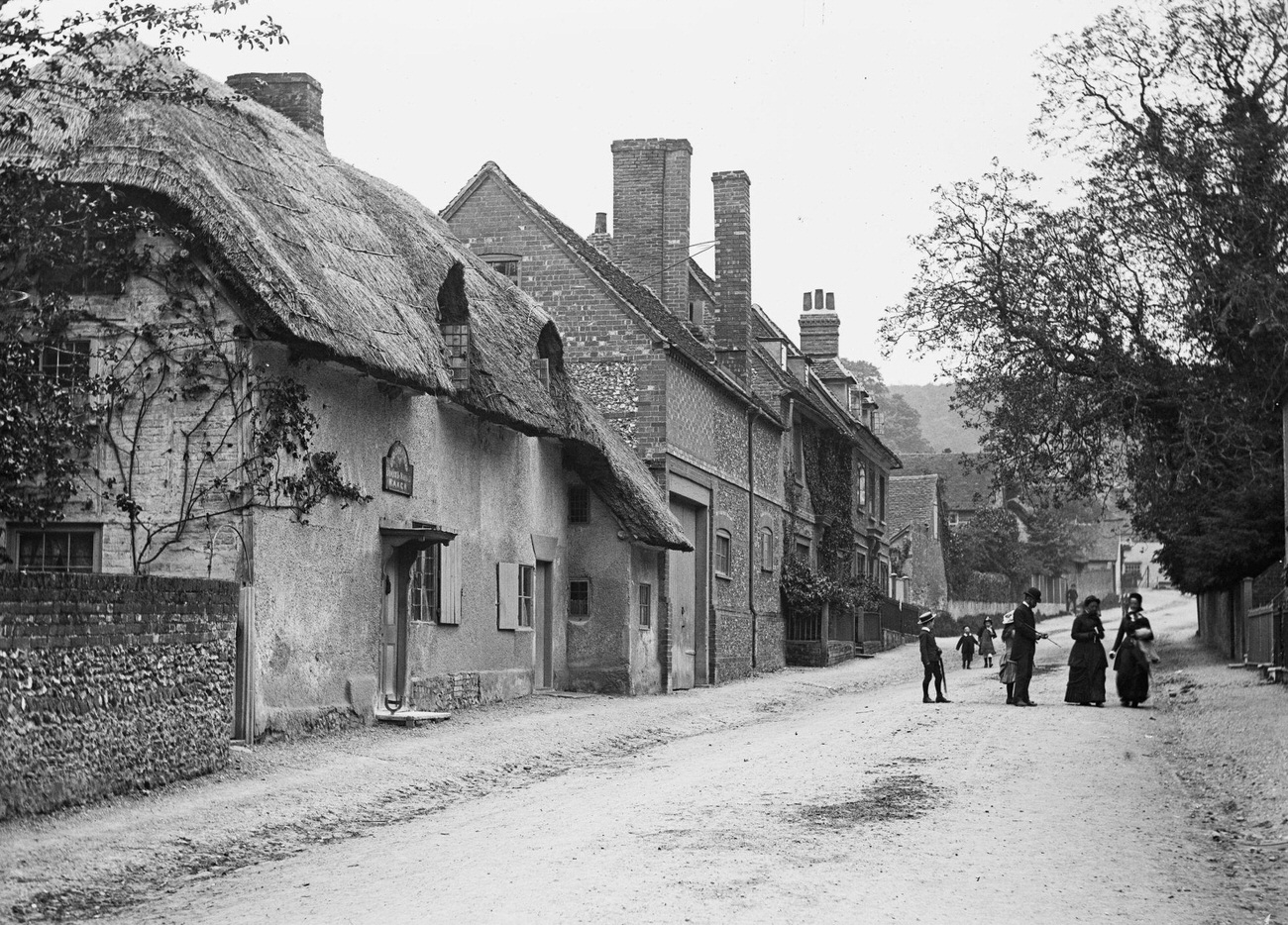
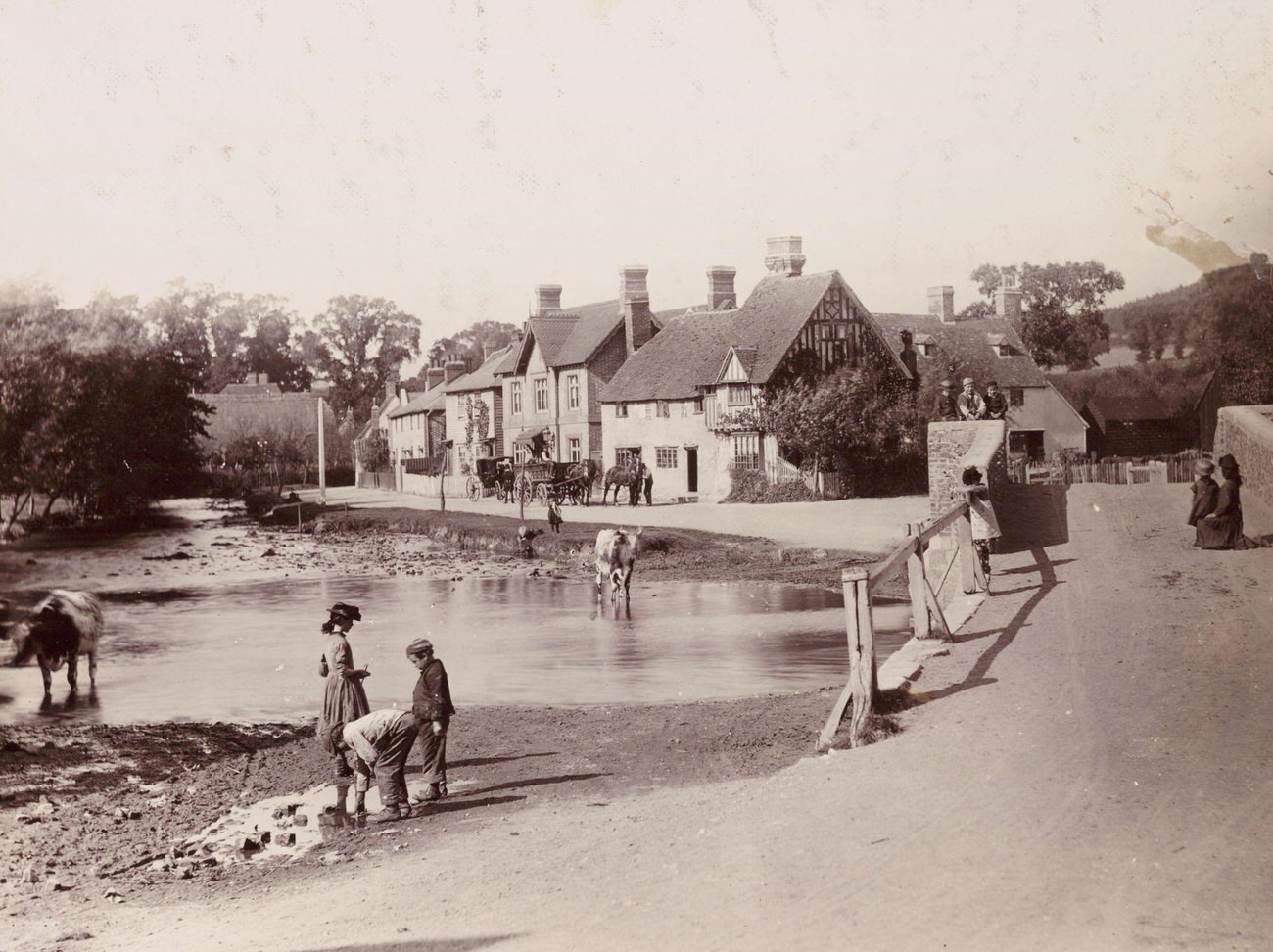
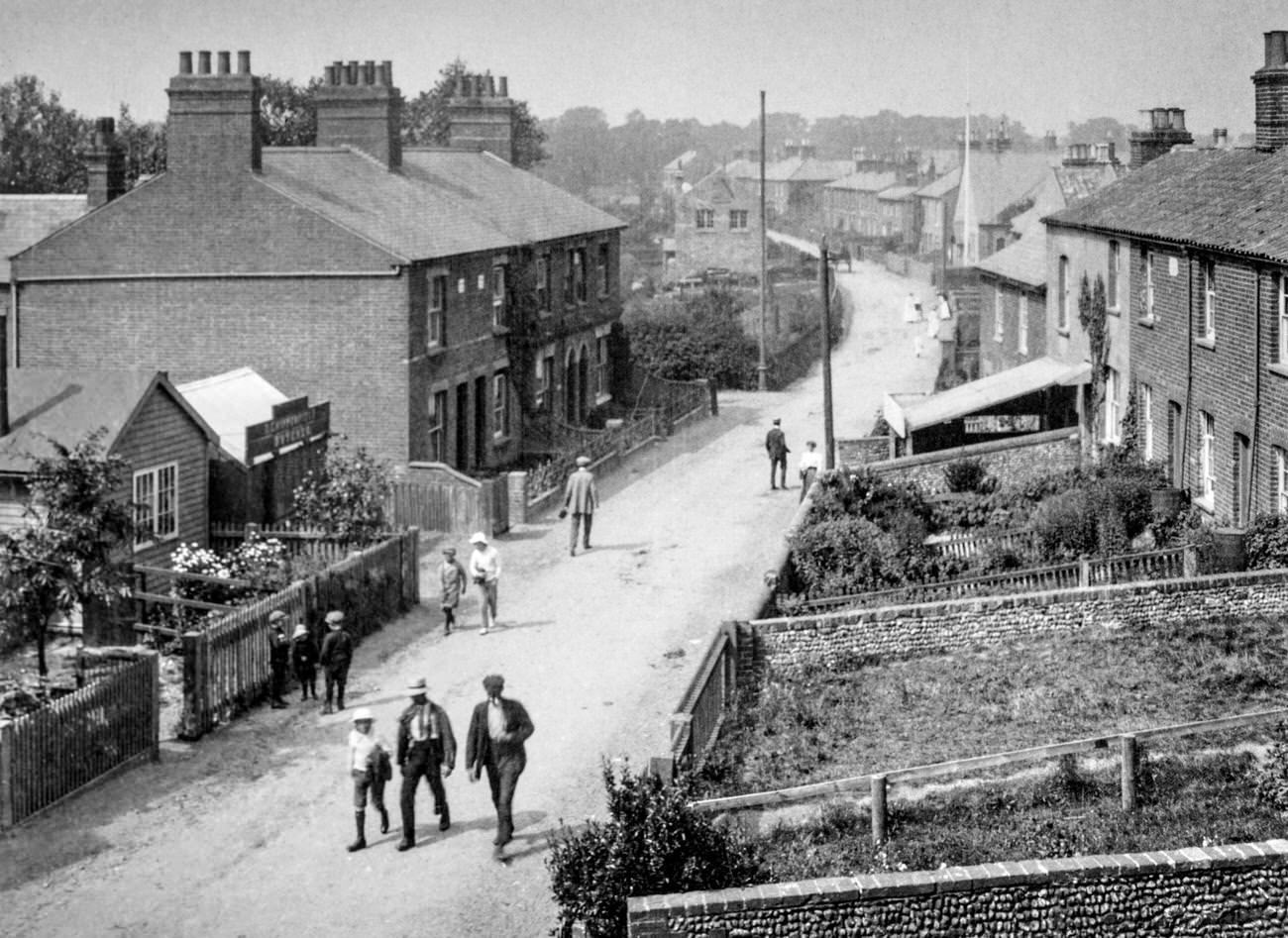
Rural England in the 1880s still operated on rhythms that had changed little over centuries. Villages were tight clusters of thatched cottages, market streets, and parish churches. Farm laborers rose before dawn, worked through daylight, and returned home to one or two rooms shared by an entire family. Life was physically hard and economically precarious, but communities were tightly knit. Photographers traveling through the English countryside captured scenes that were already beginning to disappear as industrialization pulled younger workers toward the cities.
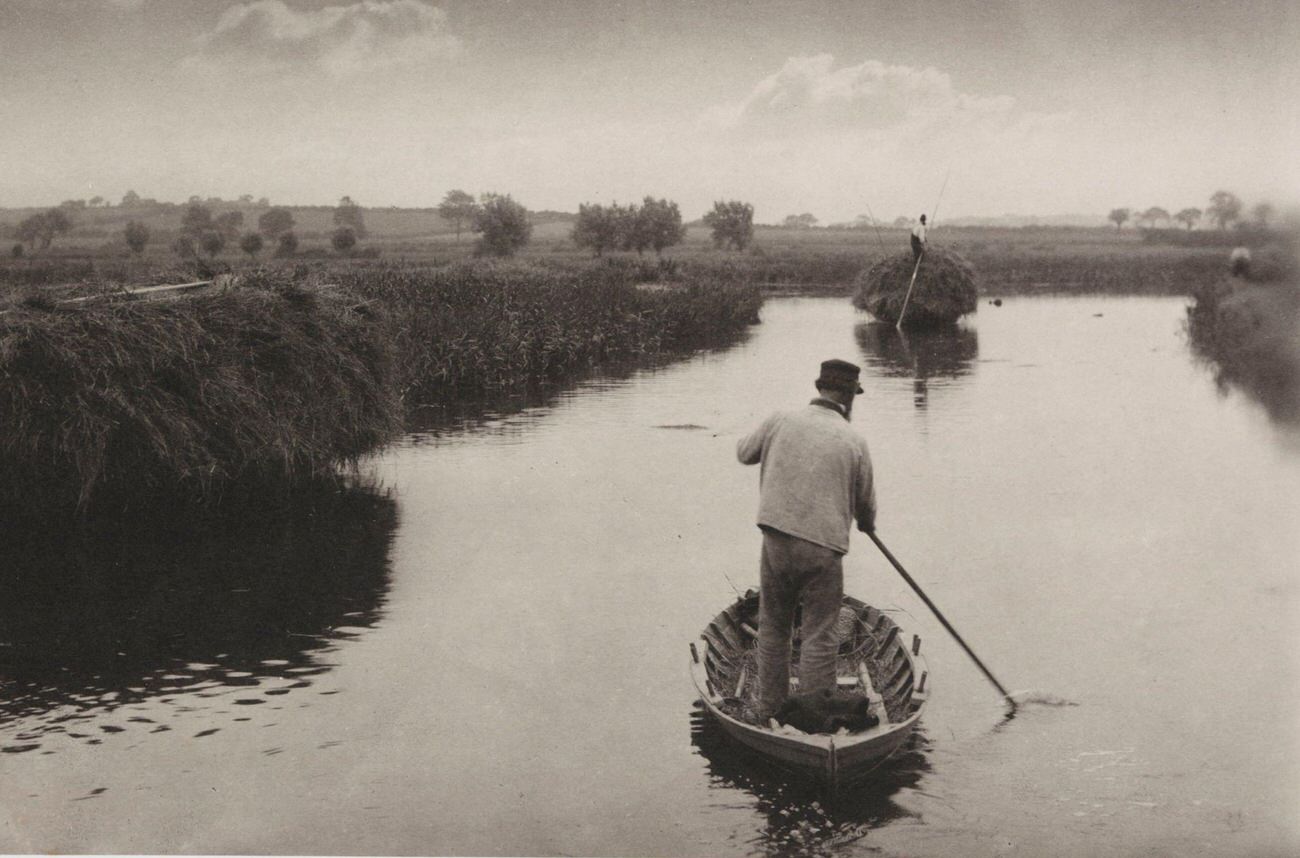
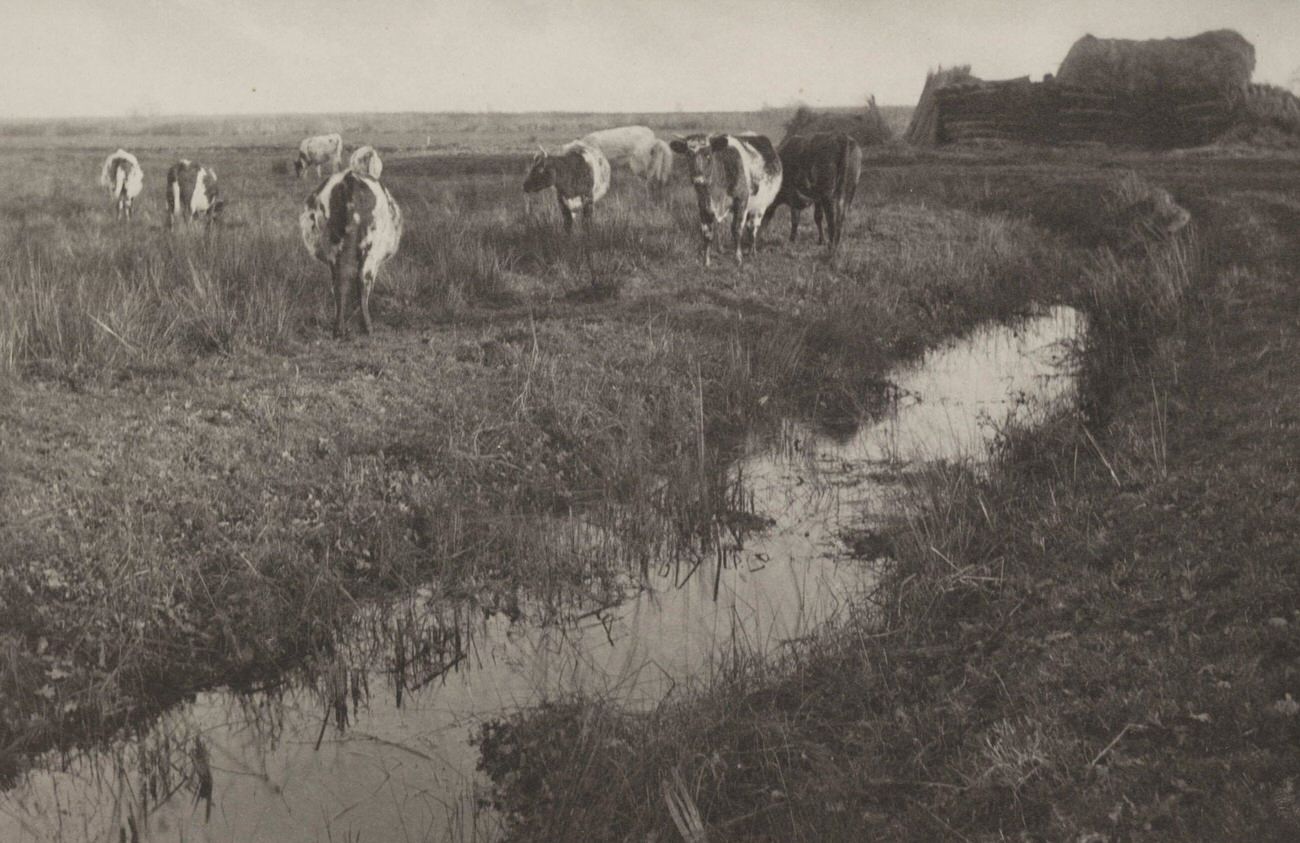
Agricultural work remained the backbone of rural life well into the Victorian period. Marshland farming required specialized skills — moving hay by pole and flat-bottomed boat, managing livestock across waterlogged ground, and timing harvests around the flood cycles of river plains. Cattle grazing on the marshes was a common sight across East Anglia and the Somerset Levels. These were not picturesque pastimes but hard, daily labor carried out in all weather by men and women who depended on the land for survival.
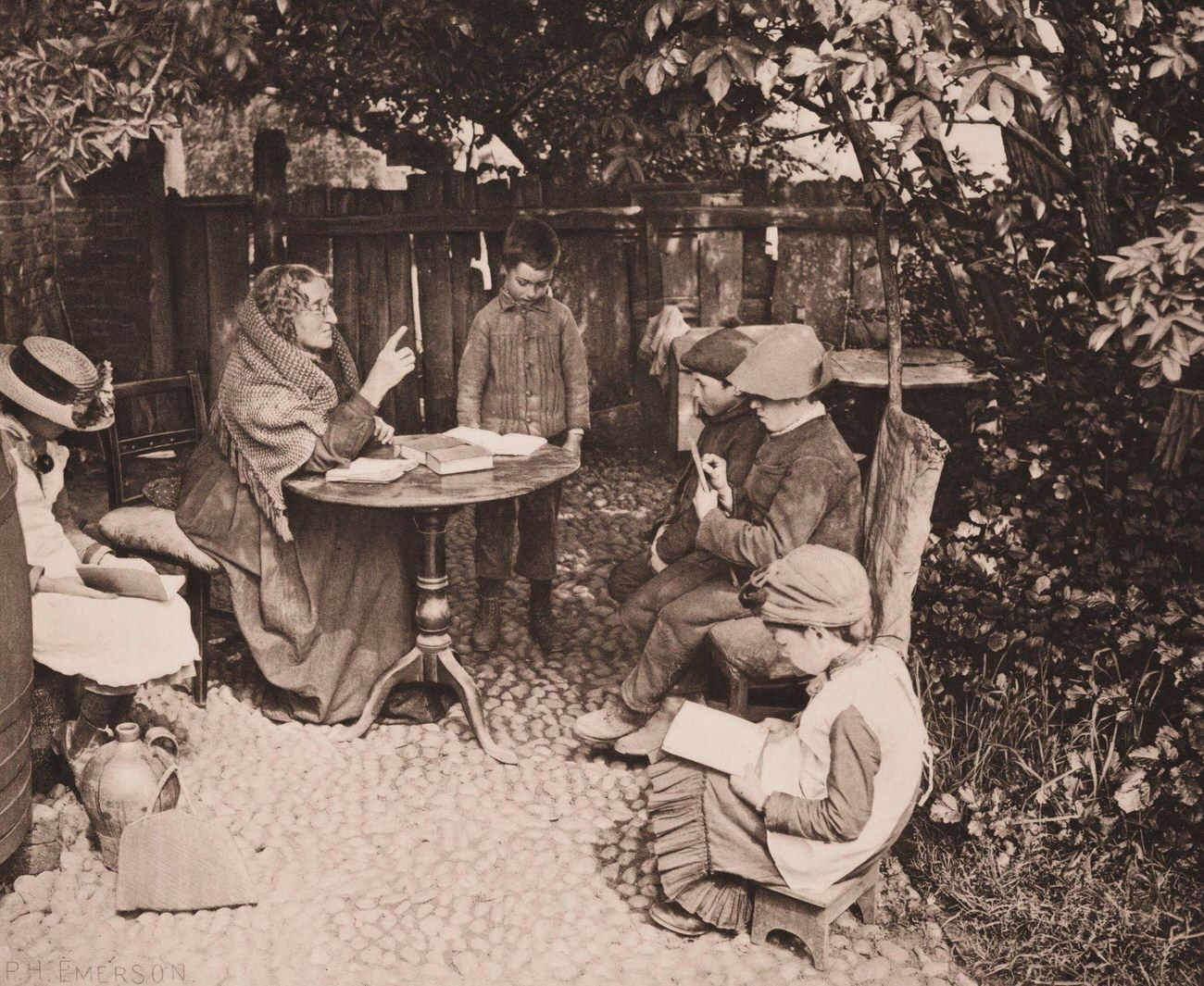
Education in Victorian England was far from universal, especially in the early decades of the era. Dame Schools were informal, fee-paying schools run by older women, usually in their own homes. The quality of teaching varied enormously — some were genuine centers of learning, while others offered little more than childcare. The Education Act of 1870 began the push toward compulsory schooling, but Dame Schools remained in operation well into the 1880s in rural communities. Children who attended them learned to read, write, and do basic arithmetic, skills that were far from guaranteed in working-class households.
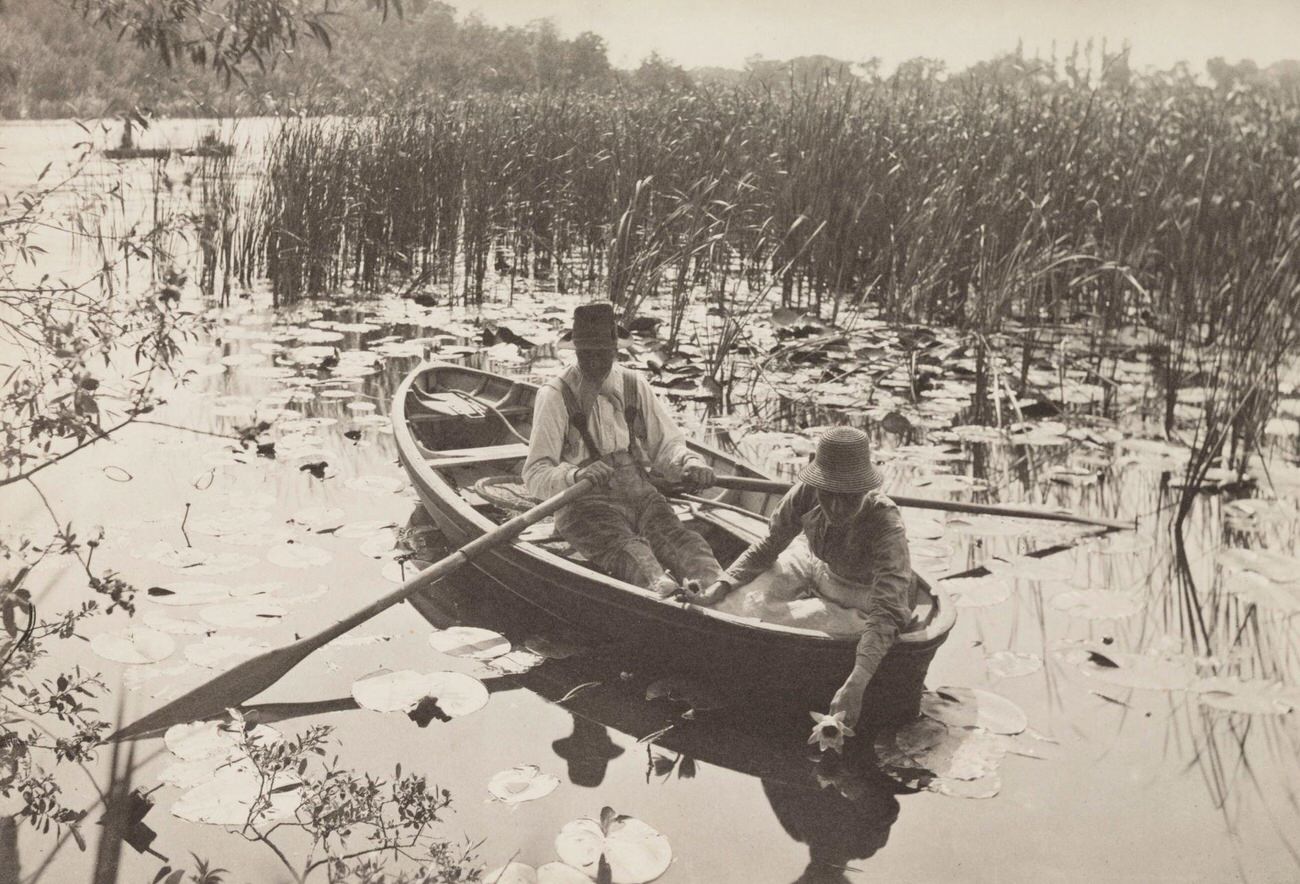
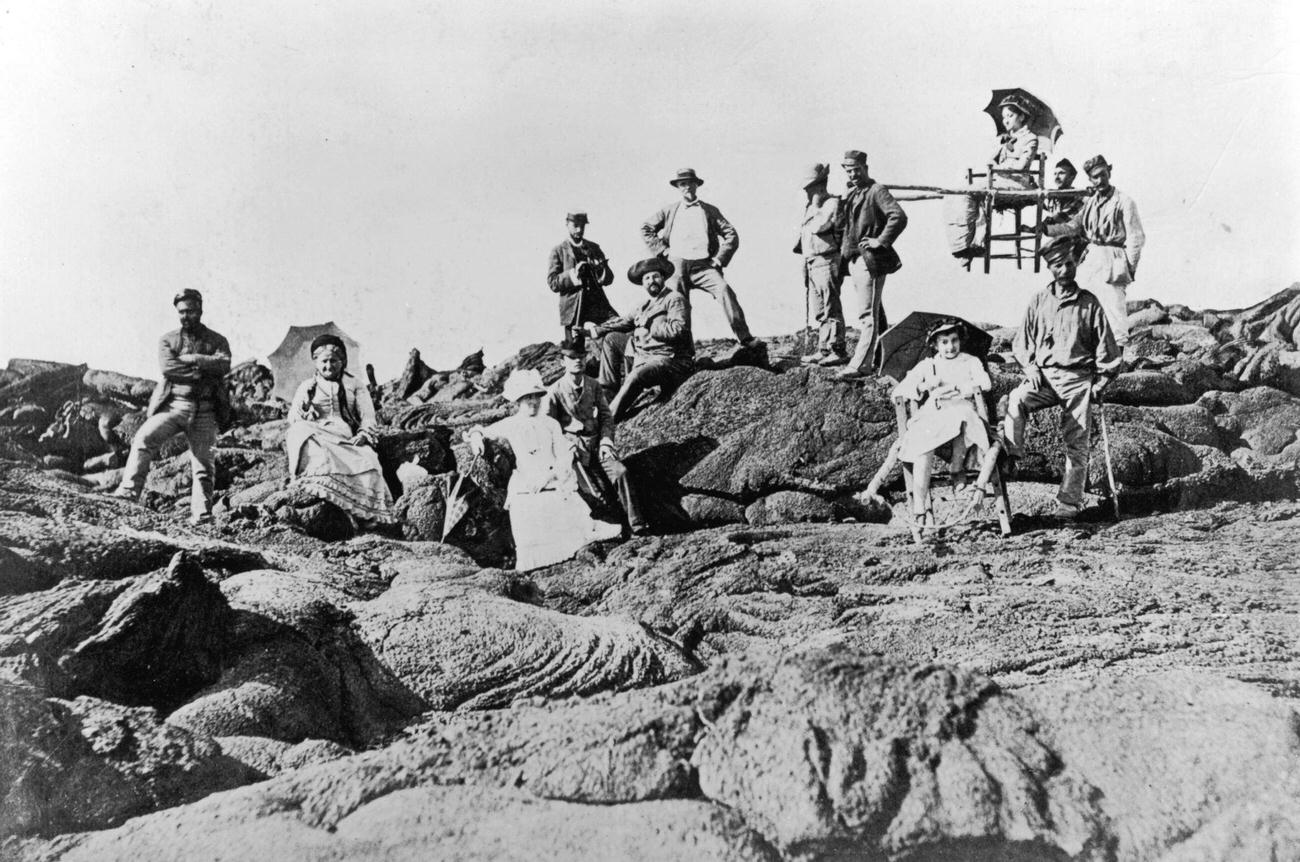
Not all Victorian leisure was tied to crowds and commerce. For those with access to rivers and countryside, quieter pleasures were available. Gathering water lilies from slow-moving waterways was a pastime that combined the practical — some lilies were sold at market — with simple enjoyment of the natural world. Victorian tourists with more money and ambition pushed further, even traveling abroad to places like Italy, where scaling an active volcano was considered an adventure worth attempting.
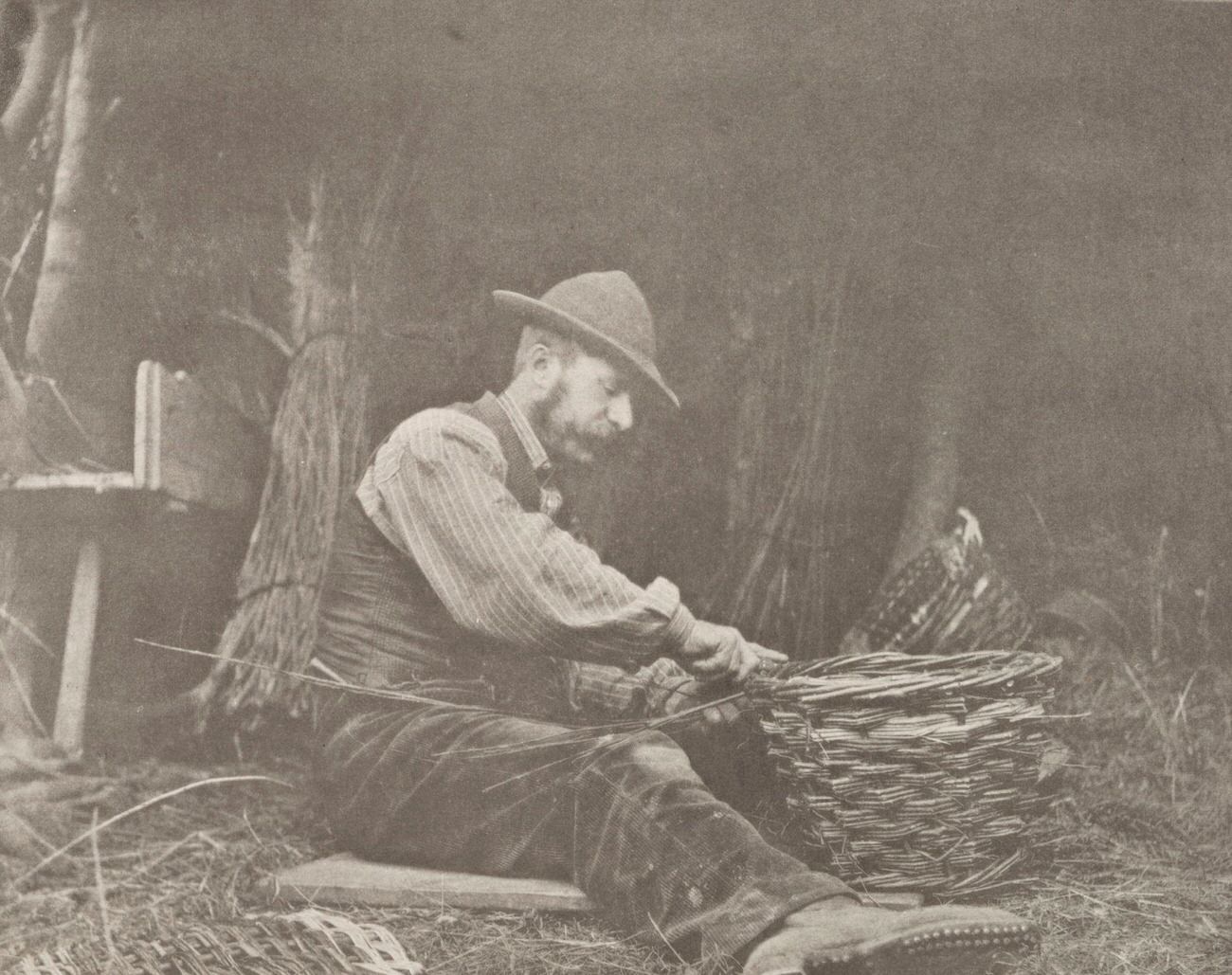
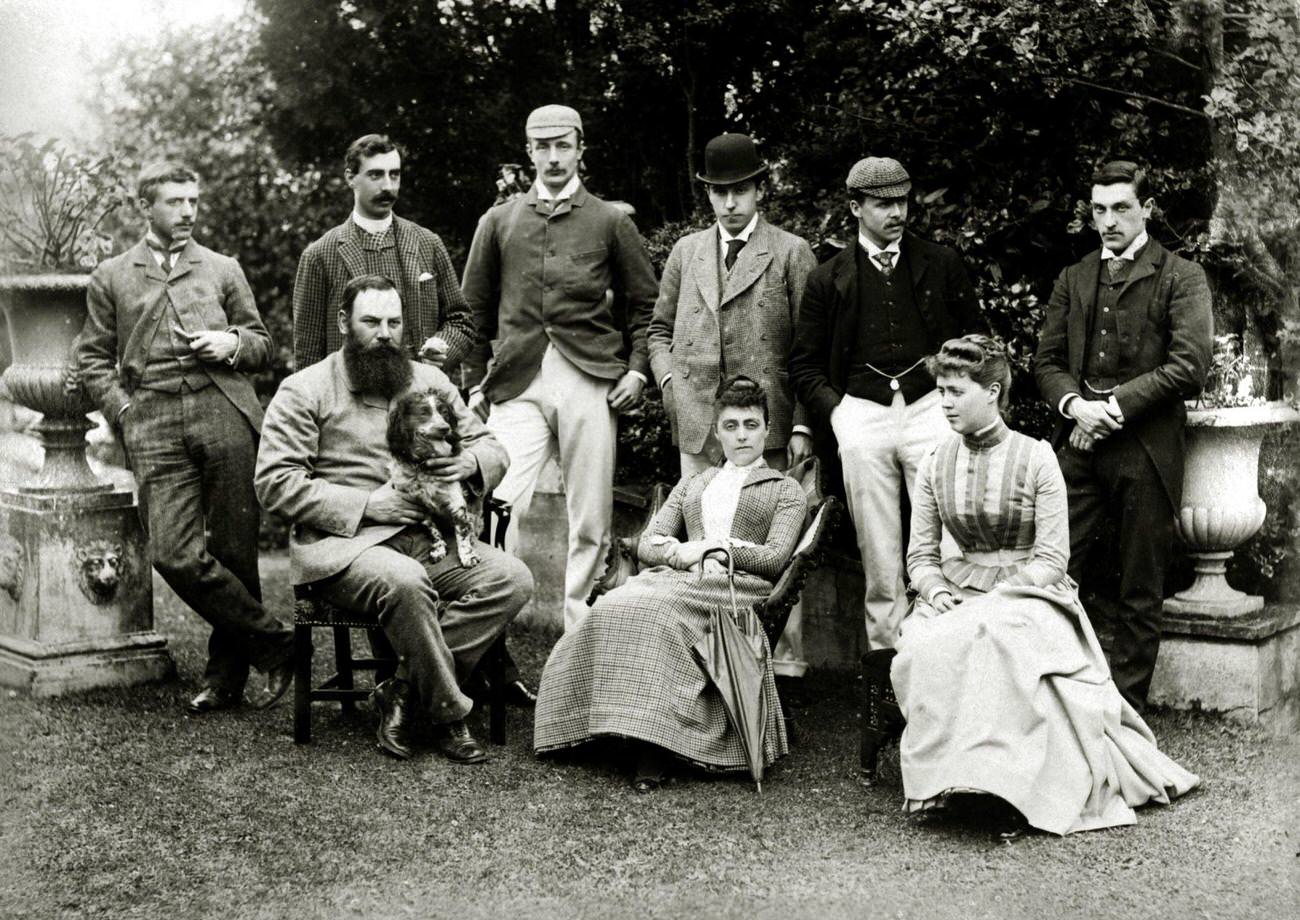
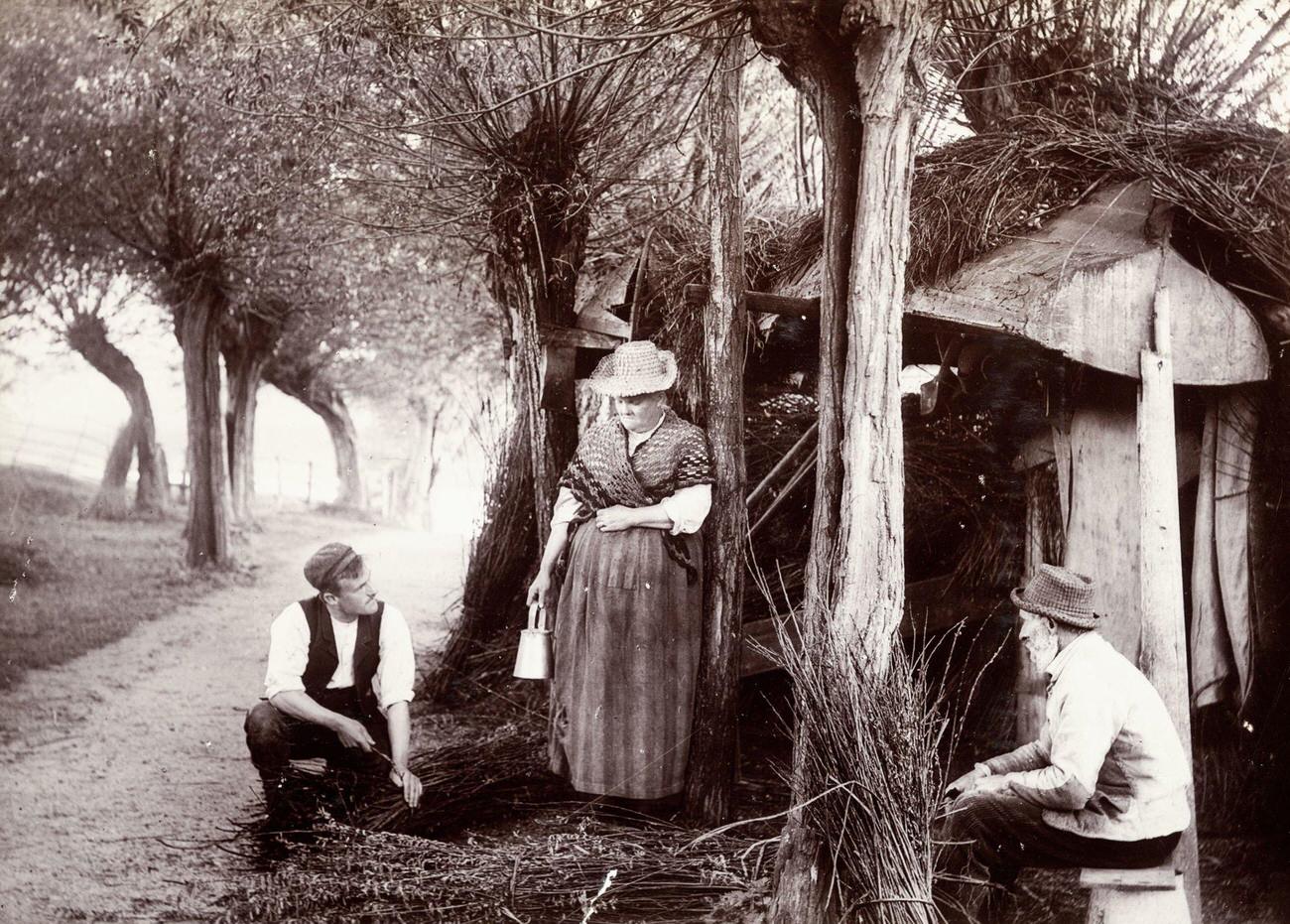
Traditional crafts continued to thrive in rural communities throughout the Victorian period. Basket-making was a skilled trade passed down through generations, supplying farmers, fishermen, market traders, and households with essential storage. In an era before plastic or cheap imported goods, a well-made wicker basket was a long-term investment. Craftsmen worked with willow, rush, and cane, producing everything from laundry baskets to eel traps. Cricket, meanwhile, served as one of the era’s great social unifiers — at least for men of a certain standing.
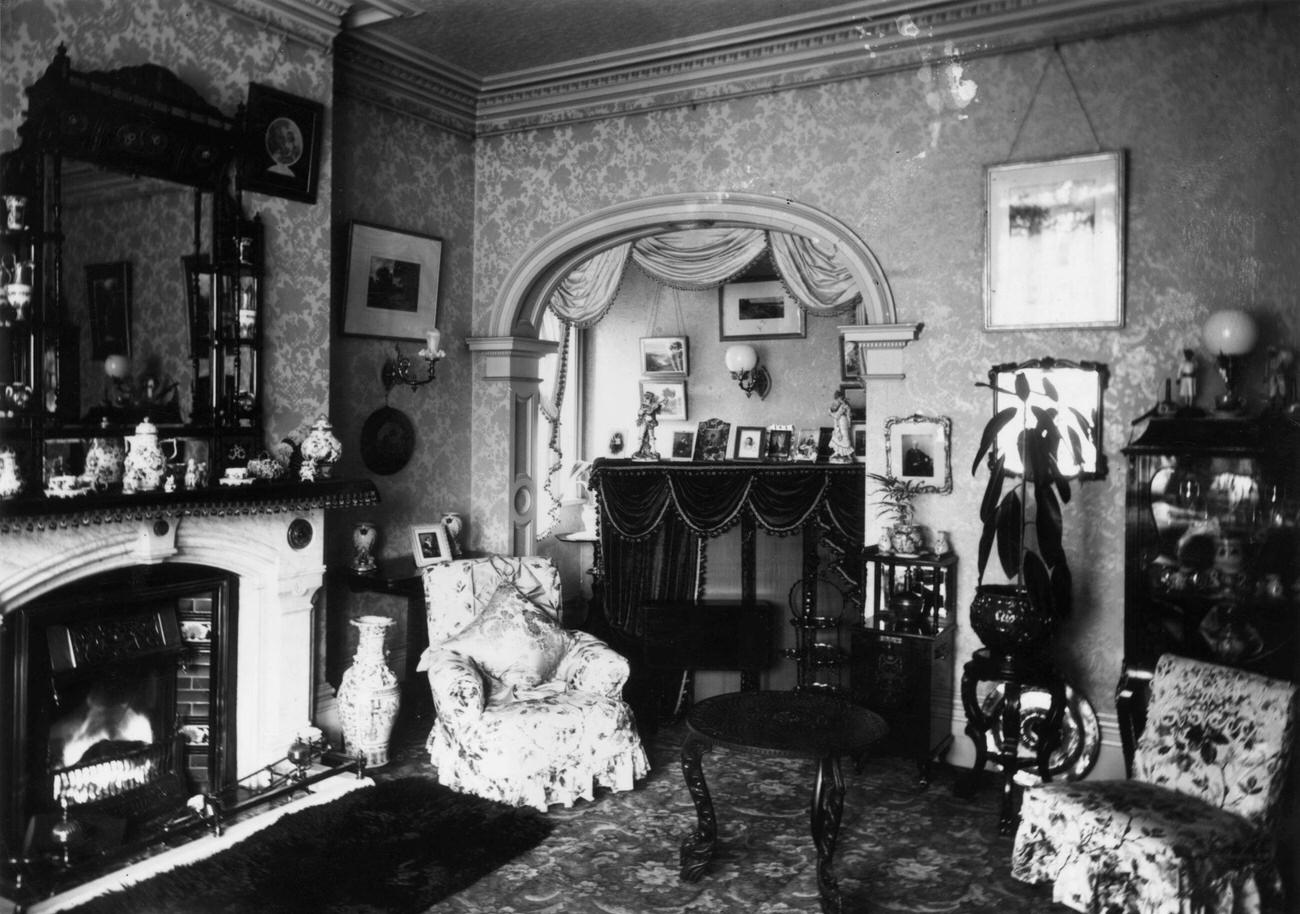
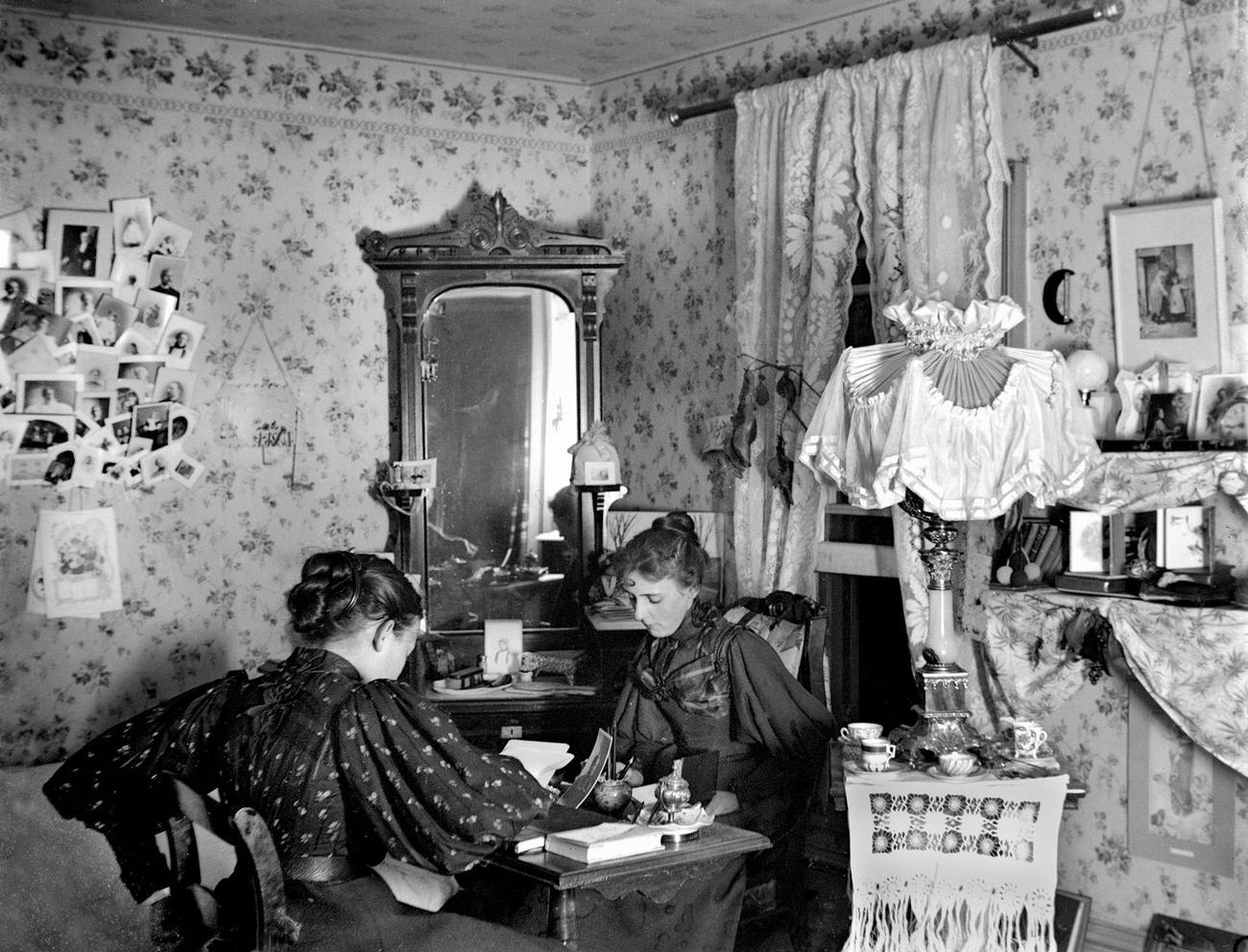
Inside prosperous Victorian homes, the drawing room was the most carefully arranged space in the house. It signaled wealth, taste, and respectability. Heavy curtains, patterned wallpaper, ornate furniture, framed artwork, and cluttered mantelpieces were all deliberate statements. Entertaining guests in this room followed strict social protocols — who sat where, how tea was served, and what topics of conversation were appropriate were all governed by unwritten but firmly enforced rules. The domestic interior was itself a performance.
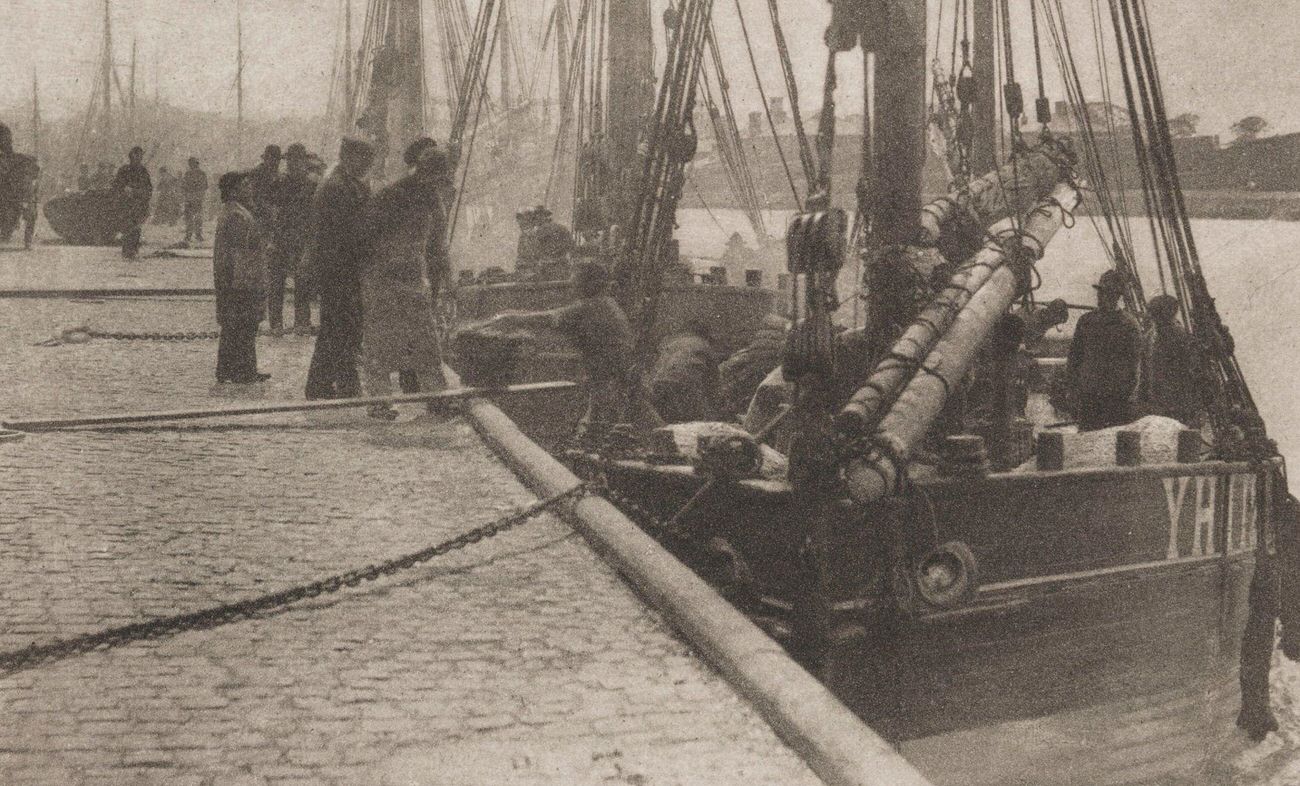
Along the coasts, fishing communities operated on their own schedule, dictated by tides and seasons rather than factory bells. The herring fishery was one of Britain’s most important industries in the 19th century. Fleets would follow the fish down the coast from Scotland to East Anglia each autumn, and entire towns were built around salting, smoking, and packing the catch. The arrival of the first herring of the season was a significant event, marking the start of weeks of intense and exhausting work. Inland English villages, by contrast, moved at a slower pace.
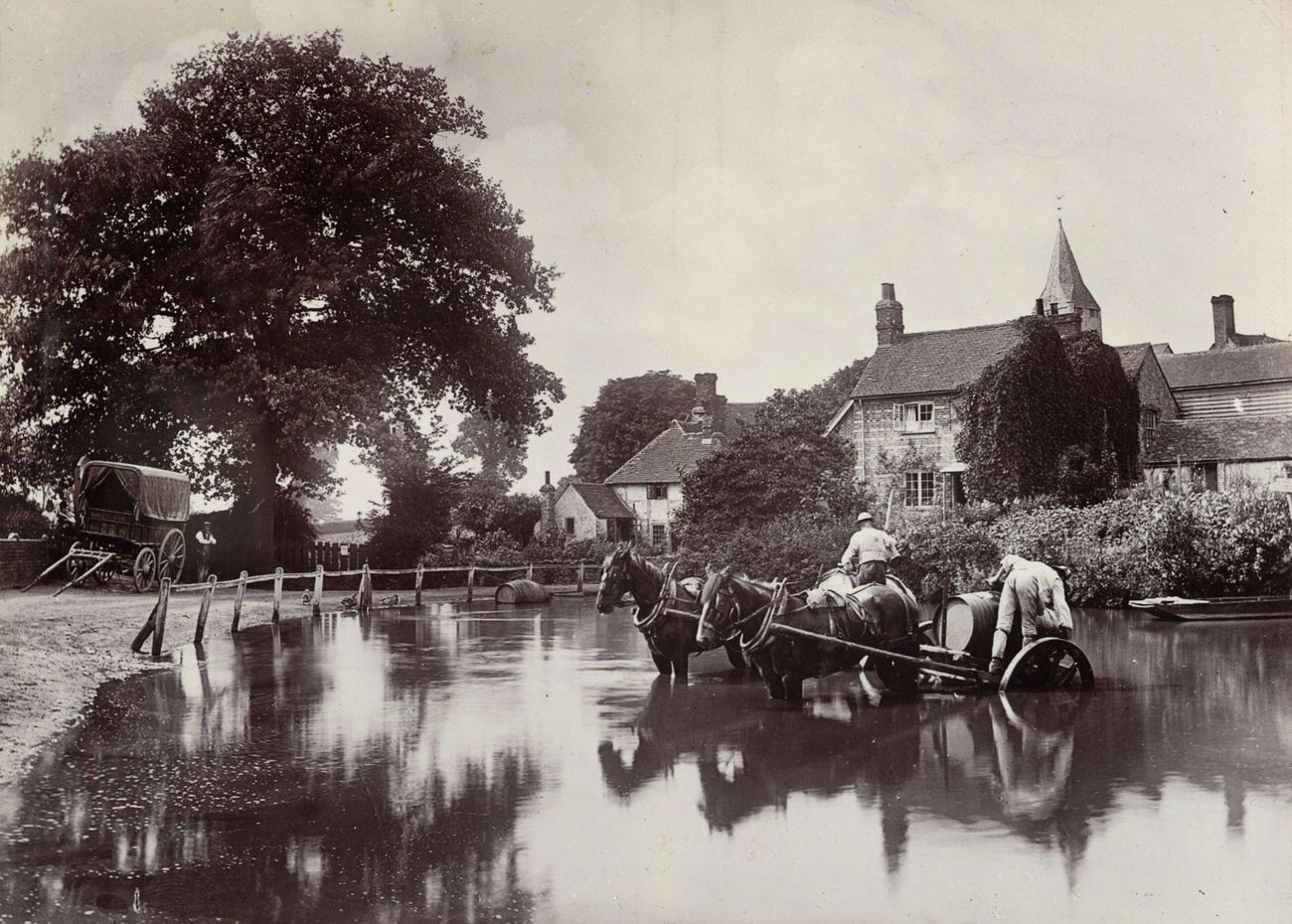
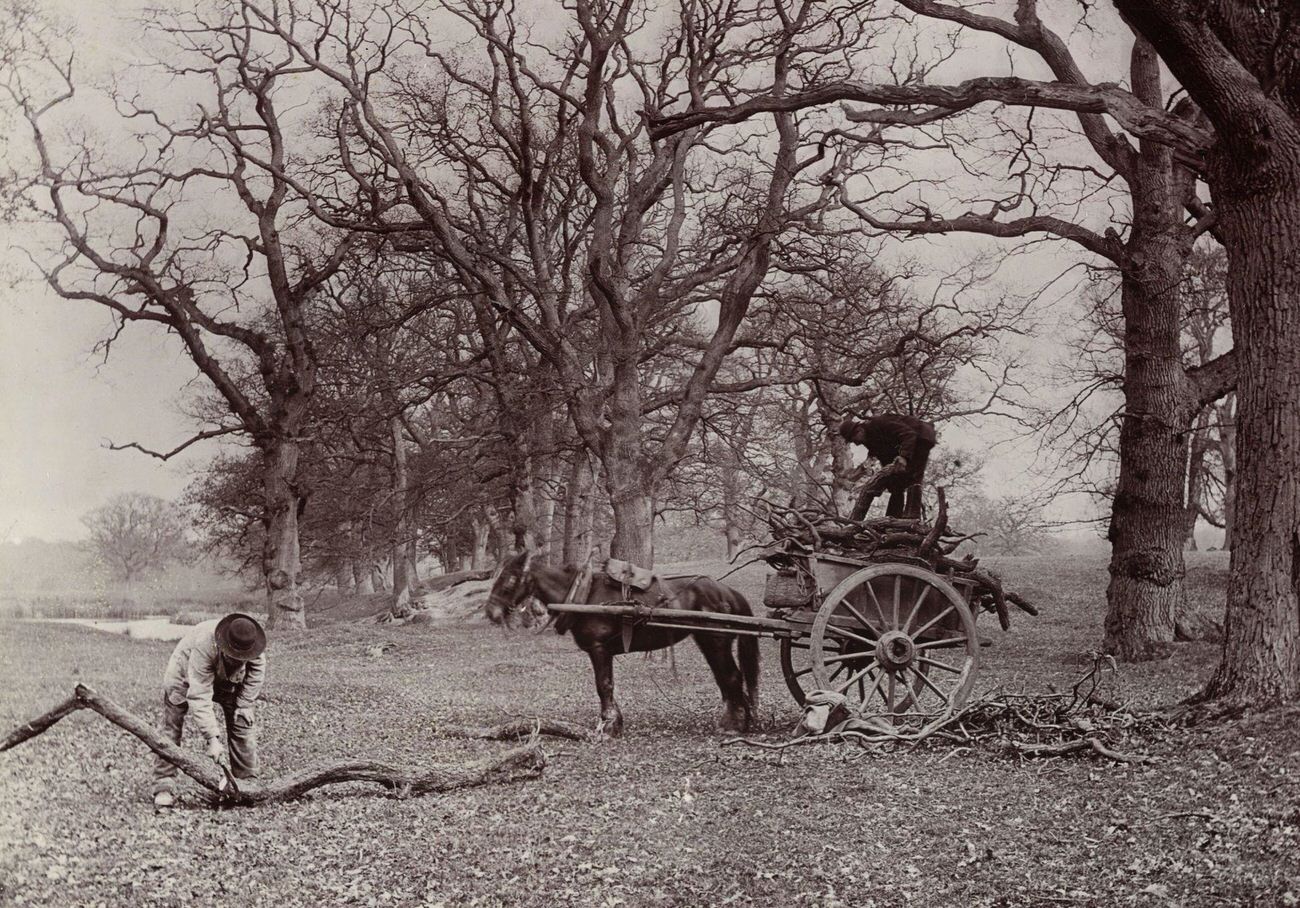
Running water was not a feature of most Victorian homes, especially in rural areas. Villagers relied on communal wells, pumps, and water wagons to supply their daily needs. Water carriers filled barrels from a central source and delivered them to homes and farms. Collecting fallen branches for firewood was equally routine — fuel for cooking and heating was not something that arrived automatically, but had to be gathered or purchased. These photographs show labor that modern infrastructure has made invisible.
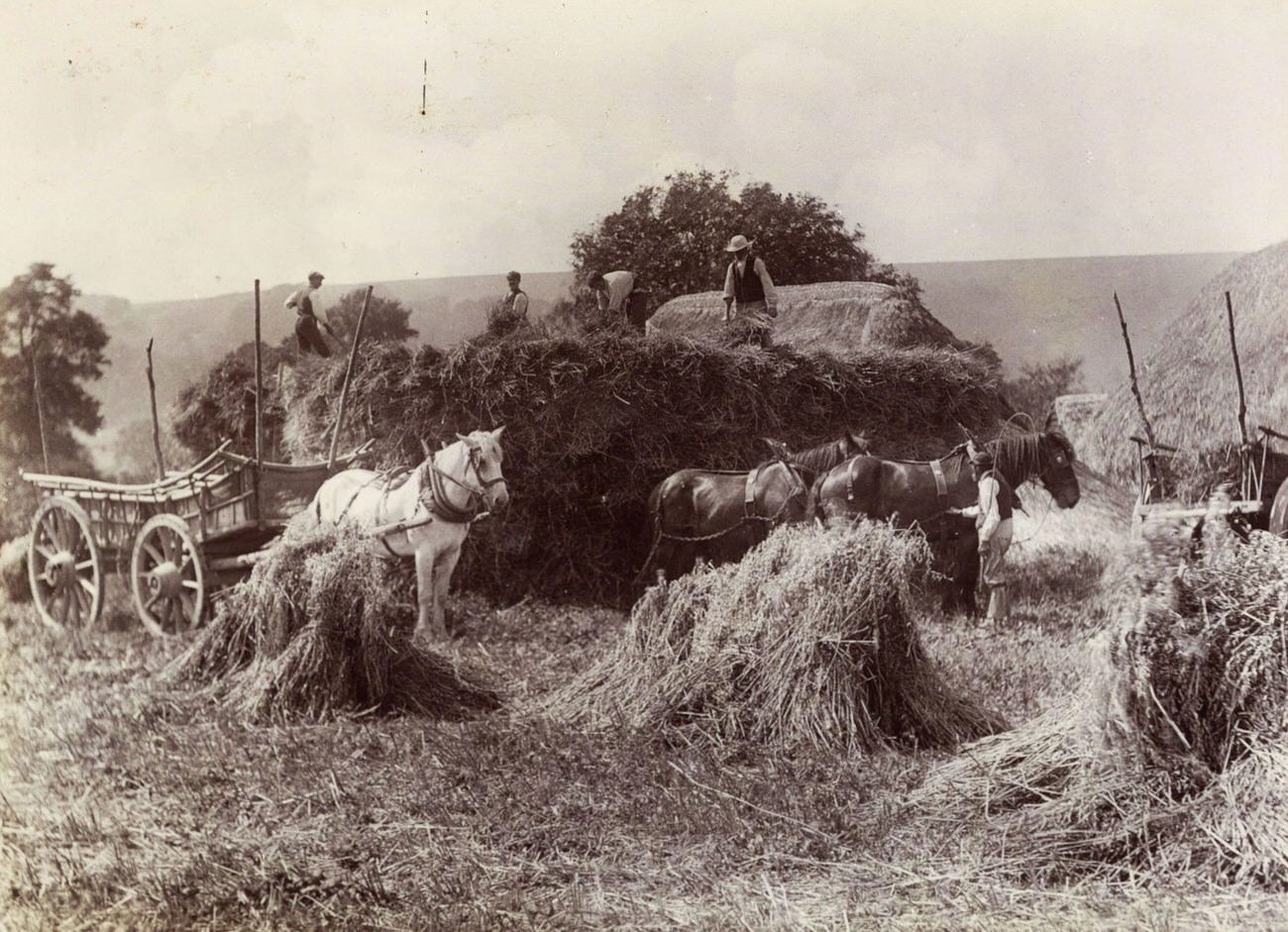
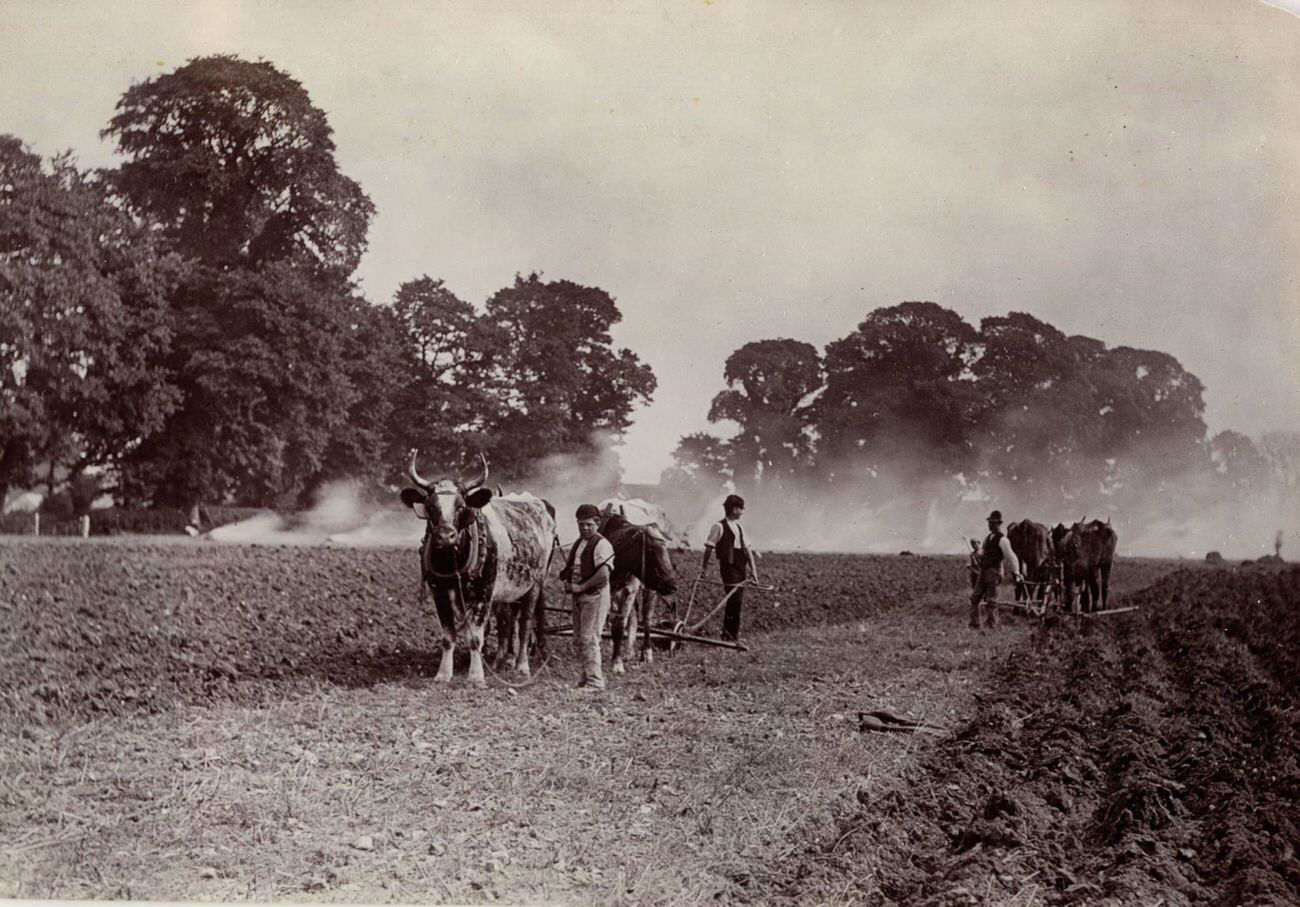
Farming before mechanization was intensely physical. Wheat harvesting in the 1890s meant cutting the crop by scythe or early mechanical reaper, gathering it into sheaves, and binding it by hand. Farm laborers worked from sunrise to sunset during harvest season, often in teams that moved across a field together in a steady rhythm. Ploughing came with its own rituals — burning stubble after harvest cleared the fields and returned nutrients to the soil. Tying bundles of twigs for fencing, kindling, or thatching was another winter task that kept rural workers occupied year-round.
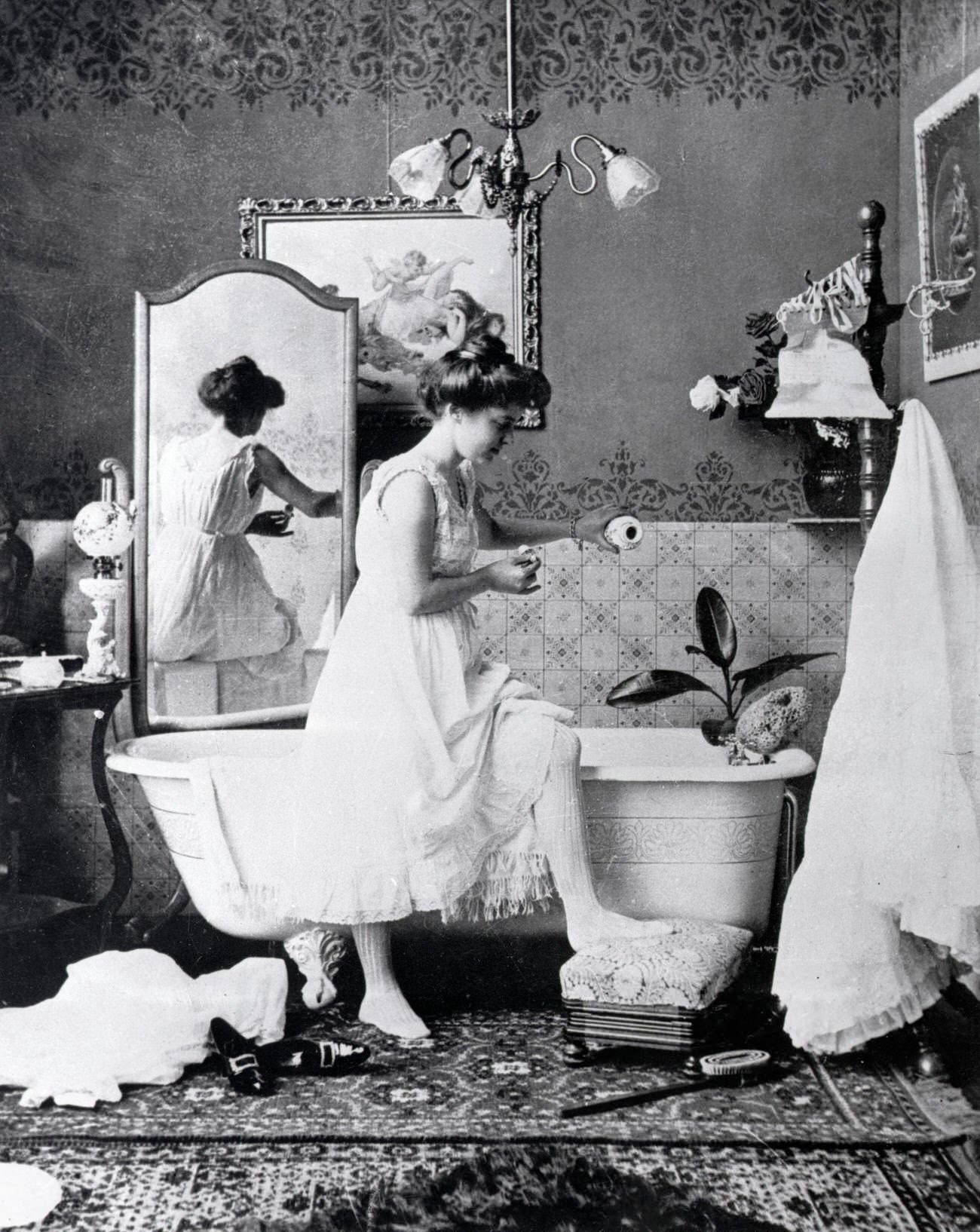
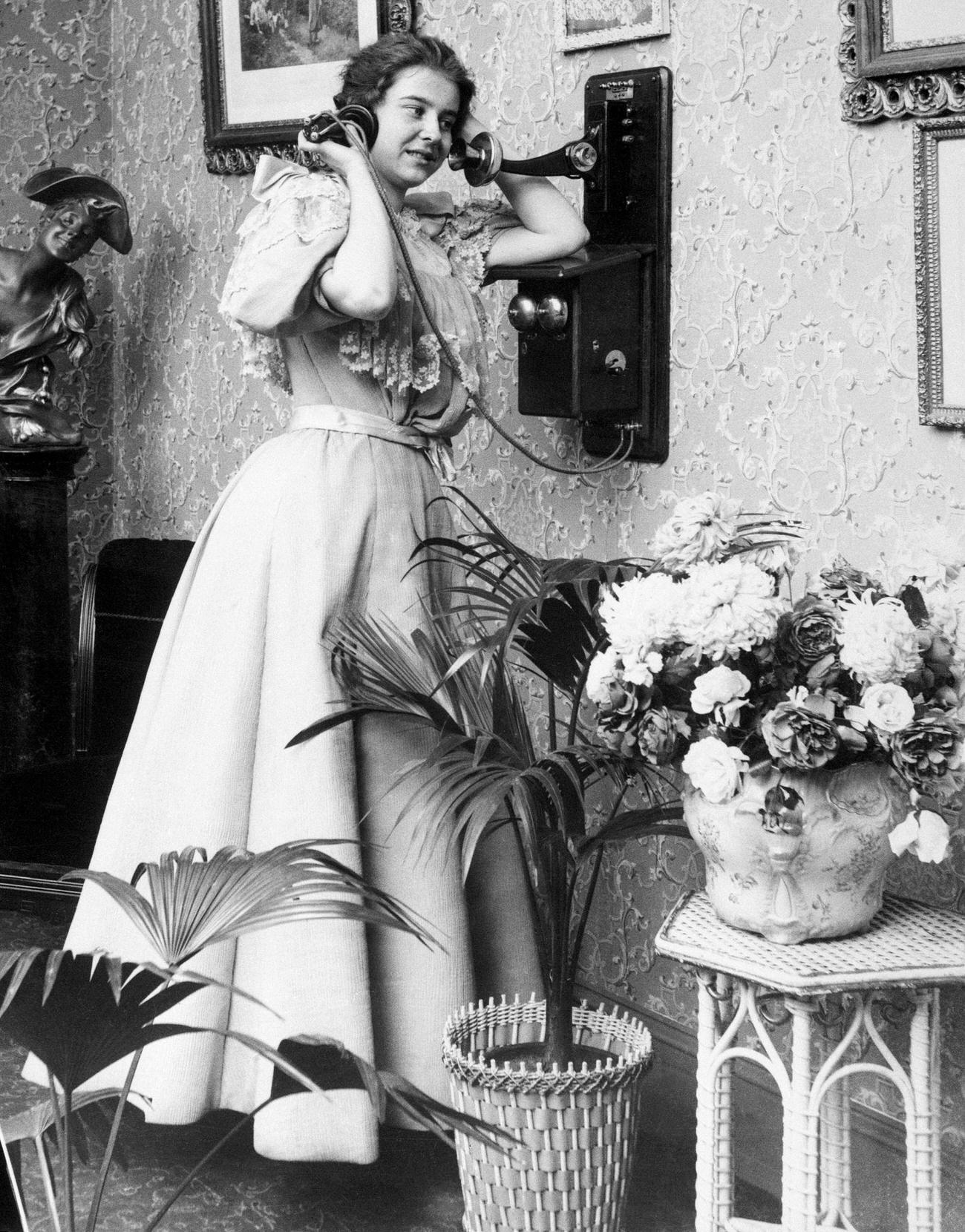
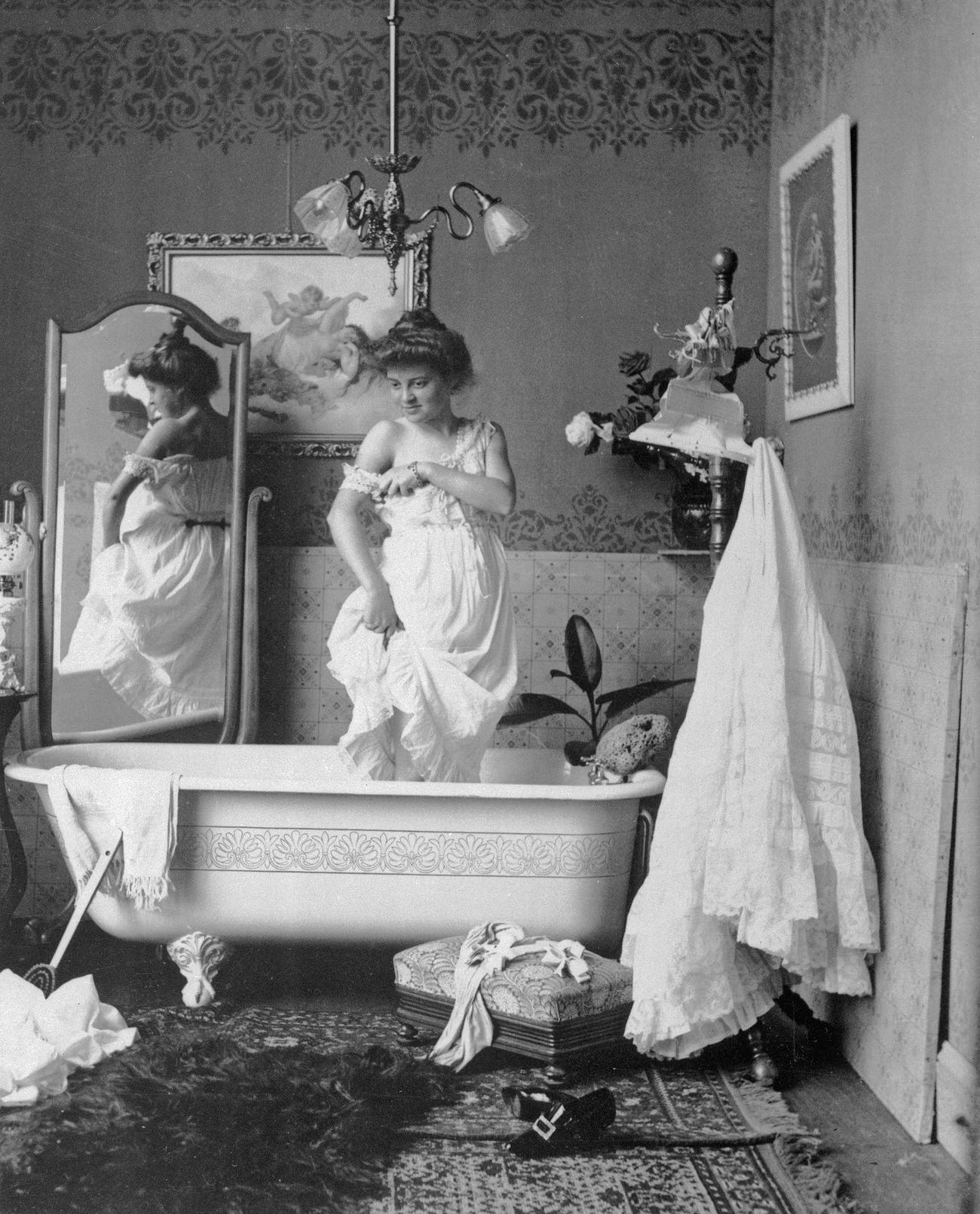
Victorian domestic life involved rituals that today seem elaborate. Bathing required water to be heated on a stove, carried in buckets, and poured into a portable tub — a process that took significant time and effort. For wealthier households, servants handled these tasks. Personal grooming and hygiene were matters of class and propriety, and the bathroom as a fixed room in the home only became standard near the end of the era. The telephone, introduced in the late 1870s, was an equally novel feature of middle-class life by the 1890s.
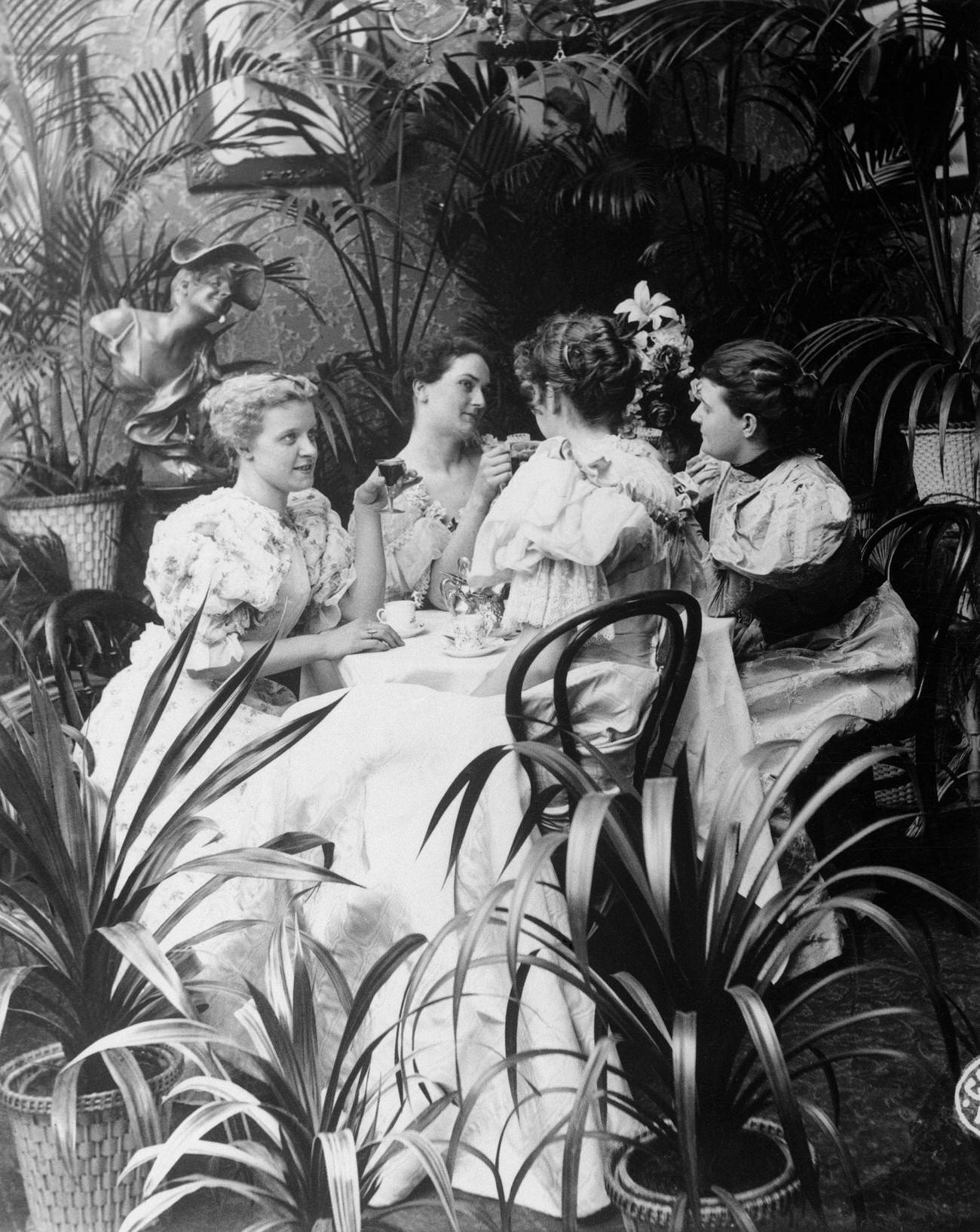
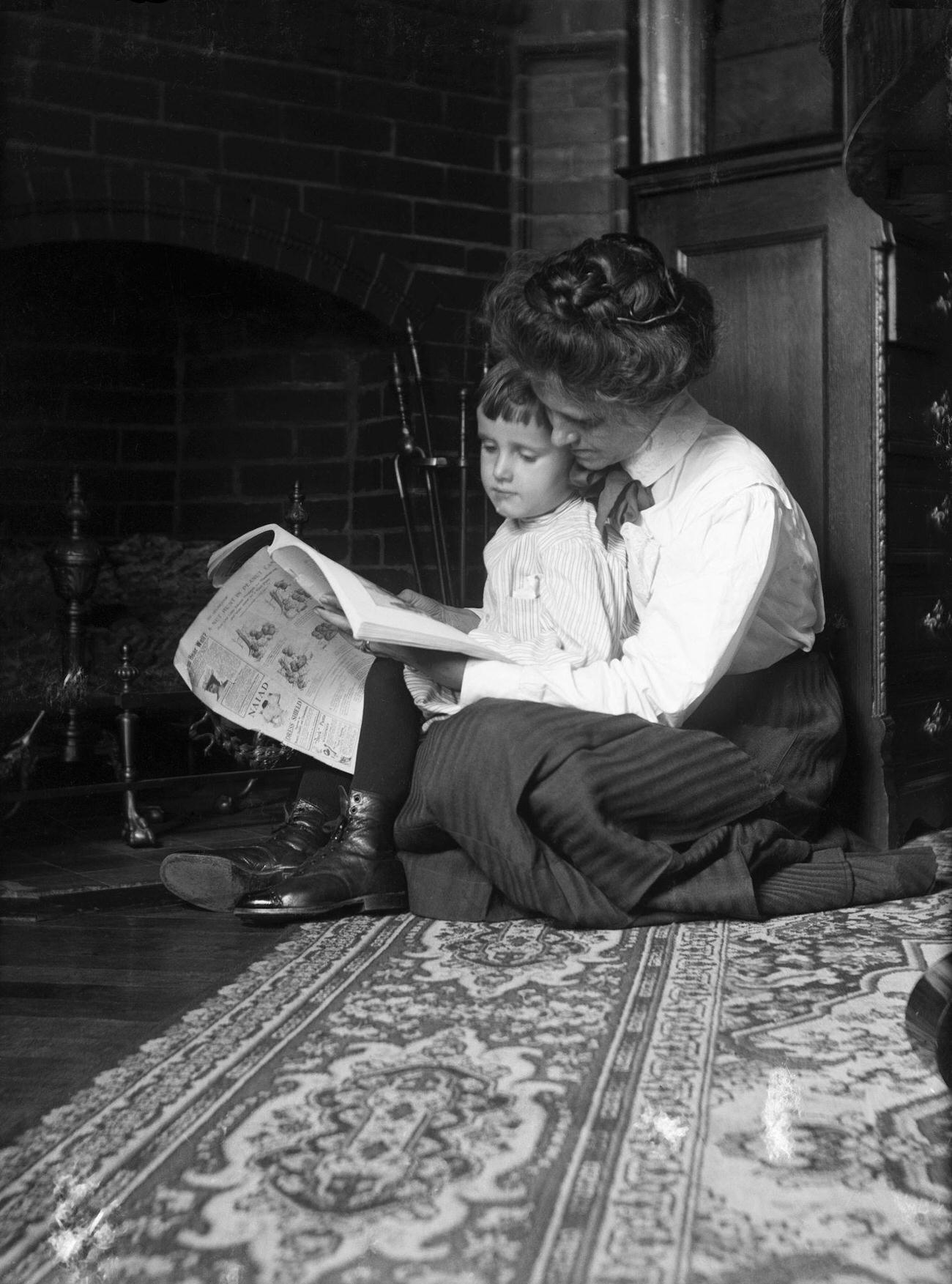
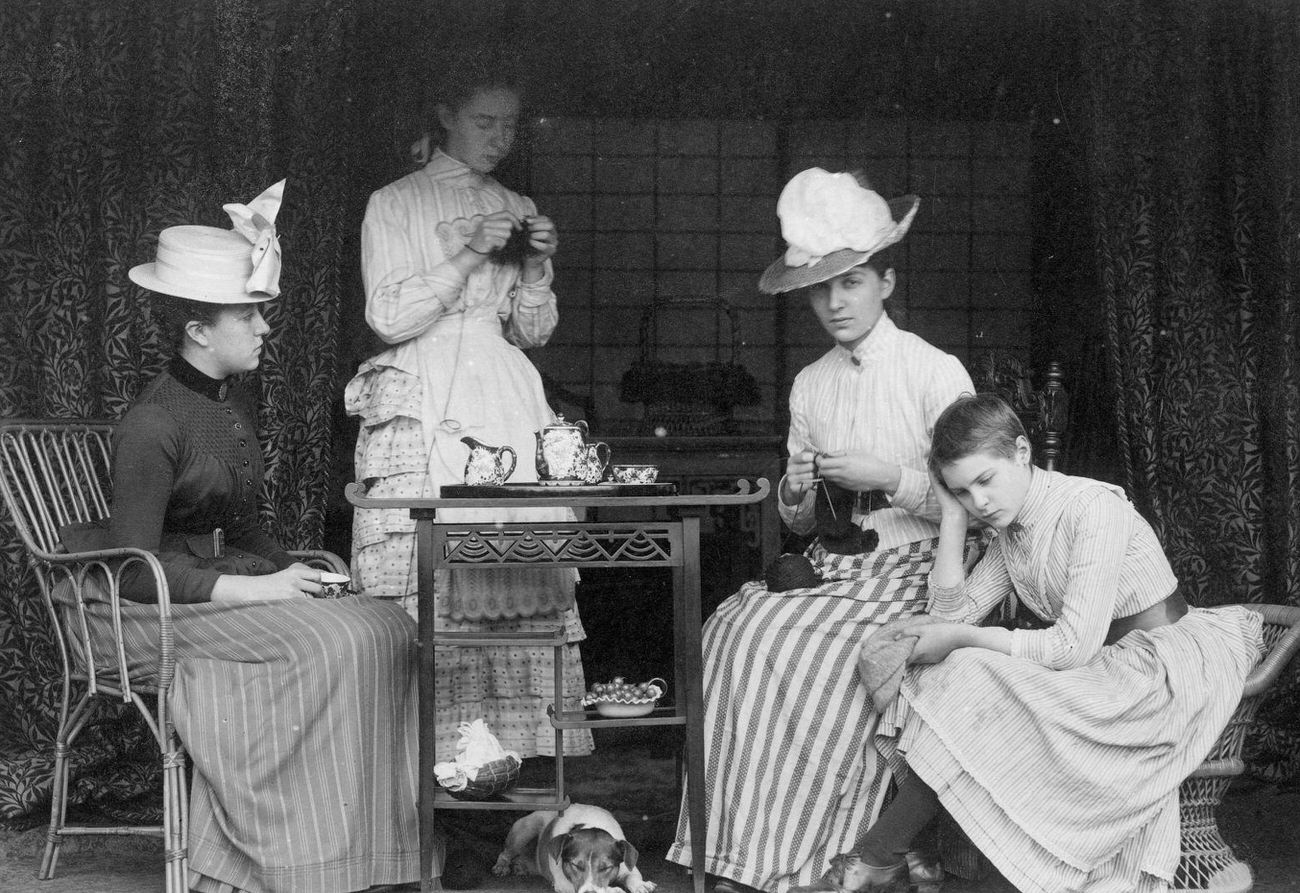
The tea party was one of the defining social rituals of Victorian middle and upper-class life. Afternoon tea, introduced in the 1840s by Anna, the Duchess of Bedford, quickly became a daily fixture. It gave women in particular a structured social occasion outside the home. Conversation, dress, and comportment at these gatherings followed clear expectations. Reading by the fireside and family portraits were equally important rituals — they communicated stability, warmth, and domestic virtue to anyone who saw them.
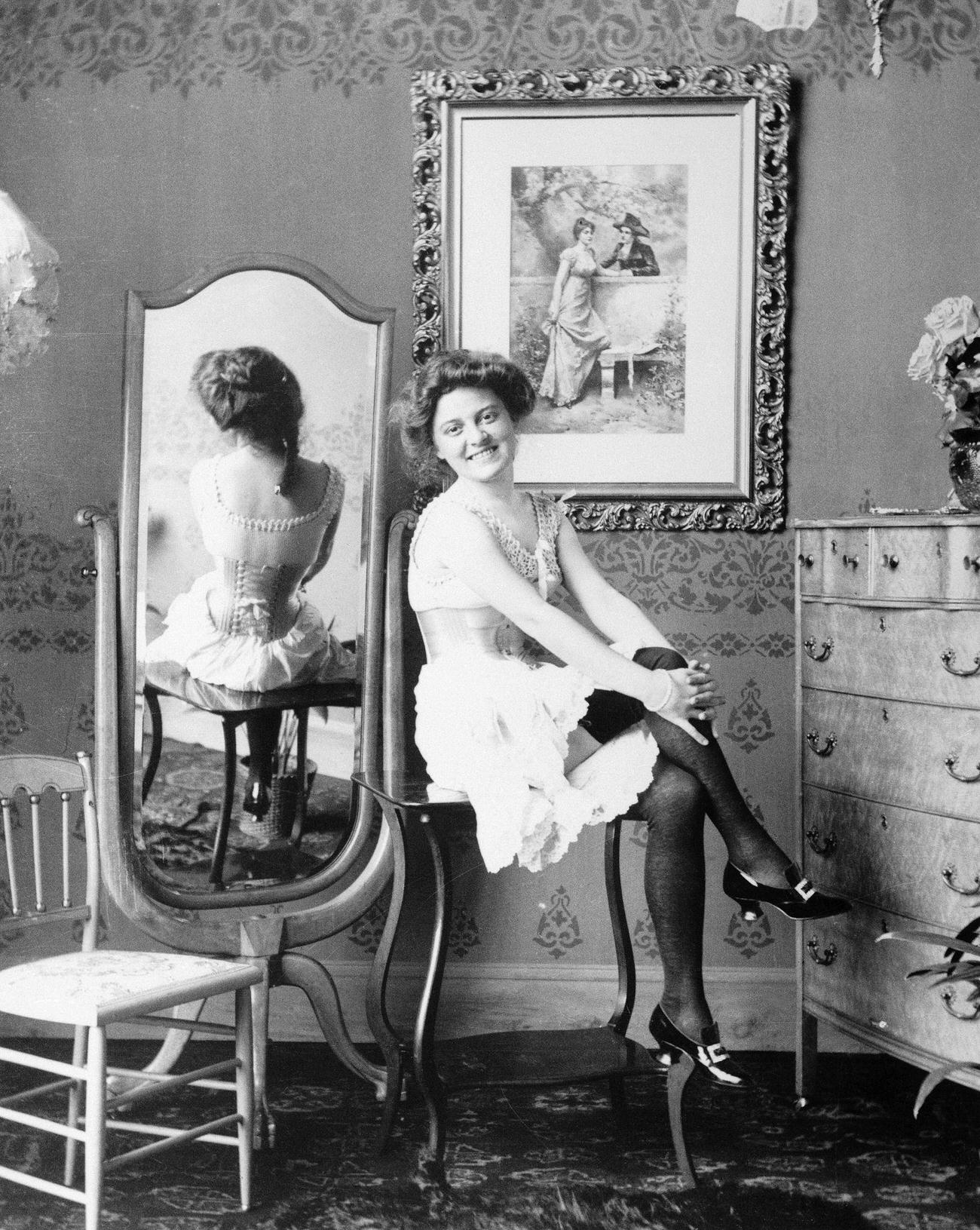
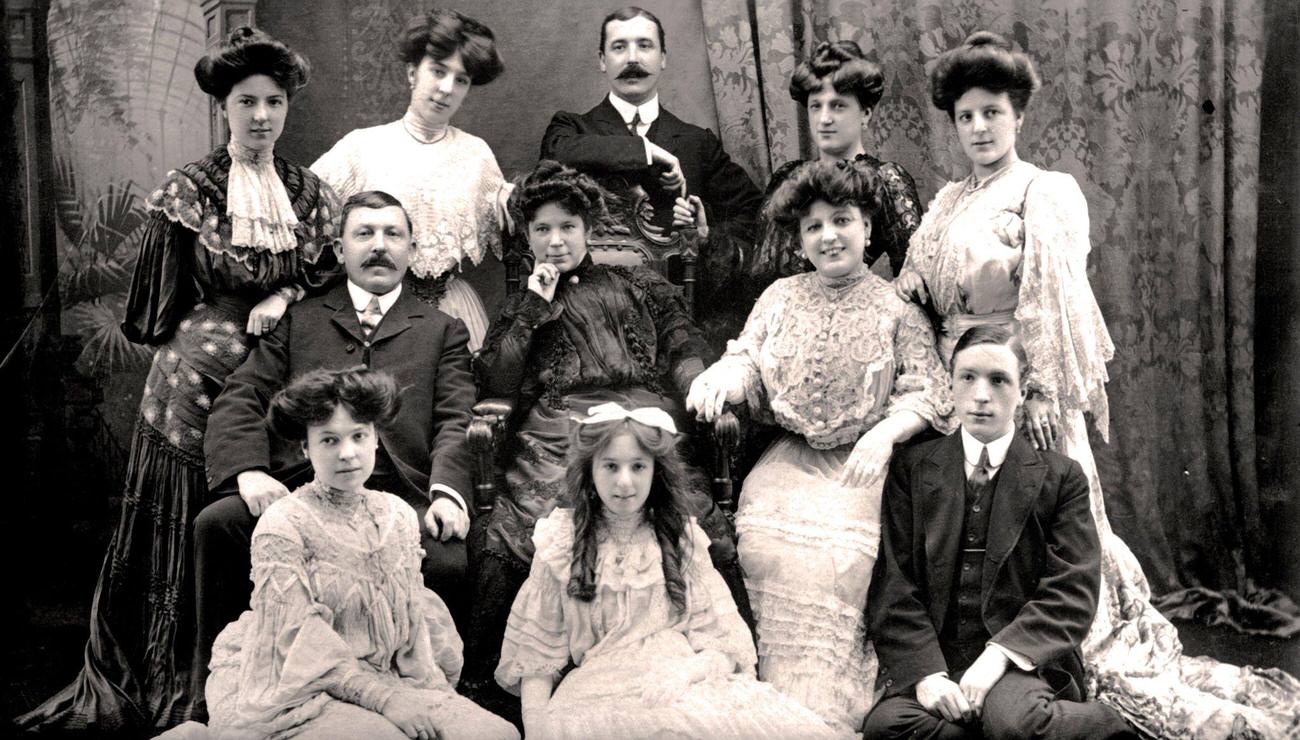
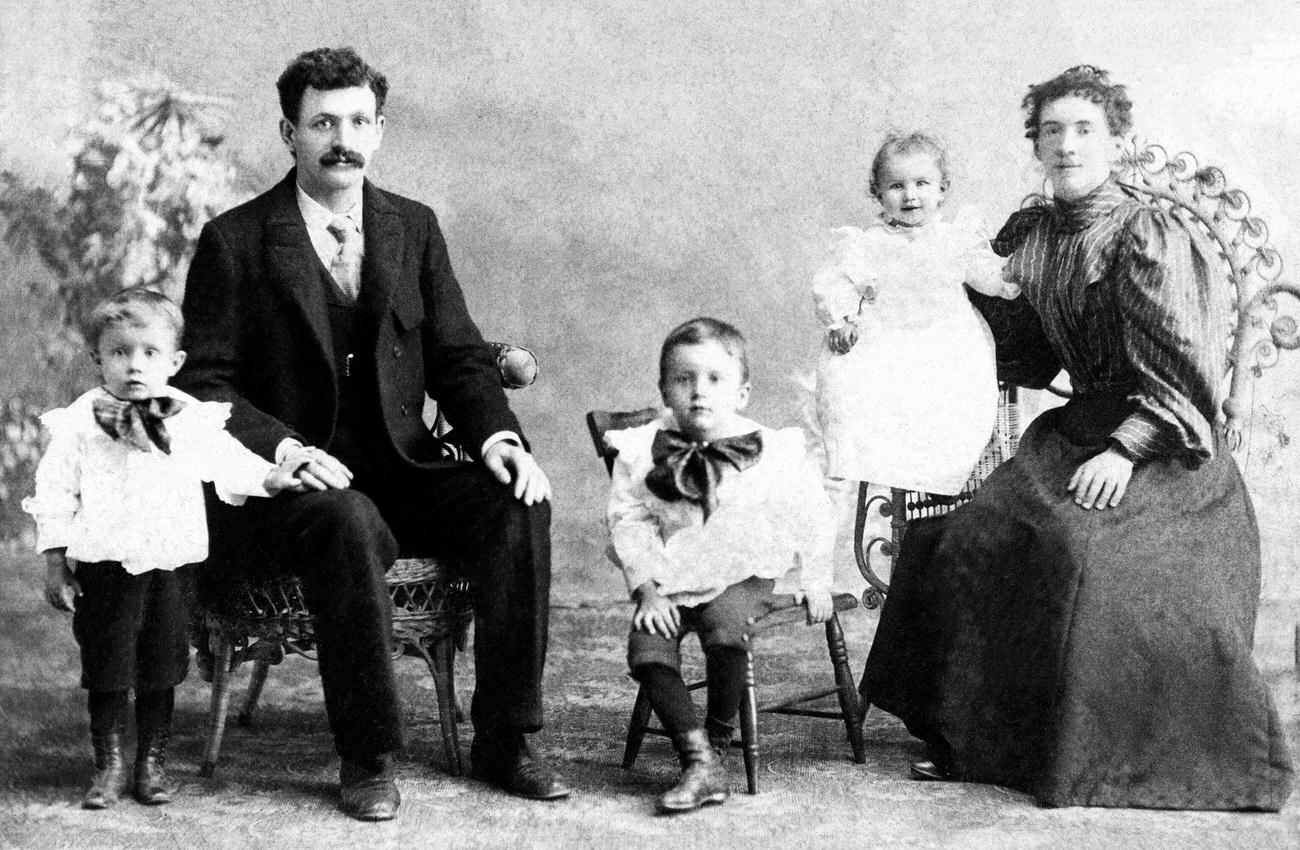
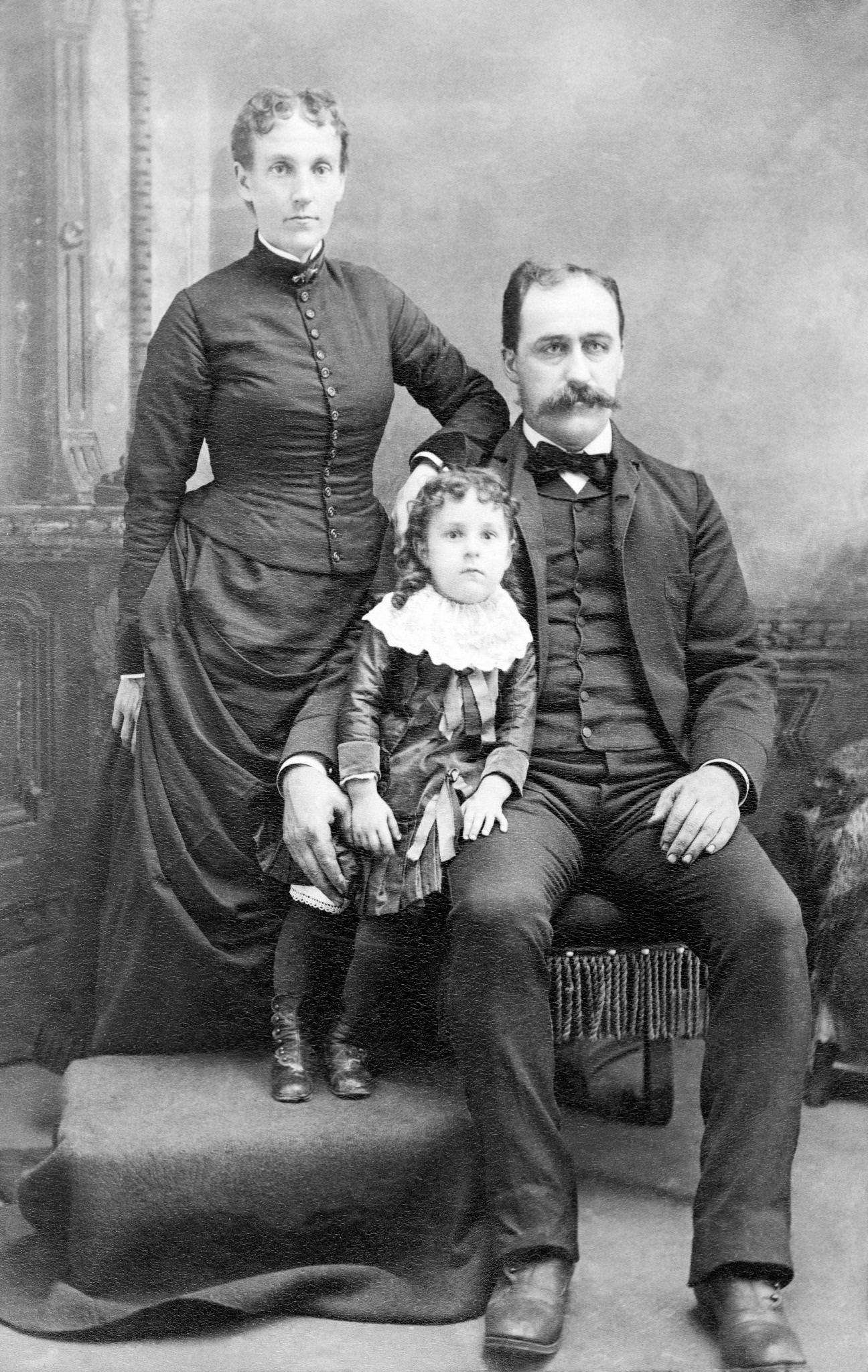
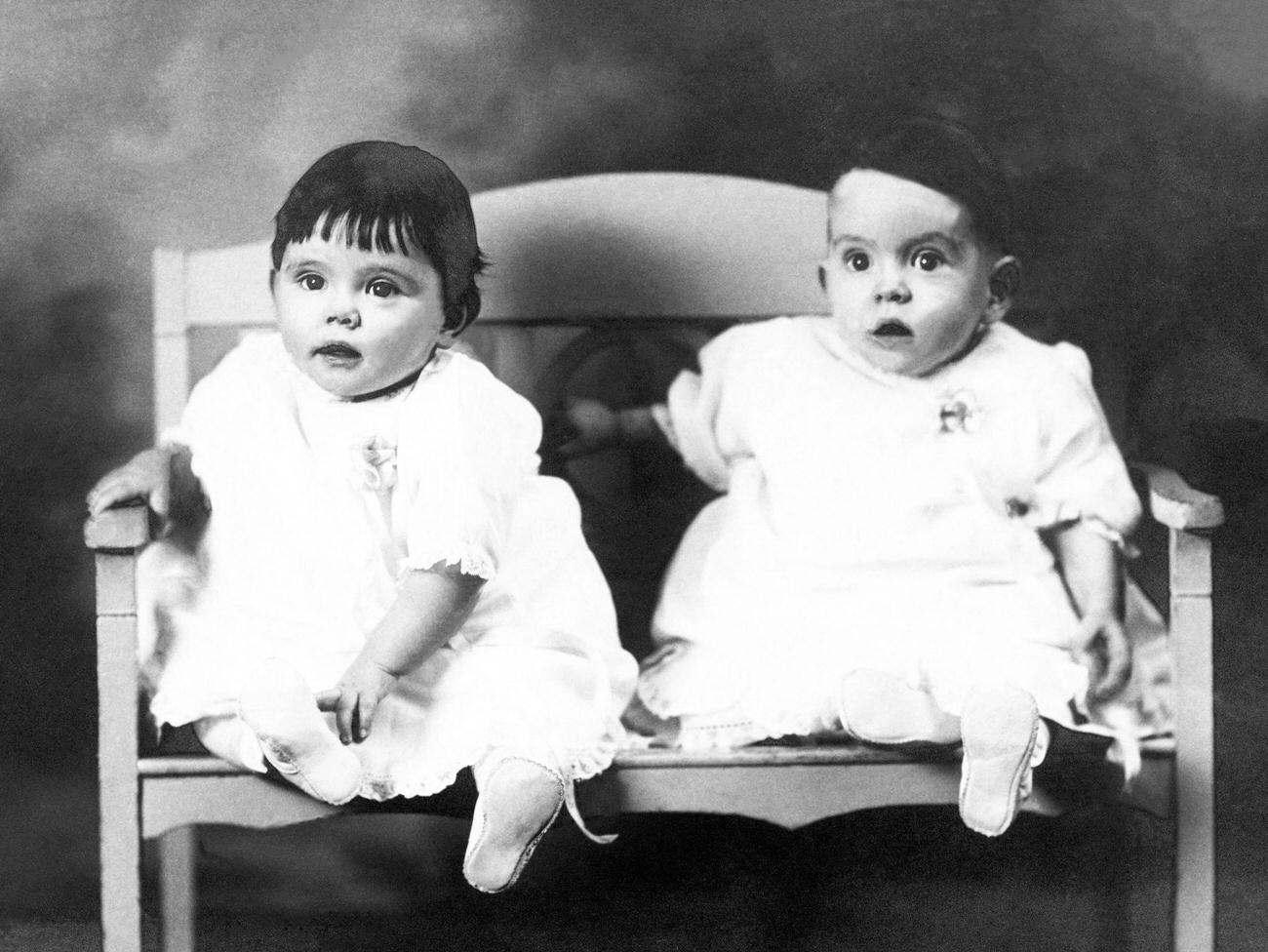
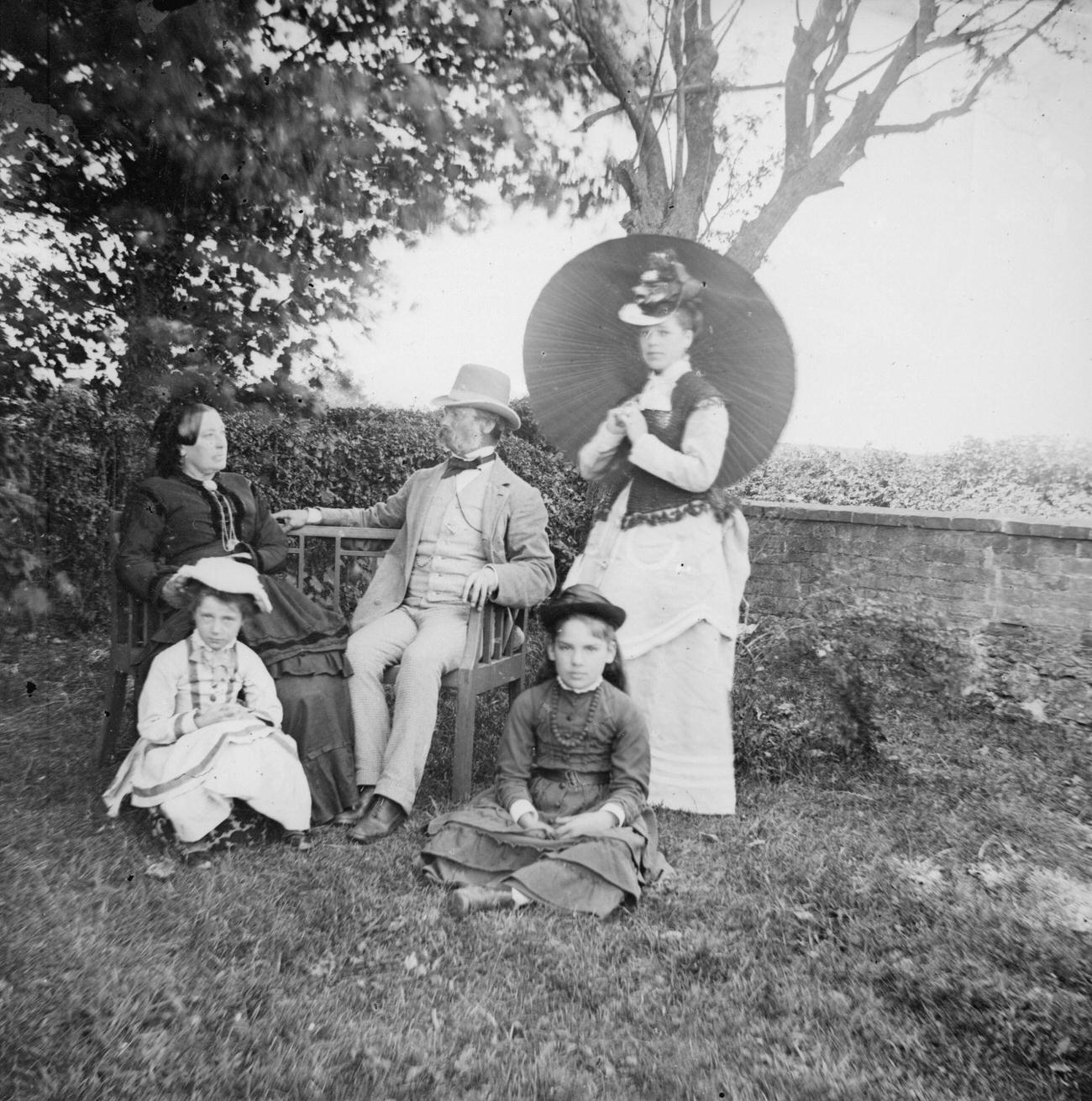
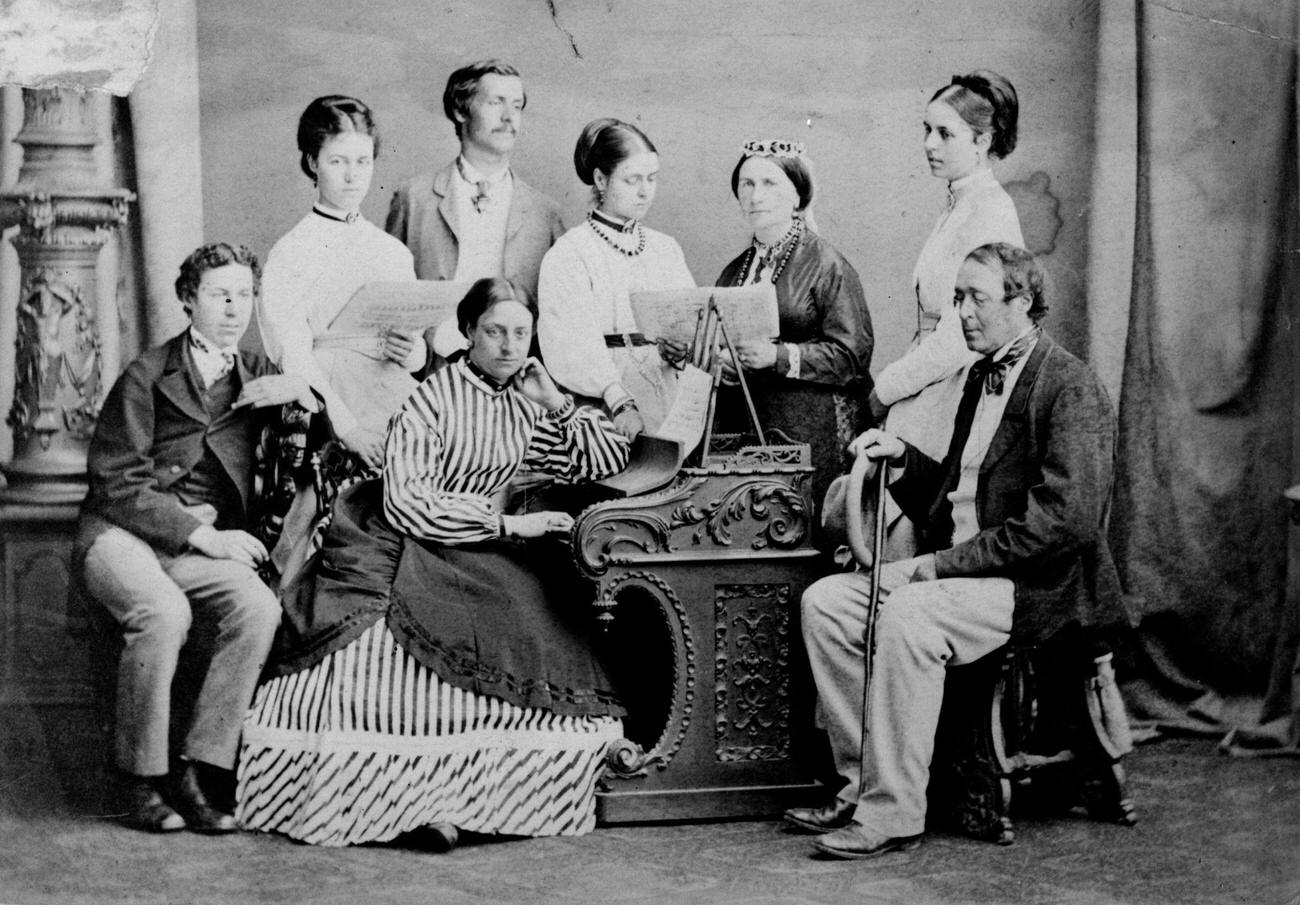
The formal family portrait became widely available to middle-class families during the Victorian era, thanks to the spread of photography studios. Before photography, only the wealthy could afford painted portraits. Studio portraits allowed ordinary families to document themselves for the first time. Clothing, posture, and seating arrangements in these photographs were carefully planned — they were meant to project respectability and family unity. Children were dressed formally, and even the youngest were posed with deliberate care.
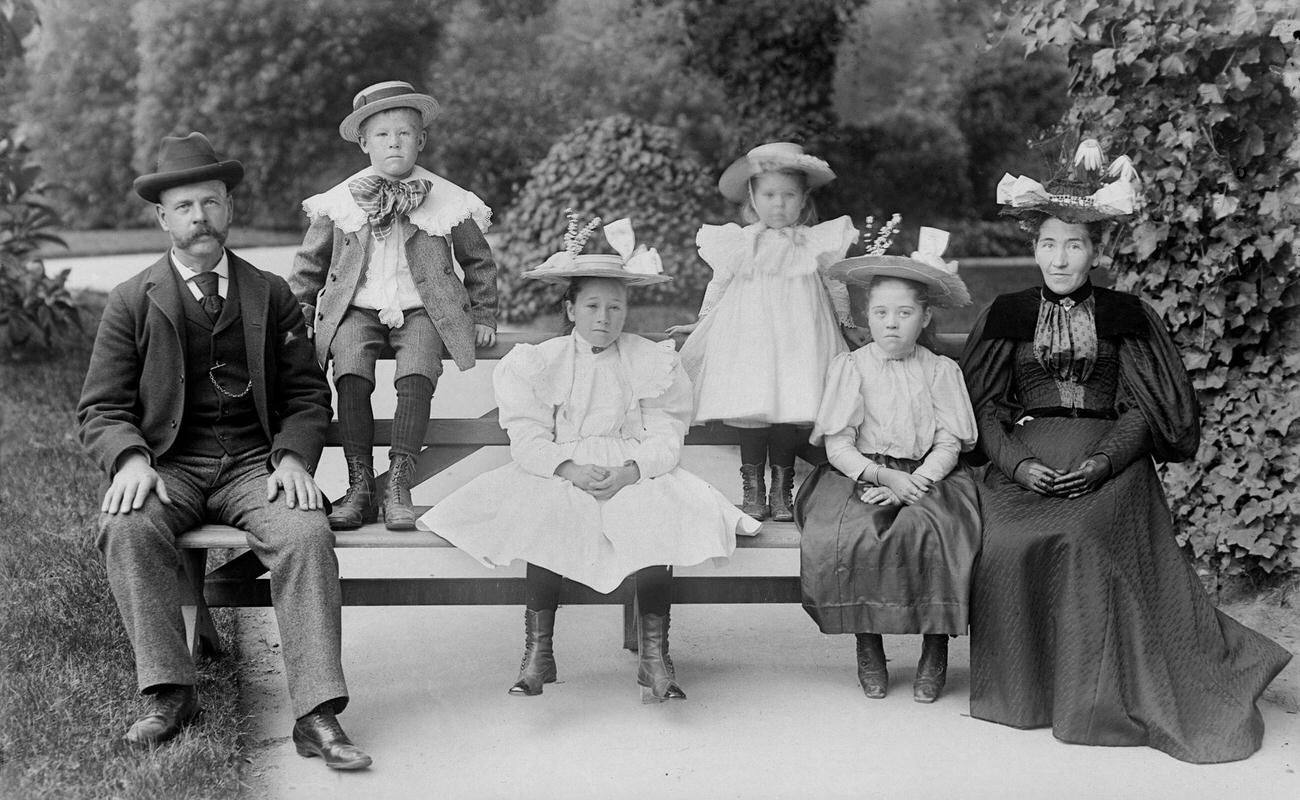
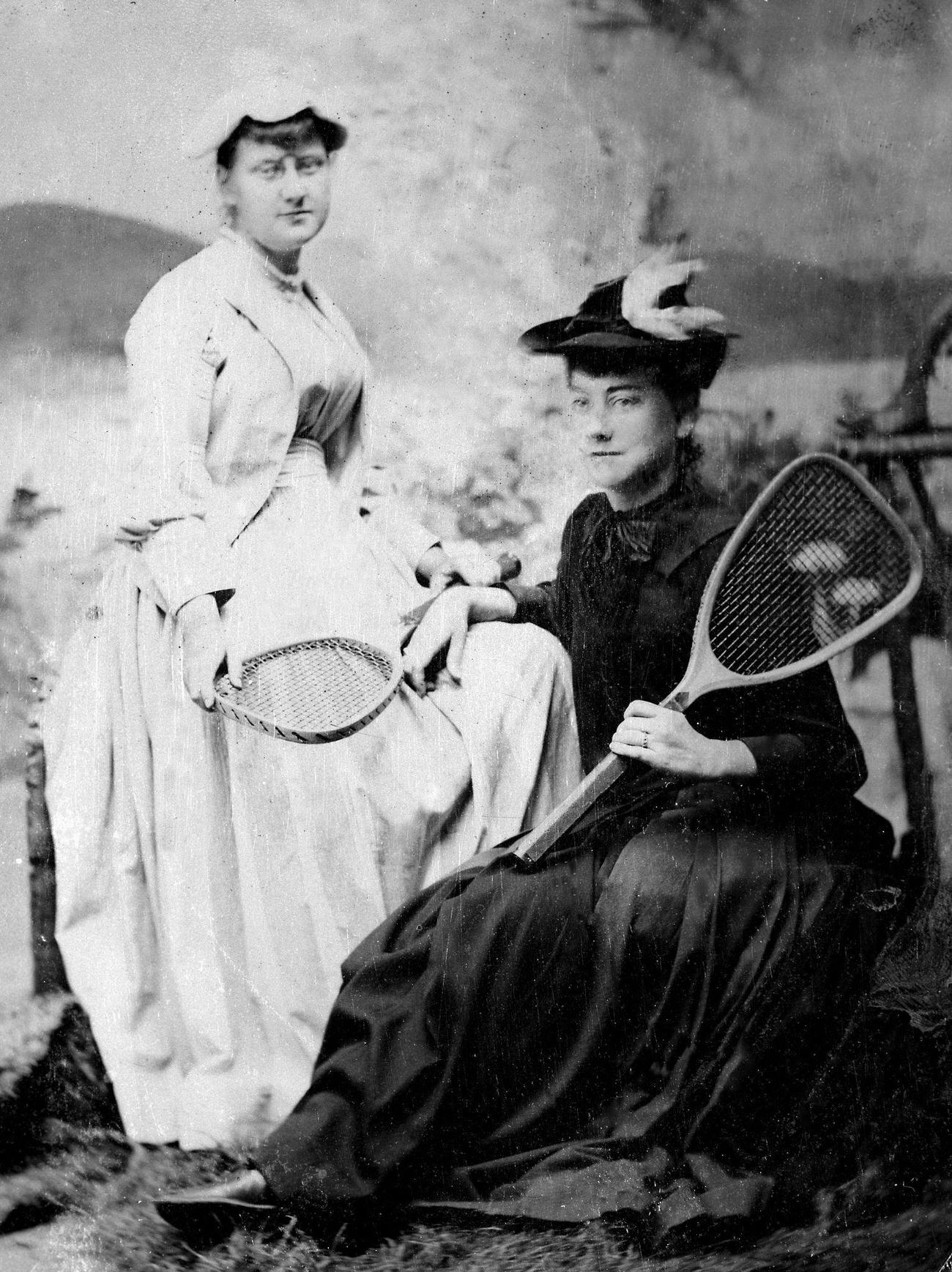
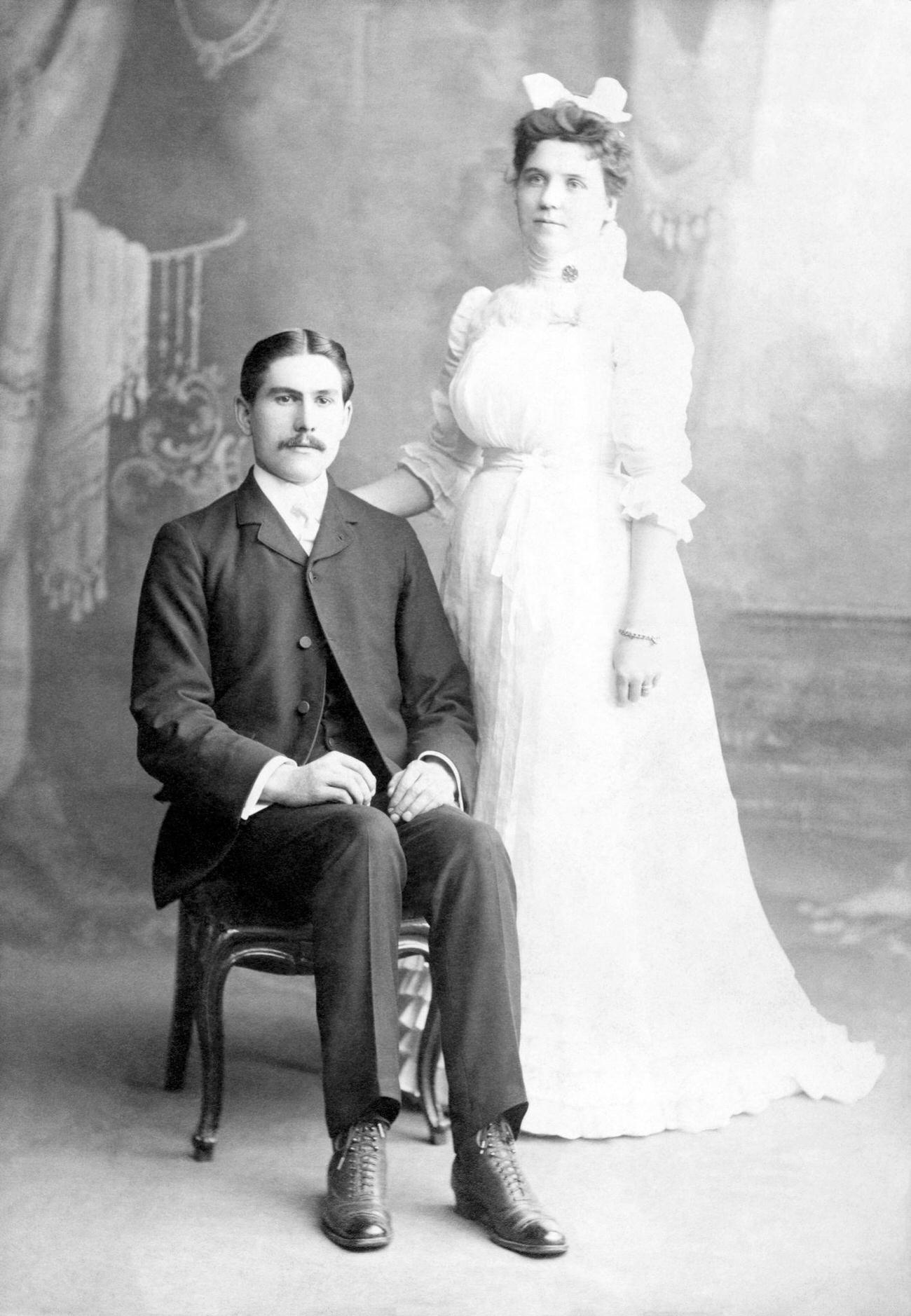
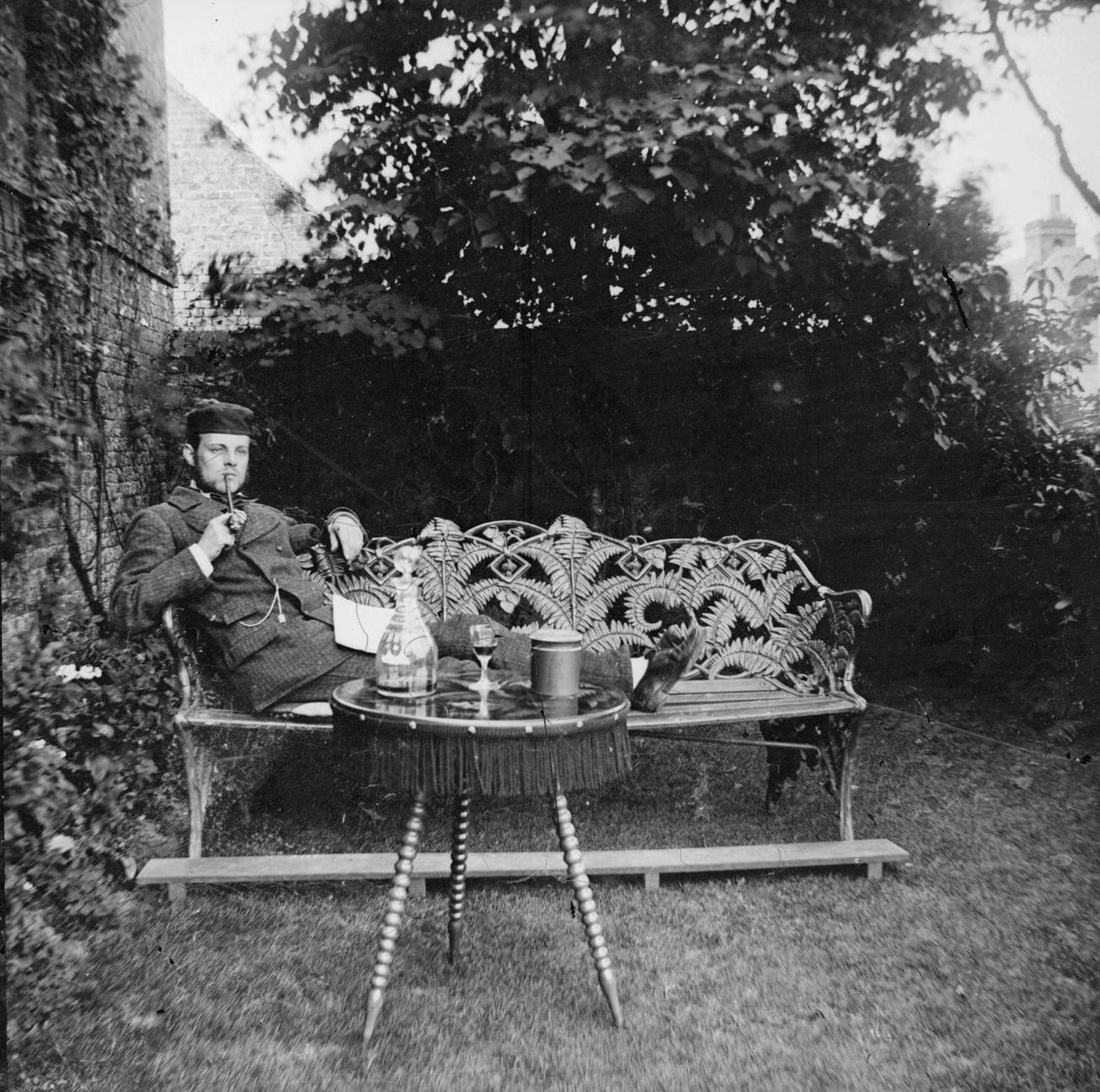
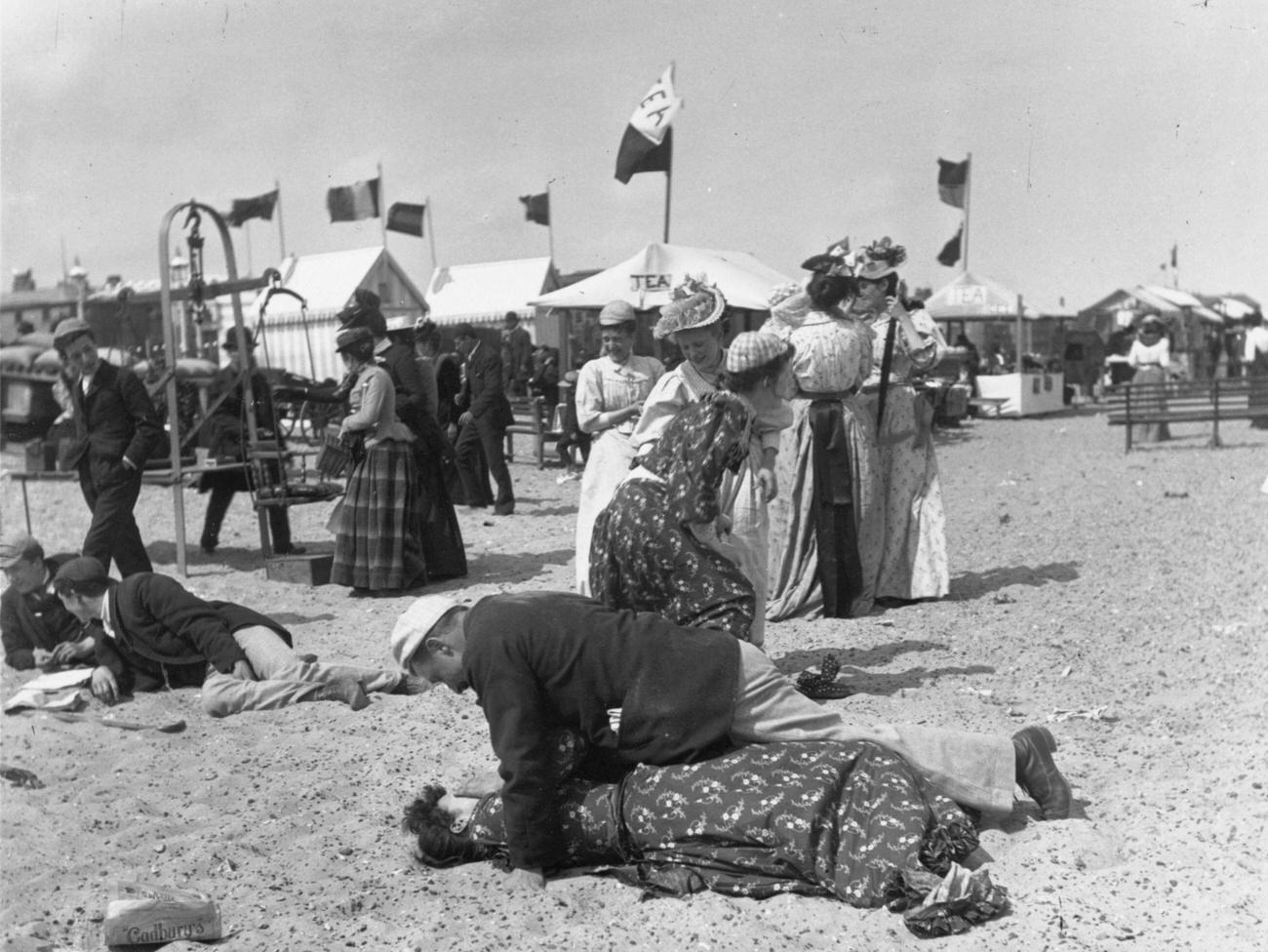
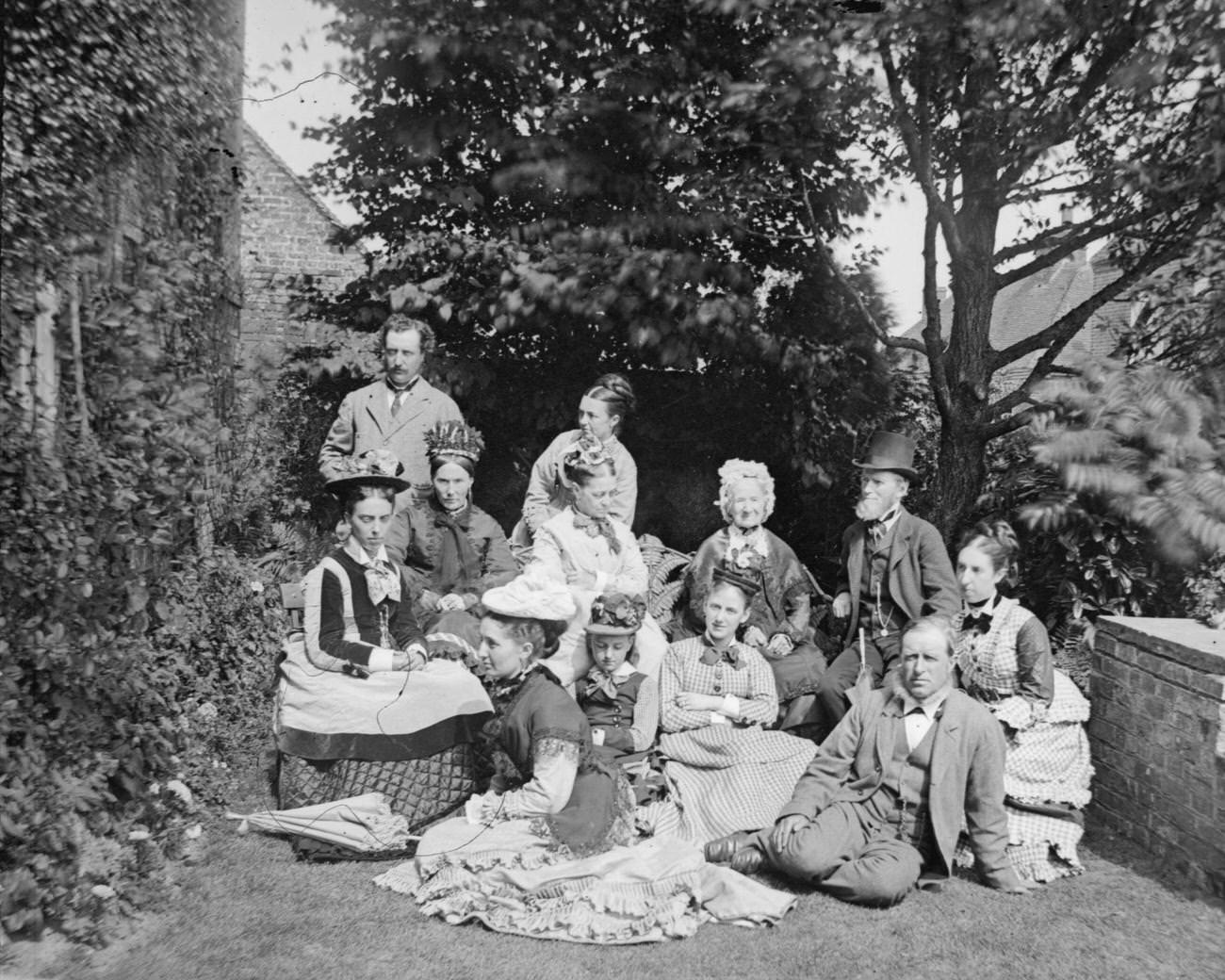
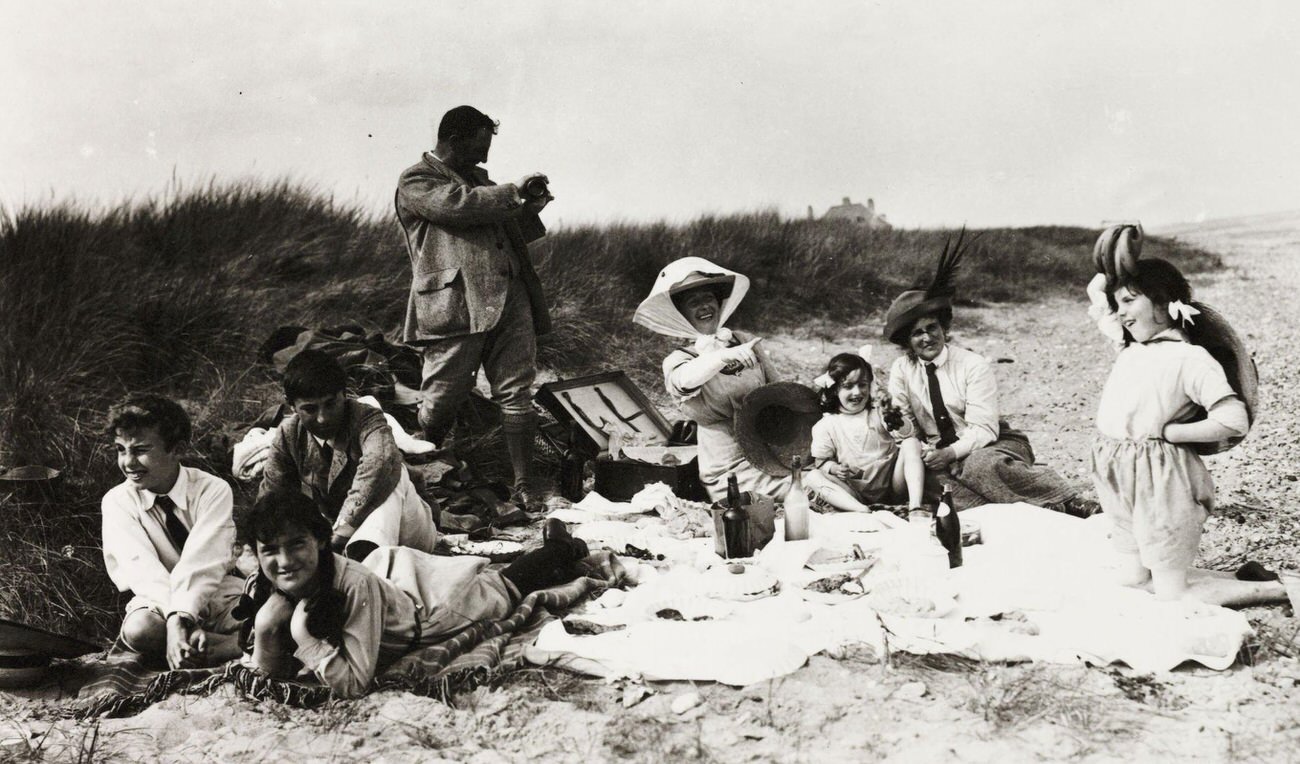
By the mid-1890s, the Victorian era had settled into recognizable social patterns. Tea parties, garden gatherings, and leisurely afternoons in well-kept gardens defined the respectable middle-class weekend. A gentleman relaxing in his garden, a family arranged on the lawn for a photograph, a multi-generational group gathered under the summer sun — these scenes were common enough to be documented casually rather than ceremonially. The beach, too, had become a fixture of summer life, with seaside towns like Yarmouth drawing couples and families by the thousands each season.
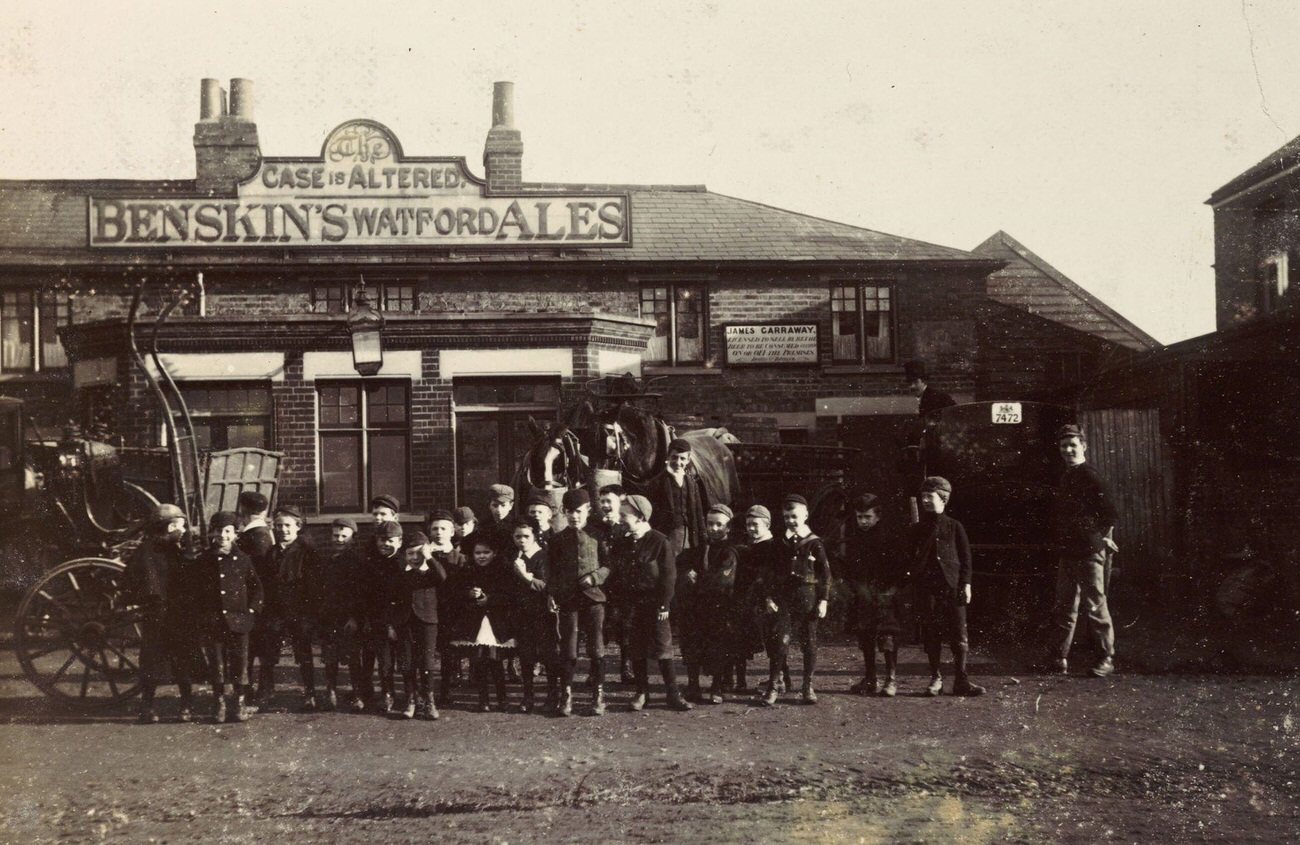
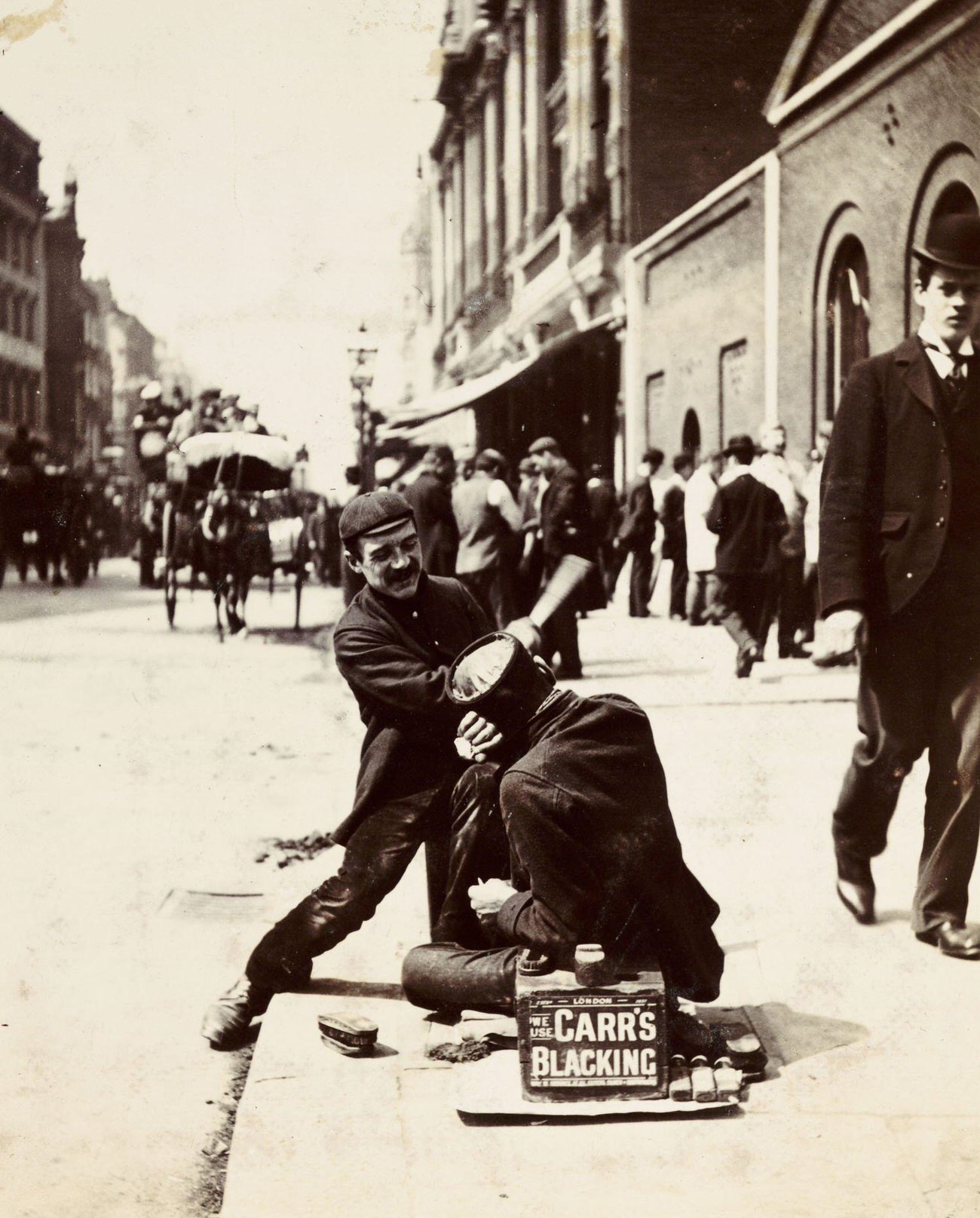
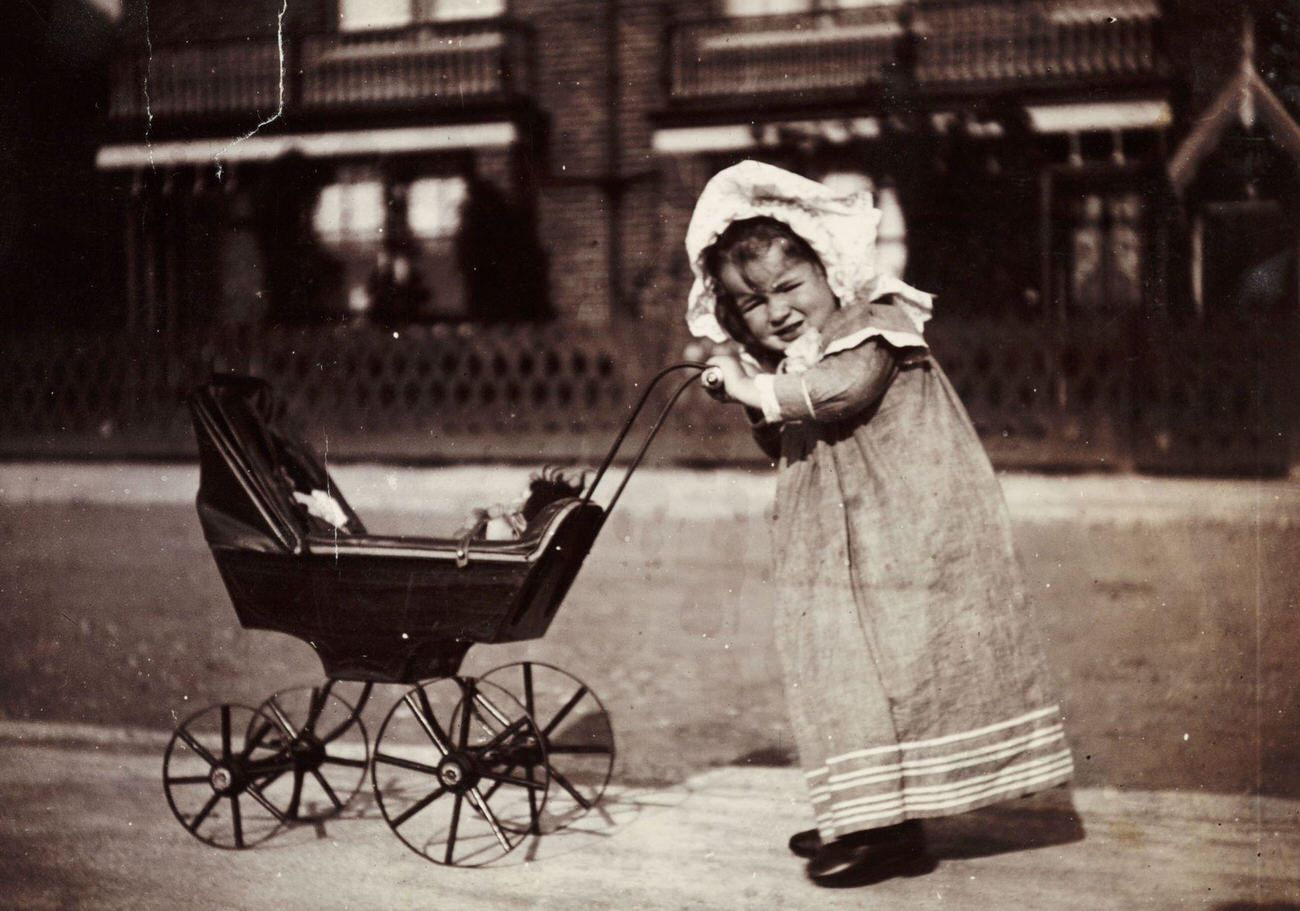
For working-class children, childhood was short and often spent on the streets. Bootblacks — boys who shined shoes for a penny or two — were a fixture of Victorian urban life, working corners near train stations and busy thoroughfares. Other children played freely in public spaces, pushing toy prams, gathering near park gates, or sitting outside neighborhood pubs while their parents drank inside. The pub was a central institution of working-class community life, and children waiting outside were a common enough sight that photographers recorded it without apparent concern.
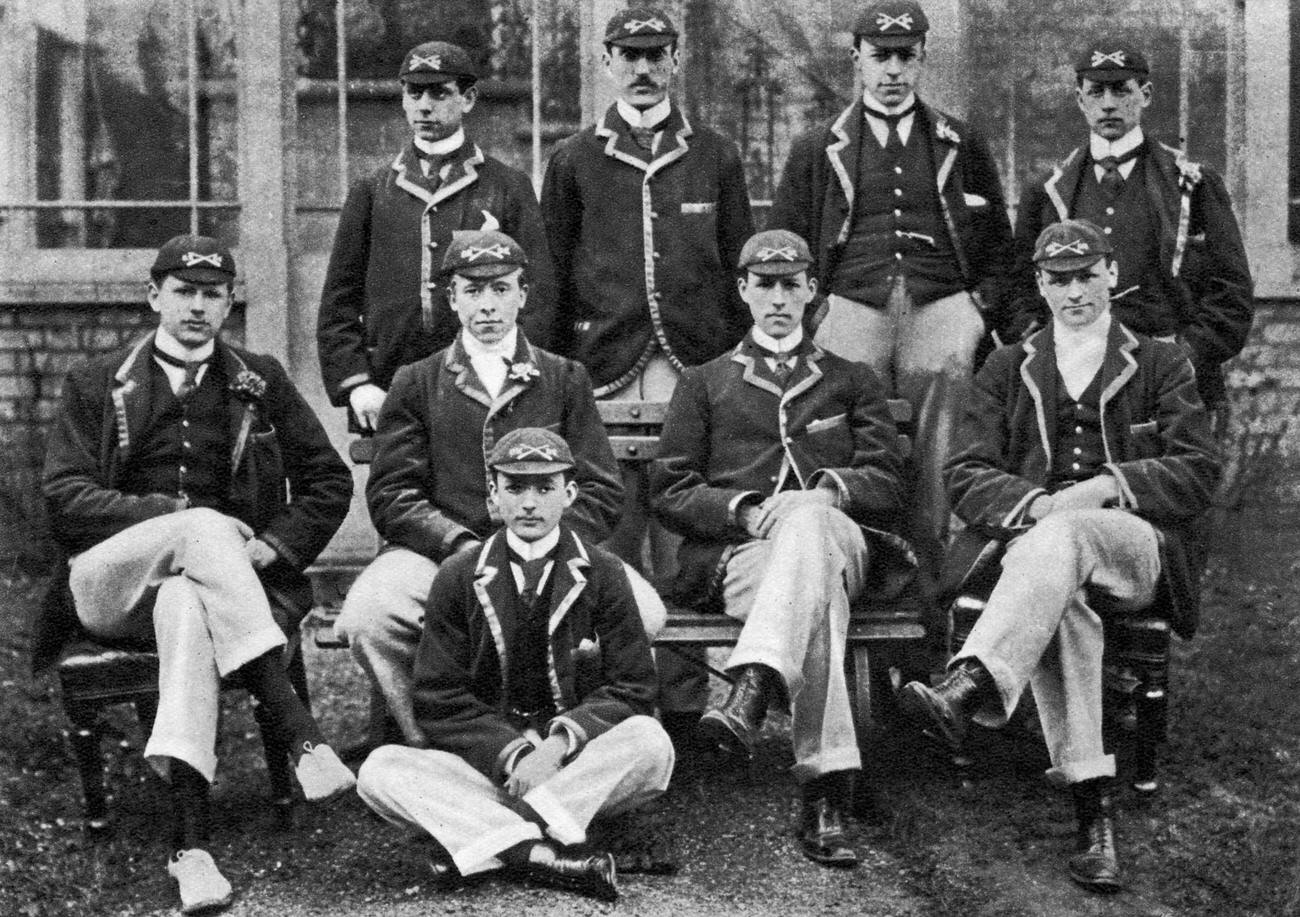
Sport occupied a significant place in Victorian public life. The Oxford and Cambridge Boat Race on the Thames was one of the most watched sporting events of the year, drawing enormous crowds to the riverbanks. Cricket was played at every level, from village greens to county grounds, and tennis was gaining ground rapidly among middle-class women and men. These sports were not just recreation — they carried social weight, reflecting values of discipline, fair play, and class membership. In 1897, the entire nation paused for an even grander occasion.
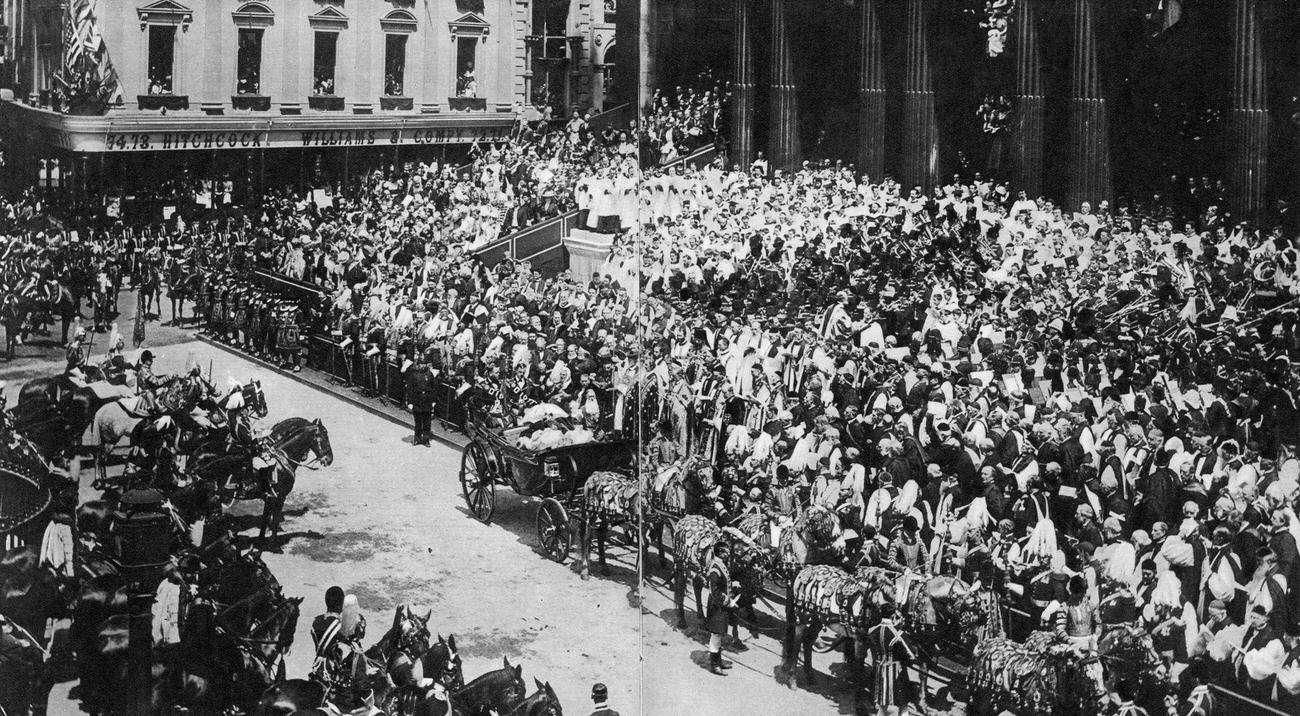
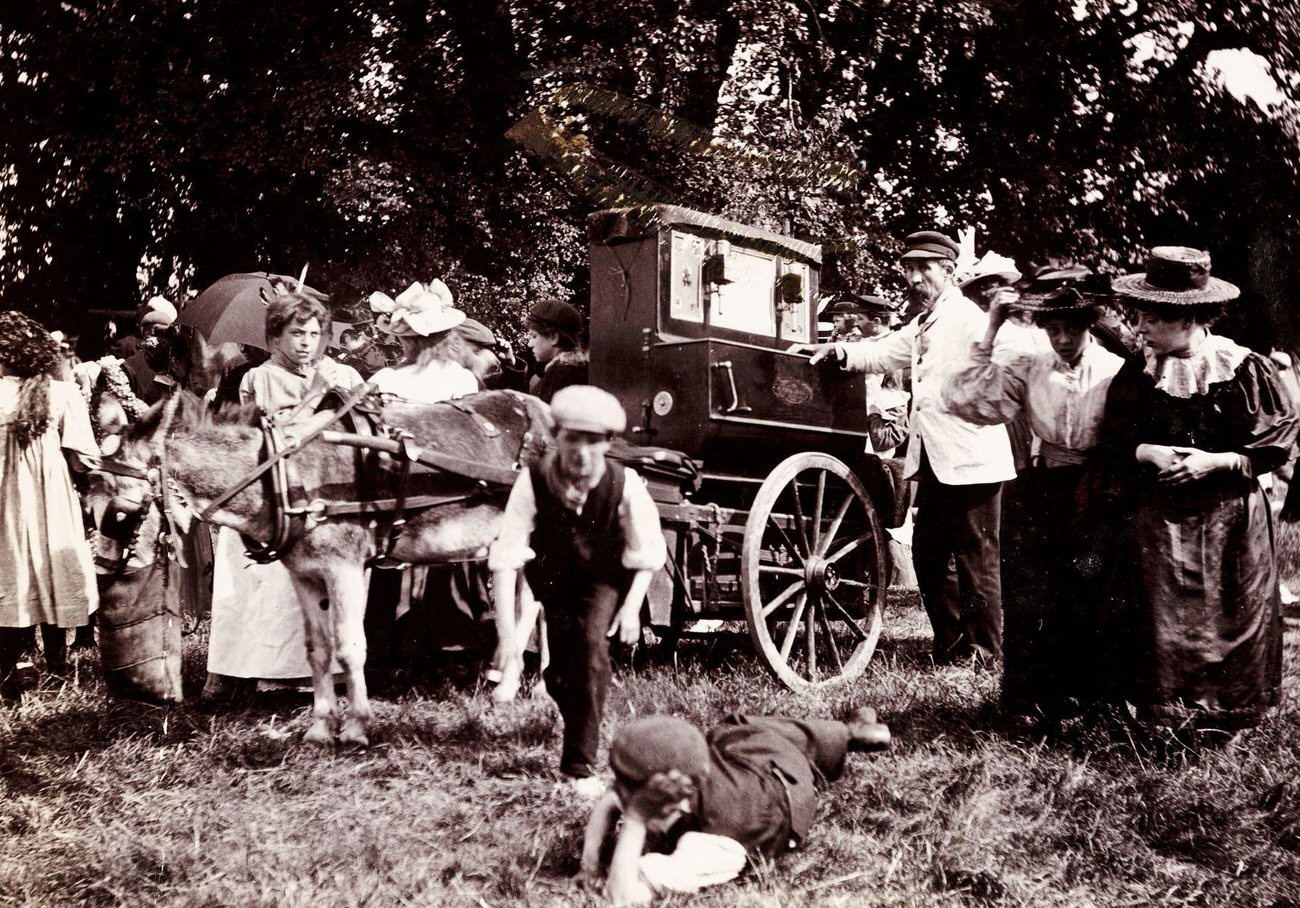
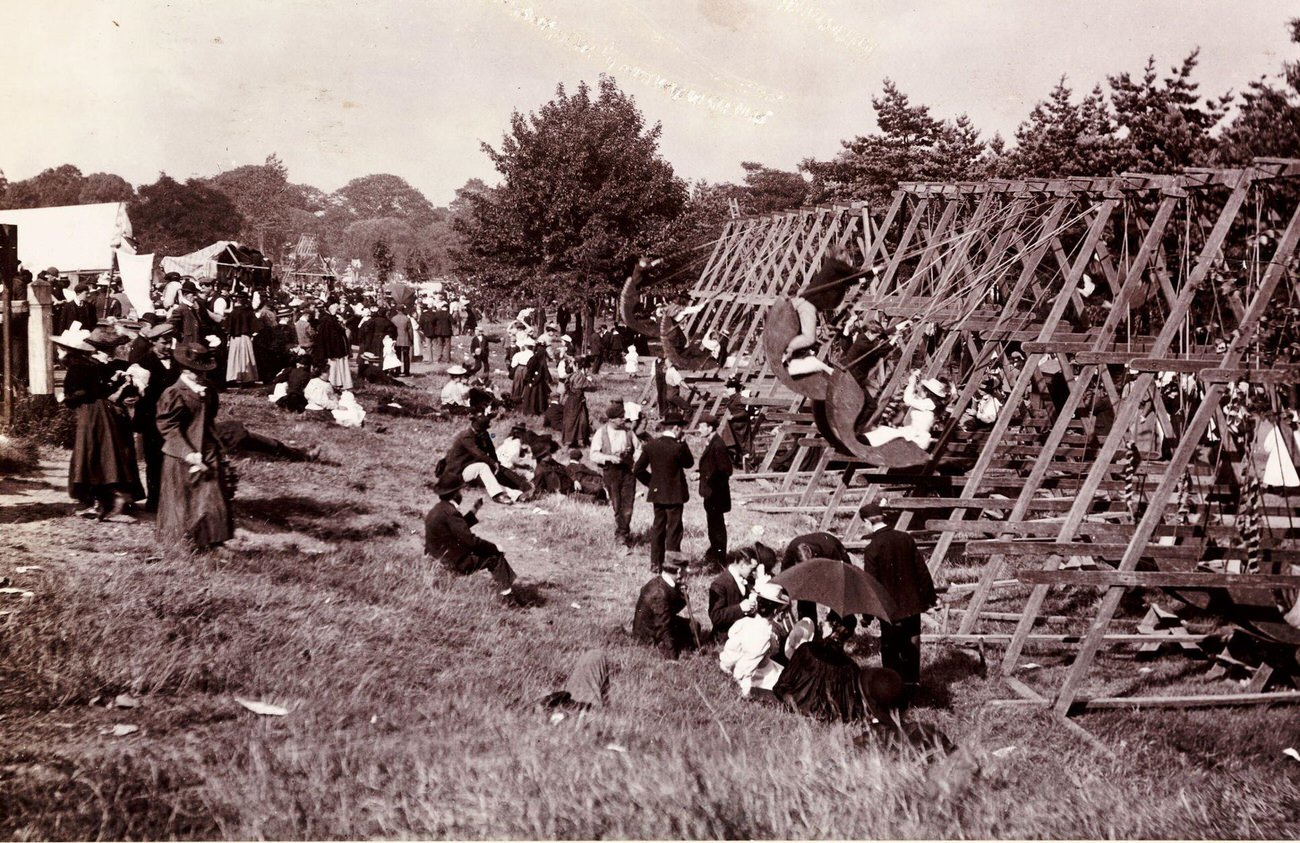
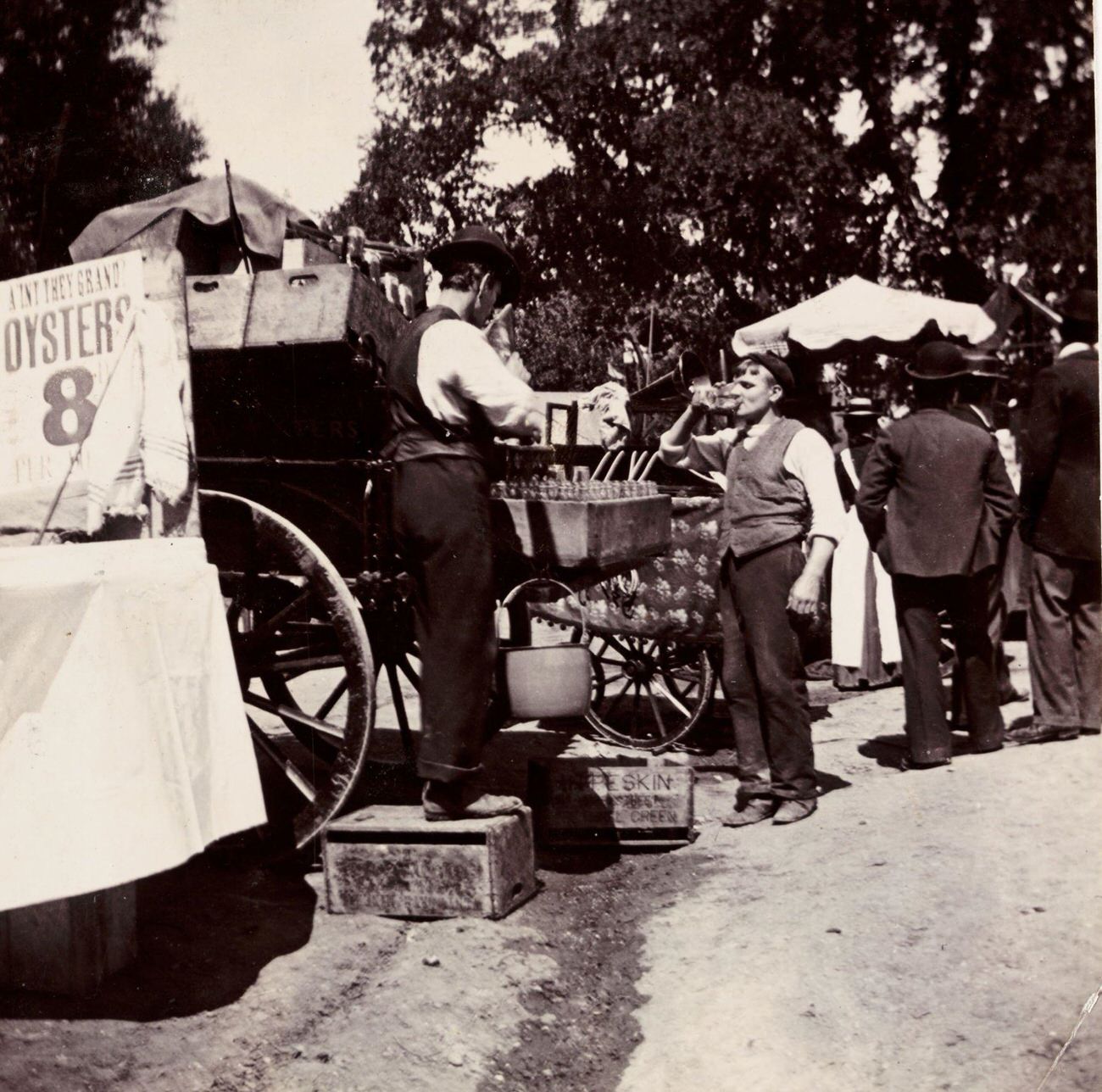
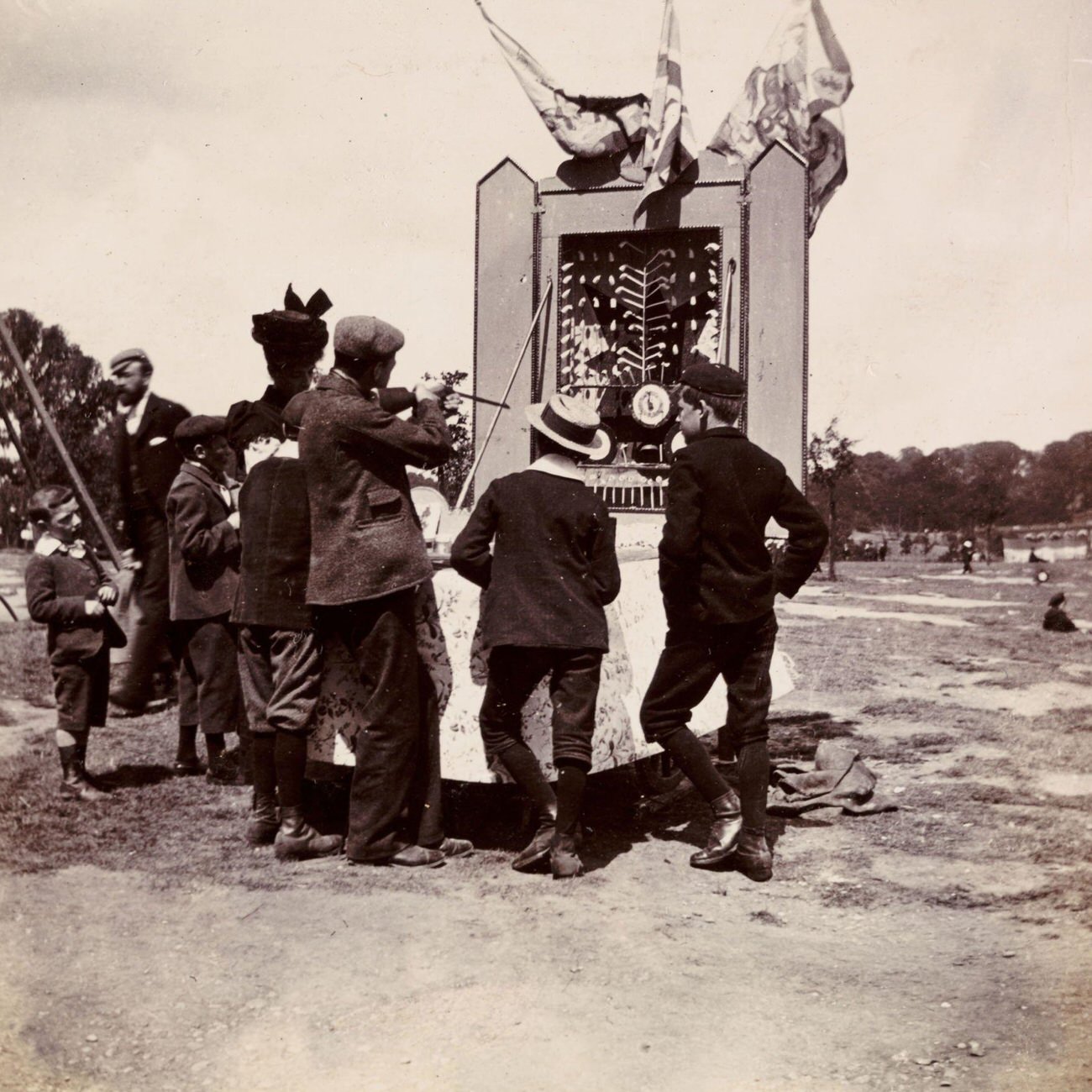
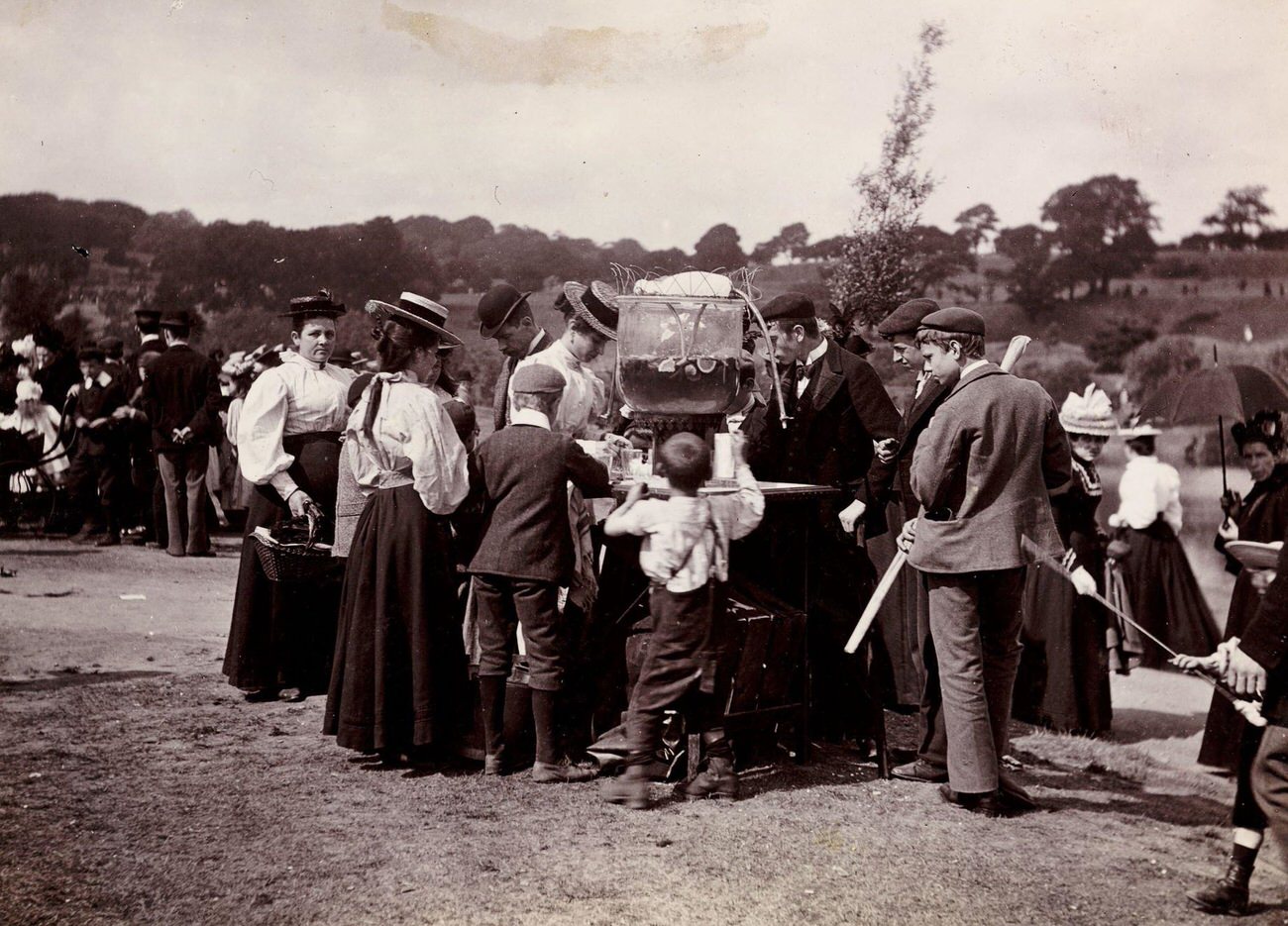
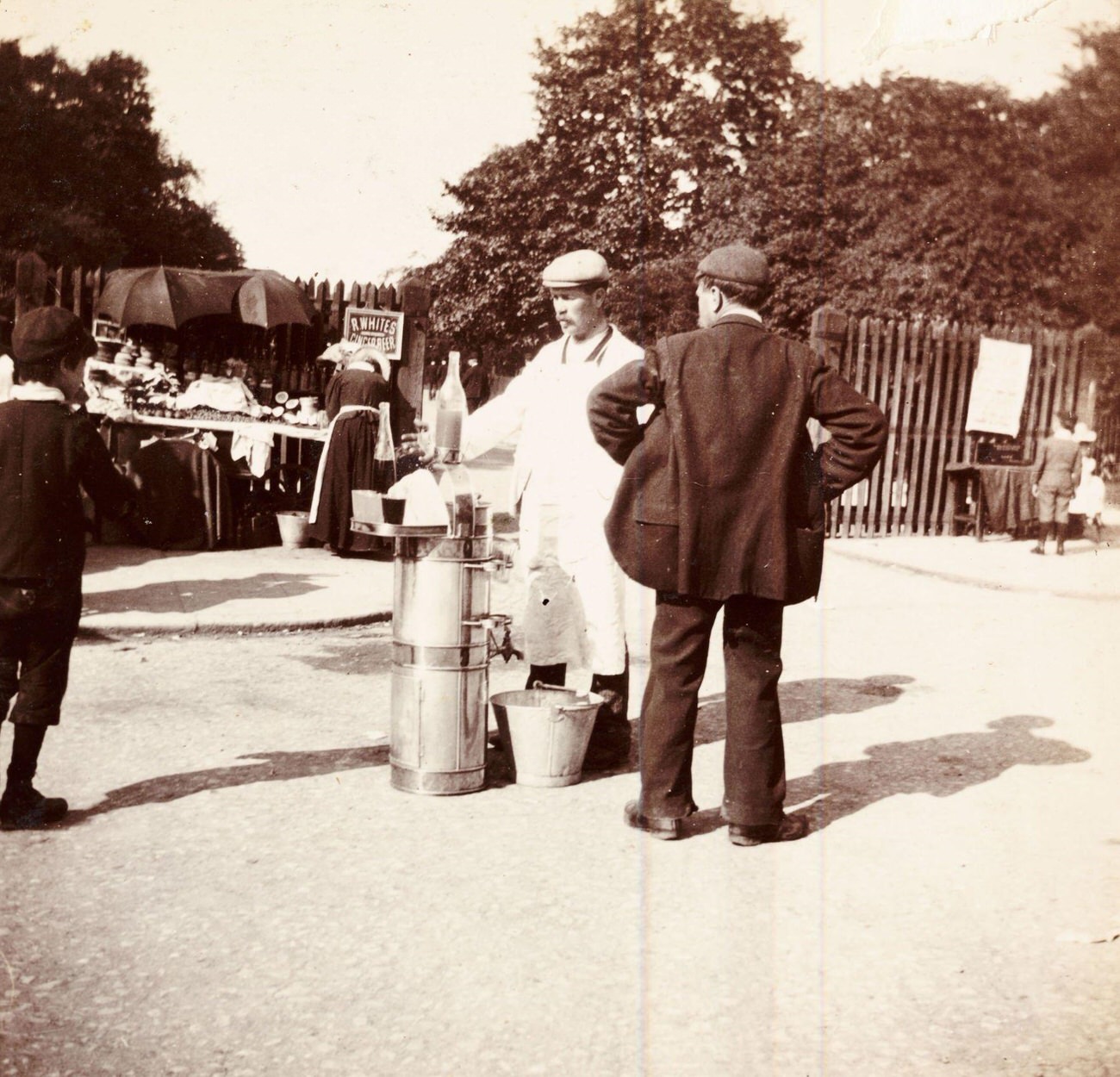
Queen Victoria’s Diamond Jubilee in 1897 marked sixty years on the throne and was celebrated with processions, fireworks, and public festivities across the empire. The following year, Hampstead Heath in London hosted its own kind of celebration — the bank holiday fair. These fairs drew thousands from across the city, offering barrel organs, swing boats, shooting galleries, ginger beer stalls, and drinking fountains. They were loud, crowded, and entirely working-class in character, a world away from the formal garden parties of the upper classes.
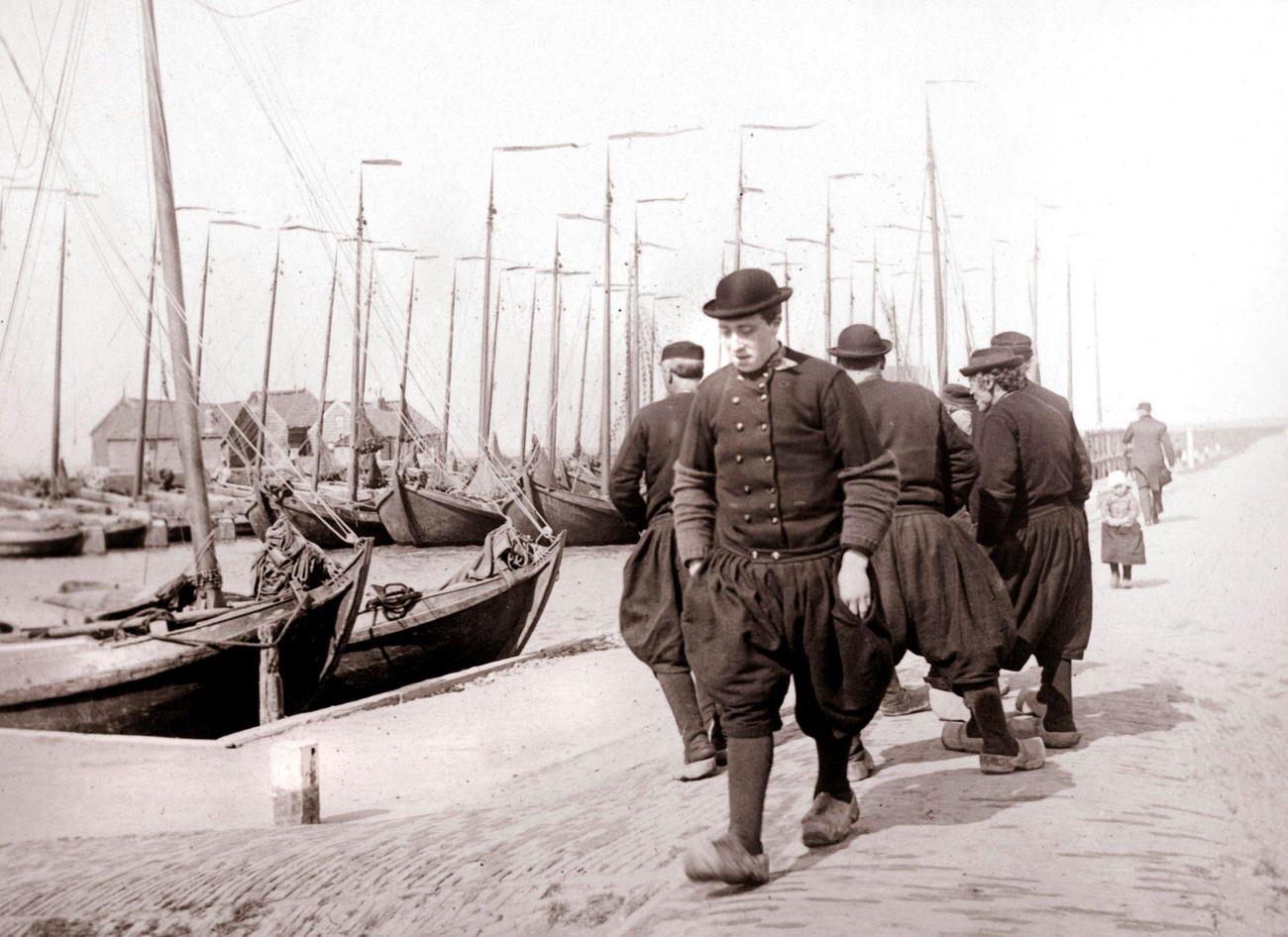
Victorian tourists with money and curiosity traveled widely, including to continental Europe. The Dutch island of Marken and the nearby village of Broek in the Netherlands were popular destinations for British travelers in the 1890s, partly because residents still wore traditional regional dress that had largely vanished elsewhere. Photographers documented these communities extensively, producing images that sold well as postcards and illustrations back home. The appeal was a mix of curiosity and nostalgia — a glimpse of a world that industrialization had not yet reached.
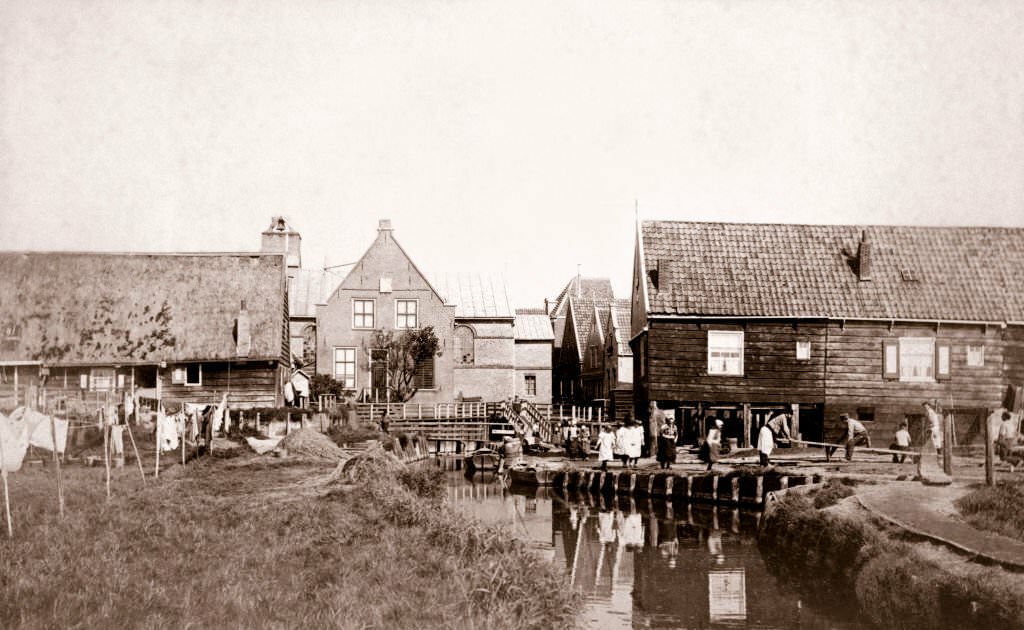
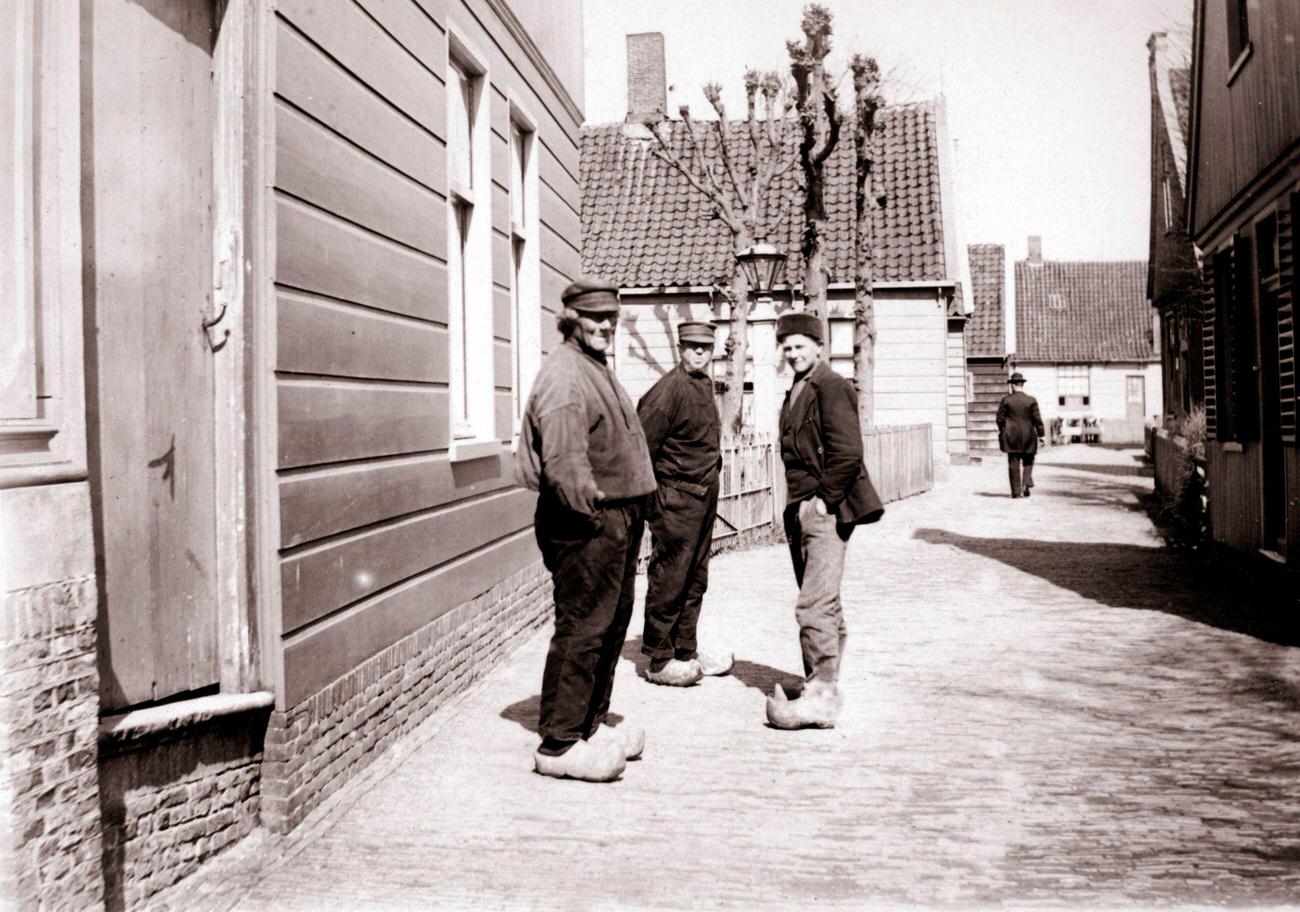
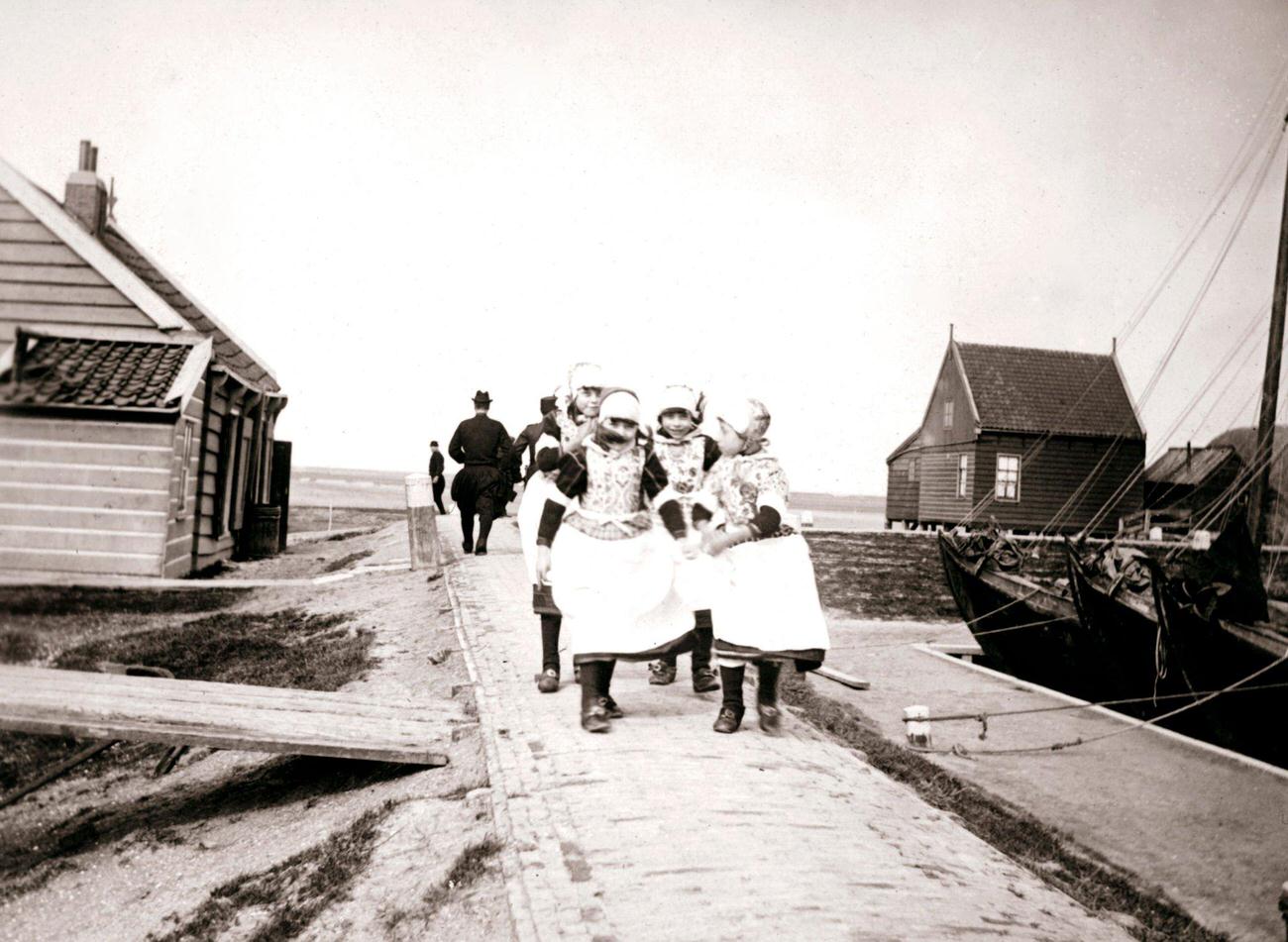
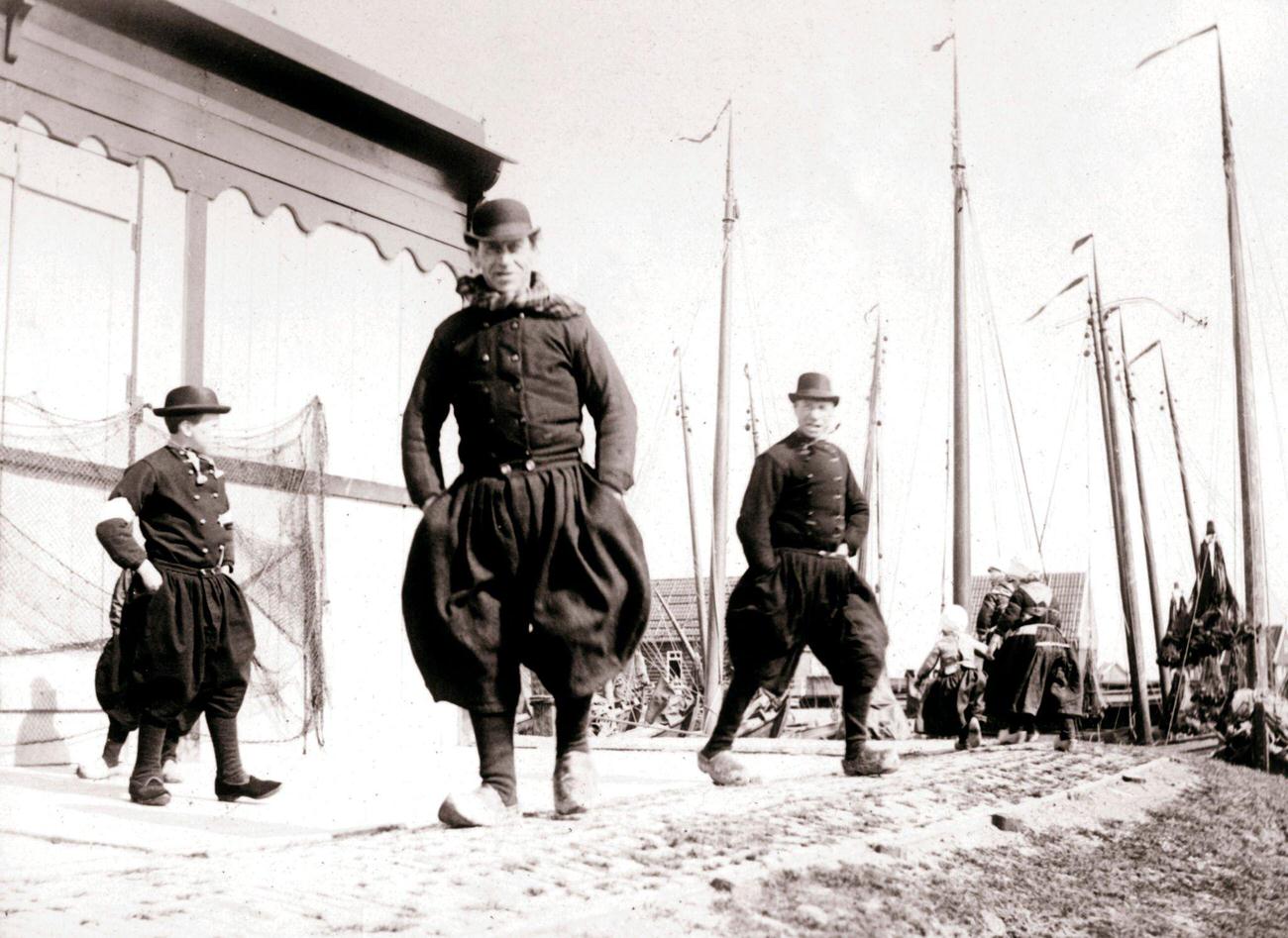
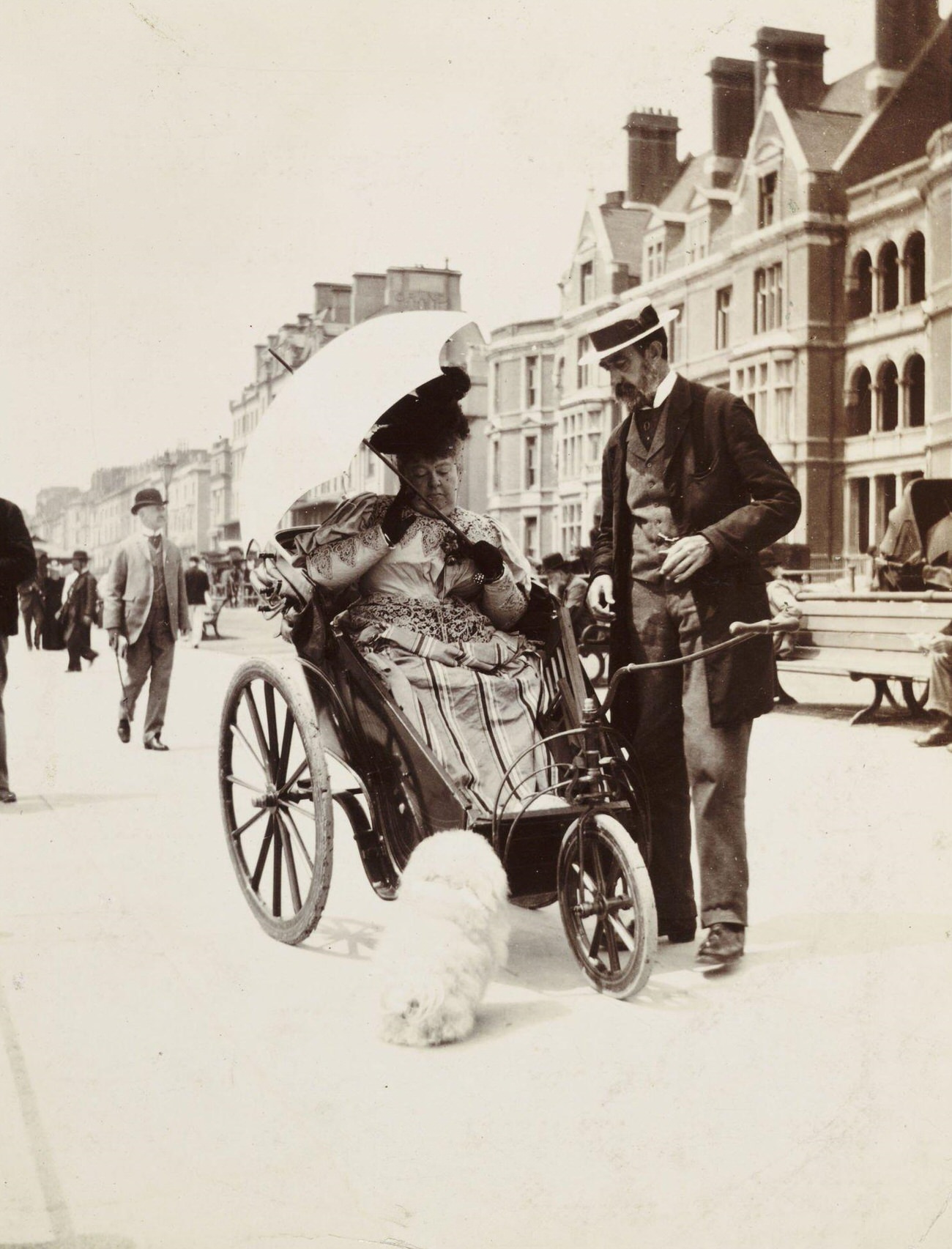
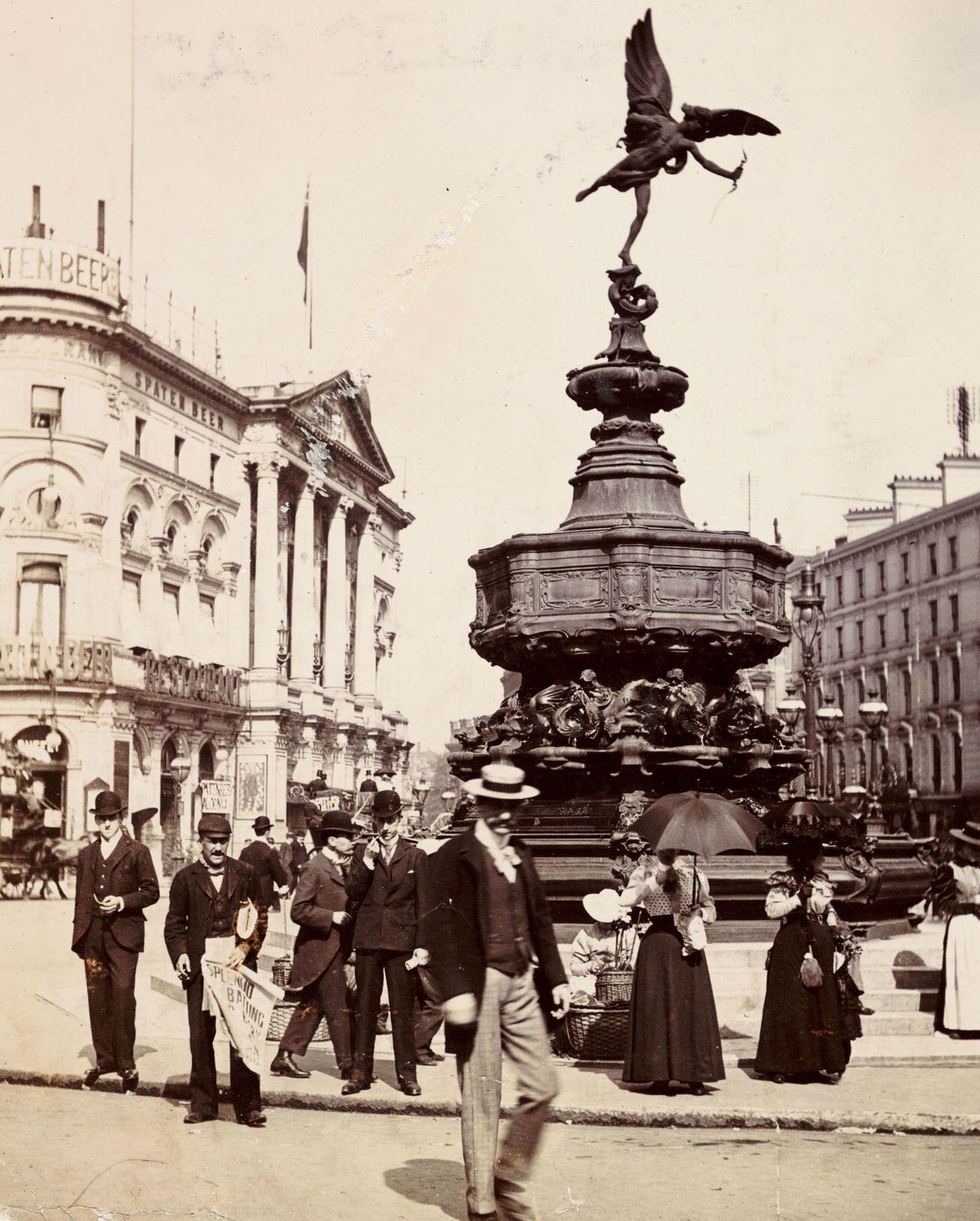
Back in Britain, the Victorian parlor served as the social heart of the middle-class home. Writing letters was a primary form of long-distance communication, and a well-appointed writing desk was a mark of domestic refinement. For those with health difficulties, mobility aids like bath chairs — a type of wheeled invalid carriage — allowed movement along seafronts and through parks. London’s streets by 1900 were dense with people, horses, and commerce, from the busy benches of working-class neighborhoods to the famous statue of Eros at Piccadilly Circus.
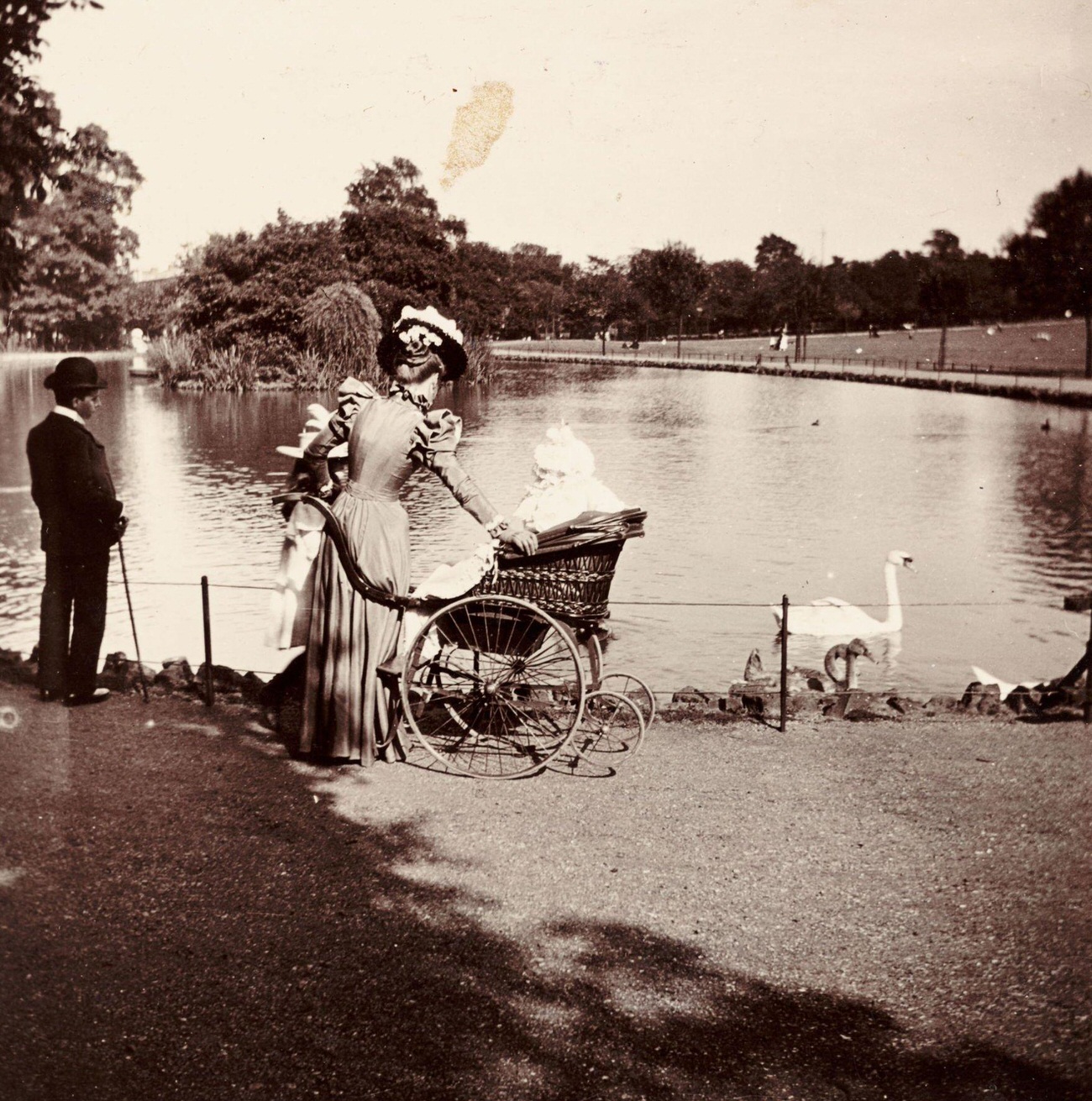
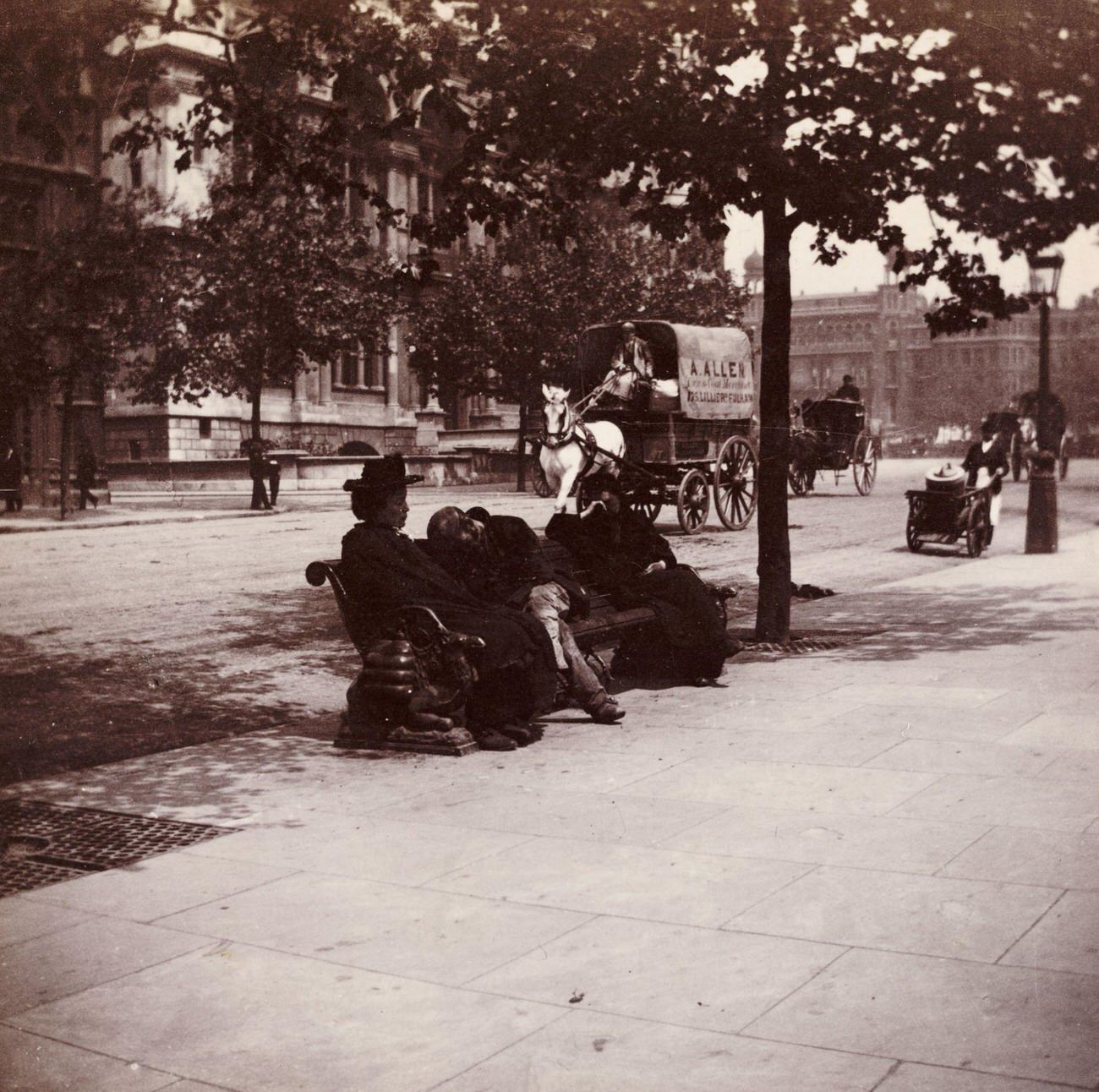
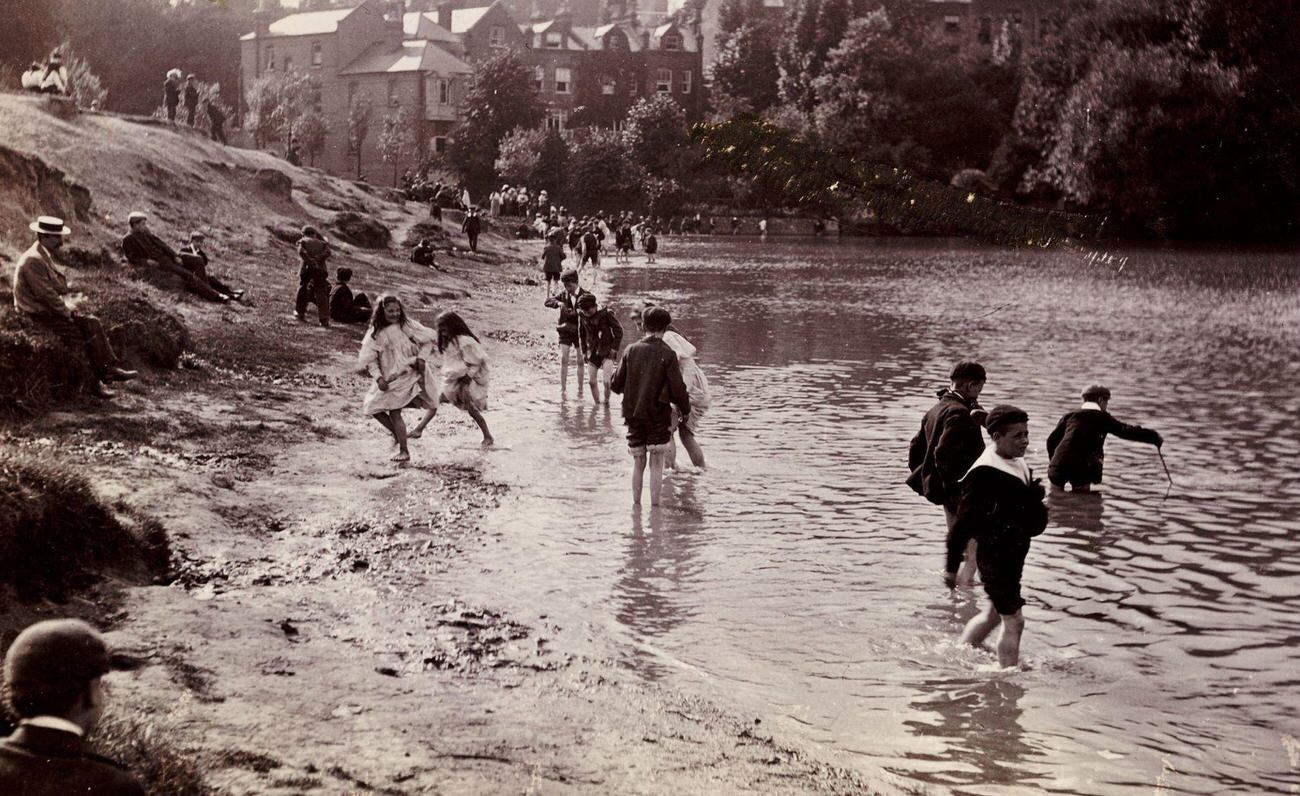
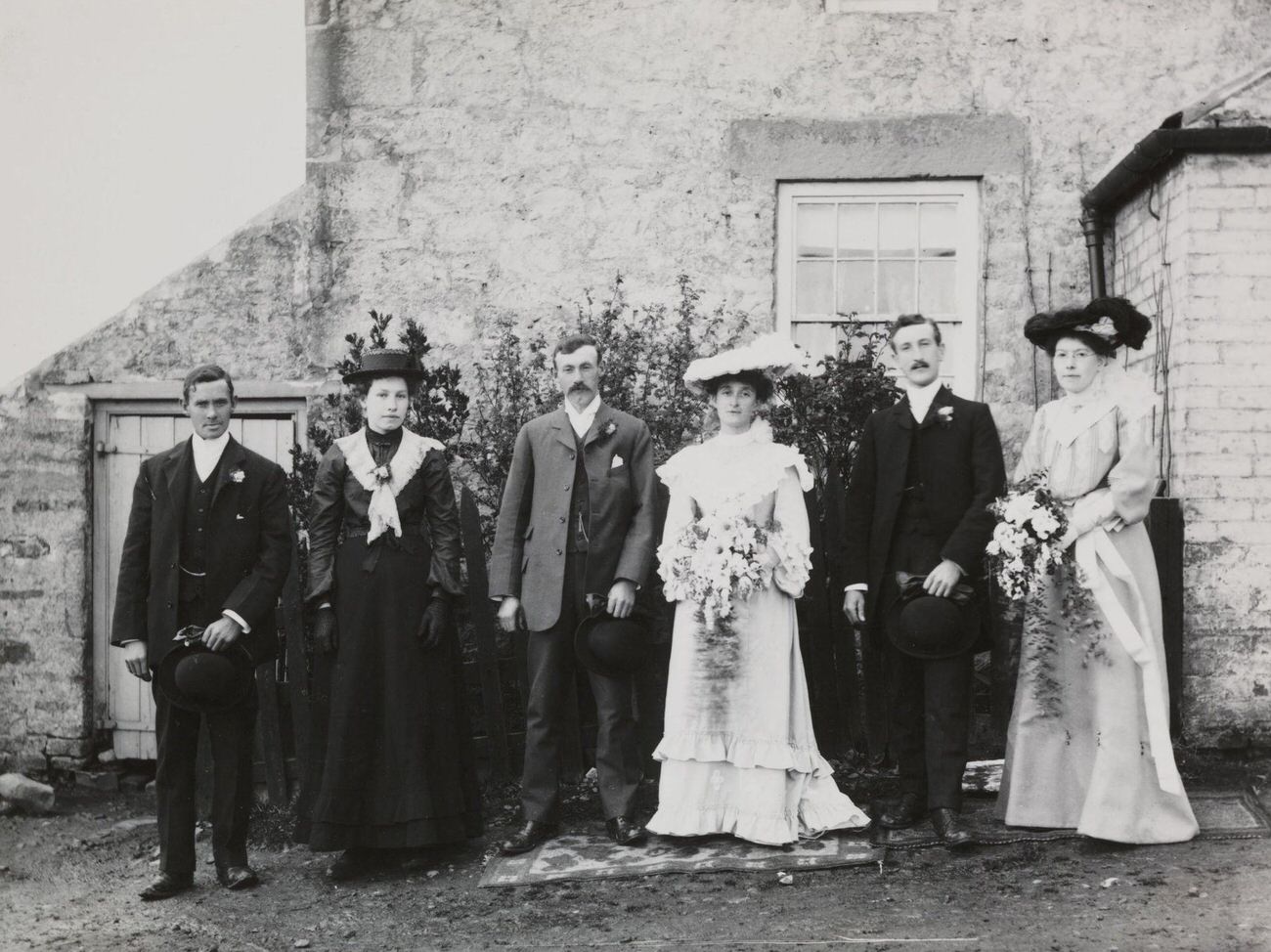
Children filled the streets and rivers of Victorian towns with a life of their own. Those from working-class families played wherever there was space — in rivers on summer afternoons, near park gates, or in the shadow of market stalls. The contrast with upper-class children, who were photographed in gardens and studios in formal dress, was stark. Weddings brought people together across class lines, at least briefly, and garden gatherings with extended friends and family were a summer staple for anyone with a patch of outdoor space.
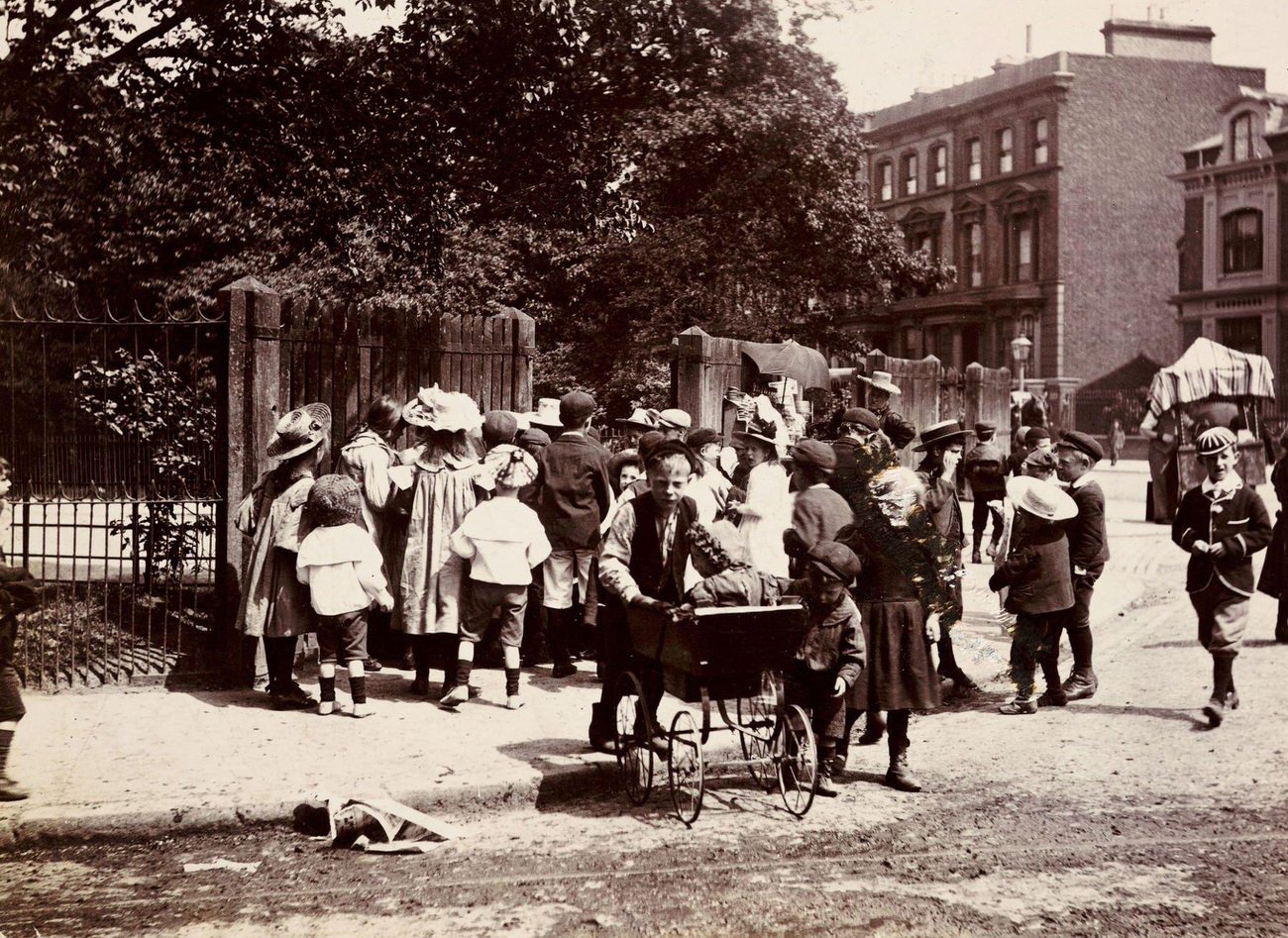
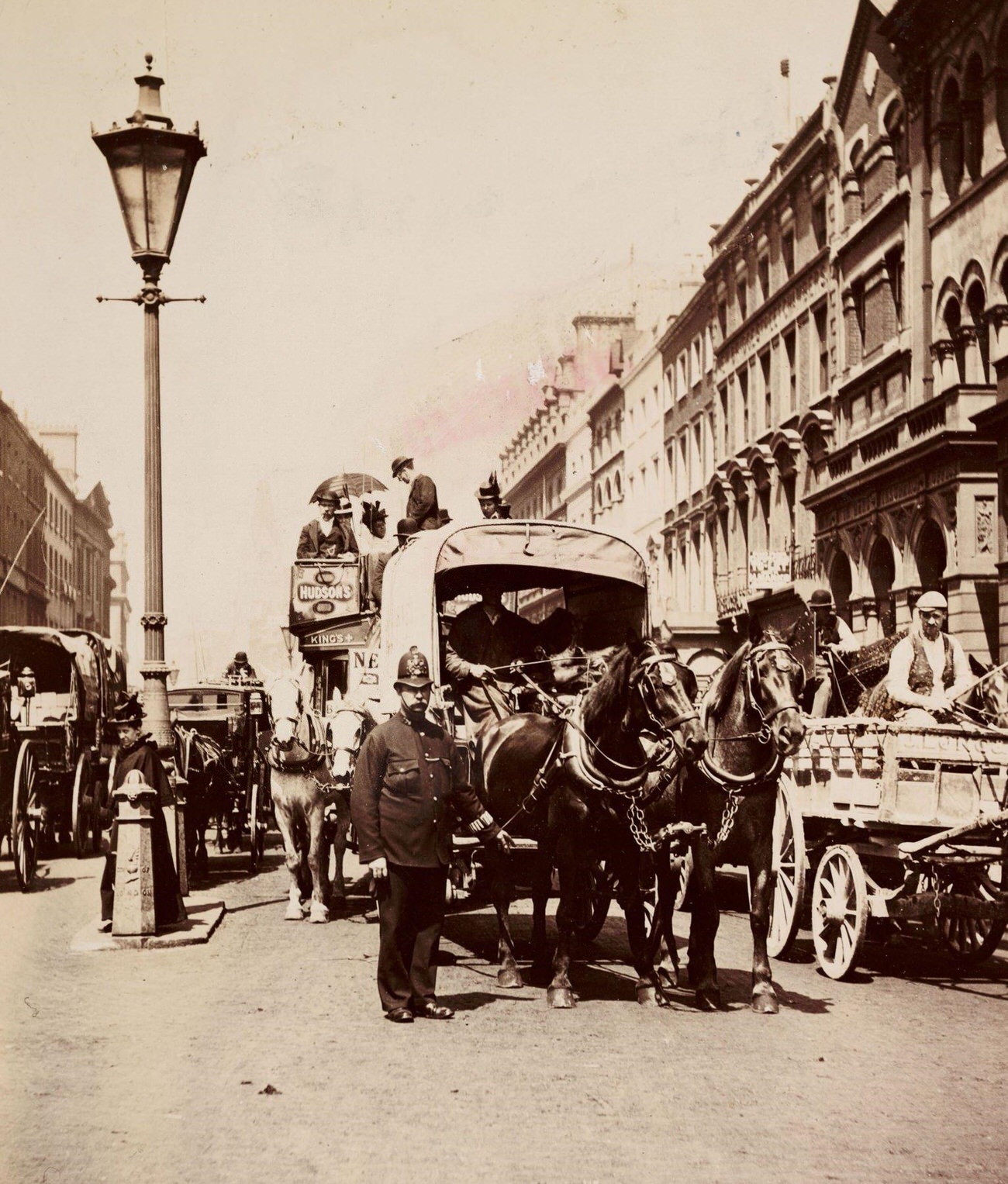
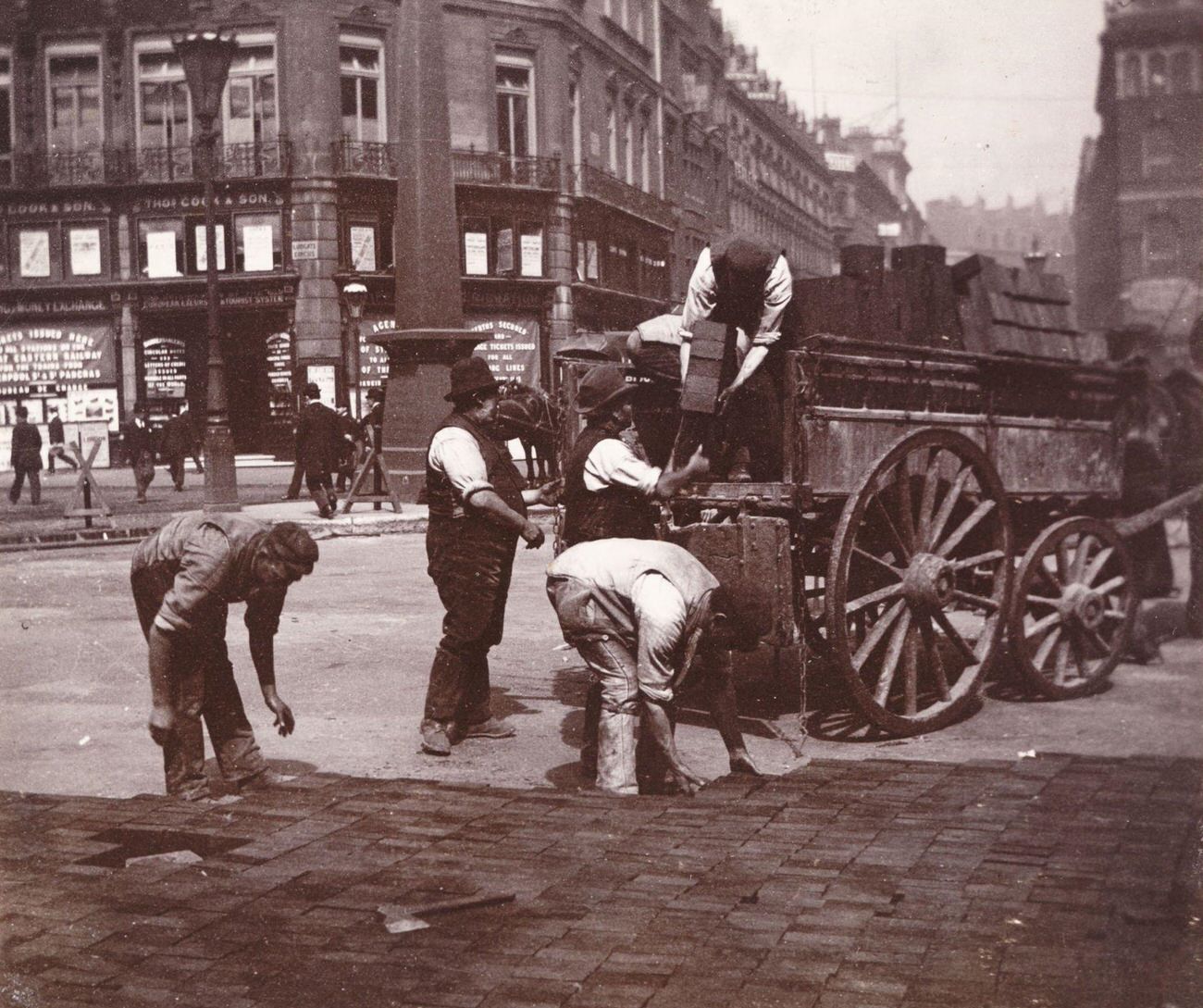
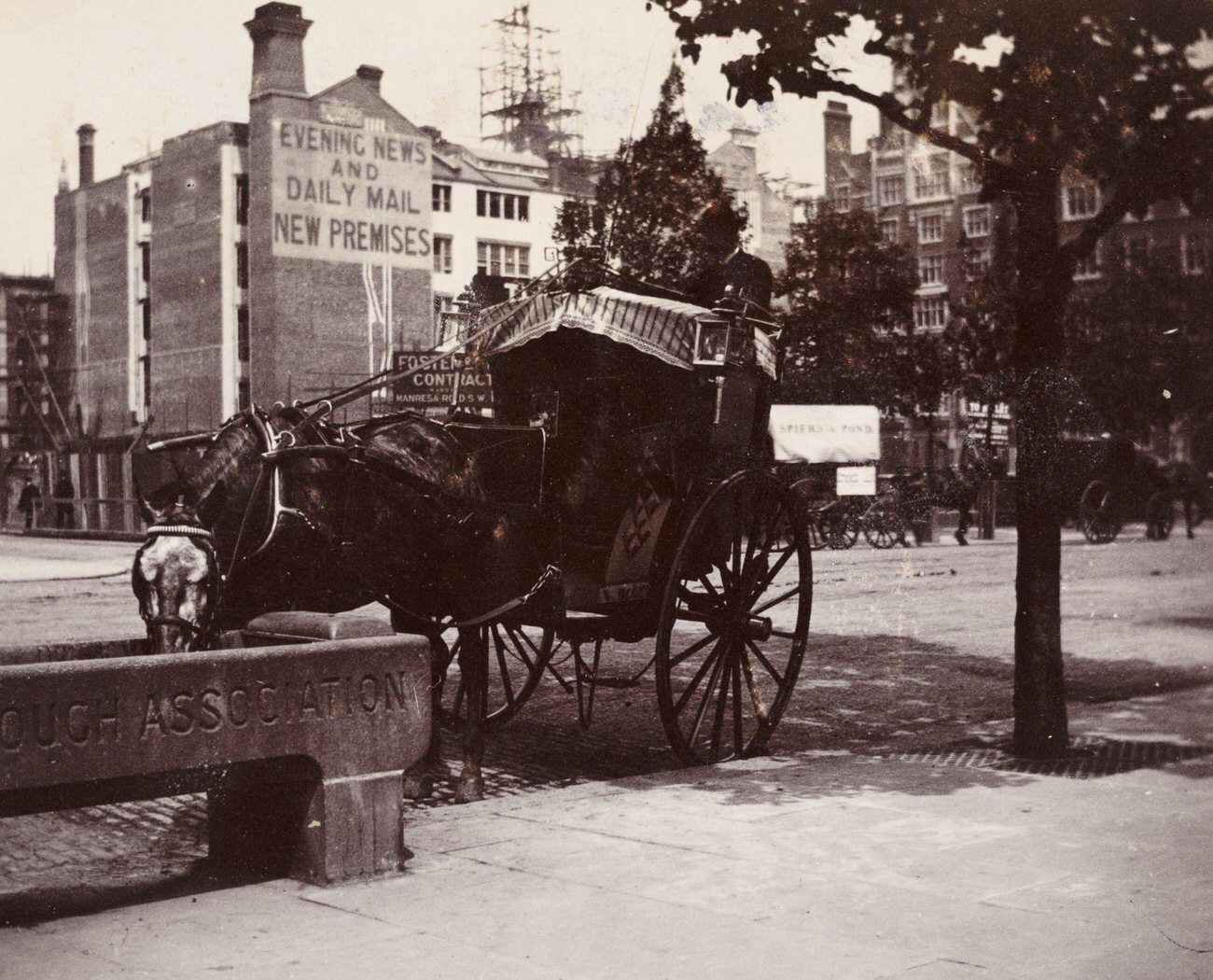
London’s streets around 1900 were a chaotic mix of horse-drawn vehicles, pedestrians, and street workers. Policemen directed traffic at busy intersections, managing Hansom cabs, delivery wagons, and omnibuses simultaneously. Road repair was constant work — cobblestones were perpetually shifting under the weight of iron-wheeled carriages. A Hansom cab horse stopping at a roadside drinking trough was an ordinary sight, as unremarkable as a car pulling into a petrol station today. The city was a machine, and it ran on horsepower — literally.
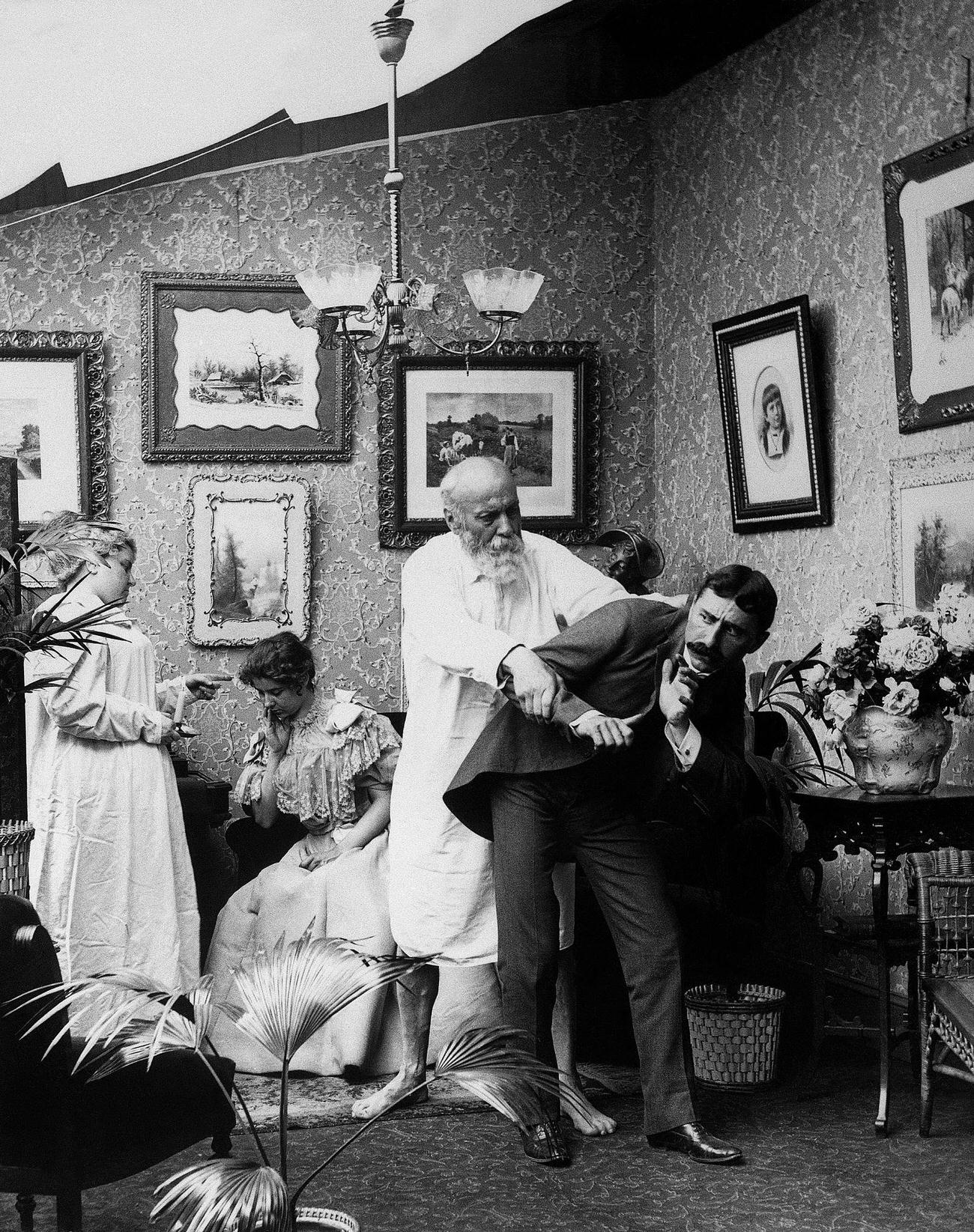
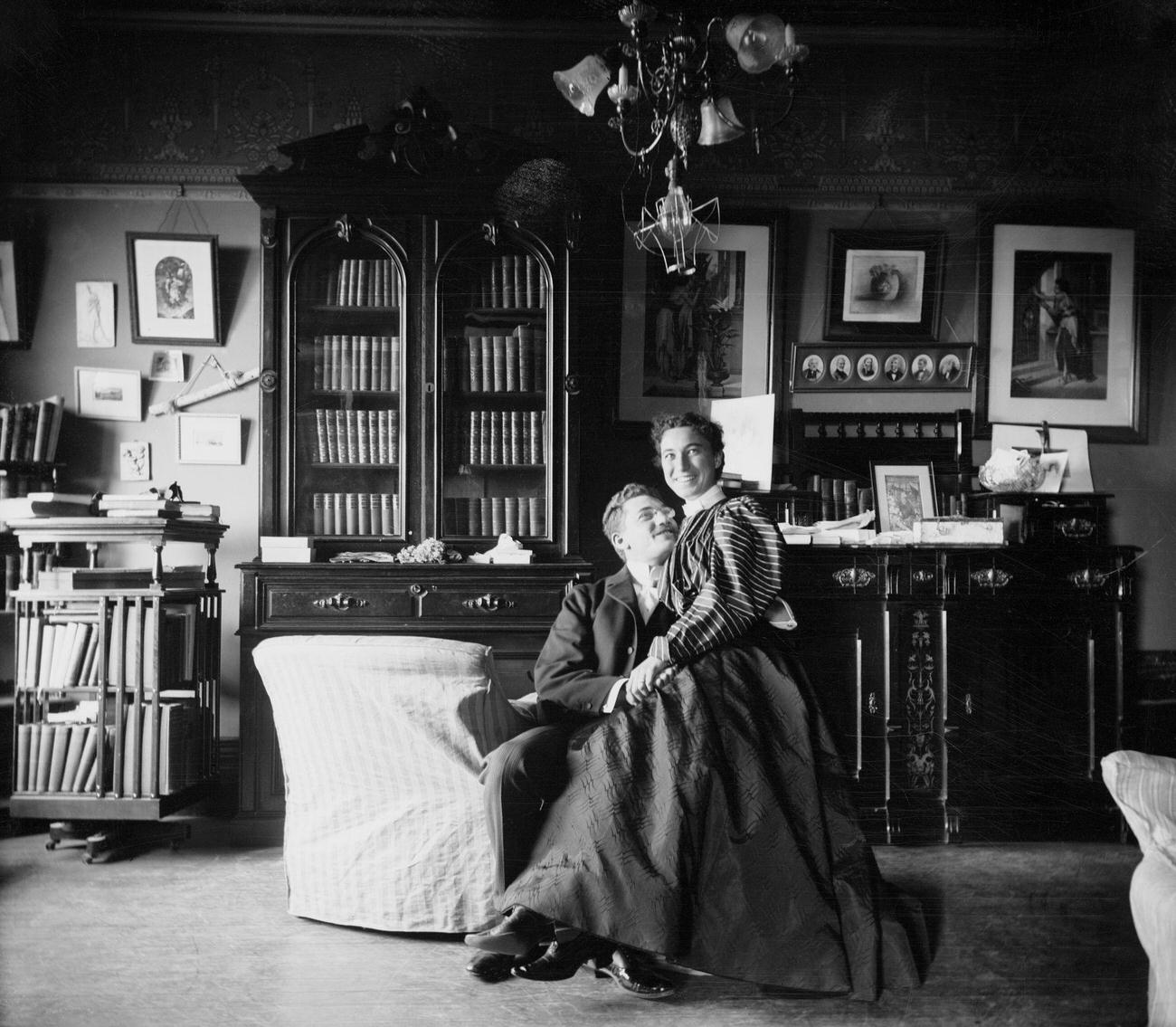
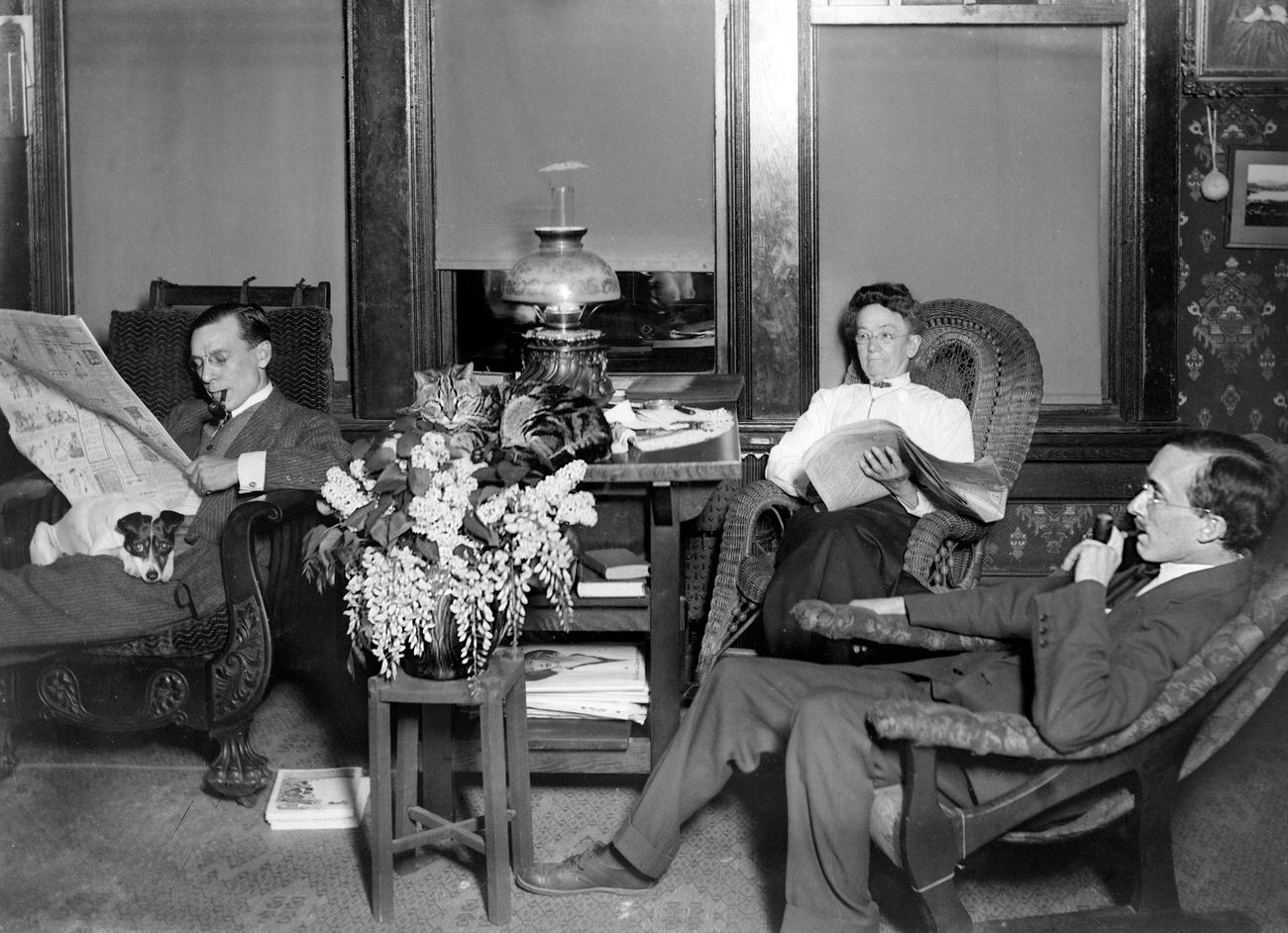
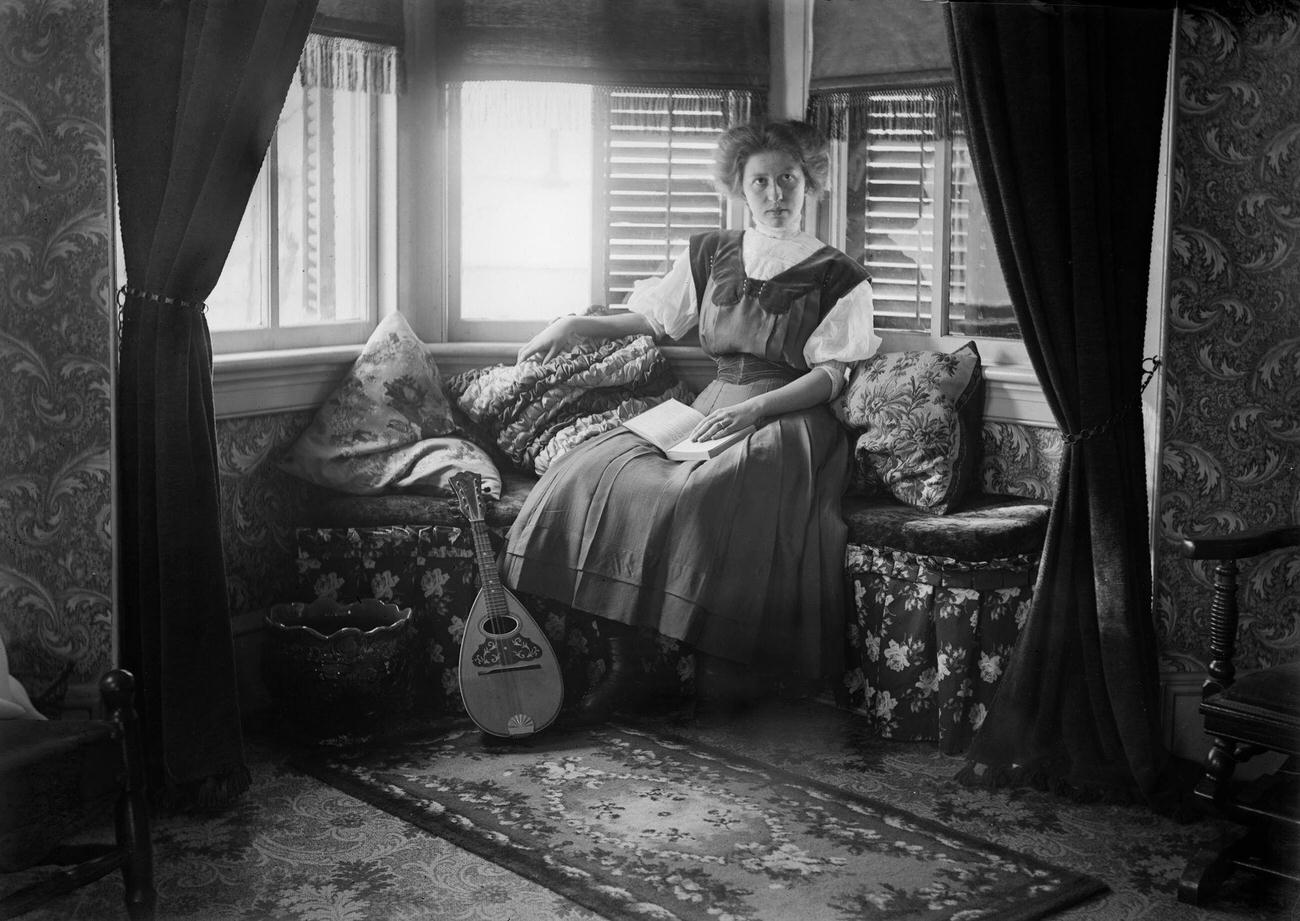
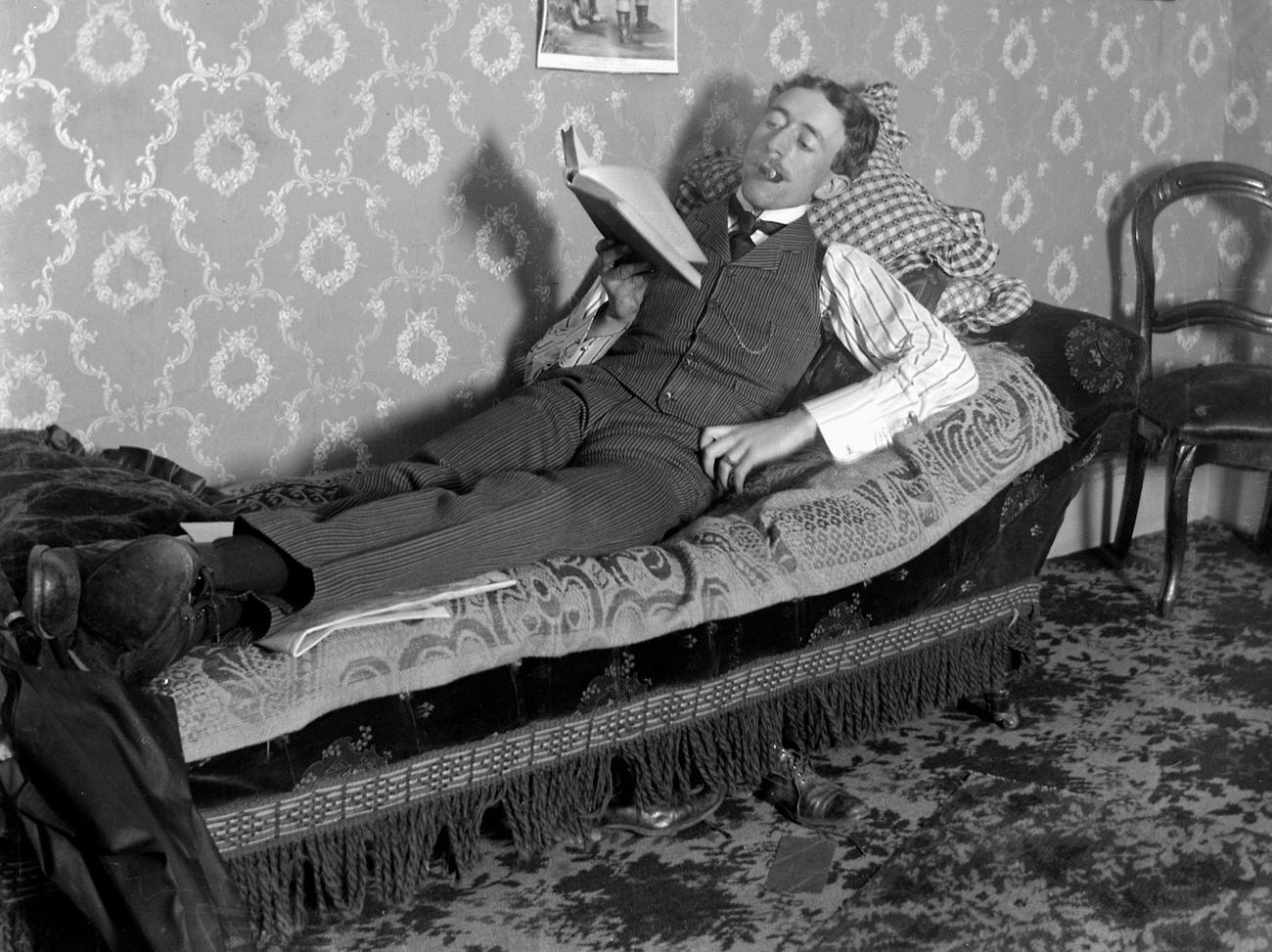
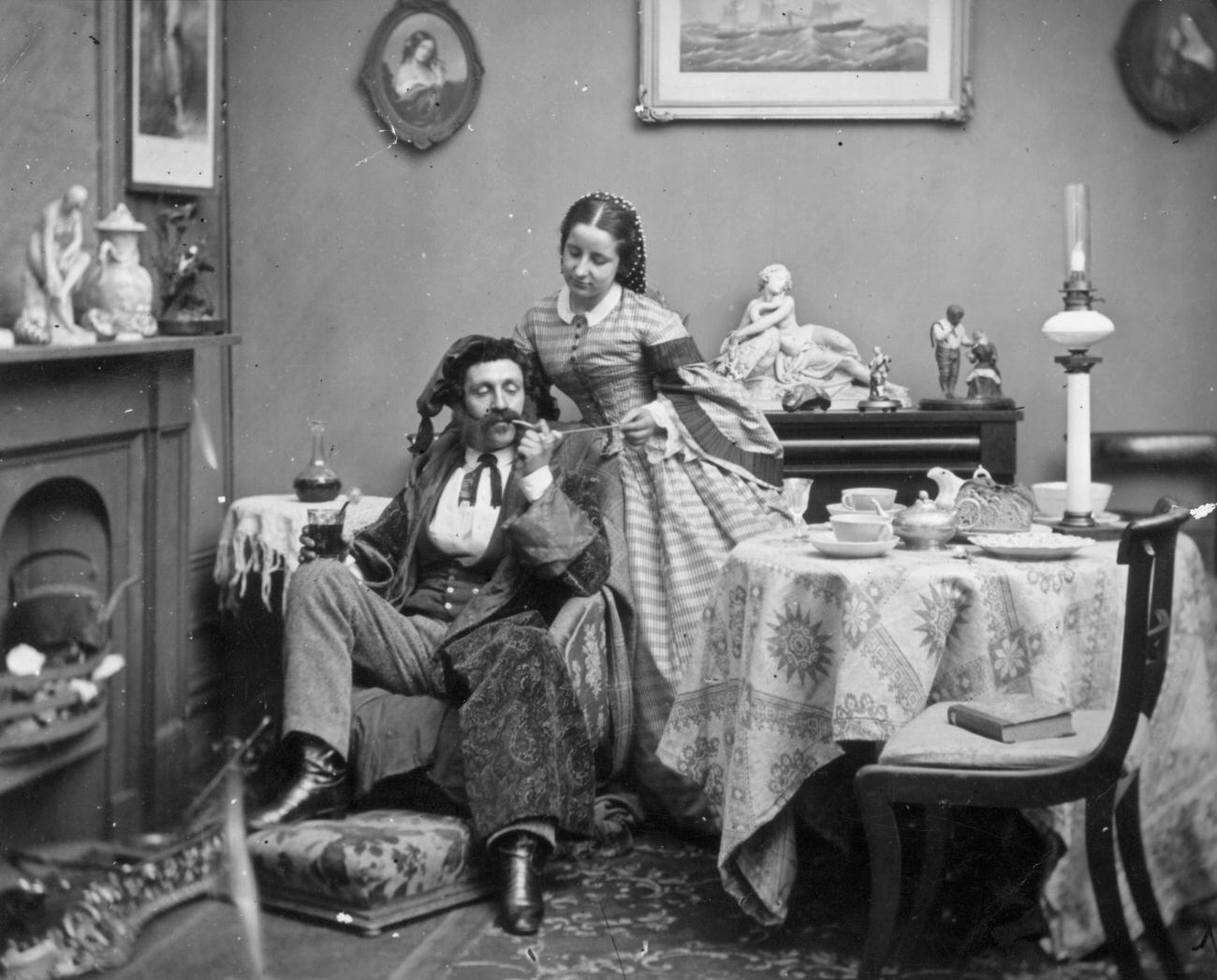
Victorian social codes around romance were rigid in public but not always followed in private. Photographs show couples stealing kisses and sitting together in ways that defied the formal distance prescribed by etiquette manuals. The Victorian home was also a space of genuine comfort — pet owners gathered in parlors with their animals, men read on fainting couches with pipes, and women sat in armchairs surrounded by the dense decorative clutter that defined the era’s interior style. These were not performances for the camera but snapshots of actual daily rhythms.
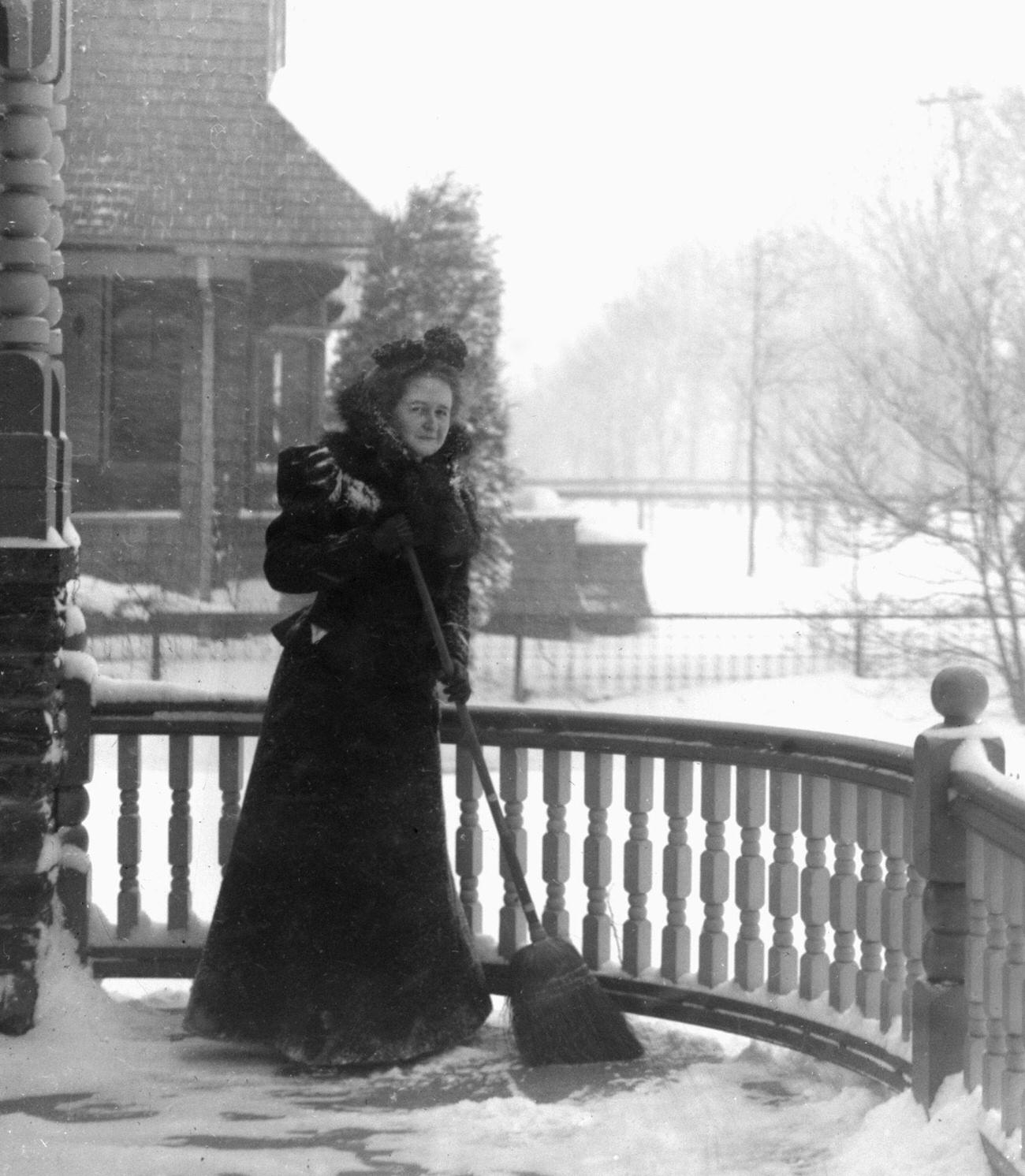
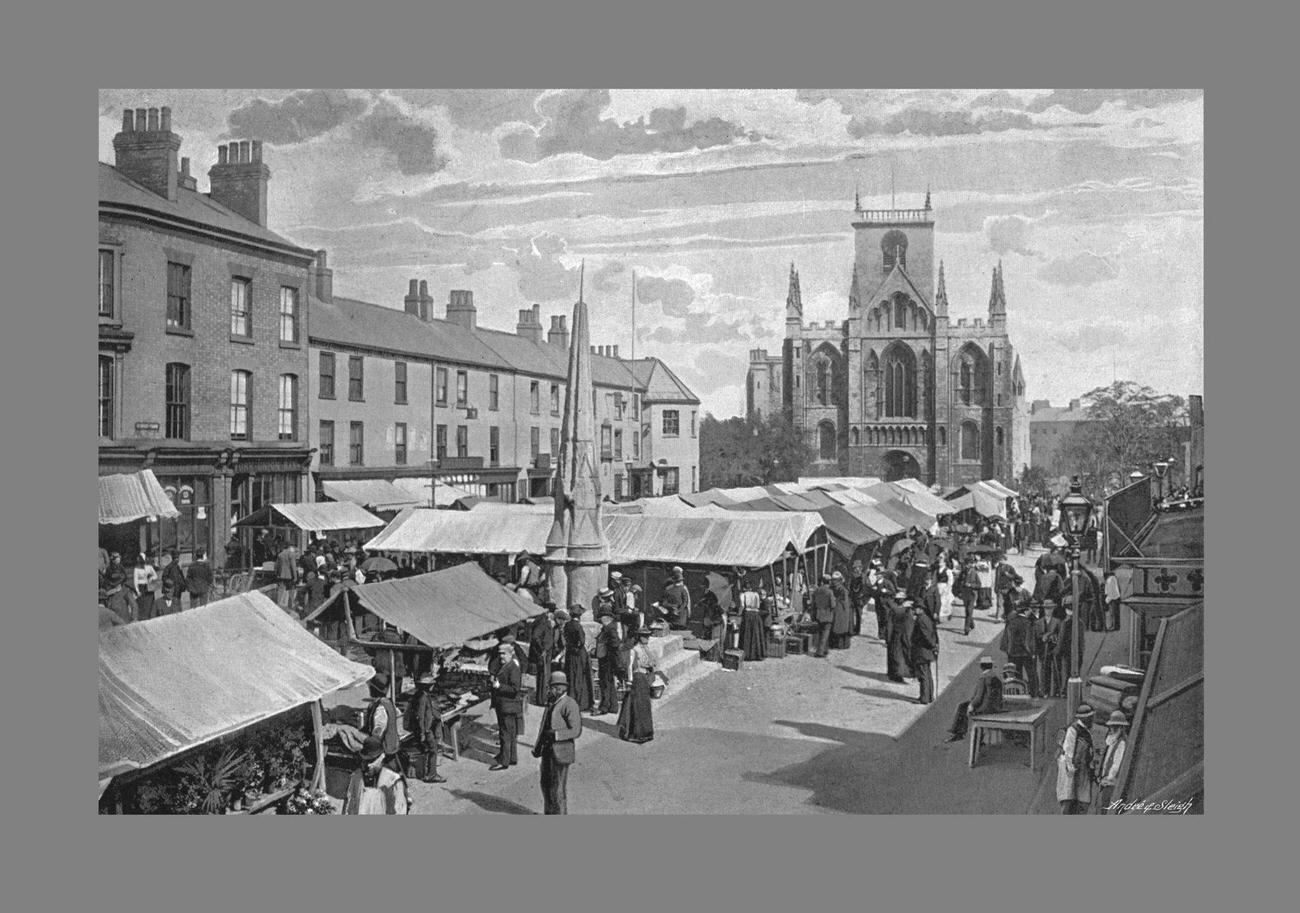
Winter brought its own demands to Victorian domestic life. Clearing snow from doorsteps and paths was a personal responsibility with no municipal support. Market towns across England remained centers of commerce year-round, with butcher’s shops, general dealers, and street traders serving the surrounding communities. These towns connected rural areas to the wider economy, and their market places were weekly meeting points as much as commercial spaces.
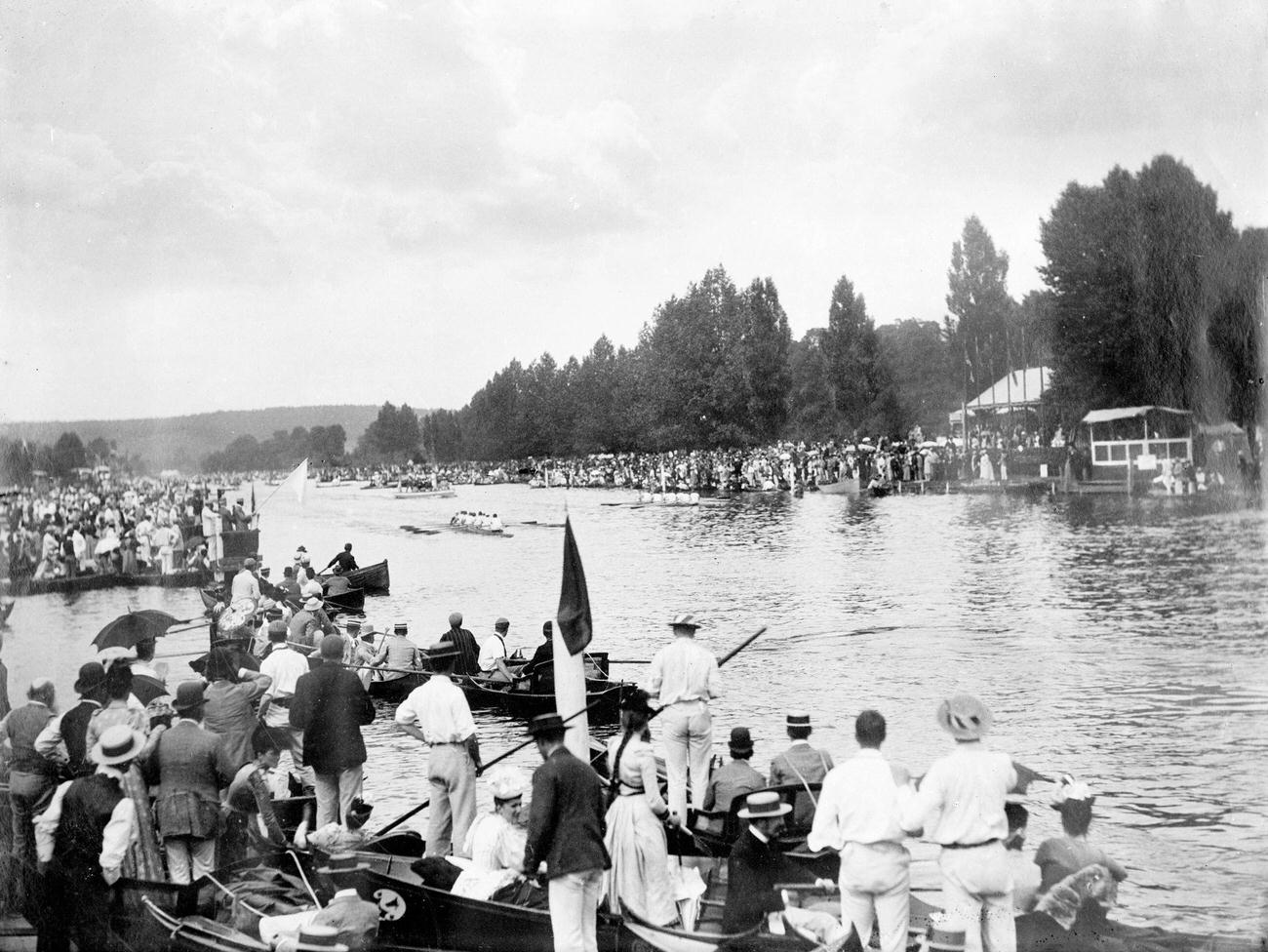
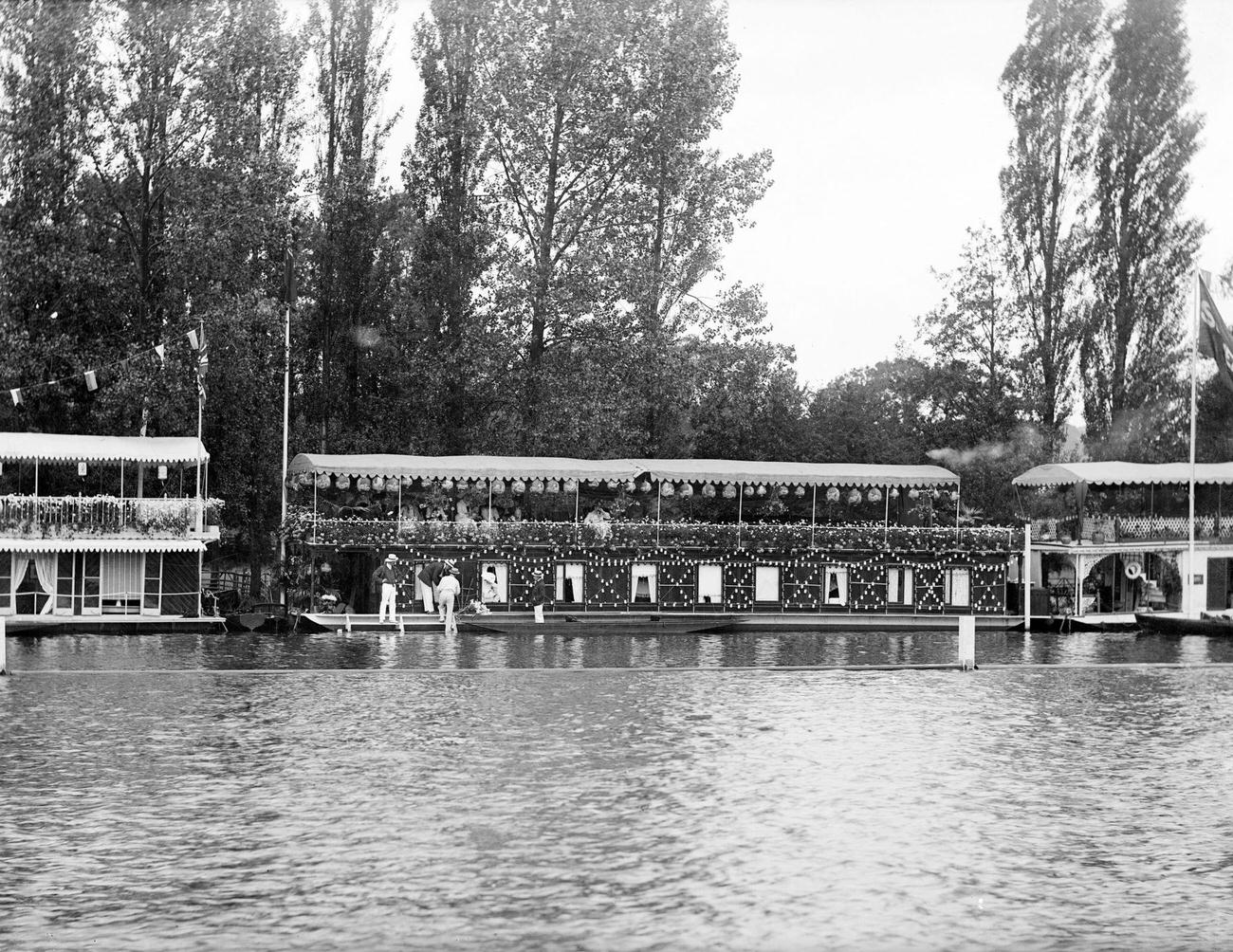
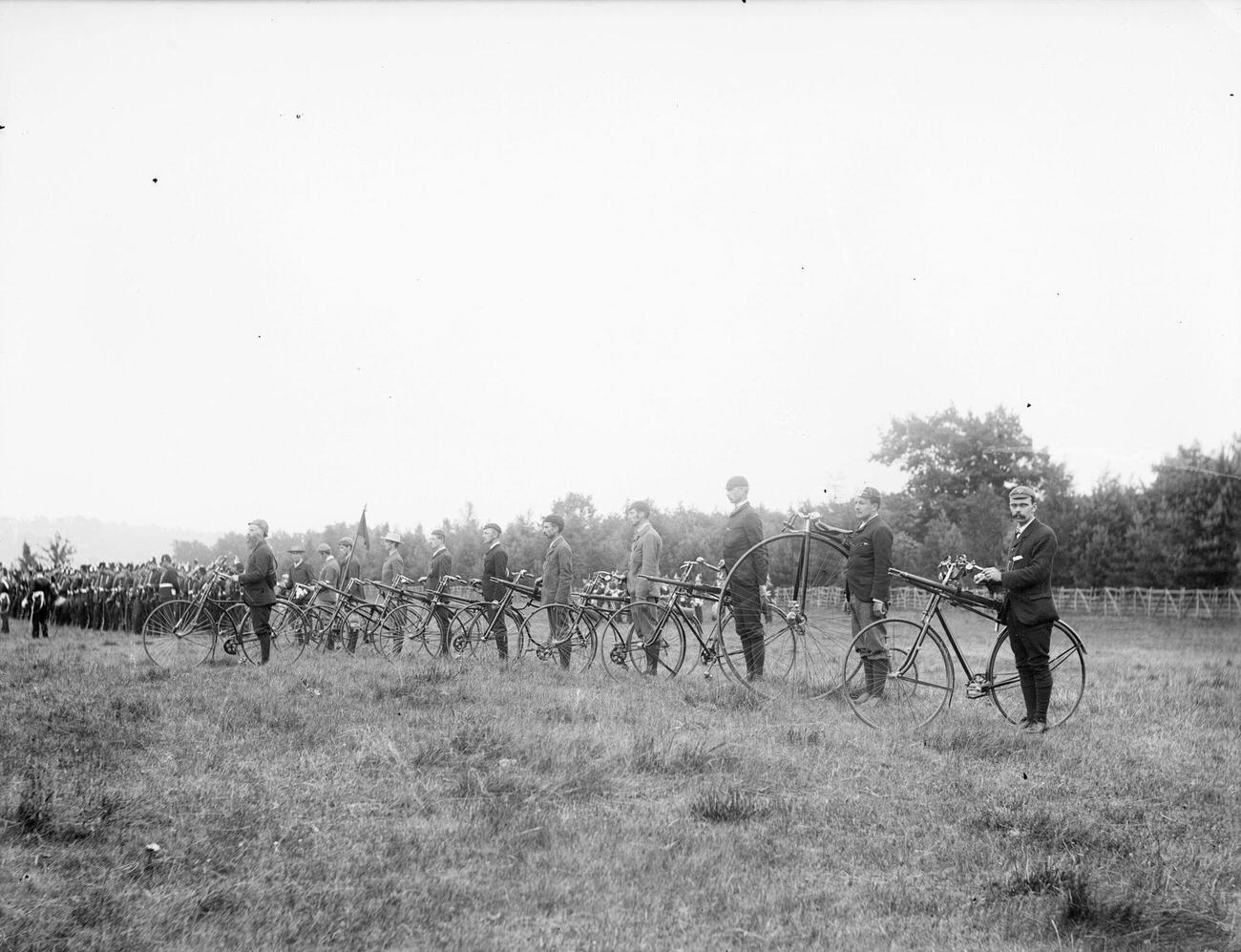
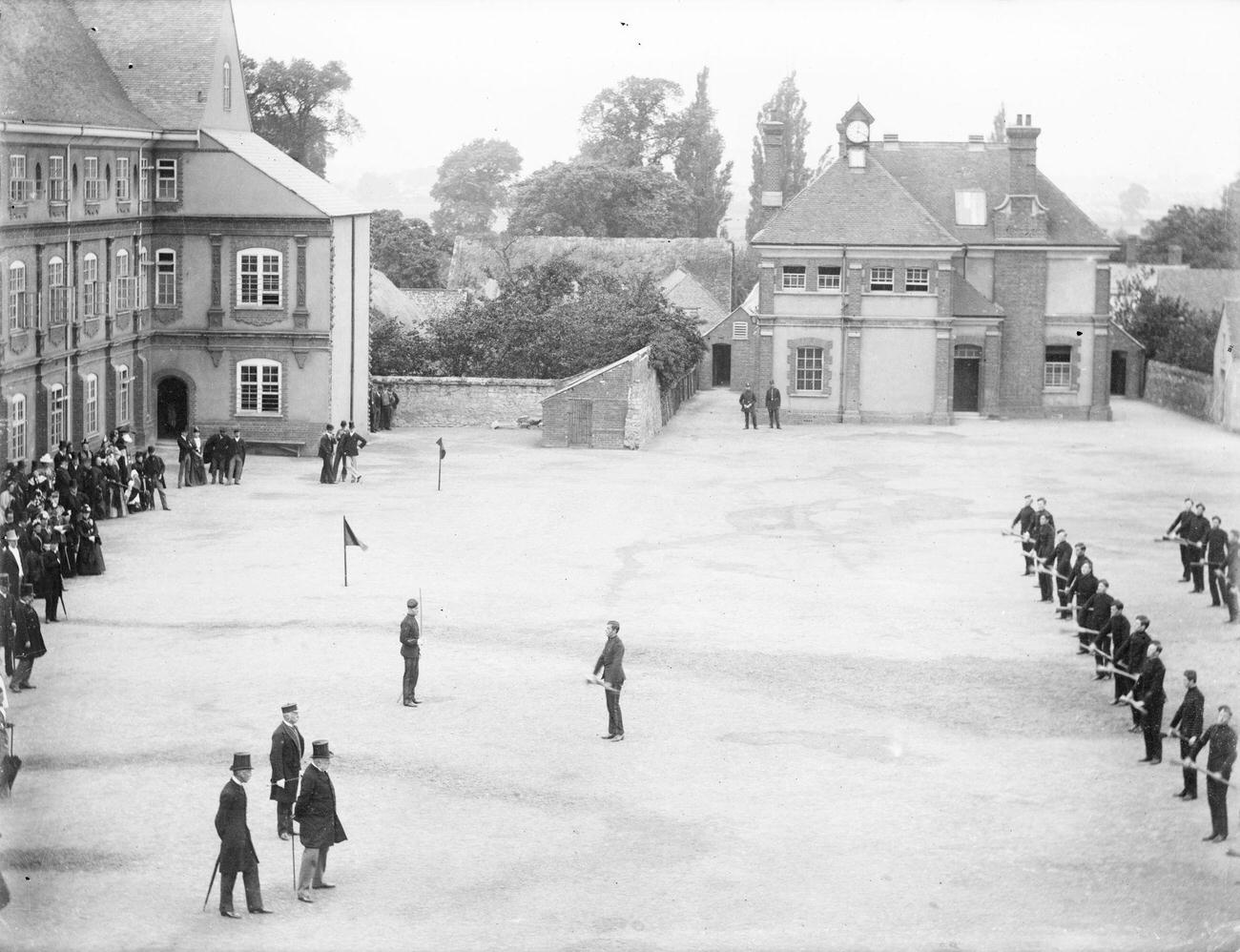
The River Thames was a stage for some of the era’s most prestigious social events. The Henley Regatta attracted spectators from across the country each summer, with the riverbanks lined with parasols, blazers, and picnic hampers. Houseboats moored along the Thames at Henley provided floating accommodation for those who could afford it. Elsewhere in Oxfordshire, military units adapted to modern technology — a mobile unit of riflemen equipped with bicycles represented the era’s push to blend traditional military discipline with new forms of mobility.
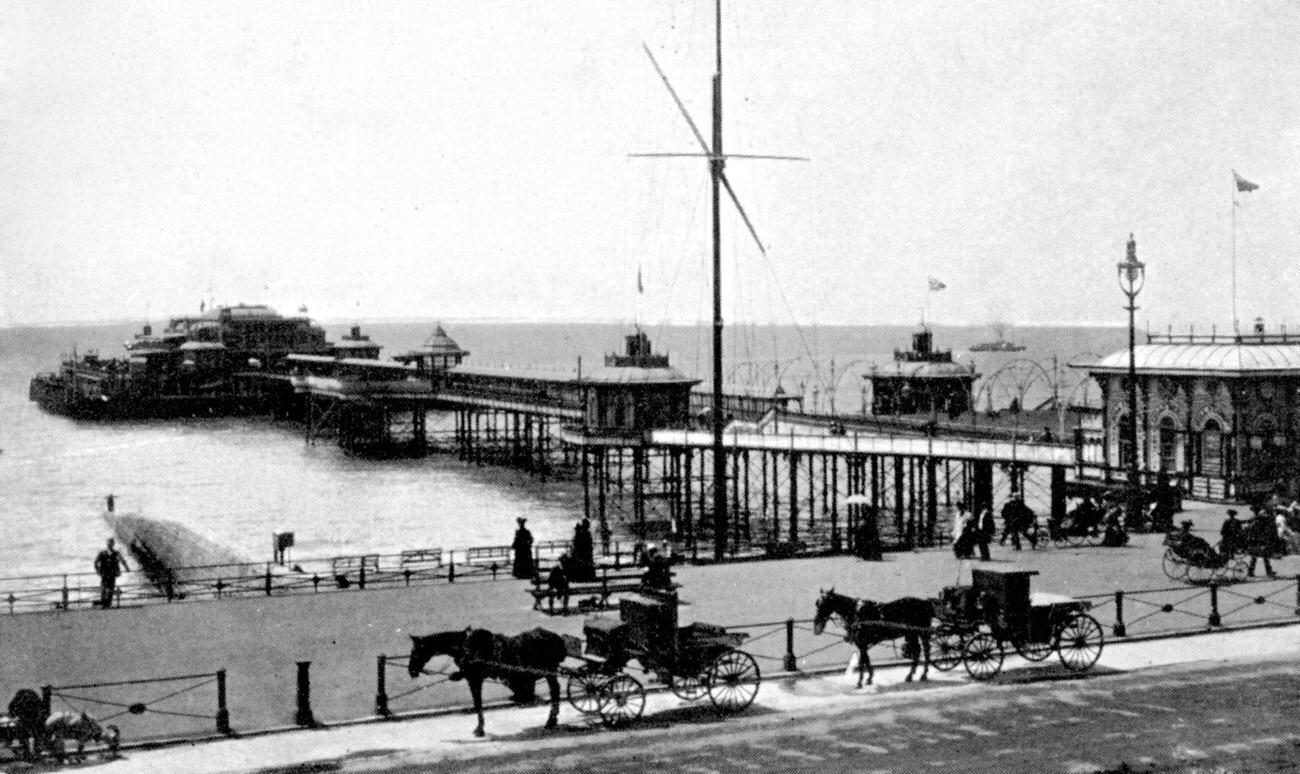
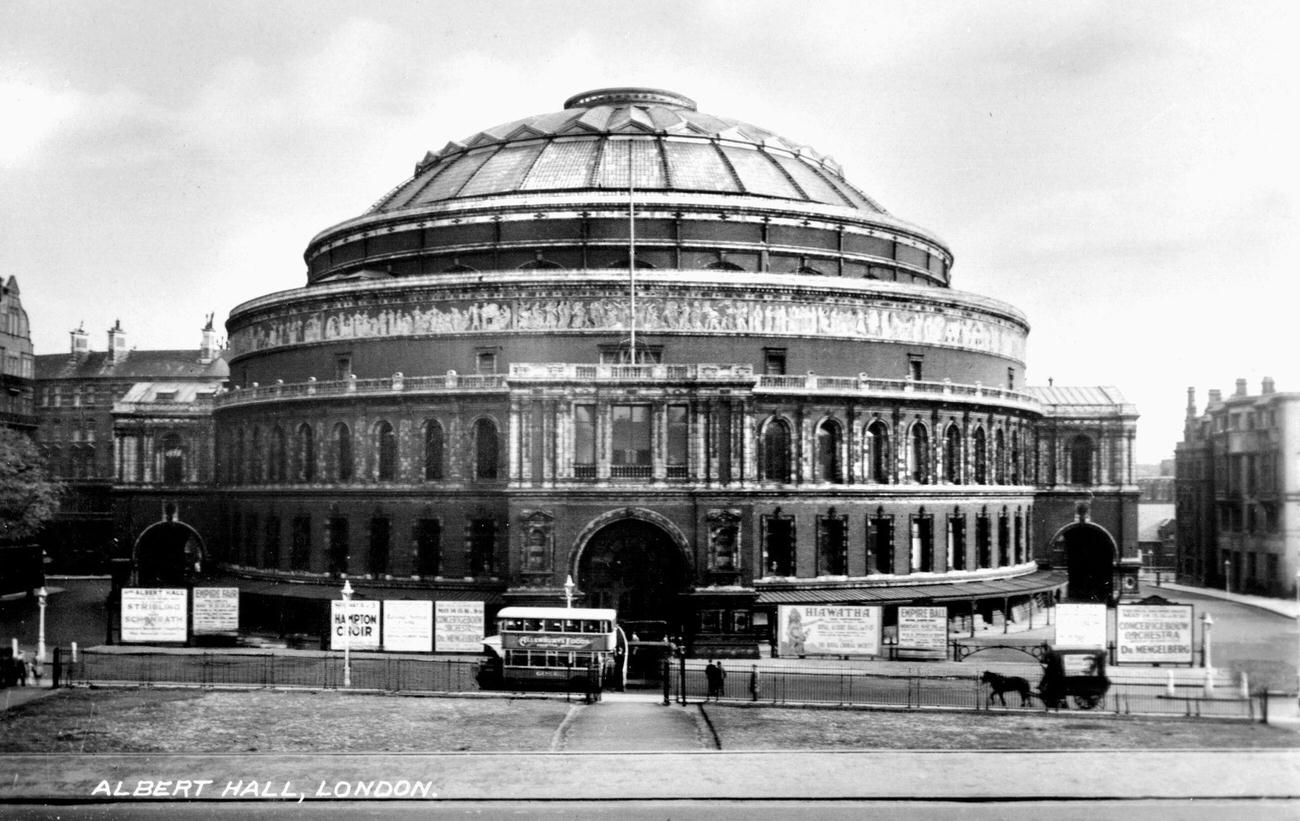
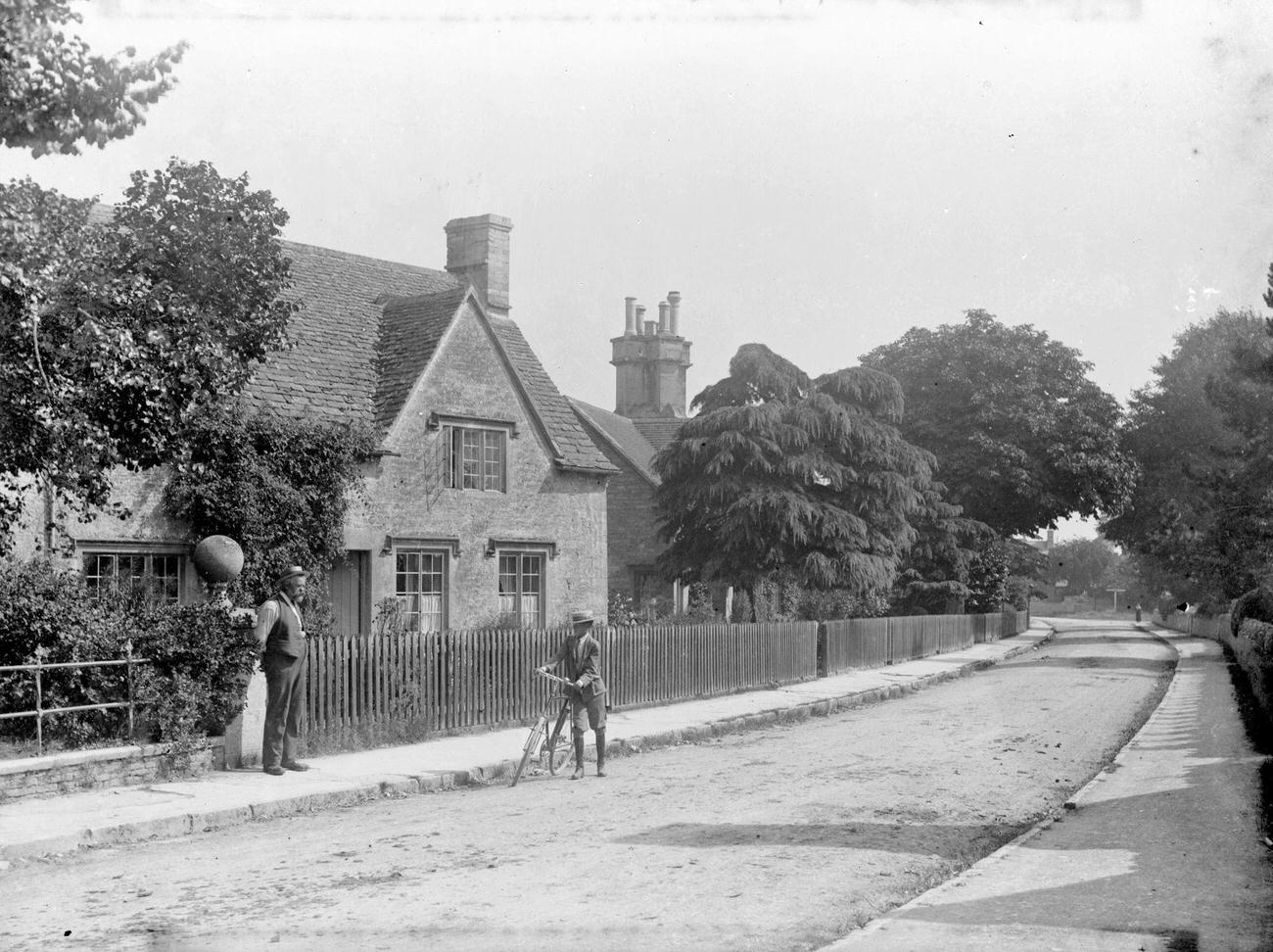
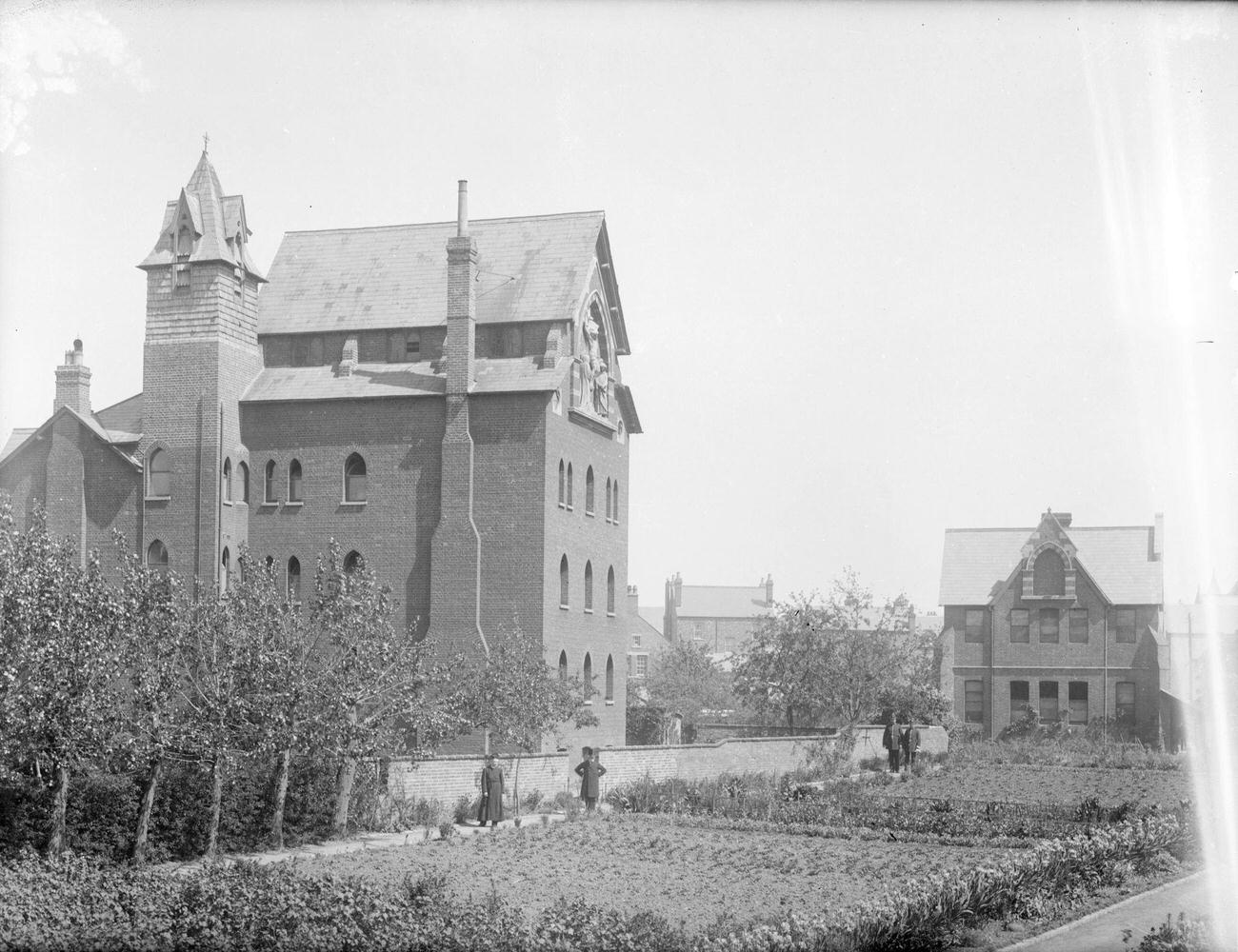
The built environment of Victorian England ranged from modest village streets to grand civic architecture. Hatherop in Gloucestershire retained the quiet character of a small English village, while Oxford’s Cowley district housed both religious institutions and military parade grounds. London’s Royal Albert Hall, completed in 1871, became one of the era’s most recognizable buildings — a venue for concerts, ceremonies, and public gatherings that anchored the city’s cultural life. Brighton’s West Pier stretched into the sea as a monument to Victorian confidence in engineering.
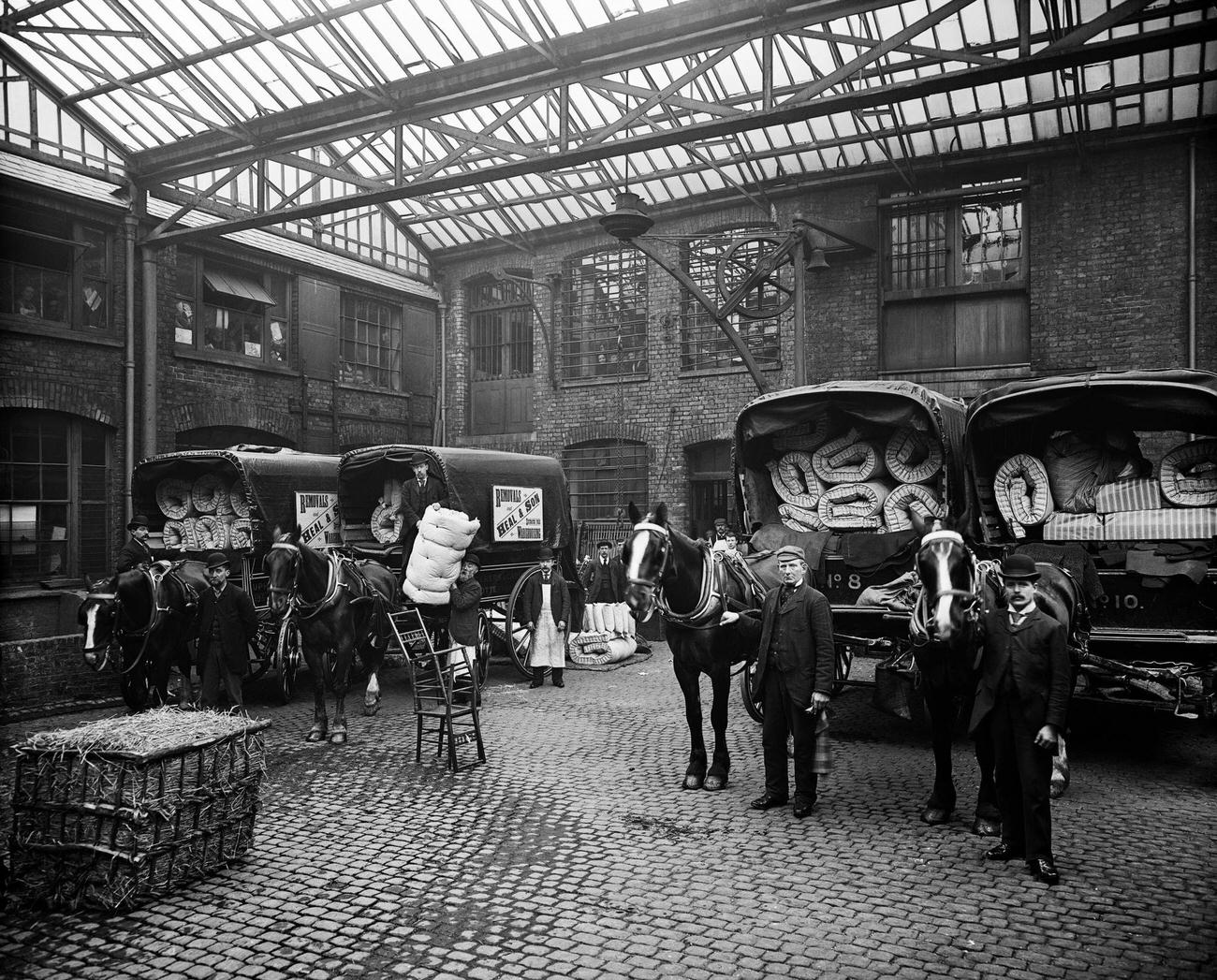
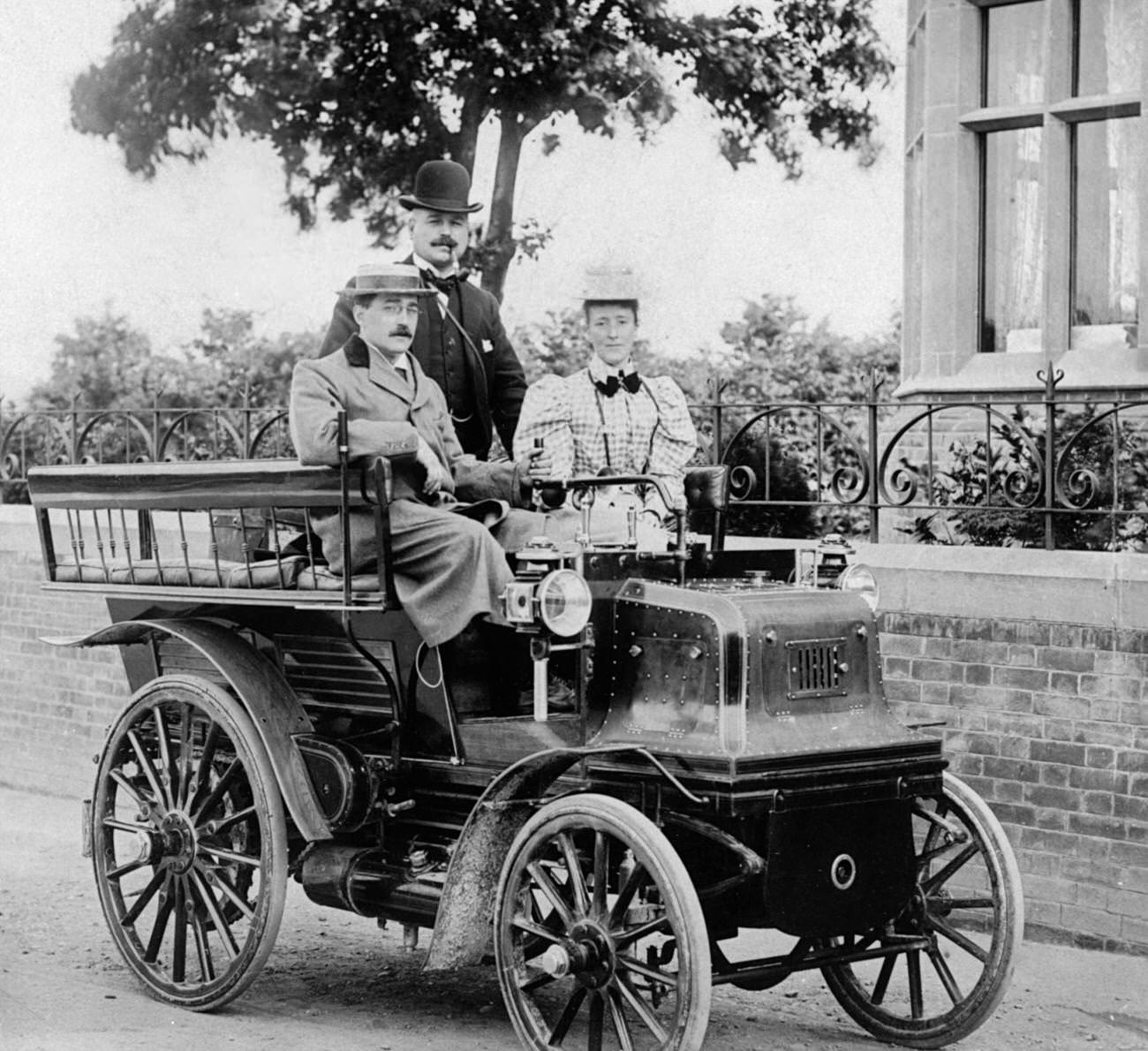
Transportation was changing rapidly as the Victorian era drew to a close. The 1898 Daimler Wagonette represented the very beginning of the motor age in Britain — a petrol-powered carriage that looked almost identical to its horse-drawn predecessors but ran without horses. These early vehicles were a curiosity and a luxury, far beyond the reach of ordinary people. While London’s streets were still dominated by horses, the automobile was already beginning to reshape what was possible. Elsewhere in the world, the Victorian period also meant forced labor and colonial punishment on a vast scale.
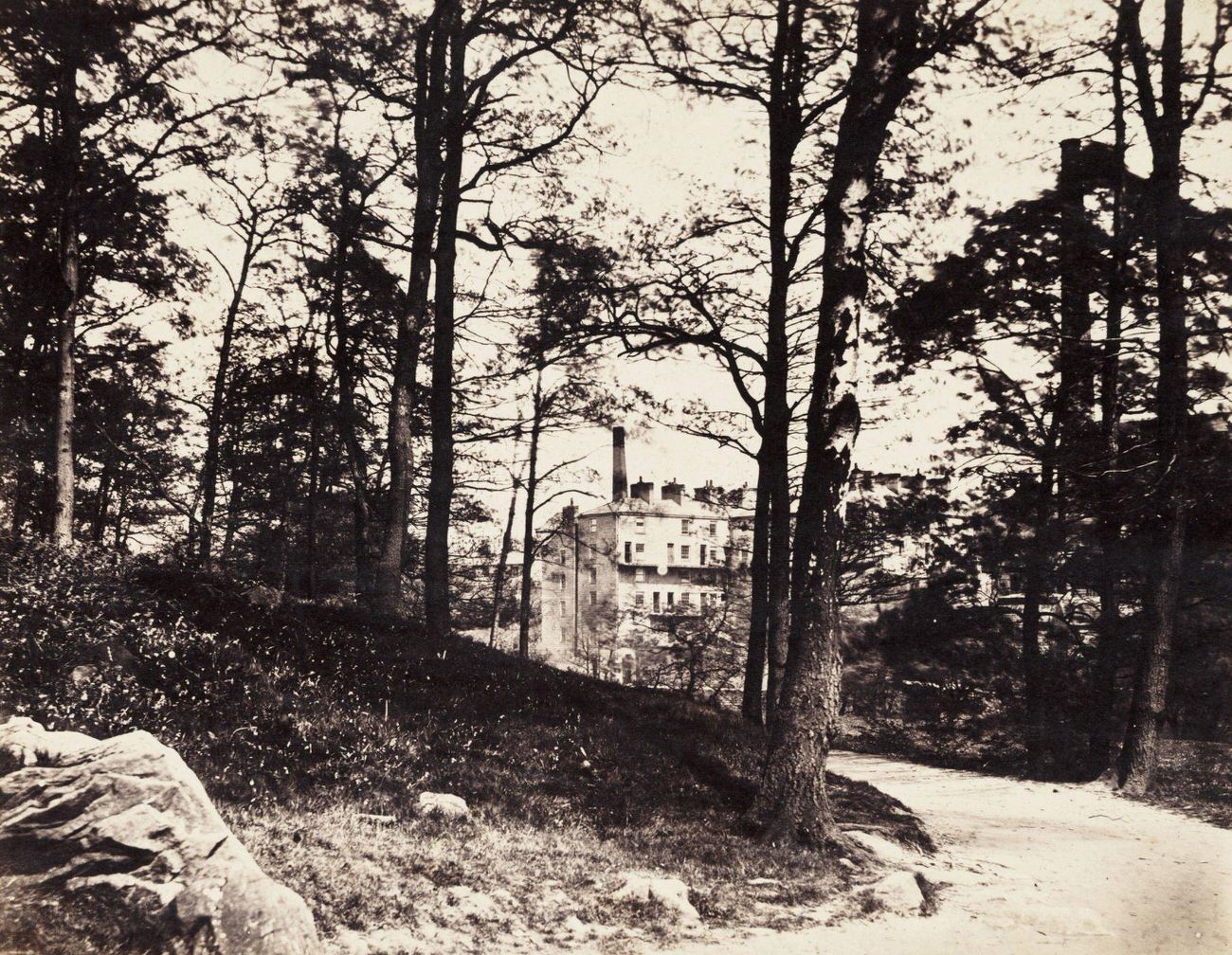
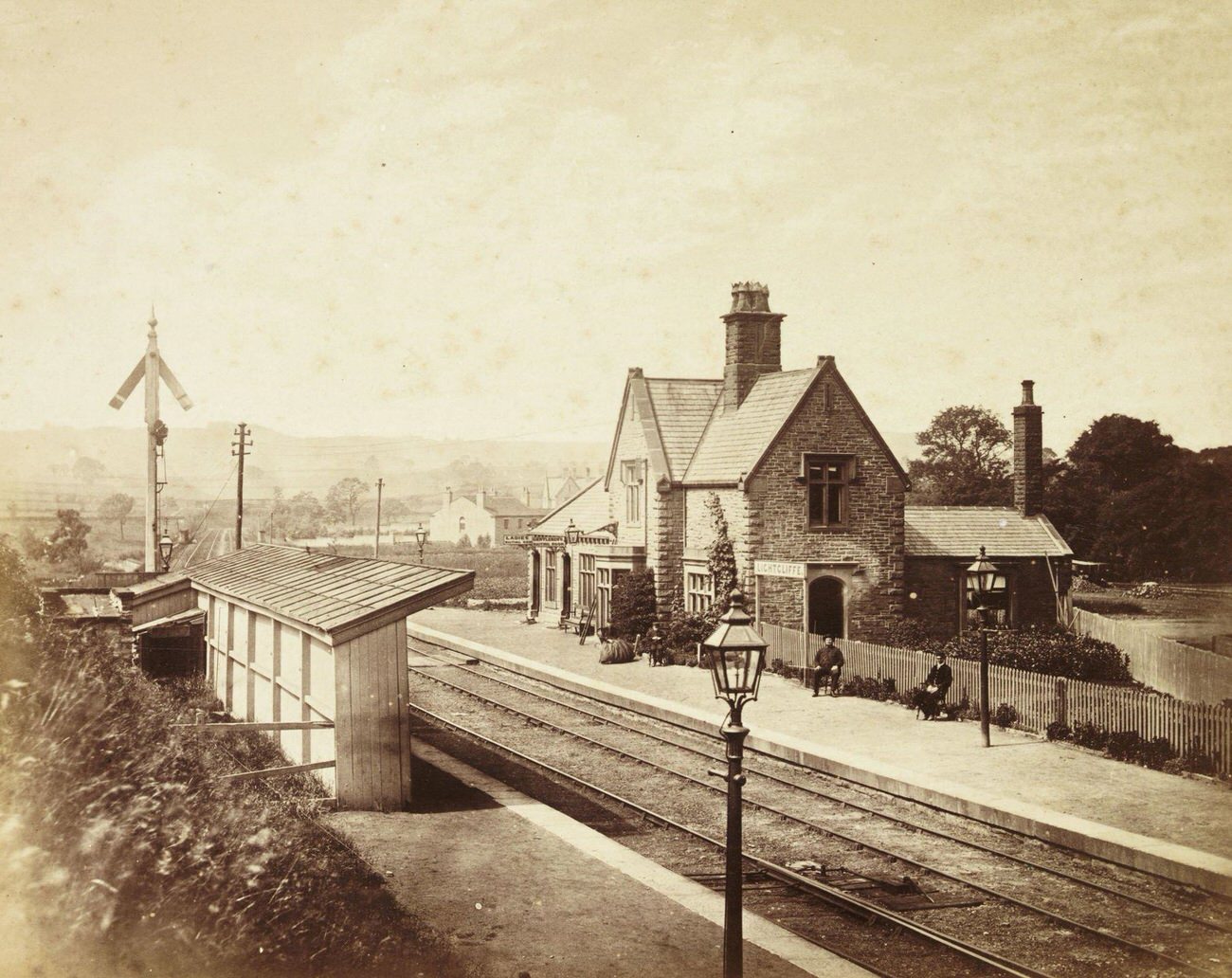
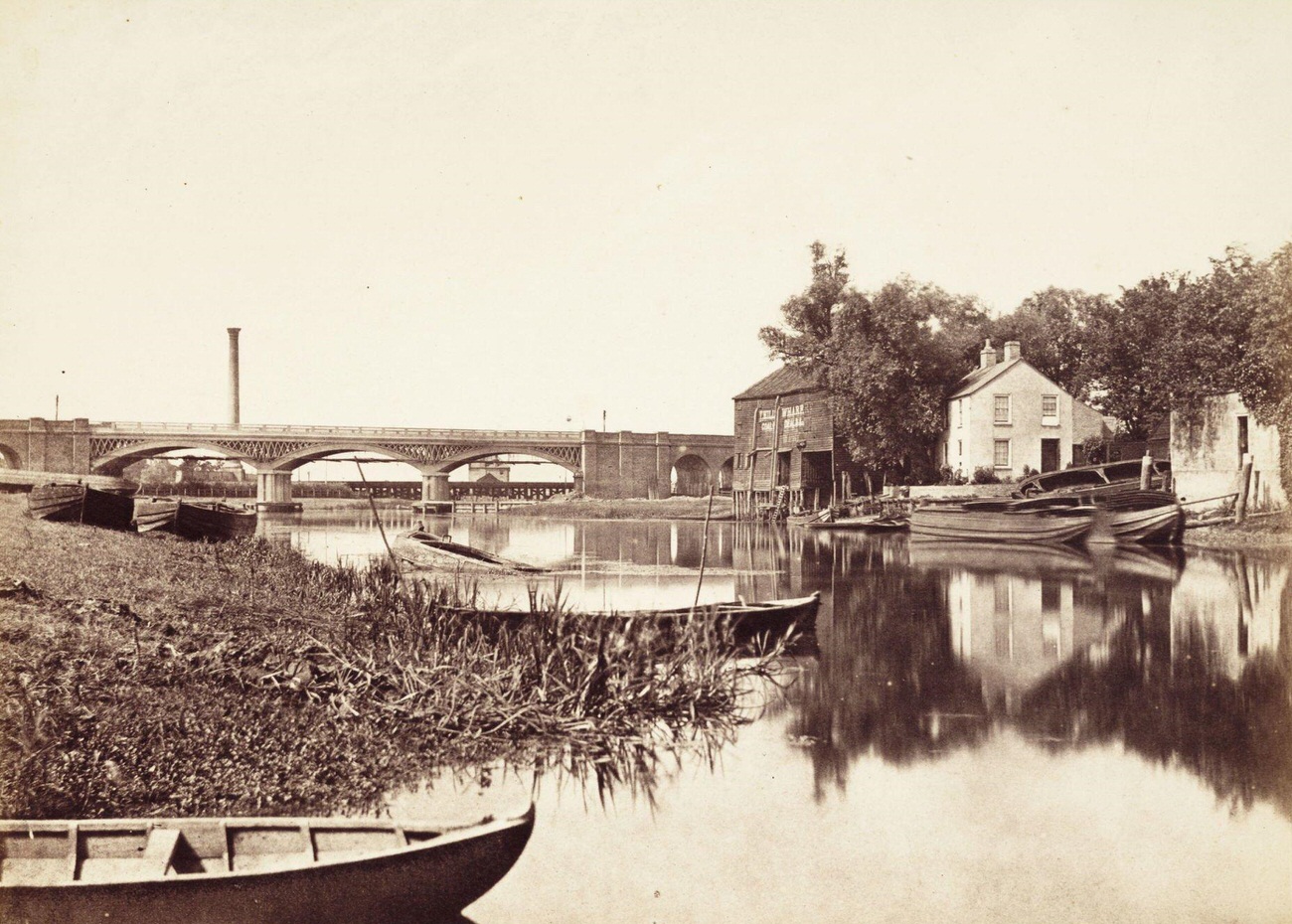
The Industrial Revolution left visible marks on every landscape it touched. Photographer Samuel Smith documented the English countryside in the mid-1850s, capturing factories emerging from woodland, railway stations cutting through fields, and rivers still used by working boats. These images show a world in transition — the old rural order and the new industrial one existing side by side before the latter fully won out. A decade later, communities across Britain and the empire were already adapting to the changes that industrialization had set in motion.
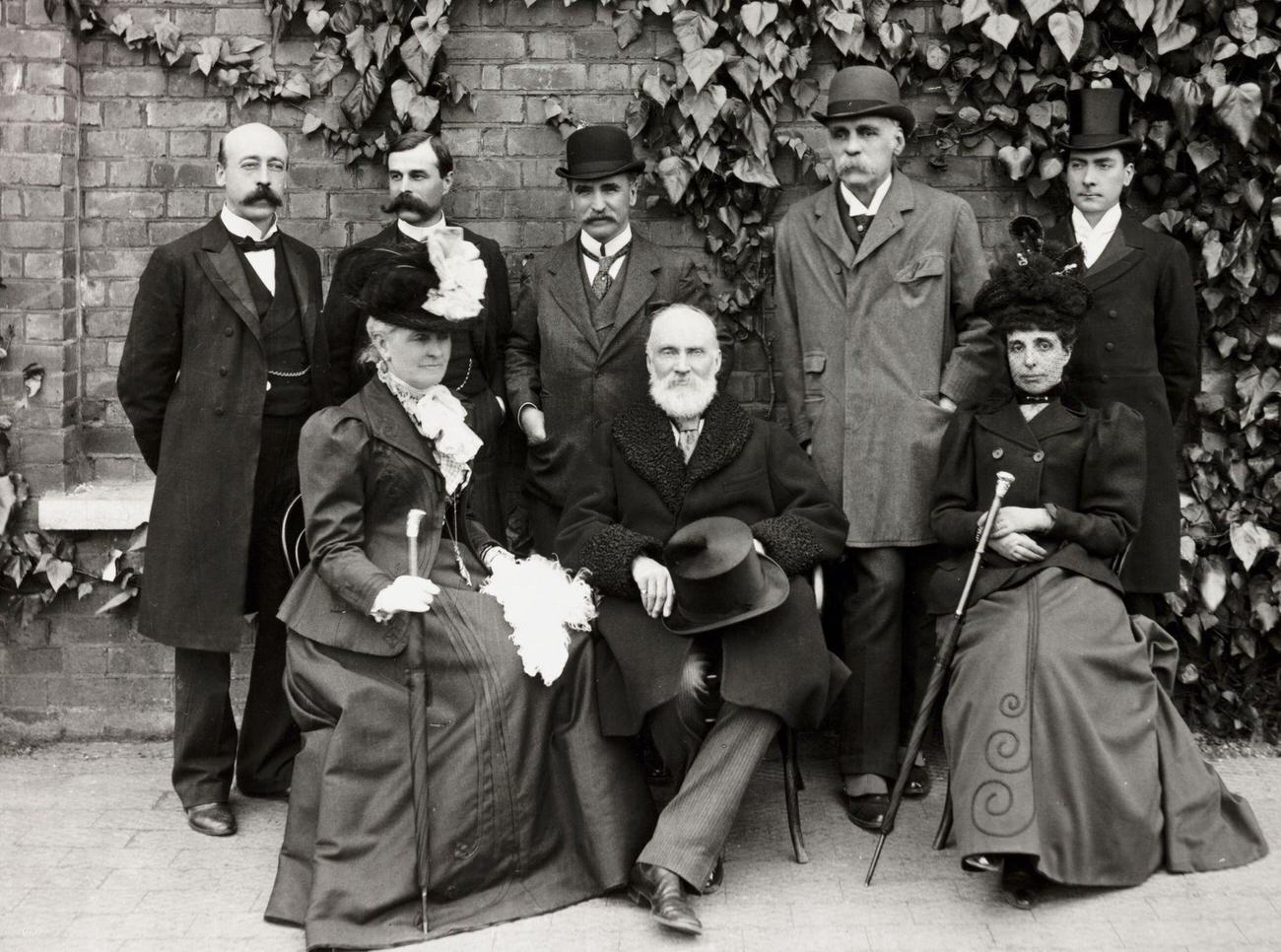
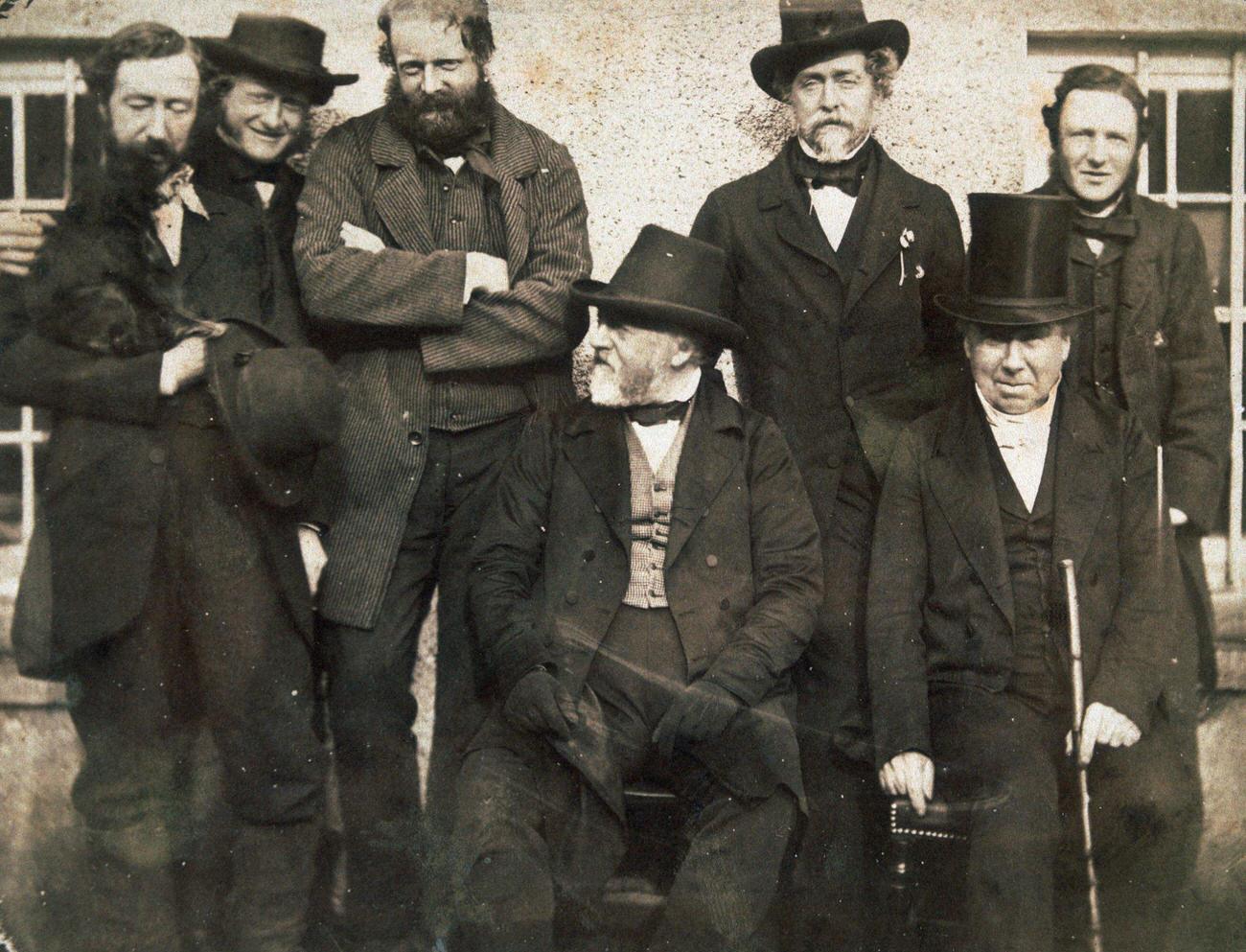
Portraiture for groups of men — whether colleagues, neighbors, or members of a trade — was common throughout the era. These photographs were often commissioned to mark a specific occasion or to document a working team. The Isle of Man’s Peel Castle and harbour, photographed in the 19th century, shows how Victorian photographers also turned their lenses on the built heritage of Britain’s outlying islands and regions, preserving details of structures and communities that might otherwise have gone unrecorded.
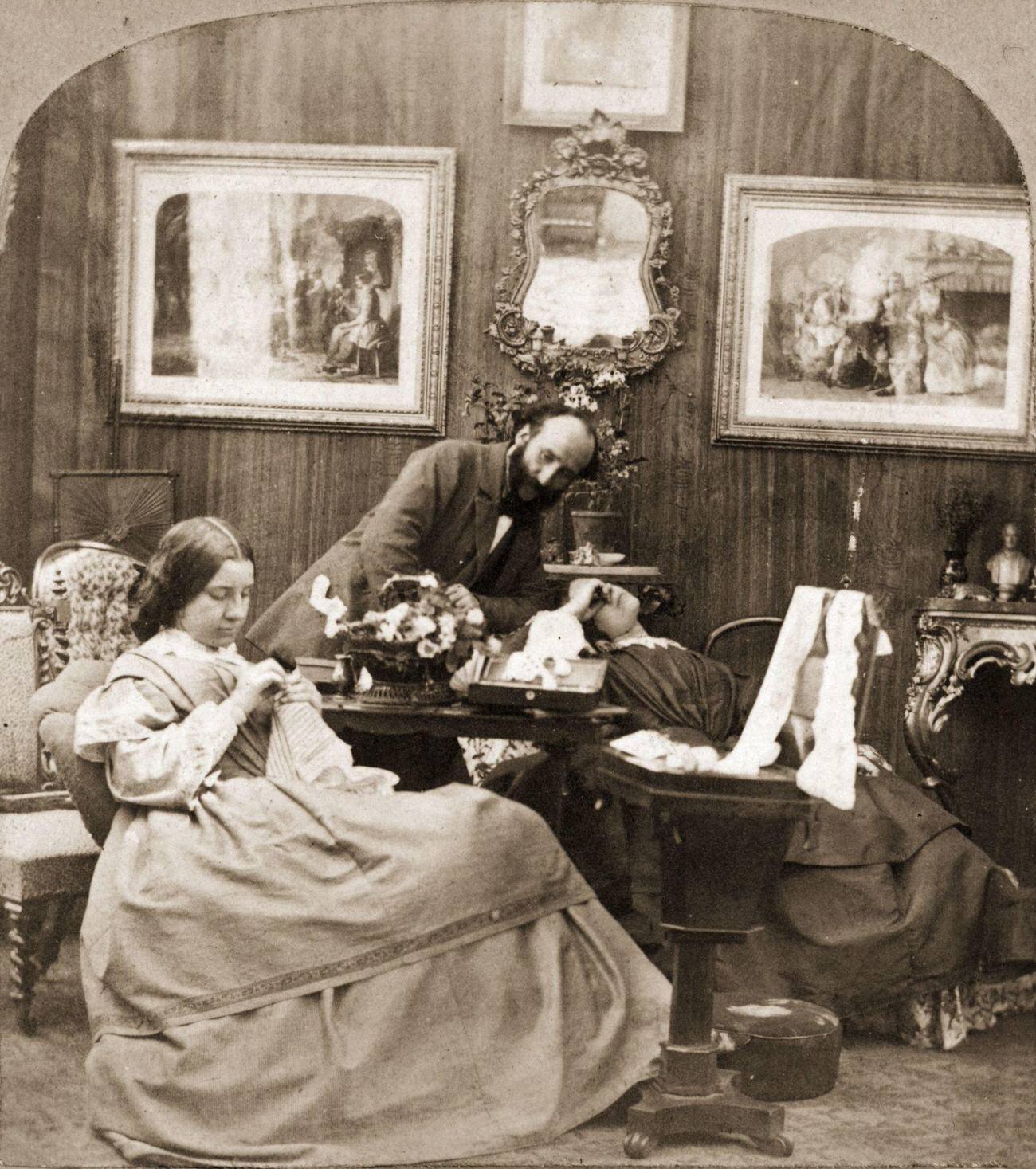
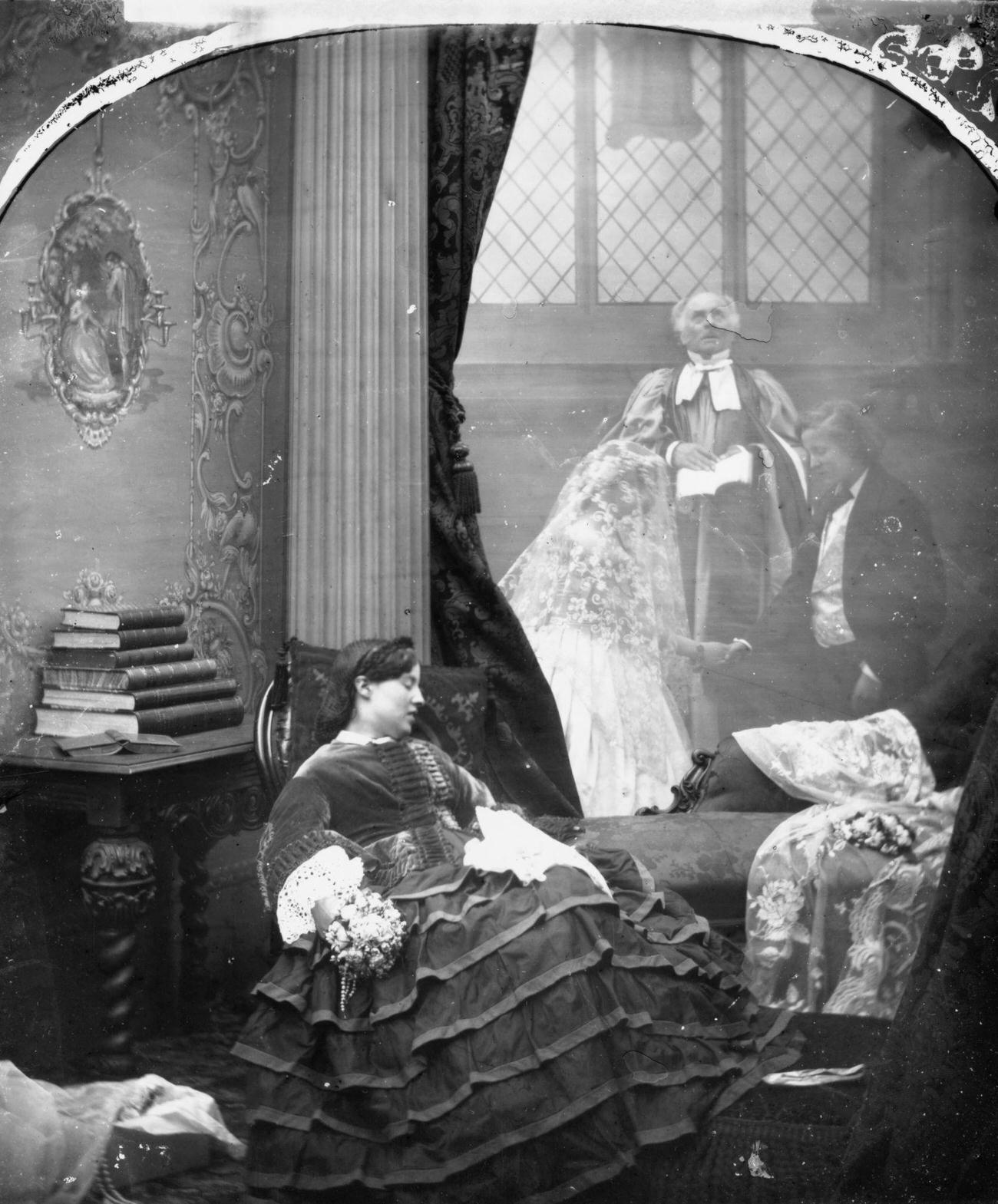
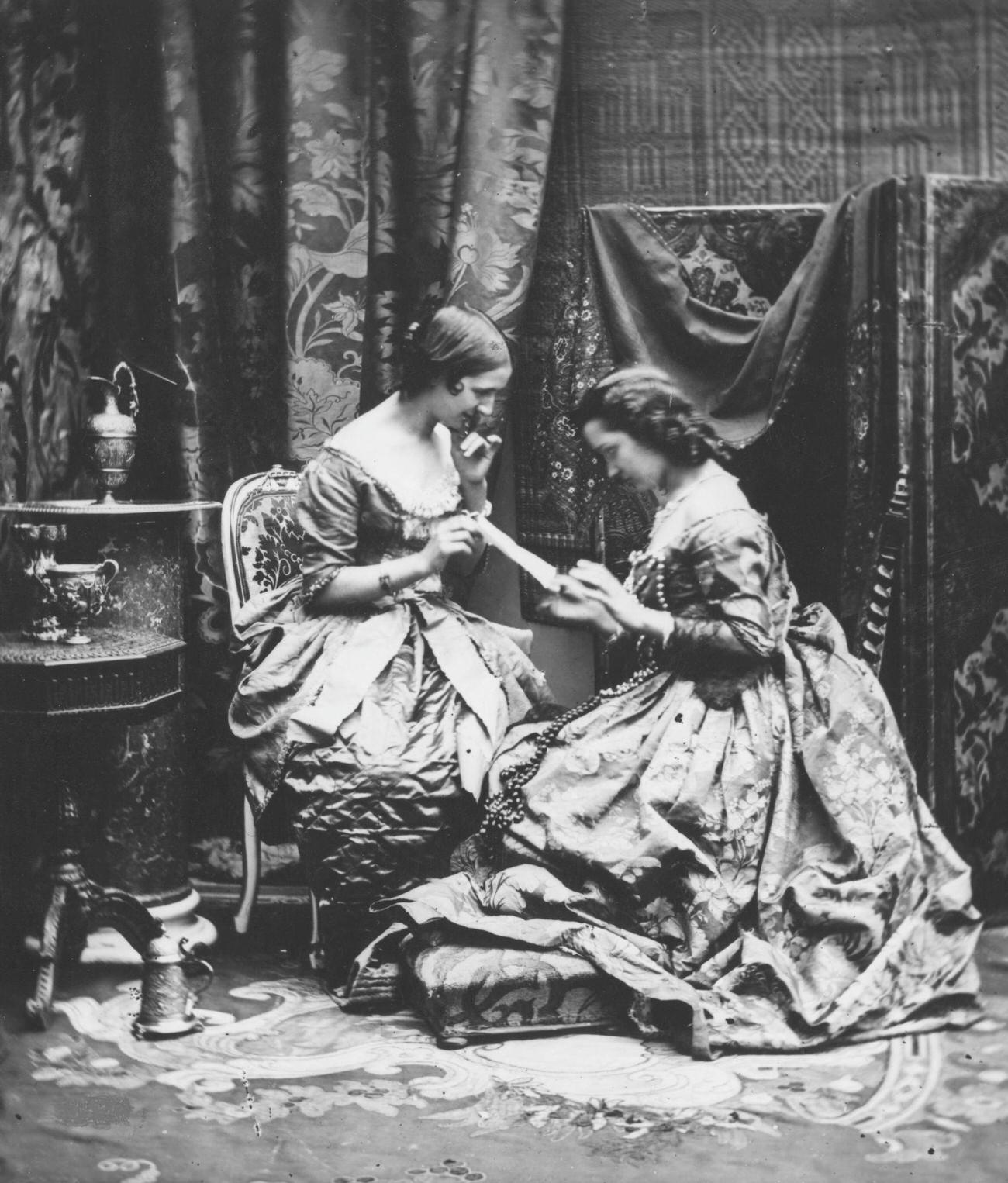
Earlier Victorian photographs, taken in the 1860s, show domestic scenes that establish just how consistent certain patterns of life were across the era. Family portraits, living rooms arranged for informal gatherings, and scenes of women reading letters, dreaming, or exchanging Valentine cards all point to a rich domestic culture centered on the home. Servants moved quietly through these spaces, carrying trays and maintaining the household machinery that kept middle-class and upper-class life running smoothly.
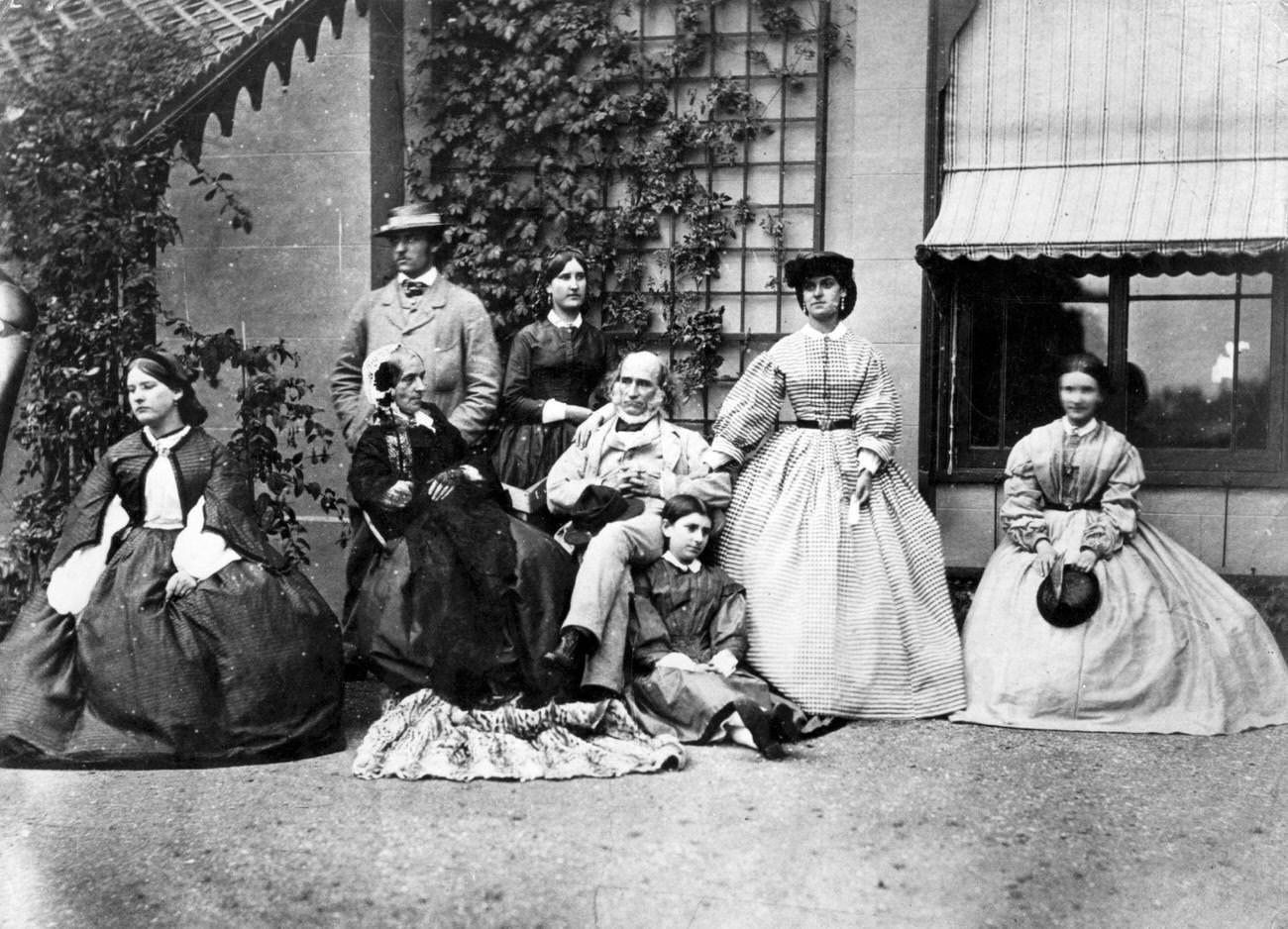
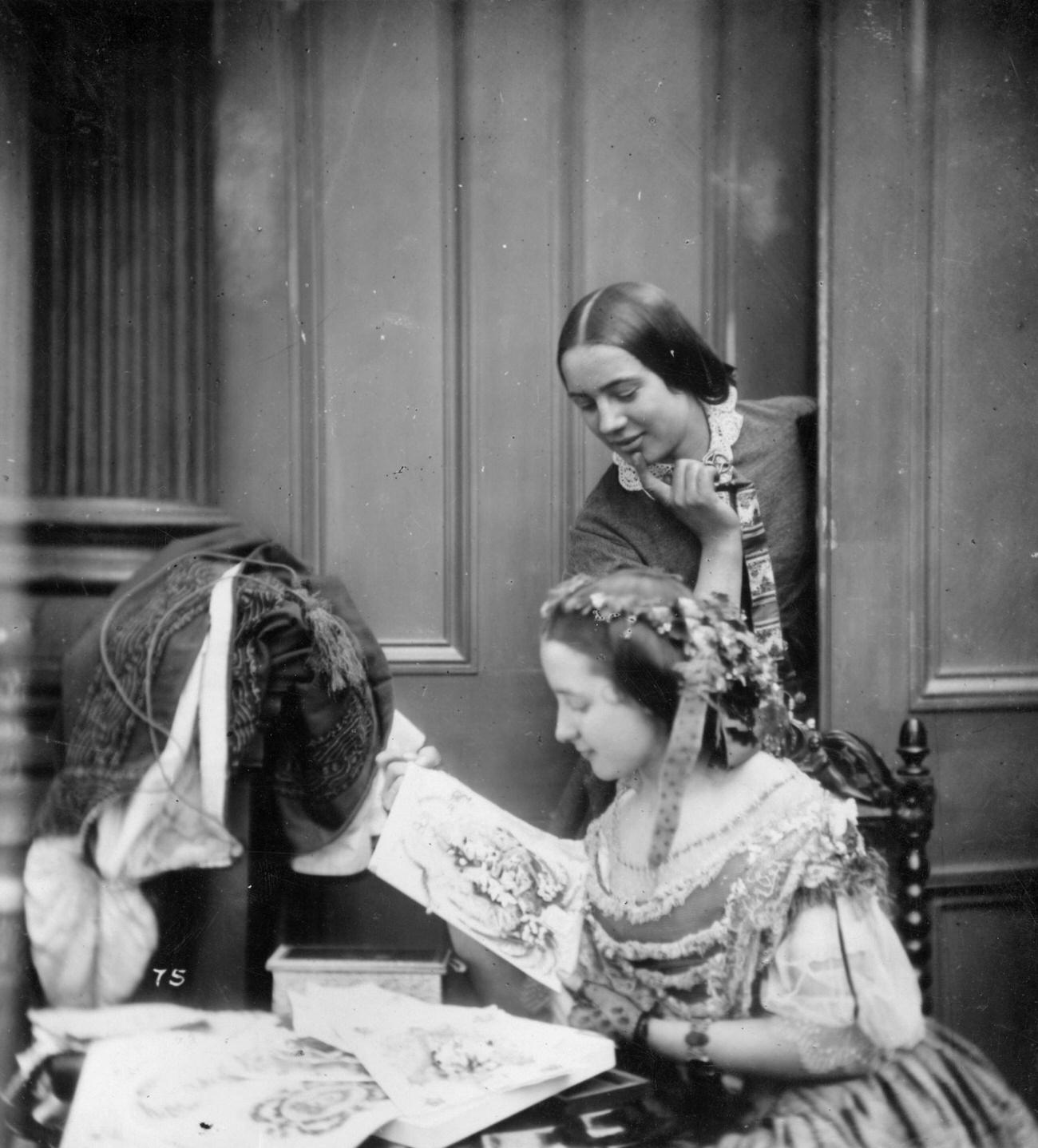
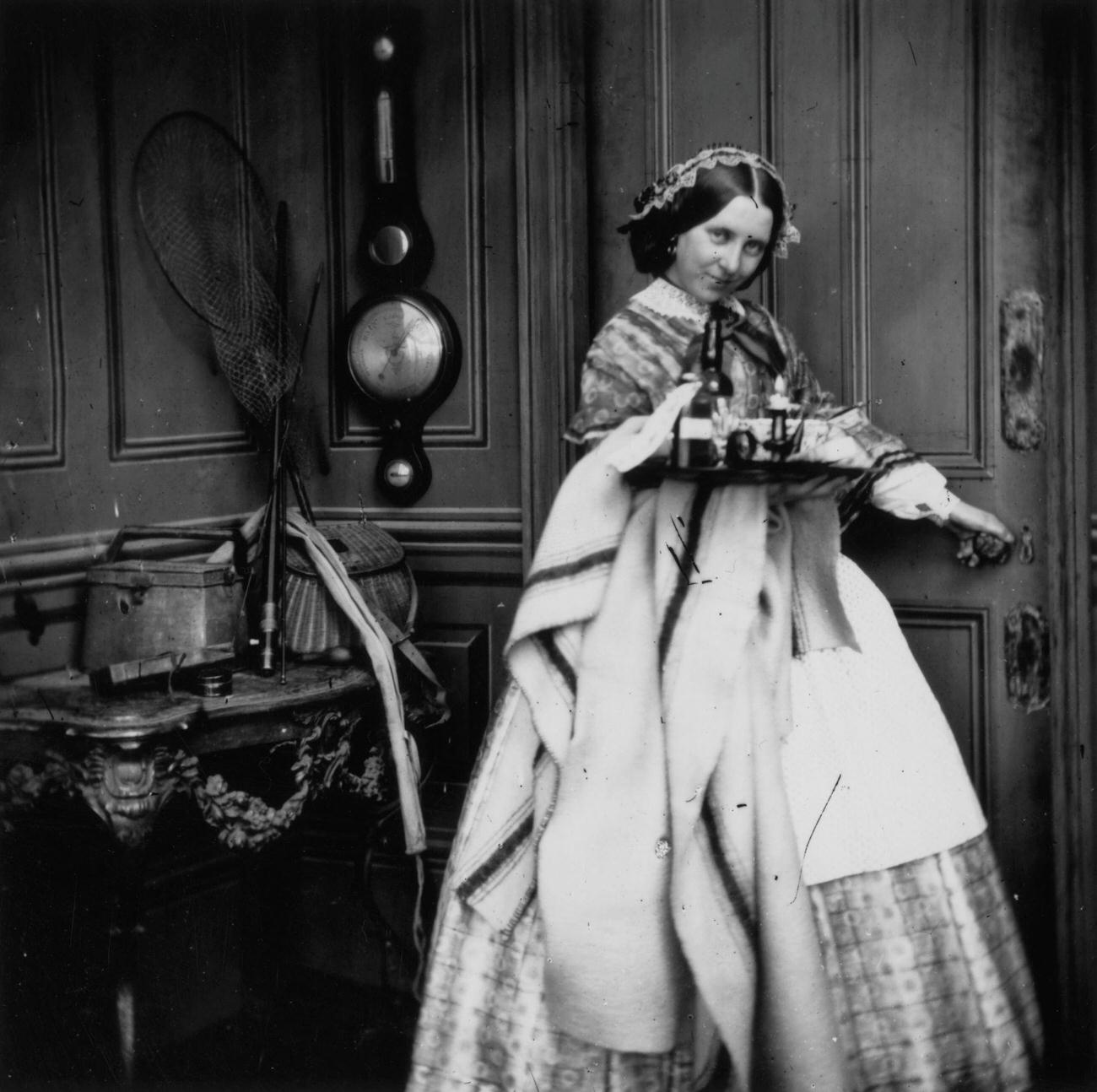
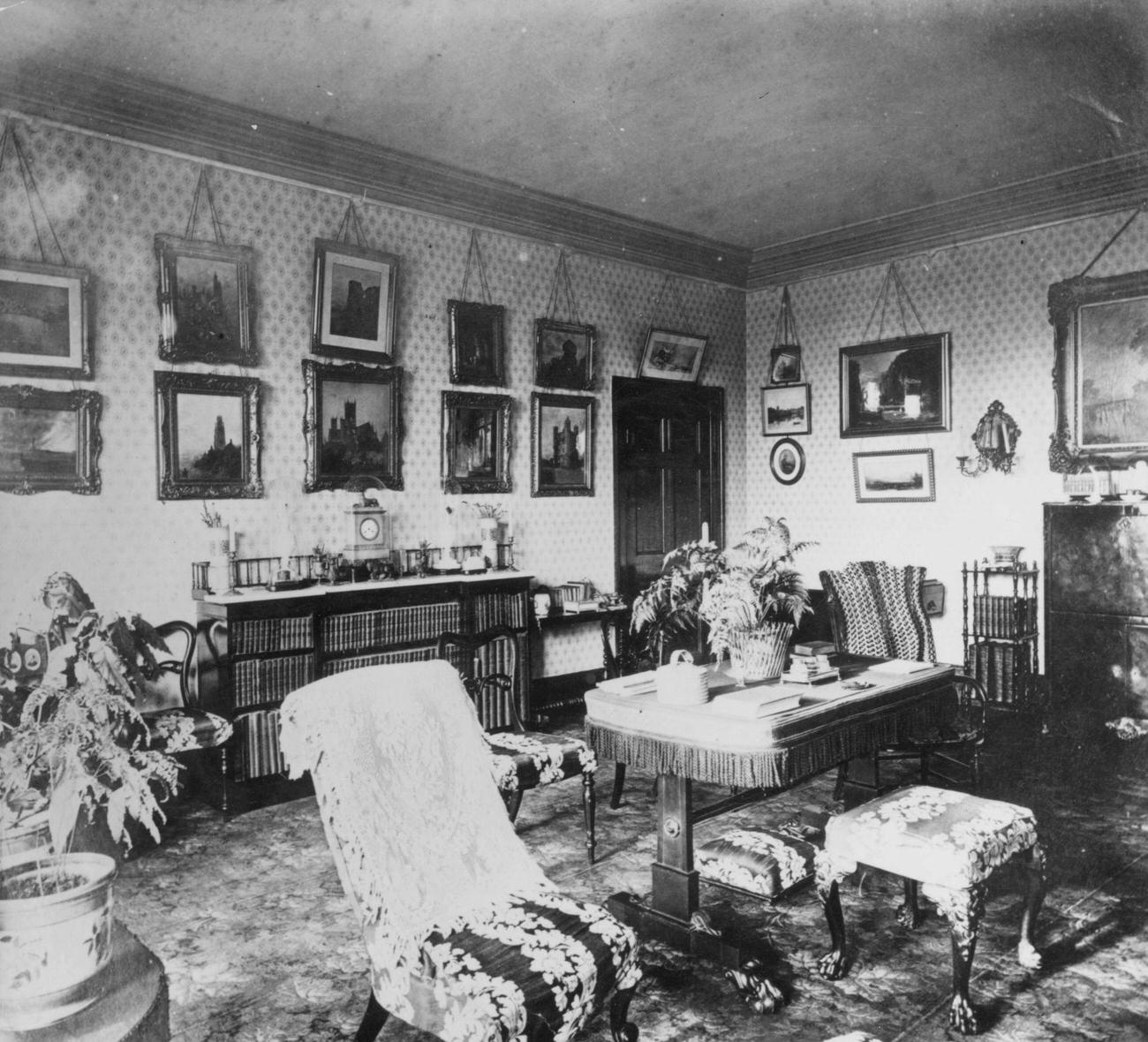
Wealthy Victorians also documented their lives with photographs, sometimes in settings that illustrated the full reach of their privilege. Sir Hugh Allen’s family was photographed at their villa in Belmere, Canada, in 1860, along with the household servants who maintained the property. The same year, a royal hunting party in Canada — including Albert, Prince of Wales — was captured on camera, marking one of the earliest uses of photography to document royal travel. These images show how the camera quickly became a tool for recording power as much as everyday life.
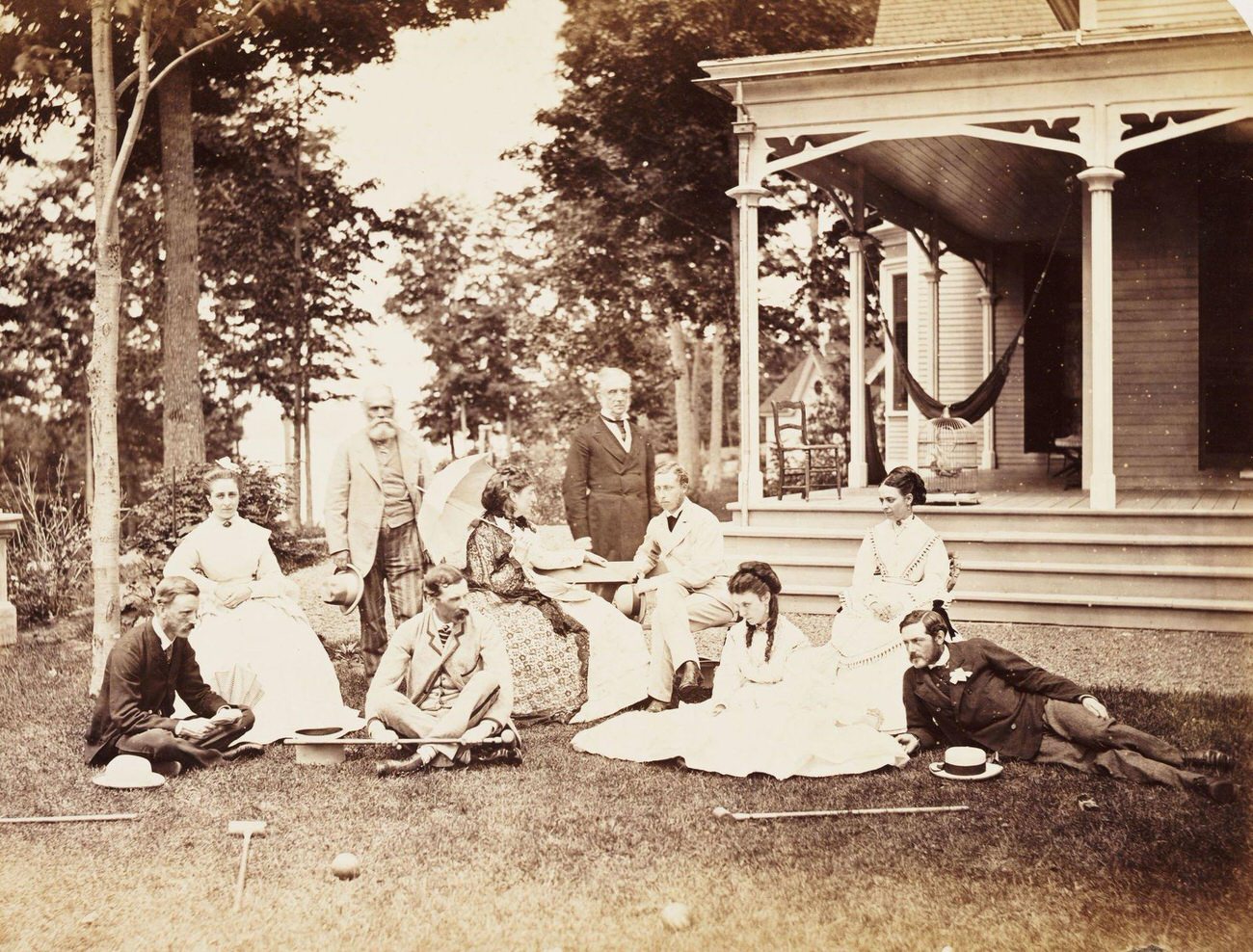
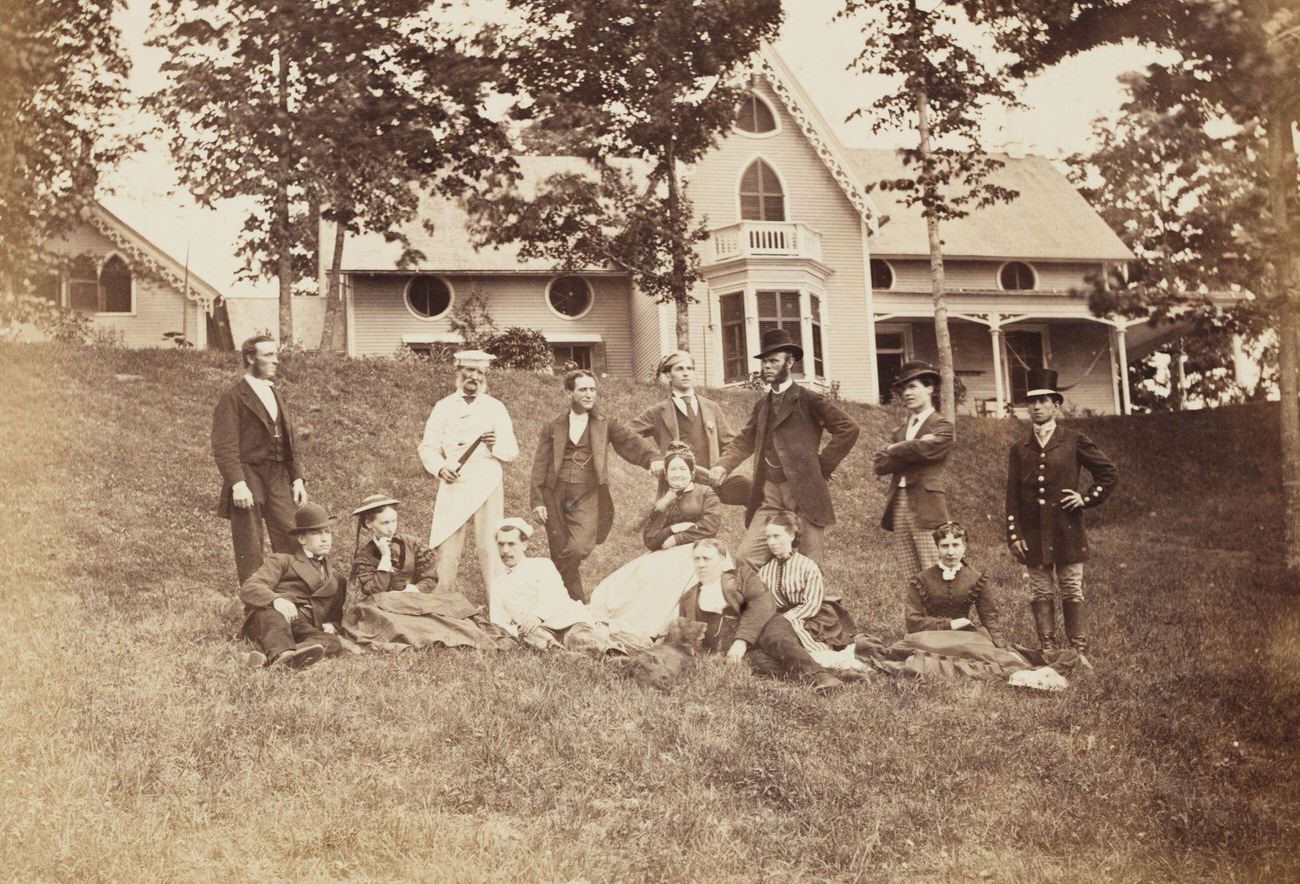
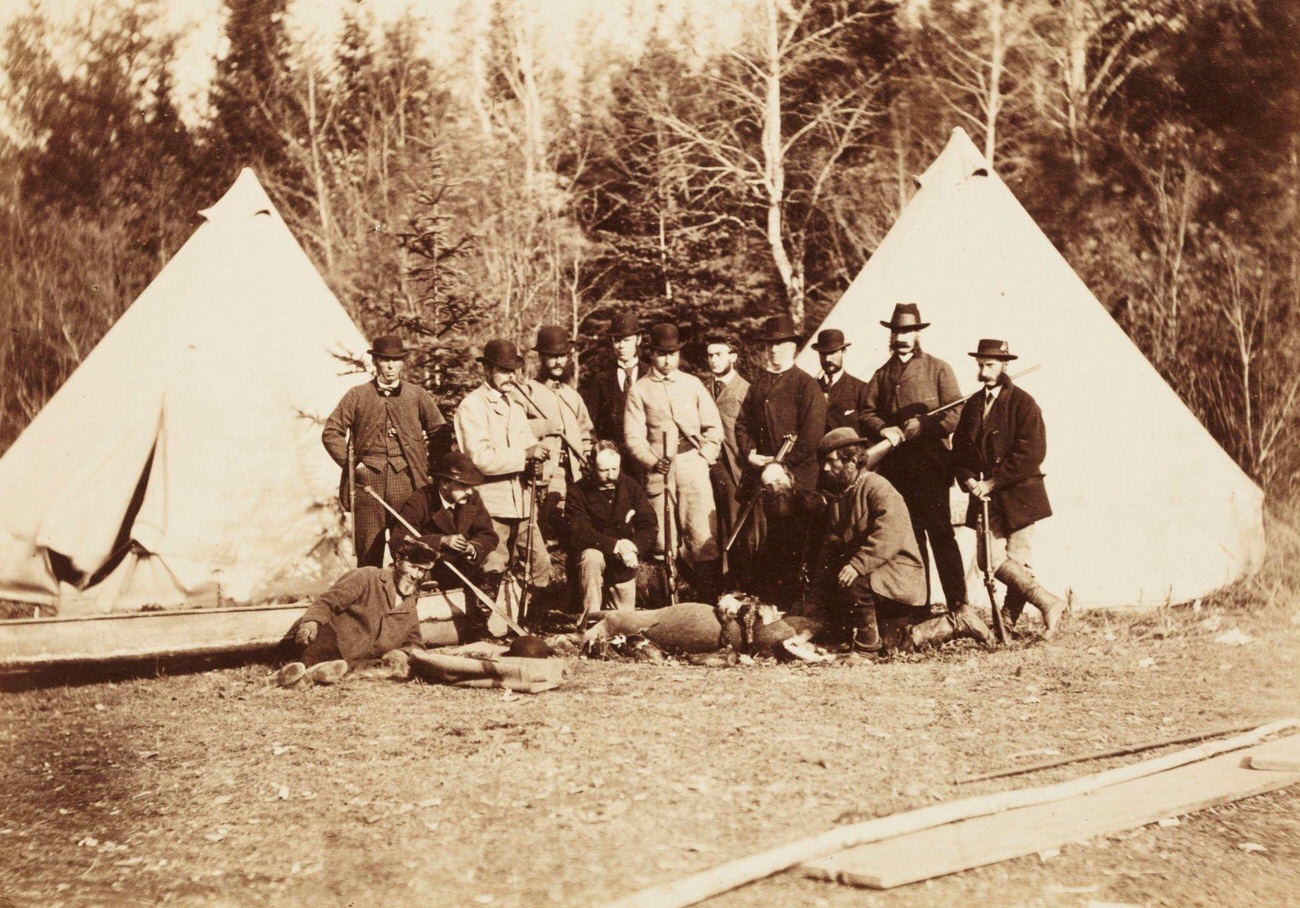
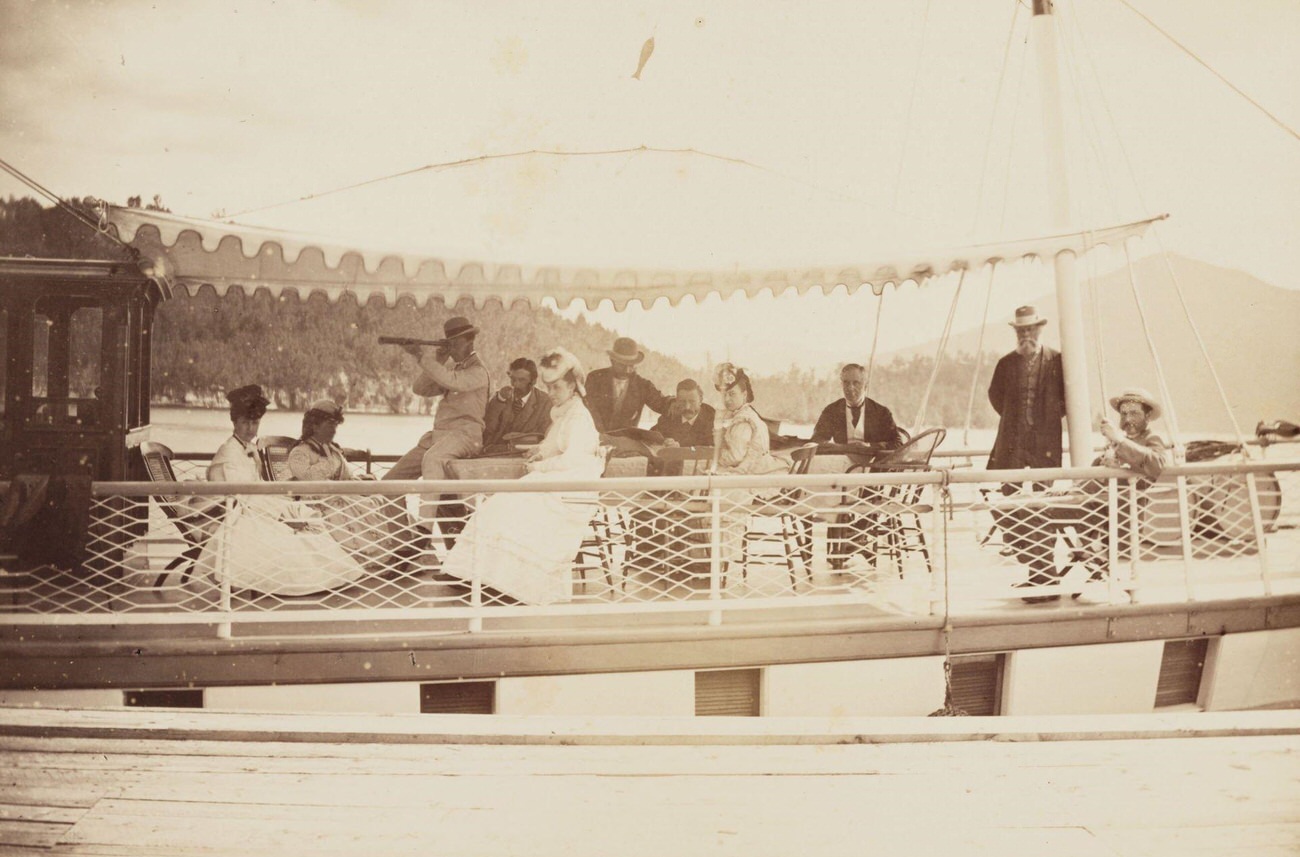
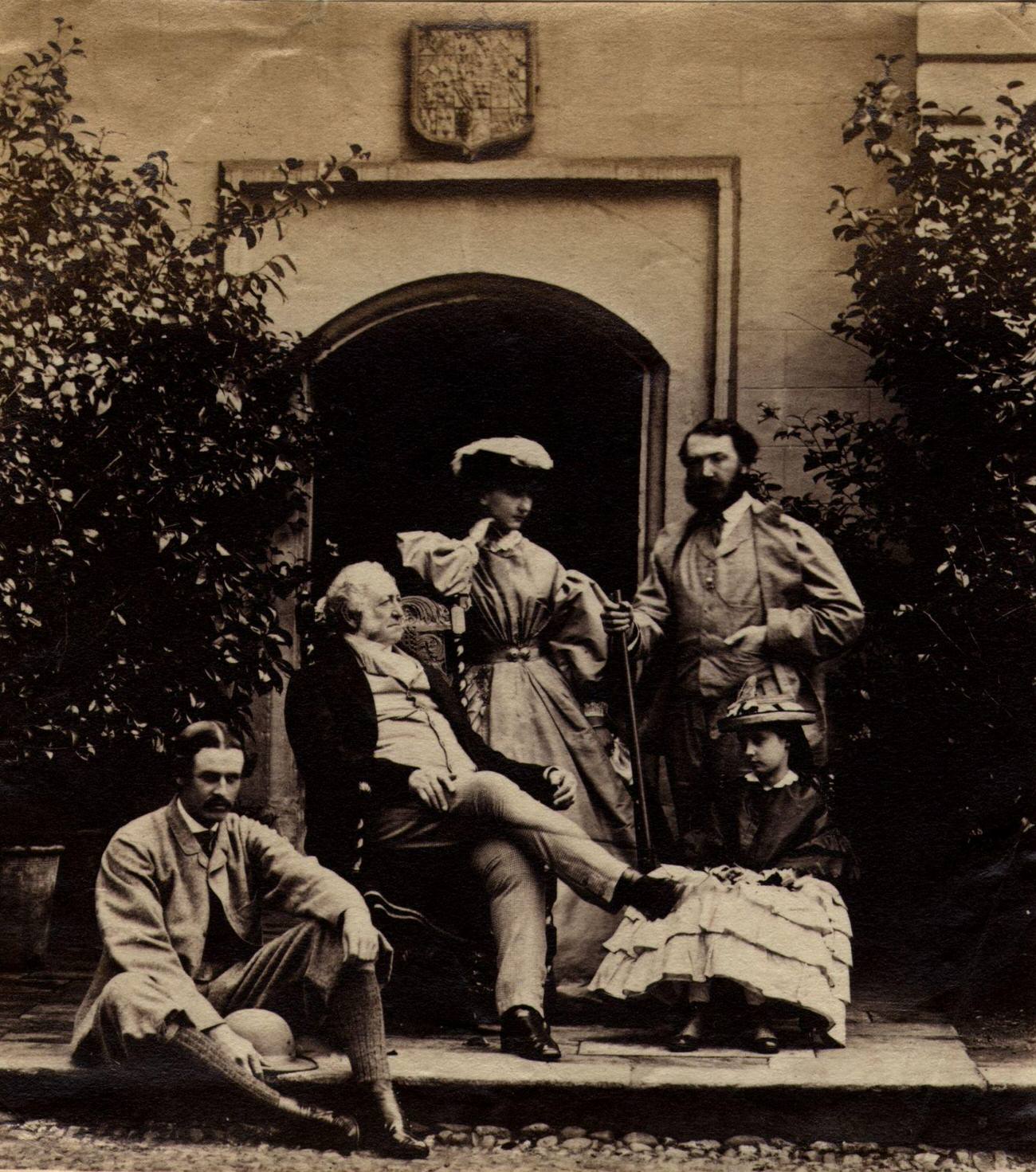
Across the 1860s, family groups posed in gardens, on doorsteps, and in parlors, creating a photographic record of domestic life that had never existed before. Piano-playing was a central middle-class accomplishment, and gathering around the instrument for an evening of music was a standard form of home entertainment. Married couples arranged themselves for portraits that communicated their household roles — husbands settled in chairs, wives attending to them. The camera, in the hands of both professional photographers and amateurs, caught all of this with remarkable frankness.
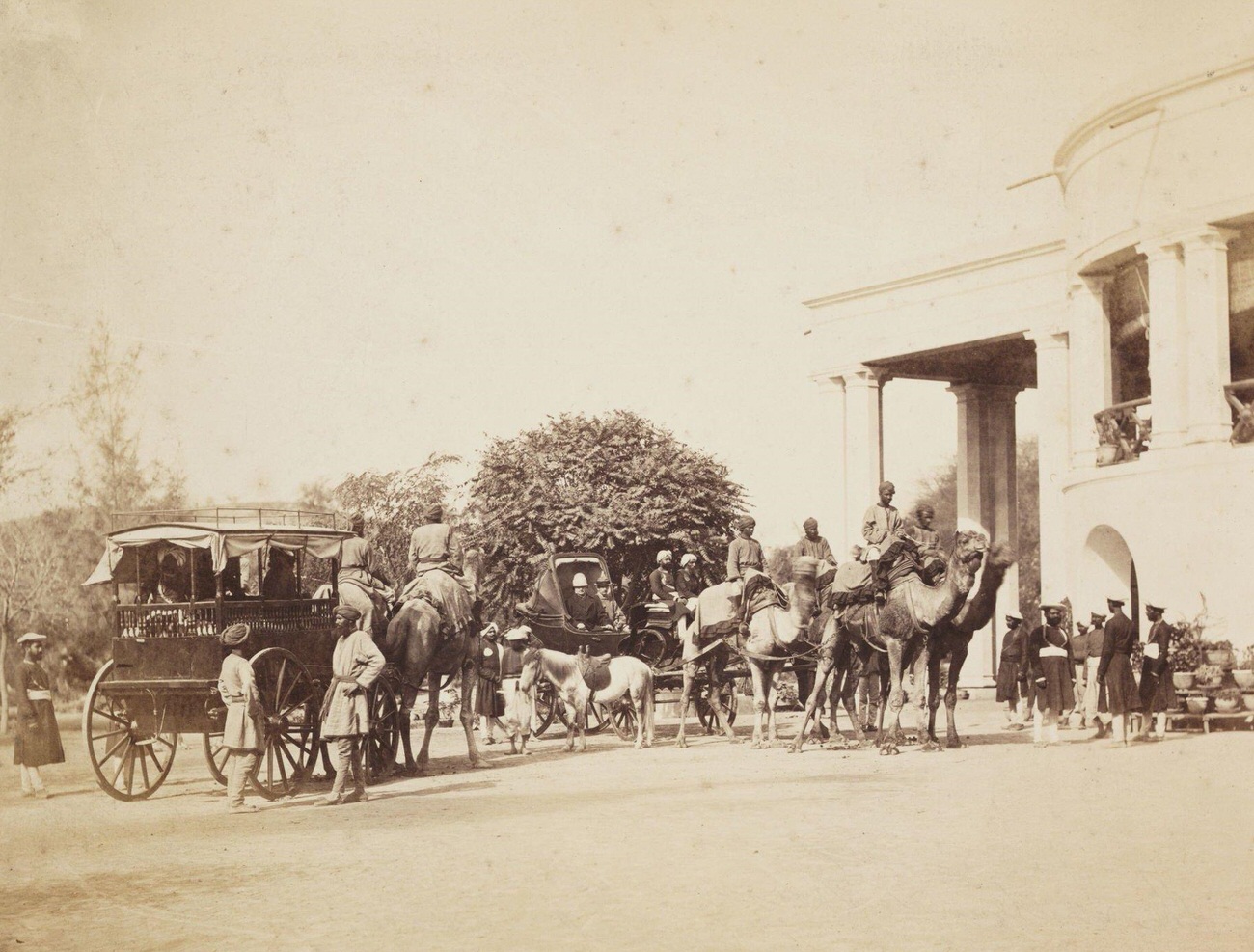
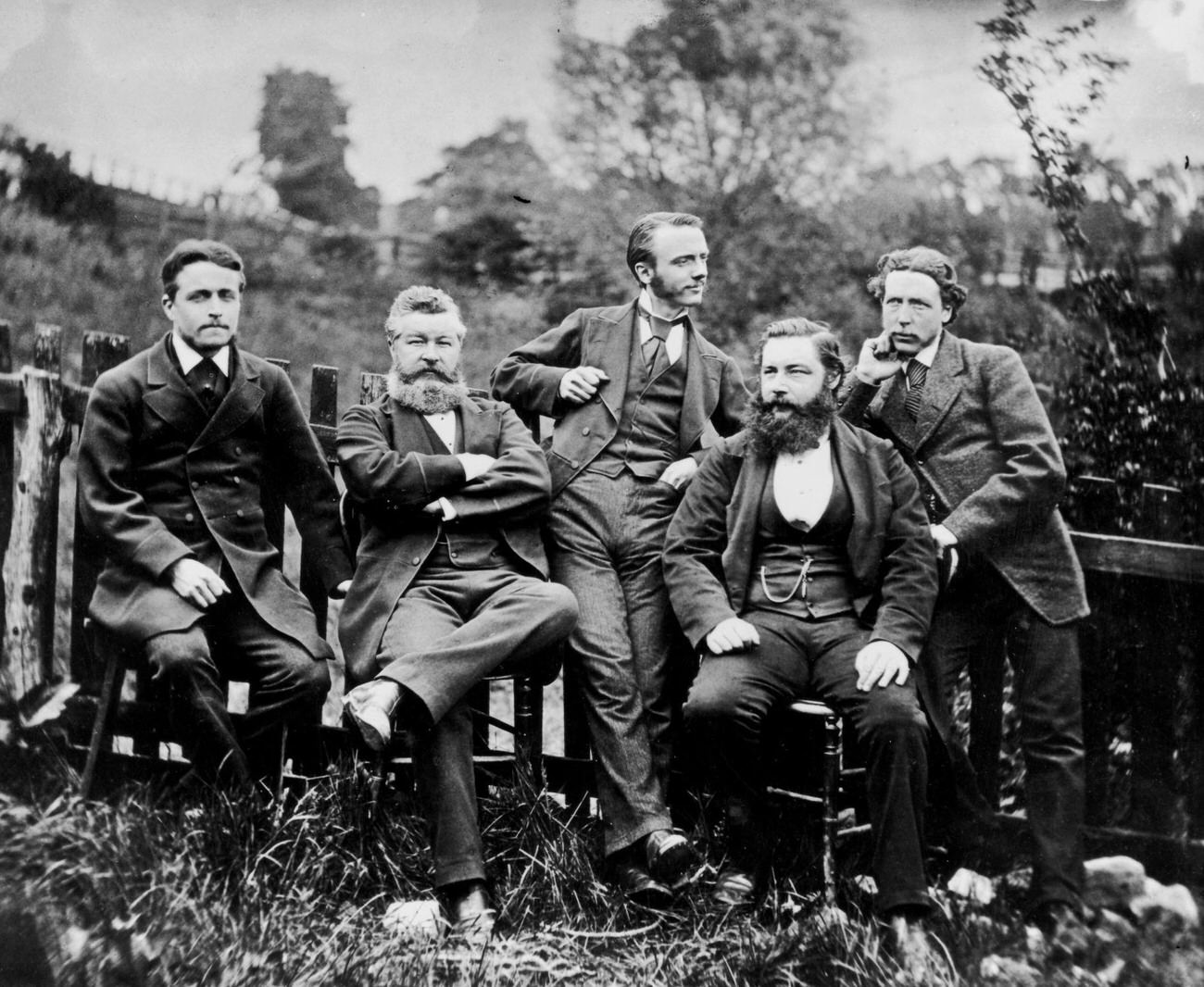
The Victorian era extended far beyond Britain’s shores. In India, colonial administrators traveled with considerable ceremony — the Lieutenant Governor of the Punjab, photographed around 1865 with camel carriages, moved through the subcontinent with a retinue that signaled British authority over the region. Back in England, science and industry were advancing hand in hand. Sir William Henry Perkin, who accidentally discovered the first synthetic dye, mauveine, in 1856, built a successful dyestuffs business that transformed the textile industry. His colleagues, photographed around 1870, were part of a generation that made chemistry commercially powerful for the first time.
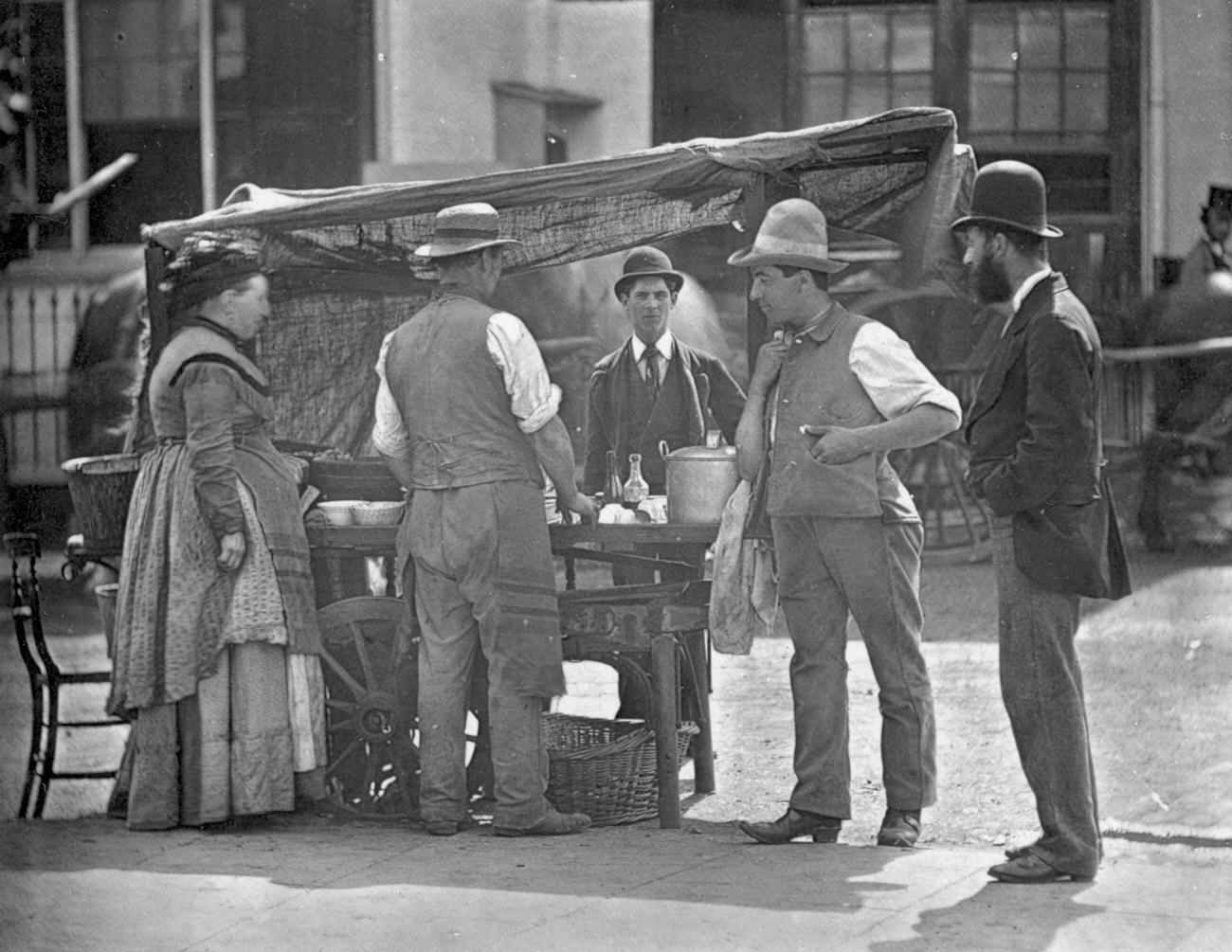
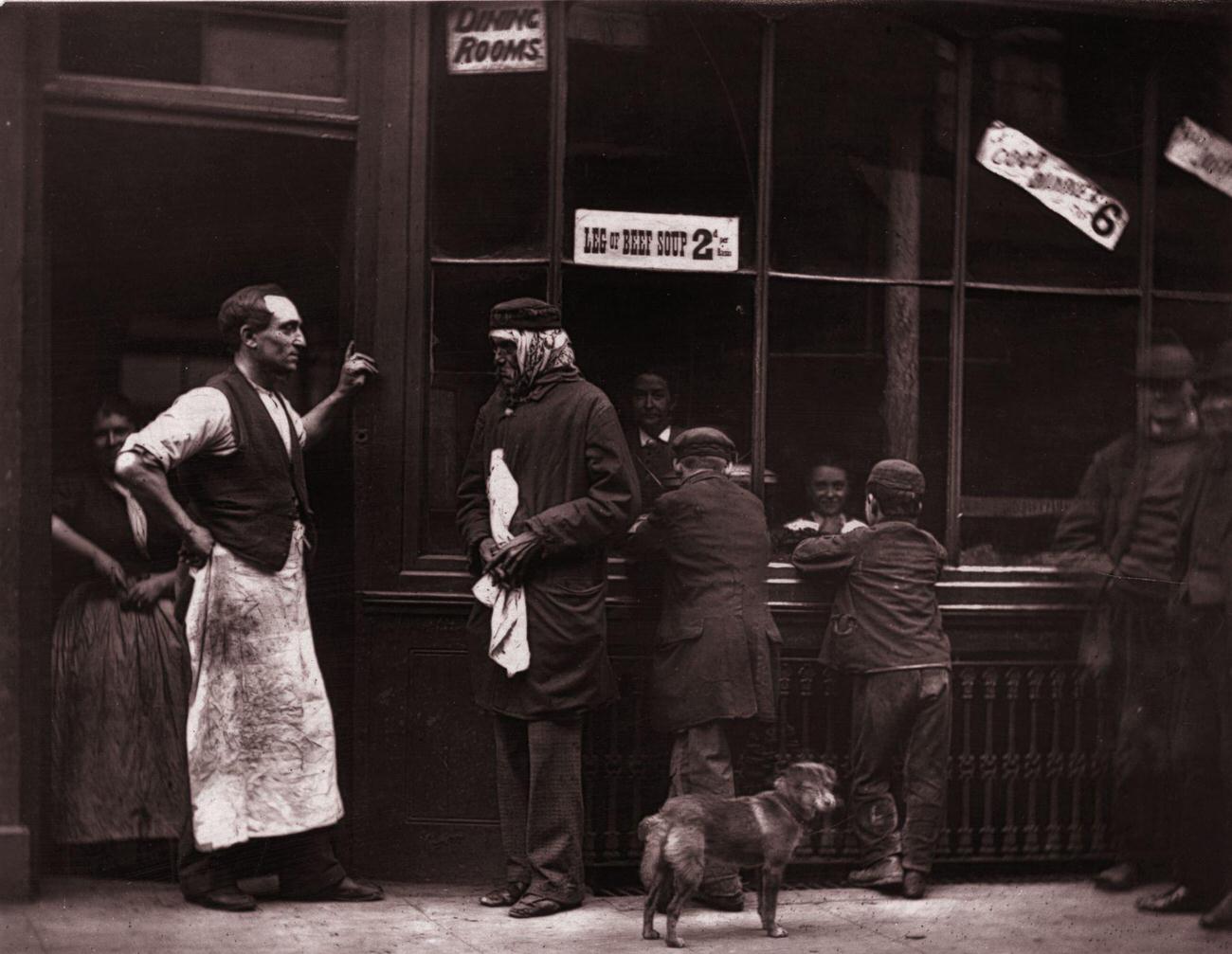
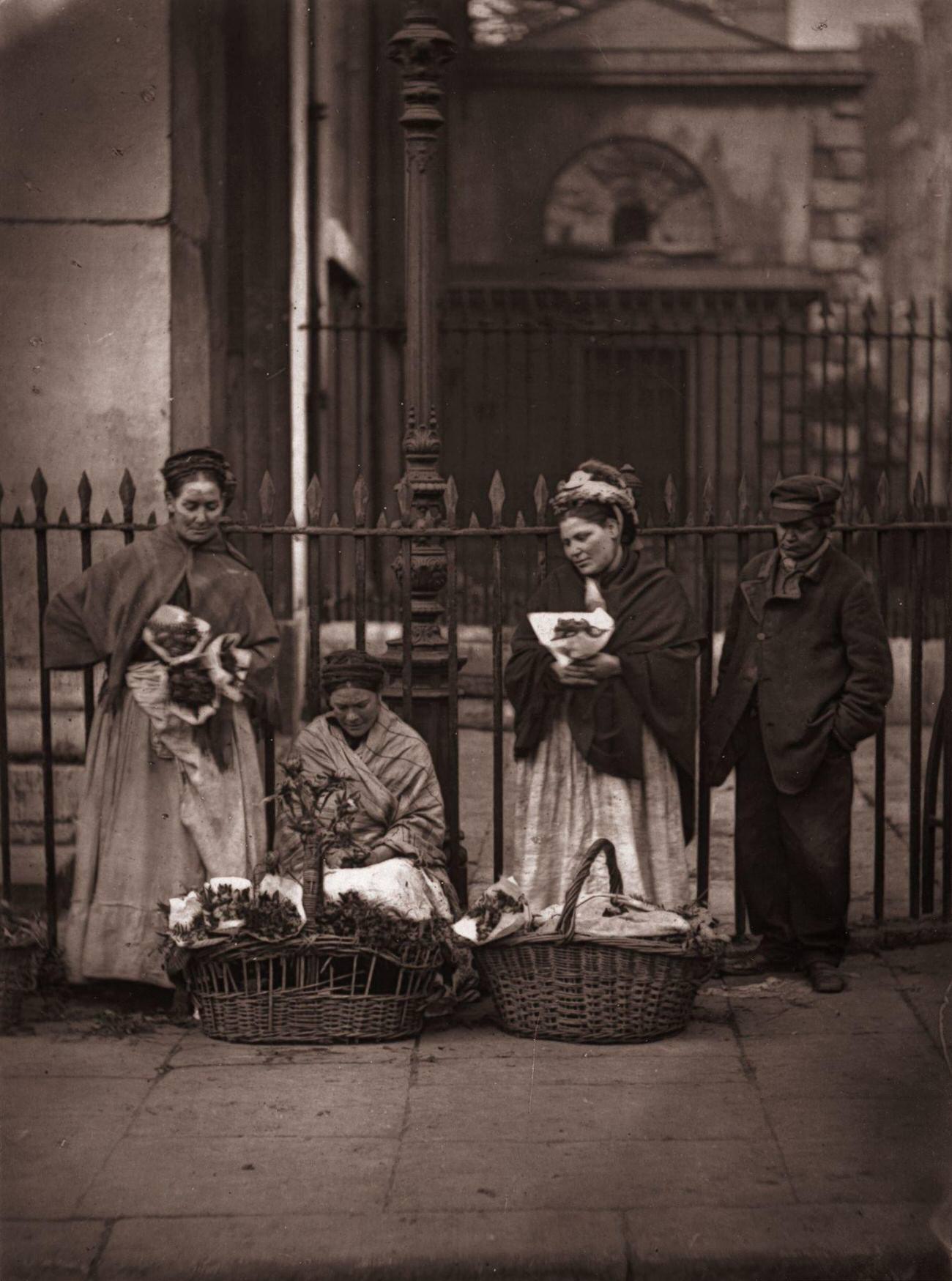
The seaside retained its appeal throughout the Victorian period. Margate, like Ramsgate, was easily reachable from London by train and drew day-trippers who came for the sea air and the sand. Street markets like those at Covent Garden remained vital economic spaces for traders who operated at the bottom of the commercial ladder. Flower women at Covent Garden in 1877 worked long hours selling blooms they had often walked miles to collect. A shellfish stall holder selling oysters and whelks served a working-class diet — oysters were cheap food for the poor before overfishing made them a luxury.
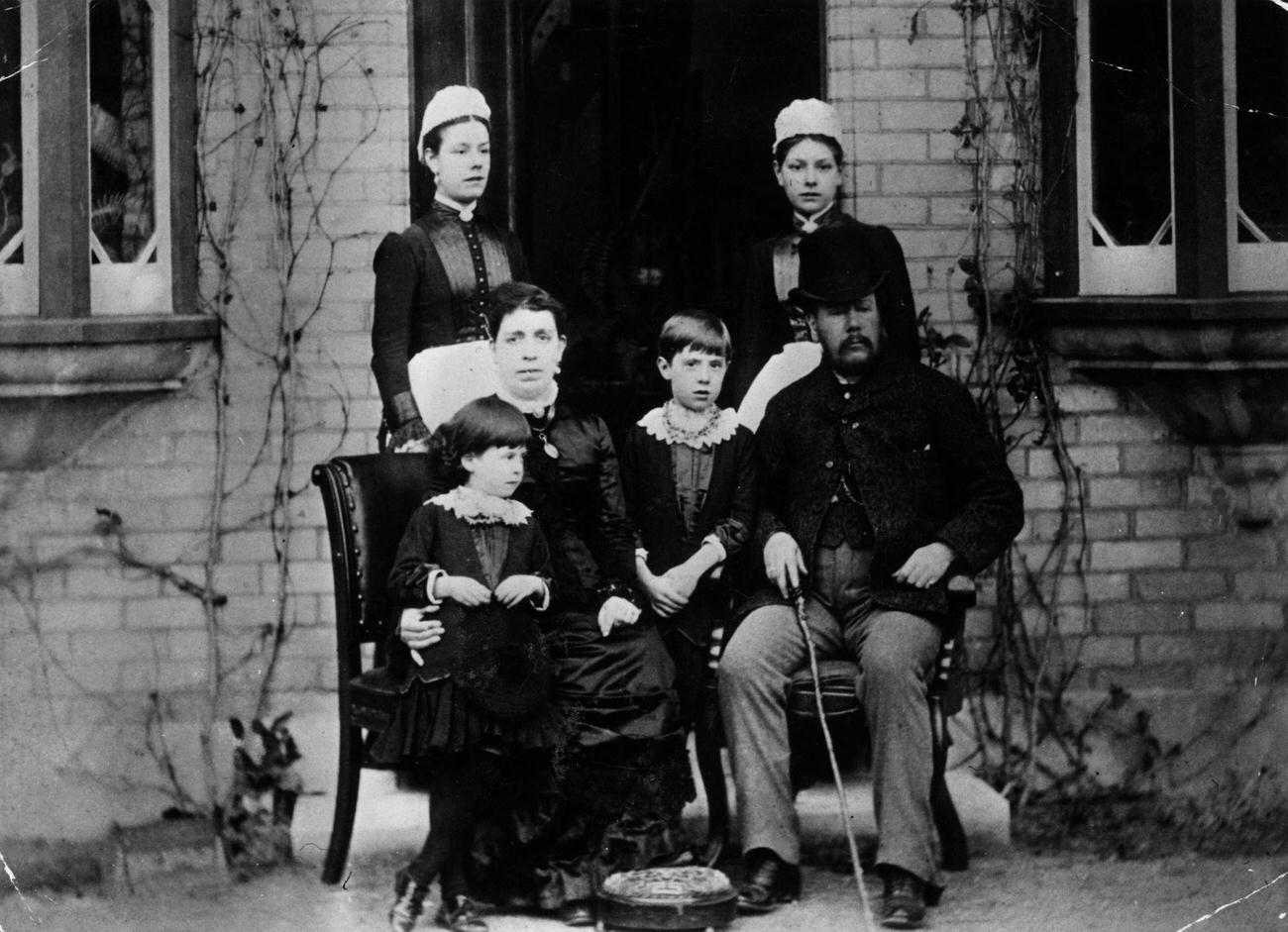
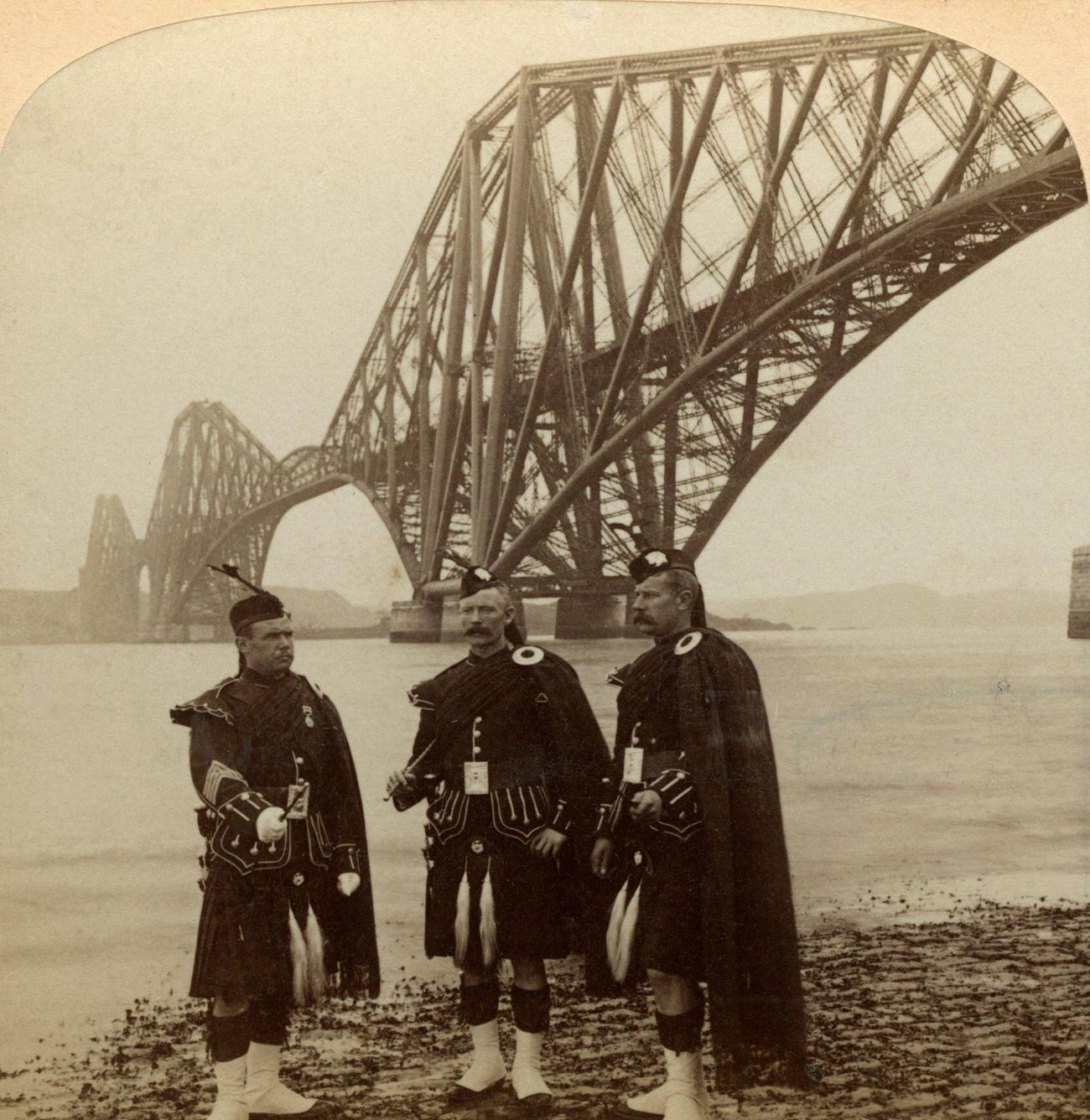
Family life, civic landmarks, and public infrastructure all left their marks on the photographic record of the late Victorian period. The Lloyd family portrait, Brighton’s West Pier, and the Royal Albert Hall each represent different dimensions of an era that valued both private domesticity and public grandeur. Scotland contributed its own symbols — men in Highland dress standing before the Forth Bridge, completed in 1890, one of the greatest feats of Victorian engineering. The river landscapes of Warwick and Richmond offered quieter evidence of a country that, even amid rapid change, still found meaning in its older built environment.