
Vancouver, Washington sits in Clark County near where the Columbia and Willamette Rivers meet in the southwestern corner of the state. Long before it became a bustling trade hub, the land was home to the Chinook people. When Congress approved the creation of Washington Territory in 1853, the settlement known as Columbia City began its transformation into a formal American town. Two years later, the Territorial Legislature renamed it Vancouver. On January 23, 1857, it became one of the first incorporated cities in the territory.
Levi Farnsworth, a shipbuilder from Vermont, was elected the city’s first mayor. He later served in the Territorial Legislature, winning his seat at age 71. The early city council had a rocky start — the town clerk had to threaten fines to get members to show up to meetings. By 1858, the city passed its first ordinance banning liquor sales on Sundays, a sign that Vancouver’s leaders were at least occasionally paying attention.
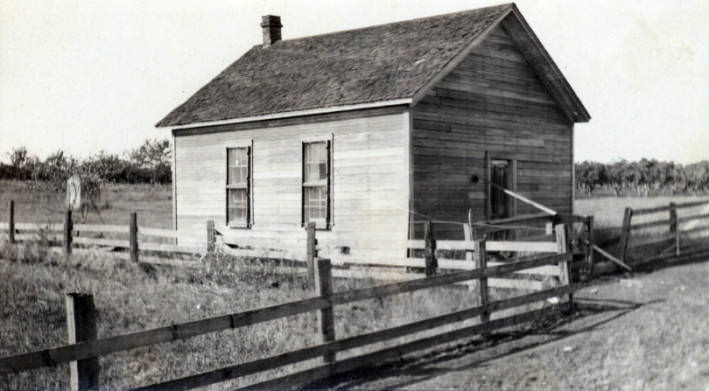
Education took root in the area well before the city’s economy fully matured. Schools like the Mill Plain School served rural communities outside the city center, where farming families needed local options for their children. The modest schoolhouses of Clark County were often the first permanent structures built in a new settlement, reflecting how seriously early residents took education even in frontier conditions.
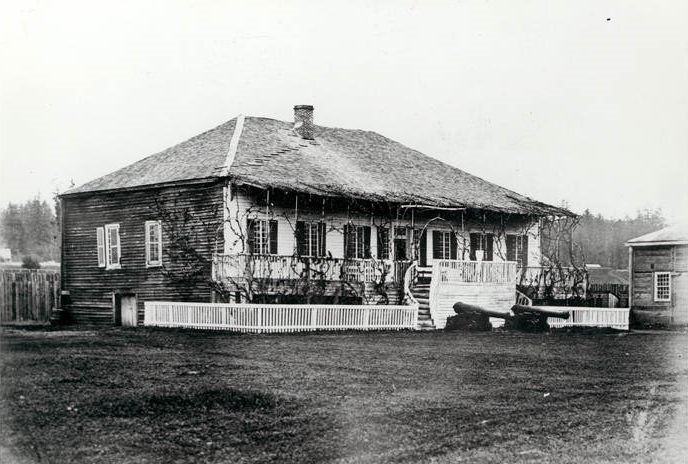
Fort Vancouver played a central role in the region’s early history. The fort had served as the headquarters of the Hudson’s Bay Company’s Pacific operations for decades before American settlers arrived in large numbers. By 1860, the site was transitioning from a fur-trading post to a U.S. Army installation, and its buildings reflected that layered history.
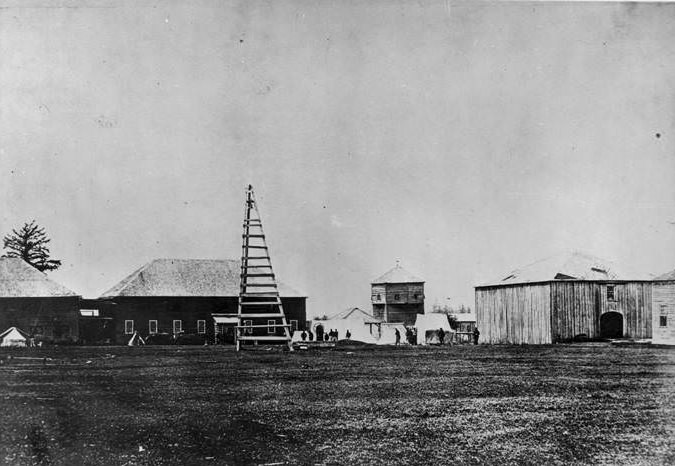
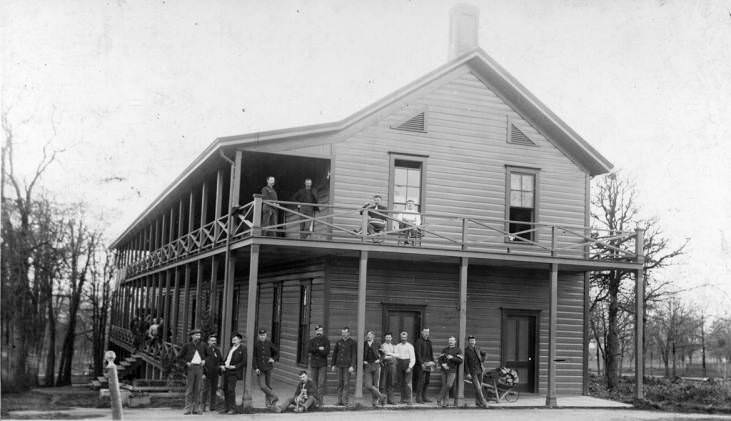
The U.S. Army’s presence in Vancouver grew steadily through the mid-19th century. The Vancouver Barracks became one of the most important military posts in the Pacific Northwest. Soldiers stationed there shaped the social and economic life of the surrounding town. Officers’ families lived in well-kept homes along a tree-lined stretch that became known as Officers’ Row, giving the military campus a permanent, almost domestic character.
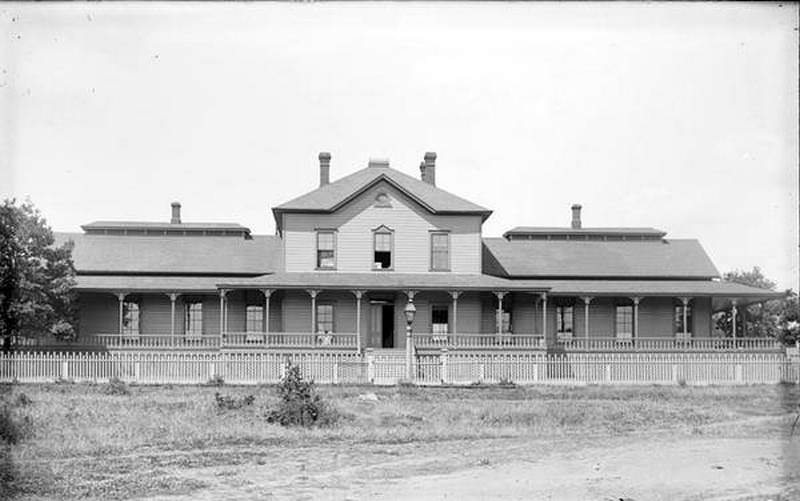
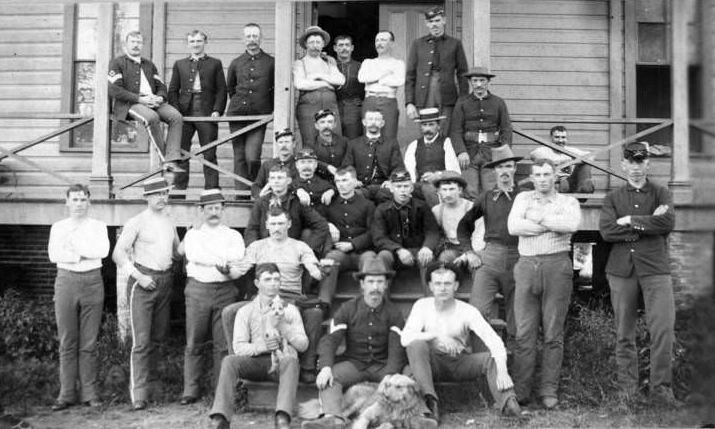
The 14th U.S. Infantry was among the units stationed at the Vancouver Barracks during this period. Soldiers posed for photographs both in formation and in casual settings around the post, leaving behind a visual record of military life on the frontier.
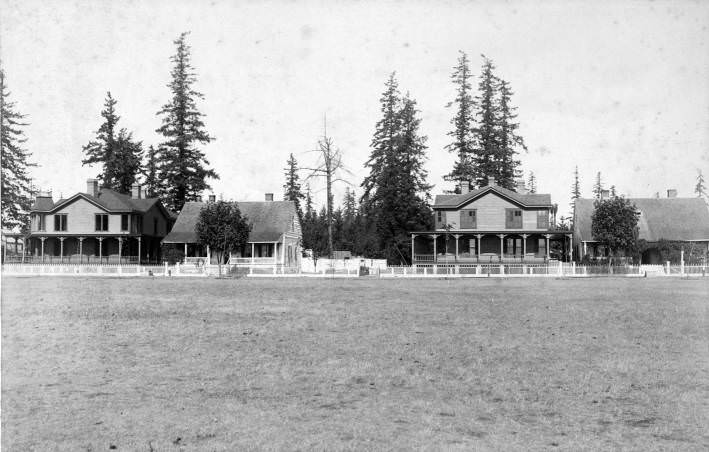
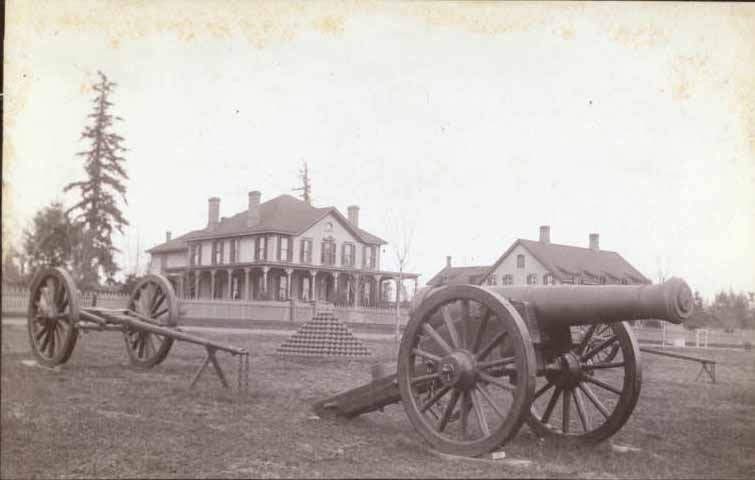
Officers’ Row wasn’t just a place to sleep — it was a statement of permanence. The well-maintained homes with their manicured yards stood in contrast to the rougher commercial districts a few blocks away. A cannon placed in front of one of the homes on the row served as a reminder that this was still, at its core, a military installation.
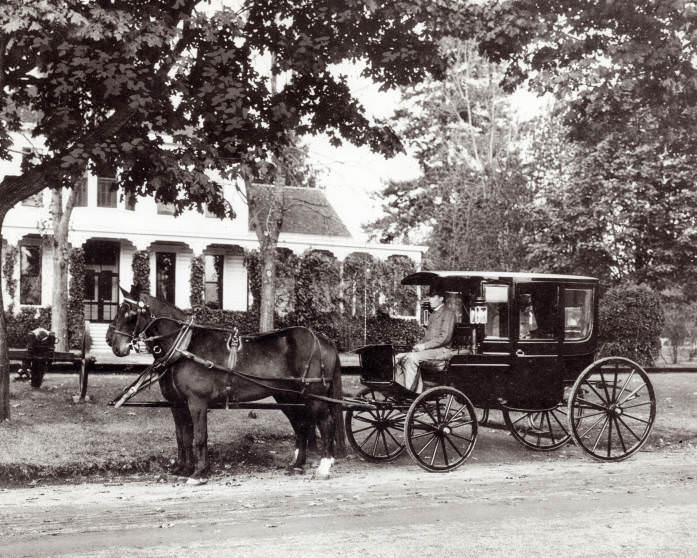
By the 1860s and 1870s, Vancouver’s commercial life was expanding rapidly. The city had seven general merchandise stores by 1867, and a growing number of specialized businesses followed. The region’s thick forests made it an ideal location for stave and barrel keg manufacturers, who had more raw material than they could use. The brick industry took off alongside these timber-based businesses. In 1873, a local brickyard supplied one million bricks used to construct the Providence Academy, a building that became one of Vancouver’s most recognized landmarks.
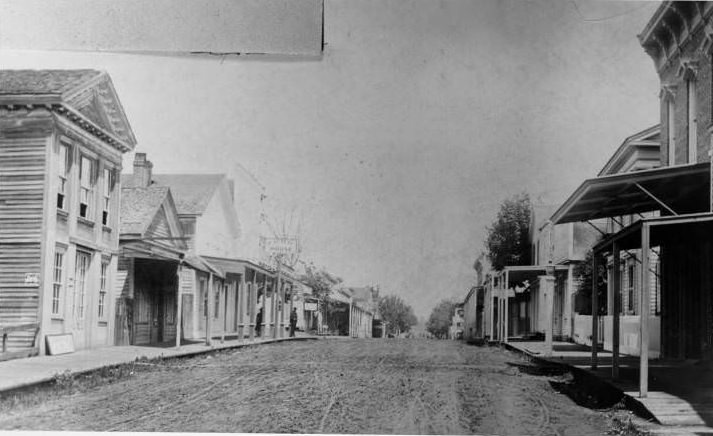
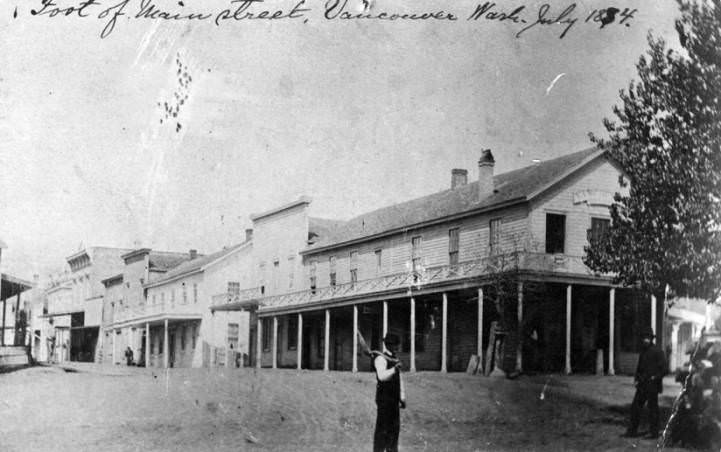
Main Street in the early 1880s showed a city in transition. Wooden storefronts lined the road, horses and wagons moved goods from block to block, and the pace of commerce was picking up with each passing year. Businesses of all kinds competed for space along the main corridor, from general stores to specialty shops.
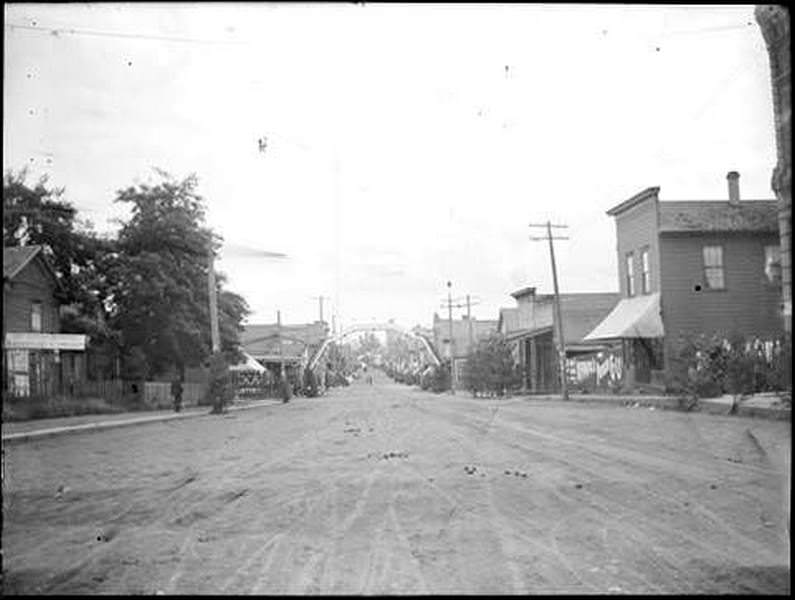
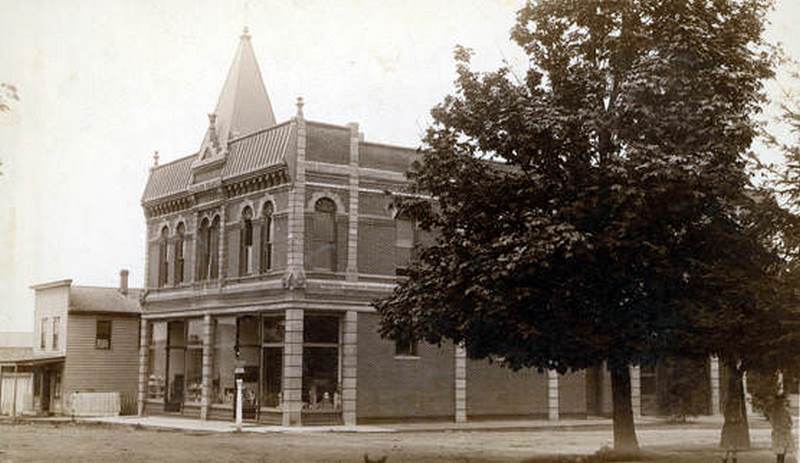
Civic and fraternal organizations were a key part of life in 19th-century Vancouver. The Masonic Temple at 8th and Main was one of the more prominent structures on the street, signaling that the city’s merchant and professional class had both the money and the desire to build institutions that would outlast their founders.
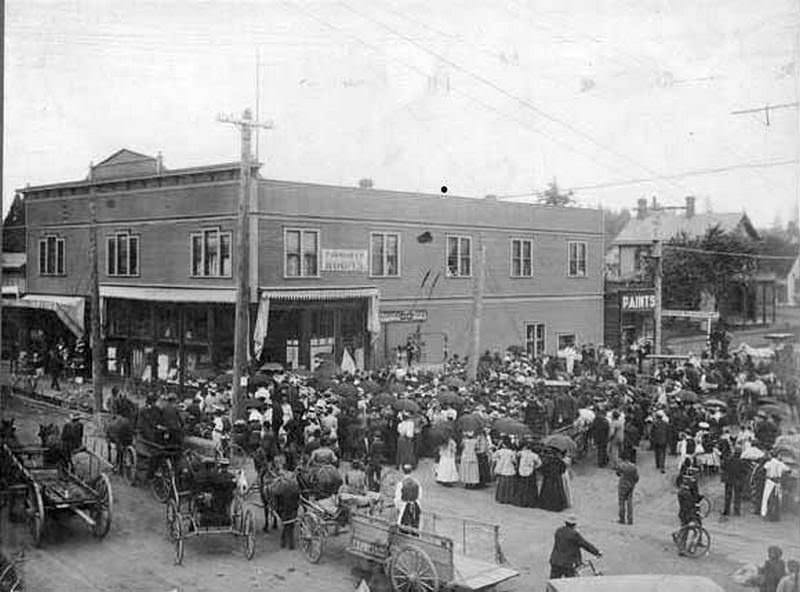
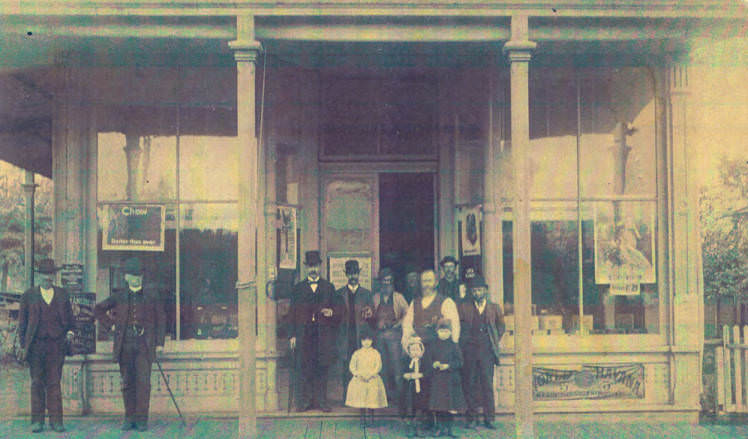
Retail stores like the Geoghegan Store were a lifeline for local residents. Farmers from across Clark County came into Vancouver to trade, supply up, and sell their goods. The city’s role as a regional trading center attracted a steady stream of visitors and helped fund the construction of more permanent commercial buildings through the 1880s.
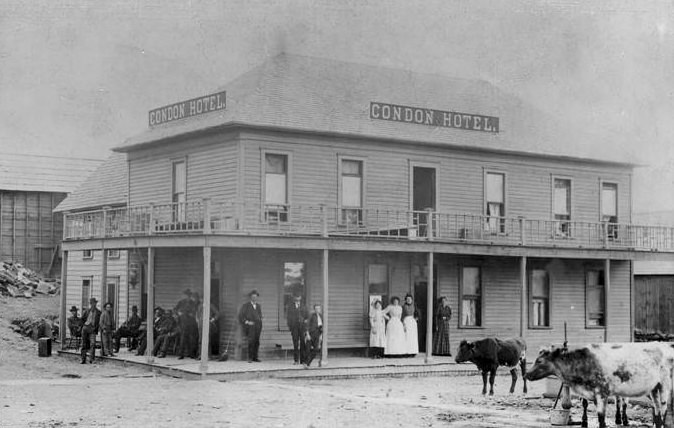
Hotels like the Condon were essential in a city that drew travelers from outlying farms and distant ports. The presence of livestock outside the hotel was perfectly normal — horses and mules were the primary means of transportation for most visitors. The waterfront, just a short distance away, was where much of Vancouver’s economic energy was concentrated during the late 19th century.
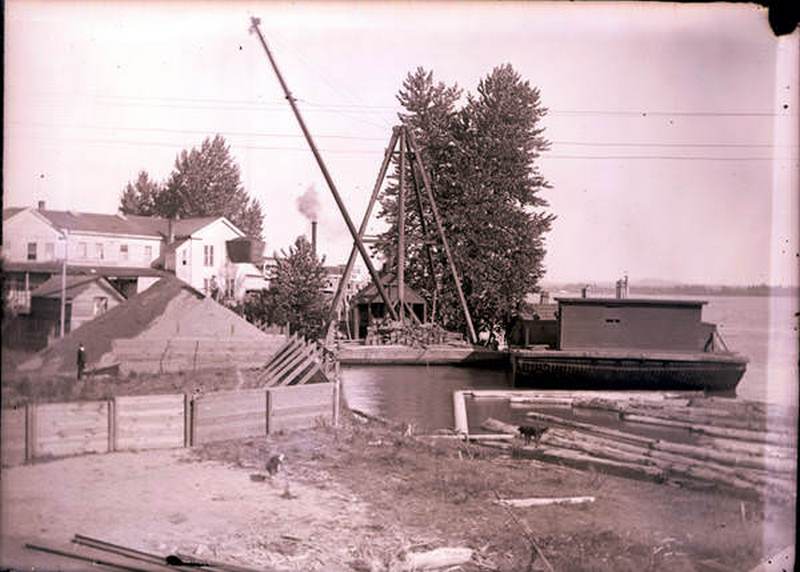
Vancouver’s waterfront was the engine of its economy. Local mill products — lumber, barrel staves, and other wood goods — were loaded onto ships and sent to cities along the coast and beyond. During the last decade of the 19th century, this activity reached its peak. Between 1891 and 1892, the city supported five sawmills, two sash and door factories, a box factory, three brickyards, and a brewery, all operating simultaneously.
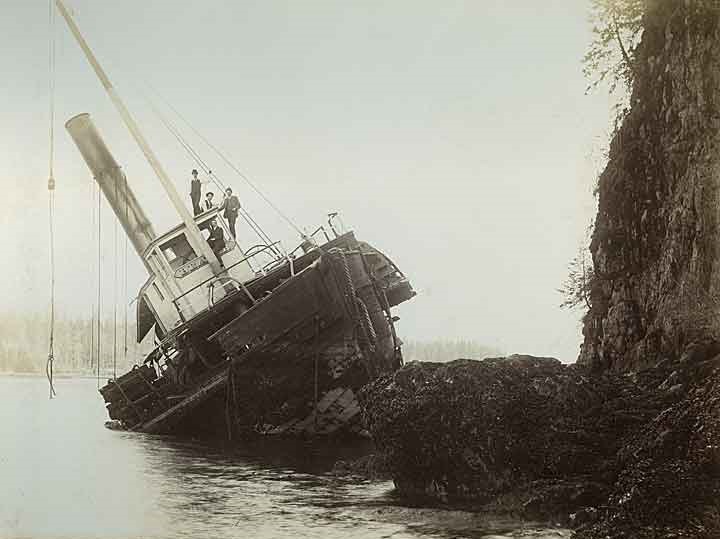
The S.S. Beaver was one of the most storied vessels in the Pacific Northwest’s maritime history. As the first steamship to operate on the Pacific Coast, its presence near Vancouver connected the city to a wider network of coastal trade. By 1888, the ship was showing its age, listing in the water near a rocky bluff, but it remained a powerful symbol of the region’s commercial ambitions.
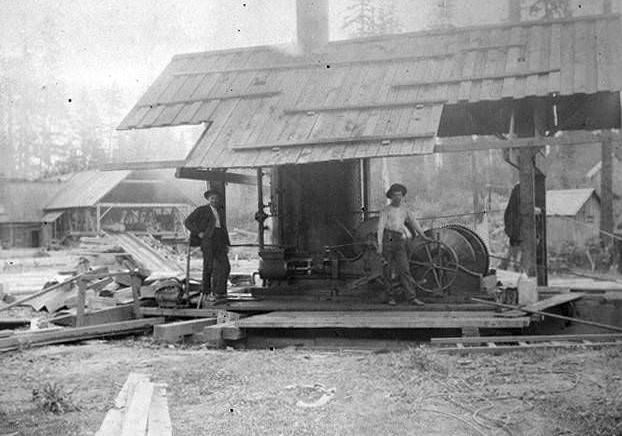
Mills like the East Highland Mill on Lockwood Creek were scattered throughout the region, processing timber from the surrounding forests. These operations ran continuously, supplying raw materials for construction projects both locally and in markets far down the coast. The mills were often the largest employers in their immediate neighborhoods, drawing workers who then needed housing, food, and services.
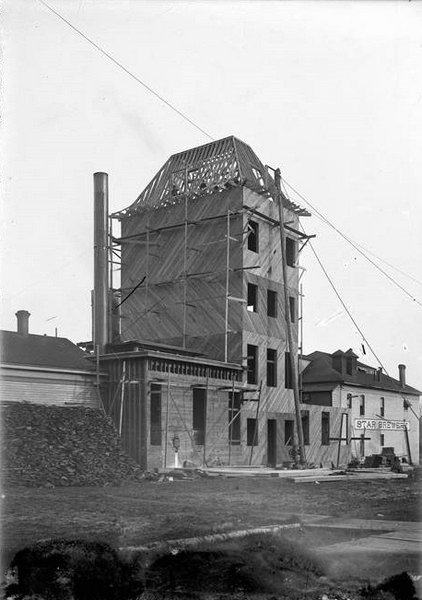
The Star Brewery was one of several industrial projects underway in Vancouver in the early 1890s. Construction on the building was photographed in 1892, just a year before the Panic of 1893 would slam the brakes on nearly all economic activity in the region. That financial crisis hit Vancouver hard, stalling construction projects and forcing businesses to cut back or close entirely. Recovery came eventually, but it took time.
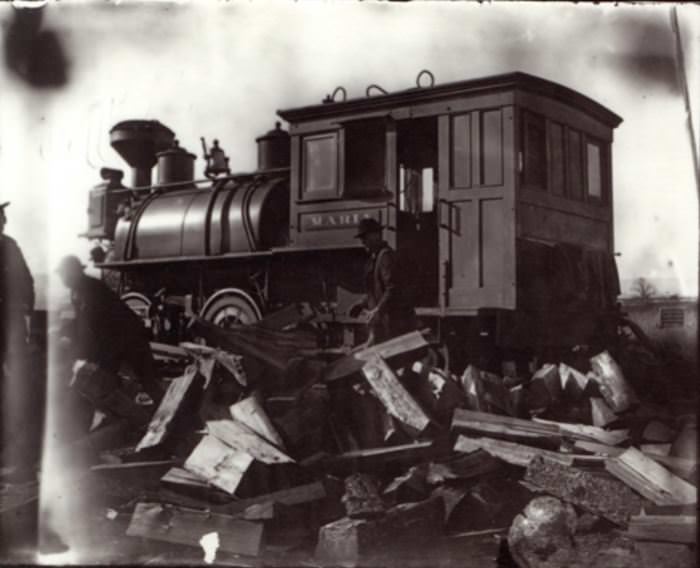
Rail connections were critical to Vancouver’s ability to move goods beyond the river. The Porter Brothers’ saddle-back train engine captured in 1885 represented the kind of industrial machinery that was transforming transportation across the Pacific Northwest. Railroads allowed local products to reach inland markets that ships simply couldn’t access.
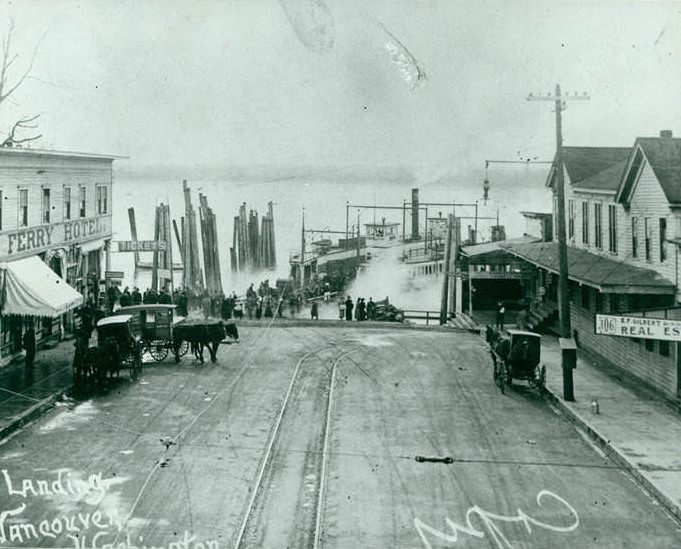
Before bridges spanned the Columbia River, the ferry landing at Vancouver was one of the most active spots in the city. Horse-drawn carriages lined up on the street leading to the dock, and travelers crossed the river regularly for both personal and commercial reasons. The ferry connected Vancouver to Portland, Oregon, making the two cities economically dependent on each other.
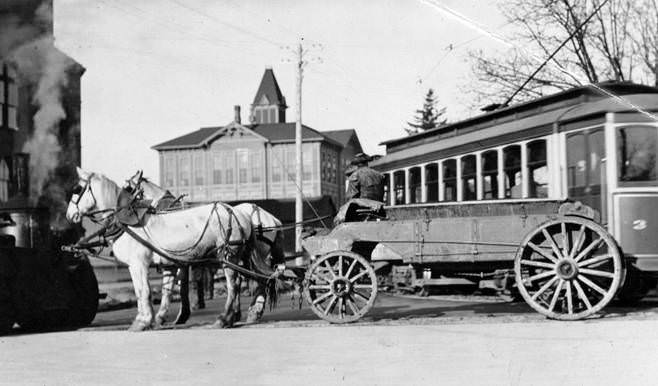
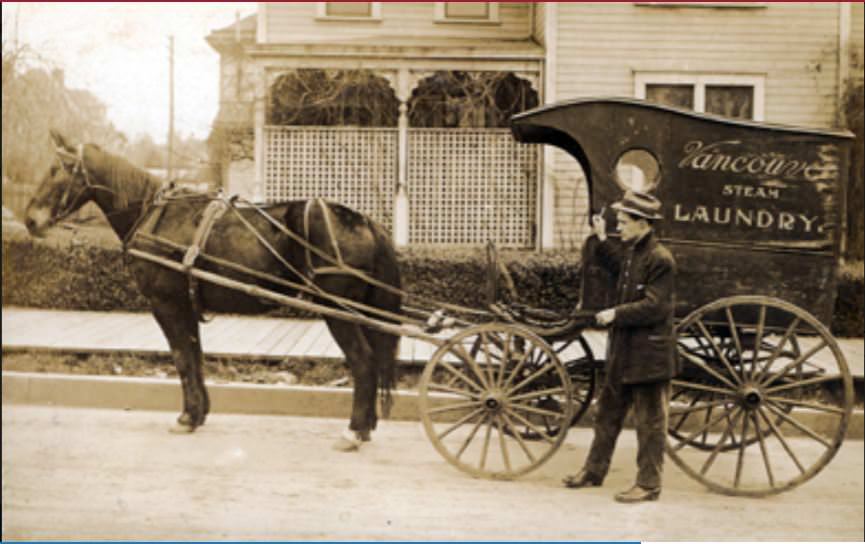
Service businesses like the Vancouver Steam Laundry reflected how much the city had grown by the 1890s. A laundry operation large enough to advertise on the side of a wagon required a steady customer base. Military personnel at the barracks, hotel guests, and the city’s growing residential population all created demand for services that would have seemed unnecessary in a smaller frontier settlement.
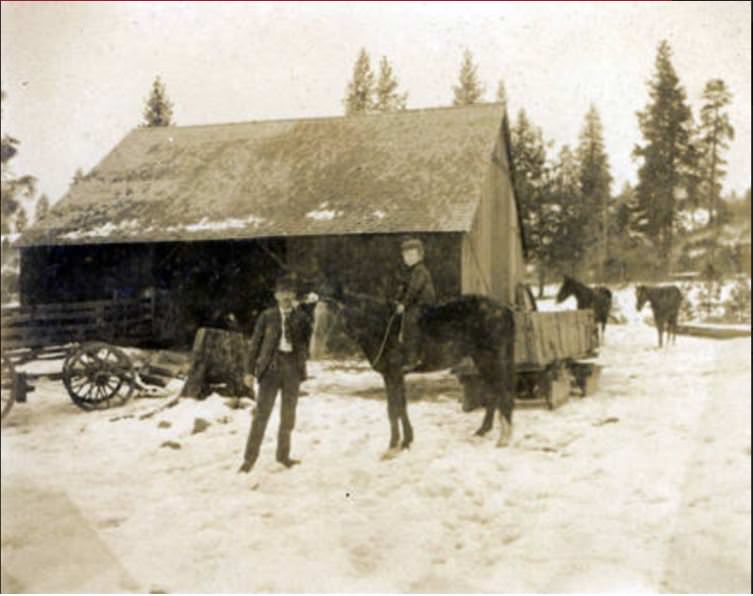
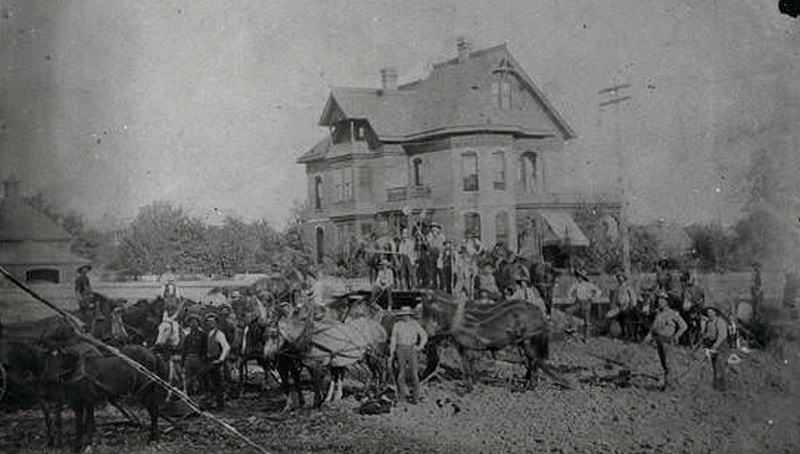
Residential life in Vancouver during the 1880s was anchored in a culture built around horses, family, and community. Homes along streets like 12th and Main were modest but permanent, with fenced yards and the kind of daily routines that marked a settled, functioning city rather than a temporary encampment.
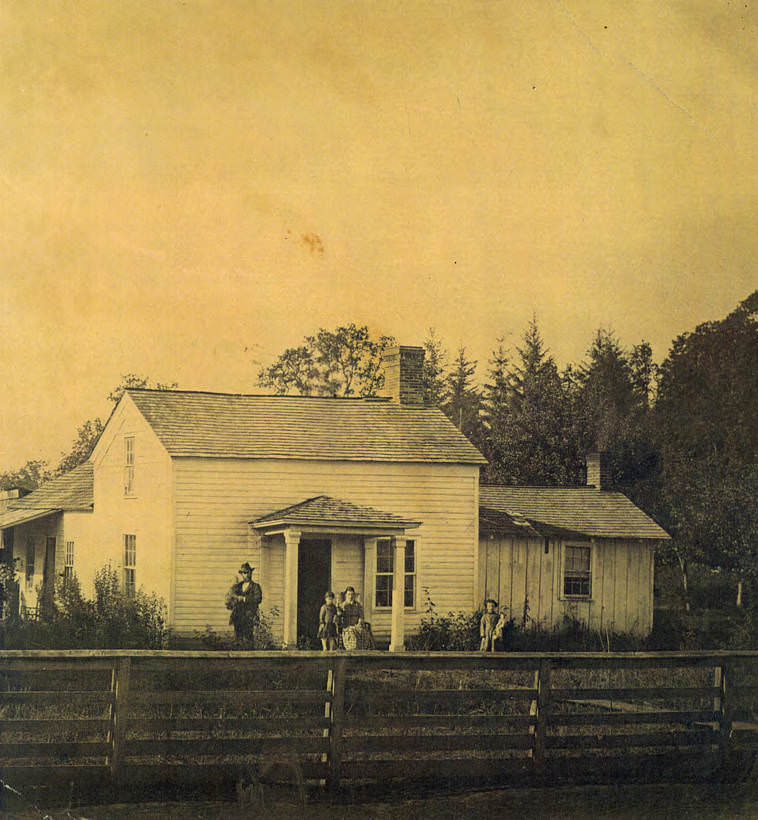
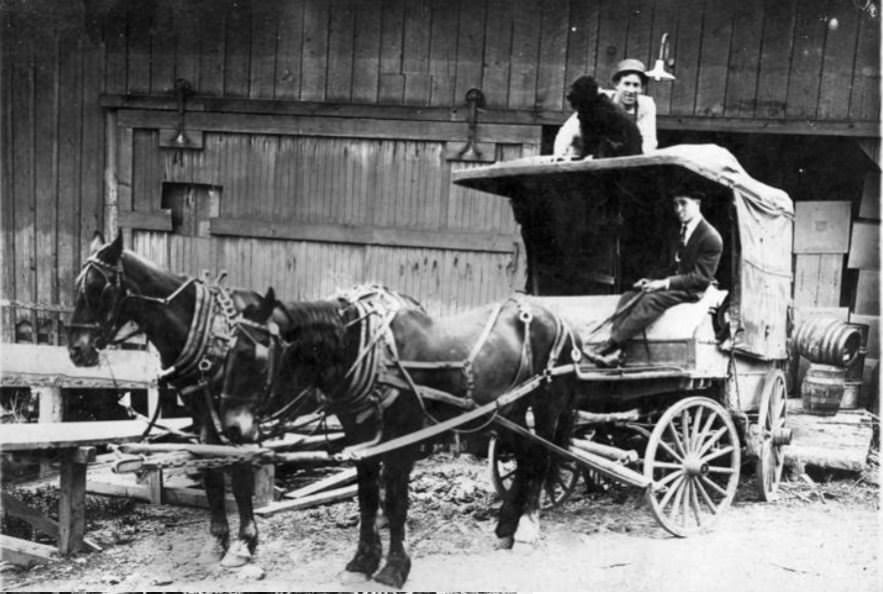
Pioneer families like Amos and Esther Short were the backbone of Clark County’s early settlement. Families with many children were common, and their arrival in the region predated most of the commercial and institutional development that followed. Their presence gave the county its initial population base and helped establish the farming economy that would support Vancouver for decades.
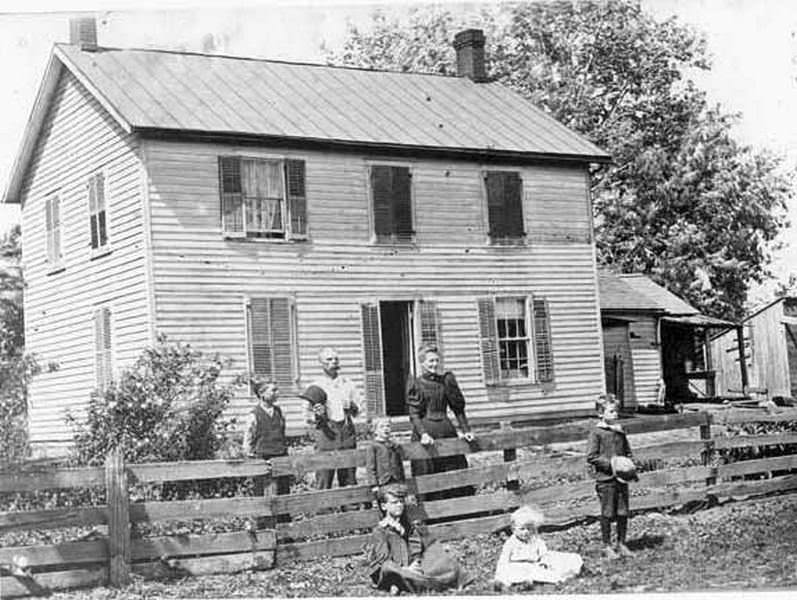
The cultivation of prunes became one of the most important agricultural enterprises in the Vancouver area beginning in the late 1870s. Farmers throughout Clark County planted orchards, and by the turn of the century, prune production had become a major part of the regional economy. Alongside prunes, hop picking was another significant harvest-season activity that drew large numbers of workers to the fields each year.
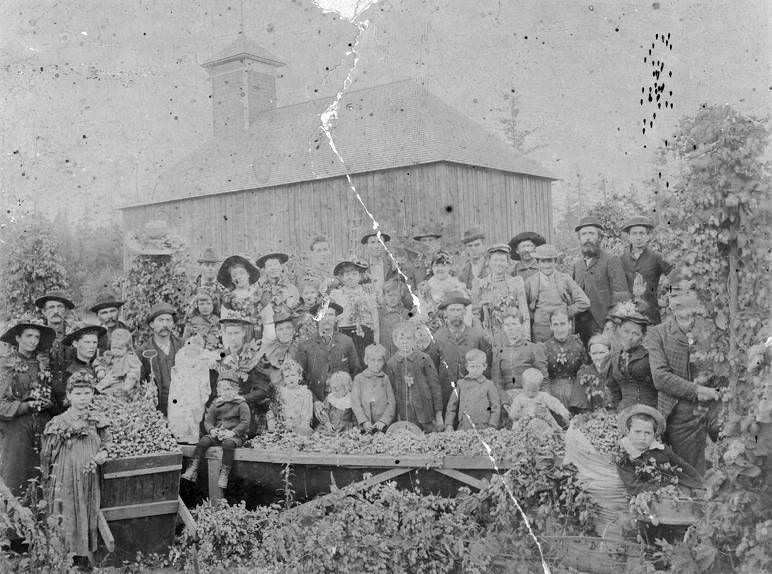
Flooding was a recurring threat along Vancouver’s low-lying waterfront. The Columbia River had a long history of seasonal flooding, and the city’s position near the river made it vulnerable. In 1893 and again in 1894, floodwaters moved through parts of the city, reaching streets and buildings that residents had assumed were safe.
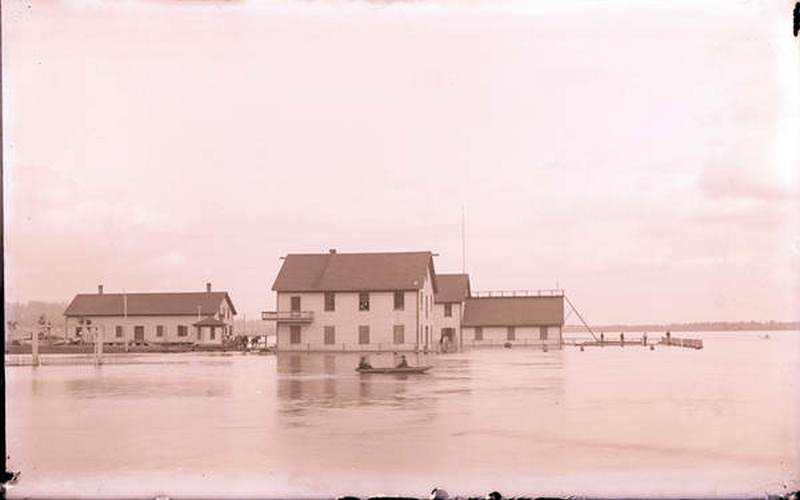
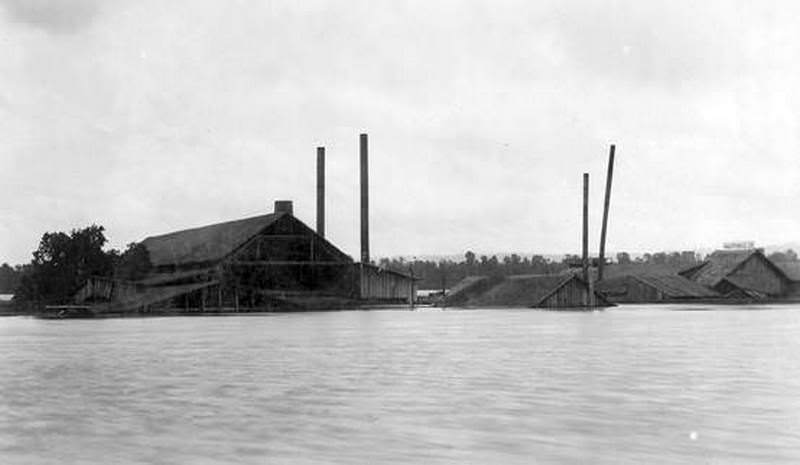
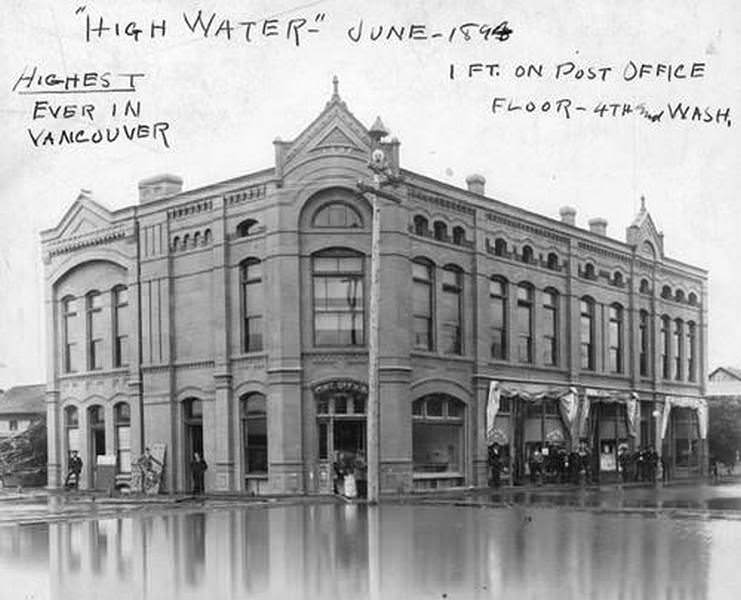
The 1894 flood was particularly severe. Water surrounded the Odd Fellows Hall on 4th and Washington Street, where the post office occupied the first floor. Residents navigated streets by boat, and businesses on low ground faced significant damage. The floods of this era were a defining challenge for a city still building its permanent infrastructure.
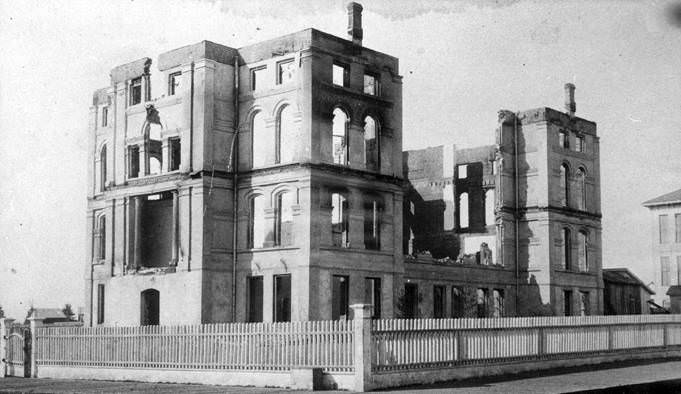
Fire was another constant danger in 19th-century cities, where wooden buildings stood close together and fire departments were limited in their equipment. The Clark County Courthouse bore visible damage after the 1890 fire, a reminder that even the most important civic buildings were not immune to destruction.
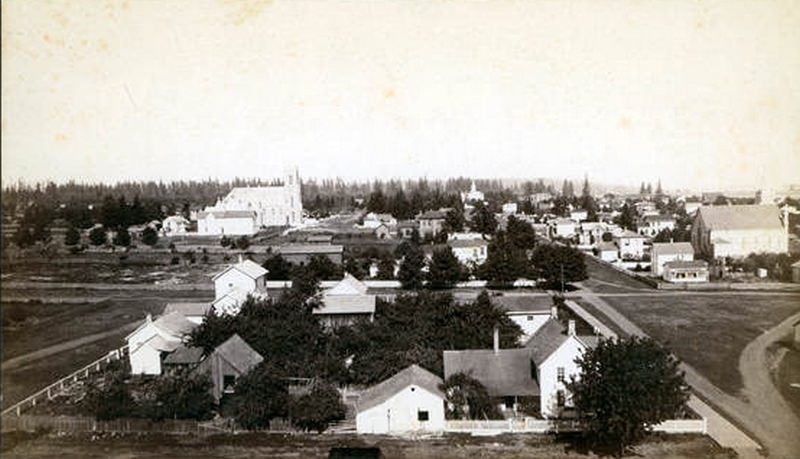
Looking east from the courthouse in 1889, Vancouver presented a city of mixed construction — some brick, much wood, with wide streets and open sky above. The view captured a city at a turning point, still growing and still defining what it wanted to be.
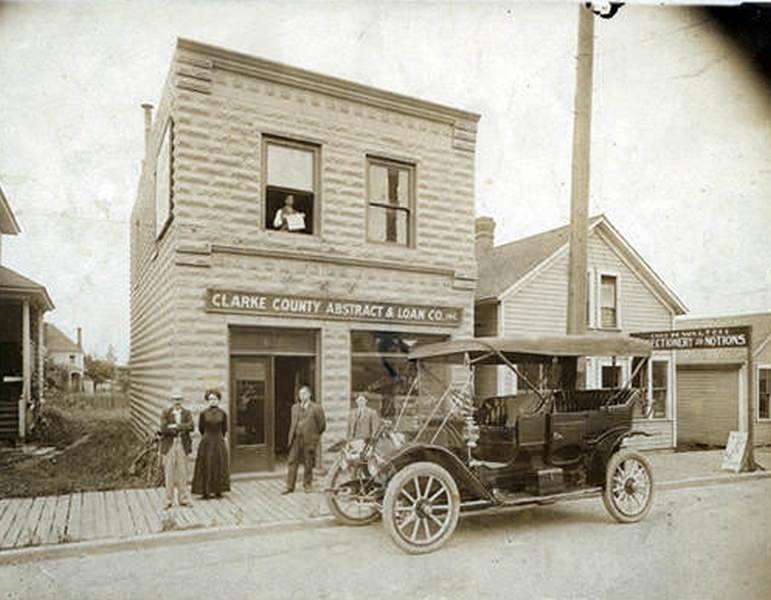
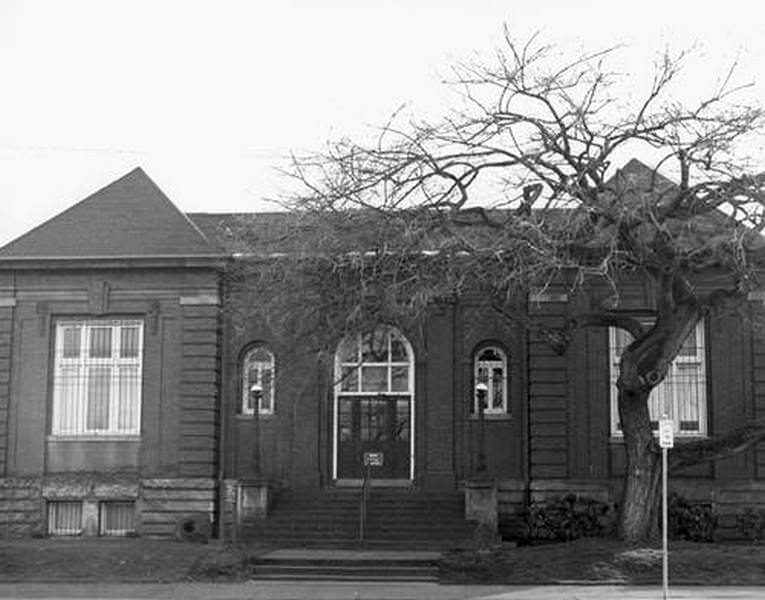
Professional and civic institutions multiplied in the 1890s. The Clarke County Abstract & Loan Company served property buyers and sellers navigating a growing real estate market. The Clark County Historical Museum preserved the records and objects that told the story of the region’s founding years. These institutions reflected a city that had moved past simple survival and was actively investing in its own future.
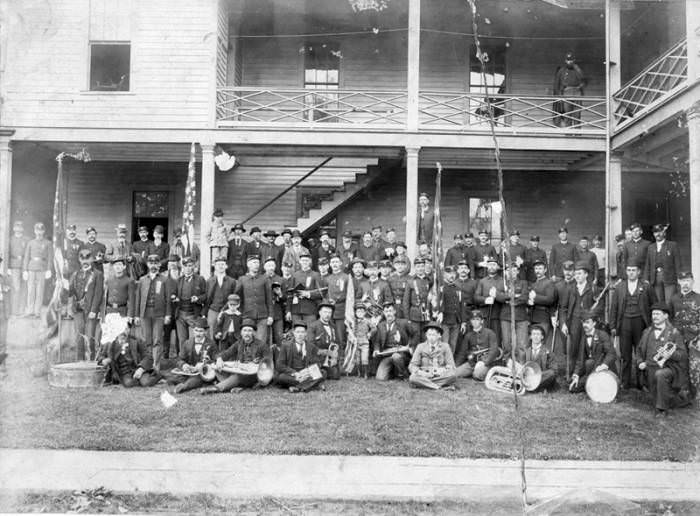
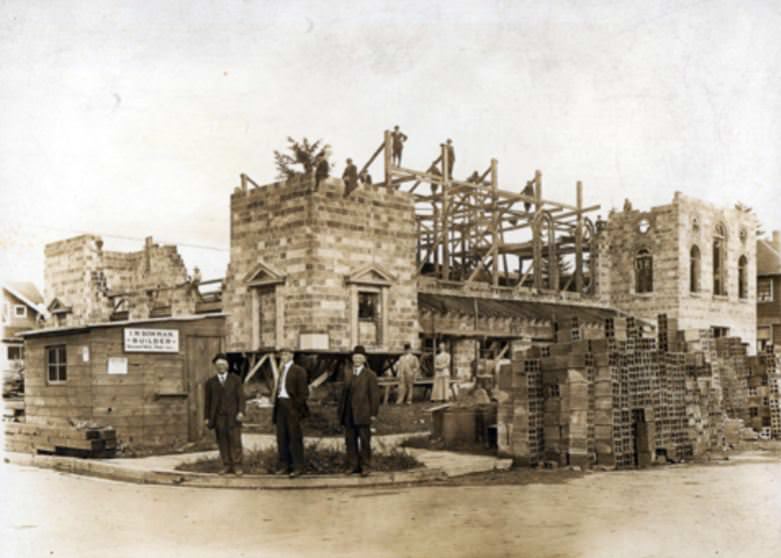
Churches were among the most visible signs of a community settling in for the long term. The Congregational Church at 14th and Main Street was under construction during the 1880s, joining a growing number of religious congregations that had established themselves across the city. Churches served not just as places of worship but as community gathering points, hosting events and providing social services to members.
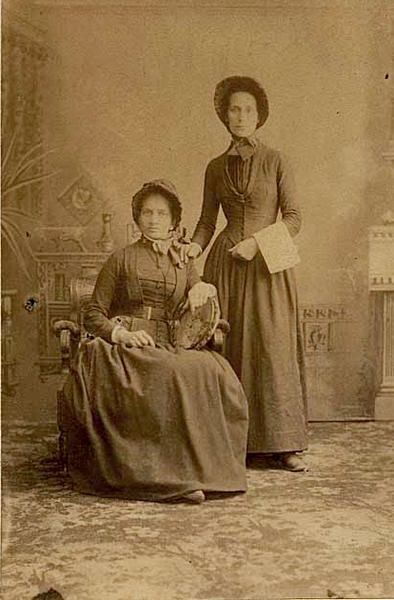
The Salvation Army’s presence in Vancouver by 1893 reflected the city’s growing population and the social challenges that came with it. Two female members photographed that year were part of a national organization that had expanded rapidly across American cities, providing food, shelter, and outreach to those struggling during hard economic times.
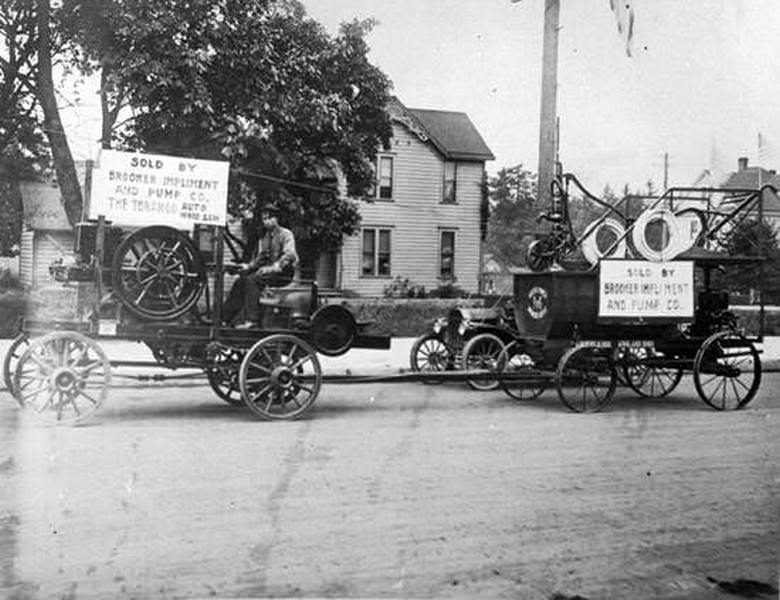
Public parades gave local businesses a chance to advertise while also providing entertainment for residents. The Brooker Implement and Pump Company float rolling through Vancouver in 1890 showcased the kind of agricultural equipment that Clark County farmers depended on. Parades were one of the few large public events that could draw crowds from across the county into the city center.
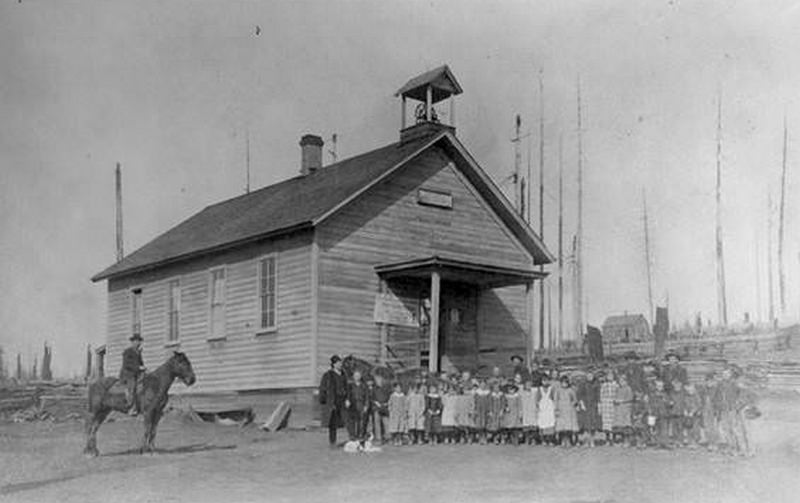
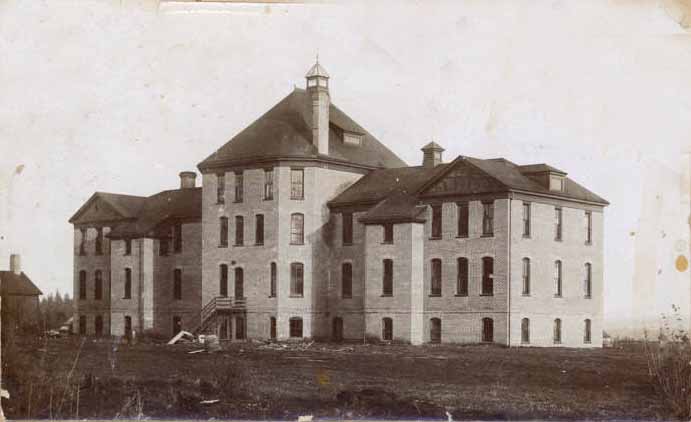
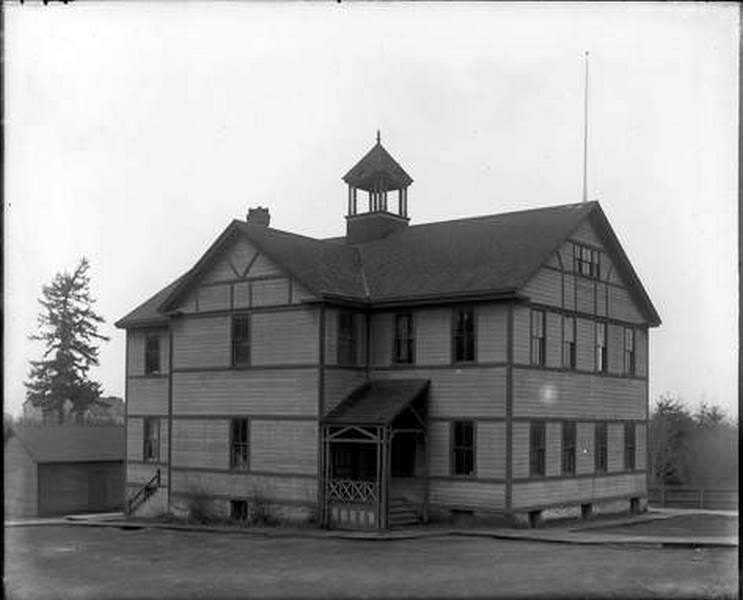
Schools in Clark County ranged from one-room rural schoolhouses like the Eureka School in Hockinson to specialized institutions in the city. Vancouver’s School for the Deaf, photographed in 1890, served students from across the region. The presence of a specialized school in a relatively small city said a great deal about Vancouver’s ambitions as a regional center.
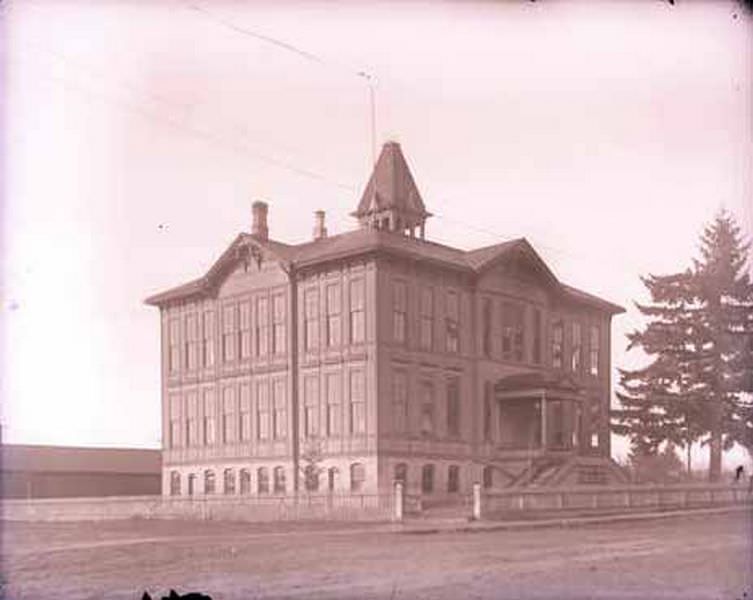
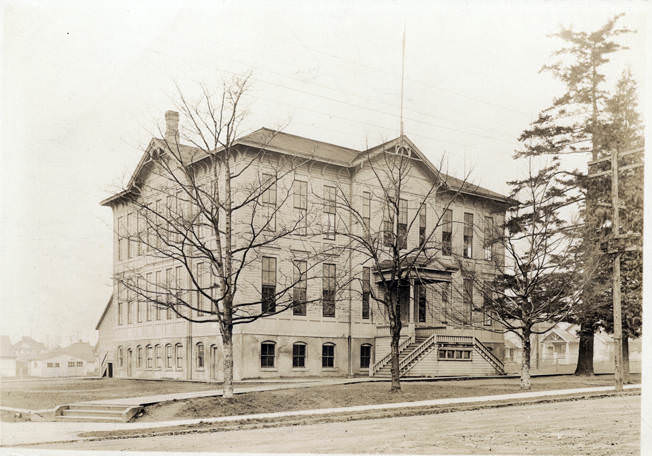
Central School on West 13th and Franklin Street was one of the city’s primary public schools by the 1890s. Its brick construction set it apart from the wooden schoolhouses found in rural areas and signaled that Vancouver was making lasting investments in public education.
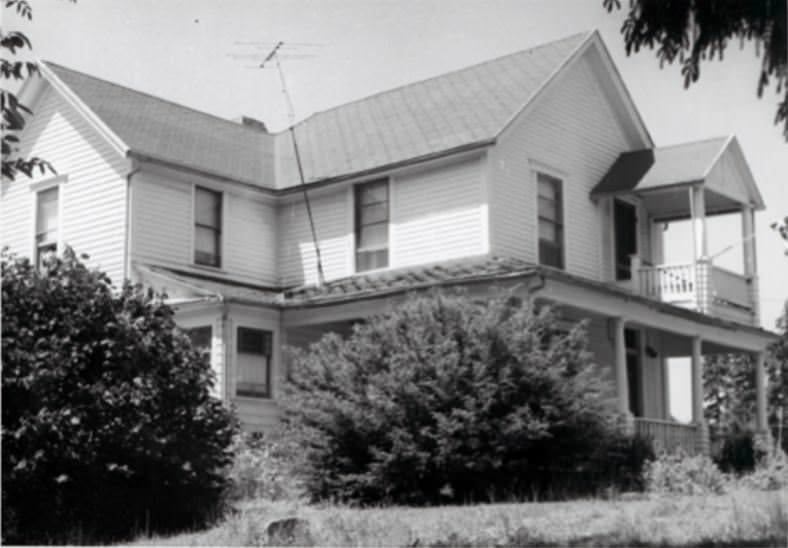
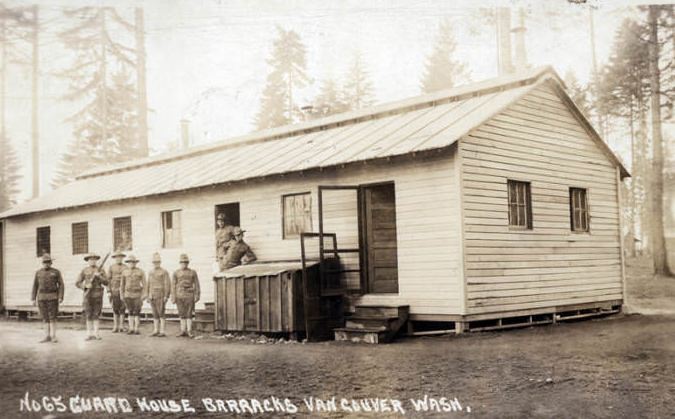
By the mid-1890s, Vancouver’s most prosperous residents were building homes that reflected their status. The Ellsworth House, constructed for State Senator E.L. French in 1895, stood as a testament to the wealth that had accumulated in the city over the preceding decades. At the Vancouver Barracks, the Curro House offered a similar sense of permanence within the military community.





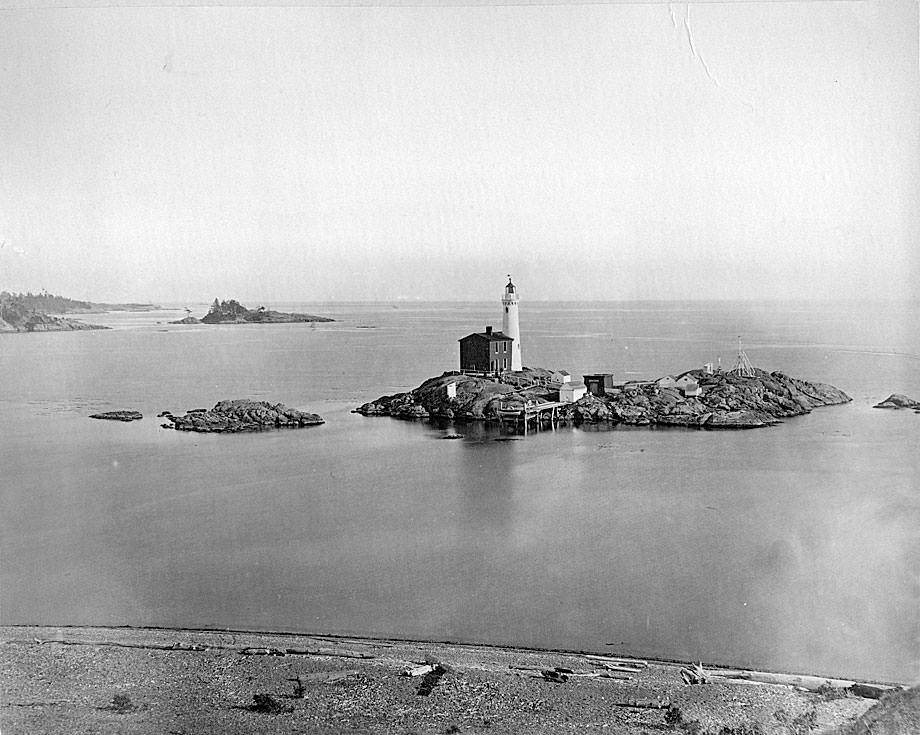
Interesting pics. The last one though, #49, is misplaced. It’s in Victoria, BC on Vancouver Island.
The photo showing the Vancouver museum is not an old photo since it has a modern “no parking” sign in it.
Not to mention that the Clark County Historical Museum started out as the Carnegie Library – first local library downtown built in 1909. The library didn’t become a museum until the 1960s. Source: I am a volunteer there.
Probably a stupid question, but #14 is right where main event is and the building looks very similar. Is it the same building? It at least is the same style.
Like the pictures my grandfather grow up there at the time
wow cant believe life used to be black n white like that :O!
I always thought it was gray
We switched to color in 1986. lol