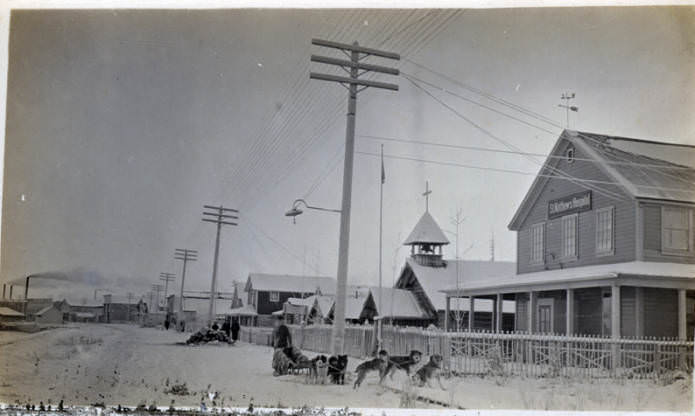
The 1940s reshaped Vancouver, Washington more than any other decade in its history. World War II pulled the city out of its quiet, small-town rhythm and pushed it into full industrial gear. The population exploded. New neighborhoods appeared almost overnight. Infrastructure was built, stretched, and strained to keep up with tens of thousands of new residents. The photographs collected here capture that extraordinary period — the shipyards, the housing projects, the streets, the schools, and the people who lived through it all.
Before the war transformed the cityscape, Vancouver already had the bones of a functioning urban grid. Its electrical infrastructure was being upgraded at the turn of the decade, as these early 1940 images of the city’s substation work show.
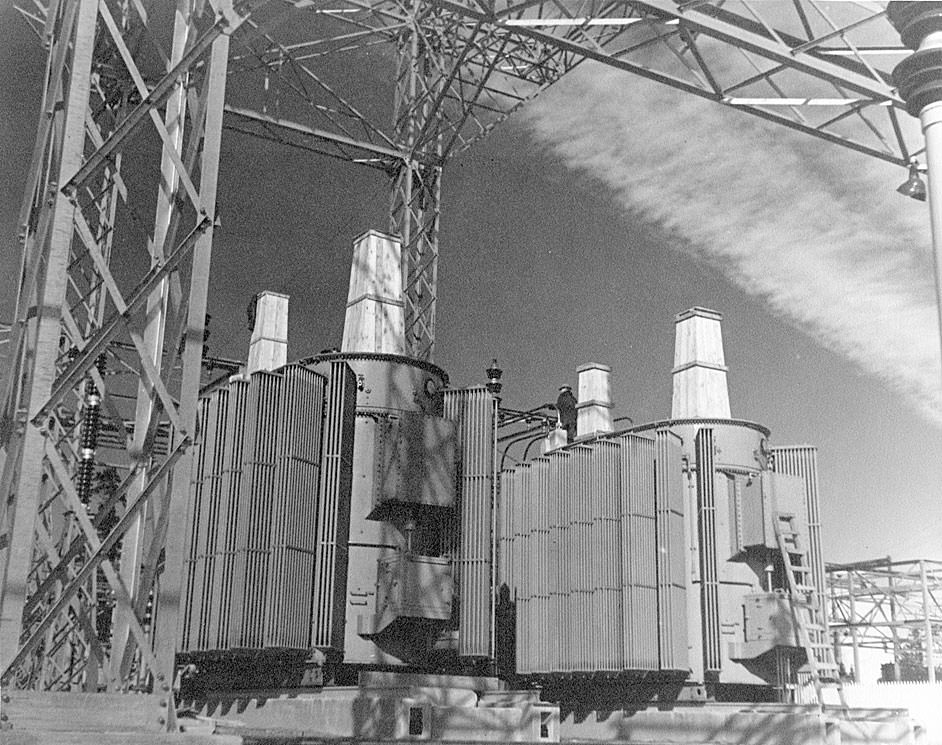
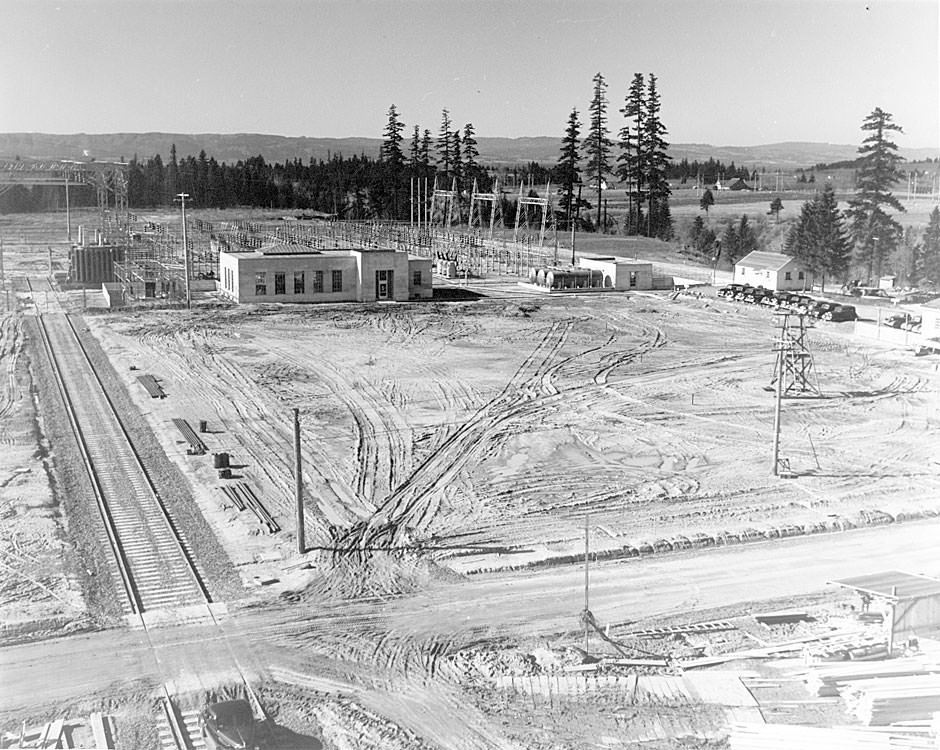
The electrical upgrades were timely. Within two years, the Kaiser Company’s shipyards along the Columbia River would be running around the clock, demanding enormous amounts of power. The Vancouver shipyard produced 140 ships and two drydocks during World War II — a staggering output that required a workforce drawn from across the entire country.
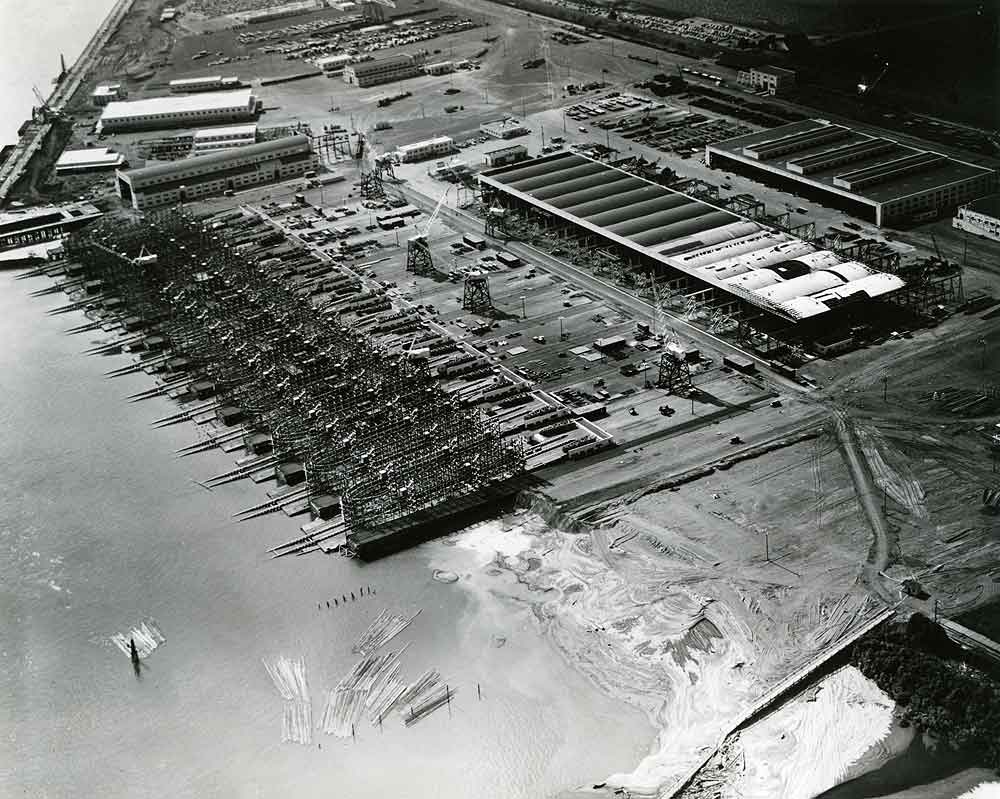
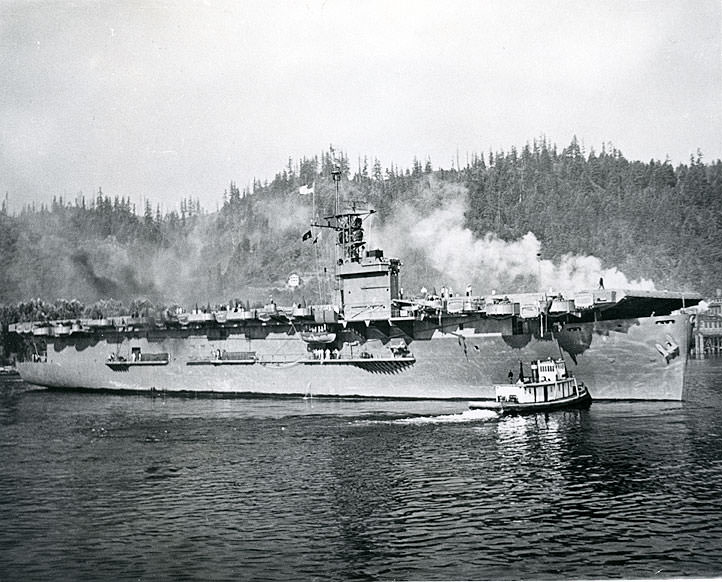
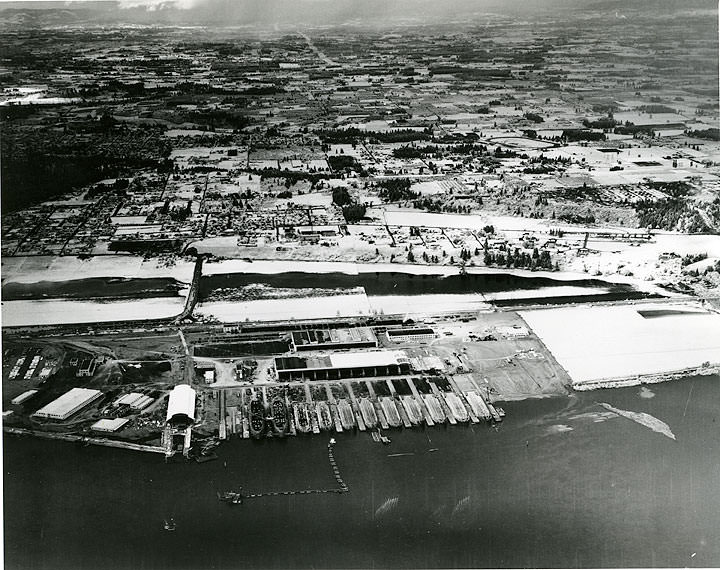
Seen from the air, the scale of the Kaiser operation was remarkable. The yards stretched along the Columbia River’s edge, a dense web of cranes, dry docks, and partially built hulls. The aerial photograph below, taken by the U.S. Army Corps of Engineers in June 1942, captures the shipyard in full wartime production. Visible in the upper portion of the same frame is McLoughlin Heights — the massive housing project already under construction to shelter the workers flooding into Clark County.
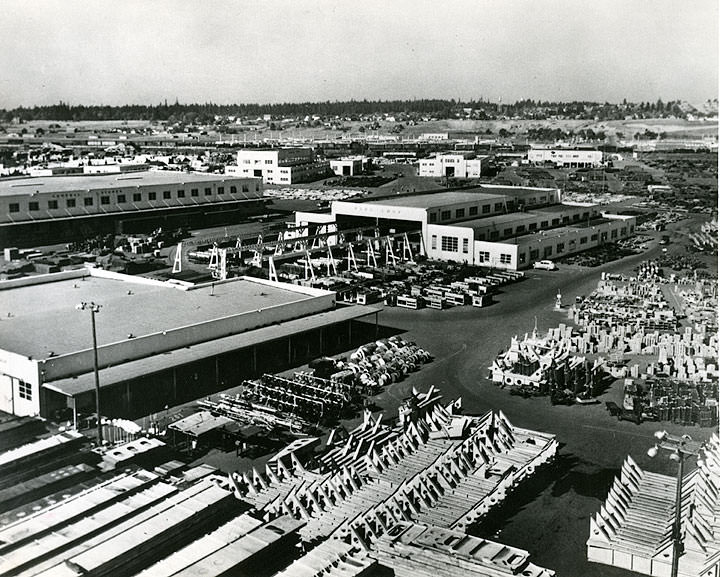
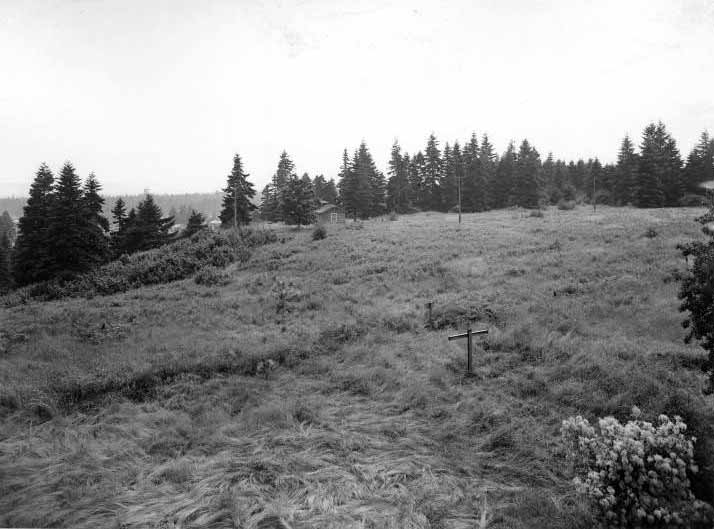
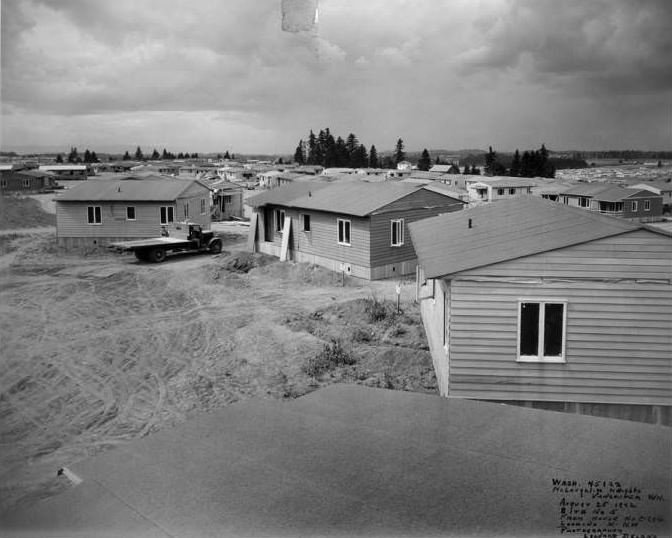
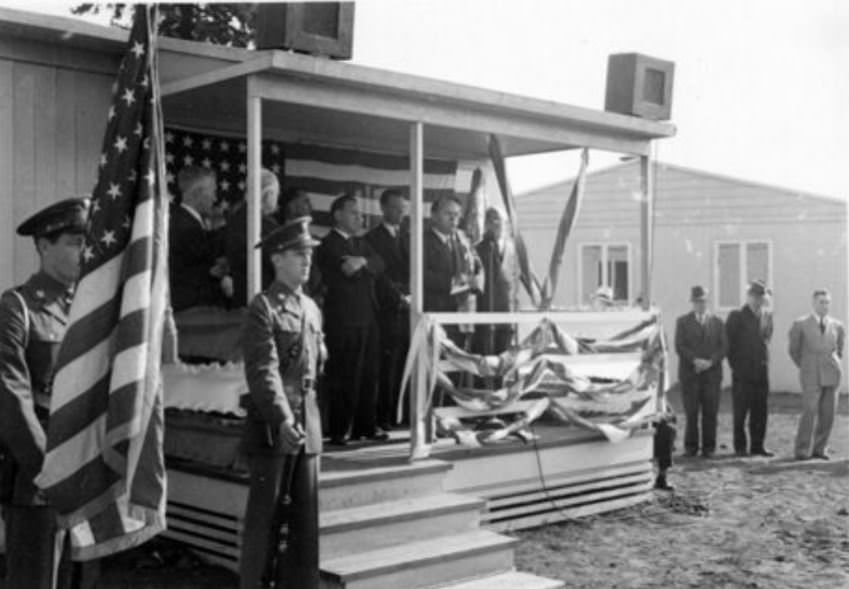
The surge of workers into Vancouver created an immediate housing crisis. The Vancouver Housing Authority was established to manage the situation, and it moved fast. Six major housing developments were built: Fruit Valley, Burton Homes, Bagley Downs, Fourth Plain Village, Ogden Meadows, and McLoughlin Heights. Of these, McLoughlin Heights was the largest wartime public housing project west of the Mississippi River.
Douglas Elwood Caples served as the housing authority’s secretary while also holding the position of Vancouver’s city attorney. Under his guidelines, the authority did not discriminate in housing allocation — a policy that mirrored the federal government’s rules against discrimination in war industry hiring. The effect on Vancouver’s demographics was dramatic. The city’s African American population grew from just 18 people in 1940 to nearly 9,000 by 1945.
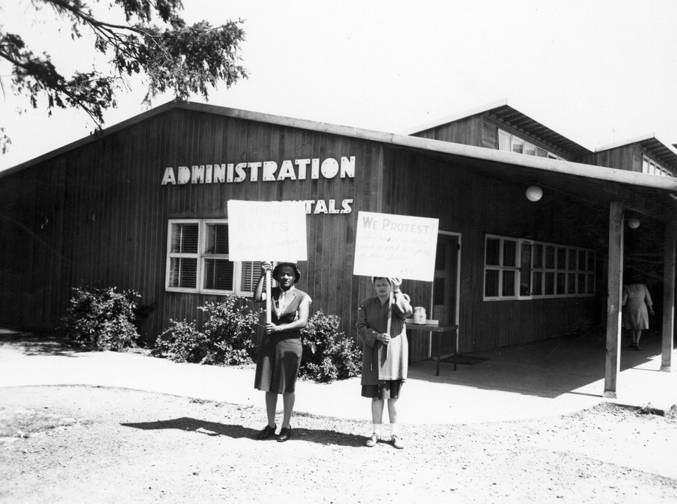
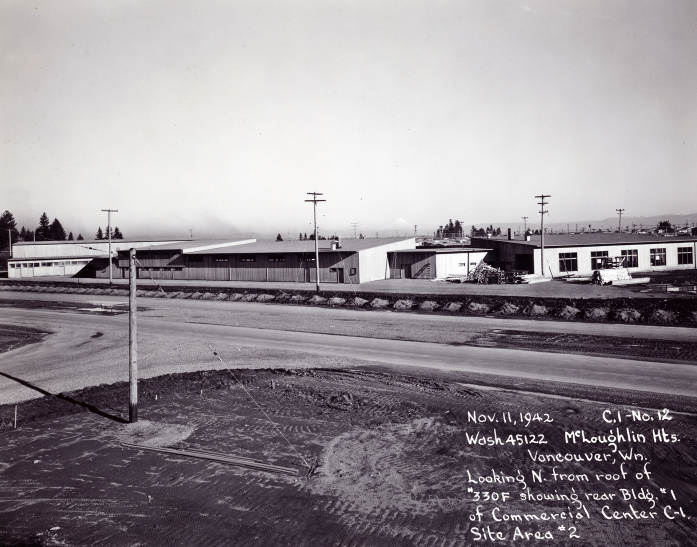
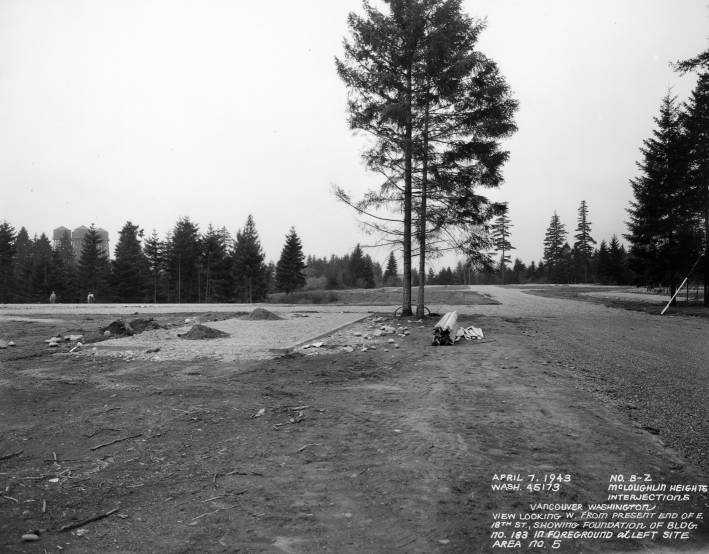
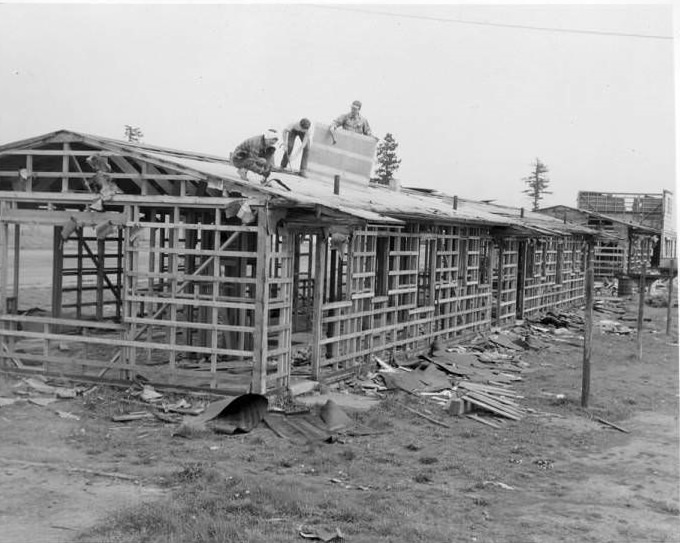
McLoughlin Heights developed its own commercial center to serve the thousands of residents living there. Streets, shops, and community spaces filled in quickly around the rows of housing units. Construction crews were active across the development well into the early 1940s.
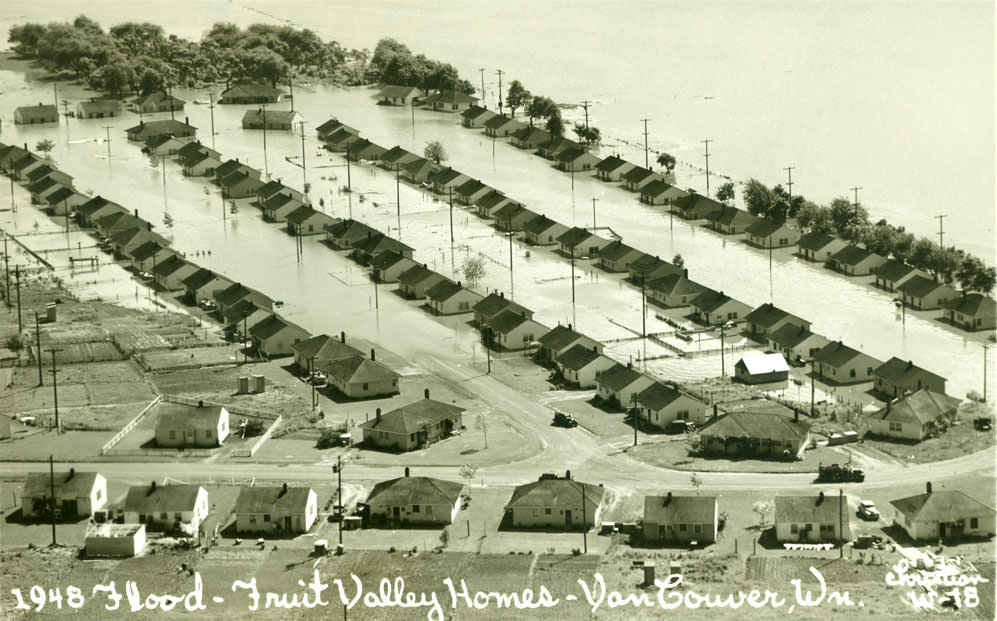
The other wartime housing developments each had their own character and challenges. Fruit Valley, one of the six projects, sat in a low-lying area. In 1948, flooding inundated the neighborhood, surrounding and partially submerging homes. Burton Homes, located off Burton Road and 4th Plain Boulevard east of Andresen Road, housed another segment of the wartime workforce.
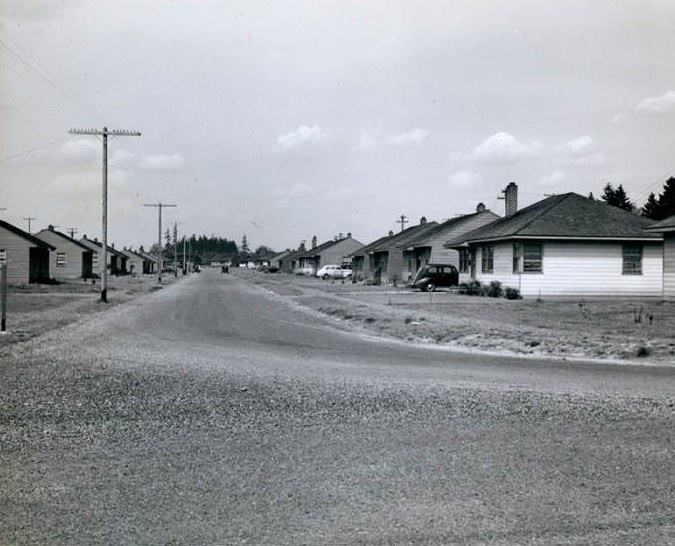
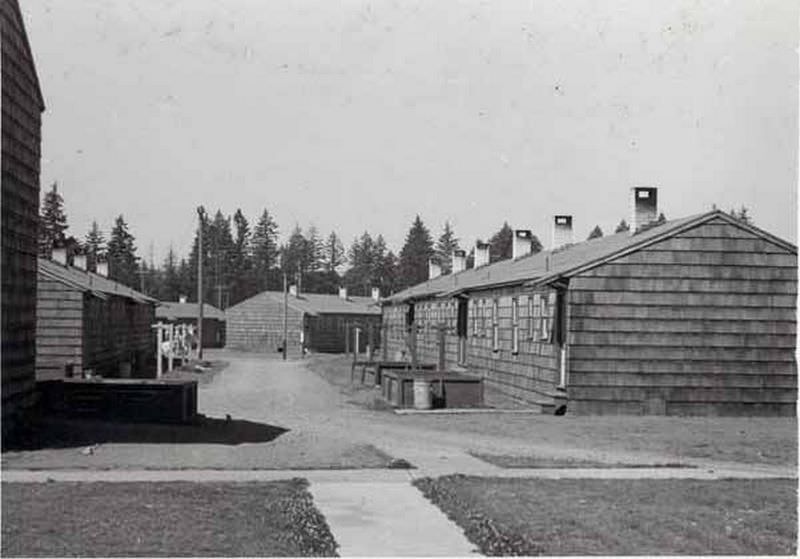
At the end of World War II, the housing authority acquired an $80,000 mortgage and purchased the McLoughlin Heights project. Rather than maintain it as a standalone development, the authority dismantled it so that new permanent neighborhoods could be built in its place. On New Year’s Eve, 1949, McLoughlin Heights was officially annexed into the city of Vancouver. The other wartime developments followed, one by one, each absorbed into the growing city.
While the shipyards and housing projects defined the war years, everyday Vancouver life continued in neighborhoods, schools, churches, and civic buildings across the city. The Clark County Courthouse, photographed in 1941, stood alongside its newer replacement. City Hall carried on its business. Churches and fraternal halls served their communities.
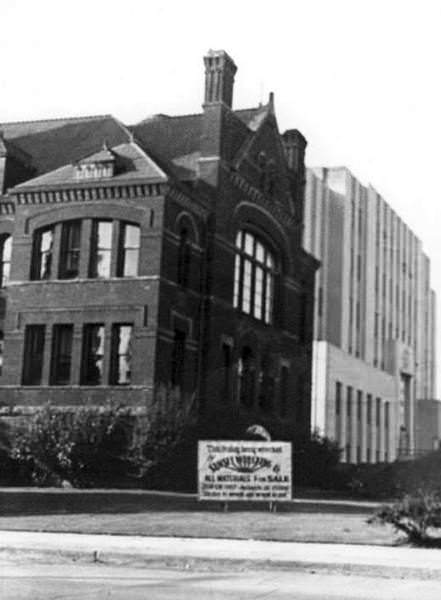
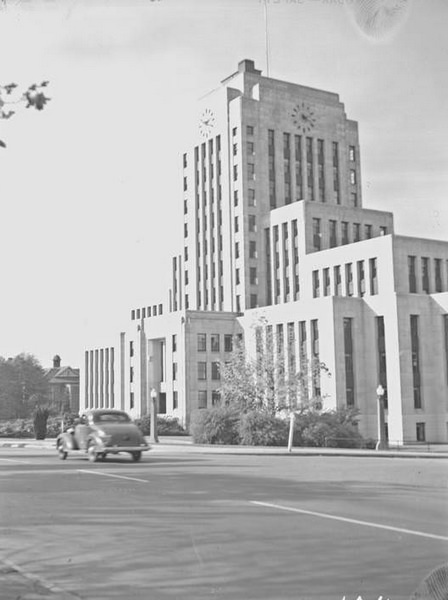
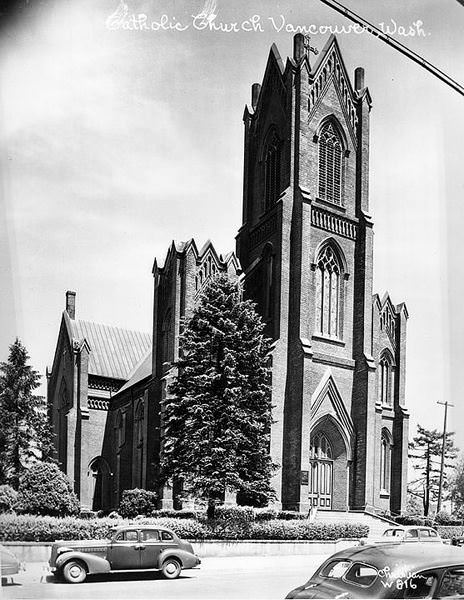
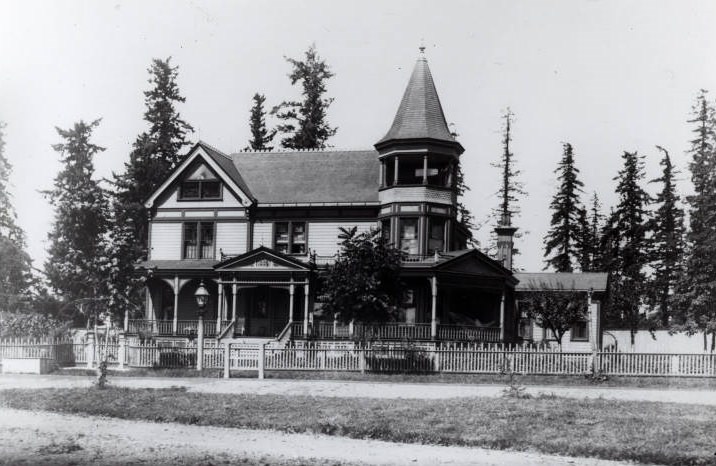
Vancouver’s military presence was deeply embedded in the city’s identity. Fort Vancouver, one of the oldest American military posts in the Pacific Northwest, remained active during the war. Officer’s Row — the line of stately historic homes on the fort’s grounds — stood as a reminder of the post’s long history even as the surrounding city modernized rapidly.
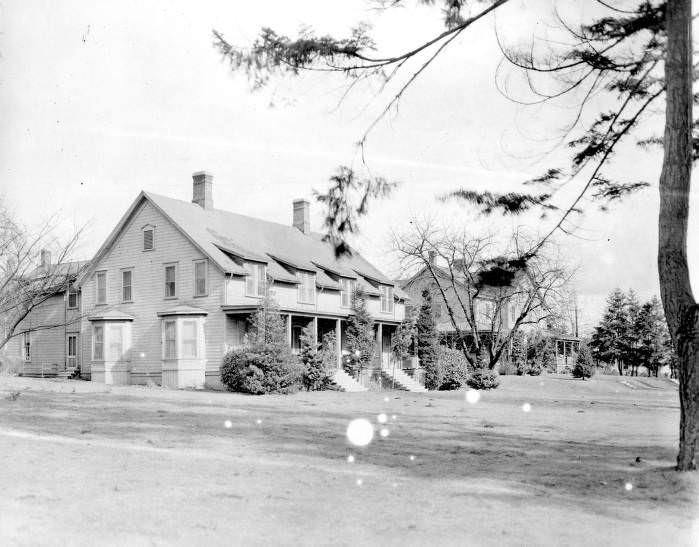
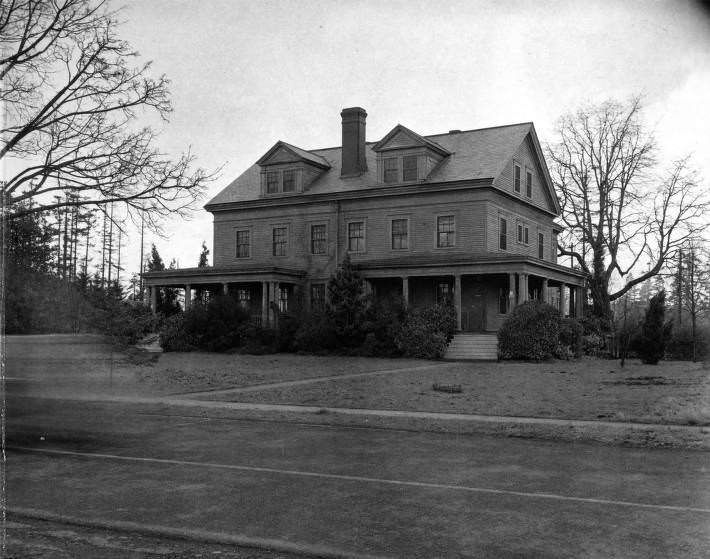
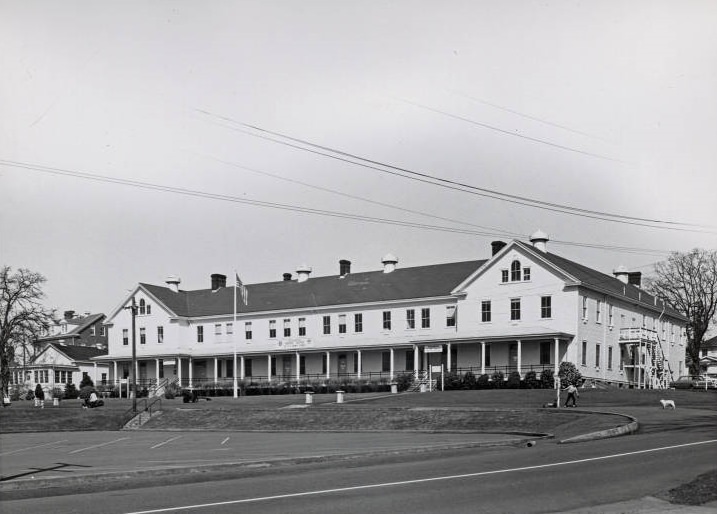
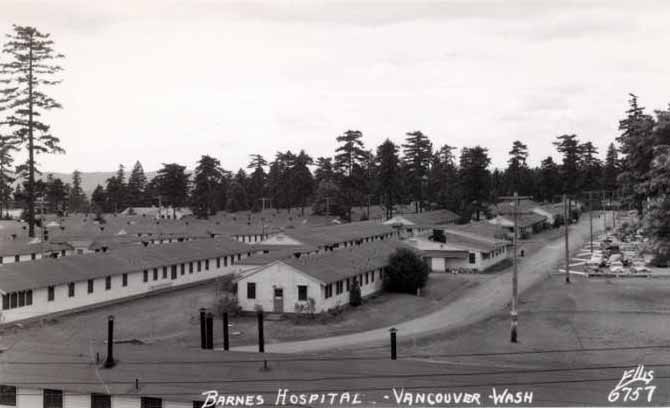
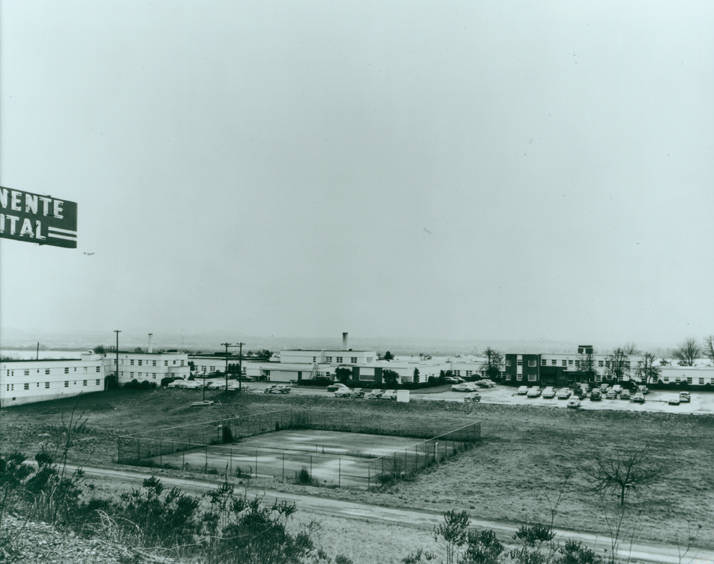
The war’s wounded passed through Vancouver as well. Barnes Army Hospital was built by the United States Army as a temporary facility to treat injured servicemen. After the war, it was transferred and became the Veterans Administration Hospital. The Kaiser Company also maintained its own hospital facility for shipyard workers, complete with tennis courts on the grounds.
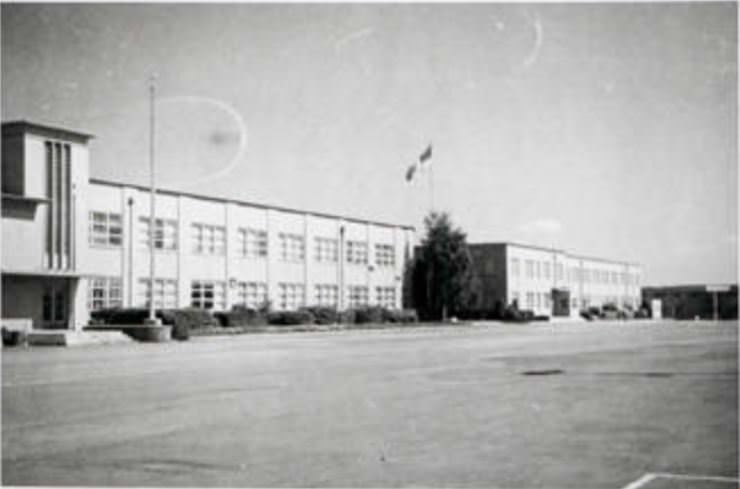
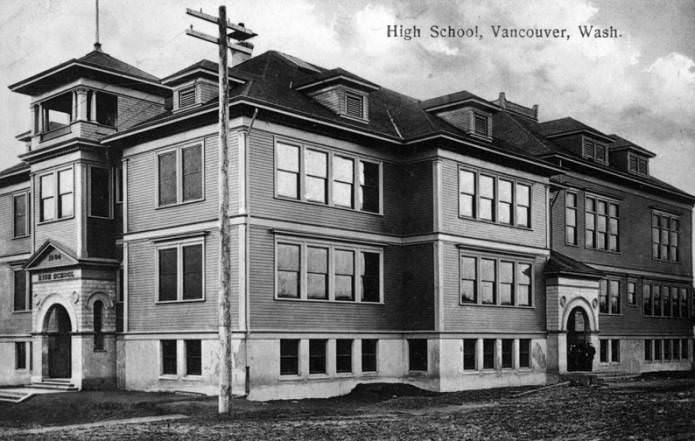
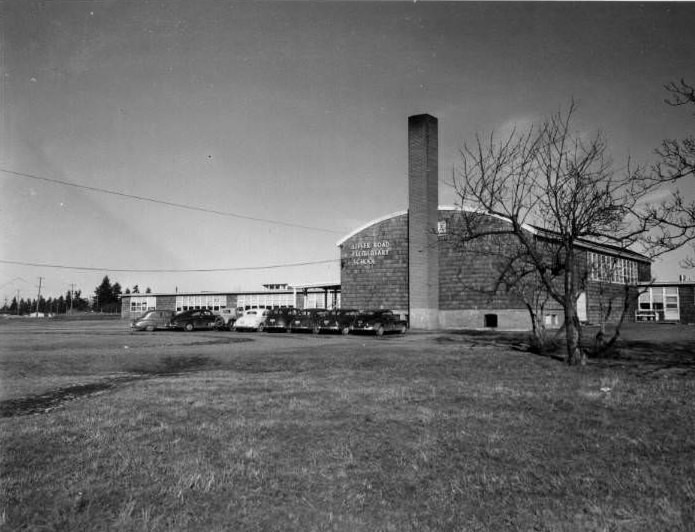
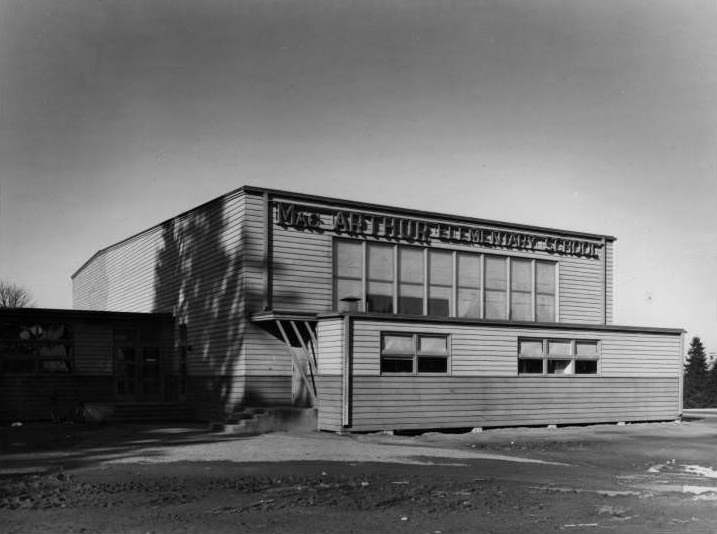
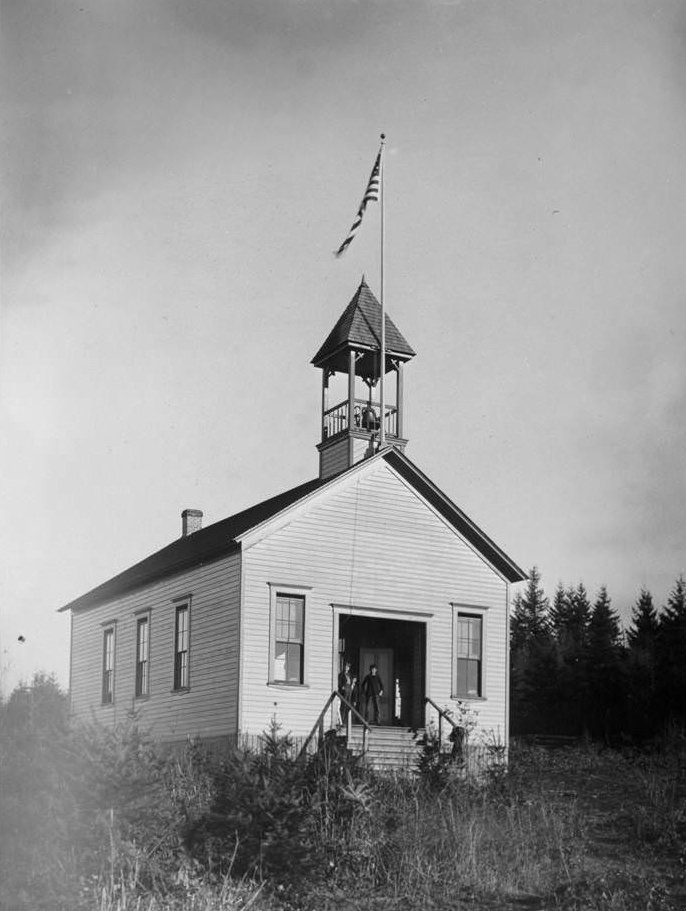
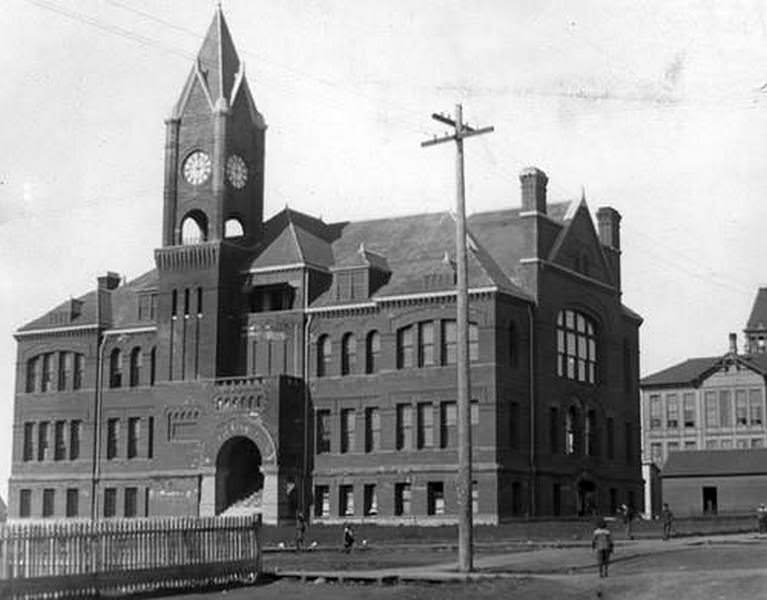
Schools expanded alongside the population. Fort Vancouver High School served older students while elementary schools like Lieser and MacArthur absorbed the children of wartime workers. Fisher’s Landing, a more rural school on Vancouver’s outskirts, continued its quieter operation through the decade.
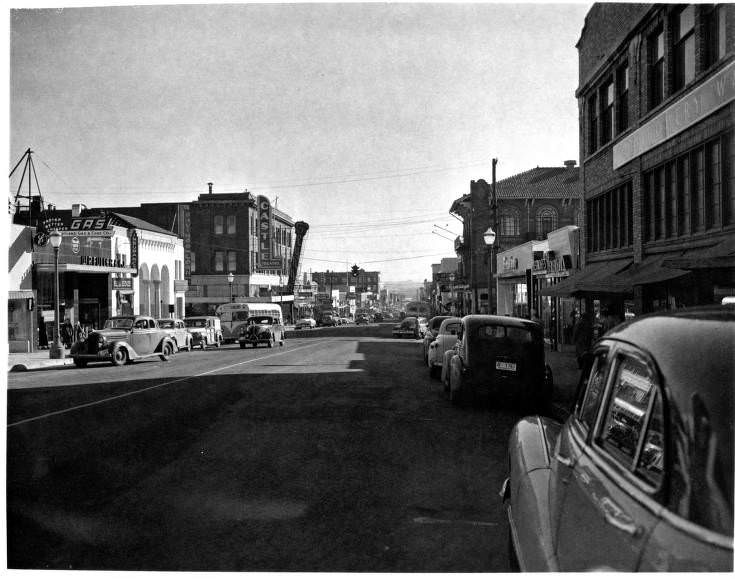
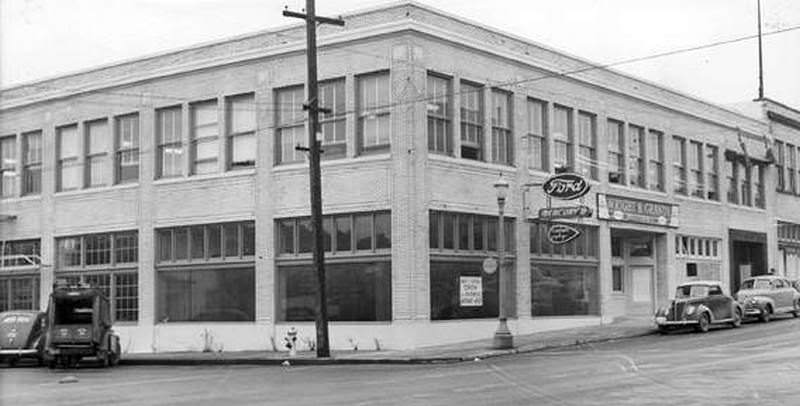
Vancouver’s streets in the 1940s mixed the old with the new. Main Street still carried the look of an earlier era, while 4th and Esther Street represented the kind of mid-century commercial block common to growing Pacific Northwest towns. The Marine Building stood as one of the more prominent downtown structures, photographed in 1942 as wartime activity swirled around it.
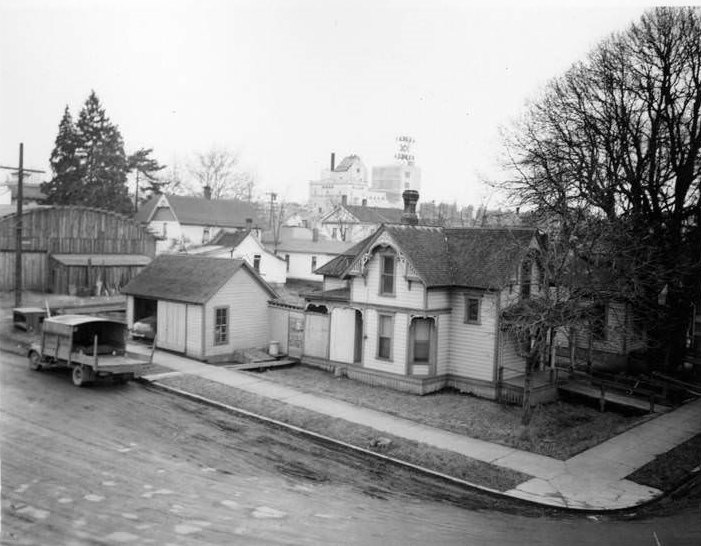
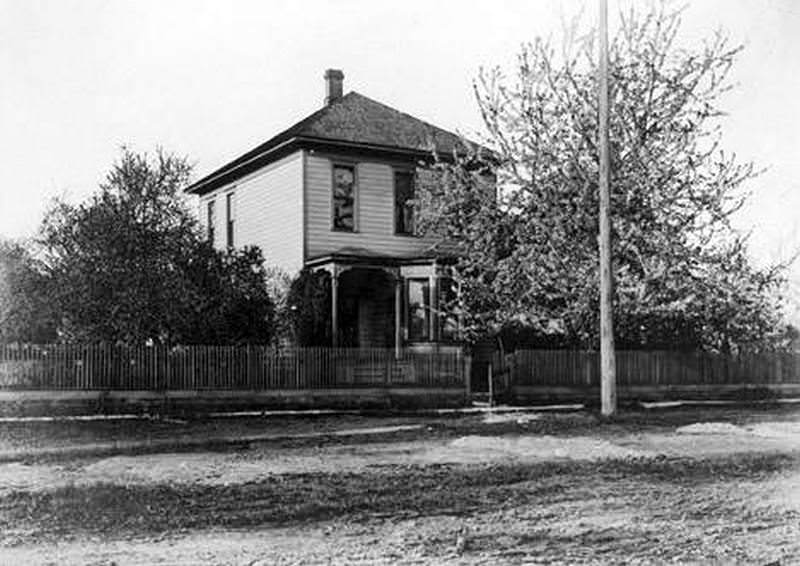
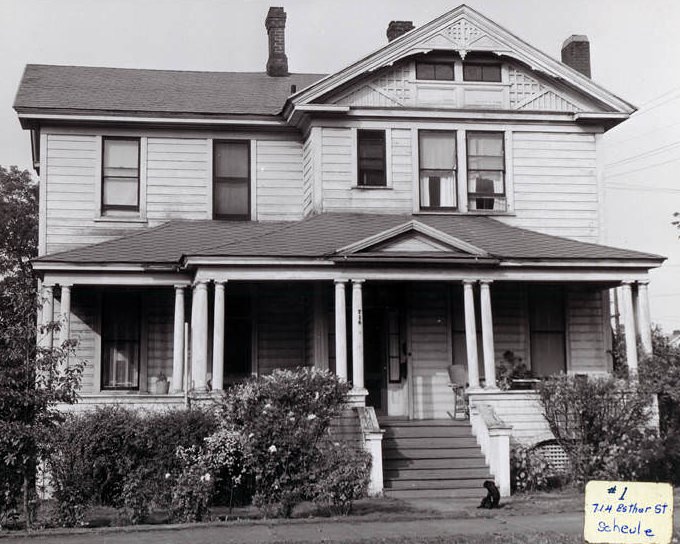
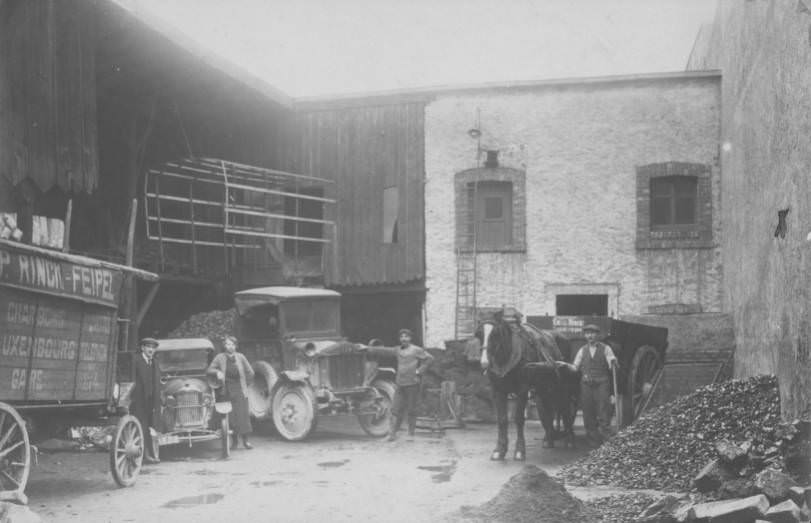
Residential Vancouver had its own texture. The Henrichsen home on 16th Street between Broadway and Main, the Schuele residence at 714 Esther Street, and homes along West 10th Street all reflected the architectural styles of the period. A family-owned rock business, captured in an alley setting with horse-drawn carts and early automobiles, shows the mix of old and new commerce that still operated side by side.
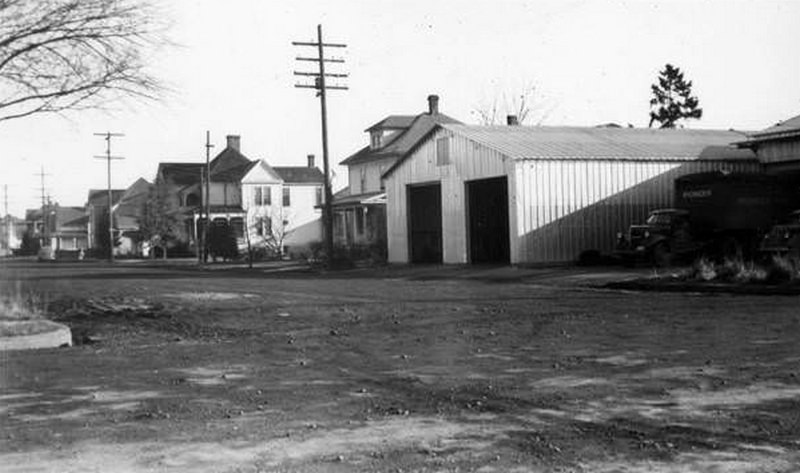
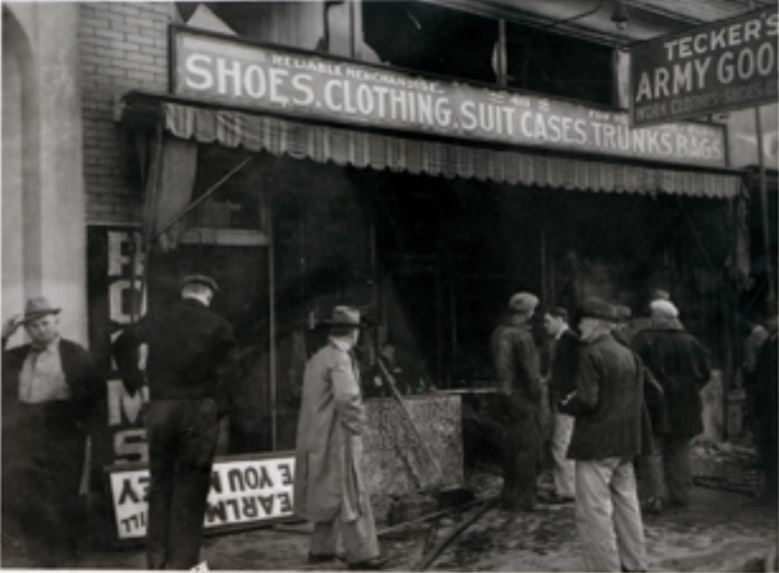
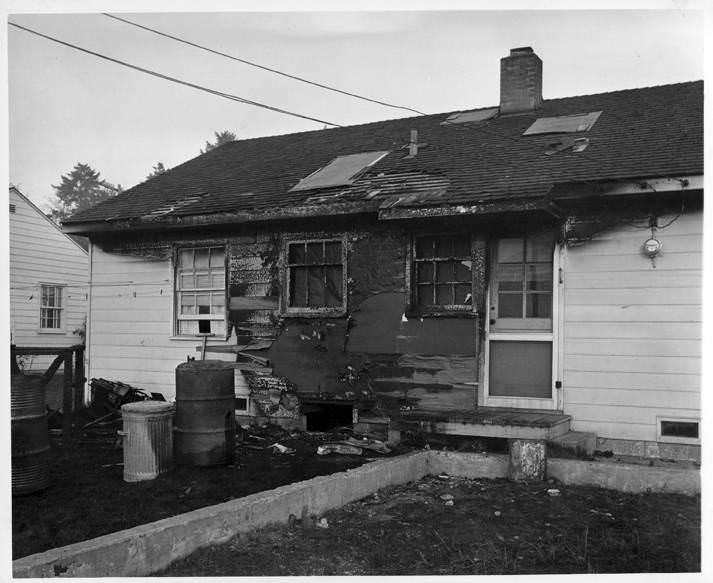
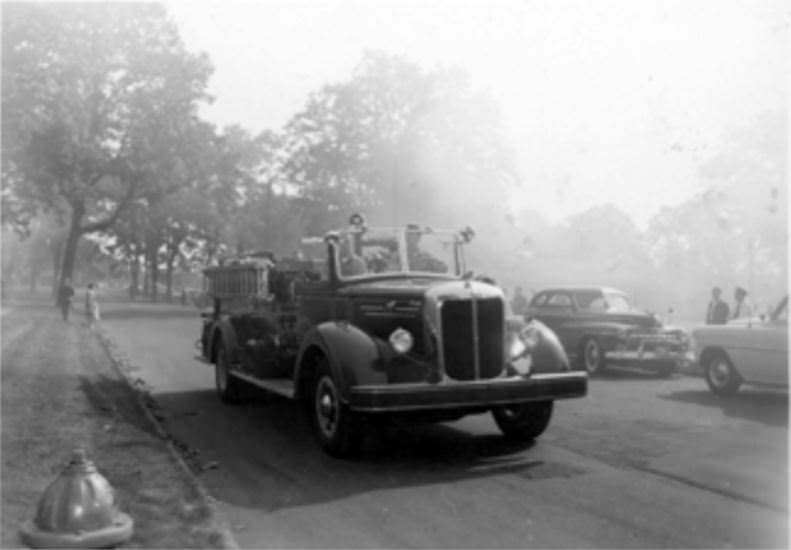
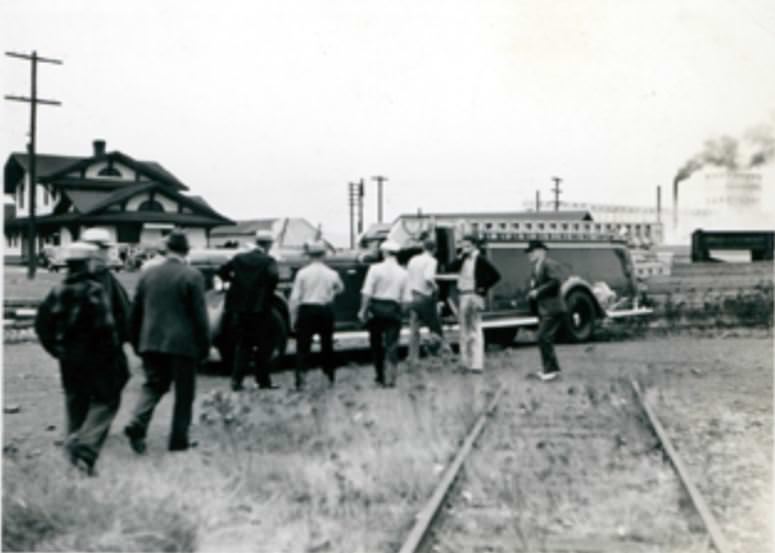
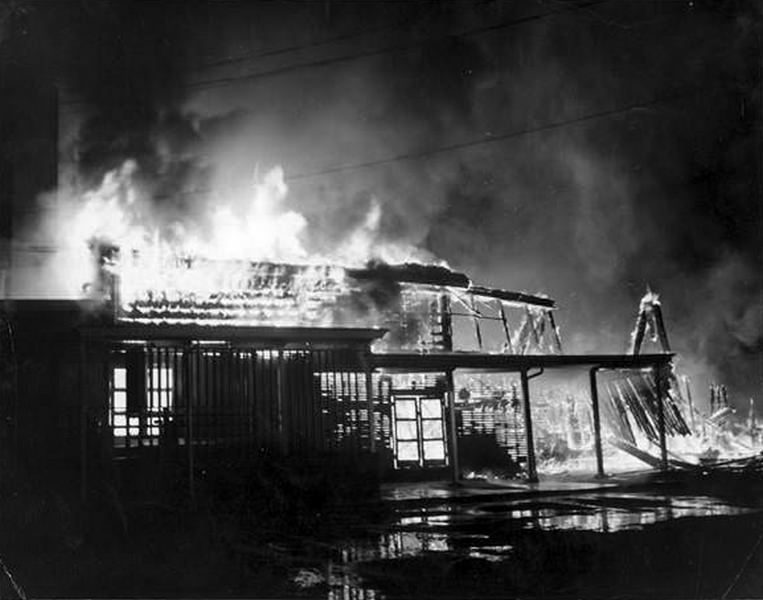
Fire was a constant hazard in the 1940s city. Vancouver’s fire department responded to blazes at army surplus stores and residential homes alike. The 1940 photographs below document the aftermath of two separate fires and the department’s equipment during that period.
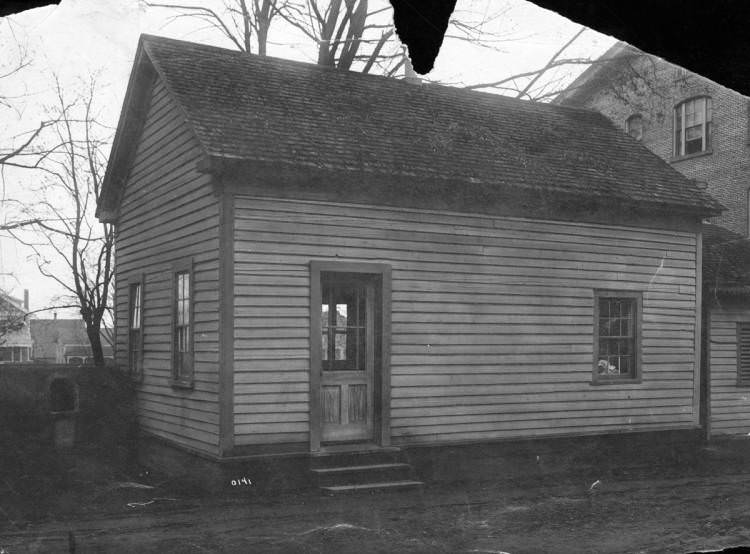
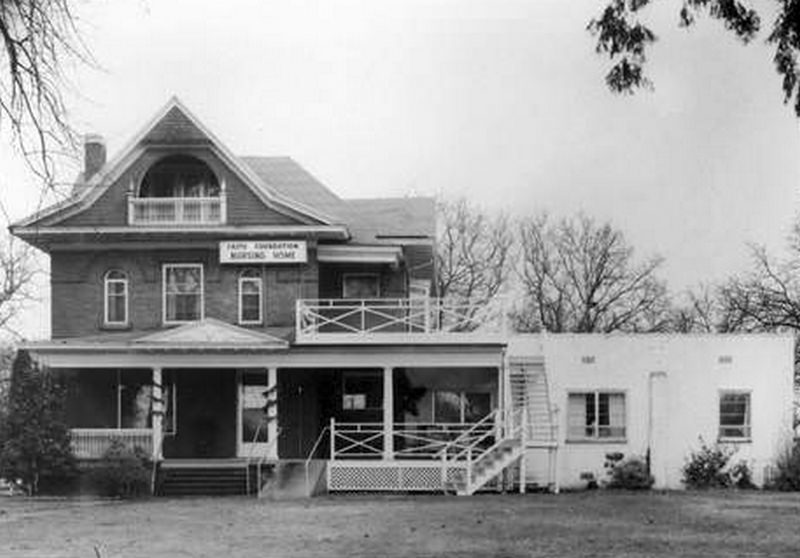
Medical care in Vancouver during this era was anchored by institutions with deep local roots. The first St. Joseph’s Hospital operated out of a foundation house that had been moved to the Academy grounds from its original site at the Barracks. The Faith Foundation Nursing Home served the elderly population. St. Joseph’s itself would grow significantly in the postwar years.
Community life found expression in Vancouver’s lodges and civic organizations. The Elks Lodge on 10th and Main Street and the Masonic Temple were fixtures of social life for many residents. The courthouse relief sculpture depicting the Buckskin Brigade — a reference to the fur-trade era that predated American settlement — decorated the exterior of the county courthouse and connected the city visually to its frontier past.
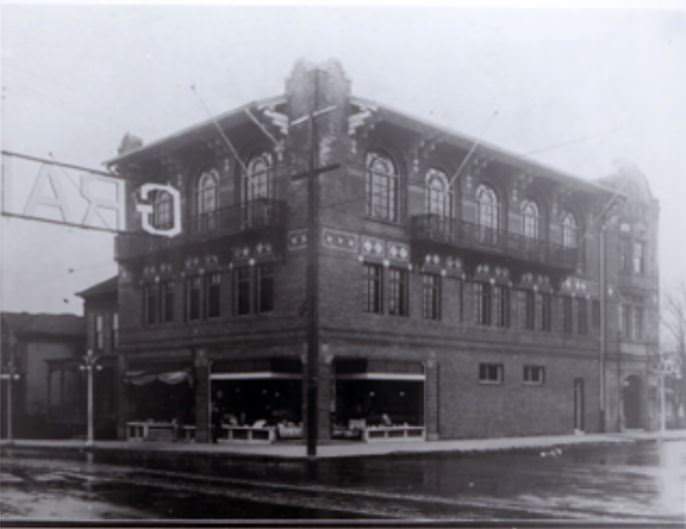
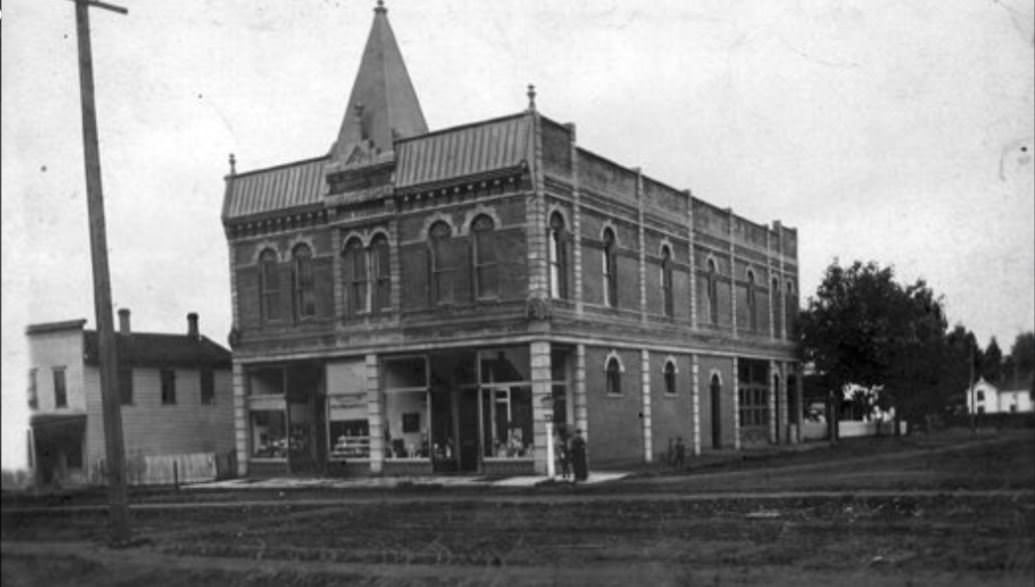
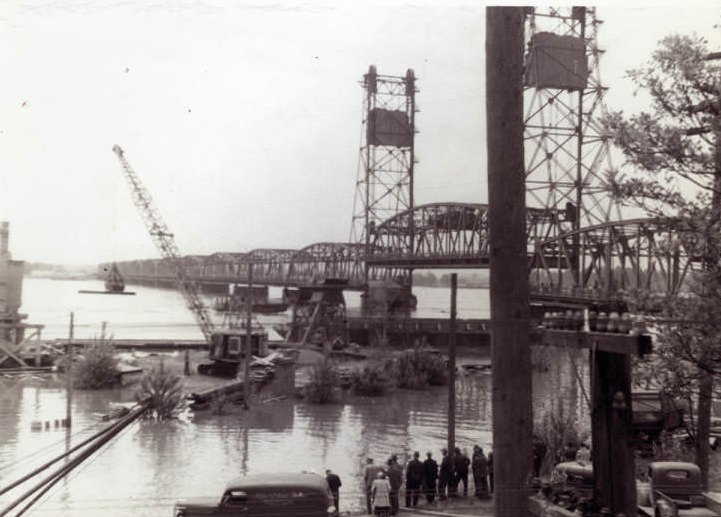
The Kaiser Shipyard’s General Store served the thousands of workers employed at the yard, stocking the goods they needed close to where they worked. By 1948, with wartime production long over, the store was photographed as part of what remained of the Kaiser complex. The Interstate Bridge, linking Vancouver to Portland across the Columbia River, carried the traffic of a city that had grown well beyond anything its prewar planners anticipated. A single span of the bridge was photographed in 1948 as Vancouver settled into its new, larger identity.
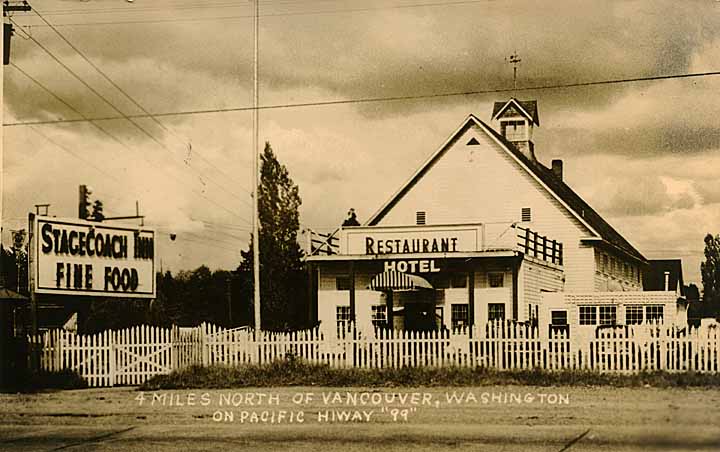
The Pacific Highway north of the city, roads like 4th Plain Boulevard, and the arterials connecting the new housing developments to downtown — all of these carried a population that had multiplied many times over during the war years. The road photographed four miles north of Vancouver in 1940 shows the region before the wartime transformation fully hit.
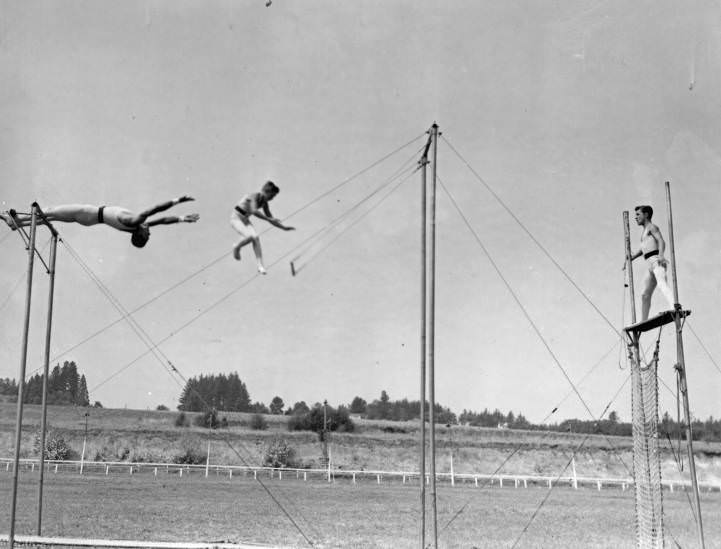
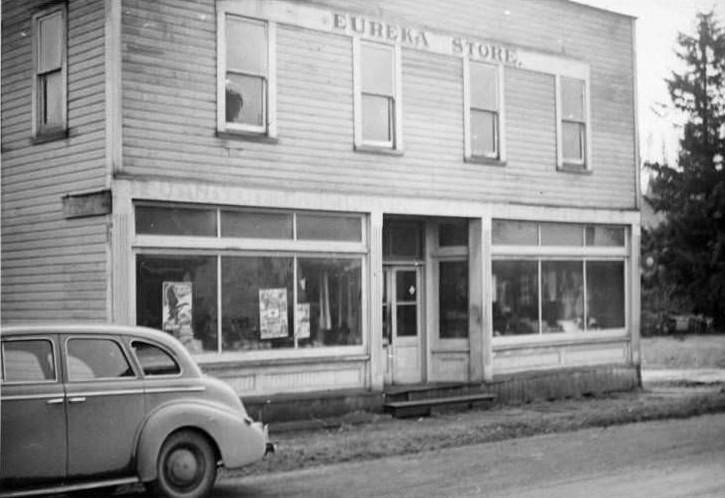
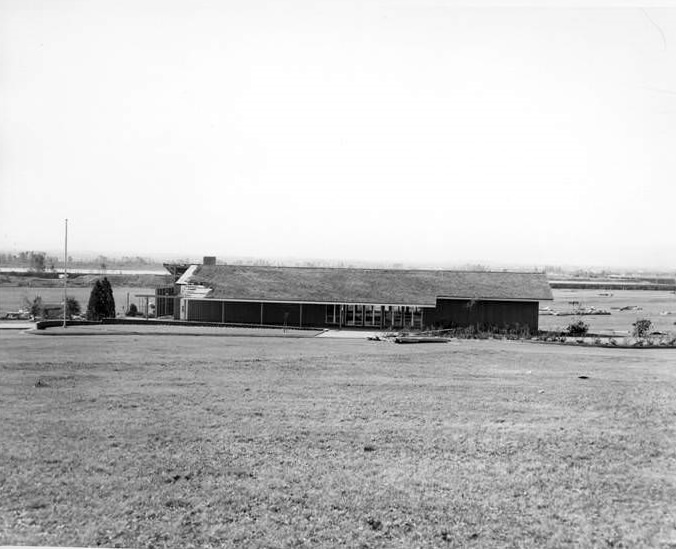
Not all images fit neatly into the wartime narrative. Vancouver in the 1940s was still a place where a circus could set up and trapeze artists could perform, where a retail store like the Eureka Store could photograph its exterior for posterity, and where construction crews worked on the visitor center at the Fort Vancouver National Site. Life moved on across all of it.