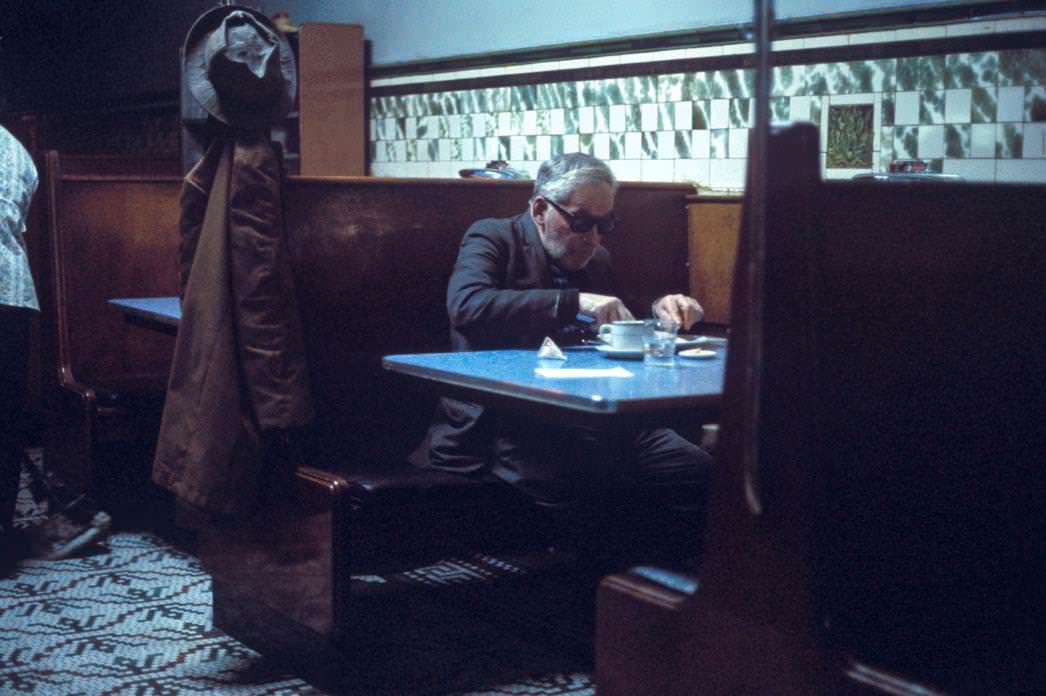
Before Greg Girard became one of Canada’s most respected documentary photographers, he was a teenager walking the streets of Vancouver with a camera. Starting in 1972, he spent a decade shooting the city’s working-class neighborhoods, its dockside bars, its rain-soaked alleys, and the people who filled them. The result is a body of work that feels less like a photo album and more like a time capsule — one that captures a Vancouver that has since almost entirely disappeared.
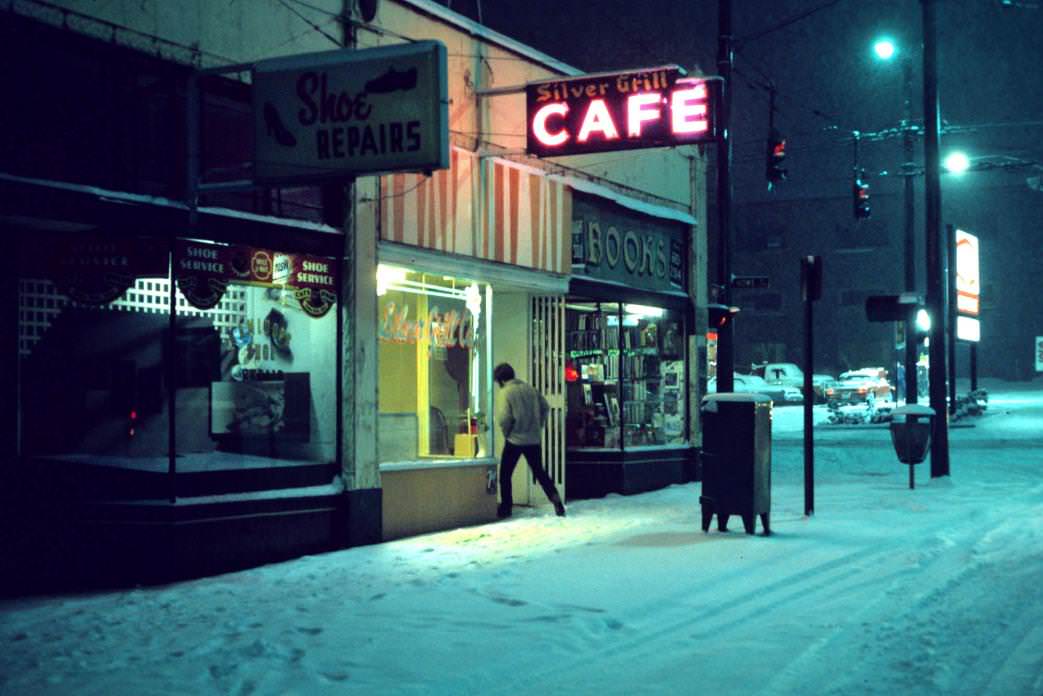
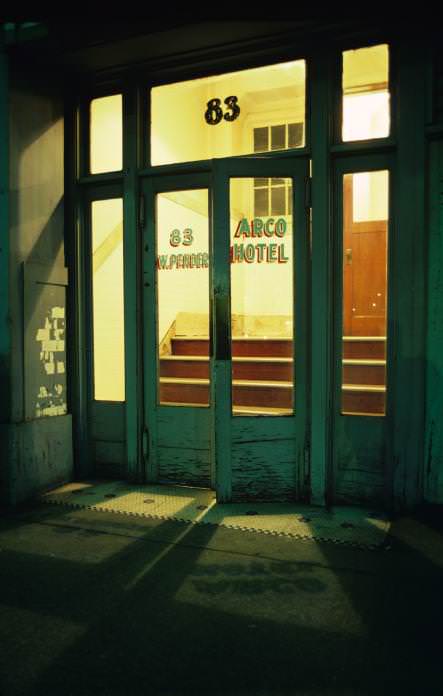
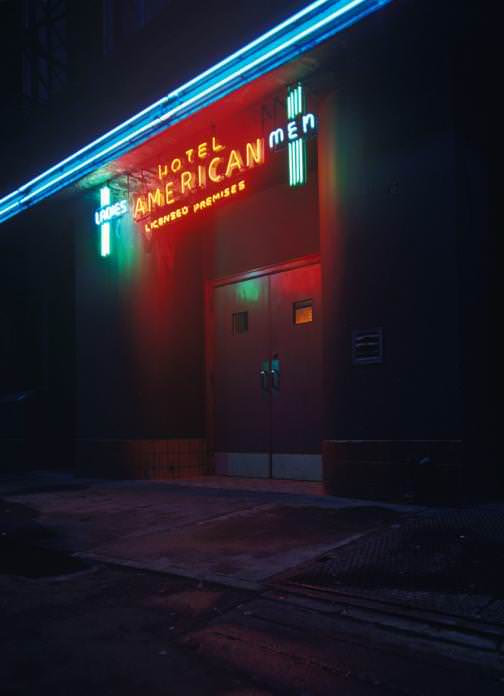
Girard’s first impression of the city was that it seemed frozen in time. Even though it was the early 1970s, Vancouver’s grittier quarters looked more like the 1940s or 1950s. The Terminal City — a nickname Vancouver earned from its role as a western railway terminus — still carried the bones of that older era. Longshoremen’s hotels, greasy spoon cafes open before dawn, and neon signs left over from a previous generation defined the streetscape he photographed.
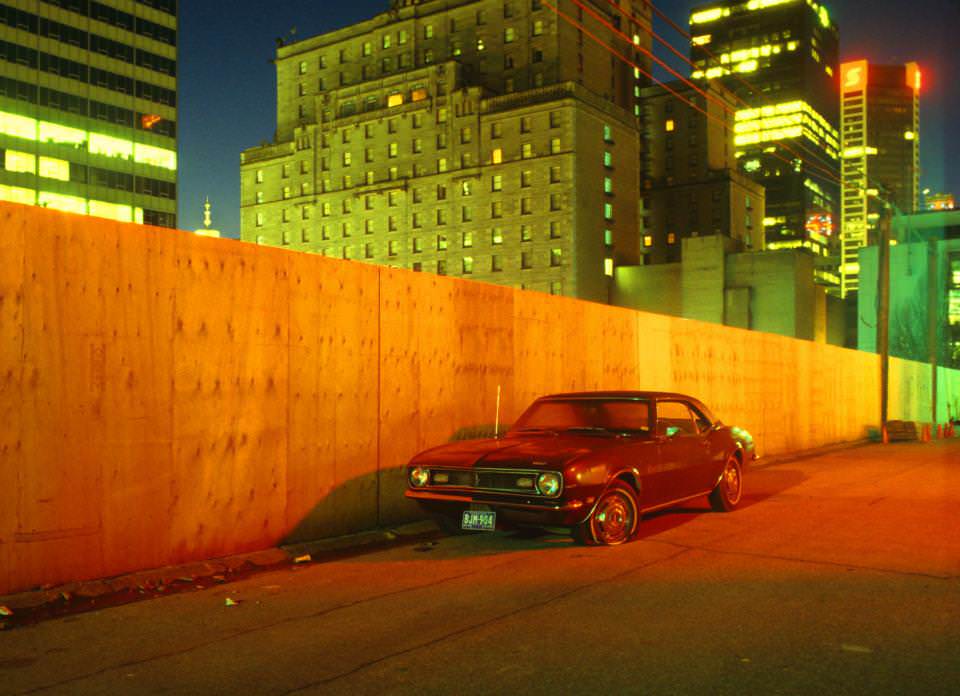
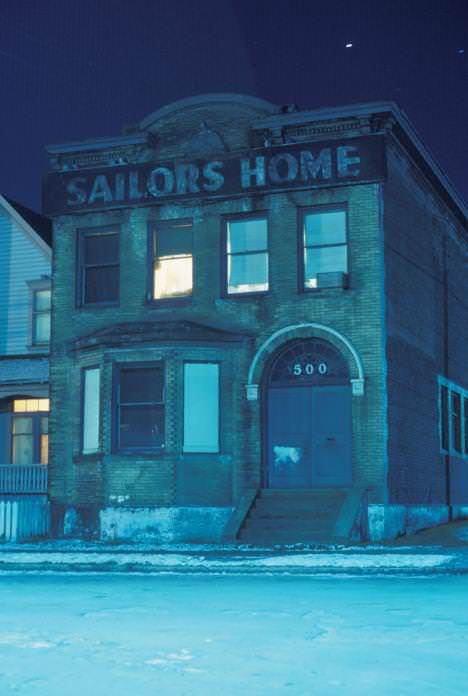
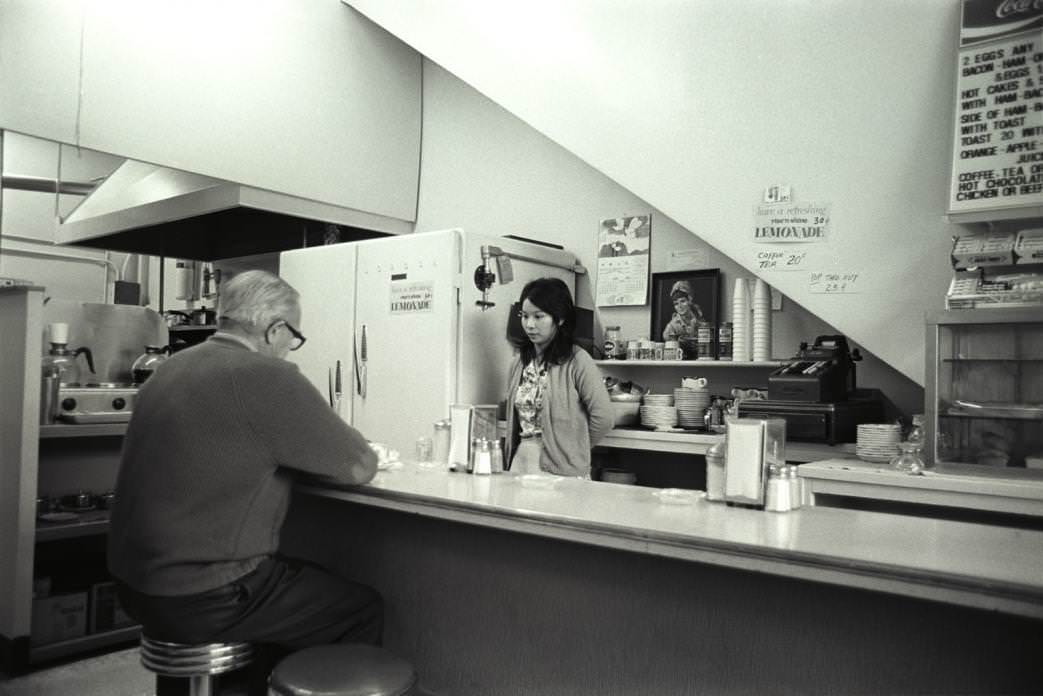
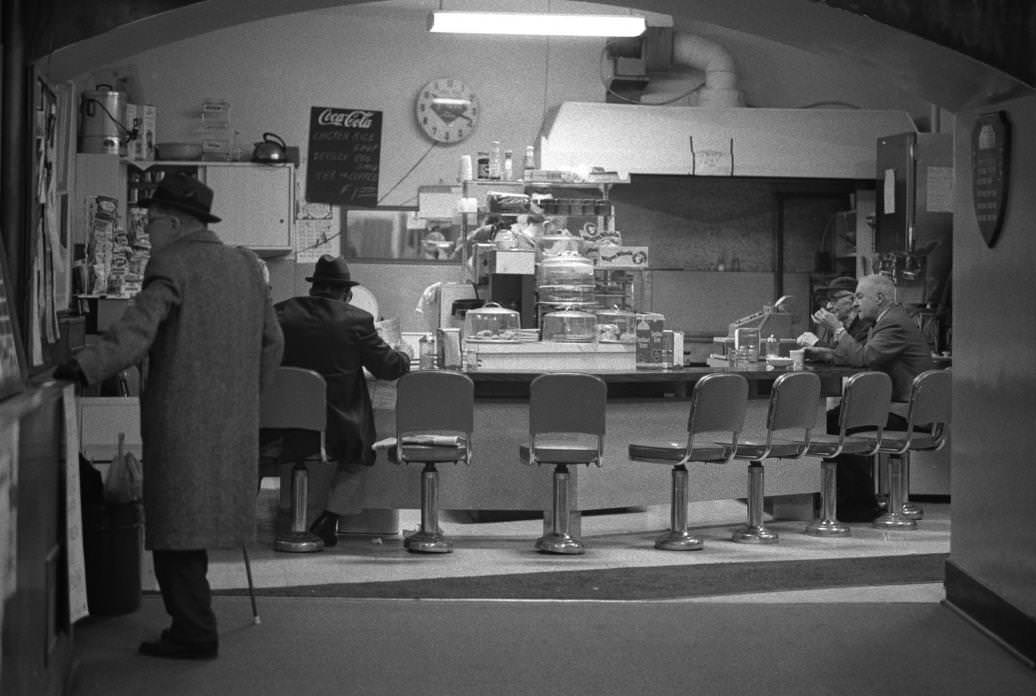
Girard described himself as something of an interloper in these spaces. He was young, and his youth gave him a kind of invisibility that let him move through worlds he didn’t fully belong to. He shot sailors’ rooming houses on Alexander Street, the rear entrances of skid-row hotels, and the kind of early-morning cafes where the only customers were men who had nowhere else to be.
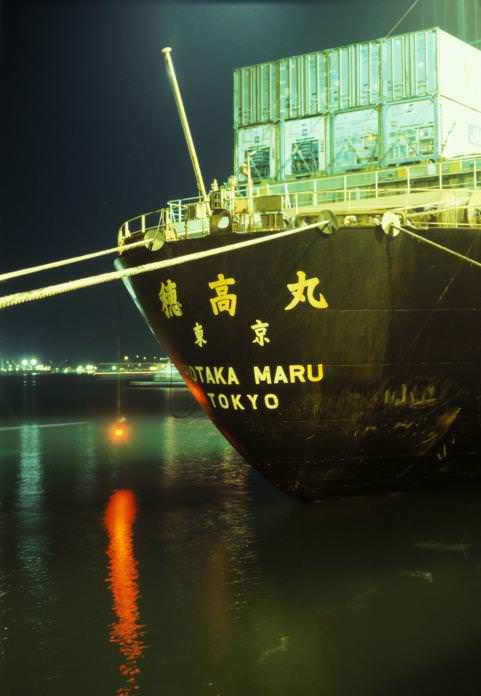
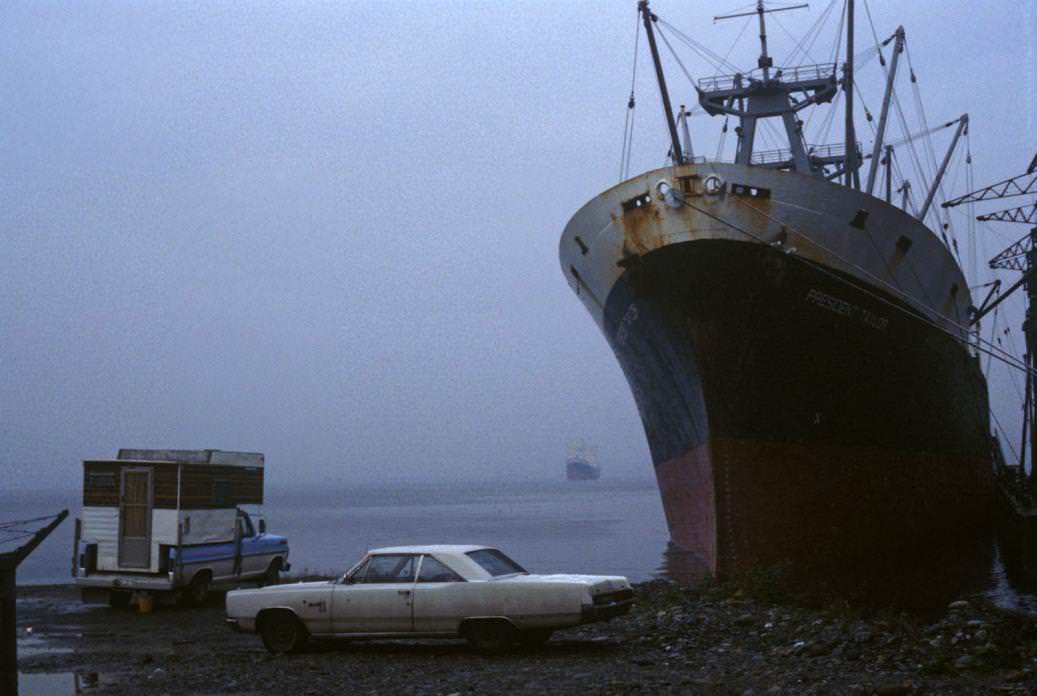
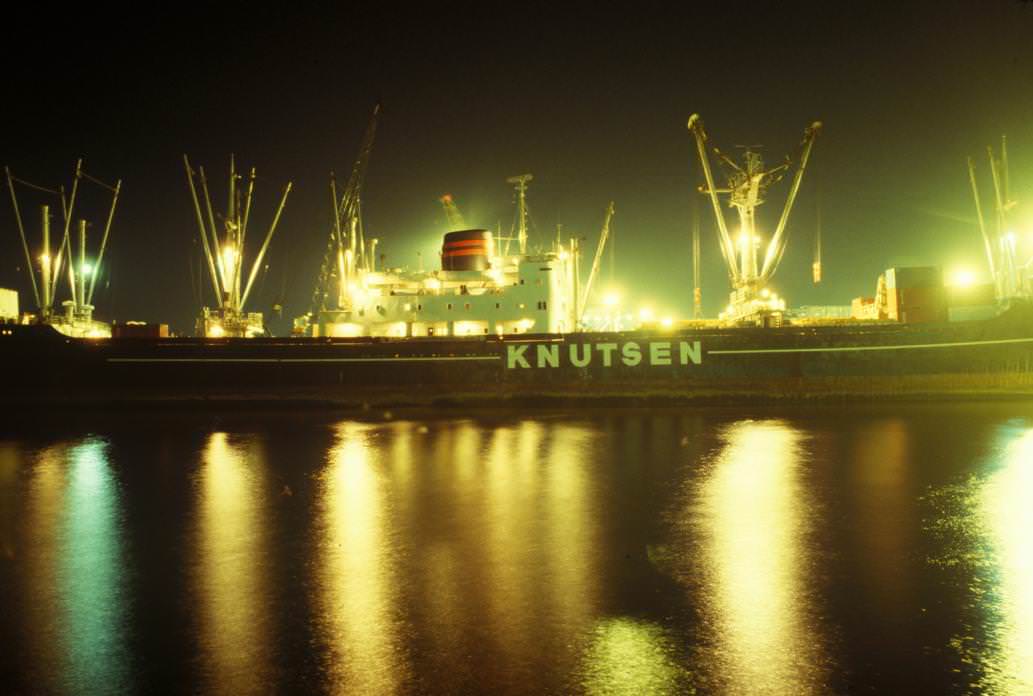
The waterfront played a central role in this Vancouver. Freighters moved through Burrard Inlet, and the docks brought in transient sailors and workers from around the world. Girard photographed ships, freight yards, and the industrial edges of the city with the same quiet attention he gave to its people.
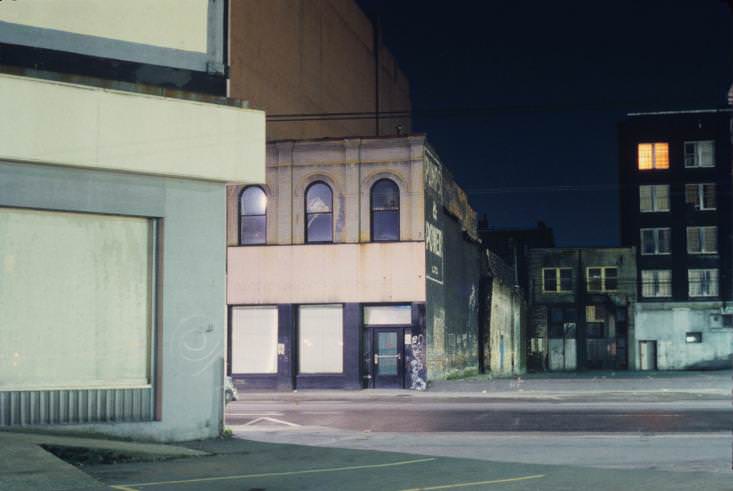
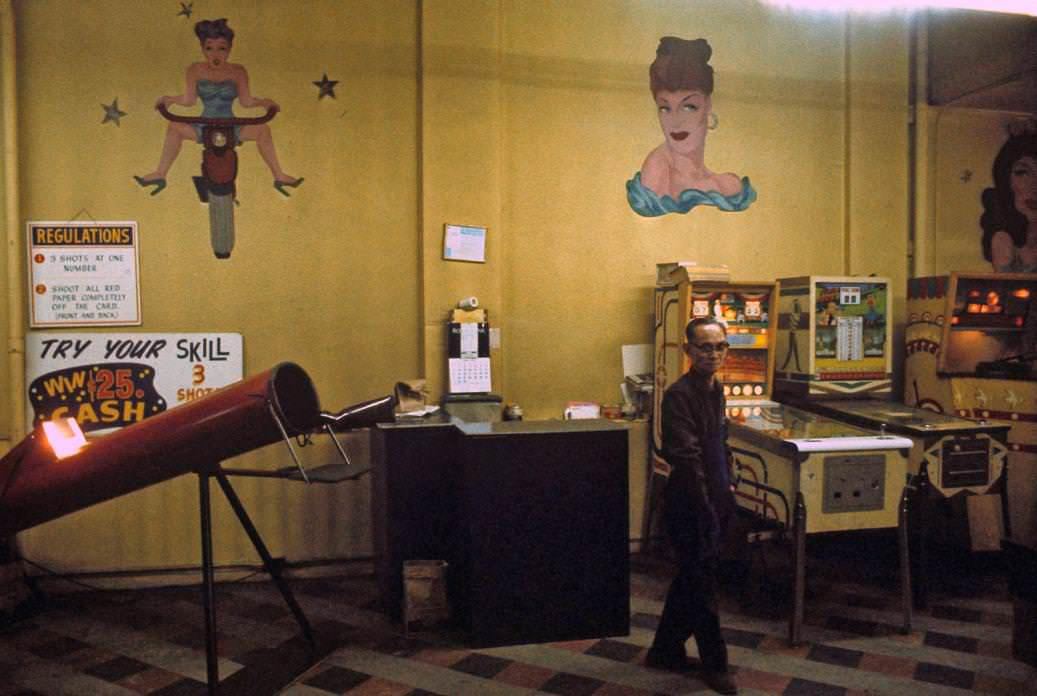
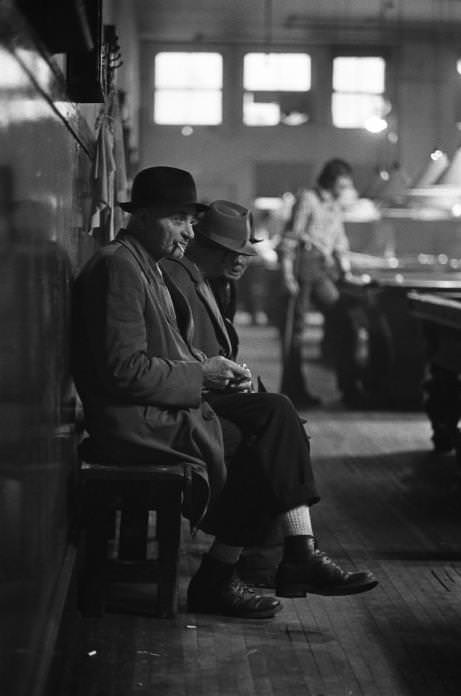
Girard felt that Vancouver was, in his words, a sad town. The natural beauty surrounding the city — the mountains, the water, the forests — threw its rundown neighborhoods into sharp relief. That contrast gave the photos a specific kind of tension. Diners lit by fluorescent tubes, arcade halls on East Hastings, and pool rooms on the edge of closing time all carry a stillness that feels heavy rather than peaceful.
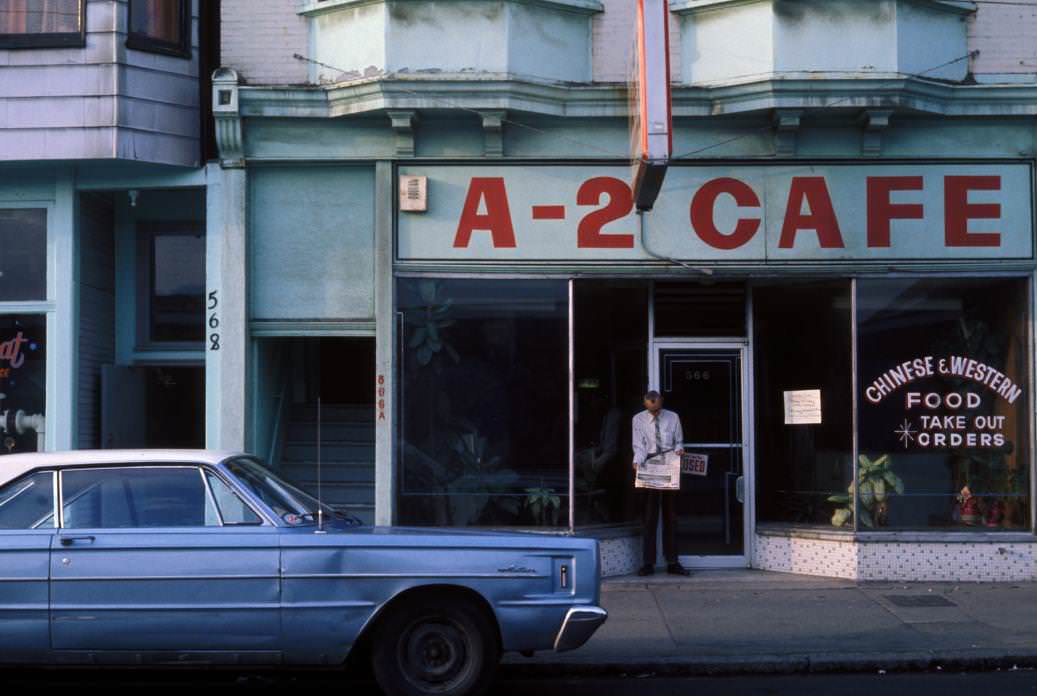
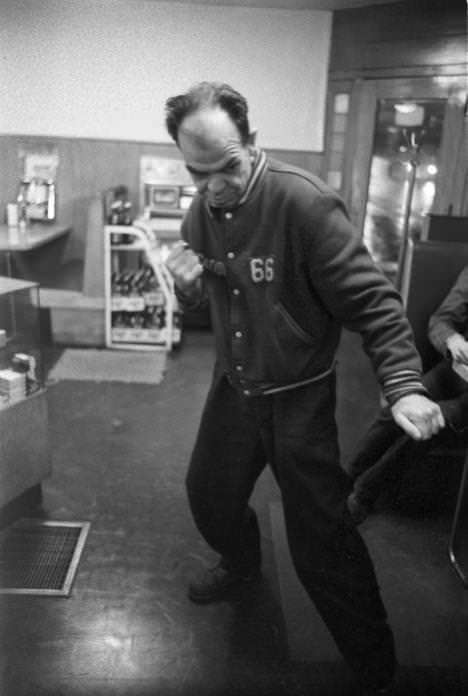
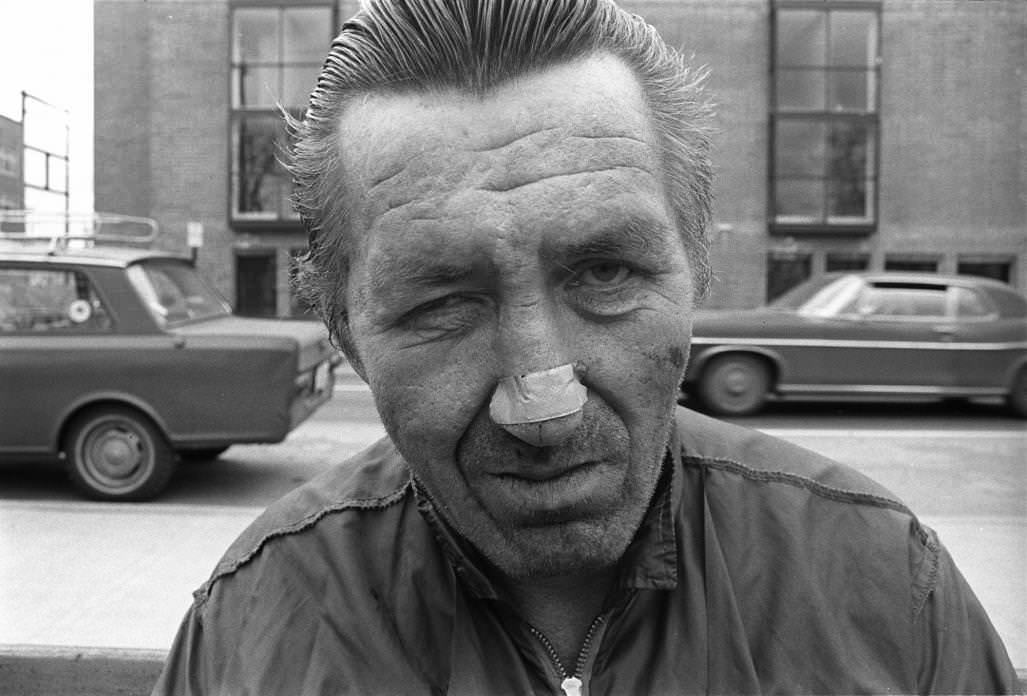
The people Girard photographed were rarely posing. A boxer sitting in a cafe. A man with a bandaid on his nose staring into the middle distance. A group of men playing cards. These weren’t staged portraits — they were observations, caught quickly and without ceremony.
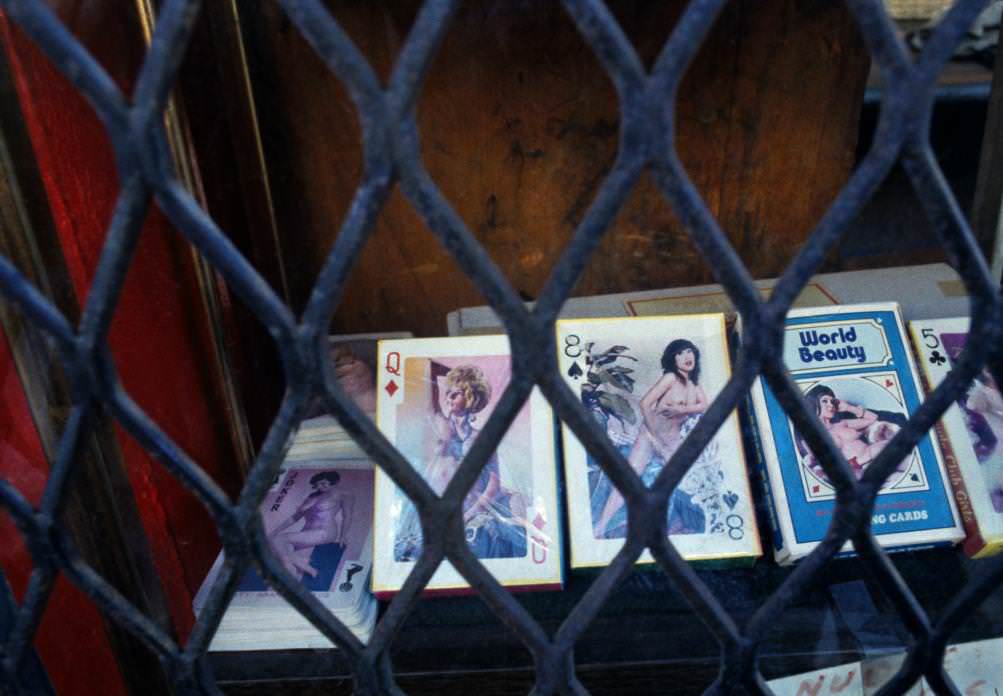
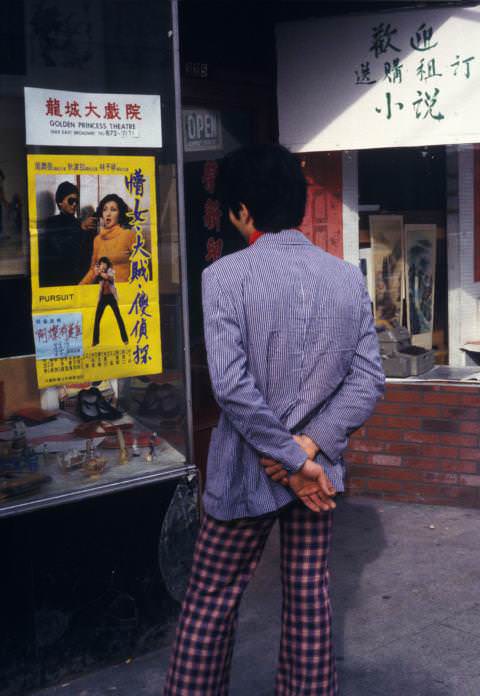
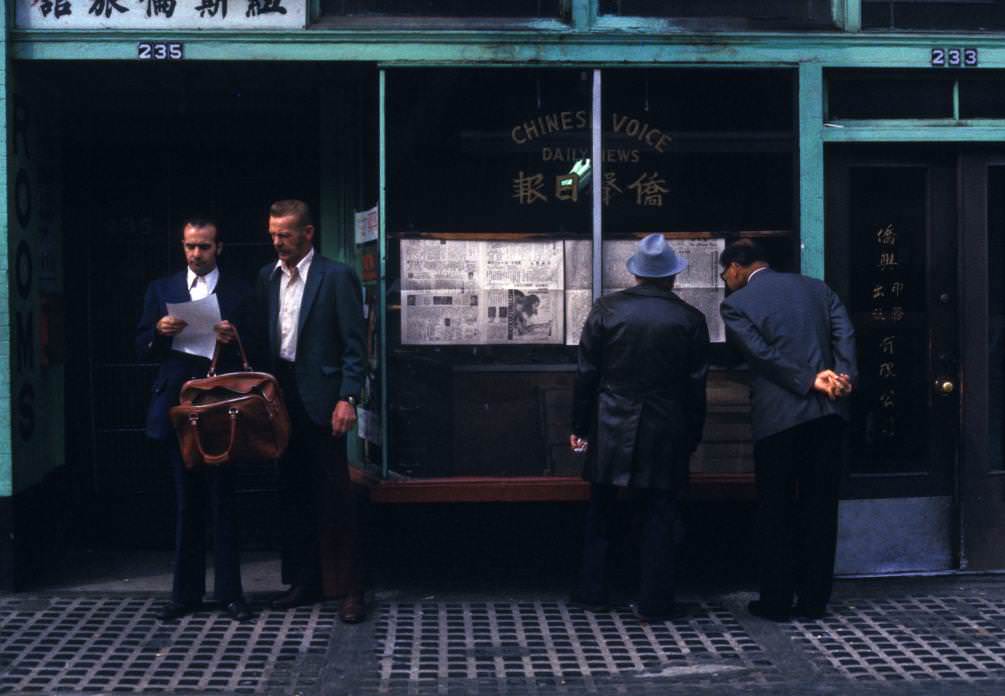
Vancouver in this era was also a city shaped by its Chinese Canadian community, particularly in the blocks around East Pender Street. Girard documented Lunar New Year celebrations, a Chinese-language newspaper office, and the faces of sailors from Chinese vessels who passed through the port.
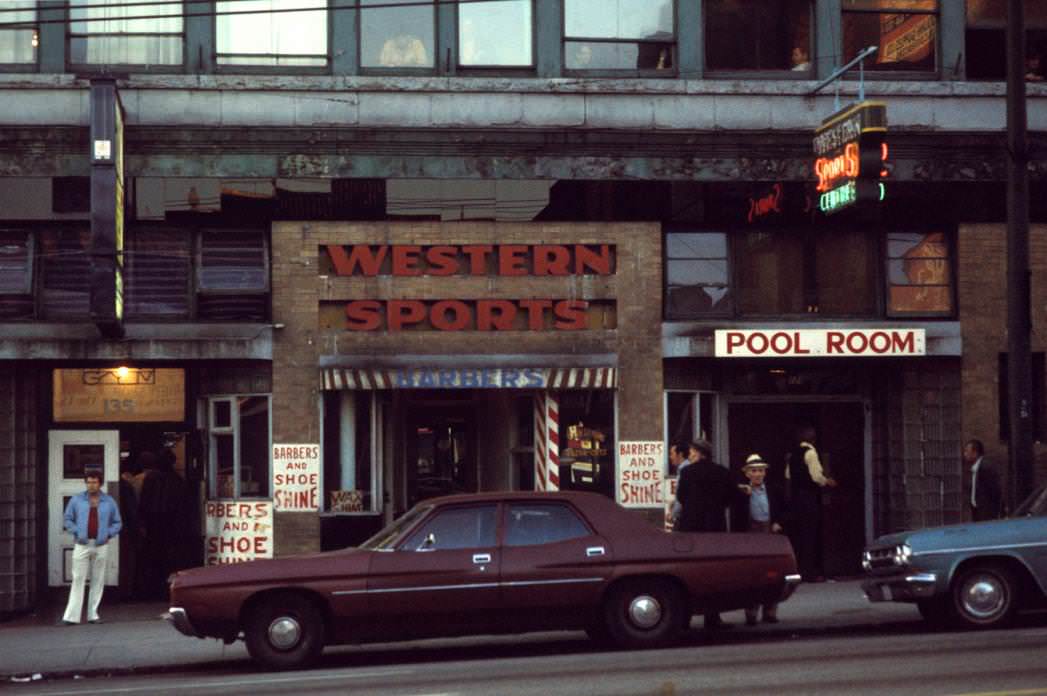
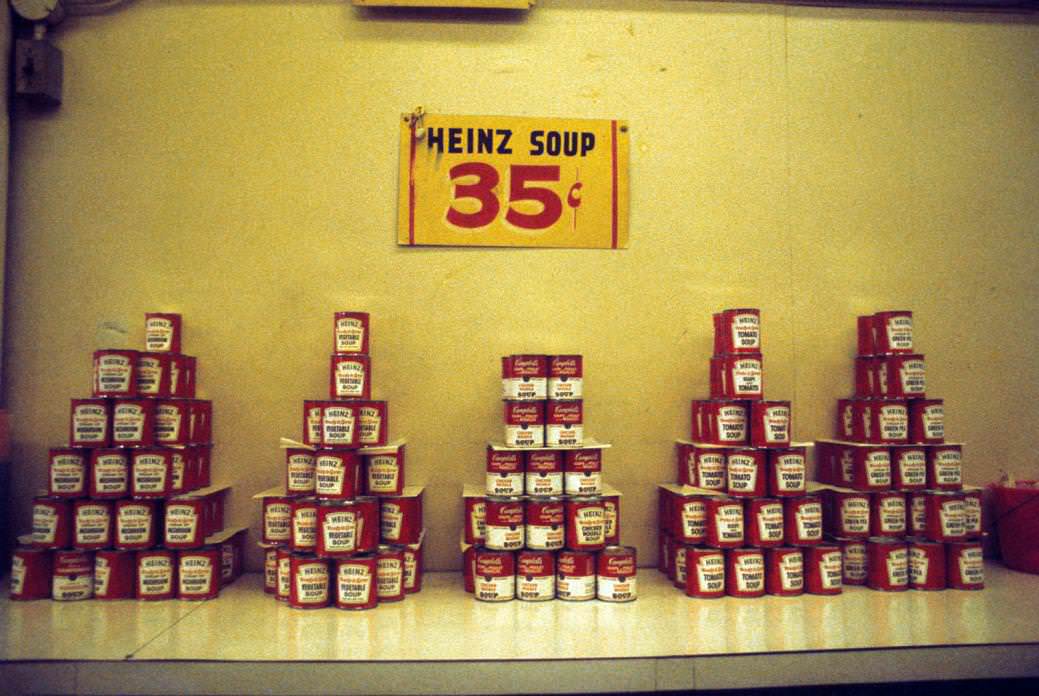
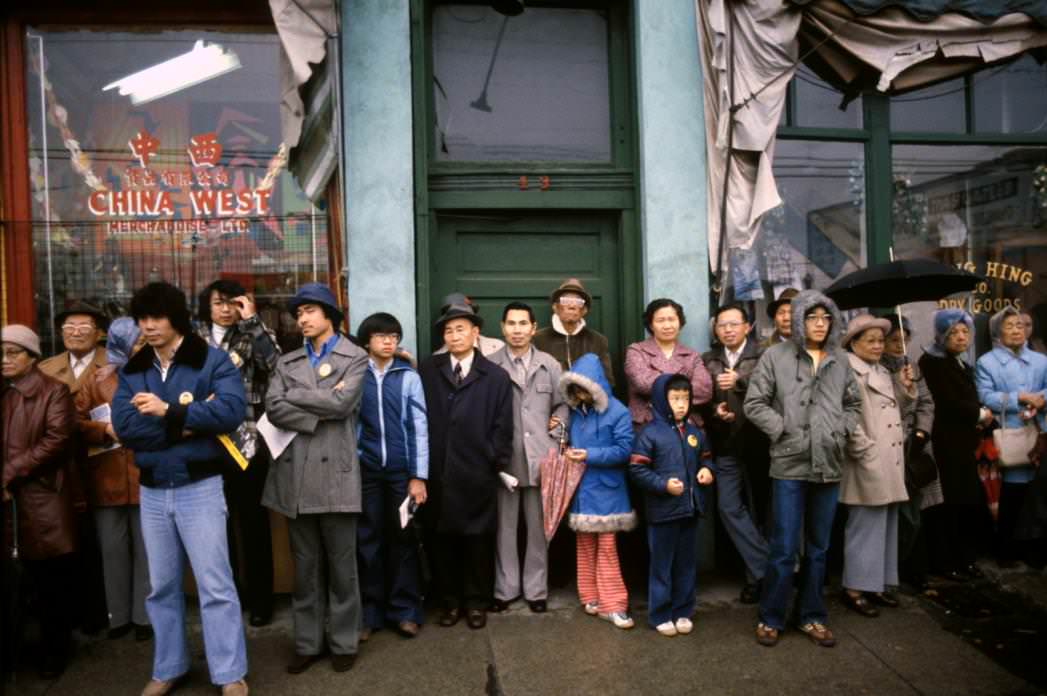
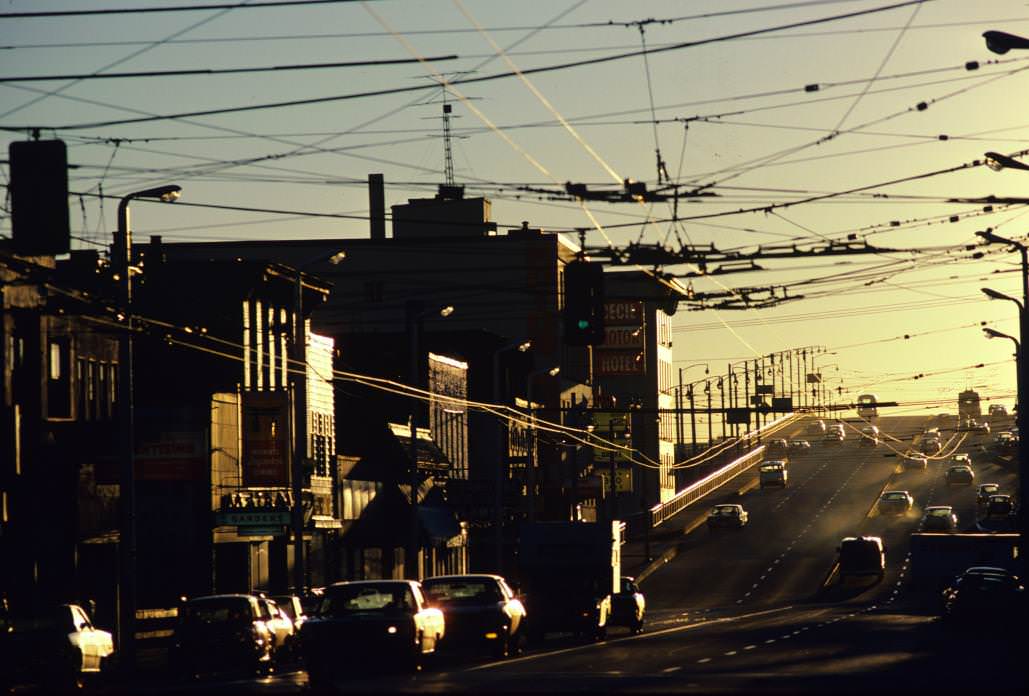
East Hastings Street appears repeatedly throughout the work. It was the spine of the city’s down-at-heel side — sports betting shops, bowling alleys, theatres showing second-run films, and bars that opened early and closed late. Girard walked it constantly, shooting whatever held still long enough.
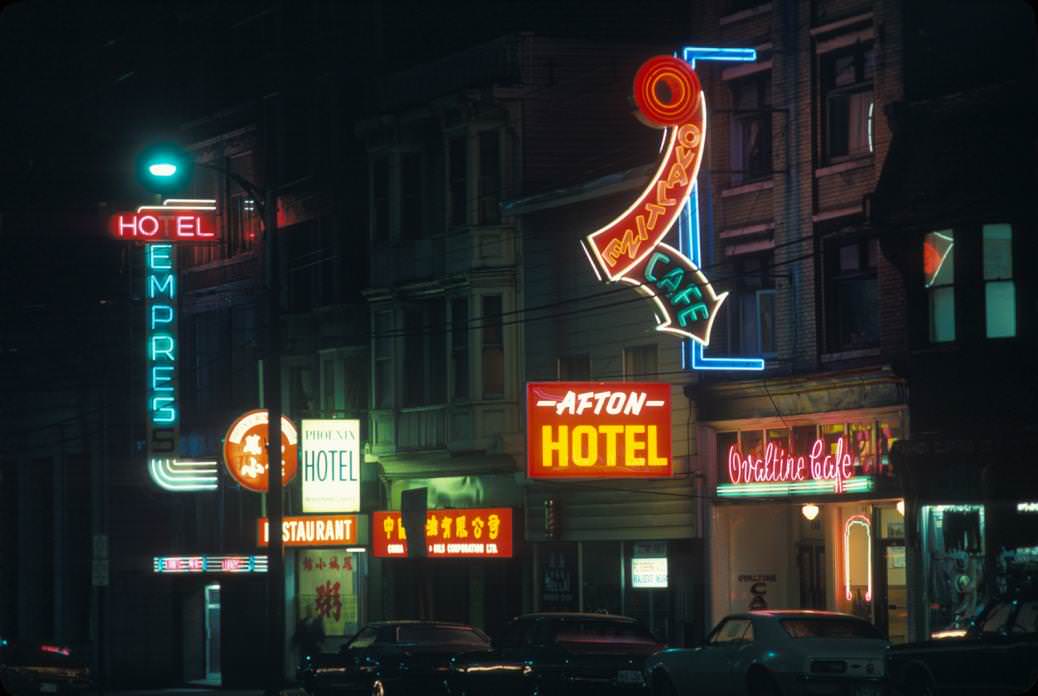
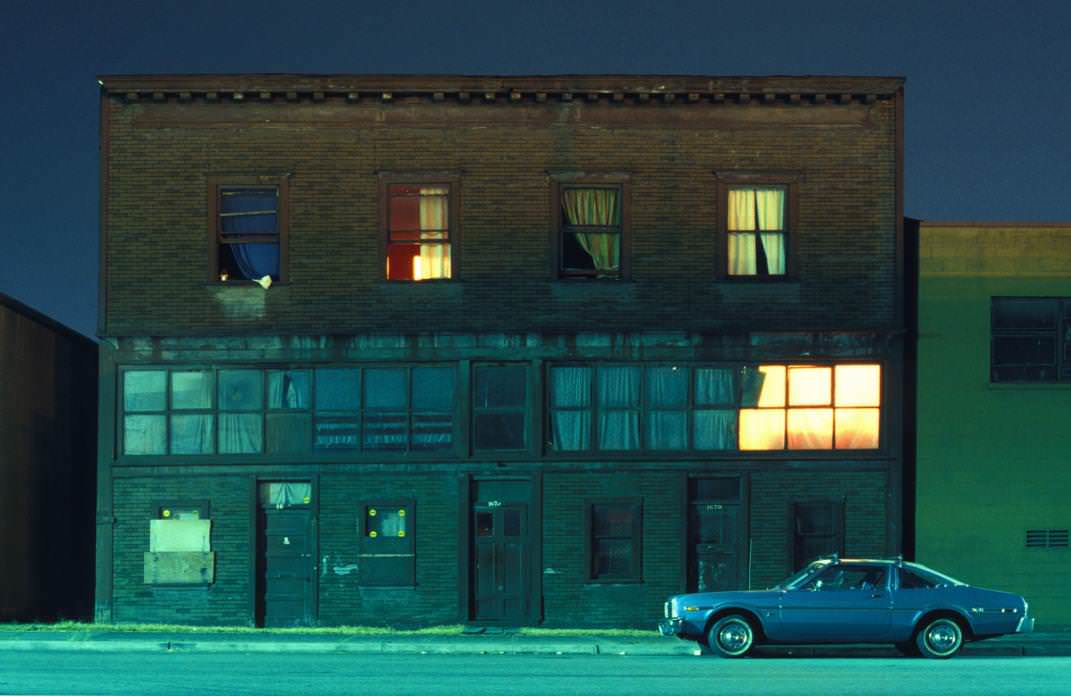
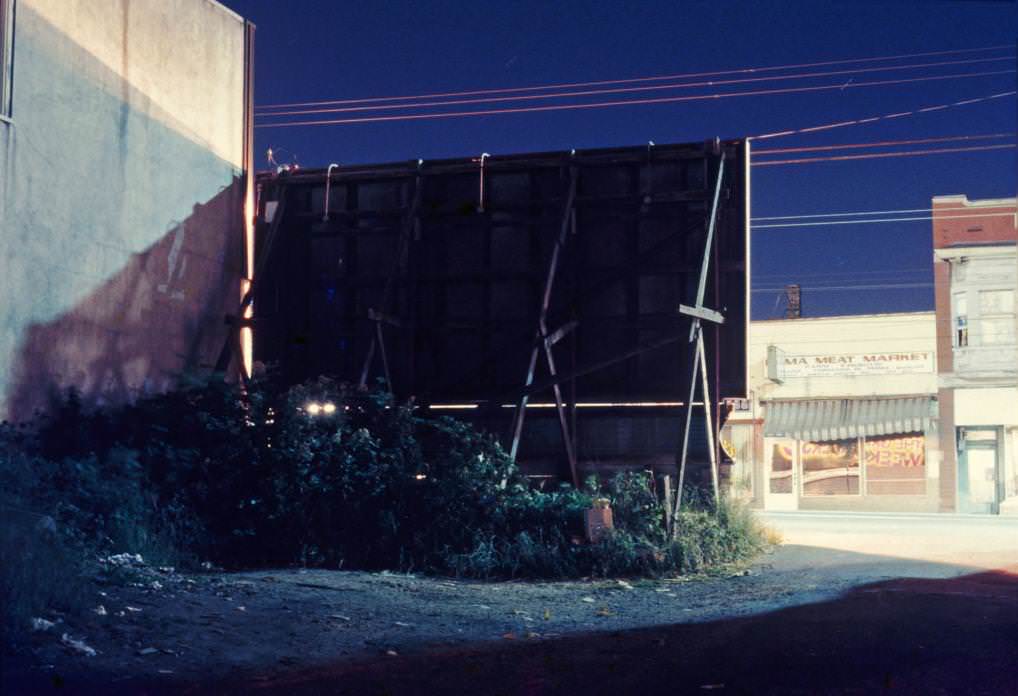
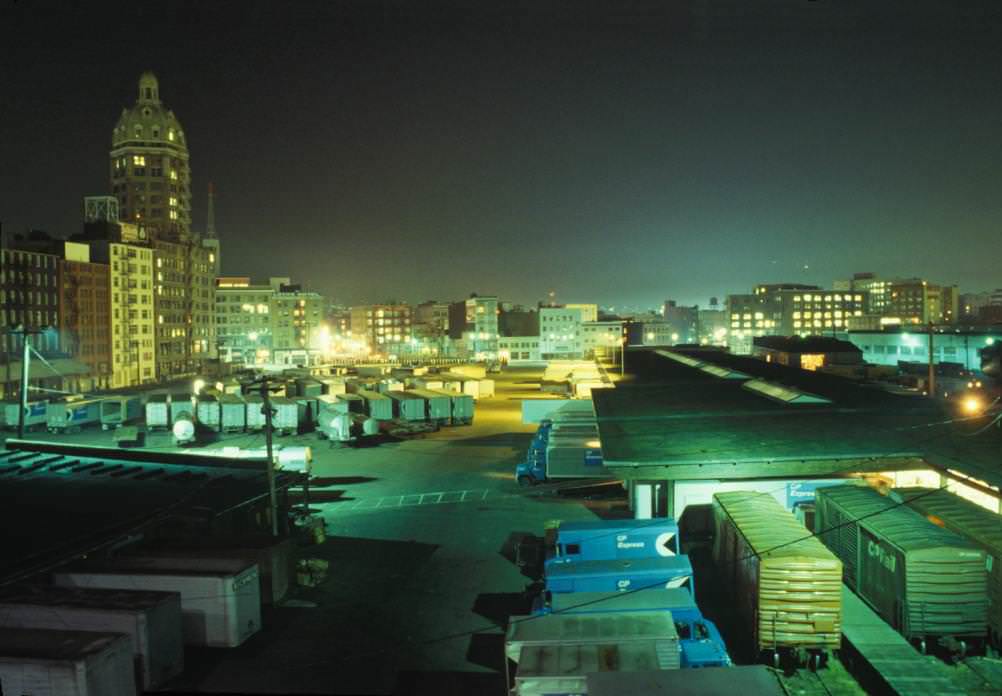
The Canadian Pacific freight yards, the rail tracks behind hotels, and the snow-dusted lines near the waterfront gave the city an industrial backbone that Girard kept returning to. These weren’t glamorous subjects. They were the working infrastructure of a port city, and he treated them with the same seriousness as anything else in his frame.
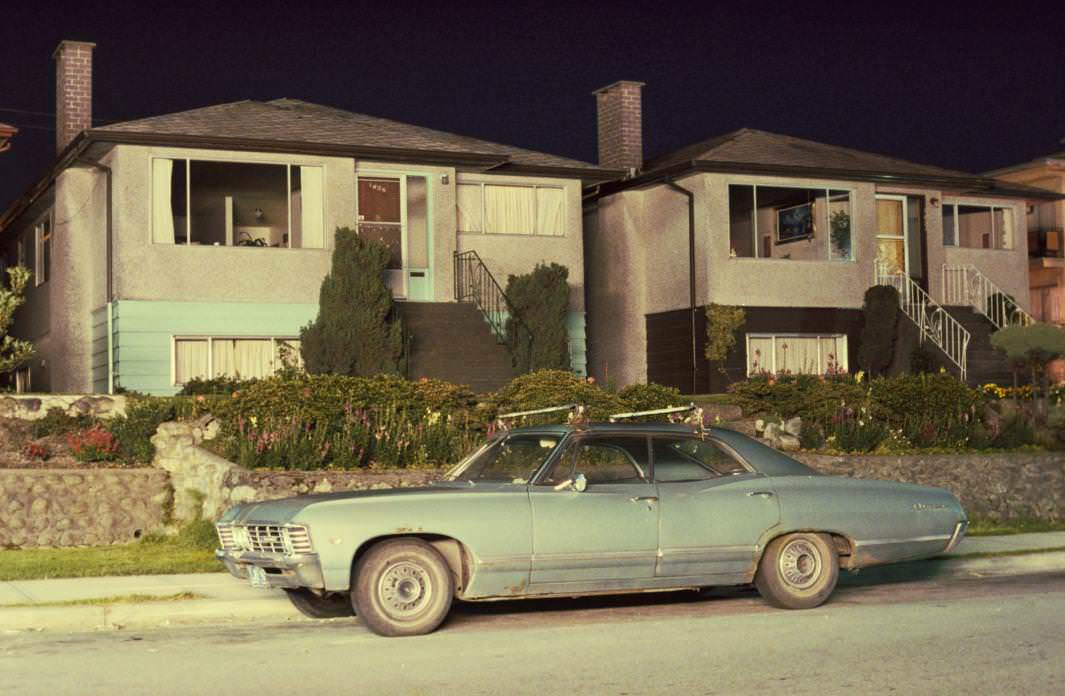
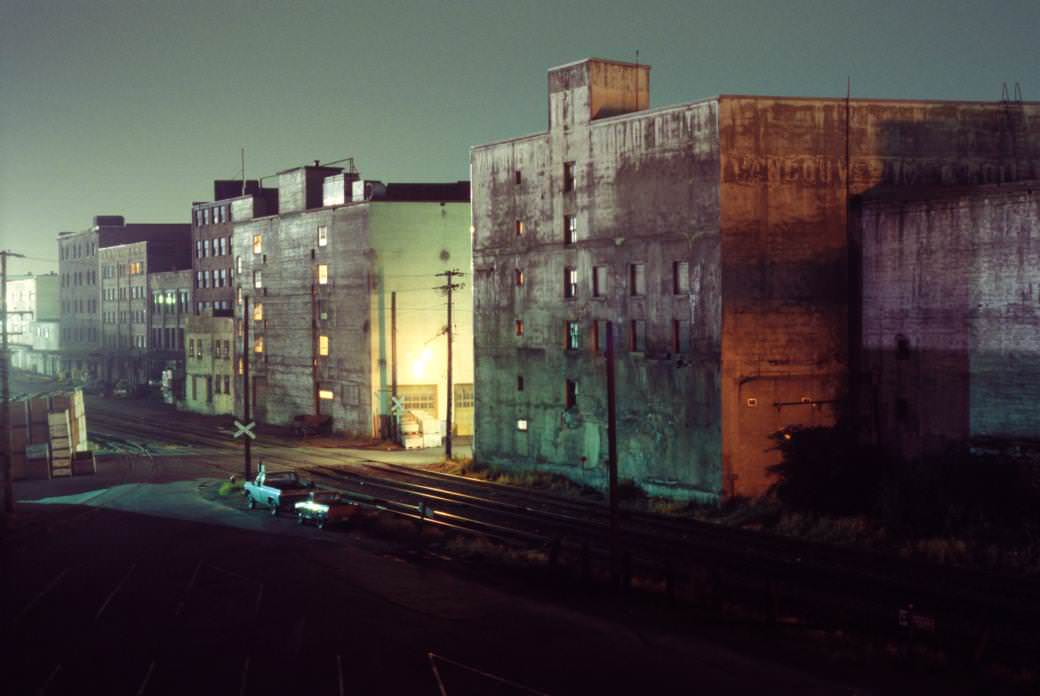
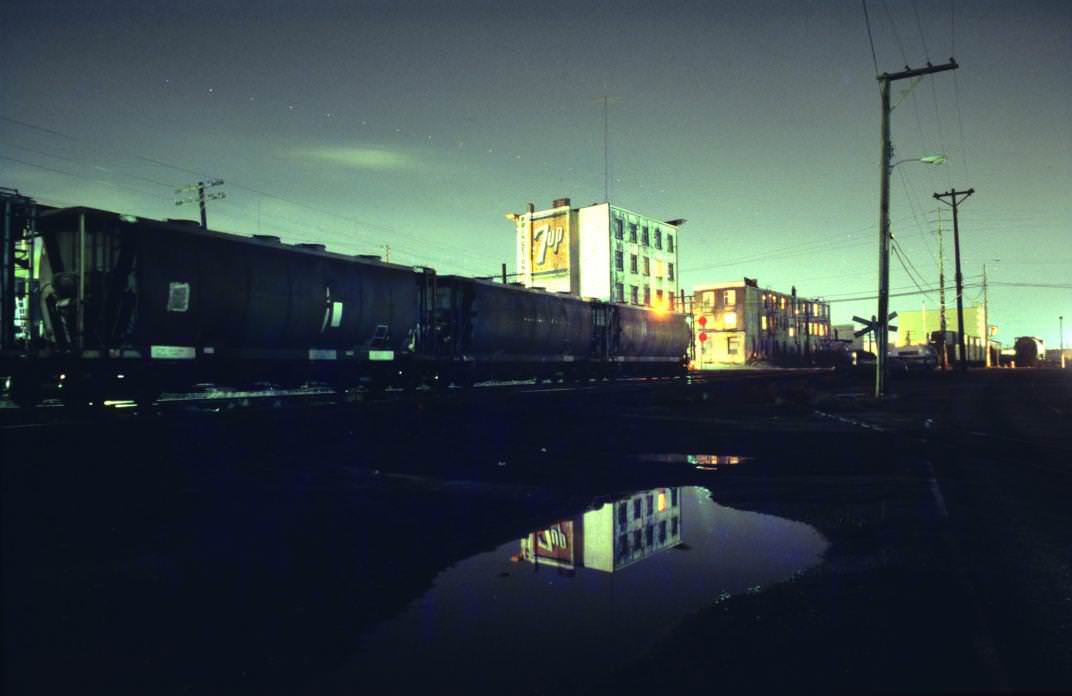
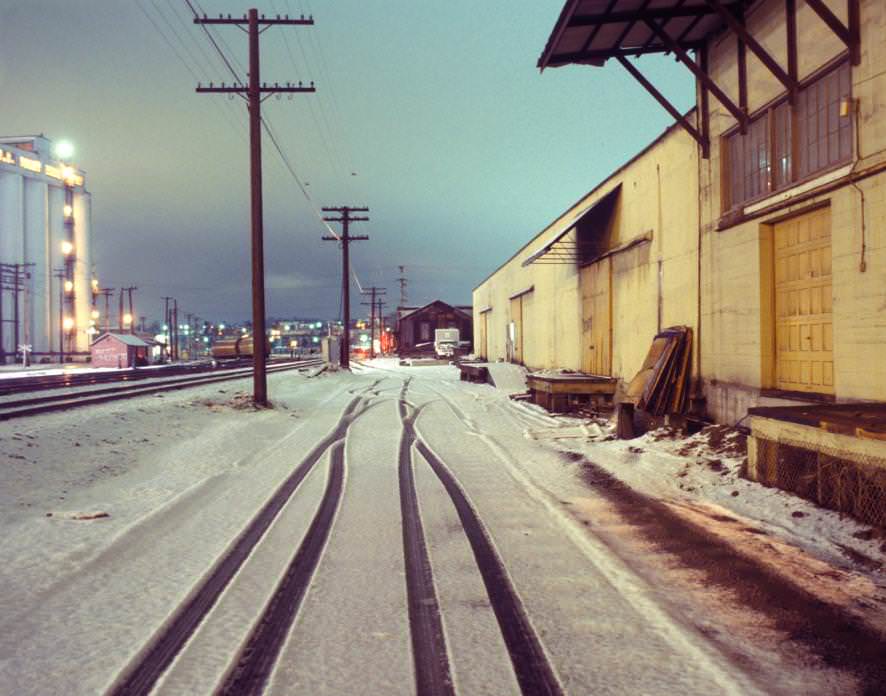
By 1982, Girard had turned his lens toward Asia. He left Vancouver and didn’t return for several decades. The photos he made during that ten-year stretch sat largely unseen for years before he assembled them into his book, Under Vancouver: 1972–1982. The city he photographed — its specific textures, its particular sadness, its sense of a place that globalization had not yet touched — was already vanishing by the time he left.
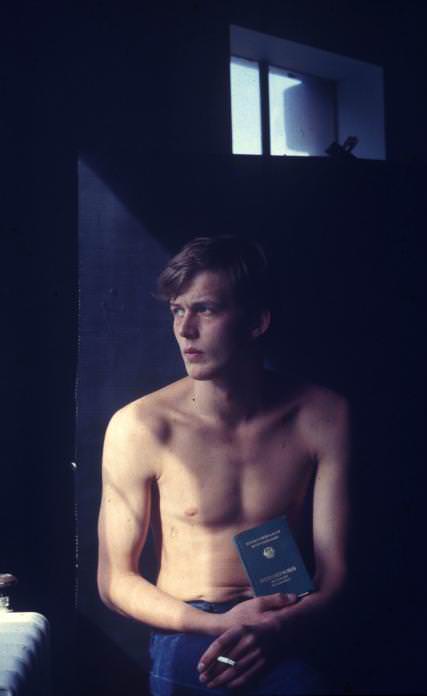
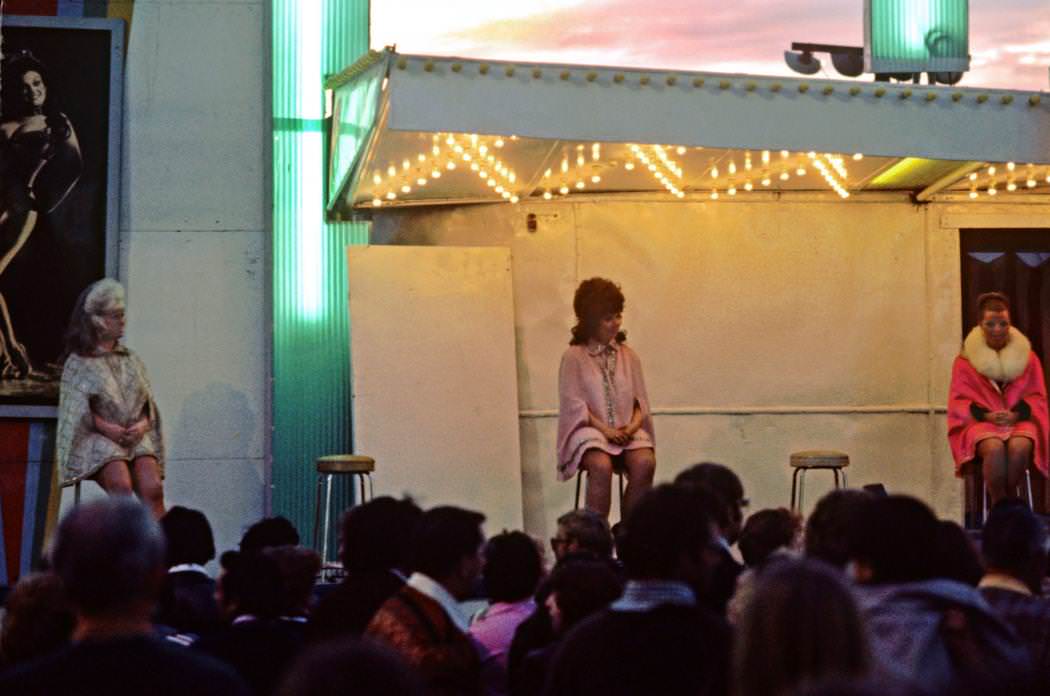
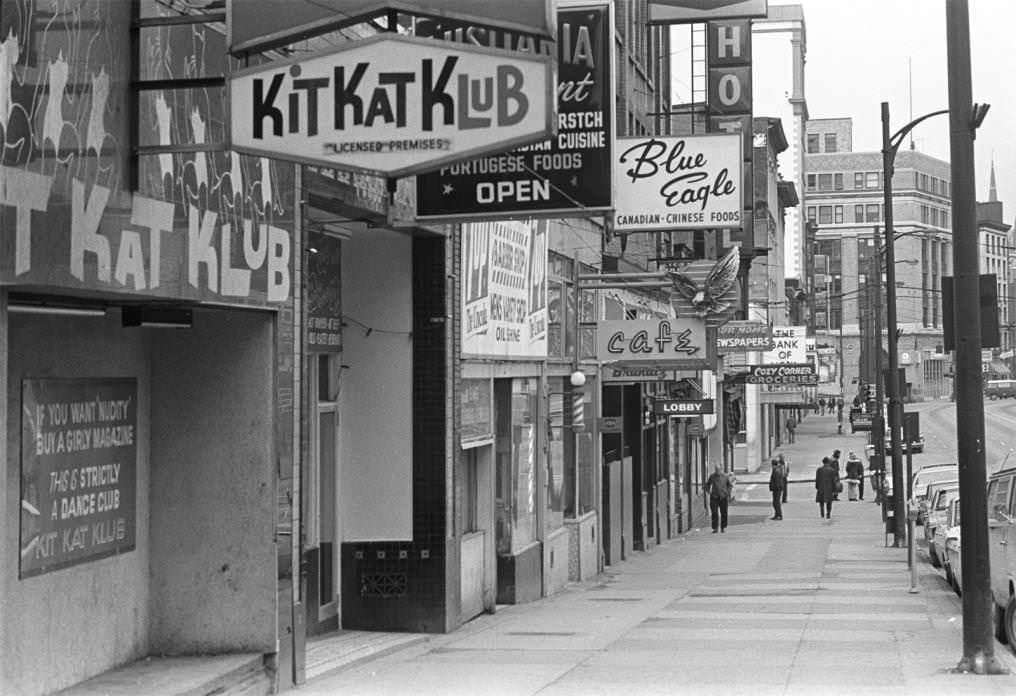
The entertainment spots Girard documented tell their own story about the city’s social life. The Kit Kat Klub, the Lux Theatre, Lucky Strike Lanes, and the Commodore Lanes lunch counter were the kinds of places where working men spent their off-hours. They were ordinary, unglamorous, and deeply specific to their time and place.
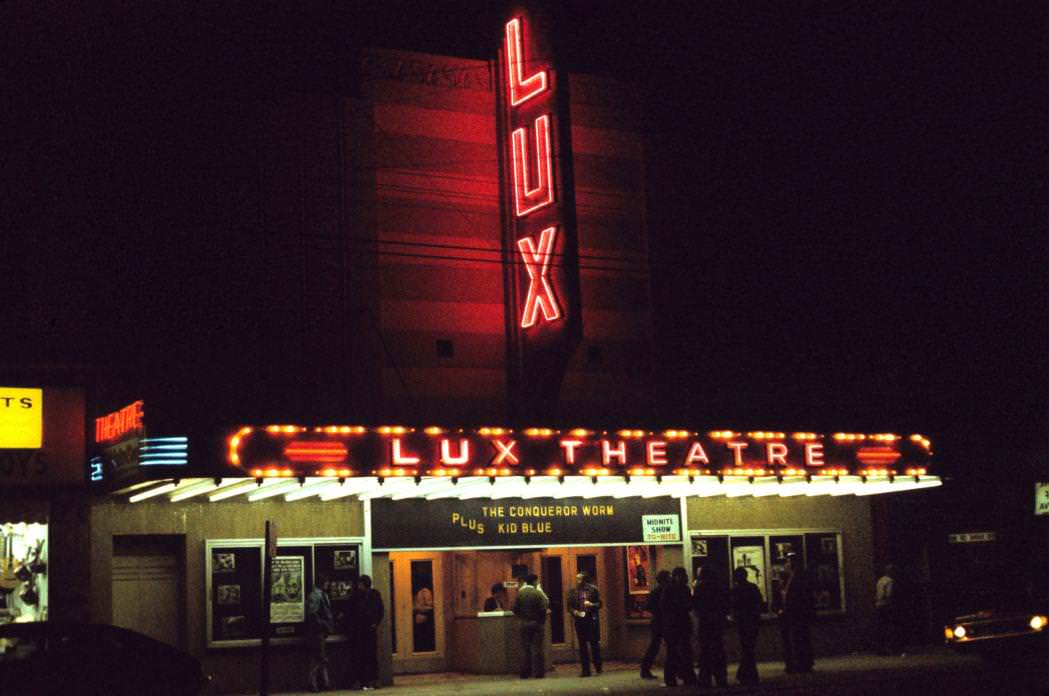
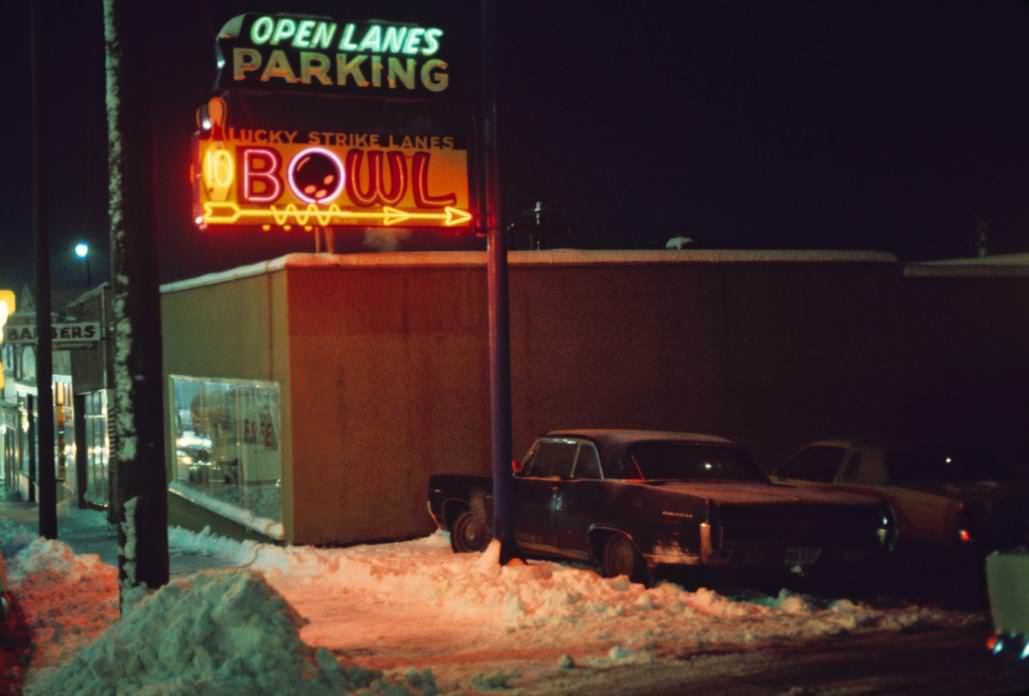
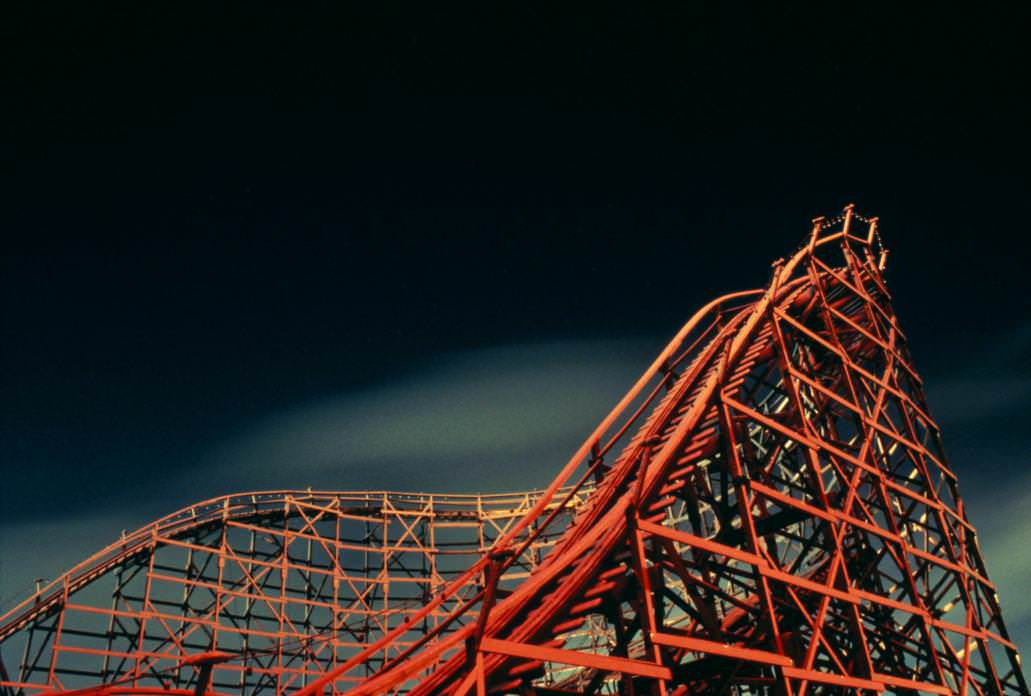
What makes Girard’s Vancouver photographs so striking now is how completely the world in them has been replaced. The Granville Street Bridge still stands, but the Vancouver around it has been rebuilt and rebranded multiple times over. The roller coaster, the sailors’ homes, the blue-collar cafes — most are gone. Girard’s camera caught them at their last moment of ordinary existence, before the city moved on and stopped looking back.