In July 1941, photographer Russell Lee drove into Vale, a small town in eastern Oregon with a population of just over 1,100 people. He was there on assignment for the Farm Security Administration (FSA), a federal agency that hired photographers to document the daily lives of rural Americans still weathering the Great Depression. What he found was a tight-knit community in full celebration mode — the 165th anniversary of American independence.
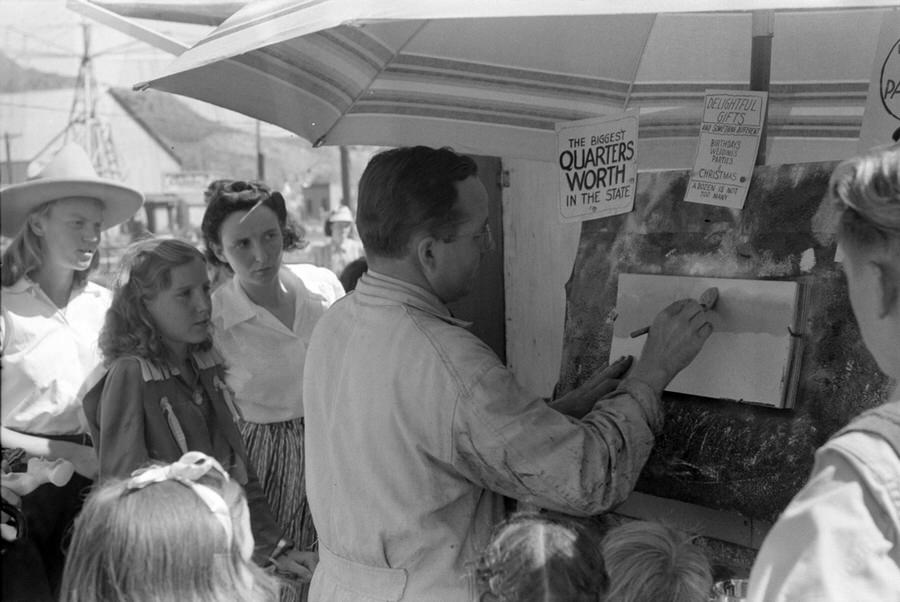
The FSA photography program produced some of the most important historical records of mid-20th-century America. Lee was one of its most prolific contributors. In Vale, he pointed his camera at everything: the parade route, the carnival rides, the food stands, the storefronts, and the faces of the people gathered on Main Street. The result is a detailed portrait of small-town life frozen in a single July day.
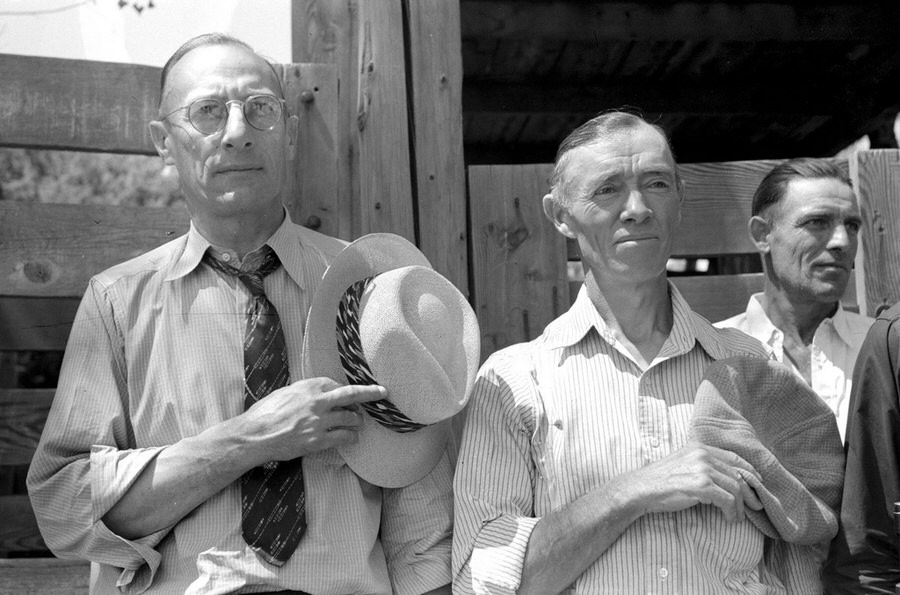
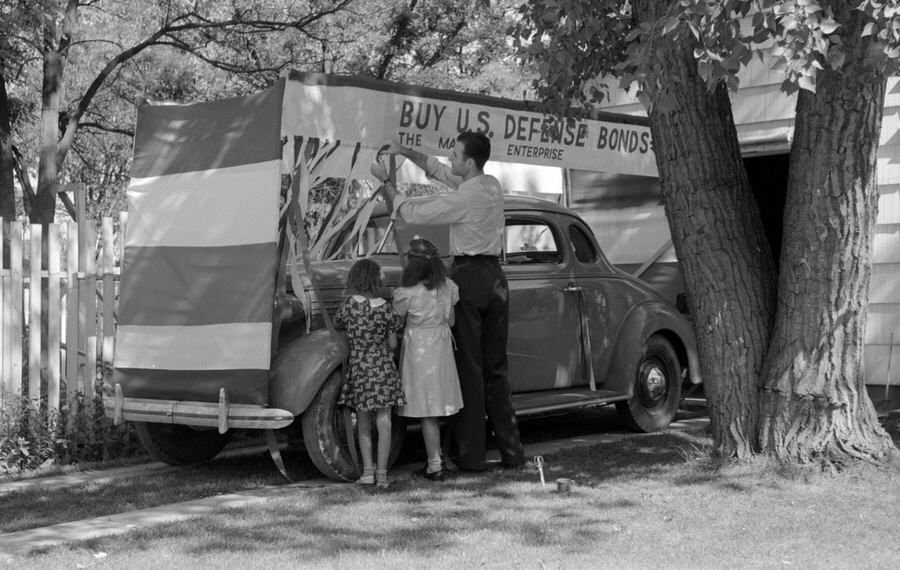
The day began with a public broadcast of the Pledge of Allegiance over the radio. Men removed their hats and stood still in the street. It was a simple, shared moment that set the tone for everything that followed. Preparations for the parade were already underway nearby, with residents decorating cars and lining up floats.
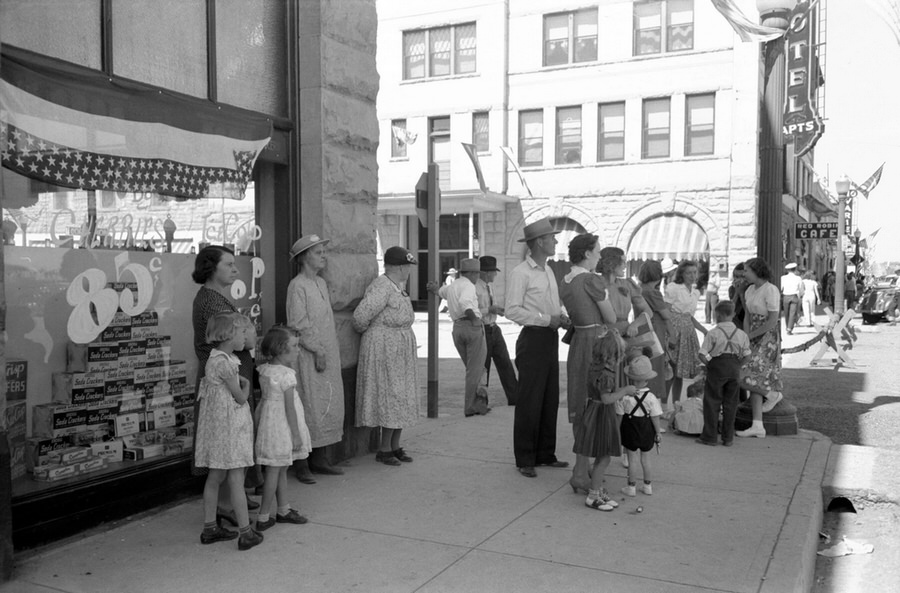
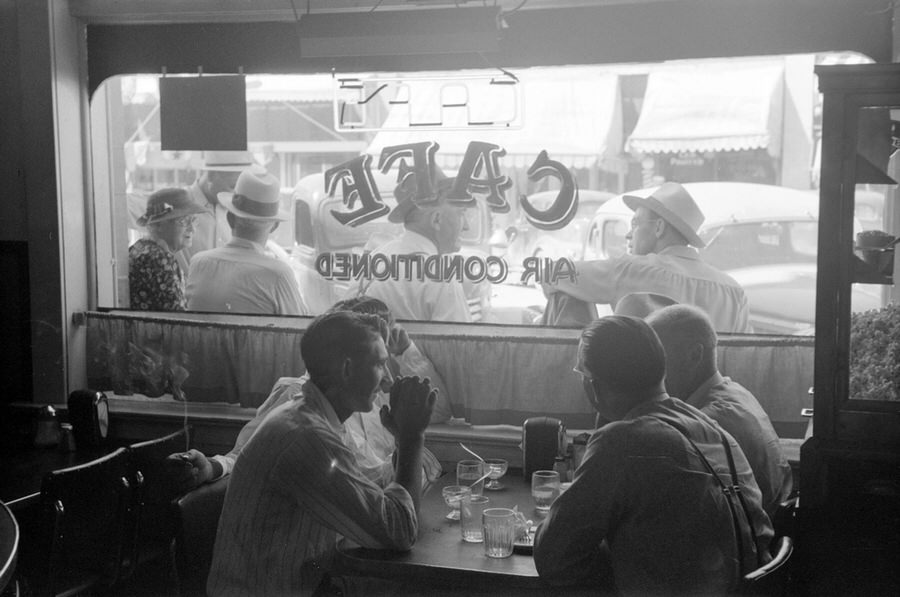
Crowds gathered at the corner of Main Street and A Street well before the parade began. The sidewalks filled quickly. Inside the Red Robin Coffee Shop, cold drinks were being served to those who stepped out of the summer heat.
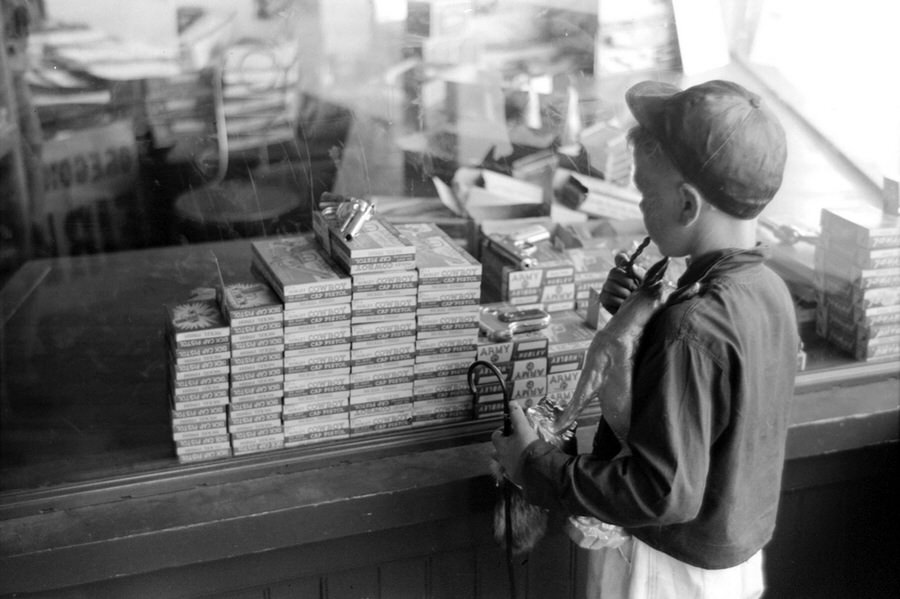
Along the storefronts, children pressed their faces to the glass. One boy stopped at a window displaying Hubley brand cap guns in three models — Army, Dick, and Cowboy. Small details like this give Lee’s photographs their power. They show a world where the excitement of the day was built out of ordinary things.
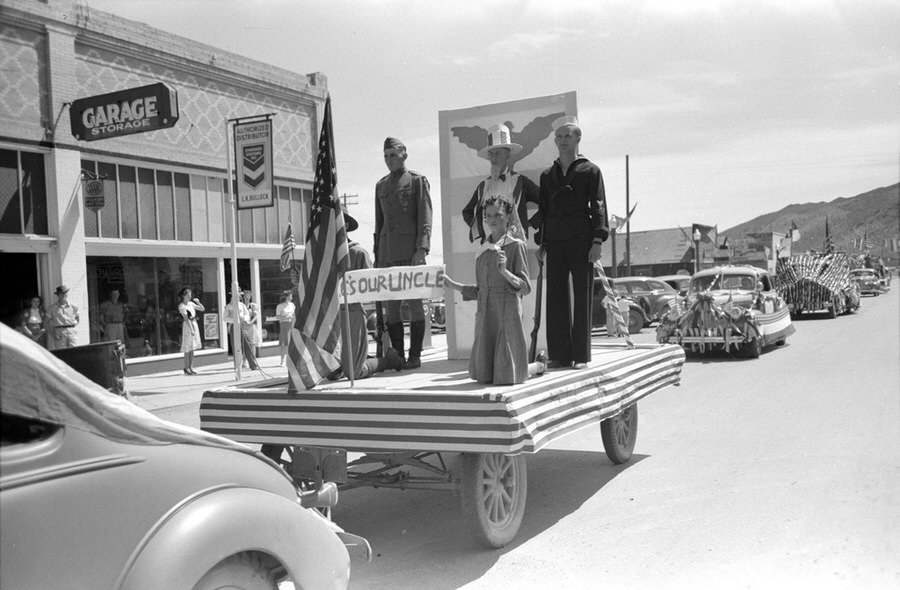
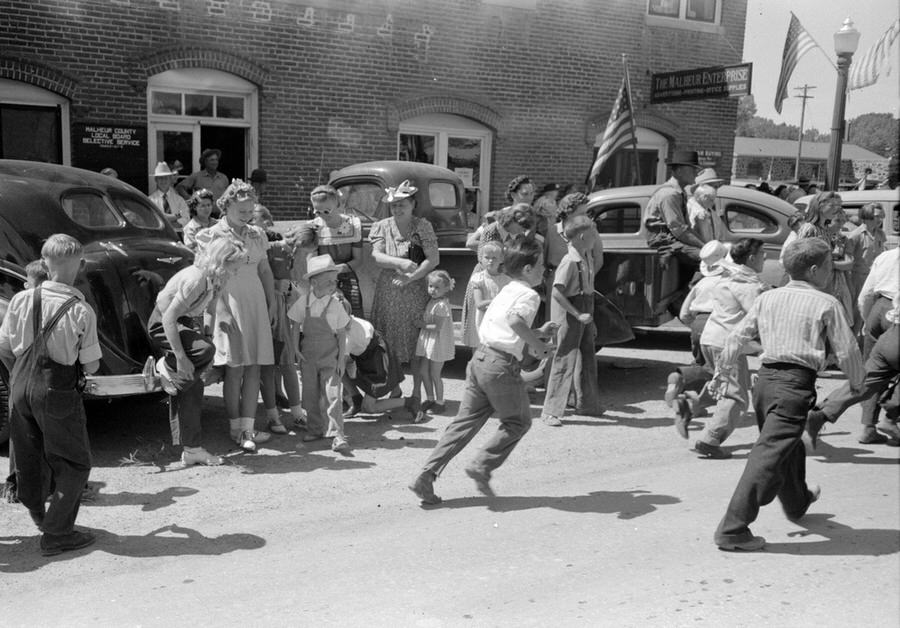
When the parade finally moved through downtown, it brought together nearly every corner of the community. Bicycle riders, children on ponies, Boy Scouts, American Legionnaires, and patriotic floats all made their way down the main road. One float bore the slogan “He’s Our Uncle” — a nod to Uncle Sam — dressed in red, white, and blue.
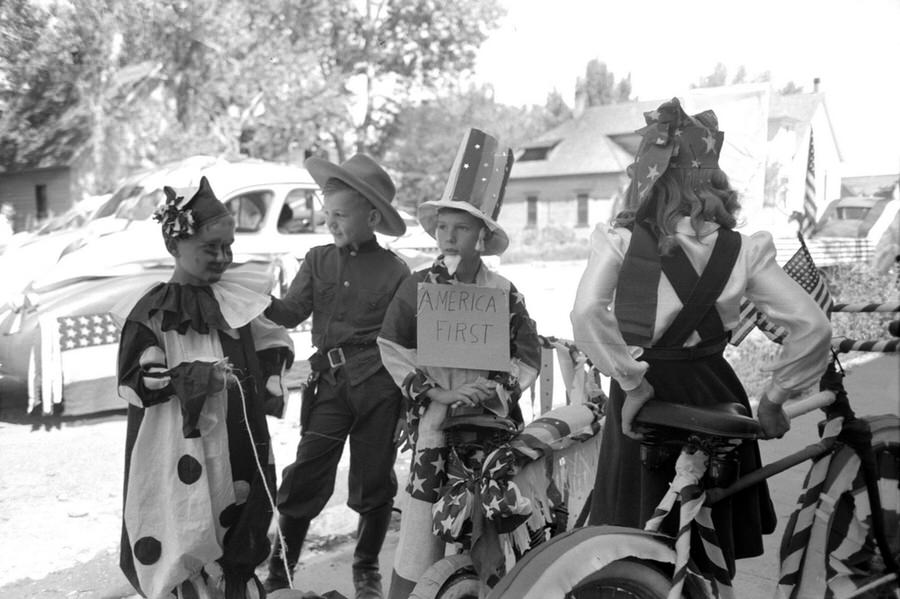
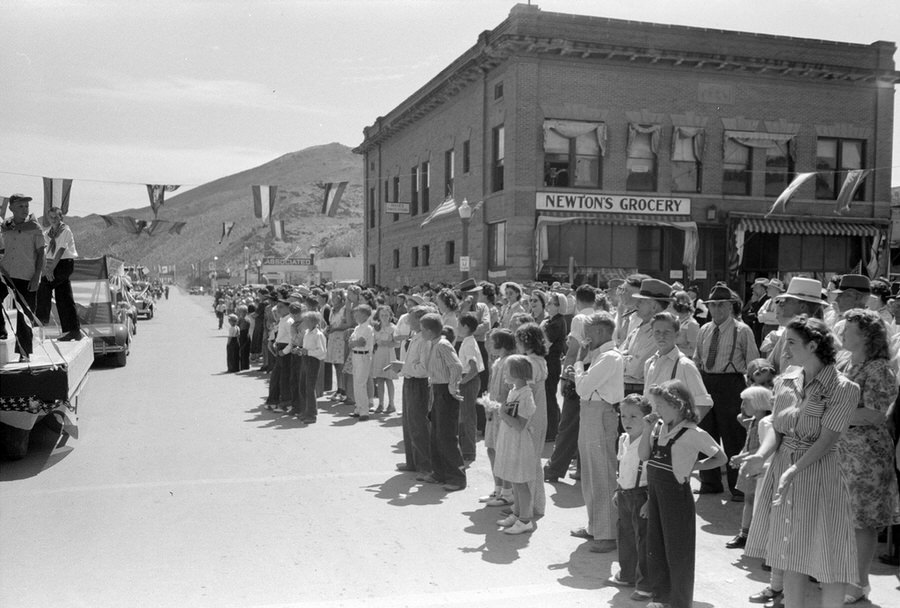
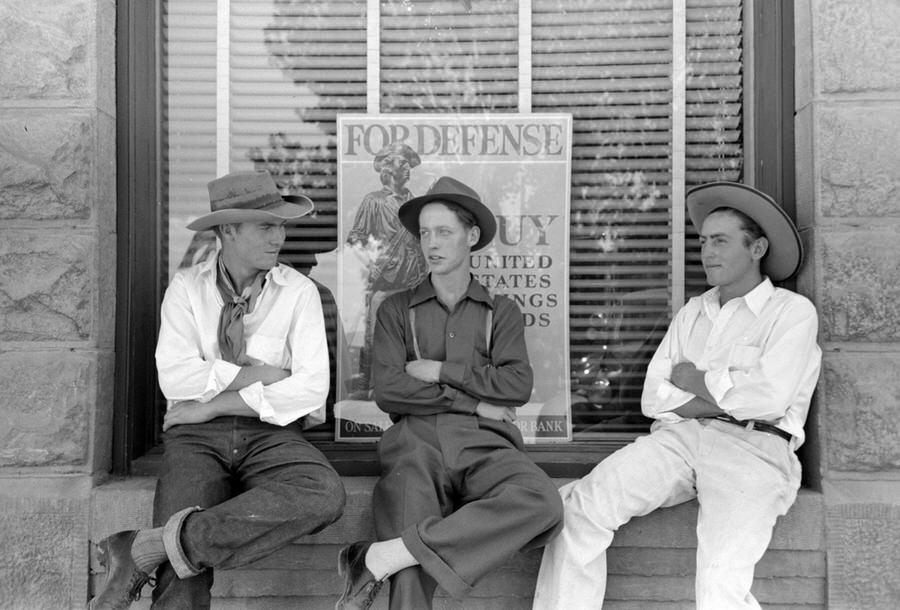
Farm boys from the surrounding area came into town for the day. The Legionnaires — veterans of the First World War — marched in formation, their presence a reminder that Vale was a community shaped by national history as much as local tradition.
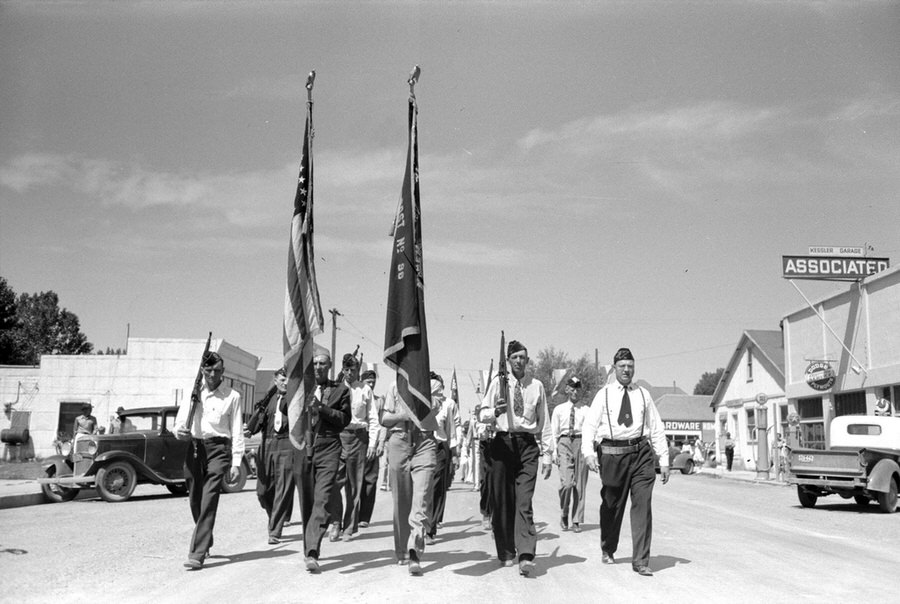
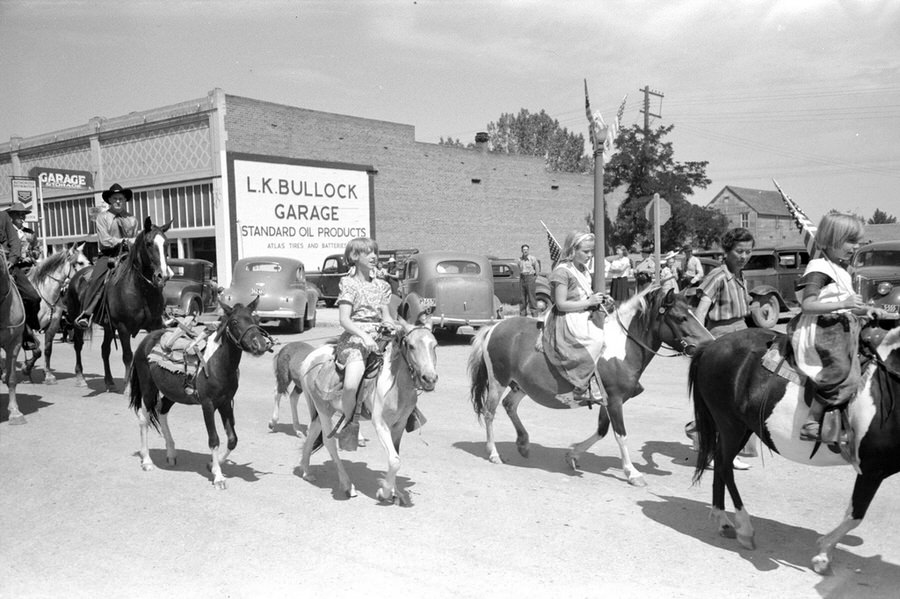
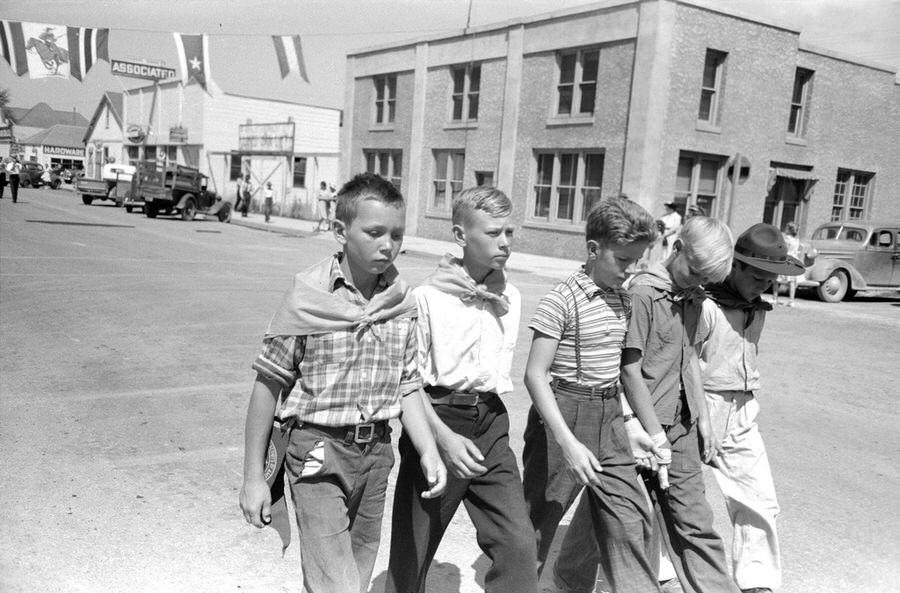
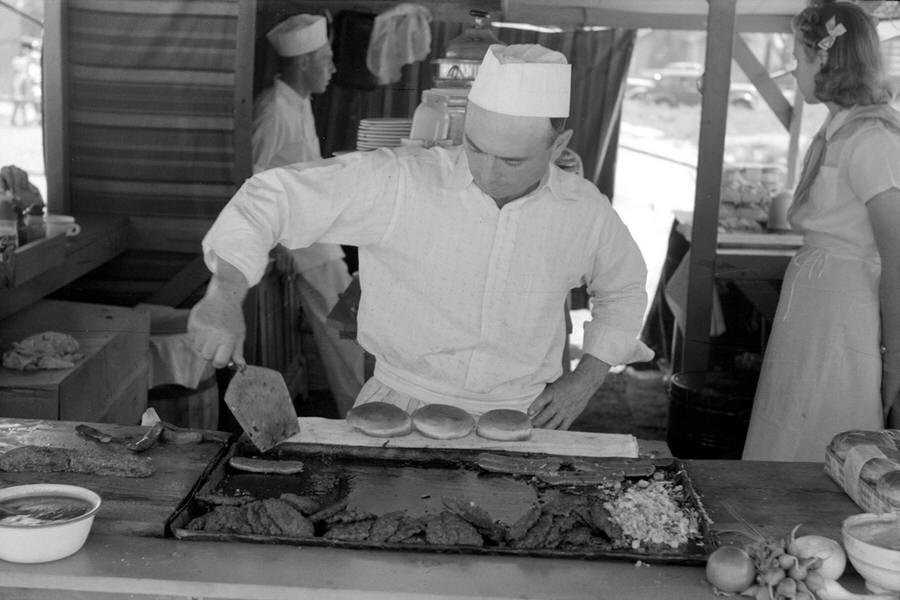
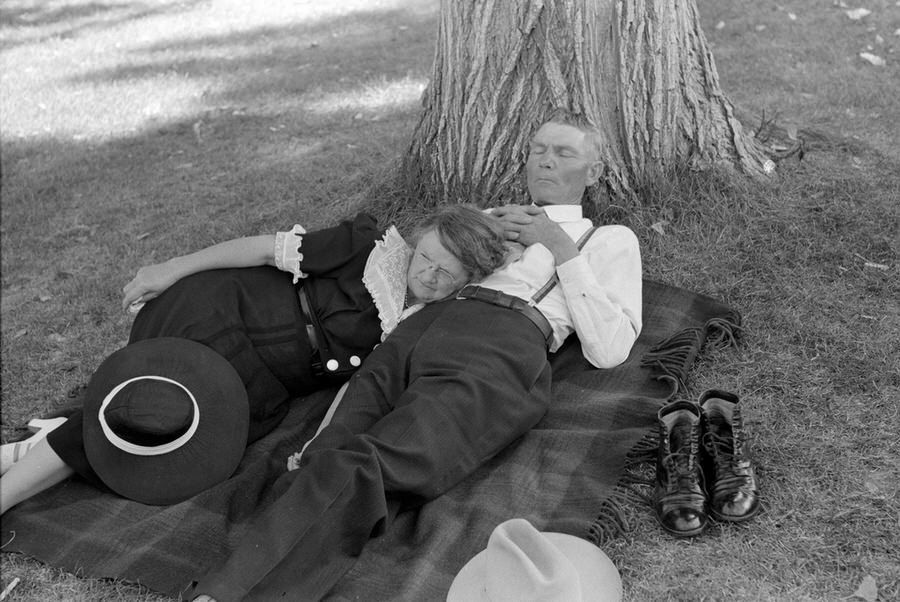
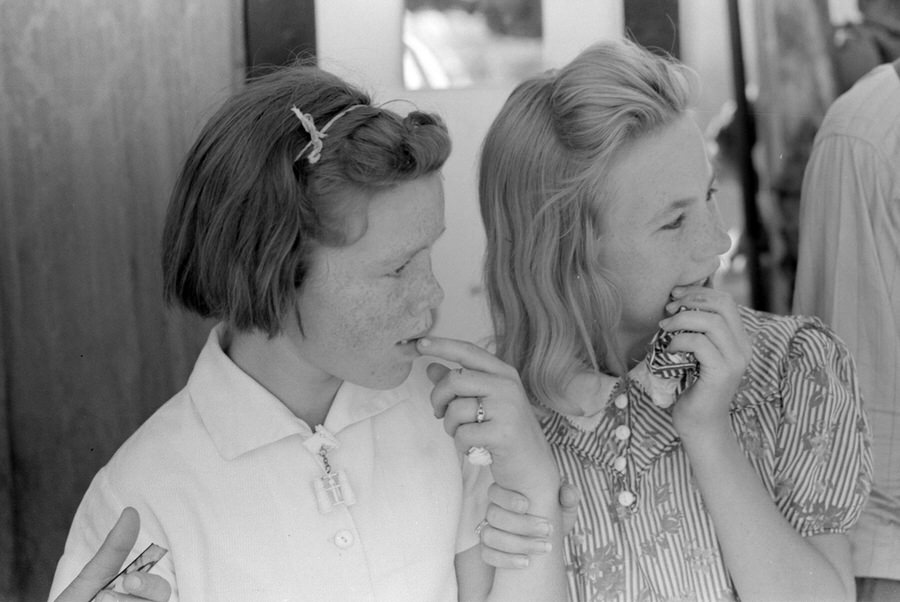
After the parade ended, the streets stayed busy. People lingered, talked, and spilled into the surrounding grounds where food stands and picnic areas were set up. Children lined up for cold sodas at concession stands while families spread out on the grass.
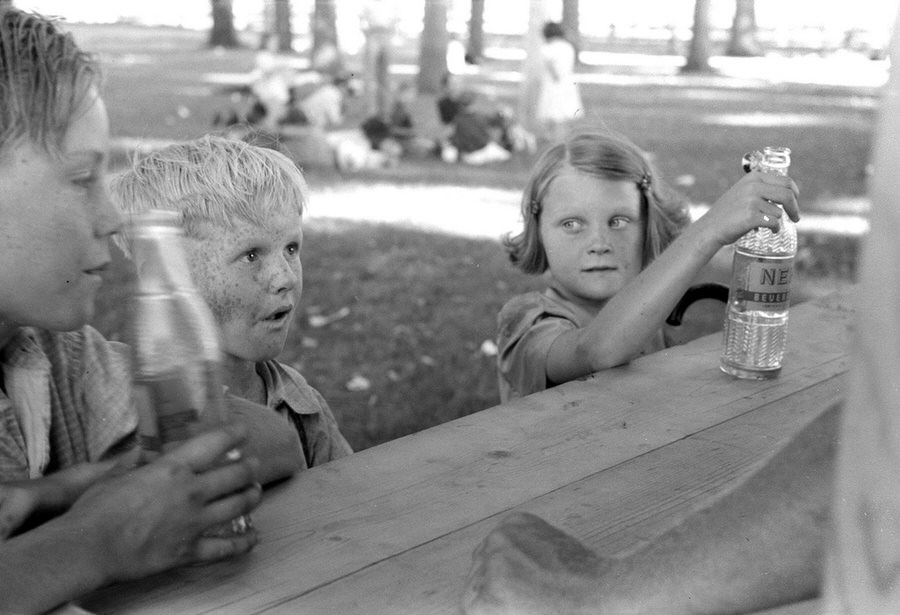
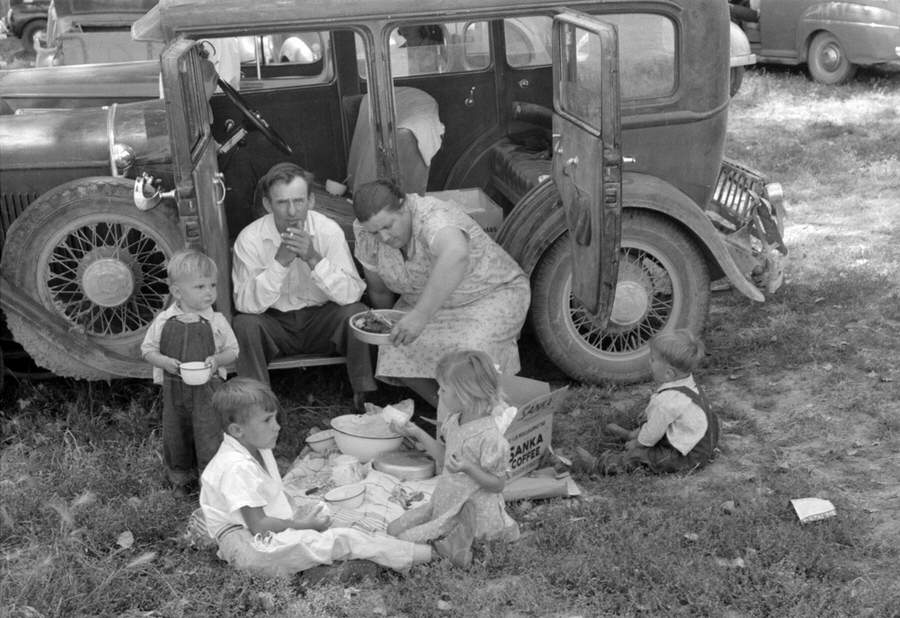
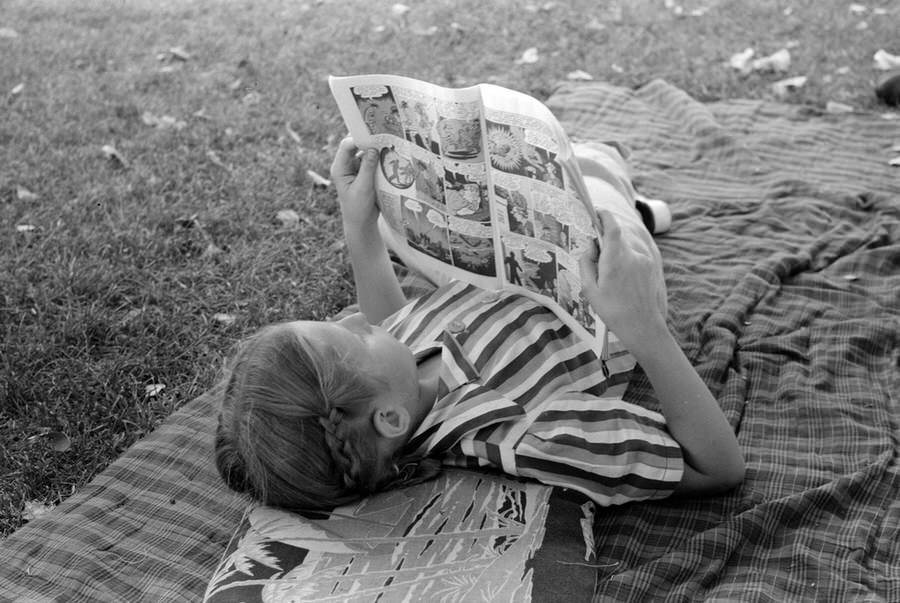
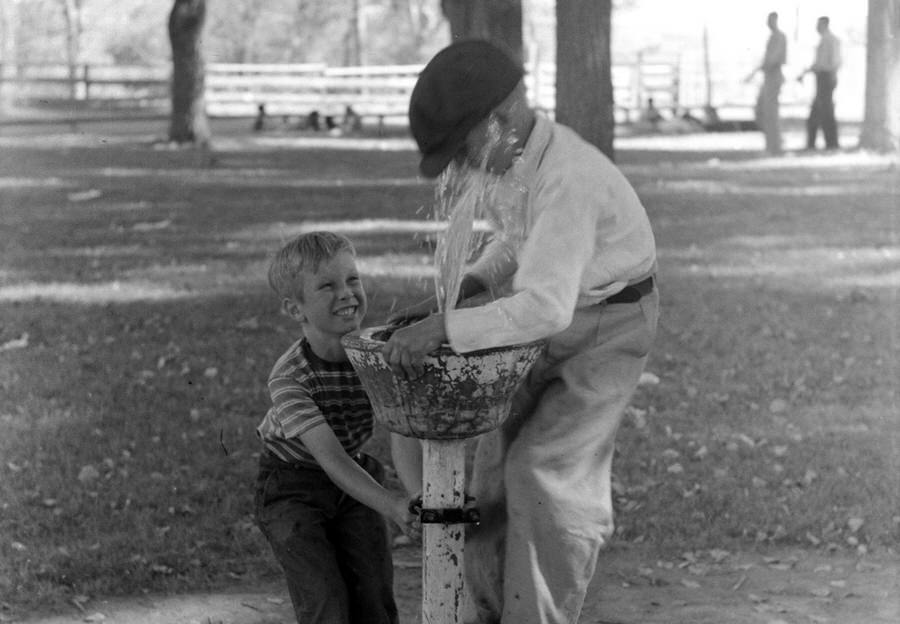
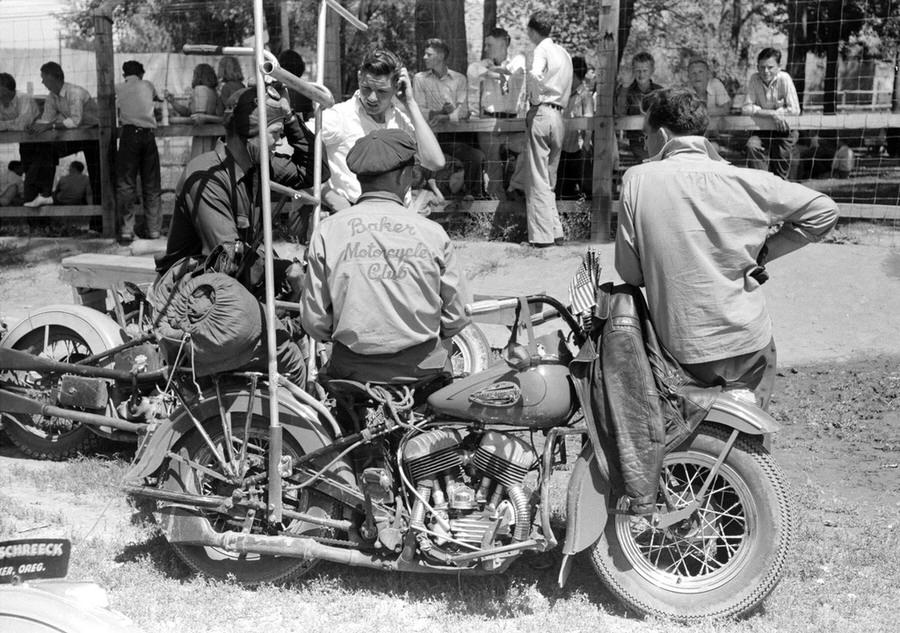
The pace slowed after lunch. A boy stretched out with a comic book. Kids splashed around a water fountain on the picnic grounds. Motorcycle riders gathered nearby, getting ready to put on a demonstration for the crowd.
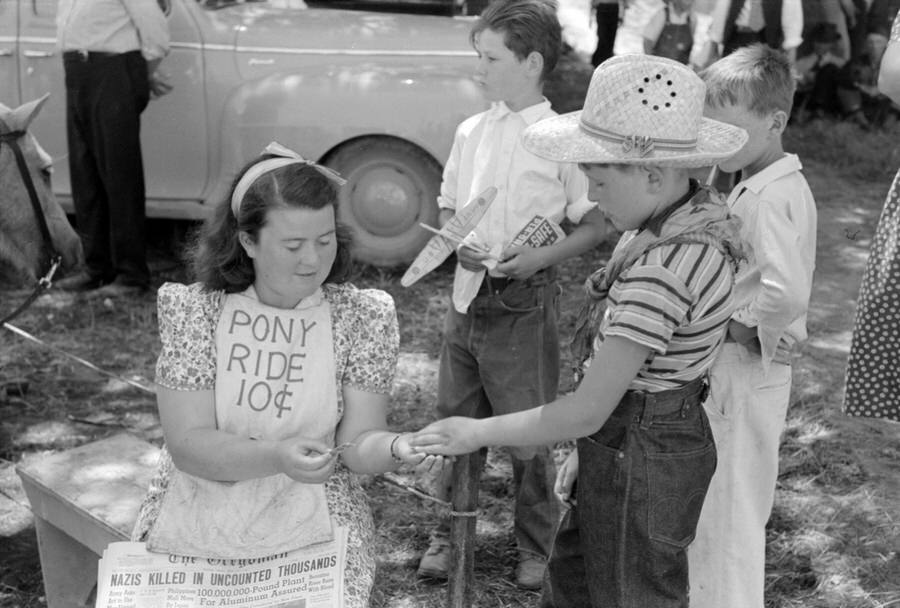
The carnival section of the celebration drew a steady crowd through the afternoon. There were arcade games, bingo tables, concession stands, and amusement rides. A woman working as a ticket taker for the pony ride sat with a copy of the Oregonian in her lap. The headline across the front page read: “Nazis Killed in Uncounted Thousands — Berezina River Runs With Blood.” The war in Europe, which the United States had not yet entered, was already filling the front pages. The contrast between the festive scene around her and those words on the page is one of the most striking details Lee captured that day.
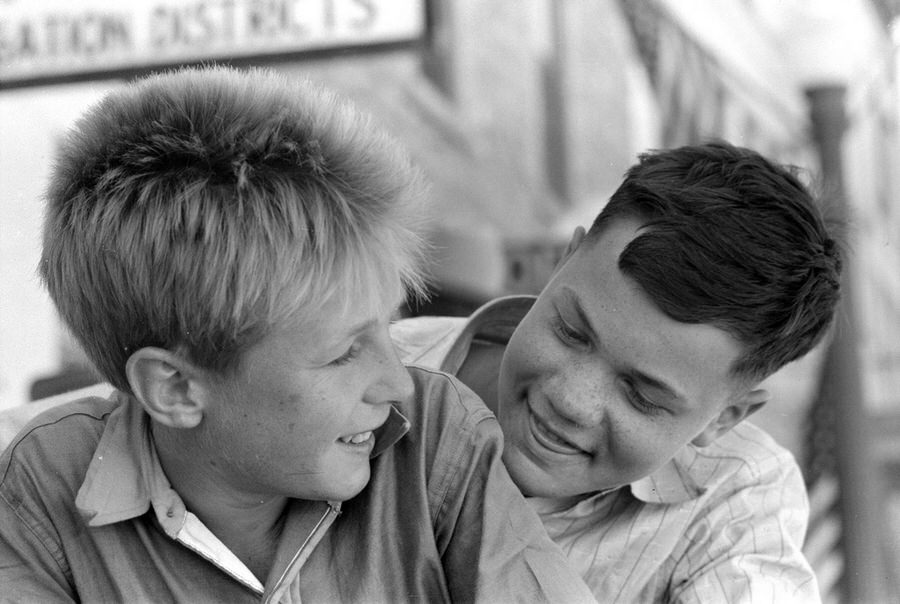
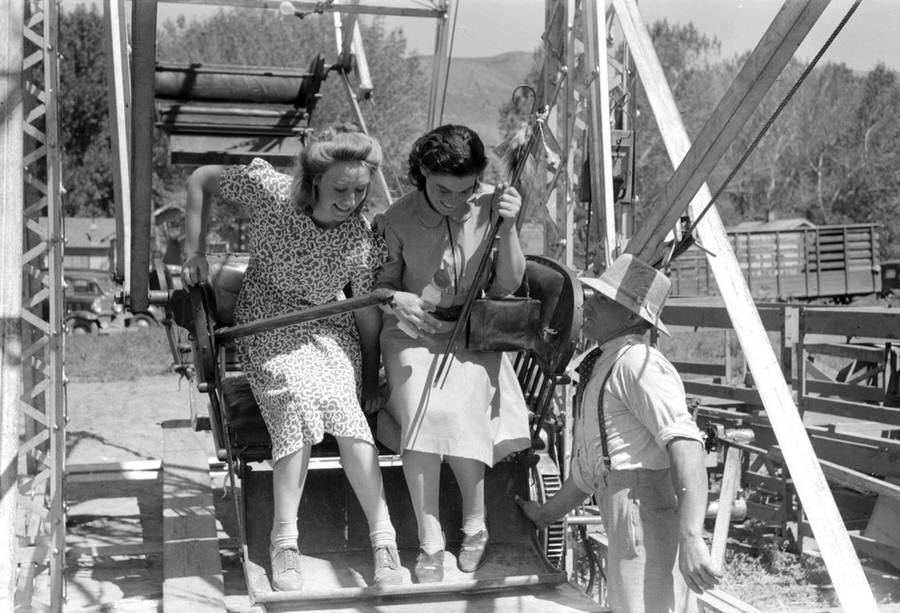
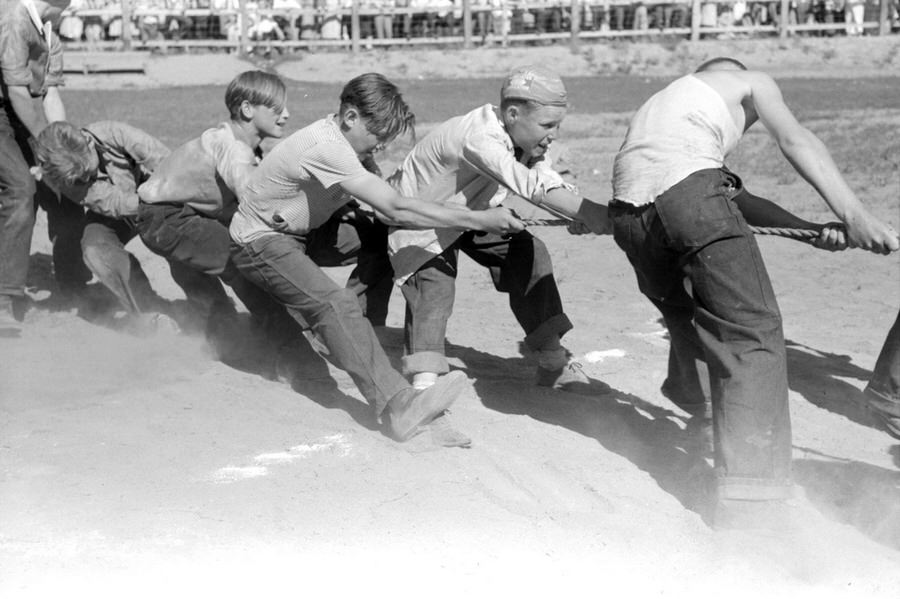
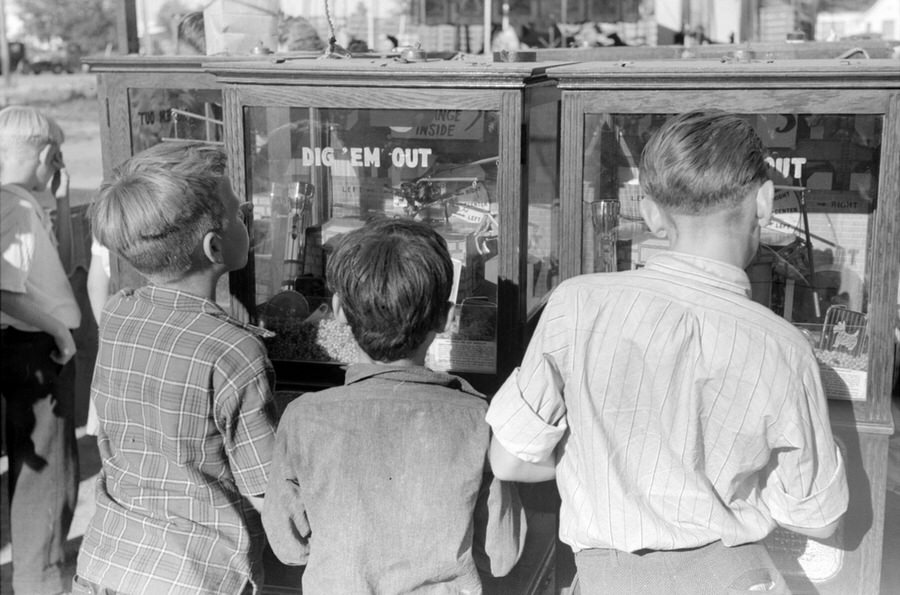
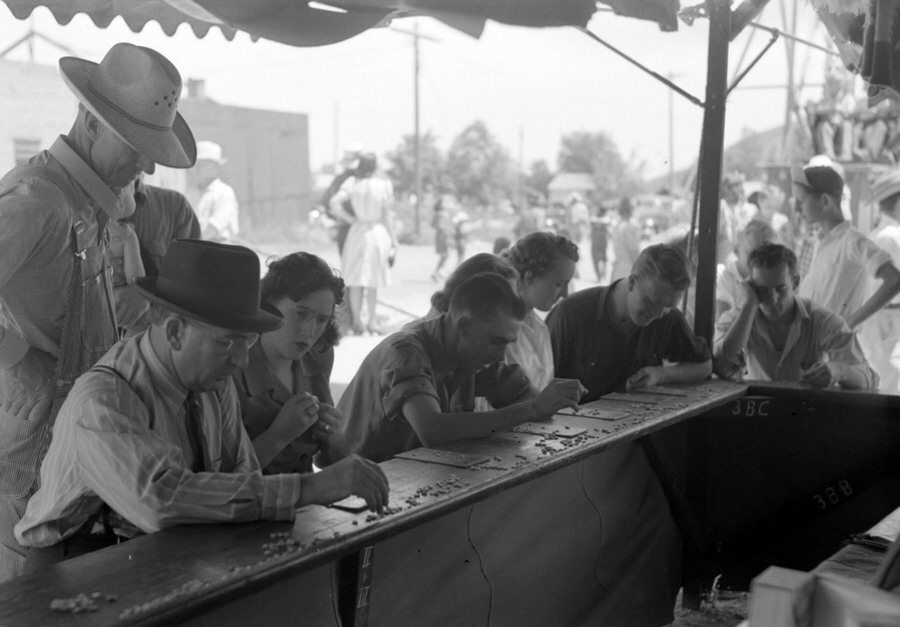
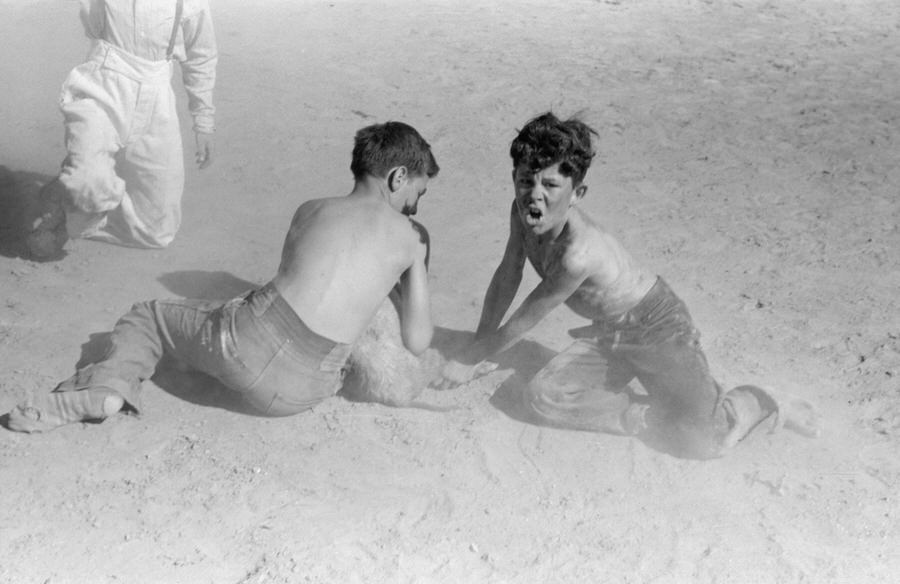
Boys crowded around arcade games while others competed in a tug of war. Bingo players sat in rows with the carnival rides spinning behind them. A greased pig chase drew a circle of laughing children, both participants and spectators, while the afternoon wore on.
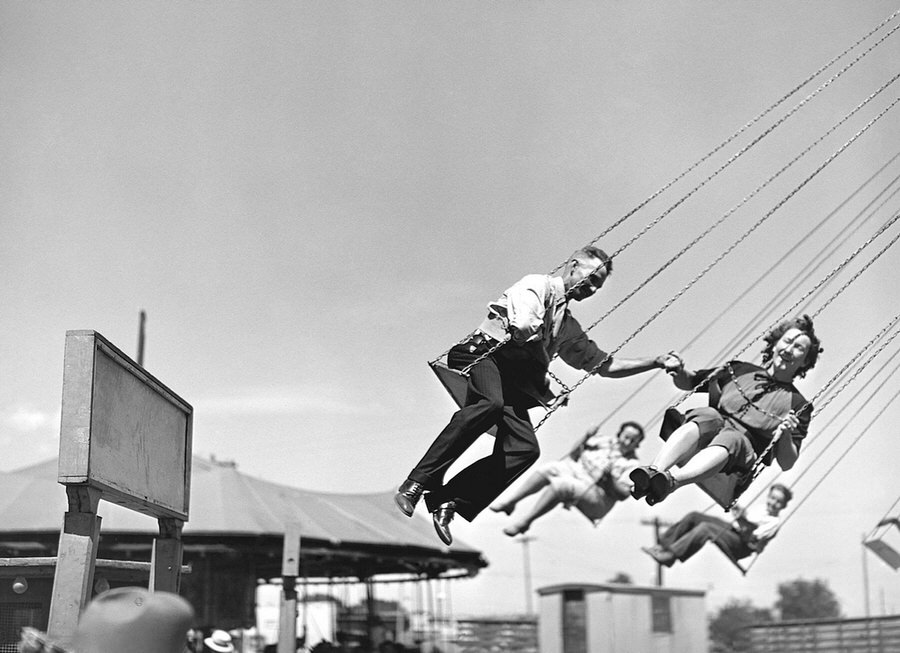
By the time the midway was in full swing, the energy of the day had shifted from formal ceremony to pure recreation. Lee caught a couple holding hands as they spun on an amusement ride — a quiet, personal moment inside a very public day. Across all 30 photographs, the residents of Vale appear comfortable and unguarded, going about a celebration that felt completely their own.