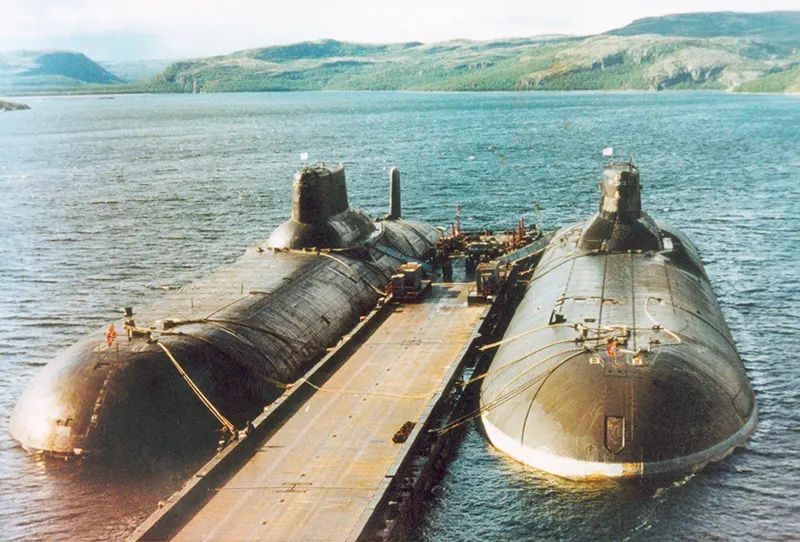
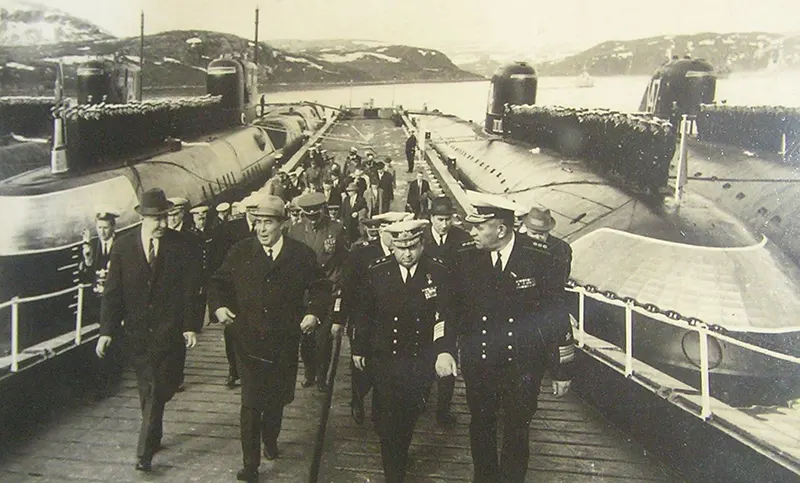
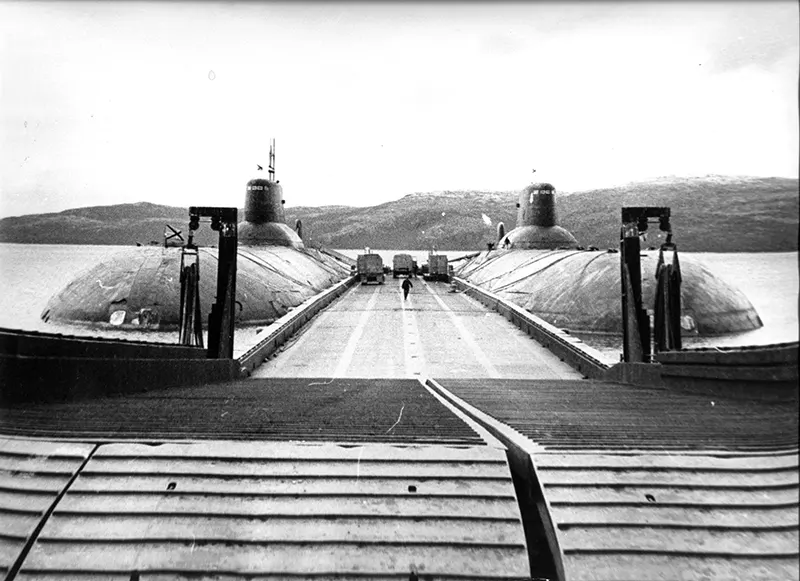
During the Cold War, both the United States and the Soviet Union poured enormous resources into building weapons that could survive a nuclear first strike and still hit back. For the Soviets, the answer came in the form of the largest submarines ever constructed — the Typhoon class, officially designated Project 941 Akula, meaning “Shark” in Russian. These vessels were not just weapons. They were engineering achievements on a scale the world had never seen, and they reshaped how both superpowers thought about nuclear war at sea.
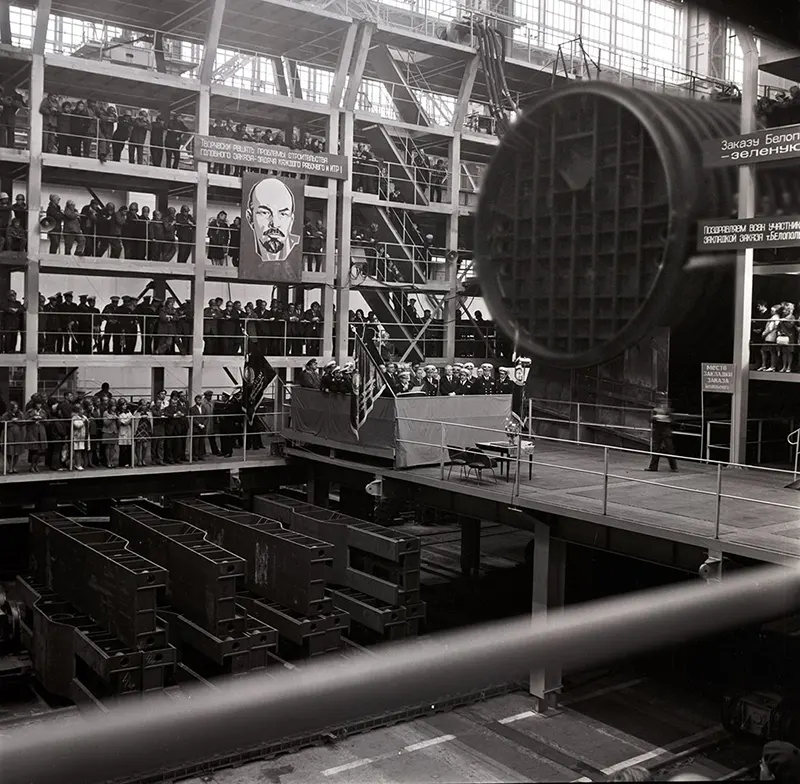
Project 941 was the Soviet Navy’s direct answer to the American Ohio-class ballistic missile submarines. The central goal was to guarantee a second-strike capability — the ability to absorb a nuclear attack and still launch a devastating counterstrike. This concept sat at the core of mutually assured destruction (MAD), the strategic logic that kept both sides from firing first. The Typhoons were built to survive, stay hidden, and retaliate. Every design decision flowed from that mission.
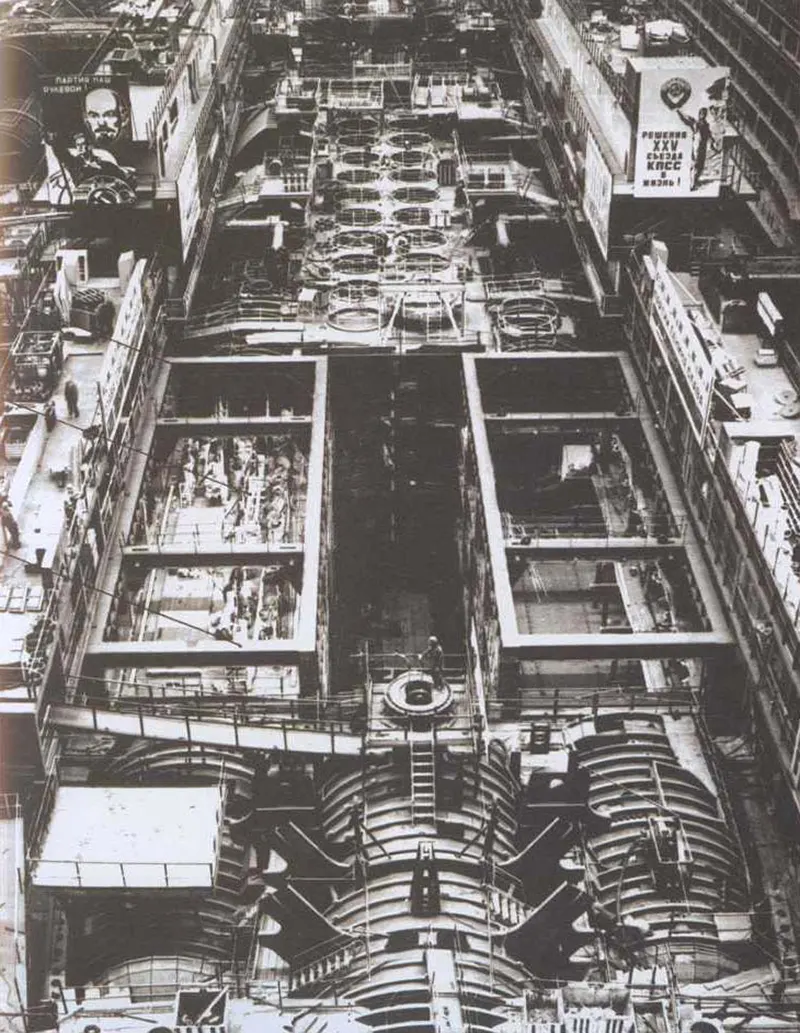
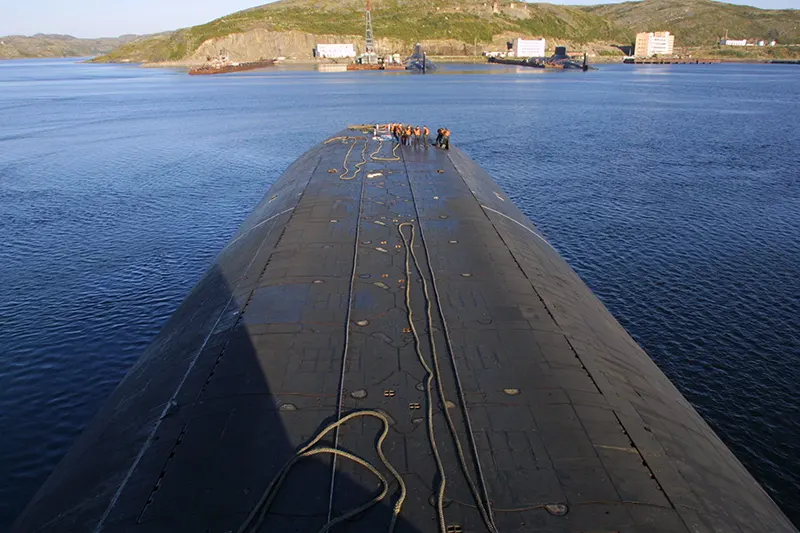
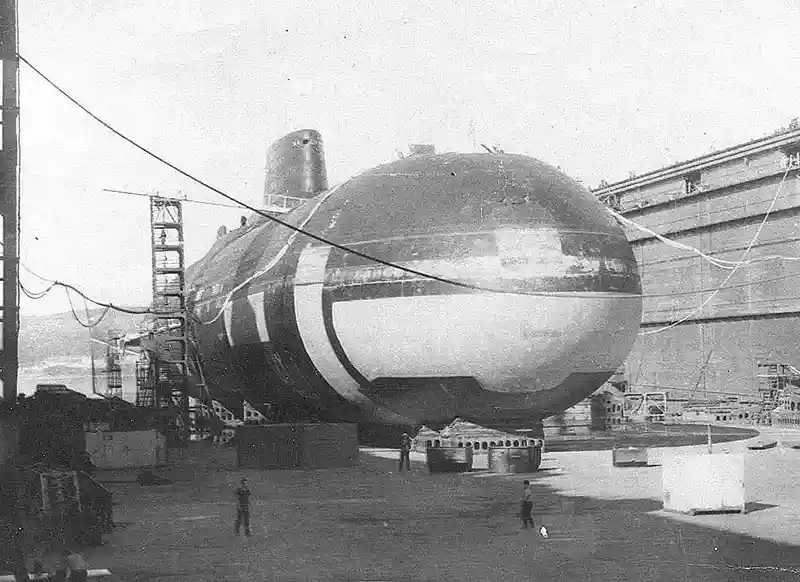
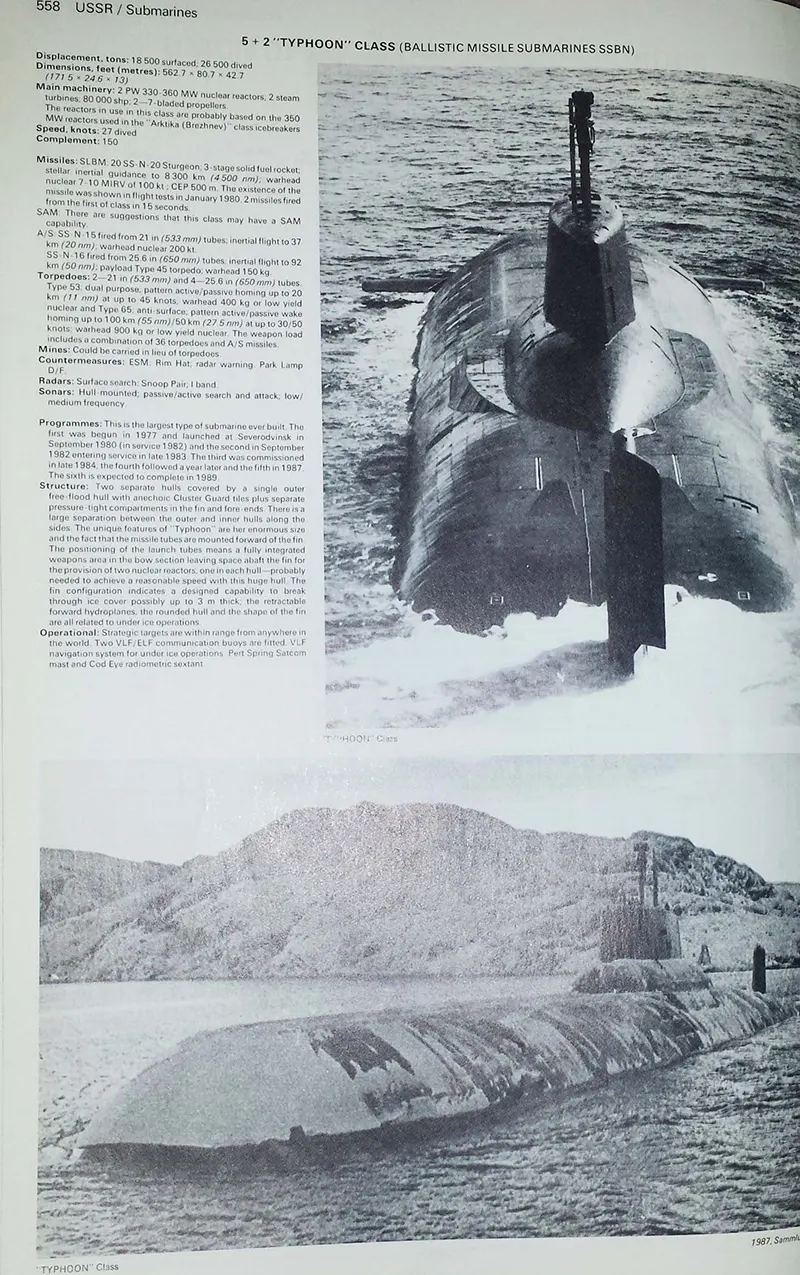
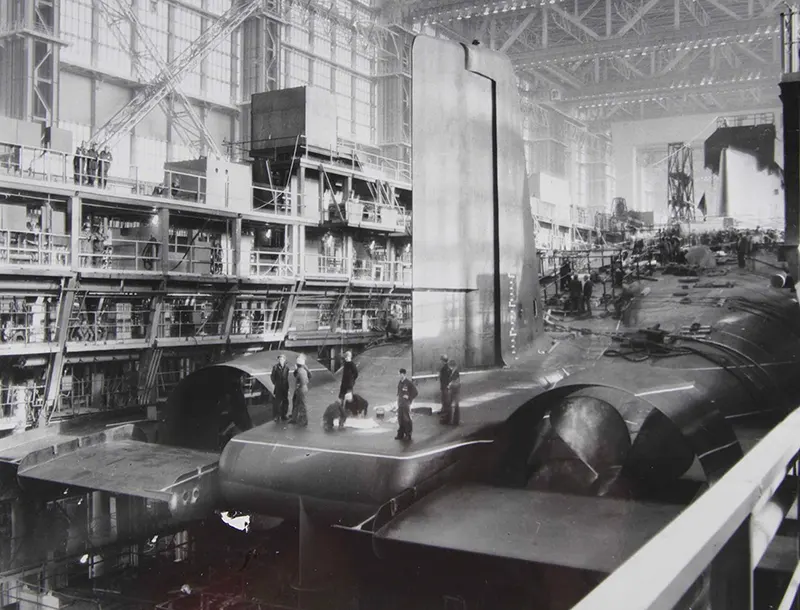
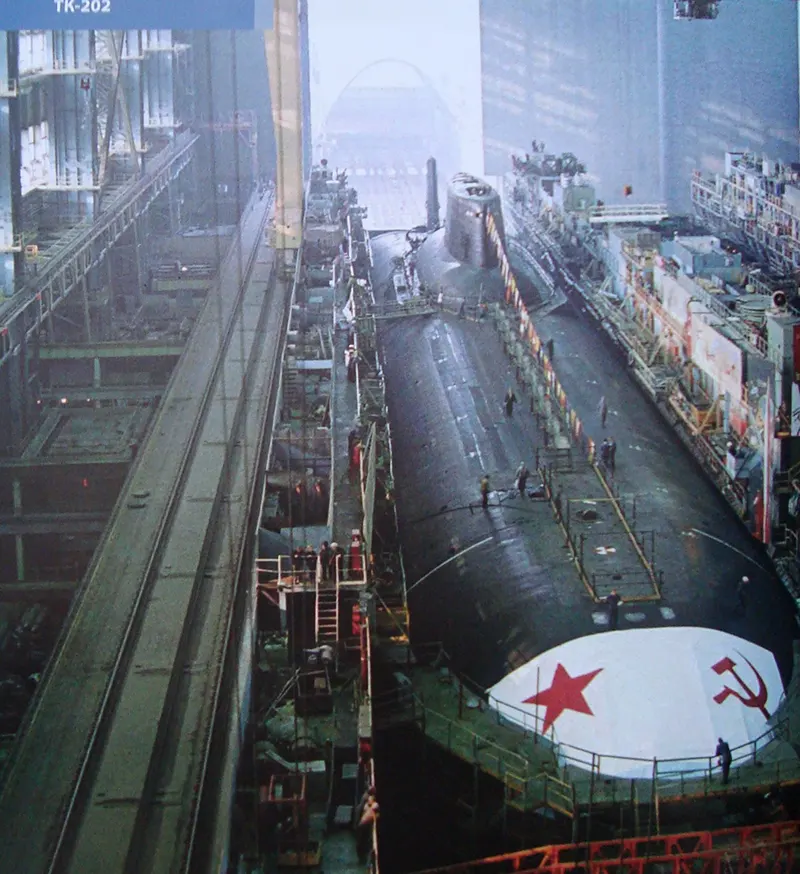
The submarines that emerged from Soviet shipyards were staggering in size. Each Typhoon stretched over 170 meters in length and could dive beyond 400 meters. What made them truly different from any submarine before them was their use of multiple inner pressure hulls — two main parallel hulls housed inside a single outer hull. This meant that even a direct torpedo hit on one hull did not guarantee the loss of the vessel. No other submarine class in history was built this way at this scale.
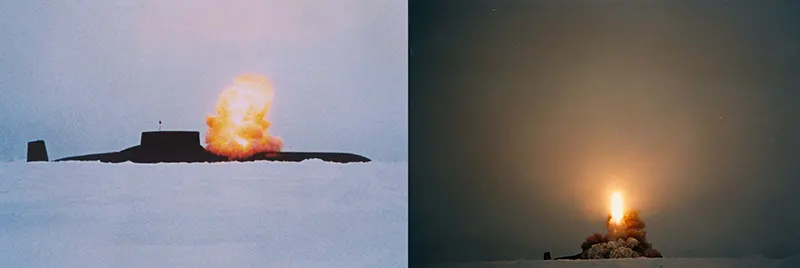
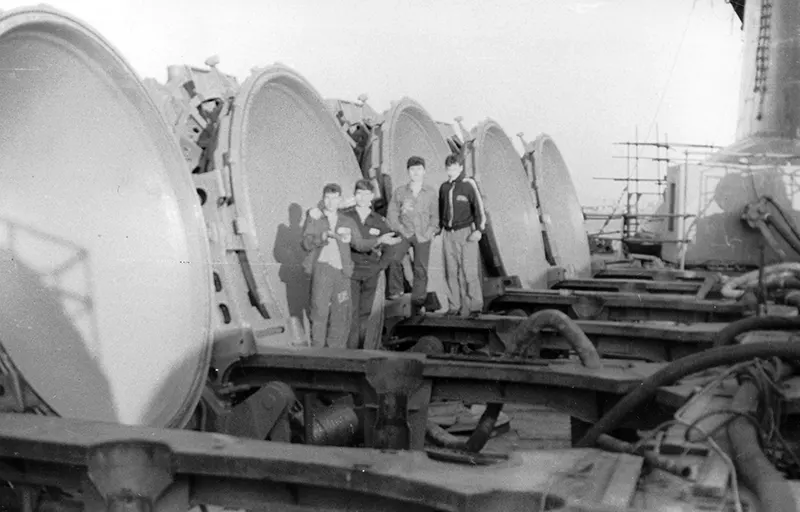
Each Typhoon carried 20 R-39 Rif intercontinental ballistic missiles, positioned ahead of the sail in a distinctive forward arrangement. The R-39 had a range of 8,300 kilometers, meaning a Typhoon lurking beneath the Arctic ice could reach deep into American territory without ever leaving polar waters. The missiles were powerful enough that a single submarine carried enough warheads to destroy dozens of cities. This firepower, combined with the ability to hide under thick Arctic ice, made the Typhoons exceptionally difficult to counter.
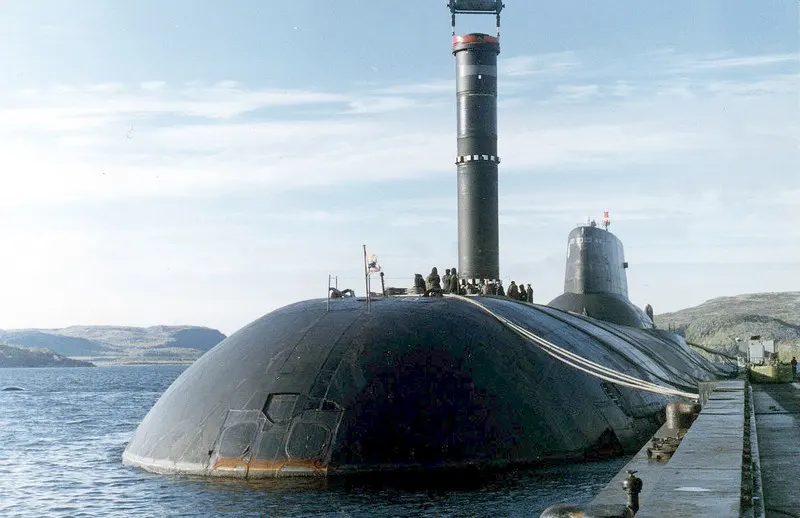
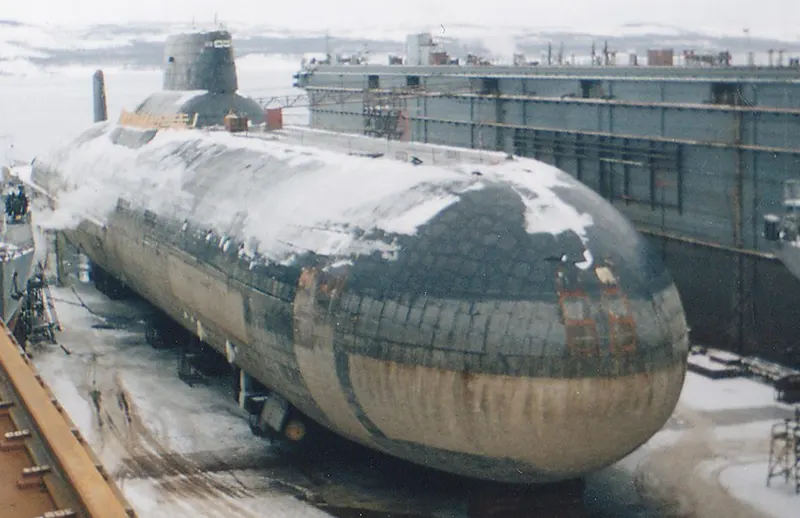
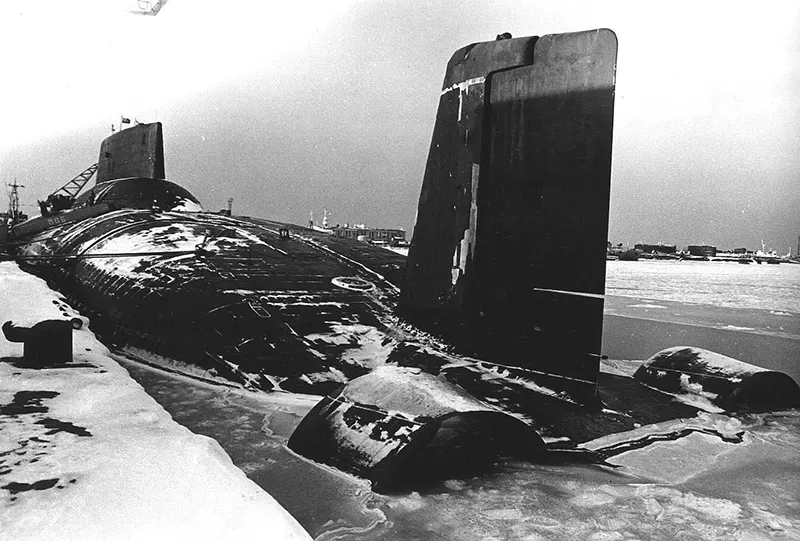
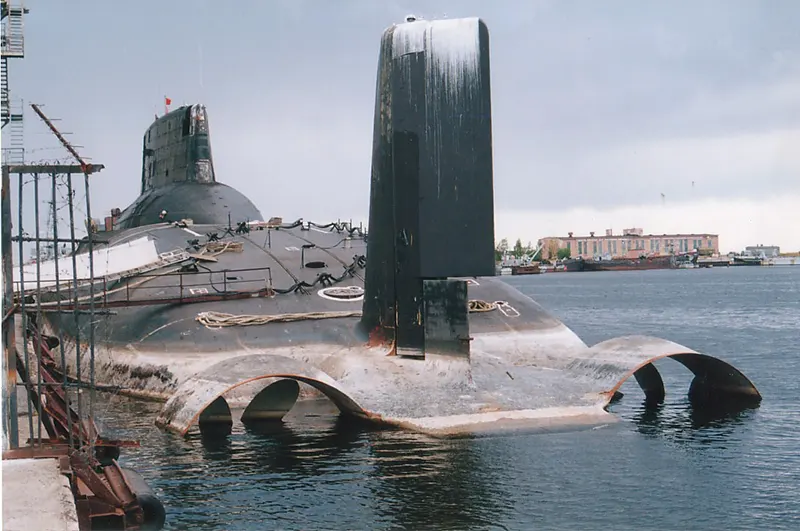
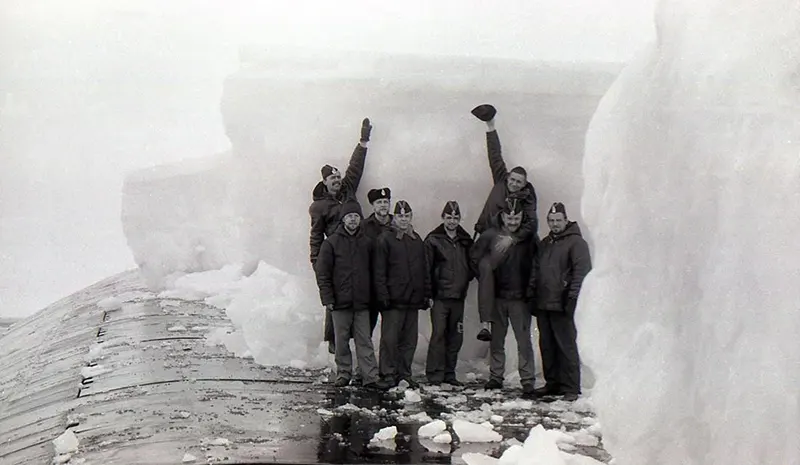
The Arctic was not just a hiding spot — it was a tactical environment the Typhoons were engineered to operate in. The ice above could be up to three meters thick. To break through it and launch missiles, the submarines needed heavily reinforced sails, missile deck covers, and rudders. Their ballast tanks were designed to be large enough to drive the massive hull upward through the ice when needed. The Typhoon was, in effect, an Arctic weapon system built from the keel up.
Crew comfort on submarines had historically been an afterthought. The Typhoon broke that tradition entirely. Because missions could last months without surfacing, Soviet designers built in amenities that had never appeared on any warship of this type before. The crew had access to a swimming pool, a sauna, and a gym. These were not luxuries added as an afterthought — they were built into the design from the start, a recognition that the physical and mental health of the crew was essential to keeping the vessel combat-ready on long patrols.
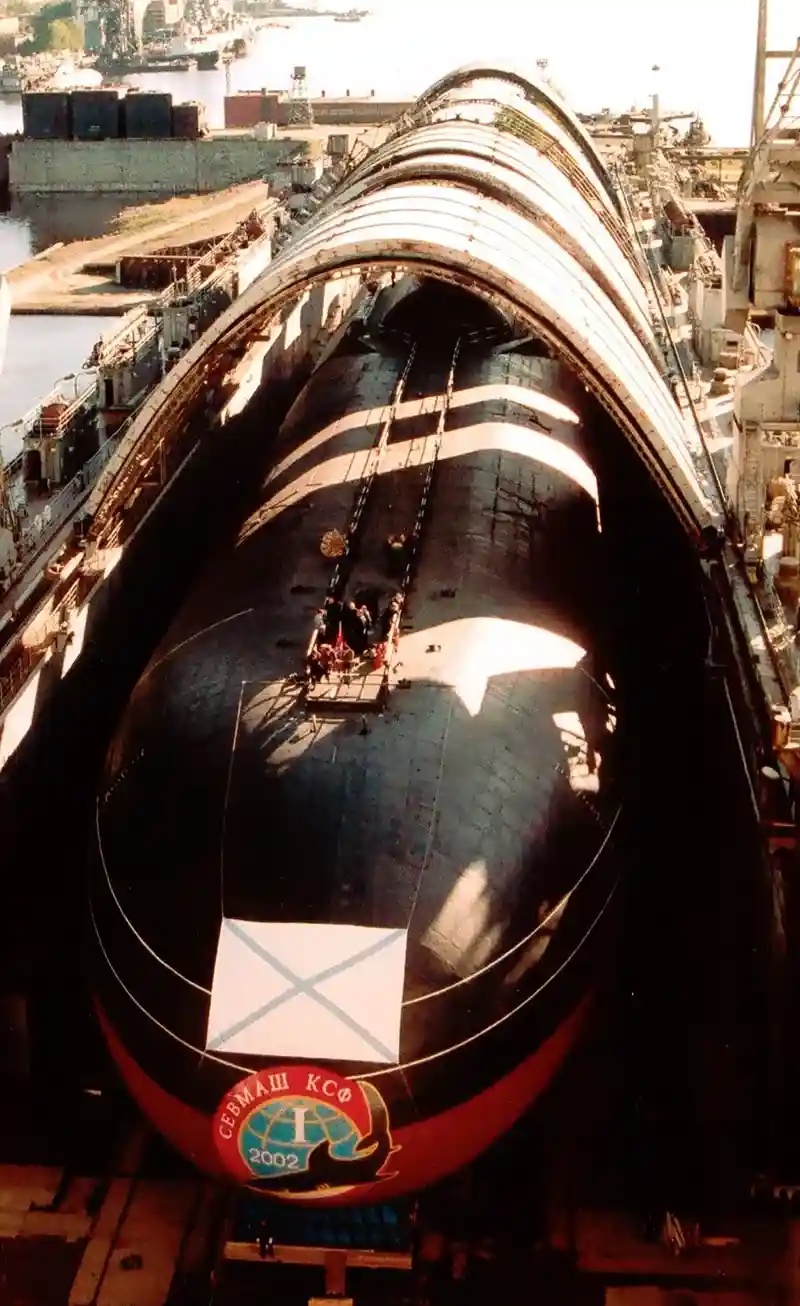
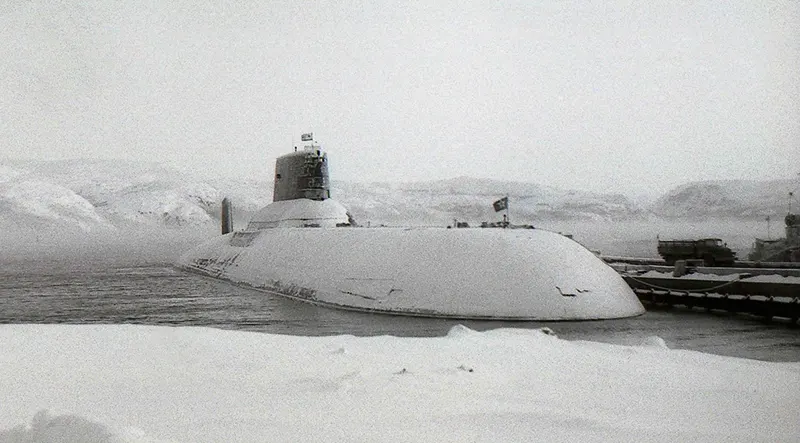
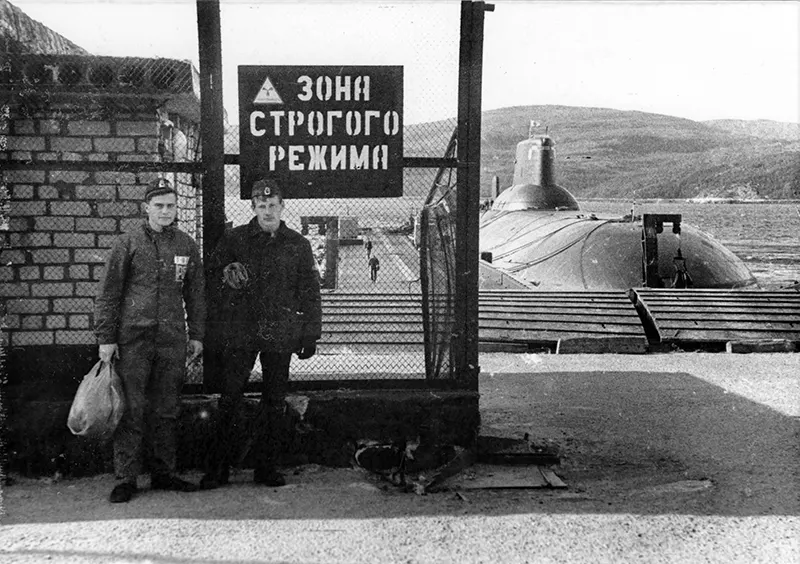
All six Typhoon submarines were based at Zapadnaya Litsa, on the Litsa Fjord in the Kola Peninsula — one of the most strategically sensitive naval zones in the Soviet Union. The crews and their families lived in the nearby closed city of Zaozyorsk, originally known by the distinctly utilitarian designation “Murmansk-150.” The base was restricted, secret, and deliberately remote, reflecting just how critical the Soviet military considered these submarines to their national security.
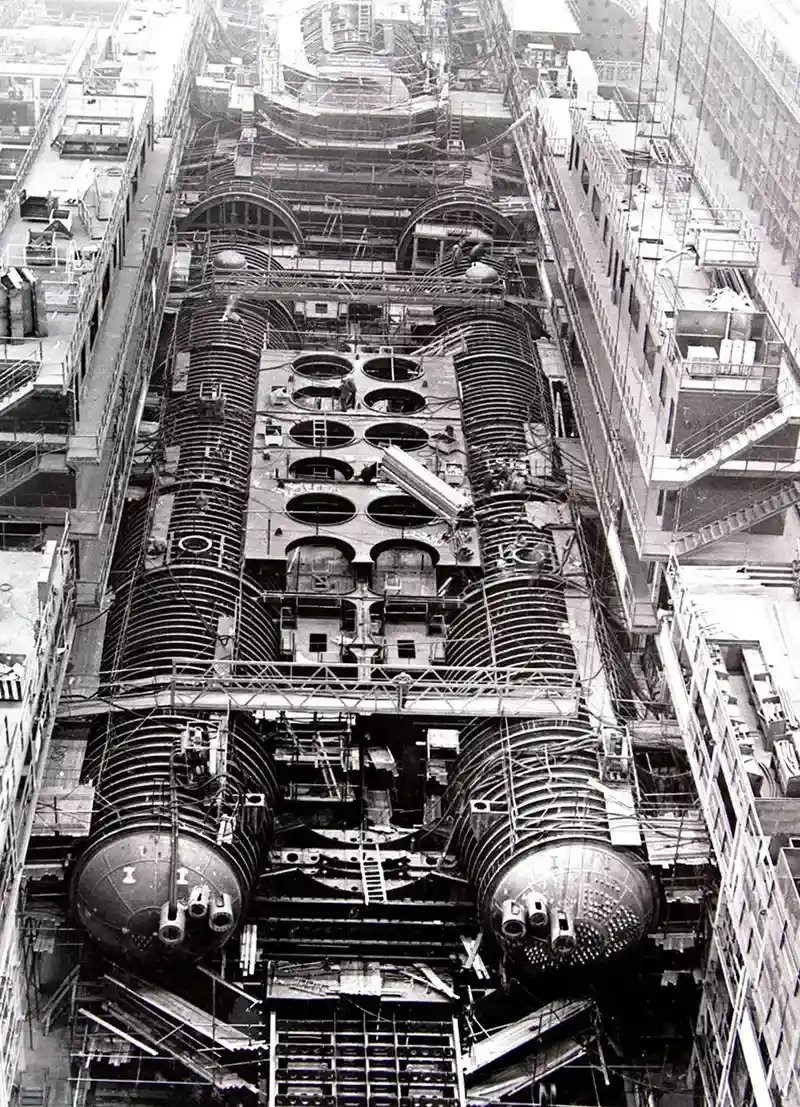
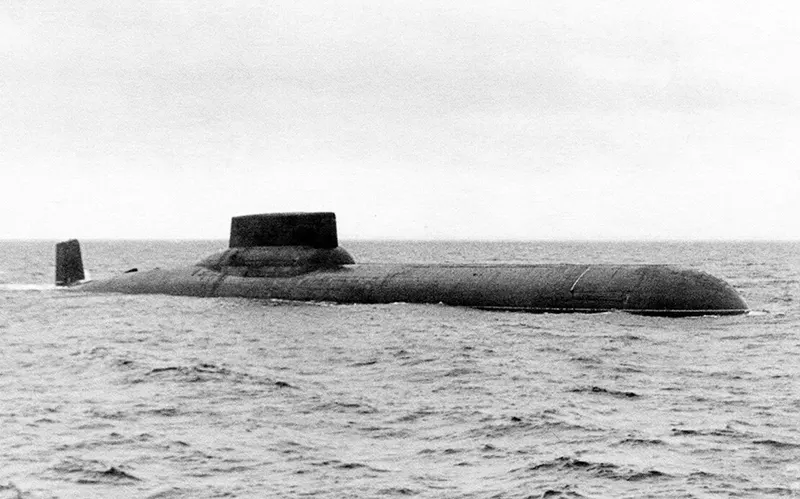
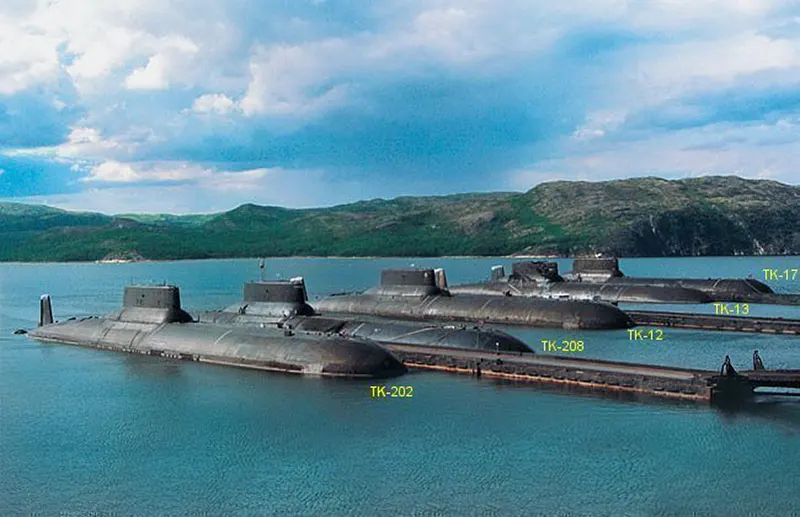
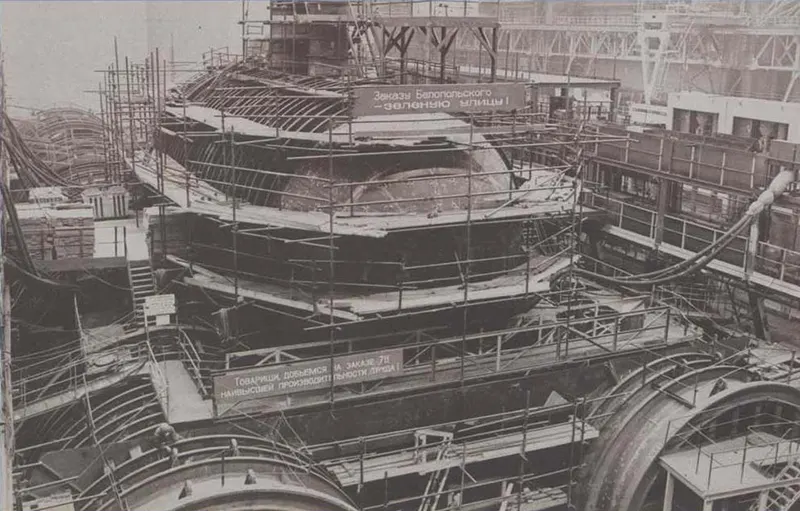
Construction of the Typhoons was remarkably fast given their size and complexity. The second boat, TK-202, was launched on September 23, 1982, and every Typhoon in the class was completed within five years or less. The first Typhoon, TK-208 — later named Dmitry Donskoy — was built under the direct involvement of her first commander, Captain First Rank A. V. Ol’khovikov, who watched her construction from the ground up. For his command of the vessel, he was made a Hero of the Soviet Union.
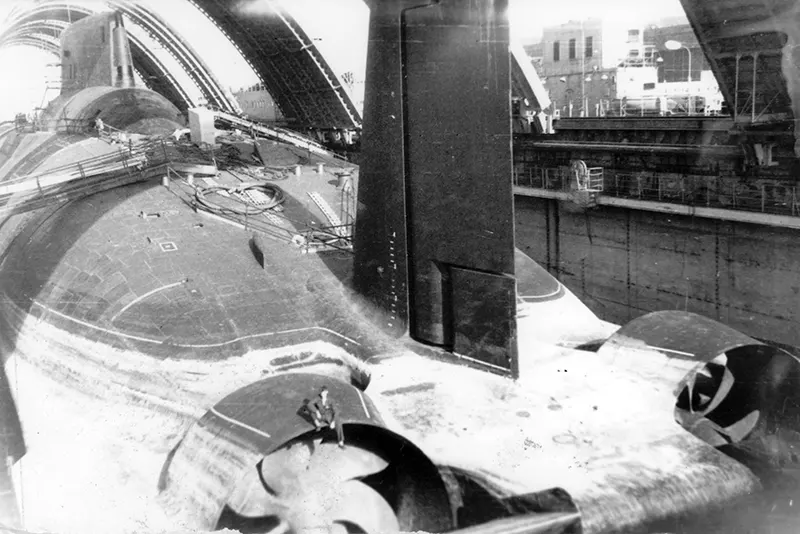
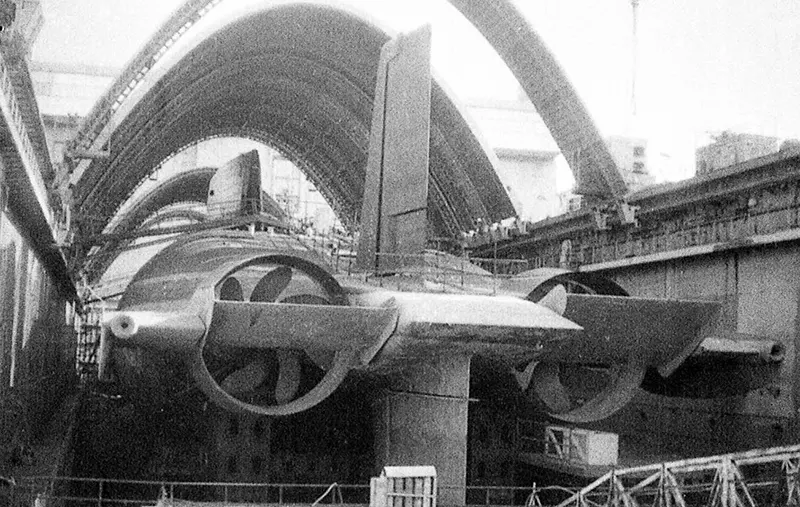
Noise reduction was a constant engineering challenge for the Soviets. TK-208 was originally fitted with five-bladed symmetric propeller screws, but by the 1990s, all Typhoons had been upgraded to seven-bladed skewback screws — a design that produced significantly less acoustic signature. Quieter submarines are harder to track. This upgrade was part of a broader effort to keep the Typhoon class competitive as detection technology on both sides improved throughout the Cold War.
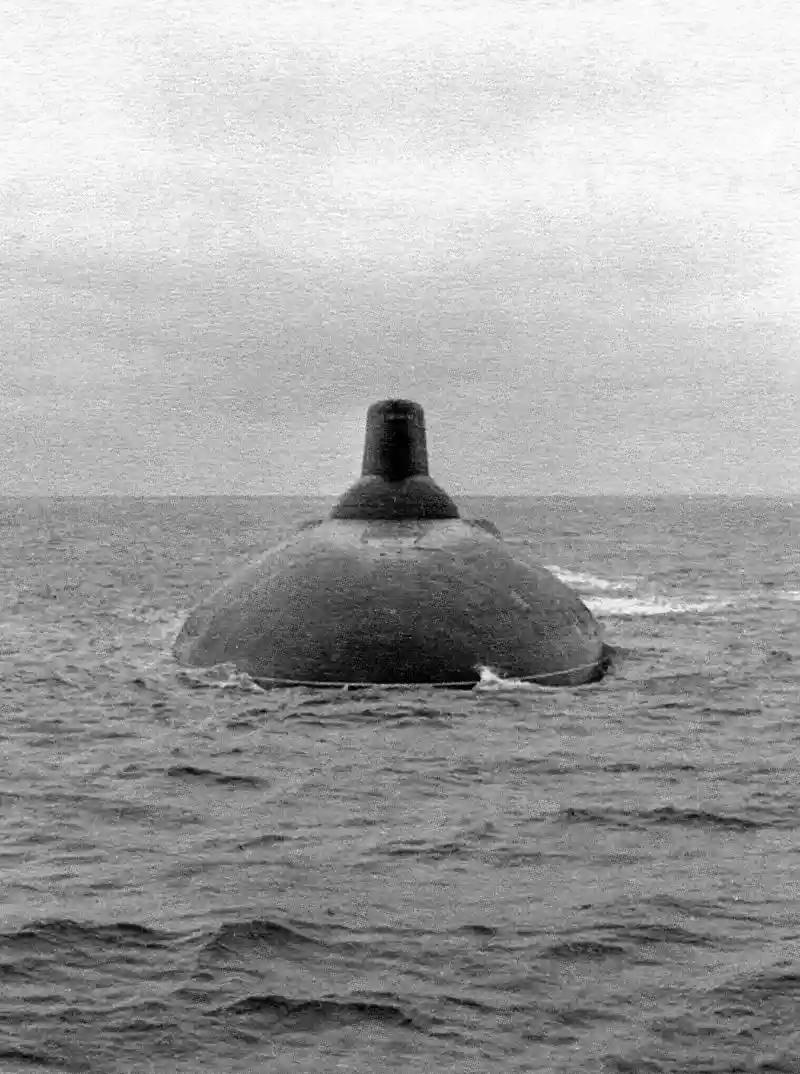
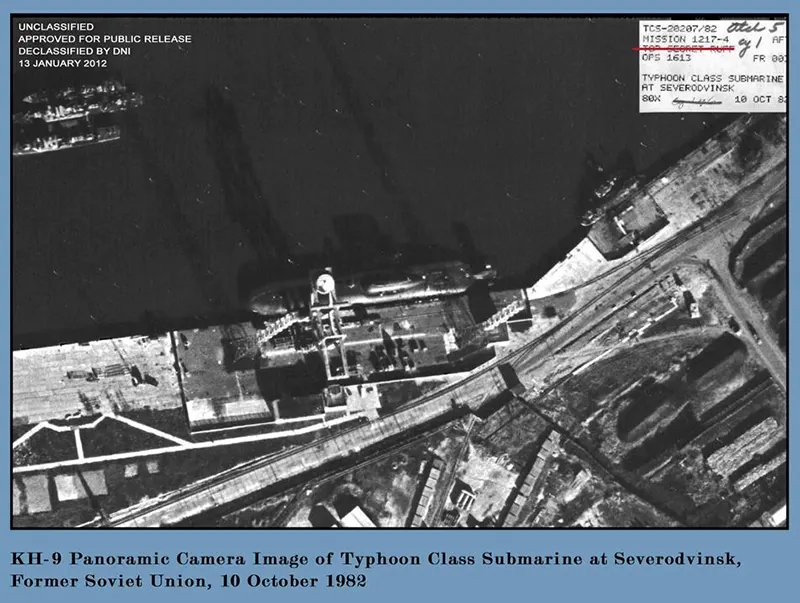
Western intelligence agencies worked hard to gather information on the Typhoons, and for years, details were scarce. When images finally emerged, they confirmed what analysts had suspected — the Soviets had built something truly massive. The sheer size of the hull shocked observers in the West. NATO had been tracking Soviet submarine development closely, but the scale of the Typhoon still came as a surprise when it was finally seen clearly.
After the Soviet Union collapsed in 1991, the strategic and financial foundations that had supported the Typhoon fleet fell away quickly. Operating and maintaining submarines of this size was enormously expensive, and the new arms reduction treaties between Russia and the United States reduced the need for such large nuclear forces. One by one, the Typhoons were decommissioned. By the early 2010s, all but one had been retired. TK-208 Dmitry Donskoy remained in service, modified extensively under Projects 941U and 941UM to serve as a test platform for the Bulava submarine-launched ballistic missile — the weapon now used on Russia’s newer Borei-class submarines.