When lists of the 20th century’s greatest photographers are drawn up, the names are almost always male — Guy Bourdin, Philippe Halsman, Norman Parkinson. A handful of women break through, Diane Arbus and Vivian Maier among them, but even they tend to get boxed into narrow categories. Toni Frissell refused to stay in any box. Over a career that spanned decades, she shot fashion editorials, war zones, celebrities, and everyday people with the same sharp eye and physical daring.
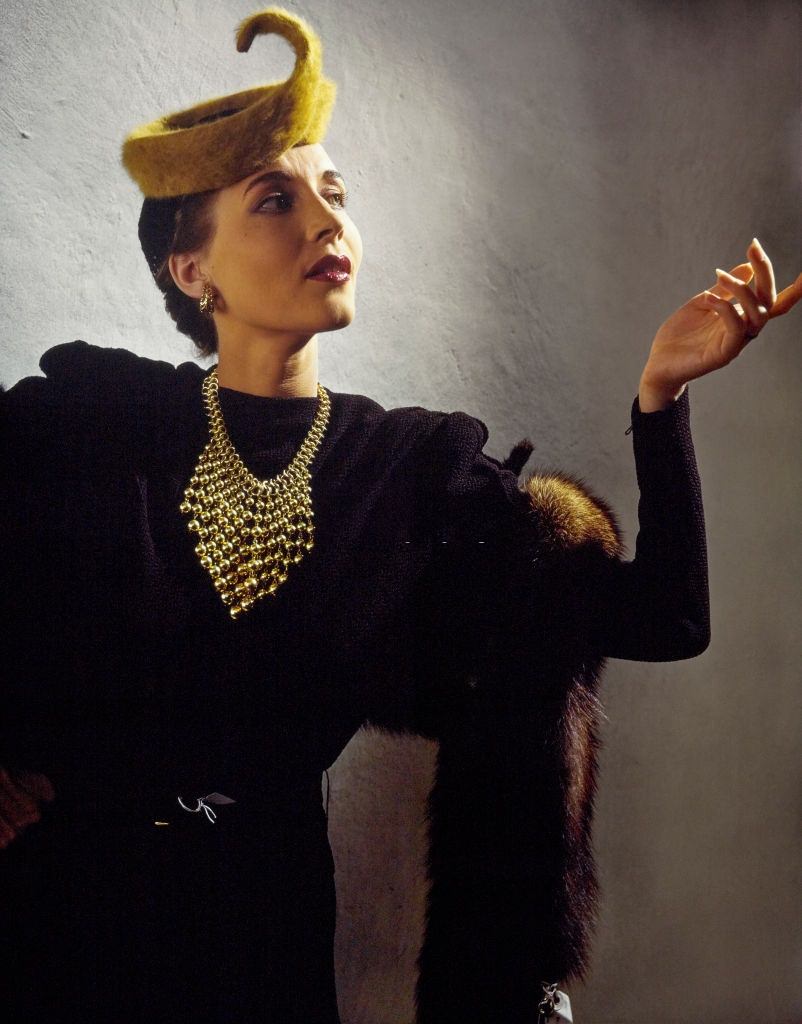
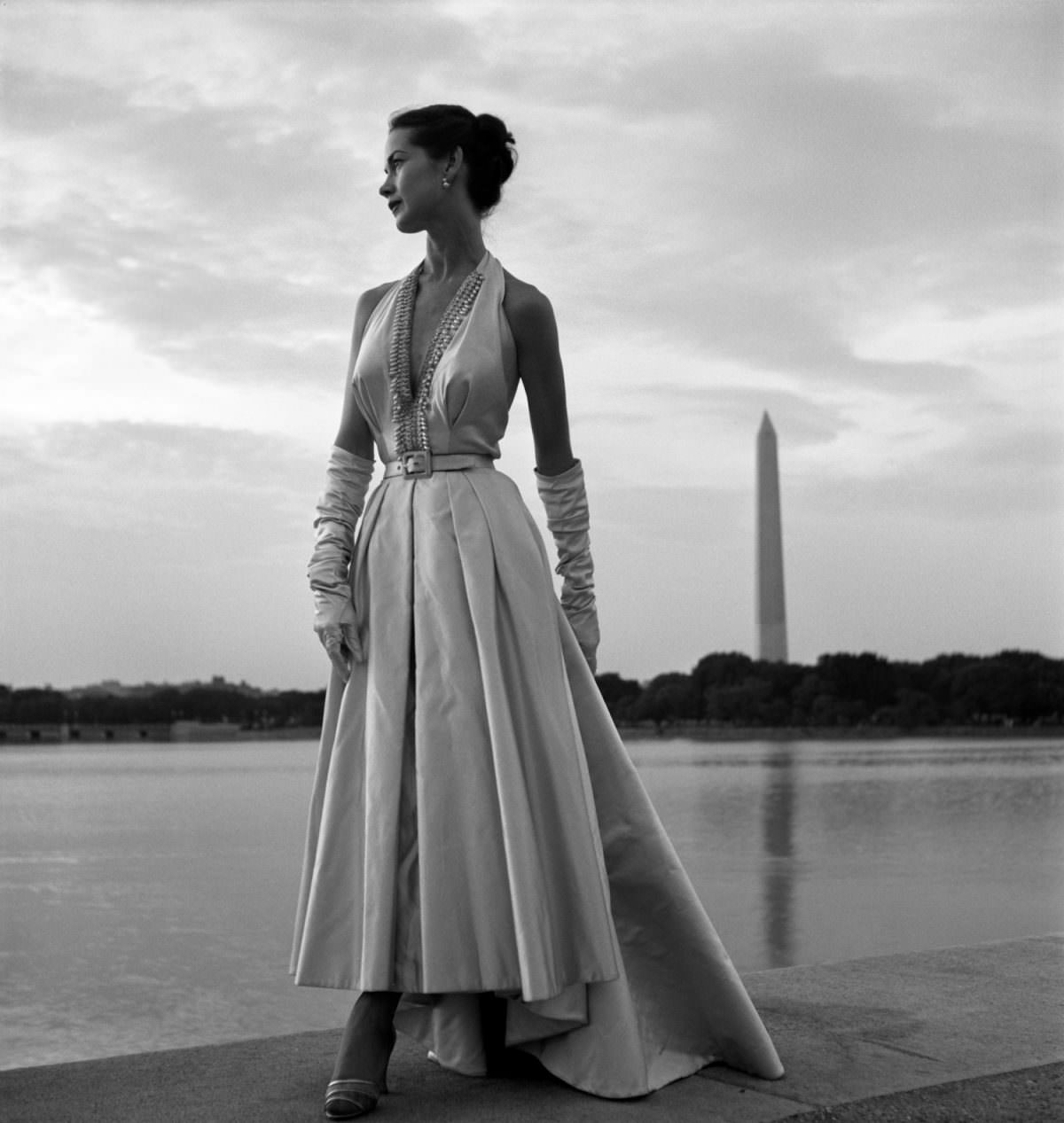
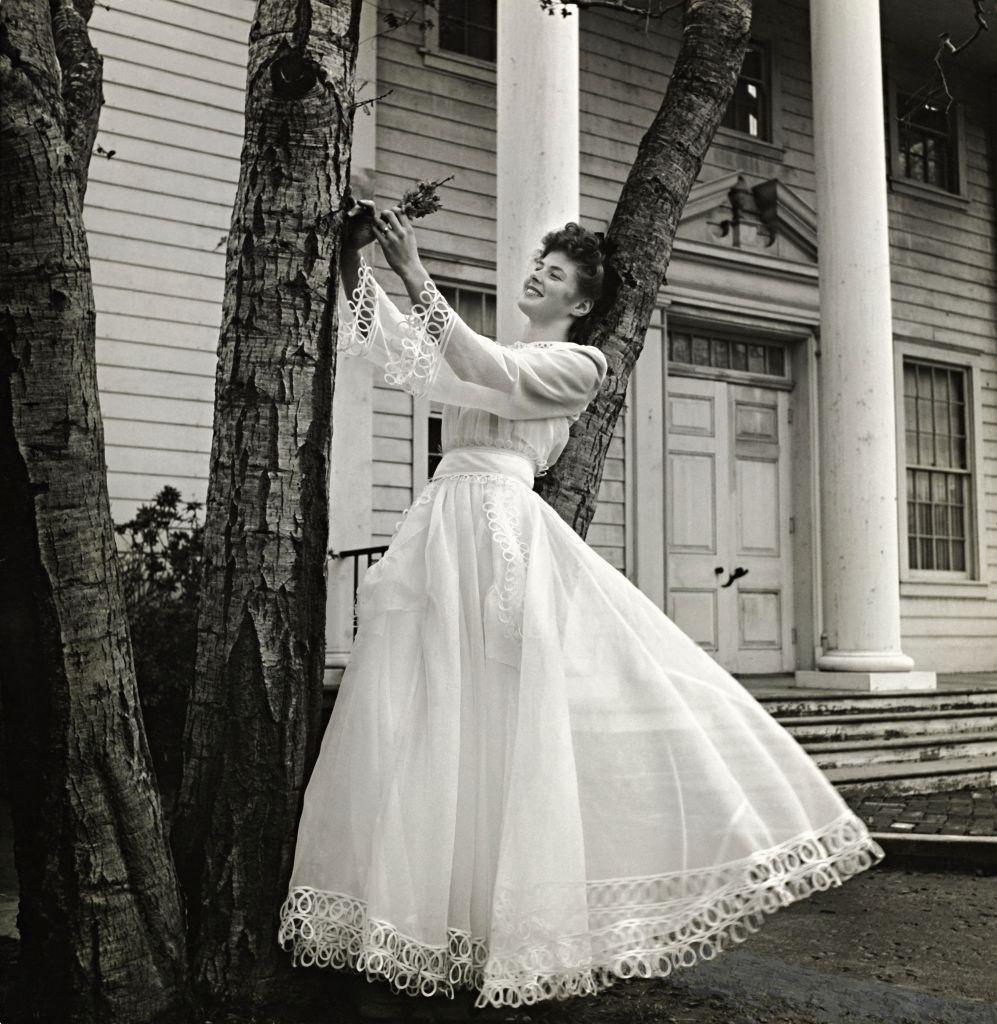
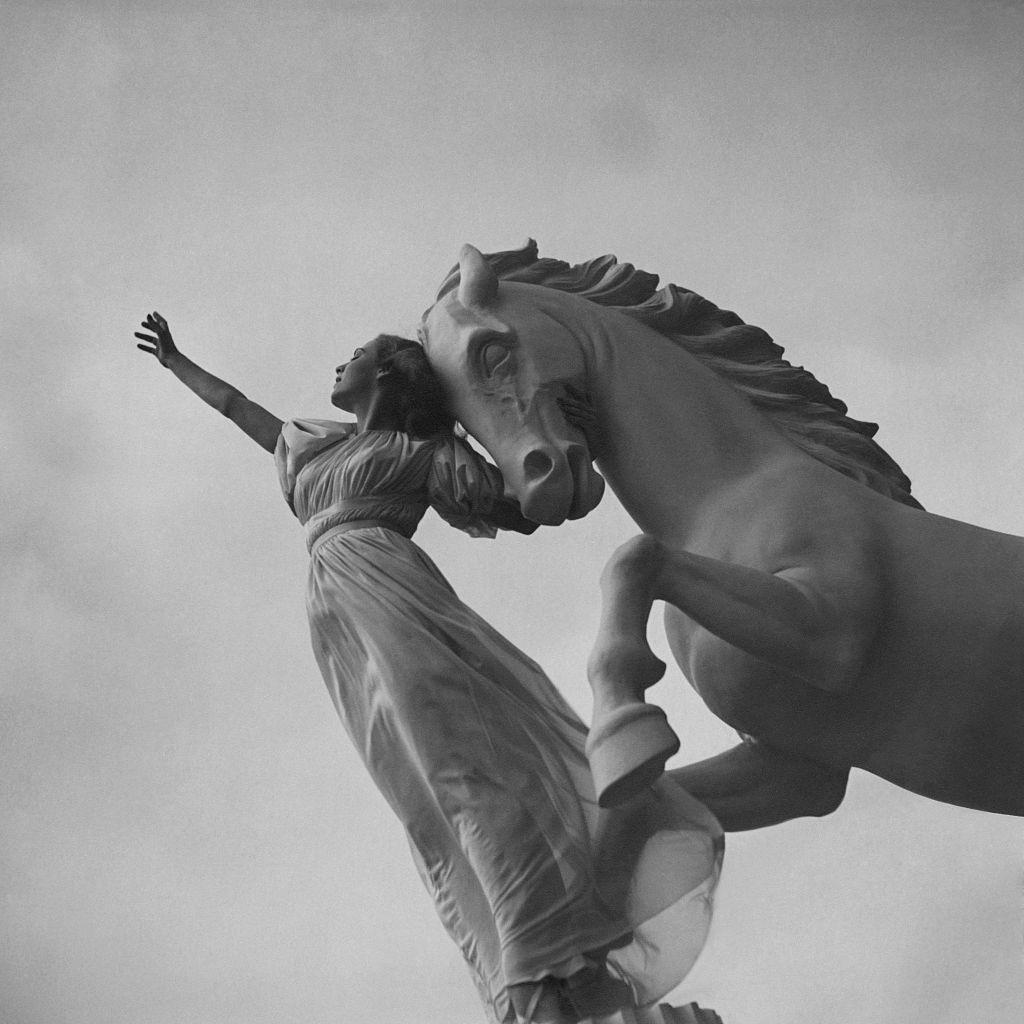
Frissell learned photography from her brother Varick, a documentarian and filmmaker. She quickly found work shooting for Vogue, and her fashion work was anything but static. She pulled models outdoors, into water, and into landscapes that made her images feel alive rather than staged. By the 1930s she was a regular contributor to Vogue, Harper’s Bazaar, and Life, eventually producing over 300,000 photographs across those publications.
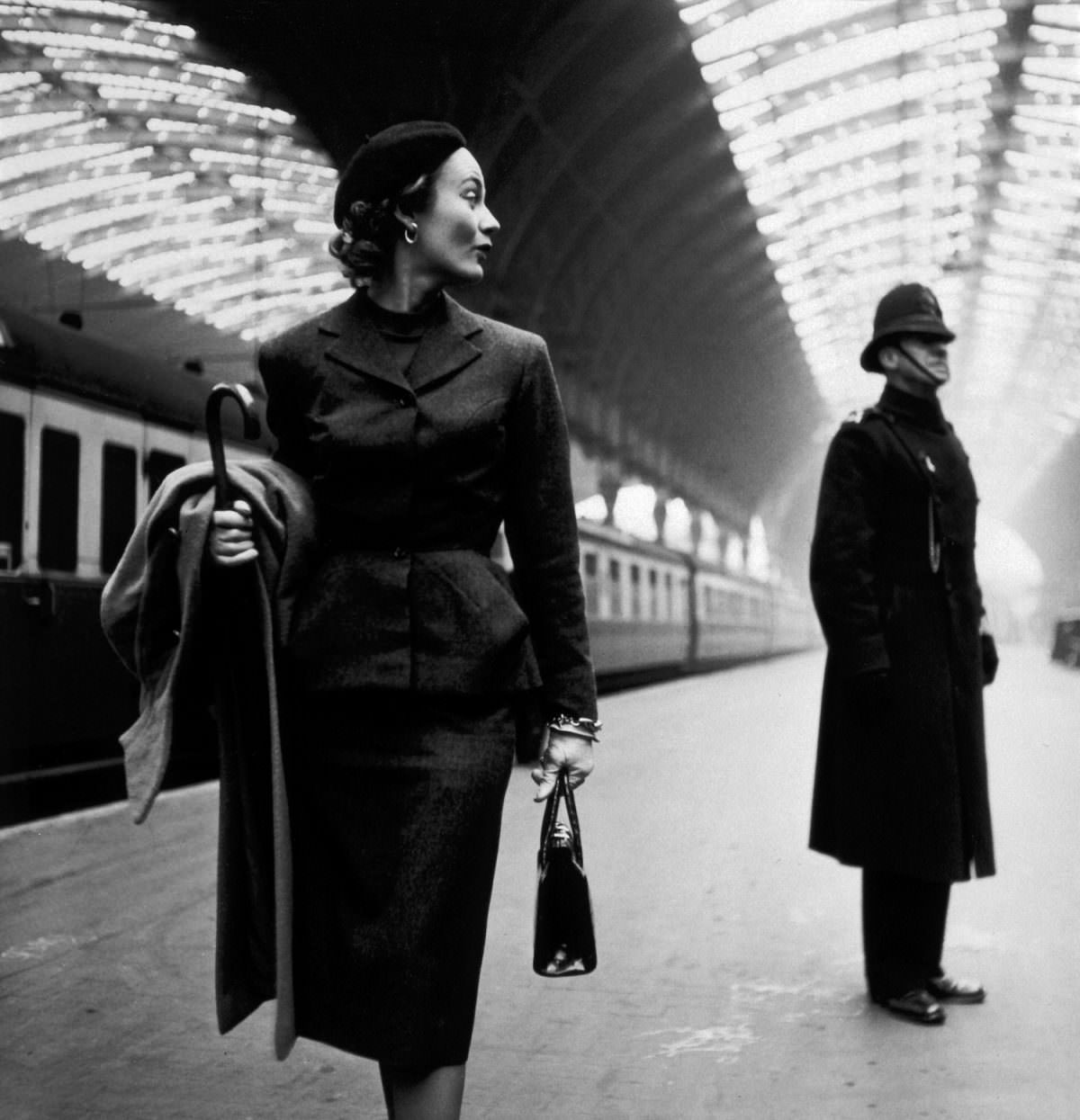
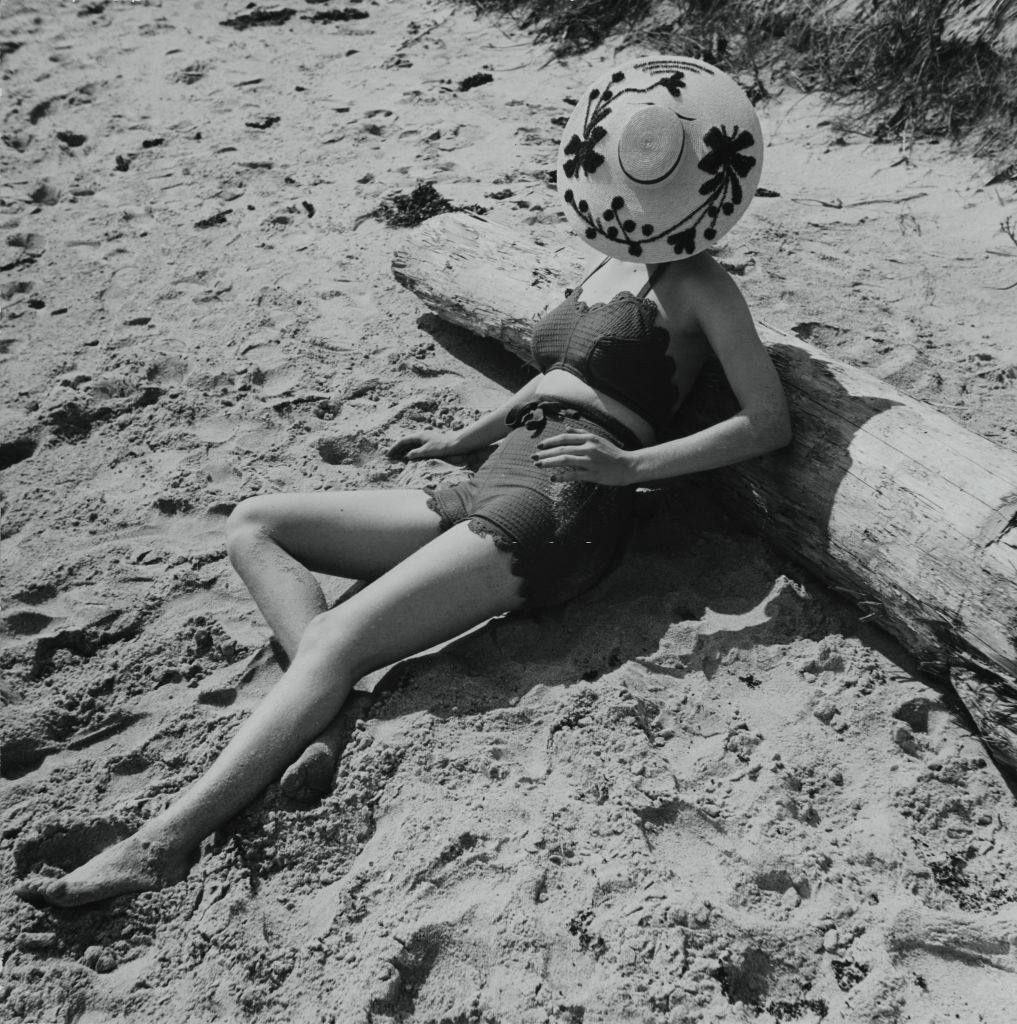
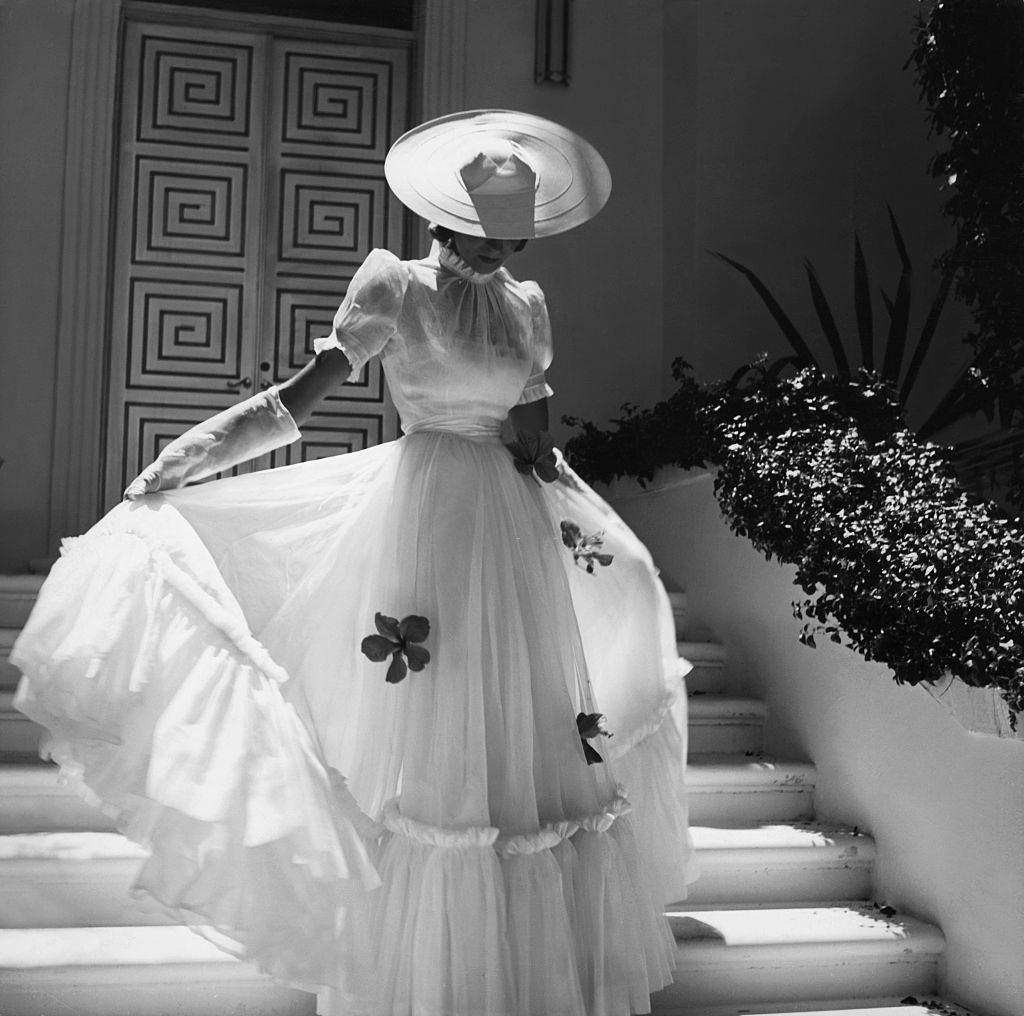
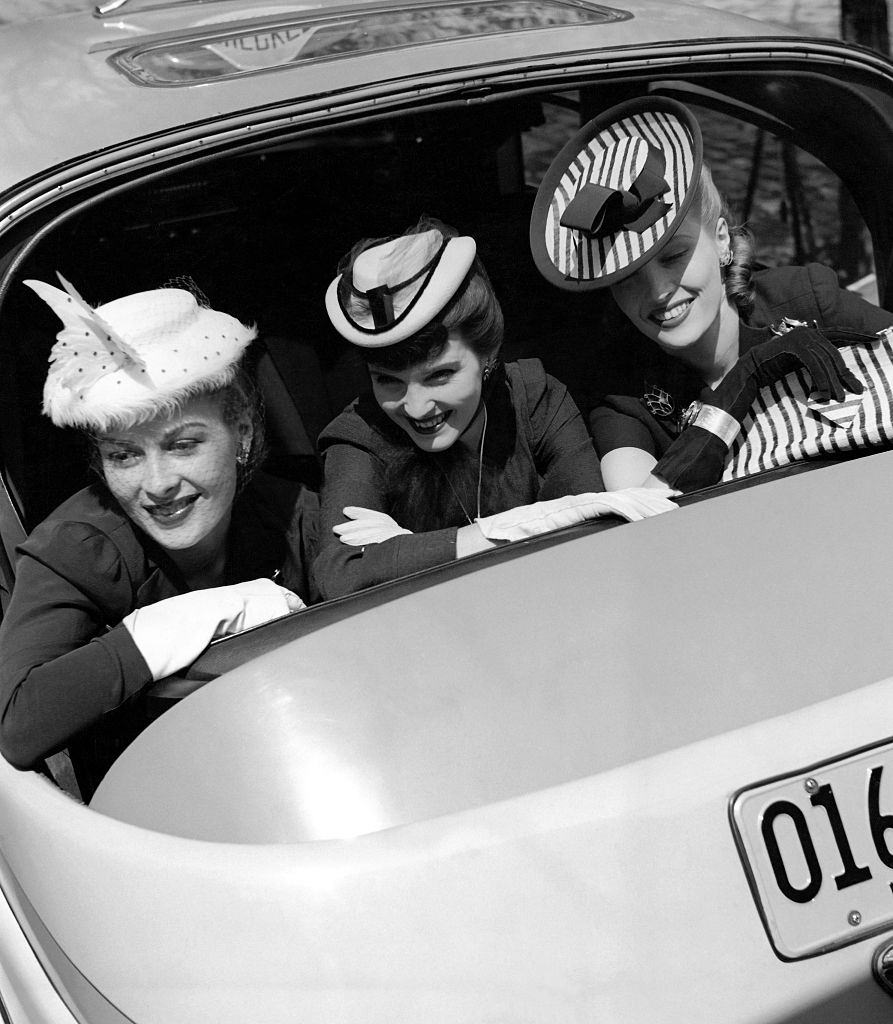
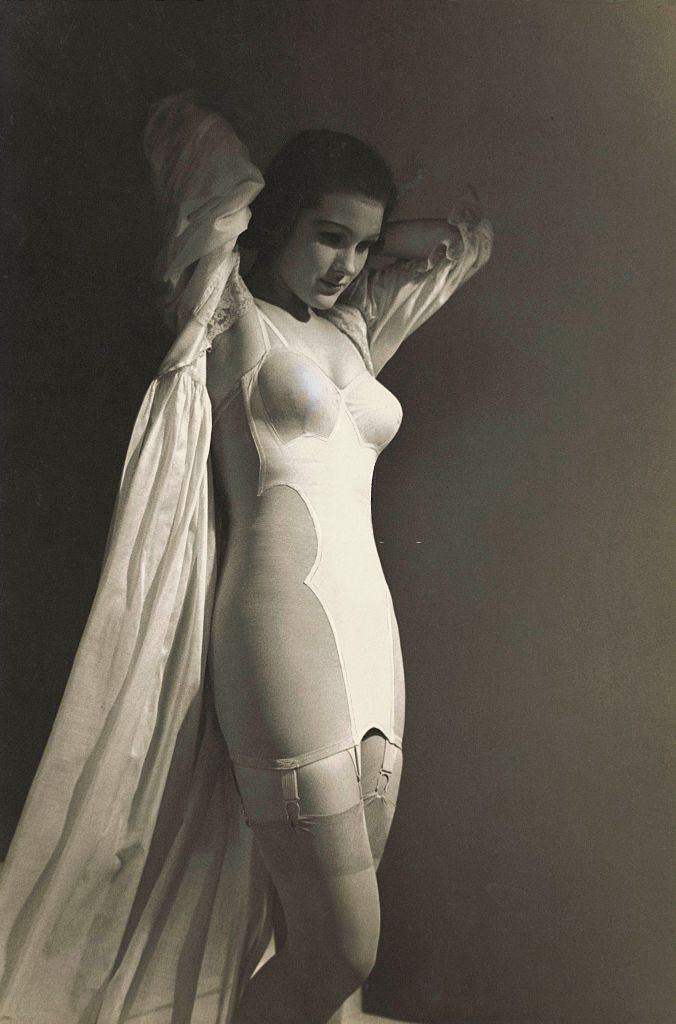
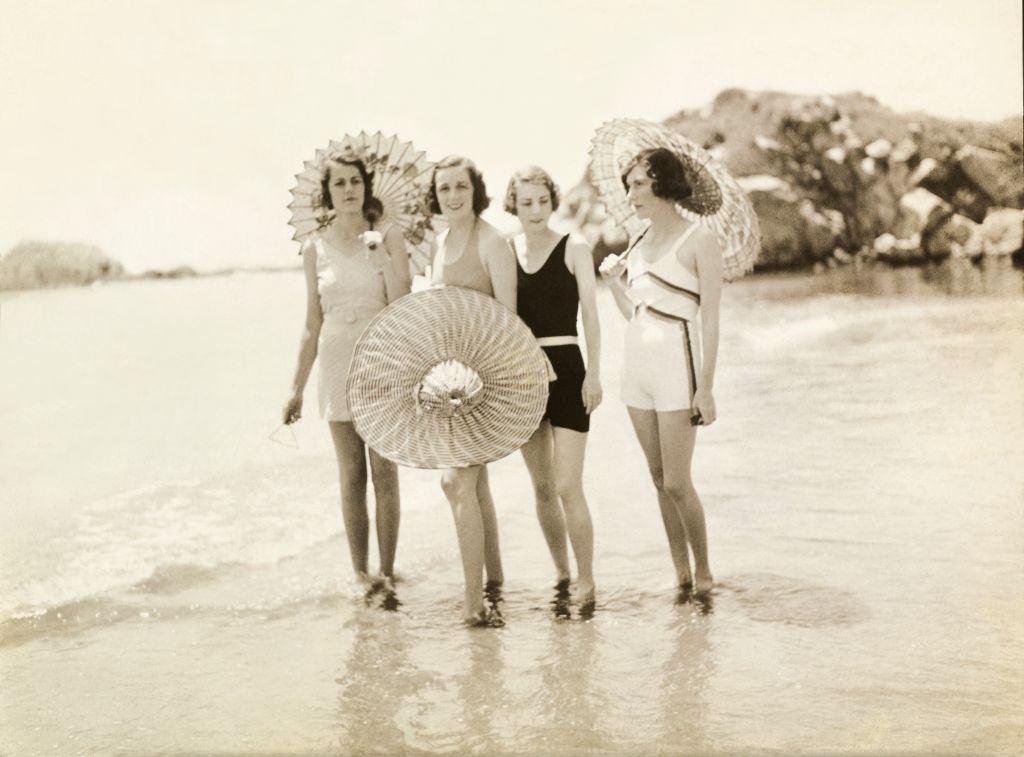
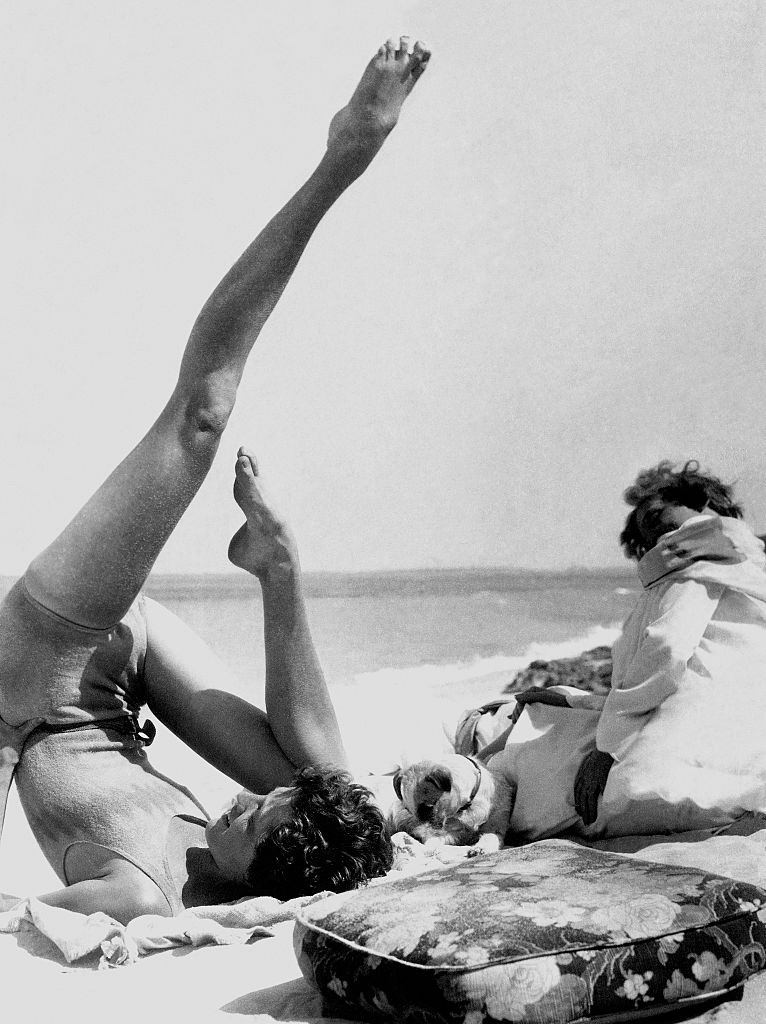
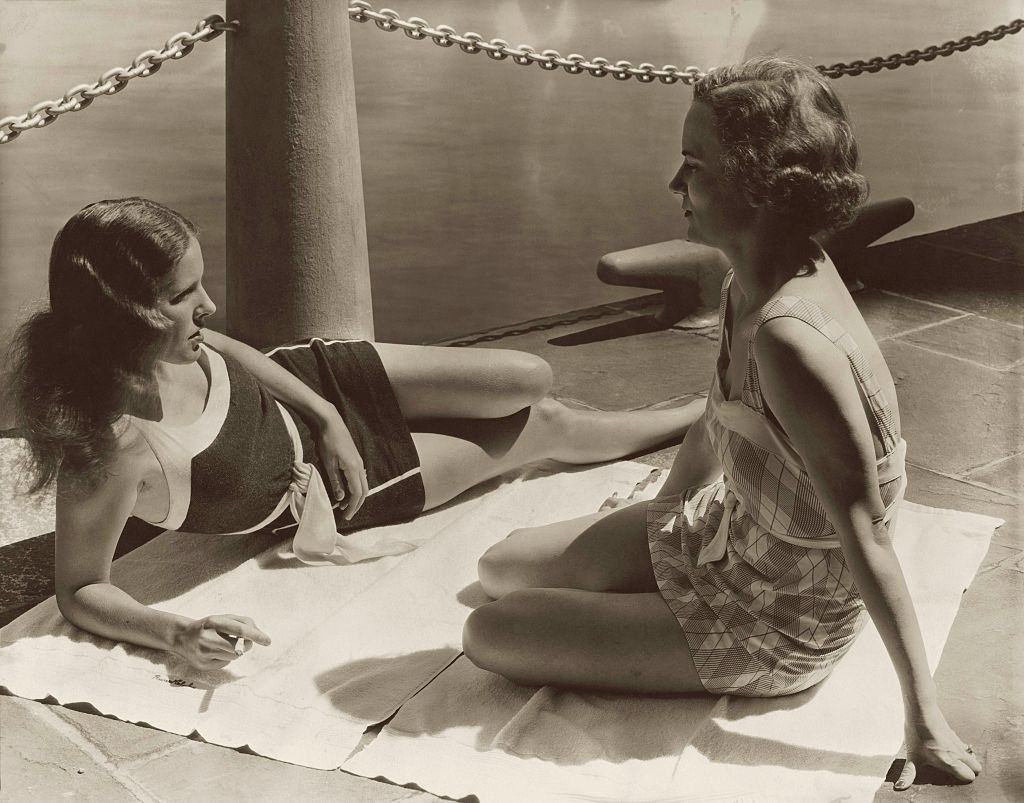
Her fashion work consistently broke from studio conventions. She photographed models underwater, on sand dunes, on ski slopes, and at the beach — treating the natural world as her studio. The results were dynamic and often ahead of their time.
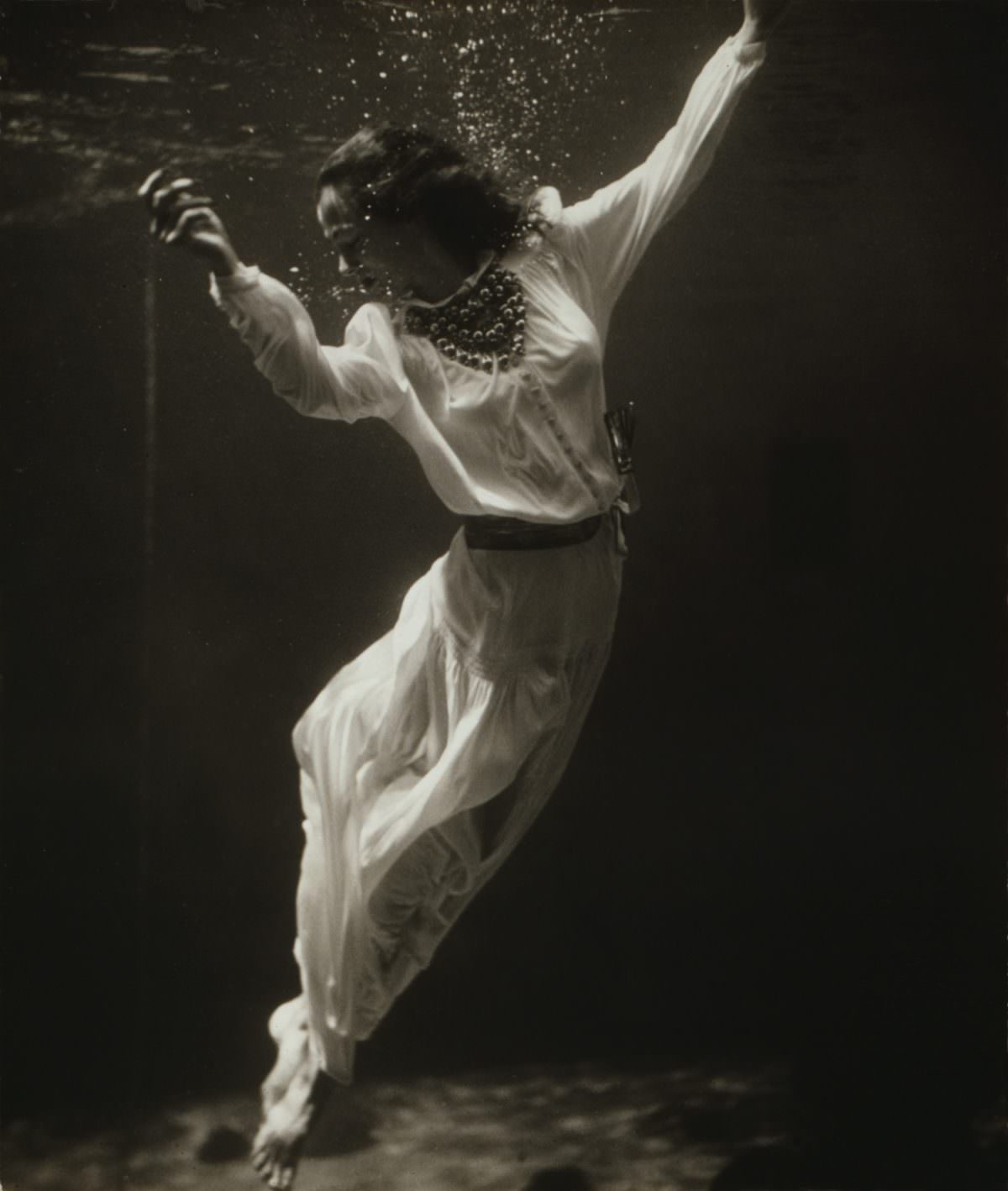
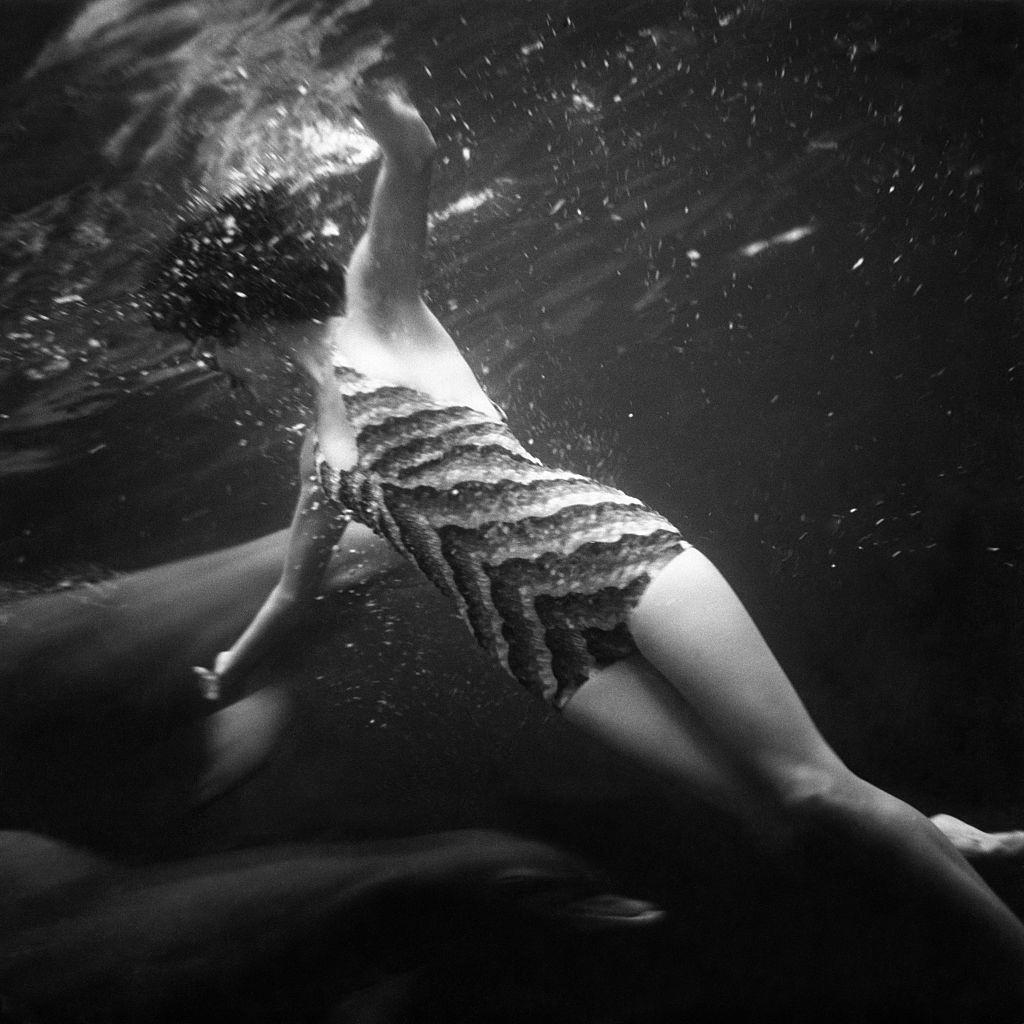
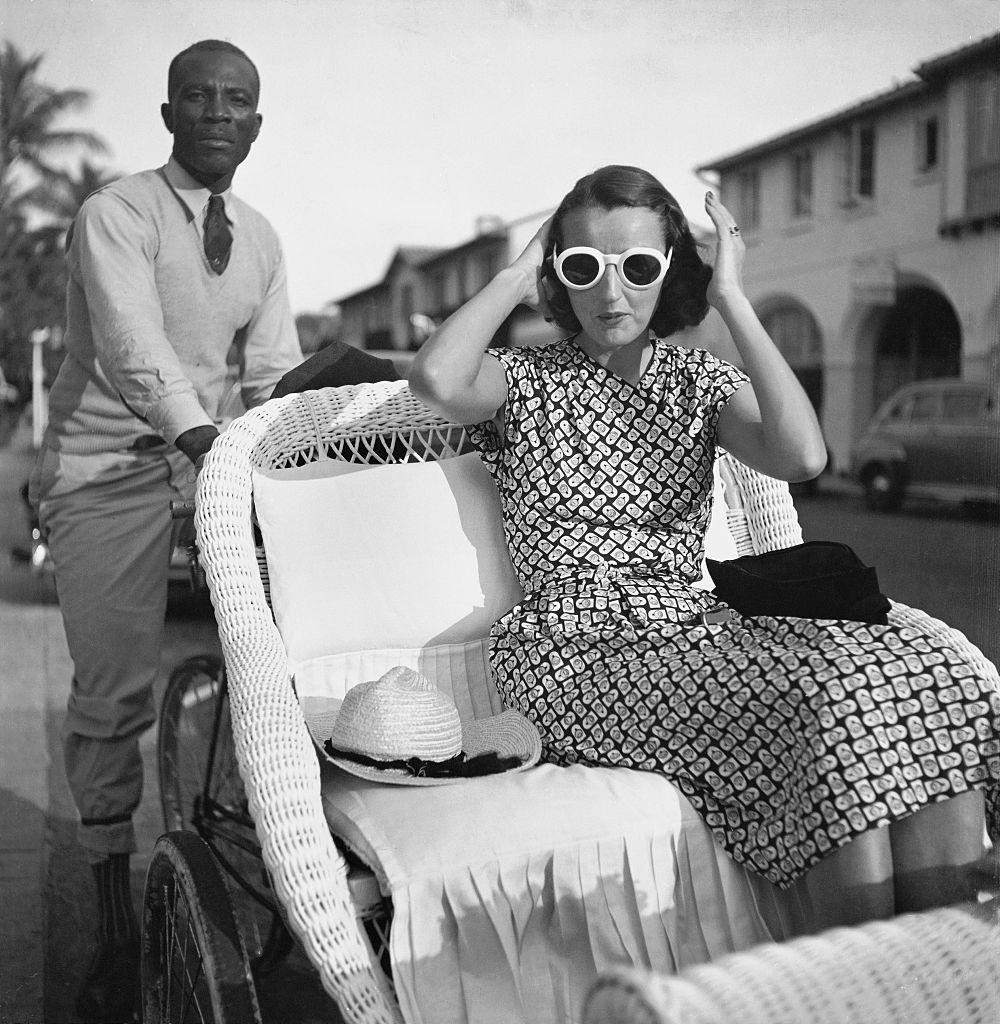
Her editorial assignments for Vogue in the late 1930s and early 1940s took her across the United States and Europe, capturing both high fashion and the social world surrounding it.
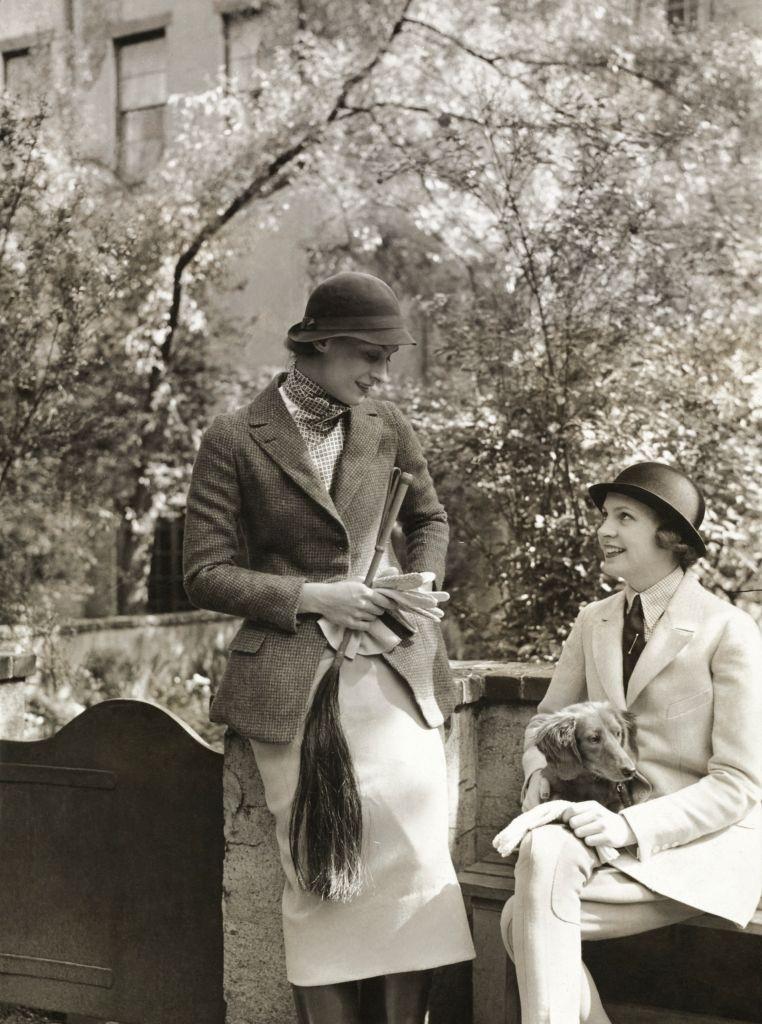
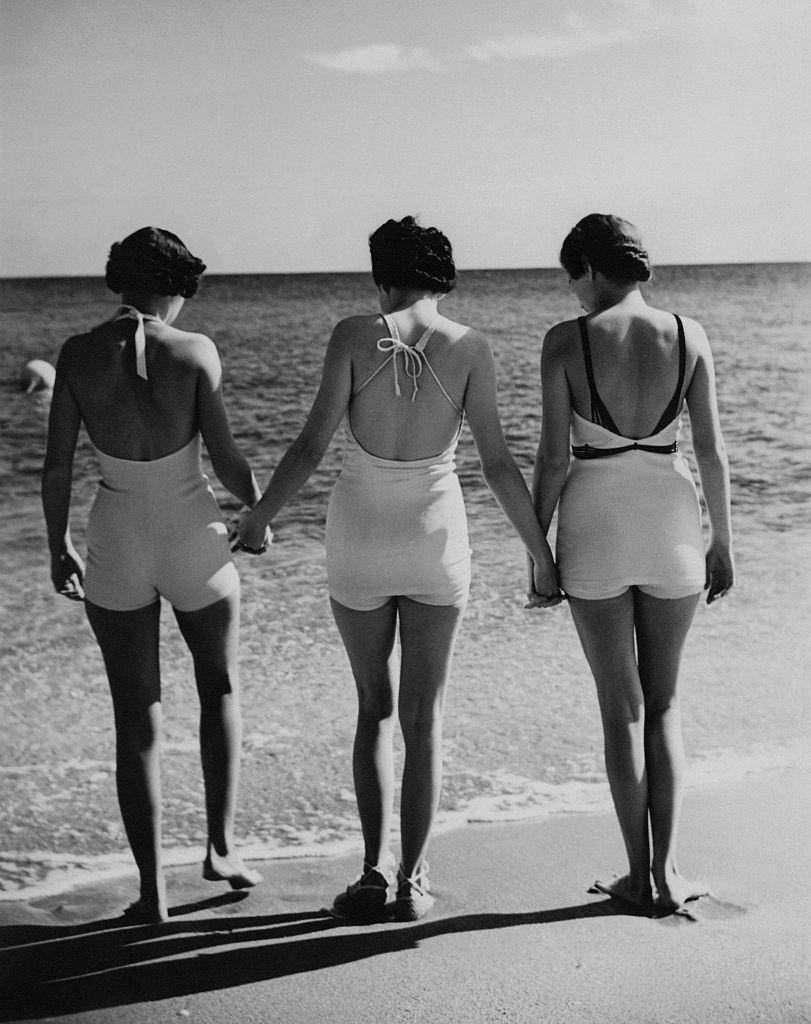
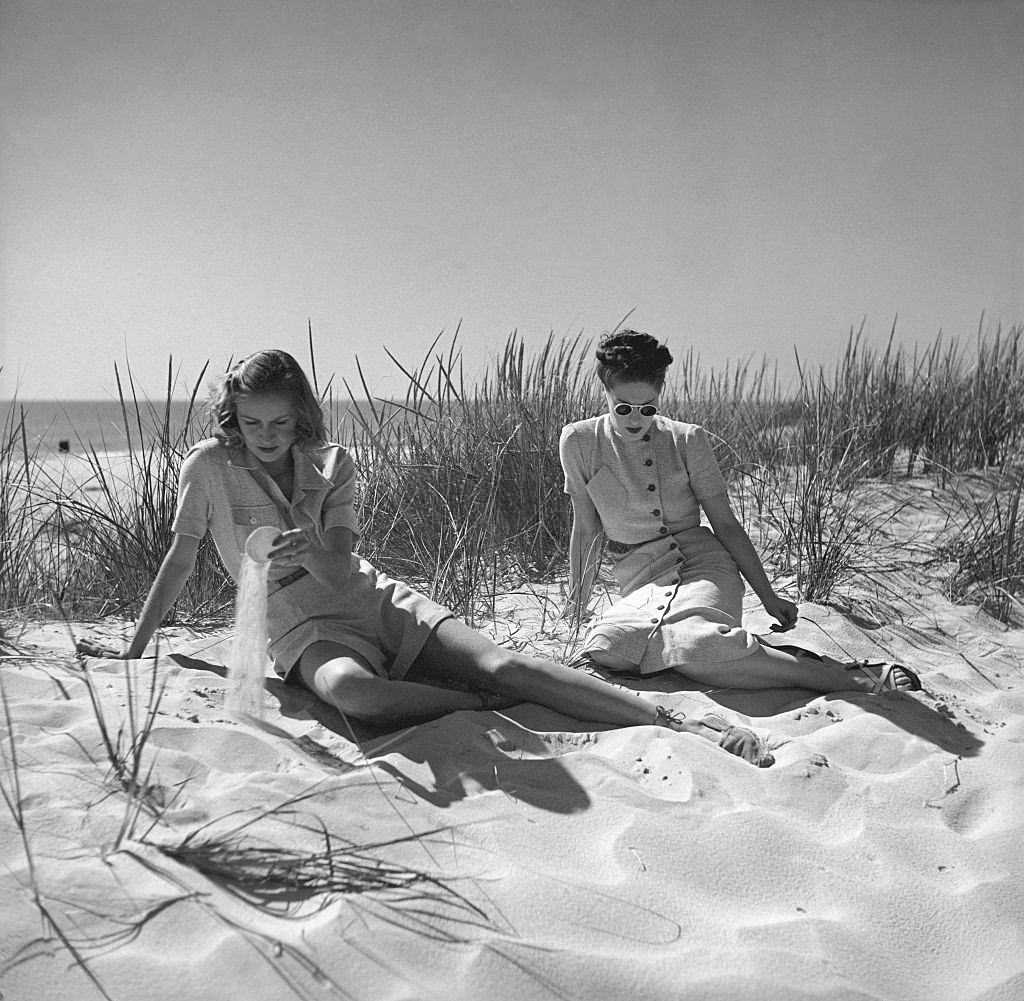
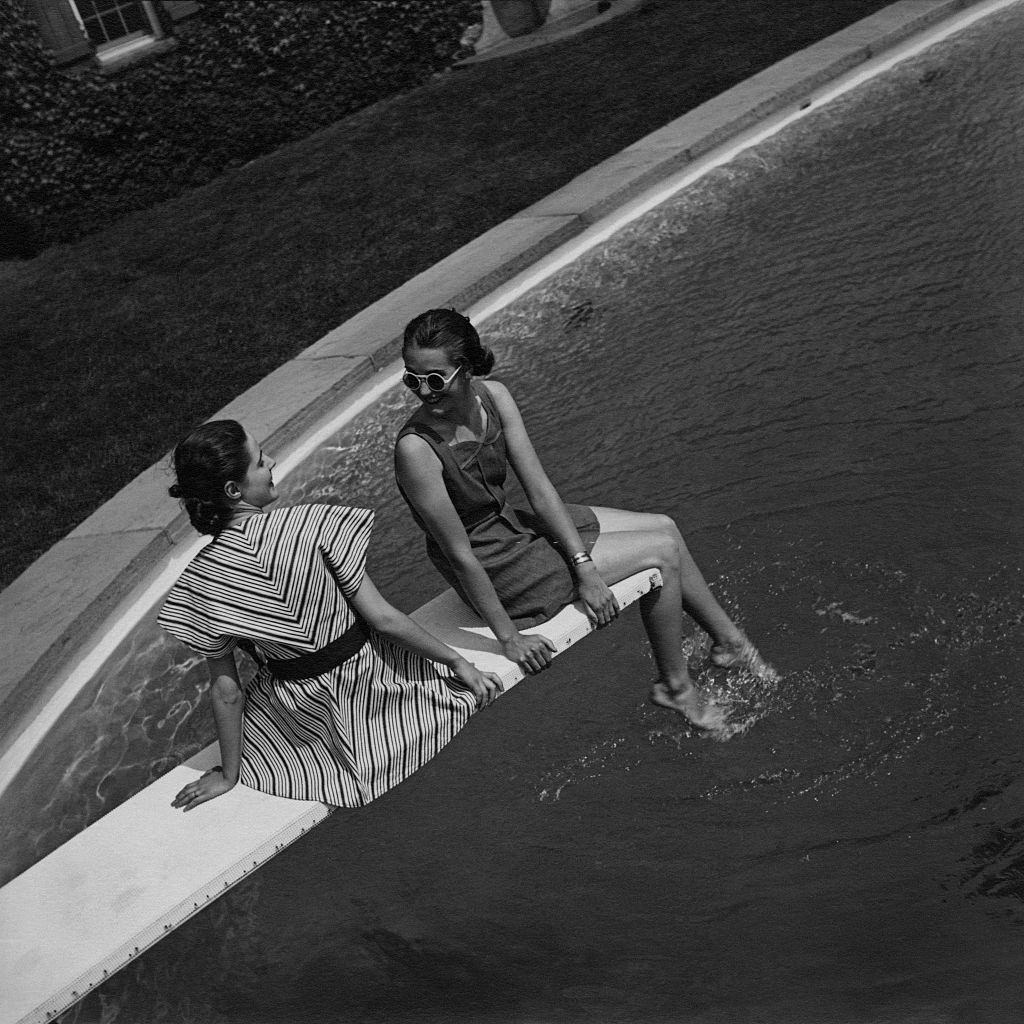
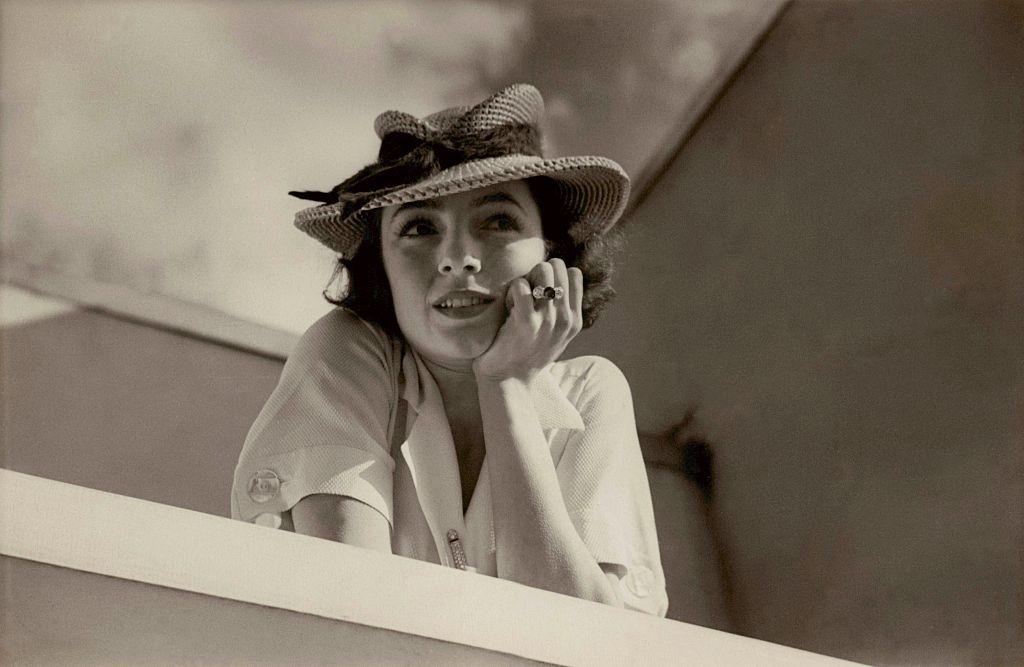
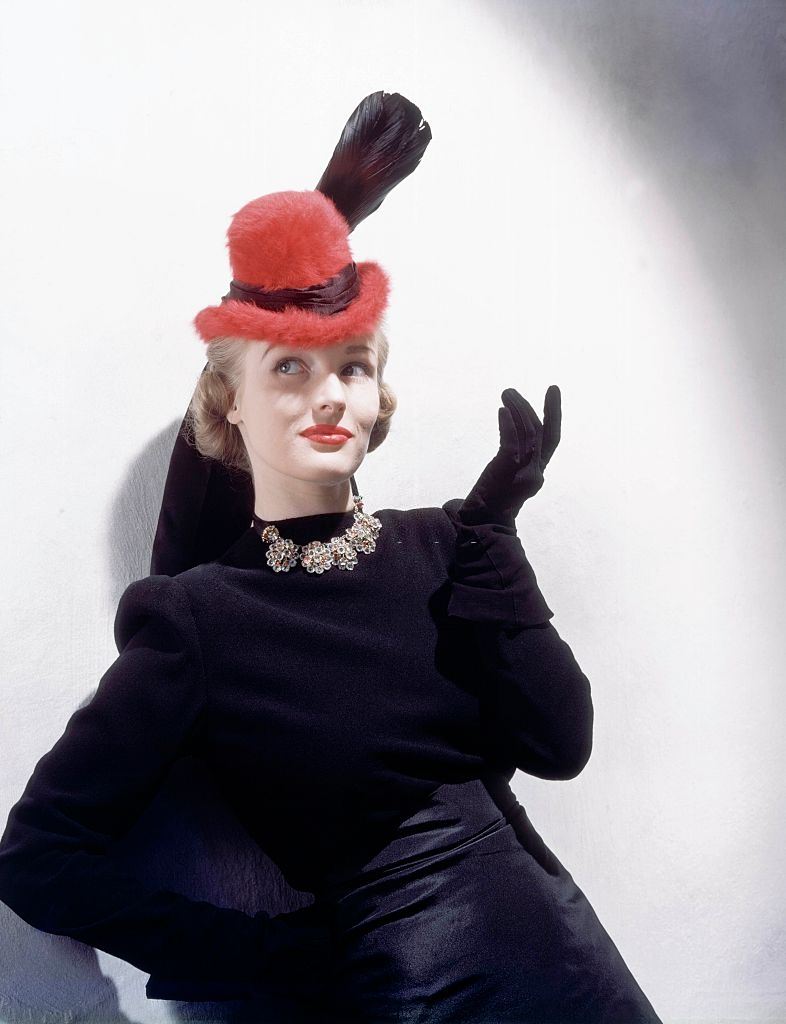
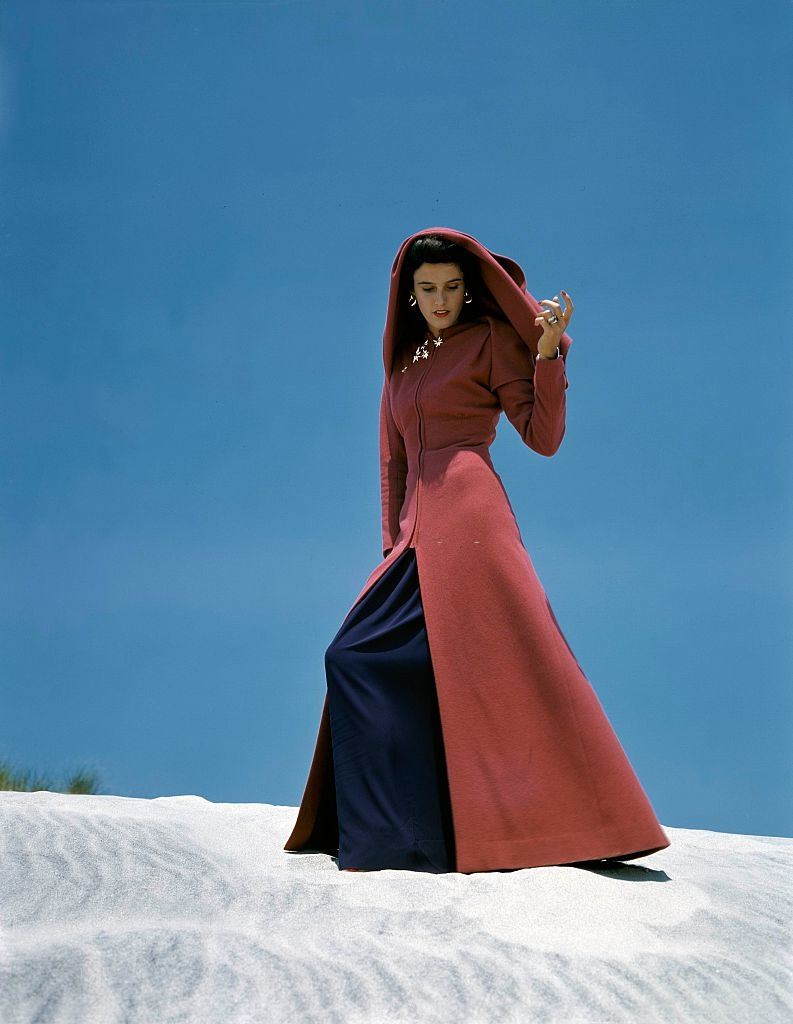
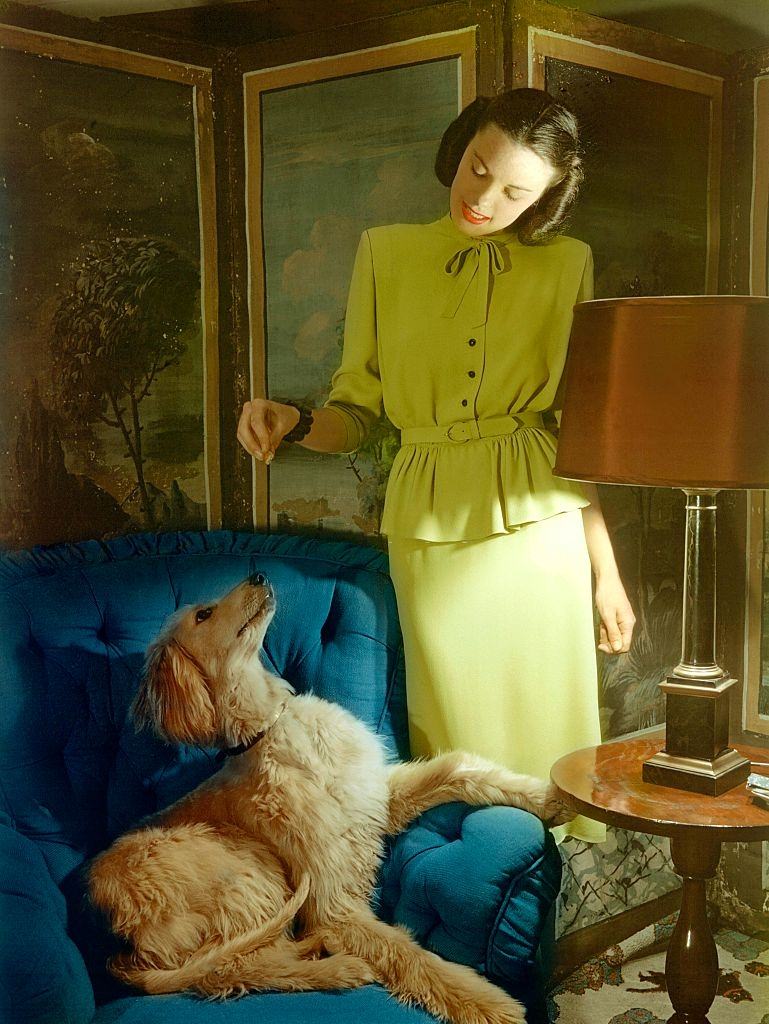
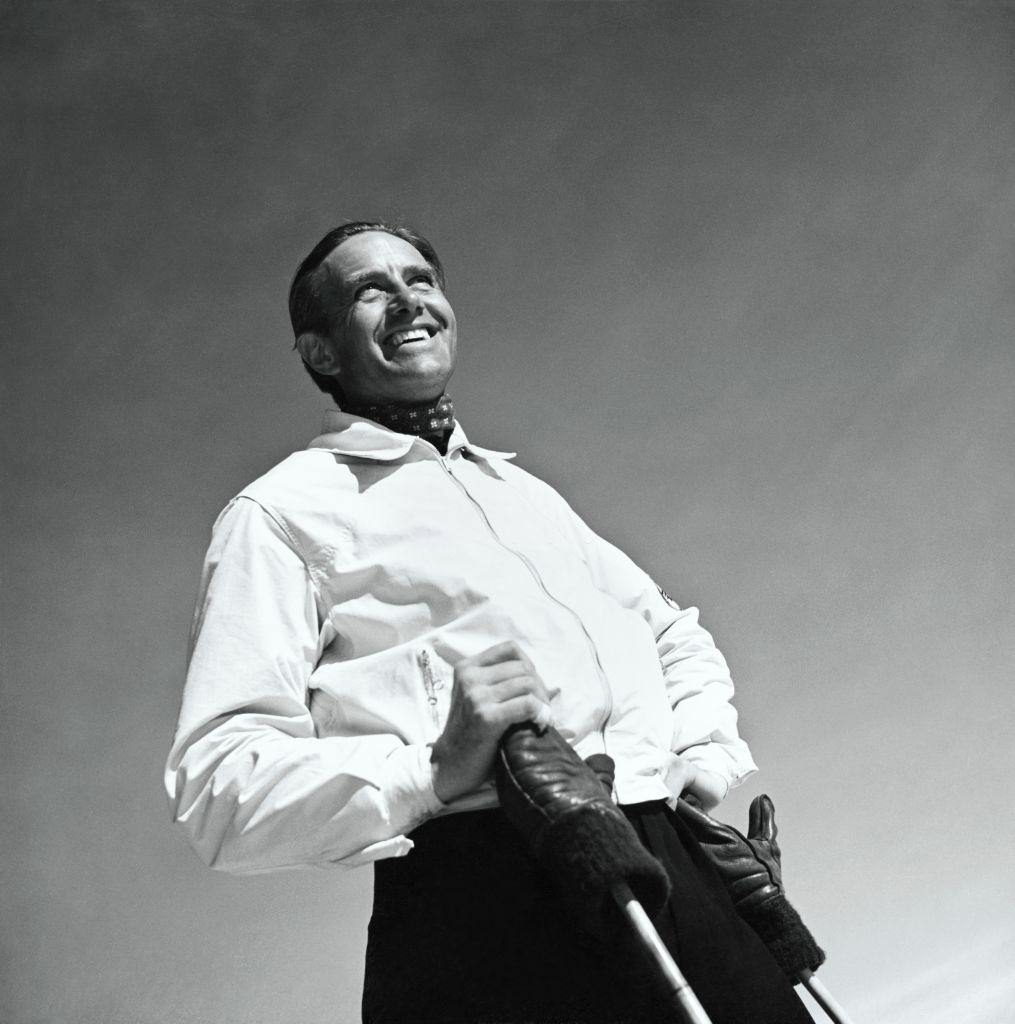
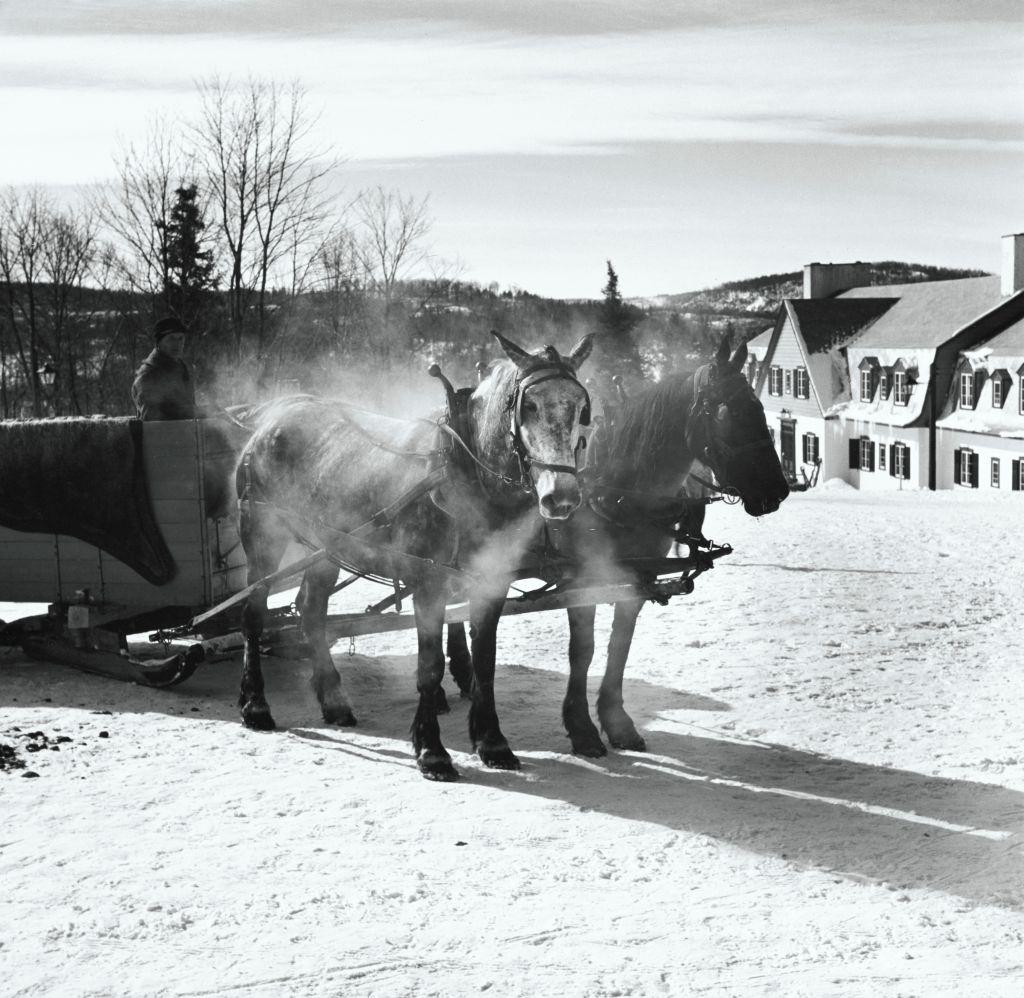
Her sports photography was equally striking. She was an early and enthusiastic chronicler of winter sports, traveling to resorts like Sun Valley, Idaho, and Mont Tremblant in Quebec to capture skiers, socialites, and the landscapes around them.
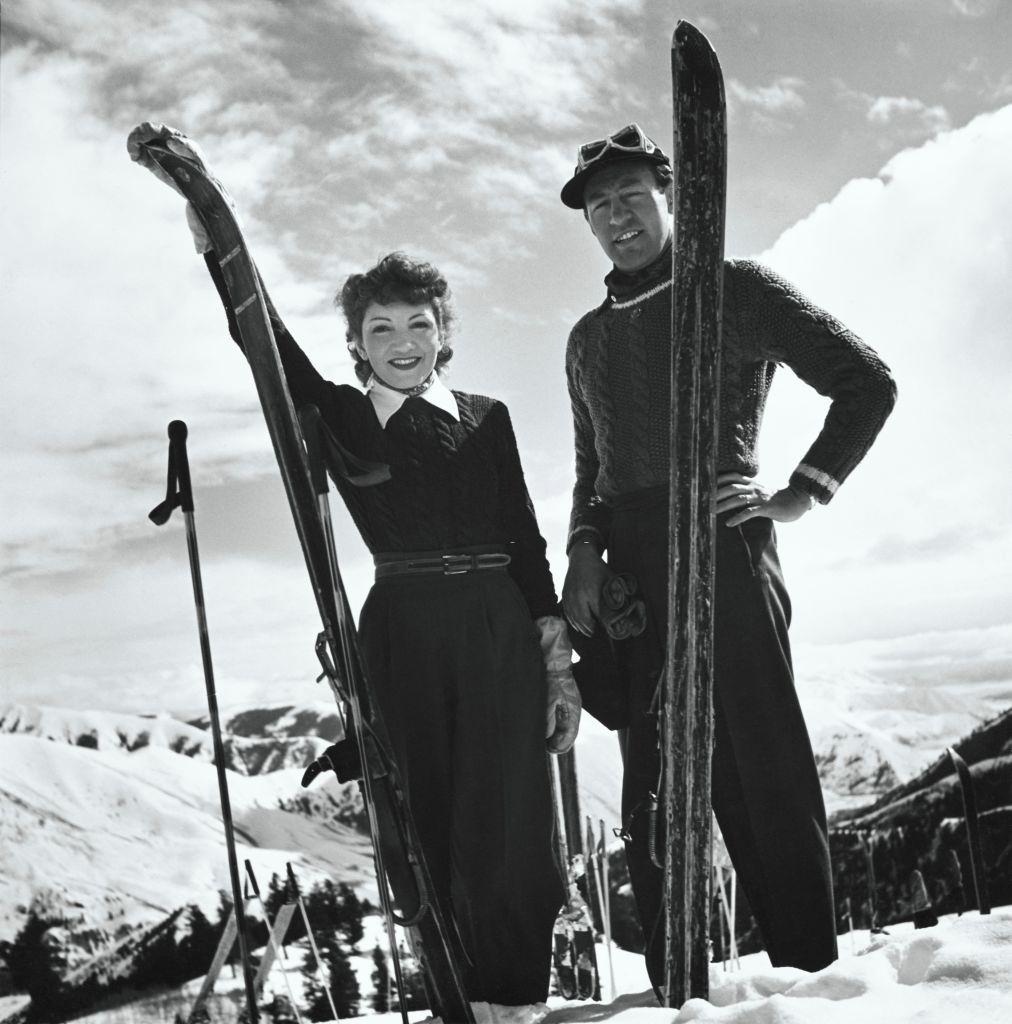
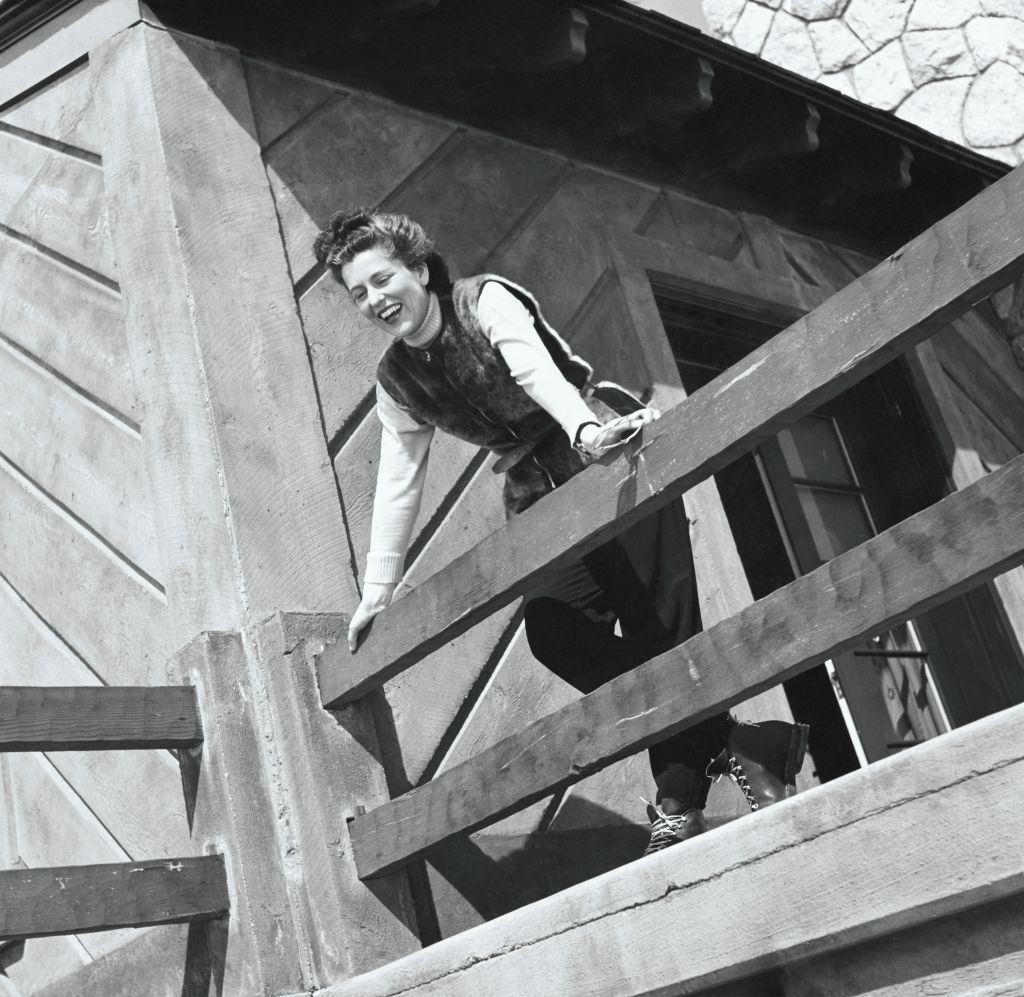
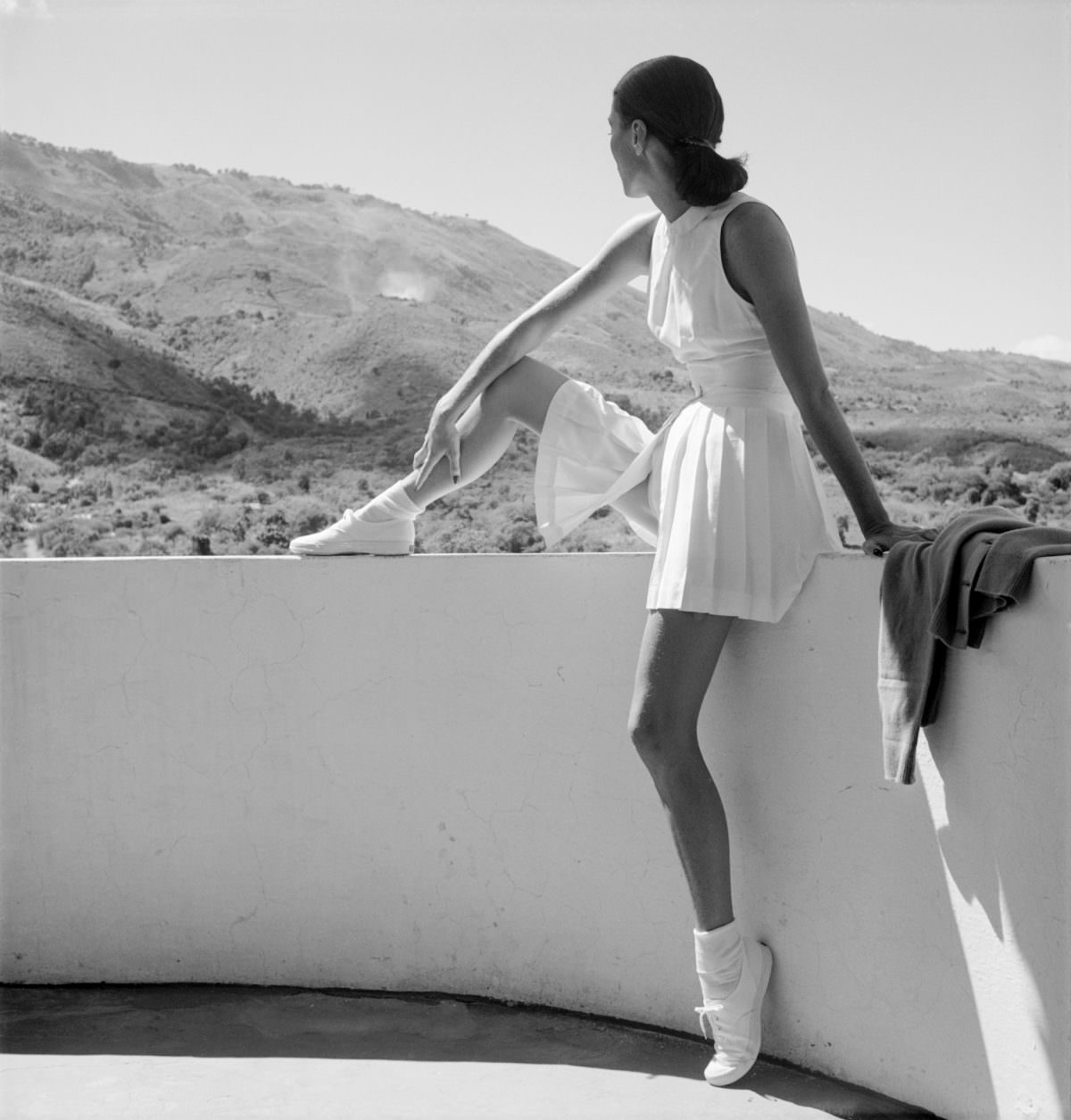
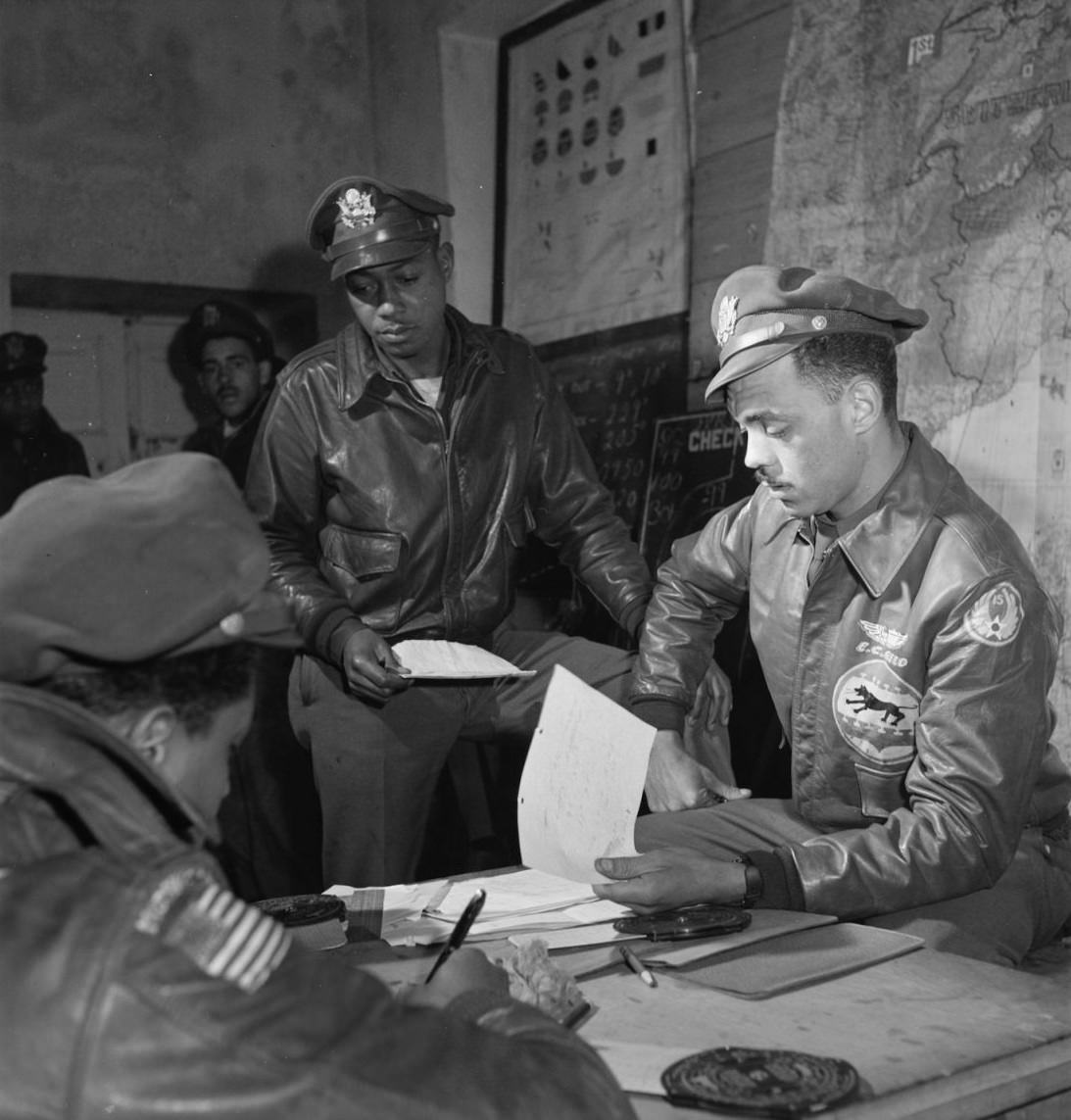
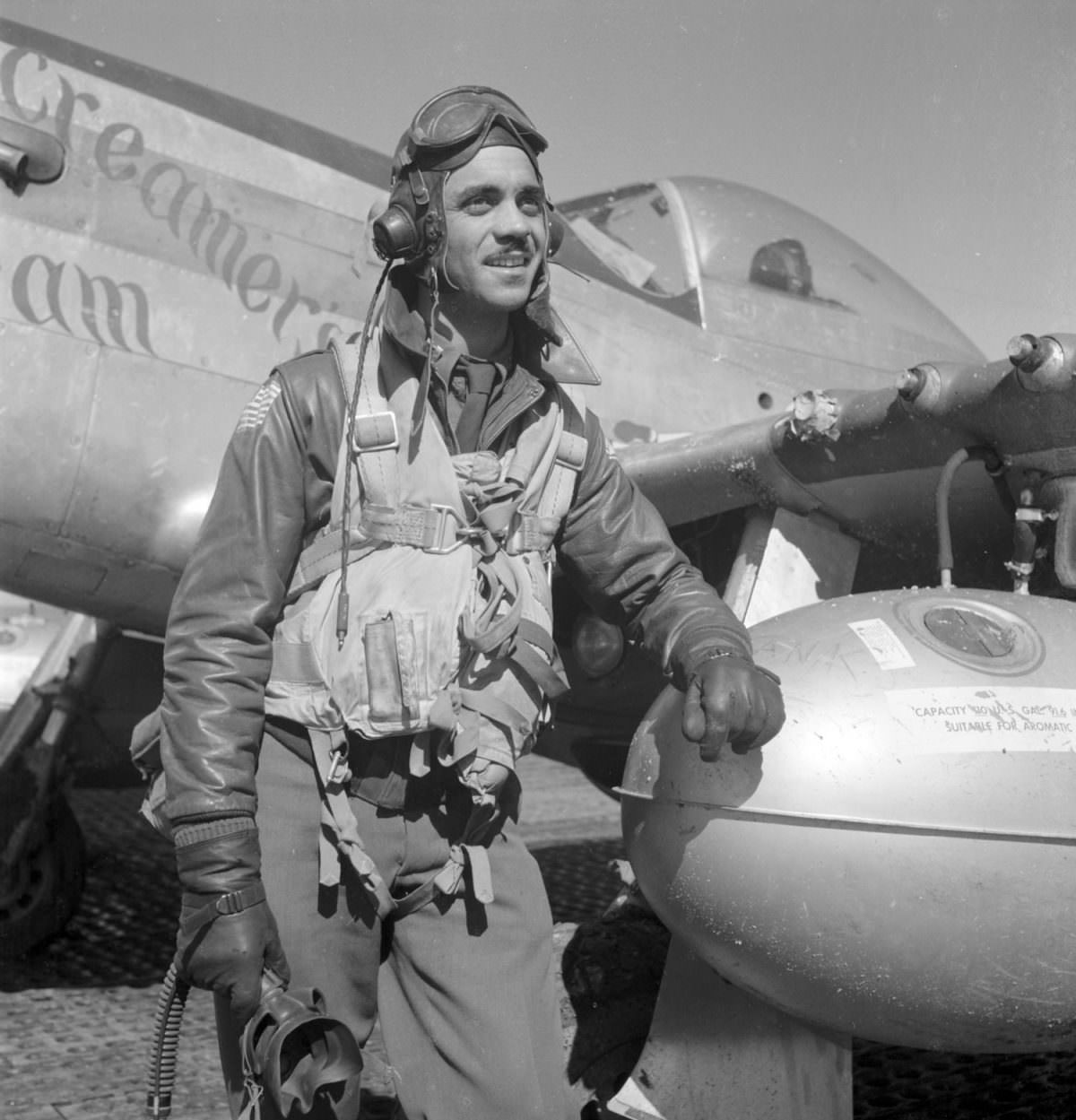
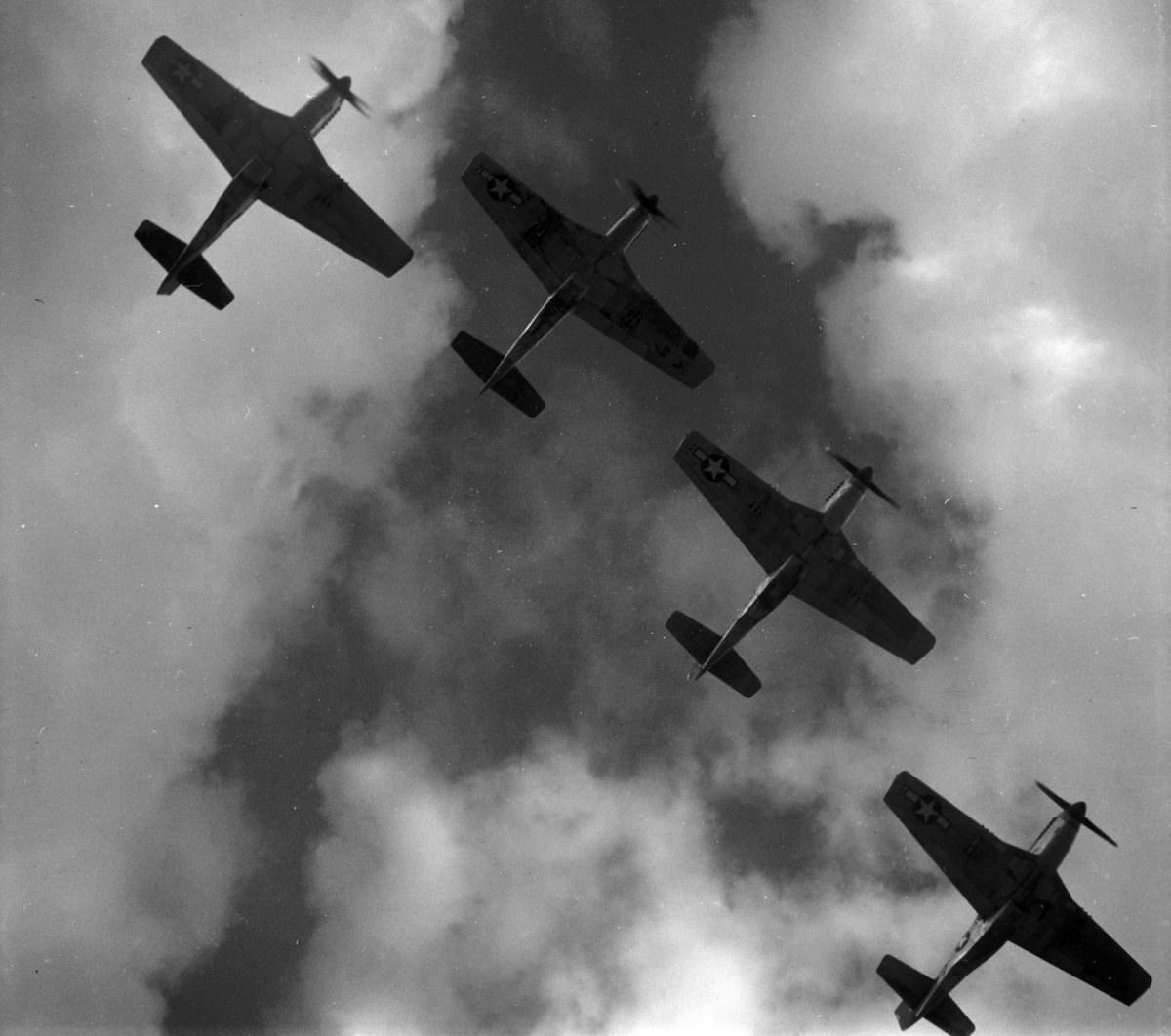
During World War II, Frissell served as the official photographer for the Women’s Army Corps and the American Red Cross. She traveled with soldiers and documented the lives of civilians caught up in the war. Among her most historically significant wartime work was her documentation of the Tuskegee Airmen — the 332nd Fighter Group, the first Black military aviators in the U.S. Army Air Forces.
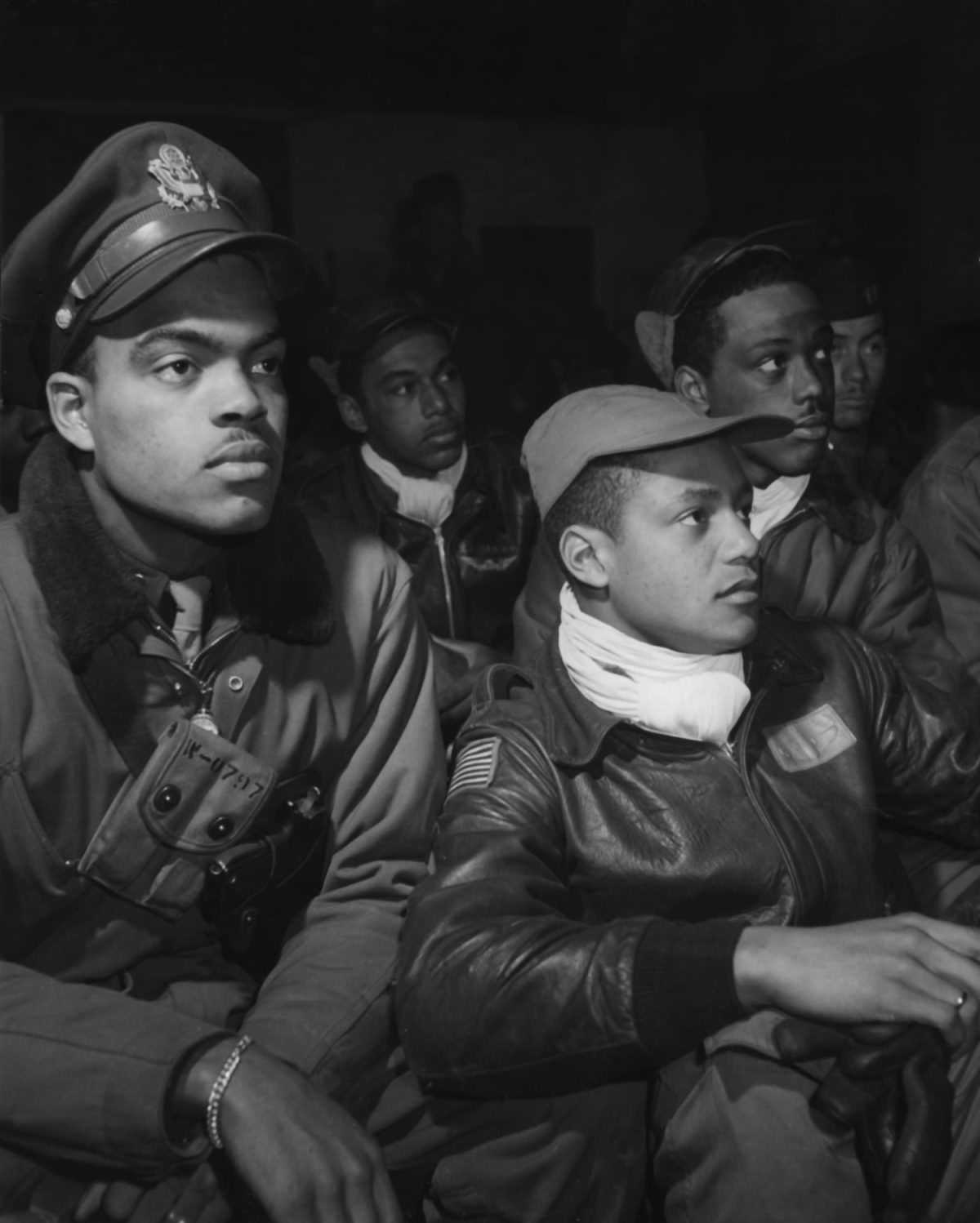
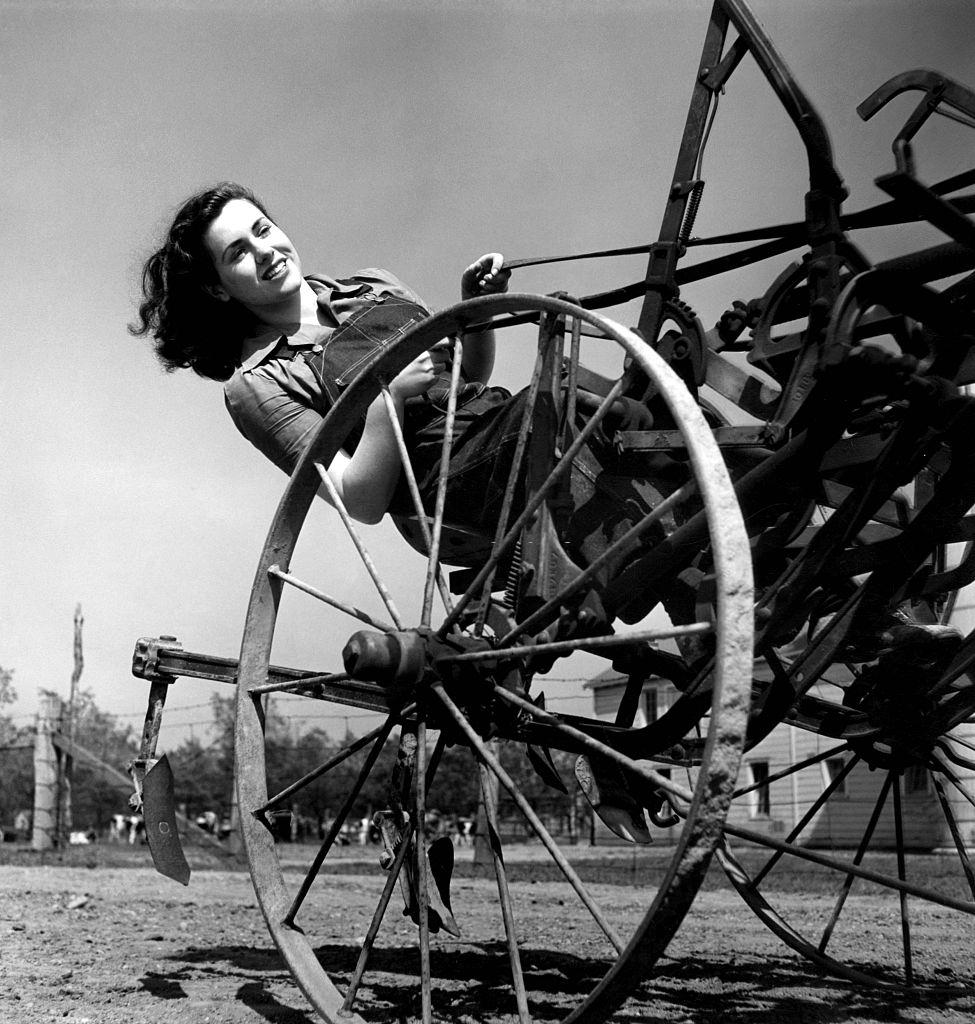
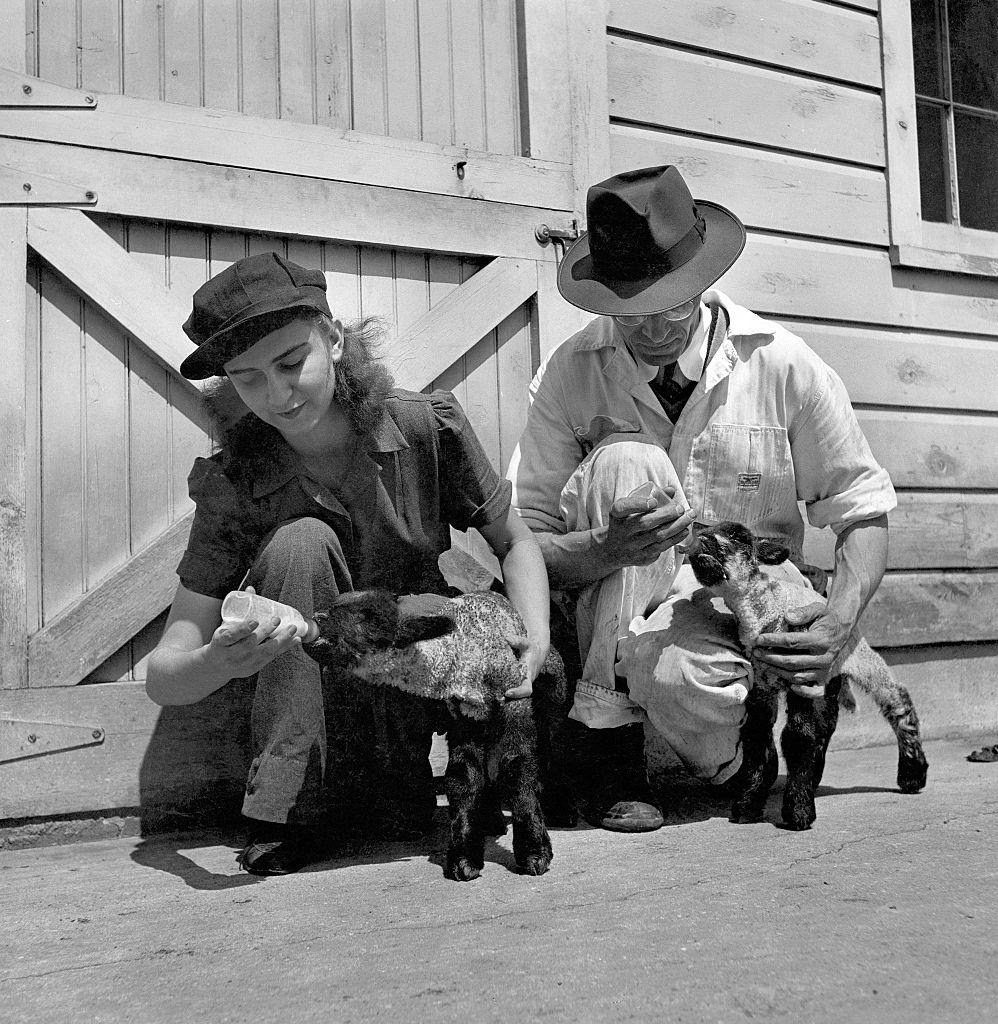
On the home front, Frissell also photographed the Women’s Land Army — women who took over farm labor while men were at war. These images are a direct, unvarnished record of the wartime workforce.
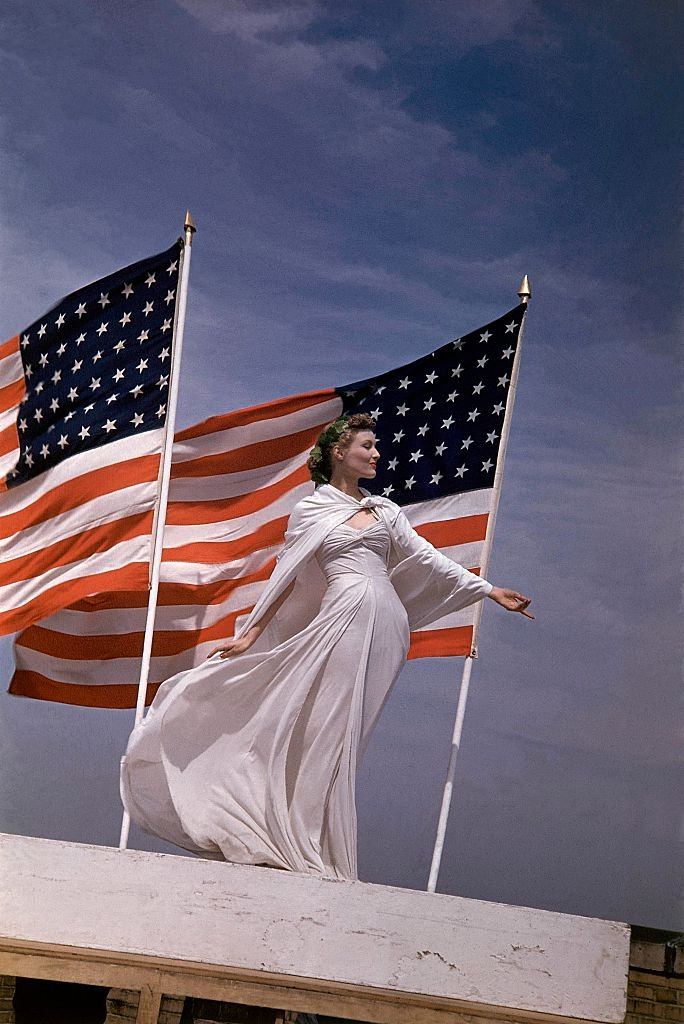
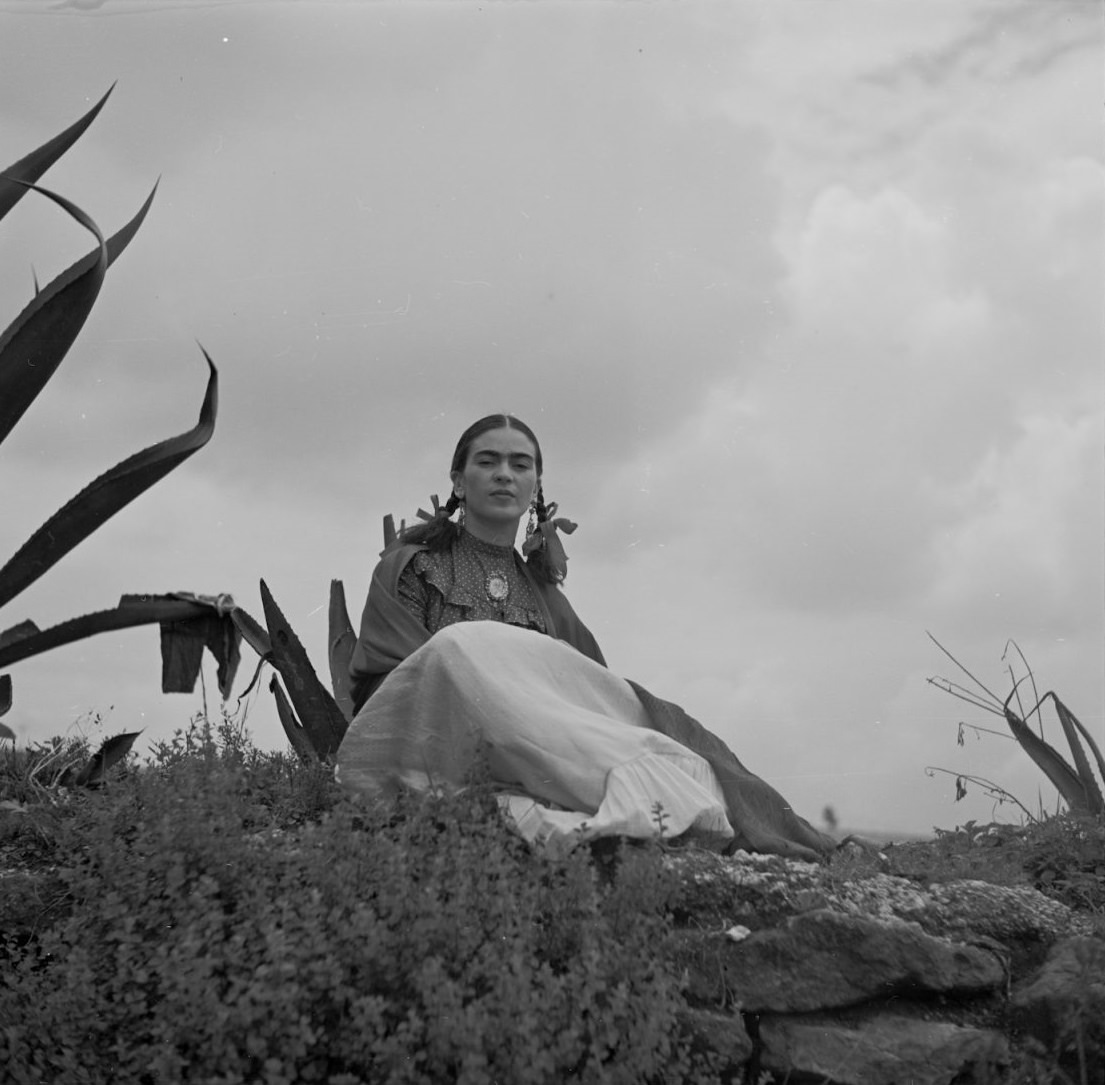
After the war, Frissell returned to fashion and portrait work, building a roster of subjects that reads like a who’s who of the mid-20th century. She photographed Frida Kahlo in 1937, long before Kahlo became a global cultural icon.
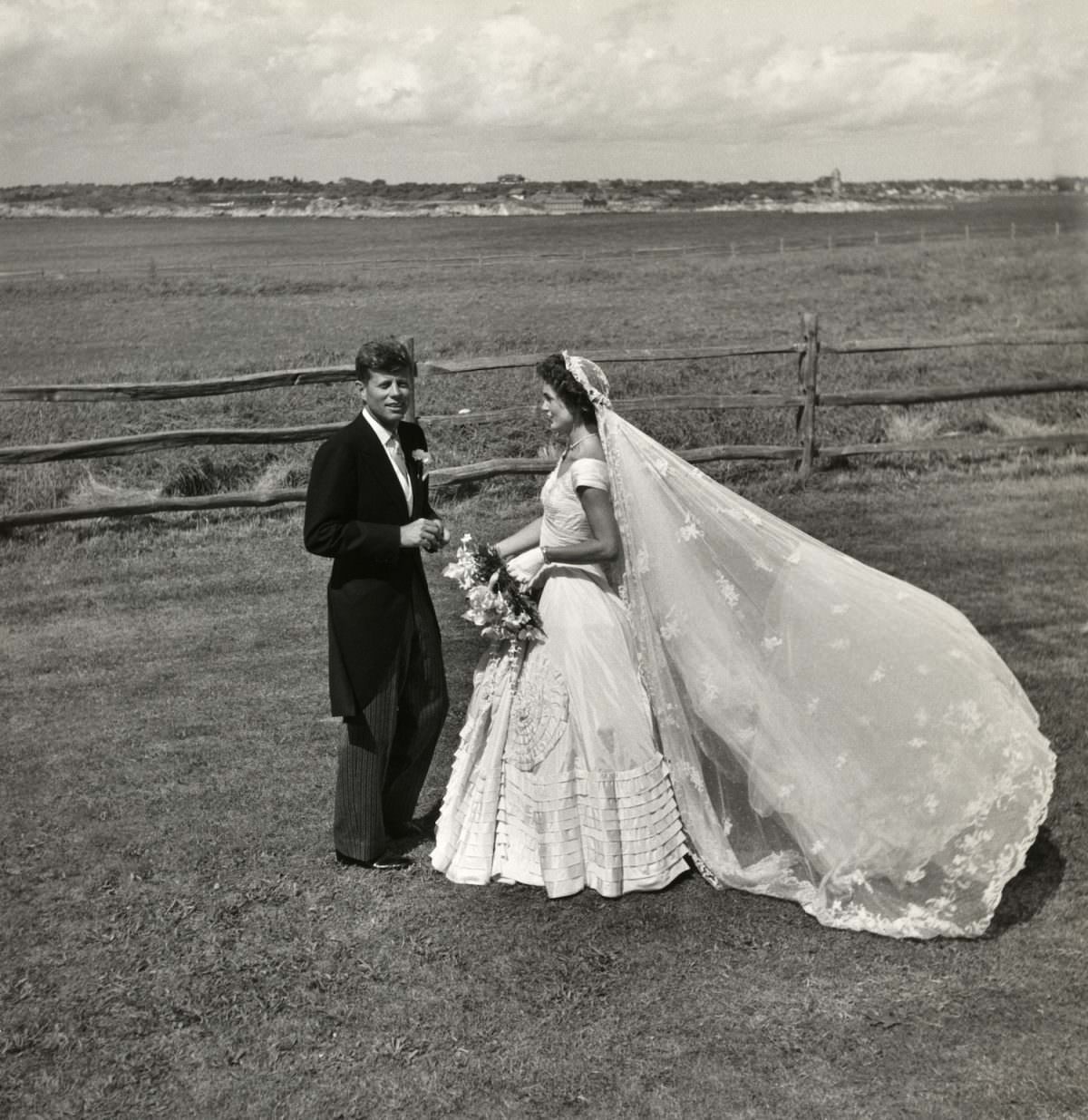
Her access to the Kennedy family produced some of the most intimate photographs of JFK and Jacqueline Bouvier, including images from their 1953 wedding day.
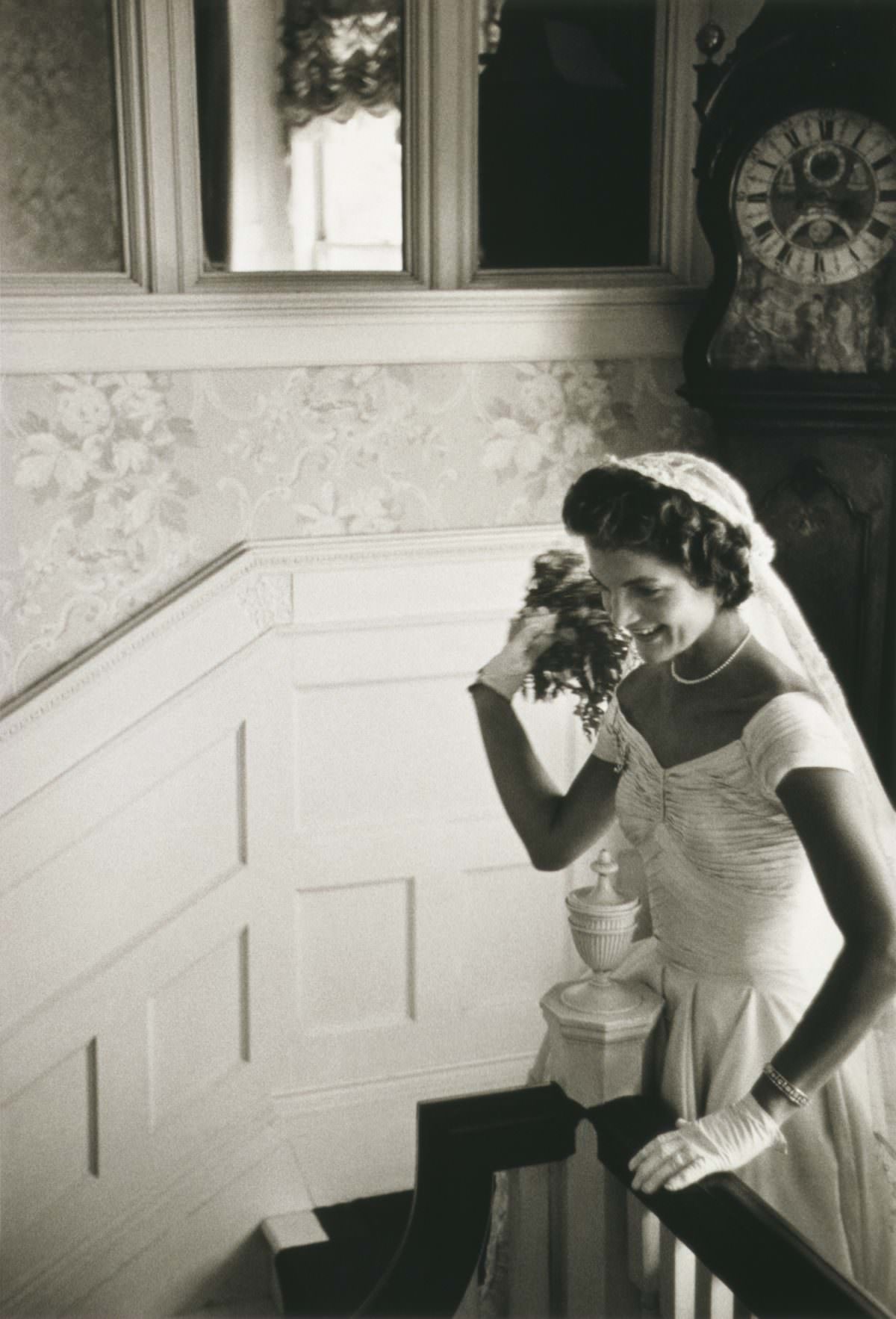
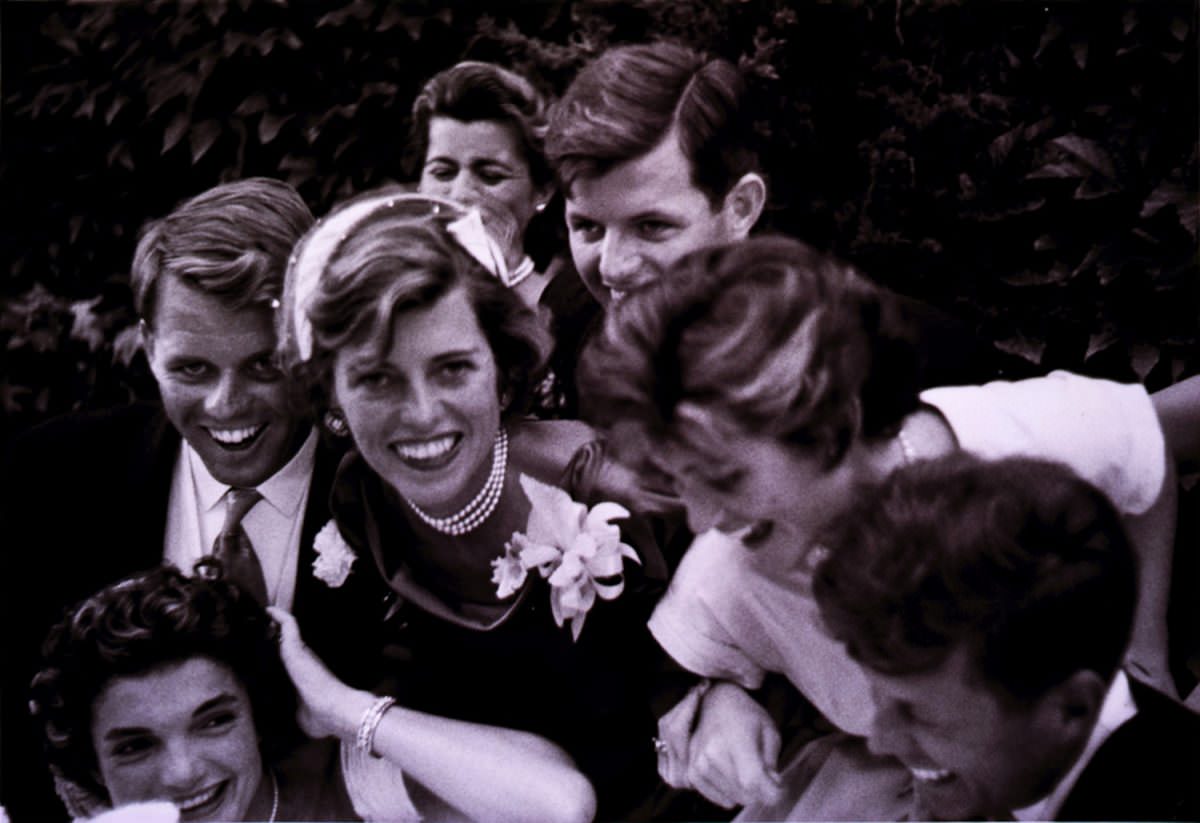
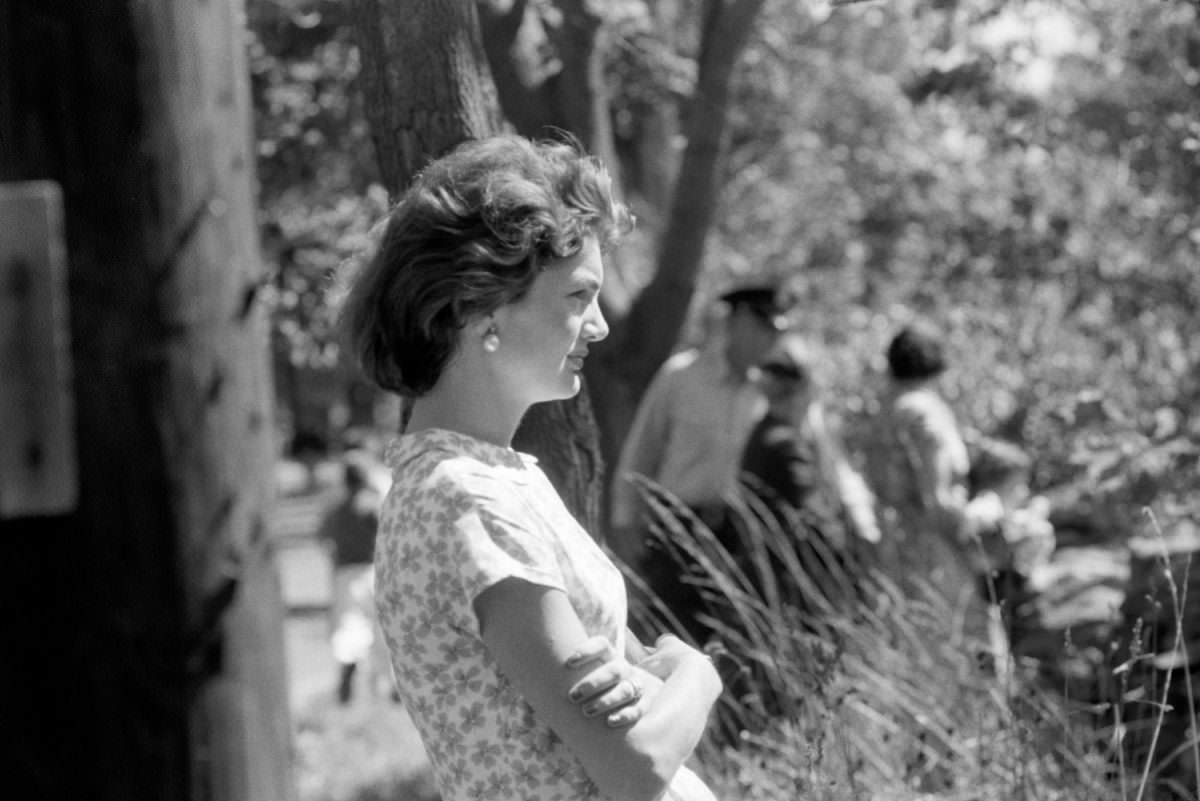
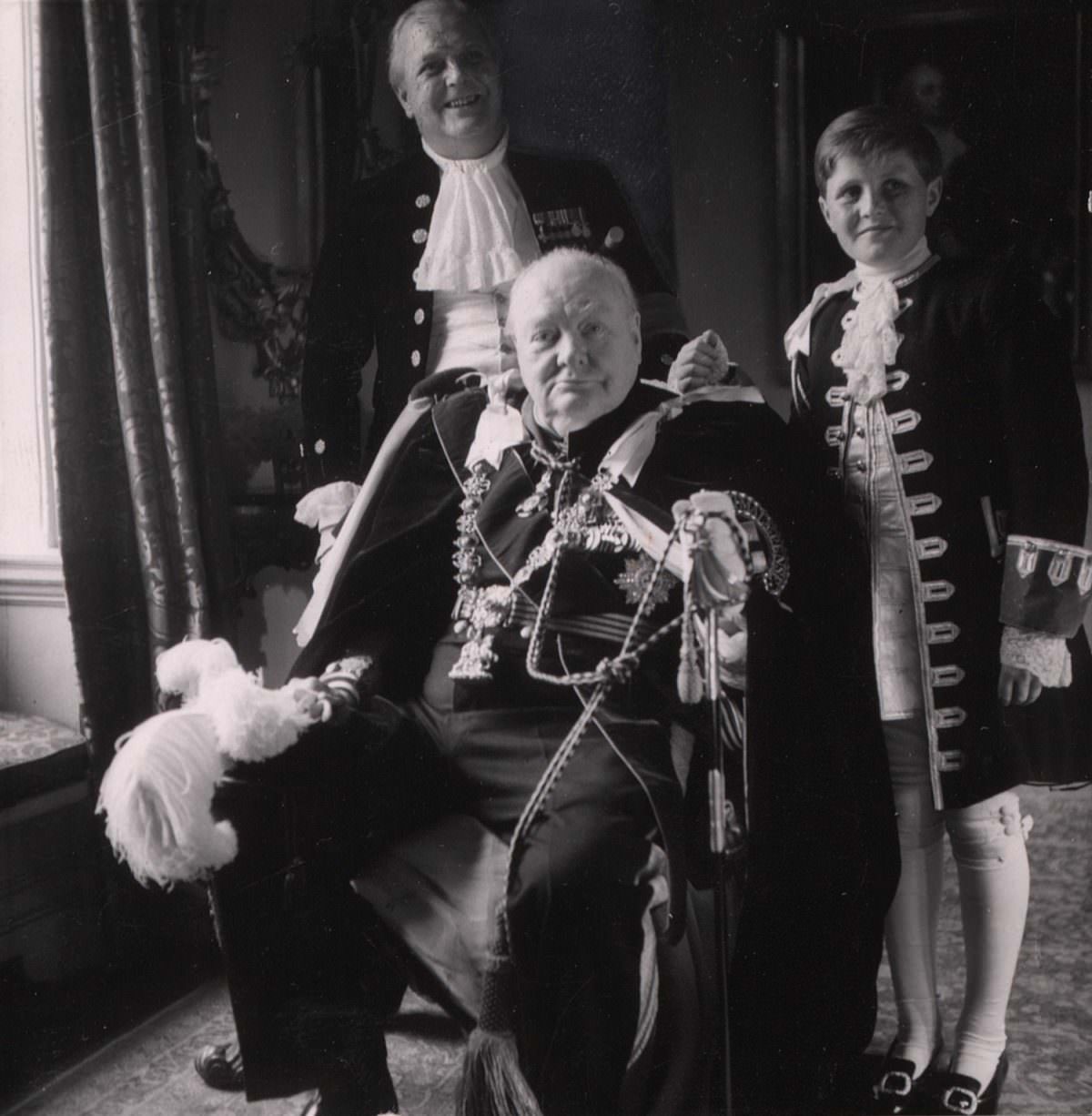
Frissell also photographed Winston Churchill in his coronation robes, surrounded by his son and grandson — a formal portrait that carries the full weight of post-war British ceremony.
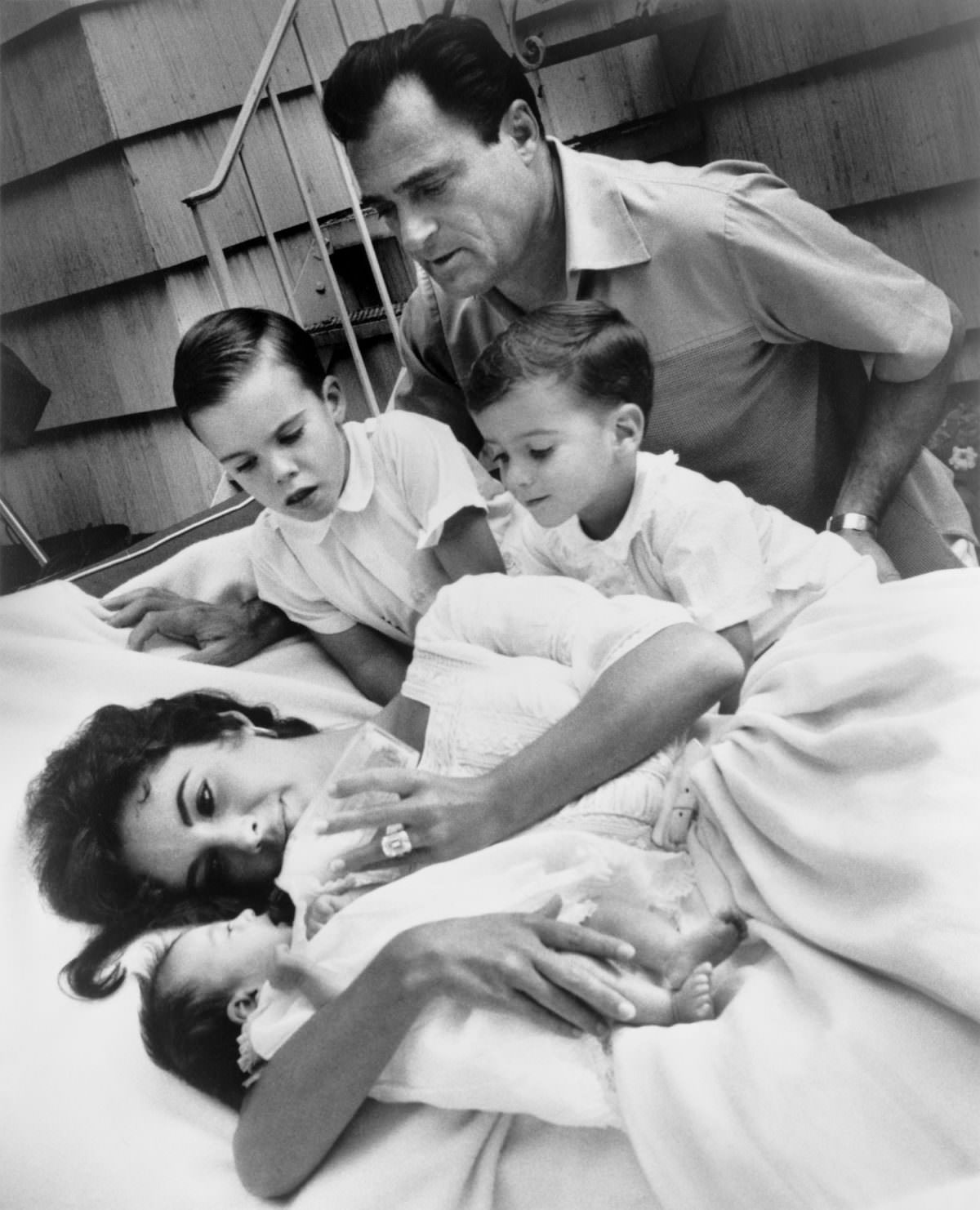
Elizabeth Taylor was another subject. Frissell captured her in 1957 in a candid domestic scene — bottle-feeding her newborn daughter Liza Todd, with her sons and husband Michael Todd watching nearby.
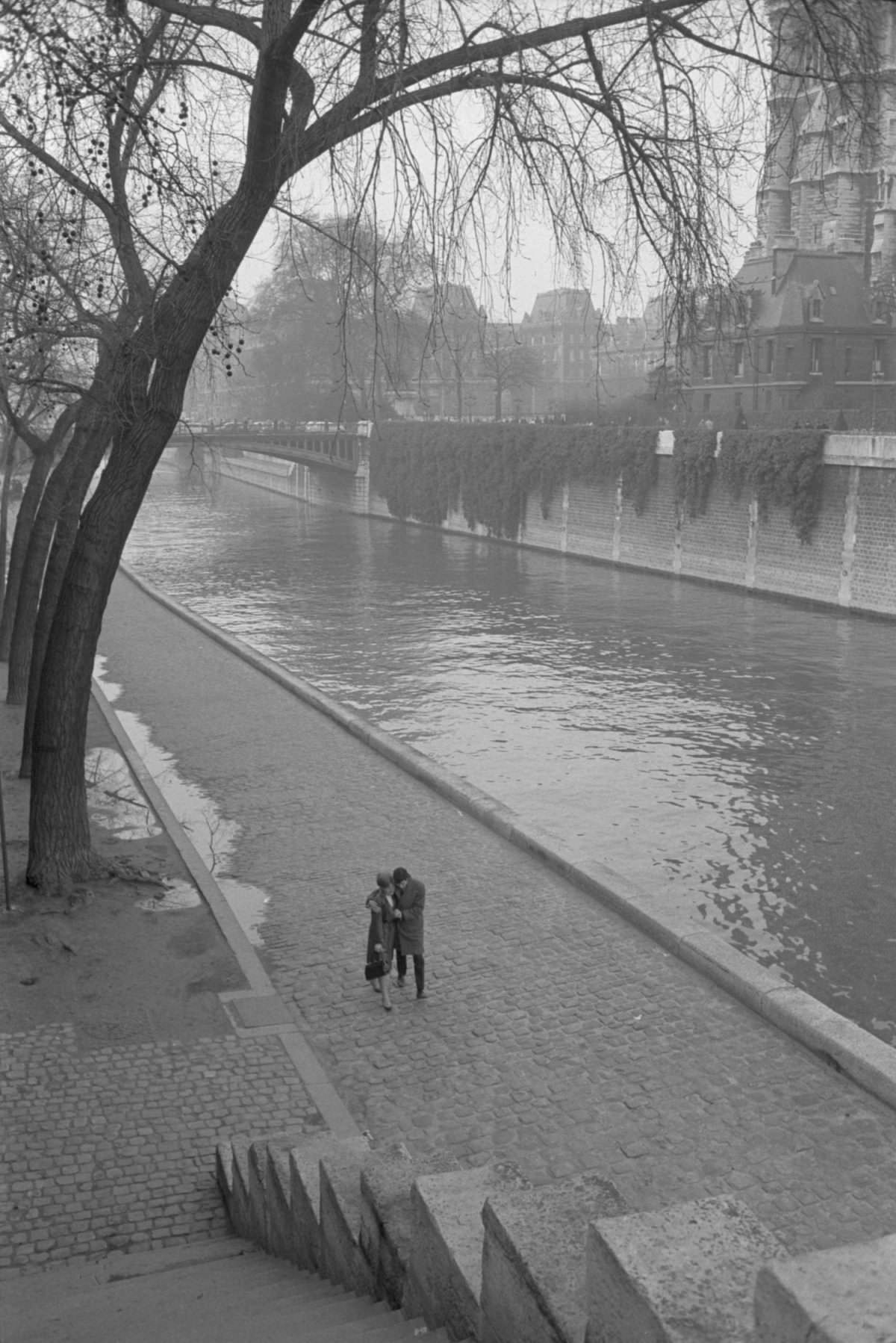
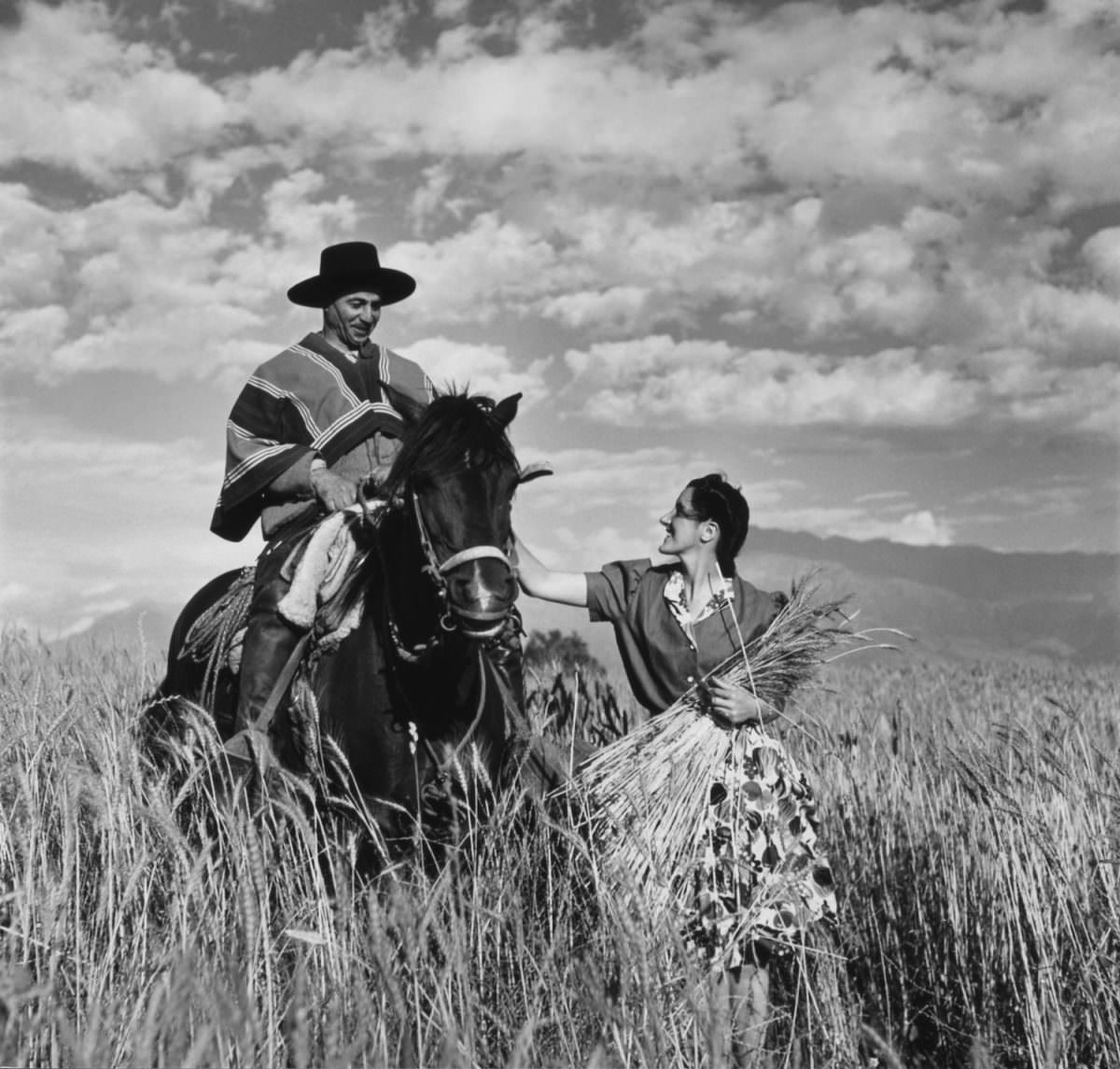
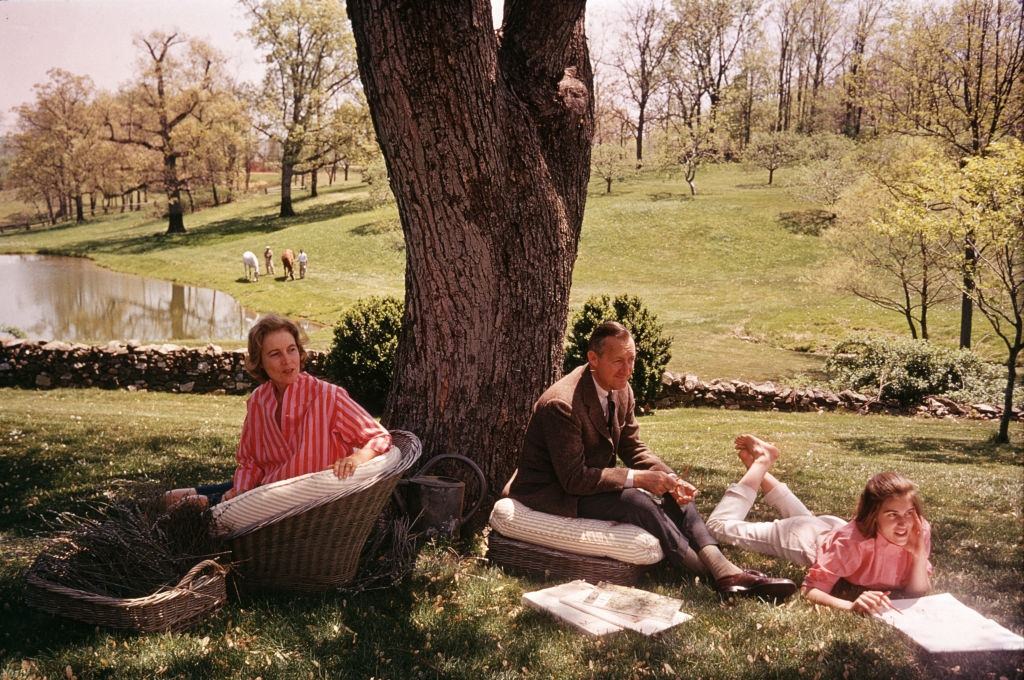
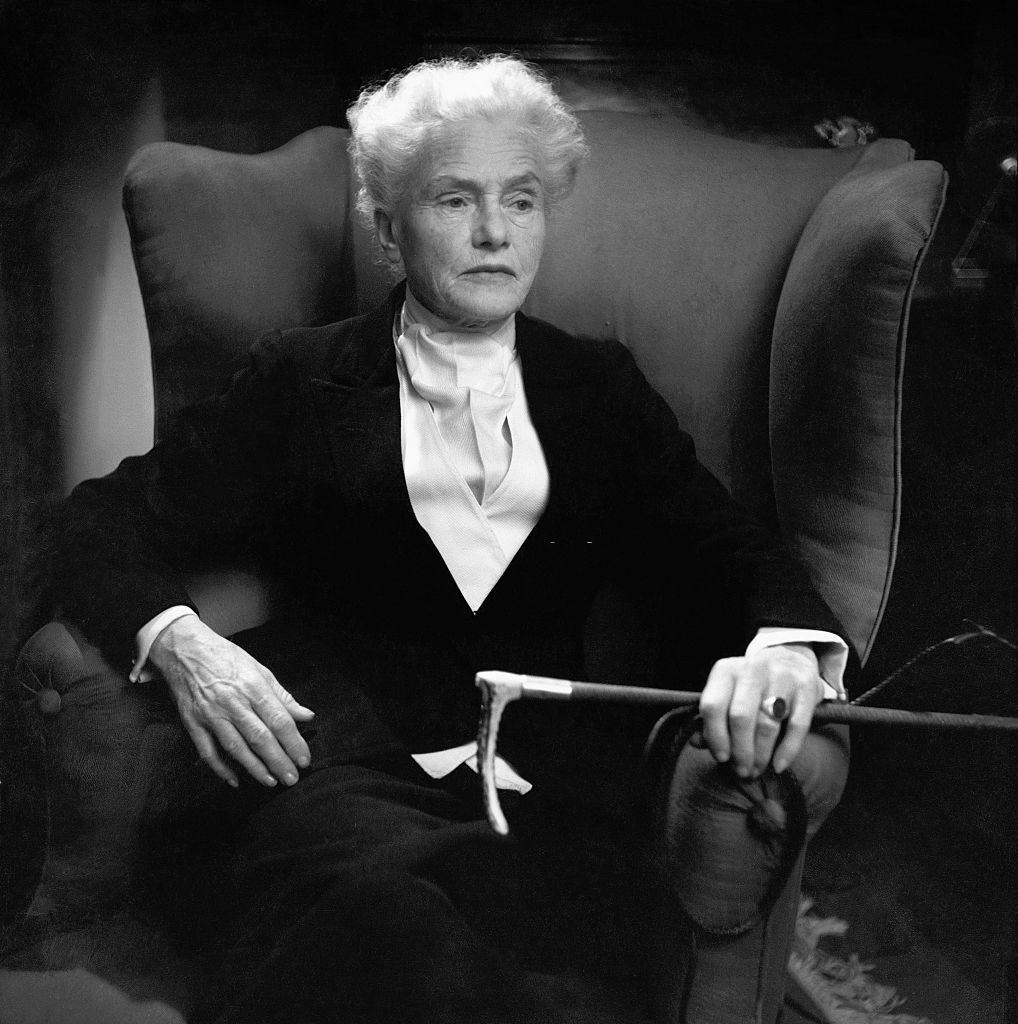
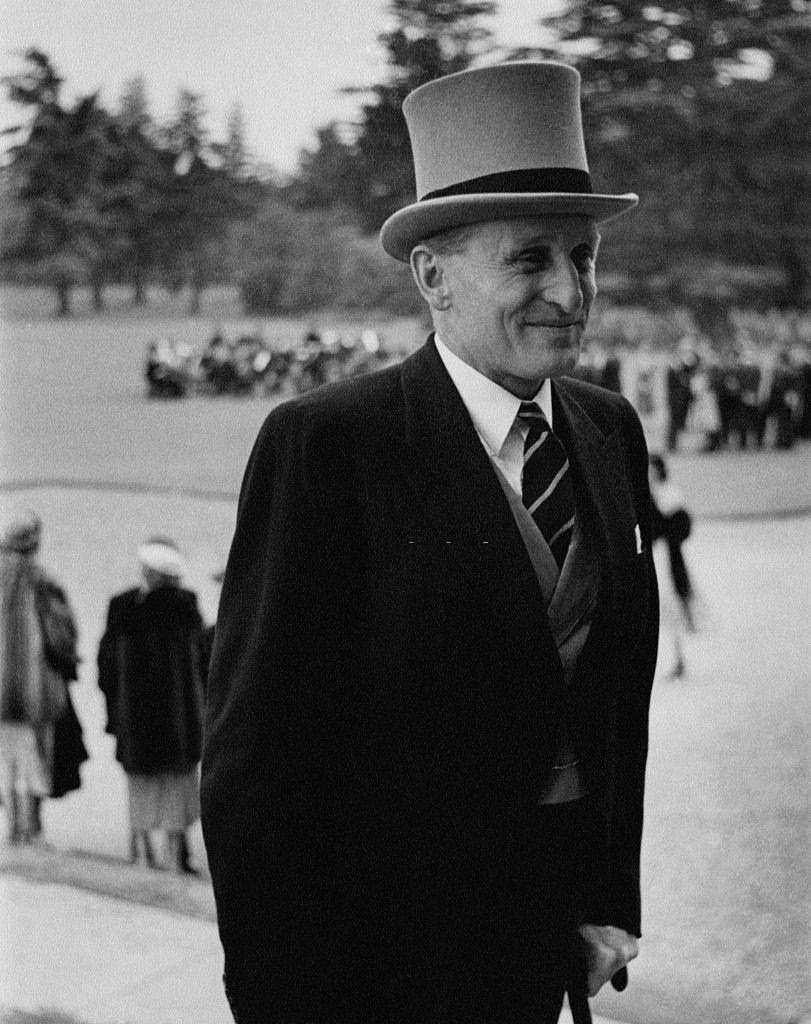
Beyond celebrities, Frissell documented a wide social world — socialites, athletes, artists, and figures from public life across multiple continents. Her travel took her from Chile to London to Newport, Rhode Island.
In 1971, Frissell donated her entire archive — 340,000 photographs — to the Library of Congress. The collection stands as one of the most complete visual records of mid-20th century American and European life produced by a single photographer.