
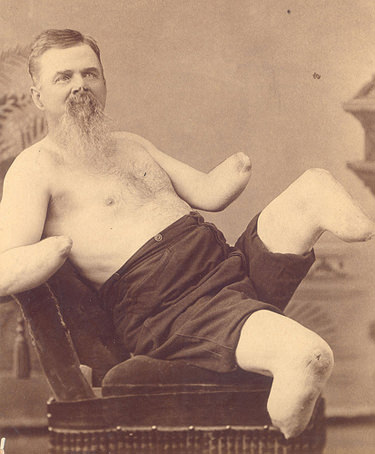
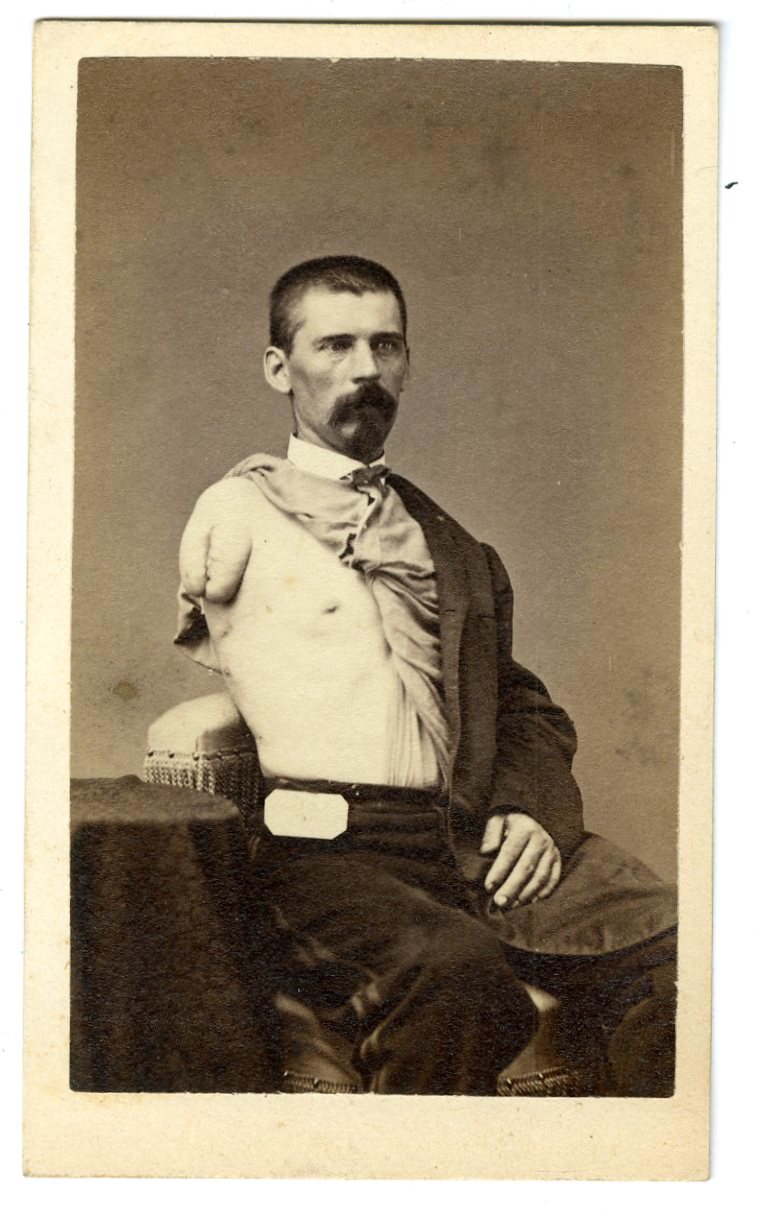
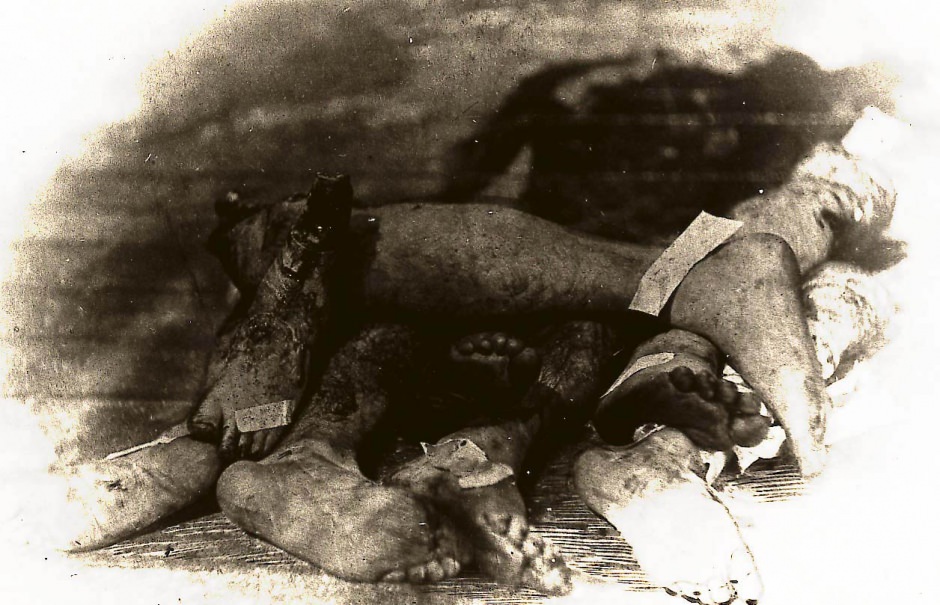
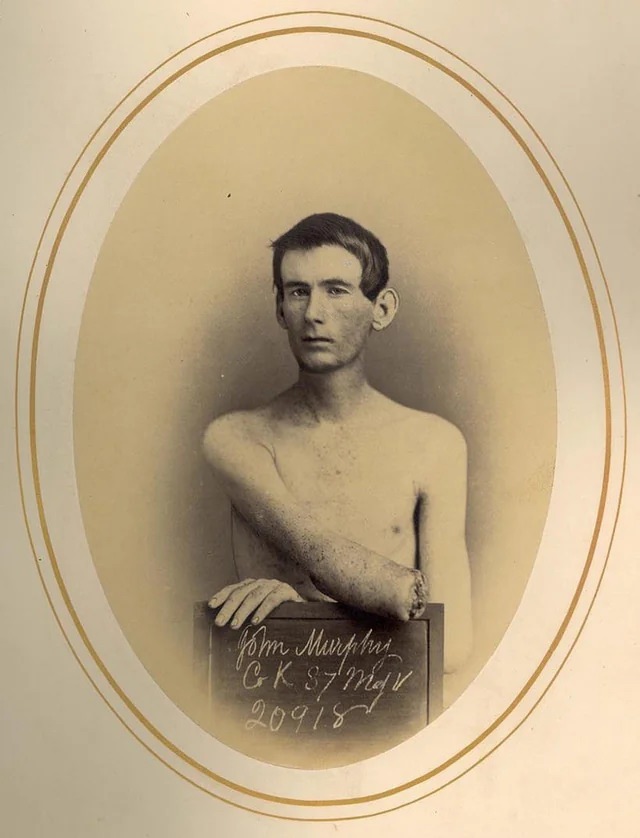
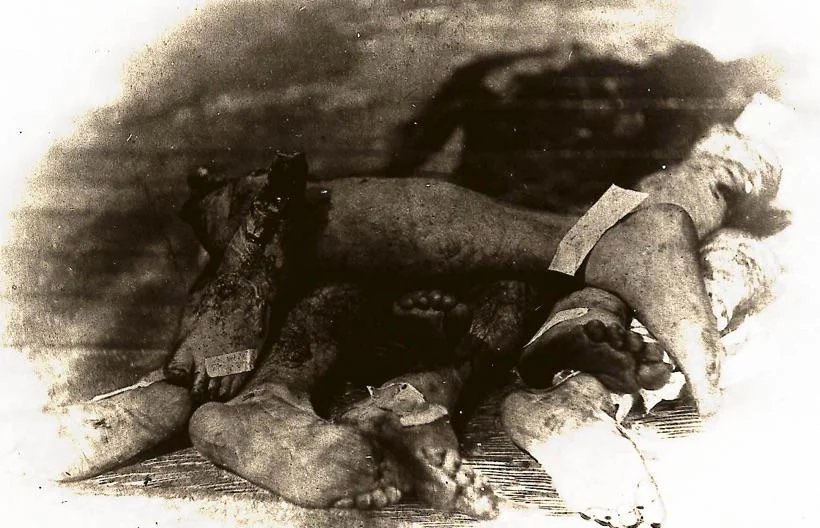
The American Civil War (1861–1865) left hundreds of thousands of soldiers permanently disabled, with amputation being one of the most common surgical outcomes of battlefield wounds. Large-caliber weapons, widespread infection, and overwhelmed medical staffs made limb removal the standard response to severe injuries. The photographs and records collected here document real soldiers — Union and Confederate alike — who underwent amputations and other devastating injuries, and who had to rebuild their lives in the aftermath.
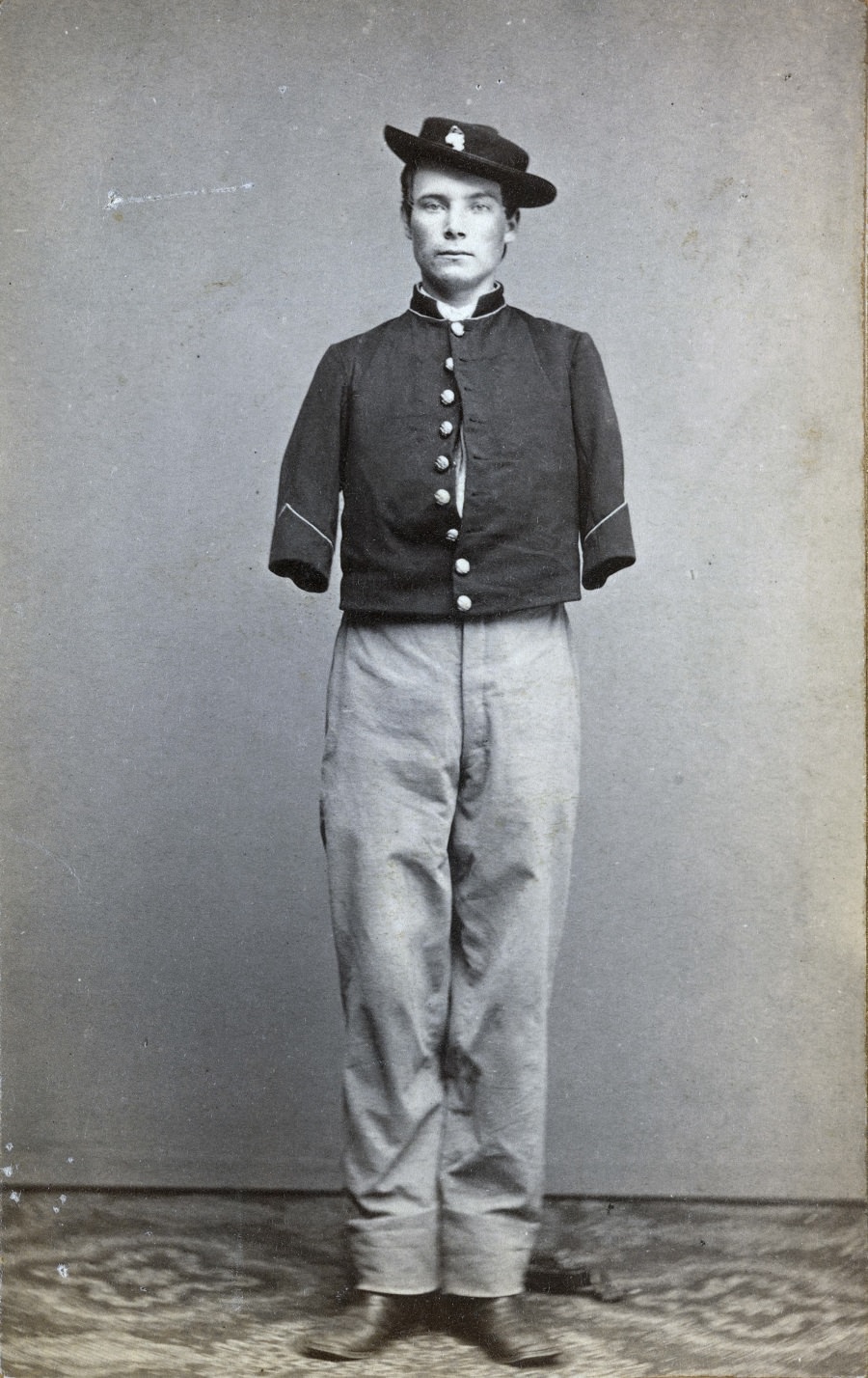
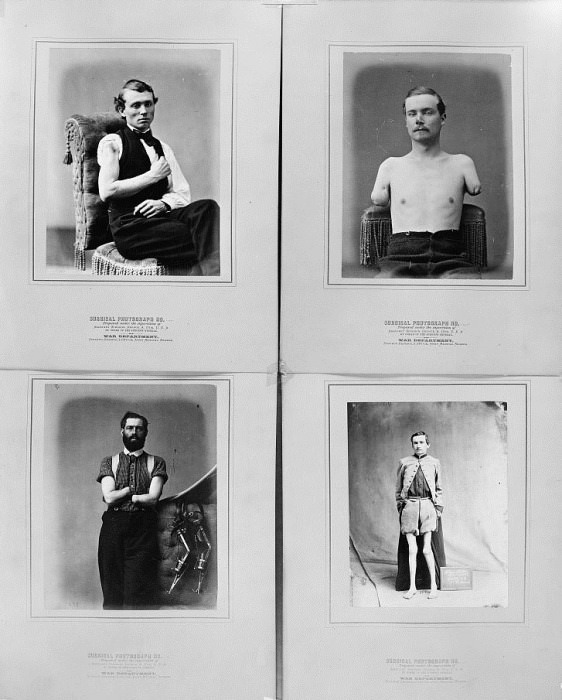
Private William Sergent faced a life-altering challenge during the American Civil War when he underwent the amputation of both his arms. The exact circumstances surrounding his injuries are not detailed, but the double amputation indicates that he suffered severe wounds, likely from combat in the early years of the war, around 1861. Despite the profound physical impact of losing both arms, Sergent’s photograph in uniform following his surgery represents his dedication to his regiment and the cause he fought for. The medical treatments of the era, while basic compared to modern standards, allowed soldiers like Sergent to survive and adapt to their new reality after sustaining such significant injuries.
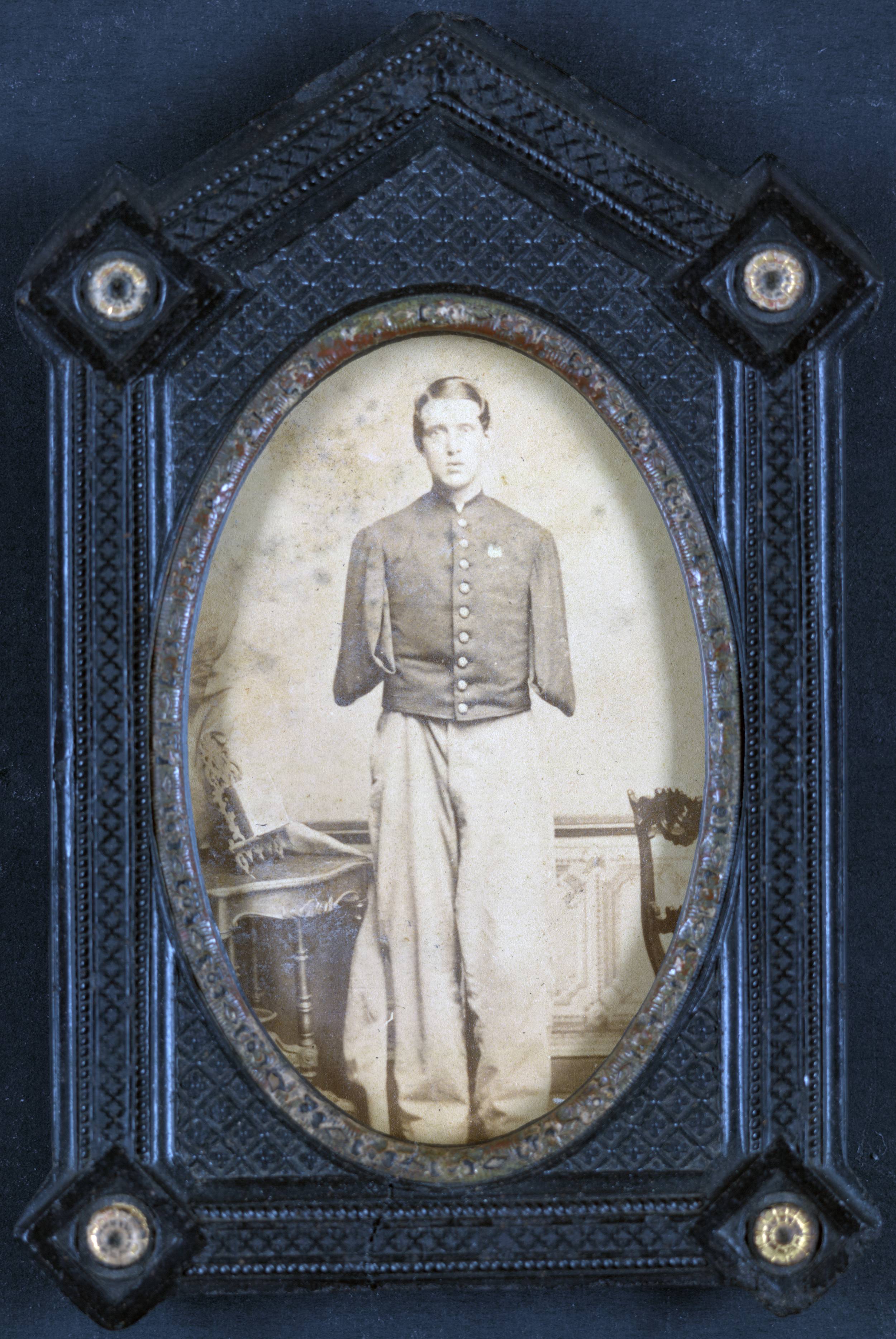
Sergeant Alfred A. Stratton suffered injuries that led to the amputation of both his arms in 1864. As a double amputee, Stratton demonstrated remarkable resilience and determination in the face of such life-altering circumstances. The medical procedures of the time, while basic compared to today’s standards, allowed soldiers like Stratton to survive severe injuries and continue their lives, though with significant physical limitations.
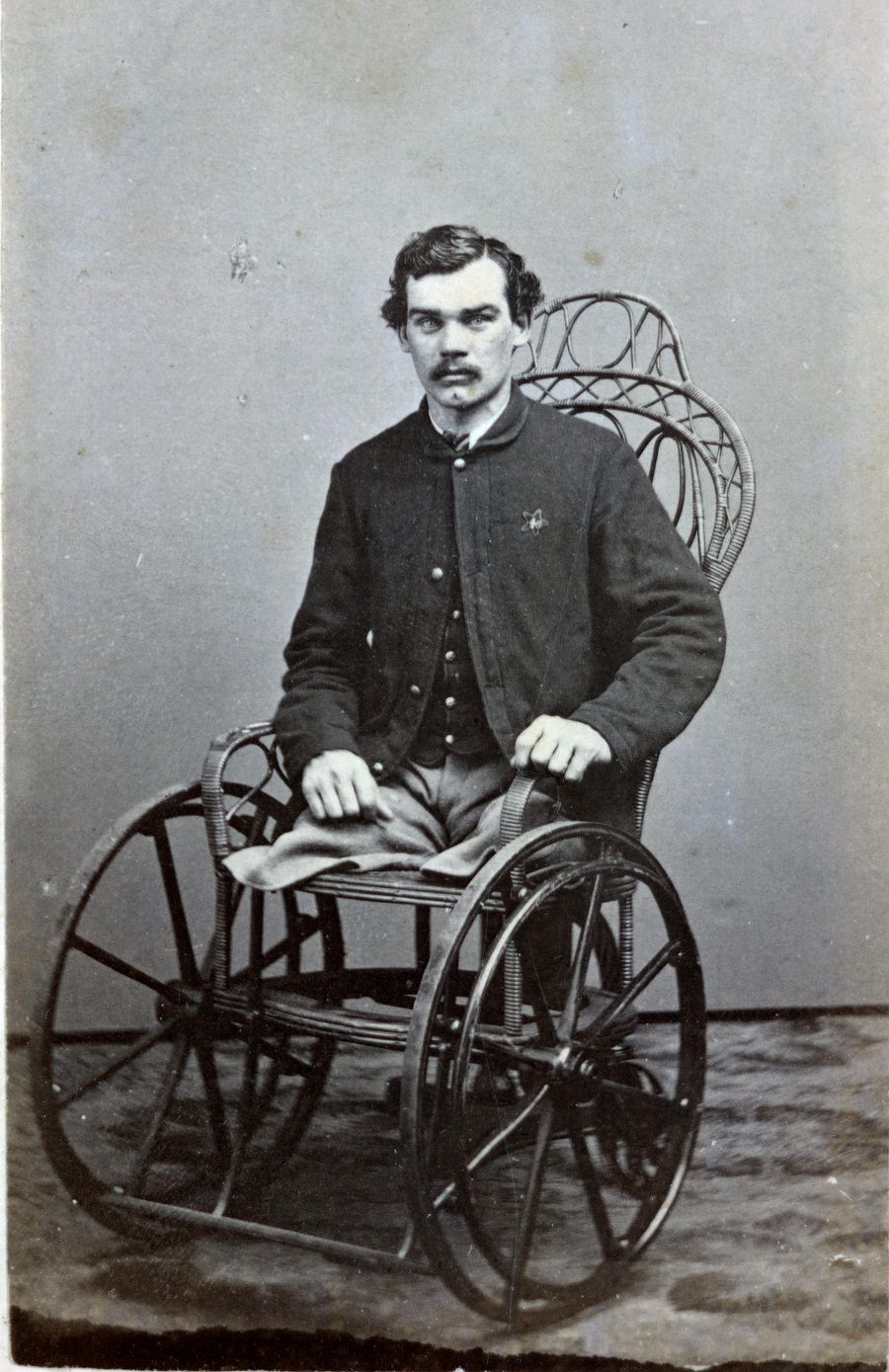
Corporal Michael Dunn faced significant challenges when he suffered injuries that required the amputation of both his legs in 1864. The exact circumstances surrounding the injuries are not provided, but they occurred during combat. Following the amputations, Corporal Dunn faced substantial physical limitations and had to adapt to his new reality. The medical practices of the time, though less advanced than today’s techniques, allowed soldiers like Dunn to survive such severe injuries.
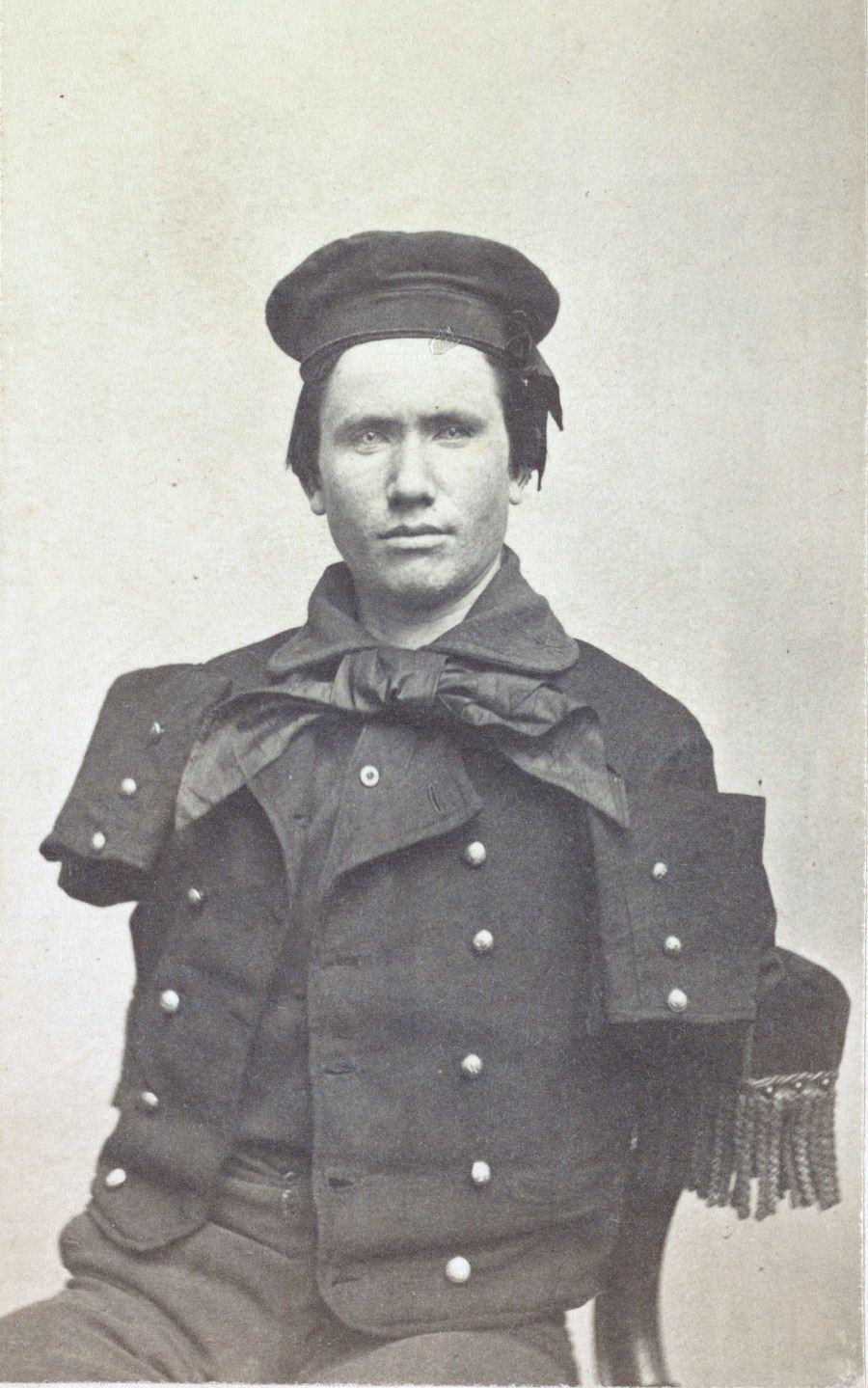
Richard D. Dunphy served as a coal heaver in the U.S. Navy during the American Civil War. In 1864, Dunphy suffered serious injuries. Coal heavers like Dunphy played a vital role in maintaining the ships’ steam engines by shoveling coal into the boilers. These laborers worked in difficult and dangerous conditions, with a constant risk of injury or death.
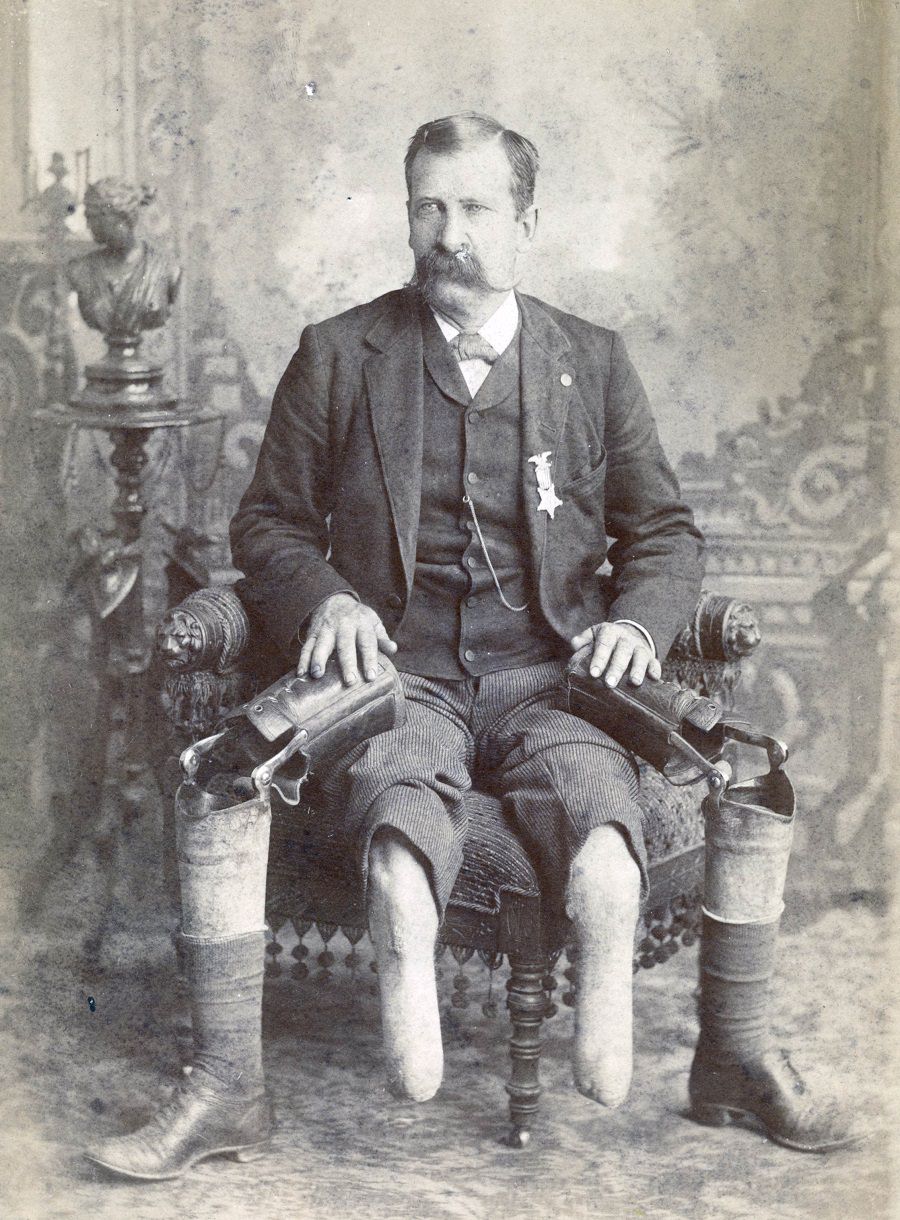
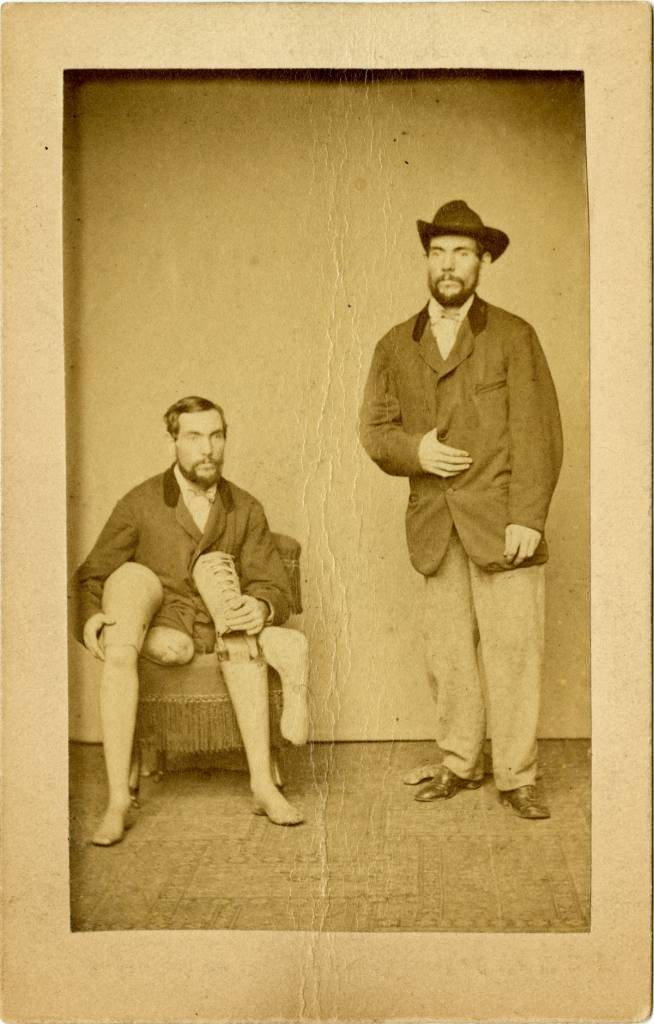
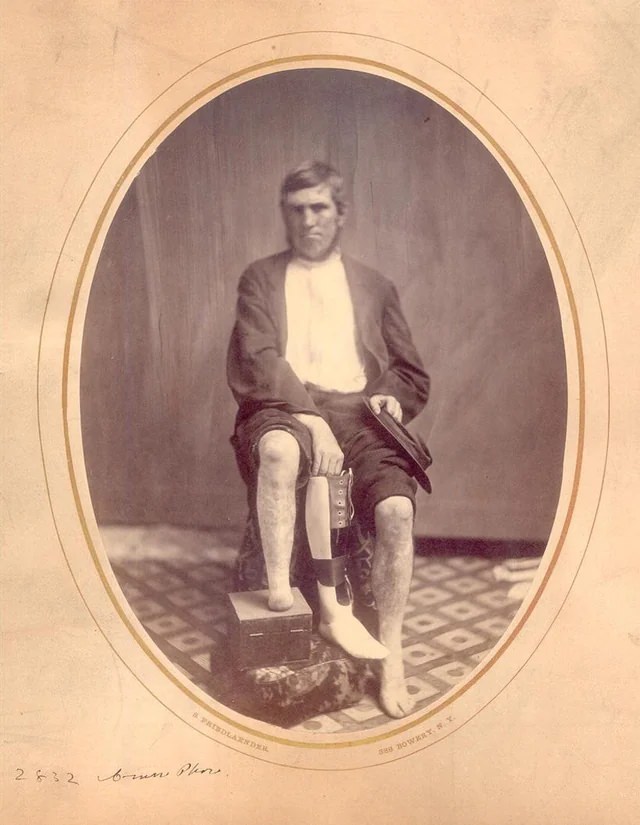
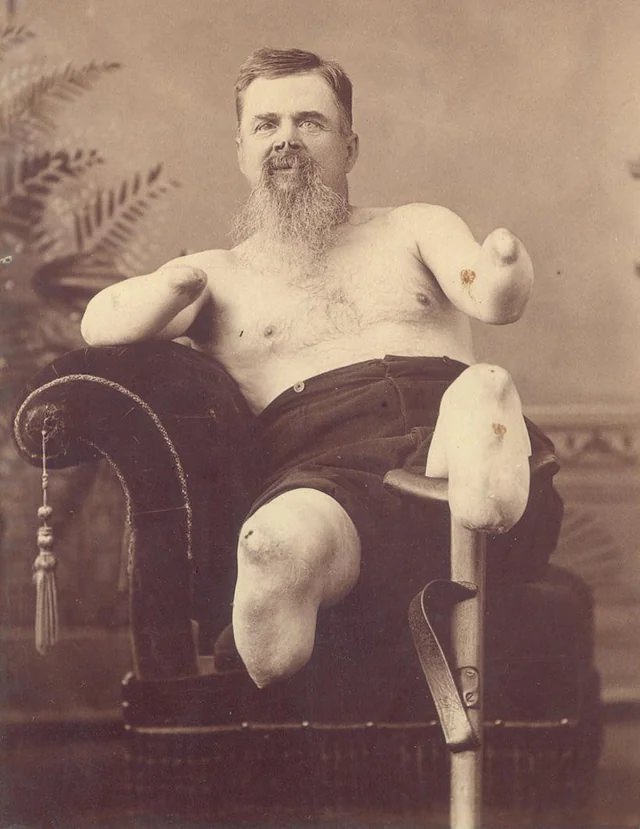
John W. January served during the American Civil War. At some point during his service, he sustained injuries that led to the amputation of both his legs. The exact circumstances surrounding his injuries are not provided, but they likely occurred during a battle or an accident while on duty. By 1890, January had been fitted with prosthetic legs, which helped him regain mobility and independence in his daily life. Prosthetic technology during that time was still basic compared to modern prosthetics, but it allowed amputees like January to adapt to their new reality and continue to be active members of society.
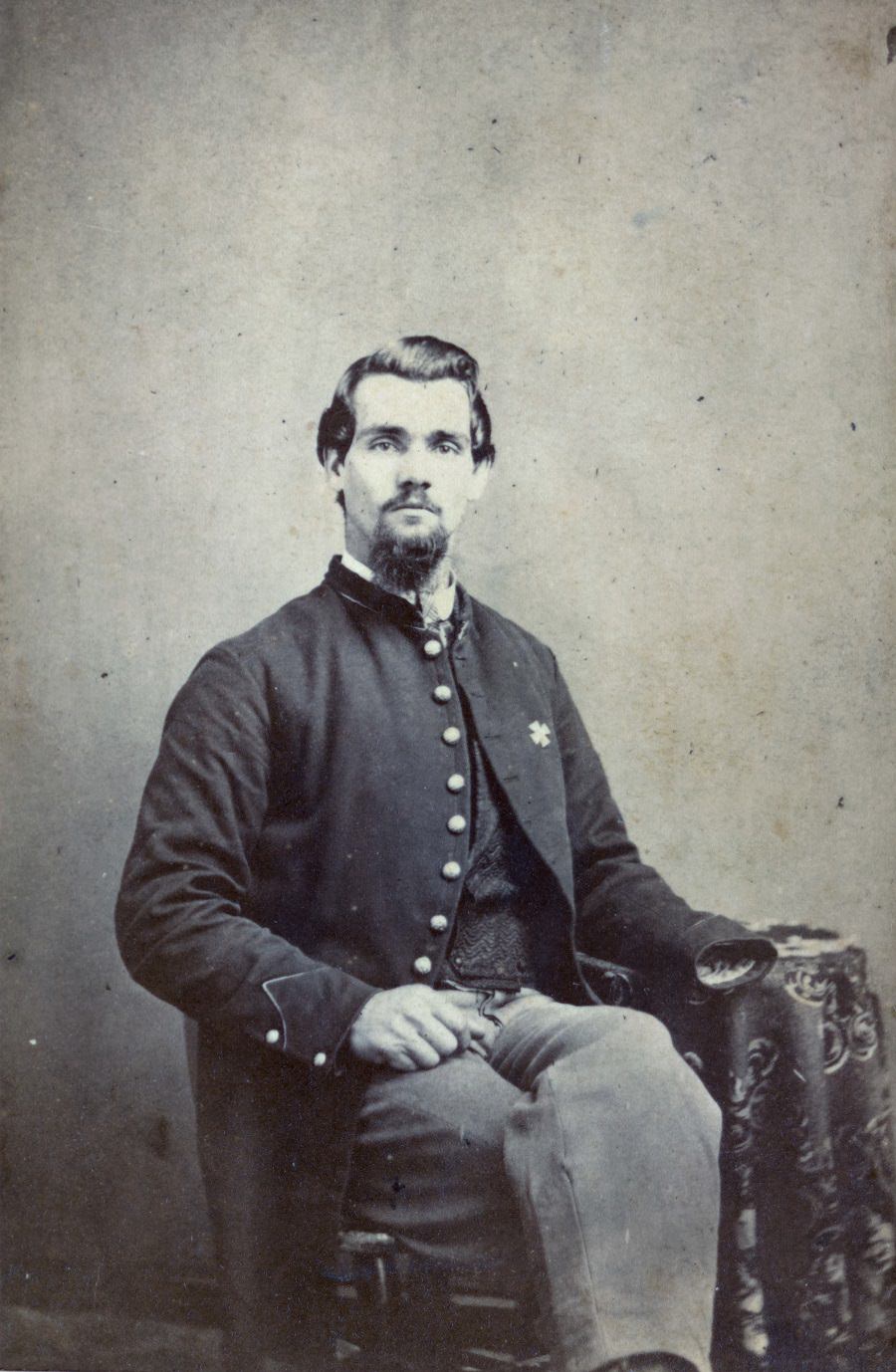
Sergeant Thomas Plunkett served in Company E of the 21st Massachusetts Infantry Regiment during the American Civil War. He gained recognition for his act of bravery during the Battle of Fredericksburg on December 13, 1862. During the battle, a Confederate shell exploded near Sergeant Plunkett, causing severe injuries that ultimately led to the amputation of both his arms. Despite his injuries, Plunkett managed to save the flag of his regiment from falling into enemy hands by holding it against his body until help arrived. For his heroism, Plunkett was awarded the Medal of Honor on March 30, 1866. The citation for his medal recognized his efforts in saving the regimental colors and highlighted his dedication to duty even in the face of severe personal injury.
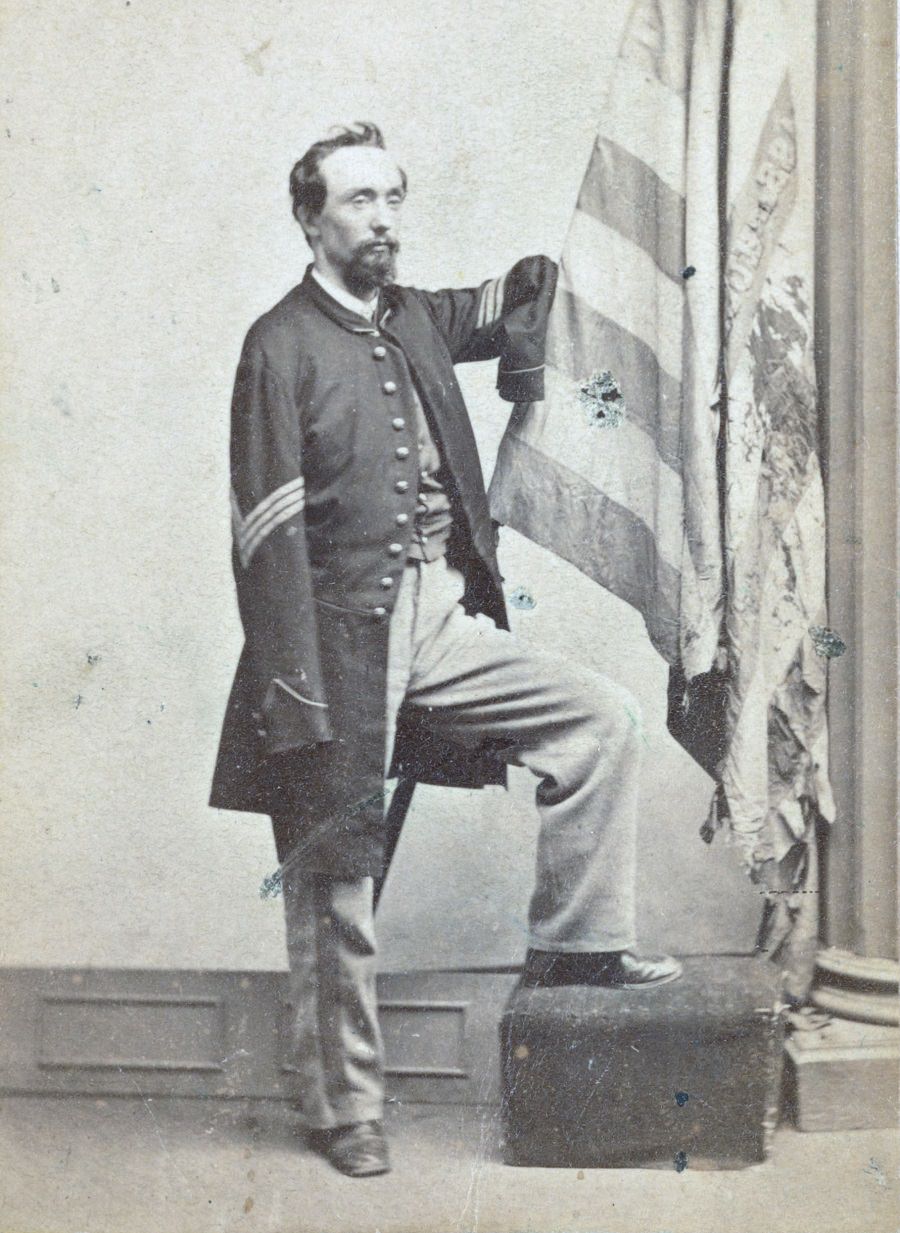
Private Vernon Mosher served in Company F of the 97th New York Infantry Regiment during the American Civil War. The specific details about his experience or the circumstances surrounding his service are not available. The 97th New York Infantry Regiment, also known as the Conkling Rifles, was organized in Boonville, New York, in early 1862. They participated in numerous battles, including the Peninsula Campaign, the Second Battle of Bull Run, the Battle of Antietam, the Battle of Fredericksburg, the Battle of Gettysburg, and the Battle of the Wilderness, among others. The regiment was involved in various campaigns and theaters of the war until they were mustered out in August 1865. As a member of the 97th New York Infantry Regiment, Private Mosher participated in some of these significant battles, facing the challenges and dangers of war.
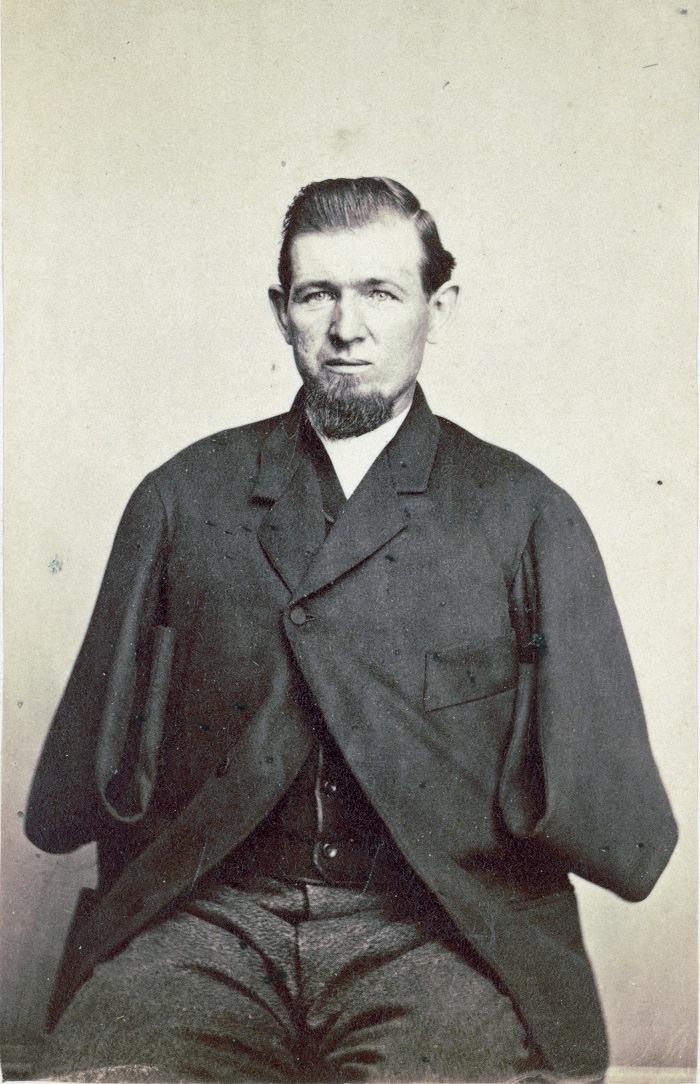
Private George W. Warner served in the Union Army during the American Civil War and was wounded at the Battle of Gettysburg on July 3, 1863. The Battle of Gettysburg was one of the most critical and deadly engagements of the war, with over 50,000 casualties in just three days of fighting. The specific details surrounding Private Warner’s service, injuries, and recovery are not provided, but he, like many others, experienced the harsh realities of the battlefield. Soldiers who were wounded often faced long and painful recoveries, with many requiring amputations or suffering from lingering health issues.
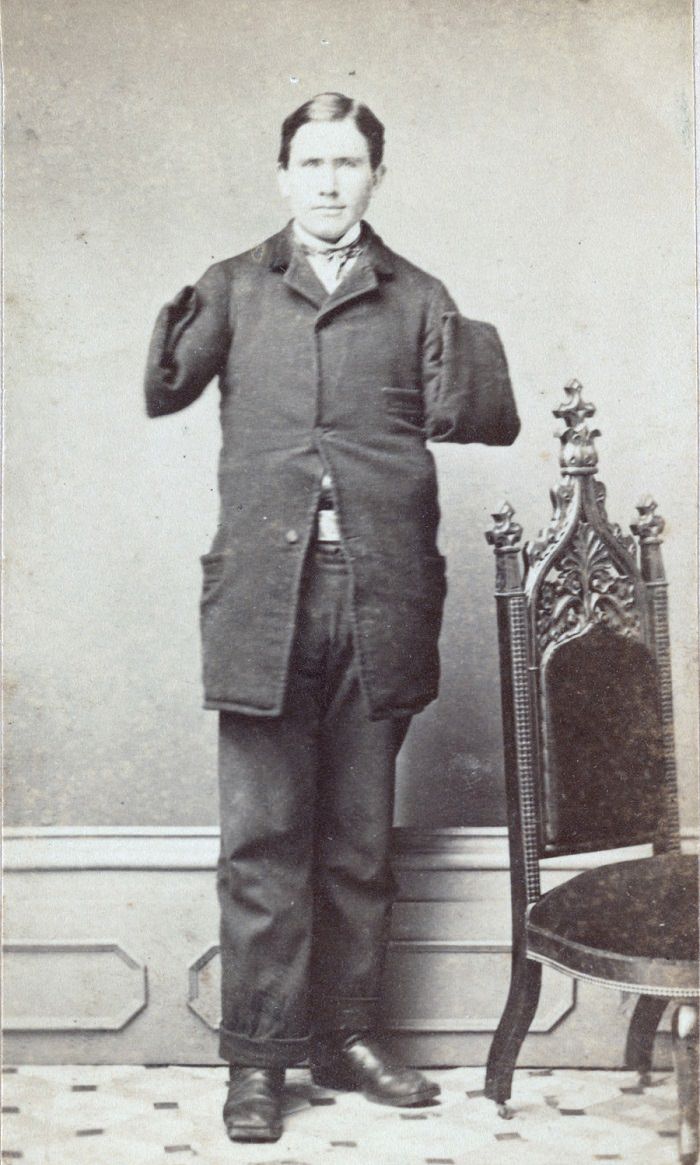
Richard D. Dunphy was a coal heaver in the U.S. Navy during the American Civil War. He was severely wounded in the Battle of Mobile Bay on August 5, 1864. The battle was a significant naval engagement in which Union Admiral David G. Farragut led his fleet to capture the Confederate-held Mobile Bay, a key Southern port. His injuries were severe enough to require the amputation of both arms. The citation for Dunphy’s Medal of Honor praised his gallant conduct and devotion to duty during the battle.
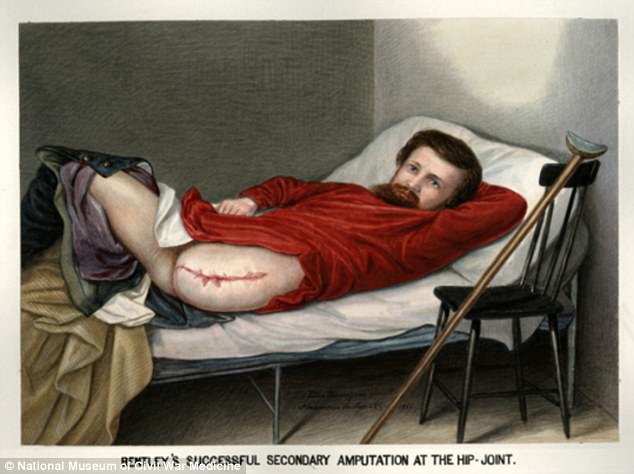
Private George W. Lemon served in the Union Army during the American Civil War and was shot in the leg during the Battle of the Wilderness on May 5–7, 1864. The battle, which took place in Virginia, was an intense and chaotic confrontation between Union General Ulysses S. Grant and Confederate General Robert E. Lee. The thick undergrowth and limited visibility in the Wilderness region made the fighting brutal, resulting in a high number of casualties on both sides. He was captured by Confederates, and treatment of his wounds was delayed, causing him to suffer repeated infections. His leg was finally amputated.
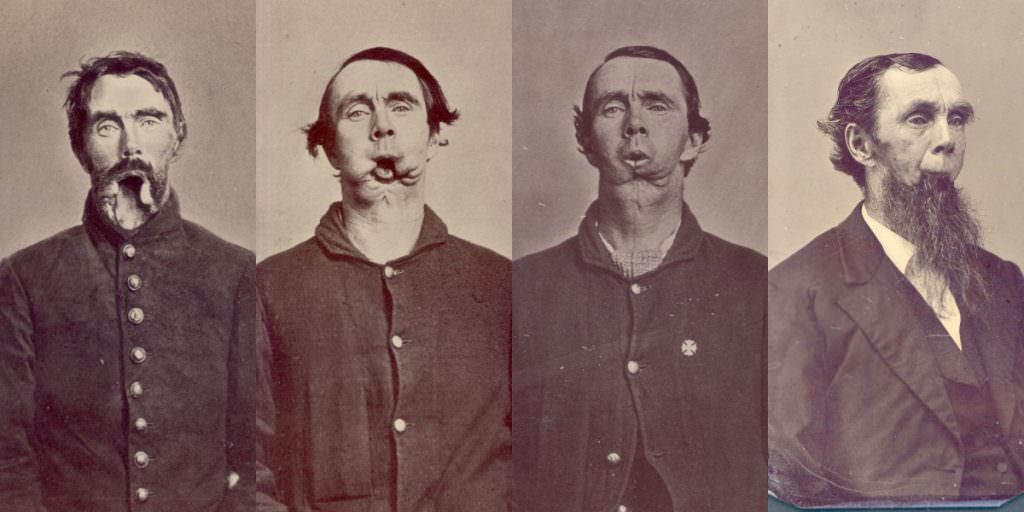
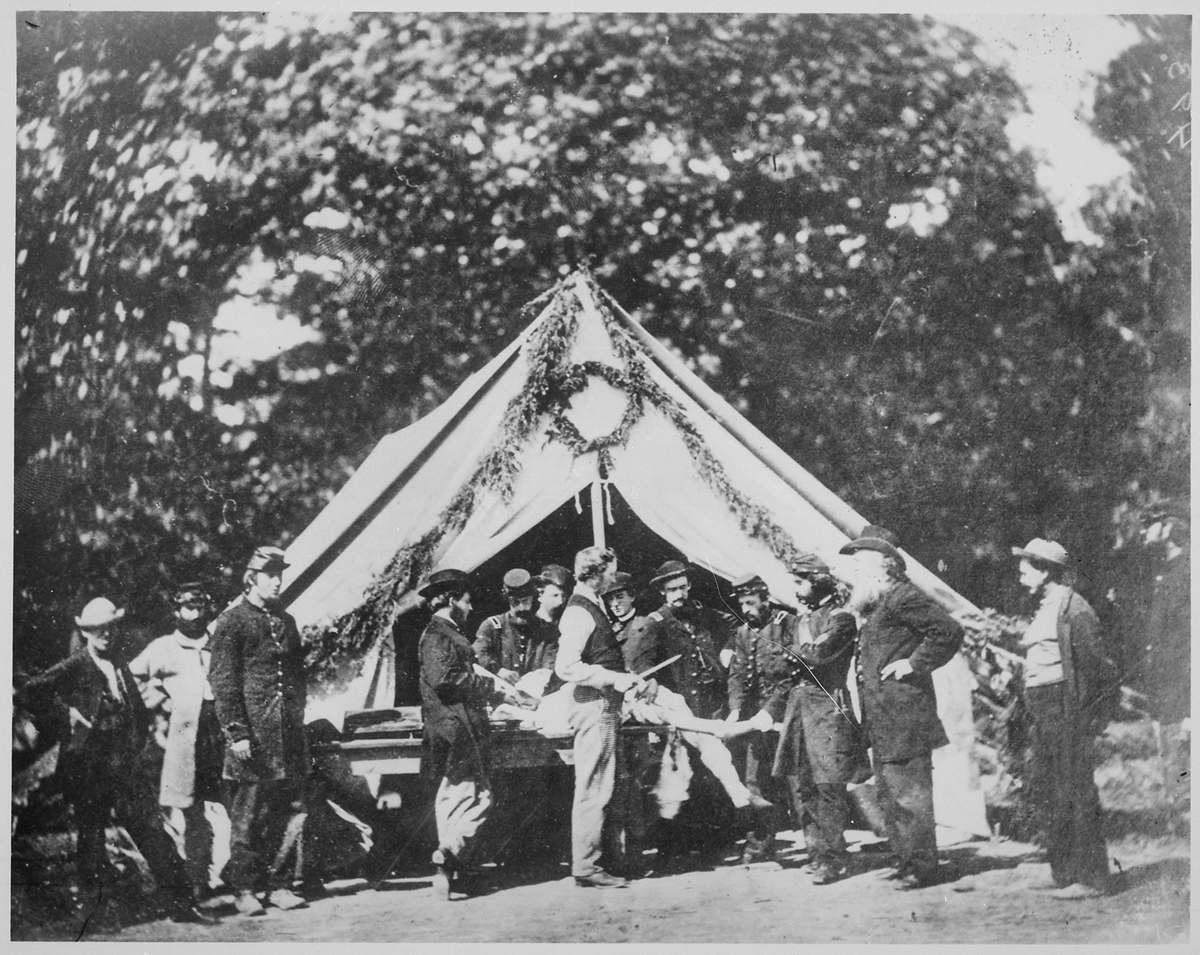
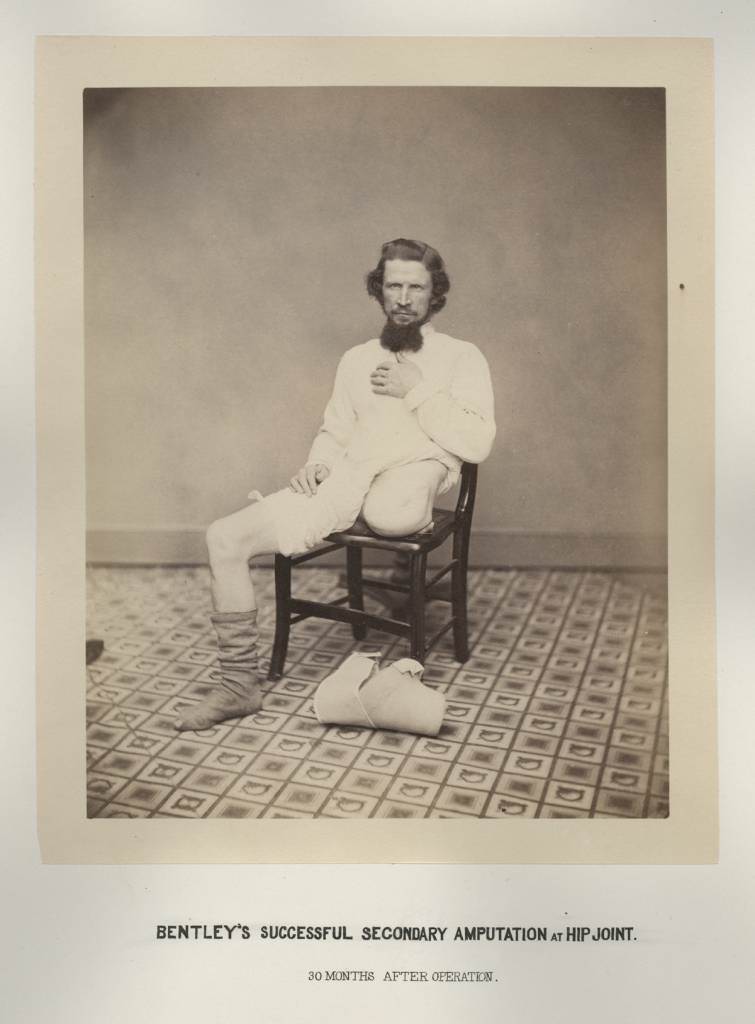
Private George W. Lemon’s story, as documented by George A. Otis, provides valuable insight into the experiences of soldiers during the American Civil War. Otis, an Assistant Surgeon in the Union Army and the curator of the Army Medical Museum, was responsible for collecting and preserving medical and surgical specimens, photographs, and case histories from the war. According to Otis, Private Lemon was shot in the leg during the Battle of the Wilderness in 1864. Following his injury, Lemon faced considerable challenges in receiving proper medical care. Many soldiers faced delays in treatment, infections, and other complications, which sometimes led to amputations.
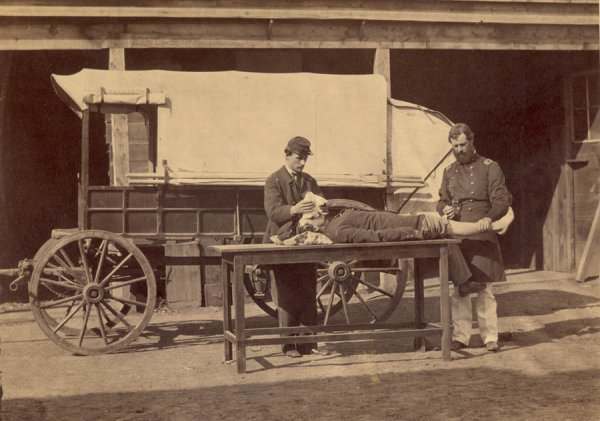
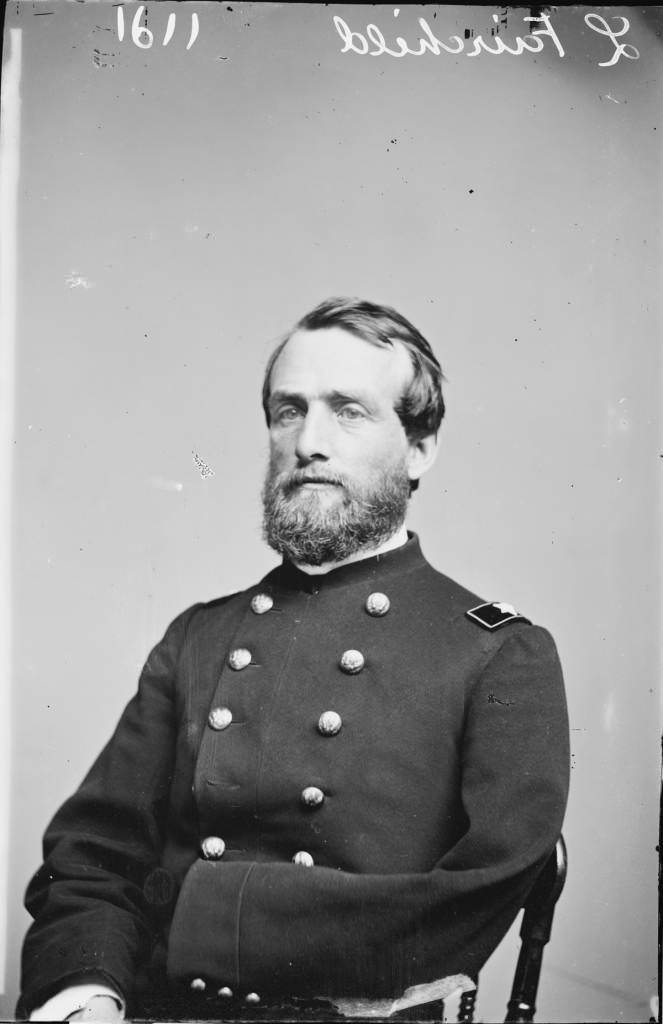
Lucius Fairchild served as a Union Army officer during the American Civil War. He held the rank of Colonel when he was wounded on the first day of the Battle of Gettysburg, July 1, 1863. The Battle of Gettysburg was a critical and deadly engagement that resulted in significant casualties on both sides. Fairchild’s left arm was severely injured during the battle and had to be amputated. Despite this life-altering injury, he continued to serve his country in various capacities after the war. After recovering from his wounds, Fairchild was promoted to Brigadier General and later Major General. He went on to have a successful political career, serving as the Secretary of State of Wisconsin, the Governor of Wisconsin for three terms, and the U.S. consul in Liverpool and Paris.
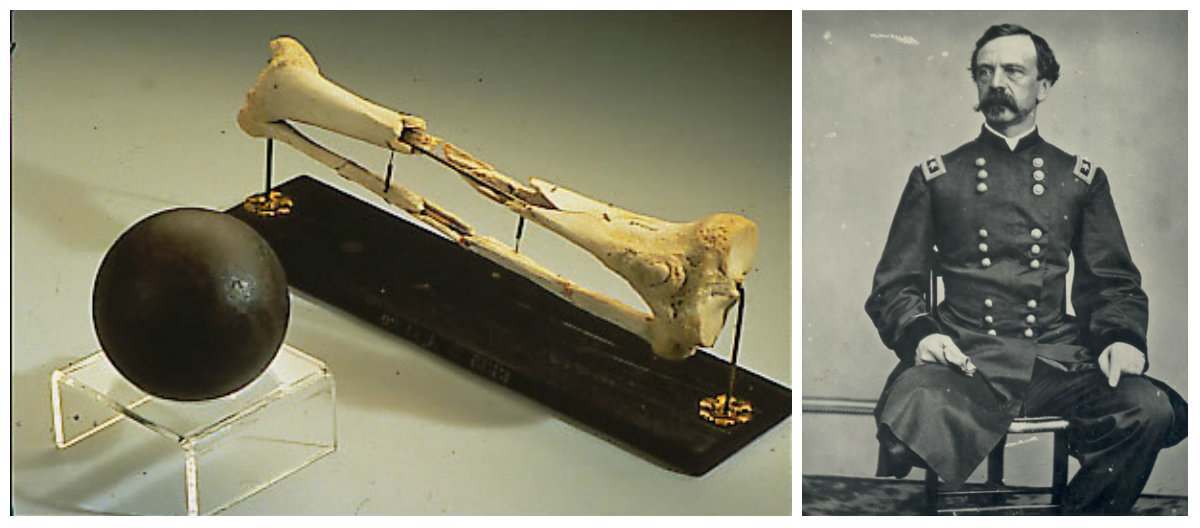
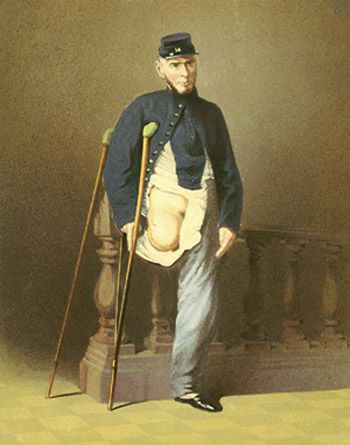
Daniel E. Sickles was a prominent figure during the American Civil War, serving as a Union Army officer. His military career was marked by a combination of bravery, resilience, and at times, recklessness. During the Battle of Gettysburg, which took place from July 1 to 3, 1863, Sickles commanded the III Corps of the Army of the Potomac. On the second day of the battle, Sickles made a controversial decision to move his corps forward to occupy higher ground, deviating from the defensive line planned by General George G. Meade. This move left his corps exposed and resulted in intense fighting. During the fighting on July 2, Sickles was severely wounded when a cannonball struck his right leg. He was evacuated from the battlefield, and his leg was amputated later that day. Despite the loss of his leg, Sickles remained active in military and political life. He was promoted to Major General after Gettysburg and continued to serve in the army until the end of the war. After the war, Sickles held several diplomatic posts, served as a U.S. Congressman, and was involved in veterans’ organizations.
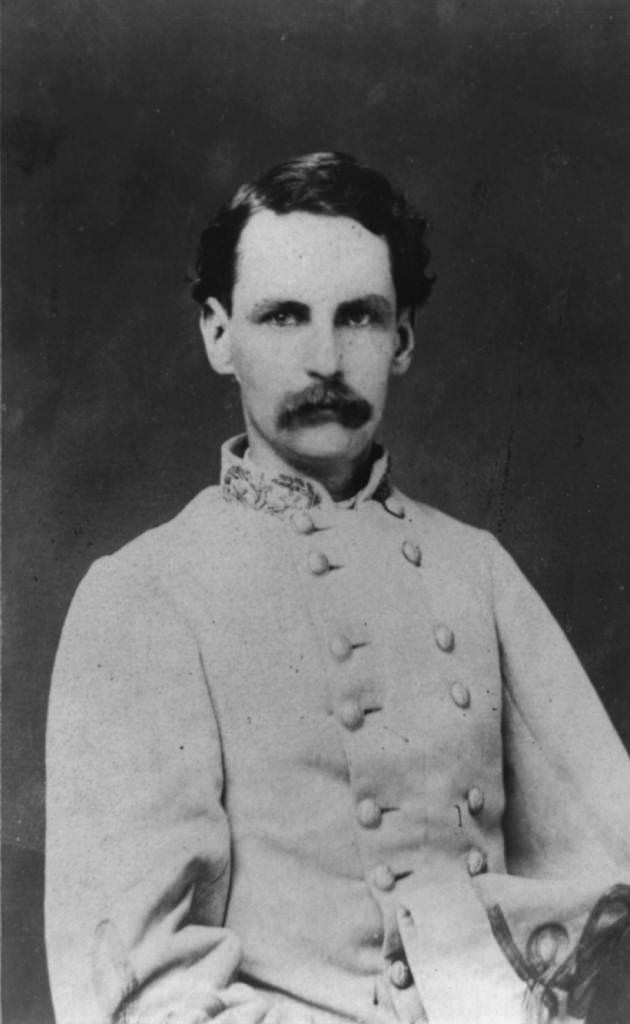
Francis R. T. Nichols was a Confederate soldier who served during the American Civil War. He lost an arm and a foot in separate battles. Nichols began his military service as a Second Lieutenant in the 2nd Louisiana Infantry Regiment. In June 1862, during the Battle of Seven Pines (also known as the Battle of Fair Oaks) in Virginia, Nichols was severely wounded, leading to the amputation of his left arm. Despite this significant injury, he returned to active duty. In May 1864, Nichols faced another challenge during the Battle of the Wilderness in Virginia. During the battle, he sustained a severe injury to his right foot, requiring its amputation. Even after losing both an arm and a foot, Nichols continued to serve the Confederate cause. He was eventually promoted to the rank of Brigadier General, becoming one of the youngest generals in the Confederate Army.
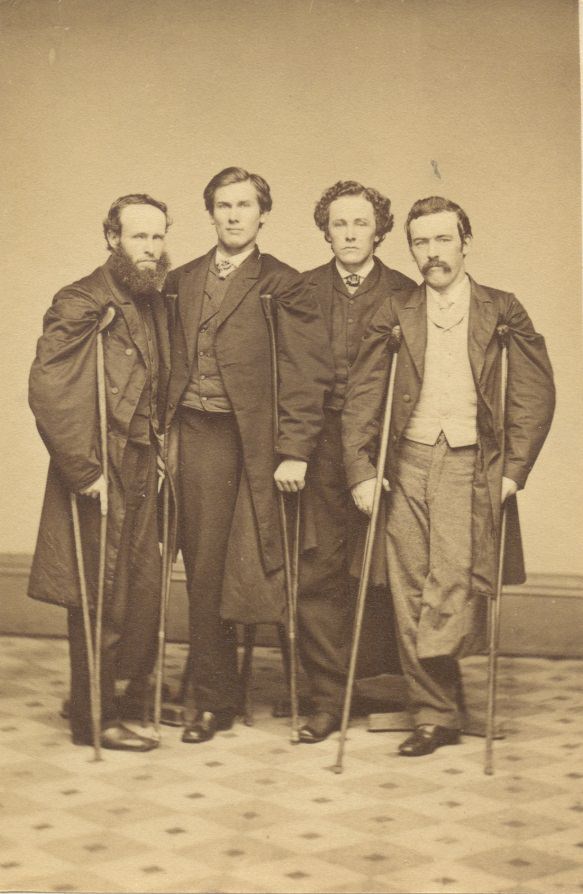
John J. Long, Walter H. French, and E. P. Robinson were three veterans who served during the American Civil War. Long, French, and Robinson were among the countless men who demonstrated bravery and commitment to their respective causes during the war.
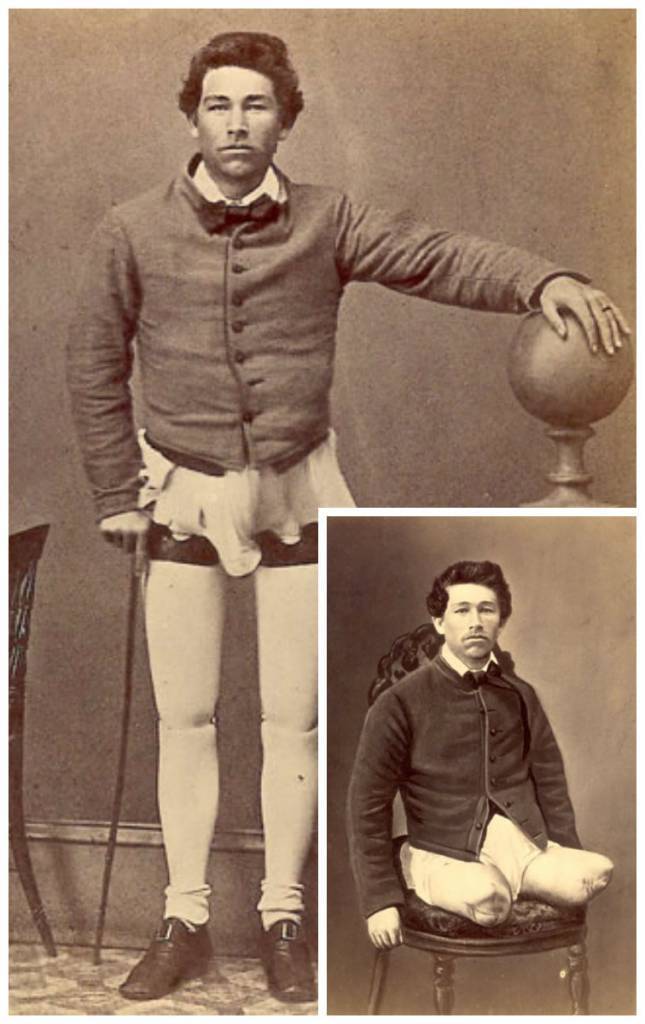
Private Columbus Rush, a 22-year-old soldier from Company C of the 21st Georgia Infantry Regiment, was wounded during the assault on Fort Stedman, Virginia, on March 25, 1865. Fort Stedman was a Union-held fortification near Petersburg, and the battle was part of the Confederate Army’s attempt to break the Union’s hold on the city. Rush was struck by a shell fragment during the battle, which caused a severe injury. Artillery shells could cause significant damage to the human body, often leading to severe pain, disability, or death. The Battle of Fort Stedman was one of the last major engagements of the Civil War, as Confederate forces were eventually forced to abandon Petersburg and Richmond, leading to their surrender at Appomattox Court House on April 9, 1865.
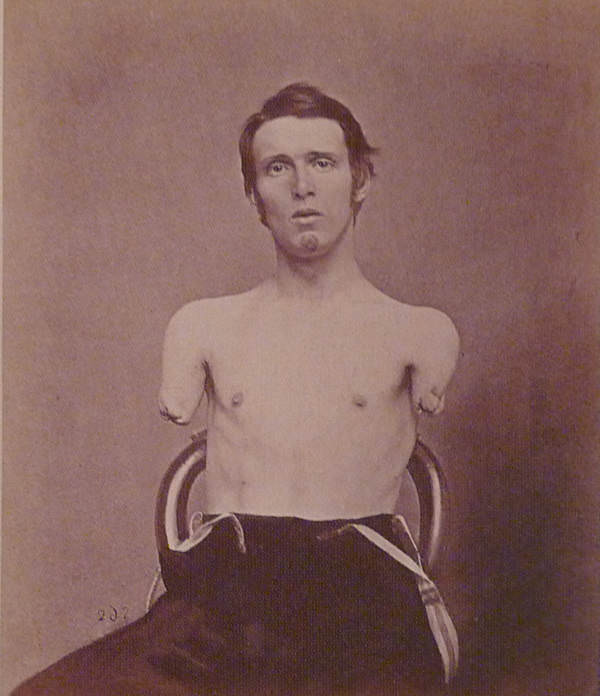
Alfred Stratton was a young soldier who suffered a devastating injury during the American Civil War. On June 18, 1864, at the age of 19, a cannon shot took both of Stratton’s arms. Amputations were often the only viable treatment for severe injuries caused by bullets, shrapnel, or other war-related traumas. Surgeons on both sides of the conflict performed these procedures under challenging conditions, often with limited medical supplies and equipment. The risk of infection and other complications was high, and recovery was difficult for many soldiers.
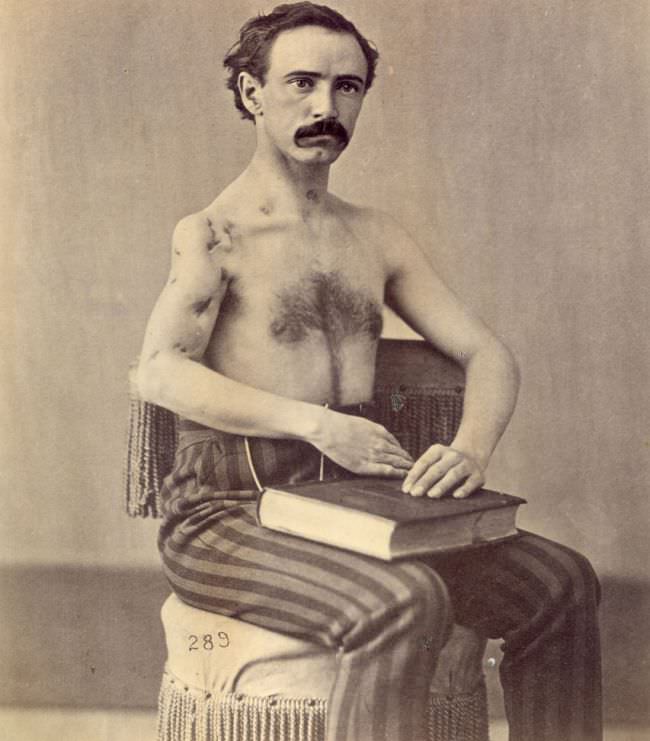
James P. Kegerreis, Battery B, 2nd Pennsylvania Battalion Heavy Artillery, was wounded at Petersburg, Virginia, on June 17, 1864, by a conoidal ball (a type of soft lead bullet). The bullet entered just below the thyroid cartilage and to the left of the trachea, passed downward and to the right under the jugular vein, carrying away one of the wings of the trachea, and emerged about a half-inch above the clavicle. It was deflected in its course by hitting the butt of the musket and again entered in front of the right clavicle.
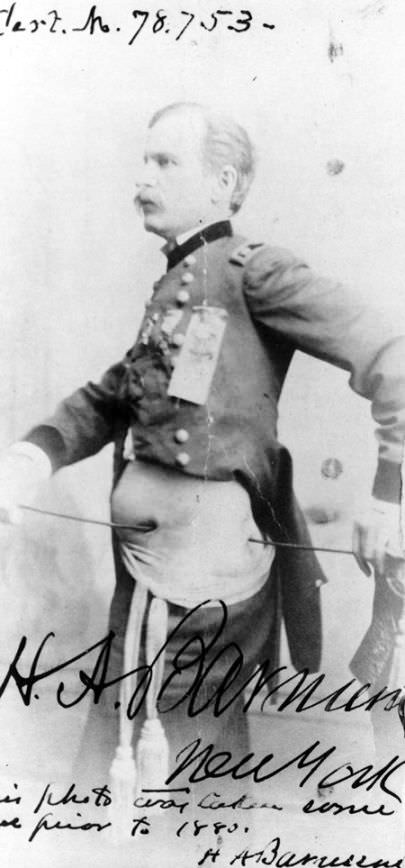
Henry Barnum was shot through the side in 1862, sustaining a severe injury that left a lasting impact. Barnum’s leadership and bravery during the war earned him the Medal of Honor, the United States’ highest military award for valor. The Medal of Honor is presented to those who demonstrate exceptional courage and selflessness in the face of danger, often risking their lives for fellow soldiers and their country.
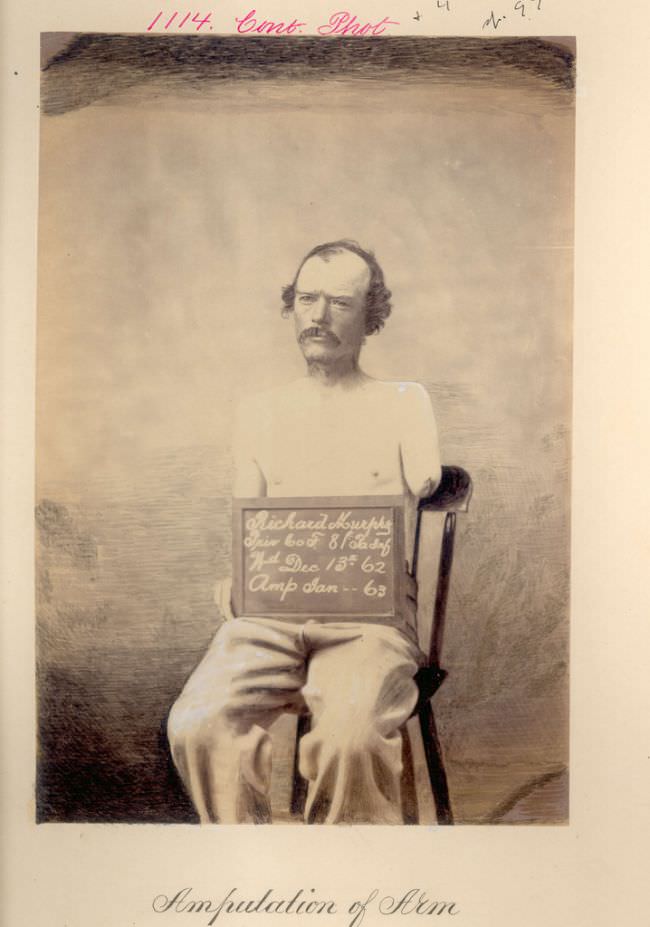
Richard Murphy was wounded during the American Civil War in December 1862. His injury occurred at a time when the war was increasingly brutal and marked by significant casualties on both sides. Like many soldiers, Murphy faced the dangers of the battlefield and experienced the harsh realities of war.
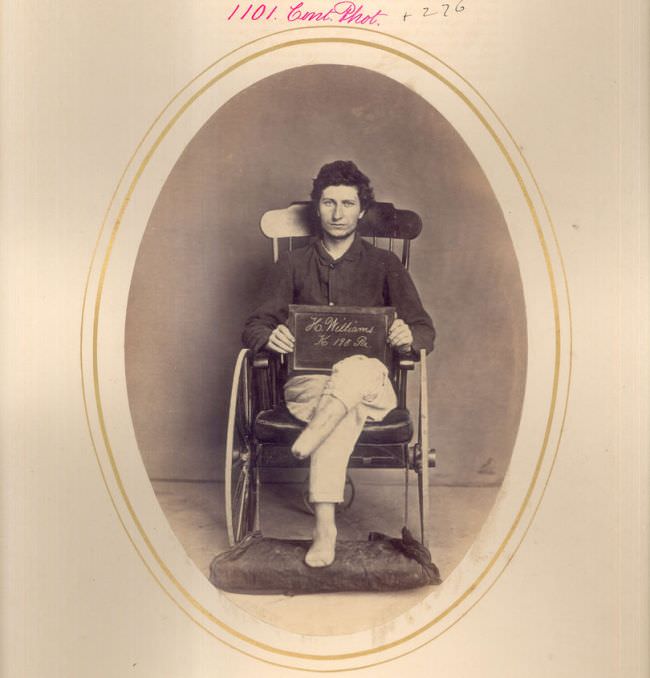
Hiram Williams sustained a severe shell wound during the Battle of Appomattox in 1865. This injury resulted in the amputation of his leg and foot, a life-altering event that was common for soldiers in that conflict.
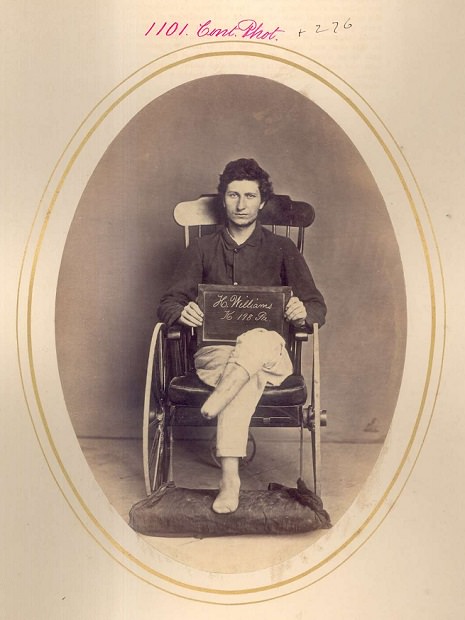
Hiram Williams was a Private in Company K of the 98th Pennsylvania Volunteers during the American Civil War. He suffered a shell wound that led to the amputation of his leg and foot. This type of injury was common during the war, as the use of artillery and other heavy weapons caused severe damage to soldiers on the battlefield. The 98th Pennsylvania Volunteers were involved in numerous engagements throughout the war, participating in significant battles such as Antietam, Fredericksburg, and Gettysburg. Soldiers like Hiram Williams paid a high price for their service. Amputations were frequent during the Civil War due to the limited medical knowledge and resources available at the time. Surgeons often resorted to amputation as the primary treatment for severe limb injuries to prevent infection and save the soldier’s life. Recovery was challenging for amputees like Williams, who had to adapt to life with a disability and the loss of a limb.
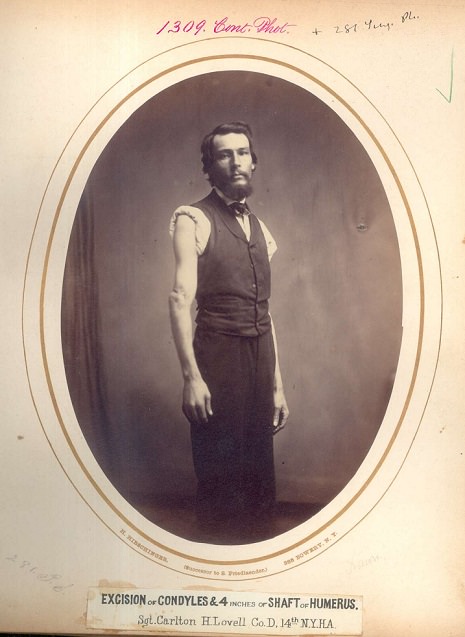
Sergeant Carlton H. Lovell fought in the American Civil War as a member of the 14th New York Heavy Artillery. On June 2, 1864, he was wounded during the Battle of Cold Harbor in Virginia. The Battle of Cold Harbor was a major engagement of the Civil War, fought between May 31 and June 12, 1864. The Union Army, led by General Ulysses S. Grant, suffered heavy losses in this battle, with over 7,000 casualties in just one hour on June 3. Sgt. Lovell was one of those casualties, wounded during the fierce fighting.
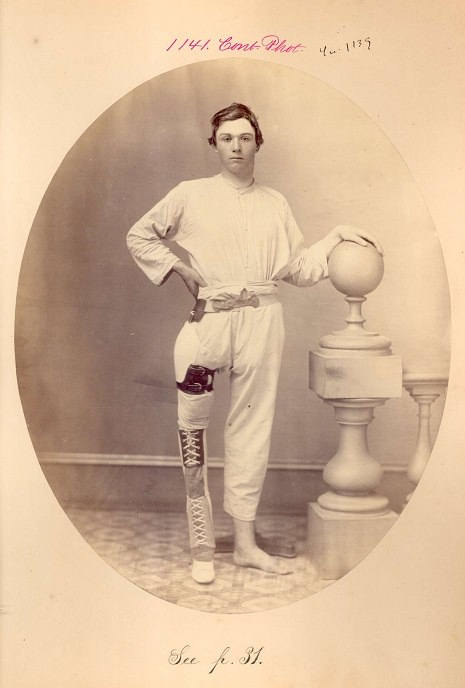
Jason W. Joslyn was a Private in Company I of the 7th New York Heavy Artillery during the American Civil War. He was injured during the 1864 Battle of Cold Harbor, where he underwent a major surgical procedure known as excision of the head and 4 inches of the shaft of the femur. This procedure involved the removal of a portion of the femur bone in the thigh, due to severe injury. A prosthesis was implanted to replace the missing bone, allowing the patient to regain some mobility and function. The 1864 Battle of Cold Harbor was a significant and bloody engagement of the Civil War, with thousands of casualties on both sides.
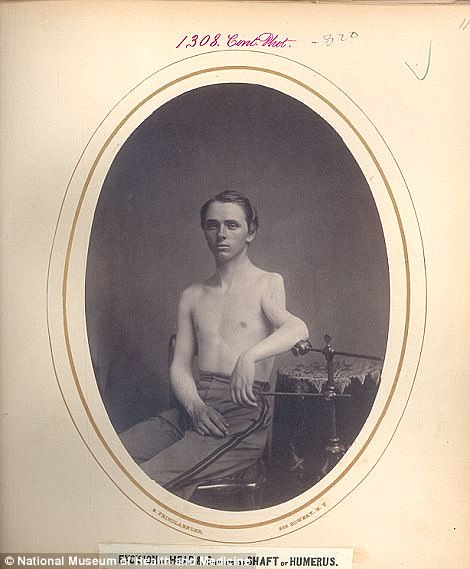
Sergeant Hector Sears was a soldier from Ohio who served in the American Civil War as a member of the Ohio Volunteers. During his service, he suffered a serious injury that resulted in the surgical removal of six inches of his humerus bone in his upper arm. After the surgery, Sergeant Sears required extensive medical attention and rehabilitation. He was fitted with a prosthesis or brace to help support his arm and shoulder.
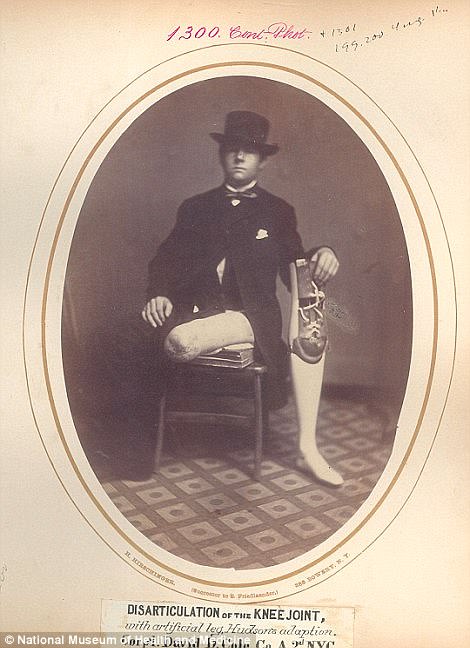
Captain David D. Cole fought in the American Civil War and suffered a severe injury during the Battle of Amelia Courthouse. During the battle, he suffered a complete separation of the knee joint, which required the amputation of his leg.
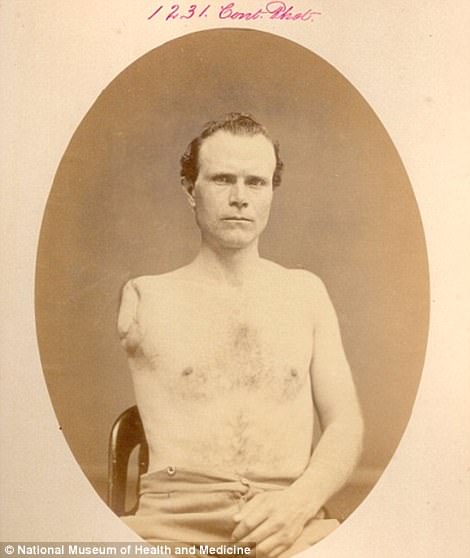
The 67th Pennsylvania Volunteers were part of the Union Army and saw action in several key engagements, including the battles of Antietam, Fredericksburg, Chancellorsville, Gettysburg, and the Wilderness. These battles were marked by intense fighting and high casualties on both sides.
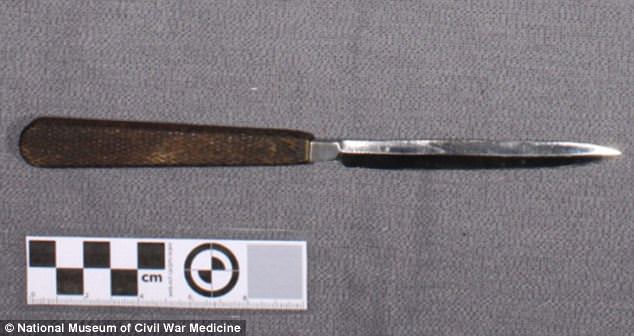
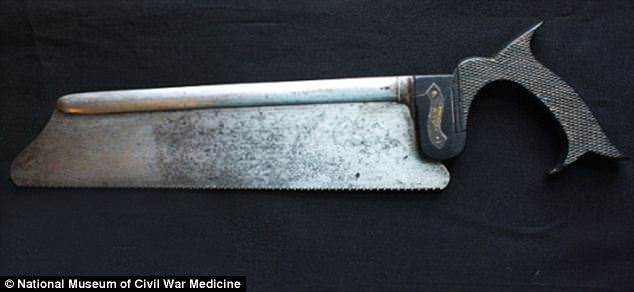
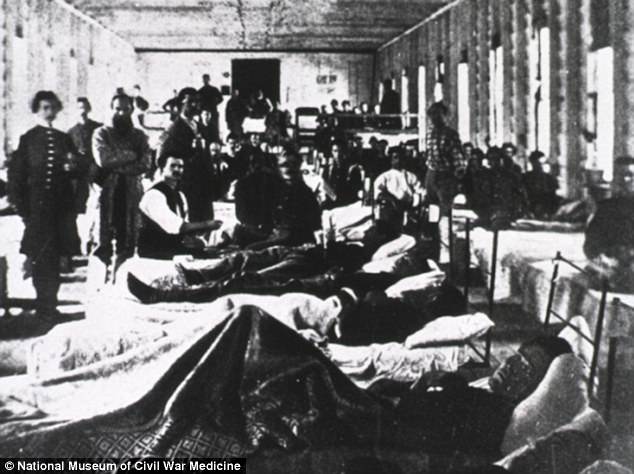
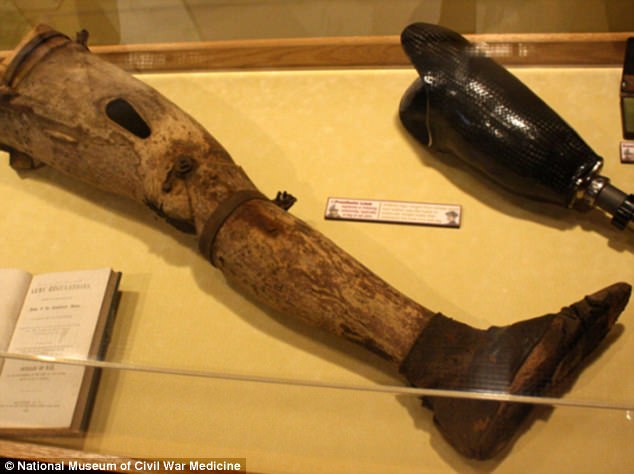
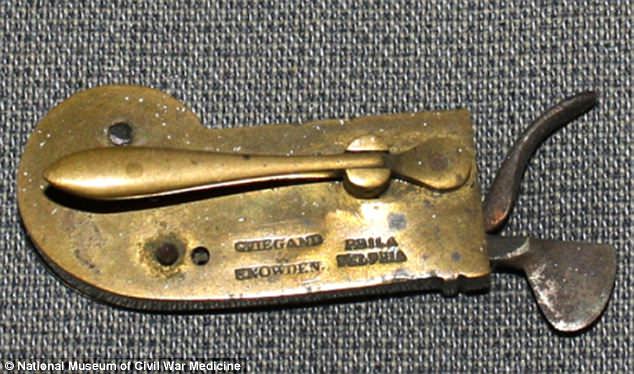
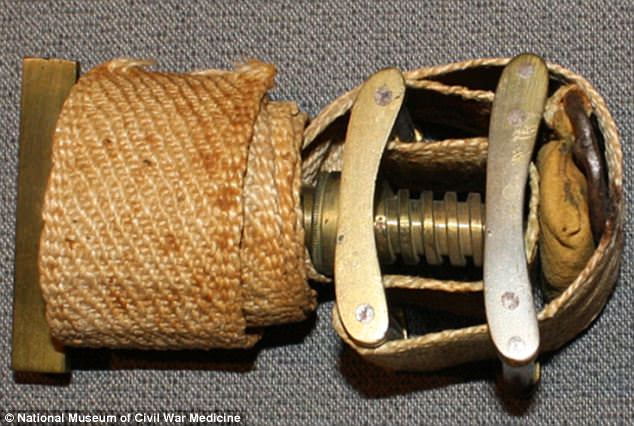
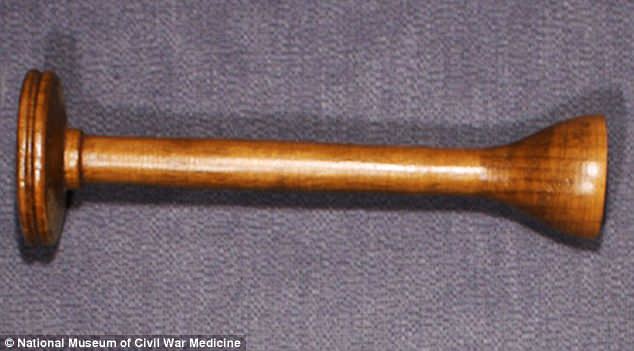
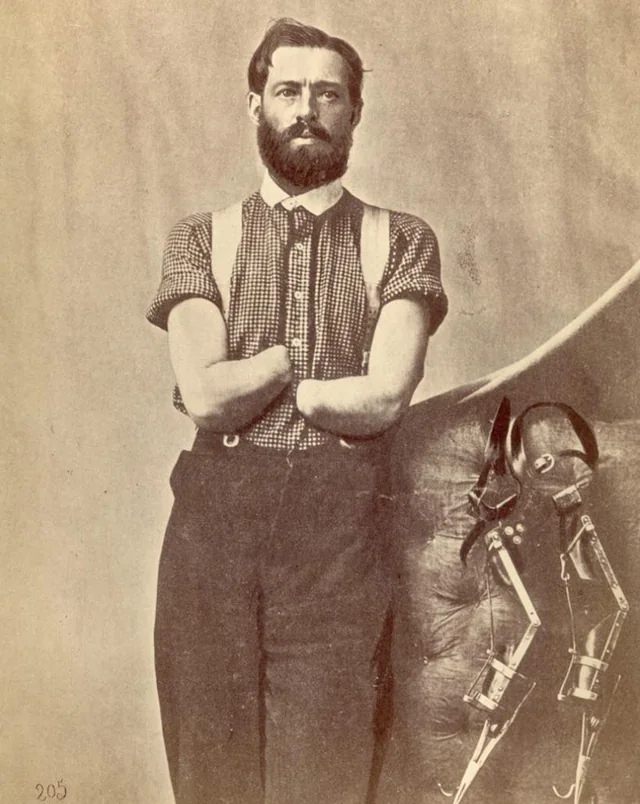
Private Samuel H. Decker receives an annual pension of $300 and works as a doorkeeper at the House of Representatives. Thanks to his self-designed prosthetic apparatus, he can write clearly, pick up small objects like pins, carry items of moderate weight, feed and dress himself, and act as a police officer in instances of disorder in the Congressional gallery. The 4th US Artillery was an important unit in the Union Army, providing artillery support in many of the major engagements of the Civil War.
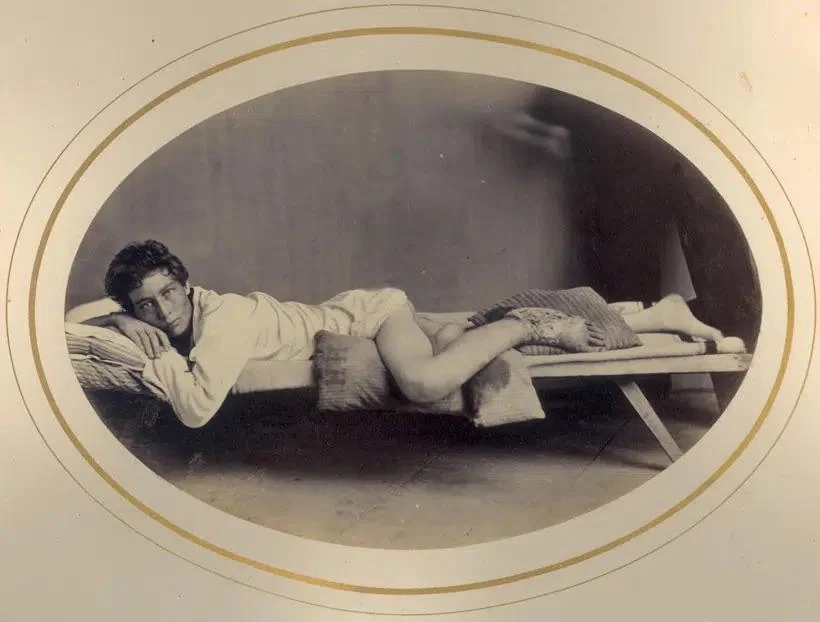
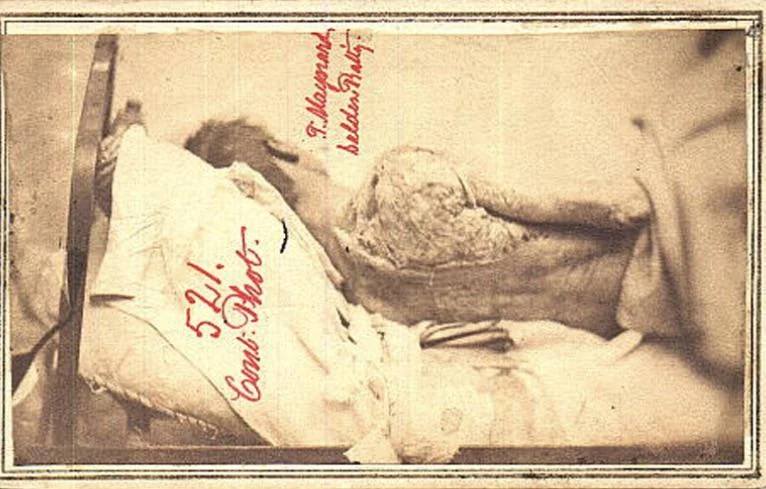
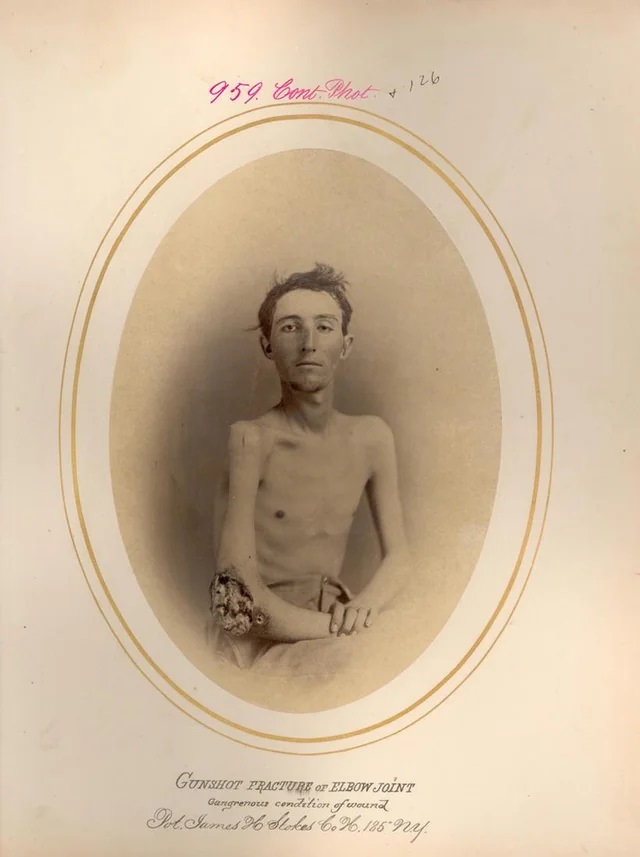
On March 29, 1865, Private James H. Stokes was struck by a Minié ball at Gravelly Run, Virginia. The bullet fractured his humerus and caused severe inflammation in his right forearm and elbow. He was admitted to Harewood U.S.A. General Hospital on April 2, 1865, where he underwent surgery on his elbow joint. Gangrene set in by May 1, which required further treatment with turpentine and kerosene oil. Stokes also received internal stimulants, iron chloride tincture, quinine, and a nutritious diet to aid in his recovery. Over the following months, his condition improved, and by June 1, his arm was healing well. However, the injury ultimately resulted in anchylosis, or joint stiffness. Stokes was discharged on July 5, 1865, after months of treatment under the care of Surgeon R. B. Bontecou.
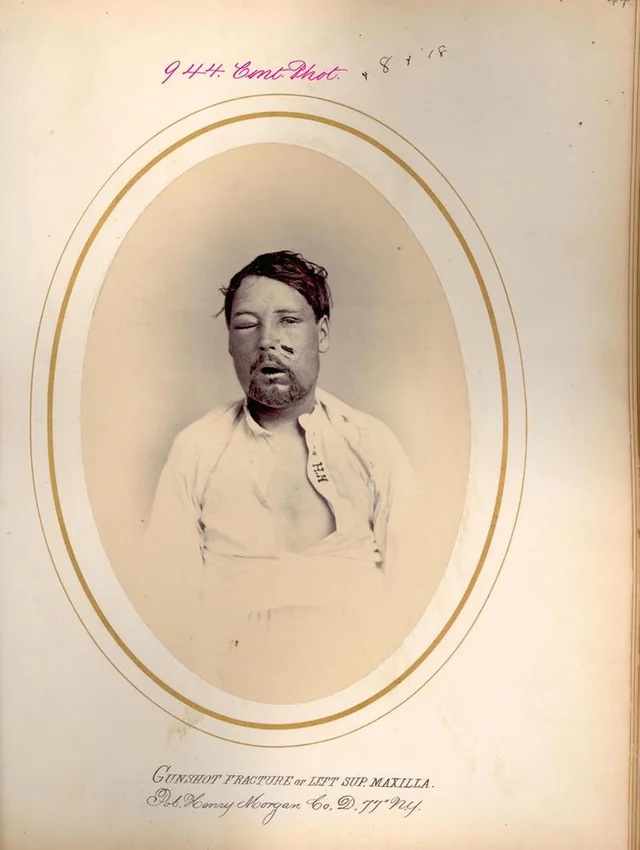
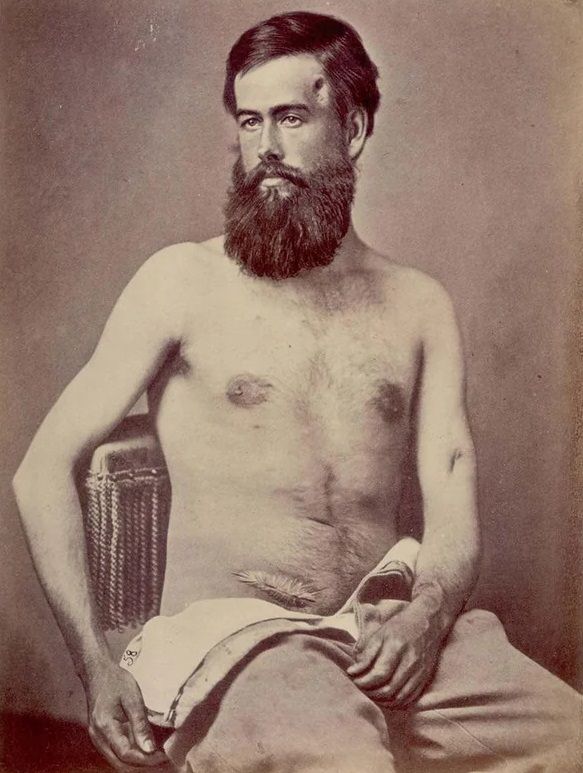
Private Edson D. Bemis of the 12th Massachusetts regiment endured multiple injuries during the American Civil War. At Antietam, Bemis suffered a fractured left humerus due to a musket ball, which eventually healed with minimal displacement and shortening. After being promoted to corporal, he sustained another injury at the Battle of the Wilderness, where a musket ball struck his right iliac fossa. Bemis underwent treatment at Chester Hospital near Philadelphia, experiencing extensive sloughing around the wound before it healed. Bemis returned to duty after eight months and was injured once more at Hatcher’s Run near Petersburg. This time, a musket ball fractured his left temporal bone and lodged in his left cerebral hemisphere. Surgeons removed the ball and bone fragments on February 8, 1865. By July 15, 1865, the head wound was nearly healed, with only a slight discharge of pus remaining. Despite visible pulsations of the brain beneath the skin, Bemis retained full mental and sensory faculties. Corporal Bemis’ case can be found in the Medical and Surgical History of the War of the Rebellion, providing insight into the surgical practices and treatments of the time.
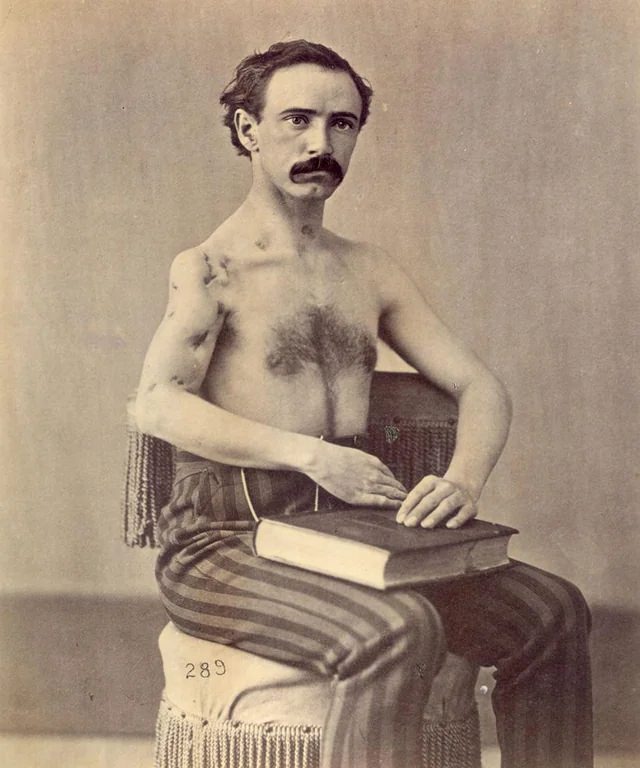
Private James P. Kegerreis, a soldier from Company B of the 2nd Pennsylvania Heavy Artillery, suffered a complex gunshot injury during the Battle of Petersburg on June 17, 1864. A conoidal ball struck Kegerreis below the thyroid cartilage and to the left of the trachea, passing downward and to the right beneath the jugular vein. The bullet damaged a wing of the trachea before exiting above the clavicle, just three inches from the point of entrance. The trajectory of the bullet was altered when it struck the butt of Kegerreis’ musket, re-entering his body in front of the right clavicle, two inches from the acromial end. It continued through the surgical neck of the humerus and exited near the center of the deltoid muscle. The severity of this injury required the excision of the humerus and involved damage to the trachea, clavicle, and shoulder joint. Despite the complexity of the wound, Private Kegerreis recovered from his injuries.
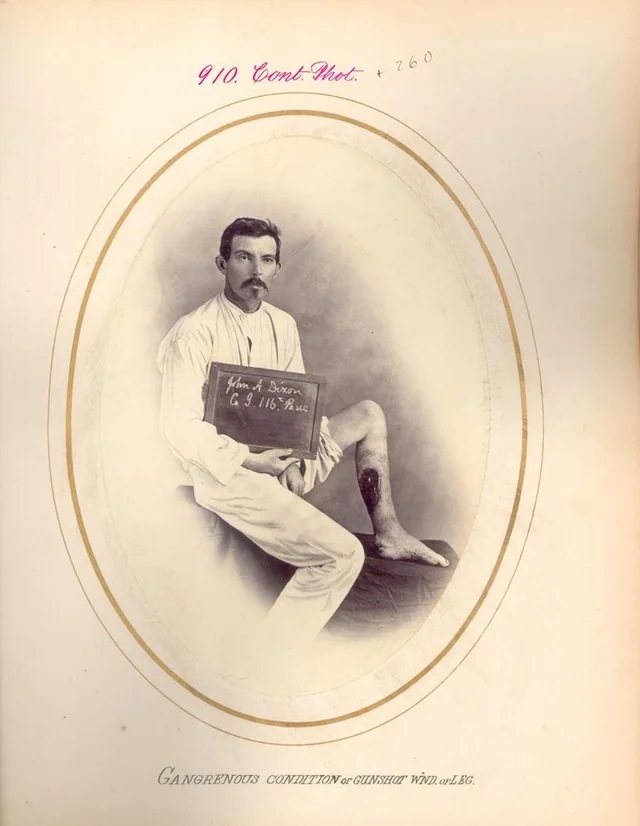
Sergeant John A. Dixon, a 32-year-old soldier from Company I, 116th Pennsylvania Volunteers, was admitted to Harewood U.S.A. General Hospital on April 12, 1865, after sustaining a gunshot wound to his left leg during the Battle of Petersburg, Virginia. The injury, which occurred on March 31, 1865, affected the lower third of his leg and caused damage to the soft tissues. Upon admission, both Dixon’s overall health and the condition of his injured leg were considered good. His recovery progressed until May 10, 1865, when gangrene developed in the affected area. Despite this complication, Dixon’s outcome was favorable, and he began to heal under the care of Surgeon R. B. Bontecou, who was in charge of the hospital.
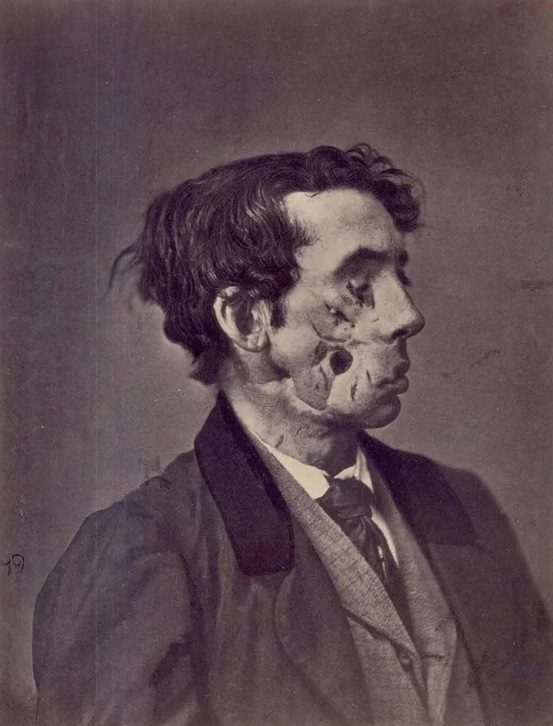
Private Joseph Harvey of Company C, 149th New York, suffered severe injuries at the Battle of Chancellorsville on May 3, 1863. A fragment of a shell destroyed his right eye, fractured his right superior maxilla, chipped off a piece of his lower jaw, and extensively lacerated his right cheek. Harvey was captured by the enemy and remained a prisoner for 11 days. In June 1863, he was admitted to Mansion House Hospital in Alexandria. By August, exfoliated bone fragments were removed from his wounds. A ferrotype captured the appearance of his injuries at that time and was sent to the Army Medical Museum. On May 7, 1865, Harvey was discharged from service due to physical disability but later found work as a night-watchman at the Commissary Hospital in Alexandria. When his photograph was taken on June 22, 1865, the loss of substance in Harvey’s cheek remained unrepaired, causing liquids and saliva to escape from the wound. He also experienced slight deafness and partial facial paralysis on the right side. Harvey received a pension for his service-related injuries. His death was reported on December 9, 1868, from an unknown cause. Private Harvey’s case was documented by George A. Otis.

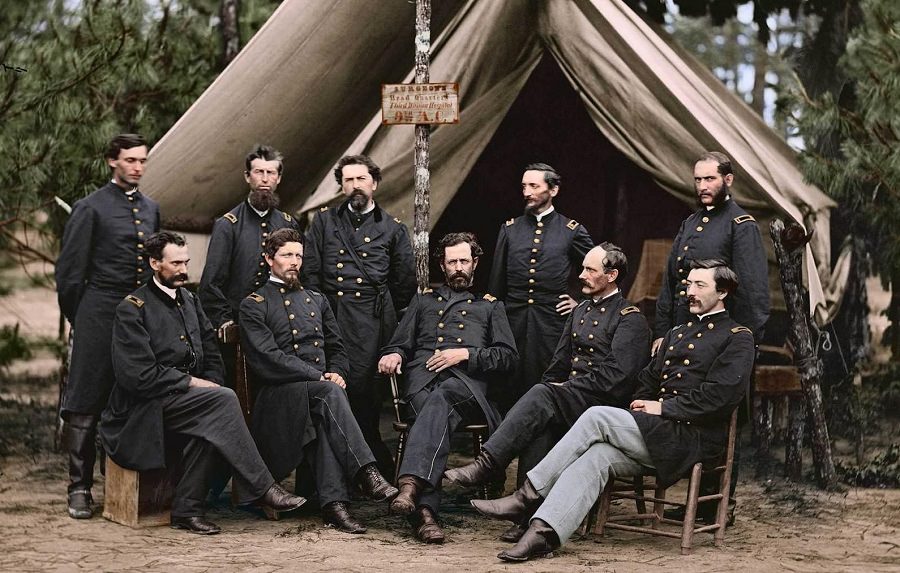
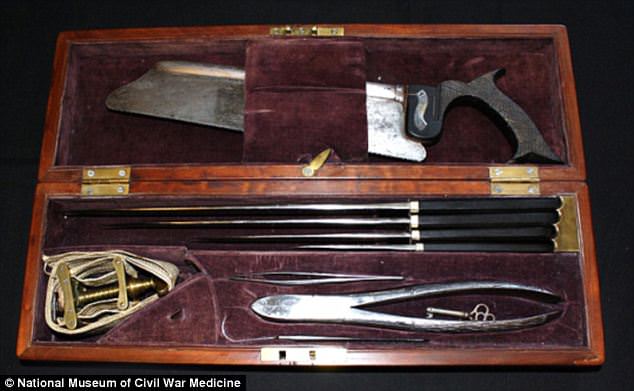
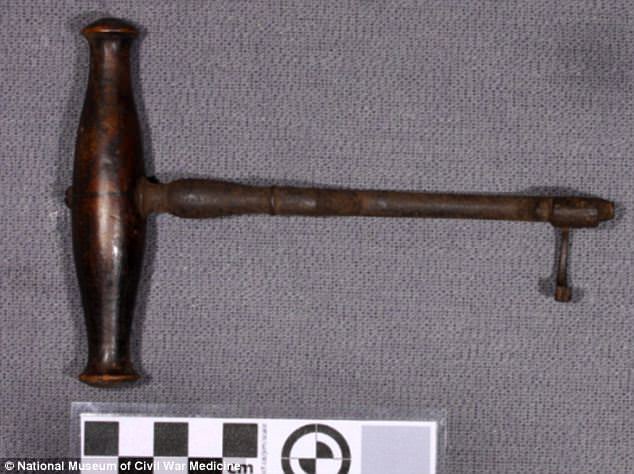
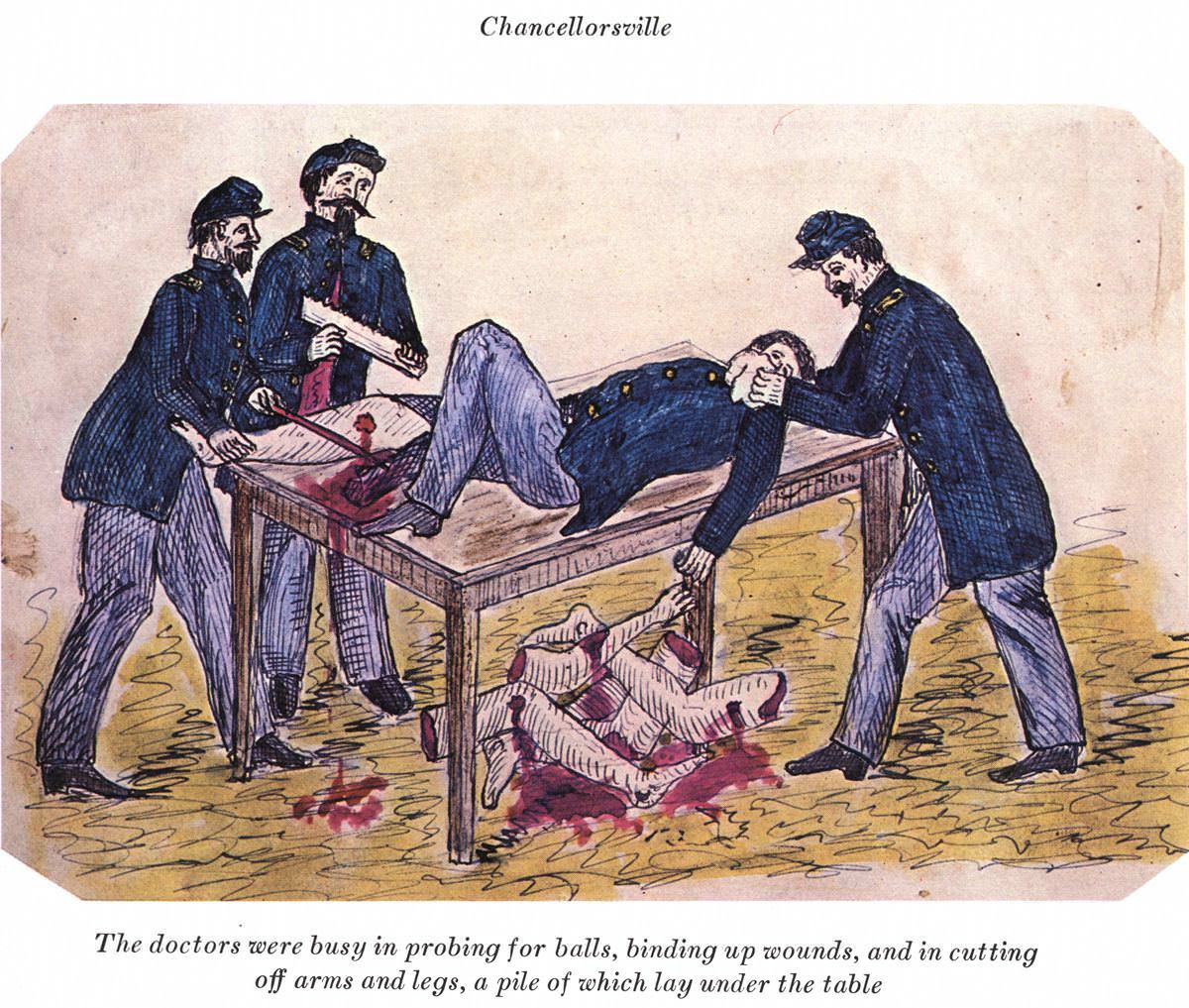
Anesthesia was not well understood at the time and was only mainstreamed in Britain 15-20 years before the Civil War. It was difficult to come by in the numbers needed to supply an army. Pain was not seen as a major issue in the 19th century. Surgeons were overworked and not well-trained. The best doctors from the East coast schools were reserved for desperate cases or to tend to wounded officers. Regimental infirmaries were staffed by an eclectic mix of enthusiasts, quacks, frauds, and med-school dropouts. In many cases, there were only 1-2 surgeons available to tend to thousands of wounded soldiers. Anesthesia might have made 1 person more comfortable but could cost the time needed to save 4 other lives, so it was not a priority for many surgeons.
Sadly, despite the use of anesthetics, many soldiers still died from infections after amputations during the Civil War. The reality of the time was that it was a dangerous and frightening time to be a soldier.
Morphine was extensively used during the Civil War, but addiction became a concern. Consequently, diamorphine was developed to help individuals transition off of morphine. However, that is a different story.
Then they created oxycodone to get people off the diamorphine.That, of course, is another story.
Yes, that’s correct. Morphine was commonly used as a pain reliever during the Civil War, but its addictive properties were not fully understood at the time. Many soldiers became addicted to the drug, and this addiction often continued long after the war was over. In 1874, a chemist named C.R. Wright synthesized diacetylmorphine, which was marketed by the Bayer pharmaceutical company as a non-addictive alternative to morphine. However, this new drug was soon found to be even more addictive than morphine and was eventually banned in the United States in 1924.
The anesthetics used during that time period were often imprecise and not held to the same quality standards as today.
Alcohol was the only available anesthetic at the time, and later on, there was a widespread addiction to morphine among soldiers that was referred to as “the soldier’s disease.”
If there were any anesthetics used during the Civil War, it was certainly not widespread or consistent. There is evidence to suggest that some alcohol was used as an anesthetic, but this is not a reliable or effective method. A book about the Napoleonic War describes how patients would sing during amputations and how severed limbs were thrown out of windows into piles. The same instruments were often used on multiple patients without proper sanitation. In one account, a soldier who made too much noise during surgery was hit with the arm that had just been amputated from another patient. The mindset of the time was very different from today, and it can be difficult to understand and imagine the experiences of those in the past.
Based on my understanding, the drug you may be referring to is chloroform. While it was used as an anesthetic during the Civil War, it was not always readily available and there were issues with its administration, including the risk of overdose and death. Additionally, many surgeons preferred to operate without anesthesia due to concerns about its safety and the potential for it to delay treatment. However, the use of anesthesia did increase during the war, and drugs like ether and chloroform were used when available.
In the film Gone with the Wind, the doctor discusses the shortage of anesthesia and the need to amputate a gangrenous leg regardless. Additionally, during this time period, there were issues with cleanliness as surgical tools were not always properly cleaned, and amputated limbs were often discarded outside the medical tents or buildings.
During my childhood in the 1950s, I was treated by a doctor who lived just three houses up the street and was in his 70s. He was a retired military physician and had written an important book on military surgery and treatment of war injuries. The book became the “bible” for military doctors and surgeons in the USA and Britain from 1916 onwards and was published in ten editions between 1916 and 1918.
Why was amputation so common during the Civil War?
The primary reason for the high number of amputations during the Civil War was the extensive use of large-caliber minie-ball ammunition, which caused severe and often irreparable damage to bones and soft tissue. In addition, the lack of antiseptics and antibiotics and the overwhelming number of patients made it difficult to perform extensive surgeries or attempt to repair the damage. As a result, amputations were often the only option for saving the lives of wounded soldiers.
During the Civil War, medical technology was not advanced enough to repair shattered bones and shredded blood vessels. The most effective way to save a soldier’s life was to remove the severely injured limb, as leaving it attached could lead to infection and death.
Amputation was a common medical practice before the Civil War because of the lack of advanced medical technology to repair severely damaged limbs. In cases where an artery was damaged, amputation was necessary to prevent the person from bleeding to death. This was also the case in previous times when medical technology was not advanced enough to repair damaged arteries.
Before the advent of antibiotics and germ theory, the only way to prevent gangrene was to amputate the affected limb. Additionally, a new type of bullet, the Minnie ball, caused more severe wounds.
The lack of sterilization and black powder muskets. Black powder muskets required a larger diameter bullet due to weak propellant, which caused extensive damage to bones and blood vessels that medicine at the time could not repair. Additionally, wounds left by the bullets required bandages, but with no knowledge of sterilization, the bandages were often reused after a light washing, causing infections that led to gangrene and amputation of the limb. The same contaminated bandages were then reused on the next patient, perpetuating the cycle of infections.
The expanding ammunition they used, like the Minnie ball, shattered bone on impact, unlike the old musket ball ammo that usually went clean through. Due to the extensive bone damage, amputation was often necessary, as there was no time or technology to repair it. Additionally, amputation was used to prevent infection, but unfortunately, the procedure itself often led to gangrene.
the lack of intravenous fluids and blood transfusions meant that hemorrhaging had to be stopped immediately to prevent death. Aseptic surgical techniques were not yet developed, leading to a higher incidence of wound infections. Additionally, general anesthesia had not been invented, so operations had to be performed quickly. Finally, the absence of antibiotics at the time meant that treatment options for infected wounds were limited. The first antibiotic, sulfanilimide, was not developed until 1936.
Many soldiers in photographs from this era appear to be very thin. Was this due to their injuries or was it common for soldiers to be thin during this time?
The soldiers during that time often suffered from malnutrition due to poor food provisions. In some cases, it was difficult to stay provisioned, which led to soldiers becoming extremely skinny. There were also issues with feeding POWs, which was a low priority and led to anger among Northerners regarding the South’s treatment of prisoners.