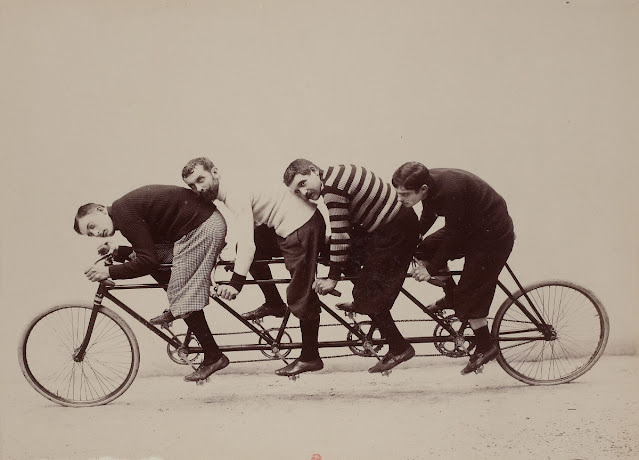
By the late 1800s, tandem cycling had taken hold in Paris as both a competitive sport and a fashionable social pastime. A tandem bicycle, built for two riders pedaling in sync, demanded real teamwork and physical coordination. That combination made it stand out from solo cycling and drew crowds to watch riders compete.
Paris before World War I was a city alive with organized sport. Cycling federations formed, competitions became regulated events, and public interest in athletic performance grew rapidly. Tandem cycling slotted neatly into this world, appealing to working-class enthusiasts and the bourgeoisie alike.
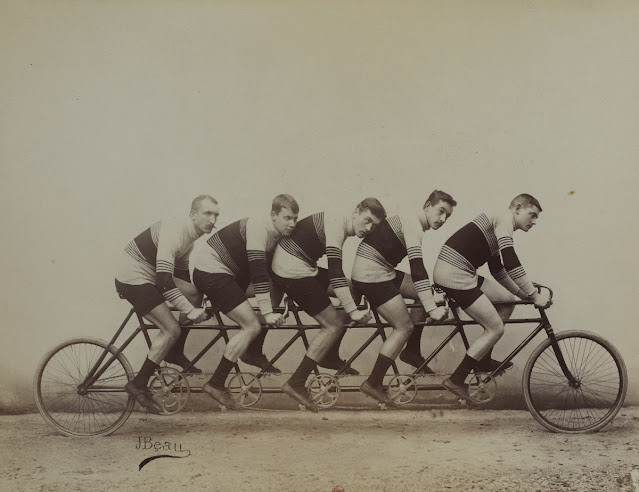
One man made it his mission to document this scene. Jules Beau, a French photographer active between 1896 and 1897, is recognized as the first photographer to specialize in sports photography and distribute his work directly to the press.
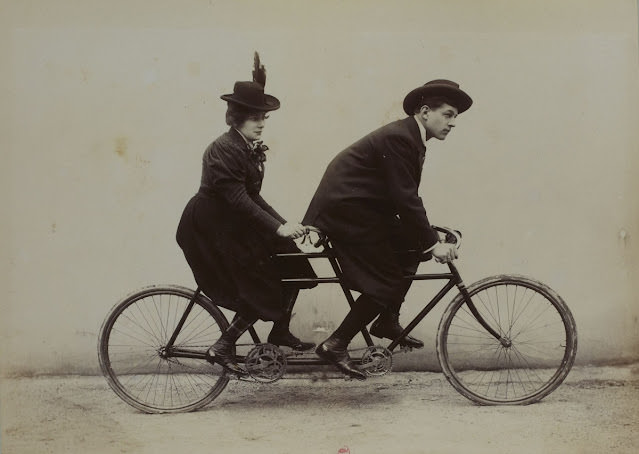
Beau focused on what he called “the people’s sports” — events and activities that drew ordinary Parisians into the streets and velodromes. Tandem cycling was one of his recurring subjects, and he photographed riders with the same seriousness he gave to boxers or wrestlers.
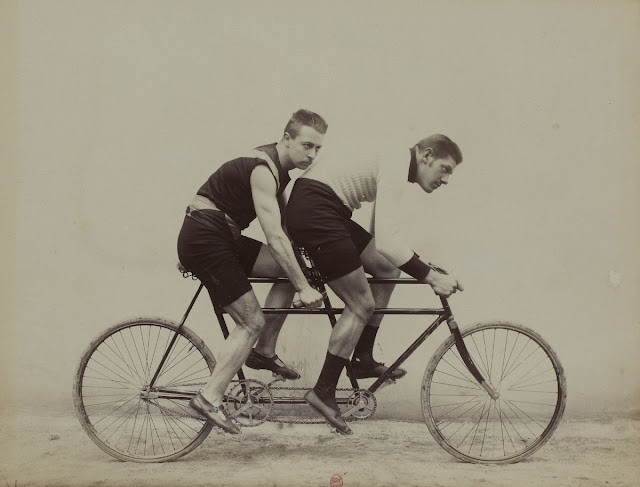
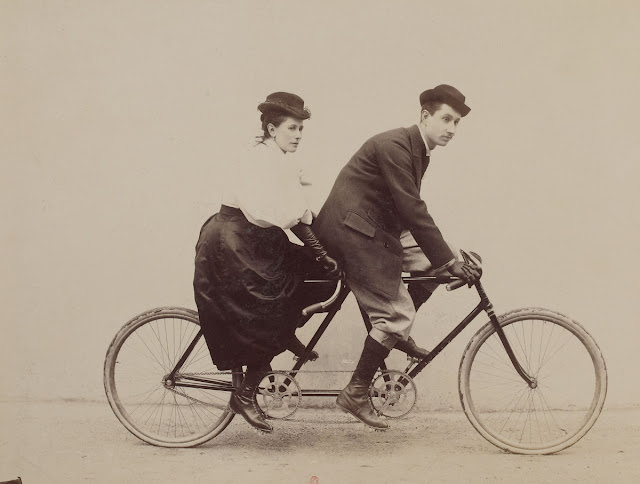
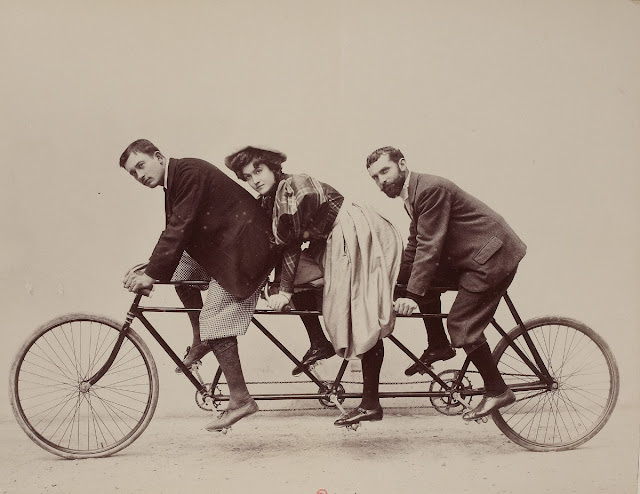
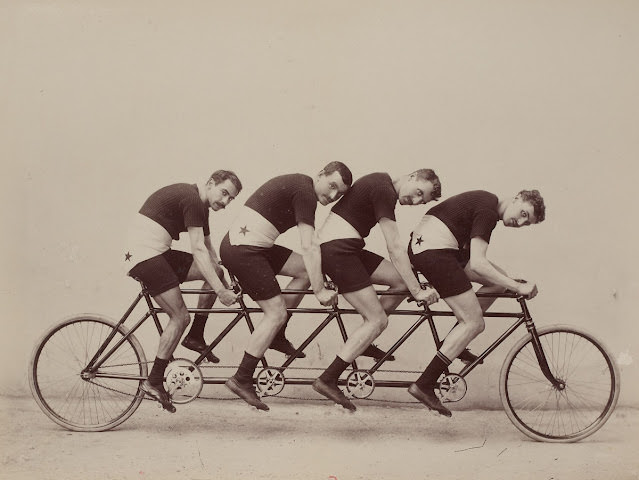
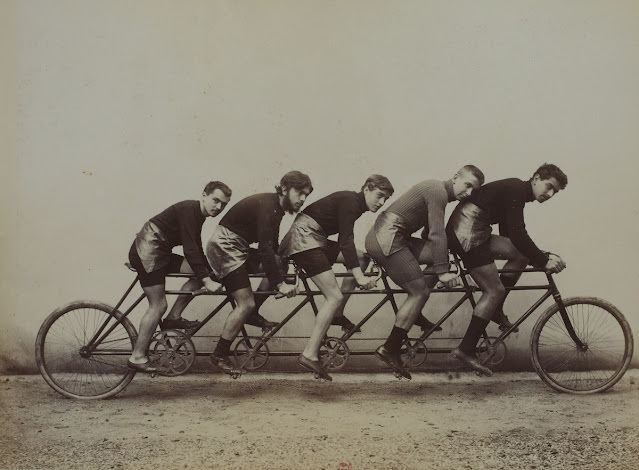
His albums contain images of men and women posed on their tandem bicycles, dressed in the athletic wear of the era. Some photos show competitive riders ready to race. Others capture pairs in a more relaxed, social setting — reflecting the dual role cycling played in late 19th-century life.
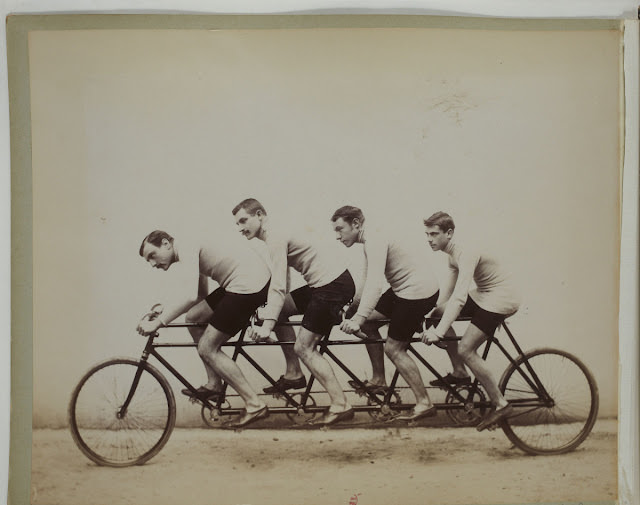
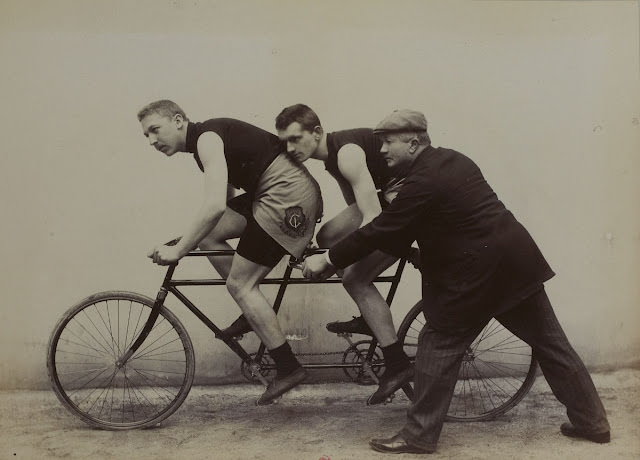
The bicycles themselves were engineering achievements of the time. Manufacturers competed to produce faster, lighter frames, and the tandem design pushed those innovations further by requiring balance and mechanical reliability for two riders at once.
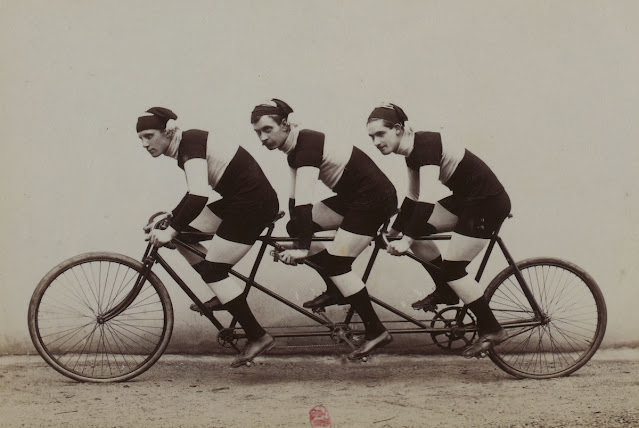
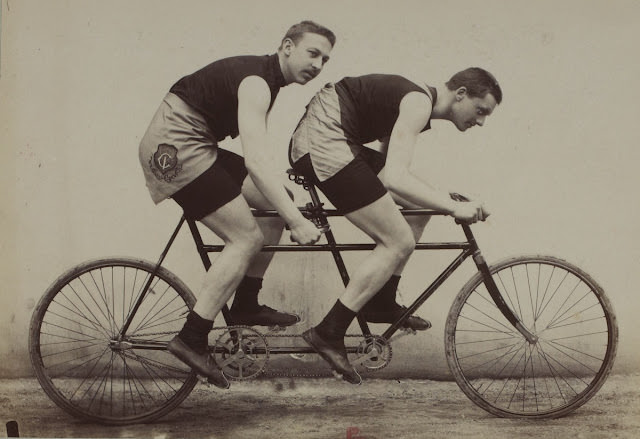
Beau’s photographs serve as direct historical records. They show us exactly how riders held themselves, how the bicycles were built, and how people dressed for the sport. No written description matches what his lens preserved.
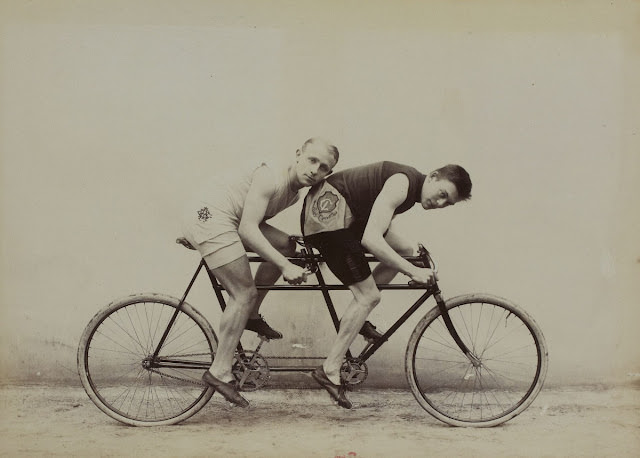
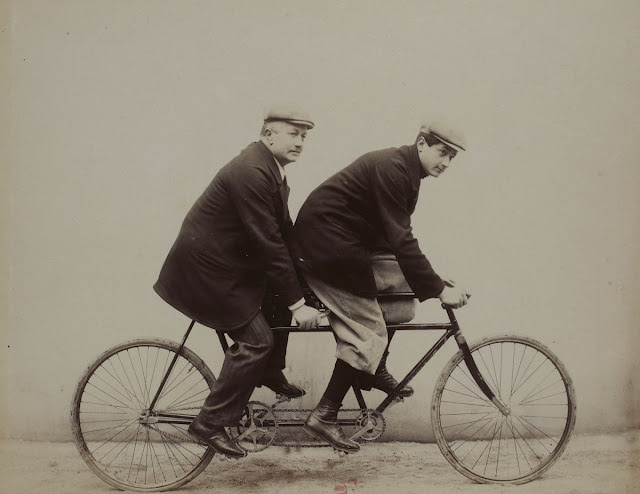
Women appeared in these photos regularly, which was notable for the period. Cycling, including tandem riding, gave women a socially accepted way to participate in public athletic life at a time when that was far from common.
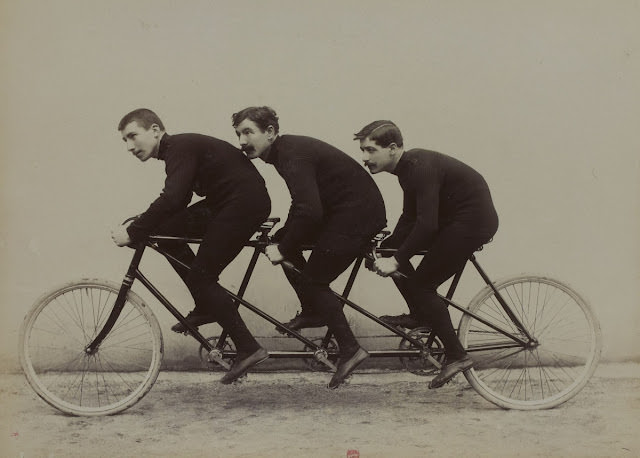
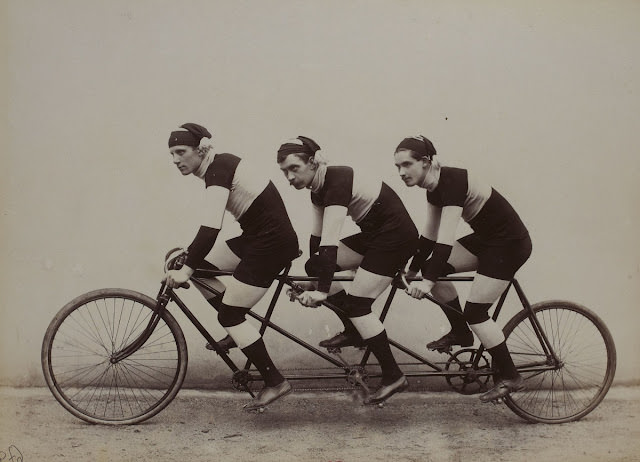
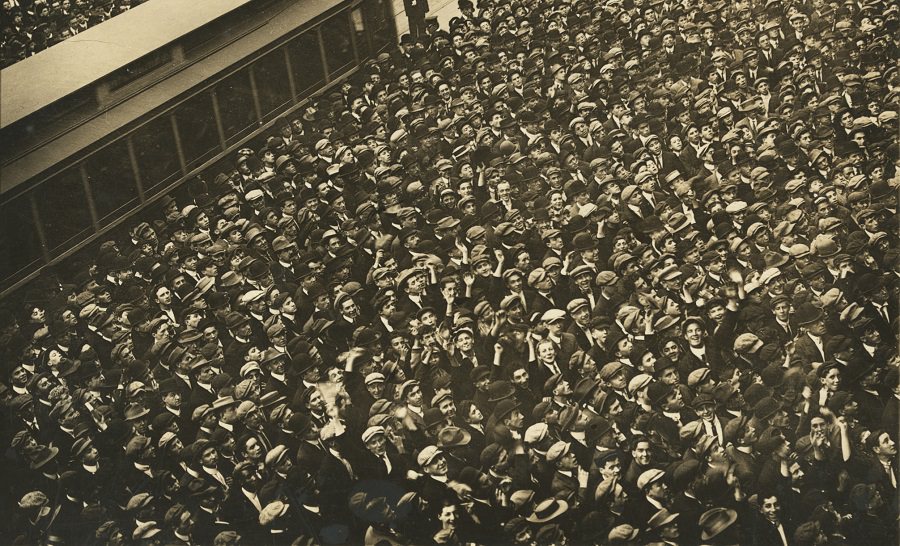
Tandem competitions drew real spectators. Races were organized events with clear rules and structured start times, not informal street contests. The sport carried genuine prestige among cycling clubs and federations across the city.
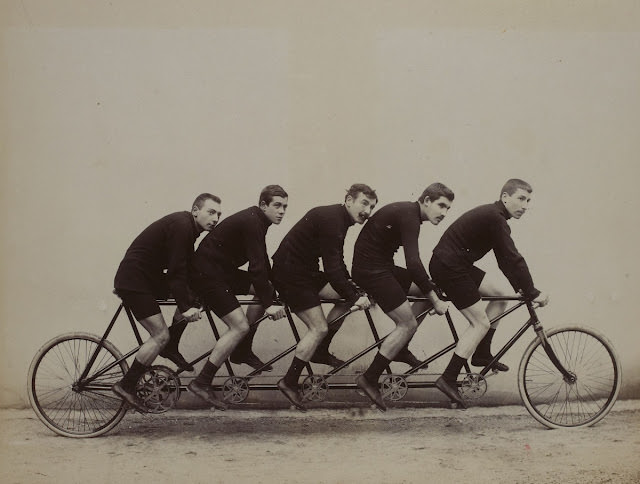
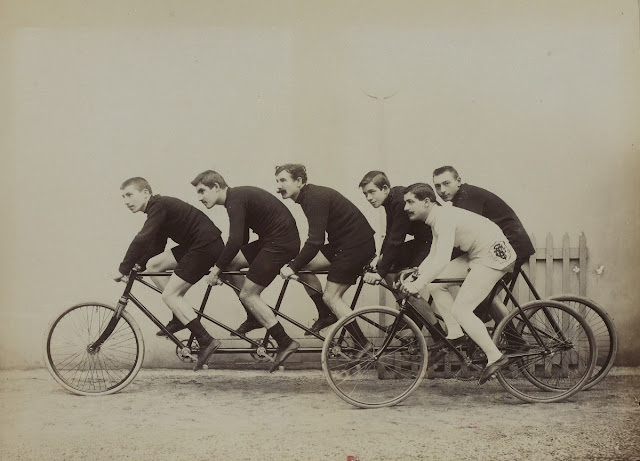
Beau distributed his photographs to newspapers and sporting publications, making these images widely seen at the time. His work helped build a public identity for cycling as a serious, organized sport worthy of press coverage.
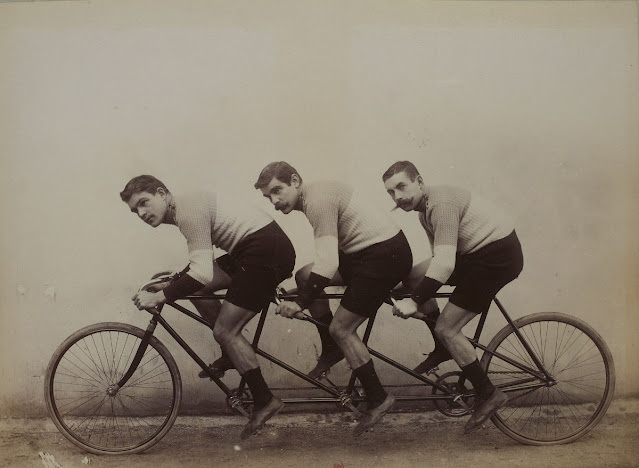
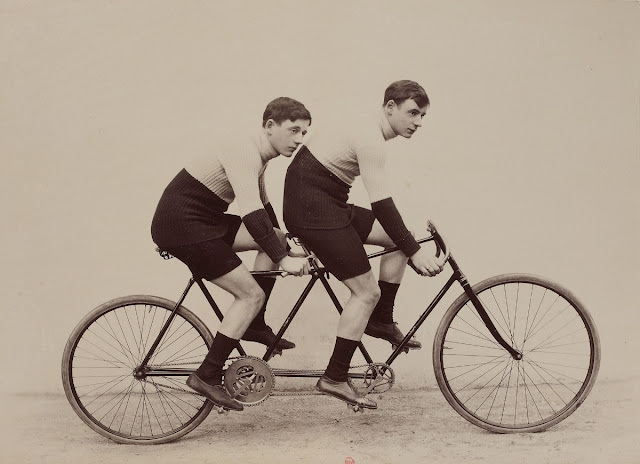
Each photograph in his collection captures a specific moment in a rapidly changing sporting culture. Tandem cycling was new, exciting, and very much a product of its time — a late 19th-century sport built on technology, teamwork, and Parisian enthusiasm for public performance.