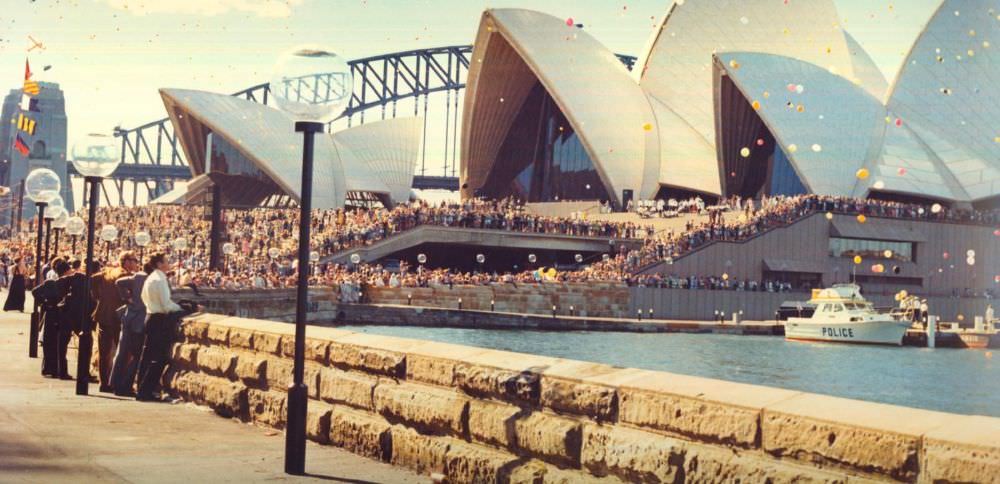
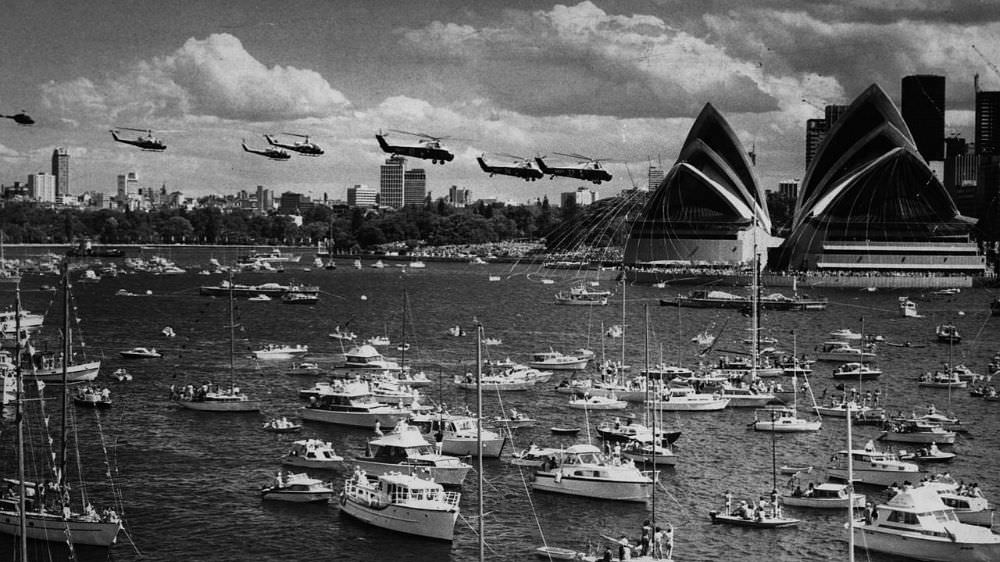
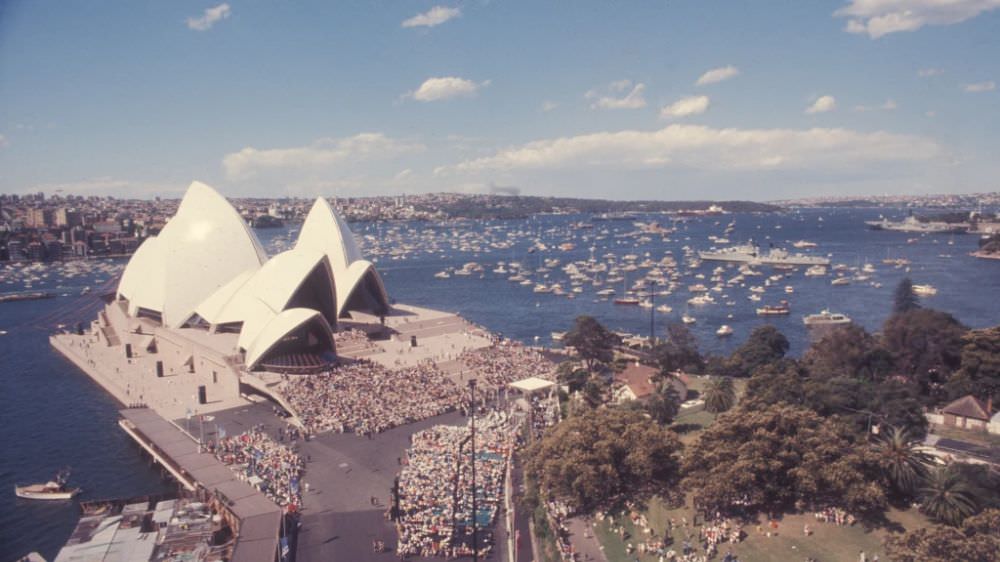
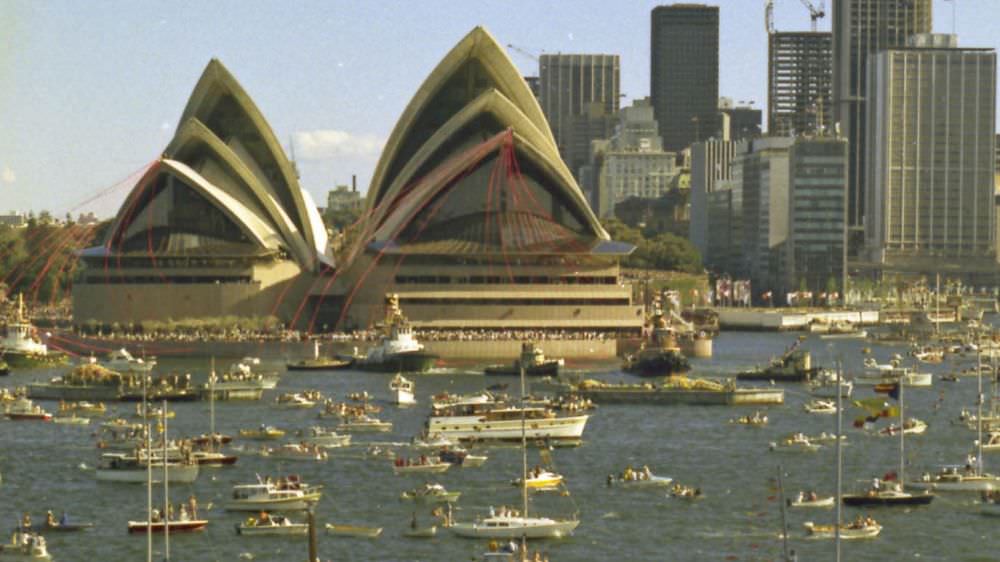
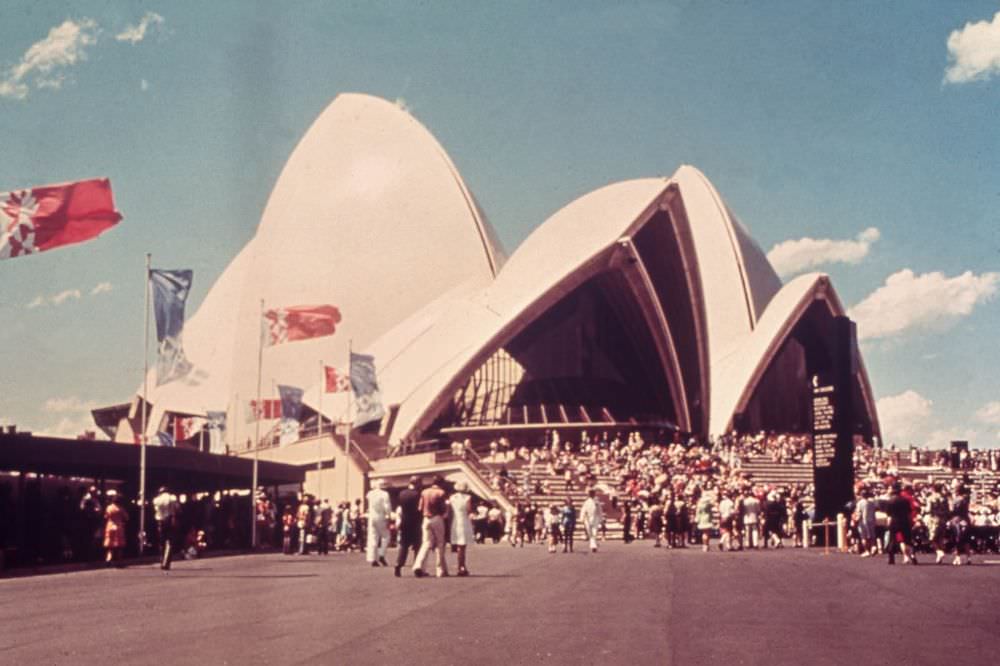
On October 20, 1973, Queen Elizabeth II officially opened the Sydney Opera House in front of thousands of spectators gathered along the harbor. It was one of the most significant public events in Australian history, capping off a construction journey that had stretched across 16 years and engaged more than 10,000 workers.
The building’s story began in 1957, when Danish architect Jørn Utzon was selected from more than 200 entries in an international design competition. His vision was bold — a structure defined by a series of sweeping, shell-like roof forms that resembled a tall ship running at full sail. Nothing like it had ever been built before.
The building sits on Bennelong Point, jutting into Sydney Harbour. Its white interlocking shells quickly became the defining image of the city. Inside, the design was equally ambitious, featuring a grand foyer and four main performance spaces: the Concert Hall, the Opera Theatre, the Drama Theatre, and the Playhouse.
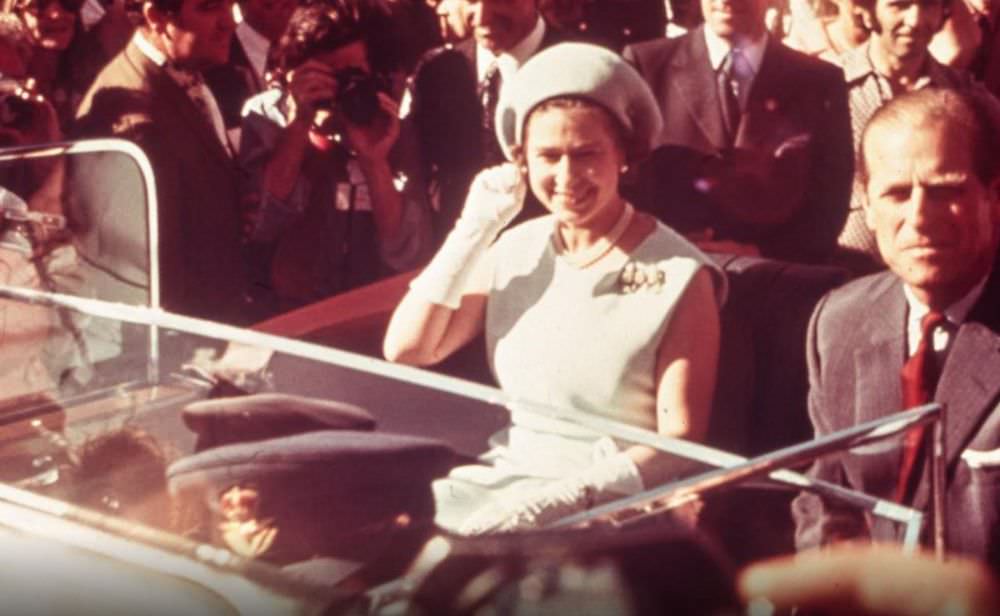
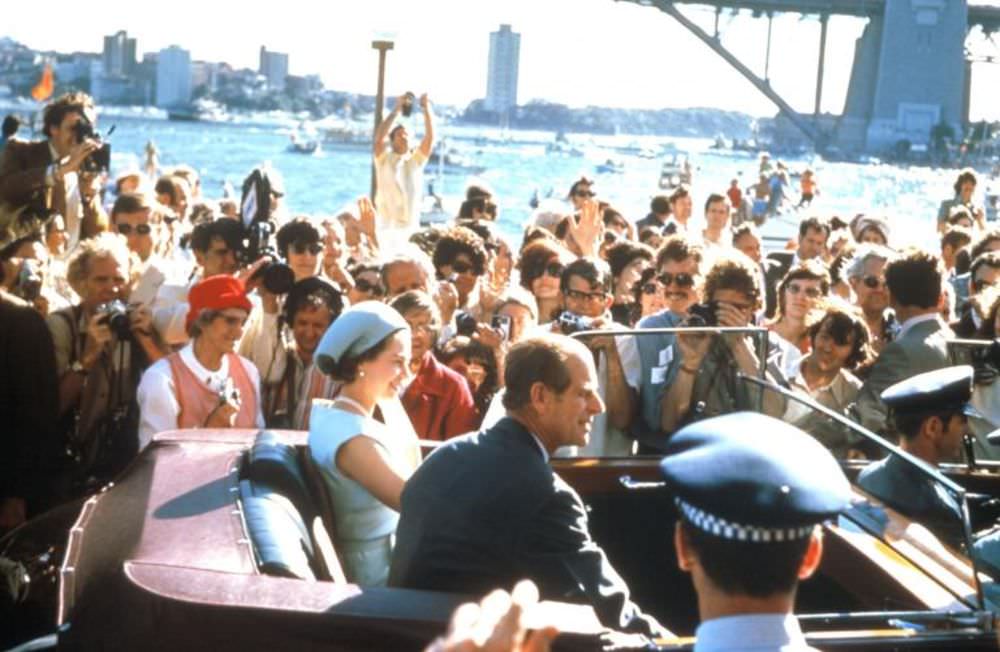
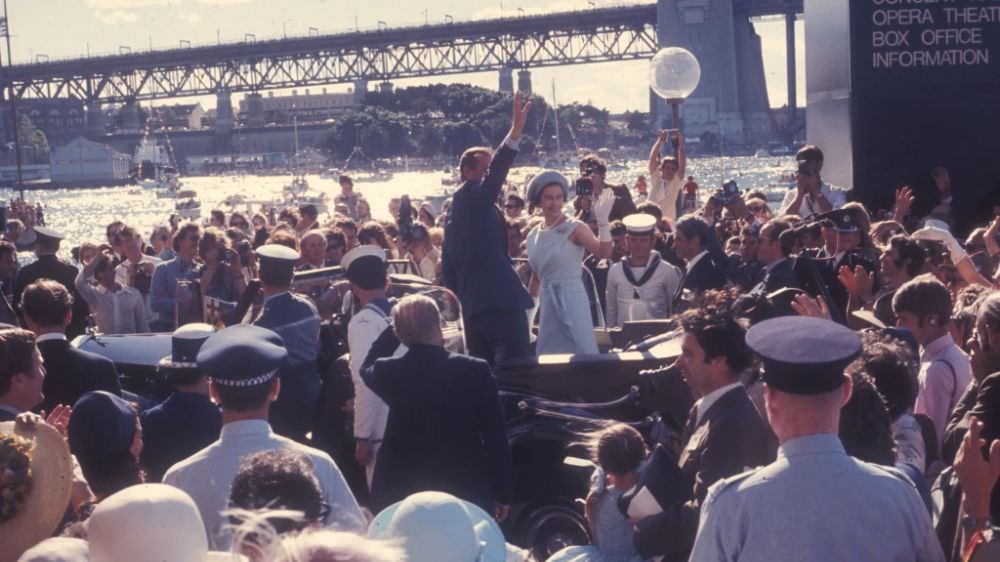
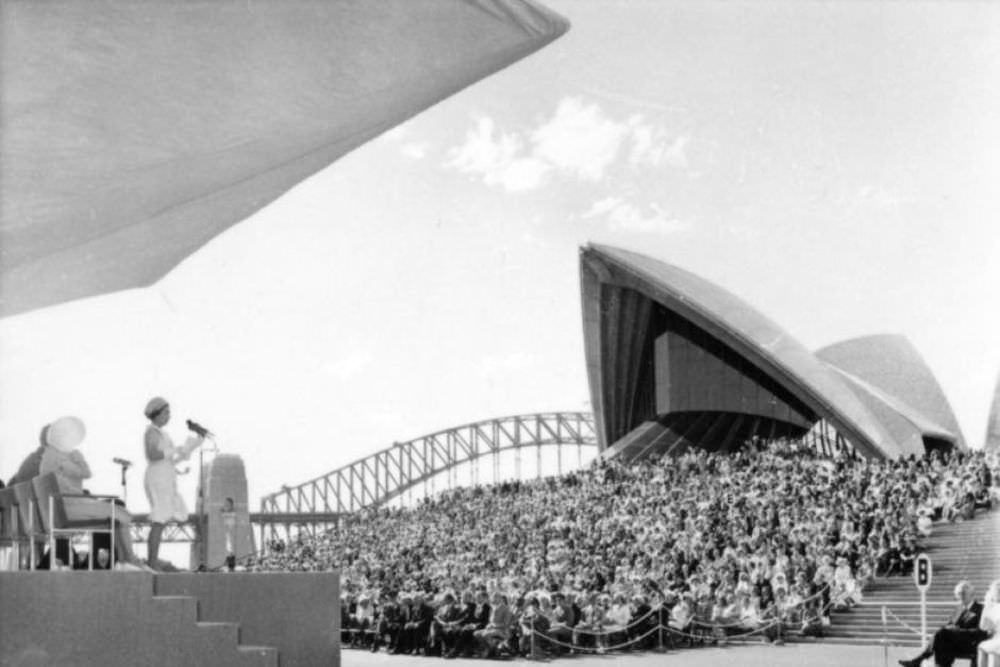
The opening ceremony was a formal and festive occasion. Queen Elizabeth II arrived to a 21-gun salute, and a procession of dignitaries lined the route, including Australian Prime Minister Gough Whitlam. The crowd that gathered — both on the forecourt and across the surrounding waterways — reflected just how much the moment meant to the country.
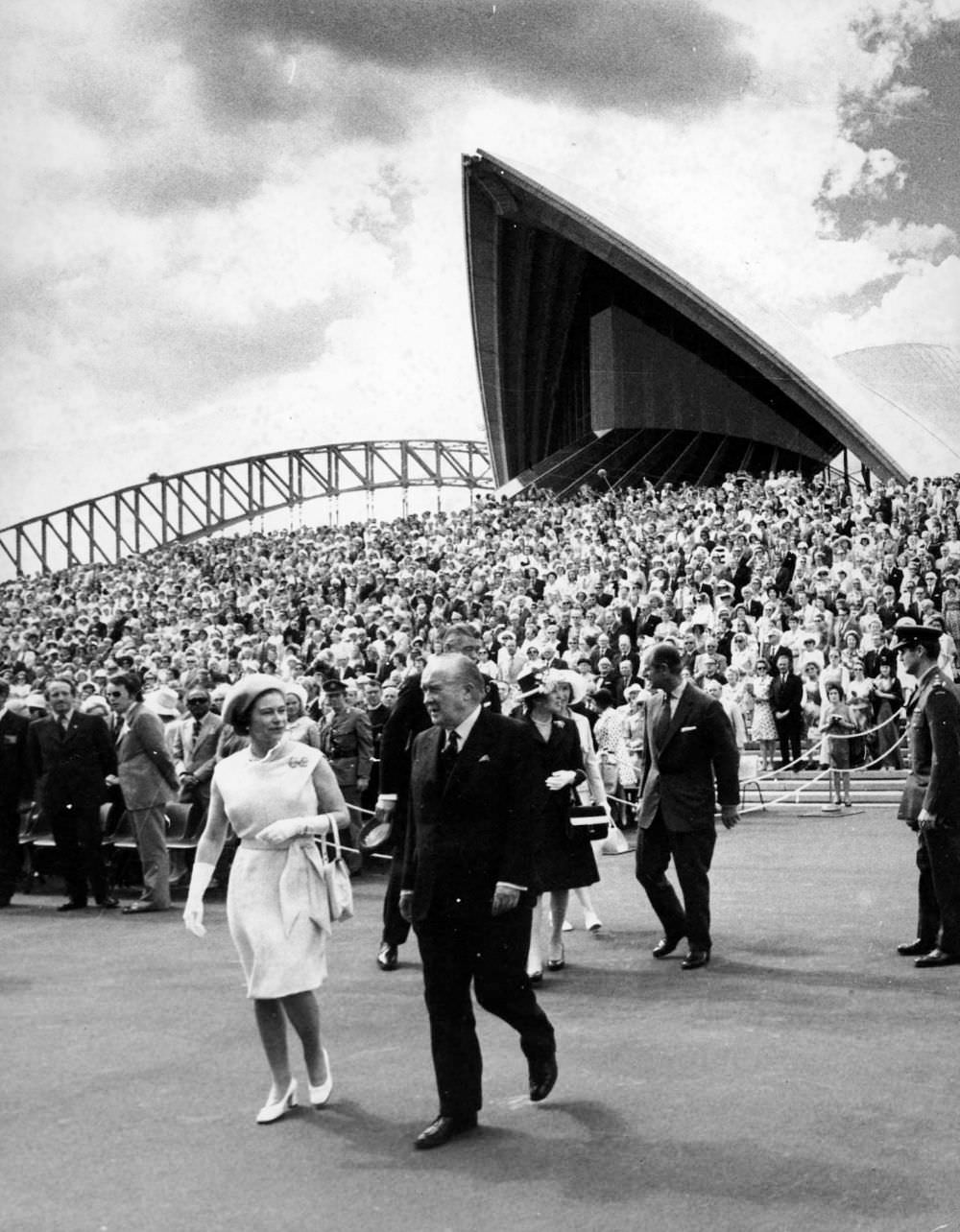
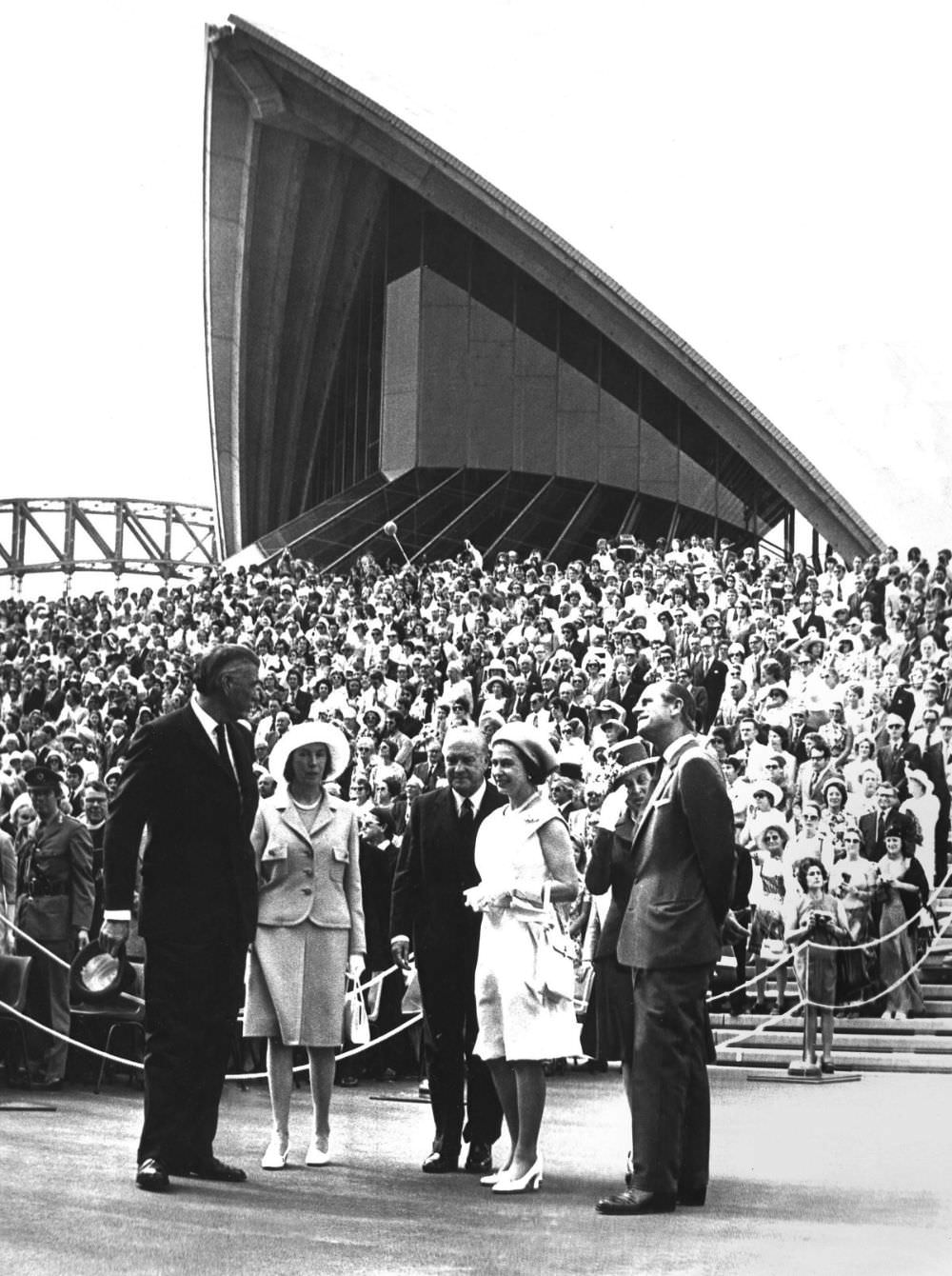
During the ceremony, the Queen unveiled a commemorative plaque and delivered a speech praising the building’s beauty and honoring the workers who had brought Utzon’s design to life. The event was broadcast widely and watched by audiences far beyond Sydney.
The Opera House was built to serve the performing arts — opera, theatre, and ballet — and its opening marked the start of that mission in earnest. The venue gave Australia a world-class stage that could host international productions alongside homegrown performances.
The construction itself had been fraught with delays, political disputes, and budget blowouts. Utzon resigned from the project in 1966, years before it was finished. Despite all of that, the finished building stood as a testament to what the project had originally set out to achieve.
In 2007, the Sydney Opera House was inscribed as a UNESCO World Heritage Site, recognized for its outstanding architectural and creative significance. The building represents one of the great architectural achievements of the twentieth century — a structure where engineering and artistic ambition met on the edge of one of the world’s most spectacular harbors.