
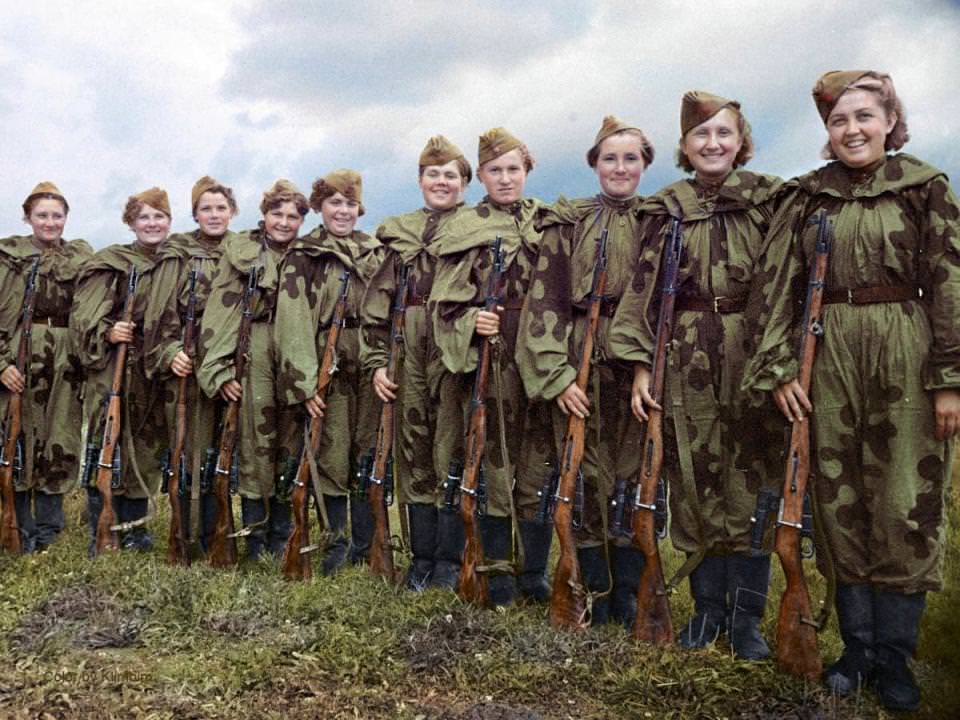
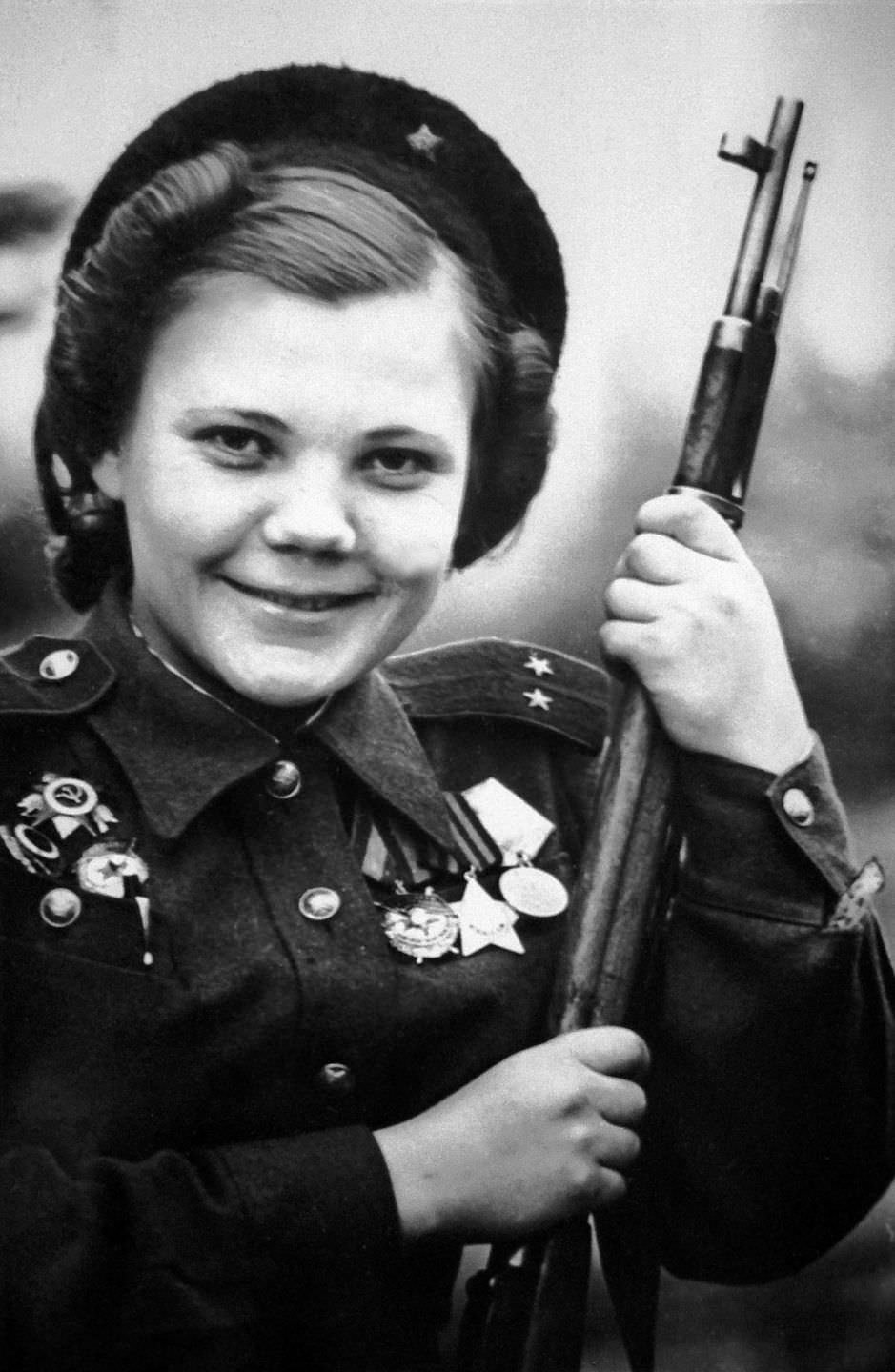
When Nazi Germany launched its invasion of the Soviet Union in June 1941, the Red Army faced staggering losses almost immediately. The Soviet military turned to an unconventional solution: women. Roughly 800,000 women served in the Red Army over the course of the war, filling roles as pilots, machine gunners, medical workers, and snipers. More than 2,000 of them were trained as sharpshooters and sent to some of the deadliest battlegrounds in the conflict.
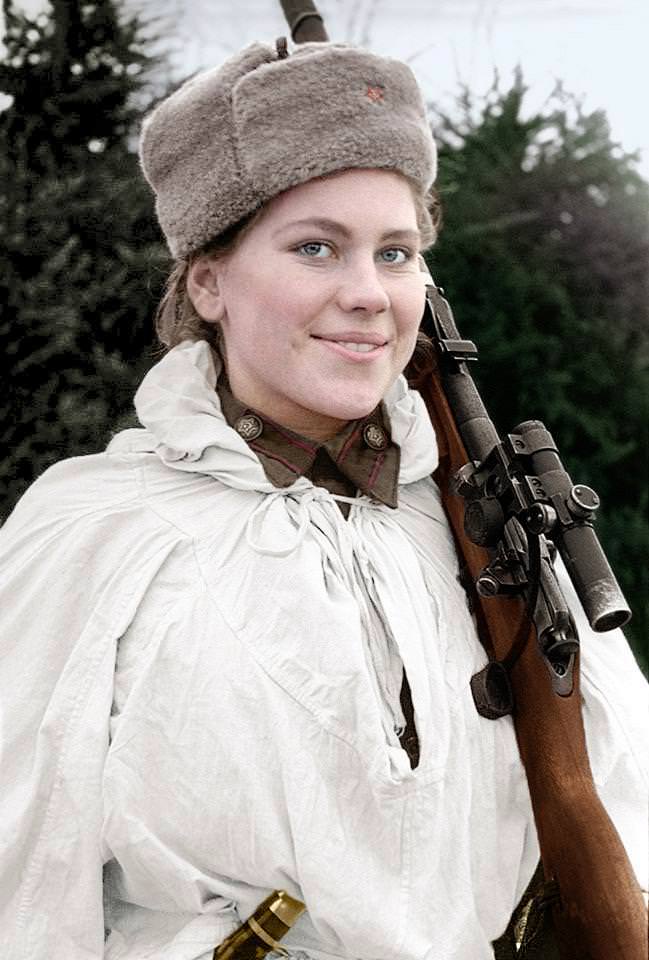
Tanks and machine guns gave the Red Army raw firepower, but long-range precision shooting required a different kind of soldier. Soviet military planners recognized this early and established dedicated sniper training programs specifically for women. These recruits were not just handed a rifle — they went through rigorous instruction in camouflage, patience, target identification, and marksmanship before ever reaching the front lines.
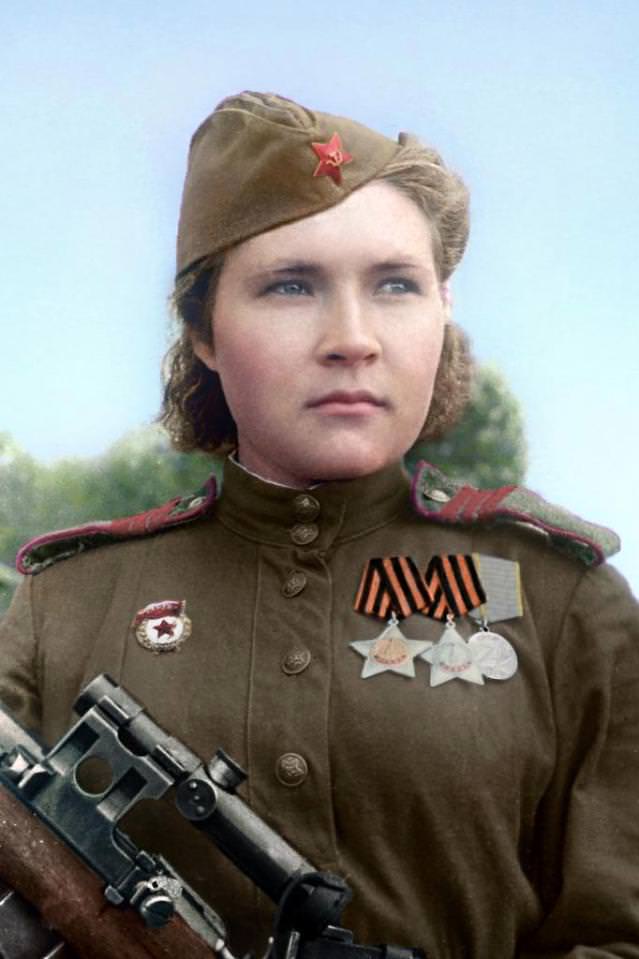
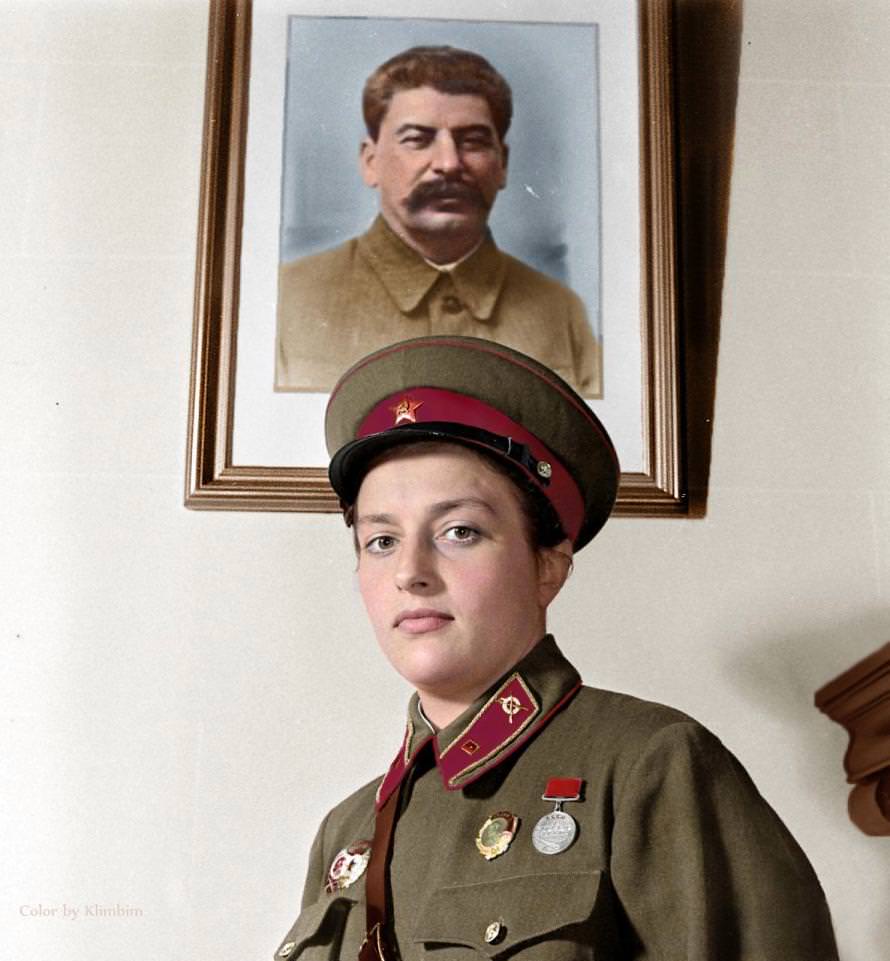
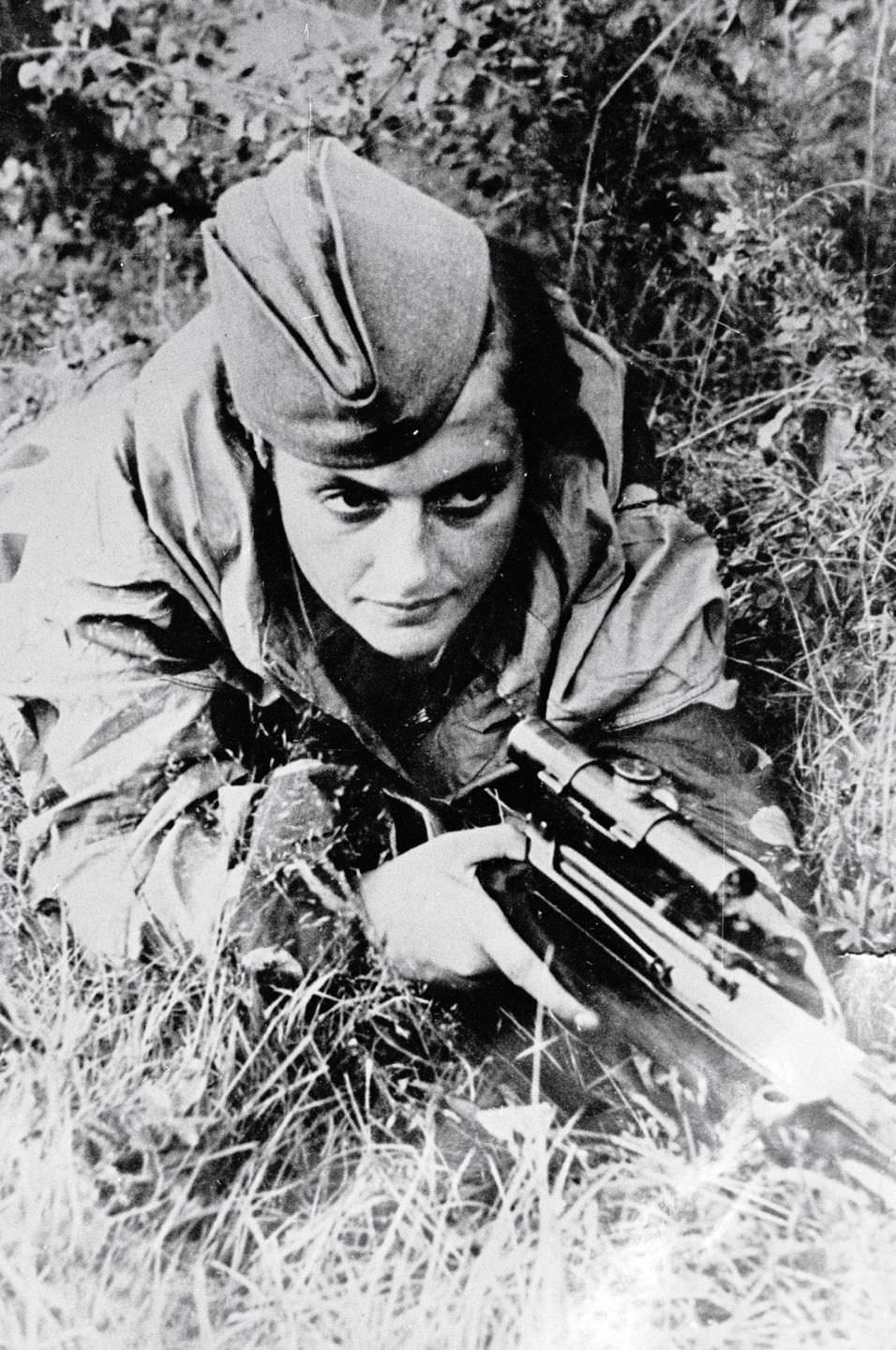
No name stands out more from this group than Lyudmila Pavlichenko. Born in 1916 in Ukraine, Pavlichenko was already an experienced shooter before the war, having trained at a shooting club in Kyiv. When Germany invaded, she volunteered for combat duty and was assigned to the 25th Rifle Division. She fought through the brutal sieges of Odessa and Sevastopol, accumulating kills at a rate that stunned even her commanders.
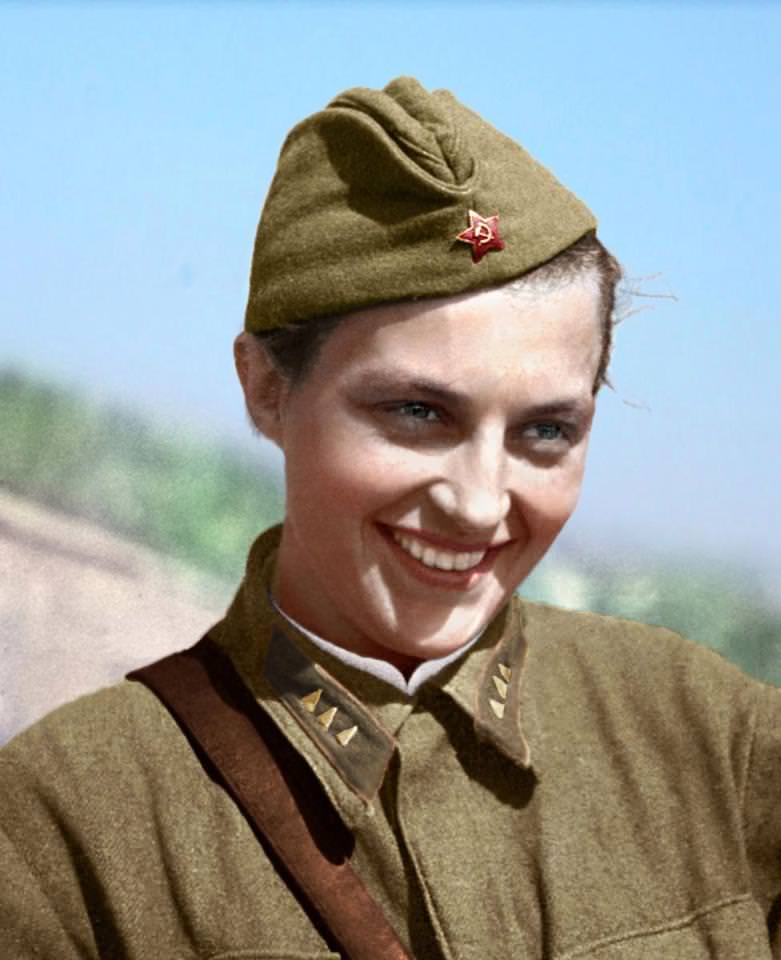
By the time she was pulled from frontline combat after being wounded in 1942, Pavlichenko had recorded 309 confirmed kills — including 36 enemy snipers. The Soviet military sent her on a propaganda tour to the United States, Canada, and Britain to rally Allied support. American audiences were fascinated. She met President Franklin D. Roosevelt at the White House and addressed large crowds, often responding sharply to journalists who focused on her appearance rather than her combat record. She earned the nickname ‘Lady Death.’
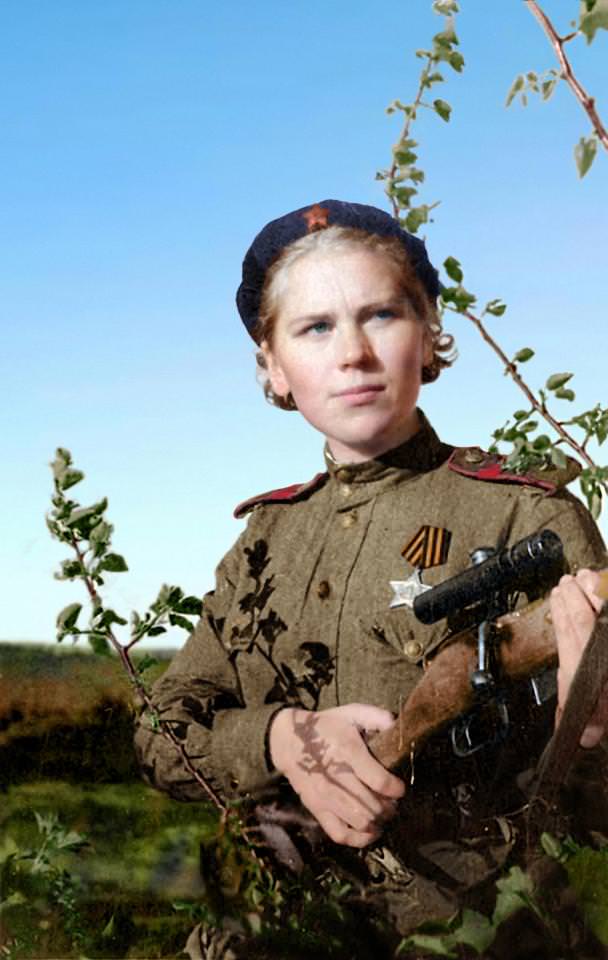
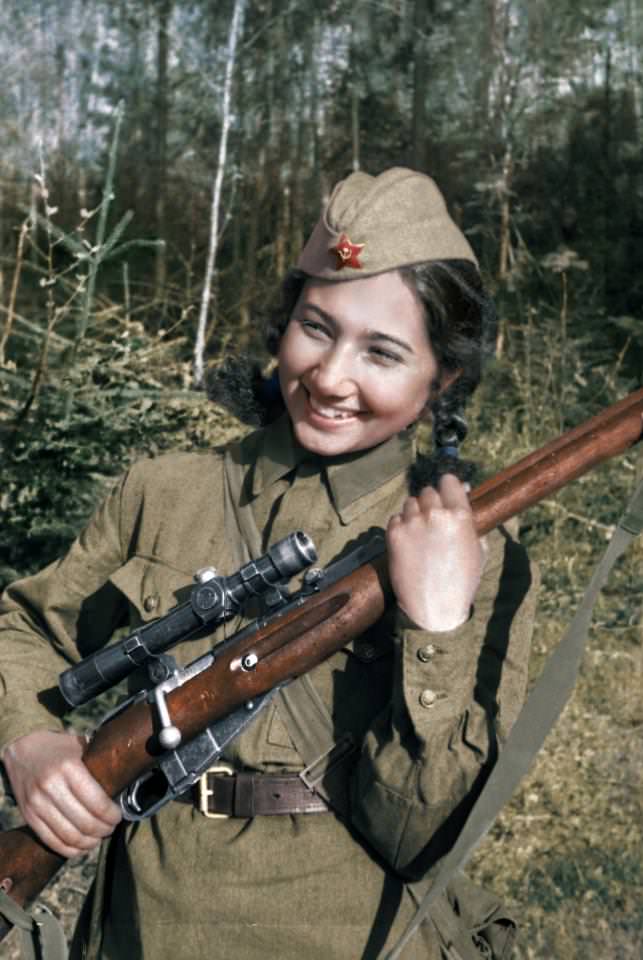
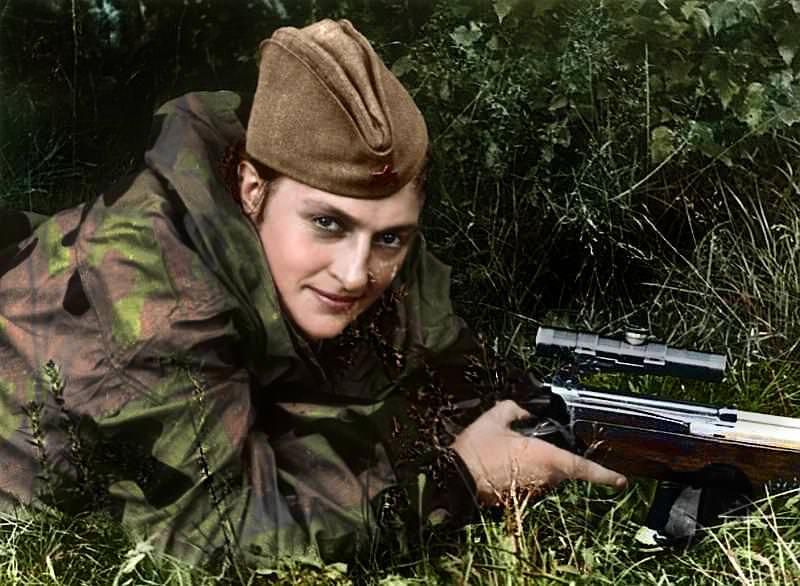
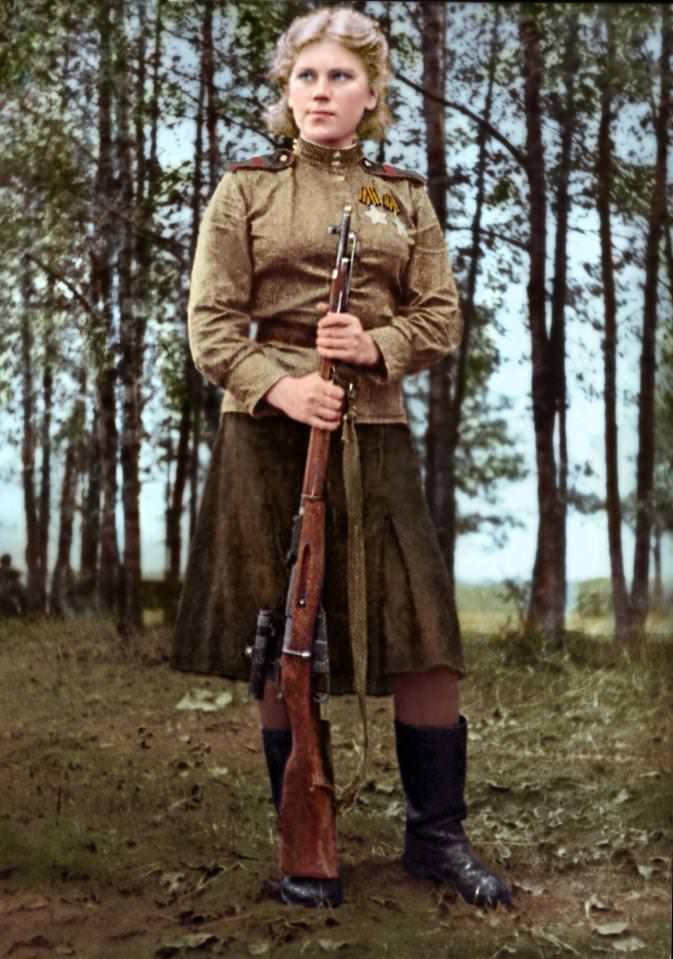
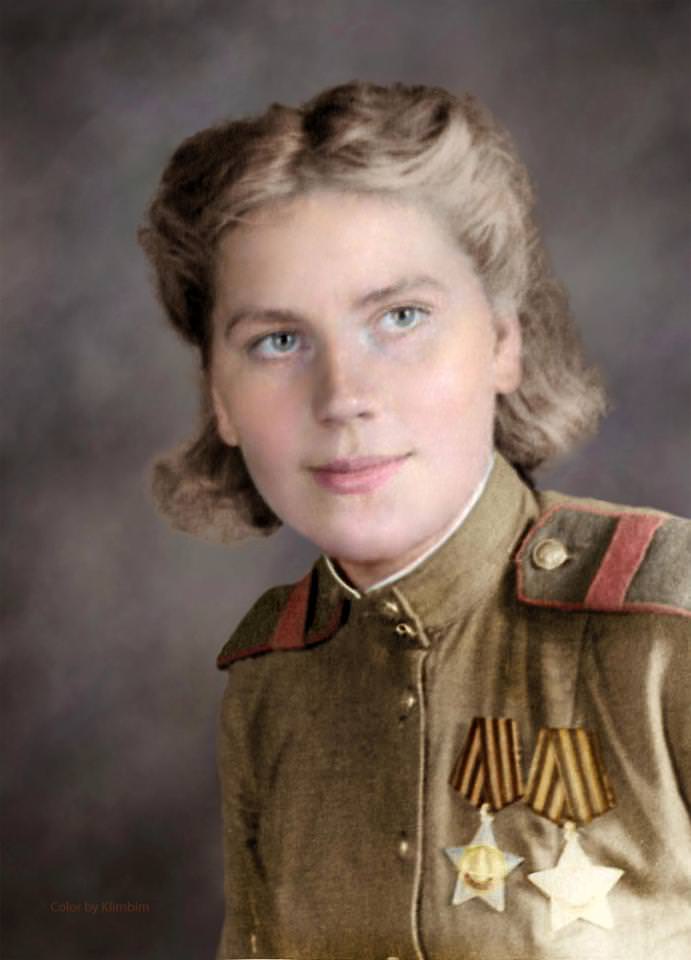
Roza Shanina was another name the Germans had reason to fear. Born in 1924 in northern Russia, she volunteered for the military after her brother was killed in action. She graduated from the Central Women’s School of Sniper Training and was deployed to the 3rd Belorussian Front. Shanina was known for her ability to fire rapid, accurate shots in succession — a skill that earned her the Order of Glory. She recorded 59 confirmed kills before dying from wounds sustained in January 1945, just months before the war ended. She was 20 years old.
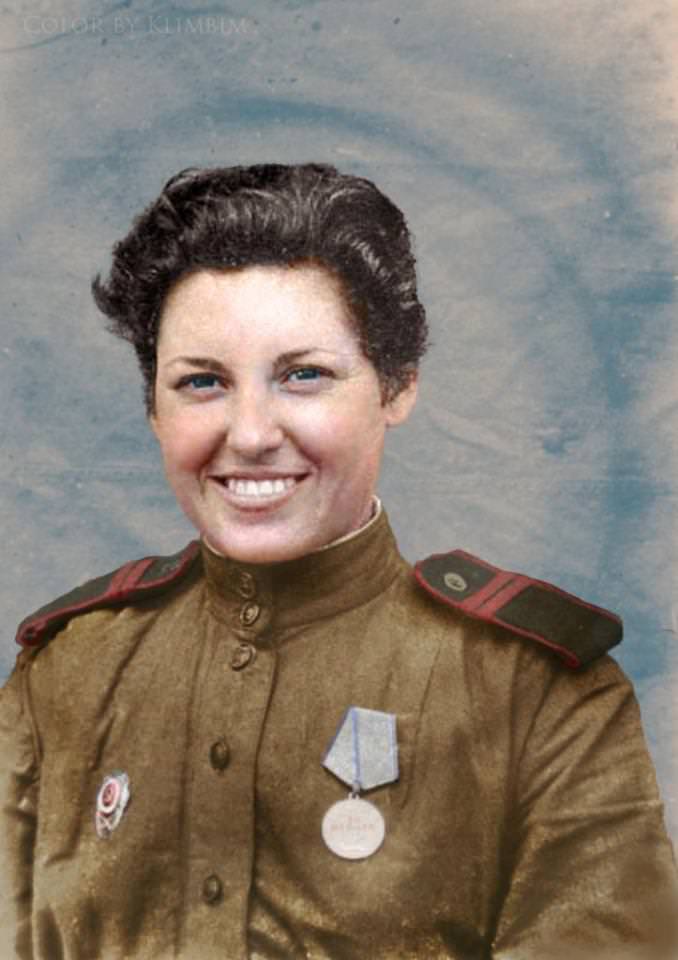
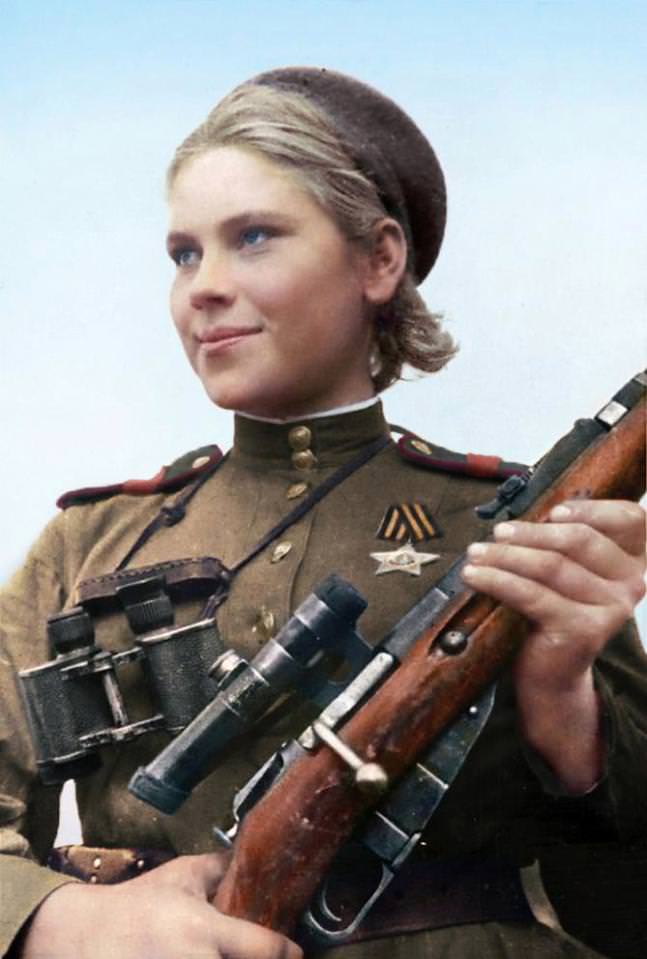
The Central Women’s School of Sniper Training, established in 1943, became the backbone of this program. It trained over 1,000 female snipers who went on to serve across multiple fronts. The school emphasized real combat conditions, and graduates were expected to operate independently in the field, often lying motionless for hours in extreme weather waiting for the right shot.
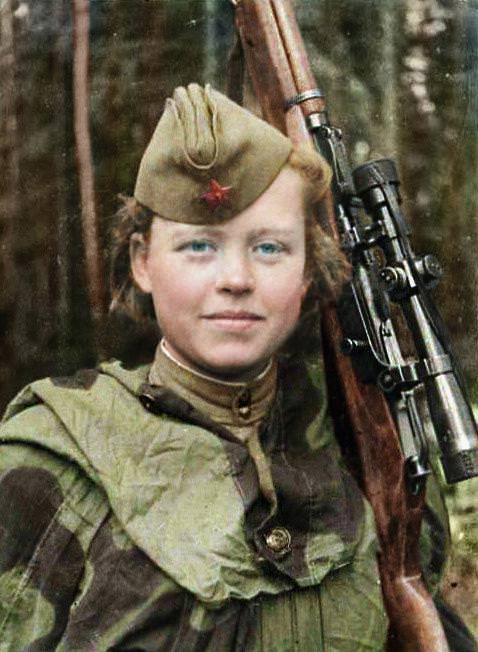
Tanya Baramzina’s story is among the most harrowing. A former kindergarten teacher, she trained as a sniper and recorded 16 kills on the Belorussian Front. She then parachuted behind German lines as part of a partisan operation, where she killed another 20 enemy soldiers before being captured. German forces tortured and executed her. She was posthumously awarded the title Hero of the Soviet Union.
Yevgenia Makeeva added 68 confirmed kills to the Soviet tally, while sniper Liza Mironova and others like Anastasya Stepanova fought through some of the war’s most intense battles, including Stalingrad — a grinding, close-quarters siege where snipers on both sides played an outsized role. At Stalingrad, a skilled sniper could control entire city blocks, pinning down infantry and disrupting supply movements.
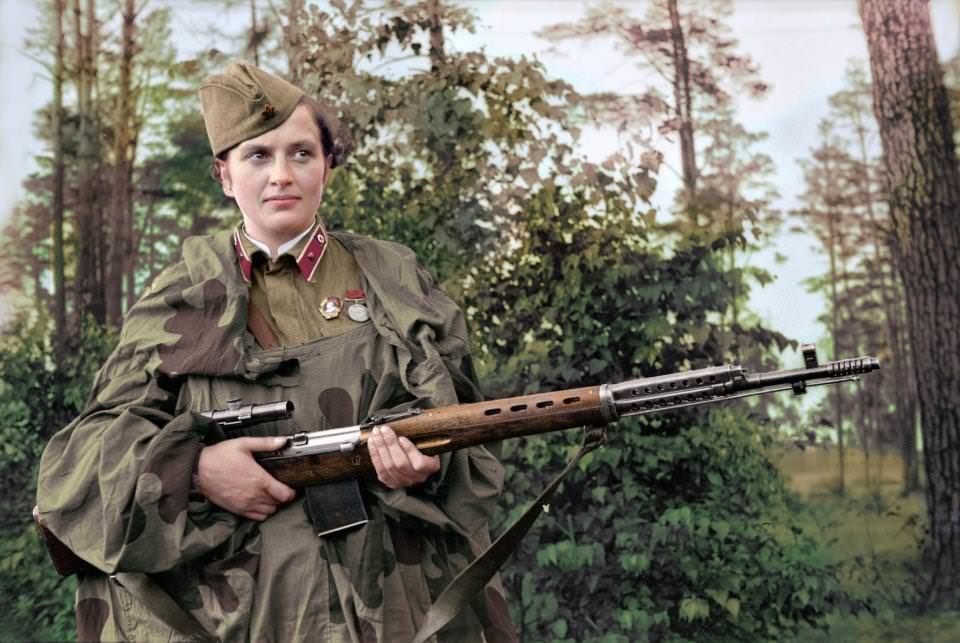
Pavlichenko’s wartime service didn’t end on the battlefield. After her tour abroad, she returned to the Soviet Union and spent the rest of the war training new female snipers, passing on the skills and discipline she had developed in combat. Her 309 confirmed kills remain the highest recorded total for any female sniper in history.
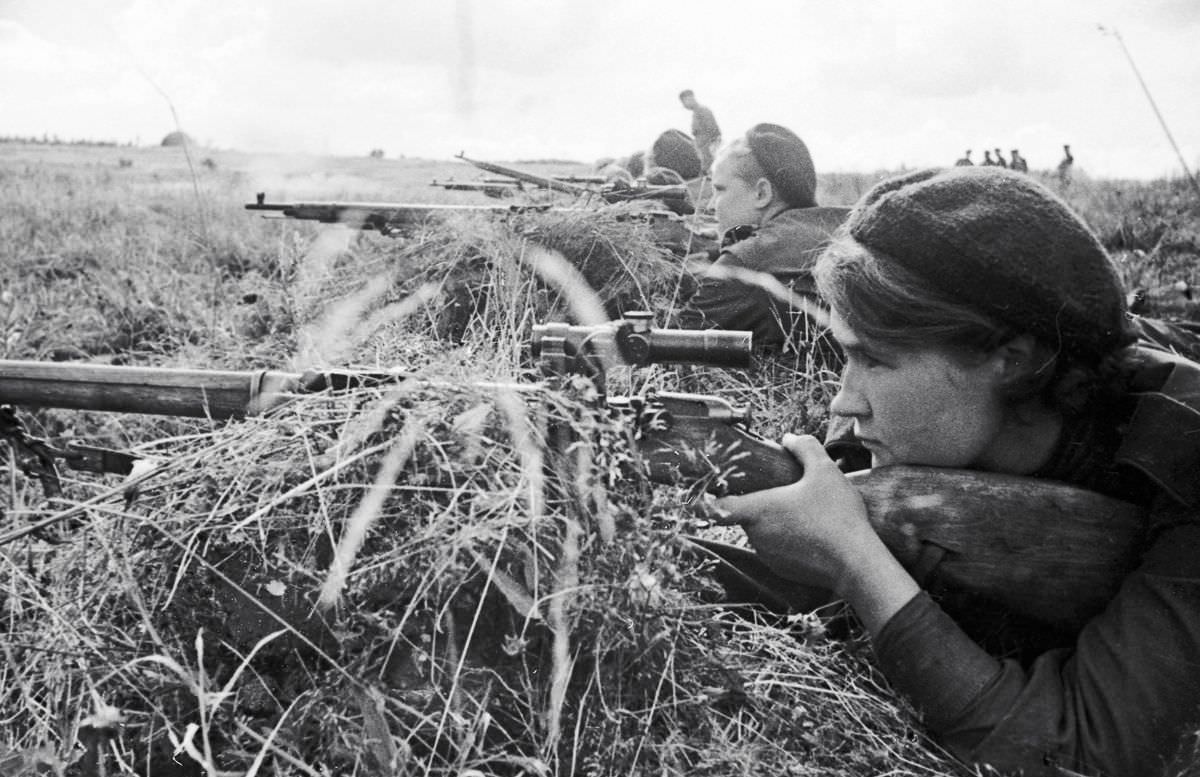
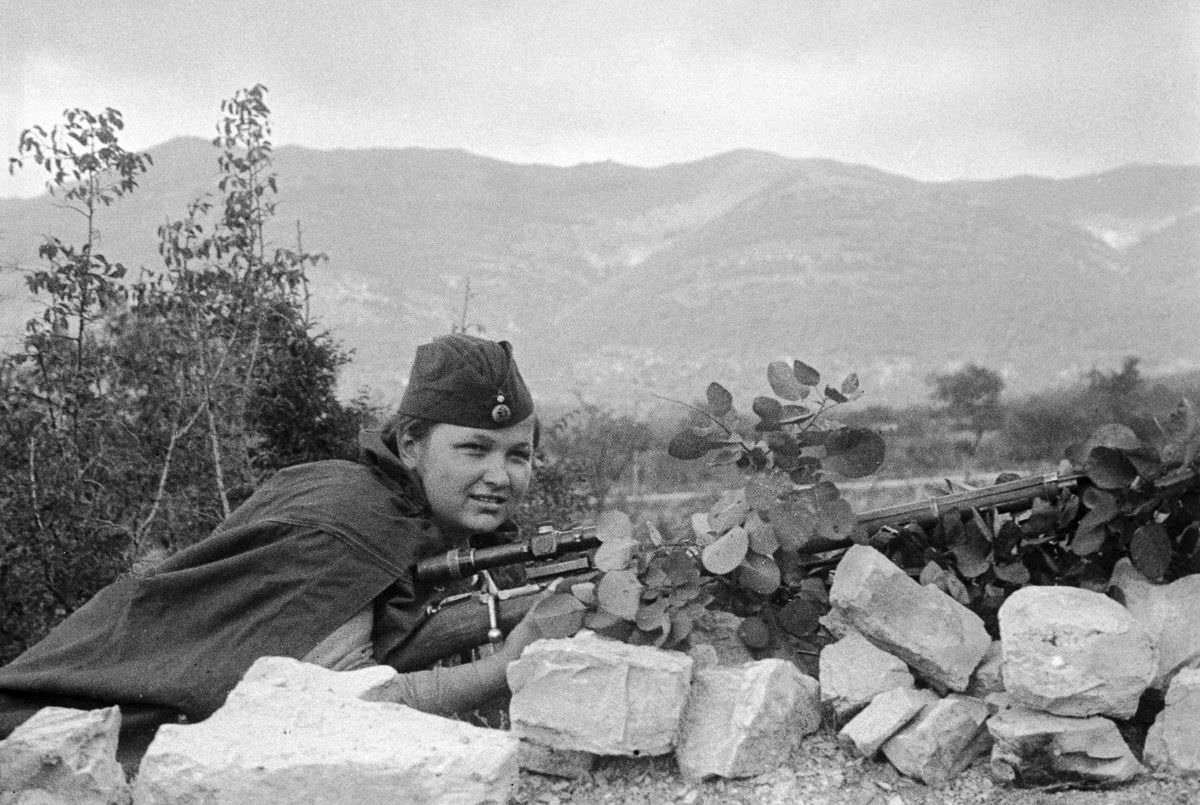
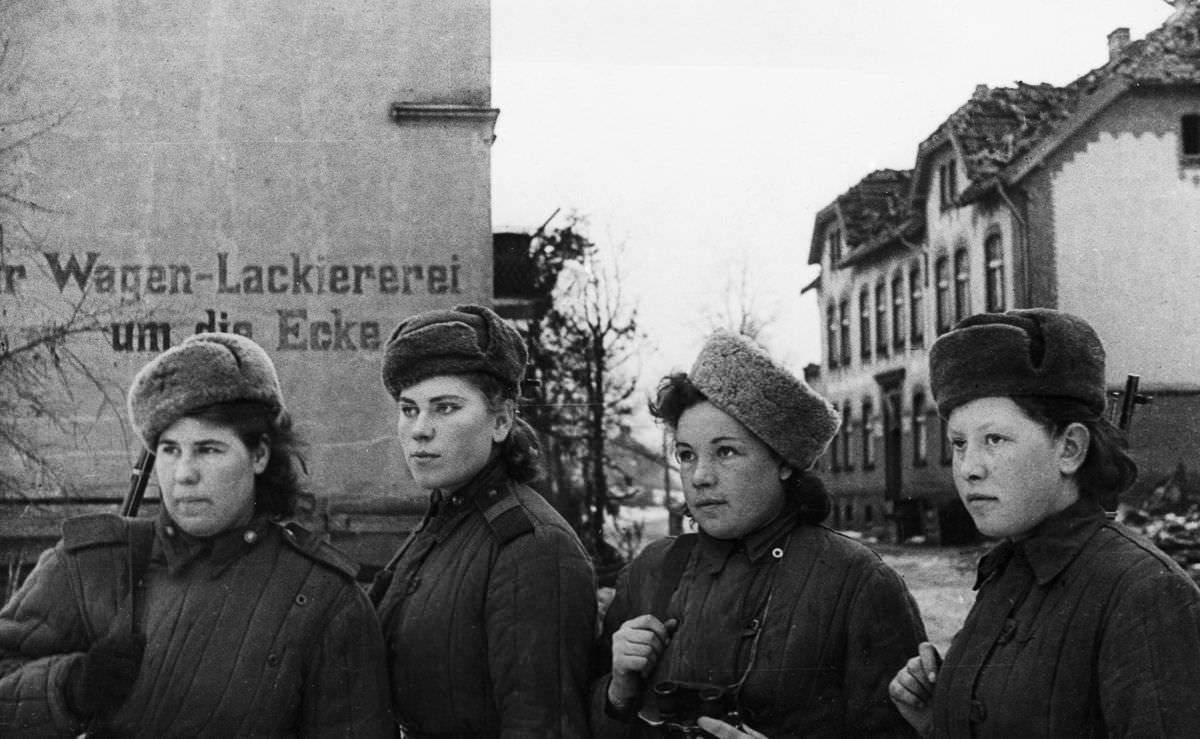
As the war progressed, Soviet female snipers were deployed across nearly every major front. They operated in forests, ruined cities, frozen fields, and mountain terrain. Many worked in pairs — one spotter, one shooter — maintaining positions for entire days without movement to avoid detection. German forces became increasingly aware of the threat these women posed, and captured Soviet snipers were rarely treated as ordinary prisoners of war.
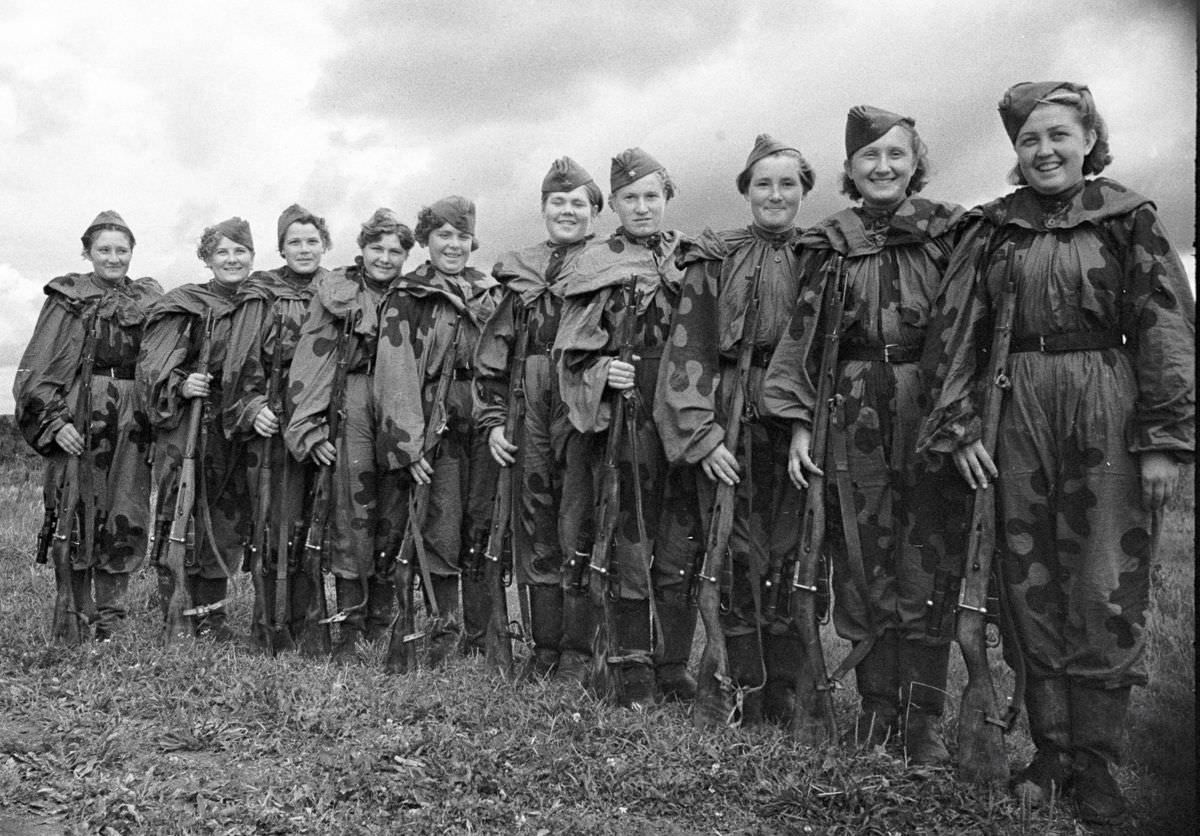
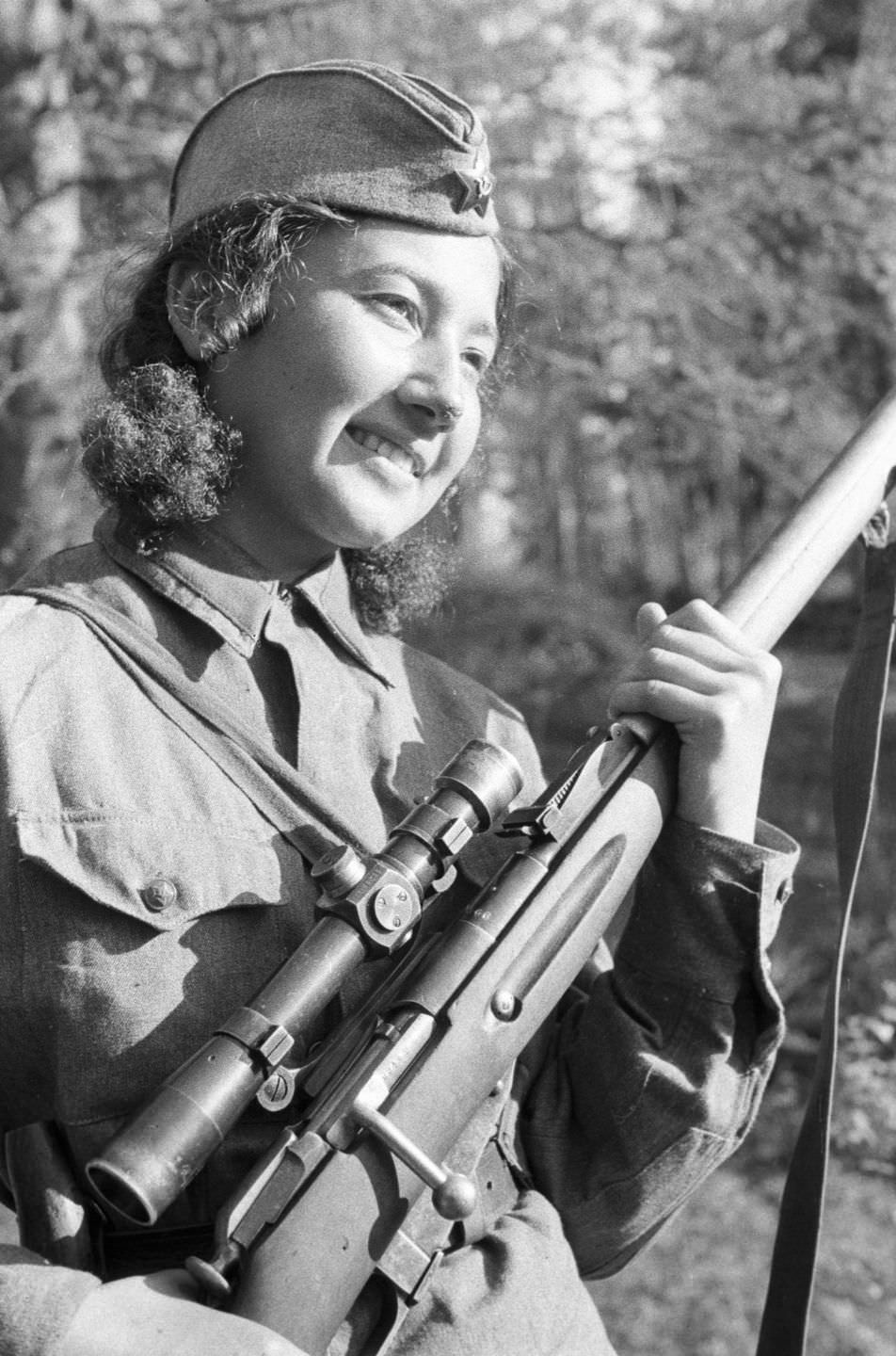
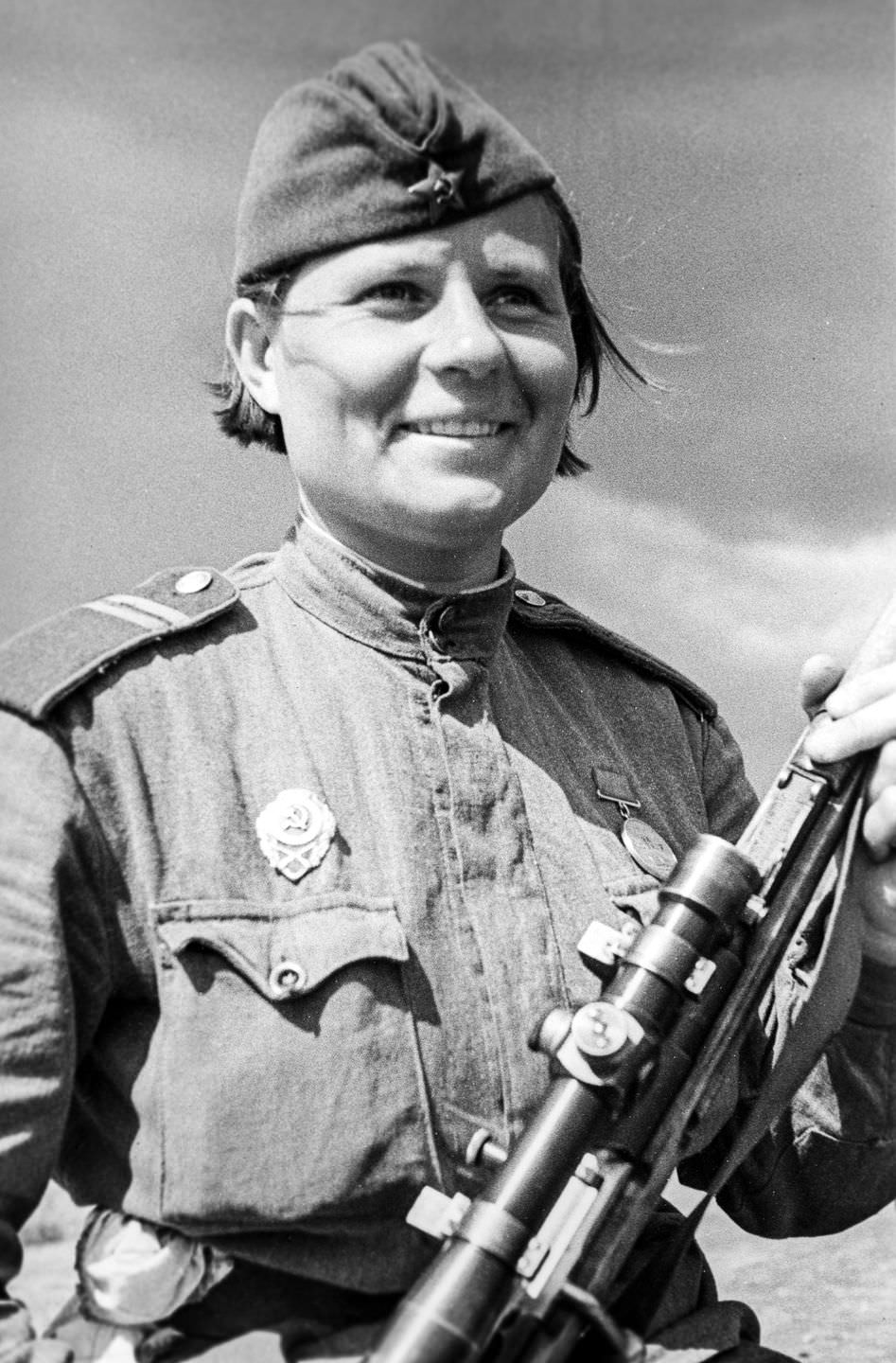
By late 1943 and into 1944, Soviet forces were pushing westward, and female snipers moved with them. Snipers like C. Bykova and R. Skrypnikova returned from combat assignments on the Eastern Front as the tide of the war shifted decisively in the Soviet Union’s favor.
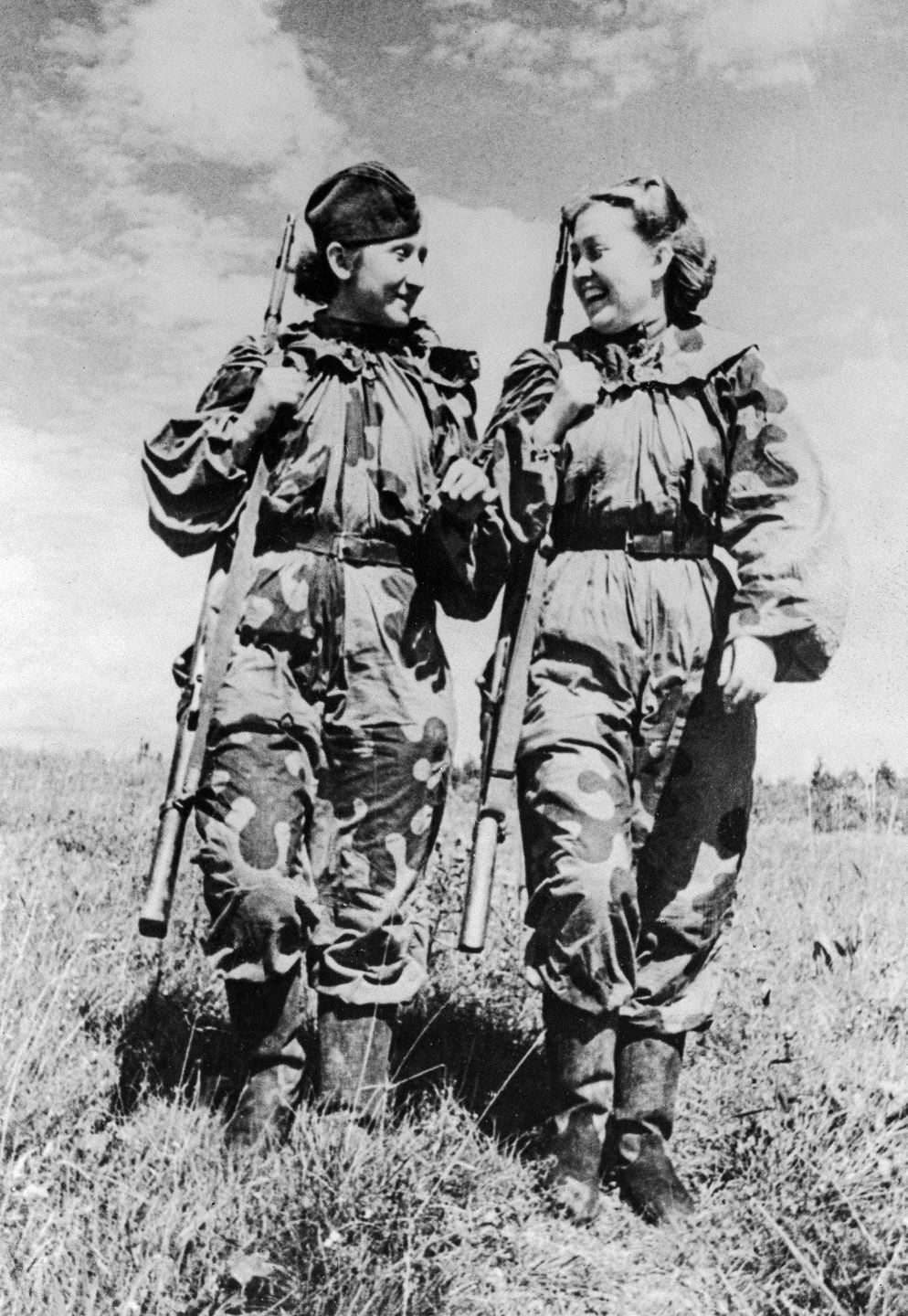
Nina Lobovskaya commanded an entire company of female snipers during the final push into Germany, including the battle for Berlin itself. Her unit represented how far the program had come — from individual recruits in 1941 to organized, command-structured fighting units by 1944 and 1945.
Pavlichenko’s combat record was built largely during the defense of Sevastopol, one of the longest and bloodiest sieges of the Eastern Front. She operated in the field for months under near-constant artillery fire and aerial bombardment before a mortar fragment wounded her and forced her evacuation in mid-1942.
Her subsequent trip to Washington drew significant public attention. She was the first Soviet citizen to be received by an American president during the war, and her frank, direct manner in press conferences made her a memorable figure in the Allied world.
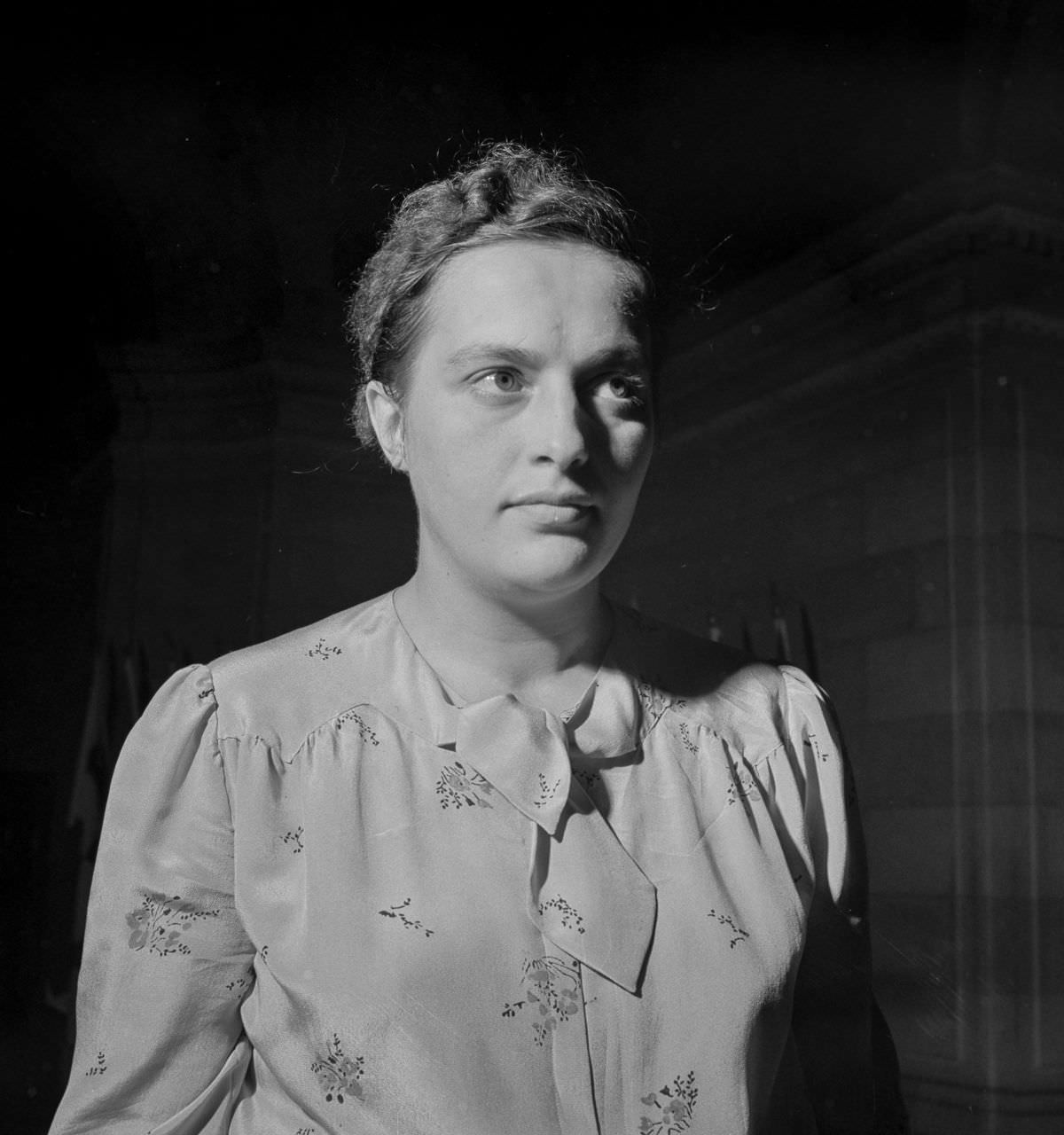
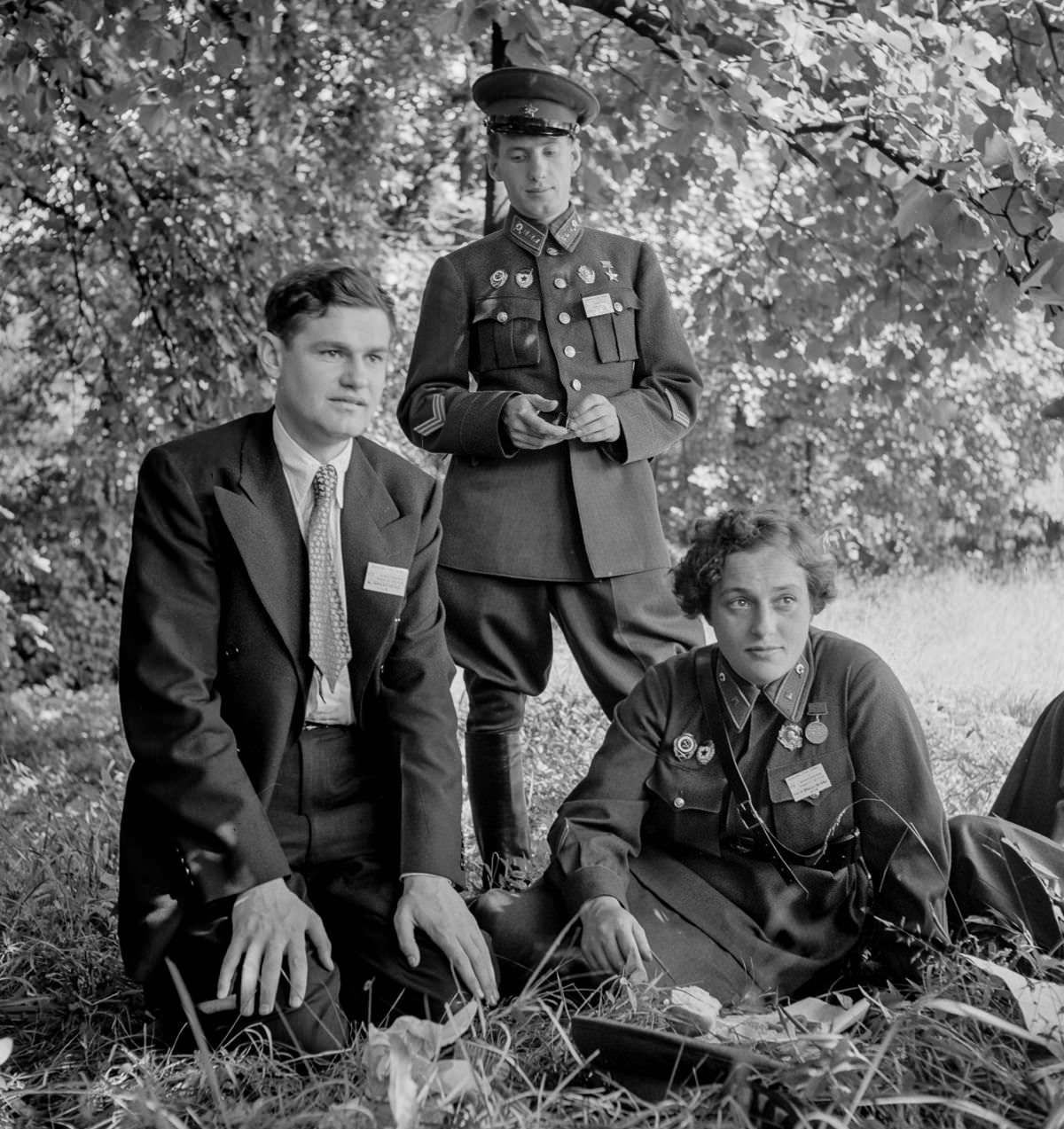



Lyudmila Pavlichenko is a personal hero of mine.