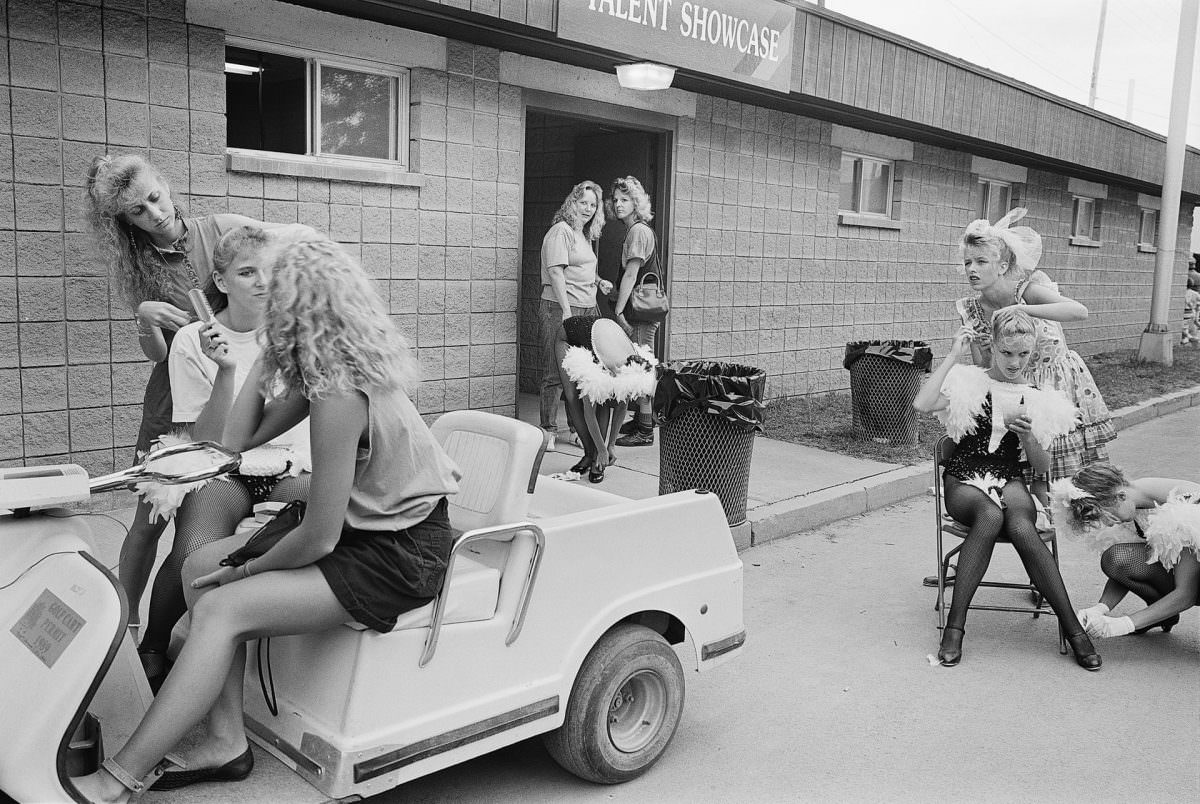
Paul McDonough grew up in New Hampshire and trained at the New England School of Art in Boston. It was there, during his formative years, that he became close friends with Tod Papageorge, who would go on to become one of America’s most respected photographers. In 1967, McDonough packed up and moved to New York City, stepping into a world that would define his entire artistic life. The streets of New York were loud, crowded, and constantly shifting — a perfect stage for the kind of photography McDonough was drawn to.
Street photography depends on split-second decisions. A photographer has to read a scene, move into position, and press the shutter before the moment disappears. McDonough had a sharp instinct for this. His approach was spontaneous, feeding off the energy of public spaces and the unpredictable behavior of people moving through them. His camera caught what most people walked past without seeing.
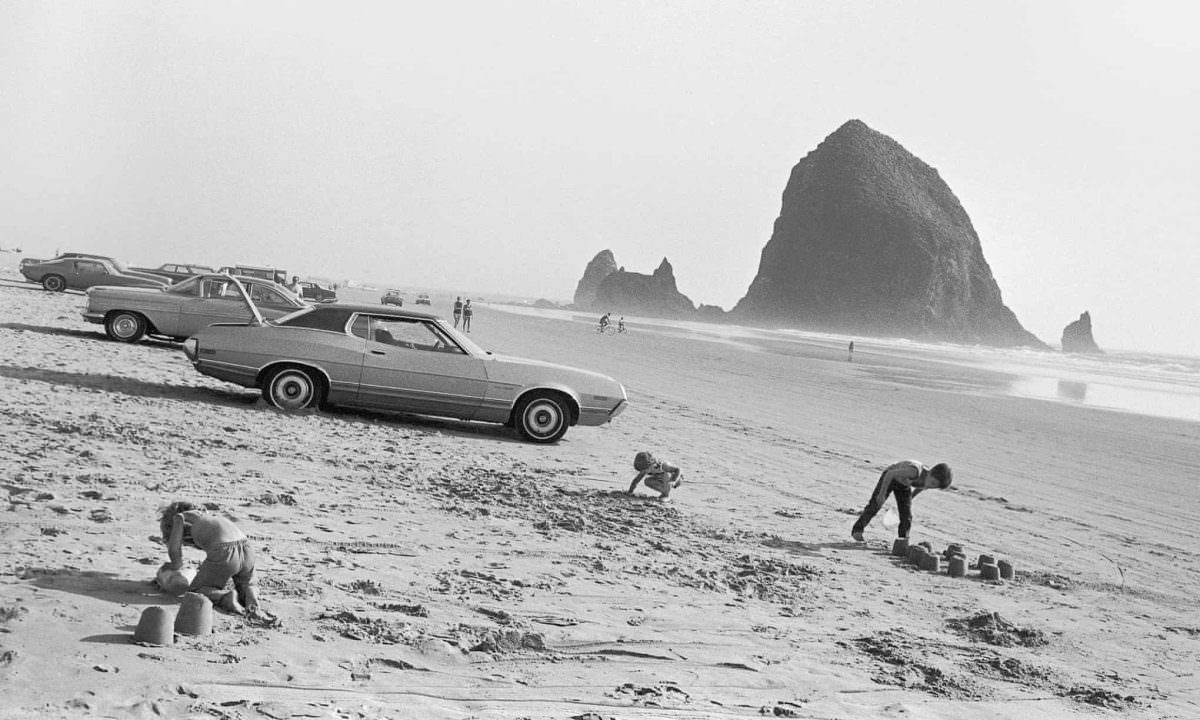
McDonough’s work was not confined to New York. Through the 1970s and into the 1980s, he traveled widely, photographing across the United States and into Canada. Each location brought a different texture — coastal towns, sprawling cities, fairgrounds, and boardwalks — but his eye remained consistent. He was always looking for the tension between people and the spaces they occupied.
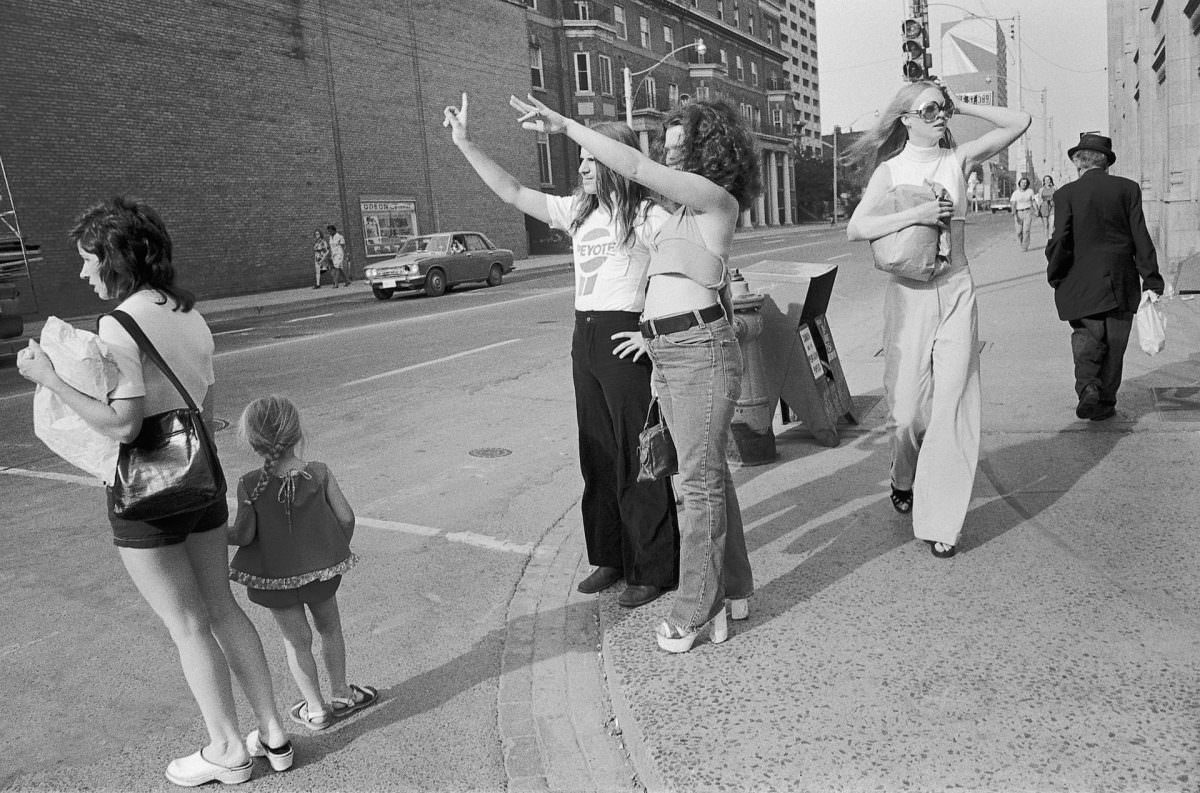
His photographs from Canada in the early 1970s show that same alertness at work. Whether he was shooting on the Pacific Coast, in the American South, or across the border, McDonough found the same fundamental subject: ordinary people navigating public life, often unaware they were being watched.
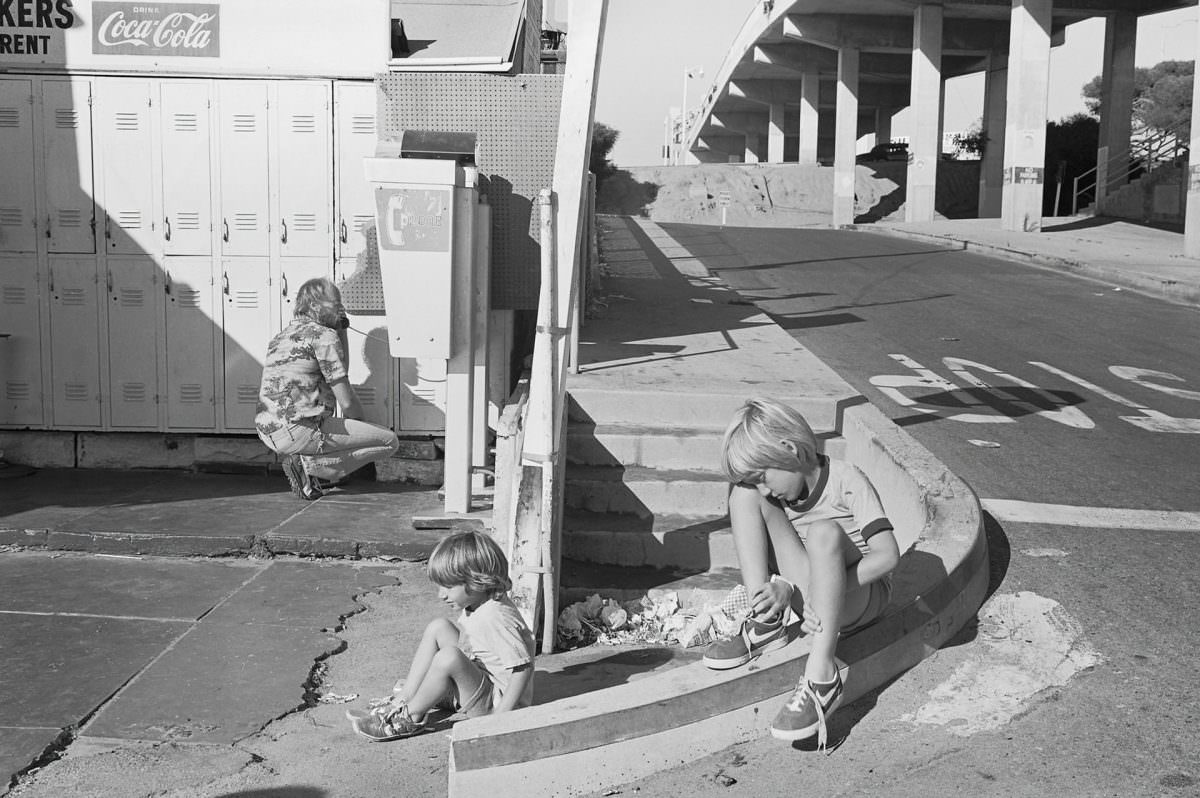
Los Angeles offered McDonough a different kind of urban energy. The city’s sprawl, its mix of glamour and grit, and its car-dominated streets created scenes that looked nothing like New York — and McDonough documented them with the same precision. His 1977 Los Angeles photographs capture a city in full stride, caught between its sun-drenched image and the complicated reality underneath.
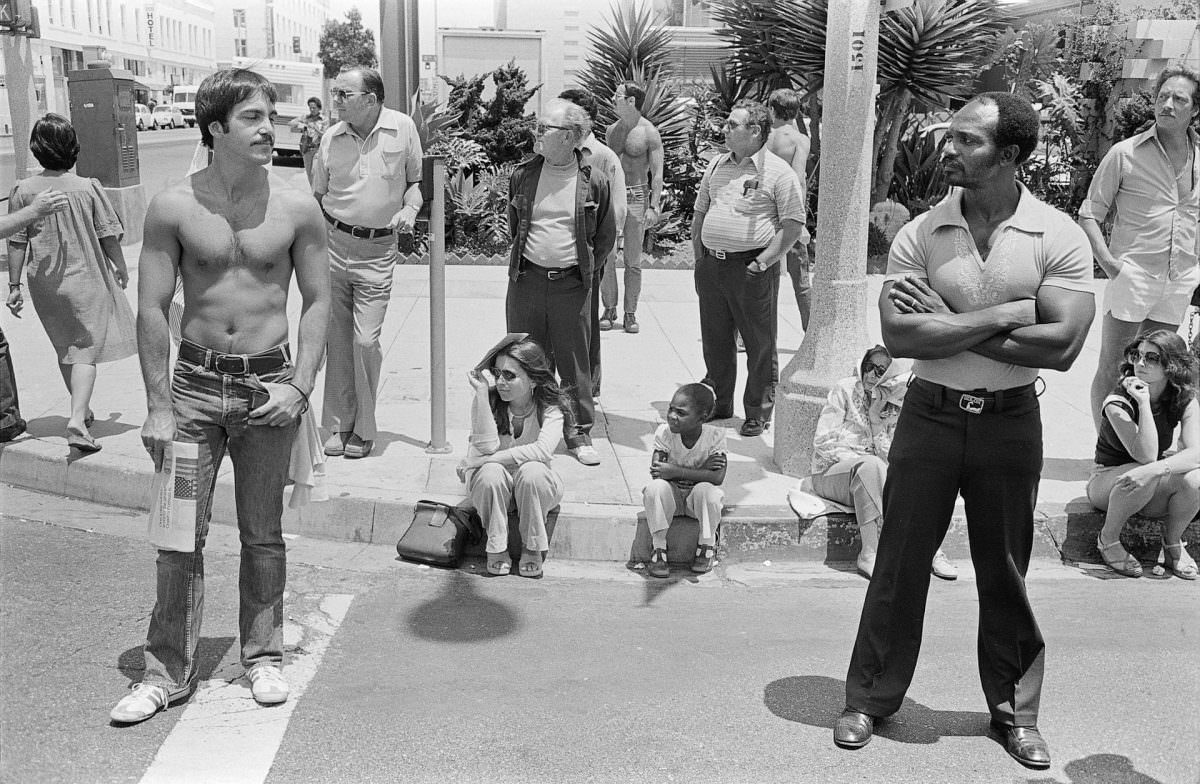
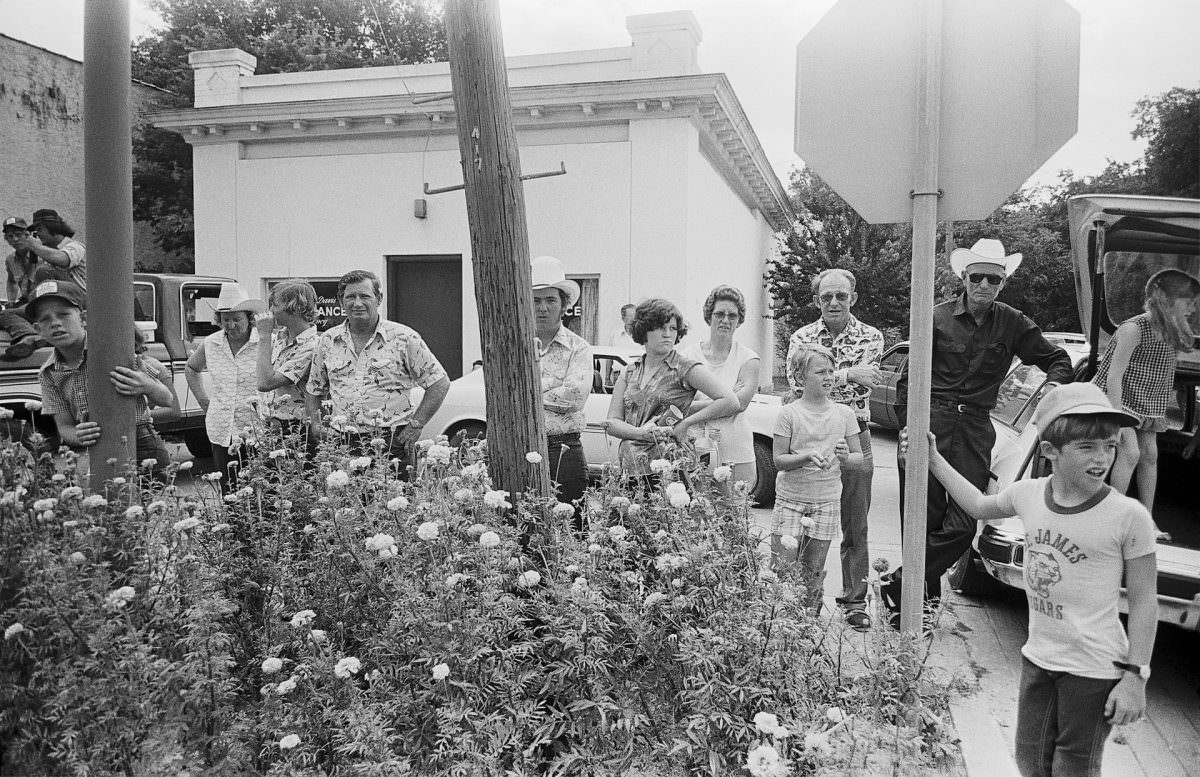
Texas in the same year gave him yet another visual vocabulary. Wide open spaces, different light, different people. McDonough was not chasing exotic subjects — he was interested in what Americans looked like when they were simply going about their lives, waiting in line, standing on a corner, or looking somewhere just off-camera.
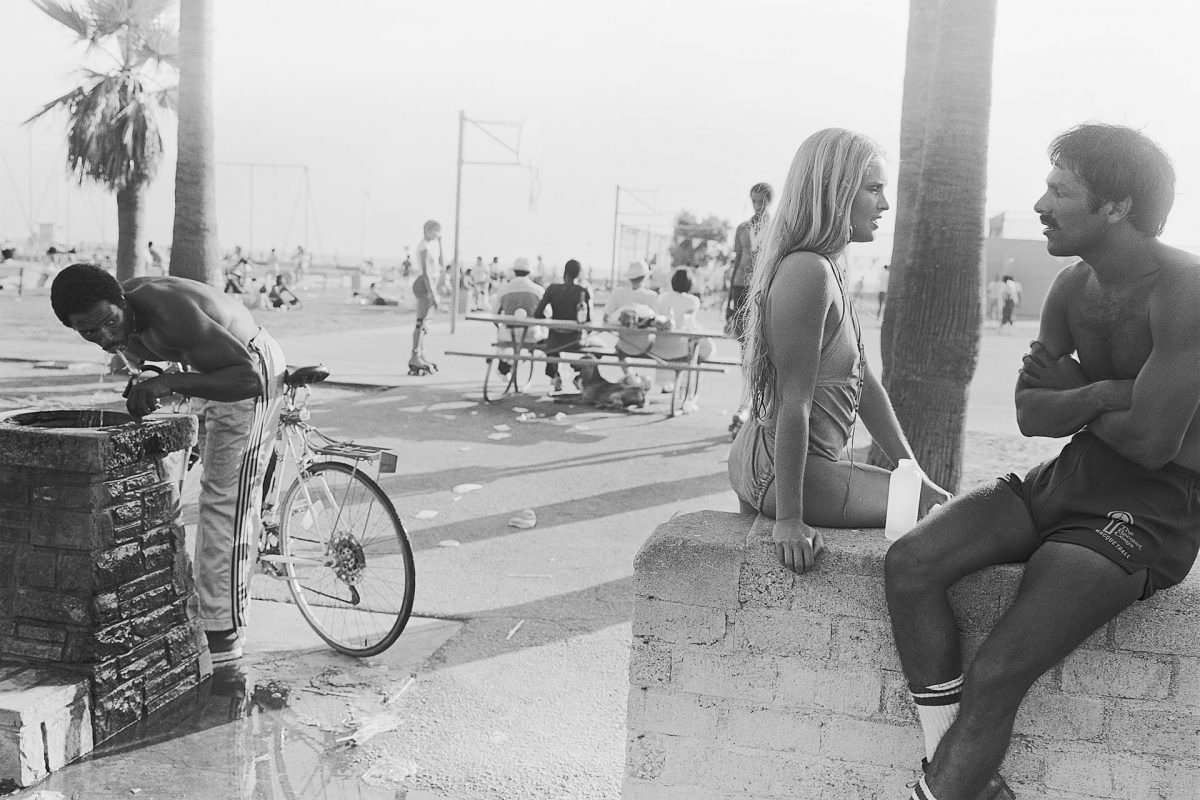
Venice Beach in 1979 was one of the most visually loaded environments in the country — roller skaters, street performers, vendors, and sunbathers all competing for space along the same strip of concrete. McDonough’s photographs from that trip include exactly the kind of images his work is known for: queues of people waiting for roller skates, strangers crowded into the same frame, each locked in their own private world despite being inches apart. A girl sitting alone in a wash of blinding light — isolated in public, visible but unseen.
These images do something specific. They sit in the space between reality and fiction. The scenes are entirely real — no staging, no direction — but they carry the quality of a story mid-sentence. You don’t know what happened before the shutter clicked, and you won’t find out what happened after. That ambiguity is not an accident. It is central to what McDonough was doing. His photographs resist easy conclusions about the people in them.
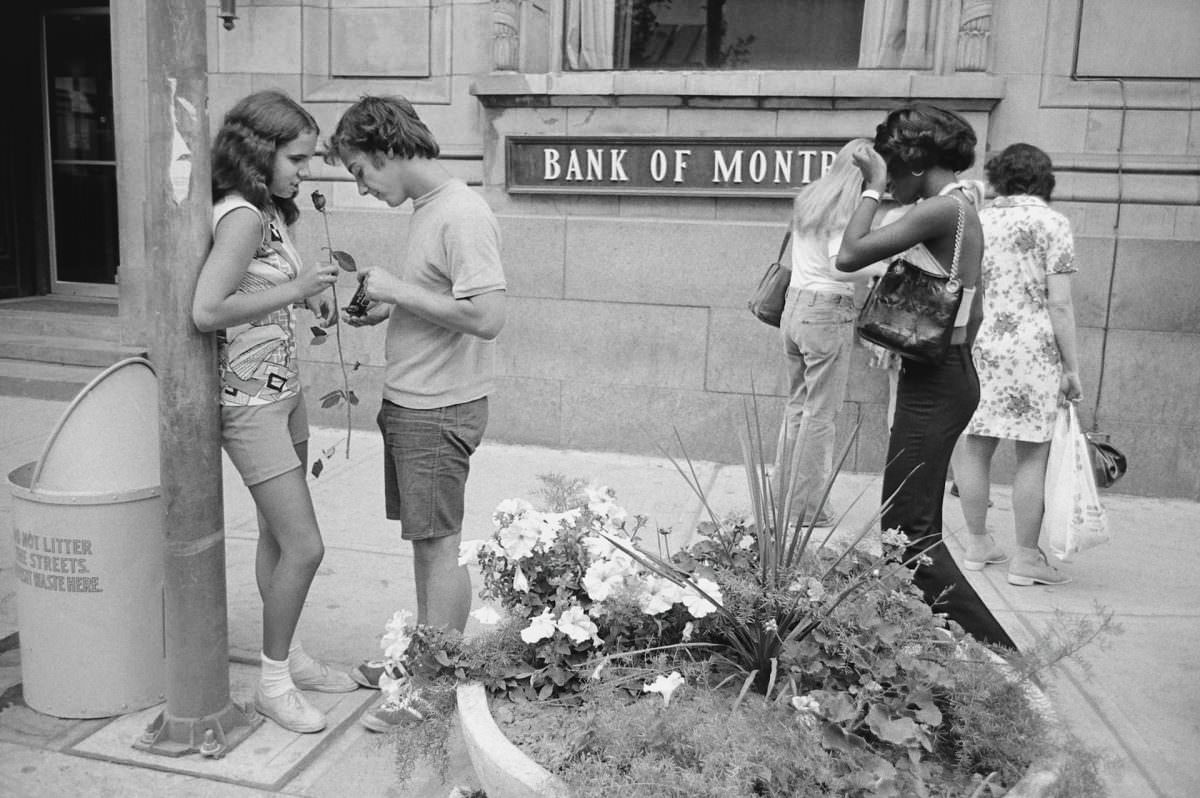
Portland, Oregon in 1973 added another chapter to his growing body of work on the American West. The Pacific Northwest had a distinct atmosphere in the early 1970s — politically charged, culturally active, and visually rich. McDonough moved through it with the same calm, unhurried attention he brought everywhere.
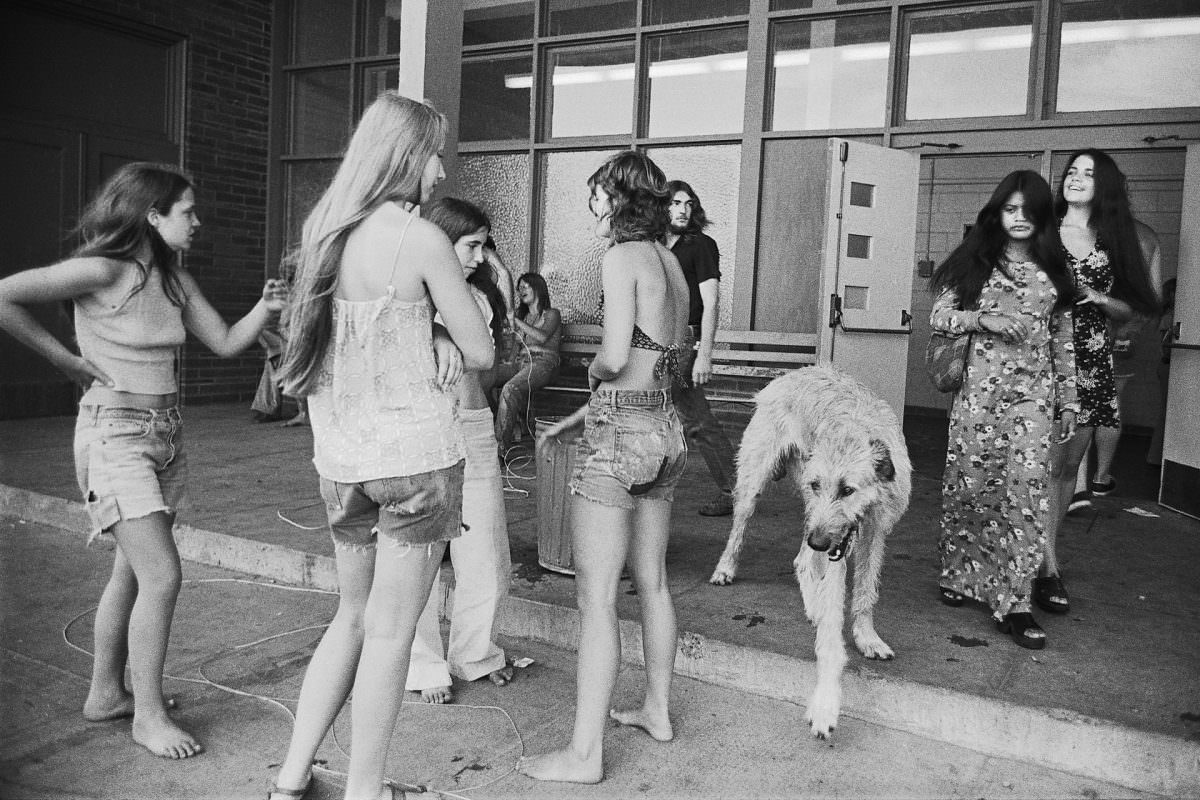
New Orleans was a recurring destination. The city’s layered history, its mix of celebration and poverty, and its densely populated streets gave McDonough material he returned to across different years. His photographs from New Orleans in both 1976 and 1981 show how much a place can change over five years — and how much stays the same.
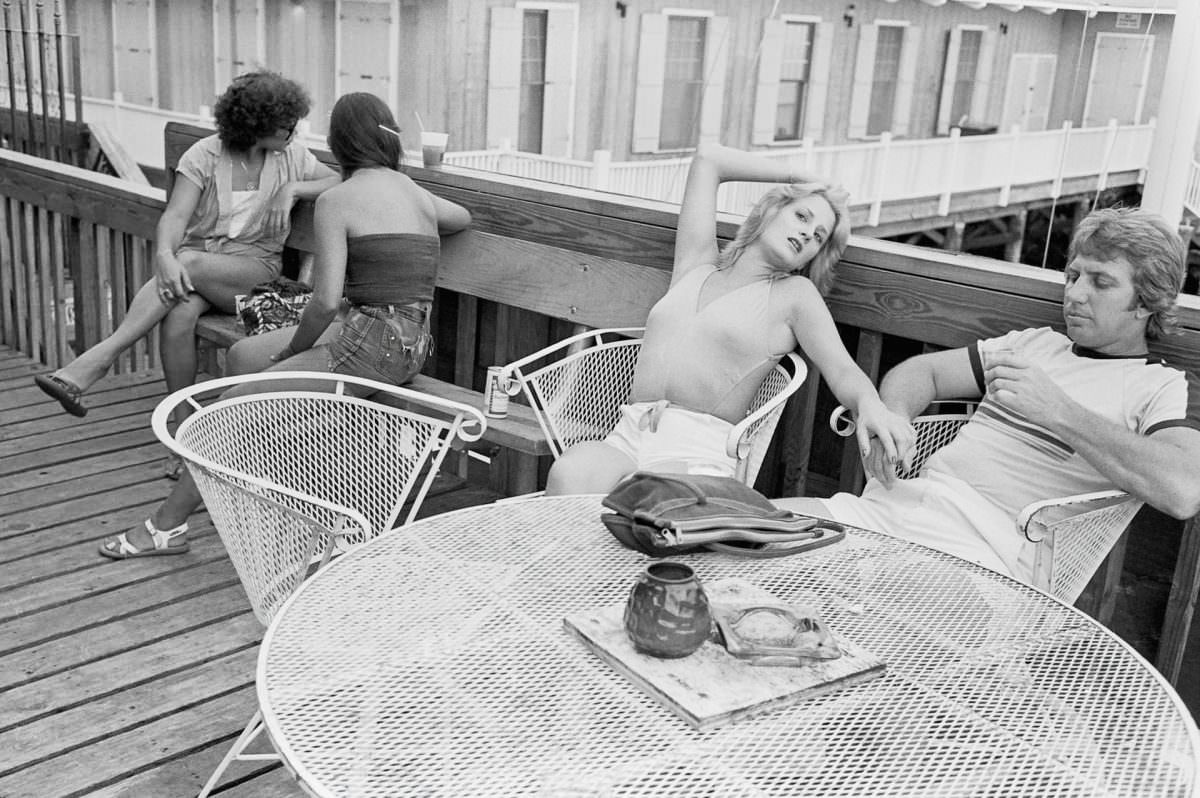
His undated California photographs belong to the same body of work — location certain, year unknown, but clearly stamped with the visual language of the era. The light, the clothing, the body language of strangers on the street — all of it places these images firmly in a specific stretch of American life.
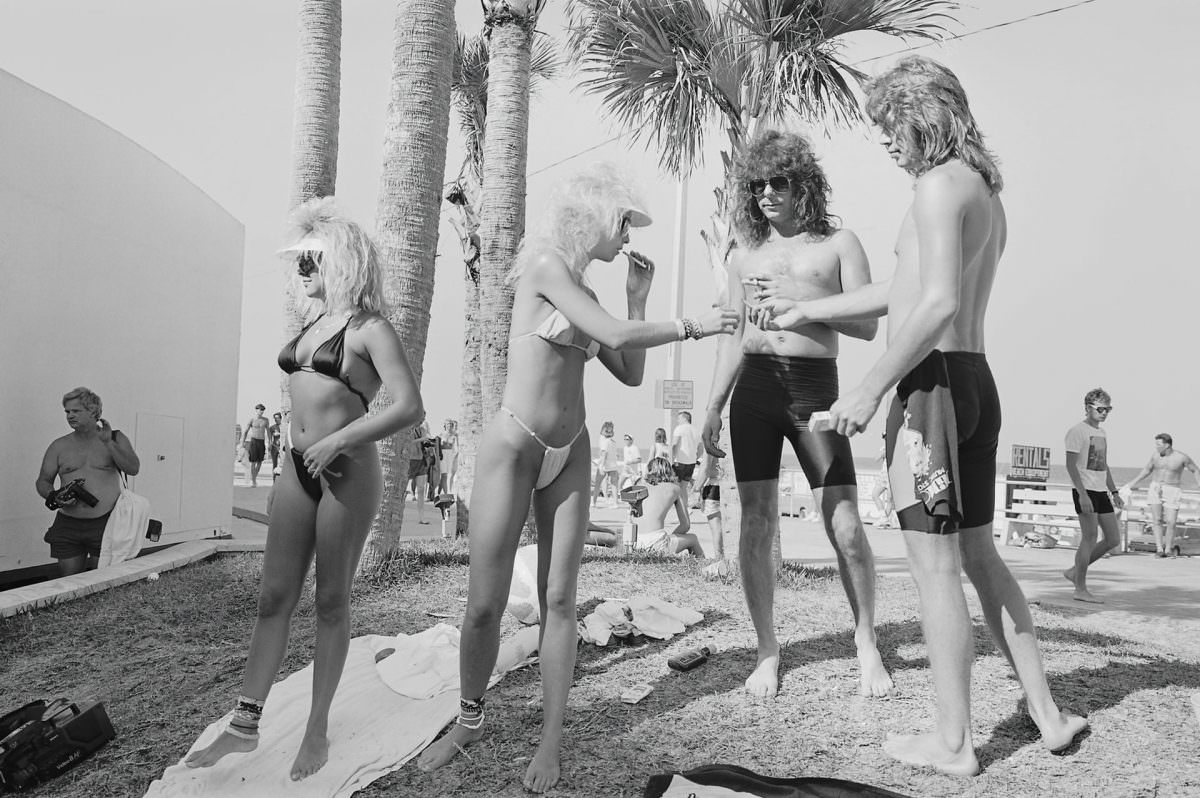
McDonough’s first monograph brought this work together for the first time, presenting a sustained look at the intimacy buried inside public spaces. The book draws from more than a decade of shooting across the country — the crowded boardwalks, the southern streets, the northern cities — and reveals the consistent intelligence behind each frame.
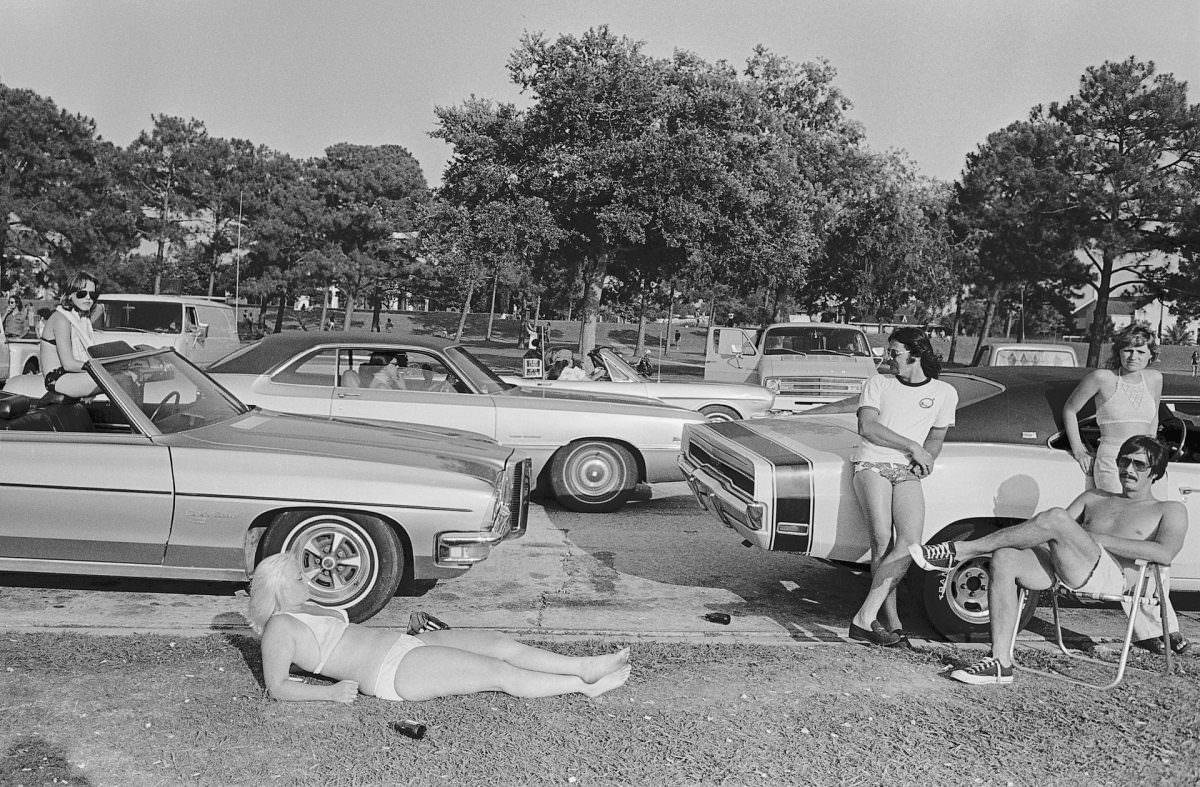
State fairs were another hunting ground. The New York State Fair in Syracuse brought together huge crowds in a compressed space — families, vendors, performers, and drifters all moving through the same gates. These environments were tailor-made for street photography, and McDonough worked them with the same discipline he applied everywhere else. His photographs from the Syracuse fair — year unknown — show the same qualities that run through all of his work: sharp observation, no sentimentality, and an honest eye trained on the world as it actually was.