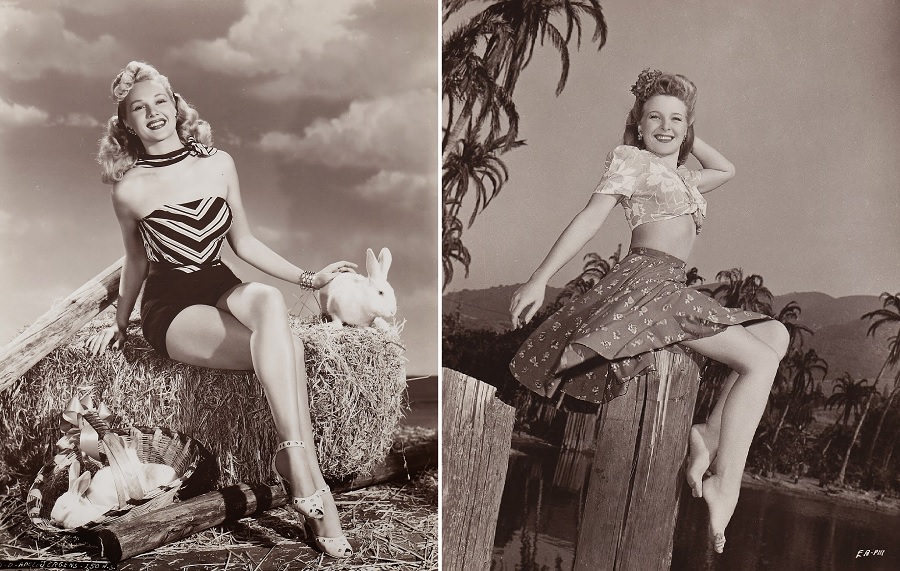
In the golden age of Italian cinema, few faces turned heads quite like Scilla Gabel’s. A blue-eyed redhead with striking features and a figure that photographers adored, Gabel carved out a career in film and television that spanned decades. Yet her story is inseparable from one defining fact: she looked almost exactly like Sophia Loren, the most famous Italian actress in the world.
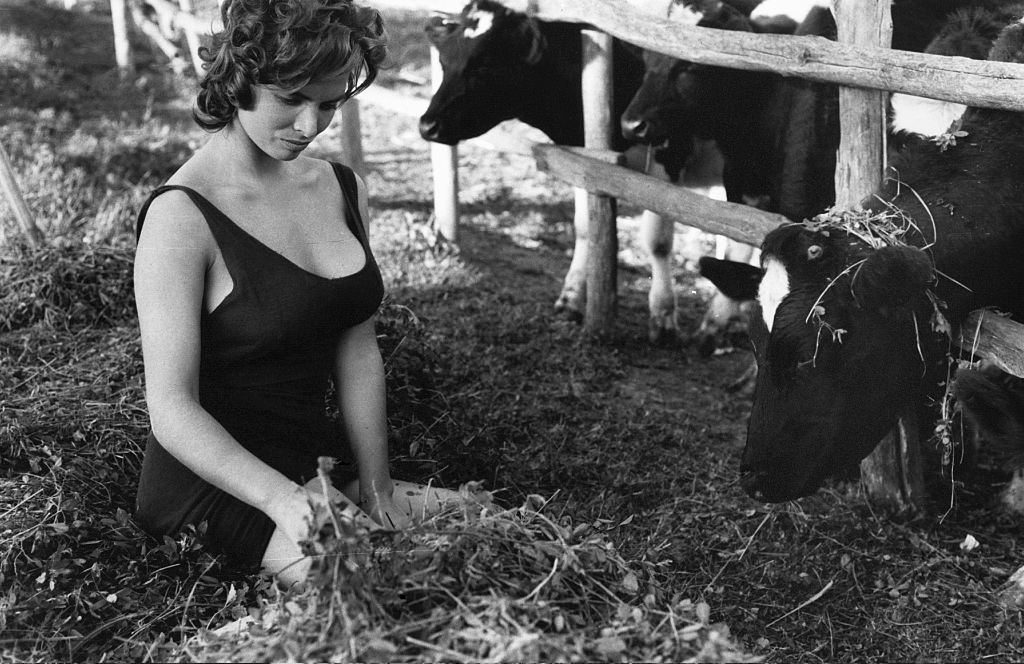
That resemblance opened doors fast. When producers were casting for the 1957 film “Boy on a Dolphin,” they needed a body double for Loren. Gabel fit the role perfectly. Her blue eyes, red hair, and body measurements matched Loren’s closely enough that the swap was seamless on screen. It was a rare and very specific kind of casting, and Gabel delivered.
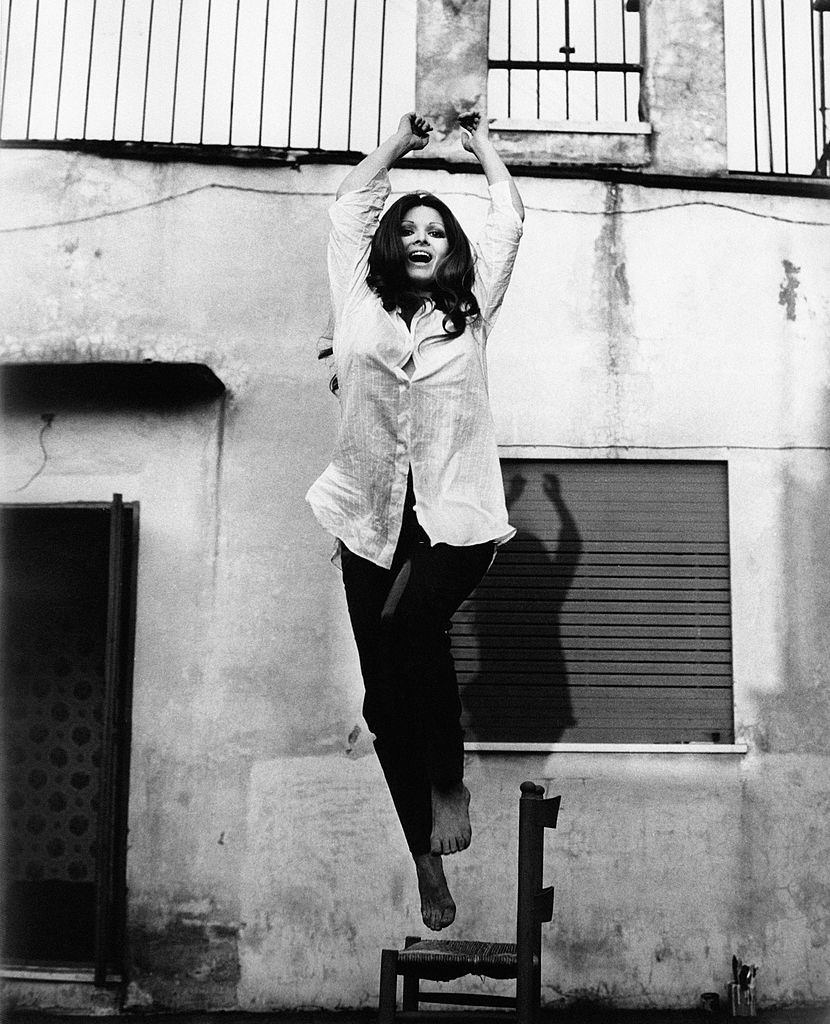
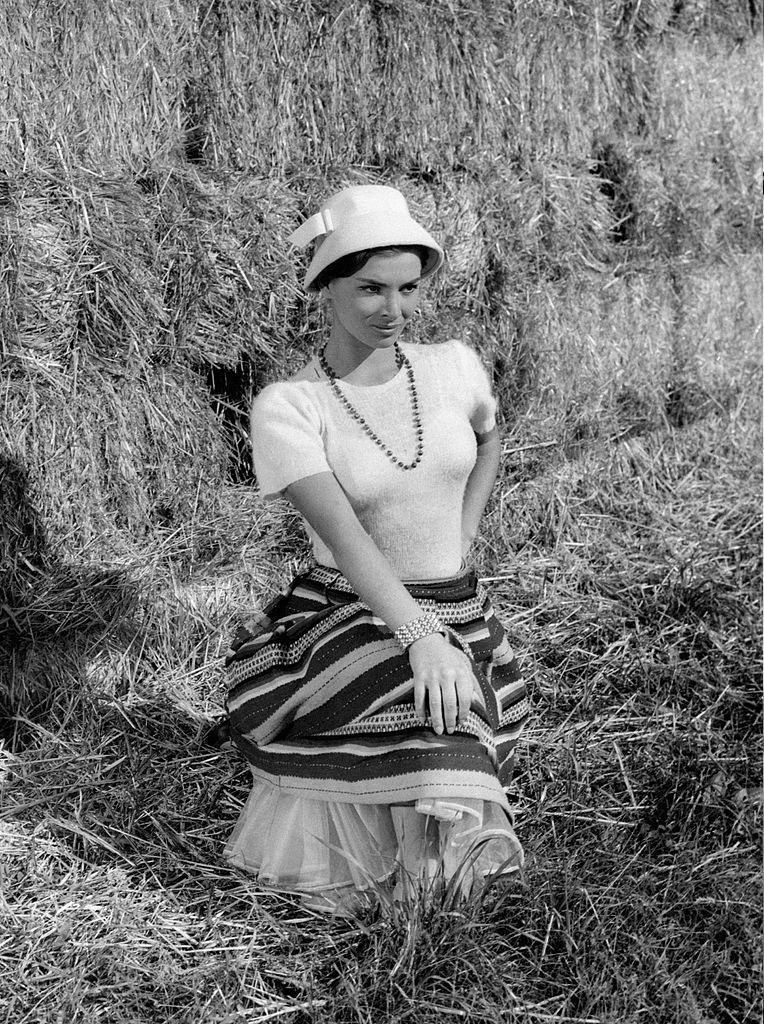
The job did not end with that one film. Producers brought her back as Loren’s double again for “Legend of the Lost,” a 1957 adventure film starring John Wayne and Sophia Loren. Being hired twice for the same specialized role confirmed that Gabel’s likeness to the superstar was no accident of light or makeup. It was genuine, and the film industry noticed.
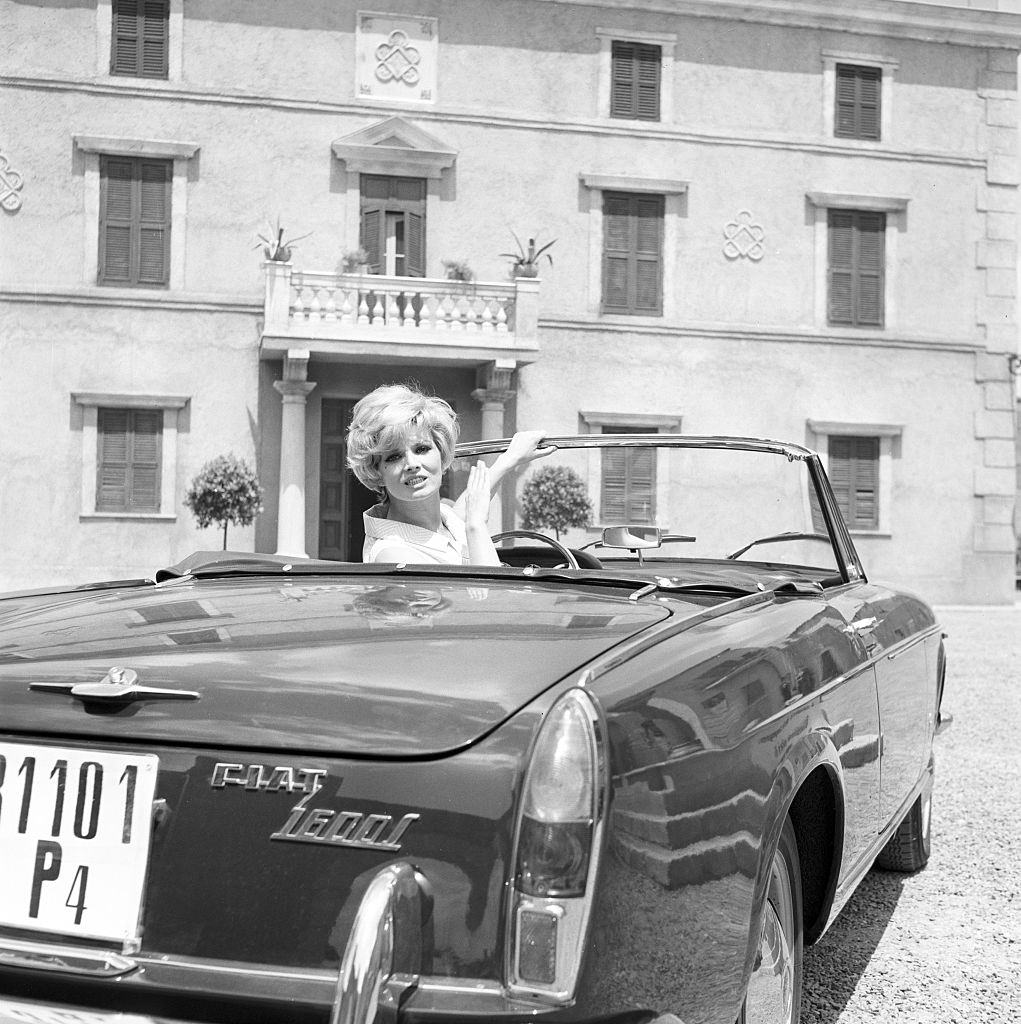
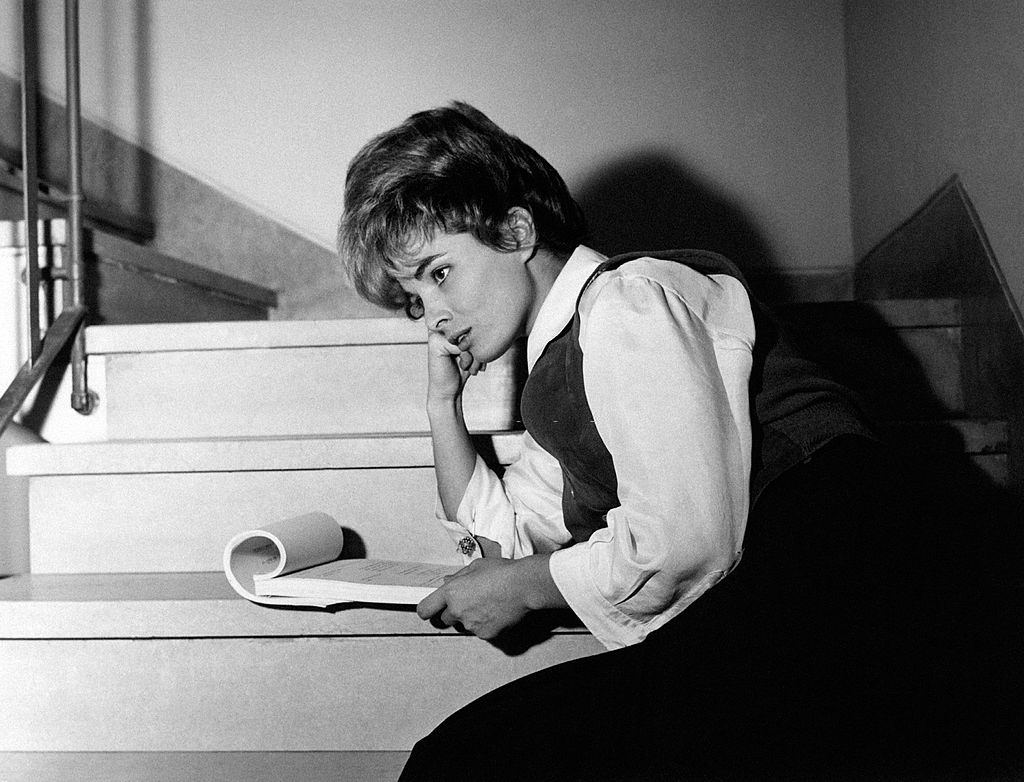
While doubling for Loren gave Gabel visibility, she was actively building her own filmography at the same time. During the late 1950s and throughout the 1960s, she appeared in numerous Italian productions, often in smaller supporting roles. These were not headline parts, but they kept her in front of cameras and gave her steady work in a competitive industry.
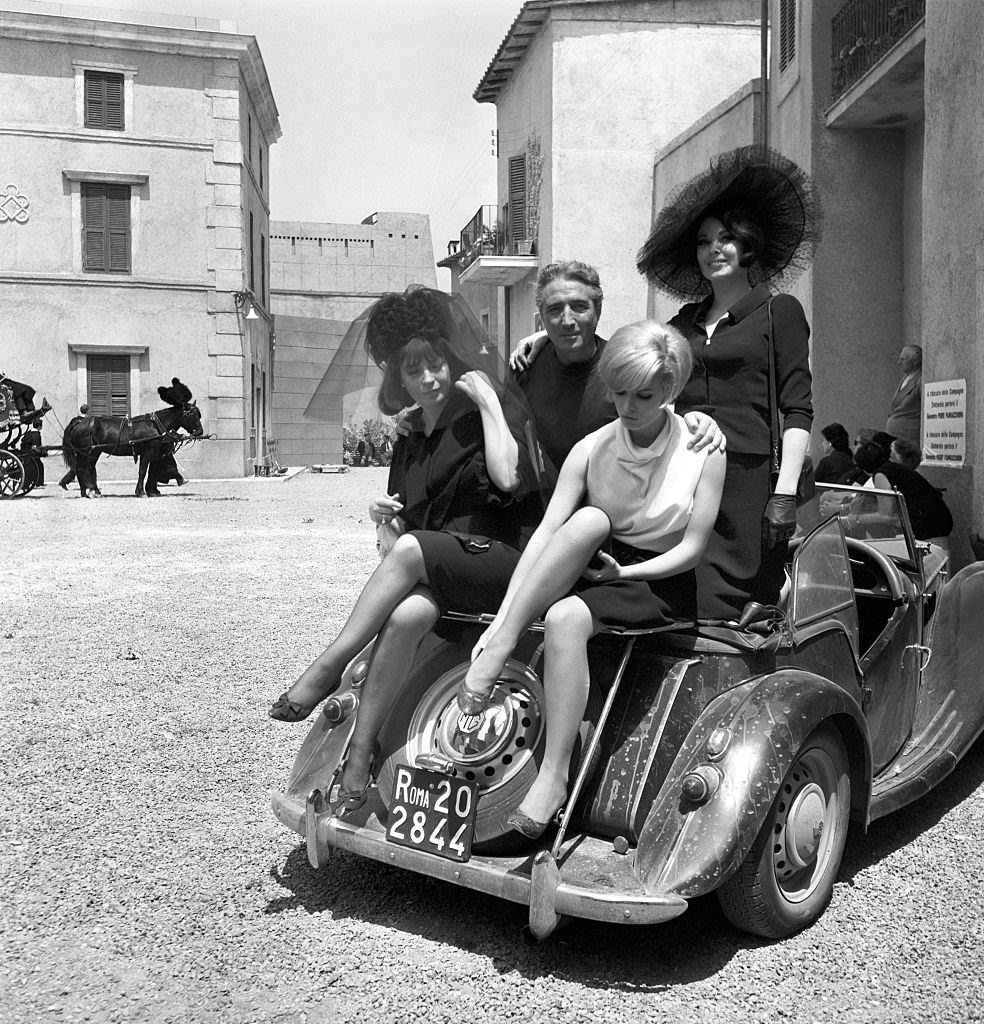
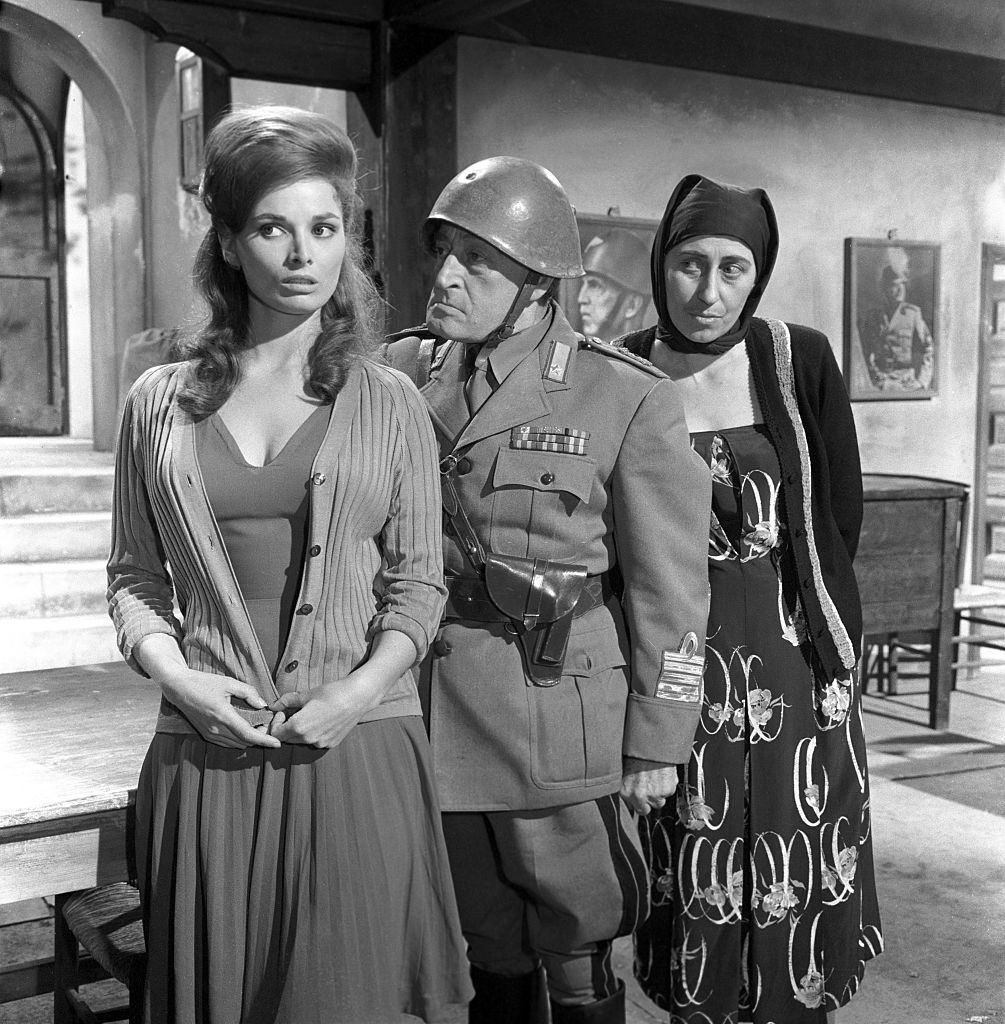
One of her more memorable film appearances came in the 1962 Italian comedy “The Two Colonels,” featuring the beloved comedian Antonio De Curtis, known professionally as Totò. Gabel appeared alongside De Curtis and actress Adriana Facchetti in a film that became a classic of Italian comedy cinema. It was proof that she could hold her own on screen, not just stand in for someone else.
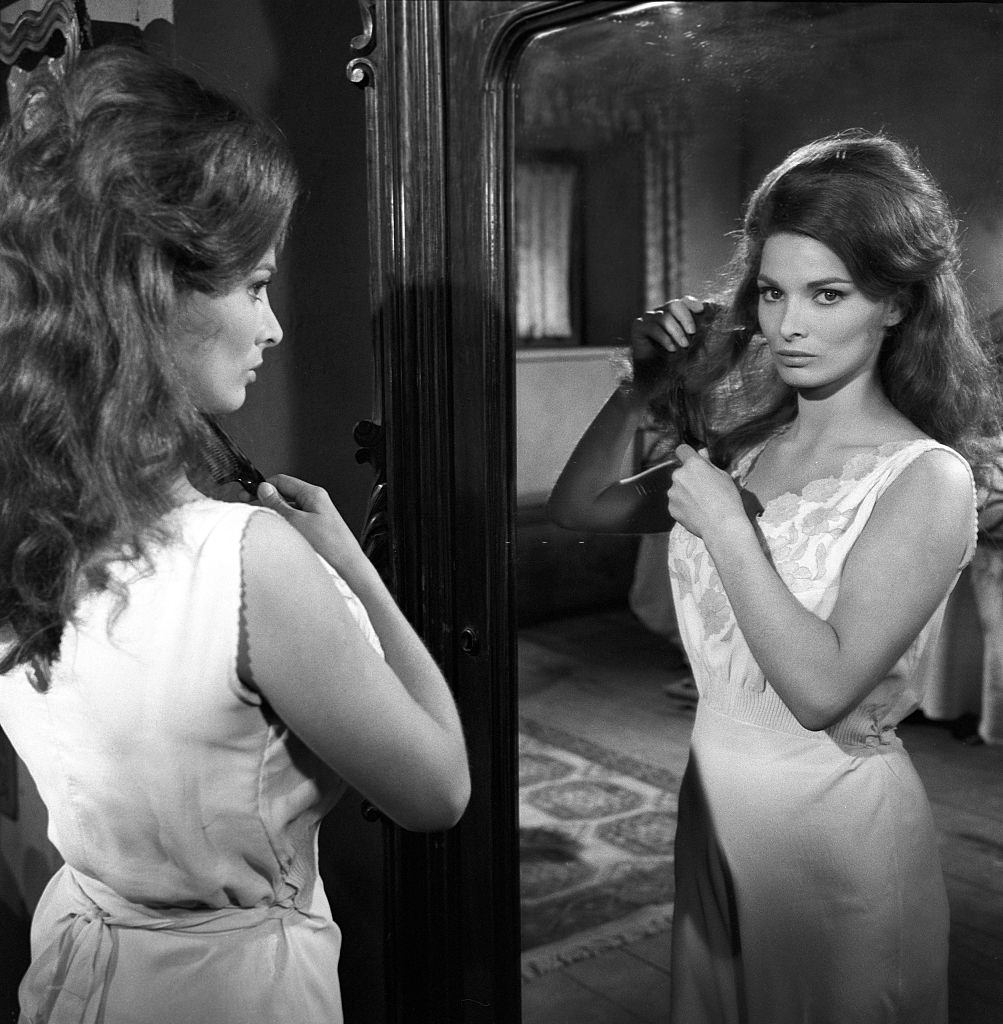
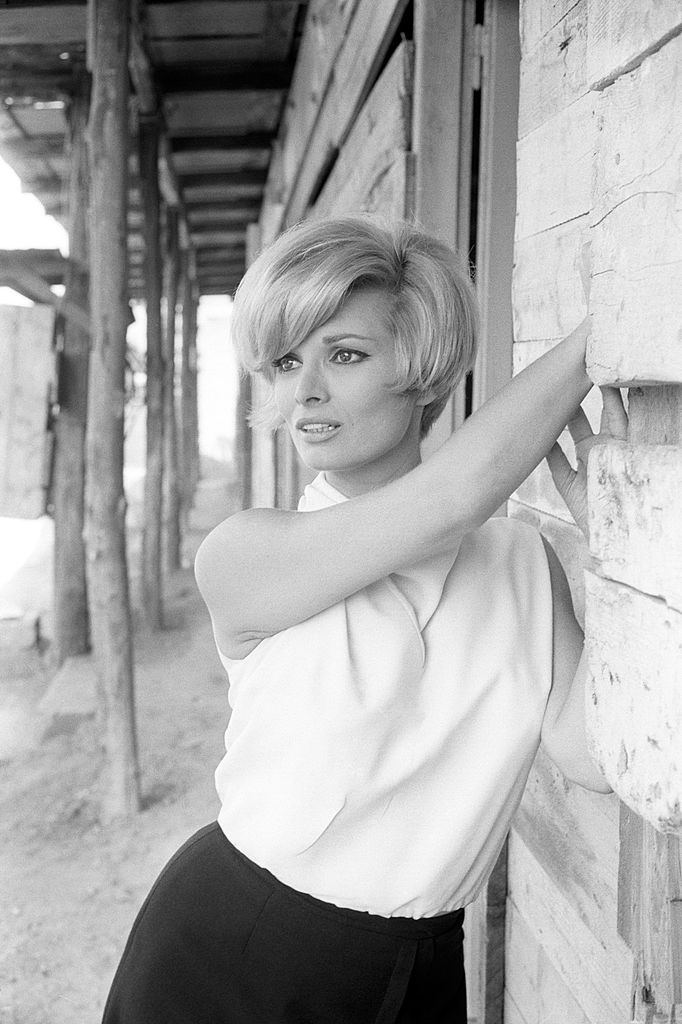
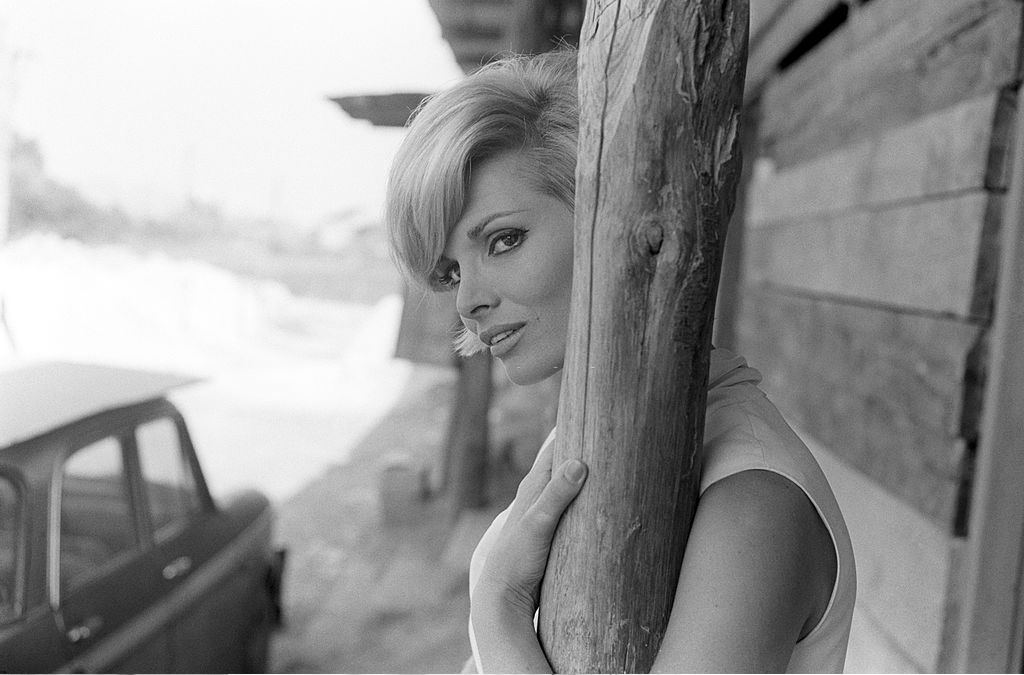
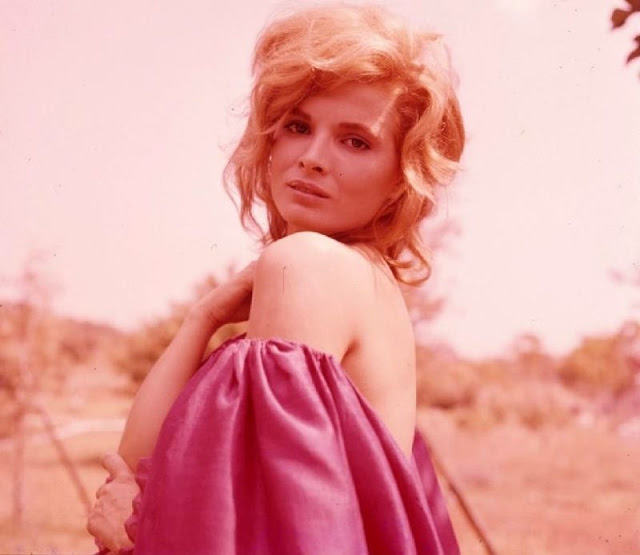
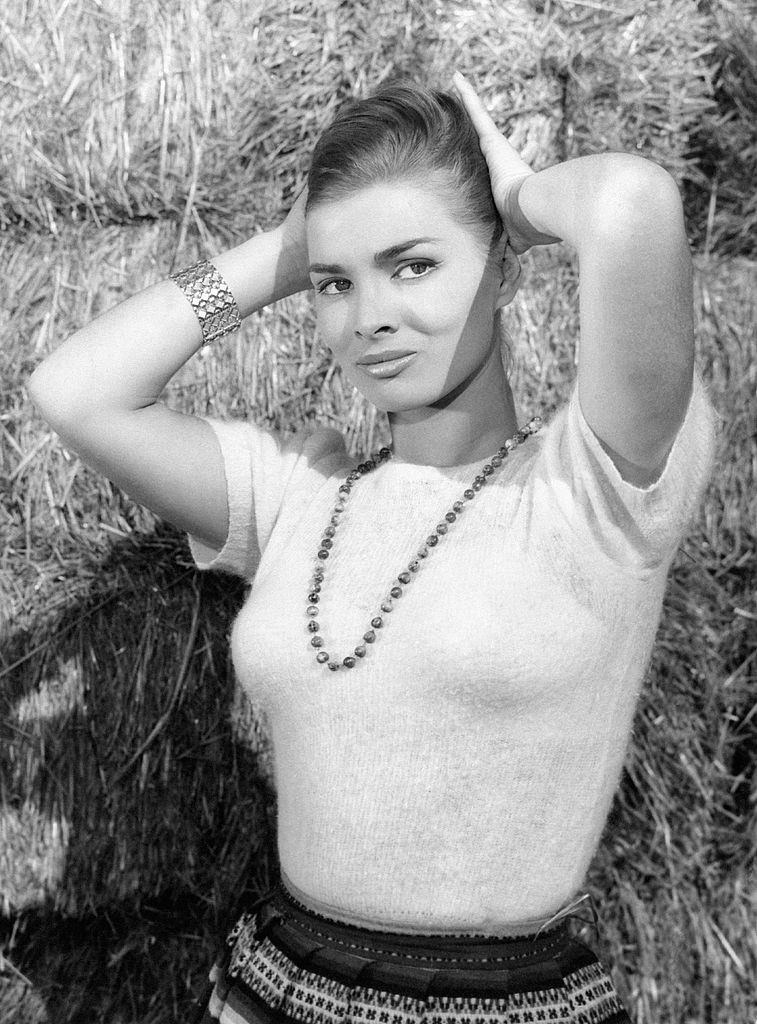
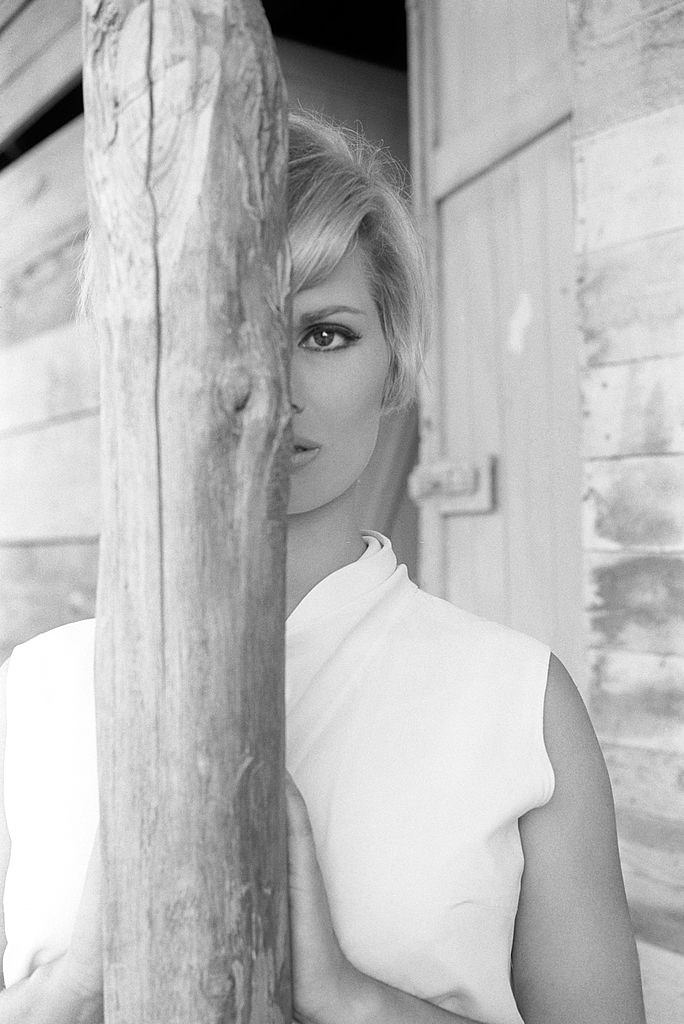
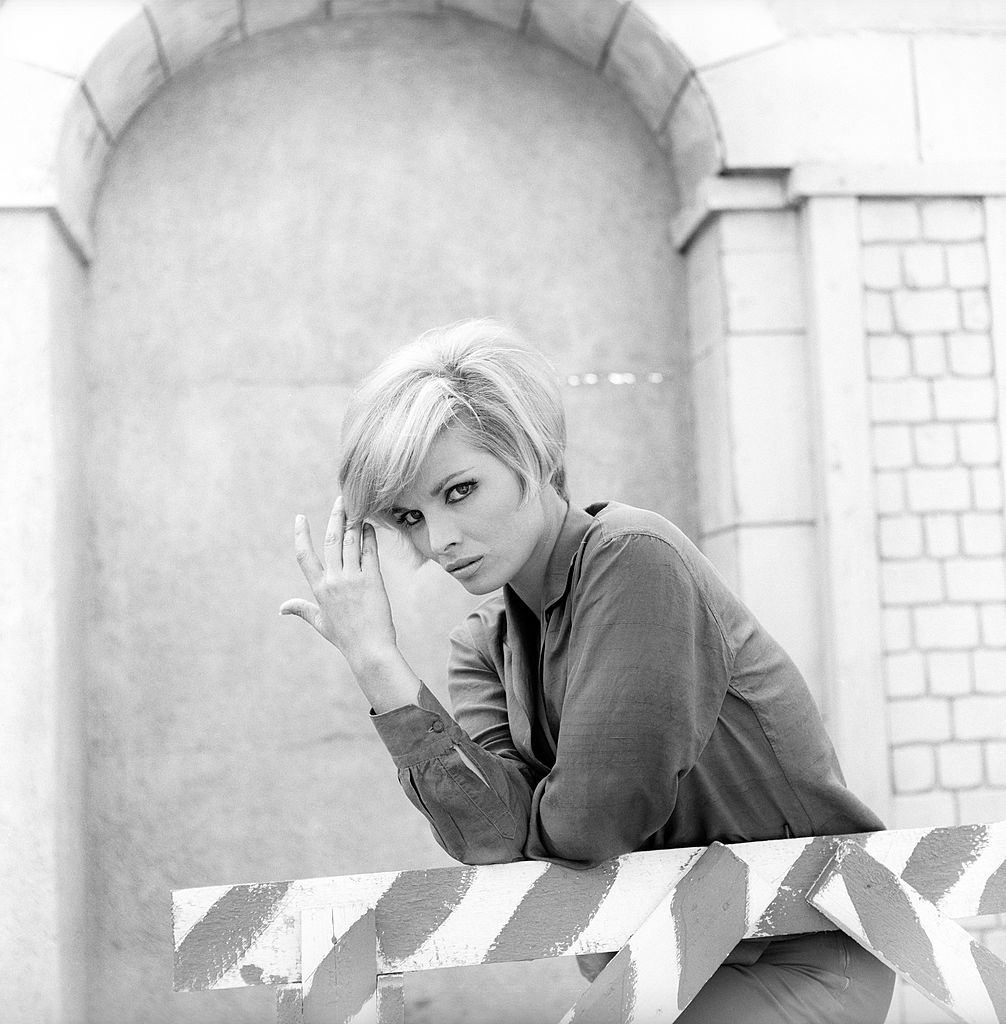
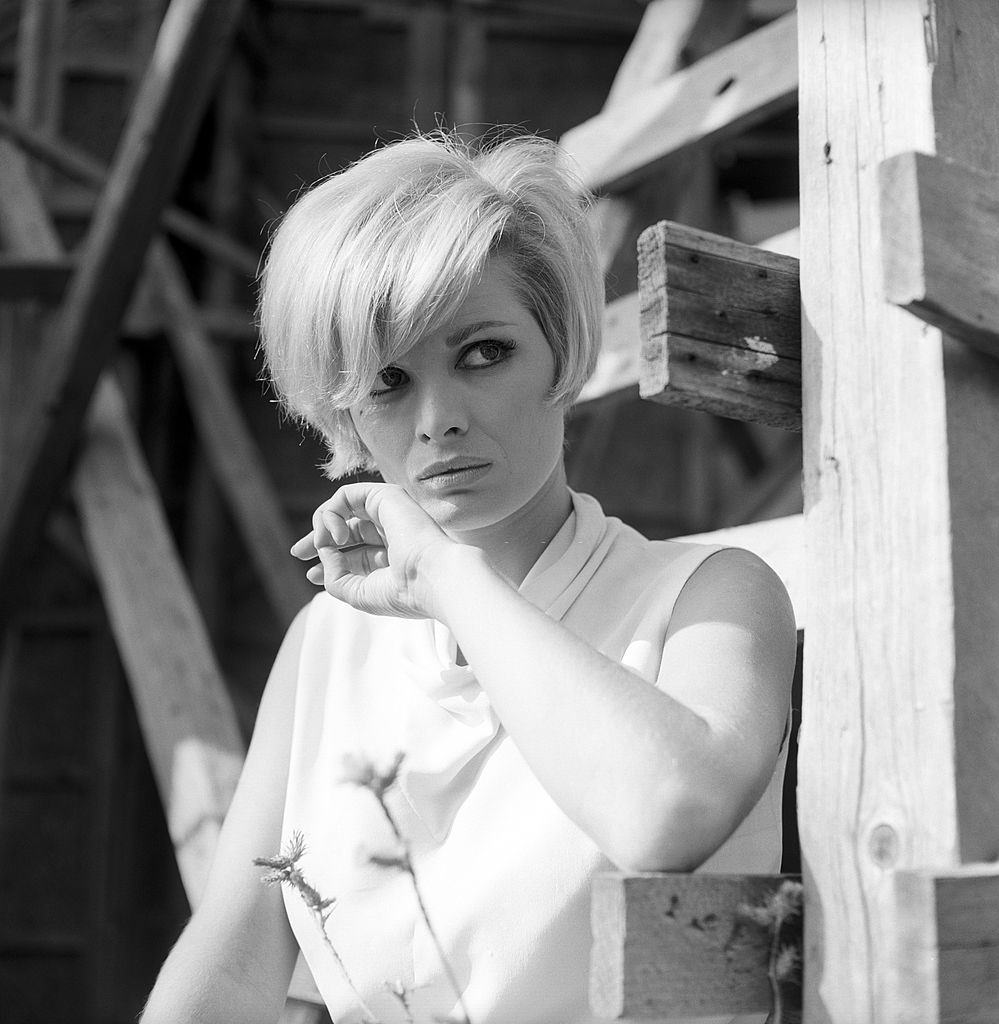
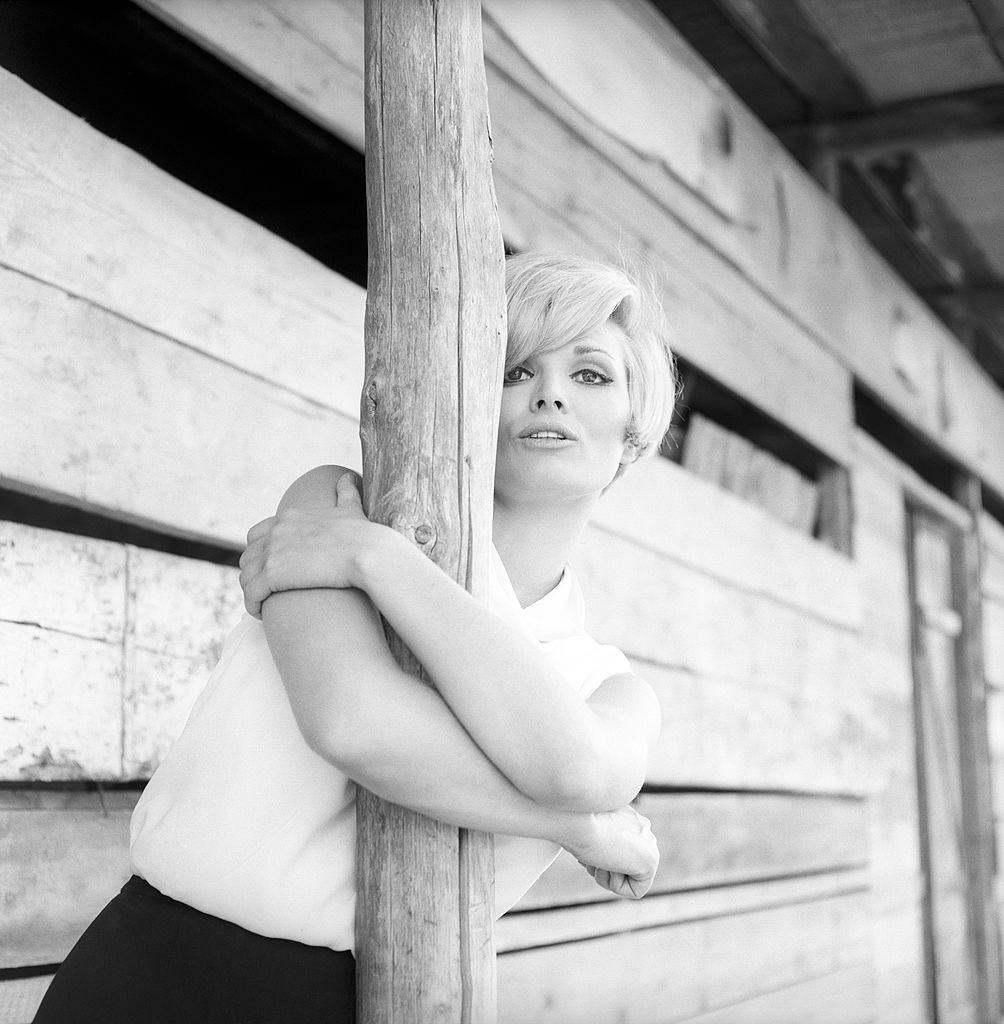
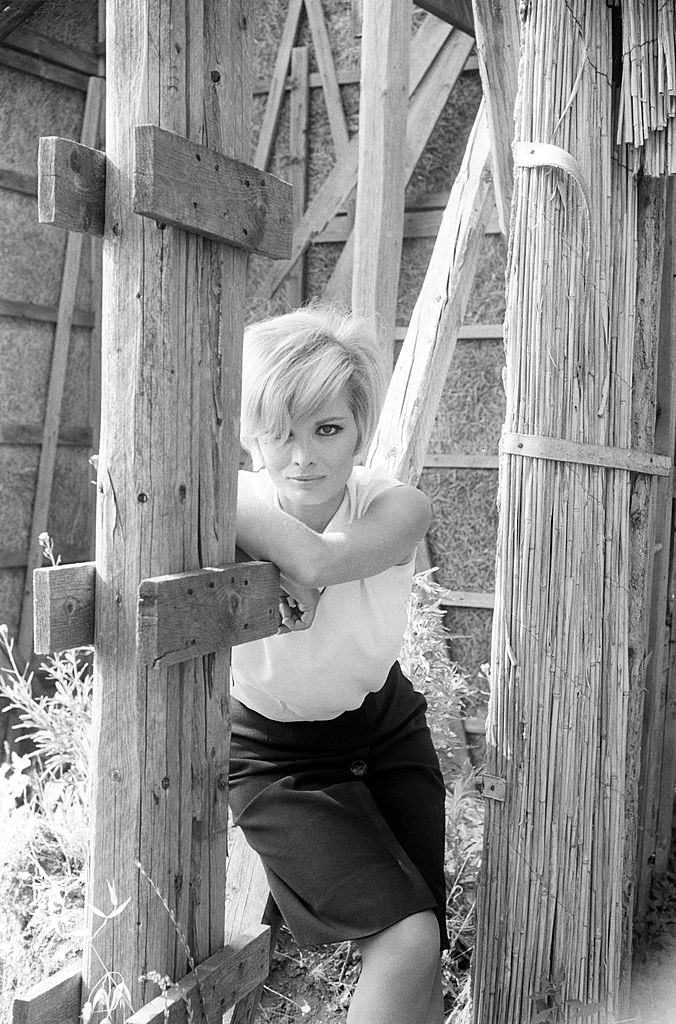
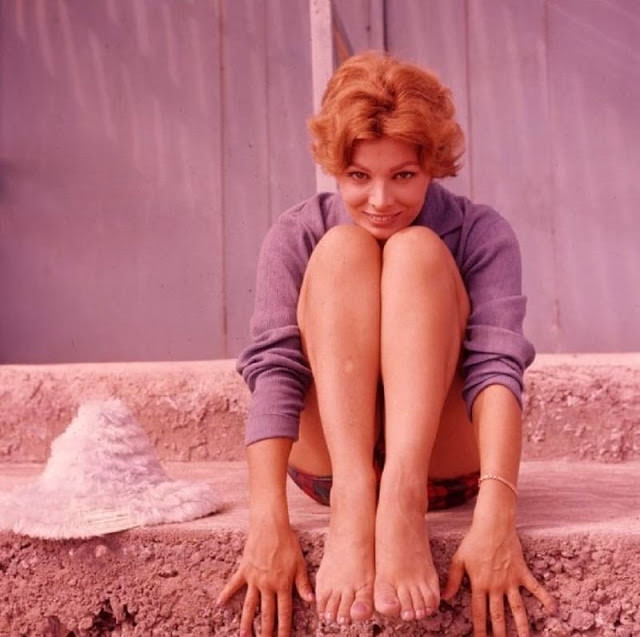
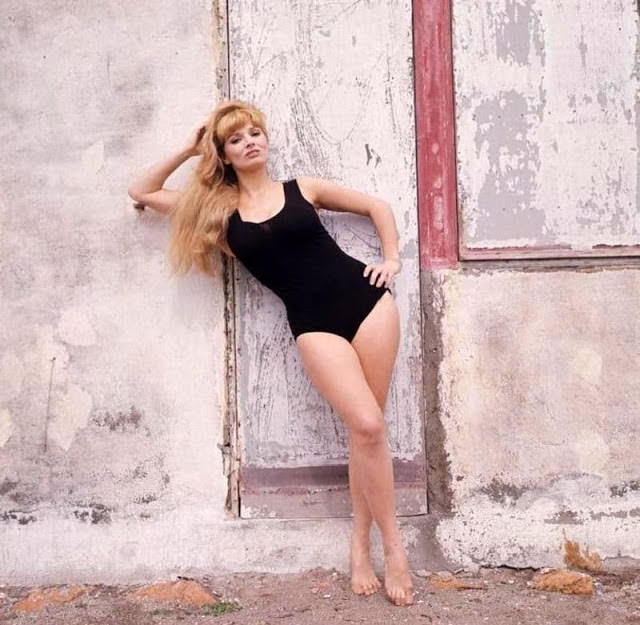
Throughout the mid-1960s, Gabel remained a fixture in Italian film productions. Photo sessions from this period, many taken on location in Italy, show a woman completely at ease in front of the lens. Her natural charisma is obvious whether she’s laughing, posing, or simply leaning against a barn wall between takes.
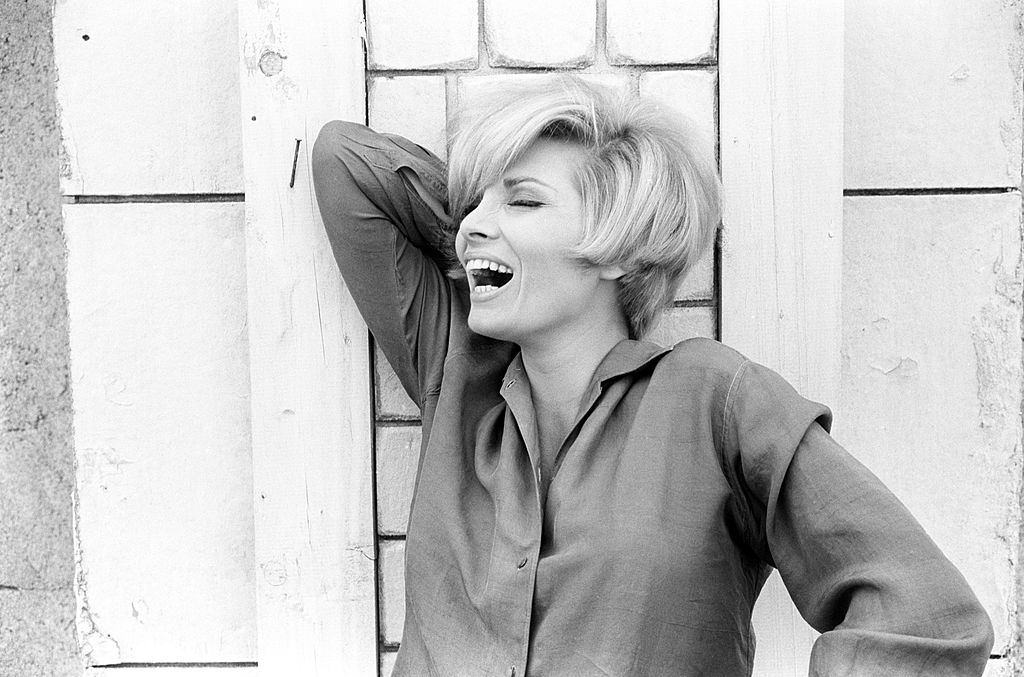
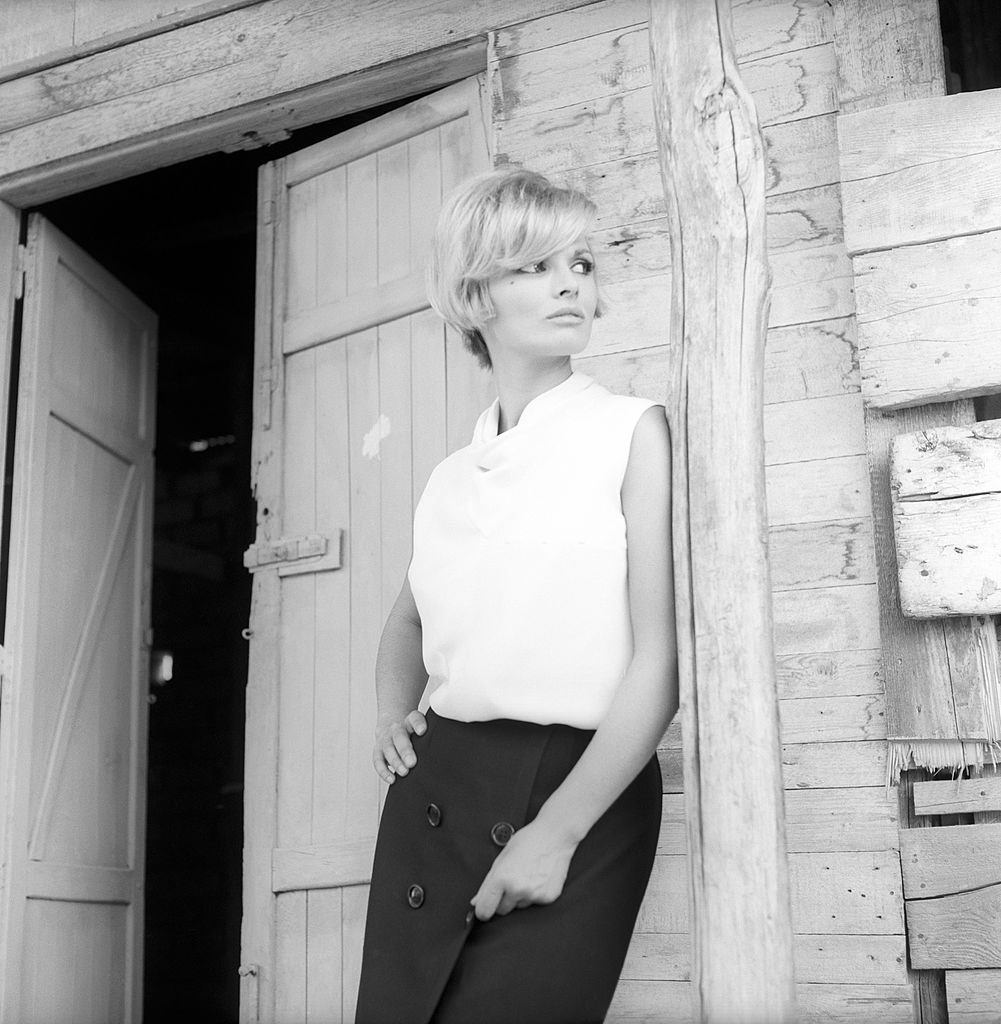
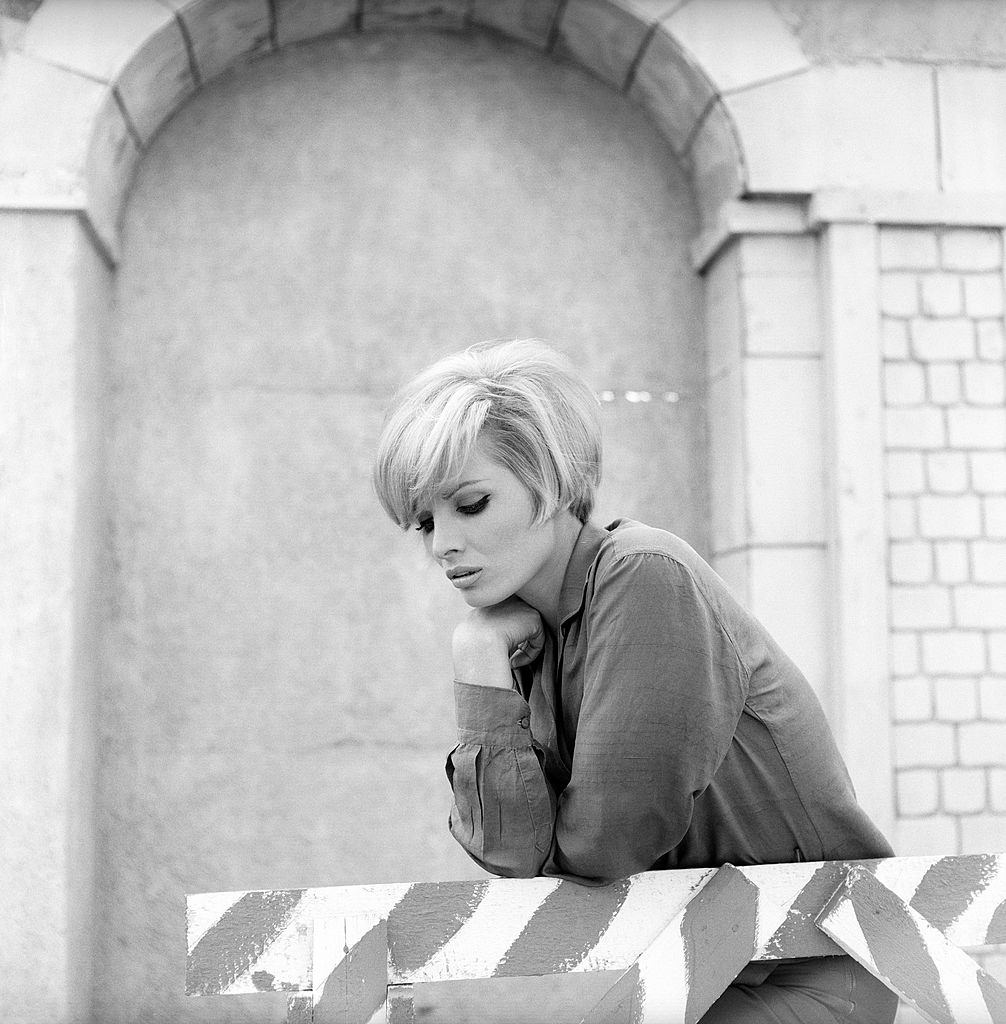
In 1966, Gabel appeared in “Modesty Blaise,” the British spy-comedy film directed by Joseph Losey. The film, based on a popular comic strip of the same name, starred Monica Vitti in the lead role. Gabel’s appearance in the production showed that her reach extended beyond Italian cinema and into international projects of real scale.
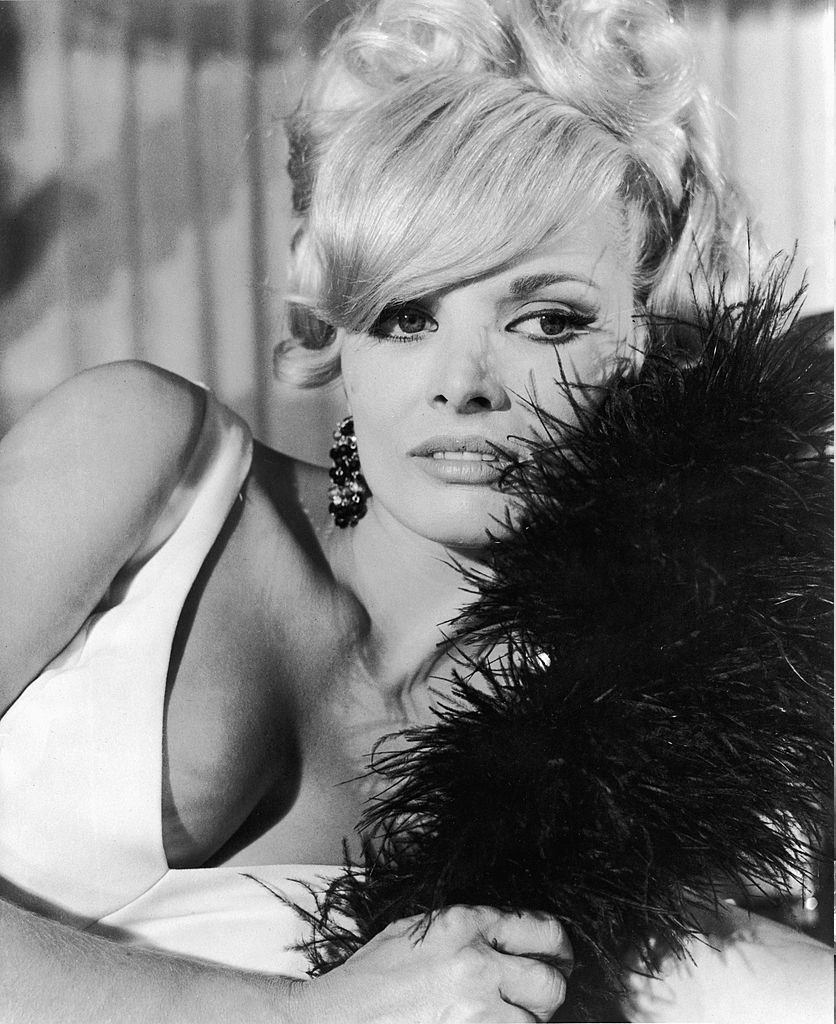
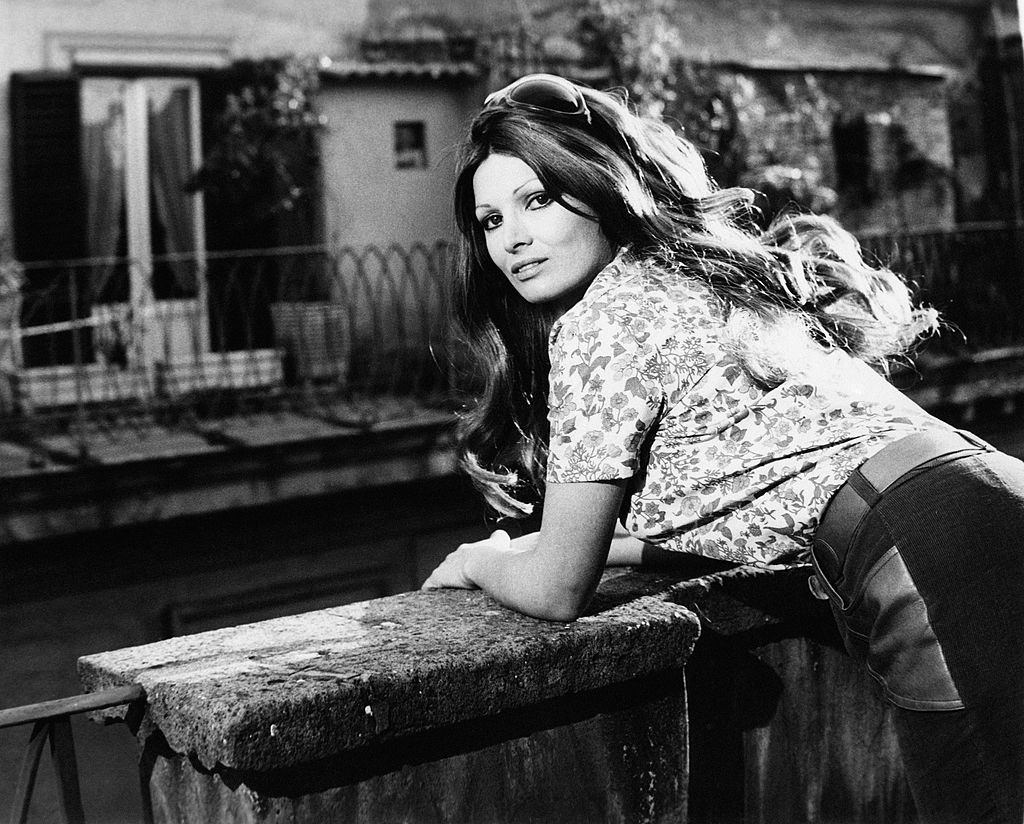
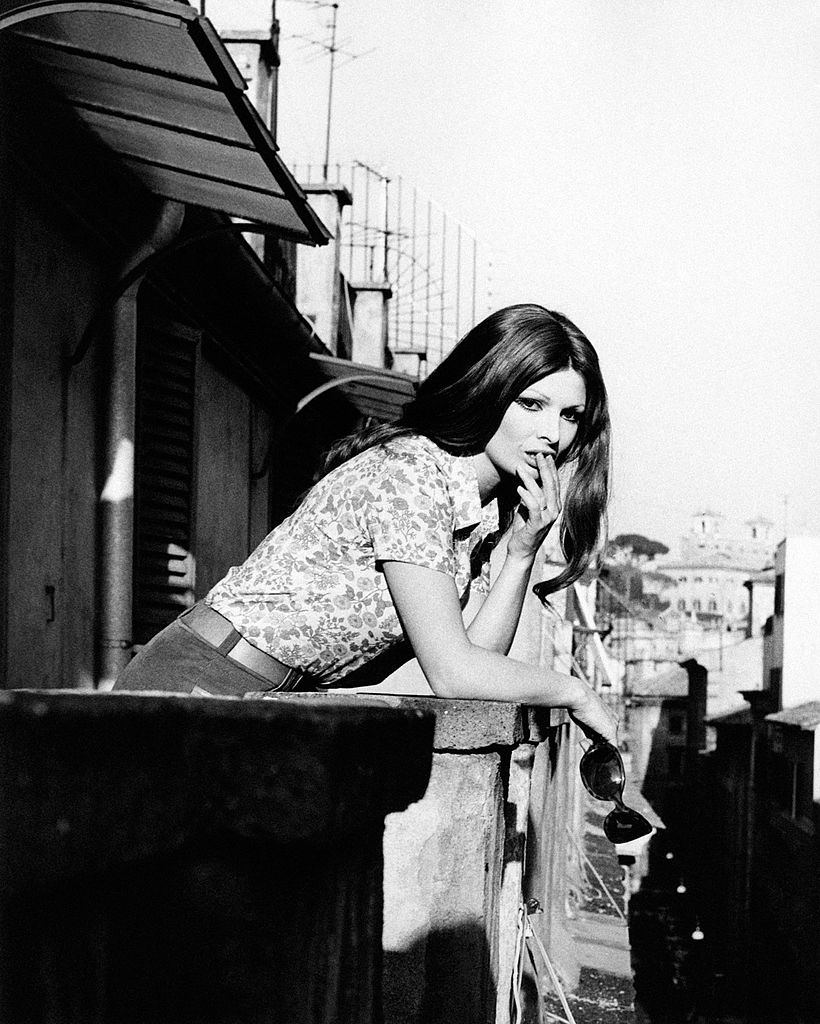
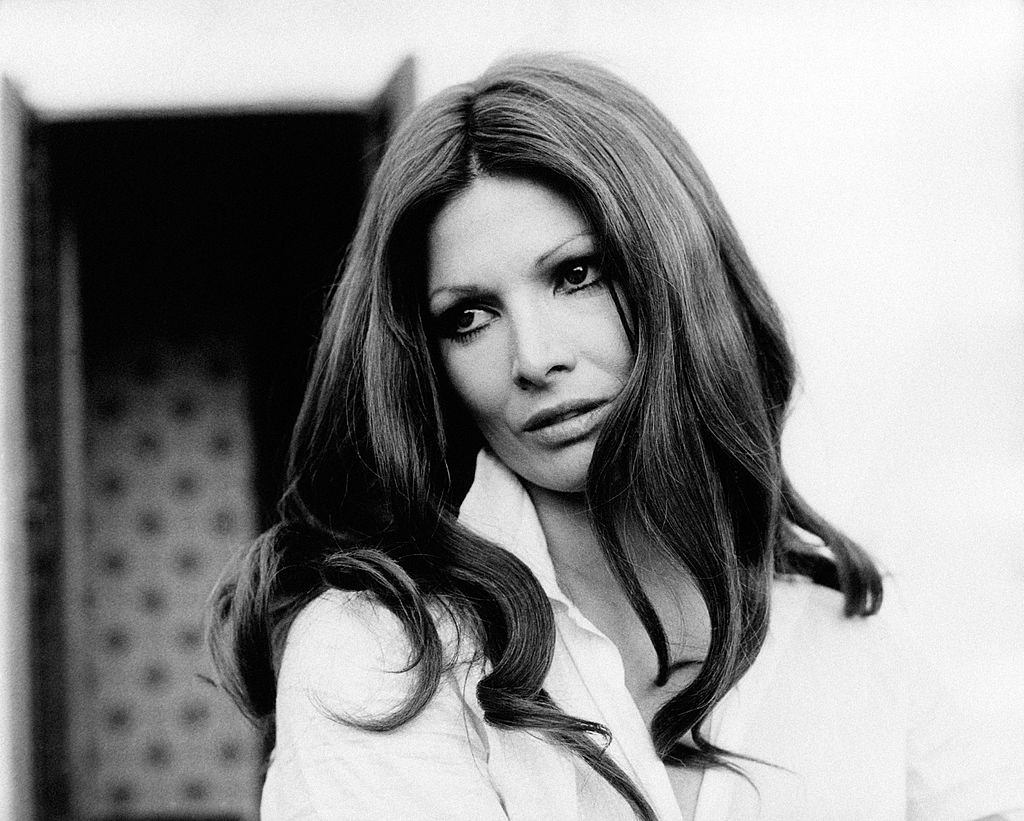
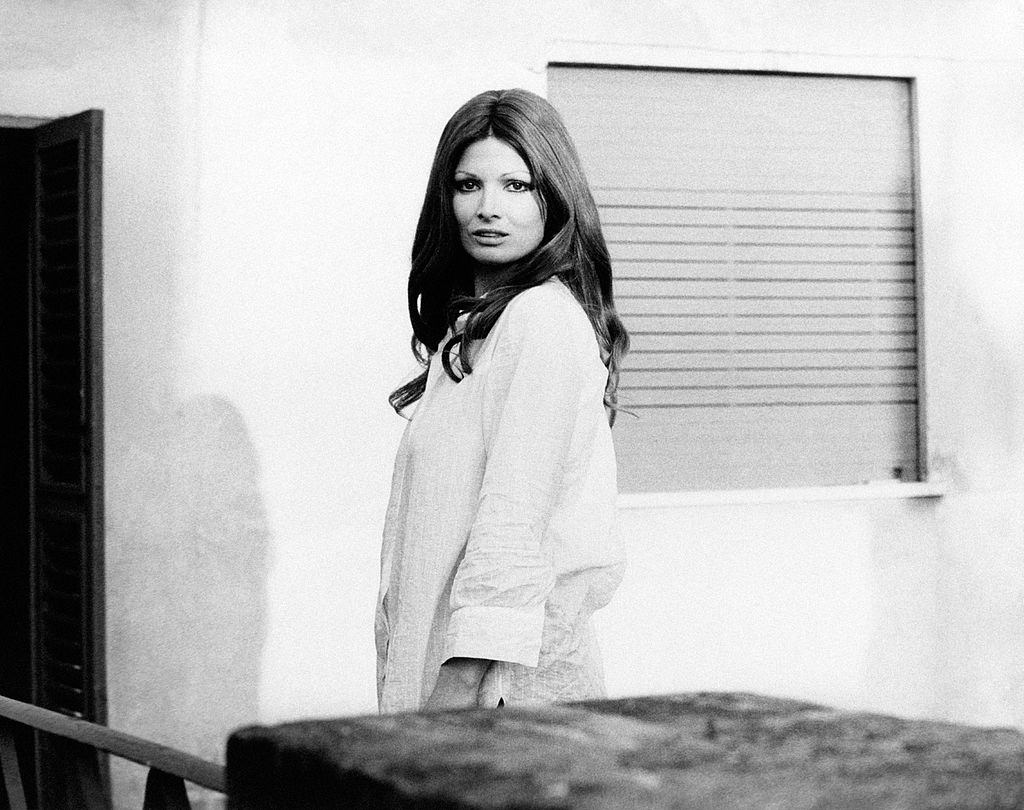
By May 1968, Gabel was photographed during a visit to Rome, where she was captured in a series of relaxed, candid shots on terraces and balconies overlooking the city. These images show a side of Gabel away from the formal world of film sets — confident, comfortable, and every bit as photogenic off-screen as on it.
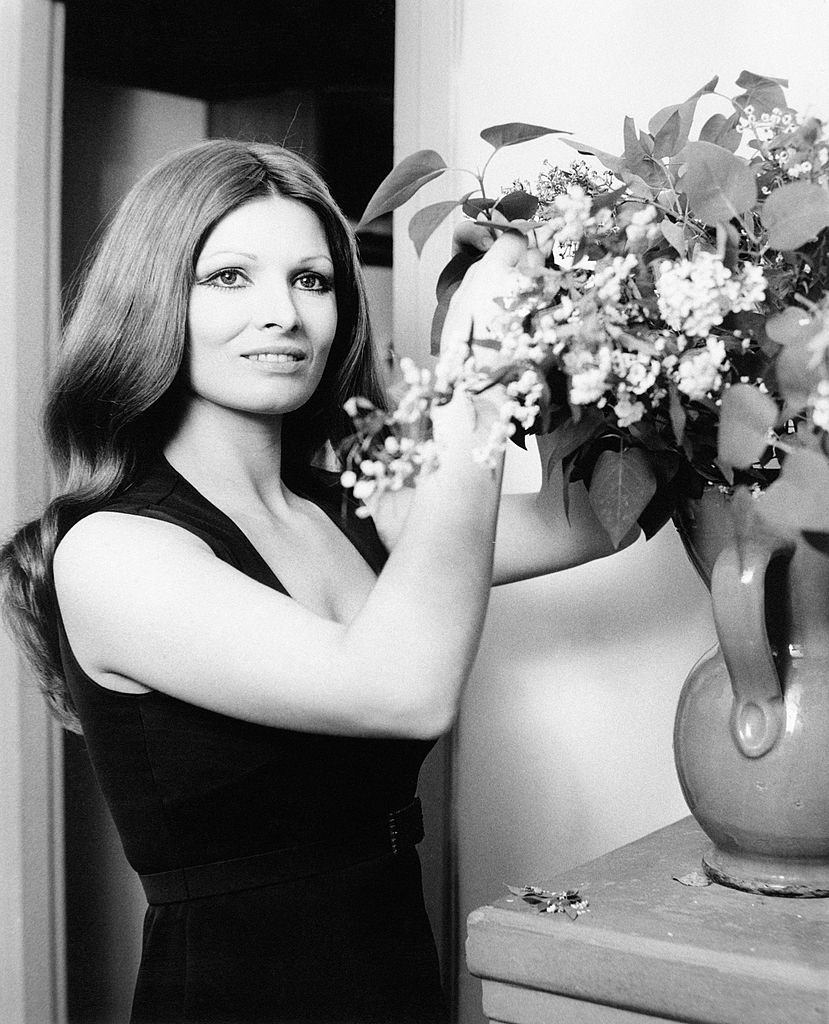
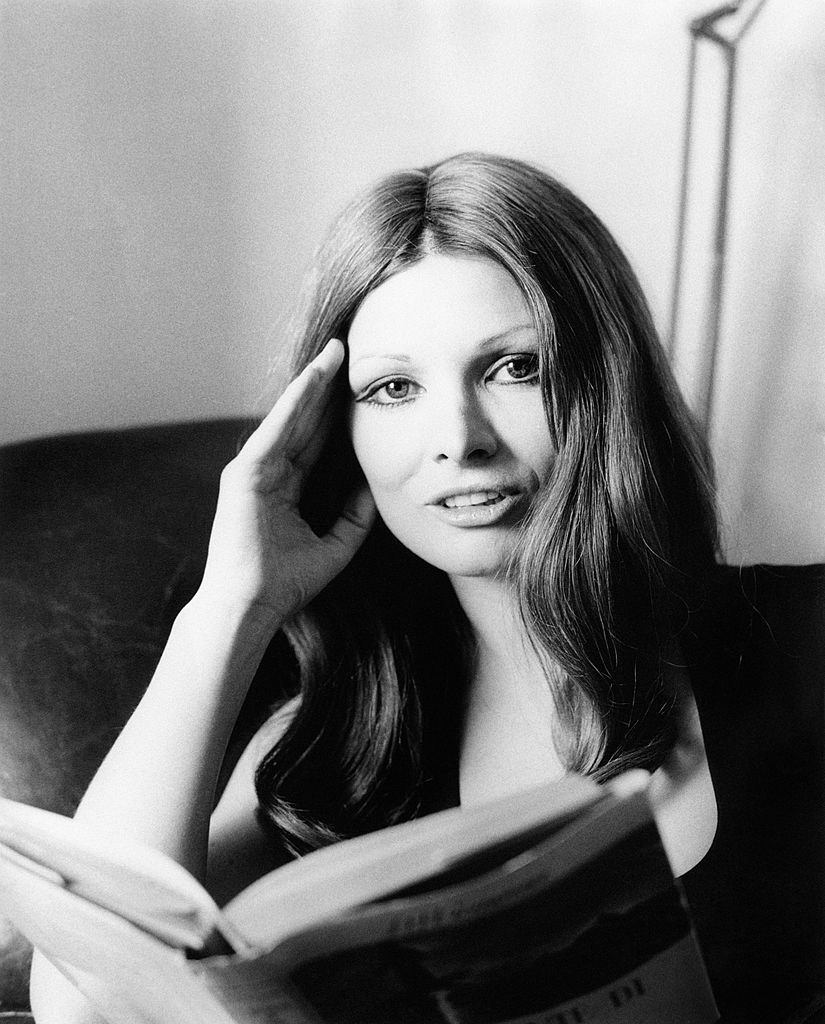
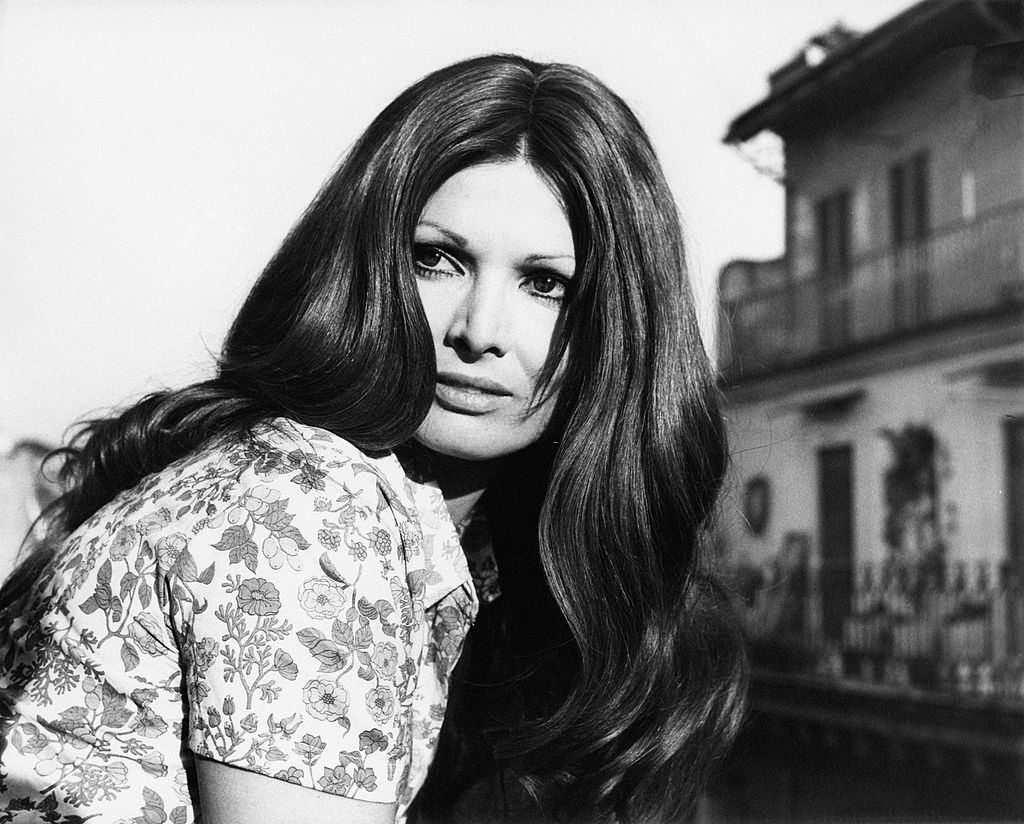
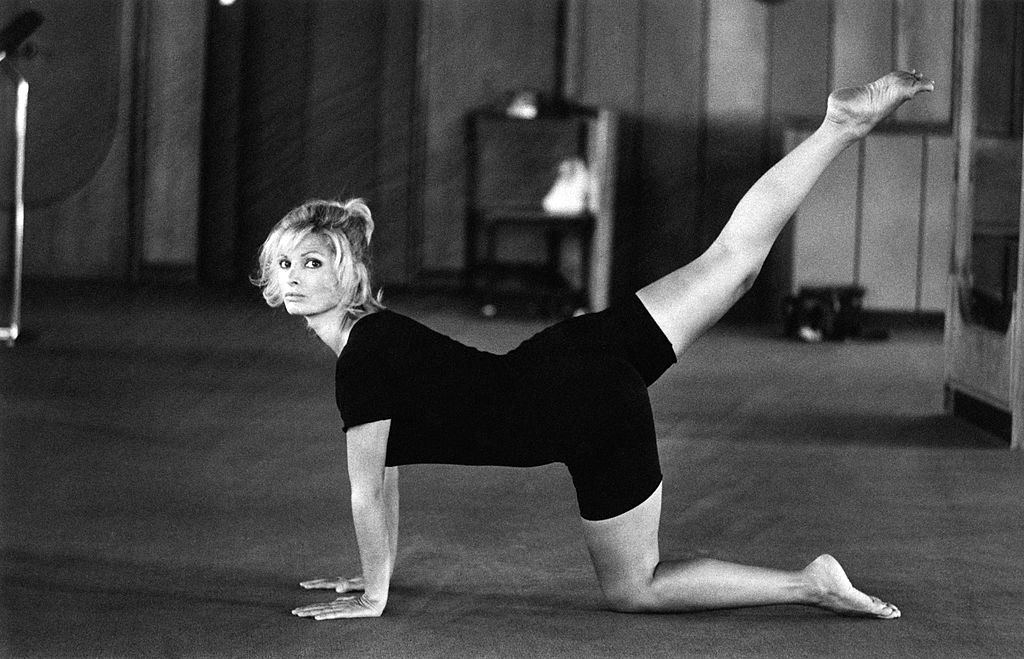
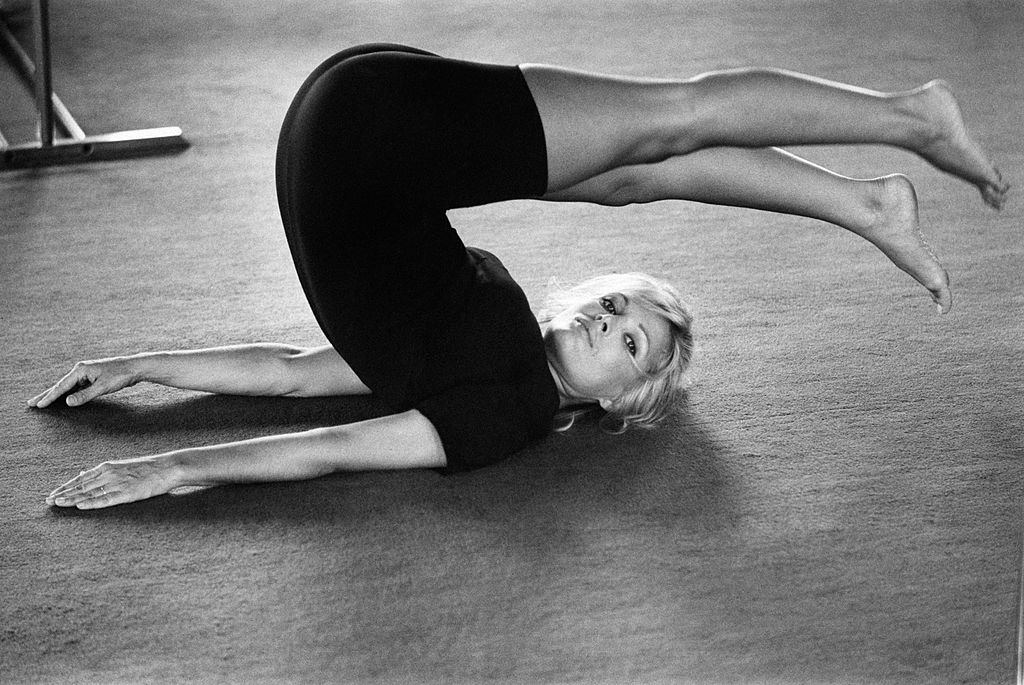
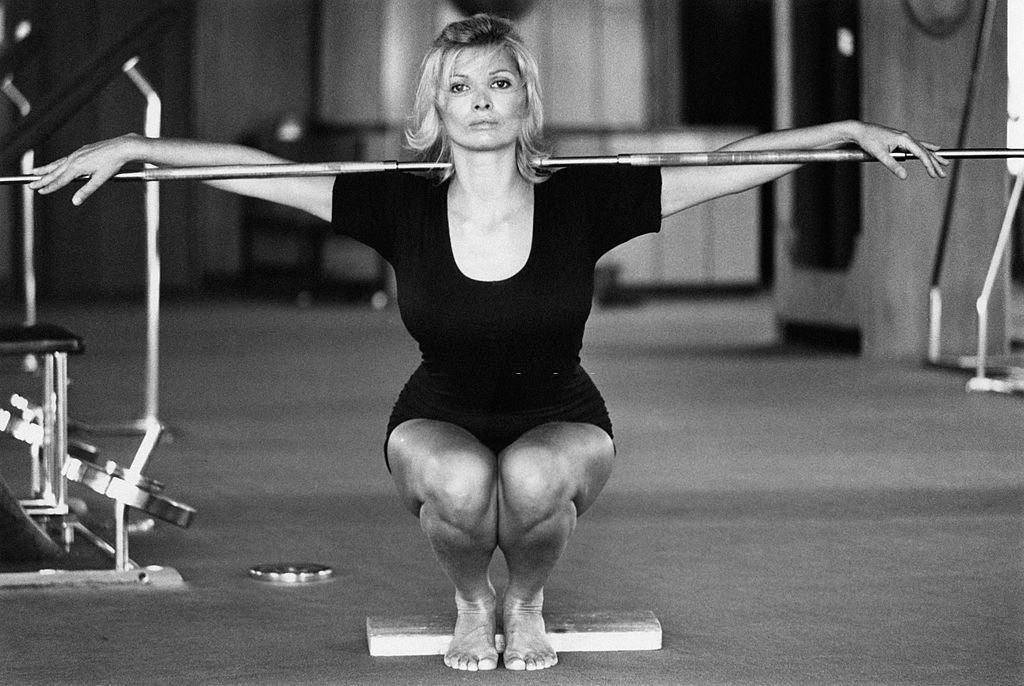
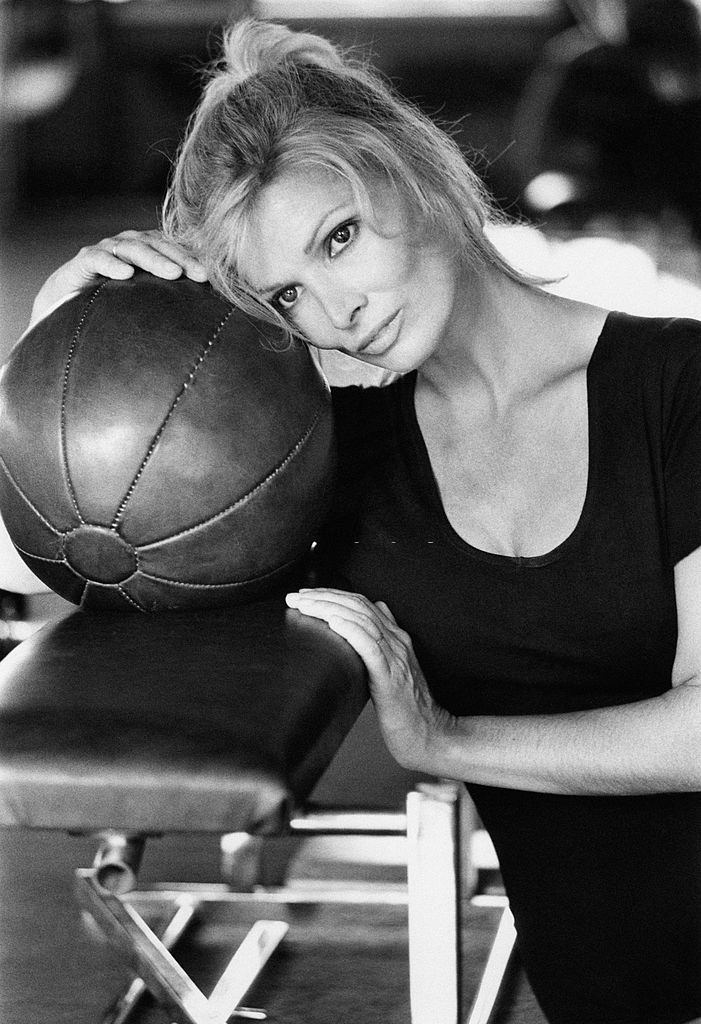
The 1970s brought a shift in Gabel’s career. She became a regular presence in Rome and Milan, photographed frequently in street settings, fashion shoots, and gym sessions. Images from this era show a woman who kept herself in excellent shape, working out with dedication in gymnasiums across Rome. She was not coasting — she was maintaining the physical presence her career demanded.
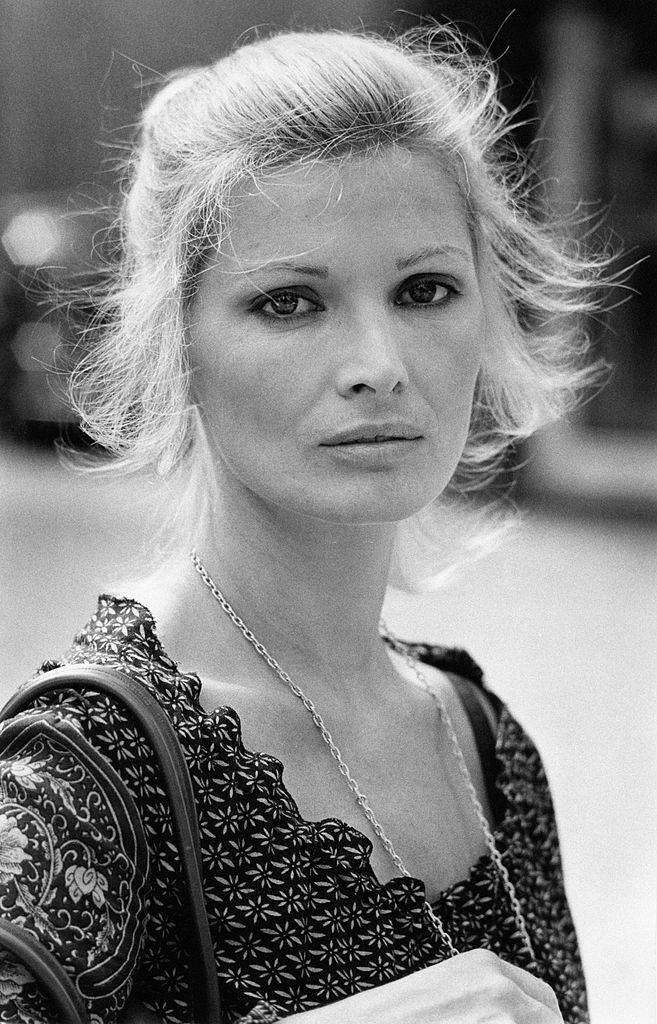
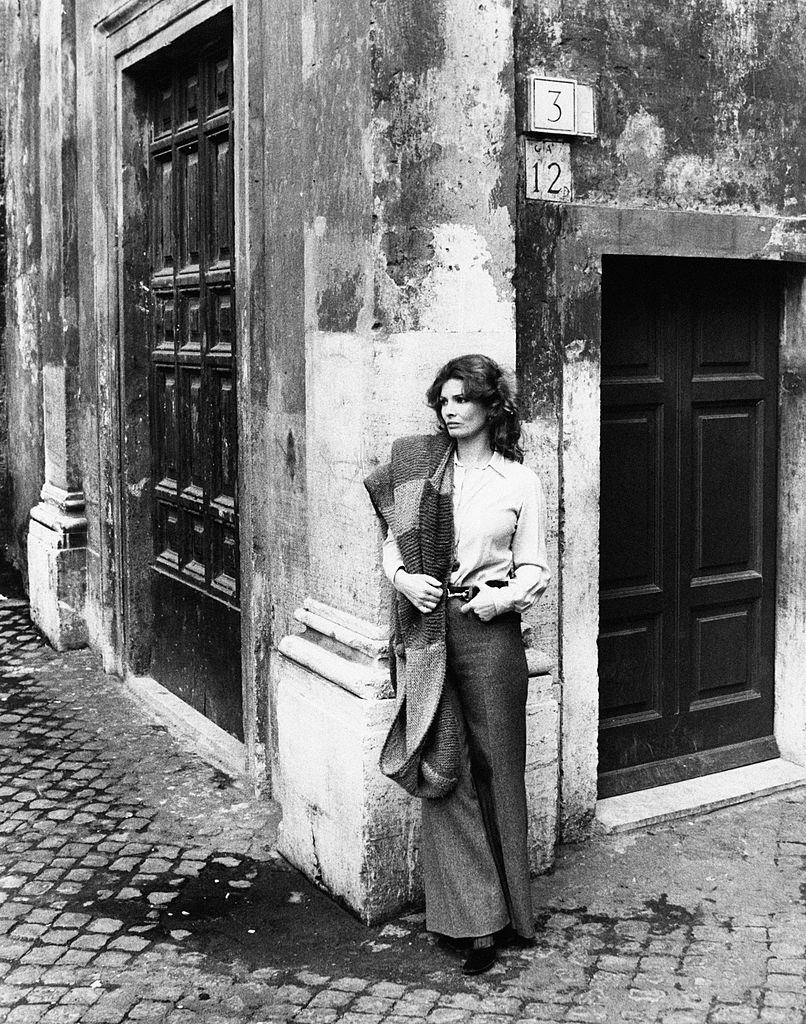
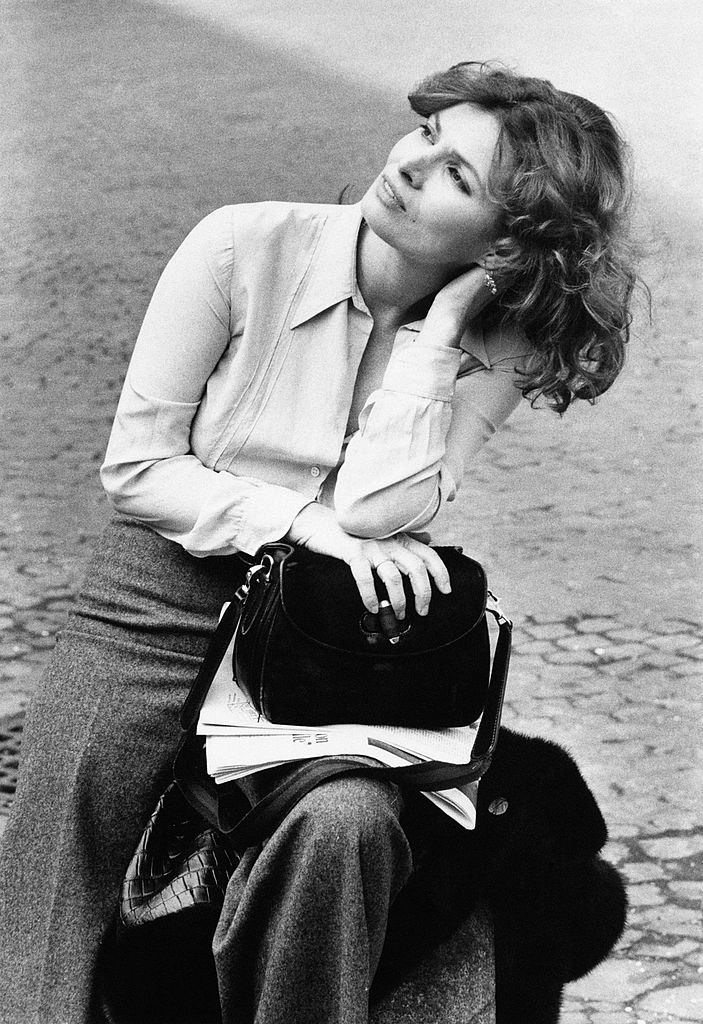
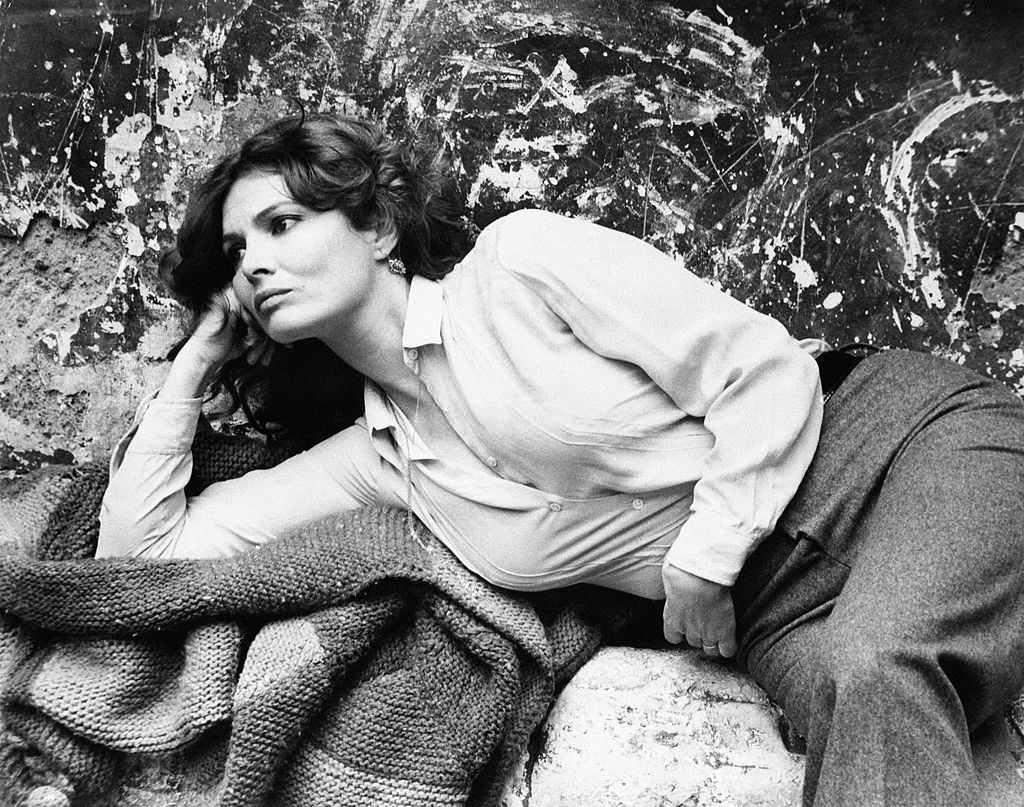
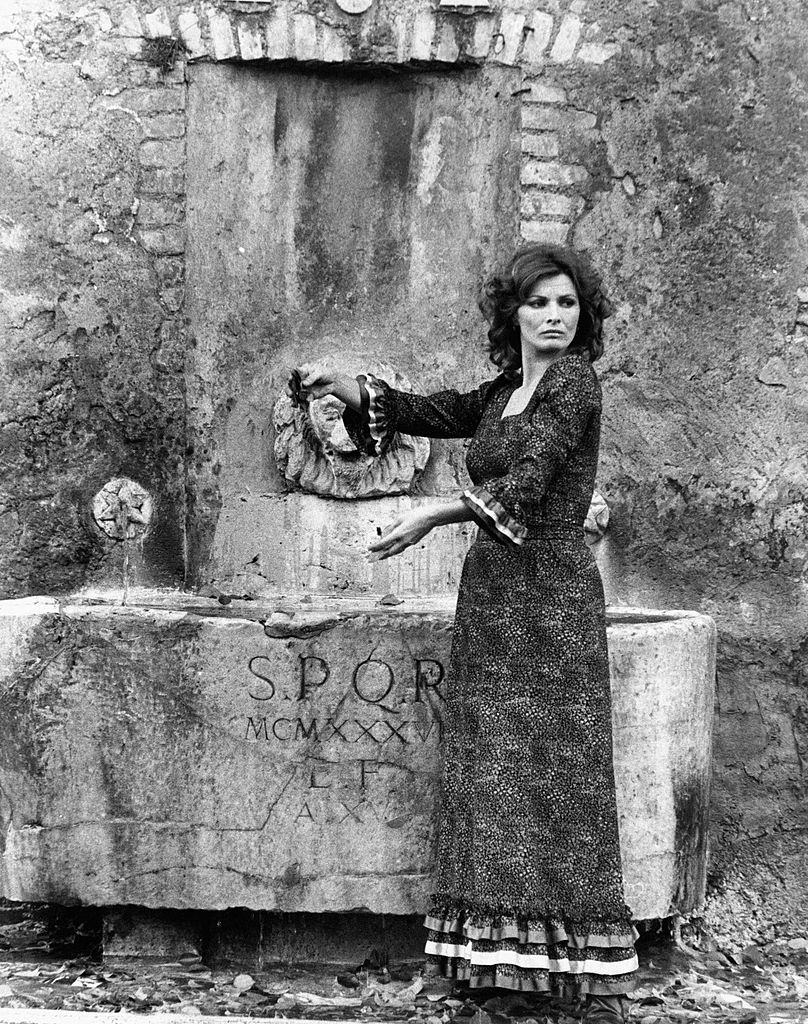
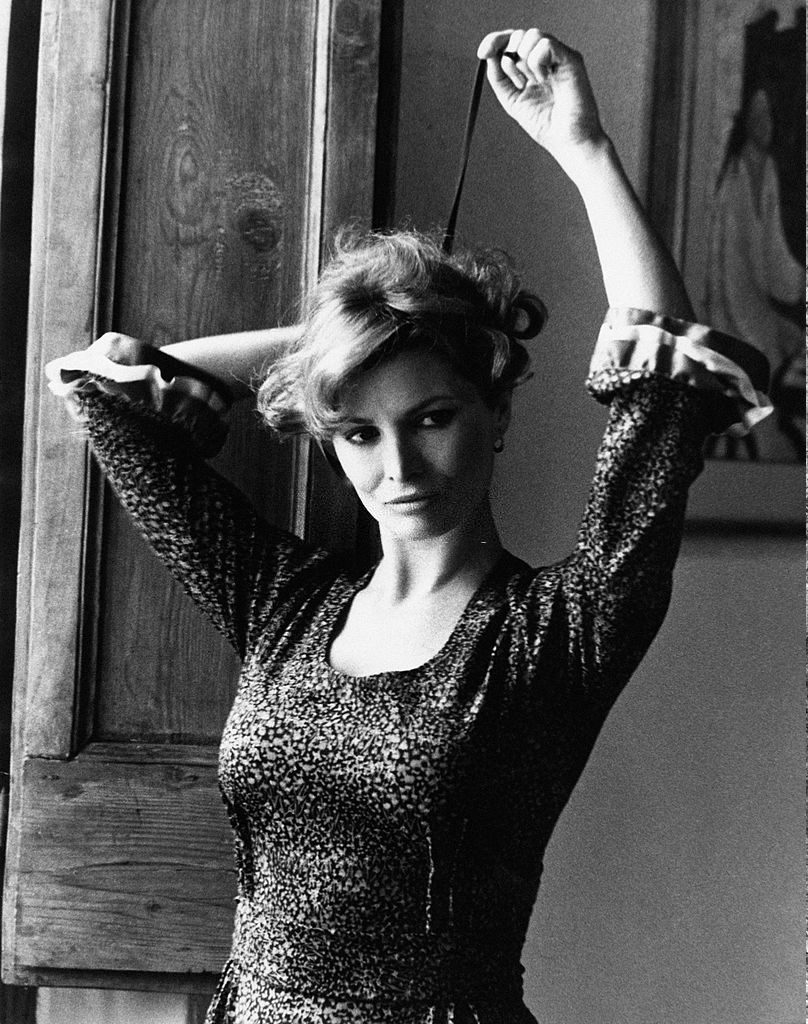
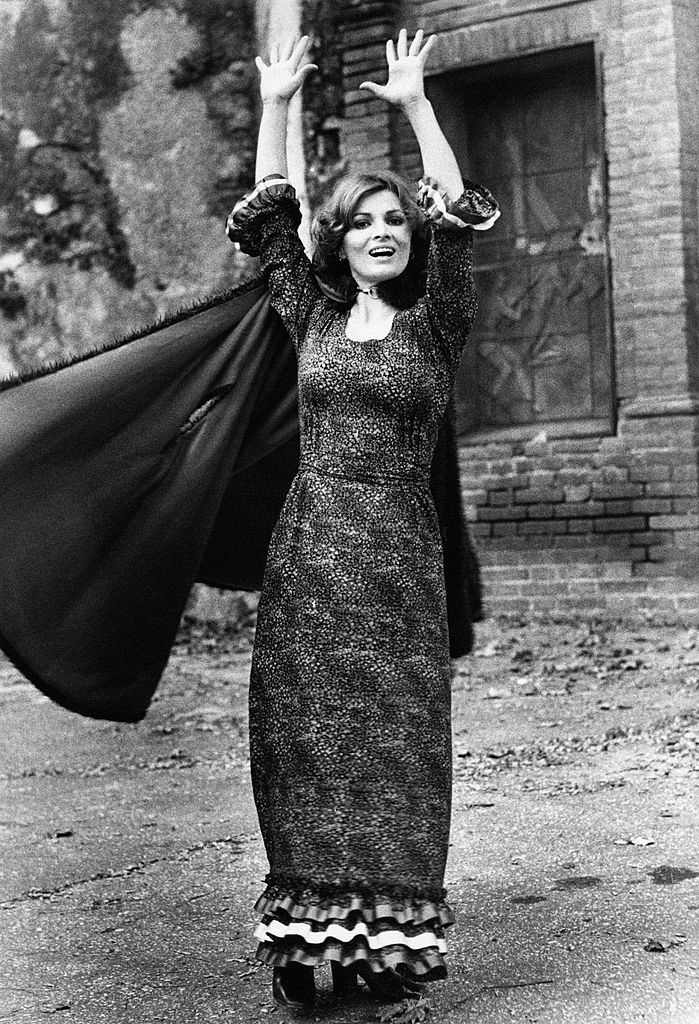
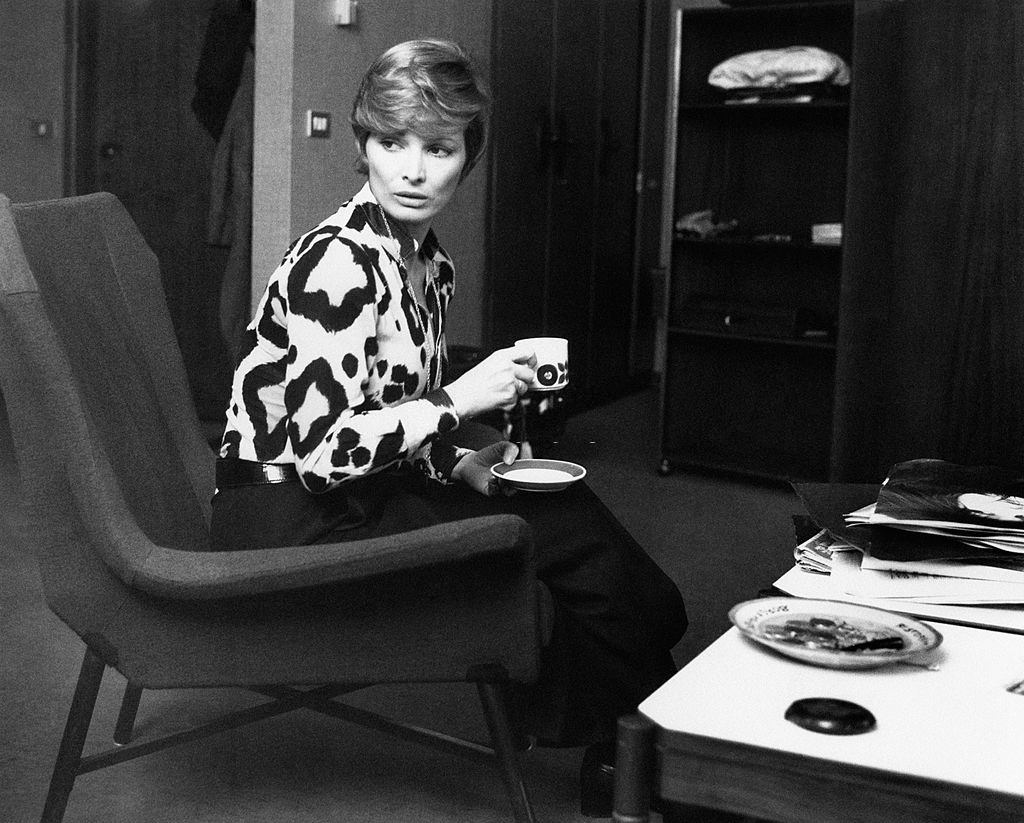
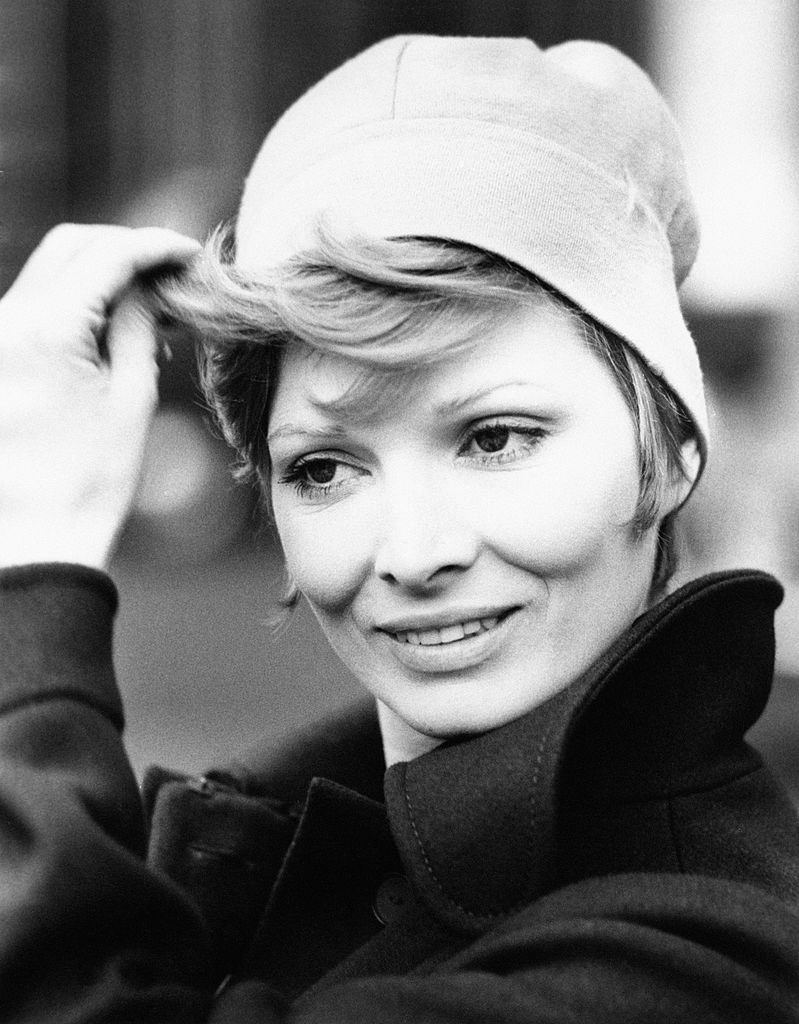
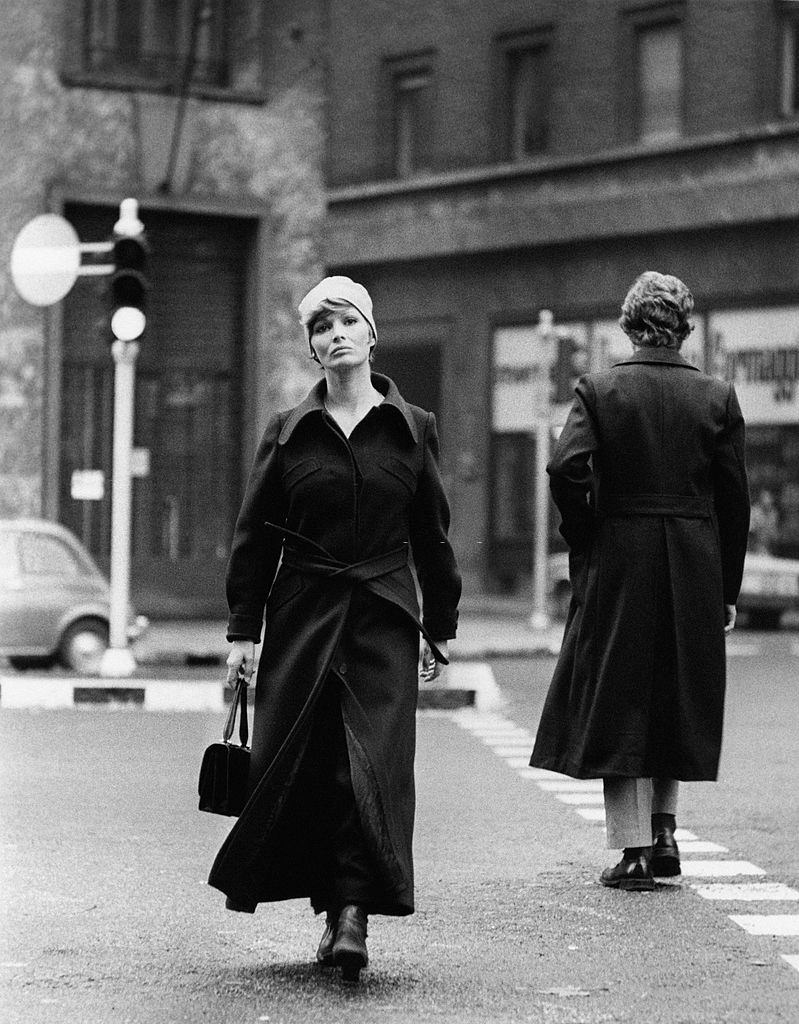
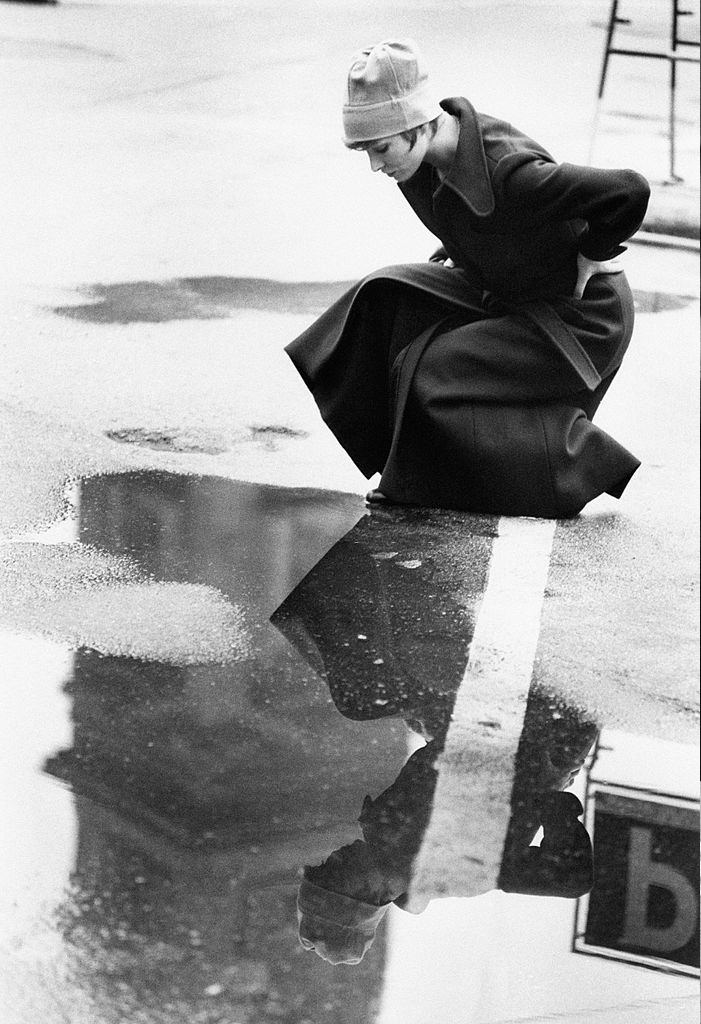
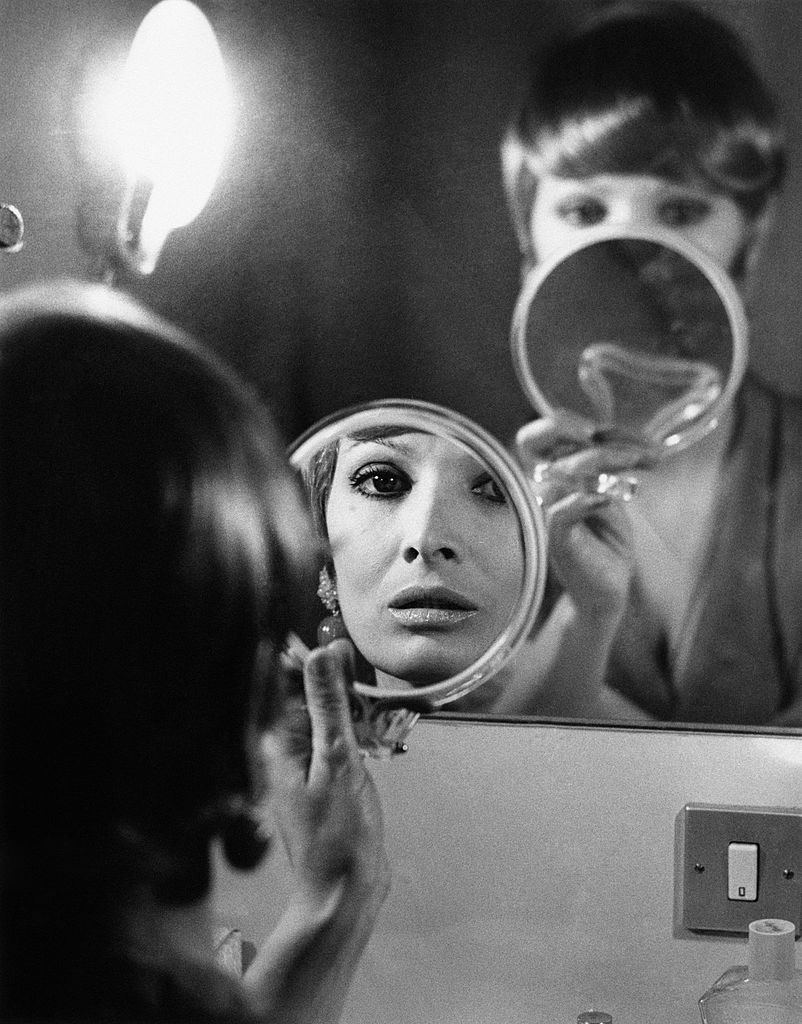
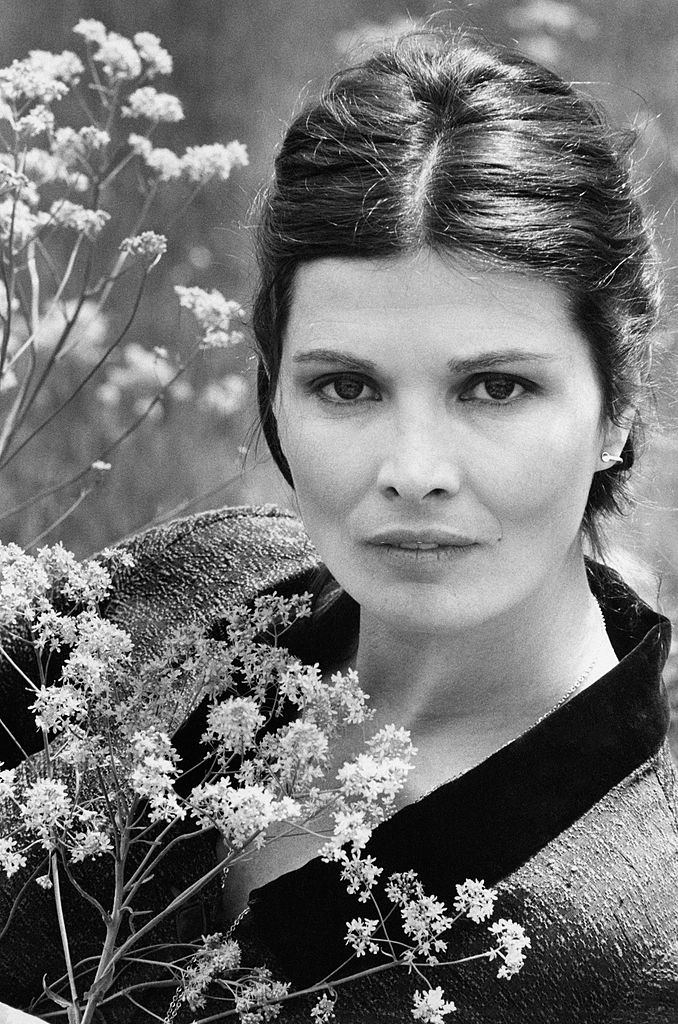
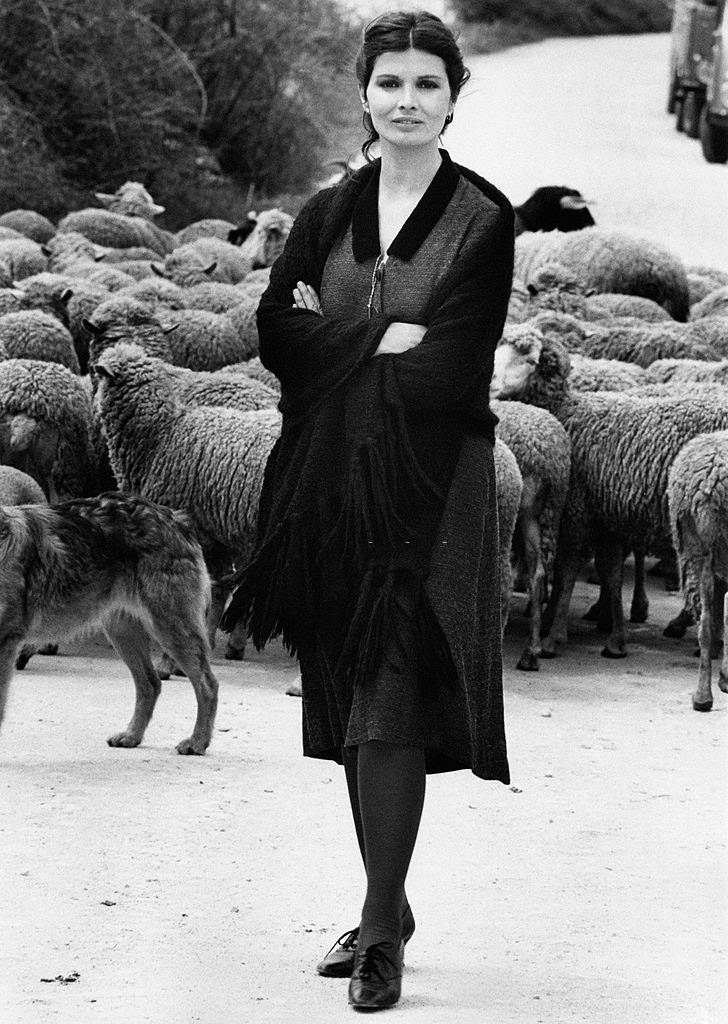
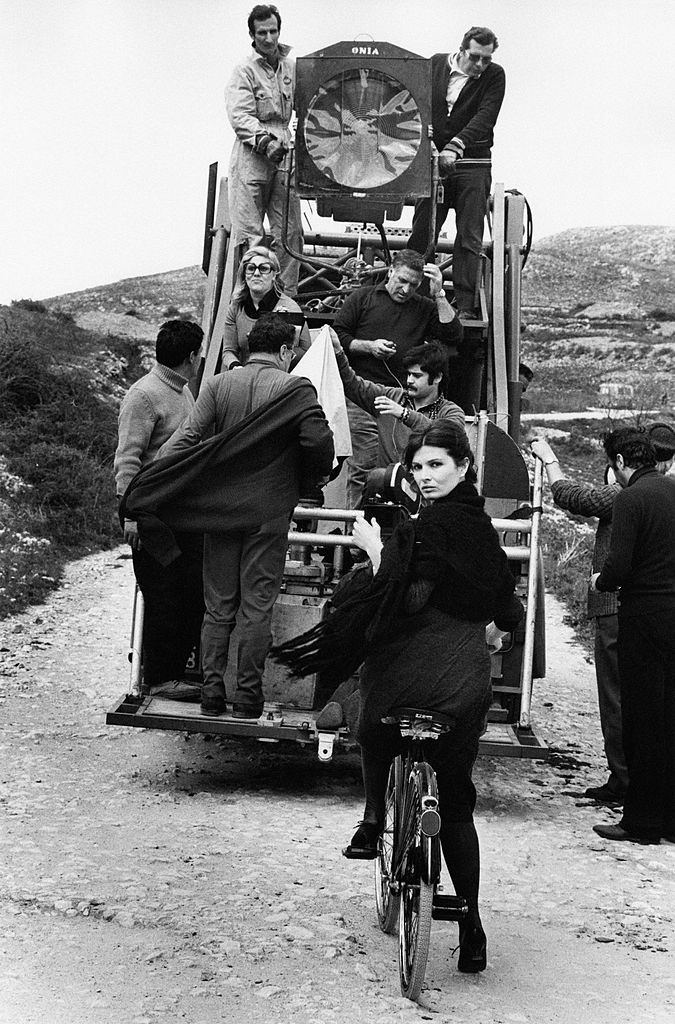
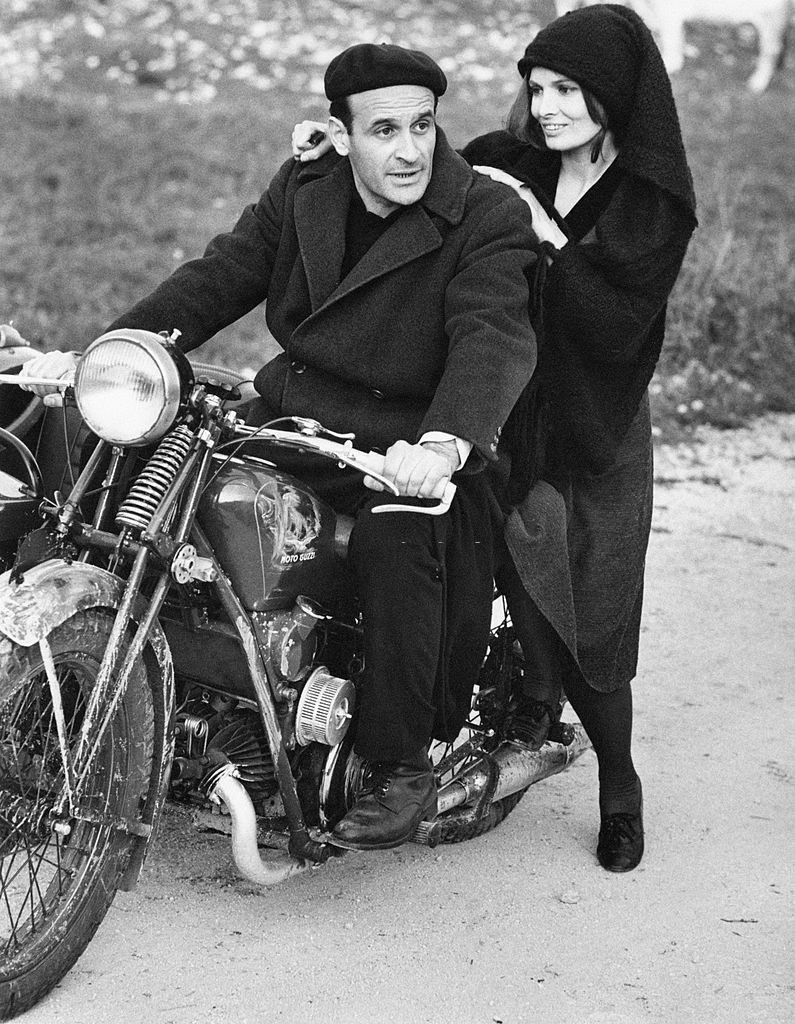
One of her most notable television roles came in 1972, when she was cast in the Italian TV serial “Vino e Pane,” filmed in Avezzano. The production was based on a novel by Ignazio Silone and brought serious literary source material to Italian television audiences. Gabel was photographed extensively on set, appearing in scenes that included cycling through the streets and riding motorcycles alongside co-star Pier Paolo Capponi.
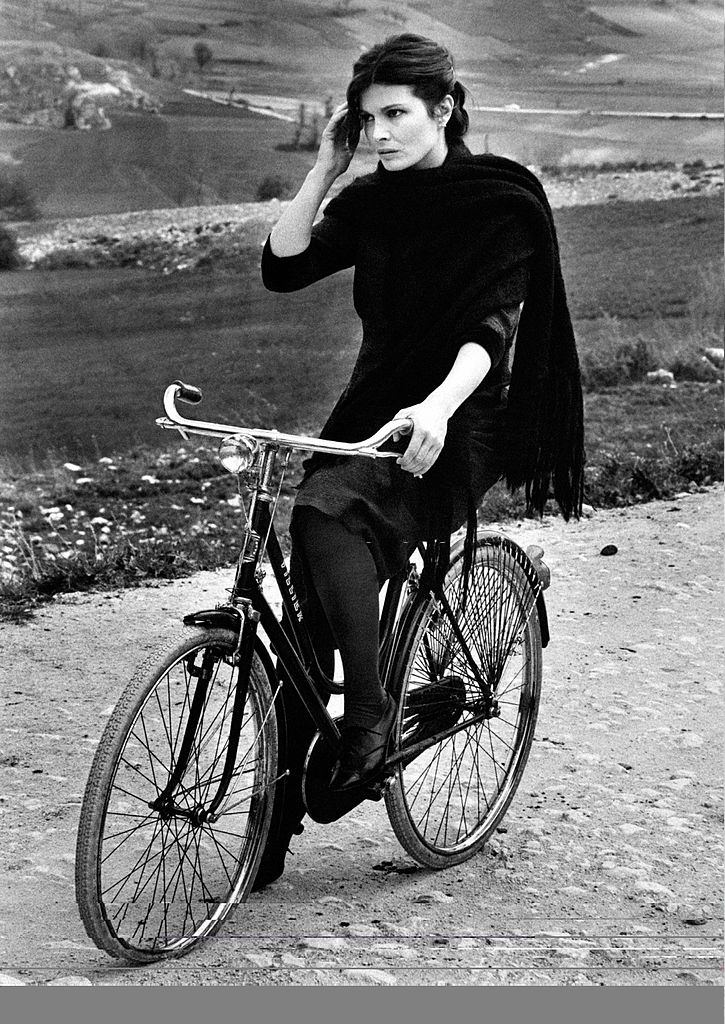
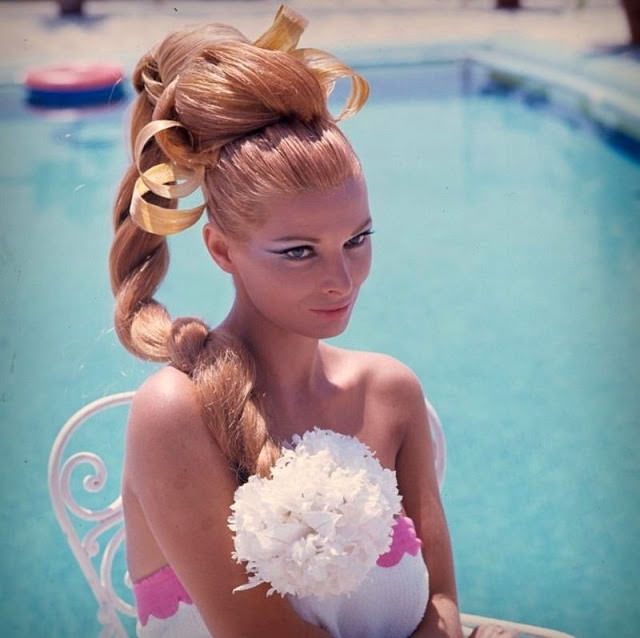
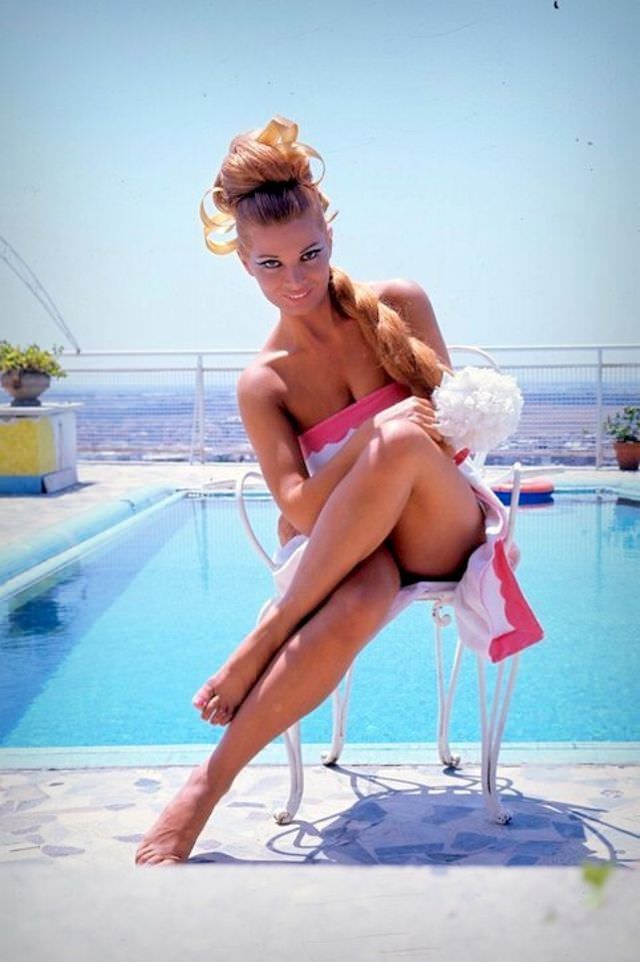
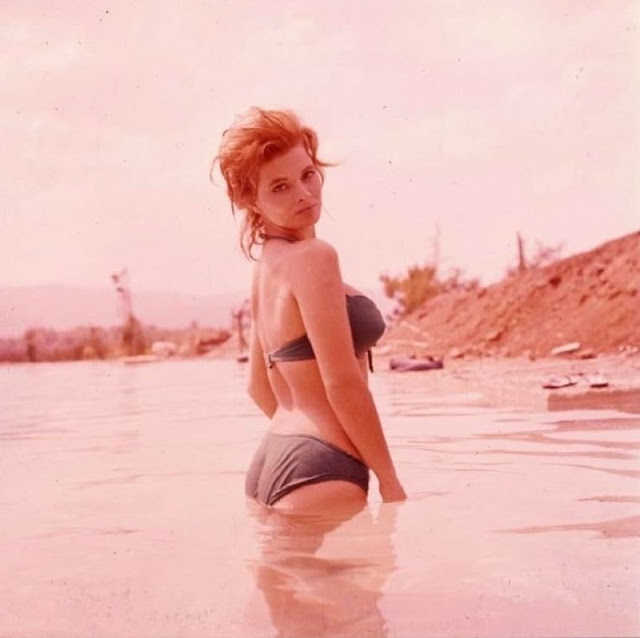
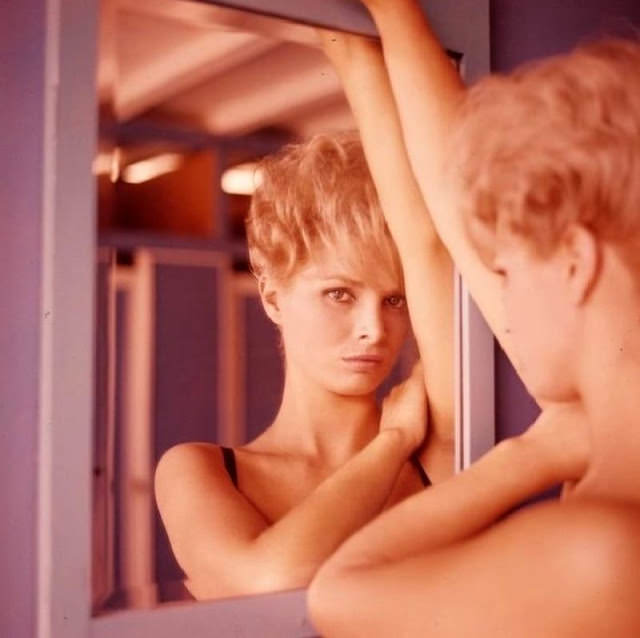
Away from television sets, Gabel was also a natural subject for glamour and beach photography. Images from the 1960s capture her in swimwear, on beaches, and beside swimming pools, always with a relaxed, effortless quality. These shots appeared regularly in Italian magazines and kept her name and face in the public eye throughout the decade.
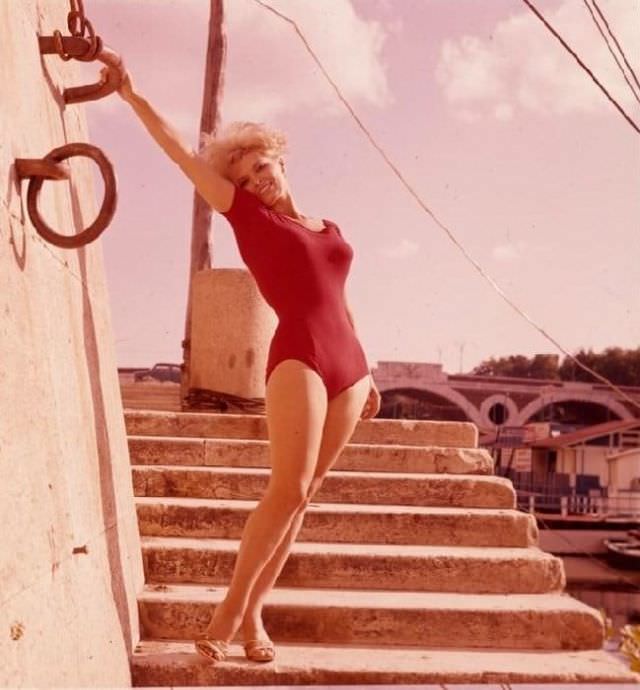
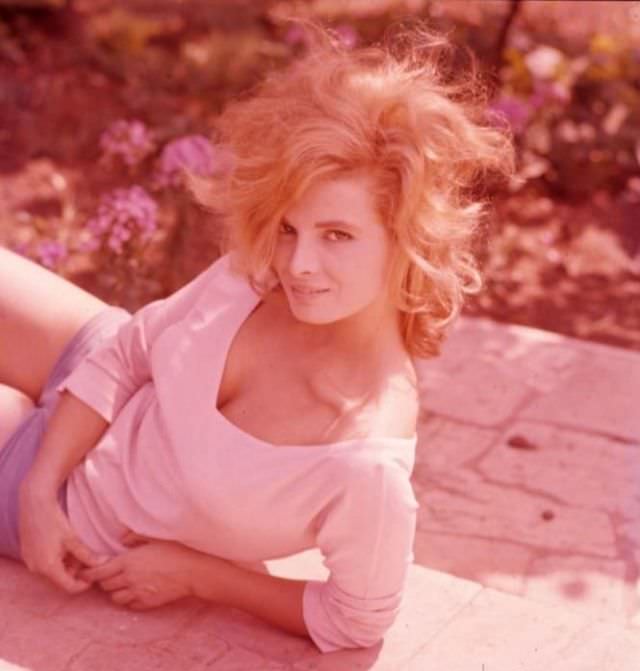
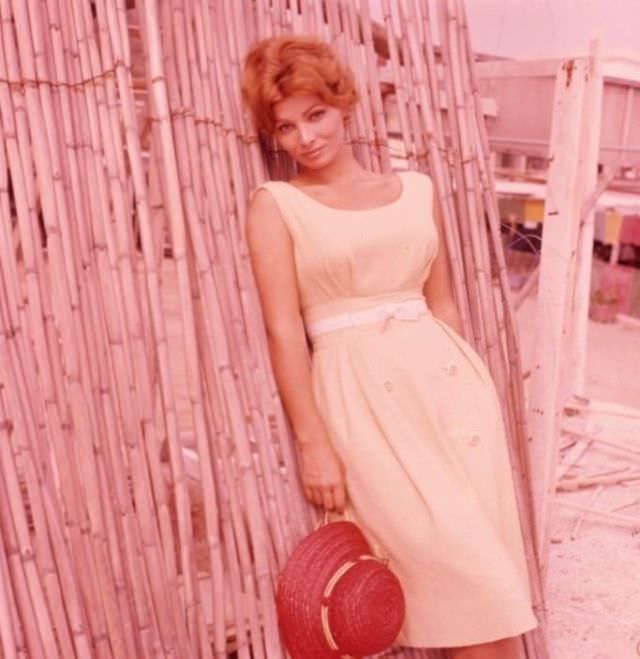
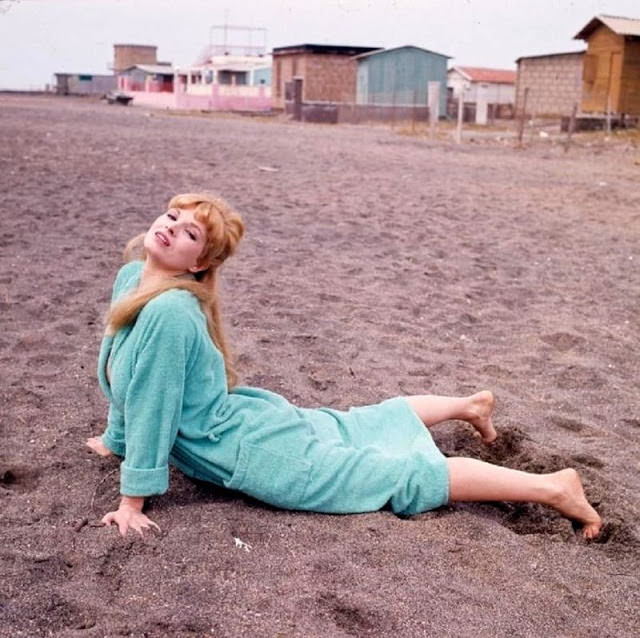
Gabel’s work took her beyond Italy’s borders during the 1960s. She was photographed in Egypt, showing that her career had an international dimension that went well past the doubling roles. Over the course of her career, she appeared in approximately 50 films. That is a substantial body of work by any measure, though industry recognition never came at the level her output warranted.
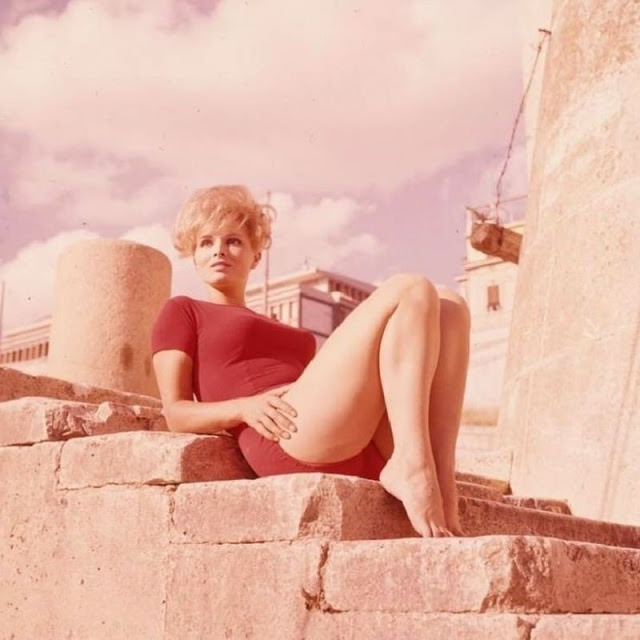
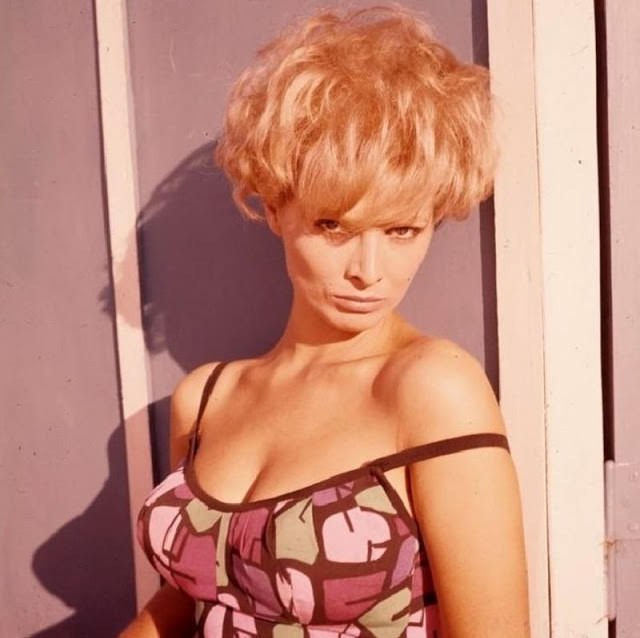
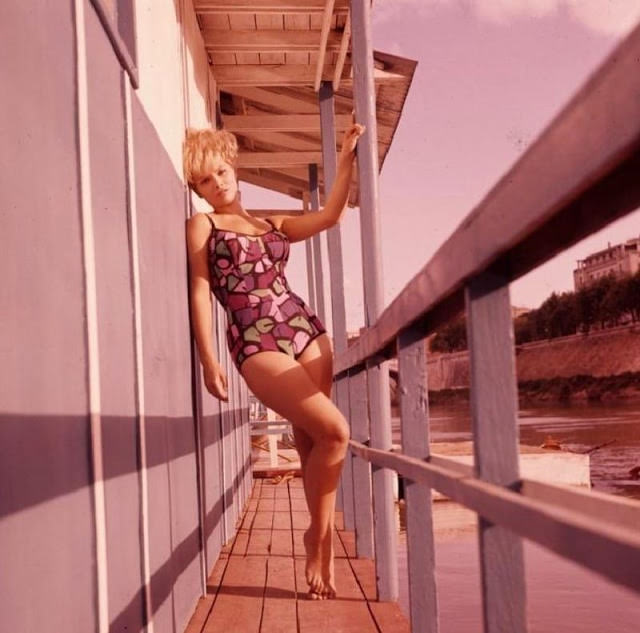
The Loren connection was a double-edged sword throughout Gabel’s career. It got her hired quickly and repeatedly, but it also locked her into a specific image. Casting directors and producers saw her as a stand-in, a substitute, a type — rather than as a leading actress in her own right. The stereotyped roles she was repeatedly offered reinforced that ceiling rather than raising it. In the 1980s, she transitioned further into Italian television, appearing in mini-series adapted from novels, where she found steady work if not the stardom her talent pointed toward.