
San Jose in the 1890s was a city in full motion. Streets were filling with trolley cars, new buildings were going up, schools were expanding, and residents were carving out daily routines that mixed hard work with community life. The decade brought real growth — new public buildings, an expanding transit network, and a population that was diverse, ambitious, and deeply rooted in the Santa Clara Valley. These photographs capture that world in remarkable detail, from crowded downtown intersections to quiet family porches on the edge of town.
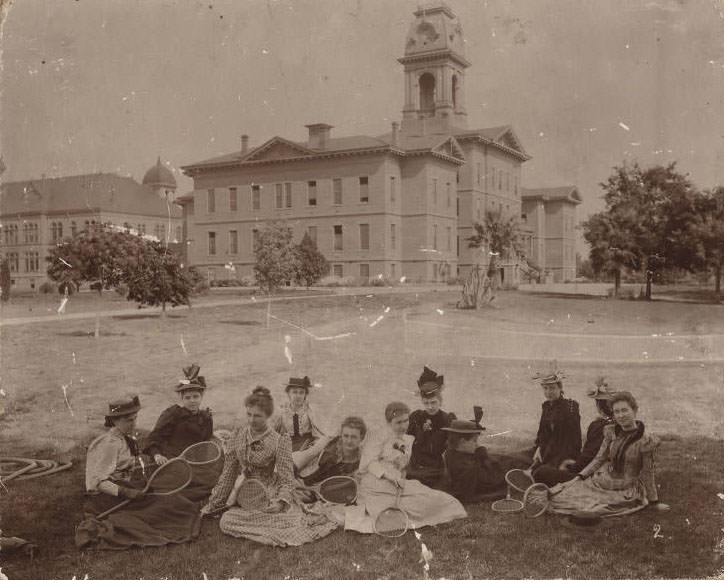
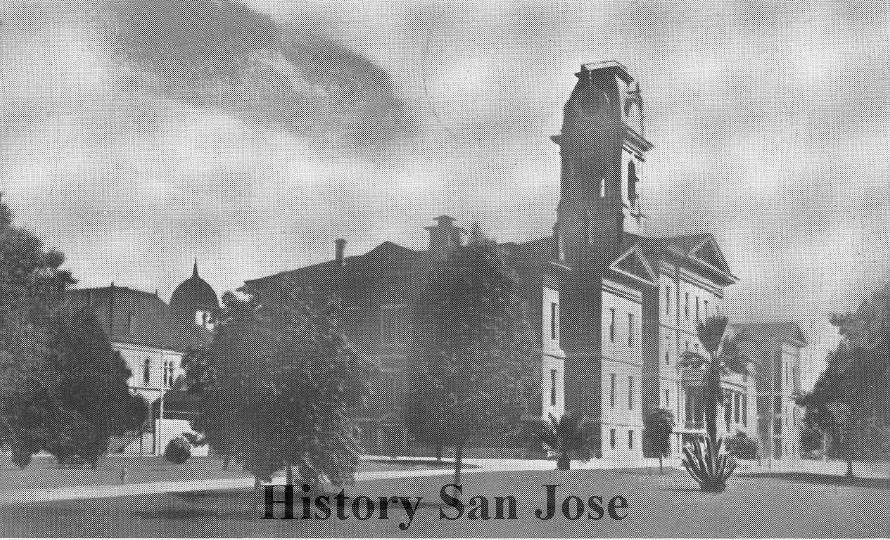
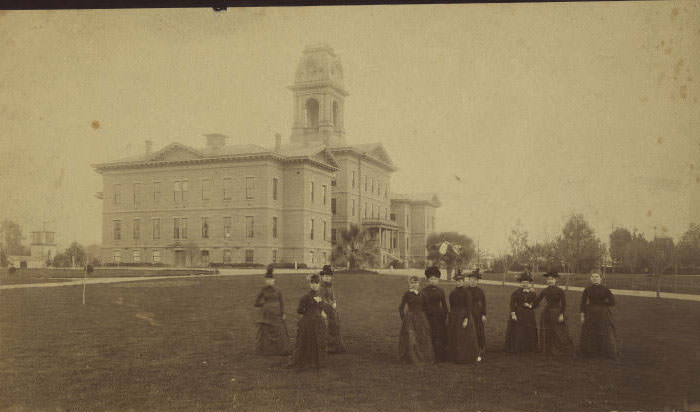
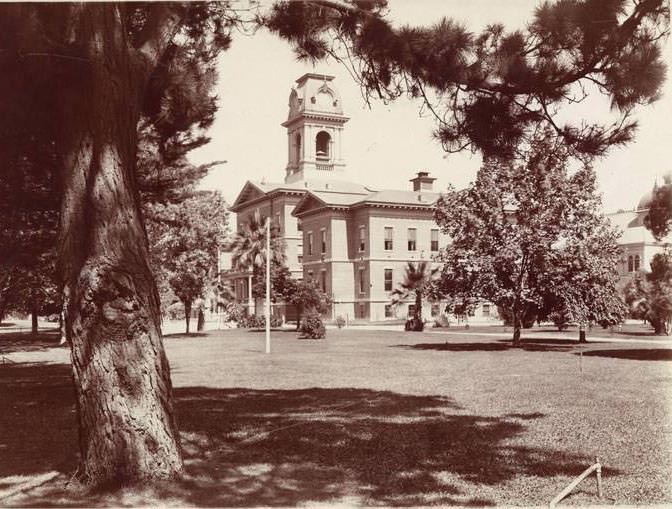
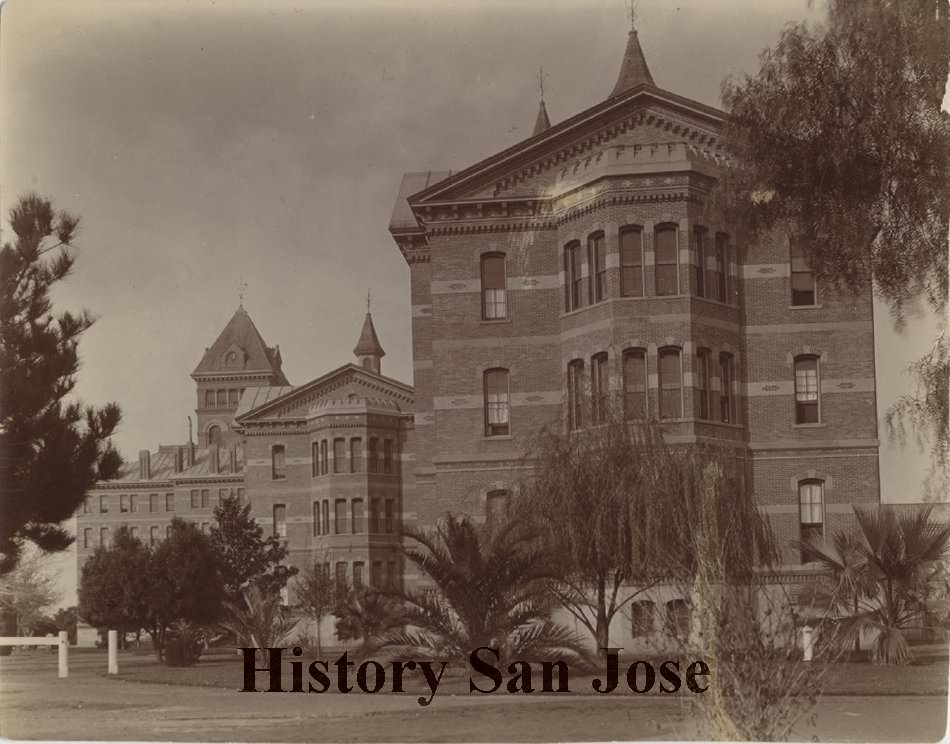
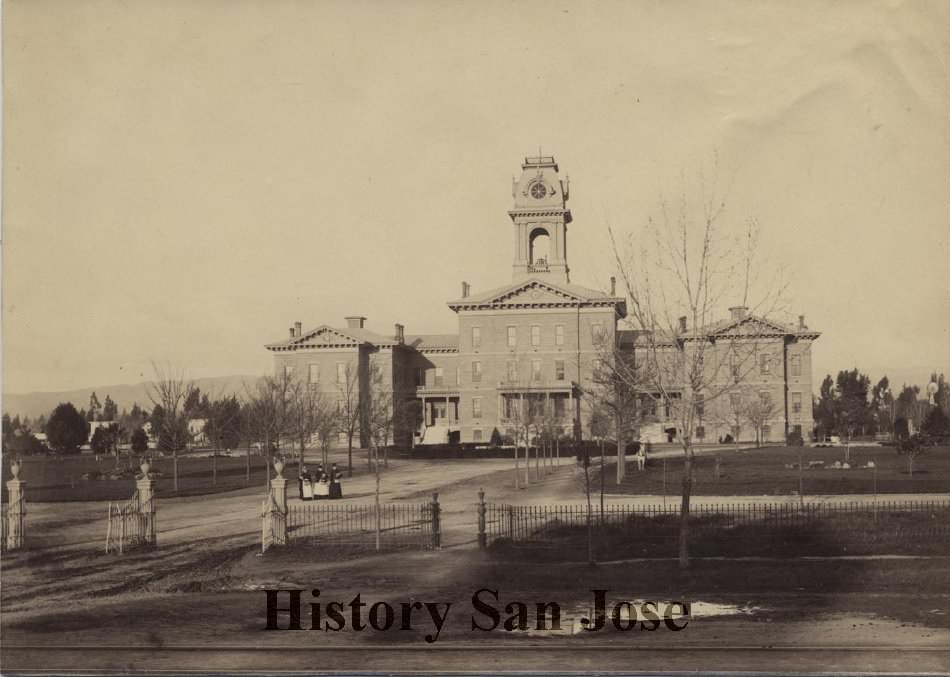
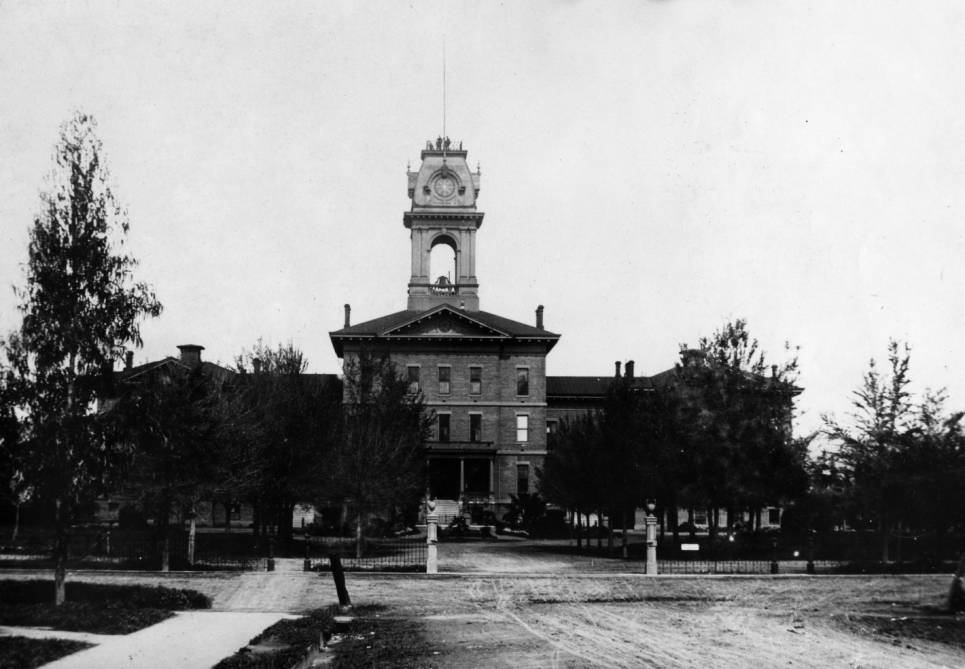
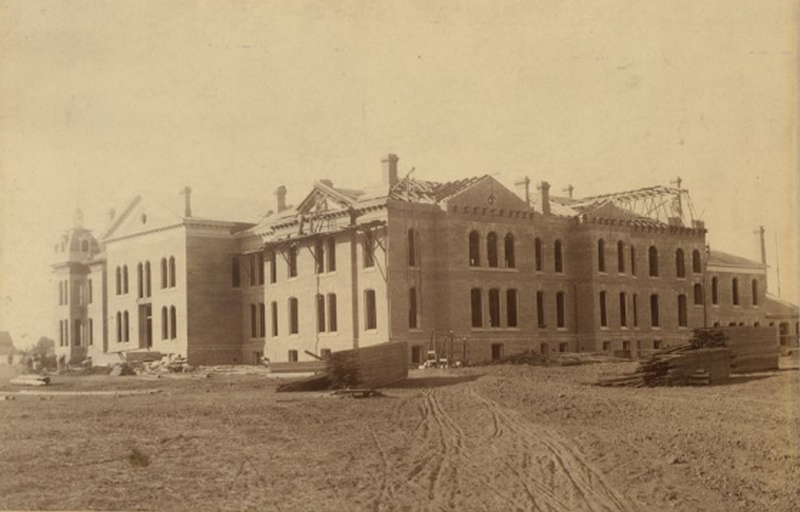
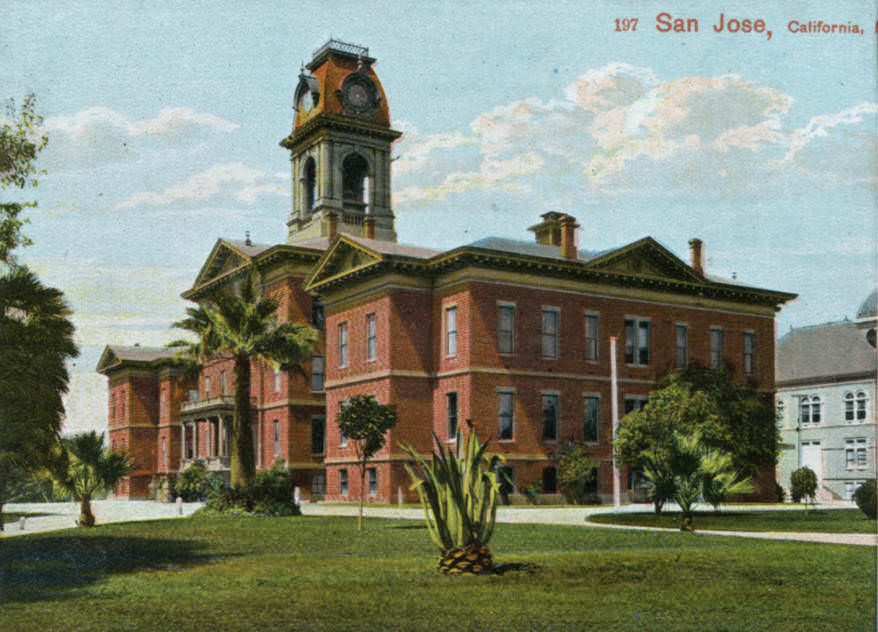
Education was one of the decade’s defining priorities. San Jose State Normal School — the institution that would eventually become San Jose State University — stood at the center of the city’s academic life. Its campus on Washington Square hosted hundreds of students and a full faculty, and its buildings were constructed of brick and stone specifically to resist fire. A 5,000-gallon water tank was built into the third floor as an added precaution. The school trained teachers who would then practice in classrooms across the region before graduating.
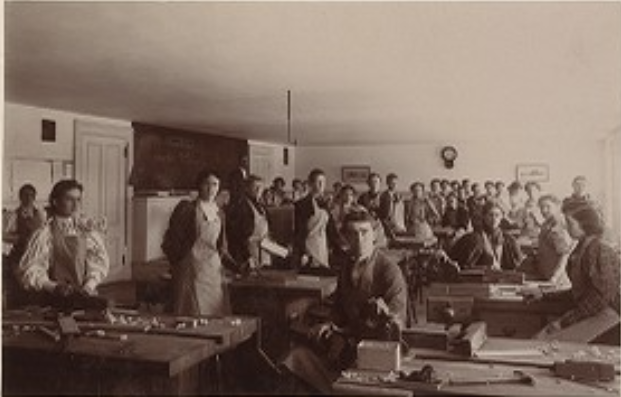
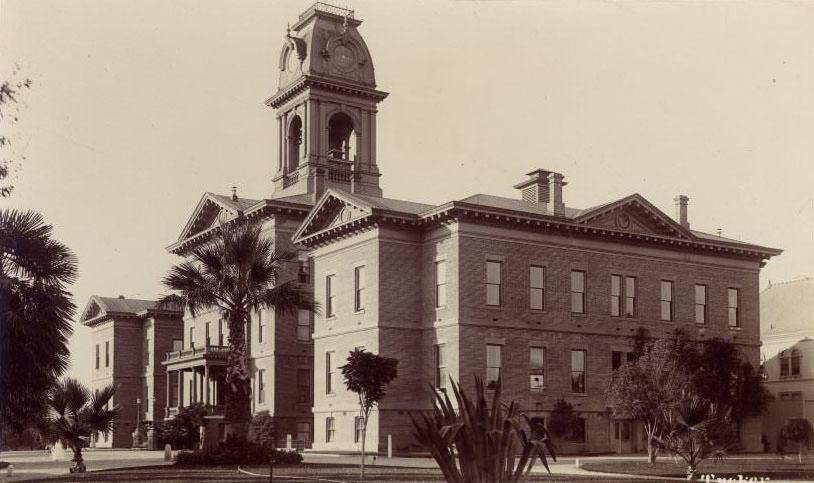
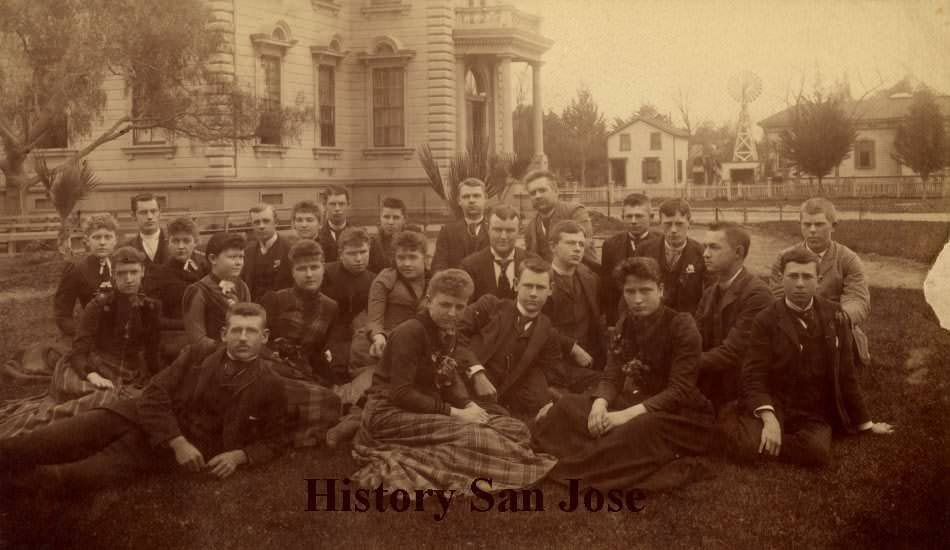
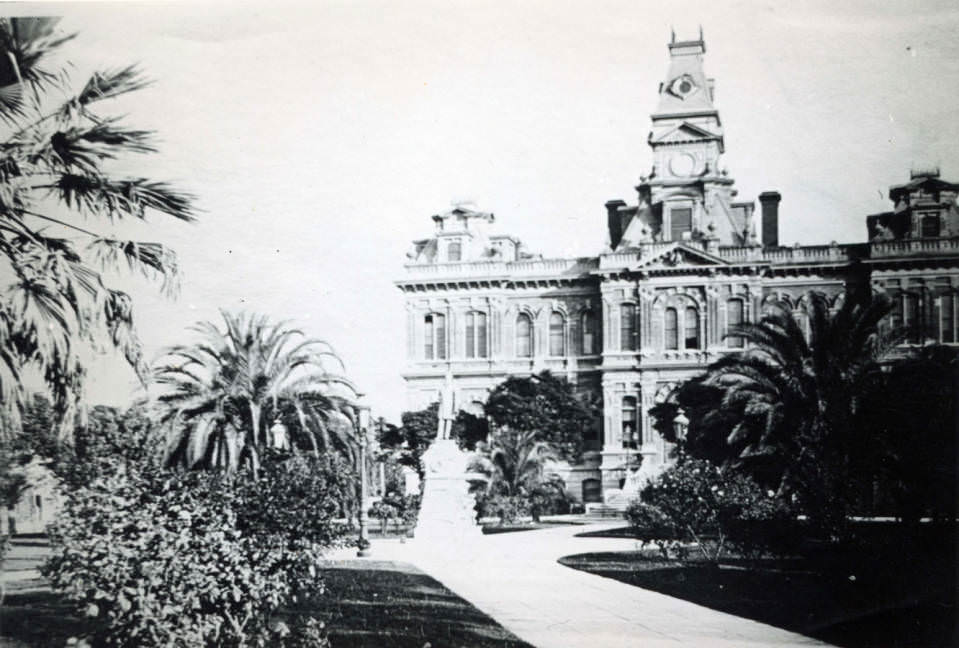
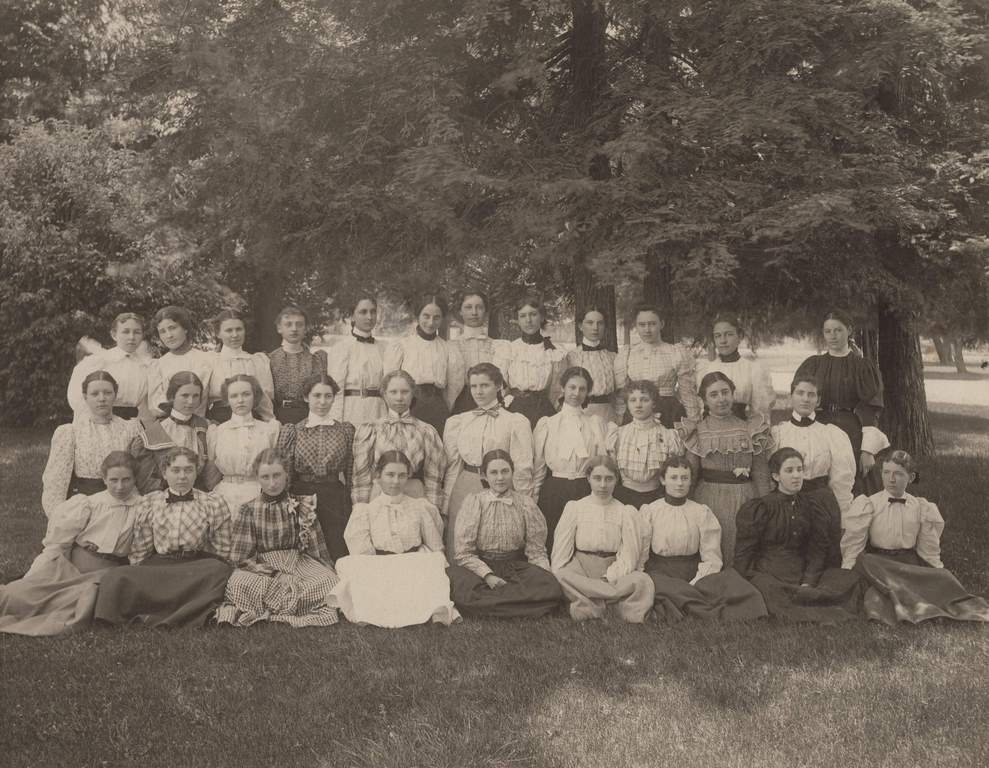
The Normal School campus itself was a prominent landmark. It replaced an earlier building that had burned down, and its design reflected the era’s confidence in stone and permanence. Students gathered on its lawn, competed in tennis, and took part in group portraits that show both the formality and the youthful energy of the time.
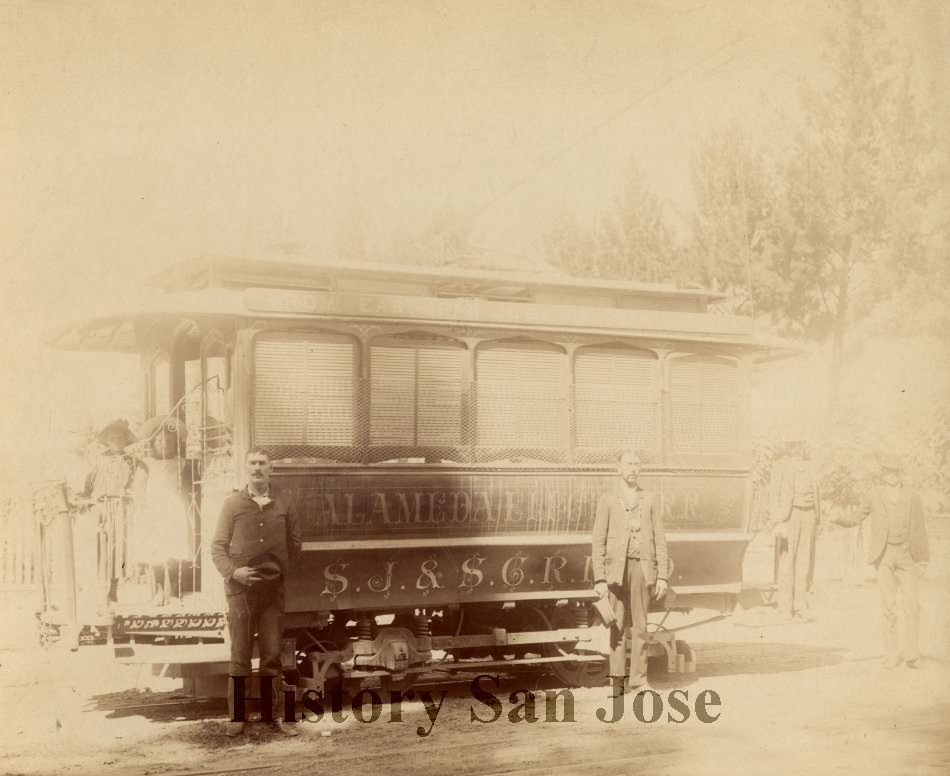
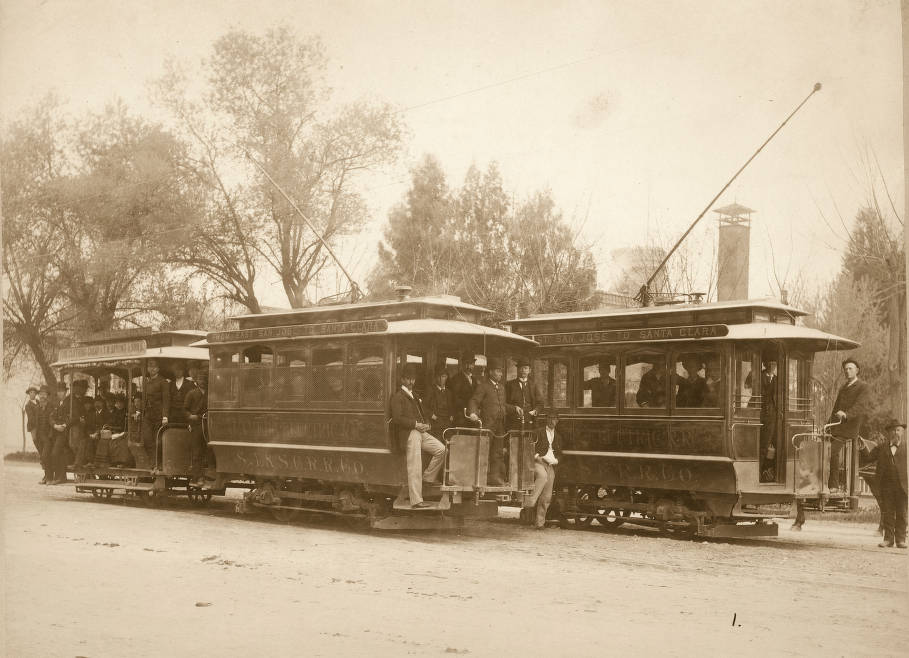
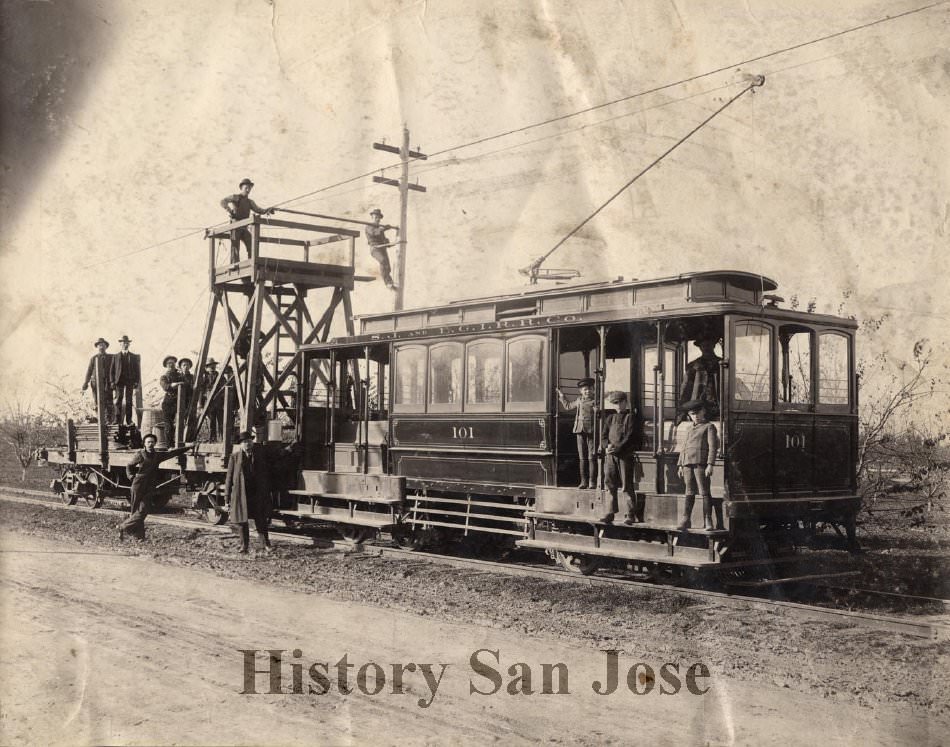
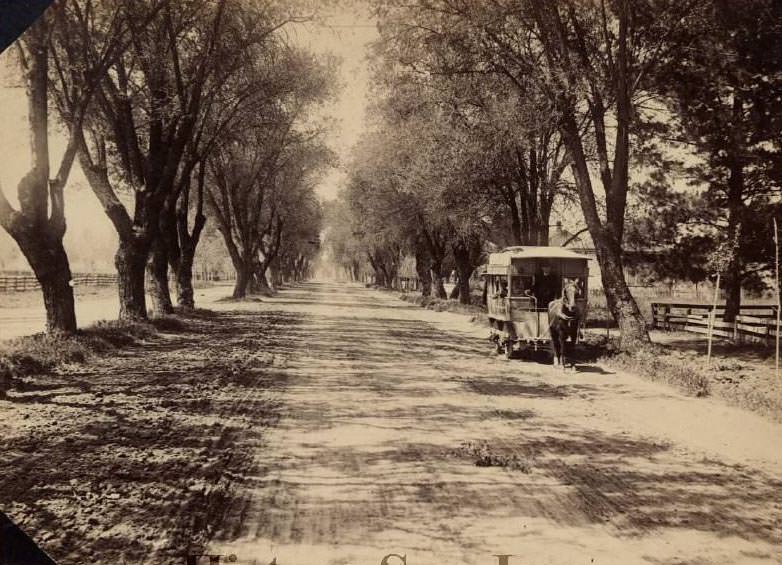
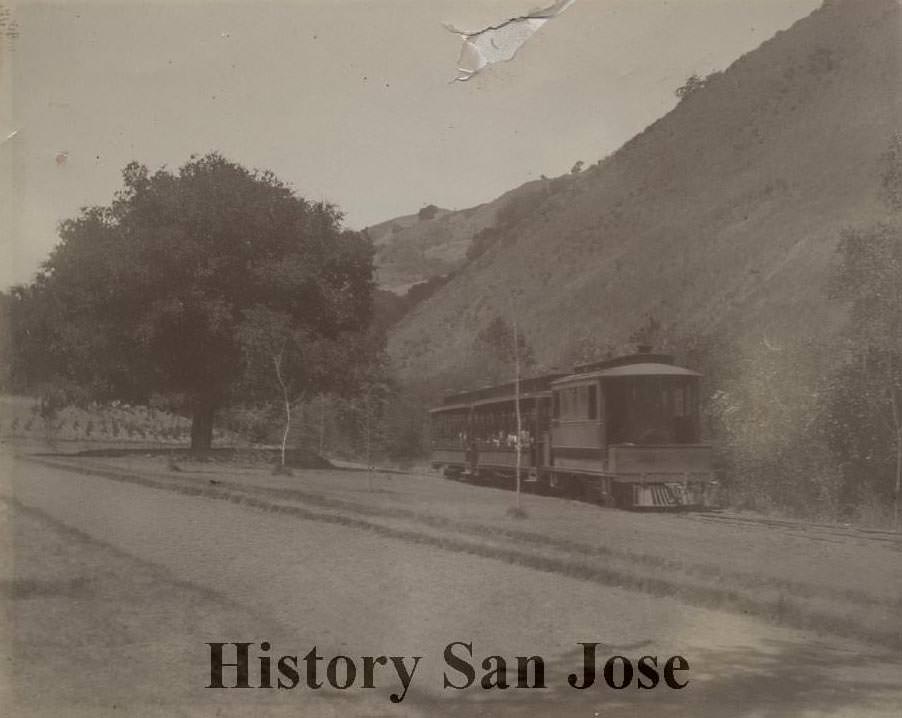
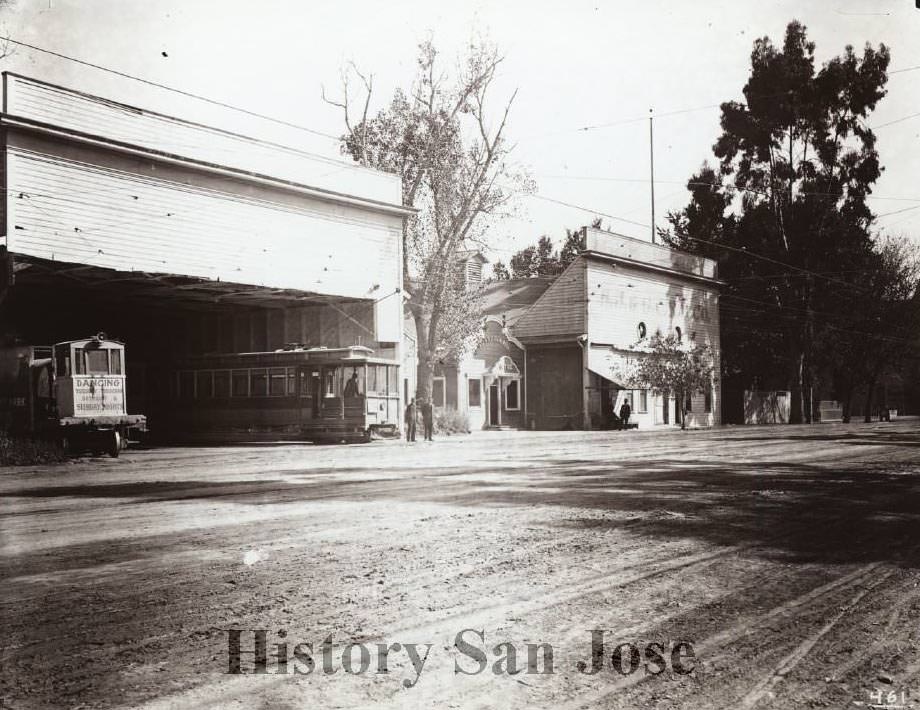
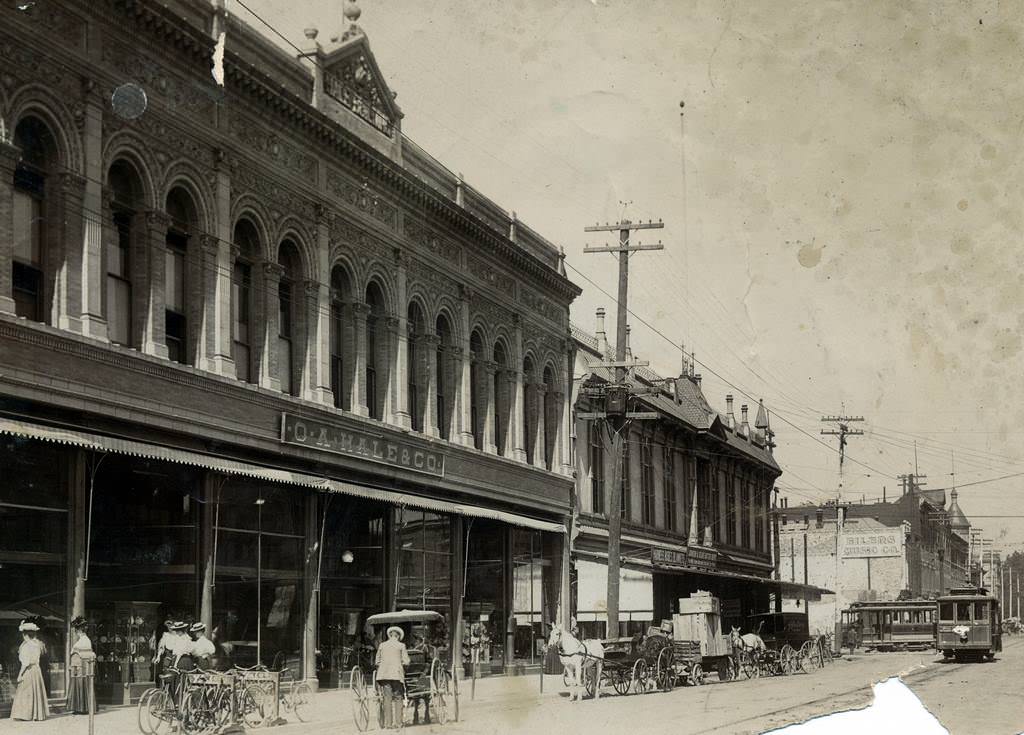
Getting around San Jose in the 1890s meant relying on a growing network of street railways. Horsecars and electric trolleys ran along The Alameda, connecting San Jose to Santa Clara. The fare between the two cities was 10 cents. Driver A. C. Clevenger, who ran a horsecar along that route, reported the trip took an hour and forty-five minutes one way. By the end of the decade, electric trolleys had largely replaced the older horse-drawn cars, and new interurban lines were pushing out toward Los Gatos and Saratoga.
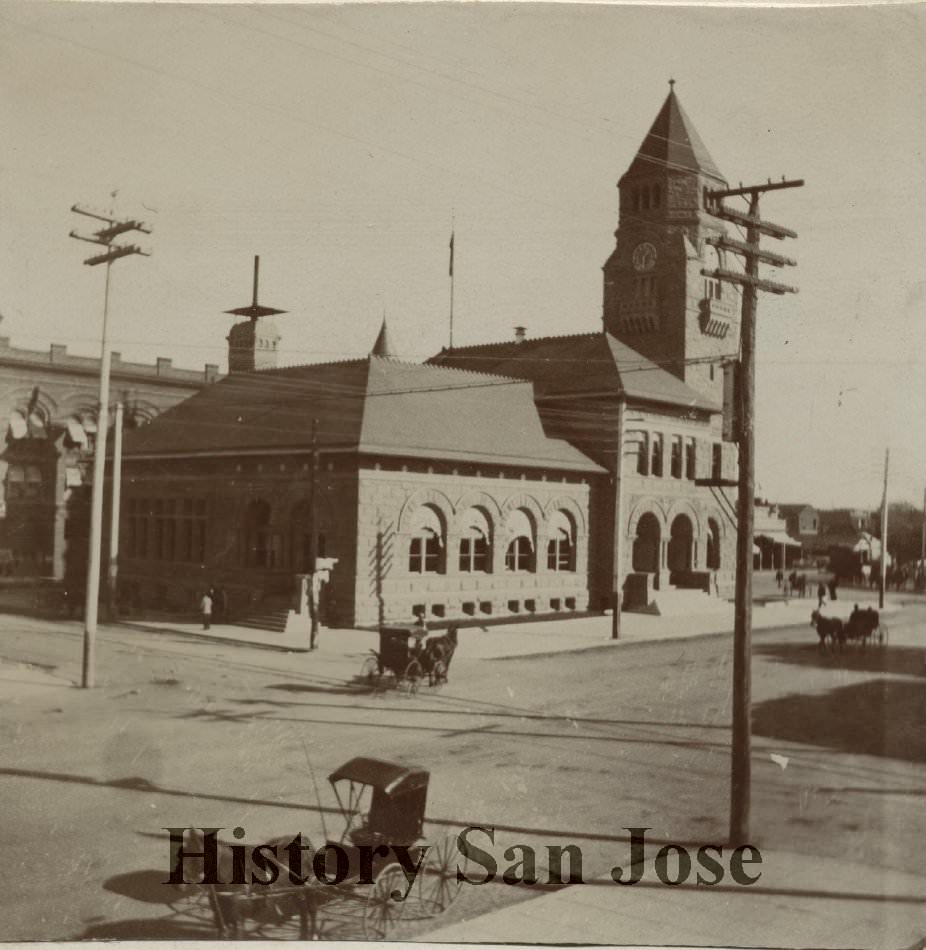
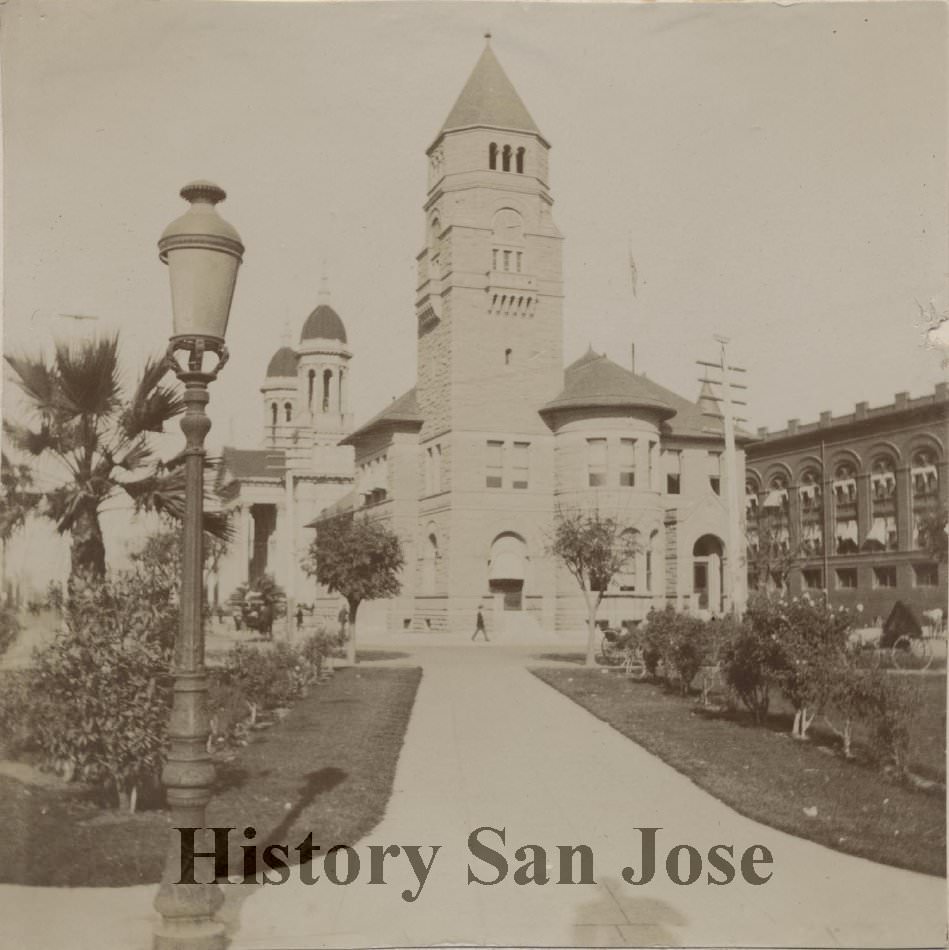
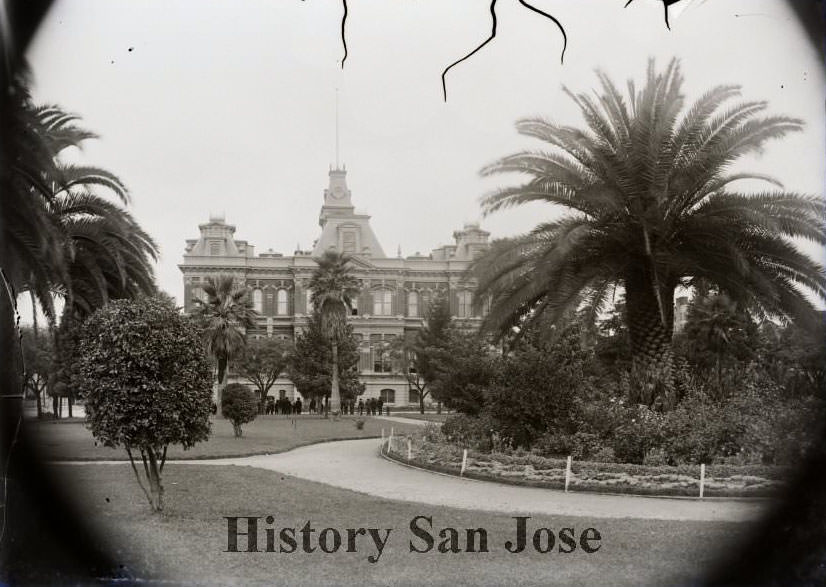
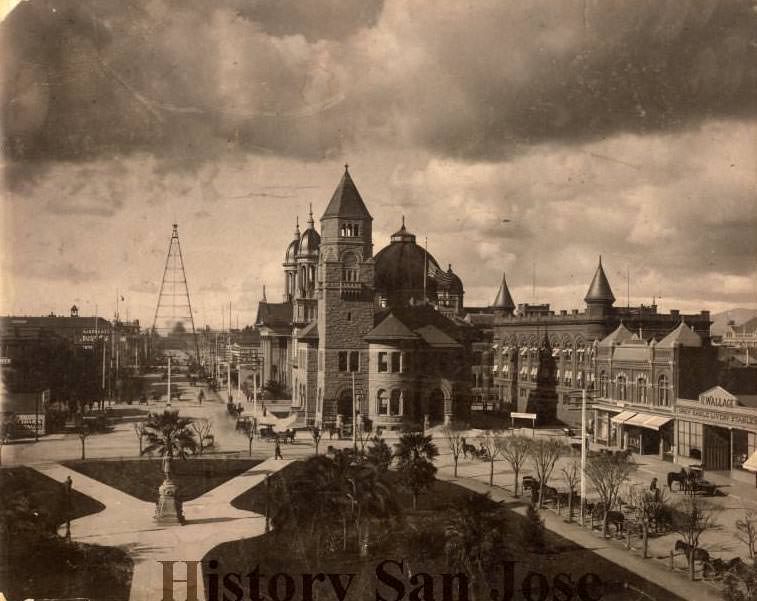
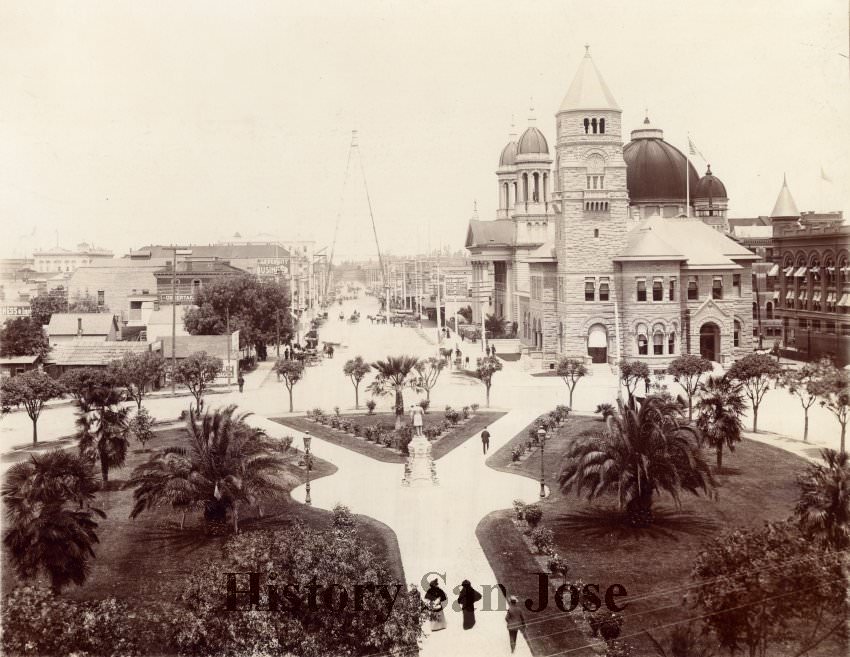
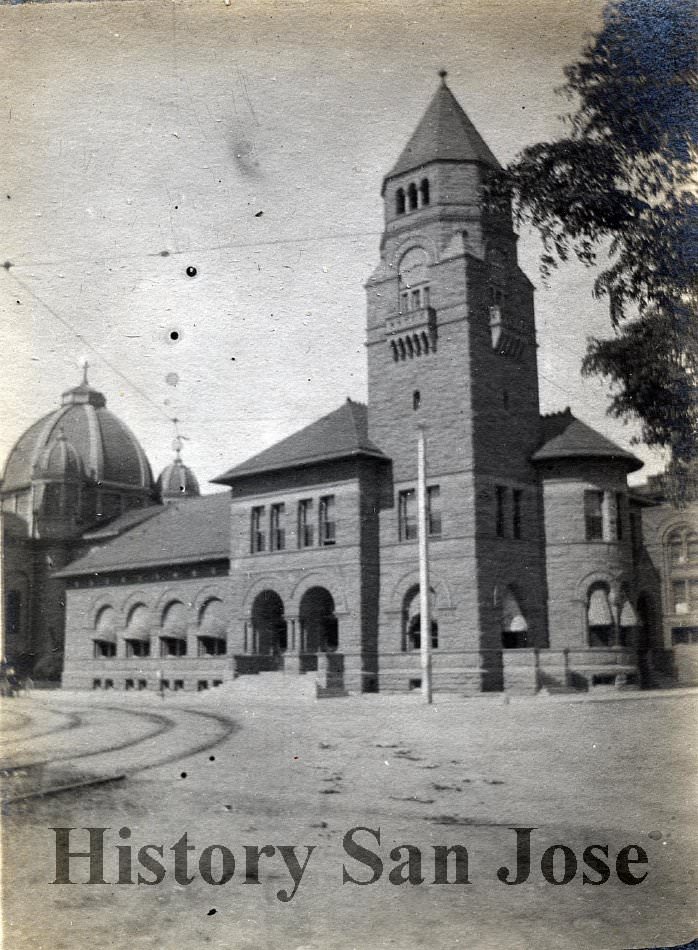
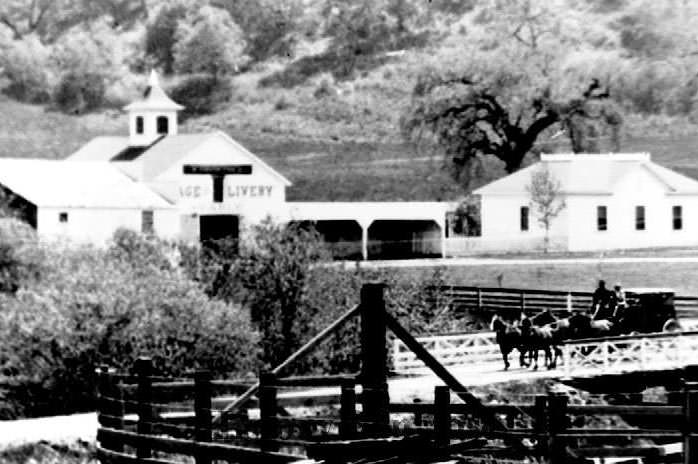
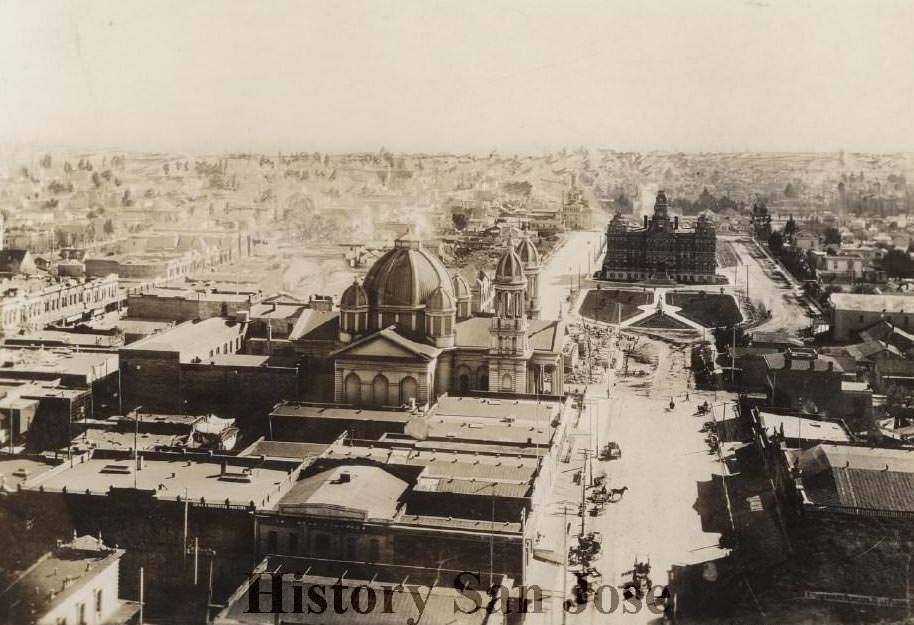
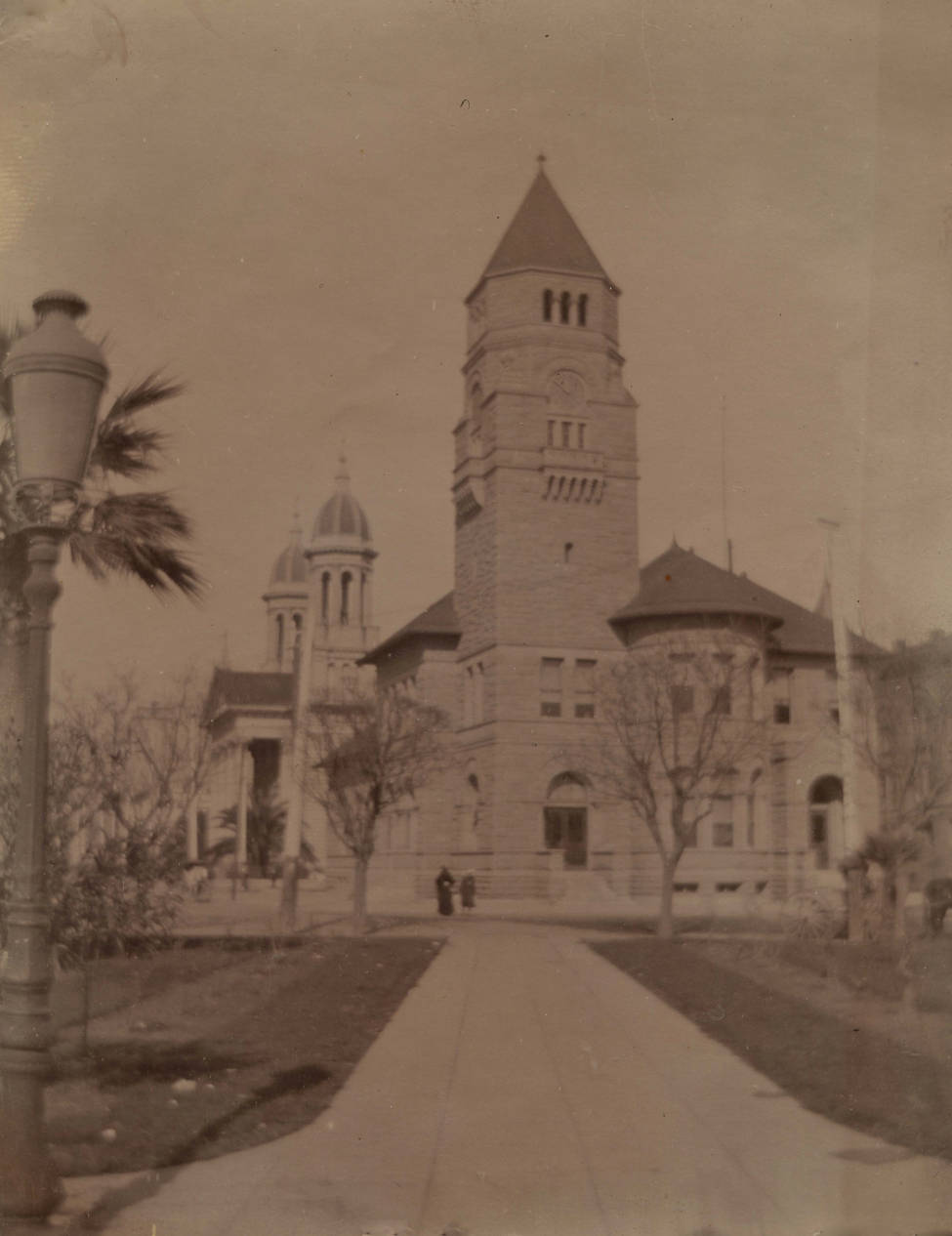
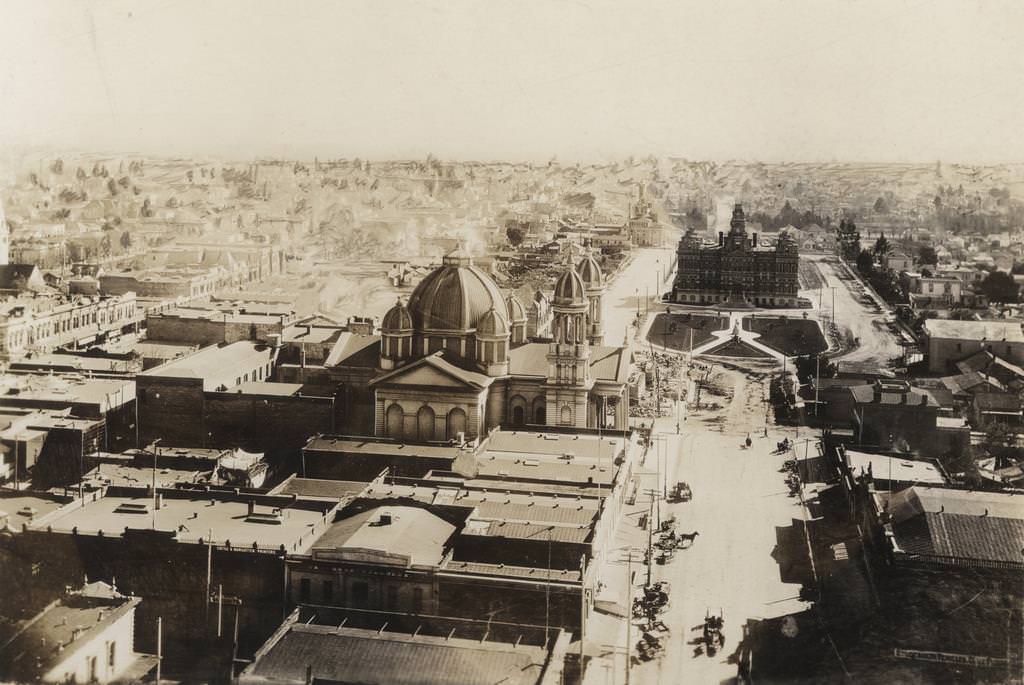
Beyond the campus, the city’s commercial and civic core was taking shape. The San Jose Post Office was one of the decade’s most recognizable new structures — a tan sandstone building with a clock tower that anchored the downtown plaza. Horses and carts from R. Wallace Grey Eagle Livery Stables were regularly parked outside, and a sign for Garden City Nursery stood nearby. Viewed from the upper floors of City Hall looking north up Market Street, the post office was flanked by St. Joseph’s Cathedral with its dome and twin spires rising behind it.
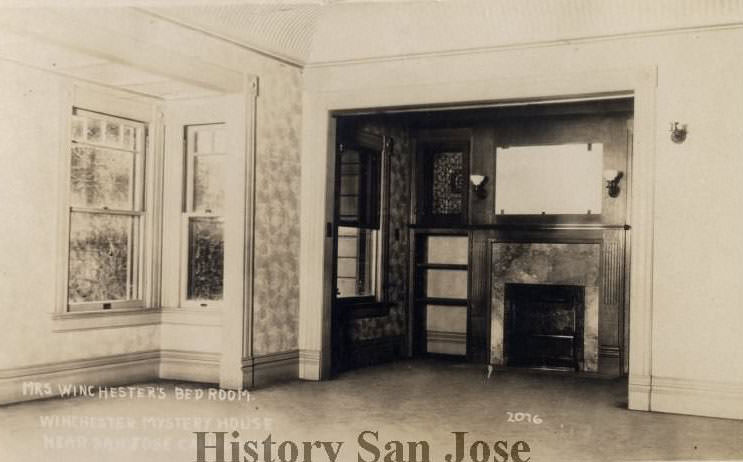
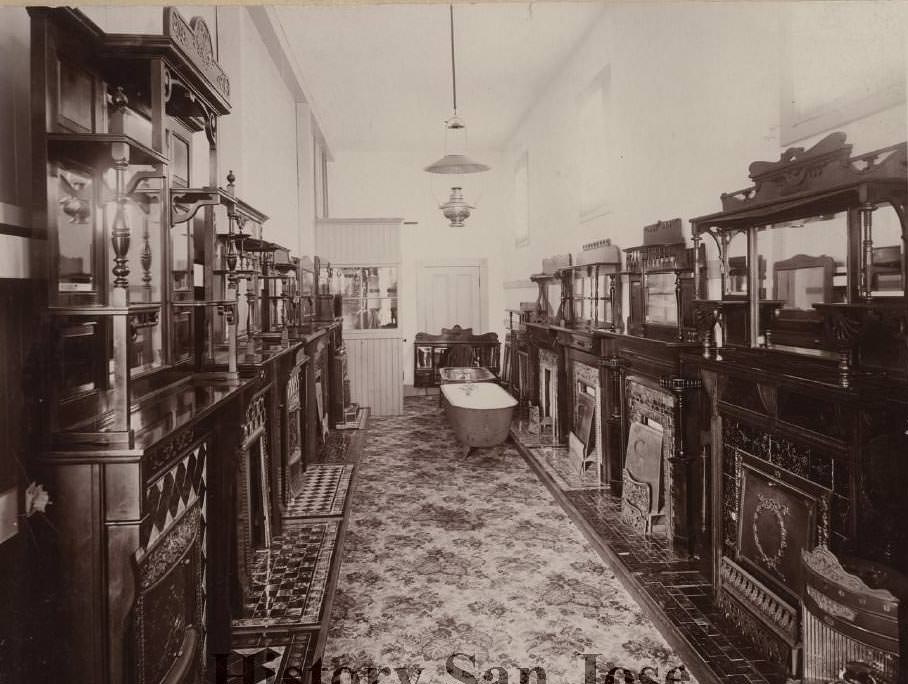
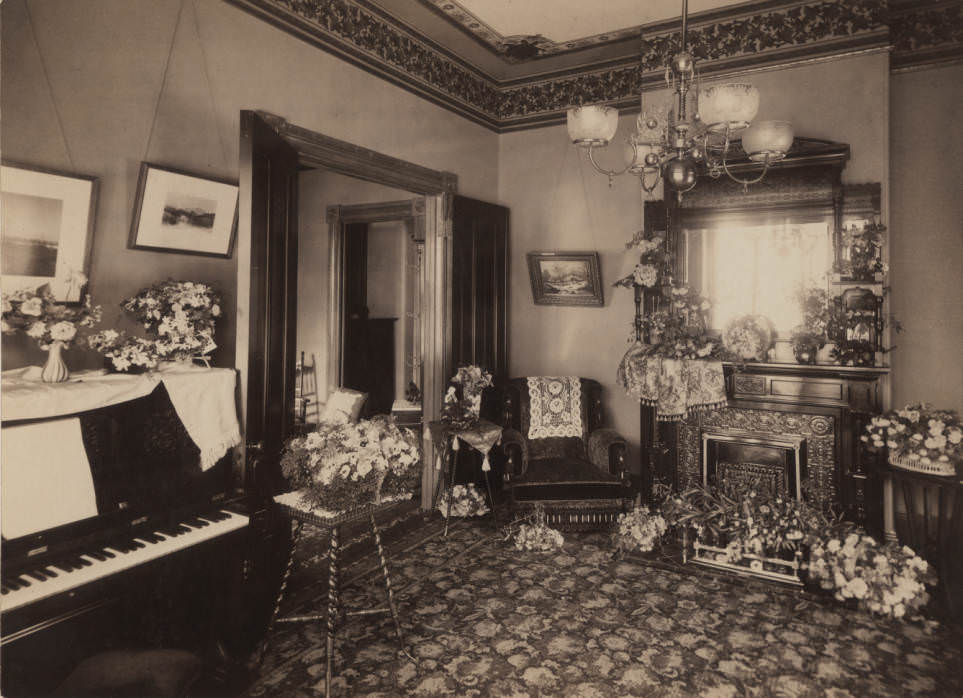
Not far from downtown, one of the city’s most unusual properties was under constant construction. Sarah Winchester had been adding onto her house south of San Jose throughout the decade, filling it with rooms, stairways, and elaborate interior details. Her bedroom, like every other part of the house, reflected an obsessive attention to design that set it apart from anything else in the region.
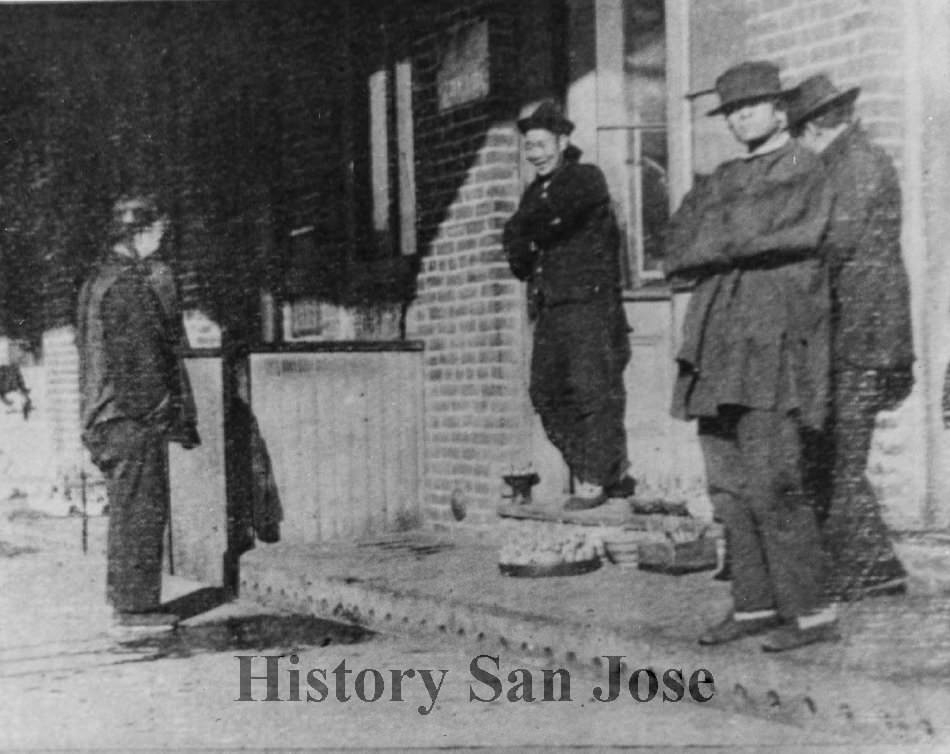
San Jose’s Chinatown was a distinct and established part of the city by the 1890s. Located along North Sixth Street, it was a densely built neighborhood with its own shops, businesses, and community life. Chinese residents had been a part of the Santa Clara Valley for decades, working in agriculture, laundries, and small commerce. The neighborhood they built was self-sustaining and visible, even as the broader city often treated it as separate from mainstream civic life.
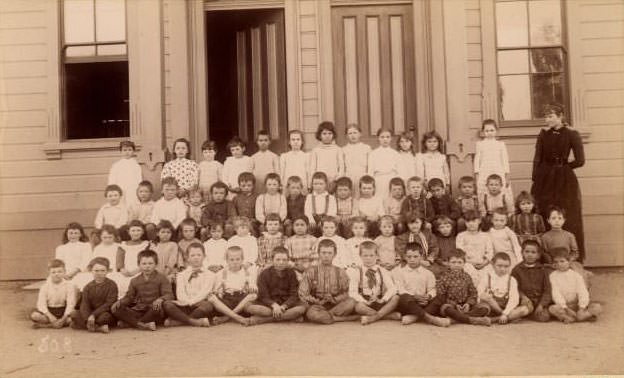
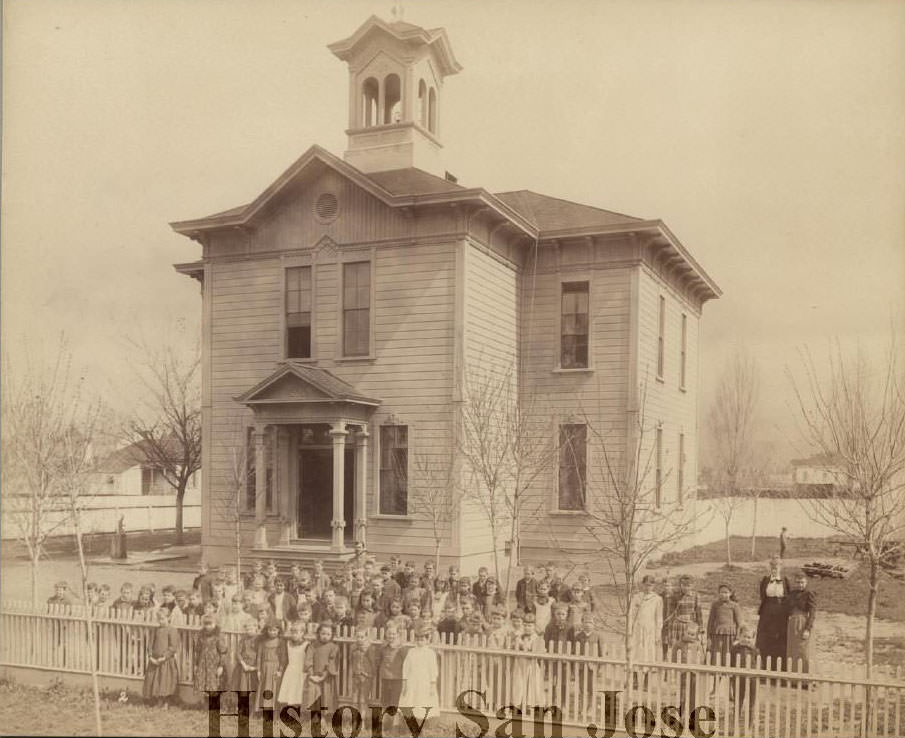
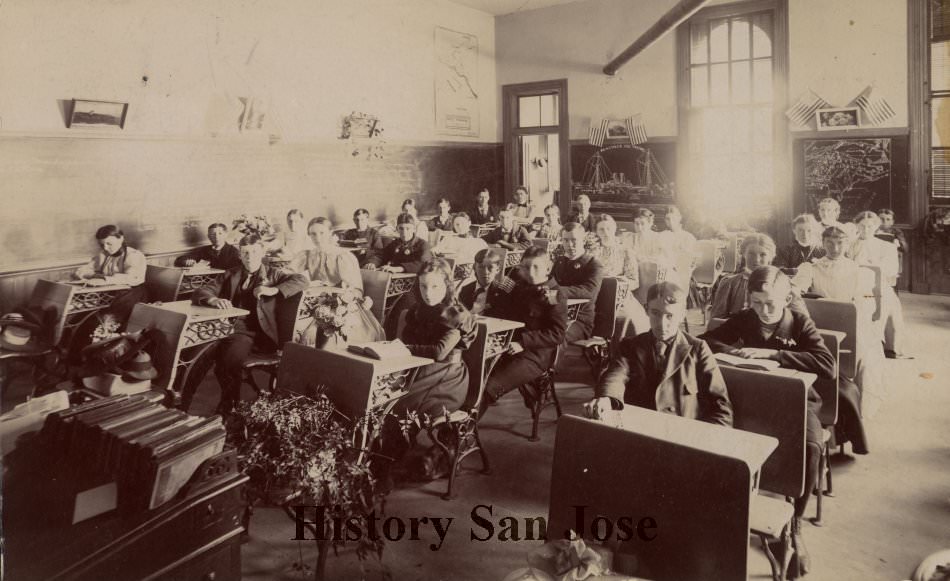
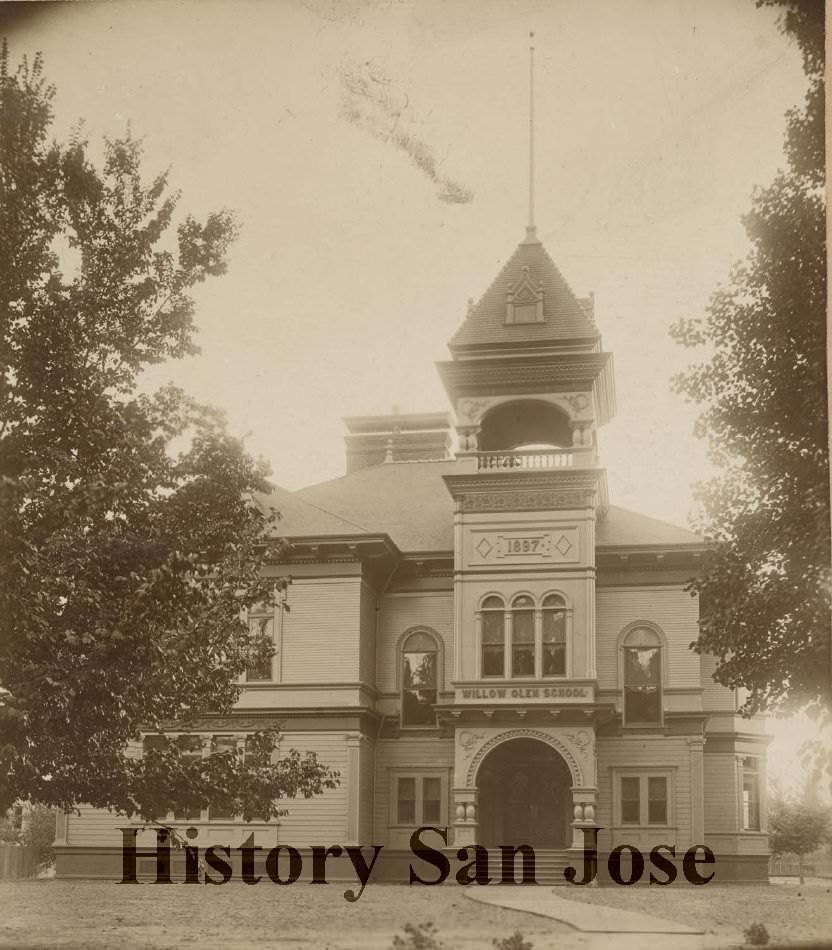
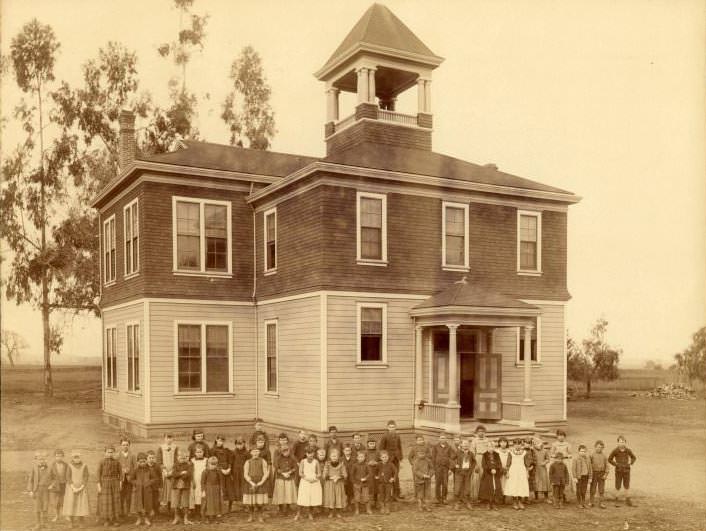
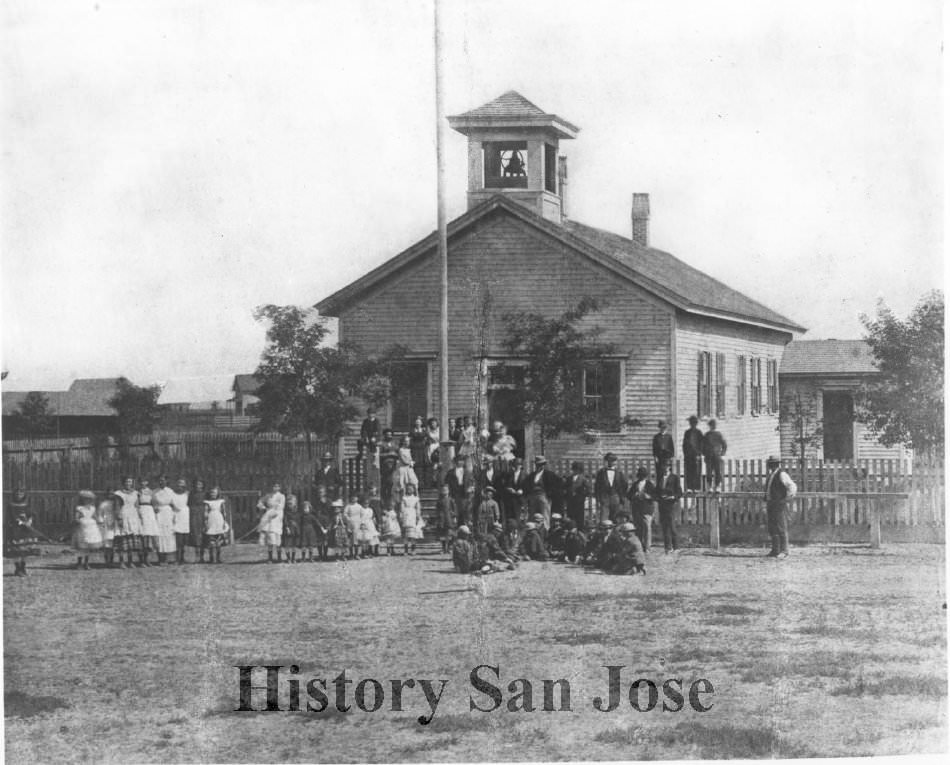
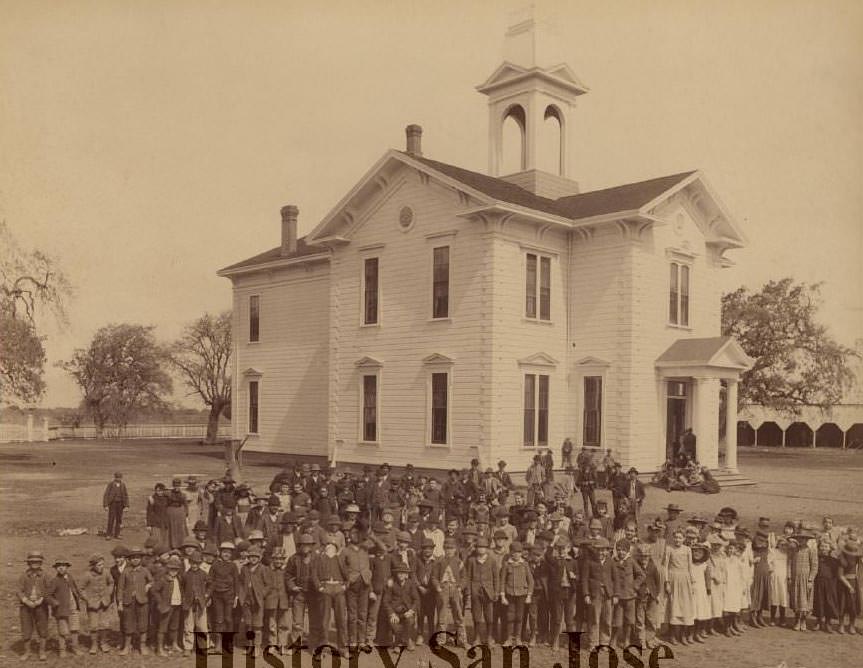
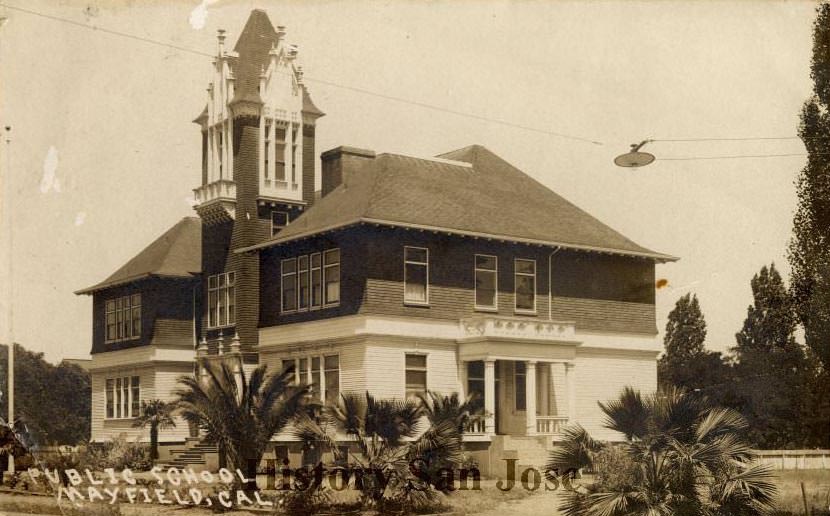
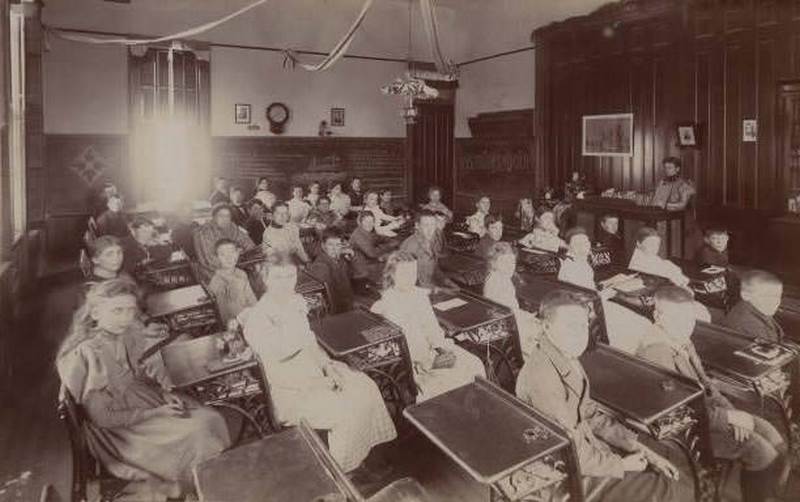
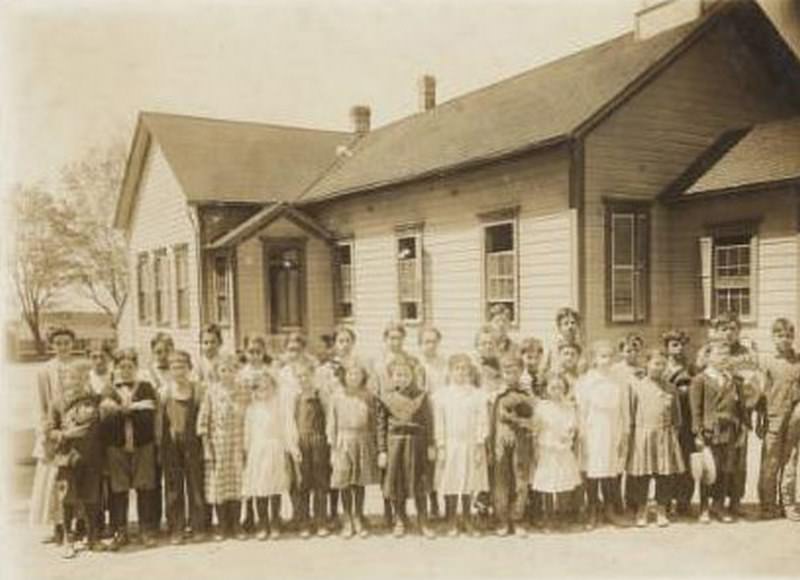
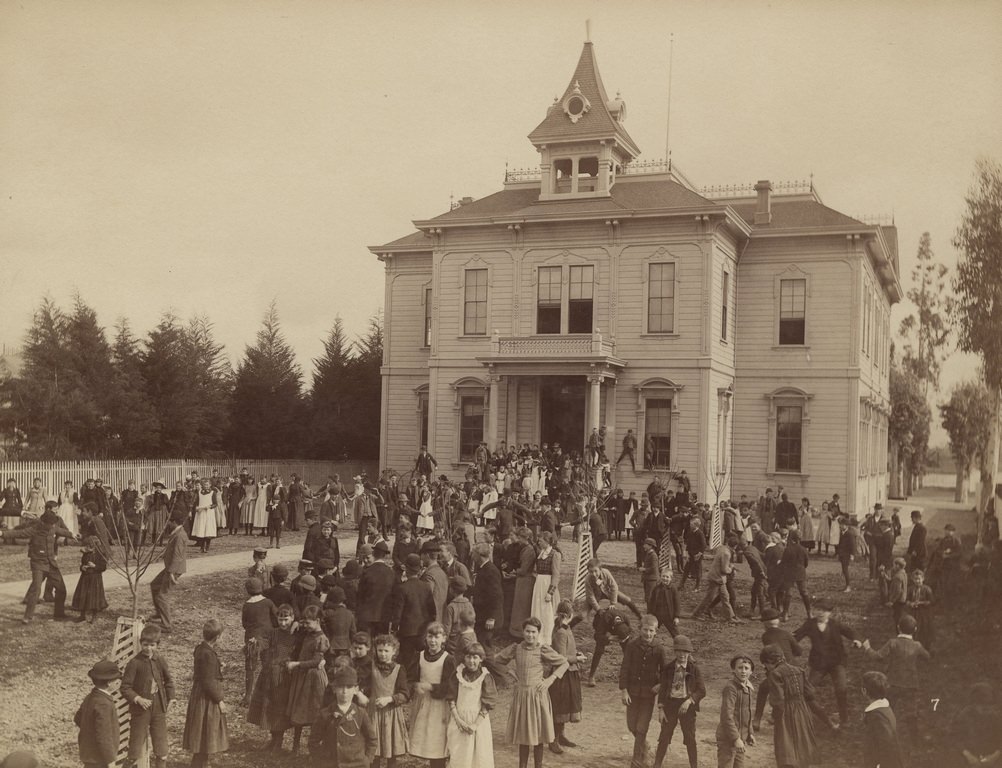
Schools were going up across every neighborhood. East San Jose School, Lincoln School, Willow Glen School, Evergreen School, Alviso School, and Horace Mann School all appear in photographs from this decade. These were not just functional buildings — they were the physical anchors of their communities. Classrooms were full, and teachers were known by name in the neighborhoods they served. The 1890 San José City Directory for Hester School lists nine teachers by name, a sign of how organized and detailed civic life had become.
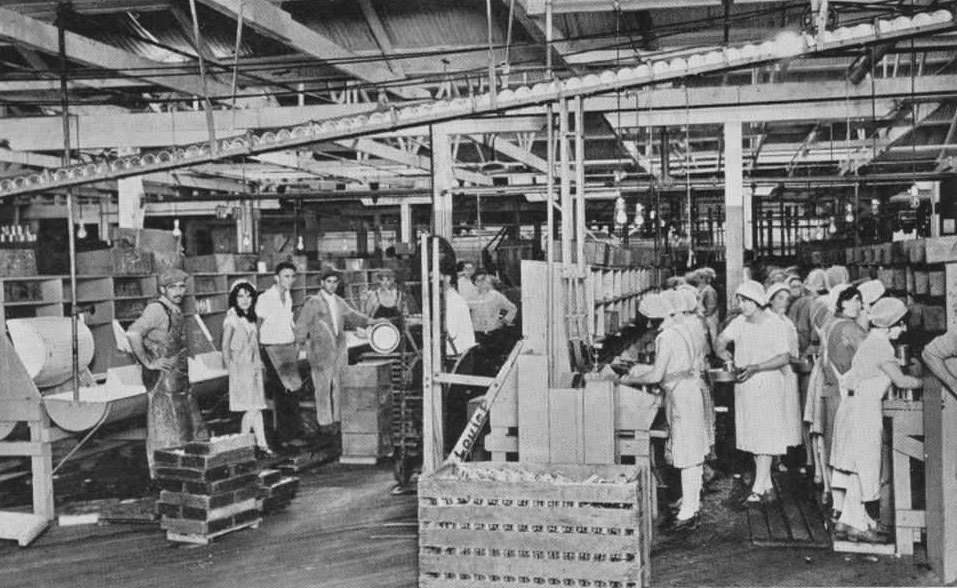
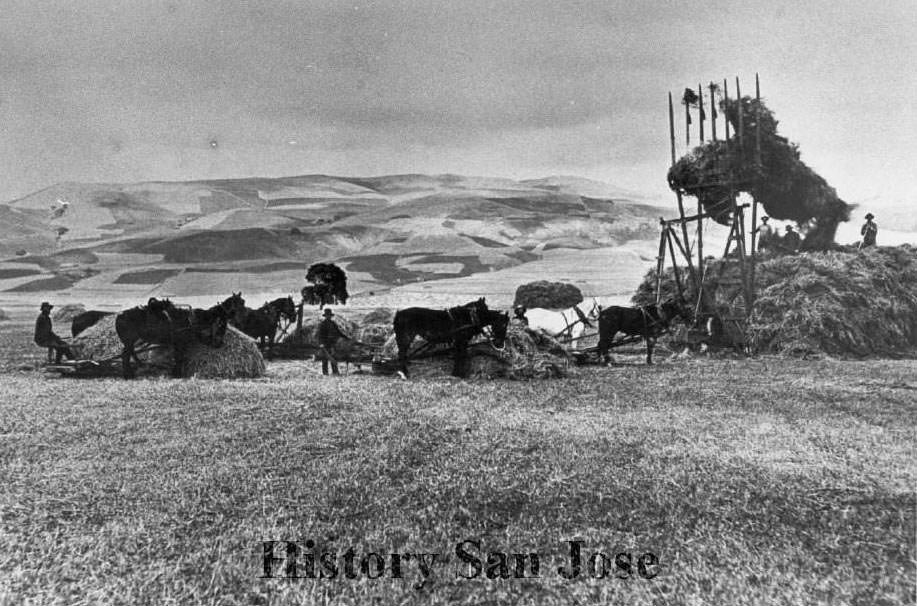
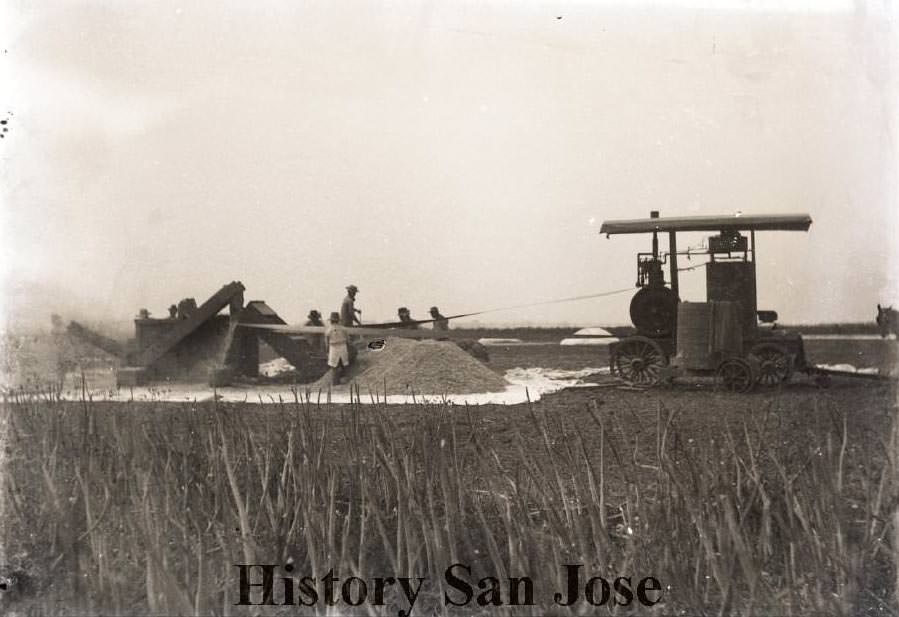
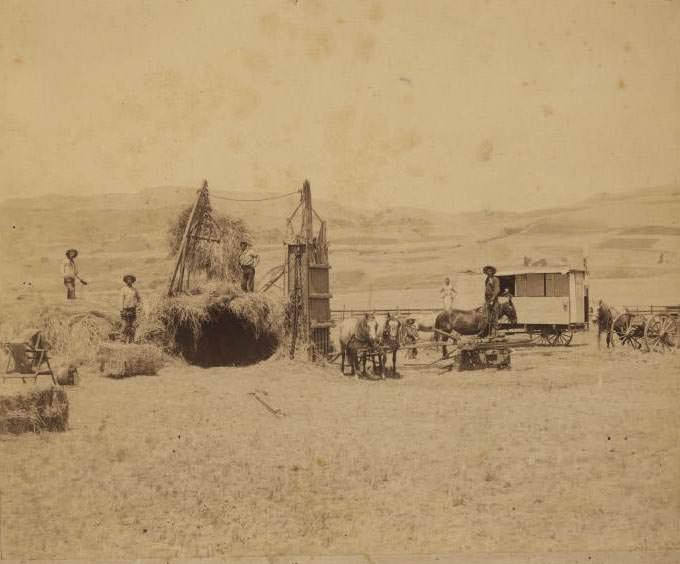
San Jose’s economy in the 1890s was anchored by agriculture and food processing. The Santa Clara Valley was dense with orchards and fields, and canning operations processed enormous quantities of fruit for shipment across the country. A postcard from the era shows women on one side preparing and packing fruit while a group of mostly male workers pose on the other — a clear picture of how labor was organized inside those facilities.
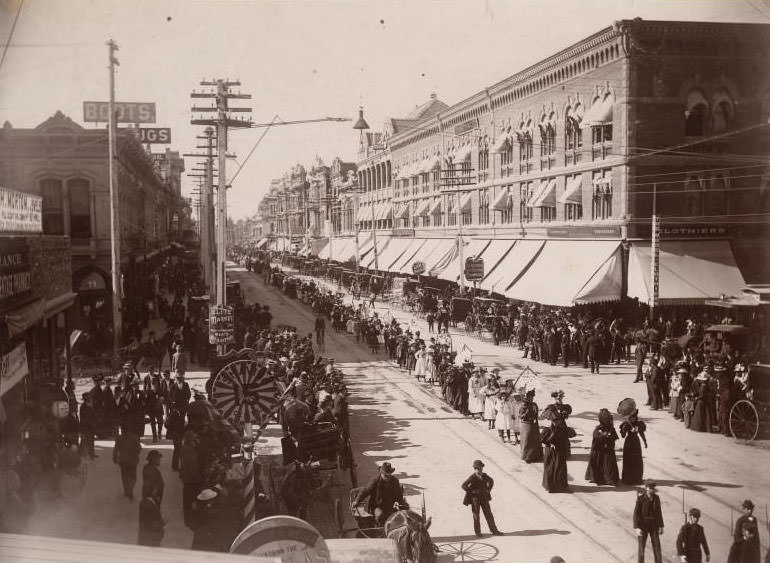
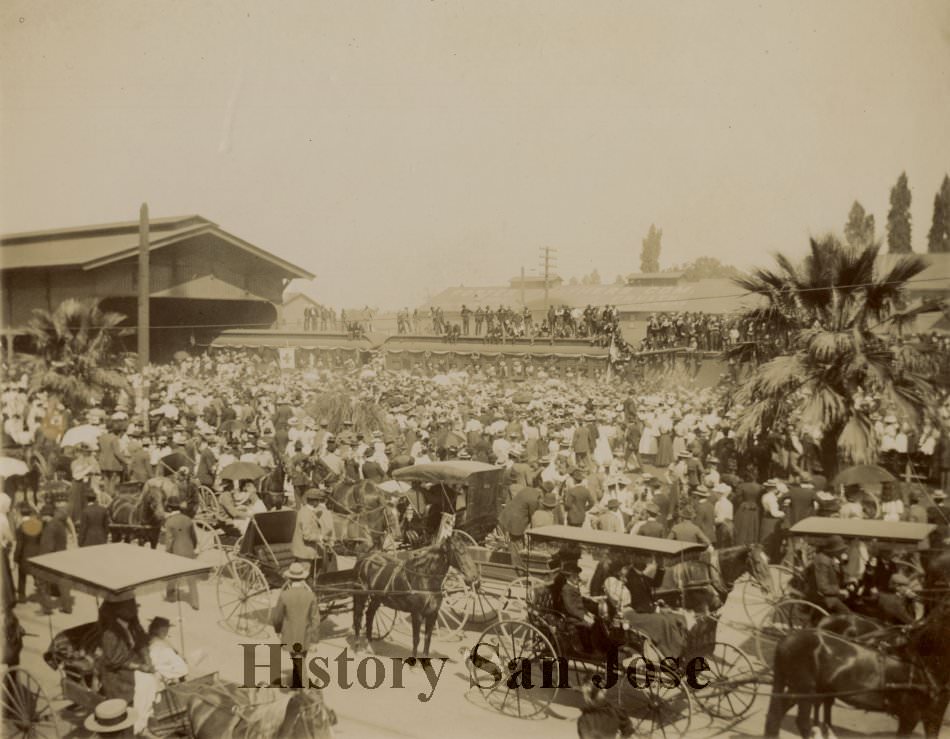
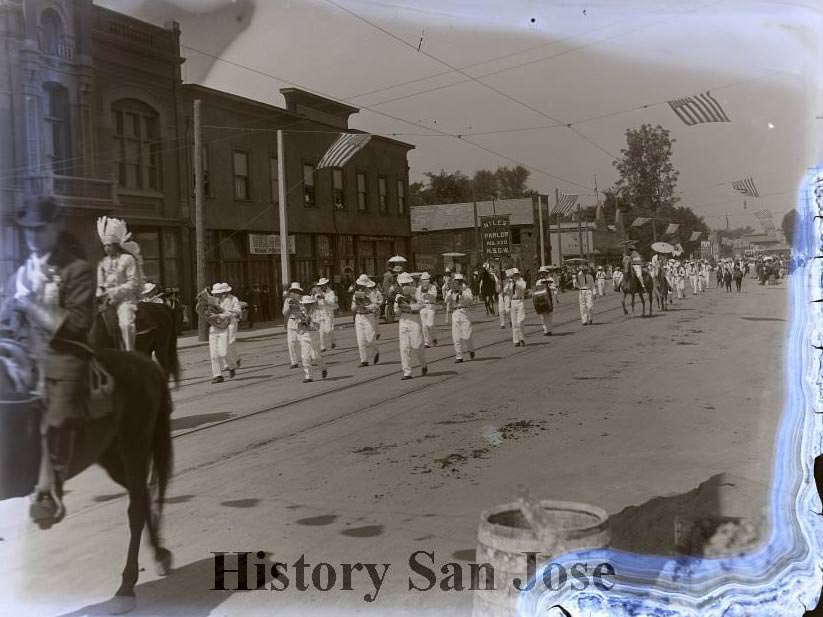
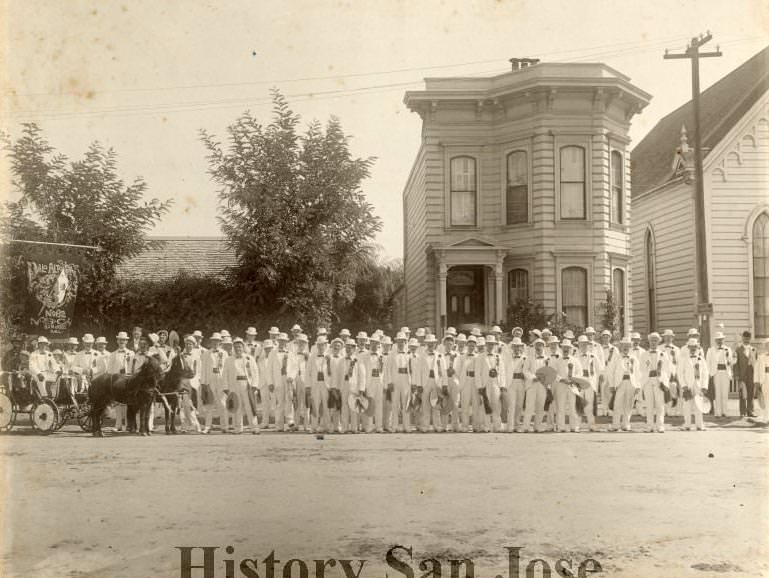
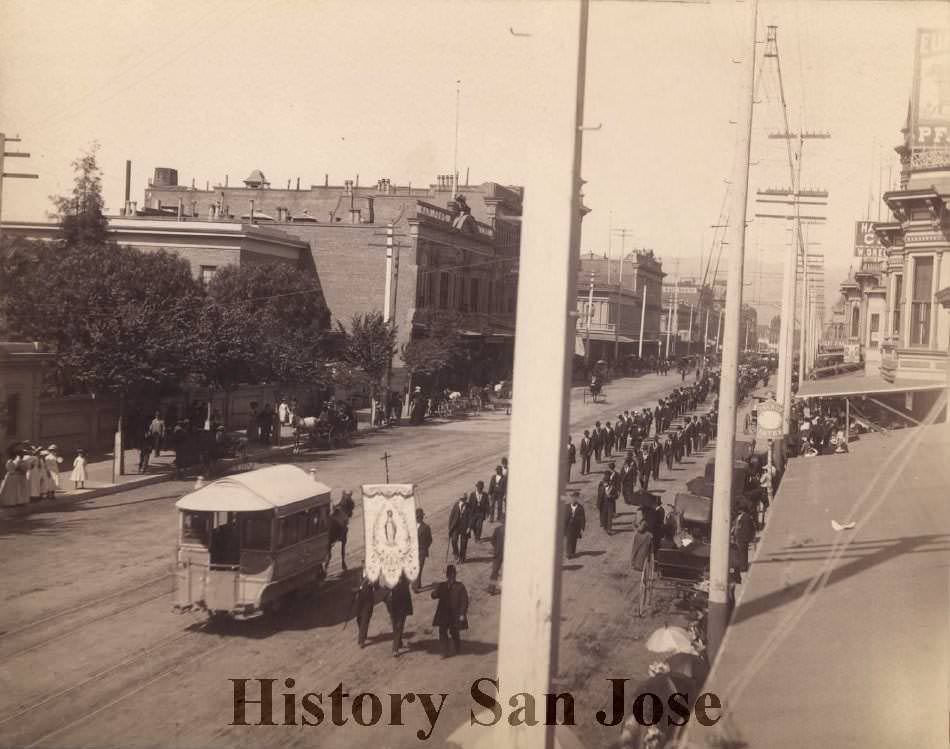
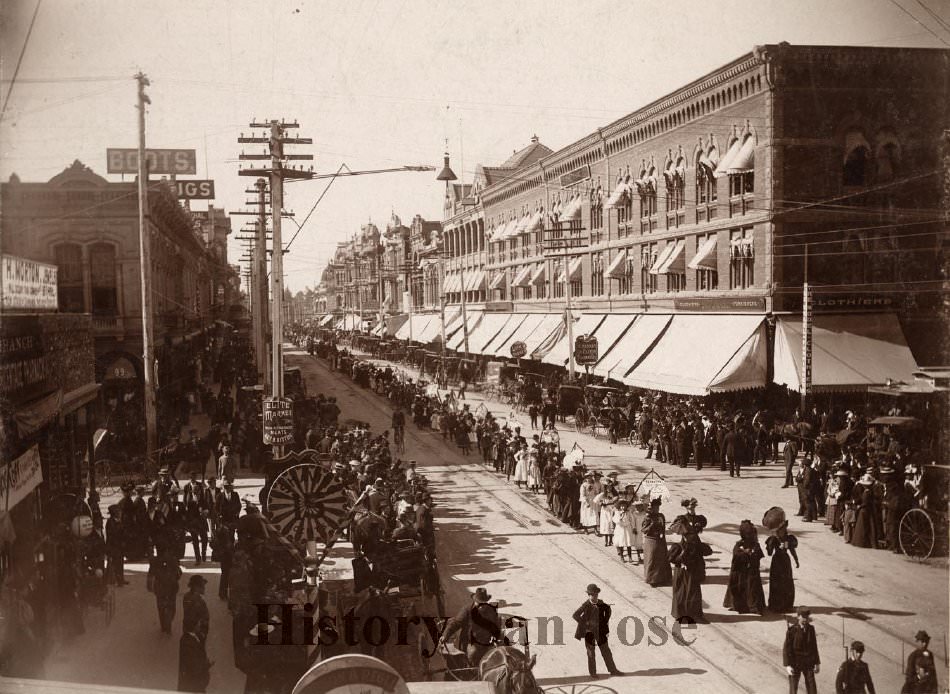
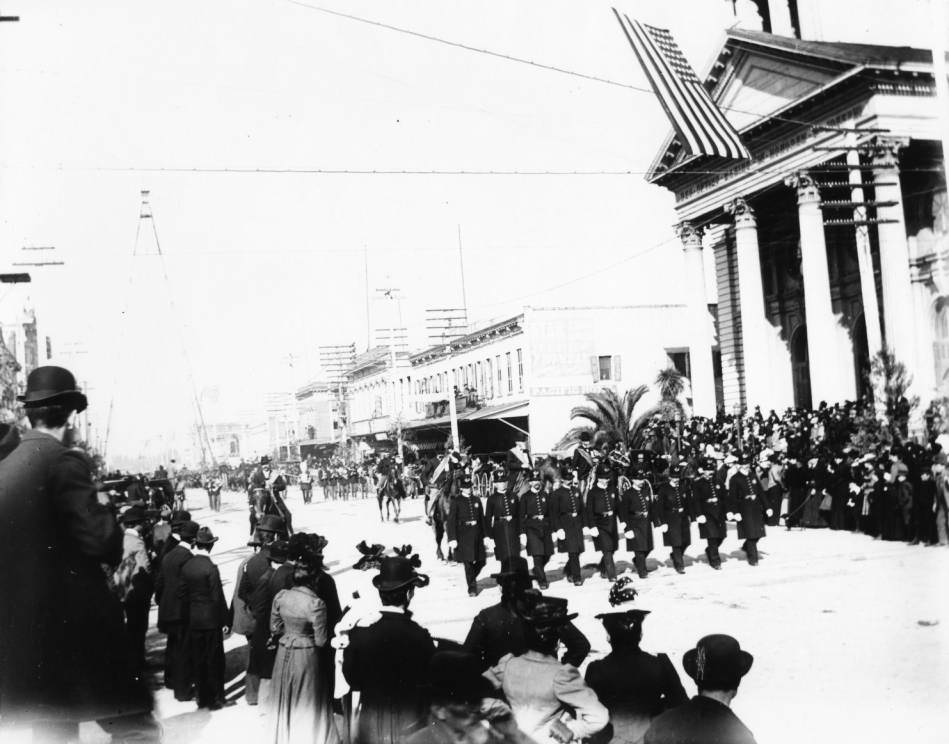
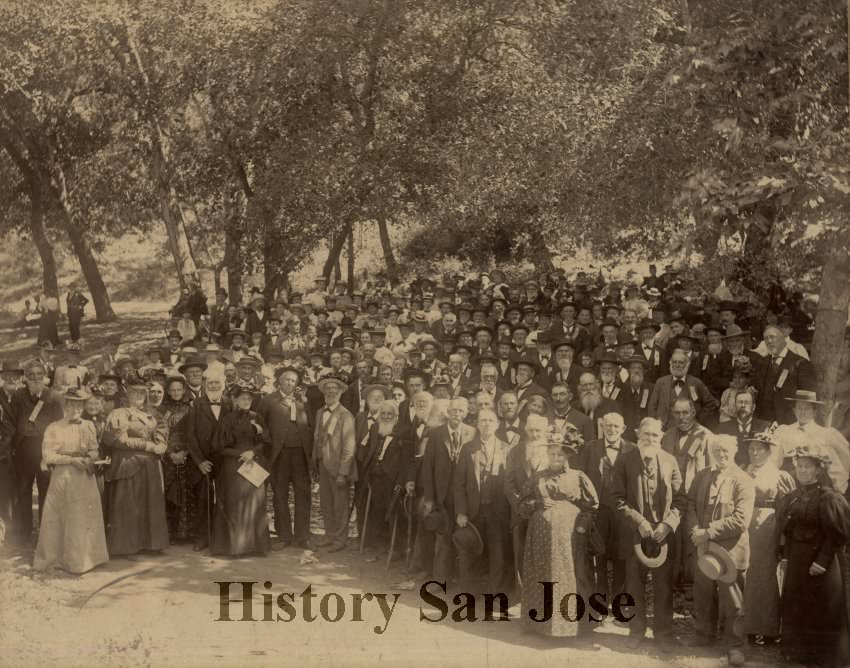
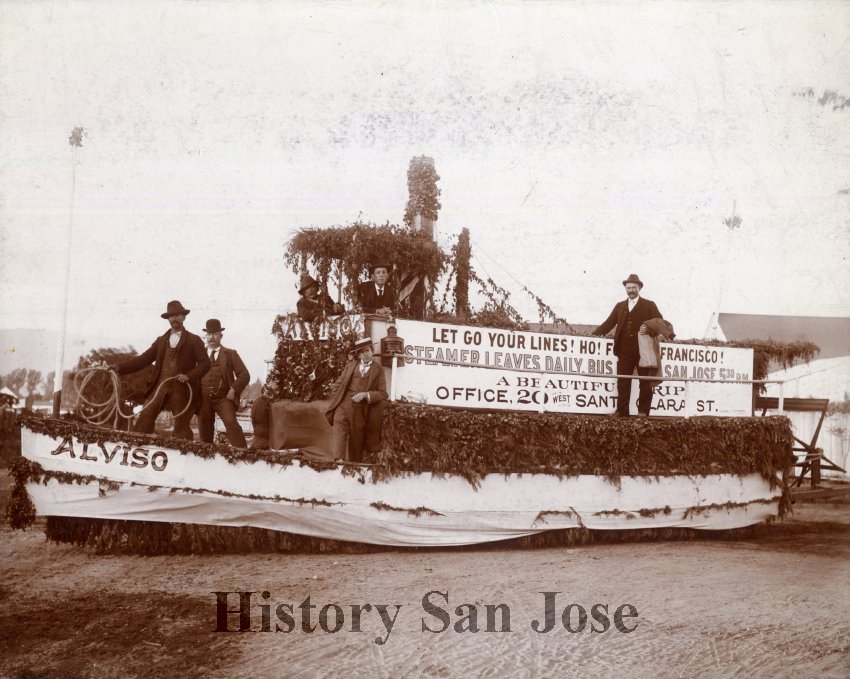
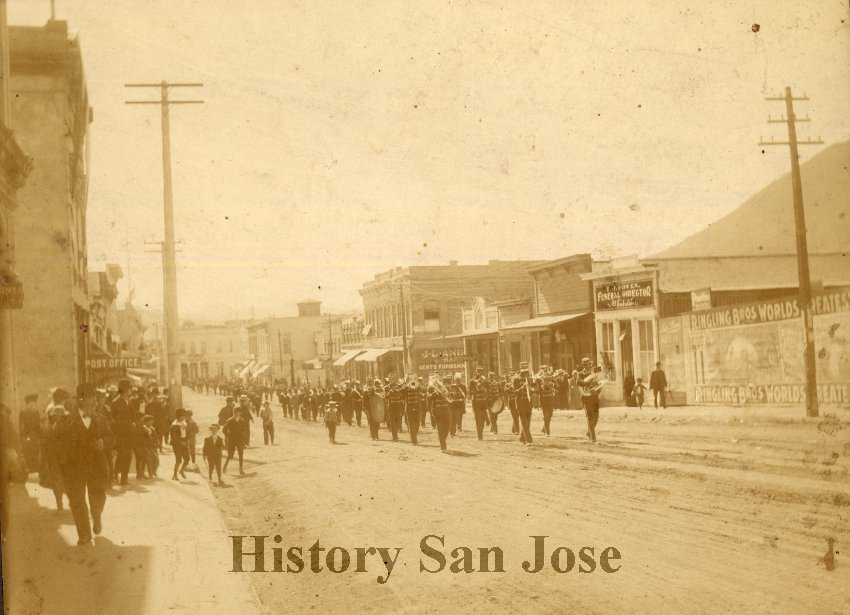
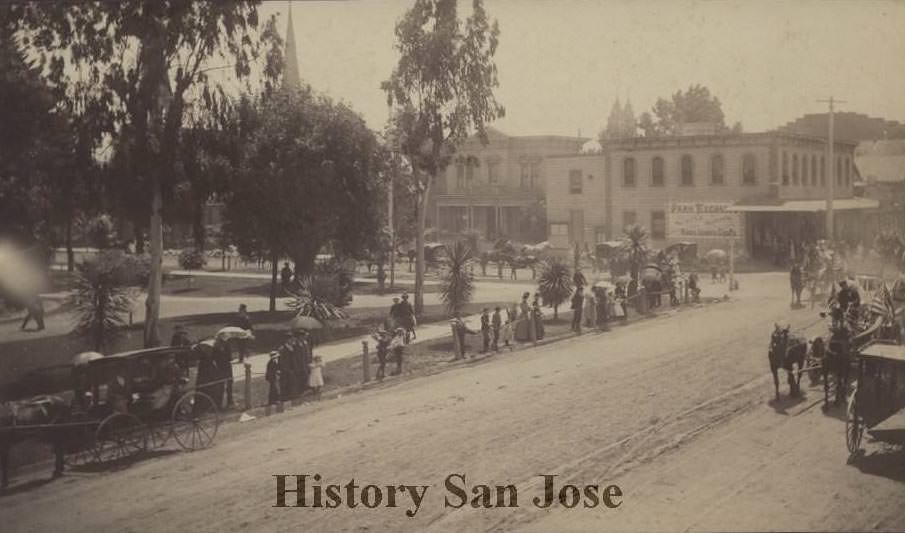
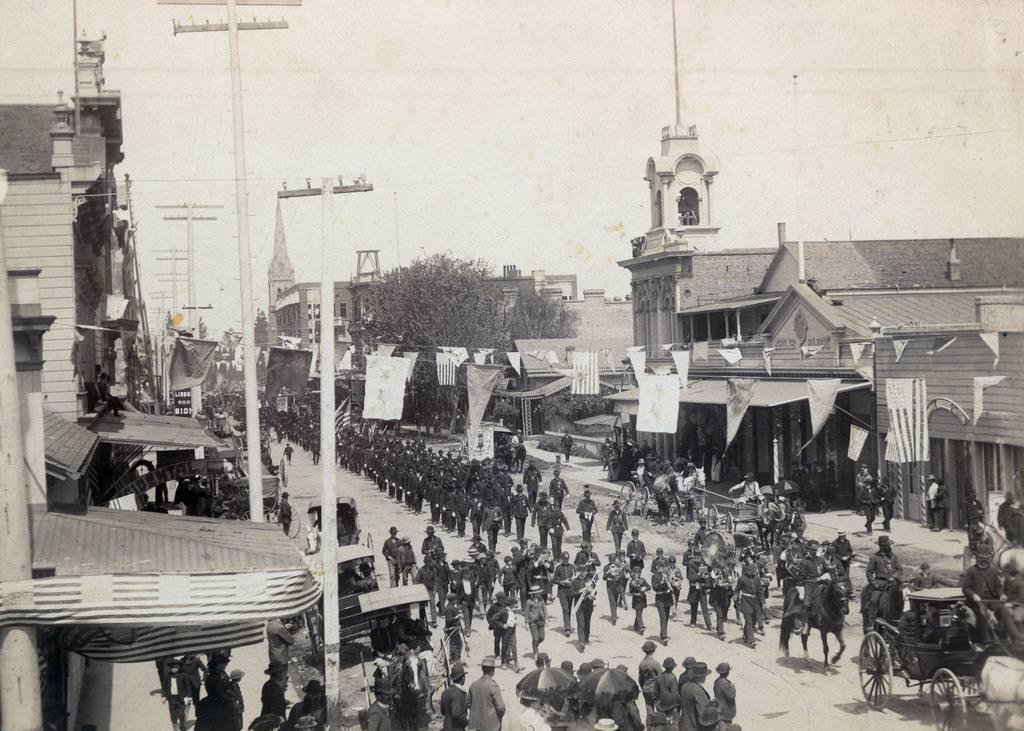
Public gatherings were a regular feature of 1890s San Jose. Parades moved down the main streets on nearly every occasion — Fourth of July celebrations, St. Aloysius Day, Sunday School processions, and Native Sons of the Golden West events all drew crowds. In 1894, a procession of women, children, and men in formal dress walked down the center of the street while onlookers packed the sidewalks. These events were not just social — they were how the city expressed its identity and order.
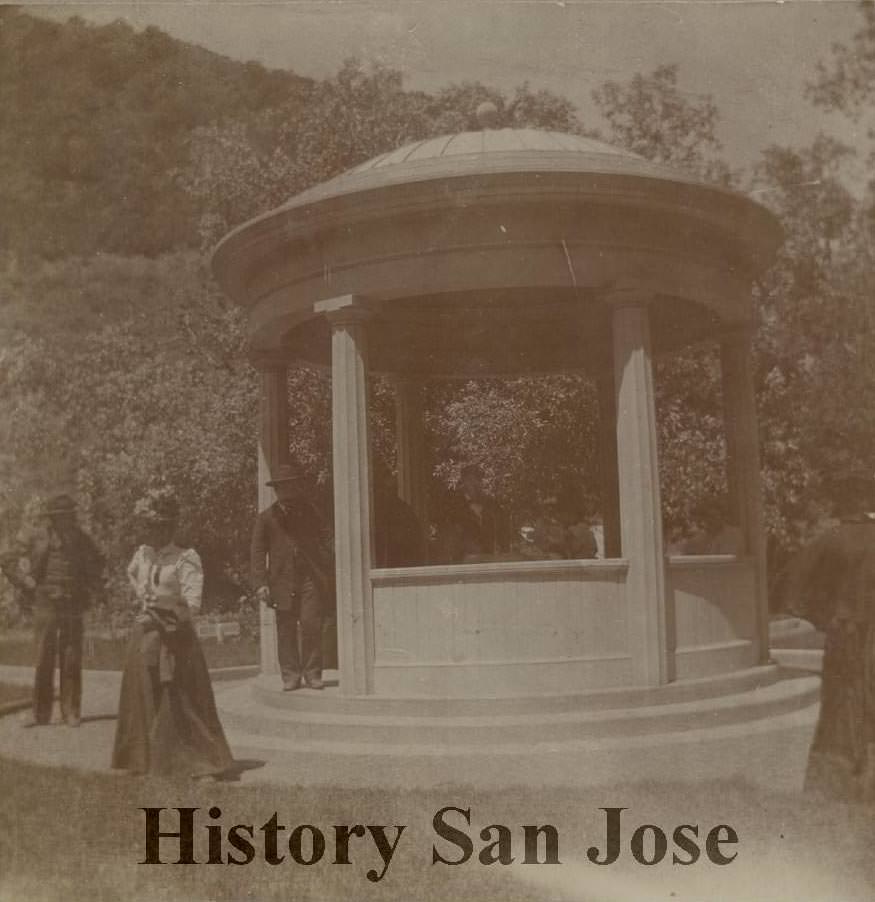
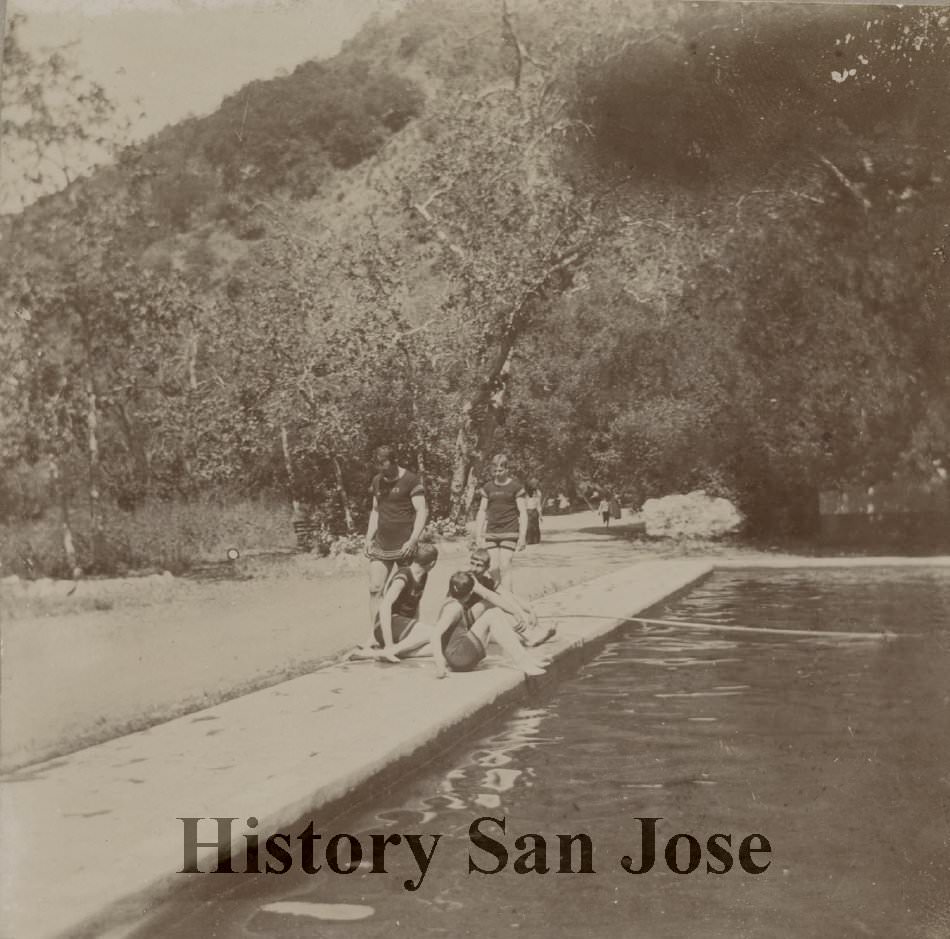
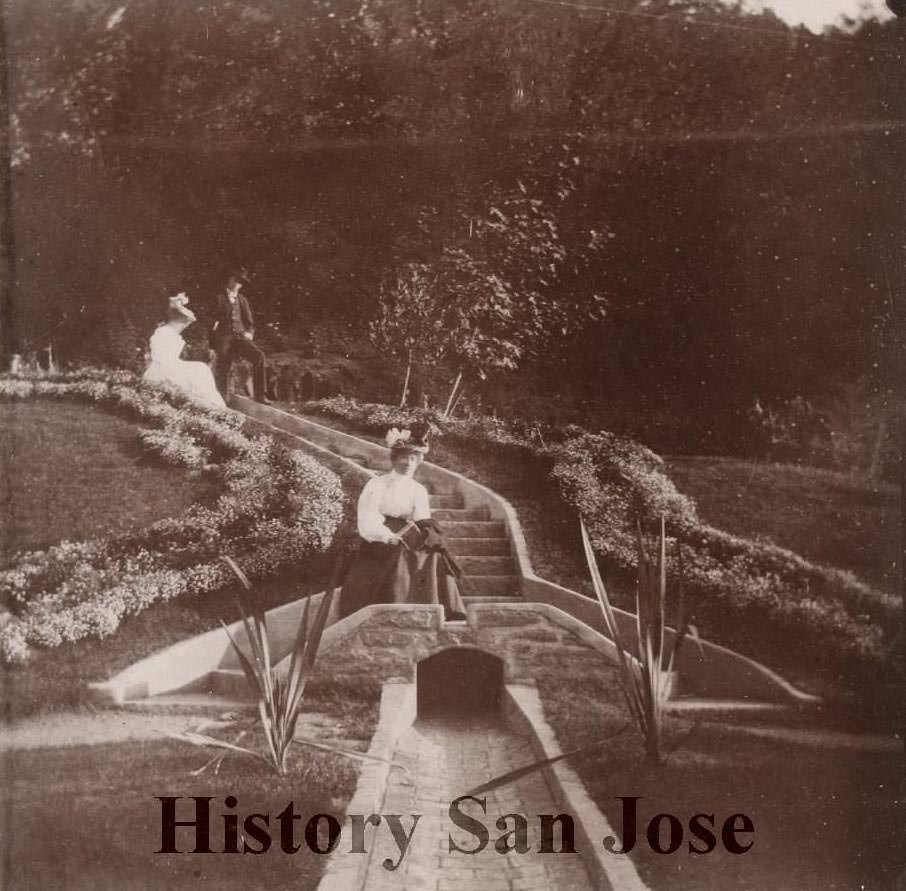
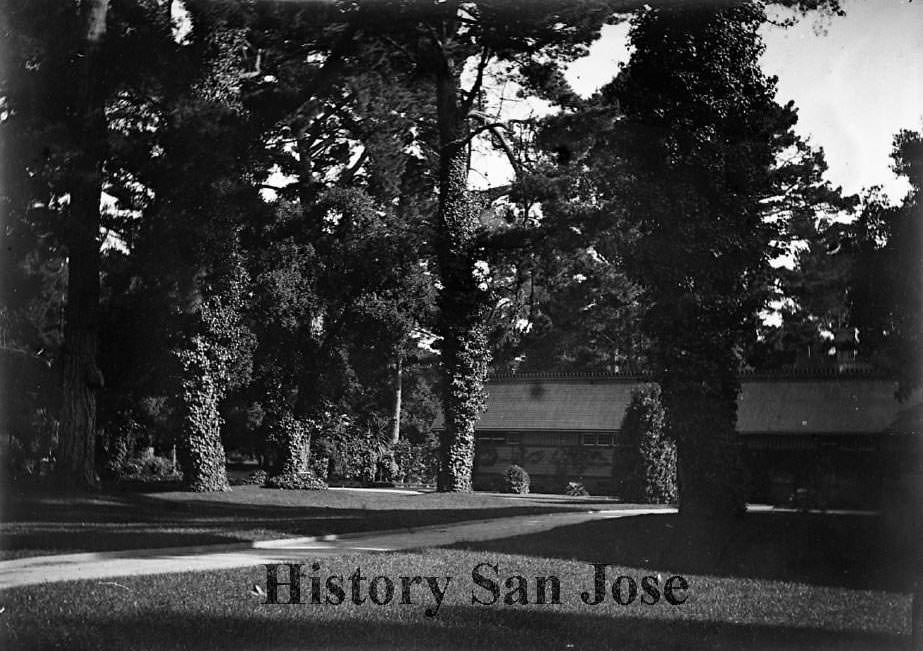
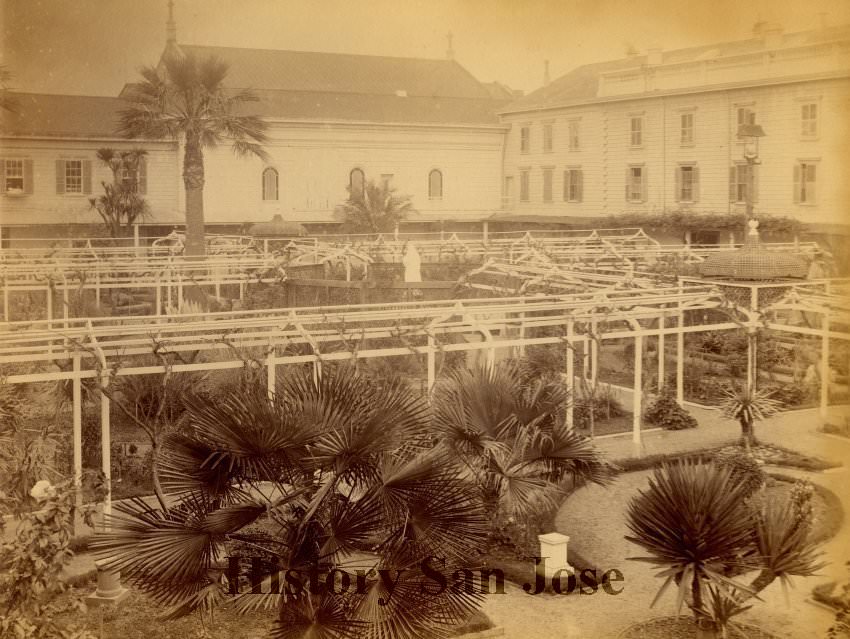
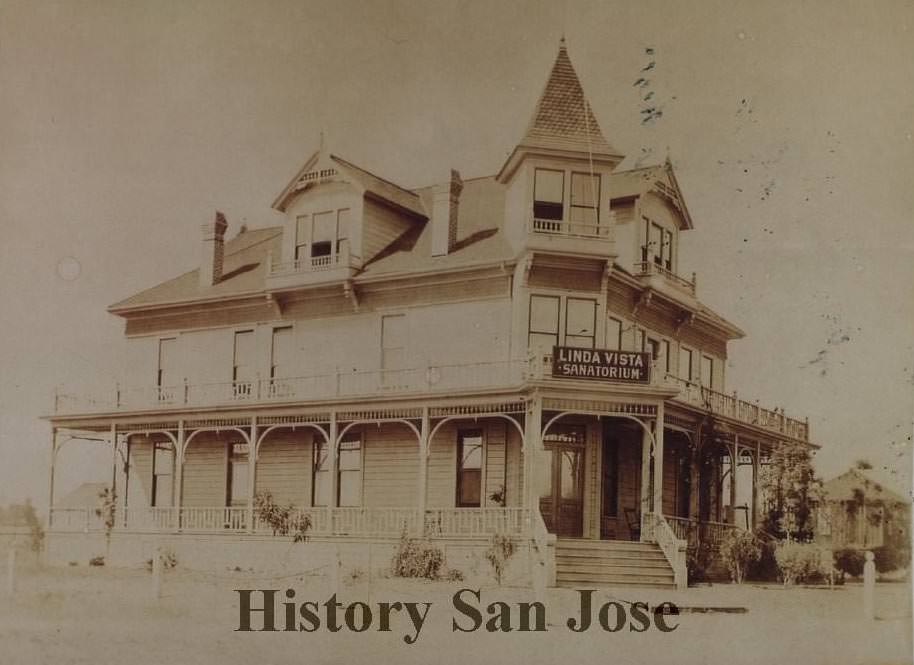
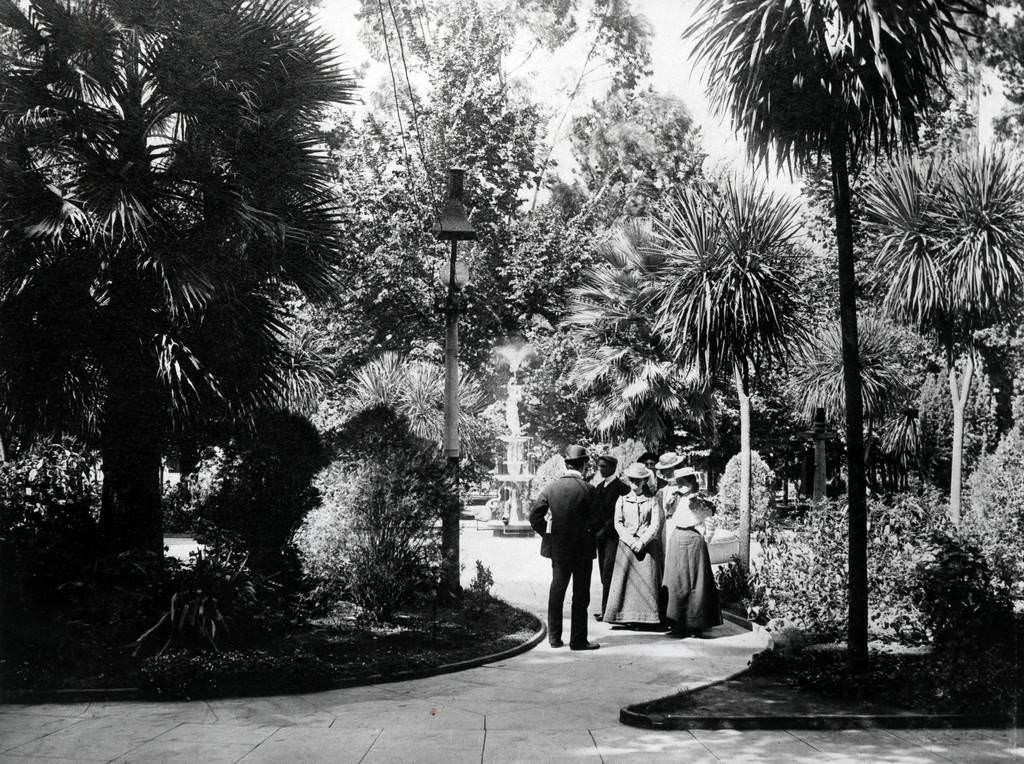
Alum Rock Park, located in the hills east of the city, was a popular destination throughout the decade. A railroad line ran to the park, making it accessible to families and day-trippers. Women swam in the park’s pool in 1897, and the surrounding gardens were well maintained and photographed. The Linda Vista Sanatorium, located nearby, served patients suffering from tuberculosis — a disease that was both common and feared in this era.
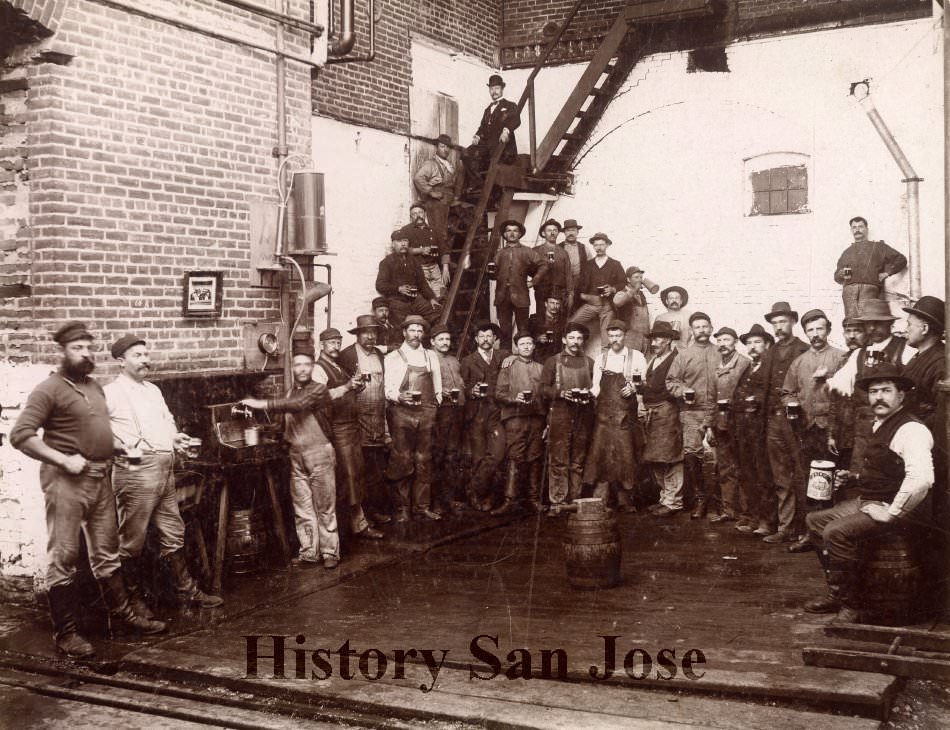
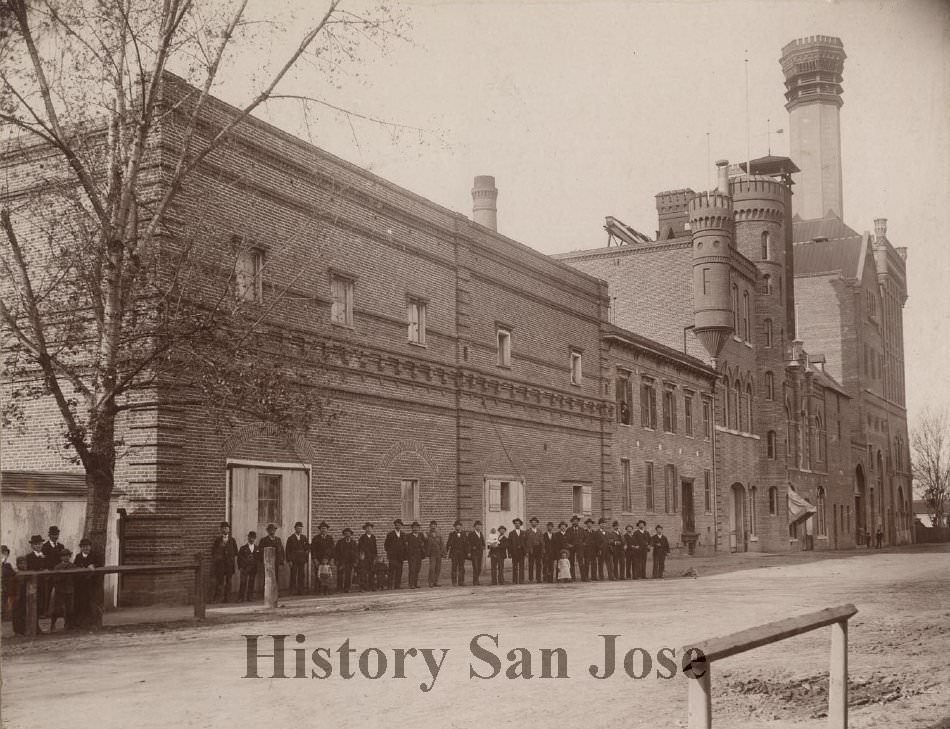
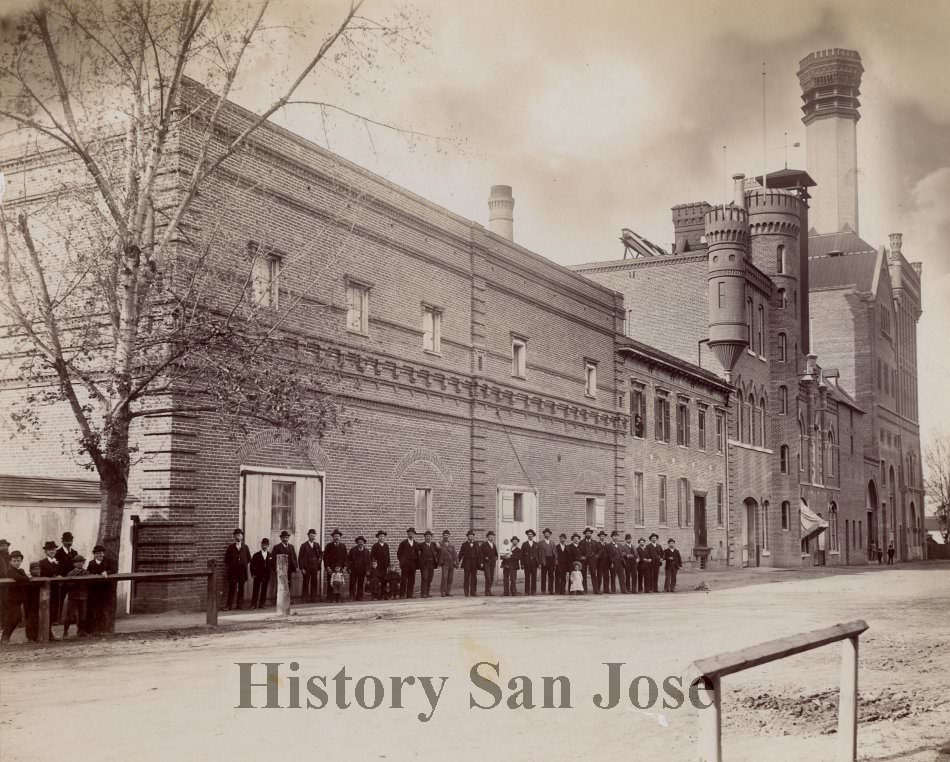
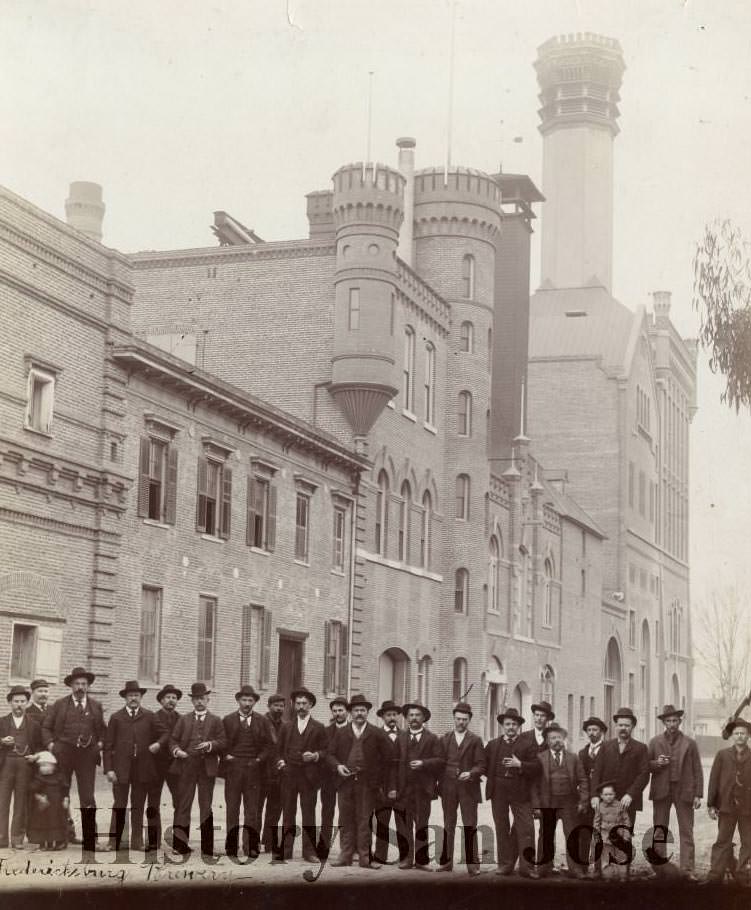
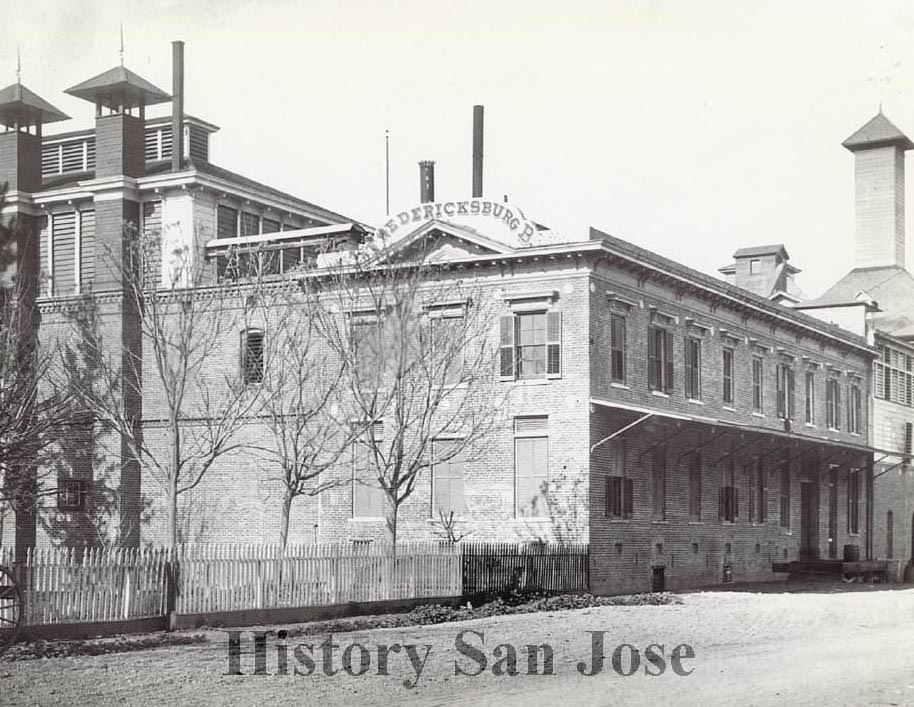
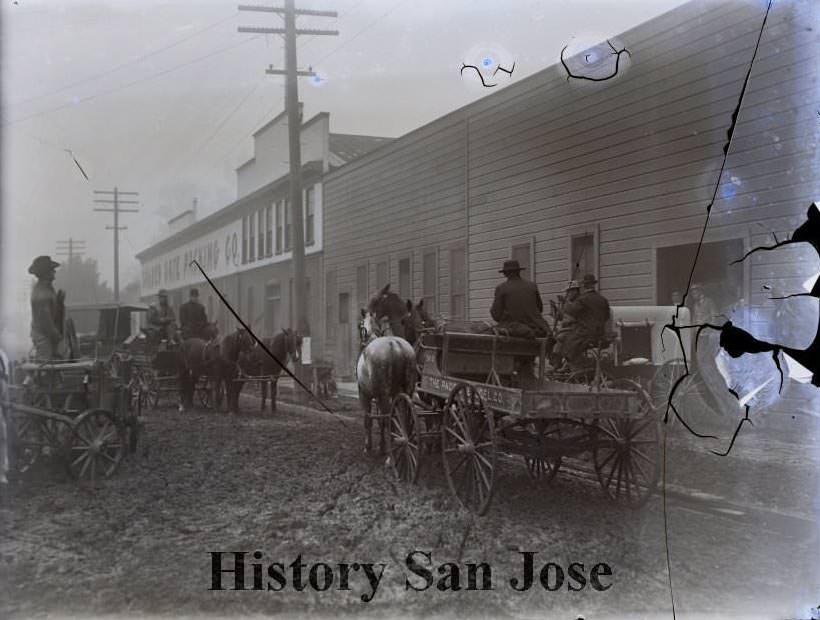
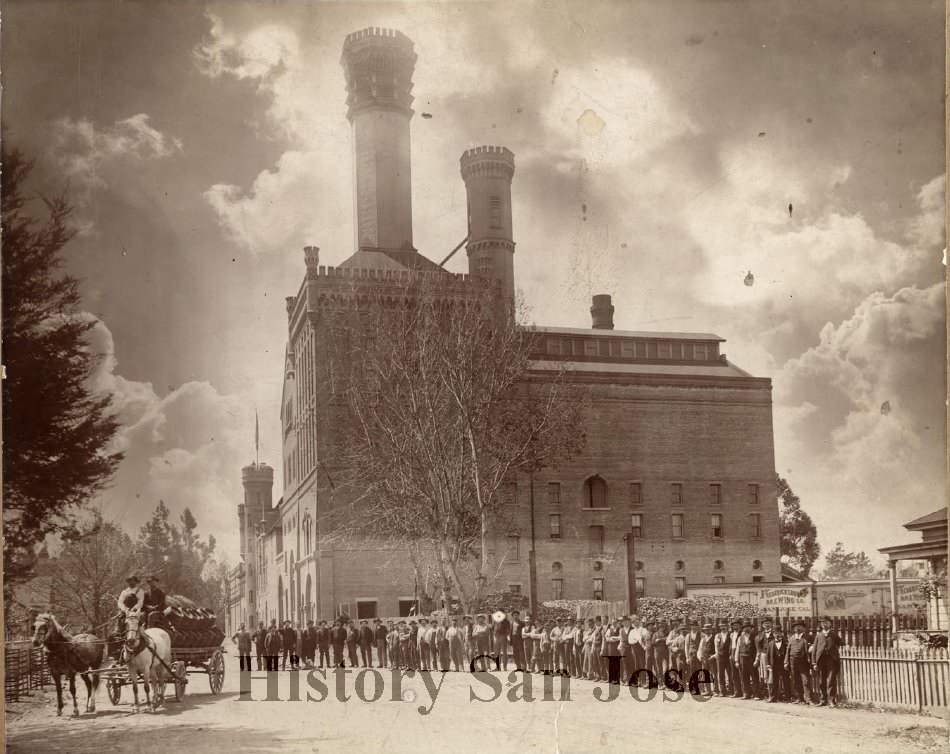
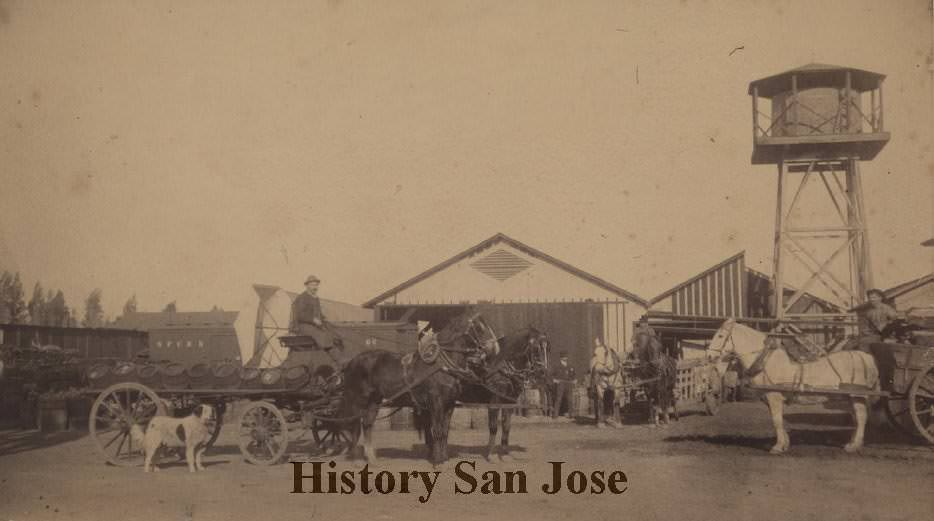
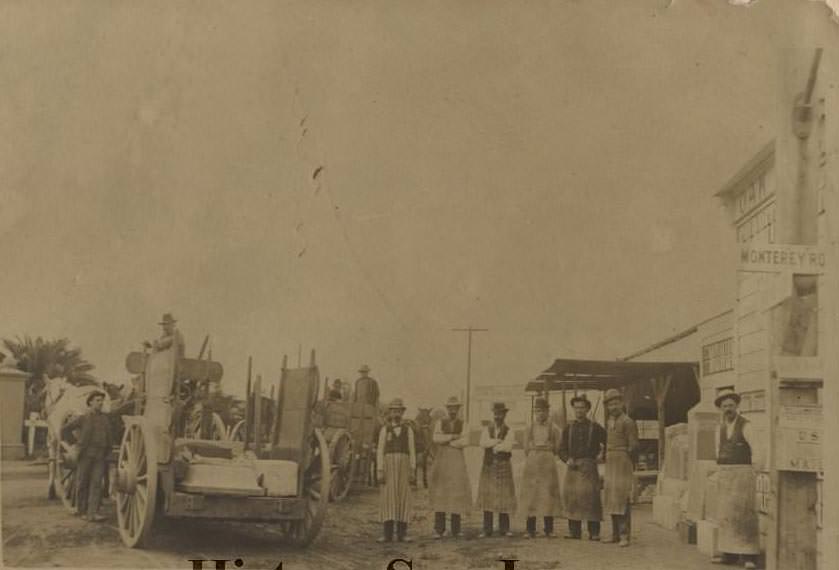
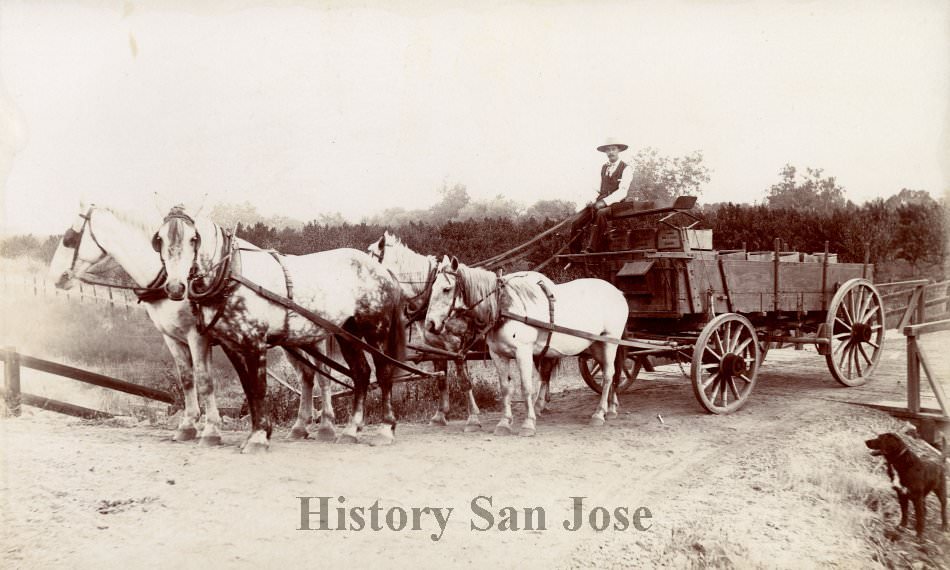
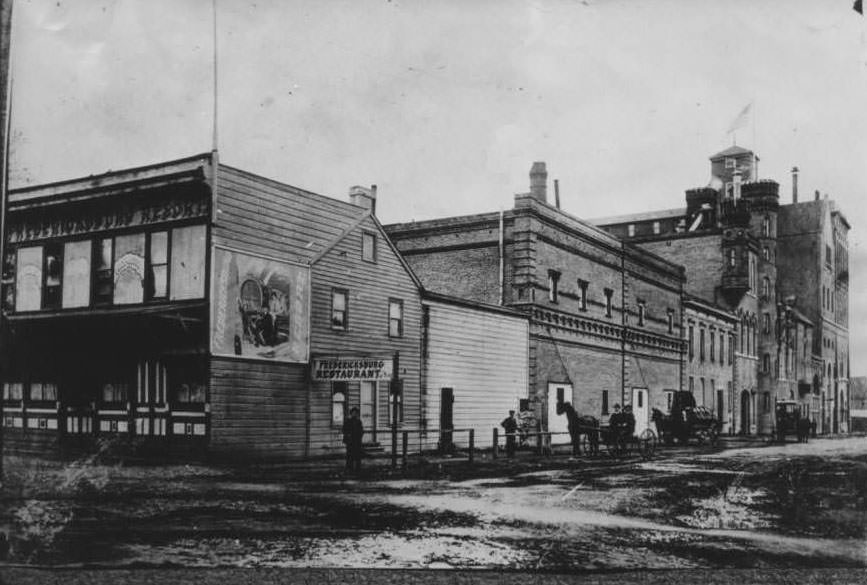
The Fredericksburg Brewery was one of the city’s most prominent industrial operations. Located on the corner of Cinnabar and The Alameda, it employed a sizable workforce and produced beer that was distributed by wagon across the region. Photographs from 1895 show the crew in multiple configurations — employees with mugs, workers assembled for a group portrait, and children posed alongside them. The brewery wagon that carried their product through the city’s streets was a familiar sight.
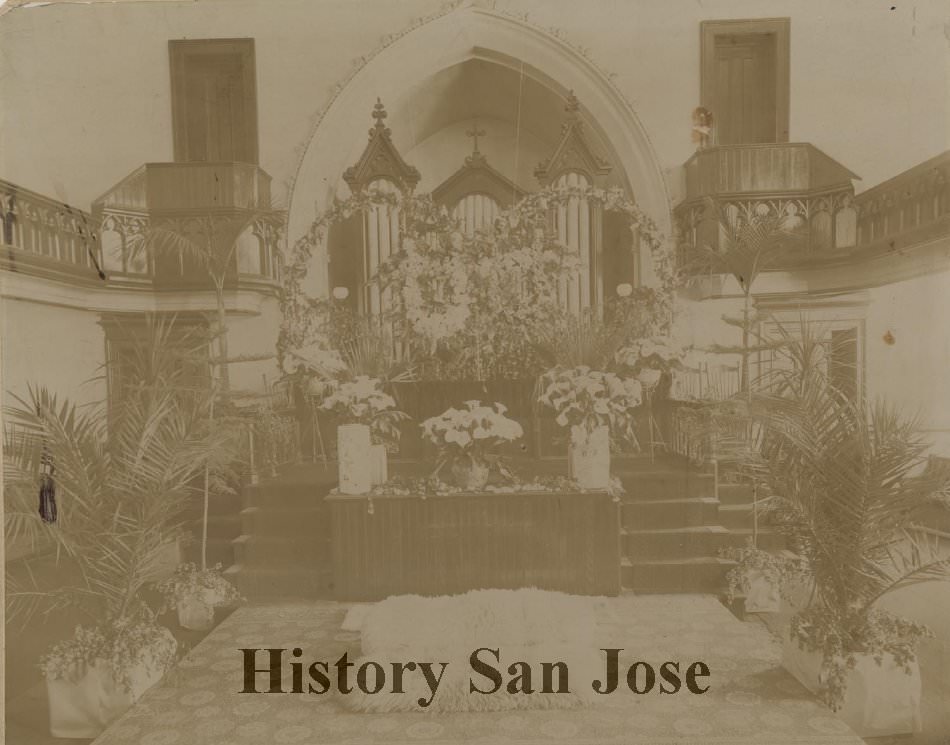
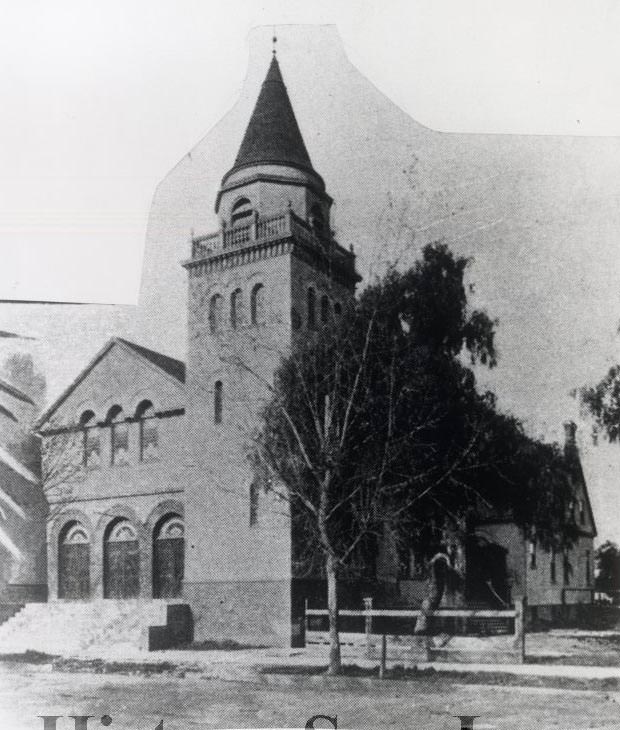
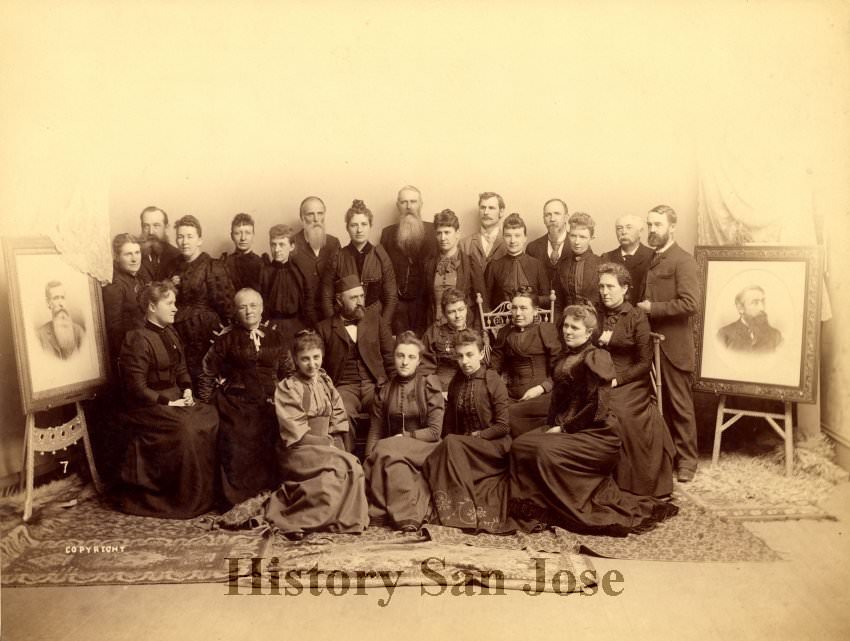
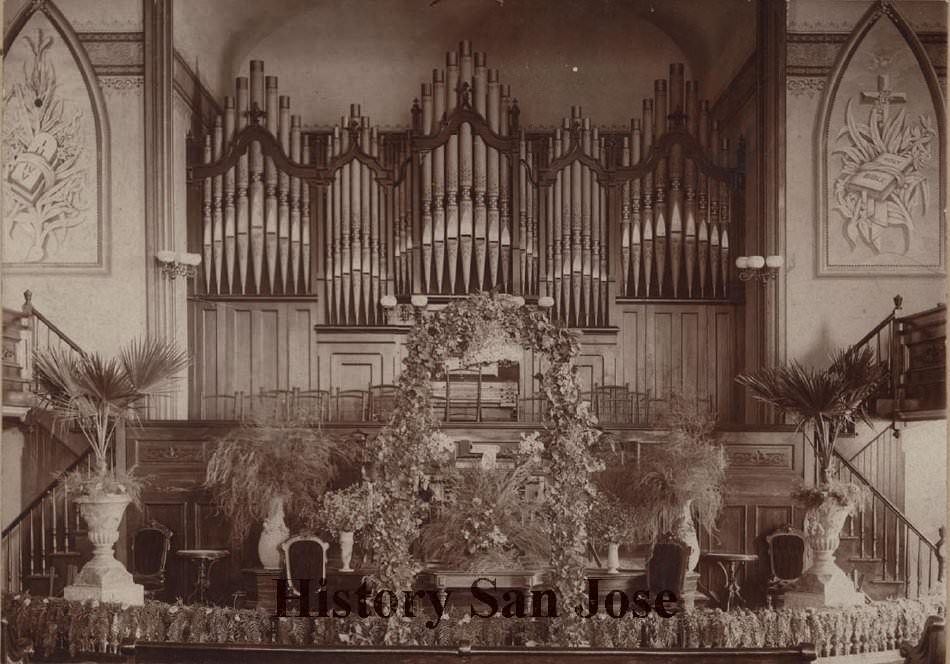
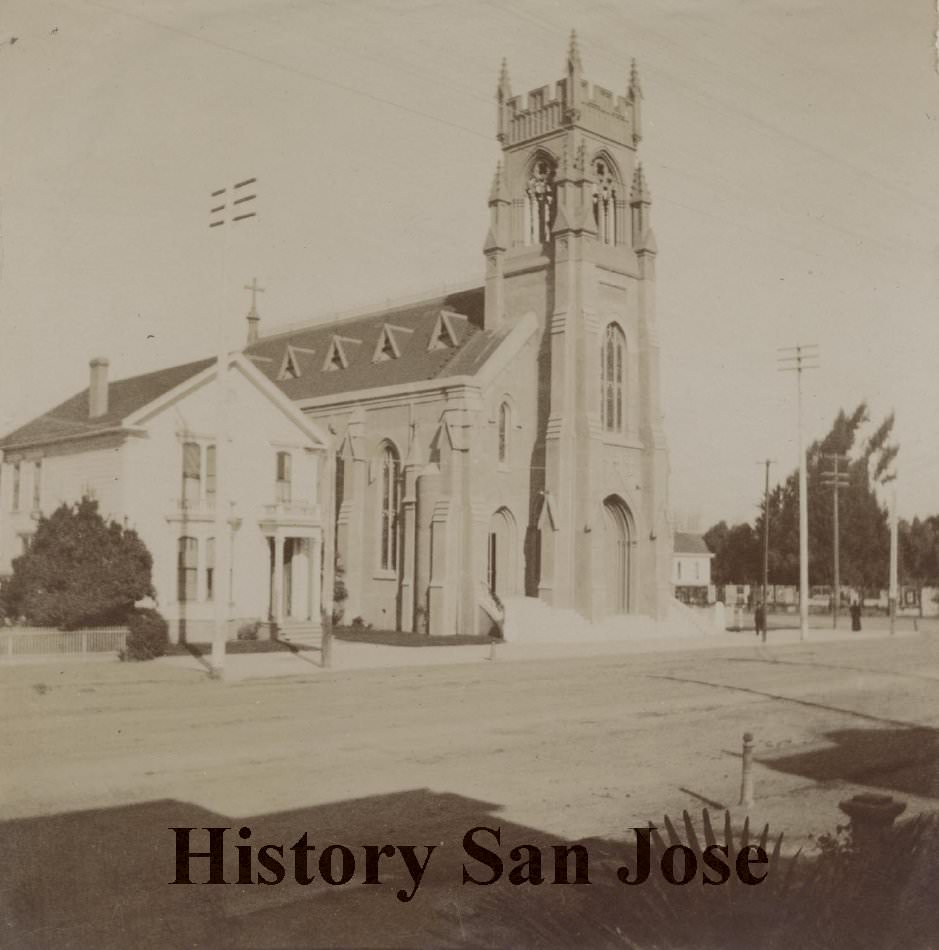
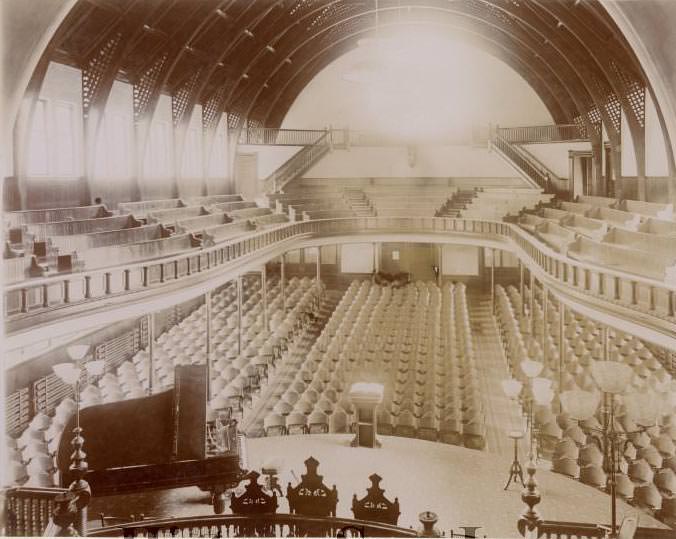
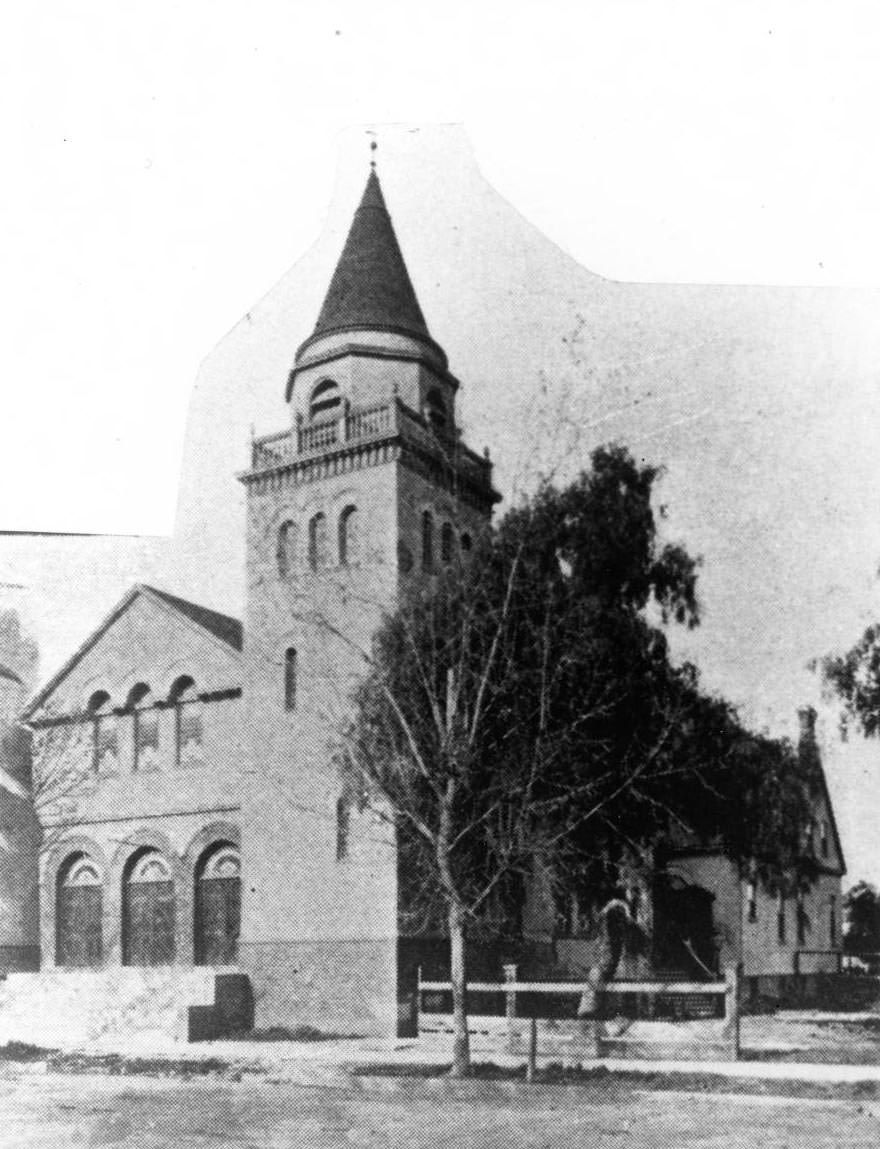
Religious life was deeply woven into San Jose’s public character. The First Unitarian Church, First Presbyterian Church, First Methodist-Episcopal Church, St. Patrick’s Church, and St. Joseph’s Cathedral all had visible presences in the city. Their interiors were photographed with care, and their spires and domes appeared in the background of street scenes throughout the decade. The city’s annual calendar revolved in part around religious observances and the parades that accompanied them.
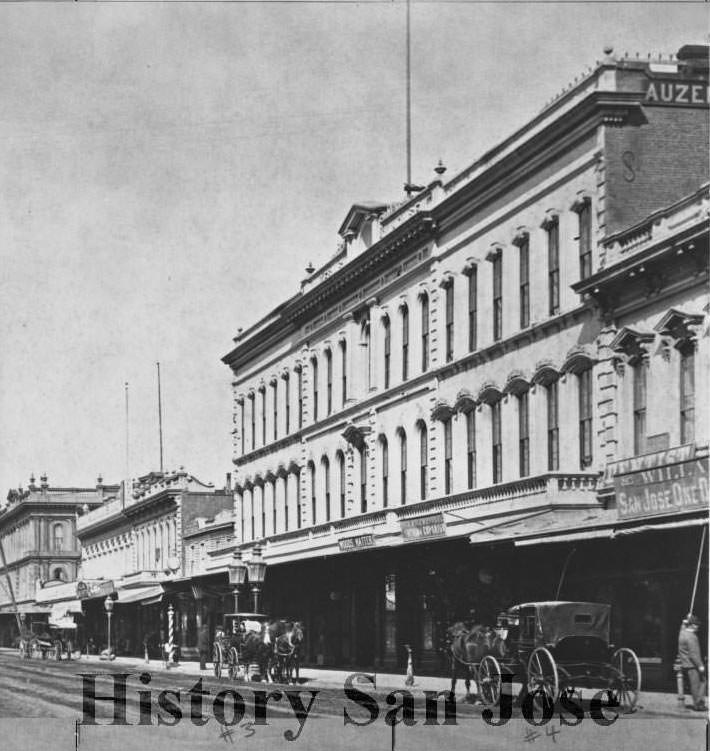
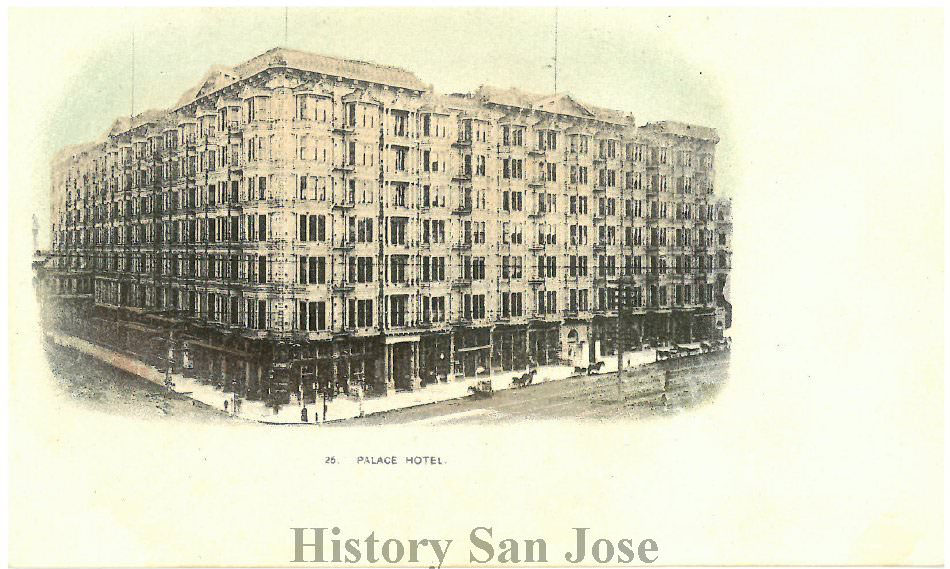
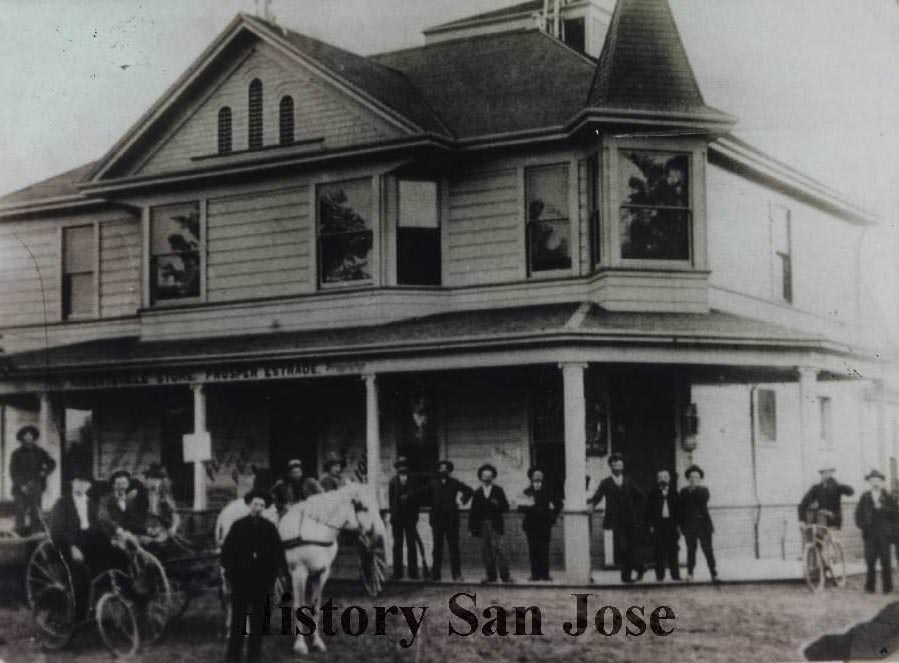
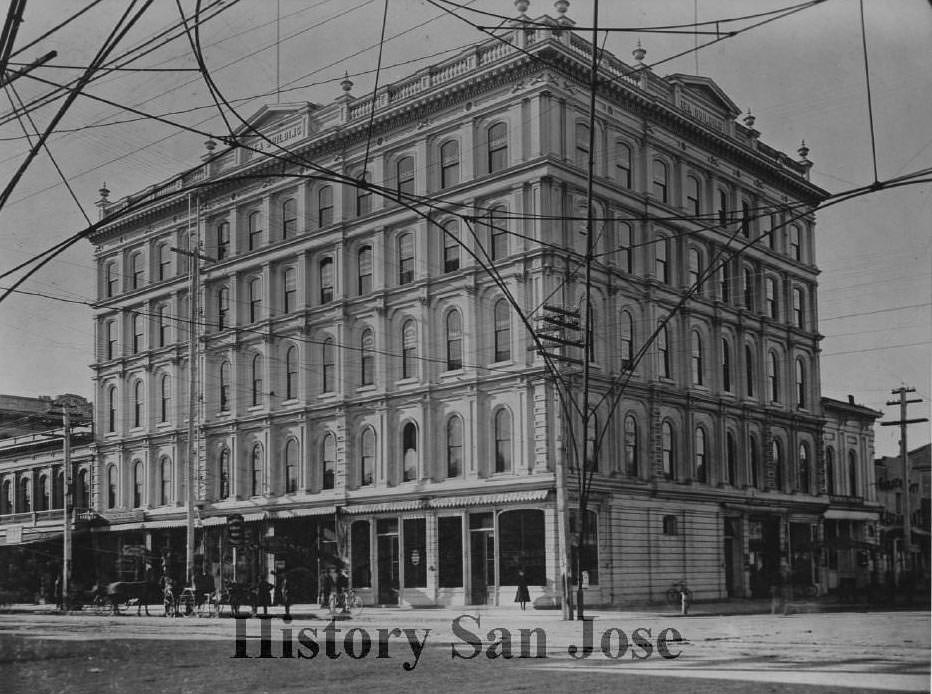
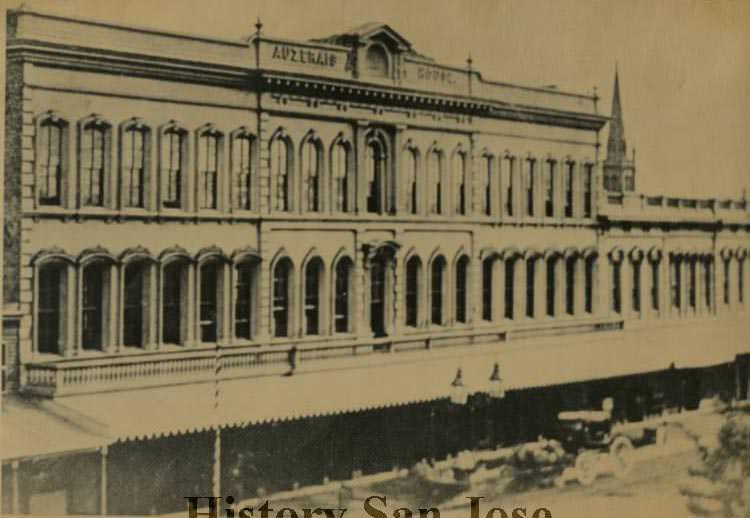
Downtown San Jose had several prominent hotel buildings catering to travelers and businesspeople. The Hotel Vendome was one of the city’s best-known establishments, and the Palace Hotel and Hotel Metropole also served guests throughout the decade. The Auzerais House was another landmark property that reflected the wealth and ambition of San Jose’s commercial class. These buildings were constructed with detail and permanence in mind, and they defined the visual character of the central city.
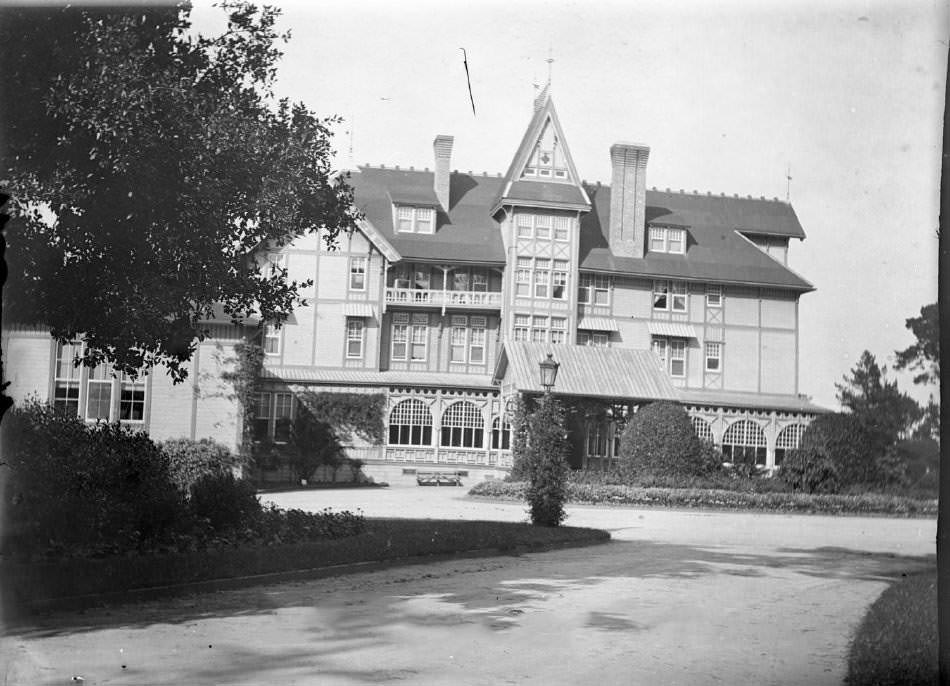
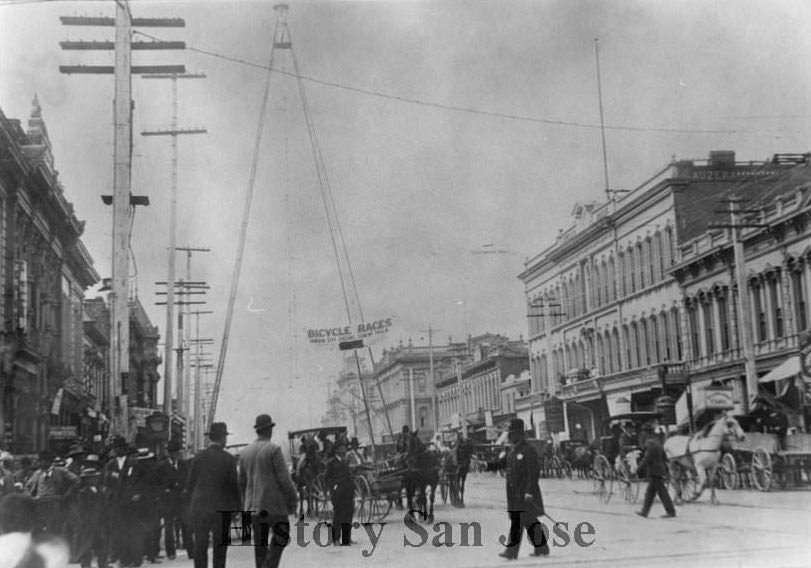
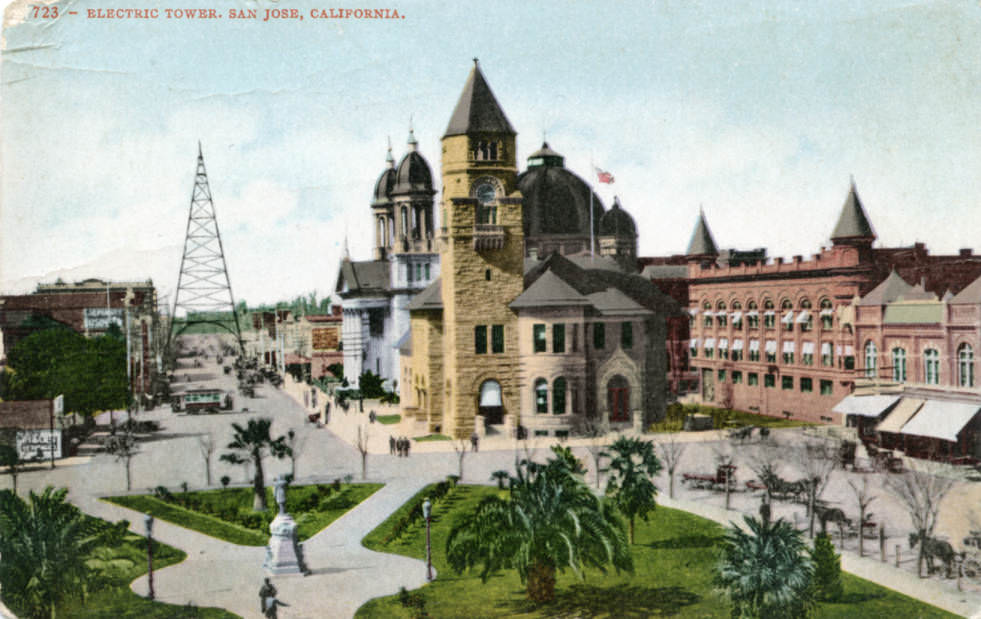
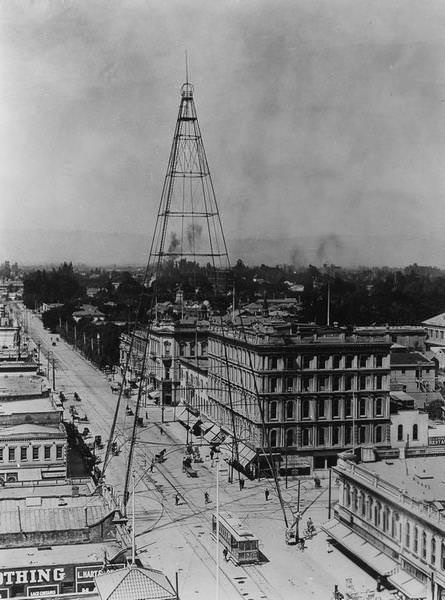
One of the most striking features of 1890s San Jose was its Electric Light Tower, which spanned the intersection of Market and Santa Clara Streets. Erected in 1881, it remained a defining symbol of the city’s embrace of technology through the entire decade. Looking up at it from street level, with the Rea Building visible nearby, gave residents a visual reminder that San Jose was a modern city — one willing to invest in infrastructure that announced its ambitions.
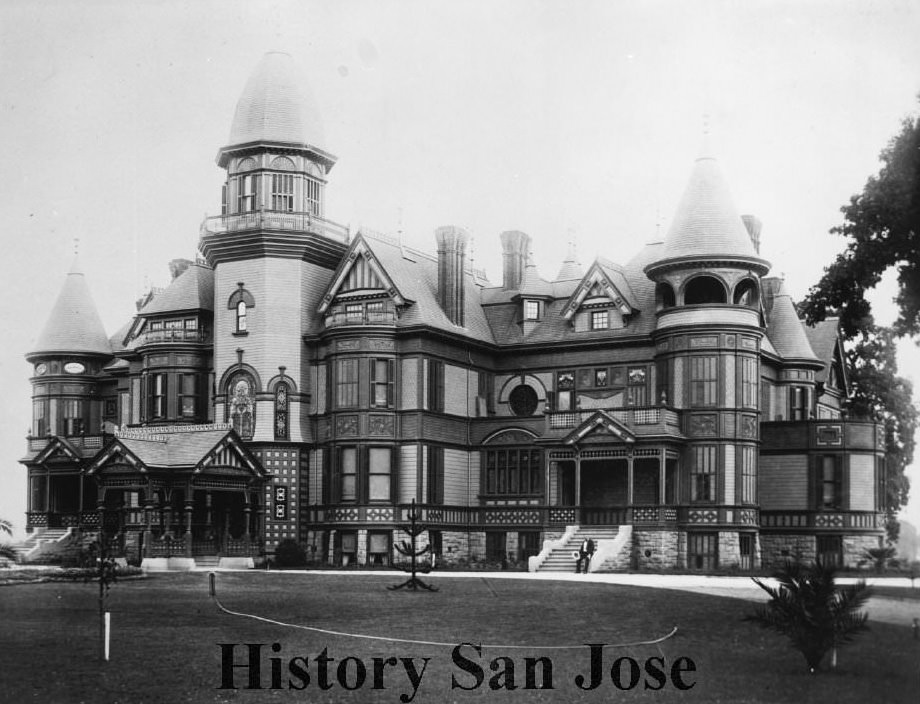
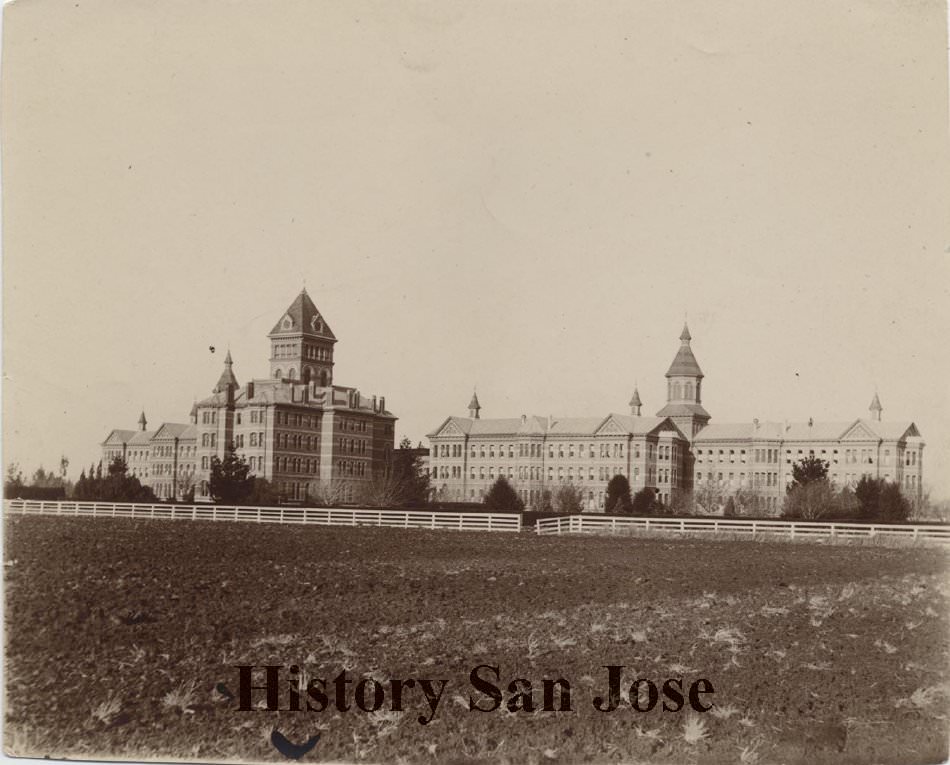
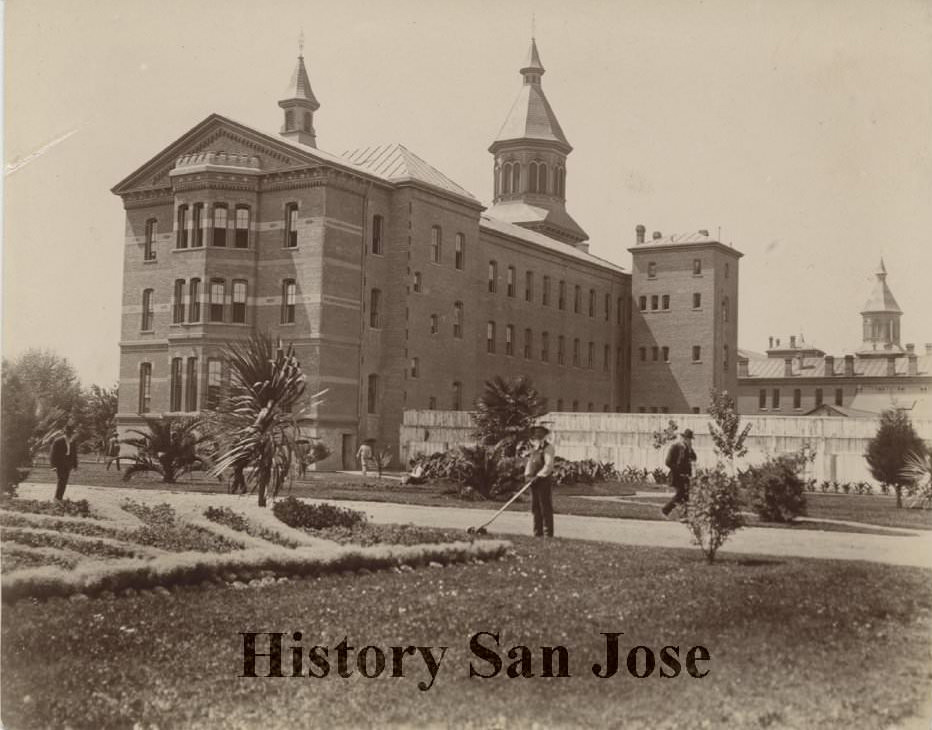
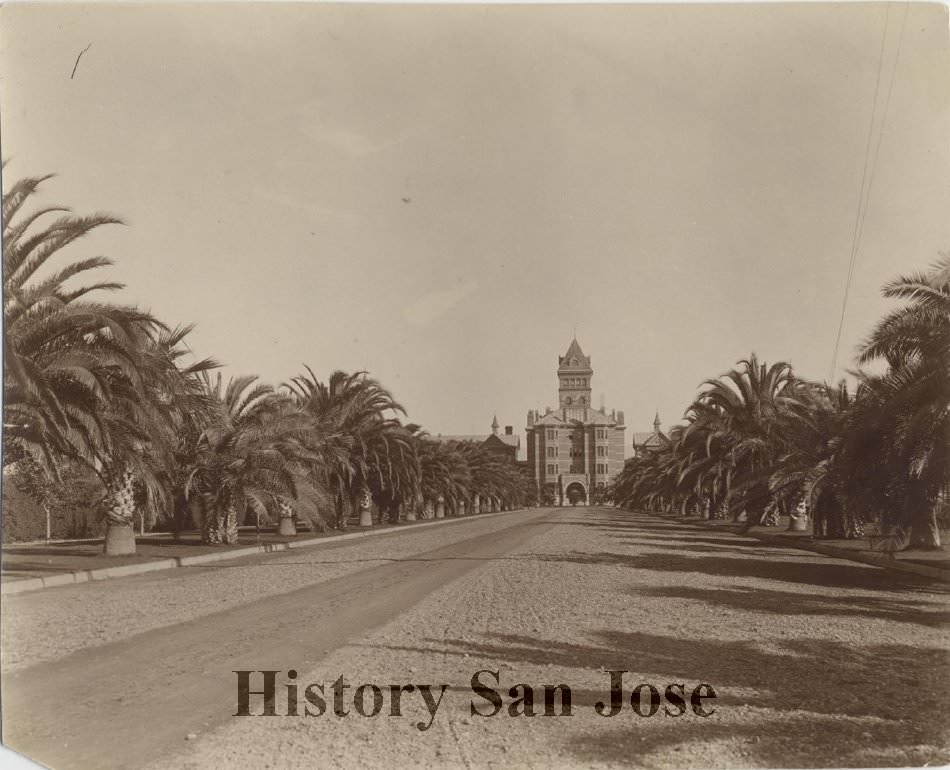
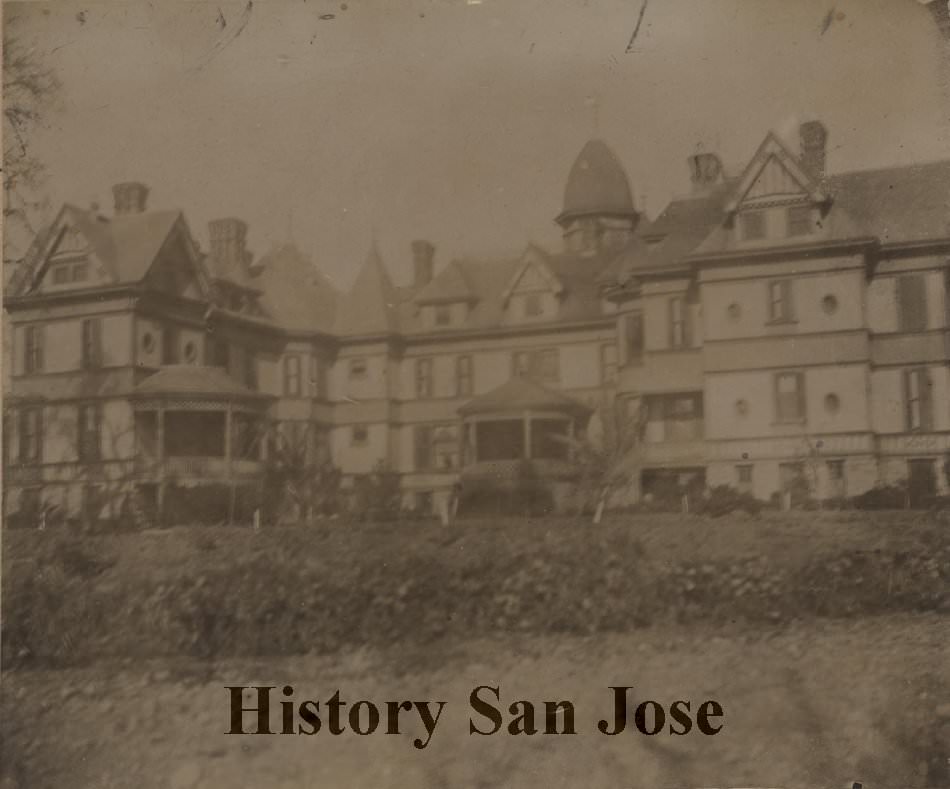
Agnews State Hospital, located on the edge of the city, was photographed from multiple angles in 1890. A palm tree-lined drive led to its front entrance. From the rear, gardeners and pedestrians moved across the grounds. The hospital served patients with mental illness and was one of the largest institutional buildings in the region. Its scale and formal landscaping set it apart from every other structure in the surrounding fields.
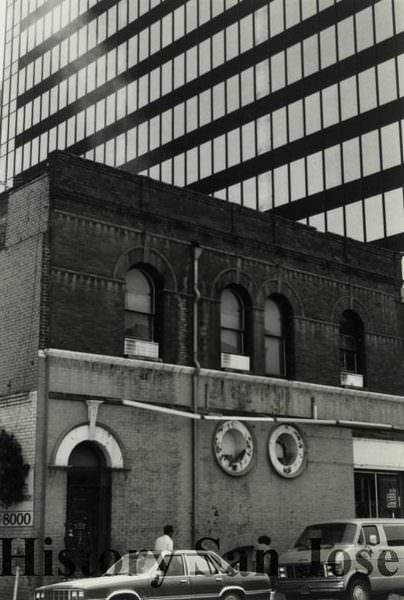
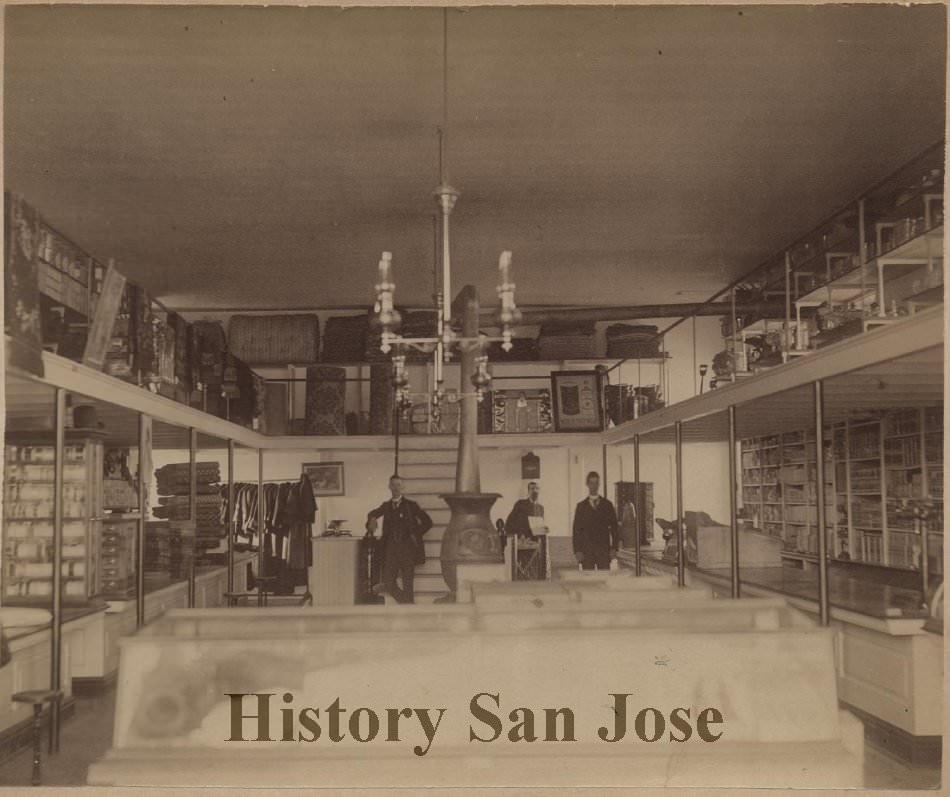
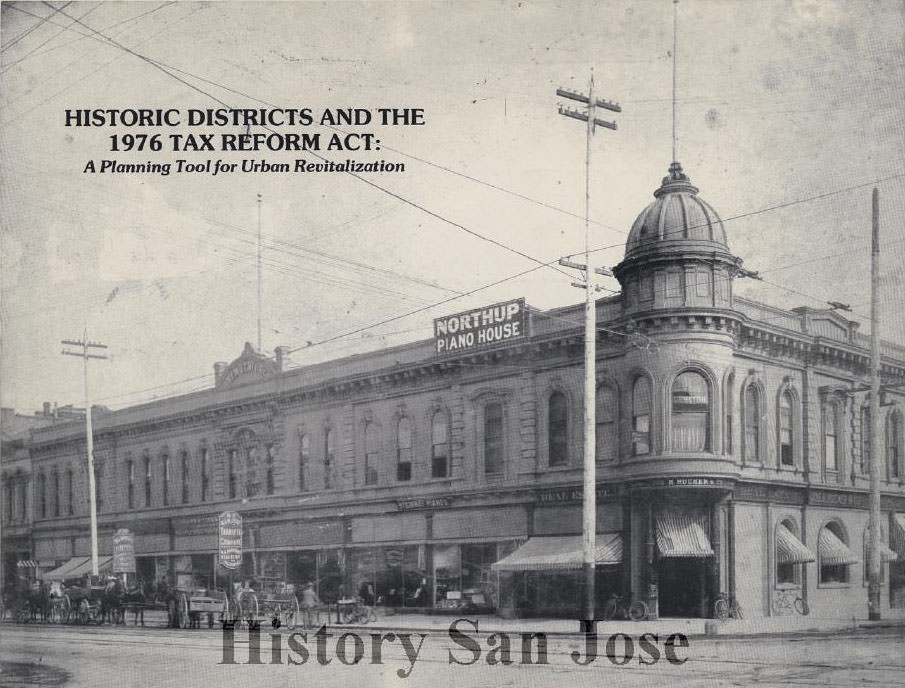
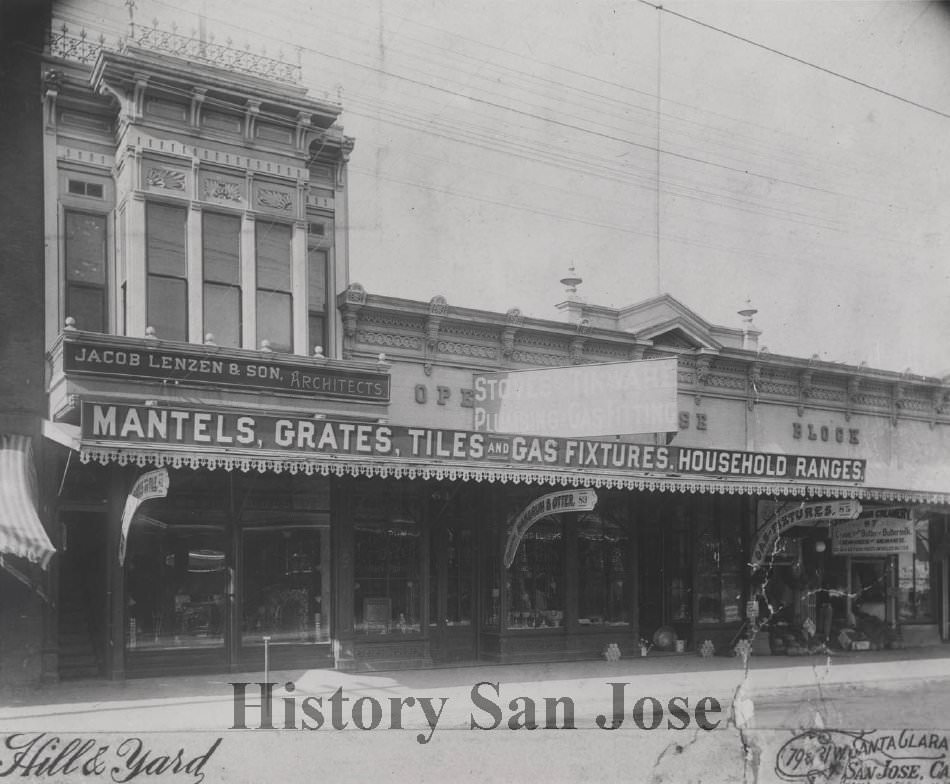
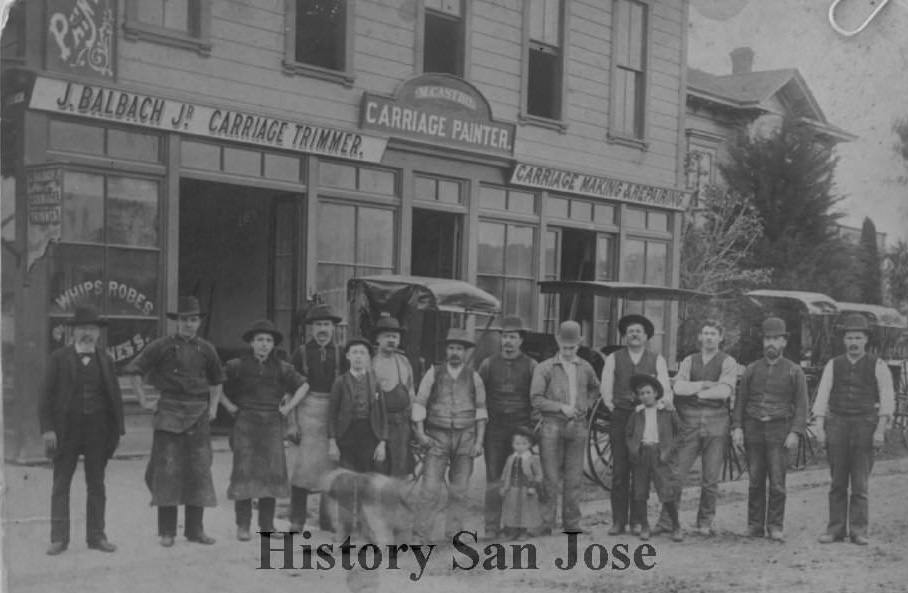
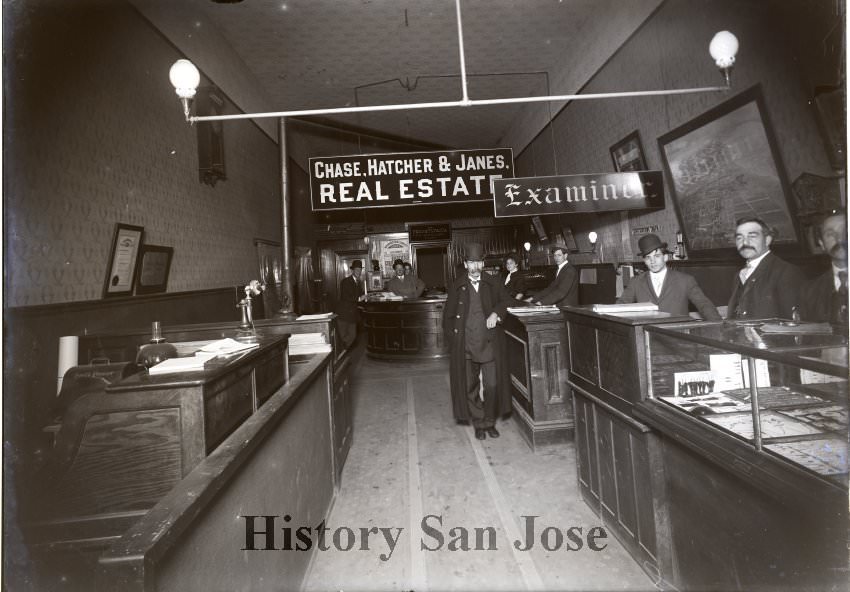
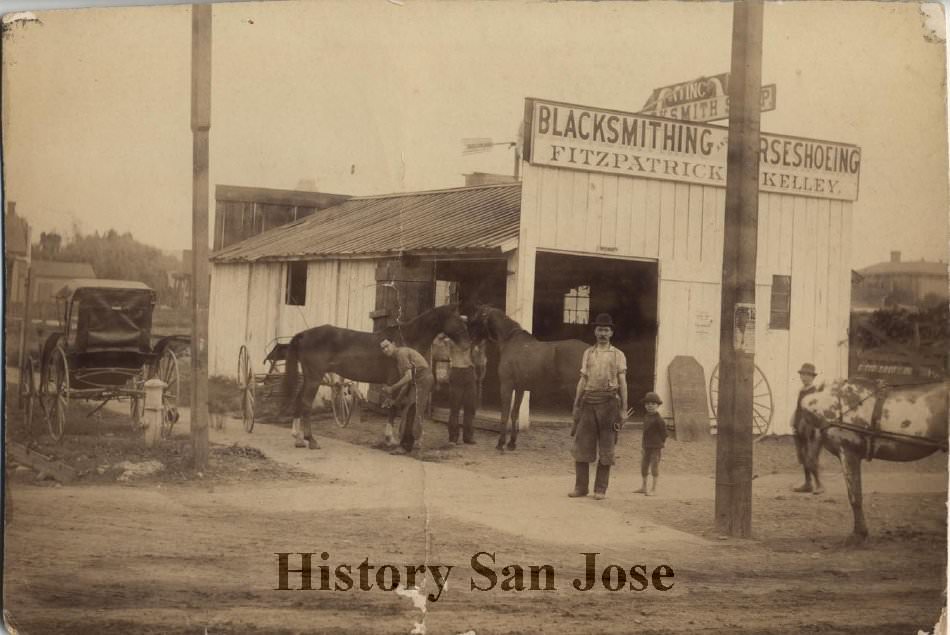
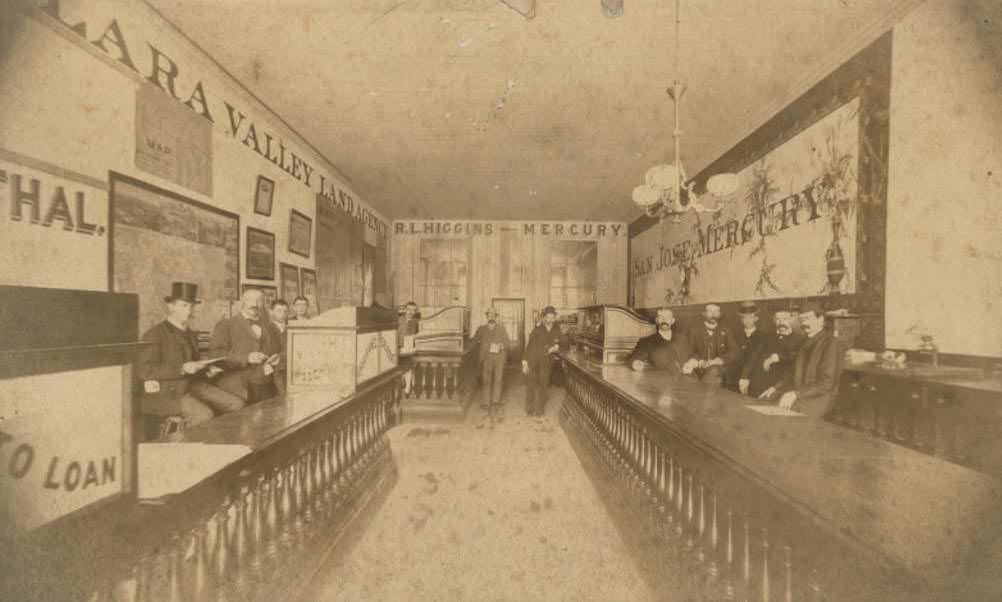
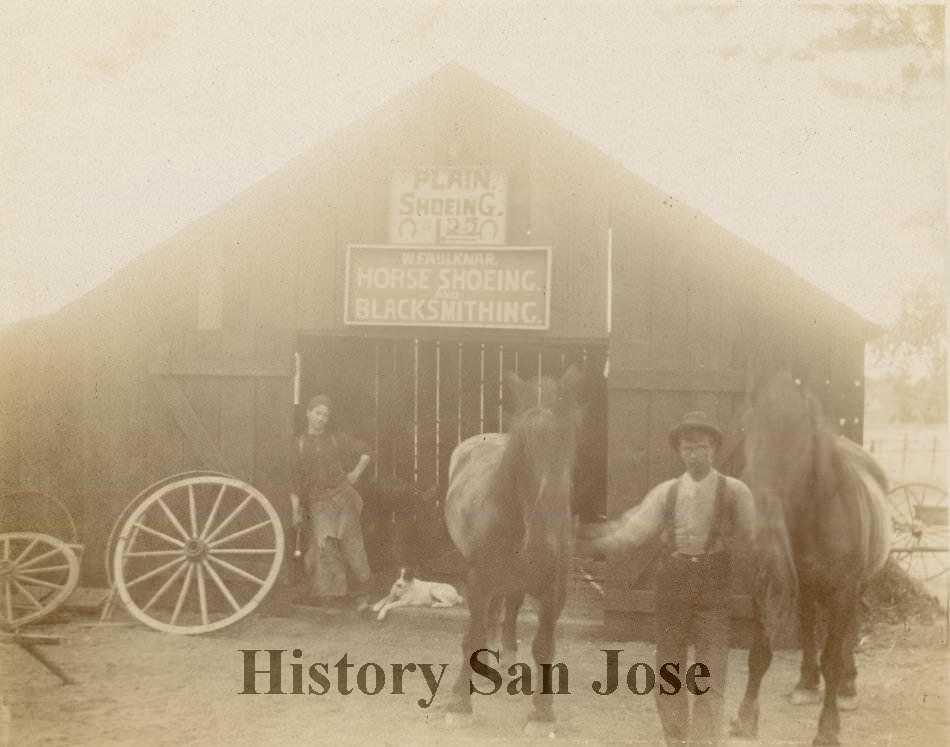
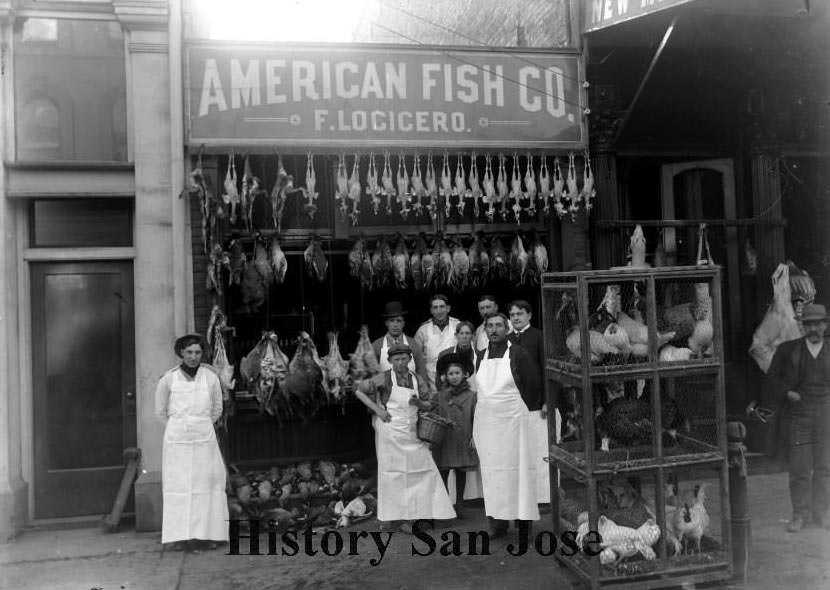
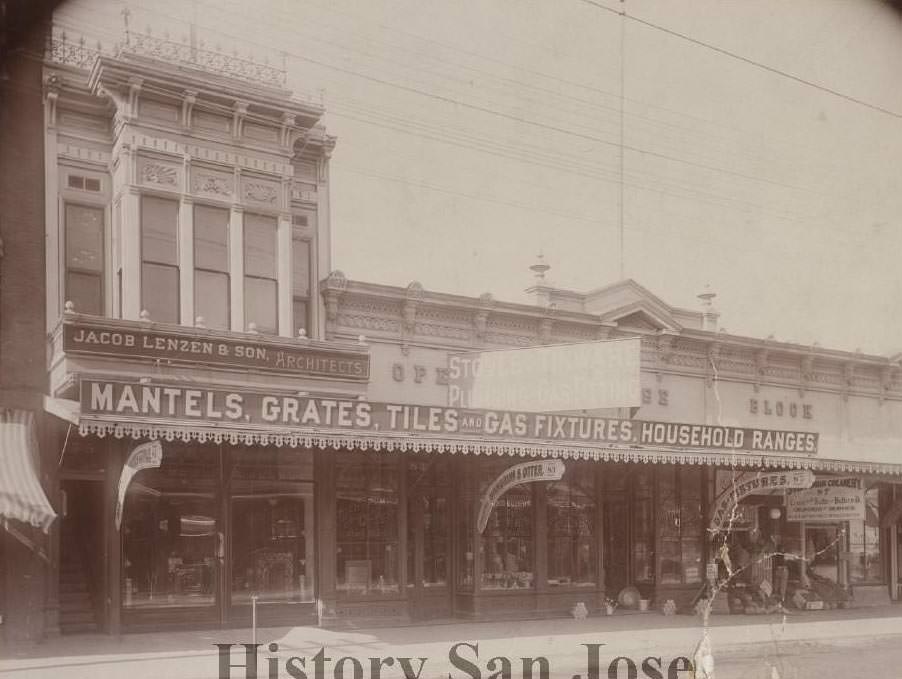
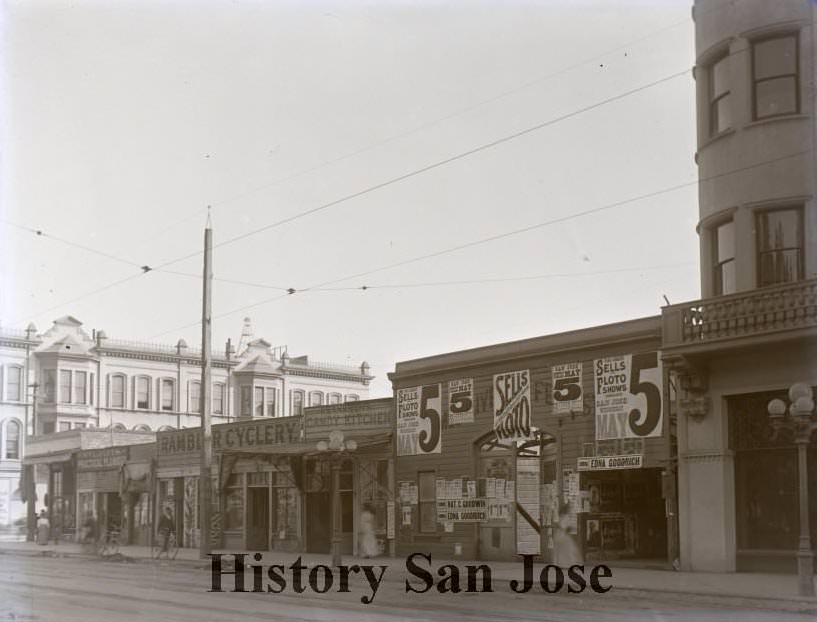
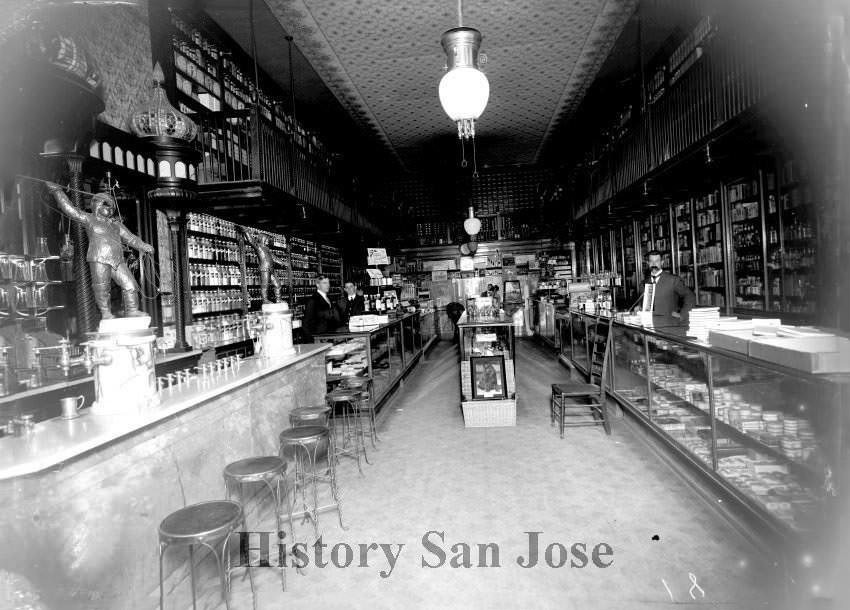
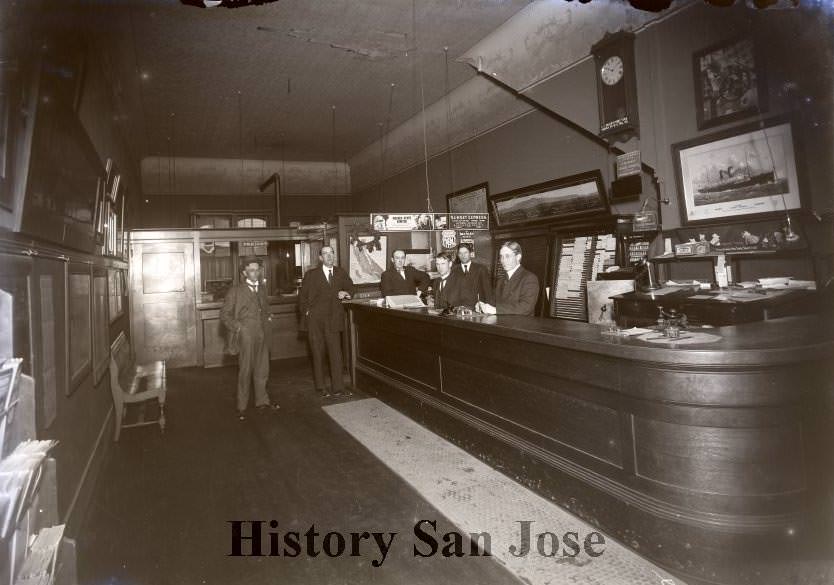
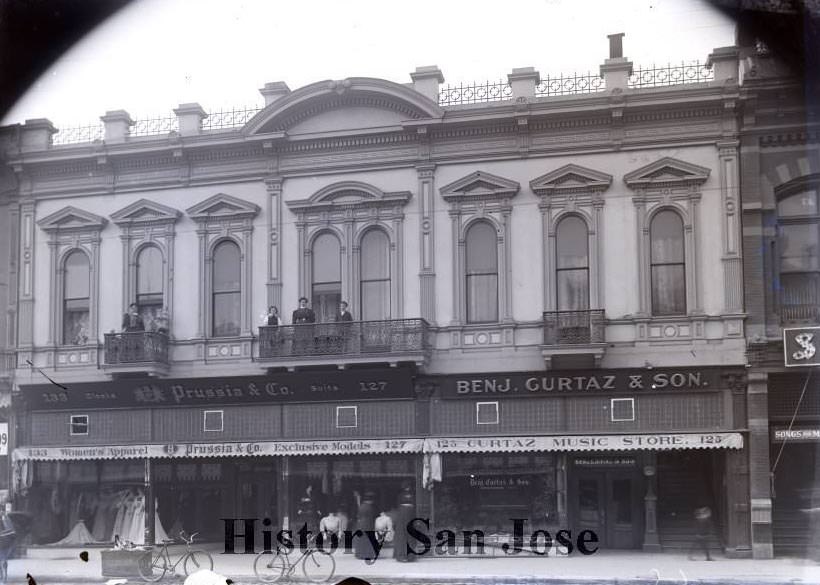
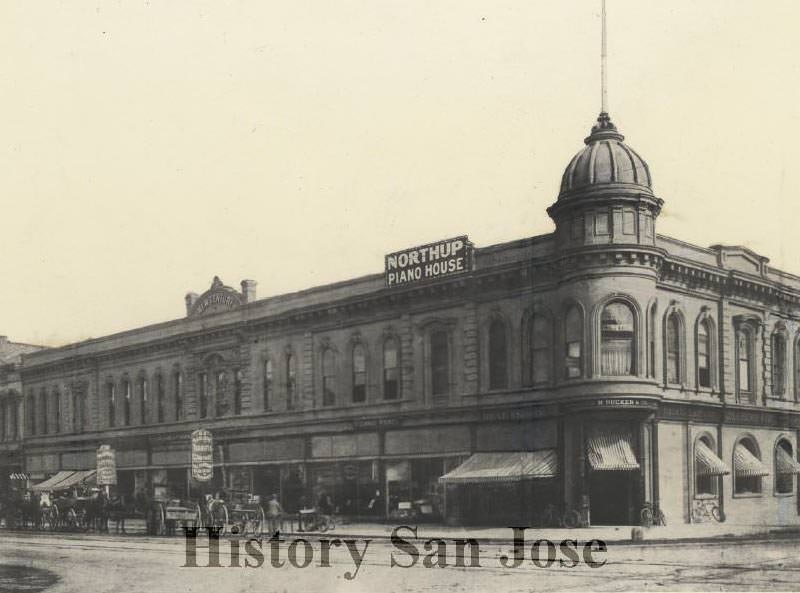
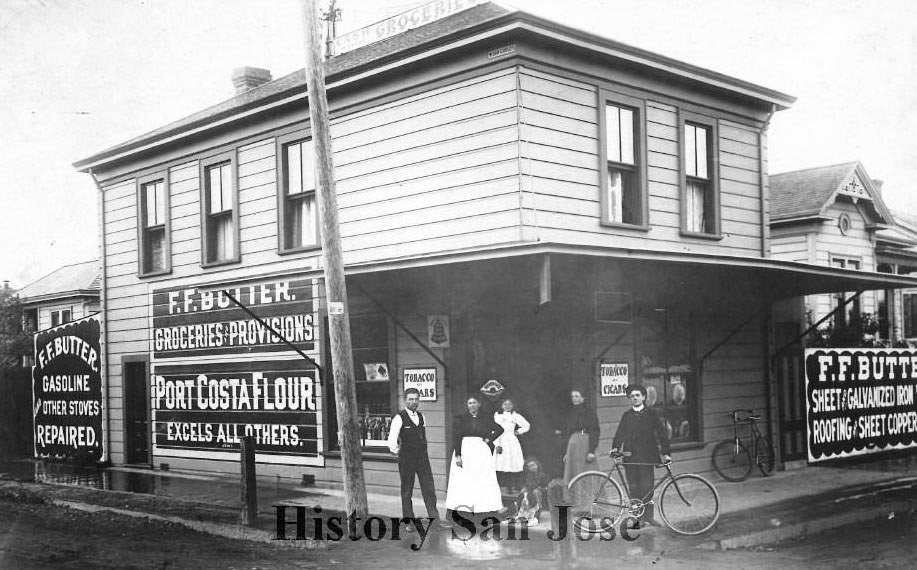
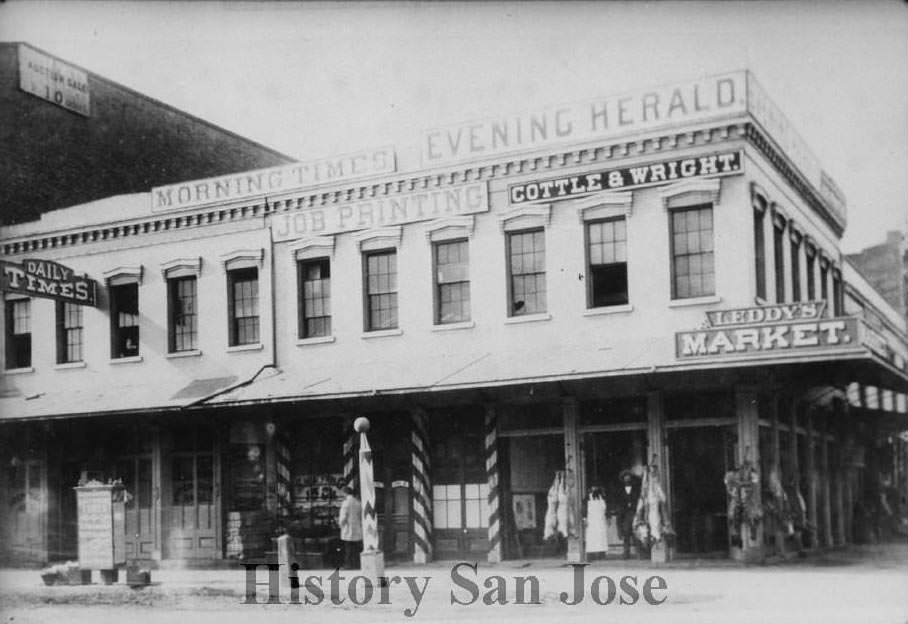
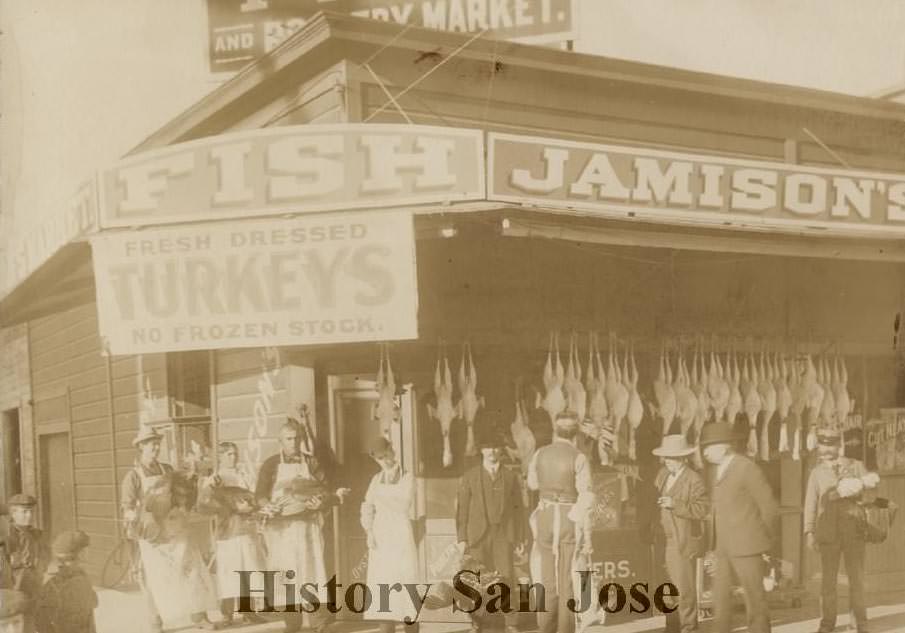
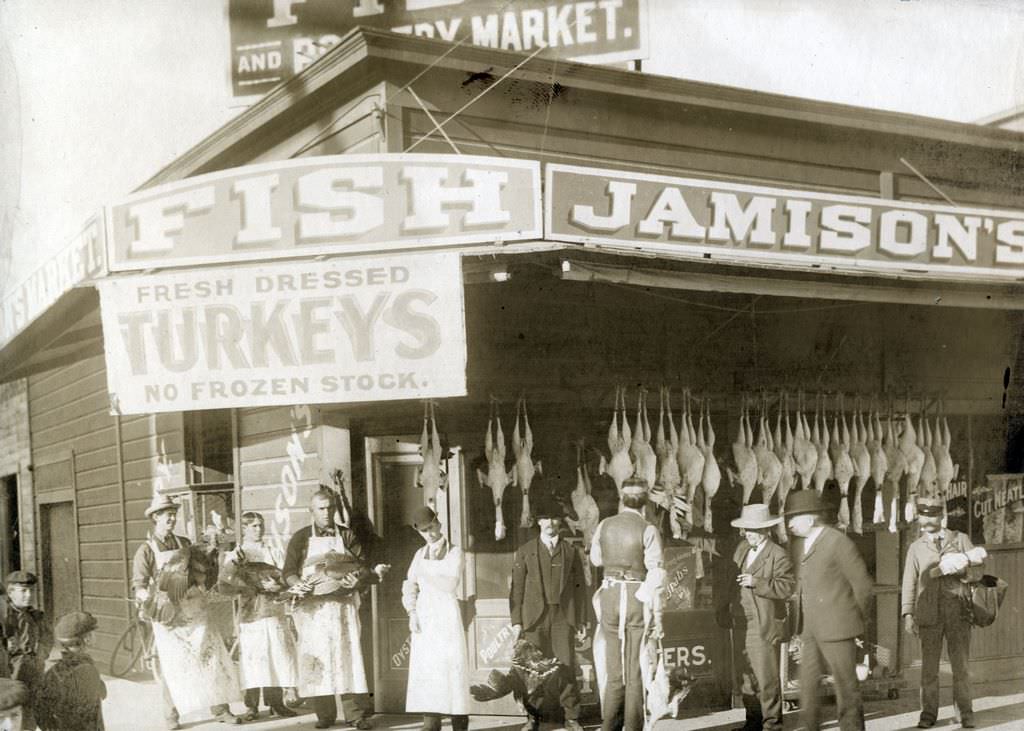
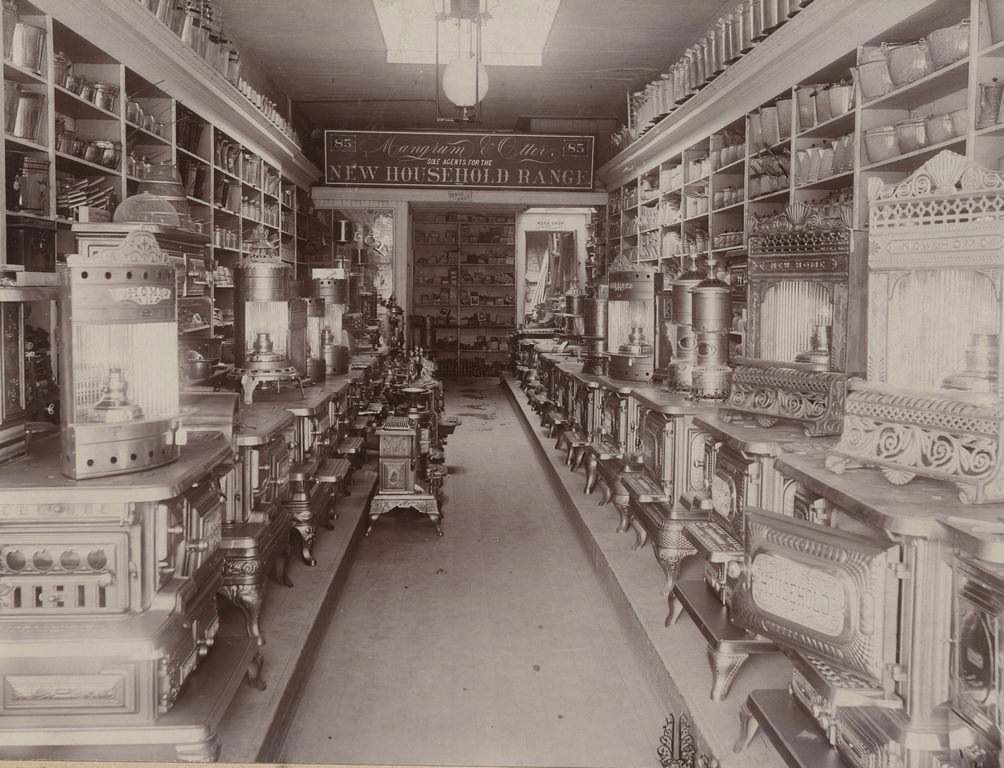
San Jose’s business district offered a wide range of goods and services. Real estate offices, blacksmithing shops, plumbing and hardware stores, fish markets, butcher shops, and women’s clothing stores all operated within walking distance of one another. Mangrum & Otter at 85 East Santa Clara Street sold plumbing and hardware. Fitzpatrick & Kelley handled blacksmithing and horseshoeing. The Mercury newspaper shared office space at 171 West Santa Clara Street with the Santa Clara Valley Land Agency, with long counters and staff visible from the entrance.
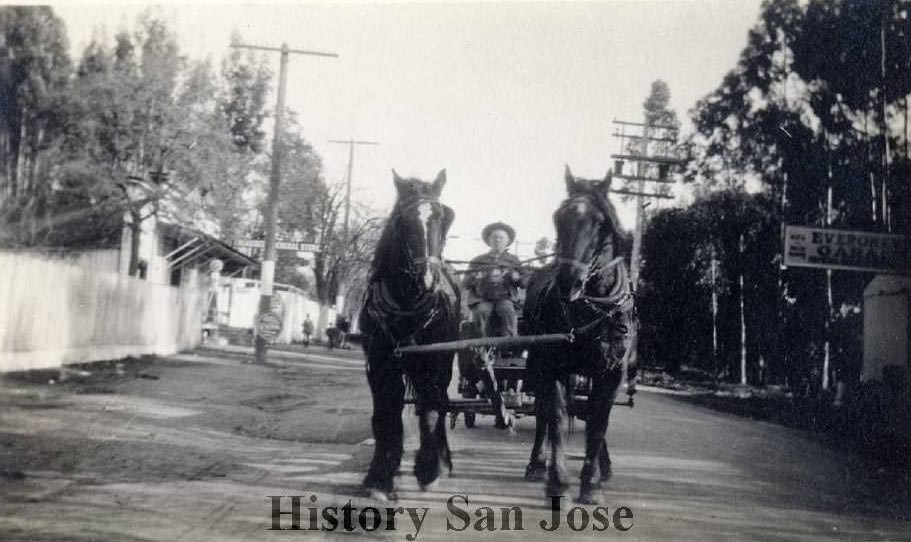
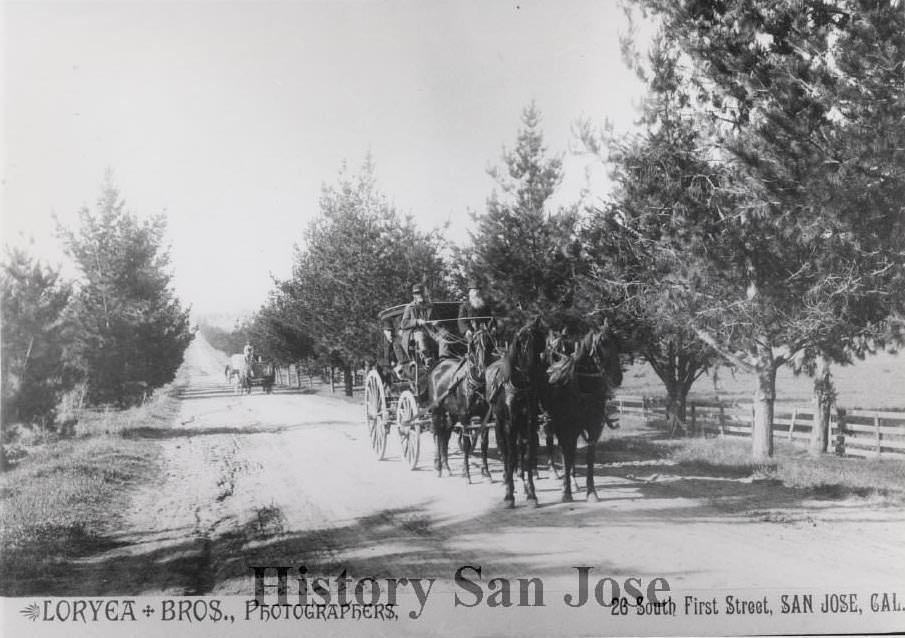
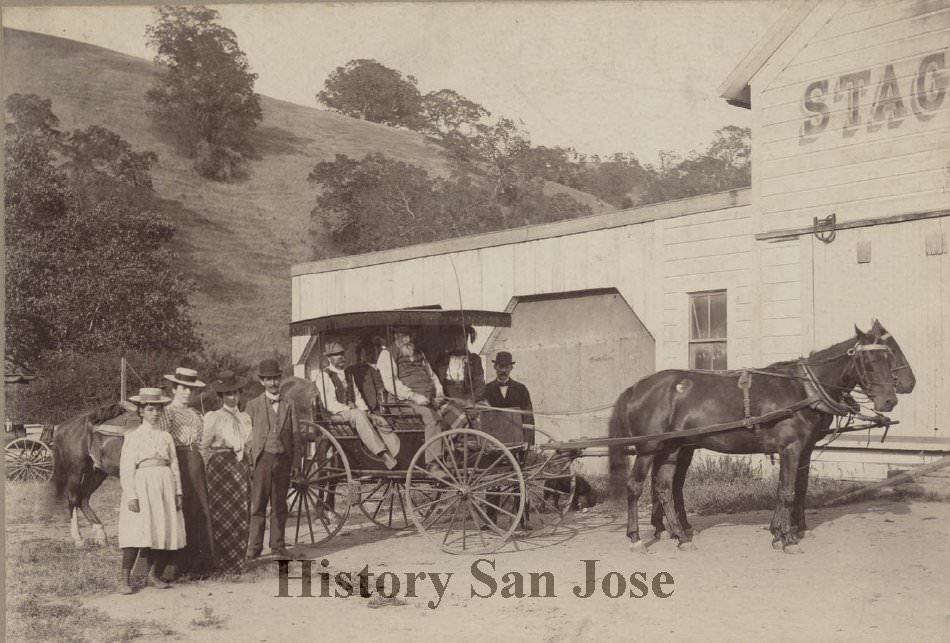
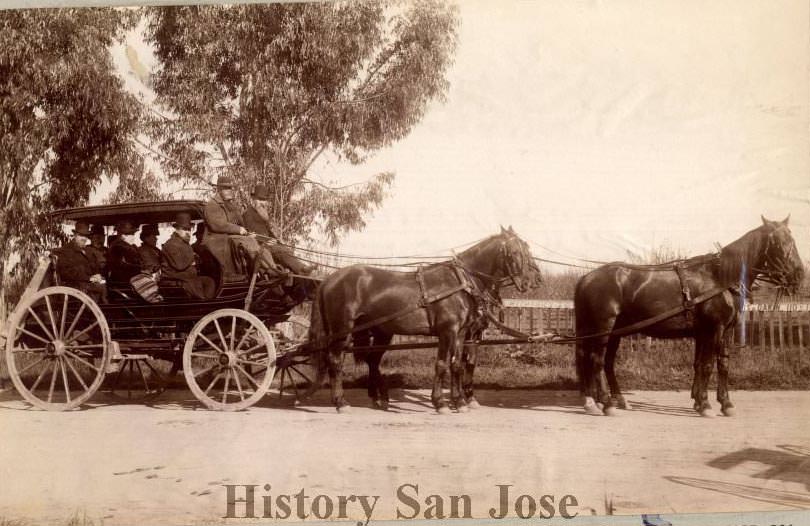
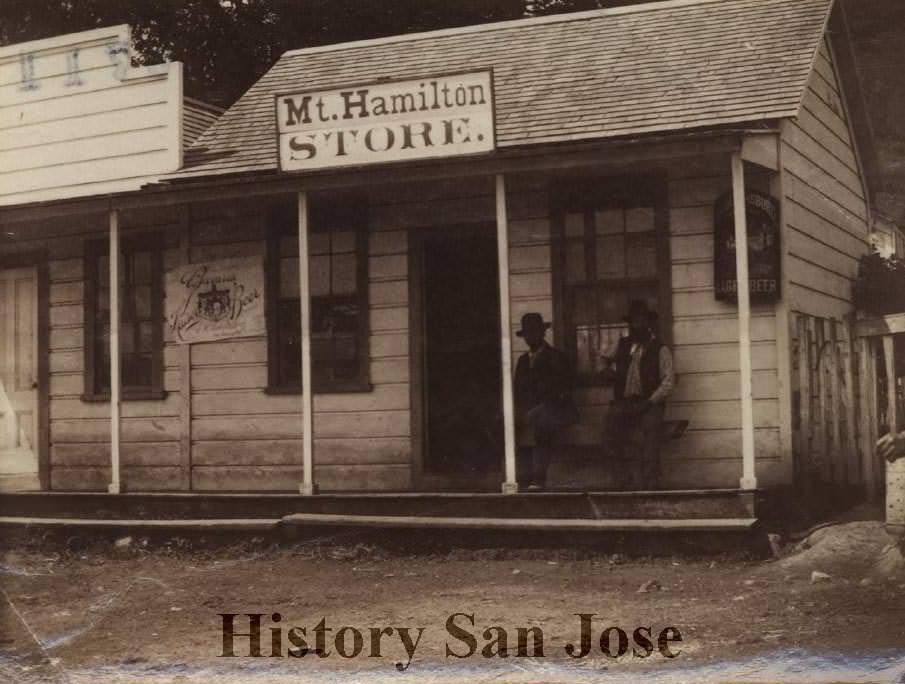
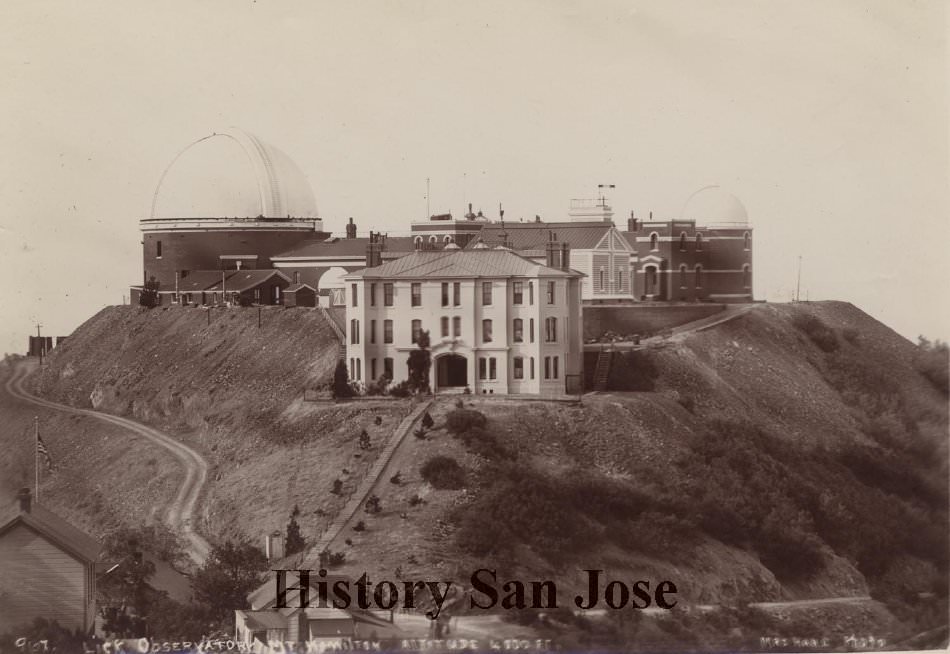
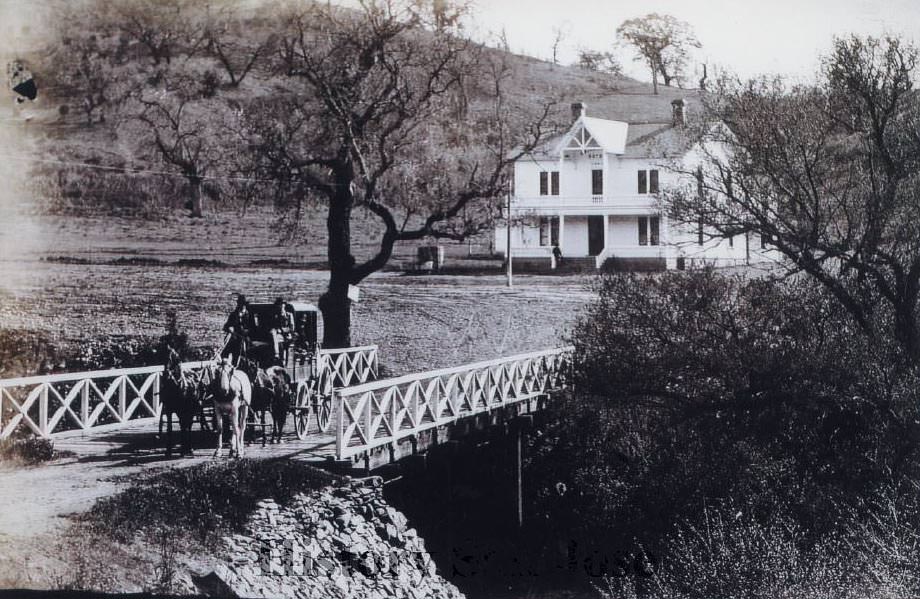
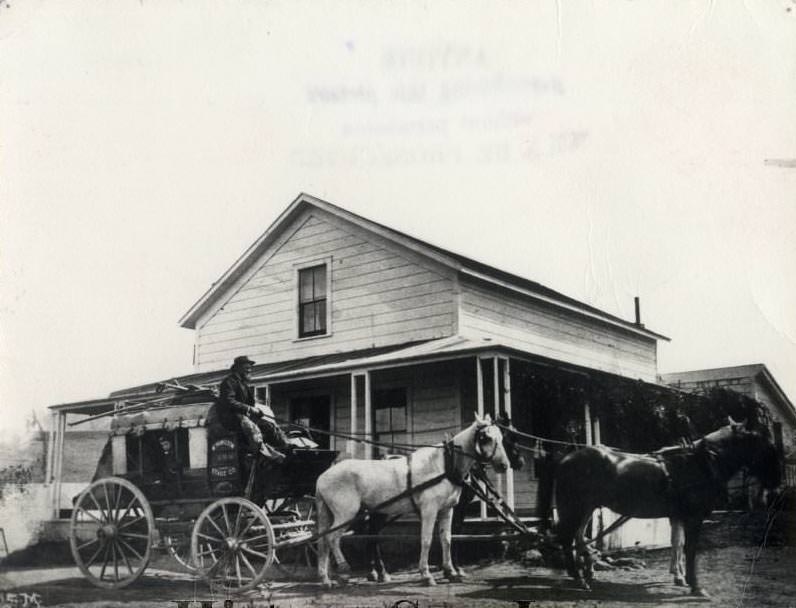
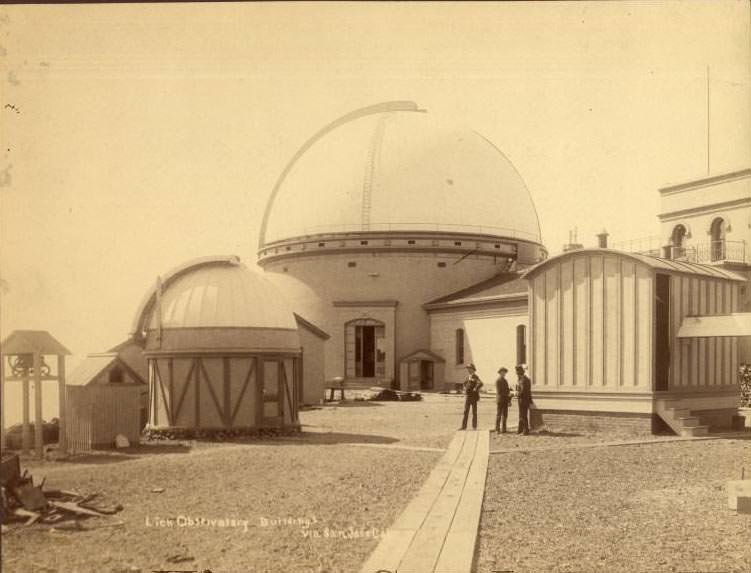
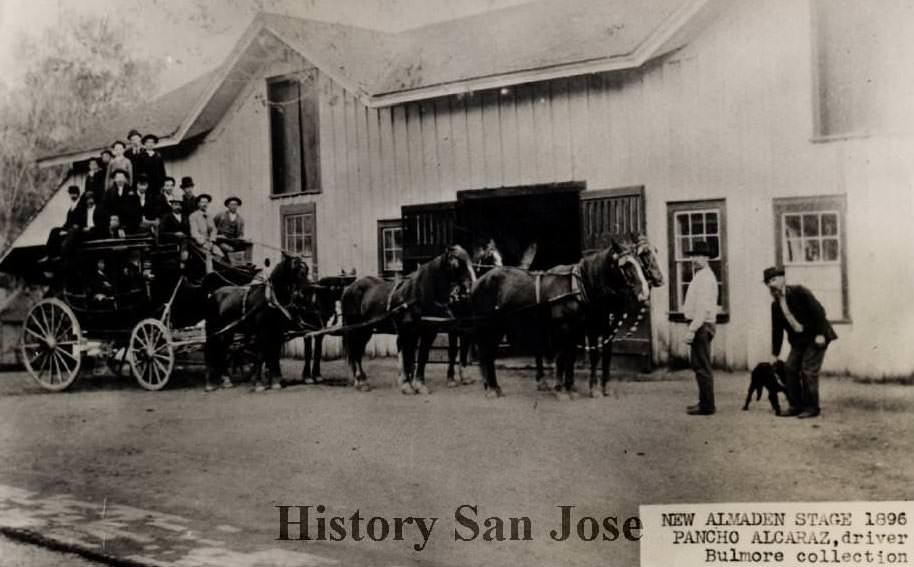
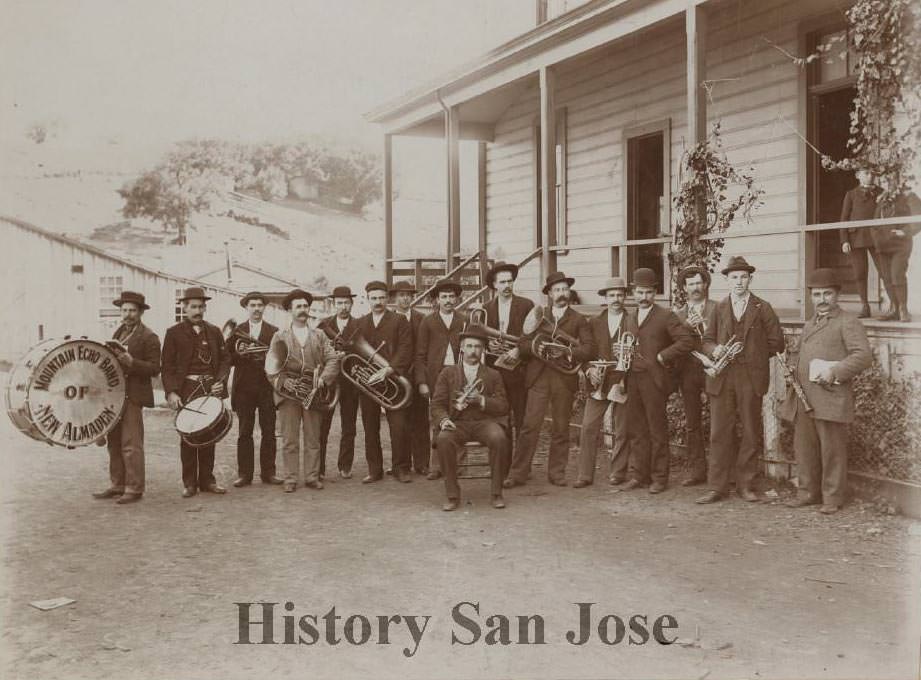
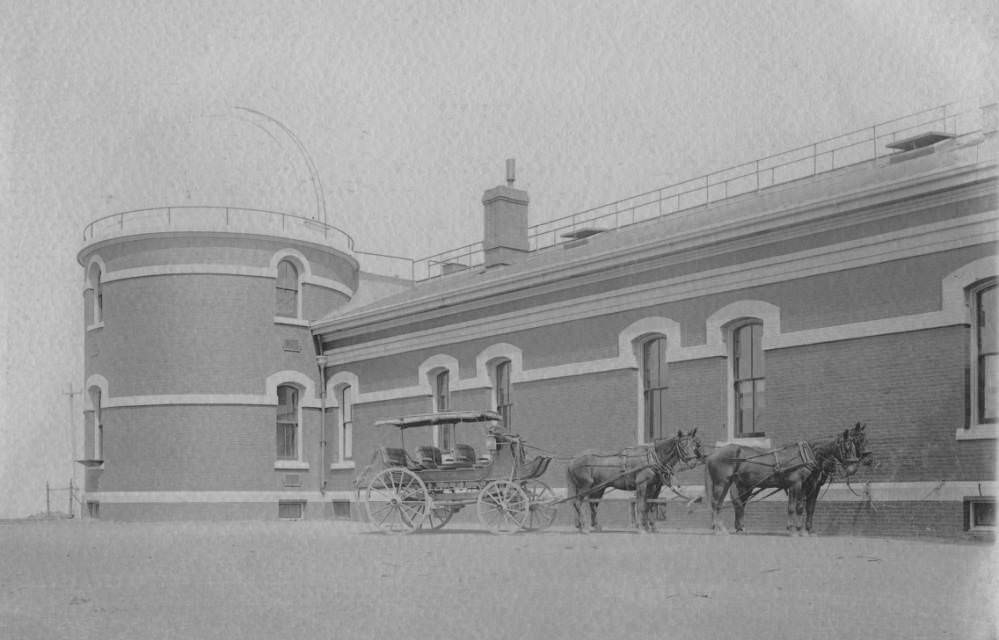
Stagecoach travel remained a vital part of life in the areas surrounding San Jose. The Mount Hamilton stage ran from the city up to Lick Observatory at 4,200 feet elevation, stopping at the Smith Creek Hotel along the way. The New Almaden stage, driven by Pancho Alcaraz, left New Almaden each morning and returned from San Jose in the late afternoon. The Concord Stagecoach used on that route could carry 18 passengers — nine inside and nine on top.
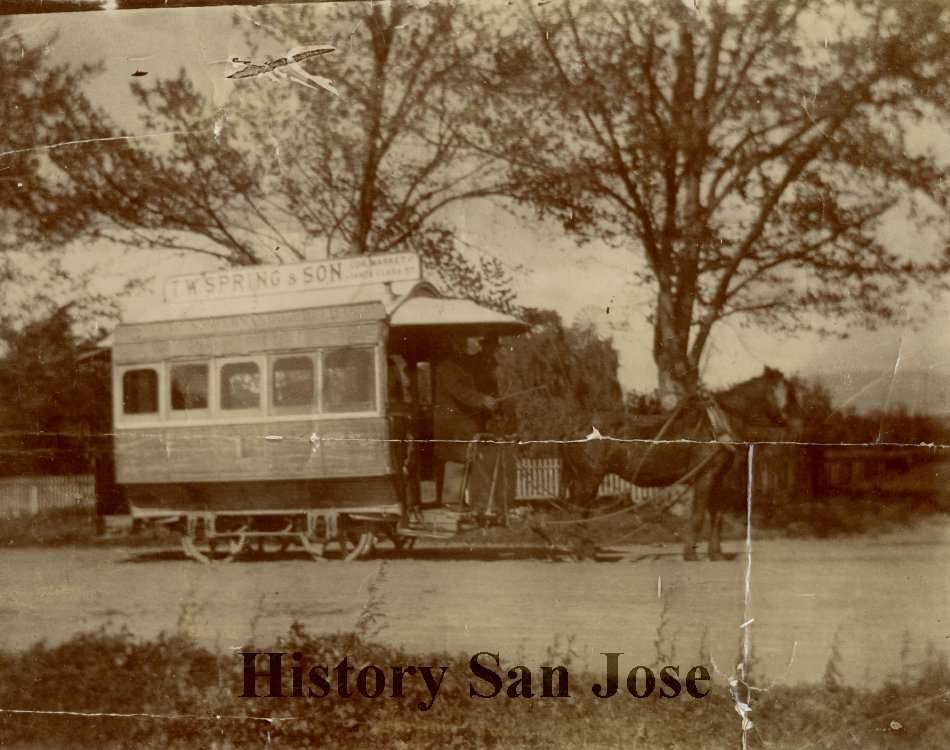
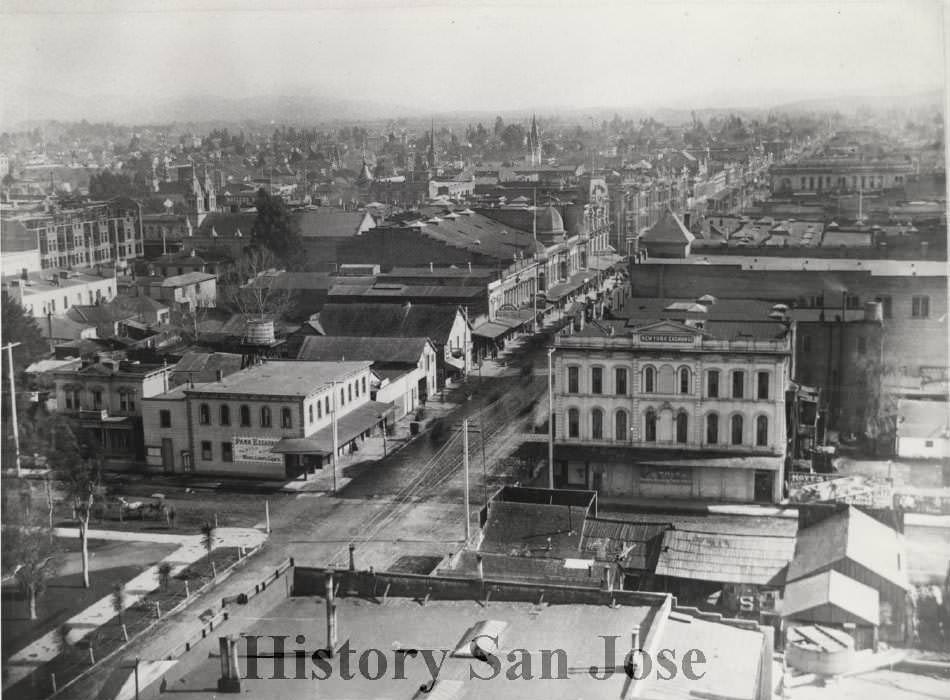
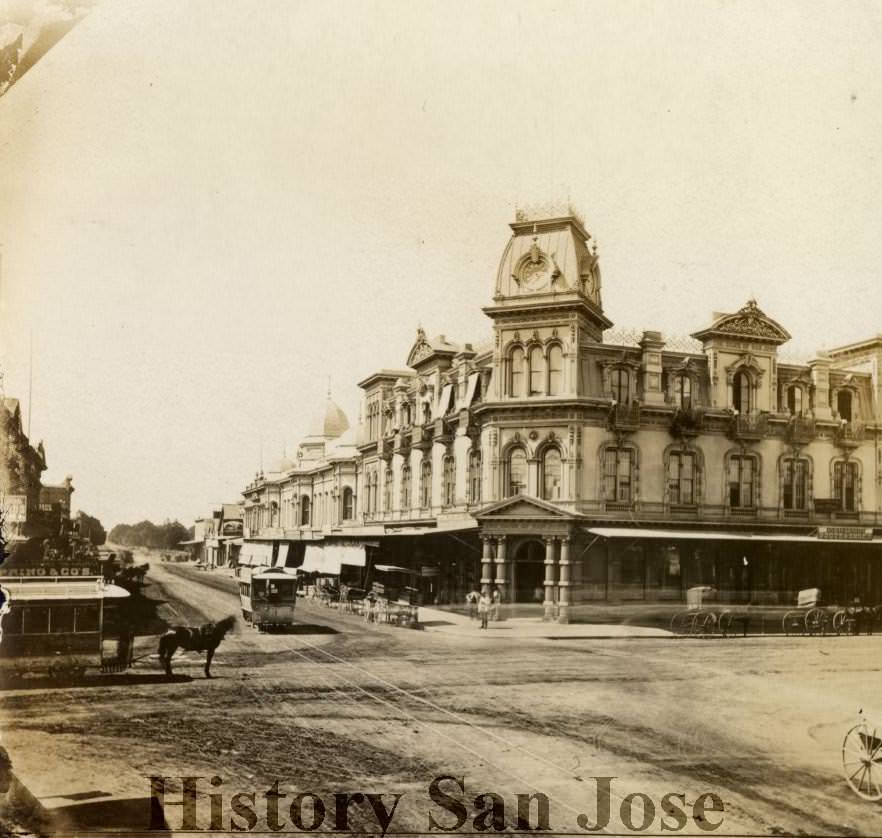
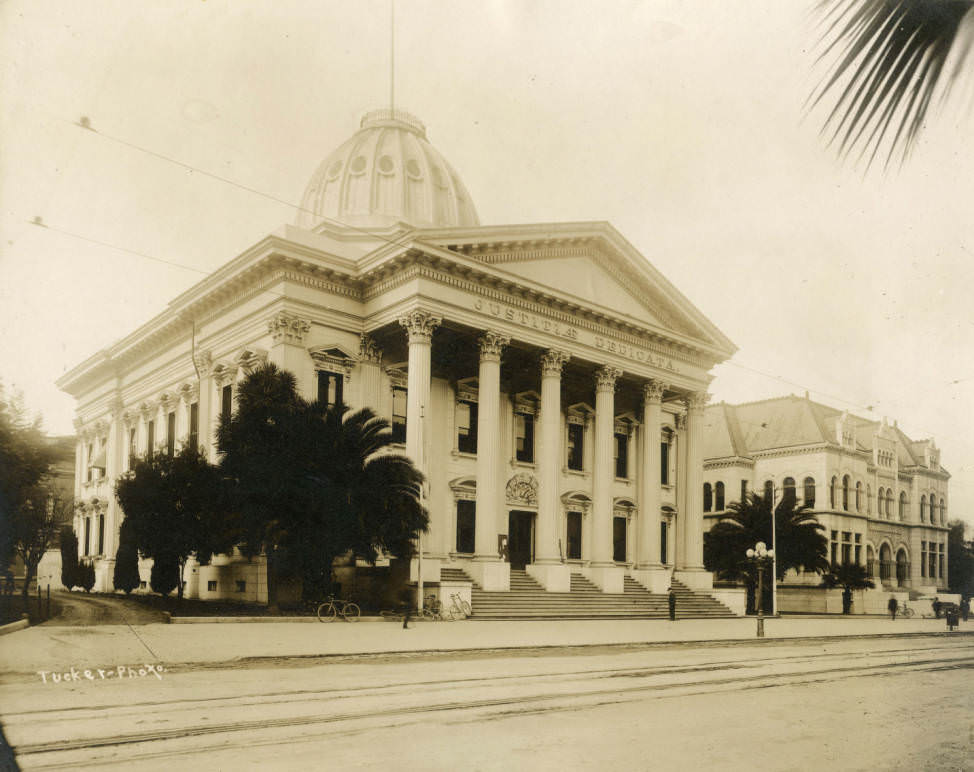
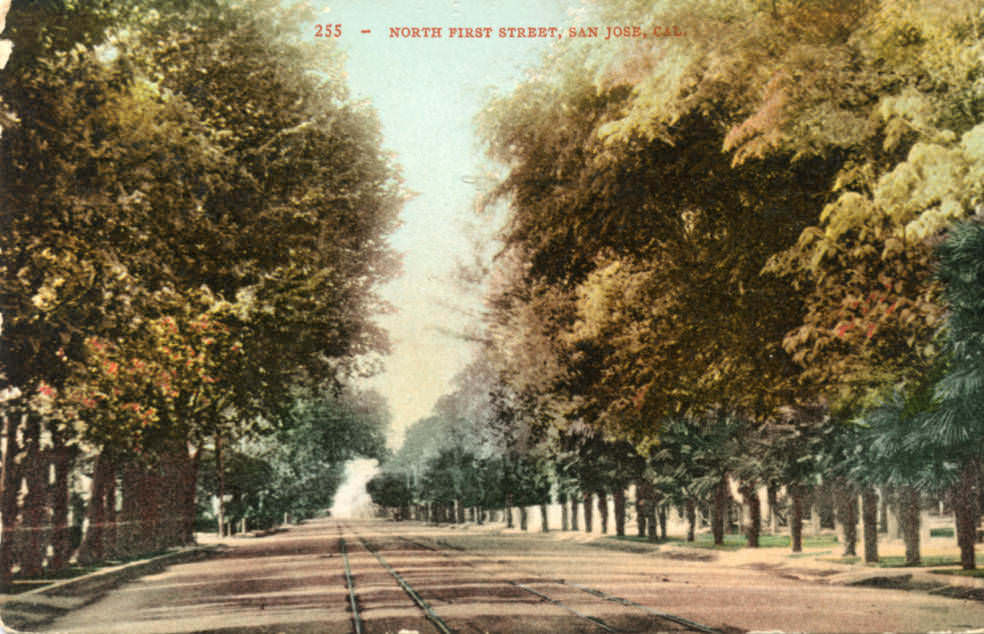
Looking down from the Santa Clara County Courthouse in 1890, the downtown core was already dense with two- and three-story commercial buildings. Streetcar tracks ran down the center of North First Street. Horse-drawn carriages and trolleys shared the roads. The Bank of San Jose sat at First and Santa Clara Streets, with Spring & Co.’s horse-drawn trolley visible on the left and St. Joseph’s domes rising in the background.
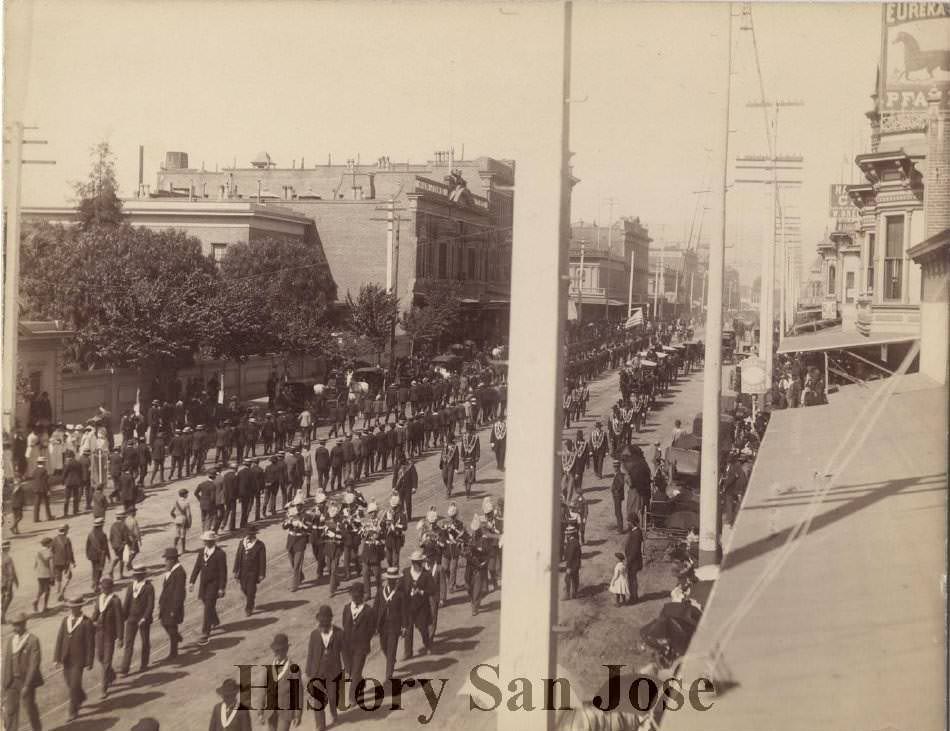
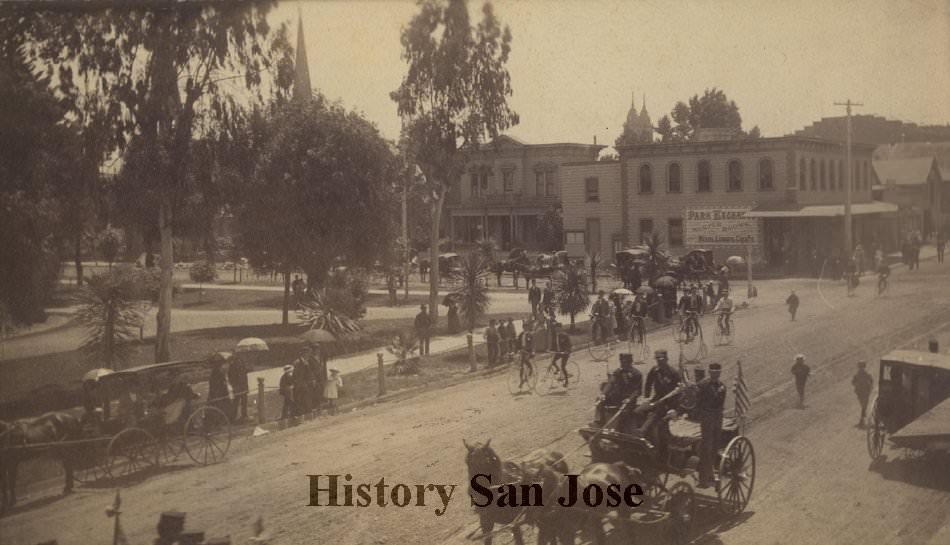
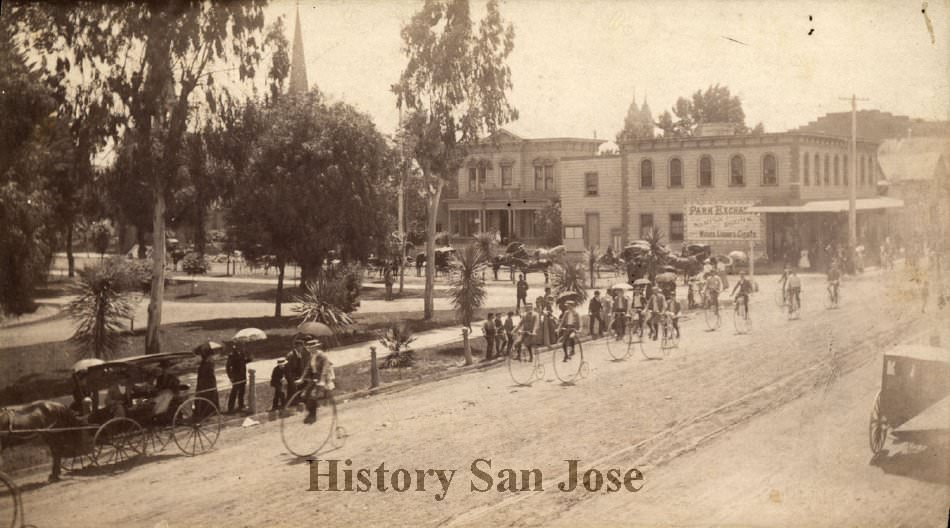
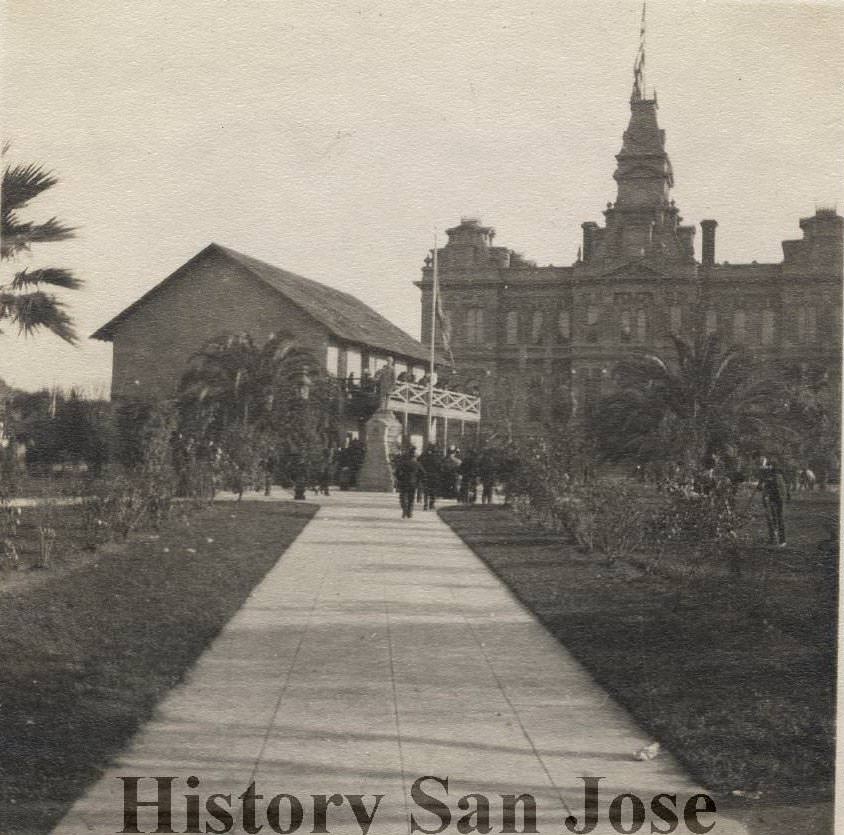
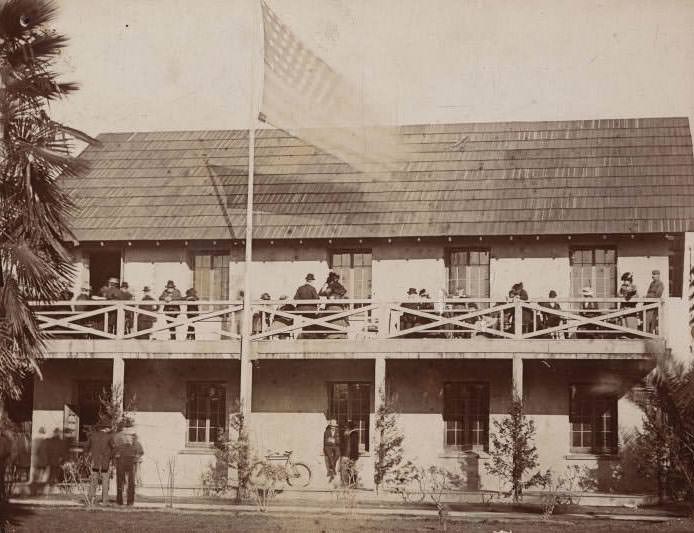
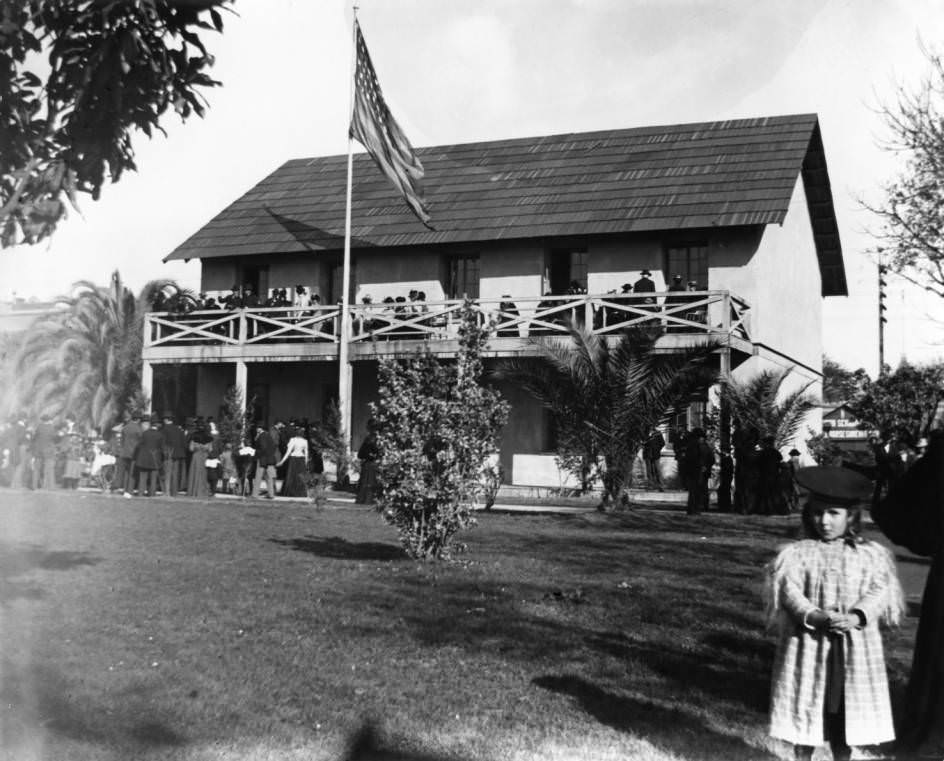
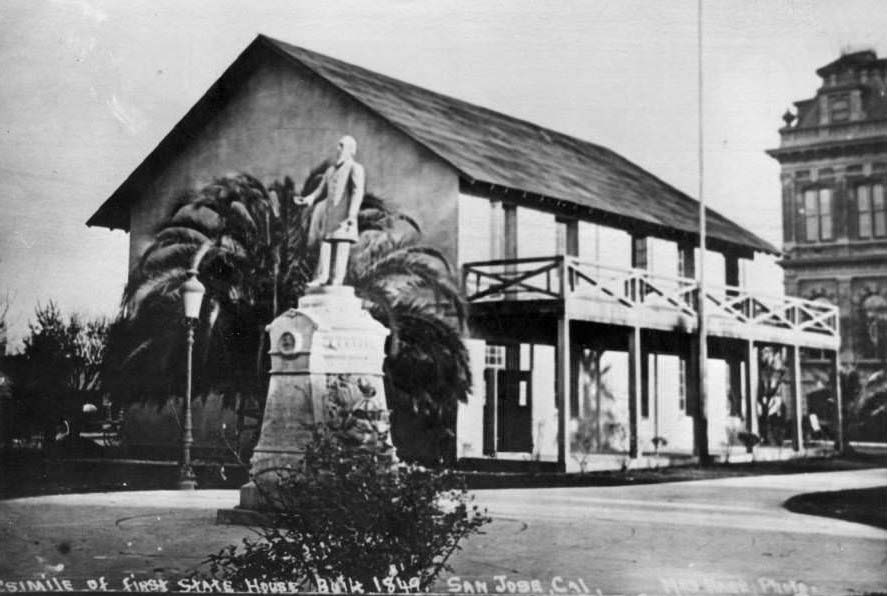
The Fourth of July parade of 1890 ran through the intersection of First and St. John Streets, looking southeast across the crowd. The Park Exchange Building stood on the corner, and the spire of the First Presbyterian Church was visible in the background. A decade later, in 1899, San Jose marked the 50th anniversary of California’s first State Legislature meeting in the city. A full-scale replica of the original Statehouse was erected on the plaza, complete with a balcony where visitors could walk out and look over the square.
The San Jose Mercury newspaper had its office at 171 West Santa Clara Street, sharing the space with the Santa Clara Valley Land Agency. Both businesses operated from behind long counters with staff stationed throughout. The arrangement lasted only a few years before the Mercury expanded into its own space. The paper covered the full sweep of city life — civic events, business news, and the rapid changes that defined the 1890s.
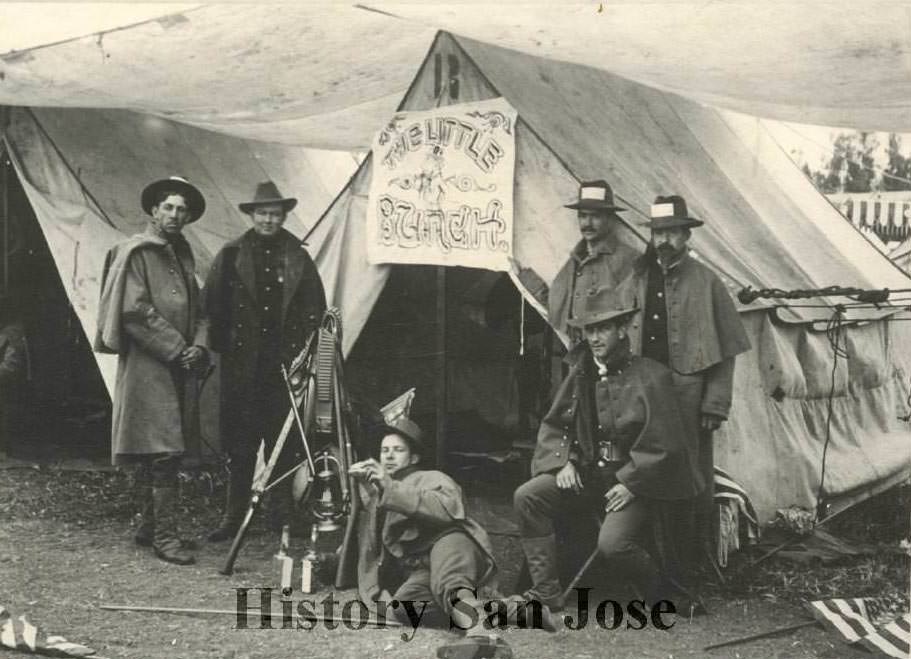
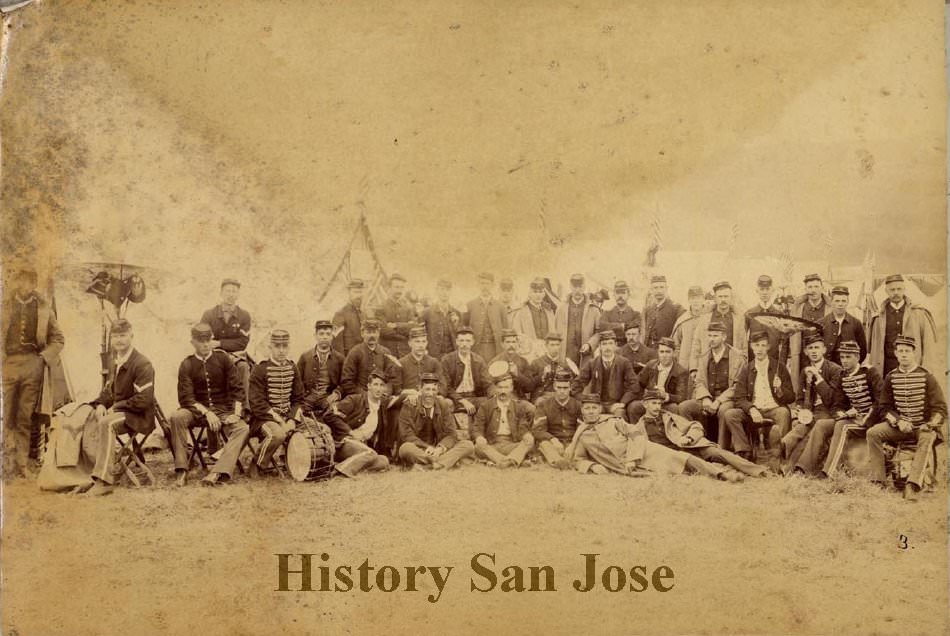
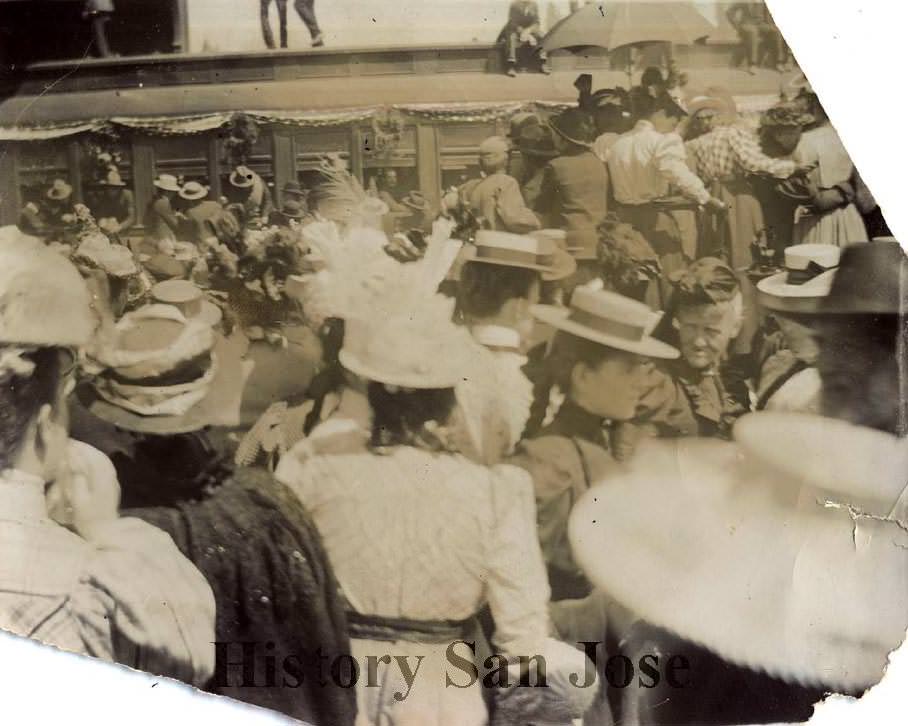
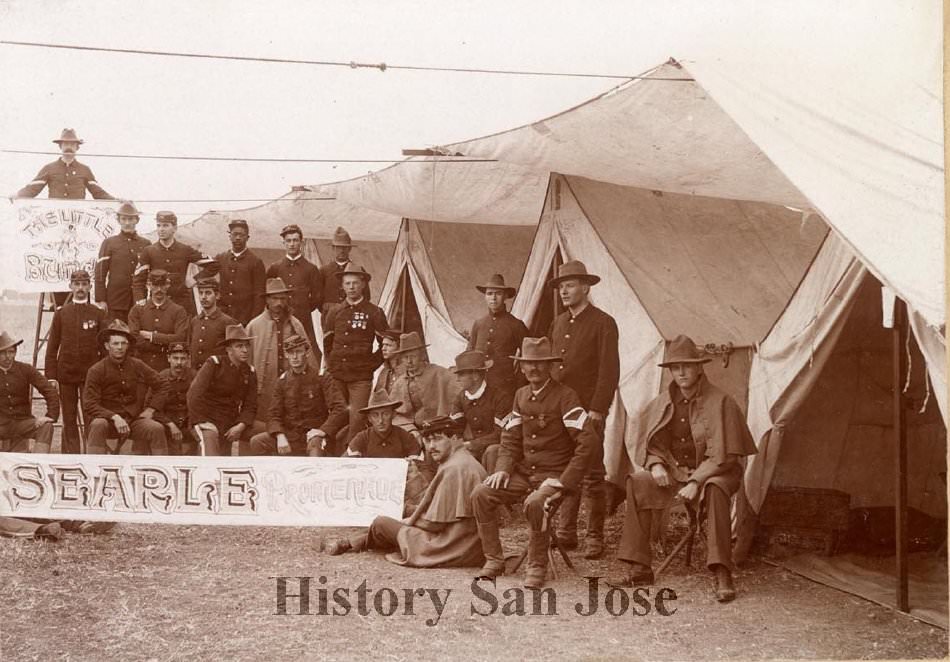
The Spanish-American War of 1898 reached directly into San Jose. Company B departed the city that year, with crowds gathering at the courthouse to see them off. Photographs from the period show groups of San Joseans in military dress, reflecting the city’s direct involvement in a conflict happening thousands of miles away. The departure of Company B was both a civic event and a personal one for the families who watched from the steps.
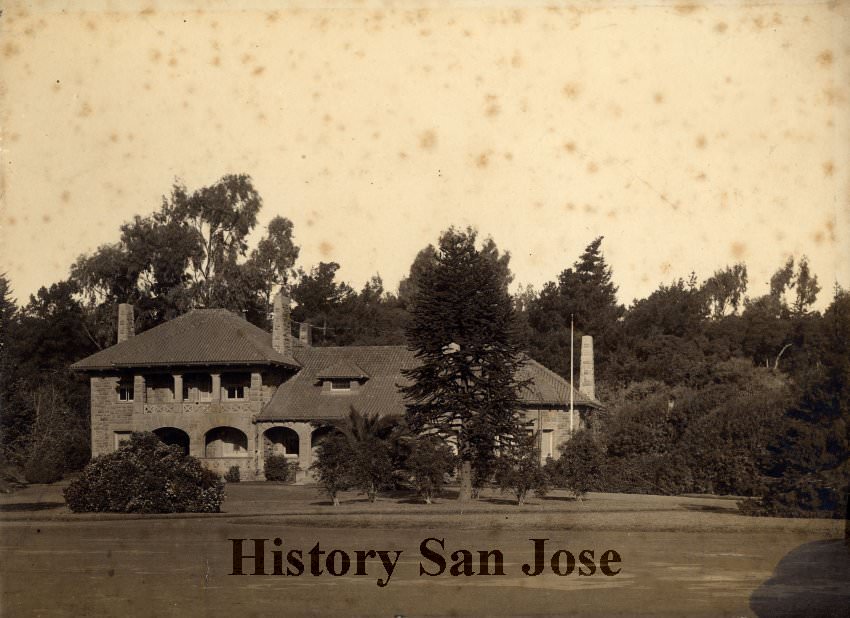
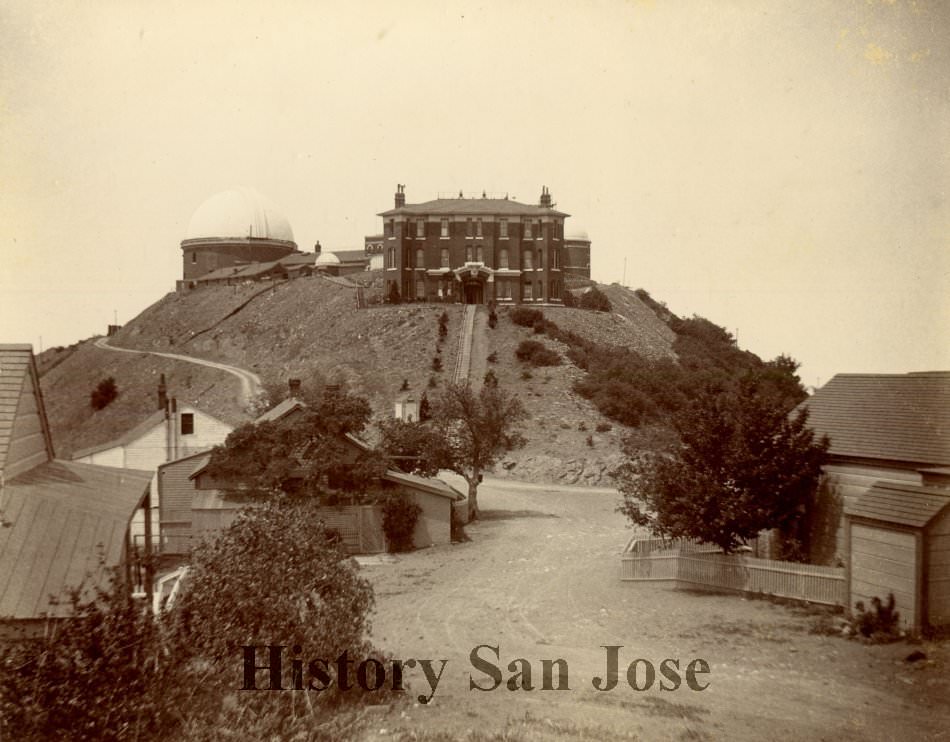
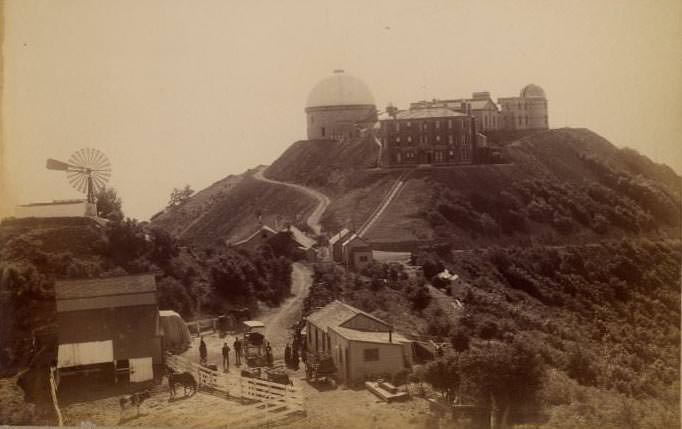
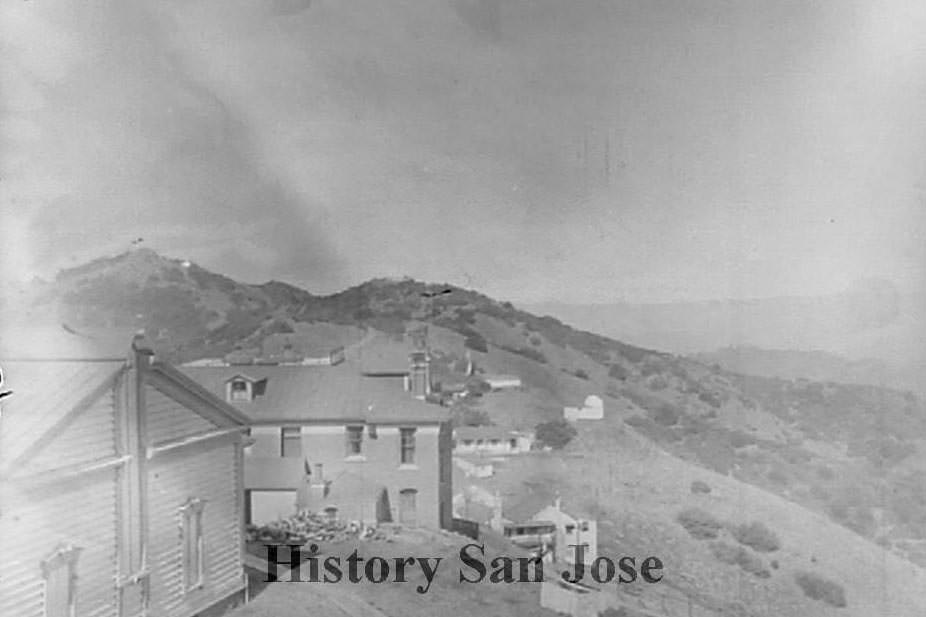
Lick Observatory on Mount Hamilton was one of the most impressive scientific facilities in the country during this period. Sitting at 4,200 feet, it drew stage passengers up the winding road from San Jose. The 1895 photograph labeled simply ‘Lick Observatory, Mt. Hamilton, Altitude 4200 ft’ gives a sense of its commanding position above the valley. Stagecoaches stopped at the observatory on their way up and back, making it a destination as much as a working research station.
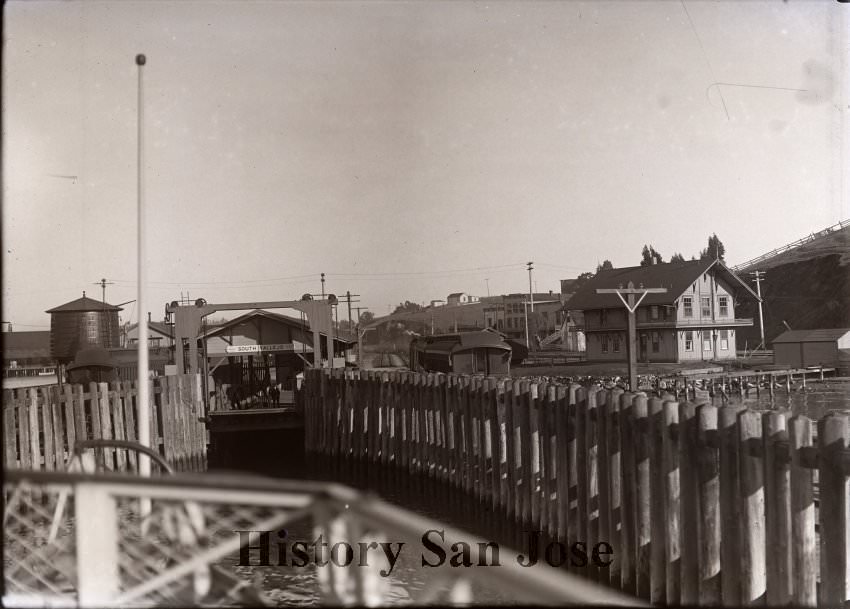
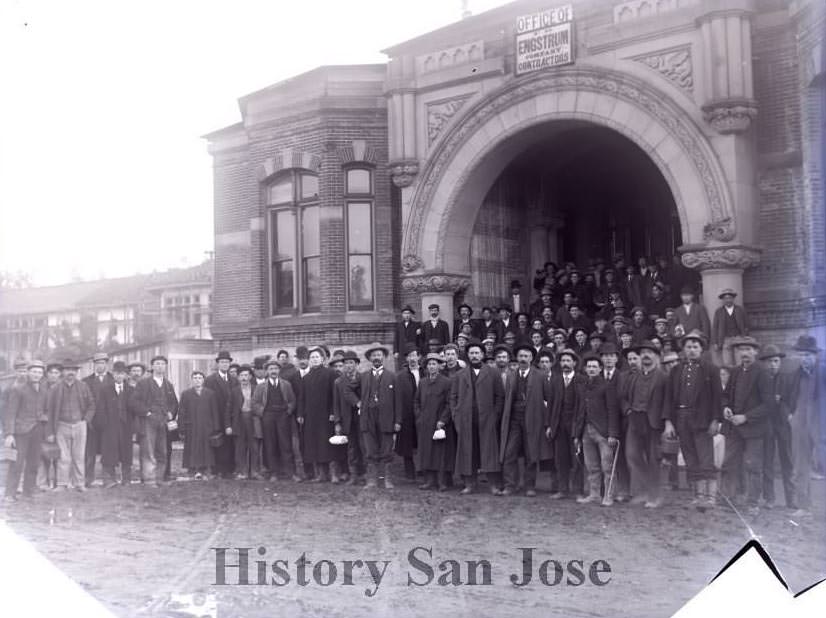
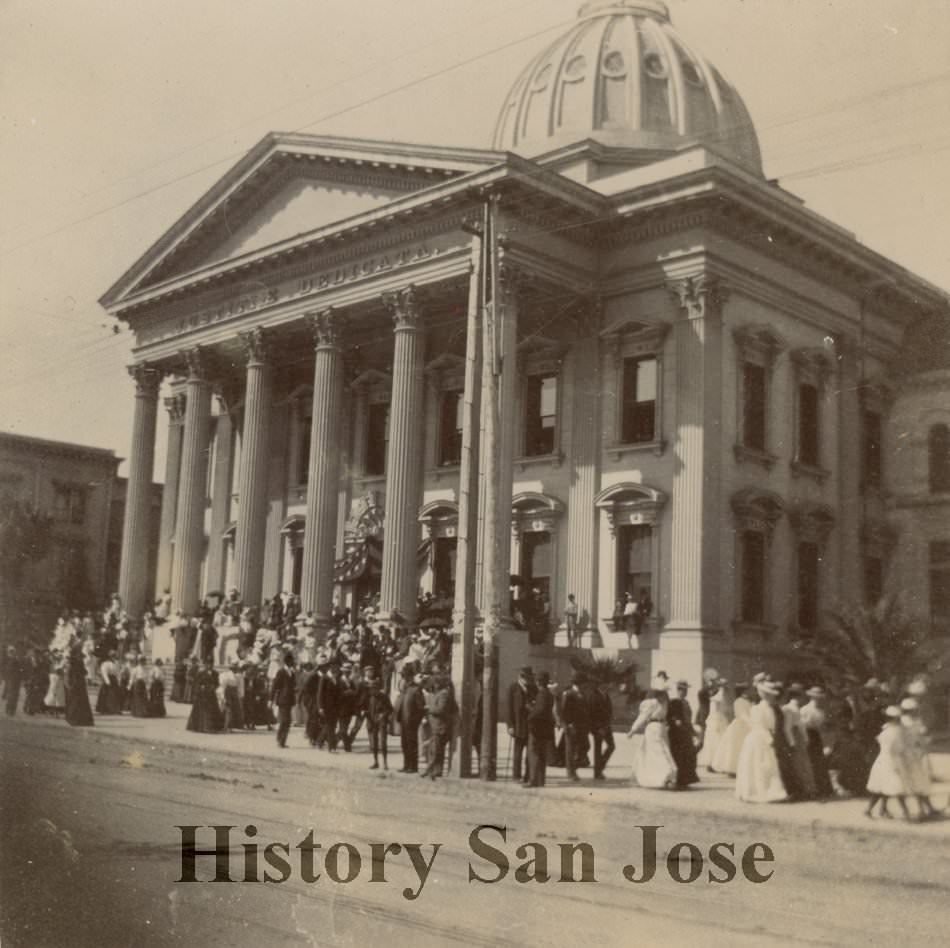
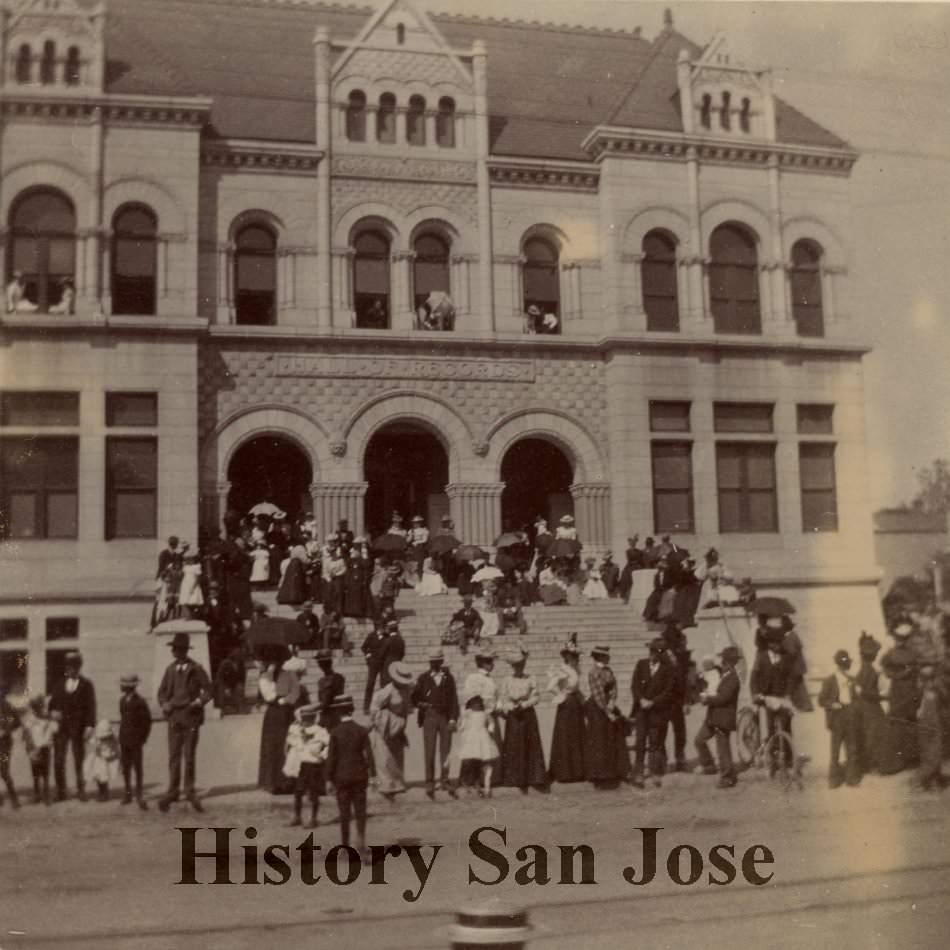
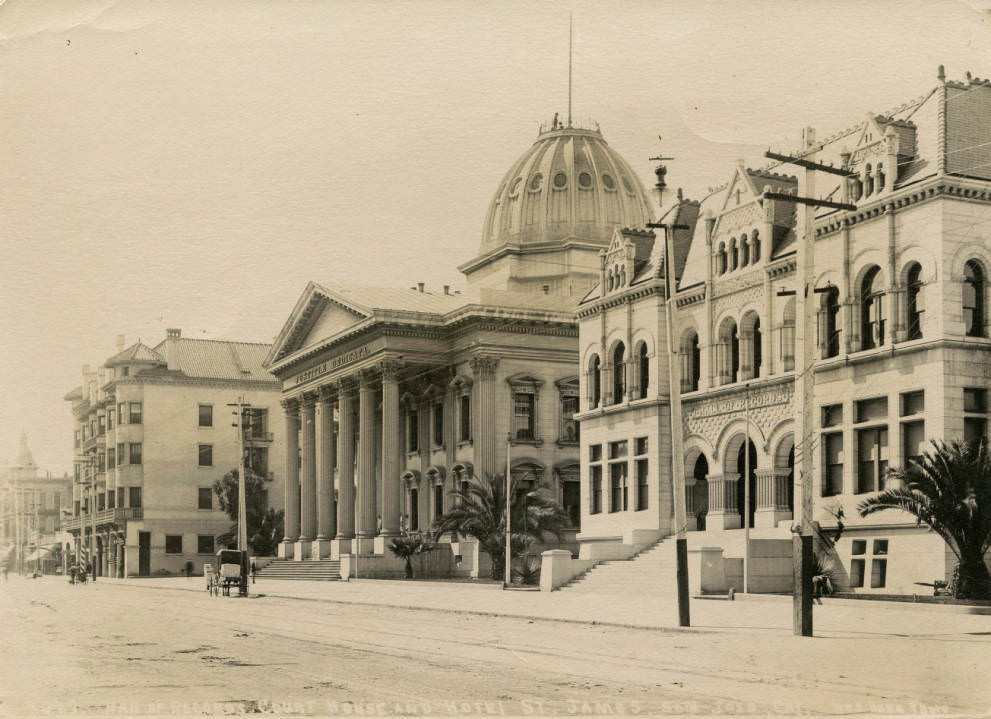
The Hall of Records was another major public building completed during this decade. In 1898, a crowd gathered outside it — a moment captured in a photograph that shows San Joseans turning out for civic occasions just as readily as they did for parades and religious events. The building joined the Post Office, City Hall, and County Courthouse as part of the growing government infrastructure that served a rapidly expanding city.
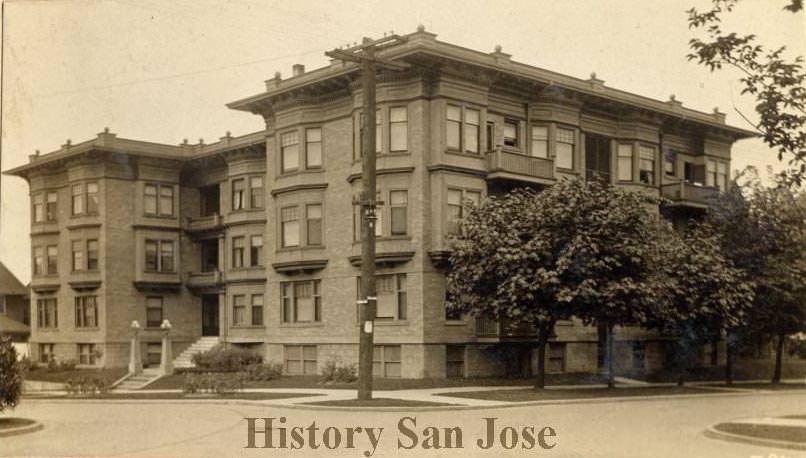
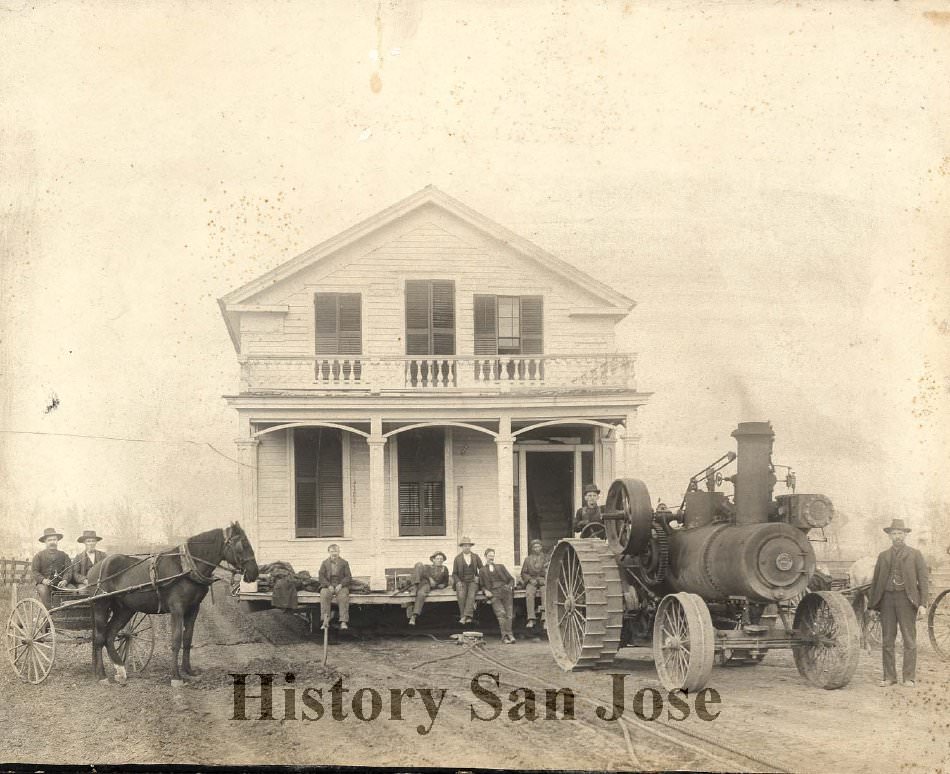
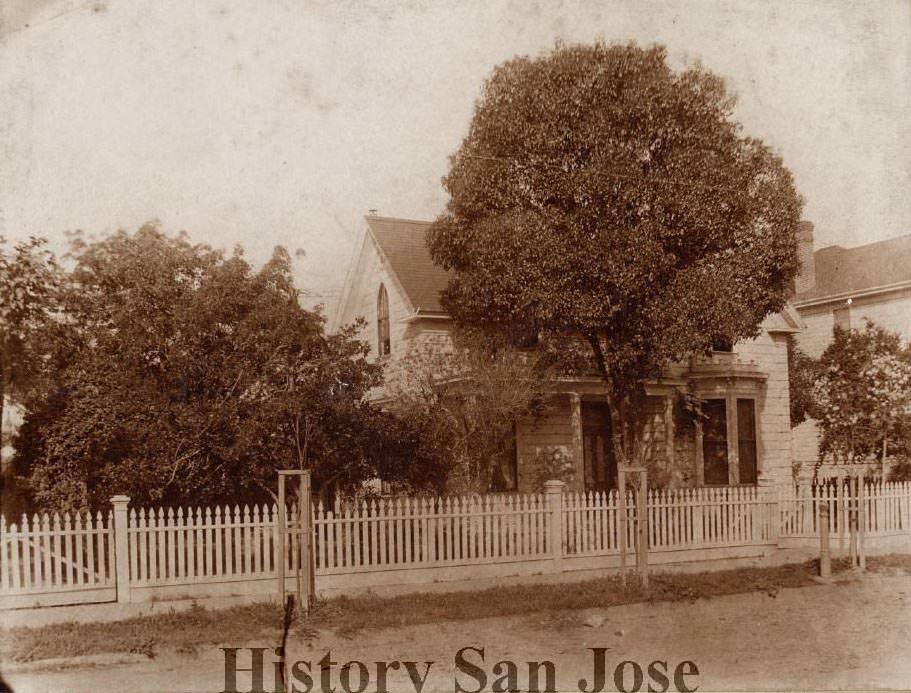
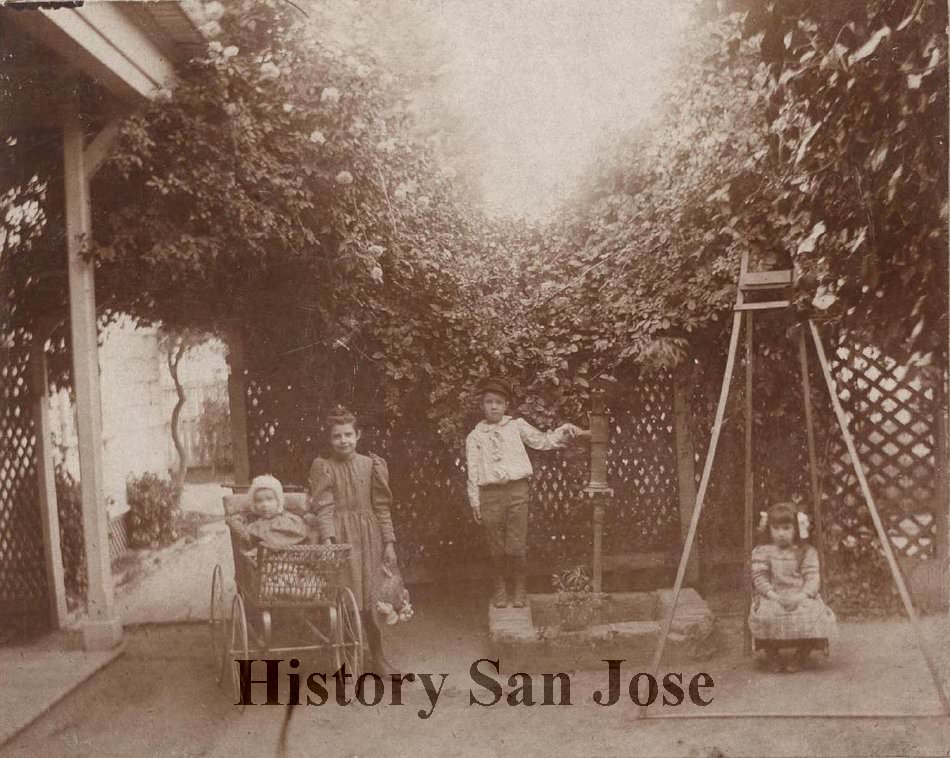
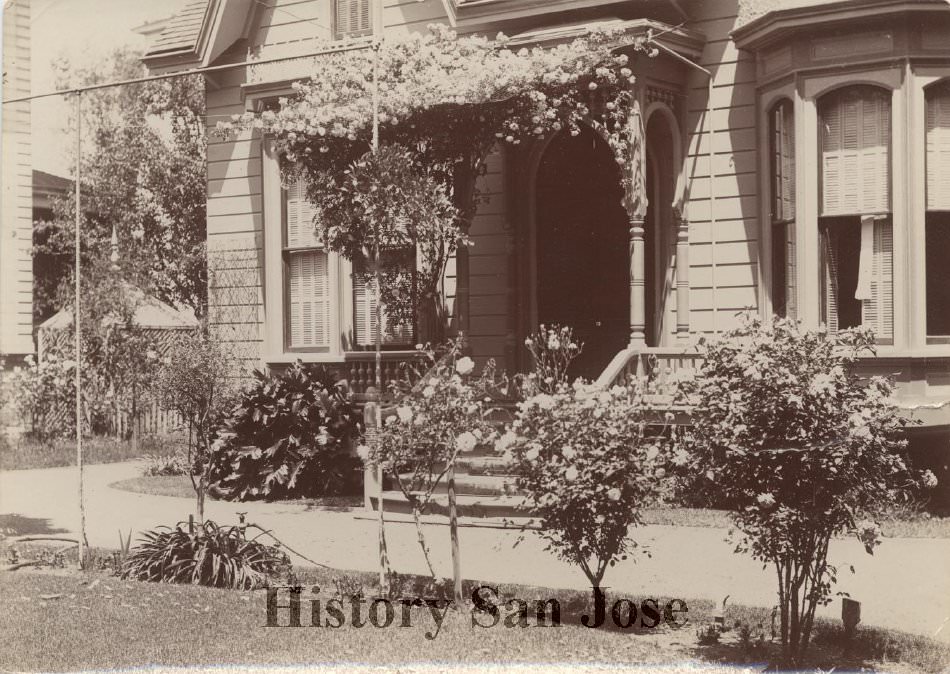
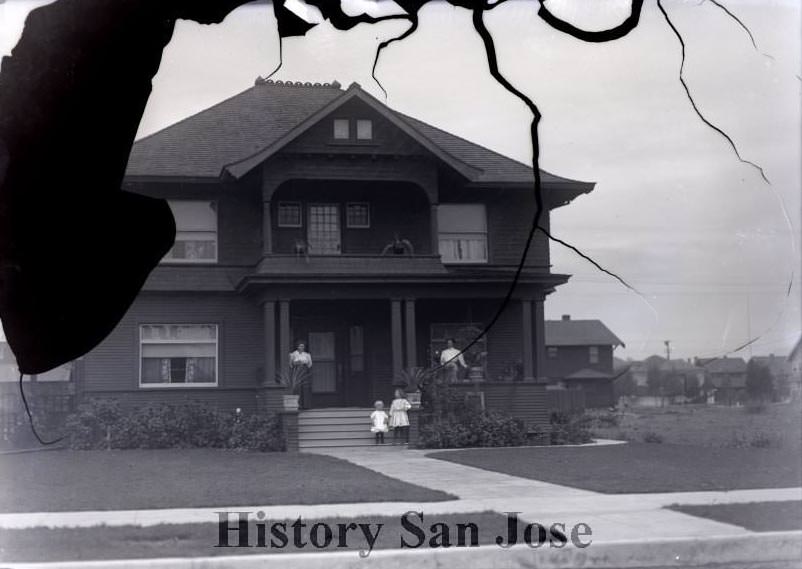
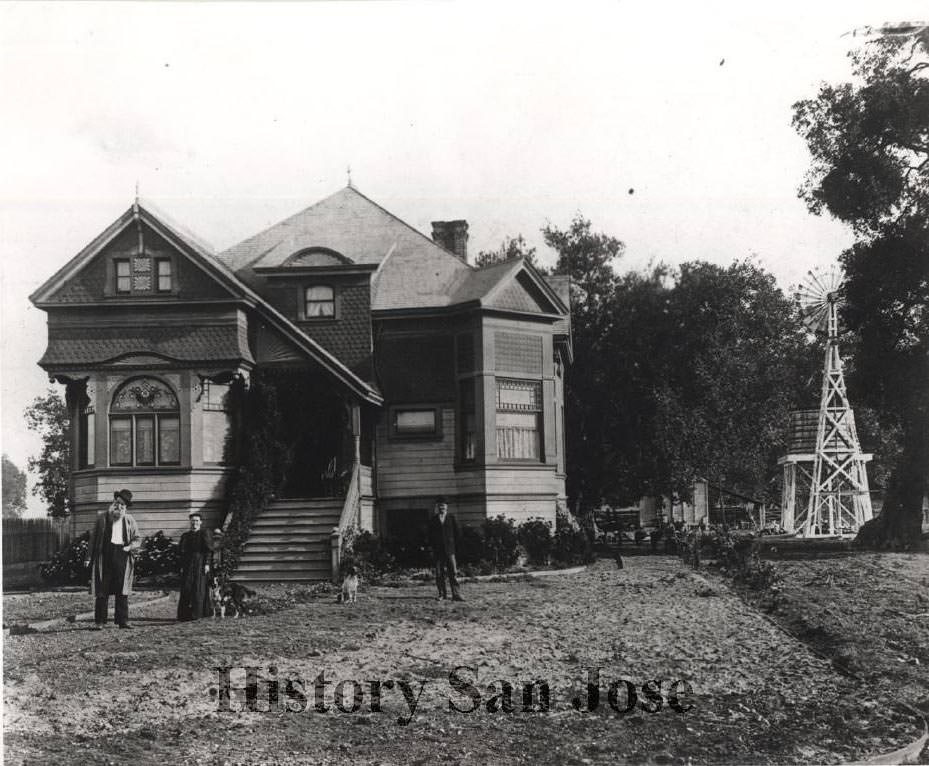
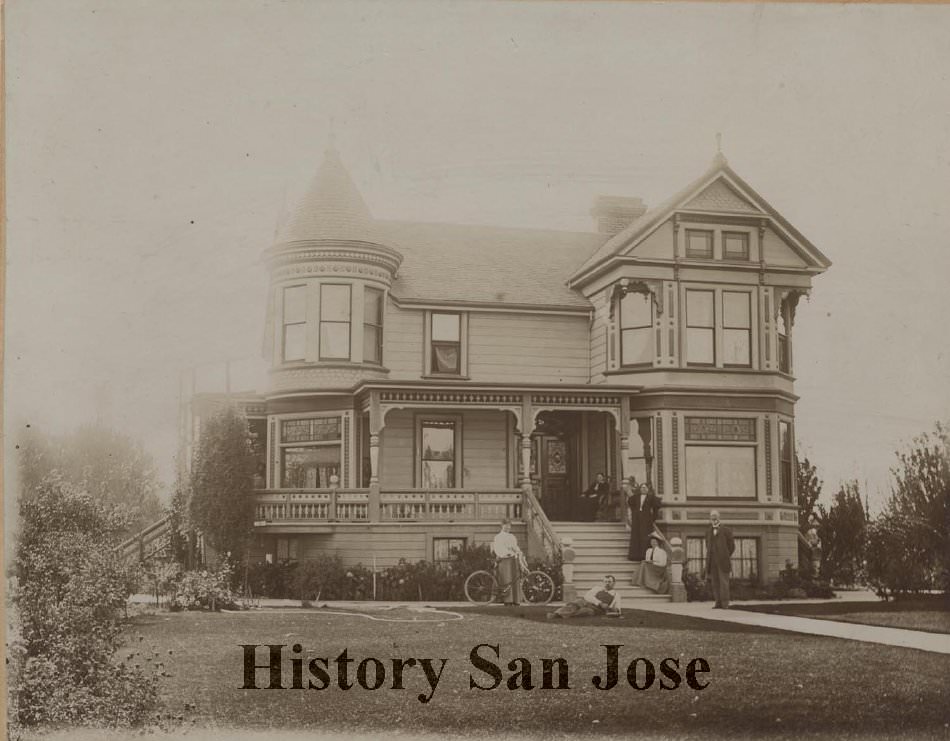
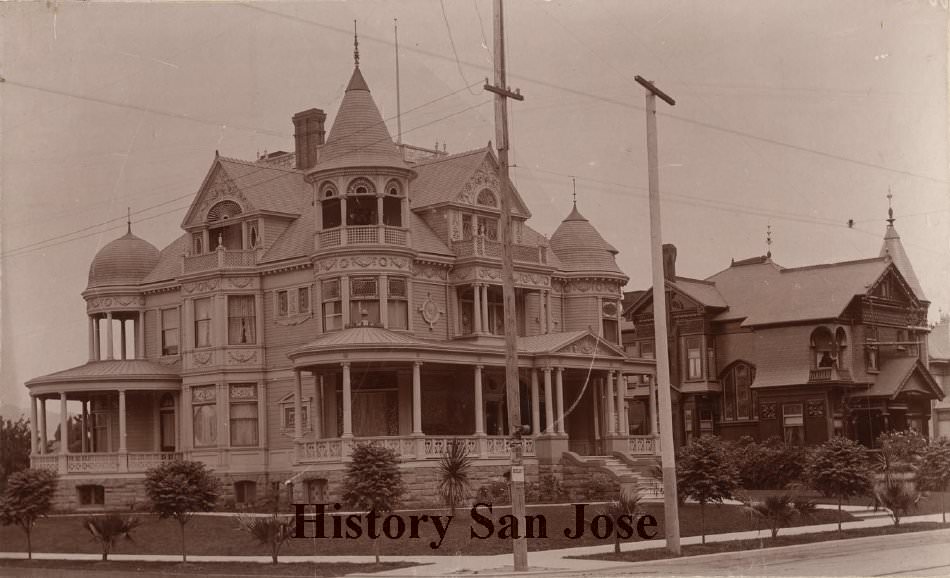
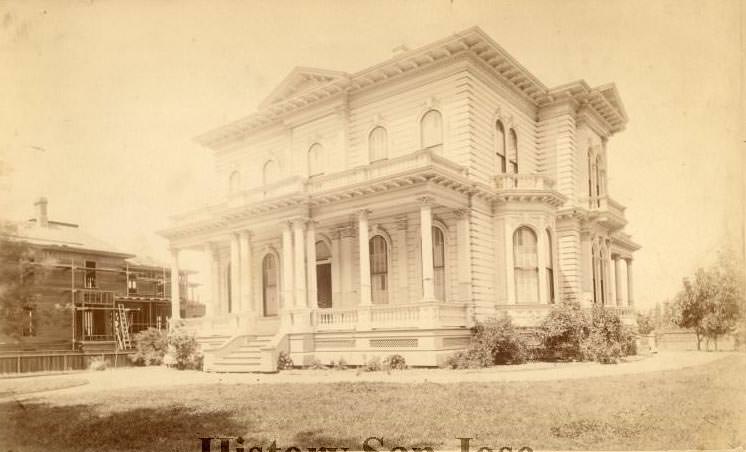
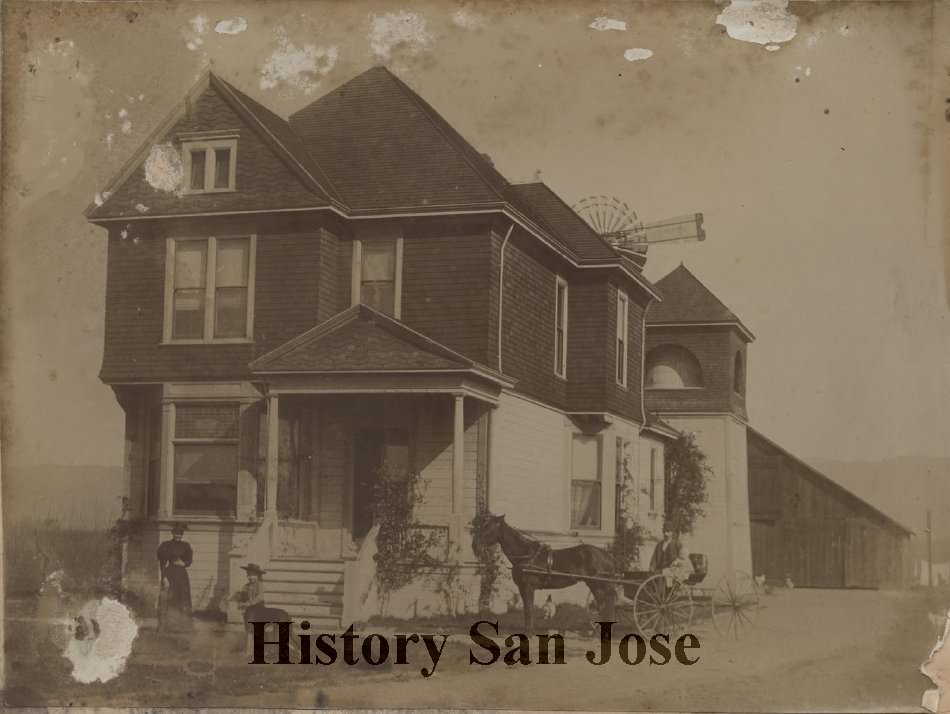
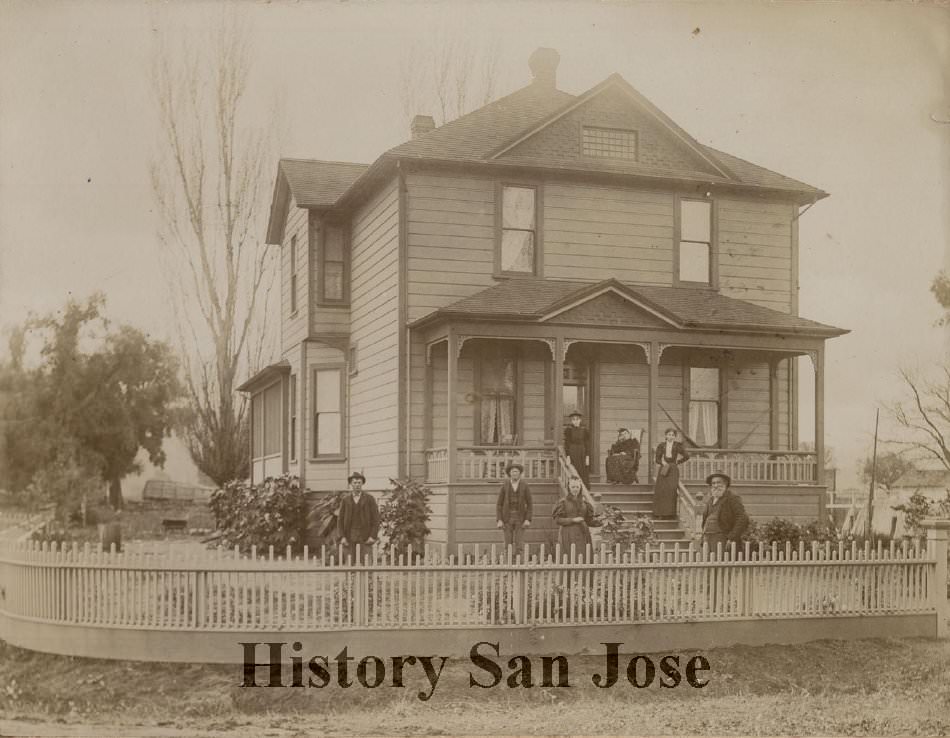
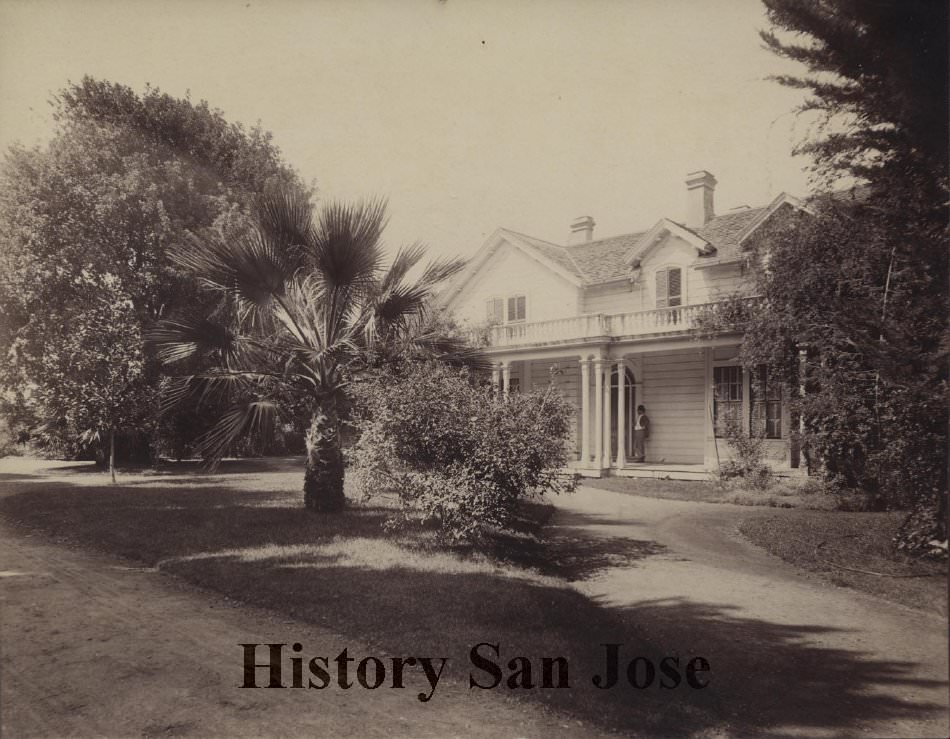
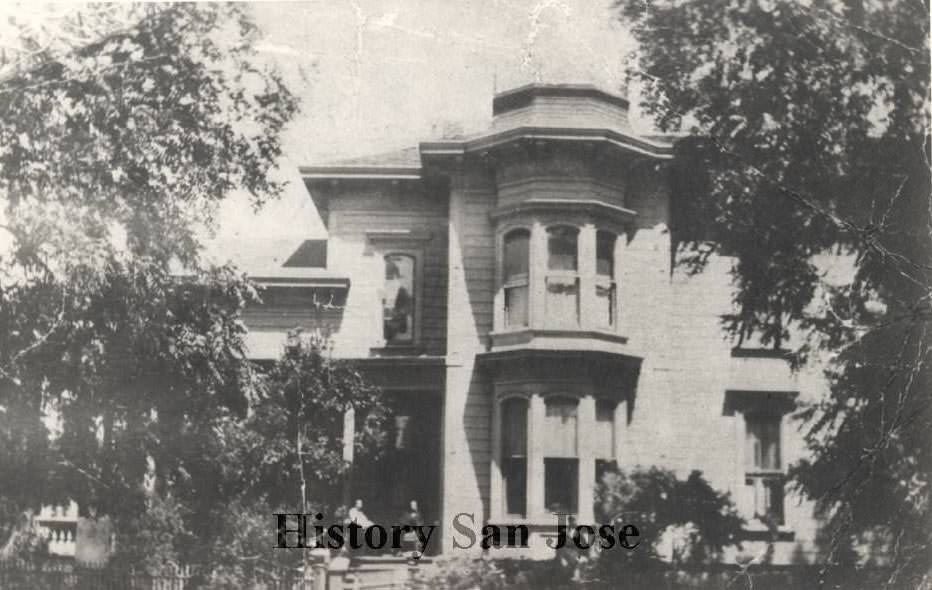
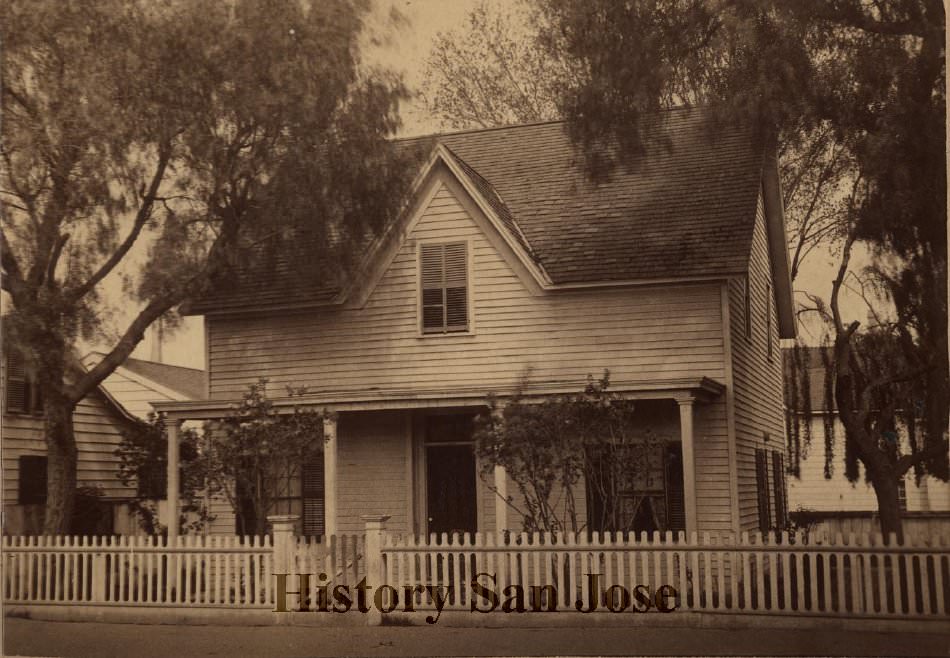
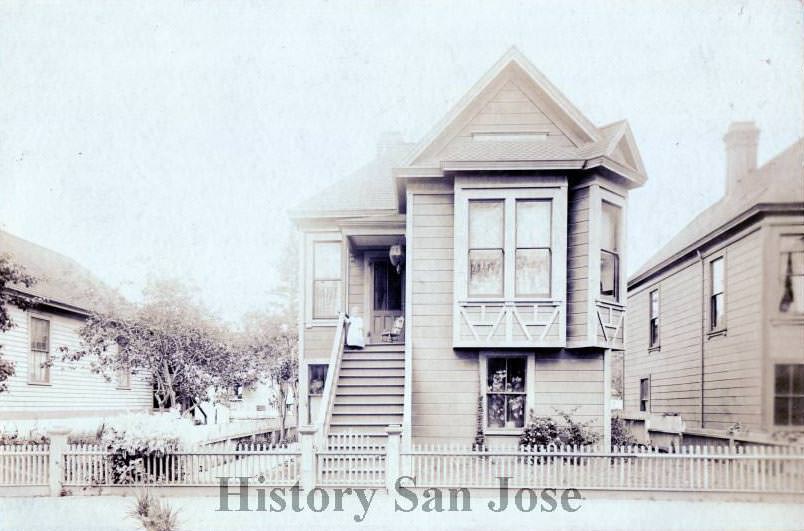
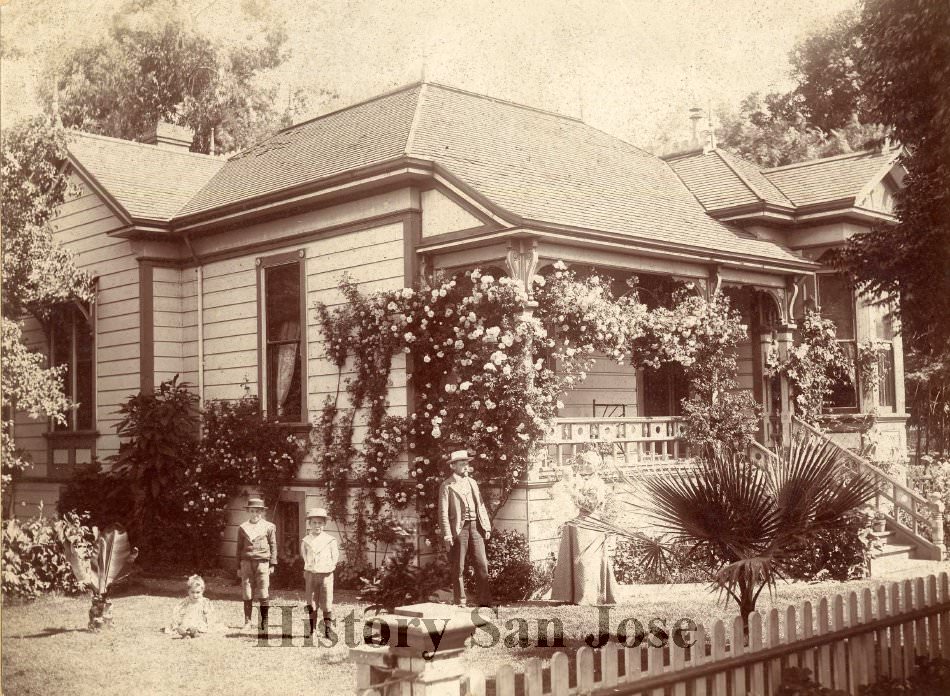
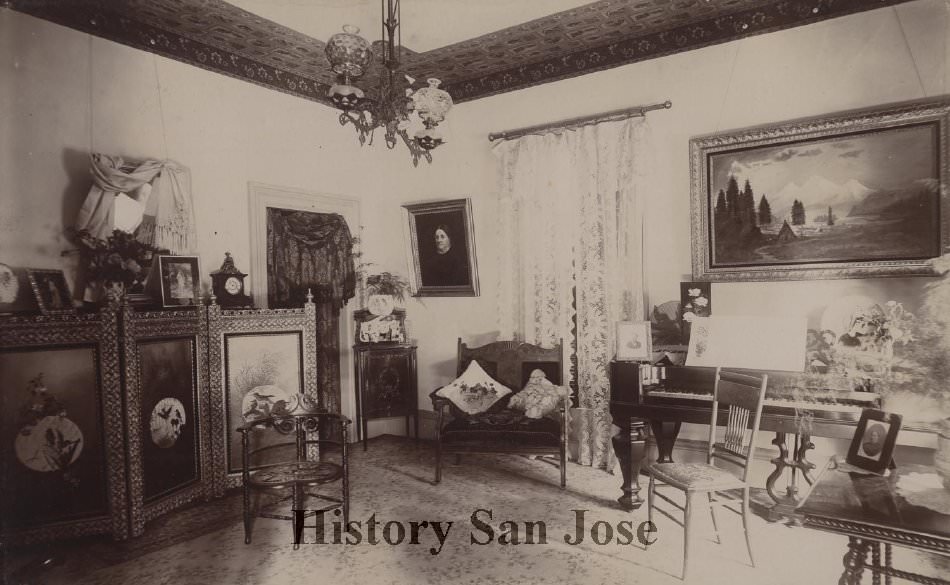
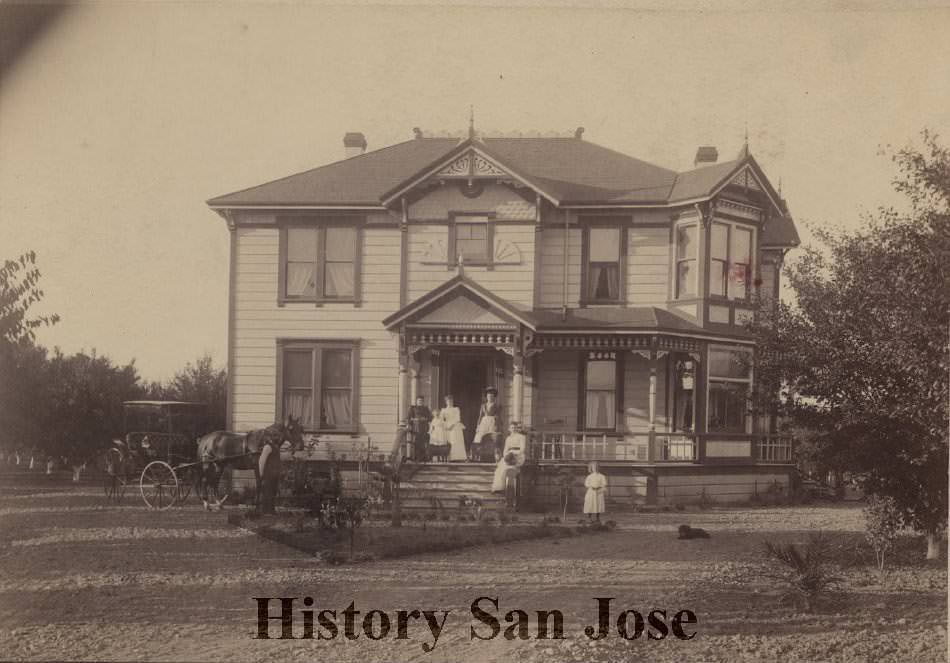
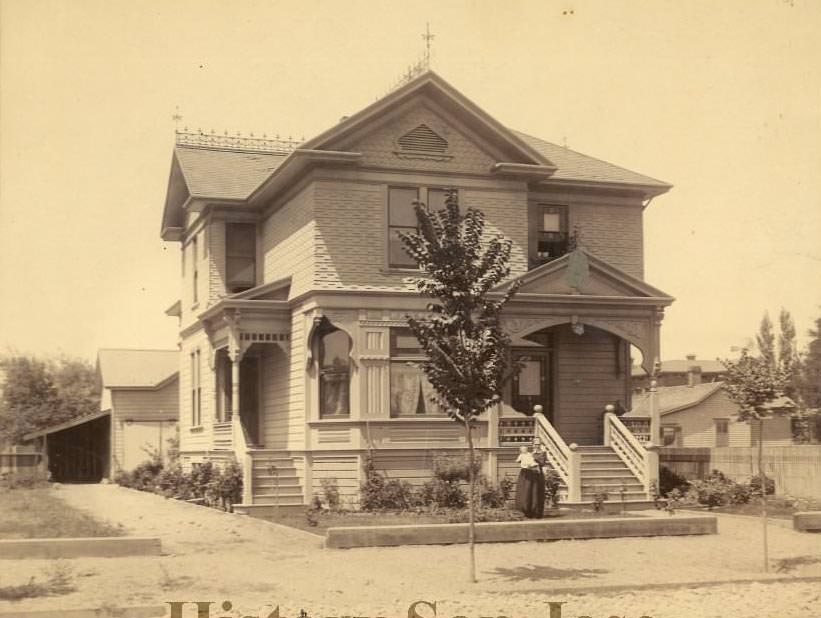
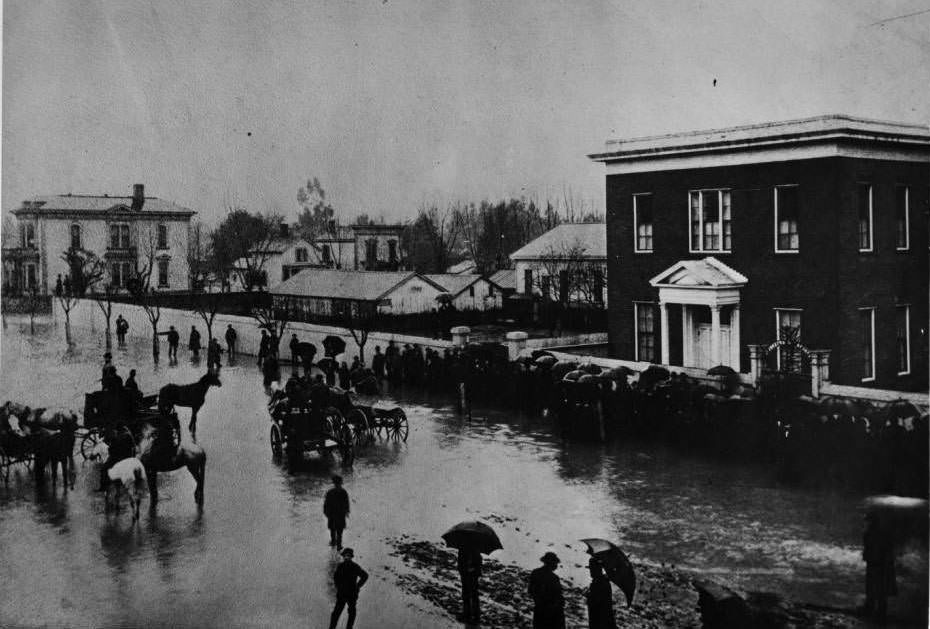
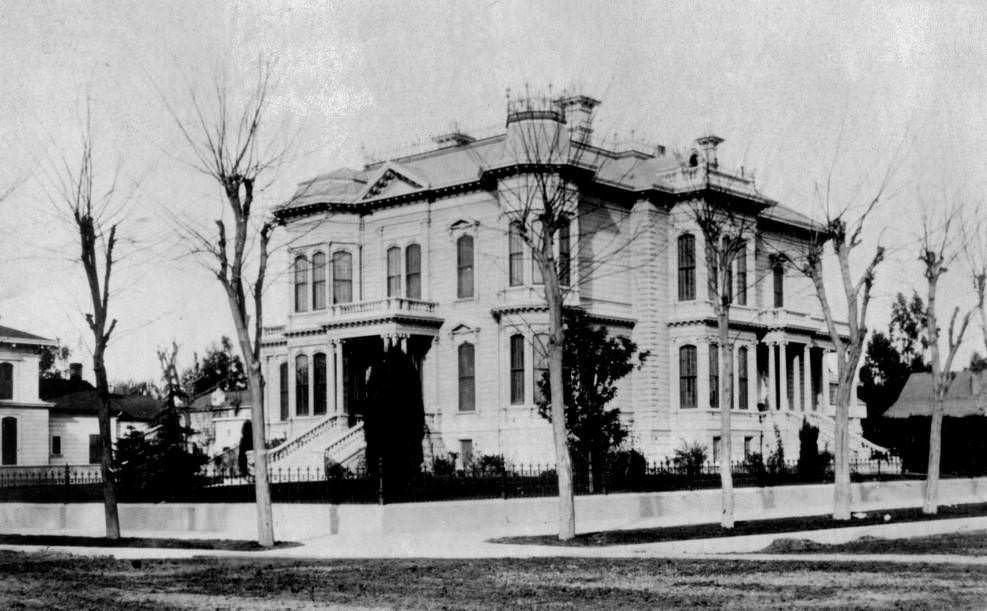
Residential San Jose in the 1890s was a mix of Victorian-style houses, working farms, and modest family homes. On Schiele Avenue, a Queen Anne-style wood-framed house with a rose vine running the full length of the front porch stood as a typical example of the neighborhood architecture. The Robert F. Peckham home at 615 East Santa Clara Street and the J. R. Welch home were among the more substantial private residences documented during the decade. Judge Myles P. O’Connor’s large two-story house at the corner of Second and Reed Streets was later given to the Sisters of Notre Dame de Namur, who used it first as an orphanage and then as Notre Dame High School.
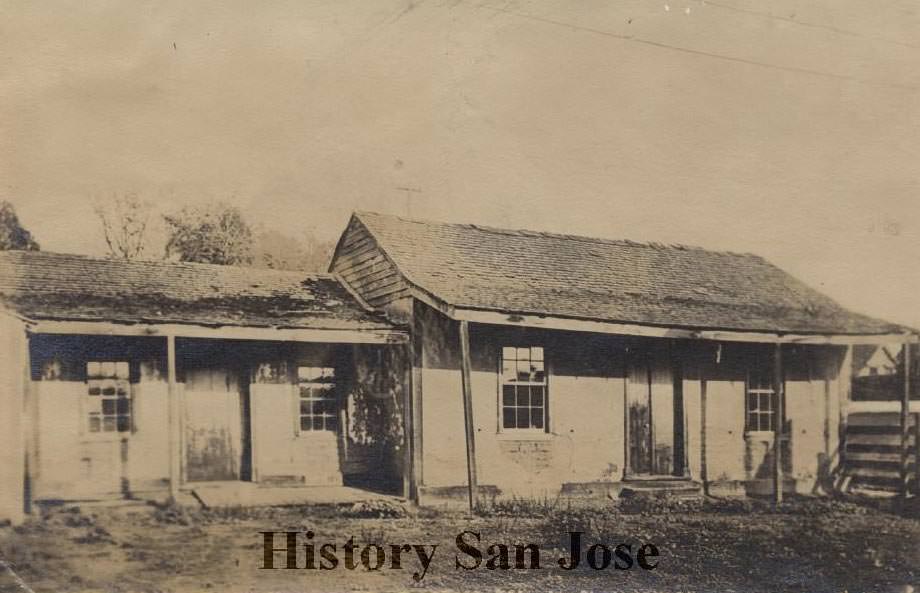
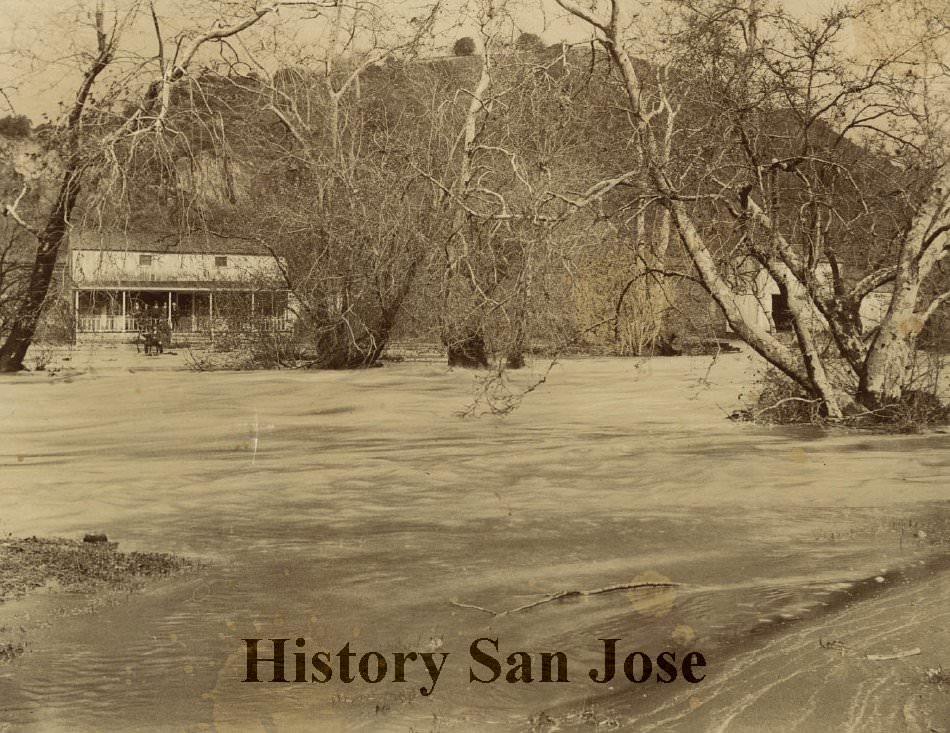
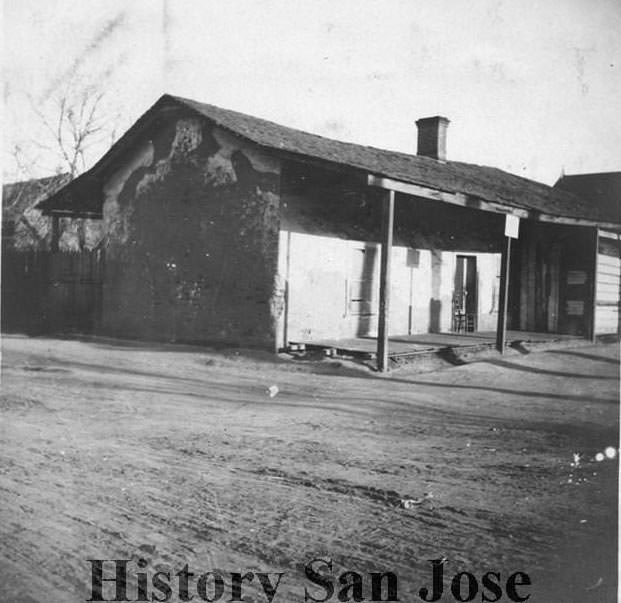
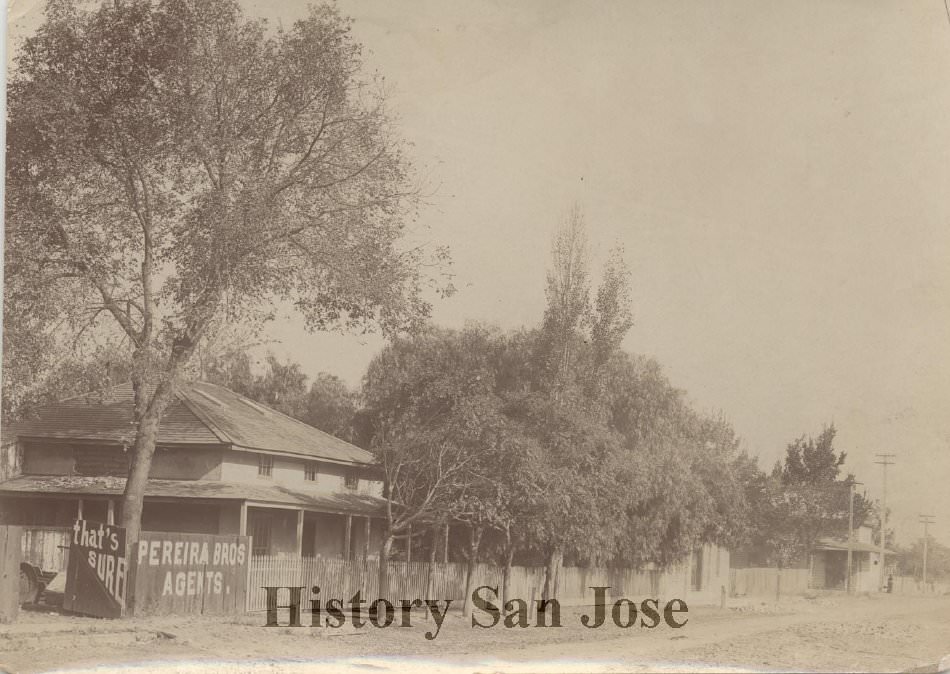
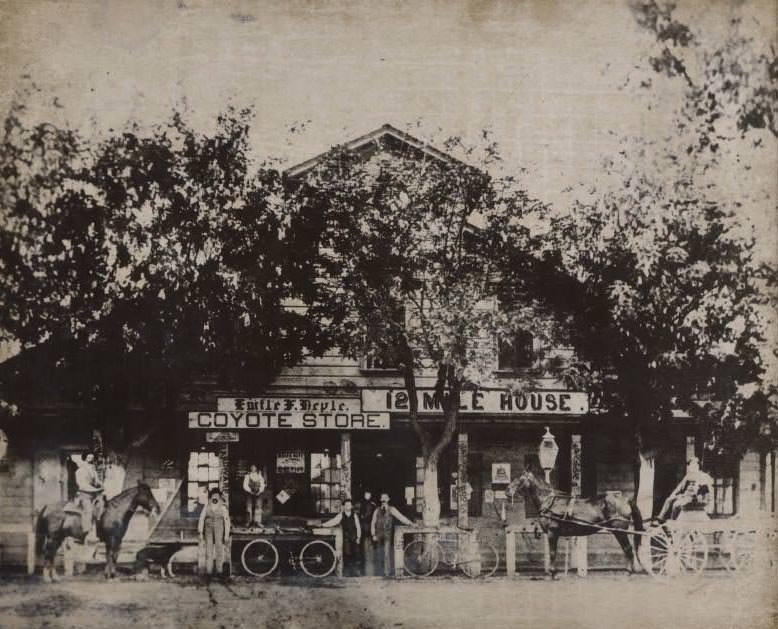
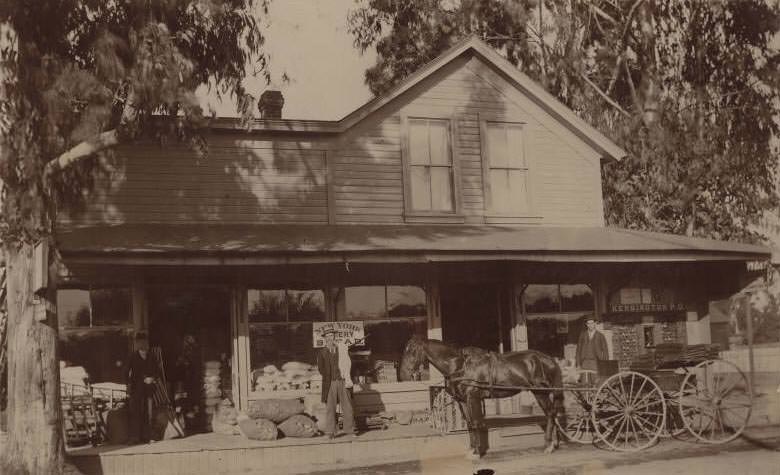
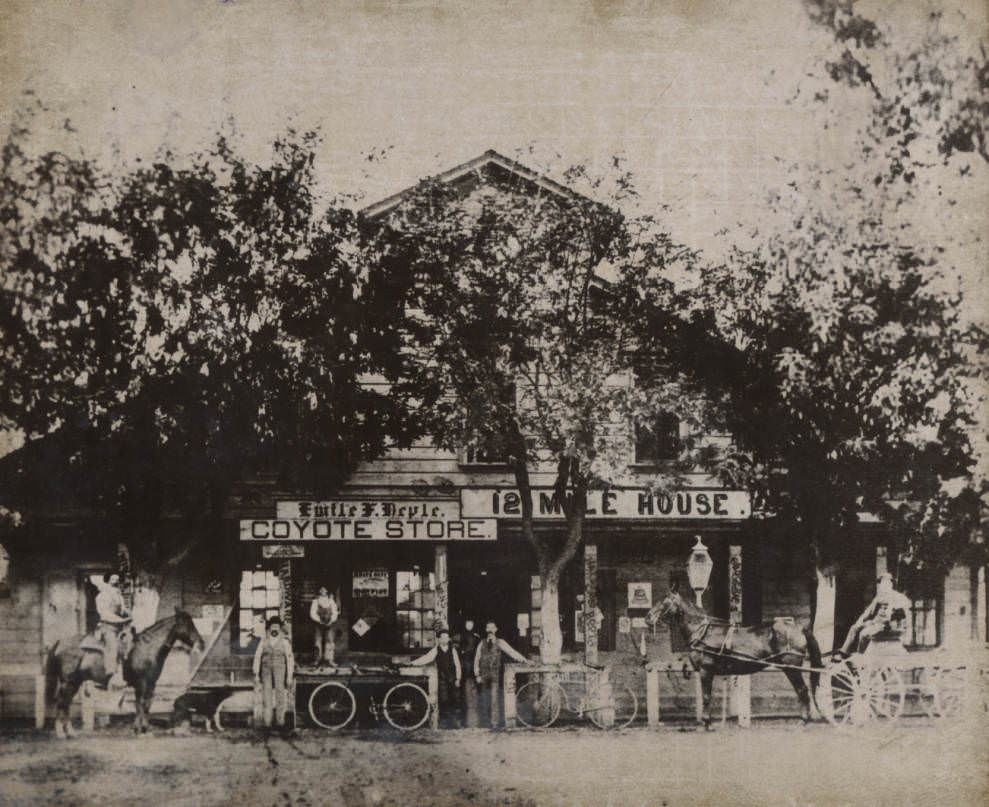
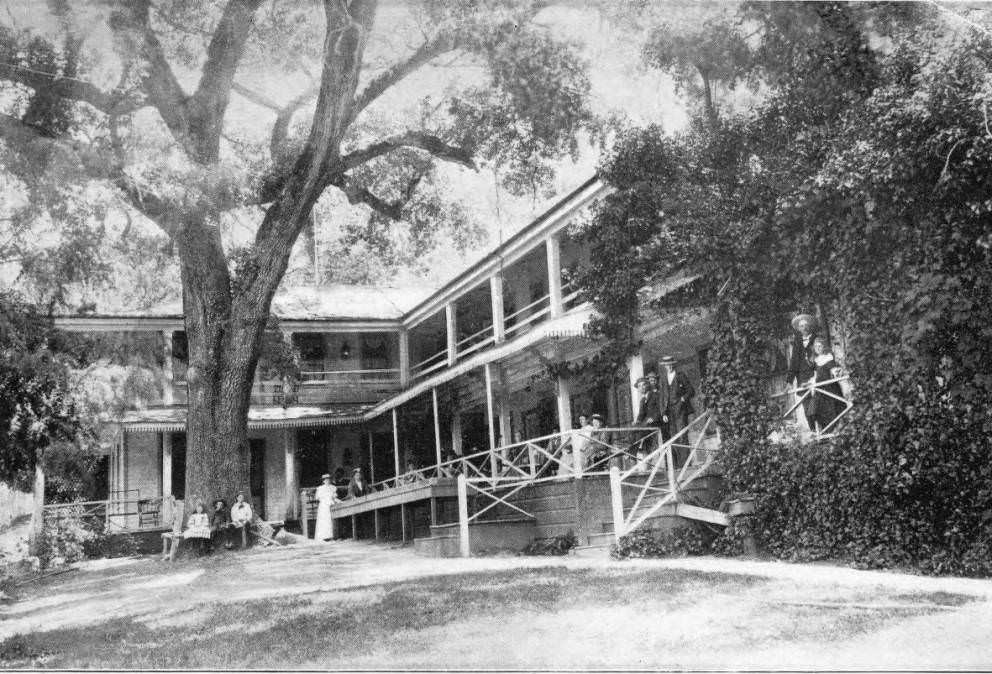
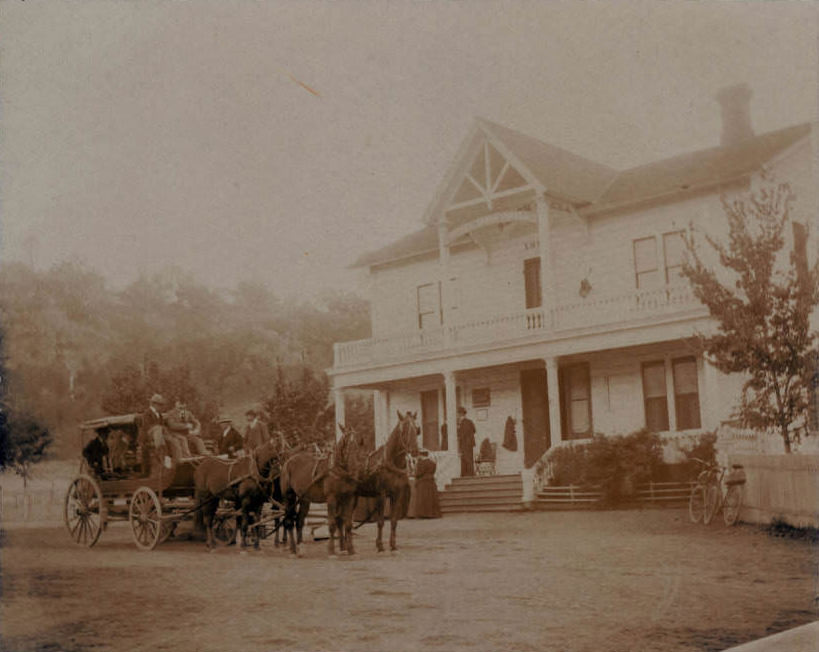
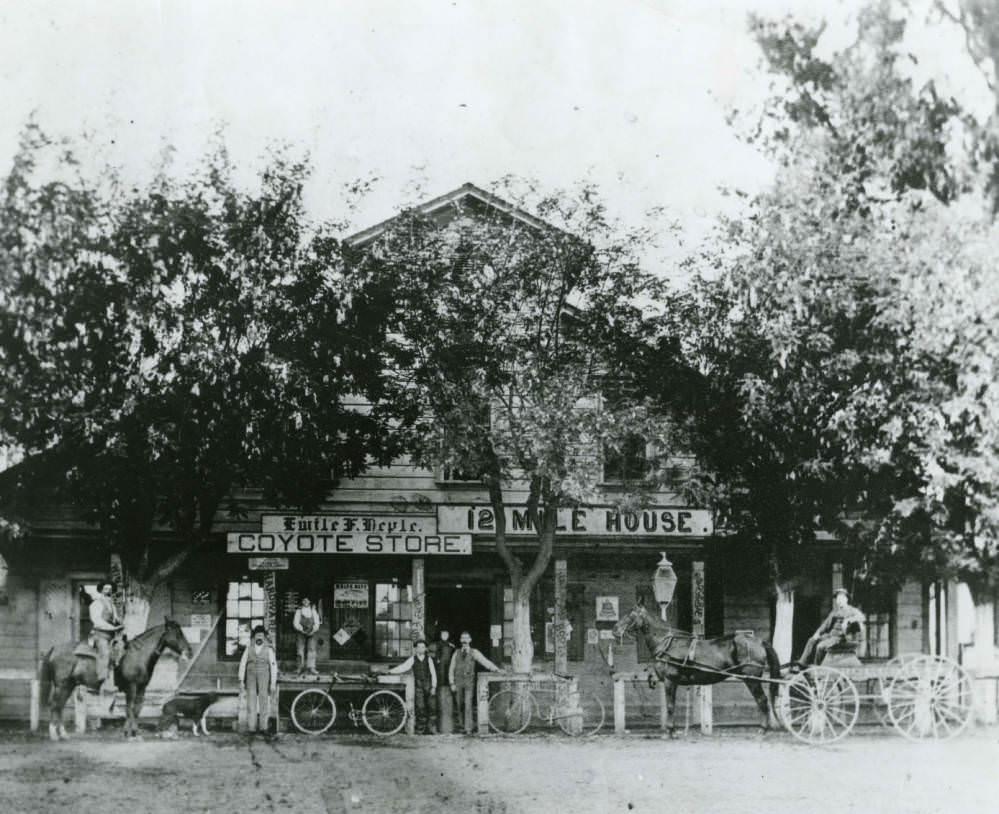
The Twelve Mile House, located in the Coyote area twelve miles south of San Jose, served as a rest stop on the stage line running between Monterey and San Jose. It also functioned as a general store, saloon, hotel, and post office for the local population. Men posed with their bicycles and horses in front of it, and it appeared in multiple photographs across the decade — a sign of how central it was to travel along that southern corridor.
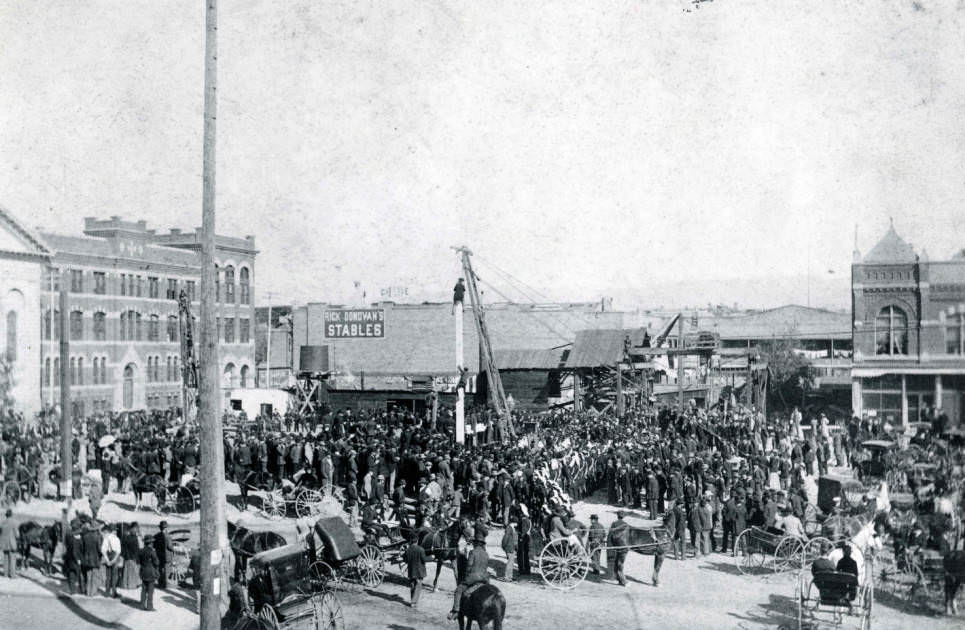
In 1899, San Jose marked the 50th anniversary of California’s first State Legislature meeting within its borders with a California Jubilee Parade. Members of the San Jose Police Department marched past the Pacific Hotel and Saint Joseph’s Roman Catholic Church, with the Electric Light Tower visible in the background. A replica of the California State Capitol was built on the plaza for the occasion, and members of the public walked onto its balcony to take in the view of the square below.
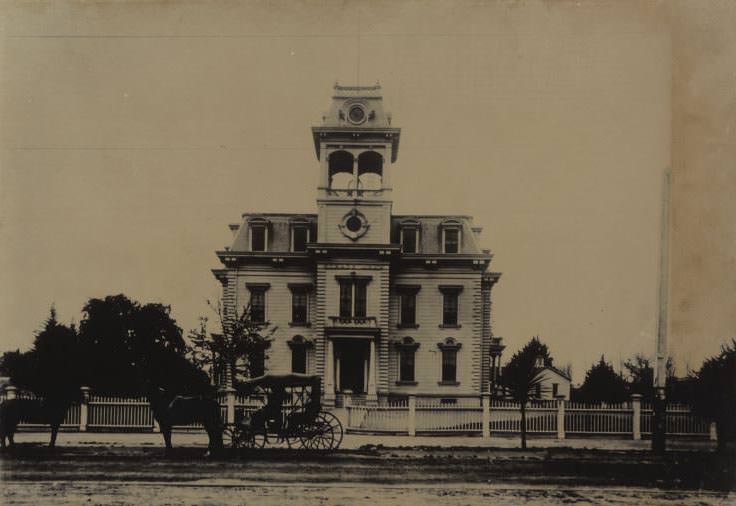
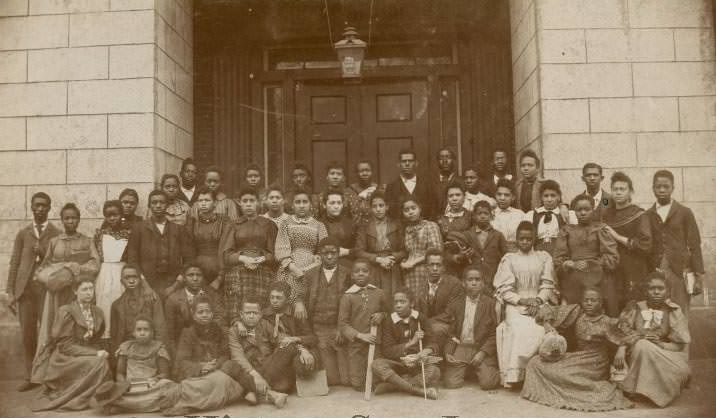
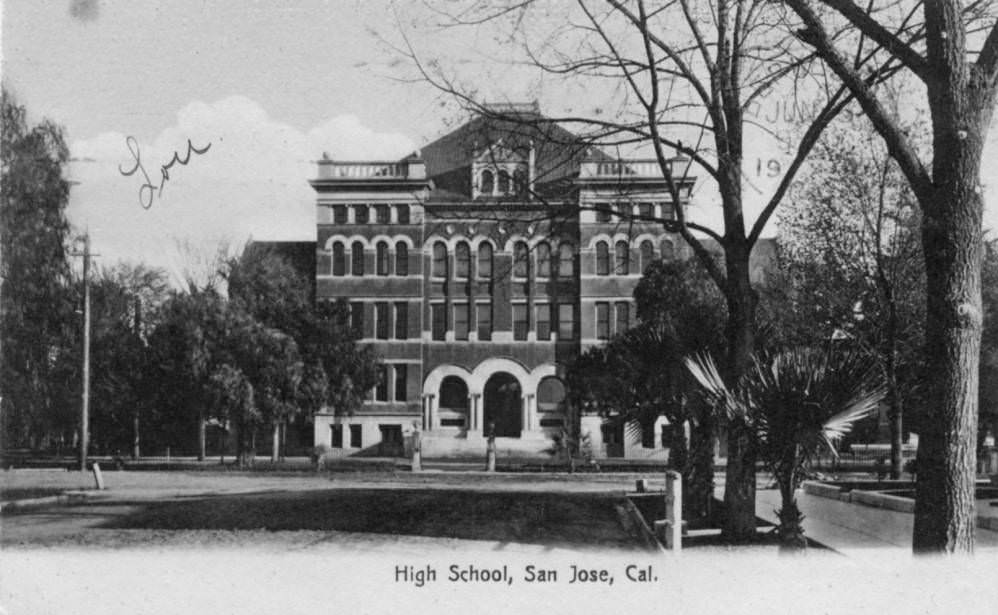
San Jose’s first high school opened in September 1898 at the southwest corner of Seventh and San Fernando Streets. The brick-and-stone building cost $100,000 and was designed by Jacob Lenzen and Son. Its assembly hall could seat up to 2,000 people. The school was already photographed with graduating classes within its first year. It would be destroyed in the 1906 earthquake, just eight years after it opened.
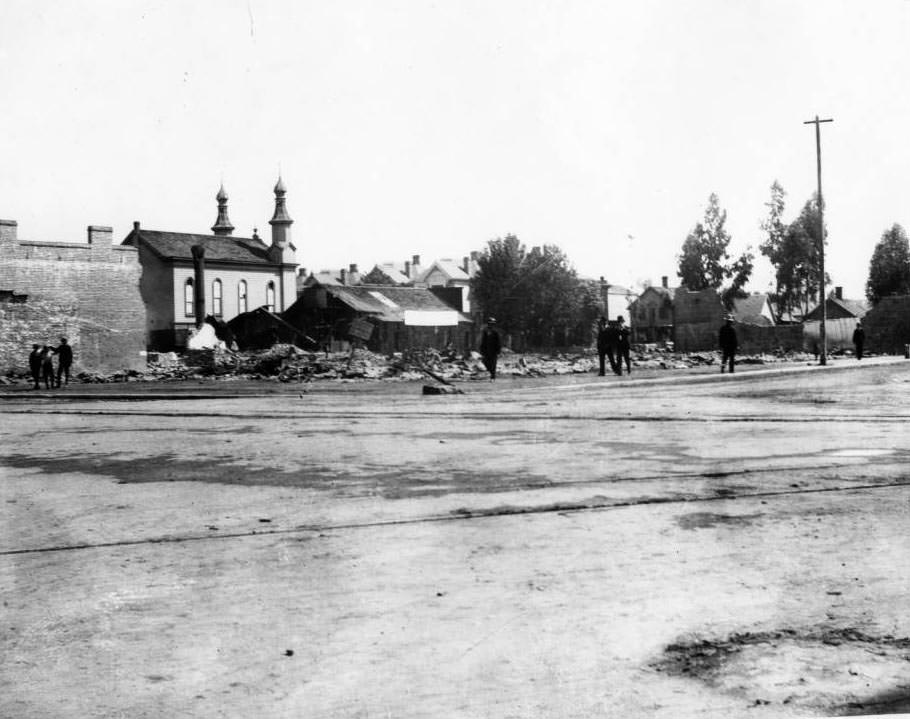
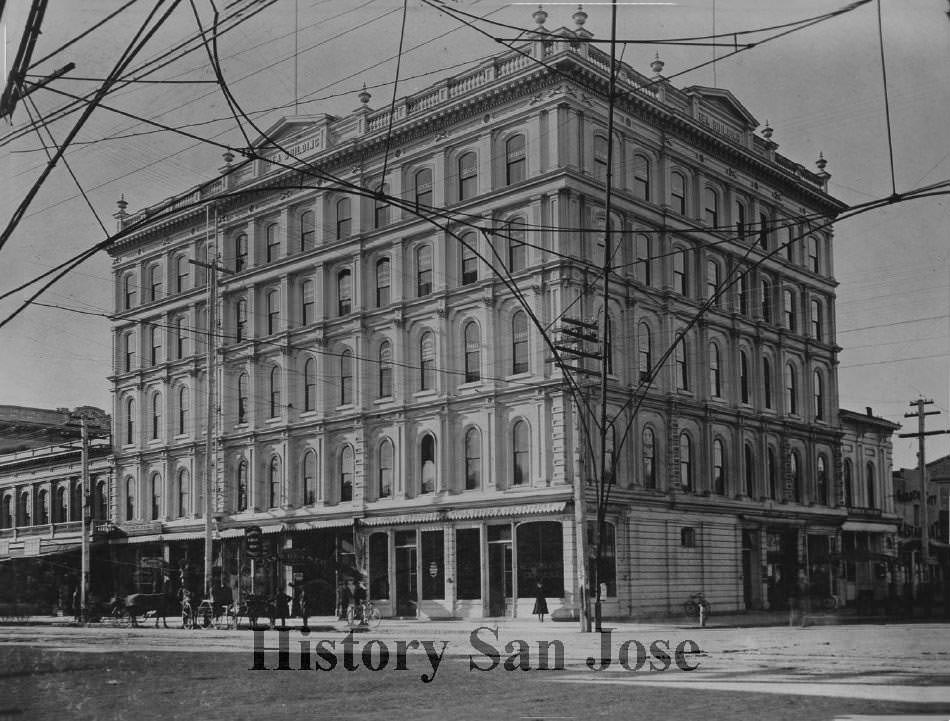
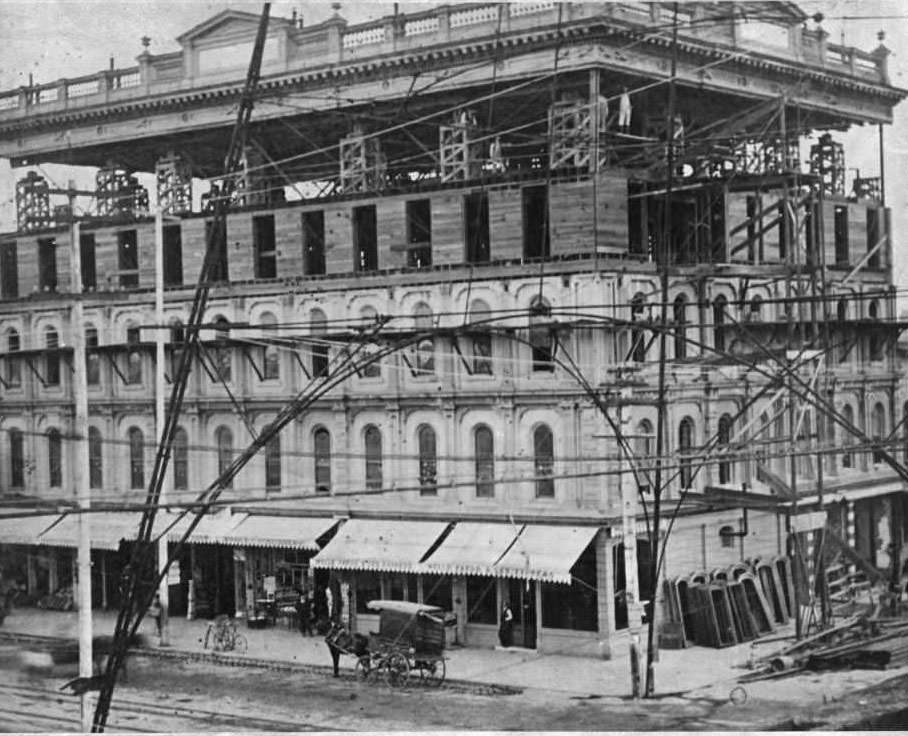
The view north up Market Street from City Hall in 1895 shows a city that had knitted itself together with civic architecture, commerce, and public space. The city hall itself sat in the middle of Plaza Park — now known as Plaza de Cesar Chavez. To the right stood the Post Office with its sandstone exterior and clock tower. Further north, St. Joseph’s Cathedral anchored the skyline. Street-level, the Rea Building at the corner of Market and Santa Clara had grown from the original Hensley House, which Thomas Rea had purchased in 1885 and expanded by adding two additional stories.
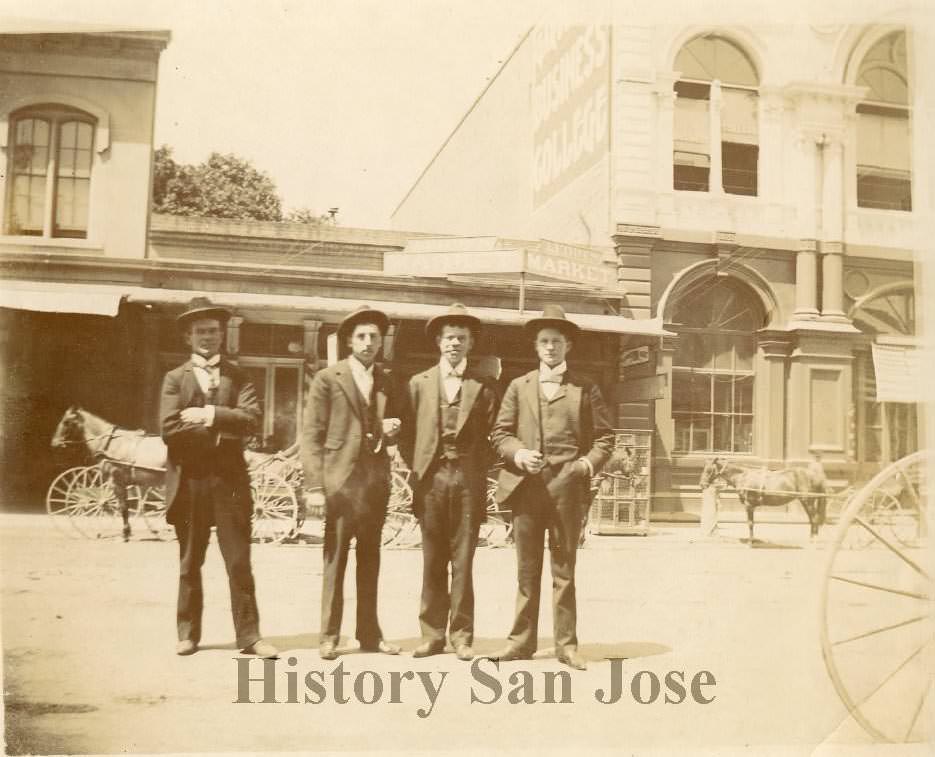
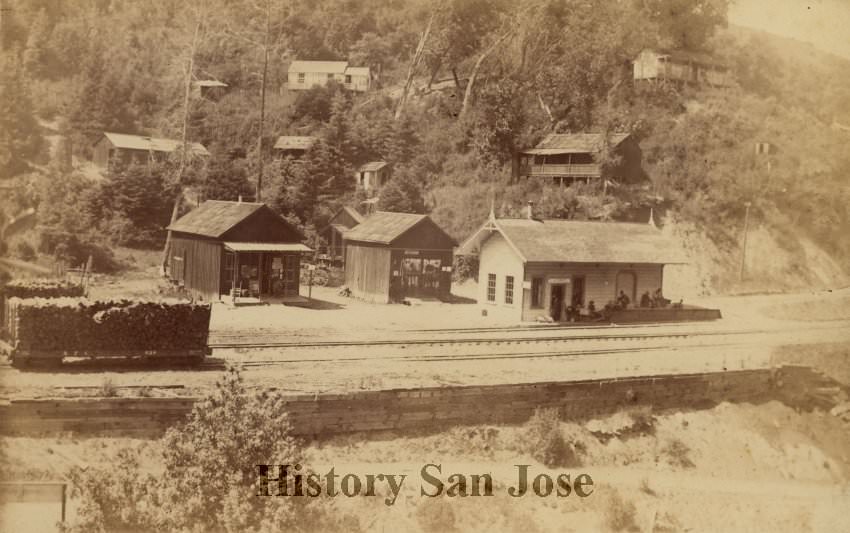
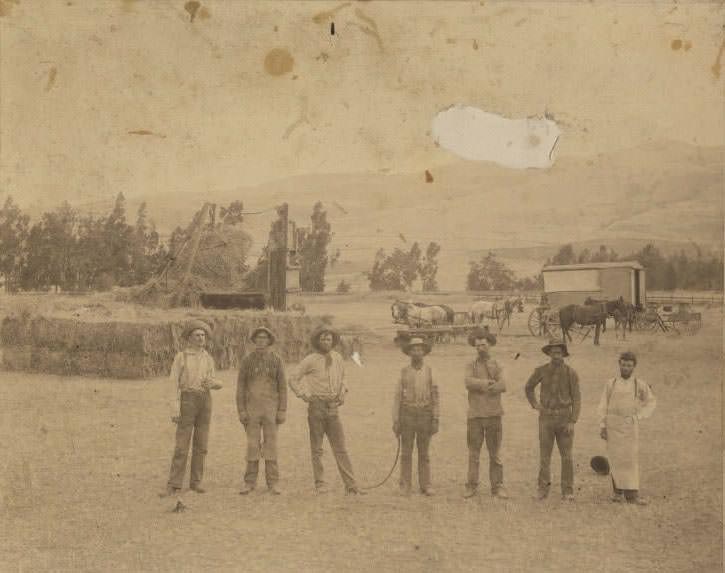
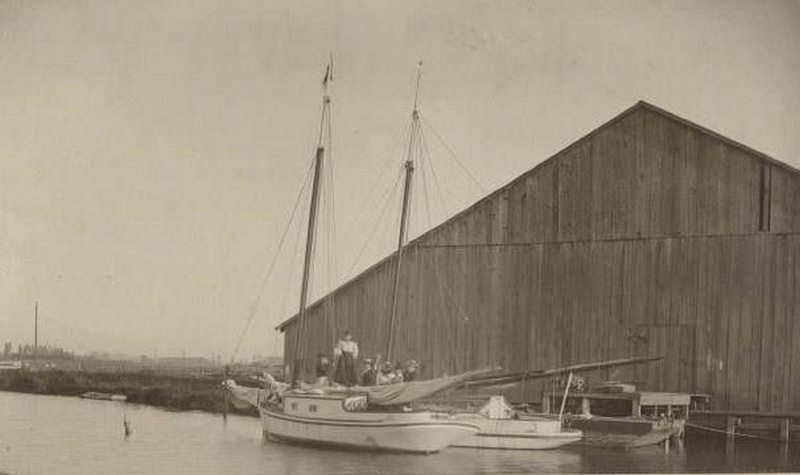
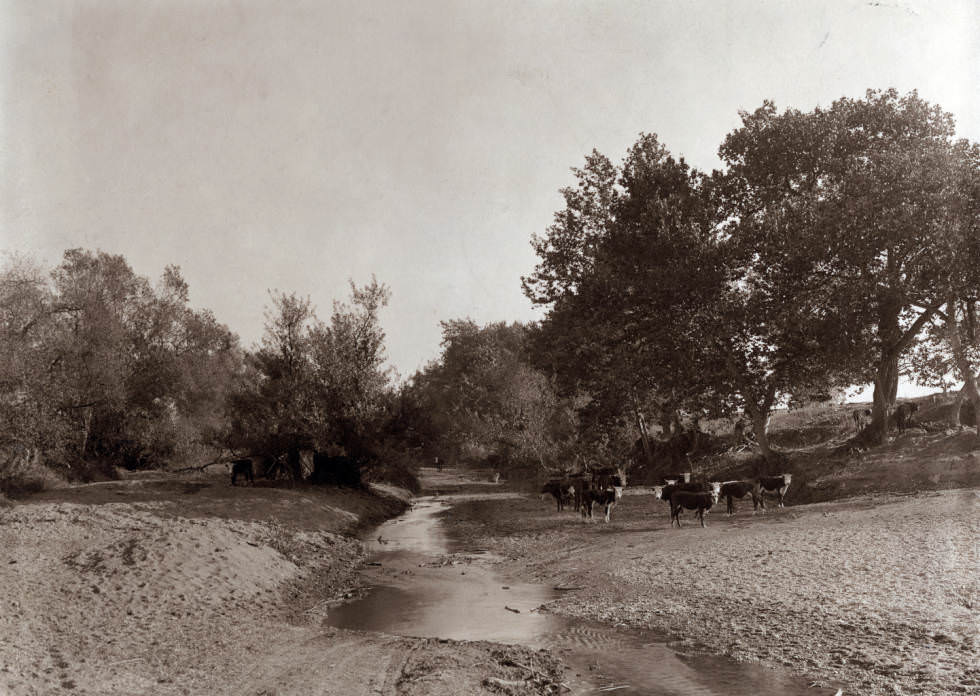
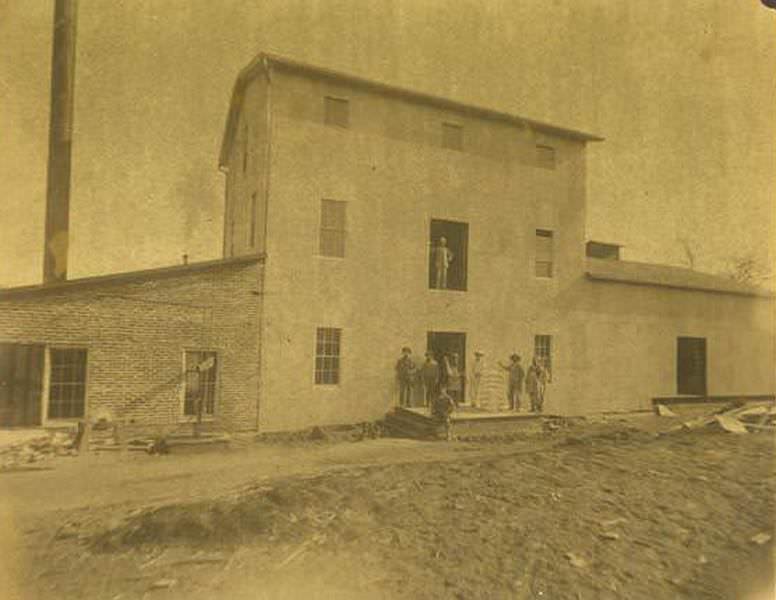
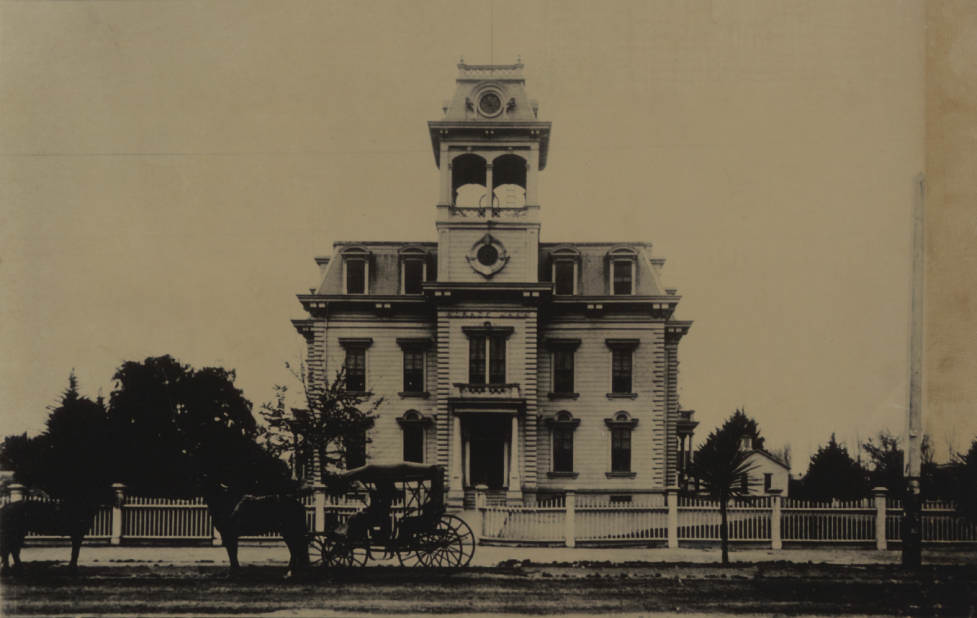
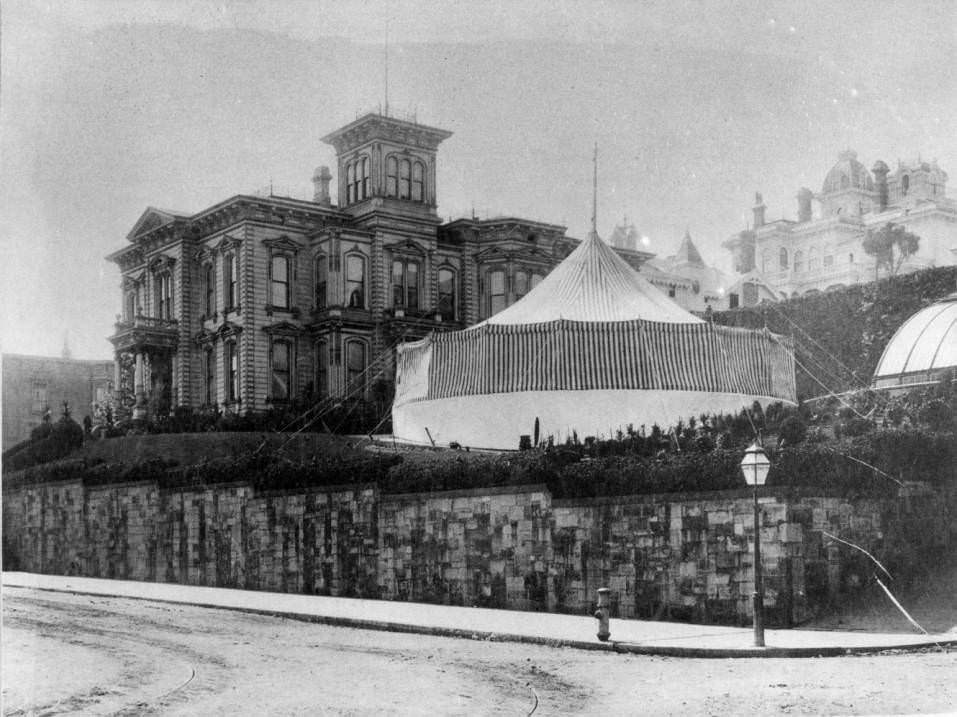
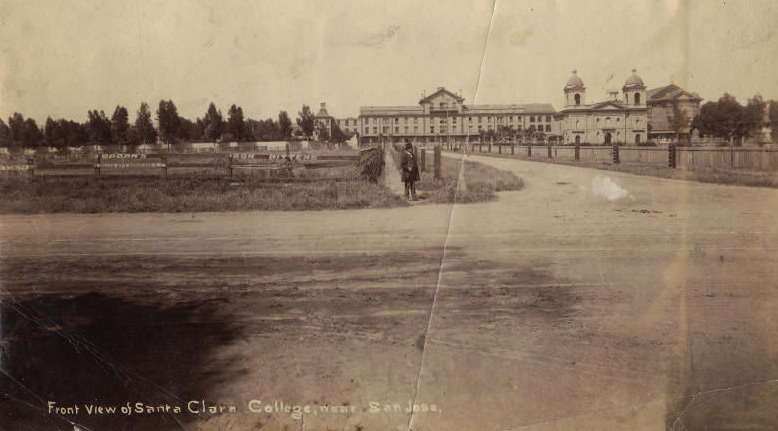
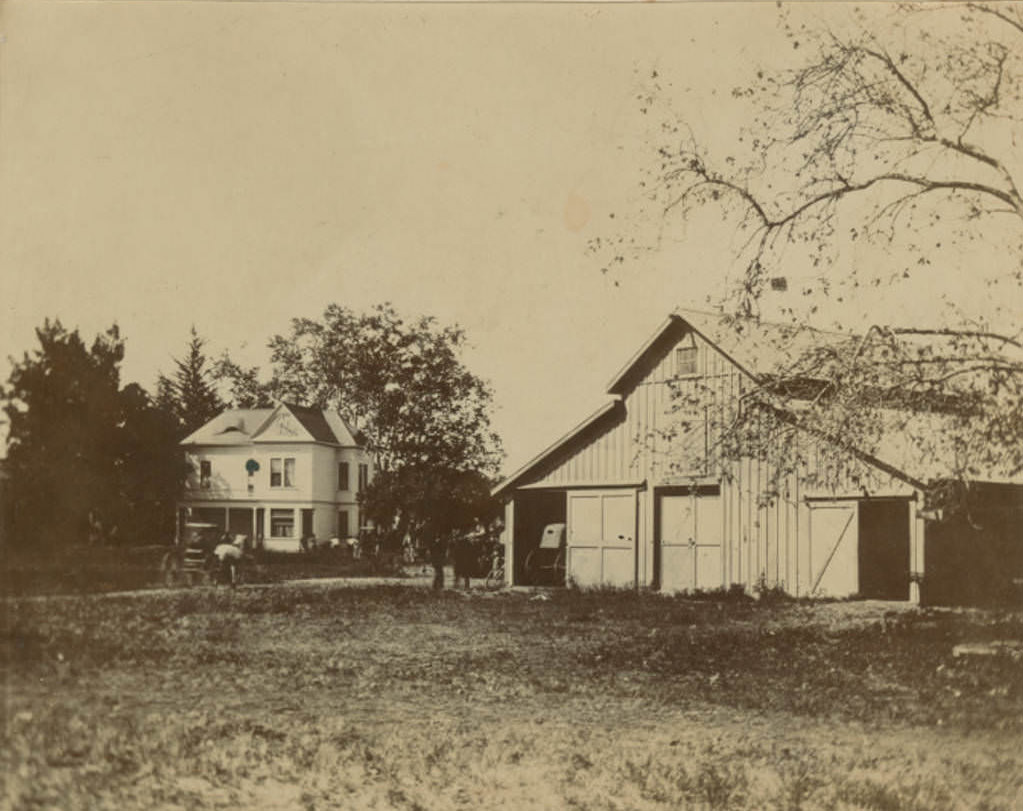
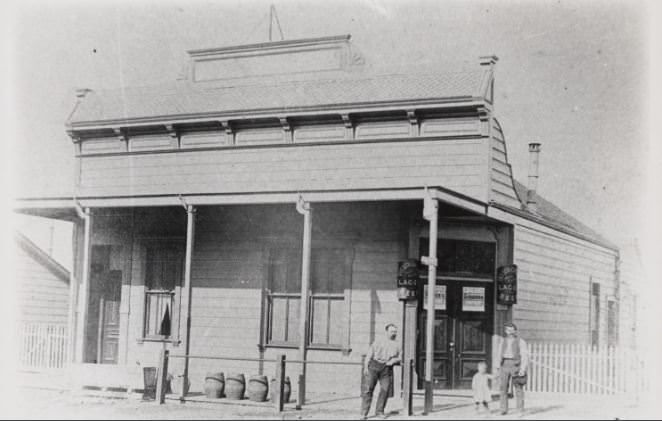
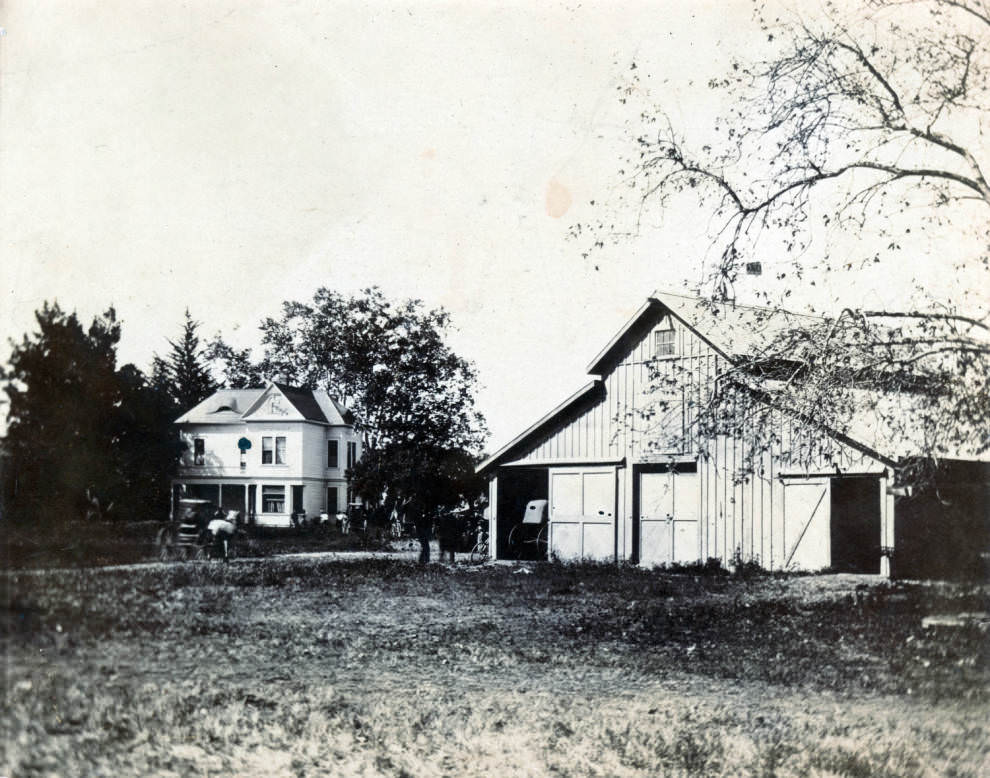
One of the darkest moments of the decade in the San Jose area was the McGlincy murders of 1896. The site of the killings and the McGlincy house and barn were both photographed, preserving a record of the location where one of Santa Clara County’s most notorious crimes took place. The photographs show an ordinary-looking rural property — nothing about the exterior suggested what had occurred inside.
A parade passing the Empire Fire House on South Second Street in 1890 was photographed looking north. The firehouse burned down just two years later in 1892. A replica of it was later built at History Park in San Jose. The San José Electric Light Tower at Market and Santa Clara was still standing at the time — it would remain there until 1915, making it one of the most enduring symbols of the city’s 1890s identity.





Thanks for sharing. On McLaughlin and Tully there are still a few farmhouses with septic tanks and water tank house w/o windmill. People sleep inside tank room today still.
I live right off of McLaughlin between Tully and Capitol Expressway. One of my friends houses when I was a kid was right behind one of the farmhouses on McLaughin and Candia. We used to play in her backyard and the tower from the old house was right on the other side of her fence and we would laugh about how it was “haunted”.
Also, what is now the Evergreen Adult Development Center on McLaughlin used to be a school called Tower Academy. I went to an after school program there as a kid because my mom was working there for about a year. The big huge tower on the campus was occupied by the janitor there at the time. So many years later I drive by it every day and wonder if someone still lives up there, and what their view must be like.
In downtown by 13th and Santa Clara there are still some homes with a water tower south of I-101. Illegal ADU.
SJPD had a horse patrol boarding staples behind Fairground. Now newer housings.
I believe they still keep the horses in stables about a half mile from where I live behind Stonegate Elementary school, off Kenoga Drive and Tully.
Probably has a more bumping downtown back then.
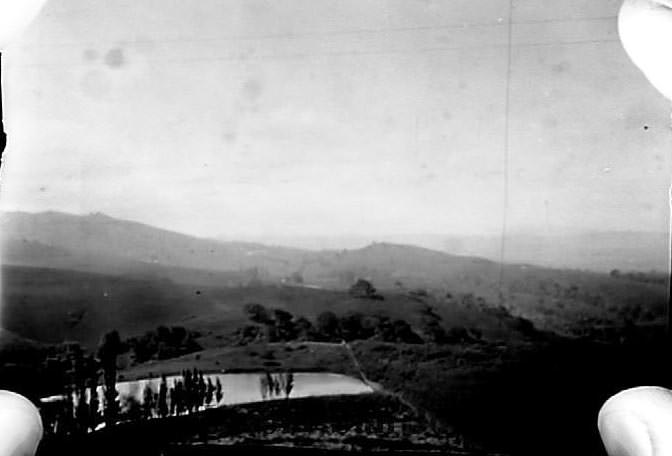
Interesting photos of a few buildings, but I was hoping to see images of the valley from the foothills, to illustrate the scale of all that has been built since then.
There was no Chinatown. They burned it down three times and foreclosed on the properties twice. The only safe place for Chinese was Heinlinville, who was a European American giving opportunities to Chinese workers and what is now Japantown. Japantown was abandoned due to internment of Japanese Americans. Chinese settled there. Japantown was abandoned by the original Japanese after they were freed from internment. The current incarnation is from the flood of Vietnamese and Filipino refugees.
I worked at Winchester for 4 years and never saw that photo of Sarah’s bedroom! How cool!!
It looked so much better back then.
That building is in Stockton! It is the University of the Pacific.
This is a collection of more than 200 pictures. Which one are you talking about?
This is a great post, I wish there was some background on each picture.
Yeah you see I grew up in the Bay Area but I didn’t go to the Normal School.
Oh to be a time traveler.
To think the alameda was once a humble dirt road, and now it’s where I go for all my employer’s forced fun events. How far we’ve come
Anyone know anything about “The battle of Mt Hamilton,” Was there actually a battle there (that I can’t find anything about in a brief internet search), or is this a picture of the local garrison or militia, etc?
TIL there was a battle there.
Had the same question! Nothing online about a battle.
I would guess that it refers to the completion date of Mount Hamilton Road, which finished in 1876: https://en.m.wikipedia.org/wiki/Mount_Hamilton_(California)#Geography
That is incredibly cool. Thanks so much for sharing!
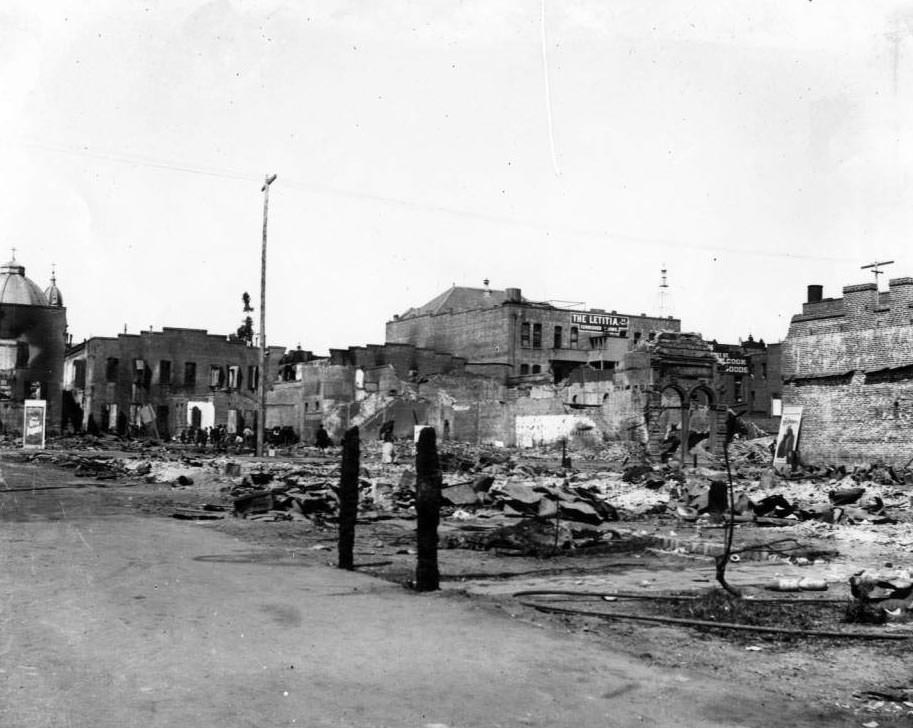
Not-so-fun fact about why Chinatown doesn’t exist in the city anymore: there was a lot of anti-Chinese/anti-Asian sentiments during the 1860s/70s that led to the Chinese Exclusion Act that banned Chinese immigrants from immigrating to the US. San Jose’s Chinatown was burnt down by a group of racially motivated arsonists, and since most structures in Chinatown were made of wood, the entire neighborhood burnt down. It was the biggest fire in San Jose’s history until the 2002 Santa Row fire, and Chinatown was never rebuilt here.
There were at least three Chinatowns in San Jose. That was the last one, located somewhere near Japantown, if memory serves. It was built by a German (?) immigrant to help protect the Chinese residents that lived in the area. They found a previously-unknown Chinatown -the oldest known one- near 87 and Hedding when they were remodeling the area. Crazy to think that something like that could exist and there’s zero documentation about it until they dig it up.
Yeah 100% it’s wild, San Jose has a pretty deep history if you read into it.
It’s the home of Low Rider Magazine! … The site of the first ‘rock ‘n’ roll riot’! … Home of the first (and biggest money-making) mine in California of any kind! (An incident where President Lincoln ordered the mines to be seized for the Union cause nearly turned every mine in California to the Confederate cause, which surely would’ve changed the history of the world. Lincoln was alerted to the miners’…distaste…for the plan, and the fact they had a small army of sharpshooters willing to take on the small garrison of US soldiers stationed in Santa Clara didn’t help. It was going to be real bad publicity, too…) … The first city west of the Rockies to be electrified! (There’s even a tiny bit of evidence to support the theory that the Eiffel Tower was inspired by San Jose’s own ‘Electric Tower’!) … The Grateful Dead played their first gig at a house party with that name in San Jose! (The Merry Pranksters and Rolling Stones, who were playing that night at the Civic Center (?) were said to have attended after their show was over…) … At one point, The Saddle Rack and the Berryessa Flea Market were the two top-sellers of beer on tap in California…and they were only open three days a week! (In fact, 20+ years ago, San Jose consumed more alcohol than any county in America, and held the record for years! (I don’t think that’s changed, from what I can tell =..] ) … There was a Civil War ‘insurrection’ in Robertsville (later annexed by San Jose), near present-day Almaden Expressway and Branham!
So much history, but most the important fact of all: San Jose is the birthplace of Eggo waffles!!
God, it was majestic.
Is there a good museum around documenting this ?
Maybe check out History Park?
Thanks! the tour looks cool .
You’re welcome, hope you enjoy it! It’s small but cool IMO
The downtown library has a whole section dedicated to San Jose’s history. The county building (70 W. younger?) has all kinds of cool old pictures of the area, too, along with huge, ancient maps. You can just walk right in at check it out.
The air and the water must’ve been a lot cleaner back then!
The horses back then had “please be patient. Student driver” on them.
Student rider
Hard to believe the city was wver black and white like that. I’m glad Norm Mineta passed the city measure to upgrade us to full color.