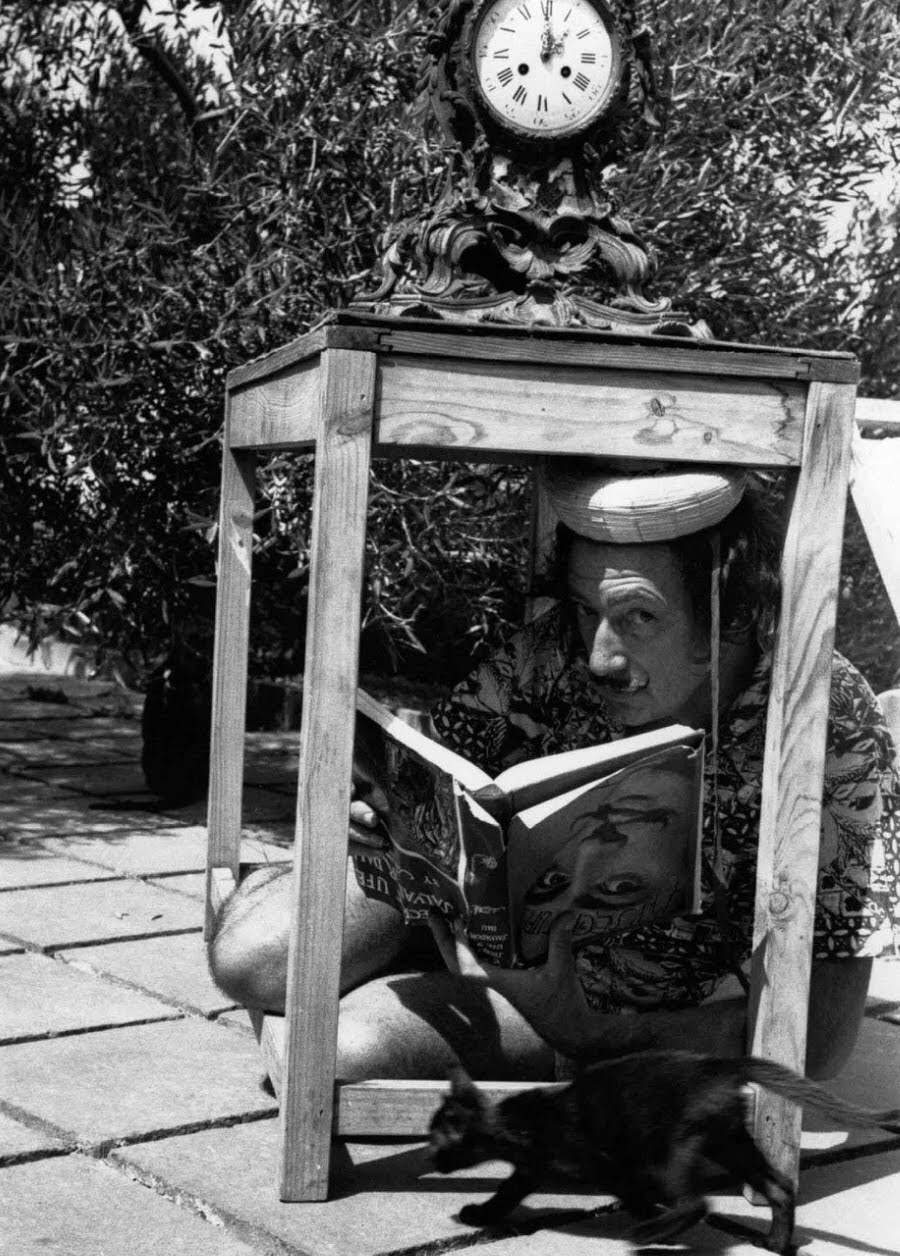
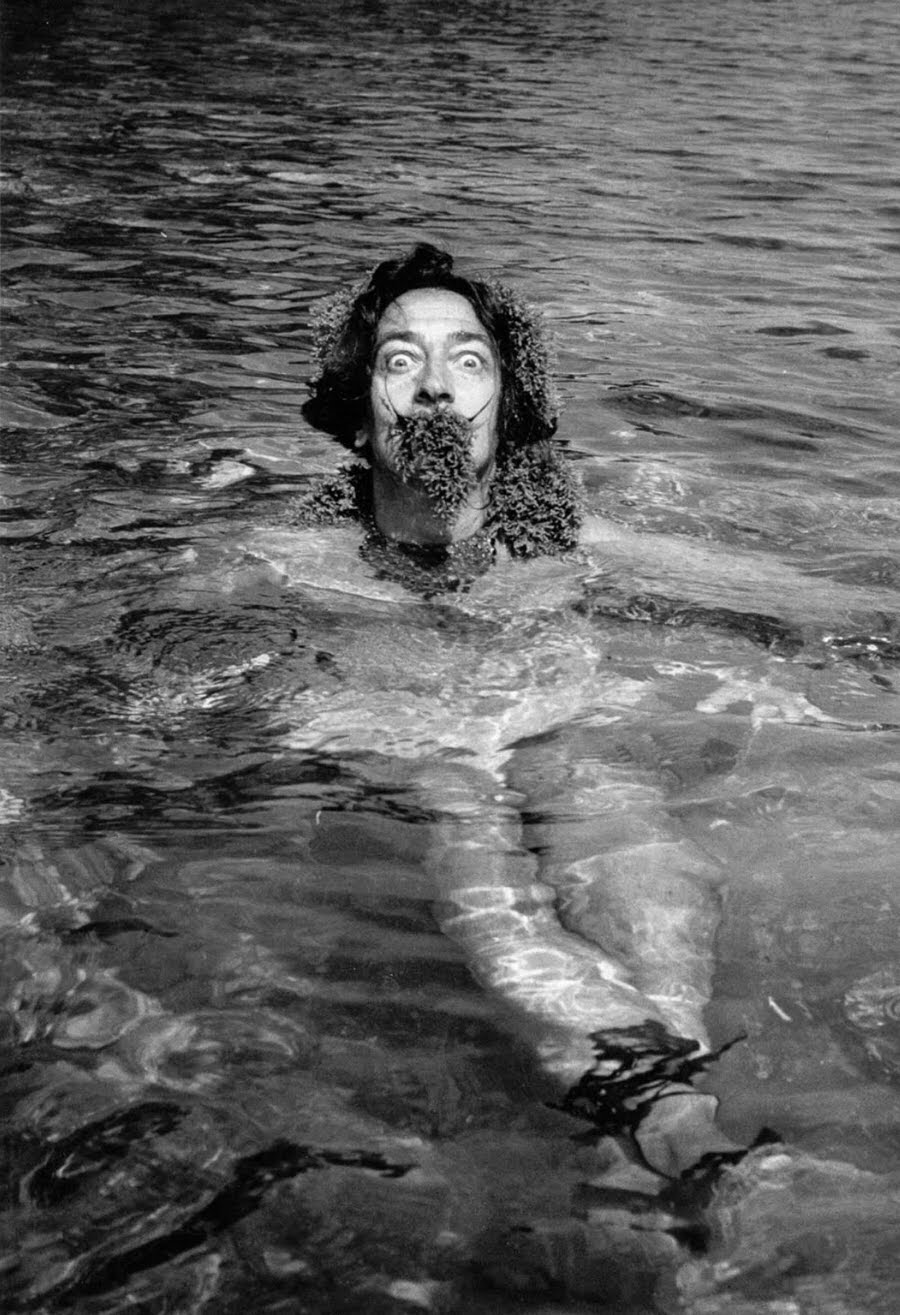
In 1955, British magazine Picture Post sent photographer Charles Hewitt to Spain with one assignment: capture Salvador Dalí as he truly was. Not just the artist, but the persona — theatrical, obsessive, and completely unlike anyone else alive. Hewitt spent an entire day with Dalí and came away with a series he simply titled “One Day with Salvador Dalí.”
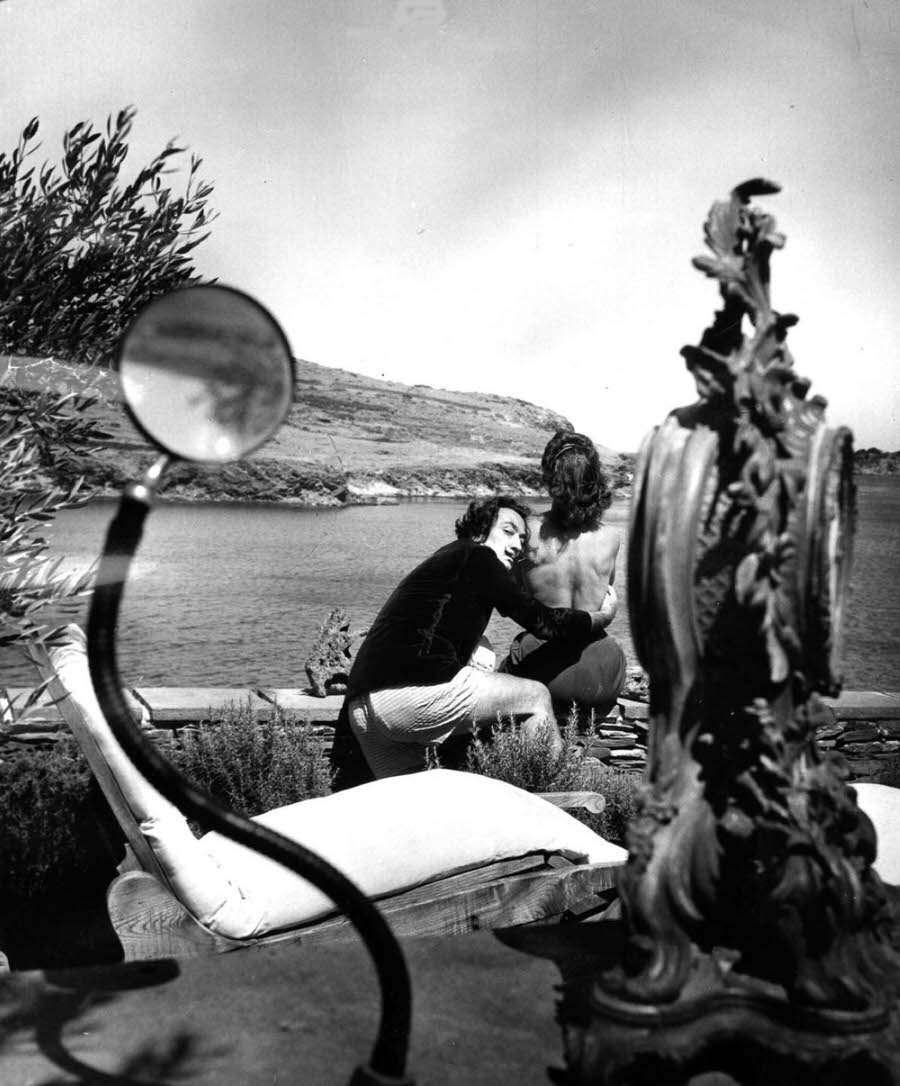
Dalí was at his home in Port Lligat, a small fishing village on the northeastern coast of Spain. He shared the house with his wife and lifelong muse, Gala. The two had made it their primary residence starting in 1930, and Dalí worked there until the very end of his life. The house was not a conventional home by any measure. It grew over the decades like a living thing — rooms and studios added one by one, each reflecting Dalí’s restless imagination.
The property included a phallic-shaped swimming pool and was adorned with yellow Sempervivum, a succulent plant that Gala considered her favorite flower. These details were not accidental. Every corner of the house was an extension of Dalí’s artistic thinking — a blend of the erotic, the natural, and the mathematically precise.
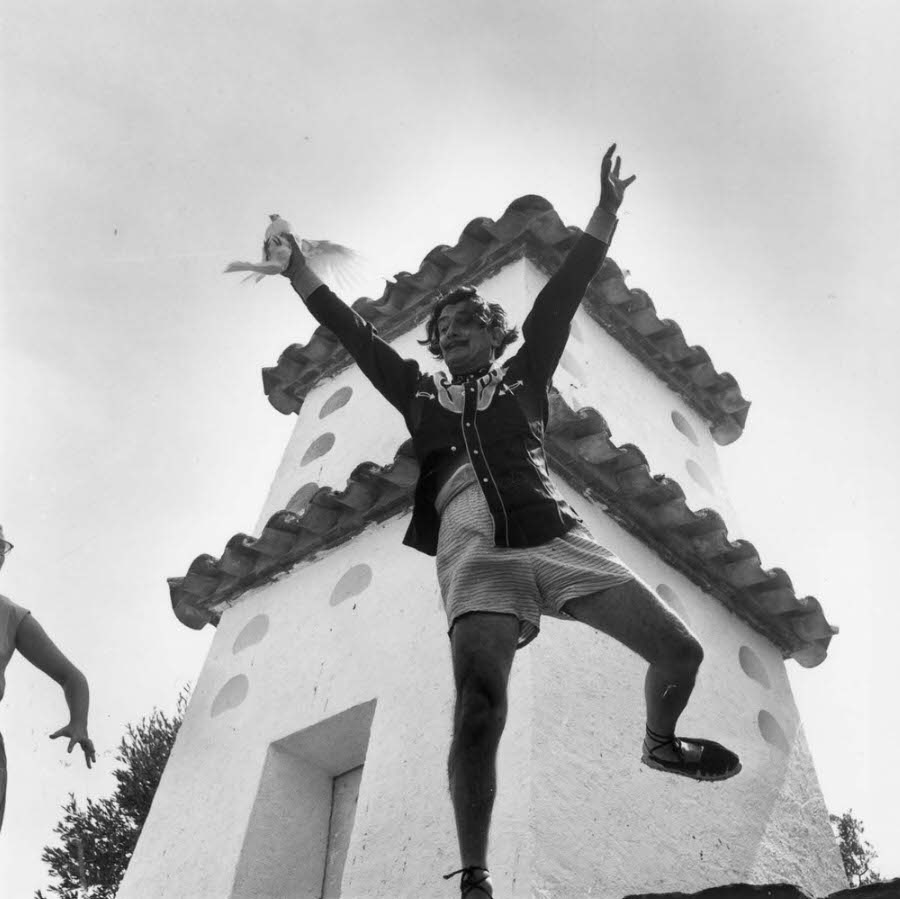
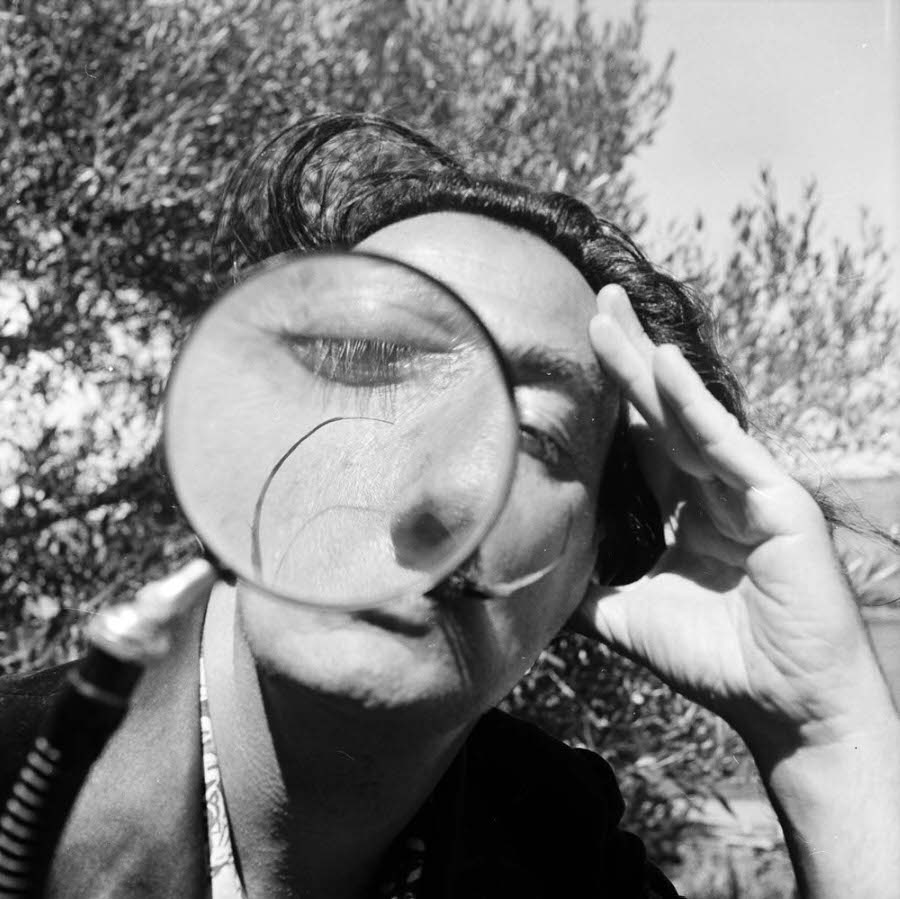
Dalí was already one of the most recognized artists in the world by 1955. His surrealist paintings — filled with melting clocks, dreamlike landscapes, and jarring imagery — had made him famous across Europe and North America. But his public personality was just as striking as his canvases. He treated everyday life as a stage, and he rarely stepped off it.
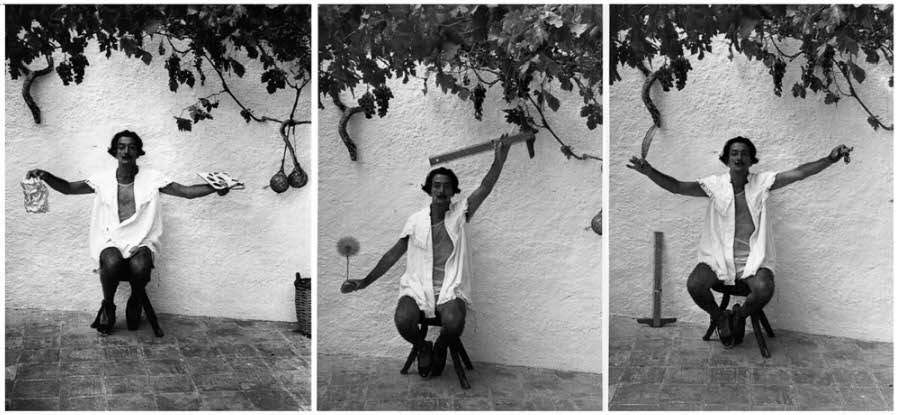
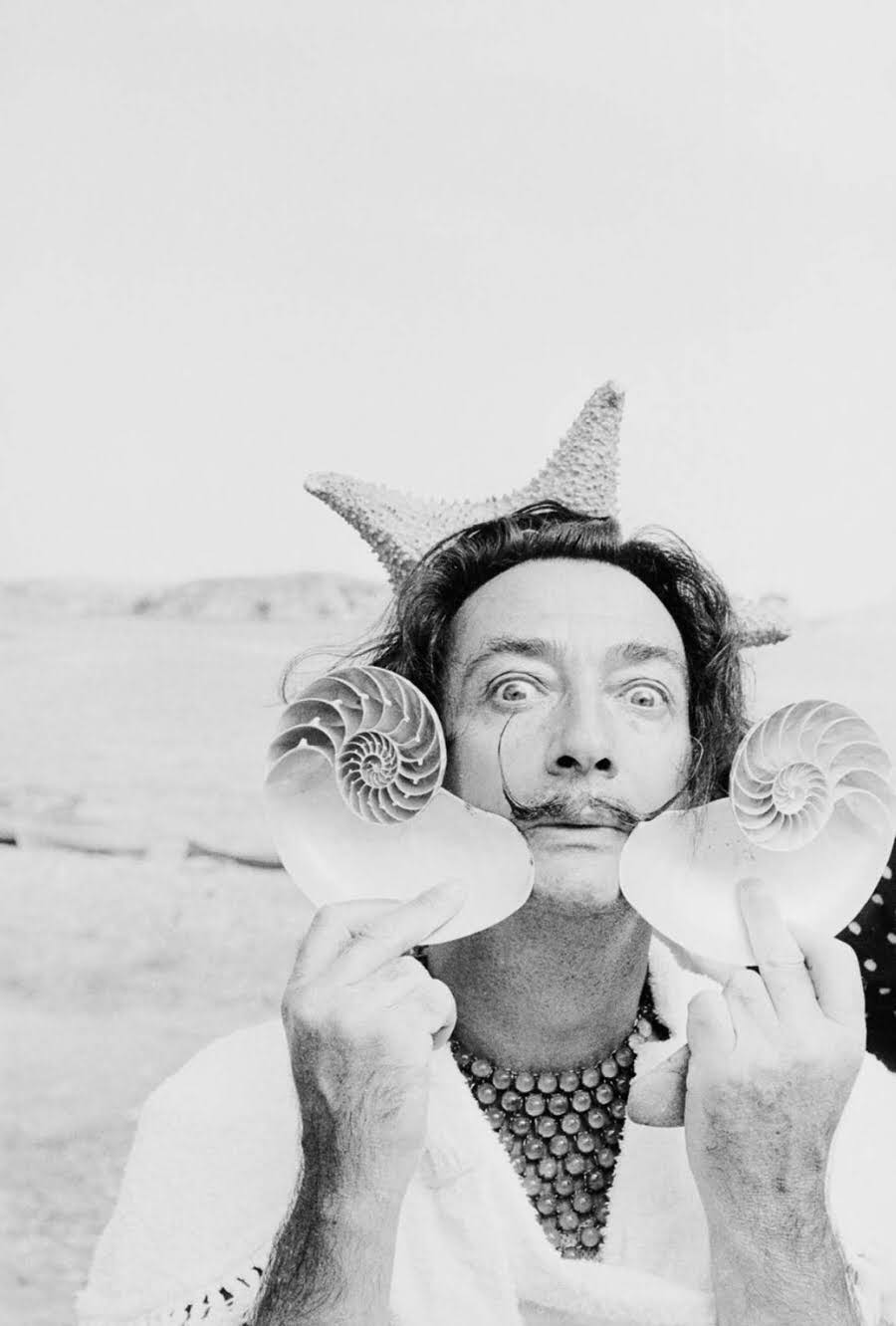
During Hewitt’s visit, Dalí demonstrated one of his well-known intellectual obsessions: the Golden Ratio. This mathematical proportion, found throughout nature, was a recurring theme in his paintings and a subject he returned to again and again in conversation.
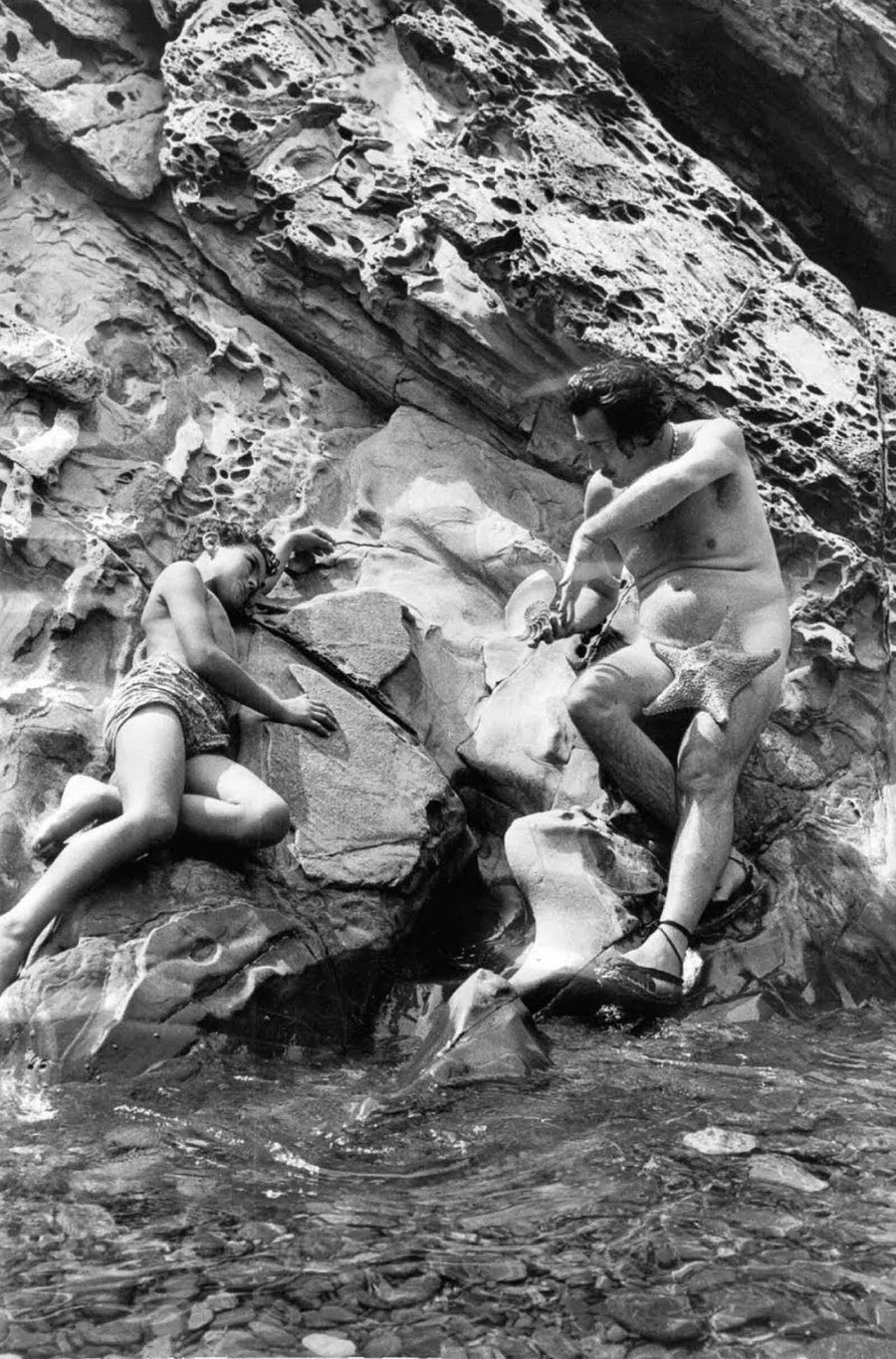
He used a nautilus shell to illustrate the point to a neighbor — the shell’s spiral being a natural example of the ratio at work. For Dalí, this was not an academic exercise. He believed the Golden Ratio revealed a hidden order beneath the surface of the visible world, and it directly informed how he composed his paintings.
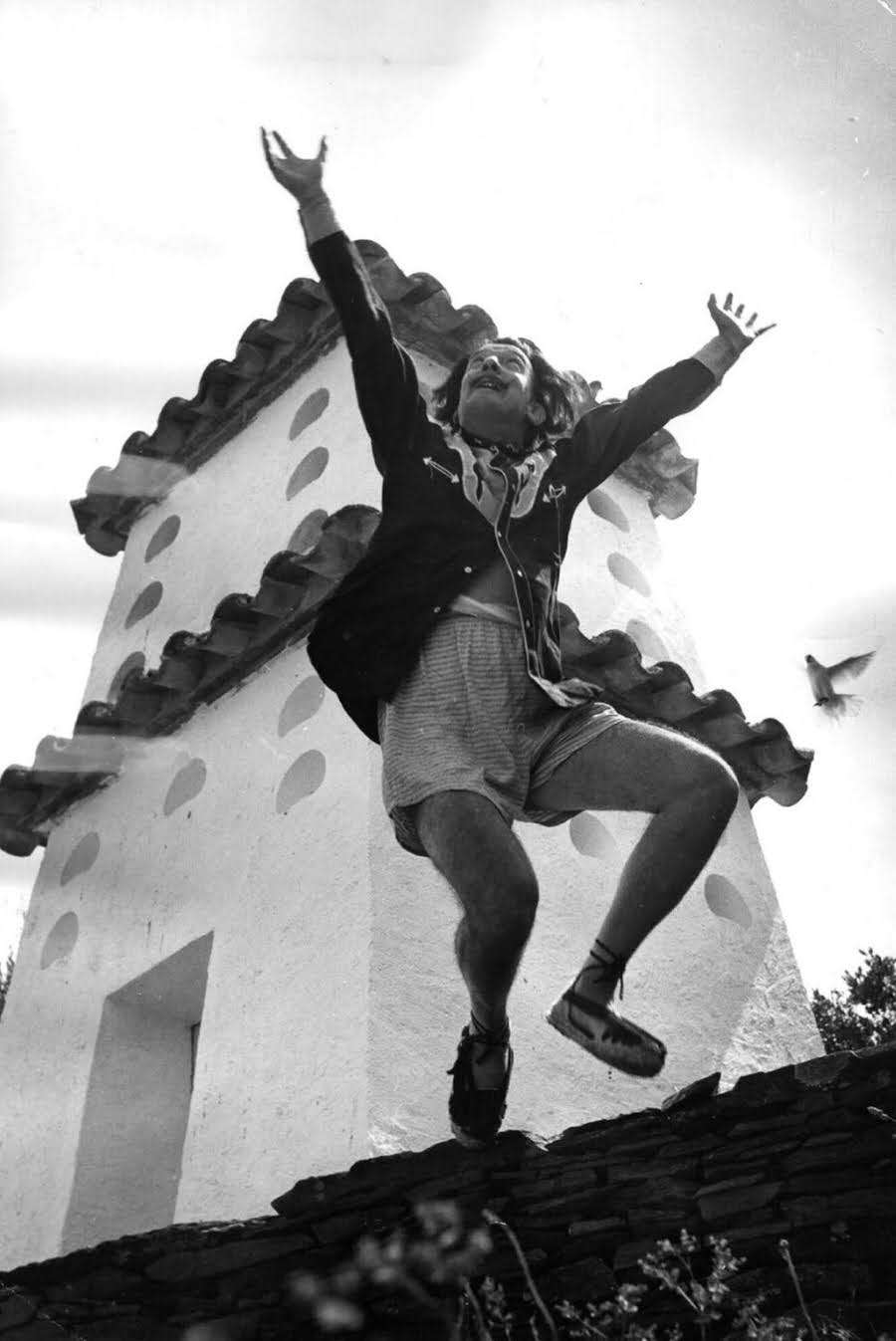
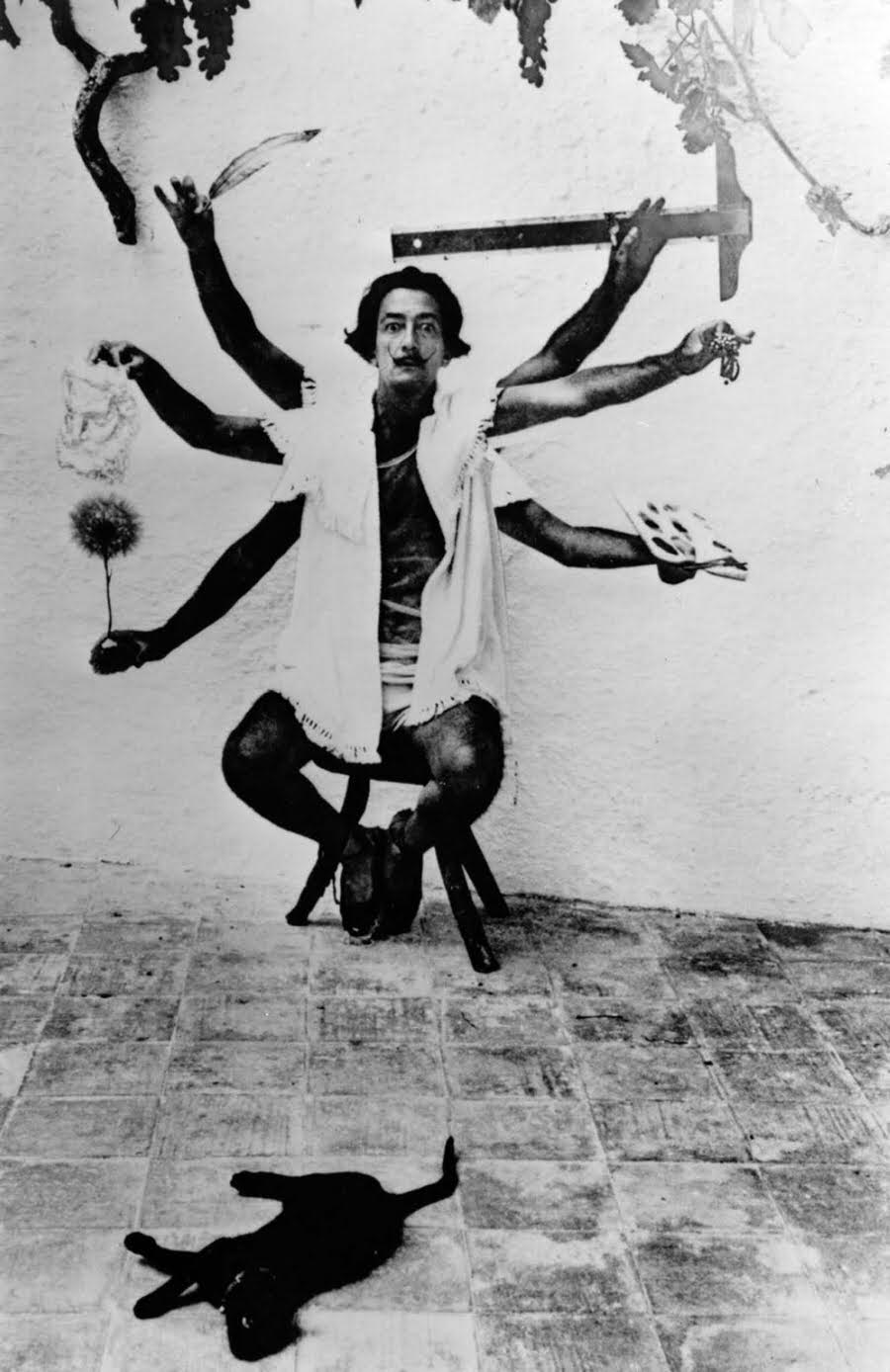
Hewitt’s camera followed Dalí through the rhythms of an ordinary day at Port Lligat, though nothing about Dalí’s behavior was ever truly ordinary. He posed, performed, and philosophized in equal measure. He had a rare gift for knowing exactly what a camera wanted from him — and then giving it something more.
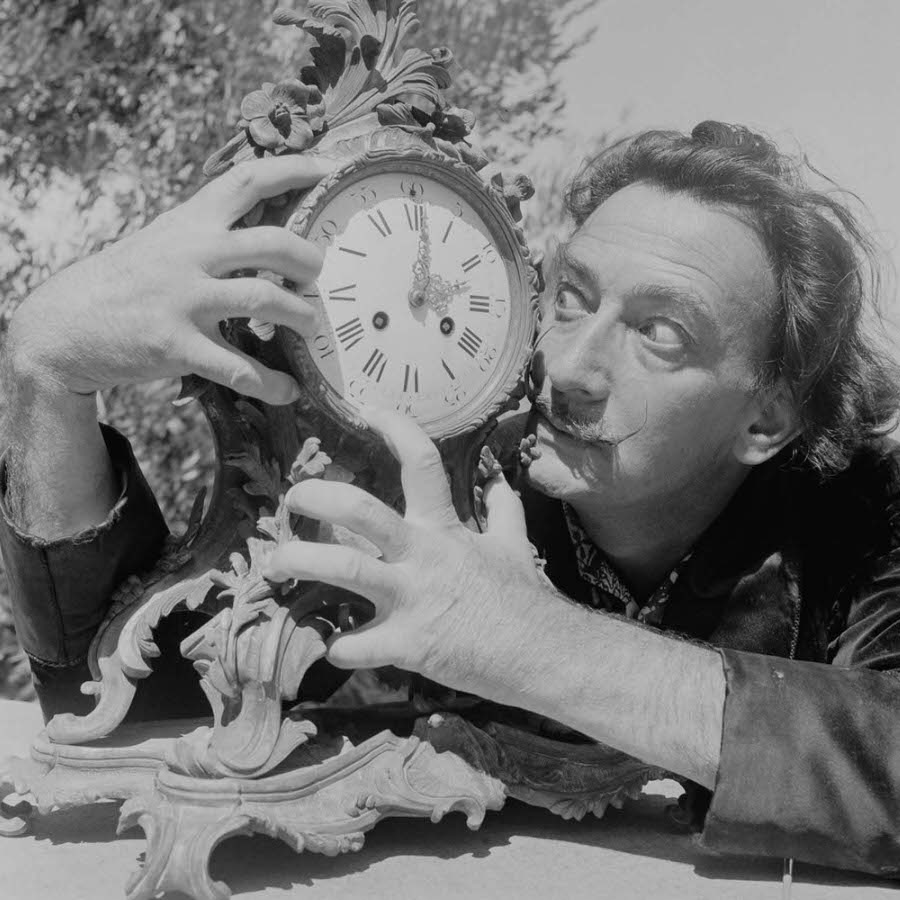
At one point during the session, Dalí produced a pair of heavily customized spectacles and showed them off with obvious delight. The glasses were less a practical object than a prop, another small provocation from a man who turned every accessory into a statement.
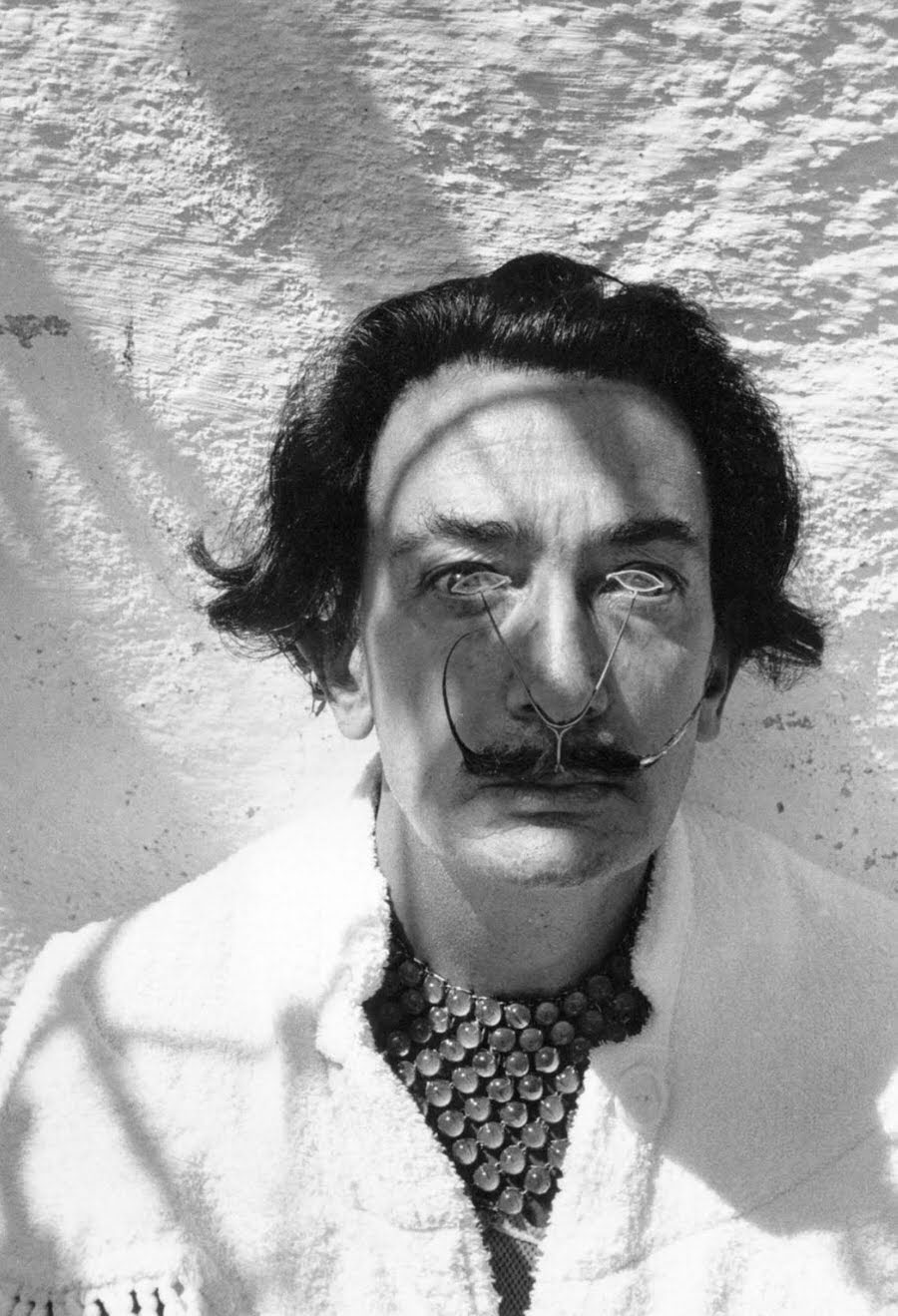
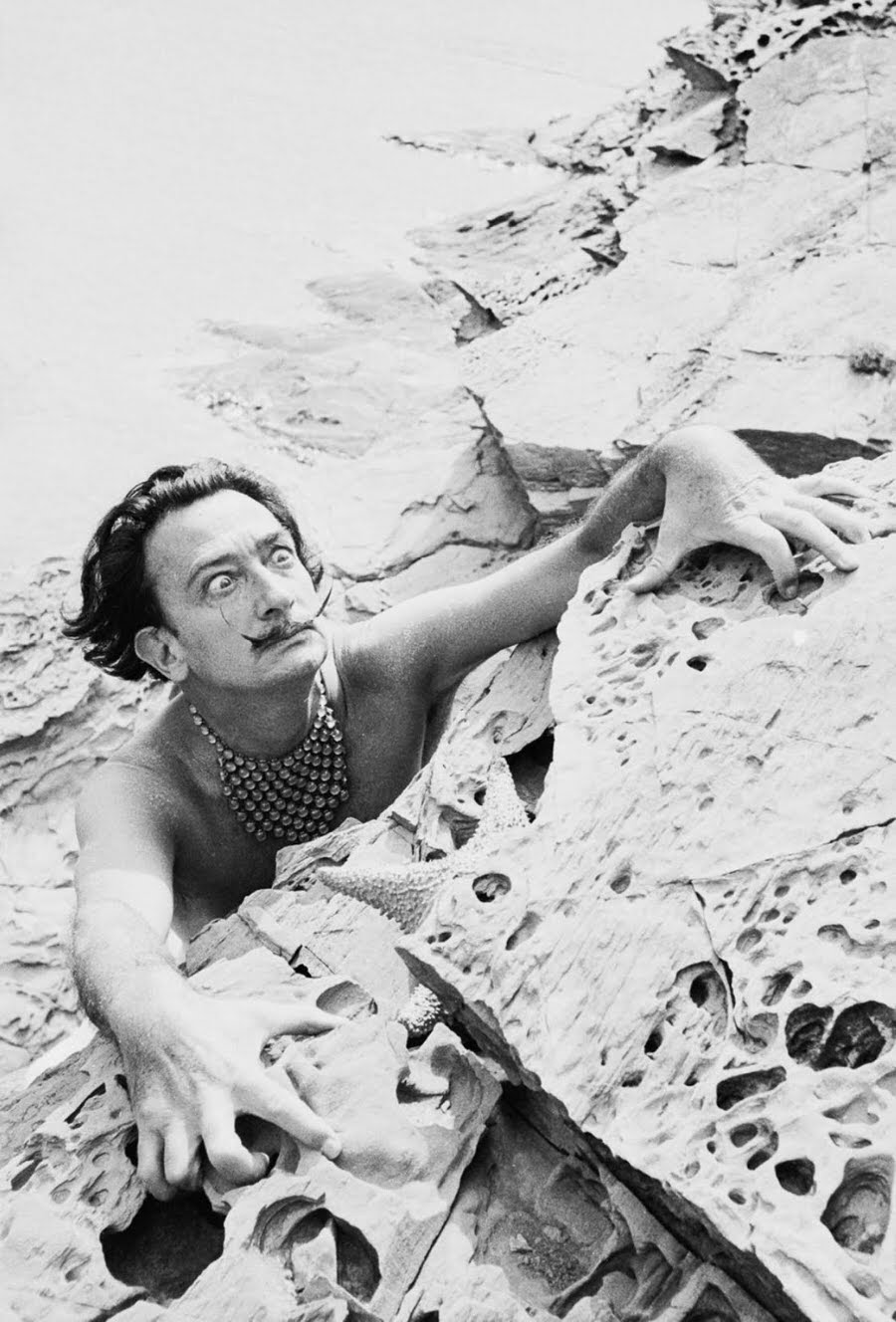
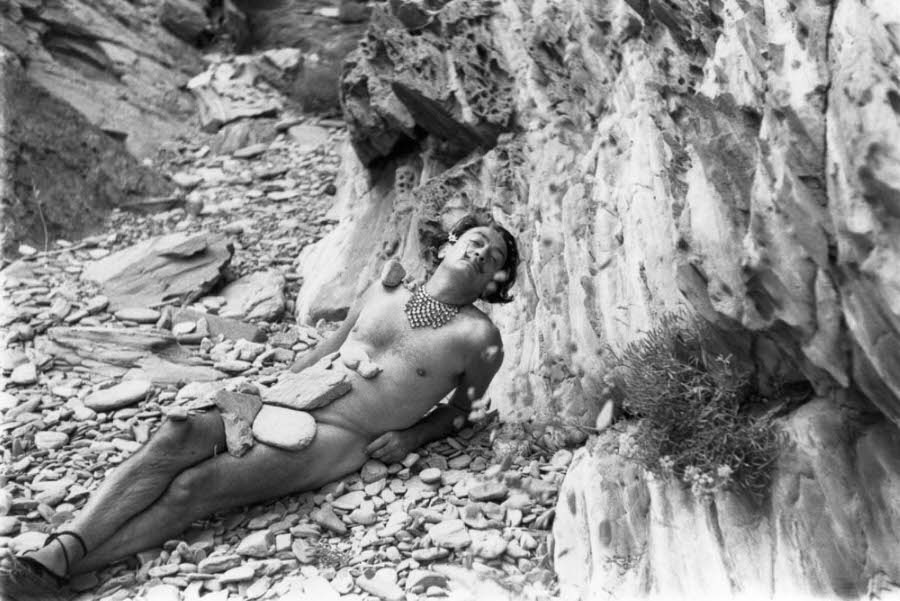
The seaside setting of Port Lligat gave the photos a raw, sunlit quality that contrasted with the strangeness of Dalí’s world. The rocky Catalan coastline, the whitewashed walls of the villa, and the Mediterranean light all framed a man who seemed to exist slightly apart from the world around him — even when standing directly in it.
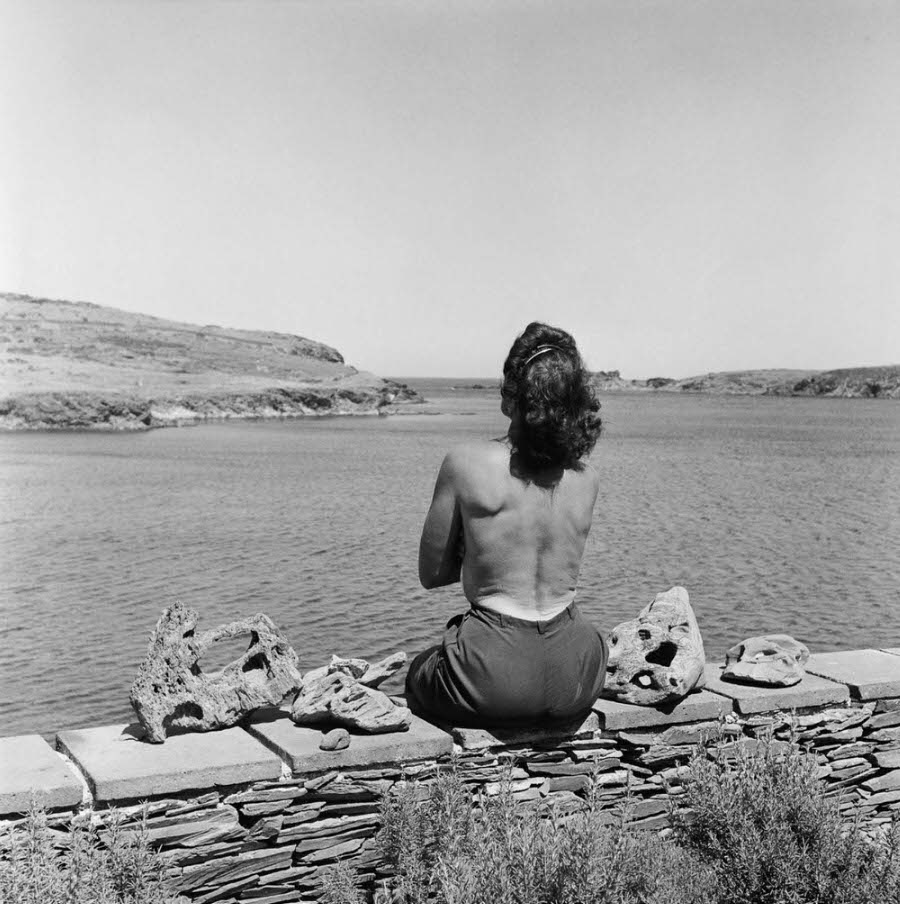
After Dalí’s death, the house at Port Lligat was preserved exactly as the couple had left it. The swimming pool, the Sempervivum flowers, the studios and their contents — all of it remained in place. The home opened as a museum, giving visitors a direct look at the physical world Dalí and Gala built together over more than five decades.