In the late 1800s, Saigon — today’s Ho Chi Minh City — was a city in the middle of rapid transformation. Under French colonial rule, what had once been a modest trading port on the Saigon River was becoming a major urban center. Wide, tree-lined boulevards replaced older pathways, and European-style buildings rose alongside traditional Vietnamese homes. The earliest photographs from this era, taken as far back as 1866, capture a city just beginning to feel those changes.
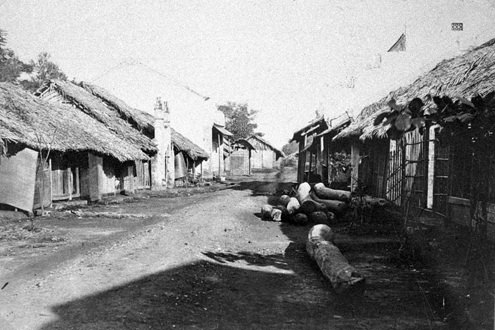
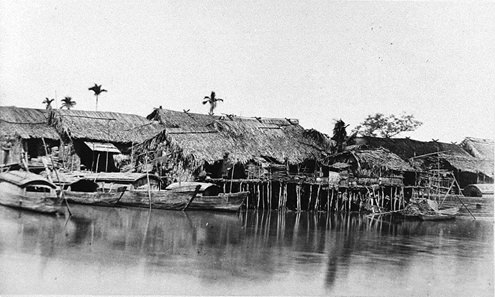
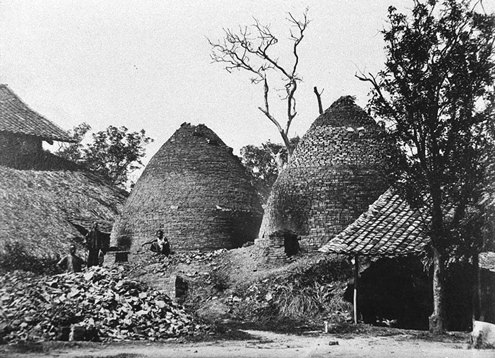
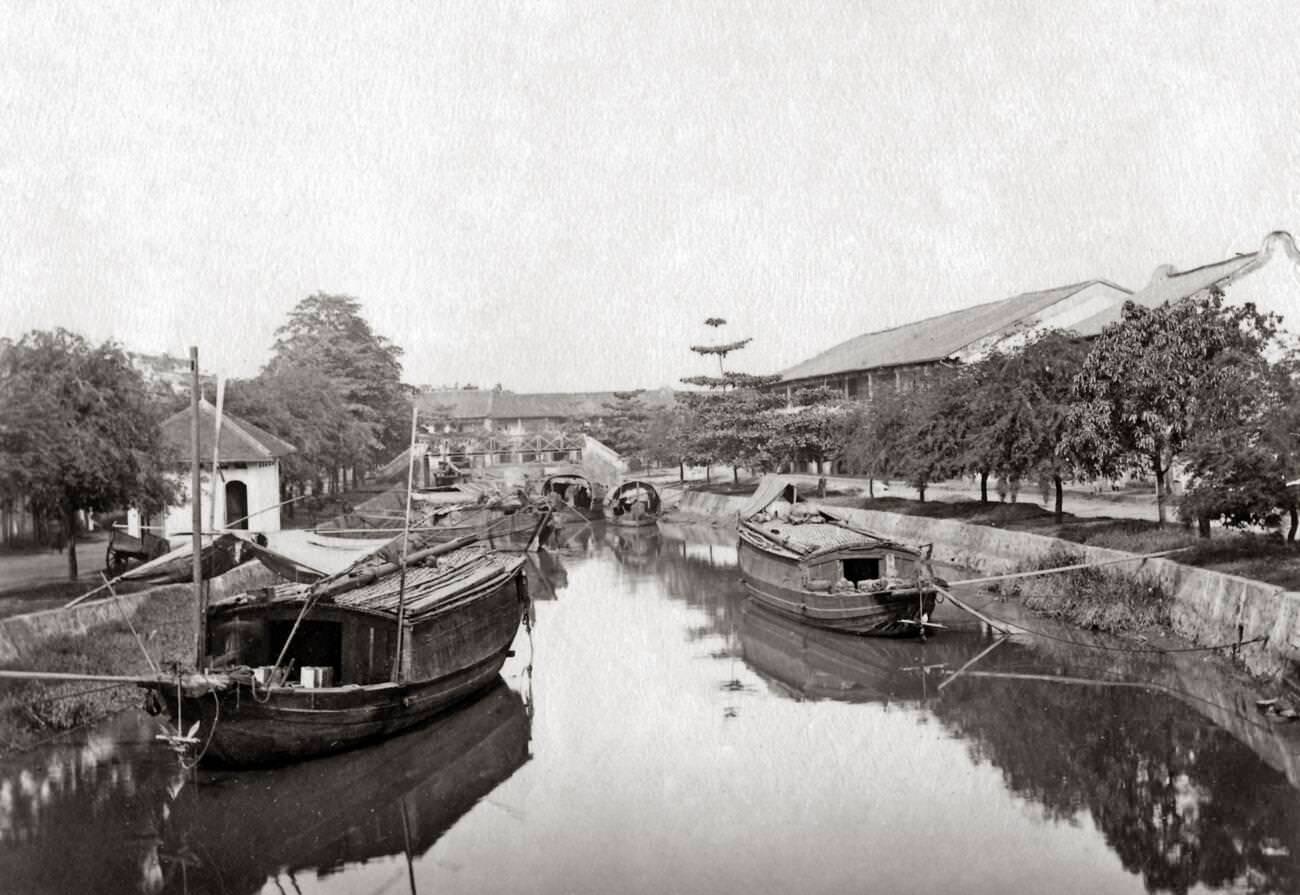
By the 1860s, Saigon’s waterways and neighborhoods were home to a mixed population. Chinese-Vietnamese communities had settled along the Ben Nghe River, building distinctive wooden houses that lined the banks. Brick kilns operated on the outskirts, supplying materials for the construction boom that French administrators were driving across the city.
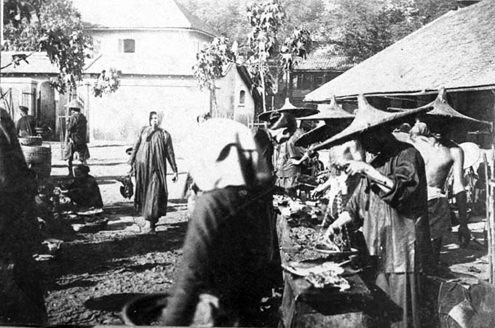
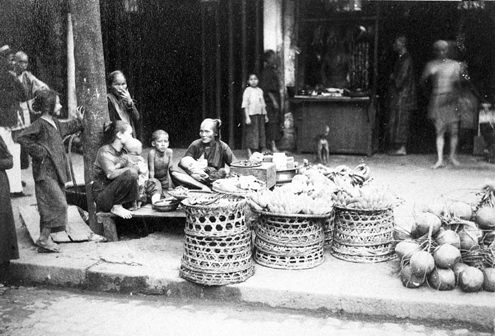
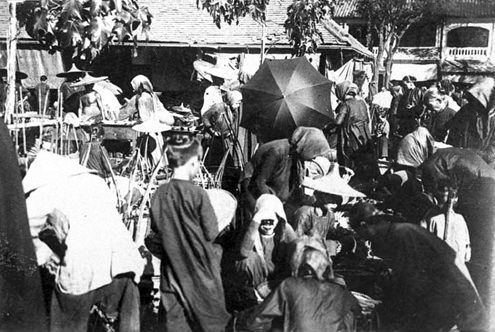
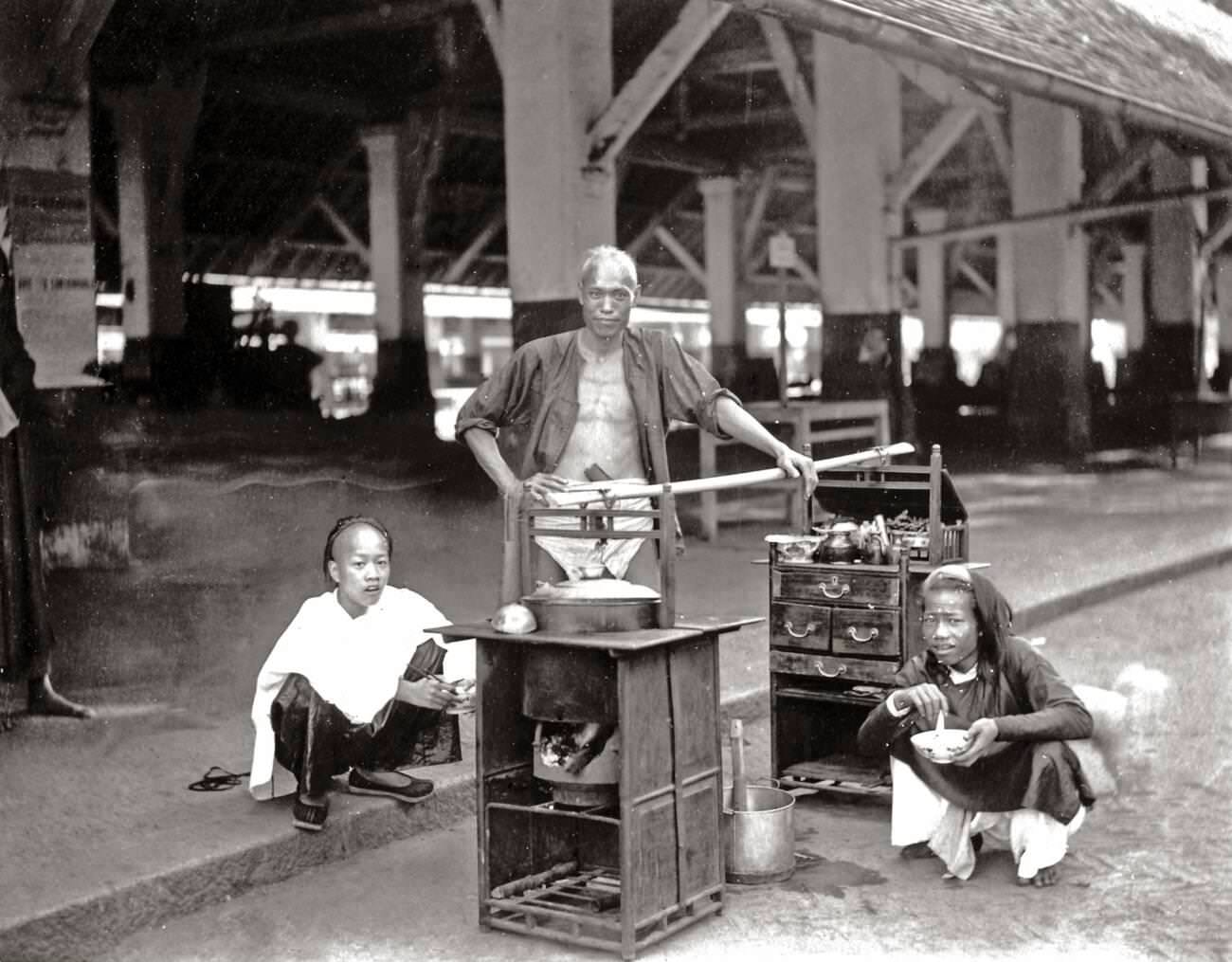
Markets were the heartbeat of everyday Saigon. Vendors gathered in dense, noisy spaces to sell food, cloth, and goods of every kind. Merchants haggled over prices while buyers moved through tight rows of stalls. These scenes played out daily across the city, drawing people from all backgrounds.
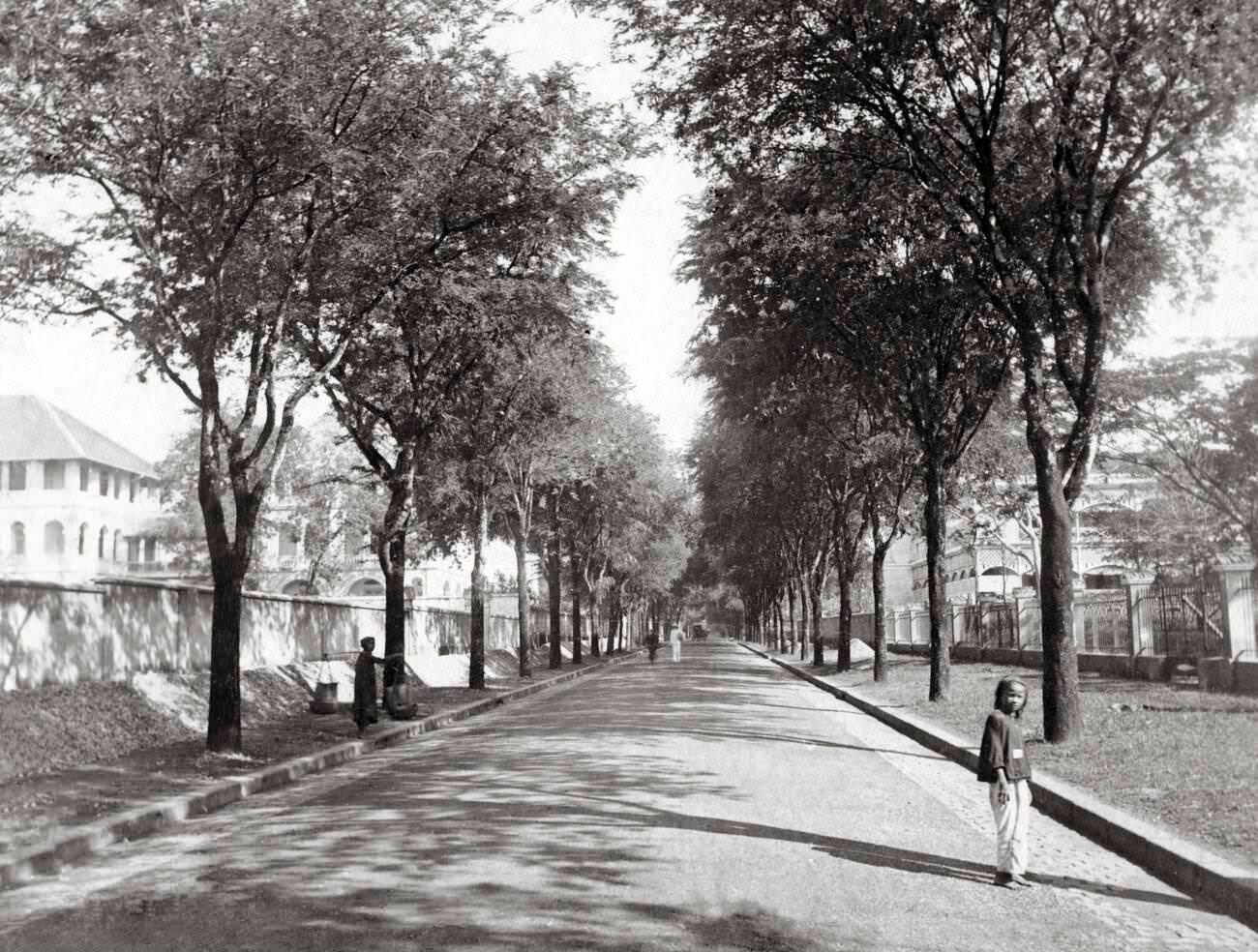
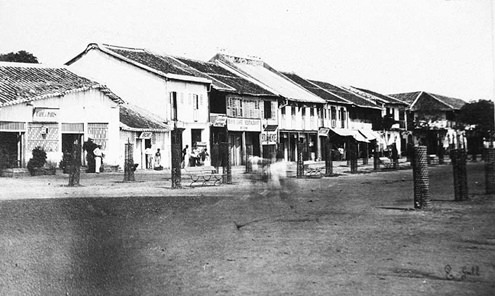
On Saigon’s streets, pedestrians, rickshaws, and horse-drawn carriages all shared the same space. Catinat Street — now Dong Khoi — was one of the busiest thoroughfares, lined with shops and colonial buildings. Adran Street offered a similar view, with horse-drawn cabs moving through a distinctly European-feeling boulevard.
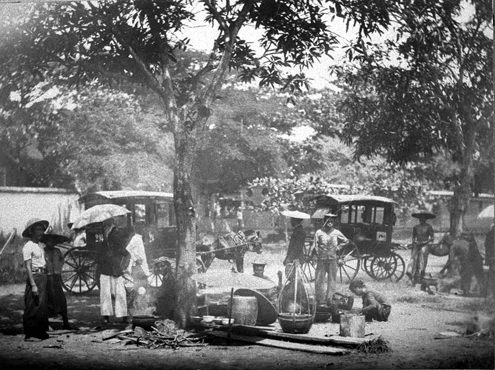
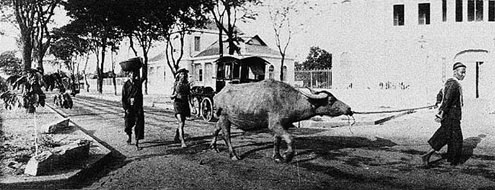
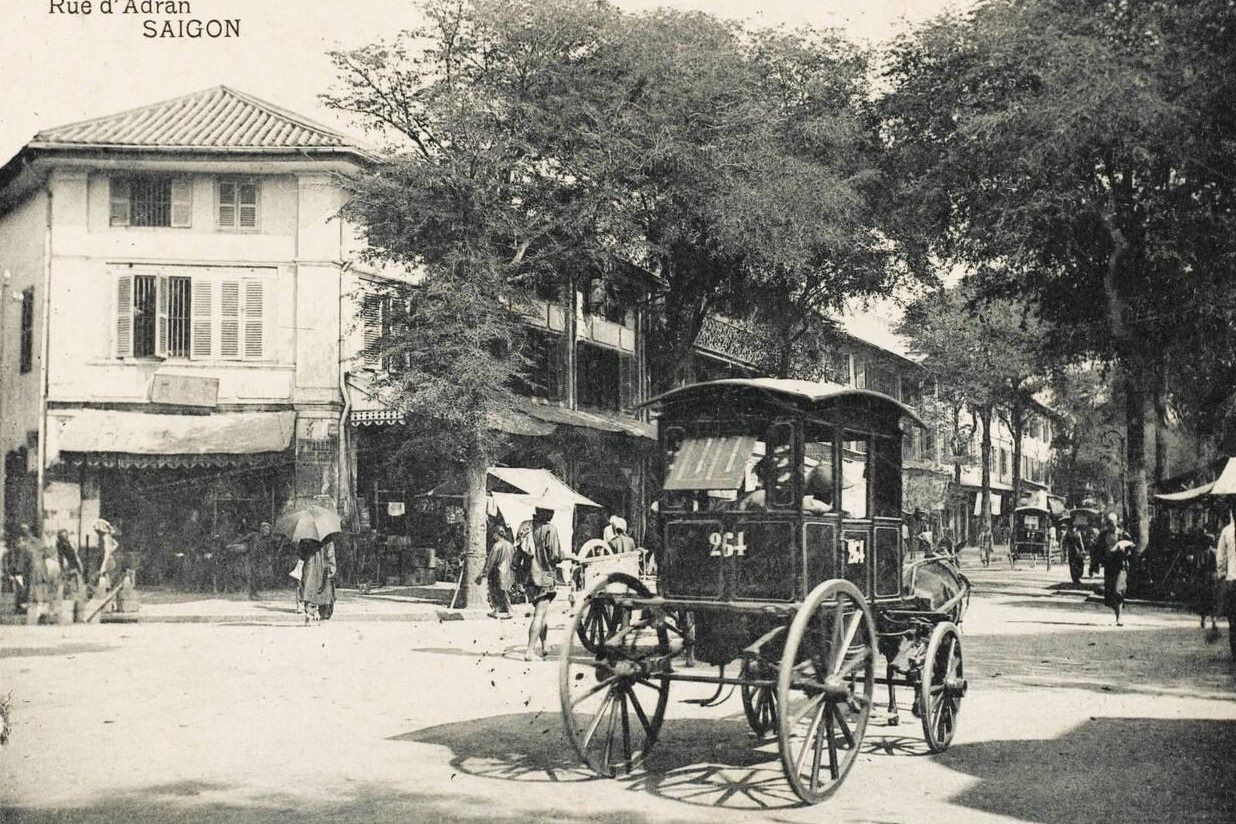
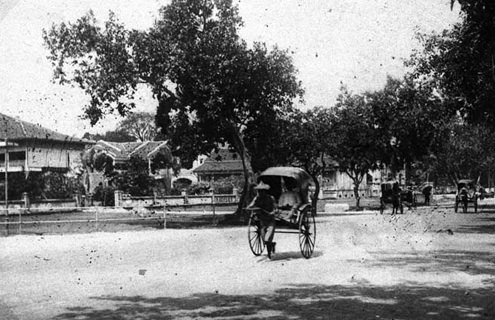
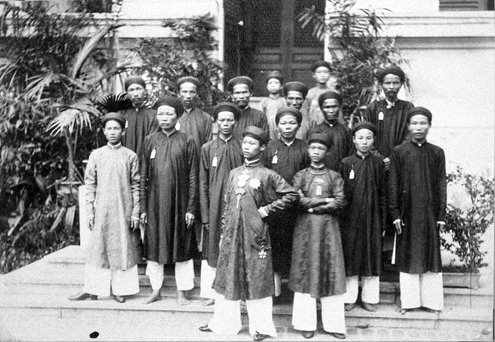
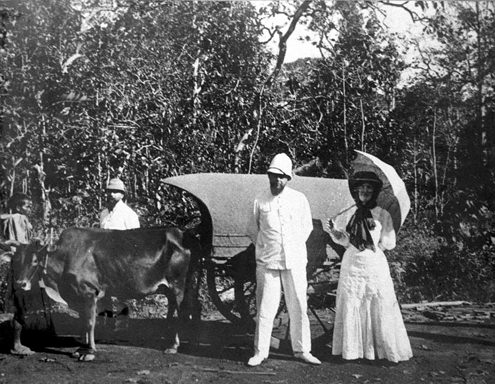
Saigon’s population was diverse, and its social hierarchy was visible in public life. Vietnamese officials conducted business in traditional dress, while French colonial administrators like Governor Bonhoure appeared with their families at formal functions. Street vendors, meanwhile, carried goods through the city’s lanes on foot, serving residents at every level of society.
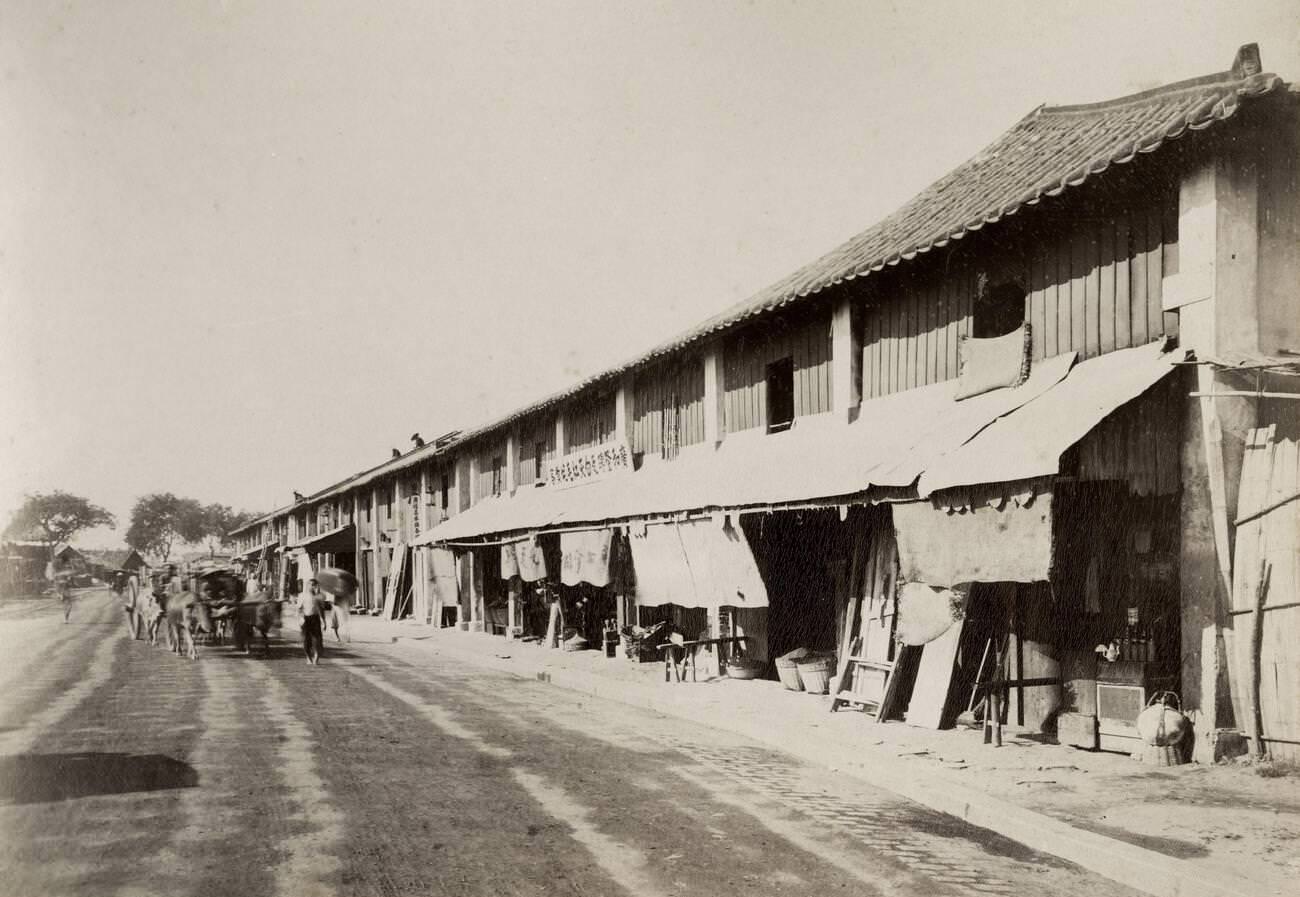
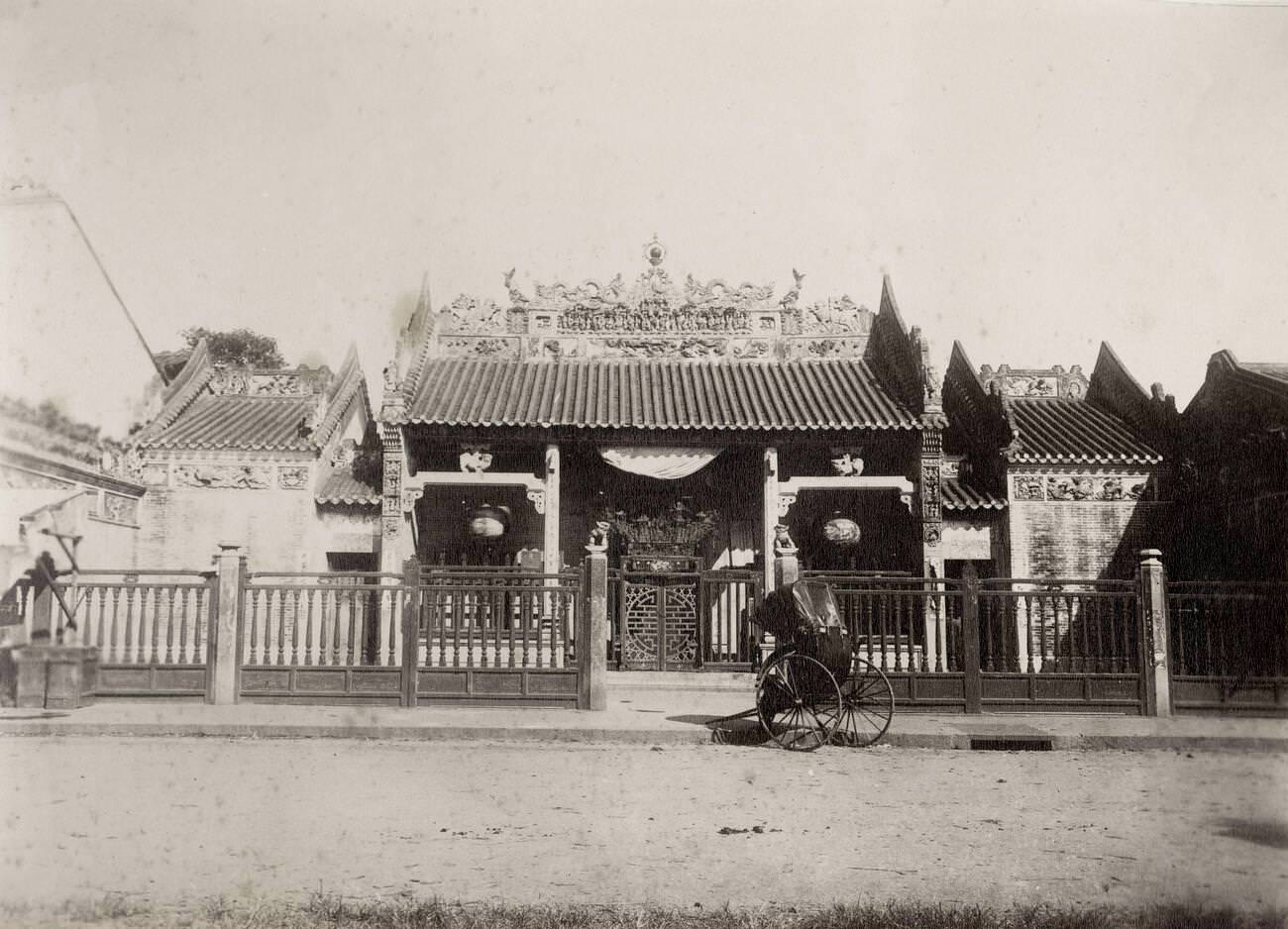
The Cholon district, Saigon’s Chinese quarter, had its own distinct character. Rows of shops stretched along its streets, and a Chinese temple served as a center of community life. A canal ran through the district, used for both trade and daily transport, making Cholon one of the city’s most commercially active areas.
Near the port, houses and shops clustered tightly together, reflecting Saigon’s role as a major hub for international trade. Ships arrived regularly, bringing goods and migrants from across Asia and Europe. The port area was one of the most densely populated and commercially active parts of the city.
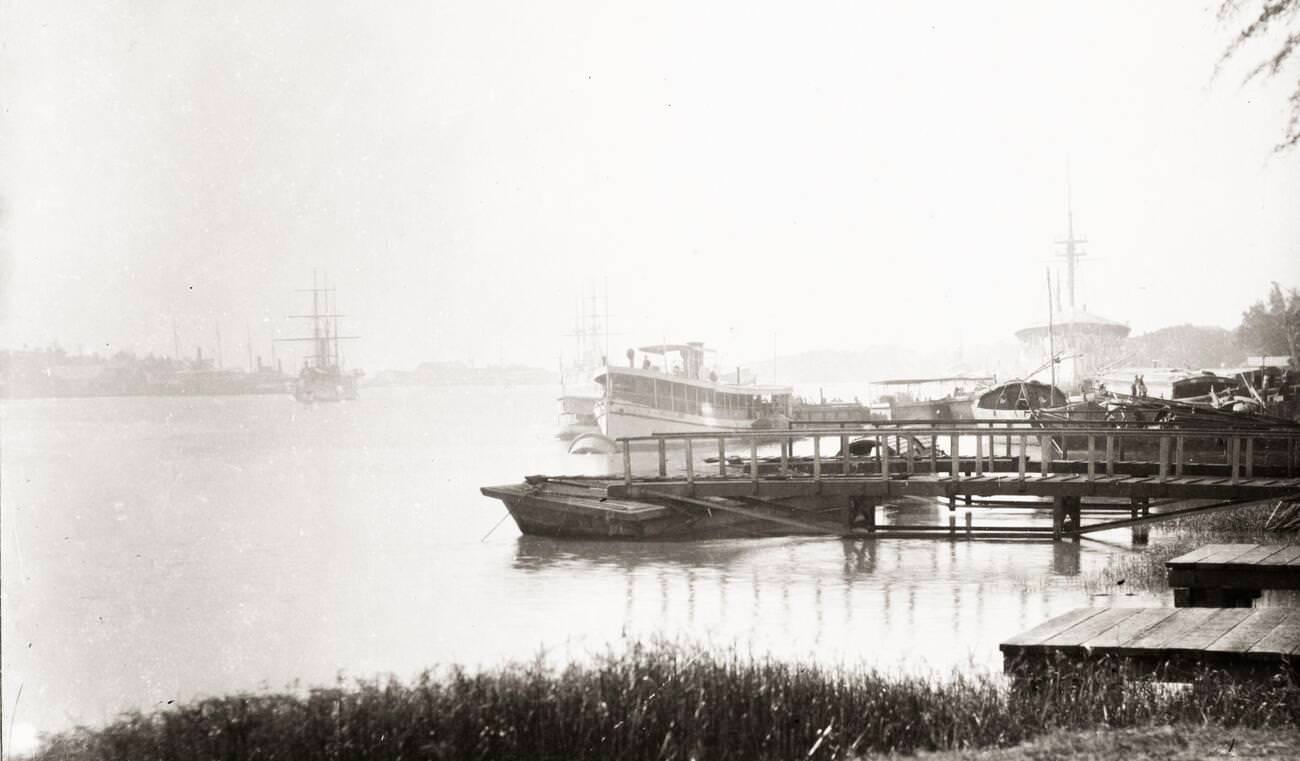
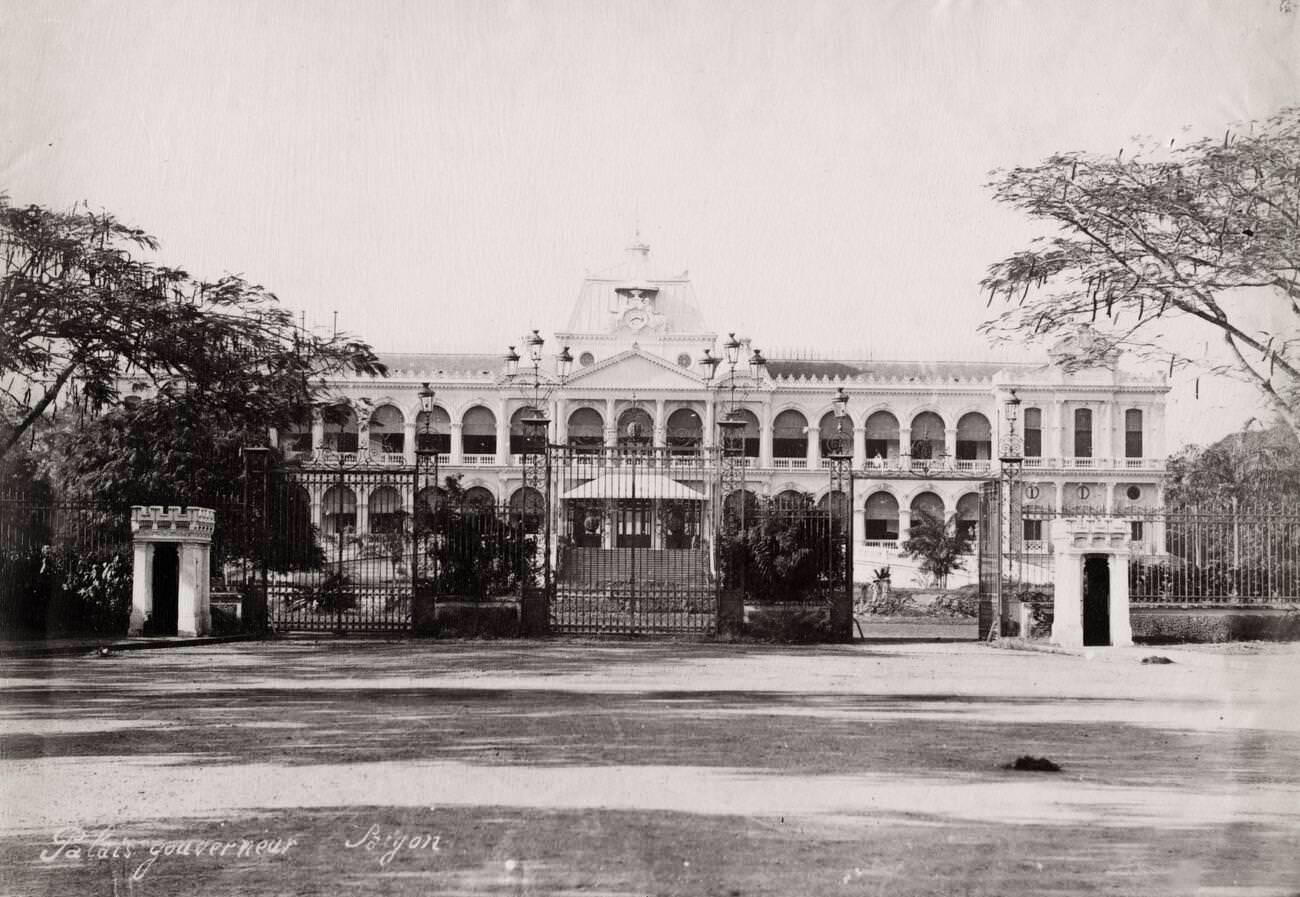
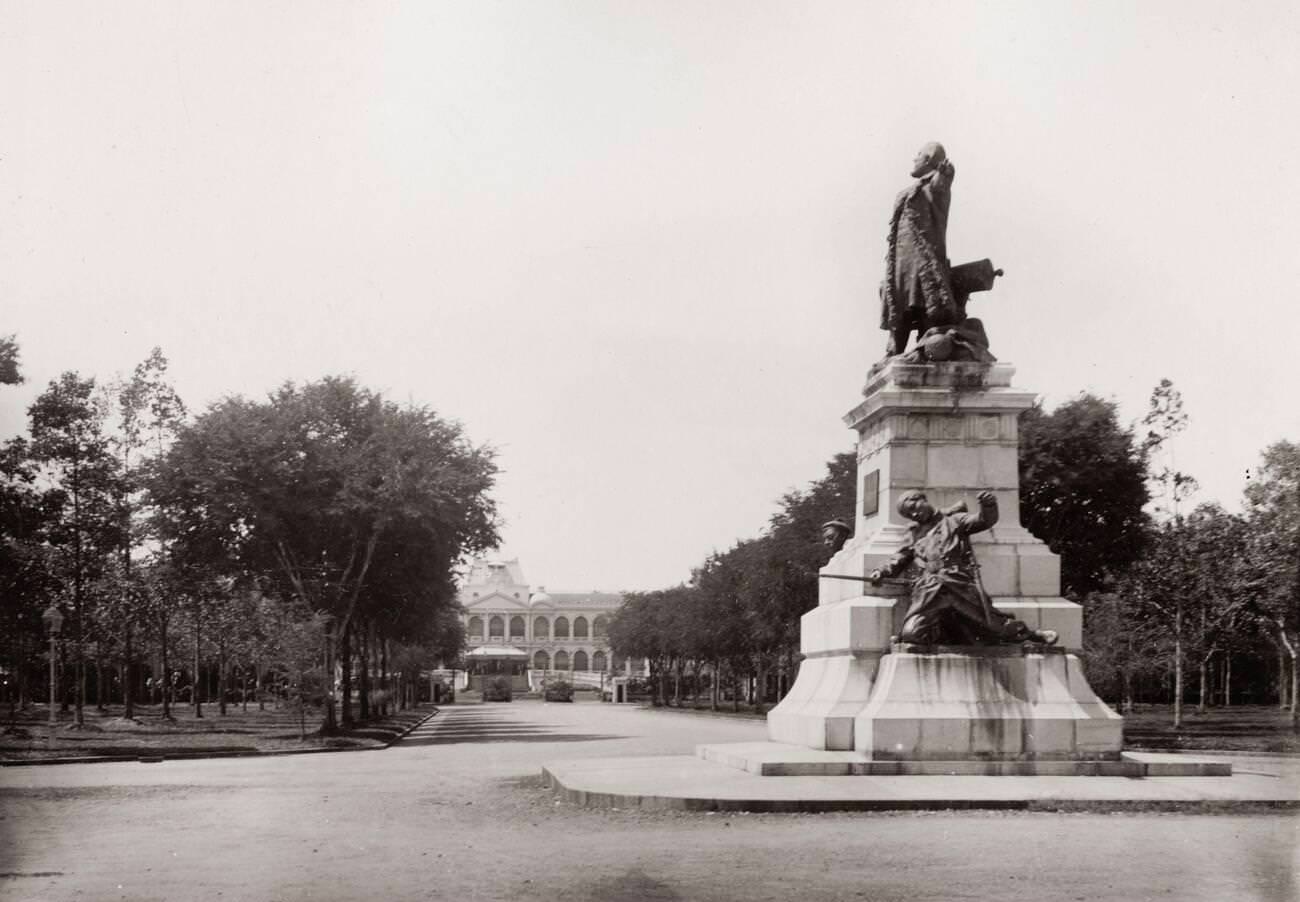
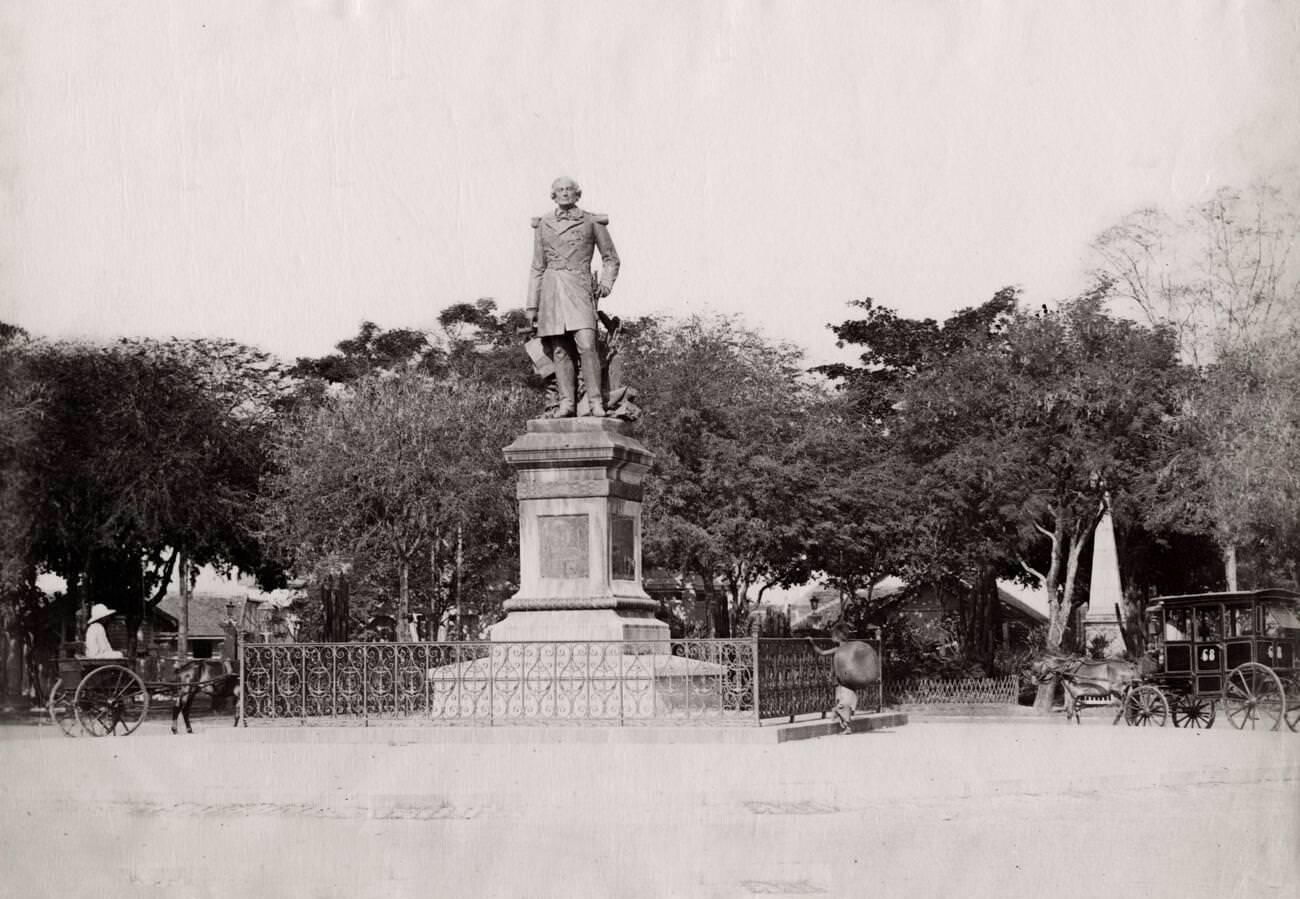
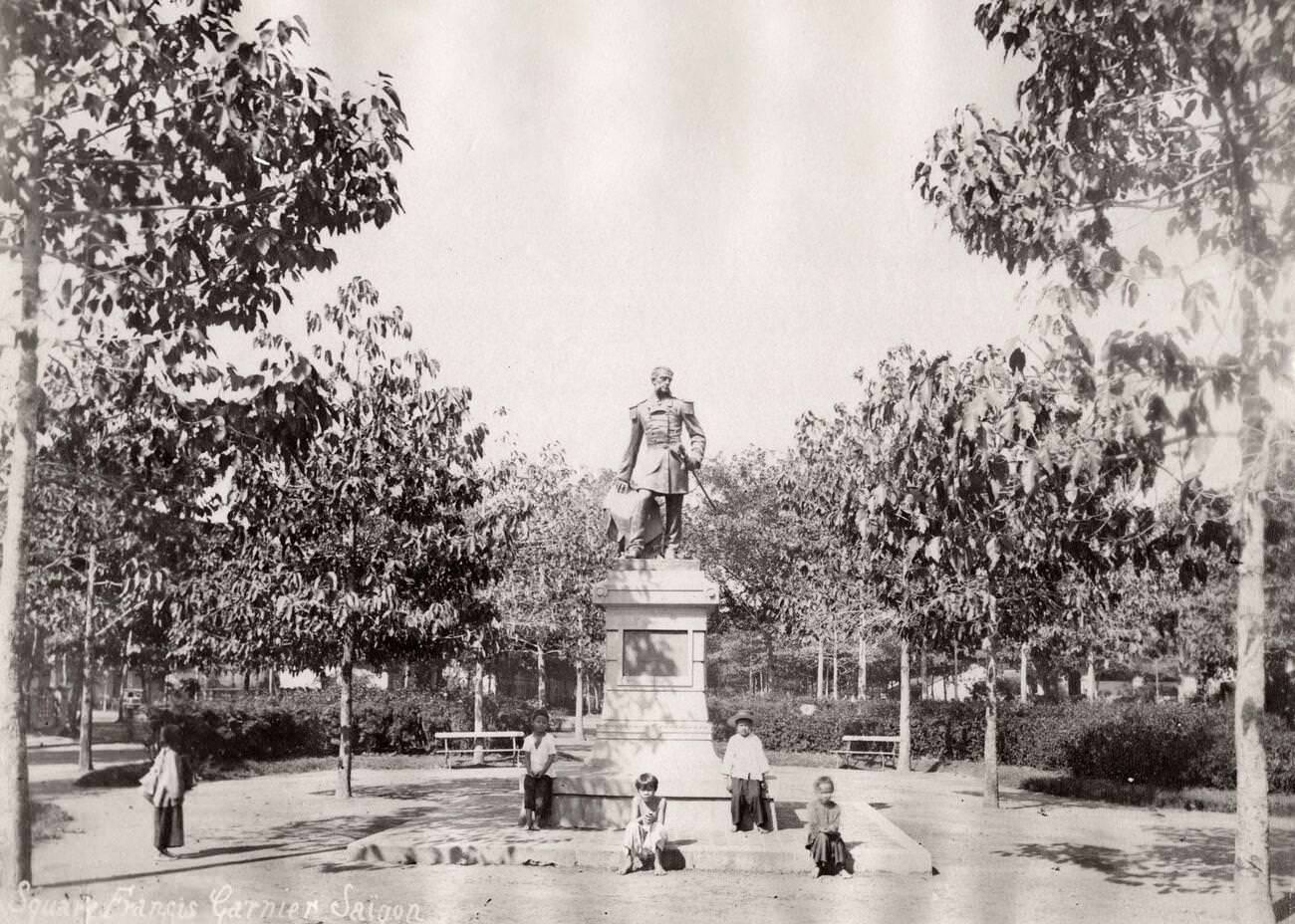
French colonial administrators invested heavily in public buildings and institutions. The Governor’s Palace served as the seat of colonial power. Grand public monuments honored French military figures, including Admiral Rigault de Genouilly and explorer Francis Garnier, both linked to France’s conquest of Vietnam.
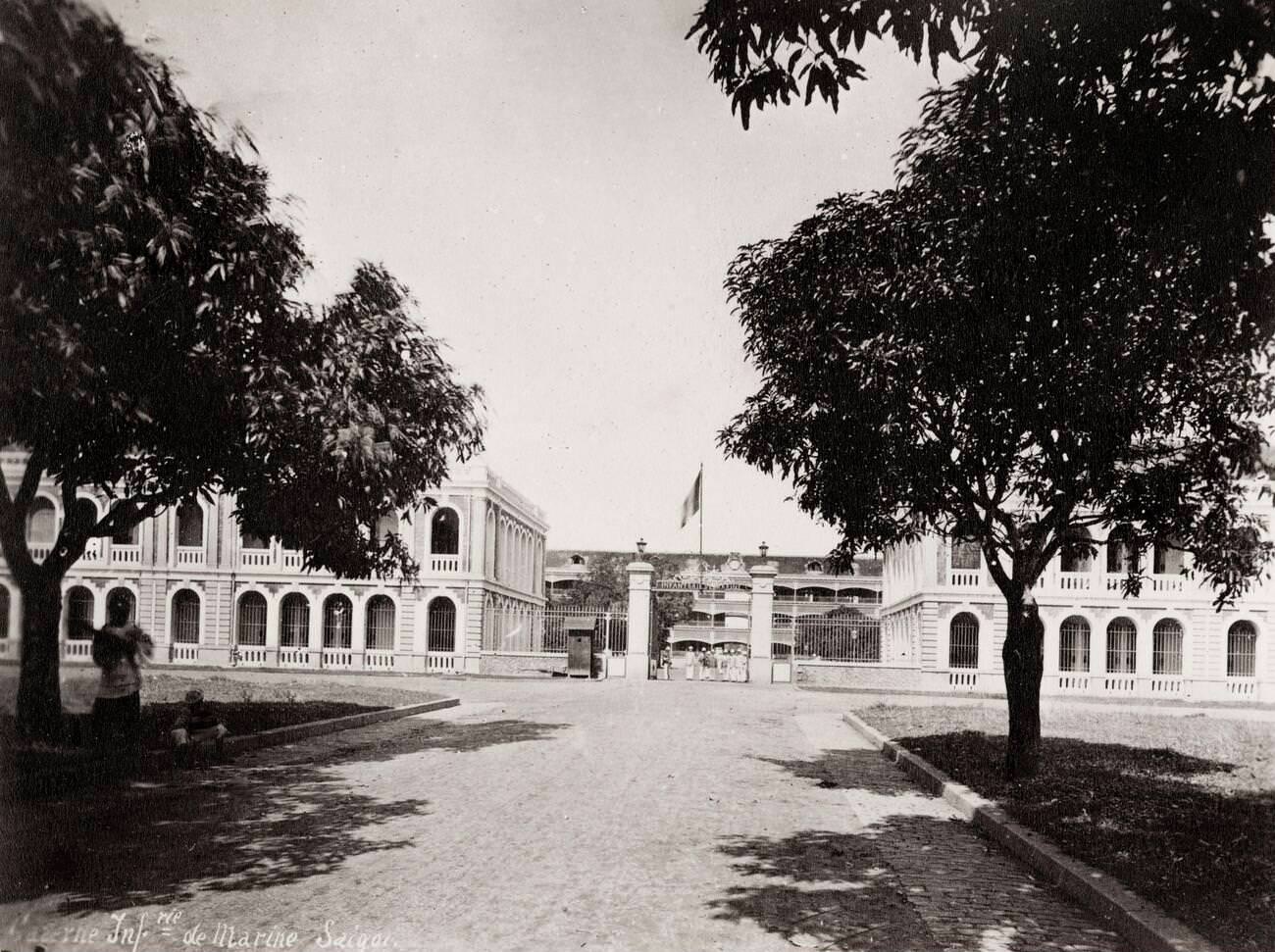
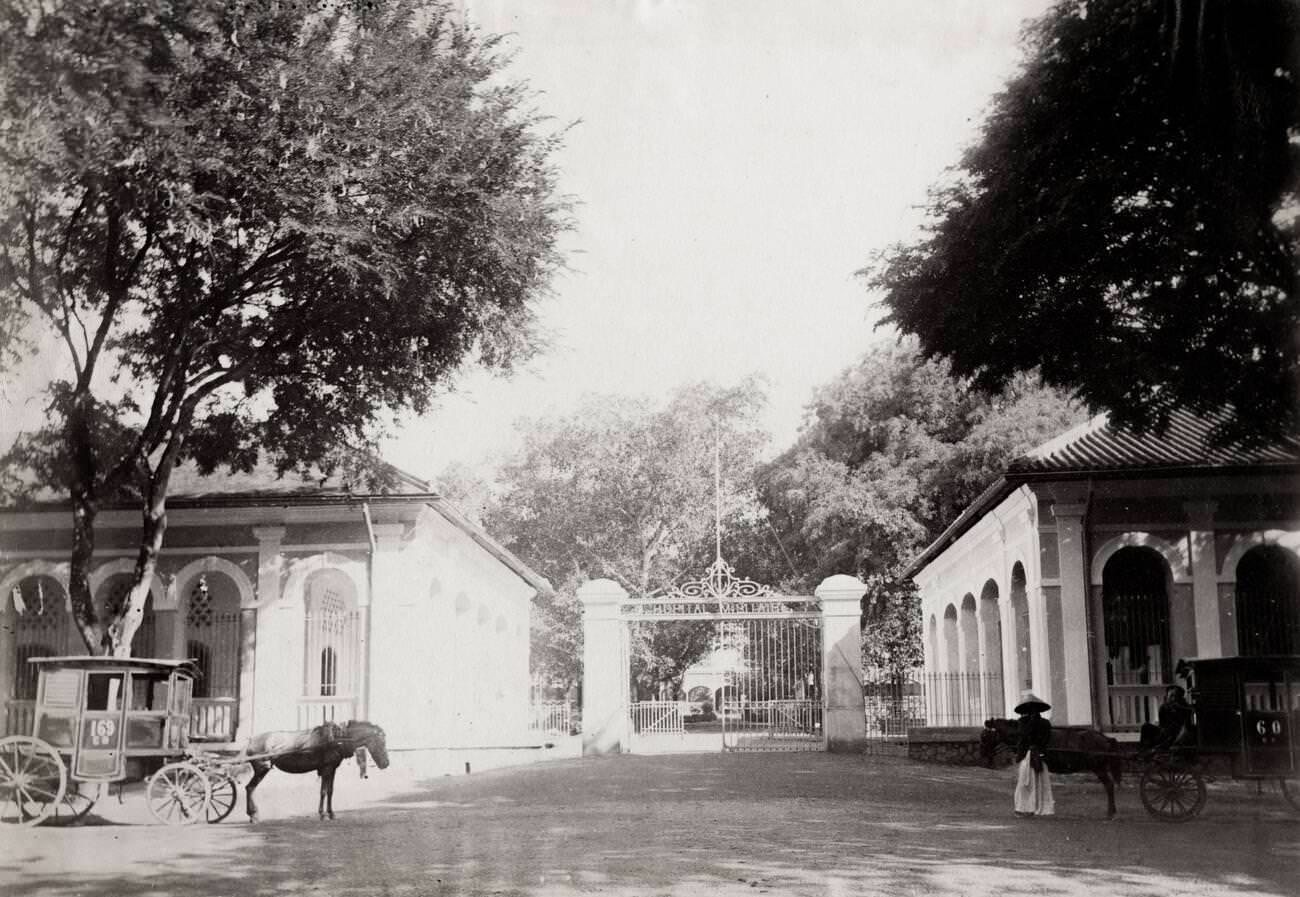
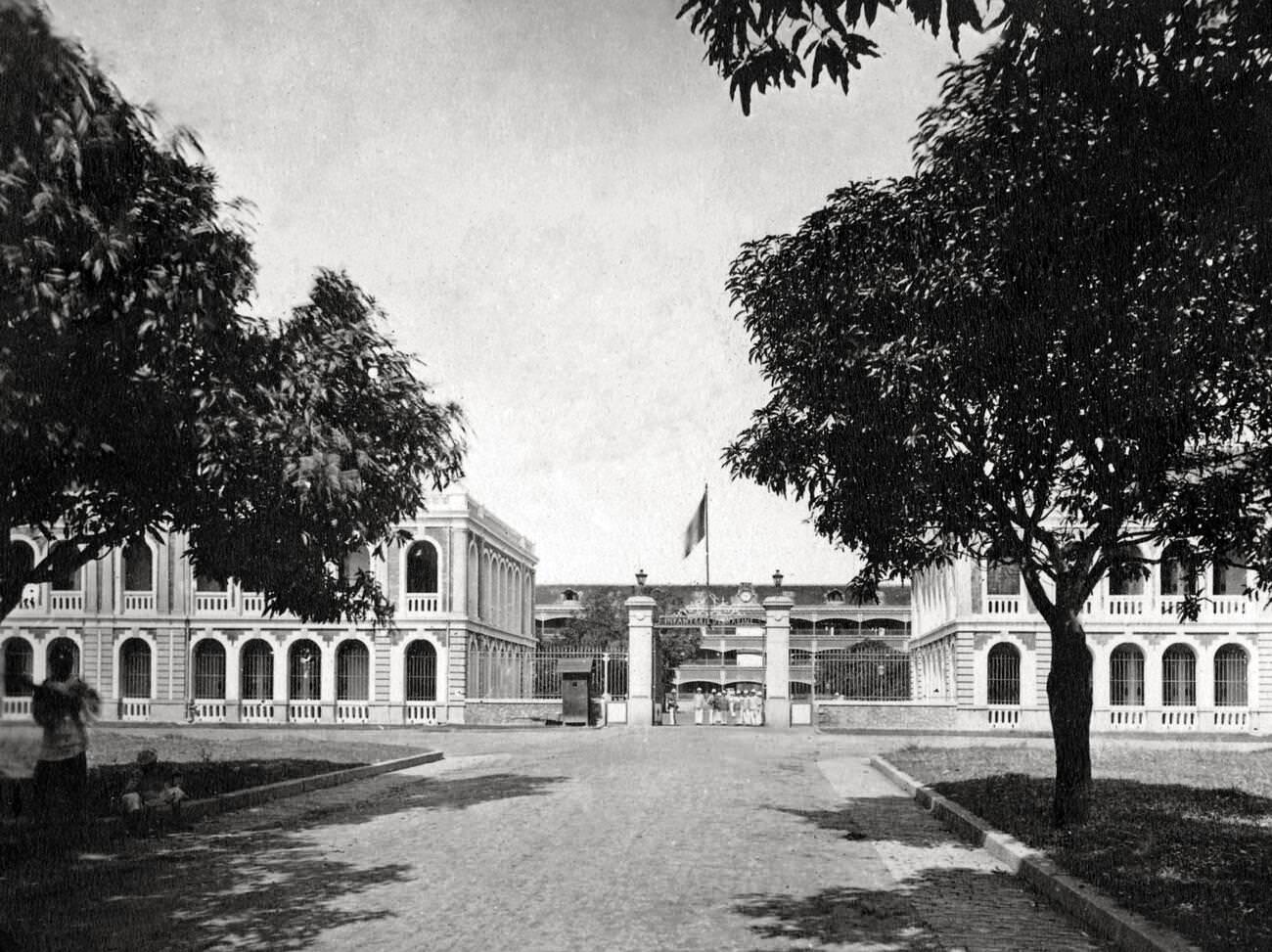
The French military maintained a strong physical presence in Saigon. Barracks housed soldiers stationed throughout the colony, and a dedicated military hospital provided medical care for troops. These facilities were built to last, constructed from brick and mortar in the same style as other colonial institutions across the city.
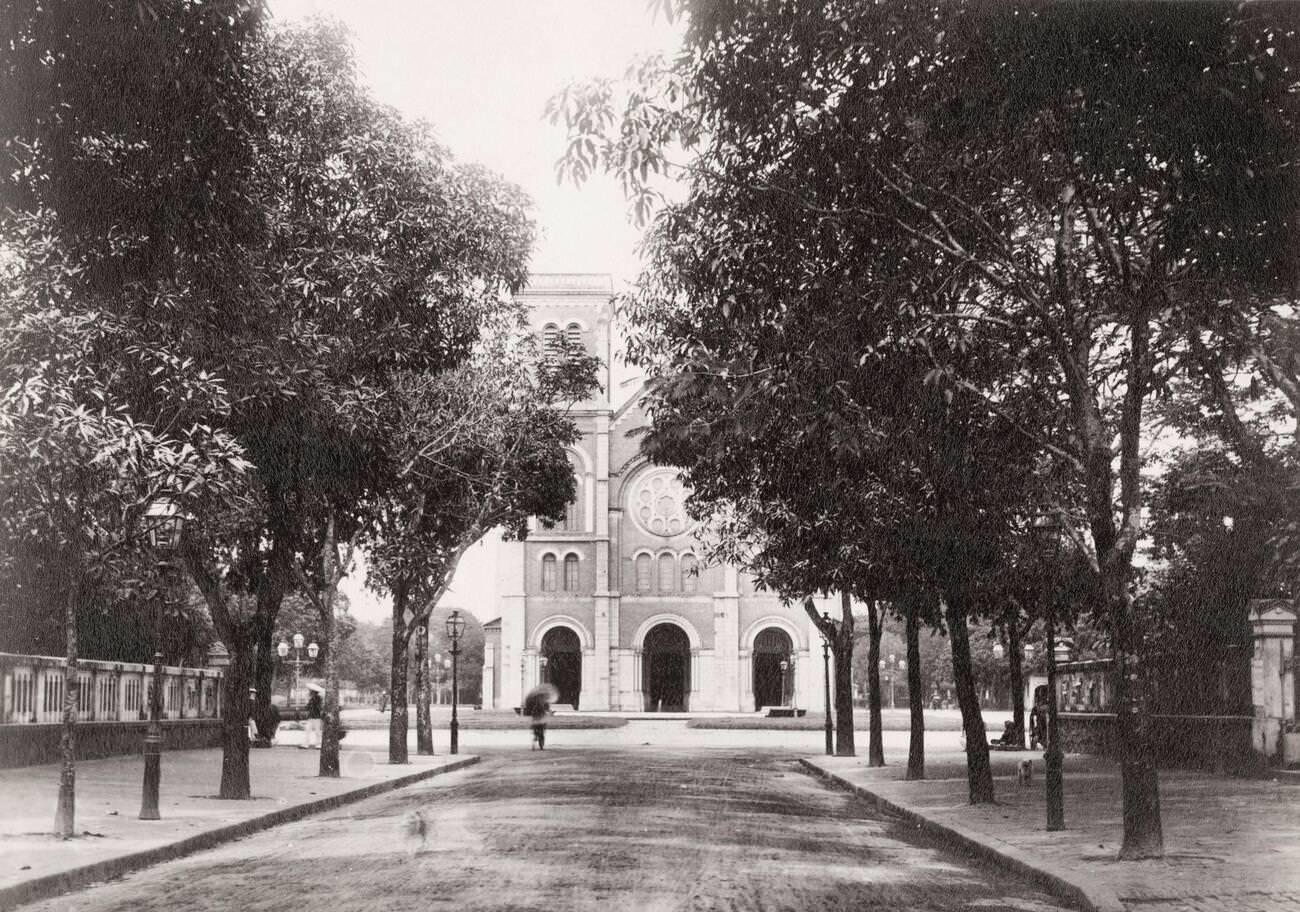
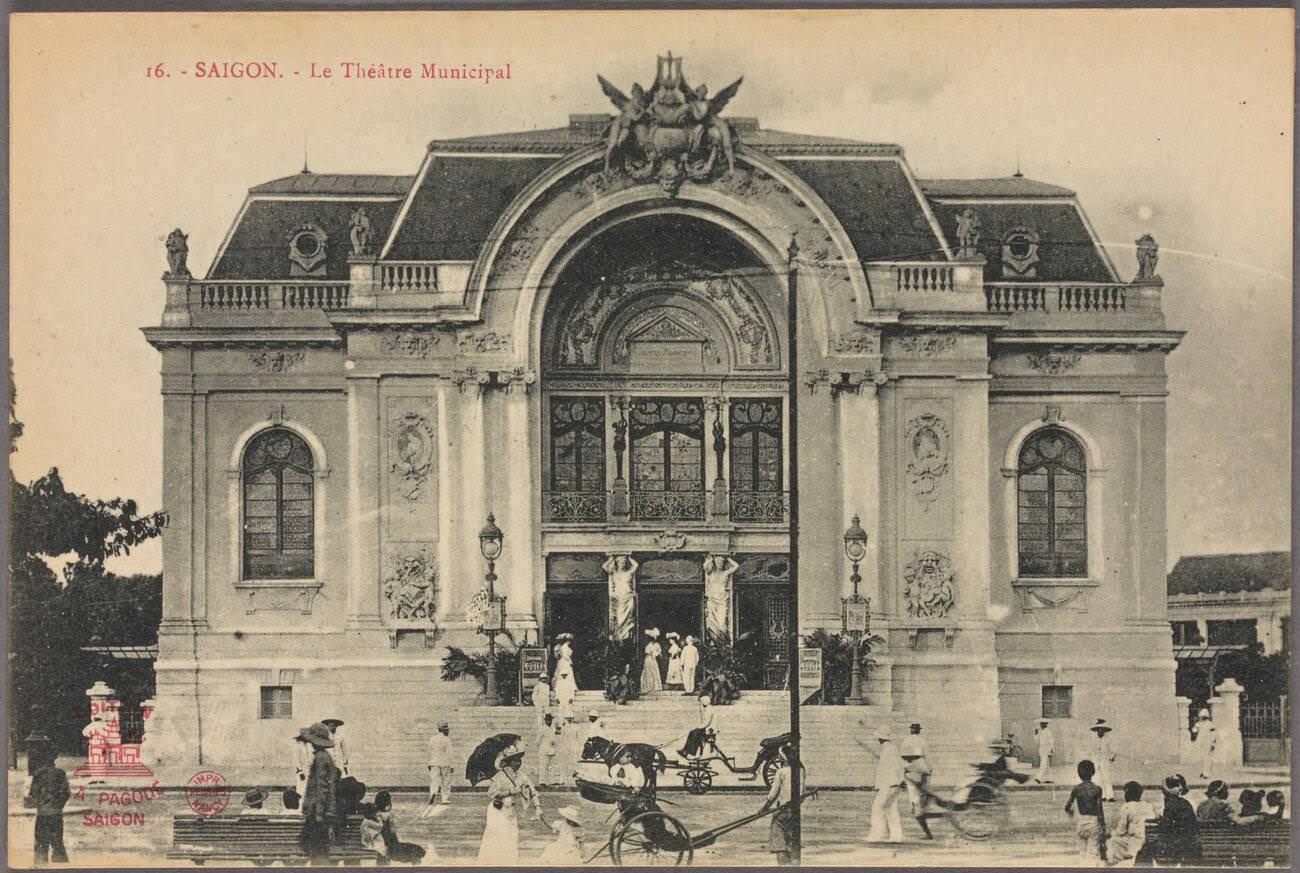
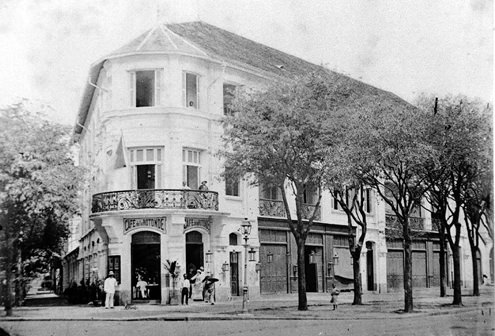
Among the most recognizable French additions to Saigon’s skyline were the Notre-Dame Cathedral Basilica and the Saigon Opera House. The cathedral, formally the Cathedral Basilica of Our Lady of the Immaculate Conception, was built entirely from materials shipped from France. The Opera House — Le Théâtre Municipal — brought European performing arts to the colonial capital. For the French population and elite Vietnamese alike, cafés like the Rotonde offered a distinctly Parisian social setting.