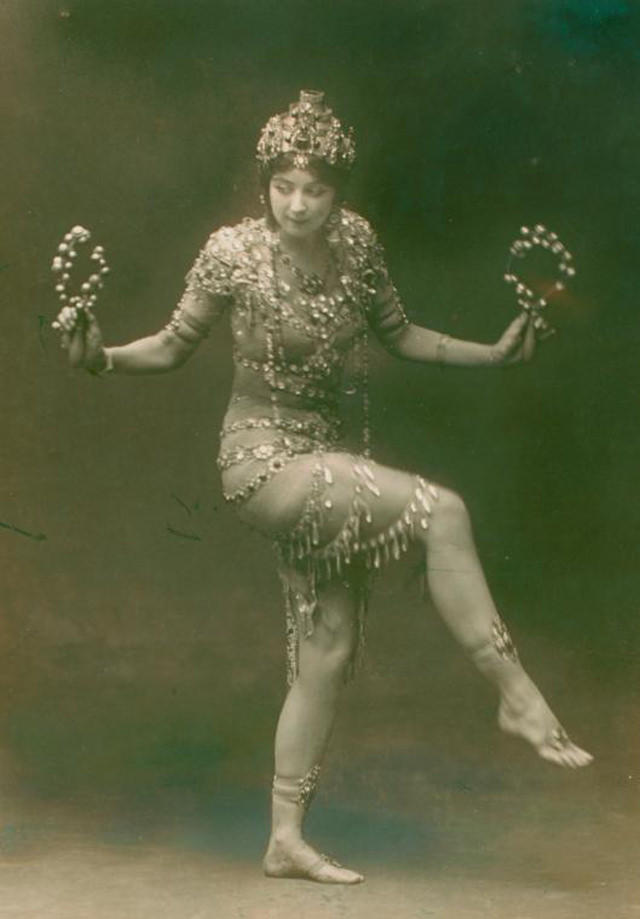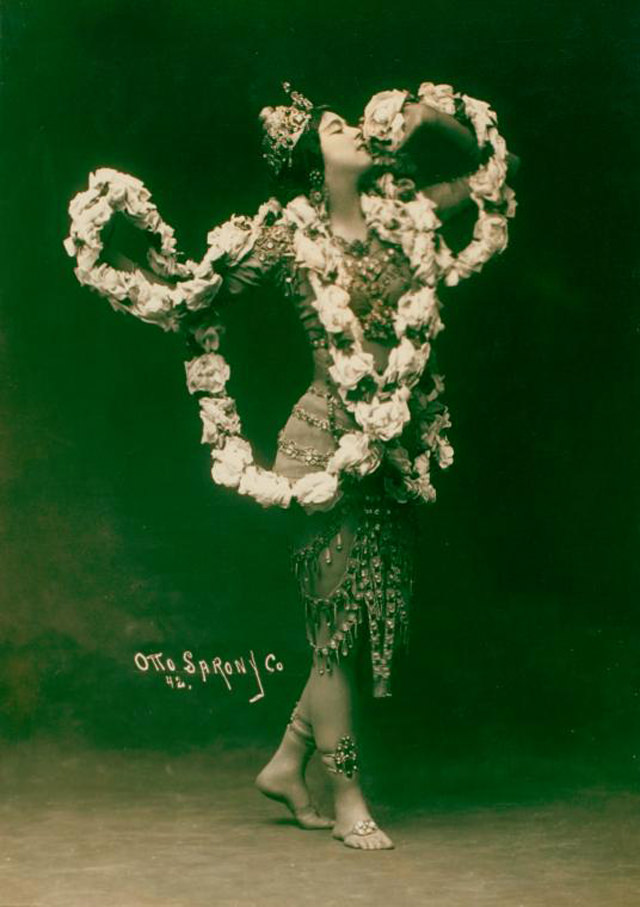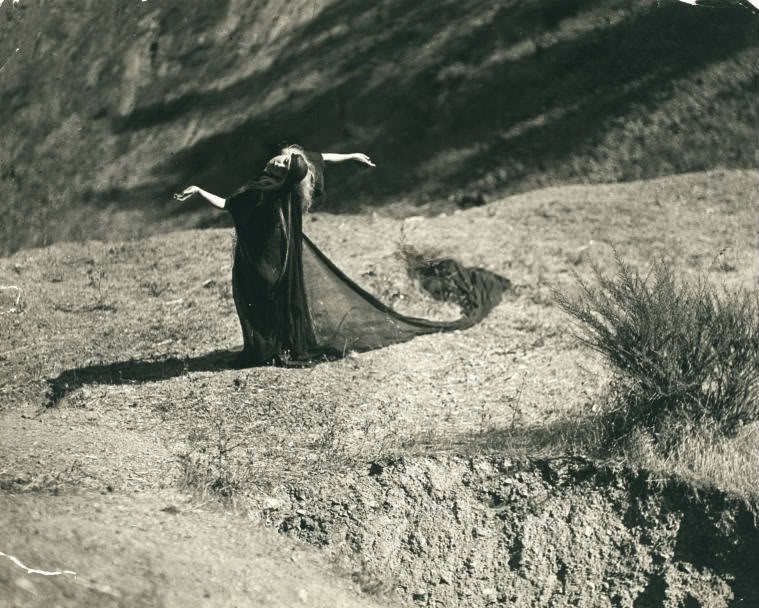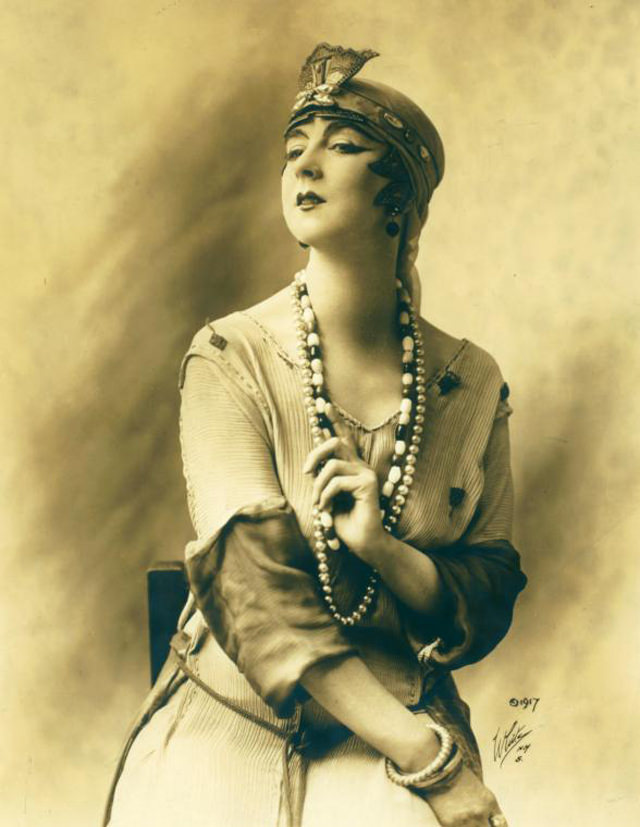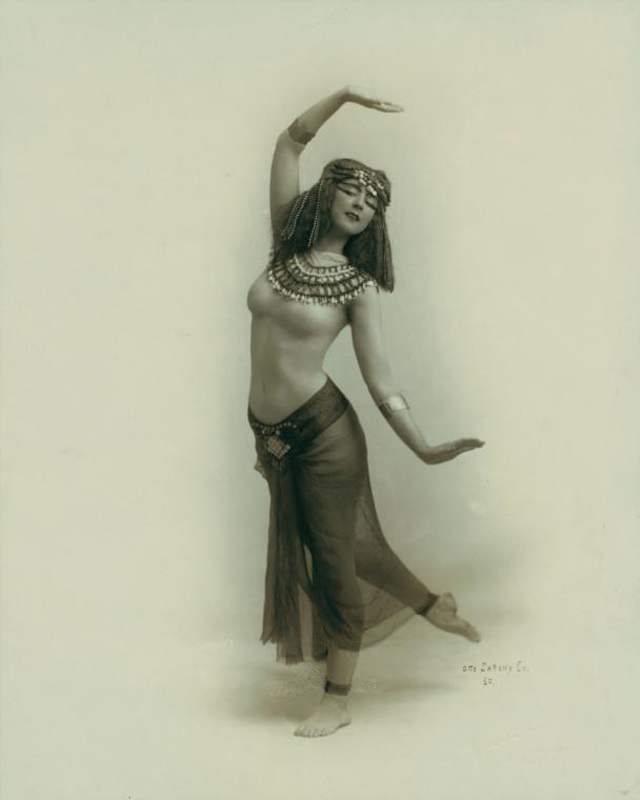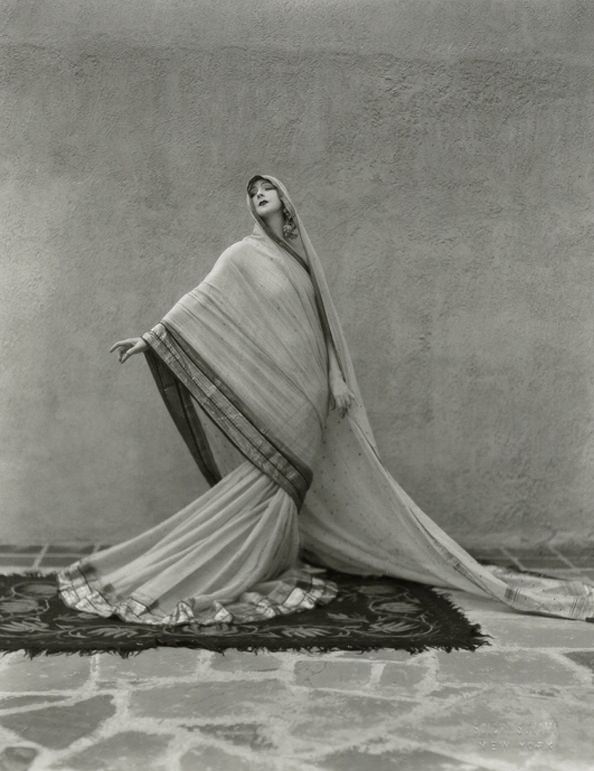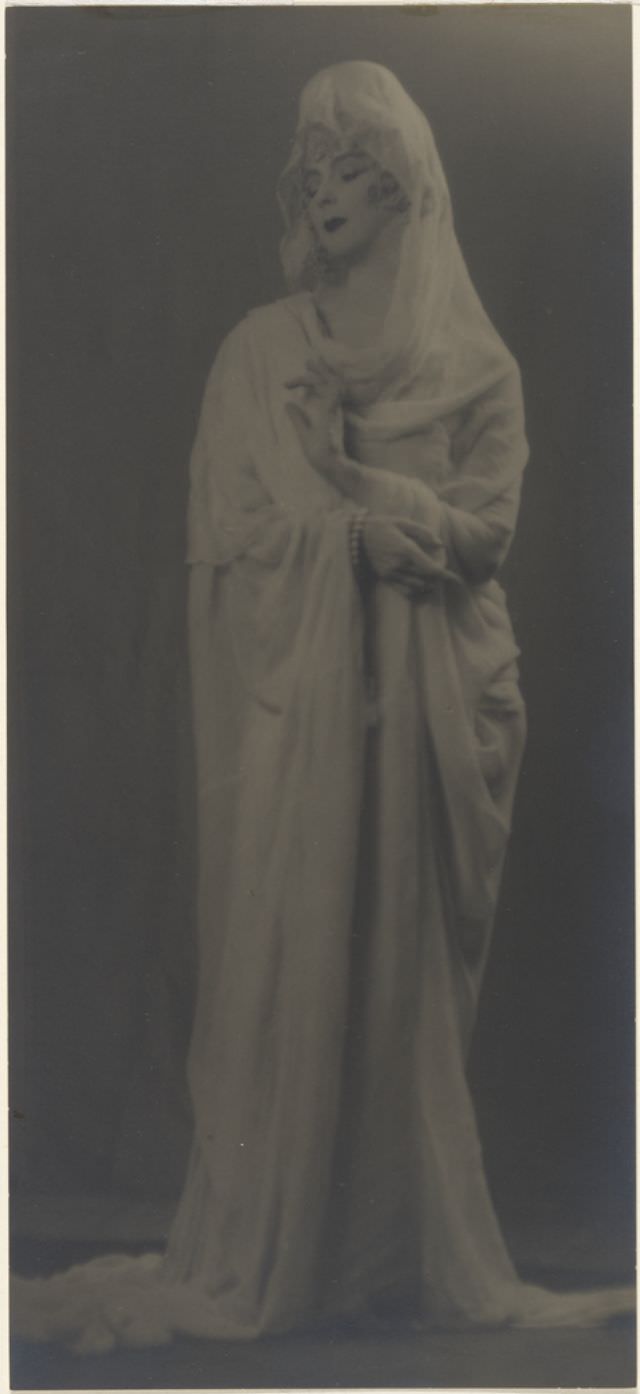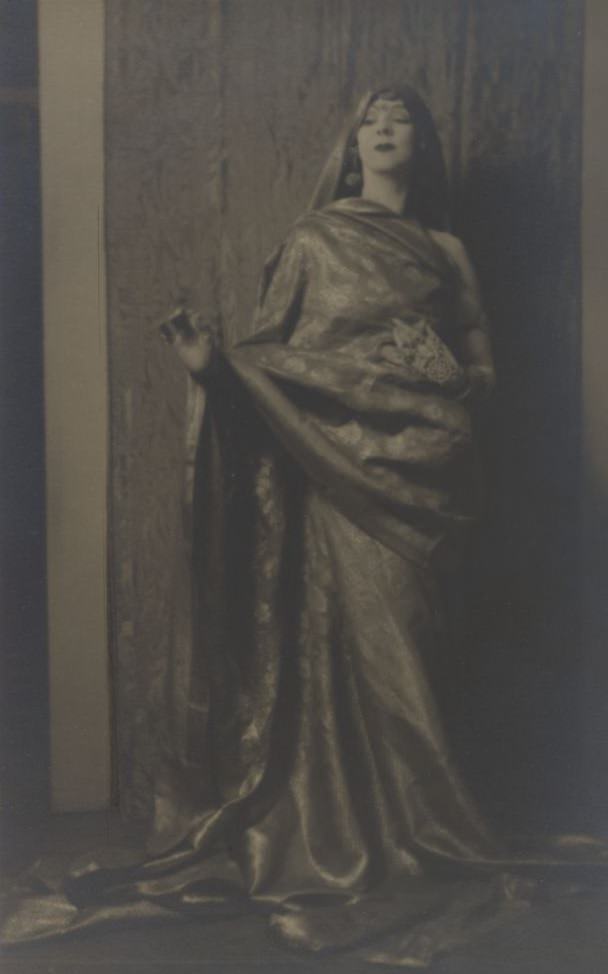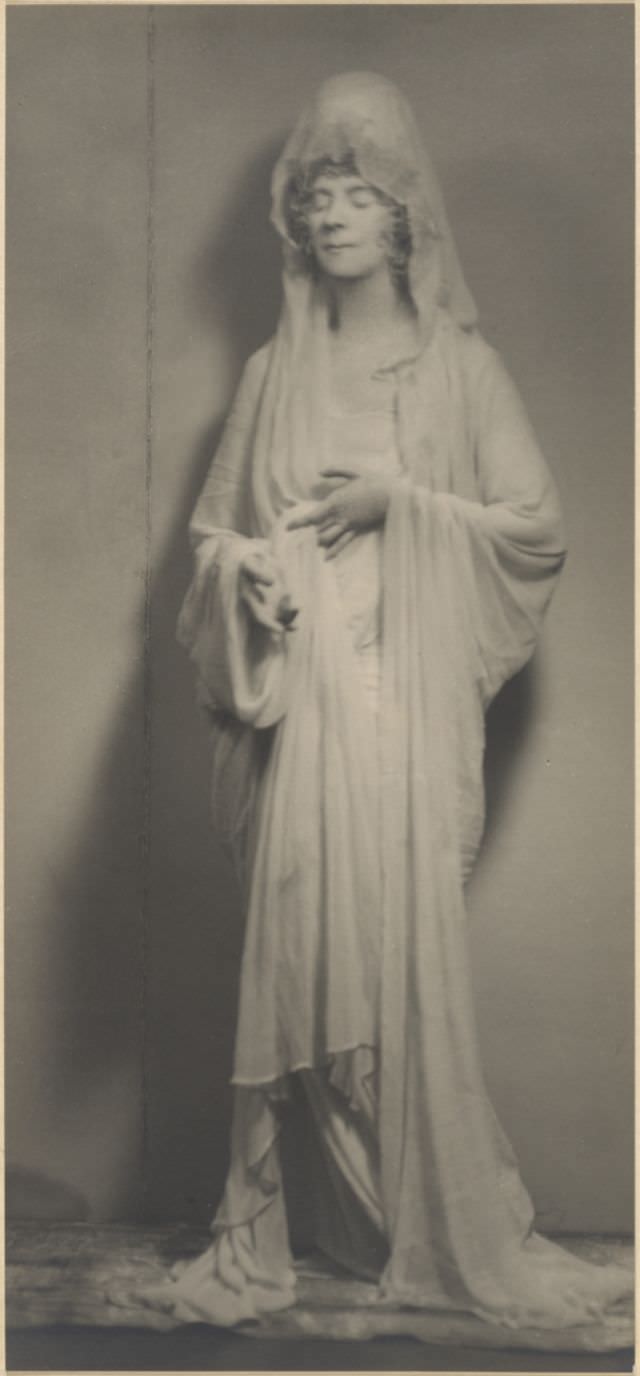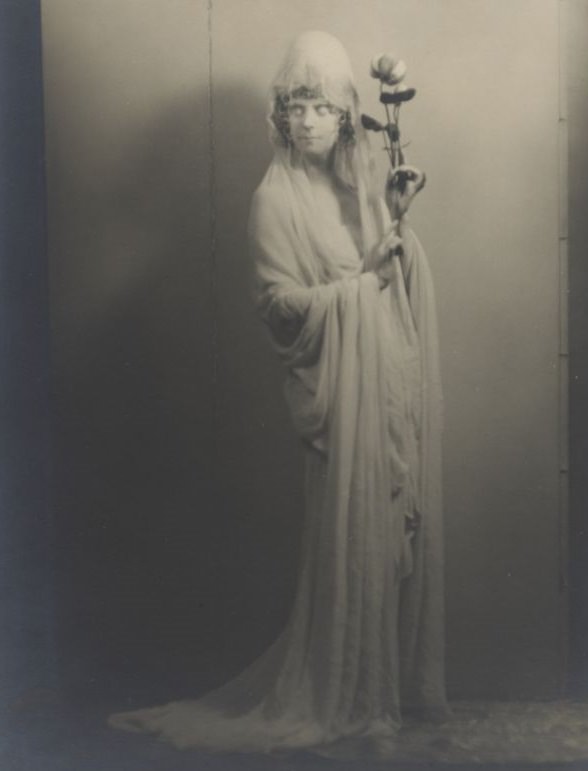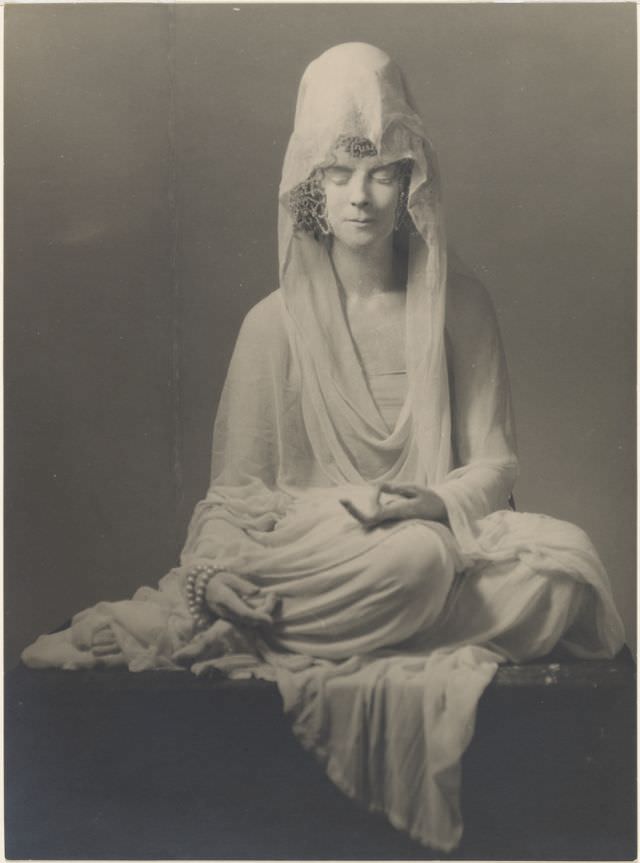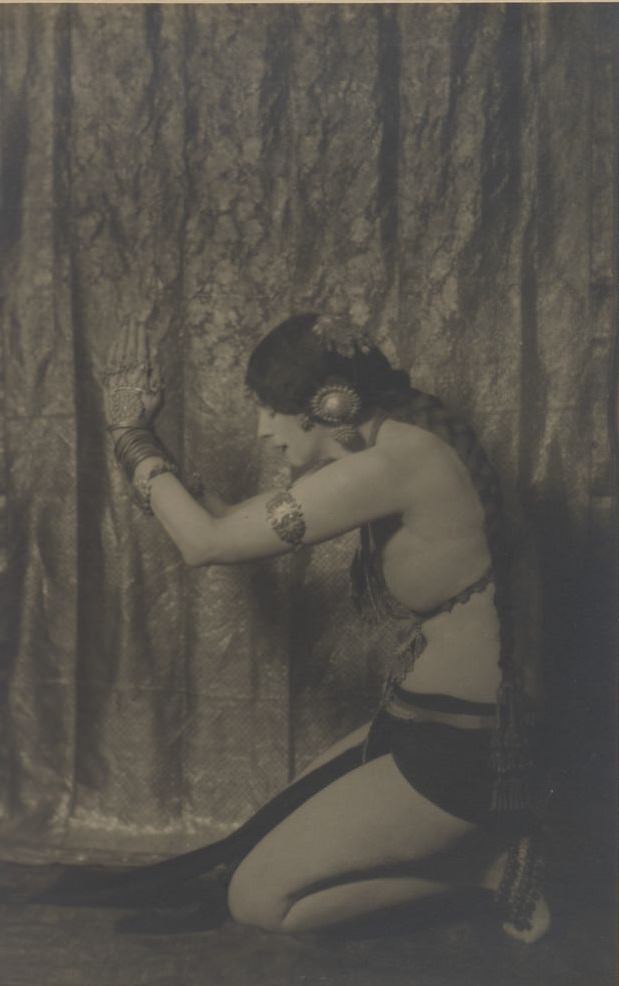
Ruth St. Denis was born in 1879 and began dancing at an early age. Classical ballet was the standard of the time, but she quickly moved beyond it. She was drawn to the spiritual traditions and expressive movement styles of India and Egypt, and she used them as the foundation for an entirely new approach to dance.

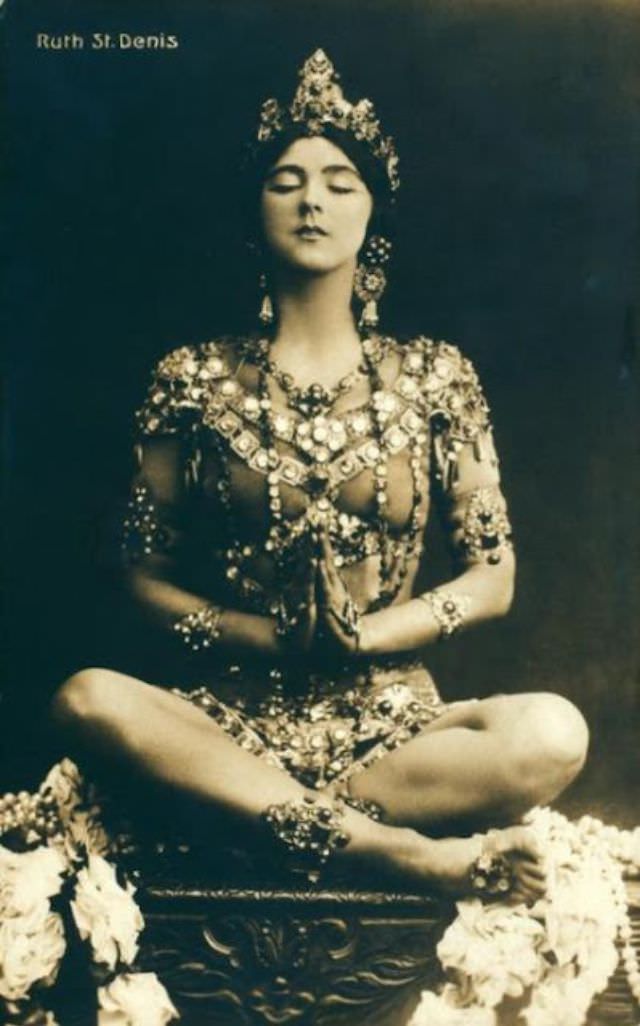
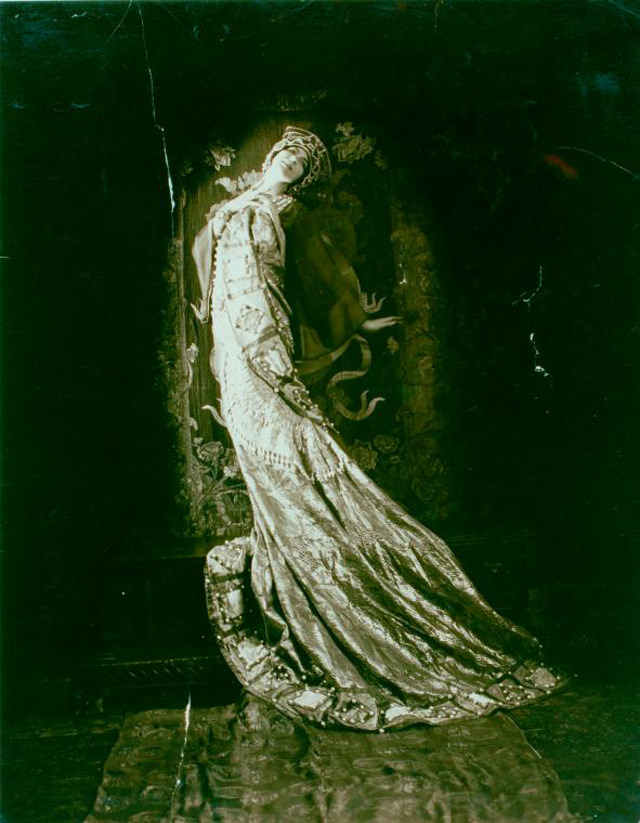
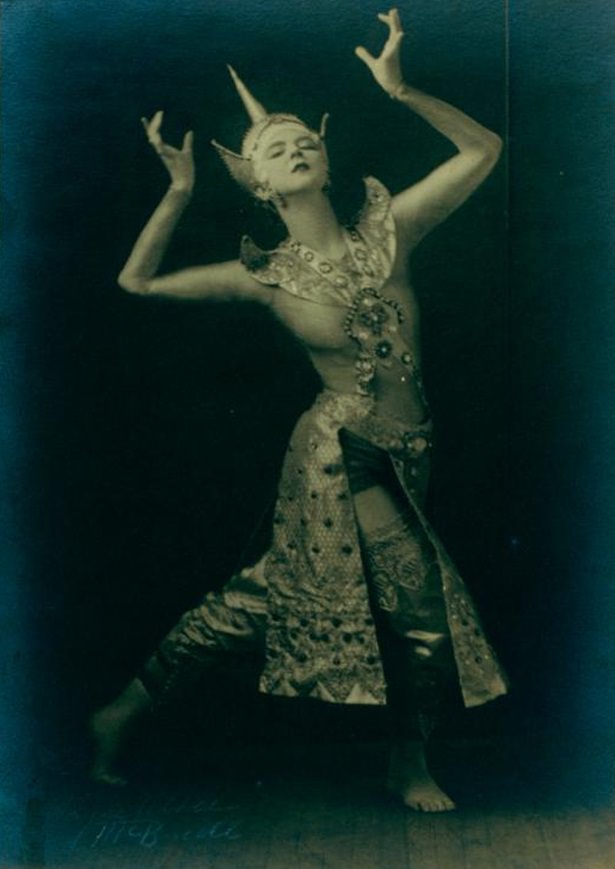
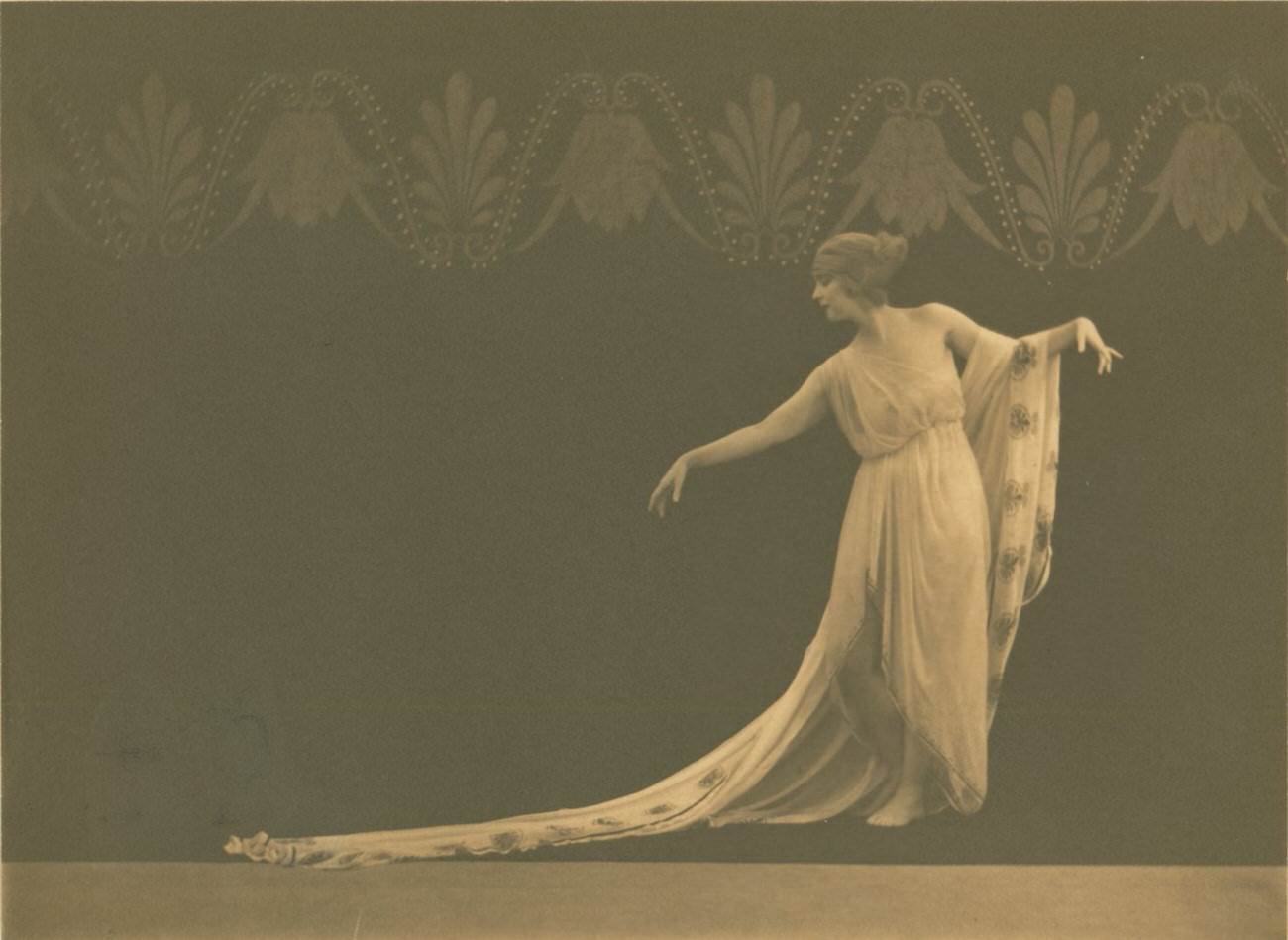
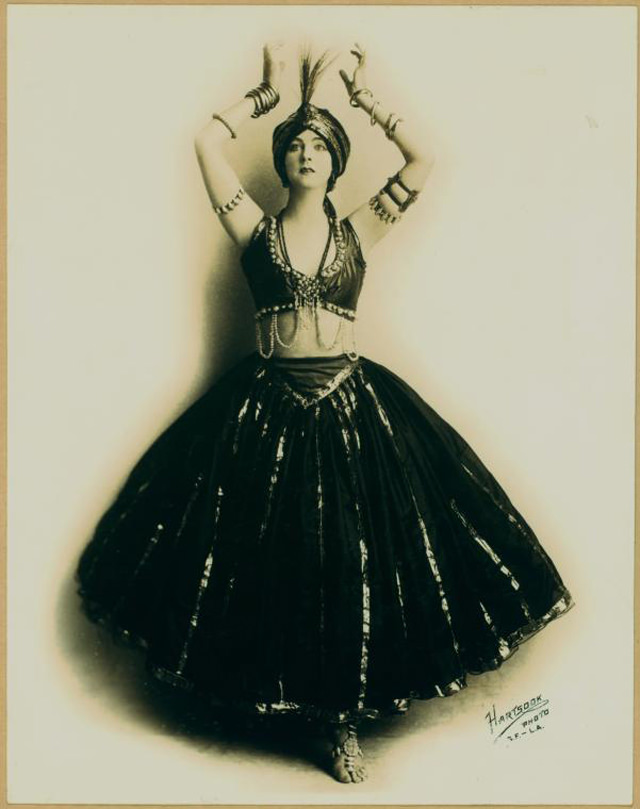
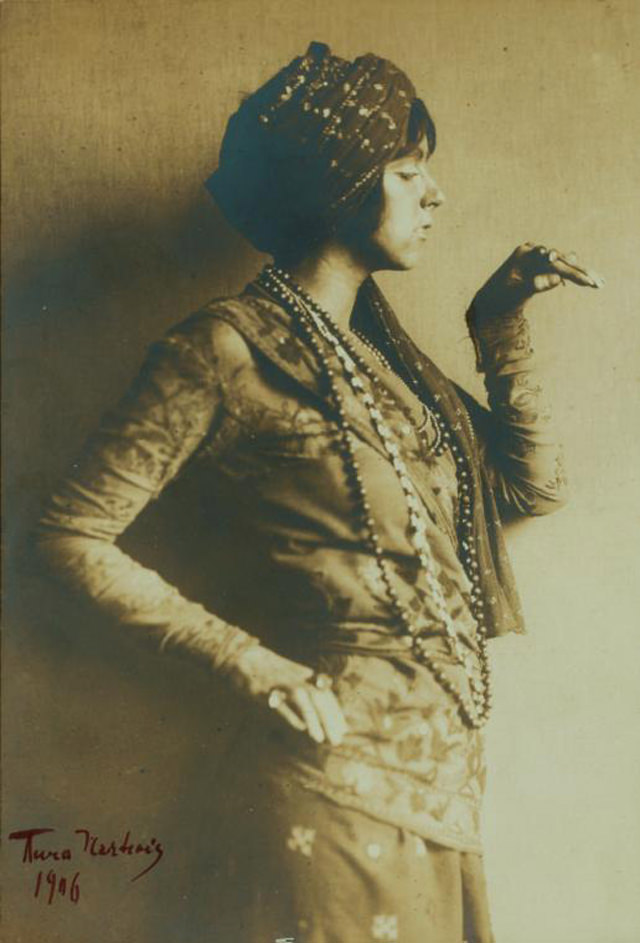
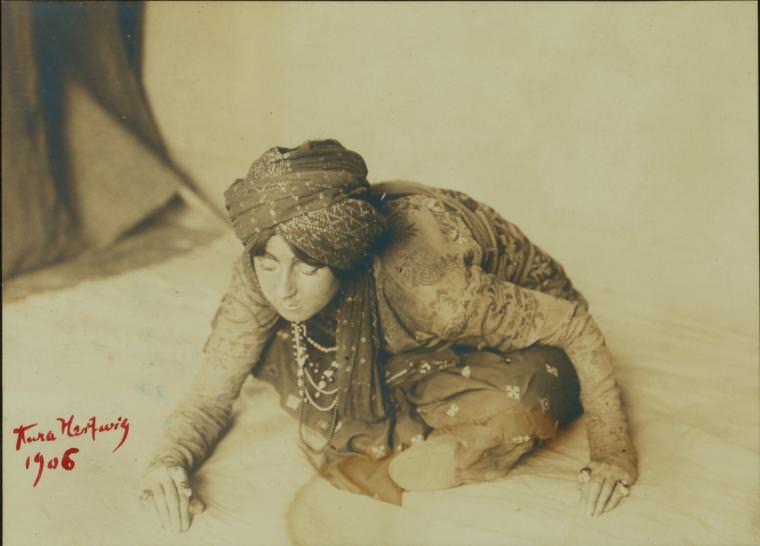
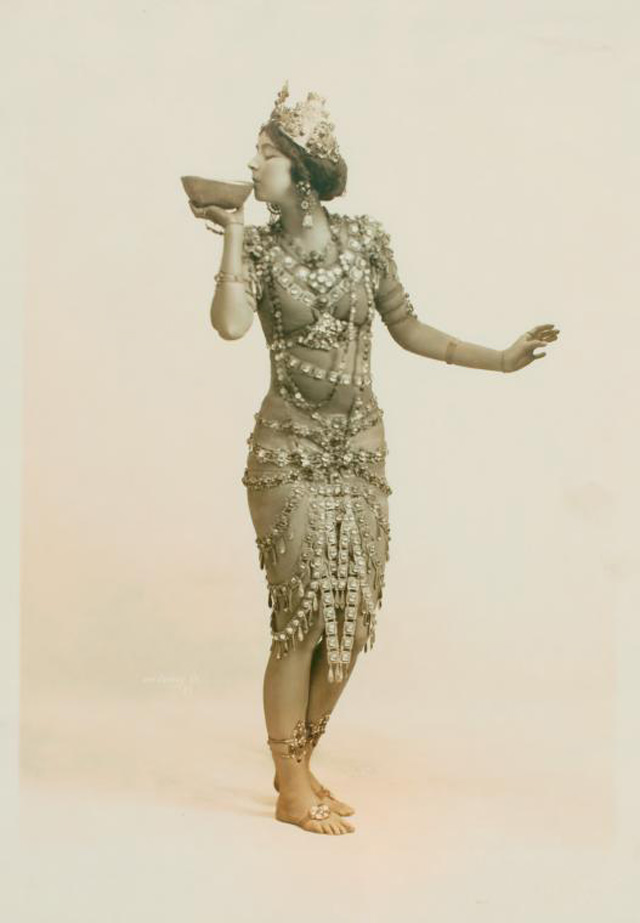
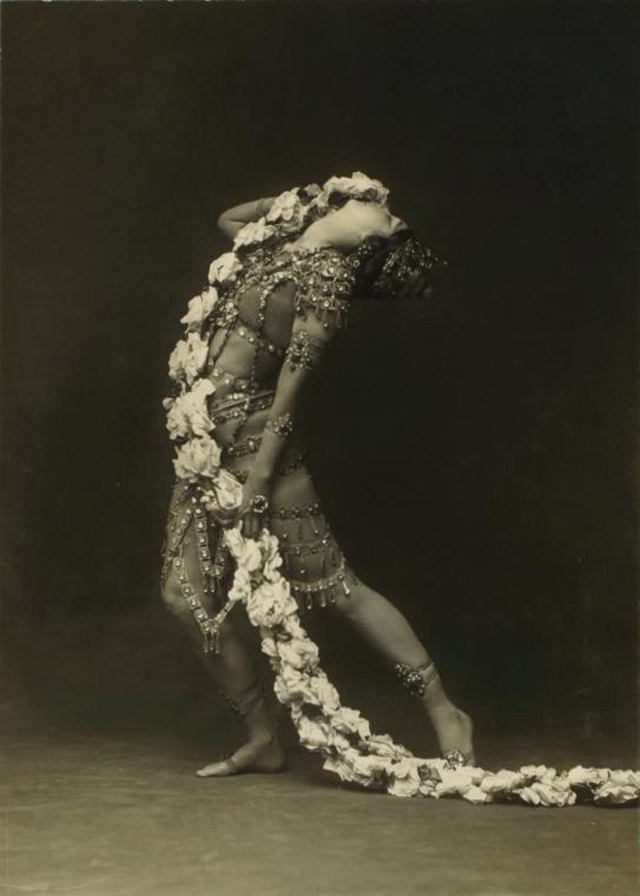
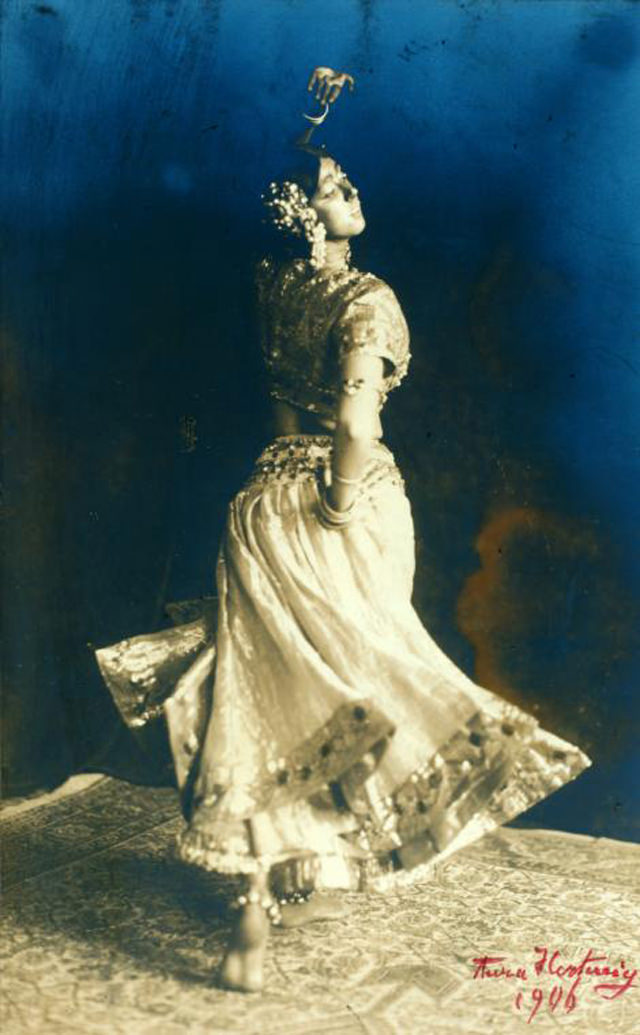
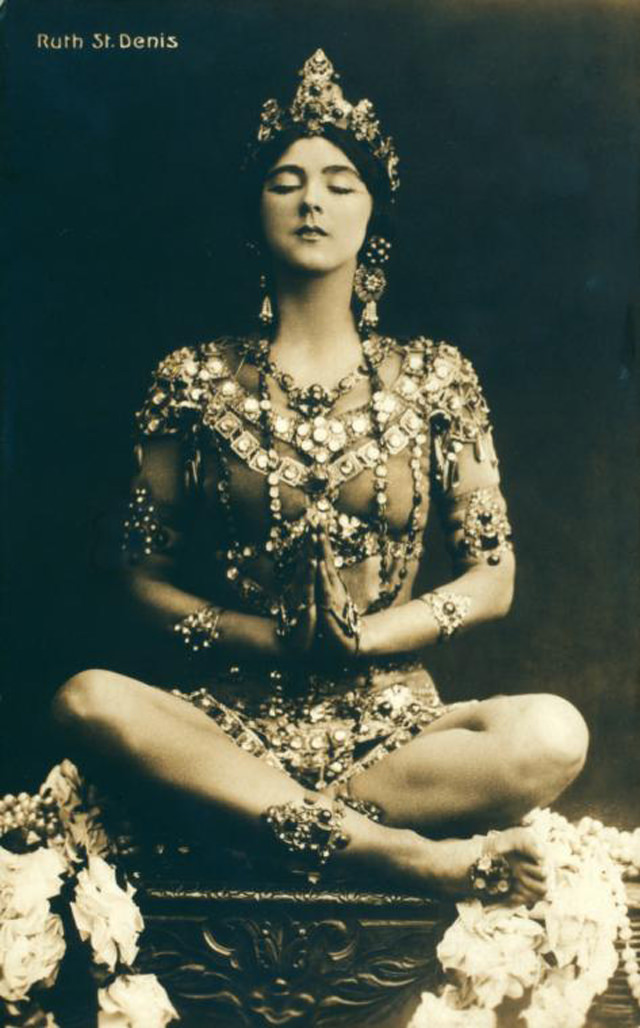
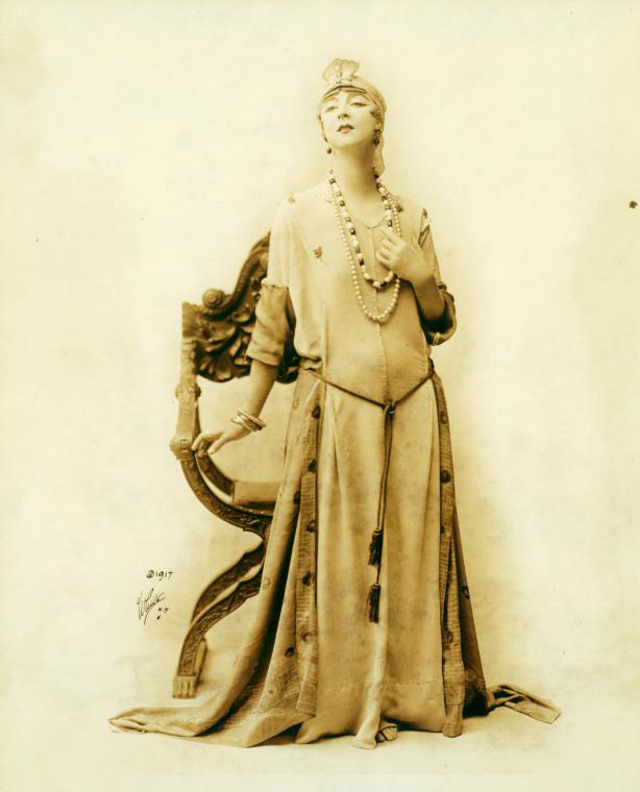
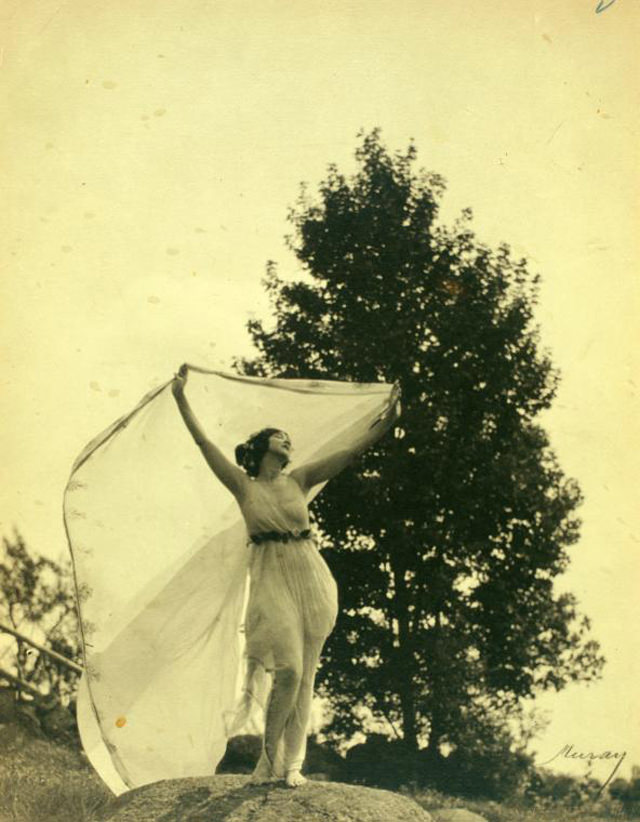
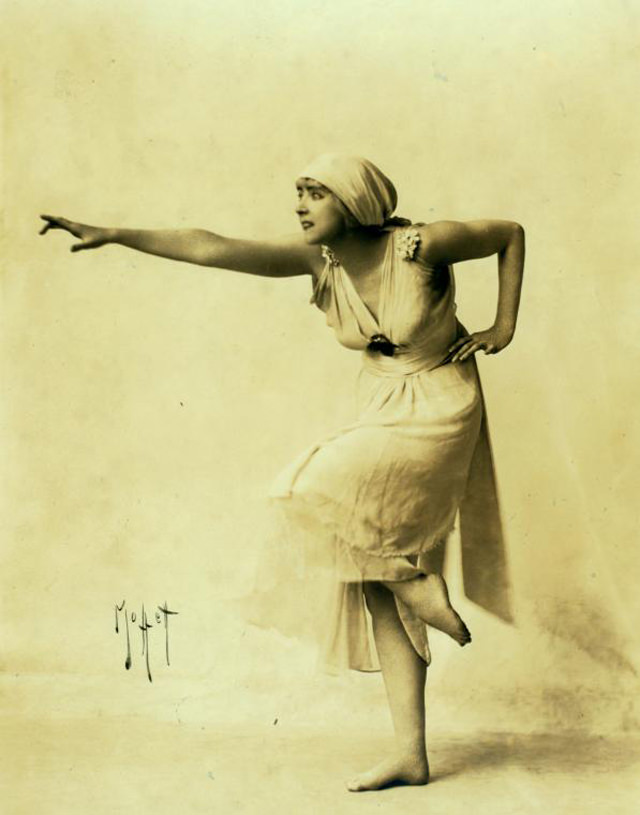
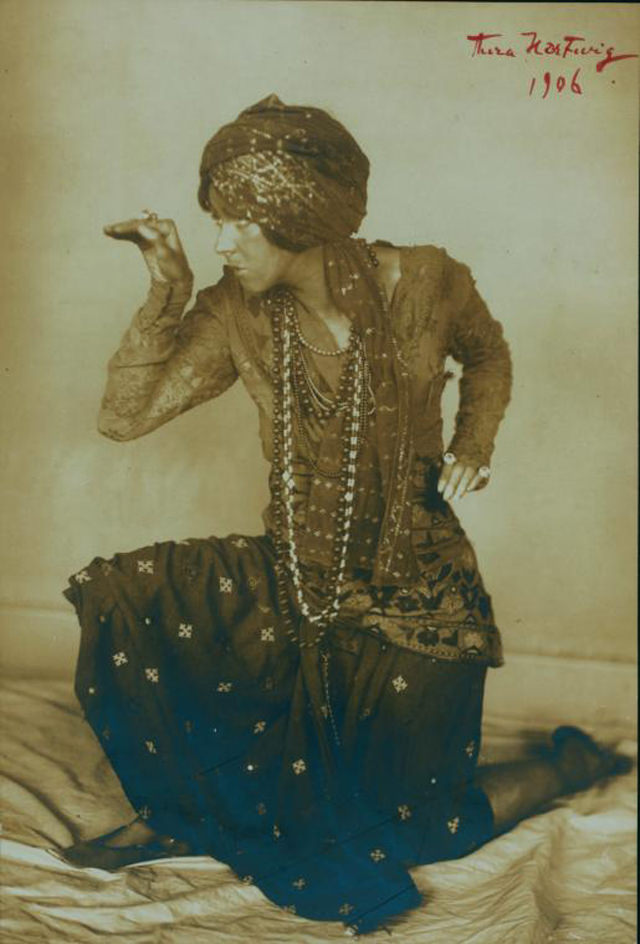
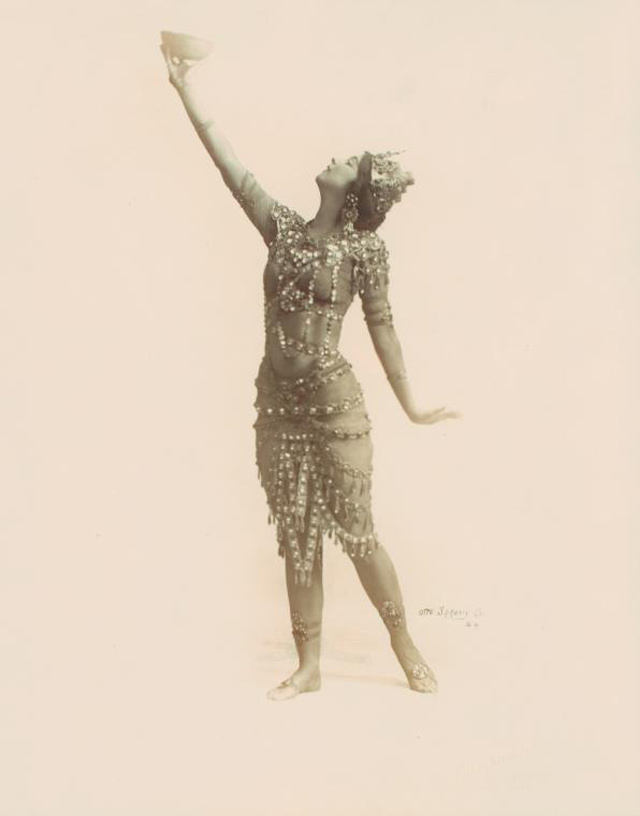
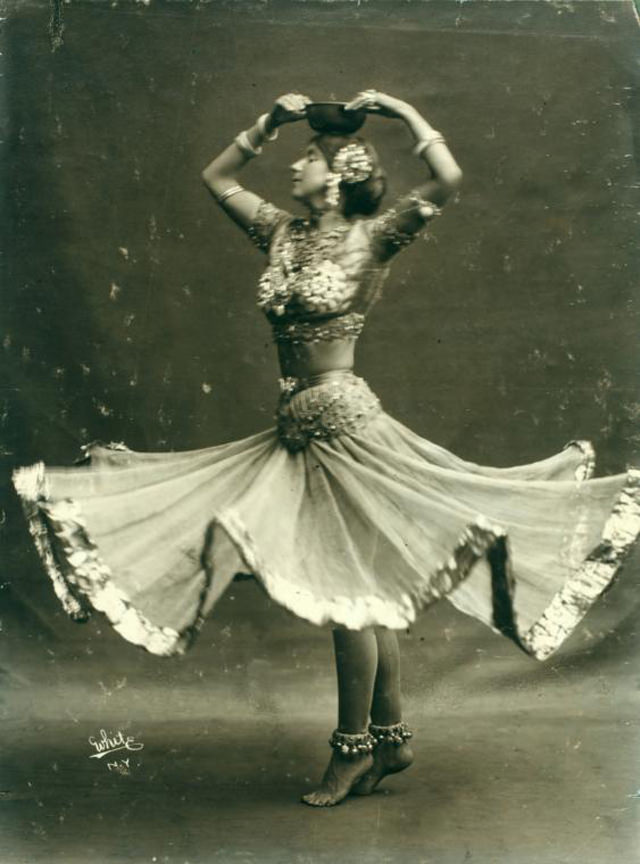
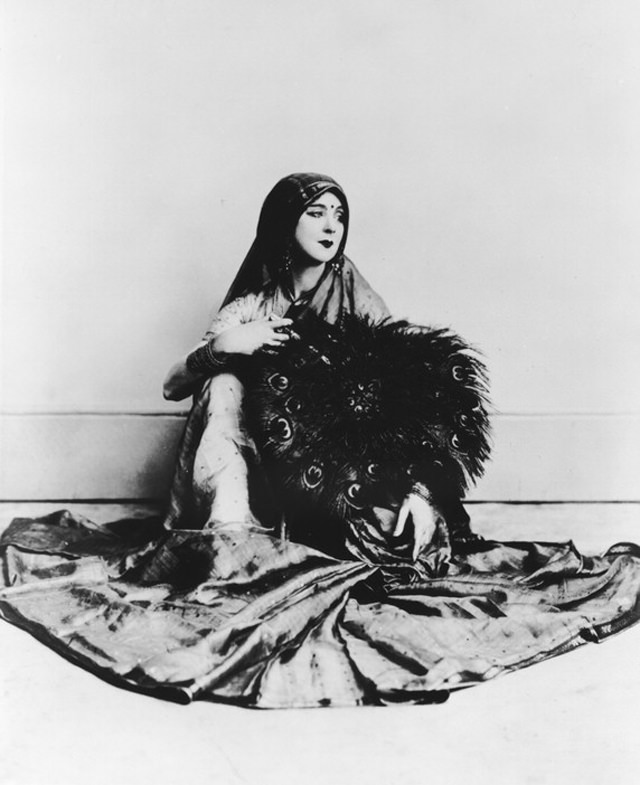
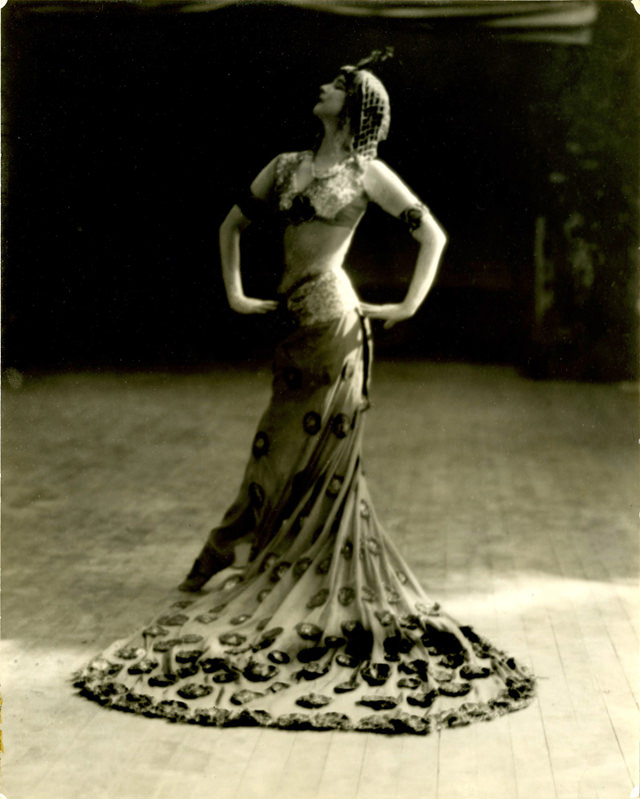
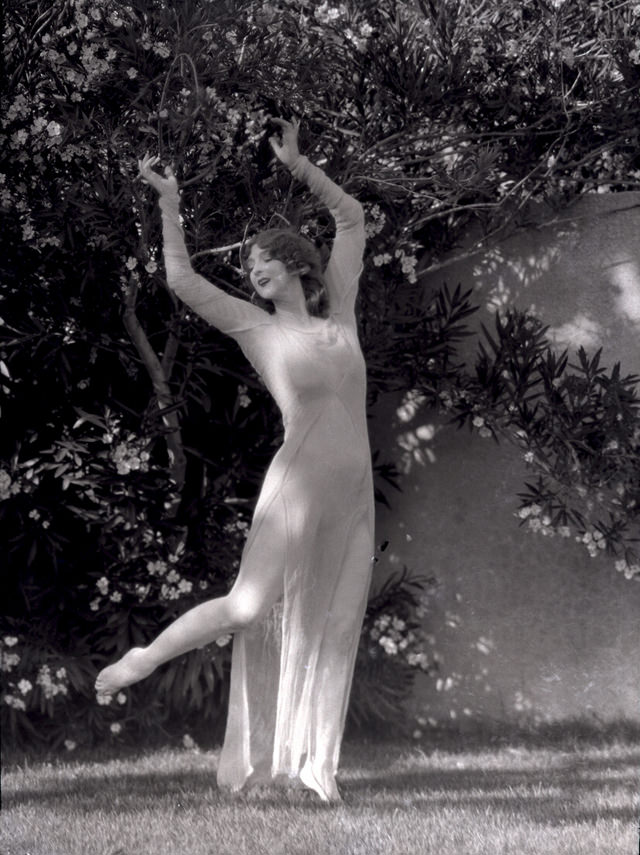
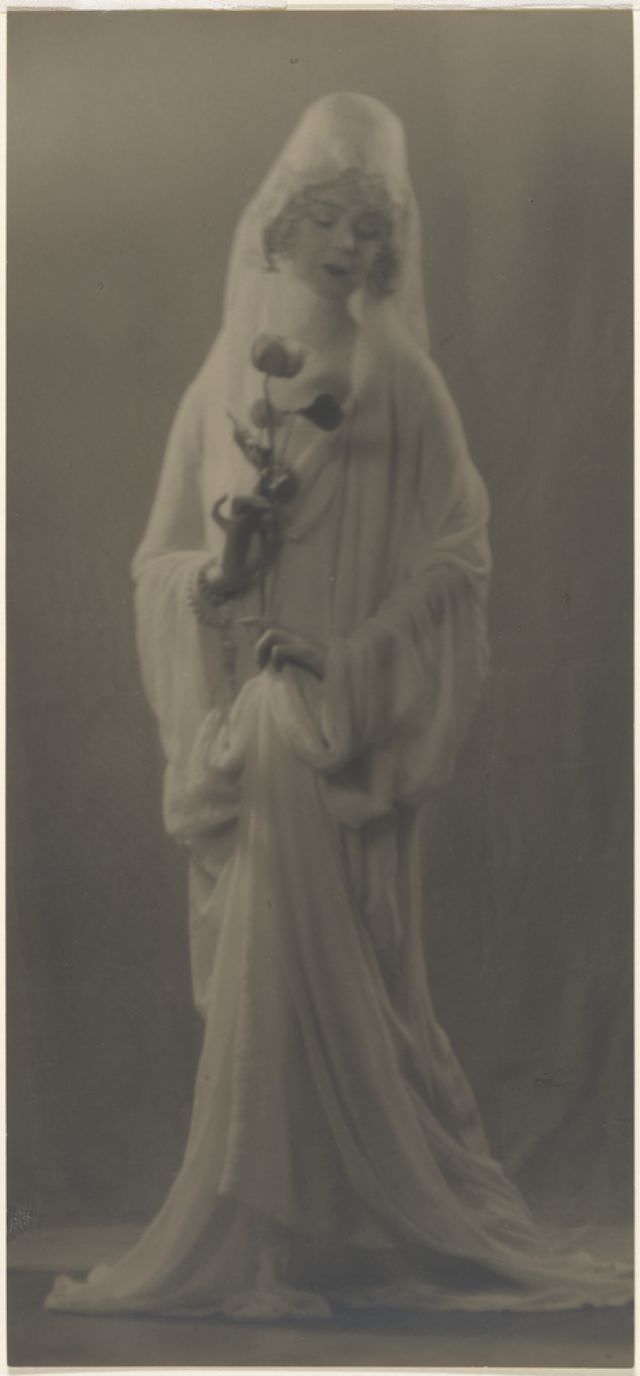
She rejected the rigid structure of ballet in favor of flowing, dramatic movement. Her costumes matched her vision — colorful fabrics, exotic jewelry, and bare feet. Bare feet on stage was a bold choice in the early 1900s, and audiences took notice.

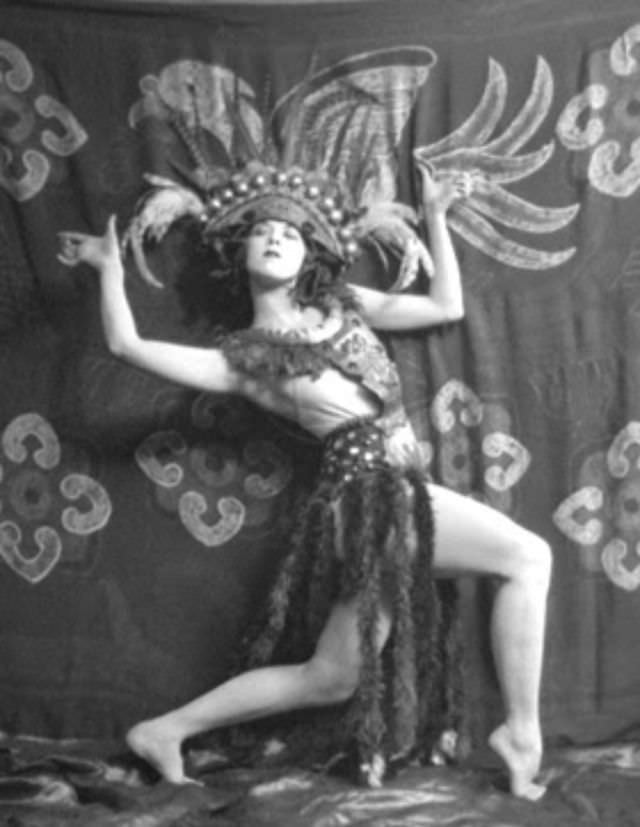
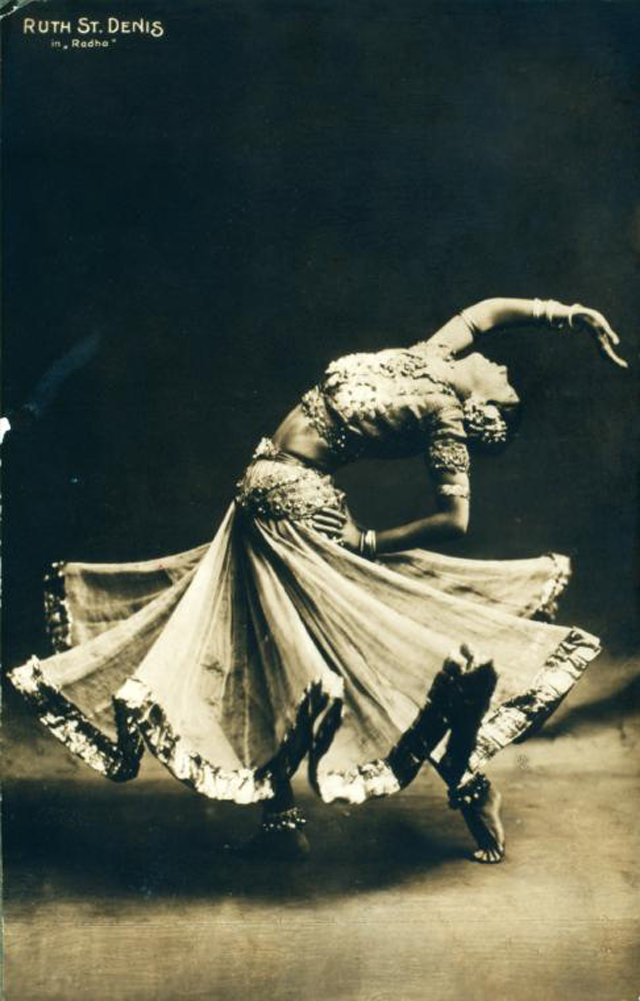
One of her most celebrated works was “Radha,” a piece inspired by the Hindu goddess of love. Through precise gesture and elaborate costume, St. Denis used her body to tell a story rooted in spiritual meaning rather than pure spectacle.


Critics and audiences recognized what she was doing. She earned the title “First Lady of American Dance” for her role in shaping a new art form. She was not only a performer but also a choreographer, teacher, and writer.
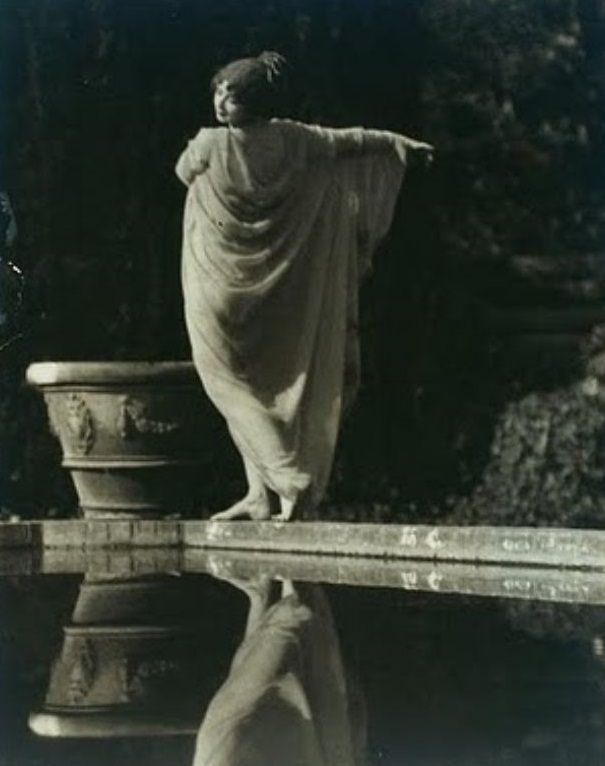

Together with her husband Ted Shawn, St. Denis co-founded the Denishawn School of Dancing and Related Arts. The school became a key training ground for the next generation of modern dancers, producing figures who would go on to reshape American dance.


At the core of her philosophy was a belief that the body is a sacred instrument. For St. Denis, dance was not entertainment alone — it was a means of expressing deep emotion and spiritual truth. That belief drove every performance and every piece she created.