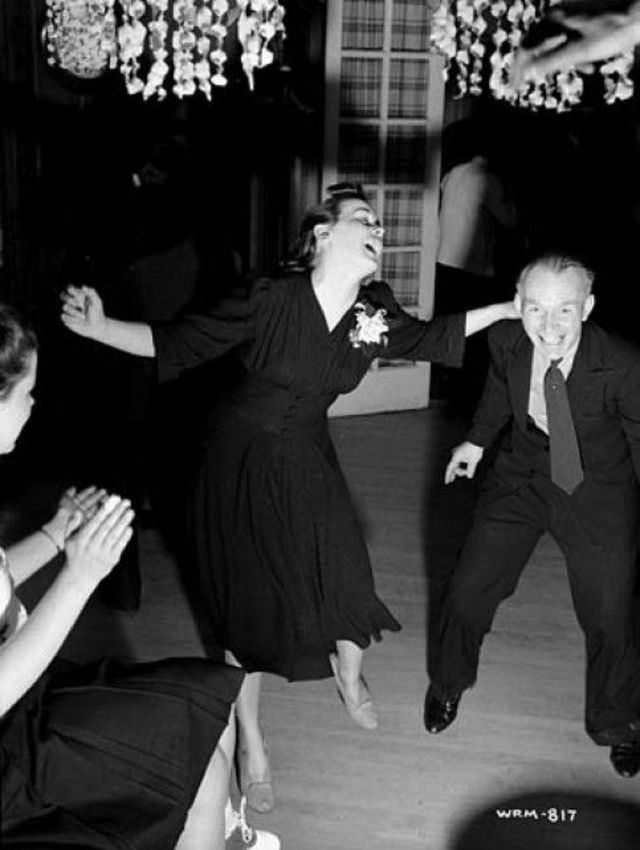
During World War II, Canada needed more than soldiers on the front lines. It needed workers at home — people willing to fill factories and keep weapons moving to Allied forces overseas. One face came to represent that effort more than any other: Veronica Foster, a young woman from Toronto, Ontario, who became nationally known as “Ronnie the Bren Gun Girl.”
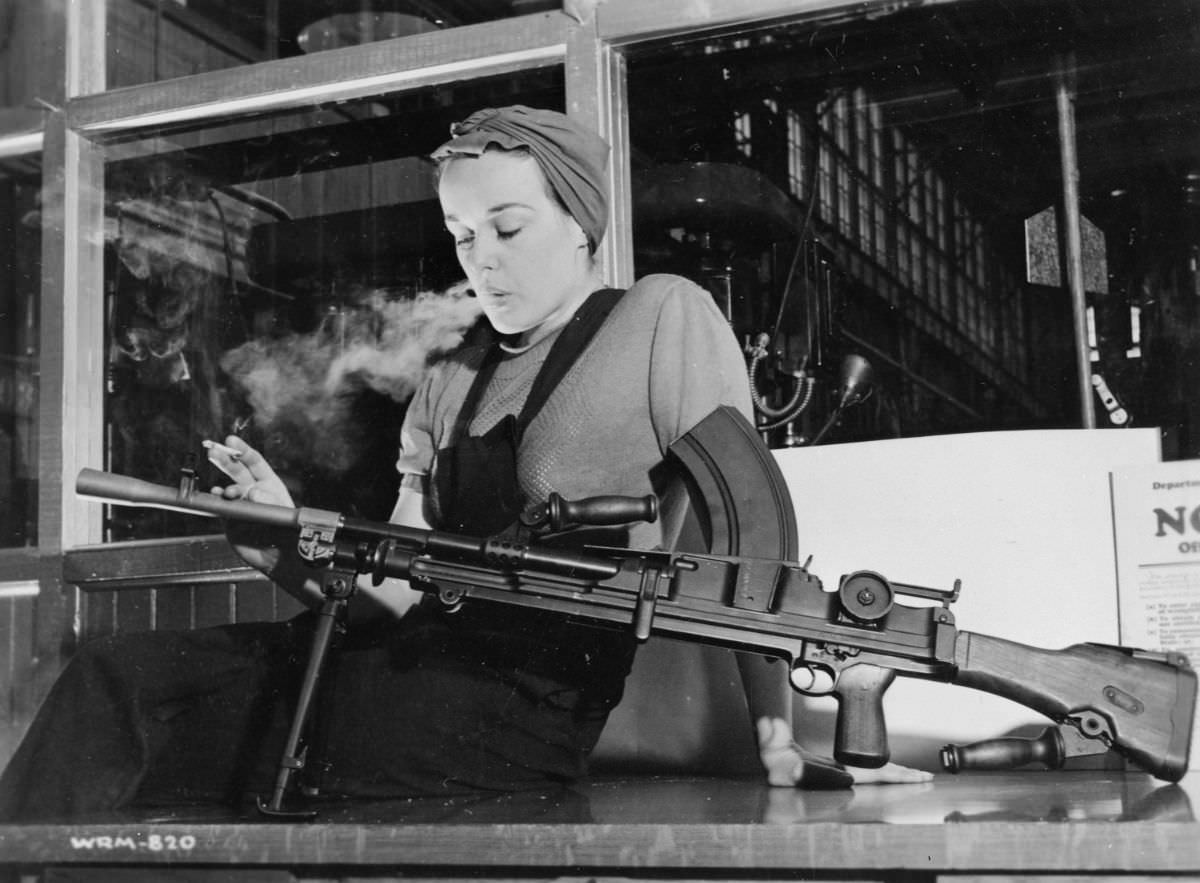
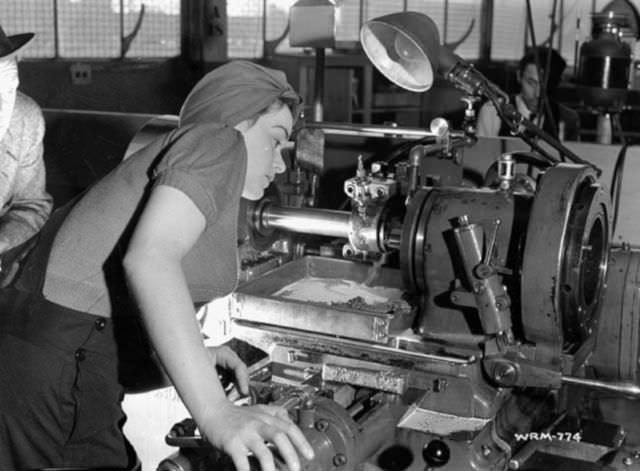
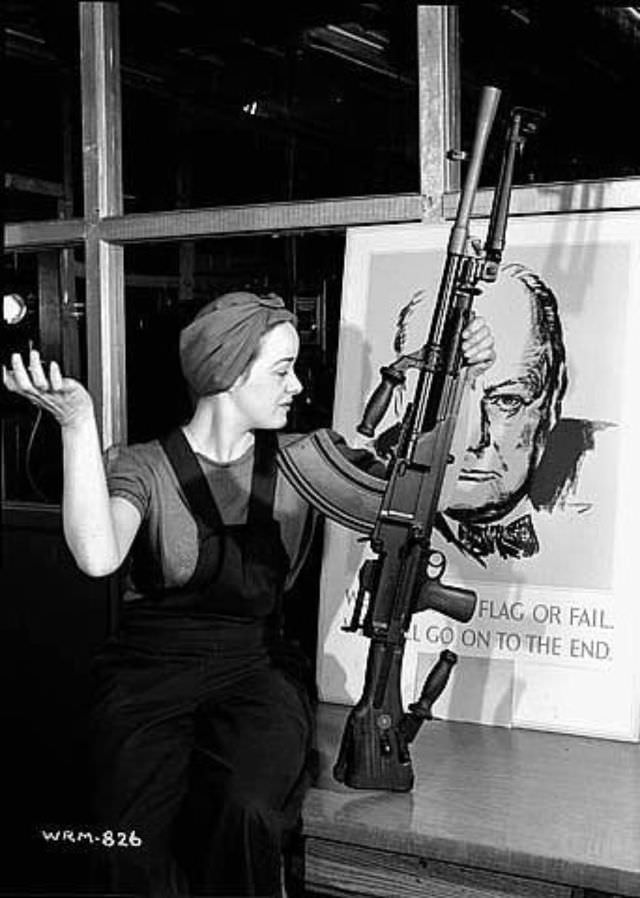
Foster worked in a Canadian armaments factory producing the Bren light machine gun, a weapon widely used by British and Commonwealth forces throughout the war. The Bren was a reliable, gas-operated gun that became a standard piece of infantry equipment, and the factories producing it ran at full speed to meet military demand. Foster’s job placed her at the center of that production effort.
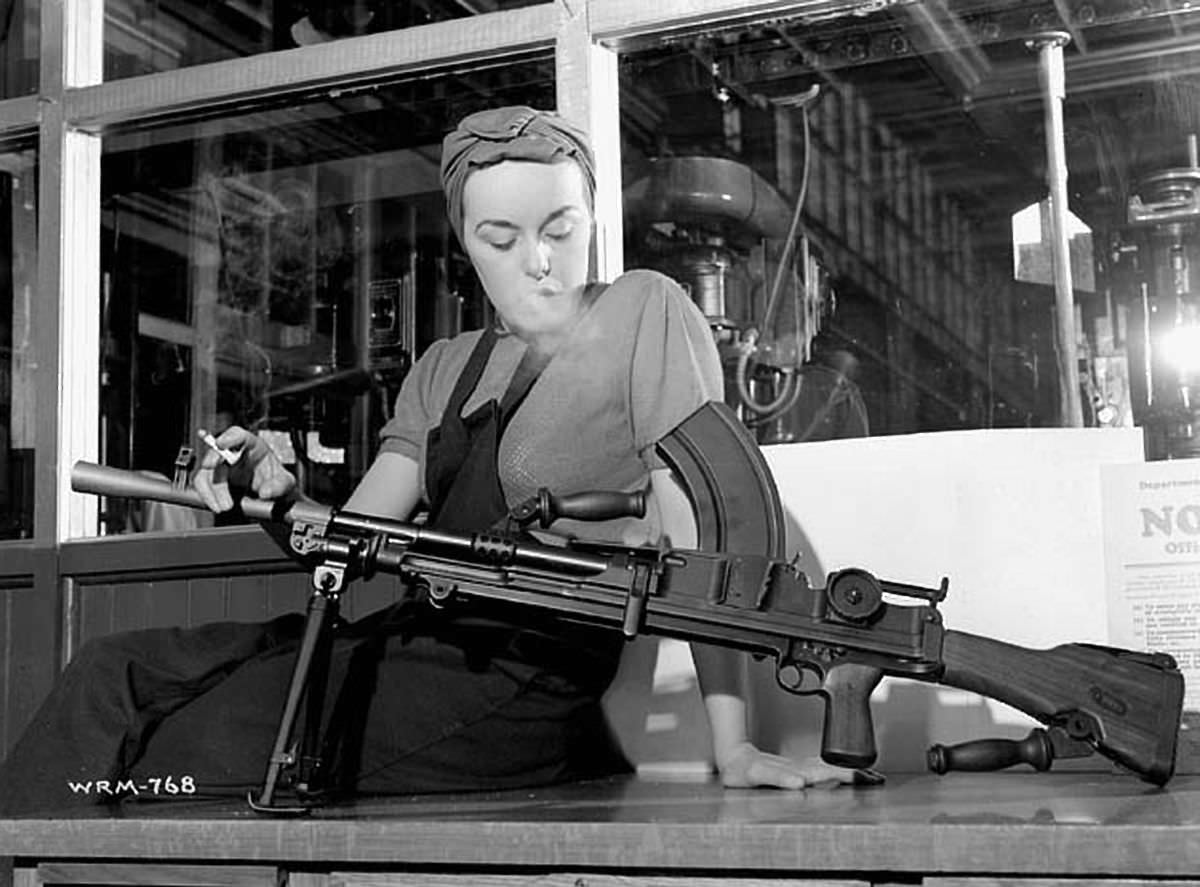
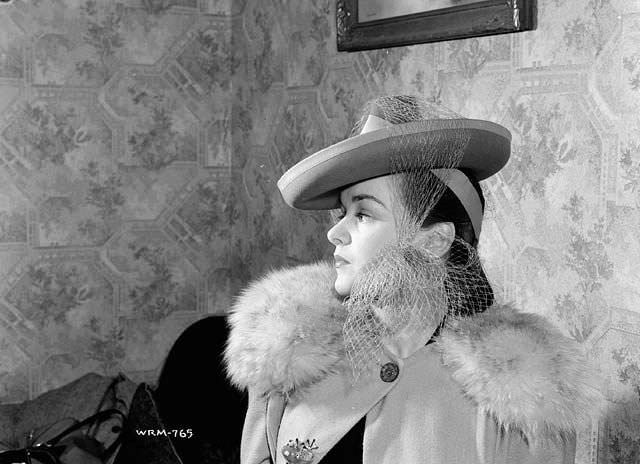
What set Foster apart from her fellow workers was her presence in front of the camera. She was cheerful, confident, and photogenic — qualities that made her a natural fit for the wartime propaganda machine. Photographers, journalists, and government officials quickly recognized her appeal, and she was featured in news articles, photographs, and recruitment posters distributed across the country.
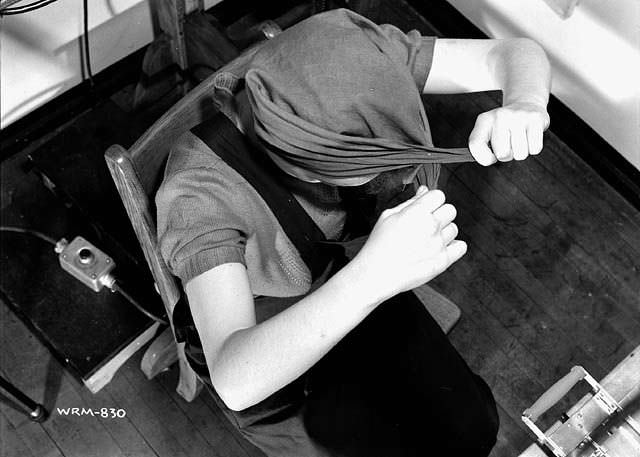
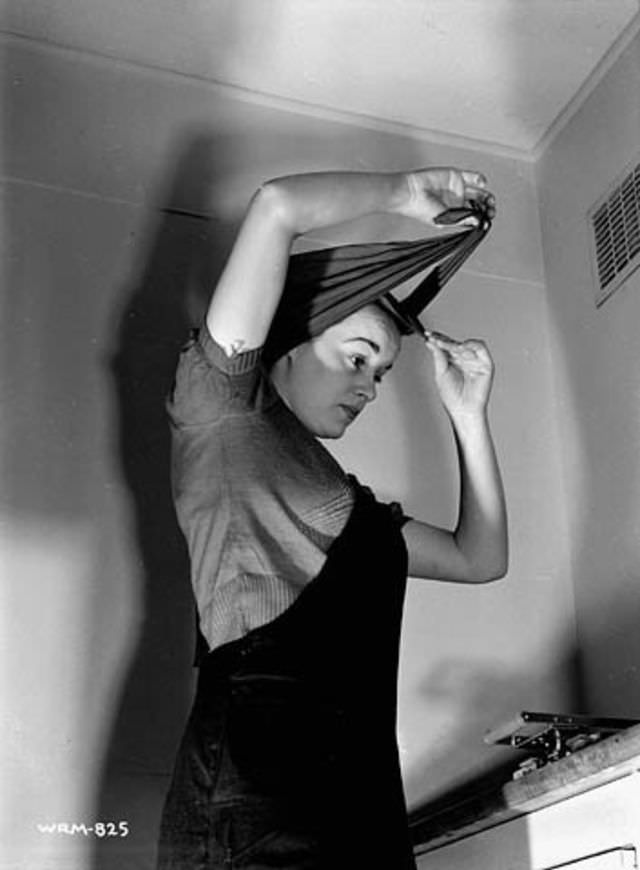
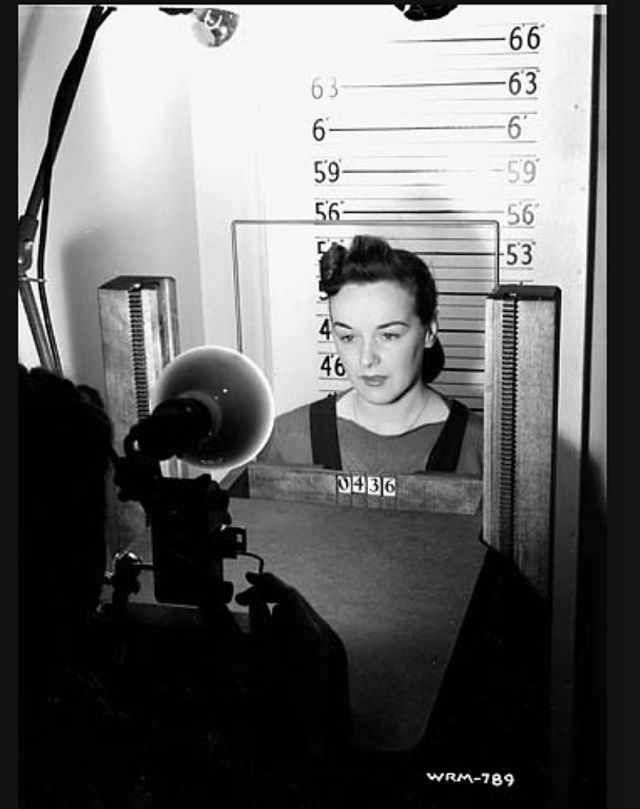
Her image appeared in magazines and advertisements under the name “Ronnie the Bren Gun Girl,” a nickname that stuck and spread. The name blended her first name with the weapon she helped build, creating a brand that was both personal and patriotic. For many Canadians, her face became synonymous with the home front war effort.
Foster was also a member of the Canadian Women’s Army Corps, known as the CWAC. The organization was formed to allow women to serve in non-combat military roles, freeing up men for frontline duty. Foster’s involvement with the CWAC added an official military dimension to her public image and reinforced the message that women were essential to the war effort — not just supportive of it.
Her reach extended beyond Canada’s borders. Fred Waring, an American musician and bandleader, wrote a song about her. That kind of cross-border recognition was rare for a factory worker and spoke to just how effective her image had become as a wartime symbol. She was not a politician or a general — she was a woman on the factory floor, and that was exactly the point.
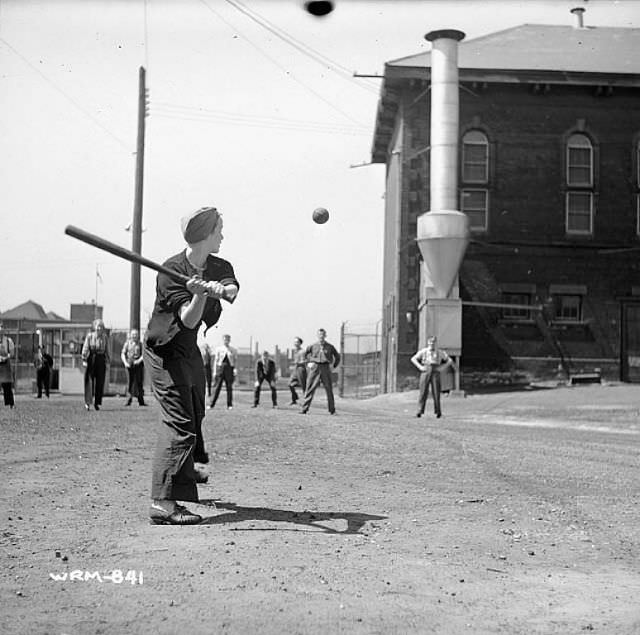
Foster was open about her belief in women’s rights and their role in the war. She spoke passionately about the importance of women stepping into industries that had previously been closed to them. The war had created a labor shortage, and women across Canada answered the call in munitions plants, shipyards, and aircraft factories. Foster gave that shift a human face.
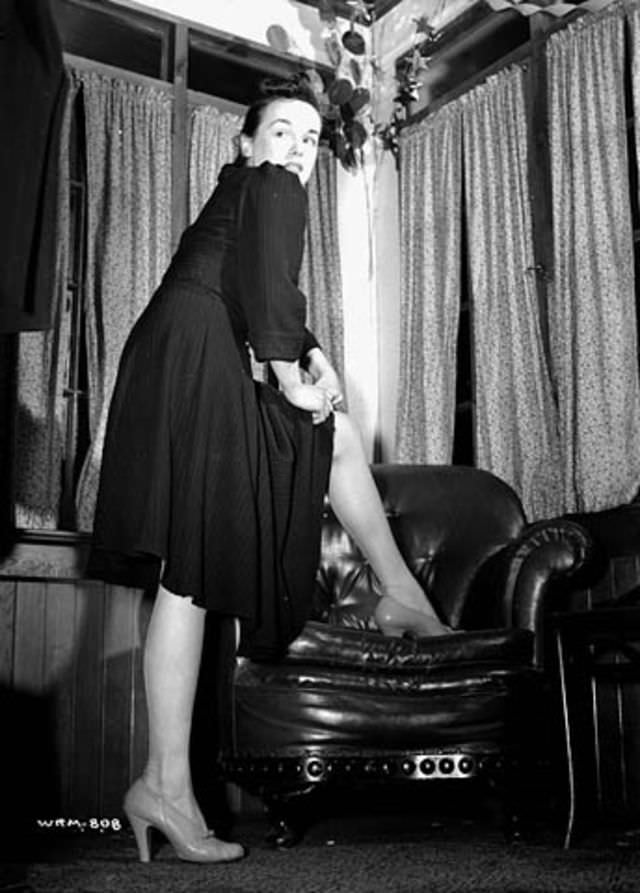
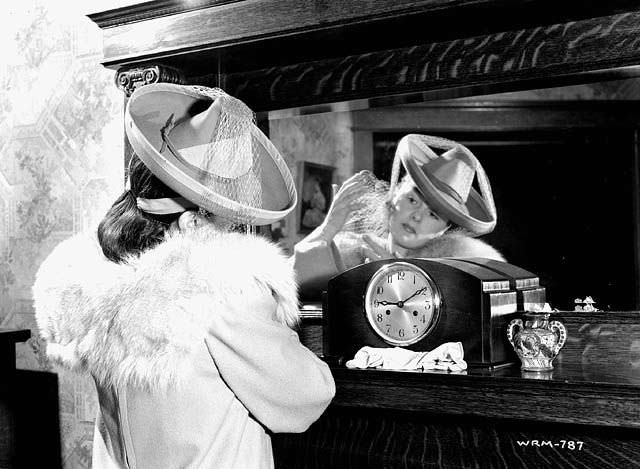
Recruitment posters of the era used her likeness to draw more women into the workforce. The messaging was direct: if Ronnie could do it, so could you. These posters were part of a broader government strategy to normalize women working in heavy industry — a shift that would have been socially controversial just a few years earlier.
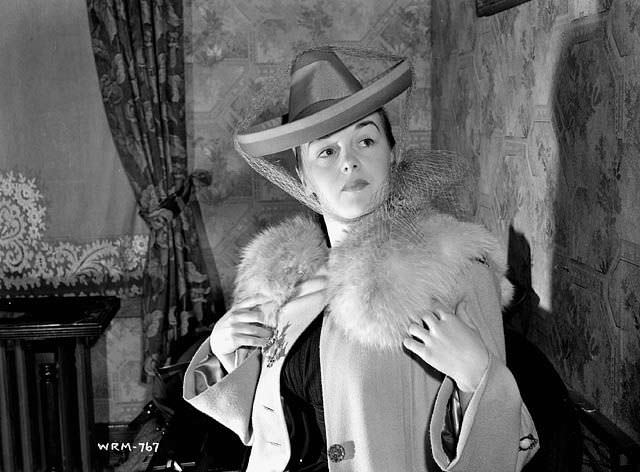
After the war ended, Foster returned to private life. She did not seek out the spotlight and largely stayed out of public view for decades. Little is documented about her personal life, including details about her education or family. What is known comes primarily from the wartime records, photographs, and publications that made her famous in the first place.
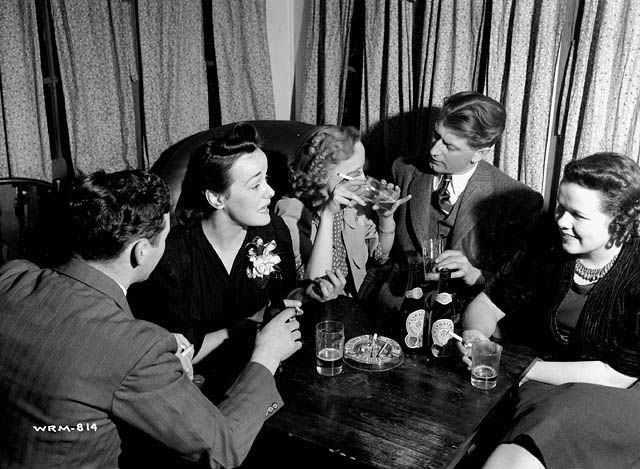
Veronica Foster passed away in 1991. Nearly a decade later, her contributions were formally recognized when she was inducted into the Order of Canada in 2000. The honor acknowledged not just her personal role in the war effort, but what she represented — the thousands of Canadian women who worked in dangerous, demanding factory conditions to keep Allied forces supplied.
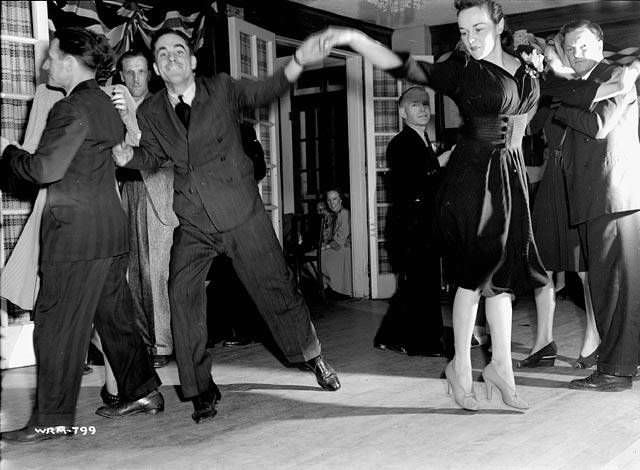
Her story is a specific slice of a larger wartime reality. Canada’s munitions workers were not volunteers in the traditional military sense, but their output was just as critical as anything happening on the battlefield. Every Bren gun that left a Canadian factory and reached a soldier’s hands was the result of hours of skilled, unglamorous work — the kind of work Veronica Foster did every day, and made the country proud to see.