
Robert Cumming (1943–2021) had one guiding principle: fun was the whole point. The American artist wasn’t chasing grand statements or layered symbolism. He took ordinary objects and arranged them in ways that were strange, funny, and quietly unsettling — all at once.
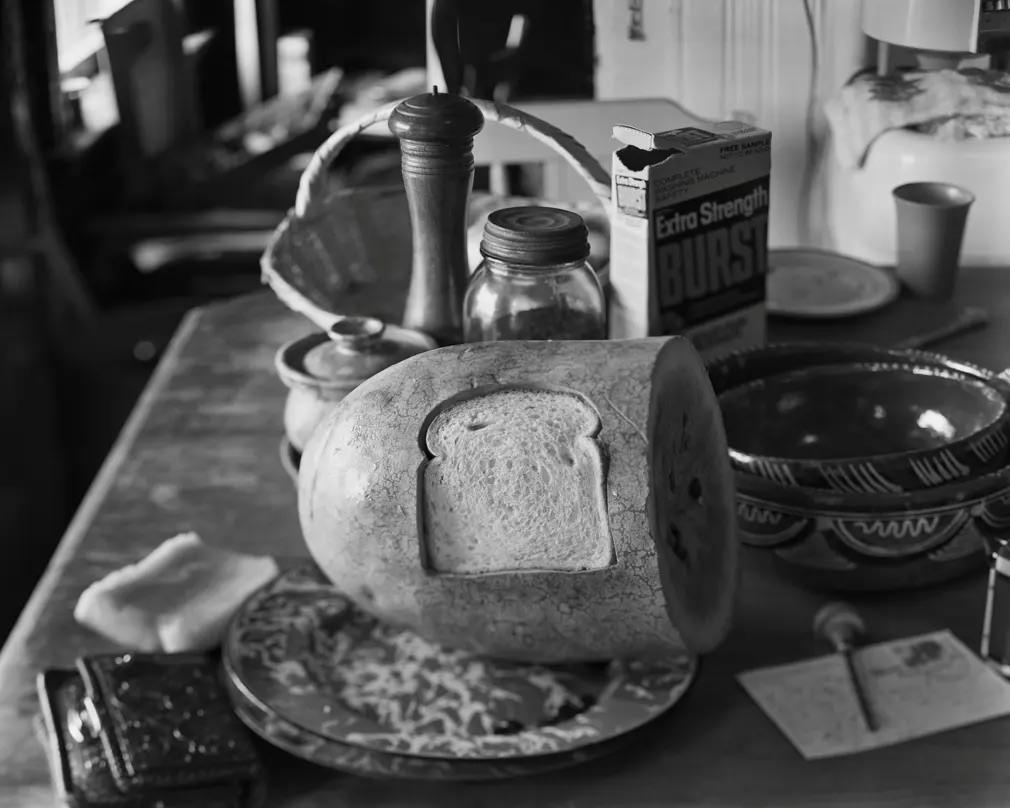
A new book of Cumming’s photography captures that spirit well. One photo, “Watermelon/Bread,” places two completely unremarkable objects side by side — but the arrangement is odd enough to stop you cold. Nothing is explained. That was deliberate. Cumming trusted viewers to sit with the strangeness and find their own way through it.
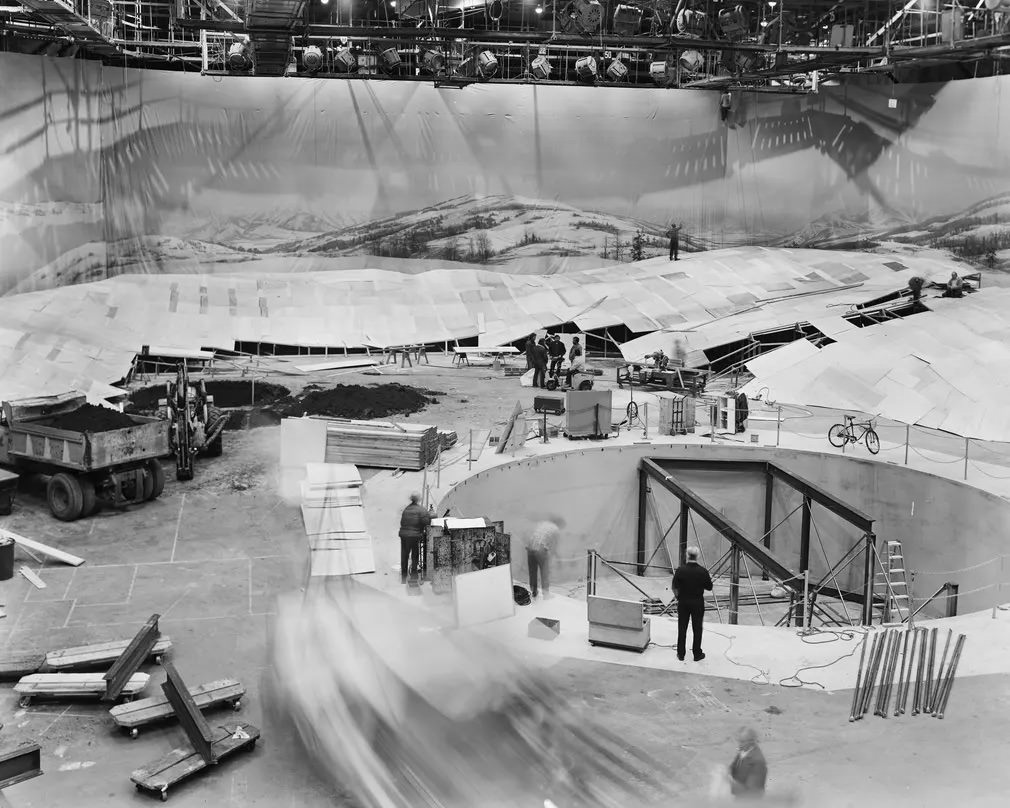
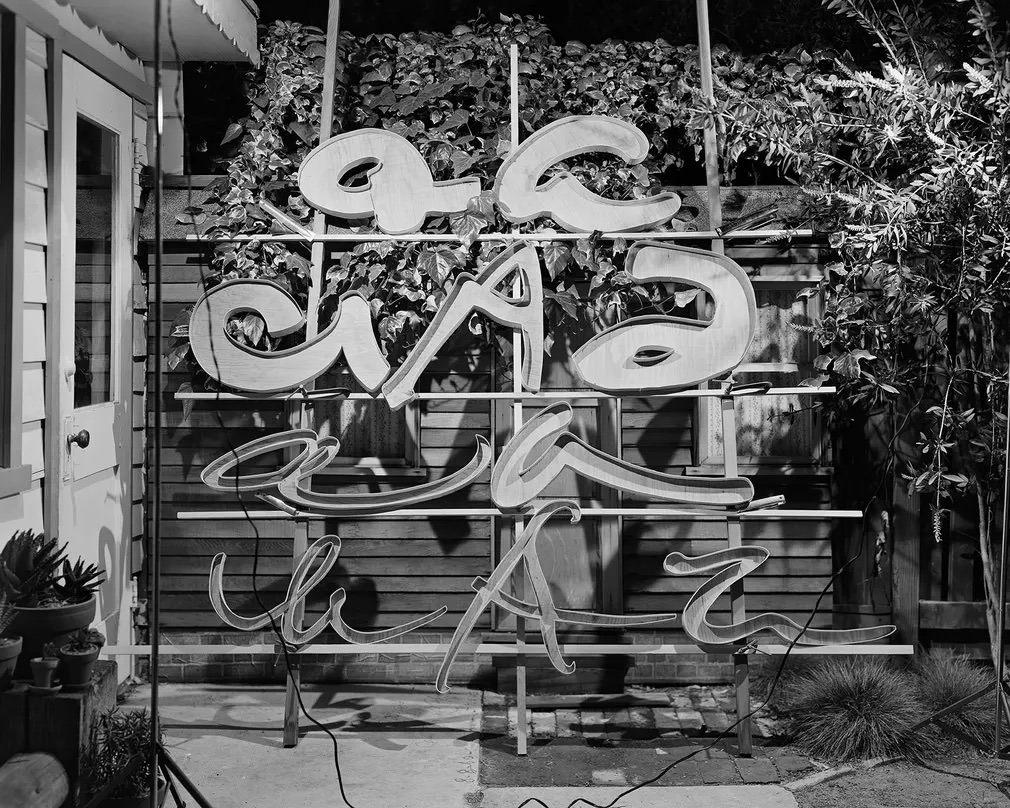
Cumming’s playfulness extended to how he worked with everyday settings. He moved through familiar environments — streets, studios, stages — and found the angles and arrangements that made ordinary signs and structures feel alien.
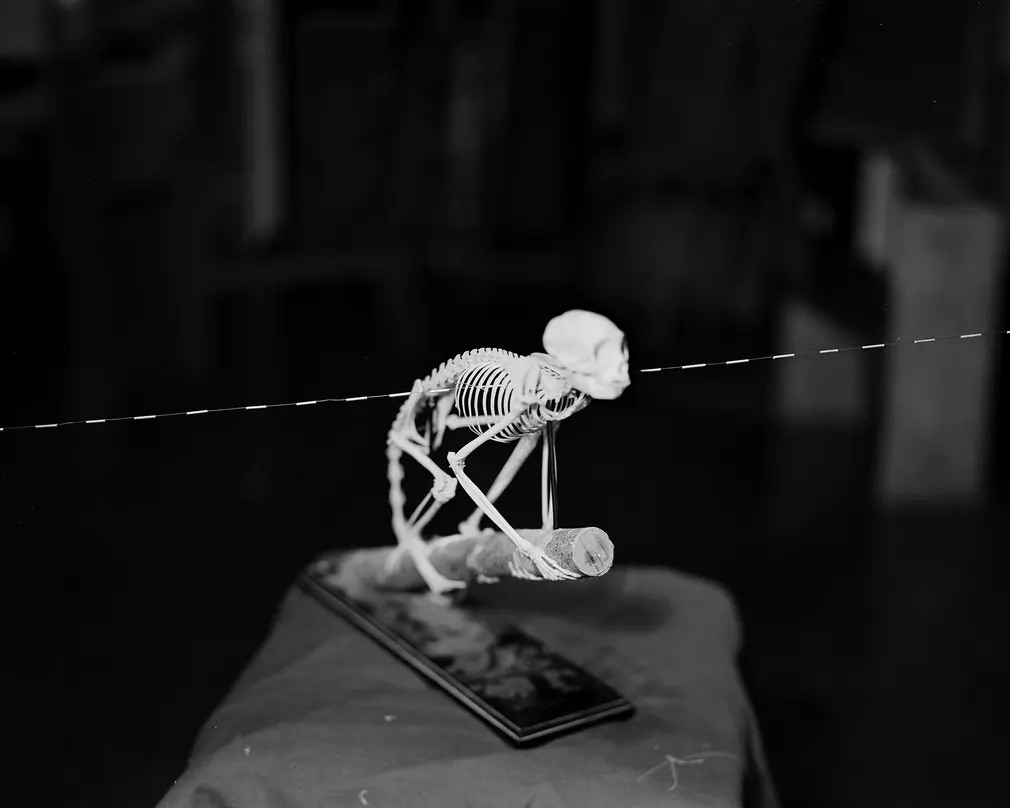
His photographs regularly featured figures caught mid-action or mid-thought — bodies in motion, slightly off-balance, placed in scenes that felt one degree removed from reality. The effect was always deadpan, never melodramatic.
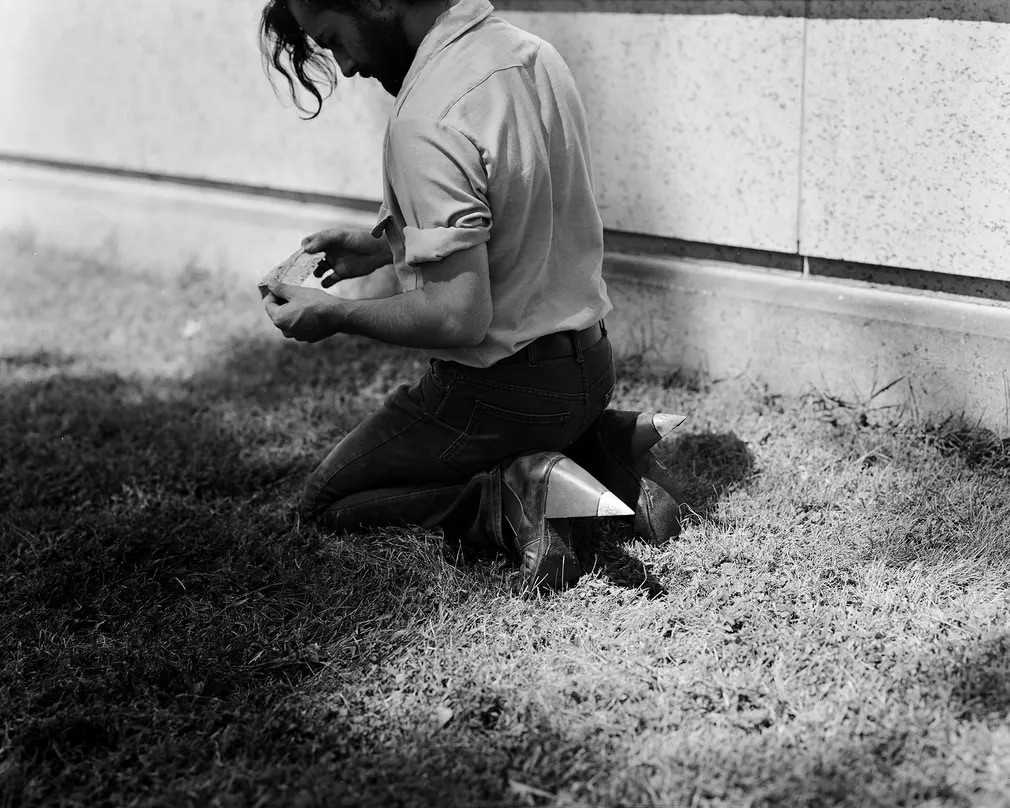
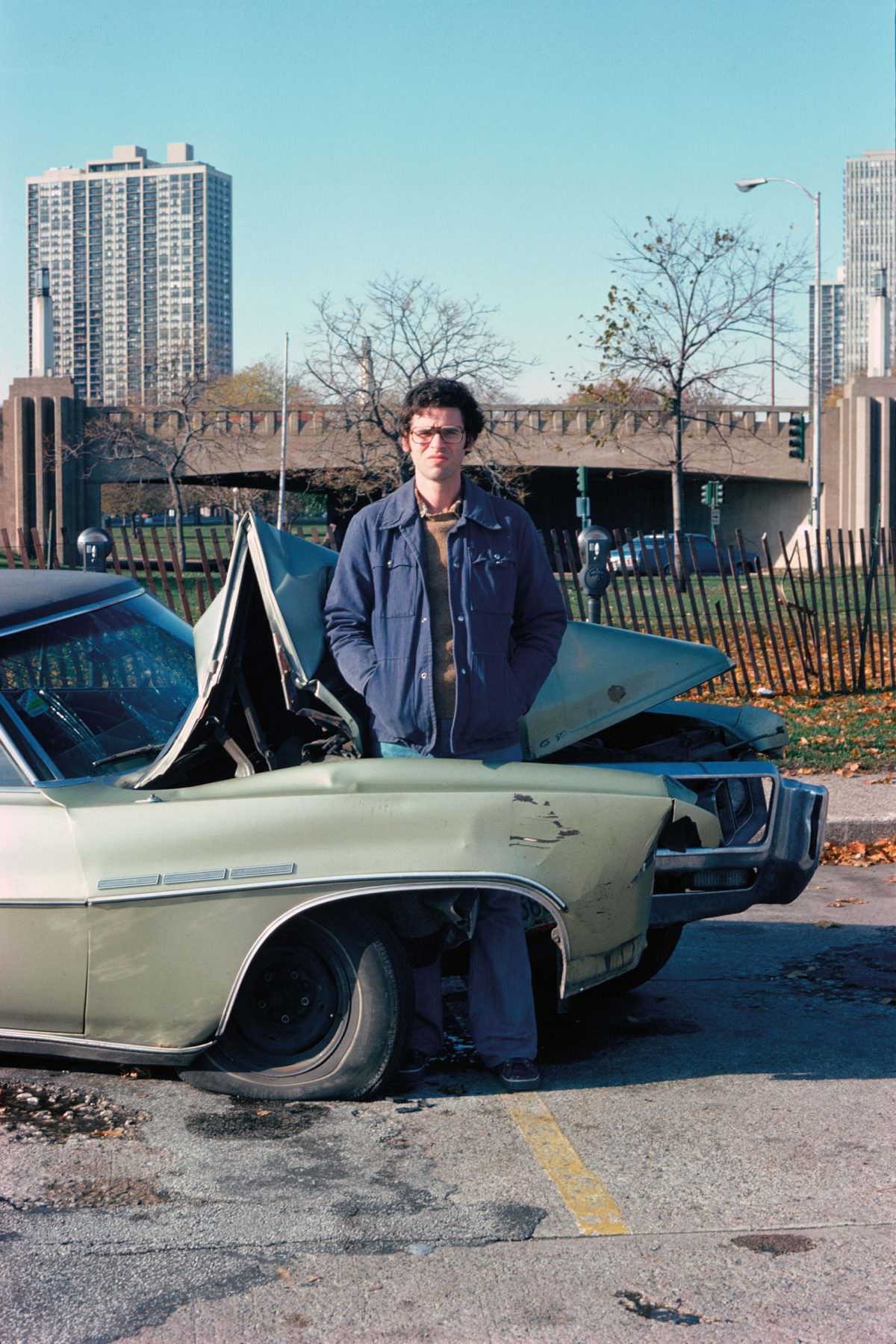
Cumming also turned bad memories into photographs. He believed vivid recollections of unpleasant experiences were universal, so he staged and recreated those moments — not to relive them, but to make them absurd. The discomfort stays, but it’s cut through with a sharp sense of humor.
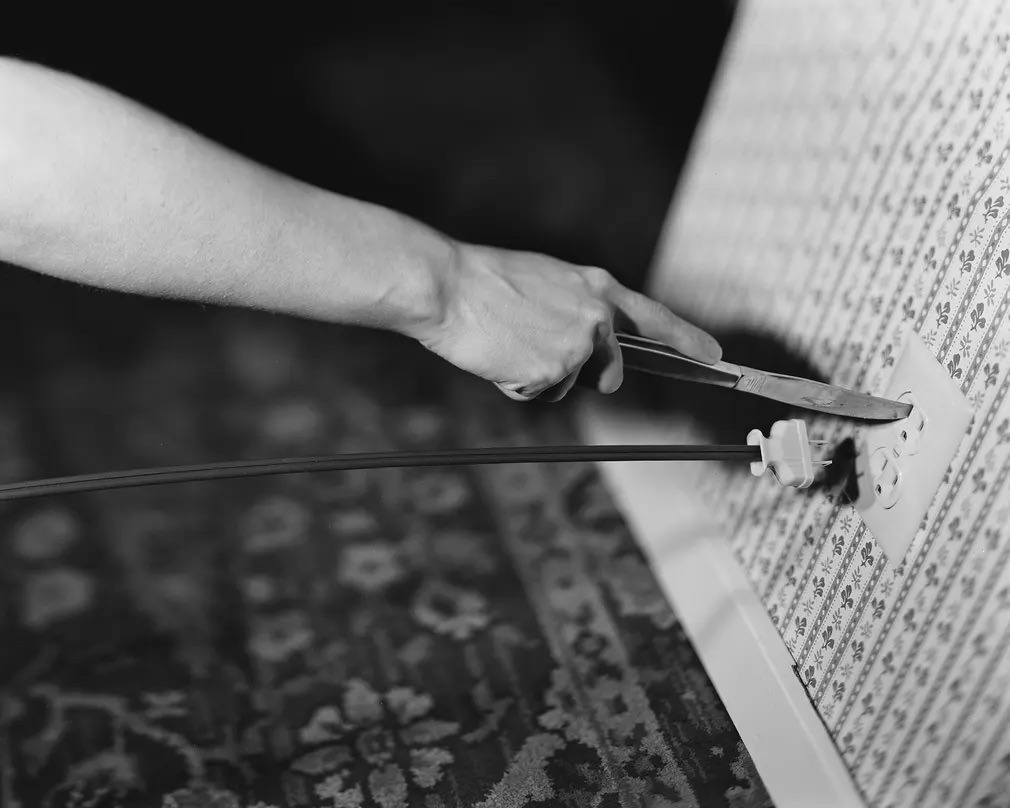
He taught at the Hartford Art School, where his approach to art-making was hands-on and experimental. Students worked directly with materials and physical setups, reflecting Cumming’s belief that art begins with doing, not theorizing.
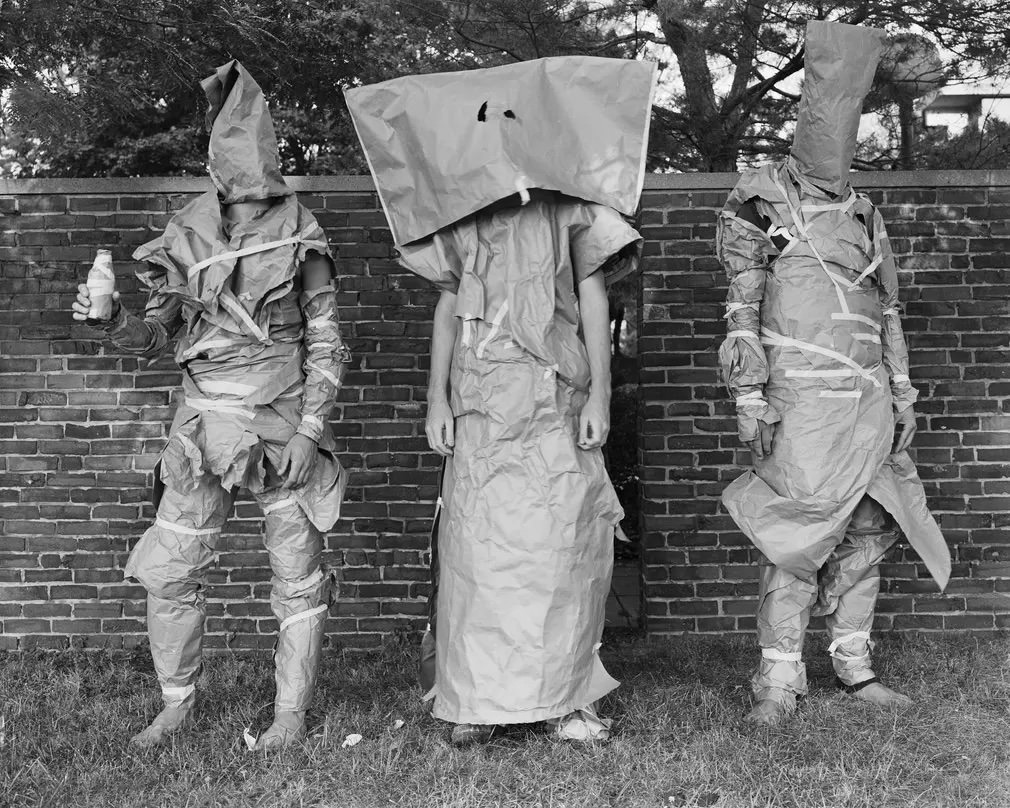
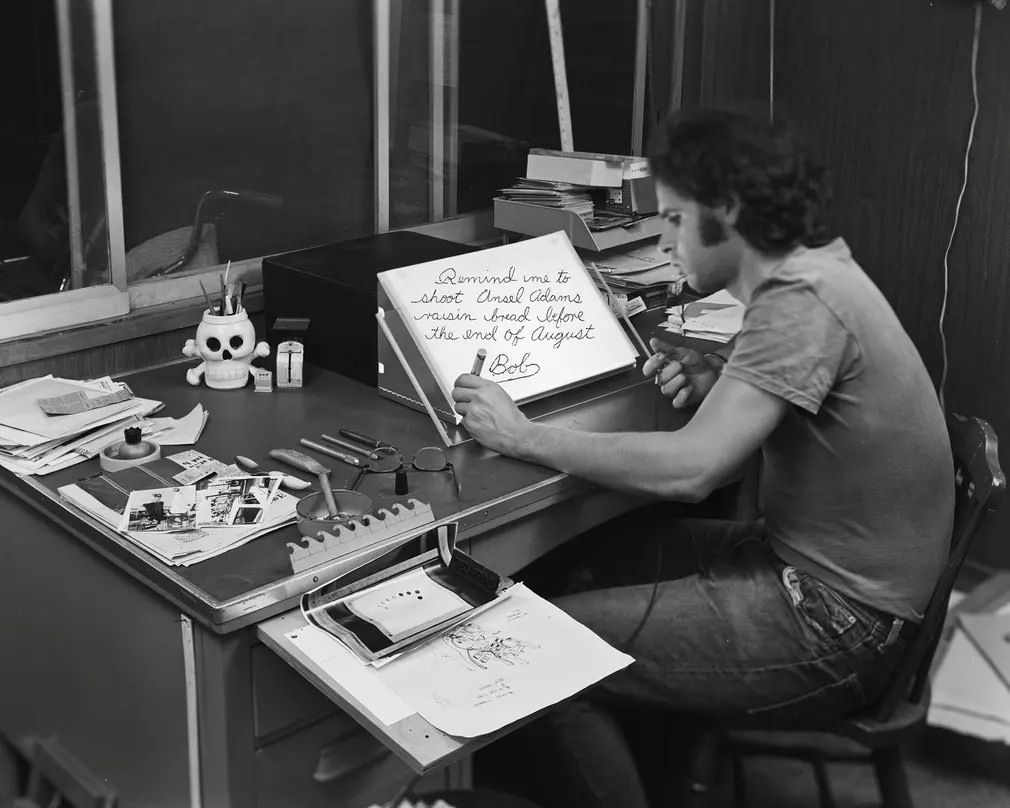
Reading was central to Cumming’s life. He consumed everything from philosophy to DIY manuals, and that breadth showed up directly in his work. Text, labels, and handwritten notes became visual elements in their own right — not captions, but characters.
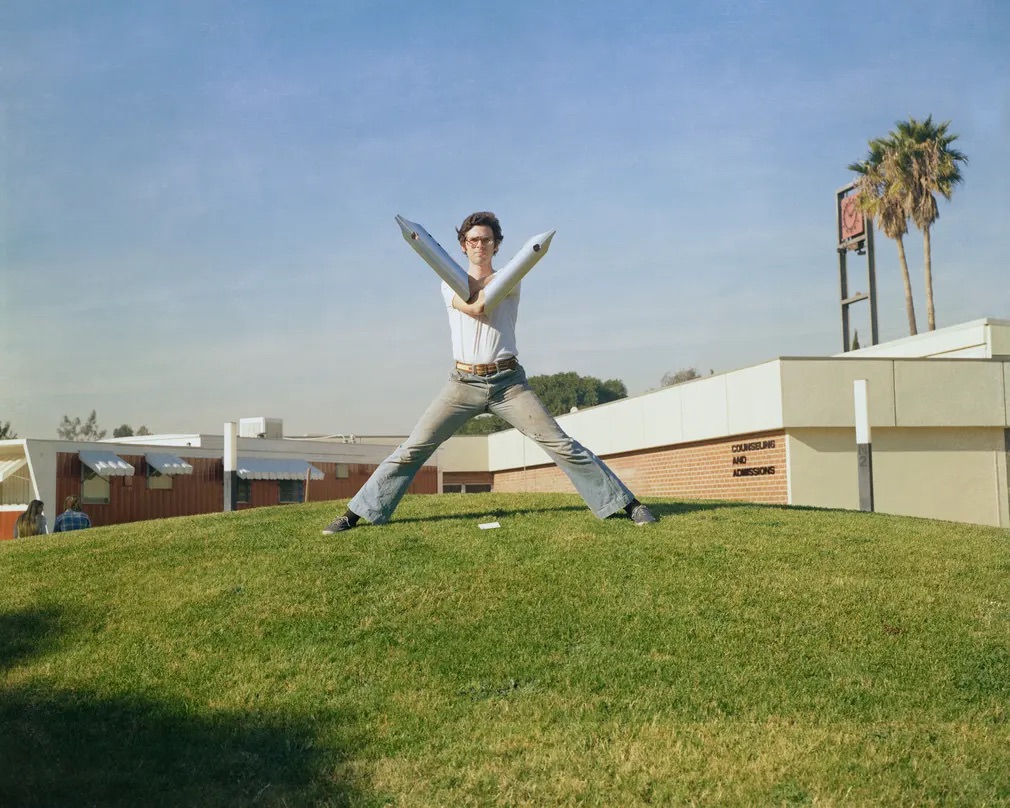
In his Los Angeles studio, Cumming built and photographed constructed scenes with the focus of a craftsman. The studio was where logic was set aside on purpose — where a chair balanced on books or a row of bulbs cast mismatched shadows, and that was entirely the point.
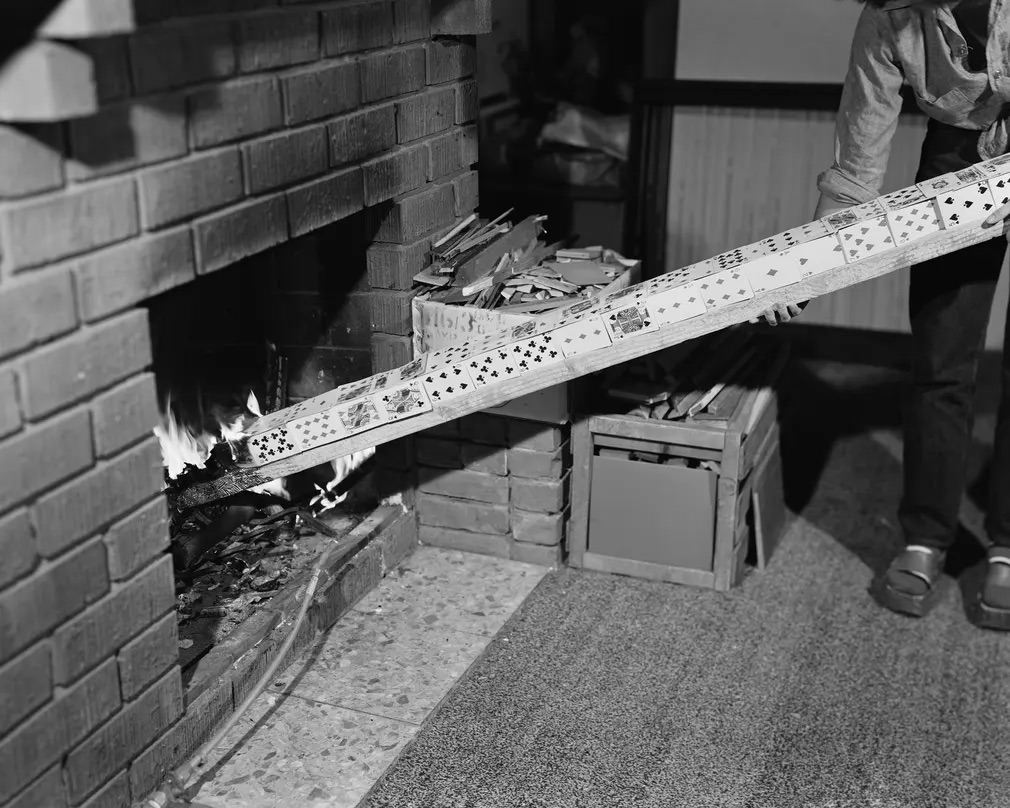
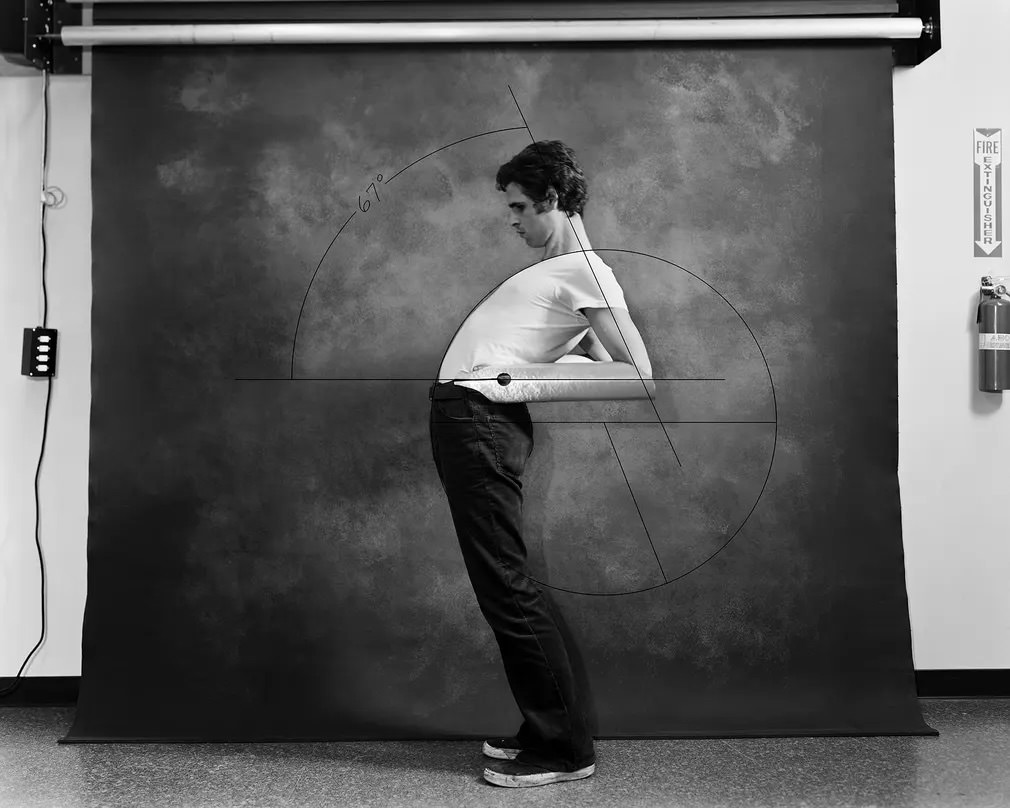
His geometric compositions were precise. Pieces like “67-Degree Body Arc off Circle Centre” used the human body as a measuring instrument — part performance, part diagram, fully Cumming. Every image was a small visual argument dressed up as a joke.