Advertising has always reflected the attitudes of its era — and some of those attitudes were openly, unapologetically racist. These vintage ads were not fringe material hidden in back alleys. They ran in mainstream newspapers, magazines, and storefronts, selling everyday products like soap, food, tobacco, and toys.
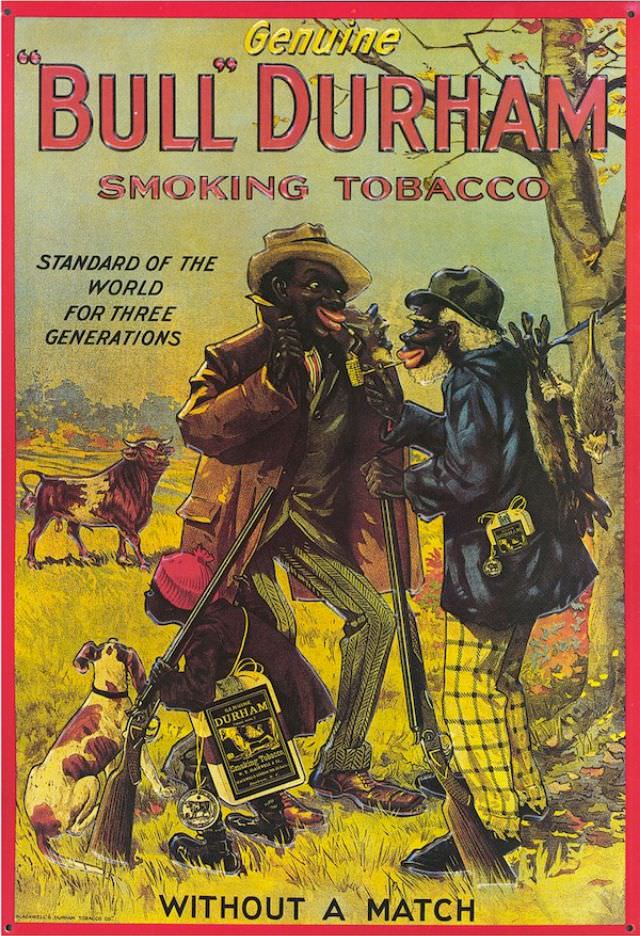
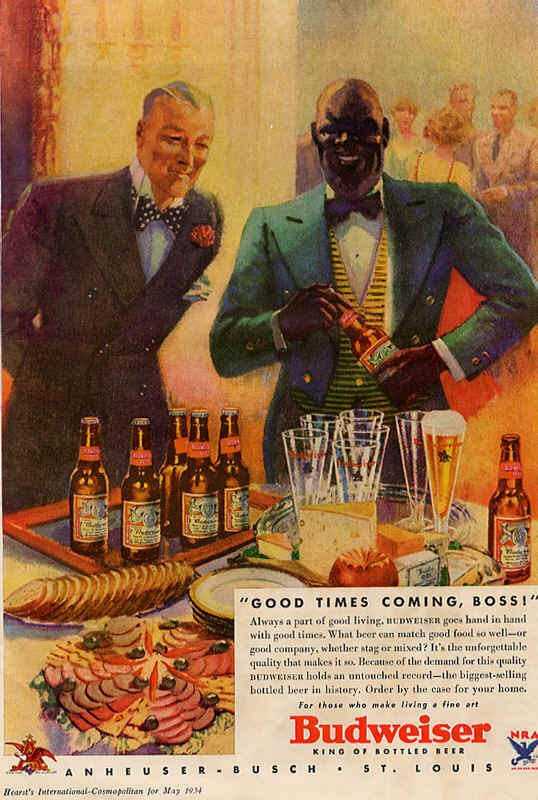
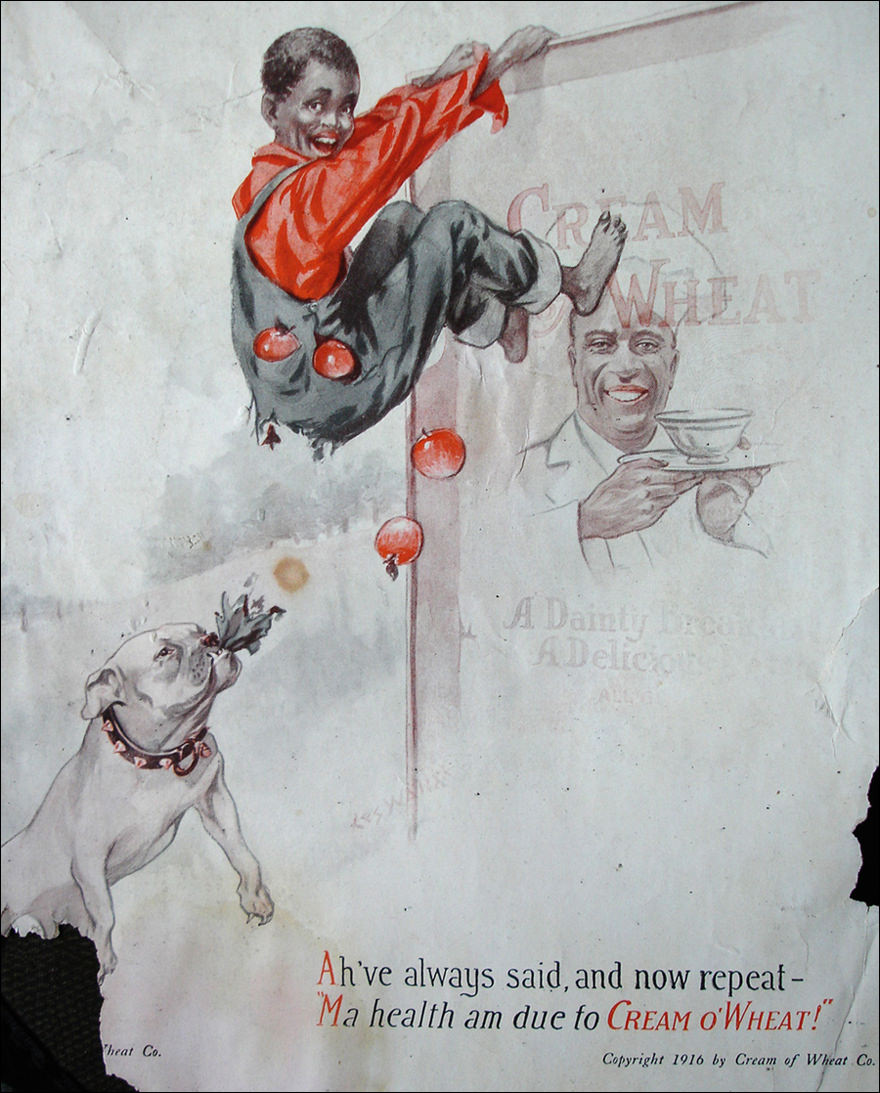
Companies leaned heavily on racial stereotypes because those images were accepted — even celebrated — by the dominant white consumer culture of the time. Black people were regularly depicted as servants, children, or comic figures. These portrayals were not accidental. They were deliberate design choices made by art directors, copywriters, and company executives.
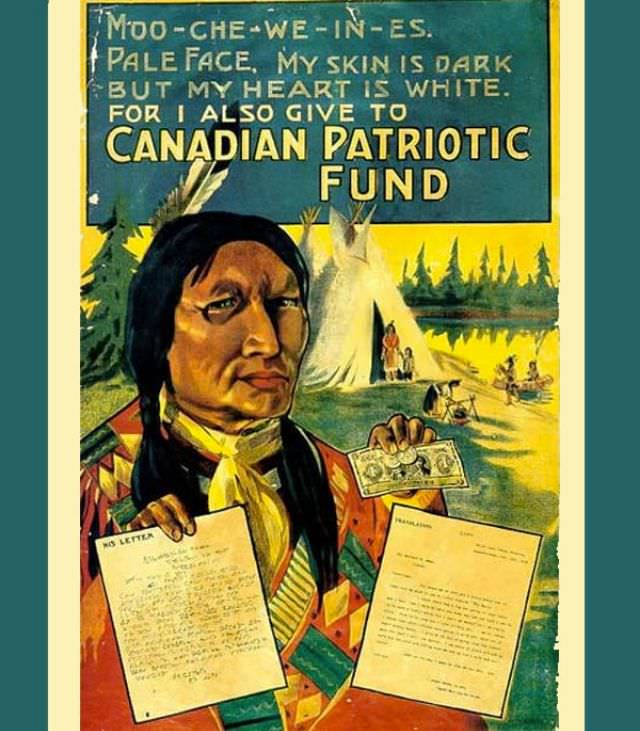
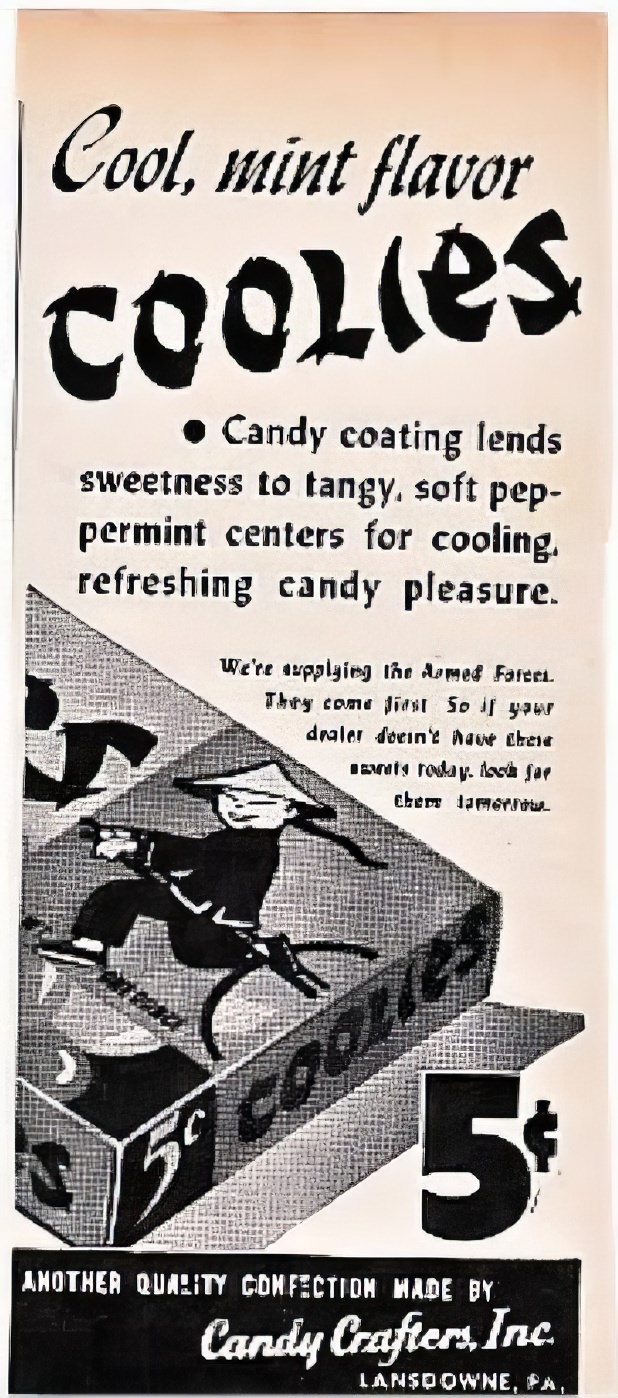
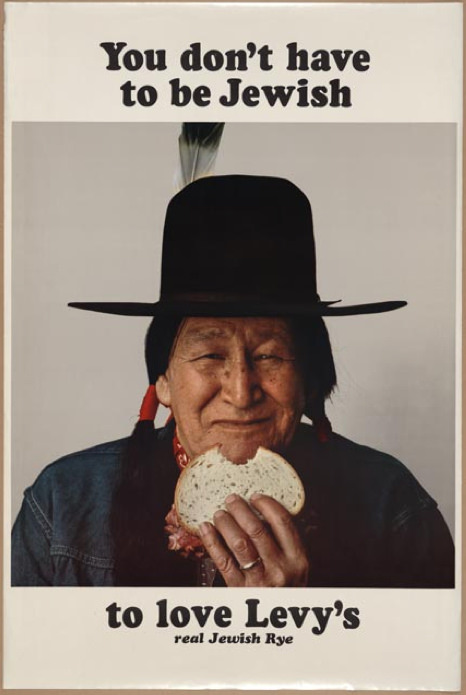
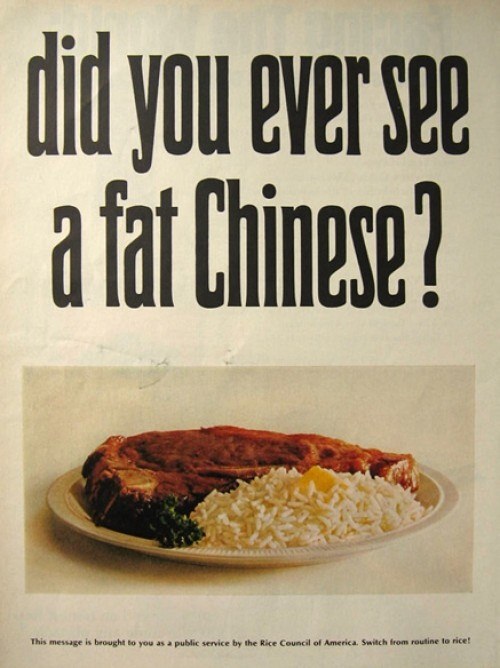
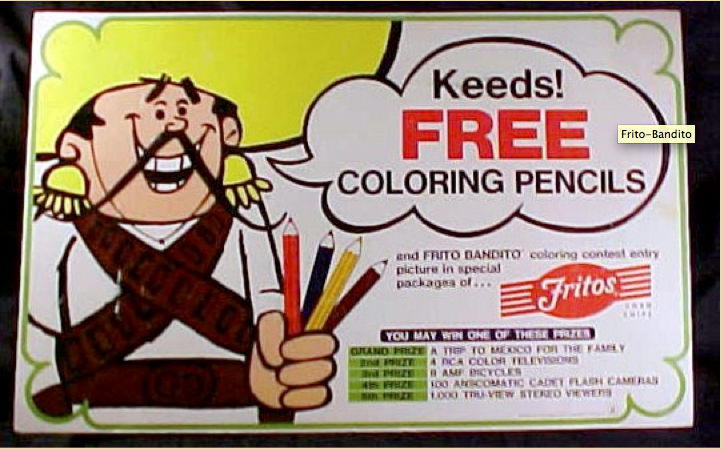
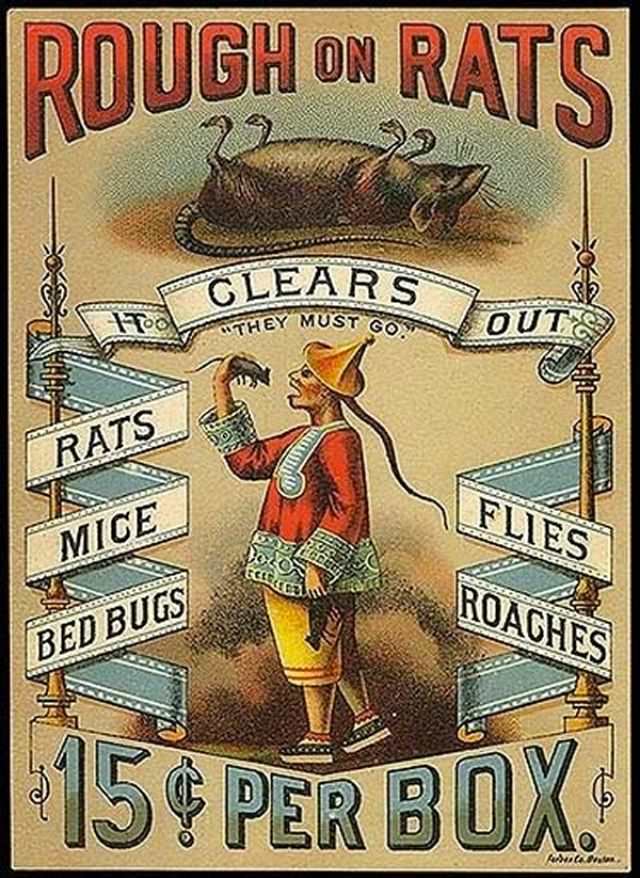
Asian people faced similarly dehumanizing treatment. Ads frequently used exaggerated physical features, broken English, and cultural mockery to get a laugh or make a product seem exotic. Indigenous people were reduced to costumes and war whoops, stripped of any real cultural identity.
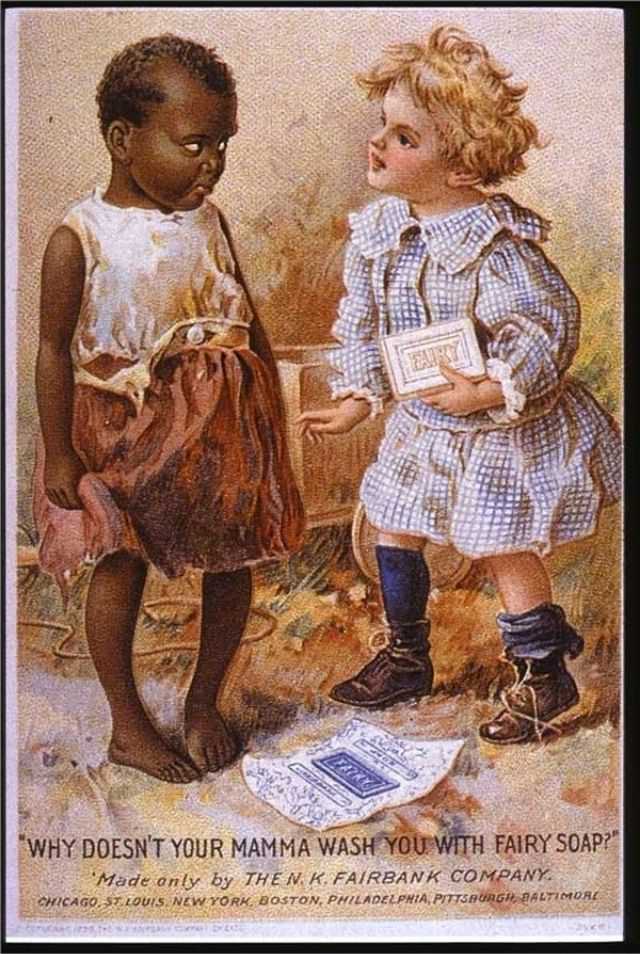
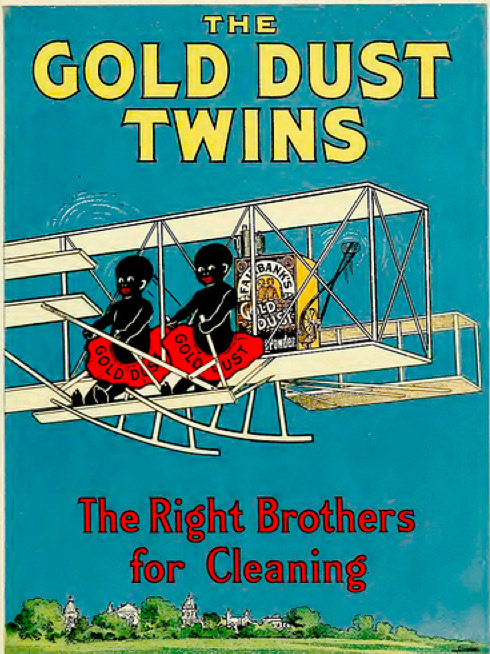
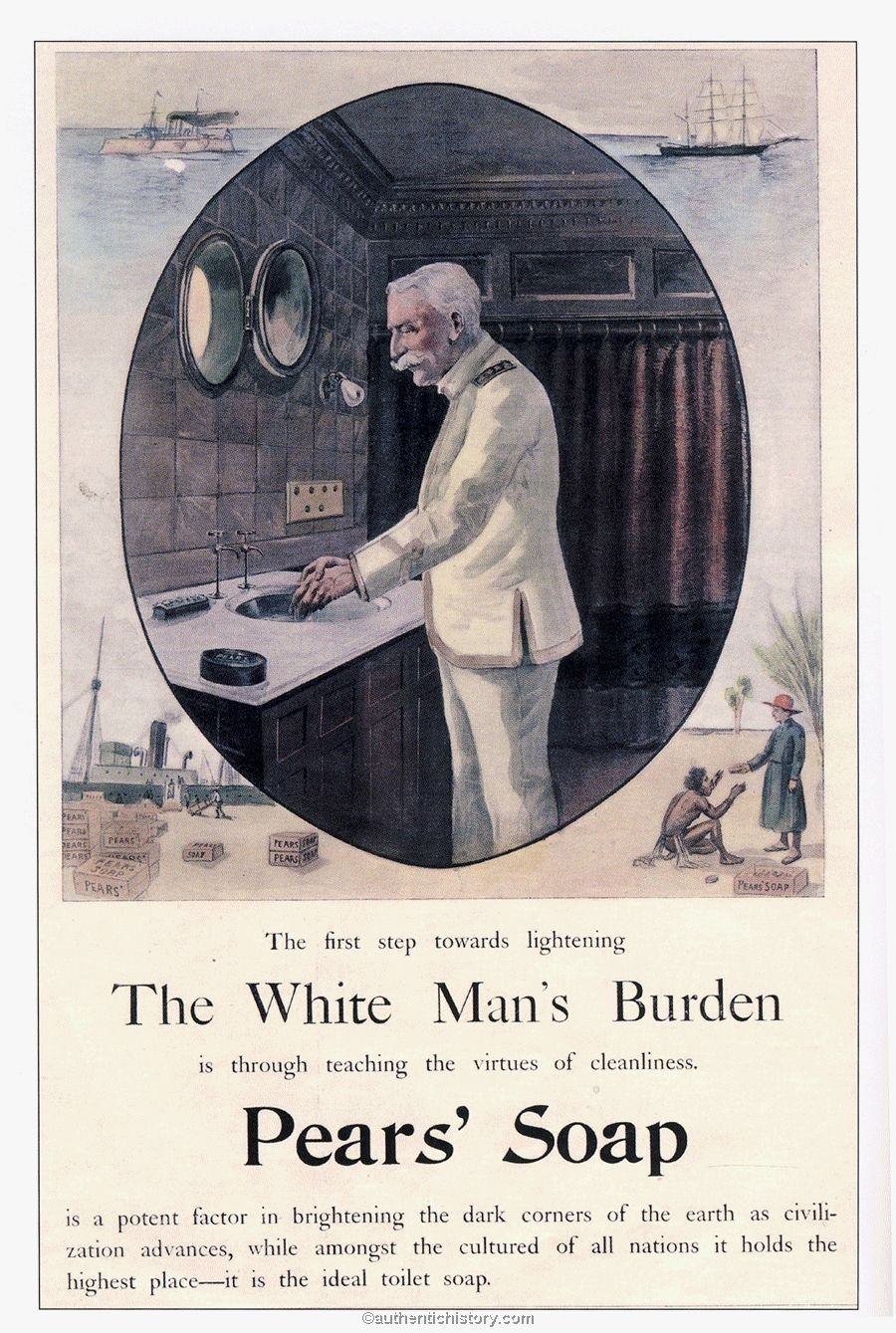
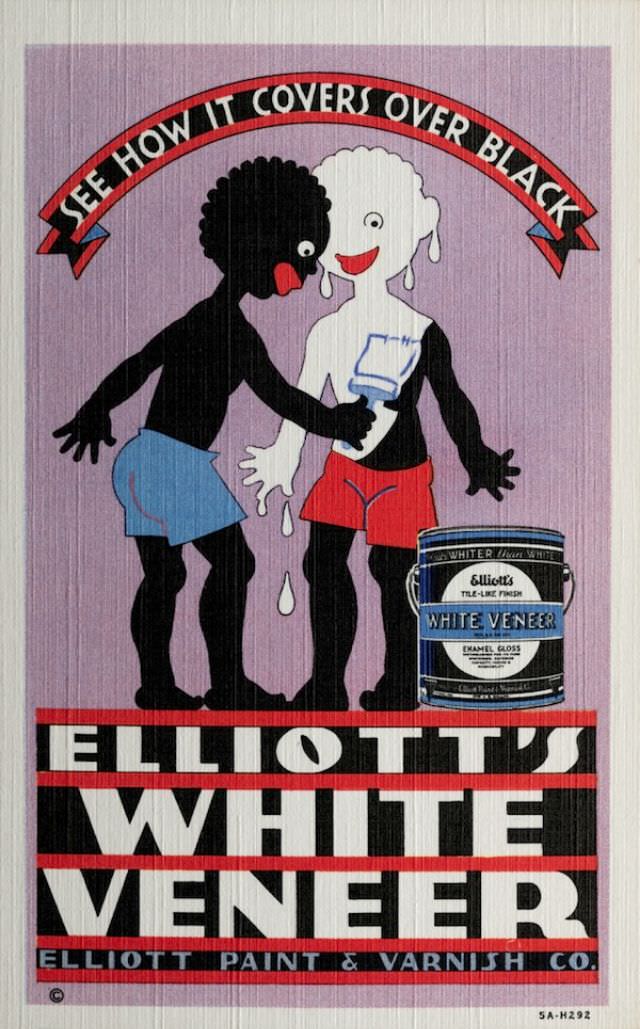
Cleaning product ads were among the worst offenders. Several brands built entire campaigns around the idea that their soap could wash away darkness — using Black children as props to illustrate the point. The message was unmistakable and deeply harmful.
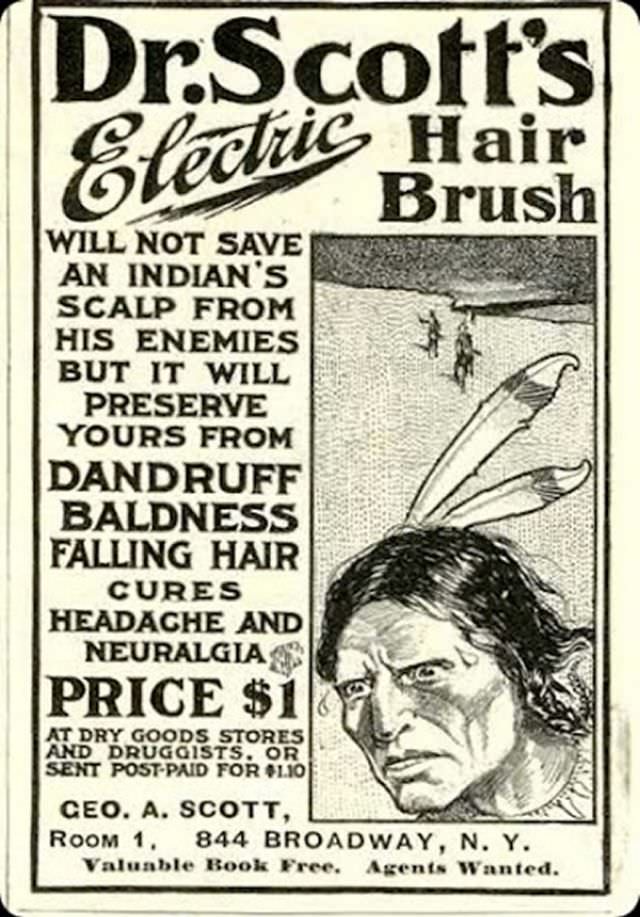
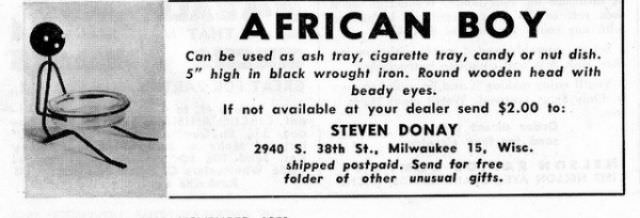
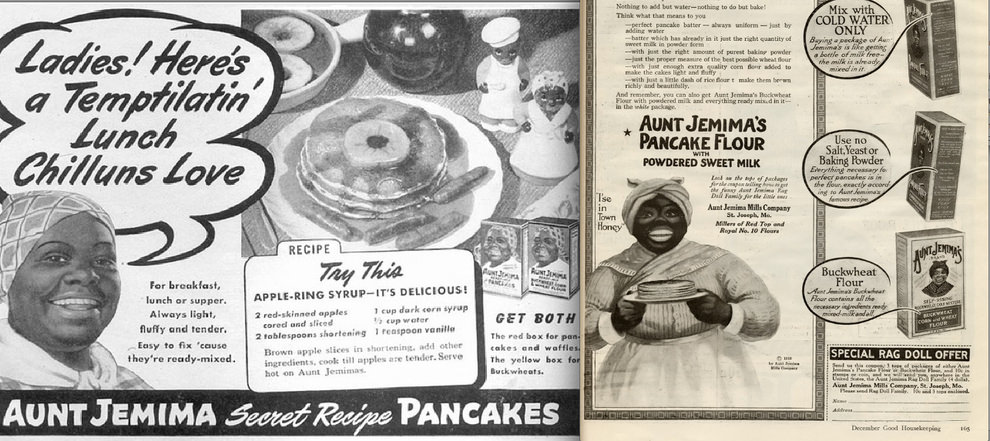
Food brands were no different. From syrup bottles to flour bags, racist mascots became household icons. These characters were drawn with exaggerated features and dressed in subservient roles, normalizing a racial hierarchy that kept real people locked out of equal treatment.
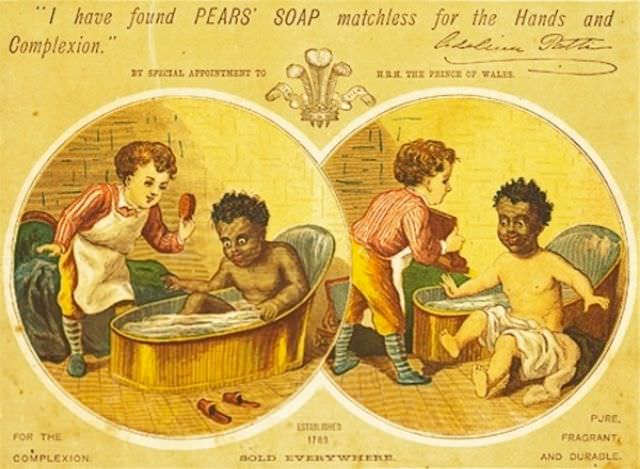
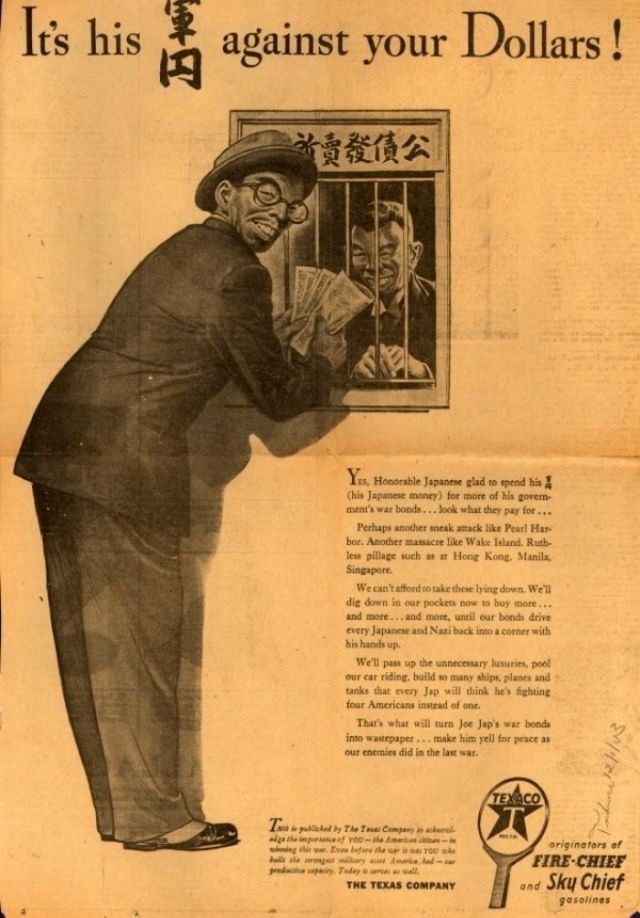
Toy and children’s product ads brought these stereotypes directly into family homes. Games, dolls, and books targeted at white children often featured racist caricatures, teaching the next generation that these depictions were normal and acceptable.
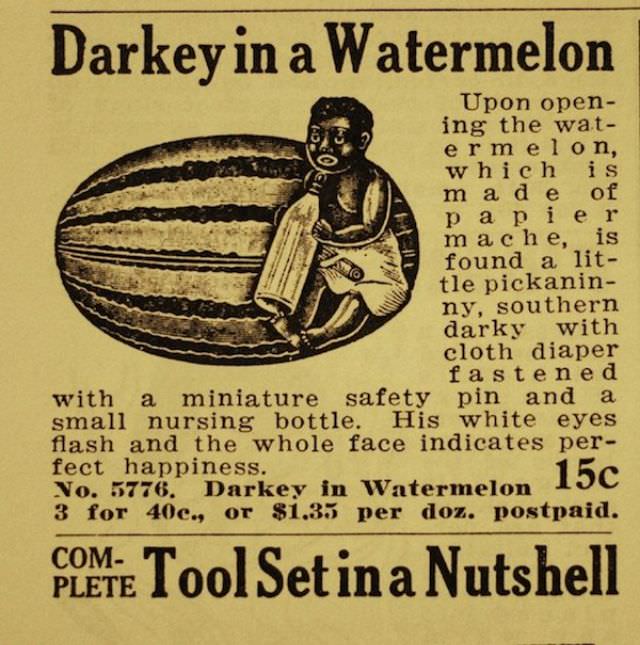
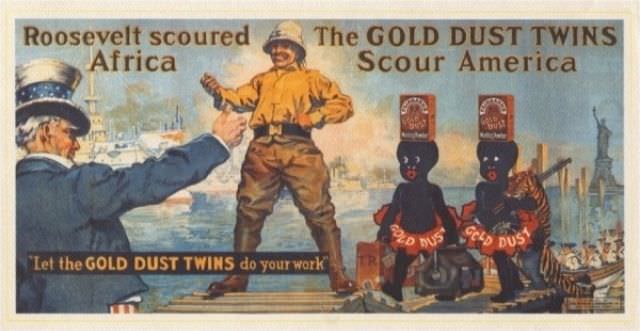
Tobacco companies relied on similar tactics. Cigarette and cigar ads frequently used imagery of Black servants or caricatured foreign figures to add an air of luxury or humor. The racism was embedded in the brand identity itself.

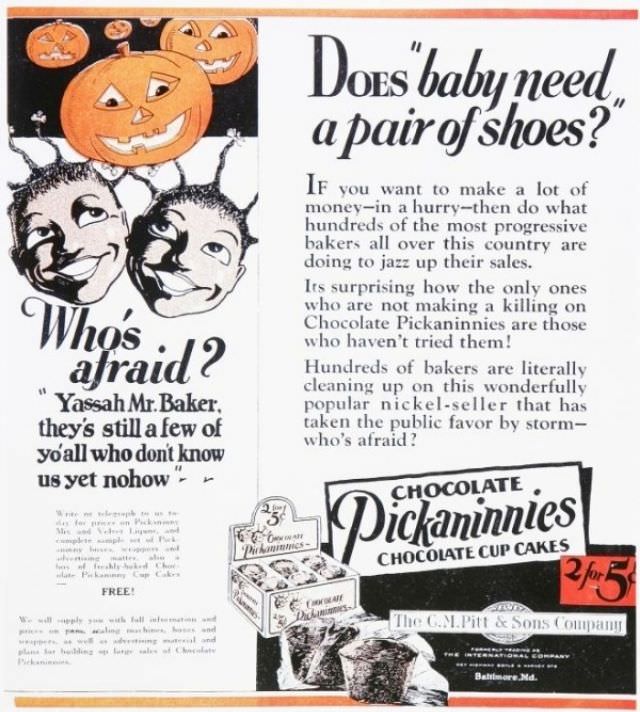
What makes these ads so striking today is their confidence. There was no shame in the imagery — no small print, no coded language. The racism was the selling point, printed in bold colors across full-page spreads.
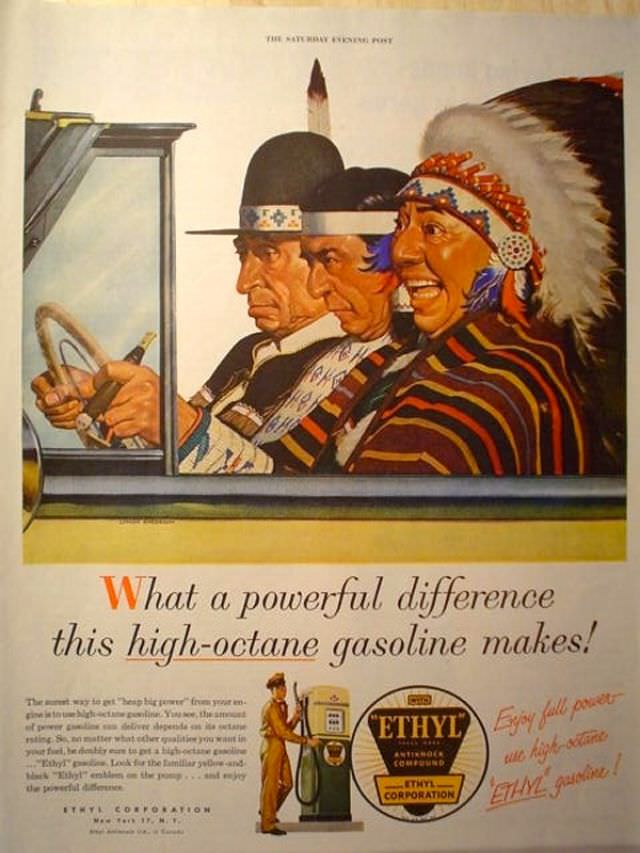
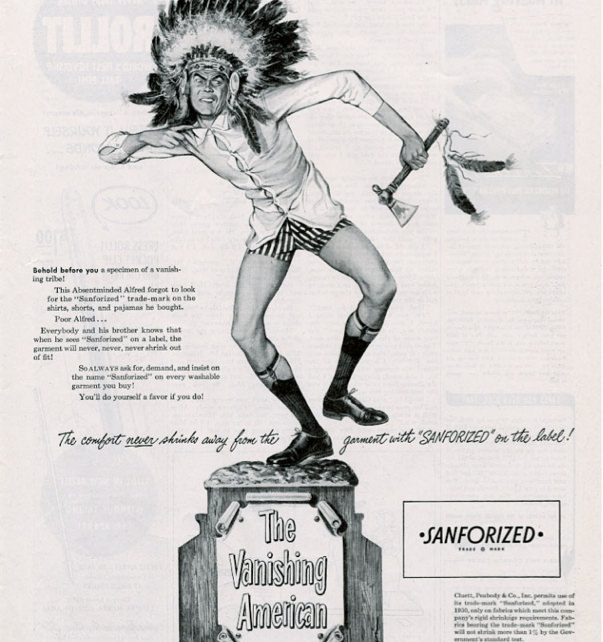
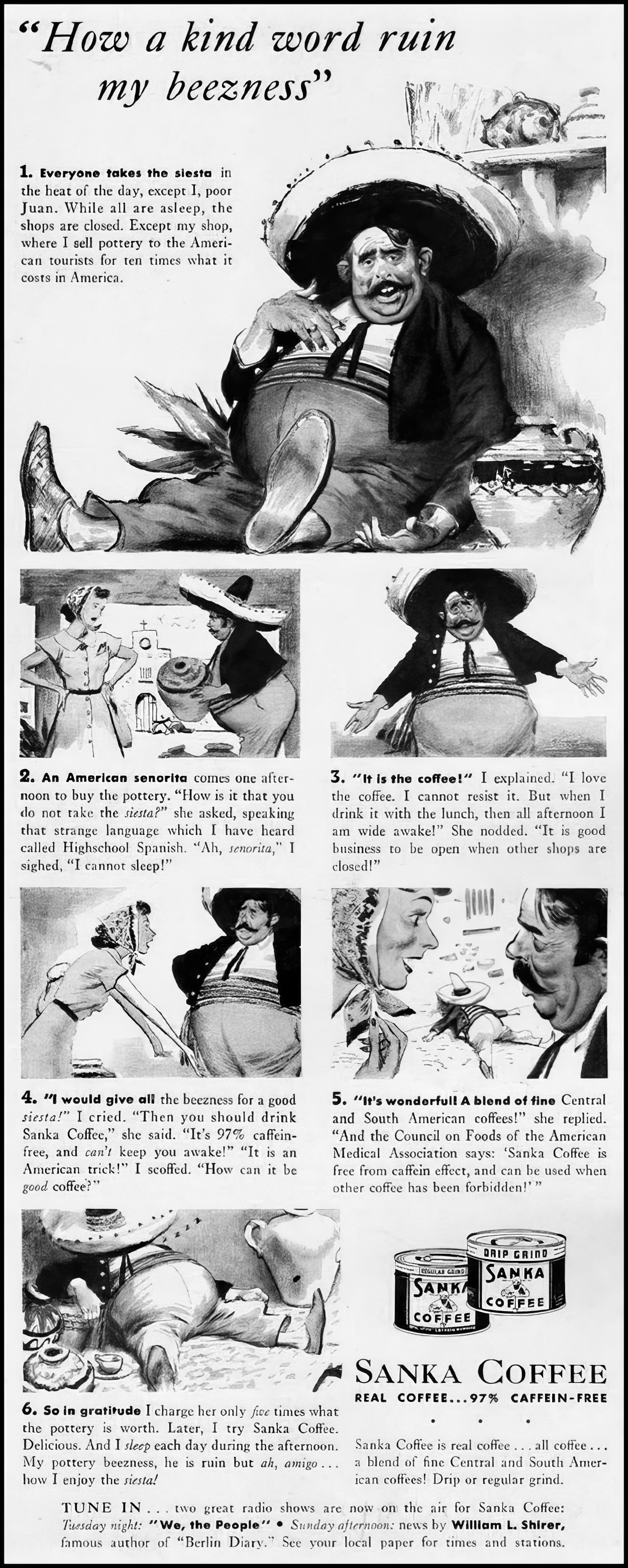
Jewish people, Latino communities, and other ethnic groups also appeared in demeaning roles across print advertising of the late 19th and early 20th centuries. No minority group was spared from being turned into a punchline or a prop.
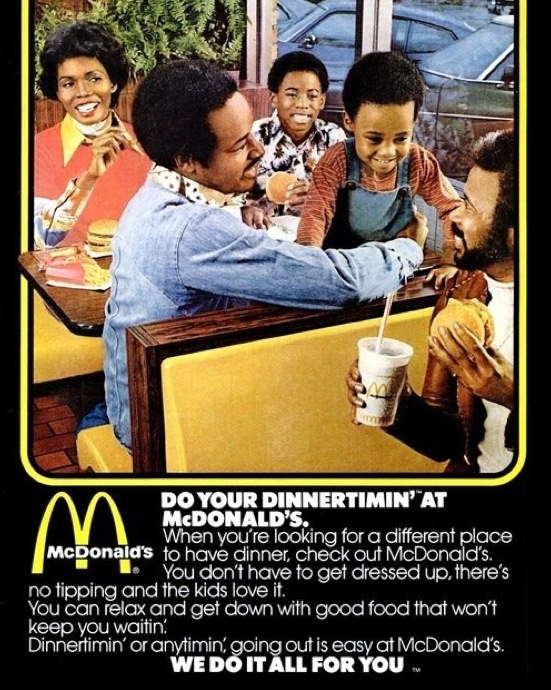
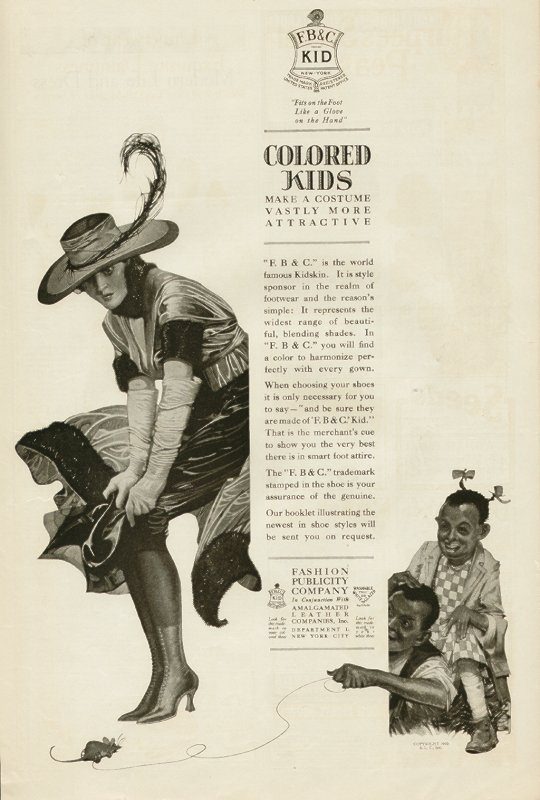
These ads faced almost zero public criticism when they were first printed. There were no boycotts, no letters to editors demanding change, no regulatory bodies stepping in. The market simply rewarded the ads that worked — and for decades, racist imagery worked.
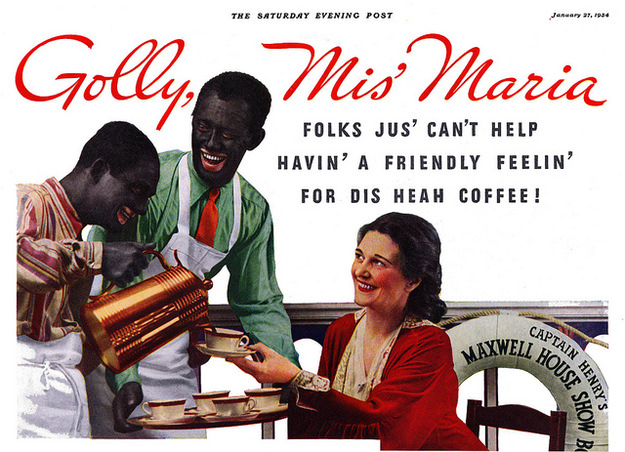
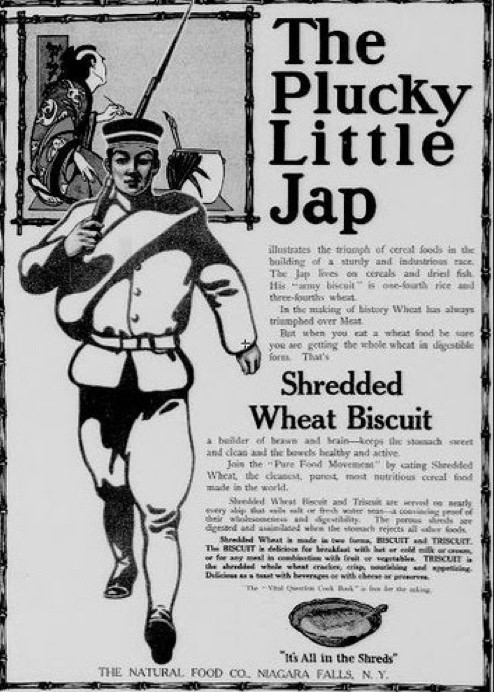
Looking at these images today forces a direct confrontation with the documented record of racial attitudes in American and European commercial culture. These were not outliers. They were the mainstream.