On the morning of July 9, 1982, a 32-year-old unemployed painter and decorator named Michael Fagan climbed over the walls of Buckingham Palace in London and walked, almost unchallenged, straight into Queen Elizabeth II’s private bedroom. It remains one of the most alarming security failures in the history of the British monarchy.

Fagan navigated the palace’s corridors and slipped past security undetected before reaching the Queen’s personal apartment. Once inside her bedroom, he sat on the edge of her bed and spoke with her for several minutes. The Queen pressed an alarm button during the encounter, but it had been disconnected. Her calls to the palace switchboard brought no immediate response. A footman eventually heard the disturbance and detained Fagan until police arrived.
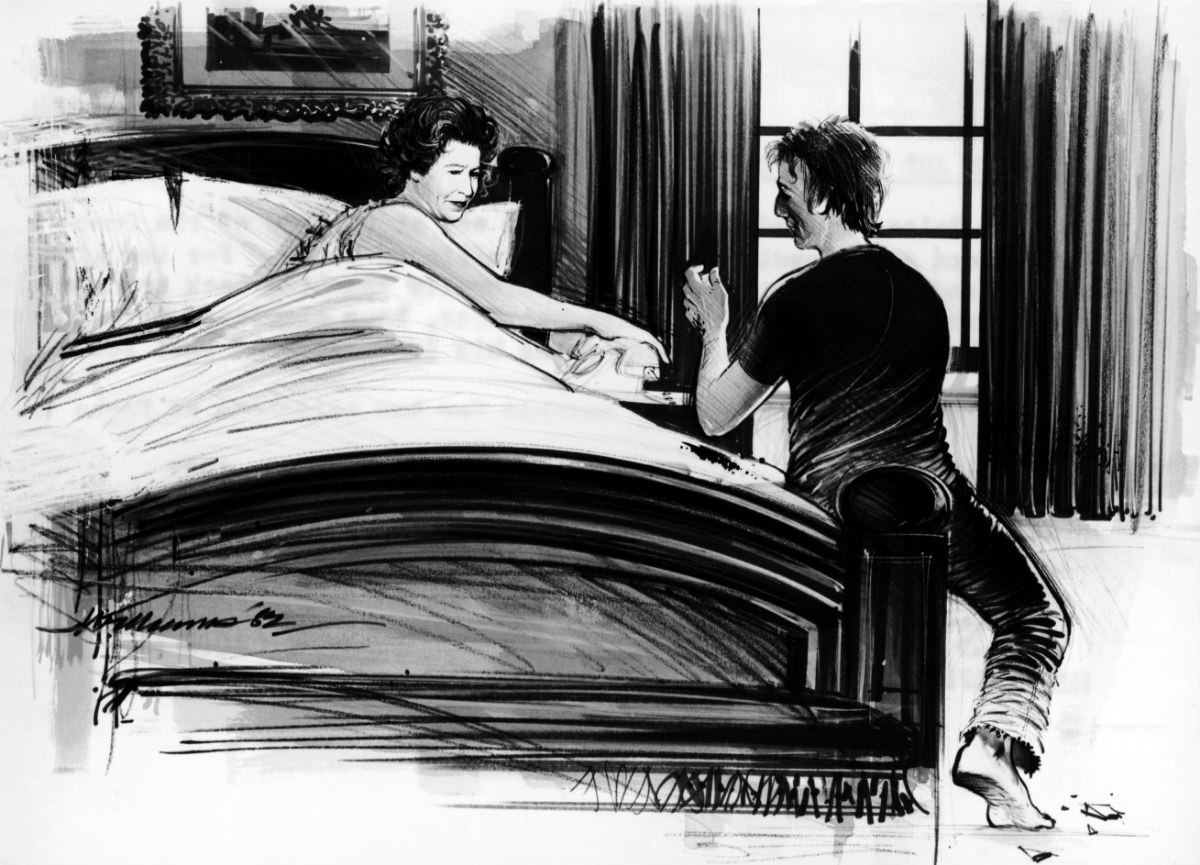
Despite the severity of the situation, the Queen kept her composure throughout. She later said she had not been frightened, crediting her training for keeping her calm. Witnesses described the conversation between the two as surprisingly relaxed given the circumstances.
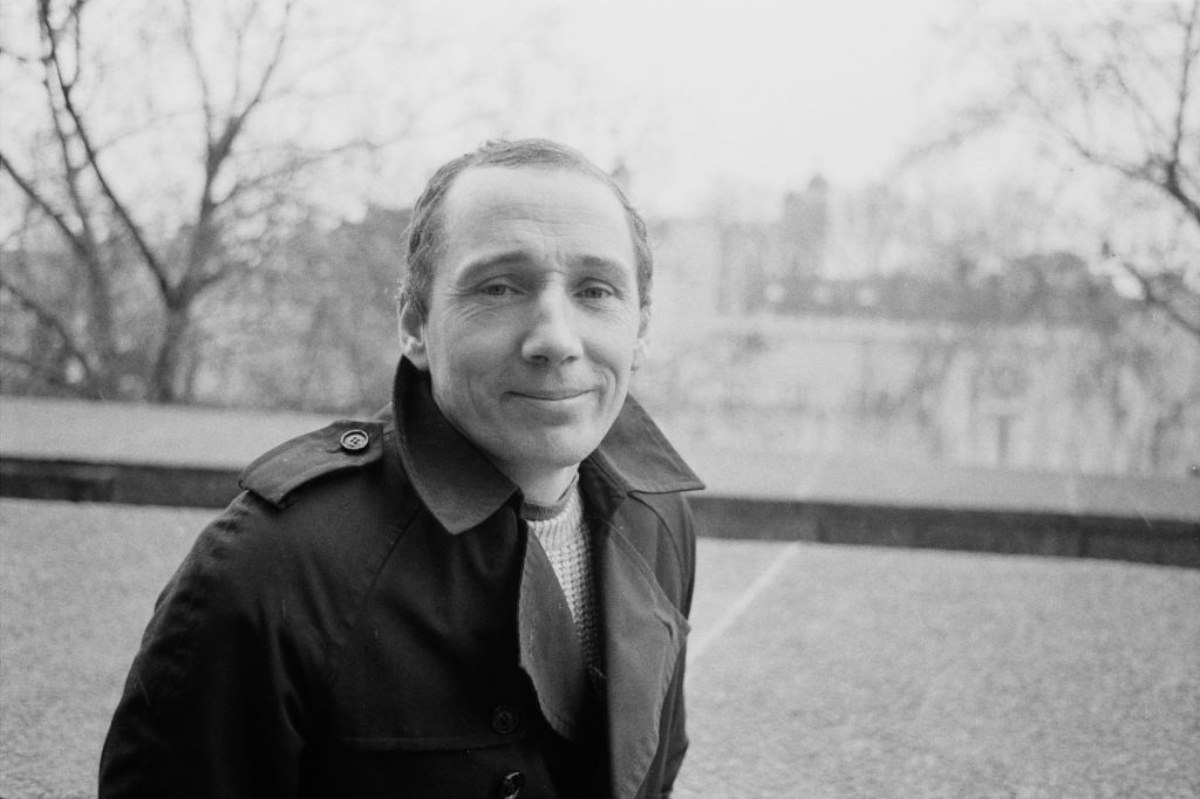
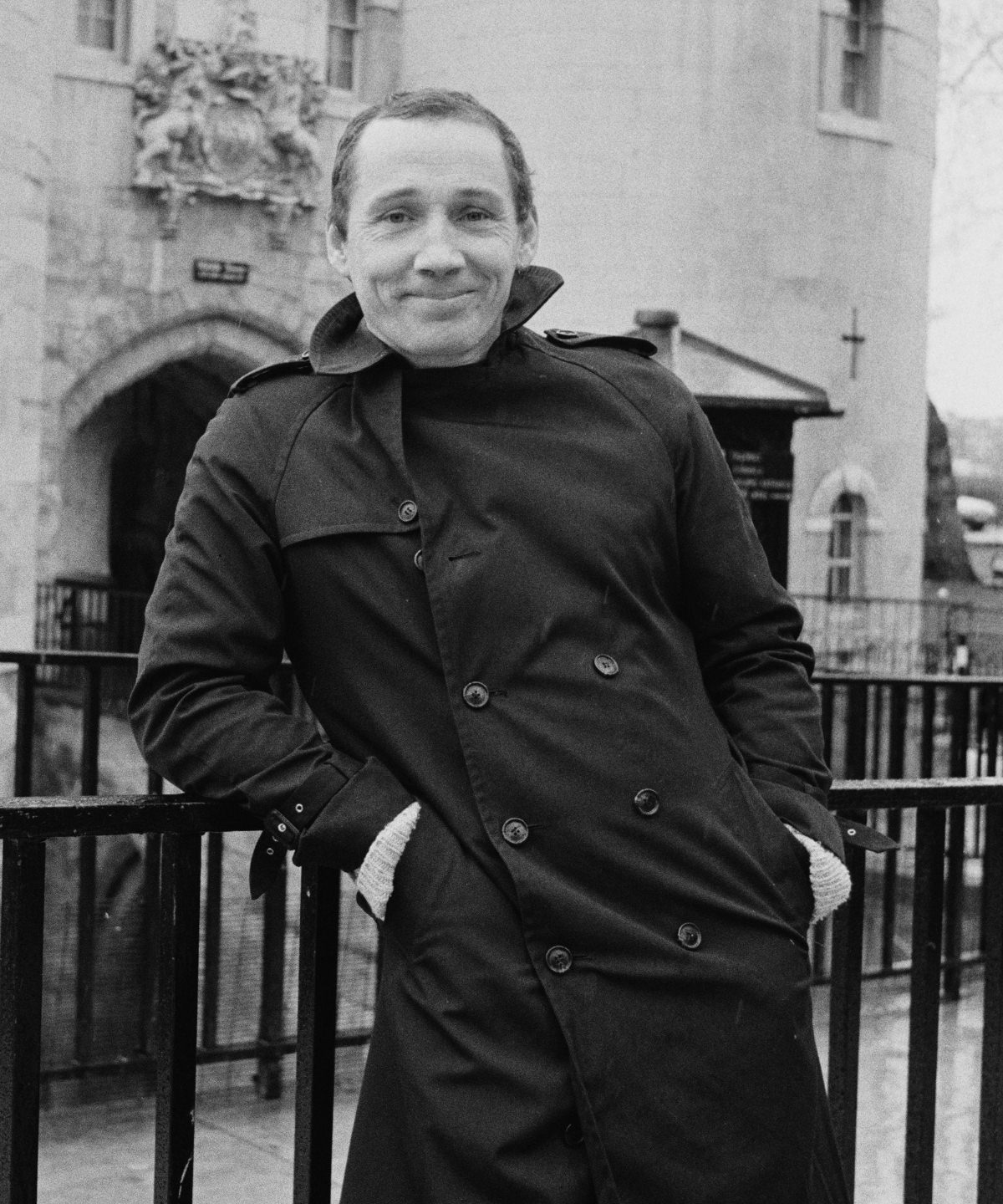
Fagan was arrested and charged with theft and trespassing. Doctors found he suffered from serious mental health problems, and he was sent to a secure psychiatric hospital rather than prison. He was eventually released and largely stayed out of the public eye.
The incident sent shockwaves through the British government and triggered a thorough review of palace security. New measures were put in place to ensure nothing like it could happen again. The breach exposed just how vulnerable the royal residence was — a fact that deeply unsettled both officials and the public alike.