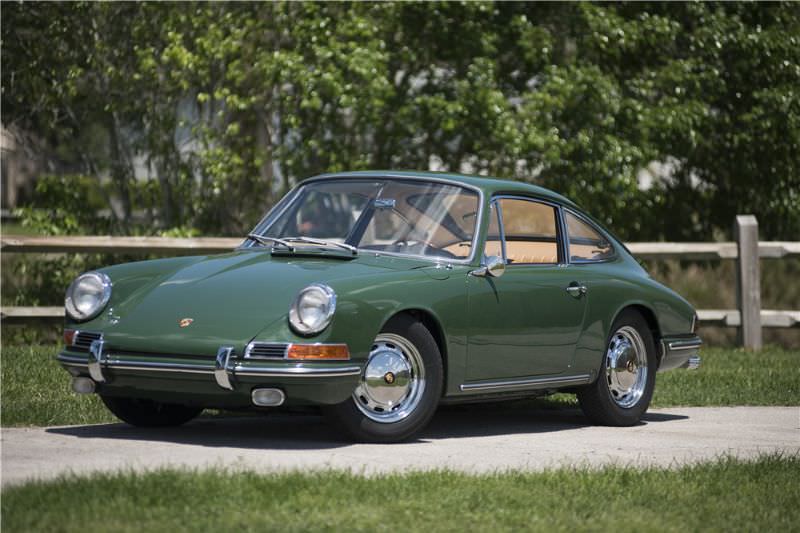
The Porsche 911 is one of the most recognized sports cars ever built. Manufactured by Porsche AG in Stuttgart, Germany, it debuted in prototype form in autumn 1963 at a major auto show. Production launched in September 1964 and ran through 1989, when it was replaced by a modified successor known internally as the Porsche 964 — though that car continued to carry the 911 name. From day one, the 911 stood apart from the competition with two defining features: an air-cooled engine mounted in the rear and a rear-mounted transmission. That layout gave the car a unique feel on the road and on the track.
Racing success was central to the 911’s story. Private teams and Porsche’s own factory engineers modified the car for circuit racing, rally events, and nearly every other form of motorsport. The 911 became one of the most decorated competition cars in history. When you factor in the 911-derived Porsche 935 — a more powerful variant built for endurance racing — the win total becomes staggering. The 935 beat outright prototypes to claim victory at the 24 Hours of Le Mans and other premier sports car races around the world.
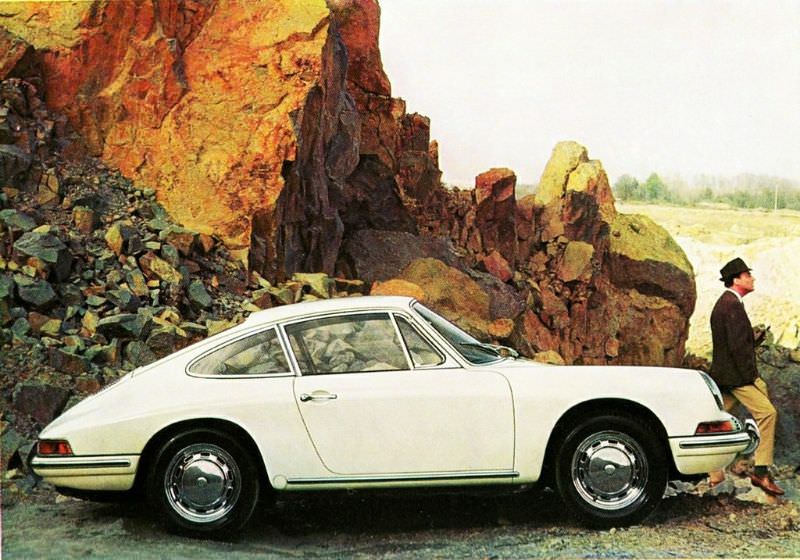
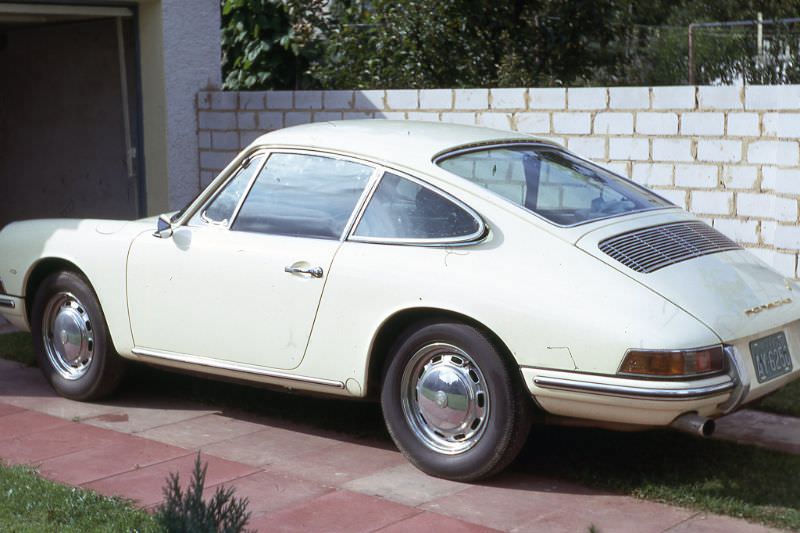
The 1966 model year holds a special place in 911 history. Porsche produced only 1,709 short-wheelbase 911 coupes for that year, making each one a relatively rare machine. The car featured in these photos sits among the first 100 units in that production run, placing it at the very front of the 1966 series.
This particular 911 rolled off the Stuttgart assembly line on January 14, 1966. It was finished in Polo Red, color code 6602, a bold and vivid shade that suits the car’s sharp body lines well. The interior was trimmed in black leatherette, keeping the cabin clean and purposeful.
Its first owner was a resident of Dothan, Alabama. When placing the order, they requested just two factory options: a tinted windshield and tinted rear glass. That minimal option list kept the car close to its purest factory specification, with no unnecessary extras to dilute the original design.
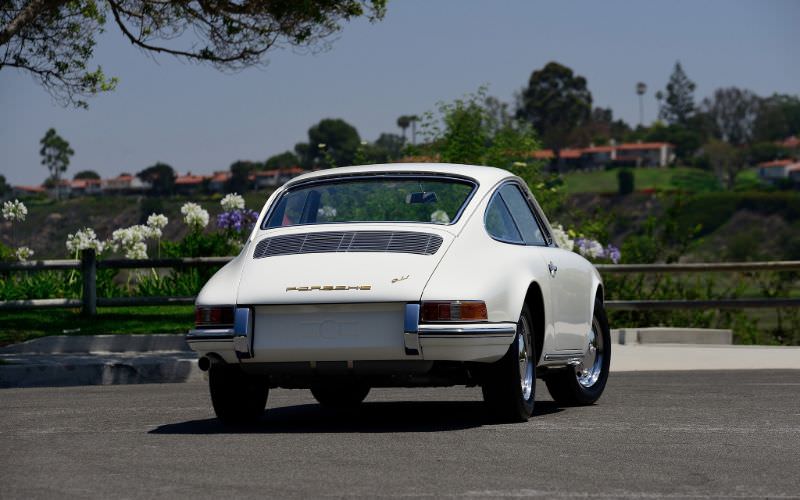
The short-wheelbase body style used on the early 911 gave the car a compact, aggressive stance. Compared to later long-wheelbase versions, the proportions feel tighter and more focused. The Polo Red paint on this example has a depth and richness that photographs beautifully from every angle.
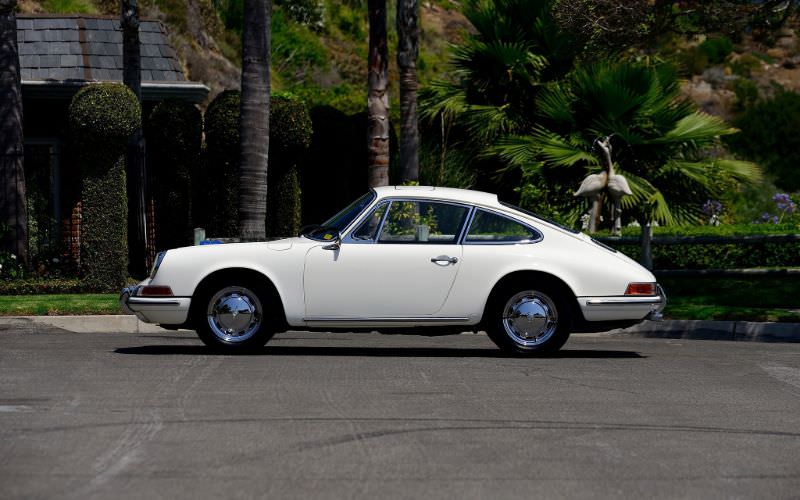
Up close, the craftsmanship of the early 911 is easy to appreciate. Every panel, gap, and trim detail reflects the precision that defined Porsche’s production standards in the 1960s. The round headlights, sloping hood, and fastback roofline form a silhouette that became one of the most copied shapes in automotive design.
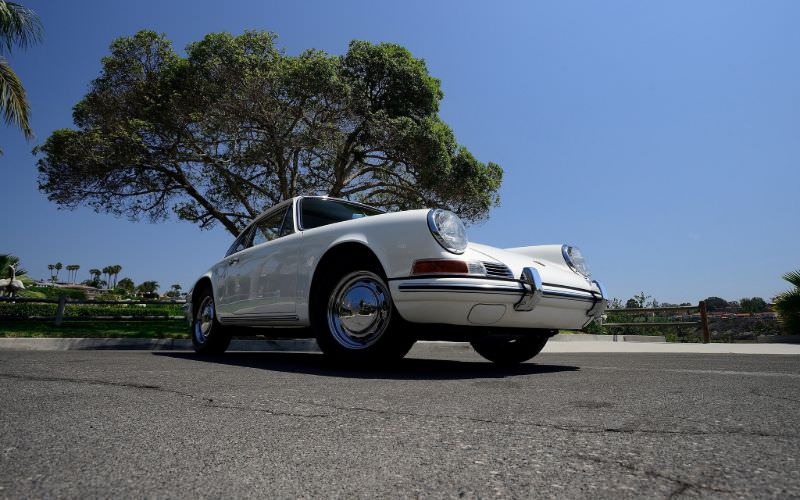
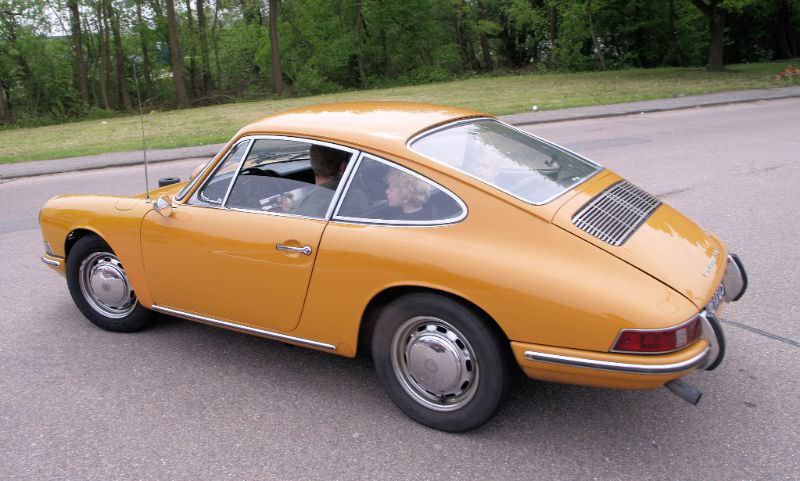
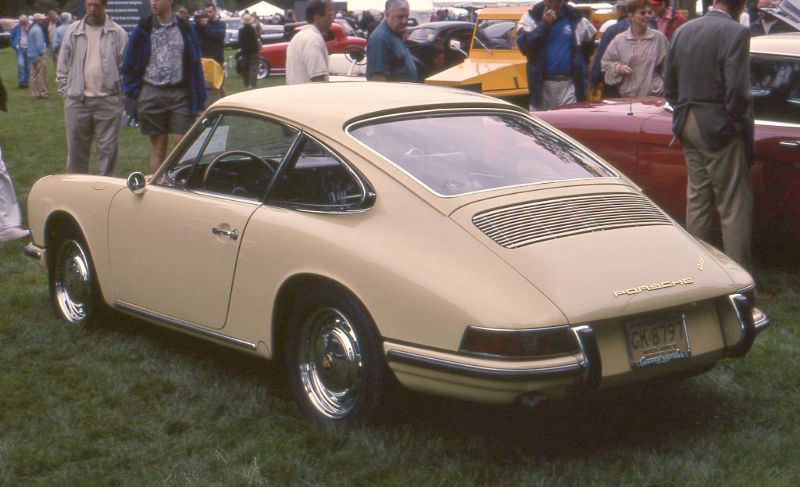
The rear of the car tells its own story. The engine lid louvers, the curved bumper, and the clean tail section all reflect a design philosophy that prioritized function without sacrificing style. The air-cooled flat-six engine tucked behind the rear axle gave the 911 its distinctive sound — a high-pitched mechanical wail that became instantly recognizable at racetracks and on public roads alike.
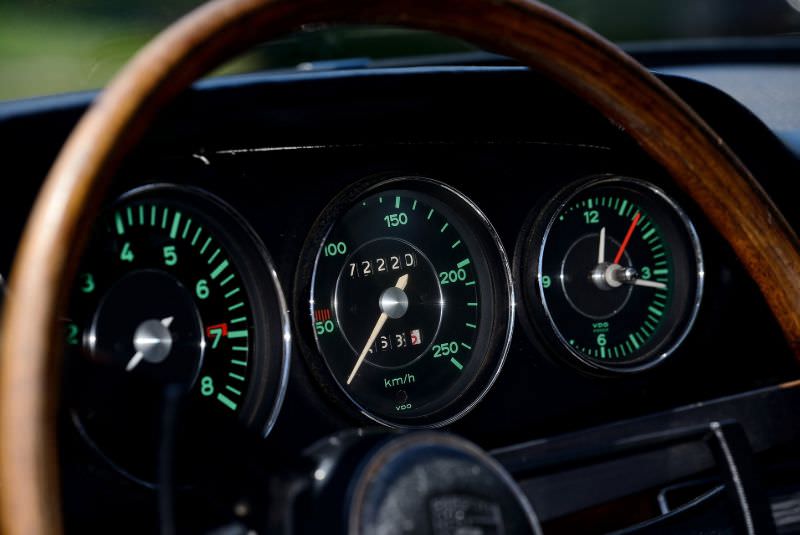
The black leatherette interior is just as period-correct as the exterior. Early 911 cabins were driver-focused and uncluttered. The gauge cluster sat directly in the driver’s line of sight, the thin-rimmed steering wheel kept the cockpit feeling open, and the gear shifter fell naturally to hand. Everything in the interior served a purpose.
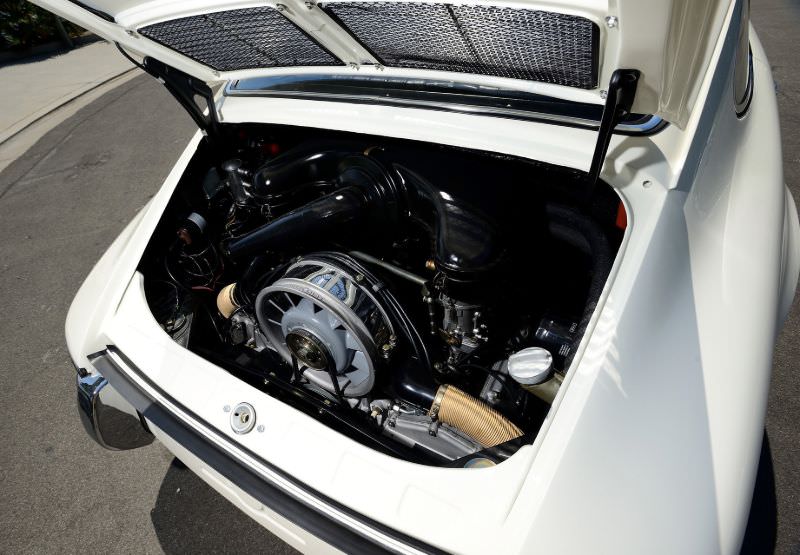
Details like the door handles, window surrounds, and dashboard trim all reflect the era in which this car was built. These are components that were designed and tooled over sixty years ago, and on a well-preserved example like this one, they still look exactly as they did when the car left the factory in January 1966.
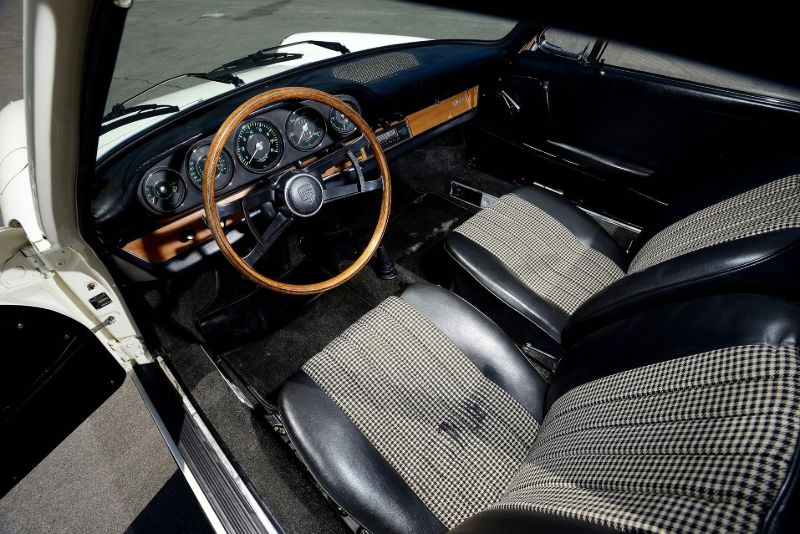
Being among the first 100 short-wheelbase coupes of the 1966 model year makes this car a historically significant example. Early production cars often carry minor differences in components and assembly details compared to later units in the same model year, giving historians and collectors specific points of reference to study.
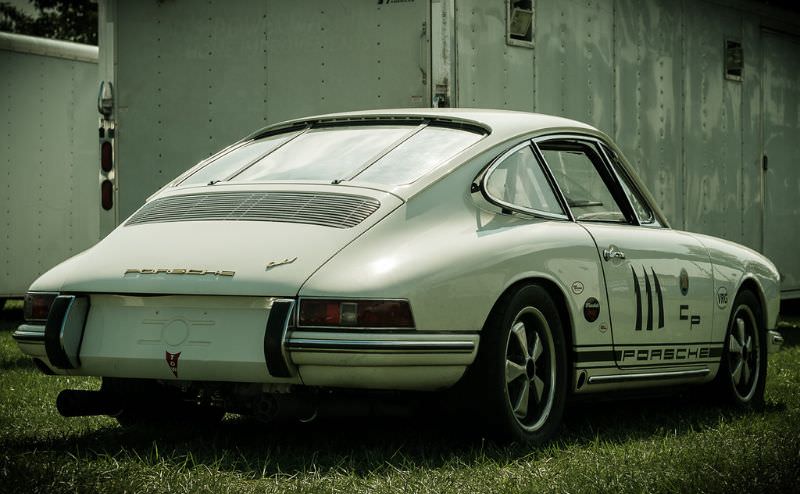
The photos in this collection capture this 1966 Porsche 911 in full — inside and out, front to rear, and in the kind of detail that brings its six-decade history into sharp focus. Polo Red, black leatherette, and a production date of January 14, 1966: the facts are simple, but the car itself is anything but ordinary.